

Running News Daily
Running News Daily is edited by Bob Anderson and team. Send your news items to bob@mybestruns.com Advertising opportunities available.
Index to Daily Posts · Sign Up For Updates · Run The World Feed
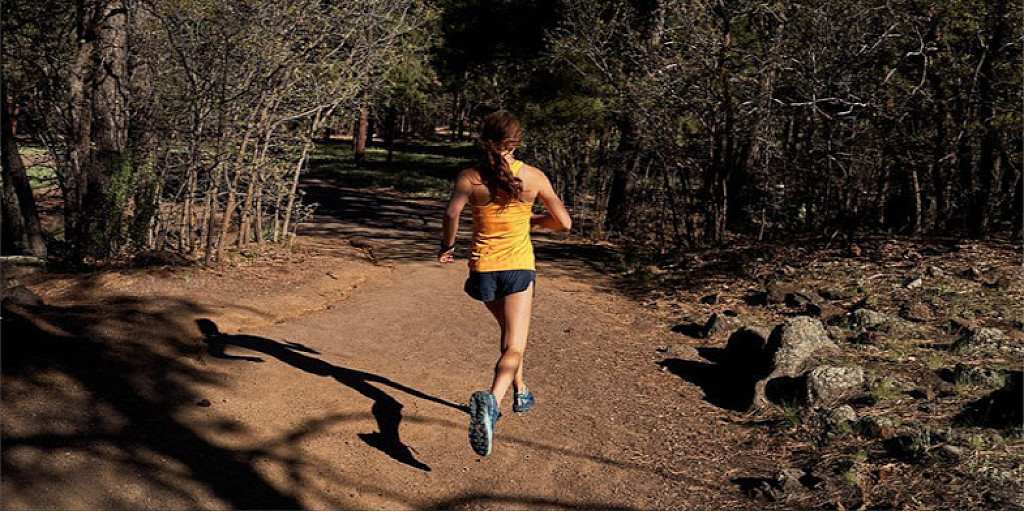


If You’ve Had Panic Attacks While Running, You’re Not Alone

A mental health expert provides techniques to manage your brain and body’s reactions to anxiety.
For many people, running is the tool they use regularly to help alleviate symptoms of anxiety. But what happens when the activity that usually gives rise to a euphoric rush of endorphins seemingly begins to elicit a completely different response?
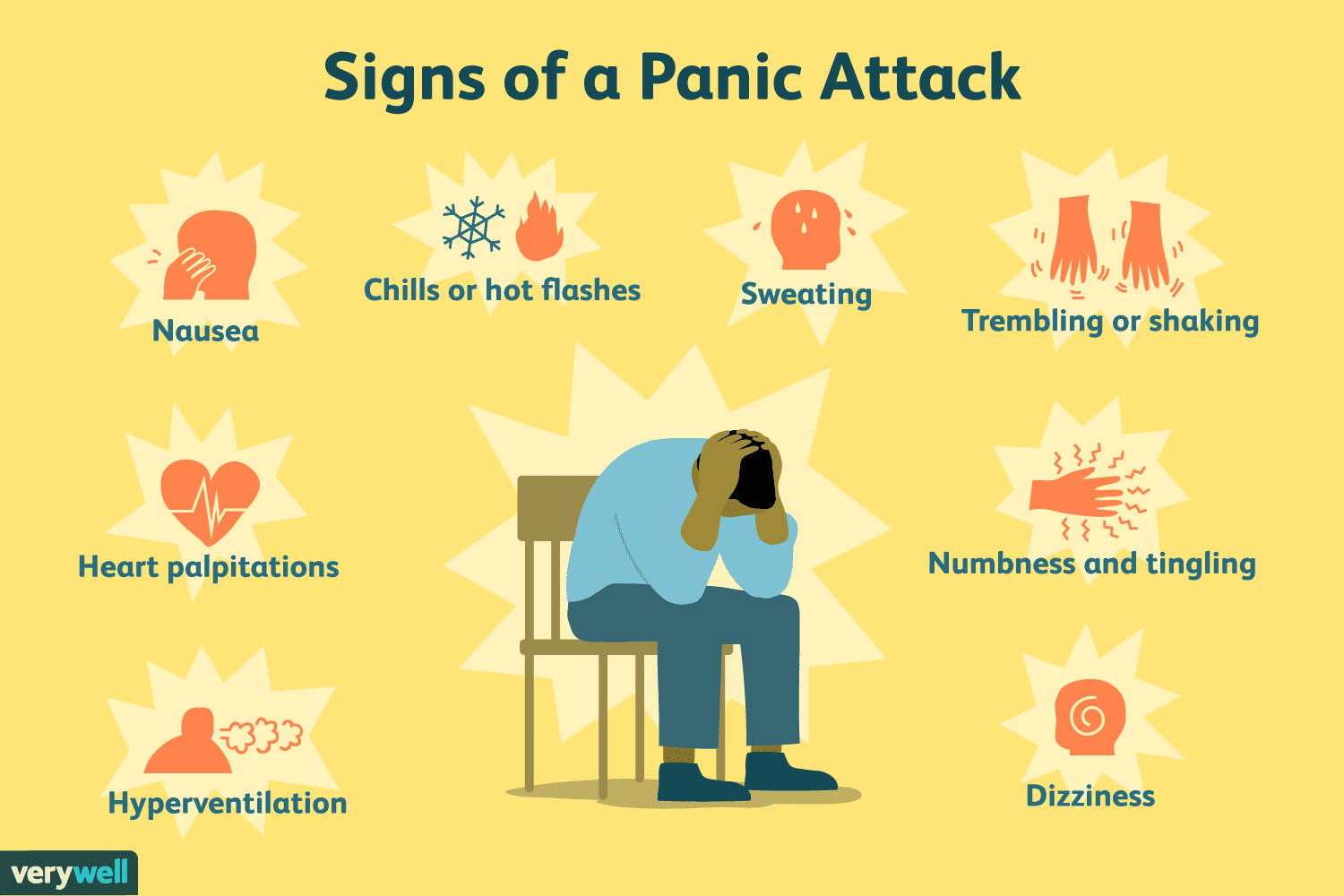
The truth is when you’re going through a stressful period of time in your life, particularly one that prompts anxious feelings in sporadic intervals, running may not be enough to make you immune to intense moments of panic. In fact, you may even find yourself experiencing a panic attack while running.
For longtime runner Ellen Isaac, panic attacks have just recently begun to occur while on runs—and often. As a former Division I athlete for Ohio University’s (OU) cross-country and track teams, Isaac is no stranger to stressful situations and is someone who genuinely looks forward to competition. However, it wasn’t until after she took her state board exam for physical therapy school this past April that she realized intense bouts of fear could immobilize her while running.
She was on a run with her boyfriend, Nick, when she started feeling overwhelmed with thoughts about whether or not she passed her exam.
“It got to the point where I literally just stopped in the middle of the towpath and was uncontrollably sobbing,” Isaac says.
She was able to identify that she was having a panic attack, so she immediately found a rock to sit on so that she didn’t fall down.
“Breathing while you’re running isn’t the easiest thing in the world, even when you’re running slow,” Isaac adds. “When you start to have those panic attacks, you’re short of breath from that, you’re short of breath from running, and it just completely spirals out of control. I just remember feeling totally out of control of what was going on in my life and out of control of what was happening with my body at that point in time.”
Michele Kerulis, Ed.C., L.C.P.C., who’s certified with the Association for Applied Sport Psychology and a professor of counseling at the Family Institute at Northwestern University, explains that panic attacks are caused by intense fears, concerns, or anxiety. And while these feelings are perpetrated by the mind, they can result in equally intense physical symptoms—like increased heart rate, breathing, and sweating—much like the ones Isaac experienced.
"Running in and of itself does not cause someone to slip into a panic attack—it’s more likely the runner’s thought process quickly snowballs from a small uncomfortable thought into a full-blown panic attack,” Kerulis tells Runner’s World. “For example, if someone has a fear of dogs and sees a dog on their running route, that person might have an automatic thought such as, ‘that dog is going to attack me,’ which leads to feeling intense fear, which can result in a panic attack.”
She points out that from a psychological perspective, when someone experiences a panic attack, it’s the body’s primitive response saying, “I feel like I really need to protect myself right now, I’m scared.” This reaction can then spearhead a physiological response that mimics the one that occurs while you’re running.
“At that point, you experience increased respiration, you’re breathing harder, your heart rate goes up, you’re sweating, [you have] increased blood flow to your muscles—those are the exact same things that happen when you’re running. It’s the exact same physiological response as a panic attack,” says Kerulis. “So you’re having those same, almost ‘alert type’ of neurotransmitters in your brain, telling your body to accelerate. Even though the circumstances are very different, physiologically we’re experiencing those same things.”
→ Join Runner’s World+ today for exclusive access to more expert health and running tips!
While Isaac says very few things will help her get out of a panic attack once one ensues, she has one method that seems to, at the very least, stabilize her symptoms and prevent them from exacerbating any further.
“When it happens, a lot of times what I end up doing is I usually end up counting all of the seconds until I calm down [while still running]. Sometimes I end up counting seconds for three miles. And then I’m like, okay, I’m fine now,” she says. “I do that during races, too. If I’m starting to freak out and get to that part of the race where I don’t know if I can keep going, I count seconds.”
As Kerulis points out, running might reduce some symptoms of anxiety, but it won’t eliminate the thought process that triggers anxious reactions. Still, there are some elements that are learned from running that may soothe you in moments where you begin to feel frightened.
"Running has helped a lot of people develop skills to control their physiological symptoms, which can help them with body-to-mind relaxation techniques that are helpful when they feel as if they will experience a panic attack,” says Kerulis.
Despite how terrifying these panic attacks are when they occur while running—not to mention the uncertainty of when they will happen during her run—Isaac remains grateful for the sport.
“If running kind of stirs up some anxiety for me, on one hand, yeah it’s unfortunate that it’s plaguing a part of my life that’s always been such a big stress relief for me,” she says. “But, if it takes some anxiety and panic attacks on runs for me to realize that there are things in my life that I need to address that I’m trying to shove under the rug, then I’m kind of okay with that.”
For those who experience regular bouts of anxiety, there are ways you can consciously restructure your own physiology while running so that you can better prevent slipping into that panicked state. Kerulis says that mental health providers often use mind-to-body as well as body-to-mind techniques to help people manage their cognitive (mind and thoughts) and physiological (body) reactions to anxiety.
What is a mind-to-body technique?
“In the example above where a runner sees a dog on their route, once they notice their automatic thought, ‘that dog is going to attack me,’ they can work to stop the thought from snowballing by saying ‘stop!’ to themselves. Then [they can] rationalize the situation with a new, restructured thought like, ‘I know I’m scared right now, but that person seems to have control over their walk with their dog—I am safe,’” says Kerulis. “This will allow the person to slow down their thoughts and refocus on enjoying their run.”
She adds that picking up a meditation practice is another way you can gain control of your thought processes, as it can produce a calming effect.
What is a body-to-mind technique?
Kerulis explains that this method encourages people to address their physiological symptoms of a panic attack head-on and allows them to focus on de-escalating those physical feelings. So, once someone can identify what they feel in their body—both when they're having a panic attack and when they’re running—they can begin to separate the two sensations and regain a sense of control.
“When someone is sprinting, for example, they will have heavy breathing and need to learn how to manage breath control to gain skills as a sprinter,” says Kerulis. “The same breath control can be used when someone feels a panic attack coming on. This way, people can focus more on their bodies and less on their minds at that moment. Once the wave of anxiety passes, they can re-evaluate the situation that triggered the anxious feelings.”
The bottom line
Consciously employing both mind-to-body and body-to-mind techniques while running may be the answer to staving off the onset of a panic attack. As Kerulis notes, regular exercise can help you understand your body’s responses to stress.
“Once you have a familiarity with your body’s responses, you can learn ways to slow down these responses, which will also help you gain a sense of control,” she says.
by Runner’s World
Login to leave a comment
Latest Running News
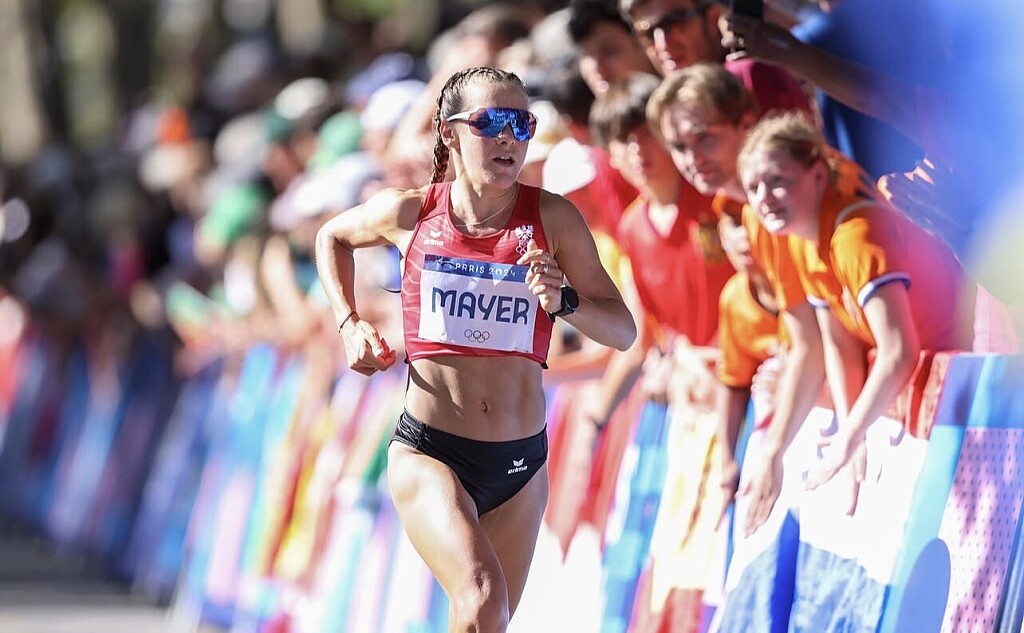
The Soccer Player Who Became Austria’s Olympic Marathon Record Holder
Most Olympic marathoners spend their youth focused on running. They join track clubs, compete in national championships, and pursue the sport from an early age.
Julia Mayer’s journey was very different.

Today, Mayer is Austria’s marathon record holder, a multiple national record holder on the roads, and an Olympian. Yet for much of her athletic life, running was not her primary sport.
For 16 years, she played soccer.
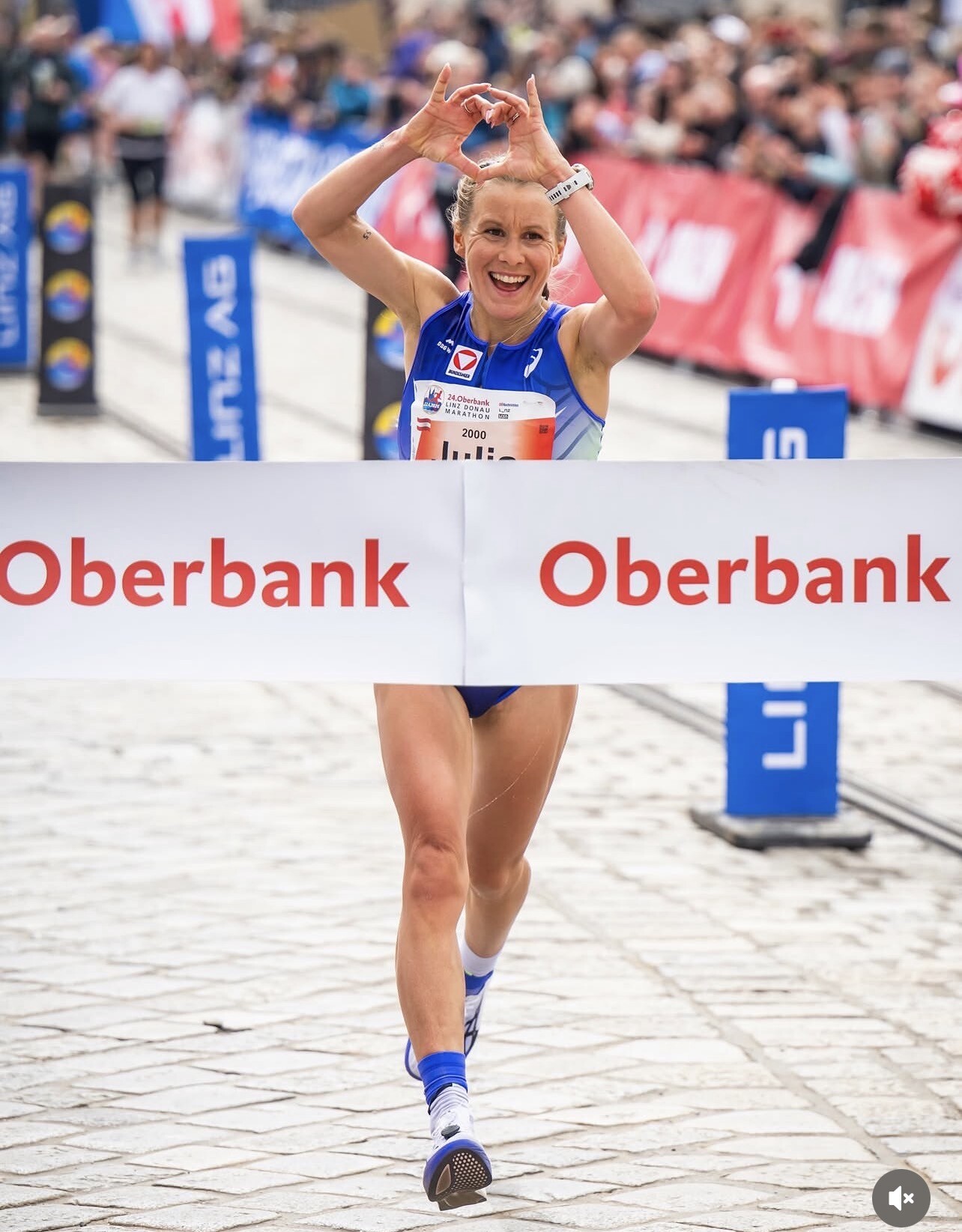
Then she discovered something that would change her life.
“I noticed that I was really fast in the fun runs and that it was really, really fun,” Mayer said when reflecting on her transition from soccer to distance running.
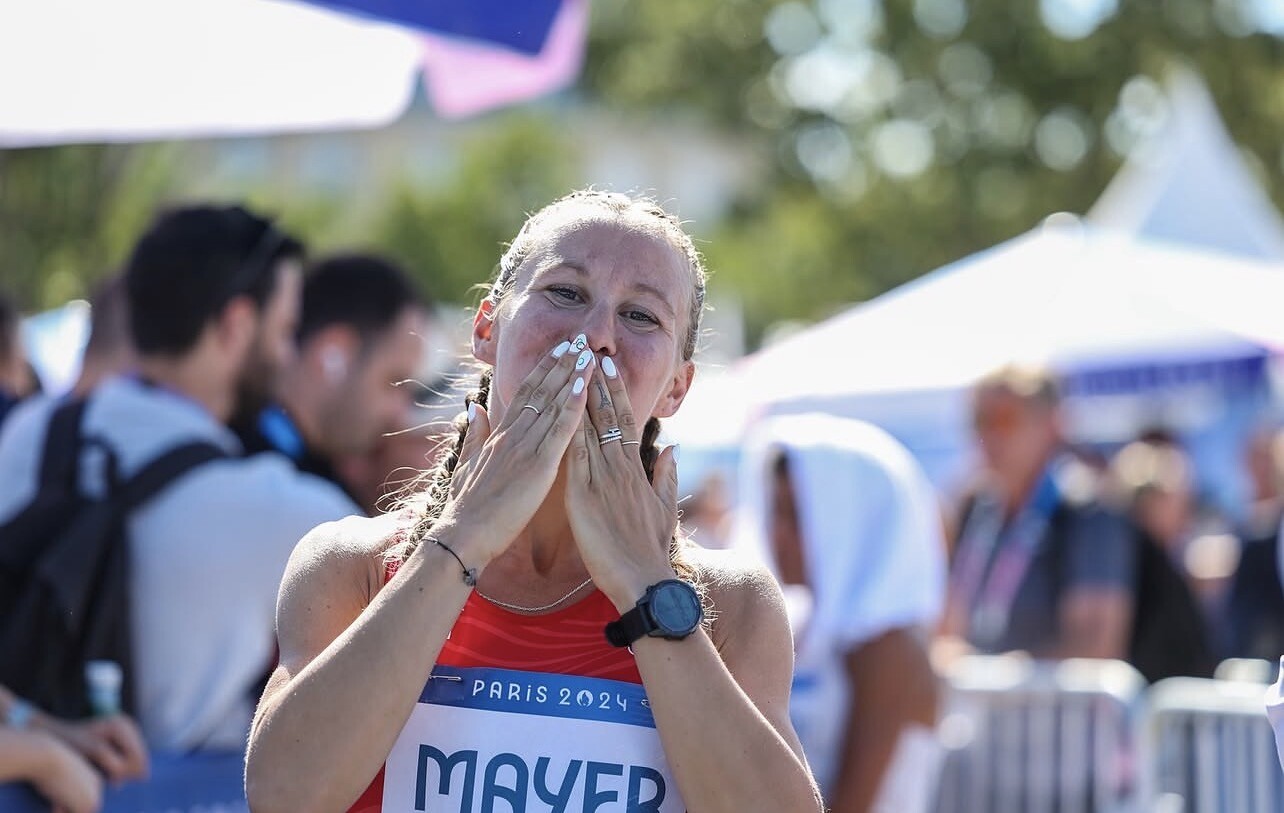
What began as curiosity quickly became a passion. She eventually made the bold decision to leave soccer behind and focus entirely on running. It was a move that surprised many people around her, but Mayer believed she had found her true athletic calling.
The decision proved to be the right one.
Within a few years, Mayer developed into one of Europe’s top marathon runners. Her steady improvement carried her from local races to the international stage, where she began rewriting Austria’s record books.
She now holds Austrian records in the marathon, half marathon, and road 10K. Her marathon best of 2:26:08 established her as the fastest female marathoner in Austrian history. Her performances in the half marathon and 10K have further cemented her place among the country’s all-time great distance runners.
Her rise culminated with qualification for the 2024 Olympic Games in Paris.
Competing in the Olympic marathon represented the realization of a dream. On one of the most challenging marathon courses ever used for the Olympics, Mayer ran courageously against the strongest field in the world and finished 55th in her Olympic debut.
Behind the scenes, success has come through extraordinary dedication. During marathon preparation, Mayer trains twice a day and covers approximately 200 kilometers, or 124 miles, each week. The workload demands discipline, patience, and a deep commitment to continuous improvement.
What makes her story especially inspiring is not simply the records or the Olympic appearance.
It is the fact that she found her greatest talent later than many elite runners.
In a sport where athletes are often identified at a young age, Mayer’s journey serves as a reminder that potential does not always reveal itself early. Sometimes it takes years of experience, a willingness to try something new, and the courage to follow a different path.
The former soccer player who once chased a ball across a field is now chasing history on the roads of Europe.
And according to those closest to her, her best performances may still be ahead.
For runners of every age and ability, Julia Mayer’s story delivers a powerful lesson: it is never too late to discover what you are capable of.
From soccer player to Olympian, her journey proves that remarkable achievements can begin when least expected.
by Boris Baron
Login to leave a comment
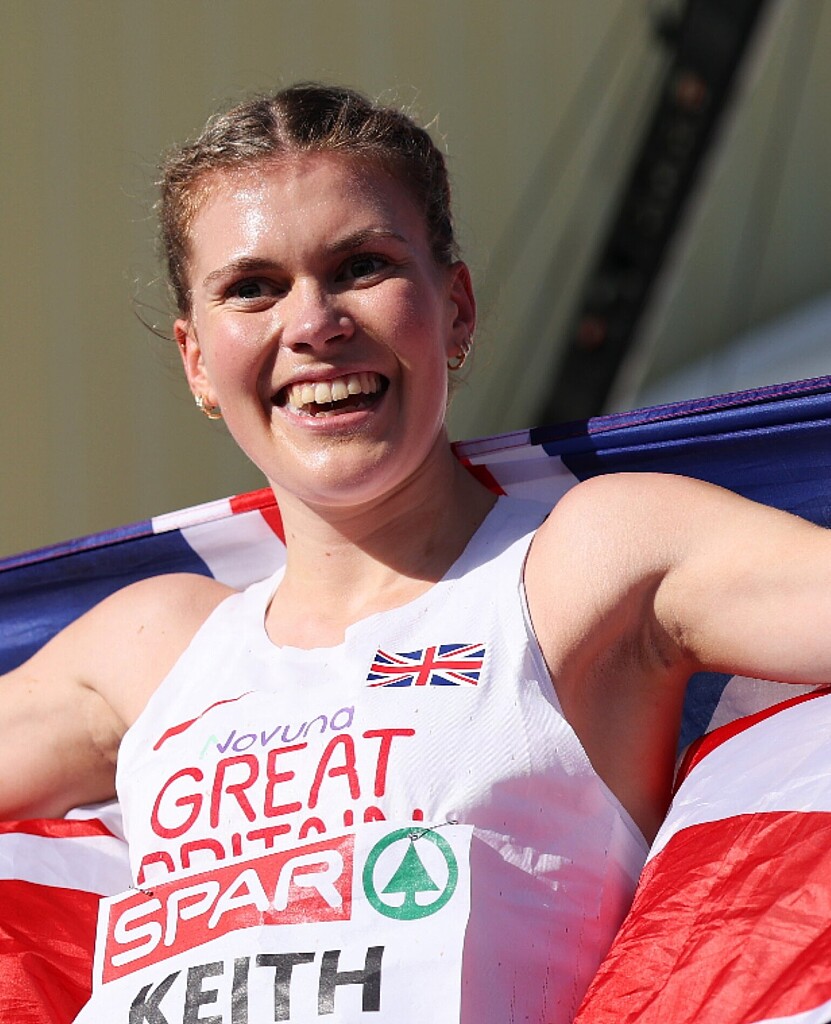
Megan Keith Rewrites Scottish History with Stunning 3000m Record in Oslo
Megan Keith produced the performance of her career in Oslo on Thursday night, shattering one of Scotland’s longest-standing distance running records and cementing her place among Britain’s greatest female 3000m runners.
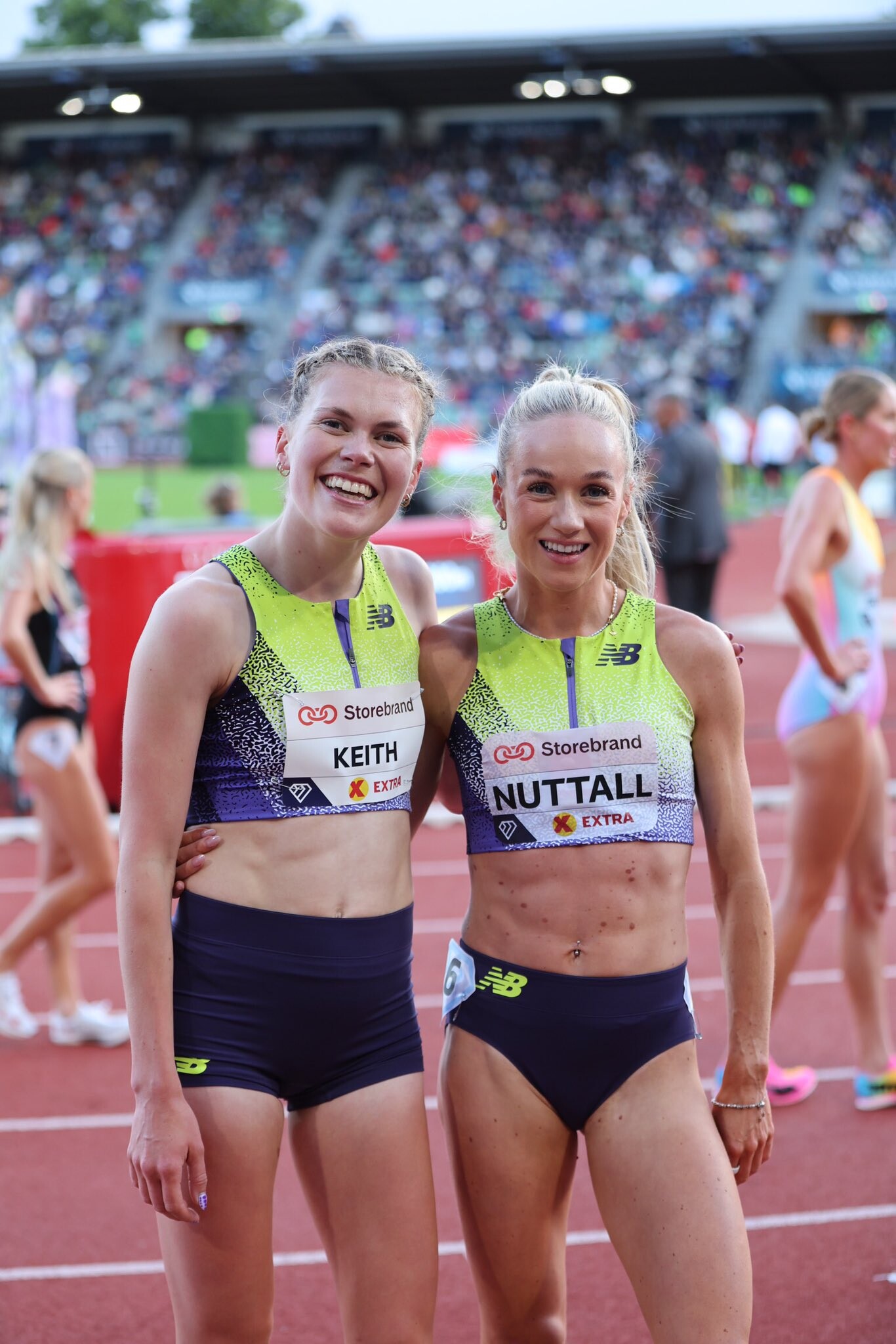
The 24-year-old clocked a sensational 8:28.35 over 3000m, breaking the Scottish outdoor record that had stood for nearly four decades. In doing so, Keith eclipsed the previous mark of 8:29.02, set by Scottish legend Yvonne Murray back in 1988, ending a record reign that had lasted 38 years.
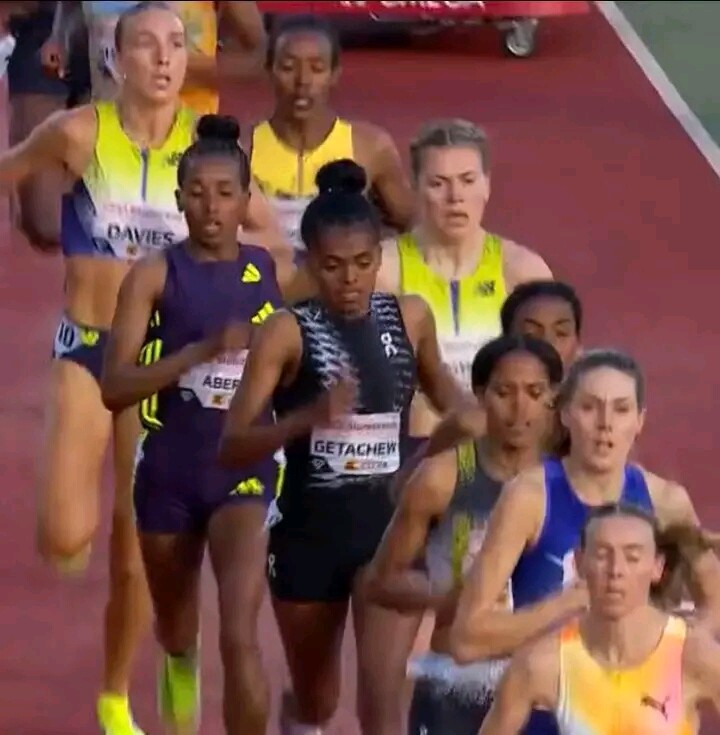
Keith’s breakthrough run was more than just a national record. The performance also propelled her to third on the UK outdoor all-time list, placing her behind only two of Britain’s most celebrated distance runners — Paula Radcliffe, who leads the rankings with 8:22.20, and Laura Weightman, whose 8:26.07 remains the second-fastest outdoor mark by a British woman.
The significance of Keith’s achievement is amplified by the calibre of athletes she now joins in the record books. For decades, Murray’s mark stood as one of Scottish athletics’ most untouchable records, surviving generations of elite competitors. Keith has now succeeded where many outstanding runners have fallen short, announcing herself as one of the leading distance talents in British athletics.
Her time also compares favourably with the best performances produced indoors. Olympic medallist Laura Muir ran 8:26.41 indoors in Karlsruhe in 2017, underlining just how exceptional Keith’s outdoor effort in Oslo truly was.
The run continues a remarkable rise for the Scottish star, whose progression over recent seasons has transformed her from a promising prospect into a genuine force on the international stage. Running with confidence and composure against elite competition, Keith demonstrated both the speed and endurance required to challenge the very best in Europe and beyond.
With the World Championship season gathering momentum, Keith’s record-breaking display sends a powerful message. Not only has she etched her name into Scottish athletics history, but she has also established herself as a serious contender in one of the sport’s most competitive events.
In Oslo, Megan Keith did far more than break a record. She ended a 38-year wait, climbed into the upper echelon of British distance running, and delivered a performance that may prove to be a defining moment in her career.
by Erick Cheruiyot for My Best Runs.
Login to leave a comment
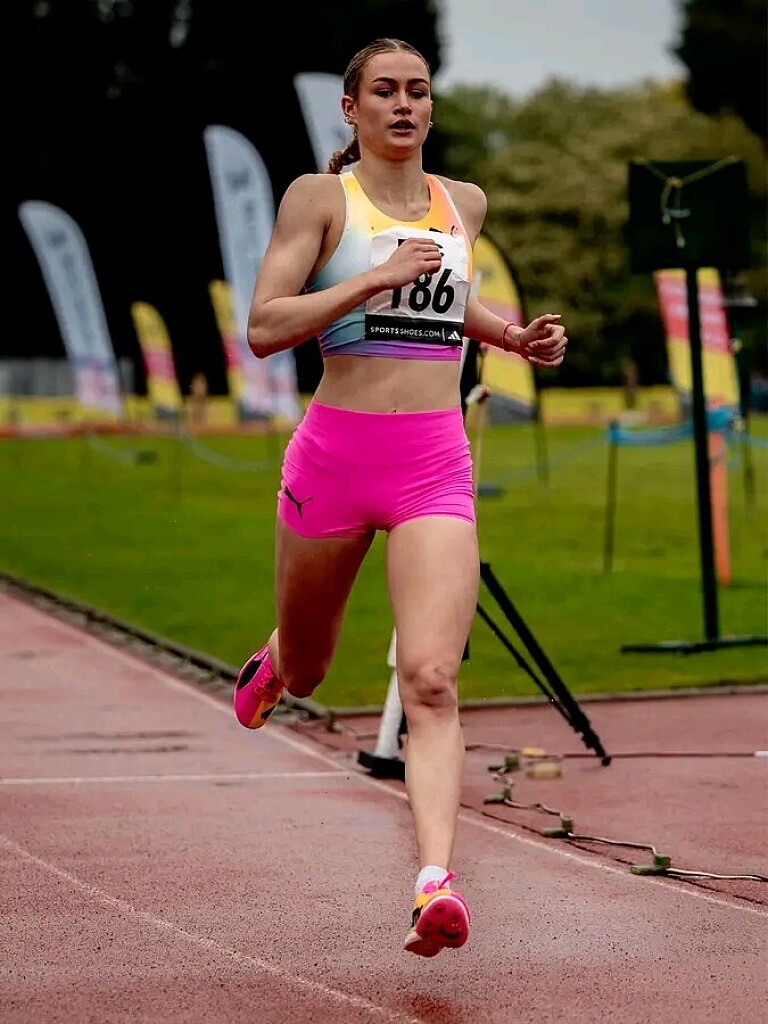
Gill Continues Encouraging Comeback with Marseille 800m Victory
British middle-distance talent Phoebe Gill took another significant step forward in her return to top form, producing a determined victory over 800 metres at the Meeting de Marseille in France on Wednesday.
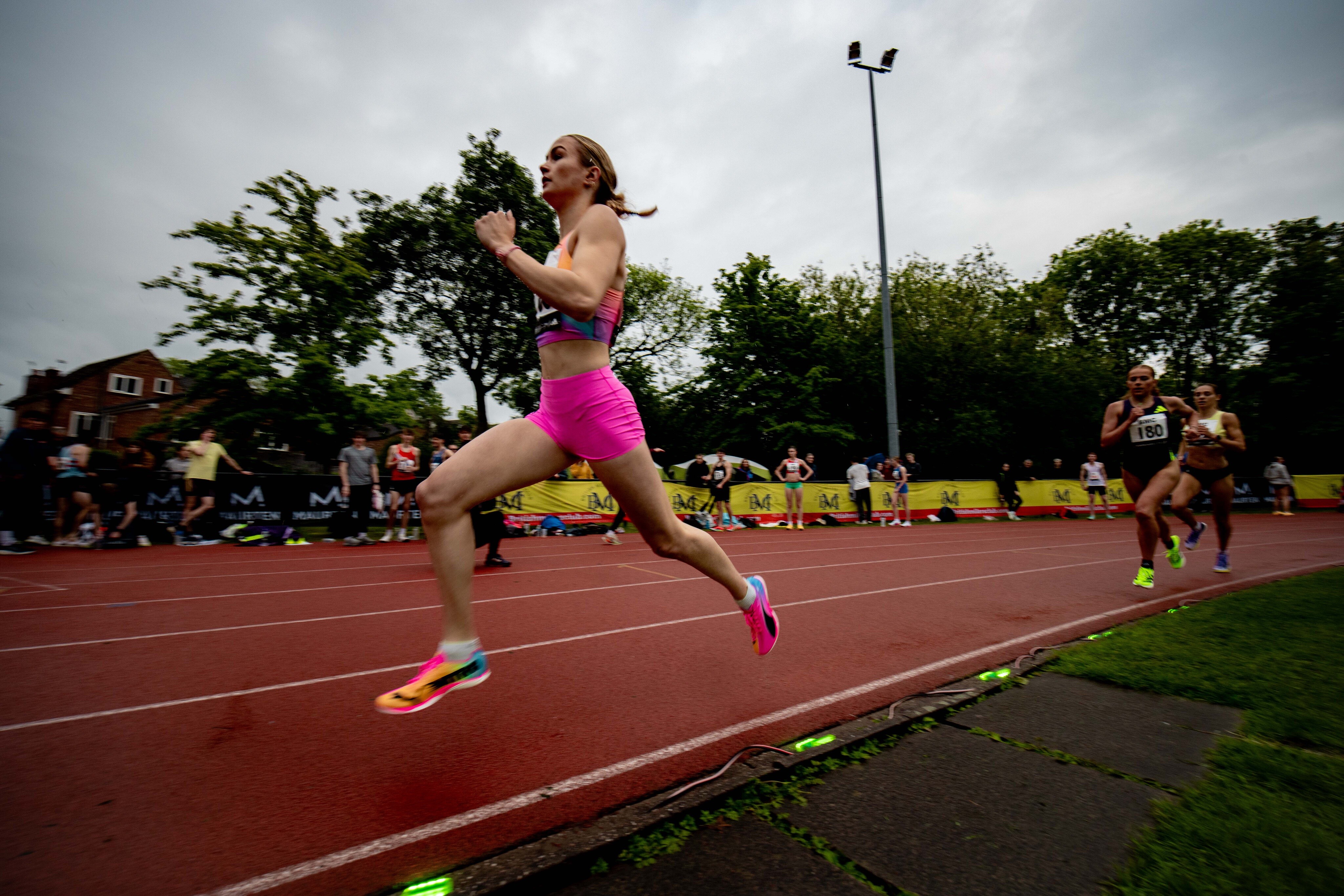
Competing in challenging, wind-affected conditions, the 19-year-old demonstrated both resilience and composure as she held off a late charge from Switzerland's Veronica Vancardo to secure the win in 2:00.81. Vancardo finished just three hundredths of a second behind in 2:00.84, underlining the fiercely contested nature of the race.
While the margin of victory was narrow, the result represented another encouraging milestone for Gill as she continues to rebuild momentum following her injury setback. The young Briton showed impressive race awareness and strength in the closing stages, maintaining her advantage despite the difficult conditions that made fast running a challenge throughout the evening.
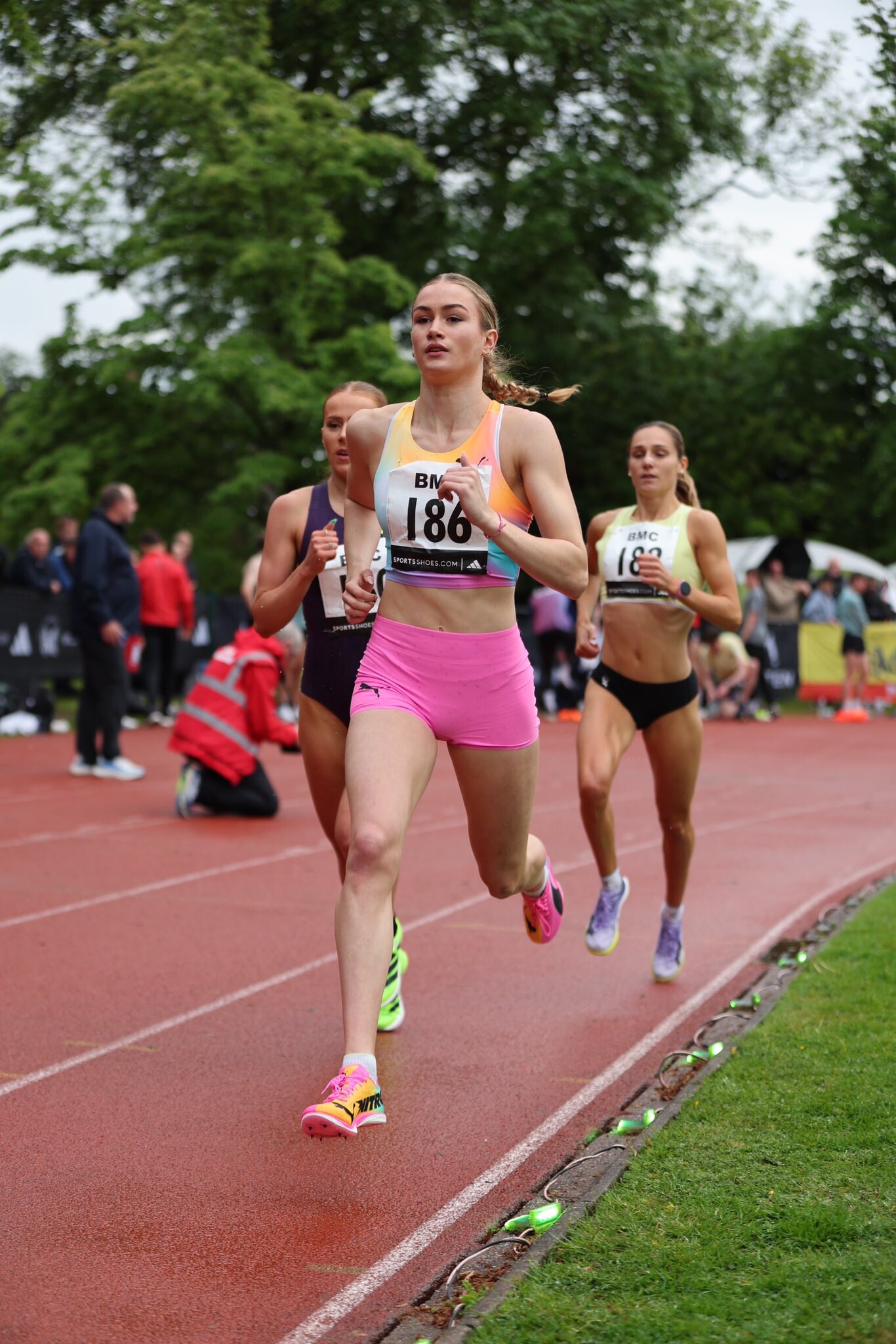
The Marseille triumph adds to a growing body of evidence that Gill is steadily progressing toward her best form. Earlier in her comeback campaign, she clocked 2:01.50 for 800m in Bydgoszcz before demonstrating her versatility with a strong 4:05.53 performance over 1500 metres at the BMC Grand Prix meeting in Trafford.
Those performances have highlighted not only her improving fitness but also her ability to compete across multiple distances as she carefully builds her season. The Marseille victory now provides further confirmation that the European junior star is moving in the right direction.
Gill emerged as one of Britain's most exciting middle-distance prospects through a series of breakthrough performances as a teenager, earning widespread recognition for her fearless racing style and remarkable maturity. Injury temporarily interrupted that upward trajectory, but her recent results suggest she is steadily rediscovering the form that made her one of the sport's brightest young talents.
With each race, the signs of progress become increasingly evident. Winning in difficult conditions and under pressure from a quality field is often a stronger indicator than a fast time alone, and Gill's latest success demonstrated exactly those qualities.
As the summer season gathers pace, the Marseille victory offers another confidence boost for the British teenager, whose return continues to gain momentum. If her recent progression is any indication, Gill could soon find herself back among the leading names on the European middle-distance circuit.
by Erick Cheruiyot for My Best Runs.
Login to leave a comment

Ja’Kobe Tharp Shatters World Record with Historic NCAA Hurdles Performance
The NCAA Track and Field Championships delivered a moment few could have predicted as Ja’Kobe Tharp produced one of the most astonishing performances in the history of sprint hurdling, rewriting the record books in spectacular fashion.
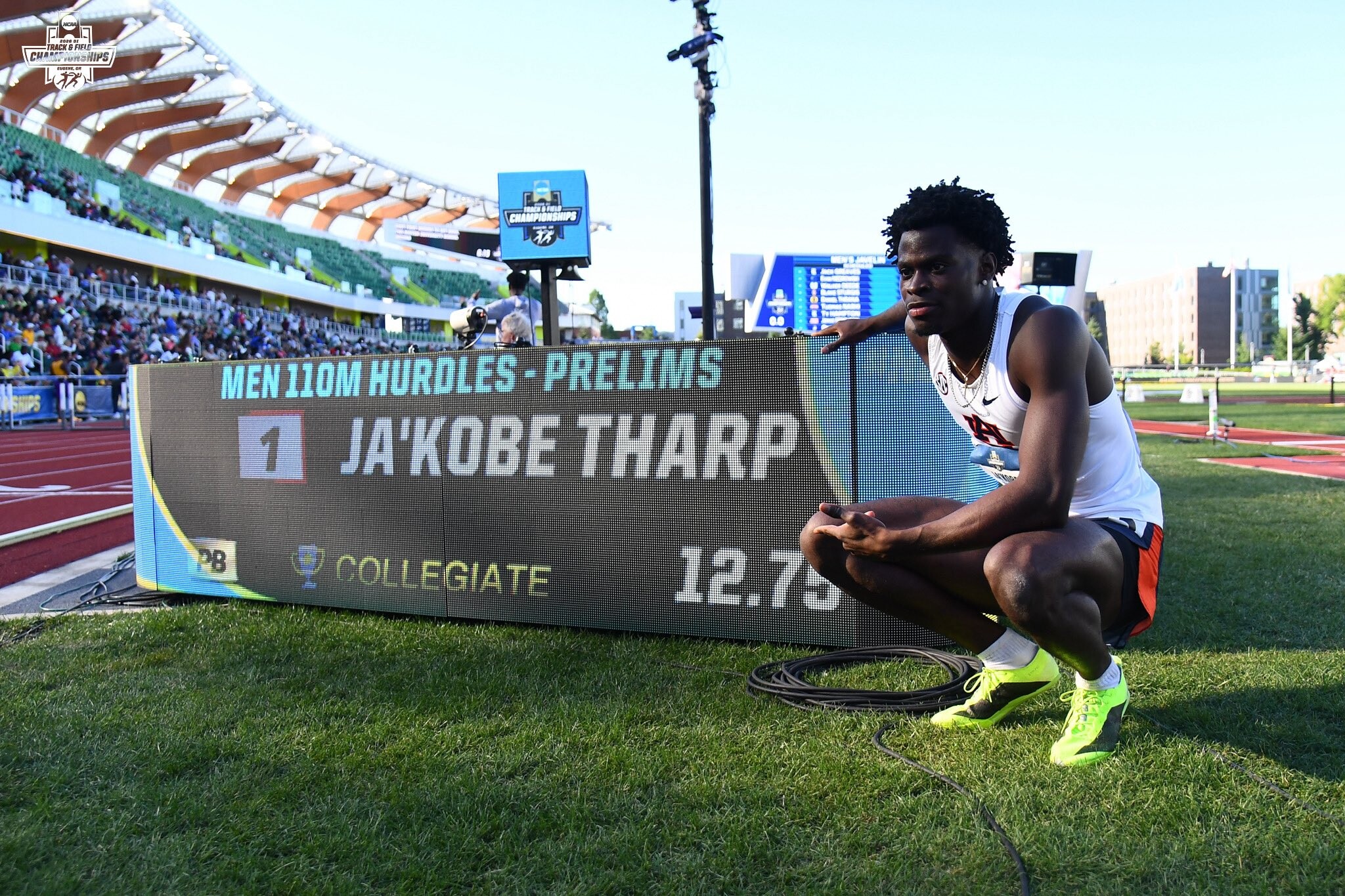
Competing in the opening round of the men’s 110-meter hurdles, the Auburn star stunned the athletics world by clocking an incredible 12.75 seconds, becoming the first athlete ever to break the 12.80-second barrier. In doing so, he eclipsed the long-standing world record of 12.80 set by Aries Merritt in 2012, a mark that had stood as one of the sport’s most revered achievements for more than a decade.
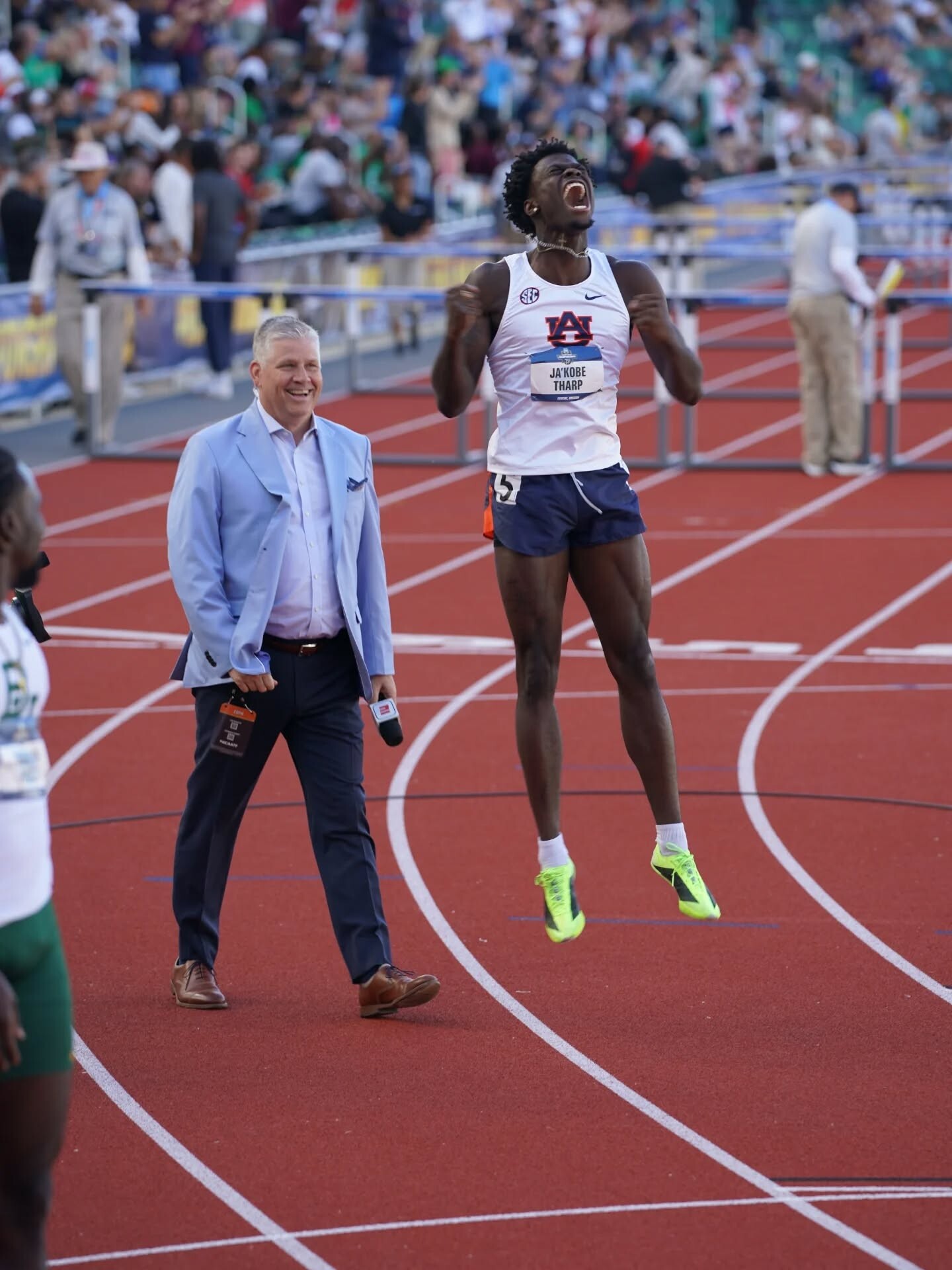
What makes Tharp’s breakthrough even more remarkable is the scale of his improvement. Entering the championships, the defending NCAA and U.S. champion had recorded a season-best of 13.05 seconds. Yet under the brightest spotlight, he unleashed a performance that exceeded every expectation, slicing an extraordinary 0.26 seconds from his personal best in a race that instantly became one of the greatest ever run.
The achievement sent shockwaves throughout the track and field community. While Tharp arrived in Eugene as one of the leading contenders for the NCAA title, few envisioned a performance capable of redefining the limits of the event. Instead, the American hurdler delivered a race for the ages, combining flawless technique, explosive speed, and impeccable rhythm from the first hurdle to the finish line.
The historic run not only secured his place in athletics history but also transformed the outlook of the championship. With the world record now in his possession, Tharp advances to the final as the overwhelming favorite, carrying momentum that could make an already unforgettable weekend even more extraordinary.
For years, the 12.80 barrier appeared untouchable. On a stunning day at the NCAA Championships, Ja’Kobe Tharp proved otherwise, producing the kind of performance that reminds fans why sport remains so unpredictable. In a matter of seconds, he turned a routine qualifying round into a landmark moment that will be remembered for generations.
The world record no one saw coming is now a reality—and Ja’Kobe Tharp is the man who changed history.
by Erick Cheruiyot for My Best Runs.
Login to leave a comment
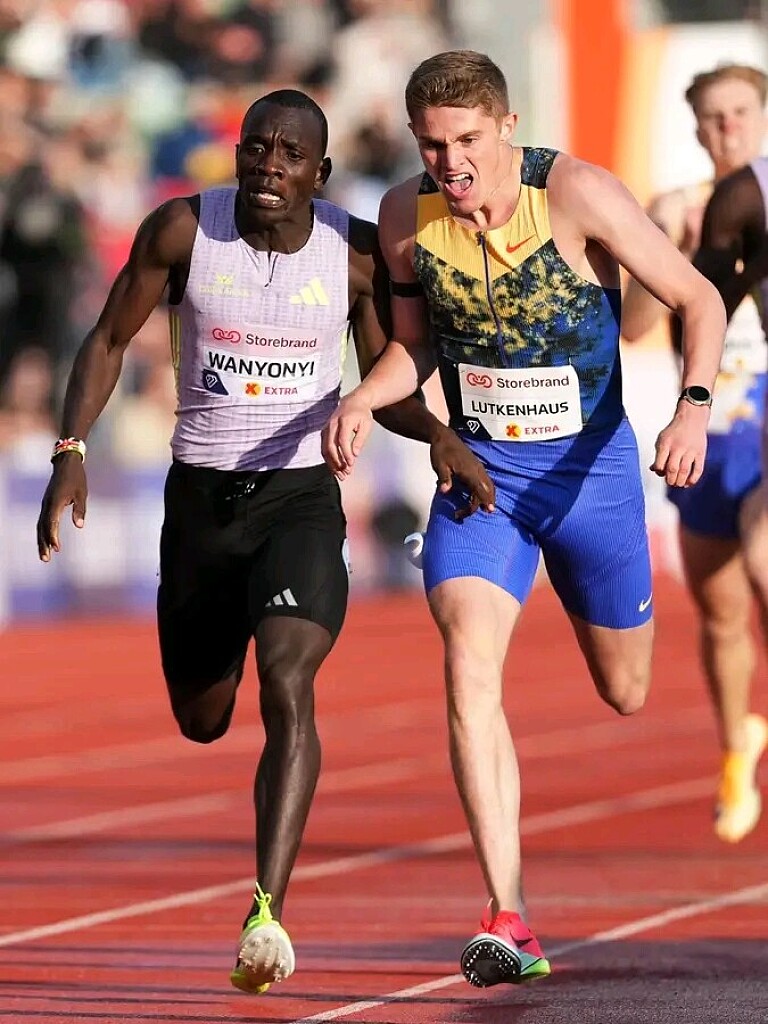
Lutkenhaus Delivers Stunning Upset as Teenage Star Edges Olympic Champion in Oslo
A new chapter in middle-distance running may have begun in Oslo after American teenager Cooper Lutkenhaus produced one of the most remarkable performances of the season, narrowly defeating reigning Olympic champion Emmanuel Wanyonyi in a thrilling men's 800m contest at the Diamond League meeting.
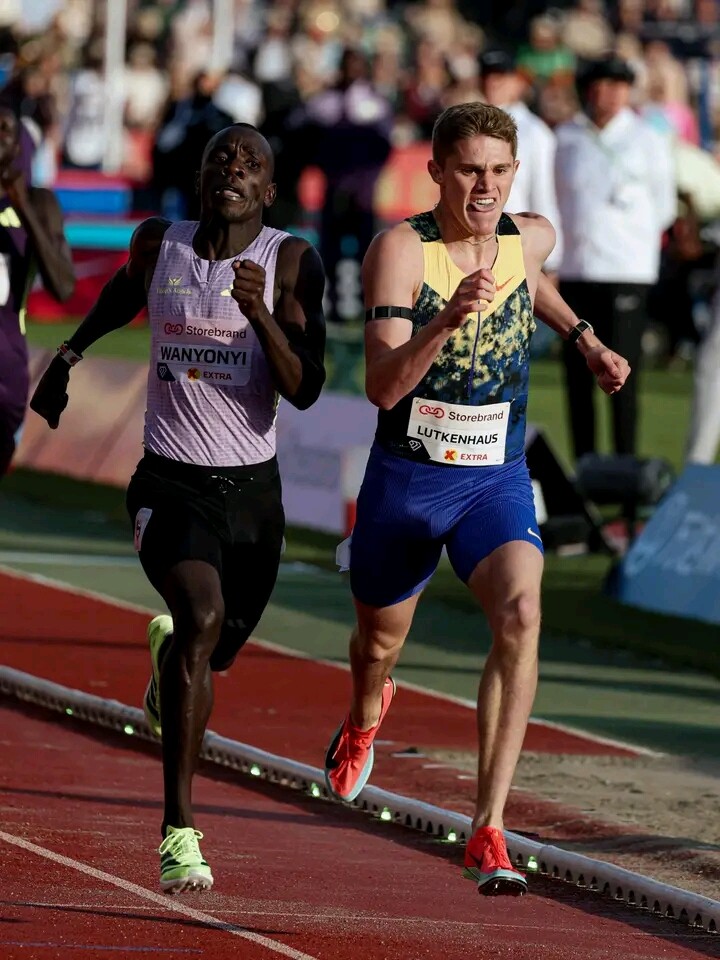
The 17-year-old sensation shocked a world-class field by crossing the finish line first in a race that came down to the smallest of margins. After an intense battle over the final metres, Lutkenhaus held off Wanyonyi by just one hundredth of a second, producing a dramatic finish that left the packed stadium in disbelief.
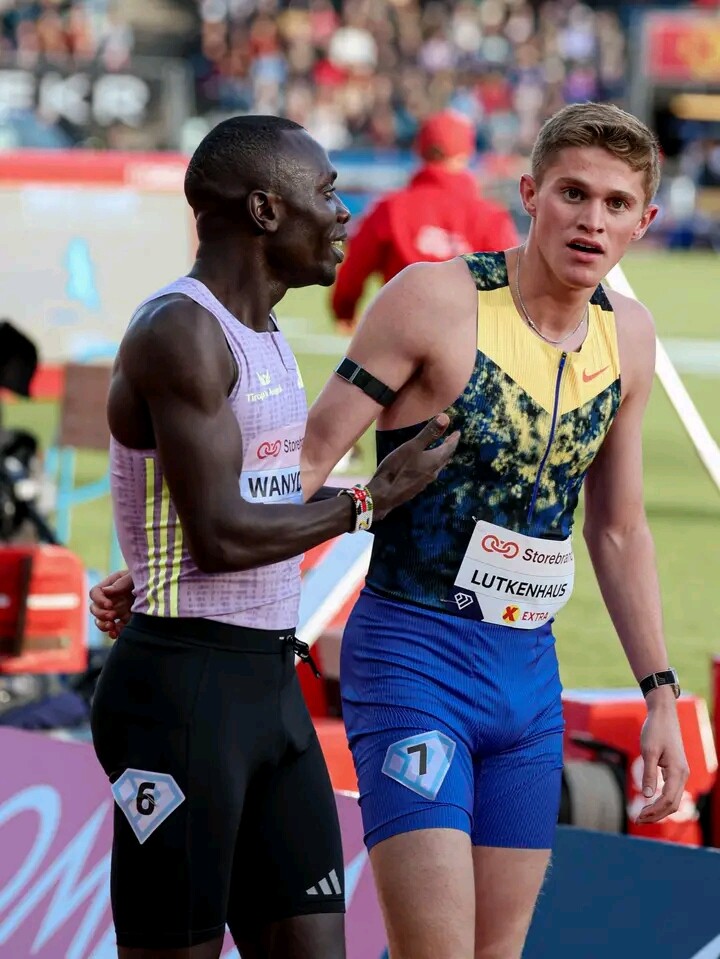
From the opening lap, the pace was relentless as the leading contenders positioned themselves for a fierce showdown. As the athletes entered the home straight, Wanyonyi appeared poised to unleash his trademark finishing kick. However, Lutkenhaus refused to be intimidated, matching the Olympic champion stride for stride before producing a perfectly timed lean at the line to secure a historic victory.
The result marks a breakthrough moment for the young American, who continues to establish himself as one of the brightest talents in global athletics. Defeating an Olympic champion at a Diamond League event is a feat many athletes spend entire careers pursuing, yet Lutkenhaus achieved it before reaching adulthood.
For Wanyonyi, the narrow defeat does little to diminish his status as one of the world's premier 800m runners. The Kenyan once again demonstrated his exceptional class and competitiveness, pushing the race to a world-class standard and forcing his young rival to deliver the performance of a lifetime.
Beyond the result itself, the race offered a glimpse into what could become one of the sport's most exciting rivalries in the years ahead. With established stars and emerging talents now pushing each other to new heights, the men's 800m continues to evolve into one of athletics' most captivating events.
On a memorable night in Oslo, the spotlight belonged to Cooper Lutkenhaus. At just 17 years old, he stood toe-to-toe with an Olympic champion and emerged victorious, announcing himself to the athletics world in spectacular fashion.
by Erick Cheruiyot for My Best Runs.
Login to leave a comment
