

Running News Daily
Running News Daily is edited by Bob Anderson and team. Send your news items to bob@mybestruns.com Advertising opportunities available.
Index to Daily Posts · Sign Up For Updates · Run The World Feed
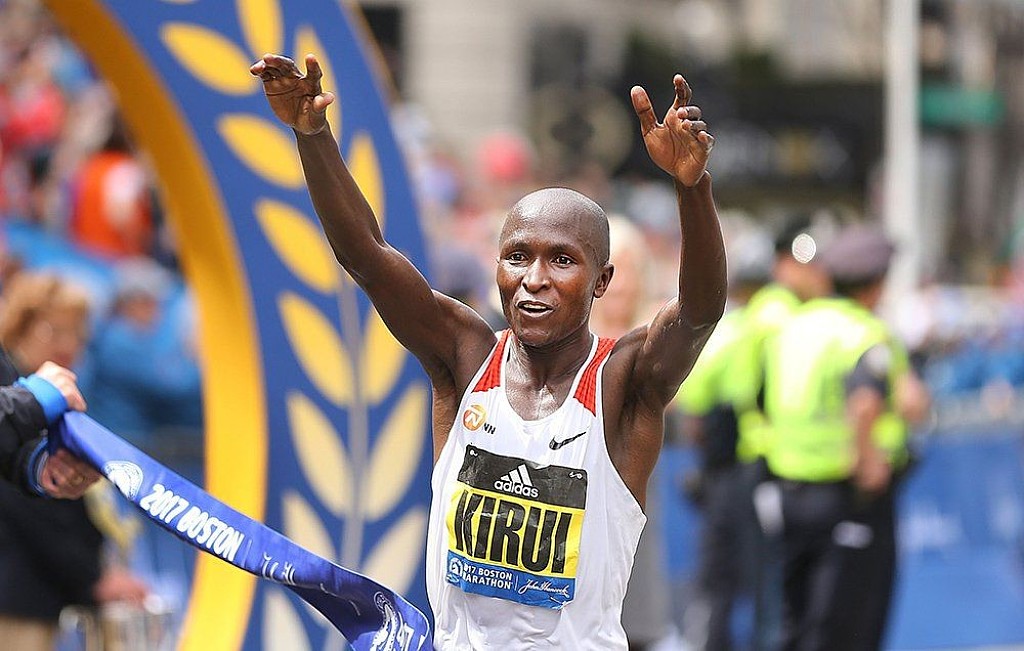


Former world marathon champion Geoffrey Kirui will lead stellar field for October's Boston Marathon

Geoffrey Kirui will be the man to beat at this year's Boston Marathon slated for October 11.
Kirui, who won the event four years ago, will be seeking to capture a second title on the famous street in Boston.
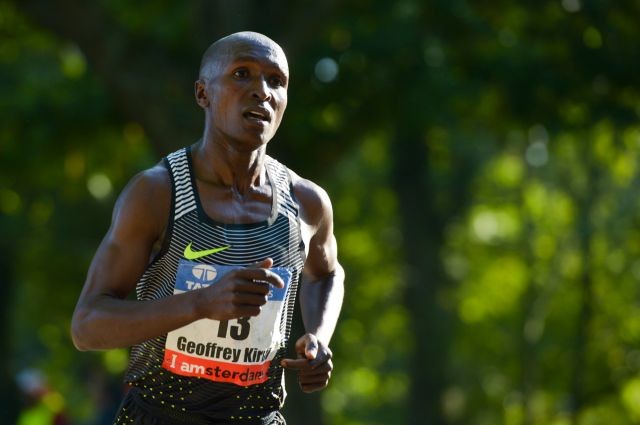
“Last year was a tough one for everyone. Boston is, for me, the exact right motivation and light at the end of the tunnel, as it will be for all returning champions and participants. This is the marathon where I feel at home, and I have big dreams for October,” Kirui said.
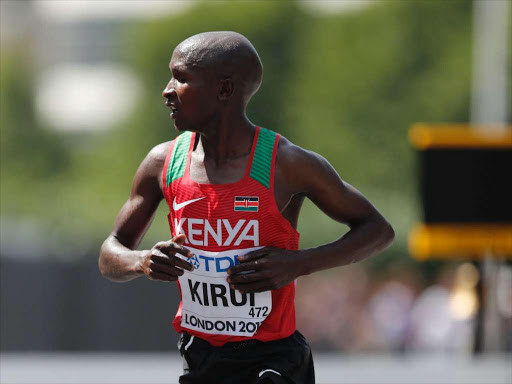
Others to look for out are Lemi Berhanu from Ethiopia, best known for skipping across the Boylston Street finish en-route to winning in 2016.
Yuki Kawauchi, winner of more than 30 international marathons and the Japanese record holder in the 50K, looks to become the first man from Japan since Toshihiko Seiko in 1987 to earn two Boston Marathon titles.
by William Njuguna
Login to leave a comment

Boston Marathon
Among the nation’s oldest athletic clubs, the B.A.A. was established in 1887, and, in 1896, more than half of the U.S. Olympic Team at the first modern games was composed of B.A.A. club members. The Olympic Games provided the inspiration for the first Boston Marathon, which culminated the B.A.A. Games on April 19, 1897. John J. McDermott emerged from a...
more...Latest Running News
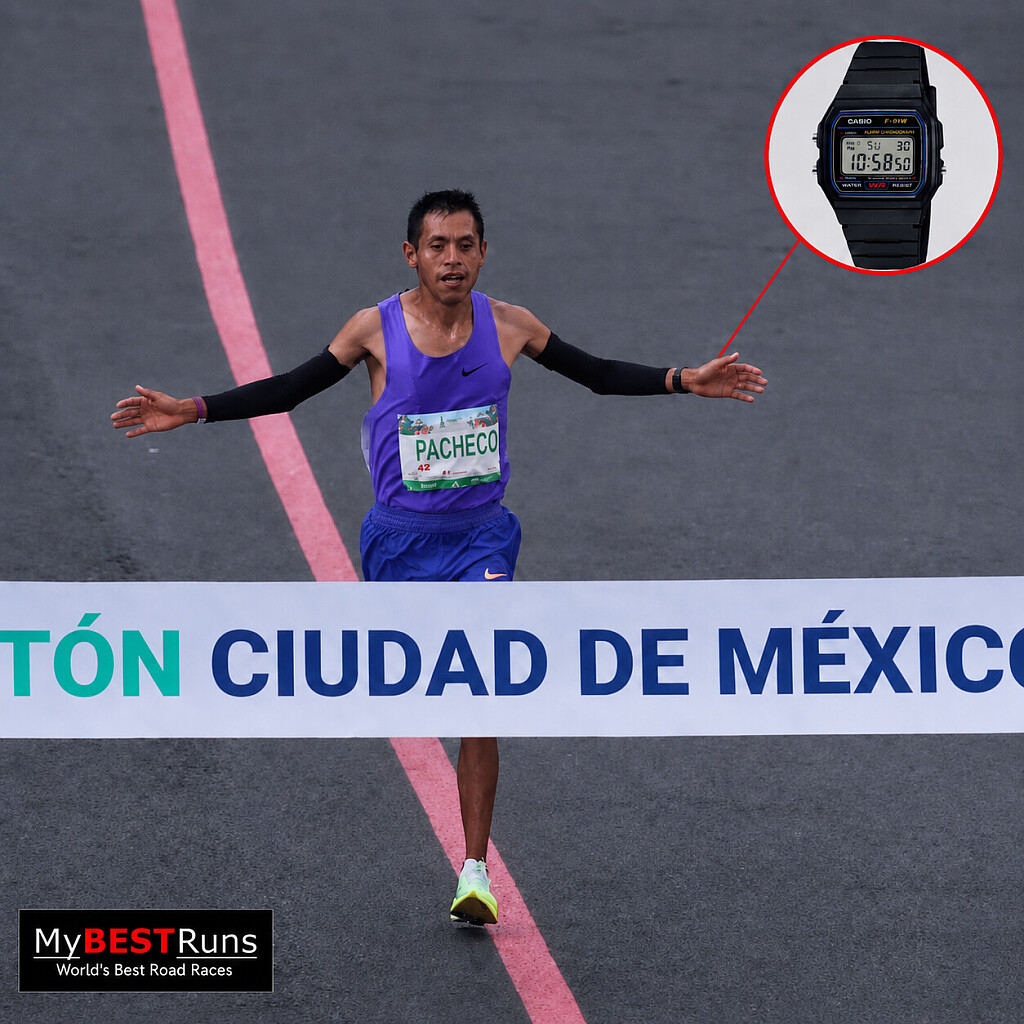
No GPS, No Problem: Cristhian Pacheco Wins Mexico City Marathon With A $22 Casio
Cristhian Pacheco arrived at the Mexico City Marathon with a remarkably simple piece of equipment on his wrist — and left with one of the biggest victories of his career.
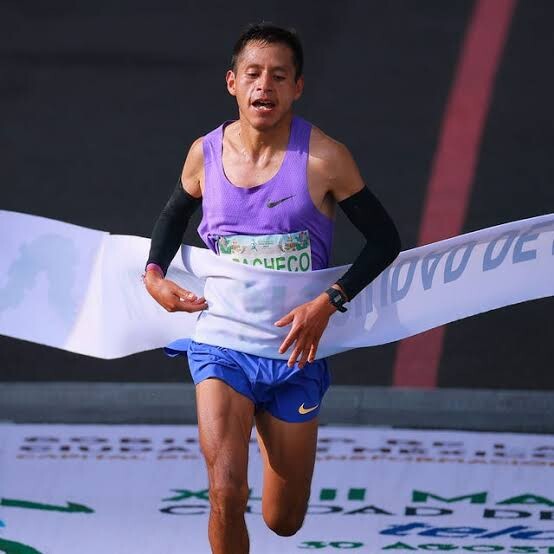
The Peruvian Olympian won the 43rd edition of the Mexico City Marathon on August 30 in 2:10:03, defeating Ethiopia’s Anbesa Lencho Tefaye by more than a minute. Balew Yihunie Derseh completed the men’s podium in 2:11:58.
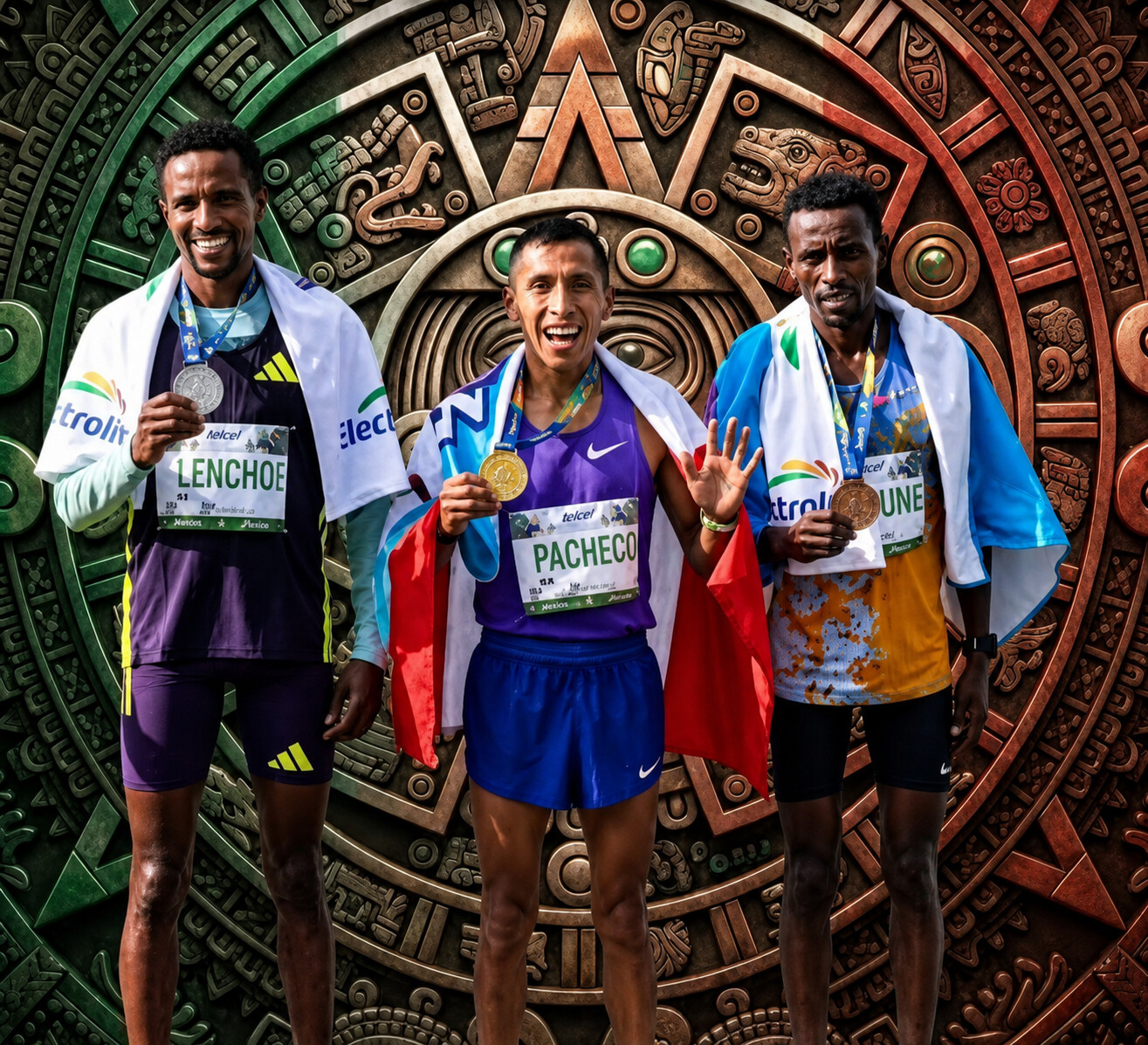
But it was not only Pacheco’s victory that caught attention.
Photographs from the race appeared to show the 33-year-old wearing a Casio F-91W, one of the most basic digital watches on the market. The inexpensive watch is a striking contrast to the sophisticated GPS devices commonly seen on the wrists of elite marathoners.
There was no GPS route, no live pace screen, no heart-rate monitor and no collection of advanced running metrics. The watch essentially provides the basics: timekeeping, an alarm, a backlight and a stopwatch.
And even that stopwatch is hardly designed with a two-hour marathon in mind.
Its stopwatch function runs for less than an hour before resetting — meaning Pacheco’s winning marathon lasted more than twice as long as the watch’s maximum stopwatch display.
Yet none of that mattered.
Pacheco relied on something considerably more valuable than technology: preparation, experience and an understanding of the demanding Mexico City course.
He remained with the leading group through roughly 25 kilometres before making his decisive move. The altitude and undulating terrain eventually began to take their toll, particularly during the closing stages.
Pacheco later explained that the section beyond 32 kilometres was especially difficult, with the combination of slopes and altitude leaving his legs increasingly heavy. His training, however, had prepared him for precisely that moment.
He held his form when others began to fade and powered clear to claim the victory in 2:10:03.
The performance was also significant because Pacheco is no ordinary marathoner. The Huancayo-born athlete is a three-time Olympian and owns a personal best of 2:07:38. He also holds the Pan American marathon record of 2:09:31, set in Lima in 2019, and won Pan American Games marathon gold in Santiago in 2023.
His Mexico City victory added another major title to an already distinguished career.
The race itself attracted around 30,000 runners, with the 42.195-kilometre course taking competitors from the Ciudad Universitaria area through some of the Mexican capital’s most recognisable avenues before finishing at the Zócalo.
Pacheco’s winning time was not fast enough to threaten the course record of 2:08:23, set by Bolivia’s Héctor Garibay in 2023, but the victory was never really about chasing a record. It was about executing a difficult race at altitude and outlasting a strong international field.
And then came the irony.
For winning the race, Pacheco was awarded $50,000 along with a Garmin smartwatch — a sophisticated piece of technology capable of providing exactly the kind of data his humble Casio does not.
So, on a day when elite running technology was everywhere, the marathon champion apparently needed little more than a simple digital watch and years of hard training.
The Casio may not have told Pacheco his pace, heart rate or position on the course.
It did not need to.
Pacheco already knew how to run.
by Erick Cheruiyot for My Best Runs.
Login to leave a comment

Mexico City International Marathon
The Mexico City Marathon is held in Mexico City, the federal district capital of Mexico and the country`s largest and most important city. The Mexico City Marathon is organized by the Mexican Athletic Association and is the largest running-event in the country. The race has been held for more than 30 years. The route starts in the historic district...
more...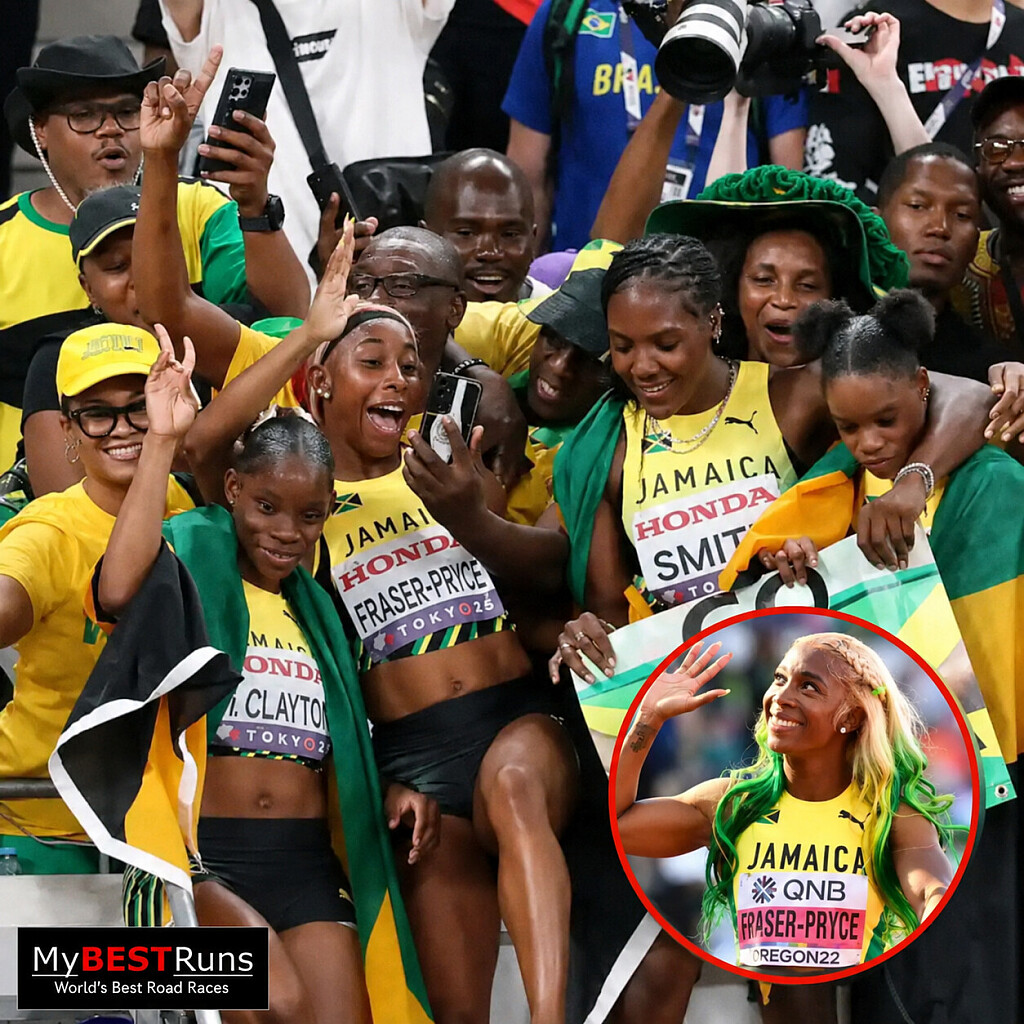
One Year Since The Pocket Rocket’s Final Race: Shelly-Ann Fraser-Pryce’s Legacy Still Burns Bright
One year ago, the world watched the final race of one of the greatest sprinters in athletics history.
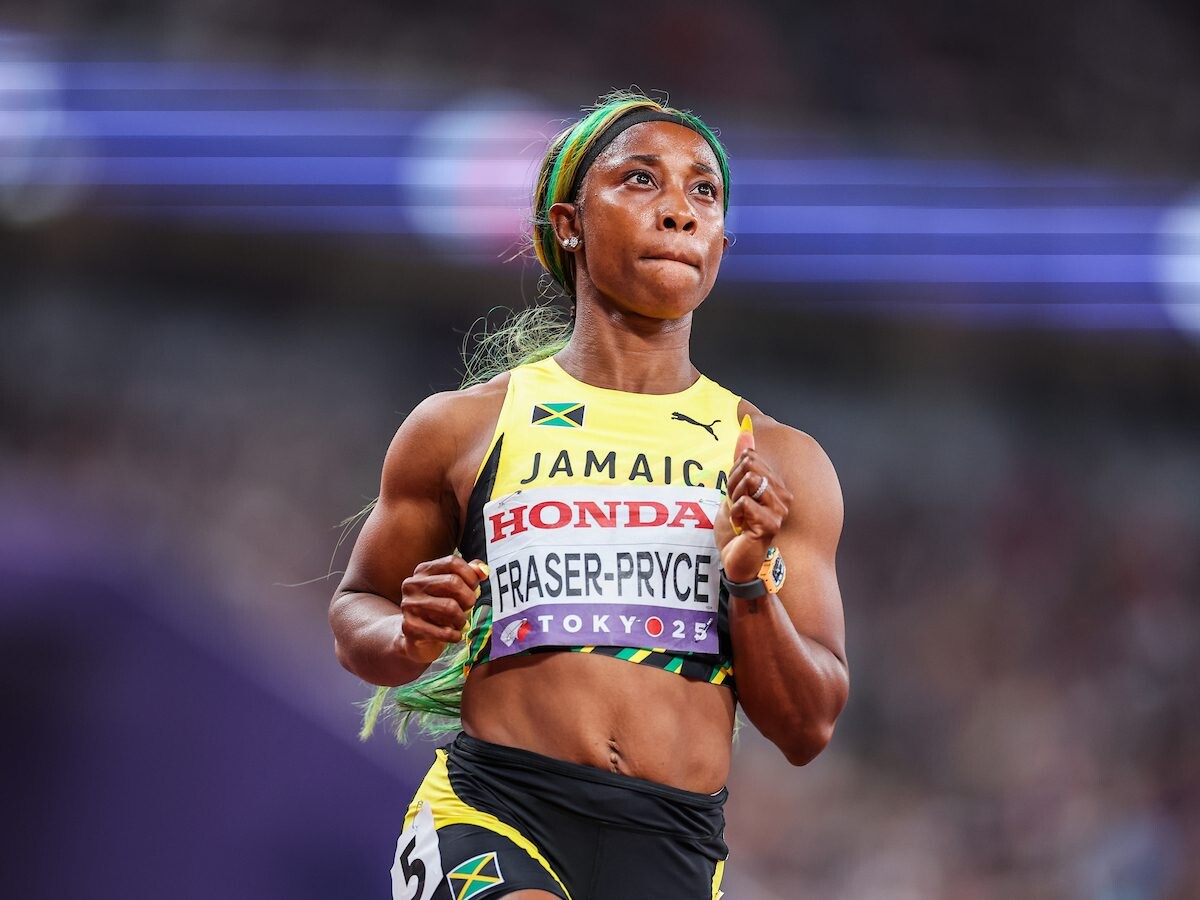
On September 21, 2025, Shelly-Ann Fraser-Pryce stepped onto the track for the final time as a professional athlete. At 38, after an extraordinary 18-year career defined by Olympic triumphs, world titles, remarkable comebacks and unmatched longevity, the Jamaican sprinting icon brought her competitive journey to a close at the World Athletics Championships in Tokyo.
Her final appearance came in the women’s 4x100m relay. Running the opening leg for Jamaica, Fraser-Pryce helped her team secure a silver medal in 41.79 seconds behind the United States. It was a fitting conclusion to a career that had produced an extraordinary collection of global medals and established her among the most decorated sprinters of all time.
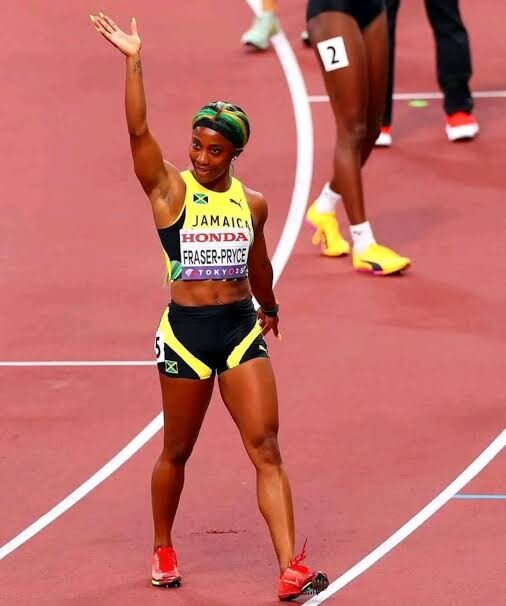
Her final individual race had come earlier in the championships, when she finished sixth in the 100m final in 11.03 seconds. Although she was unable to add another individual world title to her remarkable record, simply reaching another global final at the age of 38 was another demonstration of the extraordinary longevity that had defined her career.
A few weeks later, on October 7, Fraser-Pryce officially announced her retirement from professional track and field, closing the book on an era that had stretched across nearly two decades.
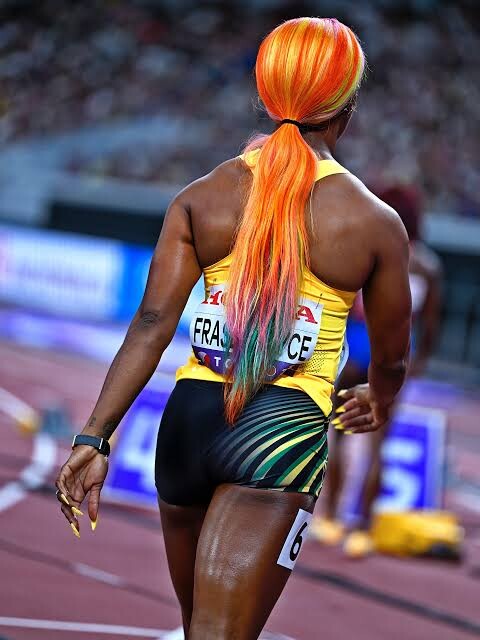
Her journey had begun with Olympic gold in the 100m at Beijing 2008, where she announced herself as one of the world's most explosive sprinters. Four years later in London, she successfully defended her Olympic 100m title, becoming only the third woman in history to accomplish that feat.
But Fraser-Pryce's greatness was never defined by one race or one championship.
She went on to win three Olympic gold medals and eight Olympic medals overall, while collecting 10 World Championships titles. She became the first woman to win five individual world 100m titles, a record that perfectly illustrates her remarkable consistency at the highest level.
Her career also became a story of resilience. After becoming a mother, Fraser-Pryce returned to elite competition and continued challenging the world's best sprinters, proving that motherhood and sporting excellence could exist side by side at the highest level.
Yet statistics only tell part of the Shelly-Ann Fraser-Pryce story.
There was the explosive start from the blocks, the fierce determination through every metre of a race and the unmistakable confidence that made her presence instantly recognisable. There was also the smile that often followed her performances and the pride with which she represented Jamaica on the biggest stages in world athletics.
Beyond the track, she built an influence that extended far beyond her medals and records. Through the Pocket Rocket Foundation, she has supported young Jamaican student-athletes by helping provide opportunities in education and sport.
Retirement, therefore, has not meant walking away from athletics.
In 2026, Fraser-Pryce took on a new role as a Global Ambassador for Laureus, continuing to use her experience, platform and voice to inspire young people and contribute to positive change through sport.
The starting line may no longer be part of her daily life, but her influence remains firmly embedded in the sport she helped shape.
A year after that final evening in Tokyo, women's sprinting has entered a new chapter. New athletes are carrying the sport forward, new rivalries are emerging and new records are waiting to be written.
But the standard Shelly-Ann Fraser-Pryce established will remain.
The Pocket Rocket has left competitive track and field, but the legacy she built over 18 remarkable years is still very much alive.
A year after her final race, which part of Shelly-Ann Fraser-Pryce do you miss the most?
Was it her explosive reaction from the blocks, her relentless competitive spirit, that unmistakable smile after a race, or the pride and passion with which she represented Jamaica?
Or perhaps it is simply the sight of Shelly-Ann Fraser-Pryce standing in the starting blocks, ready to give everything one more time.
One final race. One final medal. Eighteen extraordinary years.
The Pocket Rocket may have left the track, but her legacy will continue to inspire generations to come.
by Erick Cheruiyot for My Best Runs.
Login to leave a comment

Brussels 100m Crown Blown Wide Open As Alfred And Jefferson-Wooden Step Aside
The women’s 100m at the 2026 Wanda Diamond League Final in Brussels has been thrown wide open after two of the season’s biggest sprinting stars opted out of the event, dramatically reshaping what had promised to be a blockbuster showdown at King Baudouin Stadium.

American star Melissa Jefferson-Wooden will not contest the 100m in Brussels, while Olympic champion Julien Alfred of Saint Lucia has chosen to line up in the 200m instead of defending the Diamond League 100m title she won last season.
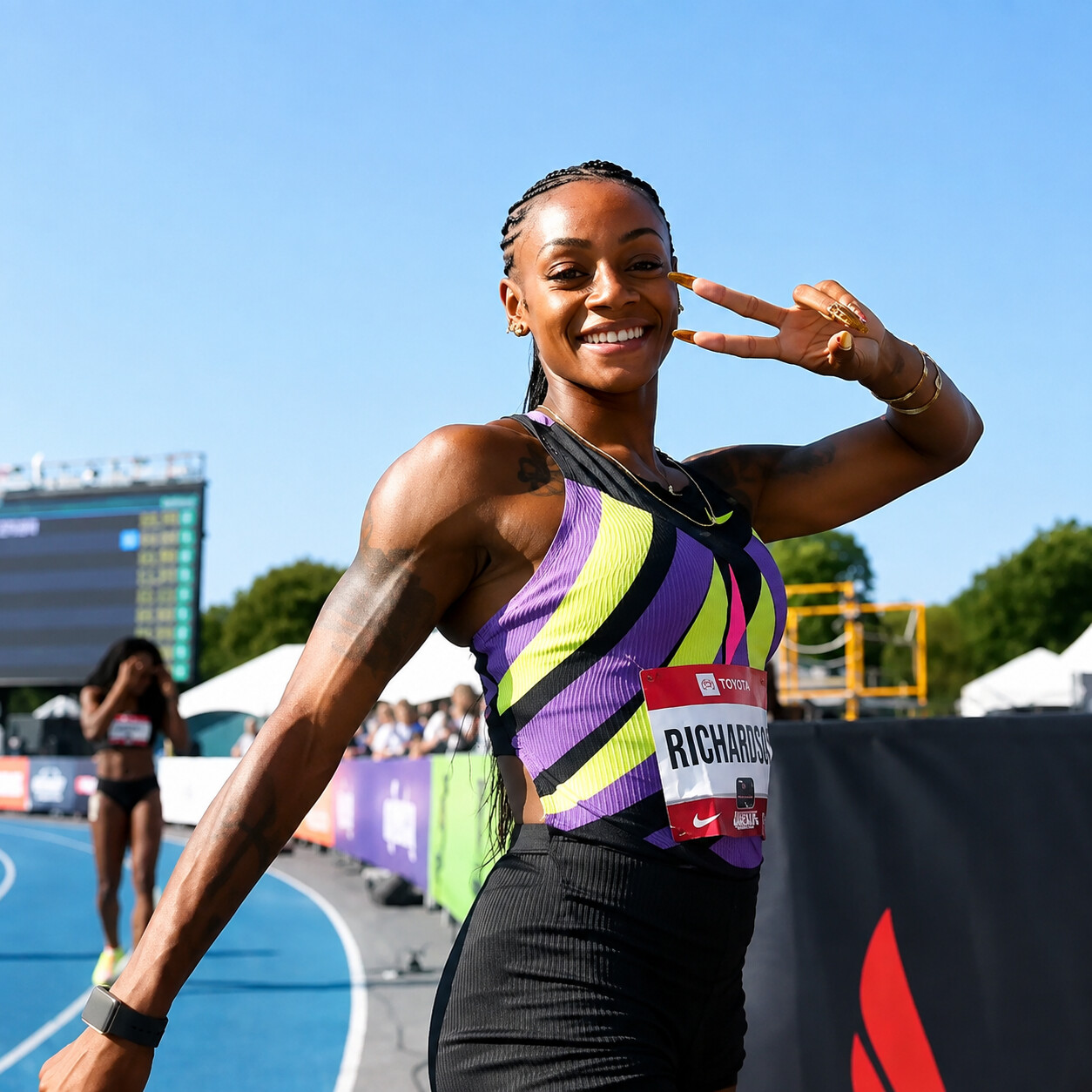
Their absence leaves Sha’Carri Richardson as one of the headline names in a field that suddenly carries an entirely different complexion. The American will arrive in Brussels with a major opportunity to claim the Diamond League trophy, but the battle for victory is far from straightforward.
The timing of Alfred and Jefferson-Wooden’s decisions makes the situation even more intriguing. Only days ago in Zürich, the two produced one of the closest 100m finishes of the season, with Alfred narrowly edging Jefferson-Wooden in a dramatic photo finish. Both were officially credited with 10.70 seconds, while the photo-finish technology separated them by just five thousandths of a second.
Richardson crossed the line third in that fiercely contested race, setting the stage for another potentially fascinating encounter in Brussels. Instead, the withdrawals have removed two of her biggest rivals from the equation and opened the door for a new challenger to emerge.
Richardson now carries considerable attention into the Belgian capital. The former world champion possesses the pedigree and championship experience to seize the moment, but she will need to be at her sharpest against a field containing several athletes capable of producing a major upset.
Jamaica’s Tina Clayton brings considerable international experience and raw speed, while Jonielle Smith gives the Jamaican contingent another dangerous option. Britain’s Amy Hunt will also be looking to make her mark on one of the biggest stages of the Diamond League season.
Italy’s Zaynab Dosso, New Zealand’s Zoe Hobbs and Luxembourg’s Patrizia van der Weken add further depth to the field, while Belgium’s Delphine Nkansa will have the advantage of competing on home soil. Hungary’s Boglárka Takács completes a lineup in which virtually every athlete will see an opportunity to rise to the occasion.
With Alfred moving to the 200m and Jefferson-Wooden absent from the 100m, the Brussels race has lost two of its most anticipated names—but gained something equally compelling: uncertainty.
Richardson may now be the biggest name in the field, yet the Diamond League final has a habit of producing unexpected heroes. One explosive start, one perfectly executed drive phase and one decisive finish could completely change the picture.
The question is no longer simply whether Richardson can win the Diamond League crown. It is whether one of the challengers can seize this unexpected opening and produce the performance of her season.
In Brussels, the 100m crown is there for the taking—and the sprinting world will be watching to see who grabs it.
by Erick Cheruiyot for My Best Runs.
Login to leave a comment
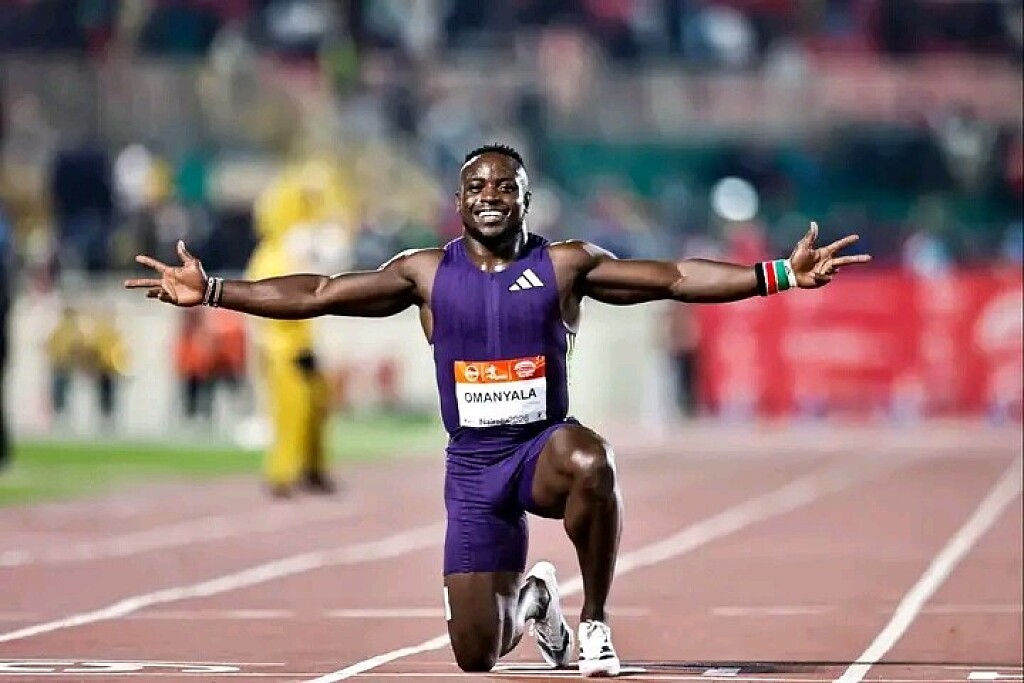
Ferdinand Omanyala’s 2026 Season Ends At The Worst Possible Moment
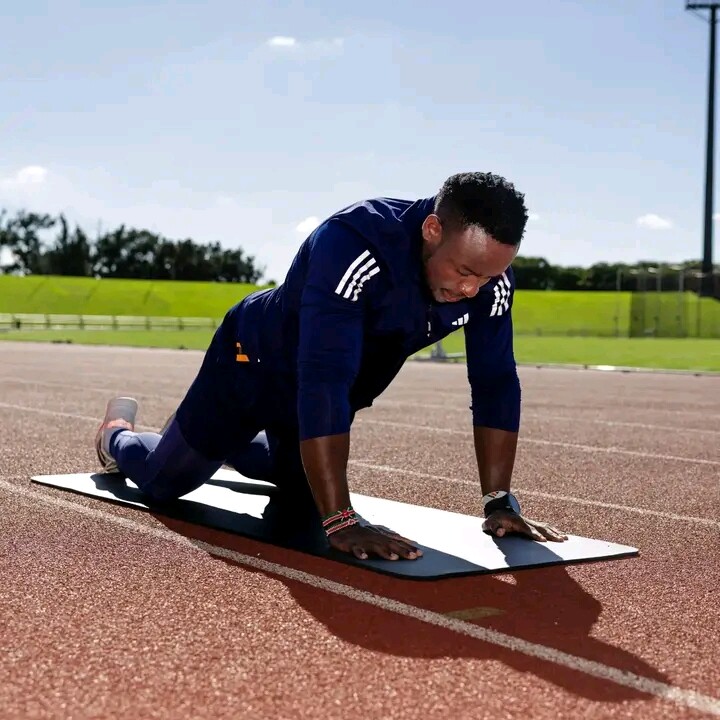
Ferdinand Omanyala’s 2026 season has come to an abrupt and heartbreaking end, just as the Kenyan sprint star appeared to be building momentum for a memorable finish to his campaign.

The African 100m record-holder has been forced to withdraw from the remainder of the season after suffering a stress fracture to the calcaneus, the heel bone of his left foot. The injury means Omanyala will miss the final two major competitions that were expected to bring his 2026 campaign to a spectacular conclusion — the Wanda Diamond League Final in Brussels and the inaugural World Athletics Ultimate Championship in Budapest.
For an athlete who had worked hard to rebuild his season, the timing could hardly have been more frustrating.
Omanyala revealed that he sustained the injury around two weeks before the Commonwealth Games. Despite the problem, he attempted to manage the discomfort and continue competing. But with the season reaching its most important stage, the Kenyan has now made the difficult decision to step away from competition and give his body the recovery time it needs.
It is a painful ending, but it should not overshadow what had otherwise been a highly encouraging campaign.
Throughout 2026, Omanyala repeatedly demonstrated that his speed remains among the best in the world. One of the standout moments came in Xiamen, where he stormed to victory in the 100m in 9.94 seconds. It was his fastest performance of the season and another powerful reminder of the explosive speed that has made him one of Africa’s most prominent sprinting figures.
His consistency was just as impressive. Omanyala produced five consecutive sub-10-second performances, maintaining a level of speed that very few sprinters can sustain across an extended period. His performances also pushed him into third place in the Diamond League 100m standings, putting him firmly among the leading contenders heading towards the series finale.
That makes his absence from Brussels particularly frustrating.
Omanyala had earned his place among the world’s best, but instead of lining up under the lights for another major showdown, he will now begin the long process of recovery.
The injury had already complicated his Commonwealth Games campaign. Having been carrying the problem into the championships, Omanyala was unable to produce the performance he wanted and failed to progress to the 100m final. Now, with the remaining major competitions of the season also ruled out, his year has officially come to an early conclusion.
There will be no final Diamond League appearance in Brussels. There will be no opportunity to compete at the World Athletics Ultimate Championship in Budapest. And there will be no chance to give his 2026 season the dramatic ending that his earlier performances had promised.
But sometimes an athlete’s most important decision is knowing when to stop.
A stress fracture is not an injury worth gambling with for the sake of another race. At this stage of his career, protecting his long-term health and allowing the injury to heal properly is far more important than forcing his way onto the track for one final appearance.
And when the disappointment fades, Omanyala will have plenty to be proud of.
A 9.94-second season best. Five consecutive sub-10-second performances. A Diamond League victory. Third place in the Diamond League 100m standings. Most importantly, another season in which he showed that he remains capable of competing with the very best sprinters on the planet.
Those achievements cannot be erased by the injury.
For Kenyan athletics, his absence from the final stages of the season is undoubtedly a major disappointment. Omanyala has become one of the most recognizable faces of Kenyan sprinting, carrying the country’s ambitions into a discipline where Kenya has traditionally had less international influence.
But this is not the end of his story.
It is simply an unexpected pause.
For now, the starting blocks can wait. The crowds can wait. The stopwatch can wait.
Omanyala’s next race is the race back to full fitness.
If he gives his body the time and patience it needs, the Kenyan star can return with something still to prove and, perhaps, another chapter of his remarkable sprinting journey waiting to be written.
The 2026 season may have ended sooner than Ferdinand Omanyala wanted, but his story on the track is far from over.
by Erick Cheruiyot for My Best Runs.
Login to leave a comment
From Liz’s Arms To Eilish’s Records: A Mother-Daughter Legacy Written Into Athletics History
Some moments in athletics become unforgettable not because of a stopwatch, a medal or a world record, but because they capture the beginning of something much bigger.
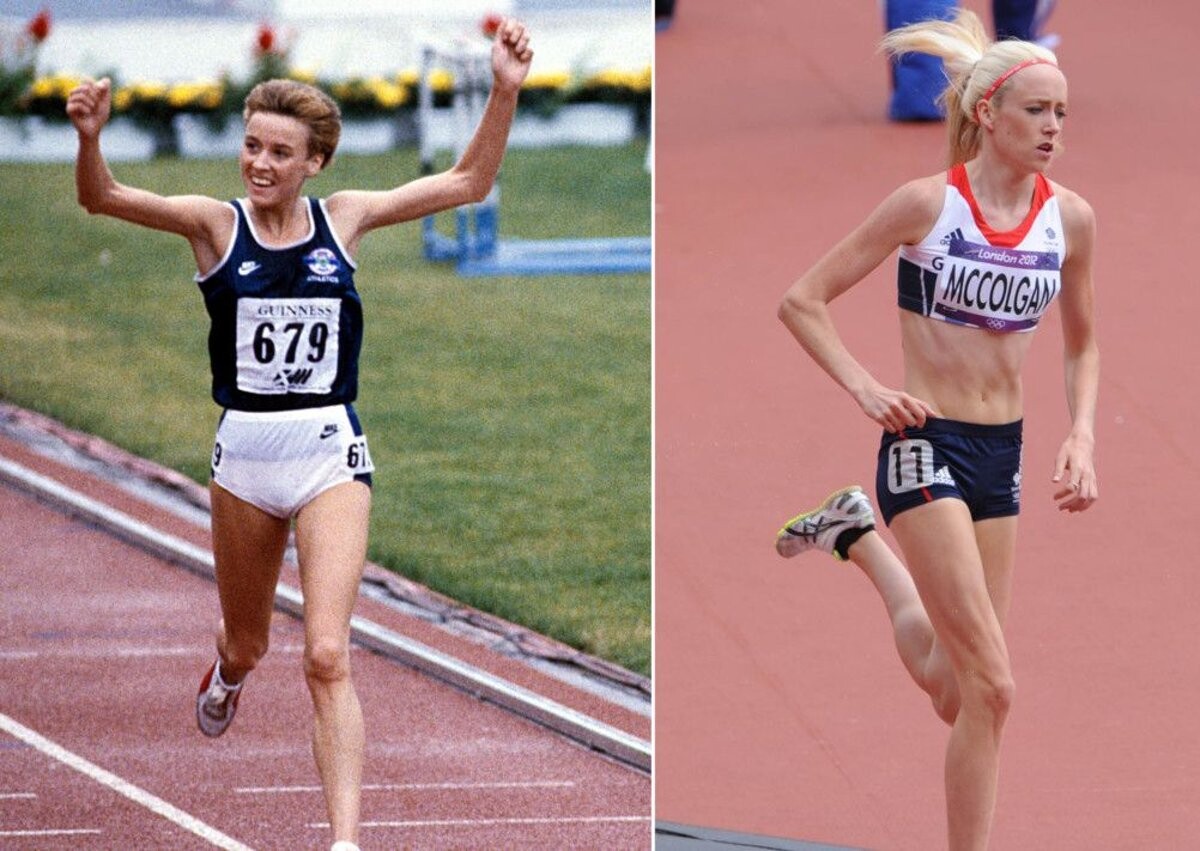
More than three decades ago, Liz McColgan returned home to Arbroath carrying one of the greatest achievements of her career. It was 1991, and the Scottish distance-running star had just become a world champion after winning the 10,000m title at the World Championships in Tokyo.
Waiting for her at home was her young daughter, Eilish McColgan.
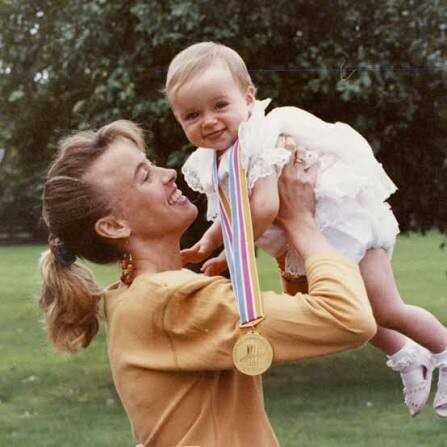
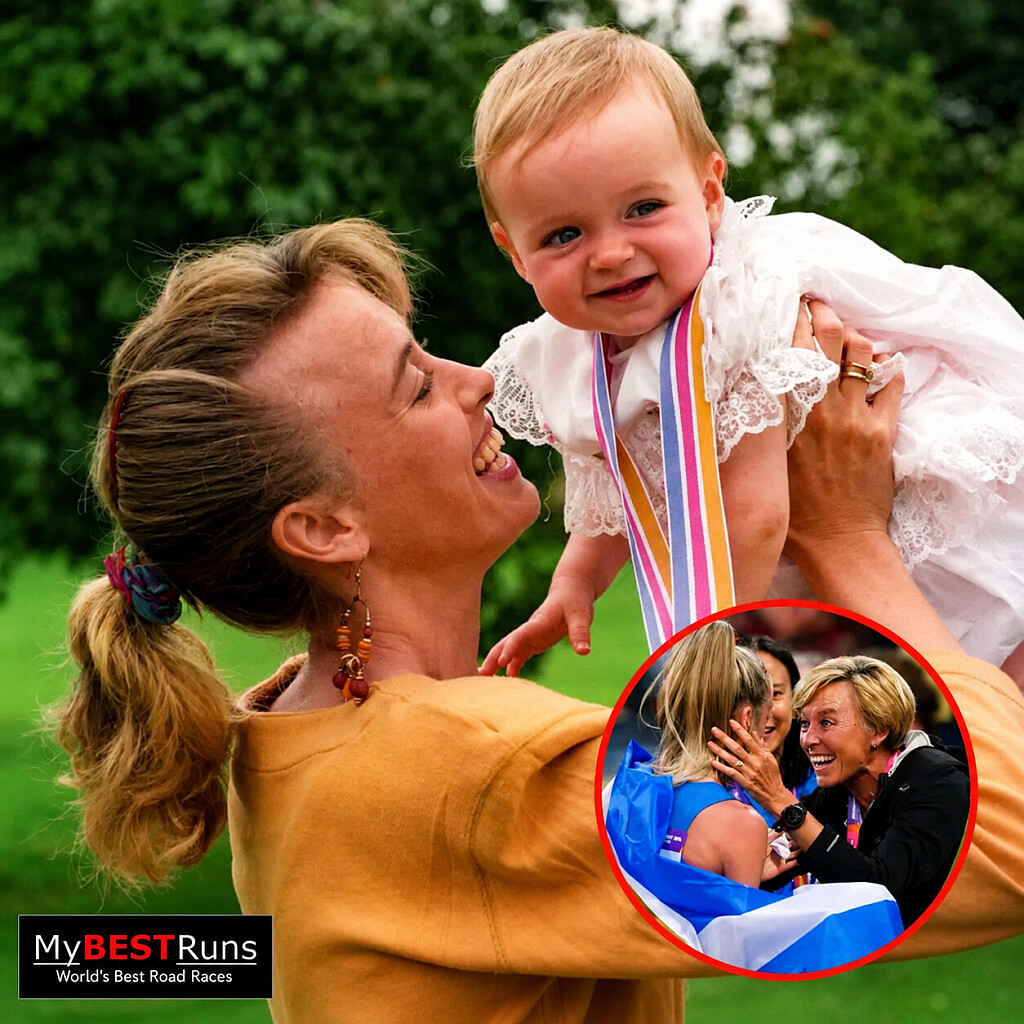
A now-iconic photograph from that period shows Liz lifting Eilish in her arms — a simple family moment that, with the benefit of hindsight, looks almost symbolic. The mother had conquered the world stage. Her daughter was still a child, with no way of knowing that one day she would follow the same path and begin rewriting the very records her mother had established.
Liz's Tokyo triumph was accompanied by a Scottish record of 30:57.07 for 10,000m, a remarkable mark that remained untouched for 31 years.
Then, in 2022, history came full circle.
In Hengelo, the daughter finally caught up with the mother.
Eilish McColgan produced a stunning 30:19.02 to smash Liz's Scottish 10,000m record, taking more than 37 seconds off a mark that had survived for three decades. It was more than a fast race; it was one of those rare moments when athletics becomes a family story spanning generations.
But Eilish was not finished.
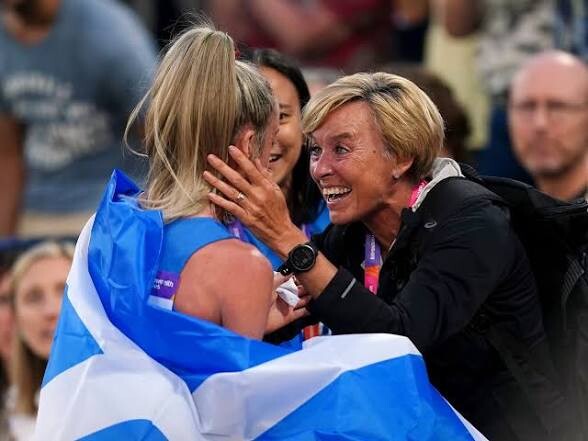
Later that summer, she lined up for the 10,000m at the Birmingham Commonwealth Games with her mother's legacy firmly in view. In front of a home crowd and with Liz watching proudly from the stands, Eilish delivered another extraordinary performance.
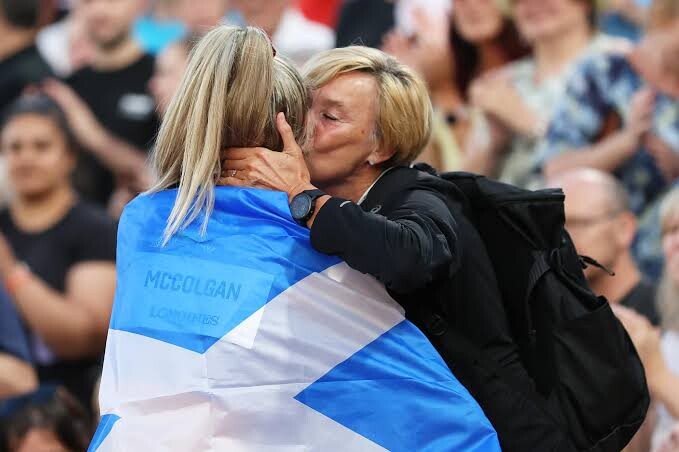
She won Commonwealth gold — and in doing so, broke the Commonwealth Games record that had previously belonged to her mother.
The symbolism was extraordinary.
The woman who had once lifted her daughter in celebration was now watching that same daughter stand on the highest step of the podium, wearing gold and surpassing records that had defined her own career.
Mother and daughter had effectively exchanged roles.
Liz had been the record holder.
Eilish became the record breaker.
And what began with a photograph in Arbroath had evolved into one of the most remarkable mother-daughter stories in modern distance running.
Eilish has continued to build on that legacy, pushing the family name to even greater heights and adding major records to her résumé, including reclaiming the European 10km record.
Yet perhaps the most powerful part of the story is not the numbers.
It is Liz's perspective.
“My daughter’s success is 100 times better than my own,” she once said.
That sentence captures something a stopwatch never can.
For an athlete, records eventually fall. Medals are eventually won by someone else. Times that once seemed untouchable become targets for the next generation.
But when the person breaking your records is your own daughter, the story takes on an entirely different meaning.
Liz did not simply leave behind a record for Eilish to chase. She left behind an example.
And Eilish did not simply break her mother's records. She carried the family story forward and created a legacy of her own.
From a mother lifting her young daughter in 1991 to a daughter standing on a Commonwealth podium more than 30 years later, the McColgan story is a beautiful reminder that athletics can connect generations in ways no statistic can fully describe.
Some records are measured in seconds.
Some victories are measured in medals.
But the greatest legacies are measured in generations.
by Erick Cheruiyot for My Best Runs.
Login to leave a comment
