

Running News Daily
Running News Daily is edited by Bob Anderson and team. Send your news items to bob@mybestruns.com Advertising opportunities available.
Index to Daily Posts · Sign Up For Updates · Run The World Feed



Beers, Bomb Suits and Blue Jeans: The Weirdest Mile-Run Records Known to Man-13 baffling ways humans have covered 5,280 feet

The running and drinking communities have long shared an unlikely Venn diagram. In the 1930s, some athletes would bring beer along for lengthy workouts, believing that its hearty grains might propel them to longer distances. For decades, at the end of the Berlin Marathon, runners who’ve made the podium are given medals and enormous boots of Erdinger. And these days, running clubs like Toronto’s RUNTOBEER start and finish at breweries around the city. Hell, there’s even a craft brewery in Chico, California, called Sufferfest that’s operated by lifelong runners and makes light, low-calorie ales designed for the highly active beer drinker.
Still, there is no greater (nor less subtle) collision of these two disciplines than the infamous Beer Mile, a concept that is arguably more popular than any internationally sanctioned event in the entire sport of track and field. It’s an irresistible blend — the familiarity of elementary-school gym class with the low-class hijinks of college — and it’s at the forefront of an unofficial, utterly unasked-for movement in both the amateur and professional running circles: run four laps hard, but make it weird.
In the last five months, runners have set two new, preposterously specific mile-run records: one while handcuffed, and one while wearing a pair of blue jeans. It would be tempting to laugh these efforts off, if only they weren’t so fast. (The jeans miler rumbled in at an unholy 4:06.) And really, at the end of the day, it’s fun to embrace these races, which wed the appeal of an old, oft-forgotten sport with stunts and gimmicks that thrive on social media.
Which is exactly what we’ve done. Below, find the 13 weirdest mile-run records known to man — including the fastest miles ever run in a bomb suit, with a dog and under the influence of chocolate milk.
Fastest Beer Mile
Corey Bellemore, 4:33
Bellemore actually ran a 4:24 about a year after his 4:33 mark, but got disqualified for leaving a combined 4.5 ounces of beer in his “empties.” Those judges are serious. As is his running ability; he’s an Adidas-sponsored athlete with a personal best of 3:57 to his name. Which is a crucial theme in the world of wacky mile records: always eager for a challenge, the pros inevitably hijack the bonkers creations of layman runners. Just six years ago, for instance, the running world had celebrated its first sub-five beer mile. Check out the full catalogue of all-time bests here, including stats on the favored beers. (Budweiser is currently in the lead, though Bellemore, a Canadian, prefers the craft stuff from Ontario’s Flying Monkeys Brewery.)
Fastest Mile in Jeans
Johnny Gregorek, 4:06
This past May, Asics athlete Johnny “The Jet” Gregorek ran a blistering 4:06 in a pair of Levi 501s. It was enough to beat Dillion Maggard’s former record time of 4:11, and horrify millions across the internet who think wearing jeans on a plane should be a “criminal offense.” Gregorek, who is a middle-distance star with a silver medal from the 2019 Pan American Games, trained for his record by running 100-meter sprints in the blue jeans to break them in. On race day, he also managed to raise $31,000 for the National Alliance on Mental Illness, in an homage to his late brother. Levi’s donated $5,000.
Fastest Walking Mile
Tom Bosworth, 5:31
Of all the feats listed here, this is the only one that doesn’t actually involve running. And yet, it’s also the only one you’re likely to find at a legitimate track meet. Racewalking is very much a sport, despite the fact that it looks like several minutes of that “This one is serious” dash people make for the bathroom after eating bad shellfish. The only rule? Keep one foot in contact with the ground at all times, which distinguishes it from the leaps and bounds of running. Distances usually start at 3,000 meters, and hike all the way up to 100 kilometers (that’s 62 miles), but mile races have some popularity, too. At the 2017 Diamond League in London, British race walker Tom Bosworth clocked in at 5:31, to the delight of a very excited commentator.
Fastest Mile Downhill
Mike Boit, 3:27
We recently covered a virtual, March Madness-style running tournament called “Survival of the Fastest,” in which runners were pitted against each other each week to race a new, specific distance. Downhill racing was allowed in the competition (even encouraged) and by the time the bracket had been whittled down to a final four, every runner involved was hitting start on Strava from the top of a mountain in order to ensure the most competitive time possible. It really does make an absurd difference. Hicham El Guerrouj has holds the official world record for the mile run (3:43), but Mike Boit’s performance in 1983, when he sprinted down a hill through the center of Auckland to a 3:27 finish, is the fastest a human being has ever covered 1,600 meters on his own two feet.
Fastest Mile in Alaska
Ben Blankenship, 3:57
“An Alaskan Mile” was an official selection for the Flagstaff Mountain Film Festival in 2018, and it chronicles an effort by eight elite runners — with Oregon and Olympian pedigrees among them — to become the first to break the four-minute barrier on Alaskan soil. As Trevor Dunbar (one of the runners, the event organizer and from Kodiak, himself) points out, Alaska only has three months where such an accomplishment would be remotely possible, and even then, high winds or even frost could arrive right before the gun goes off. It’s worth the 20-minute watch if you’re interested, but just know that Alaskans were amped to see Minnesotan Ben Blankenship go well under four, setting a new state record.
Fastest Mile on a Treadmill
Anthony Famiglietti, 3:58
It’s Anthony Famigletti’s party, and he’ll run a 3:58 mile on a treadmill if he wants to. A former Olympian who competed in the 3,000-meter steeplechase in Beijing, Famiglietti recruited the fastest American miler ever, Alan Webb (3:46), to help him start breaking four-minute miles into his forties. It worked. This is Famiglietti late last year, on his 41st birthday, running at a 3:58 pace for a full mile on his treadmill. Forget anything you’ve heard about treadmills juicing performance; that’s irrelevant here. Him staying on that machine is akin to deftly canoeing through Class V rapids. And better yet, he got to do it at his own Reckless Running store in Mooresville, North Carolina, which he owns with his wife.
Fastest Mile with a Dog
Anthony Famiglietti, 3:59
More Famigletti. Another impressive sub-four — this one a year earlier, at age 40 — but all credit here goes to Bailey the dog, who casually rolled out of bed to brush against the pinnacle of human athletic achievement, and wanted more. Famigletti affixed Bailey to his waist via a hands-free “bungee” leash (which doesn’t exactly square with our dog running tips, by the way) and ran hard to earn his time. But the fact that Bailey basically dragged an adult 5,280 feet and didn’t once chase a squirrel is the real takeaway here.
Fastest Backwards Mile
Aaron Yoder, 5:54
The Guinness World Record for fastest backpedaled mile ended with the following exchange:
Fastest Chocolate Milk Mile
Mars Bishop, 4:56
On paper, it’s the PG-rated beer mile. But subbing chocolate milk for beer is no joke, and arguably more likely to end in puke penalties. At the 2nd Annual Chocolate Milk Mile in Cranston, Rhode Island, runners slugged cups of the good stuff from East Providence’s Munroe Dairy Farm. A number of runners had to run shame laps for spewing, but runner Mars Bishop torched the track to the tune of 4:56. Because the rules to the Chocolate Milk Mile are exactly the same as the Beer Mile, beermile.com has apparently decided to include the results in its database. (Under beer of choice, they put a chocolate milk logo.) With all respect to Bishop, this record — from 2017 — seems ready to be broken again.
Fastest Mile While Handcuffed
Jeremy Greenwald, 4:52
Save your “running from the cops” jokes, YouTube’s finest have already handled that. Besides, we’re legitimately interested in this from a physical standpoint. Despite the amount of long-distance runners you see without much meat on their arms, the mile is a bang-bang event, where many competitors rely on a dramatic, arm-pumping “kick” in their last lap. To break five with those arms rendered useless is a real challenge. It’s clear from the video that Greenwald, a former Division 1 runner at Georgia Tech, had to rely heavily on his core muscles while keeping his shoulders straight and back; after all, if he fell, the whole thing was over. The previous record for this “event” was 6:37.
Fastest Mile in a Bomb Suit
Daniel Glenn, 8:57
Advanced Bomb Suits weigh 80 pounds, and are reinforced with Kevlar ballistic panels that can withstand blasts traveling at supersonic speeds of over 1,600 m/s. If you’ve seen The Hurt Locker, you have an idea of how serious they are: soldiers routinely get heat exhaustion from just walking around a few paces in one, so for Lt. Daniel Glenn to complete a full mile in one is unheard of. But to do so at the clip of an average American mile time (nine to 10 minutes) is staggering. Even more impressive: he did it in Florida.
Fastest Mile While Juggling
Zach Prescott, 4:43
Yeah, you were probably going to get through your entire life without discovering that “joggling” existed, and you would’ve been just fine. Sorry. Joggling is running while juggling three objects in time, and for decades, Kirk Swenson was the undisputed king of the sport. He joggled a 4:43.8 way back in 1986. Then Boston University runners Zach Prescott came along, and threw three lacrosse balls around en route to a buzzer-beater 4:43.2 victory. Guinness World Records is still in the process of verifying the new record.
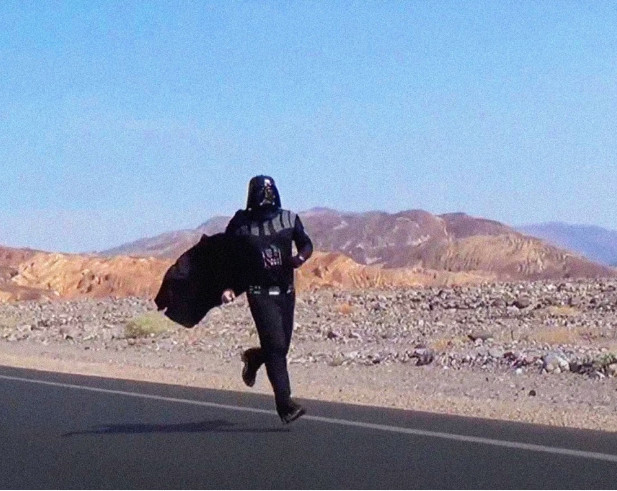
Fastest Mile in Death Valley While Wearing a Darth Vader Suit
Jonathan Rice, 6:13
This happened and and there is NOTHING any of us can do about it.
Login to leave a comment
Latest Running News
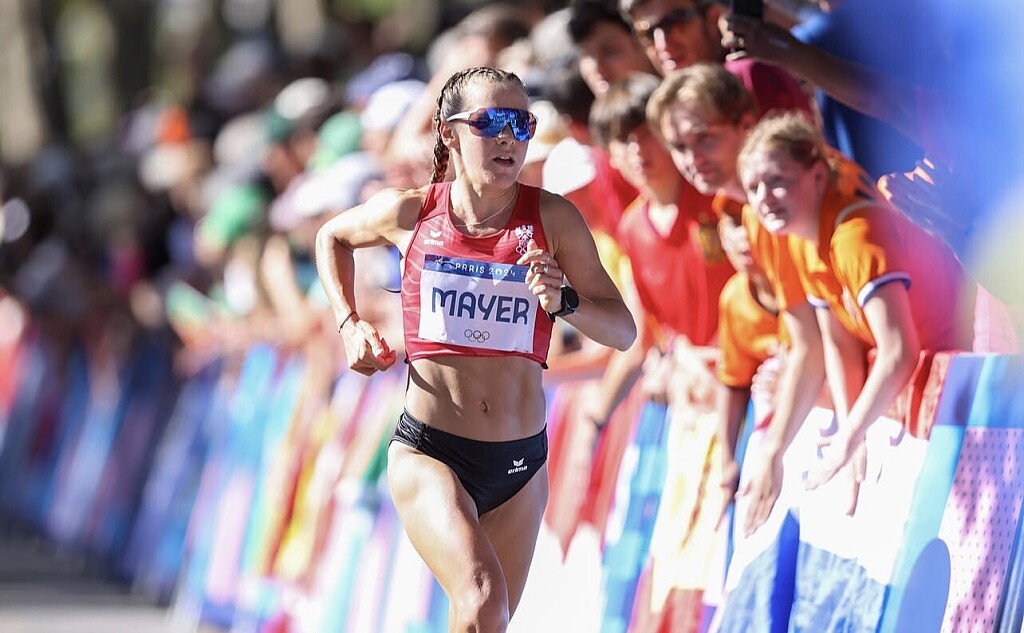
The Soccer Player Who Became Austria’s Olympic Marathon Record Holder
Most Olympic marathoners spend their youth focused on running. They join track clubs, compete in national championships, and pursue the sport from an early age.
Julia Mayer’s journey was very different.
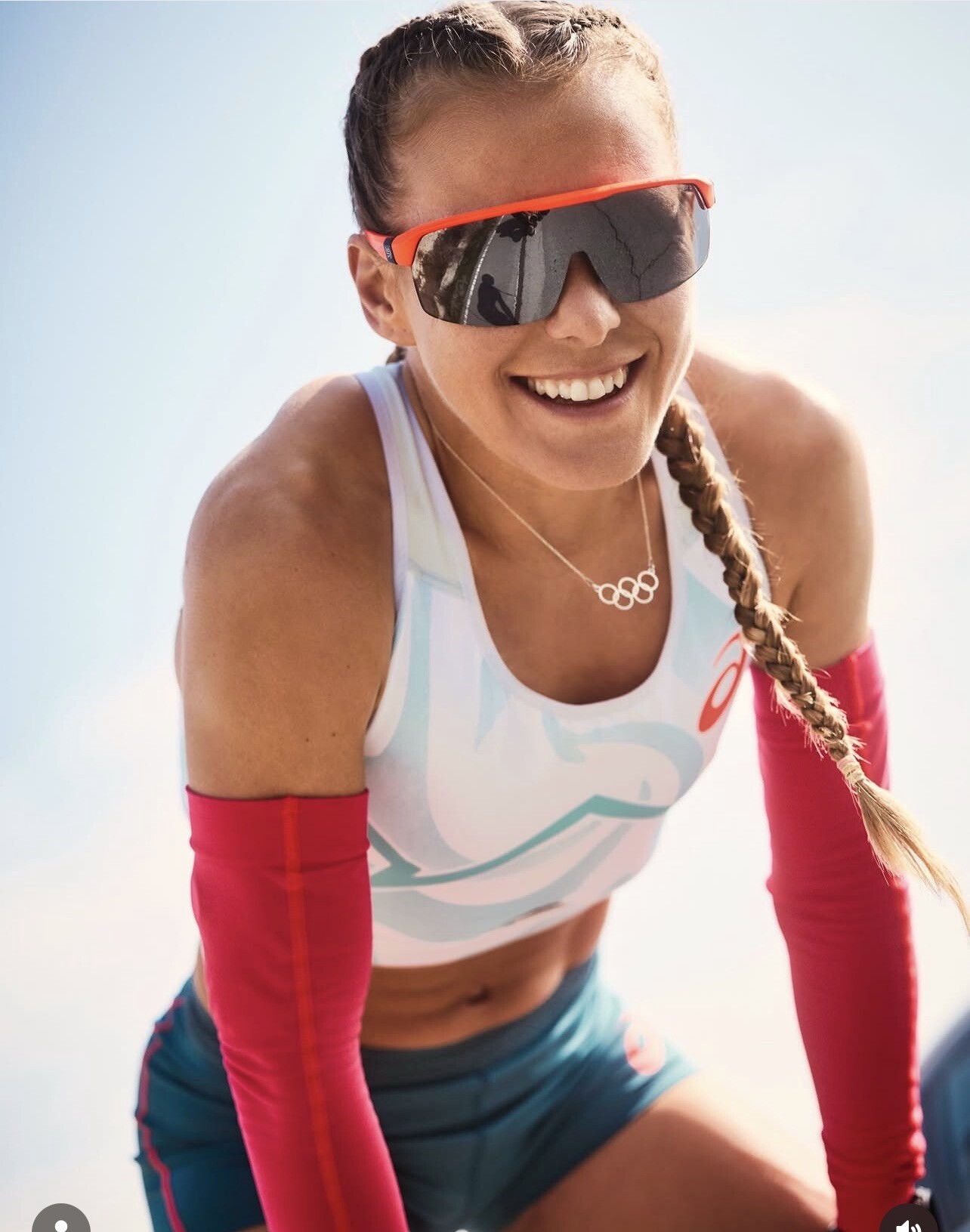
Today, Mayer is Austria’s marathon record holder, a multiple national record holder on the roads, and an Olympian. Yet for much of her athletic life, running was not her primary sport.
For 16 years, she played soccer.
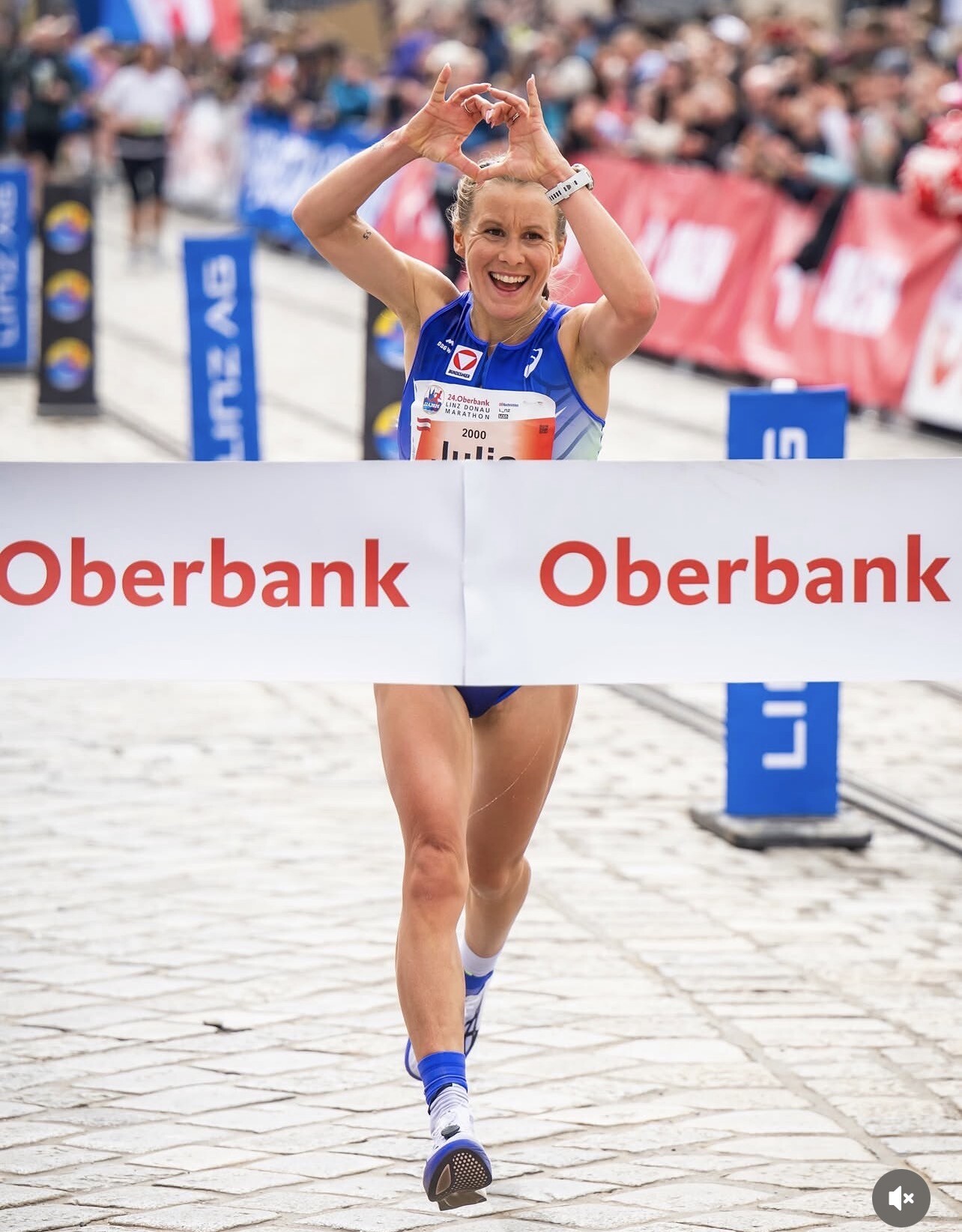
Then she discovered something that would change her life.
“I noticed that I was really fast in the fun runs and that it was really, really fun,” Mayer said when reflecting on her transition from soccer to distance running.
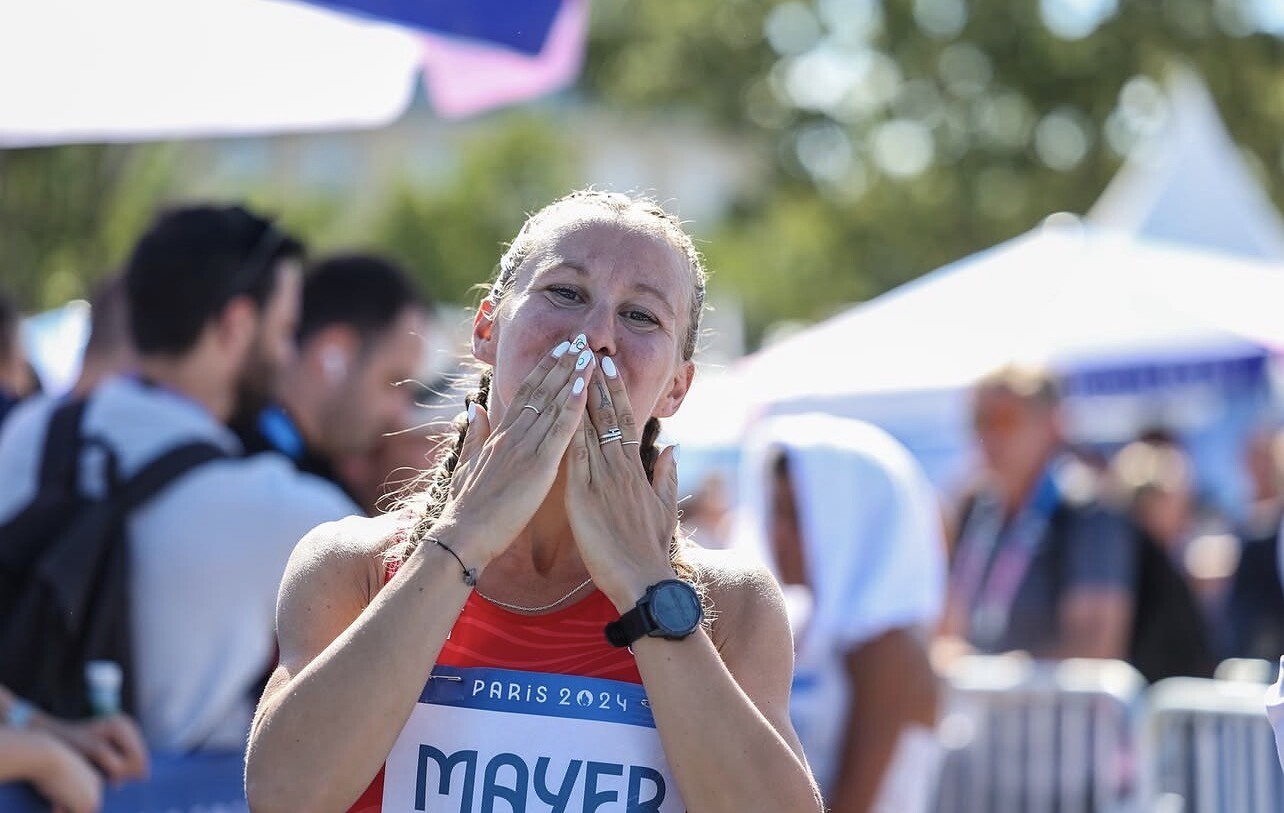
What began as curiosity quickly became a passion. She eventually made the bold decision to leave soccer behind and focus entirely on running. It was a move that surprised many people around her, but Mayer believed she had found her true athletic calling.
The decision proved to be the right one.
Within a few years, Mayer developed into one of Europe’s top marathon runners. Her steady improvement carried her from local races to the international stage, where she began rewriting Austria’s record books.
She now holds Austrian records in the marathon, half marathon, and road 10K. Her marathon best of 2:26:08 established her as the fastest female marathoner in Austrian history. Her performances in the half marathon and 10K have further cemented her place among the country’s all-time great distance runners.
Her rise culminated with qualification for the 2024 Olympic Games in Paris.
Competing in the Olympic marathon represented the realization of a dream. On one of the most challenging marathon courses ever used for the Olympics, Mayer ran courageously against the strongest field in the world and finished 55th in her Olympic debut.
Behind the scenes, success has come through extraordinary dedication. During marathon preparation, Mayer trains twice a day and covers approximately 200 kilometers, or 124 miles, each week. The workload demands discipline, patience, and a deep commitment to continuous improvement.
What makes her story especially inspiring is not simply the records or the Olympic appearance.
It is the fact that she found her greatest talent later than many elite runners.
In a sport where athletes are often identified at a young age, Mayer’s journey serves as a reminder that potential does not always reveal itself early. Sometimes it takes years of experience, a willingness to try something new, and the courage to follow a different path.
The former soccer player who once chased a ball across a field is now chasing history on the roads of Europe.
And according to those closest to her, her best performances may still be ahead.
For runners of every age and ability, Julia Mayer’s story delivers a powerful lesson: it is never too late to discover what you are capable of.
From soccer player to Olympian, her journey proves that remarkable achievements can begin when least expected.
by Boris Baron
Login to leave a comment
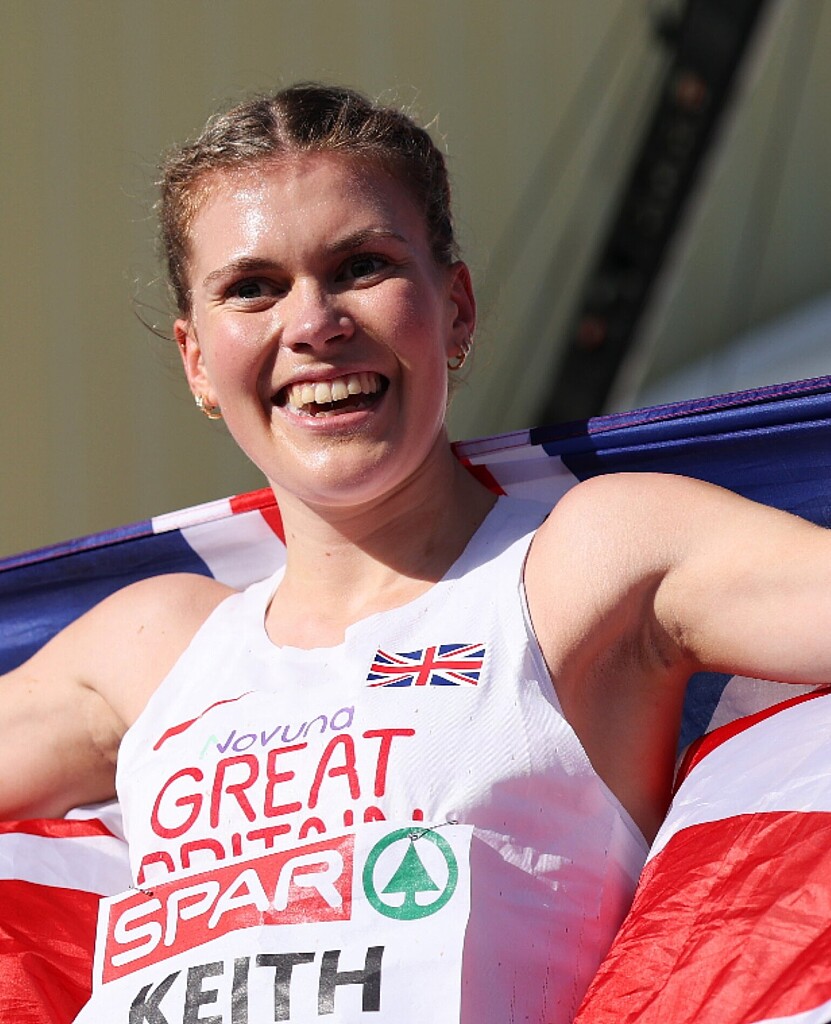
Megan Keith Rewrites Scottish History with Stunning 3000m Record in Oslo
Megan Keith produced the performance of her career in Oslo on Thursday night, shattering one of Scotland’s longest-standing distance running records and cementing her place among Britain’s greatest female 3000m runners.
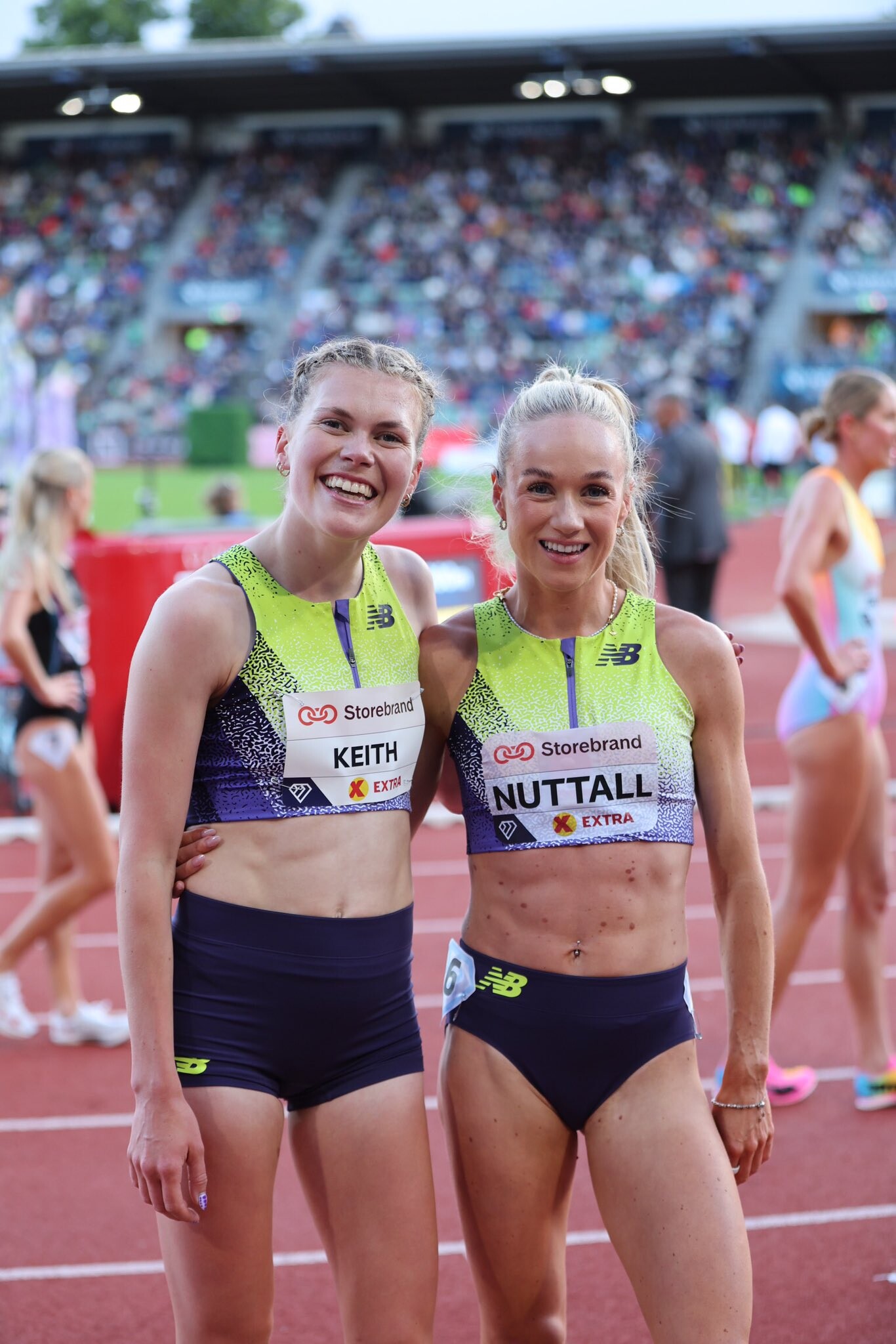
The 24-year-old clocked a sensational 8:28.35 over 3000m, breaking the Scottish outdoor record that had stood for nearly four decades. In doing so, Keith eclipsed the previous mark of 8:29.02, set by Scottish legend Yvonne Murray back in 1988, ending a record reign that had lasted 38 years.
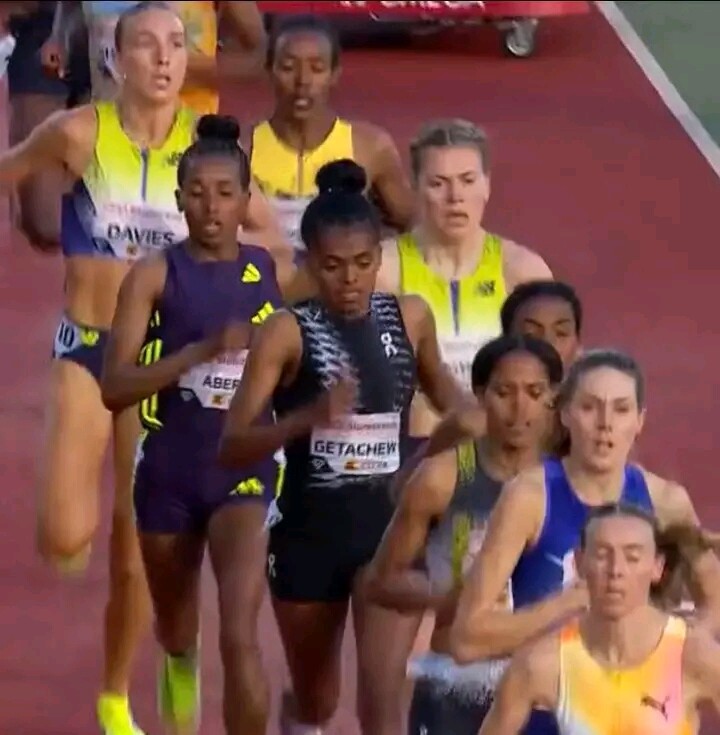
Keith’s breakthrough run was more than just a national record. The performance also propelled her to third on the UK outdoor all-time list, placing her behind only two of Britain’s most celebrated distance runners — Paula Radcliffe, who leads the rankings with 8:22.20, and Laura Weightman, whose 8:26.07 remains the second-fastest outdoor mark by a British woman.
The significance of Keith’s achievement is amplified by the calibre of athletes she now joins in the record books. For decades, Murray’s mark stood as one of Scottish athletics’ most untouchable records, surviving generations of elite competitors. Keith has now succeeded where many outstanding runners have fallen short, announcing herself as one of the leading distance talents in British athletics.
Her time also compares favourably with the best performances produced indoors. Olympic medallist Laura Muir ran 8:26.41 indoors in Karlsruhe in 2017, underlining just how exceptional Keith’s outdoor effort in Oslo truly was.
The run continues a remarkable rise for the Scottish star, whose progression over recent seasons has transformed her from a promising prospect into a genuine force on the international stage. Running with confidence and composure against elite competition, Keith demonstrated both the speed and endurance required to challenge the very best in Europe and beyond.
With the World Championship season gathering momentum, Keith’s record-breaking display sends a powerful message. Not only has she etched her name into Scottish athletics history, but she has also established herself as a serious contender in one of the sport’s most competitive events.
In Oslo, Megan Keith did far more than break a record. She ended a 38-year wait, climbed into the upper echelon of British distance running, and delivered a performance that may prove to be a defining moment in her career.
by Erick Cheruiyot for My Best Runs.
Login to leave a comment
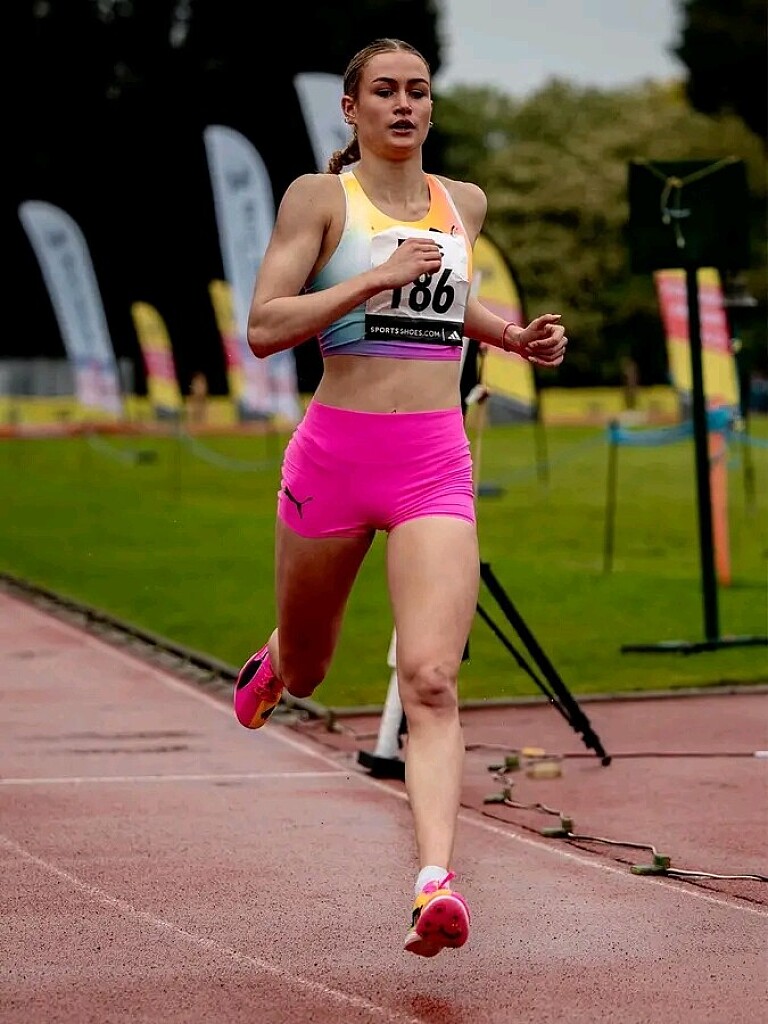
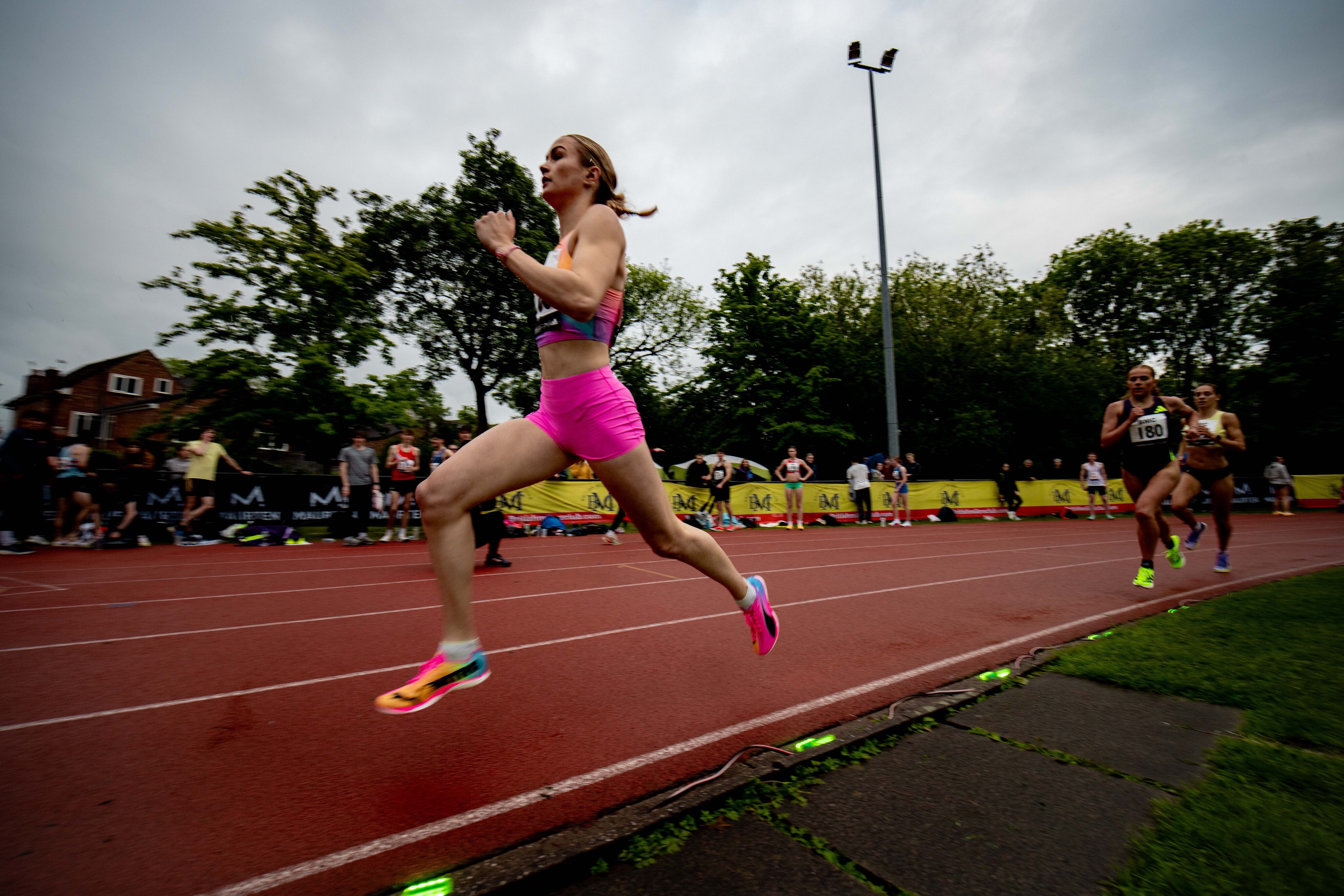
Gill Continues Encouraging Comeback with Marseille 800m Victory
British middle-distance talent Phoebe Gill took another significant step forward in her return to top form, producing a determined victory over 800 metres at the Meeting de Marseille in France on Wednesday.
Competing in challenging, wind-affected conditions, the 19-year-old demonstrated both resilience and composure as she held off a late charge from Switzerland's Veronica Vancardo to secure the win in 2:00.81. Vancardo finished just three hundredths of a second behind in 2:00.84, underlining the fiercely contested nature of the race.
While the margin of victory was narrow, the result represented another encouraging milestone for Gill as she continues to rebuild momentum following her injury setback. The young Briton showed impressive race awareness and strength in the closing stages, maintaining her advantage despite the difficult conditions that made fast running a challenge throughout the evening.
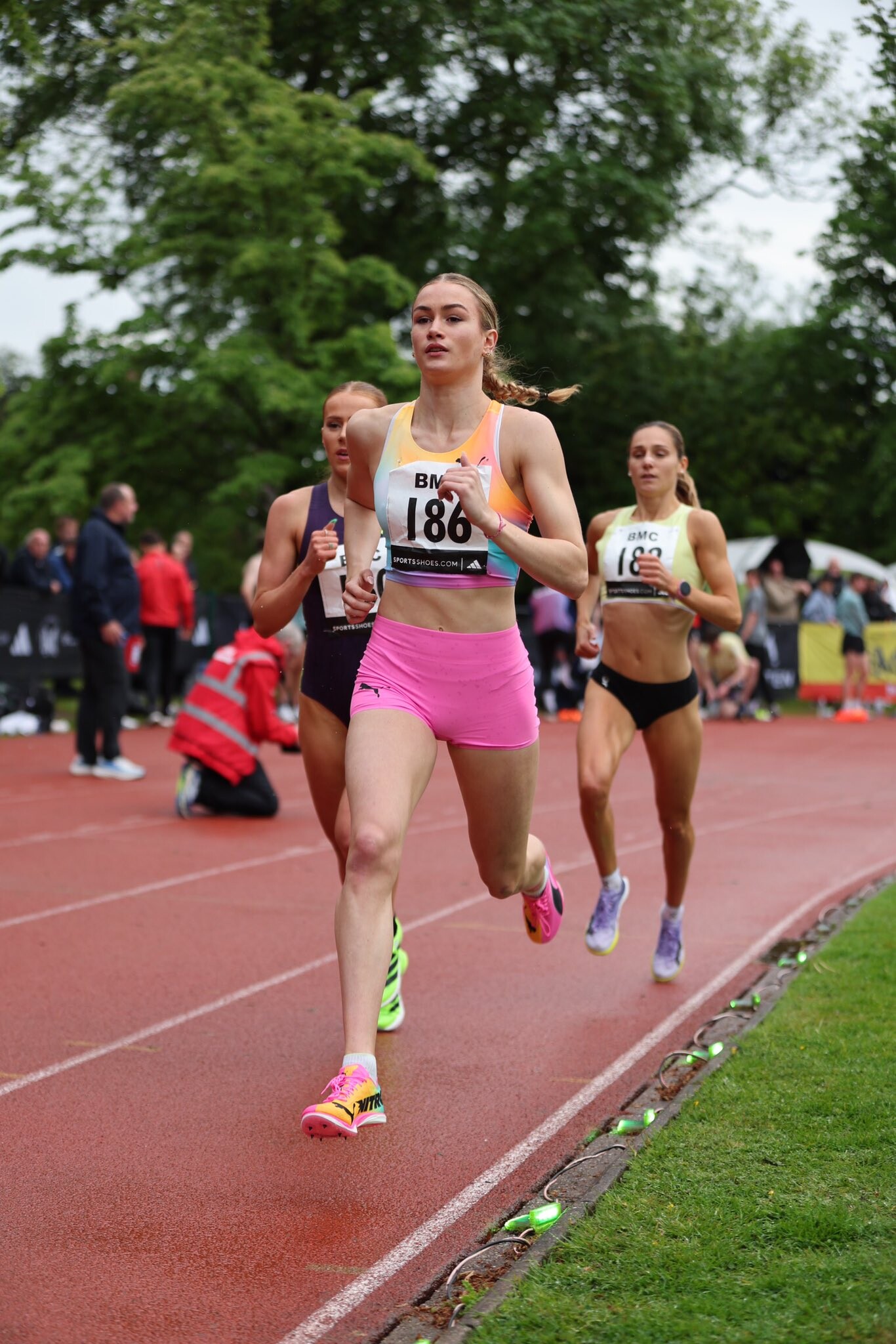
The Marseille triumph adds to a growing body of evidence that Gill is steadily progressing toward her best form. Earlier in her comeback campaign, she clocked 2:01.50 for 800m in Bydgoszcz before demonstrating her versatility with a strong 4:05.53 performance over 1500 metres at the BMC Grand Prix meeting in Trafford.
Those performances have highlighted not only her improving fitness but also her ability to compete across multiple distances as she carefully builds her season. The Marseille victory now provides further confirmation that the European junior star is moving in the right direction.
Gill emerged as one of Britain's most exciting middle-distance prospects through a series of breakthrough performances as a teenager, earning widespread recognition for her fearless racing style and remarkable maturity. Injury temporarily interrupted that upward trajectory, but her recent results suggest she is steadily rediscovering the form that made her one of the sport's brightest young talents.
With each race, the signs of progress become increasingly evident. Winning in difficult conditions and under pressure from a quality field is often a stronger indicator than a fast time alone, and Gill's latest success demonstrated exactly those qualities.
As the summer season gathers pace, the Marseille victory offers another confidence boost for the British teenager, whose return continues to gain momentum. If her recent progression is any indication, Gill could soon find herself back among the leading names on the European middle-distance circuit.
by Erick Cheruiyot for My Best Runs.
Login to leave a comment
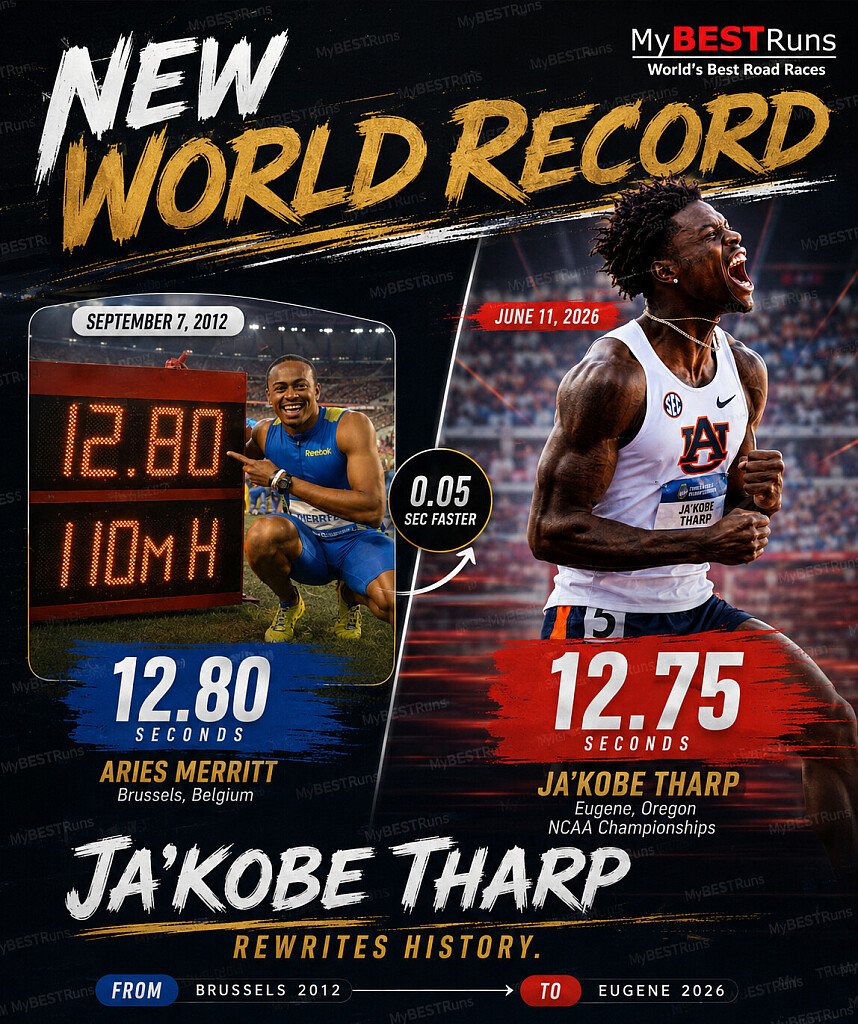
Ja’Kobe Tharp Shatters World Record with Historic NCAA Hurdles Performance
The NCAA Track and Field Championships delivered a moment few could have predicted as Ja’Kobe Tharp produced one of the most astonishing performances in the history of sprint hurdling, rewriting the record books in spectacular fashion.
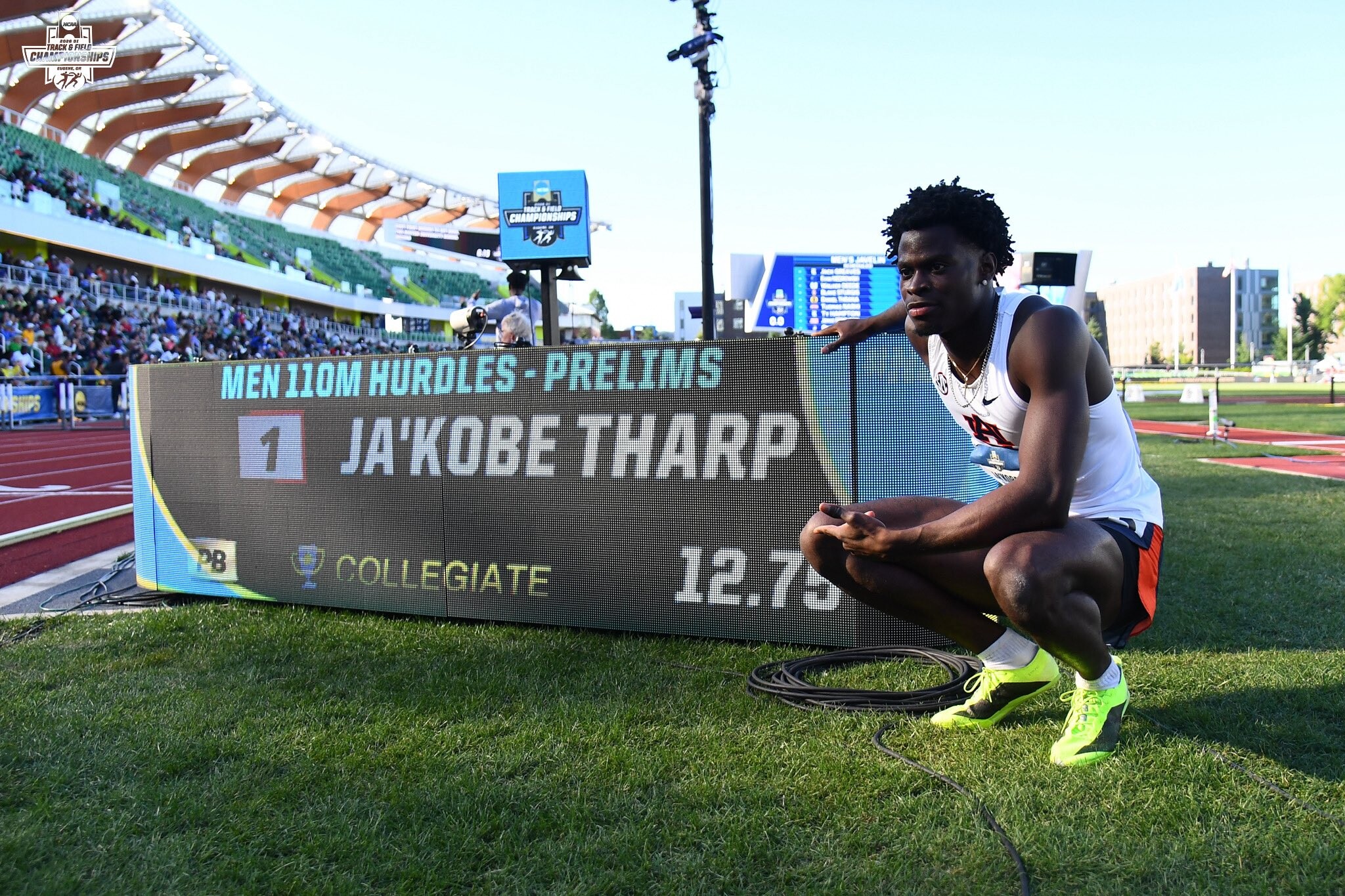
Competing in the opening round of the men’s 110-meter hurdles, the Auburn star stunned the athletics world by clocking an incredible 12.75 seconds, becoming the first athlete ever to break the 12.80-second barrier. In doing so, he eclipsed the long-standing world record of 12.80 set by Aries Merritt in 2012, a mark that had stood as one of the sport’s most revered achievements for more than a decade.
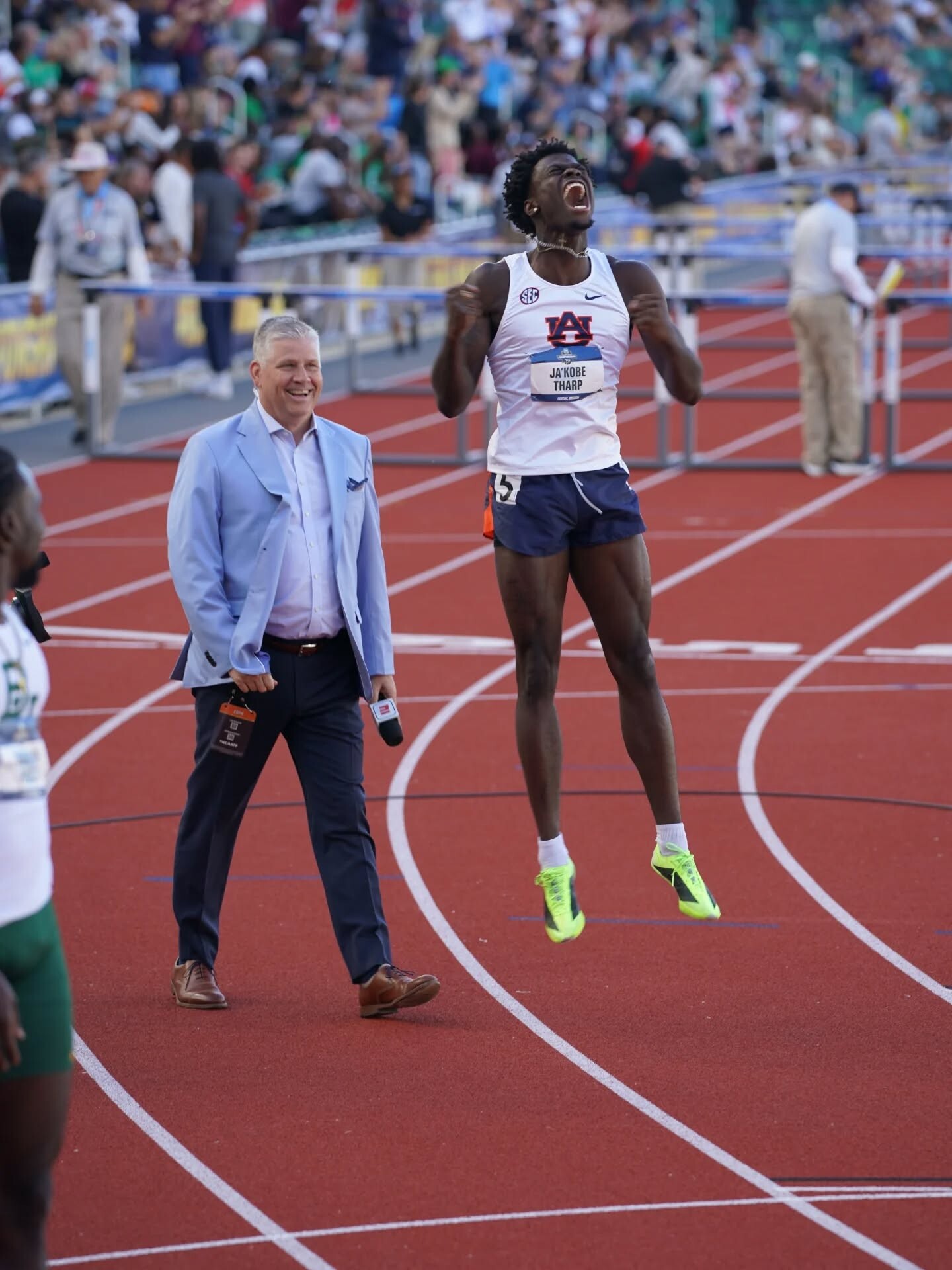
What makes Tharp’s breakthrough even more remarkable is the scale of his improvement. Entering the championships, the defending NCAA and U.S. champion had recorded a season-best of 13.05 seconds. Yet under the brightest spotlight, he unleashed a performance that exceeded every expectation, slicing an extraordinary 0.26 seconds from his personal best in a race that instantly became one of the greatest ever run.
The achievement sent shockwaves throughout the track and field community. While Tharp arrived in Eugene as one of the leading contenders for the NCAA title, few envisioned a performance capable of redefining the limits of the event. Instead, the American hurdler delivered a race for the ages, combining flawless technique, explosive speed, and impeccable rhythm from the first hurdle to the finish line.
The historic run not only secured his place in athletics history but also transformed the outlook of the championship. With the world record now in his possession, Tharp advances to the final as the overwhelming favorite, carrying momentum that could make an already unforgettable weekend even more extraordinary.
For years, the 12.80 barrier appeared untouchable. On a stunning day at the NCAA Championships, Ja’Kobe Tharp proved otherwise, producing the kind of performance that reminds fans why sport remains so unpredictable. In a matter of seconds, he turned a routine qualifying round into a landmark moment that will be remembered for generations.
The world record no one saw coming is now a reality—and Ja’Kobe Tharp is the man who changed history.
by Erick Cheruiyot for My Best Runs.
Login to leave a comment
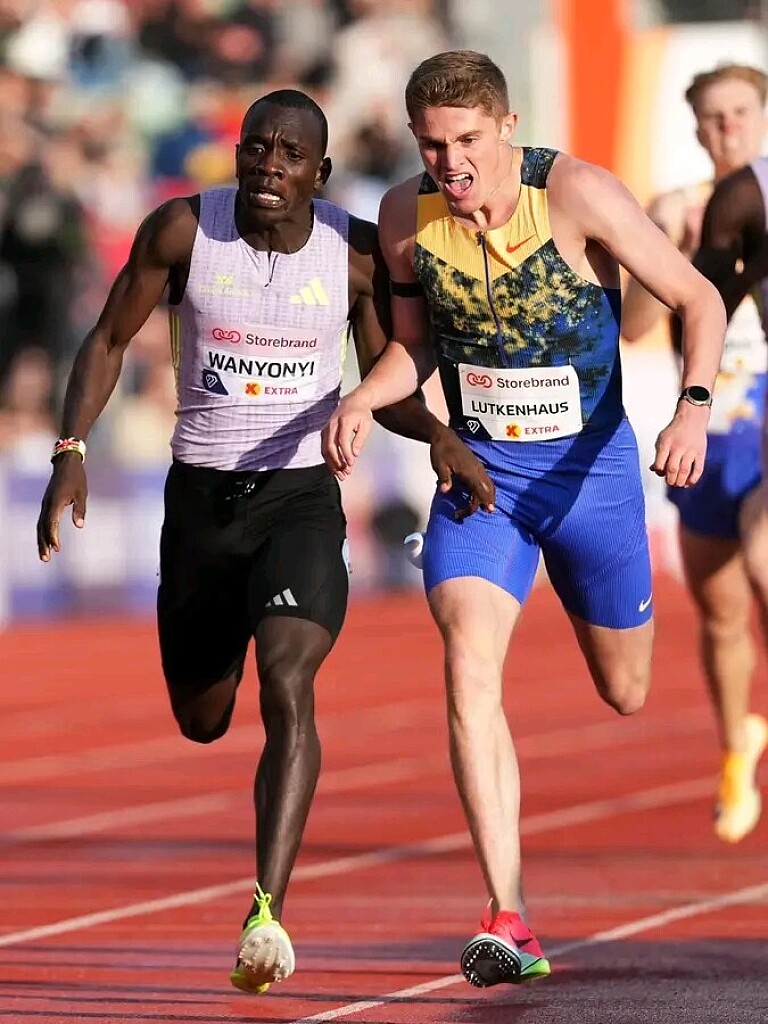
Lutkenhaus Delivers Stunning Upset as Teenage Star Edges Olympic Champion in Oslo
A new chapter in middle-distance running may have begun in Oslo after American teenager Cooper Lutkenhaus produced one of the most remarkable performances of the season, narrowly defeating reigning Olympic champion Emmanuel Wanyonyi in a thrilling men's 800m contest at the Diamond League meeting.
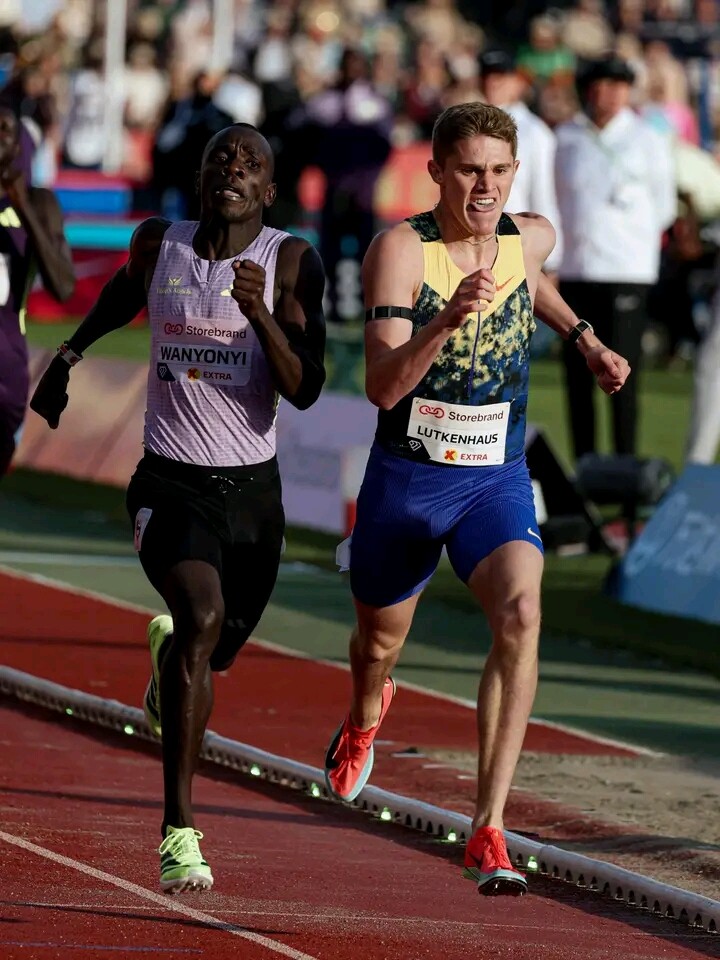
The 17-year-old sensation shocked a world-class field by crossing the finish line first in a race that came down to the smallest of margins. After an intense battle over the final metres, Lutkenhaus held off Wanyonyi by just one hundredth of a second, producing a dramatic finish that left the packed stadium in disbelief.
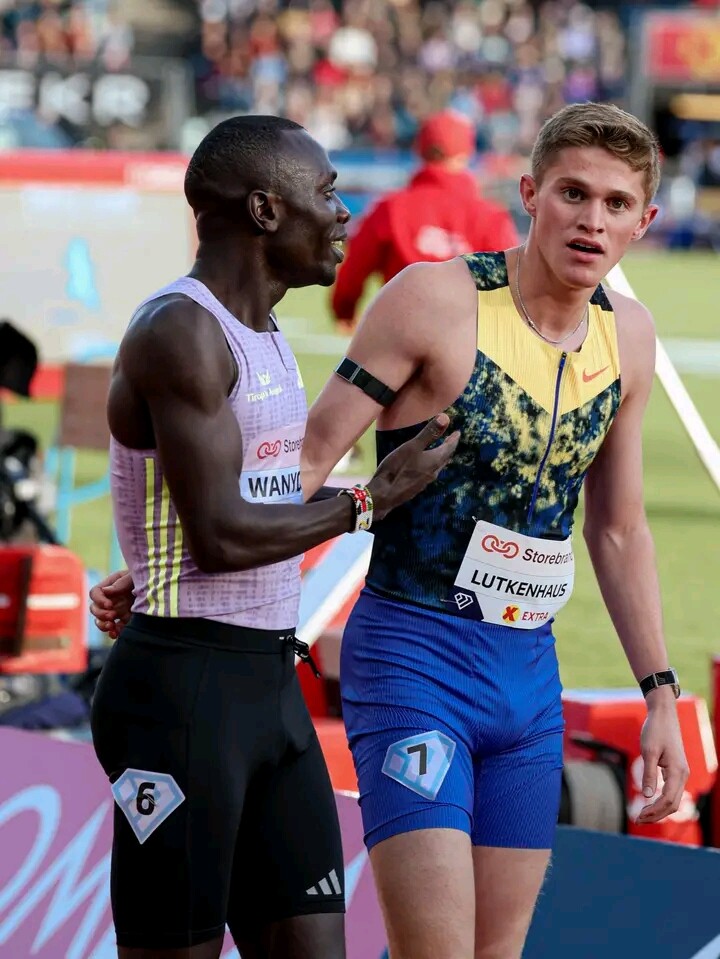
From the opening lap, the pace was relentless as the leading contenders positioned themselves for a fierce showdown. As the athletes entered the home straight, Wanyonyi appeared poised to unleash his trademark finishing kick. However, Lutkenhaus refused to be intimidated, matching the Olympic champion stride for stride before producing a perfectly timed lean at the line to secure a historic victory.
The result marks a breakthrough moment for the young American, who continues to establish himself as one of the brightest talents in global athletics. Defeating an Olympic champion at a Diamond League event is a feat many athletes spend entire careers pursuing, yet Lutkenhaus achieved it before reaching adulthood.
For Wanyonyi, the narrow defeat does little to diminish his status as one of the world's premier 800m runners. The Kenyan once again demonstrated his exceptional class and competitiveness, pushing the race to a world-class standard and forcing his young rival to deliver the performance of a lifetime.
Beyond the result itself, the race offered a glimpse into what could become one of the sport's most exciting rivalries in the years ahead. With established stars and emerging talents now pushing each other to new heights, the men's 800m continues to evolve into one of athletics' most captivating events.
On a memorable night in Oslo, the spotlight belonged to Cooper Lutkenhaus. At just 17 years old, he stood toe-to-toe with an Olympic champion and emerged victorious, announcing himself to the athletics world in spectacular fashion.
by Erick Cheruiyot for My Best Runs.
Login to leave a comment
