

Running News Daily
Running News Daily is edited by Bob Anderson and team. Send your news items to bob@mybestruns.com Advertising opportunities available.
Index to Daily Posts · Sign Up For Updates · Run The World Feed



Mile runner Jim Ryun Receives the Medal of Freedom at the White House

Jim Ryun, the first U.S. high schooler to break four minutes in the mile and an Olympic silver medalist, receives the Presidential Medal of Freedom in the Oval Office, the nation’s highest civilian honor, on Friday.
President Donald Trump on Friday presented one of the nation’s highest civilian honors to Jim Ryun, a former Republican congressman and the first U.S. high schooler to break the 4-minute barrier in running the mile.
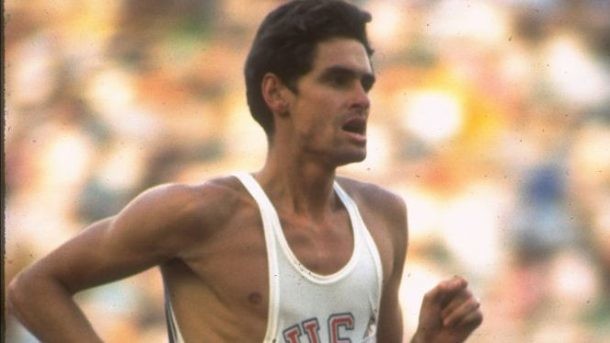
Ryun was the 1968 Olympic silver medalist in the 1,500-meter run and is a three-time Olympian. Trump presented him with the Presidential Medal of Freedom during a ceremony at the White House, calling him a “Legendary athlete and legendary runner."
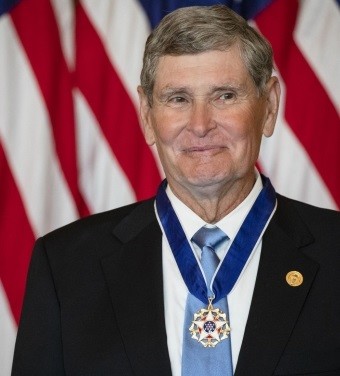
The Presidential Medal of Freedom is presented to those who make especially meritorious contributions to the nation.
He joins a long line of Olympians to receive the Presidential Medal of Freedom, including Jesse Owens, Muhammad Ali and Pat Summitt.
In a news release Tuesday, the White House said it is awarded “to individuals who have made especially meritorious contributions to the security or national interests of the United States, to world peace, or to cultural or other significant public or private endeavors.”
“I’m very humble that I was even considered,” Ryun said by phone on Monday. “One of the things that’s really special about it, too, is that I’m getting it while I’m alive. Sometimes these are awarded after you’re dead.”
Ryun, 73, followed his running career, which included an eight-year span as mile world-record holder, by serving two terms as a U.S. Congressman for Kansas from 1996-2007. Last Friday marked the 54th anniversary of his mile world record performance of 3:51.3 at age 19.
Ryun competed in the Olympic 1500m in 1964 (at age 17), 1968 and 1972. He reached the final in 1968 and earned silver behind Kenyan Kip Keino. He remains the 11th-fastest miler in U.S. history and the oldest in the top 75.
Ryun reflected Monday about failing to make any of his junior high school’s sports teams. He was even cut from his church baseball squad. But within two years of starting cross-country in high school, he broke the four-minute barrier and made the Olympics.
When LeBron James was getting national TV coverage as a high school phenom, ESPN published a list of the greatest prep athletes in history. James was No. 3. Tiger Woods was No. 2. Ryun was No. 1.
Ryun said he still runs two or three days a week.
“But you can’t really call it running anymore. It’s so slow,” he said. “It’s certainly not very fast. It used to be four-minute miles. I’m not even sure I could do a four-minute half-mile now.”
by OlympicTalk
Login to leave a comment
Latest Running News
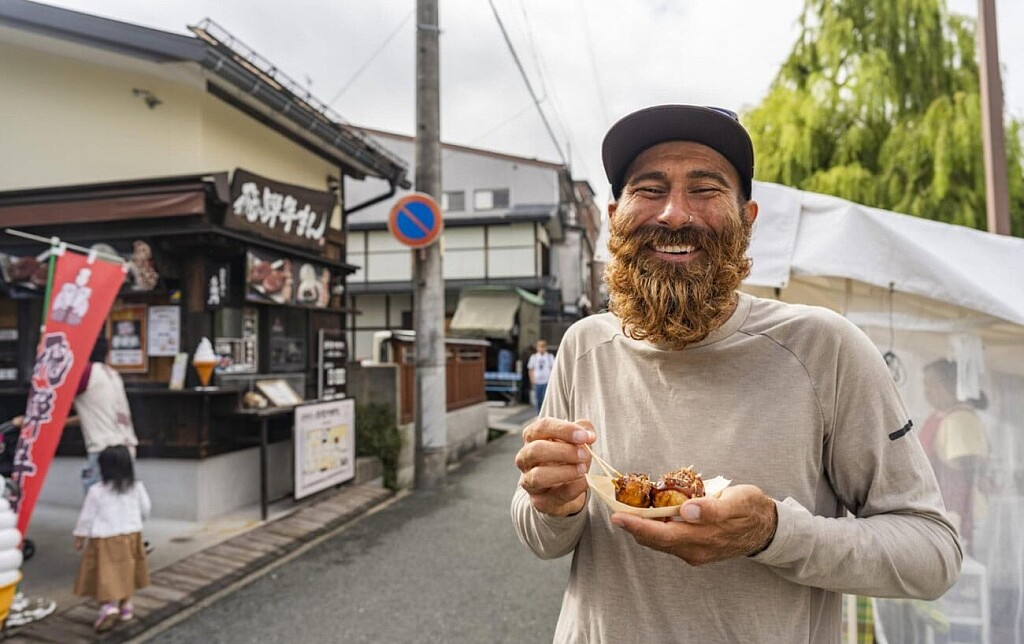
The Comeback Nobody Thought Possible: Tommy Rivs Returns to Marathon Running
In 2020, Tommy Rivs stood at the edge of an unimaginable battle. The elite marathon runner, known for his grit, endurance, and passion for the sport, suddenly found himself fighting for something far greater than race results. Diagnosed with a rare and aggressive form of lung cancer, Rivs was placed in a medically induced coma as doctors fought to save his life. The prognosis was uncertain, and for many, the thought of him ever running competitively again seemed impossible.
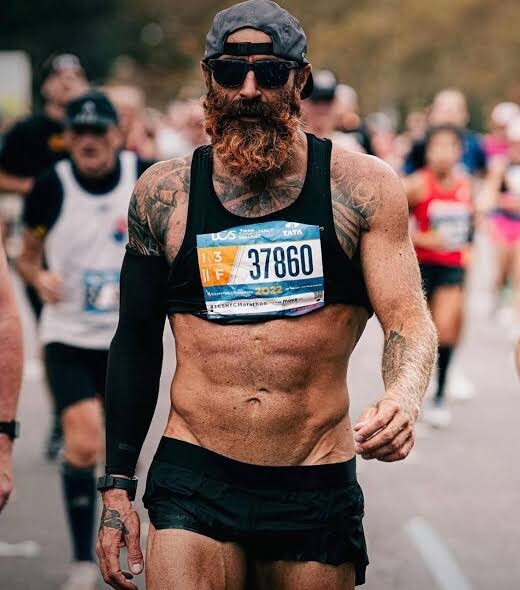
What followed was a journey defined by resilience, determination, and an unwavering refusal to surrender. The athlete who once measured success in miles and finish times now faced the challenge of relearning the simplest aspects of daily life. Recovery was slow, painful, and filled with obstacles, but Rivs approached it with the same relentless spirit that had carried him through countless races.
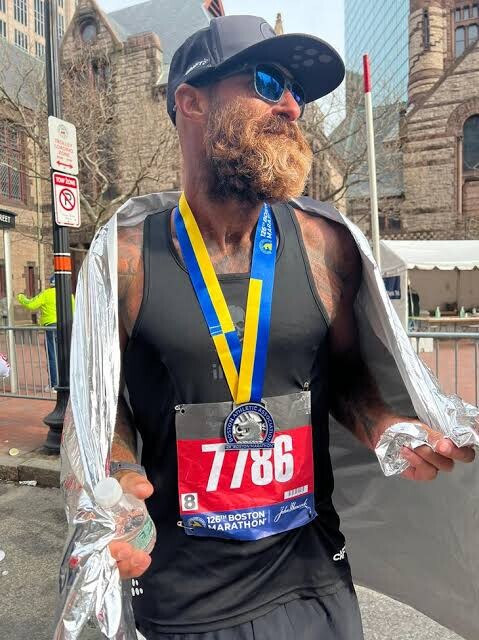
Nearly six years later, the story has taken a remarkable turn.
Today, Rivs is not only healthy enough to run—he is thriving. He has returned to the marathon scene, producing performances that few believed possible after the devastating toll cancer and prolonged hospitalization took on his body. Every race he completes serves as a powerful reminder that recovery is not always limited by expectations or statistics.
Beyond competition, Rivs has embraced a new role within the running community. He now leads guided runs through California's majestic redwood forests, inspiring runners of all abilities with his presence and perspective. His recent appearance at a Boston running event attracted enormous crowds, a reflection of the admiration and respect he has earned through his extraordinary journey.
What makes Rivs' comeback so compelling is that it transcends athletics. His story is not merely about marathon times, personal bests, or finish lines. It is about perseverance in the face of overwhelming adversity. It is about rebuilding a life when the future appears uncertain and refusing to let circumstances define what is possible.
The remarkable part is that the performances are beginning to match the inspiration. As Rivs continues to race, the impressive times he is producing are catching up to the legend of his recovery, proving that his return is more than symbolic—it is genuinely competitive.
For anyone searching for hope after hardship, Tommy Rivs offers a powerful example. His journey from a hospital bed and medically induced coma back to marathon starting lines stands as one of running's most inspiring modern stories. It is proof that even after life's darkest chapters, new beginnings can emerge—and sometimes they are more extraordinary than anyone could have imagined.
by Erick Cheruiyot for My Best Runs.
Login to leave a comment
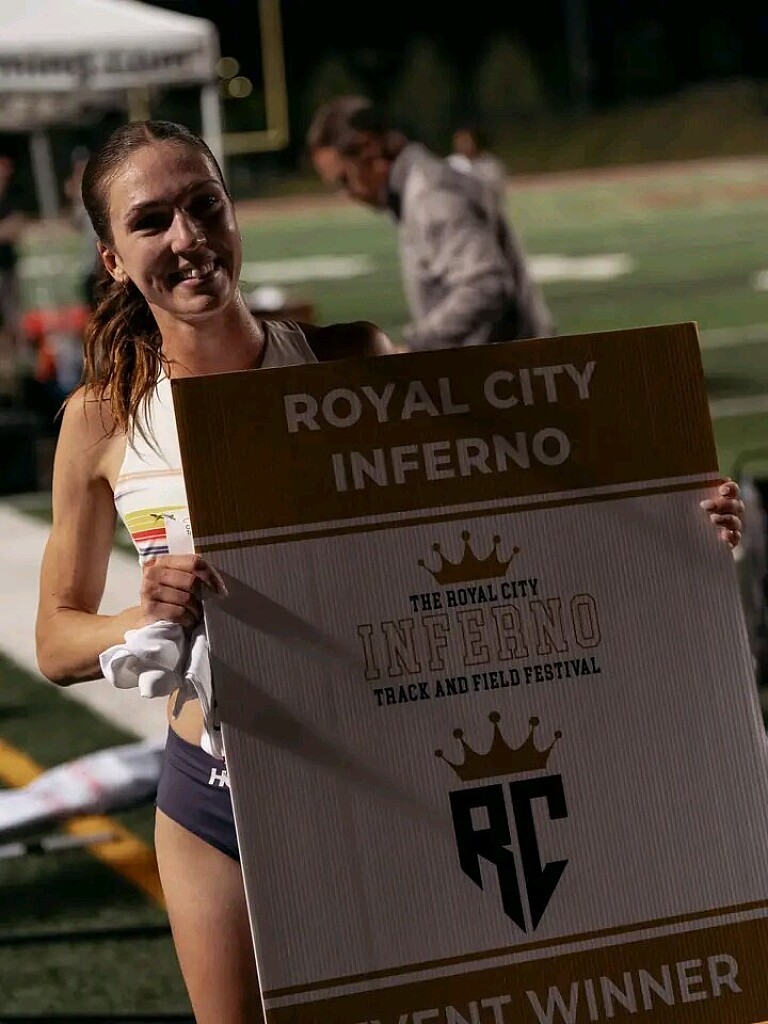
Florence Caron Completes Championship Double with Dominant Canadian 10,000m Triumph
Florence Caron is proving to be the woman to beat in Canadian distance running. Just 12 days after a dominant victory at the Canadian Road 10K Championships, she returned to the winner’s circle once again, claiming the Canadian 10,000m title on the track in another impressive display of strength and consistency.
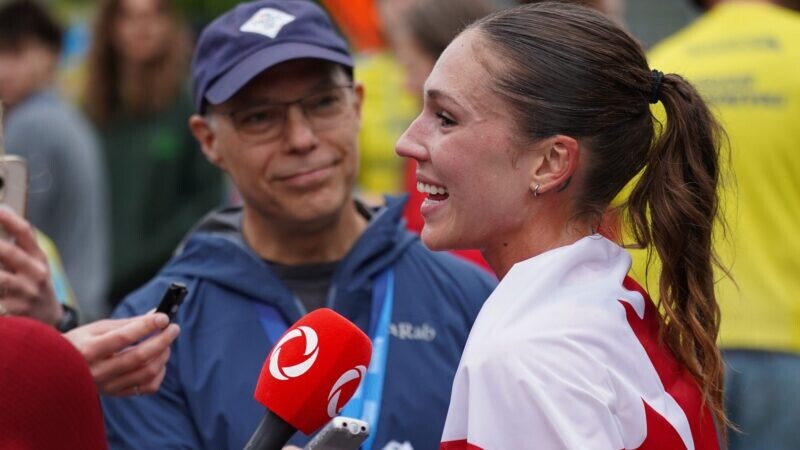
Fresh from a commanding performance at the Canadian Road 10K Championships just 12 days earlier—where she crossed the finish line an astonishing 44 seconds ahead of her nearest challenger—Caron once again proved untouchable, this time transferring her winning momentum from the roads to the track.
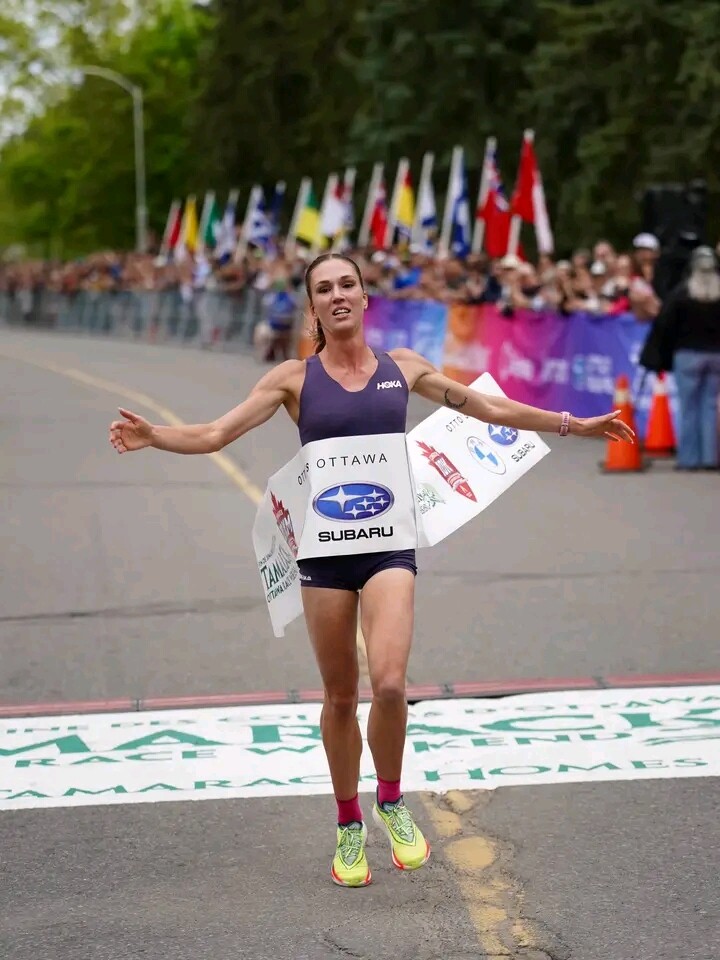
The victory cements an extraordinary stretch for the Canadian distance runner, who has emerged as one of the country's most dominant endurance athletes this season. Winning national titles in two different racing environments within such a short period is a testament to both her versatility and exceptional fitness.
Having already demonstrated her strength and endurance on the roads, Caron showed she possesses the tactical awareness and speed required to excel on the track as well. From the opening laps, she looked composed and in control, steadily asserting herself before sealing another impressive championship triumph.
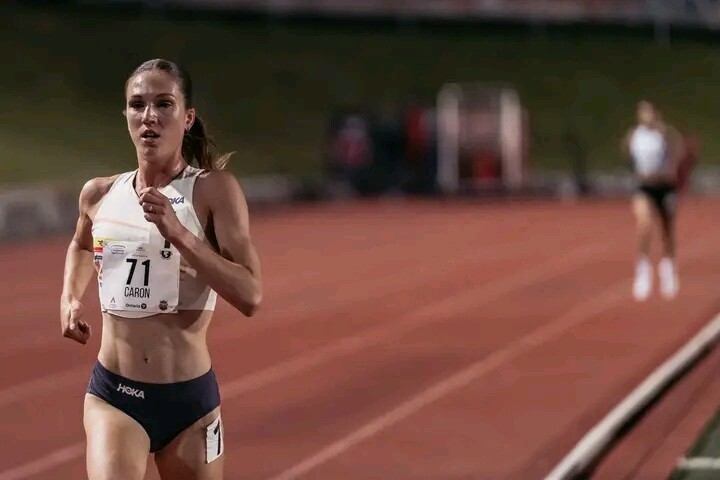
The back-to-back titles highlight a breakthrough period in Caron’s career and underline her growing status as one of Canada’s premier long-distance talents. Few athletes manage to sustain peak performances across multiple disciplines, yet Caron has done exactly that, delivering championship-winning displays wherever she lines up.
With two national crowns added to her résumé in less than a fortnight, Caron leaves little doubt about who currently sits at the top of Canadian women's distance running. Her latest victory is not just another title—it is a statement of consistency, strength, and championship pedigree.
As the season progresses, all eyes will be on Caron to see how far this impressive winning streak can carry her on both the national and international stage.
by Erick Cheruiyot for My Best Runs.
Login to leave a comment
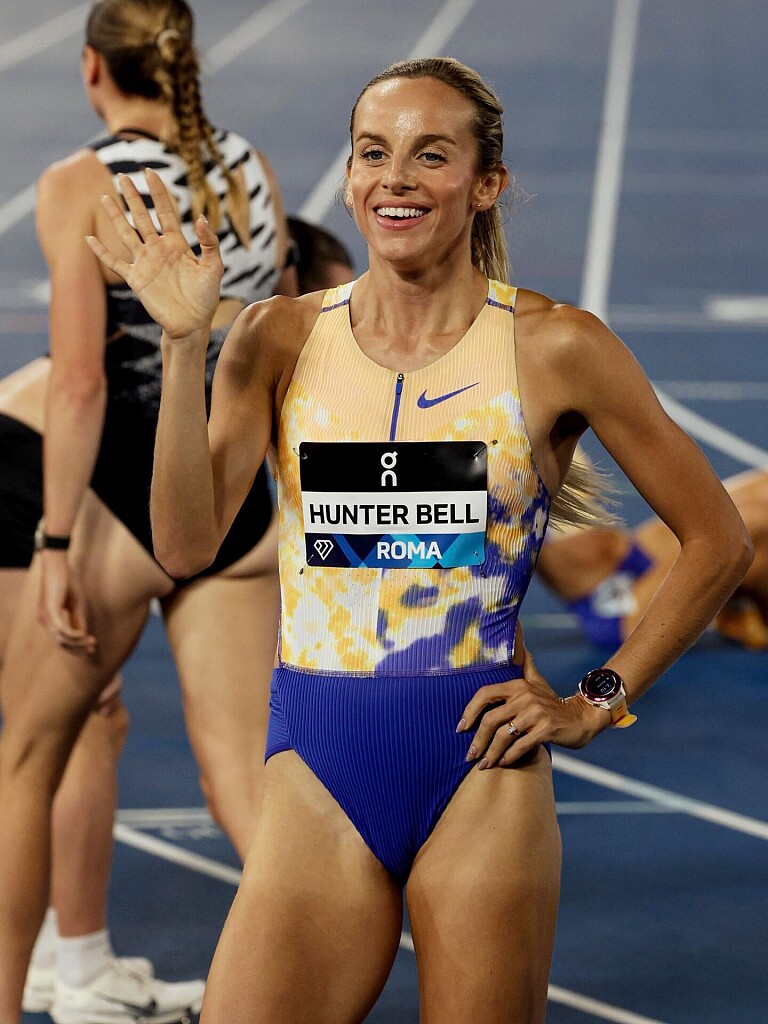
Champion's Class on Display as Hunter Bell Storms to 1500m Glory in Rome
Fresh from her World Indoor Championship triumph, Georgia Hunter Bell proved once again why she is one of the most formidable middle-distance runners in the world, producing a commanding performance to win the women's 1500m at the Rome Diamond League.
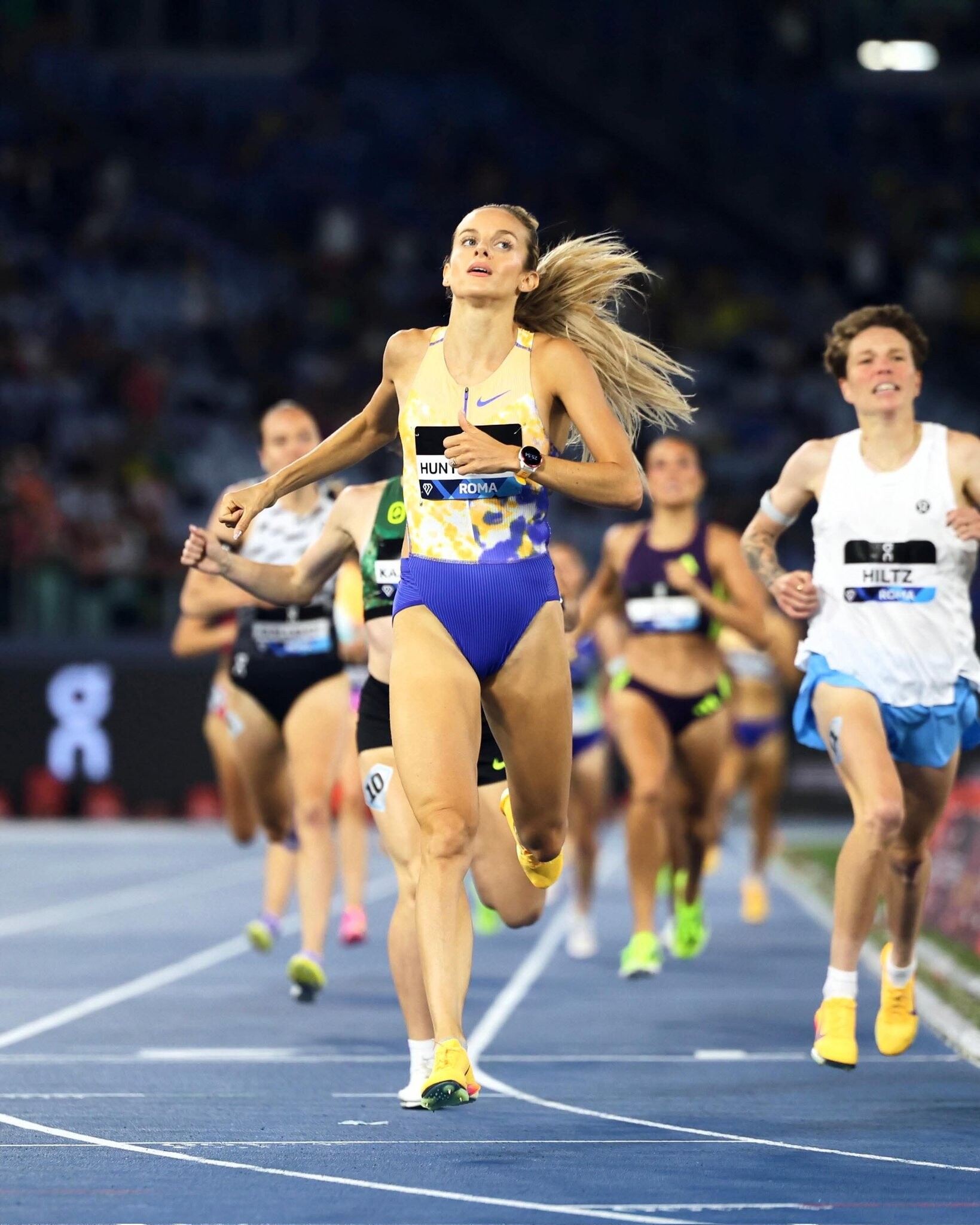
The British star showcased both patience and power as she expertly navigated a highly competitive field before unleashing a decisive surge over the final 700 metres. With the race hanging in the balance entering the closing stages, Hunter Bell shifted gears and gradually separated herself from her rivals, leaving no doubt about the outcome as she crossed the finish line in an impressive 3:58.63.
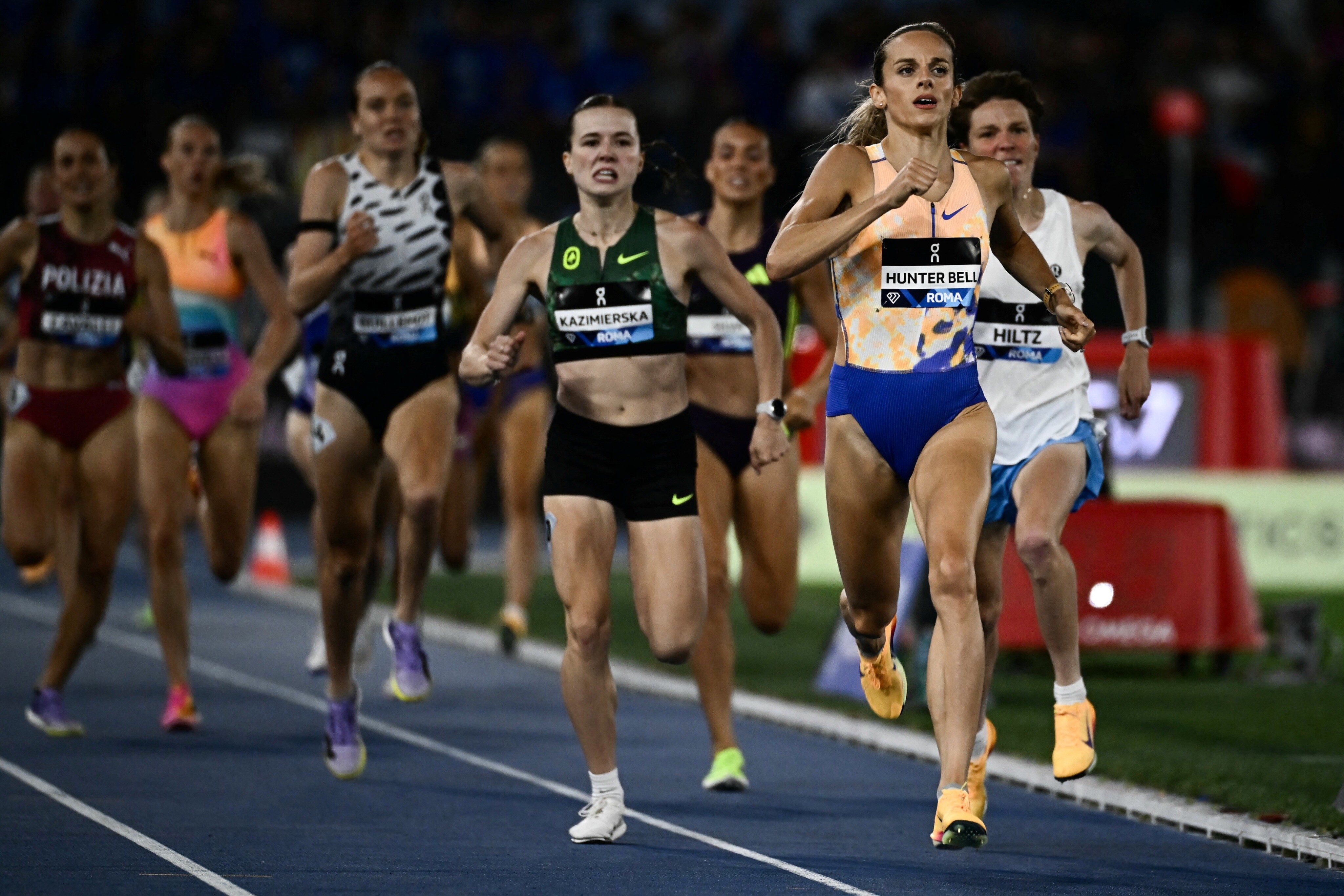
Her victory marked a successful return to Diamond League competition following her World Indoor title, underlining her growing reputation as a championship performer capable of delivering on the biggest stages.
Behind her, the battle for the remaining podium places provided plenty of drama. Poland's Klaudia Kazimierska produced a strong finishing kick in the home straight, timing her run to perfection before edging past American Nikki Hiltz in a thrilling lean at the finish line.
Kazimierska secured second place in a personal-best 3:59.24, narrowly defeating Hiltz, who was credited with third in 3:59.26 after one of the closest finishes of the evening.
The race highlighted the exceptional depth currently present in women's middle-distance running, with three athletes breaking the four-minute barrier in a contest that combined tactical awareness with blistering finishing speed.
For Hunter Bell, however, the night belonged entirely to her. The reigning World Indoor champion arrived in Rome carrying the momentum of a breakthrough season and departed with another major victory, sending a clear message to her rivals that she remains a force to be reckoned with as the outdoor campaign gathers momentum.
With confidence soaring and championship pedigree already established, Hunter Bell's dominant display in the Italian capital suggests there may be even bigger performances still to come in 2026.
by Erick Cheruiyot for My Best Runs.
Login to leave a comment

Rome Belongs to Lyles: American Star Dominates Elite 100m Field
The men's 100m at the Rome Diamond League delivered exactly the spectacle fans had anticipated, with American sprint king Noah Lyles producing a commanding performance to secure victory in a season-best 9.88 seconds on Thursday night.
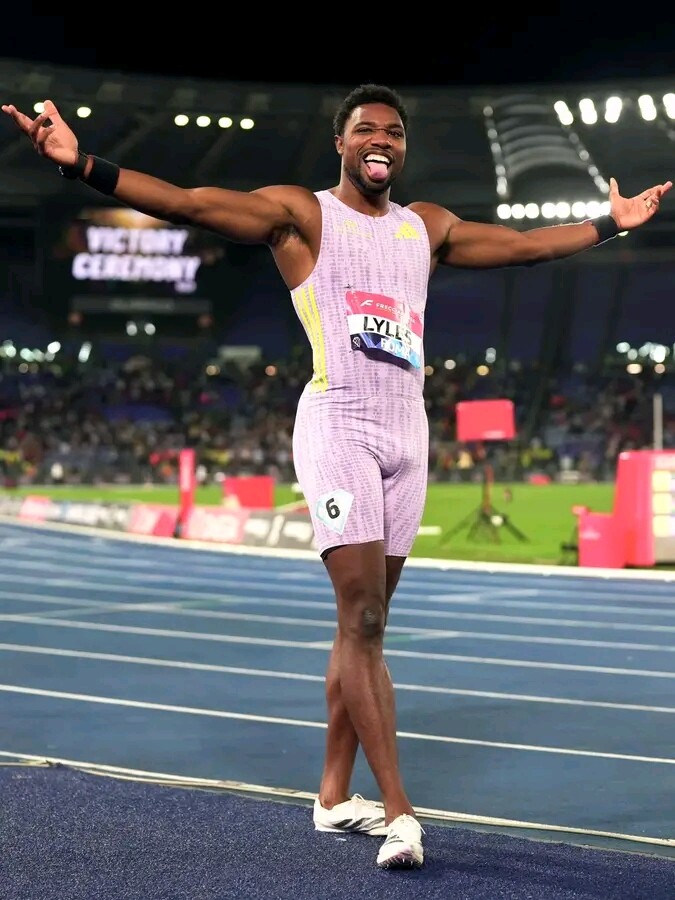
Lyles, the reigning global sprint superstar, showcased his trademark finishing power to pull away from a world-class field and claim his first Diamond League 100m win of the season. His 9.88 clocking underlined his growing form as he continues to build momentum toward the major championships later this year.
Behind him, Cameroon’s Emmanuel Eseme impressed with a strong run of 9.94 seconds to finish second, while Botswana’s Olympic champion Letsile Tebogo crossed the line third in 9.95 seconds after another consistent performance on the international circuit.
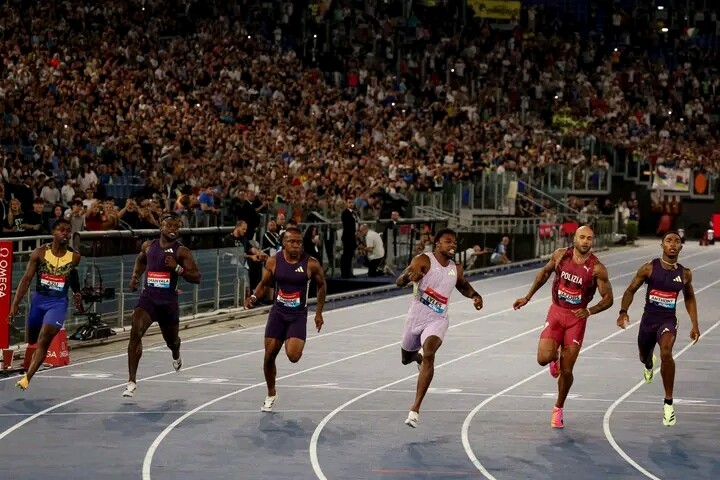
American rising star Jordan Anthony continued his remarkable breakthrough season by finishing fourth in 9.96 seconds, narrowly missing a place on the podium. Home favourite Lamont Marcell Jacobs delighted the Italian crowd with a sub-10-second run of 9.99 seconds to place fifth.
For Kenya's Ferdinand Omanyala, however, it proved to be a frustrating evening. After confidently promising fireworks ahead of the meeting and targeting consistent sub-10-second performances throughout the Diamond League season, Africa's fastest man struggled to find his rhythm. Omanyala finished eighth in 10.11 seconds, well below the standard he had hoped to produce.
South Africa's Akani Simbine took sixth in 10.03 seconds, while Jamaica's Ackeem Blake placed seventh in 10.06 seconds. Great Britain's Jeremiah Azu completed the field in ninth position with a time of 10.12 seconds.
Rome Diamond League 100m Results
1. Noah Lyles (USA) – 9.88 SB
2. Emmanuel Eseme (Cameroon) – 9.94
3. Letsile Tebogo (Botswana) – 9.95
4. Jordan Anthony (USA) – 9.96
5. Lamont Marcell Jacobs (Italy) – 9.99
6. Akani Simbine (South Africa) – 10.03
7. Ackeem Blake (Jamaica) – 10.06
8. Ferdinand Omanyala (Kenya) – 10.11
9. Jeremiah Azu (Great Britain) – 10.12
The result further strengthens Lyles' status as one of the leading contenders in global sprinting this season. With a season-best performance against a high-calibre field, the American sent a powerful statement that he is rounding into peak form at exactly the right time.
by Erick Cheruiyot for My Best Runs.
Login to leave a comment
At 78 Recovering From a Dislocated Shoulder I Created My Own 100K Challenge
MONFORTE DA BEIRA, PORTUGAL — Three weeks after dislocating my shoulder in a fall shortly after arriving in Lisbon, I found myself looking for a goal that would keep me moving while allowing my body time to heal.
The fall resulted in a trip to the hospital and weeks of recovery with my arm in a sling. While it limited my running, it did not take away my desire to stay active.
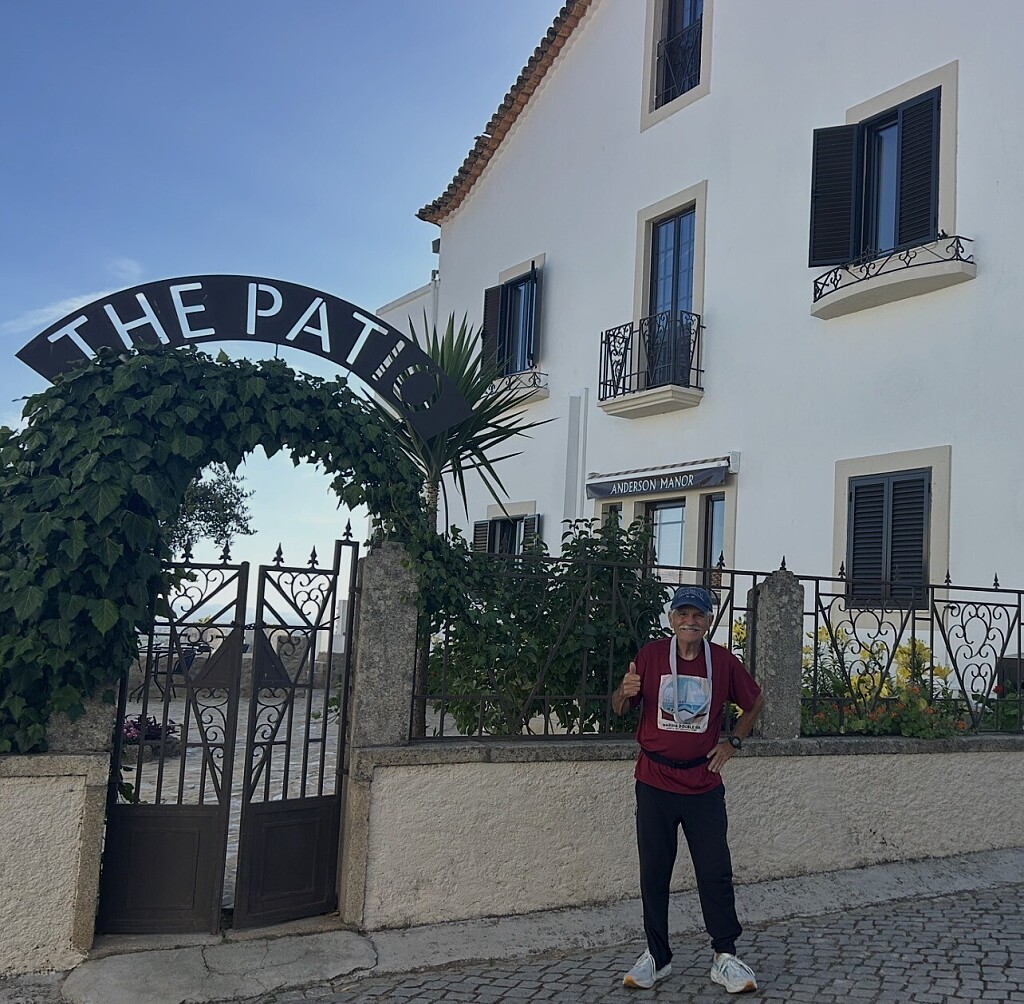
The inspiration for my next goal came from an unexpected source. Anderson Manor recently hosted a group of nine women from Australia whose passion is hiking and trekking. Watching their enthusiasm for exploring the countryside surrounding Monforte da Beira reminded me how much there is to discover on foot. Their visit inspired me to create a challenge of my own.
I called it my Portugal Villages 100K Challenge.
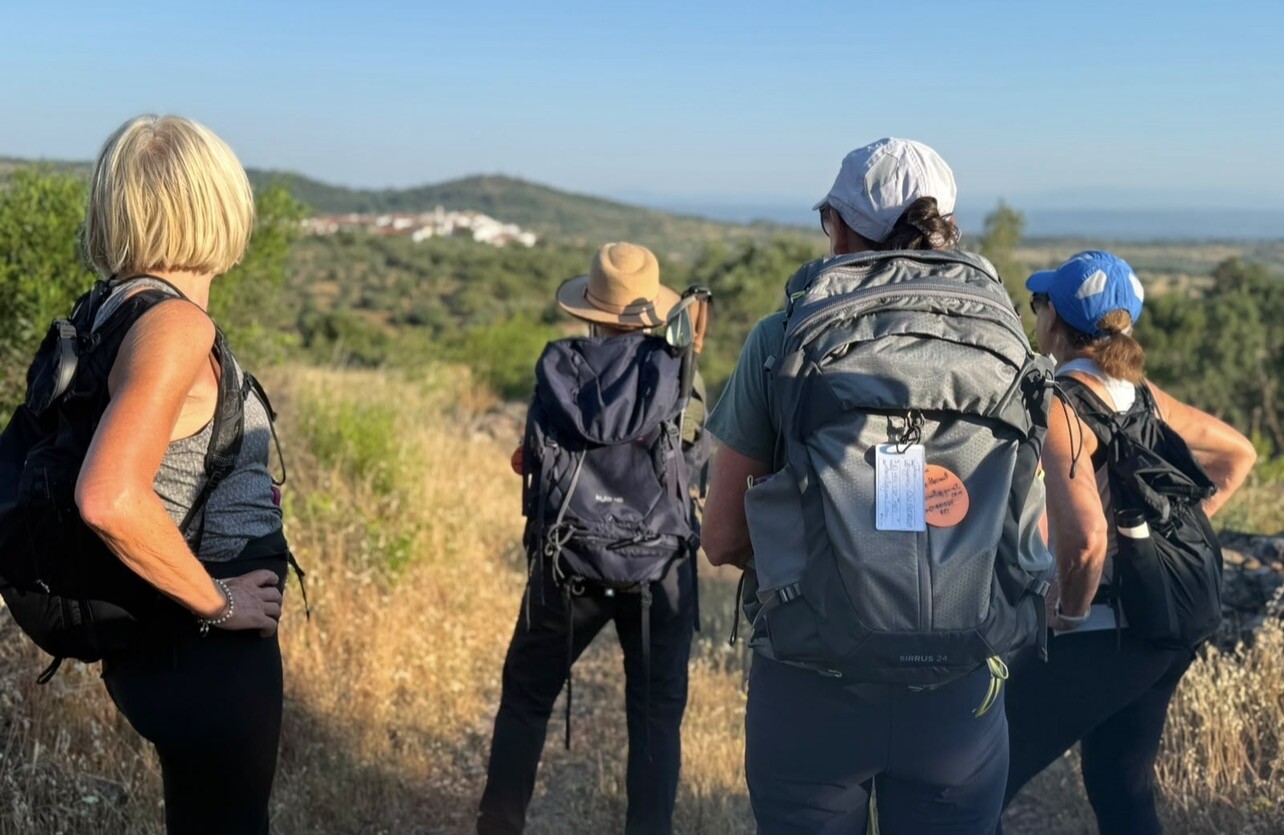
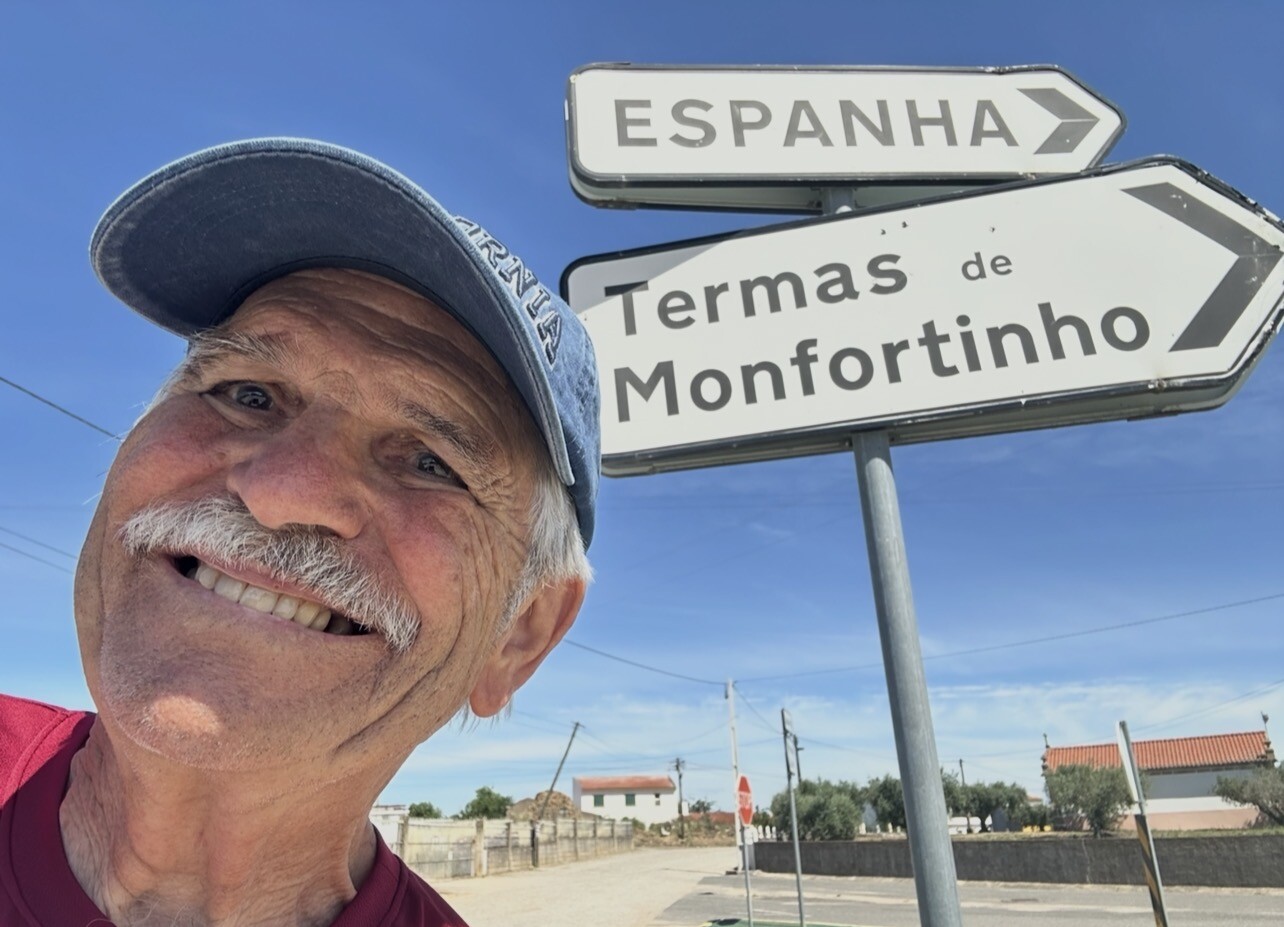
The concept was simple: cover 100 kilometers on foot while connecting the villages surrounding Anderson Manor, including Monforte da Beira, Cegonhas, Malpica do Tejo, and Ladoeiro.
Unlike an organized race, there was no entry fee, no aid stations, and no spectators. But there was a finish line—100 kilometers. My goal was to reach it under my own power while exploring some of the most beautiful countryside in central Portugal.
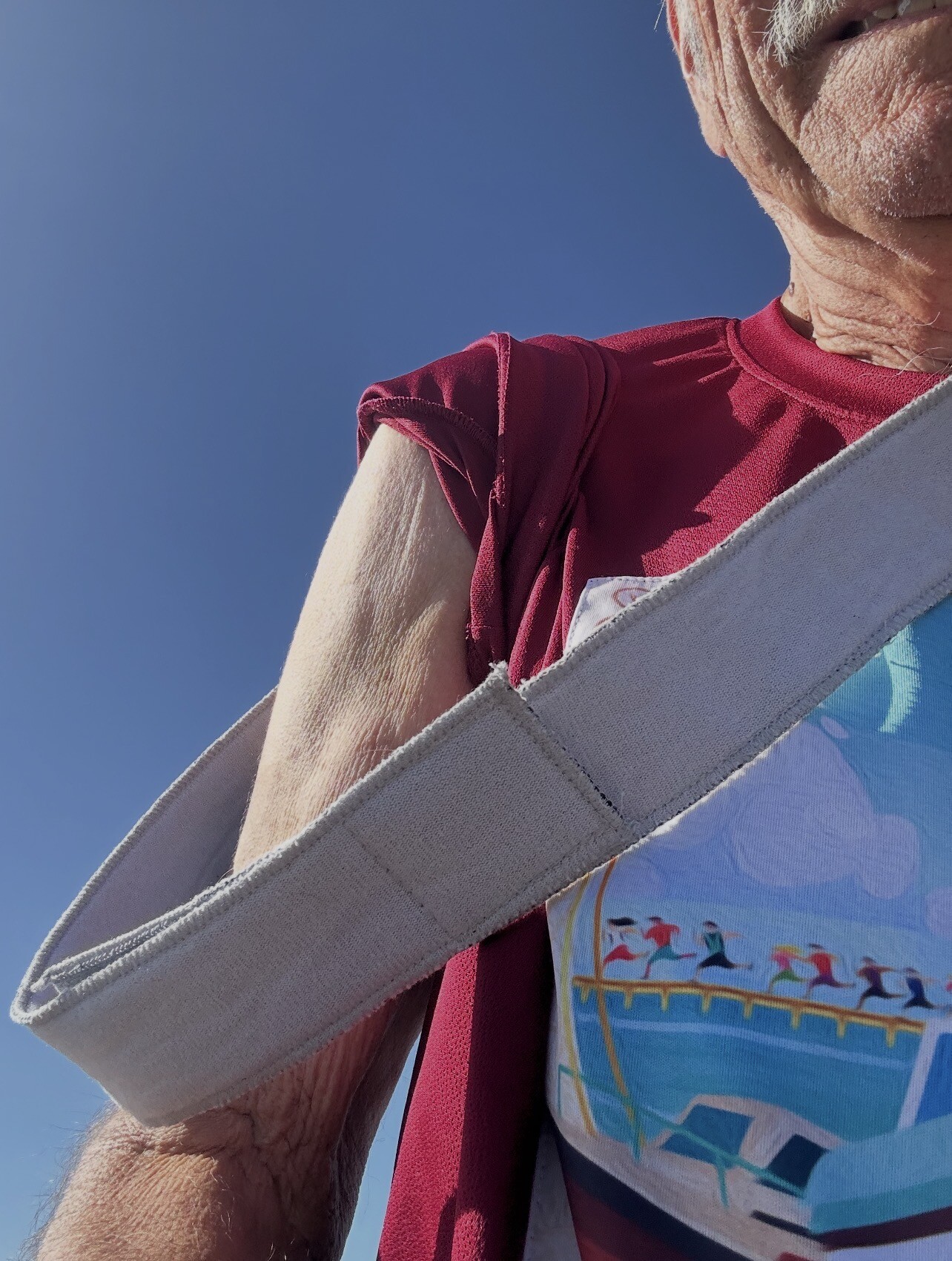
Running was limited because of my shoulder situation. Much of the journey was completed while wearing a sling. Some sections were covered at what I call a shuffle, roughly 16 to 17 minutes per mile, while others were completed at a brisk walking pace. The objective was never speed. The objective was forward progress.
An event is an event.
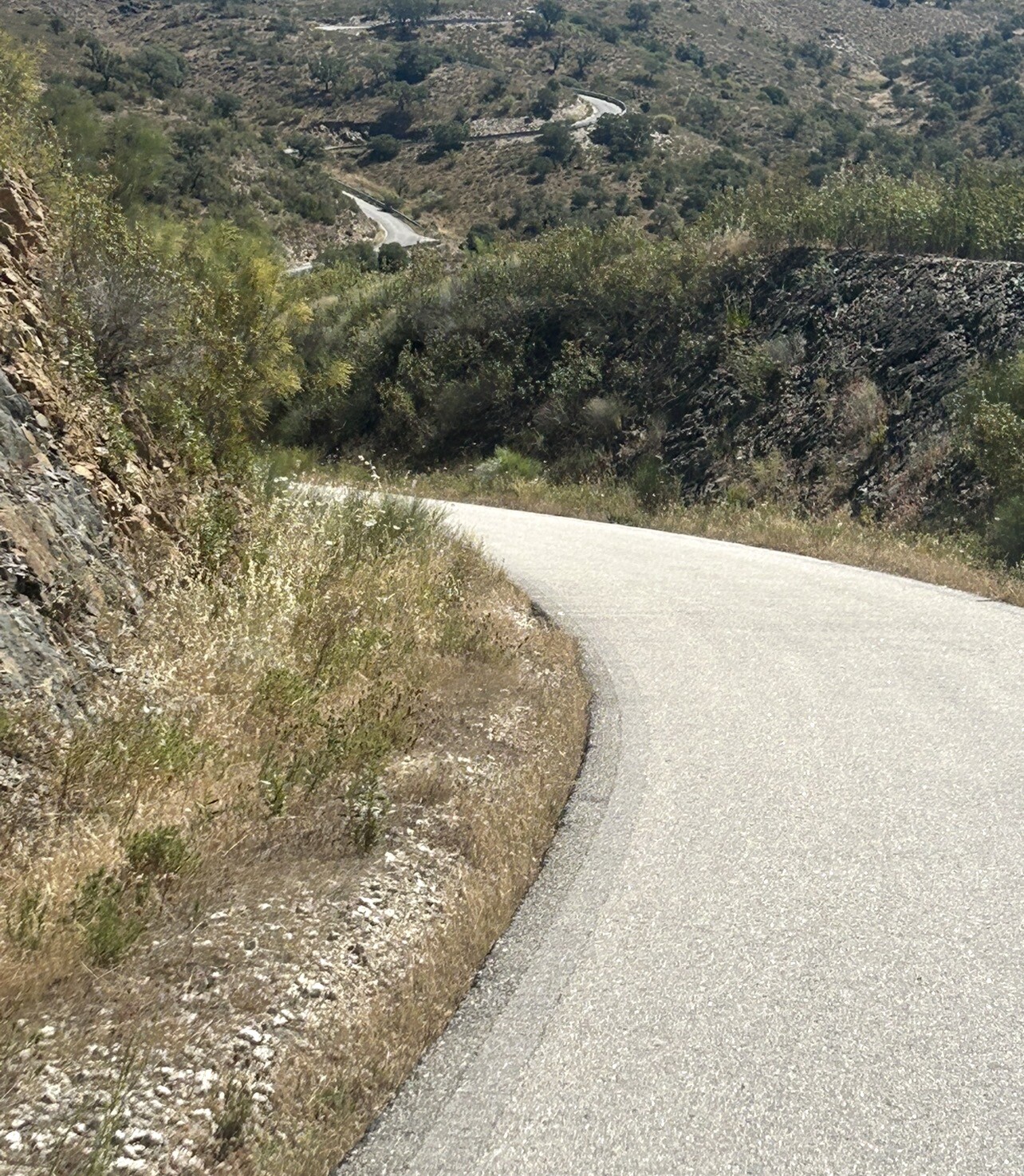
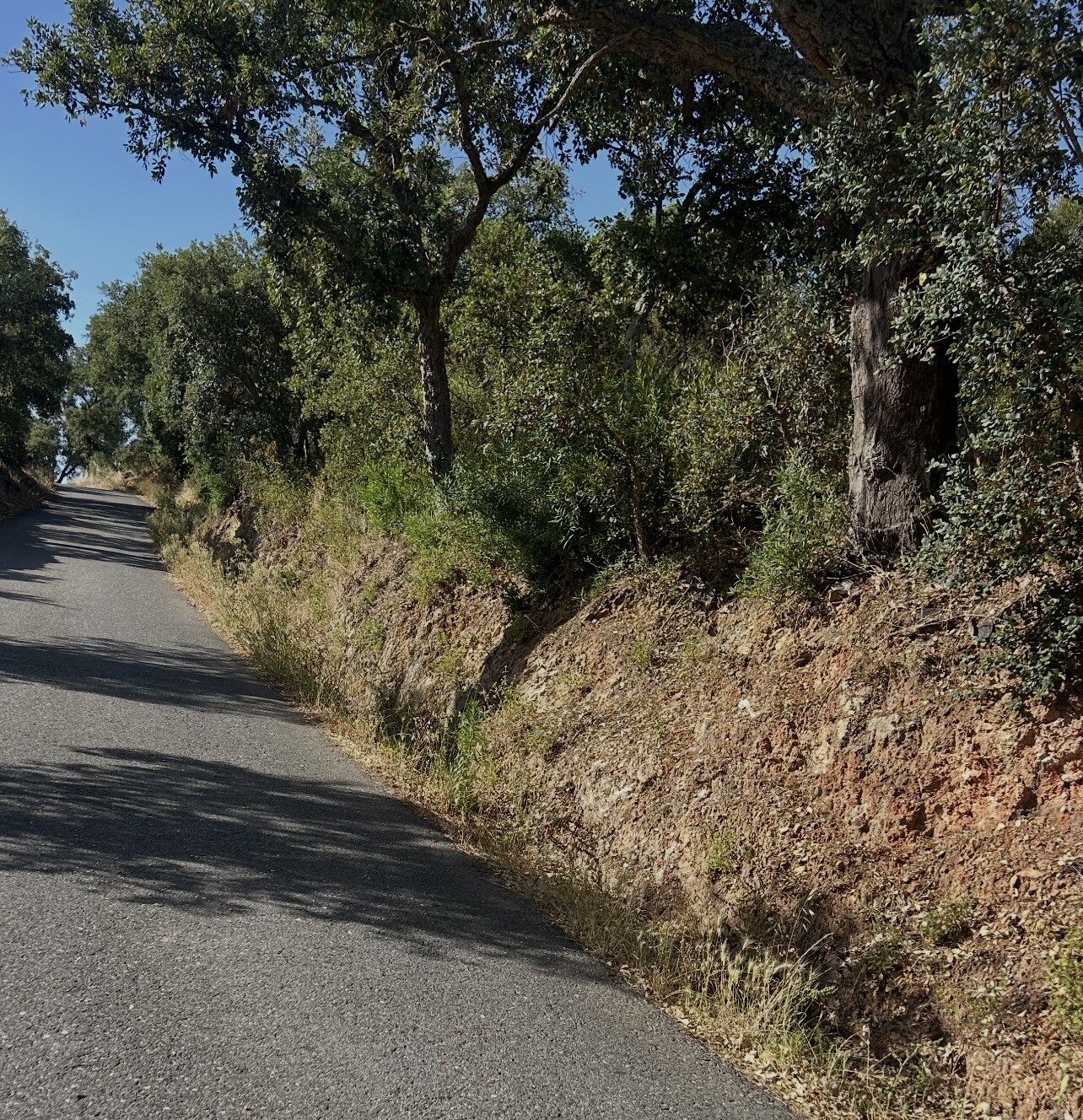
Over six consecutive days, I traveled through olive groves, farmland, quiet village streets, and winding country roads. One day included my familiar Cactus Loop, a 5.25-mile route near Anderson Manor. The remaining days were primarily point-to-point journeys linking neighboring villages.
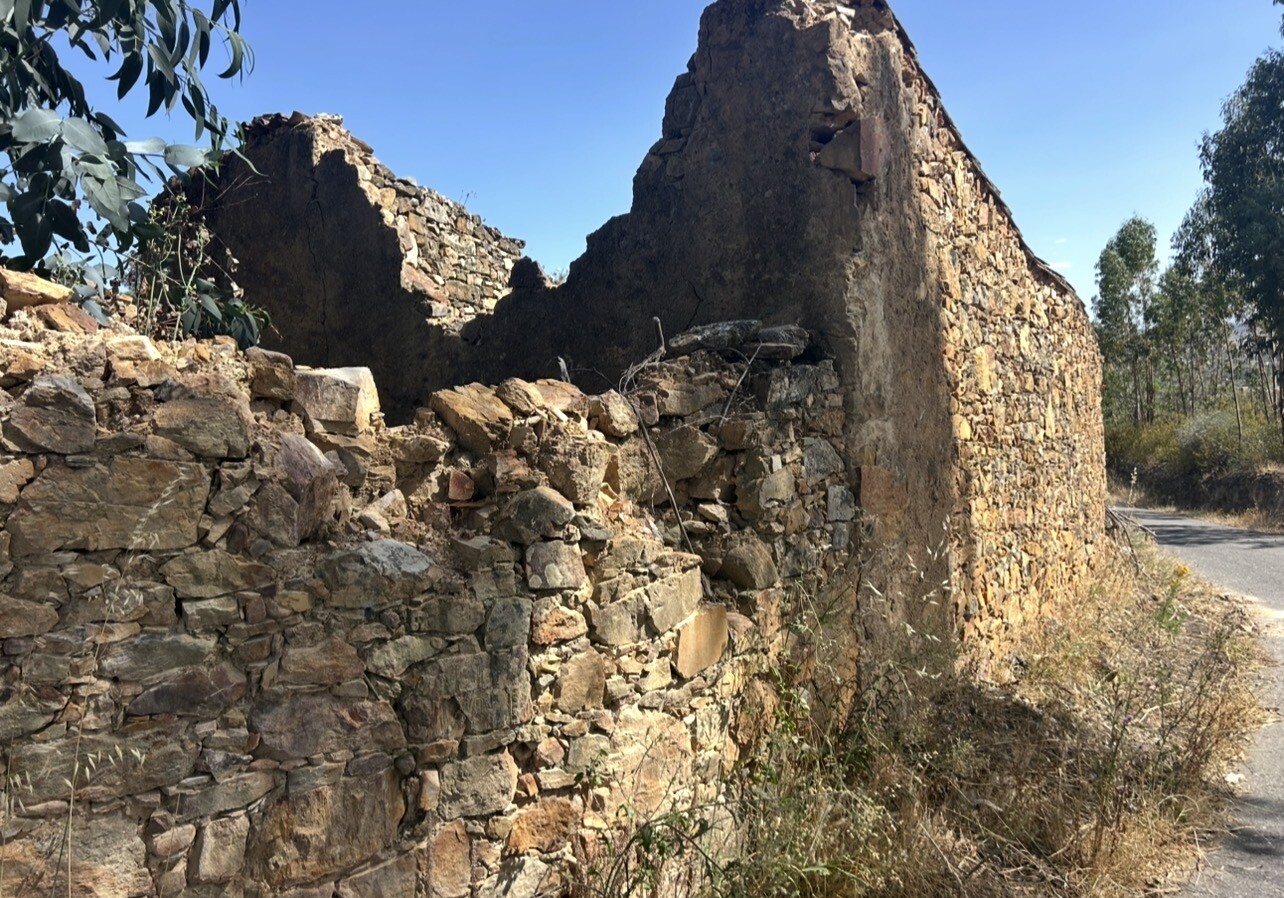
What struck me most was the beauty and simplicity of Portugal’s rural interior. There were long stretches where the only sounds came from birds, sheep, and the occasional tractor. The landscape remains largely unchanged from generations past, offering a glimpse of a slower and more peaceful way of life.
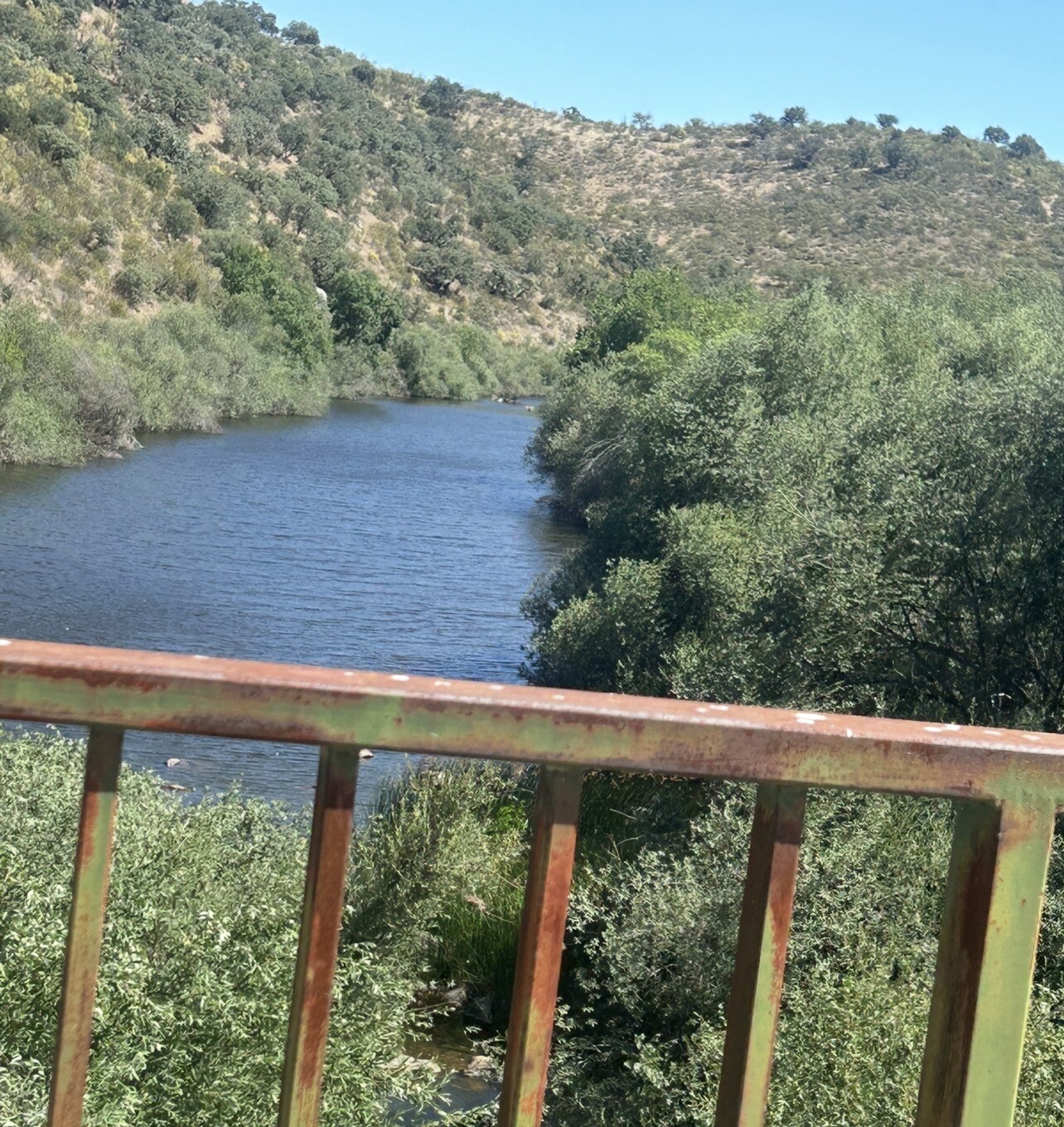
The final kilometers came on the road to Ladoeiro. Reaching 100 kilometers was my finish line. There was no official clock, no banner stretched across the road, and no cheering crowd, but the finish line was real nonetheless. Today, on a quiet road approaching Ladoeiro, my GPS showed that I had reached the 100-kilometer mark. The distance had been covered, the challenge was complete, and the finish line had been reached.
At age 78, I continue to believe that fitness is not defined by speed. Some days we run. Some days we walk. Some days we do a little of both. What matters is maintaining the habit of movement and continuing to challenge ourselves regardless of age or circumstance.
This personal challenge reminded me that setbacks do not have to stop us. They simply require us to adapt. While my shoulder continues to heal, completing this 100K journey proved that meaningful goals can still be achieved even when conditions are less than ideal.
I also came away with an even greater appreciation for the villages that surround Anderson Manor and for the simple joy of exploring them under my own power. Sometimes inspiration comes from elite athletes. Sometimes it comes from a group of travelers from Australia who simply love to walk and discover new places.
The roads connecting Monforte da Beira, Cegonhas, Malpica do Tejo, and Ladoeiro are still there. I suspect I will be traveling them again soon.
by Bob Anderson
Login to leave a comment
