

Running News Daily
Running News Daily is edited by Bob Anderson and team. Send your news items to bob@mybestruns.com Advertising opportunities available.
Index to Daily Posts · Sign Up For Updates · Run The World Feed
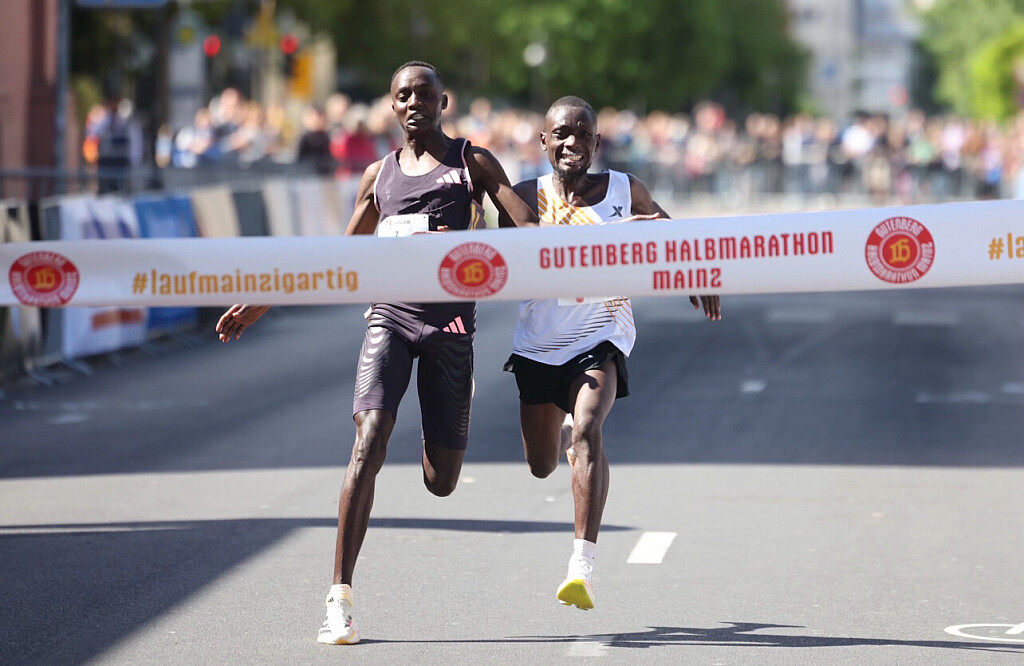


Spectacular finish in Mainz, both course records smashed

A new fast German half marathon has emerged in the city of Mainz at the picturesque river Rhine. On Sunday morningboth course records were smashed at the Gutenberg Half Marathon Mainz and the men’s fight for victory ended in a spectacular and very rare dead race.
Debutant Benson Mutiso and fellow-Kenyan Victor Kimutai stormed over the finish line in 61:01 and neither with photos nor with video material it was possible to separate them. While both athletes shared victory Collins Kipkemboi followed in third with 61:38 and made it an all Kenyan podium.
There was more success for Kenyan debutants in Mainz: Josephine Naukot won the race in 69:26 while Brenda Jepchirchir took second with 69:45. Both ran their first half marathon. Belgium’s Hanne Verbruggen took a fine third place with a personal best of 70:15. Once again she was inside the qualifying standard for the European Championships in Rome next month.
The new focus on the half marathon distance turned out to be an immediate success for the event that was the former Mainz Marathon. The fine winning times propelled the race up into second place in the current German rankings of half marathons. Only the Berlin Half Marathon produced faster times in 2023 and 2024. “We have achieved the times we targeted and we showed that it is possible to run fast in Mainz. And there is quite some room for improvement,“ said Race Director Jo Schindler, who is also the Director of the Mainova Frankfurt Marathon. Including races at shorter distances organisers registered around 11,000 entries for the Gutenberg Half Marathon Mainz.
Benson Mutiso and Victor Kimutai took the lead after the 12k point and it was then mainly Mutiso who ran in the lead. However shortly before the finish Kimutai moved ahead. But Mutiso reacted and once they reached the line they were right next to each other. “I thought I was ahead,“ said Benson Mutiso, who had run a marathon before (2:09:21 in Munich last year), but never competed in a half marathon. “My next goal is to run a fast marathon in October. I would like to go to Frankfurt for that.“ Victor Kimutai as well thought that he was first over the line. “We know each other well since we train together in one group in Iten. So it is fine for us to share victory,“ said Kimutai who ran a personal best in Mainz with 61:01. Behind Collins Kipkemboi (61:38) fellow-Kenyan Patrick Kiprop took fourth place and also ran inside 62:00 minutes with 61:55.
In the women’s race Josephine Naukot already took the lead around the 13k mark. With 69:26 she was then well ahead of fellow-Kenyan Brenda Jepchirchir (69:45). “This was the best race of my career and my greatest victory,“ said Josephine Naukot. “My next goal is to run a time between 65 and 66 minutes. I would like to come back to Mainz next year and further improve the course record. I am not thinking about the marathon yet.“
Belgium’s Hanne Verbruggen showed another fine performance, improving her recent PB of 70:23 to 70:15. “I hoped to run sub 70:00, but I was on my own for large parts of the race. That made it difficult. My big goal is to break the Belgium half marathon record of 68:58“, said Hanne Verbruggen, who is now number three of the Belgium all-time list. Next month she will compete in the European Championships’ half marathon and then in the Olympic Games’ marathon in August.
The top five women in Mainz all clocked personal bests in good weather conditions. Ethiopians Lelise Wakweya and Hadas Shimuye finished in fourth and fifth places with 71:17 and 72:39 respectively. “My impression after this race is that there is huge potential in Mainz. We can build on this,“ said Elite Race Coordinator Philipp Kopp.
Login to leave a comment
Latest Running News
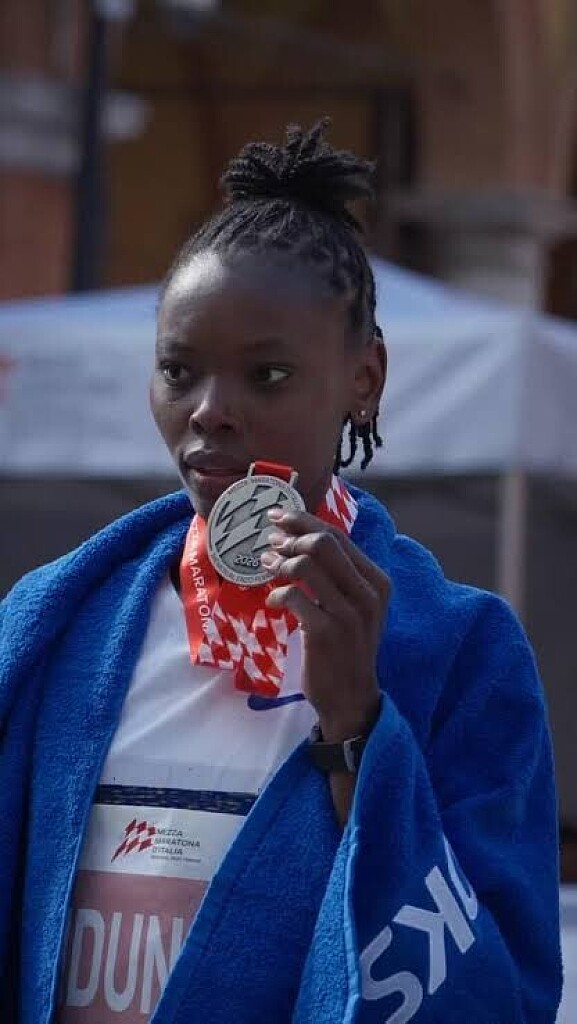
Casablanca Half Marathon 2026: Regina Wambui Ndungu Leads Kenyan Charge Against Morocco’s Best
The women’s elite race at the 2026 Casablanca Half Marathon promises an exciting battle for supremacy on Sunday, October 25, as Kenya’s Regina Wambui Ndungu leads a competitive international field featuring Uganda’s Rispa Cherop and Morocco’s homegrown stars.
With a personal best of 1:07:10, Ndungu arrives as the fastest athlete listed in the women’s elite field, making her a leading contender for victory. However, the Kenyan will face a determined challenge from athletes eager to seize the spotlight on Moroccan soil, setting the stage for an intriguing contest over 21.0975 kilometres.
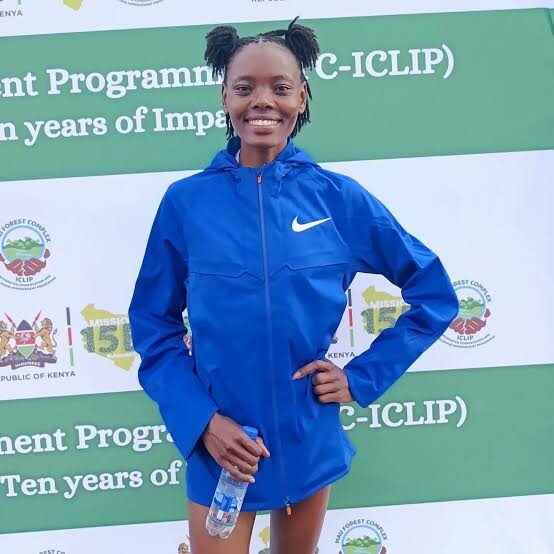
Ndungu’s credentials place her firmly among the favourites, but translating that status into victory will require a composed and tactically intelligent performance. The outcome could depend on how the leading contenders manage the pace, respond to changes in the race, and position themselves for the decisive kilometres.
Morocco’s Rahma Tahiri is expected to be among the principal challengers. With a personal best of 1:08:34, she possesses the speed to compete for the title and will have the added motivation of racing in front of the home crowd. A victory on familiar roads would be a significant achievement, and Tahiri will be eager to make the most of the opportunity.
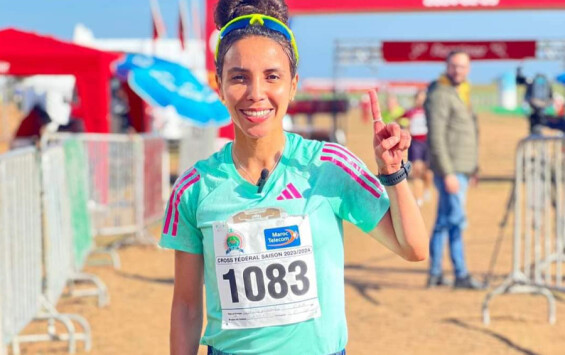
Uganda’s Rispa Cherop also enters the contest with a strong performance record. Her personal best of 1:08:53 places her among the leading contenders, within striking distance of Tahiri and close enough to Ndungu to make the contest unpredictable. If she can remain in contact with the front-runners through the early stages, Cherop could emerge as a serious threat in the closing kilometres.
Beyond the leading trio, the field features several Moroccan athletes seeking to challenge the established favourites. Meryeme Azrour, with a personal best of 1:09:46, and Kaoutar Farkoussi, who has run 1:09:58, are both capable of adding depth to the contest. Fatima Aafir, listed at 1:10:54, will also be among the athletes looking to produce a competitive performance.
Other names on the entry list include Soukaina Elhaji (1:12:49), Hanane El Bajjaoui (1:14:13), Rababe Arafi (1:14:20), Jamila Ayachi (1:15:12), Liz Romo (1:14:59), Sakina El Adel (1:16:51) and Fatima Zahra Erregui (1:17:44).
With several athletes boasting personal bests below 1:10, the leading group could produce an aggressive race from the outset. However, the fastest personal best does not guarantee victory, and the ability to execute the right strategy on race day will ultimately determine who comes out on top.
The Casablanca Half Marathon will provide an important opportunity for the elite women to test themselves against international opposition while showcasing the depth of distance-running talent from Morocco and beyond.
For Ndungu, the objective will be to convert her position as the fastest entrant into a winning performance. For Tahiri, the challenge is to turn home advantage into a memorable triumph. Cherop, meanwhile, will be looking to upset the leading contenders and take the title back to Uganda.
With Kenyan ambition, Ugandan determination and Moroccan home-crowd support converging on the same course, the women’s elite contest promises to be one of the key attractions of the 2026 Casablanca Half Marathon.
by Erick Cheruiyot for My Best Runs.
Login to leave a comment
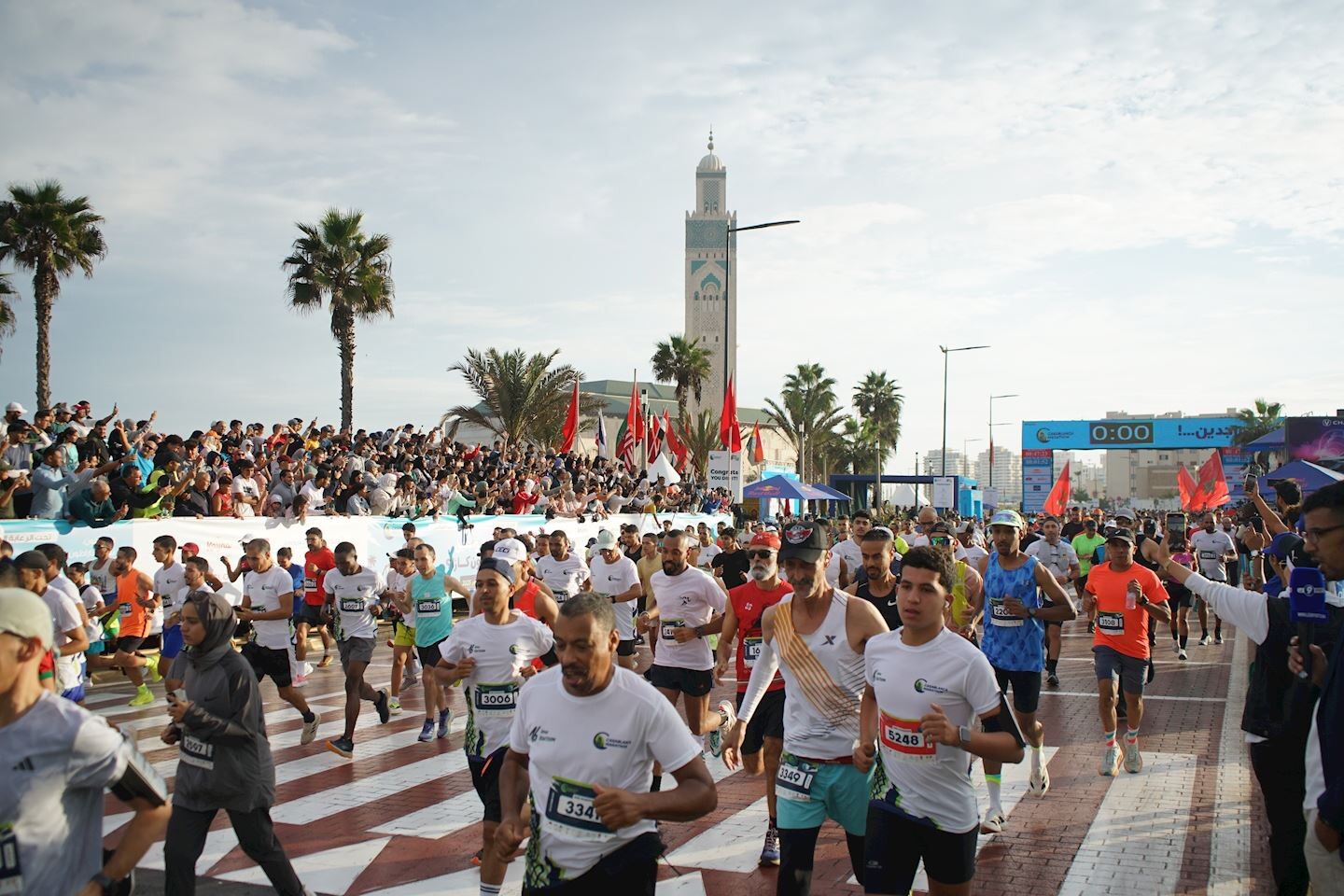
Casablanca Half Marathon
A real sporting festival placed under the theme "The Casablanca half-marathon: Two races for the pleasure of the people of Casablanca: 21km97m, 10km", which will bring together a large audience of spectators all along the course and personalities, professionals but also technical assistance from several Olympic and world champions....
more...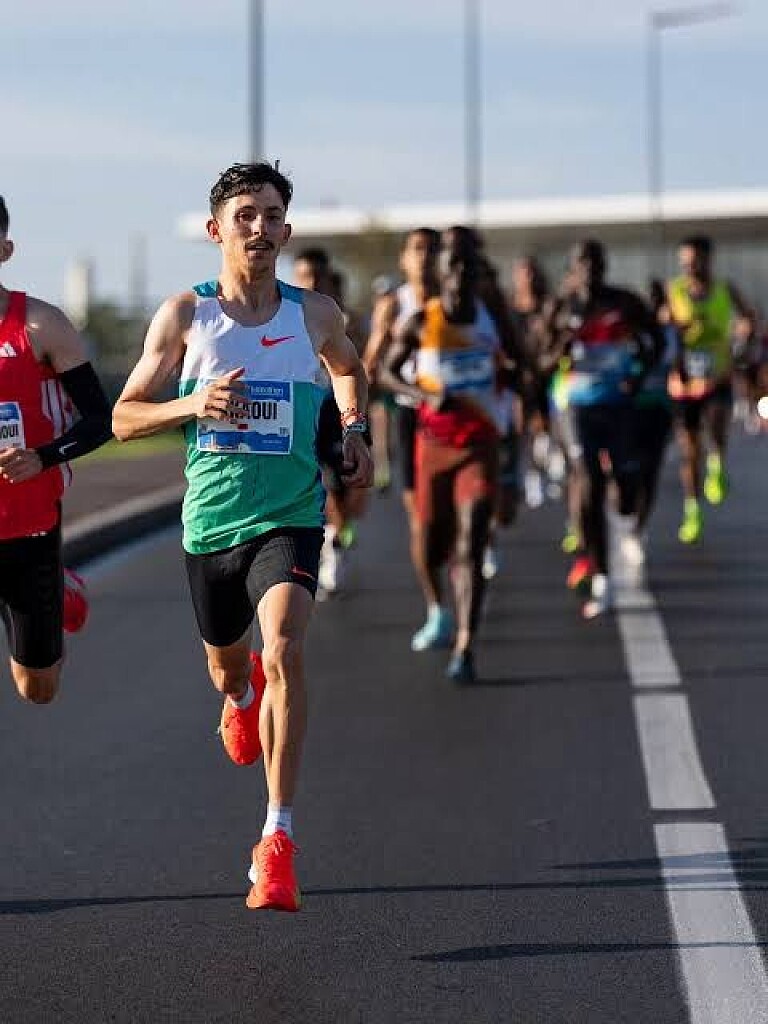
Casablanca Half Marathon 2026: Mustapha Akkaoui Leads The Home Charge As Kenyan Duo Threatens Moroccan Glory
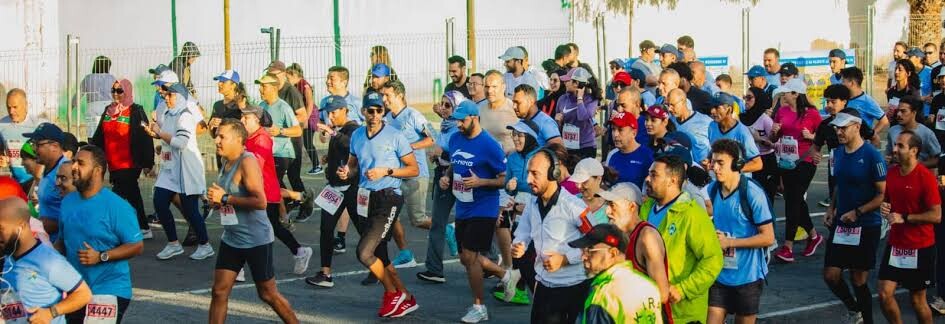
The 2026 Casablanca Half Marathon is set to deliver an exciting contest on Sunday, October 25, with Morocco's leading distance runners preparing to defend home honours against a competitive international field featuring some of East Africa's finest athletes.
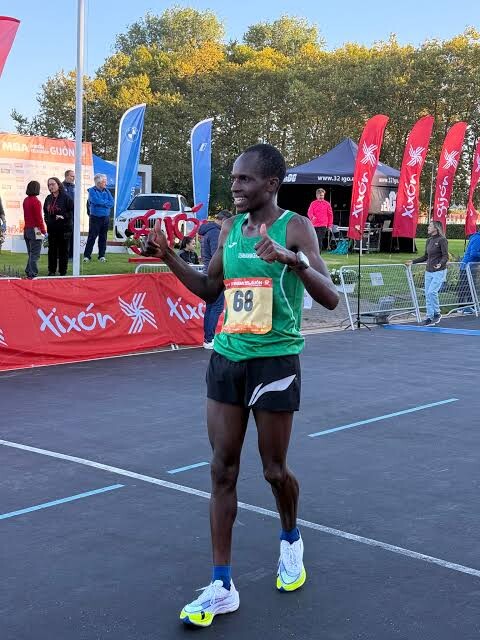
Moroccan standout Mustapha Akkaoui headlines the men's elite start list with an impressive personal best of 1:00:38, making him the fastest athlete entered on paper. With the support of the home crowd behind him, Akkaoui will be aiming to turn his credentials into a memorable performance on Moroccan soil.
However, the Moroccan favourite faces a serious challenge from Kenya, with Shadrack Korir Kipyegon and Joshua Munyoto Kithuku leading the international threat. Korir Kipyegon enters with a personal best of 1:01:19, while Kithuku has clocked 1:01:24. Both athletes possess the credentials to challenge for the podium and will be determined to disrupt Akkaoui's ambitions.
Uganda's Martin Kiprotich also adds considerable strength to the contest. With a personal best of 1:01:30, Kiprotich is another serious contender capable of making his presence felt in a race expected to feature an intense battle among the leading athletes.
The opening four names on the start list are separated by just 52 seconds in their respective personal bests, underlining the potential for a competitive race if the leading runners find favourable conditions and maintain a demanding pace. Although Akkaoui holds the fastest time, his advantage on paper offers no guarantee of victory against opponents eager to challenge the Moroccan favourite.
Beyond the leading international contenders, the men's field features a strong contingent of Moroccan athletes, including Allami Yassine, Fathi Abdenasir, El Hassouni Ahmed, Bybat Mohammed, Mounir Elouali and Ait Taghzant Mohammed. Their presence gives the host nation considerable depth and could produce an intriguing battle for the leading positions behind the principal contenders.
Ethiopia's Taha Adem Gudeto, listed with a personal best of 1:02:52, provides another international dimension to the race. Meanwhile, a host of Moroccan runners with personal bests ranging from the low 1:02s to the 1:04s will be looking to deliver strong performances and improve their standing against a competitive field.
With Akkaoui leading the entries, Kenya bringing two formidable challengers and Uganda represented by Kiprotich, the men's contest promises an engaging clash of national ambitions. The key question is whether the Moroccan favourite can capitalise on home advantage or whether the East African challenge will produce a different winner.
Men's Elite Start List — Leading Athletes
1. Mustapha Akkaoui (Morocco) — 1:00:38
2. Shadrack Korir Kipyegon (Kenya) — 1:01:19
3. Joshua Munyoto Kithuku (Kenya) — 1:01:24
4. Martin Kiprotich (Uganda) — 1:01:30
5. Allami Yassine (Morocco) — 1:01:30
6. Fathi Abdenasir (Morocco) — 1:01:32
7. El Hassouni Ahmed (Morocco) — 1:01:43
8. Bybat Mohammed (Morocco) — 1:01:47
9. Mounir Elouali (Morocco) — 1:02:08
10. Ait Taghzant Mohammed (Morocco) — 1:02:13
As race day approaches, attention will centre on whether Akkaoui can deliver a winning performance in front of his home supporters or whether Kenya's and Uganda's challenge will prove decisive. With several athletes possessing personal bests close to the leading mark, Casablanca is preparing for a compelling half-marathon showdown.
by Erick Cheruiyot for My Best Runs.
Login to leave a comment
Casablanca Half Marathon
A real sporting festival placed under the theme "The Casablanca half-marathon: Two races for the pleasure of the people of Casablanca: 21km97m, 10km", which will bring together a large audience of spectators all along the course and personalities, professionals but also technical assistance from several Olympic and world champions....
more...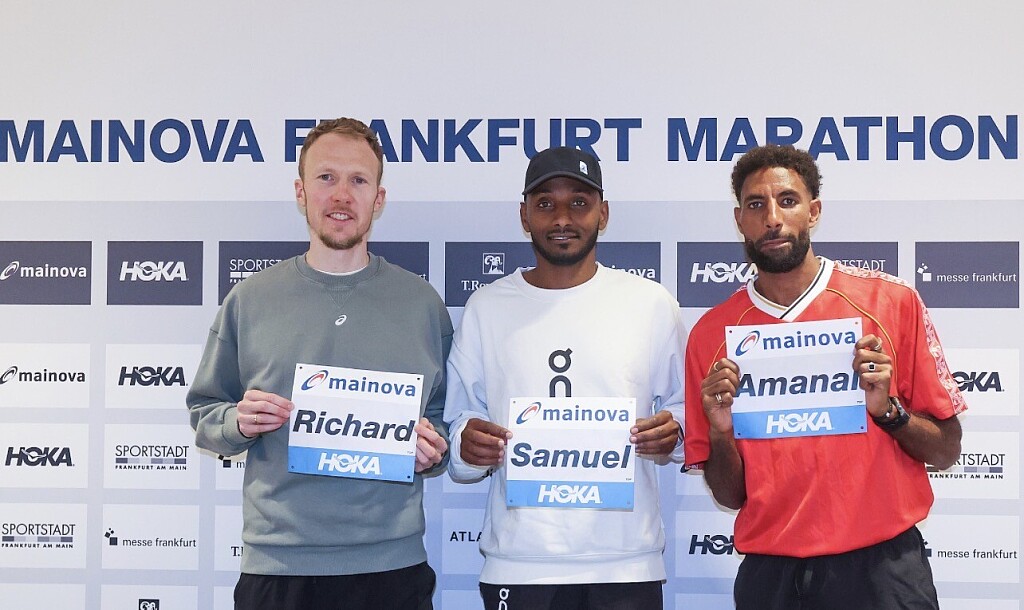
Records in Sight as Frankfurt Assembles Its Fastest Men’s Field
Petros leads Germany’s top marathoners, Zeineba Yimer targets the women’s course record, and Kenya’s Mark Kiptoo chases an age-group milestone at Sunday’s Mainova Frankfurt Marathon.
The Mainova Frankfurt Marathon could deliver a series of record performances on Sunday, October 25—if the weather cooperates.
The 43rd edition brings together the fastest men’s field in the event’s history, with German and European records potentially within reach. Both course records—2:03:42 for men and 2:17:25 for women—could come under pressure, while a promising German debut and an M50 world-best attempt add further interest.
Conditions will play a decisive role. Rain, cold and strong winds could derail ambitious pacing plans. If the weather settles, Frankfurt’s flat course could provide the setting for an exceptional day.
Organizers have reported a record 19,720 entries from 128 nations. The occasion also marks the final race for Jo Schindler as race director.
“We are absolutely delighted with this record number of entries. Over the past 25 years, we have taken the Mainova Frankfurt Marathon to a whole new level in every aspect,” Schindler said.
Germany’s Best Take Center Stage
Leading the men’s field is Amanal Petros, the German record-holder at 2:04:03, who won the European marathon title in Birmingham in August. He arrives with ambitions that could extend beyond his own national mark to the European record of 2:03:36.
“My training in Kenya went very well. If the weather is on my side, it could happen,” Petros said. “I have been dreaming of breaking the European record for several years now.”
A European record would also take him under Wilson Kipsang’s Frankfurt course record of 2:03:42, set in 2011.
Petros will face a strong domestic challenge from Samuel Fitwi, whose 2:04:45 runner-up finish in Hamburg in April is the fastest German performance this year.
“If the weather is good, the German record is within reach on the flat course in Frankfurt. I am well prepared and definitely want to beat my personal best,” Fitwi said.
Richard Ringer, the 2022 European marathon champion, completes the leading German trio. His record-eligible personal best is 2:05:46, although he ran 2:04:47 at Boston this spring on its non-record-eligible course.
Ringer plans a more measured approach after overcoming a muscle problem following the European Championships.
“I do not expect to be running right at the front on Sunday and will probably go with a second group,” he said.
Biwott Returns With Winning Ambition
The German contenders will have plenty of international competition.
Ethiopia’s Andualem Belay brings a personal best of 2:04:44, while Kenya’s Benard Biwottreturns to the scene of his breakthrough. Biwott won his marathon debut in Frankfurt in 2024 in 2:05:54, then improved to 2:05:25 while winning the 2025 Paris Marathon.
“My aim is to win on Sunday. I think I can achieve a time of around 2:04:00,” Biwott said.
Another Kenyan, Mark Kiptoo, could deliver one of the day’s most compelling performances. Now 50, the 2014 Frankfurt champion is targeting the M50 world best of 2:19:29, set by South Africa’s Titus Mamabolo in Durban in 1991.
Kiptoo has already made masters history in Frankfurt, running 2:07:50 here in 2018.
Yimer Targets the Women’s Course Record
Ethiopia’s Zeineba Yimer leads the women’s field with a personal best of 2:18:47, set while finishing third in Barcelona this spring
The 28-year-old is seeking a turnaround after stomach problems forced her out of the Berlin Marathon four weeks ago. Her ambitions include challenging the Frankfurt course record of 2:17:25, set by Hawi Feysa in 2024.
“Now I want to make the most of the flat course in Frankfurt and set a personal best. I have also got my sights set on the course record and want to break that mark as well,” Yimer said.
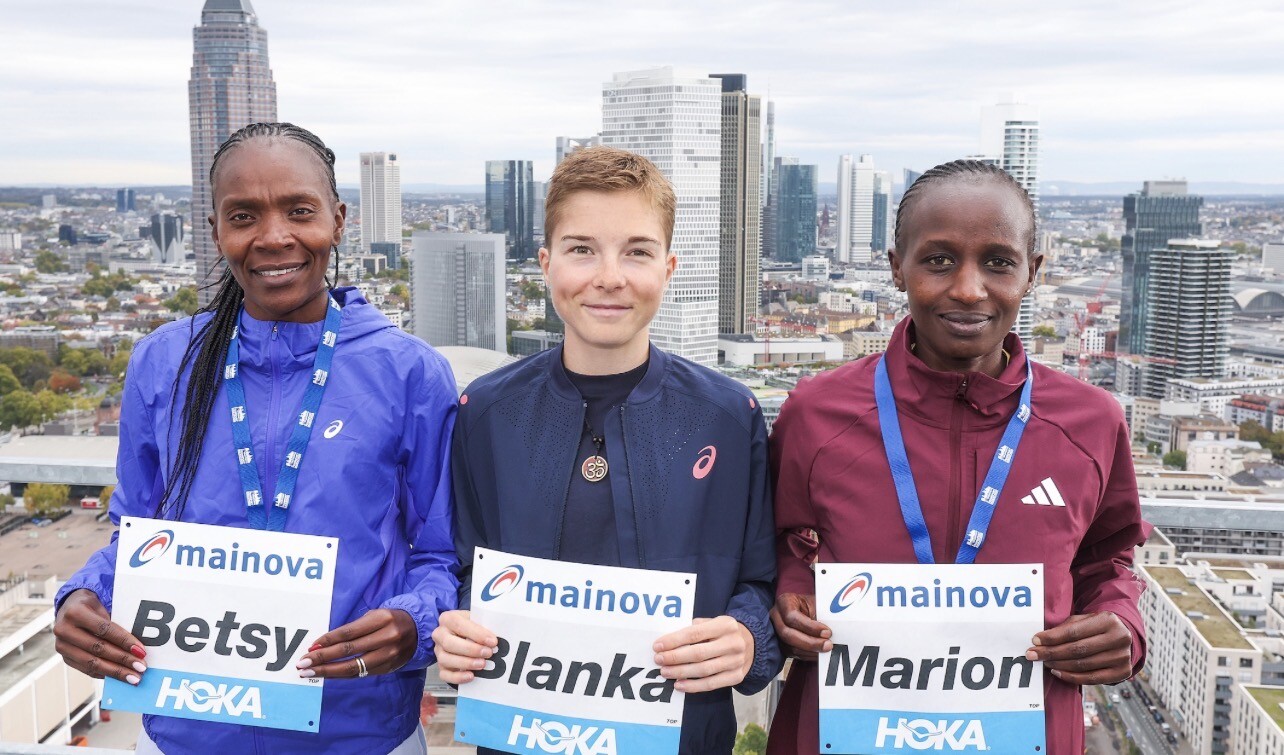
American Betsy Saina, who has run 2:19:17, returns from a maternity break and is targeting a halfway split of 70:00.
Kenya’s Marion Kibor, who improved to 2:21:12 in Hamburg this spring, also hopes to break 2:20. Ethiopia’s Meskerem Assefa, the 2018 Frankfurt champion, returns with the 2:20:36 personal best she set during that victory.
Dörfel Runs on Instinct in Marathon Debut
Germany’s Blanka Dörfel adds an intriguing debut to the women’s race.
The 24-year-old ran a half-marathon personal best of 68:08 in Mainz this spring and intends to trust her feel for the pace as she moves up to the marathon.
“I will be running without a watch and will trust my instincts,” Dörfel said.
Her half-marathon performance suggests the potential for a strong debut. The German women’s debut benchmark is 2:23:57, set by Melat Kejeta in Berlin in 2019.
Elite Runners with Personal Bests
MEN
Amanal Petros GER 2:04:03
Andualem Belay ETH 2:04:44
Samuel Fitwi GER 2:04:45
Richard Ringer GER 2:04:47
Benard Biwott KEN 2:05:25
Haimro Alame ISR 2:06:04
Antenayehu Dagnachew ETH 2:06:55
Jiregna Geleta ETH 2:06:57
Derara Hurisa ETH 2:08:09
Jirata Dinki ETH 2:08:18
Abe Gashahun ETH 2:08:35
Lemawork Ketema AUT 2:10:44
WOMEN
Zeineba Yimer ETH 2:18:47
Betsy Saina USA 2:19:17
Meskerem Assefa ETH 2:20:36
Siranesh Yirga ETH 2:21:08
Marion Kibor KEN 2:21:12
Janet Ruguru KEN 2:23:00
Mehret Gemeda ETH 2:23:29
Milicent Jelimo KEN 2:24:19
Obse Abdeta ETH 2:27:14
Martina Strähl SUI 2:28:07
Selam Fente ETH 2:28:22
Aselef Amare ETH 2:28:47
Blanka Dörfel GER Debut
by Race News Service
Login to leave a comment

Mainova Frankfurt Marathon
Frankfurt is an unexpectedly traditional and charming city, with half-timbered buildings huddled in its quaint medieval Altstadt (old city), cosy apple wine taverns serving hearty regional food, village-like neighbourhoods filled with outdoor cafes, boutiques and street art, and beautiful parks, gardens and riverside paths. The city's cache of museums is second in Germany only to Berlin’s, and its nightlife...
more...
LA28 Olympic Marathon Qualification: Only 70 Runners Per Gender As World Athletics Tightens The Race To Los Angeles
The road to the Los Angeles 2028 Olympic marathon is set to become even more competitive after World Athletics introduced a tighter qualification framework that reduces the number of available places in both the men's and women's races.

Each Olympic marathon field will be limited to 70 athletes, down from 80 at Paris 2024. The reduction means 20 fewer runners across the two races, raising the stakes for elite marathoners hoping to represent their countries on the world's biggest sporting stage.
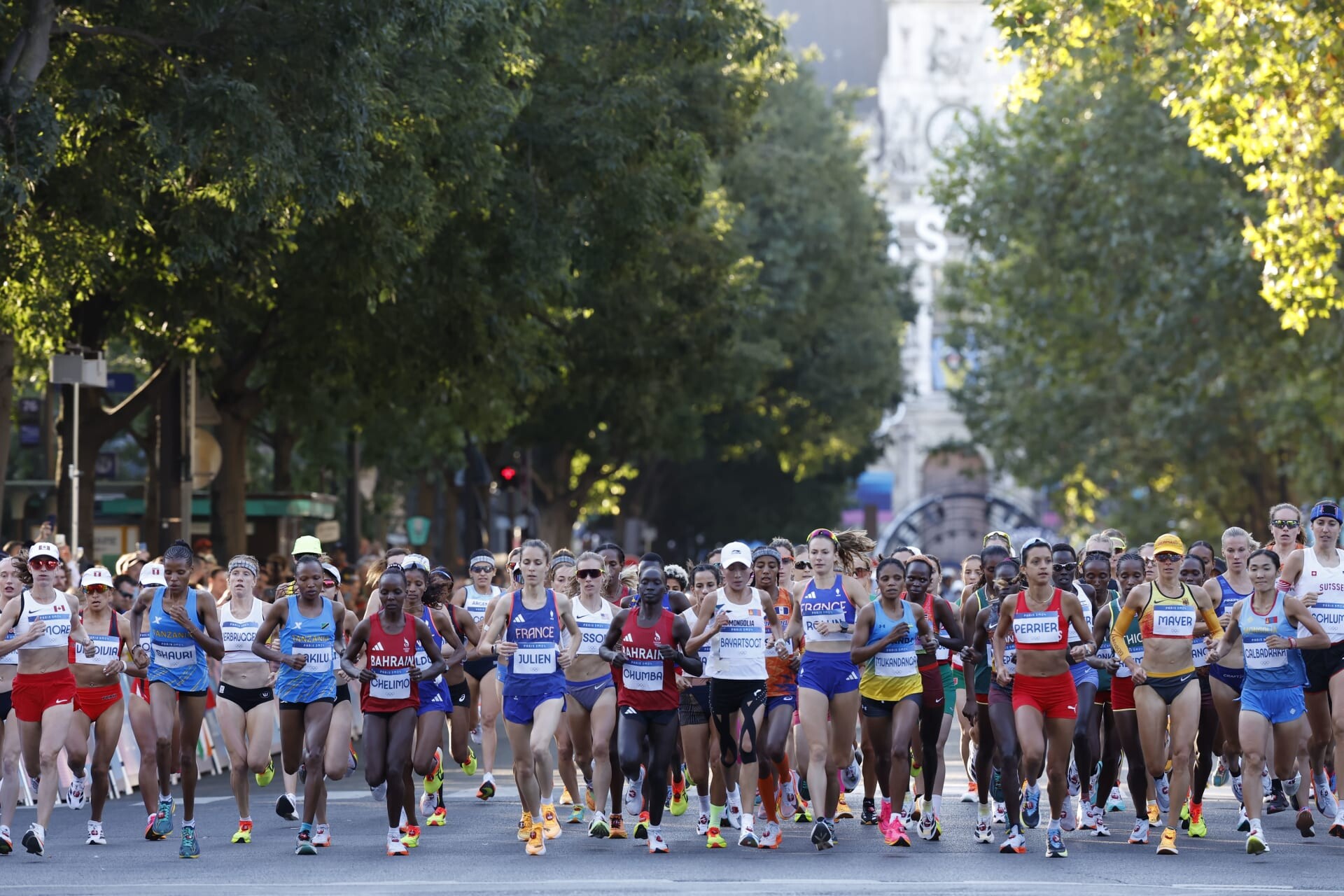
With fewer places available, athletes will need to combine outstanding performances, strategic race selection and strong world rankings to secure their Olympic dreams.
The qualification window opens on November 1, 2026, and closes on April 30, 2028. World Athletics is expected to announce the official Olympic marathon entry standards in December 2026, giving athletes a clearer picture of the performances required to qualify directly.
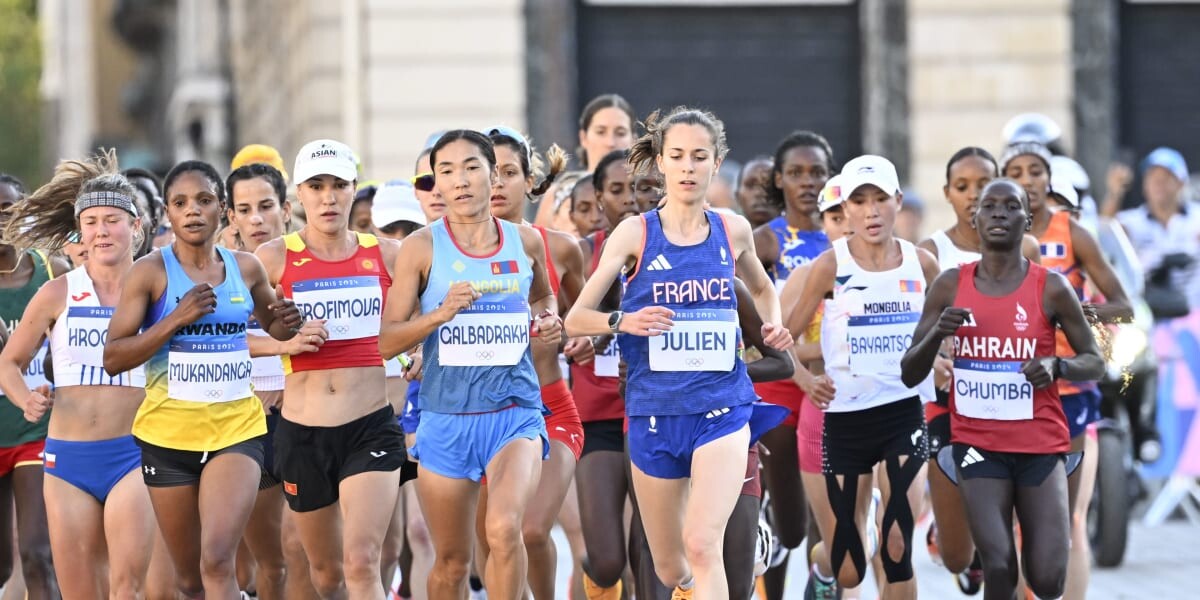
Approximately 40 percent of the 70 places in each race will be allocated through the entry-standard pathway, while the remaining 60 percent will be determined through the World Athletics rankings system. However, achieving the qualifying time will not automatically guarantee an Olympic place. If more athletes meet the entry standard than there are available places through that pathway, selection will depend on the applicable qualification rules and the number of quota places available.
Athletes will also have an alternative route through designated Platinum Label marathons. Finishing among the top five at eligible races can count towards meeting the entry standard under the qualification regulations. These prestigious events include the Boston, London, Berlin, Chicago, New York City and Tokyo marathons, providing elite runners with opportunities to strengthen their Olympic qualification prospects against world-class competition.
The qualification campaign will reach a decisive milestone on March 19, 2028, when athletes occupying the top 55 positions on the filtered quota list are set to secure their places under the published rules. That would leave the remaining 15 places in each race to be determined by the end of the qualification window on April 30, 2028.
For athletes outside the leading positions, the final weeks could prove decisive. Strong performances at major marathons, improvements in ranking points and carefully planned racing schedules may determine who makes the Olympic starting line. The smaller fields leave less room for error, particularly for runners whose qualification hopes depend on the rankings rather than a direct entry standard.
The competitiveness of the qualification process is underscored by the extraordinary depth of international marathon running. For comparison, the entry standards for the 2027 World Athletics Championships are 2:06:00 for men and 2:23:20 for women. During 2026 alone, 89 men and 82 women ran faster than those respective marks.
Although the World Championships standards differ from the Olympic entry standards yet to be announced, these performances illustrate how many athletes are already competing at an exceptionally high level. With only 70 places available in each Olympic race, runners from countries with several elite marathoners could face particularly intense domestic competition before even considering the international qualification battle.
The framework also provides a potential opportunity for eligible athletes who have not secured a place through the usual qualification routes. National Olympic Committees may be able to allocate a quota place to an otherwise unqualified athlete who records a marathon performance of 2:11:00 for men or 2:29:00 for women during the qualification period, subject to the applicable eligibility requirements and allocation rules.
This provision offers an additional pathway for countries seeking representation in the Olympic marathon. However, meeting the performance threshold does not automatically guarantee selection, as the relevant committee must follow the official qualification regulations.
Reducing the Olympic marathon fields from 80 to 70 athletes per gender represents a significant change for the world's leading distance runners. The combination of entry standards, Platinum Label marathon performances, world rankings and potential quota places creates several pathways to Los Angeles, but the reduced number of available positions will make every qualifying opportunity more valuable.
With the qualification window opening on November 1, 2026, and the official entry standards expected in December, marathoners will have nearly 18 months to build their cases for selection before the deadline on April 30, 2028.
For athletes dreaming of Olympic glory in Los Angeles, running fast will remain essential. However, choosing the right races, accumulating ranking points and delivering performances at the right time could prove equally important in a qualification campaign where every place counts.
Does the new LA28 qualification system reward the world's best marathoners, or could it disadvantage athletes from countries where opportunities to compete in major international races are limited?
by Erick Cheruiyot for My Best Runs.
Login to leave a comment
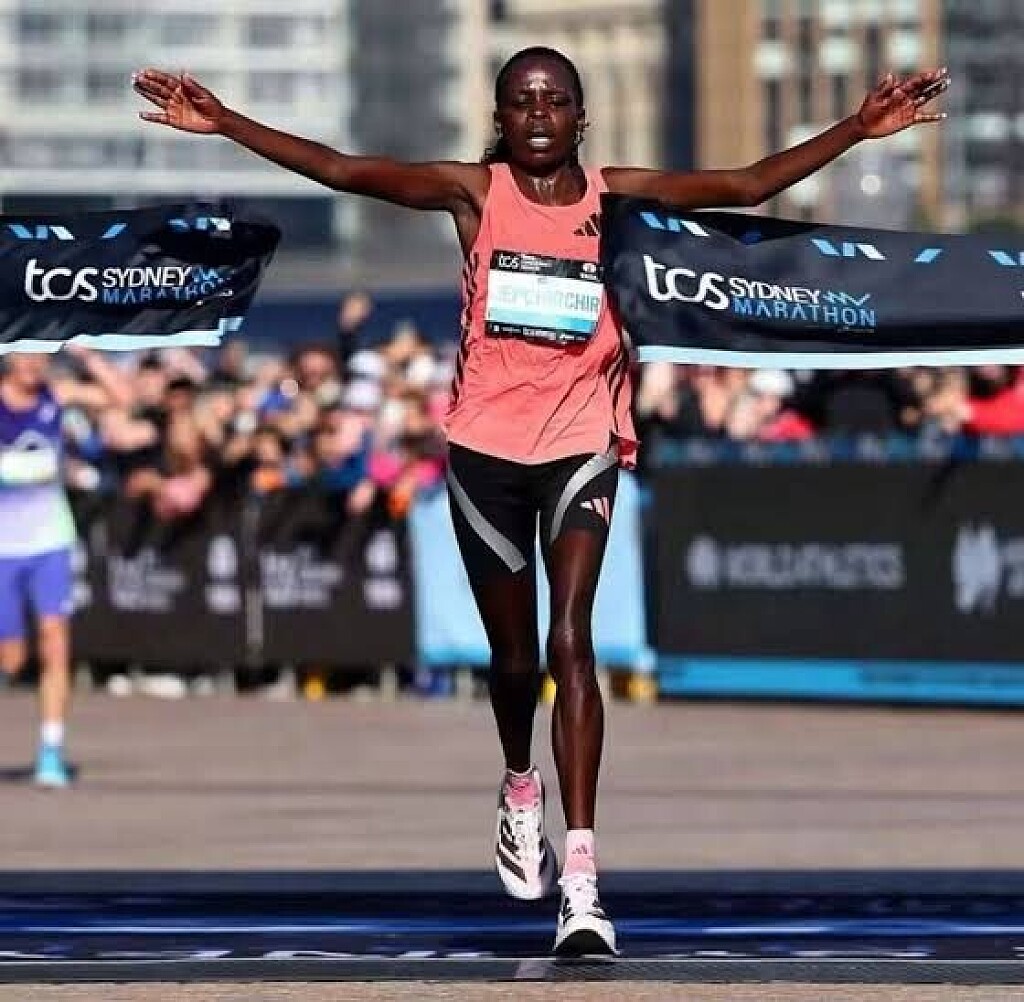
Shocking Development: Peres Jepchirchir Provisionally Suspended Over EPO Finding As Sydney Marathon Title Hangs In The Balance
Kenyan distance running has been rocked by a major development after Peres Jepchirchir, the reigning world marathon champion and 2021 Olympic gold medallist, was provisionally suspended by the Athletics Integrity Unit (AIU) following an adverse analytical finding for erythropoietin (EPO).
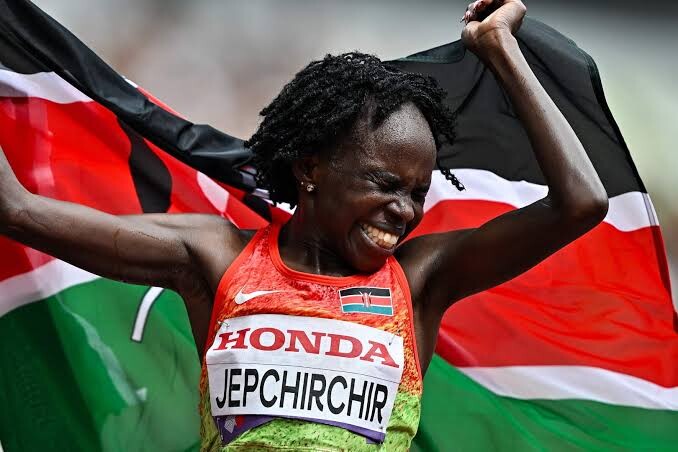
The 33-year-old reportedly tested positive for the prohibited substance in an out-of-competition sample collected in Kenya before the Sydney Marathon on August 30, 2026. The development has cast uncertainty over the future of one of the most accomplished female marathon runners of her generation, whose impressive career includes Olympic gold, a world championship title and victories at three of the sport's most prestigious marathons.
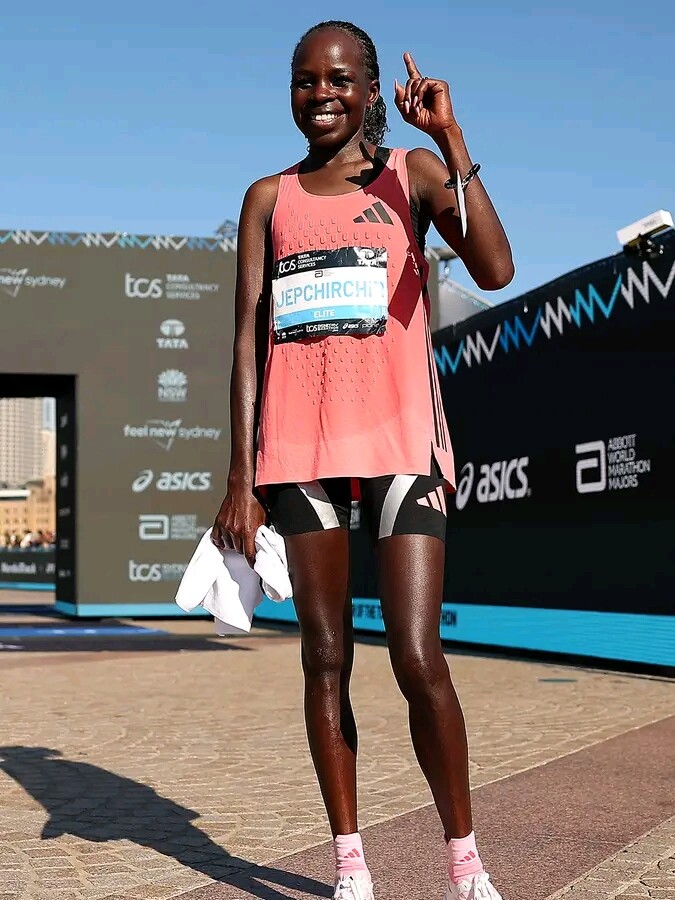
Jepchirchir returned to marathon competition in Sydney after a stress fracture forced her to withdraw from the London Marathon in April. Her comeback initially appeared to be another triumphant chapter in her career, as she stormed to victory in 2:18:31, finishing 3:40 ahead of compatriot Irine Cheptai.
However, the reported adverse analytical finding has placed that achievement under scrutiny, with the possibility that her Sydney victory could eventually be annulled depending on the outcome of the anti-doping proceedings.
Under anti-doping rules, results can be disqualified from the date of an adverse analytical finding or another applicable date determined under the regulations. If the relevant results are annulled, Jepchirchir could lose the Sydney Marathon title, which would have given her victories at four different World Marathon Majors, following her previous triumphs in New York, Boston and London.
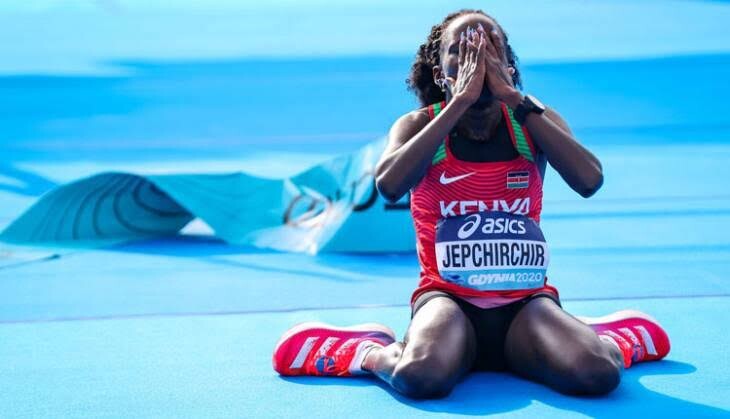
EPO is a prohibited substance that stimulates red blood cell production, increasing the blood's capacity to transport oxygen to working muscles. Its performance-enhancing potential makes it particularly significant in endurance sports, including marathon running.
The substance is prohibited under anti-doping regulations, and a confirmed violation can carry serious consequences. Under the World Anti-Doping Code, a first violation involving a non-specified substance such as EPO generally carries a four-year period of ineligibility when the applicable conditions are met, although the final sanction depends on the circumstances of the case.
Jepchirchir's provisional suspension, however, is not a final sanction and does not itself establish that an anti-doping rule violation has been conclusively proven. The case must proceed through the relevant process, during which the athlete has the opportunity to exercise her rights under the applicable rules.
As of the information available, Jepchirchir has not commented publicly on the matter.
The Sydney Marathon has also acknowledged the seriousness of the situation while emphasising the importance of a fair process. In a statement, the event said Jepchirchir “is entitled to due process, and we will make no further comment on the case until that process has concluded.”
The case has attracted considerable attention because of Jepchirchir's standing in international athletics. She won Olympic marathon gold at the Tokyo Games in 2021 before claiming victory at the New York City Marathon later that year. In 2022, she conquered the Boston Marathon, adding another prestigious title to her growing collection.
Her success continued in 2024 when she won the London Marathon, becoming one of the few women to capture victories at New York, Boston and London. She subsequently reached another career milestone at the 2025 World Athletics Championships in Tokyo, where she won the women's marathon title by just two seconds in a dramatic finish against Ethiopia's Tigst Assefa.
Jepchirchir has also established herself among the fastest women in marathon history. Her personal best of 2:14:43 places her ninth on the all-time women's marathon list, underscoring the level of performance that has defined her career.
Beyond the immediate implications for her Sydney victory, the case could have wider consequences if an anti-doping rule violation is ultimately established. The World Marathon Majors' rules provide for lifetime exclusion from the series for athletes who receive a doping-related ban of three months or longer, meaning a sufficiently lengthy sanction could jeopardise Jepchirchir's future participation in all eight events.
For an athlete who has built her reputation through success on the sport's biggest stages, such an outcome would represent a significant setback. Nevertheless, any consequences for her results, eligibility or future participation will depend on the applicable rules and the final outcome of the proceedings.
The development also renews attention on Kenya's ongoing efforts to protect the integrity of distance running. The country has produced generations of exceptional marathon runners, but high-profile anti-doping cases continue to raise difficult questions about clean competition and the responsibility of athletes, coaches and support personnel.
For now, the focus remains on the AIU's proceedings and the evidence surrounding the reported finding. Jepchirchir's provisional suspension marks a serious moment in her career, but the distinction between an adverse analytical finding and a final ruling remains essential as the case moves forward.
Once celebrated for her Olympic triumph, world championship glory and victories in the world's most prestigious marathons, the Kenyan star now faces an uncertain period as the anti-doping process unfolds. The eventual outcome will determine whether her latest Sydney success remains part of her remarkable record or becomes one of the most consequential episodes of her career.
by Erick Cheruiyot for My Best Runs.
Login to leave a comment
