

Running News Daily
Running News Daily is edited by Bob Anderson and team. Send your news items to bob@mybestruns.com Advertising opportunities available.
Index to Daily Posts · Sign Up For Updates · Run The World Feed
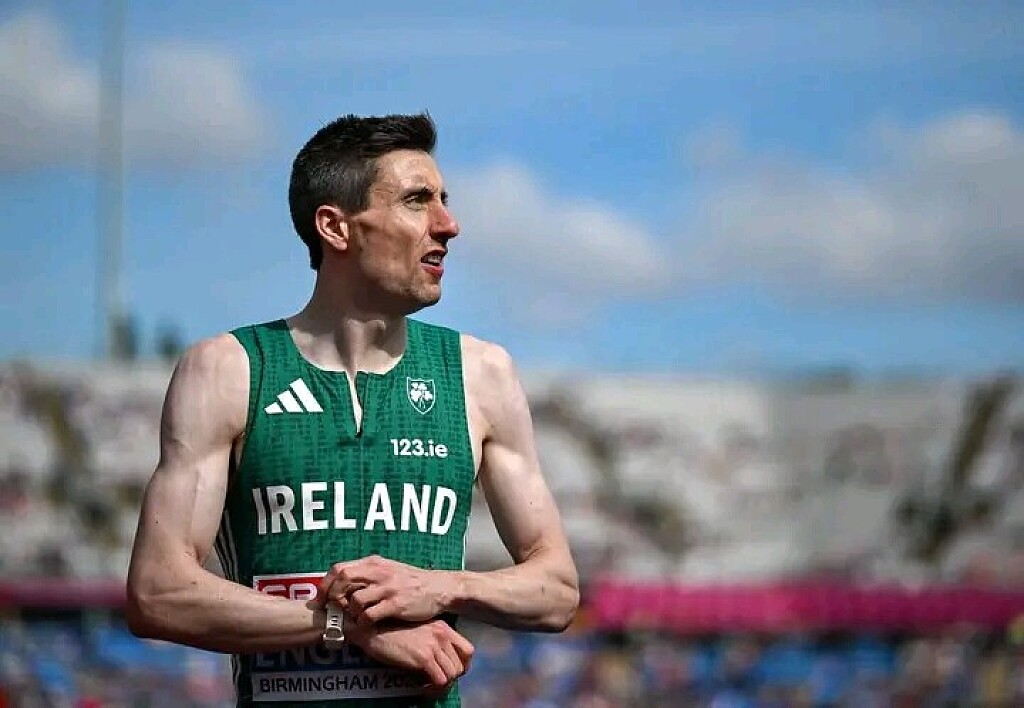


Mark English Shatters 48-Year-Old Championship Record as Birmingham 800m Final Promises Fireworks

Ireland’s Mark English produced one of the defining performances of the 2026 European Athletics Championships in Birmingham, storming to a breathtaking 1:43.49 to win his men’s 800m semi-final and rewrite the championship record books.
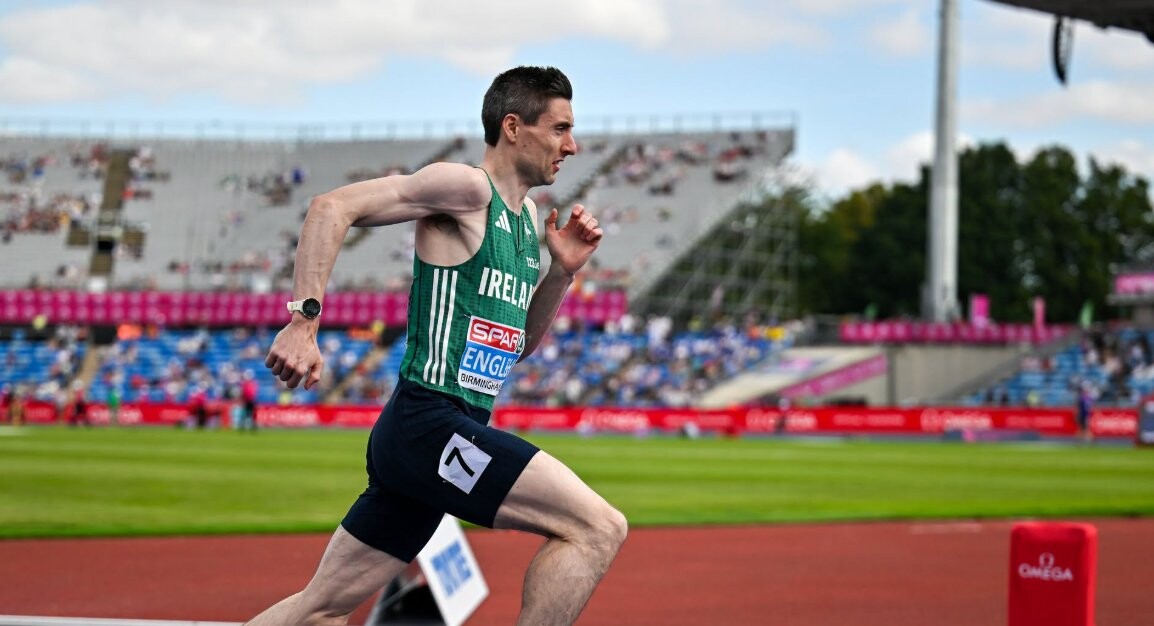
The 33-year-old Donegal native delivered a perfectly judged display of speed, strength and composure, attacking the race with confidence before unleashing a powerful finish that carried him through the line in a sensational time.
English passed the bell in 51.36 before maintaining his relentless rhythm over the second lap. As the race entered its decisive stages, he found another gear and powered away from his challengers, stopping the clock at 1:43.49 to become the fastest qualifier for the final.
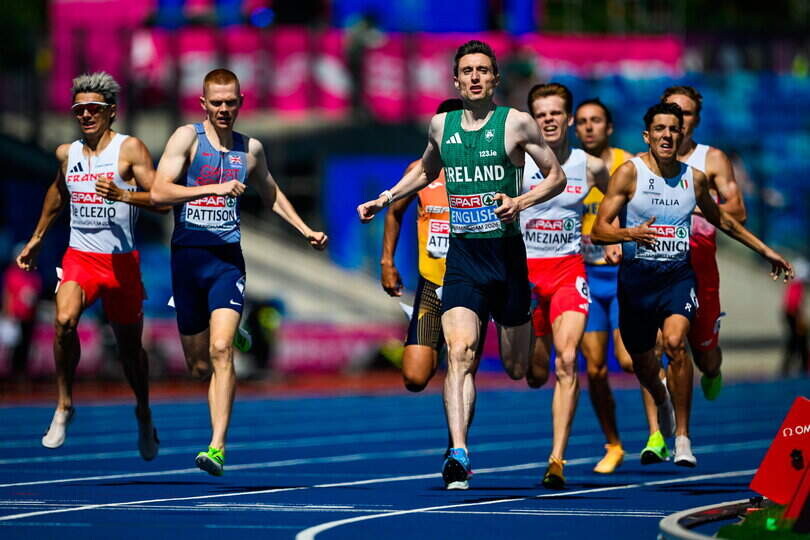
More significantly, his performance erased a record that had stood for nearly half a century. English lowered Olaf Beyer’s 1:43.84 championship record by 0.35 seconds, bringing an extraordinary 48-year chapter of European 800m history to a close.
The performance also underlined just how fiercely competitive the Birmingham final will be. Five athletes broke the 1:44 barrier in the semi-finals, setting the stage for what promises to be one of the most explosive 800m finals of the championships.
Great Britain’s Ben Pattison emerged as the second-fastest finalist in 1:43.72, while France’s Corentin Le Clezio ran a personal best of 1:43.80 to secure the third-fastest qualifying time. Spain’s Mohamed Attaoui followed with a season’s best of 1:43.82, while Italy’s Francesco Pernici completed the group of athletes under 1:44 with 1:43.84.
Great Britain’s Max Burgin advanced in 1:44.73, Croatia’s Marino Bloudek clocked 1:44.96, and Spain’s David Barroso also stopped the clock at 1:44.96 to complete the eight-man final field.
But all eyes will inevitably turn to English.
Having already dismantled a record that survived generations of European 800m runners, the Irishman now enters the final as the man everyone will be chasing. His 1:43.49 has not only established him as the championship’s fastest qualifier but has also raised the tantalising question of how much faster he can go when the medals are on the line.
With five finalists already under 1:44, Birmingham is ready for another spectacular battle.
And after making history in the semi-final, Mark English has given himself the perfect opportunity to write an even bigger chapter in the final.
by Erick Cheruiyot for My Best Runs.
Login to leave a comment

European Athletics Champioships
The27thEuropean Athletics Championshipswill be held from 10 to 16 August 2026 at theAlexander StadiuminBirmingham, United Kingdom.[1] This is the first time that a British city will have staged the European Athletics Championships although Birmingham has hosted many high-profile events, including the2007 European Athletics Indoor Championships, the2003and2018 IAAF World Indoor Championshipsand the2022 Commonwealth Games. Alexander Stadium was renovated between 2019 and...
more...Latest Running News
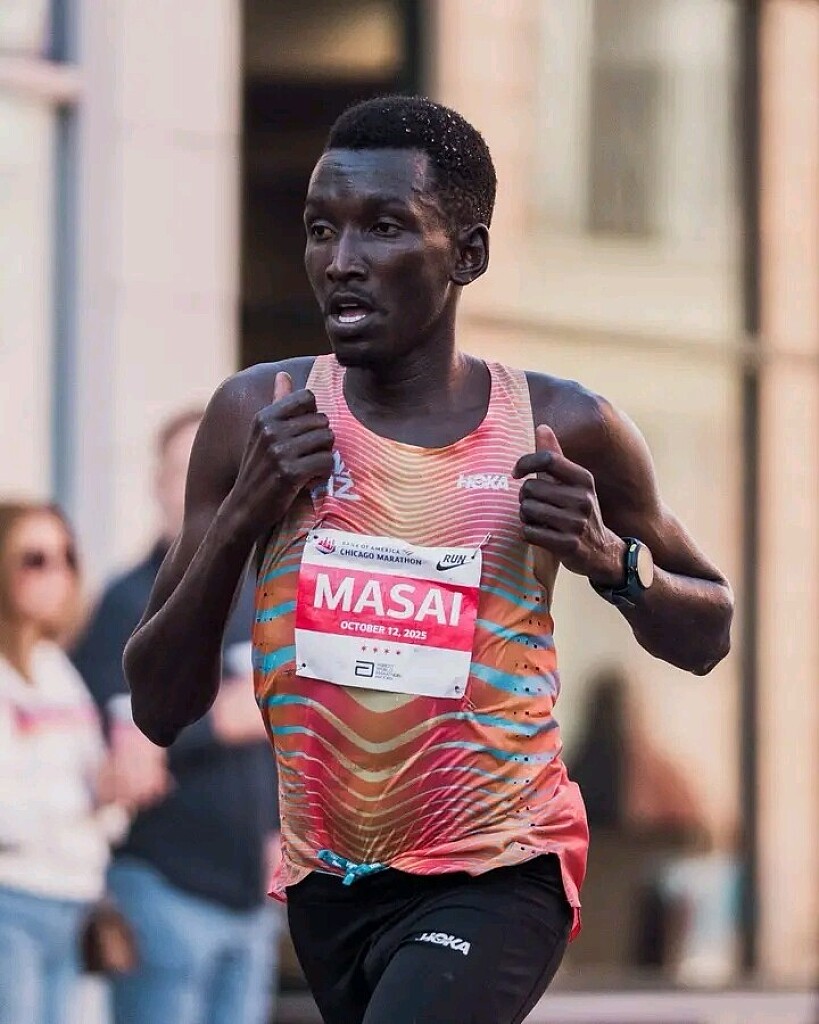
Bashir Abdi Added to Chicago Marathon as Alex Masai Withdraws
Bashir Abdi has been added to the elite men’s field for the 2026 Bank of America Chicago Marathon, while Kenya’s Alex Masai has withdrawn from the October 11 race.
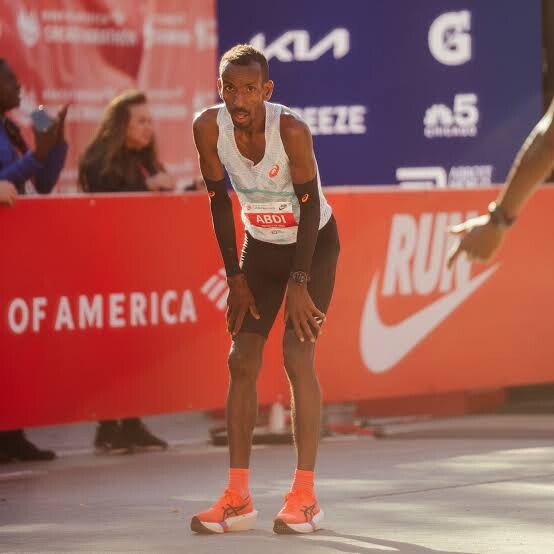
Masai finished third in the 2025 edition in a personal-best 2:04:37, making his withdrawal a notable change to the field. He will no longer line up alongside some of the world’s leading marathoners, including defending champion Jacob Kiplimo of Uganda.
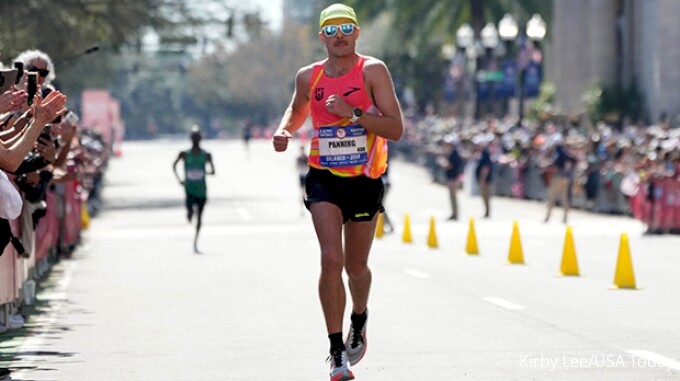
Masai joins Americans Zach Panning, who has a 2:09:16 personal best, Jacob Thomson (2:09:51) and Felicia Pasadyn (2:35:17) on the withdrawal list.
On the other side of the update, Abdi strengthens an already competitive men’s lineup. The Belgian is a two-time Olympic medalist, having won bronze in Tokyo and silver in Paris, and owns the European marathon record of 2:03:36, set in Rotterdam in 2021.
Abdi also knows the Chicago course well, having finished 10th in last year’s race in 2:07:08. His return gives him another opportunity to make a stronger statement on one of the world’s major marathon stages.
Norway’s Sondre Nordstad Moen has also been included in the updated field. Moen previously held the European marathon record after running 2:05:48 in Fukuoka in 2017, before Abdi lowered the mark four years later.
The American contingent has also been strengthened with the additions of Matt Richtman, Nathan Martin, Brian Shrader, Ben Rosa and Frank Lara, while Cole Sprout is set to make his marathon debut.
Sara Vaughn is among the notable women’s additions. She returns to Chicago after recording her personal-best 2:23:24 at the 2023 edition.
The 2026 Chicago Marathon will be held on Sunday, October 11, with the elite field continuing to take shape ahead of race day.
by Erick Cheruiyot for My Best Runs.
Login to leave a comment

Bank of America Chicago
Running the Bank of America Chicago Marathon is the pinnacle of achievement for elite athletes and everyday runners alike. On race day, runners from all 50 states and more than 100 countries will set out to accomplish a personal dream by reaching the finish line in Grant Park. The Bank of America Chicago Marathon is known for its flat and...
more...
Sha’Carri Richardson: From Teenage Sensation to a Champion Who Rewrote Her Own Story
At just 19, Sha’Carri Richardson looked like a star destined to take over the sprinting world.
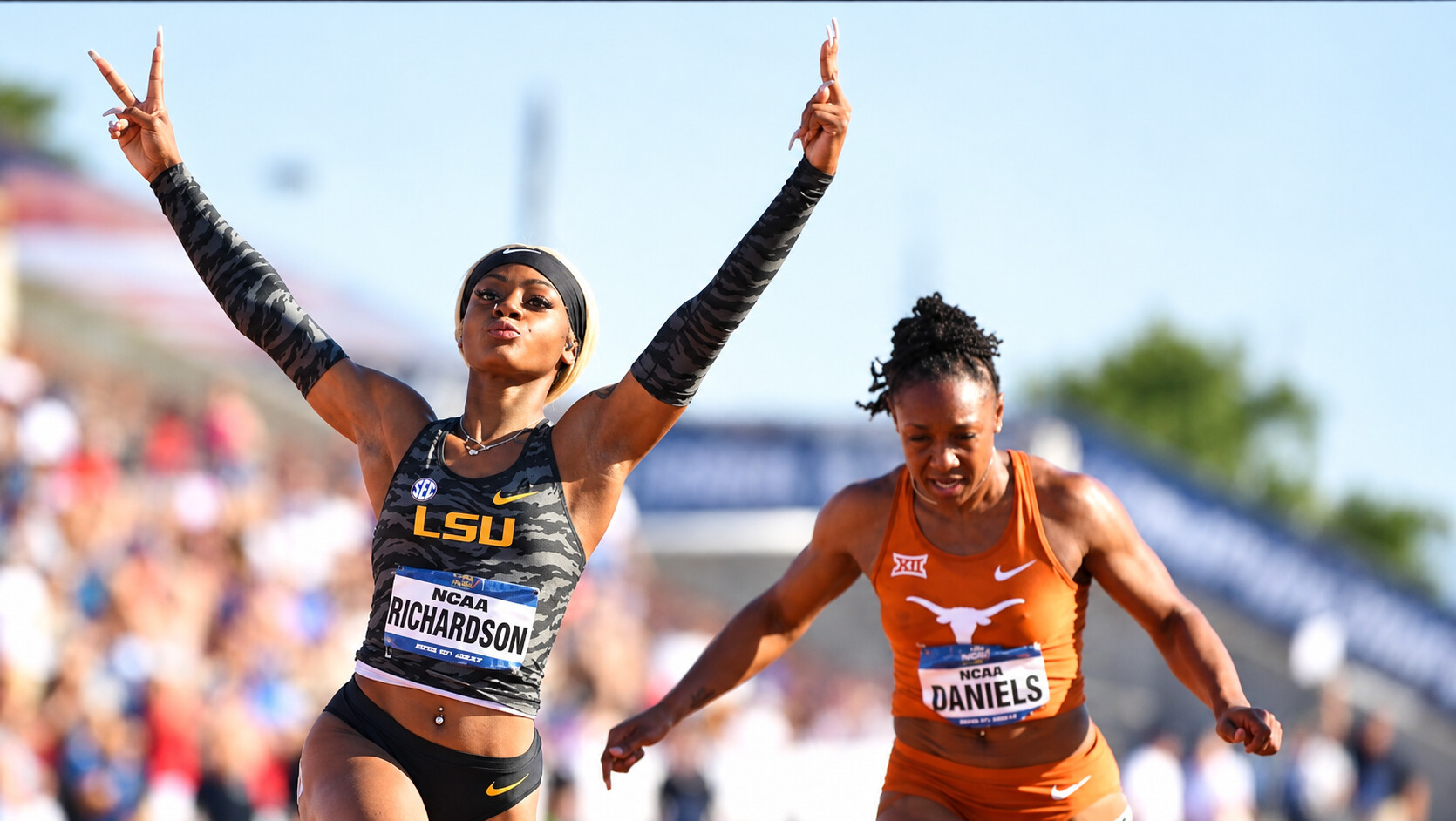
The speed was undeniable. In 2019, she announced herself on the collegiate stage with a 10.75-second NCAA record in the 100 metres, combining explosive acceleration with a fearless personality and a distinctive style that made her impossible to ignore.
She was young, confident and unapologetically herself.
But the road to becoming a champion was about to become far more complicated than anyone could have imagined.
In 2021, Richardson won the women’s 100m at the U.S. Olympic Trials in 10.86 seconds and appeared set for her Olympic debut.
Then everything changed.
A positive test for THC resulted in a one-month suspension, which ultimately ruled her out of the Tokyo Olympic 100m. USADA confirmed that Richardson accepted the sanction, which began on June 28, 2021.
The episode came at an especially difficult moment in her life. Richardson had publicly spoken about grieving the death of her biological mother and the emotional circumstances surrounding that period.
For an athlete who had seemed destined for Olympic glory, Tokyo became a painful chapter instead.
But it did not become the final chapter.
Richardson returned to the track with something to prove — not simply to the critics, but to herself.
The comeback became a championship story
In 2023, Richardson transformed her comeback into one of the defining performances of her career.
At the World Championships in Budapest, she won the 100m world title in 10.65 seconds, setting a championship record and defeating a field that included some of the greatest sprinters of her generation. World Athletics lists 10.65 as Richardson’s legal personal best, recorded on August 21, 2023.
She did not stop there.
Richardson also helped the United States win the women’s 4x100m relay gold in Budapest, adding another world title to a season that had completely changed the narrative surrounding her career.
The teenager who had once been celebrated for her raw talent was now a world champion.
Paris brought Olympic medals
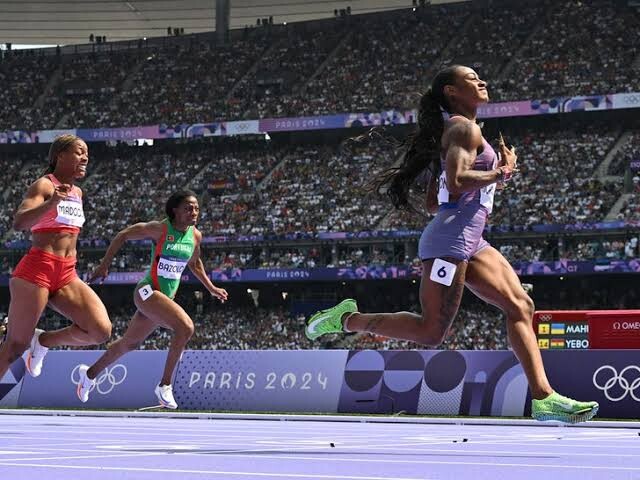
A year later, Richardson arrived at the Paris 2024 Olympics carrying expectations of another major championship performance.
She delivered.
Richardson won silver in the individual 100m and then anchored the United States to gold in the women’s 4x100m relay. World Athletics records her as an Olympic champion and Olympic silver medallist.
The Olympic gold was particularly significant.
After missing Tokyo, Richardson had returned to the biggest stage in the sport and left Paris as an Olympic champion.
Her journey had gone from disappointment to the highest step of the podium.
2026: Still winning, still evolving
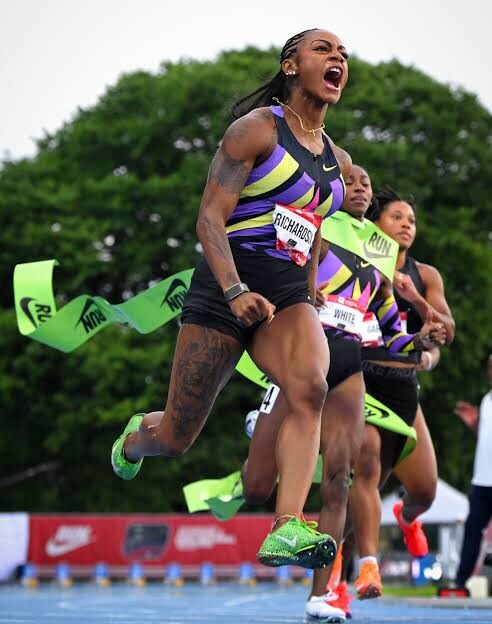
Richardson's story continued into 2026, and she closed the season in emphatic fashion at ATHLOS London.
On September 18 at StoneX Stadium, she won the 100m in 10.80 seconds with no wind assistance, finishing well clear of New Zealand's Zoe Hobbs, who ran 11.19. The performance was also an ATHLOS meeting record.
It was another reminder that Richardson remains one of the defining personalities of modern sprinting.
But the most compelling part of her journey cannot be measured entirely in seconds.
It is the evolution behind the performances.
The young sprinter who entered the global spotlight with enormous confidence has experienced public criticism, disappointment, grief, triumph and the enormous pressure that comes with being one of the world's most recognizable athletes.
Through it all, she has continued to shape her identity on her own terms.
Her story is no longer simply about speed.
It is about resilience, reinvention and the ability to return after a moment that could have permanently changed the direction of a career.
From a teenage sensation running 10.75 to a world champion running 10.65.
From missing the Tokyo Olympics to winning Olympic gold in Paris.
From one of the most difficult periods of her young career to becoming an established global sprint star.
Sha’Carri Richardson did not simply return to the track.
She returned with a different perspective, a bigger résumé and a story that belongs to her.
And perhaps that is the most powerful transformation of all: not becoming someone different, but growing into a stronger version of the person she always wanted to be.
by Erick Cheruiyot for My Best Runs.
Login to leave a comment
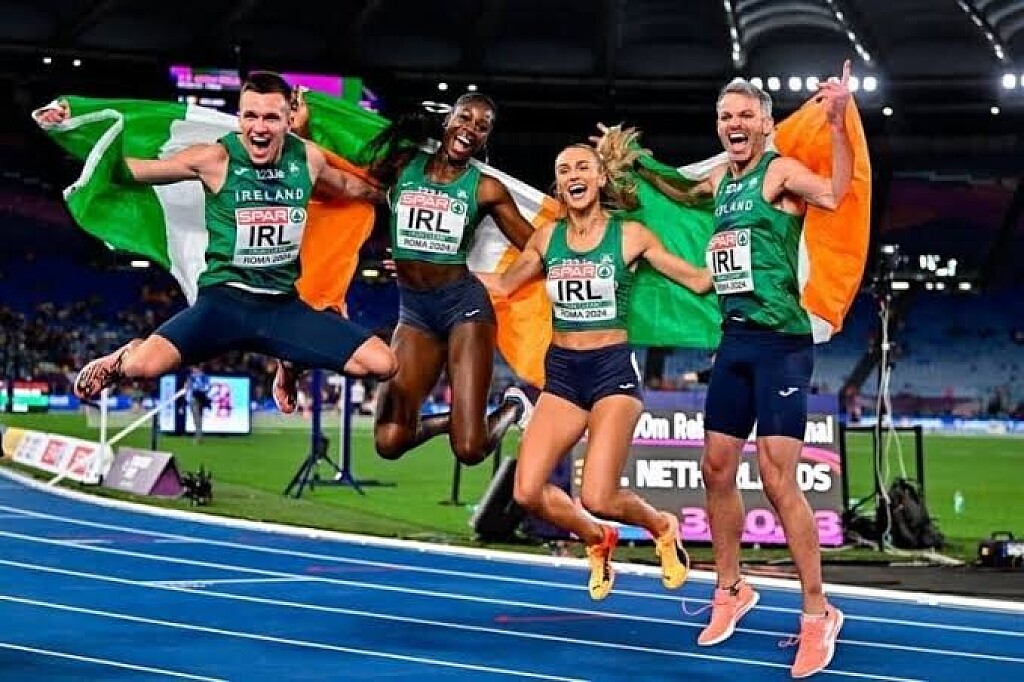
European Athletics Raises Silesia 2028 Prize Money to Record €3.5 Million
European Athletics has announced a record €3.5 million prize-money fund for the Silesia 2028 European Athletics Championships, significantly raising the financial rewards available to athletes competing for continental honours.
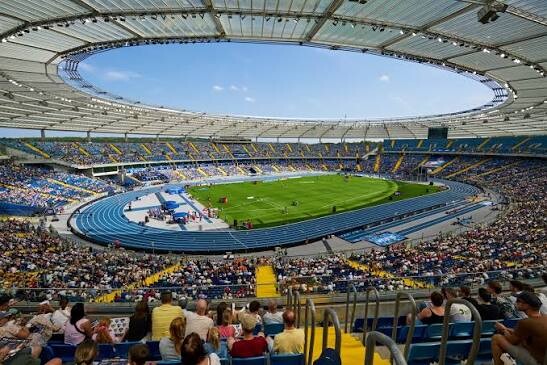
The expanded prize pool will cover every one of the 50 event disciplines on the championships programme, with prize money awarded to athletes finishing inside the top eight. The move represents a major commitment to rewarding performances across the full range of championship events.
Individual event winners will receive €30,000, while silver medallists will earn €15,000 and bronze medallists €10,000. Athletes finishing fourth will receive €5,000, with €4,000 for fifth, €3,000 for sixth, €2,000 for seventh and €1,000 for eighth.
The prize-money structure ensures that athletes who reach the final and finish among the leading eight will receive financial recognition for their performances, extending rewards beyond the medal positions.
Relay athletes will also be included in the prize-money programme, although the allocated prize will be shared among members of the respective team.
The Silesia 2028 championships will therefore offer athletes not only the opportunity to compete for European titles and medals, but also a substantial financial incentive throughout the competition. With a record €3.5 million available across the championships, European Athletics is placing greater emphasis on rewarding excellence across all 50 disciplines.
by Erick Cheruiyot for My Best Runs.
Login to leave a comment
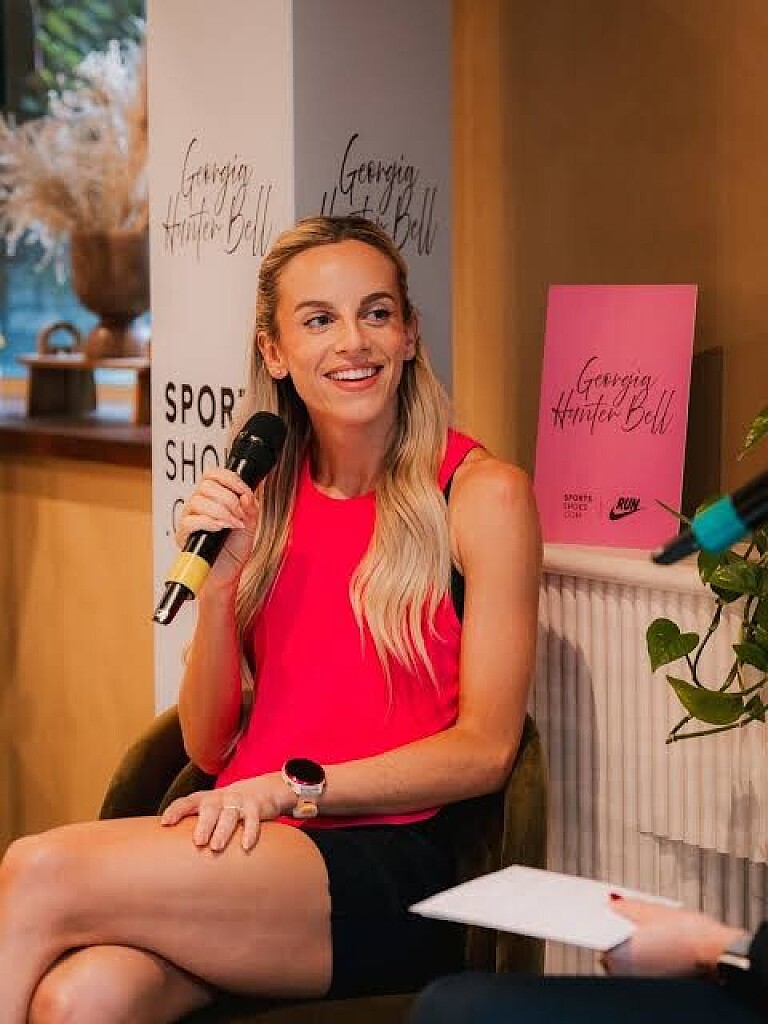
From Championship Glory To Community Miles: Georgia Hunter Bell Brings 2026 Season To A Close
British middle-distance star Georgia Hunter Bell has brought her remarkable 2026 season to a memorable close — not beneath the lights of another championship stadium, but surrounded by runners, stories and the wider running community in London.

The Olympic medallist hosted an intimate run and brunch at Curve Club, bringing runners and fans together for an opportunity to share miles, exchange stories and celebrate a season that delivered some of the biggest moments of her career.
Hunter Bell’s 2026 campaign was anything but ordinary. Across 20 races, she navigated the intensity of elite competition while collecting three major championship gold medals and building another impressive chapter in her career. Her season ultimately concluded with a strong second-place finish in the mile at ATHLOS London.
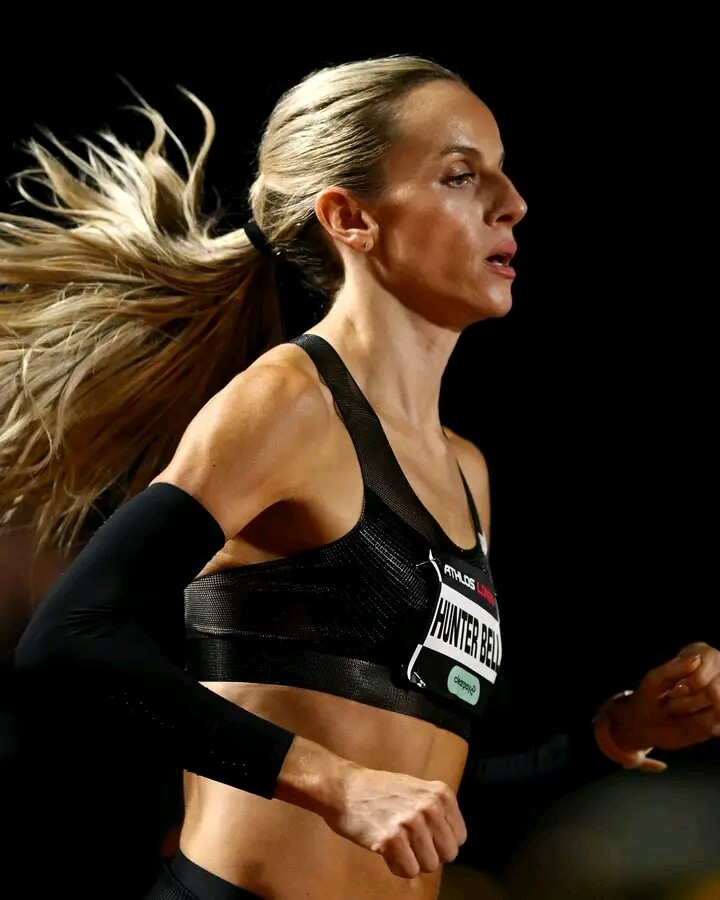
Yet the final gathering was about far more than results and medals.
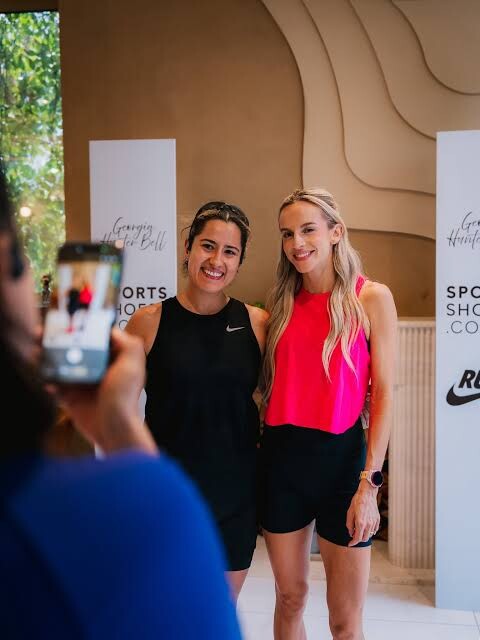
Away from the pressure of championship racing, Hunter Bell opened up about the defining moments of her season, the challenges that tested her along the way and the experiences that shaped her throughout the campaign. She also offered fans a glimpse into life inside the M11 Track Club training camps, providing an insight into the demanding work and experiences that often remain unseen beyond the finish line.
For Hunter Bell, the gathering also highlighted another important side of athletics — the sense of community that exists beyond elite competition. Sharing her experiences in a relaxed setting allowed her to connect with the people who follow her journey while celebrating the shared passion that brings runners together, whether they are chasing championship medals or simply enjoying another run with friends.
That perspective made the London gathering particularly meaningful. Elite athletics is often measured in times, places and medals, but Hunter Bell’s season-ending celebration highlighted the people, conversations and community that make running much bigger than competition alone.
From the intensity of major championship tracks to relaxed miles with fellow runners, Hunter Bell has shown that an athlete’s journey is not defined solely by what happens on race day.
After 20 races, three major championship titles and countless demanding miles, the British star can now look back on a season filled with triumphs, challenges and unforgettable experiences.
And what better way to close it than by sharing the journey with the running community?
by Erick Cheruiyot for My Best Runs.
Login to leave a comment
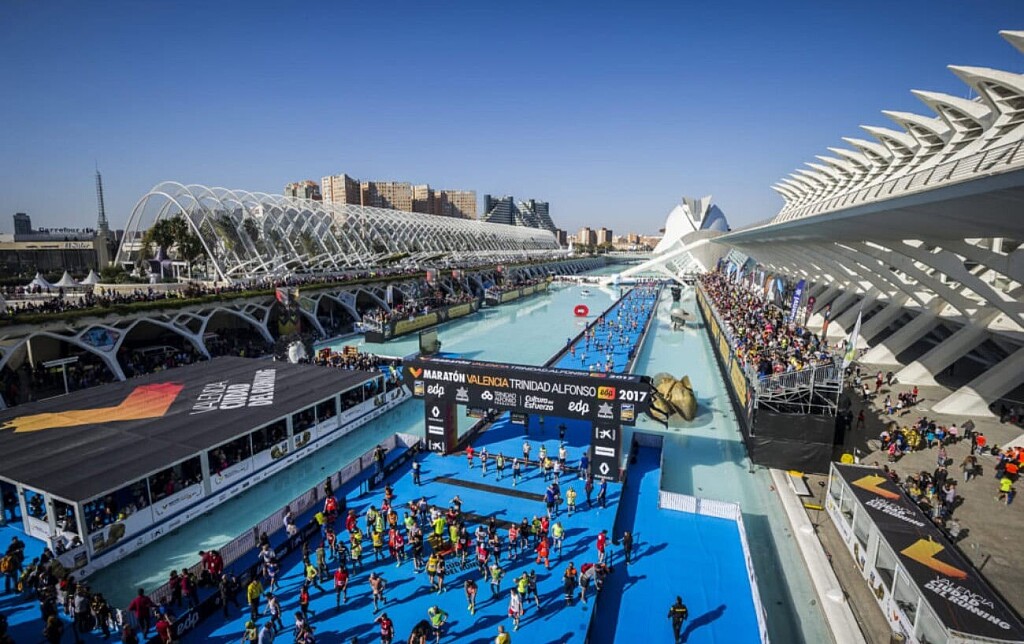
Valencia Marathon Offers €1 million World Record Jackpot As Kejelcha And Korir Lead Star-Studded Field
The road to marathon history will lead to Valencia on December 6, where the 2026 Valencia Marathon has put a staggering €1 million — approximately KSh 148.7 million — on the line for any athlete who breaks the official marathon world record on its fast Spanish streets.
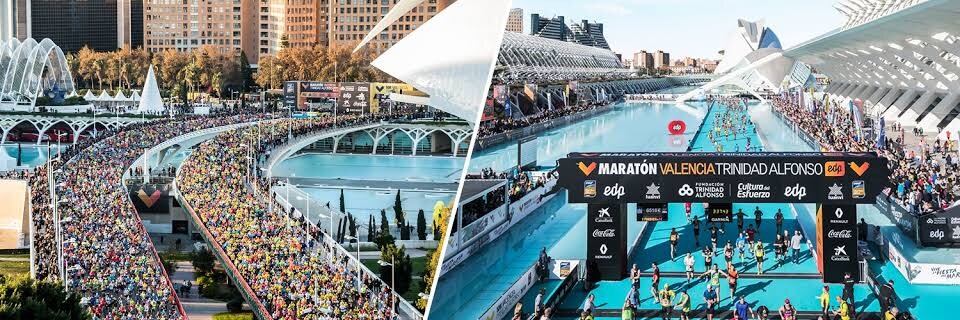
According to the race's official 2026 regulations, the million-euro bonus is available separately for both the men's and women's world records. The target for men is 1:59:30, while the women's target is 2:09:56. Athletes must be officially entered in the race, and the performances must pass the required recognition and anti-doping procedures.
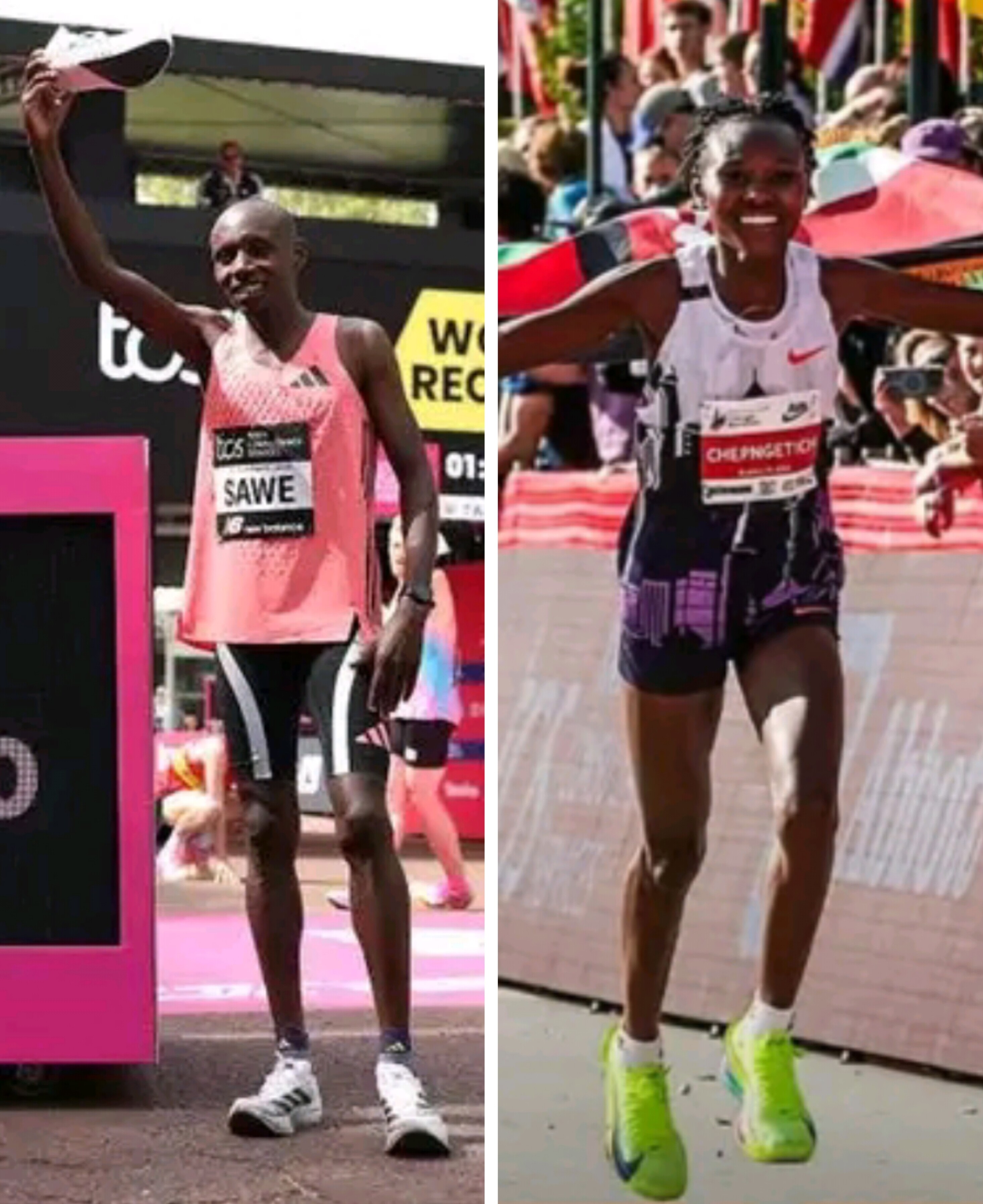
The men's benchmark was established by Kenya's Sabastian Sawe when he became the first man to officially break the two-hour barrier, running 1:59:30 at the 2026 London Marathon. Ethiopia's Yomif Kejelcha finished second that day in 1:59:41, becoming the second-fastest marathoner in history at the time and producing the fastest marathon debut ever.
On the women's side, the mark to beat remains Kenya's Ruth Chepngetich's 2:09:56, set at the 2024 Chicago Marathon. That performance made her the first woman to officially run under 2:10 for the marathon.
The enormous incentive is closely connected to the ambition of Valencia's running movement and the backing of businessman and philanthropist Juan Roig, whose Trinidad Alfonso Foundation has played a major role in supporting the marathon and the wider development of athletics in Valencia. Roig has previously spoken about the ambition of bringing the marathon world record to the city.
And the timing could hardly be more intriguing.
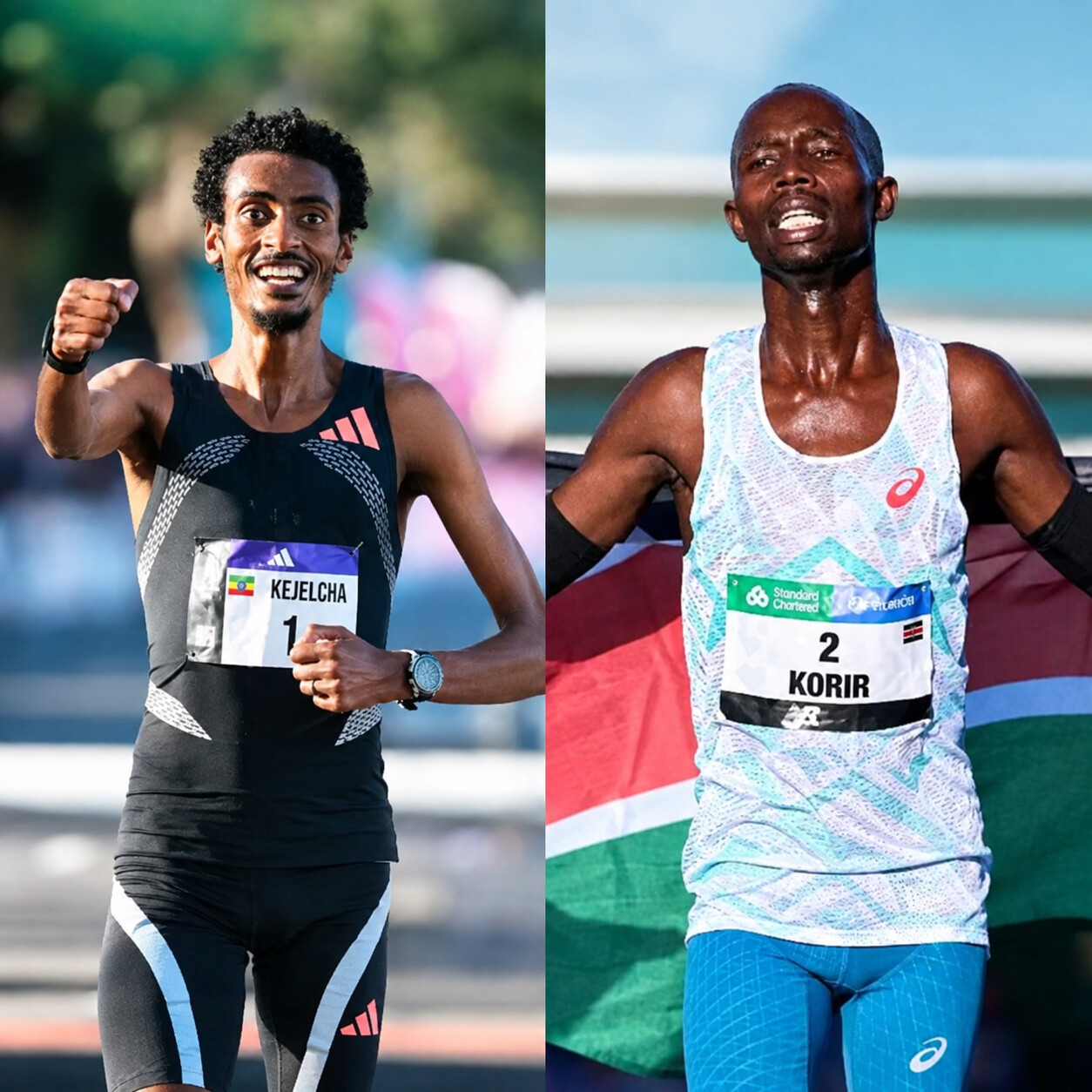
Kejelcha will return to Valencia for his second marathon, while defending champion John Korir of Kenya will be back after winning the 2025 edition in 2:02:24. The official elite announcement also includes Alexander Mutiso, Dawit Wolde and Nibret Melak, creating an exceptionally deep men's field.
Kejelcha arrives with a remarkable 1:59:41 from London, meaning he has already demonstrated the ability to sustain the extraordinary pace required to challenge the two-hour barrier. Korir, meanwhile, knows the Valencia course intimately and will be seeking to defend his title while chasing an even faster performance.
Valencia has earned its reputation as one of the world's fastest marathon destinations. Its course record currently stands at 2:01:48, set by Ethiopia's Sisay Lemma in 2023, while the 2025 edition saw Joyciline Jepkosgei run 2:14:00, the fastest women's marathon of that year.
With KSh 148 million-plus waiting for a successful world-record assault, a defending champion hungry for another victory and Kejelcha returning after coming within 11 seconds of the men's world record in London, Valencia is shaping up to be one of the most closely watched marathons of 2026.
On December 6, the question will be simple: will Valencia finally witness another marathon world record — and send one athlete home with a seven-figure euro cheque?
by Erick Cheruiyot for My Best Runs.
Login to leave a comment
VALENCIA TRINIDAD ALFONSO
The Trinidad Alfonso EDP Valencia Marathon is held annually in the historic city of Valencia which, with its entirely flat circuit and perfect November temperature, averaging between 12-17 degrees, represents the ideal setting for hosting such a long-distance sporting challenge. This, coupled with the most incomparable of settings, makes the Valencia Marathon, Valencia, one of the most important events in...
more...