

Running News Daily
Top Ten Stories of the Week
10/26/2019
These are the top ten stories based on views over the last week.



Serial cheater Emily Clark booted from AppleTree Half Marathon and questioned again
It appears a serial cheater who was disqualified from this year’s AppleTree Half Marathon in Vancouver is under suspicion again.
Emily Clark’s latest suspicious result came at the Chicago Marathon, a race she recently admitted to course-cutting in 2013. Clark, a 28-year-old Portland resident, crossed the Chicago Marathon finish line in 3 hours, 59 minutes, 8 seconds.
But Clark’s recorded time splits and pace bring into question whether she actually ran all 26.2 miles.
Her pace between the half-marathon mark and 25 kilometers was 12:16 per mile. But from 25K to 30K, she clocked 6:13 per mile. That’s a pace maintained by only the top 50 females in the 33,000-strong field at Chicago, the nation’s second-largest marathon.
From 30K to 35K, her pace slowed to 9:27 per mile, only to spike again to 6:10 per mile from 35K to 40K. Such disparities in pace are consistent with course-cutting, a practice she admitted to after the AppleTree Half Marathon on Sept. 15.
In that race, Clark apparently finished as the second-fastest woman. But race organizers confronted her after top runners and on-course photographers said Clark was not among the leaders for most of the race.
Reached by phone on Monday, Clark denied cheating in Chicago. She claimed she had two asthma attacks during the race, causing her to stop running multiple times. She also said she was unable to reach a 6:10 per mile pace until the second half of the race because she started near the rear of the field and had to weave around other runners. However, even in large marathons, runners typically become spaced out after the first few miles.
When pressed on her claims, Clark responded: “I called to set the record straight, not get into an argument over the facts.”
In a phone conversation with The Columbian last month, AppleTree race organizer Sherri McMillan said Clark initially denied cheating in that race. This came despite McMillan, founder of Vancouver-based WHY Racing Events, witnessing Clark riding her bicycle during the race.
Clark initially claimed the woman on the bike was her “twin sister,” but later admitted to riding her bicycle before stashing it and running the race’s final segment.
McMillan said she recognized Clark because she had biked the course with McMillan and others the day before the race.
In a statement shared by WHY Racing Events, Clark admitted to cheating at multiple events dating back to the 2013 Chicago Marathon.
That includes the Eugene Marathon in April, where Clark supposedly finished in 2:52:43 as the eighth-fastest woman. In reality, Clark ran a short distance of the race, returned to her hotel, then jumped back on the course for the last few miles.
Clark blamed an anxiety disorder for her behavior. She said posting fast times in road races helped her fight against insecurities she had about her weight.
Clark, who operates a Portland counseling service that helps women overcome trauma and eating disorders, promised to stop cheating.
“I’ve chosen to come clean about it because the truth eventually catches up to you, no matter what,” Clark’s statement read.
But since then, Clark has disavowed her apology. She posted a message on her Instagram page that read “I’ve been disqualified from races because they ‘found it impossible to believe someone of my build could hold those paces.’”
Asked if she stood by her statement in September, Clark said “I don’t want to talk about previous statements. I’m focused on spending time with healthy, supportive people.”
Clark’s suspicious splits at the 2019 Chicago Marathon were first flagged by Marathon Investigation, an online group launched in 2015 that aims to crack down on cheaters in road races.
(10/21/19) Views: 297

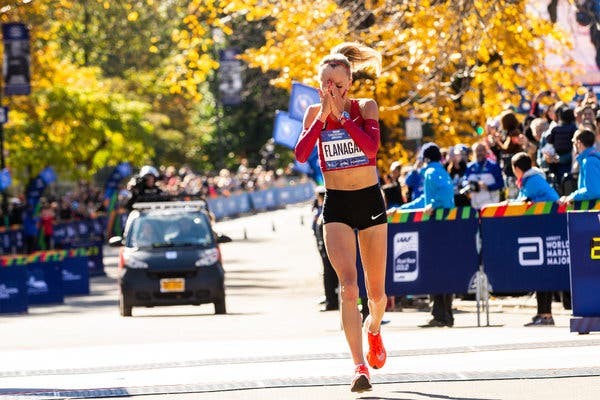
Shalane Flanagan has announced her retiring from professional running
With happy tears I announce today that I am retiring from professional running. From 2004 to 2019 I’ve given everything that’s within me to this sport and wow it’s been an incredible ride! I’ve broken bones, torn tendons, and lost too many toenails to count. I've experienced otherworldly highs and abysmal lows. I've loved (and learned from) it all.
Over the last 15 years I found out what I was capable of, and it was more than I ever dreamed possible. Now that all is said and done, I am most proud of the consistently high level of running I produced year after year. No matter what I accomplished the year before, it never got any easier. Each season, each race was hard, so hard. But this I know to be true: hard things are wonderful, beautiful, and give meaning to life. I’ve loved having an intense sense of purpose. For 15 years I've woken up every day knowing I was exactly where I needed to be.
The feeling of pressing the threshold of my mental and physical limits has been bliss. I've gone to bed with a giant tired smile on my face and woken up with the same smile. My obsession to put one foot in front of the other, as quickly as I can, has given me so much joy.
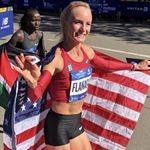
However, I have felt my North Star shifting, my passion and purpose is no longer about MY running; it's more and more about those around me. All I’ve ever known, in my approach to anything, is going ALL IN.
So I’m carrying this to coaching. I want to be consumed with serving others the way I have been consumed with being the best athlete I can be.
I am privileged to announce I am now a professional coach of the Nike Bowerman Track Club. This amazing opportunity in front of me, to give back to the sport, that gave me so much, is not lost on me. I’ve pinched myself numerous times to make sure this is real. I am well aware that retirement for professional athletes can be an extremely hard transition. I am lucky, as I know already, that coaching will bring me as much joy and heartache that my own running career gave me.
I believe we are meant to inspire one another, we are meant to learn from one another. Sharing everything I’ve learned about and from running is what I’m meant to do now.I would like to thank: The 5 coaches who guided me throughout my career, Michael Whittlesey and Dennis Craddock (2004-2005), John Cook (2006-2008), Jerry Schumacher (2009-2019), and Pascal Dobert (2009-2019). Each man was instrumental in developing me into the best version of myself.
Jerry, Pascal and I will continue to work together in this next chapter and I couldn’t be more grateful.
Jerry has been my life coach, running coach and now will mentor me towards my next goal of becoming a world-class coach myself. I’m thankful for his unending belief in me.
My family and husband who have traveled the world supporting my running and understanding the sacrifices I needed to make. Their unconditional love is what fueled my training.My longtime friend, Elyse Kopecky who taught me to love cooking and indulge in nourishing food. Run Fast. Eat Slow. has been a gift to my running and to the thousands of athletes.
My teammates, and all the women I've trained with, for pushing me daily, and the endless smiles and miles. They include: Erin Donahue, Shannon Rowbury, Kara Goucher, Lisa Uhl, Emily Infeld, Amy Cragg, Colleen Quigley, Courtney Frerichs, Shelby Houlihan, Betsy Saina, Marielle Hall, Gwen Jorgensen, Kate Grace.
My sponsor Nike for believing in me since 2004 and for continuing to support my new dream as a professional coach. I hope I made myself a better person by running. I hope I made those around me better. I hope I made my competition better. I hope I left the sport better because I was a part of it.
My personal motto through out my career has been to make decisions that leave me with “no regrets”.....but to be honest, I have one. I regret I can’t do it all over again.
(10/21/19) Views: 179Shalane Flanagan
Course records smashed in Amsterdam
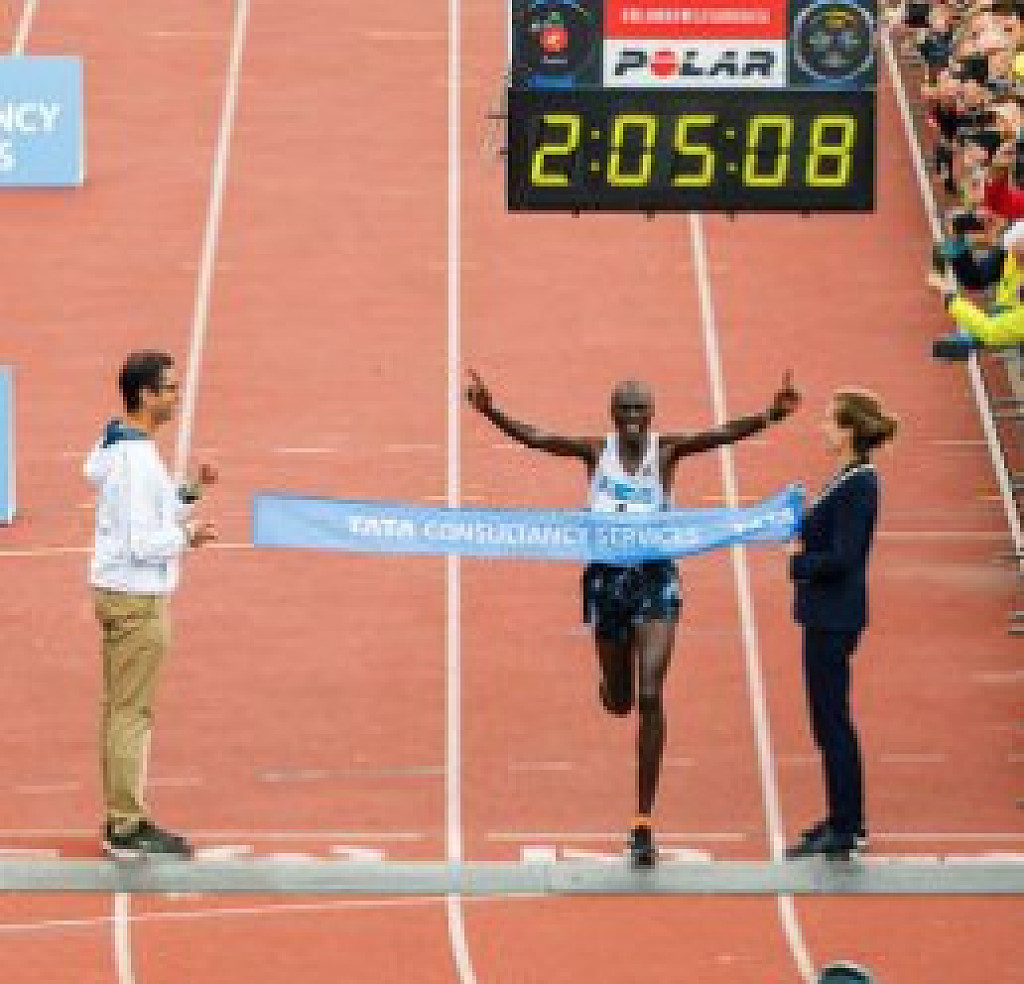
Ethiopia’s Degitu Azmeraw smashed the women’s course record at the TCS Amsterdam Marathon with 2:19:26, the second-fastest debut in history for the distance, while Kenya’s Vincent Kipchumba won a close men’s contest in 2:05:09 at the IAAF Gold Label road race on Sunday (20).
On a morning with perfect windless conditions and temperatures between 10-12C, the pace in the women’s race was swift from the outset. Azimeraw was one of six athletes in the lead pack and passed through 5km in 16:26 and 10km in 32:49. The six women were still together through the half-way point, reached in 1:10:00 exactly, and 30km, covered in 1:39:40.
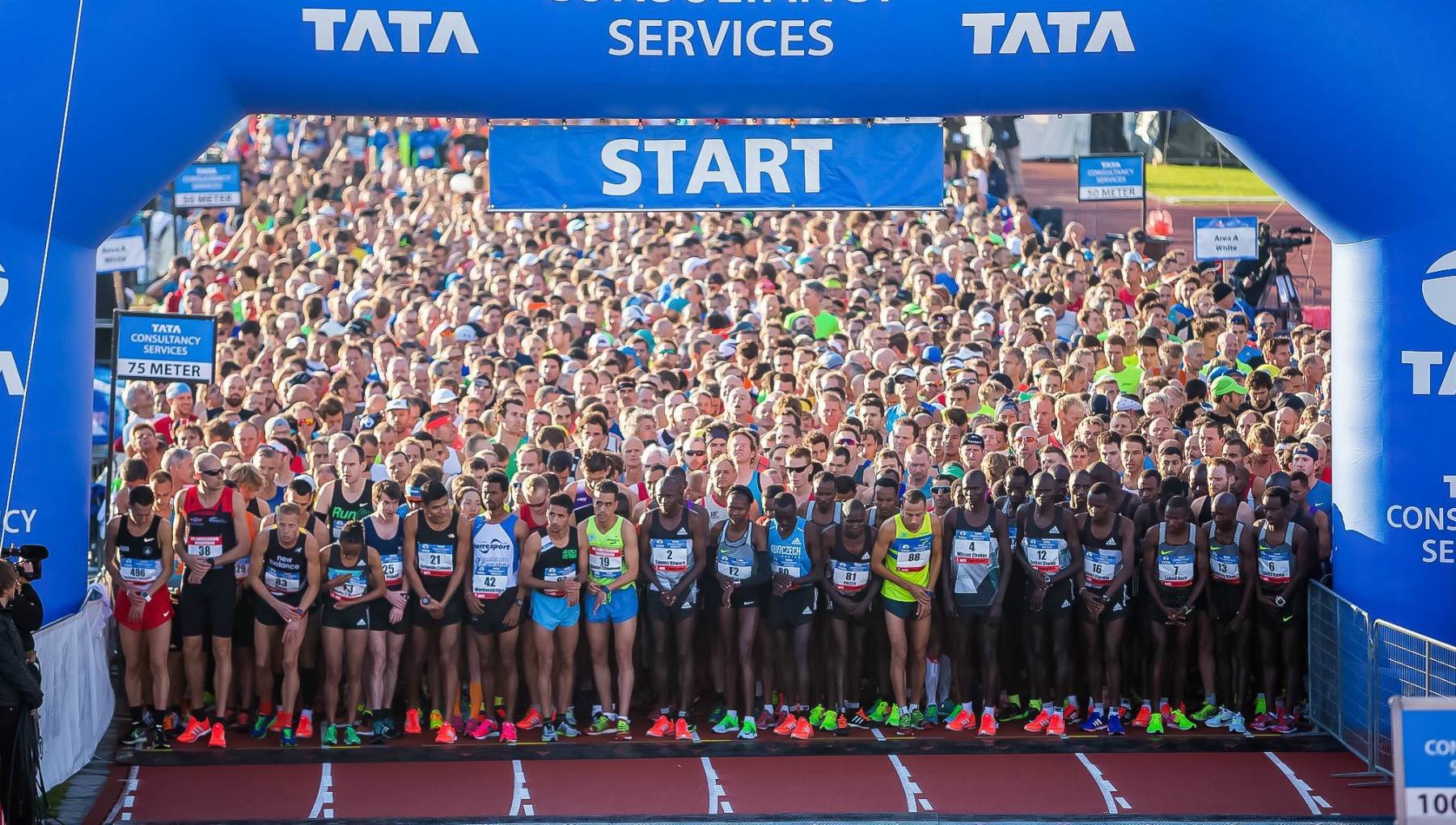
It was only after then that the real racing began and the group was whittled down to five at 35km (1:56:14) with Azimeraw, Tigist Girma, Azmera Gebru, Besu Sado and Mimi Belete still in contention.
The quintet eventually dispersed over the final few kilometres with Azimeraw – who had clocked 1:06:07 for the half marathon this year – forging ahead to win in 2:19:26, taking almost two minutes from Meseret Hailu Debele’s 2:21:09 course record set in 2012. Former world record-holder Paula Radcliffe is the only woman to record a faster marathon debut, having clocked 2:18:56 in 2002.
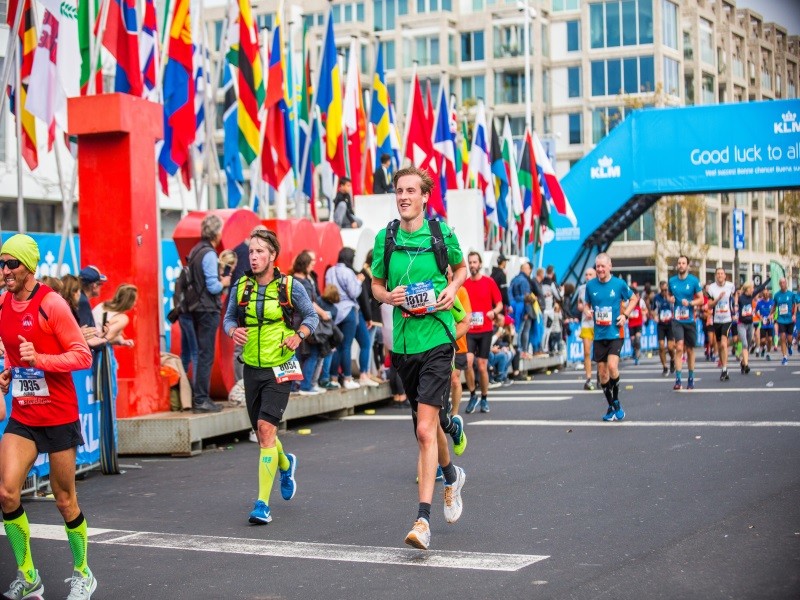
“I wanted to see what it was like to run a marathon,” said Azimeraw. “I was expecting a time of about 2:20 so this result is definitely a success.”
Girma was second in 2:19:52, taking almost seven minutes off the PB she set when winning in Ottawa earlier this year. Gebru finished third, replicating her position from last year, but was rewarded with a PB of 2:20:48, while Sado – a former 1500m specialist making her marathon debut – was fourth in 2:21:03, also inside the previous course record.
Bo Ummels, another debutante, was the top Dutch finisher and so became the national champion, clocking 2:32:34.
As was the case in the women’s contest, the men’s race really got going after 35km. Up until that point, a large pack of nine men were still in contention, having gone through 10km in 29:27 and the half-way point in 1:03:00.
Kenya’s Elisha Rotich and Vincent Kipchumba and Ethiopia’s Solomon Deksisa and debutant Betesfa Getahun took the initiative after going through 35km in 1:44:07. Just before entering Vondelpark at 39km, Rotich and Deksisa accelerated and built up a small lead. Both pursuers, however, came back under the leadership of Kipchumba.
After leaving the park at the 41-kilometre point, Kipchumba ran away from the others to finally finish in Amsterdam’s Olympic Stadium in 2:05:09. Deksisa was second in 2:05:16, just holding off Rotich (2:05:18). Getahun also finished well below 2:06 on his debut with 2:05:28.
Kipchumba improved his personal record of 2:06.56 from April this year and was happy:
“We had a very strong group and the pace at the entrance to Vondelpark was very fast,” said Kipchumba, who improved on his PB of 2:06:56. “I started to close the gap with the two front runners. I was hoping for a time of 2:05:50, so I’m very satisfied with 2:05:09.”
The Dutch top runner, Abdi Nageeye, felt some pain in his right hamstring from 10km onwards and had to settle for ninth place in 2:07:39.
“My condition is fine, but mentally this was very tough,” he said. “Nevertheless, I am happy with my second-fastest time ever. Now I have to recover well and start planning smartly for the Olympic Games.”
(10/20/19) Views: 171
IAAF

Does the International Association of Athletics Federations need a more stringent rule to define legal running shoes?
It appears that running, the original and most elemental of sports, now faces the same tradition vs. scientific innovation challenge that other sports have encountered. Think: tennis rackets, baseball bats and, perhaps most similar, competition swimwear — those polyurethane-based suits that were banned starting in 2010. The outcome of the current running-shoe debate could affect everything from stock prices of global footwear companies to who wins the Olympic marathon in Japan next summer.
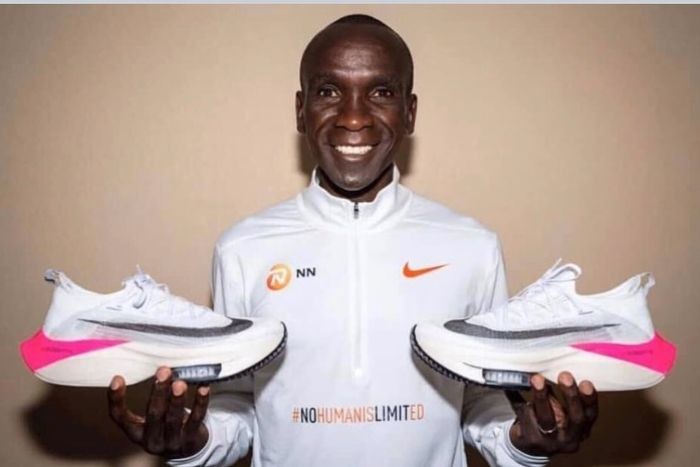
Kipchoge, who became the first person to run the 26.2-mile distance in under two hours, and Kosgei, who set a women’s world record, raced in a revolutionary and bizarrely tall Nike shoe that has taken the marathon world by storm since 2016. In the last 13 months alone, male runners in the Nike shoes have recorded the five fastest marathon times ever. Other running-shoe companies are struggling to catch up, and may face patent hurdles.
The current I.A.A.F. rules state only that shoes may not confer an “unfair advantage” and must be “reasonably available” to all. The rule does not explain how these two values can be measured.
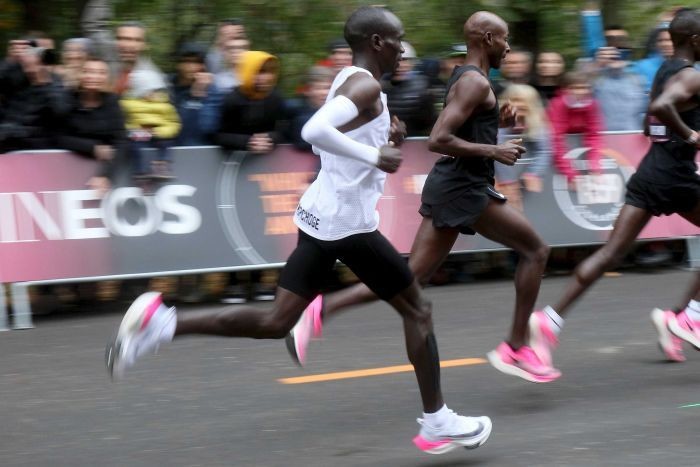
This week, the British Journal of Sports Medicine published a commentary that is likely to guide the debate. In it, Geoffrey Burns, a 2:24 marathoner and University of Michigan doctoral candidate in biomechanics, argued for “a single standard in competition running shoes: regulate the shoe midsole thickness.”
With the right material, a thicker sole produces more spring. Without clear restrictions, it is likely only a matter of time before someone comes up with a way to make a shoe with more powerful springs.
Burns called for an upper limit of 31 millimeters — about 1.2 inches — of midsole. Nike’s current Vaporfly 4% and Vaporfly Next% shoes have a 36-millimeter midsole, or about 1.4 inches. Why 31 millimeters? That’s a fairly common midsole height for previous models.
Until 2016, marathon racing shoes were constructed from thin slabs of rubber. In 1960, an Ethiopian runner named Abebe Bikila even managed to win the Olympic Marathon in his bare feet. Everyone understood that less was more; you ran more efficiently when you carried minimal weight on your feet.
In 1968, when shopping for the shoes that carried me to victory in that year’s Boston Marathon, I had only two criteria. They had to be light and thin, and they had to be cheap. I was still in college. I paid $9.95 for my lucky shoes — a pair of Onitsuka Tiger TG-4 Marathons.
Little changed in the footwear for elite marathoners in the next five decades, until Nike introduced its Vaporfly 4% shoes in 2016. These shoes contained a new midsole foam, Pebax, so lightweight that it is almost like running barefoot. Pebax also delivers 30 percent more energy return than the foams used in most running shoes since the 1970s. This allows Pebax to function almost like leg muscles, but without the fatigue that can debilitate the legs after 20 miles.
The Nike shoes also include a carbon fiber plate in the midsole. This plate might increase energy return, or it might improve foot function during the running stride. Either way, the plate is prominently mentioned in Nike’s patent application.
A 2018 New York Times data analysis based on public race results uploaded to Strava, the athlete-tracking and networking company, found that runners in Vaporflys ran 3 to 4 percent faster than similar runners wearing other shoes.
To be fair, Kipchoge, 34, is an otherworldly talent who has beaten the best in the world in last-generation shoes. There probably isn’t another marathoner who could break two hours in the shoes he wore last weekend.
(10/21/19) Views: 124
Amby Burfoot
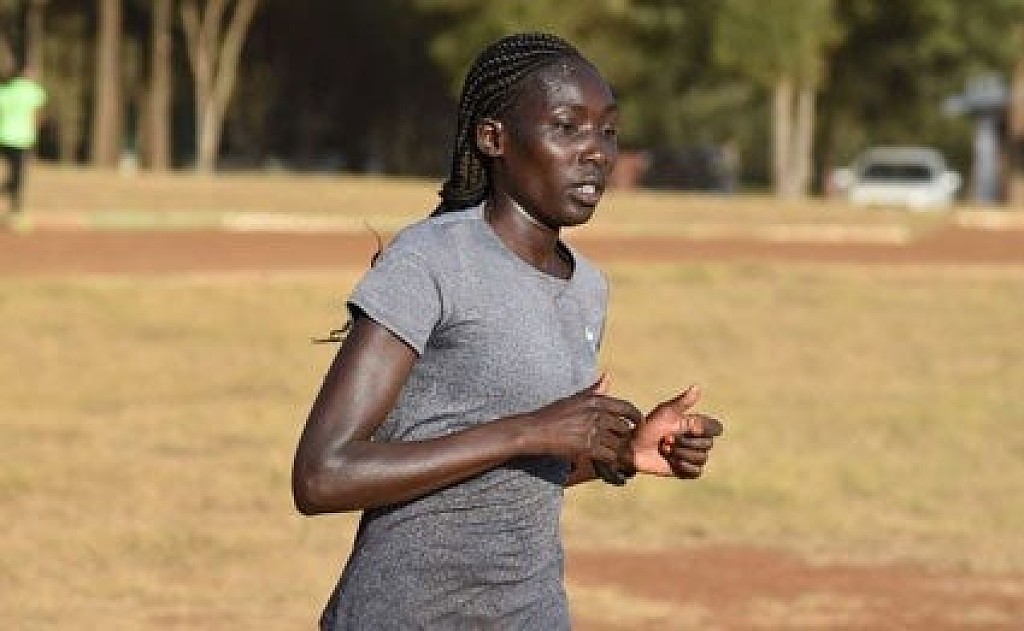
Kenya’s Linet Masai and Ethiopia’s Solomon Deksisa are running the TCS Amsterdam Marathon hoping to claim victory on Sunday
Deksisa clocked 2:04:40 to finish third in the Dutch city last year and placed third, finishing just 34 seconds behind Lawrence Cherono, who set a course record of 2:04:06. “The course is completely flat and I am really looking forward to it,” Deksisa said at the pre-race press conference.
Fellow Kenyans Elisha Rotich and Vincent Kipchumba head to Amsterdam off the back of PBs earlier this year. Rotich ran 2:06:12 in Seoul, while Kipchumba won in Vienna in 2:06:56.
Following the withdrawal of Ayele Abshero, who contracted food poisoning this week, Abdi Nageeye of the Netherlands has been added to the field. This year the 30-year-old has set Dutch records of 2:06:17 for the marathon and 1:00:24 for the half marathon. Nageeye, who trains alongside Eliud Kipchoge, also clocked 59:55 at the Great North Run, a course not eligible for record purposes.
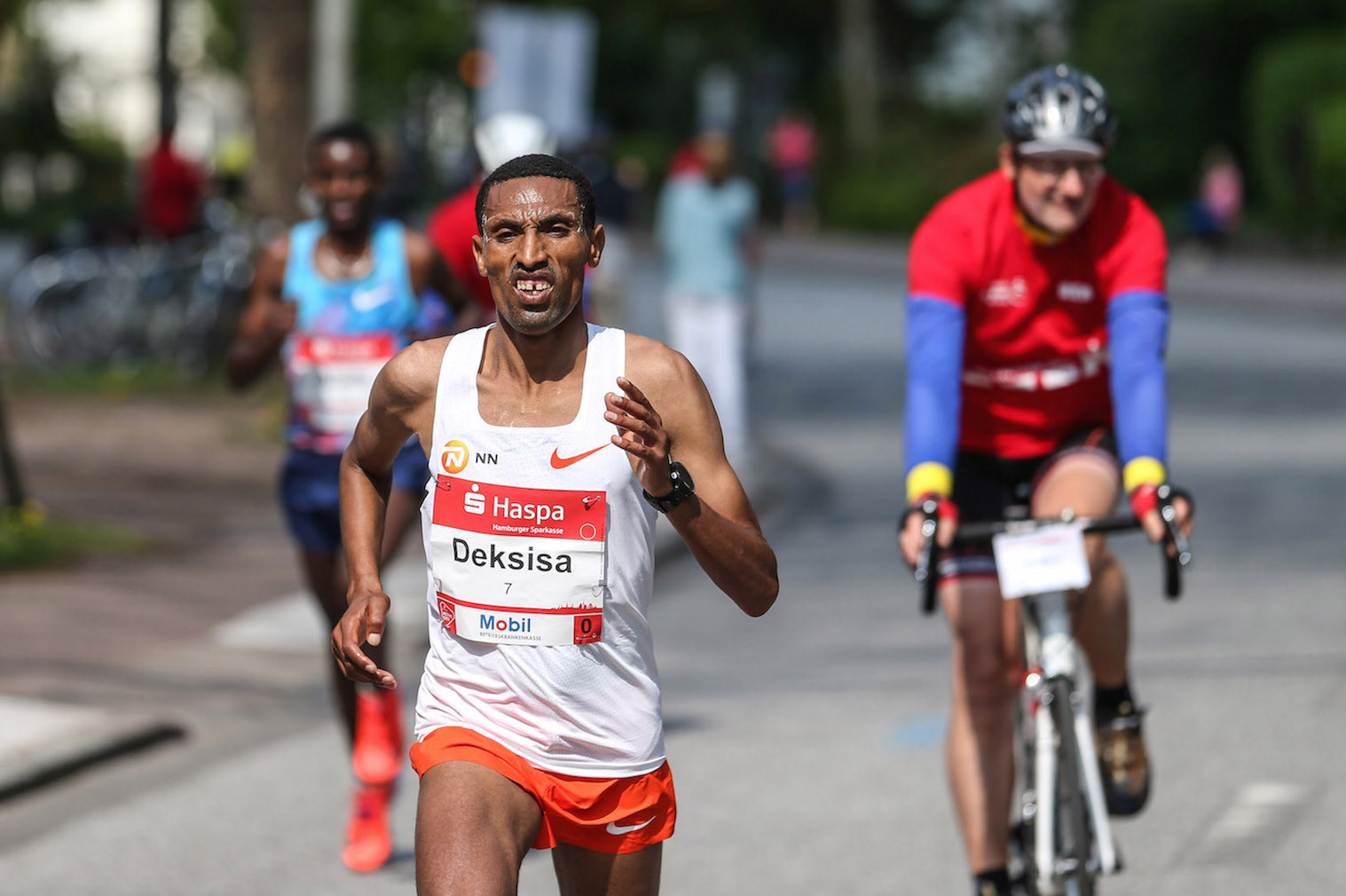
“If you can keep up with him (Kipchoge) during the training sessions, you know that you have become a better athlete,” said Nageeye, “and you can believe that you will also go faster and faster in competitions.”
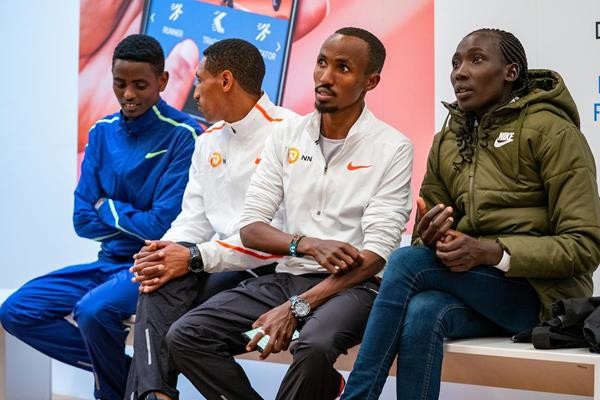
The lead pack will be paced through the half-way point in 1:02:30 with the aim of finishing in about 2:05:00.
Masai, the 2009 world 10,000m champion, set her PB of 2:23:46 to finish fifth in Amsterdam last year. Following a 1:07:44 run at the Great North Run, she returns to Amsterdam this year with one eye on the course record of 2:21:09, set by Meseret Hailu Debele in 2012.
Bahrain’s Mimi Belete is another former track specialist who has turned to the marathon in recent years. Her PB of 2:22:29, set when winning in Toronto last year, makes her the fastest woman in the field.
Azmera Gebru, who finished third in Amsterdam last year and improved her PB to 2:22:52 earlier this year in Paris, leads a strong Ethiopian contingent. She’ll be joined by 2018 Amsterdam runner-up Shasho Insermu and Guteni Shone, who have respective PBs of 2:23:28 and 2:23:32
The weather forecast for Sunday morning is good: dry with temperatures between 10-12C and a light breeze from the south.
(10/18/19) Views: 112IAAF
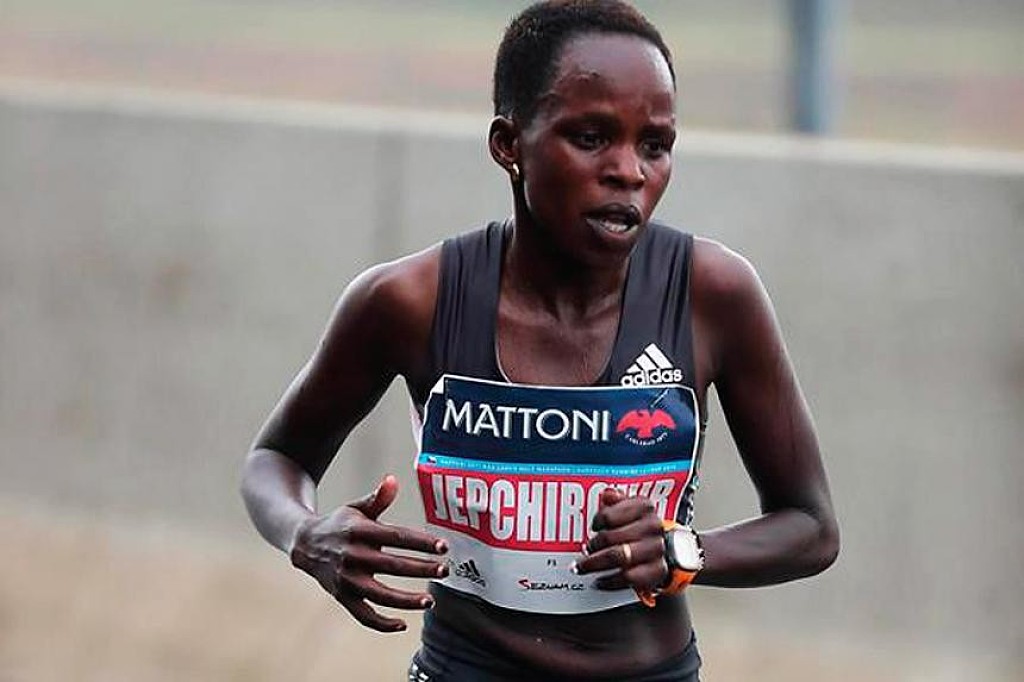
There is a good chance the course record will be broken at the EDP Lisbon Marathon
With two IAAF Label road races being held on the same day – the LUSO Lisbon Half Marathon (Gold) and the EDP Lisbon Marathon (Silver) – and competitive fields lined up for both, there’s a strong chance of at least one course record being broken in the Portuguese capital on Sunday.
Kenya’s 2016 world half marathon champion and former world record-holder Peres Jepchirchir leads the women’s field for the half marathon. The 26-year-old, who had a baby at the end of 2017, has returned to action this year with a best of 1:07:36, two-and-a-half minutes shy of her lifetime best.
She’ll face defending champion Yebrgual Melese of Ethiopia, who set a course record of 1:07:18 last year.
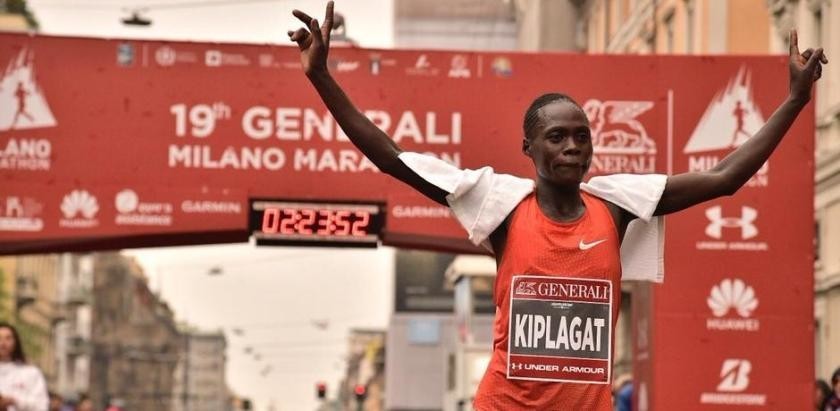
Others in the field include Kenya’s Vivian Kiplagat, 10km world leader Dorcas Kimeli, Monica Jepkoech, Ethiopia’s Waganesh Amare, South Africa’s Glenrose Xaba and Portuguese duo Jessica Augusto and Catarina Ribeiro.
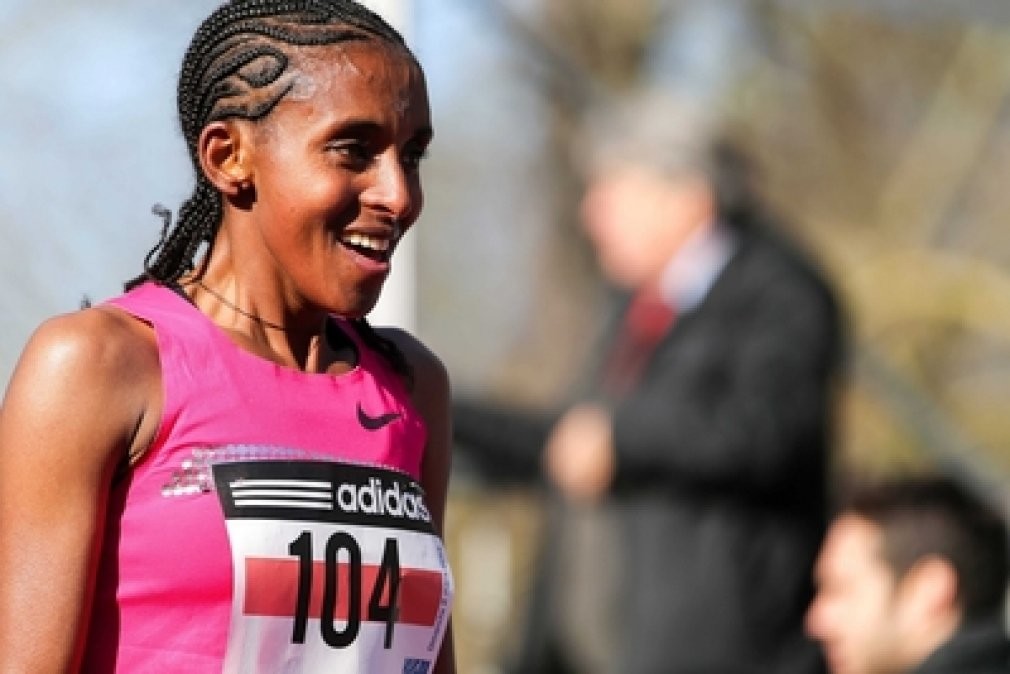
With a PB of 58:48, Kenya’s Jorum Okombo is the fastest in the men’s half marathon field and has the ability to challenge the course record of 1:00:13, but he heads to Lisbon with a season’s best of 1:02:31 so might not be at his absolute best.
Eritrea’s Amanuel Mesel, who has a best of 1:00:10 and finished seventh at the 2018 World Half Marathon Championships, will be keen to improve on his third-place finish from last year. Uganda’s Thomas Ayeko, seventh at this year’s World Cross Country Championships, and Kenya’s Daniel Rotich also have PBs inside 61 minutes and should contend for top honors. Hermano Ferreira, who has a best of 1:01:24, is the leading Portuguese entrant.
The course record of 2:07:34 will be the prime target for the leading men in the marathon field.
Kenya’s Stephen Chemlany, who has a best of 2:06:24, is the fastest in the field, but his PB was set back in 2014 and the 37-year-old hasn’t raced this year. Fellow Kenyan Samuel Wanjiku won in Lisbon in 2014 in 2:08.21, but his PB of 2:07:04 dates back even further to 2012.
Barnabas Kiptum, however, heads to Lisbon off the back of a 2:08:02 lifetime best at the Gold Coast Marathon just three months ago. Likewise, Ethiopia’s Andualem Shiferaw (2:08:16) and Birhanu Teshome (2:08:20) have set PBs earlier this year.
Others in the field with PBs inside 2:09 include Kenya’s former steeplechaser Patrick Terer, Joseph Aperumoi and Richard Mengich.
Fatuma Sado’s lifetime best of 2:24:16 is just three seconds shy of the Lisbon course record. The Ethiopian won in Osaka earlier this year in 2:25:39, the second-fastest performance of her career, and will start as the favorite on Sunday.
Compatriot Sechale Dalasa set her PB of 2:26:27 on her debut at the distance back in 2012 but has come close to it on several occasions since then, including her 2:28:46 run in Houston earlier this year. Kenya’s Truphena Chepchirchir, meanwhile, set her PB of 2:27:52 at this year’s Dongying Marathon.
Others in the field include Ethiopia’s 2008 world U20 5000m champion Sule Utura, Kenya’s Helen Jepkurgat and 2010 Commonwealth 10,000m silver medalist Doris Changeywo.
(10/18/19) Views: 103IAAF
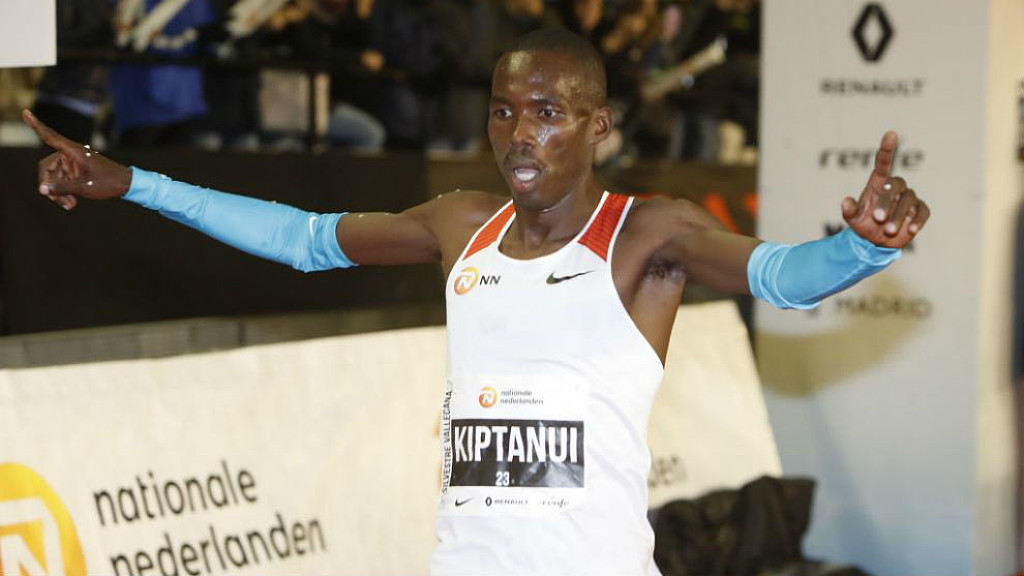
Eric Kiptanui was involved in Eliud Kipchoge's record-breaking feat in Vienna, and now he is set to run the Airtel Delhi Half Marathon
Kiptanui was part of a 41-member pacemaking team at the Vienna event that ran in front of Kipchoge in a V-formation, protecting him from drag caused by wind, allowing the main runner to save energy in the process — a technique known as drafting or slipstreaming in running events and in motorsports.
"My family was happy. Everybody at home was happy. Eliud is a friend to me, always encouraged me to train. Has done a lot for me. So I think it’s very special for me and for my family," said Kiptanui at an event in New Delhi in the build-up to the 15th edition of the event certified as an IAAF Gold Label Road Race.
When asked about his standout memory from the record-breaking feat, Kiptanui picked the moment when his compatriot finally crossed the finish line to complete the historic feat. The sight of Kipchoge raising his arms in celebration, as did his pacemakers behind him, before embracing his wife on the other side of the finish line has now become an iconic sporting moment.
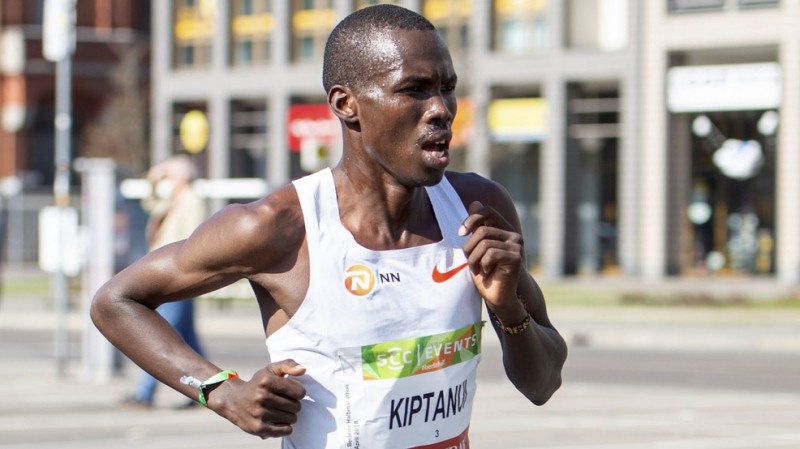
Can a feat like this be achieved without a team of in-and-out pacemakers? Kiptanui replied by saying: "It’s possible, and even now it’s possible. Even now one can say 'I want to run alone, maybe one pacemaker along the course of the 30k.'"
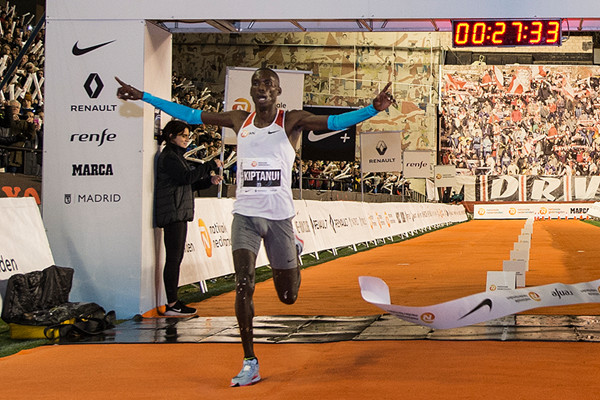
Life however was far from easy for Kiptanui. Early in his career, the runner resorted to washing toilets to make ends meet, which he now says has been a learning experience and has only made him a stronger person.
"In college, I had nothing. I had no money. I had to look for a job. I got a job for washing toilets. That experience made me a stronger person, because where I am today, and what I did some time back, it tells a lot. I believed in myself, that one day, one time, I will be somebody. No matter who I am now, I will be somebody one day one time," said Kiptanui.
Being part of Kipchoge's 41-member team of pacemakers at Vienna however, isn't his only claim to fame, for he is a serious contender himself as far as long-distance IAAF events are concerned. Kiptanui enjoyed a good run in 2018 by winning the Berlin (58.42 seconds) and Lisbon (60.05 seconds) half marathons, and had won the Barcelona half marathon earlier this year.
For Kiptanui, part of his training for the Delhi half marathon came in the form of his pacemaking duties at Vienna, and has had a fair bit of training in the build-up to the Delhi event in order to keep his body in shape.
East African runners have dominated long-distance running events across the world for decades now, and the Delhi Half Marathon is no different — nearly all the winners in both the men's and women's categories in the event hailing from either Ethiopia or Kenya — both titles being won by an Ethiopian last year.
Come Sunday, Kiptanui will face a stiff challenge from defending champion Andamlak Belihu and debutant Hagos Gebrhiwet. In the women's category, its defending champion and course record-holder Tsehay Gemechu will be in the spotlight along with Kenya-born Kazakh runner Caroline Kipkirui. Over 40,000 are expected to take part in the upcoming event, which begins in the wee hours on Sunday in the national capital, across five categories — Half Marathon (21.097 km), Great Delhi Run (5 km), Open 10K, Senior Citizens' Run (3.2 km) and Champions with Disability (3.2 km).
(10/19/19) Views: 94Amit Banerjee
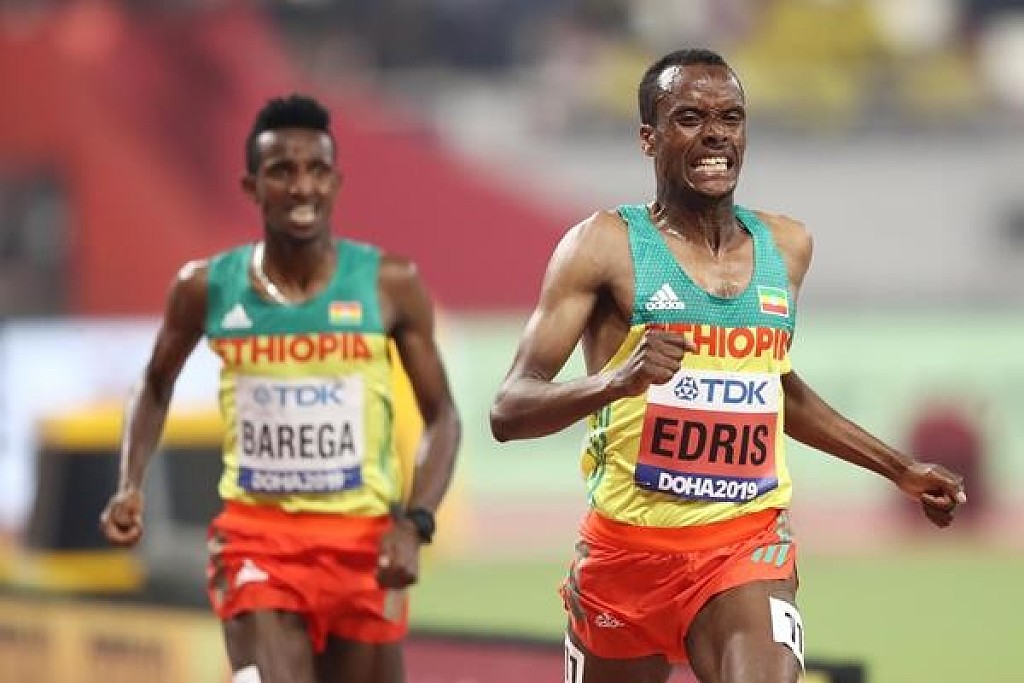
Ethiopian Muktar Edris went from being an underdog to being a two time world champion
Rarely had a reigning world champion been such an underdog. Rarely had an athlete so accomplished, so dangerous, been so overlooked in the pre-race predictions.
But Muktar Edris has a habit of defying expectations.
When the 25-year-old Ethiopian launched his kick to grab gold in the men’s 5000m, many at the IAAF World Athletics Championships Doha 2019 turned to each other, as they had done in London two years earlier, in surprise: Where had he come from?
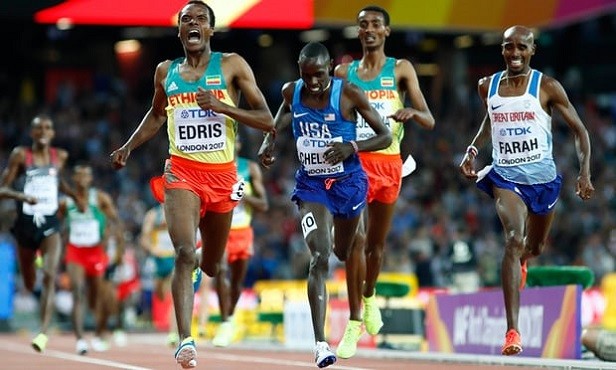
Edris’s second successive title proved a much bigger shock than his first, even if two years ago he had to defeat Mo Farah on his home turf to take gold, the Briton who had won the previous three world 5000m titles.
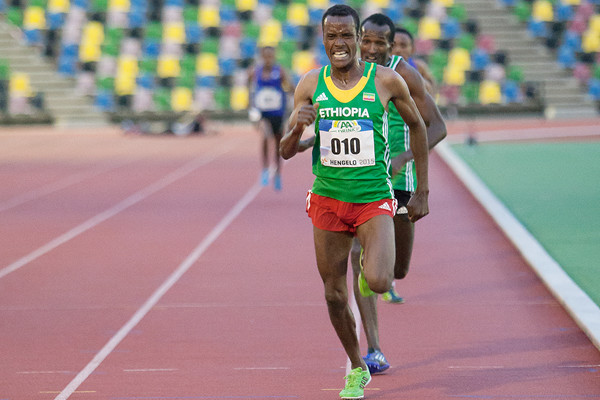
The reason for Edris being so severely doubted was simple: injuries.
After London he developed chronic pain and inflammation in his achilles tendon, and while it wasn’t the kind that completely side-lined him, it limited his training substantially. Edris could only do longer, slower running for much of the past two years, his achilles flaring up anytime he let rip on the track with shorter reps.
“One kilometre and under, no,” he said. “Because (practising the) kick is painful. I could just do slow running, lap after lap. The injury is still sore today.”
It was the reason he failed to fire in 2018 and for much of 2019, Edris’s two outings in the IAAF Diamond League resulting in an 11th-place finish in Oslo (over 30000m) and an 18th-place finish in Lausanne (over 5000m). In May he dropped out of the 10,000m at the Ethiopian Championships, which meant the only reason he was able to compete in Doha was via his wild card entry as defending champion.
But he had shown flickers of his old self in the summer, clocking a 7:39.52 3000m to finish second in Budapest – good, but not the kind of great form needed to win a world title.
Few had expected him to repeat his 2017 feat, with teammates Selemon Barega and Telahun Haile Bekele tearing it up on the circuit, the Ingebrigtsen brothers primed to utilise their fearsome kicks if the pace was slow, and accomplished 5000m performers like Mohammed Ahmed of Canada and Paul Chelimo of USA never to be discounted.
Edris himself didn’t expect it to win. “I had such problems with injury,” he said. “My hope was to be in the medals.”
(10/18/19) Views: 93IAAF

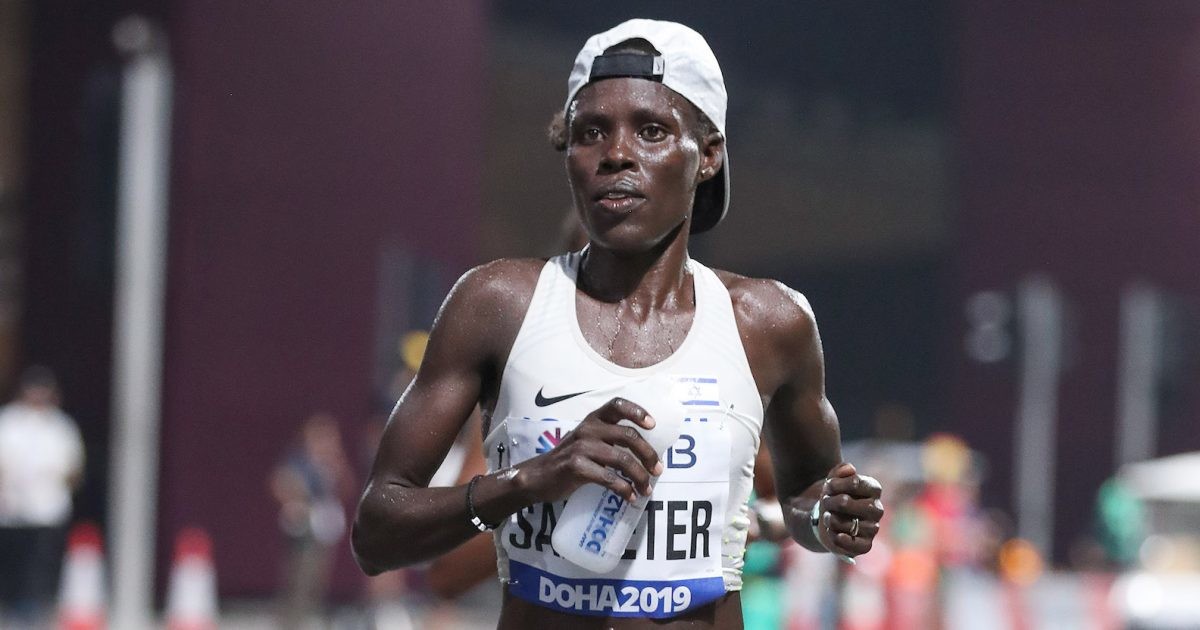
Israeli Lonah Salpeter is the latest addition to the elite field at the Mainova Frankfurt Marathon
The addition of Lonah Salpeter completes the elite field for the Mainova Frankfurt Marathon which takes place next Sunday. The Kenyan-born runner who competes for Israel has a personal best of 2:19:46 which makes her the fastest woman ever to be on the start list of the Mainova Frankfurt Marathon.
Given the extraordinary strength in depth of the women’s race, the course record could well fall after just one year in existence – and the Mainova Frankfurt Marathon might record the first sub-2:20 women’s time in its history.
Four women who have run under 2:22 will be on the start line: alongside Salpeter (2:19:46) will be the title holder Meskerem Assefa of Ethiopia, who set the course record of 2:20:36 last year, the Kenyan Valary Aiyabei with a best of 2:20:53 and the Ethiopian Bedatu Hirpa (2:21:32).
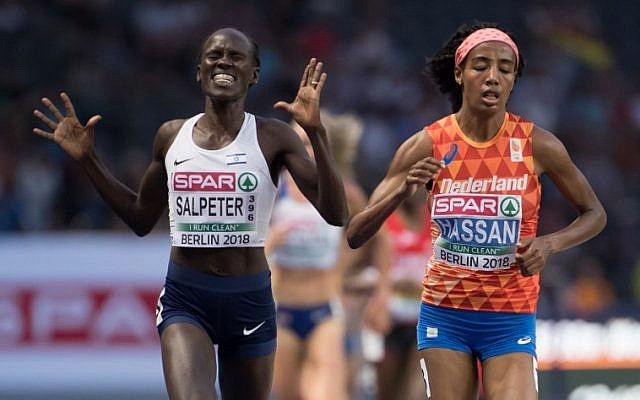
The latter finished third in Frankfurt last year. Another expected to produce a strong performance is the Ethiopian Megertu Kebede whose best is 2:22:52.
The men’s race on Sunday features a rare, perhaps unique contest over the marathon distance: junior against veteran or masters world record holder – Tsegaye Mekonnen against Mark Kiptoo.
Mekonnen of Ethiopia has a best of 2:04:32 which means he is the fastest man in the field, while the Kenyan Kiptoo’s personal best is 2:06:00.
Many athletes competing in Frankfurt will have their eyes on the qualifying times for the Olympic Games in Tokyo next year. The target for the men is 2:11:30 and 2:29:30 for the women.
Eight men with best times under 2:08 will be on the start line which suggests yet another high quality and exciting race for top honors in Frankfurt with finishing times to match. Tsegaye Mekonnen is looking to re-establish himself with a fast time after injury problems on a Mainova Frankfurt Marathon course renowned for speedy performances.
The world masters record holder Mark Kiptoo, who set an age group record here last year, should also have a say in the outcome this time. If he can match his younger rivals, his own masters world record will be under pressure.
Two Europeans seeking both big improvements on their personal bests and the Olympic qualifying times will be Britain’s Stephanie Twell (2:30:14) and the local runner Katharina Steinruck (2:28:34).
(10/22/19) Views: 87

Daniel Simiyu and Nancy Jelagat will be chasing their maiden Standard Chartered Half Marathon titles in Nairobi on Sunday
The winners of 2019 Family Bank Eldoret half marathon will be running for the first time on one of the most celebrated half marathons and the duo has vowed to make a difference when they line up on Sunday.
Simiyu, the national 5,000m champion failed to represent the country at the just concluded IAAF World Championships after failing to meet anti-doping regulations of being drug-tested for a minimum of three times out of the competition.
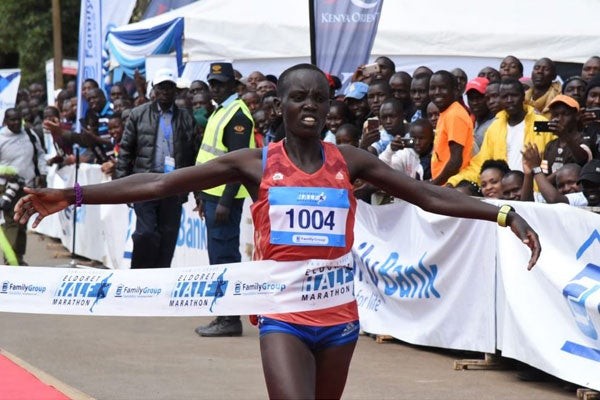
But that has not bothered his coach, Erick Kogo, who insists the runner has better chances going forward.
“When he was ejected from the team, I had to think very fast and organise a race for him. That was a good consolation when he won the Kisii 10km road race and went ahead to win at Family Bank. The two wins have consoled him enough,” said Kogo.
“I want to run well in the Standard Chartered 21km race but my real focus is the 2020 Olympic Games. I have to do what is needed to make the team,” said Simiyu, who trains in Iten.
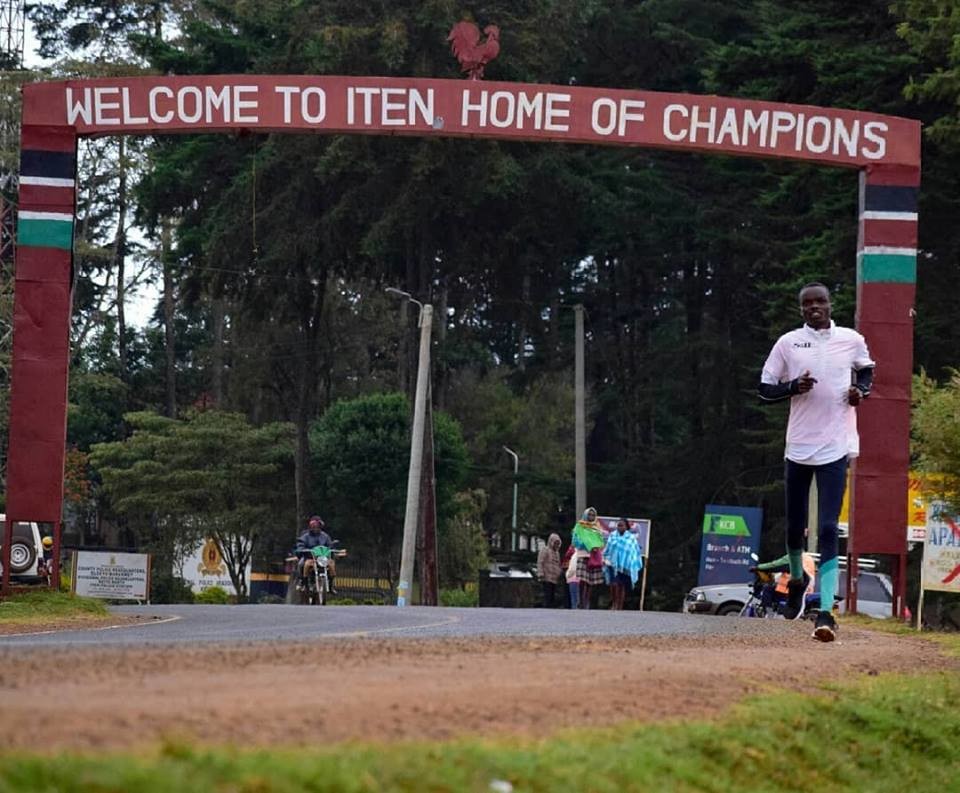
Another upstart, Jelagat, who has dominated local races lately, said: “My training is going on well. I want to run well at the lucrative Standard Chartered half marathon.”
(10/22/19) Views: 80Emmanuel Sabani
