

Running News Daily
Top Ten Stories of the Week
5/20/2023
These are the top ten stories based on views over the last week.
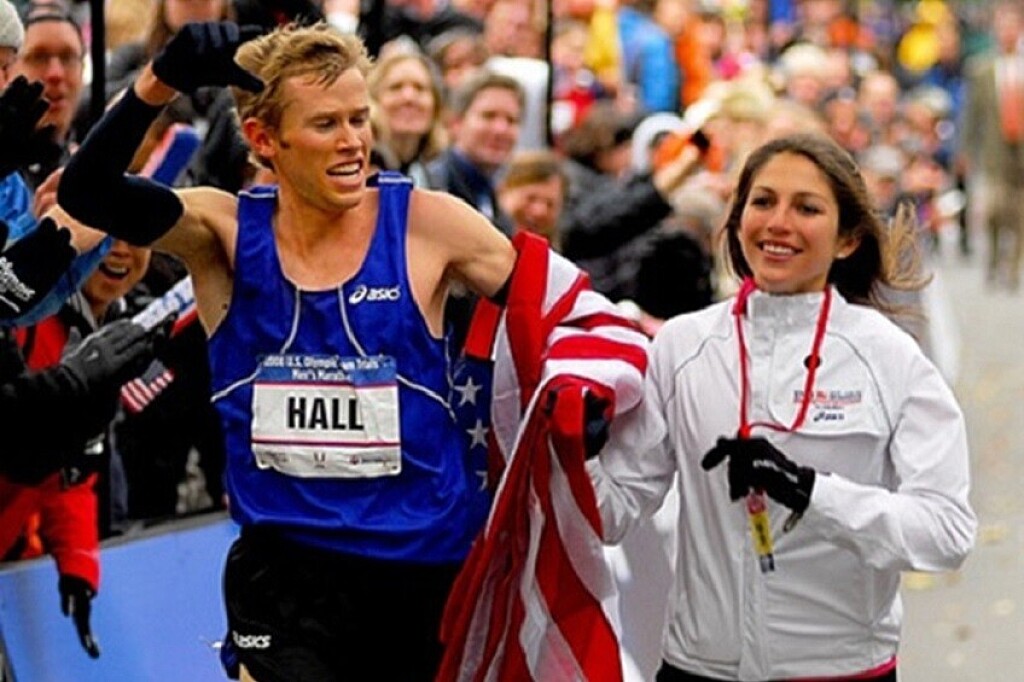


How to Conquer Your Race Day Nerves
Let’s be honest, there are moments before races (or any big event) when our nerves get the better of us. We start having thoughts like, “I wouldn’t be that sad if I twisted my ankle right now, and couldn’t run.” Of course, once we finish, these thoughts seem ridiculous. Why would we look for an excuse to not do the very thing we spent months training for?
Pressure can stem from several factors. Sometimes, the more we put into something and prepare, the more we have on the line when it’s time to perform. It’s also easy to second guess whether we prepared enough, and whether we “have what it takes” for race day.
During these times, I like to look back at my Fitbit data, so I can see all the hard workouts I’ve put in. It helps me relive my excitement, and gives me the confidence to know I am ready.
Another big factor contributing to race-related nerves can be the fear of failure. Rather than seeing the race as an opportunity to do something great (and even have fun!), sometimes it’s seen as a chance to fail. Perhaps you fear you might let someone down if you race poorly. Or maybe your performance dictates your entire identity, and you think that if you fail, that means you are a failure as person. (Which is just not true.)
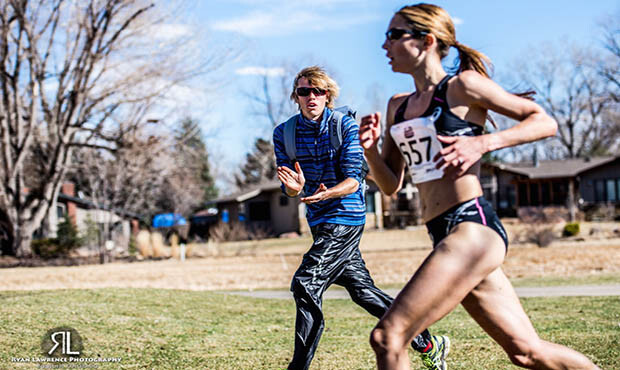
The best way to free yourself of fear is to see yourself rooted in something other than what you do. For me, that is my faith. I’ve probably failed more times than I’ve succeeded in my career, and now I feel free to take big risks because I’ve separated “what I do” from “who I am.”
Regardless of why I feel race jitters, when they set in, I try to shift my perspective to one of positive excitement. Here’s a good example of it: I once heard a sports psychologist give the analogy of a man who was going for a dog-sled ride. When he approached the sled dogs with the musher, the dogs started going crazy, tugging at their chains. They all wanted to be the ones picked to pull the sled that day, to do what they were trained to do. The dogs weren’t fearing how painful or tiring their run would be, and instead were eager to feel the joy of going all out.
That is how we all should be: excited for the opportunity to do what we love, and have prepared for. Since I often run with my Siberian huskies, I’m constantly reminded of this perspective.
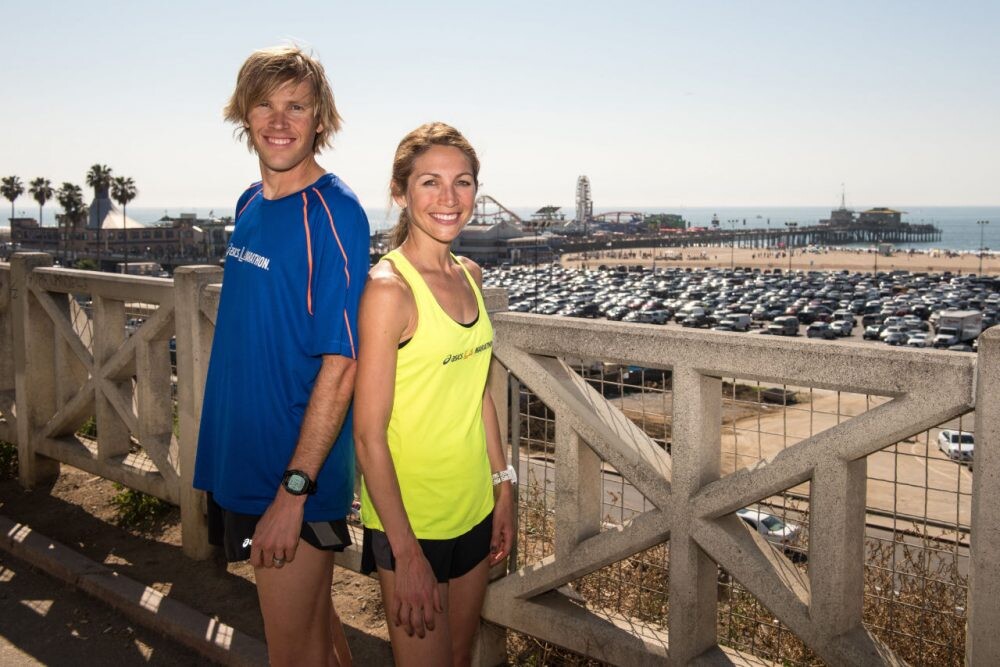
(05/12/23) Views: 91Ryan and Sara Hall
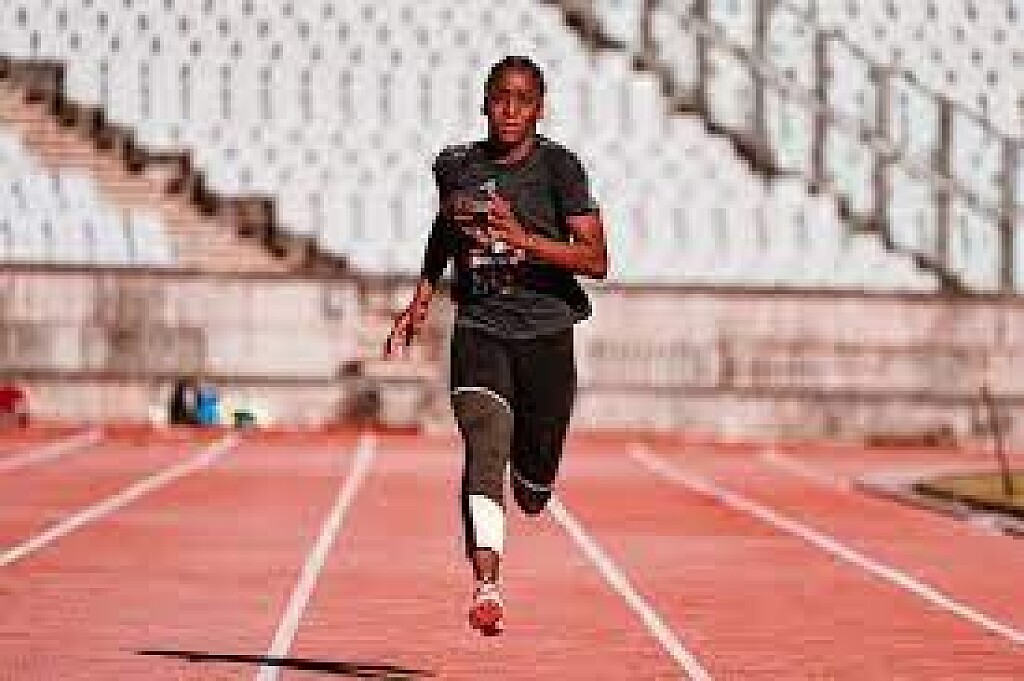
Get a faster 5K time with this hybrid track workout
The 5K is the pinnacle distance of road racing. It is a distance every runner has either raced or can relate to, plus it can be one of the more straightforward road distances to train for. If you’re doing the right workouts, training for the 5K can be rewarding, plus it can translate if you’re training for longer or shorter distances.
It’s a term you’ll hear coaches say a thousand times, but the key to lowering your 5K time (or improving your speed in general) is to practice getting comfortable with the uncomfortable.
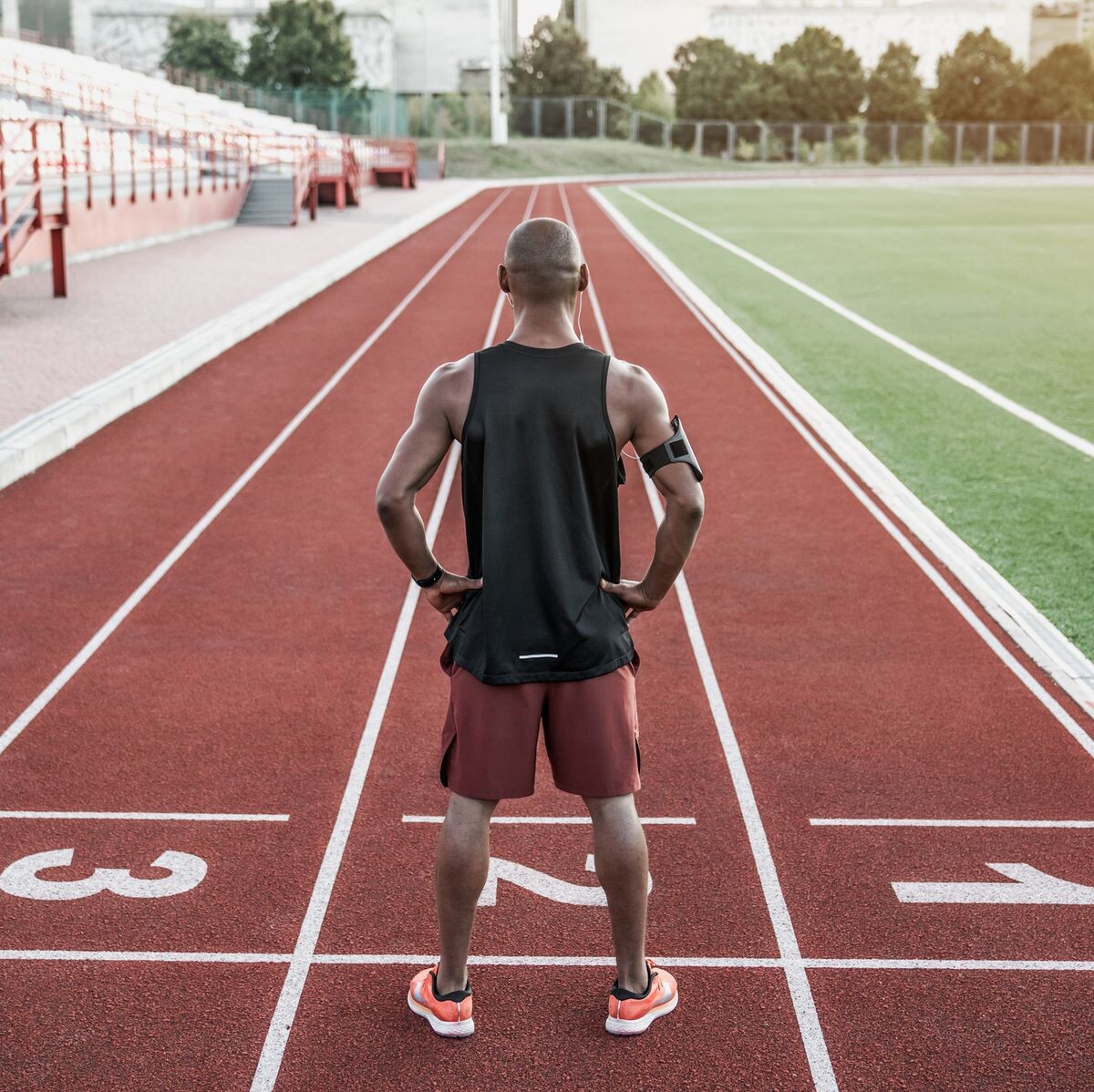
This hybrid track workout is designed to get your body and legs acquainted with your goal 5K pace on little rest. The short jog recovery will challenge your aerobic threshold and improve your capacity to feel confident with unfamiliar paces come race day.
Workout
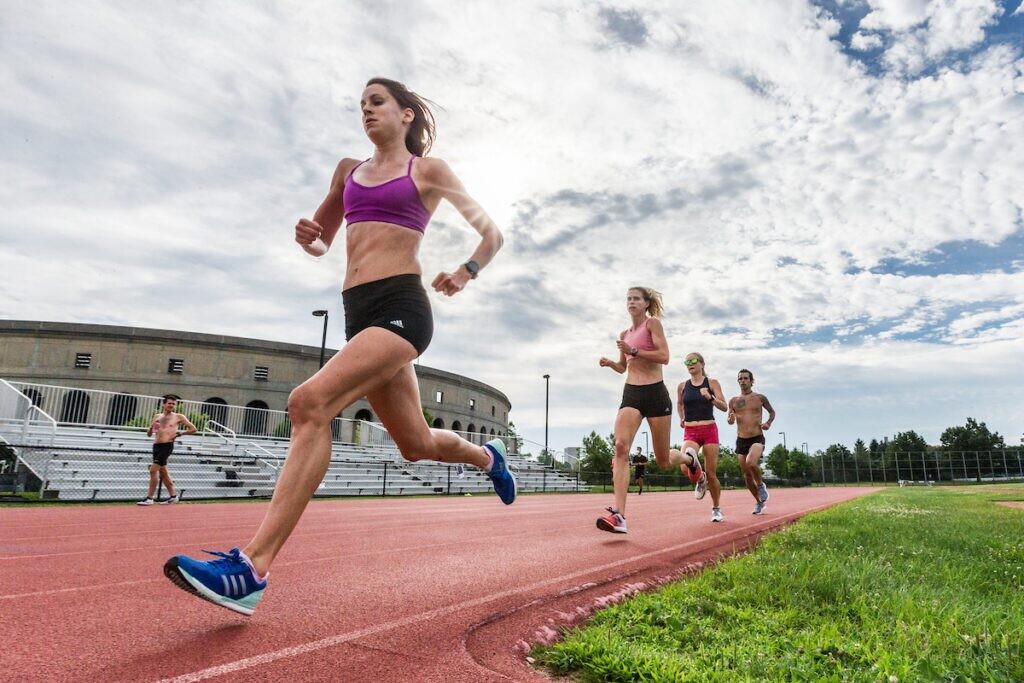
12 to 15 reps of 300m with 100m jog recovery
(We recommend a 10 to 15-minute warm-up jog with dynamic stretching before you start, followed by a similar duration cool down after finishing).
This workout should be done on a 400m or 200m athletics track. If you do not have access to a track, you can modify this workout by doing 90 seconds at your 5K pace with 45 seconds jog recovery. Aim for the same amount of reps.
Hitting paces in this workout is ever so important. Do not go out too fast in the first five reps. It will certainly come back to haunt you later on. For example, if you are training to break 20 minutes in the 5K, aim to hit each 300m rep in around 70 seconds. If you reach rep seven or eight and are feeling comfortable with the pace and rest, try speeding each rep up to three to five seconds faster.
If you’re having trouble hitting your goal paces on short rest, turn your 100m recovery jog into a 100m walk.
This workout will be around 5K in distance, and should give a rough idea of where you’re at and where you need to improve to crush your personal best on race day.
(05/13/23) Views: 89Marley Dickinson
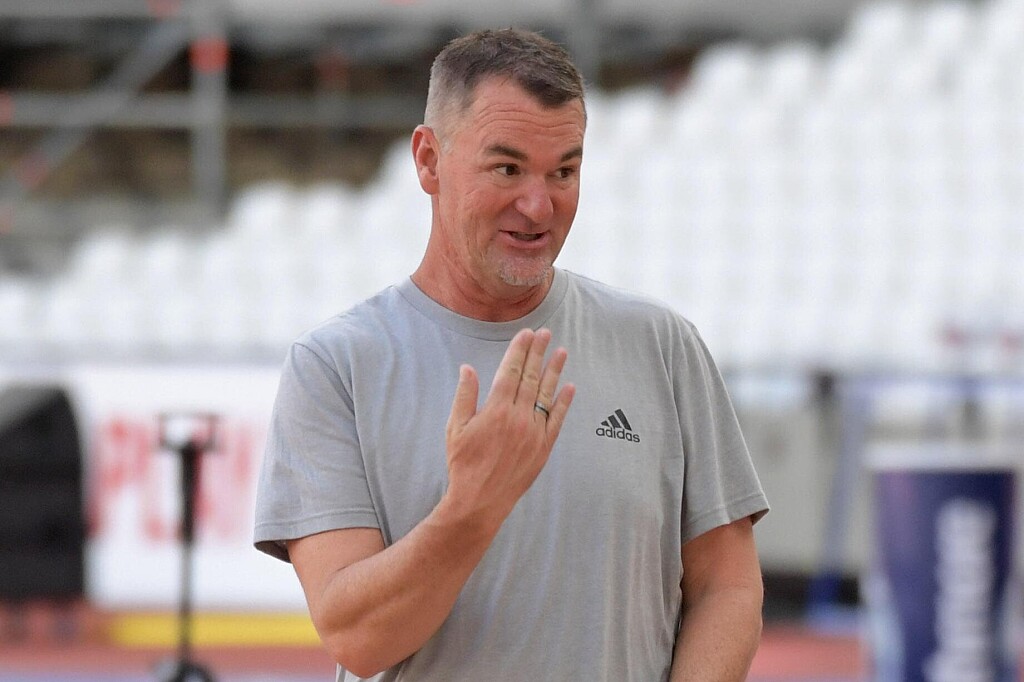
Sprint coach Rana Reider gets probation for sexual misconduct
On May 10, U.S. Center for SafeSport has resolved the case with high-profile sprint coach Rana Reider. Reider, who is Andre De Grasse’s former coach, admitted to having an intimate but consensual relationship with an 18-year-old female athlete, and that this presented a power imbalance. He was not found in violation of any other sexual misconduct claims for which he was under investigation.
A statement by Reider’s lawyer, Ryan Stevens, said the American coach will be placed on one-year probation by SafeSport and ordered to take an online course on SafeSport Education. Reider will be allowed to continue his elite-level coaching of sprinters and jumpers.
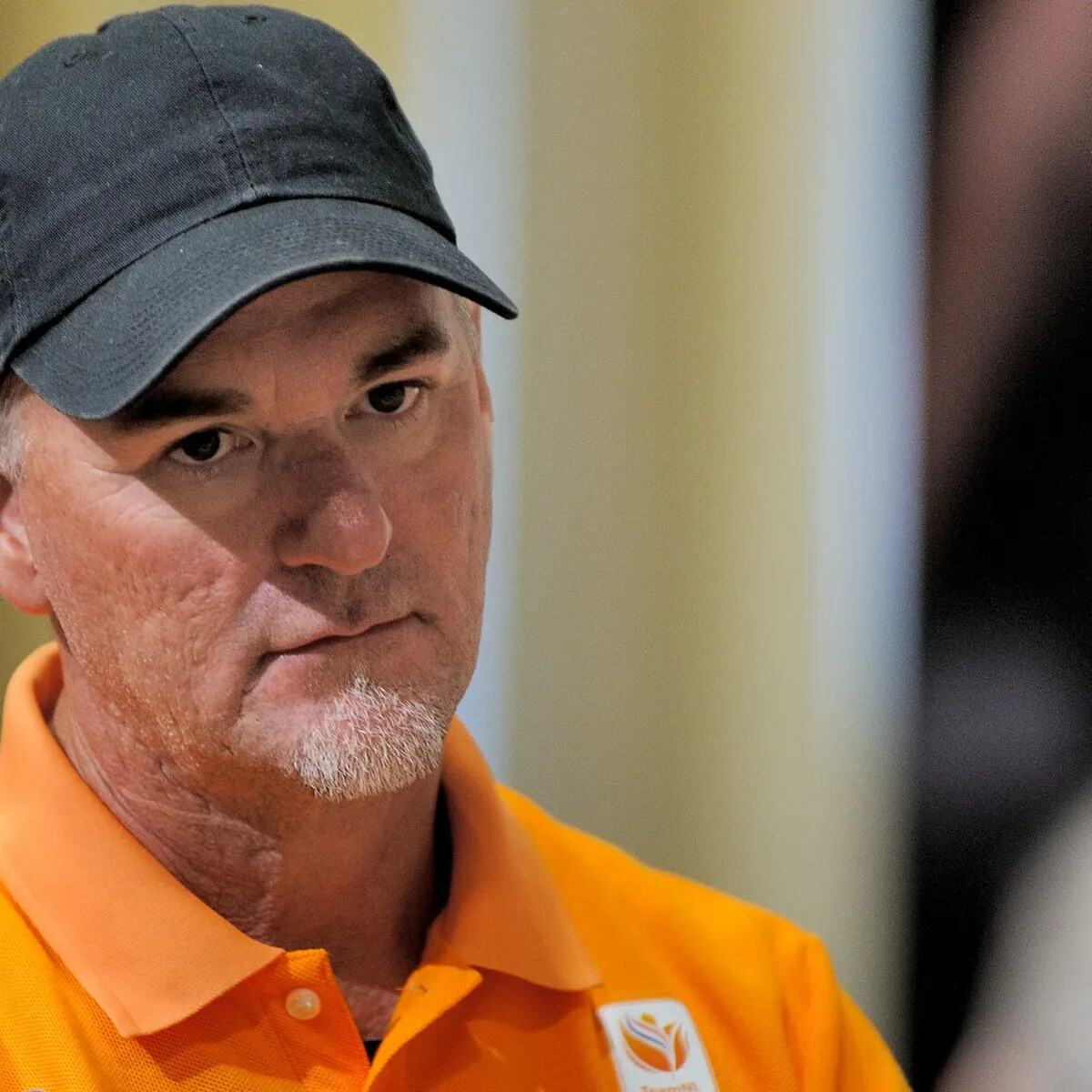
The 52-year-old, who had been the subject of an 18-month investigation into multiple complaints of sexual misconduct, was formally sanctioned by the U.S. Center for SafeSport on Wednesday. All other claims are now administratively closed, according to the statement.
The violation occurred in 2014 when Reider was 44 and had an affair with a young athlete he was coaching at the 2014 World Junior Championships in Eugene, Ore.
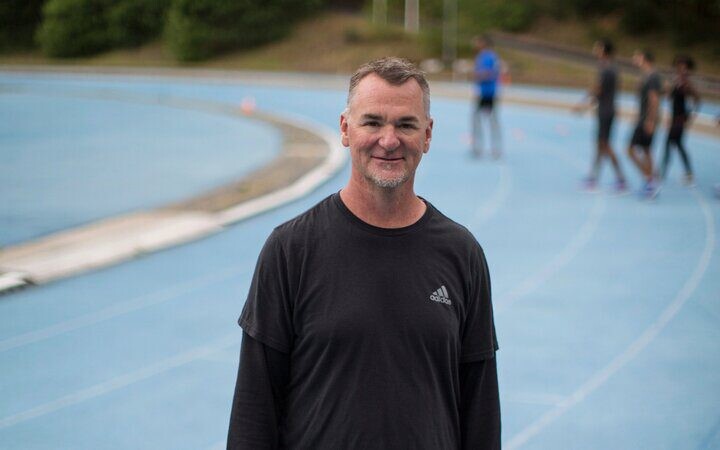
“From the beginning, we demanded this case to be properly vetted,” said Stevens. “Rana was candid and co-operative. His stellar reputation in track and field is now restored.”
Reider previously coached high-profile athletes with his Tumbleweed Track Club in Jacksonville, Fla., including the 200m Olympic gold medallist De Grasse,in addition to U.S. sprinter Trayvon Bromell, disgraced sprinter Blessing Okagbare and British sprinters Adam Gemili and Daryll Neita (who won bronze in the women’s 4x100m relay at Tokyo 2020).
During Reider’s investigation and Okagbare’s doping scandal, De Grasse, Bromell and Neita all changed coaches heading into the 2023 season. De Grasse is now coached by Irish sprint coach John Coghlan in Orlando, Fla., training alongside his wife, U.S. hurdler Nia Ali.
(05/12/23) Views: 88Marley Dickinson
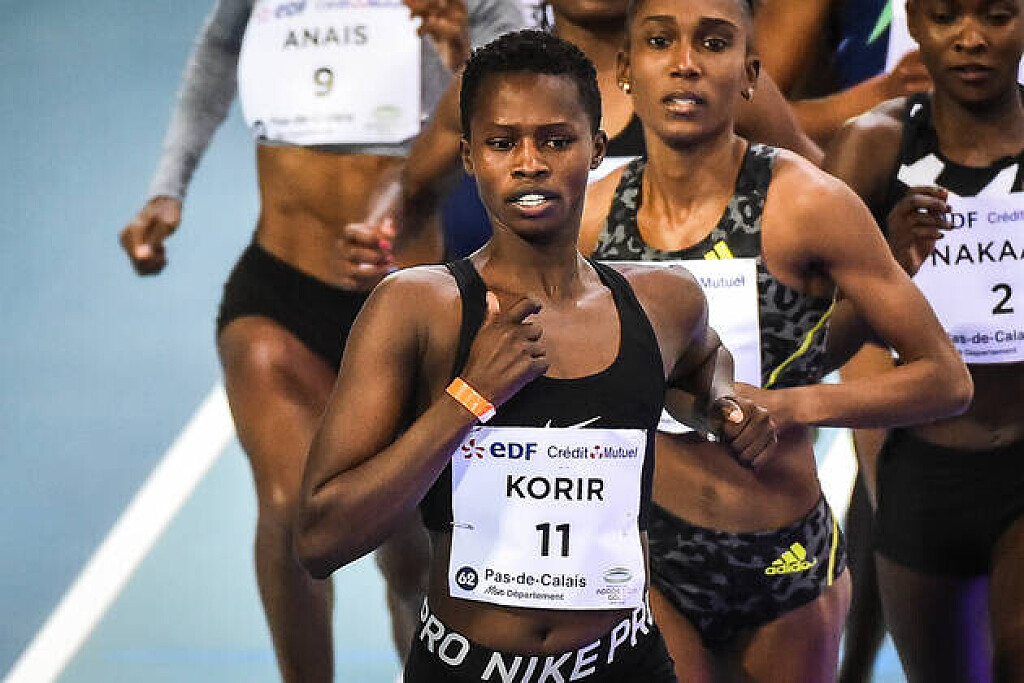
Naomi Korir is going after the qualifying standard at Kip Keino classic for Budapest
World Athletics Cross Country mixed relay silver medalist Naomi Korir will be chasing World Championships qualifying time during Saturday's Kip Keino Classic at the Moi Stadium, Kasarani.
Korir, an 800m specialist, said she wants to build on her 2:00.70 display in Botswana two weekends ago as she chases the 1:59.80 qualifying time for Budapest, Hungary.
“This race will be very important for me. I see it as an opportunity to qualify for the World Championships in Budapest. My training has been intense to ensure that I make the results count,” said Korir.
In Botswana, Korir finished fourth in the two-lap race — won by Ethiopian Habitam Alemu (1:59.35) followed by South African Prudence Sekgdiso (2:00.39) and another Ethiopian, Firezewid Tesfaye (2:00.52).
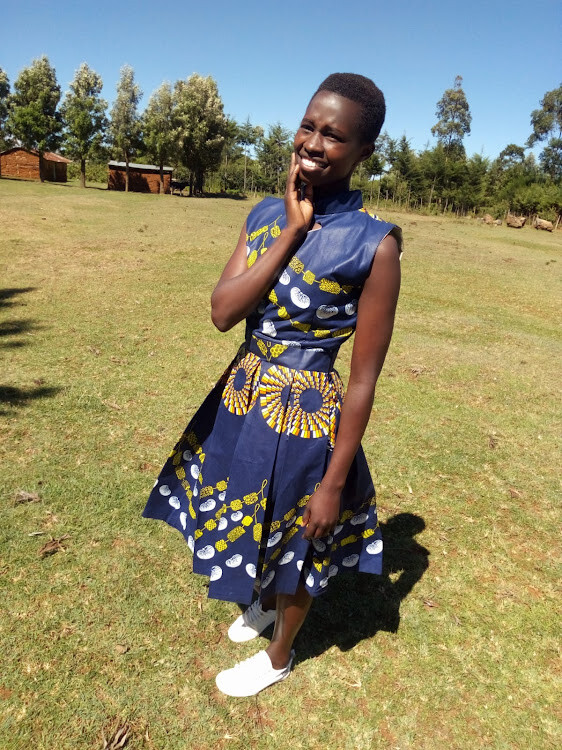
Korir finished third at last year's Kip Keino in 2:0006, behind winner Sekgdiso (1:58.41) and Commonwealth Games 800m champion Mary Moraa (1:59.87).
Also in the mix are defending champion Sekgdiso, Alemu and Botswana’s Oratile Nowe.
Meanwhile, Olympic and world 800m champion Emmanuel Korir will drop to the 400m where he will be up against compatriot Boniface Mweresa, American Vernon Norwood, Muzala Samukonga (Zambia), Gilles Biron (France), Machel Cedenio (Trinidad and Tobago), Kevin Borlee (Belgium) and Dylan Borlee (Belgium).
(05/12/23) Views: 86Emmanuel Sabuni
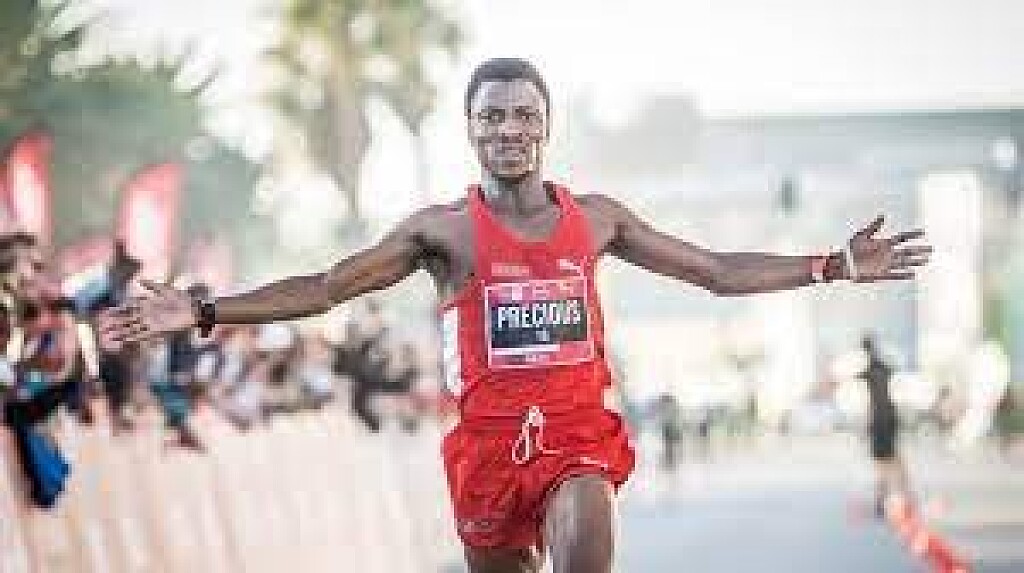
Olympian Precious Mashele looks the pick of the men's field for Sunday's Absa Run Your City 10K series in Cape Town
Olympian Precious Mashele will be SA's best bet for Absa 10K line honors.
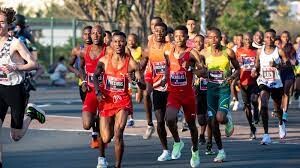
Mashele finished second to Kenya's Daniel Ebenyo (0:27:21), but Mashele's time of 0:27:35 was a South African 10km record.
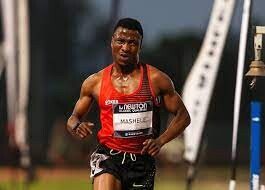
Ebenyo is not in the Cape Town field and Mashele will face stiff competition from fellow countryman Thabang Mosiako (0:27:52), who was the only other athlete in Gqeberha to finish the 10K in under 28 minutes.
Apart from Mashele and Mosiako, the other leading contenders for honours are Anthony Timoteus, Melikhaya Frans, Elroy Gelant and Kenyan Denis Kipngetich, who finished fourth in Gqeberha (0:28:01).
An interesting inclusion in the field is 38-year-old South African road running legend Stephen Mokoka, who dreams of a sub-28-minute 10km on South African soil.
(05/12/23) Views: 84Herman Gibbs
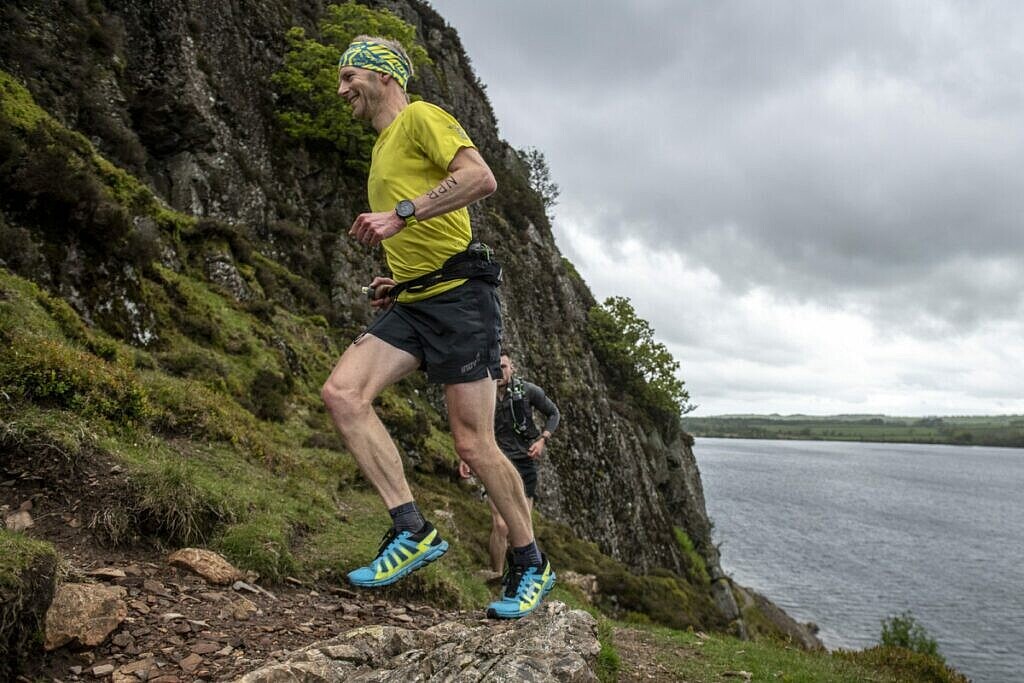
Five tips for walking the uphills on trail runs
Small tweaks to your technique can yield big payoffs on your climbs.
“Walk the hills.” It’s one of the first pearls of wisdom offered to those new to trail running—and with good reason. As tempting as it may be for fledgling trail runners to zip up those delicous-looking inclines at full steam, opting for a slower, steadier approach on the uphills is often the more effective strategy in the long run. Conserving energy on climbs can prime runners for speedier efforts on the straightaways and lessen their chances of flaming out as the kilomtres add up.
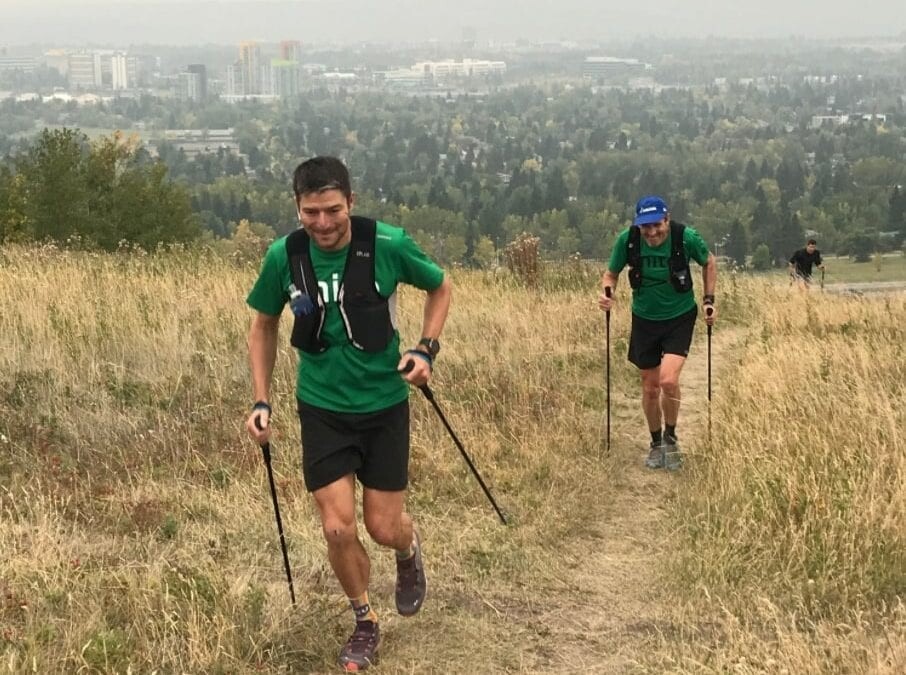
Walking the uphills isn’t an excuse to completely ignore technique, however, switching to a strategically slower gait demands more than simply “not running.” Making a consistent effort to focus on your form during slower ascents can help build speed, strength and stamina as a trail runner. Consider these five tips for adding extra oomph when tackling hills in a lower gear.
1.- Shorten your stride
Making a conscious effort to shorten your stride length can ensure your efforts to conserve energy on the uphills don’t go to waste. Taking shorter strides will turn your ascents into opportunities to manage your effort and recharge. Perhaps more importantly, adopting a shorter stride length can improve your balance and help keep you steady on particularly steep and uneven terrain.

2.- Mind your breath
Taking deep, even breaths through the nose and out the mouth can buoy the body and mind on a challenging trail run. Research has shown deep breathing has several potential physiological benefits, including lowering heart rate and blood pressure, making it a simple but effective tool for those concerned with managing their effort. It’s a technique that can also help relax the mind and regulate mood, which can be important when navigating the psychological peaks and valleys of a trail run.
3.- Keep your head up
Like deep breathing, keeping your head up can be good for your body and morale. Hanging your head as a way to rest your neck can be a risky proposition when walking up steep, rocky and uneven terrain. Keeping your head up and your eyes forward will help you avoid obstacles on the trail and keep you aware of other runners or cyclists barreling toward you on a downhill. Keeping your head high also conveys a message—including to yourself—about your mental approach to the run. Maintaining good posture can help fortify your self-confidence during trying moments on the trail.
4.- Work your glutes
Engaging your glutes and pushing off with your back leg when ascending hills is important to maintain momentum, especially on sharp inclines that are particularly taxing on the lower body. Making an effort to work your glutes on less demanding climbs is also valuable, and it will help build strength and endurance for those times you need it most.
5.- Enlist your arms
Trust your arms to offer a helping hand (or two) when you’re struggling to scale a challenging hill. Driving these often overlooked appendages back and forth with a strong, determined rhythm can add extra momentum to your steps.
(05/13/23) Views: 84
Paul Baswick
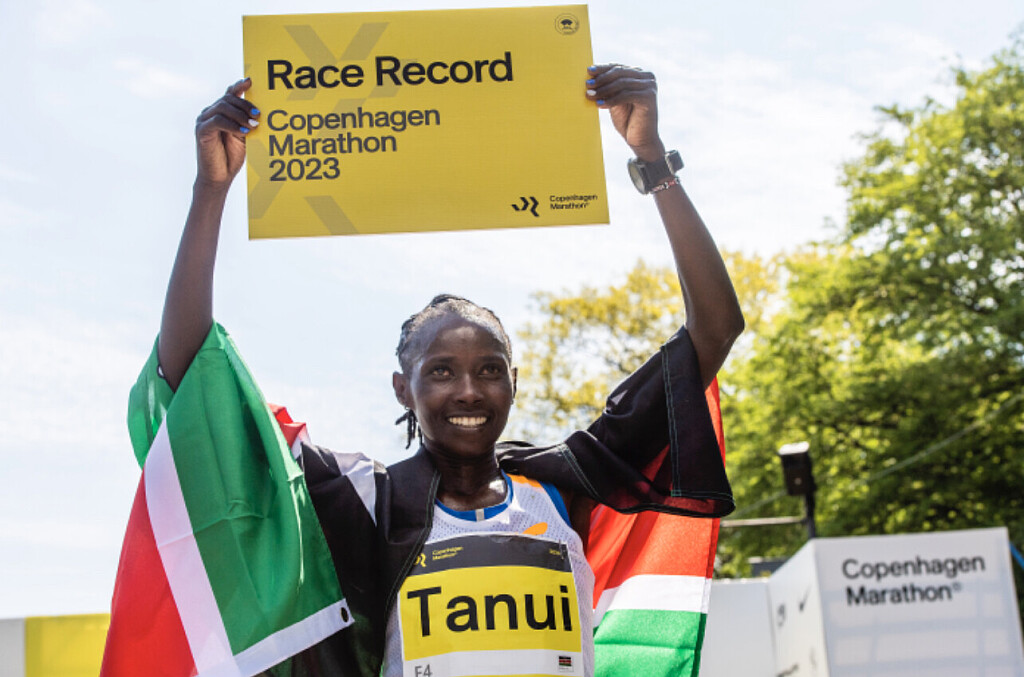
Tanui and Kirwa are the winners at the 2023 Copenhagen Marathon
Kenyans Rodah Chepkorir Tanui and Solomon Kirwa survived the heat to win the women’s and men’s 2023 Copenhagen Marathon on Sunday (14).
Running her second marathon of the year, Tanui pulled away from the field to better her personal best from 2:25:46, which was set in Buenos Aires on 22 September 2019. She ran 2:28:30 for sixth place in her other marathon race in 2023 in Riyadh in February.
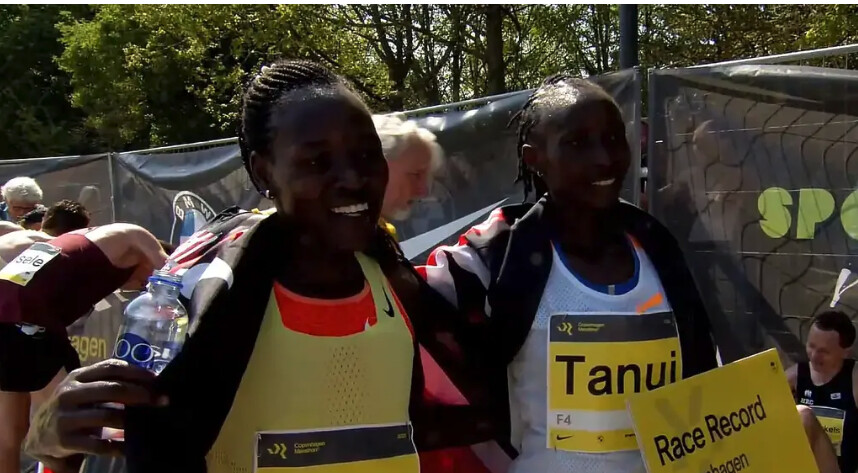
For her top performance today, Tanui collected €$6000 for the win and an extra €$3000 in bonus prize for breaking the race record. Look for her to race in other big marathon races in the near future!
Valentina Mateiko, the 2014 World Junior 3000m bronze medalist, made an impressive start to her marathon career in the extremely hot condition in Copenhagen today, clocking in at 2:25:05 to take second place on debut before being well received by her Kenyan teammate at the finish line.
Philippa Bowden of Great Britain also smashed her personal best big time when she ran in at 2:29:16 for third place, lowering her previous mark by almost five minutes.
The top American finisher today in the women’s contest was Roberta Groner, the 2019 World Championship sixth place finisher, who ran 2:31:37 to take sixth place today as well.
Karen Ehrenreich won the Danish title with a time of 2:35:02 for 9th place overall, with Stine Schønning a distant second place in the Danish Championships at 2:45:10.
Kirwa Leads Kenyan Sweep in Men’s Race
Meanwhile, Solomon Kirwa led a Kenyan podium sweep in the men’s race at the 2023 Copenhagen Marathon. The 36-year-old, running for the first time in the Copenhagen race, made it a fruitful debut at the Denmark event, clocking in at 2:09:12 for first place after surging away from his rivals after the 40km mark.
Edwin Kiptoo of Kenya, who led after the halfway mark, was second in the end with a time of 2:09:51, followed by countrymen Kenneth Keter, who posted 2:09:47 for third place and Pius Karanja in fourth.
T-Roy Brown was the best-placed male runner from the United States today, taking 18th place with a time of 2:21:17.
Karen Ehrenreich was crowned the Denmark champion after he finished at 2:35:02 for 9th overall, while Andreas Lommer of Denmark, who changed his race plans to work with Tanui in her chase for glory today, ran out of gas and finished with a time of 2:23:50.
(05/14/23) Views: 83
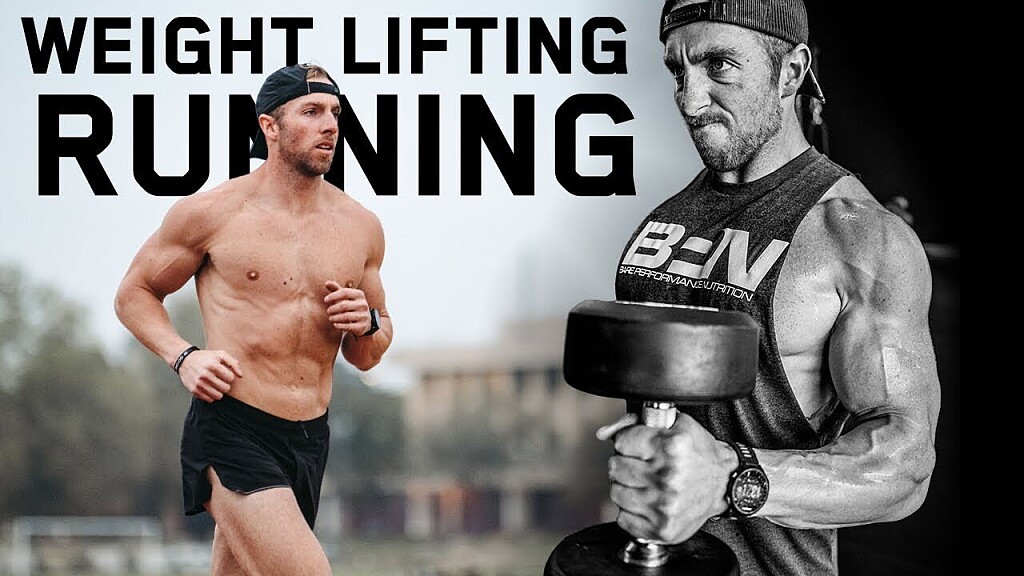
The Benefits of Combining Running and Weightlifting
Are you looking for a more effective way to improve your overall health and wellness? If so, then combining running and weightlifting could just be the answer you’re looking for! Running is an excellent aerobic exercise that helps enhance cardiovascular health, aid in calorie burn, promote mental clarity and reduce stress.
On the other hand, weightlifting focuses mainly on building muscle strength, improving bone density, and increasing self-confidence levels. When these two powerful workouts are combined together it offers a complete package of incredible benefits that will not only help you look better but also feel better too! In this blog post, we’ll discuss the various advantages of combining running with weightlifting as well as provide some tips on how to safely engage in both activities.
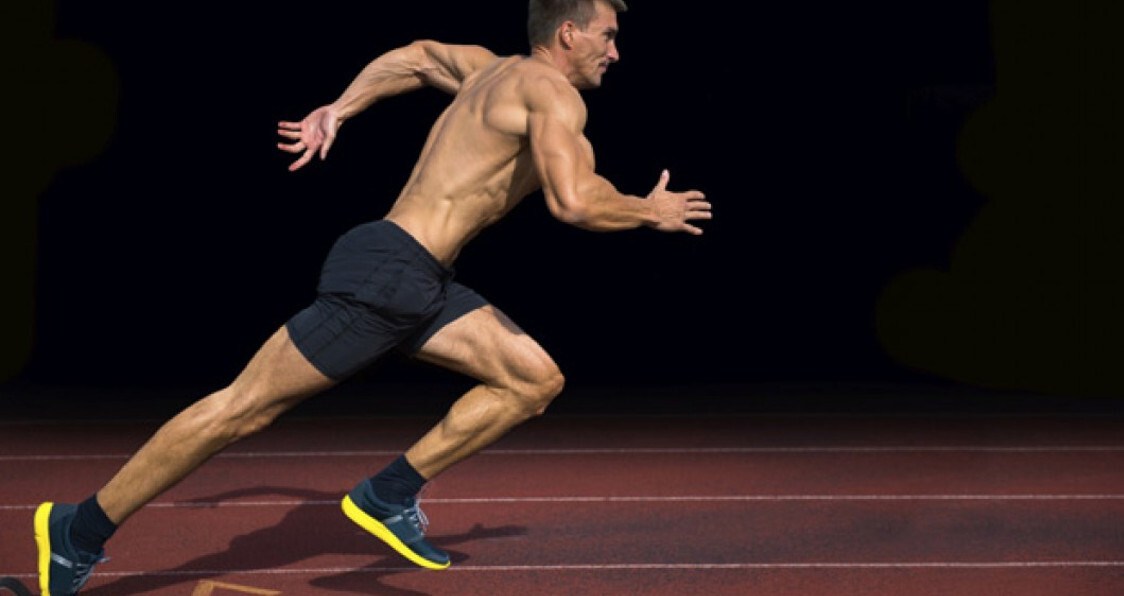
So if you’ve been wanting to get out there and start seeing results quickly then read on to discover why combining running with weightlifting might be right up your alley!
Introducing the Benefits of Combining Running and Weightlifting
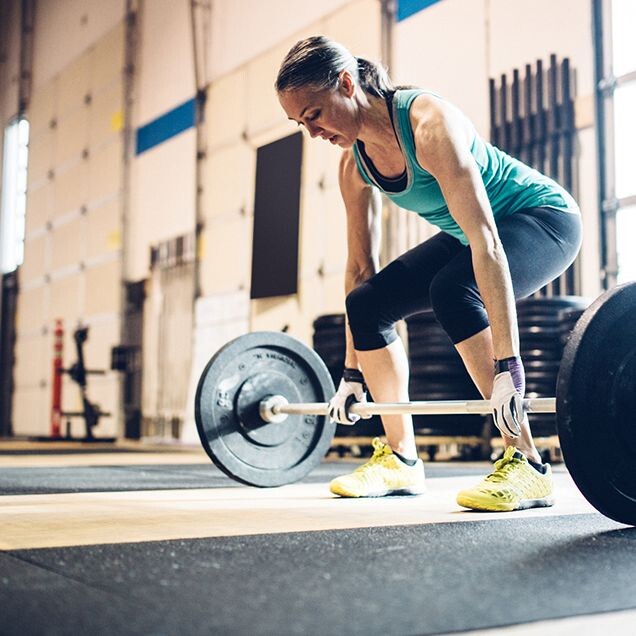
Running is a great way to improve cardiovascular health and endurance, while weightlifting can increase muscle strength and tone. When combined, these exercises can lead to improved overall body composition, increased metabolism, and a decreased risk of chronic diseases. Plus, the endorphins released during exercise can lead to a sense of increased happiness and decreased stress. So, the next time you hit the gym or head out for a run, consider combining the two for a killer workout and a healthier mind and body.
Different Running Styles and How They Impact Weightlifting Performance
Different running styles can impact weightlifting performance in different ways. For instance, long-distance running can lead to loss of muscle mass, which can negatively affect weightlifting performance. On the other hand, sprinting can improve power and explosiveness, which are essential in weightlifting. Therefore, weightlifters must choose their running styles carefully to achieve maximum benefits while minimizing the risk of injury or reduced performance.
Developing a Balanced Workout Plan That Combines Running and Weightlifting
The key to developing a balanced workout plan is understanding your goals and tailoring your routine accordingly. If you’re looking to build muscle and strength, weightlifting should be your focus. On the other hand, if you’re aiming to improve your cardiovascular fitness, running is a great choice. But don’t forget that both types of exercise have crossover benefits, so it’s important to incorporate both into your plan.
You can consider sources such as Muscle and Health to look for information on running, weightlifting, and other fitness activities. A well-rounded routine that incorporates both running and weightlifting will help you achieve your fitness goals and keep your workouts interesting and challenging.
Strengthening Muscles by Adding Resistance Training to Your Running Routine
Adding resistance training to your routine can be an incredibly effective way to do so. By incorporating exercises that work the major muscle groups – such as squats, lunges, and deadlifts – you can strengthen your muscles and improve your running performance. Resistance training can also help prevent injury by correcting muscular imbalances and improving overall stability.
Plus, by building more muscle, you’ll increase your metabolism and burn more calories, even when you’re not running. So why not try adding some weights to your next workout and see how it can benefit your running routine?
The Effects of Cardio on Muscular Strength and Endurance
When we engage in aerobic exercise, our bodies increase the amount of oxygen that we take in, which allows our muscles to work harder for longer periods of time. This increased oxygen delivery can lead to more efficient use of energy by our muscles, meaning that we can work harder and for longer before experiencing fatigue.
By incorporating cardio into our routine, we can increase our muscular strength and endurance, which can result in overall improvements to our physical fitness. So, next time you hit the gym, be sure to get your heart rate up and experience the benefits of cardio for yourself!
Reaping the Rewards
By consistently engaging in physical activity and making healthy choices, you can notice changes such as faster sprint times, increased endurance, and improved cardiovascular health. But the rewards don’t stop there. Regular exercise can also lead to reduced stress levels, better sleep, and increased confidence. So, whether you’re hitting the gym, going for a run, or trying out a new fitness class, know that the benefits of your hard work are worth it.
Combining running and weightlifting provides many benefits, from heart health to improved athletic performance. Start off slow and soon enough you will see the rewards of this effective combo training approach. With dedication, consistency, and a smart workout plan in place, you’ll be able to experience the full potential of this dynamic duo.
(05/15/23) Views: 80Colorado Runner
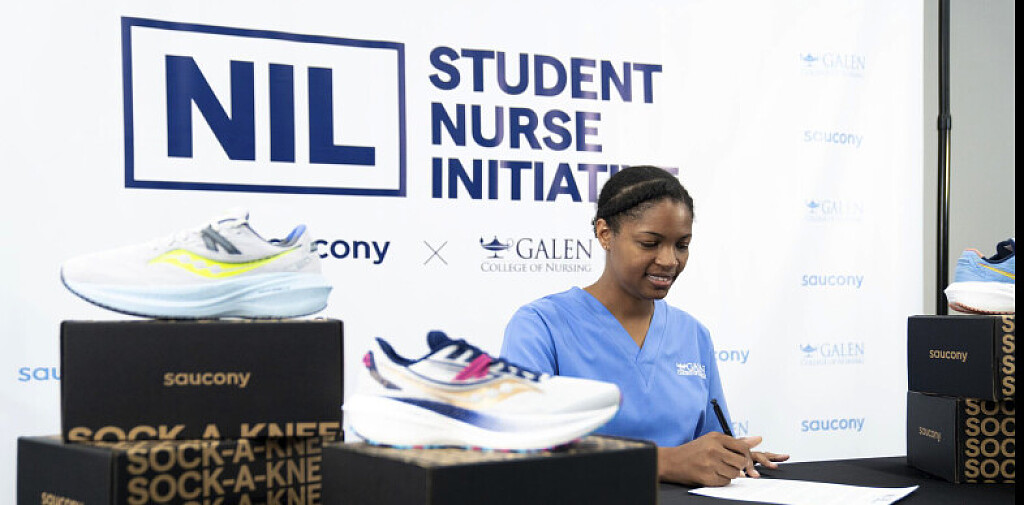
Saucony Launches New NIL Partnership with a Different Type of Distance Athlete
The shoe brand is teaming up with Galen College of Nursing to provide footwear and financial compensation to four stand-out nurses.
If you’ve followed college sports over the last few years, you’ve probably heard about NIL, or “Name, Image, and Likeness.” Ratified in 2021, NIL allows college athletes to partner with companies and earn money from marketing or sponsorships. Previously, NCAA athletes were not allowed to profit off business deals related to their sport.

On Wednesday, Saucony posted on Instagram that, “The next big NIL deal is coming.” And on Thursday, they revealed that deal: the NIL Student Nurse Initiative. The shoe brand is partnering with Galen College of Nursing to sign four collegiate nursing students to NIL deals.
“We've officially signed four new collegiate distance athletes,” Saucony wrote on Instagram. “No, not your traditional endurance athlete, four aspiring nurses @galencollegeofnursing! The average nurse can walk nearly a marathon each week on the job! With this NIL initiative, we’re shining a light on their stories, their successes, and how critically important nurses are to our healthcare ecosystem.”
The nurses—four of Galen’s top students—include Lauren Lowe, Sarah Sangha, Ashley Lutes, and Brianna Nelly. The quartet will receive pairs of Saucony Triumph 20 and Saucony Endorphin Shift 3 shoes to wear on the job, as well as an undisclosed amount of “financial compensation,” according to a press release. The company told Runner's World that this is currently the only NIL partnership the brand has.
Other collegiate distance runners have garnered NIL deals in recent years. Star runner Katelyn Tuohy, of N.C. State, inked a contract with Adidas in November, and the reigning NCAA cross country champion, Charles Hicks, of Stanford, signed with Nike in March. Duke steeplechaser Emily Cole reportedly makes over $150,000 from endorsement deals on social media.
In the spirit of National Nurses Month in May, Saucony is also offering a discount of 25 percent to all nurses and nursing students, through May 18.
(05/14/23) Views: 77Runner’s World
Okpekpe race organizers unveil action plan for gold label 10km event
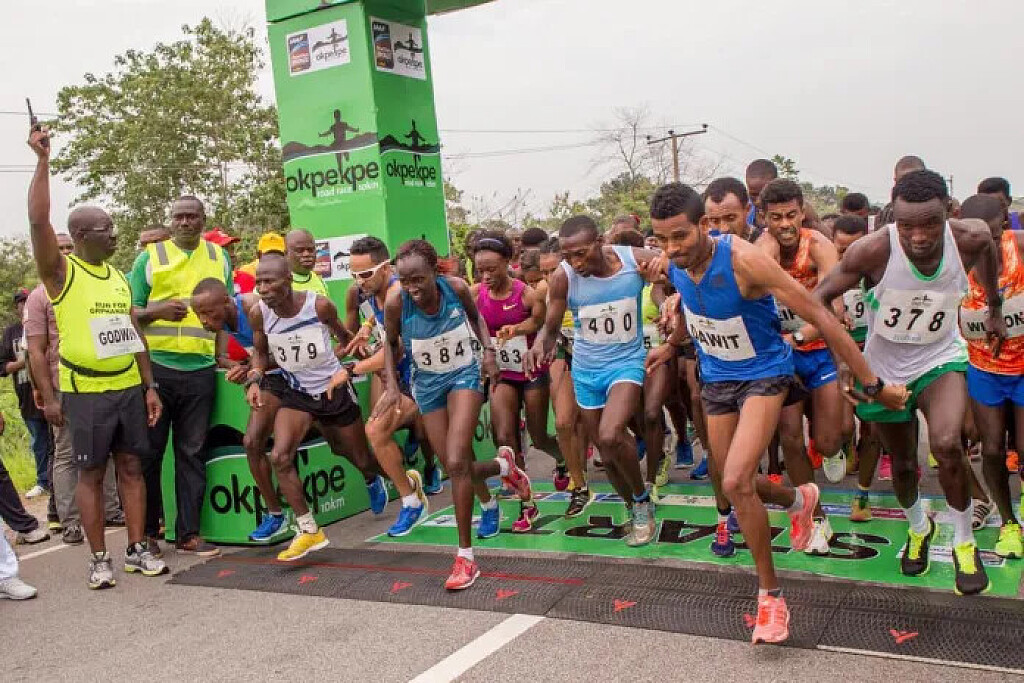
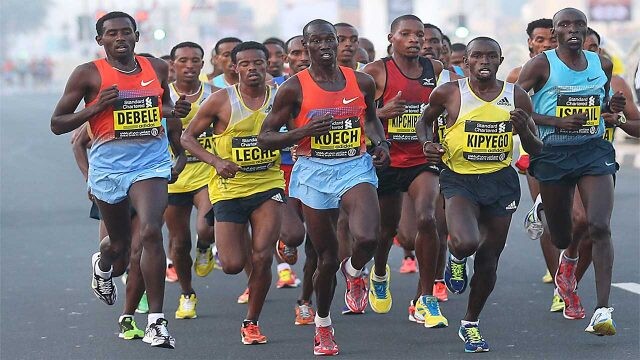
Organizers of the historic Okpekpe International 10km Road Race have unveiled the action plan for the successful organization of the ninth edition of the race which holds on Saturday, May 27, 2023, in Okpekpe in Estako East Local Government Area of Edo State.
Dare Esan, the race’s Director of Media and Activation says the secretariat for the event will open on Monday, May 22, 2023, to begin the final countdown to the first gold label 10km road race in Nigeria.
“The Secretariat will open in Auchi near Okpekpe five days before the event to prepare, among other things for the arrival of technical and medical equipment needed for the race as well as the arrival of the elite athletes,” said Esan.
The Media and Activation Director also says volunteers that will be used at the race will begin their training to ensure a hitch free race for the ninth straight edition.
‘This time around, we are going to engage more volunteers and we are partnering with the Edo State University in Uzauire near Auchi where about 200 students will work as volunteers for the race in the area of accommodation, medicals, media, transportation and technical.
“We are bringing in these students as volunteers as a way of imparting practical knowledge of management. Like the Edo state Deputy Governor, Comrade
Philip Shaibu said at the pre-race conference last week in Benin, ‘sports sharpens our knowledge, physical ability and reduces social vices in the society.’
Esan also revealed that accreditation and medical tests will begin on Tuesday May 23 while foreign and Nigerian elite athletes will undertake a tour of the race course on Thursday.
In terms of security, Esan says all arrangements have been concluded for another trouble and crime-free event.
“We visited the Edo state Commissioner of Police, Adamu Dankwara last week in his office to conclude all arrangements while the DSS has also been contacted for a comprehensive security for the race.
‘The Federal Road Safety Corps, FRSC, have also been contacted to secure the road and ensure a hitch free movement of vehicles and they all sent representatives to the pre-race media conference last week.
“We have been assured they will secure the athletes, officials and spectators who will be in Okpekpe and its environ before, during and after race day.
‘The Deputy Governor has also given us the assurance the race will be safe for the ninth straight edition. Comrade Shaibu said at the press conference that ‘adequate security measures are in place to ensure that all residents and visitors including athletes coming into the state for the race are all safe and protected.’
The Okpekpe international 10km road race is supported by Petralon Energy as its CSR partner, Development Bank as its official bank and Nigerian Breweries Plc as its official malt drink.
The race is the first in Nigerian to have its race course measured by a World Athletics/AIMS accredited course measurer as well as the first truly world class road race in Nigeria when it was granted a label status (bronze) in 2015.
(05/13/23) Views: 75
