

Running News Daily
Top Ten Stories of the Week
12/17/2022
These are the top ten stories based on views over the last week.
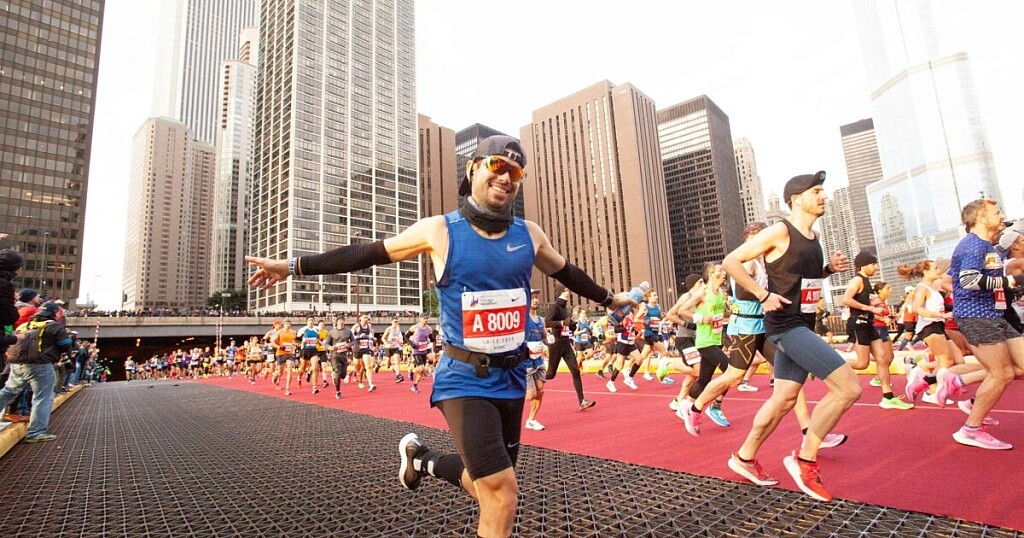


2023 Bank of America Chicago Marathon Set to Welcome 45,000 Participants for 45th Anniversary Event
Today the Bank of America Chicago Marathon announced the return to 45,000 participants for the event's 45th anniversary on Sunday, October 8, 2023. Runners who entered the non-guaranteed entry drawing for the 2023 race will be notified of their selection status today. Individuals still interested in participating can secure their place in the field by joining an official charity team. Since 2002, the Charity Program has generated more than $292 million for local, national and global causes, including the event record-breaking $27.6 million raised by participants in 2022.
"We're thrilled to host 45,000 participants for the first time since 2019 at the 2023 Bank of America Chicago Marathon," said Carey Pinkowski, Bank of America Chicago Marathon Executive Race Director. "As part of our millionth-finisher field, these participants will write their names in the event's history book during a particularly special year. We look forward to celebrating their performances, as well as the contributions of the volunteers, spectators and community members who have made the Chicago Marathon the world-class racing tradition it is today."
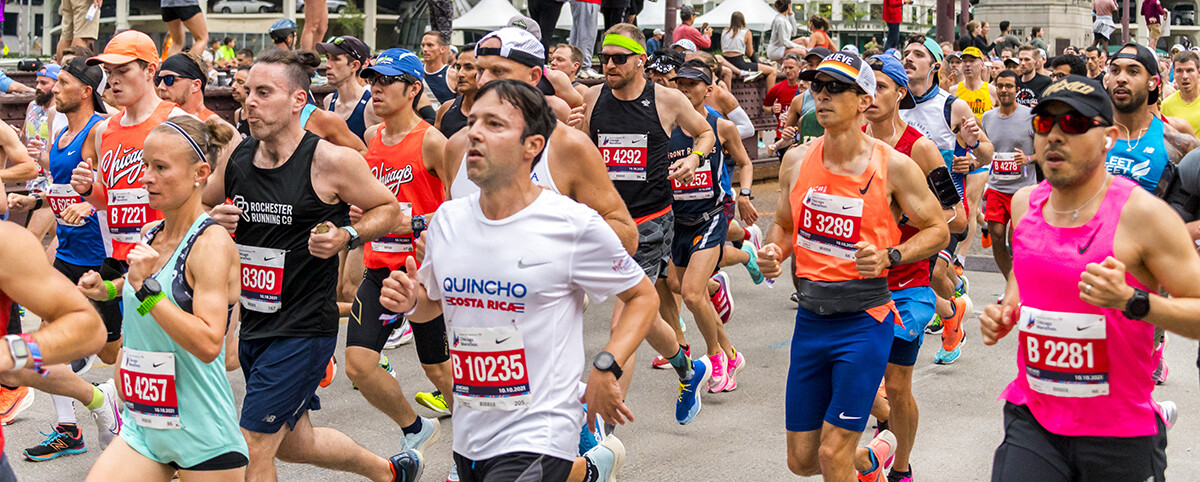
Runners who received an entry through the drawing will join those who guaranteed their entry into the race during the four-week application window. Guaranteed entries include Bank of America Chicago Marathon and Shamrock Shuffle legacy finishers, time qualifiers, international tour group participants, charity runners and those who deferred or cancelled entries from a previous event.
Runners who did not receive an entry through the drawing can still sign up through the Bank of America Chicago Marathon Charity Program. The 2023 Charity Program includes 180 nonprofit organizations raising funds related to 10 cause categories, including education, youth development, health care and social services. Runners who register to run with an official charity at this time are required to raise a minimum of $1,750. For a list of official charities and information on how to register by joining a charity team, go to chicagomarathon.com/charity.
For the latest event updates, registered participants and community members are encouraged to visit the Event FAQ which is available at chicagomarathon.com.
About the Bank of America Chicago Marathon
The Bank of America Chicago Marathon welcomes thousands of participants from more than 100 countries and all 50 states, including a world-class elite field, top regional and Masters runners, race veterans, debut marathoners and charity participants. The race's iconic course takes participants through 29 vibrant neighborhoods on an architectural and cultural tour of Chicago. The 2023 Bank of America Chicago Marathon, a member of the Abbott World Marathon Majors, will start and finish in Grant Park on Sunday, October 8, 2023. In advance of the race, a three-day Abbott Health & Fitness Expo will be held at McCormick Place Convention Center on Thursday, October 5, Friday, October 6, and Saturday, October 7. For more information about the event and how to get involved, go to chicagomarathon.com.
(12/09/22) Views: 108
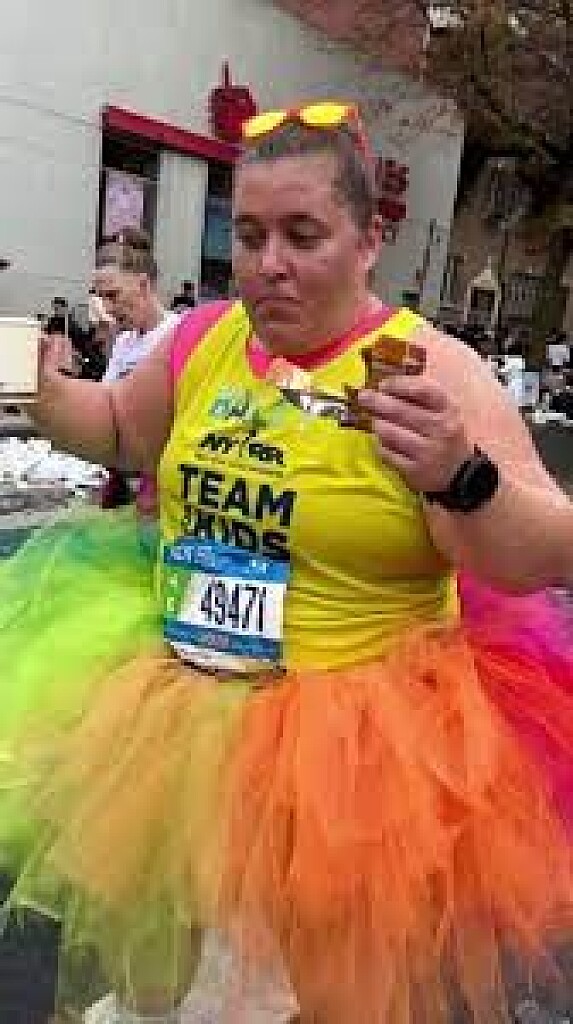
This NYC Marathoner’s Finish Went Viral, Now She Wants to Inspire Others Who Look Like Her to Run
Bailey Quinn is determined to promote fitness for all body types.
Name: Bailey Quinn Age: 29 Hometown: Marco Island, Florida Occupation: Medical Student at Touro College of Medicine in Harlem, New York. Beginning pediatric residency in July 2023! Time Running: 2 years Reason for Running: I’m graduating medical school in May 2023, and I made up the goal of completing the New York City Marathon after my first semester ended back in December of 2019. My school is in Manhattan so doing something big and crazy seemed like an awesome way to celebrate the end of my school years.
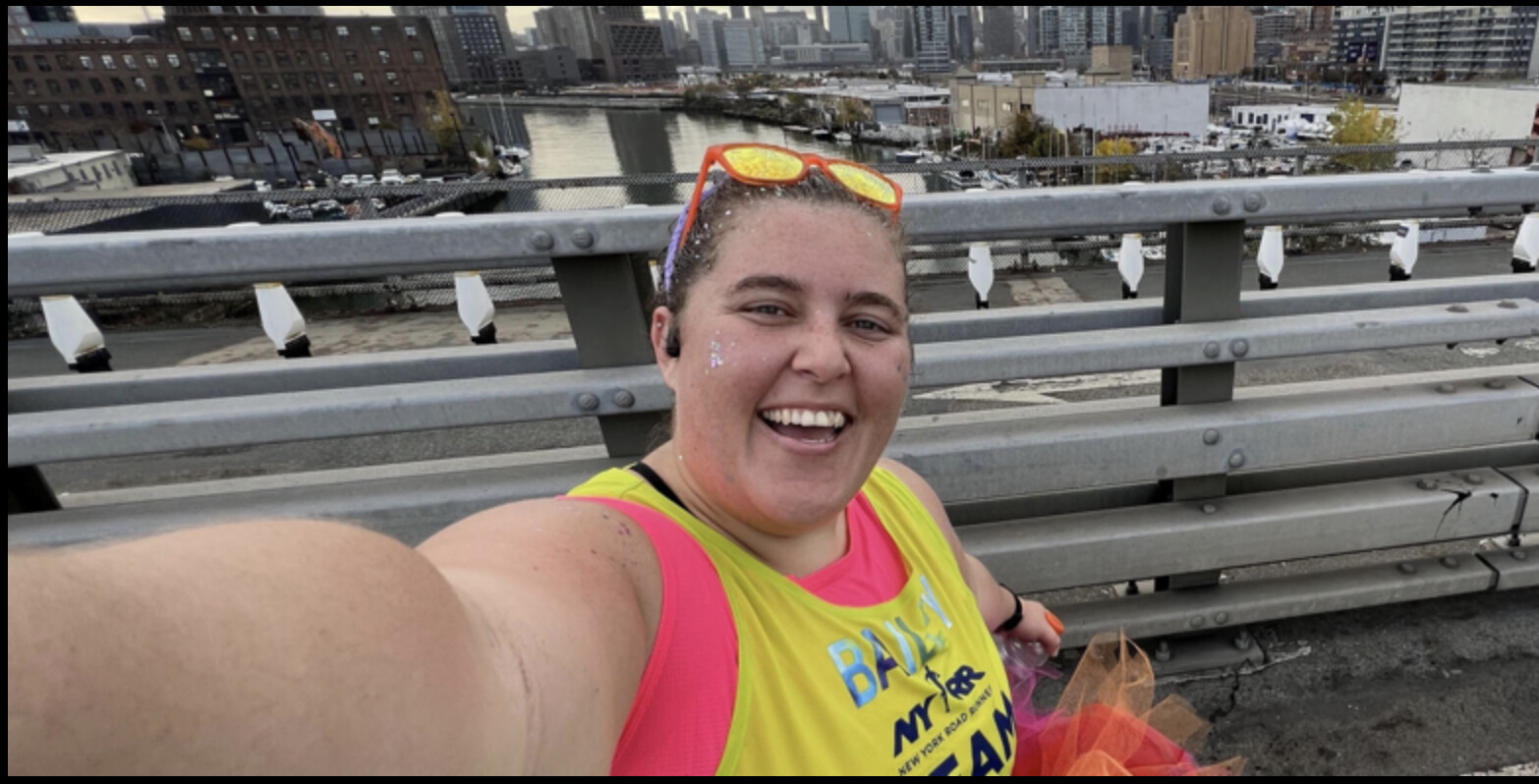
I grew up playing every sport—volleyball, basketball, swimming, softball, tennis. I was also always heavy. I’ve been overweight my whole life. My earliest memories with my pediatrician are her telling me I needed to lose weight. I never looked like other kids, even my siblings. But that didn’t stop me from becoming an athlete. I showed up. I never missed a practice. My parents taught me from day one that you don’t have to be the best player—be the best teammate and the athlete coaches want to work with.
I also have an autoimmune disease called Addison’s disease, where my body doesn’t make the hormones cortisol and aldosterone, which regulate inflammation, your sleep/wake cycle, blood pressure, and plays many roles in organ systems all over your body.
In 2009 I was very sick—vomiting for weeks straight at times and frequently being admitted to the hospital. I was a medical mystery for years. I would get so sick I’d be in the hospital for weeks vomiting and nobody knew why. (I’ve actually torn my esophagus from vomiting so violently and so often.) I went through college at the University of Florida as a registered disabled student. I thought that was going to be my life.
In 2016, I just started applying to medical school and I looked at my mom and said, “I can’t live like this.” That’s when I was finally diagnosed with Addison’s disease, after really pushing my doctors to look for a better answer. They ordered one blood test and my cortisol levels came back as undetectable. I will be dependent on steroids for the rest of my life.
But that has never stopped me. I did marching band at the University of Florida, and I was also on the sailing team. I call myself an endurance athlete.
I rode a bike across America in 2014 to raise money for the Ulman Cancer Fund for Young Adults. We started in Baltimore, and we ended in Seattle. And in the summer of 2020, I swam the coastline of Marco Island, six and a half miles, and I did that in three hours and eight minutes. I love open water swimming. I like grand undertakings. I’m a go-big or go-home person. And I’m also not the “typical” picture of fitness.
When I started medical school in New York City in July 2019, I knew I wanted to do something big. By the end of my first semester in December I had decided on the New York City Marathon. I thought, “I bet a lot of people think I can’t do this, so I’m going to do it.” I committed to start training and run it in 2022.
I did try to run as a kid. My mom grew up as a New York Road Runner in North Salem, New York. I tried to get into running in eighth grade, but I felt like I was a burden to my coaches. I was slow. I was the kid that they were begrudgingly waiting for during practice and meets. So I finished the 8th grade season and didn’t even think about coming back out to join the team in 9th grade. But I participated in softball, swimming, cycling, and other sports in high school. My whole life with running, before the New York City Marathon, I was met with: “You don’t belong here.”
Most of my training was endurance-based swimming and cycling because I have a slightly torn meniscus at the moment (I hurt it by slipping at a baseball game in October 2021). So, I knew I couldn’t train heavily with running, as being in medical school I’ve been too busy to have surgery to repair it. I joined a USA Masters swim team at my local YMCA in 2020 and worked with a coach who made some custom endurance plans for me. I was swimming two to three miles a day in 2020 and doing lots of long walks, building endurance.
In 2021, I started my clinical rotations, so I had less time to train, and it was more speed focused and aerobically demanding. With my meniscus tear in October 2021, I also started to do spin for a low-impact cardio workout. So, last year I was doing 45 minutes a day of Peloton or swimming and added in more jogging and walking. I did enough training to finish the marathon—that was my goal.
I ran with Team for Kids because I feel very strongly about getting kids involved in sports, particularly because I’m planning on being a pediatrician. I made a giant rainbow tutu to do the marathon in and had so much fun because that’s just who I am. I knew I was going to run/walk the 26.2 miles.
I finished at 8:17 p.m; it took me 9 hours and 19 minutes. A video of me crossing the finish line went viral on social media. It was a video of me pumped as hell to finish. I was exuding such radiant joy and just being goofy. I was just pumped that I accomplished my goal of finishing and just got to celebrate and relax.
There was never a doubt in my mind that I wouldn’t finish. I knew my speed wouldn’t be there, but my training method absolutely worked. I felt great the whole time. My boyfriend had water and Gatorade for me at mile 23, and he finished with me. I had gels and Honey Stingers for the whole race.
I showed up ready for a long day. For me, everything went perfectly to plan. I did most of my jogging the first half and walked most of the second. I knew I was going to be slow, and someone who looks different. I wanted to finish for me, not for a time.
Unfortunately, bullies are everywhere, and I was flooded with comments and messages about how fat I am or how I’m a disgrace to running. People see a heavy person and don’t know about my Addison’s disease and the steroids I take that also impact how I look.
Weight is a complex thing—there is not one single factor that dictates someone’s weight and it’s impossible to tell that just by looking at them. I’ve been met with this attitude in running since I was young, and this is what keeps people out of running. But I want to be an example. I’m not going to quit or leave! I wanted to finish for the kids who look like me so they can say, “I can do a marathon too. You did it, and now I think I can.”
On the flip side, so many people have reached out and are inspired after seeing the video. The positives far outweigh the negatives, and I’m having a blast! Now I want to do the World Marathon majors.
My next marathon will be the Chicago Marathon in 2024. I’m definitely here to stay, because I think the sport needs it. People like me are bullied out of running, and I want to change that. I want to be the person saying, “You finished! I’m so proud of you!”
Running is so accessible, and I can get the message out there. I never would have dreamed I would be here, but I am so happy and proud to say I am.
Running and the running community have made me feel like the sky’s the limit. Before this year’s New York City Marathon, I thought I just wanted to do one marathon before I die—now I want to do all six of the Abbott Major Marathons and I hope to help my mom complete her dream of doing the NYC Marathon by doing it again with her.
I really love the person that the marathon has made me. To finish how I did and have fun, putting myself back out there as a runner despite negative experiences in childhood has made me realize I can do it! I’ll never be the fastest, but I will definitely be the most colorful. It’s all that matters! Get out there, let’s go!
These three tips have made my running journey a success:
1. Run your own race
Run for you and get out of it what you want to get out of it. Ignore what everyone else has to say about it.
2. Use anti-chafing creams
I was running/walking for more than nine nonstop hours and I had no rashes or rubs or anything using these.
3. Listen to your body
If you’re feeling sick or injured, test the waters—but I’m invested in the long term. So, if my body is telling me I need more sleep today, I’m going to get some sleep because I want to be able to run tomorrow. You need to push yourself when you can because that’s how you get better, but listen when your body needs rest.
Bailey’s Must-Have Gear
→ Bodyglide: I could not run without it! I’m about to be Body Glide’s number-one supporter for the rest of my marathon career. It’s great for arms and legs—everywhere! Just bathe in it!
→ Theragun Pro and Theragun Mini: I prefer the Pro for regular use but love the mini for my swim bag. They’ve been absolute game changers in my preworkout warmups and my postworkout recovery! They’s especially helpful on days when I can’t stretch as much as I would like due to time constraints—like when I’m rehabbing an injury, or when I’m doing consecutive days with endurance-style workouts (two- to three-mile swims, four to six days a week). They make my recovery time significantly faster; they made my leg recovery from the marathon a breeze.
(12/11/22) Views: 98

Did You Know the Boston Athletic Association Has a Membership?
Joining isn’t as simple as you might think.
The 1983 Boston Marathon champion Greg Meyer is a member of the Boston Athletic Association (B.A.A.). So is Bobbi Gibb, women’s champion during the “pioneer era” of the marathon in 1966, ’67, and ’68.

But Kathrine Switzer, who made headlines in Boston in 1967, is not. Nor is Meb Keflezighi, the 2014 champion.
Tom Grilk, the CEO who retired in April, has been a member since 1987. The new CEO, Jack Fleming, is not.
Michael O’Leary, M.D., a surgeon at Brigham and Women’s Hospital and chairman of the B.A.A.’s Board of Governors (which is essentially the same as a board of directors) has been a member of the B.A.A. since 1989. All 13 Governors (10 men, three women) are members—they have to be, in order to be picked to serve on the board.
Scott Peterson, a Miami-area corporate finance professional, is a member, and he has his membership listed prominently on his LinkedIn profile. When asked by Runner’s World about it, Peterson, a marathon veteran, called the group “like-minded people who support the running community.” He said, “It’s a real honor for me and anyone to be part of the membership of B.A.A.”
But what is this selective group, exactly? Who are they? And how are they chosen?
A local mystery
Information about membership on the B.A.A. website is scant, which cloaks the group—intentionally or not—in secrecy. Several people who are deeply involved in the Boston-area running community told Runner’s World they did not know such a group existed. (There is also a B.A.A. Running Club, which is open to runners in the Boston area, but it is different from the membership.)
Chris Lotsbom, a B.A.A. spokesperson, answered multiple questions from Runner’s World about the membership via email. He said the group currently has 174 people.
He also explained that the membership model goes back to the B.A.A.’s founding in 1887. The marathon started 10 years later, in 1897.
The organization had, in its earliest days, a building with a pool, indoor track, bowling alley, and boxing room, among other amenities, like a golf club, for its dues-paying members. The B.A.A. was similar to other athletic clubs across the country, most notably the New York Athletic Club, which still exists.
In the 1930s, during the Great Depression, the B.A.A. lost its headquarters building and its other properties. All that remained was the marathon, the bylaws of the organization, and a small group of members.
The members kept the B.A.A. and the marathon going. And they remain to this day, written into the organization’s bylaws to promote “the common good and the health and welfare of the general public and the encouragement of the general public to improve their physical condition.”
Tom Derderian, executive producer of Boston: The Documentary and author of Boston Marathon: Year-by-Year Stories of the World’s Premier Running Event, takes a skeptical view of the leadership back in the day.
“The B.A.A. expected that their investments in the 1920s would continue to grow,” he wrote to Runner’s World. “The stock market crash and Depression and World War II removed all B.A.A. assets, leaving the Association with only its name, an indoor track meet, the Boston Marathon—and the founding attitude that only B.A.A. members could know what was best.”
The modern-day membership
Today, as with any group, some members are actively engaged in day-to-day matters of the organization, attending meetings, voting, lending expertise, or volunteering at B.A.A. events. Others are not involved at all.
“For us today, membership is a valuable asset when tapped into,” Fleming said in a call with Runner’s World. “There’s still work to be done, but leadership and staff rely on the members for a variety of things. They serve on committees. They provide guidance in areas, their expertise. So finance, real estate, of course, running, community, the professional side, technology.”
For example, when the B.A.A. wanted to buy a building in Hopkinton near the marathon starting line, the organization got real estate advice from some of the members during the process.
They have also helped with recent diversity initiatives.
“Several B.A.A. members were significant in the establishment of the Boston Running Collaborative, which seeks to increase the fitness and participation of minorities in running,” Lotsbom wrote. “In this respect, membership is a resource which complements the staff’s day-to-day work.”
The way the bylaws are written, the Board of Governors are nominated from the membership. So the 174 members influence the direction of the B.A.A. through the Governors, who oversee the CEO.
The B.A.A. doesn’t track the demographic makeup of the membership, but Lotsbom wrote that, since 2010, the group has attempted to improve its diversity.
Thaddeus Miles, who founded the Run to Wellness 5K in Roxbury several years ago, was invited to join the membership two years ago by Tom Grilk. Miles recently showed up at his first in-person membership meeting post-pandemic. He counted only one other Black member among what he estimates were 50 attendees, plus Adrienne Benton and Keith McDermott, who are on the Board of Governors.
Three people who are familiar with the membership said that many members work in the medical professions or financial services industry in the Boston area.
There is a family component as well, according to the B.A.A. O’Leary’s father, also a physician, was a member of the B.A.A. who was responsible for the physicals administered to marathon runners in Hopkinton during the race’s earlier years. A descendant of Walter Brown, who founded the Boston Celtics and was the B.A.A. president from 1941–64, still starts a division of the marathon to this day.
Members pay a nominal fee—$50—each year to belong. In exchange, they get one waiver each year into the marathon. They still have to pay the entry fee ($375), but they can run themselves without qualifying, transfer the waiver to a friend or family member, or donate the number to a charity.
Miles, who is on the steering committee of the Boston Running Collaborative, gives his waiver for a marathon entry every year to a runner of color who otherwise wouldn’t be able to qualify for the race.
For the thousands of runners every year who try to qualify but fail, or who fundraise for one of the charity teams as a way of gaining entry to Boston, the existence of a small membership group might rankle. Lotsbom said fewer than 180 entries are allocated for members annually (out of a field size of 30,000) and less than half are ultimately used.
“The B.A.A. gets to choose whom they want to invite to run the race, and the B.A.A. decides the terms by which it will invite people to participate in its iconic annual event,” said Robert Wang, the founder of the World Marathon Majors Challenge group on Facebook. (The group’s 18,000 runners are seeking to run all six of the Abbott World Marathon Majors, but they have no official affiliation with that organization.)
“If the B.A.A. wanted to invite everyone whose last name starts with ‘Y’ to run the Boston Marathon, that would absolutely be the organization’s prerogative,” Wang said.
I’d love to be a member. How do I sign up?
There’s the rub. Right now, no such sign-up mechanism exists. You have to know a current member or someone on the Board of Governors.
“Potential members are traditionally nominated by a board member or another current member, and apply with a résumé along with specific comments as to why they wish to join the B.A.A.,” Lotsbom wrote. “From there, the nominees are seconded by a Governor, and voted on by the board. The membership is made up of those who have expressed an interest in the B.A.A., B.A.A. activities, and its mission.”
Fleming acknowledged that the relative obscurity of the membership and the lack of clear guidelines for becoming a member could be improved.
“We should make it known more,” he said. “And we should have more public ways of making it easier to have their interest become known. Raise your hand. We should make it easier for that to occur.”
In an era when running’s leaders are trying to make the sport more inclusive, how does the B.A.A.’s membership fit into the landscape? Is it a quirky echo of the organization’s past? Or an impediment to diversity in today’s world? Does a quiet group of invitation-only members pass the sniff test in 2022?
Tiffany Chenault, a sociology professor at Salem State University who is an ambassador for the Boston chapter of Black Girls Run and part of the Boston Running Collaborative, said in a call that she didn’t recall hearing about the membership, and she wondered how much influence the group holds.
“I’m curious,” she said. “I have questions.”
John Hanc, a longtime Runner’s World contributing editor and author of The B.A.A. at 125: The Official History of the Boston Athletic Association 1887-2012, knew of the group’s role in the B.A.A.’s founding, but he didn’t realize it still existed.
“Today we know the B.A.A. for the marathon and its other major running events,” Hanc said.
“But we have to remember that its history is rooted in the 19th century. Back then, it was very much an athletic club, with all of the exclusivity and, by 21st century standards, perhaps unnecessary and stuffy protocol that came with institutions like it at the time. Over the decades, the organization has morphed into a powerful force in the modern running movement. But some vestiges of that past still remain. While we of course want to see greater diversity in every aspect of the sport, this remnant of the old B.A.A. strikes me as fairly harmless.”
The B.A.A. in 2022 is facing very modern challenges, however. John Hancock, the longtime marathon sponsor, announced that 2023 would be its final year. Will a company want to replace Hancock? And critics have said the B.A.A. has been slow to embrace diversity in its ranks and events. Where does the membership group fit into that?
Does a leadership structure that evolved from the 19th century, and with a Board derived from a membership group, still serve the organization?
Derderian isn’t certain.
“It is a human tendency for those in charge to conclude that only they know enough to be in charge, since they have always been in charge,” he wrote, “and to keep things from changing, they have to continue to exclude control from outside.”
(12/11/22) Views: 98Runner’s World
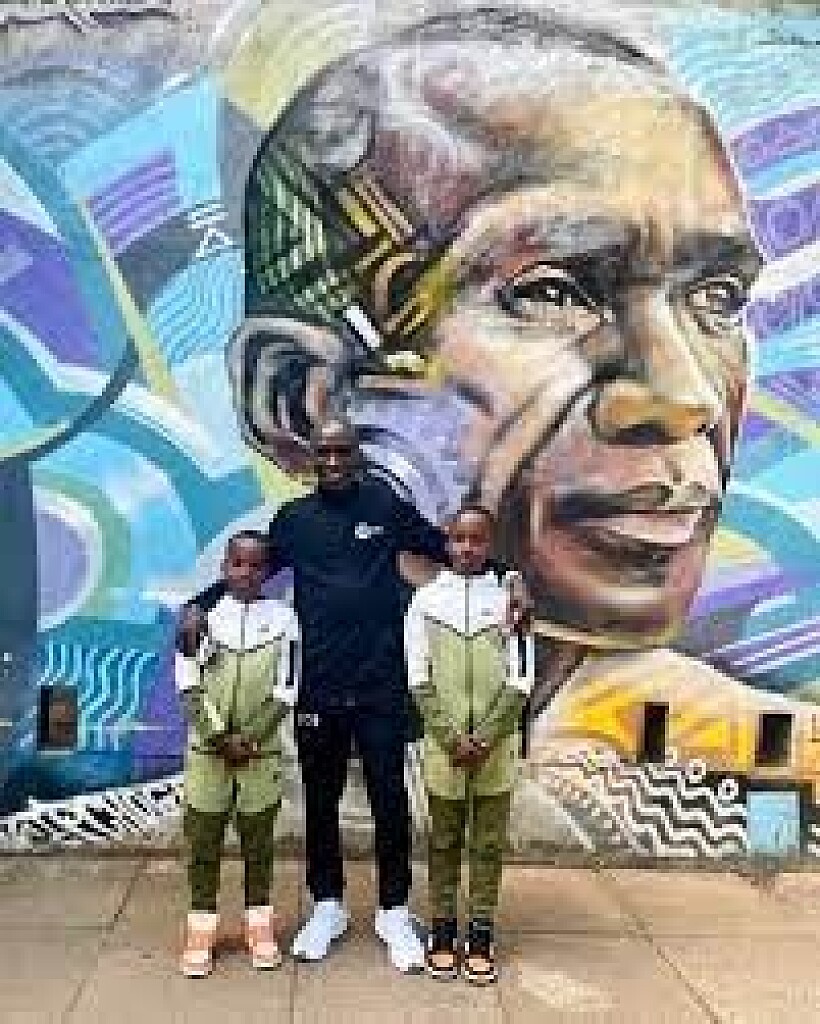
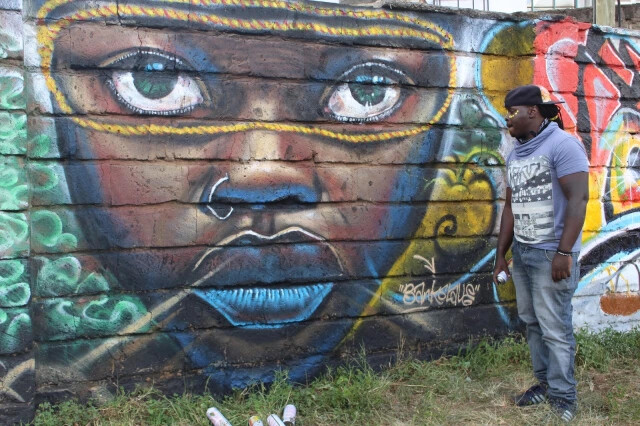
Kenyan graffiti artist Bankslave creates a mural for the GOAT in downtown Nairobi
The marathon world record holder, Eliud Kipchoge, was on hand with his kids for the unveiling of a mural in the Kenyan capital of Nairobi in his honor.
Kipchoge posted the mural on his social media with his two sons, Griffin and Jordon. The mural was created by renowned Kenyan graffiti artist Bankslave, who is well known in Nairobi as a voice of social change and expressionism.
The mural is located on Nairobi’s Kenyatta Avenue, which is the main road that enters the city’s central park (Nairobi National Park). In the past, Bankslave has also created murals of Barack Obama and Muhammed Ali. This isn’t the first time Bankslave has sketched the Kenyan marathon star—he made a mural of him and Ethiopia’s Haile Gebrselassie inside a coffee shop in 2021.
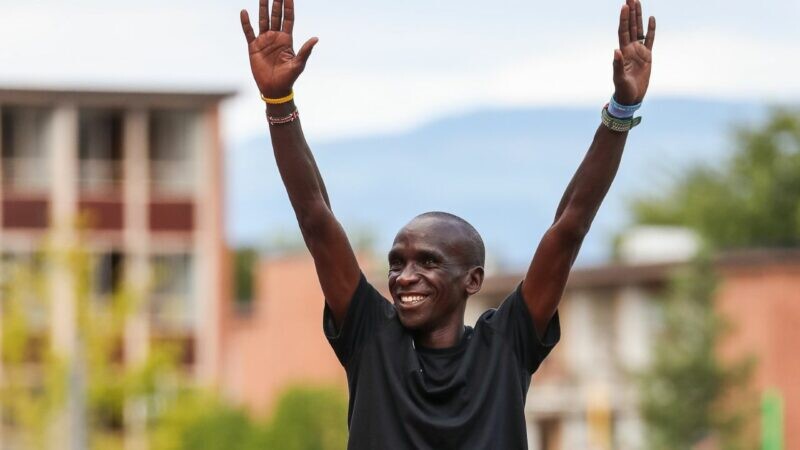
The 38-year-old marathoner is a two-time Olympic champion with 10 Abbott World Marathon Major victories to his resume. Kipchoge has won four of the six majors and is set to compete at the Boston Marathon for the first time in April 2023 before setting his sight on the 2024 Olympic Marathon in Paris.
The bottom of the mural reads 1:59:40, representing Kipchoge’s mind-boggling sub-two-hour time at the INEOS-1:59 event in 2019, where he became the first man to (unofficially) break the two-hour barrier. The top of the mural has his famous inspirational quote, “No Human is Limited.”
An NFT (non-fungible token) of the Kipchoge mural is up for sale on the blockchain website OpenSea and has been listed for three Ethereum coins (approximately $5,100).
(12/12/22) Views: 98Running Magazine
Expect an Ethiopian Flavor For Sunday's 50th Honolulu Marathon
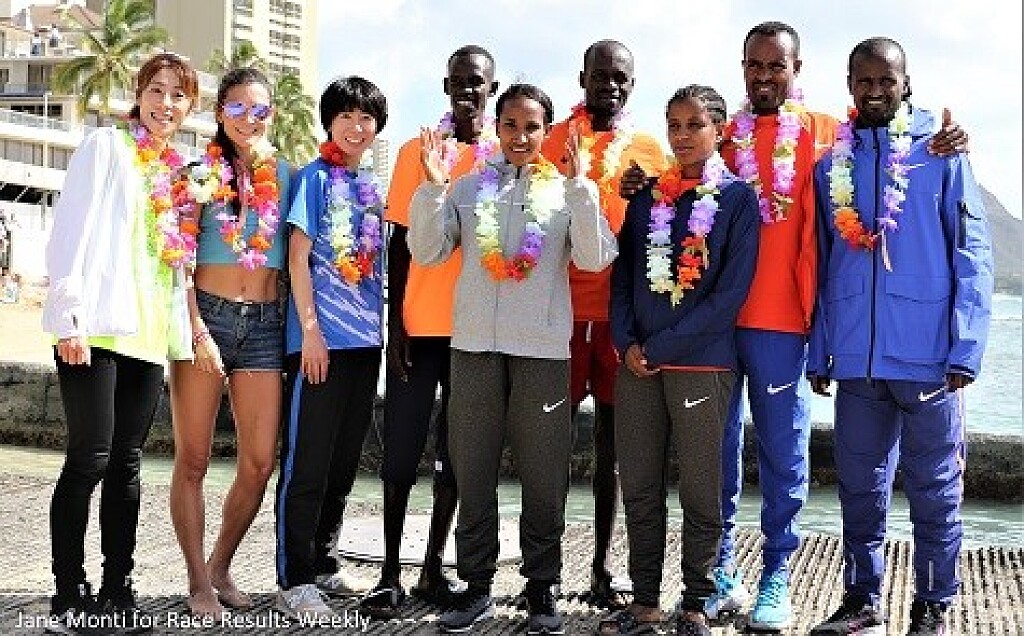
After a marathon journey to get to Hawaii, a quartet of Ethiopian runners are looking forward to making the most of their first visit to the Aloha State. The group of athletes, coached by Yirefew Birhanu Derb, will line up Sunday before dawn for the 50th running of the Honolulu Marathon, America's fourth-largest marathon. The race features a more robust elite athlete roster following last year's slimmed down line-up coming off the pandemic.
Shifera Tamru and Asefa Mengstu lead the men's elite field, while Abebech Afework and Bere Ayalew are the top entrants in the women's division. After a trip that required more than 21 hours of air travel across multiple flights --from their home base in Addis Ababa to Frankfurt, then Los Angeles before reaching Honolulu-- they arrived late Wednesday. They immediately popped into a McDonald's for dinner, and have been getting acclimated to the local time zone, 13 hours behind Ethiopia.
They were all very happy to be invited to this race because they know it's a very good marathon," Coach Derb told Race Results Weekly during a photo shoot for the athletes on Waikiki Beach. "They are looking forward to racing and happy to have the chance to visit Hawaii."
Tamru, 24, is coming off October Chicago Marathon, where he clocked 2:07:53 to finish fifth for the second consecutive year. He says that he has recovered well and is ready to go for Sunday. He has won three marathons in his career, all in South Korea: Chunchon in 2018, Seoul in 2019 and Daegu this past April. His personal best of 2:05:18 came at the Dubai Marathon in 2019.
The more experienced Mengstu --who represented Ethiopia as far back as the 2010 IAAF Half Marathon Championships-- has a resume with 13 marathon finishes, including the 2018 Dubai Marathon, where ran his lifetime best of 2:04:06. His most recent race was eight months ago, so he should be well rested. "I'm happy to be here and I'm expecting to win the race on Sunday," he said with a quiet smile as the athletes posed for photographs and chatted with the media.
The two men work well together in training, Derb says. But on Sunday, he points out, "it must be a competition." In addition to each other, they will have to watch out for a strong Kenyan, 36-year-old Barnabas Kiptum, who has a personal best of 2:04:17 (Milan, 2021). He dropped out of the Chicago Marathon this fall, but in July he proved he is still a contender by placing 15th at the World Athletics Championships in Oregon. Stanley Biwott, the 2015 New York City Marathon champion with a 2:03:51 personal best, had planned to run here but scratched.
The women race is likely to come down to a duel between Afework and Ayalew. Like their male teammates, they also have a strong friendship and symbiotic relationship. "They are happy when they are training together, and they can help each other when they compete," Derb said.
Afework, 31, is by far the more seasoned of the two. Her international racing career dates back to the 2010 IAAF World Cross Country Championships, where she placed 18th. She has 20 marathon finishes to her name, and a personal best of 2:23:33 from Dubai in 2015. "I have a lot of experiences from other races and I'm expecting to use that previous experience to run well on Sunday," said Afework, who is coming off a DNF in October's Lisbon Marathon.
The 23-year-old Ayalew is a comparative novice, with four marathons in the books, but each one has been progressively faster. The most recent, in Eindhoven, Netherlands, in October, resulted in her quickest time yet (2:22:52). "My training has been good and I expect to show that on Sunday," she said.
The women's field also includes Canadian Olympian Lanni Marchant, who won this race a year ago on a short recovery from the New York City Marathon, and Japanese veteran Mai Ito (2:24:42 PB).
Should weather conditions cooperate --it's been very windy the last several days-- both the men's and women's course records could be in play. Titus Ekiru of Kenya holds the men's standard of 2:08:00 from 2019, while his compatriot Brigid Kosgei clocked 2:22:15 in 2017. (Kosgei set the current world record of 2:14:04 two years later.) Prize money will be paid three deep: $25,000-10,000-5,000.
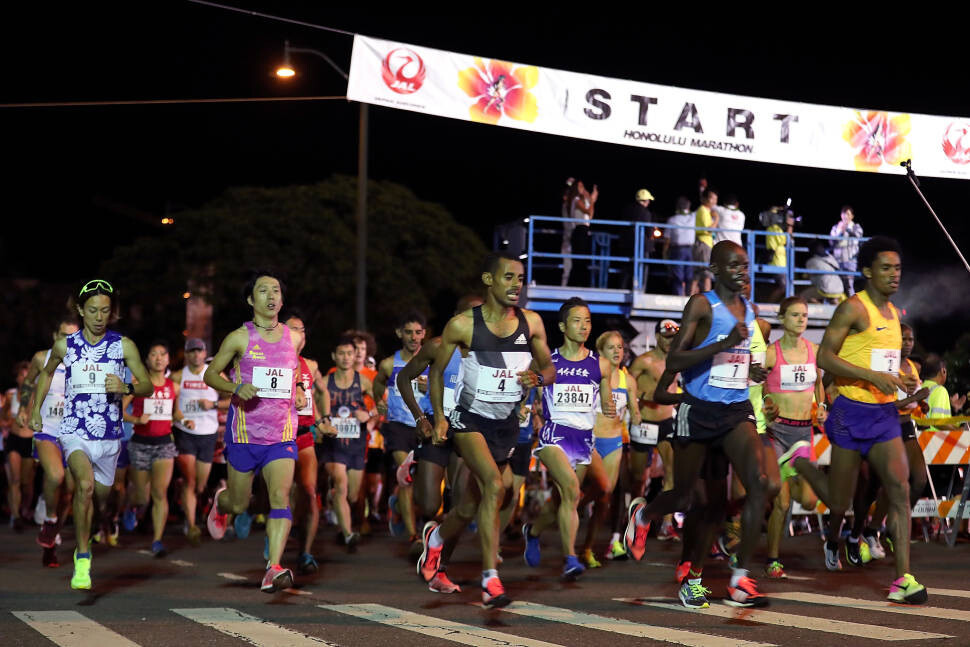
The forecast for Sunday morning calls for a temperature of 74F/23C when the gun goes off at 5 a.m. Most of the race will be run in the dark, as the sun will rise just before 7 a.m. on race day.
(12/10/22) Views: 91Runners Web

Chinese Athletic Association proposes smoking bans at all marathons
The Uncle Chen era has come and gone. On Dec. 5, the Chinese Athletic Association (C.A.A.) released a proposal recommending that all Chinese marathons ban smoking.
Last month, Chen went viral after he was seen running a 3:28 marathon while smoking a cigarette at the 2022 Zhejiang Jiande Xin’anjiang Marathon in Jiande City, China. The smoking runner, nicknamed Uncle Chen, was predominantly seen as cool by foreign media but was viewed as a bad example in China.

“It is not only not something to be proud of, but a shame to become popular abroad,” one journalist writes. “Smoking is harmful to health, and there should be no “smoking brother” in the marathon.”
On Dec. 5, the Chinese Athletics Association issued a “Marathon Civilized and Healthy Participation” rule proposal for marathons to follow, which states that “all runners should practice and abide by the regulations on smoking bans in public places, and be civilized, healthy, and positive citizens.”

The new proposal is in place to promote healthy participation and to stop people from smoking at road-running events. However, the proposal by the C.A.A. has no mandatory binding force, and races have the final decision to comply, or not, with the suggested initiatives.
The responsibility will be on race organizers to make the decision regarding smoking at their races, but the C.A.A. states that it’s necessary to advocate for the health and safety of other runners and eliminate “smoking brothers.”
The C.A.A. recommends that those who fail to comply with the competition rules should be disqualified: “Competitors are forced to compete in a civilized manner, and jointly maintain and create a civilized, healthy and fair competition environment.”
This news would come as a shock to Chen, who has been seen smoking at marathons since 2018. He might need to start racing abroad to continue his running career and to chase that smoking 3:25 Boston Marathon qualifying time.
(12/09/22) Views: 85
Running Magazine
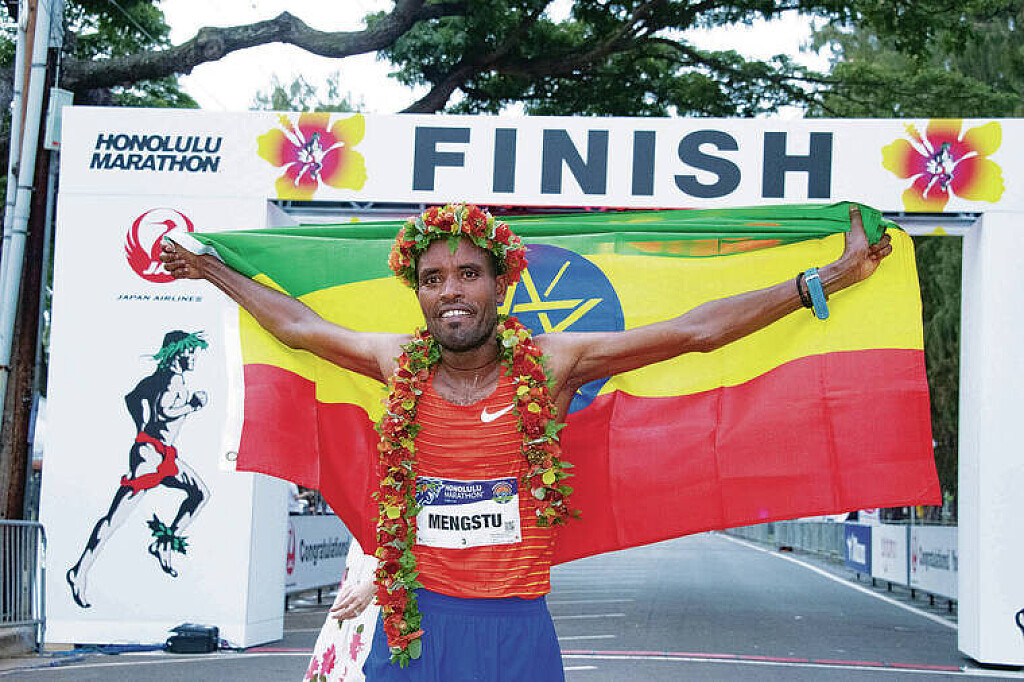
Ethiopia’s Asefa Mengstu breaks Kenya’s Honolulu Marathon dominance
After sparring toe-to-toe for over half the race, Ethiopia’s Asefa Mengstu outpaced his cross-border Kenyan rival Barnabas Kiptum to cruise into Kapiolani Park and win the 50th anniversary Honolulu Marathon, breaking a long-standing Kenyan stranglehold of Hawaii’s flagship race.
Mengstu won in two hours, 14 minutes and 40 seconds with Kiptum second in 2:17:45, some 10 minutes ahead of third-placed Japanese Yuhi Yamashita (2:27:45) in the race run under brutally windy conditions.
Ethiopia’s Asayech Bere made it an Addis Ababa sweep taking the women’s title in 2:30:58 with her compatriot Abebech Afework Bekele (2:34:39) second and Japan’s Yuhi Yamashita third in 2:27:45.
Kenyan men had been unbeaten here since 2007, Ethiopia’s Ambesse Tolossa having interrupted the clean run by winning the 2006 edition.
Prior to that, Kenyans were unbeaten since Eric Kimaiyo took over as champion from South Africa’s Josiah Thugwane in 1996.
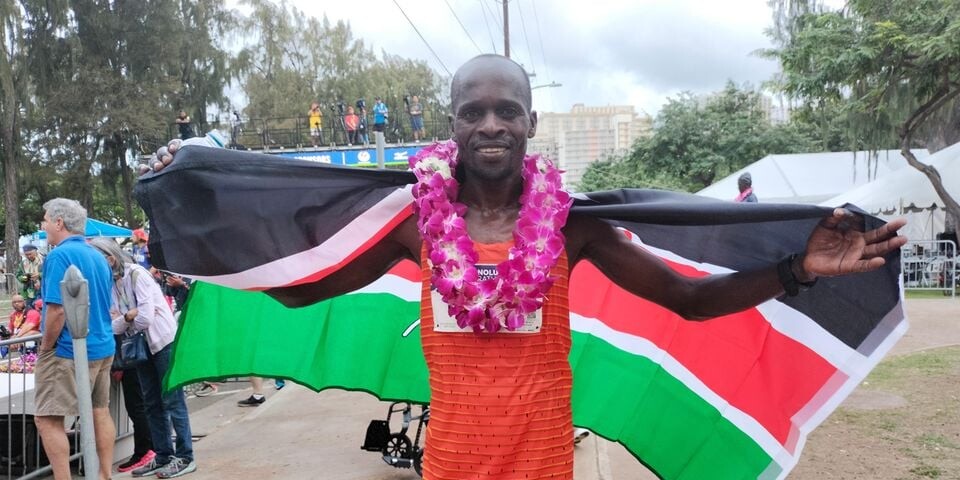
But it was Ibrahim Hussein, the legend, who made the breakthrough as the first African winner on this island city of O’ahu - birthplace of former US President Barack Obama - clinching a back-to-back hat-trick of victories from 1985 to 1987.
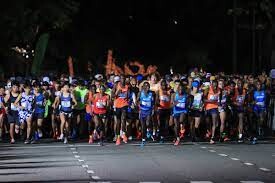
Sunday’s golden jubilee race started in it’s traditional night settings at 5am, local time, with spectacular fireworks and, as expected, it was the two Ethiopians, Mengstu and Shifera Tamru, who broke away together with Kiptum, crossing the 10-kilometre mark in 30 minutes and 30 seconds, paced by Kenya’s Reuben Kerio who is also preparing for next month’s Mumbai Marathon.
They then crossed the halfway mark in 1:06:38 under a slight drizzle at the Aina Haina sector after which pacemaker Kerio dropped off at the 30km mark (1:21:00).
There was drama shortly after when Kiptum and Mengstu dropped Tamru, racing on shoulder-to-shoulder as the sunrise launched in spectacular fashion at East O’ahu.
But at 33km, Mengstu broke away and ran a solo race all the way to the finish.
“It was a tough race… I’ve never competed under such tough conditions,” Mengstu said, referring to the furious headwind.
“My strategy was to attack at 35km and I was determined to win,” added Mengstu who trains under the Rosa Associati stable in Addis.
Kiptum was happy with his race, saying the atrocious winds slowed him down, but he remained confident of fighting for a place in Team Kenya to next year’s World Championships in Budapest.
“I ran in conditions similar to these in Hong Kong in 2018, but today’s wind was just too crazy,” he said.
“My body feels fine and I will now fight for a place in the team to the World Championships so that I can represent my country…
“I have what it takes, and I just have to throw in a race in spring and confirm my place in Kenya’s team to Budapest.”
Sunday’s golden Jubilee Honolulu Marathon celebrated the return of full racing and public events after two years of uncertainty occasioned by the coronavirus pandemic, much to the satisfaction of its long-standing President and CEO Jim Barahal.
After Kenya’s Titus Ekiru won back-to-back races here in 2018 and 2019, including setting a course record 2:07:59 in 2019, the race was held as a non-competitive event in 2020 due to the pandemic with Kenya’s Emmanuel Saina winning the title last year in 2:14:32.
(12/12/22) Views: 83Elias Makori
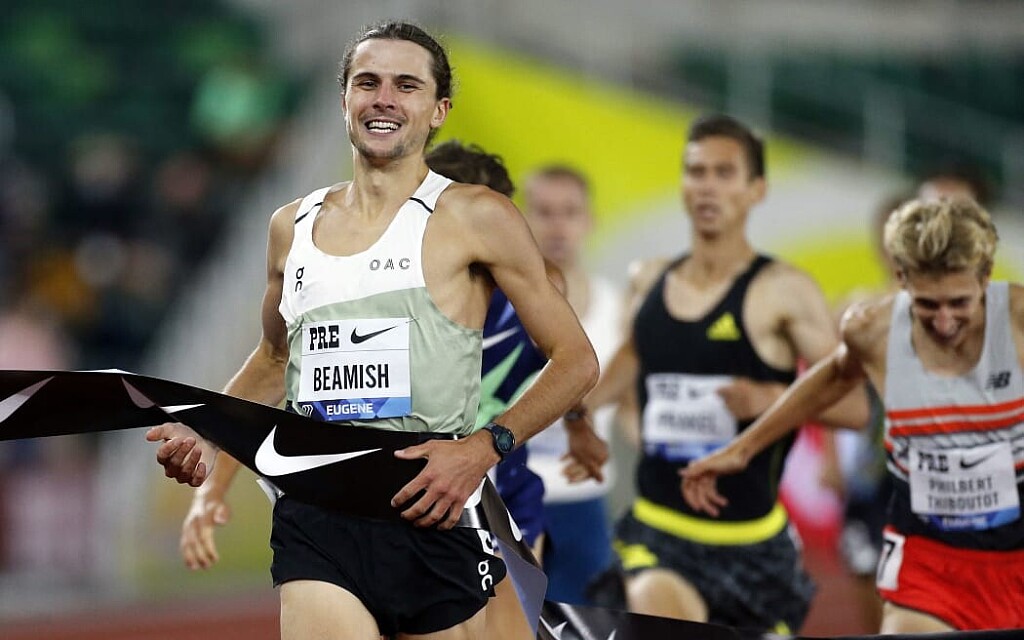
Beamish, Teare, and Kerr will highlight Millrose Games 3000m
The Millrose Games will welcome a stacked 3000m field to the World Athletics Indoor Tour Gold meeting in New York on February 11.
New Zealand’s Geordie Beamish, who holds the national indoor records for 3000m and 5000m, won last year’s race in thrilling fashion, going from fifth to first on the final lap with a furious kick to win in 7:39.50.
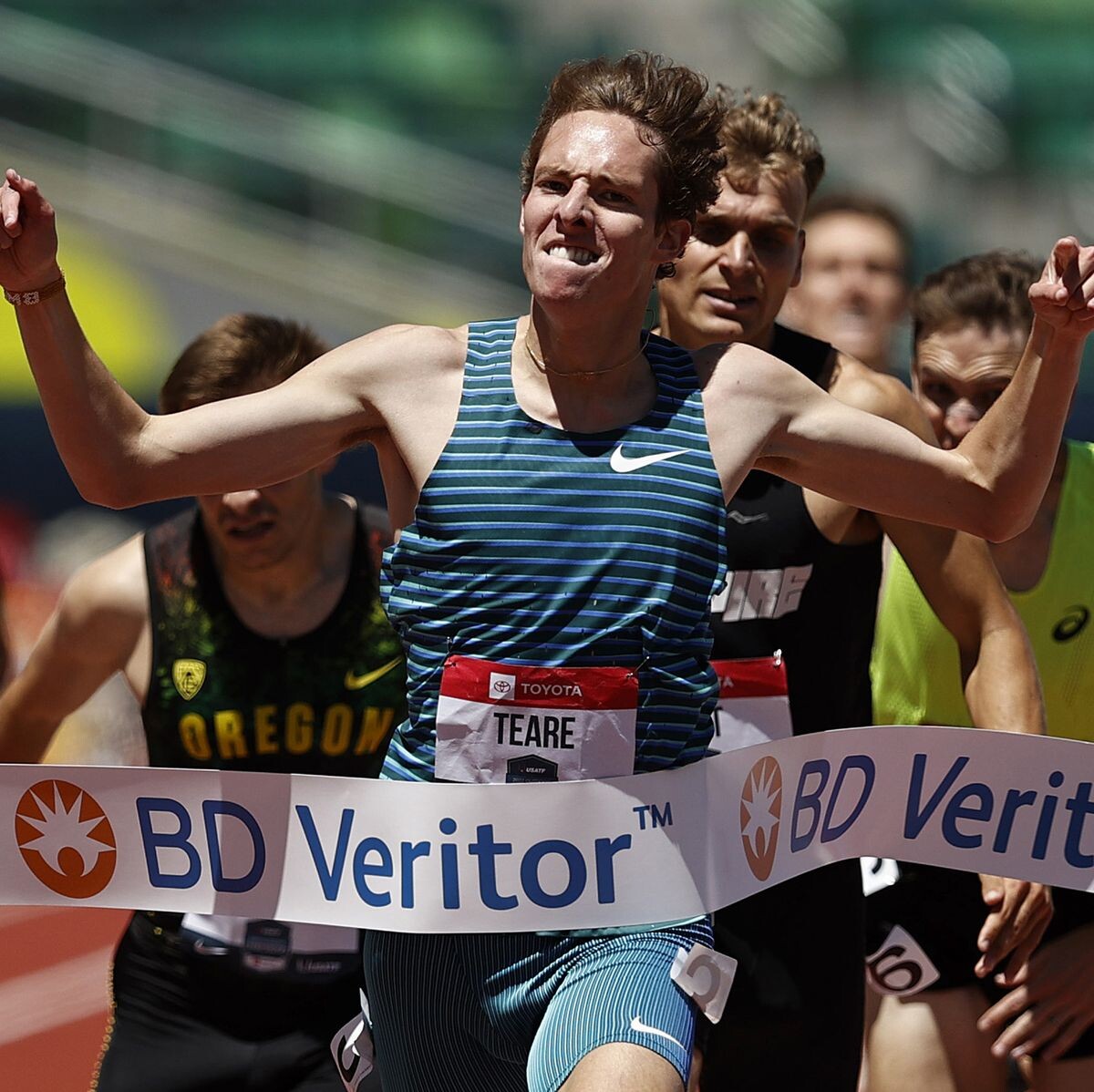
US 1500m champion Cooper Teare finished second in that race, and he will also return to the Millrose stage with revenge on his mind. “I’m beyond excited to be returning to the Millrose Games to experience the electric crowds and fast times,” said Teare.
While the rematch of last year’s tight finish is enticing enough, there are numerous other athletes who are more than capable of winning this race.

Olympic 1500m bronze medalist Josh Kerr finished second in the mile at the Millrose Games last year, then went on to set a European indoor record of 3:48.87 at that distance.
Guatemala’s Luis Grijalva was fourth over 3000m at last year’s Millrose Games, and he repeated that position over 5000m at the World Championships in Oregon.
Joe Klecker, Morgan McDonald, Olin Hacker and Dylan Jacobs – all past winners of NCAA titles – are also in the field, as is Nico Young, who recently finished second at this year’s NCAA Cross Country Championships.
These are the latest stars announced for the Millrose Games, joining the showdowns in the pole vault between Katie Nageotte, Sandi Morris, and Katerina Stefanidi, and in the shot put, featuring Ryan Crouser and Joe Kovacs.
(12/09/22) Views: 77World Athletics
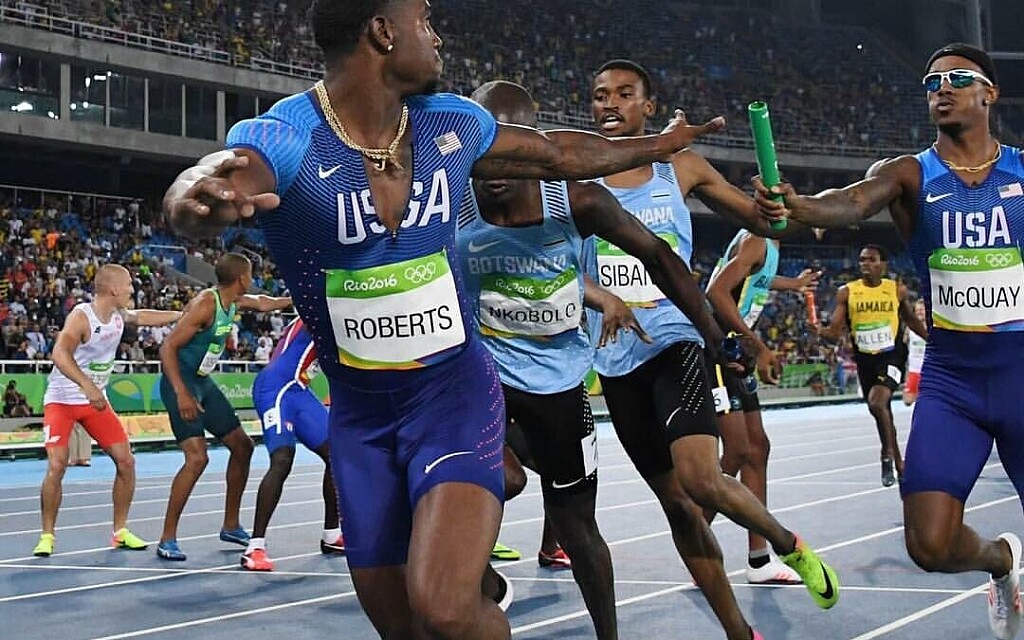
U.S. Olympic gold medalist Gil Roberts banned 16 months for doping
On Thursday, the U.S. Anti-Doping Agency (USADA) announced the 16-month suspension of 2016 Olympic 4x400m gold medallist Gil Roberts after testing positive for two banned selective androgen receptor modulators (SARMs).
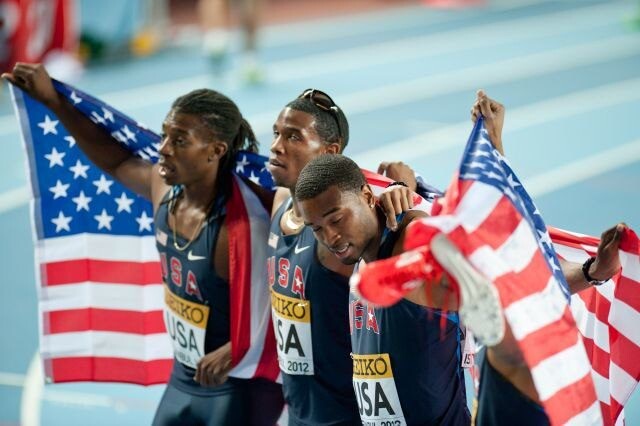
He was a part of the U.S. men’s 4×400 metres team that won Olympic gold at Rio 2016. Roberts ran the third leg before passing the baton off to Lashawn Merritt, who secured the gold for Team USA. The following year, the same 4x400m relay team won silver at the 2017 World Championships in London.
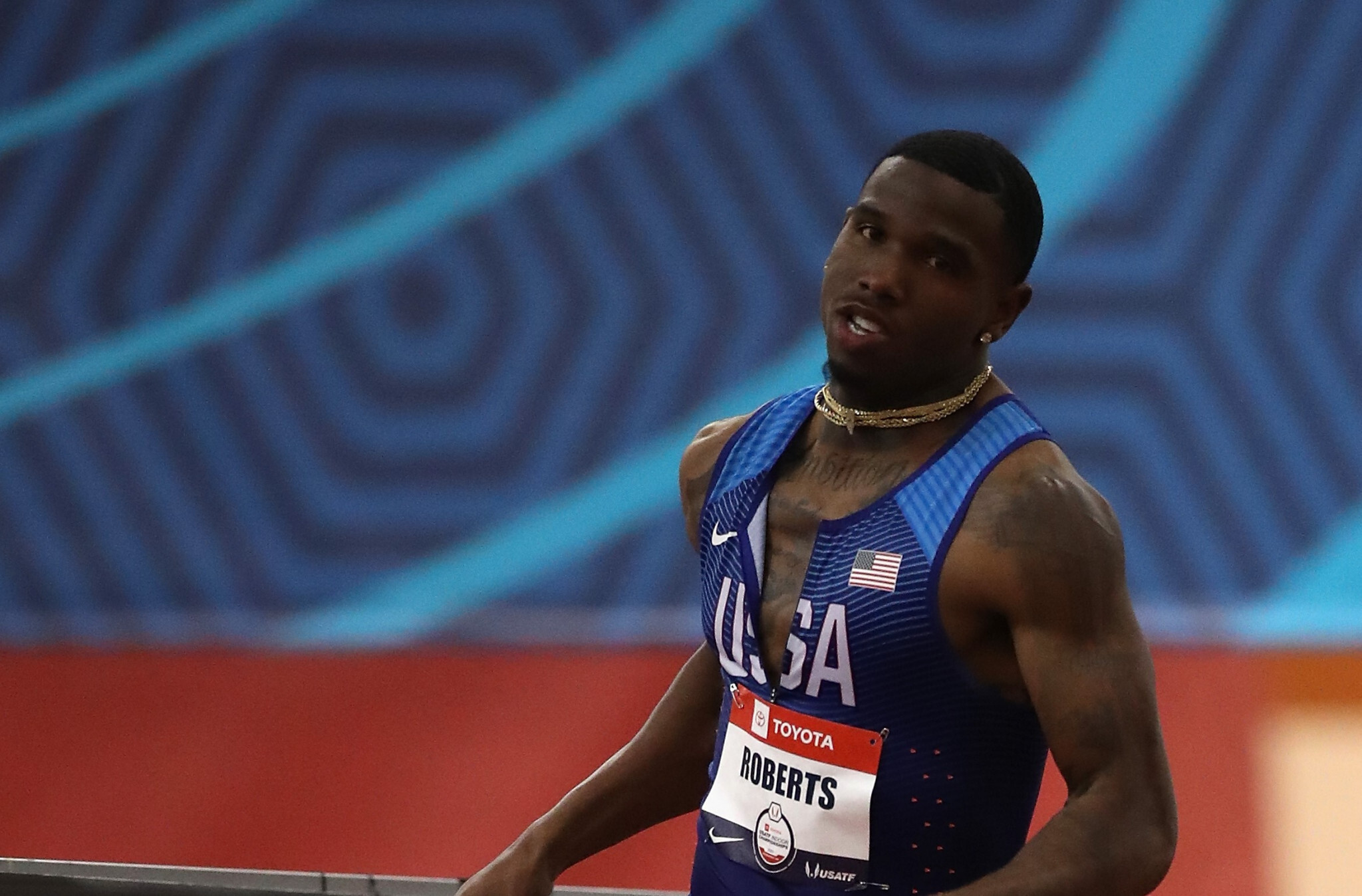
Roberts, 33, accepted a 16-month sanction after an out-of-competition urine sample collected on May 19 came back positive for andarine and ostarine. Ostarine is mainly used for fat burning and body recomposition, whereas andarine is used for preserving muscle mass.
Roberts argued that he was taking a dietary supplement that did not list the banned SARMs in its ingredients. USADA accepted this, adding the supplement to its “high-risk list,” which reduced the length of his ban from three years to 16 months.
His ban has also been backdated to June 3, the date Roberts was provisionally suspended. Roberts has not competed since the 2021 U.S. Olympic Trials.
USADA stresses that all athletes are responsible for what enters their bodies and should do extensive research before taking unknown supplements. “SARMs are banned at all times and have similar properties to anabolic steroids, including aiding muscle growth or retention,” reads the USADA statement.
This is not the first time Roberts has failed a drug test, but it is his first ban. In 2017, Roberts tested positive for probenecid, a diuretic and masking agent. He successfully appealed the ruling, claiming that he had ingested the banned substance by kissing his girlfriend.
(12/09/22) Views: 73Marley Dickinson

2023 Dubai Marathon set for grand return in February
The Dubai Marathon will make a grand comeback after a gap of over 1,000 days when the region’s oldest long-distance running event gets under way on February 12, 2023.
The 22nd Dubai Marathon, one of the fastest distance races in international road racing, is all set to attract elite athletes from around the world for the marathon and the associated races — 10km road race and 4km Fun Run.
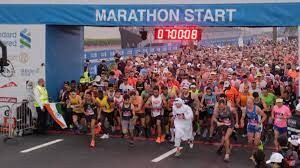
“The feedback from the industry is that competitors are eager to join us on the start line on February 12,” said Peter Connerton, managing director of Pace Events, organisers and promoters of the Dubai Marathon. “The world has changed considerably since we last staged the event in the weeks before the global pandemic but the appetite for running and fitness remains healthy."
“Race registrations continue to remain at pre-pandemic level and runners who wish to challenge themselves in one of our three races can still secure a place in the category of their choice by registering through the official website."
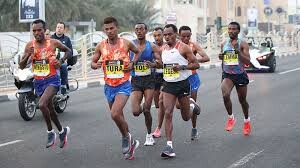
The event will be staged on a Sunday for the first time in history following the change in the UAE working week. The Dubai Marathon and its accompanying races will start and finish around the Burj Al Arab and Madinat Jumeirah.
"It’s been a very challenging time for the sports events industry, so we’re excited to work closely with the appropriate Dubai Government departments to stage another memorable race," added Connerton.
“In addition, we’ve been in discussions with a number of major name brands and potential partners as to how we can further develop the event for the benefit of the city and our participants. We hope to be able to announce some exciting new partnerships for the race in the days to come. These are busy times with less than ten weeks to go to the big day on February 12.”
Those interested in participating in the race can do so by registering on dubaimarathon.org.
The Dubai Marathon was set for a December return. However, logistical challenges posed by the Fifa World Cup saw the organisers decide to hold the event early next year.
The race was last held in January 2020 where Ethiopians dominated the field once again.
Worknesh Degefa clinched the women’s title with a time of 2:19.37, while in the men’s section Olika Adugna Bikila emerged victorious with a time of 2:06.15.
(12/13/22) Views: 69
