

Running News Daily
Top Ten Stories of the Week
11/12/2022
These are the top ten stories based on views over the last week.
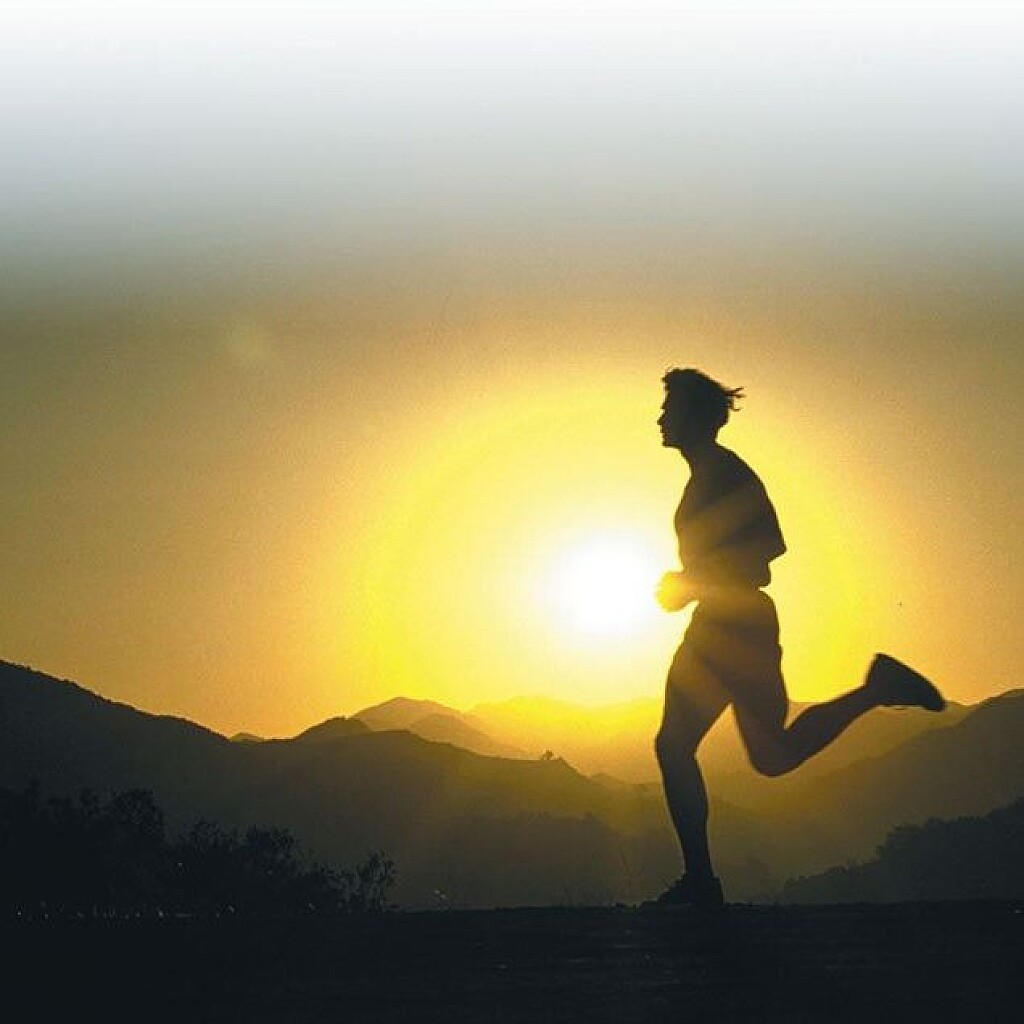


Ten Tips for Running in the Morning
There are so many great reasons to run in the morning. It's a great way to wake up and watch the world awaken with you. It not only gives you a big energy boost, it makes you feel as if you've accomplished something even before the day is started. You may even find that a morning run fits better into your daily schedule, especially if training for a race.
This is not to suggest that getting into the habit is easy, especially if you're not a morning person. But there are ways to ease you into the routine and in ways you may even enjoy.
Running in the Morning
If your goal is to run in the morning, you might first want to ensure you have good sleep habits. Otherwise, you may be too tired to follow through. Another way to ensure you run in the morning is to sleep in your running outfit or lay out your clothes and shoes ahead of time. You also can try putting your alarm clock out of reach, incentivizing yourself, changing your route, and getting a running buddy. Eating and hydrating well as well as wearing appropriate clothing—including reflective clothing when it is dark—can help promote a good morning run experience.

Below you will find more on these tips. Learn how and why you may want to incorporate these ideas.
1.- Teach Yourself Good Sleep Habits
Building a morning running habit starts with a good night's sleep. This may be difficult if you're used to late-night TV or use TV to lull you to sleep.
To start the journey, practice good sleep hygiene. This is the term used to describe practices that better ensure healthy sleep patterns. According to the American Sleep Association, you can train yourself to sleep at an earlier hour if you:
Avoid caffeine or alcohol three hours before bedtime.
Don't take midday naps.
Get into a nightly routine to help you unwind, such as a warm bath, meditation, or listening to calming music.
Plan to go to sleep at the same time every night.
Set up a quiet and comfortable bedroom.
Stop watching TV, reading, or electronic devices an hour before bedtime.
As unnatural as this may seem at first, practice will eventually make perfect if you just keep with it.
2.- Sleep in Your Running Clothes
It's hard to blow off a run when you're already dressed for it. If you really want to get a jump start and find motivation as soon as you open your eyes, simply wear your running clothes to bed.
As odd as this may seem, it is a trick that many morning runners use. While you will probably not want to wear yesterday's sweat-stained clothes to bed, it may actually feel nice putting on a freshly laundered running gear. Just leave your shoes next to the bed, and you're ready to go.
3.- Lay Out Your Clothes
If you don't like the idea of sleeping in your running clothes, you can lay them out next to the bed so that you're ready to go in the morning. Other runners prefer to leave their clothes in the bathroom. In this way, you won't risk waking your partner. You can simply turn on a light, splash some water on your face, and perk up a little before the run.
Another tip is to wear a hat even if you don't usually wear one. This saves you a lot of time trying to tame your morning hair.
4.- Put Your Alarm Clock Out of Reach
When your alarm clock goes off early in the morning, it's tempting to keep hitting the snooze button to get a couple of more minute's sleep. Before you realize it, though, 30 to 40 minutes will have passed and you're suddenly without time for a run.
To build a morning running habit, you need consistency. You cannot blow off every third day and expect to build a routine.
If you're struggling to get up, place the alarm clock across the room so that you have to get out of bed to turn in off. Or better yet, place it in the bathroom on top of your gym clothes. The more steps you put between you and the bed, the less likely you are to fall back asleep.
5.- Incentivize Yourself
If you're actively training for a race and following a training schedule, it is harder to blow off a morning run. It is because you have a set goal you want to reach and must keep with the program in order to get there.
Even if you're not training, you should do the same, establishing goals and schedules so that you maintain growth and get the most out of a run. The goal doesn't have to be distance or ticking days off of a calendar. You can reward yourself if you meet certain targets, gifting yourself with a massage or spa treatment.
Until the morning habit is hardwired into your brain—and you feel as if something is wrong if you don't run—give yourself incentives to achieve consistency.
6.- Plan (and Regularly Change) Your Route
If you're not fully in the morning spirit yet, the worst thing you can do is run the same course morning after morning. Doing so may only add to the ennui you're already feeling. To mix things up, plan your morning run the night before, determining how far and how long you'll run.
You can map a route in advance using Google Maps, finding new landmarks to visit or hills to conquer. There are even mapping apps you can download onto your phone that provide topographic details of a planned route. The more you keep things fresh, the more enjoyable the morning habit will be.
7.- Find a Running Buddy
Finding a running partner is great because it obligates you to keep with the program. If you usually run by yourself, try recruiting a friend or family member to join you, even alternating days with different partners. If you enjoy running in packs, you can find or even start a running group through Meetup or Facebook.
However, when selecting a partner, be sure to find someone who is of a similar fitness level. If you and your partner don't match up, it could be embarrassing for the slower partner and frustrating for the faster one. Be selective, and don't let exercise get in the way of a good friendship.
8.- Eat Smart
It is never good to run on an empty stomach. After a long night's sleep, you are in a fasted state and have little to draw upon in the way of energy. If you head out the door having eaten nothing all, you may feel weak and nauseated.2
Worst yet, you may convince yourself that you're "not made for morning runs," when, in fact, you're not feeding yourself properly. Rather than heading straight for the door, take a moment to grab some quick energy foods, such as a banana, breakfast bar, or slice of toast with peanut butter. By eating the right foods, you won't risk overeating and feeling ill.
9.- Stay Hydrated
After 7–8 hours of sleep, your body will already be partially dehydrated. Running without replenishing your fluids is a big mistake. While you certainly don't want water sloshing around in your stomach, 6–8 cups won't usually cause you any discomfort if you give it a few minutes to settle.
You can also bring an electrolyte-rich sports drink with you to sip along the route. The general rule of the thumb is to drink 3–6 fluid ounces for every mile you run.
While it is perfectly okay to start with a cup of coffee before you leave,3 remember that it is a diuretic. As such, when planning your morning route, you may need to pinpoint restrooms along the way so that you are not forced to run home with a bursting bladder.
10.- Wear Reflective Clothing
It is important to remain safe when on your morning runs, especially during daylight savings time when the sun is rising late. To ensure you are fully seen in traffic, wear reflective clothing able to catch the headlights of approaching vehicles. These include jackets, vests, hats, and even running shoes.
The best products have bold neon colors that glow in the dark. There are even some with flashing lights you can switch on and switch off. When running on your own, never leave without your cell phone. Always carry some sort of identification with you, such as a health insurance card or an ID bracelet.
You can even download an emergency app, like Kitestring, which contacts all of your emergency numbers at once and provides them with your GPS location. For safety's sake, it is better to run with others if it is dark outside. If you do run alone, keep to the busier, well-lit public streets until the sun is fully up and other runners are around you.
(11/05/22) Views: 160Christine Luff
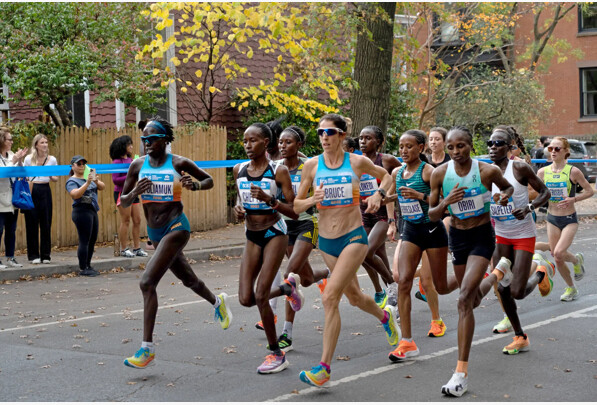
2022 New York City Marathon Sharon Lokedi and Evans Chebet Complete a Kenyan Sweep
In record heat for November, Kenyans dominate the New York City Marathon.
Evans Chebet was among the runners who watched as Daniel do Nascimento separated himself from the rest of the men’s field at the New York City Marathon on Sunday. Do Nascimento, a 24-year-old Brazilian who is known for being — what is the word? — assertive, was a blur as he surged into the lead, then a speck off in the distance, and then gone from view entirely.
Chebet, a soft-spoken Kenyan who arrived in New York having already won the Boston Marathon this year, opted to exercise patience. Sure enough, as he approached the 21st mile of Sunday’s race, he saw do Nascimento again: face down by the side of the road, being tended to by medical personnel.
“I felt bad for him,” Chebet said in Swahili through a translator, “but I had to continue the race.”
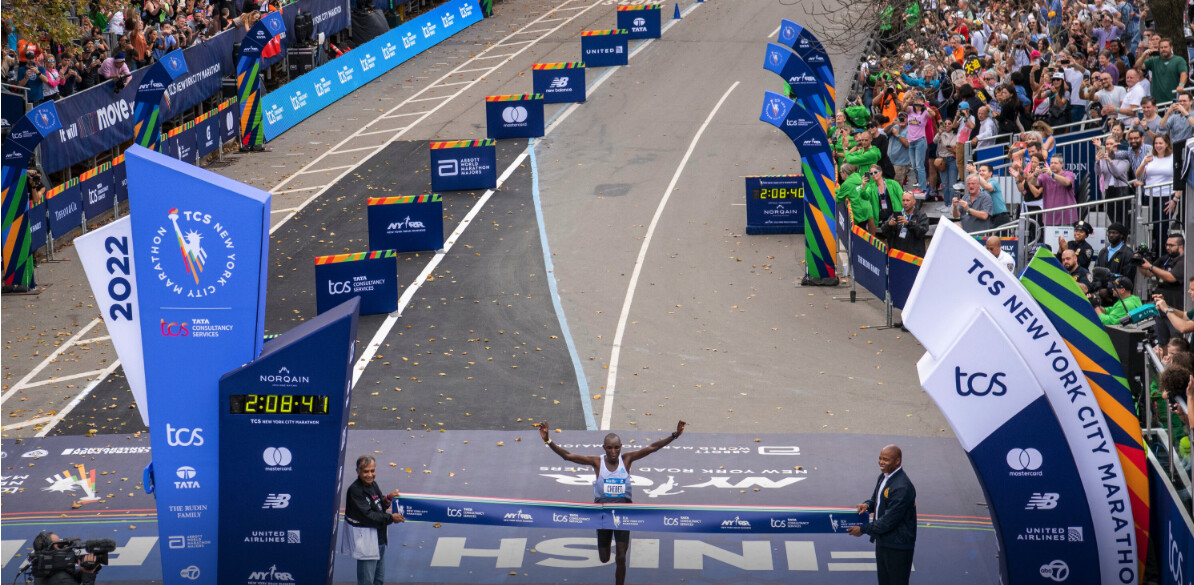
On an unseasonably warm day, Chebet survived both the conditions and the competition, winning in 2 hours 8 minutes 41 seconds to complete a clean sweep for Kenyan men in all six of the world marathon majors this year. Chebet, 33, did his part by winning two of them — and two of the toughest. Of course, considering what Chebet had done in Boston, no one was surprised to see him tackle New York with great composure.
“Boston was actually harder,” said Chebet, who wore his laurel wreath to his news conference.
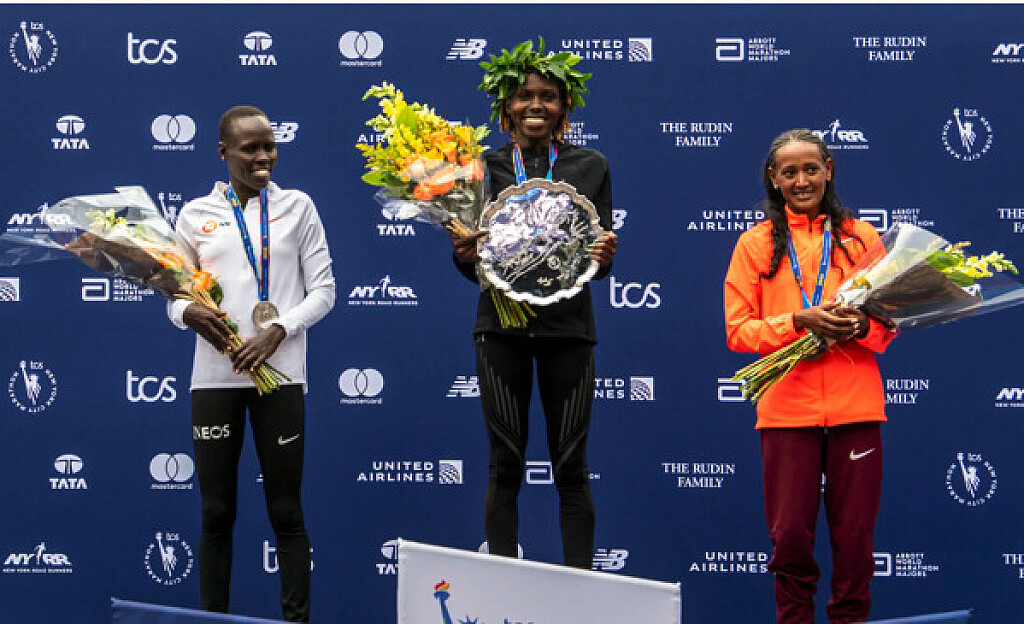
The women’s finish was much more unexpected. Sharon Lokedi, a Kenyan who raced in college at Kansas, was fearless in her marathon debut, breaking free from a celebrated field to win in 2:23:23.“Perfect weather for me,” said Lokedi, 28, who splits her time between Kenya and Flagstaff, Ariz., where she trains with the Under Armour-sponsored Dark Sky Distance group. “I didn’t expect to win. I expected to run well. But it ended up being a good outcome.”
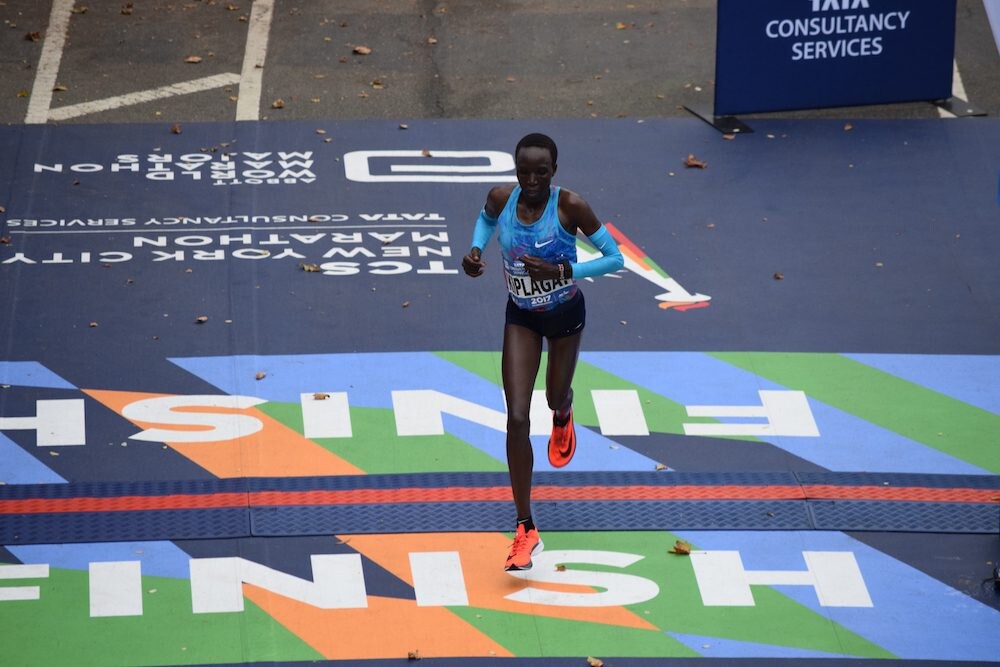
Lokedi left an all-star cast in her wake. Lonah Chemtai Salpeter, a Kenyan-born Israeli who arrived in New York with the fastest time in the field, finished second. Gotytom Gebreslase of Ethiopia, the reigning world champion, was third. Edna Kiplagat of Kenya, who, at 42, is one of the world’s most decorated marathoners, was fourth. And Viola Cheptoo of Kenya, last year’s runner-up, was fifth.
“It was hot, but I was really prepared,” said Lokedi, who was the N.C.A.A. champion in the 10,000 meters in 2018. “I picked up water at every station to pour on myself.”Do Nascimento, who set a South American record when he finished third in the Seoul Marathon this year in 2:04:51, was the story in New York for much of the morning — until it all began to go poorly for him. Easily recognizable in his lavender tights and space-age sunglasses, he built a two-minute lead more than halfway through the race. But others in the field had seen him try that sort of bold strategy before.In brutal conditions at the Tokyo Olympics last year, do Nascimento was among the leaders when he collapsed in scenes that were vaguely horrifying and was forced to withdraw.
On Sunday, his superhuman pace was beginning to slow when he pulled off the course for an 18-second pit stop at a portable toilet. He emerged with his lead intact, albeit narrower, but it was clear that he was in trouble. About six miles short of the finish, he sank to the pavement and was forced to abandon the race.
“I want to feel sorry for him when I saw him on the ground,” said Abdi Nageeye of the Netherlands, who finished third. “But I was like, ‘Come on, man, this is the second time. You did that in the Olympics.’ ”
A spokesman for the marathon said do Nascimento was recovering at his hotel.
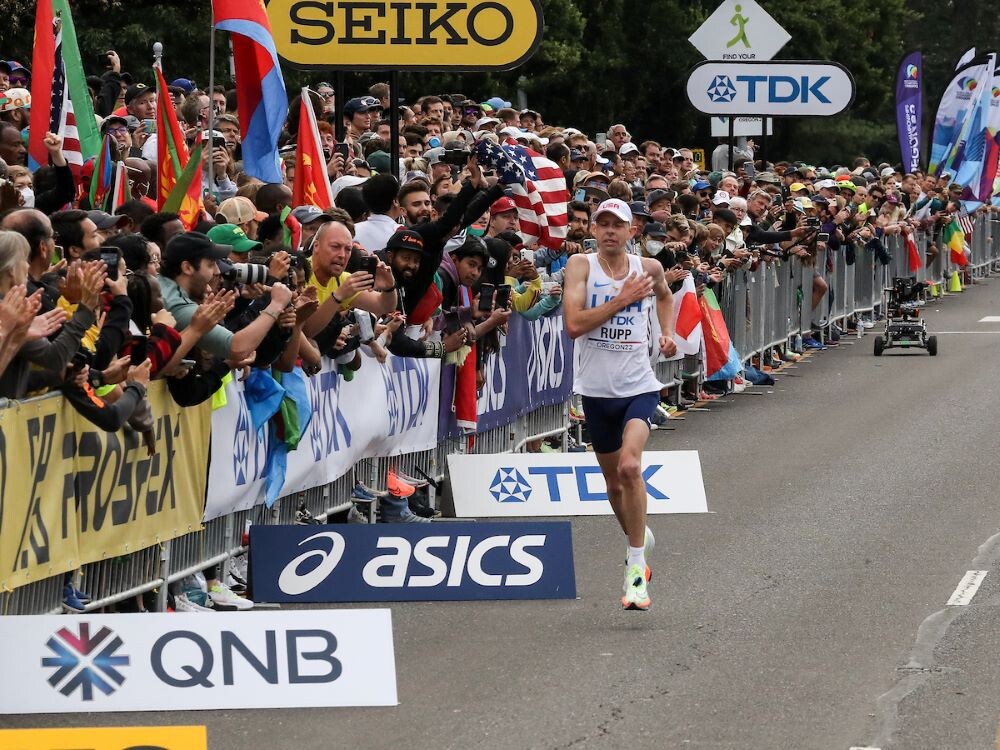
It was not an easy day for anyone. Galen Rupp, a two-time Olympic medalist who was making his long-awaited New York debut, dropped out about 18 miles into the race with a hip injury. And Shura Kitata of Ethiopia, who finished second behind Chebet, lumbered onto the stage for his news conference as if his legs were made of concrete. A race official handed Kitata a giant bag of ice, which he placed on his thighs.“It was very hot,” he said through a translator, “and that made it very tough.”
It was the warmest marathon on record since the race was moved to its traditional early November date in 1986. The temperature in Central Park was 73 degrees Fahrenheit at 11 a.m., shortly before the elite runners began to cross the finish line.
Scott Fauble, 31, was the top American on the men’s side, finishing ninth — a solid result coming the morning after he signed a new sponsorship deal with Nike. Fauble, who was also the top American finisher at the Boston Marathon this year, had been without a sponsor for months.
After agreeing to terms on a contract at dinner on Saturday night, Fauble took an Uber to the Nike store in Manhattan to pick up sneakers. The rest of his racing gear arrived at his hotel later that night.
“It’s quite a rush to get your singlet for the next day at 10 p.m. the night before the race,” he said.
On the women’s side, three Americans finished in the top 10. Aliphine Tuliamuk was seventh, Emma Bates was eighth and Nell Rojas was 10th. Tuliamuk, 33, who won the marathon at the U.S. Olympic trials in 2020 and gave birth to her daughter, Zoe, in January 2021, had not raced in a marathon since she injured herself at the Tokyo Games last year. On Sunday, she finished in a personal-best time of 2:26:18.
“I think that I excel when the conditions are not perfect,” Tuliamuk said. “I rise to the occasion, and I believe that today that was the case.”
Still, she had to overcome some adversity. In early September, she said, she experienced swelling in one of her ankles that forced her to take a couple of weeks off from training.
“In the back of my mind, I wished that I had a few more weeks” to train, she said. “But I also decided to focus on gratitude because I didn’t know that I was going to be here. And the fact that I was able to put in some solid training and had a chance to be competitive, I was just very grateful for that.”Gina Gregorio always watches the race from the corner of Warren Street and Fourth Avenue. This year she held signs that read, “Run to the Polls.”
“I love it when we’re right before the election because we can actually ask people to get out to vote, and it’s like nonpartisan, although I have had partisan signs before because I feel like it’s a great place to have your voice heard,” Gregorio said.
(11/06/22) Views: 116
Abdihamid Nur Dominates, Runs Off Course, & Still Wins, Kelati Gets Record
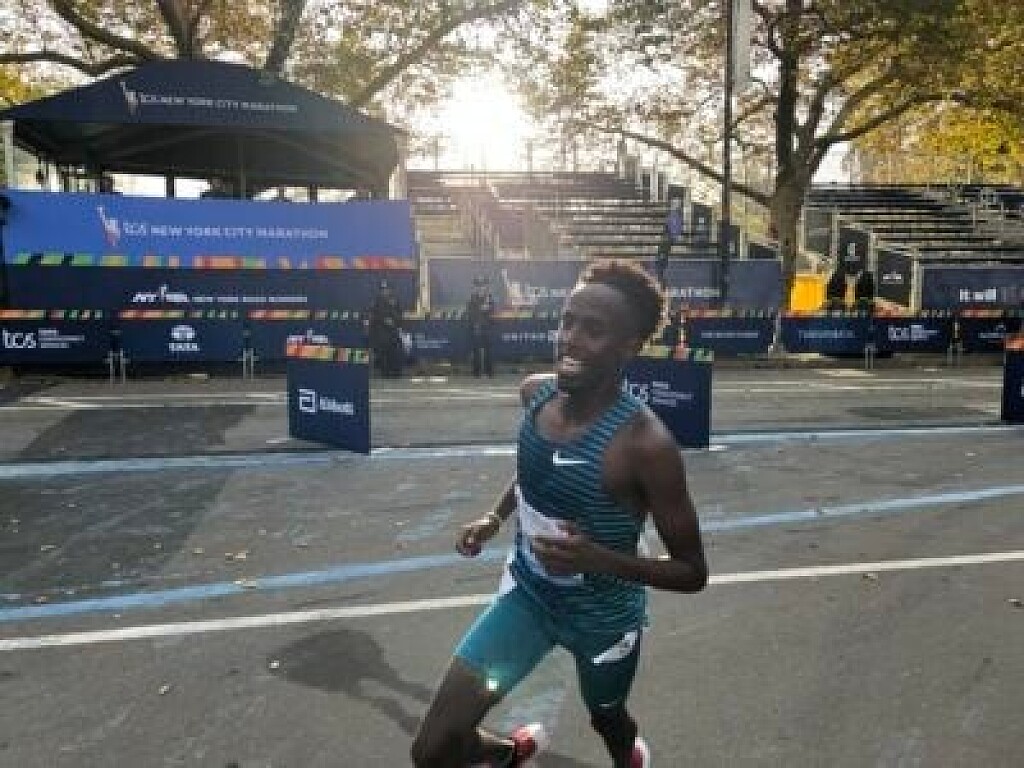
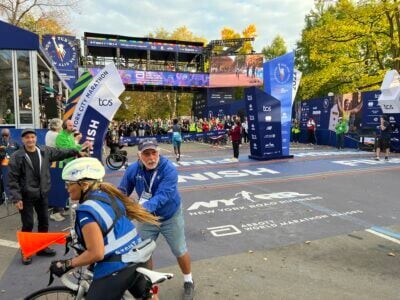
The day before 50,000 runners cross the finish line in Central Park at the 2022 TCS New York City Marathon, some of America’s fastest pros did the same at the USATF 5K Road Championships — though the fastest of them all, men’s champion Abdihamid Nur, almost missed it. Despite a very late wrong turn, Nur, 24, won his first US title in a course record of 13:24 after kicking away from US steeplechase champion Hillary Bor (13:29) in the final mile.
On the women’s side, Weini Kelati rolled to her second straight title in 15:16, gapping the field thanks to a quick first mile and running unchallenged from there to lower her own course record of 15:18. The B.A.A.’s Erika Kemp (15:30) was second, improving on her 2021 finish by one place, while Emily Infeld (15:30) was third in her first race as a member of Team Boss. Both Kelati and Nur claimed $12,000 for the win.
Four thoughts from a beautiful morning for racing in New York.
Abdihamid Nur wins his first national title…but how the heck did he make a wrong turn 15 meters from the finish line?
It’s always tricky knowing who is in shape for this race as most pro runners aren’t in top shape in November. Based on 5k personal best and 2022 form, however, Abdihamid Nur should probably have been the favorite and he looked great throughout the race, hanging onto Hillary Bor early as Bor pushed the pace before making his move in Central Park and opening up a cushion.
That cushion would prove necessary. It’s not uncommon to see an athlete make a wrong turn when the lead vehicle pulls off the course near the finish line, but I can’t ever remember someone doing it as late in the race as Nur. The finish line was in clear sight and only about 15 meters away when Nur veered to the left and tried to follow the lead car. It was a chaotic sight.
"The finish line was right there, but I just knew it,” Nur said. “They told me to follow the car, so I didn’t know that the car wasn’t going to the finish line. I’m glad Hillary wasn’t too close, because it was a mistake I could afford.”
Chalk it up to a rookie mistake — this was Nur’s first road race as a pro.
Nur’s time of 13:24 was very quick considering the undulating New York course. He smashed Paul Chelimo‘s course record of 13:45 and was just four seconds off Ben True‘s American record of 13:20 from the 2017 B.A.A. 5K. Nur’s wrong turn definitely cost him a second or two, but he didn’t know if it cost him the record.
“Maybe, who knows?” Nur said. “But I’m still happy with the win.”
(Note: David Monti points out that Grant Fisher‘s 13:01 at the Diamond League 5k final in September is considered the American road record because it came on an irregular 563-meter track, though that record has yet to be ratified by USATF. As far as LetsRun is concerned, you shouldn’t be able to set a road record on a track so True still has the record.)
The win capped a banner year for Nur, who won a pair of NCAA titles indoors, set the collegiate 5k record, made the Worlds team outdoors, and signed a pro deal with Nike. He’s still based in Flagstaff and even though the NAU men have struggled more than usual this year, he’s predicting a national title for them and his former teammate Nico Young at the NCAA XC champs in Stillwater in two weeks.“Coach Smith’s gonna have them ready for NCAAs,” Nur said. “I think they’re going to win and my boy Nico’s going to take the individual title.”
Weini Kelati is never that far from fitness
If it seems like Weini Kelati is always in shape, that’s because it’s true. She took a month off after the track season, but returned to training in September and quickly found herself in good shape. Today she ran 15:16 to win by 14 seconds and break the course record by two seconds — one set by Kelati in this event last year.
“What’s interesting about my body is it’s just not hard to build,” Kelati said. “I can get in 10 days, 80% of my fitness.”
Kelati, 25, has already found a lot of success on the roads in her young pro career. With her cross country background (Foot Locker and NCAA champ) and front-running style, she seems a natural fit for the half and, eventually, full marathon, but so far she has yet to race beyond 10k. When will we see her in the half?
“I’m not sure how soon,” Kelati said. “But I’m looking forward [to it]?”
Could we see her in a half in 2023?
“Let’s see, I don’t know,” she said with a smile. “Maybe.”
What we know for sure is that Kelati is not done racing on the track. After just missing out on a spot at Worlds in 2022 (she was 4th in the 5,000, 5th in the 10,000 at USAs), Kelati wants to make the team next year.
“I’m really excited to run road races and half marathon and stuff, but I have unfinished business on the track and I want to clear it up first,” Kelati said.
Kelati also said that during her break from running this summer, she got the opportunity to see her mother for the first time since she defected from her native Eritrea in 2014. The two were able to visit Uganda together, where they spent three weeks together.
“We were both in shock,” Kelati said. “For a week, we couldn’t believe [it]. She just [kept] touching me like, I can’t believe this is real. We both cried happy tears in the airport.”
Though Kelati had been able to talk to her mother over the phone since her arrival in the US, their conversations were never very long. In Uganda, they made up for lost time, often staying up until 4 a.m. catching up on all they had missed in each other’s lives the last eight years.
“The first 14 days, we just talked,” Kelati said.
Kelati said she emerged from the trip feeling renewed.
“That makes me feel like it’s a new beginning, a fresh start for me,” Kelati said.
(11/06/22) Views: 115
Ramp up speed through any weather with these fartlek sessions
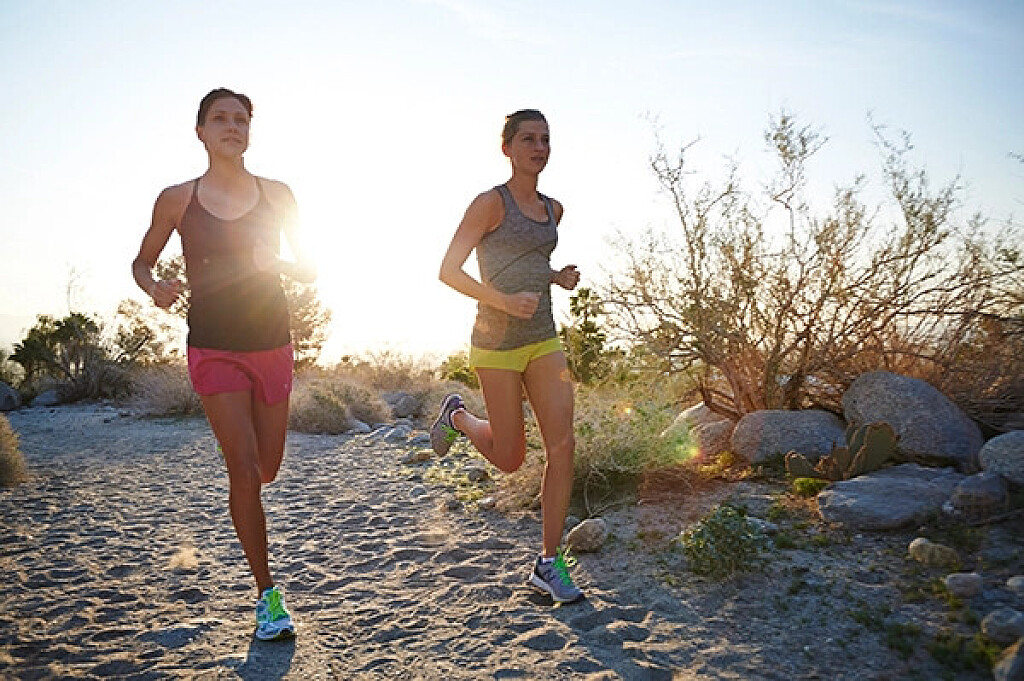
Unpredictable weather through fall and winter can make speed sessions a challenge for even the most experienced athlete–if you train outside, slippery leaves, snow, and ice can make those hard sessions almost impossible, and sometimes dangerous. Fartlek (a Swedish term that translates to “speed play”) sessions are perfect when the weather derails your fast training. Here’s why, and how to add them to your repertoire.
Fartlek training is a traditionally unstructured form of speedwork, with varied paces from sprints to very easy running. Because fartlek training can be done anywhere, it’s ideal when you want to fit in speedwork but know you can’t run by specific paces due to unpredictable terrain. Try one of these simple sessions per week, and adjust accordingly–if you want more of a challenge, add repeats or reduce the recovery time between fast sections.

The time-based fartlek
Your watch is your guide for this one, and you can run it on any terrain. Don’t worry about pace, focus on effort.
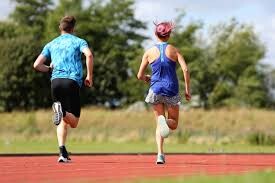
Warm up with 10–15 minutes easy running.
Run faster segments of one, two, or three minutes, with equal amounts of easy running for recovery. Start with three to five faster sections, and add one or two per week as you feel stronger.
Finish off your run with 10 minutes easy running.
The hill-based fartlek
Adding hills to your fartlek session will give you an added strength benefit. If you don’t have a hill nearby that is runnable, think outside the box–overpasses, inclines in parking garages, and stairs that you can run safely are all perfect substitutes.
Warm up with 10–15 minutes easy running.
Run up your hill of choice (smaller hills are great for this) gradually increasing turnover and speed.
Recover by running easily back down. Start with two or three incline repeats, increasing up to eight (or more) as you gain strength.
Cool down with 10 minutes easy running.
The goal-based fartlek
This session uses landmarks to split up your speedy segments, and the workout will fly by as you focus on your surroundings and your effort.
Warm up with 10–15 minutes easy running.
Pick an object in the distance: a telephone pole, tree, or building works.
Run faster until you reach that landmark, then pick another object ahead to run easily toward. Start with three to five fartlek segments, adding one or two per week or as you want more challenge.
Finish off your run with 10 minutes easy running.
These workouts are great at helping you learn to run by feel instead of having to glance at your watch constantly, and getting outdoors to run, no matter the weather, has brain-boosting benefits. Remember to follow a speed session or harder workout with an easy running or recovery day.
(11/09/22) Views: 110Running Magazine
How people respond when you tell them you’re a runner
You know that moment when you meet someone and tell them you’re a runner. You’ve probably had to answer at least a few of these several times.
We love that others are curious about our sport. We know the sport so well but others are in awe when we explain just the basics. When you tell someone you’re a runner, here are some of the most common questions you have to answer.
1. What is the longest distance you’ve ever run?

When someone asks this, you often have to pause and think. Maybe it’s just over 10K maybe it’s 30 or 40. Do stage races count? Whatever your answer is, it feels unimpressive until you see the look on their face.
2. I hate running.
This is a common one. You basically say something like “Once you get into it, it gets easier,” but you can tell you’re not converting this person any time soon so you drop it.
3. Don’t you find it boring?
That moment when someone calls yours hobby boring… You know what they mean, many find the sport boring. You get it. You just respond by telling them no you don’t find it boring and bite your tongue before adding that you obviously wouldn’t be keeping it up if you did.
4.Can you run 5K?
You say yes realizing that this is a given and something that you take for granted.
5. Can you run 10K?
Admit that it kind of feels good when the other person finds this impressive. To you, this is likely a distance you could do any day.
6. How many marathons have you done?
This is fun to talk about if you’ve done several marathons. If not, it can be frustrating explaining that you haven’t graduated to the marathon but that you’ve really chopped down your 5K and 10K PBs. You can tell they are unimpressed.
7. Do you run in winter?
When you say yes, they often look alarmed. And maybe a little bit worried. You assure them that it’s fine.
8. Wait, you get up at 5:00 a.m.?
Explaining this one never gets easy.
9. But you’re already skinny.
It’s hard to hide your sheer annoyance at this comment. Your running is about so much more than achieving a particular body size but somehow, people never seem to believe you.
10. I can only run ___.
This is what someone says before you convince them that it’s not true. To you, this is the opener to a motivational pep talk.
11. I couldn’t give up my favorite foods for health foods.
When you let them in on the little secret that you actually don’t eat just health food, their mind is blown. Job well done.
12. Do you do any sports though?
If you stared blankly at this person and then went on to explain (slightly snarky) that running is a sport, we’re OK with this response.
13. Want to train me for the race I entered?
Depending on how often you’ve been asked this question, you either love it or you hate it. On one hand, you’re pumped to have a new running friend. On the other, you’re worried that they will quit on you.
(11/11/22) Views: 108Sinead Mulhern
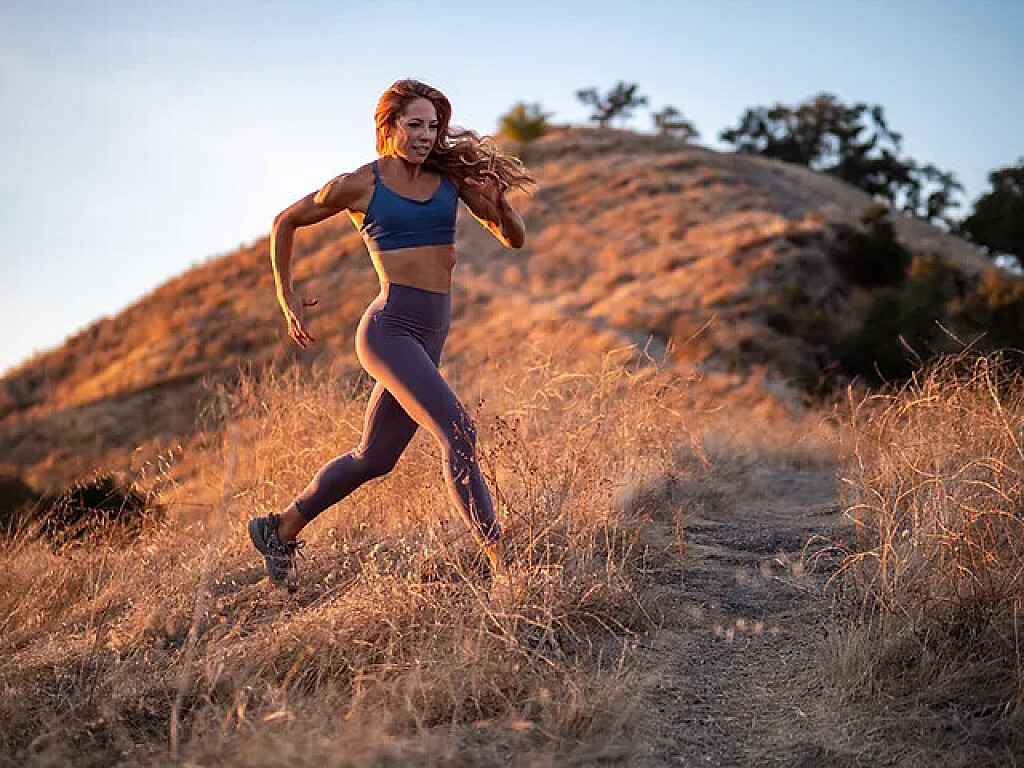
Start loving hills with these four tips, get a leg up on your competition
Hills are not easy, and every runner seems to either love or hate them. Those who hate them will avoid them like the plague, but there’s nothing to be scared of. Every participant in a race has to deal with the same conditions, so why not get a leg up on your competition with a few adjustments? Who knows, maybe you’ll end up falling in love with them.
Manage your effort
Early in a race, it’s smart to be conservative. Each hill should be to be strategically approached so you do not wear yourself out. The best approach to manage your effort is to not press too hard on your first time up. This will help conserve energy and strength for climbs later in the race. You should be able to go up the hill without feeling any strain. If you are straining, it’s a sign you are going too hard.

Take shorter strides
An important tip when approaching a hill is to maintain your cadence by taking shorter strides. Many elite runners will use this strategy to conserve energy and keep their pace. Shorter strides will reduce the strain on your muscles and make it easier to accelerate when you reach the top.

With uphills, bring downhills
This goes hand-in-hand with managing your effort, but with every uphill, usually, there is a downhill that follows it. If you push yourself up the hill, be sure to relax on the way down. Overstriding downhill can only lead to fatigue or potential injury. If you’re sprinting down, you’ll likely feel some strain in your legs later in the race.
Lean slightly forward, eyes up, and shoulders back
Having the proper form is important, and it pays the price to do them right. Align your centre of gravity with the hill, and let your short strides and knee drives do the work. Keep your shoulders back and your eyes up, pumping your arms in a forward motion for additional power.
(11/04/22) Views: 83Marley Dickinson
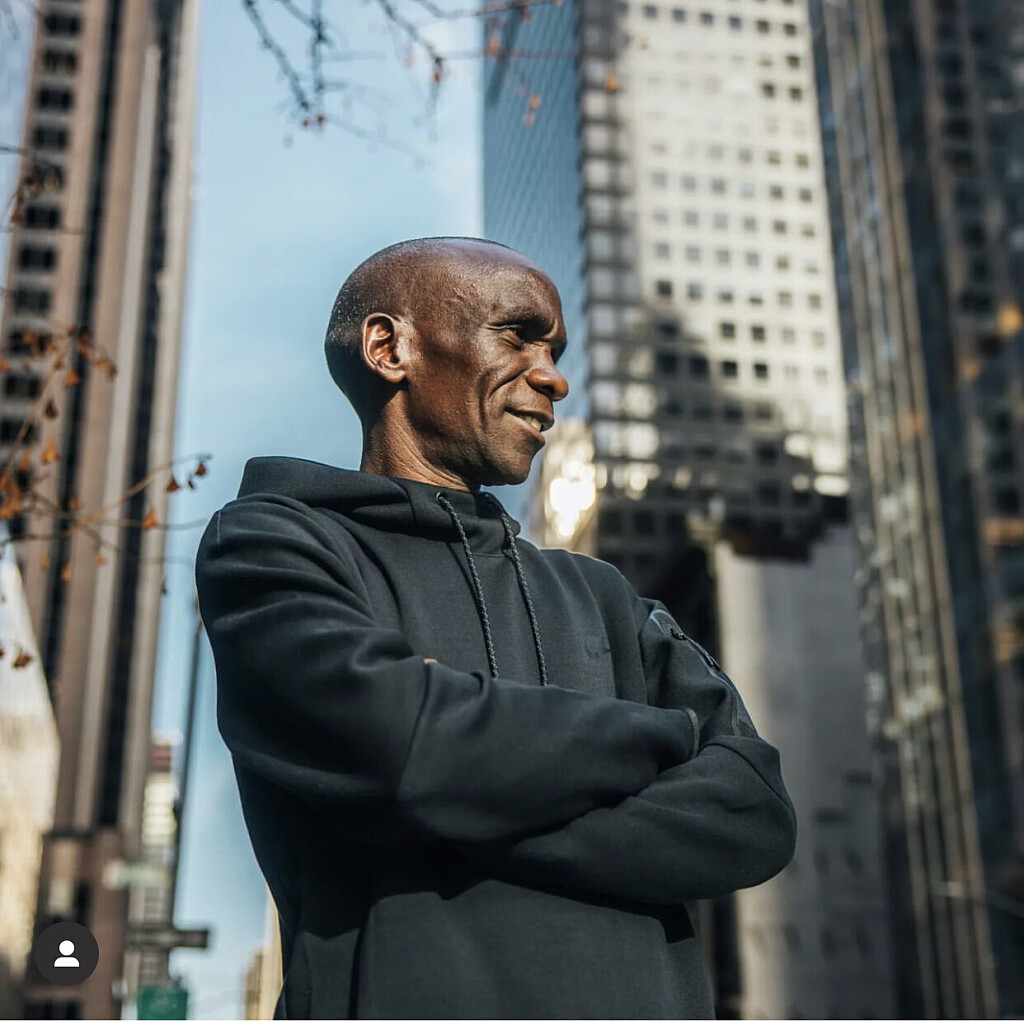
Eliud Kipchoge wants you to learn to say no
The world’s fastest marathoner, Eliud Kipchoge, says you need more ‘vitamin N’ in your life. Vitamin N, Kipchoge explains, is the ability to say no–a key part of self-discipline, something Kipchoge embodies in his athletic ability and the calm confident ease with which he speaks and conducts his life.
Kipchoge is in New York City to watch the marathon. He is planning on running it maybe in 2023. And of course he wants to win it as well as Boston.

Kipchoge shared some tips on how to develop and maintain self-discipline in a recent interview with U.K.-based physician, author and podcast host Dr. Rangan Chatterjee. Here’s how to inject some of Kipchoge’s wisdom into the way you run and live.
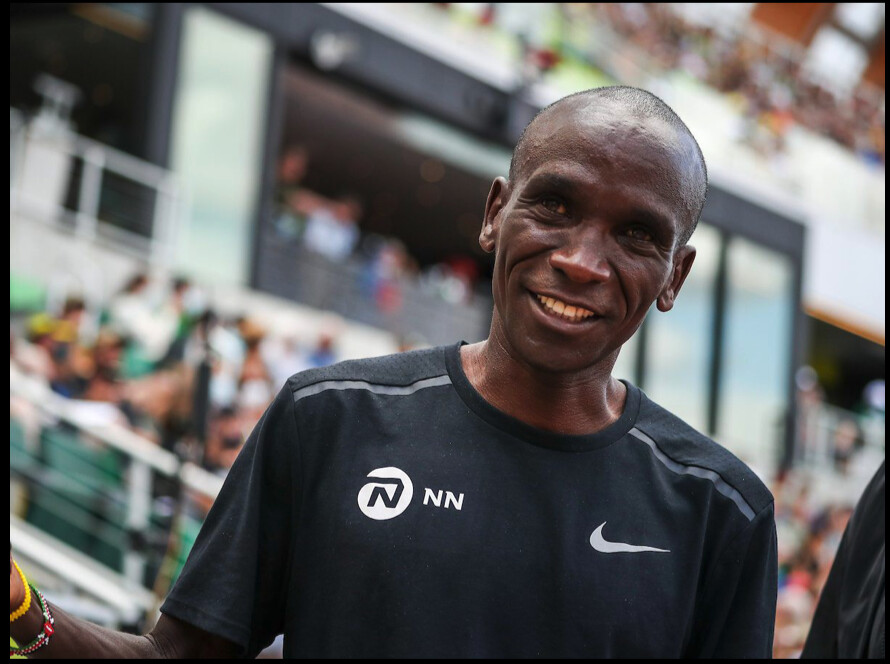
Develop self-discipline as a practice
Kipchoge emphasizes the importance of self-discipline as a core value. “Self-discipline is doing what’s right instead of doing what you feel like doing,” the athlete explains. While Kipchoge embodies self-discipline in his training and preparation for racing, he says that fine-tuning this skill will make you not only a better runner but also stronger in your professional life and family.
The runner shares that he believes you should practice self-discipline in all areas of your life–and that by doing so, you will find freedom. “The disciplined ones in life are free,” the athlete says. “It’s the undisciplined ones who are in prison,” Kipchoge says. He explains: when you live an undisciplined life, you’re doing things that do not align with your values. “We need to be free, to walk free, to live an honest life,” he says.
Set your priorities (learn to say no)
While Kipchoge acknowledges that learning to say no is a skill that isn’t developed overnight, he shares that being able to say no in order to prioritize the truly important things in both training and life is essential. At the NN Running camp in Kaptagat, Kenya, where Kipchoge trains and lives, he has placed a huge billboard to remind athletes of their core values– a whopping 60 of them.
Kipchoge suggests focusing on three values or priorities is enough, and making the personal and professional choices that will keep you on the path to your goals should be something you practice daily. Establishing boundaries allows you to stay focused and on the path toward your goals.
Avoid complaining and stay positive
Kipchoge knows this isn’t easy. Even the champion of the marathoning world feels pain and has negative thoughts. “We can’t prevent the negative thoughts from entering into our minds–but we can keep the negativity from coming into our lives,” he says. Pivotal to the athlete’s positive mindset is community. “Group runs are crucial,” says Kipchoge. The athlete explains that running in a group makes helps time pass, forms bonds, and that a group mentality and positive mindset is contagious.
(11/05/22) Views: 82Running Magazine
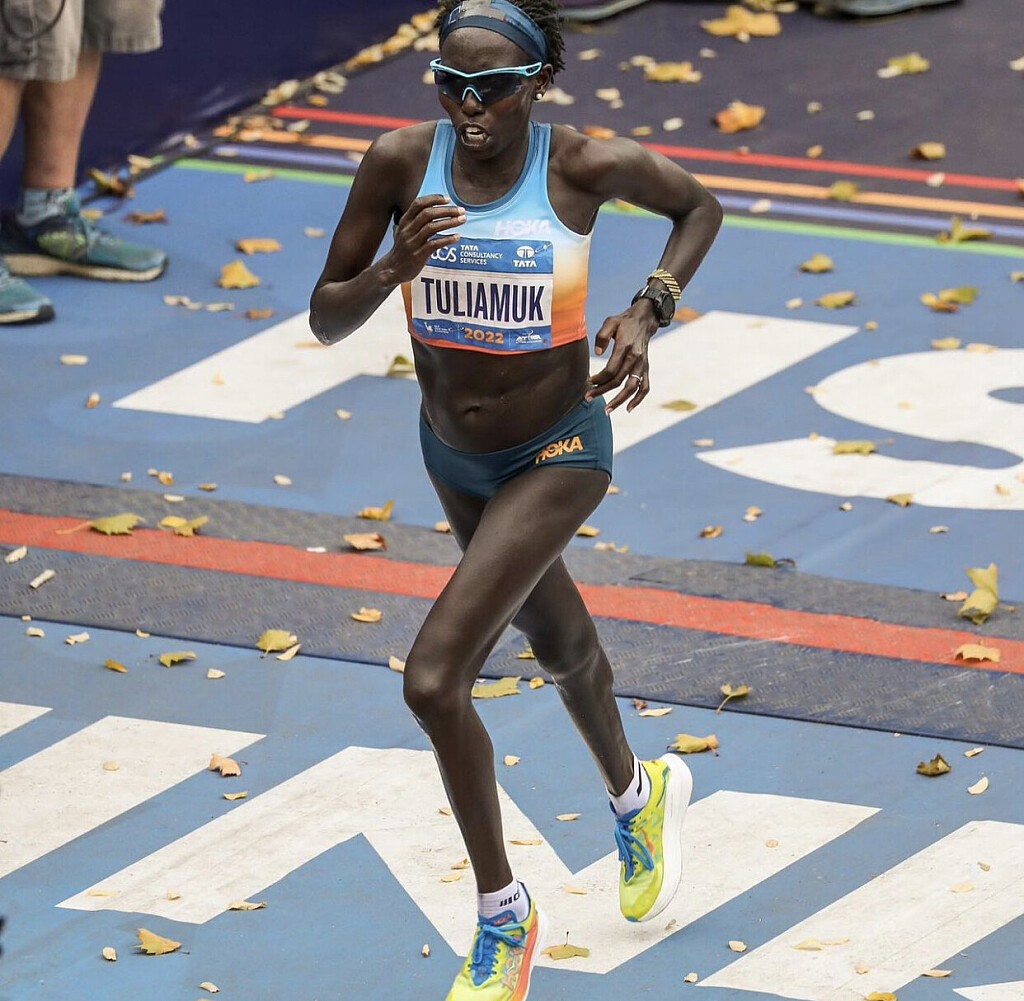
Aliphine Tuliamuk says the weather at the NYC marathon was not as bad as she expected as she finished first American in 7th place
It did not take long for Aliphine Tuliamuk to find air conditioning after finishing seventh as the top American in the warmest New York City Marathon since 1985.
She picked up her giggling 21-month-old daughter, Zoe, and placed her face directly in front of the cool air.
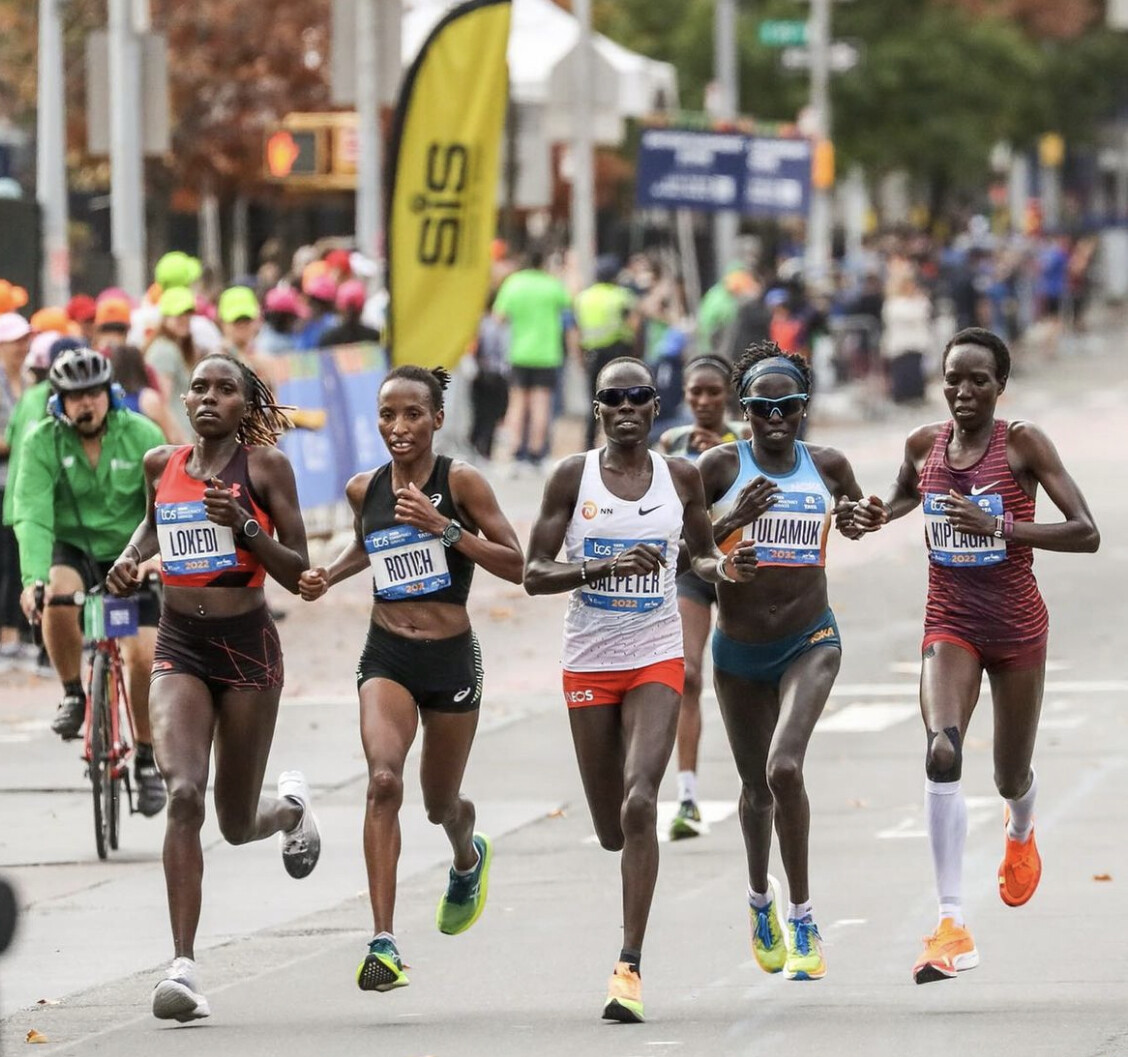
“To be honest with you, I don’t think it was actually as bad as I expected,” Tuliamuk said of the temperature, which reached 73 degrees when she crossed the Central Park finish line. “I was on point with my hydration.”
She clocked a personal-best 2:26:18, despite ankle swelling hampering her build up. She estimated that she only had five weeks of training before taking the last two weeks to taper.
“I excel when the conditions are not perfect,” she said. “I rise to the occasion, and I believe that today that was the case.”
Seventh was the lowest placing for the top American woman in New York City since 2015, when Laura Thweatt also finished seventh.
“I remember going into the race thinking, if I could get top seven, that would be really good,” Tuliamuk said. “I obviously wanted more.”

Tuliamuk is beginning to turn her attention to the Olympic Trials in the first quarter of 2024 at a to-be-announced site.
She plans on running a spring 2023 marathon, which could be her final marathon before trials, where the top three are expected to make up the team for the Paris Games.
“Once the [trials] schedule is out,” she said, “we’ll work backwards from that.
“I think that next Olympic team is going to be really, really hard to make.”
Tuliamuk identified Emma Bates, Keira D’Amato, Molly Seidel and Emily Sisson as her toughest competition. Sisson broke the American record at October’s Chicago Marathon, clocking 2:18:29 to lower D’Amato’s record from Jan. 16 by 43 seconds. Seidel claimed the bronze medal at the Tokyo Olympics.
“There’s so many Americans right now that are doing amazing,” Tuliamuk said. “It’s like you just have to have a perfect day.”
Tuliamuk made her Olympic debut at the Tokyo Games. She did not finish the race, seven months after she gave birth.
“I really want to make the next Olympic team,” she said. “The last one, the pandemic and having a child, I never really got to represent my country the way I wanted it.”
Tuliamuk will be 35 in 2024. The U.S. Olympic women’s marathon team included a 35-year-old at three of the last four Games.
“I really want a medal for my country,” she said. “I think that I have a lot of running in me. I have a lot of speed.”
Bates, 30, finished 35 seconds behind Tuliamuk for eighth place on Sunday.
“Those hills were a lot harder than I imagined,” said Bates, who revealed that she did not look at the course map before the race.
Bates wore a matching snake ring and earrings as she made her New York City debut, one year after placing second at the Chicago Marathon.
“I think I’m going to take some more risks next time,” she said. “Hopefully I’ll do better next time. I want to be top five.”
It was a big 48 hours for Bates, who was inducted into the Boise State Hall of Fame on Friday. She planned on celebrating with a Modelo beer.
Tuliamuk envisioned a tamer celebration, including showing Zoe around Central Park and other tourist attractions.
“I’m really grateful that I’m able to do all of it,” she said. “I’m able to run at the very highest level of our sport and be a mom at the same time.”
(11/07/22) Views: 81
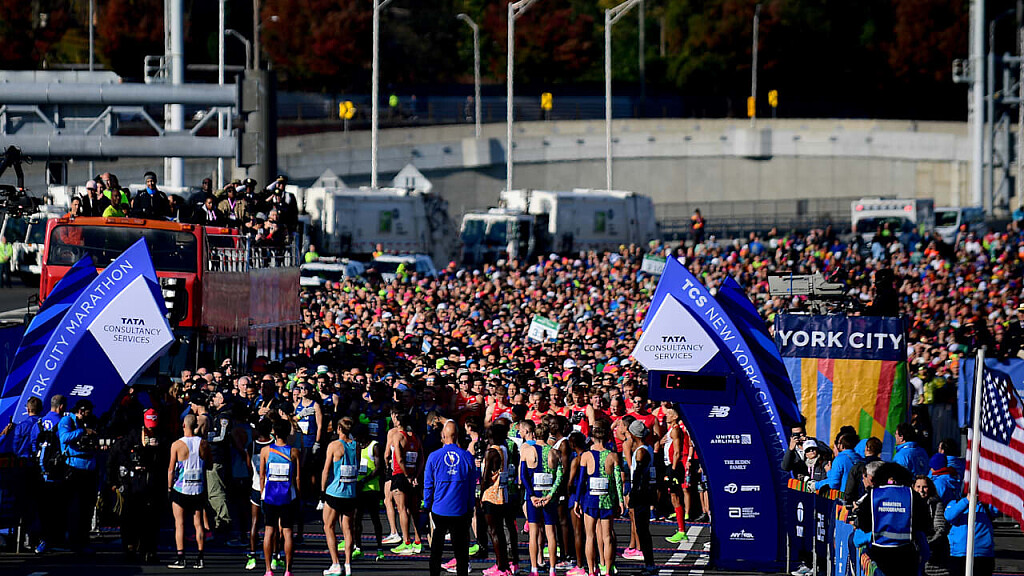
Here is everything you need to know ahead of Sunday's TCS New York City Marathon
The world’s top marathoners have assembled in NYC for the 51st running of the TCS New York City Marathon this Sunday, Nov 6. The 2022 race returns to full capacity of 50,000 runners with a stacked field of elites in the men’s, women’s and wheelchair events. Defending champion Albert Korir of Kenya returns to defend the men’s title across the five boroughs and 2022 world champion Gotytom Gebreslase of Ethiopia headlines the women’s field.
How to watch:
Unless you live on the west coast, the 2022 TCS New York City Marathon will be easy to stream and follow online. The professional women’s field will begin at 8:40 a.m. E.T. and the professional men’s field at 9:05 a.m. E.T. Viewers should note that Daylight Savings Time ends in the early hours of Sunday morning, so viewers need to remember to change their clocks back an hour.
Follow @CanadianRunning on Twitter for live tweets and up-to-date news on the 2022 TCS NYC Marathon.
Women’s elite field
At only 27, Ethiopia’s Gebreslase has achieved much success in the marathon. In 2021, she won Berlin in her debut and followed it up with a podium finish at the 2022 Tokyo Marathon and world championship gold in Eugene this past July. Gebreslase put her talent on display in Eugene, showing that she can run at a fast pace and hold her own against the world’s best marathoners. She will be the likely favourite to win NYC Sunday.
Lonah Chemtai Salpeter is the fastest woman in the field, with a personal best of 2:17:45 from the 2020 Tokyo Marathon. Salpeter was close to an Olympic medal in Tokyo 2020 but hit a wall late and ended-up 66th. She finally got her hands on a bronze medal in Eugene this summer but was bested by Gebreslase in a late surge. Since worlds and European championships earlier this summer, Salpeter has taken some downtime to prepare for a bid at her second Abbott World Marathon Major title in NYC.
Kenya’s Edna Kiplagat will also be one to watch, with the 2011 and 2013 marathon world champion hoping to extend her record of four World Marathon Major wins to five (Boston 2021, 2017, New York 2010, and London 2014). Kiplagat was awarded the 2021 Boston Marathon title after her compatriot Diana Kipyokei was disqualified due to a positive doping test.
Many fans of the sport have long awaited the marathon debut of two-time 5,000m Olympic medallist and world champion Hellen Obiri of Kenya. She has gone through a lot of transition this year, switching training groups and moving from Kenya to Boulder, Colo., after worlds to train with On Athletics Club (OAC). It will be interesting to see how the speedy 14:18 5K runner can handle the hilly NYC course, but she could be a dark horse for the win.
Outside of the top big names, the U.S. will be well represented in NYC by former national record holder Keira D’Amato, who ran both the 2022 Berlin Marathon and World Championships only eight weeks apart, and Aliphine Tuliamuk, who won U.S. marathon Olympic Trials in 2020 and holds a personal best of 2:26:50.
Canadian Running prediction: Gotytom Gebreslase (ETH) – 2:21:42 *CR*
Men’s elite field
Kenya’s Korir has a tough job ahead of him on Sunday as he aims to defend his 2021 NYC Marathon title. In his two trips to the Big Apple, Korir has achieved a lot of success. In 2019, he finished runner-up to his compatriot Geoffrey Kamworor in 2:08:36, then followed it up with a win and 14-second course PB (2:08:22) in 2021 for his first world major win. One thing Korir has going for him is that he is consistent. In his last six of eight races, Korir has dipped under the 2:10-mark, which is a speedy time for New York’s hilly course.
Korir will face stiff competition from his Kenyan compatriot, 2022 Boston Marathon champion Evans Chebet, who will be hoping for a second major marathon win of the year. Chebet, 33, holds the fastest time in the field of 2:03-flat from the 2020 Valencia Marathon.
Ethiopia’s Shura Kitata will be another name to look out for, having finished second in 2018. Since his 2020 win at the London Marathon, Kitata has struggled to reach the podium in his last three races. His last race came in March, where he was sixth at the 2022 Tokyo Marathon in 2:06:12 for fifth. Can Kitata bounce back in NYC?
Abdi Nageeye of the Netherlands was second to Eliud Kipchoge in the marathon at the 2022 Olympics and set the Dutch national record of 2:04:56 at the Rotterdam Marathon in April. Nageeye has shown he has the experience to be there late, but it will be interesting to see how he handles the course in his debut.
The U.S. men’s field in New York is one of its best in years, with five sub-2:09 marathoners. The 2016 Olympic bronze medallist, Galen Rupp, will make his NYC debut and lead the way for the Americans with a personal best of 2:06:07. Leonard Korir (2:07:56), Scott Fauble (2:08:52), and Marty Hehir (2:08:59) are three others to keep your eye on. Fauble had a sensational run at the 2022 Boston Marathon, where he placed seventh in a personal best time of 2:08:52.
Canadian Running prediction: Evans Chebet (KEN) – 2:07:43
(11/04/22) Views: 80Running Magazine
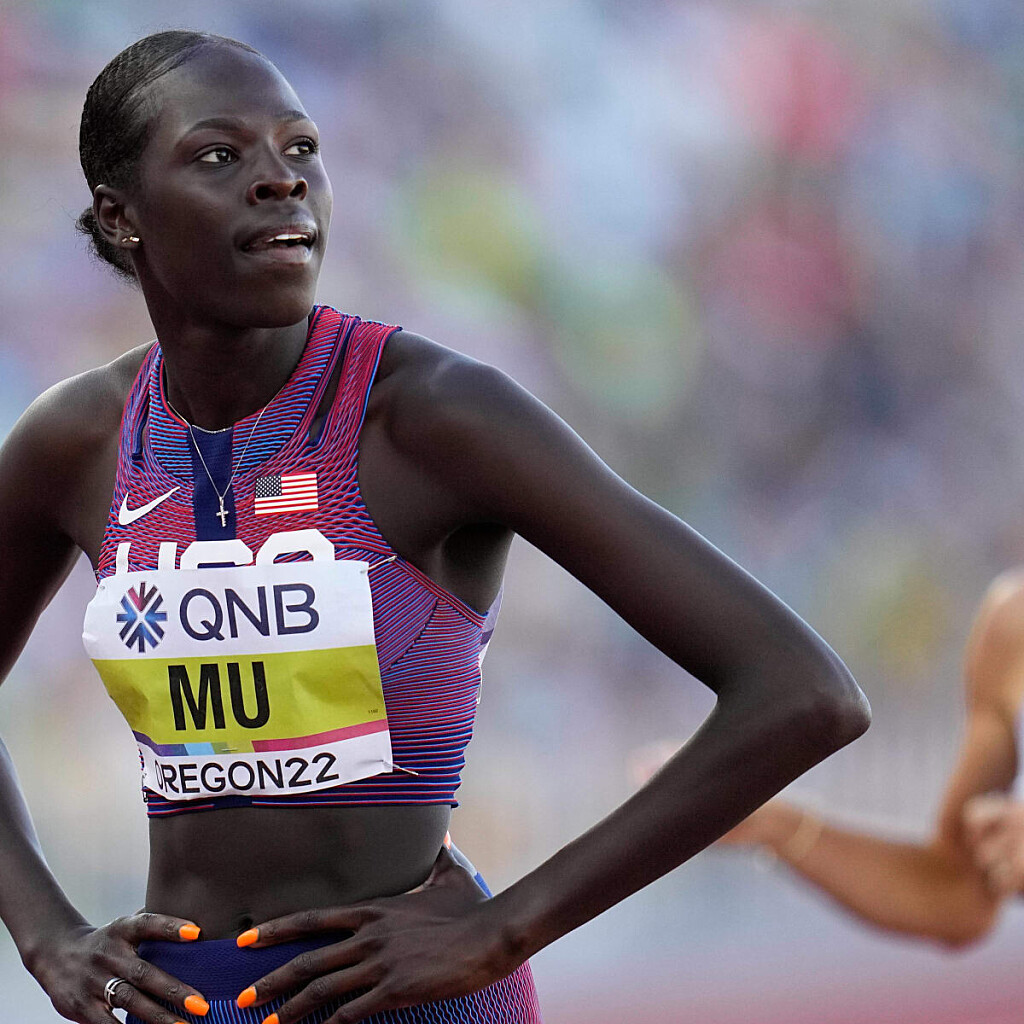
Mu to prepare for Paris 2024 with McLaughlin-Levrone's coach Kersee
Athing Mu will prepare for the defence of her 800 meters title at the Paris 2024 Olympics under the direction of a new coach, Bobby Kersee, who already guides the career of the Olympic 400m hurdles champion Sydney McLaughlin-Levrone.
Mu, 20, will move from Texas to Los Angeles to be part of the new coaching set-up.
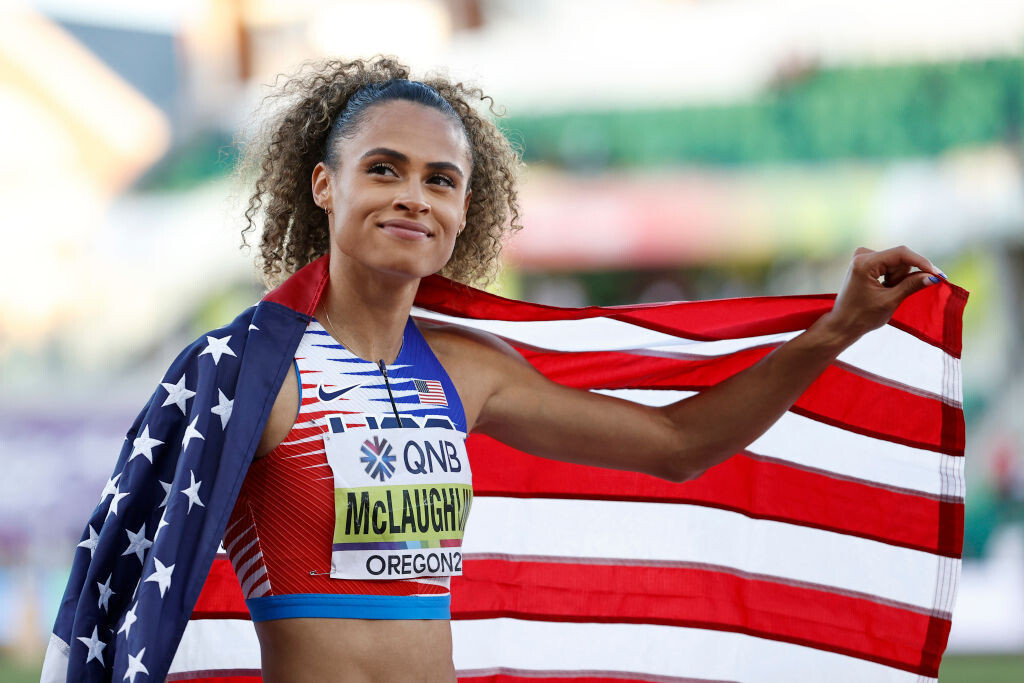
"I'm excited for this opportunity to train with the track and field legend Bob Kersee", Mu posted on social media.
"Coach Kersee has the ability to further enhance my running skills and implement the tools needed to reach my potential."
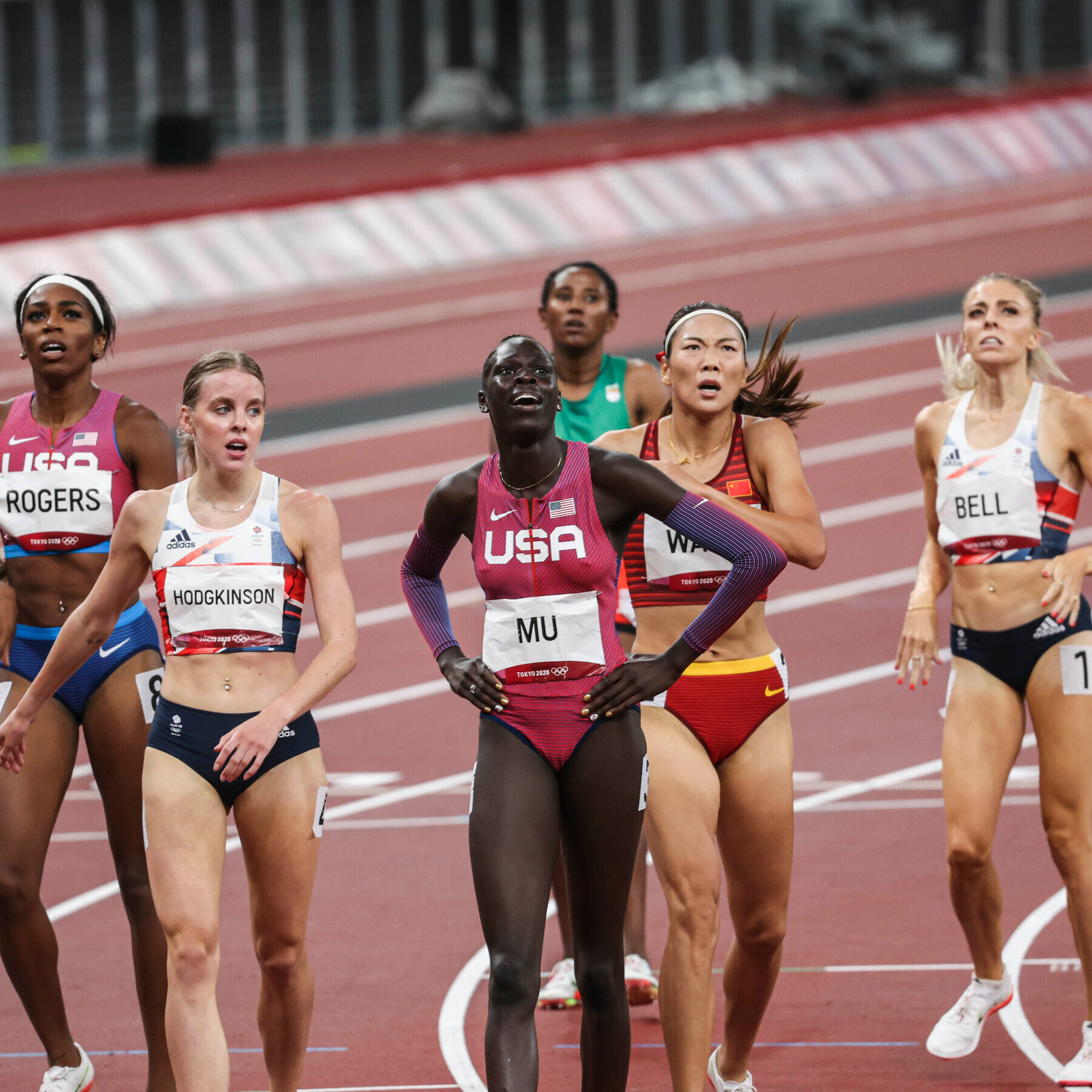
Mu finished ahead of Briton Keely Hodgkinson to win the Olympic title in a United States record of 1min 55.21sec last year, becoming the youngest American woman to win an individual track gold at the Olympics since Wyomia Tyus earned the 100m title in 1964.
This year she beat her British rival to the world title in Eugene to become the youngest woman to hold Olympic and world titles in an individual track and field event.
Kersee has coached Olympic gold medalists in the women's 100m, 200m, 400m, 100m hurdles and 400m hurdles events, and also coached his wife Jackie Joyner-Kersee, a two-time Olympic gold medalist who still holds the heptathlon world record.
McLaughlin-Levrone has said she wants to add the flat 400m to her programme after winning successive Olympic and world titles in the 400m hurdles, during which time she set four world records.
Mu also has huge potential over 400m although she has not raced over that distance in a major championship.
Both McLaughlin-Levrone and Mu have wildcard entry as champions to their established events at next year's World Athletics Championships in Budapest.
This could allow either of them to run the 400m at the main US Championships if they so wished, with the possibility of qualifying in two events.
Mu's partner, 800m runner Brandon Miller, has also announced he is moving to train under Kersee.
(11/05/22) Views: 78Mike Rowbottom
