

Running News Daily
Top Ten Stories of the Week
7/2/2022
These are the top ten stories based on views over the last week.



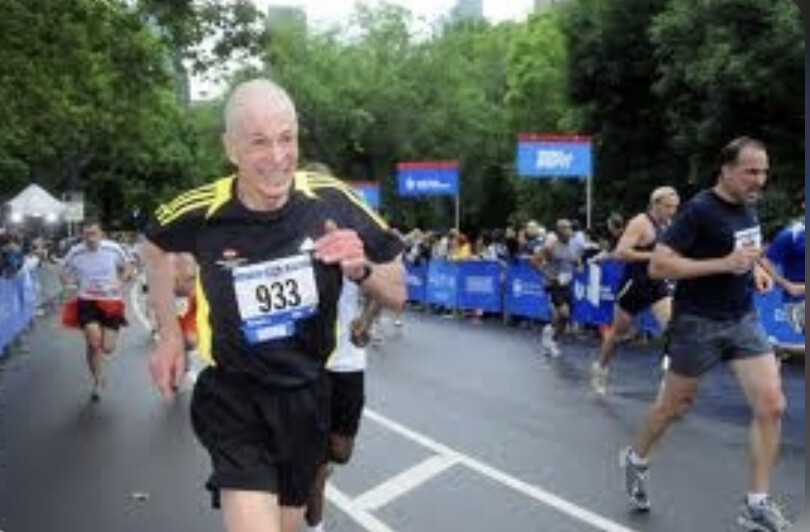
George Hirsch is passing the baton to Nnenna Lynch after 18 years at the NYRR
George Hirsch sent this message to My Best Runs today and others. "I am writing this to tell you that I will be stepping down as Chairman of New York Road Runners on June 30, 2023 after serving eighteen years in that role," wrote George.
"As one who has been involved with this extraordinary organization for more than five decades, it has been an honor and the privilege of a lifetime to have worked with such a diverse and talented team of people. The memories and adventures are too numerous to recount and we can save them for another day."
"However now is the time to look ahead and I’m thrilled that Nnenna Lynch (photo) will succeed me as Chairperson. She is truly the ideal person for the role: an elite runner who won several NCAA Championships at Villanova, she has an extensive background in business and community engagement as well as working for the City of New York during the Bloomberg administration."
"Oh, and did I say that she was a Rhodes Scholar among her many achievements? During this next year, Nnenna and I will be working closely to assure a smooth and positive transition for our beloved NYRR. And then I will become Chairman Emeritus, cheering on my passionate colleagues as they continue to find new ways to help and inspire people–all people–through running," onward George.
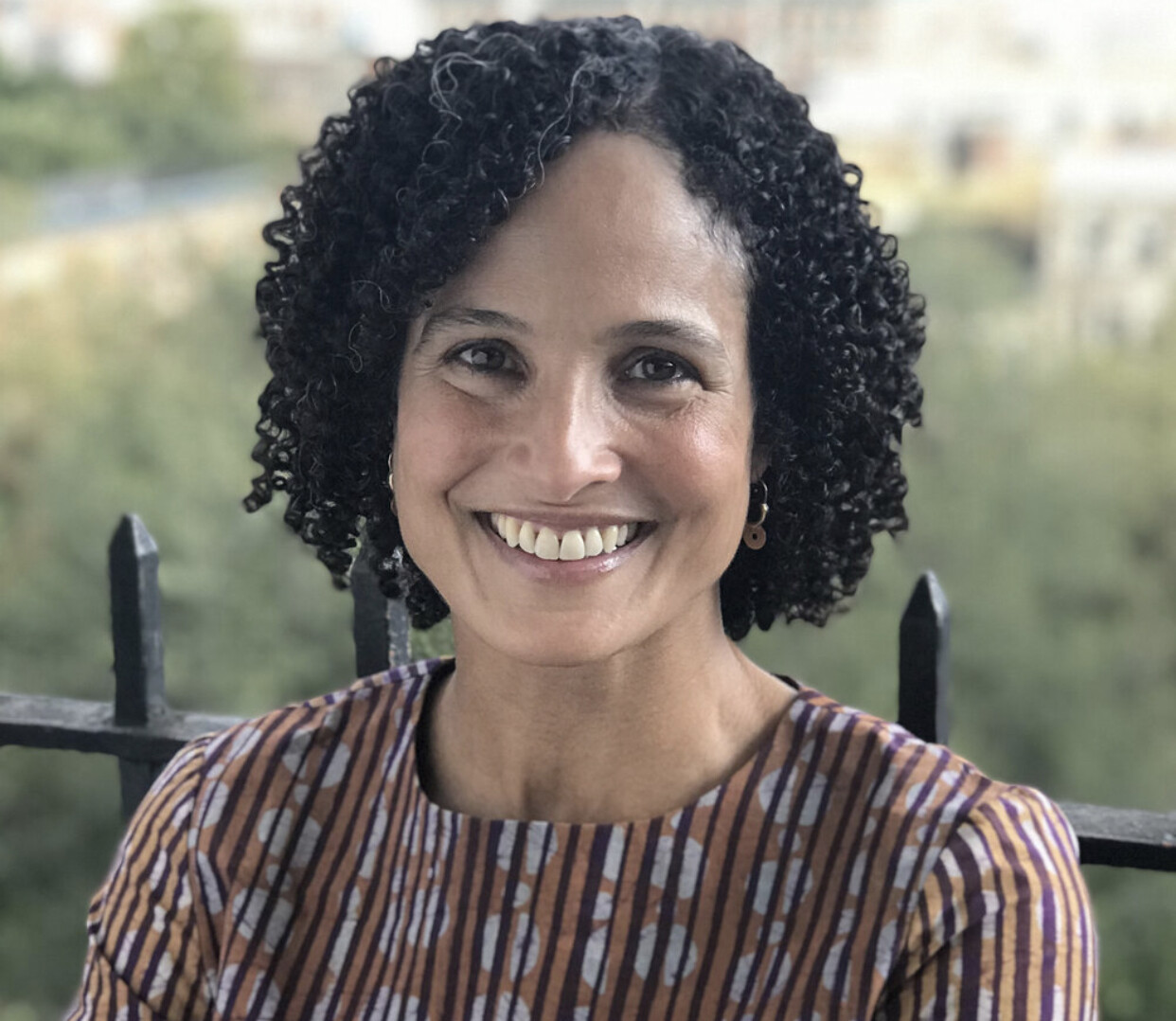
Nnenna Lynch was born July 3, 1971, in New York City, New York) and is a retired middle distance and long distance runner from the United States.
She won the gold medal at the 1997 Summer Universiade in Catania, Italy in the women's 5,000 metres event.
In January 1998, she placed first at the US world cross-country trials in Orlando, qualifying her to represent the country at the 1998 IAAF World Cross Country Championships at Marrakech, where the US women's team finished 5th.
She currently lives in New York with her husband Jonathon Kahn and two young children.
"The New York Road Runners has done as much as any other organization to promote running at all levels around the world. Their New York City Marathon is considered one of the best marathons in the world. Under the leadership of George Hirsch, the NYRR grew to what it is today," says Bob Anderson (MBR publisher and RW founder) who has known George for over 50 years.
"Good luck Nnenna Lynch in this transition and we look forward to seeing the continued success of the NYRR under your leadership," stated Bob Anderson.
(06/29/22) Views: 187
Highlights from the 2022 USATF Outdoor Championships June 26
The USATF Outdoor Championships at Hayward Field in Eugene, Oregon have finished and the athletes set to represent Team USA at the World Athletics Championships have been decided. Over four days, there was a world record set and plenty of great battles for the limited spots on the world team.
The World Athletics Championships will be back at Hayward Field from July 15 to July 24. It will be the first time the United States is hosting the meet.
Here are the highlights from the 2022 USATF Outdoor Championships.
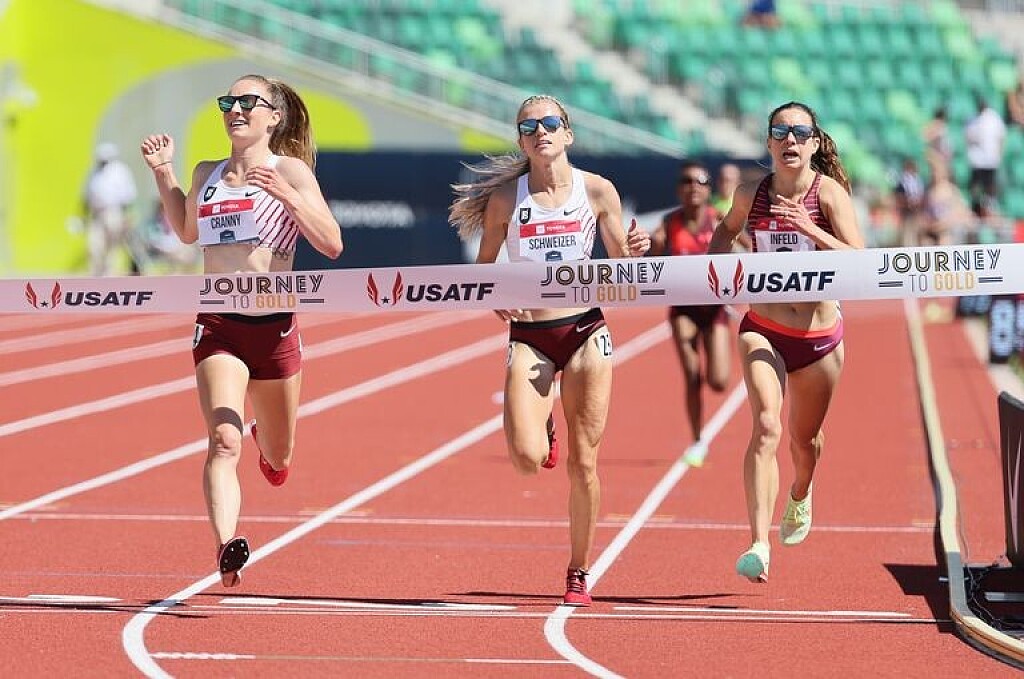
Cranny wins a close one in the 5,000 meters
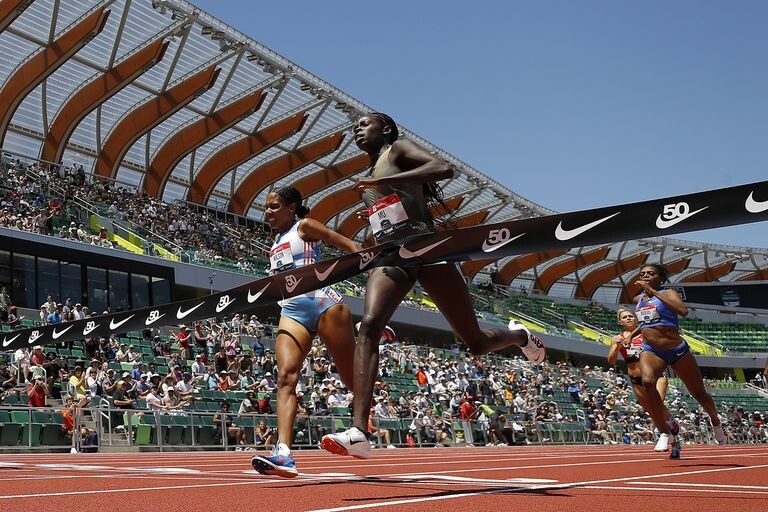
After a schedule change to avoid hot conditions, the women’s 5,000 meters opened the final day of the USATF Outdoor Championships. Unfortunately, the women couldn’t completely escape the heat—the temperature on the track read 82 degrees.
As a result, the women dawdled, running most of the race in a tight pack. With 1600 meters remaining, Karissa Schweizer—who placed fourth in the 1500 meters on Saturday—picked up the pace. With two laps, four women separated themselves: Schweizer, indoor American record holder Elise Cranny, world championships bronze medalist Emily Infeld, and Weini Kelati. Kelati fell off the group by the bell, and the top three were set. Now, it was a battle for place.
Schweizer, Cranny, and Infeld battled down the final straightaway, trading leads multiple times. When the dust settled, Cranny earned the victory, with Schweizer and Infeld less than a half second behind in that order.
Each woman completed their own unique narrative coming into the race. Cranny scratched from the USATF 10,000-meter championships on May 27, saying in an Instagram post she hadn’t been feeling like herself in training. Schweizer, who did qualify for the 10,000 meters, also placed fourth in the 1500. With this 5,000-meter performance, she completed one of the best championship runs in U.S. history. Finally, after just missing out on qualifying for the 10,000-meter world team, Infeld earned a spot on her first global championship team since 2017.
Fisher takes down 5,000 meet record, Kincaid unleashes furious kick for second
Conversely to the women’s race, the men’s 5,000 meters went out hard. Hillary Bor, who qualified for the steeplechase team on Saturday, kept checking his watch—apparently pacing the race. Multiple time global medalist Paul Chelimo and Bowerman Track Club teammates Grant Fisher and Woody Kincaid held position right behind Bor.
Bor dropped out at 1800 meters after splitting 4:12 for the mile. Evan Jager, who also qualified for the steeplechase world team, led the men for another mile. Fisher, Emmanuel Bor, and NCAA indoor 5,000-meter champion Abdihamid Nur of Northern Arizona quickly separated from the group after Jager dropped out.
Over the final 1200, Fisher put on a clinic, squeezing the pace over each lap until he was all alone. He won the race in 13:03.86, a meet record.
The most exciting portion of the race occurred offscreen. After trailing the top three by five seconds with 400 to go, Kincaid unleashed a monstrous 54.24 final lap to take silver in a time of 13:06.70. Nur held on to earn his first world championship berth, running 13:08.63. Emmanuel Bor faded to fifth.
Coburn claims eighth straight U.S. steeplechase title
After a moderate first 1,000 meters, four women were clear of the pack in the women’s steeplechase: recent NCAA champion Courtney Wayment, Gabi Jennings, six-time U.S. champion Emma Coburn, and Olympic silver medalist and American record holder Courtney Frerichs.
That group whittled down to Wayment, Coburn, and Frerichs by 800 to go. Half a lap later, Coburn quickened her pace. Wayment and Frerichs, perhaps surprised by the move, didn’t go with Coburn, who put more and more distance on them over the final lap. Coburn notched her eighth consecutive U.S. title in a season best of 9:10.63. Wayment finished second, and Frerichs took third.
Ajeé Wilson nearly upsets the defending Olympic champion The women’s 800 meters promised to be the event of the meet, and it didn’t disappoint.
Athing Mu, defending champion, jumped off the line hard to take her traditional spot in the lead. Olivia Baker and indoor world champion Ajeé Wilson were right on her heels while Olympic bronze medalist Raevyn Rogers hung around mid-pack.
All of the women were still together with 200 to go. The broadcast commentators predicted that Mu would break the race open before the end of the bend, but spectators were treated to something more interesting: Wilson was right on Mu’s shoulder with 100 to go. With gritted teeth, the two athletes dashed neck-and-neck down the straightaway. It looked as if Wilson had the upper hand, but the Olympic champion pulled through in the final meters to snag the victory in 1:57.16. Rogers slingshotted out of the pack to pass three runners for third.
Bryce Hoppel earns first outdoor national title
The men’s 800 meters featured a consequential last 100 meters. Texas A&M’s Brandon Miller set a fast early pace, crossing the 400-meter mark in 51.62. He fell to second as Hoppel took control on the final bend.
It wasn’t over yet, as the entire field was still in striking range with 100 left. But Hoppel and Jonah Koech surged ahead, while Miller duked it out with a late-charging Clayton Murphy for the third qualifying spot. Miller overtook the two-time Olympian with a dramatic dive at the line, securing a trip to worlds. Hoppel’s winning time was 1:44.60, a season best, while Koech’s ran a personal best of 1:44.74.
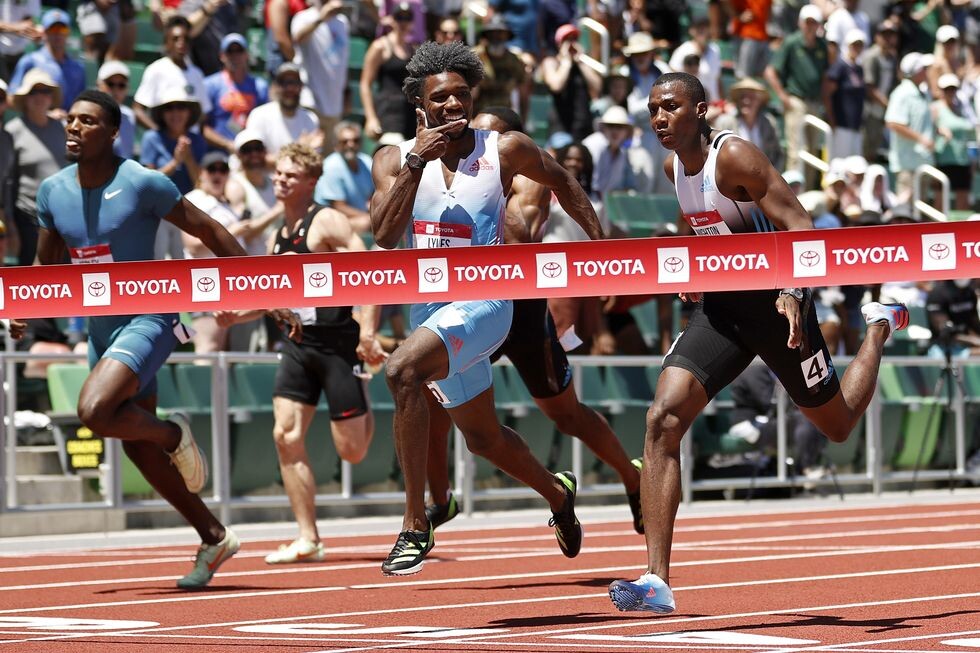
Noah Lyles charges late to overtake 18-year-old star Erriyon Knighton
After 100 meters, it looked like 18-year-old Erriyon Knighton was on his way to his first national championship. But that’s why there’s another 100 meters in this event, because defending world champion Noah Lyles found another gear. With a smile and finger pointed at Knighton, Lyles broke the tape first in 19.67. Knighton finished second, while 100-meter national champion Fred Kerley nabbed another world team spot. Because Noah Lyles has a bye to the world championships, fourth-placer Kenny Bendarek also qualified.
NCAA champion Abby Steiner becomes U.S. champion
With defending U.S. champion Gabby Thomas in poor form this year, the gate was open for a new women’s 200-meter champion. Abby Steiner, who won the NCAA title two weeks ago, capitalized on that opening. She won the title with a world lead and personal best of 21.77. Tamara Clark and Jenna Prandini qualified as well with their respective second and third place finishes.
(06/27/22) Views: 144Runner's World
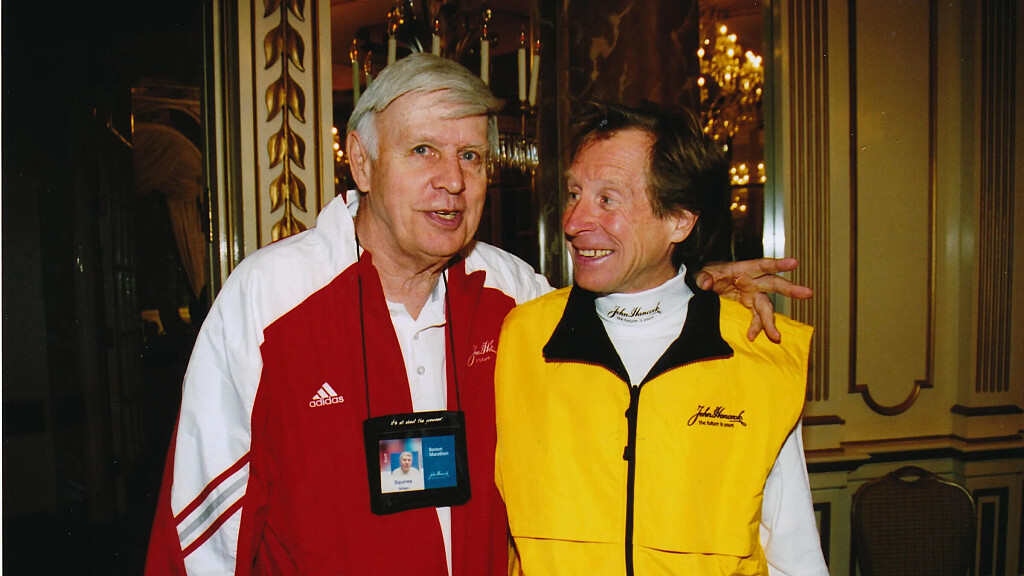
Coach Bill Squires who coached runners like Bill Rodgers has died
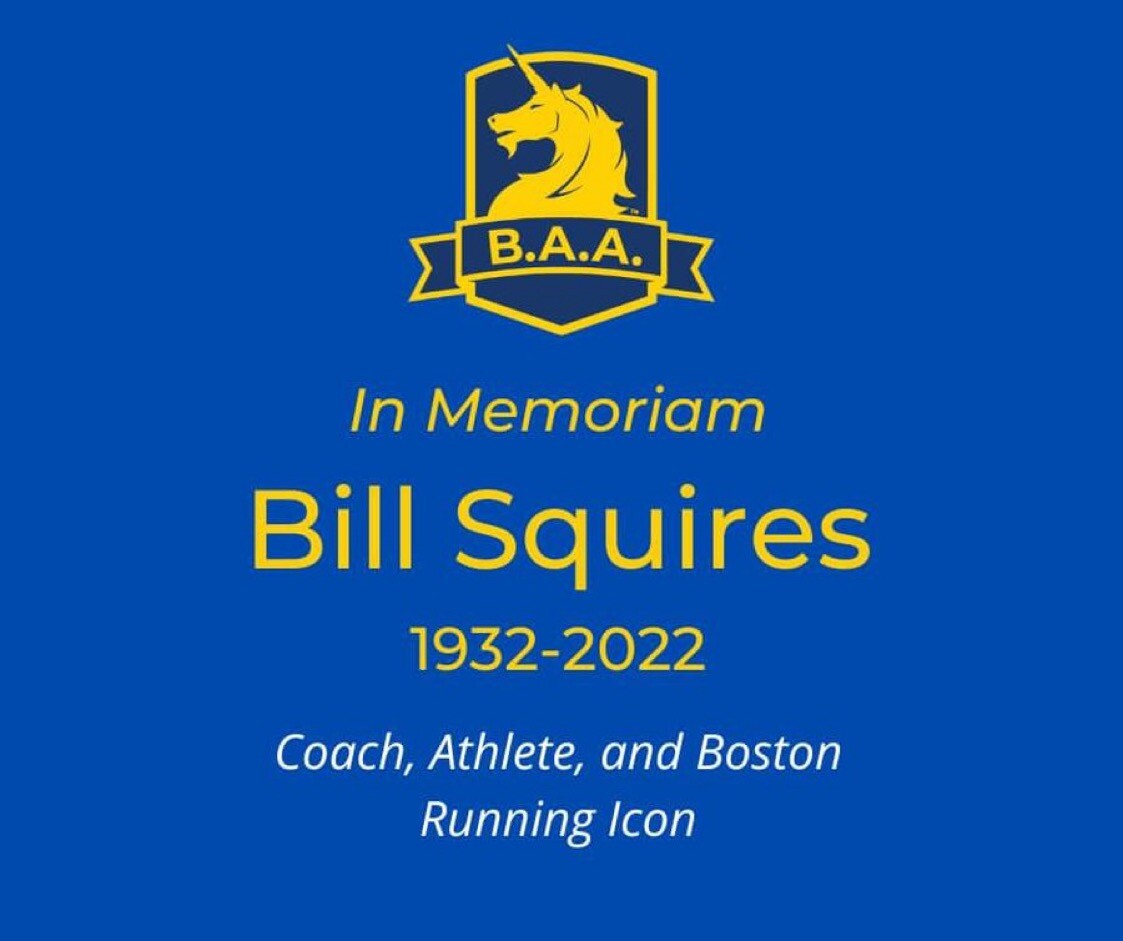
The Boston Athletic Association mourns the passing of the legendary coach and athlete Bill Squires, who died today, Thursday, June 30. This is an immense loss for our running community.
William Squires was born November 24, 1932 and was an American track and field coach. He is well known for coaching the Greater Boston Track Club at the height of its marathon success, including marathoners Bill Rodgers, Alberto Salazar, Dick Beardsley and Greg Meyer.
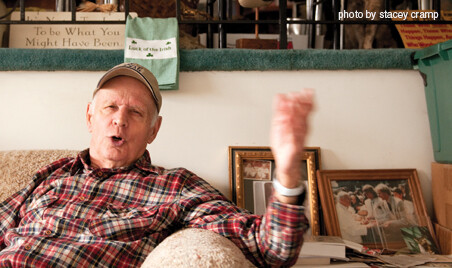
Squires was originally from Arlington, Massachusetts and competed in track and field events for Arlington High School. While a senior there, Squires was chosen as a member of the 1952 Parade All-American team. Squires went on to college at Notre Dame, where he was a two-time All-America in cross-country in 1954 and 1955.
Squires's personal bests according to the MSTCA hall-of-fame induction were 4:21 for the mile in high school and 4:07 in college. He was notable for designing a Heartbreak Hill simulator for training. He was formerly a coach at Boston State College from 1965 to 1978.
In 2002 Squires received the Bill Bowerman award from the National Distance Running Hall of Fame. Squires co-authored the book "Speed with Endurance" with Bruce Lehane.
"Bill Squires was a speaker at our National Running Week in the early 1980's," says MBR publisher Bob Anerson. "He shared his knowledge and we were very impressed. He will be missed."
(06/30/22) Views: 128
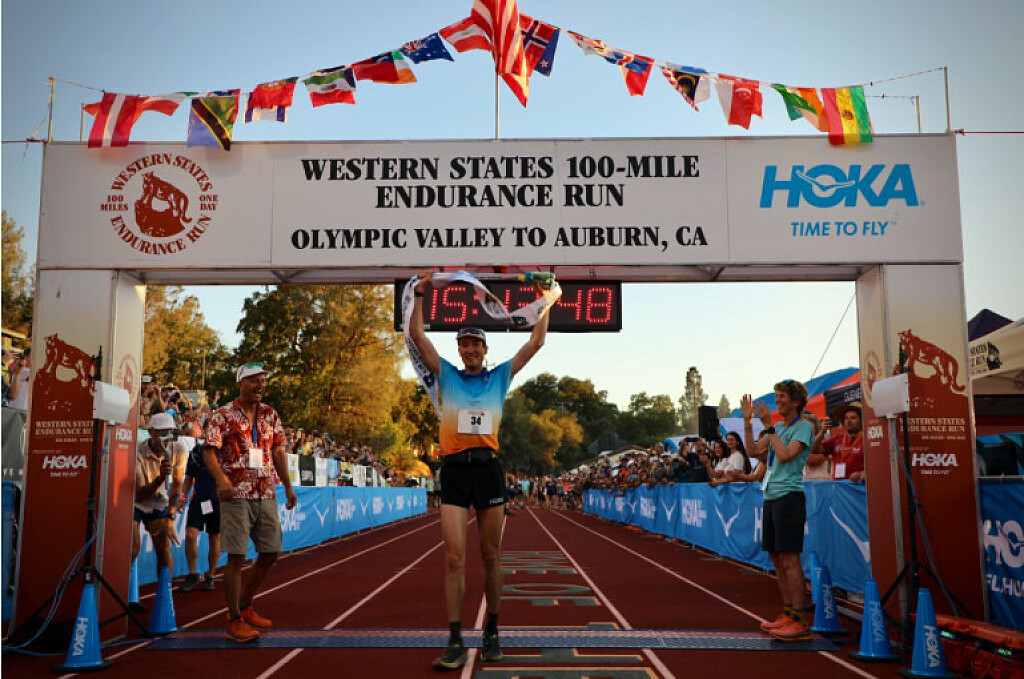
2022 Western States 100 Men’s Race
This year’s men’s race had the notable absence of course record holder Jim Walmsley, who has dominated the race in recent years, leaving it wide open for a good number of runners with potential to win. Among them were seven of last year’s top 10, including second-place finisher Tyler Green, and Tim Tollefson, who was fifth last year but hotly fancied to be capable of winning this race on a good day. Last year’s eighth place man, Hayden Hawks, who ran Western States as his debut 100 miler, was also believed to have more to offer in this race.
Notably, joining them as a Golden Ticket entrant was Jared Hazen, the second fastest Western States finisher of all time.
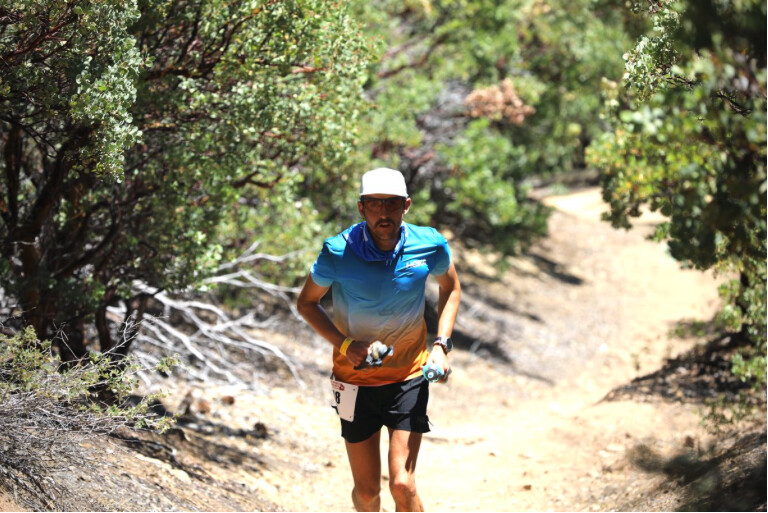
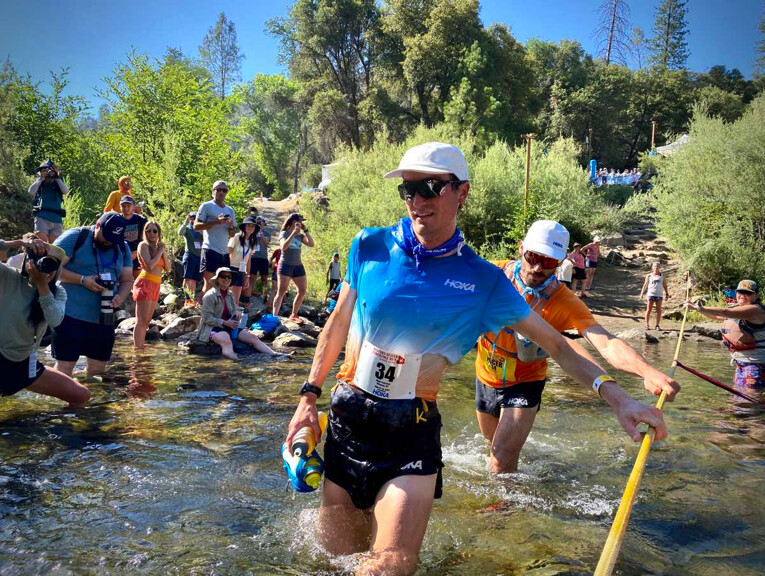
And last but certainly not least, the relative new kid on the block, who has quickly shot up through the distances and dominated every ultra he’s ever started — Adam Peterman.
Peterman won his way into Western States at the Canyons by UTMB 100k, where he toppled the course record in his first ever 100-kilometer race. He took a gamble by taking on his first 100 miler a little over two months later, and defended the decision to iRunFar in his pre-race interview saying: “I don’t feel like I always need to just make logical steps because we’re running 100 miles, that’s an illogical game.”
The first 3.5 miles of Western States features 2,550 feet of climbing, to the first landmark at the Escarpment. First to the top was Adam Kimble, closely followed by France’s Ludovic Pommeret — with Hawks, France’s Seb Spehler, and Hazen coming through in quick succession.
Tollefson, Tom Owens (U.K.), Peterman, Jonathan Rea, and Alex Nichols completed the front 10, all within a couple of minutes of each other.
By Lyon Ridge at mile 10, Ludovic had taken the lead and he came through Red Star Ridge at mile 15, four minutes clear of Spehler in second, with Kimble in third, and Hawks and Tollefson a few minutes back, followed by Hazen, Peterman, and Arlen Glick. Nine minutes separated the first eight runners to this point.
The two Frenchmen held the top positions into mile 24, just before Duncan Canyon, with Pommeret coming through six minutes off course record pace. At this point Tollefson had moved up to third and Hawks and Peterman sat comfortably in fourth and fifth, 8:10 back from the lead, with Glick following 10 seconds behind.
Pommeret held the lead into Robinson Flat, mile 30, with the pressure starting to show. Hawks had moved up to second by now and was looking a lot more comfortable, just two minutes back from the leader. Peterman had then moved up the field also to third position, just in front of Spehler, who’d dropped back to fourth, with Tollefson seconds behind. This chasing pack were just four-and-a-half minutes off the leader.By Millers Defeat at mile 34, Hawks had closed the gap to a minute, and by Dusty Corners, mile 38, he’d taken the lead from Pommeret.
Through Deadwood Cemetery, mile 49.5, Hawks maintained the lead and looked like he was having a super day. There had been some reshuffling in the other top positions, with Peterman, Hazen, and Glick all still in the mix.
By Foresthill, mile 62, Hawks was still in the lead but Peterman had separated himself from the other chasers in second. He arrived just three minutes back from Hawks and almost eight minutes clear of Hazen in third. Spehler, who had a promising first half, had dropped back the field suffering stomach issues, and Tollefson had also fallen back from the front runners.
Hawks was still in the lead after Foresthill, but by Cal 2, mile 70, Peterman had joined him at the front and the race was on! Hazen held third place, 14 minutes back from the leaders, with Glick in fourth another 15 minutes back from Hazen.
When the race reached the Rucky Chucky river crossing at mile 78, Hawks still looked comfortable but Peterman had stretched four minutes ahead, putting 30 seconds per mile on his opponent since Cal 2, showing unbelievable strength and determination for a 100-mile debut.
Hazen maintained third position, now 24 minutes off the lead, with Glick and France’s Vincent Vietmaking up the front five.
Hazen had started to struggle and dropped out at mile 85, with Glick moving up to third. Peterman had by now extended his lead to 10 minutes.
The top three positions remained unchanged for the remainder of the race, but Peterman utterly dominated in the closing miles, finishing in 15:13:48, almost 34 minutes clear of Hawks in 15:47:27. Glick rounded out the top three in 15:56:17.
t’s clear from this 100-mile debut that we will be seeing a lot more of Adam Peterman. He executed this win in a similarly patient manner to his win at the Canyons 100k, and he races like a runner with a lot more ultrarunning experience than he has.
Moving up all race again, Green ended the day in fourth position in 15:57:10, what was two places back but some 13 minutes faster than his debut at this race last year. Drew Holmen (pre-race interview) finished fifth after a strong, all-day performance. His 16:09 finish this year is also two places back but 14 minutes faster than last year. These two gentlemen have much in common.
Frenchman Pommeret stayed strong to finish in sixth place and first masters, and he was closely chased by fellow Frenchman Viet. Nichols moved up two spots this year to take eighth. Cody Lind moved back from fourth last year to ninth this year. And Scott Traer meted out his race effort perfectly to run his way into the men’s top 10 for 10th place.
Men’s DNFs included Spehler and Hazen, both due to various physical issues.
(06/26/22) Views: 118
USATF 2022 Championships finals results through June 25
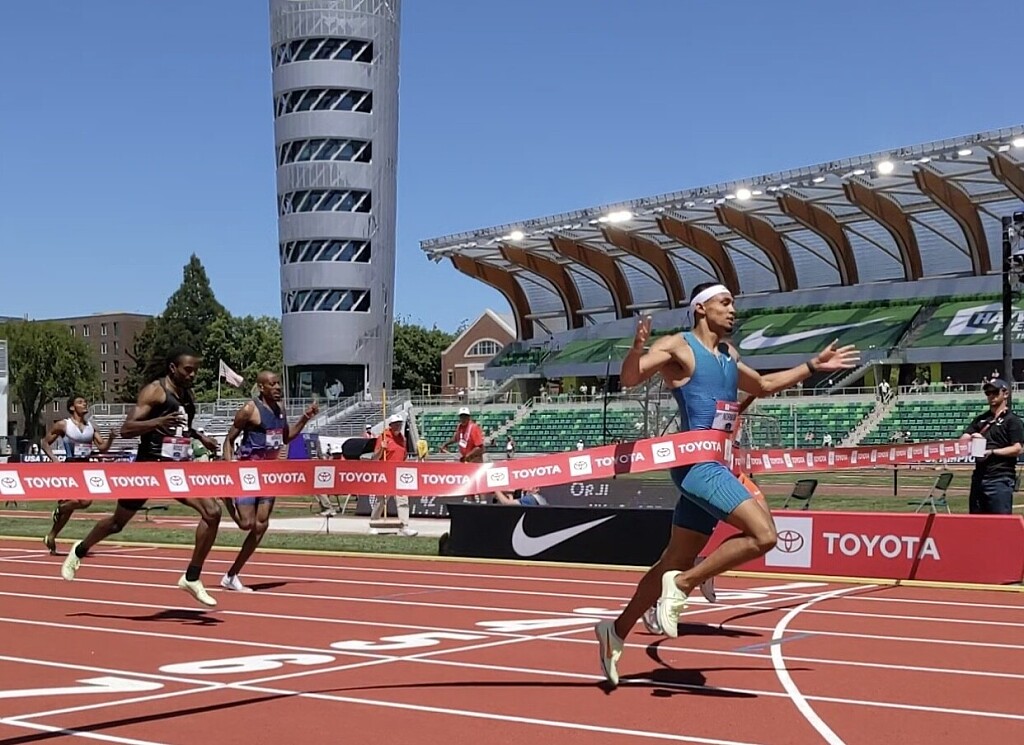
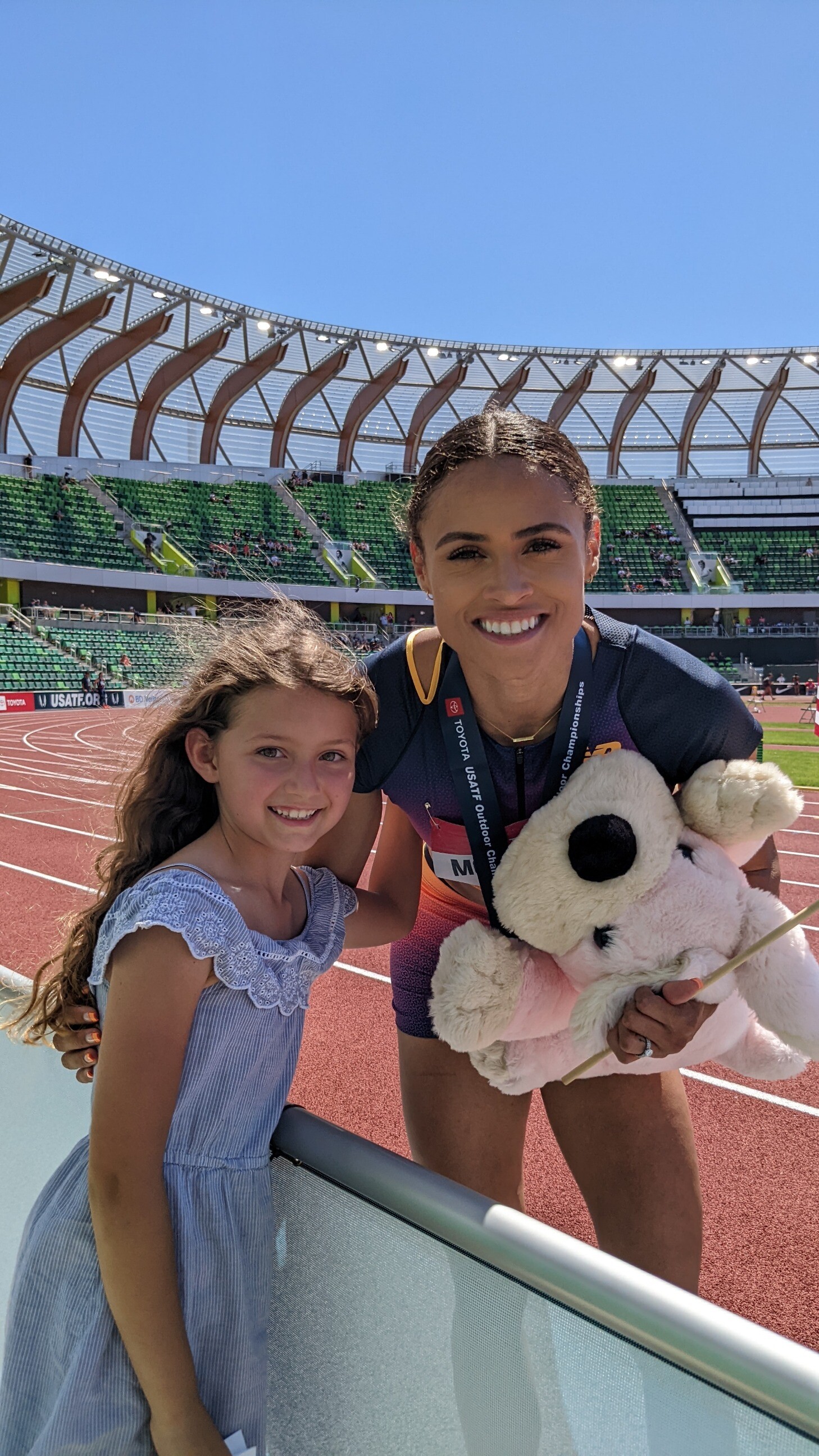
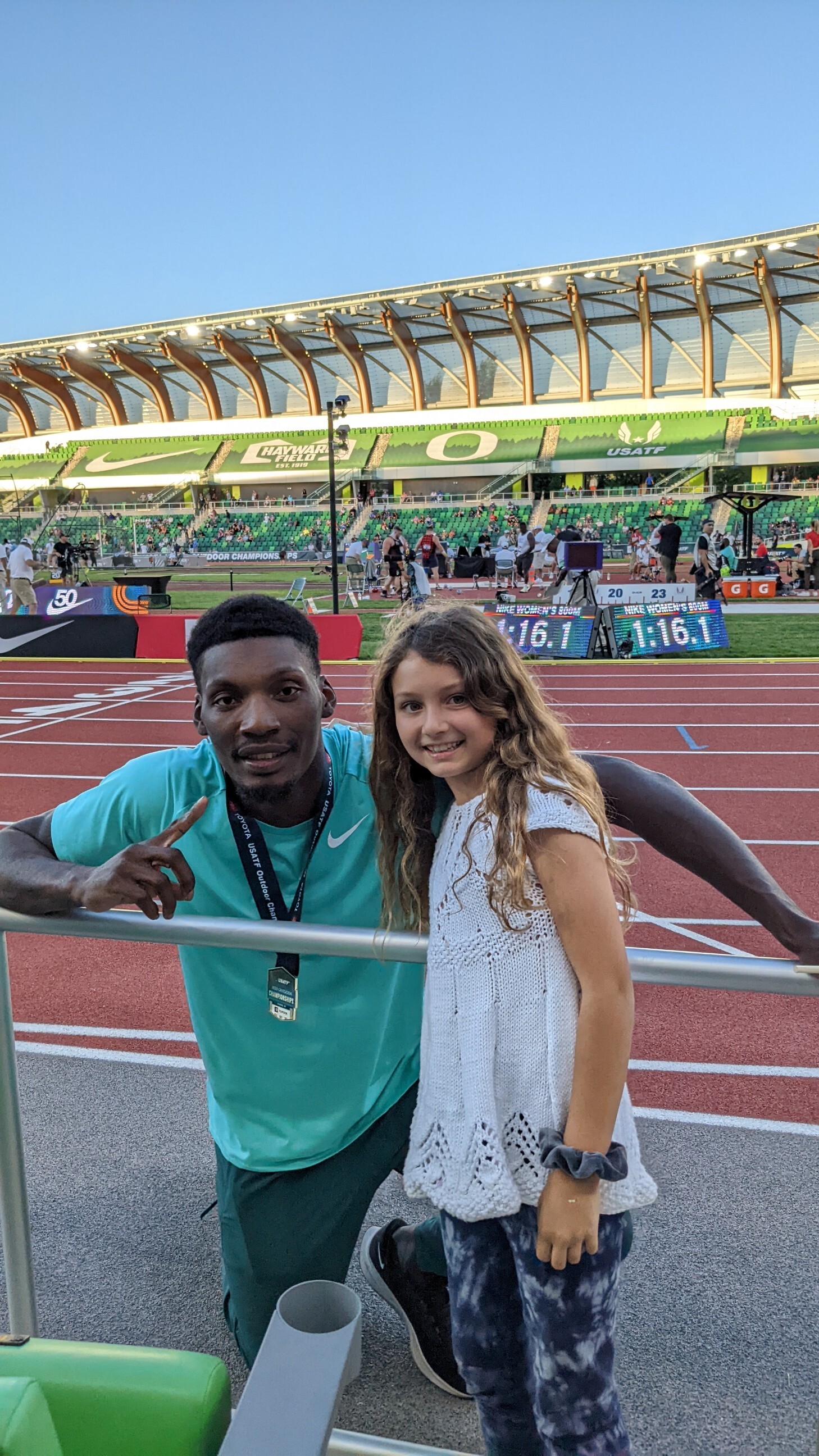
There has already been a lot of a action during the 2022 USATF Championships in Eugene Oregon. Sydney McLaughlin set a new world record in the 400m hurdles (Second photo). Michael Norman won the 400m (first photo) and Fred Kerley won the 100m (third photo). Photos by Jivko
Women’s 100m
1. Melissa Jefferson — 10.69 2. Aleia Hobbs — 10.72 3. Twanisha Terry — 10.744. Tamari Davis — 10.785. Tamara Clark — 10.826. Celera Barnes — 10.86
Women’s 400m
1. Talitha Diggs — 50.22 2. Kendall Ellis — 50.35 3. Lynna Irby — 50.674. Wadeline Jonathas — 50.845. Kennedy Simon — 50.906. Allyson Felix — 51.307. Jaide Stepter — 51.308. Kaylin Whitney — 51.31
Women’s 1500m
1. Sinclaire Johnson — 4:03.29 2. Cory McGee — 4:04.52 3. Elle St. Pierre — 4:05.144. Karissa Schweizer — 4:05.405. Heather MacLean — 4:06.40
Women’s 10,000m (from May 27)
1. Karissa Schweizer — 30:49.56 2. Alicia Monson — 30:51.09 3. Natosha Rogers — 31:29.804. Emily Infeld — 31:30.045. Weini Kelati — 31:39.90
Women’s 100m Hurdles
1. Keni Harrison — 12.34 2. Alaysha Johnson — 12.35 3. Alia Armstrong — 12.474. Tonea Marshall — 12.555. Tia Jones — 12.59DNS. Nia Ali (has bye onto world team)
Women’s 400m Hurdles
1. Sydney McLaughlin — 51.41 WR 2. Britton Wilson — 53.08 3. Shamier Little — 53.924. Anna Cockrell — 53.985. Shannon Meisberger — 55.39
Men’s 100m
1. Fred Kerley — 9.77 2. Marvin Bracy-Williams — 9.85 3. Trayvon Bromell — 9.884. Micah Williams — 9.905. Elijah Hall-Thompson — 9.906. Kyree King — 9.96DNS. Christian Coleman (has bye onto world team)
Men’s 400m
1. Michael Norman — 43.56 2. Champion Allison — 43.70 3. Randolph Ross — 44.174. Elija Godwin — 44.345. Vernon Norwood — 44.356. Bryce Deadmon — 44.547. Noah Williams — 45.048. Ismail Turner — 45.56
Men’s 1500m
1. Cooper Teare — 3:45.86 2. Jonathan Davis — 3:46.01 (doesn’t have standard)3. Josh Thompson — 3:46.07 (doesn’t have standard)4. Eric Holt — 3:46.15 (doesn’t have standard)5. Reed Brown — 3:46.28 (doesn’t have standard)6. Johnny Gregorek — 3:46.36 (has standard)11. Yared Nuguse — 3:47.46 (has standard)
Men’s 10,000m (from May 27)
1. Joe Klecker — 28:28.71 2. Grant Fisher — 28:28.81 3. Sean McGorty — 28:29.574. Dillon Maggard — 28:30.755. Shadrack Kipchirchir — 28:30.79
Men’s 3000m Steeplechase
1. Hillary Bor — 8:15.76 2. Evan Jager — 8:17.29 3. Benard Keter — 8:19.164. Duncan Hamilton — 8:20.235. Anthony Rotich — 8:23.15
(06/25/22) Views: 110
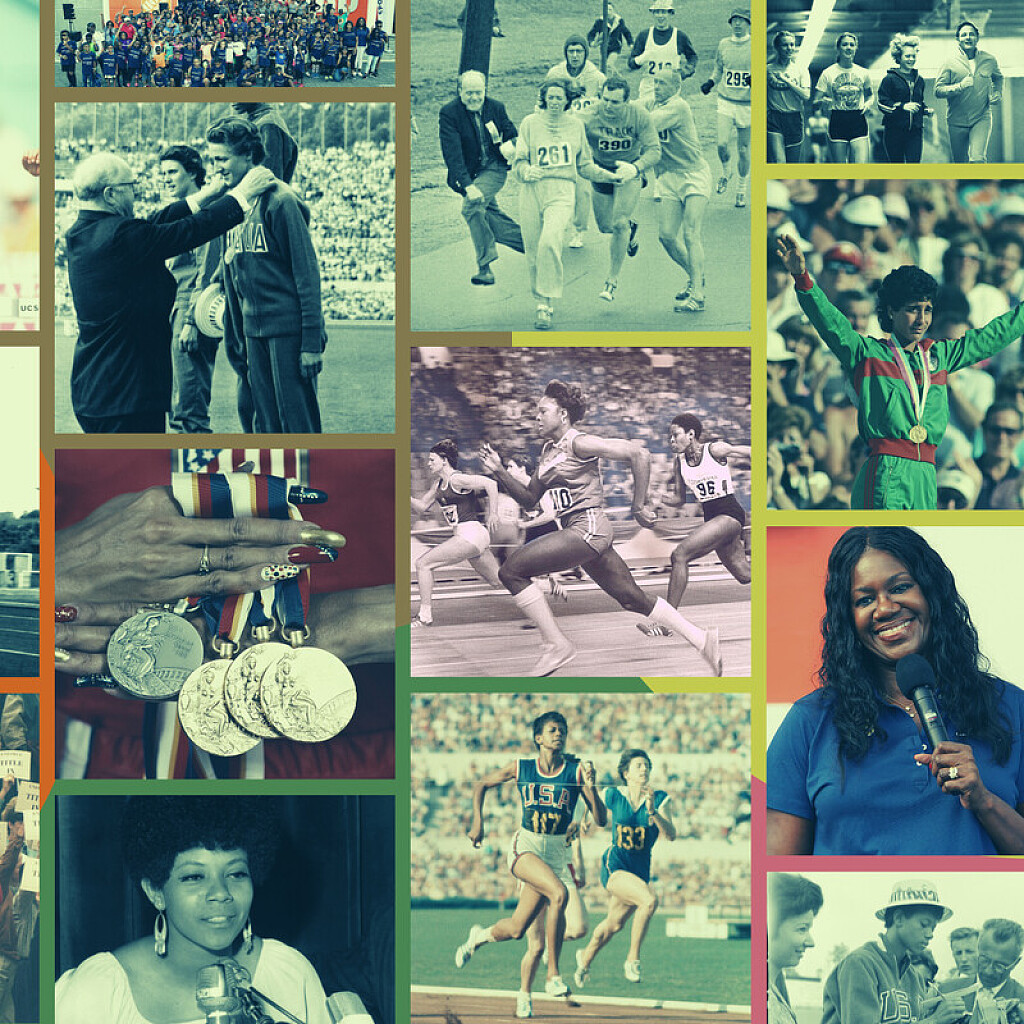
50 Years After Title IX: The landmark legislation has had a profound impact on gender equality but it hasn’t fixed everything
It’s been a year of celebration for women in sports, but particularly for women in running. We honored the first women to officially enter the Boston Marathon 50 years ago. We marked the 50th anniversary of the Mini 10K in Central Park this summer— “the world’s original all-women’s road race.” It’s also been 50 years since the “six who sat” protested at the starting line of the New York City Marathon, fighting for the right to compete in the same race as the men.
But perhaps the biggest anniversary of all is 50 years of Title IX, the bill that in 37 succinct words changed everything:
“No person in the United State shall, on the basis of sex, be excluded from participation in, be denied the benefits of, or be subjected to other discrimination under any education program or activity receiving federal financial assistance.”
A half century ago, on June 23, 1972, President Richard Nixon signed the civil rights legislation into law, and the effects have rippled ever since. It altered education significantly across the country, barring sex discrimination in schools, creating opportunities in sports, and, ultimately, allowing women to enter careers that were once completely dominated by men.
It seems unfathomable to today’s youth that, not long ago, these were not guaranteed rights. At the same time, Title IX has been far from perfect in its execution and its results. It continues to leave people of color and those of lower socio-economic status behind. The inclusion of transgender rights under the law is still under review as a dozen states seek to ban transgender women and girls from participating in women and girls’ sports. Today, 75 percent of high school boys participate in sports compared to 60 percent of girls. Women make up 44 percent of all NCAA athletes (compared to 13 percent before 1972), but still have 60,000 fewer athletic opportunities than men, according to the NCAA.
“The biggest lasting legacy of Title IX has been the understanding that it’s a civil right to be able to participate in school sports, because there’s education in getting to use your body to achieve various goals, working as a team, pushing yourself, testing your limits,” says Victoria Jackson, a sports historian and assistant professor at Arizona State University and the 2006 NCAA 10,000-meter champion. “That is pretty radical and has resulted in all sorts of consequences beyond the world of school sports, for individuals and for society. That’s really important.”
Title IX is a story of many chapters—continually revised politically, judicially, and culturally. In order to strengthen and sustain it, the law will always need guardians and defenders. In the middle of this year-long commemoration, for example, the Supreme Court is poised to overturn another 50-year-old ruling, Roe v. Wade, a decision that will strip women of their reproductive rights and ban abortions in several states—a devastating blow to the progress women have made in attaining education and achieving career advancement as a result of the ability to choose when and if they become pregnant.
“We want to celebrate the wins, as we are doing with Title IX, but we also want to be aware that the fight is not over,” said Nicole LaVoi, director of the Tucker Center for Research on Girls & Women in Sport, during the espnW Power Summit in May. “A lot of gains have been made. And there’s a lot of work still left to do.”
It’s impossible to adequately capture the scope and reach of 50 years of Title IX in a single swoop (we’ve got a comprehensive timeline here), but the milestone deserves reflection. Female runners and track and field athletes have always been on the forefront of pushing change. Whether they realized it or not, during the decades leading to the law, the simple act of showing up and running when their presence wasn’t welcomed or recommended was an act of advocacy that pushed the movement forward. Here are four reflections on Title IX honoring its past, present, and future.
(06/24/22) Views: 104Erin Strout Women’s Running
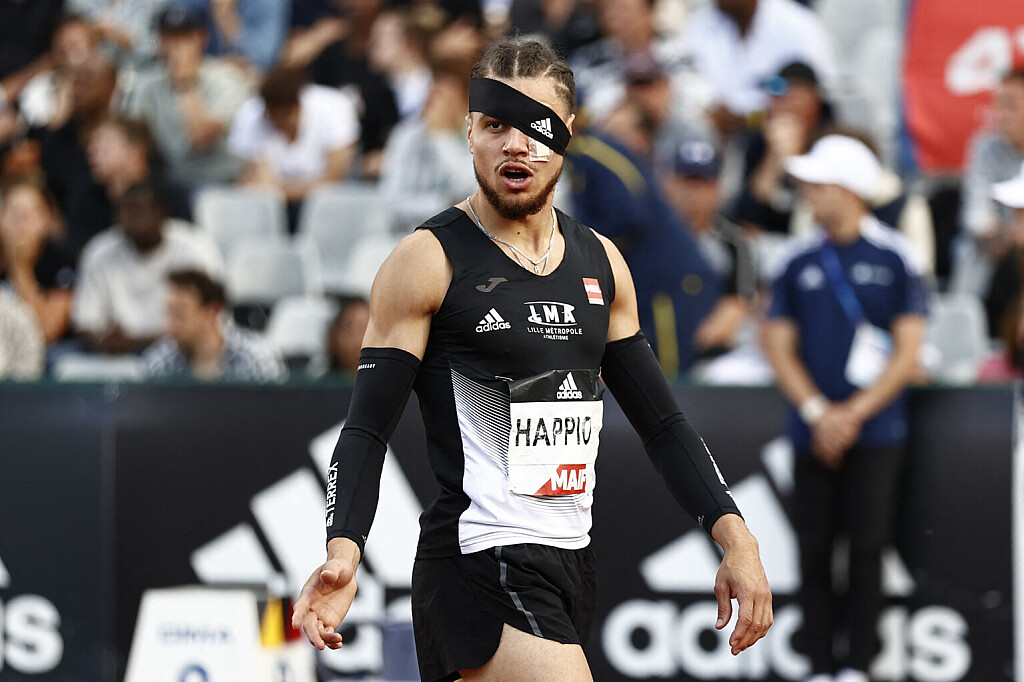
French 400m Hurdler Wilfried Happio wins title after being assaulted during warm-up
French athlete Wilfried Happio was warming up for his 400m hurdles race at the French Elite Athletics Championships when he was brazenly attacked by an anonymous assailant. Twenty minutes later, the 23-year-old was crowned national champion.
Shortly before the race’s start time, an individual snuck past security at Helitas Stadium in Caen, France and made his way onto the track, according to RCM Sport. The attacker located Happio as he was loosening up, asking the hurdler if he really was Wilfried Happio before landing several blows to his face. The reasoning behind the barrage is still unknown.
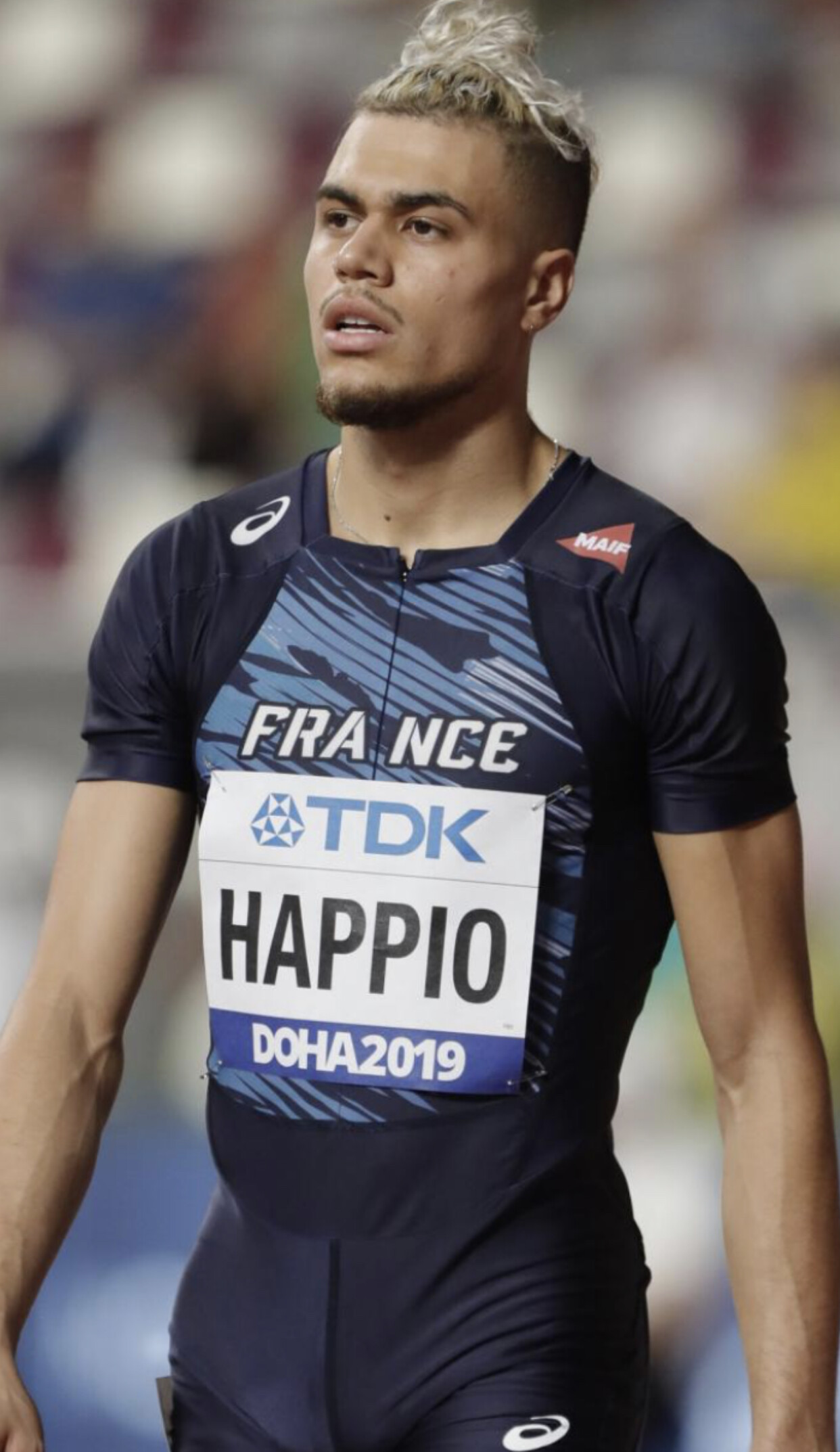
Olivier Vallaeys, Happio’s coach, swiftly came to his athlete’s aid, wrangling the aggressor and preventing further damage. Police later arrived at the scene to arrest the individual.
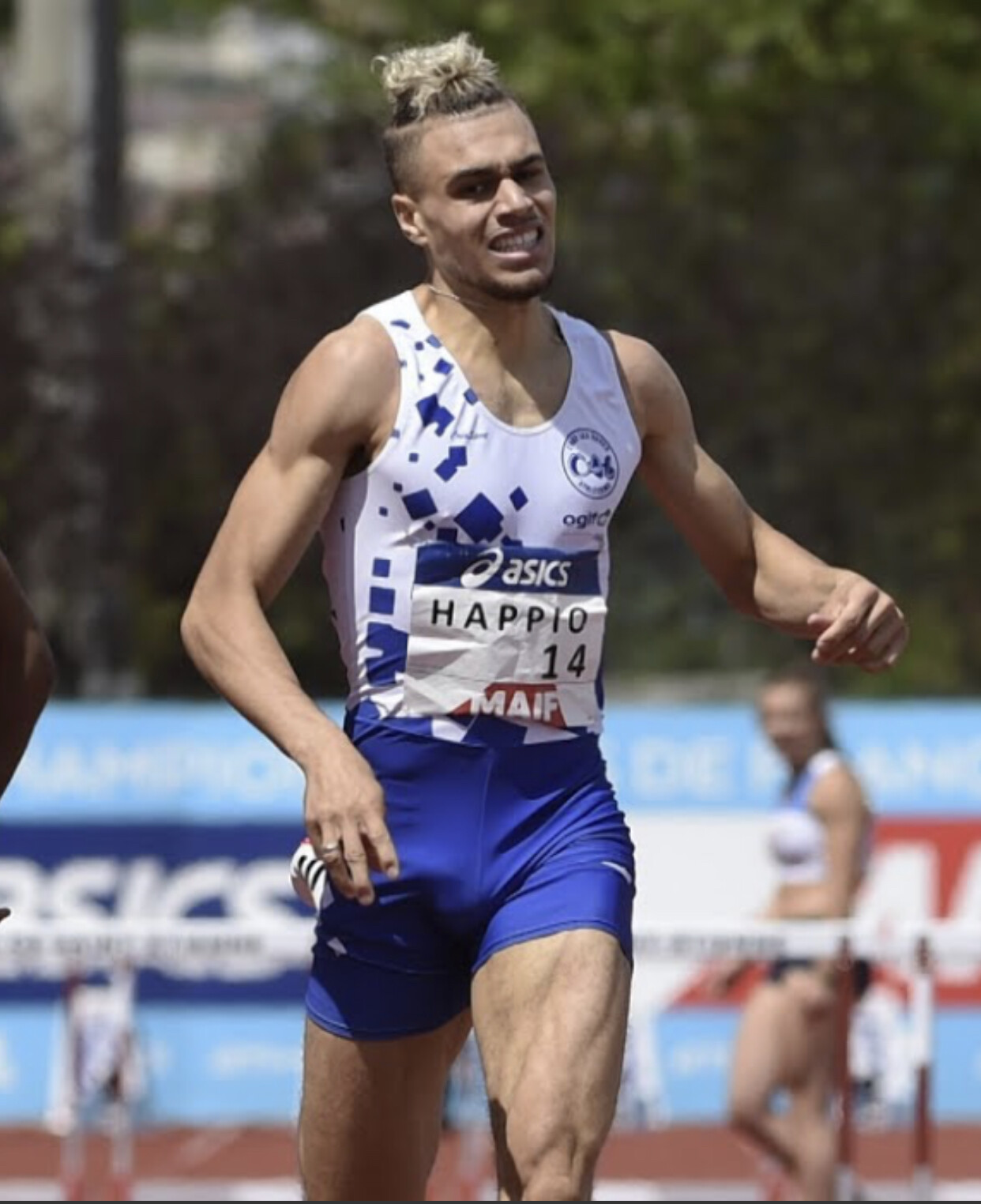
Happio was visibly shaken up by the seemingly random attack, even coughing up blood shortly before his event was set to take place. However, he declared himself fit to compete in the race.
Donning a makeshift eye patch made out of his headband and a spare bandage, Happio finished first in the 400m hurdles event, clocking in at 48.57 seconds – a personal record. Moments after crossing the finish line, the Parisian let out a thunderous yell, seemingly releasing the mixed cluster of emotions he garnered over the last hour. Despite blood dripping from his nose, Happio assured media post-race he was fine after the attack.
(06/28/22) Views: 85
Ukrainian athletes benefit from fund to attend World Athletics Championships
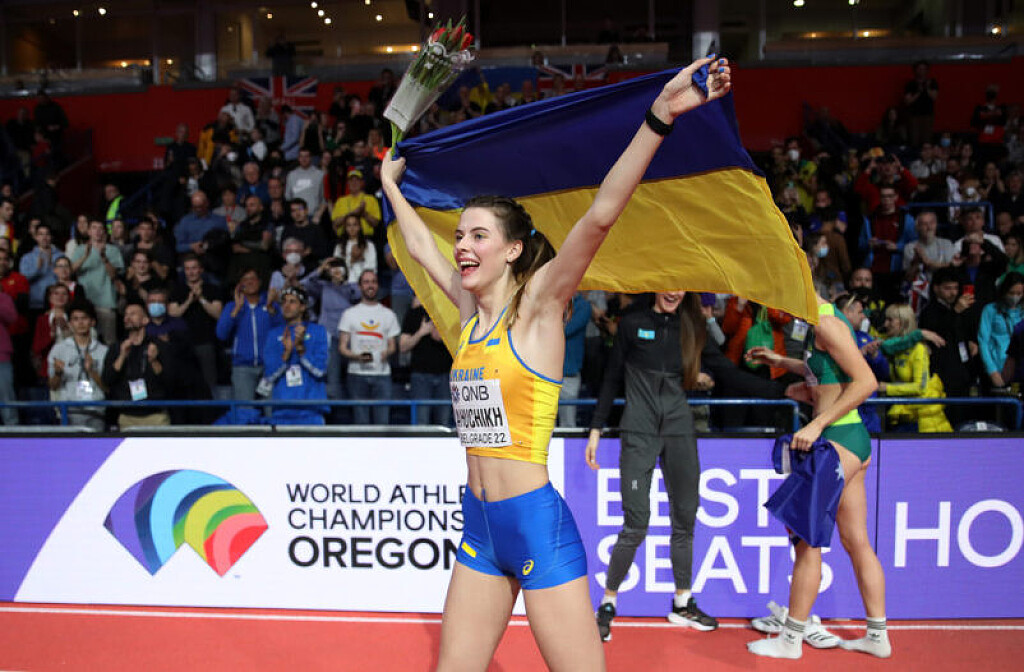
The first group of Ukrainian athletes and coaches depart today (Thursday) for the USA ahead of next month’s World Athletics Championships Oregon22.
World Athletics is distributing more than US$220,000 to support Ukrainian athletes preparing for the World Championships and the World Athletics U20 Championships Cali 22 in response to the crisis caused by Russia’s invasion of Ukraine.
World Athletics, the Member Meetings of Diamond League Association and the International Athletics Foundation launched a Ukraine Fund in April with the purpose of assisting professional athletes, immediate family members and their support personnel affected by Russia’s invasion of their home country.
This was in addition to a Solidarity Fund established by the International Olympic Committee (IOC) in February, which has already allocated about US$2.5 million to the Ukrainian Olympic Community and sports movement.
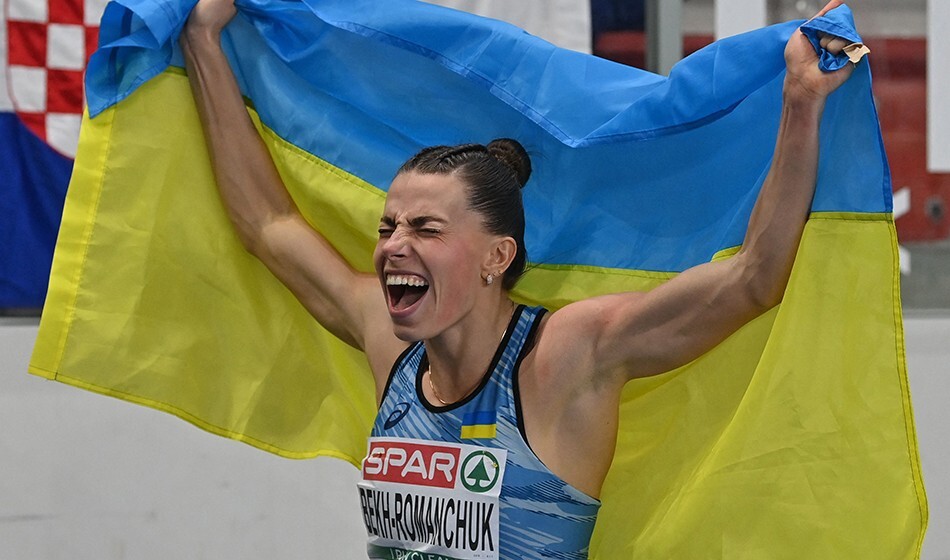
Both funds have enabled the Ukrainian Federation to pay a significant portion of the cost of training camps and competition across Europe for athletes preparing for these major events while a number of European National Olympic Committees, in coordination with the IOC, have provided support too.
The Athletics Ukraine Fund is now being used to fund the entire Ukrainian delegation’s attendance in Oregon.
So far 53 athletes, 25 coaches and officials, and 18 family members including children have received assistance from the Fund.
With the support of the IOC, the Fund will also ensure the Ukrainian team’s attendance at the World U20 Championships in Cali in August.
The IOC and European Athletics also assisted with training camps in Europe while the US Olympic and Paralympic Committee is providing additional support for athletes attending a training camp in California leading into the World Championships.
World Athletics President Sebastian Coe said: ”I am grateful and proud of the way the athletics community and the Olympic community have come together to support the Ukrainian Federation as they try to keep as many athletes as they can in training and competition. My thanks go to everyone involved for their support as these athletes prepare to represent their country while the war continues.”
Iolanta Khropach, General Secretary of the Ukrainian Athletic Association, said the federation was extremely grateful for the support of the combined athletics organisations and the IOC who came immediately to their aid after the invasion.
“They help our athletes to train and compete,” she said. “Without this support, it just would not be possible. This is more than just having good facilities and possibility to perform at World Championships and other events. World Athletics and European Athletics have helped to save the lives of our athletes.
“Many Ukrainian athletes now defend our country with weapons in their hands. Our sports infrastructure is destroyed. World Athletics was one of the first sports organisations in the world that banned Russian and Belarusian athletes and officials. We appreciate it so much and believe in World Athletics' strong position in the future.
“We are grateful to World Athletics and the IOC, as well as to every federation, LOC, other organisations, and individuals supporting us during these challenging times. Now we feel like never before that we are a true athletics family.”
World Athletics would like to thank all those organisations who have made generous contributions to the Ukraine Fund, including Members of the Diamond League Association, the International Athletics Foundation, the IOC, USOPC and PWC France Sport Challenge.
The fund can receive additional contributions at any time until fund closure which is set for 31 December 2023. Funding per beneficiary will be allocated on a needs-basis.
Potential donors to the fund should contact UKRFund@worldathetics.org.
World Athletics is coordinating with the International Olympic Committee’s Solidarity Fund for the Ukrainian Olympic Community to prevent any duplication of efforts.
(06/30/22) Views: 82World Athletics
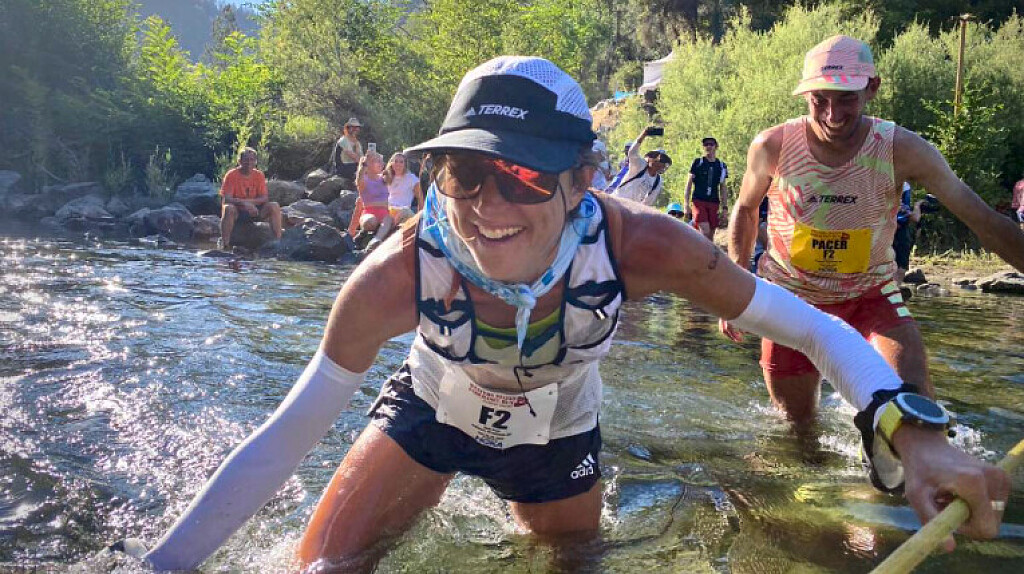
2022 Western States 100 Women’s Race
Last year’s winner Beth Pascall was absent from the start list for 2022, but there was still plenty of talent toeing the line. Six of last year’s top 10 made the final starting list, including hot favorite and previous second-place finisher, New Zealand’s Ruth Croft and last year’s seventh-place woman Emily Hawgood, who was believed to be capable of ruffling some feathers on her second attempt.
Outside of the returning top runners, this year’s start list also featured 100-mile world record holder Camille Herron, former podium finisher Lucy Bartholomew (Australia), and second-place woman at last year’s UTMB, France’s Camille Bruyas.
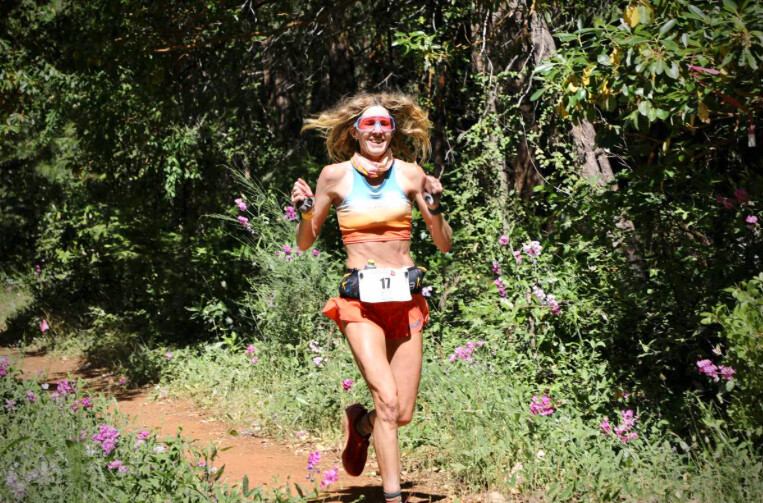
Herron was first to the top of the Escarpment, the race’s high point at mile 3.5, with Ellie Pell hot on her heels. They were followed by Keely Henninger, Poland’s Dominika Stelmach, Katie Asmuth, Canada’s Marianne Hogan, Lindsey Hagen, and Camille Bruyas, all within a couple of seconds of each other. Hawgood followed along in ninth position, followed by Switzerland’s Luzia Buehler in 10th.
The race had yet to space out at Lyon Ridge at mile 10, with Stelmach, Herron, and Hogan coming in together, closely followed by Henninger, Hawgood, Asmuth, and Pell.
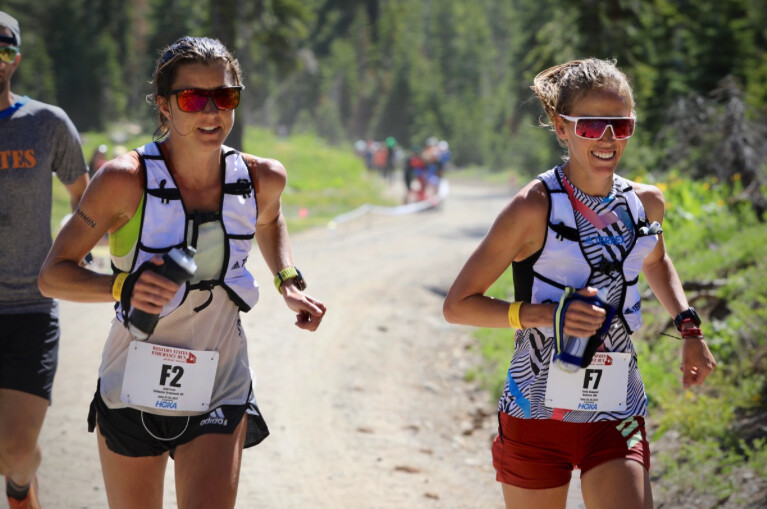
By Red Star Ridge at mile 15, Croft had begun to make her presence felt and climbed up the field to fourth position. Hogan led the field into Duncan Canyon, mile 24, just 20 seconds clear of Stelmach in second, then Hawgood, Henninger, and Croft.
By Robinson Flat, mile 30, Hawgood and Croft had moved up to share the lead and they continued to run together through mile 38, which they passed just under course record pace. Stelmach followed about 90 seconds back in third, a minute clear of Henninger in fourth. Herron had moved back to seventh position but still looked good.
The two leaders were still together at Devil’s Thumb, mile 47, but shortly after Croft managed to break away and ran through Deadwood Cemetery, mile 49.5, seven minutes back of course record pace. Hawgood came through just 30 seconds later, still looking happy and fresh and Henninger looked strong in third, 1:15 back from Croft.
The top two remained the same through mile 62, Foresthill, but Herron had begun to fight back and moved up to third position, about 18 minutes back from the leader and four minutes clear of Ailsa Macdonald in fourth. By the Rucky Chucky river crossing, mile 78, Croft had further extended her lead, but the real action was taking place behind her, with Macdonald making moves and climbing up to second place, 24 minutes back from Croft and three clear of Hawgood. Then with 10 miles to go at Quarry Road, Marianne Hogan, who had never been too far out of the frame, made a push and climbed up to third position.
Croft sealed the deal with a 17:21:30 finish to take the win, the third fastest women’s time on record. Macdonald finished impressively close, just 25 minutes back in 17:46:46. Marianne Hogan took the final podium spot in 18:08:32, less than three minutes clear of Buehler in fourth, in a race that really wasn’t over ‘til it was over.
Hawgood, who ran a brave race, finished fifth in 18:16:02, almost an hour better than her previous time. We expect there will be more to come from her if she takes her place on the 2023 start line.
Leah Yingling was sixth in 18:32:31, and Taylor Nowlin, who had a strong second half, took seventh in 18:46:42. Herron, who’s had bad luck in this race before, had a strong eighth place finish in 18:51:54 and Asmuth and Bruyas rounded out the top 10 in 19:30:26 and 19:34:24 respectively. Overall, 11 women broke 20 hours this year, with Anne-Marie Madden finishing just outside the top 10 in 19:38:44.
Women’s DNFs included Bartholomew and Henninger, both due to injury.
(06/26/22) Views: 79
Workouts to build speed when you’re short on time
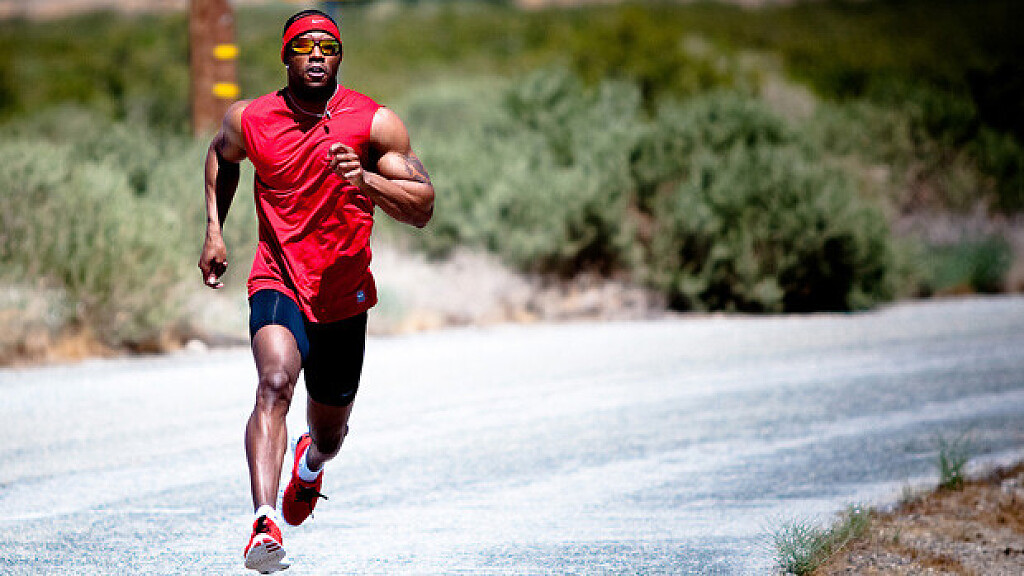
We’ve all heard it before: consistency is key. While you know the basics–get out the door regularly, do most of your running slow and a little bit of it fast–even the best training plans go out the window sometimes when life happens. When you’re already mentally stressed, the last thing you want to worry about is losing fitness. Here are three shorter workouts you can slot into a busy schedule and still reap the rewards of a longer speedwork session.
Simple speedwork for time-crunched days
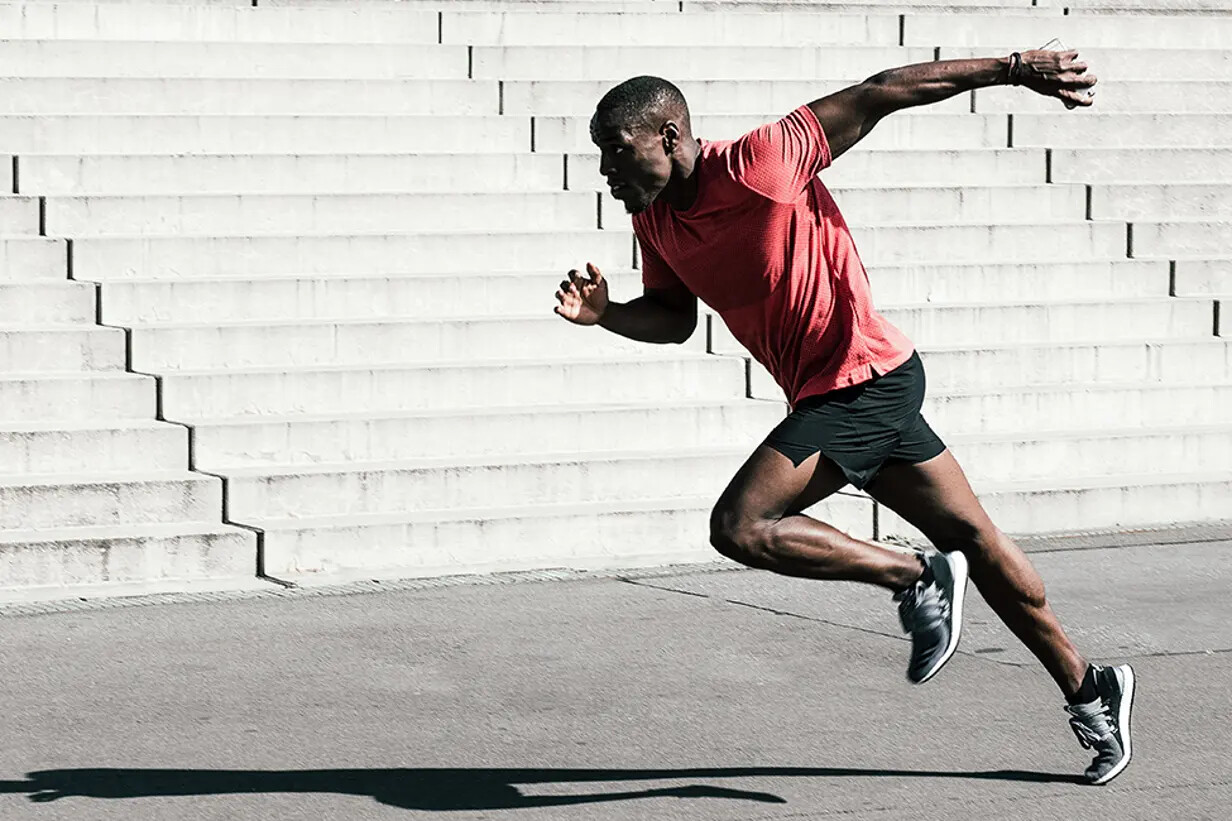
This adaptable workout can be thrown into any athlete’s training plan, during any season. Take it to the trails for some hill work, or add more or fewer intervals depending on the time available.
Warm up with 10 minutes of easy running
10-15 x 1 minute fast, 1 minute easy
Cool down with 10 minutes of easy running
Tempo and speed combo
This workout bridges speed and strength, combining the tempo run (which helps to get you race-ready) with some quick intervals. The speed intervals are like the “fast finish” portion of some long runs–they will remind your legs they have a bit of kick left, while also making the workout just that little bit more challenging. Use the easy portion in the middle for a super slow, gentle (but short) recovery.
Warm up with 10 minutes of easy running
15- to 20-minute moderate tempo run, 5 minutes easy, 6-8 x 30 seconds fast/30 seconds easy
Cool down with 10 minutes of easy running
30-minute sustained effort on mixed terrain
Try to do this workout on a trail or road that has some climbs and descents, or even program a treadmill with a variety of inclines. If you’re stuck somewhere flat without a hill in sight, you can certainly still benefit. Keep that one-hour effort in mind, and try not to go faster–you want to prep your body for race pace without overdoing it. You can add a warmup and cooldown to this one if you have time, running easy for five to 10 minutes at both ends.
Make sure the day following any of these sessions is rest or easy running. You can count on these workouts to give you the training effect of a longer session and can substitute them into your schedule whenever you’re short on time.
(06/29/22) Views: 78Keeley Milne
