

Running News Daily
Top Ten Stories of the Week
6/25/2022
These are the top ten stories based on views over the last week.



Olympic Champion Dame Kelly Holmes has announced she is gay, and says she has hidden it for 34 years.
Speaking during Pride month, the two-time gold medallist said she realised she was gay at the age of 17 after kissing a fellow female soldier, and that her family and friends have known since 1997.
The Olympic champion told the Sunday Mirror: "I needed to do this now, for me. It was my decision. I'm nervous about saying it. I feel like I'm going to explode with excitement.
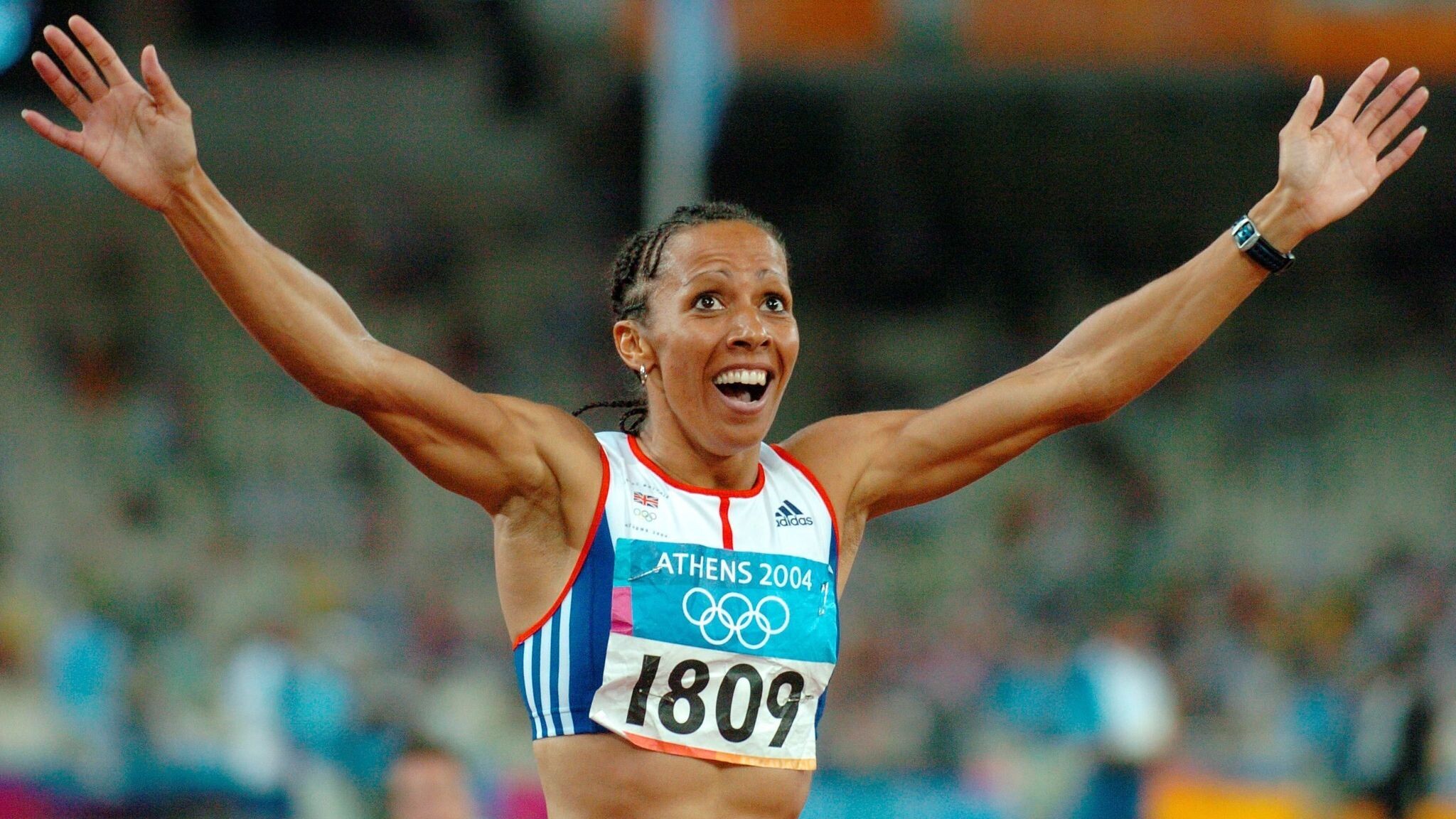
"Sometimes I cry with relief. The moment this comes out, I'm essentially getting rid of that fear."
The 52-year-old also revealed she struggled with her mental health because of having to hide her sexuality, and that she had to keep several same-sex relationships she had during her time in the Women's Royal Army Corps secret, for fear of being courts marshalled.
Until 2000, it was illegal for gay, lesbian and bisexual people to serve in the British Army, Royal Navy and RAF - and Dame Kelly feared she would still face repercussions for breaking that law during her time in the forces.
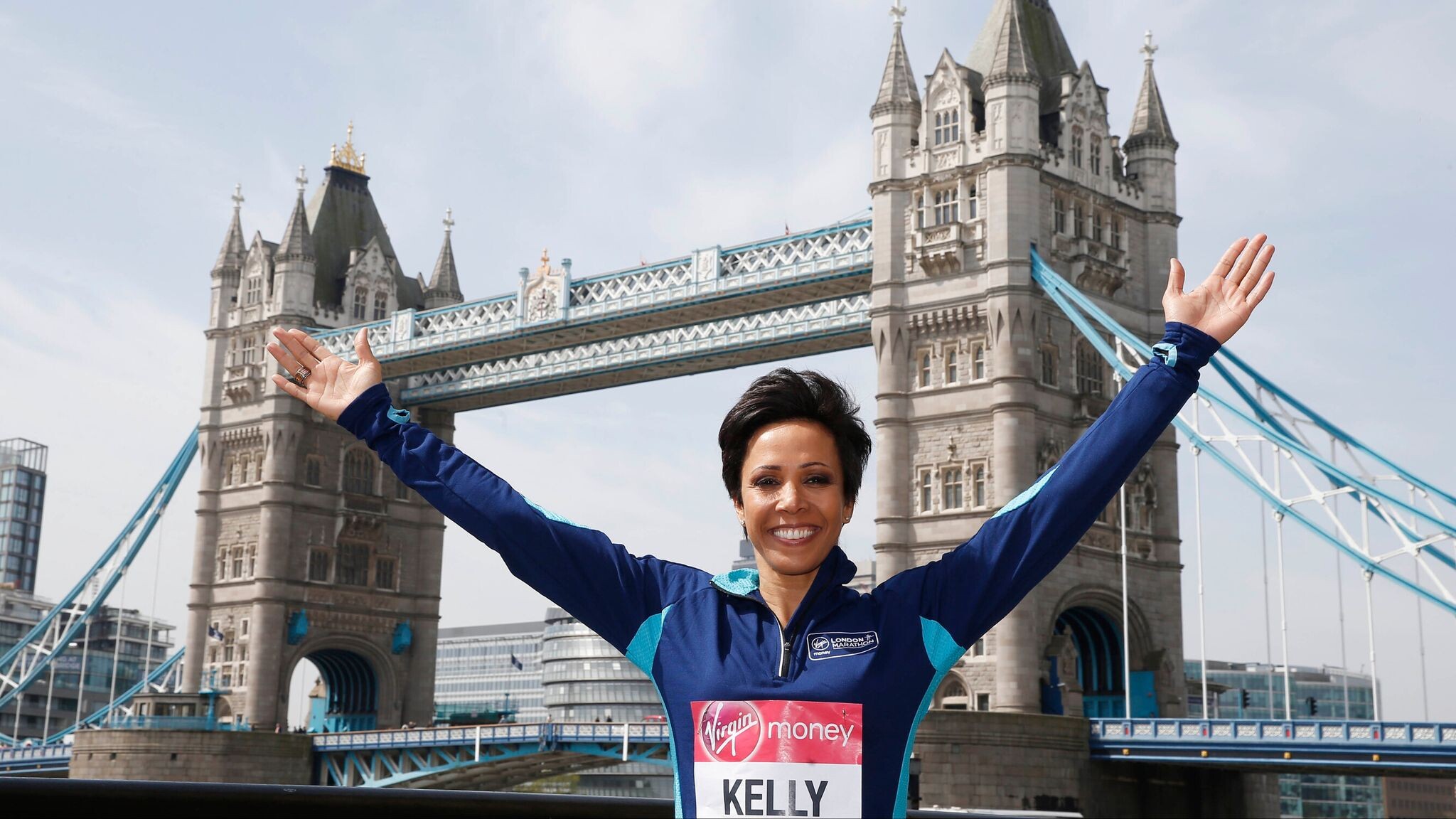
She contacted a military LGBTQ+ leader in 2020 to find out if she could be sanctioned for breaking army rules and was told she would not be.
She said: "I felt like I could breathe again, one little call could have saved 28 years of heartache."
(Second photo) Crossing the finish line to win the gold medal in the women's 800m at the 2004 Olympic Games in Athens. She also won the 1500m.
Dame Kelly took part in her final major championship in 2004, with a double gold medal-winning performance at the Athens Olympics.
In 2005 - the year she retired from athletics - she was made a Dame by the Queen.
She has since been made an honorary colonel with the Royal Armoured Corps Training Regiment.
Dame Kelly set up a charity in 2008, created to support retired athletes to transition out of their sport, and to create mentoring programmes to inspire young people from disadvantaged backgrounds into sports.
Social media has been flooded with support for the Olympic champion.
She has also started to make a documentary about her experiences called Being Me, where she talks to LGBTQ+ soldiers about their lives in the military now.
(06/18/22) Views: 98
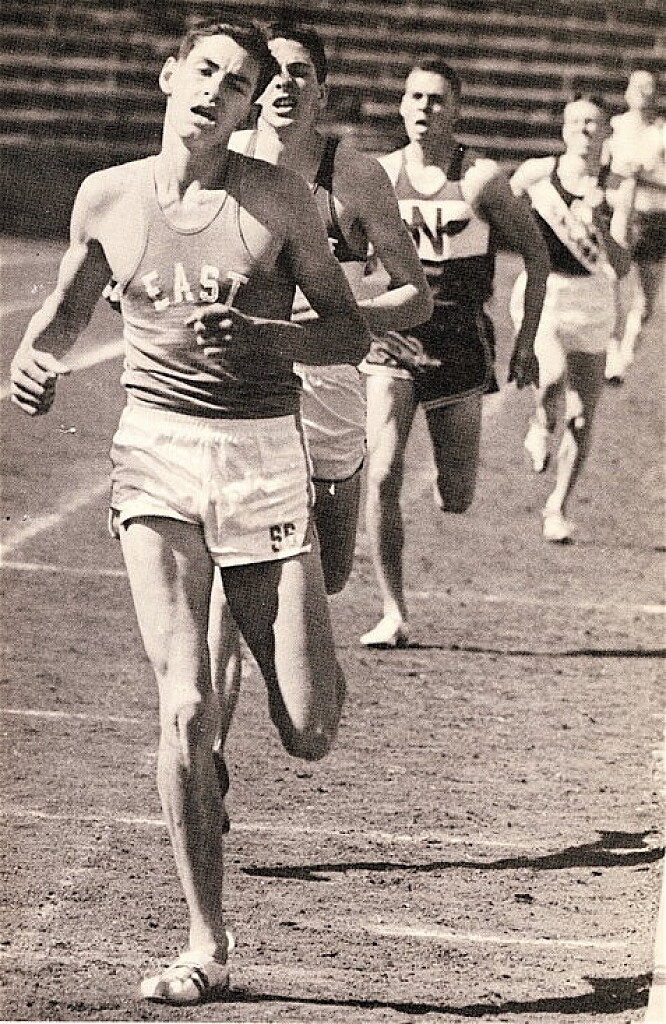
Five high school boys have combined to break the four-minute barrier seven times in 2022 and no one has enjoyed it more than Jim Ryun
Jim Ryun was the first high school boy to break the four-minute barrier in the mile as a Kansas 17-year-old in 1964 and went on to a legendary track and field career that included three Olympic appearances in the 1,500m, a silver medal in the 1968 Mexico City Olympics, and numerous American and world records.
Ryun’s name always surfaces when a high schooler dips under 4 minutes in the mile. And in 2022, his name has been coming up a lot.
Ryun’s career was also in the spotlight earlier this month when he was one of 30 former college track and field athletes inducted into the inaugural class of the USTFCCCA’s Athlete Hall of Fame in conjunction with the NCAA Championships in Eugene, Ore.
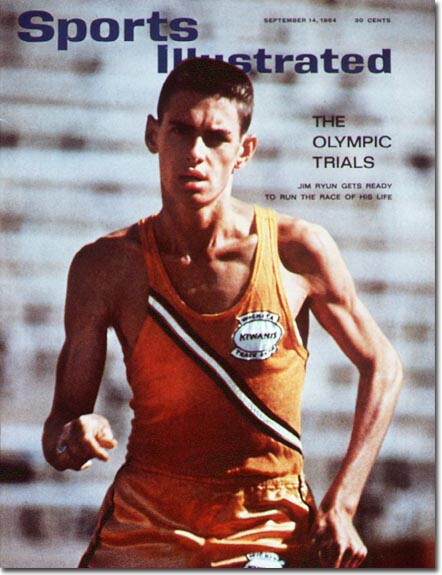
The original 4-minute high school barrier breaker celebrates the resurgence of American high school distance running and says for too long runners were held back in fear of what would happen if they ran under 4 minutes for the mile.
“I think they realize it’s not a barrier that can’t be broken, it’s more of a matter that if you break it,” Ryun said, “will you go on from there, which you can because we’re seeing more and more of them that are doing that.
“It’s not the barrier that it once was, should never have been there. For a long time, there were three of us. Myself, Marty Liquori and Tim Danielson. We were the only (sub) 4-minute milers from high school for years and I think it was the result of people being afraid of that, and coaches saying if you run too fast, too soon you’ll never make it very far.”
Growing up, Ryun often wondered if he would ever be successful in an athletic endeavor. He tried basketball and football and was cut from his church baseball team. At a high school assembly, Bob Timmons, the school’s track and field and cross country coach, encouraged students to run on his cross country team in the fall.
Ryun had never run more than one lap around a track before joining the cross country team, but in one season at Wichita East High School, he went from the last runner on the third-string team to a sixth-place finish at the Kansas state meet.
“Running was so new to me, I didn’t know who the heroes were,” Ryun recalled. “In fact, my first thought was I wanted to be a baseball, football, basketball player. Running, what’s that? So, it took a while. The first book Coach Timmons gave to me was about Emil Zatopek, the great Olympian, so I read that, and it began helping me understand about the sport.”
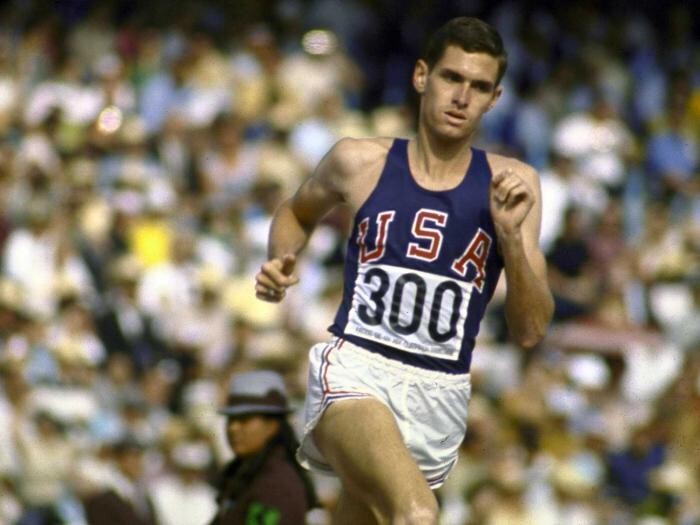
Ryun said Timmons was convinced he could be the first high school runner to break 4 minutes in the mile. That came true on June 5, 1964, when Ryun ran 3 minutes, 59.0 seconds to finish eighth at the Compton Invitational in Los Angeles.
“The goal originally was my coach’s because I was the kid that got cut from the church baseball team, didn’t have great talent and when I started running, I was looking for direction,” Ryun said. "And he began basically teaching me about goals, how to reach goals, and gave me workouts to get there. The night that I ran 4 minutes, 3:59.0, I didn’t sleep that night (before) because I realized that it was his goal.
“But my thought was, what happens if I take ownership, ownership being there’s certain things you as an athlete know you could do like maybe a little extra weightlifting, better eating. It was a transformational moment, because I mean when you finish eighth in a race and become the first kid to run under 4 minutes, that has to change your life – and it did.”
Ryun’s running career took off from there. He made the 1964 U.S. Olympic team in the 1,500m that went to Tokyo and was the last U.S. high school men’s track and field athlete to make the U.S. Olympic team until teenager Erriyon Knighton qualified for the 2020 Tokyo Olympics in the 200m and finished fourth there.
As a high school senior, Ryun broke 4 minutes four more times. His time of 3:58.3 at the 1965 Kansas state meet was the first time 4 minutes was broken in a high school-only meet. On June 4, 1965, Ryun returned to the Compton Relays, the site of his first sub-4-minute mile and ran 3:56.8. A little over three weeks later, he ran 3:55.3 at the U.S. AAU Championships in San Diego and beat New Zealand’s Peter Snell, the 1964 Olympic champion in the 800m and 1,500m.
Ryun, who would stay close to home and attend Kansas University after graduating from high school in 1965, roomed with a former Jayhawks great, Billy Mills, during U.S. training camps leading up to the 1964 Olympics. In Tokyo, Mills stunned the world by becoming the only U.S. athlete to ever win the Olympic 10,000m.
In 1966, Tim Danielson became the second American high schooler to break 4 minutes when he ran 3:59.4. A year later, Marty Liquori ran 3:59.8 to become the third high schooler under 4 minutes.
Ryun and Liquori had illustrious careers after high school, particularly Ryun. At age 19 in 1966, Ryun set two world records, first in the 800m (1:44.9), and then the mile (3:51.3). He was the NCAA indoor mile champion for Kansas in 1967, 1968 and 1969, and the 1967 outdoor NCAA mile champion. In 1967, he set a 1,500m world record of 3:33.1 that stood for seven years.
That same year, he lowered his mile world record to 3:51.1., a mark that stood for almost eight years. Ryun was the last American man to hold the mile world record. He still holds American junior records for the mile (3:51.3) and 2-mile (8:25.1), and his 800m American junior record of 1:44.9 stood for exactly 50 years.
In 2003, ESPN.com ranked Ryun as the greatest U.S. high school athlete of the 20th century, ahead of Tiger Woods, LeBron James, Lew Alcindor (now Kareem Abdul-Jabbar), Wilt Chamberlain, Marion Jones, and others.
After Ryun, Danielson, and Liquori, the 4-minute mile wasn’t broken by a prep athlete again for more than 32 years until Alan Webb ran 3:59.86 at the New Balance Games in New York on Jan. 20, 2001. Sensing something special in Webb, the promoters of the Prefontaine Classic in Eugene, Ore., invited him to run in the Bowerman Mile, the signature event of the meet that has since become a Diamond League event, on May 27, 2001.
Morocco’s Hicham El Guerrouj, still the world record-holder in the 1,500m and mile, won the event in 3:49.92, followed by Kevin Sullivan of Canada and Bernard Lagat, then of Kenya, who later ran for the U.S. They helped pull Webb to a fifth-place finish in 3:53.43, breaking Ryun’s 36-year-old high school record.
“I thought he would. I just didn’t know how much he would break it by," Ryun said. “It was one of those moments in time where he had run well, but he needed somebody to help him get over that finish line, just as I did running under 4 minutes for the first time. You need someone to help set the pace. You can relax a little bit, and he was able to take advantage of that.
“So, there was no real surprise to me. The biggest surprise was that there weren’t more high school boys running under 4 minutes.”
It would be another 10 years before a high schooler would break 4 minutes in the mile. In 2015, Matthew Maton and Grant Fisher, now the U.S. record-holder in the men’s 10,000m, both ran 3:59.38 about one month apart. In 2016, two runners broke 4 minutes, including Drew Hunter, who did it twice in a 15-day span in February indoors, both times in New York.
The 4-minute barrier was broken by high schoolers once in 2017 and again in 2020 during the height of the COVID-19 pandemic. In 2021, Hobbs Kessler ran the fastest high school mile since Webb when he ran 3:57.66 indoors. Kessler later that year broke Ryun’s 1,500m American junior record of 3:36.1 that stood for almost 55 years.
The lack of American high school runners breaking 4 minutes in the mile for decades might be a big reason why U.S. men haven’t enjoyed much Olympic or international success until recently. When Matthew Centrowitz won the men’s 1,500m at the 2016 Rio de Janeiro Olympics, he was the first American man to do so since 1908. At the same Olympics, Clayton Murphy won the bronze medal in the 800m, the first American man to medal in the event since 1992.
And when the World Athletics Championships are hosted on U.S. soil for the first time next month in Eugene, Ore., the defending 800m men’s champion is American Donavan Brazier.
“If you look back in history, you’d see there was a dominance maybe by a country for a time like Great Britain had all those great runners. America at one time was dominant in that area as well,” Ryun said. “So, I think it’s a matter of floating from place to place, and I think it comes down to motivation. How motivated are you?
“Over time you start realizing that motivation has to come down to you be willing to get up, run in all kinds of weather, race all over the world and let those talents be developed that God’s given you. So, it takes time. I think America can come back with dominance, but it also comes down to how motivated you are. I see the Kenyans as very motivated, and America can be just as motivated as you see with these new young runners that are developing quickly.”
That has proven to be the case this season. Seventeen high school runners have broken the 4-minute barrier, and 2022 has been the banner season for it so far with five runners breaking the mark seven times.
“I think a lot of coaches are seeing, too, that kids are just developing a lot faster doesn’t mean you’re going to burn out,” Ryun said. “It means you’ve got great opportunities. Will you decide to keep it going and, in my case, will you take ownership? The coach can only take you so far, but then you have to establish ownership.”
The owner of the fastest prep mile this year is Colin Sahlman, who ran 3:58.81 indoors in February, and, like Webb, was invited to the Bowerman Mile at the Prefontaine Classic. In a field that included 2020 Tokyo Olympic 1,500m gold medalist Jackob Ingebrigtsen, defending World Athletics Championships 1,500m gold medalist Timothy Cheruiyot, and defending 1,500m NCAA outdoor champion Cole Hocker, Sahlman finished 13th in 3:56.24. Of the 14 men who finished the race, seven set personal bests and seven set season bests, including Ingebrigtsen, whose time of 3:49.76 is the fastest in the world this year.
Sahlman’s time moved him to third on the all-time prep list behind Webb and Ryun. Sahlman, who is headed to Northern Arizona University for college, was part of a high school powerhouse at Newbury Park High in Southern California. In 2021, Newbury Park became the first high school team to have four runners break 4:10 for the mile in the same season.
“That mindset has really evolved and developed over these last three to four years,” Sahlman said in a March article in the Los Angeles Times. “It’s just like it’s transformed into something that we never thought was possible. Now we think anything’s possible.”
Gary Martin has also broken 4 minutes twice this year, running 3:57.98 on May 14 and 3:57.89 on June 2 in the Festival of Miles in St. Louis. At the Festival of Miles, Connor Burns ran 3:58.83 to become the first high school junior since Ryun to break 4 minutes. It was also the first time two prep runners broke 4 minutes in the same race.
Those two performances gave the Festival of Miles four prep runners who have broken 4 minutes. That’s where Fisher did in 2015, a feat repeated by Reed Brown a year later.
And one day after Martin and Burns broke 4 minutes, Rheinhardt Harrison ran 3:59.33 in Florida on June 3. On June 15, Simeon Birnbaum added to the list of sub-4 minute runners when he became the second high school junior this season to break the mark with a time of 3:59.51.
Will this high school running resurgence lead to greater U.S. success against international competition and major global championships? Only time will tell.
(06/20/22) Views: 96Ashley Conklin (World Athletics)
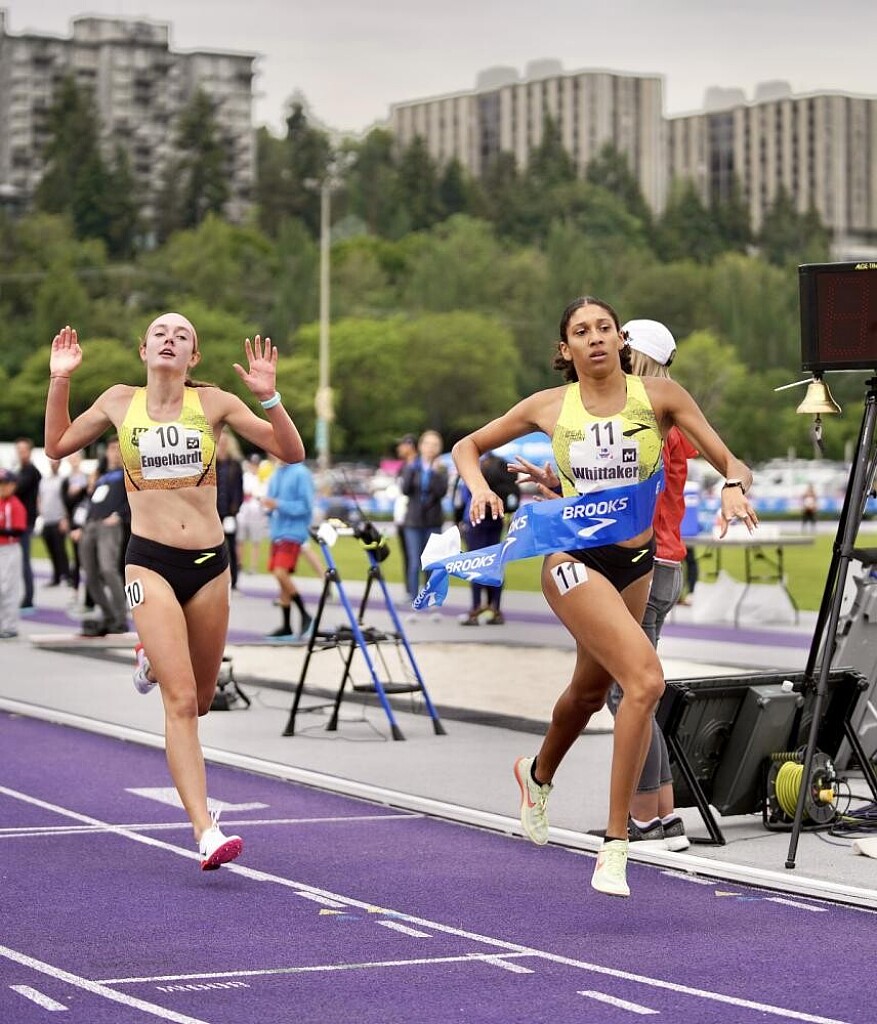
Whittaker repeats as mile champion in Seattle by edging Engelhardt and elevates to No. 7 all-time outdoor performer with 4:36.23 effort in first girls high school race with seven athletes running under 4:40
Julia Flynn called it.
“I knew it. I knew today was going to be a crazy race,” said Flynn, a recent graduate of Traverse City Central High in Michigan.

That it was. On a cloudy Wednesday afternoon at the University of Washington’s Husky Stadium in Seattle, Flynn was part of the fastest Brooks PR Invitational mile in meet history.
Defending champion Juliette Whittaker of Mount de Sales in Maryland led the charge with a final surge down the straightaway to win in 4 minutes, 36.23 seconds, lowering her own meet record of 4:38.65 from last year.
Six girls quickly followed, all crossing the finish line under 4:40 to make it the deepest girls mile race in U.S. prep history. The boys mile also didn’t disappoint to cap the meet by having junior Simeon Birnbaum of Rapid City Stevens High in South Dakota eclipse the 4-minute barrier and five athletes run sub-4:02 for the first time in a single high school race.
“I predicted Juliette was going to win, but I was like, ‘You know what? Regardless of the winner, we’re all going to get really big PRs,’” Flynn said. “That’s why it’s Brooks PR, it lives up to the name.”
With the girls and boys miles scheduled annually as the last races of the meet, fans at Husky Stadium lined the outskirts of the track down the straightaway, creating an intimate and electric environment for the 12 female runners all capable of winning the event.
“I knew it was going to be a fast race and I knew it was going to be competitive,” Whittaker said. “Just the fact that we came around with a lap to go and all of us were still in the race, was insane, it was really just a kick to the finish.”
With a slight separation from the pack, Whittaker and freshman Sadie Engelhardt of Ventura High in California – who set an age 15 world mile record April 9 by running 4:35.16 at the Arcadia Invitational – came sprinting down the last 100 meters.
Similar to how the New Balance Indoor National mile championship race played out March 13 between the two athletes, Whittaker had a little more left in her to pull ahead of Engelhardt for the victory. Whittaker prevailed by a 4:37.23 to 4:37.40 margin at The Armory in New York.
Engelhardt finished runner-up Wednesday in 4:36.50, while Flynn ran 4:37.73 to set a Michigan state record by eclipsing the 2013 standard of 4:40.48 produced by Hannah Meier of Grosse Pointe South.
Riley Stewart of Cherry Creek High was fourth in 4:38.21, lowering her own Colorado state record of 4:40.66 from last year, when she placed second behind Whittaker.
“I’m feeling amazing,” Stewart said. “I’ve been 4:40 three times now, so to finally get it (under 4:40) and to run with all these amazing girls, I have to say that was probably one of the best miles we’ve ever seen come through here, so just to be part of it is just amazing.”
Samantha McDonnell of Newbury Park High in California placed fifth in 4:38.44, Isabel Conde de Frankenberg of Cedar Park High was sixth in a Texas state record 4:38.55, and Mia Cochran from Moon Area in Pennsylvania secured seventh in 4:39.23. Conde de Frankenberg eclipsed the 2009 standard of 4:40.24 established by Chelsey Sveinsson of Greenhill High.
Every performance achieved from Engelhardt to Cochran was the fastest all-time mark by place in any high school girls mile competition.
Just missing going under 4:40 was Taylor Rohatinsky of Lone Peak High in Utah, clocking 4:41.83 to also produce the fastest eighth-place performance in any outdoor prep mile race.
Whittaker’s winning effort made her the No. 7 outdoor competitor in U.S. prep history, with three of the marks achieved this year, the other two coming from Dalia Frias of Mira Costa High in California (4:35.06) – who also ran the national high school outdoor 2-mile record 9:50.70 to open Wednesday’s meet – and Engelhardt’s victory at Arcadia.
Whittaker, along with Flynn, Stewart, 10th-place finisher Ava Parekh (4:52.09) of Latin School in Chicago and Roisin Willis from Stevens Point in Wisconsin – second place Wednesday in the 400 in 53.23 – are all part of Stanford’s 2022 recruiting class.
Despite having an unusual high school career due to the pandemic, Whittaker said the surge of quicker times and a more competitive environment may be due to the circumstances the pandemic created with more time for training.
“I feel like ever since COVID, honestly we have just surpassed any goals that we used to always set,” Whittaker said. “(Running) 4:40 used to be a barrier that like many people wanted to break, if so, maybe one, but the fact that seven girls (did) in the same race. I’m excited for years to come to keep watching. Sadie, obviously only being a freshman, and like other girls, I’m excited to see what times they are going to run.”
Here is the list of high school girls who have broken 4:40 before this race:
High School Girls Who Have Run Sub-4:40 Miles
Mary Cain — 4:28.25i (2013)
Alexa Efraimson — 4:32.15i (2014)
Katelyn Tuohy — 4:33.87 (2018)
Dalia Frias — 4:35.06 (2022)
Sadie Engelhardt — 4:35.16 (2022)
Polly Plumer — 4:35.24 (1982)
Katie Rainsberger — 4:36.61i (2016)
Kim Gallagher — 4:36.94 (1982)
Sarah Bowman — 4:36.95 (2005)
Arianna Lambie — 4:37.23 (2003)
Juliette Whittaker — 4:37.23i (2022)
Marlee Starliper — 4:37.76i (2020)
Christina Aragon —4:37.91 (2015)
Addy Wiley — 4:38.14 (2021)
Victoria Starcher — 4:38.19 (2020)
Caitlin Collier — 4:38.48 (2018)
Debbie Heald — 4:38.5i (1972)
Ryen Frazier — 4:38.59 (2015)
Taryn Parks — 4:39.05i (2019)
Wesley Frazier — 4:39.17 (2013)
Sarah Feeny — 4:39.23 (2014)
Danielle Toro — 4:39.25 (2007)
Mia Barnett — 4:39.41 (2021)
Katelynne Hart — 4:39.57 (2020)
Cami Chapus — 4:39.64 (2012)
Brie Felnagle — 4:39.71 (2005)
Dani Jones — 4:39.88 (2015)
Angel Piccirillo — 4:39.94 (2012)
Allison Cash — 4:39.98 (2013)
(06/19/22) Views: 94Mary Albl of DyeStat

Next up is the Wanda Diamond League meeting in Paris on Saturday June 18
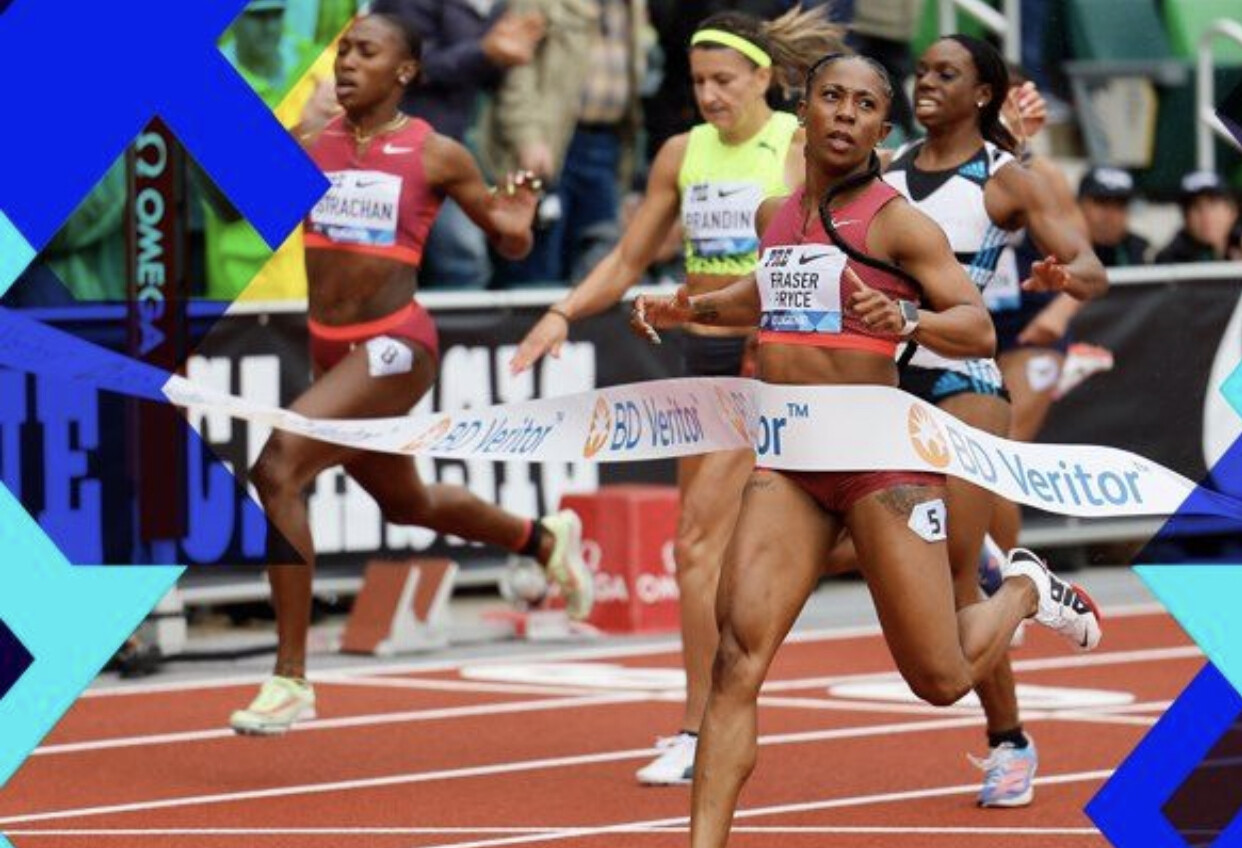
At 35, Jamaica’s two-time Olympic 100m champion Shelly-Ann Fraser-Pryce has done it all. But she still hasn’t finished, and her appearance at the Wanda Diamond League meeting in Paris on Saturday (18) will represent another significant step in her campaign to defend her world 100m title in Oregon next month.
Fraser-Pryce established her name early on this season’s world list when she ran in the rarified air of Nairobi and won in 10.67 - only seven-hundredths off the personal best she ran last year to put herself third on the all-time list.
Her Jamaican compatriot and twice successor as Olympic 100m champion, Elaine Thompson-Herah, has since made a good start to her pursuit of a first individual world title with a best of 10.79 on the Eugene track that will stage the World Athletics Championships Oregon22.
But now Fraser-Pryce is back to make another impression in top-level competition at the Meeting de Paris on the ultra-fast blue track at Stade Charlety, which was renovated in 2019.
She will be taking on some talented sprinters including Switzerland’s Mujinga Kambundji, the surprise – and surprised – winner of the world indoor 60m title in Belgrade earlier this year in a personal best of 6.96. Kambundji, who turns 30 on the day before the race, will be targeting her personal best of 10.94.
Also in the mix will be Michelle-Lee Ahye of Trinidad and Tobago, who has run 10.94 this season and has a personal best of 10.82, and Marie-Josee Ta Lou of the Ivory Coast, who missed a 100m medal by one place in Tokyo as she ran 10.91.
Two-time Olympic 400m champion Shaunae Miller-Uibo, who has raced well but not exceptionally at 200m this season, will get down to serious business at her specialist event.
The 28-year-old Bahamian, who lowered her own continental record to 48.36 in Tokyo last summer, is third in this year’s top list with her time of 49.91, but that was set in April and the Olympic champion will want to check in on her current form having run over 200m recently.
She faces a strong Polish trio of Natalia Kaczmarek, who ran a huge personal best of 50.16 in Ostrava and stands sixth in this year’s world list, European champion Justyna Swiety-Ersetic and Anna Kielbasinska.
The Bahamas will be providing both Olympic 400m champions in Paris, with Steven Gardiner hoping to further fine-tune his world title defence in Oregon with a rare Diamond League appearance.
The leggy 26-year-old, who is 1.93m tall and has run 43.48, making him the sixth best performer of all time, did not compete in any Diamond League race last year and only raced once in Europe, at Szekesfehervar in Hungary.
His last appearance on the sport’s top circuit was at Monaco in 2019, when he won. Gardiner is already in good shape, having run 44.22 at Baton Rouge in Louisiana on 23 April - the fastest time recorded so far this year.
Meanwhile, European champion Matthew Hudson-Smith, who recently took one hundredth of a second off the British record of 43.36, set by Iwan Thomas in 1997, could be in position to better a record of even longer standing, this time the European one of 44.33 set by East Germany’s Thomas Schoenlebe in 1987.
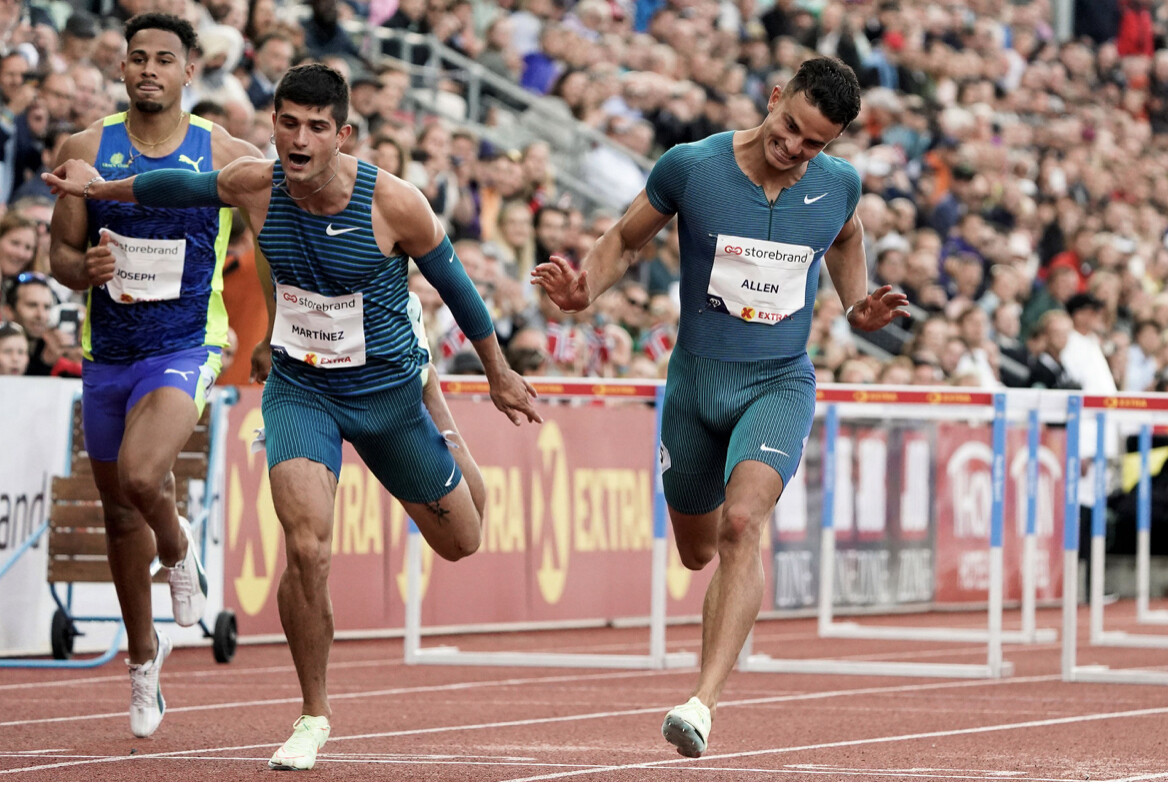
Devon Allen of the United States, whose 12.84 clocking in last Saturday’s New York Grand Prix – the third-fastest ever run – earned him a handsome victory ahead of world champion and compatriot Grant Holloway, maintained winning momentum over 110m hurdles in Oslo, although this victory was earned in 13.22 into a headwind of -1.2 m/s.
Allen, who will take up a professional American football career at the end of this season as a wide receiver with National Football League side Philadelphia Eagles, is due to run in Paris against a field that includes home hurdler Wilhem Belocian.
Canada’s Olympic 200m champion Andre De Grasse has been running 100m recently to sharpen up, but after clocking 10.24 at the Birmingham Diamond League on 21 May he dropped out of the Fanny Blankers-Koen Games on 5 June. On Thursday in Oslo, however, he returned to form in the 100m – in which he won Rio 2016 bronze – as he earned victory in 10.05 from Britain’s Reece Prescod, who clocked 10.06.
On Saturday, like Miller-Uibo, he will get down to business in his main event against a field that includes Prescod, who produced a big personal best over 100m of 9.93 in blustery conditions at the Ostrava Golden Spike meeting on 31 May. Meanwhile, Alexander Ogando of the Dominican Republic will be seeking to build on what has been a good start to the season, in which he has run 20.07.
Olympic 10,000m champion Selemon Barega, who won the Ethiopian World Championships trials race in Hengelo and then finished fourth in the 5000m in Rome, is expected to race over the shorter distance in Paris.
(06/17/22) Views: 88World Athletics
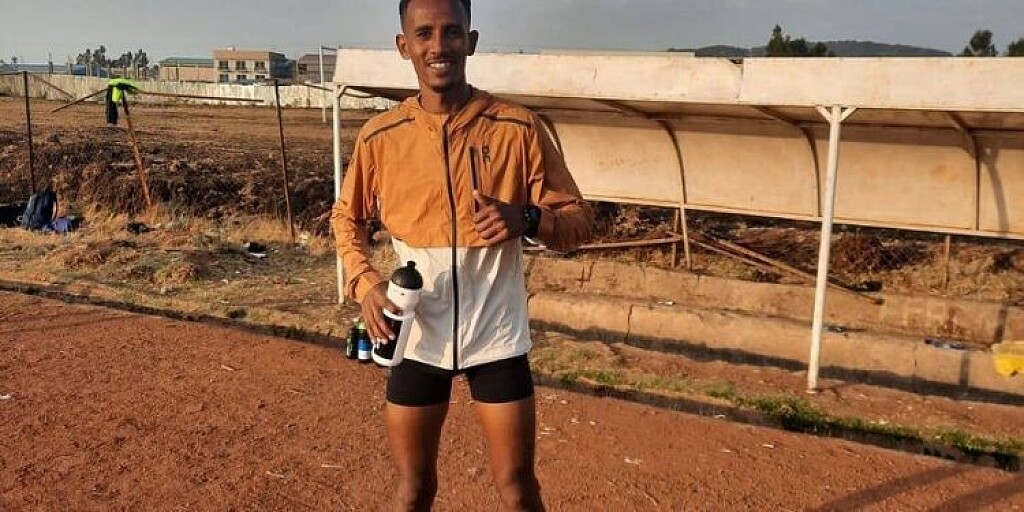
Tokyo Olympian Tachlowini Gabriyesos will lead a six-member Athlete Refugee Team (ART) to next month's World Athletics Championships Oregon22.
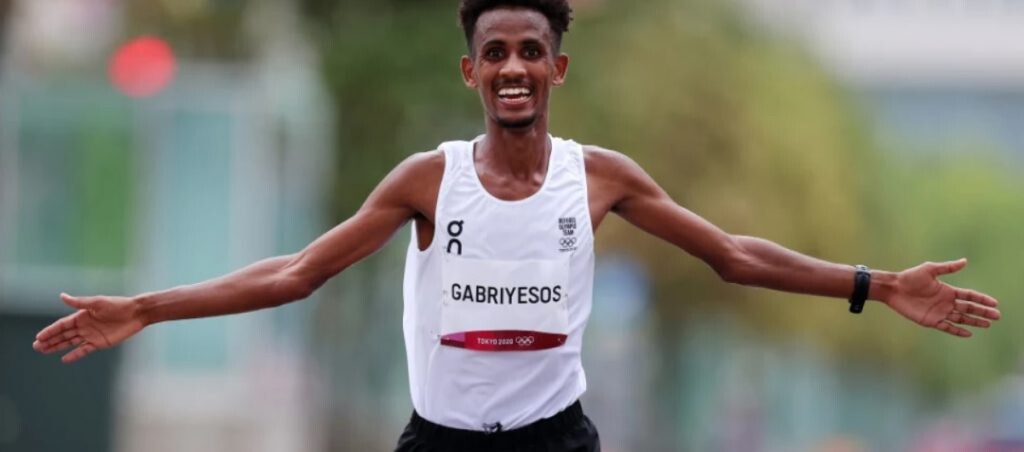
Tachlowini Gabriyesos, 24, made waves one year ago when he finished 16th in the Olympic marathon in Sapporo, beating some of the world's best marathoners.
“It makes me so proud to once again wear the Athlete Refugee Team vest at the World Championships,” said Gabriyesos, a native of Eritrea who made his Athlete Refugee Team debut at the 2019 World Championships in Doha where he competed in the 5000m.
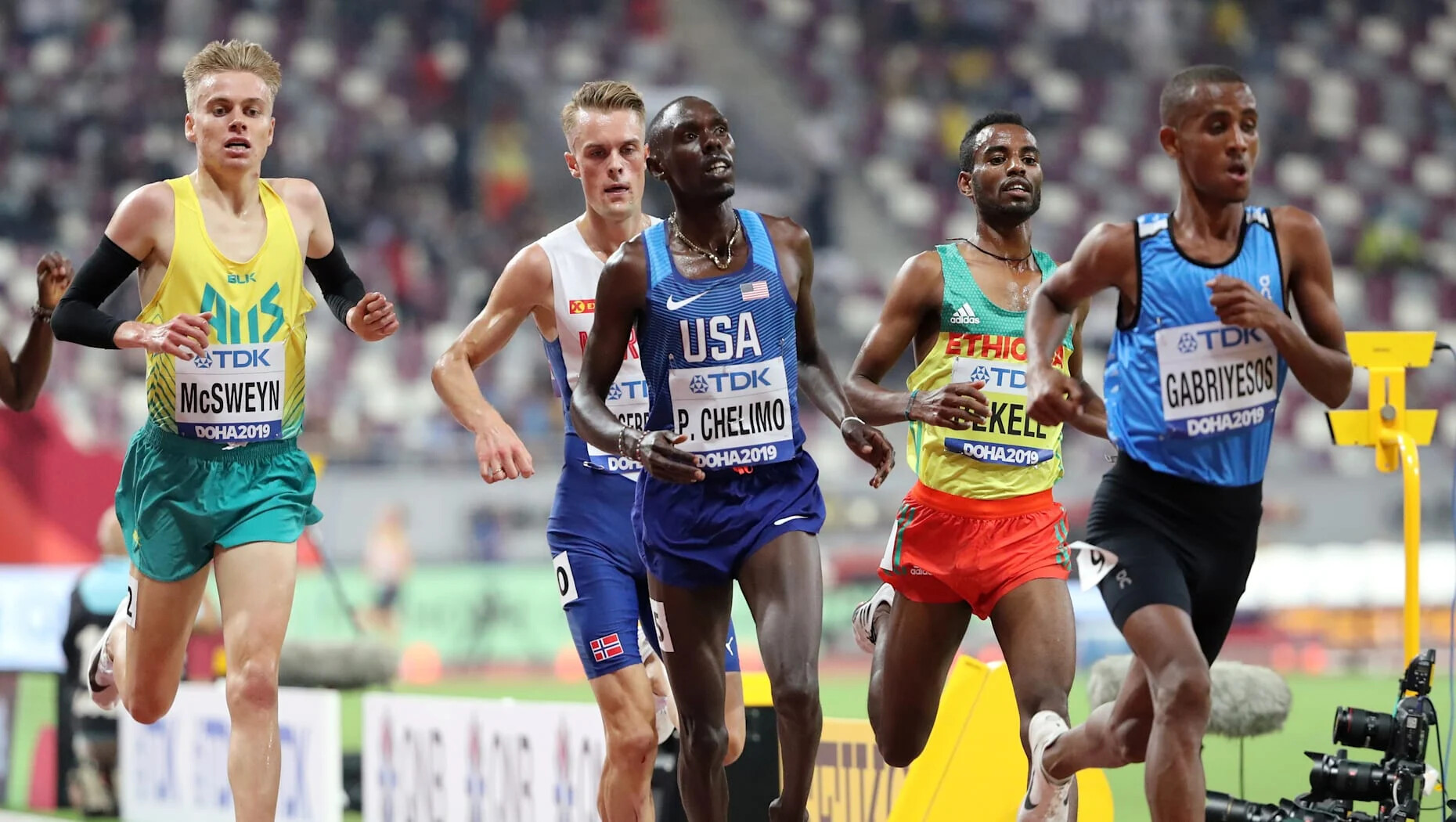
“I don’t represent a country, but millions of people without one. I want to be a role model for refugee youth around the world and wish to show the world once again that refugees can be strong, that we are hungry for success and that we deserve equal opportunities.”
Gabriyesos fled conflict and bloodshed in Eritrea at age 12 and journeyed through Ethiopia, Sudan and Egypt before crossing the Sinai desert on foot to Israel where he's been living since 2010. He began running soon after and eventually found that he was best suited for athletics' longest running event.
At the Hahula Galilee Marathon in Israel in March 2021, Gabriyesos clocked 2:10:55 to become the first refugee athlete to meet an Olympic qualifying standard. He later served as the co-flag bearer for the Olympic Refugee Team at Tokyo’s Opening Ceremonies. After his solid performance in Sapporo's hot and muggy conditions, Gabriyesos improved to 2:10:09 at the Seville Marathon in February.
After its involvement with the inaugural Refugee Olympic Team that competed at the 2016 Olympic Games in Rio, World Athletics established the Athlete Refugee Team in 2017 to provide refugees with high level training and competitive opportunities.
It is the world’s only year-round team composed solely of refugee athletes. The team has been represented at almost every World Championship event since, in addition to a growing number of continental and regional events, most recently the European 10,000m Cup in May and the African Championships earlier this month.
"On this World Refugee Day, our Athlete Refugee Team brings a powerful and inspirational message of hope and solidarity to the world, at a time when it's truly needed," said World Athletics President Sebastian Coe. "They're also showing, through their rapid development and world class performances, that they do belong among the world's best athletes."
Representing a community of 89 million
When the refugee team was introduced at the 2016 Olympic Games in Rio, that squad of 10 – six competing in athletics – represented 65 million people around the world who had been forcibly displaced from their homes.
That figure soared to more than 82 million by 2020 and, propelled by conflict, the climate crisis and skyrocketing inequality, has grown to 89.3 million at the end of 2021. The six athletes who are set to compete in Eugene next month will represent a community that collectively would be the 17th most populous country on the planet.
Similarly, the number of athletes involved in the World Athletics Athlete Refugee Team project continues to grow. More than 40 athletes are now involved in the programme, training at their respective bases in Kenya, Israel, France, the United Kingdom, Sweden, Germany, Canada and Portugal.
Gabriyesos will be joined by Jamal Abdalmajid Eisa-Mohammed, a native of Sudan, who will make his second consecutive World Championships appearance in the 5000m. The 28-year-old improved his lifetime best over the distance to 13:42.98 at the Olympic Games last year.
Dorian Keletela, 23, will be making his third ART appearance after outings at the 2021 European Indoor Championships and last summer's Olympic Games in Tokyo. In the Japanese capital, he clocked 10.33 to win his 100m heat in the preliminary round, smashing his previous career best by 0.13. He improved to 10.27 last year and at the moment has a 10.47 season's best.
Fouad Idbafdil, a refugee from Morocco who is based in France, rounds out the men's squad. The 34-year-old steeplechase specialist improved his lifetime best to 8:37.94 nine days ago. He too competed on the ART squad in Doha in 2019.
The women’s team is led by Anjelina Nadai Lohalith, who will bring plenty of experience to the start line of the 1500m. The 27-year-old native of South Sudan, who is based at the Tegla Loroupe Peace Foundation training camp in Ngong, Kenya, will be making her second World Championships appearance after her debut in 2017.
Nadai is a two-time Olympian and most recently competed at the World Indoor Championships in Belgrade in March and the African Championships in Mauritius 11 days ago. She set her 4:31.65 lifetime best in Tokyo last year.
She'll be joined by Atalena Napule Gaspore, another South Sudanese athlete from the Loroupe camp, who will be making her Athlete Refugee Team debut competing in the 800m.
Athlete refugee team for WCH Oregon22
Women 800m: Atalena Napule Gaspore 1500m: Anjelina Nadai Lohalith
Men 100m: Dorian Keletela 5000m: Jamal Abdalmajid Eisa-Mohammed marathon: Tachlowini Gabriyesos 3000m steeplechase: Fouad Idbafdil
(06/20/22) Views: 88World Athletics
USATF 2022 Outdoor Championships schedule
The Nation’s best will leave it all on the track June 23-26 as they compete for a spot on the world’s best track and field team.
The meet will be held at Hayward Field at the University of Oregon. This will be the tenth time that the U.S. championship meet will be staged in TrackTown USA. The meet will also serve as the qualifying event for the 2022 World Athletics Championships Oregon22, set for July 15–24.
USATF 2022 Outdoor Championships schedule (times are PDT)

Day 1: Thursday 23 June
4:00 p.m. 800m Men First Round
4:25 p.m. 800m Women First Round
4:50 p.m. 400m Hurdles Women First Round
5:00 p.m. Hammer Throw Women Final
5:15 p.m. Long Jump Women Final
5:15 p.m. 100m Women First Round
5:40 p.m. 100m Men First Round
5:45 p.m. Discus Throw Men Final
6:05 p.m. 3000m Steeplechase Men First Round
6:35 p.m. 1500m Men First Round
6:53 p.m. 1500m Women First Round
7:11 p.m. 400m Women First Round
7:36 p.m. 400m Men First Round
Day 2: Friday 24 June
5:10 p.m. 100m Hurdles Women First Round
5:35 p.m. 100m Women Semi-Final
5:45 p.m. Long Jump Men Final
5:50 p.m. 100m Men Semi-Final
5:55 p.m. Pole Vault Women Final
6:05 p.m. 3000m Steeplechase Women First Round
6:15 p.m. High Jump Women Final
6:35 p.m. 400m Hurdles Men First Round
6:42 p.m. Shot Put Men Final
6:45 p.m. Discus Throw Women Final
7:04 p.m. 400m Hurdles Women Semi-Final
7:21 p.m. 100m Women Final
7:30 p.m. 100m Men Final
7:46 p.m. 800m Men Semi-Final
8:02 p.m. 800m Women Semi-Final
8:25 p.m. 400m Women Semi-Final
8:46 p.m. 400m Men Semi-Final
Day 3: Saturday 25 June
11:30 a.m. Javelin Throw Women Final
11:45 a.m. 200m Men First Round
12:00 p.m. Pole Vault Men Final
12:10 p.m. 200m Women First Round
12:15 p.m. Hammer Throw Men Final
12:30 p.m. Triple Jump Women Final
12:35 p.m. 110m Hurdles Men First Round
1:04 p.m. 100m Hurdles Women Semi-Final
1:22 p.m. 400m Hurdles Men Semi-Final
1:40 p.m. 1500m Women Final
1:52 p.m. 1500m Men Final
2:04 p.m. 3000m Steeplechase Men Final
2:21 p.m. 400m Women Final
2:31 p.m. 400m Men Final
2:41 p.m. 100m Hurdles Women Final
2:51 p.m. 400m Hurdles Women Final
Day 4: Sunday 26 June
12:15 p.m. Triple Jump Men Final
12:25 p.m. High Jump Men Final
12:30 p.m. 200m Men Semi-Final
12:35 p.m. Javelin Throw Men Final
12:46 p.m. 200m Women Semi-Final
1:00 p.m. Shot Put Women Final
1:04 p.m. 110m Hurdles Men Semi-Final
1:18 p.m. 5000m Women Final
1:40 p.m. 400m Hurdles Men Final
1:48 p.m. 800m Men Final
1:54 p.m. 800m Women Final
2:03 p.m. 5000m Men Final
2:23 p.m. 3000m Steeplechase Women Final
2:38 p.m. 200m Men Final
2:46 p.m. 200m Women Final
2:54 p.m. 110m Hurdles Men Final
(06/20/22) Views: 88

Complete schedule of events for the 2022 World Athletics Championships
The 2022 World Athletics Championships are headed to Hayward Field in Eugene Oregon USA for a 10-day run from July 15-24. Dubbed Oregon22, the event will mark the first time that track & field’s world championships will be held in the United States.
Eugene will be the host for 2,000 athletes from more than 200 countries.

Track events range from the 100 meters to the 10,000 meters (6.2 miles). Field events include throws (hammer, javelin, discus and shot put) and jumps (high jump, long jump, triple jump and pole vault). There also are road events, from the marathon (26.2 miles) to race walks of 20 kilometers (12.4 miles) and 35 kilometers (21.7 miles).
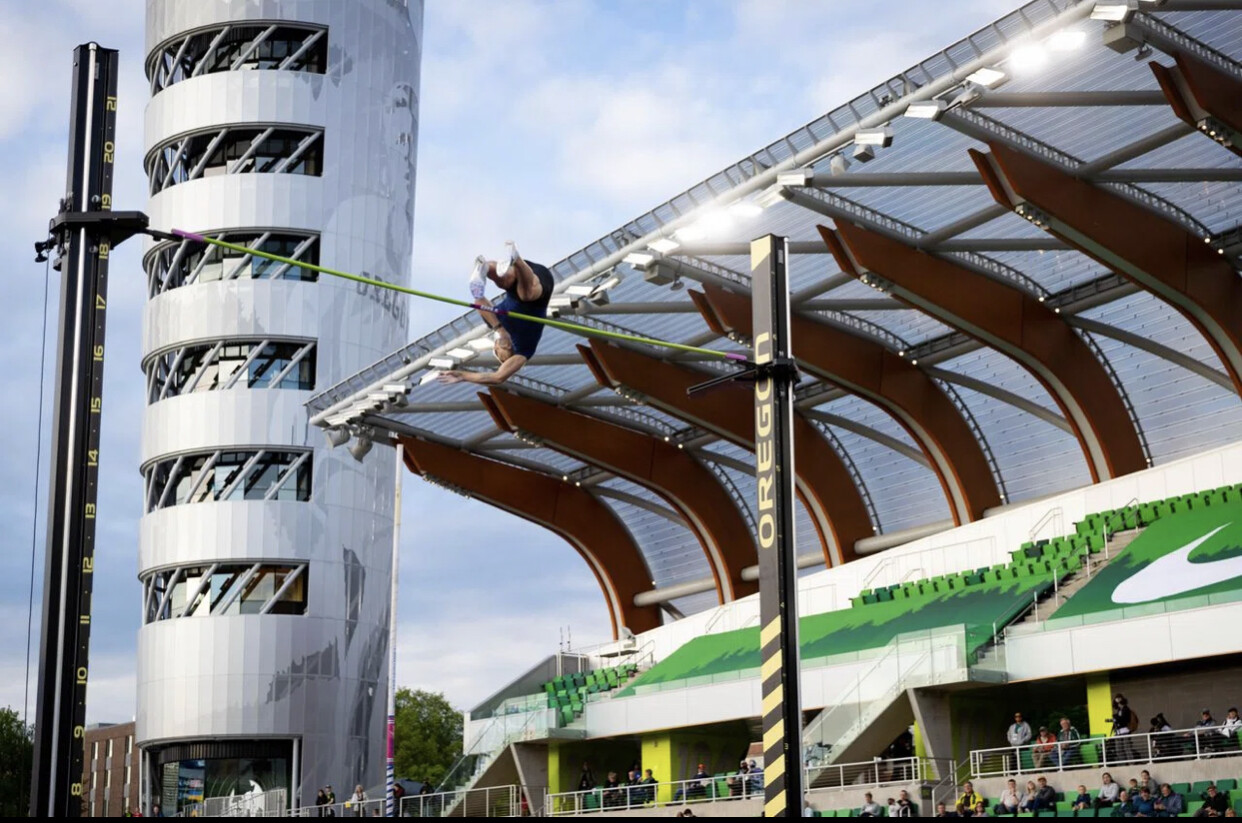
Here’s a day-by-day look at the Oregon22 event schedule (PDT):
DAY 1, FRIDAY, JULY 15
Morning session
9:05 a.m.: Men’s hammer, qualifying, group A
10:10 a.m.: Men’s high jump, qualifying
10:30 a.m.: Men’s hammer, qualifying, group B
11:45 a.m.: Mixed 4x400 relay, heats
12:05 p.m.: Women’s hammer, qualifying, group A
12:30 p.m.: Men’s 100 meters, preliminaries
1:10 p.m.: Women’s 20k race walk, final
1:30 p.m.: Women’s hammer, qualifying, group A
3:10 p.m.: Men’s 20k race walk, final
Afternoon session
5:05 p.m.: Women’s shot put, qualifying
5:15 p.m.: Men’s 3,000 steeplechase, heats
5:20 p.m.: Women’s pole vault, qualifying
6:00 p.m.: Men’s long jump, qualifying
6:10 p.m.: Women’s 1,500 meters, heats
6:50 p.m.: Men’s 100 meters, heats
6:55 p.m.: Men’s shot put, qualifying
7:50 p.m.: Mixed 4x400 relay, final
DAY 2: SATURDAY, JULY 16
Morning session
10:30 a.m.: Women’s triple jump, qualifying
10:35 a.m.: Women’s 3,000 steeplechase, heats
11:10 a.m.: Women’s high jump, qualifying
11:25 a.m.: Men’s 110 hurdles, heats
12:00 p.m.: Men’s hammer, final
12:20 p.m.: Women’s 10,000 meters, final
1:20 p.m.: Men’s 400 hurdles, heats
Afternoon session
5:10 p.m.: Women’s 100 meters, heats
6:00 p.m.: Men’s 100 meters, semifinals
6:20 p.m.: Men’s long jump, final
6:25 p.m.: Women’s shot put, final
6:30 p.m.: Men’s 1,500 meters, heats
7:05 p.m.: Women’s 1,500 meters, semifinals
7:50 p.m.: Men’s 100 meters, final
DAY 3: SUNDAY, JULY 17
Morning session
6:15 a.m.: Men’s marathon, final
10:35 a.m.: Women’s 100 hurdles, heptathlon
11:05 a.m.: Men’s 400 meters, heats
11:35 a.m.: Women’s high jump, heptathlon
11:35 a.m.: Women’s hammer, final
12:00 p.m.: Women’s 400 meters, heats
1:00 p.m.: Men’s 10,000 meters, final
1:45 p.m.: Women’s shot put, heptathlon
Afternoon session
5:05 p.m.: Men’s 110 hurdles, semifinals
5:05 p.m.: Men’s discus, qualifying, group A
5:25 p.m.: Women’s pole vault, final
5:33 p.m.: Women’s 100 meters, semifinals
6:03 p.m.: Men’s 400 hurdles, semifinals
6:27 p.m.: Men’s shot put, final
6:30 p.m.: Men’s discus, qualifying, group B
6:38 p.m.: Women’s 200 meters, heptathlon
7:00 p.m.: Men’s 1,500 meters, semifinals
7:30 p.m.: Men’s 110 hurdles, final
7:50 p.m.: Women’s 100 meters, final
DAY 4: MONDAY, JULY 18
Morning session
6:15 a.m.: Women’s marathon, final
9:35 a.m.: Women’s long jump, heptathlon
10:55 a.m.: Women’s javelin, heptathlon, group A
12:05 p.m.: Women’s javelin, heptathlon, group B
Afternoon session
5:05 p.m.: Men’s 200 meters, heats
5:10 p.m.: Women’s discus, qualifying, group A
5:45 p.m.: Men’s high jump, final
6:00 p.m.: Women’s 200 meters, heats
6:20 p.m.: Women’s triple jump, final
6:35 p.m.: Women’s discus, qualifying, group B
6:55 p.m.: Women’s 800 meters, heptathlon
7:20 p.m.: Men’s 3,000 steeplechase, final
7:50 p.m.: Women’s 1,500 meters, final
DAY 5, TUESDAY, JULY 19
Afternoon session
5:15 p.m.: Women’s 400 hurdles, heats
5:40 p.m.: Women’s high jump, final
6:05 p.m.: Women’s 200 meters, semifinals
6:33 p.m.: Men’s discus, final
6:50 p.m.: Men’s 200 meters, semifinals
7:30 p.m.: Men’s 1,500 meters, final
7:50 p.m.: Men’s 400 hurdles, final
DAY 6, WEDNESDAY, JULY 20
Afternoon session
3:20 p.m.: Women’s javelin, qualifying, group A
4:25 p.m.: Women’s 5,000 meters, heats
4:50 p.m.: Women’s javelin, qualifying, group B
5:20 p.m.: Men’s 800 meters, heats
6:15 p.m.: Women’s 400 hurdles, semifinals
6:30 p.m.: Women’s discus, final
6:45 p.m.: Women’s 400 meters, semifinals
7:15 p.m.: Men’s 400 meters, semifinals
7:45 p.m.: Women’s 3,000 steeplechase, final
DAY 7: THURSDAY, JULY 21
Afternoon session
5:05 p.m.: Men’s javelin, qualifying, group A
5:10 p.m.: Women’s 800 meters, heats
6:10 p.m.: Men’s 5,000 meters, heats
6:20 p.m.: Men’s triple jump, qualifying
6:35 p.m.: Men’s javelin, qualifying, group B
7:00 p.m.: Men’s 800 meters, semifinals
7:35 p.m.: Women’s 200 meters, final
7:50 p.m.: Men’s 200 meters, final
DAY 8: FRIDAY, JULY 22
Morning session
6:15 a.m.: Women’s 35k race walk, final
Afternoon session
5:05 p.m.: Men’s pole vault, qualifying
5:40 p.m.: Women’s 4x100 relay, heats
6:05 p.m.: Men’s 4x100 relay, heats
6:20 p.m.: Women’s javelin, final
6:35 p.m.: Women’s 800 meters, semifinals
7:15 p.m.: Women’s 400 meters, final
7:35 p.m.: Men’s 400 meters, final
7:50 p.m.: Women’s 400 hurdles, final
DAY 9: SATURDAY, JULY 23
Morning session
9:50 a.m.: Men’s 100 meters, decathlon
10:40 a.m.: Men’s long jump, decathlon
11:20 a.m.: Women’s 100 hurdles, heats
12:00 p.m.: Women’s long jump, qualifying
12:10 p.m.: Men’s shot put, decathlon
Afternoon session
4:10 p.m.: Men’s high jump, decathlon
5:10 p.m.: Women’s 4x400 relay, heats
5:40 p.m.: Men’s 4x400 relay, heats
6:00 p.m.: Men’s triple jump, final
6:10 p.m.: Men’s 800 meters, final
6:25 p.m.: Women’s 5,000 meters, final
6:35 p.m.: Men’s javelin, final
6:55 p.m.: Men’s 400 meters, decathlon
7:30 p.m.: Women’s 4x100 relay, final
7:50 p.m.: Men’s 4x100 relay, final
DAY 10: SUNDAY, JULY 24
Morning session
6:15 a.m.: Men’s 35k race walk, final
9:35 a.m.: Men’s 110 hurdles, decathlon
10:30 a.m.: Men’s discus, decathlon, group A
11:40 a.m.: Men’s discus, decathlon, group B
12:15 p.m.: Men’s pole vault, decathlon, group A
1:15 p.m.: Men’s pole vault, decathlon, group B
Afternoon session
5:05 p.m.: Women’s 100 hurdles, semifinals
5:05 p.m.: Men’s javelin, decathlon, group A
5:25 p.m.: Men’s pole vault, final
5:50 p.m.: Women’s long jump, final
6:05 p.m.: Men’s 5,000 meters, final
6:10 p.m.: Men’s javelin, decathlon, group B
6:35 p.m.: Women’s 800 meters, final
7:00 p.m.: Women’s 100 hurdles, final
7:20 p.m.: Men’s 1,500 meters, decathlon
7:35 p.m.: Men’s 4x400 relay, final
7:50 p.m.: Women’s 4x400 relay, final
(06/17/22) Views: 87Joel Odom
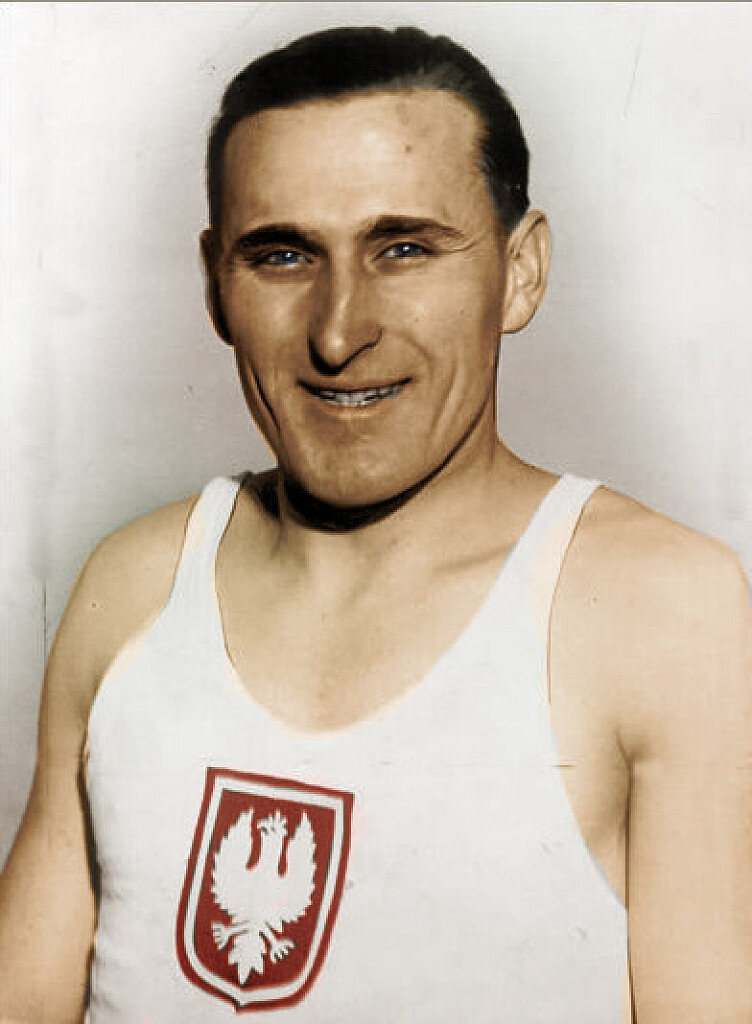
Remembering Kusocinski's athletics feats and heroic struggle
It was 90 years ago today that Janusz Kusocinski ran his way into the world record book.
Already a prolific national champion in his homeland, at distances ranging from 800m to 10,000m, the 25-year-old Pole made a name for himself at a global level when he crossed the line in an international 3000m race in Antwerp, Belgium, ahead of John Fellowes of the USA in 8:18.8.

“Kusy,” as the popular Warsaw gardener was known to friends and the wider public in Poland, eclipsed one of the enduring global marks set by the finest of all the formidable Flying Finns.
The world record for 3000m had belonged to the peerless Paavo Nurmi for six years. The nine-time Olympic gold medallist had clocked 8:20.4 in Stockholm in 1926.
To prove it had been no fluke, 10 days later – on 29 June 1932 – Kusocinski claimed another of Nurmi’s world records. On that occasion, he smashed it by 13 seconds, his 19:02.6 for 4 miles obliterating Nurmi’s 1924 figures of 19:15.6.
First non-Finnish winner
A month later, Kusocinski enjoyed his finest half an hour in track and field.
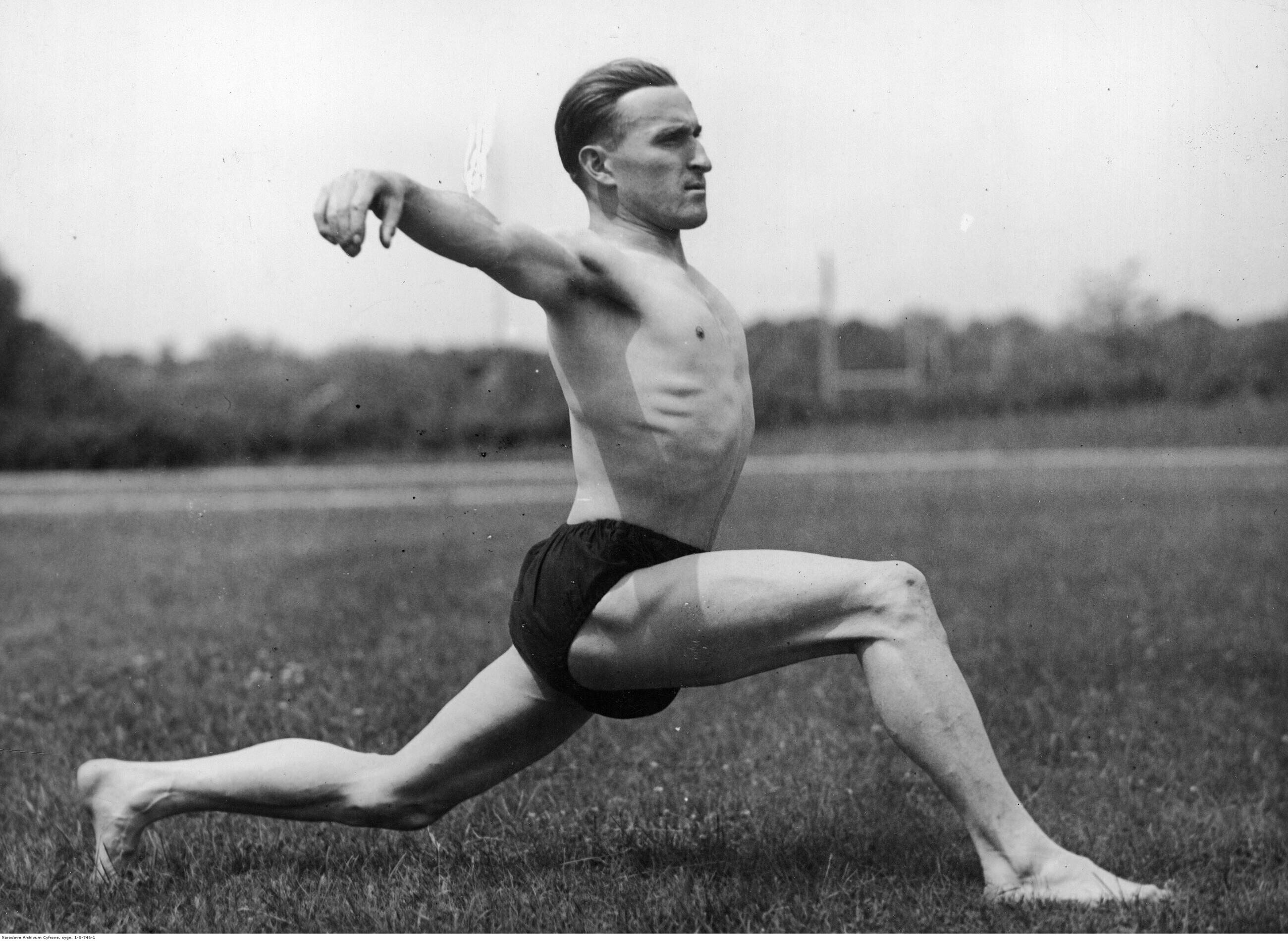
Running for his country in the Los Angeles Coliseum on 31 July, he fought a nip and tuck battle with Finn Volmari Iso-Hollo for 24 laps of the 1932 Olympic 10,000m final.
Iso-Hollo led by a metre going into the final lap but then Kusocinski sprinted clear before slowing to a jog and still winning by 1.1 seconds. His time, 30:11.4, shattered the Olympic record Nurmi had established in Amsterdam four years previously: 30:18.8.
In succeeding Nurmi, Kusocinski became the first non-Finnish winner of the Olympic 10,000m crown. He was the only non-Finn to win the coveted Blue Riband of distance running until Emil Zatopek in London in 1948.
For Iso-Hollo, compensation came seven days later in the form of the 3000m steeplechase gold medal. The Finnish typesetter would have claimed the world best too had the stand-in trackside lap-counter not been distracted by the decathlon pole vault, allowing the field to complete an extra circuit of the track.
Iso-Hollo went on to win another steeplechase gold, plus a 10,000m bronze medal, in front of Adolf Hitler and the Nazi regime at the 1936 Olympics in Berlin.
Resistance hero
Kusocinski proceeded to etch his name into national folklore as a fearless fighter against the Nazi occupation of his homeland.
When Hitler’s troops invaded Poland in September 1939, Kusocinski volunteered for the Polish Army and was drafted into the machine gun company as a corporal in the Second Battalion of the 360 Infantry Regiment. In the fight to defend Warsaw, he was wounded twice and was awarded the Cross of Valour.
After the country fell to Nazi Germany, he worked ostensibly as a waiter at the Red Rooster Bar in Warsaw while secretly operating as a member of the underground resistance movement known as the Wolves, using the pseudonym Prawdzic.
Kusocinski was arrested by Gestapo officers at the gate of his house in Warsaw on 28 March, 1940. He was interrogated and tortured at Gestapo headquarters but refused to reveal the names of fellow resistance members.
On the night of 20-21 June, he was transported to Palmiry on the outskirts of Warsaw and executed in Kampinos Forest as part of what the Nazis called Operation AB, an attempt to exterminate all Polish intelligence operatives.
Nine decades on, the name of Janusz Kusocinski, world record-breaker, Olympic champion and national hero lives proudly on in Poland.
Scores of streets and primary schools throughout the country carry his name. So does the Janusz Kusocinski Memorial meeting, which celebrated its 68th edition in Chrozow on 5 June this year and is part of the World Athletics Continental Tour Gold series.
Vladimir Kuts took part in the inaugural event in 1954 and meeting records dating back to the 1970s are held by greats such as Alberto Juantorena (1:43.66 for 800m), Irena Szewinska (49.75 for 400m) and Bronislaw Malinowski (8:21.2 for the 3000m steeplechase).
An athlete by chance
Kusocinski was born in Warsaw in 1907, the son of a railway clerk. Armed conflict took its toll on his family when he was a child. His eldest brother, Zygmunt, was killed in France in World War I. Another brother, Tedeusz, was a casualty of the Polish-Bolshevik War in 1920.
In his youth, Janusz’s first sporting love was football. He played as a dashing forward for various clubs in Warsaw.
He became an athlete by accident. In 1925, his sports club RKS Sarmata was a relay runner short for a workers’ holiday meeting. Kusocinski agreed to stand in and helped the Sarmata team to victory.
The following year he started competing as an 800m and 1500m runner and came under the wing of the club’s celebrated track and field coach: one Aleksander Klumberg.
Klumberg became Poland’s national athletics coach between 1927 and 1932. Back in 1922, the native Estonian had become the first official holder of the decathlon world record after posting 7485.61 points in Helsinki. In 1924 he had taken the decathlon bronze medal at the Paris Olympics, behind Harold Osborn and Emerson Norton of the USA.
The young Kusocinski thrived under Klumberg’s regime of intense interval training, winning the Polish 5000m and cross country titles in 1928. His running career was interrupted by a year of national service in the Polish Army but he was stronger upon his return, capturing national titles at 800m, 1500m, 5000m and cross country leading up to his annus mirabilis in 1932.
He represented Poland at the inaugural European Championships in Turin in 1934, placing fifth in the 1500m and taking silver in the 5000m behind Roger Richard of France.
Kusocinski hung up his racing spikes after returning from Italy but dusted them off to win the Polish 10,000m title in 1939.
By that time, he had moved on from gardening to become a PE teacher, coach and then a successful journalist, rising to editor-in-chief of Kurier Sportowy.
Then came the Nazi invasion, and the heroic struggle and tragedy that followed.
In 2009, Kusocinski was posthumously awarded the Commander’s Cross with Star of the Order of Polonia Restituta - “for outstanding contribution to the independence of the Polish Republic, and for sporting achievements in the field of athletics.”
(06/19/22) Views: 85Simon Turnbull (World Athletics)
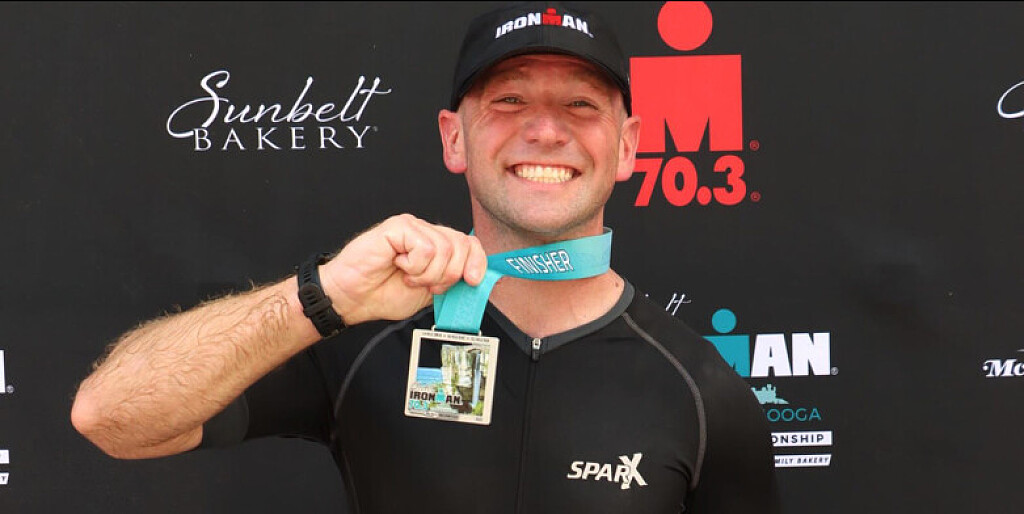
After Suffering from Years of Drug Addiction, Running Helped This Dad Get Clean
Now he’s finishing triathlons and conquering ultramarathons.As a teenager, I grew up in St. Louis, Missouri, and found myself in trouble constantly. I started smoking cigarettes and marijuana, and stealing alcohol at a very young age. And by the time I was 15, I had already started using cocaine, LSD, and ecstasy frequently.
Prescription pills took hold of me at a young age and led me into an opiate addiction. At the climax of my addiction, I was homeless and living on the street. I was the guy you would see at a highway exit holding a sign begging people for money. I tried to get off the opiates by going to a methadone clinic and taking methadone (a FDA-approved drug in the opioid family, used to treat opioid use disorder), and wound up more addicted to that drug.

In the clinic, I also met tons of heroin addicts that introduced me to that drug. Being an addict took me to prison and almost took my life several times, and all the relationships in my life were broken as a result. I tried to commit suicide and found myself in psychiatric units, treatment centers, halfway houses, and rehabs frequently.
The worst of my overdoses was the week of February 4th, 2015, where I had a total of three heroin overdoses in one week. I was found unresponsive with a needle in my arm. During one of those overdoses, I had locked myself in a bathroom with my back to the door and feet against the vanity so nobody would be able to open the door. My father, who had been trying to intervene, actually got into my apartment and broke the door to get me out. He gave me CPR and called 911.
The paramedics gave me several doses of Narcan to try and save my life, and I was put on a ventilator in the ICU due to the fluid in my lungs and pneumonia. After a very scary nine days in the ICU, by the grace of God, I woke up.
At this point, I had a decision to make: either run away like a coward or run toward my failures and take responsibility for my life. At this time, my wife was six months pregnant with our first child, so I made the decision to find help at a men’s faith-based recovery center called Lifeline-connect in Urbana, Illinois, that completely changed my life.
Lifeline-connect is a one-year residential program, so I knew I was going to be there for a while. One of my mentors in the program, RJ Eaton, was into fitness and challenged me to get into shape spirituality, mentally, and physically. Up to that point, my lungs were in bad condition. I smoked two packs of cigarettes a day for over a decade.
I had been running off and on since the first time I went to Lifeline-connect in 2009. And after my relapse in 2015, I started running again this time, and at first could barely run a tenth of a mile without stopping because my lungs hurt.
One day while running, someone saw me running in a really old pair of beat up shoes that were falling apart and blessed me with a brand new pair of Saucony shoes, which really encouraged me. A tenth of a mile turned into two and then a half-mile, and with consistency day by day, it wasn’t long until I was running several miles every day.
By the end of my time at Lifeline-connect, I was running five miles a day, five days a week. As I continued on through my recovery, I kept running and fell in love with it.
In 2019, I competed in the Illinois half marathon and remember thinking at the time about how difficult it was to run a half marathon. But following that race, I realized that running was helping me forge mental toughness to stay strong in other areas of my life. Running helped me to have the same mental fortitude to not quit on longer runs, which is the same mental toughness that has helped me not give into temptation in rough times.
Since then, I’ve run three full marathons, one a personal 26.2-mile run, then a 35-mile ultra that wasn’t a sanctioned event. I also set a PR at the Illinois half marathon this past spring, finishing in 1:42, and have also come to love mountain and road cycling.
To keep pushing the bar, I signed up for and completed the Ironman 70.3 Chattanooga this year and finished with a time that I was pleased with accomplishing. I have a goal to summit all 58 14-ers (mountains above 14,000 feet elevation) in Colorado.
Currently, my running schedule is between 25 and 35 miles a week. Every once in a while, I sign up for a 5K, 10K, marathon, or triathlon to keep me motivated because I really enjoy the community of runners/cyclists/triathletes. I’ve actually connected with a number of local athletes who are now friends of mine and I get to meet up with them for runs or rides.
Next on my running goals list is to do a 50-mile ultramarathon, then a 100K run.
Overall, running makes me feel alive and accomplished. It’s one of my personal devotional times where I express my gratitude to my God for keeping me alive. Because of running, today I now have a beautiful life with my three beautiful children: Eden, Amaeya, and Summit. My wife, Maegan, is my biggest cheerleader. She’s my rock who stuck by my side, always encouraging and believing in me. I am so grateful that I get to tuck my three beautiful children in to sleep at night and be their dad. The only thing running didn't prepare me for was raising these three kiddos ages 2, 4, and 6—talk about an endurance event!
A special shout-out to my 2-year-old Siberian husky, Slushy, who has been my running partner over the years. I train with him regularly because he holds me accountable when running. He’s ready to go every day at 5:30 a.m. rain or shine, and he has helped me to be better. We all need a husky in our lives: personally, spirituality, and professionally.
For anyone reading this, I want them to know that no matter what struggle they are going through, there is an opportunity to come out of the fire stronger than before. Sometimes it takes a fire in our lives to clear and burn away all the impurities that were holding us down. Now is the time to get up, lace your shoes, and march forth. If I can do it, anyone can.
These three trips have made my running journey a success:
1. Smile when you run
It helps me to remind myself why I love this.
2. Practice gratitude
When running gets tough, I try to remind myself of how lucky I am to be able to run. I am blessed to have found this path, when others close to me have lost their lives.
3. Run everywhere you travel.
I run everywhere, even on vacation or staying at a friend or family’s house out of state to keep the spirit of adventure alive!
(06/19/22) Views: 83Runner’s World
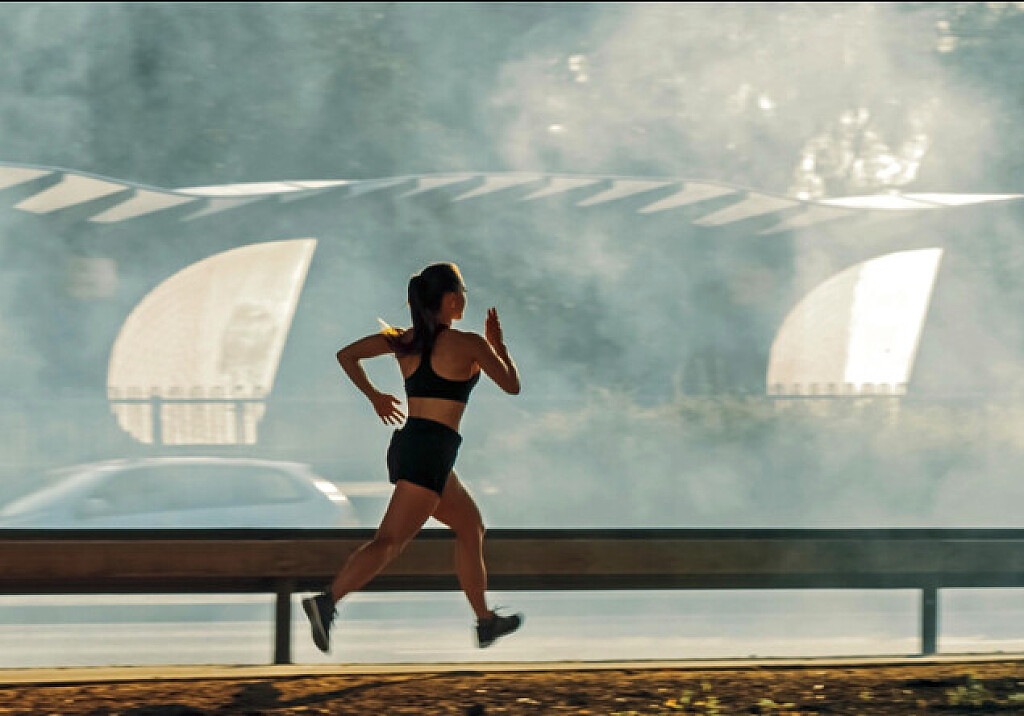
How much will running in poor air quality compromise your health? It depends on which markers of health you consider
Here’s a bold prediction for the upcoming dog days of summer 2022: it’s going to be hot, smoggy and smoky. Whether you’re in a big metropolis sucking in diesel fumes or on a remote mountain trail coughing up smoke particles from a distant forest fire, there’s a good chance you’re going to encounter some less-than-pristine air over the next few months.
Is that a problem? On the surface, the answer is obvious. Inhaling polluted air triggers a cascade of inflammation and oxidative stress that raises your risk of both immediate and long-term health problems. The rise and fall of air quality readings, for example, is mirrored by the rise and fall of hospital admissions for conditions such as heart disease. And the harder you breathe, the more pollution you inhale, which is why public health authorities typically warn you to avoid outdoor exercise on days with poor air quality.
But there’s an alternate perspective. Pollution is definitely bad for your health—but so is skipping your workout. If you’re weighing the lesser of two evils, it may be that running in dirty air is better than not running at all. That’s the perspective that Michael Koehle, an environmental physiologist who is one of the world’s leading experts on exercise and air pollution, offered when I visited his lab at the University of British Columbia a decade ago: “Exercise is such a big hammer that it crushes everything else,” he told me.
At the time, few studies had addressed the balance between exercise’s benefits and pollution’s harms. Since then, Koehle and others have been grappling with this question, with new findings still appearing on a regular basis. Here’s where the research currently stands.
The good news
Last summer, researchers in Taiwan published a study in the Canadian Medical Association Journal that analyzed the medical records of nearly 400,000 adults who had undergone medical screening starting in 1994. Their exercise habits were assessed with a questionnaire, and their pollution exposure was estimated based on their home address. More exercise was associated with greater longevity, while more pollution was associated with worse longevity, as you’d expect. But it was the interaction—or rather, the lack of interaction—between these two factors that was most interesting. Exposure to high levels of pollution didn’t dampen or reverse the health benefits of high levels of exercise.
A few earlier studies have produced similar findings. For example, a Danish analysis of 52,000 people found that higher levels of exercise protected against premature death, heart disease and diabetes, regardless of how much pollution the subjects were exposed to based on a detailed street-by-street air quality database. An explanation for these results might be found in a series of studies by Brazilian scientists, who directly measured inflammation and oxidative damage in the lungs of mice breathing diesel exhaust. Regular running, it turned out, blocked this inflammation and oxidative damage; exercise was a big enough hammer to cancel out the diesel.
The bad news
Longevity is a pretty good marker of health, but it’s not the only one. Earlier this year, researchers at the University of Arizona published a pair of studies that looked at the effects of exercise and air pollution on brain health. It’s well known that people who exercise regularly tend to have brains with more grey matter (where the neurons are) and healthier white matter (which connects and supports the neurons). They are also less likely to develop degenerative brain diseases like Alzheimer’s: data from the long-running National Runners’ Health Study estimates the risk to be 40 per cent lower in those who run about 25 kilometres a week.
The first Arizona study used brain scans to assess the size and health of white and grey matter in 8,600 British adults; the second one used health records to look for dementia diagnoses in about 35,000 people. They used activity trackers to assess exercise habits and home addresses to estimate pollution exposure. For people in low-pollution areas, the results were as expected: more exercise predicted healthier brains and fewer dementia diagnoses. But for people in moderate- and high-pollution areas, the brain benefits of exercise disappeared.
It’s worth emphasizing that exercising in the polluted areas didn’t make people less healthy, nor did it cancel out the many other benefits of exercise, for example, on heart health. But we all want healthier brains, and the news that even moderate pollution blocks some of those benefits is concerning.
What to do about it
The devil is in the details. There are undoubtedly some situations—the apocalyptic aftermath of a big forest fire, say—when it makes sense to skip a run entirely. And people with respiratory or heart conditions should be especially careful to avoid poor air quality.
More often, though, it may be possible to choose a lesser evil. Mornings generally have significantly cleaner air, thanks to traffic patterns and the interaction of sunlight with certain pollutants, so set that alarm clock. Location, too, plays a big role. Trails and paths that are away from busy roads are your best bet, but even small distances and barriers can help. Vancouver’s bike lanes, for example, are often separated from traffic by a lane of parked cars because that gives cyclists measurably better air quality, according to Koehle.
Contrary to what you might expect, Koehle’s research has found that more intense exercise isn’t necessarily worse than easy exercise. Panting hard may change the way particulates of pollution settle (or don’t settle) in the lungs. As a result, he suggests favouring shorter, harder workouts rather than longer, easier ones when the air quality is worse than usual. Moving indoors is also an option—but unless your facility has state-of-the-art air filtration, don’t assume that the air inside is any better than the air outside. It all comes from the same place, after all.
In the long term, rather than tweaking when and where you run, the best solution would be to make sure that we all have consistent access to clean air. That’s a big hill to climb—but by sticking to your running plans rather than, say, driving to the gym, you’re taking a small step in the right direction.
(06/19/22) Views: 81
