

Running News Daily
Top Ten Stories of the Week
6/18/2022
These are the top ten stories based on views over the last week.
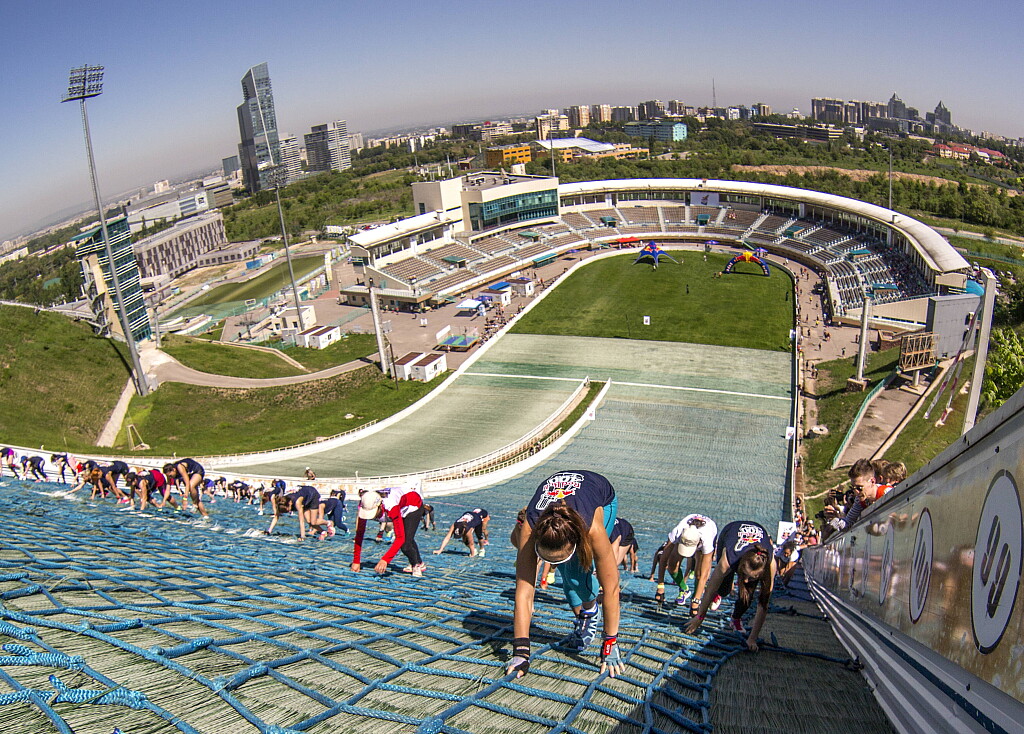


Red Bull 400 is the Steepest Race in the world!
Founded by Red Bull in 2011, the Red Bull 400 is the most intense and steepest 400-meter uphill sprint in the world. Ski jumping and ski flying hills have a total distance of 400 meters (1312 feet) and a maximum incline slope of 37 degrees, which competitors from around the world attempt to beat. When it comes to running, there's no better challenge than the Red Bull 400, an almost vertical dash that will put your speed, endurance, and general fitness to the test. Regardless of how difficult the race may be, the view from the top is quite breathtaking. The bettor will take bets on your achievable time for the athletes.
Things to know about the steepest race in the world
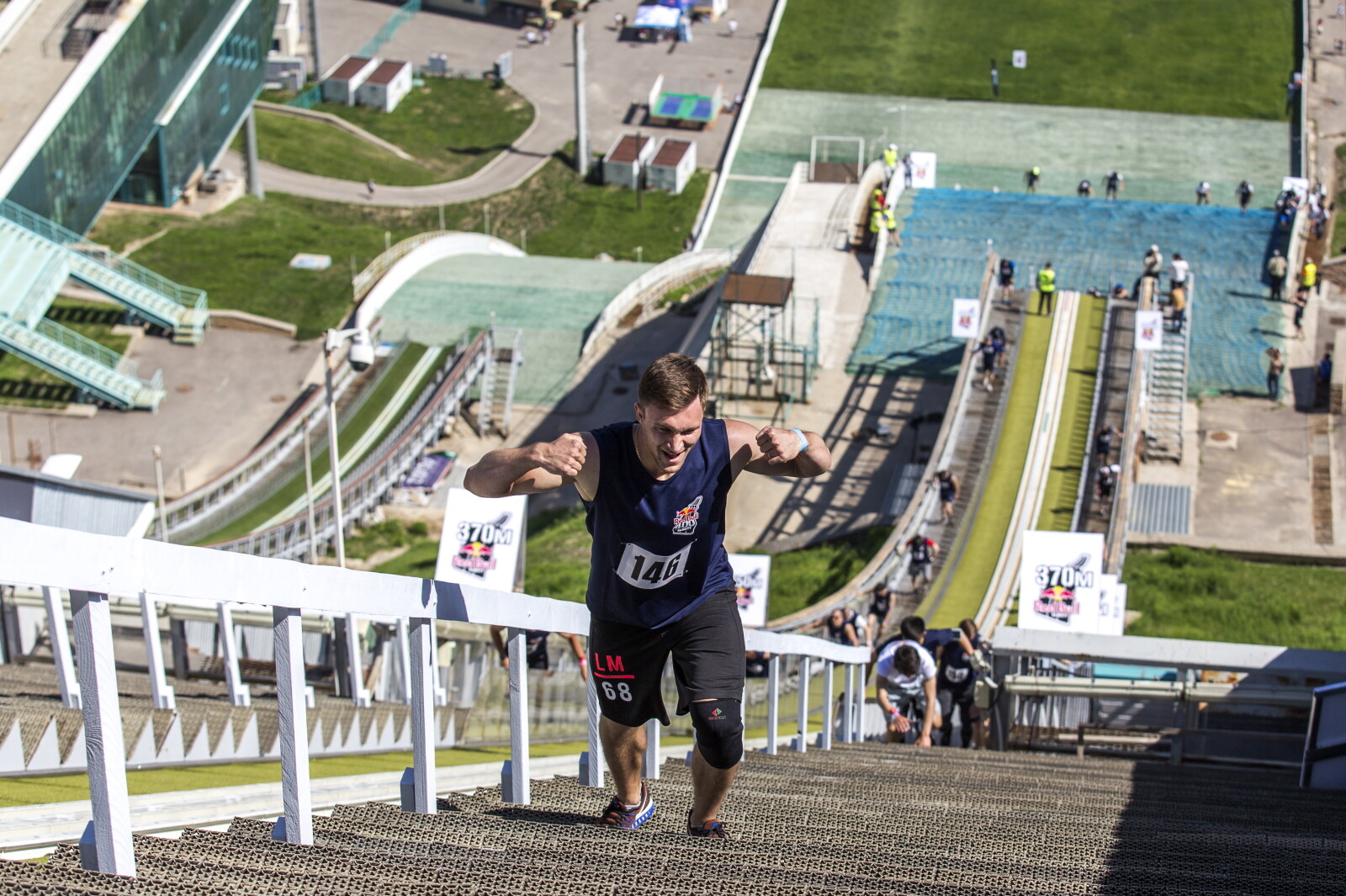
• It's hard to imagine a race being more demanding than the Red Bull 400. In order to achieve the fastest possible lung-busting dash up a ski jumping ramp, participants must complete it. The winner is the first to reach the pinnacle. There are 600 to 800 steps involved, and the farther you go up, the steeper it gets.
• Anyone who is physically healthy enough to run a 400-meter uphill sprint may participate in the Red Bull 400. Training for the calves and quads, in particular, is recommended before participating. Running up a ski jump, on the other hand, can only genuinely prepare you for the experience.
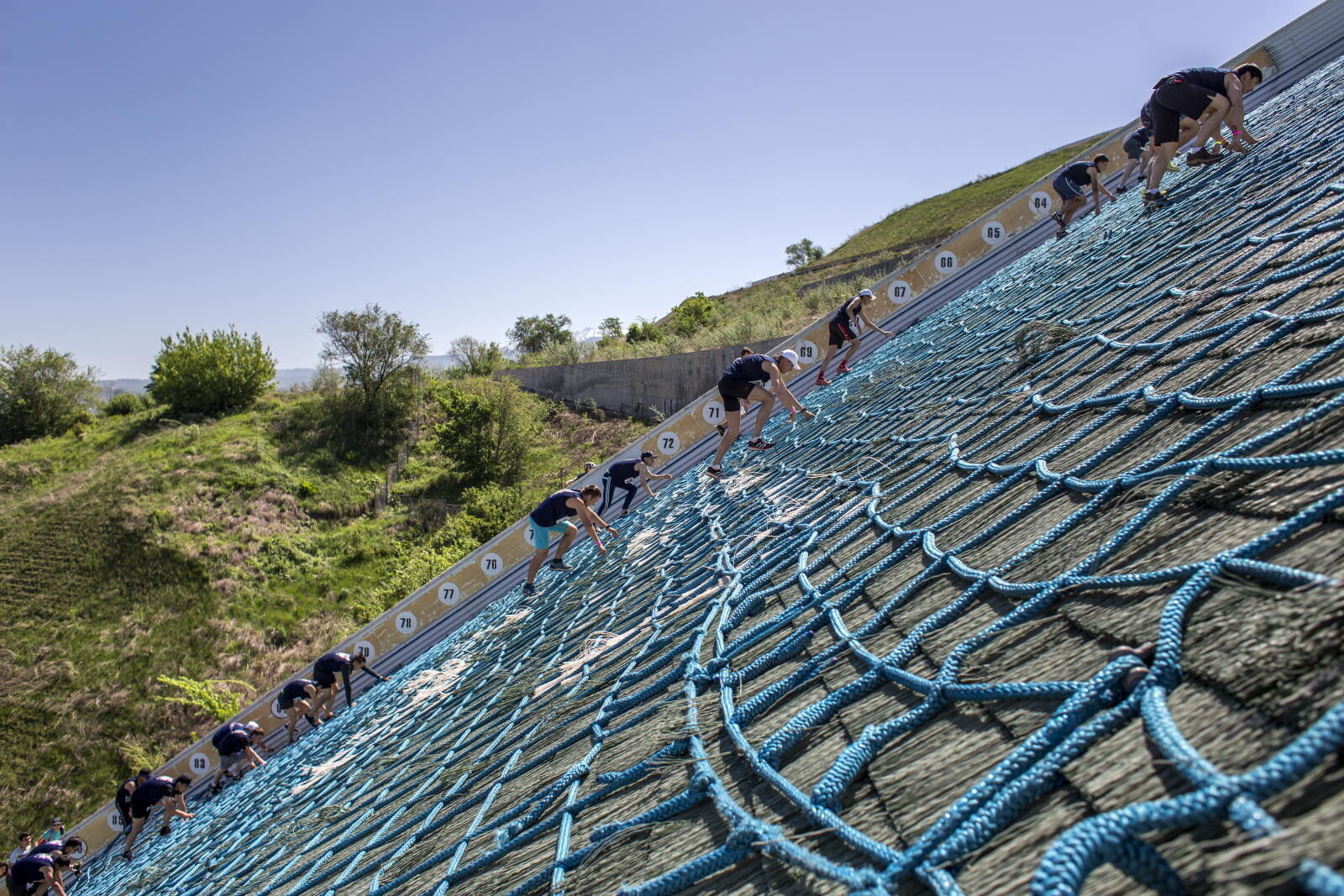
• In terms of the Red Bull 400, the numbers speak for themselves. A 40-story building's worth of elevation rise is required to complete the 400-meter course. In order to keep going, you'll need to get down on your hands and knees and work your way up to a 37-degree gradient. As a result, your heart rate can soar as high as 200 bpm, and your lactic acid buildup is 20 times more than normal.
• It takes more than just energy to climb a hill; it also takes time. Changes in gravitational potential energy can occur over a short period of time or over an extended period. You'll see a different pace of energy change depending on the time period. Power is the rate at which energy changes.
• Whatever activity you participate in, it's imperative that you dress appropriately, but this is unlike any other race you've done before and necessitates a unique set of running clothes. Switch out your regular running shoes for trail shoes or even light hiking boots to get the most out of your workout. Gloves are also a good idea.
Athlete experience
After the ascent began, it was difficult to figure out the most efficient route to ascend the steep, grassy hill. In the beginning, I ran up the hill on my hands and feet, but soon after, I began crawling up the slope on my hands and knees as well. I found this to be far more efficient than relying just on my feet to get where I needed to go. Starting out too hard results in an early accident, and the track only gets steeper and more difficult as the race progresses.
Conclusion
The star of the Red Bull 400 has been identified. As the first male world champion, Ahmet Arslan has won 20 out of 23 Red Bull 400 races. During the Red Bull 400 event, there are steeper slopes than treadmills in the gym. You can complete it if you persevere through the pain in your quads and lungs. It is very difficult, but not unachievable on foot.
(06/15/22) Views: 176
Delayed Onset Muscle Soreness: A Runner’s Friend or Foe?
Recovery from meniscal injuries can take between 4 – 24 weeks if you start effective treatment early and you manage it well.
Minor to moderate meniscal tears, both acute (from traumatic injuries) and degenerative (from wear and tear), can heal with conservative treatment.
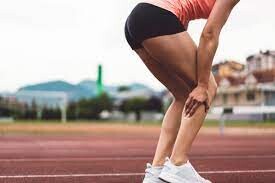
The more severe your symptoms and having other injuries like anterior cruciate ligament injuries with your meniscal tear, will increase your healing time.
What are the treatment options for a meniscal tear?
A conservative rehabilitation program for your knee that includes rest, ice, medication and a structured exercise program is often enough to heal a meniscal tear on its own.
If conservative treatment doesn’t improve your symptoms within three months, your tear may require surgical treatment.
Do all meniscal tears require surgery?
No, treatment of a meniscal tear depends on:
Symptoms
Age
Activity levels
Location and type
Age, symptoms, activity levels
Meniscal tears may cause mild to severe symptoms at first. For people over 40 years old, once the initial injury settles down, if your symptoms don’t interfere with daily activities, surgery is not recommended. Non-surgical treatment is preferred.
The younger you are, the less wear and tear there is in your knee joints, and the better your body heals from surgery. Surgery is a valid option if you’re young, have no other ligament injuries and your meniscal tear is from an acute injury.
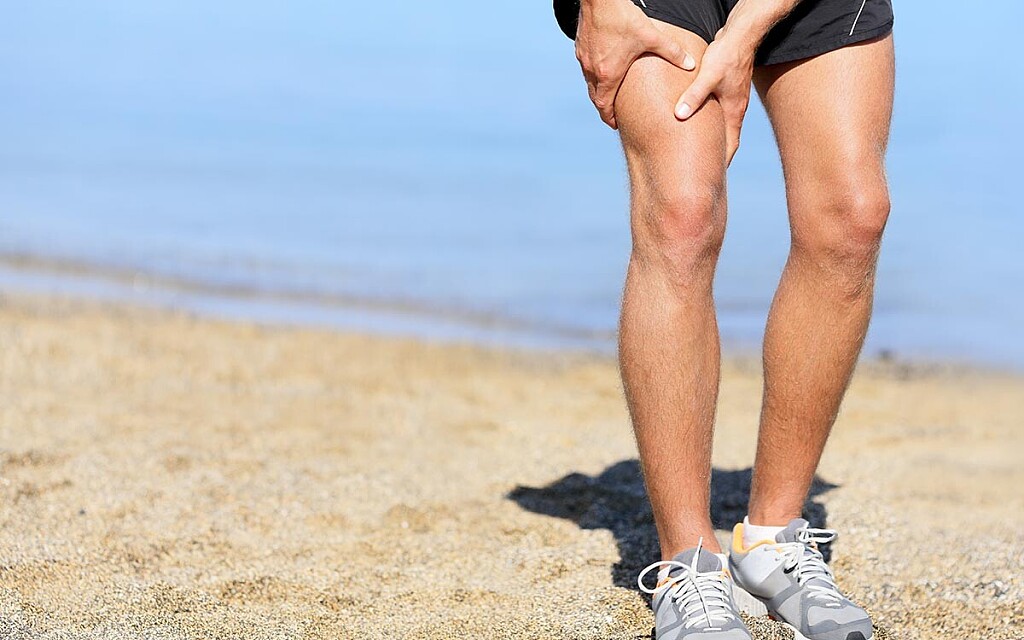
Many of you have experienced extreme muscle soreness after pushing the pace during a race, running intervals or hills or trying a new weight lifting program. This painful condition is called Delayed Onset Muscle Soreness or DOMS.
The onset of DOMS after exercise is usually within 24 to 72 hours of completing a workout. Symptoms of DOMS include extreme muscle soreness and tenderness, mild swelling of muscle tissue and restricted range of motion.
What causes delayed onset muscle soreness?
While the research has not been conclusive on the causes of DOMS, there are two common theories. The first is based on an understanding of what delayed onset muscle soreness is — an accumulation of the lactic acid produced during exercise, which causes muscle pain. Lactic acid is a by-product of our cells that can exceed normal levels with strenuous exercise and create a painful acidic environment.
Most physiological studies do not support the lactic acid theory, however. This is because, after exercise, most of the excess lactic acid is flushed from your system within 30 minutes. Hence lactic acid should not cause muscle soreness one to two days after exercise. Additionally, similar blood levels of lactic acid in cyclists and swimmers do not produce the same symptoms that runners experience, further debunking the theory that lactic acid causes DOMS.
The more widely accepted cause for the symptoms of DOMS is that the muscle pain is due to extreme trauma to our muscle tissues. Running, at its essence, is controlled falling. We use our muscles to decelerate our joints as they absorb impact.
These types of muscular contractions are called eccentric contractions. Eccentric muscle contractions are performed with weight-bearing activities (walking, running, weightlifting). As the muscle fibers slow down and control the rapid deceleration of a runner’s body weight (especially with a new or harder than normal workout), they tear.
About 24 hours after the bout of exercise, the effects of inflammation appear as pain, swelling and stiffness. The inflammatory process basically cleans up damaged tissue and repairs and/or produces new tissue. The pain is caused by inflammatory enzymes and chemical by-products that sensitize pain receptors and cause cellular swelling. The cellular swelling can be extremely painful and can last about 72 hours.
The new muscle fibers that are produced are usually more adaptable to the stress and strain of running. In other words, it is out with the bad and in with the better. This is not news to many experienced runners. Tough runs and workouts make us stronger. So, for those who ask the question, “Is DOMS good?” the simple answer is yes, it can be.
Running, at its essence, is controlled falling. We use our muscles to decelerate our joints as they absorb impact.
Understanding DOMS: the role inflammation plays
Traditionally, inflammation has a bad reputation. Nonsteroidal anti-inflammatories (NSAIDS) are common medications used by runners to reduce post-run inflammation and pain. Some runners will even take NSAIDS prior to a run to prevent inflammation. However, studies have shown that not only are NSAIDS tough on your stomach and kidneys, but they also impair the normal healing process.
So, while popping an NSAID might give you temporary relief from the pain of DOMS, it is likely leading to weaker muscle fiber formation. In fact, it could be argued that controlled inflammation is a runner’s best friend. After an abnormally long or hard run, the body has a short window of time to take advantage of the inflammatory cycle’s process of muscle fiber rebuilding and remodeling. Rather than popping a pill to soothe sore muscles after exercise, consider a natural, proactive approach to relief and recovery.
DOMS recovery: how to get relief for sore muscles
Try these practices to optimize your body’s potential while your body recovers:
Ice Bath:
Soaking from the hips down in a cold stream, lake or in a tub full of ice for 15-20 minutes within 30 minutes of your run reduces the painful cellular swelling produced by inflammation without affecting the healing components of the inflammatory cycle. I have found that getting in the tub first and then adding the ice is the least painful method.
Active Rest:
Move! If you sit around during the healing process the remodeled muscle tissue will be stiff and shortened which over time leads to postural imbalance and injury. For example, prolonged sitting can result in tight hamstrings which could lead to a hamstring strain when you try to go for your first post-DOMS run. Walking, yoga class, cycling, elliptical trainer and pool running are all good options for exercise while recovering from DOMS. Try the Downward Dog stretch to address tightness in the hamstring, hip and calf muscles. See Fig.1 for instructions on this common yoga technique.
Stretching Lightly:
Stretching during the 24-72 period of DOMS is very different from normal stretching. The healing muscle fibers are very delicate. You do not want to overstretch and tear previously damaged muscle fibers. Take your stretches just to the threshold of discomfort and then back off a bit. Hold for up to 60 seconds. See Fig. 2-3 for instructions on how to stretch the quadriceps and hip flexor muscles.
Massage:
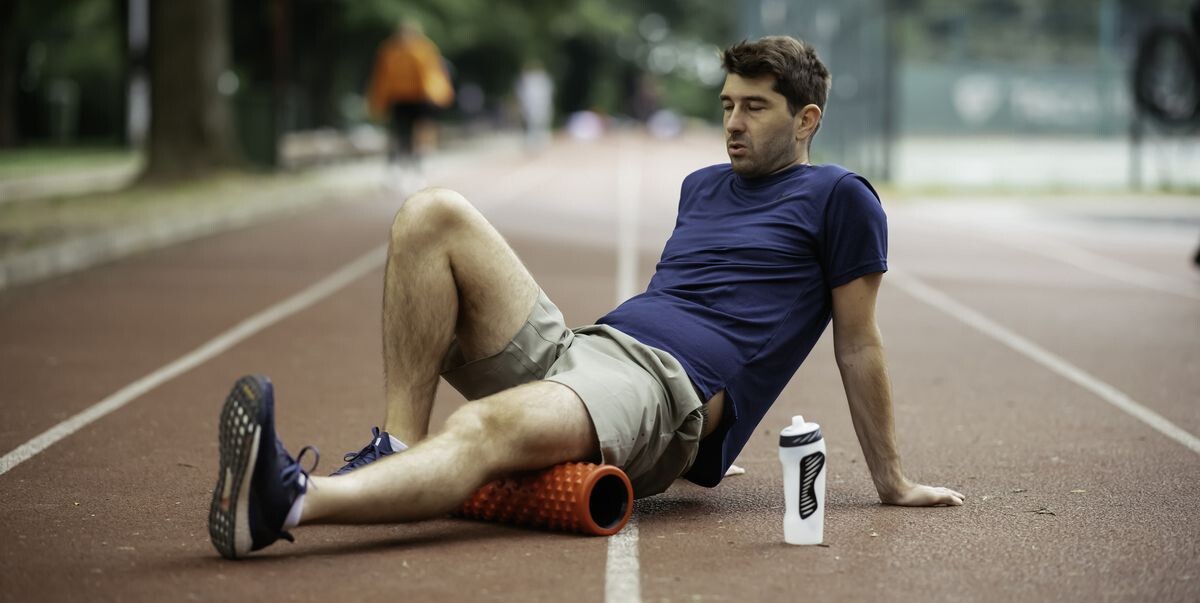
Seeing a massage therapist for a gentle massage, or utilizing self-massage using a foam roller, helps increase blood flow and flexibility of healing tissues. Avoid deep tissue massage for at least a week after the onset of DOMS to avoid further traumatizing healing muscles. See Fig. 4 for directions on using a foam roller on the outer leg and hip muscles.
The benefits of Delayed Onset Muscle Soreness
As a physical therapist, I work with patients to improve their strength and flexibility through various treatment approaches and prescribed exercise. am constantly trying to make changes to patients’ bodies by prescribing exercises to improve flexibility and strength. During the short period of DOMS, the body is primed for making these types of changes in a relatively short time.
I have described running as a sport that causes countless tissue tears and profound inflammation. So why should we run? Why would I recommend such a traumatic activity that can lead to such extreme muscle soreness?
Weekly, I have patients ask me if running is bad for them. Often, someone has told them not to run because it is too hard on their body. Knowing what causes DOMS, and that running is one type of workout that can lead to the condition, prompts people to question their decision to run. However, the human body is designed to adapt and grow stronger to the stresses we put on it. If we do not stress our tissues, they weaken and become prone to disease and injury.
So, I ask, “Why wouldn’t you run?”
(06/13/22) Views: 113Therapeutic Associates
New personal best set at the KATA 10k Time Trial
The tenth edition of Kenya Athletics Training Academy 10kilometres monthly time-trial took place on Wednesday in Thika Kenya with Peter Wanyoike running a new personal best and winning again.
Sibling rivalry marked the event with upcoming Erick Mutuku and consistent Zakaria Kirika fighting for the runner-up position during the run that brought together 16 participants.
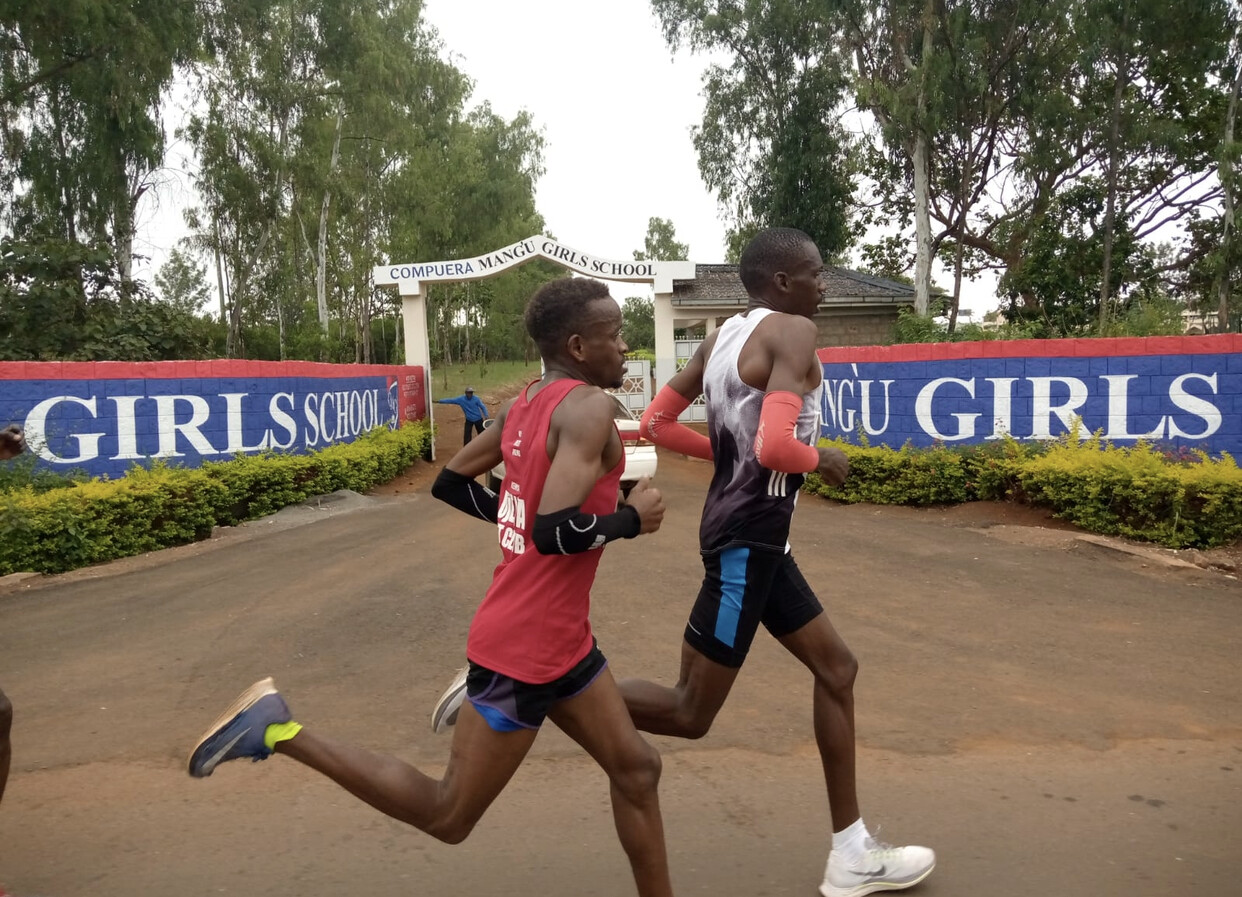
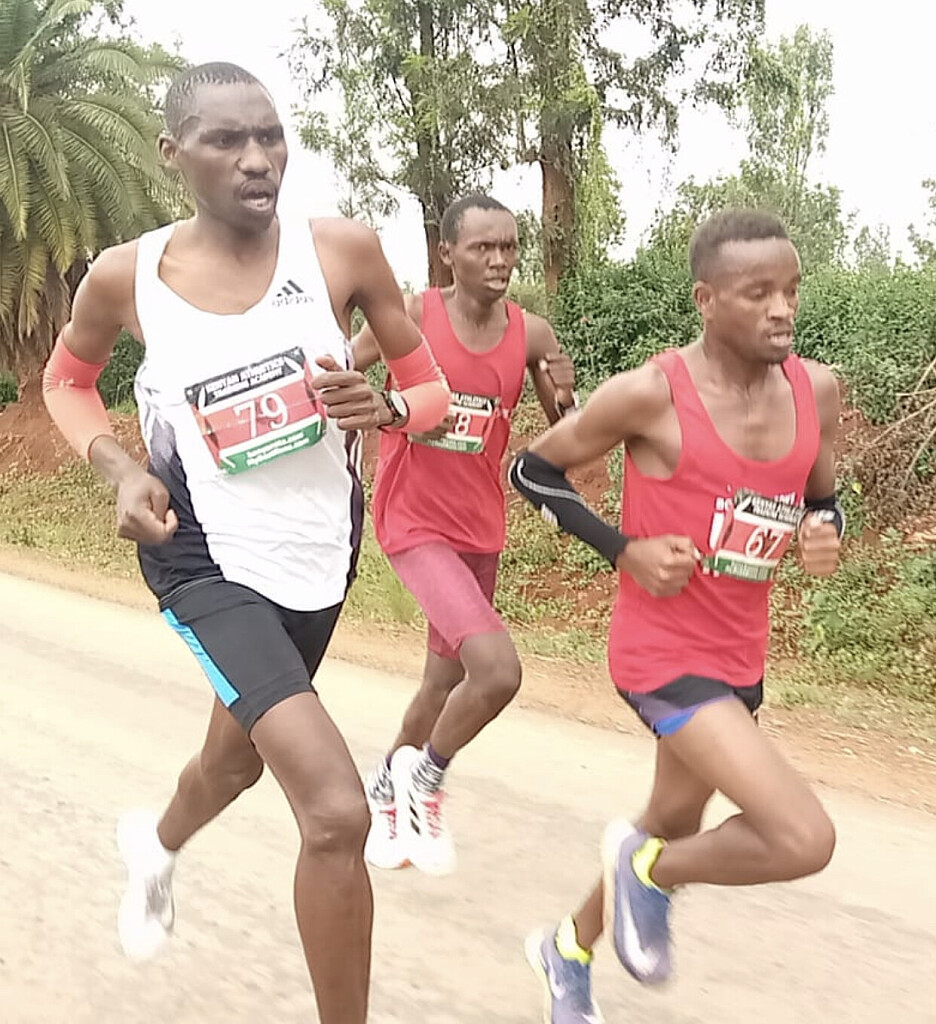
Wanyoike, winning the trial for the 4th time in a row, clocked 29:53.19 to beat his previous 29:53.68 registered during the 8th edition in April.
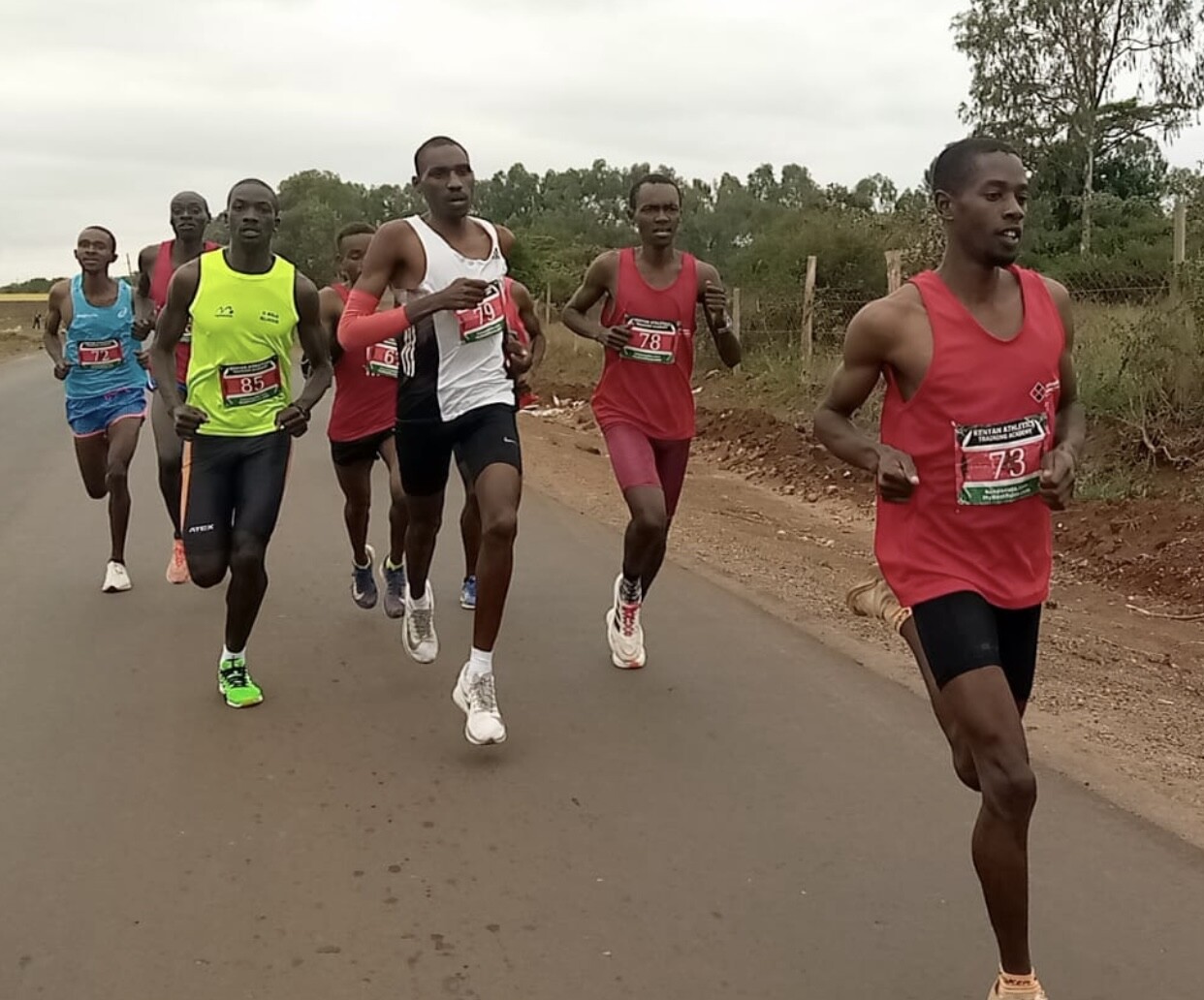
Kirika was dislodged from his second position by Erick Mutuku who timed 30:03.18. Kirika managed 30:14.86 in third place.
The monthly trial has become a yard stick forgauging individual speed with young and upcoming athletes reaping maximum benefits.
Levis Kuria, Erick Mutuku, Boniface Mungai, Nicholas Kitundu and Raphael Gacheru, all in their early 20s, attained their individual records with significant margins.
Kuria clocked 31:32.75, improving his previous 33:03.46 while Mutuku and Mungai timed 30:03.18 and 31:25.79 from 30:14.67 and 32:30.42 respectively.
The next KATA 10K Time-Trial will take place on 13th of July at the same place.
RESULTS
NAME BIB TIME Age
1.Peter Wanyoike 79 29:53.2 26
2. Erick Mutuku 67 30:03.2 20
3. Zakaria Kirika 78 30:14.9 21
4. Nichola Kitundu 72 31:13.3 22
5. Fredrick Kiprotich 76 31:21.9 23
6. Raphael Gacheru 70 31:25.5 22
7. Boniface Mungai 77 31:25.8 23
8. Robinson Mwaura 85 31:31.4 29
9. Levis Kuria 66 31:32.8 21
10. Geoffrey Mwangi 82 34:24.4 40
11. Erick Mugo 73 34:45.8 29
12. Paul Ng’ang’a 71 34:48.1 42
13. Charles Ndirangu 80 37:03.5 62
14: Peter Mukundi 81 37:36.1 25
15. Wisely Kipkirui 84 38:38.9 24
16. Ann Wangu 83 46:47.2 30
(06/15/22) Views: 102Coach Joseph
2022 Lewa Safari Marathon to be held June 25
After running virtually in the last two years, the 2022 Lewa Safari Marathon will be held physically at the expansive Lewa Wildlife Conservancy June 25.
The Lewa Wildlife Conservancy, Tusk, Safaricom PLC and Huawei Technologies (Kenya) Co Ltd. announced on Tuesday during the launch.
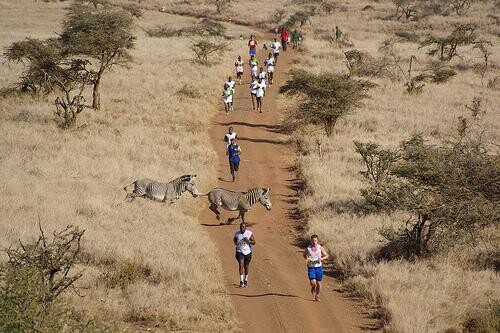
For 23 years, the marathon held on Lewa Wildlife Conservancy, a UNESCO world heritage site and co-organised by wildlife conservation charity Tusk, has allowed participants from all over the globe to compete in an internationally acclaimed annual event whilst running through one of Africa’s most breath-taking wildlife conservancies.
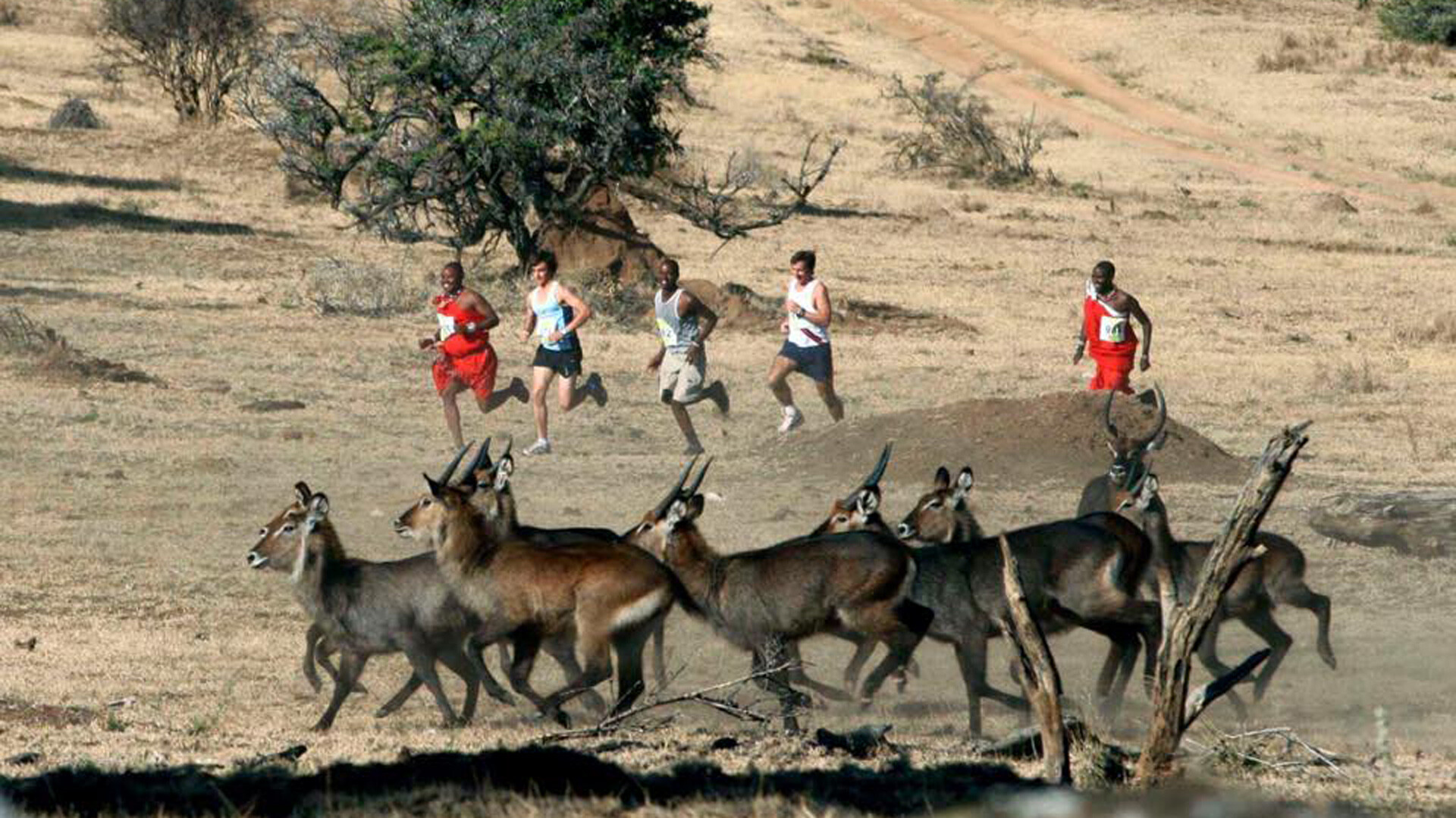
Regarded as one of the toughest marathons in the world, runners of all abilities have taken part – from elite professionals like Marathon World Record Holder Eliud Kipchoge to amateur runners and walkers.
The marathon has also been a vehicle for the advancement of education, healthcare and conservation efforts in Kenya, raising above Ksh982.3 million (USD 8,600,000) for these causes since the year 2000.
Speaking at the marathon launch, Mike Watson, CEO of the Lewa Wildlife Conservancy said: “While still providing an exciting and exhilarating marathon experience, the Lewa Safari Marathon 2022 aims to be the most environmentally friendly event Lewa has hosted to date.”
“This drive is inspired by the urgent need to reduce our carbon footprint, which aligns with our ethos and standards as we strive to be a model for biodiversity and ecosystem preservation.”
Charlie Mayhew, CEO of Tusk shared, “It’s a joy to be able to bring this one-of-a-kind event back to Kenya. The Lewa Safari Marathon has a 20-year legacy of drawing runners from around the world to raise significant funds for a wide range of conservation, education and community initiatives across Kenya.’
“We are immensely grateful to Safaricom and Huawei once again for their generous sponsorship of the marathon, as well as to Kenya Breweries Limited and Tetra Pak Ltd for their support.”
As lead co-sponsors, Safaricom and Huawei have continued to partner to support the marathon in its evolution. This year, other event sponsors will include Kenya Breweries Limited as well as Tetra Pak Ltd.
(06/10/22) Views: 101
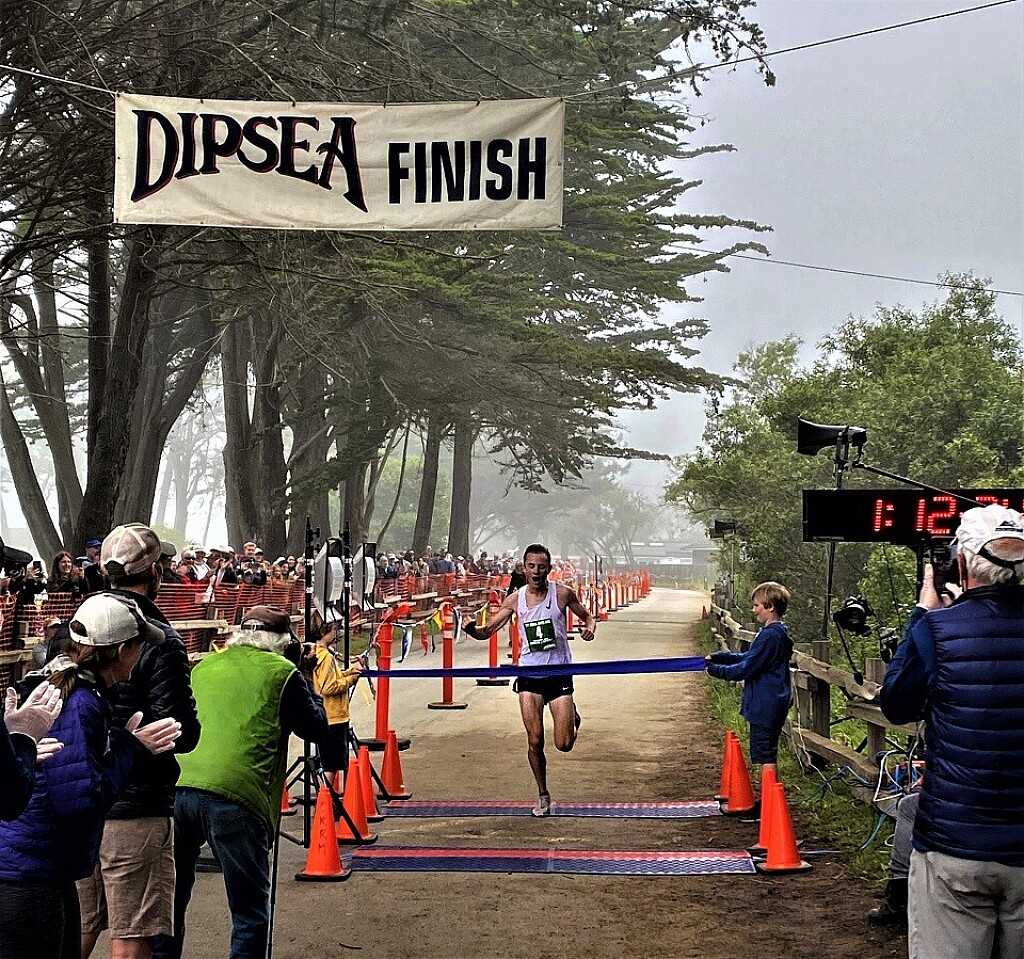
In order to win his first Dipsea Race 28-year-old Eddie Owens had to study it first.
Two years ago when he moved to San Francisco, Eddie Owens knew nothing about the Dipsea – the country’s oldest trail race – other than what he heard from area runners. It prompted him to visit Marin County to meet Dipsea historian and author Barry Spitz, who has written the quintessential book about historic race, “Dipsea: The Greatest Race.” Owens bought a book from Spitz and said he was curious about the fastest times on record in the race.
Apparently, Owens not only read about them, but he appears hell bent on eclipsing them.
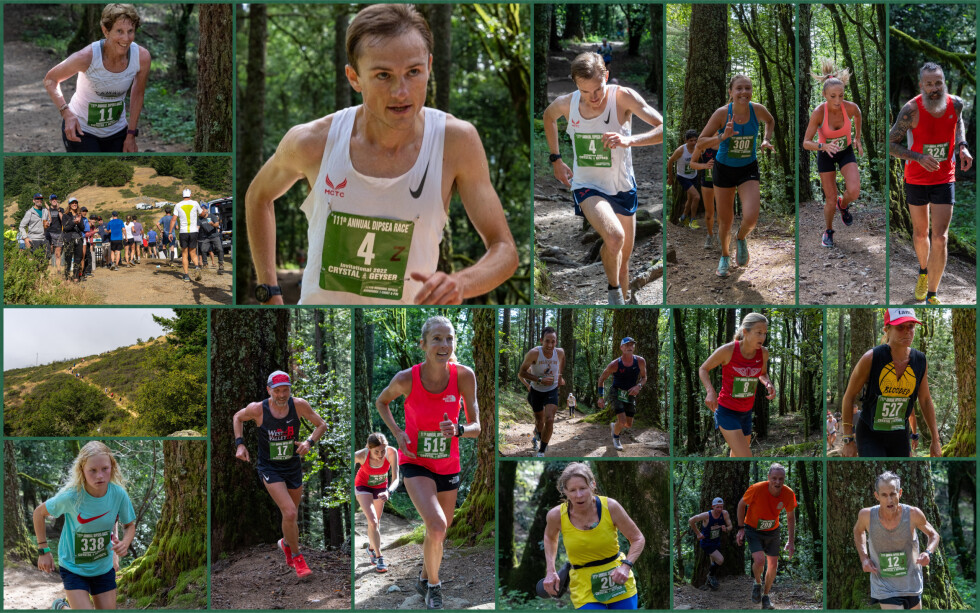
With a time of 48:35 on Sunday – more than a minute faster than anyone else in the field – Owens easily won the 111th Dipsea with a race for the ages. He became the first runner in his 20s to win the historic 7.5-mile foot race from downtown Mill Valley to Stinson Beach since 25-year-old Carl Jensen was the last person to win the event from scratch in 1966.
That feat followed Owens’ astonishing Dipsea debut effort last November when he denied Alex Varner of a 10th Best Time Award by finishing fourth overall with an actual running time of 47:47, the fastest in 26 years.
Owens, who grew up in Brooklyn, N.Y. and attended Princeton University, obviously is a fast learner when it comes to the Dipsea.
“I’ve run races all over the country and all over the world, but there is nothing like the Dipsea,” said Owens, who was a member of Team USA at the 2021 World Mountain and Trailrunning Championships. “I look forward to coming back for many years and decades to come.”
Owens was given a one-minute head start on Sunday in the Dipsea, a unique race in which each of the 1,500 runners are assigned head starts based on age and gender. With a two-minute head start Paddy O'Leary, a 34-year-old cancer researcher from San Francisco, finished second one minute and 17 seconds behind Owens and Clara Peterson, a 38-year-old mother of four from Corte Madera who was a two-time All-American cross country runner at Duke University, was third. She started seven minutes in front of Owens’ starting group and posted the fastest time (58:45) by a female in the race, finishing one spot ahead of Stephanie Howe of San Rafael, another two-time NCAA All-American in college (Northern Michigan University) who was making her Dipsea debut. Fiona Lyon and two-time Dipsea winner Chris Lundy finished right behind, the first time since 1992 that four females have finished in the Top Six of the Dipsea.
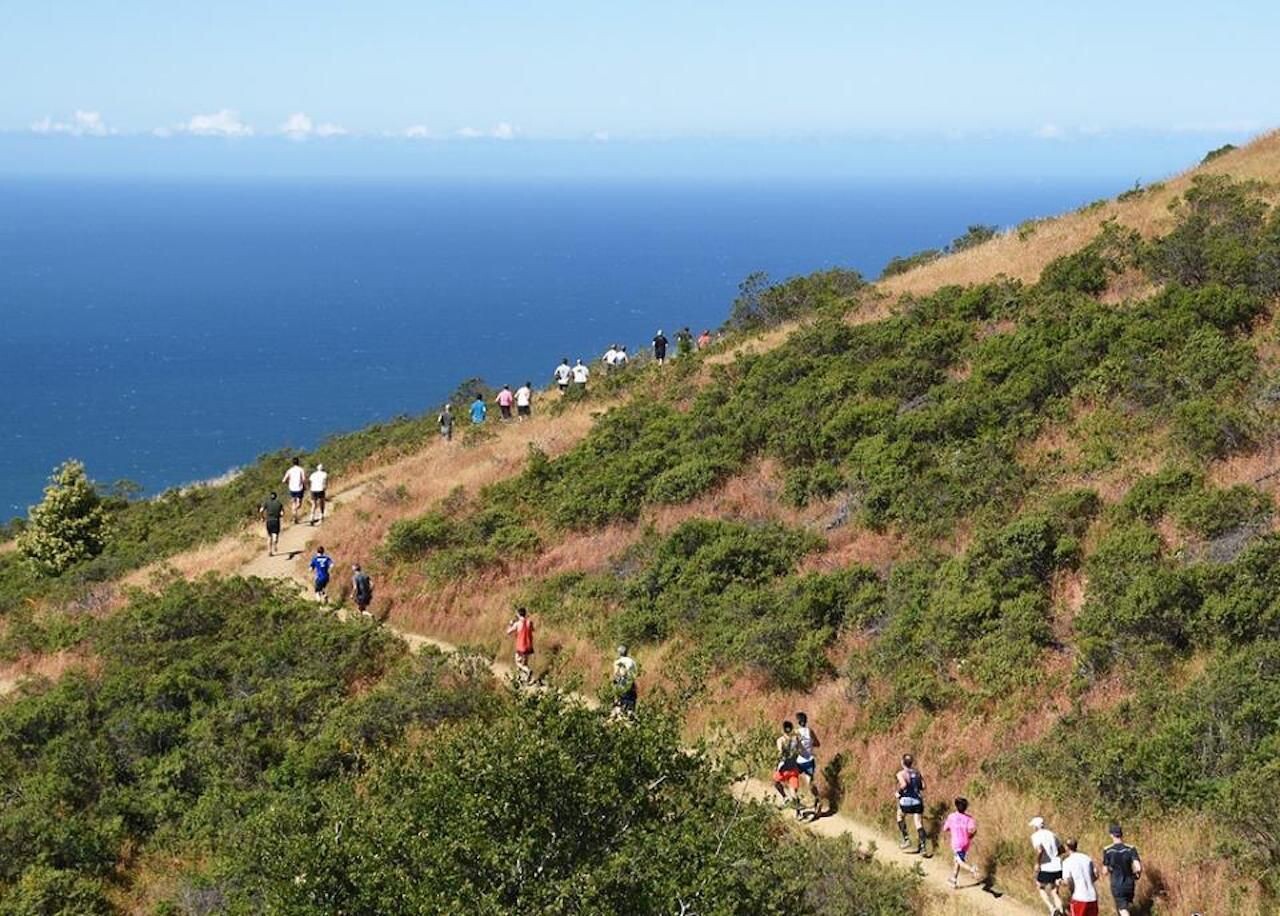
Mark Tatum, the defending Dipsea champion from Colorado Springs, CO, placed eighth overall.
Peterson and Howe -- along with two-time Dipsea champion Diana Fitzpatrick of Larkspur, 25-time Black Shirt winner Brad Byron of Penngrove, and Tanya Fredericks of San Anselmo – pushed the Tamalpa Runners into a remarkable first-ever tie with rival Pelican Inn Club for the Dipsea’s Team Trophy. Alex Varner, Cliff Lentz, Don Stewart, Jeffrey Stern, and John Gardiner were the top runners for Pelican Inn which won the team trophy last year.
The mother-and-son team Elena Shemyakina of Geneva, IL and Mikhail Shemyakin of Mill Valley won the Alan Beardall Family Trophy for the third time and Berkeley High School student Oliver Nickelsen claimed the First High School Boys Finisher for the second year in a row and won another Dipsea Black Shirt. He was joined in that select group by seven first-time Dipsea Black Shirt winners (Carolyn Latham, Benjamin Koss, Anthony Fagundes, Taylor Fortnam, Lacee Phillips, Patrick Wachter, and Ibet Allen.)
Emma Dunmire of Tamalpais High School was the First High School Girls Finisher, and Patrick Green of Long Beach was the first finisher in the race from the Dipsea Runner’s Section.
Diana Fitzpatrick, who won her record-tying 19th Dipsea Black Shirt to match Dipsea Hall of Famer Jamie Rivers, was named the recipient of the Norman Bright Award for “Extraordinary Effort in the Dipsea Race” in a post-race awards ceremony staged in person for first time at Stinson Beach Park since June 2019 before the COVID-19 pandemic. Robert Alexander, who made his Dipsea Debut in 1984 at the age of 32 when he placed 13th overall, was named the recipient of the Dipsea Demon Award for “dedication, perseverance and performance over time” to honor ” the late Jack Kirk, who completed a record 67 consecutive Dipseas, the last at the age of 95. Alexander, 66, competed in his 38th consecutive Dipsea on Sunday. Longtime Dipsea volunteer Mari Allen, who led the charge in organizing a centennial celebration of the Women’s Dipsea Hike in April, was named recipient of Red Tail Hawk Award for “Leadership, Dedication and Sportsmanship” named in honor of the late Jerry Hauke, the Dipsea Race director for 37 years.
This year’s Dipsea race featured runners from a total of 30 states plus the District of Columbia were entered in the 111th Dipsea from as far away as Maine and Italy.
The oldest runner entered was 84-year-old Norman Pease of Orinda and the oldest female entered was 80-year-old Emma Ulvestad of Mill Valley. The youngest girl entered was 8-year-old Caleesi Beck of Mill Valley and the youngest boy entered was 5-year-old Christopher Ciaschini of Mill Valley.
(06/15/22) Views: 95
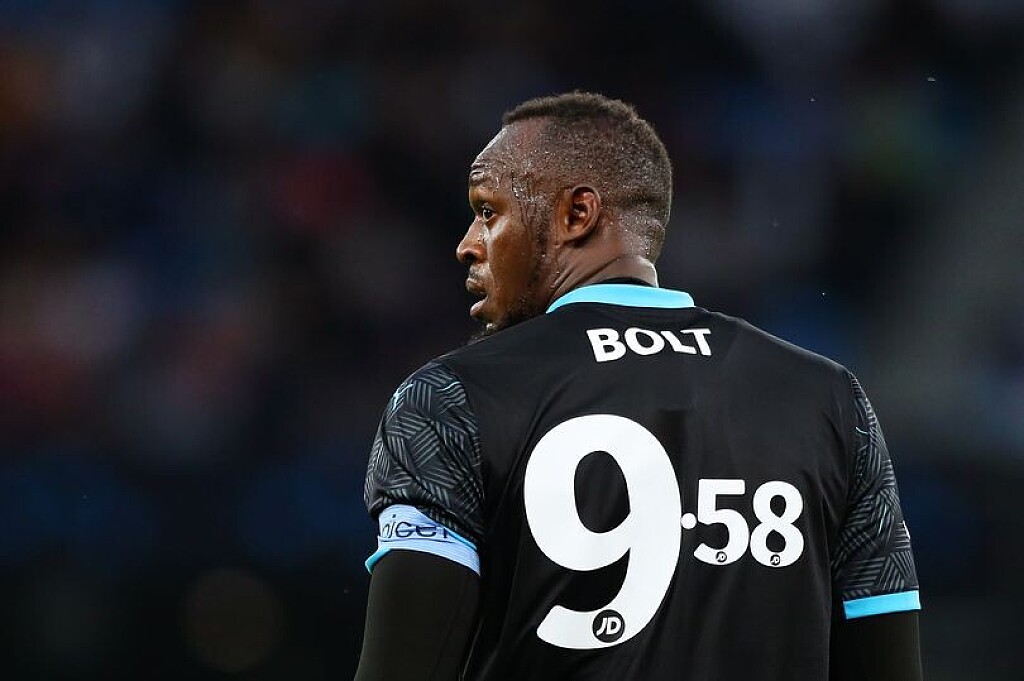
The world's fastest man is once again putting on his football boots for a good cause
Usain Bolt is back to captain the Rest of the World XI against England in Soccer Aid.
The former Olympic sprinter is once again involved as skipper, having played in the past few matches. Fittingly, the match is taking place at London's Olympic Stadium - a football venue in its own right as the home of West Ham, but also the place where Bolt set the Olympic record on the way to defending his 100m crown in 2012.
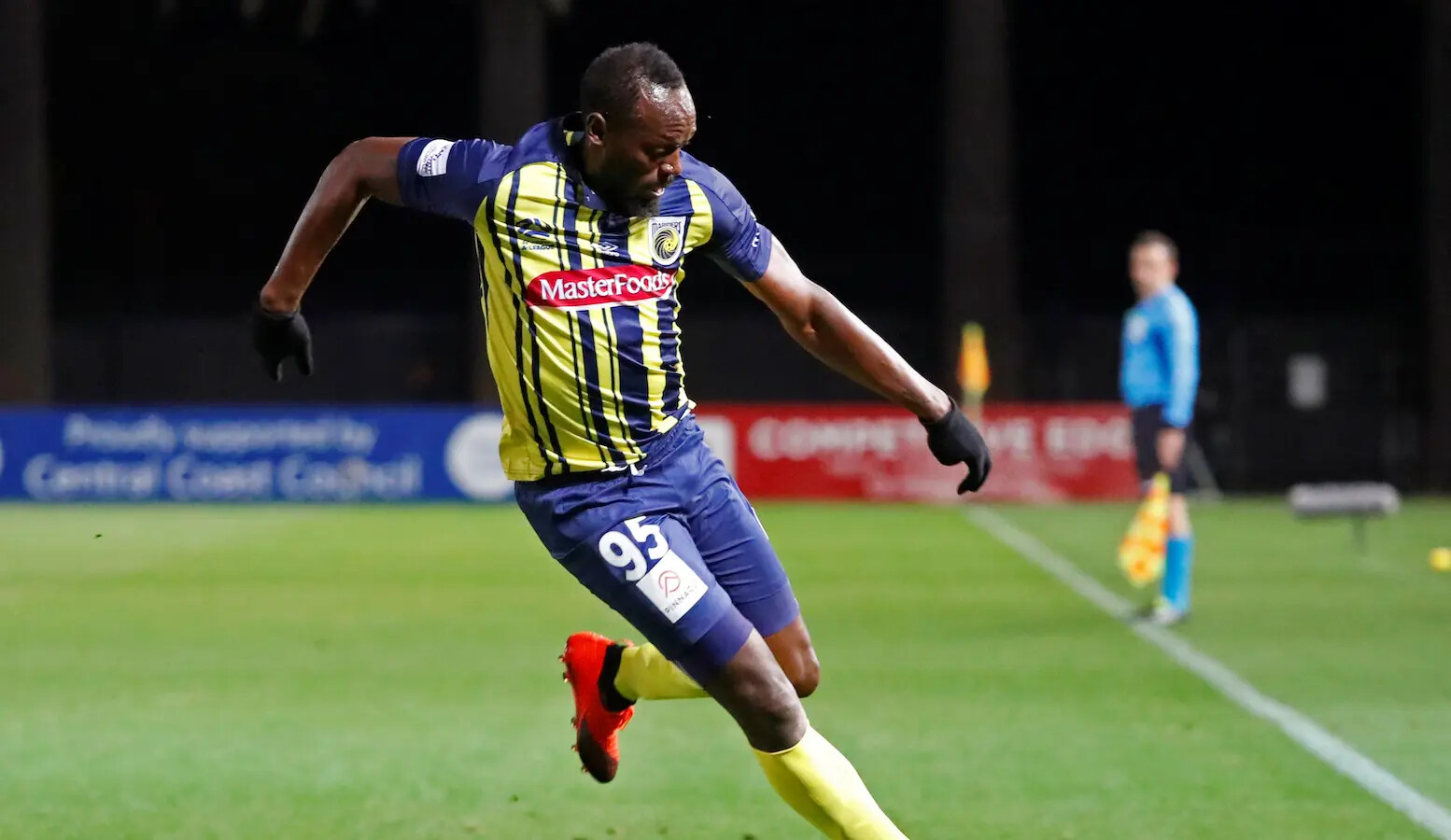
London 2012 was a highlight in a storied career that saw Bolt establish himself as the fastest man in the world and set records that have yet to be beat. The 9.63 seconds it took him to win gold in 2012 remains an Olympic record - beating the one he'd set in 2008 - but the overall world record was set by himself a few years before that.
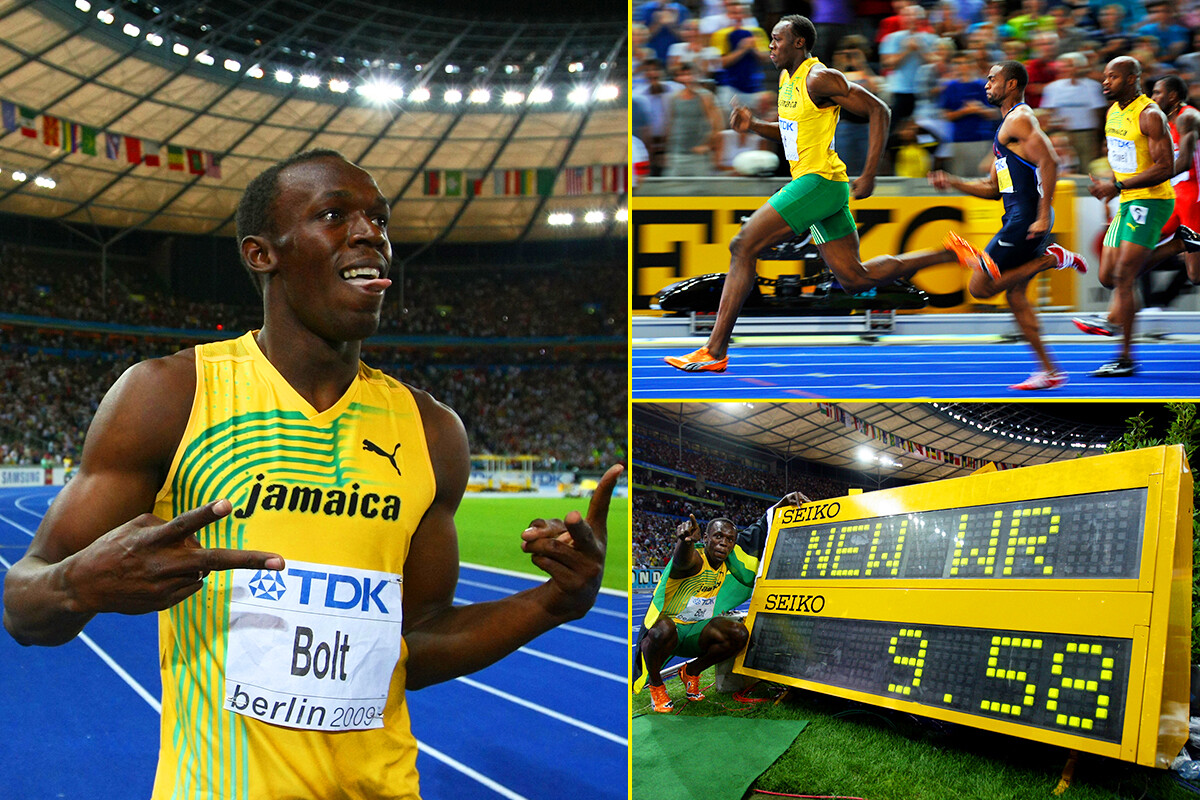
Bolt set the current 100m world record at the 2009 IAAF World Championships, clocking an incredible 9.58 seconds for the feat. His average ground speed was 37.58km/h (23.351 miles per hour), whilst reaching a top speed of 44.72km/h (27.788 miles per hour) in the 60-80m stretch – numbers fitting for the world’s fastest man.
He first held the 100m world record in 2008 at the Reebok Grand Prix in the Icahn Stadium in New York, clocking 9.72 seconds to beat fellow Jamaican Asafa Powell’s record of 9.74 seconds set at the IAAF Grand Prix in Rieti, Italy, a year before. He brought the record down further to 9.69 seconds at the 2008 Olympics in Beijing, before hitting his peak in 2009.
9.58 seconds remains the world record for the 100 metres and Bolt has commemorated that in past Soccer Aids by wearing the number - complete with decimal point - on the back of his shirt. For added measure, Bolt also holds the record for the 200 metres - running 19.19 seconds at the 2009 World Championships.
(06/13/22) Views: 94
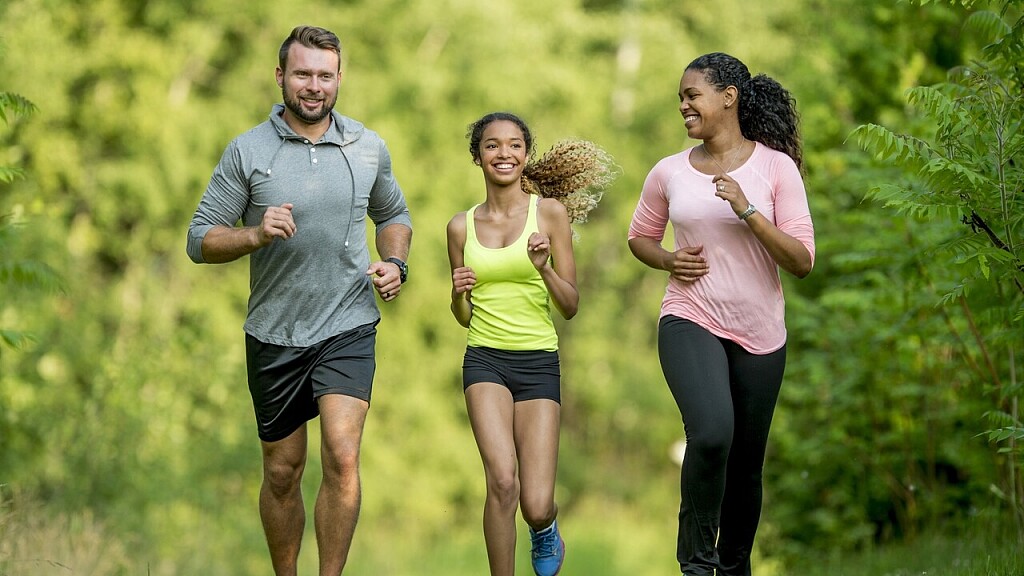
World Athletics launches Personal Best, a lifestyle channel for all runners
World Athletics has just launched Personal Best, an Instagram-based platform geared towards all runners, regardless of ability or passion.
The simple aim of Personal Best is to connect the global running community, getting more people to run more often.
Personal Best is dedicated to every runner, regardless of ability or passion. It will represent and connect runners from all over the world with the aim of building a diverse and relatable community and a supportive environment for everyone, for runners new and old.
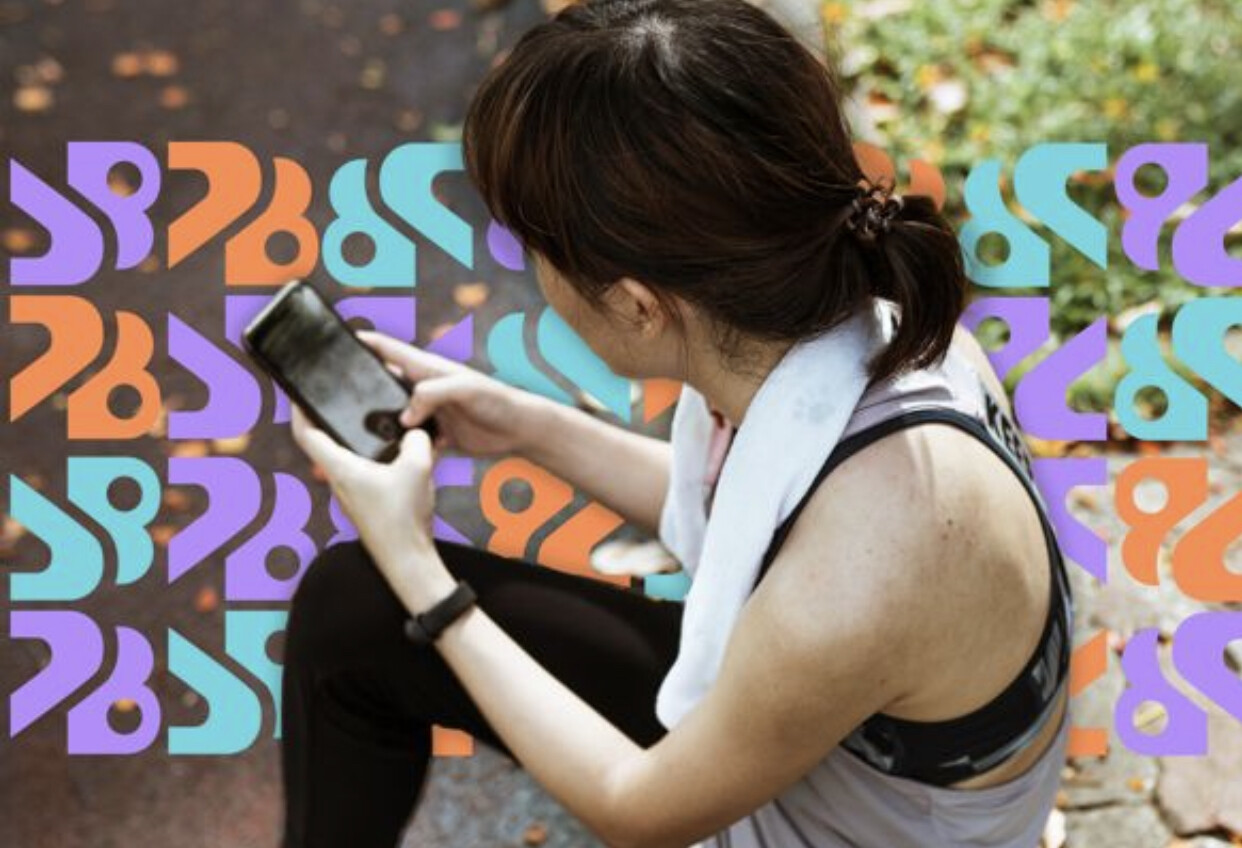
Whether it’s a teammate, friend, family member or stranger, running brings people together. Personal Best will encourage and help everybody within the global running community to achieve their goals, however big or small.
The channel will share runner experiences from all walks of life, all over the world: the adventures, the challenges, the struggles, the communities and above all, the sheer joy of running.
(06/14/22) Views: 88
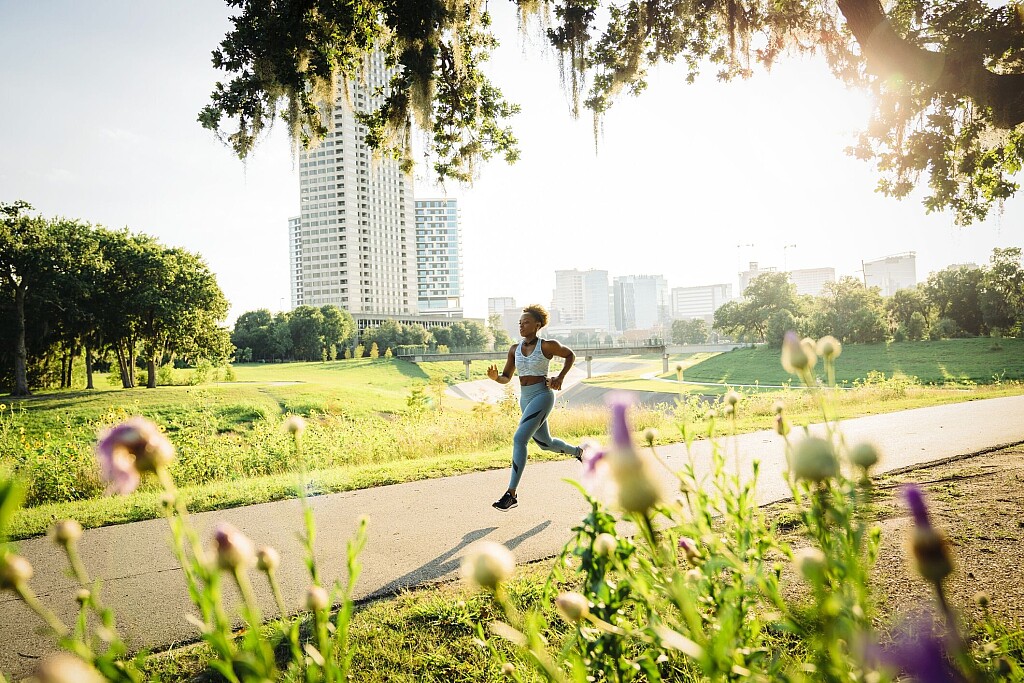
Five tips for running during allergy season, Enjoy running this summer without sneezing
Temperatures are warming up, flowers are blooming, and allergy season is in full swing. If you suffer from seasonal allergies, you are familiar with the struggle of fitting in regular training while battling a stuffy nose and congested head. Try these suggestions to minimize your allergies and get you out the door in your shorts and running shoes.
Find the right time of day

Both pollen counts and air pollutant indices rise during the day and fall during the night. Running in the very early morning or later in the evening is the best way to avoid those pesky allergens. High pollen counts also trigger exercise-induced asthma, so avoiding those mid-day runs can be critical for easy breathing.
Save the intervals for allergy-free days
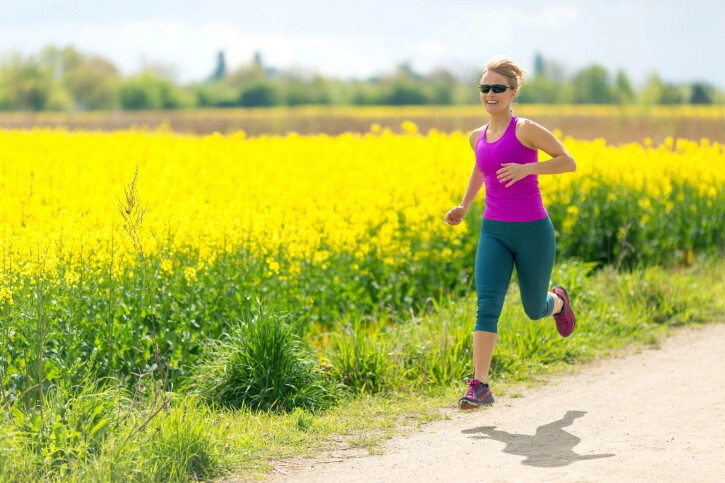
High-intensity workouts that involve breathing hard can exacerbate allergy symptoms. Save your speed workouts for the treadmill or indoor track during allergy season, or plan them for cooler or rainy days. Easy runs, or even a fast walk, will still enable you to get outside and move your body without triggering an allergy attack.
Keep an eye on the weather
Wind and dust will contribute to allergy symptoms; heat can also make them worse. Studies show thunderstorms also concentrate allergens in the air. Running immediately after a thunderstorm or rain is ideal when the air is clear. All runners know how hard it can be to predict the weather in North America but using the weather app and knowing what to avoid can be useful.
Take preventative measures
If you normally take an antihistamine to treat your allergies, taking it pre-run can be effective in keeping symptoms at ease. Similarly, if you have exercise-induced asthma and use an inhaler, check with your doctor to see if you are safe to use it before your workout.
Rinse pollen away
Taking a shower right after running can get rid of any lingering pollen on your hair and skin. Throwing your clothes into the laundry after a run will also keep them free from allergens. With a little extra effort, you should be able to enjoy the sunshine and warmer weather while keeping those sniffles at bay.
(06/10/22) Views: 82Keeley Milne
The Rome Diamond League did not disappoint, with several meet records shattered
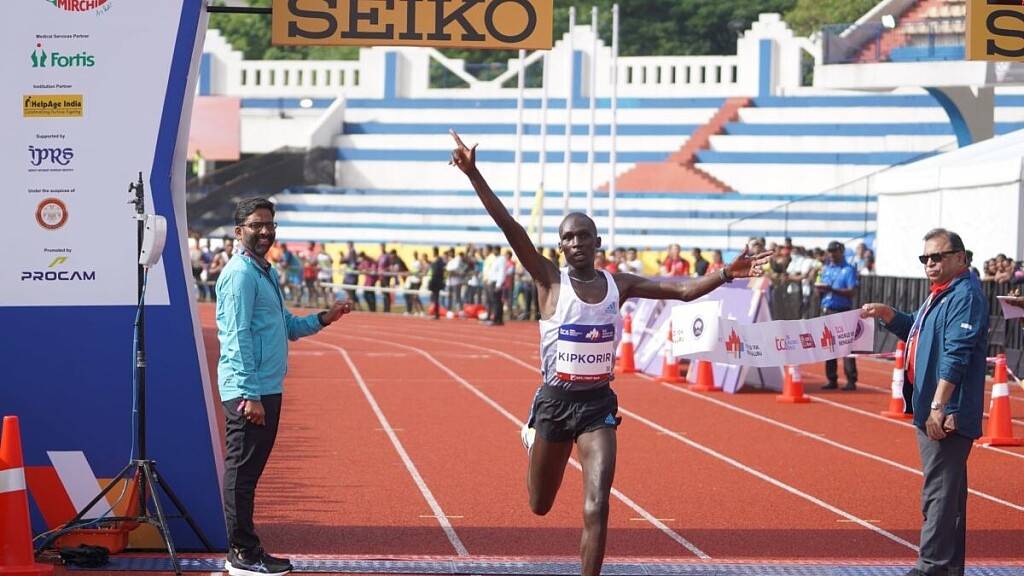
The Rome Diamond League did not disappoint on Thursday afternoon. Several meet records were smashed, including Eliud Kipchoge’s 5,000m meet record of 12:46.53–by his compatriot, Nicholas Kimeli,who clocked a world-leading time of 12:46.33.
Kimeli’s time was the seventh-fastest ever over 5,000m, and only six seconds behind the Kenyan national record held by Daniel Komen at 12:39.74.
The 23-year-old Kenyan came into the race in great form, winning the TCS World 10K in Bengaluru, India, in mid-May in course record time and setting a Kenyan national record over 5K on the roads in April (12:55).
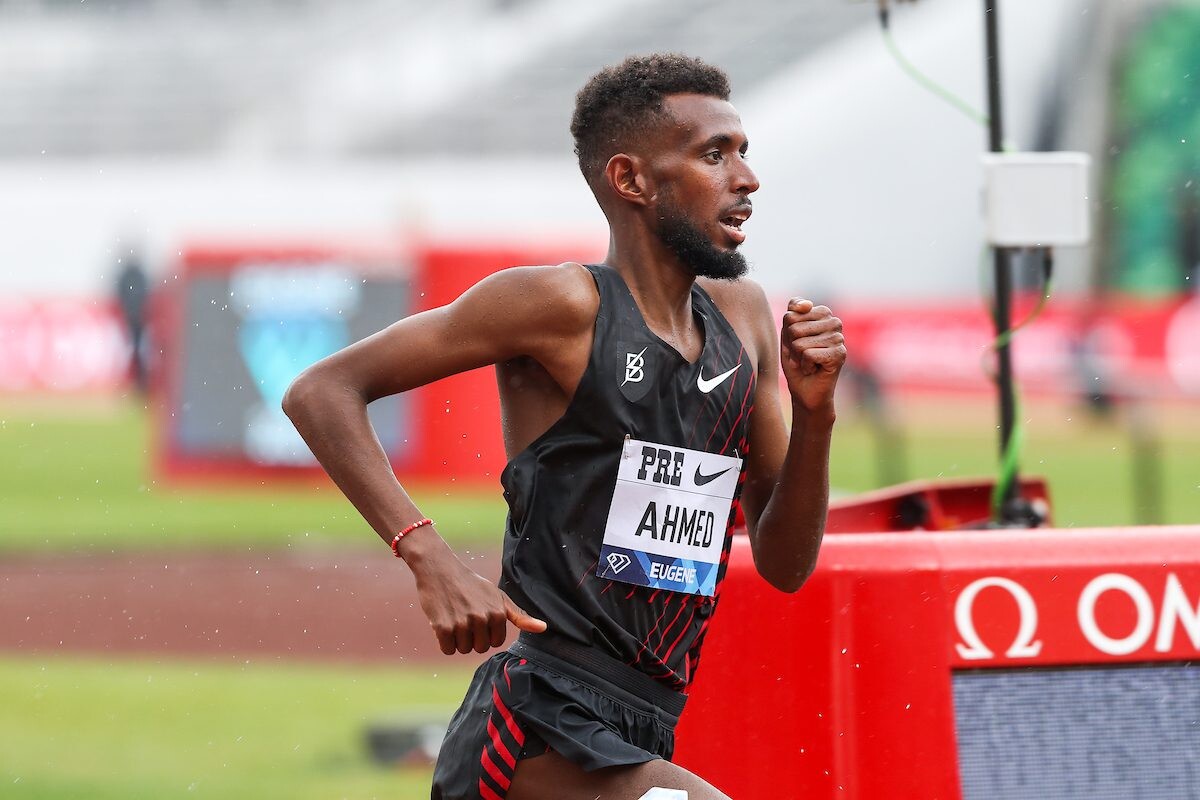
The men’s 5,000m was speedy from the start, with the pace set for 2:35/km at the front. Yomif Kejelcha of Ethiopia led the race until one lap to go, when Kimeli and his Kenyan compatriot, Jacob Krop, took over the race with 300m to go. Krop and Kimeli battled over the final 200m until Kimeli put a gap on Krop with less than 100m to go, setting a new personal best, meet record and world lead over 5,000m. Krop finished second in a personal best time of 12:46.79, while Canada’s Mohammed Ahmed (second photo) ran a season’s best time of 12:55.88 to finish fifth.
In the women’s 800m, Athing Mu made a statement, winning the race in a world-leading time of 1:57.01. Mu sat on the heels of the pacer for the first 400m, coming around in 56-high. Once the pacer fell off, the 20-year-old American phenom took over, winning the race by almost two seconds.
(06/13/22) Views: 80
Running Magazine
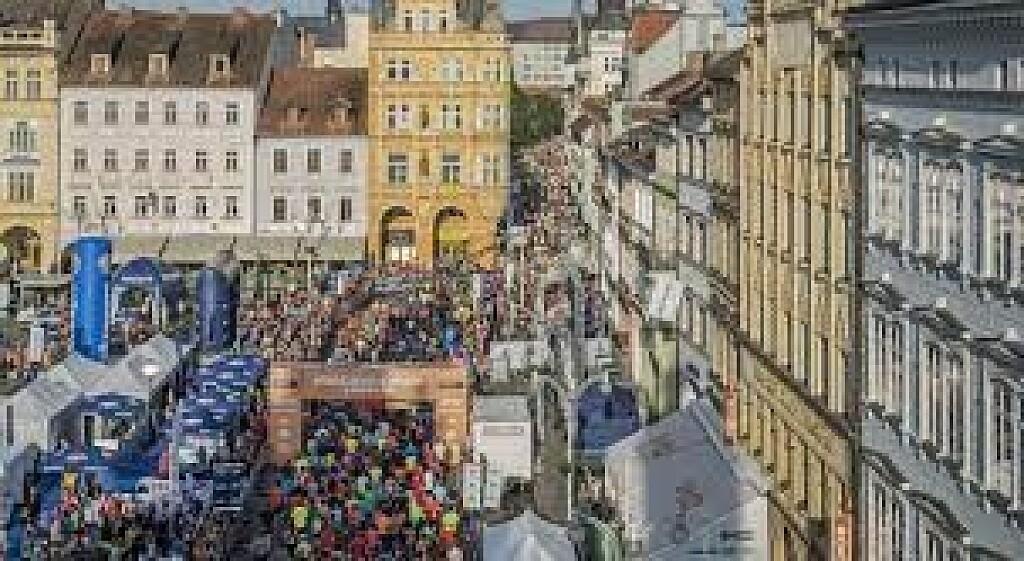
Up to 6,000 runners from the Czech Republic and abroad are expected at the start of the Mattoni Olomouc Half Marathon
Sports fans and runners will enjoy Moravia. The biggest out-of-Prague race will take them to Smetanovy sady in Olomouc – a beautiful park that is always full of spectators.
The race will start on Saturday, June 18.
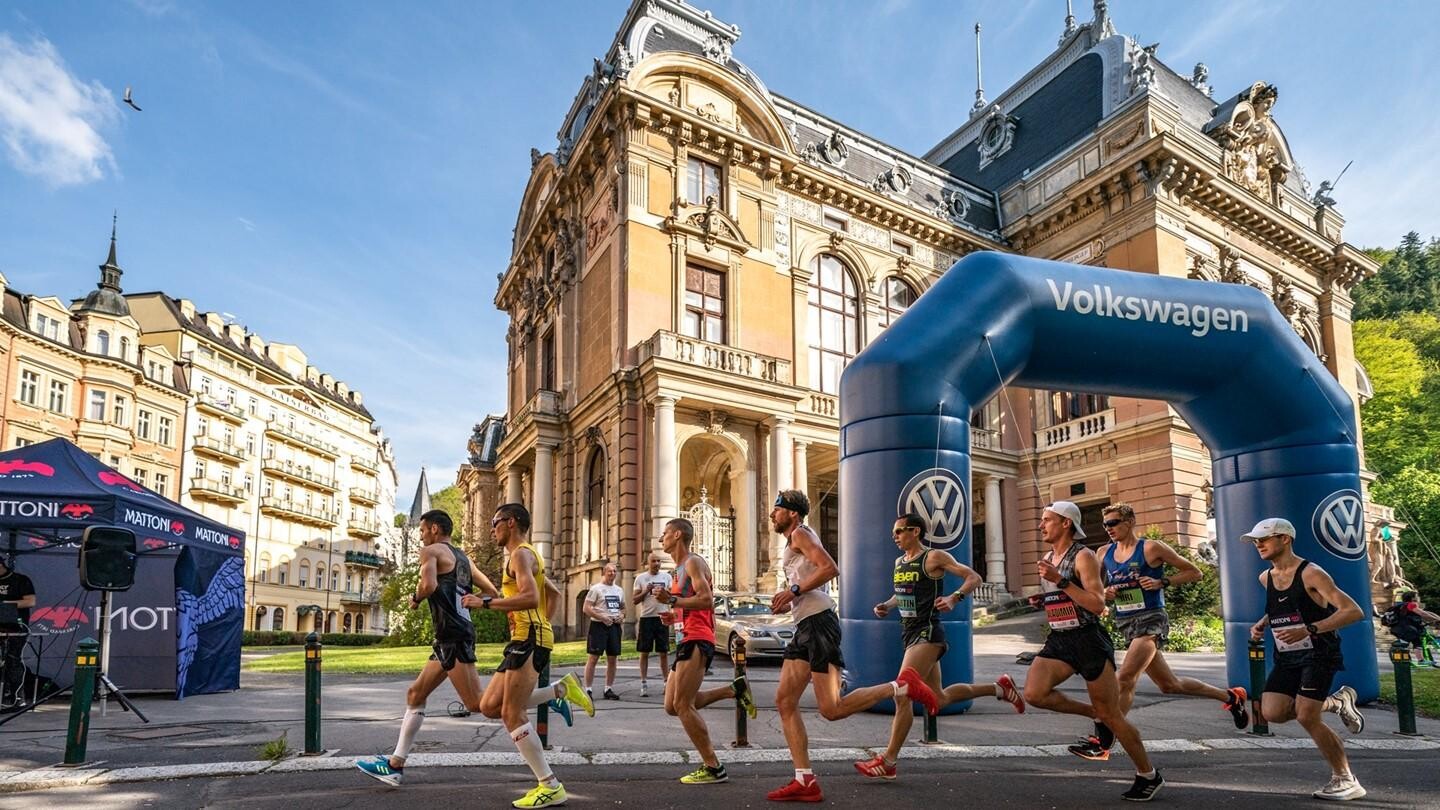
One of the most popular race starts at 7 p.m. from Horní náměstí. The event is a celebration of a healthy lifestyle and a great atmosphere.
“We are always happy to come back to Olomouc, which is part of the historical region of Czech Silesia. Olomouc has a reputation as a race where nothing is impossible and every year brings surprises, especially when it comes to situations where an almost unknown athlete beats far more famous running colleagues,” said Project manager Run Czech Igor Murko.

Mattoni Olomouc Half Marathon has a five-star European Athletics Certificate which guarantees high European standards and qualities. This is also the reason why the race was several times voted the favorite by the runners.
Up to 6,000 runners from the Czech Republic and abroad are expected at the start of the race.
The event offers more categories. In addition to the half marathon, a 2Run is prepared for runners who do not yet feel completely prepared for the whole race.
The relay race is an ideal alternative for team runners. Of course, the traditional dm family run which will start at 5 p.m, is prepared for all family members.
The undemanding 3,5 km long course in the center of Olomouc is really suitable for everybody.
(06/10/22) Views: 77
