

Running News Daily
Top Ten Stories of the Week
6/11/2022
These are the top ten stories based on views over the last week.
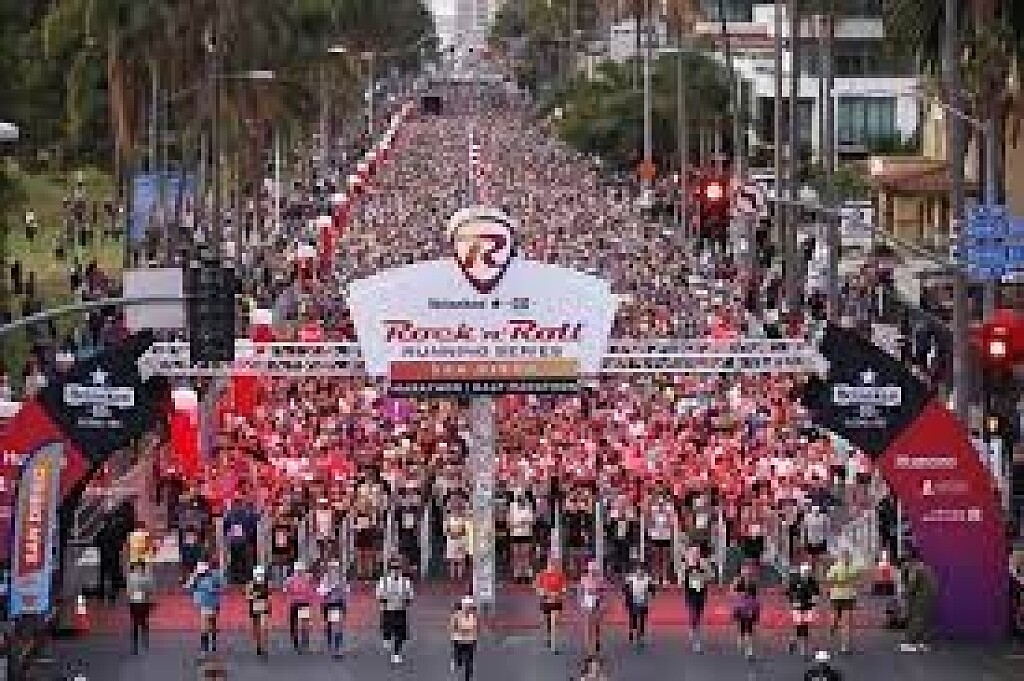


San Diego Rock ‘n’ Roll Marathon on Sunday: What You Need to Know
Runners will pack central San Diego streets again Sunday as San Diego’s Rock ‘n’ Roll Marathon returns to its early June schedule.
The race resumed after its pandemic pause late last year, in October, with a new look and name. Root your favorite runner(s) on or just head out to see the competitors, crowds and other entertainment. But for motorists, there will be closures. Here’s the basics:
Weather
Runners and spectators can count on sunny and mild conditions, with highs expected to reach 68 Sunday, rising just a couple degrees from Saturday.
5K – A Day Early
Saturday matters because first up, there’s the 5K at Balboa Park, starting at 7 a.m. at President’s Way and Park Boulevard, heading north to Laurel Street and cutting through the park. Runners and walkers move on to Sixth Avenue before reaching the finish line on Balboa Drive.
Courses for Race Day
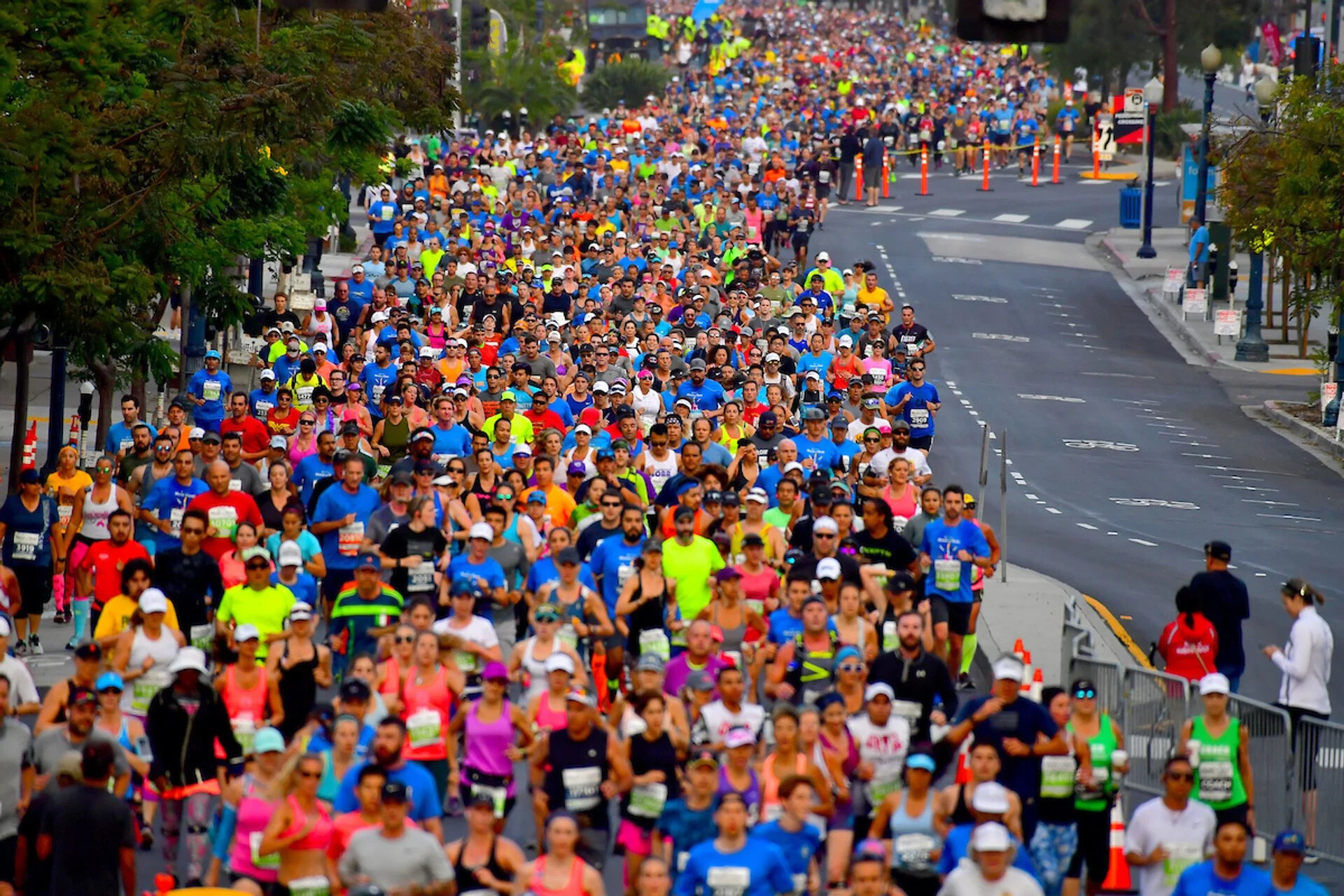
On Sunday, runners in both the full and half marathons kick off the day on near the northwest side of Balboa Park at 6:15 a.m. Spectators are welcome – cheering is free! – but motorists face many detours until the afternoon.
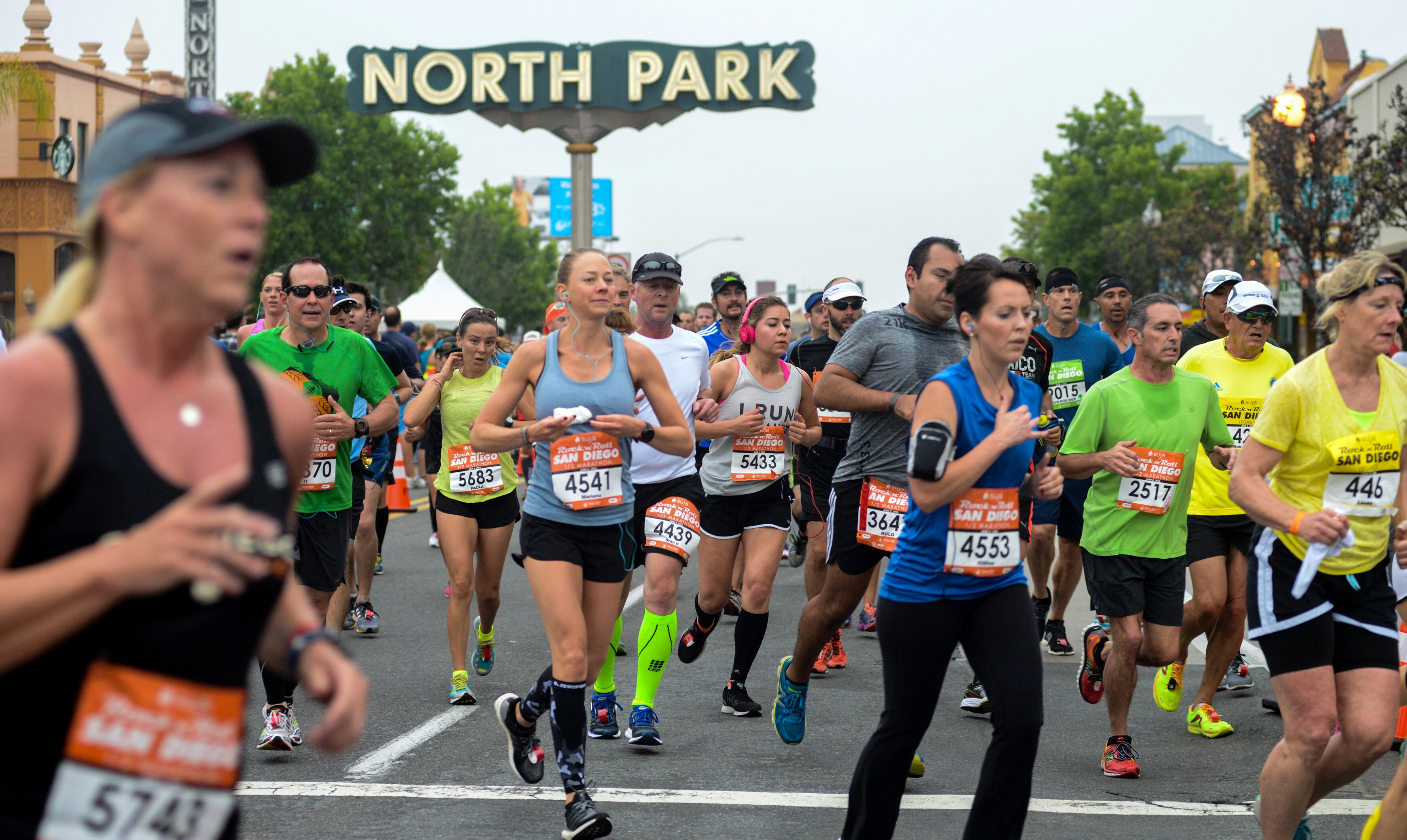
The race routes extend from the park through Hillcrest and east to Normal Heights to start, before runners on the shorter route shift to the south, through North Park and along Pershing Drive to the finish line on Union and Ash streets.
Marathon runners will double back through North Park all the way west to Mission Bay, before heading through Linda Vista and University Heights on the way back south past the park to the downtown finish line.
Closures
Most road closures and detours – including parts of state Route 163 and Interstate 5 – will be in effect from 5:30 a.m to 3:30 p.m. Police and volunteers will begin with soft closures along the entire route.
A few of the major affected streets include University Avenue, Adams Avenue, 30th Street, Sea World Drive, Sunset Cliffs Boulevard, Tecolote Road and North Harbor Drive.
In addition, Sixth Avenue and other streets near Balboa Park will close earlier, at 2 a.m., but re-open by 10 a.m.
Parking will be blocked off in some cases too. Streets will reopen on a rolling basis once the last participant has passed and volunteers have removed all course materials.
Transit options
The Metropolitan Transit System has added service for the marathon, starting at 4 a.m., including the Green, Blue and Orange trolley lines. Officials suggest the Green Line for spectators – its County Center/Little Italy stop is five blocks from the finish.
They also note that the Green Line stops at Old Town, Morena/Linda Vista and Fashion Valley offer prime viewing spots, with time to jump back aboard the Trolley to see the finish.
Nearly 20 bus lines, though, must make detours due to street closures. For a list of additional Sunday service and detours, see the MTS marathon page.
Entertainment
Enjoy performances throughout the route, from a variety of bands, impersonators and DJ’s. See the marathon list for which mile marker to choose. And there’s more! Head to Waterfront Park at 10:45 a.m. for the Finish Line Festival with headliner Matisyahu, along with a game zone, beer garden and food trucks.
(06/04/22) Views: 110
If you only run once a day what is the best time to run: Morning, noon or evening
very runner has a time they prefer to run. For anyone who takes up the runner’s lifestyle, choosing between being a morning, afternoon or evening runner is one of the first decisions they make. Though most of us don’t just strictly run at one time of day, we usually have a preference. But with mornings and evenings being extra long now, and the temperatures climbing higher during the day, runners might be wondering about switching up their routine to take better advantage of the season’s conditions. Are you in that boat? Here’s the case for each:
Morning:
The perk: There are a number of factors that make morning the most appealing time to run. First of all, you’re up before everyone during the time of day that’s arguably the least demanding for scheduling. Think about it: There’s no social event to sway you, work hasn’t start yet, you’re less likely to get caught off guard by important phone calls, businesses aren’t open for errands. Plus, you get to start your day with a jolt meaning you’re awake and revitalized by the time you have to be productive. There’s also the possibility that running in the morning can lower your BMI.

The pitfall: For those non-morning people, sleeping always feels more appealing than running. When you do get up, you realize you missed the run and have to reorganize the day to fit it in– or you just wait for tomorrow. Starting the day off with disappointment is no good.
Afternoon:

The perk: The afternoon is a great time to run. For many runners, it feels the best of both worlds because you don’t have to wake up super early and you’re free to do what you like after work. The sacrifice you have to make is relatively easy too — you give up the opportunity to have a sit down lunch away from the desk but it’s not as if you’re working through lunch. Many choose this time of day as a way to beat the afternoon slump in the office.
The pitfall: That nicely styled hair from the morning will be ruined and there won’t be time to recreate it. Also, your workplace may not have a shower. And in summer, the temperature is at its hottest.
Evening:
The perk: If you’re slow-going in the mornings, there’s no pressure. You know you’re less likely to miss a run because it’s not dependent on you listening to an alarm. By running at the end of the day, you get a chance to go over the day’s dramas. This is a great time to reflect or problem-solve and it’s a great picker upper for those of us who feel beat at the end of a workday. When you get in from the run your, life stress is gone and you feel energized to do the things you actually want to do on your free evenings.
The pitfall: Dinner with pals or after-work drinks do come up and you’re faced with having to choose. Many who feel tired after work just can’t get motivated to run at this time.
(06/03/22) Views: 92
Sinead Mulhern
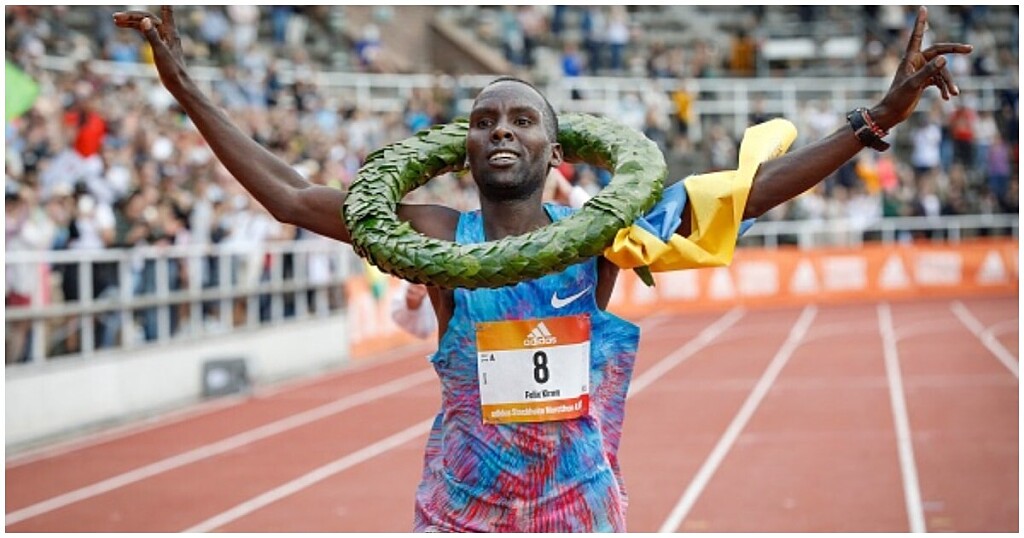
Felix Kirwa sent the wrong way at Stockholm Marathon, still wins race
The leaders of Saturday’s Stockholm Marathon were in confusion and disbelief after being sent the wrong way for an extra kilometer.Felix Kirwa, Tesfaye Lencho Anbesa, and Merhawi Keste were pointed in the wrong direction by race officials around the 30 km mark of the marathon.
They ran for a full minute before realizing the mistake, which cost them the lead in the race. Kirwa, 26, managed to come back and win the event in a time of 2:11:07, only one minute off the course record of 2:10:10, despite having to run an extra kilometer.
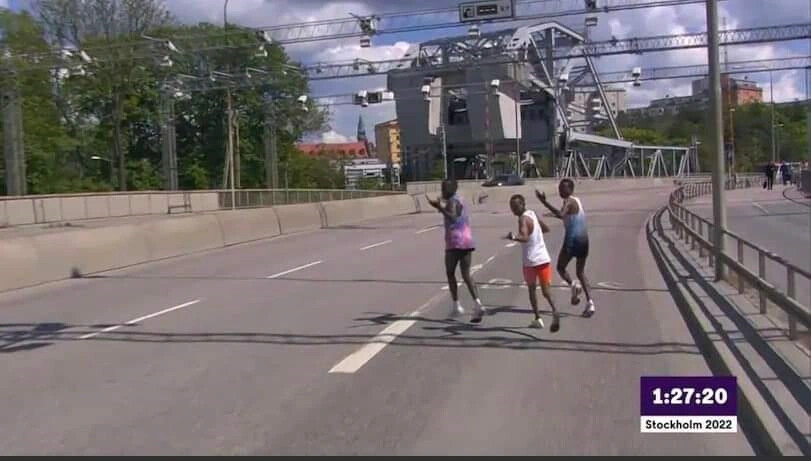
Kirwa spoke to Stockholm’s TV4 in a post-race interview: “I am very happy to win the Stockholm marathon but we ran wrong and I missed the record because of it.”
The event organizers blamed the error on motorcycle police officers who drove in the wrong direction.
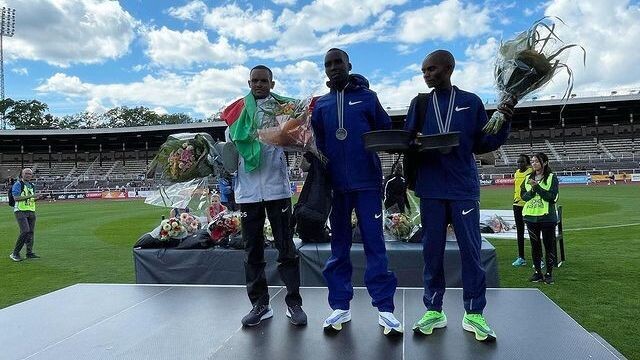
Kesete, from Eritrea, hung onto second place in 2:11:45, while Tesfay, also from Eritrea, lost out on a podium spot to finish fourth. John Langat of Kenya, who wasn’t led the wrong way, finished third in 2:12:39.
Kirwa’s win in Stockholm puts him on three marathon wins, winning the 2016 Singapore Marathon and the 2016 Antwerp Marathon. Kirwa was banned from competing in 2019, after failing a drug test for the banned substance strychnine, commonly known as rat poison.
Strychnine is on the anti-doping list due to its effects as a stimulant and can give an athlete the ability to go for longer without feeling tired. Kirwa was stripped of his second-place finish at the 2018 Singapore Marathon as a result of the suspension.
(06/06/22) Views: 84Marley Dickinson
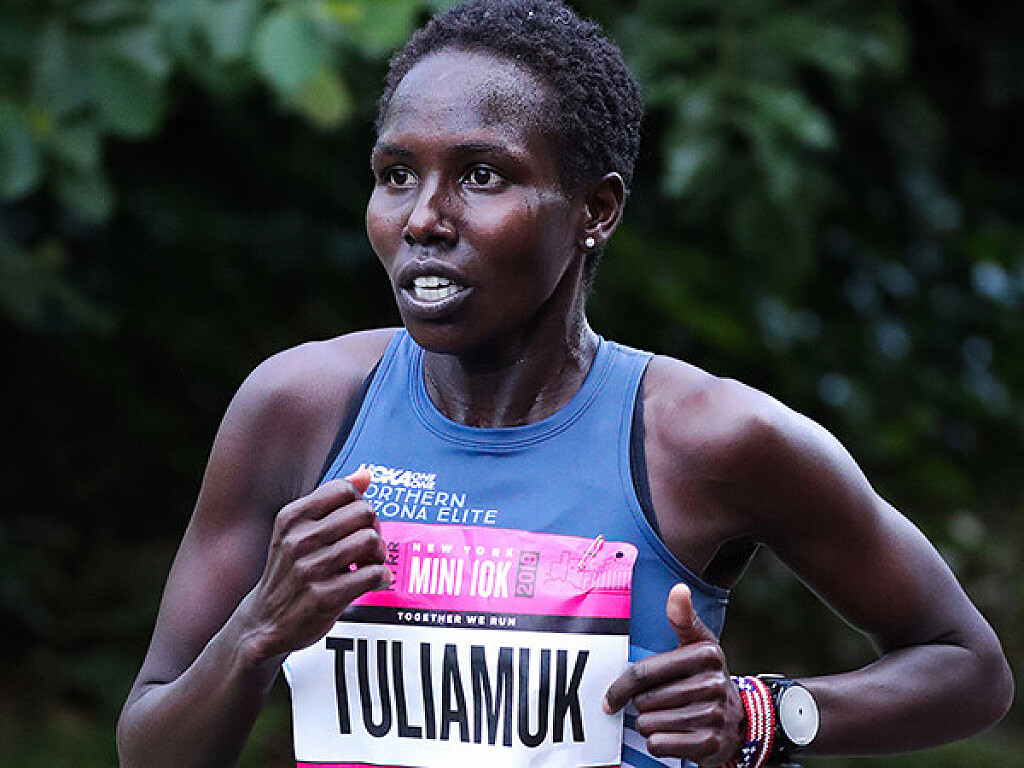
Twelve Olympians will lead star-studded lineup at 50th anniversary of Mastercard New York Mini 10K
Twelve Olympians and five Paralympians will line up in Central Park for the 50th anniversary of the Mastercard® New York Mini 10K, the world’s original women-only road race, on Saturday, June 11, New York Road Runners (NYRR) announced today.
U.S. Olympians Emily Sisson, Molly Seidel, Aliphine Tuliamuk, and Rachel (Schneider) Smith will lead a strong American contingent that will go up against previously announced Olympic, TCS New York City Marathon, and Boston Marathon champion Peres Jepchirchir, United Airlines NYC Half champion and 5K world-record holder Senbere Teferi, and two-time Mini 10K champion Sara Hall.
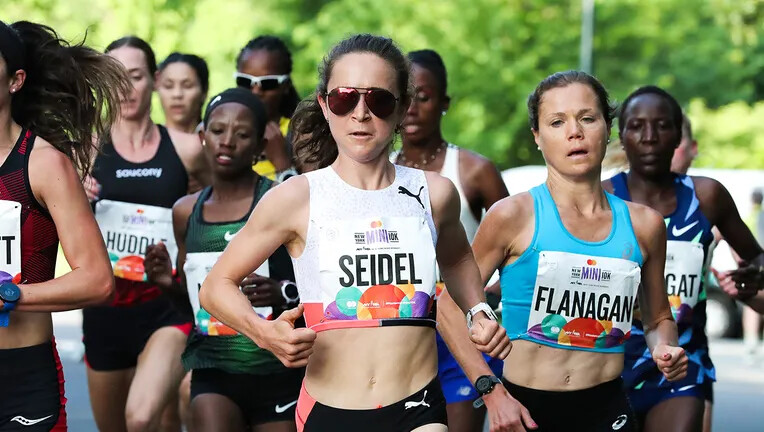
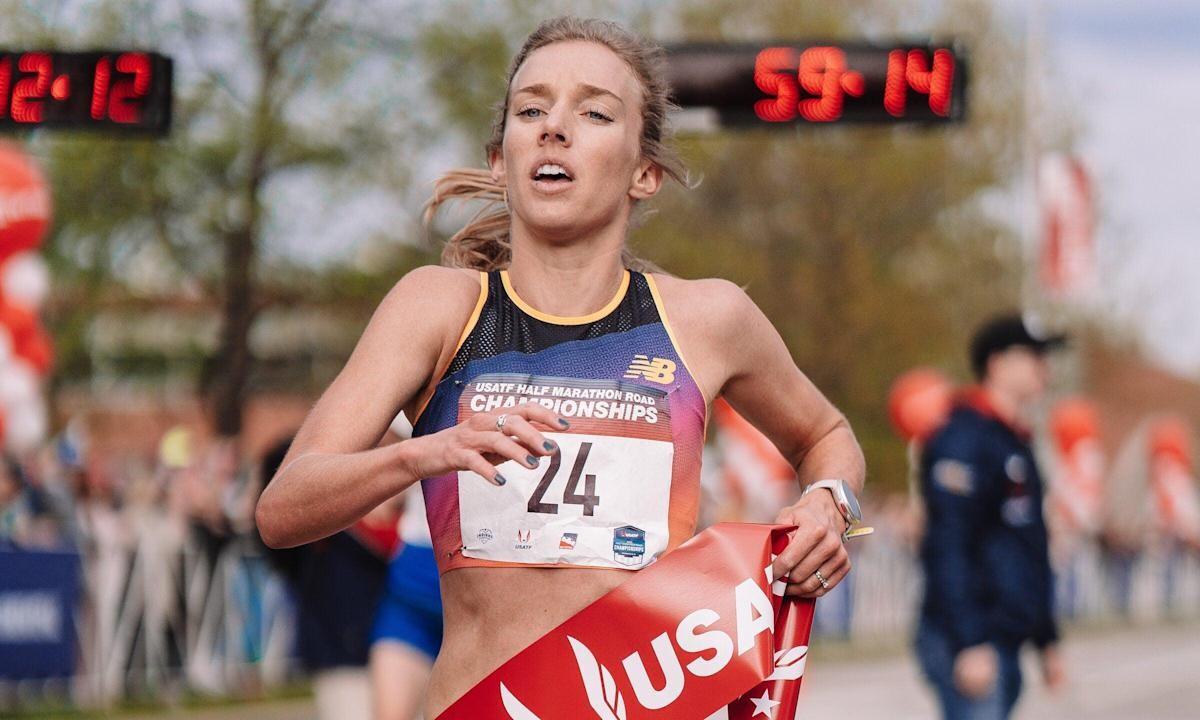
Sisson will come into the race after claiming her sixth national title last month in an American record 1:07:11 at the USATF Half Marathon Championships. She made her Olympic debut in Tokyo last summer after winning the 10,000 meters at the U.S. Olympic Track and Field Trials, where she broke the 17-year-old Trials record set by Deena Kastor in 2004. She has been very successful in her last three trips to New York, finishing as the runner-up at the United Airlines NYC Half twice and winning the USATF 5K Championships.
“After breaking the American record in the half-marathon, I’m excited to step down in distance and compete in the Mastercard® New York Mini 10K for the first time,” Sisson said. “It will be a privilege to take part in such a powerful event that has paved the way for so many women over the last 50 years.”
Seidel owns a bronze medal from the Tokyo Olympic marathon last year and in her last trip to New York set an American course record and recorded a fourth-place finish at the TCS New York City Marathon. Tuliamuk won the 2020 U.S. Olympic Marathon Trials and then gave birth to her daughter before running in the Olympic marathon in Tokyo. She will be making her first trip to New York since 2019 and is coming off winning the 25km national title, bringing her national title count to 11. Smith represented the U.S. at the Tokyo Olympics in the 5,000 meters after finishing third in the distance at the U.S. Olympic Track and Field Trials.
The deep U.S. women’s contingent also includes American marathon record-holder Keira D’Amato, the top American finisher at the last two Boston Marathons Nell Rojas, 2019 New York Mini 10K runner-up Stephanie Bruce, U.S. national champion Erika Kemp, and the top American finisher at the 2022 United Airlines NYC Half Lindsay Flanagan.
Returning to the event 10 years after her victory will be Kenya’s Edna Kiplagat, a two-time world champion in the marathon who won the 2010 New York City, 2014 London, and 2017 Boston marathons, and was the runner-up in Boston in 2019 and 2021.
“Winning the New York City Marathon 12 years ago changed my life, and now, 10 years after also winning the Mini 10K, I still enjoy my racing and am happy to still be competing at a high level,” Kiplagat said. “NYRR always invites the highest quality fields, so I always like lining up in New York with the best in the world. There are so many inspiring women who have participated in this race over the years who set a positive example for everyone – both runners and non-runners – and I’m lucky to be part of such a prestigious group.”
Last year’s TCS New York City Marathon runner-up and Mastercard® New York Mini 10K runner-up Viola Cheptoo of Kenya and former NCAA 10,000-meter champion Sharon Lokedi of Kenya will contend for the title as well.
The professional wheelchair division will be headlined by two-time Paralympic medalist and three-time Mastercard® Mini 10K defending champion Susannah Scaroni. Since the addition of the professional wheelchair division in 2018, Scaroni is the only athlete to have won the race.
“The Mastercard New York Mini 10K is a special one to me for so many reasons, and I’m excited at the chance to race on what will be a milestone day for women’s running in Central Park,” Scaroni said. “Not only is the Mini 10K the world’s original women-only road race, but it is also one of the only women-only wheelchair races at the present time, which will hopefully pave the way for future generations of women’s wheelchair racers in the next 50 years.”
Lining up against Scaroni will be U.S. Paralympians Jenna Fesemyer, Yen Hoang, Hannah Dederick, and Eva Houston.
The Mini 10K, which began in 1972 as the Crazylegs Mini Marathon, was the first women-only road race and has gone on to garner more than 200,000 total finishers to date. Former NYRR President Fred Lebow named the race after the miniskirt, which back then was in vogue. A total of 72 women finished the first race, and three weeks later, Title IX was signed into law, guaranteeing girls and women the right to participate in school sports and creating new opportunities for generations of female athletes.
The Mastercard® New York Mini 10K will offer $45,000 in total prize money, including $10,000 to the winner of the open division and $2,500 to the winner of the wheelchair division. The professional athlete races will be streamed live on USATF.TV beginning at 7:40 a.m. ET. Mastercard® will serve as title sponsor of the event for the second time, and as part of its on-going partnership with NYRR will also serve as the presenting sponsor of professional women’s athlete field.
(06/03/22) Views: 79Running USA
Tom Longboat, Canadian Indigenous running hero, celebrated in Heritage Minute
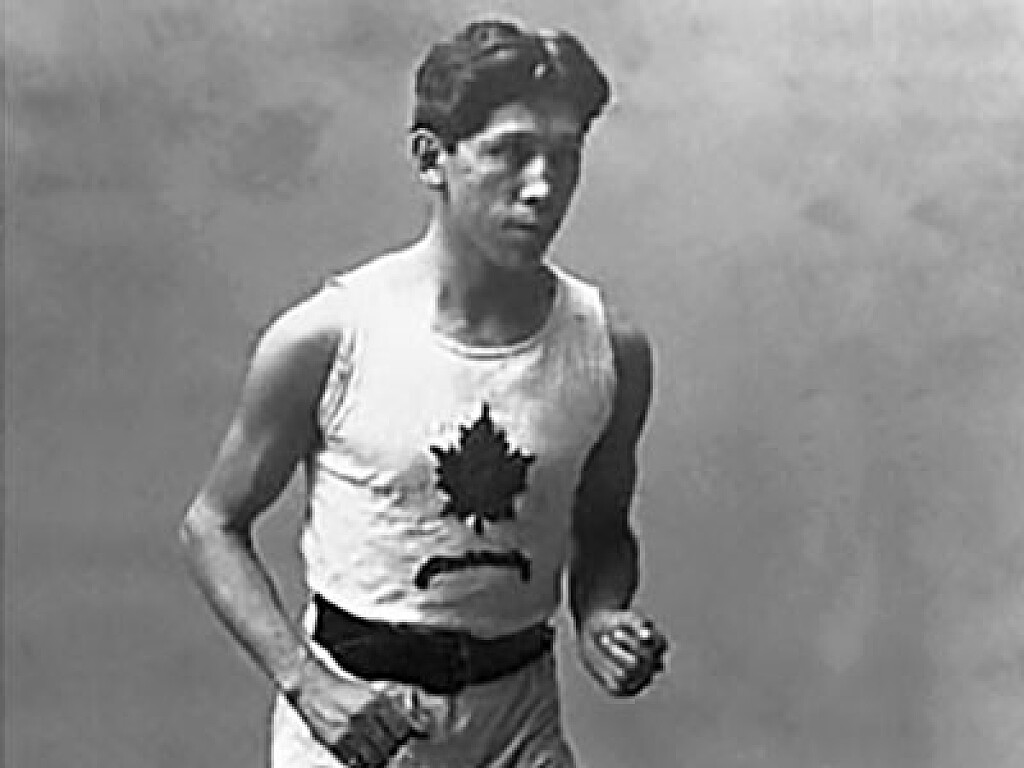
One of Canada’s all-time greatest distance runners will be further honored this June 4th with a Heritage Minute. The Minute, produced by Historica Canada, is a program created to help viewers learn and reflect about Canadian history. June 4th is celebrated in Ontario as Tom Longboat day, and commemorative events are held by the Six Nations to pay tribute to him yearly.
Longboat won his first race, a 5 miler, in 1906, and his running career expanded from there. The Onondaga distance runner was born in 1886 on the Six Nations of the Grand River reserve near Brantford, Ont.
Longboat was sent to residential school in Brantford at a young age, and ran away twice before finding a settled home with a relative. His athletic skills began to gain him renown after his first win in Caledonia. He continued on to win the 1906 Around the Bay Road Race in Hamilton, and won the Ward Marathon in Toronto from 1906-1908.
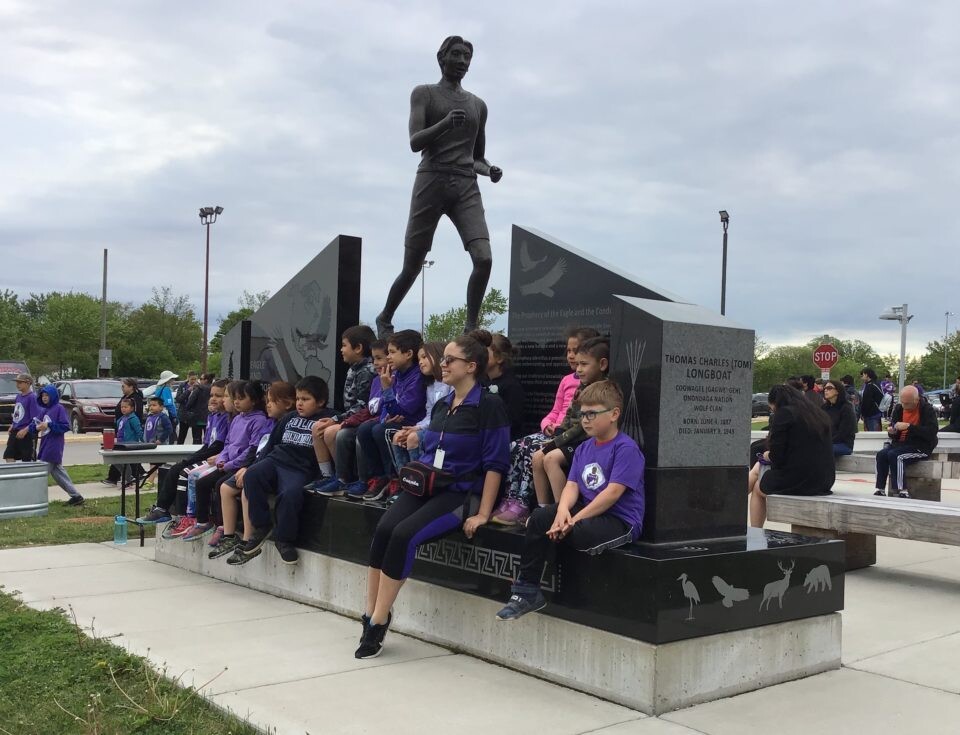
Longboat earned international respect when he won the Boston Marathon in 1907, at the age of 19. He broke the course record at the time by over 5 minutes, and won the race in 2:24:24. Longboat competed in the Olympic marathon in 1908, where he unexpectedly collapsed close to the finish. He turned professional shortly afterwards and was the World Champion in 1909.
Despite facing racism and discrimination at his races, Longboat won almost every race he entered. Throughout his career he broke every Canadian running record from mile to marathon.
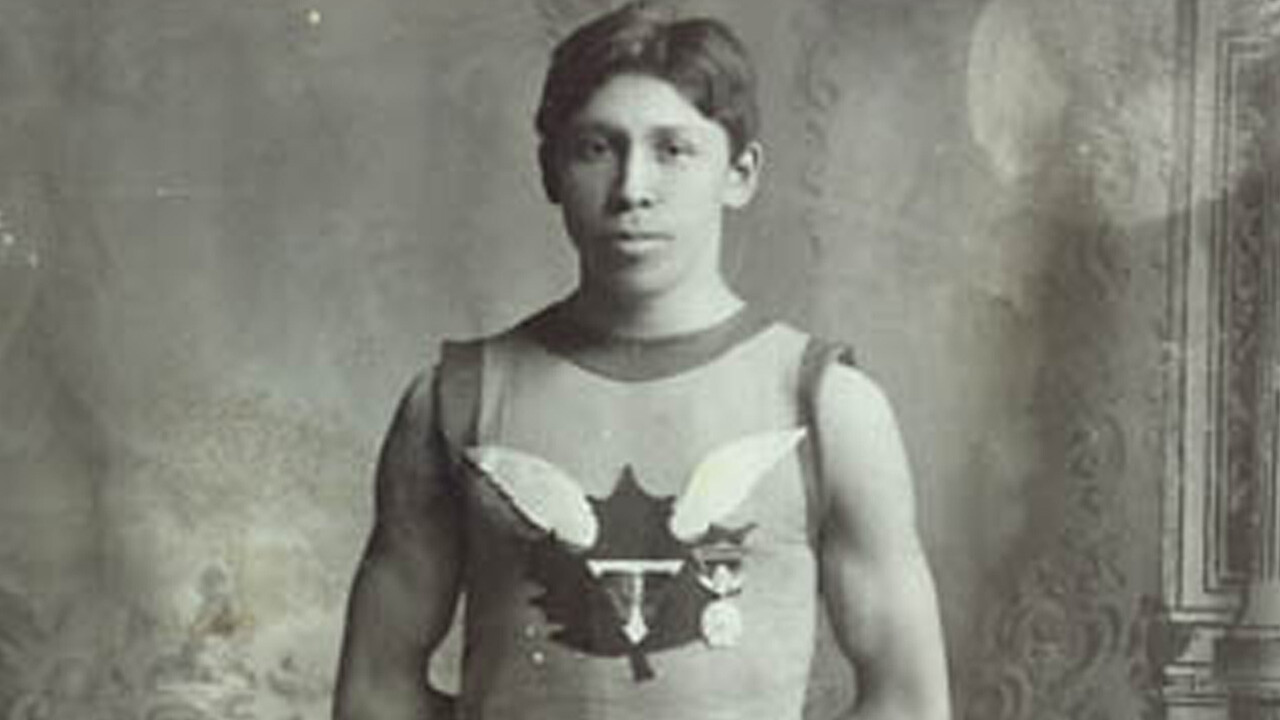
Longboat enlisted in the military in 1916, and served at Vimy Ridge and Passchendale.
Historica Canada produced the upcoming Heritage Minute in collaboration with Indigenous-owned production company Nish Media. Anthony Wilson-Smith, president of Historica Canada, describes Longboat as a “world champion runner, a pioneer in training methods, a war hero, and an inspiration for his resilience against discrimination.” Wilson-Smith adds, “He inspires athletes across Canada to this day.”
Onscreen, Longboat is portrayed by Joshua Odjick, a member of the Kitigan Zibi Anishnabeg First Nation. The Heritage Minute was created by a predominantly Indigenous crew. Odjick describes his role re-enacting “someone as legendary as Longboat” as an honour, and emphasizes the challenges Longboat overcame in his lifetime.
Longboat passed away in 1949, and was inducted into both Canada’s Sports Hall of Fame and Canada’s Olympic Hall of fame after his death. The Tom Longboat Heritage Minute will be available to view on the Historica Canada website, social media, and on Youtube.
(06/03/22) Views: 76Running Magazine

Man in tiger suit completes Everest marathon, this is the 20th marathon Goldstein has completed with the 33-pound plush tiger
The Everest Marathon is one of the most challenging marathons in the world; now imagine running it with a nine-foot tiger on your back.
British wildlife photographer and conservationist Paul Goldstein is not new to endurance adventures. He has completed 19 marathons and hiked up Mt. Kilimanjaro, an impressive resume for any athlete. Goldstein, or “Tiger Man” as he has fondly become known, has carried his plush tiger along with him on every trek.
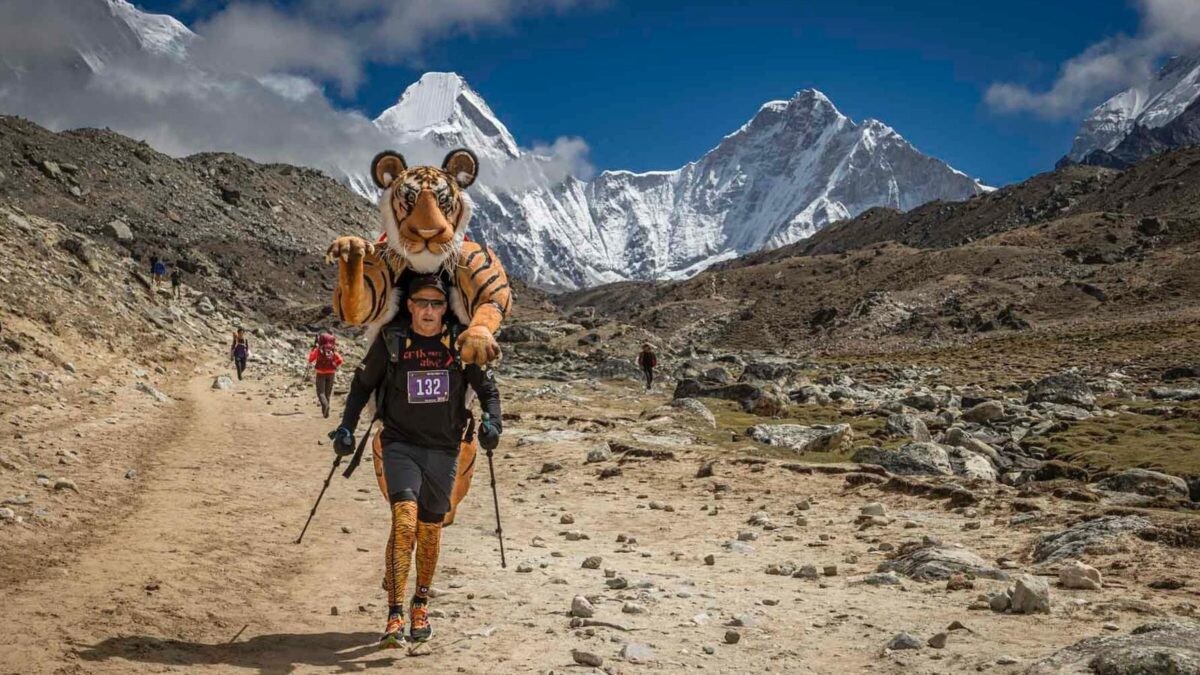
Goldstein (and his 33-pound plush tiger) hiked for 11 days to get to the start, located at Everest Base Camp. He endured extreme weather conditions, altitude sickness, food poisoning, and climbed over treacherous terrain, all before the Everest Marathon began. He called the experience “agony” and “the most miserable 12 hours I’ve had in my life.”
Goldstein’s aim is to raise money and awareness for Bengal tigers. Goldstein created Worth More Alive charity with this goal in mind. It is estimated that there are only 3000 Bengal tigers left in existence and they continue to be poached and have their organs harvested. Through his Everest run alone, Goldstein met his goal of raising over $150,000.

Despite the extreme weather conditions Goldstein faced on Everest, he explains that it pales in comparison to the suffering captured tigers endure.
This will be Goldstein’s last marathon with his tiger, “This was its 20th and last and fitting it should be the toughest challenge,” he says.
(06/07/22) Views: 76Running Magazine
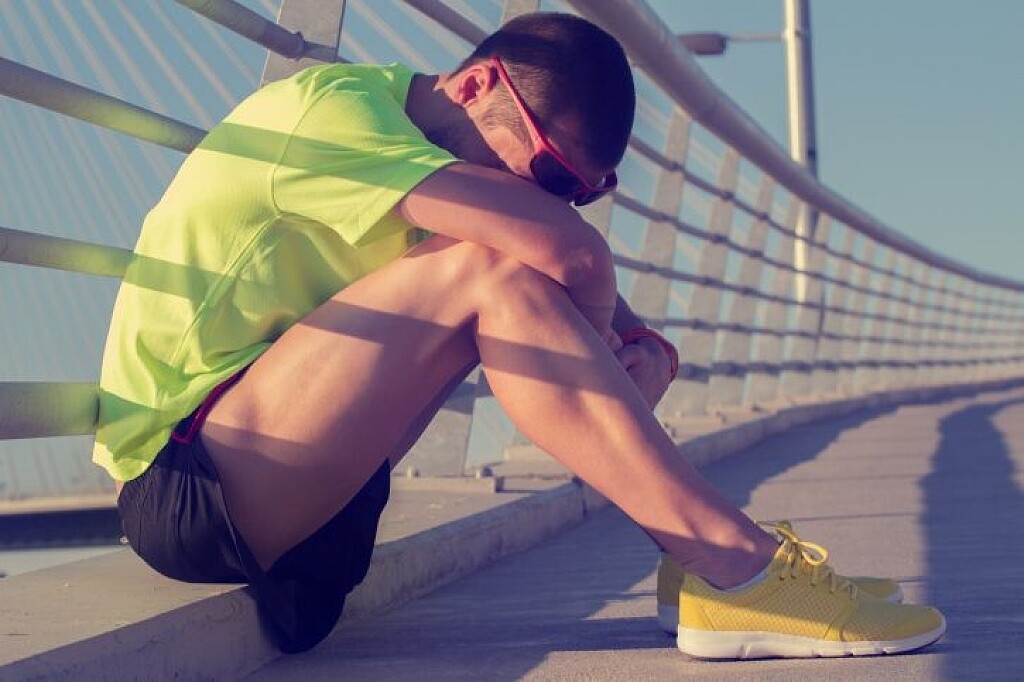
Feeling the post-race blues? It’s more common than you think
Most runners put in a lot of miles and hours of training (along with burning through more than a couple of pairs of shoes) before a big race. The build-up can be intense. Regardless of whether you run a PB or DNF, what happens mentally and physically after the race is just as important as your training. Post-race blues is a term coined by runners to describe the situational depression that impacts athletes, from amateur to professional.
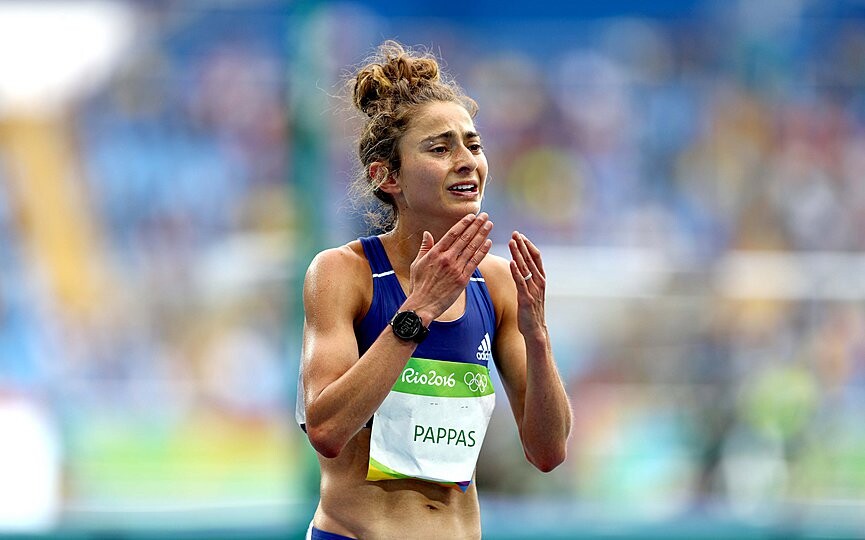
Olympic athletes like Alexi Pappas have publicly discussed the depression they faced after their competitive events.
First things first: take recovery as seriously as you do running
Few runners spend the time and energy on recovery as they do on workouts, but the recovery period is when your body actually gets stronger, rebuilding in order to perform again. Your body needs both rest and fuel to recover. Since you aren’t dedicating yourself to intense exercise, take some time to do some healthy meal prep or master some nutritious recipes. Trying a cooking class in person or online can be a great distraction, and you’ll enter your next training block armed with new skills.
Connect. With loved ones, with your yoga mat, with Netflix
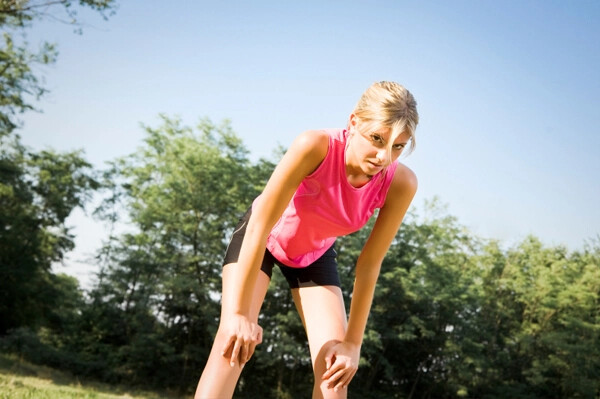
Training for a big event takes a lot of time and energy. Your family, friends, and yoga buddies have missed your regular presence in their lives. It is the perfect time to revitalize those relationships. Reach out, and try accepting offers to join activities even when you would rather hide indoors and analyze splits on Strava. It’s okay to find a balance, so if a movie night with your cat is calling your name, get cozy and turn up the volume. Enjoy the opportunity to fit in activities, however simple, that you don’t normally prioritize.
Get your mind off of running
Always wanted to learn conversational Spanish or take an avalanche safety course? Yearning to plant your own vegetables? Even though you may be feeling unmotivated, taking the first steps toward trying out a fun new hobby can have monumental results. After all, you once went out for your very first run, right? Your local library can be a good place to find resources, and often will offer courses on a variety of new things to try.
Think long-term
Whether you hit or missed your goals in your last race, you most likely have future races on the horizon. Revisit your targets and tweak your future running plans, evaluating what worked (or didn’t) this time. When you feel both physically and mentally ready, get that run-excitement simmering by mapping out new running adventures to tackle in the months and years to come.
Be proactive about your health, mental and physical
Post-race blues may be a minor speed-bump to overcome, but it’s important to stay pro-active with any health challenges that you encounter. Pappas writes: “And then when my doctor helped me understand that my brain was a body part, just like my leg, and it could get injured like any other body part, and it could also heal like any other body part.” Taking positive steps to maintain a healthy mind is no different from seeing a sports doctor to treat a running injury.
(06/07/22) Views: 75Keeley Milne

World Athletics maintains ban against Russian and Belarusian athletes at World Championships
World Athletics has announced that Russian and Belarusian athletes will not be participating in July’s World Athletics Championships in Eugene, Ore. Barring an unexpected end to the war in Ukraine, the sanctions first imposed in early March will continue.
When asked about the implications for Russian athletes at the event, World Athletics referred to their March 1st statement announcing the ban. Sebastian Coe, president of WA, commented:

“There’s not a single sports federation out there that naturally wants to exclude teams or individuals. That’s not something that we came into the sport for,” Coe said. “But I think we have to recognize that this is such a game-changer. And, yes, it will set precedents.”
The 2022 World Championships will be the largest international sporting event following the 2021 Olympic Games.
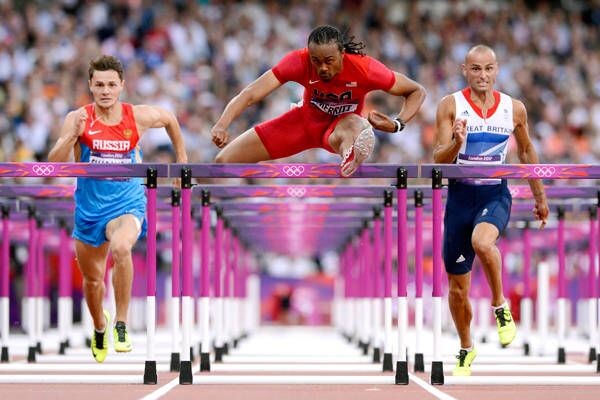
The Russian Track Federation has been banned from competing as a team or a host until 2023 due to doping scandals, but individual athletes had a chance at competing once vetted. Since 2015, Russian athletes have had to apply and compete within track and field events as ANA (Authorized Neutral Athletes). As of March, the 33 athletes who were granted ANA status can no longer compete on the world stage. This means they will not be heading to Eugene next month.
(06/03/22) Views: 74Keeley Milne
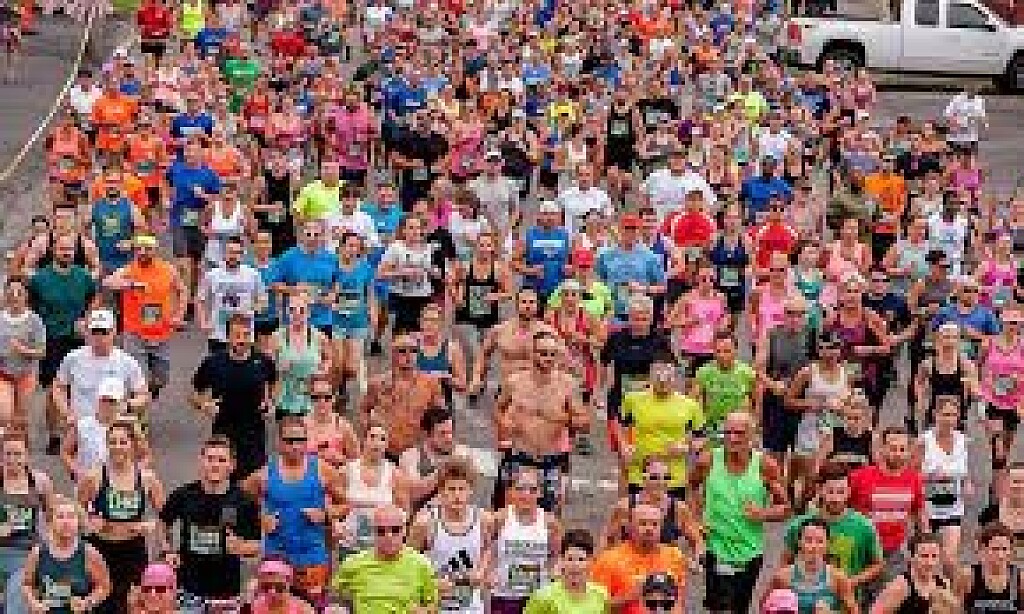
More than 10,000 runners expected at this year's Boilermaker
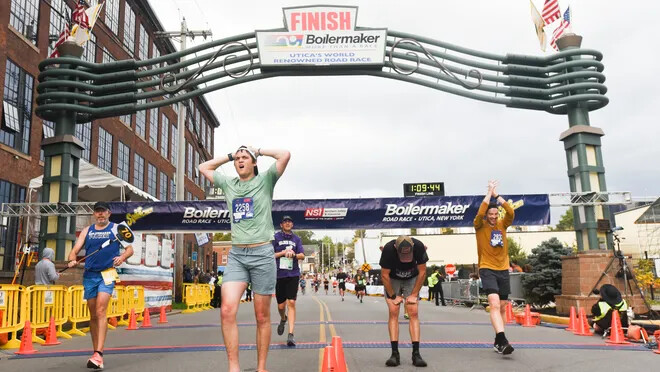
After two years, Utica’s Boilermaker Road Race is returning to the second Sunday in July in Utica.
“For those folks for the pre-pandemic, 1978 to 2019, the fun you’ve had, that’s what we’re going to bring back this year,” said Mark Donovan, Boilermaker president.
Over 10,000 runners are expected to participate in this year’s road race.
“We have the elite athletes back," Donovan said. "We have the wheelchair athletes back. We continue to get back to normalcy."
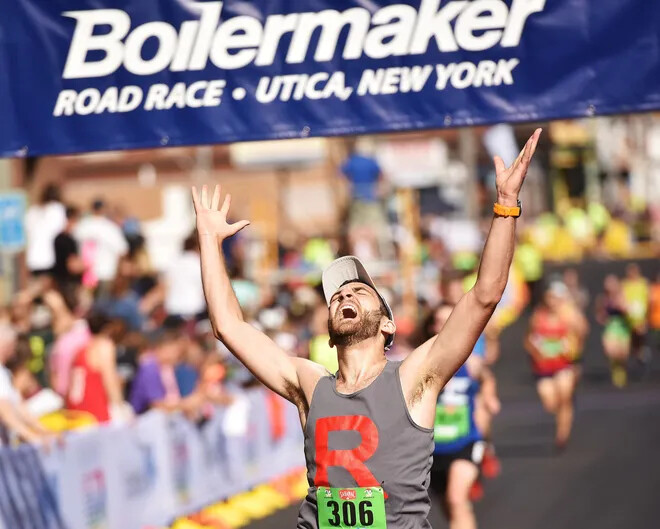
The MVHS Health and Wellness Expo will return to Mohawk Valley Community College July 8-9.
“It’s where people can pick up their race bibs, their race swag and visit the hosts of really cool exhibitors we will have in the Jorgensen Field House,” Donovan said.
This year, the Boilermaker launched its Access Program. It's designed to allow local immigrants, refugees, and those underserved and underprivileged easier access to participate in the race.
“The access program is proving complimentary registrations for either the 5K or the 15K race. As part of that, we do provide folks with training programs, either self-directed, they can do on their own, or we provide them with any connections to any various local running clubs who have their own training program that prepare them for the boilermaker,” Donovan said.
With the help of Wolfspeed Electronics Company, sneakers will be provided to those in need.
“In our 45th anniversary and coming off of two to three years of weirdness, we encourage all of the folks that have come out for the previous 40-plus years to spectate and cheer those runners on, because you’re a big part of the experience,” Donovan said.
The race to the finish line will be Sunday, July 10.
There will be a post-race party at the F.X. Matt Brewing Company. Donovan said they are still taking volunteers. If you would like to help with the race, visit https://www.boilermaker.com/events/5k.php.
(06/06/22) Views: 74Shalon Stevens

Meditation for runners
Sitting motionless in a room for an extended period of time might seem like an odd way to improve your running, but meditation is a tool used by some of the world’s best runners to take them to the next level.
Two-time Western States champion Timmy Olhsen uses meditation as a central tenant of his training. Two-time OCC champion Ruth Croft has gone on week-long silent meditation retreats.
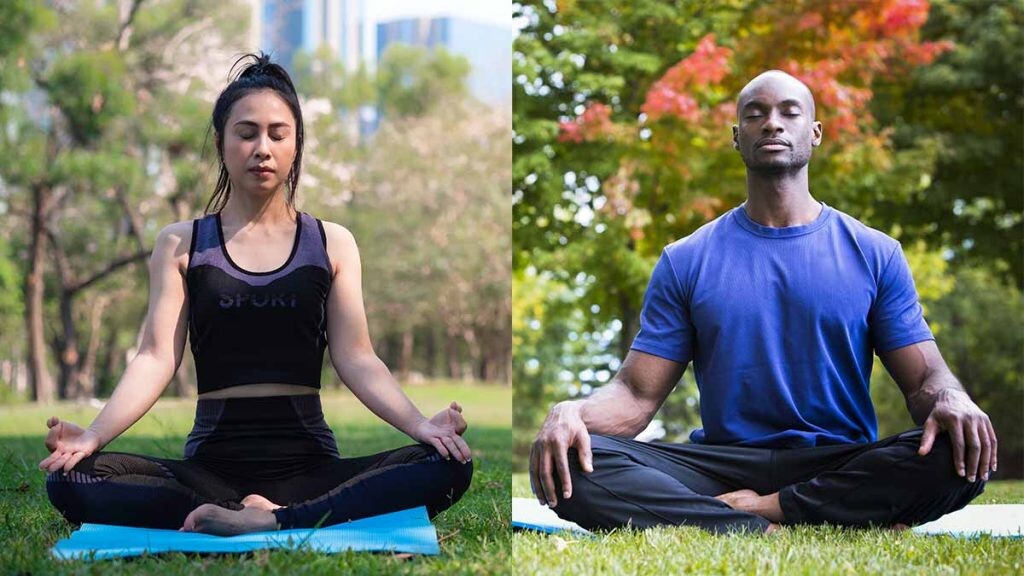
Here are some ways to get started:
Why meditate?

There are a number of benefits for runners. Firstly, it can help you concentrate or to “stay present”. This is particularly useful if you have a specific split or pace in mind. Over the course of a 5km, 10km or even a marathon it can be easy for your mind to drift and for you to unwittingly slow down. But if you are “present”, you can focus on keeping your legs spinning.
Conversely, mediation can distract you. If you are battling through a low point on a 100km race, you can use meditation techniques honed at home to focus on your breathing rather than your ailing body. You can refocus to the moment and forget about what is to come and the negative thoughts circling in your head.
Meditation lowers anxiety in general. Being less stressed will help your training in general because you will find it easier to stick to a routine and waste less mental energy so you can push yourself during the session. It will also help you relax and sleep, so your body can recover in full.
Where to start?
It can be hard to know where to start. Do you just sit down with crossed legs and float away in your mind’s eye to distant peaks? There are loads of meditation apps for beginners and you can plug in and listen to instructions for short five-minute bursts and build from there.
(06/08/22) Views: 73Colorado Runner
