

Running News Daily
Top Ten Stories of the Week
3/5/2022
These are the top ten stories based on views over the last week.
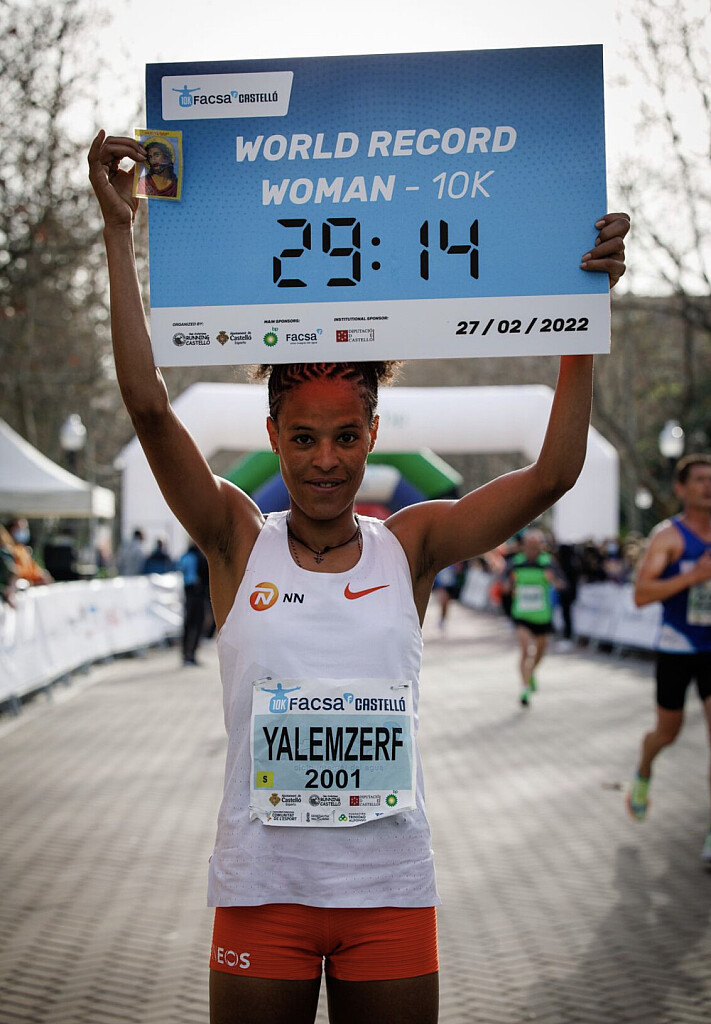


Ethiopian runner Yalemzerf Yehualaw has clocked 29:14 for a women’s world 10km record in a mixed race
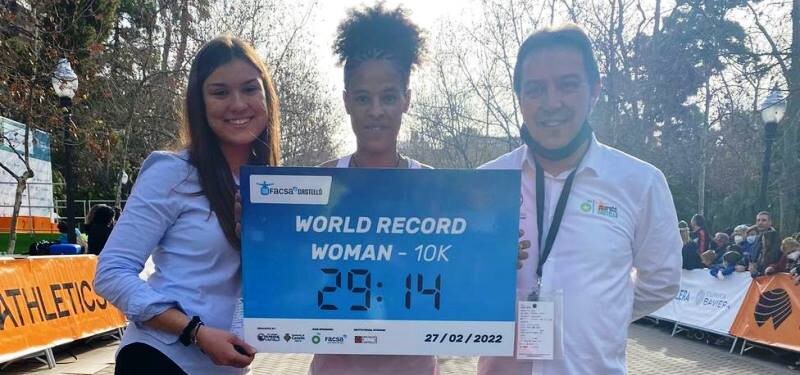
Yalemzerf Yehualaw has broken the women’s 10km road record in Castellon, Spain, with a time of 29:14.
The 22-year-old sliced 24 seconds from Kalkidan Gezahegne’s world record of 29:38 on Sunday (Feb 27) in Spain.
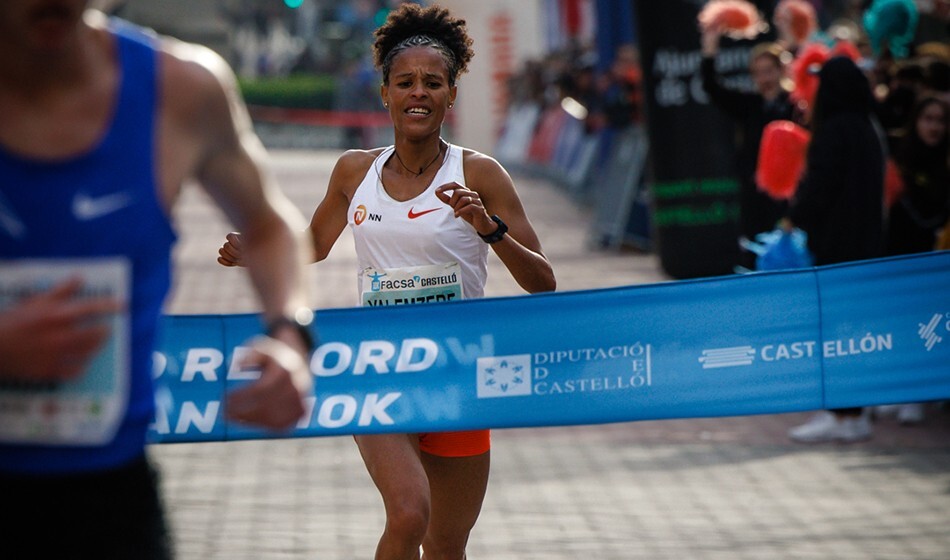
It comes after a couple of record-breaking near misses. In the Antrim Coast Half-Marathon last September she set what appeared to be a world record of 63:43 before it transpired the course was 54 metres short. Then, in the Great Ethiopian Run last month, she seemingly clocked an African all-comers’ record of 30:14 at high altitude in Addis Ababa, only to see the time adjusted to 31:17 due to a timing error.
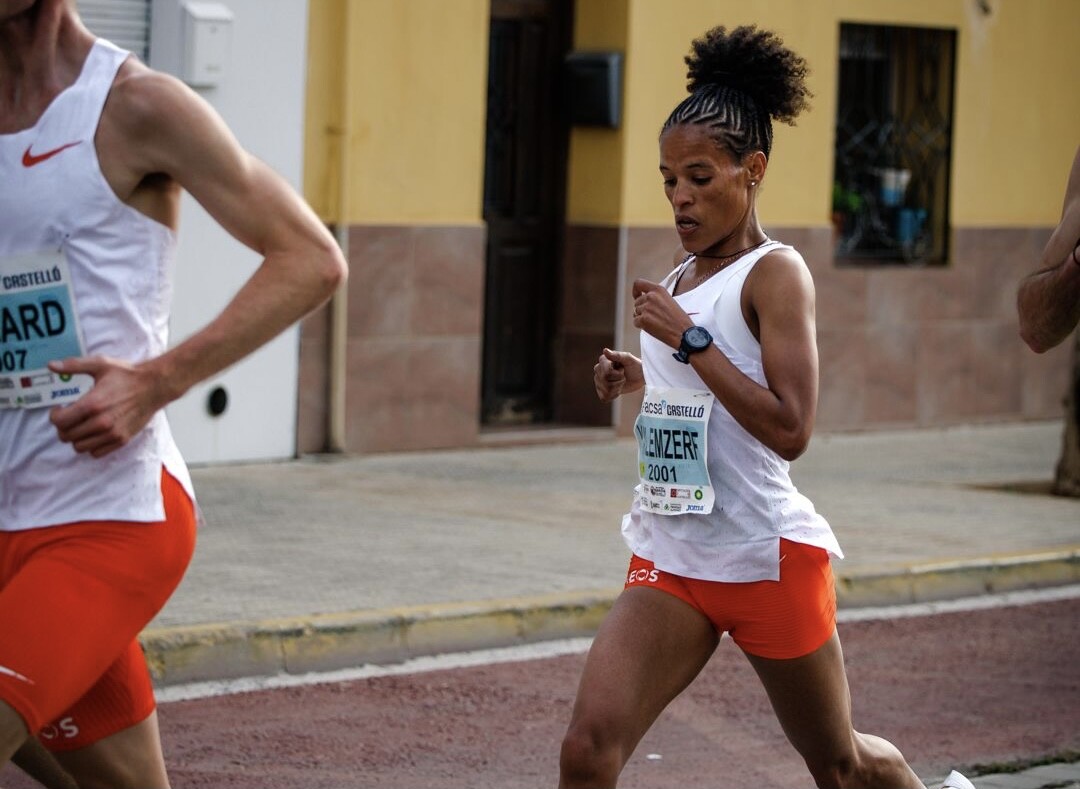
Yalemzerf said: “Today a dream came true. I felt really great in the race. The first 5km was very fast. I was struggling a little bit in the second 5km but I was still able to maintain a high pace.
“I’m so happy with this record! I want to thank the race organisers for this fantastic opportunity,” added Yehualaw, who ran splits of 14:28 and 14:46.
Yehualaw won a bronze medal at the World Half Marathon Championships whereas last year she became the second fastest women’s half-marathon runner in history, clocking 63:51 in Valencia to finish behind the world record run of her NN Running Team team-mate Letesenbet Gidey.
(02/27/22) Views: 106Athletics Weekly
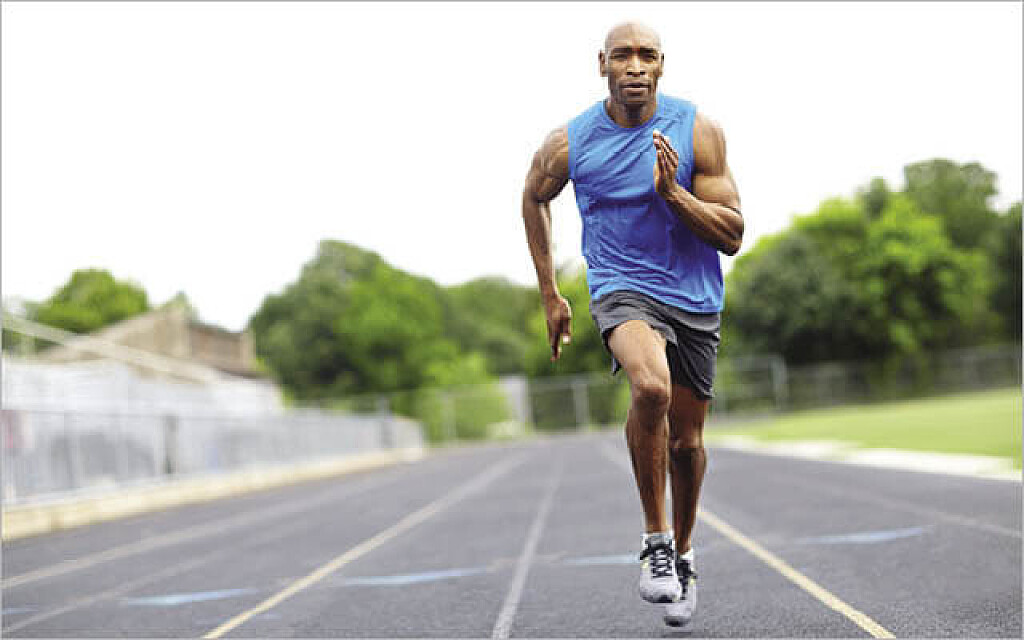
Build speed and control with this unique workout, alternate between short and long intervals to practice smart pacing
A lot of running workouts focus on building speed, endurance or a combination of the two, but there’s another important component to running well that often gets neglected: control. In a long-distance race, you need to be able to control your pace throughout the run so you can get to the finish line as fast as possible, without having to stop before you get there. This unique workout teaches control, while also giving you a chance to get some speed on your legs.
800/400 intervals
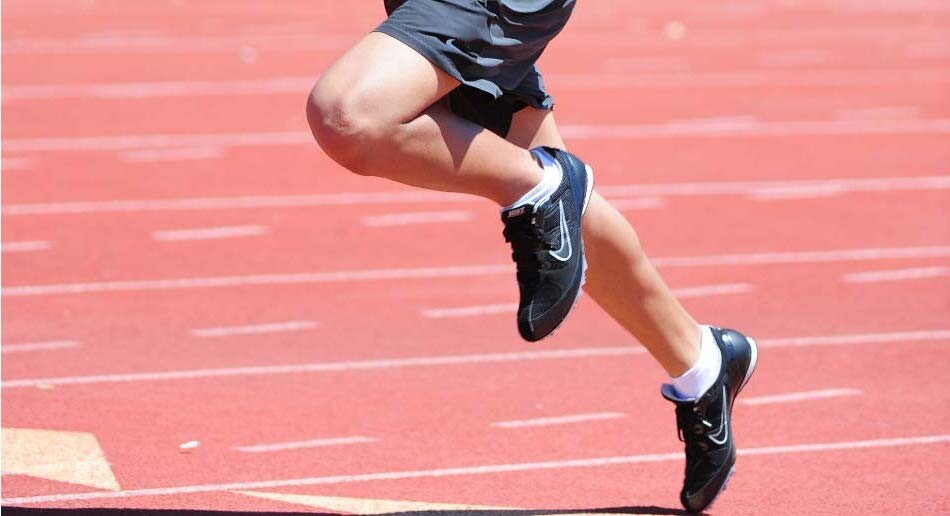
This workout involves alternating between 800m and 400m intervals. The 400s are run at a faster pace than the 800s, so runners have to control their pace in the first half of every set to make sure they can speed up in the 400s. The rest is intentionally short between the short and long interval to force you not to run too hard in the 800s.
You can do this workout multiple times during a training cycle, and adjust the paces as your fitness increases. To start, aim to run the 800s at 10K pace and the 400s at 5K pace, but once you’re able to run all the intervals at consistent speeds, you can add sets and/or increase the pace.

The workout
Warmup: 10-15 minute easy jog, followed by form drills and strides
Workout: 3-4 x 800m/1 minute rest/400m/2 minutes rest
Cooldown: 10-15 minutes easy jog, followed by light stretching
(02/26/22) Views: 101Brittany Hambleton
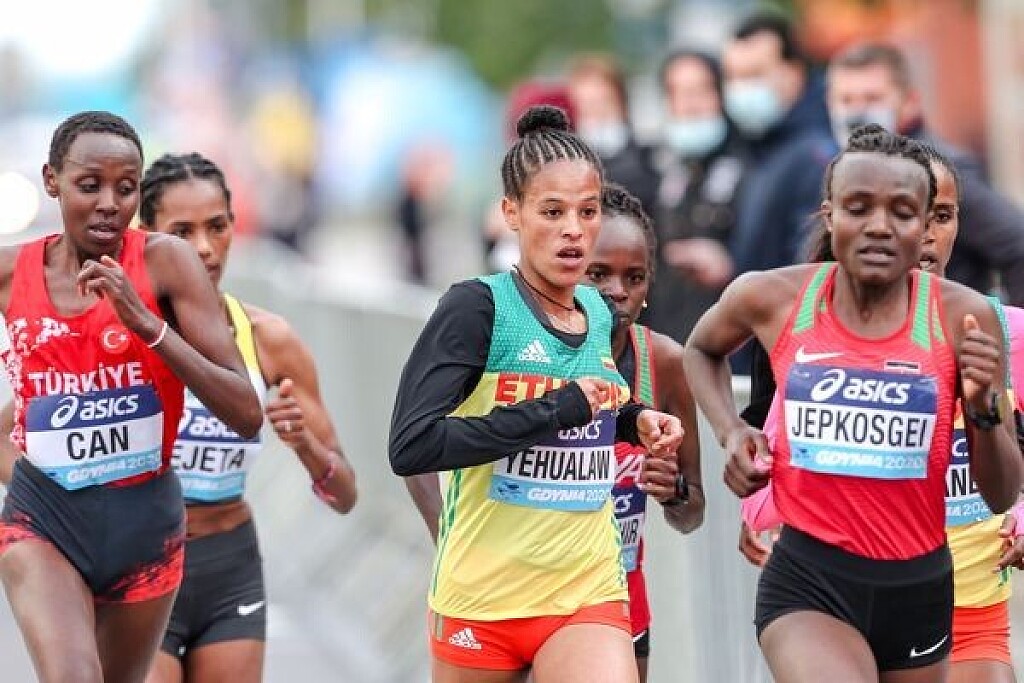
World record holder Yalemzerf Yehualaw will run debut marathon in Hamburg
Yalemzerf Yehualaw, who has smashed the world 10 k record just a few days ago, now sets her sights on her marathon debut. The 22 year-old Ethiopian has chosen the Haspa Marathon Hamburg on 24th April for her first race at the classic distance.
This was announced by organizers during a press conference in Hamburg today. Germany’s biggest spring marathon returns to its traditional date for the first time since 2019 and looks likely to come back with a bang. Yalemzerf Yehualaw clearly has the potential to run a very good first marathon. Organizers of the Haspa Marathon Hamburg expect a total of 20,000 runners including races at shorter distances on 24th April. Online entry is still possible at: www.haspa-marathon-hamburg.de
“We are thrilled to have Yalemzerf Yehualaw, one of the most exciting marathon talents of the world, on the start line of the Haspa Marathon Hamburg,“ said chief organizer Frank Thaleiser.
Yalemzerf Yehualaw, who improved the world 10 k record by a huge margin of 24 seconds to 29:14 last Sunday in Castello, Spain, is also the world’s second fastest half marathon runner. She clocked 63:51 in Valencia last October. Additionally at the World Half Marathon Championships in 2020 she won the bronze medal. Her half marathon PB suggests that she has the potential to run spectacular marathon times as well in the future.
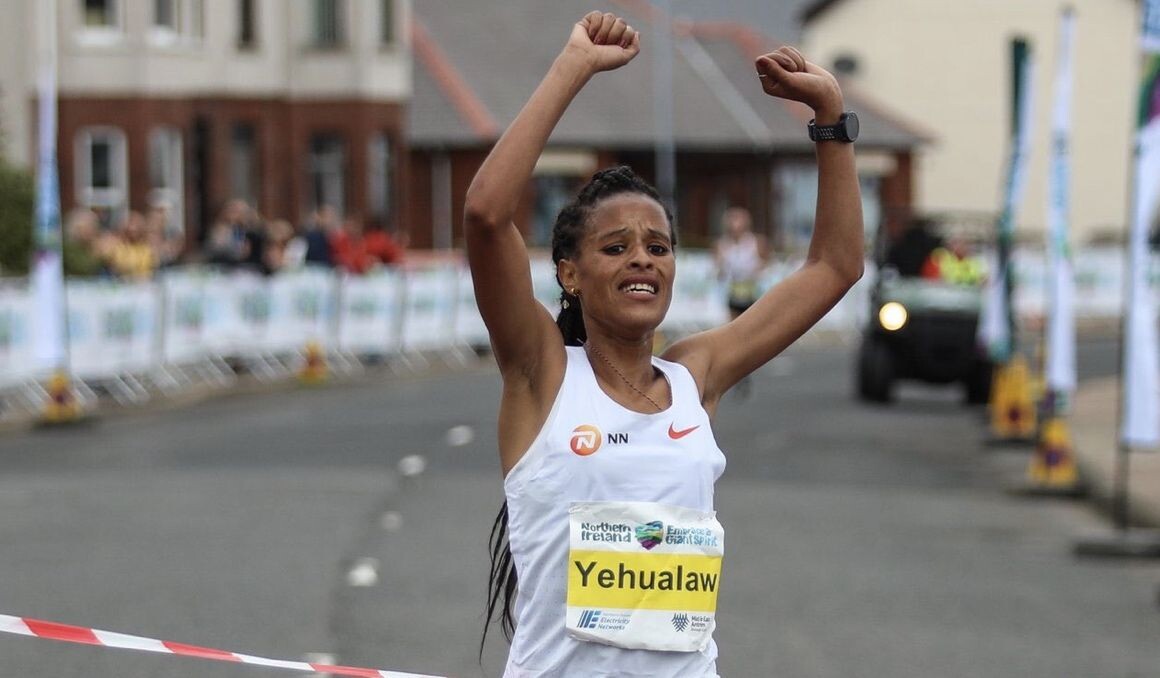
“I am really happy to be able to run my marathon debut in Hamburg. My coach Tessema suggested to me to go to Hamburg for my debut since he ran here himself,“ said Yalemzerf Yehualaw. Tessema Abshero ran his lifetime best in Hamburg back in 2008 when he was fourth with 2:08:26. It was the only time he clocked a sub 2:10 time during his career.
Organizers showed Yalemzerf Yehualaw the Hamburg course and she then said during the press conference: „I am looking forward to this race and want to break the course record.“ Fellow-Ethiopian Meselech Melkamu holds the current Hamburg course best with a time of 2:21:54 from 2016.
The fastest woman runner on Hamburg’s start list is Priscah Jeptoo. The Olympic silver medalist from London 2012 has a PB of 2:20:14. While this personal record is ten years old more recently the Kenyan ran 2:24:16 in Valencia in 2019.
Two former winners of the Haspa Marathon Hamburg are returning to the race. Gadise Mulu will start as the defending champion. The Ethiopian took first place last September when the race was held in a much smaller format and with only a few elite runners due to the pandemic. Gadise Mulu improved significantly in Hamburg when she broke 2:30 for the first time and clocked 2:26:20.
Dibabe Kuma is the other Hamburg winner who comes back to the race. The Ethiopian was the winner in 2019, when she ran 2:24:41. She has a PB of 2:23:24.
Deborah Schöneborn heads the national elite entries of the Haspa Marathon Hamburg. The 27 year-old ran surprisingly well in the Olympic marathon in Sapporo last summer, where she finished 18th. She was the fifth fastest European athlete in this race. Deborah Schöneborn has a personal best of 2:26:55 and aims to qualify for the European Championships this summer.
(03/02/22) Views: 89Runners Web

Matsuda runs 2:20:52 to break Osaka Women's Marathon record
Mizuki Matsuda broke the race record at the Osaka Women’s Marathon on Sunday (30), improving her PB to 2:20:52 to win the World Athletics Elite Label event.
Her time beats the 2:21:11 event record which had been set by Mao Ichiyama last year and moves her to fifth on the Japanese all-time list. It is also the second-fastest time by a Japanese athlete in Japan, behind Ichiyama’s 2:20:29 set in Nagoya in 2020.
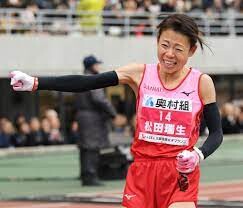
Matsuda was followed over the finish line by Mao Uesugi, Natsumi Matsushita and Mizuki Tanimoto, as the top four all dipped under 2:24.
Before the race, Matsuda had explained how her goal was to win the race with a performance that would help her to secure a spot on the team for the World Athletics Championships in Oregon later this year. After winning in Osaka in 2020 with 2:21:47, Matsuda had later missed out on a place at the Tokyo Olympics when Ichiyama ran faster in Nagoya.
“I could not attain my goal today,” she said after the race, with beating Ichiyama’s 2:20:29 a likely aim. “I am happy that my hard training paid off well.
“I think the result was good because I ran aggressively from the start. I just hope that I will be selected for the World Championships team. During the race, I was imagining myself running in Eugene, thinking: ‘How would the world-class runner run at this stage of the race?’”
Despite the pandemic, the event in Osaka was able to go ahead as planned, under good conditions with little of the expected wind.
Matsuda and Uesugi had run together behind the three male pacemakers until just after 25km, passing 10km in 33:02 and half way in 1:09:57 – a half marathon PB for Uesugi.
At 25km the clock read 1:22:47, but Uesugi started to drift back a short while later and by 30km – passed in 1:39:15 – Matsuda had built a 31-second lead.
She went through 35km in 1:56:04 and 40km in 2:13:23, with the pacemakers leaving the race as they entered Nagai Stadium park at around 41km.
Matsuda went on to cross the finish line in 2:20:52 to achieve her third Osaka Women’s Marathon win after her victories in 2018 and 2020, maintaining her unbeaten record in the event.
Although Uesugi’s pace began to slow as she was dropped, she held on to run a big PB of 2:22:29, while Matsushita was third in 2:23:05 and Tanimoto fourth in 2:23:11. Yukari Abe was fifth in 2:24:02 as the top five all set PBs, with Sayaka Sato sixth in 2:24:47. The top six all qualified for the Marathon Grand Championship, the 2024 Olympic trial race.
(02/27/22) Views: 78
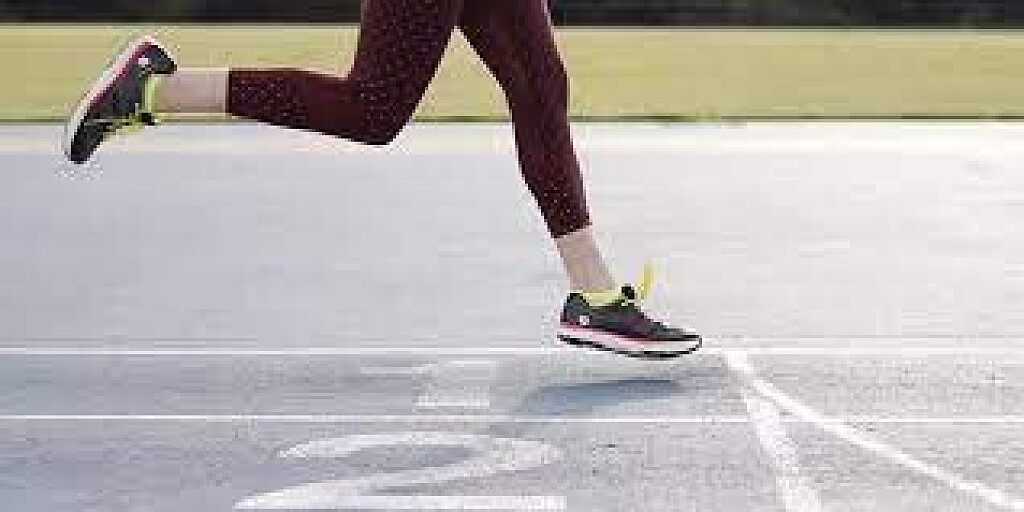
Five running technique exercises to improve your running form
Proper running form is not something that comes overnight. In fact, if you try to change your running technique too quickly you’ll likely end up doing more harm than good. Go through this list of five tips for better running technique and introduce changes slowly.
1. INCREASE RUNNING CADENCE
Many runners run with a cadence that’s too slow. Their feet hit the ground in front of their body of mass and their step is not rolling economically. This is called overstriding.
When you overstride, you’re effectively braking against your forward momentum which makes running a lot heavier. To avoid overstriding, aim to hit the ground with the middle of your sole and avoid excessive heel striking. When you’re running at a lighter pace, avoid landing toes first.

There is no such thing as optimal, universal running cadence. That is, a cadence that works for a sub-3-hour marathoner might not work for you (and even if it does, that won’t automatically make you a sub-3-hour marathoner, for that matter).
2. RELAX TO MAINTAIN AN EFFORTLESS RUNNING FORM
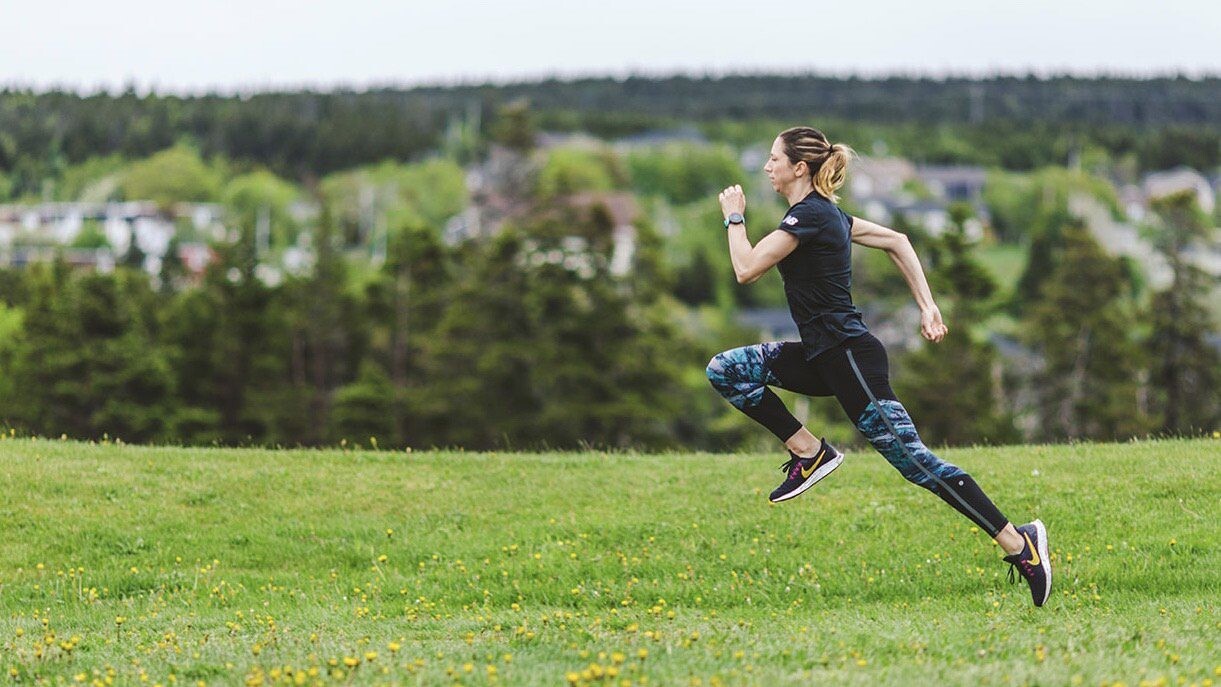
Running is easy when it’s relaxed.
When you look at elite runners, their running form often looks effortless. Their pace looks much more laid-back than what it really is.
Focus on keeping yourself straight and relaxed: let you cheeks wiggle and enjoy the ride. Avoid running at maximum pace even during the toughest intervals as you’ll tense up and your running technique will suffer.
It’s better to give only 95% even during the toughest exercises than to squeeze out everything you got.
3. PROPER RUNNING FORM EXTENDS ALL THE WAY TO THE UPPER BODY
Arms are more important in running than many people think.
Your arms are meant to balance the body while the legs are moving. Elbows make up for a great deal of kinetic energy and therefore they should swing forward and back, avoiding unnecessary lateral movement. A suitable elbow angle is about 90 degrees. Keep your hands in unclenched fists and let them swing easily besides your race bib.
At a tougher pace, using your arms becomes increasingly important. Your shoulders should be as relaxed as possible and you should also remember to invest in upper-body flexibility and mobility as well as muscle strengthening when you do supportive exercises.
A stiff upper body also affects the lower body and causes unnecessary rotation to the legs as well. You can practice arm movement for example in front of the mirror with the help of the exercise above.
4. RUNNING TECHNIQUE EXERCISES TO HOLD PROPER RUNNING FORM
It’s challenging to change your running technique without any special exercises. In running technique exercises – running drills – your technique is divided into parts and attention is given to the right kind of movements, muscle activation, muscular fitness, and mobility in order to enable a better running technique. Doing drills will also make it easier to hold proper running form for longer.
Stay focused when you do these drills and do them when you feel fresh.
Even though many people set longer runs as their goal, you shouldn’t concentrate on training to become slow. If you want to improve your running technique, it’s better to do short and precise exercises correctly, rather than training slowly for a really long time.
You can try various exercises, like high-knee runs, high-knee walks, jumps and leaps, and versatile mobility and stretching exercises. You can do the exercises as a full workout after a proper warm-up, but you can also combine them for 5–15 minutes with light jogs or do them before the brisker exercises
5. GET YOUR RUNNING FORM RIGHT
Avoid an excessively upright form while running. An important part of proper running form is maintaining good posture and leaning slightly forward.
With this kind of running form, you make sure that your feet don’t land too far ahead of your center of mass. A statue-like upright form might look stately it but makes forward rolling running more difficult. And when you get tired, you’re more likely to start leaning backwards.
Controlling your core and making sure you’ve got the required muscle fitness and endurance are key elements of maintaining proper running form. When you improve your muscle fitness, you’ll be able to keep up a good form during longer runs.
You can also try to activate your muscles before a jog with some strength exercises so you’ll feel strong when you start running.
(02/26/22) Views: 72

Rising star Gaku Hoshi thrills in joint Osaka-Biwako marathon
Gaku Hoshi won Sunday’s combined Osaka Marathon and Lake Biwa Mainichi Marathon, capturing the new event on the national running calendar in his first race at that distance.
In a race featuring 300 elite male and female runners, the 23-year-old Hoshi broke out of a three-man pack around the 38-kilometer mark and ran solo the rest of the way to win in 2 hours, 7 minutes and 31 seconds — a record for a first-time marathoner.
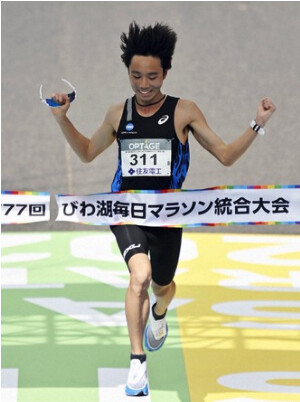
“This was my first marathon and I didn’t think I would win so this is a surprise,” Hoshi said.
“It’s too good to be true but I’m super happy. I knew it would come down to the last stages so I went aggressively after the 30-km mark. It went as planned,” he said.
On a clear and sunny day, the 42.195-km race started in front of the Osaka Prefectural Government Building and finished at Osaka Castle Park.
Hoshi stayed in a leading group of 10 runners after the last turn, and after his pacemaker dropped out the race continued as a three-man contest between Hoshi, Ichitaka Yamashita and Yuhei Urano.
Yamashita finished second, 11 seconds behind Hoshi, and Urano was third. Misato Horie won the women’s division.
Seven runners including the top three men’s finishers qualified for Japan’s Marathon Grand Championship to determine the qualifiers for the 2024 Paris Olympics.
The elite men-only Lake Biwa Mainichi Marathon, Japan’s oldest annual marathon race with 76 editions so far, became a part of the mass-participation Osaka Marathon beginning this year.
The 2022 edition involved only elite athletes, with 20,000 mass-event runners excluded due to coronavirus concerns.
(02/27/22) Views: 71
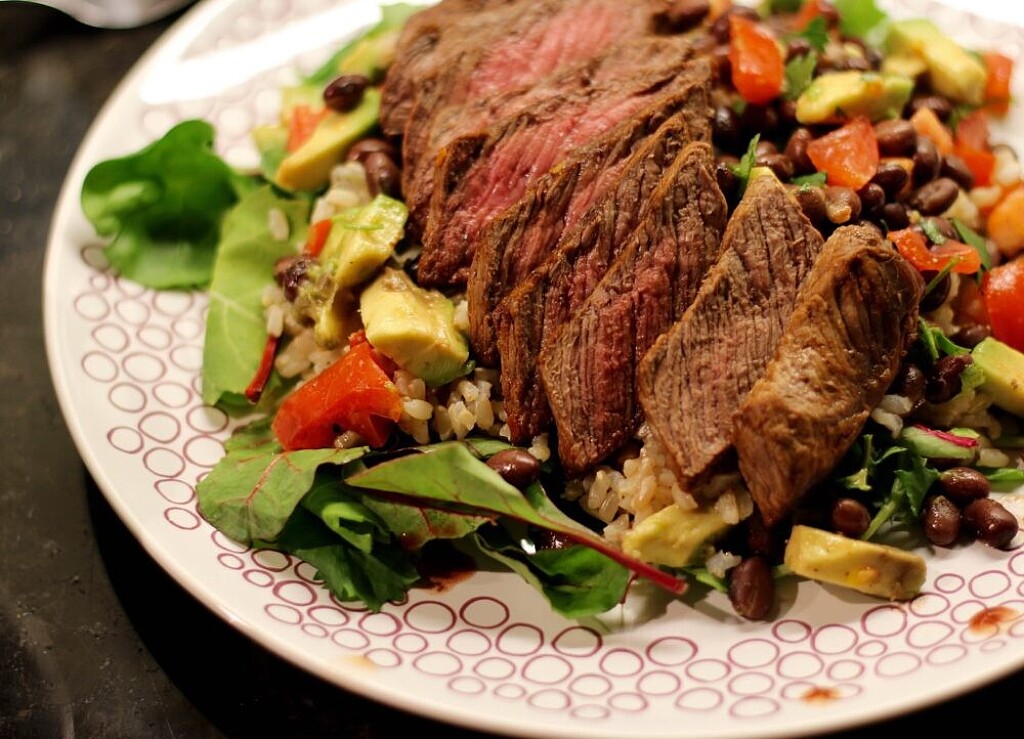
Six foods you thought were unhealthy, but aren’t, runners, don't leave these items out of your cart
Nutrition can be confusing. Foods we’re told are good for us one day get black-listed the next. The truth is, all foods can be a part of a healthy diet, but there are a few, in particular, you may be avoiding for no reason. The following items often get left of runners’ grocery lists, but it’s time to start tossing them into your cart.
1.- White potatoes
White potatoes are often viewed as the less-healthy cousins of sweet potatoes, but that’s doing them a disservice. White potatoes actually contain twice as much potassium as the orange variety and are a great source of carbohydrates, which makes them an excellent source of post-run nutrition.

2.- Popcorn
Popcorn is a great high-carbohydrate snack for runners. While the movie theatre variety should probably be left for an occasional treat, popping some at home with your own toppings is a great healthy snack for runners.

3.- Salt
It’s important to replace the electrolytes (sodium and potassium) you lose through sweat. Runners sweat a lot when they run, even in the winter, which means topping up their sodium levels is an important part of proper recovery. While you still should be mindful of the amount of sodium in some processed foods, runners don’t need to fear the salt shaker.
4.- Red meat
Red meat has gotten a bad rep over the last several years, and many people believed eating it increased your risk for several health problems, including cancer. Recent studies have dismantled that myth, and research has shown that as long as it’s eaten in moderation (less than 70 g. Per day), it poses no risk to your health.
For runners, red meat is an excellent source of iron, which is crucial to running performance because it plays an important role in transmitting oxygen in your blood. Many runners struggle with iron deficiency, so those who are omnivores shouldn’t be afraid to have some steak once in a while.
5.- Full-fat dairy
For many years, whole-milk dairy was thought to be too high in fat to be healthy and everyone switched to skim milk and fat-free products. A 2015 study debunked that myth and found that the low or no-fat varieties weren’t any healthier, and people who consumed high-fat dairy weren’t at any greater risk for health problems.
Of course, you probably shouldn’t eat a cup of full-fat yogurt before a run, but when consumed in moderation, whole milk dairy can be much more satiating and help runners meet their daily calorie needs.
6.- White rice and pasta
We’re often encouraged to go for the whole grain varieties when purchasing items like rice and pasta, but for runners, this isn’t always your best option. Runners need to eat a lot of carbohydrates to fuel their activity, but consuming exclusively whole wheat varieties can sometimes result in eating too much fibre, which could lead to tummy troubles on their runs. This is especially true for runners who are carb-loading in the days before a goal race, when they’re eating an even greater amount of carbohydrates than usual.
It’s still important for runners to consume whole grain products, but if you’re struggling with gas, bloating, and other forms of GI distress when you’re running (or any other time), it’s possible that you’re getting too much fibre. Try substituting some of your whole grain products for the white variety to ease your stomach woes.
(02/28/22) Views: 69Brittany Hambleton
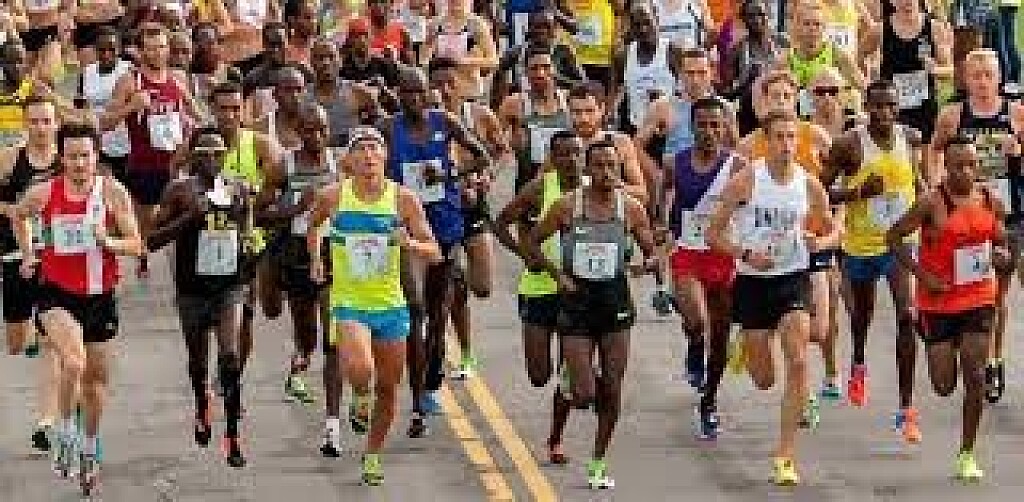
2022 Boilermaker Announces Return to July
Officials from the Boilermaker Road Race unveiled the new 45th-anniversary logo and announced that this year’s races will be run on Sunday, July 10, 2022, with a full field of runners. The 15K race presented by Excellus BlueCross BlueShield will have a capacity of 14,500, including the return of professional runners and wheelchair athletes. The 5K race presented by Utica National will have a capacity of 4,500.
Priority registration will open at noon on Thursday, March 3 via the race’s website www.boilermaker.com. Runners who completed any of the 2021 races, including the virtual events, are eligible to register during the one-week priority registration period, which ends Thursday, March 10 at noon. Open registration begins Friday, March 11 at noon and will remain open until Tuesday, July 5, 2022 at 11:59 p.m. or until the races reach capacity.
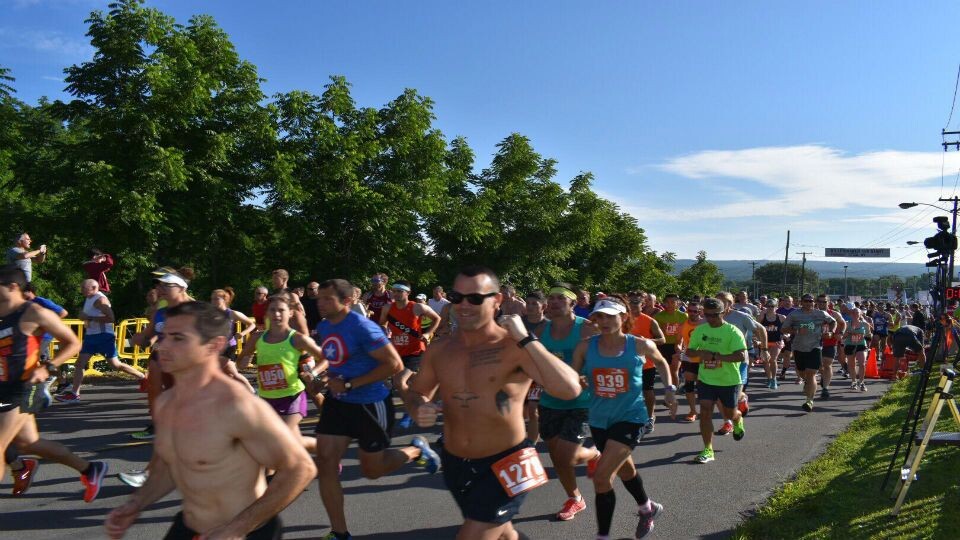
Due to the COVID-19 pandemic, the 2020 races were held virtually and the 2021 events, though held in-person, were moved to October.
“After two challenging years, the Boilermaker is eager to get back to our traditional second Sunday in July race date and what we all hope will be a pathway to normalcy,” said Mark Donovan, Boilermaker president. “We are eternally grateful for the unyielding support of our sponsors who have helped carry us through the pandemic and for the opportunity to bring back many of the unique elements of the Boilermaker that combine to make it all so special.”
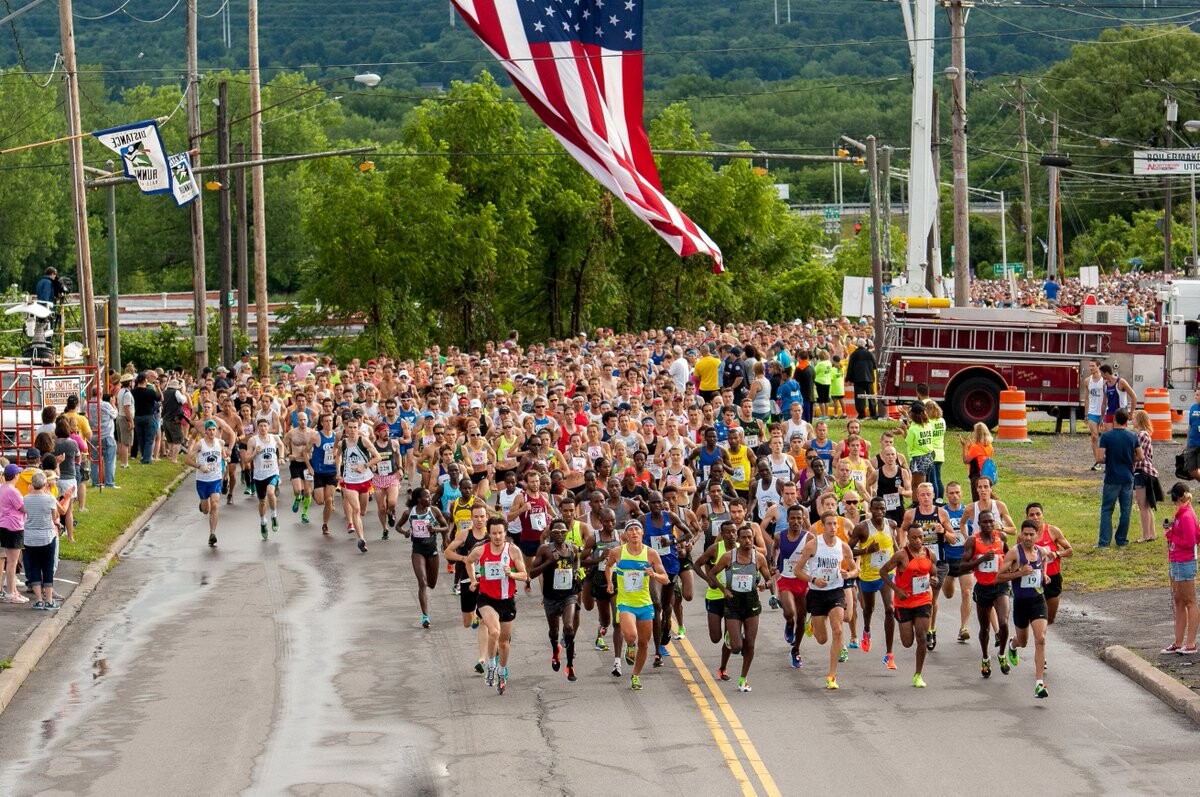
In addition to the full field of runners, this year’s Boilermaker week will once again feature multiple community-minded events and challenges. The week begins with the Youth Olympics presented by Bank of America. The Boilermaker Kids Run, presented by Utica National, will take place at Mohawk Valley Community College (MVCC), Saturday, July 9. Additionally, the Boilermaker Charity Bib Program, presented by Wolfspeed, allows participants to fundraise on behalf of a local non-profit organization to receive race bibs in exchange for their fundraising efforts.
The event also featured the unveiling of the official 2022 race logo. Commemorating the event’s 45th anniversary, this year’s logo was once again designed by McGrogan Design of Utica. The race’s traditional runner icon links the numbers four and five.
The Boilermaker is following the lead of county and state guidance in establishing health and safety protocols around the event. “Our goal is to present our runners with a safe and fun atmosphere to run the race,” Donovan said. “Right now, this means that runners need to show proof of vaccination or a negative PCR test result taken within 72 hours of the race, but we are hoping that there will be no need for restrictions by the time July rolls around.”
2022’s event will also include several team and individual challenges, including the Corporate Cup presented by Excellus BlueCross BlueShield, the High School Challenge and the Wheelchair Challenge sponsored by Sitrin Healthcare.
“The various challenges provide a race within the race and add a special element of intrigue and competition both for our wheelchair athletes and our various community institutions,” said Donovan. “While road racing is typically an individual event, the challenges represent an opportunity for teamwork, bonding and friendly competition.”
The Boilermaker Health and Wellness Expo presented by Mohawk Valley Health System, will return to the Utica Campus of MVCC for Boilermaker weekend. The expo will be open on Friday, July 8 from noon to 7 p.m. and Saturday, July 9 from 8 a.m. to 4:30 p.m. In addition to packet pickup, the expo features healthy living information, vendors and more.
The Saranac post-race party will be open to runners and spectators from 8 a.m. to 12 p.m., providing plenty of time to celebrate after the events.
“The communion of runners and non-runners alike on the second Sunday in July is a big part of what makes the Boilermaker so much more than just a race,” said Donovan. “We are pleased to be able to once again unite our community and celebrate together with 19,000 runners and many more of our friends.”
Donovan also took the time to thank the over 4,500 community members who volunteer at various events throughout the week. “Each year I am blown away by the sheer number of people who take time out of their lives to help make our event a success,” he said. “From helping with the expo and manning the water stops along the course, to helping clean up after the post-race party, there is not a single area of our race which isn’t touched by our volunteers.”
For more information on Boilermaker Weekend, including event details, volunteer opportunities and registration links, please visit boilermaker.com.
(02/25/22) Views: 67Running USA
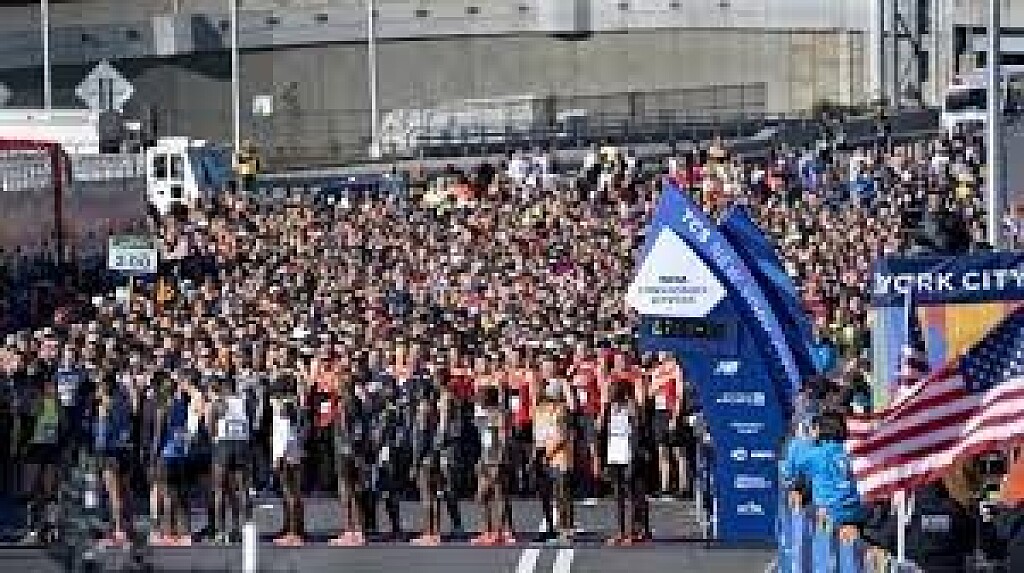
2022 NYC Marathon returning to full capacity
The New York City Marathon will return to full capacity with an estimated 50,000 runners set to participate in early November.
The race, one of the most prestigious events on the global running calendar, was cancelled in 2020 because of the COVID-19 pandemic and returned last year with a reduced field of 30,000 runners amid a number of safety protocols.
"Last year's marathon served as an uplifting and unifying moment for New York City's recovery as well as a symbol of renewed hope, inspiration, and perseverance," New York City Marathon race director said on Thursday.
"This November, we are excited to have runners from all over the world fully return as we come together to deliver one of the best days in New York."
Organizers said this year's marathon, scheduled for November 6, will require runners to be fully vaccinated. Many event elements will be restored, including on-course entertainment.
The 26.2-mile (42.16 km) run through the city's five boroughs typically draws hundreds of thousands of people along the race course in a city-wide celebration.
(02/25/22) Views: 65

Slow-twitch vs. fast-twitch muscle fibres: how your muscle type affects running performance
Each one of us has both slow-twitch and fast-twitch muscle fibres, but the ratio between them is different for every individual. While you can’t do much to change the distribution of your own muscle fibre types, new research shows you can adapt your training to your specific muscle make-up to prevent injuries and maximize your performance.
Slow-twitch vs. fast-twitch
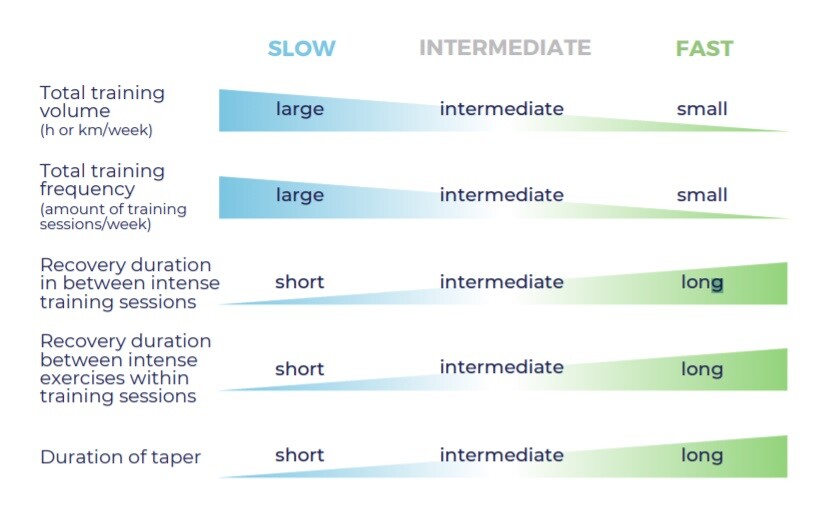
Study author Eline Lievens explains that both fast-twitch and slow-twitch fibres are present in all of your muscles, but the proportions of each differ from person to person. This distribution determines your myotype. Slow-twitch fibres are meant for slow, long-lasting exercise, while fast-twitch are for fast and powerful actions.
Lievens says that although humans evolved to have a slower myotype, there is a large spread in muscle fibre type between humans, from 20 per cent to 90 per cent slow-twitch fibres. This distribution has led researchers to classify humans into three myotype categories: slow, intermediate or fast (or, as she describes them, albatross, ape or cheetah).

Slow-twitch fibres, as their name suggests, are meant for slow, long-lasting exercise, while fast-twitch are for fast and powerful actions. Slow-twitch fibres are also much more energy-efficient and require three times less energy than fast-twitch fibres to produce the same contraction. They are also much more resistant to fatigue and injuries, which is why they are so important for endurance athletes.
Every muscle in your body will have a mixture of slow and fast-twitch fibres, but the distribution won’t be the same everywhere. For example, your soleus (one of the muscles that make up your calves) is predominantly slow-twitch, while your triceps are predominantly fast-twitch. If you have a slow (albatross) myotype, however, you will have more slow-twitch fibres in all of your muscles than the average population.
For endurance runners (which Lievens defines as anyone running longer than 1,500m), having more slow-twitch fibres will improve your running economy, which will allow you to run longer without fatiguing. Athletes with the slow myotype also recover faster, which means they can take less rest between intervals during a workout and can train with more frequency day-to-day and week-to-week.
Due to the lower energy efficiency of fast-twitch muscle fibres, athletes with a fast myotype are at a greater risk for over-training or over-reaching because they are more likely to accumulate fatigue over time without adequate rest between sessions. These athletes also require a longer taper period ahead of their goal race than slow-myotype athletes.
Are you an albatross, ape or cheetah?
Unfortunately, finding out your exact muscle fibre type distribution isn’t very easy. For many years, the only way to learn your myotype was to have a muscle biopsy, which is an invasive and painful procedure. Lievens and her colleagues have developed a new, non-invasive scan technique using MRI imaging to determine your myotype, however, there are only two facilities offering these scans in Belgium or The Netherlands.
Of course, most of us won’t be traveling to Europe to have a muscle scan, but by listening to your body you can apply these principles to your training. Do you tend to recover quickly between intervals and workouts? Or do you need a day off between sessions or more recovery time between intervals in order to produce the same effort? It may take some trial and error, but understanding how your body responds to different types, intensities and volumes of running can help you tailor your training to your body so that you perform at your best and stay injury-free.
(02/28/22) Views: 64Running Magazine
