

Running News Daily
Top Ten Stories of the Week
12/11/2021
These are the top ten stories based on views over the last week.
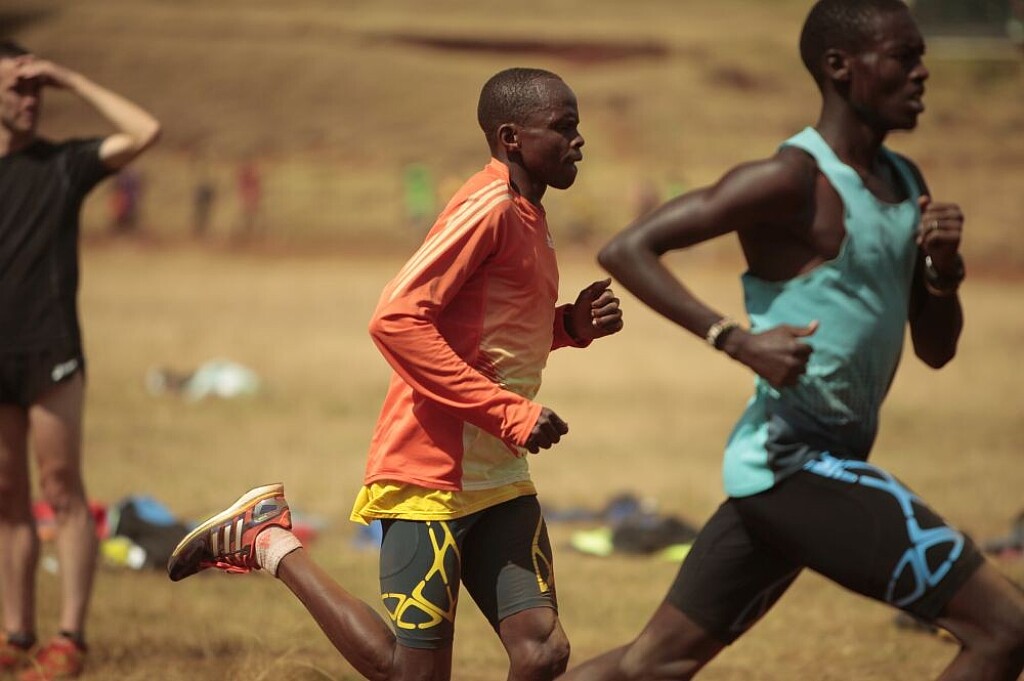


Try diagonals: a Kenyan recovery workout, use this workout to improve leg speed and running economy
Given that Kenya has produced several of the top distance runners in the world, when the country’s athletes or coaches share a bit of training wisdom, runners of all levels listen up.
Recently, Coach Peter Bii at the Asics Chojo Camp in Iten, Kenya, shared a recovery workout that his athletes do on a regular basis called Diagonals, which help keep their legs feeling fresh for their next workout.
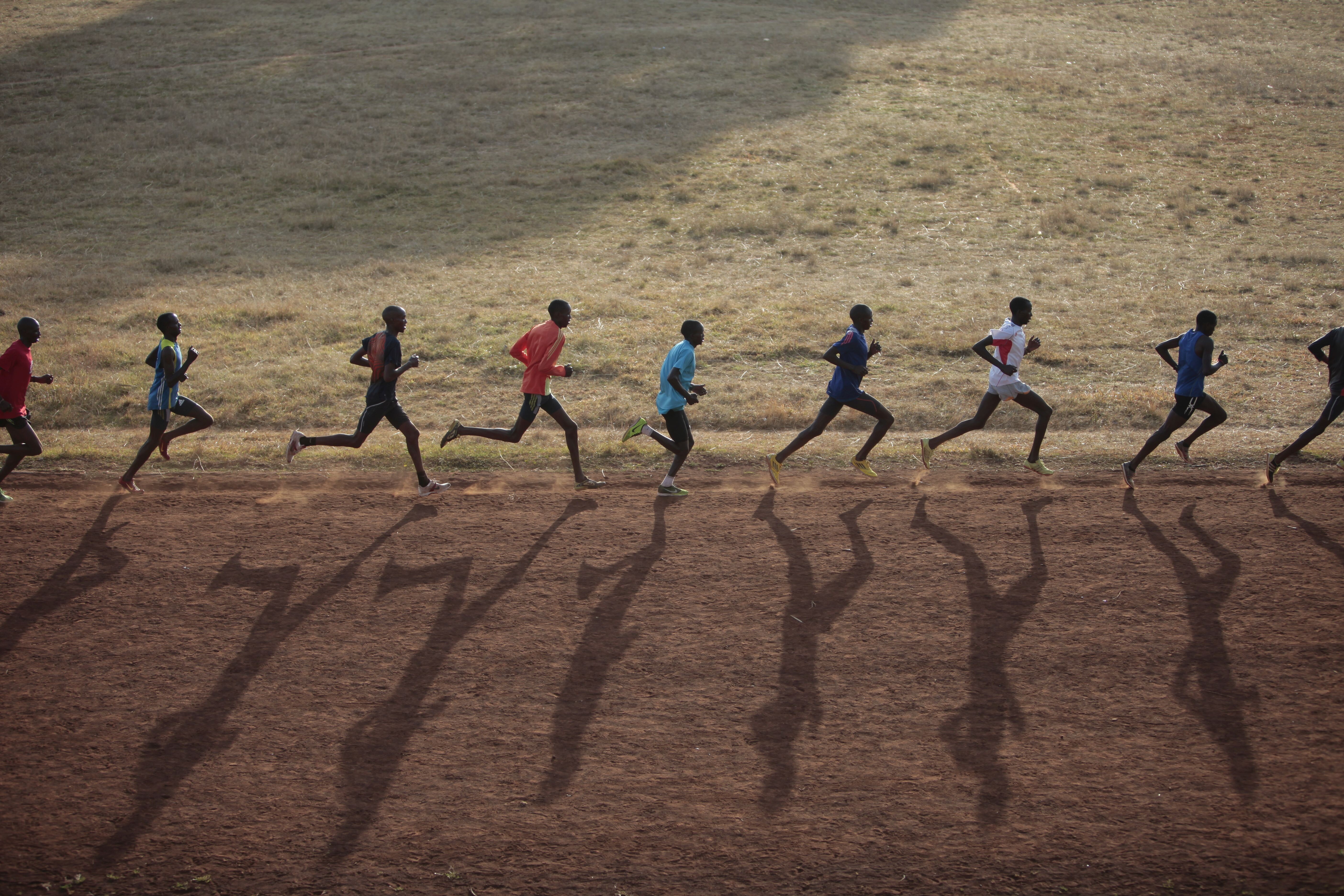
The athletes perform the workout on a soccer field, where they jog along the goal line and do strides diagonally across the field, from one corner to the opposite corner. Bii explains that the workout is meant to promote quick leg turnover, and improve leg speed, strength and running economy without taxing the aerobic system too much. The athletes will perform diagonals for the entire length of a regular run, usually 40-50 minutes.
Bii says in the video that he usually has his runners perform this workout after they’ve already done a harder workout earlier in the week. In the video, he is using the session as a final prep workout before the athletes toe the line in a race on the weekend.
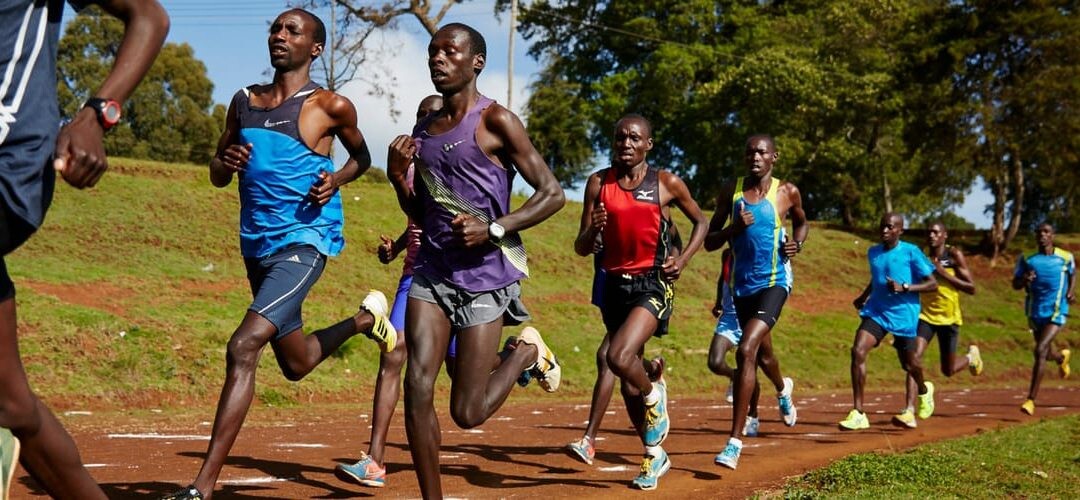
“If you tell the marathoners that today we are doing 100m on the track, they won’t do it,” says Bii. “But if you say we’re doing diagonals at a bit up pace, then they won’t see what it is.”
Doing diagonals for upwards of an hour might be too much for you, but the great thing about this workout is it can easily be adapted for all experience levels. To start, you could try doing a 10- or 15-minute warmup, followed by 15 minutes of diagonals, and work your way up from there.
(12/06/21) Views: 208Brittany Hambleton
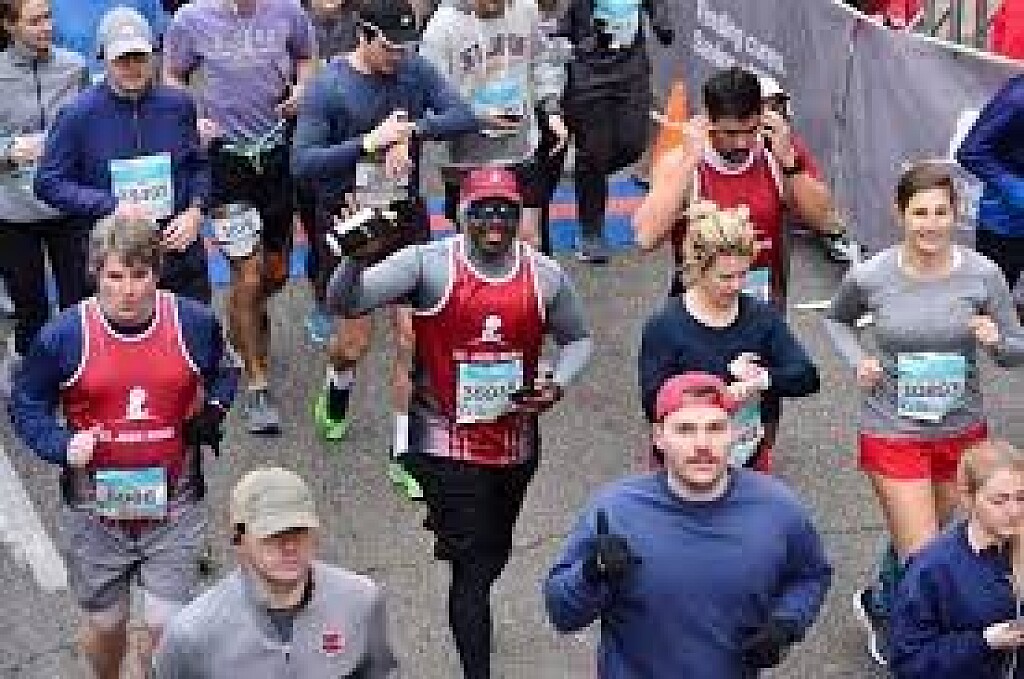
St. Jude Memphis Marathon turns 20 as 17,000 runners return to the Bluff City
For Keri Nunley, participating in the St. Jude Memphis Marathon Weekend started as a way to honor her father, who died two decades ago after a battle with cancer. After his death, Nunley found out her father had long been donating to the children’s hospital and wanted his memorial fund to go to St. Jude.
A friend of hers was going to participate in the marathon weekend that year, the first iteration of the annual event in 2002, and invited Nunley to join. While she had never been a runner, she signed up and walked. And the McMinnville, Tennessee, resident has done it every year since.
Each year, more friends and relatives joined her, and the weekend became a family reunion, with Nunley’s relatives coming from as far as Pennsylvania, California, Florida and Texas. And while it remains a way to honor her father, Nunley also participates for another reason.

“I'm very passionate about the kids,” she said. “They need our help.”
Her favorite part of the half marathon was always passing by Target House, an apartment building provided for families of St. Jude patients who are on campus for more than three months.
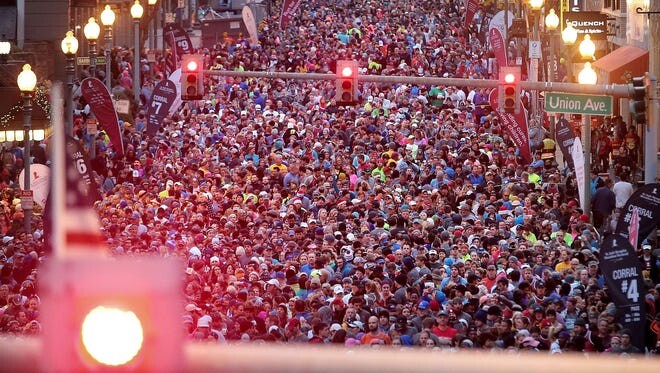
“You run a little faster as you go by there with a mother standing out there with a sign, ‘Thank you for running for my kids’... It just pushes you to do more. It is a community,” she said. “There's houses along the route in neighborhoods that all of those people have gotten involved, and they're out there every year… It's amazing how much it has grown over the years.”
Over the years Nunley's team has raised about $300,000 for the hospital.
Saturday marks the 20th St. Jude Memphis Marathon, and Nunley is one of only a few people who have participated every year, according to the organization. But over the past two decades, the event has grown from a small, local fundraiser to an international event drawing thousands and raising millions.
Over the life of the race, it has raised more than $100 million for St. Jude. It is the largest single-day fundraiser the organization has. The goal for the 20th-anniversary race was to raise $9 million. According to ALSAC, the fundraising and awareness organization of St. Jude Children's Research Hospital, the race is on track to raise more than $12 million this year.
There will be more than 20,000 people participating in the marathon weekend in 2021. About 17,000 will be running or walking in person, while the rest are participating virtually. Those runners come from all 50 states and 71 different countries.
Last year's all-virtual event raised $7.5 million. About 15,000 people participated.
The race is also more than a fundraiser for St. Jude, it's a community event, drawing area residents to the course to cheer for the runners and walkers and filling up Memphis hotels, restaurants, cafes and bars.
Annually — with the exception of 2020, when the races were all virtual — the race has a multi-million economic impact on the city and the wider region. According to Memphis Tourism, the 2021 race is expected to fill almost 4,000 hotel rooms.
(12/03/21) Views: 115Corinne S Kennedy
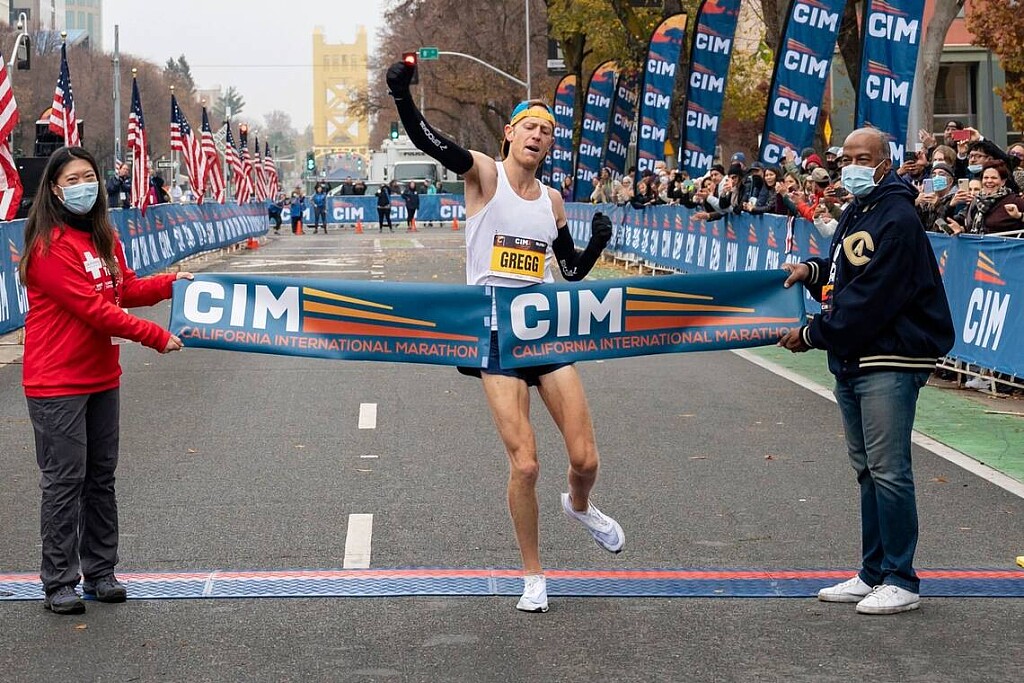
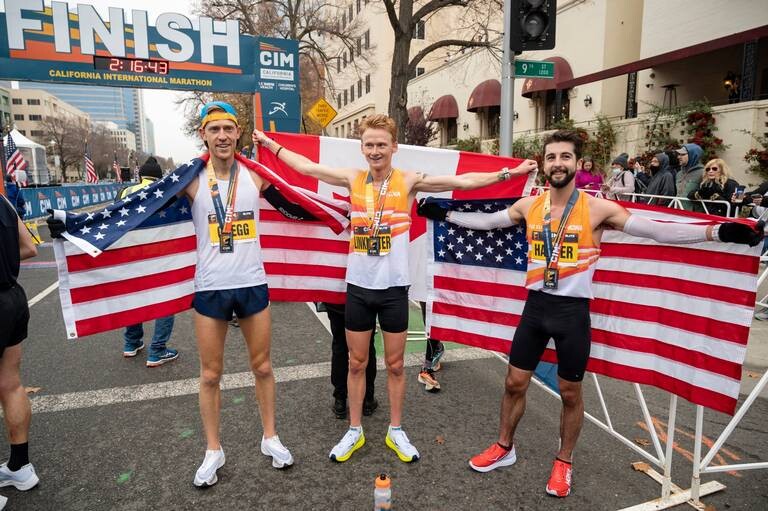
Bredan Gregg and Sara Vaughn won the Comeback California International Marathon
Davis native Brendan Gregg won the 2021 California International Marathon alongside Sarah Vaughn, a debut marathoner.
A graduate of Davis High School and Stanford University, Gregg finished the race with a personal best time of 2 hours, 11 minutes, and 21 seconds.
“I love coming back here,” Gregg said in a statement. “I’ve done other marathons, but I always want to come back and do it at home at the people’s marathon.”
Gregg's pace was about 5:01 minutes per mile, according to the CIM event results.
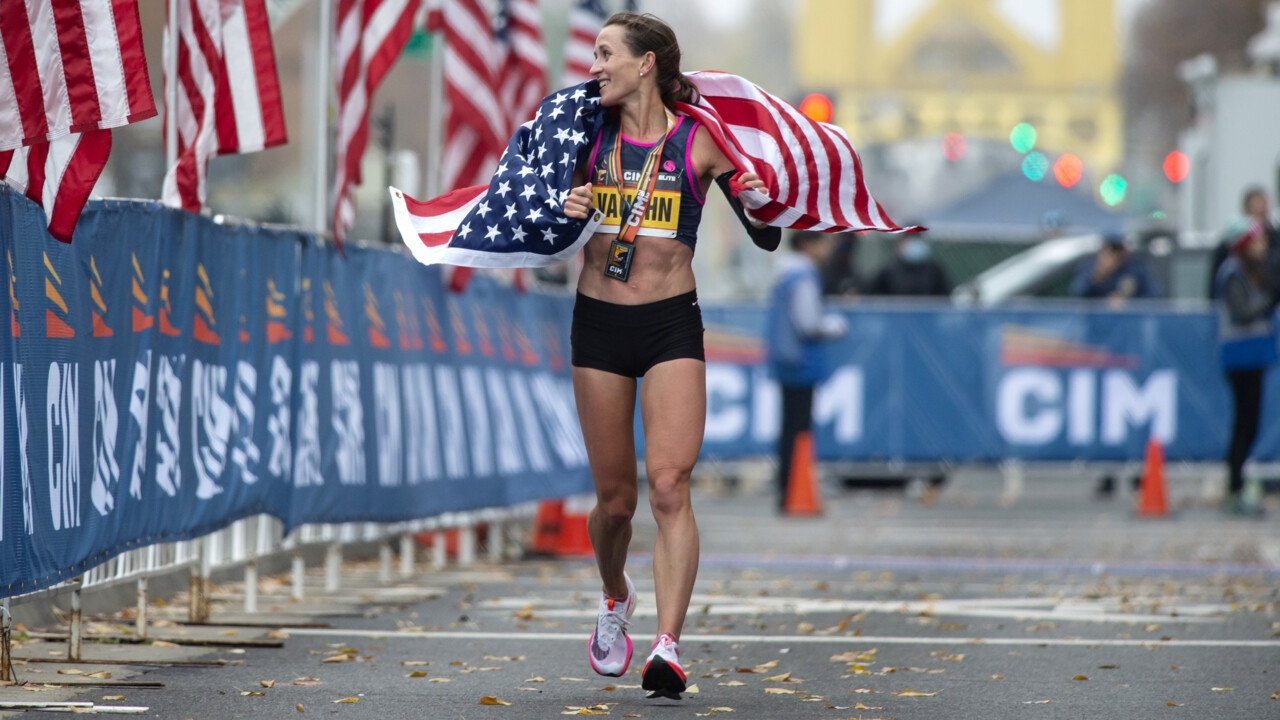
Sara Vaughn, of Boulder, Colorado, won with a time of two hours, 26 minutes and 53 seconds.
Vaughn attempted her first marathon just 12 weeks ago, according to a press release.
“Sacramento has always been wonderful to me in my running career,” Vaughn said in a statement. “I made my first Team USA here at Sac State, and last time I was here, I won a race. I had to keep the streak going.”
Gregg and Vaughn, will both take home $10,000 in prize money, plus any performance bonuses.
The competition was cancelled in 2020 due to the pandemic. 9,000 people were registered for the marathon this year.
(12/06/21) Views: 90Lauren Walike
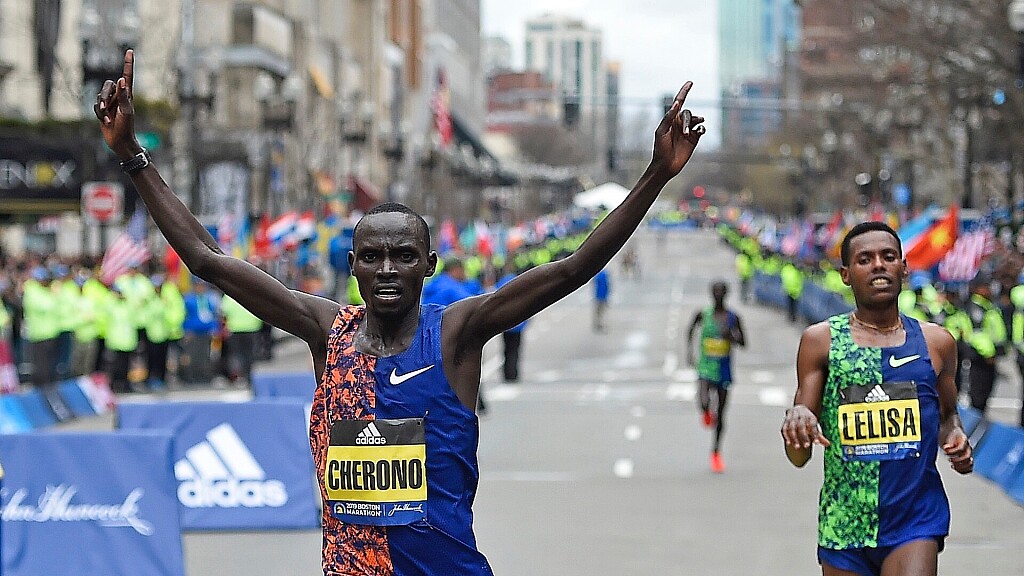
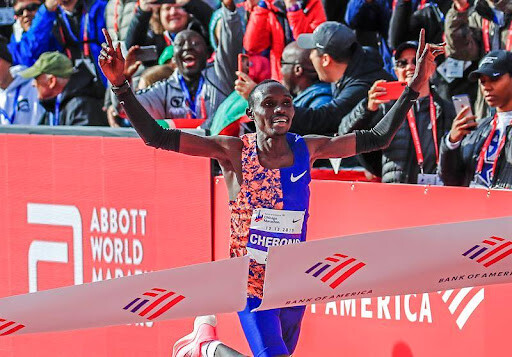
Former Boston Marathon Lawrence Cherono will be leading Kenyan charge in Valencia Marathon
Former Boston Marathon Lawrence Cherono will be leading an elite field during this years’ Valencia Marathon in Spain on Sunday, a race which is considered to have one of the fastest courses.
According to Cherono, he has had good training and is looking forward to running well after a good recovery for the last two months.
He will be aiming to win the race after he was narrowly beaten last year by Evans Chebet who sprinted in the last 50 metres to bag victory in 2:03:00 with Cherono registering his personal best of 2:03:04. Ethiopia’s Birhanu Legese came third after timing 2:03:16.
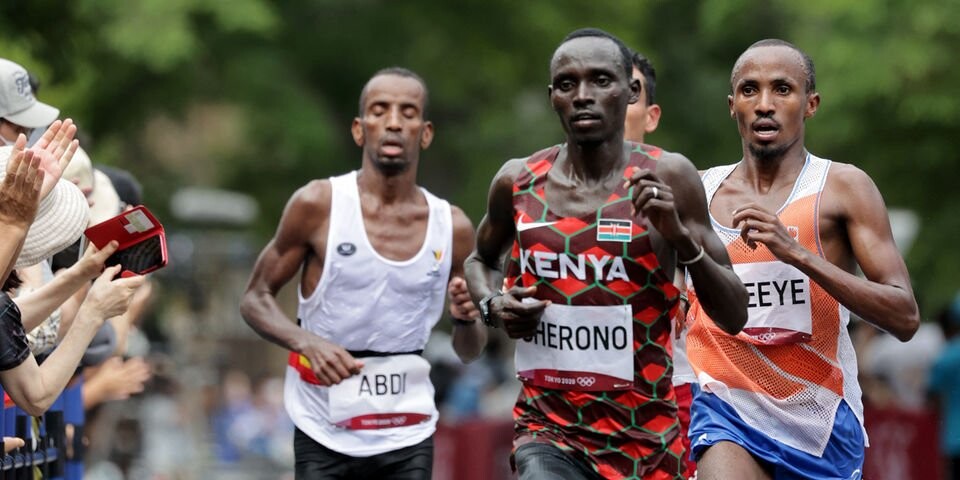
“I have recovered well after participating in the 2020 Olympic Games and went straight to camp to prepare for this race. It is competitive but I believe I will be able to run well on Sunday,” said Cherono who did not defend his Chicago and Boston Marathons races this year.
Also in the race is Geoffrey Kamworor who is seeking a comeback after some time out of competition due to an injury he suffered when he was knocked down by a speeding motorcycle in Eldoret, Uasin Gishu County in June last year.
Dr. Victor Bargoria who treated Kamworor then told Nation Sport that he had fractured his tibia and had bruises in his head, something that forced him to take a break from competition.
Kamworor also missed the Olympic Games despite making the team in the 10,000m race after he was advised by his doctor to recover fully before competing again.
The two-time World Half Marathon champion who is fondly referred to as ‘man of all surfaces’ due to his good performance in track, cross country, road races and marathon will be looking to pull another surprise when he competes in Spain.
Cherono, who has the fastest time of 2:03:04 in the elite field will be battling it out with Ethiopians Herpasa Negasa (2:03:40), Kinde Atanaw (2:03:51) and Abebe Negewo (2:04:51), Chalu Deso (2:04:53).
Also in the lineup are Kenyans Philemon Kacheran (2:06:05) who also trains with Kamworor in Kaptagat, Michael Kunyuga (2:06:43), Alex Kibet (2:07:09), Bethwell Kipkemboi (2:07:41) and Japheth Kosgei (2:08:08).
Turkey's Polat Kemboi (2:08:14), Belgium’s Koel Naert (2:07:39), Eritrea’s Goitom Kifle (2:08:09) are the other notable competitors.
In the women's category, 2018 Prague Marathon champion Bornes Chepkirui will be battling it out with other athletes notably Uganda’s record-holder Juliet Chekwel and three-time Rome Marathon champion Rahma Tusa of Ethiopia.
Dorcas Tuitoek, who will be debuting during the race will also be looking to shine having trained with Olympics marathon champion Peres Jepchirchir in Kapsabet, Nandi County.
(12/04/21) Views: 70Bernard Rotich
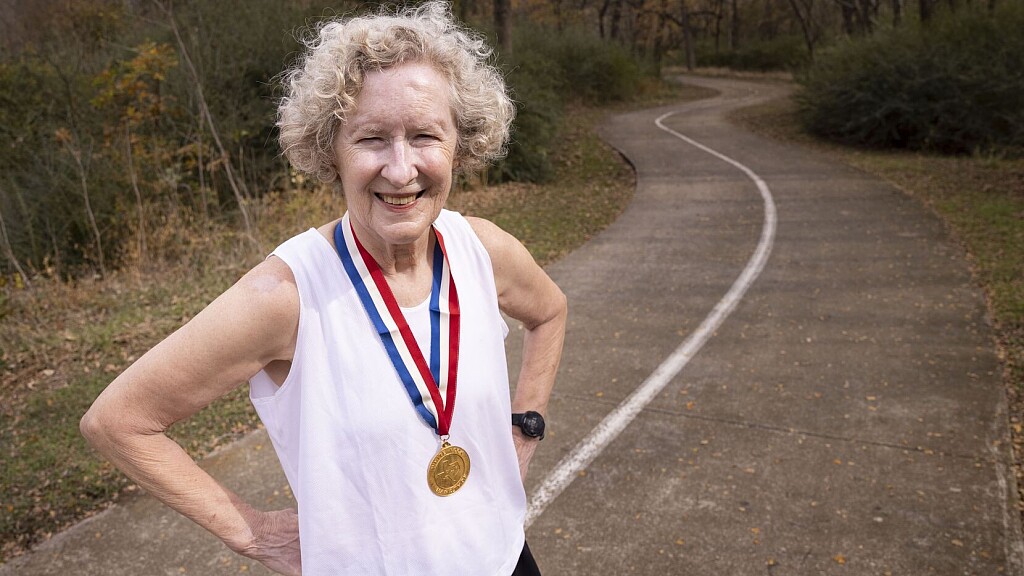
More than 50 years after winning the first Dallas Marathon, Annabelle Corboy is set to participate in the half marathon
The 74-year-old will be participating in the half-marathon at the 50th running of the Dallas Marathon.
Fort Worth resident Annabelle Corboy will be the first to tell you she is nothing special when she laces up her running shoes.
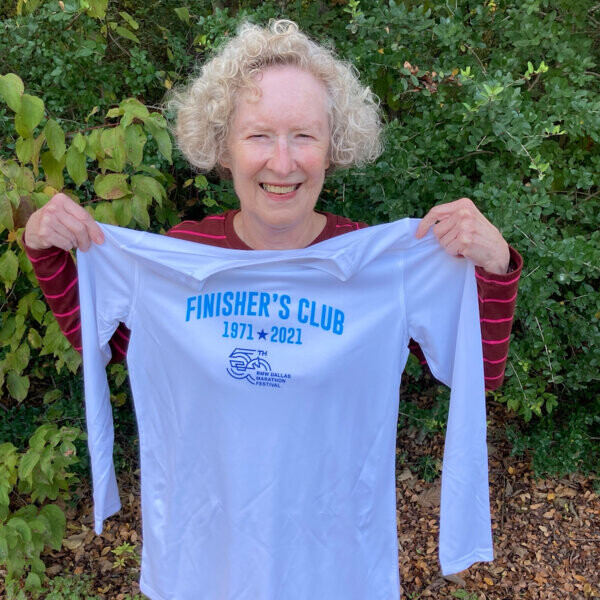
“Let me make sure it’s clear: I am an average runner,” Corboy told The Dallas Morning News. “My main claim to anything is that I’ve been running a long time, and I’ve been lucky to not have been injured and so forth.”
That first statement may be true, but the second is not entirely accurate. She does have another claim to fame.
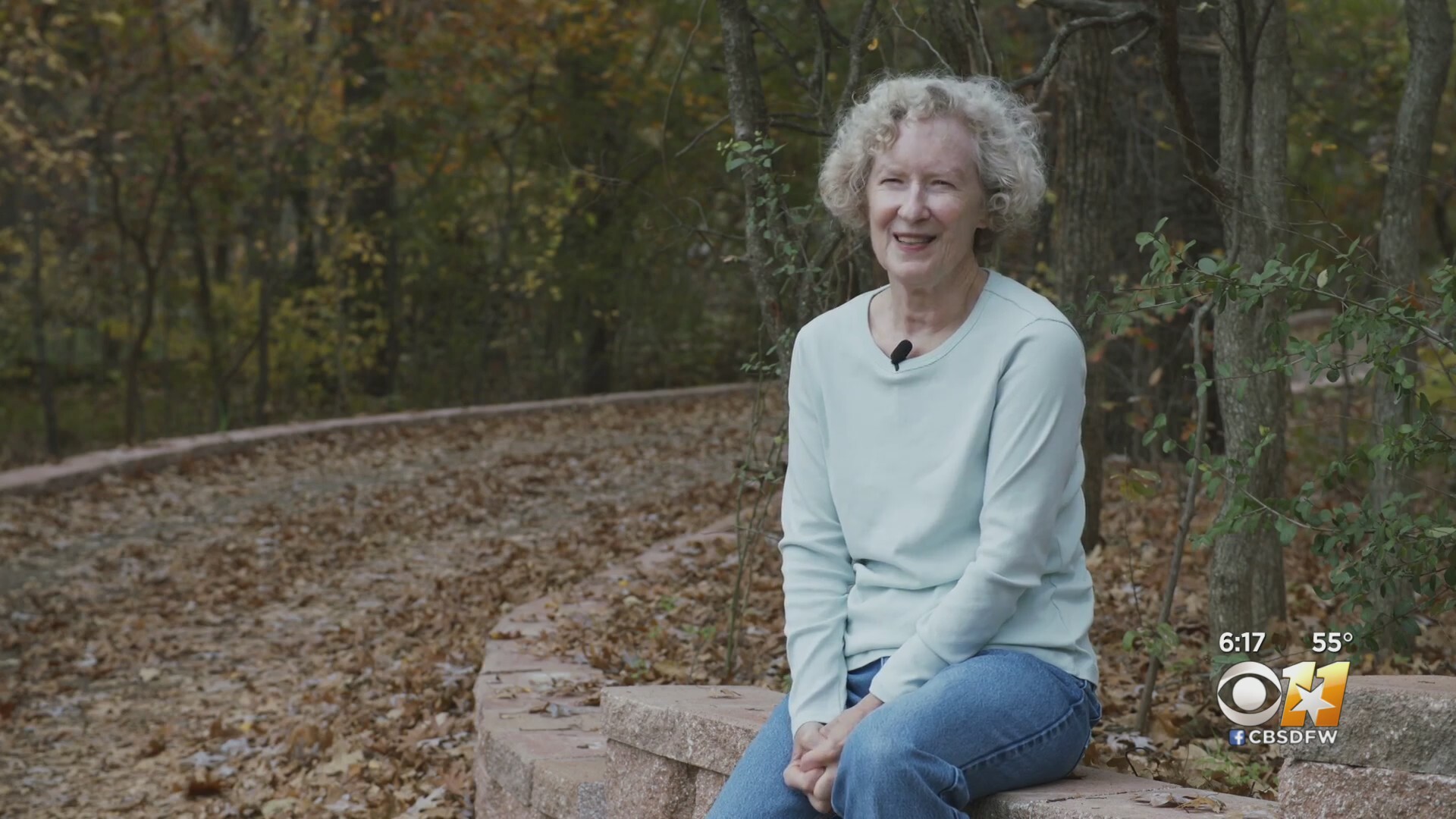
Corboy was one of 82 participants in the first Dallas Marathon, then called the White Rock Marathon, on March 6, 1971. And she crossed the finish line that day with a time of 4:12:25, becoming the first woman winner of the event.
“For a very, very, very short time, I was a very, very, very minor celebrity,” Corboy said. “I got a couple of letters in the mail, fan letters telling me how proud they were of me.”
More than 50 years after winning the first Dallas Marathon, Corboy will be participating in the festivities once again this Sunday. The 74-year-old will be participating in the half-marathon at the 50th running of the Dallas Marathon.
“It’s pretty amazing,” Corboy’s husband, Mike Poteet, said. “Fifty years of running is a lot of running.”
Kenneth Cooper, the aerobics pioneer, inspired Corboy to start running when she was around 20 years old. At 21, Corboy spent a year earning a master’s degree in mathematics at the University of Illinois.
The school had a fitness program that gave Corboy a really good start in running. When she returned to the D-FW area, she started looking for a club to join to help her continue to run and found the Cross Country Club of Dallas, where she became an involved member.
Tal Morrison was a founder of the Cross Country Club of Dallas and the founding father of the Dallas Marathon. When the first marathon was being planned and prepped, he recruited runners for the event, including Corboy.
She recalls him as eager to get a woman to participate in the race and asked her to run it. Corboy said she had probably never run more than about 10 miles, let alone a marathon, before when he asked.
“He and I ran around the lake, maybe did a 16-mile run, a couple of weeks before the race, and he said, ‘You know, what’s 10 more miles anyway?’” Corboy said. “He talked me into it.”
Of the 82 race participants that first race day, two were women. Corboy was the lone female finisher of the 61 people who completed the race. By comparison, in 2019, the last time the event was held, there were about 2,300 finishers, 770 of whom were women.
Over the years, Corboy continued to run in the marathon, although she did not make it an annual occurrence. She has also run the relay and half-marathon events at the Dallas Marathon.
Corboy did not travel much for her races. She ran the first Cowtown Marathon in 1978 and ran the Houston Marathon a few times. The last marathon she ran was the 2005 Boston Marathon after she was offered a spot in it by a friend.
She never won another race after the 1971 Dallas Marathon but has finished as an age-group winner at multiple events.
Corboy wasn’t planning on running at the marathon this year until she realized it was the 50th running of the event. The symmetry of saying she ran at an event at the first marathon and at the 50th is exciting.
“In spite of the fact that I insist that I’m an average runner, I have spent a lot of hours of my life running,” Corboy said. “It is something that means a lot to me. To be able to kind of look back and say, yeah, I’ve done this for 50 years, it’s something I am proud of.”
(12/08/21) Views: 67Peter Warren
USATF Announces Tougher Olympic Marathon Trials Standards for 2024
A major caveat: The Trials might not be held if World Athletics won’t accept the top three finishers as Olympians.
Qualifying standards for the 2024 Olympic Marathon Trials were announced today at the USA Track & Field (USATF) annual meeting, and they’re faster than the times needed to get into the 2020 race—especially for women.
Women who want to enter the race must have qualified with a 2:37 marathon or faster, or a 1:12 half marathon or faster. The marathon time is 8 minutes faster than the 2:45 required to get into the 2020 Trials. (The half marathon time in 2020 was 1:13.)
For men, the times are 2:18 and 1:03, one minute faster at both distances than the 2020 times (2:19 and 1:04).
The qualifying window for marathon times opens on January 1, 2022 and for half marathon times, January 1, 2023.
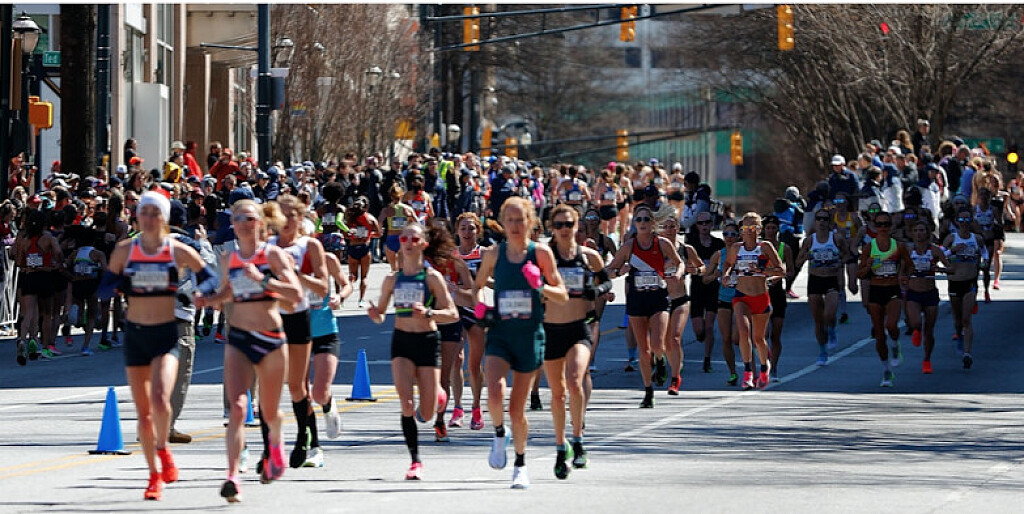
The 2020 Trials, held in Atlanta, had a historically large field, with 511 women and 260 men qualified to run. Improved shoe technology made it easier for many sub-elite runners to hit the times they needed to qualify for the race.
The top three made the Olympic team—for the women, it was Aliphine Tuliamuk, Molly Seidel, and Sally Kipyego. On the men’s side Galen Rupp won, Jake Riley was second, and Abdi Abdirahman was third.
Behind them, the race turned into a celebration of the strength of distance running in the U.S., with hundreds of runners who had no realistic shot of making the Olympic team soaking up the crowd support along the course and celebrating their achievements.
Leaders at USATF apparently decided the field was too big. Based on the women’s qualifying list from 2020, only 83 women had a marathon time faster than 2:37. Only eight women qualified with a half marathon faster than 1:12.
Conceivably, with the stricter standards, the women’s field could go from 511 in 2020 to 91 runners in 2024.
By the same measure, the men’s field from 2020 would have been 76 people smaller in the marathon, 15 smaller in the half marathon. The men’s field would shrink from 260 to 169.
Much of this discussion may be moot. World Athletics, which governs track and field and the marathon at the Olympics, has encouraged national governing bodies to rely on world rankings to choose their national teams, rather than a one-day Trials format from which the top three make the team.
The Olympic standards are also expected to be stricter, too. In 2021, for the marathons in Sapporo, Japan, the Olympic standards were 2:11:30 for the men and 2:29:30 for the women—in other words, it wasn’t enough for Americans to have finished in the top 3 at the Trials in the marathon. They also had to have run a marathon faster than the Olympic standard to get to go to the race.
World Athletics has not yet announced what the 2024 Olympic standards will be.
USATF has not yet sent out a request for proposal (RFP) for cities to host the Trials, which puts the process well behind its typical cycle. (Atlanta was announced as the host of the 2020 Trials by April 2018, meaning bids were in to USATF months before that.) Races are not thought to be clamoring to host, after a year in which most major marathons were canceled due to the pandemic and finances are stretched in the road racing industry.
Although the Trials in Atlanta were seen as a huge success, the local organizing committees usually lose money on the race because of restrictions on which companies can sponsor the event.
(12/05/21) Views: 66Runner’s World
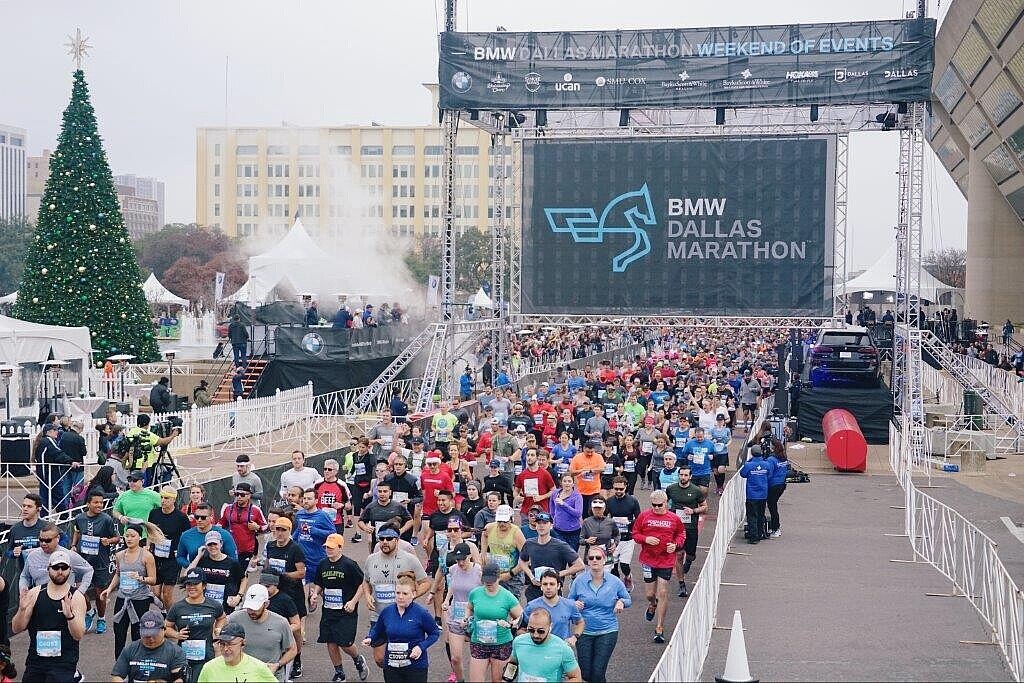
After a two-year hiatus, Dallas Marathon is coming back, celebrating its 50 anniversary
The 50th anniversary of the Dallas Marathon was always going to be a special event.
But then the race was canceled last December for only the second time ever because of the pandemic. The makeup race in May suffered the same fate.
A pandemic-induced cancellation won’t happen a third time. And Paul Lambert, the president of runDallas, the organization that puts on the marathon, said the yearlong wait is going to make the marathon’s golden jubilee even more special.

“We’re actually putting a video together and the theme song is ‘Back to Life,’” Lambert said. “If you would ask me how it feels, it’s a combination of truly back to life; not only for, hopefully, a lot of our runners and the feeling that they get out in these massive public community running events, but also for us as a management team.”
The BMW Dallas Marathon will take place next weekend with the 50th running of the marathon scheduled for next Sunday. Ten races will take place throughout the weekend, plus a Health and Fitness Expo at Kay Bailey Hutchison Convention Center on Friday and Saturday.
The first Dallas Marathon, then called the White Rock Marathon, was held on March 6, 1971. Far from the major weekend event it is now, the race had 82 participants and the course was only around White Rock Lake.
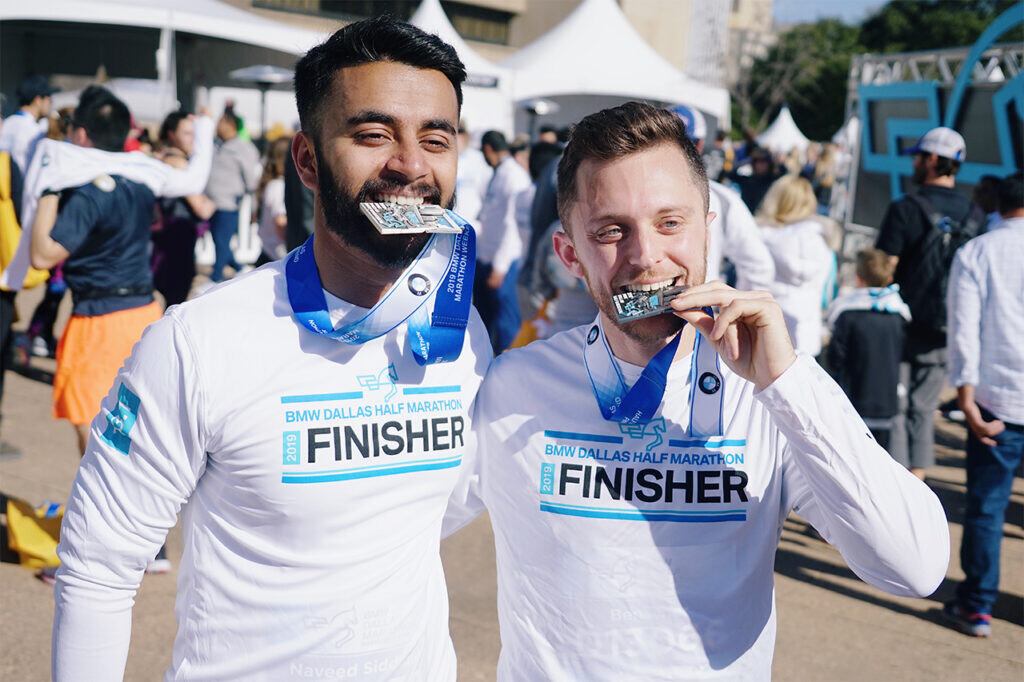
“The changes are really something else,” said Annabelle Corboy, the first female winner of the Dallas Marathon. “The changes in 50 years are incredible. ... There’s so many things that are different between now and then.”
Registration for the original 50th anniversary date opened in April 2020, and runDallas saw strong early participation numbers compared with other races across the country. Lambert said it was because the Dallas Marathon was “probably the first major race to come out with a defined contingency message.”
That plan was if the race couldn’t be held in person in December 2020, runners could either run a virtual race or push their registration back to a backup date in May 2021. And when the backup event was cancelled, the organization offered the same option to run virtually or push registrations to December.
The uncertainty that hung over the organization weighed on its small staff. Despite the contingency messages, it was difficult to do much planning for anything more than three months in advance. And without knowing when the next big race was coming, the team had to make sure it could maintain its financial viability.
But the extra time did give runDallas the opportunity to refine and fine-tune the event, as well as further grow and strengthen relationships with its partners. It has also resulted in extraordinary growth of runners.
Marcus Grunewald, the executive director of runDallas, said the weekend is reaching record participation.
“I think there’s a real pent-up demand to have a big event like this,” Grunewald said. “In fact, our numbers are a bit unusual for the industry as a whole.”
About 15,000 runners participated in the events included in the 2019 marathon. With about a week to go before the first race on Friday, over 23,0000 people have signed up to participate across the 10 different events. RunDallas expects that number to be about 25,000 by race weekend. More than 2,500 people have also signed up to volunteer.
Participation in the ultra marathon, a 50k race added to the program in 2018, sold out weeks ago. The marathon and half marathon are also approaching sellout status, and Grunewald believes they may sell out before race day.
“I think this will be a highlight of the last two years for almost everybody involved with the entire weekend,” Lambert said.
It will be for Logan Sherman, for whom the marathon is almost always a yearly highlight.
He first participated in the Dallas Marathon as part of a relay team in high school over 20 years ago. He has since won the half marathon three times and the 2015 marathon with a time of 2:27:28.
Sherman is now a current member of the runDallas board, and isn’t running any long races this year, instead focusing on volunteering at the event. He is hopeful the 50th anniversary is going to take the event to the next level.
“This is gonna be so much fun,” Sherman said. “I guarantee you there’s gonna be a lot of smiles and emotion that people are going to have at the finish line when they get back to City Hall. I don’t plan on leaving right after the start. I plan on staying up there and just watching the smiles and the emotions that come through.”
(12/06/21) Views: 66Peter Warren

Six nutrients you might be missing in your diet
Eating properly in order to run well is more than just simply trying to consume enough calories. It also involves eating a variety of the right foods to ensure you’re meeting your daily requirements of vitamins and minerals.
Running can deplete your stores of important nutrients and put you at risk for deficiencies, but you can help yourself out by knowing which nutrients to be mindful of and how to know if you’re not getting enough.
This is one of the most common deficiencies among runners, particularly females. Since iron is necessary for transporting oxygen to your muscles and plays an important role in energy production, a deficiency can wreak havoc on your ability to run.
1.- Iron

The most common signs of an iron deficiency are unexplained fatigue, weakness, pale skin, shortness of breath, heart palpitations, cold hands and feet, brittle nails and hair loss.
Foods that are high in iron include red meat, liver, dark leafy green vegetables, beans, nuts, dried fruit and fortified cereals. Vitamin C aids in your absorption of iron, so eating iron-rich foods with good sources of vitamin C, like citrus fruits or bell peppers, can also improve your nutrient status. Many runners also choose to take an iron supplement, however you should talk to your doctor and have bloodwork done before starting a supplementation protocol, since taking too much iron can have dangerous consequences.
2.- Magnesium
Magnesium plays an important role in bone health and helps convert the food you eat into energy. Muscle spasms and cramps are common signs of magnesium deficiency, as well as irregular heart rhythms, nausea and vomiting and dizziness and confusion.
Good sources of magnesium include whole grains, dark leafy green vegetables, low-fat milk, yogurt, dried beans and legumes and nuts.

3.- Vitamin D
Vitamin D regulates the amount of calcium in your body, which makes it very important for your bone health. Recent research has also found that it plays a crucial role in the health and function of your immune system. Symptoms of a deficiency include muscle weakness, pain, fatigue and low mood or depression.
Your body synthesizes vitamin D when your skin comes in contact with sunlight, however most Canadian runners don’t get adequate sunshine exposure because of our long winters and use of sunscreen in the summer. There are some food sources of vitamin D, such as oily fish (like salmon or sardines), red meat, liver, egg yolks and fortified cereals, however many nutrition experts recommend taking a vitamin D supplement to ensure you meet your daily requirements.
4.- Calcium
Calcium is important for maintaining strong bones and preventing bone stress injuries, but it’s also a key nutrient for ensuring proper muscles contractions and the healthy functioning of your heart. Muscle spasms or cramps, low mood, weak or brittle nails, confusion or memory loss and frequent stress fractures.
Of course, dairy products like milk and cheese are a good source of calcium, but green leafy vegetables and fortified foods (like non-dairy milk alternatives and bread made with fortified flour) are good sources as well.
5.- Vitamin B12
Vitamin B12 maintains the health of your nerves and blood cells, and also prevents megoblastic anemia, which makes you feel very tired and weak. Other symptoms of vitamin B12 deficiency include pale skin, pins and needles, disturbed vision, irritability and low mood.
Good food sources of vitamin B12 include meat, milk, fish, eggs fish and cheese, as well as some fortified breakfast cerials. Runners who follow a vegan diet are more likely to be deficient in vitamin B12, so they should speak with a dietitian about taking a vitamin B12 supplement.
6.- Zinc
Zinc is important for maintaining proper immune function and helps your body process the fats, carbohydrates and proteins from your diet. Symptoms of zinc deficiency may include hair loss, a compromised immune system and loss of appetite.
Oysters, red meat and poultry are excellent sources of zinc, and whole grains, milk products and fortified cereals are also good sources of the mineral. Baked beans, chickpeas, and nuts (such as cashews and almonds) also contain some zinc.
(12/03/21) Views: 64Brittany Hambleton
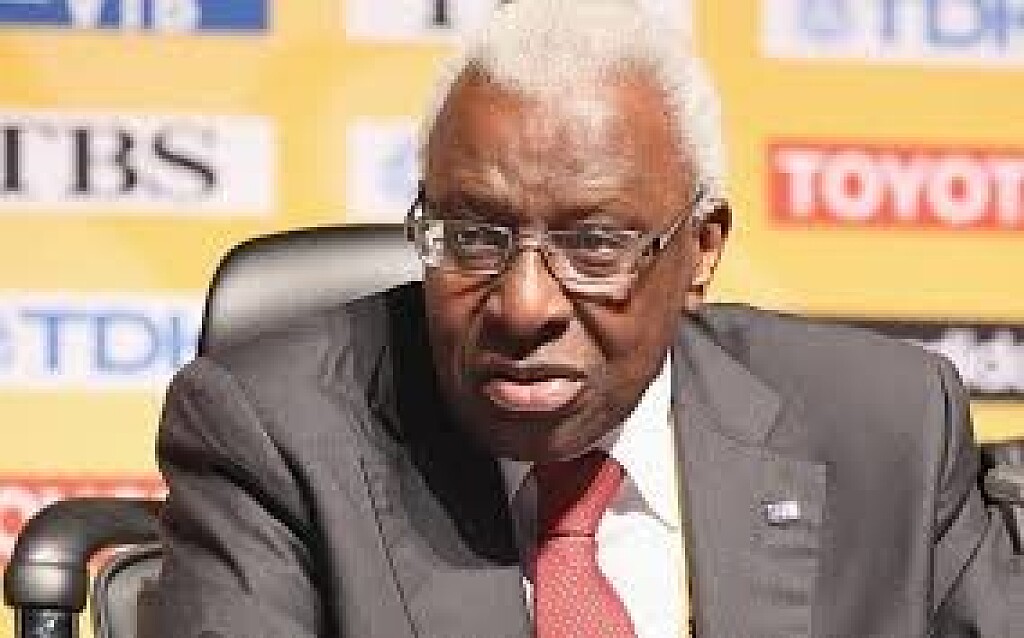
Former World Athletics president Lamine Diack has died
The former head of global athletics Lamine Diack, who presided over the sport from 1999 to 2015 but was later convicted for corruption, has died aged 88, his family told AFP.
The Senegalese was head of the International Association of Athletics Federations (IAAF), now renamed World Athletics, the world governing body of track and field, the cornerstone of Olympic sport.
Diack, who was also a powerful figure at the International Olympic Committee (IOC), was found guilty of corruption by a French court in 2020 for covering up Russian doping cases in exchange for millions of dollars of bribes.
He was sentenced to four years in prison, of which two were suspended, and fined 500,000 euros ($560,000).
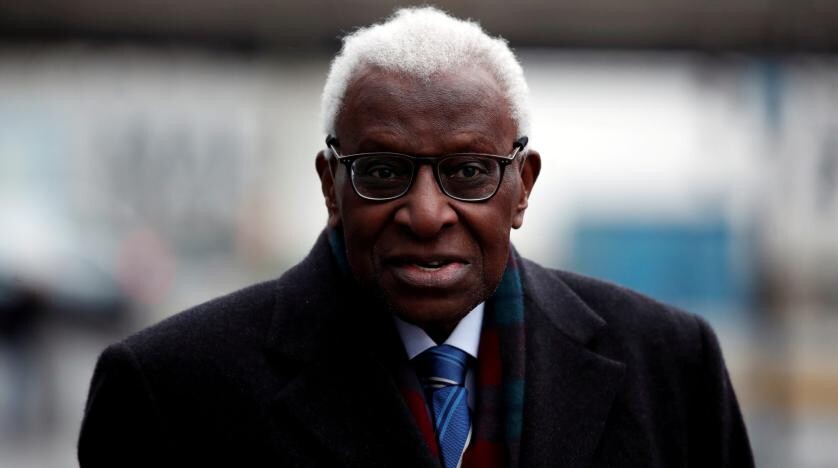
The trial in Paris heard that the money was paid in return for "full protection", to allow Russian athletes who should have been banned to escape punishment.
Twenty-three Russian athletes had their doping offences hushed up so they could compete at the 2012 London Olympics and 2013 world championships in Moscow.
Because of his age, Diack, a former long jumper, football coach and then businessman and politician who was decorated in the Kremlin in late 2011, was spared jail.

His son Papa Massata Diack, a former marketing executive for the IAAF, was tried in absentia because Senegal refused to extradite him. He was sentenced to five years in prison, fined one million euros and banned from all sport for 10 years.
- Olympic figure -
Lamine Diack, a member of the IOC from 1999 to 2013 and then an honorary member from 2014-15, was embroiled in another corruption affair linked to the awarding of the 2016 Rio Olympics and the Tokyo Olympics, that were postponed because of the pandemic but took place this year.
Despite not being jailed over the Russian corruption, he was held in France because of his indictment in the case involving suspected Olympic vote-buying. His passport had been confiscated.
But a judge soon lifted the ban on Diack leaving France, provided he paid a bond and that he continued to respond to summonses.
Senegalese Premier League side Jaraaf de Dakar, where Diack was club president, said it had sold part of its headquarters property to pay the bail.
Diack was replaced by Britain's Sebastian Coe in August 2015 as head of world athletics. The disgraced Senegalese had resigned from the IOC in the same year.
Coe had been one of Diack's vice-presidents at the then-IAAF between 2011 and 2014.
Born in Dakar on June 7, 1933, Diack started his sporting career as a long jumper, winning the French athletics championships title in 1958. A knee injury prevented him from competing in the 1960 Olympics, however.
He was also a footballer and was technical director of Senegal's national team from 1966 to 1969.
Diack also became head of Senegal's Olympic Committee, mayor of Dakar, a lawmaker and was head of the West African country's national water company before becoming the first non-European to take over as head of the IAAF following the sudden death of its previous president Primo Nebiolo.
The African power-broker said he had played a key role in globalising athletics and his time at the top certainly coincided with a huge boom in its revenues.
Diack was in charge as the sport grew and developed beyond its European and North American core.
He oversaw its move from amateur to professional status, ensured complete equality in events and prize money for men and women, and established international competition circuits for athletes in all the disciplines.
But the Senegalese had previous brushes with scandal before the most recent charges.
Diack and Issa Hayatou, acting FIFA president for four months in wake of the 2015 corruption case against Sepp Blatter, both received warnings from the IOC in 2011 over cash payments they received from International Sport and Leisure (ISL), a marketing company whose collapse caused a major scandal for football's governing body.
(12/04/21) Views: 64AFP
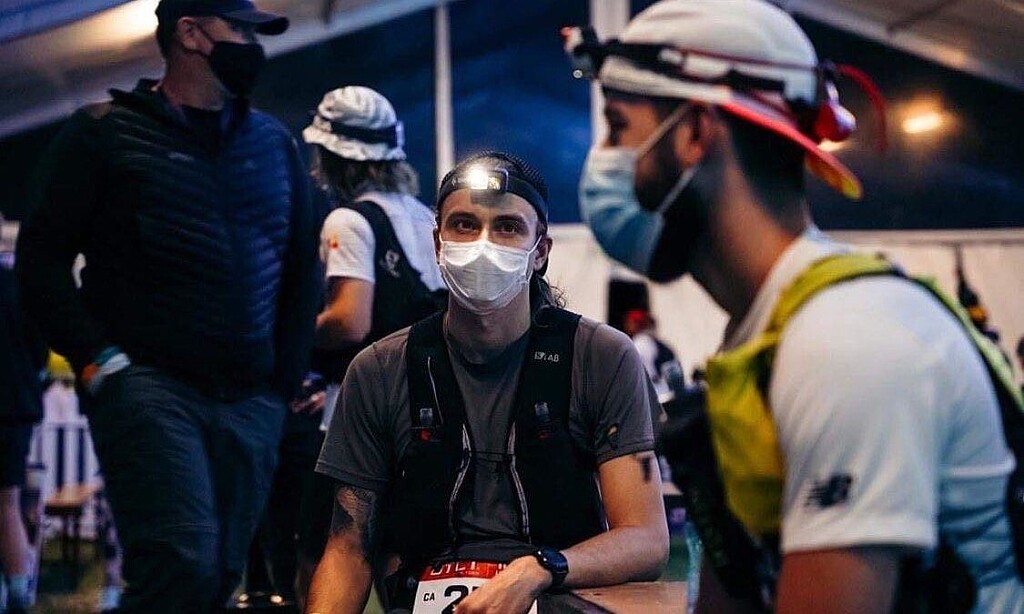
Omicron variant complicates travel home for Canadian ultrarunners Remi Poitras and Jean-Francois Cauchon in South Africa
Running 100 kilometers was something Remi Poitras always wanted to accomplish, so when he had the chance to compete at the Ultra-Trail Cape Town 100K last weekend in South Africa, he could not pass up the opportunity.
Poitras finished 26th out of the 237 runners who started the race, in 13:26:56. Although he had a great result in his 100K debut, the toughest part for Poitras has been trying to get home.

Poitras, a Moncton, N.B., native, always wanted to visit Cape Town to race internationally, but when he found out that international borders were closed to tourists, he was stuck in South Africa with fellow Canadian ultrarunner Jean-François Cauchon, who finished sixth overall at UTCT, seeking answers.
“In Cape Town, I didn’t notice anything out of the usual regulations we had in Canada,” Poitras says. “Locals were more concerned about the closures of the tourism industry.”

Since there are no direct flights to Canada from South Africa, there are only a few ways to travel. One option is to travel through Europe, but many major airlines such as Air France and KLM have stated that they will carry EU passengers only. The only city in North America that connects with Johannesburg is Atlanta, Ga., but again, U.S. citizens only. Another option to get back to Canada is to fly through Addis Ababa, Ethiopia, a country currently dealing with a civil war between the government and rebel groups.
Flights out of South Africa have reached high prices for tourists, and the airports are packed with tourists from Europe and North America looking to get home. “I tried connecting with the Canadians Abroad emergency hotline to see what they know and what they could do,” says Poitras. “After six days of no news or communication from the Canadian government, I decided to take matters into my own hands and book a flight to London.”
Unfortunately, there aren’t many PCR testing centres in South Africa, yet both Canada and Great Britain require negative results upon entry. “Keeping us all here is only prolonging our exposure,” says Poitras. “Everyone is scrambling trying to find a way home, the government isn’t helping us.”
Update: On Dec. 2, Cauchon and Poitras left South Africa on a flight to London, England, where they both await the results of their PCR tests to return to Canada. Poitras looks back on his first Ultra-Trail race as an unbelievable experience and hopes to conquer more ultras in 2022.
(12/03/21) Views: 59Marley Dickinson
