

Running News Daily
Top Ten Stories of the Week
10/9/2021
These are the top ten stories based on views over the last week.



New research suggests runners of all levels benefit from a strict, three-week taper
The taper is an extremely important part of your marathon training plan. It’s the final phase of your training when you begin to decrease your mileage and intensity to allow your body to recover from weeks of high-volume, high-intensity running to enhance race-day performance. The majority of studies about how to taper properly have focused on elite or highly competitive runners, but there is very little information about how recreational runners taper, and whether it should be the same or different. A recent data report analyzed the tapering habits of thousands of recreational runners and found that those who followed a strict three-week taper performed better on race day.
The types of tapers
The researchers defined different types of tapers based on a combination of duration (1-4 weeks of decreasing training volume) and type (strict versus relaxed). A strict taper is one in which you progressively decrease training in the weeks preceding the marathon, without any increases. A relaxed taper, on the other hand, may have increases in training volume throughout the taper. For example, a 3-week relaxed taper may involve 2 weeks of tapering, followed by one week of increased training volume, followed by another week of tapering.

The study
The researchers analyzed the tapering habits and performances of more than 150,000 recreational marathon runners and found that strict tapers were associated with faster 10 km paces than relaxed tapers. Longer strict tapers were subsequently associated with faster marathon times. In fact, runners who followed a strict, 3-4 week taper were more than five minutes faster, on average, than those who followed a relaxed one-week taper.

“In other words,” they explained, “longer strict tapers are associated with runners who can complete their marathon at a pace that is closer to their fastest 10 km training pace.”
In summary, the major findings from the study are as follows:
Strict tapers were associated with faster finish times than relaxed tapers, regardless of the length of the taper.
Longer tapers (3-4 weeks) were associated with faster finish times than shorter tapers, regardless of taper type.
The most minimal taper (1 week relaxed) was associated with poorer performance than all other durations and types of taper.
Men vs. women
The researchers also assessed the differences between male and female marathon runners and found that the women experience a bigger boost from tapering than their male counterparts. For example, their data showed that after a two-week strict taper, women had a 3.12 per cent benefit, while men only saw a 2.14 per cent benefit. This benefit was consistent across all taper types, although the difference was smaller for 4-week tapers.
The bottom line
Whether you’re an elite, competitive or recreational runner, you should be tapering ahead of your marathon. The most effective taper is a strict, three-week decreased in training volume, so you should factor that into your training plan to give yourself the best chance at performing well on race day. This is true even if your training didn’t go as planned and you feel under-prepared for the event. You won’t gain a tonne of fitness in the last couple of weeks before the race, so you’re better off allowing your body to recover fully so you can feel strong when you’re standing on the start line.
(10/04/21) Views: 100Brittany Hambleton

Kenyan Titus Ekiru is eager to make grand entry to big stage
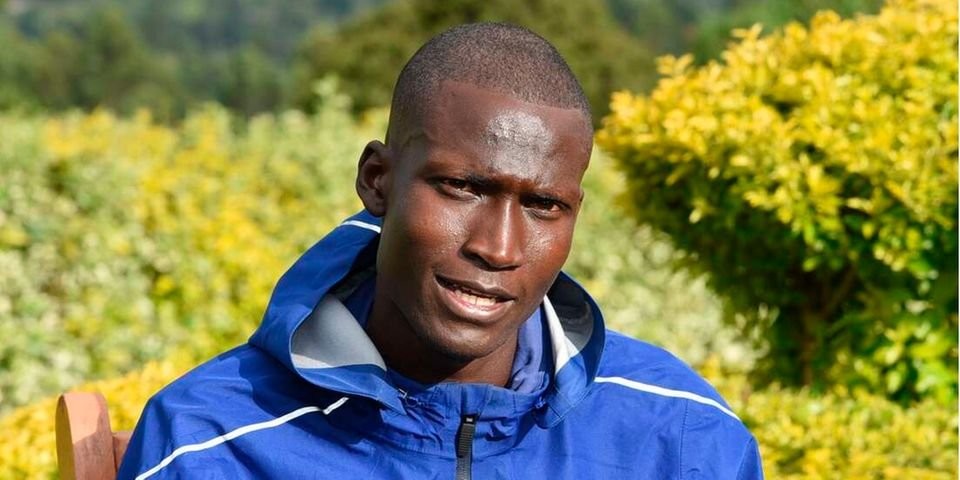
Milano Marathon champion Titus Ekiru is among athletes to watch on Sunday during this years’ edition of the London Marathon.
Ekiru has been training in Kapsabet, Nandi County at the Stanley Biwott Nike camp and wants to lower his personal best time of 2 hours, 02 minutes and 57 seconds.
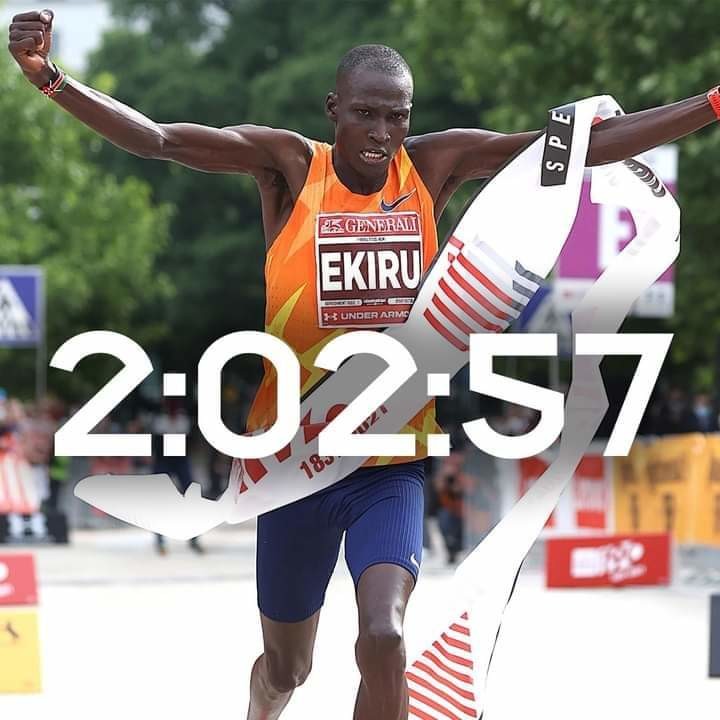
In May this year, Ekiru posted one of the fastest times this season after winning Milano Marathon in 2:02:57 improving his own course record he set in 2019 of 2:04:46.
But he wants to lower it further if the weather conditions allow on Sunday in his World Marathon Majors debut in London.
Ekiru improved the Milano course record he set in 2019 of 2:04:46 by one minute and 49 seconds, becoming the fifth fastest marathoner of all time alongside compatriot Denis Kimetto. His time went into the records as the fastest marathon ever run on Italian soil.
He will be the third fastest in the elite field on Sunday behind Ethiopia’s Birhanu Legese who has a personal best time of 2:02:48 and Mosinet Geremew whose personal best time is 2:02:55.
He will be teaming up with compatriots Valencia Marathon champion Evans Chebet and Vincent Kipchumba who was second last year in London.
“After my good performance in Milano, I went straight to camp to continue with my training programme because I knew there were many upcoming races I could participate in. It has been four months of vigorous preparations and I just want to run a good race,” said Ekiru who is under Rosa Associati Company.
Ekiru said that he had high hopes of participating in the Olympic Games but a nagging knee injury locked him out.
"It’s sad the knee injury I was nursing in 2020 locked me out of many events and thus missing out on the Olympics slot but I’m happy my season has begun well. My focus now is to do well in the race as I look forward to next year's World Championships in Eugene, USA,” said the 29-year-old Ekiru.
Ekiru’s career took shape in 2016 when he finished second at Casablanca Marathon in Morocco clocking 2:15:43 before winning the 2017 Seville Marathon in Seville, Spain in 2:07:42. He later emerged fourth in the Honolulu Marathon that year.
In 2018, he won the Honolulu Marathon in a time of 2:09:01 and the half marathon event of the Rock 'n' Roll San Diego Half Marathon clocking 1:01:02. He also won Mexico City Marathon in a new course record of 2:10:38.
In 2019, Ekiru won the Milano City Marathon and set a new course record of 2:04:46.
He also won the Portugal Half Marathon in 2019 and set a new course record of 1:00:12.
Later in December that year, he defended his Honolulu Marathon title in a new course record of 2:07:59.
In 2021, he won the Milano City Marathon in a new course record of 2:02:57 and is now looking forward to improving it as he focuses on running the fastest time in the world.
The world record is currently held by Eliud Kipchoge after clocking 2:01:39 in 2018 Berlin Marathon.
(10/01/21) Views: 98Bernard Rotich

Sissy Lemma wins London Marathon
Ethiopia's Sisay Lemma won the men's London Marathon in a time of two hours, four minutes and one second after breaking away from the leading pack late in the race on Sunday.
In cool and dry conditions, Lemma improved on his podium finish last year to surge ahead and seize victory, bouncing back after failing to finish the Olympic marathon in Japan.
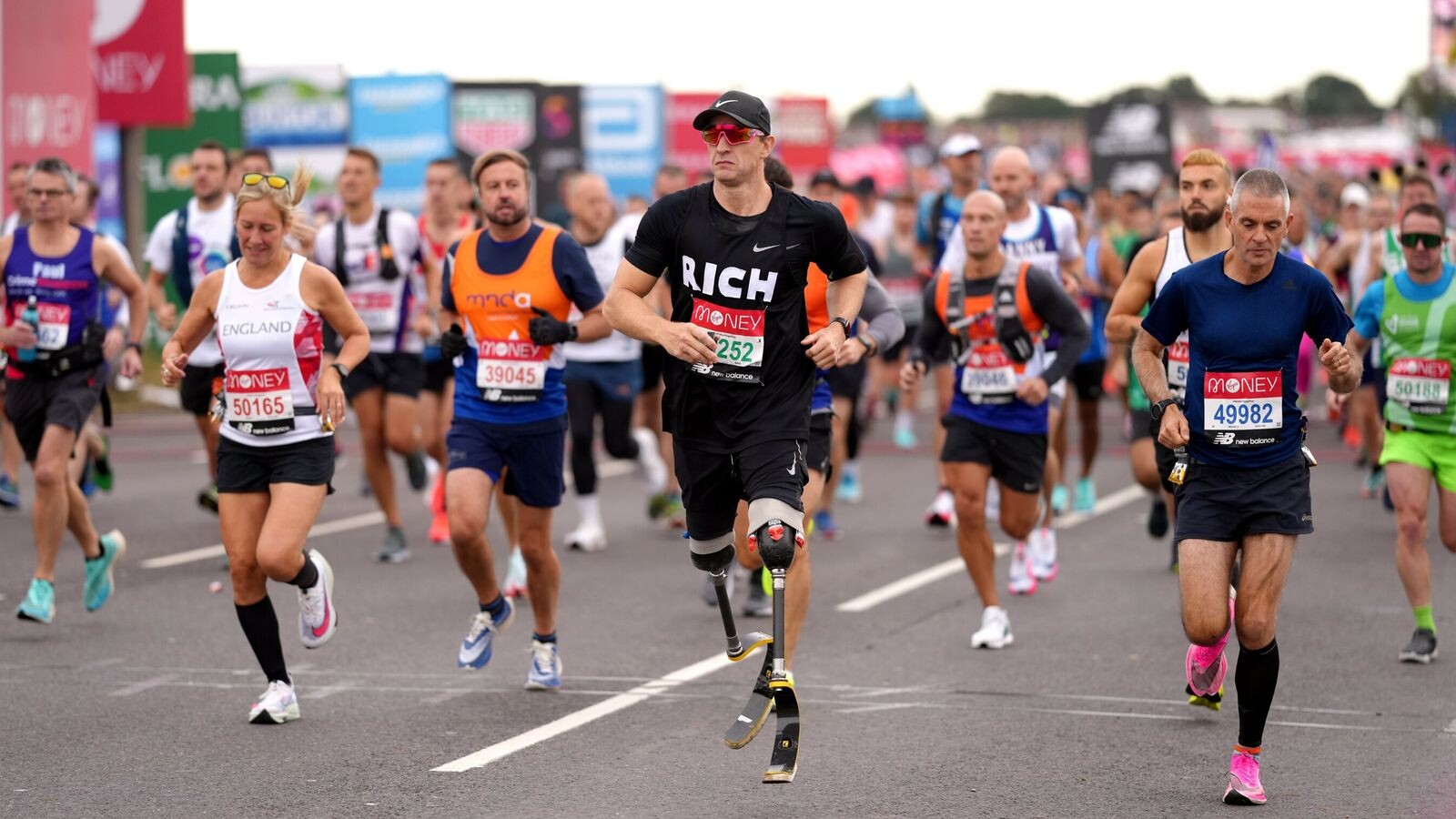
The 30-year-old crossed the line 27 seconds ahead of Kenya's Vincent Kipchumba, who took the runner-up spot for the second successive year, while his compatriot Mosinet Geremew finished third.
Defending champion Shura Kitata, who pulled out of the Olympic marathon in Tokyo after suffering in the hot and humid conditions, finished sixth in the British capital in 2:07.51 after being hampered by an apparent hamstring niggle.
Kenyan great Eliud Kipchoge, winner of four of the previous five London Marathons before 2020, was absent from this year's event, with Britain's Mo Farah also missing after failing to qualify for the Tokyo Games and suffering a stress fracture in his foot.
The marathon, which celebrated its 40th anniversary in April, returned to its traditional route from Blackheath to The Mall for the first time in over two years.
More than 36,000 competitors joined some of the world's best in the mass participation event and up to 40,000 joined in virtually, organisers said.
Only elite races took place on the course around St James's Park last year, with amateurs last competing in 2019.
Earlier, Kenya's Joyciline Jepkosgei emerged victorious in the women's race on her London debut with a time of 2:17.43, upsetting twice winner and compatriot Brigid Kosgei.
The race
Much like the women’s race, the pace started quick as six men hit halfway in 61:25. At 30k (1:27:19), the lead pack was down to five as Kenya’s Titus Ekiru, who had won the last 5 marathons he’d finished, dropped out with a limp 1:19 into the race. At 30k, the pace still projected to 2:02 high (2:02:49) but things would slow on the way home as the leaders had to battle wind gusts up to 25 mph on over the final 7 miles as the course goes from West to East after miile 19 and the wind was coming out of the SW.
Just before the clock hit 1:55, Lemma, who finished third in a 3-way sprint finish in London last year, decided he didn’t want history to repeat itself and he accelerated away from Kipchumba and Geremew to get the win. Lemma was unchallenged on the way home and was super pumped to get his first major win, totally unbothered or unaware of the fact that his waves to the crowd likely cost him $25,000 in time bonuses as London pays out $75,000 for a sub-2:04 clocking and $50,000 for a sub-2:05.
(10/03/21) Views: 82

2022 Nagoya Women’s Marathon will be offering US$250,000 as prize money for the winner
Organizers of the Nagoya Women’s Marathon have announced they will increase the prize money for the 2022 race, scheduled for March 13, 2022, to US$250,000, making the World Athletics Elite Platinum Label road race the highest prize paying marathon in the world.
Being the world’s largest women’s marathon, one of the world’s top-level races, and the only women’s race with a World Athletics Platinum Label, the Nagoya Women’s Marathon continues to be a global leader in women’s running.

This year’s edition went ahead on 14 March as a domestic race, and it was won by Japan’s Mizuki Matsuda in 2:21:51. Compatriot Mao Ichiyama won the 2020 edition in a course record of 2:20:29 and she went on to place eighth in the Olympic marathon, making her the top Japanese finisher in Sapporo.
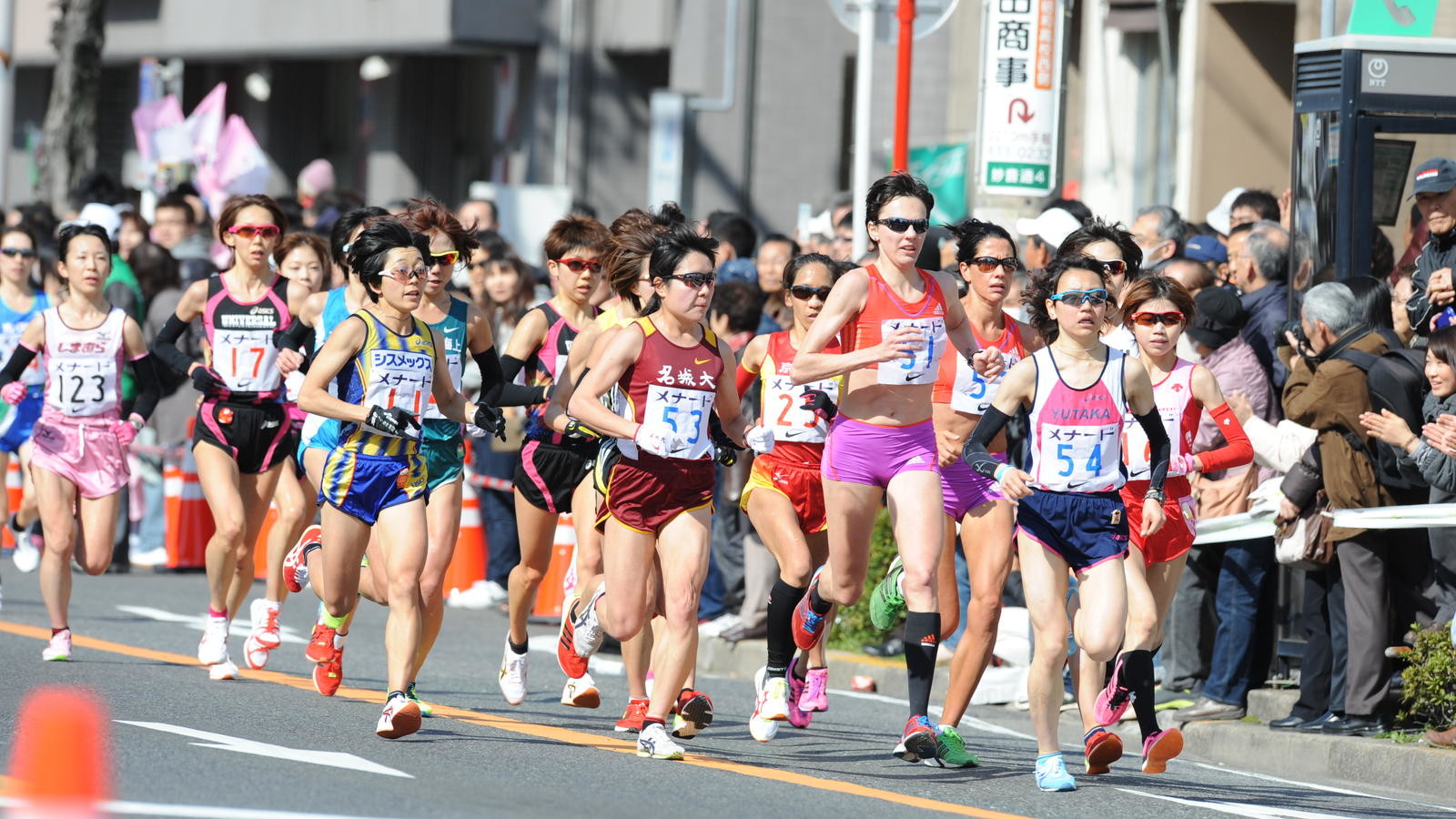
Other past winners of the race include 2000 Olympic champion Naoko Takahashi, 2004 Olympic champion Mizuki Noguchi and world bronze medalist Helalia Johannes.
Nagoya’s increase in prize money is welcome news to the world of road running. Since the start of the Covid-19 pandemic in 2020, many road races have been forced to be cancelled or postponed and athletes’ competing opportunities have been lost. But thanks to the dedication of organizing committees and medical professionals around the world, large-scale road races are slowly returning to the international calendar.
(10/01/21) Views: 80World Athletics

Gezahegne breaks world 10km record in Geneva
Olympic 10,000m silver medallist Kalkidan Gezahegne won The Giants Geneva 10km on Sunday (3) in 29:38, breaking the world record by five seconds.
The 30-year-old from Bahrain, contesting just the fourth road race of her career, went out fast. By the time she reached the half-way point in 14:46, she had a five-second lead over Kenyan duo Celliphine Chespol and Agnes Tirop, who last month set a women-only world record of 30:01 for the 10km distance.
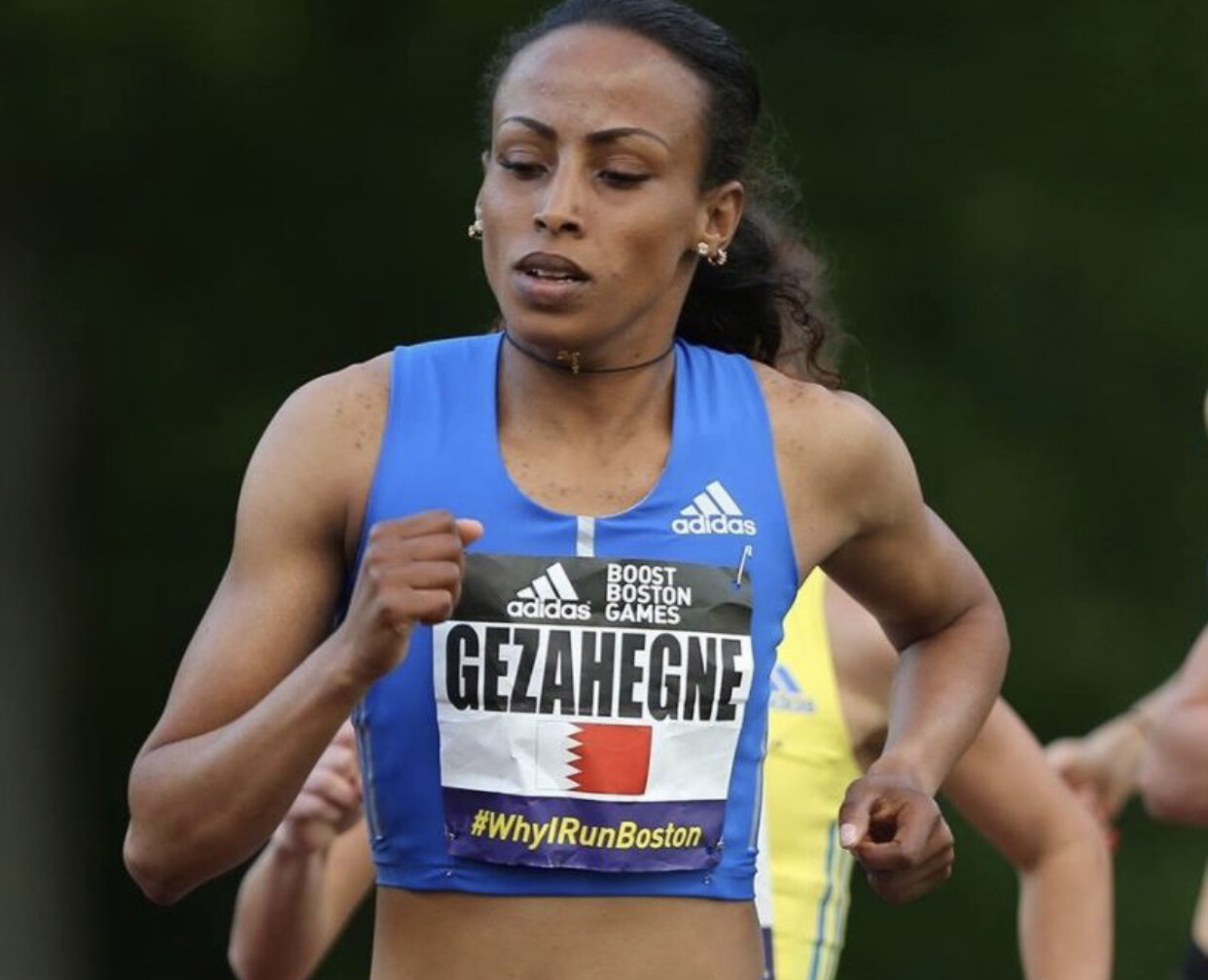
Ethiopia’s Dawit Seyaum also passed through half way inside 15 minutes, but she soon started to drop back. The challenge from Chespol and Tirop also gradually faded, leaving Gezahegne with a significant lead.
Gezahegne covered the second half in 14:51, crossing the finish line in 29:38 to take five seconds off Joyciline Jepkosgei’s world record set in Prague in 2017. Tirop finished second in 30:20, eight seconds ahead of steeplechase specialist Chespol. Seyaum was further back in fourth, clocking 31:25.
In the men’s race, world half marathon record-holder Kibiwott Kandie had fellow Kenyans Felix Kipkoech and Boniface Kibiwott for company as he passed through half way in 13:28. The pace increased in the second half, which was enough to break Kibiwott, leaving Kandie and Kipkoech to duel for the top spot.
Kandie, always a strong finisher, came through to take the victory in 26:51, finishing six seconds ahead of Kipkoech. Kibiwott held on for third in 27:13. In fourth, Pietro Riva set an Italian record of 28:06.
(10/03/21) Views: 76
2021 Beijing Marathon to be held in October after one-year suspension
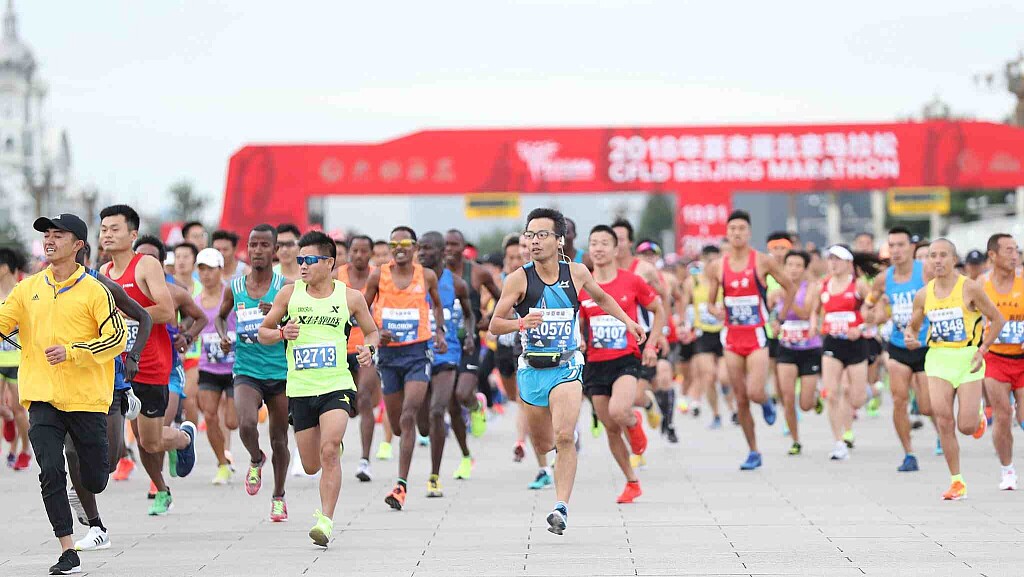
The Beijing Marathon will start at 7:30 on October 31, the organizing committee confirmed on Oct 3.
About 30,000 participants will participate in the marathon, starting from the Tian'anmen Square and ending at the Olympic Forest Park. The closing time is 13:45.

Only permanent residents of Beijing who are 20 years and older (born before Dec 31, 2001) are eligible for this year's mass competition, and they need to provide valid marathon results within six hours or half marathon ones within three hours from Jan 1, 2019 to Sept 23, 2021 (online marathon results excluded) to qualify.
Runners are required to stay in Beijing since 21 days before the competition date and declare their health status online every day during the period. Green health code, negative nucleic acid test certificate within 72 hours and valid vaccination certificate are necessary to take part in the race.

The organizing committee will also invite domestic elite athletes to compete, who will be under closed-loop management until the end of the competition.
In 2020, the Beijing Marathon was suspended due to the COVID-19 pandemic.
(10/04/21) Views: 74Xinhua News
Chelimo and Kbrom win in Valencia
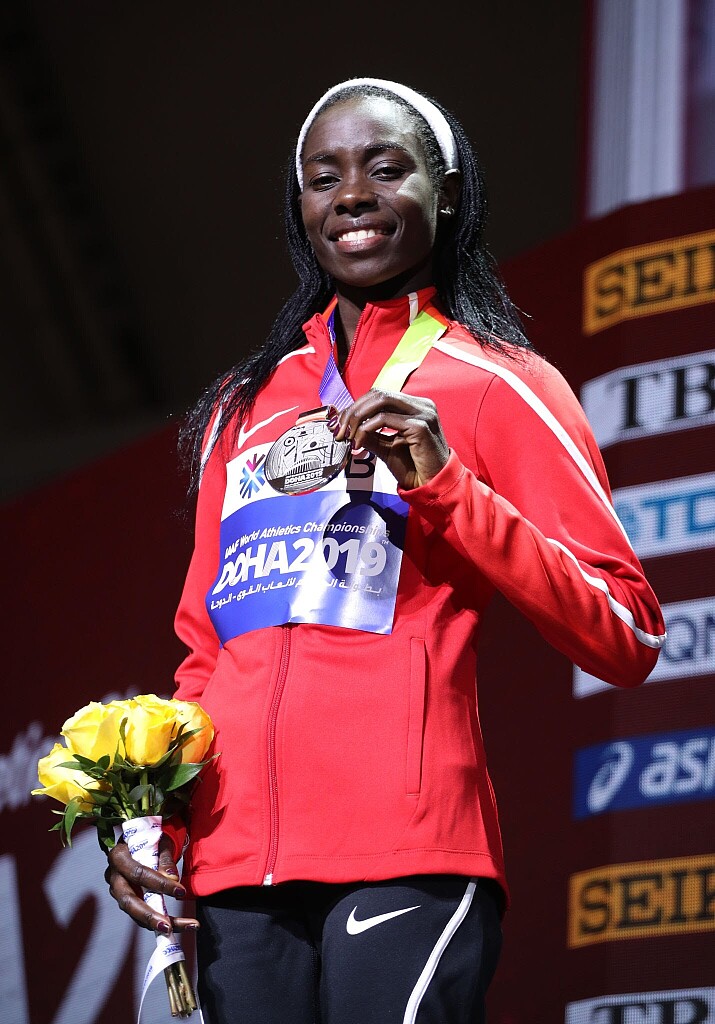
World 5000m silver medallist Margaret Chelimo Kipkemboi and Norway’s Zerei Kbrom took commanding victories at the 10km Valencia Ibercaja, a World Athletics Label race, on Sunday (3) in the Mediterranean Spanish city in ideal weather for running.
The 28-year-old Chelimo moved to equal third place on the world all-time list thanks to a 29:50 clocking – though just an hour or so later she had been bumped down to equal fourth on the list, following Kalkidan Gezahegne’s world record in Geneva – while 35-year-old Kbrom managed a huge career best of 27:39.
Perfectly paced by Spain’s José Ignacio Jiménez and Kenya’s Elkana Kibet Kwambai, the women’s race kicked off at the scheduled sub-3:00-kilometre pace in the hunt for the world record of 29:43 set by Joyciline Jepkosgei in 2017. During the early stages Dorcas Kimeli, a 29:57 performer, stuck closest to the pacemakers with fellow Kenyans Chelimo, Norah Jeruto and Rosemary Wanjiru – who won in 29:50 here last year – all close by.
That leading group covered the early kilometres just outside the required pace to attack the world best but proved to be too quick for Kimeli and then for Wanjiru who lost ground shortly after the fourth kilometre which was reached in 11:53.
The pace stepped up in the fifth kilometre as Chelimo and Jeruto reached the half-way point in 14:48, well inside world record schedule. Shortly after, Jeruto, who turned 26 the day before, just couldn’t live with the pace and from then on the race turned into a solo run for Chelimo.
Despite being accompanied by pacemakers until the end, Chelimo was unable to maintain her speed throughout the second half and she soon drifted off world record pace. An exhausted Chelimo reached the finish in 29:50 to obliterate her previous best of 30:57 set in Bolzano last December.
Jeruto, the world leader in the steeplechase this year, finished a distant runner-up in 30:08 while Sandrafelis Chebet came from behind to complete a Kenyan podium sweep in 30:45.
“The race was good,” said Chelimo. “I missed out on the world record, but at least I bettered my career best so I’m very satisfied.”
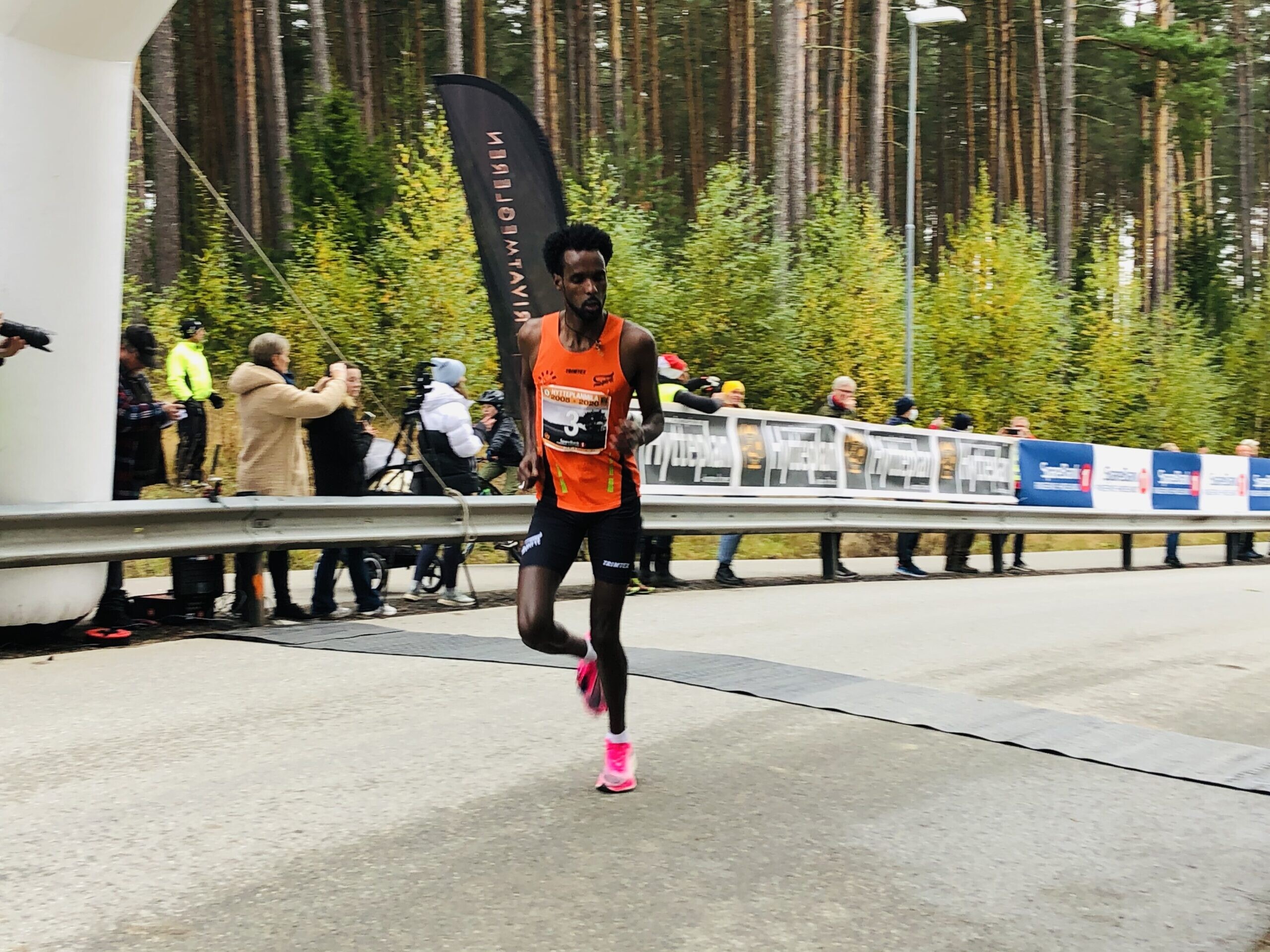
Without any pacemakers, the men’s race opened at an even 2:45-per-kilometre pace with a lead trio comprising Collins Koros, fellow Kenyan Ronald Kipotrich Kirui and eventual winner Kbrom, who clocked 1:00.07 at the Copenhagen Half Marathon two weeks ago. The lead pack reached halfway in 13:45 before Koros broke away to open a sizeable margin on Kbrom while Kirui ran alone in third.
When everything looked set to go in Koros’s favour, Kbrom reemerged during the final kilometre to pass the Kenyan and win in a lifetime best of 27:39, improving Jakob Ingebrigtsen’s Norwegian record by 15 seconds.
Koros settled for second in 27:41 while Kirui also finished inside 28 minutes (27:56).
“I came to Valencia to break my PB and I managed to do so,” said a delighted Kbrom. “I also won the race, so I can’t ask for more. I’m grateful to my coach, manager and the organisers.”
(10/03/21) Views: 70

The three biggest miths about running in the morning on an empty stomach
Running on an empty stomach – yes or no?
There are lots of different opinions on this topic. For some, it is a regular part of their training, while for others, working out on any empty stomach is out of the question. In today’s blog post, we are going to look at the three biggest myths and show you the truth behind them.
1. “WORKING OUT ON AN EMPTY STOMACH LEADS TO MUSCLE LOSS”

The general opinion in the gym is that working out without breakfast leads to muscle loss. But don’t worry, your muscles won’t disappear right away.
It is often wrongly assumed that without food intake, the body lacks the necessary carbohydrates and glucose (sugar) for a training session in the morning. According to this view, the body is forced to break down muscle protein to get the energy it requires.

So in other words, the body loses muscle. But this is not exactly 100% accurate: The body stores glucose in the form of glycogen (stored form of sugar) in the liver and muscles. Over the course of the night, the body’s levels of insulin (which helps cells absorb sugar and inhibits fat loss) and liver glycogen decrease. But the body still has the muscle glycogen stores. So when you start your morning run, your body initially gets its energy from the glycogen stored in your muscles.
But as your workout continues, the stores of glycogen – or simply, carbohydrates – in your muscles are virtually depleted. Therefore, your body is forced to find a different supply of energy and it increasingly resorts to free fatty acids for fuel.
If you now crank up the intensity of your workout, your body, in order to make up for the lack of glycogen and the insufficient supply of energy from fats, will also obtain the energy it needs by breaking down proteins (i.e. amino acids). Only then do you run the risk of losing muscle. However, most runners will have already stopped their workout by this point. For a massive lack of glycogen is normally accompanied by symptoms such as dizziness, weakness and fatigue.
2. “RUNNING ON AN EMPTY STOMACH IS THE BEST METHOD TO LOSE WEIGHT”
Working out on an empty stomach is often touted as the best way to burn fat and lose weight. While it is true that running on an empty stomach, if done in the right way, can eventually force your body to increasingly obtain the energy it needs from free fatty acids, this is not the decisive factor in losing weight.
The percentage of energy produced by burning fat is quite high, but the total energy expenditure (TEE) and thus calorie consumption are relatively low due to the low training intensity. In the case of a high-intensity running session, like interval training, the percentage of energy produced by burning fat is significantly lower. However, the TEE and the calorie consumption are many times higher. At the end of the day, what matters most in weight loss is the energy balance: If you burn more calories than you consume, you lose weight. Therefore, high-intensity running sessions are preferable to running on an empty stomach when it comes to losing weight.
3. “RUNNING ON AN EMPTY STOMACH INCREASES YOUR ENDURANCE”
Workouts on an empty stomach are not a good idea for leisure athletes who want to improve their performance. Training duration and intensity are severely restricted by the lack of glycogen. Therefore, the intended training stimulus is rather low. A high-quality workout lasting longer and at a higher intensity is better for increasing your performance.
Scientific studies on professional athletes have shown that very positive effects can be achieved by specific workouts with previously emptied glycogen stores. This causes your body to optimize and economize its fat metabolism. The body learns to make do longer with the glycogen stored in the muscles. However, there is no substantial evidence showing that this leads to improved race performance. At the same time, it is important to note that regular training with previously emptied glycogen stores can adversely affect your health.
Even if there are more effective methods of losing weight or improving endurance, running on an empty stomach can add some welcome variety to your training. This kind of training is particularly suited for morning people who want to get their workout in before breakfast.
SO IF YOU WANT TO RUN ON AN EMPTY STOMACH, HERE IS WHAT WE RECOMMEND:
Depending on your fitness level, your run should last between 40 and 60 minutes.
Choose a low intensity (at a recovery run or conversation pace).
You should drink a glass of water before your run.
(10/02/21) Views: 64Herwig Natmessnig
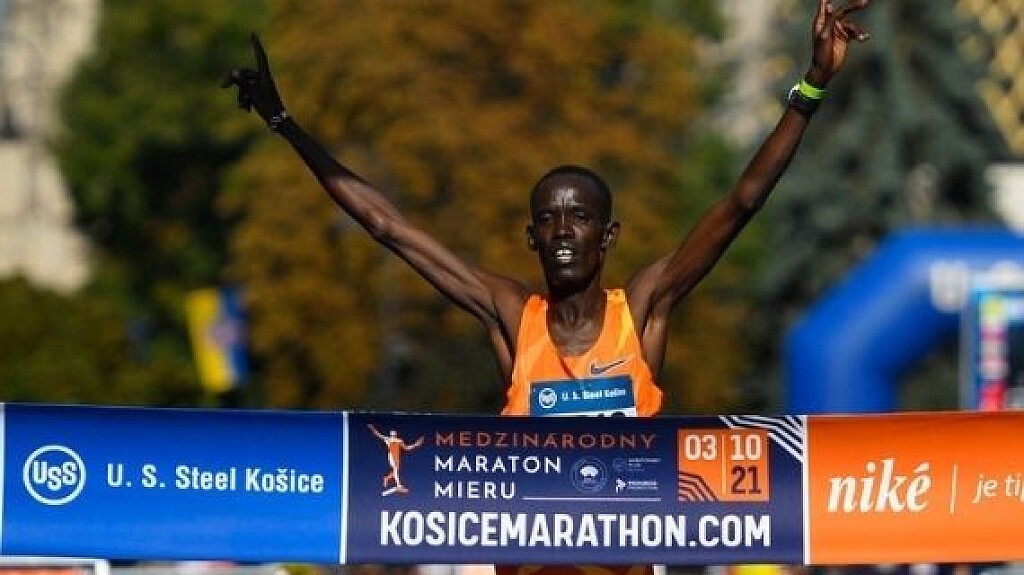
Runners from Kenya and Ethiopia dominate Košice marathon
Reuben Kerio of Kenya dominated the traditional International Peace Marathon in Košice. He won its 98th edition after completing the race in 2:07:18 hours.
He was 17 seconds shy of the race record set nine years ago by Kenyan marathon runner Lawrence Kimaiyo, who finished with a time of 2:07:01 hours. However, he still confirmed the dominance of Kenya in marathon running.
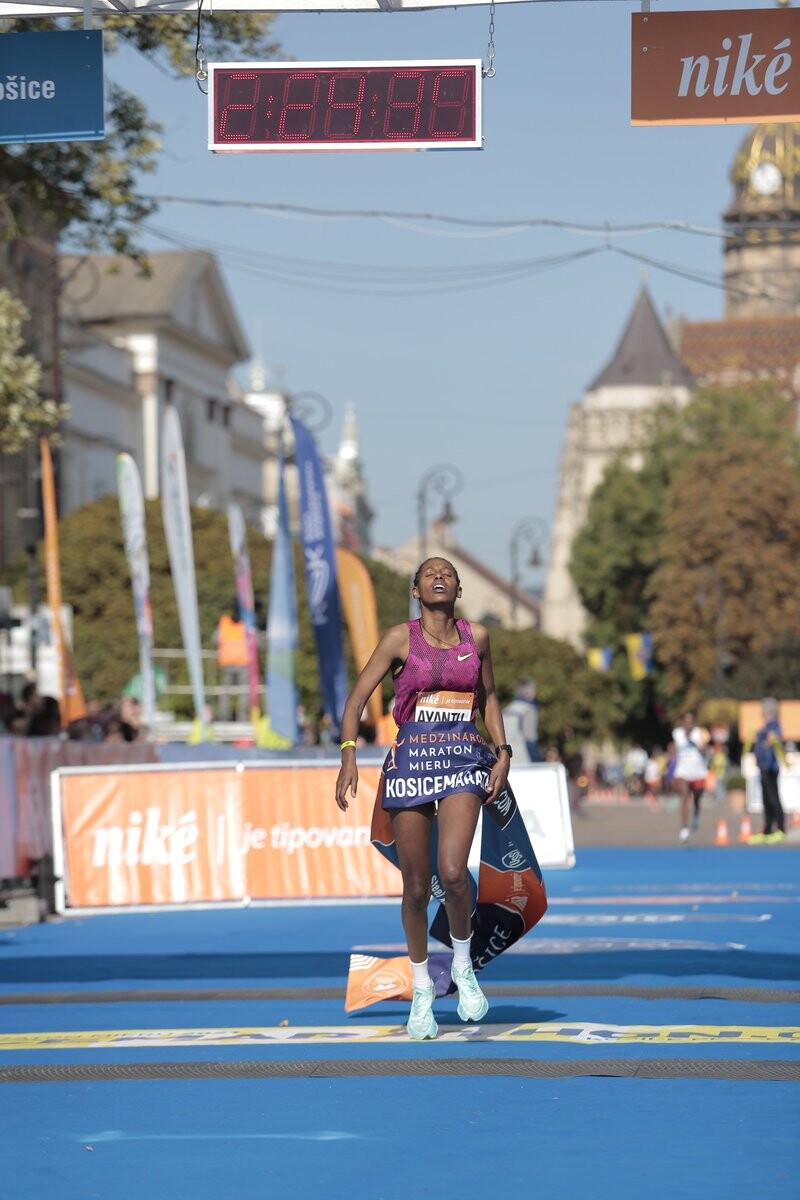
Hiribo Shano Share of Ethiopia finished second (2:07:48 hours), and third was another Kenyan, Albert Kipkosgei Kangogo (2:07:52 hours).
A record was broken among the women runners. Ayuntu Kumela Tadesse of Ethiopia completed the race in 2:24:35 hours, which is about one and a half minutes faster than the previous maximum set by her countrywoman, Sichala Kumeshi, two years ago. Kumeshi finished the race in 2:26:01 hours.
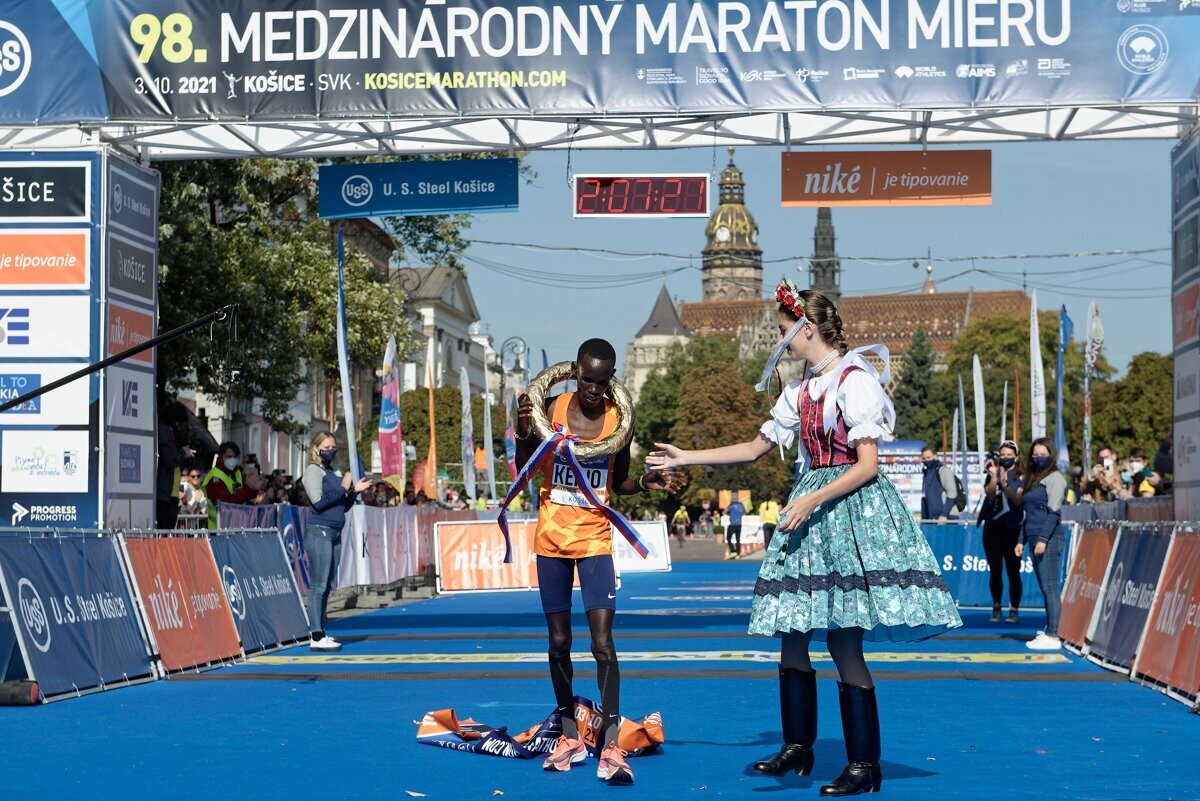
Tadesse shared the stage with two more runners from Ethiopia, who also broke the record. Maeregu Shegae Hayelom placed second (2:24:42 hours) and third was Dinknesh Mehash Tefer (2:25:00 hours), SITA reported.
The best Slovak runners were Tibor Sahajda, who placed seventh and became the Slovak champion for the third time, and Sylvia Sebestian, who ended sixth in the women’s category.
(10/04/21) Views: 61

Tamirat Tola, Leul Gebresilase and Laban Korir will be targeting course record in Amsterdam
The TCS Amsterdam Marathon course record of 2:04:06 is expected to come under threat on October 17, when Tamirat Tola, Leul Gebresilase, Laban Korir and Jonathan Korir line up for the World Athletics Elite Platinum Label road race.
Tola’s PB, set in Dubai in 2018, is equal to the Amsterdam course record. The Ethiopian earned Olympic bronze over 10,000m in 2016 and world silver in the marathon in 2017, having won the Dubai Marathon earlier that year in 2:04:11.
His compatriot Gebresilase has the fastest PB of the field. The 29-year-old Ethiopian clocked 2:04:02 on his debut at the distance in Dubai three years ago to finish second, four seconds ahead of Tola. He followed it later in the year with a 2:04:31 victory in Valencia. He equalled his Valencia time earlier this year at the Milan Marathon.
Laban Korir has competed at the TCS Amsterdam Marathon four times. The 35-year-old, who is a training partner of Eliud Kipchoge, made his marathon debut in the Dutch city back in 2011, clocking 2:06:05 to place second. He improved on that when he returned to Amsterdam in 2016, finishing fourth in 2:05:54. Winner of the 2014 Toronto Marathon, Korir represented Kenya at the 2019 World Championships, where he finished 11th.
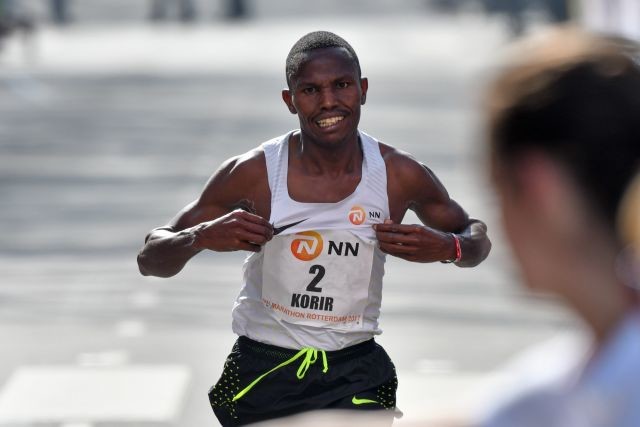
Jonathan Korir, another friend and training partner of Kipchoge’s, will also be returning to Amsterdam. He set a PB of 2:06:51 during his last outing at this race, which he went on to improve in Berlin in 2019 (2:06:45) and then in Enschede earlier this year (2:06:40).
When Lawrence Cherono set his course record of 2:04:06 in 2018, it made the Amsterdam Marathon the fastest marathon in the Netherlands. At the most recent edition in 2019, more than 45,000 participants from 140 countries took part. A large mass turn-out is also expected for this year’s race.
(10/01/21) Views: 60World Athletics
