

Running News Daily
Top Ten Stories of the Week
9/25/2021
These are the top ten stories based on views over the last week.
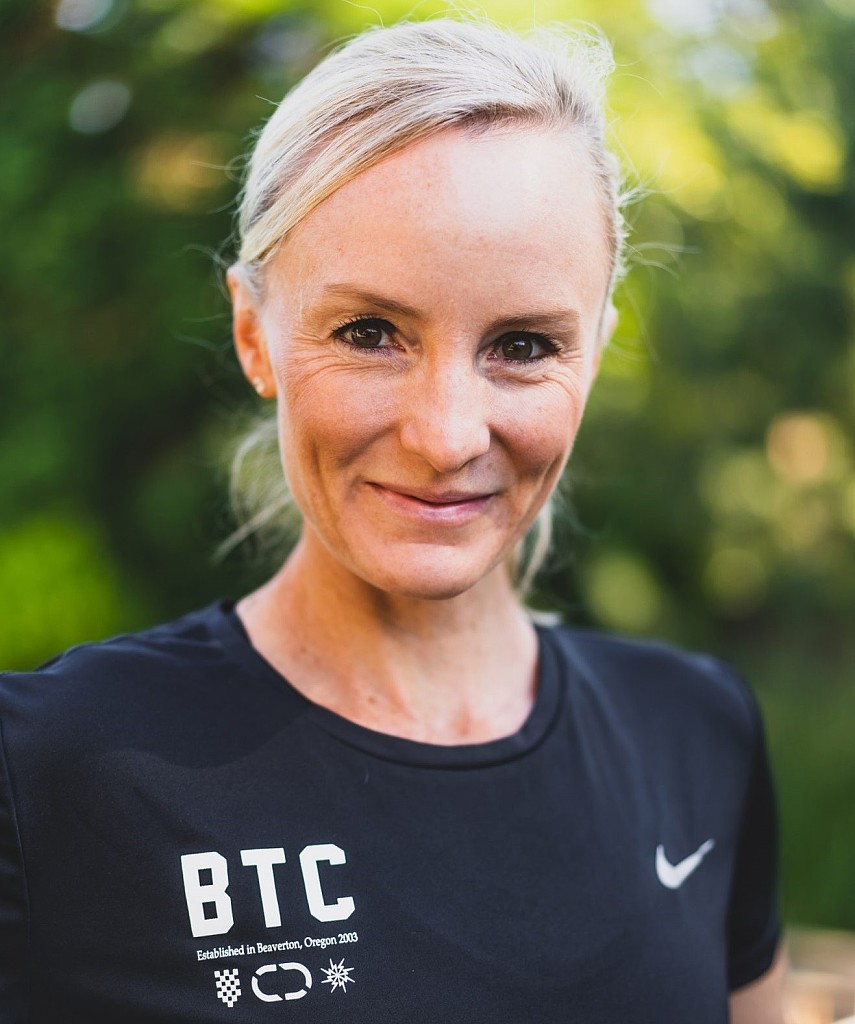


Three years after retirement, Shalane Flanagan will run Berlin, London, Chicago, Boston and one other marathon this fall
Nearly three years after Shalane Flanagan officially retired from elite racing, she’s toeing the line of her marquee event again — not once, but six times in 42 days. With five of the six World Major marathons coming up in the next few weeks, the 16-time national champion will be aiming to run each of them in less than three hours, and then to run a sixth to make up for the postponed Tokyo Marathon.
Because of delays caused by COVID-19, five of the six World Majors are being crammed into a tightly packed fall schedule. Flanagan’s marathon of marathons will start in Berlin on September 26, the same course where she ran her personal best of 2:21:14 in 2014 and became the fourth-fastest American marathon runner of all time.

She’ll have one week of recovery before heading to the U.K. to compete in the London Marathon, and from there she’ll return to North America where she’ll run the Chicago Marathon on October 10 and turn around the very next day to run the Boston Marathon on October 11.
The Tokyo Marathon was to be her next race on October 17, but organizers postponed the race again until March 2022. In its place, Flanagan will travel to Portland, Oregon to run her fifth marathon in four weeks.

She’ll then have three weeks of recovery before completing her challenge at the New York City Marathon on November 7. New York will be a special place to end her grueling series, since it was there that she became the first American woman to win the race in 40 years in 2017.
Flanagan retired from professional running in 2019, and since then has had two reconstructive knee surgeries, become a coach with the Bowerman Track Club and adopted a baby boy. In an interview with Self, she explained that she’s taken on this challenge as a way to “reunite” with running after retirement and knee surgery.
“I felt the need to set some goals again,” she said. “Realizing this was a once in a lifetime opportunity presenting itself, with six major world marathons in 42 days, I feel like I’m doing it for myself, for my son, and for young women to showcase the connection between mental and physical health and how important of a role athletics can play in your life.”
(09/21/21) Views: 102Brittany Hambleton

Kenyans Langat Clement Kiprono and Peris Cherono Lagat won the men's and women's Rome Marathon, respectively, on Sunday
A one-year pause due to the coronavirus pandemic didn't have a big impact on the victory stands at the Rome Marathon, with African runners continuing their long dominance of the race on Sunday, which was first run in 1982.
Kenyan Clement Langat Kiprono took the overall championship for the 42.2-kilometer (26.2-mile) race in 2 hours 8 minutes and 23 seconds. Kiprono came in five seconds ahead of Tanzanian Emmanuel Naibei, who finished in 2:08:28, followed by Ethiopian Ulfata Deresa Guleta, who took third in 2:08:42.
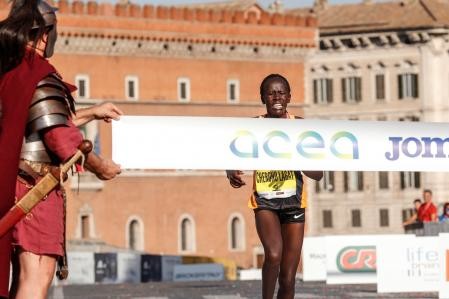
Kiprono's compatriot Peris Lagat Cherono won her race by a more comfortable margin, finishing in 2:29:29, well ahead of Judith Jurubet, also from Kenya, who crossed the finish line in 2:30:50, and Jifar Fantu Zewunde of Ethiopia, who finished in 2:32:02.
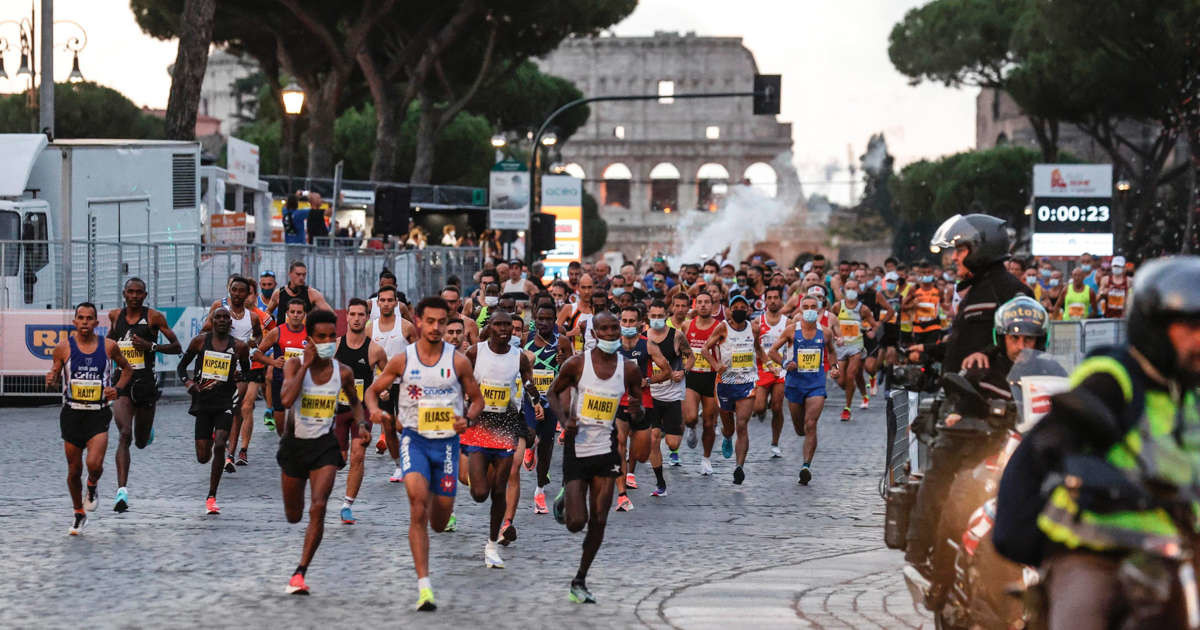
All told, more than 7,500 runners were on the early-morning starting line in the shadow of Rome's Colosseum. The city's mayor, Virginia Raggi, was the race's ceremonial starter.
Last year's race was canceled due to the coronavirus pandemic, and this year's edition was pushed back from April, its normal spot on the calendar, for the same reason.
Runners who registered for the 2020 race were automatically entered in this year's edition, and race finishers were awarded two medals: one for 2020 and one for 2021.
Kiprono was the fifth consecutive Rome Marathon champion to run under 2 hours and 9 minutes in his victory, but he was still short of the course record of 2:07:17 set by countryman Benjamin Kiptoo in 2009. Cherono was also slower than the course record of 2:22:52 run by Ethiopian Alemu Megertu in 2019, the previous edition of the race.
African runners have won the men's title in 15 consecutive races, starting after Italian Alberico Di Cecco won in 2005, and they have won 12 straight races in the women's division, following the victory of Russian Galina Bogomolova in 2008. Cherono's win broke a six-race streak of victories by Ethiopian runners in the women's division.
(09/20/21) Views: 87Xinhua News
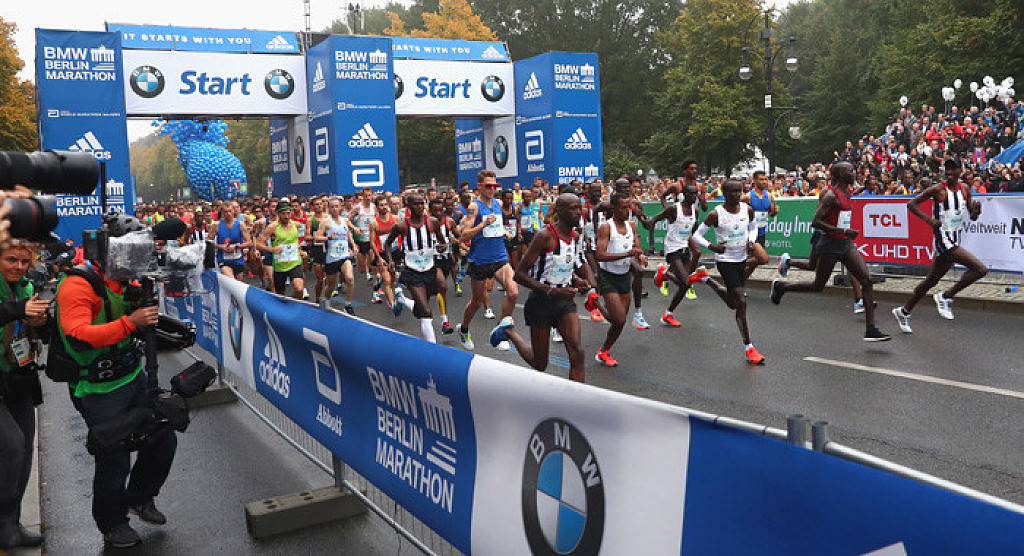
2021 Berlin marathon to atract 25,000 runners
Berlin Marathon organizers expect around 25,000 runners to take part on Sunday, making it the biggest marathon since the start of the coronavirus pandemic.
The event was cancelled last year because of the global health crisis but returns on the streets of the German capital.

"The time is ripe for us to send a signal to the outside world that we are still a sports metropolis," Juergen Lock, managing director of organiser SCC Events, said.
He expects more than 90 per cent of participants to be either fully vaccinated or to have recovered from a coronavirus infection.
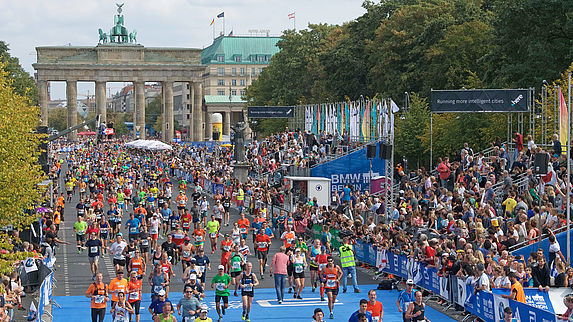
All others must undergo a PCR test no earlier than 48 hours before the start.
Wearing masks in the start and finish areas is mandatory for runners, as well as for all spectators along the 42.195km course.
"All runners can run liberated," Lock said.
With two smaller events in recent weeks including a half marathon, the organizers have gained experience for the big event, which will be held on the same day as the German general election.
The most prominent runner is Ethiopian Kenenisa Bekele.
The 39-year-old missed the world record of Olympic marathon champion Eliud Kipchoge of Kenya by only two seconds in his victory in 2019 in two hours one minute 41 seconds.
Kipchoge set the mark in Berlin in 2018.
The women's field is led by Hiwot Gebrekidan, the Ethiopian who ran a year's best 2:19:35 in Milan.
(09/20/21) Views: 79

CAS releases official report on Salazar ban
Reports on Wednesday announced the Court of Arbitration for Sport (CAS) had upheld the four-year suspension imposed on former Nike Oregon Project coach Alberto Salazar and former team endocrinologist, Dr. Jeffrey Brown for doping violations, and less than 24 hours later the official CAS report has been released.
In its report, the CAS ruled that Salazar had committed three anti-doping rule violations, including possession of testosterone, complicity in Brown’s administration of a prohibited method and tampering with the doping control process with respect to the issue of L-carnitine infusions/syringes. Similarly, Brown was charged with four violations, including complicity in Salazar’s possession of testosterone, trafficking of testosterone to Salazar, administration of a prohibited method and tampering with the doping control process.

The investigation into Salazar and the NOP began in 2015 when a BBC Panorama documentary entitled “Catch Me If You Can” alleged the coach used prescription drugs and therapeutic use exemptions (TUEs) to push the boundaries of performance.
The film interviewed former NOP athlete Kara Goucher and former coach Steve Magness, who described the experiments Salazar performed to determine exactly how much testosterone cream could be applied to an athlete’s skin without triggering a positive test. An experiment was also done to test a rapid-acting (and illegal, under WADA rules) infusion of a supplement known to boost the body’s L-carnitine levels, which in turn helps the body convert fat to energy.
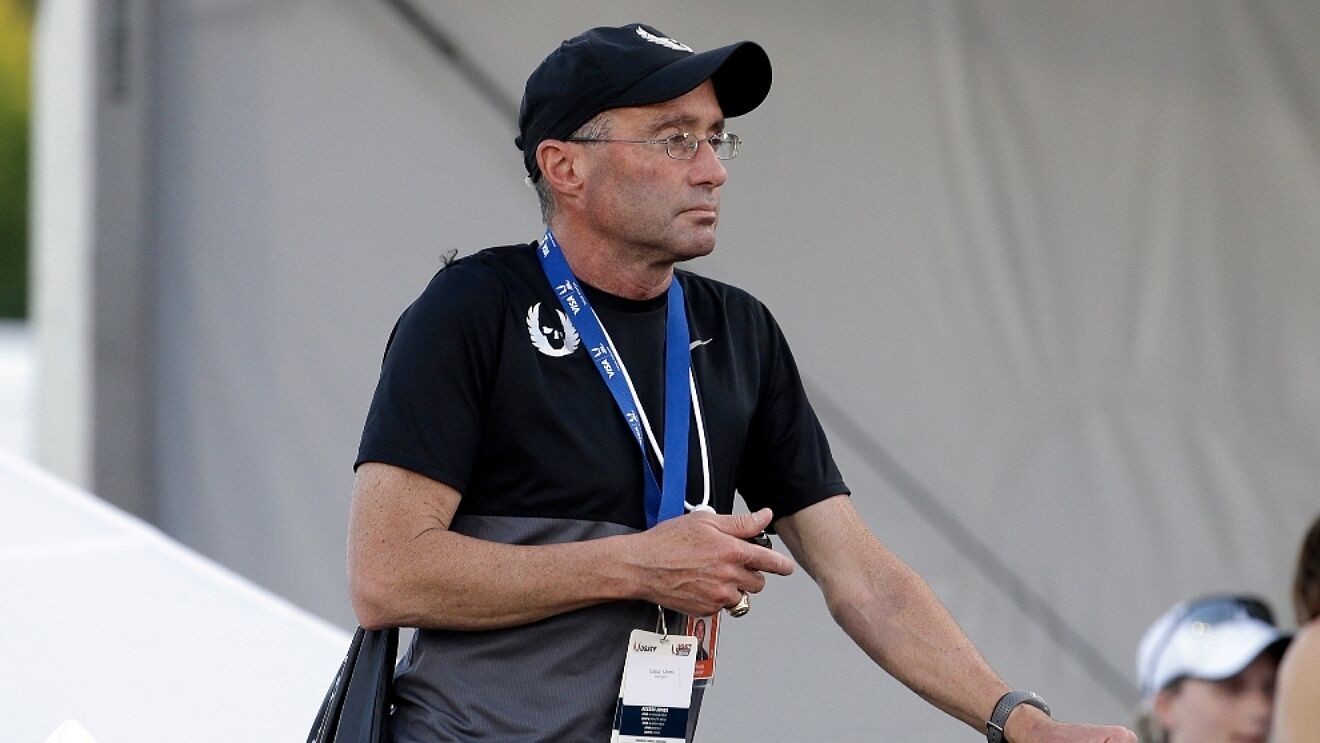
In 2017, a leaked U.S. Anti-Doping Agency (USADA) report from 2016 indicated that Salazar had been giving his athletes, including Sir Mo Farah, the amino acid L-carnitine, via an IV drip. L-carnitine is not a banned substance, but infusions of more than 50 mL in the span of six hours are prohibited, and reports claimed the coach “almost certainly” broke those rules.
Throughout the process, Salazar has continued to deny the allegations, and none of his former athletes, including Farah, Galen Rupp, Sifan Hassan, Matthew Centrowitz and Canada’s Cam Levins have ever tested positive for illegal substances, which the CAS notes in its report.
It also acknowledged that the way in which USADA’s investigation was conducted was “out of proportion and excessive when compared to the severity and consequences of the ADRVs [anti-doping rule violations] that have been established,” yet it still upheld the bans: “the Panel was satisfied that the rules have been properly applied, and that, on the basis of the ADRV’s found by the CAS Panel, the sanctions have been determined in accordance with the relevant version of the WADC.”
(09/17/21) Views: 76Brittany Hambleton
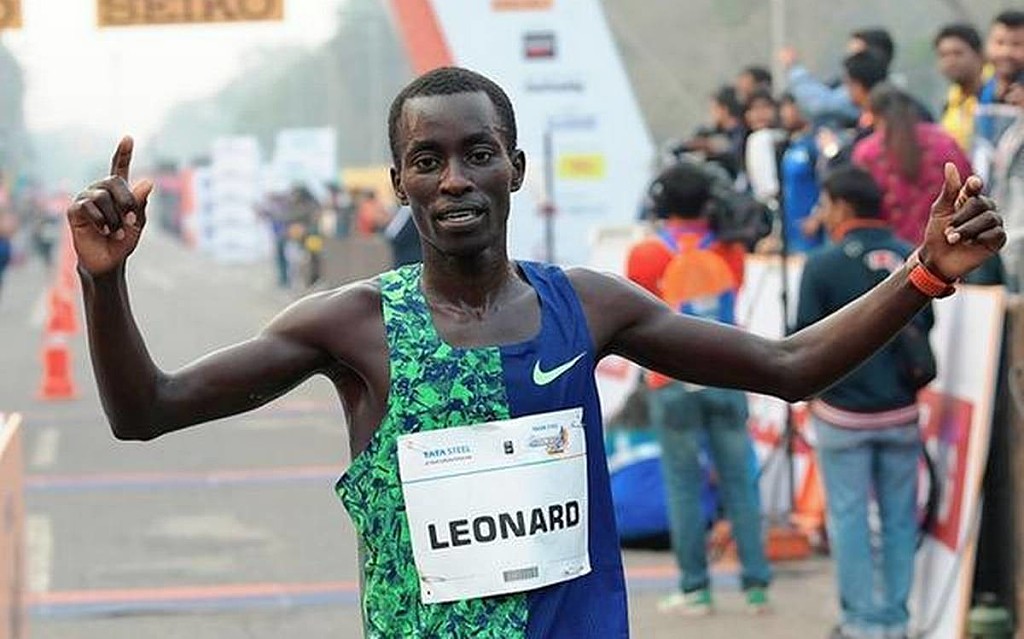
Former Africa cross country champion Leonard Barsoton ready for challenge as he debuts marathon in Boston
Leonard Barsoton is targeting an upset win at next month's Boston Marathon when he comes up against the big names in the road races.
Barsoton will be debuting in the full marathon after specialising in the 10,000m and the half marathon and believes he is more than equipped to cross the finish line first on October 11.
"It is not all about big names at the starting line-up but the level of preparedness. I have been training and I am still training for the race,” Barsoton said.

He added: "I have decided to venture into marathon because my body is fit enough for the big challenge. My preparation is good and I am taking one step at a time to ensure I get top position in a race on my marathon debut."
The former African 10,000m silver medalist said a win at the World Majors' race, which is one of the most competitive worldwide, will provide him with more impetus for the upcoming World Championships in Oregon, where he is also eyeing the top gong.
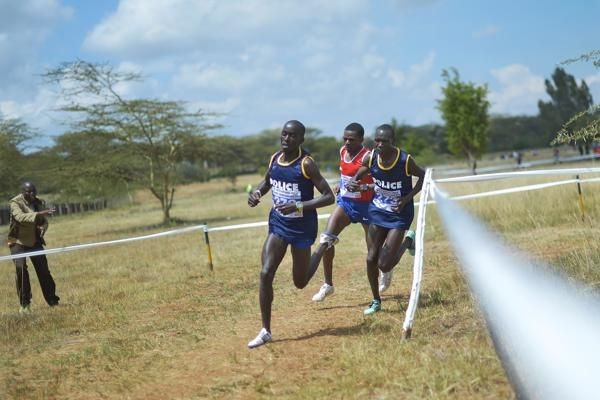
"My target is to win the Boston marathon, which will be my ticket for World championships. As much as I am making my debut, it will not be as easy,” the Iten-based runner said.
If he is to pull off a shock win, the world cross country junior silver medalist will have to take his performance to another level, having encountered mixed fortunes in the half marathon thus far.
In Boston, he will be up against compatriots, former Toronto Marathon champion Benson Kipruto, three- time Amsterdam marathon champion and Wilson Chebet.
Others are Felix Kipkoech, Felix Kiprotich, two-time Paris marathon champion Paul Lonyangata, former world marathon champion Geoffrey Kirui and David Bett, who will also be making his debut.
(09/22/21) Views: 71Emmanuel Sabuni
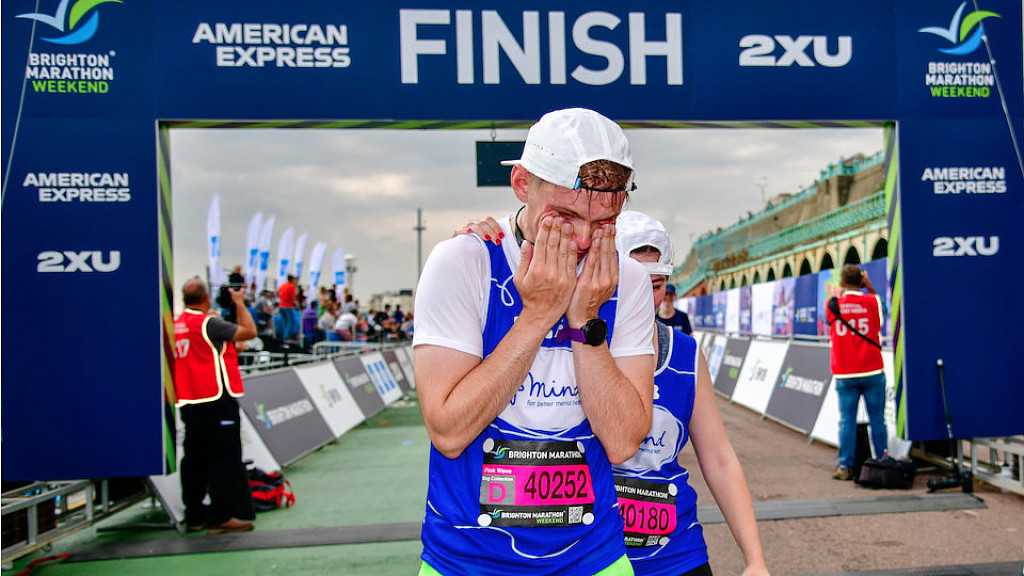
British marathon runners went the distance, as race was 586 metres too long
The error comes four years after the course was measured 146 meters short
Last Sunday, the Brighton Marathon was held in Brighton, England, hosting over 7,000 runners. Despite the route being measured correctly before the start of the race, a cone line was moved over the final stretch, diverting runners to run an extra 586 metres.
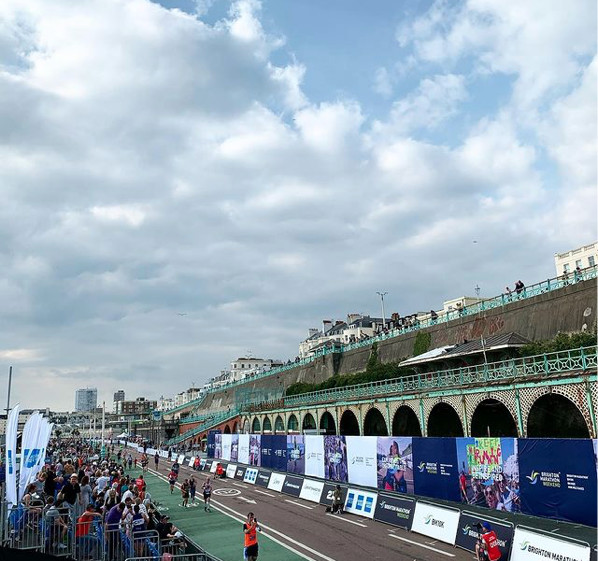
After the race, organizers mentioned to runners that there had been a mistake with the course measurements and that it was half a kilometre too long.
In an online press release, event organizer Tom Naylor said, “We are wholly disappointed that this has affected our runners & hope that it hasn’t marred the experience, at what has been a fantastic comeback event after 18 months.”
In the men’s race, Neil McClements overtook the then leader Ollie Garrod 200 metres before the finish line to win the race. Garrod would have won the race if the distance wasn’t incorrect. Despite losing the race over the final extra stretch, Garrod was in good spirits about placing second and congratulated McClements for his victory, saying he won “fair and square”.
Canadian Lauren Reid of Uxbridge, Ont. finished third in the women’s marathon, in 3:09:31. “I knew it was long after I passed the halfway mark three minutes behind the halfway point on my watch,” Reid says. ” I tried to keep my focus on racing, knowing the distance was beyond my control.”
The error comes four years after the Brighton Marathon course was measured 146 metres short. “In the next few weeks, all finishers will be given more information on their times, and that the course length would be adjusted for results,” Naylor said.
(09/19/21) Views: 64Running Magazine

Calgary Marathon to host 4,000 runners this weekend
On Sunday, Sept. 19, the Calgary Marathon will host the largest Canadian race since the pandemic.
After more than two years without an in-person event, the race will return with a 50K, marathon, half-marathon, 10K and 5K races. 4,000 runners are registered across the five races with more than 1,000 runners starting in the 10K and half marathon.

Right now, Alberta is in the midst of the fourth wave of COVID-19, reporting 1,600 new cases on Sept. 15, in addition to the 11,500 active cases across the province. A province-wide state of emergency was issued earlier this week, but there are no restrictions on outdoor events.
The race published a statement to social media earlier today. “We are moving forward with plans to host the 2021 Calgary Marathon this Sunday, September 19th,” said race officials. “The race worked with health officials to ensure the safest possible event for participants, staff and volunteers.”

“Our plan isn’t to break the rules or offer a world-class event. This is a restricted safe event to celebrate personal accomplishment and achieve fundraising,” says race director Kirsten Fleming. “Our policies were already in place to meet the provincial guidelines set by the Alberta government.”
“We have worked with Alberta Health to ensure that this event is run safely. All aspects of the race will be held outdoors (besides race kit pickup), with no pre-or post-race celebrations,” says Fleming. Precautions will include masking at the start and finish lines, and at least six feet of separation between runners, in their corrals.
A live broadcast of the event will be streamed online to minimize the number of spectators on the course. Spectators are also welcome to watch at the finish line of Stampede Park, which seats 17,000.
The Calgary Marathon offers a virtual race option, which 1,000 runners have chosen to participate in from across the country.
(09/17/21) Views: 63Marley Dickinson

Run Rome Marathon back for 2021 edition
The Acea Run Rome Marathon will take place on Sunday 19 September with a 42-km route beginning and ending at the Colosseum.
The 26th edition of the marathon, which starts at 06.45, is the first such event since the March 2020 race was cancelled due to the covid-19 pandemic.

The 7,500 participants registered for the marathon - all of whom require a Green Pass - include 2,200 runners from more than 60 countries around the world.

After Italy, the country with the most participants is France with 300 runners, Britain with 266 and the US with 202.
The marathon route takes in some of the city's best known landmarks including the Circus Maximus, St Peter's, Piazza del Popolo and Piazza di Spagna, with a race village set up at the Terme di Caracalla stadium.
The event will result in road closures, the re-routing of bus lines and the temporary closure of the Colosseo metro station.
(09/18/21) Views: 61
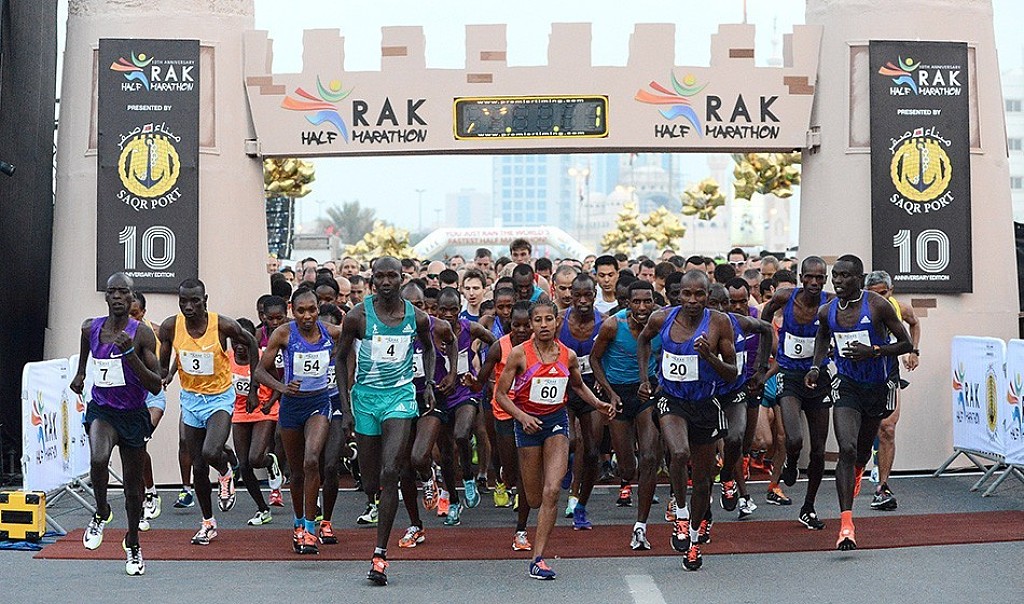
Ras Al Khaimah Half Marathon returns in February next year
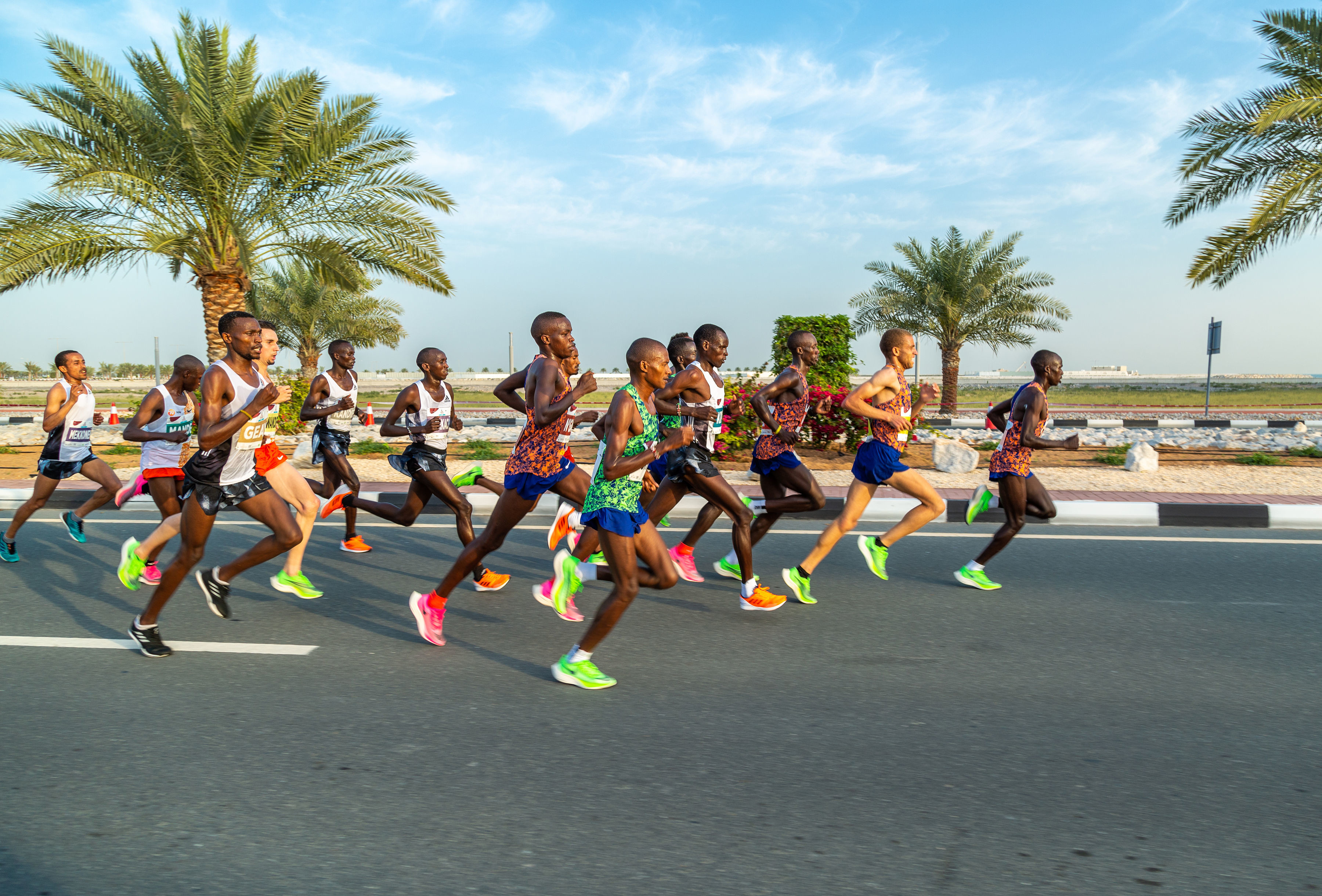
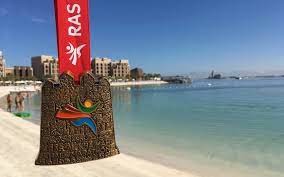
Ras Al Khaimah: Ras Al Khaimah, the nature-based Emirate with an exceptional track record for hosting world class adventure and sporting experiences is set to host the return of the fastest half marathon in the world — the Ras Al Khaimah Half Marathon on Friday, Feb.18, 2022.
Returning for its 15th edition, the race welcomes back elite athletes, running enthusiasts and amateurs from across the globe, to participate in the world’s fastest half marathon. Taking place on Marjan Island, the adrenaline-charged event will include four established categories: Half Marathon, Half Marathon Relay for teams of two, 5 km and a 1km fun run. Set to attract a world classfield of top road runners, the Ras Al Khaimah Half Marathon will attract participants of all abilities and ages, with the goal of inspiring young sporting talent and encouraging the wider community to get active.
Raki Phillips, CEO of Ras Al Khaimah Tourism Development Authority, said: “Aligned with the continued recovery of the Emirate, we are delighted to welcome back an incredible line-up of elite athletes, as well as residents and visitors from across the globe, to the Ras Al Khaimah Half Marathon in February 2022.
“We are extremely proud to have hosted this prestigious race for 15 editions, making the Ras Al Khaimah Half Marathon one of the most anticipated events on the global sporting calendar, adding to an expansive portfolio of world-class sporting events hosted in the Emirate.
“We look forward to showcasing our stunning landscape and renowned hospitality to participants and spectators as they enjoy the world’s fastest half marathon,” Phillips added.
CEO of RCS Sports and Events Michele Napoli, said: “We are delighted to announce the new 2022 date for the hugely popular Ras Al Khaimah Half Marathon. Once again, it is an honour to support Ras Al Khaimah Tourism Development Authority as this fantastic race returns to Marjan Island on February 18, 2022.
“The Ras Al Khaimah Half Marathon has undoubtedly grown from strength to strength, with each edition gaining traction on both a regional and international scale, and we cannot wait for participants to experience the highly anticipated 2022 edition. We look forward to announcing our all-new offers for runners shortly, and to welcoming an incredible line-up of elite athletes. The Ras Al Khaimah Half Marathon is guaranteed to be an unforgettable experience for everyone.’’
(09/22/21) Views: 56

The Anatomy of a Perfect Marathon Taper
5 facts about reducing training load and maintaining fitness as your marathon approaches. Plus, a proven 4-week marathon taper plan.
Fall marathons are looming, and tens of thousands of runners are finally preparing to toe the line to see just what they can do after all these months of waiting. A big piece of success lies in the final stages of preparation where you execute the marathon taper, a stage of training when you back off and try to walk the tightrope between going into the race well-rested, but not so rested that you go stale.

Going stale occasionally happens, but most runners err in the opposite direction by not trusting the marathon taper process, trying to do too much when they should be resting. It’s a mistake that can make the difference between a PR and a disappointment.
Luckily, there are a few basic principles you can remember when the fears we all face about being lazy or missing training tempt you to do too much.
5 Facts About the Marathon Taper
1. Tapering works.
A 2007 study led by Laurent Bosquet, then at the University of Montreal, Canada, found that a taper can speed you up by more than 5.6 percent. That’s the difference between a 3:20 marathon and a 3:31 marathon. Note, however, that 5.6 percent benefit is an extreme case. You shouldn’t expect to get that much, but trust that proper tapering will result in a better time.
2. In the final days, extra training won’t help.
The hay is in the barn and your goal is to rest, while not letting your “training” hay go moldy. It’s too late to try to make up for lost training earlier in your training cycle, and if you try to do that, all you can do is to blow your taper…and with it, your race.
3. The ideal taper comes from reducing volume, but not intensity.
You need to do some speedwork during the taper in order to keep all your energy and neuromuscular systems sharp. This means a mix of everything from strides to aerobic work. What you don’t need is to push any of these to the max.
4. It works best by cutting down progressively, not all at once.
Bosquet’s paper found that the ideal taper eventually cut down total volume by 40-60 percent by the final week, including speed workouts. In the ideal taper, you run as many days a week as you normally do (maybe with one or two extra, judiciously timed, rest days), but reduce volume in everything from workouts to long runs, as well as your weekly total mileage.
5. Don’t sweat it if you make minor errors.
“Let’s say you’re scheduled to go six miles at 7:00 pace,” says Thom Hunt, a former American 10K red-holder who now coaches at Cuyamaca College in San Diego. “If you run 6½ at 6:45, you’re not going to blow the whole thing.” Hunt was talking specifically about 5K/10K tapers but the same applies to the marathon. In fact, it probably doesn’t matter all that much if you get lost on what’s supposed to be an 8-mile run ten days before the race and accidentally wind up running, say, 11 miles. The stress of fretting about the error will probably cost you more than the error itself.
The Four-Week Marathon Taper
You won’t find much talk in the literature about tapers longer than 2-3 weeks. That’s largely, Bosquet says, because it’s hard to get enough runners to consent to tapers longer than 14 days to conduct a meaningful study.
But a 1996 French study of swimmers found benefits from a 28-day taper, something I find very interesting because I’ve long prescribed a four-week marathon taper.
Not that it’s what most people conventionally think of as a taper, because it begins, four weeks out, with an extremely tough workout. It then returns to normal baseline in volume with reduced intensity for one week, followed by a 21-day progressive taper. If you prefer, you could think of it as a final push, followed by a taper.
Here’s how the four-week marathon taper works:
• 28-29 Days Before the Race
On Saturday, even if the race is on Sunday, because there’s another workout next Tuesday, and you need at least three days to recover, do a long run of 20–22 miles, finishing with 13–18 miles at marathon pace. That’s a wide range, I realize; being more specific depends on your experience. For a seasoned marathoner doing at least 70 miles per week on average over the past few months, hold the marathon pace part for 16–18 miles. For lower-mileage runners and new marathoners, drop down to 13. This is not only a major workout, but a critical test of your marathon goal. If you can’t hit your target pace, it probably needs to be adjusted.
• 27-21 Days Before the Race
Workout days:
Tuesday: Do a normal speedwork session, IF you’re recovered from the long/fast run 3 days ago. If sore or fatigued, reduce intensity and or volume.
Friday: Do a tempo run. Normal volume.
Sunday: Go long, reducing intensity to easy. Do 20-22 miles max. The marathon is now 20-21 days away.
Total weekly volume: Normal.
• 20-14 Days Before the Race
Workout days:
Tuesday: Normal speed workout.
Friday: Tempo. Slightly reduced volume (maybe by 10-15 percent).
Sunday: 16 miles, ending with 50-60 percent as many marathon-pace miles as two weeks ago. This should not be super-hard.
Total weekly volume: 10 percent below normal.
• 13-7 Days Before the Race
Workout days:
Tuesday: Normal workout adjusted to about 2/3 of total volume.
Friday: Tempo. Reduced to about half of normal volume.
Sunday: 10-12 easy.
Total weekly volume: At least 20 percent below normal.
• Final week (assuming Sunday race)
Workout days:
Tuesday: 6-8 x 600m @ tempo pace (no faster than 12K pace) with 20-25 sec recovery between reps. Plus, up to 4 x 150m, fast but relaxed. Stop while still turning over quickly without stress.
Wednesday, Thursday, Friday: Two days easy. Take one day off.
Saturday: 20–30 min. easy, with 4 x 100m strides. 20 minutes is enough for most runners to feel warmed up and striding smoothly.
Sunday: Race.
Total weekly volume: For the last 7 days before the race (counting the long run last Sunday), 50 percent of normal.
Other Tapers
Not that this is the only way to do it. Hunt says, “If there was one way, we would have had a form years ago about what to do, and just follow that.” But even top runners with the best coaching follow a variety of tapering patterns.
Lindsey Scherf, for example, who holds the world record for the indoor marathon, does a quite different taper, though the overall effect is remarkably similar. Rather than tapering progressively from 2–3 weeks out, she finds that she’s done best by taking the big drop in mileage (50 percent) three weeks ahead of the race, then returning to 85 percent of normal for the remaining two weeks. “I inject rest, but then return to a non-overtraining routine where I know I’m in a good rhythm,” she says.
The real key, Hunt says, is to allow your body to rest and be physically (and mentally) relaxed, focused, and ready to go on race day. To this end, he stresses that it’s important to make sure that your final long run isn’t too long. “You need to keep it short enough that you’re not breaking down the body.”
And, he says, the key thing is to trust the processes: “Getting a 100 mile per week runner to go down to half of that mentally freaks them out.” Cutting back from 50s to 20s is no less stressful.
“Each athlete is different,” Hunt says. “But you still have to follow the general physiological principles.”
Scherf concurs, adding an interesting note: Try out the taper before race week.
We’ve all been told never to do anything in an important race that we’ve not tested in training. Usually, that’s discussed in terms of nutrition, hydration, footwear, or clothing that might unexpectedly chafe. But why not also apply it to your taper, Sherf suggests, testing it on a less important (and presumably shorter) race beforehand, just to see how your body reacts.
After all, Bosquet’s study found that the ideal taper ranged from a 40 percent to 60 percent cutback. 40 to 60% is also a wide range, so Scherf is onto something when she says you need to find what part of that range works for you. “Not every runner responds the same way,” she says.
The key takeaway from Bosquet’s study, however, is that 40–60% is a lot more than most mileage-obsessed runners want to do. Don’t be one of them: Trust the taper, and run your best marathon.
(09/19/21) Views: 54Podium Runner
