

Running News Daily
Top Ten Stories of the Week
7/3/2021
These are the top ten stories based on views over the last week.
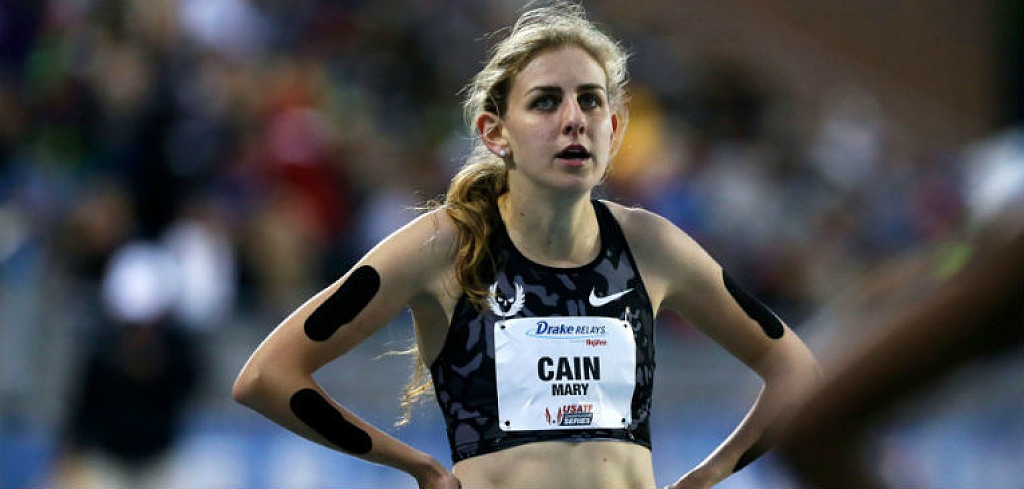


Record-crushing track superstar Mary Cain launches professional women’s running team
Mary Cain has announced the launch of her new professional women’s running team, Atalanta New York. Cain previously ran for Alberto Salazar and the Nike Oregon Project (NOP), and in 2019, four years after leaving the team, she opened up about the emotional and physical abuse she endured in her short time training with that group. That abuse pushed Cain to the point of considering suicide, and it was fuelled by Salazar’s win-at-all-costs mentality.
Cain is now looking to fight this mindset (which was not unique to the NOP), and Atalanta NY will work to empower and support its athletes and young female runners everywhere.

Cain is the president and CEO of Atalanta NY, an endeavour she says is the next step in her fight against the toxicity plaguing the world of athletics. “Ever since I shared my story to The NY Times, I have wanted to do more,” she wrote on Instagram. The first step in this fight, she said, was speaking out against Salazar, the NOP and the must-win culture (which has led to the abuse of so many female athletes) in track. “Maybe it’s the runner in me, but I wanted to take more than a first step.”‘
Atalanta NY is a New York City-based nonprofit that will employ its athletes, not as competitors, but as mentors to young women in the running community. This takes the emphasis off of performance (which is the usual focus for professional running teams) and instead places it on community involvement, something that Cain said she believes will “shake up the current model of professional sports.”
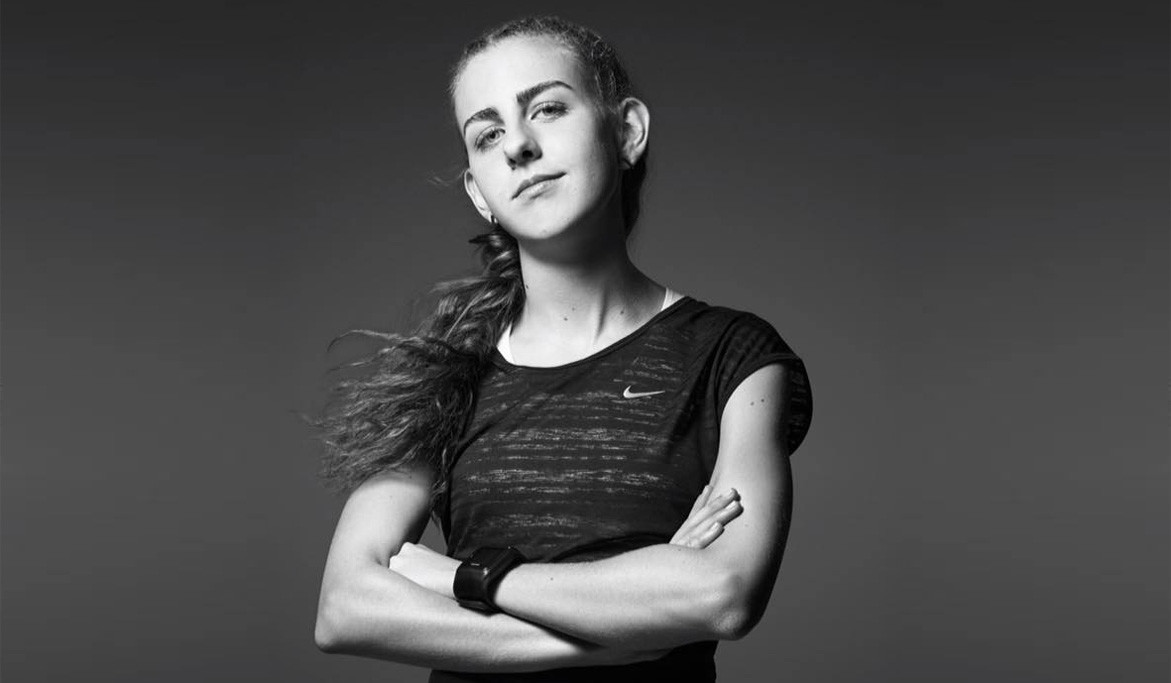
This is similar (although not identical) to the structure of Tracksmith’s partnership with Cain. In 2020, Cain signed with Tracksmith to work as a full-time employee while also running for the brand. This allowed Cain to run worry-free, as her contract was not dependent on her results, but rather on her work as the brand’s New York City community manager. Cain is still representing Tracksmith, and the company is a founding sponsor of Atalanta NY.
“Atalanta New York’s mission is two-fold,” reads a post on the Tracksmith Instagram page. “As a team, its goal is to help elite runners chase their athletic dreams through a sustainable and healthy organizational model. As a nonprofit, the goal is to educate and inspire young female athletes in underserved New York communities to find joy and wellness through sport.”
So far, Atalanta NY has only named two professional athletes to the team: Cain and Jamie Morrissey. Cain hasn’t raced much in the past few years (she raced four times in 2020, interrupting a four-year break from competition), but she still owns several big records, including the world U20 indoor 1,000m record (2:35.80) and American U20 two-mile best (9:38.68). Morrissey is a former University of Michigan standout who owns a PB of 4:11.48 in the 1,500m.
No other runners have been publicly added to the team yet, but Cain has said there will be more athlete announcements soon.
(06/30/21) Views: 125Ben Snider-McGrath
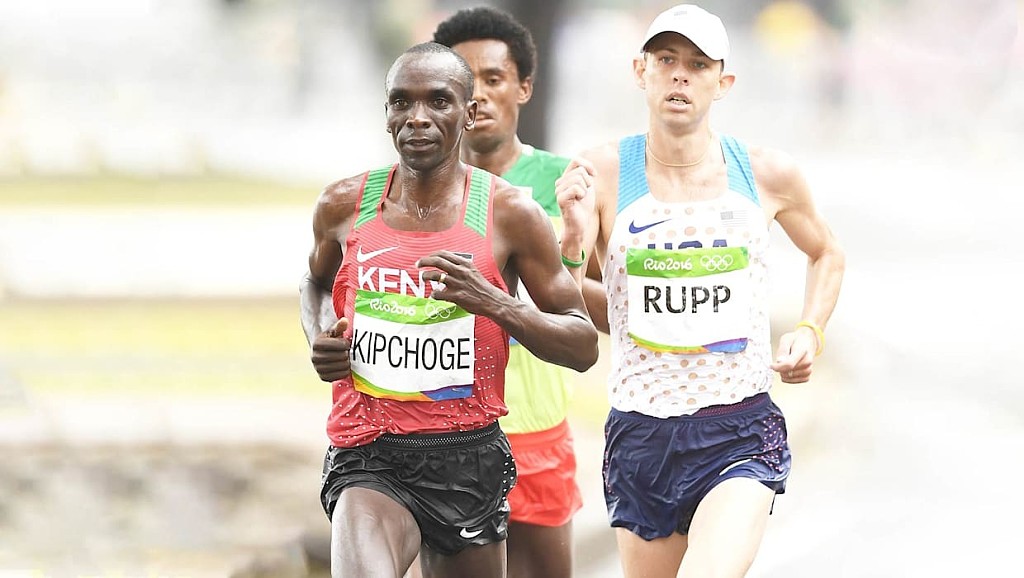
Eliud Kipchoge will be attempting to become only the third man to win back-to-back Olympic marathon gold medals
Eliud Kipchoge will be a man on a mission on August 8, 2021 when the Tokyo 2020 Olympic Games men's marathon takes place in Sapporo.
No defending Olympic champion has won a second straight marathon gold medal since Waldemar Cierpinski did so at Moscow 1980 as the reigning champion from 1976.
Now, more than 40 years later, Kenya's Kipchoge will attempt to become just the third person, after Cierpinski and Ethiopian legend Abebe Bikila (1960, 1964) to win back-to-back Olympic marathon titles.
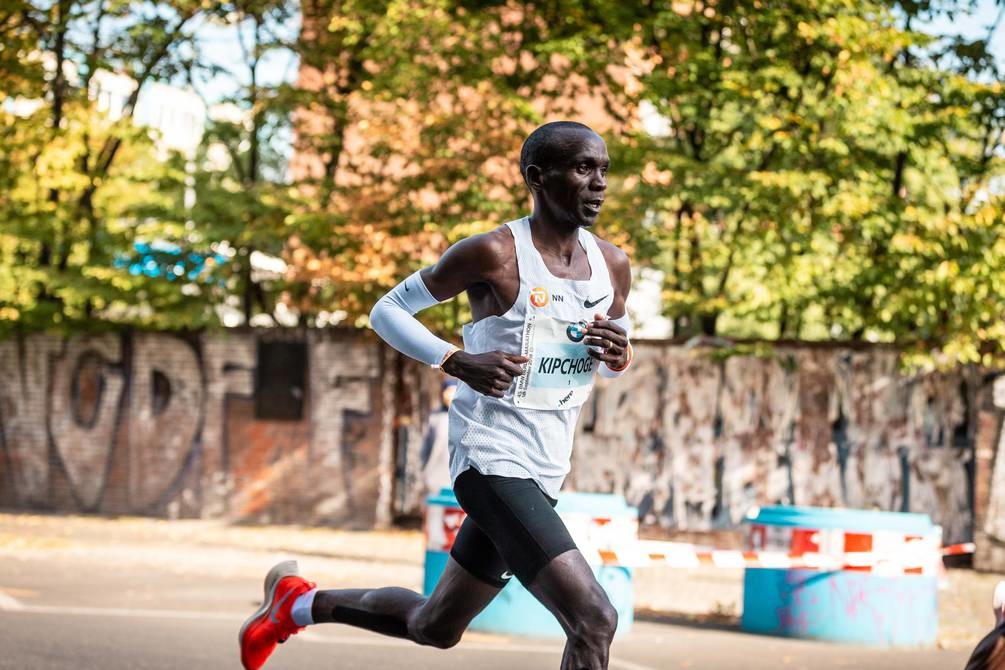
The effort will come nearly two years after becoming the first man to run a marathon distance under two hours, when he completed the INEOS 1:59 Challenge in Vienna in 1:59:40.
That particular achievement will be celebrated in August with the release of a new documentary, titled Kipchoge: The Last Milestone.
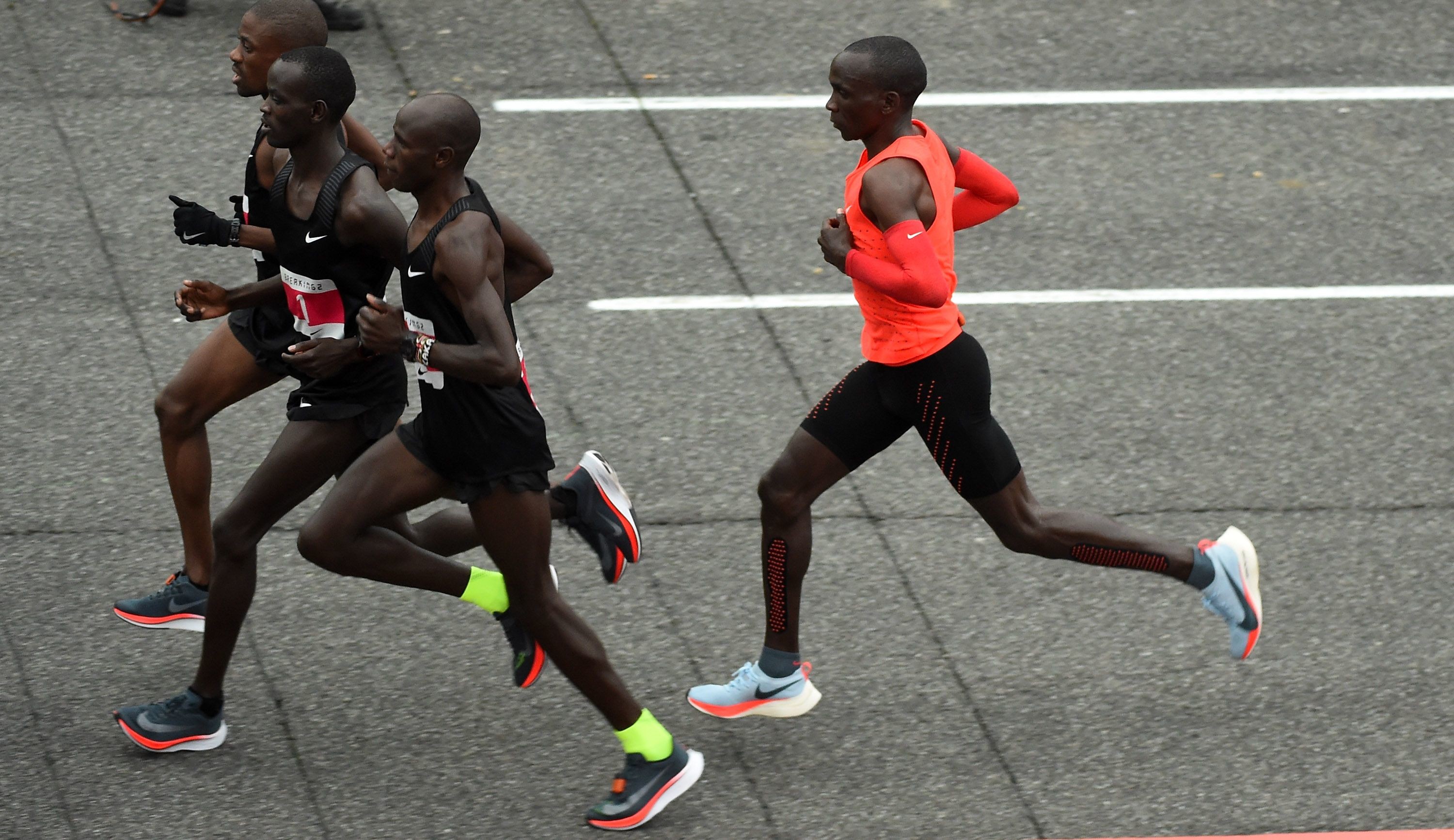
Eliud Kipchoge 1:59 documentary
The trailer for the Kenyan's new film has just been released, with Kipchoge writing on social media: "I hope by watching this film you will also feel inspired to run."
In the trailer, the 38-year-old says: "In the journey of life, there [are] ups and downs. In marathon, there [are] a lot of challenges, ups and downs. There is pain in training, pain in running, and joy at the end of the marathon."
The documentary will tell the story of how Kipchoge prepared for the monumental task.
Ridley Scott Creative Group, the documentary's producers, said in a statement that the film offers "unprecedented access to Eliud […] ahead of his attempt to achieve the seemingly impossible," including "footage from his home in Kenya, interviews with those closest to him, details of the daily rituals of his life and the dynamics within his team and community."
Kipchoge's training routine and how Covid affected it
The Kenyan has always been one who prefers training in a group.
He once said: "You cannot train alone and expect to run a fast time. There is a formula: 100% of me is nothing compared to 1% of the whole team."
However, the Covid-19 pandemic changed that. Suddenly, Kipchoge was forced to run alone on his training sessions due to lockdown restrictions.
"It was really hard to go training and not mix with people to fight the virus," he said in March ahead of the NN Mission Marathon, originally scheduled for Hamburg before being moved to Twente Airport, the Netherlands.
"I am happy to have since resumed training with the team, but we continue to make sure we do so safely within the protocols because the virus is still with us.
"Life has been hard but that is the way of the world – we need to get through it but I think we are on the right track to a brighter future.
"Life cannot stop, it does not stop for a single second. But what everyone should know is, the pandemic is just one of life’s challenges. Marathons are just like life, there are ups and downs every kilometre. Every mile there is a challenge.
"We should all be prepared to accommodate challenges in life but above all enjoy and embrace the challenges."
Kipchoge was vaccinated against Covid-19 at the end of April.
What next for Kipchoge? The star's future plans
The immediate future for Kipchoge consists of the Tokyo 2020 Olympic marathon in Sapporo, but beyond that, the 38-year-old has a "bucket list" of items he wants to check off.
Speaking recently to the Flotrack podcast, Kipchoge revealed that he wants to have competed in every World Marathon Major.
Kipchoge has competed in the Olympic Games, World Championships, London, Berlin, and Chicago Marathons, leaving him with the Boston, New York, and Tokyo Marathons.
He also admitted that he would like to run even longer distances, beyond the marathon's 42.195km.
"I would love to try 80km, 60km. I need to go to California and hike for six hours," he told Flotrack.
(06/28/21) Views: 87ZK Goh
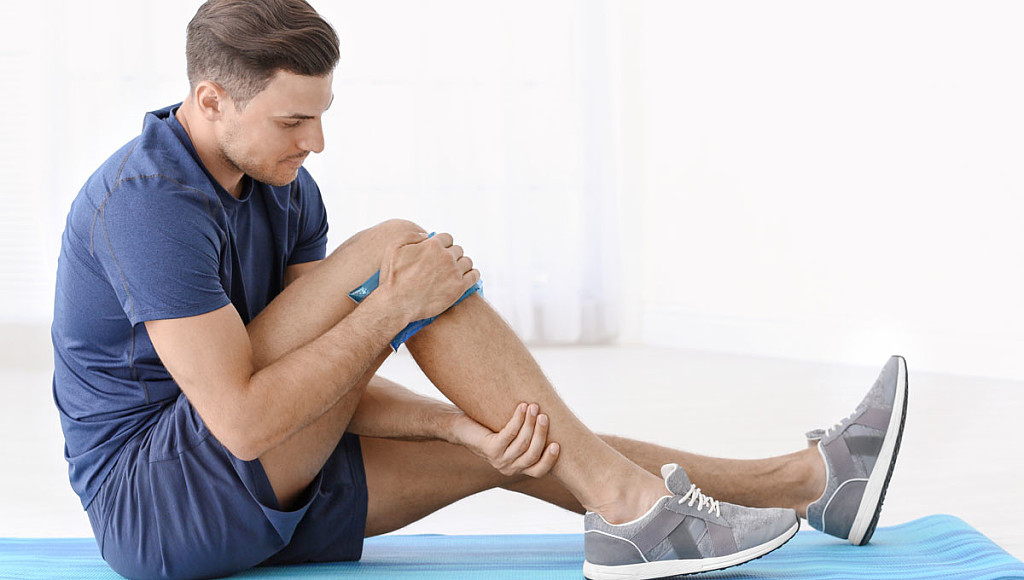
The best way to manage your joint pain
At a younger age, the human body is stronger and more vibrant. As one grows older, however, it is not unusual to start experiencing bodily discomforts and diminished overall strength. Flexibility also suffers the aging blow, which is why you will often see older folks looking a bit stiff and slow. For the same reasons, many people also experience joint pain as they approach their sunset years.
Now, joint pain affects around a third of adults, with the knees, shoulders, and hips being the most commonly affected areas. Alongside the pain, joint pain is often accompanied by discomfort, soreness, and a decreased range of movement. These aches and pains aren’t always ailments that can be treated. That is to say, the most we can do is learn to handle and cope with the pain. With that in mind, let’s look at how you may effectively deal with joint pain.
Physical Therapy and Support Devices
There are a variety of ways you can get relief from joint pain without taking medicine. For starters, excessive strain on your knees from excess weight could be the source of your knee pain. As a result, lowering weight can be an excellent way to help ease your pain, and this is also where knee braces come in. To make your knees even stronger while soothing the pain, knee braces can help. If you read full article coverage by Adam on the Best Knee Braces, you will learn the different types of knee braces for different situations. This will help you decide if you need one and which one you should get.
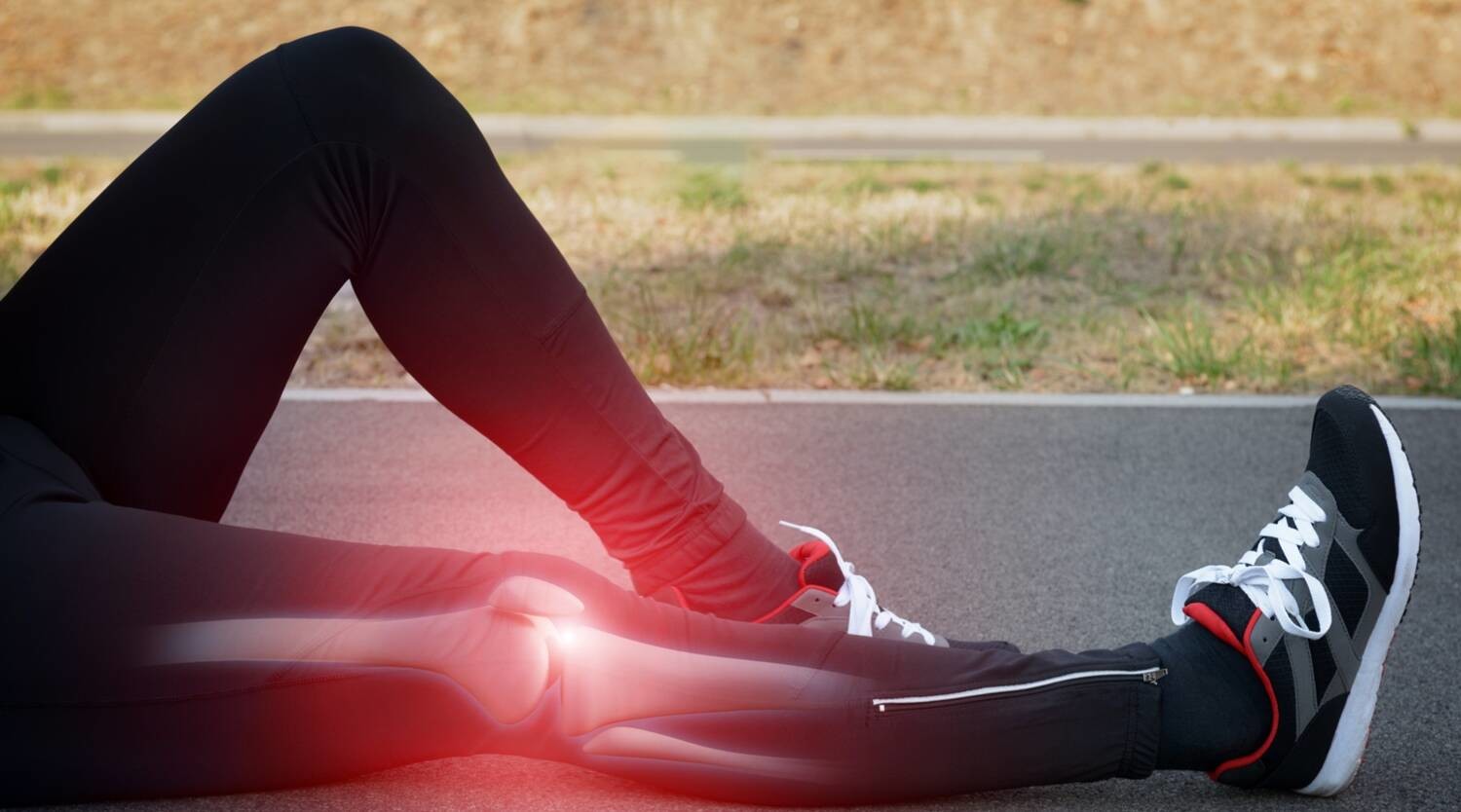
All the same, physical activity can help alleviate weight loss while easing knee pain. Exercising and eating a nutritious diet at the same time can help you reach your ideal weight. Cycling, swimming, and jogging are all low-impact exercises that can help you manage your joint pain. High-impact exercises, on the other hand, should be avoided because the strain will exacerbate the pain. You can get expert advice on the finest types of exercise to participate in.
Medication
If you’ve been suffering from joint pain for a while, you should be aware that there are many types of joint pain. The discomfort can be minor at times and intense at other times. Anti-inflammatory medicines, either over-the-counter or prescribed, can help you deal with moderate-to-severe joint discomfort and swelling.
Aspirin, celecoxib, ibuprofen, and naproxen are examples of these medications. Because of the numerous cases of joint pain, these medications are widely available in any pharmacy. However, you should be aware that some of these medications have side effects. This is why it is preferable to obtain these medications with a prescription from a licensed physician.Acetaminophen can be used to relieve minor discomfort that is not accompanied by significant edema. However, you must exercise extreme caution when using these medications because large doses might cause drug-induced liver damage, especially if you drink alcohol. You’ll need stronger medicines if you have significant joint problems. This necessitates the use of more potent opioids. However, because these drugs are known to cause drowsiness, this is why you must obtain them with a doctor’s prescription.
Home Treatment
Joint discomfort, as previously stated, can be a major annoyance, causing you agony and lowering the quality of your life. Depending on the causes and type of joint pain you are suffering from, it pays to know how to handle discomfort. Aside from medication and physical therapy, there are a few low-cost activities you can do to alleviate joint discomfort. Take a look at the following home treatment routines:
Oftentimes, you will find that joint pain is worse in the evenings or after strenuous activity. Participating in these activities will only exacerbate the pain. As a result, if you have frequent joint problems, you should try to rest as much as possible. It’s also a good idea to avoid any activity that causes the pain. This will substantially assist you in dealing with the pain.
If you have a sore injury, ice can help relieve the pain by numbing the nerves in the area. Your joints can be treated in the same way. You can relieve pain by icing these joints for around 15 minutes multiple times.
Supporting or wrapping the afflicted joint can help with the pain. This can be done when the discomfort is significantly worse than usual. The bandage will keep the joint from moving, reducing pain.
Elevating your joint above the level of your heart can offer some relief from pain. Elevating an injury above the level of your heart reduces swelling by allowing fluid to flow away from the affected area.
Joint discomfort can have a significant impact on one’s quality of life. This is especially true if you have no notion of how to handle it. While medication is one option, you should also be aware of the various alternative strategies for dealing with aching joints. Thankfully, the article has highlighted some of the other options available to you.
(06/25/21) Views: 83Colorado Runner
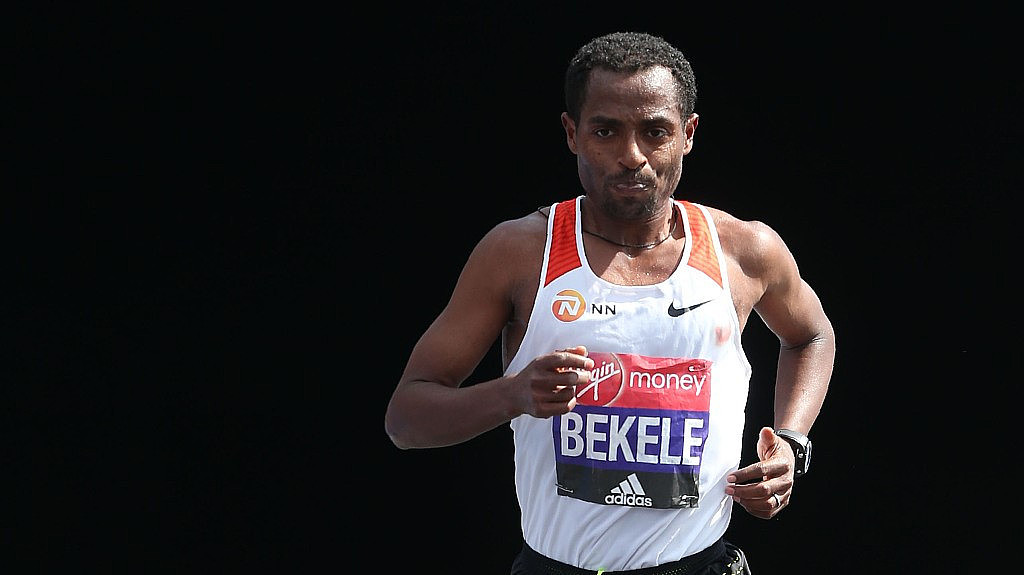
No Olympics for Kenenisa Bekele
Kenenisa Bekele’s manager Jos Hermens has responded to an enquiry by confirming that Bekele will not compete in the Tokyo Olympic Games Marathon to be held in Sapporo on August 8.
The highly-anticipated duel between him and defending champion and world record holder Eliud Kipchoge will not take place. The Kenyan is the hot favorite for the Gold medal.
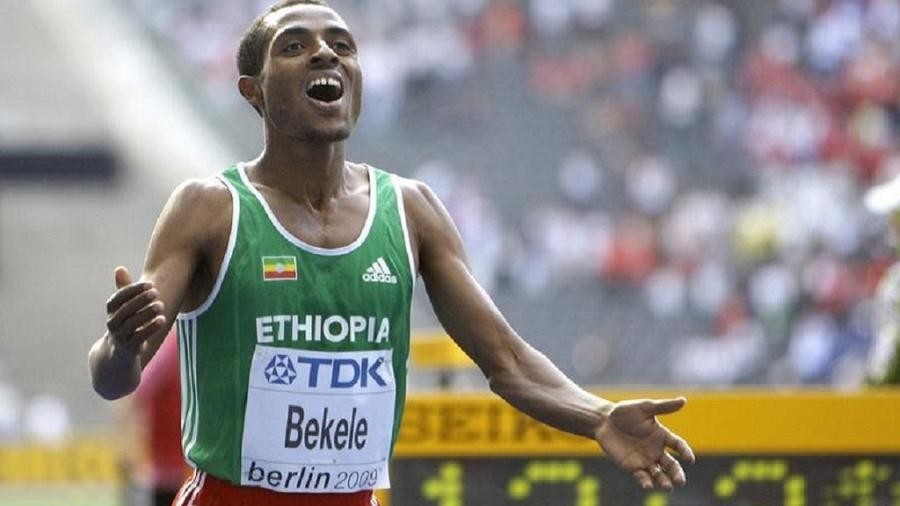
Bekele missed the Ethiopian Olympic elimination race over 35 km on May 1, but there was still a possibility that the Ethiopian Olympic Committee would nominate the 39-year-old for an Olympic place.
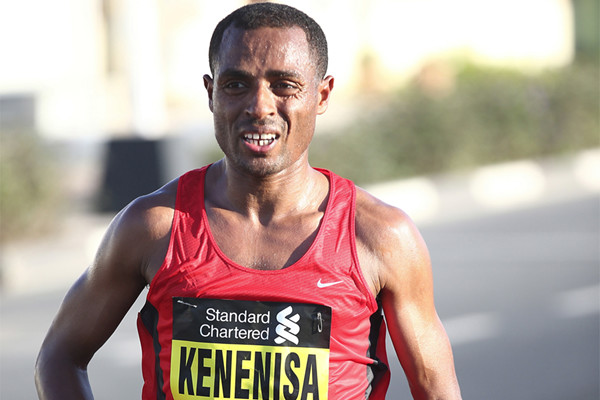
A year after Kipchoge set his world record in the 2018 Berlin Marathon Bekele all but equalled it, running only two seconds slower. Sisay Lemma is likely to be the runner who fills the selection spot.
Bekele will now be able to prepare for an autumn marathon. All six races of the big-money “World Marathon Majors” series are currently planned to be run between September 26 and November 7.
(06/28/21) Views: 62Race News Service
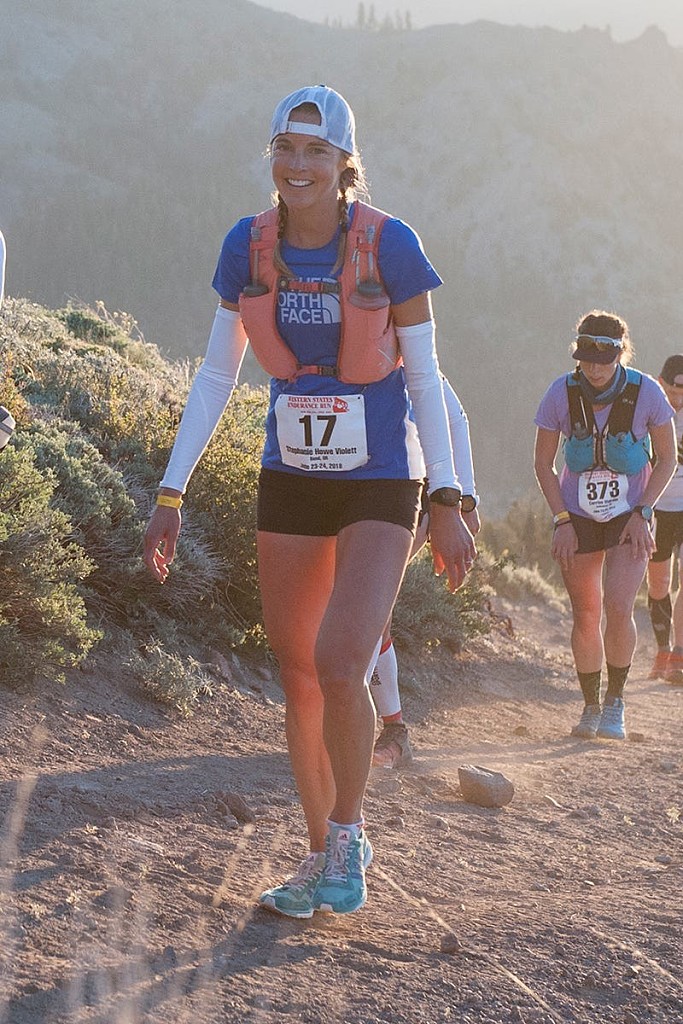
The Western States 100 Is Back and It’s Going to be HOT!
Western States is famously competitive - and this year is shaping up to be one of the toughest competitions yet with hot temps, and a stacked field.
Jim Walmsley and Magda Boulet will be back at the Western States Endurance Run this week.
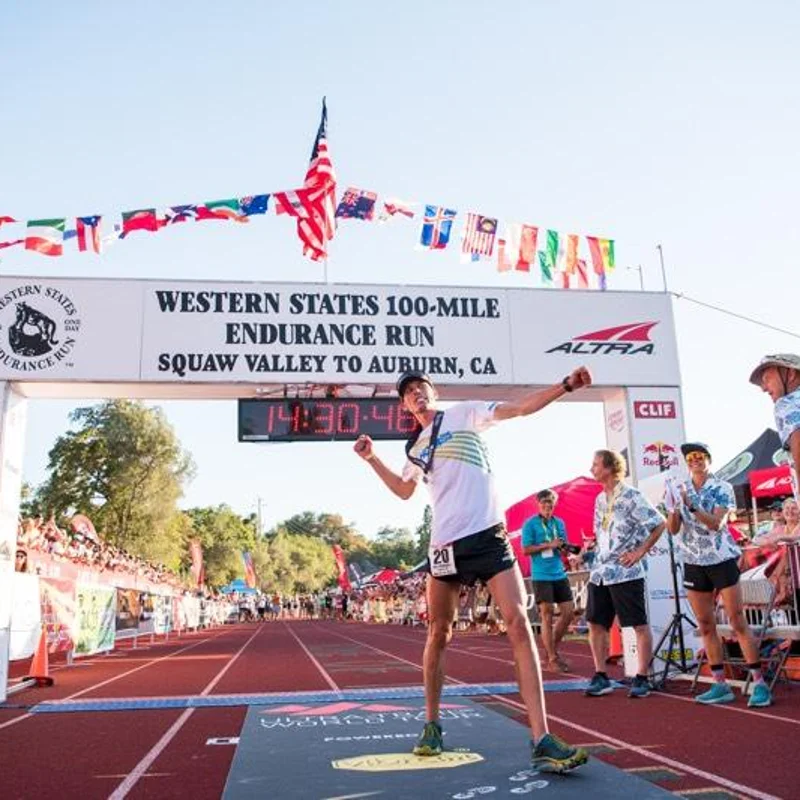
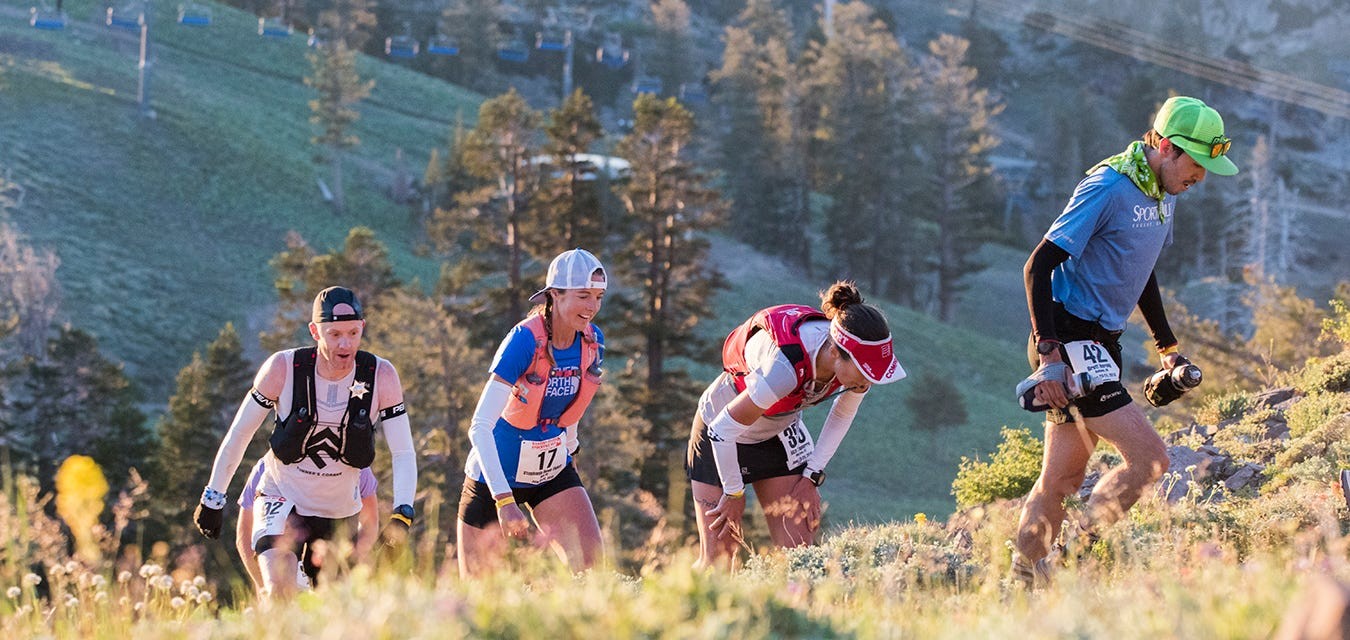
And so will Clare Gallagher, Patrick Reagan, Max King and Brittany Peterson. And, so too is race pioneer Gordy Ainsleigh and 312 other inspired runners who have been training for more than a year and a half to get to the starting line. In fact, we’re all heading back to the Sierra Nevada range this weekend — even if vicariously — to what feels like a bit of normalcy returning.
After a year mostly away from the trail racing running scene, things are starting to feel like old times. With stacked men’s and women’s fields, scorching heat in the forecast and last year’s Covid-19 hiatus hopefully mostly behind us, it’s definitely the event the ultrarunning community has been looking forward to. The race begins at 5 a.m. PST on June 26 and it looks like it’s going to be an epic one. (Follow via live tracking or the live race-day broadcast.)
“Yeah, it will be good to be there and see people and actually be in the race,” says Walmsley, who won the race in 2018 and 2019 in course-record times. “It’s been an odd year.”
Odd for sure, but with deep men’s and women’s fields, hot weather, dusty trail conditions and the late June gathering of a few hundred runners on this hallowed ground feels somewhat normal. The mountains and canyons in and around Olympic Valley northwest of Lake Tahoe have been a sacred place for the native Washoe people for thousands of years before Gordon Ainsleigh’s first romp over the Western States Trail in 1974.
It’s been an especially odd year for Walmsley, who, for the second straight year, had planned to use the first half of his year training for the 90K Comrades Marathon in South Africa. But that was canceled last year (with just about every other big race, including the Western States 100) and this year, too.
So instead, after setting a new U.S. 100K road record in January, he took a sponsor’s entry into the Western States 100 from HOKA One One and will be once again lining up in America’s most celebrated trail running race. With notable first-timers Tim Tollefson and Hayden Hawks in the mix along with Walmsley, Reagan, King, Matt Daniels, Alex Nichols, Kyle Pietari, Mark Hammond, Stephen Kersh, Jeff Browning and Jared Hazen all returning with previous top-10 finishes, on paper anyway, the men’s race is shaping up to be one of the most competitive in recent memory or maybe ever, even though it’s comprised entirely of domestic runners.
The women’s race might be even more competitive with former champions Boulet, Gallagher (2019) and Kaci Lickteig (2016) leading the way, plus elite American runners Camille Herron, Addie Bracy, Camelia Mayfield and Keely Henninger and international stalwarts Ruth Croft (New Zealand), Audrey Tanguy (France), Beth Pascall (UK), Emily Hawgood (Zimbabwe), Kathryn Drew (Canada) and Ragna Debats (Spain) joining the fray.
Who are the favorites? It’s hard to tell. Most of those runners, including Walmsley and Boulet, have admitted to having dealt with some minor injuries, inconsistent training, a lack of motivation and other setbacks over the crazy year that was. Based on what runners have been reporting, it seems like most are just eager to get back and immerse in a competitive 100-miler and see what they can do.
However, one of the keys will certainly be who can survive the heat the best. The forecast is calling for high temperatures in the upper 80s to the high 90s on Saturday after and the canyons between Robinson Flat and Michigan Bluff could even reach over 100 degrees.
Walmsley has said he’s dealt with some IT band issues and has focused mostly on running with a lot of vert, focusing on getting optimal recovery, strength sessions and body work, as well as spending as much time running in extreme heat as possible. That includes running and hiking countless laps to the summit of 9,298-foot Mt. Elden in Flagstaff, averaging 20 to 25 hours per week on the trails and also spending a lot of time on a bike trainer.
But he’s also spent a lot of time in the infrared sauna in his home and spent time with family in the Phoenix area, where he ran in the afternoons amid 115- to 120-degree heat.
“The heat training is kind of lucky for me, because growing up in the heat in Arizona, I didn’t know any different,” Walmsley says. “I just thought everyone was roasting in the heat. It’s what I grew up with and I try to lean into those memories and embrace the heat.”
Boulet, who lives in Berkeley, Calif., has also gone out of her way to train in the heat. While she says her build-up has been inconsistent compared to previous years, she’s been doing a lot of climbing and descending in the heat, and also working on box jumps to strengthen her legs for the long descent into Auburn. She says a recent 40-mile run up 3,849-foot Mt. Diablo east of Berkeley, is a good indicator that she’s ready to roll.
“I’ve definitely been spending more time in the heat lately, which is something I personally don’t enjoy running in,” says Boulet, who won the race in 2015, DNF’ed in 2016 and placed second in 2017. “But I know the importance of preparing in the heat and falling in love with running in the heat by race day. You can be as physically as ready as possible in terms of your fitness, but if you don’t have the heat training and you’re trying to tackle some of the parts of the canyons that are in the middle of the race, It’s really tough.”
Given the extreme heat, it’s not likely that anyone will challenge Walmsley’s 14:09 course record set two years ago, when it was in the low-80s and cloudy on race day. But there’s also no snow on the course this year, so the early sections that have previously forced runners to hike and walk early on will likely be faster, and that will likely result in fatigue that will slow them down in later stages of the race.
“You’ve got to take what the course gives you,” Walmsley says. “I’ve learned that you don’t fight the course where you shouldn’t. I have some splits in mind that would get me there under 15 hours and maybe close to 14:30, but it’s going to be all about feeling out what the course is giving me, following those guidelines and not forcing it. Because anyone who forces it in that heat will be doomed.”
(06/25/21) Views: 58Outside Online (Brian Metzler)
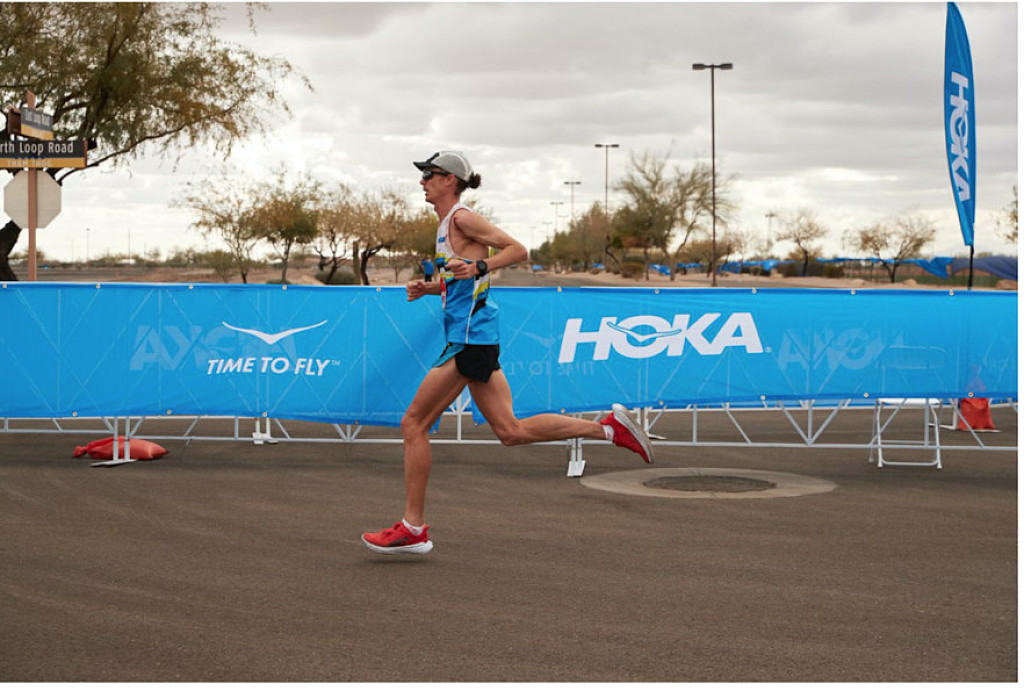
Jim Walmsley wins his third consecutive Western States 100
On an exceptionally hot day in California, Jim Walmsley won his third consecutive Western States 100 title Saturday in 14 hours, 46 minutes. Walmsley came through the Pointed Rocks aid station at mile 95 with a comfortable lead of about 81 minutes, and the live webcam followed his final mile by bike.
Walmsley, who lives in Flagstaff, Ariz., had admitted earlier in the week that he hadn’t been entirely healthy throughout his build up and had been nursing an IT band injury, leading to speculation that he might not even make it to the start line, but apparently he had nothing to worry about, as his remarkable result proved.
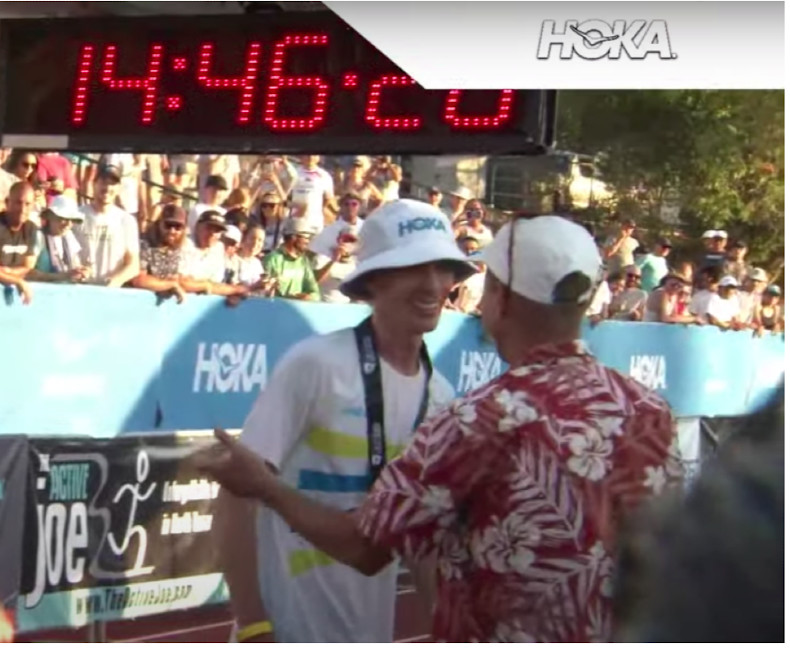
Walmsley ran 14:09:28 in 2019, the last time the race was run (it was cancelled in 2020 due to the pandemic), smashing the course record of 14:30:04 that he set in 2018, in his third appearance at the race. Today, he had put considerable distance between himself and Hayden Hawks by around mile 35, but it was clear another record was not going to be possible. (Hawks was in second position for most of the race, but shortly before Walmsley’s arrival at the finish line, announcers Dylan Bowman and Corrine Malcolm mentioned he was in danger of being passed by Tyler Green and Drew Holmen.)
Walmsley is only the third man with three consecutive victories; the other two are Scott Jurek, who had seven straight victories from 1999-2005, and Tim Twietmeyer, who won five times, three of them consecutively in 1994-1996.
Beth Pascall of the U.K. led the women’s race all day and is a good bet to win, but the top five were very close together throughout, making it too risky to call. Pascall won the Canyons 100K race in California in April, and shattered the record on the Bob Graham fell round in the U.K. last year. At the time of Walmsley’s finish, she was sitting at 7th or 8th overall, with Ragna Debats of the Netherlands (who is 42) and Ruth Croft of New Zealand (in her 100-mile debut) just outside the top 10 overall.
For the first time, there were live broadcasts on YouTube and by iRunFar, so fans could follow every minute of the race, with constant well-informed and passionate commentary from Bowman and Malcolm about the oldest and best-loved 100-miler in North America.
(06/27/21) Views: 58
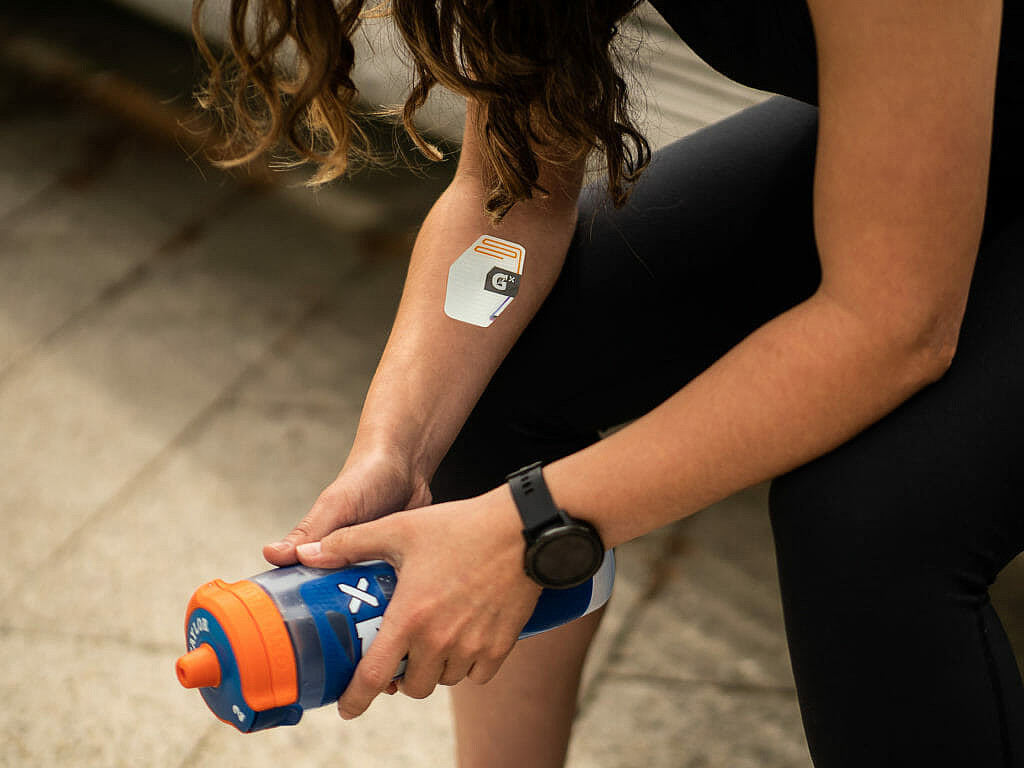
Gatorade’s New Sweat Patch Can Help Your Nutrition and Hydration Issues During Your Run
We tested this stick-on wearable that measures your sweat rate and sodium levels to see if it can help you optimize performance.
Knowing your sweat rate and sodium loss during a workout can help you customize your pre- and post-run fueling, as well as what you consume on the run. But until now, that’s been a bit of a guessing game.

Most runners figure out their hydration strategy via trial and error, because everyone’s body reacts so uniquely to workout intensity and environmental conditions. “In the same distance race in the same environment, some athletes lose less than 14 ounces an hour and some athletes lose 85 ounce an hour,” explains Matt Pahnke, a principal scientist at the Gatorade Sports Science Institute.
But Gatorade’s new Gx sweat patch ($24.99 for two) aims to take the guesswork out of hydrating. It’s the first at-home device that allows you to test your fluid loss (the total amount of fluid you lose during a workout), sweat rate (the amount you sweat over the course of one hour), and sodium loss (the amount of sodium you lose through your sweat) in real-time.
This kind of advice is so important because dehydration can decrease your endurance and increase fatigue, a recent study published in Frontiers in Physiology found; it also leads to a higher rate of perceived exertion, according to older research. Meanwhile, electrolytes are crucial to fluid balance and muscle contraction and relaxation.
Slap the patch on your inner forearm—the spot that’s most representative of your whole body when it comes to sweat, says Pahnke—before you run. As you sweat, you’ll see the orange line start to fill up—that’s to calculate your sweat rate; the purple line represents your electrolyte losses. Use your phone camera to scan the patch into the Gx app afterward, and the app will translate your data into sweat profiles that can inform future workouts and deliver personalized insights that can help you optimize your performance.
“This isn’t something you want to do every time you go for a run,” explains Pahnke. “What we recommend is that athletes develop at least four profiles: two different exercise intensities, two different environments.” Think: lower intensity workouts in cool and warmer environments, plus higher intensity workouts in cool and warmer environments. Then, when you schedule a future run in the app, it can provide recommendations based on a similar duration, intensity, and environment you’ve already tracked.

For example, during a recent 4-mile, moderate-intensity run on an 81-degree day, I lost 1,058 ml/hr. My sodium level (how much salt is in my sweat) was low, between 398 and 858 mg/L. The problem: The app doesn’t really explain what that means. What it does, instead, is use that information to provide guidance for future runs: When I scheduled an hour-long run for the following morning, the app suggested I consume 30 grams of carbs and hydrate with 12 ounces of fluid pre-workout, then consume 20 to 45 grams of carbs during my workout, and consume 18 grams of protein post-workout (it also doesn’t explain how it generated those specific numbers).
The catch with the patch and the app is they’re only as useful as you make them—to get the full benefits, you need to be scheduling your workouts, checking out the pre-run plan and checking back in post-run. “The more information you put into it, the stronger the advice is going to be,” says Pahnke. That may work well for some runners, but it may seem like too much work for others.
While the data makes it seem like an exact science, think of it as more of a guideline, says Tamara Hew-Butler, Ph.D., an associate professor of exercise and sports science at Wayne State University. “The move toward measuring fluid and electrolyte loss is a good start, but it should never be followed as an exact rule,” she explains. “You also have to listen to what your body’s telling you.”
In studying hyponatremia—a condition where sodium levels in the blood are lower than normal—Hew-Butler says she looks at the number, but treats the symptoms (in the case of low sodium, that would mean nausea, headache, confusion, and fatigue; extreme thirst, less frequent urination, dark urine, fatigue, dizziness, and confusion are all hallmarks of dehydration). “You have to look at wearable data the same way,” she says. Translation: You don’t need a patch to tell you you’re thirsty. “Data always has to be taken into context, context being how you feel in the moment.”
Because here’s the thing: If I eat a good breakfast, I know that I don’t need 20 to 45 grams of carbs in an hour-long run; I likely wouldn’t hydrate on that run, either, unless it was in scorching hot temperatures. “If you’re doing an average run that lasts less than an hour, the basic rule is you don’t need to carry anything with you—as long as you have fluids and a variety of foods available afterwards,” says Hew-Butler.
If you’re planning to run more than 60 minutes, it’s smart to bring fuel and water with you. How much you bring could be inspired by what your Gatorade sweat profile tells you (in my case, 36 ounces per hour), but you shouldn’t force yourself to consume that on the go if your body isn’t craving it. Aiming to consume 20 to 45 grams of carbs per hour on longer runs is also a good idea, but only if you know what works for you and your gut.
It’s tempting to get caught up in exact numbers and data, but, when it comes to hydration and fueling, don’t focus too much on the numbers, says Hew-Butler. “Your body signals what’s happening inside of you, and you need to respond to what your body’s telling you instead of what a watch, an app, or an algorithm is recommending.”
The bottom line: If you struggle with nutrition and hydration issues during or after running, the Gx sweat patch may help you dial in your fueling—just be prepared to input as much data as possible to get the most out of the service and remember to still stay tuned in to your body’s signals. If you don’t have issues, it’s likely best to channel your energy into your training plan and continue listening to your body.
(06/26/21) Views: 57Runner’s World
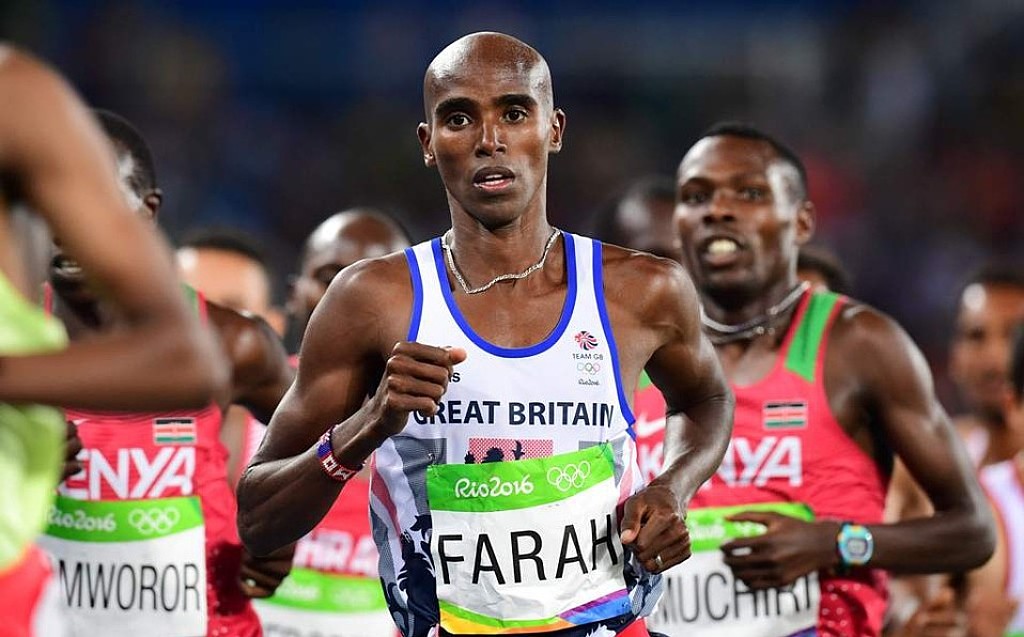
I'm not finished yet, vows Sir Mo Farah after not making the Olympic team
Britain's Mo Farah has vowed to end his career on a high note despite failing to earn a chance to defend his Olympic 10,000m crown in Tokyo.
Farah won the 5,000m and 10,000m double at both the London and Rio Olympics.
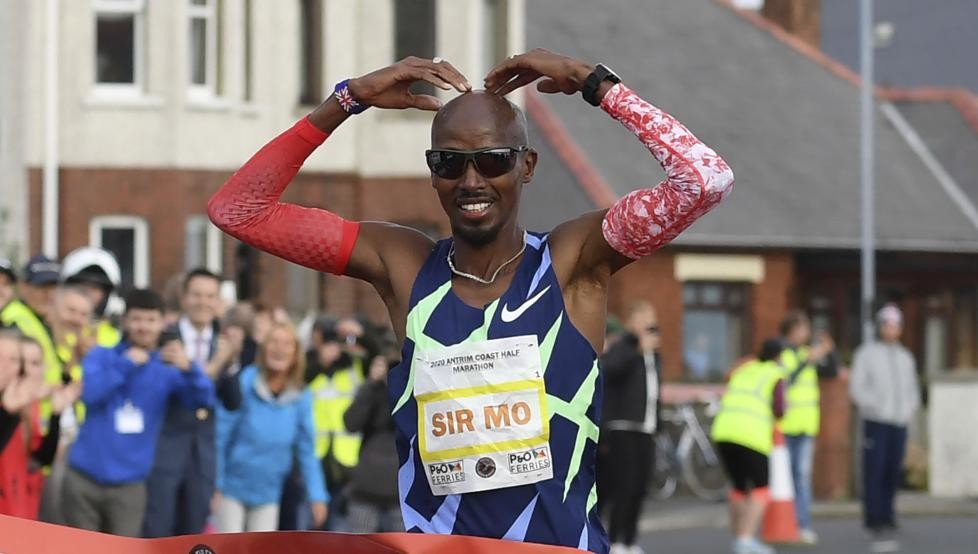
But the 38-year-old will not compete in Japan after falling short in his final qualification bid in Manchester on Friday.
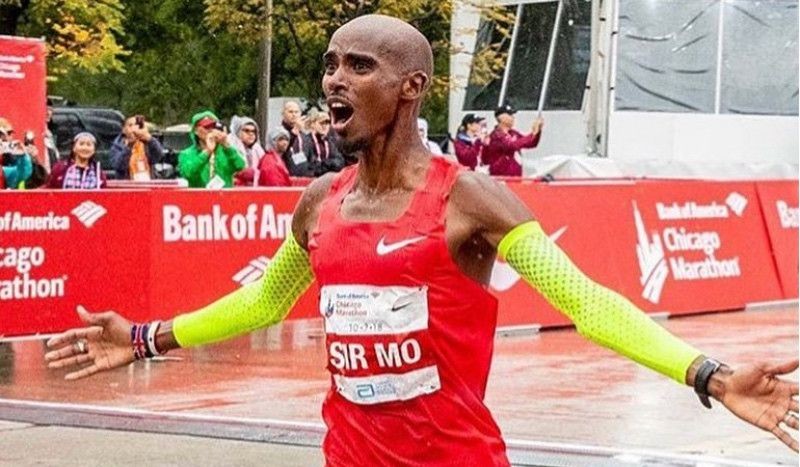
That was a crushing blow for Farah, but he is determined not to step away from athletics until he has enjoyed one more "massive" moment.
"At the moment in my career, I feel like I'm not finished yet. I know I can do it and I will not end it like this," Farah told TalkSport on Monday.
"I want to end it with something massive. Although obviously nothing is going to be as big as the Olympics, I want to come back out and do something great.
"That's what makes us champions. You have to continue, you have to go over many hurdles and you have to push on.
"At the moment, it's tough, but I will continue. You'll see that smile again."
After his Olympics heroics in 2012 and 2016, Farah admitted his failure to qualify for Tokyo came as a shock.
"The Olympics only come around every four years and when the opportunity comes you've got to take it, but this is the reality now, I'm not going. I'm so disappointed," he said.
"But I've said from day one, if I can't compete with the best out there, I wouldn't bother. If I'm not capable of that, why would I turn up just to make it on the team? I wouldn't do that."
(06/30/21) Views: 56
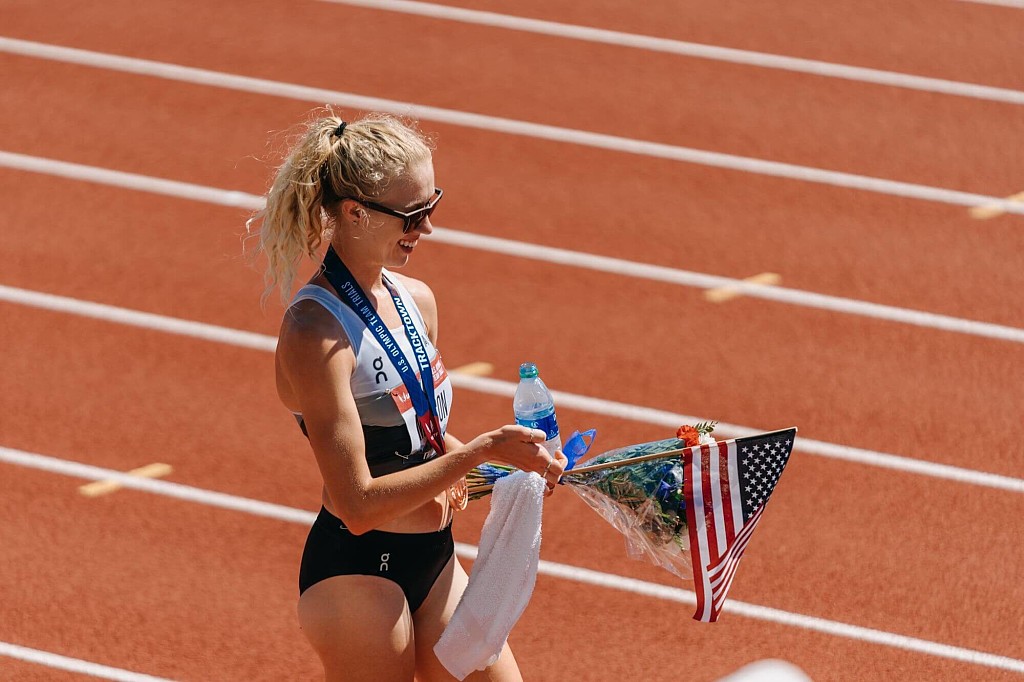
Former University of Wisconsin athlete Alicia Monson qualifies for Olympics in the 10,000 m
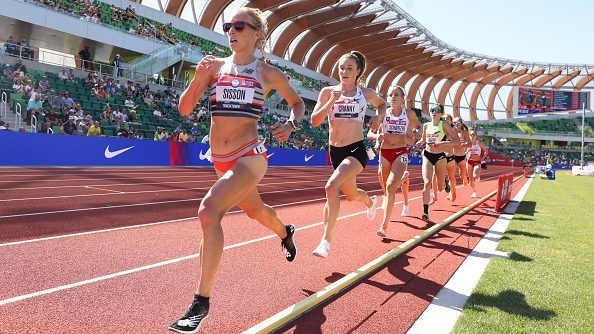
Taking the lead in the fifth lap and never letting up, Emily Sisson won the 10,000 in 31:03.82 on June 26 at the U.S. Olympic Track & Field Trials. Despite a start temperature of 85 degrees, Sisson broke the 17-year-old Trials record of 31:09.65, set by Deena Kastor in 2004.
Karissa Schweizer moved from third to second in the final lap, finishing in 31:16.52, and Alicia Monson claimed the third team spot in 31:18.55.
Monson, 23, who runs for On Athletics Club in Boulder, Colorado, also made her first Olympic team. She was wobbly in the final few laps, and after the medal ceremony, she collapsed and started vomiting and had to go to the hospital as a precaution, according to her coach, Dathan Ritzenhein.
“She’s the toughest person, the quietest, toughest person you could imagine,” he said. “I think she’s one of the next greats. She showed it today.”
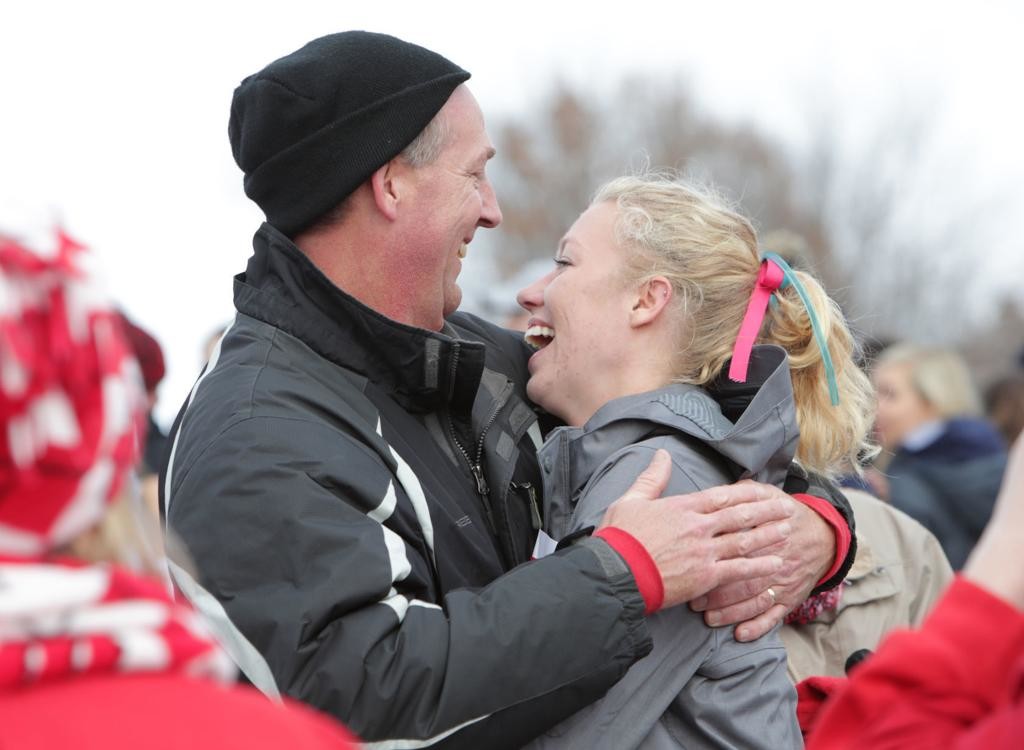
Schweizer also qualified for the 5,000-meter squad on Monday, and she said she was exhausted in the day’s heat. It is unclear whether Schweizer plans to run both events in the the Olympics. If she gives up her 5,000-meter spot, Abbey Cooper will be named to that team. If she gives up her 10,000-meter spot, Niwot native Elise Cranny, fourth in 31:35.22, and Rachel Schneider, fifth in 31:42.92, are eligible to run the 10K in Tokyo.
Cranny and Schneider, however, are also already on the 5,000-meter team. So if Schweizer, Cranny, and Schneider all decide to skip the 10K, then Sara Hall, sixth in 31:54.50, will run the 10K in Tokyo.
(06/28/21) Views: 54Colorado Runner
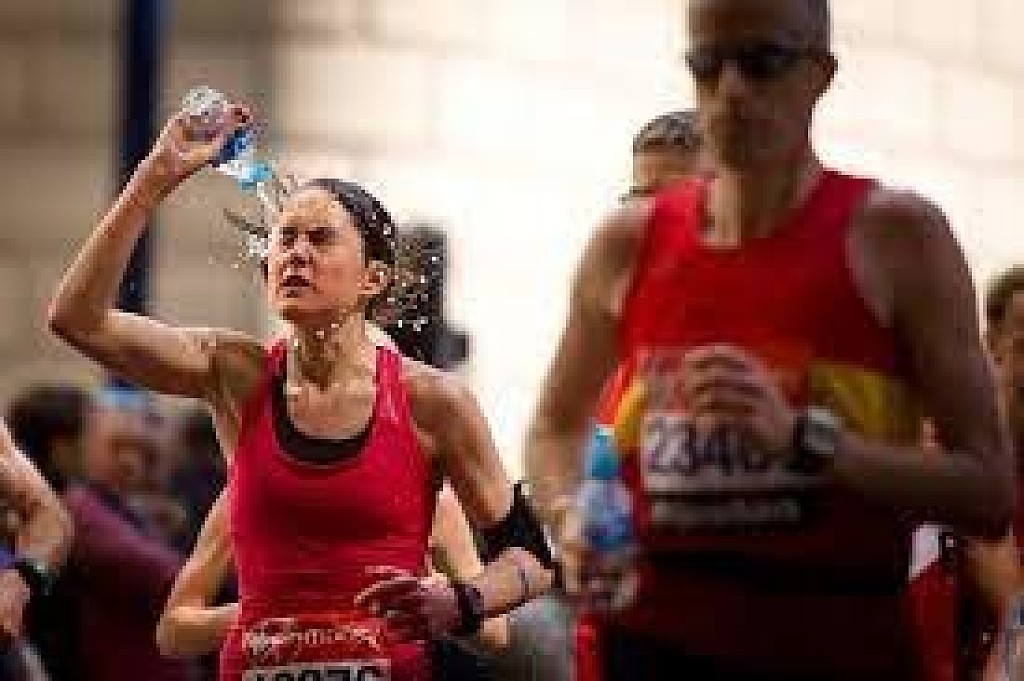
London Marathon introduces bottle belts as part of COVID-19 countermeasures
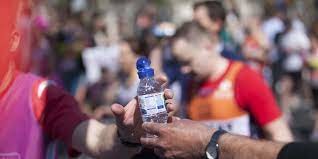
Organisers of this year’s London Marathon are urging all participants to use its new bottle belts to reduce the number of touchpoints during the event.
London Marathon Events (LME) claim the introduction of bottle belts is "one of a number of measures" being planned to ensure the event, scheduled to take place on October 3, is "COVID-19 secure".
The full details of LME’s plans to mitigate the risk of spreading COVID-19 are expected to be announced by the end of August.
Designed by LME, the bottle belts are said to be made from more than 90 per cent recycled plastic by Manhattan Portage.

According to LME, a trial at the 2019 London Marathon found that the use of the belts led to a 45 per cent reduction in the number of bottles used by each participant.
The belts, specially designed to carry both the Buxton Natural Mineral Water 250-mililetre bottles and 500ml bottles of Lucozade Sport, enable participants to keep their bottles with them rather than discarding them after a few mouthfuls.
"The use of bottle belts means a potential huge reduction in touchpoints for runners, which is part of our planning to create a COVID-19 secure event, so we encourage every runner at this year’s Virgin Money London Marathon to wear a bottle belt," said LME event director Hugh Brasher.
"It’s also a very practical and useful training aid for all runners.
"Our trial showed that wearing a bottle belt led to a 45 per cent reduction the numbers of bottles of water required by a participant and that will significantly reduce gathering around water stations and touchpoints on October 3.
"In addition, use of the belts means we can ensure runners have the hydration they need to finish one of their greatest challenges while also reducing waste."
Buxton Natural Mineral Water and Lucozade Sport bottles are said to be fully recyclable and made from 100 per cent recycled plastic.
LME promised it would create dedicated drop zones for used bottles to be collected during the event and returned to be recycled as part of "a bottle-to-bottle closed loop system".
The belts are part of LME’s long-term commitment to reduce its impact on the environment, set out in its annual report, labelled "Leaving the Right Impression".
LME’s pledges include switching to 100 per cent renewable energy, donating more than 8,000 items of clothing to charitable causes, planting more than 1,000 trees to balance its carbon emissions and joining other mass participation sports organizations to share knowledge, experience and set cross-industry standards.
(06/28/21) Views: 51Geoff Berkeley
