

Running News Daily
Top Ten Stories of the Week
6/12/2021
These are the top ten stories based on views over the last week.



Meet Chamonix's Trail Running Dog
Here's a lesser-known fact about Chamonix, France, one of the world's renowned trail running towns: it might just have the planet's highest density of tough mountain dogs. Here, there are dogs living at high mountain huts, guarding livestock, rescuing avalanche victims and even climbing ladders bolted to cliff sides. Dogs saunter along the pedestrian center of Chamonix, often unaccompanied, and wander into cafes and restaurants as if they own the places. And, in a sense, they do.
Into this mix, and reigning over the high northeast end of this 20-kilometer-long valley is the fluffy-but-tough Enzo Molinari Spasenoski Kotka, longtime trail-running partner to one of the world's strongest ultrarunners, Sweden's Mimmi Kotka.
Kotka, 39, though she lives a low-profile life with her husband Toni Spasenoski, is well known in the valley. Sponsored by La Sportiva, she has a litany of top finishes in the world's most competitive ultras. In Chamonix alone, she has won three races: the 90K in the Mont Blanc Marathon series, the Ultra-Trail du Mont-Blanc (UTMB) 101K CCC and the 119K UTMB TDS, during which she set a course record. Modest and easy-going, you will never hear Kotka brag about her successes. Well, almost never. Once, a few days after winning TDS, Kotka was stopped on a trail and got to deliver a line many dream of uttering. "Did you run one of the UTMB races?" a passerby asked. Kotka admitted that, why yes, in fact, she had. The questioning continued. "So, how did you do?" Kotka chuckled and beamed. "I won!"
Kotka, who has a Masters of Science in Molecular Nutrition and is a partner in Moonvalley, an organic sports food company, lives in the village of Le Tour, just below the Swiss border, with her husband Spasenoski, who works remotely as a high-tech project manager. And, rounding out the family, there is Enzo.
Spend more than a day or two on the quiet, rugged trails in this part of the valley and your paths will cross with Mimmi and Enzo. They are so often together, it's more common to hear Mimmiandenzo than the former without the latter.
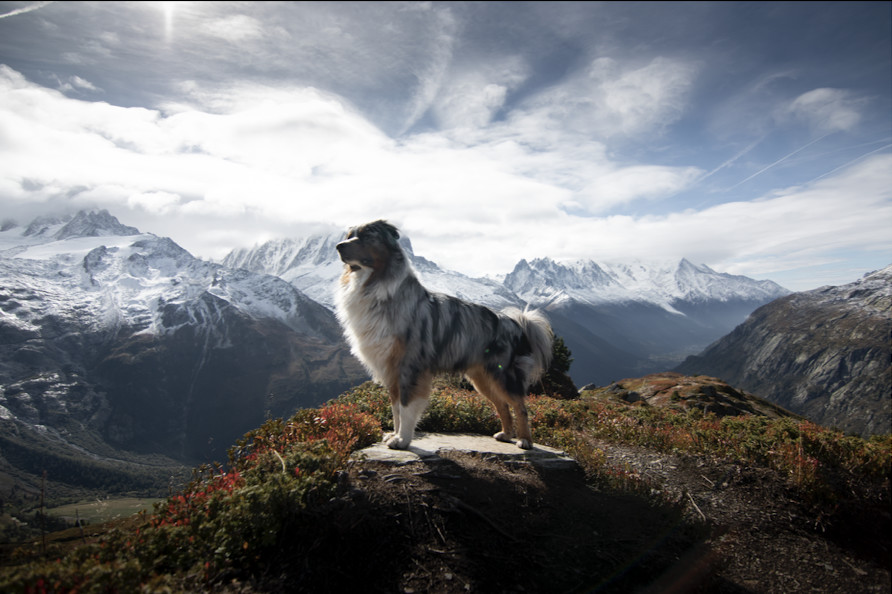
Enzo, now 4, it must be said, is beautiful and highly photogenic. His thick, mottled coat of blue-gray, brown, black and white fur is perfectly suited for a life herding sheep high in Italy's Gran Paradiso region from where he came.
Kotka's trail-running partner seems to know just how gorgeous he is. "He's kind of a Diva," Kotka says. "He just wants attention. He'll lie down in front of onlookers, expecting to be admired and cuddled. We spoiled him, and we got the dog we deserve."
These days, Enzo is getting plenty of time in the limelight. Kotka's Instagram feed is filled with striking photos, taken by Spasenoski, of the two out in the mountains in all seasons. Spasenoski joins the two for runs, taking photos and struggling to maintain the pace. Enzo knows the drill, often climbing up to view points, puffing his chest like the Lion King surveying his kingdom. "He thinks he's a mountain guide, but really he's an influencer," Kotka laughs.
With or without the lens eye, however, Mimmiandendzo have a tight bond on the trail. Together, they have run to glaciers halfway up Mont Blanc and high-mountain huts like the Refuge Albert Premier perched on the jagged skyline high above their Le Tour home.
"Sometimes, when I'm running with him, I feel one energy." Kotka pauses, trying to explain the sensation. "I feel very connected to him." When she stumbles, she says, Enzo immediately runs back to her to make sure she's okay.
There are the inevitable bumps, of course. Herding is part of Enzo's DNA, and there's no off switch, either. Running high above their village, Enzo once spotted a sheep away from its flock.
"He went completely nuts," says Kotka. "He was barking like mad and not listening to me. At the time, I didn't understand the instincts of a shepherd dog." At other times, Enzo's been known to herd escaped sheep back to the right side of their fenced-in pastures.
For better or worse, those herding instincts apply when the animal has two legs, too-that can make for awkward moments when Kotka is running with friends and the group spreads out. "I feel sorry for the runner in the back," explains Kotka. "Enzo literally nibbles at their butt."
Like every mountain runner, Enzo has had his accident or two. Descending from the Possettes, a dramatic ridgeline that is part of the course of the Mont Blanc Marathon, he took a tumble over a cliff band. The two heard Enzo barking, far below. Early spring, he fortunately landed on a snowfield but had taken a long slide.
"He was OK, but frazzled," says Spasenoski. "I've done the same thing!" And a few winters ago, out with Kotka while she was ski mountaineering, Enzo injured his eye in a freak accident when he hit a metal object buried in the snowpack. An infection and cataracts ensued. To protect his eyes after the incident, their Italian adoptee received dog goggles for Christmas. They did not go over well.
"He wouldn't move. He was like a statue," says Spasnoski. "He was like, 'What the hell am I wearing?'" These days, Enzo takes a timeout during the rugged Alps winter season.
Along the thousands of kilometers of mountain trails they've shared together, Enzo has been a teacher as well. "I've learned a lot from Enzo," says Kotka. "I wasn't expecting that." [TK-any specific lessons?]
What other life lessons has their social media star imparted to the family? "Some days can be pretty crummy," says Spasnoski, "But then you see this guy," he says, gesturing downward. "And everything is OK."
"Enzo makes us a family," Kotka adds. "We have someone to care about. He's been good for our relationship. Besides, she adds, "He's such a character, and makes us laugh. And he has a good heart. Right, Enzo?"
The tail thumps once on the floor. Definitely.
Name: Named after Enzo Molinari, a character from Kotka and Spasenoski's favorite film, The Big Blue, about the world's greatest free diver. Before discovering trail running, Kotka had a brief obsession with free diving. All that remains are, she notes, a lifelong addiction to the film and a bad diver tattoo on her back. Molinari had a big personality and a kind heart.
Birthplace: Enzo was born at an organic honey farm in Valsavarenche, Italy, next to northern Italy's wild Gran Paradiso National Park. One of six pups, his mom is Australian Shepherd. His father has been narrowed down to one of three likely suspects, but has not come forward.
Age: Four, or 32 in dog years. Enzo turns 5 on June 12th.
Weight: 30 kilos, about 65 pounds.
Favorite animals: A very large, fat cat used to be part of the family, and to this day Enzo loves cats. (As a rule, they do not love him back.)
Running Routine: 10 to 20 kilometers a day. "Around here, that's a lot," says Kotka, alluding to the challenging nature of the terrain around Chamonix. Enzo avoids runs of more than a few hours, and during the warm summer months prefers to run in the early morning or later in the day ."He could easily go for 10 hours," says Kotka, who is cautious about the miles logged on Enzo's pads. "He loves riding lifts," she adds.
Longest Trail Run: The pair did a two-day reconnaissance of parts of UTMB's technical TDS course. "We went slowly," says Kotka, "and made plenty of stops."
Favorite food: Homemade cheese pizza. "Eating some of a pizza I made was the only time he didn't greet Mimmi," says Spasenoski. "He's Italian. What do you expect?"
When he's not trail running: Napping on cool surfaces and sniffing human butts.
House rules: Enzo's not allowed in the bed. "It's too hot for him, anyway," says Kotka. Instead, he sleeps near the drafty balcony door. After breakfast, he'll often sleep outside in the cool mountain air that blows off the nearby Le Tour glacier.
(06/06/21) Views: 153Trail Runner Magazine

There will be zero marathon runners from India at the Tokyo Olympics
Marathon races in the Olympic Games have been a permanent fixture in the men's roster since the inaugural Athens Games of 1896, while the women's event was first held 88 years later in Los Angeles. Ethiopian athletes have enjoyed the most successful in Olympic marathons, with men winning four golds; two of which came from Abebe Bikila in 1960 and 1964, who was the first athlete to win back-to-back golds (the only other athlete to win two golds in the marathon was East Germany's Waldemar Cierpinski in 1976 and 1980), and Ethiopian women have won two golds.
The Olympic records are 2:06:32 for men, set by Kenya's Samuel Wanjiru in 2008; and for women, it's 2:23:07 seconds, set by Tiki Gelana of Ethiopia in 2012.
India's history at the marathon dates back to 1928 when Phadeppa (Pavananjey) Dareppa Chaugule became India's first Olympic marathon runner. He represented India in the 1920 Summer Olympics in Antwerp, Belgium, and finished 19th with a timing of 2 hours 50 minutes 45.2 seconds. He hails from the town of Belgaum (Now Belagavi) in Karnataka.
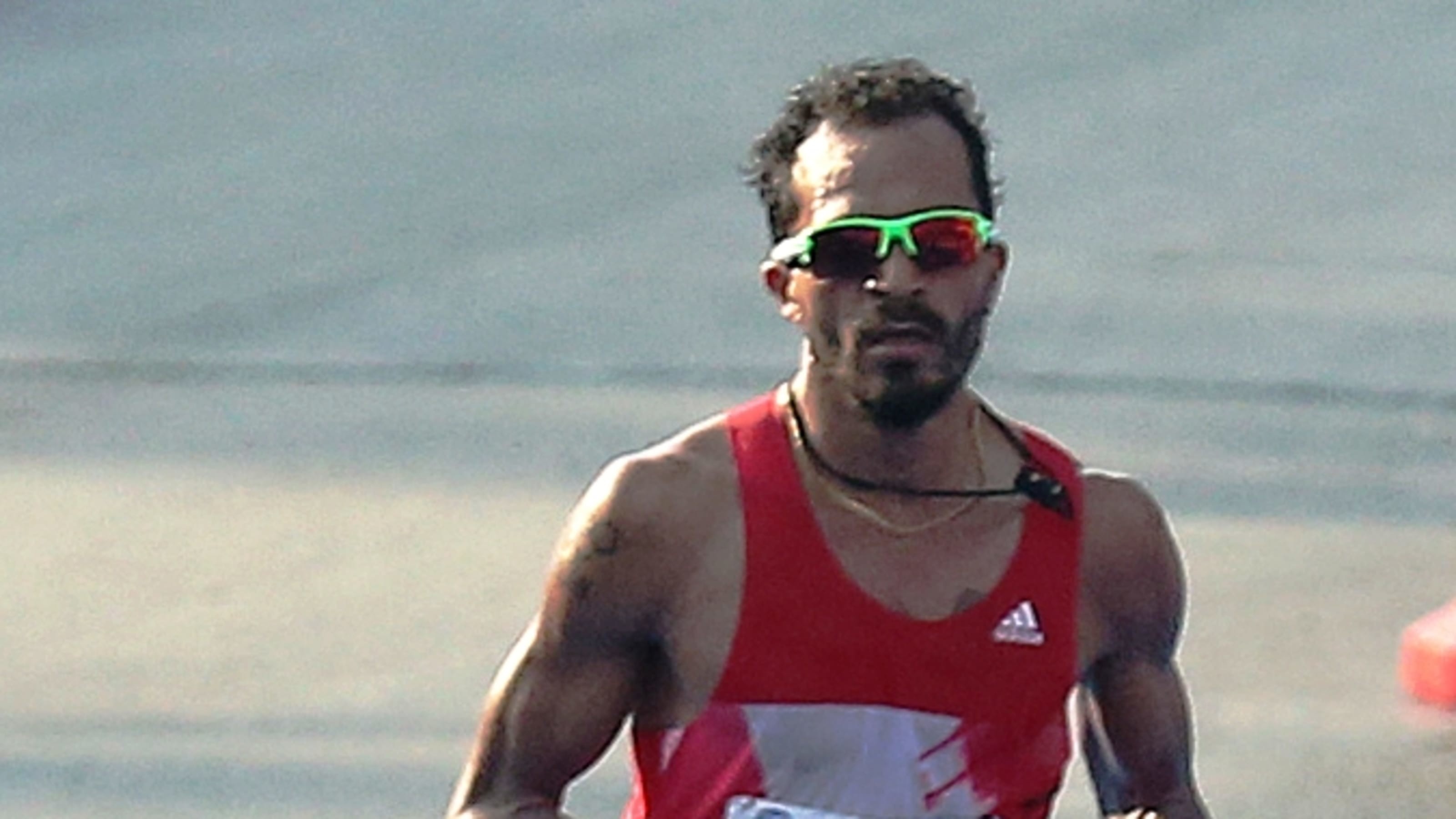
With the passage of time, many Indian marathon runners have taken part in the Olympics, with the 2016 Rio Olympics, having the highest number of five athletes - Thonakal Gopi, Kheta Ram, Nitendra Singh Rawat among the men, O.P. Jaisha and Kavita Raut among women. However, five years down the line nobody from India will be qualifying for Tokyo Olympics in the marathon.
Why did Indian athletes fail to qualify in marathons for Tokyo Olympics? To understand the reason one has to know the qualification process for the marathon at the Tokyo Olympics. The athletes in marathons (both men and women) can qualify by either entry standard or qualify by ranking during the qualifying period. The qualifying standard is 2:11:30 for men and 2:29:30 for women, while the qualifying period was originally from 1 January 2019 to 31 May 2020. Due to the COVID-19 pandemic, the period was suspended from 6 April 2020 to 30 November 2020, with the end date extended to 31 May 2021. The world rankings period start date was also changed from 1 January 2019 to 1 December 2018.
With so many runners qualifying by meeting the entry standard, there was no scope left for an athlete through the world ranking. Indian athletes' hopes were shattered mostly because of the coronavirus wreaking havoc without allowing the Athletics Federation of India (AFI) to conduct marathons at regular intervals since 2020. Though the date was extended to 31 May 2021, India hosted fewer marathons, and also the potential challengers for Tokyo Olympics took part in a few of them hoping to qualify through the marathons hosted in 2021. With the second wave of coronavirus hitting India hard again, many of the marathons got cancelled and as a result, India's best marathon hopefuls could not meet the qualifying standard. Among the men, the hopefuls were Nitender Singh Rawat, Srinu Bugatha and Rashpal Singh.
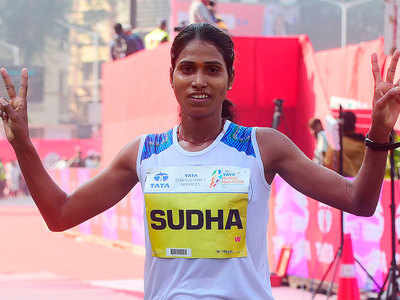
While Rawat attained a personal best of 2:15:52, Bugatha and Rashpal could attain 2:14:59 and 2:18:57 during the qualification period. Among women, Sudha Singh had a PB of 2:34:56, Jyoti Gawate a 2:45:48 and Swati Gadhwe 2:58:10. With nobody being able to meet the mark, India will have to go to the Tokyo Olympics without a marathoner.
(06/05/21) Views: 71The Bridge

Canadian record-holders Levins, Elmore headline Canada's marathon team for Tokyo
Seventeen years after she last raced at the Olympics, distance runner Malindi Elmore has earned a spot on Canada's team for Tokyo, while Cam Levins will race at the Games after dipping under the qualifying mark with just a week to spare.
The two Canadian record-holders in the marathon highlighted Athletics Canada's team of long-distance runners and race walkers nominated on Friday.
Nine Canadian marathoners had achieved the qualifying criteria in the marathon, but each country is allowed only three men and three women, leading to speculation about the squad in recent weeks, and posing a good problem for Athletics Canada with the depth of talent.
"Over the past few years, Canadian middle- and long-distance runners have accomplished great things on the track and on the road," Athletics Canada's head coach Glenroy Gilbert said in a statement. "In Tokyo, we'll see a new generation of marathoners who have broken Canadian records, established impressive personal bests on-demand in less-than-ideal conditions and made a name for themselves in the gruelling 42.195-kilometre event.
"We are excited to see what this group can do in Sapporo against the greatest athletes in the world, as they deserve to be there."
World bronze medallist Evan Dunfee tops the race-walk team, while Mohammed Ahmed and Andrea Secdafien earned spots in the 10,000 metres.
The rest of Canada's track and field team will be announced at a later date.
Dunfee had already clinched his spot on the team based on his bronze at the 2019 world championships, while Dayna Pidhoresky and Trevor Hofbauer had previously earned automatic berths after winning the women's and men's Canadian marathon titles.
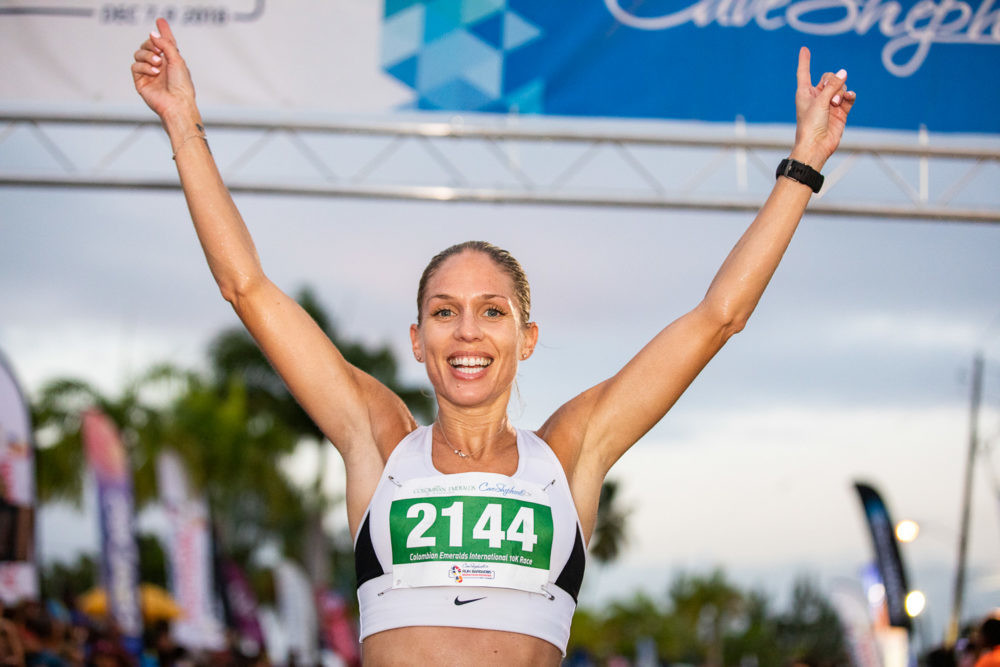
Elmore is a terrific comeback story. The Kelowna, B.C., native ran the 1,500 at the 2004 Athens Olympics missing the semifinals by one spot, then retired from track in 2012 and became a world-class Ironman triathlete. Moving down to the marathon in 2019 — as a mom of two, she said it requires less training time than the Ironman — she broke the Canadian marathon record in January 2020.
Natasha Wodak, who's raced at three world championships in the 10,000 metres, is the third Canadian woman on the marathon team.
Levins, a finalist in the 5,000 and 10,000 at the 2012 London Olympics, shattered the Canadian record in his marathon debut in 2018. He fell short on two attempts over the past year to qualify for Tokyo, but the 32-year-old from Black Creek, B.C., finally dipped under the mark on May 23 — a week before the qualifying window closed — in Styria, Austria, despite running in rain and alone for the last 25 kilometres of the race.
Ben Preisner is the third men's marathoner nominated to the team.
"I am so pumped about this group of athletes," said Canada's chef de mission Marnie McBean. "They chose the 'suffer' events and make them look easy. Many of their recent results have been a beacon of light for the whole of Team Canada."
Mathieu Bilodeau joins Dunfee in the 50-kilometre race walk based on his world ranking.
The marathons and race walk events will be held in Sapporo due to Tokyo's heat, and because of COVID-19, athletes will be restricted to staying in Sapporo.
"Woohoo! Stellar Sapporo crew locked in," tweeted Dunfee, who was fourth at the 2016 Rio Olympics. "We'll be the only Team Canada teammates we see at the Olympics, sequestered 800km away, so I'm stoked that these people are all so lovely."
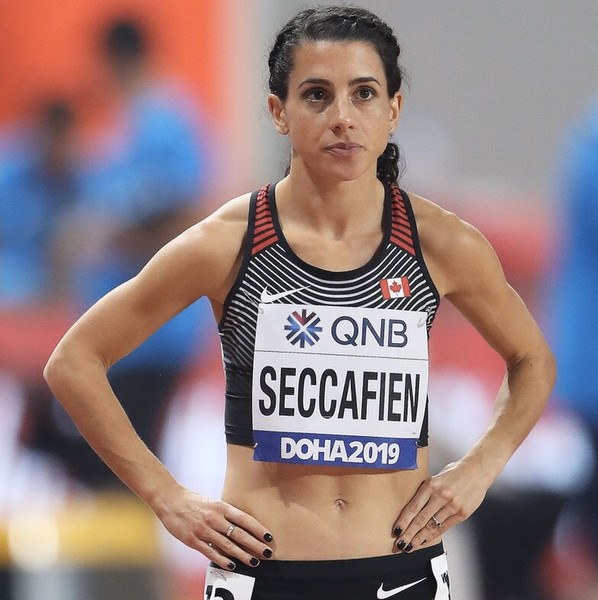
Mohammed Ahmed and Andrea Seccafien were nominated in the men's and women's 10,000. Ahmed owns the Canadian records in the 5,000 and 10,000 and won bronze in the 5,000 at the 2019 world championships. Seccafien broke the Canadian record in the 10,000 just three weeks ago.
The window to qualify in the 10,000 remains open for another month, so Canada could add runners in that distance based on either their world ranking or by achieving an automatic entry standard.
(06/05/21) Views: 62Canadian Press
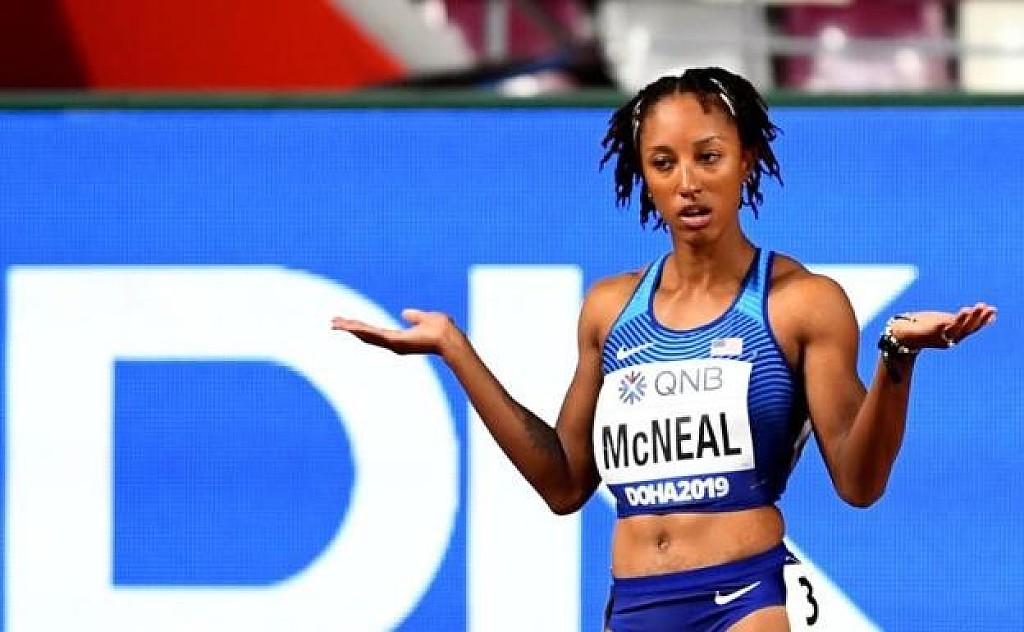
Doping-Olympic champion Brianna McNeal banned for five years, CAS to hear appeal before Tokyo Games
American Olympic 100 meters hurdles champion Brianna McNeal has been banned for five years for an anti-doping rule violation (ADRV), the Athletics Integrity Unit (AIU) said on Friday, with her participation in the Tokyo Games in doubt until her appeal is heard.
McNeal, who had been charged and provisionally suspended for "tampering within the results management process" in January, was sanctioned by a Disciplinary Tribunal as it was her second violation of World Athletics' anti-doping rules.
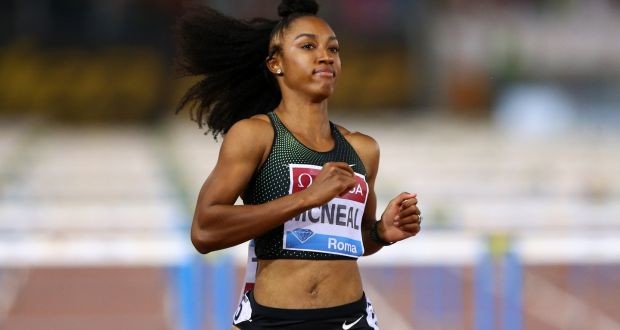
The ban is effective from Aug. 15, 2020. The AIU said McNeal has appealed against the decision to the Court of Arbitration for Sport (CAS), with the case set to be heard before the July 23-Aug. 8 Tokyo Olympics.
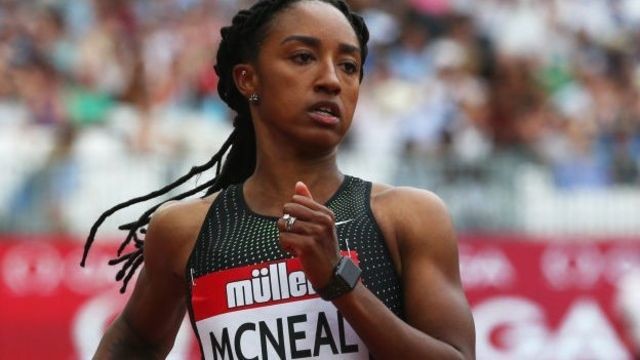
The AIU added that CAS had granted McNeal "provisional relief and temporarily stayed" the tribunal's decision so she can compete until the end of the U.S. Olympic trials on June 27.
The AIU did not elaborate on its decision for "confidentiality reasons".
McNeal, who won gold at the 2016 Rio Olympics and was world champion in 2013, had denied testing positive for any banned substance.
The 29-year-old led a U.S. clean sweep of the 100m hurdles podium at the 2016 Olympics but was banned for a year when she missed three out-of-competition drug tests, which constitutes an ADRV.
Her ban, which was applied for the 2017 season, resulted in her missing the World Championships that year.
(06/04/21) Views: 53Toby Davis
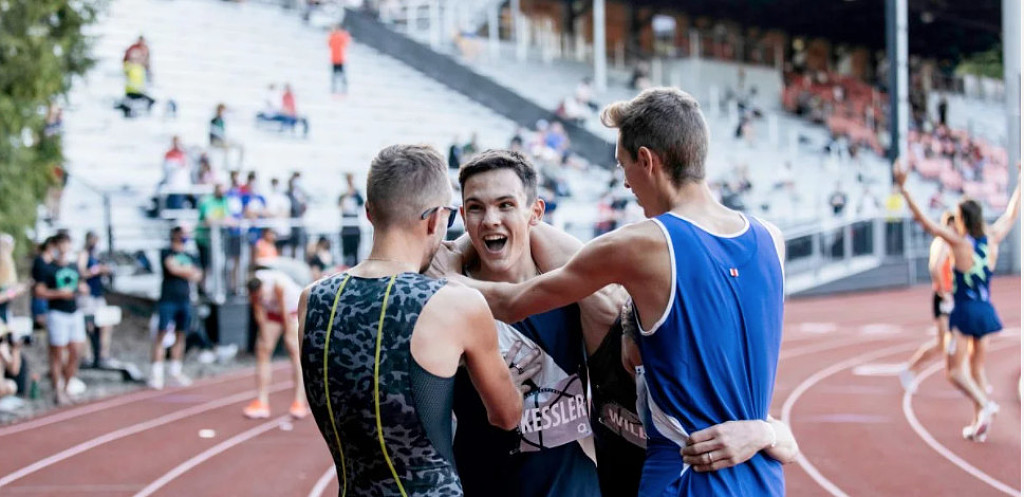
Introducing the Country’s Fastest High Schooler
Hobbs Kessler is taking the running world by storm
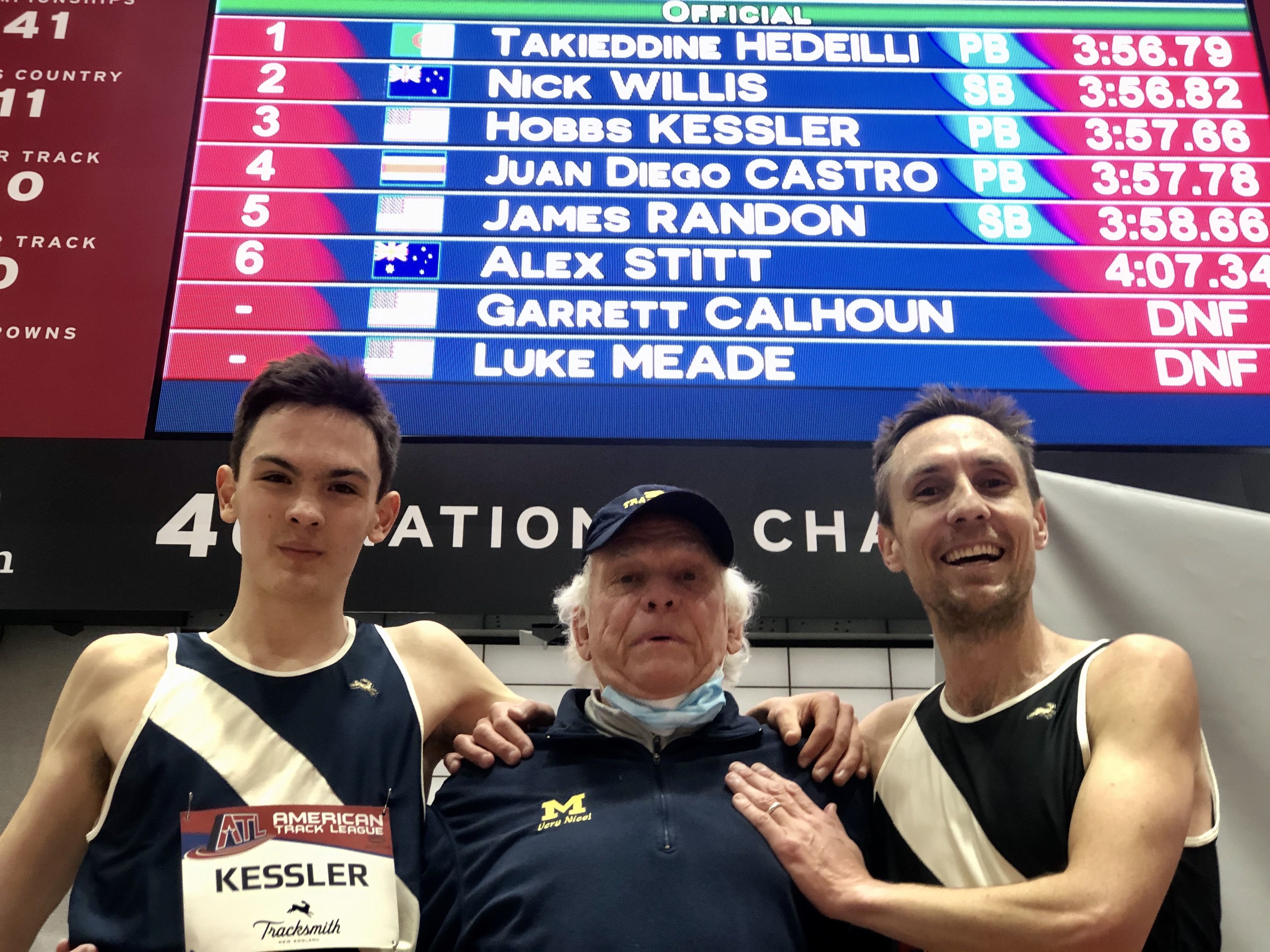
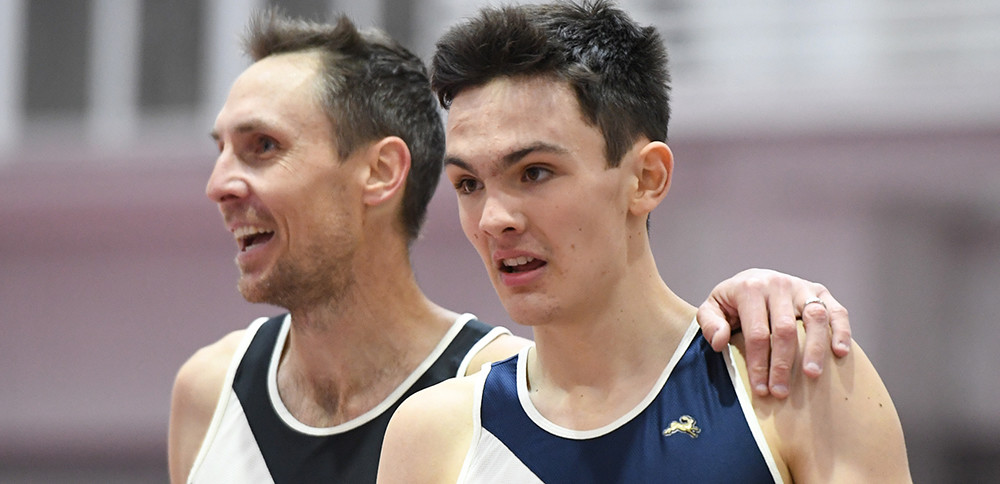
Last February, Hobbs Kessler, a 17-year-old senior from Michigan who has committed to run for the University of Northern Arizona next fall, set a new high school record for the indoor mile. His time of 3:57.66 made him only the twelfth American high schooler to break the four-minute barrier since Jim Ryun first did it in 1964. The feat was all the more notable considering that Kessler’s mile PB coming into the race was a comparatively modest 4:08.4, which he ran last summer. As Track and Field News noted, Kessler’s record had come “seemingly out of nowhere.”
One explanation for Kessler’s sudden arrival into the upper ranks of American middle-distance running is that the pandemic has caused a number of rising stars to train in relative obscurity, with far fewer official meets to document the gradual progression of their talent. (Apparently, Kessler’s 4:08 mile last year was set in a time trial.) No wonder, then, that after his record-breaking run in February, the narrative around Kessler quickly morphed from Who is this guy? to What else is he capable of?
At last weekend’s Portland Track Festival, we found out. In the men’s 1,500-meters, Kessler, now 18, ran 3:34.36 to break Alan Webb’s 20-year-old high school record in the “metric mile” by almost four seconds—an eternity in such a short race. What’s more, Kessler’s time was also quicker than the men’s collegiate 1,500-meter record (3:34.68) and faster than the current Olympic standard (3:35.00). The guy few people had heard of six months ago was suddenly on the shortlist for the greatest U.S. high school runner, ever.
Until recently, track and field wasn’t even Kessler’s primary focus. In 2019, he represented the United States at the IFSC Climbing World Youth Championships. I caught up with Kessler to chat about the miraculous evolution of his young running career, choosing track over climbing, and his plans for the future.
OUTSIDE: Last summer, you cracked 4:10 in the mile for the first time. Less than a year later, you’ve run a 1,500 that converts to a 3:51. Are you shocked by how quickly you’ve progressed in such a short time? Can you still savor the moment?
KESSLER: In early 2020, I just wanted to run 4:13, indoors, in the mile. And then it kind of snowballed from there. I’ve gotten used to shifting my mindset on how I view myself as a runner. As I keep upping it, I always think, “OK, this is the last time,” but it hasn’t been so far. So, it’s been a little crazy in that regard, but I’m really enjoying it. I feel like I’ve been able to adapt my mindset really quickly—a lot faster than my folks. I think they’re still stuck six months back, which is pretty funny.
By “shift in mindset,” I’m guessing you mean a shift in expectations that you have for yourself. Are you worried that you might not be able to live up to your own standards, considering how quickly you’ve progressed?
I guess it can be a double-edged sword. In the winter, before I broke four for the first time, the 60-second-per-lap pace was everything, so that’s what we did all our workouts at. Now that I’m more fit, 57 is the new 60. But it’s all about not viewing it as fast. Because if I thought of 4:10 as fast, then I’d probably be running 4:10. So, you can control some of it with your mind. As far as not living up to expectations, I know that at some point I’m going to take a hit and not be running as well. But this season, I’ve been taking everything in stride and good things have been happening. I’ve never worried that I wasn’t going to run well.
There’s a theory that the bizarre circumstances of the pandemic might have helped some athletes nurture their talent by clearing their racing schedule. Is there any sense in which the events of last year changed your approach to training and racing?
As far as training goes, I would say the pandemic allowed me to just take a block from March 2020 to August to just get stronger. When the season got shut down, my dad switched me over to doing tempos on Tuesdays and hills on Fridays. But I was doing a lot of really fast strides because I wanted to develop my speed. Trying to work on my form. I’m a fairly fresh runner and haven’t been at it that long, so my running form is still very malleable. I didn’t have a race to worry about, so I just ran two big workouts a week and a big long run. I think people are realizing that racing less and training more can yield faster times. I’ve probably only gone all-out five times this year—but when I do decide to go all-out, I put a lot of emphasis on not wasting the opportunity.
I know that you are coached by your father, but also by Ron Warhurst—a legend in the coaching world, who is credited with “inventing” one of the sport’s most famous workouts. Do you have a favorite session that you like to do—perhaps something from Warhurst’s catalog of torture?
Both Ron and my dad have a lot of input in my training, but I’m more on Ron’s program now. I would say that my favorite workout of Ron’s has to be “Michigan,” because it’s his signature thing and you hit pretty much every pace and it can also be adjusted to wherever you’re at.
You’ve qualified for the Olympic Trials in the 1,500 as a high schooler. That’s nuts. But you’re also in a good spot in which there’s no pressure and where, presumably, you can just go and enjoy the experience. How do you plan to approach the Trials and do you have any other running goals for the summer?
After I broke four minutes in the mile, getting to the Trials was really the big goal. So I’m very excited about that race. Originally, I was just viewing it as a great experience where I could learn a lot so that, in three years, I might be in a position to compete for a spot on the team. But now that I’m one of the few people with the Olympic standard, my mindset has changed a bit. My thinking is that, if I’m there, I might as well have a run at the team. It’s a win-win because if I make the Olympic team that would be awesome, but if I don’t, I’m only 18 and will have a lot more attempts at it. I feel like I’m in a very cool spot where there’s no pressure, but I might as well give it a go.
You have an impressive climbing background, but it seems like you’ve decided to prioritize running for now. Was that decision based primarily on the fact that running is where you have the most talent, or was it something else?
I’m definitely prioritizing running, but I wouldn’t say it’s a conscious decision. That’s just the sport that I’ve drifted more towards in the past year or two and it’s what I’m more excited about. It’s not that I decided that I could be more successful at it, so much as that I’ve drifted towards it throughout high school.
Do you feel like the two sports complement each other in some way?
I think climbing really helps running, but running doesn’t really help climbing.
How so?
Well, the big carryover from both—and this does go either way—is that the mental stuff is the same. Race nerves in running and redpoint jitters in climbing. So there it’s the same stuff. In competitive climbing, I had to develop skills to deal with it, which translated directly to my running. But I think running destroys my coordination a little bit for climbing, so it’s hard to do both at the same time. I tried to be really good at both at the same time, but it just wasn’t possible because they started fighting each other a little bit. So I decided to let go of trying to be really good at climbing and to just do it because I enjoy the act of it.
You’ve now run a time that is faster than the NCAA 1,500-meter record. Unsurprisingly, this has fueled speculation that you might decide to go pro and skip college-level racing altogether. Do you think that early success can obscure the fact that running talent still needs to develop gradually?
When I was talking to colleges that was one of the biggest criteria I had. I wanted to make sure they developed me and weren’t just trying to get as much out of me while I was in school. So I’ve kind of had that view. Running aside, if I were to go pro, it would have to create a situation that would be worth missing out on the experience of being in college and being on a team. And I really want that experience. I’m not ready to be done being on a cross-country team. So going pro would have to outweigh that by a significant amount. Everything seems really immediate and important right now, but I have confidence it will even out. Whatever decision I make, I have confidence in the people who have been guiding me so far.
(06/04/21) Views: 51Outside Online
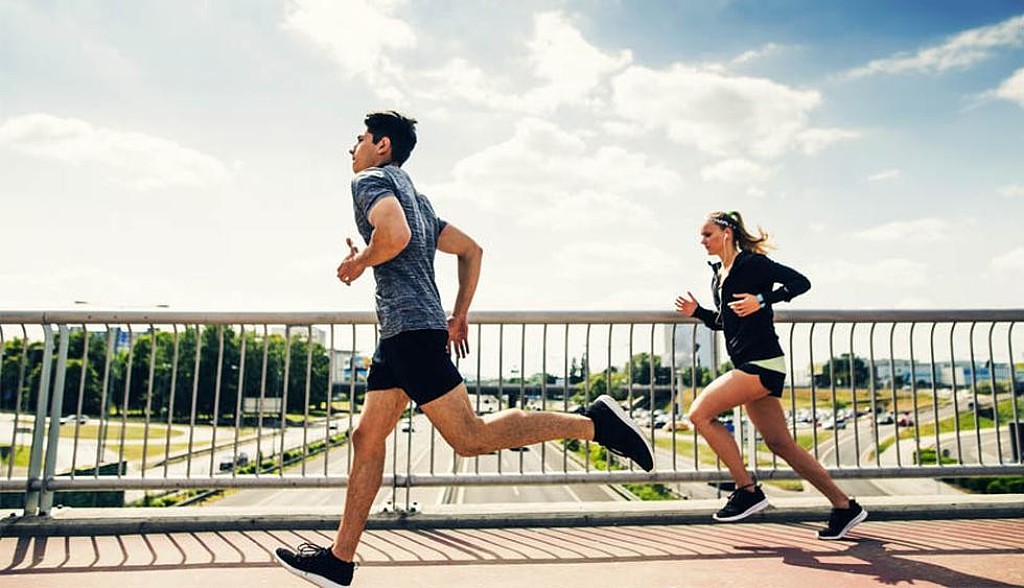
Why the first 10 minutes of running can be the worse for everyone
Ask anyone what the worse bit of their run is and chances are they will say the first 10 minutes or so. We all know it. That feeling of having your worst enemy on your shoulder, cruelly whispering ‘you can’t do this’: your breathing is all over the place and you wonder if indeed you did lace into concrete shoes instead of trainers.
Whilst we might not get as far as loving it, there are lots of things we can do to make it better. Why does it happen: Basically, all those physical and mental responses we get early on in any run, are our body’s way of saying, ‘what the hell are you asking me to do! You have got to be joking! when you ask it to go from ‘I’m very happy just existing’ to running.
To use the analogy of the car, you are asking your body to go from cold start, it’s not been used for a while, to 5th gear and speeding along the motorway without making any gear changes. A little bit of very simplified background…. (feel free to skip this and go straight to ‘what to do’) Our bodies are fuelled by various different energy systems, some which require oxygen (aerobic) and others that don’t (anaerobic) and whilst they operate in parallel, each is suited to a particular intensity of effort.
At the very top of the spectrum is the ‘Usain Bolt’ intensity, fuelled by a system which only lasts for around 10 seconds. It is no coincidence that the 100 m record is around this time. When it runs out, sprinters are relying on slowing down the least, rather than running faster. Very few of us will ever take part in a 100m sprint but this same energy system is present when we set off on those first few steps of a run, in fact when we go from resting to any activity. When this ‘B of the Bang’ source diminishes we switch to an energy system which uses stored glucose/glycogen but still doesn’t need oxygen and lasts for around 60 – 120 seconds.
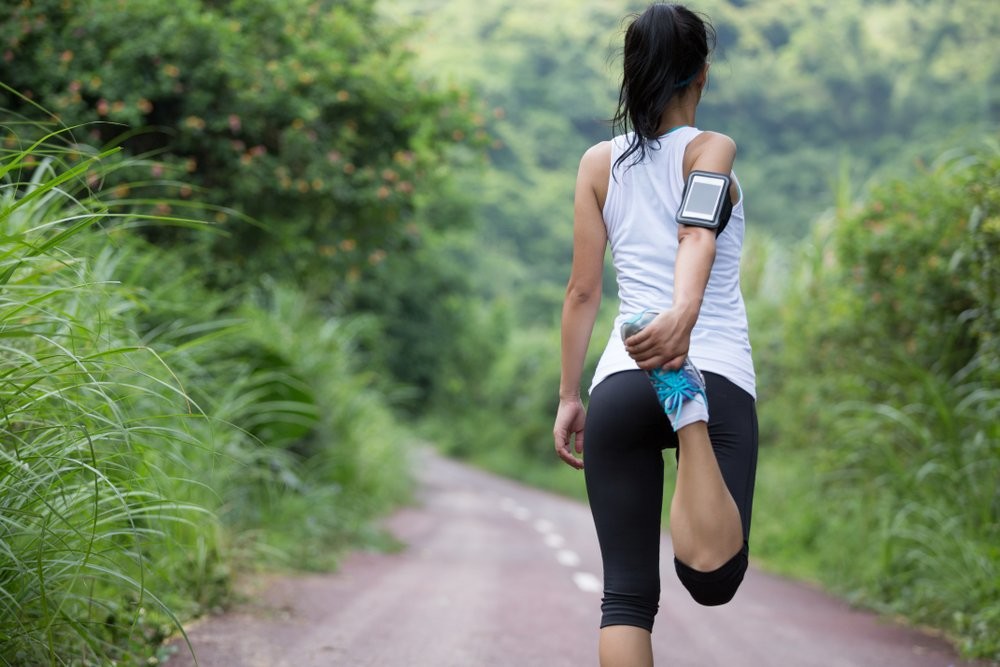
A by product of this is lactic acid: the stuff which makes our legs feel heavy, gives us shortness of breath (recognise any of these?). Beyond this we are left with the work horse, the aerobic energy system, which uses oxygen, carbohydrates, fats and proteins to create energy and if nurtured can go on indefinitely. So when we set off on that run our bodies use up the first 2 sources of energy in the first few minutes and then are left rapidly adjusting to use the 3rd. Pretty clever really. What we need to do is learn how to ease the transition.
What can you do to make it better WARM UP Getting your body and head ready for running is not a bolt on, nice to have. It does what it says on the tin and gets our heart, muscles and lungs ready and prepped for running.
Going back to the energy systems, warming up means we have already acclimatised the body to needing more oxygen and so it doesn’t spend the first few minutes bringing in huge lungs fulls and feeling generally pants. The warmer your joints and muscles are before your start the less effort and therefore the less energy, oxygen they need when you get going running.
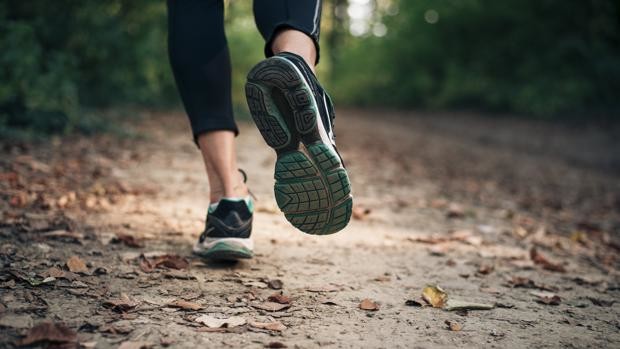
START OFF SLOW Even with a good warm up it pays to start off at a slower pace and work up to the effort you want to be putting in for the majority of the run. And I use the term ‘effort’ deliberately, as using the less techy RPE (Rate of Perceived Effort) to gauge your run is far more effective and easier than heart rate or pace. Aim for a ‘chatty’ kind of running: you can pretty much hold a conversation rather than feeling really out of breath. If 1 is sitting down watching TV and 10 is maximum effort, you feel sick, then aim for around 4-6. Even though it may feel super slow, this level of effort produces the best results in terms of your overall fitness. You will speed up as you get fitter but your effort levels will feel the same. It is very common for runners and in particular new runners to start off too fast and then come unstuck.
​DISTRACTION Listen to music, podcast and give your brain something else to tune into for the first few km or minutes. Alternatively run somewhere that keeps your eyes and brain occupied. FUEL Make sure you eat and drink regularly during the week. Those 10 minutes are a lot worse when you are dehydrated.
BREATHE Sounds obvious but take notice of your breathing. If it is short and shallow, try and focus on a calm, controlled out breathe and the in will follow. The more oxygen you take in the quicker the energy systems adapt. If after a few minutes you can't get it under control, then you are going too fast, slow down. You can do all these things but there will be times when the first 10 minutes really suck and so there is something about training your brain to tough it out and ignore the 'Stop!' voice in your head. Telling yourself that you know what is going on and that it will get better is a simple but useful technique. Kind of a, 'I have been here before and I have overcome it' type conversation with yourself. But equally importantly is listening to your body, stopping running and saving it for another day.So whilst you may never learn to love the first 10 minutes, there is plenty you can do to make the most of them.
(06/04/21) Views: 49Run Surrey Hills

Grandma’s Marathon will bring back celebration of spectators
A loosening of the state’s public health guidelines, announced recently by Minnesota Gov. Tim Walz, has paved the way for the return of two traditional and popular pieces of Grandma’s Marathon weekend.
The 45th annual Grandma’s Marathon weekend will be held June 17-19, 2021.
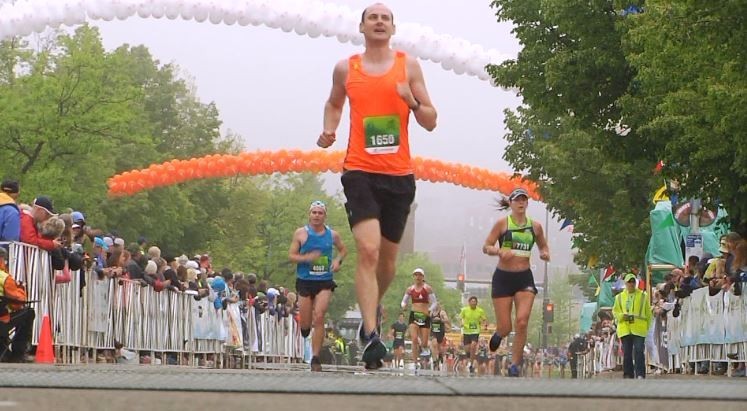
Based on the governor’s expected timeline of eliminating capacity limits and distancing requirements, organizers say they will now be able to welcome spectators on race weekend and host a post-race celebration.
“Those things were crossed off pretty early in our planning process based on the previous guidelines, and the result was going to be a very different feeling come race weekend” executive director Shane Bauer said. “Bringing those pieces back will not only amplify the experience of our participants, but it’s great for our community members who wait all year to be part of Grandma’s Marathon weekend."

Spectators were originally discouraged from attending this year’s Grandma’s Marathon, but the updated guidance will now allow those who wish to watch the races to do so.
The post-race celebration will be in a new location this year, moving from near the finish line in Canal Park to Bayfront Festival Park. Live musical acts will be featured throughout race day, and admission will be free for all ages in celebration of the 45th anniversary of Grandma’s Marathon.
Amid the excitement of what the new guidelines allow, organizers want to remind anyone planning on participating, volunteering, or attending Grandma’s Marathon that personal responsibility will still play a major role in the weekend’s overall success.
Masks or face coverings, according to the expected guidelines, will be required in all race-controlled areas with more than 500 people in attendance.
Organizers expect that to include the start and finish areas, Bayfront Festival Park, the Michelina’s All-You-Can-Eat Spaghetti Dinner, and the Essentia Health Fitness Expo.
As in the originally released plan, participants will not be required to wear a mask or face covering while actively participating in their race.
Five local groups will take the stage at Bayfront Festival Park on Saturday, June 19 as part of the 45th annual Grandma’s Marathon weekend.
The all-day celebration, which is free and open to all ages, was moved to Bayfront this year from its traditional place near the finish line in Canal Park.
(06/07/21) Views: 47Aitkin Age

American Record Holder and former United States Olympian Alan Webb is set to Run Grandma's Marathon
Once, and perhaps still, a household name in short-distance running, former United States Olympian Alan Webb will make his 26.2-mile debut later this month at the 2021 Grandma’s Marathon.
Webb, who still owns the American record in the mile with a time of 3:46.91, competed in the 2004 Athens Olympics in the 1500-meters and also won three gold medals at the USA Outdoor Track and Field Championships.
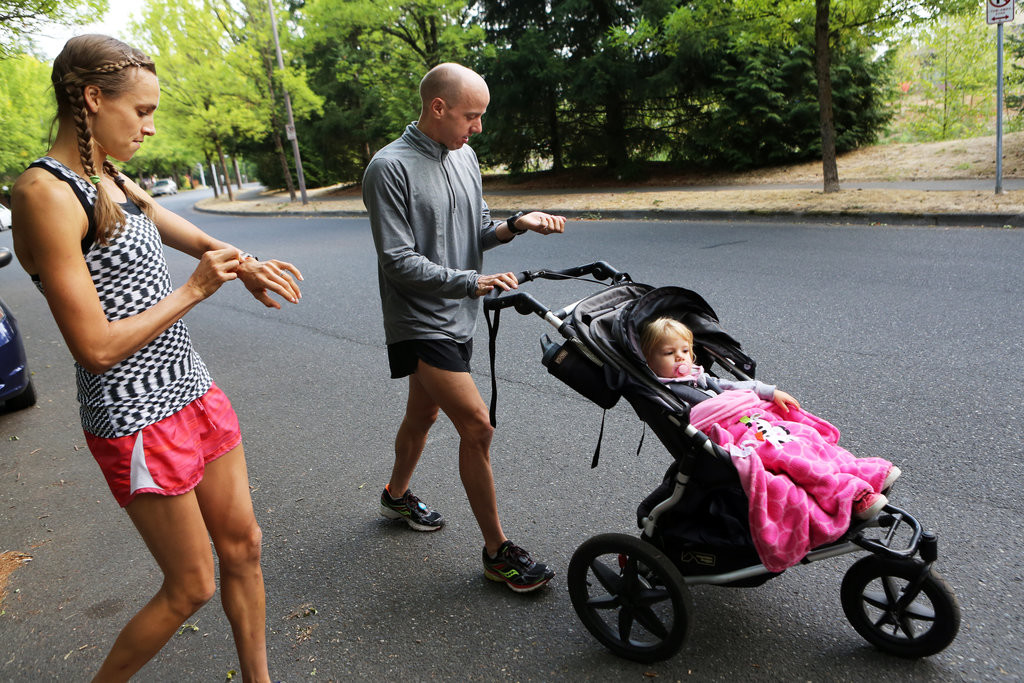
Now an assistant cross country and track and field coach at the University of Arkansas Little Rock, he says the timing is right to try the longer distance.
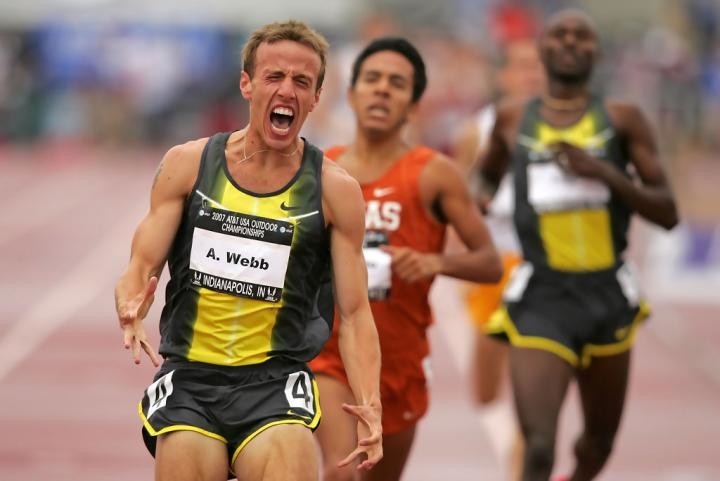
“I’ve always heard good things about Duluth and about Grandma’s Marathon,” Webb said. “I’m not so much running now to be competitive, I’m running because I love to do it and because of what the sport has meant to me my whole life. The timing of Grandma’s works well for my coaching schedule, and I’m excited to come to Minnesota and to run on this beautiful course.”
Webb made his half marathon debut on May 29 at the Great American River Run in Memphis, Tenn., finishing in fourth place with a time of 1:13:14.
Webb and his wife, Julia, are currently living in Little Rock, Ark. and have three children.
The 45th annual Grandma’s Marathon weekend will be held June 17-19, 2021.
(06/08/21) Views: 46Running USA

Study suggests that Increasing your stride rate will decrease your risk of injuries
When stride rate first entered the running conversation, the main focus was performance, with the idea that increasing your stride rate would make you run faster. In recent years, that focus has shifted to injury prevention, and studies have correlated a quicker stride rate with a decreased risk of injuries.
A recent study of Division 1 university cross-country runners has added more evidence to support this theory, finding that a low step rate was a risk factor for bone stress injuries.
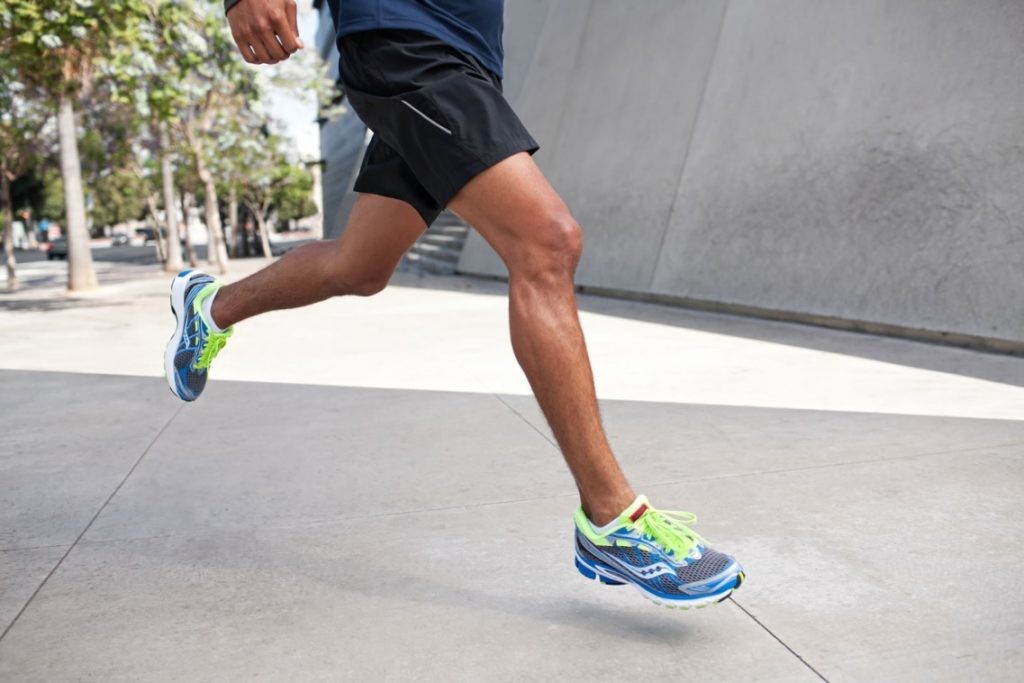
The study
The researchers conducting this study (which was published in the British Journal of Sports Medicine) observed 54 healthy collegiate cross country runners over three consecutive seasons. They collected a variety of different measurements, including whole-body kinetics, ground reaction forces and bone mineral density using motion capture on an instrumented treadmill and total body densitometer scans. They then tracked how many of those athletes developed a bone stress injury up to 12 months after that data was collected.
The result? Athletes with a higher step rate were less likely to develop a bone stress injury (like a stress fracture). In fact, for every increase of one step per minute, the athletes’ risk of bone stress injuries was decreased by five per cent. In conclusion, “Low step rate is an important risk factor for BSI among collegiate cross country runners and should be considered when developing comprehensive programmes to mitigate BSI risk in distance runners,” the researchers wrote.
Apply this to your running
So what does this mean for the everyday runner? Increasing your stride rate (i.e. — shortening your stride) can help decrease your risk for injuries, particularly bone injuries. Before you do this, however, you need to know what your current stride rate is. To figure this out, all you have to do is count your steps. On your next run, once you’ve settled into your normal pace, count your steps for 30 seconds, then multiply that number by two to determine how many steps you take per minute.
To increase your stride rate, Nova Scotia runner and physiotherapist Robbie MacDonald suggests running with a metronome app. This way, you can set how many steps per minute you want to take, and try to match your stride to that cadence. MacDonald recommends runners try to maintain a stride rate between 170 and 190 steps per minute. If you enjoy running to music, try choosing songs that fall within that beat range, and try to sync your steps with the music.
(06/08/21) Views: 45Brittany Hambleton
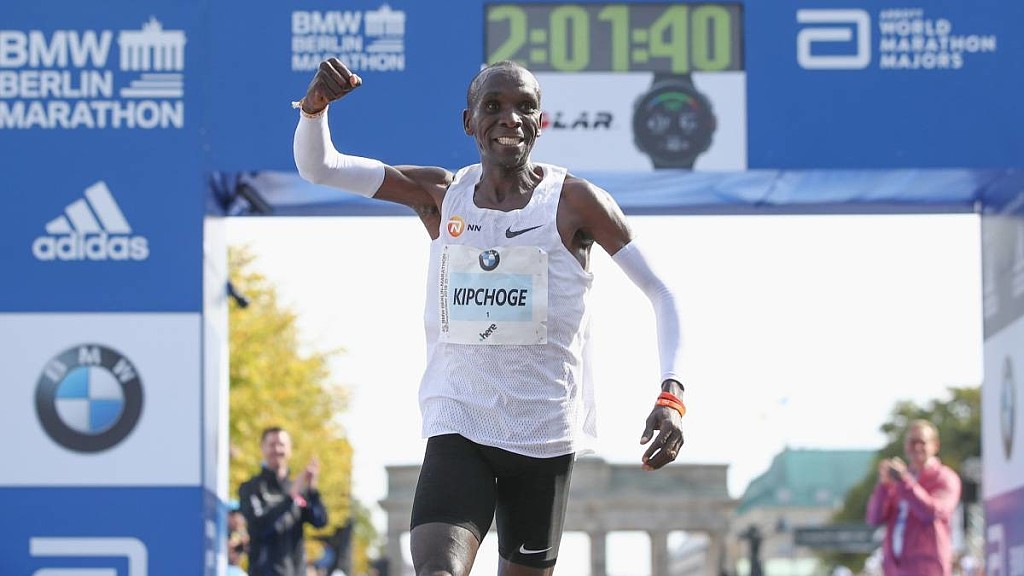
Organizers hope up to 35,000 can run this September 2021, Berlin Marathon
Organizers hope that up to 35,000 runners can take part in the Berlin marathon this September as part of a pilot project as Germany eases Covid-19 restrictions.
In a joint press conference Monday, Berlin's senate and marathon organizers outlined plans to first hold two test events, a 10km race in July and a half marathon in August.
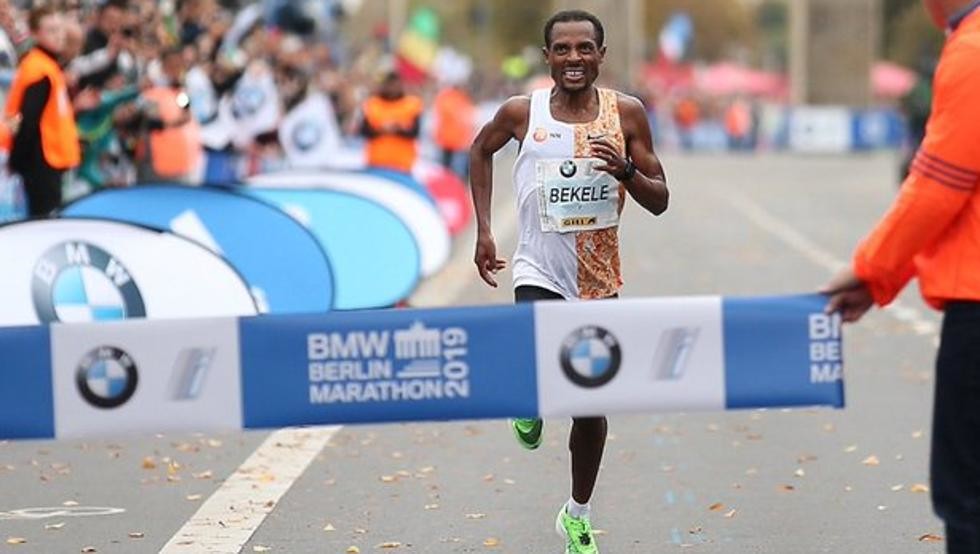
Providing all goes well and the rate of infection remains low, the Berlin marathon would take place on September 26.
Runners would either have to prove they are fully innoculated or undergo a PCR test as part of a hygiene programme still to be approved by Berlin's health authority.
"There is no certainty that the Berlin Marathon can take place, but the probability is there," said Berlin senator Andreas Geise.
"If the incidence rates continue to fall, approval of the pilot project is conceivable."
A maximum field of 35,000 would be 10,000 down on the 45,000 who took part in the 2019 Berlin marathon, the last one before the 2020 race was cancelled due to the pandemic.
The official world record for the men's marathon was set in Berlin in 2018 when Kenya's Eliud Kipchoge ran the 42.195kms (26.2mi) in two hours, 1:39 minutes.
The top three fastest race times for the men's marathon have all been run in Berlin.
(06/07/21) Views: 44France 24
