

Running News Daily
Top Ten Stories of the Week
5/22/2021
These are the top ten stories based on views over the last week.
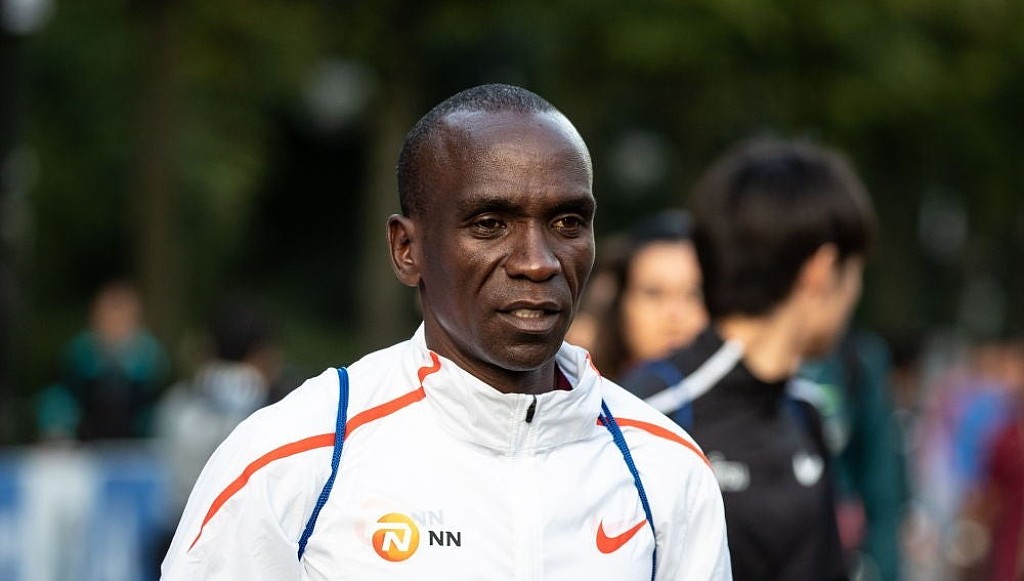


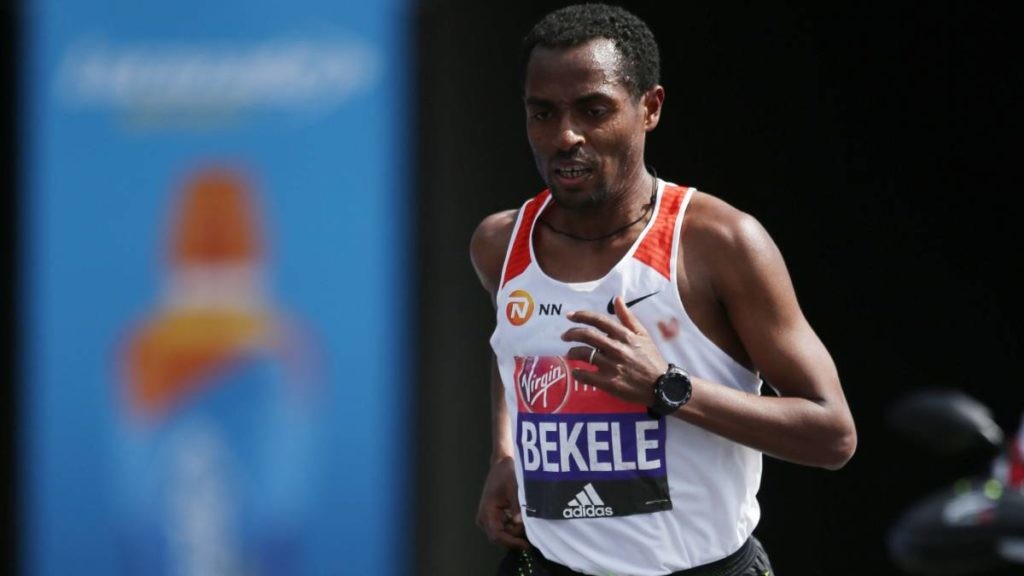
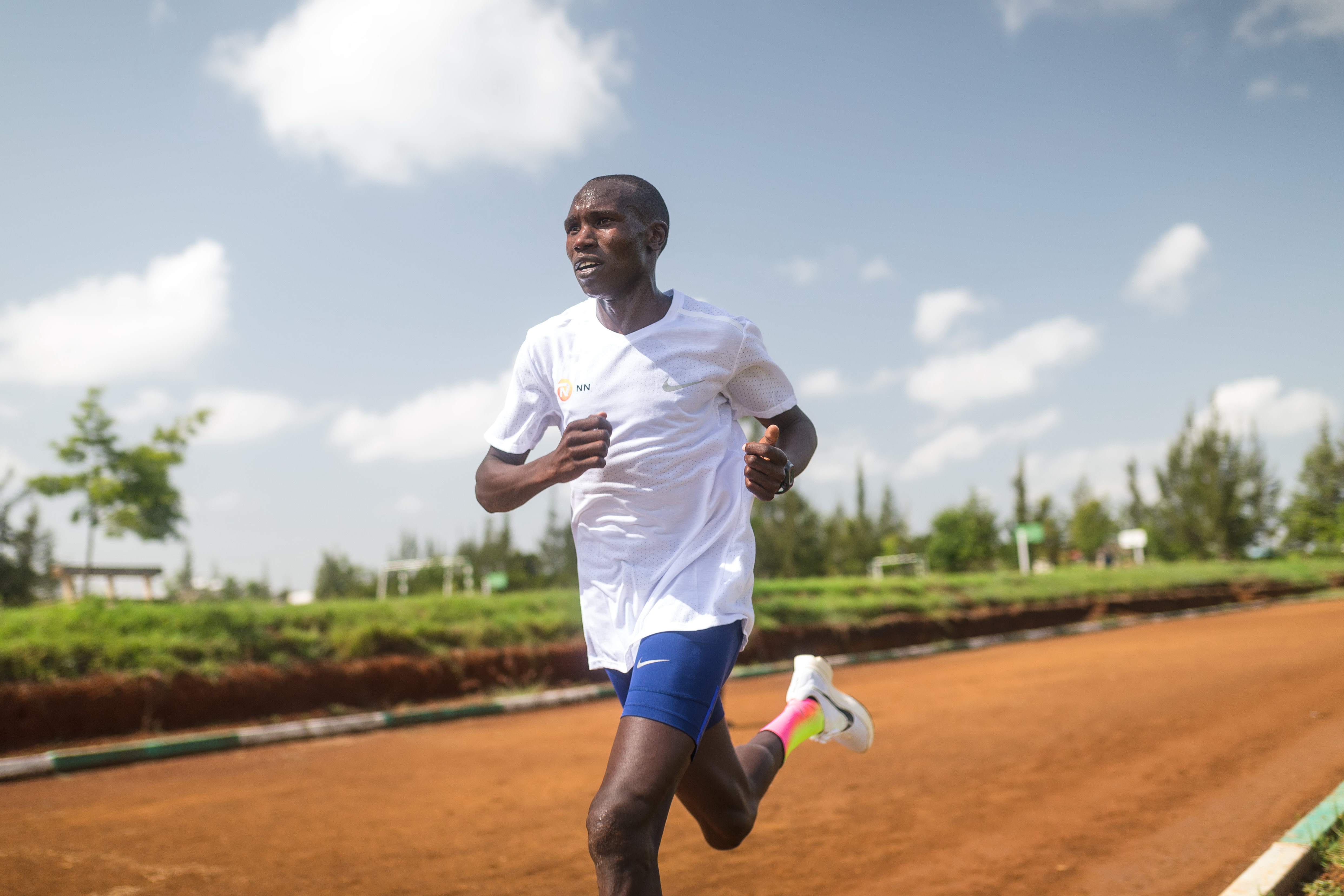
The athletes' NN Running Team is organizing a global online mass run and Kipchoge, Bekele and Cheptegei are set to participate
Olympic marathon champion Eliud Kipchoge is set to take part in an online virtual mass run this weekend (22-23 May) along with some 30,000 members of the public who have signed up.
Organised by the Kenyan's Dutch-based NN Running Team, the event - dubbed MA RA TH ON - is being held for the second time. In 2020, some 106,000 registrations were accepted, with participants clocking a distance far enough to run around the world 28 times.
"I am really excited for this coming Saturday and Sunday as the world is running as one," Kipchoge said in quotes reported by the Kenyan Broadcasting Corporation.
"It’s not about running fast, it’s not about winning, but it’s all about participating."
The event sees teams of four around the world run just over 10.5 kilometers each, for a total of the marathon distance 42.195 km.
Each runner runs alone, and records their activity on the Strava application. Additionally, ten teams will each have an NN Running Team athlete compete alongside them.
Among the elite athletes competing are Kipchoge, his fellow Kenyan Geoffrey Kamworor, Ethiopia's Kenenisa Bekele, and 5 km and 10 km world record holder Joshua Cheptegei of Uganda.
"I am very happy that we organize this event again. It has given all the participating athletes a huge motivation in a difficult year," Kamworor said according to the KBC.
Kipchoge's last event was the NN Marathon in Enschede, Netherlands, in April, which he won in 2:04:30.
Kamworor finished second in the Istanbul Half Marathon in 59:38 in April; Bekele won a half marathon in London (1:00:22) at the start of March; while Cheptegei's last outing was a third place finish in a 1500m race at the Ugandan Athletics Federation Trials in April.
(05/19/21) Views: 112
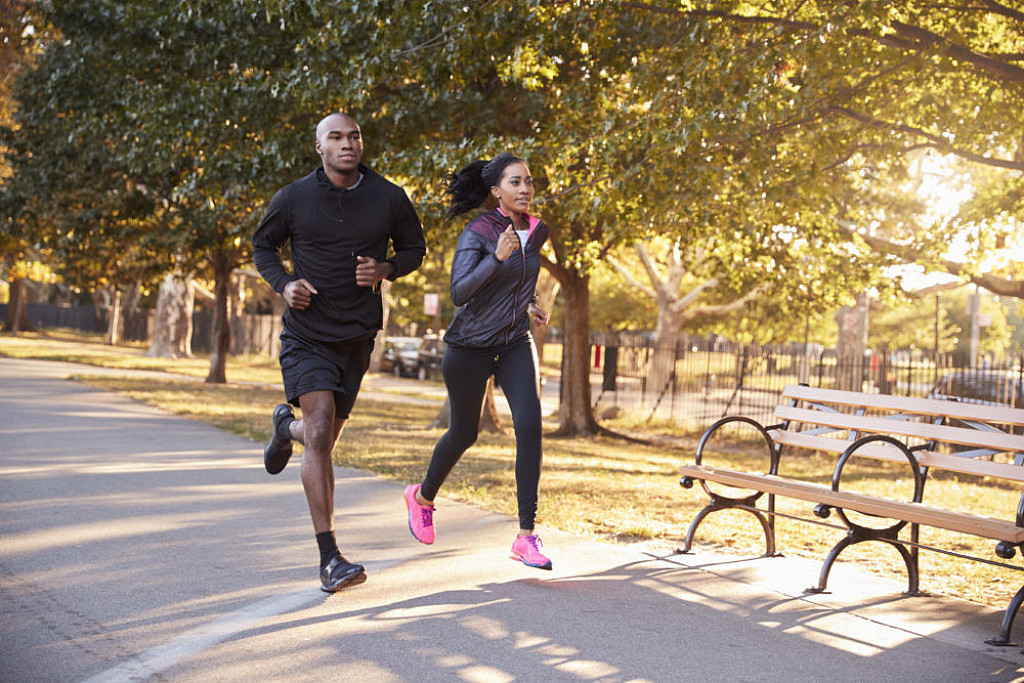
Every runner should keep a training log, Logging your workouts can be a great way to gain confidence
Most runners have set training plans as they work through the season and toward specific goals and races. It can be easy to always look ahead at what’s on your schedule today and tomorrow, but sometimes it can be beneficial to look back on the training you’ve done and the work you’ve put in to get to a race. Keeping a training diary and logging details about your workouts can give you a boost of confidence whenever you’re lacking motivation. Here are a few tips for keeping a training log, and reasons why you should do it.
Remembering the good
Everyone knows how great it feels to really crush a workout. Unfortunately, runners tend to have short memories, and not long after a great run, you can forget all about your triumph from a few days before. Taking notes on how you felt and reminding yourself of the times you ran can give you a big shot of confidence when you re-read your diary before a big race.

Embracing the bad
Bad workouts suck, and while it would be nice to just forget about them as soon as they’re finished, they can help you down the road. If you trudged through a long run at a snail’s pace or bonked mid-workout but managed to push through, you can improve your mental game by looking back on those bad times. You went to the bottom of the well in training and survived, so you know you’re capable of doing it again on race day.
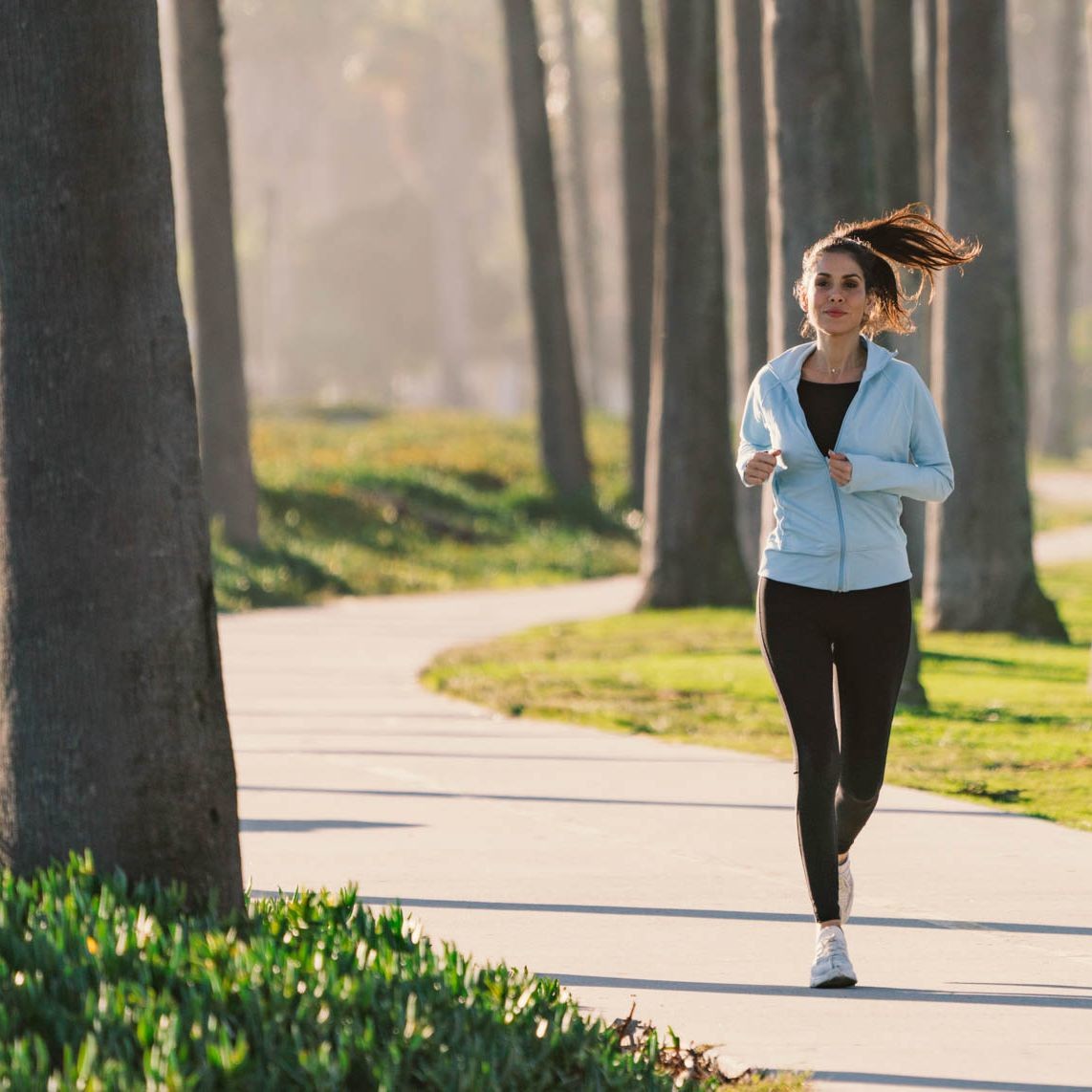
You should practise nutrition and hydration plans in training so you don’t have any mishaps on race day, so it’s a good idea to keep track of what works for you and what doesn’t . Then, when you’re preparing for your race, you can get a reminder from your past self and plan accordingly.
Entries can be short
You don’t have to write a long, in-depth entry for every workout, but be sure to include some details so that when you re-read each log, you’ll have an easier time remembering how it felt on the day. Details could include temperature/weather conditions, clothing choices, how you felt, who you ran into (or ran with, if applicable), you average pace, any troubling aches or pains you may have experienced and your splits.
Lots of options
You can record details of your training in workout tracking apps, you can write in a document on your computer or you can go the old-fashioned route and write handwritten notes. You can even make voice recordings after each workout and add them to one big audio file that you can listen to as you drive to and warm up for a big race. With so many options, there’s no reason not to keep a training diary.
(05/17/21) Views: 72Ben Snider-McGrath
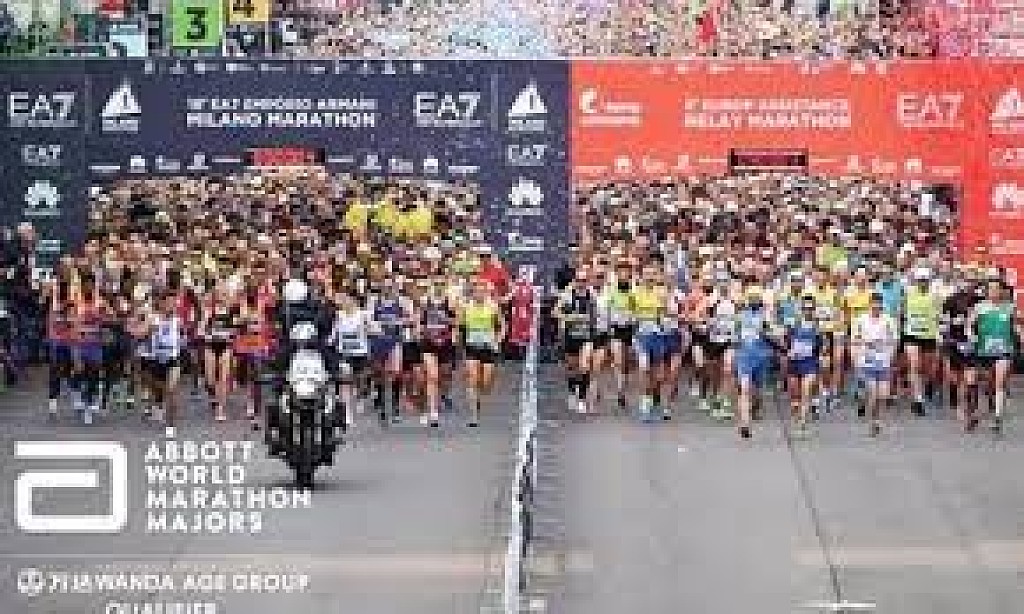
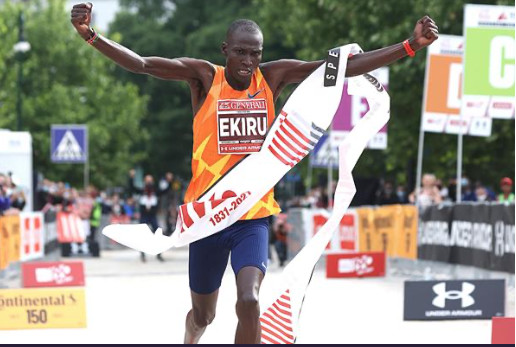
Ekiru and Gebrekidan break Italian all-comers’ records in Milan
Kenya’s Titus Ekiru and Ethiopia’s Hiwot Gebrekidan recorded world-leading times of 2:02:57 and 2:19:35 to break the Italian all-comers’ records at the Generali Milano Marathon, a World Athletics Label road race, on Sunday (16).
It was Ekiru’s second victory in Milan, having won in 2019 in 2:04:46, the previous Italian all-comers’ record. Gebrekidan, meanwhile, was competing in Italy for the first time and was rewarded with a four-minute PB.
This year’s race, held in ideal 13C temperatures, was staged on a 7.5km circuit in front of the Castello Sforzesco in the heart of Milan.
In the men’s race, the leading pack of 10 athletes set a consistent pace in the first half, passing 5km in 14:47, 10km in 29:28 and 15km in 44:13. Leading South African runner Stephen Mokoka, acting as a pacemaker in Milan, reached the half-way mark in 1:01:48.
Ekiru started to push the pace after 30km, covering the next five-kilometre segment in 14:11 and the following one in 14:34. He maintained that pace to the end and, having covered the second half in 1:01:09, went on to cross the finish line in 2:02:57.
The 29-year-old now moves to fifth on the world all-time list, level with former world record-holder Dennis Kimetto.
The first five men finished inside the previous Italian all-comers’ record. Reuben Kipyego finished second in 2:03:55 ahead of Barnabas Kiptum (2:04:17), 2018 Milan Marathon winner Seifu Tura from Ethiopia (2:04:29), Leul Gebrselassie from Ethiopia (2:04:31), and Gabriel Gerald Geay, who set a Tanzanian record of 2:04:55.
“At 20 km I felt in very good shape and I tried to push the pace,” said Ekiru, the 2019 African Games half marathon champion. “I feel emotional. Maybe I can run 2:01 in the future.”
Unlike the men’s contest, the women’s race was a one-runner affair with Gebrekidan making a break in the early stages.
After covering the first 5km in 16:43 as part of a leading pack, the 26-year-old Ethiopian made a break and went through the half-way point inside 70 minutes with a lead of 20 seconds, hinting at a finishing time inside 2:20.
By the time she reached 30km in 1:38:28, Gebrekidan’s lead over Kenya’s Racheal Mutgaa had grown to 84 seconds. Gebrekidan’s pace dropped only slightly in the second half and she held on to win in 2:19:35, breaking the previous world-leading time and Italian all-comers’ record of2:20:08 set by Kenya’s Angela Tanui in Siena last month.
"I trained very well and I prepared for this race at the Istanbul Half Marathon," said Gebrekidan, whose previous PB of 2:23:50 was set at the 2019 Guangzhou Marathon. "I will celebrate this win with my family."
Mutgaa went on to finish second in 2:22:50 ahead of Bahrain’s Eunice Chumba (2:23:10). With the first seven women finishing inside 2:25, it was the deepest ever women’s marathon held in Italy.
(05/16/21) Views: 66
New study finds that exercise boosts immunity and makes vaccines more effective
The availability of vaccines has brought hope for the end of the pandemic. Yet COVID deaths and cases are still surging around the world. As we try to immunise the world, the most likely scenario for the next few years is that COVID-19 will be like other infectious diseases, such as flu, that we will need to continuously manage and protect ourselves against.
One of the best ways to do that is by being physically active.
Now, a new systematic review of evidence by me and my colleagues shows that regular physical activity strengthens the human immune system, reduces the risk of falling ill and dying from infectious disease by more than a third and significantly increases the effectiveness of vaccination campaigns.
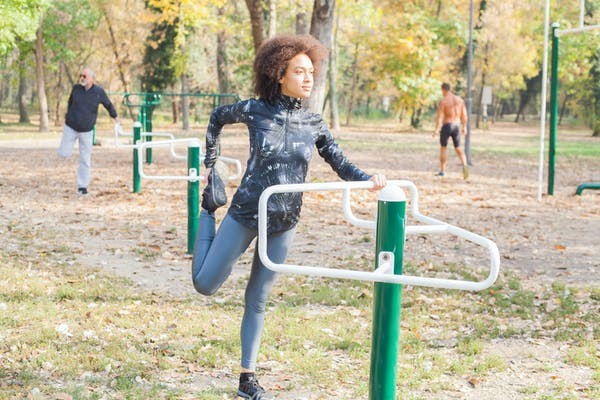
The study was conducted too early in the pandemic to include research into COVID-19 itself, but the findings are highly relevant to the current pandemic response.
We found consistent and compelling evidence across six studies involving more than a half million participants that meeting the recommended guidelines for physical activity – 30 minutes of activity, five days a week – reduces the risk of falling ill and dying of infectious diseases by 37%.
This adds to the results of another new study conducted in the United States specifically on COVID-19. The effect is at least as strong if not more so than the effect reported for other risk factors of COVID-19 such as age or having a pre-existing condition such as diabetes.
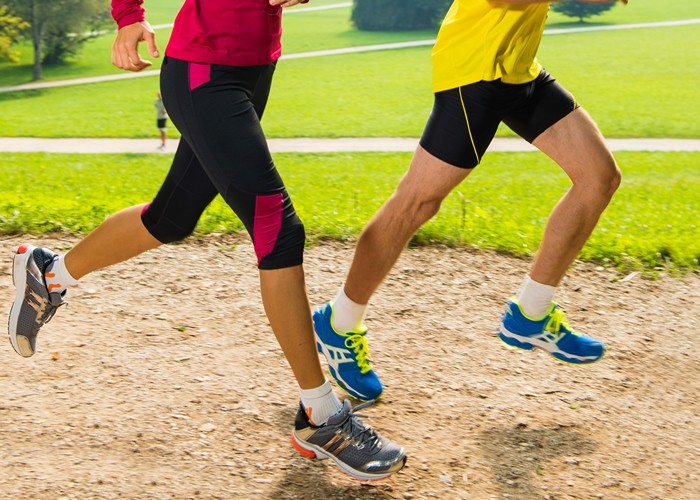
We also found reliable evidence that regular physical activity strengthens the human immune system. Across 35 independent randomised controlled trials – the gold standard for scientific evidence – regular physical activity resulted in elevated levels of the antibody immunoglobulin IgA. This antibody coats the mucosal membrane of our lungs and other parts of our body where viruses and bacteria can enter.
Regular physical activity also increases the number of CD4+ T cells, which are responsible for alerting the immune system of an attack and regulate its response.
Finally, in the randomised controlled trials we studied, vaccines appear more effective if they are administered after a programme of physical activity. A person who is active is 50% more likely to have a higher antibody count after the vaccine than somebody who is not active.
This can be a cost-effective and easy way of boosting vaccination campaigns. Considering the difficulties in supply chains, this could be a wise move to make every dose count.
How physical activity wards off disease
There are three mechanisms that make physical activity an effective medicine against infectious diseases.
First, it protects against risk factors of severe and fatal infection. Physically active people are less likely to develop obesity, diabetes, respiratory and cardiovascular conditions. Epidemiological studies have shown that COVID-19 and other respiratory infectious diseases are more severe for people who have these conditions.
Physical activity also reduces stress and chronic inflammation, in turn reducing the likelihood of adverse and fatal infections. Most COVID-19 and pneumonia fatalities have been as a result of uncontrolled inflammatory response.
Finally, our immune system is stronger if we are physically active.
Physical activity is undeniably an important way to make populations less vulnerable to infectious diseases and future epidemics and pandemics. It should be used more urgently and effectively in fighting the current COVID-19 outbreak, but also as a long term investment to prevent the devastating social and economic impacts this pandemic has had on society.
(05/15/21) Views: 64Sebastien Chastin

IOC to plant forest in Africa to offset carbon emissions
The announcement is part of the International Olympic Committee's goal of hosting a future carbon-positive Games.
In January 2021, the International Olympic Committee (IOC) announced its plan to become climate positive by 2024, with the goal of reducing its carbon emissions by 45 per cent by 2030. On Wednesday, the organization revealed that it has committed to planting an “Olympic forest” to offset more than 100 per cent of the carbon emissions created by the Olympic Games.
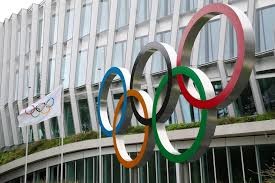
The Olympic forest will be back by the United Nations as a part of the Great Green Wall initiative to restore the Sahel region in Africa, between the Saharan desert and the Sudanian savanna. According to Inside the Games, experts are expecting the population in that area to grow significantly in the coming years, and this forest will create biodiversity and improve food security in the region.

The IOC claims that both the upcoming Tokyo Olympics and the Beijing Olympics are on track to being carbon-neutral, and they are looking to host climate-positive Games in the future as a part of their Olympic Agenda 2020+5.
(05/17/21) Views: 62Brittany Hambleton
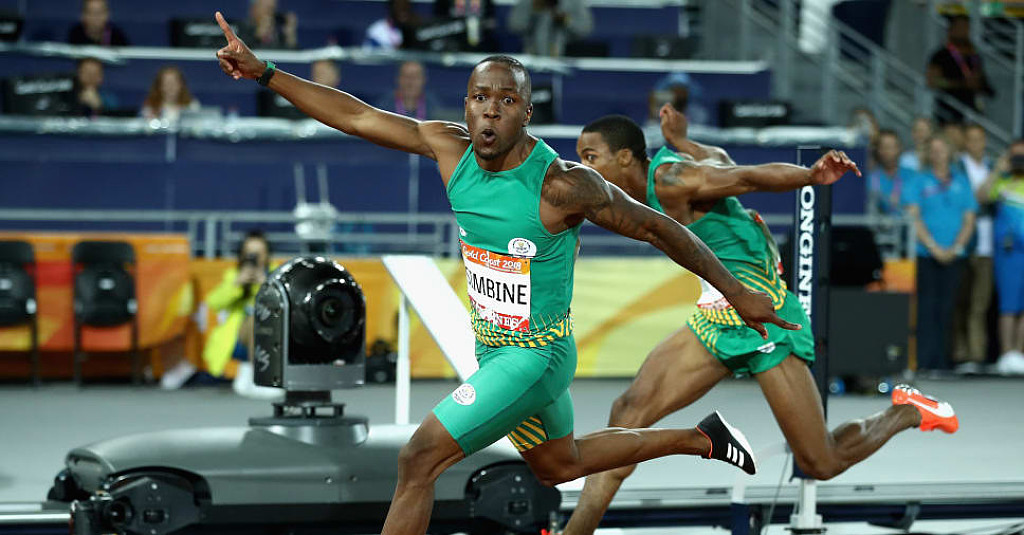
South Africa's Akani Simbine is focused on the fast road to Tokyo
Here’s the thing about Olympic year, something Akani Simbine knows will always be true.
“Everybody comes out fast,” he says. “Everybody runs fast, and we always talk about how everybody is just on form. Everyone is ready.”
The outdoor season may only be in its drive phase, but early evidence suggests that whoever is crowned men’s 100m champion in Tokyo on 1 August will need to ascend to a level he has never reached.
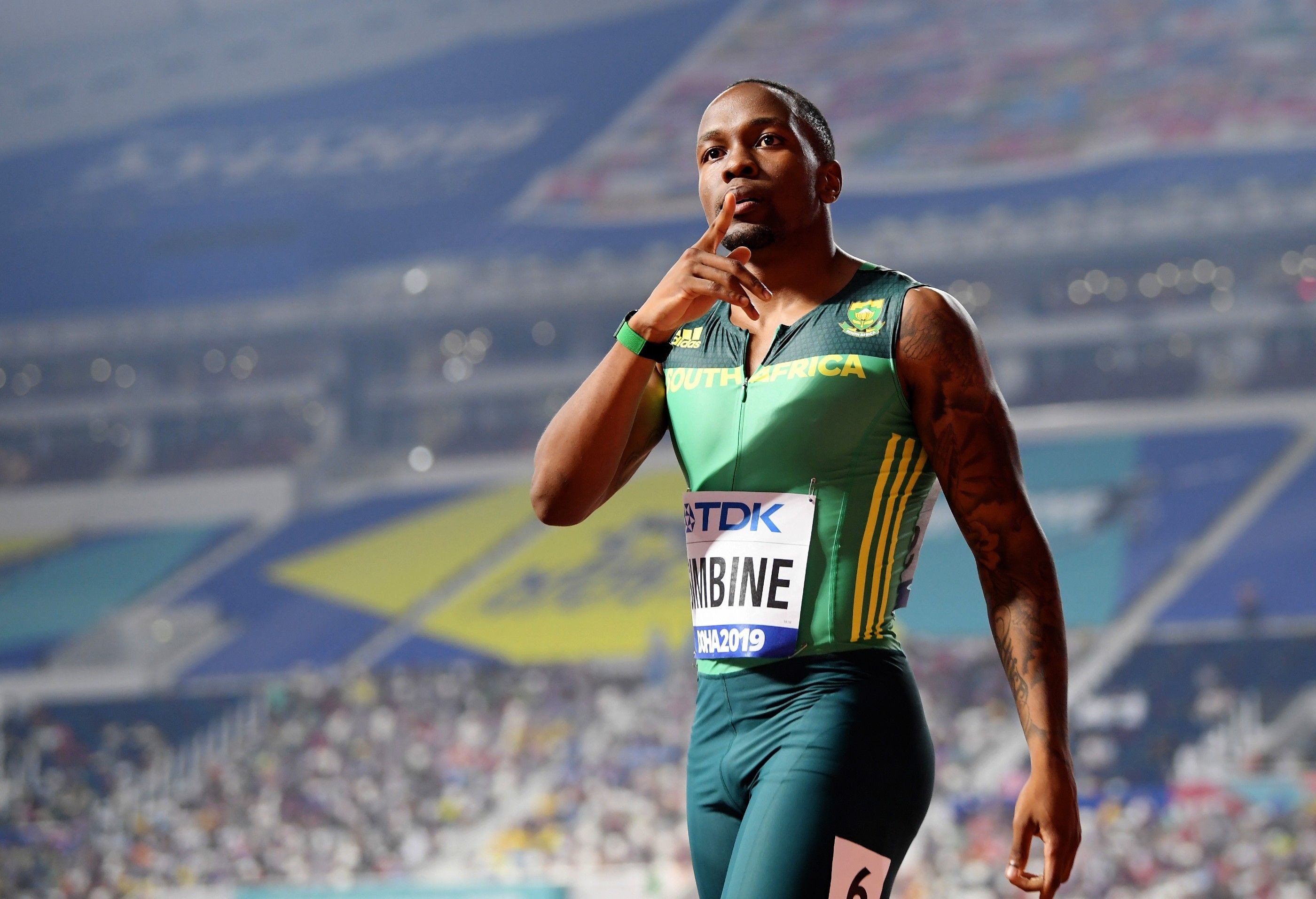
Thirteen different men have broken 10 seconds for 100m over the past seven weeks, and Simbine is one of them, running 9.99 into a stiff headwind (-3.0m/s) at altitude in Pretoria in late March before clocking a wind-aided 9.82 (+2.8m/s) at the South African Championships in April.
The race to the top of the world over 100m is as open as it’s ever been, and Simbine knows the fun is only just beginning. The 27-year-old South African has come oh-so-close to global 100m medals before, finishing fifth at the 2016 Olympics and 2017 World Championships and fourth at the 2019 World Championships – 0.03, 0.06 and 0.03 away from the medals.
The margins are fine, the competition cutthroat, but what does Simbine feel it will take to get on the podium in Tokyo?
“People are going to have to run their PBs, that’s for sure,” he says. “I’ll just speak for myself and say I’ll be ready, I’ll be at my best and making sure I run the best I can when it counts.”
Few events in world sport captivate the public quite like the Olympic 100m final, and in the first edition in 17 years not featuring Usain Bolt, a new name will be catapulted to global fame at the start of August. Simbine knows that back home in South Africa, millions will be tuning in, hoping it can be him.
“I don’t take it as pressure, something that weighs me down,” he says. “I take it more as motivation and belief. A lot of people believe in me and what I can do for the country, what I can do on the track.”
It’s taken time to re-wire his thoughts like that. Back in 2016 Simbine went to his first Olympics in Rio but the dizzying lights of the five-ringed circus threatened to blind his focus. What did he learn from that experience?
“To keep my head,” he says. “Keep my head on my shoulders and not to stress too much or put myself in a corner, thinking I’m not free. When I’m running, I should be running free and relaxed and that’s the one thing I didn’t do in Rio.”
The intervening years have taught him the value of composure: how a loose muscle is a fast muscle, how a calm mind functions with superior clarity.
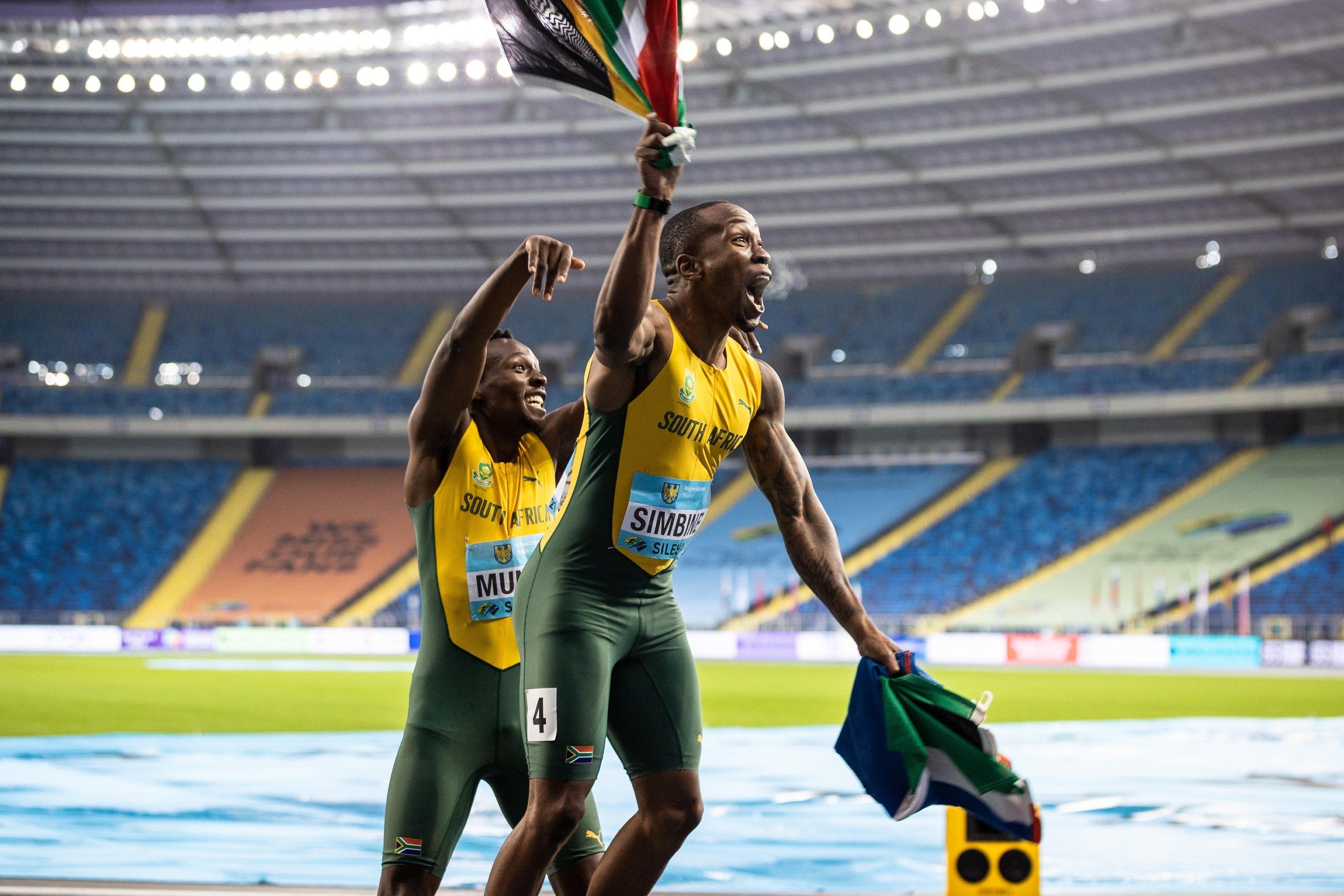
In his first race in Europe this year, Simbine was coolness personified, anchoring the South African men’s 4x100m team to victory at the World Athletics Relays Silesia 21, clocking 38.71 on a wintry, windy night in Chorzow, Poland.
How was the race for him?
“Cold, very cold,” he laughs. “But it was a great race, and I’m really happy for the team, for the boys, for the country. We came with the goal of winning and I’m just happy we got that.”
It had taken Simbine 30 hours, door to door, to make it to his hotel in Poland, and though South Africa was already qualified for the Olympics in the 4x100m he felt it was a trek worth making.
“It was very important to come out here, put together a good relay, get the baton across and make sure that we get the confidence knowing we are running at international competitions with high-quality countries,” he says. “We’re so used to running for ourselves and not a team but here, we work together, we plan together and we make sure everything goes well and we can all win together.”
Simbine returned to Johannesburg following his Polish expedition and then relocated back to Italy where he will be based until the Olympics. He plans to try some 200m races early in the season to keep the door open for a sprint double in Tokyo. With 11 weeks until the Olympic 100m final, is there anything that still needs improving?
“There’s a lot,” he says. “The start, the middle of my running, the top end, the finish – the whole race. There’s a lot of things we need to fix and work on and that’s what’s exciting me even more, because I’m running well now and we’re not even at the point where we’re supposed to be.”
His wind-legal PB is the South African record of 9.89 he ran in Szekesfehervar a month before the 2016 Olympics, but Simbine knows that’s not his true limit, and he knows he has what it takes to become an Olympic medalist.
“I’m a 100m sprinter and if I don’t see myself being on a podium, then I shouldn’t be doing it,” he says. “I just need to make sure I’m able to get to Tokyo in the best shape I’ve ever been in and we’ll see what happens there.
“I’m really excited (with) the way I’ve started, but I’m keeping my head down and working. I have the confidence, I know what I can do and it’s just making sure I do it in Tokyo.”
(05/14/21) Views: 59World Athletics
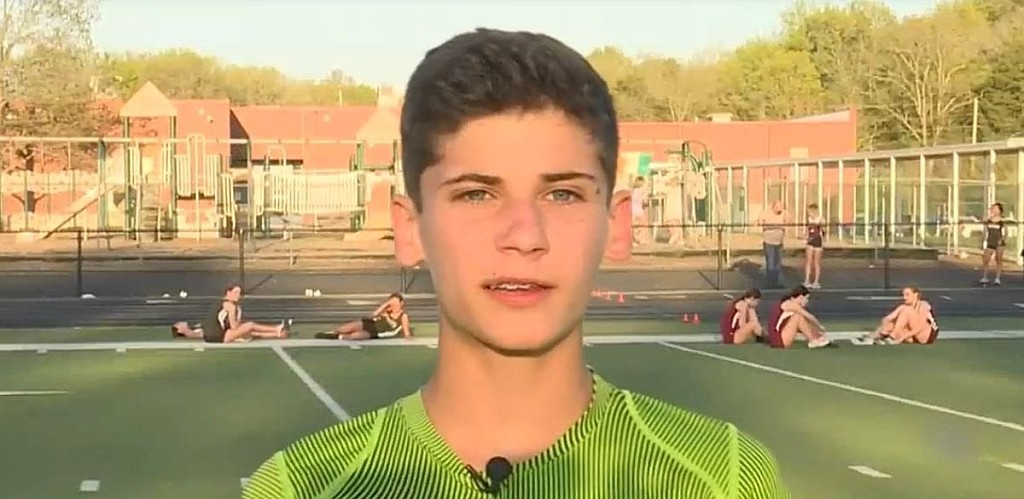
Young track star Keegan Smith wins 3,200m in 9:24
With everything else going on in the running world, we don’t often pay attention to what’s happening at the younger level of track and field, but every so often, an athlete comes along who can’t be ignored. Eighth-grader Keegan Smith is one of those runners, and after his 9:24.42 3,200 on Wednesday, the 14-year-old from Tennesee has caught the attention of runners everywhere.
Despite his young age, Smith has already had a string of impressive performances. According to the Knoxville news station, WVLT 8, he has won 23 national titles, and in February he won the Adidas Indoor Nationals 1-mile run for middle school Rising Stars in a record-breaking time of 4:34.65.
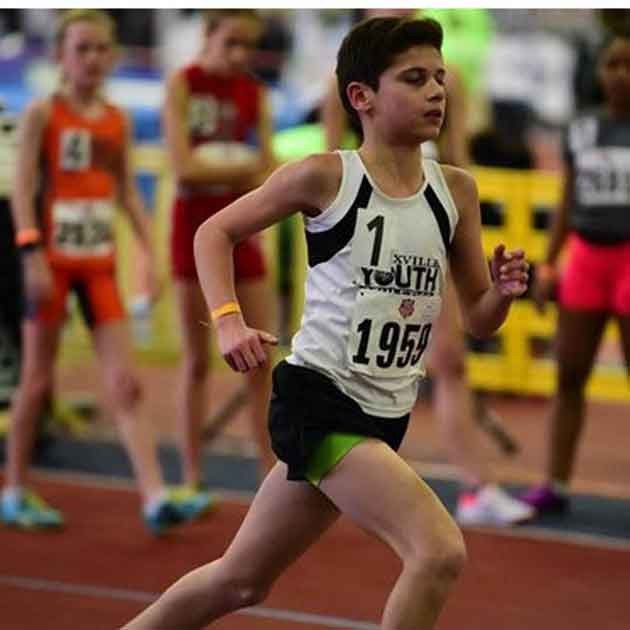
His coach, former U.S. Olympic steeplechaser Tony Cosey, says Smith is a special talent, but since he’s still growing, the main goal is to keep him injury-free. Still, he says “the sky’s the limit” for the young track star. Smith, for his part, is full of determination and dedication, and has lofty goals for his future.

“If I can make it and keep going I want to run the Olympics 5K and 10K,” says Smith. “It’s my ultimate goal and that’s been my ultimate goal.”
As Smith heads to high school next year, track fans everywhere will certainly be watching to see what kind of results the young runner will produce when given the opportunity to race against stronger competition.
(05/15/21) Views: 49Brittany Hambleton
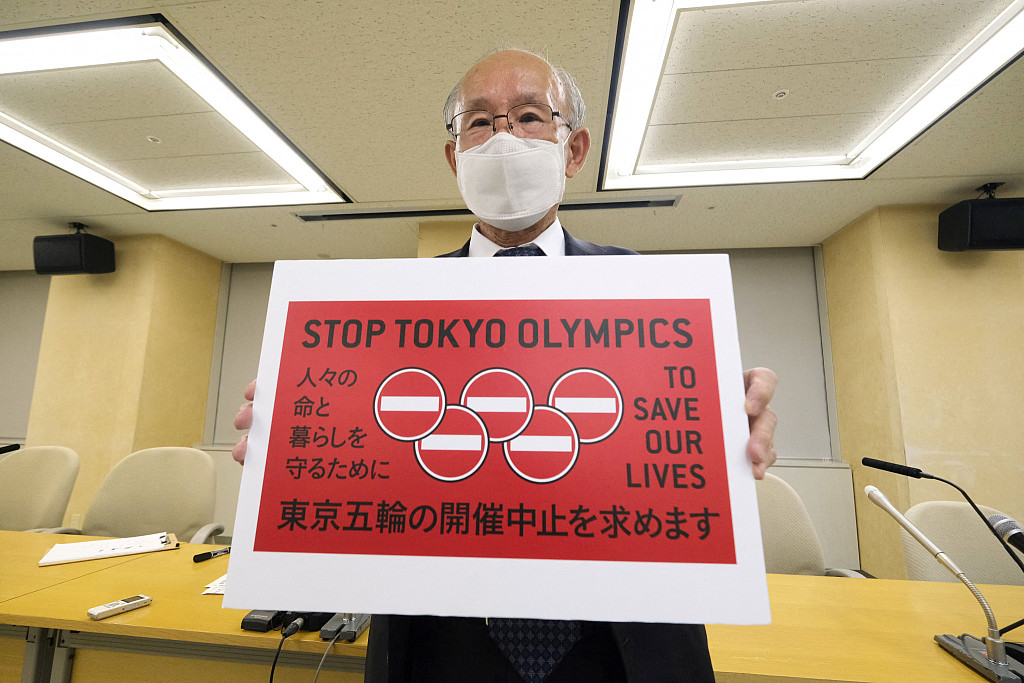
Petition to cancel Tokyo 2020 Olympics submitted with 350,000 signatures
A petition calling for the cancellation of the Tokyo 2020 Olympic Games has been submitted to organisers, having reached 350,000 signatures in just nine days.
The submission of the petition comes amid rising COVID-19 cases in Japan, while concerns over the fate of the Games have grown due to Japan's low vaccination rate, the spread of new variants and the state of emergency in place in Tokyo and other prefectures.
"Stop Tokyo Olympics" campaign organiser and former Tokyo Governor candidate Kenji Utsunomiya said the Games, due to open on July 23, should only be held when Japan can welcome athletes and foreign visitors with little restriction.
"We are not in that situation and therefore the Games should be cancelled," Utsunomiya said.
"Precious medical resources would need to be diverted to the Olympics if it's held."
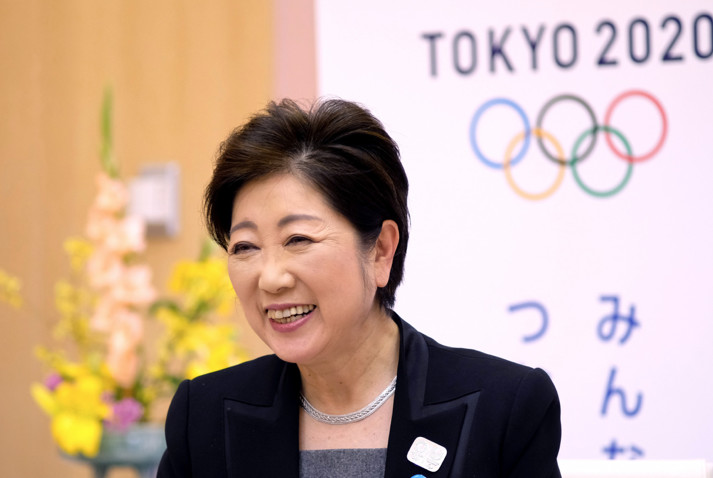
Utsunomiya, who is also a lawyer, finished second in last year's Tokyo gubernatorial election behind incumbent Yuriko Koike after winning over 800,000 votes.
The petition was also submitted to Tokyo Governor Koike.
Tokyo is to remain under a state of emergency until at least the end of the month due to rising COVID-19 cases.
Japan recorded 7,058 new cases of COVID-19 yesterday, close to the daily high of 7,855 from January 9.
Another 101 deaths related to the virus were also reported in the Olympic and Paralympic host country yesterday.
When asked about the petition, Koike said she would work towards a "safe and secure" Olympics.
"Though there is a global pandemic, it is important to hold safe and secure Tokyo 2020 Games," she said, according to Reuters.
High-profile Japanese athletes like Masters golf champion Hideki Matsuyama and women's tennis great Naomi Osaka have expressed their concerns with the Olympics going ahead during the COVID-19 pandemic.
To date, Japan has reported over 658,000 COVID-19 cases, resulting in the deaths of at least 11,165 people.
(05/16/21) Views: 49
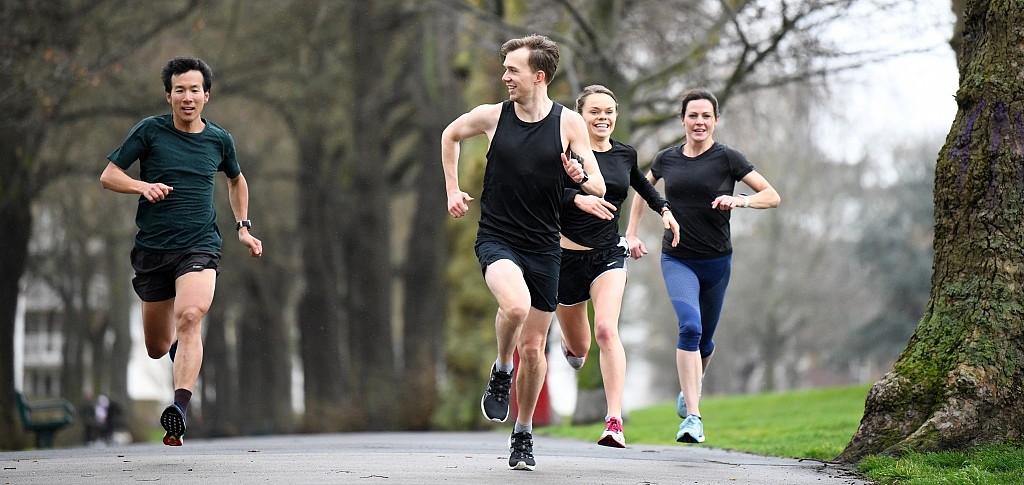
Ultra-Marathoners Share Their Top Tips for Every Kind of Runner
Here are their tips to help you achieve your running goals.
Schedule time to run
It might sound silly, but practically every athlete recommended setting time aside in your schedule. “The less I have to decide, the easier it is to get out,” explains Bradley. “I stick to a similar run plan week to week and month to month, so I don’t have to even think about getting out the door, I just do it.”
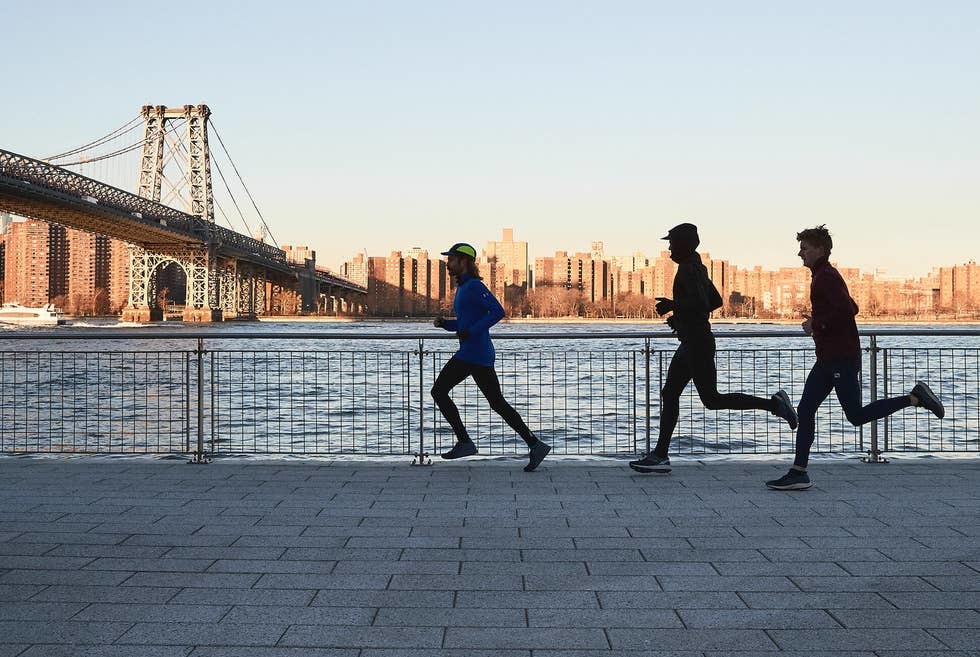
Sharman, the Leadville 100 Trail Champion in 2017, agrees: “Create a routine and stick to it unless you have genuine reasons not to. After a couple of weeks, the routine will become the norm and will be much more self-reinforcing.”
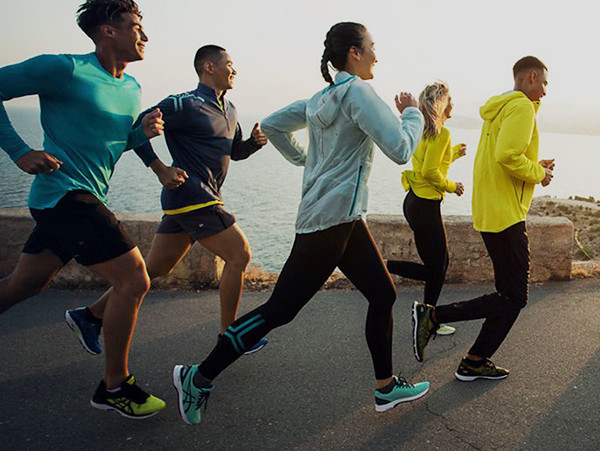
Even when you’re traveling, carve out some time for yourself to run
“For me that involves morning runs/activity to get me out the door and to kickstart my day,” Allen says. “When I travel and don’t know where I’m going, it can seem overwhelming, but if I’m committed to [it], I can have a general plan to explore and it usually works out in the end.”
Sign up for a race
“Find an event to sign up for that is just a little bit outside of your comfort zone,” suggests Boulet. “It will help motivate you to get out and train if you’ve paid your entry fee and declared to your friends and family (some of whom will hopefully join you!) that you will do this event.”
It helps if the race is in a beautiful place or somewhere you’ve had on your bucket list for ages, adds Bradley. “It makes it a lot easier to stick with it when everything starts to fall apart when you are in love with the project, race or goal.”
Hire a coach
While a few of these athletes are paid to run (and do it full time), many juggle full-time jobs with their passion for running. One commonality is the insight a coach can provide. “Not only does it take a lot of the strategic guesswork off my plate, but it also gives me another person to be accountable to,” Bowman says.
If a coach is out of the question, look for support in running groups
Coaches can be expensive, and that might be out of the question for you. There are other options to hold yourself accountable. When Boulet doesn’t feel like running, she reaches out to her network. “I have an extra cup of coffee and call a friend to schedule a running date,” she says. “Making a commitment to meet someone always works for me.”
Get out the door
Mental toughness is something that these athletes have in spades. They head out on practice runs that dwarf my measly 20- to 30-mile weeks. But if you don’t feel you have it, don’t fret. “Toughness is not something you’re born with, it’s a skill you can gain with practice,” Boulet says. “Practice being tough in regular training or it won’t be there on race day,” Sharman adds.
If you don’t feel an urge to get up and run every single day, that’s okay. “I like to get out the door even if I’m feeling tired,” Allen says. “I tell myself to see how I feel for the first ten minutes and I go from there.”
No matter what your training day looks like, remember to listen to your body
Sometimes you’ll jump up out of bed and hit the road. Other days, you might feel lazy and not want to go. Do it for your mental health, or bargain with yourself. “I remind myself how much better I feel after running than I did before,” Boulet says.
But remember to take rest days, too. “A common mistake for newer ultra and trail runners isn’t that they aren’t training hard enough, it’s that they aren’t training smart enough and respecting rest and recovery,” says Krar. “Remember that a single run or single race does not define you. There will be bumps along the way and they’re to be expected. Most importantly, run with a purpose. Show up and do your best.”
A little mental prep goes a long way
Everyone needs a little help to get through a long-distance race. The monotony of one foot in front of the other can use a spike. “I’ve used mediation apps like Headspace and Calm,” says Bowman. “These apps cultivate mental and emotional poise, so when adversity inevitably arises, I’m less likely to be overwhelmed by it.”
Running is a journey (literally), so “don’t aim for the stars, aim for the trees,” Bosio says. “Make resolutions that are reasonably attainable. Don’t beat yourself up if you don’t stick with it 100 percent. Tomorrow is always another day!”
(05/20/21) Views: 48
Meg Lappe
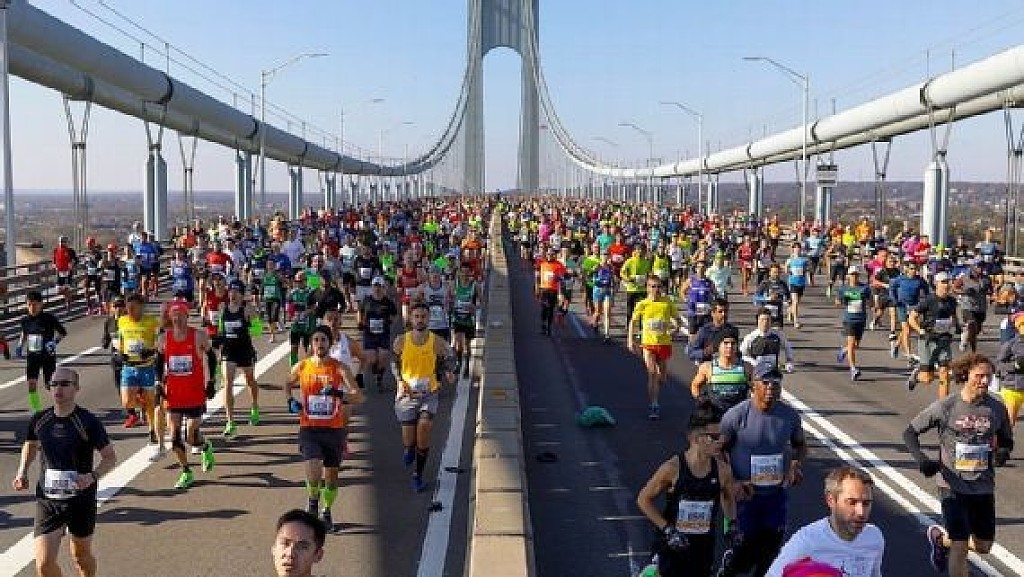
New York City Marathon Will Return in November
The race will have 33,000 entrants, instead of the usual 55,000. But staging it will satisfy runners desperate to run again.
The New York City Marathon, one of the biggest events staged in the city each year, will return in November with a reduced but still sizable field of runners, Gov. Andrew M. Cuomo announced on Monday.
The race will take place on its usual date, the first Sunday in November, with about 33,000 runners instead of the typical 55,000 leaving the starting line on the Verrazzano-Narrows Bridge in Staten Island. The 26.2-mile race through the five boroughs, months after the returns of teams and fans to baseball stadiums and indoor arenas, is expected to be a milestone in New York’s recovery from the coronavirus pandemic.
“It’s the North Star,” Ted Metellus, the race director, said of the marathon’s return. “It’s the thing that says we’re back.”
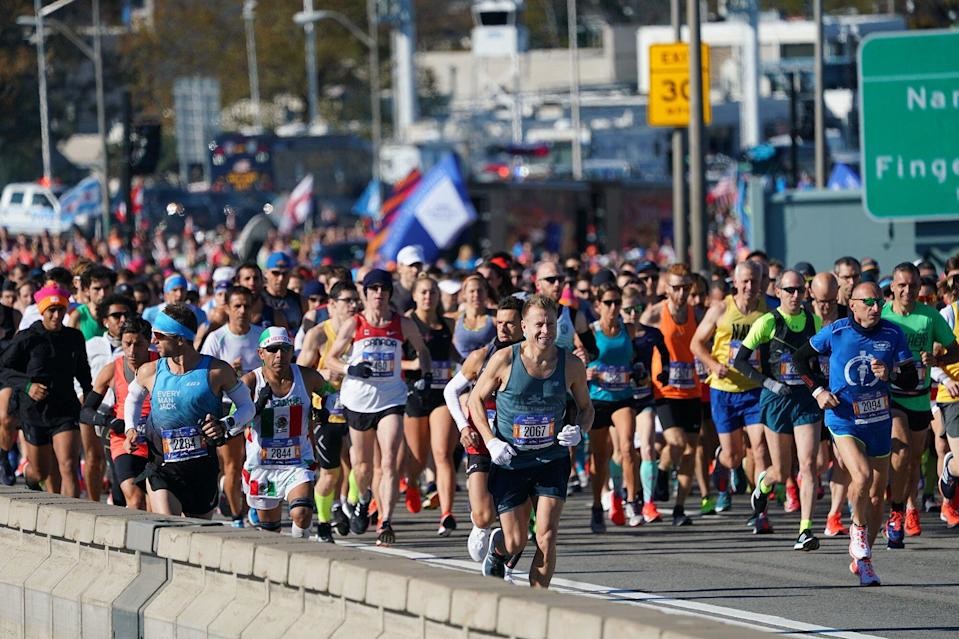
The announcement comes as New York continues to emerge from the kind of pandemic restrictions that led to the cancellation of last year’s marathon. With vaccinations rising and coronavirus cases decreasing, the city and state continue to end or ease rules on everything from dining in restaurants to attendance at ballparks and fitness centers.
For months, city officials and health experts have been in discussions with leaders of New York Road Runners, the organization that owns and operates the marathon, about the scale of this year’s race.
Officials agreed to reduce the size of the field this year to prevent overcrowding, though any plan to control crowds along the course — and any restrictions that might be imposed on them — remain unclear.
The smaller field will help to reduce the number of people on the ferries and buses that shuttle runners to the starting village at Fort Wadsworth in Staten Island and create more room for social distancing among participants once they arrive.
Officials plan to begin the race with a staggered start, sending runners onto the course a few at a time, every few seconds. The process, which will take several hours, is one that the Road Runners have been using in smaller races for several months.
The change, however, will also lengthen the race day, and require the city to close streets for more hours than usual.
To compete, runners will be required to test negative for the coronavirus in the days before the race or show proof of full vaccination, though organizers must still determine policies about when tests will take place, who will pay for them and the consequences for someone who tests positive. Runners will not be required to wear masks while on the course.
Those requirements may change, Metellus said, as organizers monitor changing guidance from the Centers for Disease Control and Prevention as well as state and local mandates.
“Those changes will dictate a lot of change we see in the event,” said Metellus, who predicted the guidance would continue to evolve until race day.
For now, the organization said it was re-evaluating just about anything that may cause crowding, including rethinking aid stations, which are usually set up on every mile of the course, and reimagining bag drop off and pick up. First aid will remain at every mile marker, but hydration stations may be more spaced out, with volunteers following various safety guidelines. And while runners will still be able to drop off a bag of their belongings, they will not be able to bring their bags to the start.
A field of more than 30,000 runners will provide plenty of room for everyone who had registered for the 2020 race before it was canceled or who opted to defer to 2021. (About 54 percent of the 30,000 early registrants for the 2020 race opted to run the 2021 race.)
ImageVolunteers handing out water in 2019. Organizers expect monitoring guidance from health officials as they plan everything from aid and hydration stations to the size of the field.
Volunteers handing out water in 2019. Organizers expect monitoring guidance from health officials as they plan everything from aid and hydration stations to the size of the field.Credit...Sarah Blesener for The New York Times
The organization is still figuring out how to fill all the spots in the race, but it has decided not to hold a new drawing. Other avenues of entry into the race will include runners who complete and volunteer for a specified number of New York Road Runners events and those who have completed 15 or more New York City Marathons. Registration for those who qualify for a guaranteed entry will take place during the second week in June.
Organizers also plan to have a significant contingent of charity runners who pledge to raise about $3,000 for a chosen organization when they participate.
Many charities rely on the marathon to raise hundreds of thousands of dollars every year. But New York Road Runners also relies on charities for a significant portion of its revenue, since the charities pay about three times as much as an individual runner does to secure a place in the race. The individual registration fee for the 2020 race was $295.
Organizers expect interest in any open spots to be high. The Boston Marathon, scheduled for Oct. 11, was oversubscribed by more than 9,000 runners, all of whom had met the qualifying standard for their age groups.
Officials with New York Road Runners had predicted earlier in the spring that the 2021 race would take place without revealing the size and scope of the event. New York’s event will join an unusually crowded calendar of major marathons, a situation that will force top runners into difficult decisions about where and when to race.
Marathons in Boston, London, Los Angeles and Tokyo that usually take place in February, March and April have moved to the fall this year, joining races in Berlin, Chicago, New York and Washington. Elite runners usually do only one race in the spring and one in the fall. The Berlin Marathon (Sept. 26), the London Marathon (Oct. 3) and the Tokyo Marathon (Oct. 17) all have plans to take place before New York’s race in November.
Organizers can’t quite plan how New Yorkers will respond to their beloved marathon returning to all five boroughs. While there are significant modifications to the course experience, including limiting mass gathering locations, “it’s still New York City,” Metellus said. “The city will still live and breathe.”
(05/17/21) Views: 45Matthew Futterman and Talya Minsberg (NY Times)
