

Running News Daily
Top Ten Stories of the Week
5/8/2021
These are the top ten stories based on views over the last week.



American ultrarunner Taggart VanEtten smashes 100-mile treadmill world record with 11:32:05 run
American ultrarunner Taggart VanEtten crushed the 100-mile (160K) treadmill world record on Saturday, running a mind-boggling 11:32:05 at an event in Morton, Ill. VanEtten’s run lowered the previous world record significantly, shaving 37 whole minutes off the 12:09:15 result that Zach Bitter set last May. His result works out to an incredible average pace of 4:18 per kilometer.
It has been a tough couple of weeks for Bitter’s resume, as he has had his name erased from three ultrarunning world records in that time. First, Lithuania’s Aleksandr Sorokin beat Bitter’s 100-mile and 12-hour world records at an event in the U.K., lowering the two results to 11:14:56 and 170.309K, and now VanEtten has beaten Bitter’s 100-mile treadmill best.
When Bitter set the 100-mile treadmill world record last year (beating Canadian Dave Proctor‘s record of 12:32:26), it was hard to imagine anyone running faster. He averaged 4:32 per kilometre over the course of 12 hours, and it seemed unlikely that someone else would come even close to that (or want to spend that long on a treadmill) for a while. Just under one year later, though, VanEtten decided to give the record a shot, and he produced an even more amazing result.

VanEtten announced his plans to run the treadmill 100-miler in January, writing about the record attempt on Instagram. “For years now I have been anti-treadmill,” he wrote. “However, for the sake of longevity in my running career I must utilize one for regular use.” At the time, he said he hoped to run under 12 hours — a goal that he ultimately shattered.

Running on a treadmill in a pub in Morton and keeping track of his progress on Zwift, VanEtten ran an impressively steady pace throughout. For the most part, he hovered between 4:10 and 4:20 per kilometre, and he never ran a kilometre slower than 4:58.
At 116K into the run, he posted one of his slowest kilometres of the day at 4:36, but he immediately made up for it by running 10K at sub-4:10 pace, including three sub-four-minute kilometres. His slowest kilometre of the day came at the 139K mark, but he regained his composure and remained steady in the 4:20s for the rest of the run. For context, his average speed of 4:18 per kilometre works out to a 43-minute 10K. Many people would be happy to run one 10K this quickly, but VanEtten ran 16 in a row at this pace.
To make the feat even more impressive, this record attempt was only VanEtten’s second official ultramarathon event. His first came in November 2020, when he won the Tunnel Hill 100-miler in Illinois. Despite the fact that it was his first ultramarathon ever, VanEtten not only won the race, but he posted the second-fastest result in the event’s history. His 12:19:55 finish was only 11 minutes slower than none other than Bitter, who owns the Tunnel Hill 100 record of 12:08:36.
VanEtten’s still a rookie when it comes to ultrarunning, but based on his two results so far in the sport, it’s safe to say his name is one that fans will get used to hearing in the coming years.
(05/03/21) Views: 127Ben Snider-McGrath

Fitness tips for dedicated runners
Sometimes, running is about winning a marathon or being fast. For some runners who run every week, it can become a little bit of a chore that their main goal is to make their runs more tolerable instead of faster. Their goal is to increase their fitness and passion for the sport, not just to finish first. While it’s not the hardest exercise out there, running can be a little difficult if you don’t take care of a few essential factors that go a long way. This includes following a healthy diet, waking up early, taking breaks, and most importantly, listening to your body. After all, your goal should be to improve your overall health and increase your fitness. Maybe lose a few pounds along the way. If you’re really dedicated to your goals and want to enjoy every minute of your daily running routine, we’ve got something for you. Here are some of the best tips that will help you achieve your running goals and keep you motivated throughout your exercises.
Run Early in the Morning

This one may be easier said than done but accomplishing your running goals in the morning before breakfast can have a huge impact on your mood. Imagine getting that chore out of the way and still having the rest of the day to do anything else you want. You won’t have to worry about your workout all day, neither will you worry about the last meal you ate before your run. Getting up early in the morning may be difficult, but it’s worth it when you discover all the benefits of running at the break of dawn.
Learn to Do Negative Splits
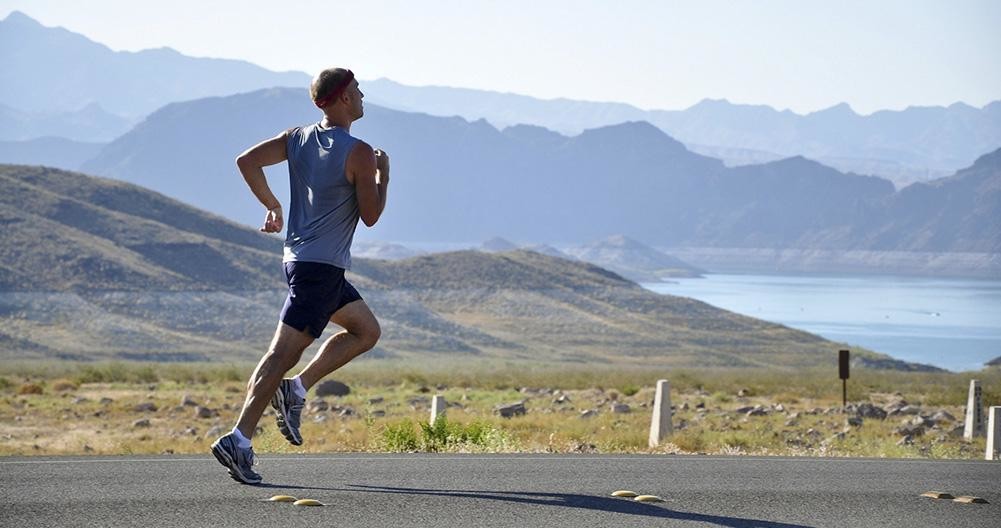
Negative splits is a technique applied by most runners to save energy and maintain their speed until the end of their races or runs. While it can be simple to explain, it takes a lot of time and practice to master. This long-distance running technique focuses on conserving energy and running at a slightly slower pace for the first half of the run so that the body can feel well enough to run at high speeds for the second half. This eliminates fatigue and helps runners gain more focus during their runs. Start adding negative splits to your next run, and you’ll be seeing amazing results in no time.
Take Care of Hydration and Nutrition
Drinking enough water throughout your day and consuming foods that are high on carbohydrates is the key to continuously providing your body with the energy it needs for the longest runs. You can try oatmeal which is one of the best food for runners as it contains a lot of carbs and protein and is easy on the stomach, so you can increase your portions without worrying about feeling full during your runs. Nutritionists at thesupplementreviews.org/best-greens-powder/best-greens-powders suggest that the carb intake and requirements for runners vary based on how long they run. They recommend trying different portions and experimenting to find out the suitable carb portion for every runner.
Refuel in the Middle of Your Runs
It’s recommended to take on a few calories in the middle of your runs if you are running for more than an hour to help your body maintain its energy. You can stop in the middle to add some calories through powders, gels, chews, or even dried fruit and nuts. However, what works for other runners’ stomachs may not work for yours, so you’ll need to keep experimenting with different foods until you find your go-to food that doesn’t upset your stomach as you keep running. Water is also as important, you should aim to keep a bottle or a hydration backpack with you so that you can refuel on water every 20 minutes. While the recommended duration is 40 minutes before you take on any calories during running, and 20 minutes for hydration, you should experiment at your own pace and practice how you’re going to refuel in the middle of your runs.
Post-Run Recovery Is Important
A good recovery plan goes a long way in helping your body recover faster and preparing you for your next run. This is why you should make sure to eat a post-workout meal to provide your body with the needed nutrition. This meal should be rich in proteins, carbs, and fats. You may also want to include electrolytes if you’ve worked up a good sweat during your run. This can be done by consuming non-alcoholic beer or adding some salt to your post-run meal.
Running is a great exercise for increasing fitness, but it can be a little difficult to stay motivated and commit to a running routine. Especially for runners who practice this exercise daily. These tips will help you enjoy every minute of your runs as well as improve your health and keep your body prepared for long strenuous runs.
(05/03/21) Views: 92Colorado Runner

Chevron Houston Marathon opens registration for 2022
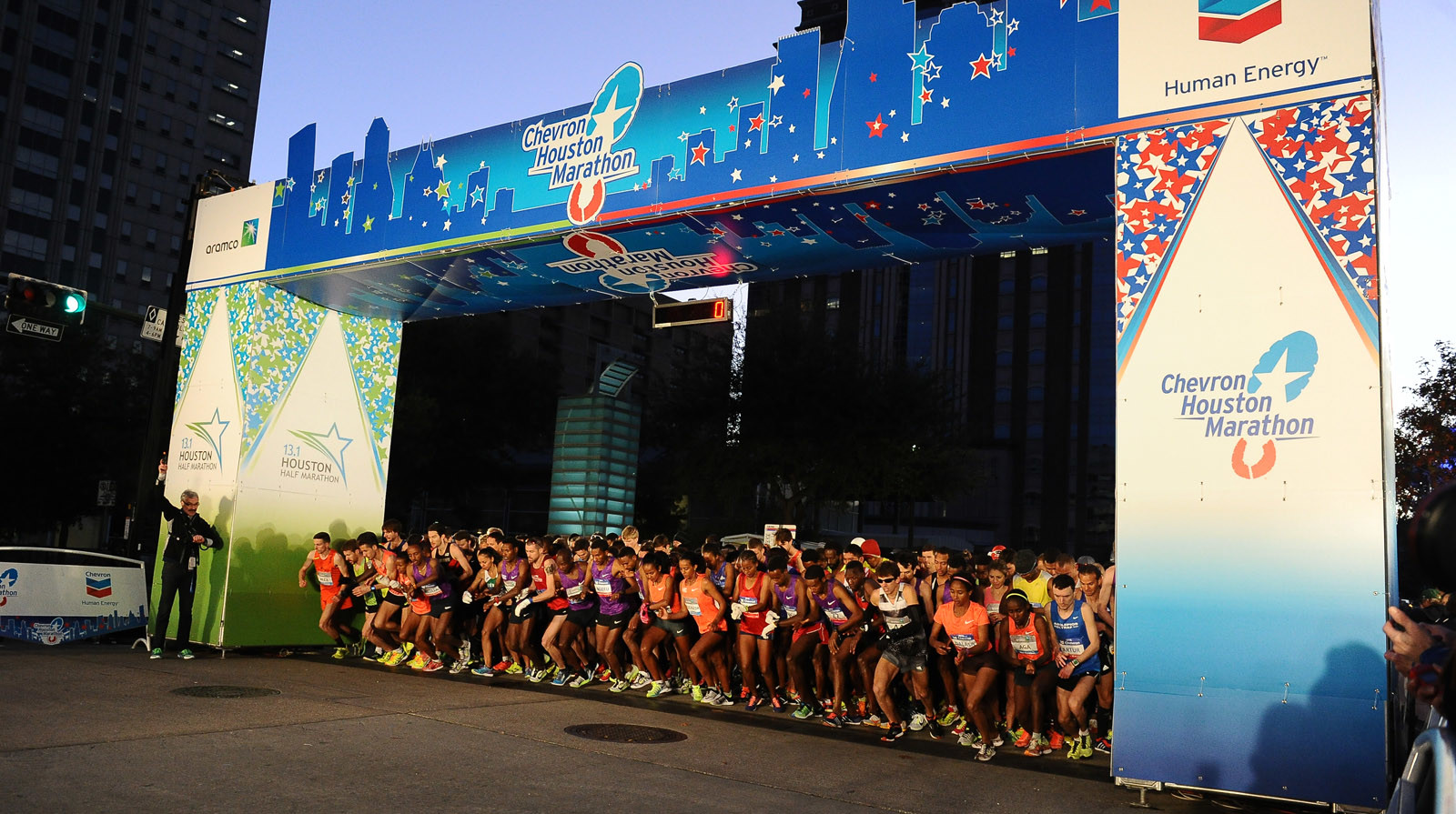
The Houston Marathon Committee (HMC) will open its first window of registration – Guaranteed Registration – for the 2022 Houston Marathon Weekend of Events this Saturday, May 1, with Open Registration available to all runners on June 2, 2021.
The in-person race for the 50th Anniversary Celebration of the Chevron Houston Marathon and the 21st annual Aramco Houston Half Marathon will take place Sunday, Jan. 16, 2022, with the We Are Houston 5K presented by Aramco and Chevron on Saturday, Jan. 15, 2022.
“We are grateful for the continued support from our running community throughout the past year and look forward to safely welcoming back our runners to the road in Houston,” said Wade Morehead, Executive Director of the Houston Marathon Committee. “Through thoughtful planning alongside our city partners, we are confident that 2022 will be an event year that successfully celebrates the history and camaraderie of our runners, volunteers, race partners, and spectators – all who have made this event possible for the past 49 years.”
(04/30/21) Views: 66
2021 Flying Pig Marathon is coming back, Marathon will run this fall in-person
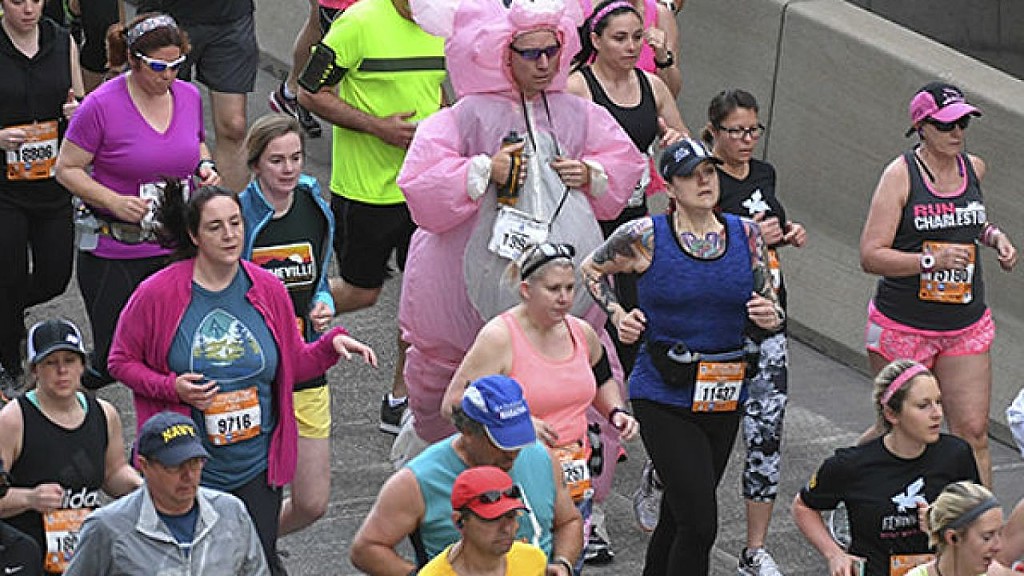
The Flying Pig Marathon is coming back! Executive Director Iris Simpson Bush says the marathon will run this fall over Halloween weekend.
“As of Oct. 29 through Oct. 31, Flying Pig events will be returning in person. We know that 2021 can't look exactly like the Flying Pig has looked in the past but we are so excited to be coming back in person,” Simpson Bush said.
Specifics on the race are still being worked out especially with COVID-19 guidelines changing often. Bush says they’ve coordinated with the local health departments and will stay in contact as the race gets closer.“I think that it's fair to say we have held off this long because safety measures for our participants, volunteers and the community at large is of primary importance,” Bush said.

As for the runners themselves, Bush says their expecting a lot of new faces even though they aren’t sure what their capacity will be just yet.
“The research says that the industry is likely to attract a bunch of newbies because for many people it's the only thing they could do during the pandemic,” she said.This weekend, the virtual event is set to host around 5,500 participants.
The hope is this Cincinnati staple event will be a step toward normalcy as they plan for the return of runners from all 50 states and around the world.“Call it our return to flight. This year we plan to soar,” Bush said.
If you are signed up for the virtual event, you’ll have the first opportunity to sign up for the in-person event. Registration for the public will open up on May 10.
(04/30/21) Views: 63Steven Albritton
Kenenisa Bekele Will Not Run Ethiopian Olympic Marathon Trials
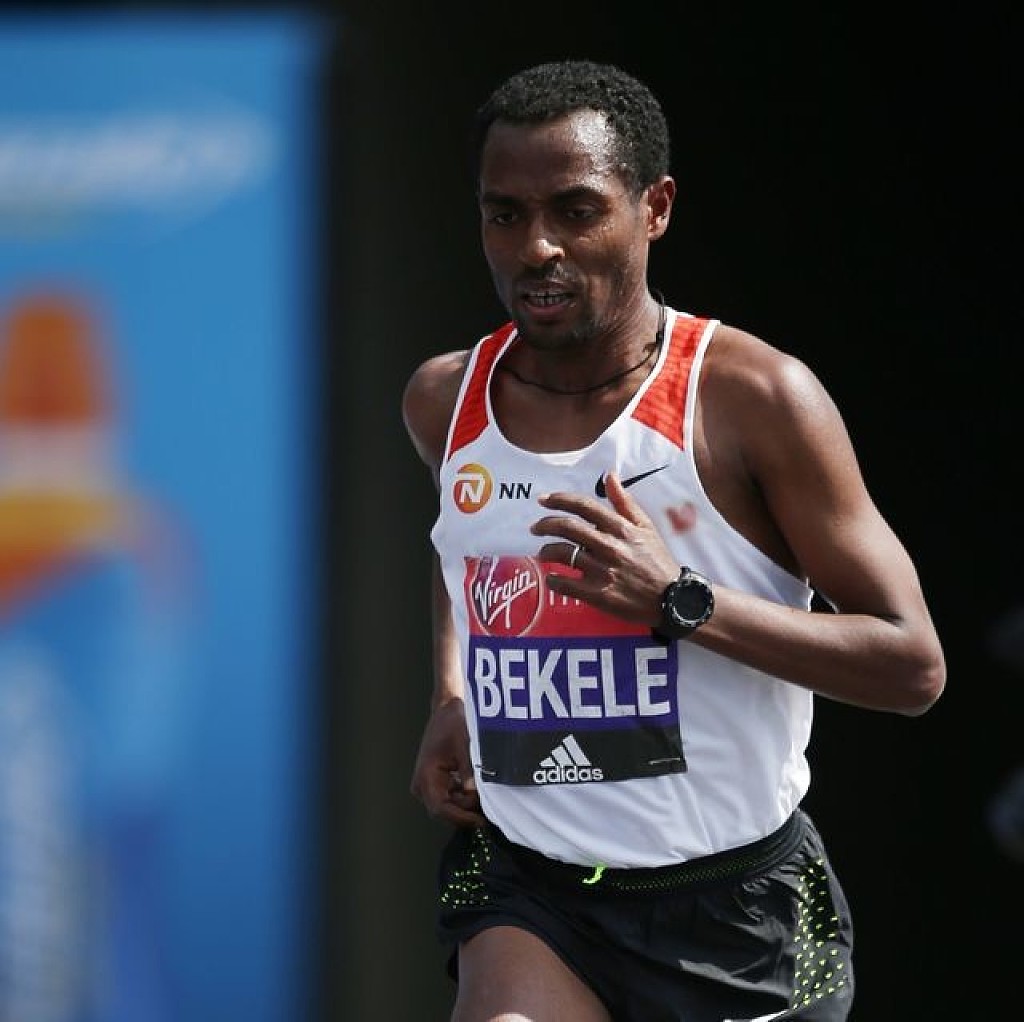
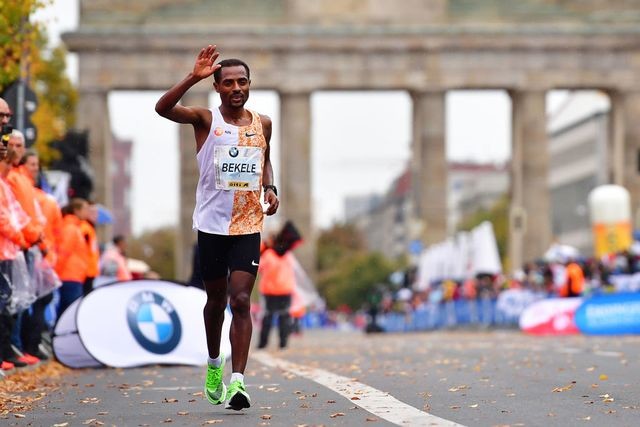
Kenenisa Bekele, the three-time Olympic champion on the track and second-fastest marathoner of all time, announced today that he will not compete in Saturday’s Ethiopian Olympic marathon trials, which will be held as a 35 km race in the city of Sebeta, 15 miles outside the Ethiopian capital, Addis Ababa. Considering that the Ethiopian Marathon coach Haji Adilo has told LetsRun.com the top three finishers across the line on Saturday will comprise the Ethiopian Olympic team, that would mean that Bekele’s dream of becoming the first person — male or female — in the professional era to win an Olympic gold on the track and the marathon would be over.
Bekele, however, is protesting his exclusion from the team as prior to COVID-19 it was stated that Ethiopia would select their marathon team based on who had the fastest times during the qualifying window and Bekele led the pack on that front by over a minute.
For the last month, speculation has flown about whether Bekele, who has not run a marathon since his near-world record of 2:01:41 in Berlin in September 2019, would compete in the trials. Today, we learned that he will not be running the Trials as a protest letter that Bekele wrote in Amharic to the Ethiopian Athletics Federation in which he also addressed the Ethiopian sports journalists was published on Twitter.
According to Ethiopian journalist Teferi Debebe, whom LetsRun.com spoke to on Wednesday evening, in the above document Bekele said he was 100% healthy but criticized the Ethiopian Athletics Federation for changing its selection criteria and staging its trials too close to the Olympic marathon in Sapporo, which will be held on August 8. The gap between the two races is 14 weeks. For reference, when Eliud Kipchoge won Olympic gold in 2016, there was a 17-week gap between Kipchoge’s spring marathon (London) and the Olympic marathon in Rio de Janeiro. Fourteen weeks between a 35 km race and a marathon is a relatively tight turnaround and Bekele said he would not be competing as a result. In the document, according to Debebe, Bekele mentioned how countries like the US are honoring selections from a long time ago.
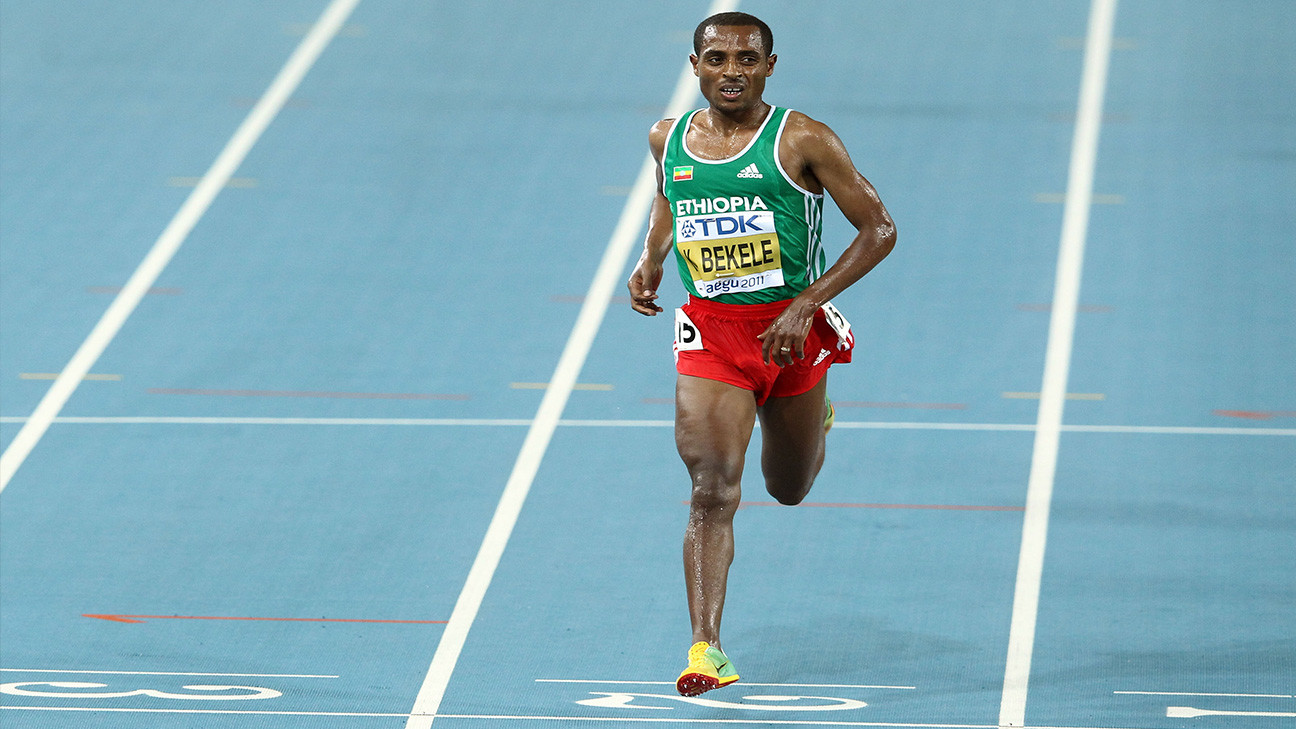
Debebe told us that Bekele started off the letter by reminding the federation that he’s got an amazing resume of success in representing Ethiopia in the past. He’s very proud of his past performances on the world stage while representing the country, as was everyone in the country. He hopes to do so again in 2021 or he says he’ll have to consider “another option.” He also complained that in 2016 he was left off the team according to what he said was discrimination.
We asked Debebe if he thought Bekele’s appeal would be successful and he said yes. In fact, he guaranteed us that Bekele would eventually be named to the team. “His appeal is very powerful because it comes from Bekele. At the end, he says he will consider another option and that will get him a lot of support….Definitely, the federation is going to do something in my opinion.”
Debebe did add that he didn’t really agree that discrimination kept Bekele off the Olympic team in 2016 as while Bekele is from the Oromo tribe, so is Feyisa Lelisa who was selected and famously did his X protest.
Bekele is not the only notable athlete who will be missing Saturday’s Olympic trials, which will be contested over 35 kilometers rather than the 42.2-kilometer marathon distance. A reliable source confirmed to LetsRun.com that Birhanu Legese and Mule Wasihun will both miss out as well.
(04/30/21) Views: 61LetsRun

About six foreign athletes will participate in Olympic marathon test event in Sapporo
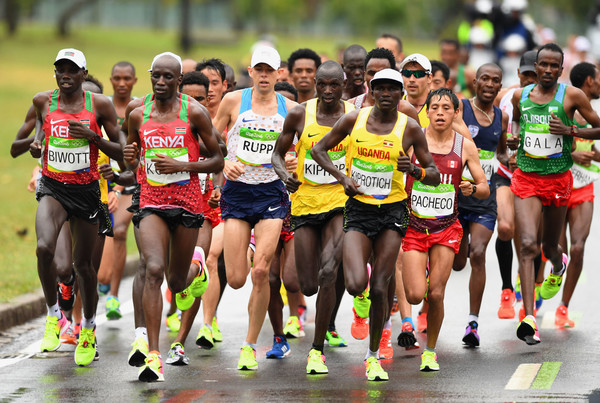
Six overseas athletes who have booked their spots in this summer’s Tokyo Olympic marathon will take part in the half-marathon race of the upcoming Sapporo Marathon Festival, the event’s organizers said Sunday.
Bart van Nunen of the Netherlands will run in the men’s race while Germany’s Katharina Steinruck will take part in the women’s event. They are among the six already in Sapporo to run in Wednesday’s Tokyo Olympic test event.
The organizers revealed the guidelines for virus countermeasures, which include daily coronavirus testing for athletes.
The event originally included races for the general public, but those have been cancelled, while the public has been asked to refrain from cheering runners from the roadside.
Honami Maeda, who will represent Japan in this summer’s Tokyo Olympic women’s marathon, will also run on Wednesday.
(05/03/21) Views: 61The Japan Times
Don’t let blisters ruin your run
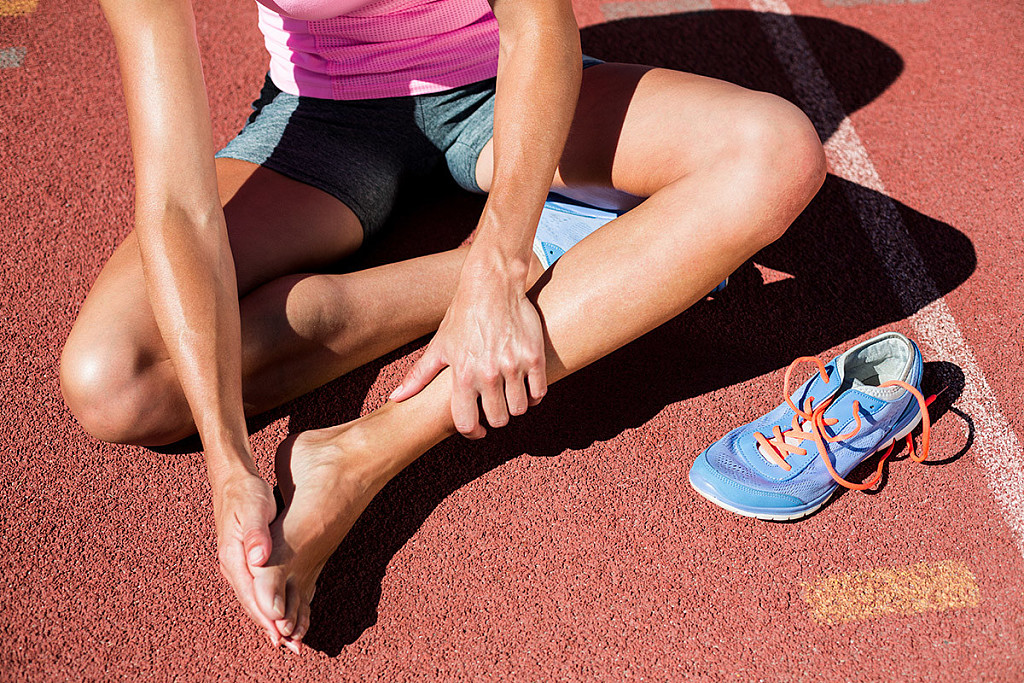
We’ve all been there: a couple miles into what was supposed to be a long outing on the trail, you feel the hot spot burning inside your shoe. A damn blister. Maybe you’re in ill-fitting new shoes or bunchy socks that caused your feet to sweat. Maybe you just have blister-prone feet. Either way, a skin bubble can put an end to an otherwise great day—or lead to some serious discomfort.
Vonhof is a former paramedic and an ultrarunner who now works the medical tents at races like California’s 100-mile Western States Endurance Run and the Badwater 135, as well as Decaman, a series of ten back-to-back Ironmans in New Orleans. He gave us his best advice on blister prevention and treatment.
Take Blisters Seriously
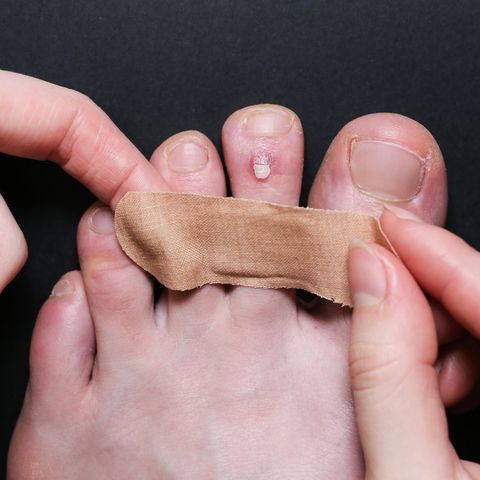
They always seem tiny and innocuous, but they can be day enders. “Even a blister the size of a pea in the wrong spot—at the base of the toe or ball of the foot—can disrupt your gait, meaning pain could go up into your knees or your back,” says Vonhof. “Blisters can seem very minor, but if you don’t take care of them, they can get larger.” He has seen instances where a runner pushed on through a hot spot, not bothering to stop and treat it, and instead of a quarter-inch inflammation, the runner was left with a two-inch bulge covering the whole arch of their foot. Once ripped, a blister leaves a huge patch of raw, exposed skin rubbing the inside of the shoe—not a comfortable situation.
Know the Causes
It’s generally understood that pressure, friction, heat, or moisture can cause blisters to form. When layers of skin and bones move against each other, the inner connections can break down, and a fluid-filled cavity forms. There are a few simple rules to help avoid blister-causing situations. “The most important thing is fit,” Vonhof says. Not enough room in the toe box or too much space in the heel can cause pinching or shifting. Also, Vonhof says, “Skip the cotton socks.” Technical, breathable wicking blends that stay in place are key. We can recommend a few: Balega Blister Resist socks prevent clamminess and eliminate friction, Drymax makes a collection of socks for runners that keep your feet moisture-free, and Injinji’s toe socks keep your digits from rubbing. Mileage matters, too. If you try to run 50 miles off the couch, you’ll probably wind up with blisters. But steadily add distance with a training plan and your feet will thank you.
Prep Your Feet
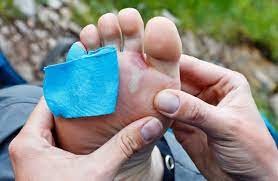
Proper foot care means good preparation, according to Vonhof. Before a big run or hike, he recommends reducing calluses, trimming and filing toenails, and getting proper insoles for your shoes. If you’re racing long distances, plan to change your socks often, air your feet out at regular rest stations, and carry a foot-care kit (Trail Toes makes a prepackaged blister kit). If you clench your toes, work to relax your feet while running. If you’re prone to blisters or are running ultramarathons, taping problem areas in advance might be a good idea. At Badwater, Vonhof regularly pretapes the entire bottom of a runner’s foot, and he recommends Leukotape K Kinesiology tape since it stays put and molds easily. If you’re running in wet conditions or your dogs tend to sweat, apply a layer of protective, moisture-managing cream, like RunGoo, before putting on your socks. Vonhof likes Squirrel’s Nut Butter Anti-Chafe salve for slathering between toes or on heels to prevent irritation.
Ditch the Moleskin
People used to rub Vaseline on a blister, then cover it with a doughnut-shaped piece of moleskin. These days, Vonhof prescribes lancing. “It’s a debate. Should you lance the blister and get the fluid out or leave it?” Vonhof says. “Sometimes it’ll pop on its own. If it’s in an area where you’re going to continue to put pressure on it while you run or hike, you’re better off lancing it.” To do that, he recommends cleaning the skin first, then piercing it in two places with a sterile pin or needle—a safety pin, tweezers, or pocketknife sterilized with a flame or vodka will work. Gently push the fluid out. (Gravity will also help the blister drain.) Then apply an antibiotic ointment, like Neosporin, and put 2nd Skin or KT tape over the top. Standard Band-Aids don’t stick well and tend to shift.
(05/06/21) Views: 59Megan Michelson

One of the fastest players in football star DK Metcalf eyes U.S. Olympic Trials with 100m race in California
NFL wide receiver DK Metcalf will race the 100m at Sunday’s USATF Golden Games and Distance Open at Mt. SAC in Walnut, Calif. Metcalf, who plays for the Seattle Seahawks, is currently one of the fastest players in the NFL, and although he has not released any info or statements on the race, many believe he has his eyes on a qualifying time for the U.S. Olympic Trials. Metcalf reportedly competed as a hurdler in high school, but, now 23, he hasn’t raced on the track in years.
To earn a spot on the 100m start line at the U.S. Trials, Metcalf will have to run the qualifying standard of 10.05 seconds. For context, only 104 men in U.S. history have run that fast (or faster) over 100m. That may sound like a lot, but consider the fact that the World Athletics all-time American 100m rankings features thousands of runners, all of whom have run at least 10.55 seconds (which was the minimum time required to make this list). Of the thousands of men listed and even more who didn’t even break 10.55, only about 100 have hit the Olympic standard of 10.05.
To be fair, Metcalf is certainly fast. In a game last October versus the Arizona Cardinals, he chased down a runaway opponent, making a tackle after sprinting just under 115 yards (about 105m) and preventing what in most cases would have been an unstoppable touchdown.

On this play, Metcalf reached a max speed of 36.4 kilometres per hour. If he could run 36.4 kilometres per hour for a full 100m, he would be well on his way to a career in sprinting, as this would work out to a 9.88 finish. To hit Olympic standard, he will have to average 35.8 kilometers per hour over the course of the full 100m. The thing is, Metcalf didn’t average that speed in his full-field chase-down last fall, he merely reached that speed. It doesn’t make his accomplishment any less impressive (few people can run that quickly), but it does suggest that he won’t hit standard on Sunday.

meterIf it takes him that long to hit that pace in a race, the rest of the field will be well ahead of him by the halfway mark of the sprint. It’s also important to note that Metcalf started his sprint while on his feet and already moving, but on Sunday he and his competitors will be at rest on blocks at the start of the race. Metcalf has likely been practicing his race starts in preparation for this event, but he will be racing athletes much more comfortable with this technique.
We’re sorry to upset any NFL fans who really think Metcalf has what it takes to run 10.05 seconds (and we’re also sorry to Metcalf if he isn’t aiming to run Olympic standard and is instead just looking to have some fun on the track). Maybe he has been training hard for months and will manage to run well. After all, he’s a phenomenal athlete and one of the best sprinters in football. Numbers don’t lie, though, and based on the stats we can find, it shouldn’t be a surprise if he doesn’t run an earth-shattering time on Sunday.
(05/04/21) Views: 51Ben Snider-McGrath
Dave Proctor set to start TransAlberta run on Friday, he hopes to finish in 72 hours, and fans can track him the whole way
Canada’s Dave Proctor will start his TransAlberta FKT (fastest known time) attempt on Friday at 9 a.m. MDT, kicking the challenge off at the Alberta-B.C. border. He’ll follow the Trans-Canada Highway all the way across Alberta for 537K before reaching the border with Saskatchewan. Proctor hopes to complete this run in 72 hours or less, which would set the TransAlberta FKT and break his own national 72-hour record of 500K. The run starts Friday morning, and anyone interested in following along can track Proctor’s progress.
Proctor has had multiple Canadian and world records to his name, and he is the current national record holder over 24, 48 and 72 hours. His original plans for this spring involved running across the entire country in an attempt to set a cross-Canada speed record. He had actually hoped to complete that run in May 2020, but the pandemic forced him to postpone. Those plans have been put off once again due to COVID-19, but Proctor didn’t want to let his fitness go to waste.
Certain province-to-province travel might not be allowed right now, but Proctor is free to run within Alberta’s own borders, so he decided to shift his focus to a shorter but still gruelling challenge. While he hoped to complete his cross-Canada run in around 67 days (which would beat Al Howie‘s 1991 record of 72 days on the 7,200-kilometre route), Proctor will now look to run across Alberta in three days or less.
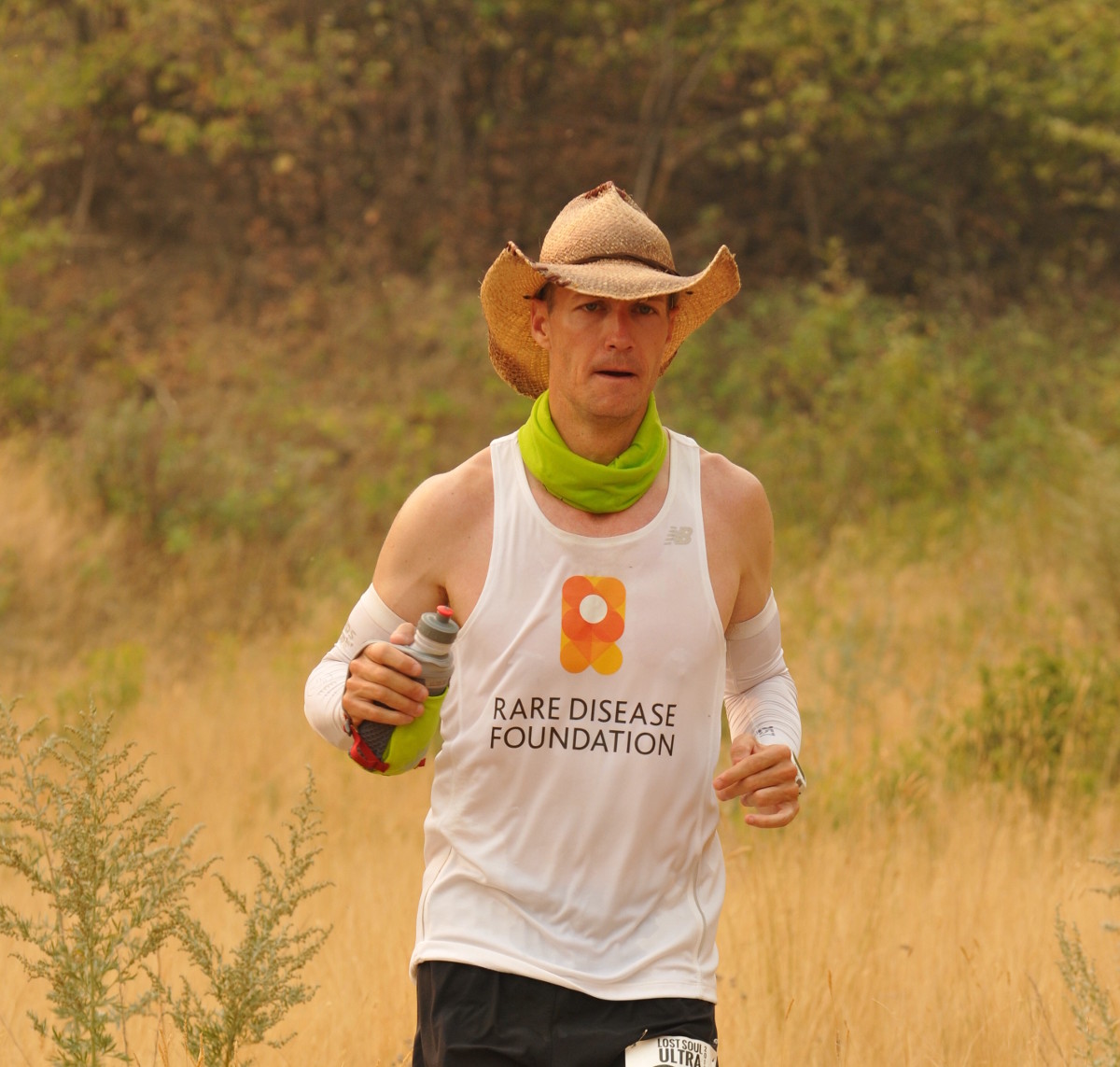
“I have all this fitness, and I wanted to put it to the test,” Proctor said after announcing his run. “I wanted to go out and test myself with something really, really hard.”
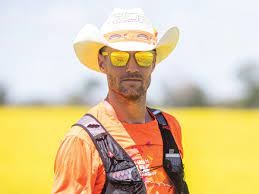
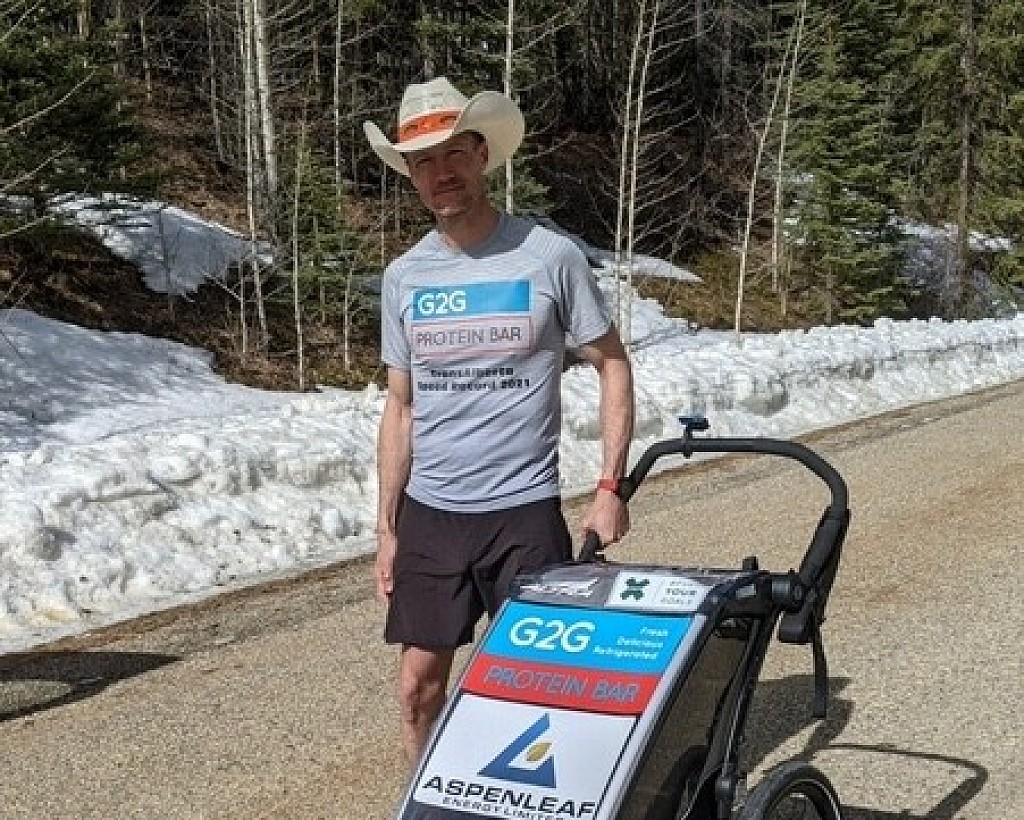
The coast-to-coast run would have been supported, but Proctor will be all alone during the TransAlberta FKT, pushing his food, water and other supplies in a stroller.
kilometer“After 200 miles, I can’t really say what the pacing strategy will be,” he said. “From there, it’s just a sustained effort and I have to hold on for dear life and pray that I make it in time.” More and more races are cropping up around the world after so few events last year, but the total is still far from where it was before the pandemic.
Proctor’s run isn’t an official race, but it is a chance for fans of the sport to watch something exciting and special. Follow his progress on the route here (his dot and route won’t appear on the map until he starts running) and check out his Instagram page for updates over the weekend.
(04/30/21) Views: 49Ben Snider-McGrath
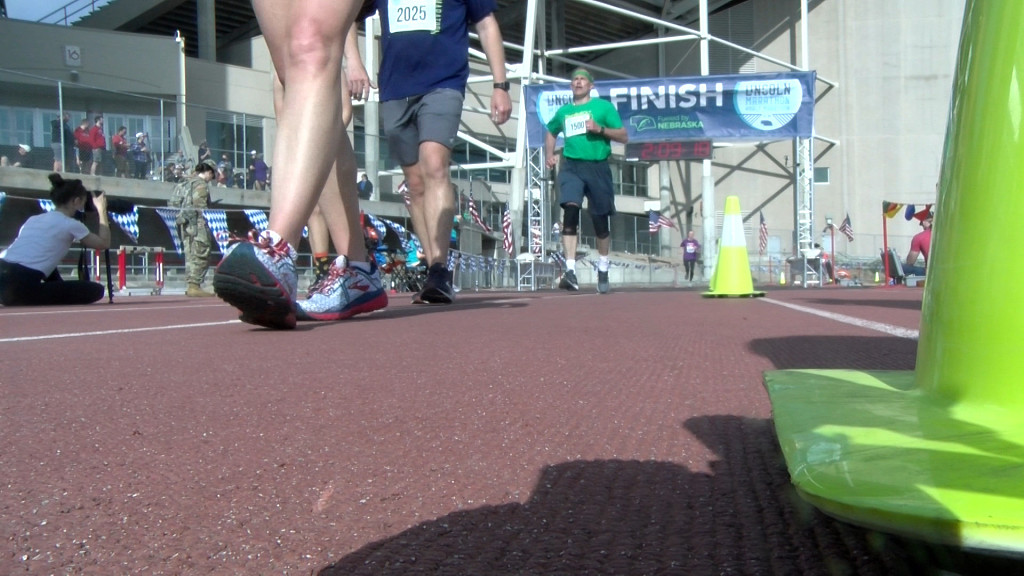
Lincoln Marathon and Half Marathon was a success
Thousands of people, some from across the world, flocked to Lincoln on Sunday for the 44th annual Lincoln Marathon and Half Marathon.
The race went on in-person this year after it went virtual due to COVID in 2019, making this event extra special.
"Today is outstanding," Ryan Regnier, the Marathon Director said. "I just think the community, the runners, the city, we just needed this event."
The Lincoln Marathon and Half Marathon was one of only a handful of other races that are happening this year despite the pandemic. Because of that, this event grabbed international attention.
Dominic Korir, who won 1st place in the Half Marathon, and Iveen Chepkemoi, the female 1st place Half Marathon winner, made the trip to Lincoln all the way from Kenya. Alex Ekesa, the male winner of the Marathon, also traveled all the way from Kenya, while Lincoln native Amy Dulng was the first female to cross the finish line in the Marathon.
"Feels good to win it, I grew up here, so it's exciting to be able to win it today," Dulng said.
But not everyone there was running because it's their passion. For Chris Maxwell of South Dakota, this race meant much more.
"Two years ago I was laying in Madonna Rehab Hospital completely paralyzed, having my wife and mom have to blink for me," Maxwell said. "I had a friend come down and they were going to run this race and they encouraged me and I encouraged them and about three months ago I said, what the heck, lets do a victory lap."
Maxwell was diagnosed with Gullain-Barre Syndrome several years ago, fighting for his life. But now, a miracle, Maxwell ran the Half Marathon Sunday with the biggest smile on his face.
(05/03/21) Views: 48
