

Running News Daily
Top Ten Stories of the Week
5/1/2021
These are the top ten stories based on views over the last week.
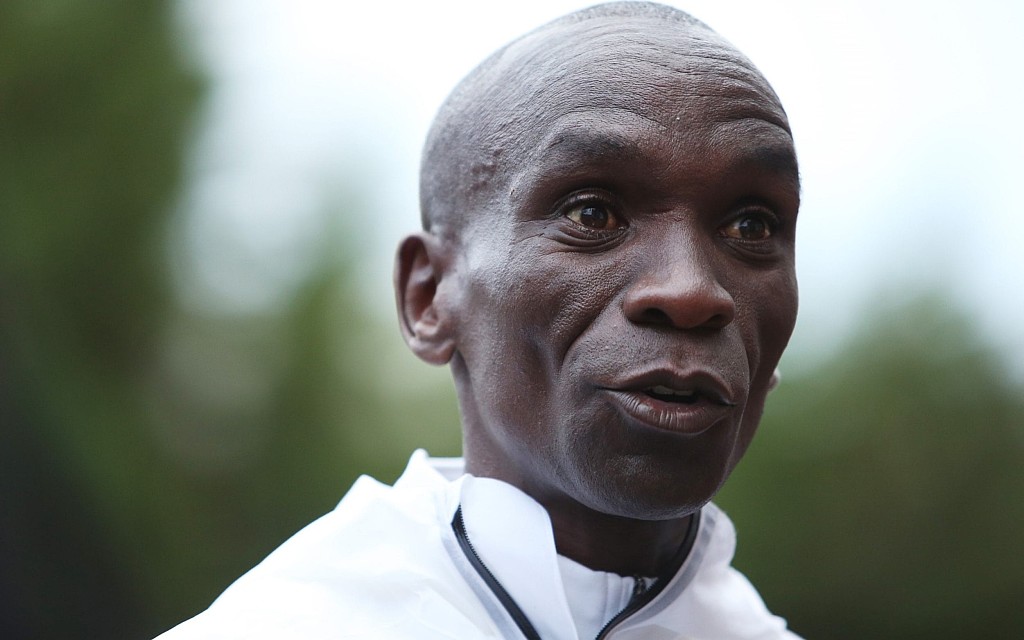


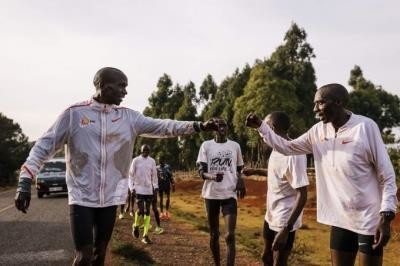
Eliud Kipchoge leads athletes in getting Covid-19 vaccination
Olympic marathon champion Eliud Kipchoge was among Kenyan athletes who received their Covid-19 vaccination at Kenyatta University Referral Hospital on Monday.
Also to receive their AstraZeneca jab were Olympic 1,500m champion Faith Chepngétich, Geoffrey Kamworor, the former World Half marathon champion and record holder and 2019 National Cross Country champion, Amos Kirui.

“The only other way we can conquer this pandemic is getting vaccinated, “said Kipchoge, who had just arrived from the Netherlands where he won the NN Mission in 2:04:30 on April 18.
“Taking the vaccination is also one way of helping us prepare for the Tokyo Olympics well since that Covid-19 vaccination certificate could in days to come be the ticket for the Games,” said Kipchoge, the marathon world record holder.
Cabinet Secretary for Sports Amina Mohammed oversaw the launch of the vaccination exercise for Team Kenya for the Olympic Games at Kasarani on April 8.
Amina said her ministry in collaboration with their health counterparts and Nairobi Metropolitan Services had secured 3,500 Covid-19 vaccines for Team Kenya going for the Tokyo Olympic Games and other teams for international assignments.
Amina disclosed that it’s their target to inoculate a total of 3,500 athletes, coaches, officials and athlete handlers across the country not only for Tokyo 2020 Olympic and Paralympic Games but other events.
Those who have benefited from the vaccine are all personnel working on Safari Rally, World Athletics Under-20 Championships in athletics, World Athletics Continental Tour’s Kip Keino Classic and the 2021 Rugby Africa U20 Barthes Trophy.
Others are Sports Kenya, the Kenya Academy of Sports, Anti-Doping Agency of Kenya, Sports, Arts and Social Development Fund and all Ministry of Sports frontline staffers.
(04/27/21) Views: 102Ayumba Ayodi
How COVID-19 has changed the Face of Running
Behind the scenes of ASICS’ “BE(AT) Your Personal Best” event.
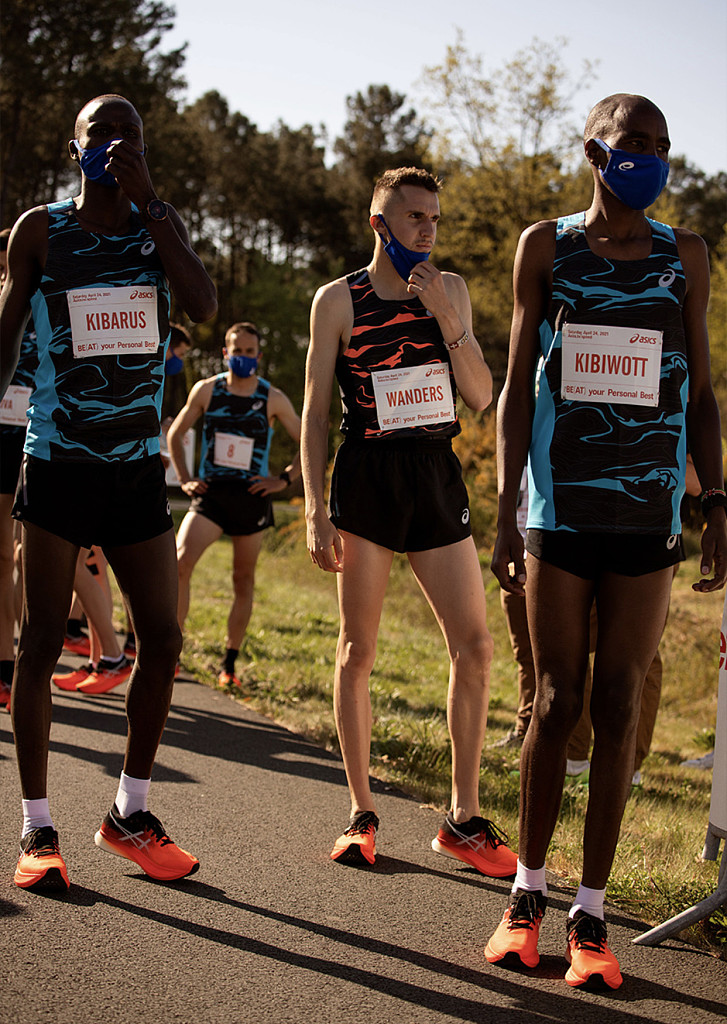
It’s 8:00 am in the French woodland area of Morton, Domaine du Bois aux Daims, on April 24. Situated almost 300 miles from the country’s capital, a select group of Europe’s top runners, including Julien Wanders and Sondre Nordstad Moen, ponder at the start line of ASICS’ “(BE)AT Your Personal Best”, with some preparing for their first taste of competitive running in almost a year.
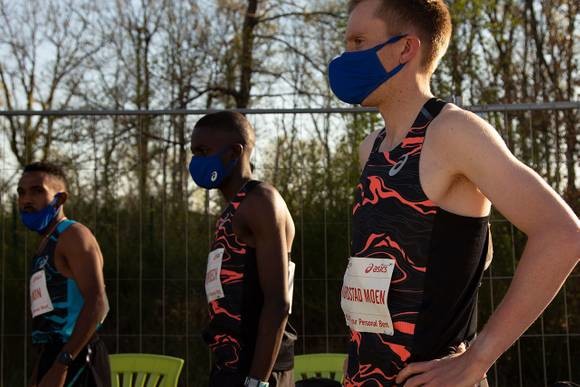
Lanyard-wearing event organizers disguised behind heavy-duty facemasks scurry around frantically with walkie-talkies and clipboards in hand, as a select few press and photographers scout out the best view points along the course.
While, from the outside, it might look like any other pre-race meet, the events past year have made things a lot more complex.
Of course a return to a resemblance of normal doesn’t come without its barriers. Following a number of elite-only events like last year’s London Marathon, a handful of behind-closed-doors championships have taken place across the world, many of which have resulted subsequent positive COVID tests. Such is the worry, more recently with the Tokyo Olympicsjust a few months away, both the Jamaican and U.S. relay teams joined a host of others in withdrawing from the upcoming World Relay Championships.
(Photos by Anne-Sophie Soudoplatoff)
This trial and error approach to the now-successful return of athletics has created many barriers to overcome for an event to go ahead which can be both time-consuming and costly — something of an issue to a sport renowned for its severe underfunding in a vast majority of countries. Such barriers, though, for ASICS(TOKYO:7936.T +0.68%) are seen more as a hurdle — and one they’re keen to clear.
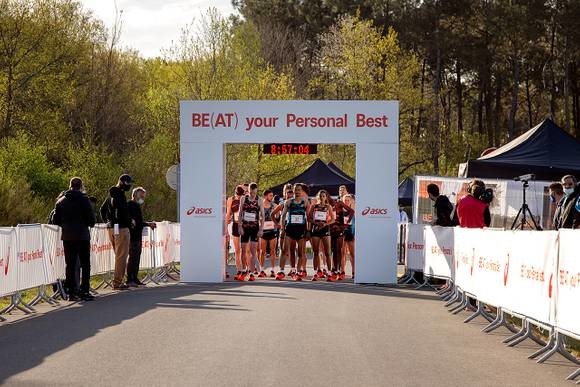
Taking place just West of Paris, in the heart of Nouvelle-Aquitaine, ASICS created a biosecure bubble within a Center Parcs location. Alongside negative COVID tests prior to travelling, upon arrival and before departure, each athlete resided alone in separate accommodation, with food and drink delivered to their doors.
For ASICS itself, the event was more than just another race. Three months in the making (a relatively short lead time in this field), the occasion marked the brand’s return to hosting live events and the follow-up to the launch of its new METASPEED Sky sneaker — ASICS’ answer to the “super shoe”. Equipped with a full-length carbon plate and a design that intends to improve its users overall performance, “(BE)AT Your Personal Best” was not only a test of the runners’ current condition in an Olympic year — but a test run of the sneaker itself too.
The 2.5km course saw runners head out along a wide asphalt path, before looping around a roundabout and back to the start. With near-on idyllic running conditions (a slight breeze, but nothing to be considered a headwind) and months of planning and testing behind them, the scene was finally set.
Pre-event much of the talk was about the current the European 10km and half marathon record-holder Julien Wanders’ planned attempt at attacking the 5km record too, but a bout of pneumonia two weeks prior saw him fall off the pace just over halfway. Instead it was Kenya’s Boniface Kibiwott who grabbed a personal best, winning in 13:24, followed by France’s Felix Bour (13:34) and Etienne Daguinos (13:36) who ran a new French under-23 record.
In the men’s 10km, pacer Hillary Kipkoech cruised to victory to set a new world-lead at 27:35, with Spain’s Jorge Blanco (28:27) and Sondre Nordstad Moen (28:35) almost a minute behind, while Sarah Lahti broke the Swedish women’s 5km record. Rounding things out was Mekdes Woldu who achieved a personal best in the women’s 10km with 31:47, finishing almost 2 minutes in front of Austria’s Julia Mayer (33:35).
In total, 24 of the 34 runners achieved personal best times in Domaine du Bois aux Daims, with one world leading time. And while these numbers and personal accolades are important — as well as the clear quality the METASPEED Sky brings — the real success story of ASICS’ “(BE)AT Your Personal Best” is a glimpse into the world of running’s new normal.
Whether these restrictions stay in place for years to come or they’re simply a temporary measure, its success bodes well for the upcoming Tokyo Olympics and how things might operate on a much larger scale – and suggests that the pandemic won’t keep sport down for long.
(04/27/21) Views: 88Tayler Willson
4 Supplements That Effectively Boost Your Running Endurance
Endurance athletics requires a fine balance of strength and endurance, which can only be achieved by years of strategic training and dieting. Endurance supplements can and should be an integral part of this balance. Yet what is marketed to runners, swimmers and cyclists is a variety of sports drinks, power bars and gels that are easy to reach for on the go. All of these things fuel the body during grueling training sessions or intense competitions, but most of them only ensure that the body is able to make it through the competition, and nothing more.
Supplements have a place in endurance sports. In fact, some of the most important endurance supplements are often overlooked by athletes.
Here are five of the most potent endurance supplements to boost performance.

1. Protein
Protein is often associated with bodybuilding and weightlifting. But protein is critical to performance during long periods of exercise. After the two-hour mark, the human body starts to use protein to help meet its energy needs. If the fuel taken during competition or training includes only glucose and no protein, the body must get the protein from somewhere else. Since there is nowhere left to go, it goes straight for muscle.
This process is called muscle cannibalization, or lean muscle tissue catabolism. It tears through your performance because it causes deterioration of the lean muscle required for performance. It also causes an increase in ammonia accumulation, which leads to fatigue and negatively affects recovery time.
2. Beta Alanine
The amino acid beta alanine is a great supplement to take to boost athletic performance. Some research shows that it helps keep fatigue at bay, which keeps you running strong for longer. Research also suggests that it can be used to promote lean body mass and improve overall aerobic activity.
3. Creatine
Creatine is another supplement typically assumed to be a bodybuilder's weapon of choice. However, creatine's potency does not simply create mass. Its properties as an amino acid are important for endurance athletes, too.
Creatine is famous for boosting muscle recovery, and endurance athletes often need more help in this area than they realize. Supplementing with creatine can help the body deal with the damage it incurs during training, like cell damage and muscular inflammation.
Creatine can also possibly be used to help the body use its oxygen in a more efficient manner during exercise by improving heart rate, sweat rate and how the body distributes water. By making the body more efficient, creatine might lead to a reduction in submaximal VO2 levels, which boost performance.
4. Iron
Some evidence suggests that endurance athletes are more likely to suffer from anemia than the general population. This is possibly because of the amount of iron athletes lose when they sweat for several hours at a time.
Most athletes avoid anemia by consuming an iron-rich diet.
(04/24/21) Views: 77
Austin Half marathon runners ready for return of live racing after COVID-19 pause
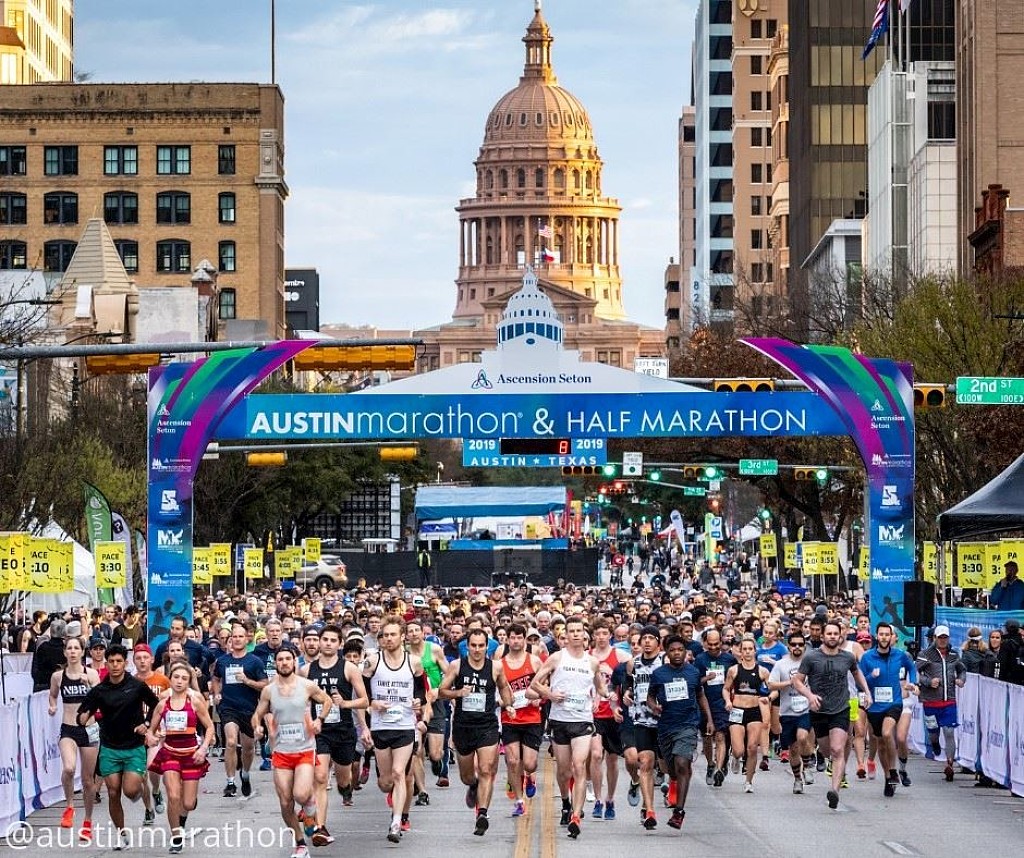
On Sunday, live running returns to Austin, Texas for the first time since February 2020 with the Austin Half Marathon and 5K, and though it won't be as large as the 2019 race, it may well be the largest half-marathon to be held in the country since events were halted at the onset of the pandemic.
Unlike past years, there is no full marathon race or prize money this year, and participation in the half-marathon was reduced by more than 50%, capped at 6,500 runners. More than 5,000 have signed up; the 5K race, which was capped at 500, has sold out, said William Dyson, the communications director for High Five Events, which is organizing the race.
“Our team is ready for this responsibility and excited to bring this event back, after having canceled all of our events since last March,” Murray said.
The course, which starts at Second Street and Congress Avenue and finishes at Ninth Street and Congress, remains the same as previous years. The half-marathon start will be in waves — every five minutes, with assigned start times to ensure low density. Additionally, runners are required to wear masks in the starting and finish areas.
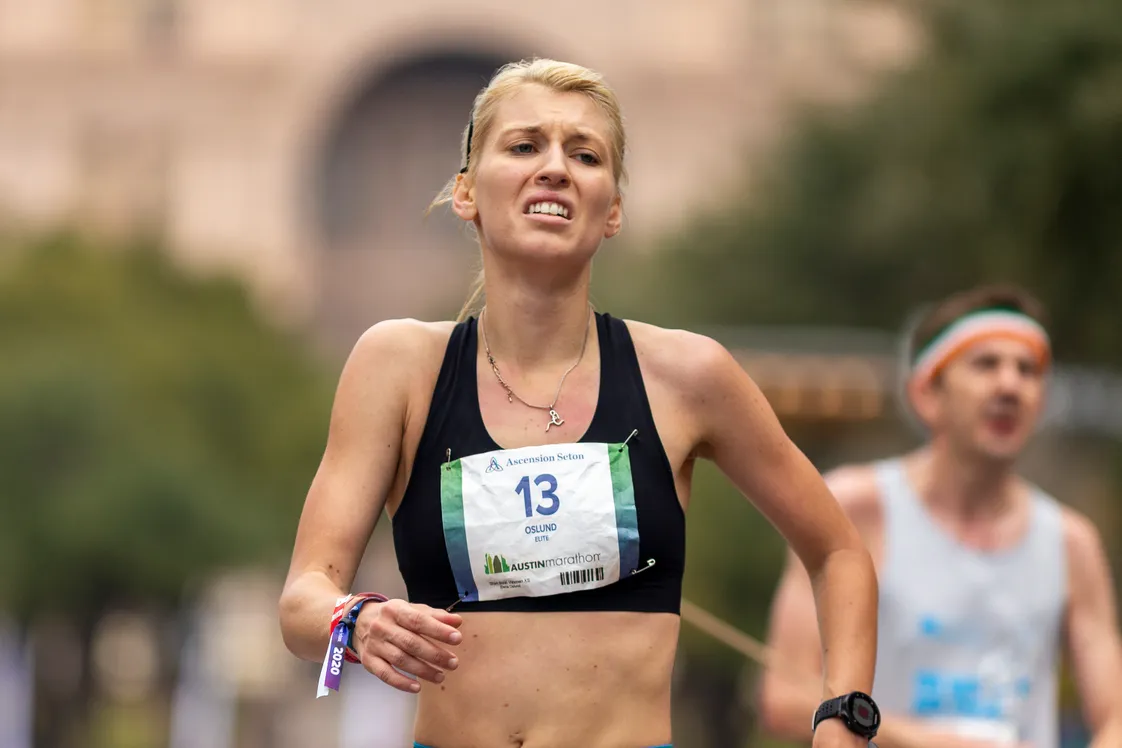
Willie Fowlkes, race director for the Woodlands Marathon, pointed out that in a half-marathon, you have people running along a 13.1-mile route, which is naturally socially distant, so outdoor events like road races are among the safer sports. The Woodlands Marathon, which was held live on March 6, attracted about 3,500 participants, the largest full marathon to be run live since the COVID-19 pandemic struck.
“I am really excited to join the running community out there,” said Michael Morris, who placed second at the Woodlands and won the 2019 3M Half Marathon. “I know a lot of people have been running and training and just waiting for a live race.”
Even without a prize purse, the Austin Half Marathon has attracted a respectable elite field (including Morris), as runners are eager to race in live events again.
“I am very excited to get back to in-person racing,” said Mark Pinales, a favorite to win the men’s race. “I think a lot of the running community is ready to compete with everyone again.”
Like Pinales, it’s Carrie Birth’s first real chance to compete in a top field since the pandemic began.
“This is my first ‘A’ race in well over a year,” said Birth, a favorite in the women’s race. “It’s a race I have trained for, tapered for, and get to run against a highly competitive field. I have had my eye on this one for months, and literally cannot wait to toe the line and get back to what means so much to so many of us. This is a big first step back to normalcy."
(04/24/21) Views: 68Brom Hoban
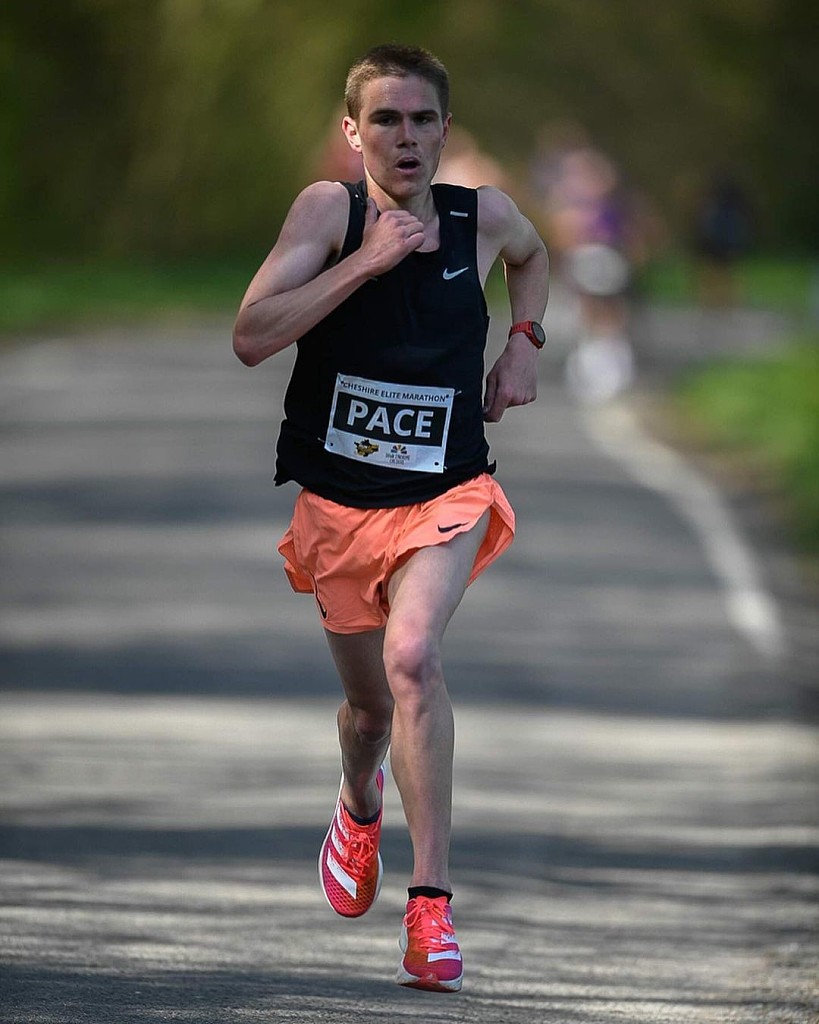
Pacer Great Britain's Jake Smith makes mid-race decision to run full marathon and wins in 2:11:00
British road runner Jake Smith ran an impressive debut marathon on Sunday, taking the win at the Cheshire Elite Marathon in Wales in 2:11:00. His win was a big surprise, not because he was an underdog in the race, but because he wasn’t supposed to finish the marathon at all. Smith started the race as a pacer, but after his planned exit point, he decided to keep running on a whim, and he carried on to the finish line far ahead of second place and well under the Olympic standard of 2:11:30.
Smith is one of the fastest British half-marathoners ever, and his PB of 1:00:31 (which he ran at the 2020 World Athletics Half Marathon Championships, where he finished in 18th) is third-best in national history, behind only Callum Hawkins (1:00:00) and British legend Mo Farah (59:32). His success over 21.1K made him a perfect pacing candidate to help marathoners through the first half of their races, and he did so on several occasions before Sunday.

In October, just two weeks before he ran at the World Half Marathon Championships in Gdynia, Poland, Smith paced a group of elite men (including Canadian Cam Levins) at the London Marathon. As Smith wrote on Instagram after that race, he led that pack through 21.1K in 1:03:45, and instead of stopping, he kept going for another mile or so before his coach told him he had to get off the course. “The marathon life is not for me just yet,” Smith wrote.
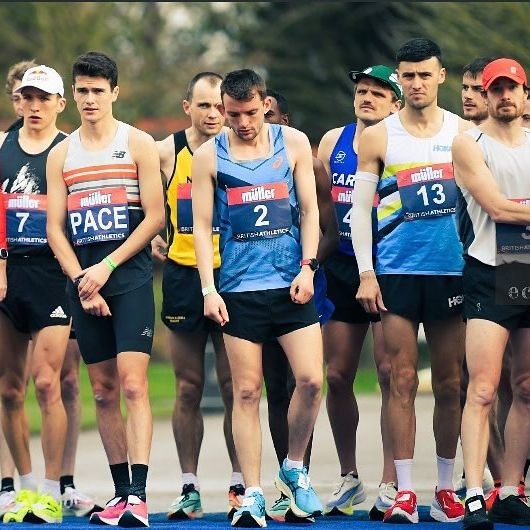
Next up was the British Olympic Marathon Trials, once again in London, in March. Back on Instagram, Smith wrote before the race that he planned to run 25K, leading the front pack through halfway in around 1:05:00. Again, he went farther than originally planned, sticking in the race until 29K, writing that he was “tempted at one stage to keep going.” He fought this impulse, though, and pulled out well ahead of the finish, again noting that he wasn’t ready to run a full marathon, saying, “[I] think I’ll pass on the distance for a few more years.”
It turns out that waiting period was actually only a few weeks, and on Sunday, just a month after his run in the British Olympic Marathon Trials, Smith was back on pacing duties, but this time he let the urge to keep running win. He entered the event expecting to pace elite men in both the half and full marathons, but at around 27K into the run, he decided to finish the race. “Looked down at the watch at like mile 17 and thought ‘sod it,’ let’s try to run the Olympic time,” Smith wrote on Instagram.
He had carried the leaders close to two thirds of the way at that point, and with his role as a pacer fulfilled, he shifted focus to his own goal — one that he hadn’t known he wanted to hit until that moment mid-race. He ran away from the rest of the field and closed impressively (despite never having run that fast for that long before), crossing the line in 2:11:00, 38 seconds in front of the second-place runner. Smith’s run now places him at 30th all-time among British runners, and he didn’t even train specifically for the event.
To add to his achievement, Smith’s debut marathon win came just four days after he won a 1,500m, also in Wales, in 3:50.89. After his run on Sunday, he wrote on Instagram that he plans to focus on the shorter event this season, and based on both times, he’s certainly capable of thriving at either distance.
(04/26/21) Views: 60Ben Snider-McGrath
NBC Olympics to use outdoor studio for Tokyo 2020 primetime show
In a first for the United States Olympic broadcaster, NBC Olympics' primetime coverage of the Tokyo 2020 Games will be anchored from an outdoor location.
The organisation has held US rights to the Games since Tokyo 1964, but has never before had its primetime show filmed outdoors.

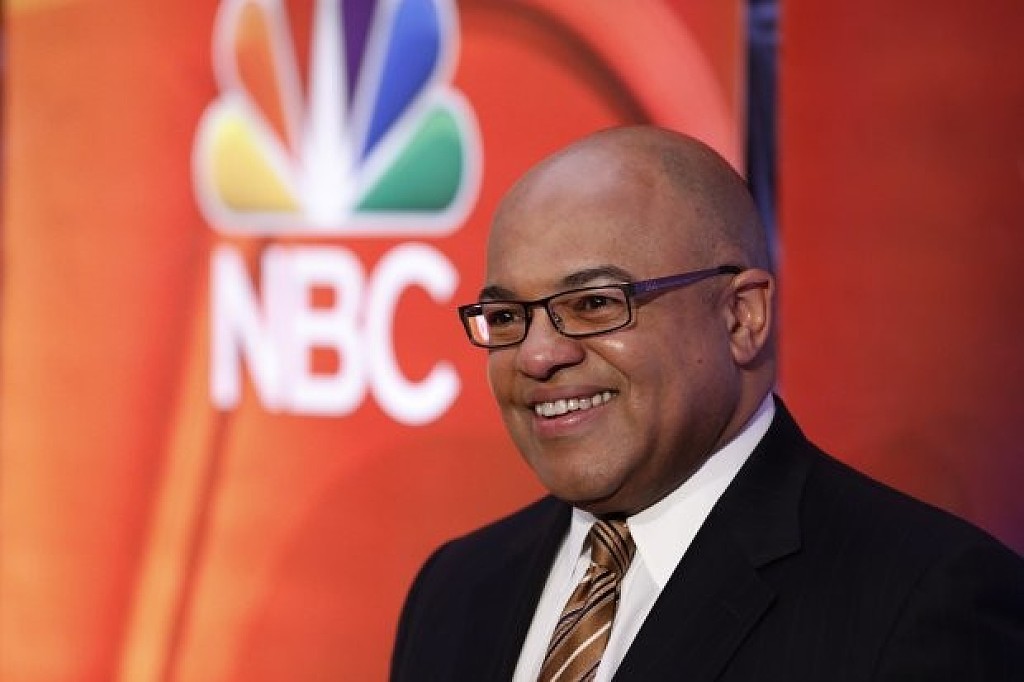
Anchored by Mike Tirico, this year's show will come from a fifth-floor deck with a backdrop of the Tokyo skyline, including the Rainbow Bridge.
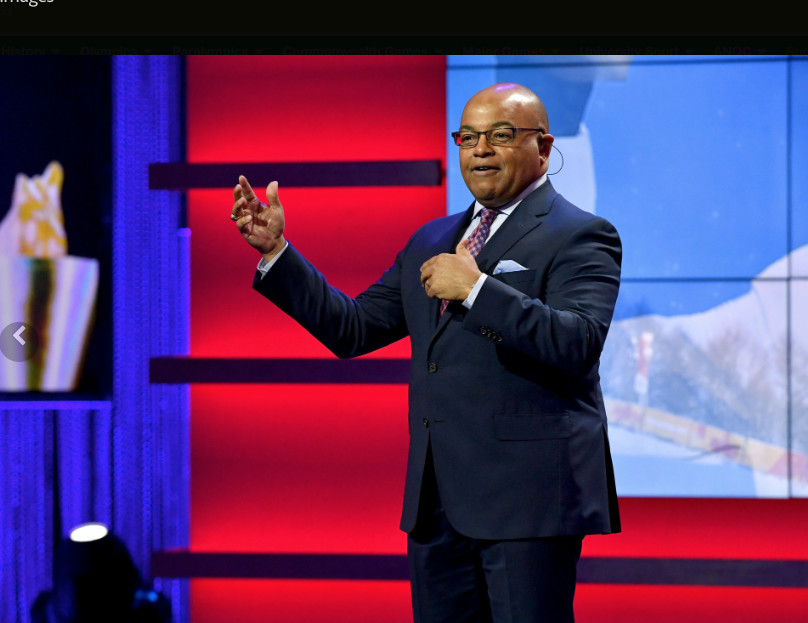
As COVID-19 is spread more easily indoors, the set could potentially aid in preventing infections, although this was not cited as a reason for open-air location.
The pandemic led to the Olympics and Paralympics being postponed by a year to 2021, with the Opening Ceremony now scheduled for July 23.
The set will be designed by Michael Sheehan and the TODAY show will also broadcast from the location.
It will be former National Football League play-by-play announcer Tirico's first Summer Olympics as the primetime host.
At Rio 2026, Tirico was a daytime host from an open-air set on Copacabana Beach.
"Tokyo is one of the great cosmopolitan cities in the world," said Tirico.
"The chance to use the city as our daily setting will help bring our viewers back in the States even closer to the Olympic experience."
The Olympics will also be broadcast on NBC's streaming service Peacock, which will show four live studio programmes every day to allow viewers to catch up on the action.
These four shows will stream for free on Tokyo NOW, Peacock's channel for live coverage and highlights, and will start from July 24.
All content will be produced by NBC Olympics.
"Peacock is thrilled to stream the most anticipated Olympics in history," said Jen Brown, senior vice-president of topical programming and development for Peacock.
"Our shows on the Tokyo NOW channel will give audiences the latest and greatest from the Games, including live competition each morning and quality coverage every night, all for free."
Rob Hyland, who joined NBC Sports in 1997, has been named the producer for the NBC Olympics' primetime show.
Hyland, who will be working on his 10th Olympics for the organisation, is an 18-time Sports Emmy winner has previously served as lead producer for two of the Games' most-watched sports - athletics at London 2012 and figure skating at Sochi 2014.
(04/25/21) Views: 59Inside The Games
With fewer than 100 days until the Olympics, Canadian athletes are running out of time to qualify for Tokyo.
The end of the qualification period is even closer, and Olympic hopefuls in the marathon only have until May 31 to book their tickets to the Games, which begin just under two months later on July 23. With only two spots officially taken on the Canadian Olympic marathon team, four remain up for grabs, but with racing opportunities becoming more and more scarce, it looks like the team headed to Tokyo could be set. Here’s how the Canadian squad looks right now, plus other athletes on the outside looking in.
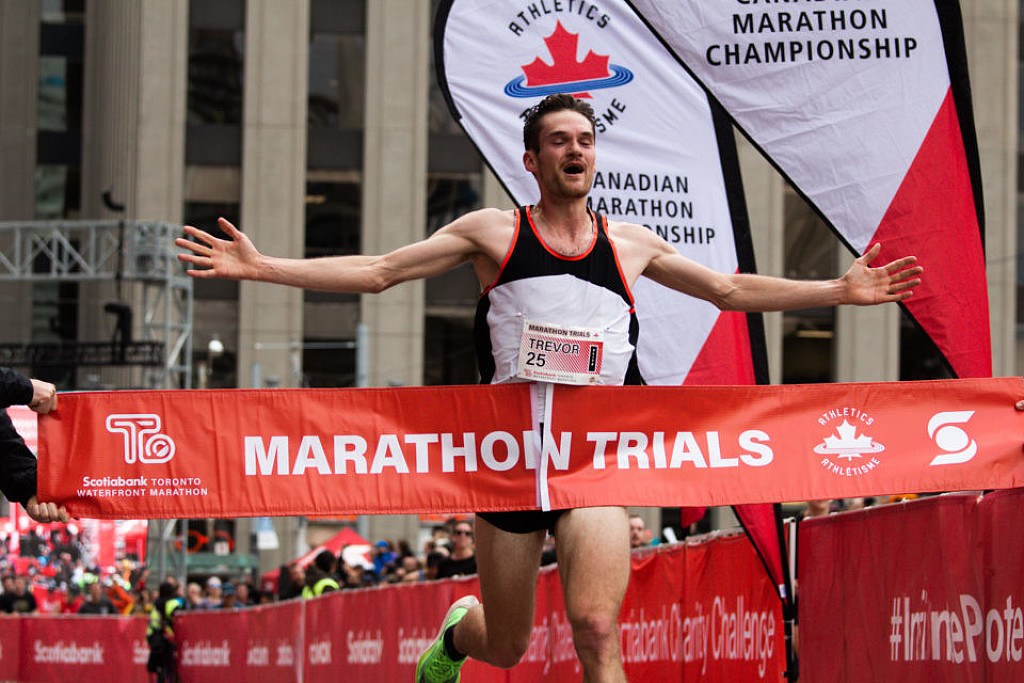
Trevor Hofbauer and Dayna Pidhoresky are the only two Canadian marathoners who have been able to breathe easily in the past 18 months, after they both won at the Canadian Olympic Marathon Trials in Toronto in October 2019. Hofbauer won the men’s race in the second-fastest time in Canadian history, posting a massive PB of 2:09:51. His run, which was well under the Olympic standard of 2:11:30, locked him in as the first member of the Canadian team headed to Tokyo.
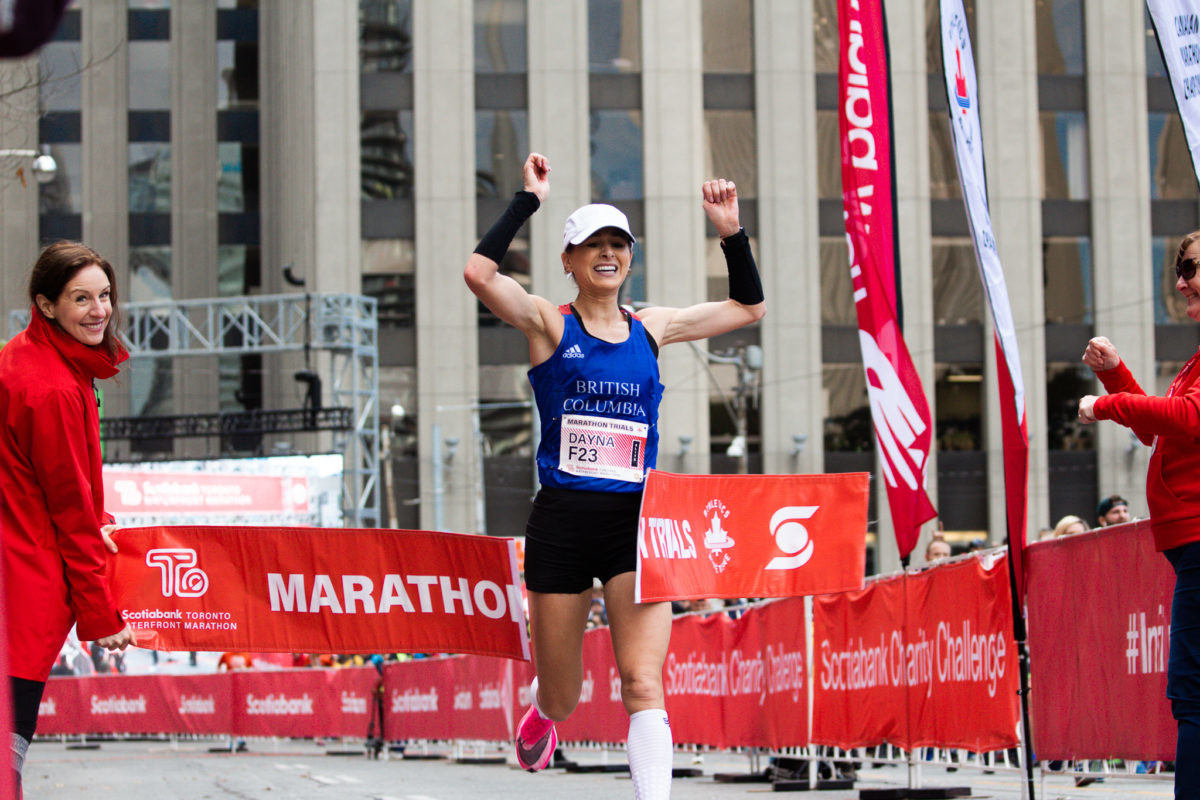
Not long after Hofbauer crossed the finish line, Pidhoresky won her spot alongside him on the Canadian team. Like Hofbauer, she also ran a huge PB, crossing the line ahead of the Olympic standard of 2:29:30 and breaking the tape in 2:29:03. While some athletes have put themselves in great positions to be named to the Olympic team, Pidhoresky and Hofbauer are the only two who know with 100 per cent certainty that they will be in Tokyo this summer.

Hit standard
Rachel Cliff was the first Canadian to hit standard in the qualifying period after she broke the Canadian marathon record with a 2:26:56 run in Japan in March 2019. This was more than a minute quicker than the previous national record of 2:28:00 (set by Lanni Marchant in 2013), and at the time, it looked like it was more than enough to guarantee Cliff’s spot on the Canadian Olympic team.
Then Malindi Elmore shattered the national best once more, lowering it to a remarkable time of 2:24:50 at the Houston Marathon in January 2020. This was an amazing and unexpected result from Elmore, and it immediately shot her to the top of the list of eligible runners to send to Tokyo. Even so, Cliff’s 2:26:56 result still looked like it would get her to the Games, but then Natasha Wodak ran an incredible 2:26:19 at The Marathon Project in Arizona in December. The run was Wodak’s first crack at the marathon since her debut in 2013, and it suddenly put her in the third and final position for the Canadian Olympic marathon team.
On the men’s side, matters are much simpler, as only two runners (other than Hofbauer) have hit Olympic standard. Tristan Woodfine was the first to do so, running a PB of 2:10:51 at the elite-only London Marathon in October. A couple of months later, Ben Preisner ran his official marathon debut at The Marathon Project, where he recorded a 2:10:17 finish, which is the fourth-fastest time in Canadian history. Unless someone else runs Olympic standard in the next month, Woodfine and Preisner will join Hofbauer in Tokyo.
Outside looking in
Despite running one of the best marathons in Canadian history, Cliff is now the third-best option to fill one of the spots for the Summer Games. Also in the conversation is Lyndsay Tessier, who qualified for the Games with her top-10 finish at the 2019 World Athletics Championships in Doha, Qatar. In a brutally hot race held in the middle of the night in Doha, Tessier battled for 42K, sticking at the back of the pack for most of the run. While many of her competitors that night dropped out due to the heat, Tessier stuck with it, eventually passing much of the field and climbing to ninth place.
Like Cliff, though, Tessier’s result will be measured against those of Elmore and Wodak. Of course, it’s up to Athletics Canada to pick the team, but based on their individual times, it looks like Elmore and Wodak will be the two women who will join Pidhoresky on the start line in Tokyo.
In the men’s race to Tokyo, the next runners on the list are Cam Levins and Rory Linkletter. Levins is the Canadian marathon record holder, but he ran his PB of 2:09:25 in 2018, several months before the Olympic qualification window opened. Since then, he has missed Olympic standard on three occasions, running 2:15:01 at the Canadian Olympic Trials, registering a DNF at the 2020 London Marathon and posting a 2:12:15 finish at The Marathon Project. Linkletter has only run two marathons, with his second coming at The Marathon Project as well. There, he ran close to a four-minute PB, but he wasn’t fast enough to hit standard, crossing the line in 2:12:54.
Time is running out for any athletes hoping to nab a spot on the Canadian marathon team headed to Tokyo, and anyone who’s on the outside looking in better take a chance soon, although at this point, finding an official race could be the most difficult part of the entire process.
(04/23/21) Views: 57Ben Snider-McGrath
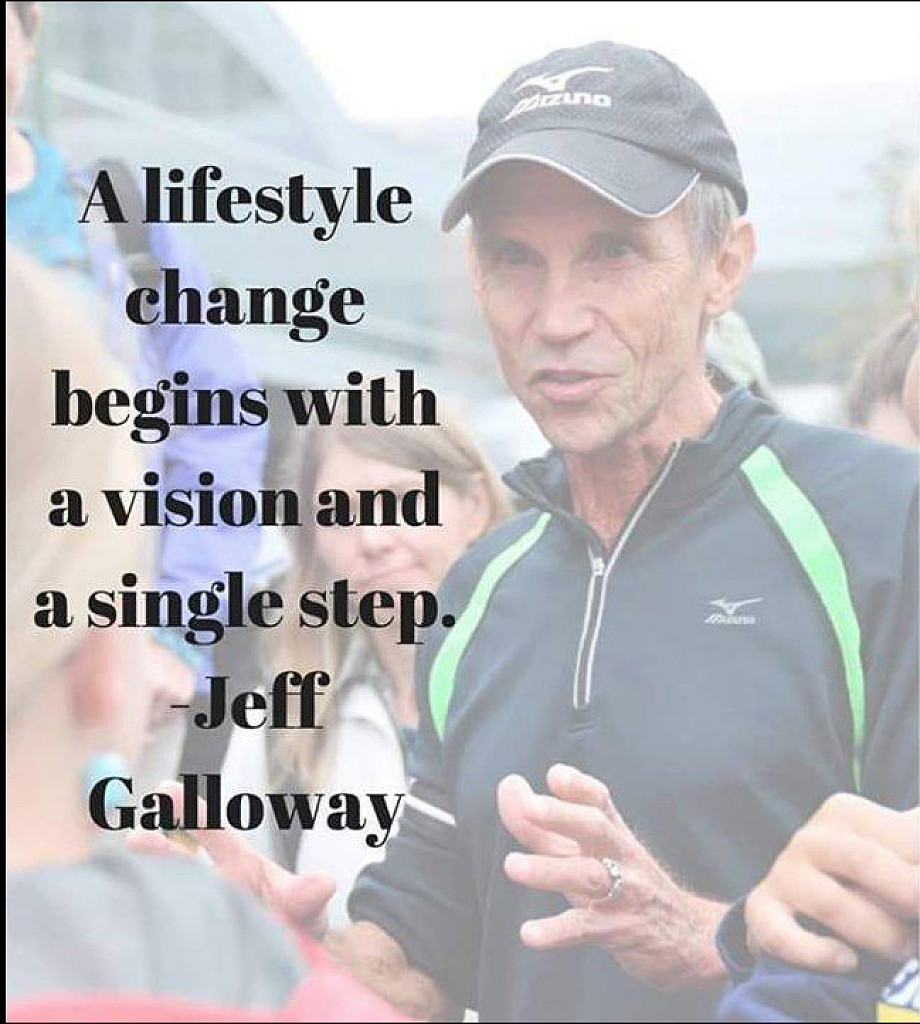
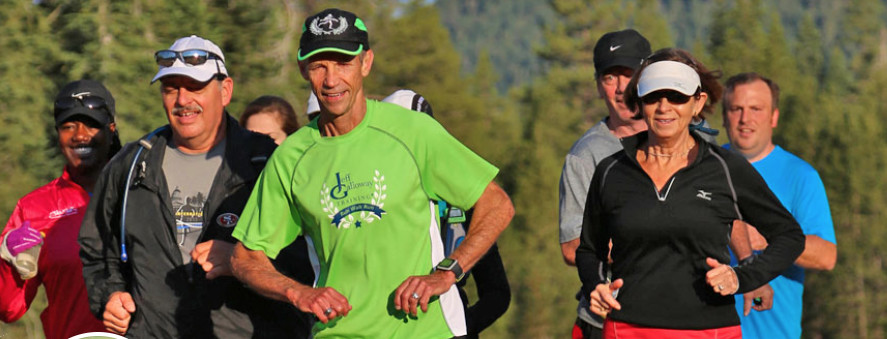
Atlanta running legend Jeff Galloway suffers heart attack
After a career of being the cheerleader and coach for those who have come back from injuries and illness, I will now be the athlete on the recovery trail.
Last Monday I was just finishing up a short Elliptigo and rowing session when I got up and suddenly experienced a dizziness that I hadn’t had before. After trying to walk around the house to settle myself, the symptoms got worse - nausea and extreme fatigue.
My health and the Piedmont team allowed me to survive what we now know was a heart attack, but even those advantages won’t make it easy to get back to full strength.
My family and I thank you for your support during this recovery time. I will be taking some downtime to recuperate, but I can’t wait to be back seeing everyone at events, retreats, and virtually.
I hope you can get out today and run or walk, hug or call a loved one, and if you are feeling bad GO SEE SOMEONE about it. Doctors and science are pretty amazing!
(04/24/21) Views: 57
Roza Dereje’s dream of bringing marathon glory to Ethiopia
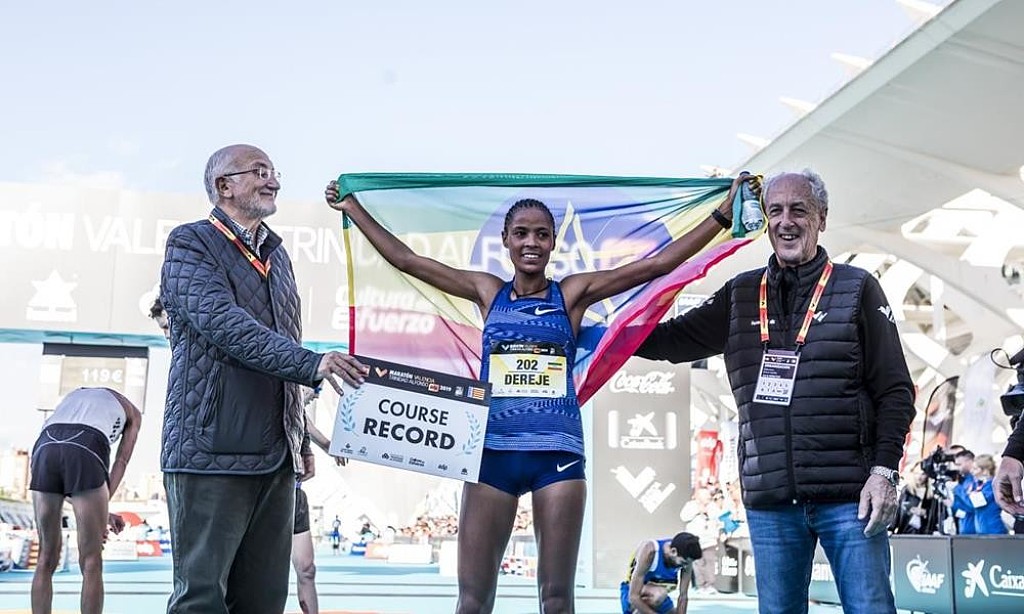
When Roza Dereje broke the tape at the Valencia Marathon in December 2019, smashing the course record in a time of 2:18:30, and becoming the then-eighth fastest marathon runner of all time, she beamed, elatedly.
When she returned home from Valencia, she hosted coaches, Haji Adilo, Kasim Adilo, and Moges Taye, her physiotherapist, Jeroen Deen, and a few others in her inner circle at her home in Sululta as a show of appreciation for their support. Dereje is not one to forget who helps her along each step of the way.
One of the figures in her life that features prominently when she speaks of supporters is her late father, who was an avid running fan. Many women from the countryside in Ethiopia who begin running do so at the behest of their parents, who see the slim rates of success and enormous devotion as a precarious life path. But Dereje’s father, along with her mother and four brothers, encouraged her from the start.
“Before my father died, he would take me to the regional competitions,” recounts Dereje. “My family was always happy and encouraging. They just told me to finish my 10th grade education and continue running as I wanted.”
In her native district of Selale, in the Oromia region of Ethiopia, Dereje took inspiration from Derartu Tulu and Tirunesh Dibaba, whom she would see on television. With the support of her family, and after fulfilling her promise to complete the 10th grade, she moved to Bekoji to train with a project – a type of training group for junior athletes in Ethiopia that usually does not receive government support, unlike the extensive network of funded clubs. There, she focused on the 800m and 1500m.
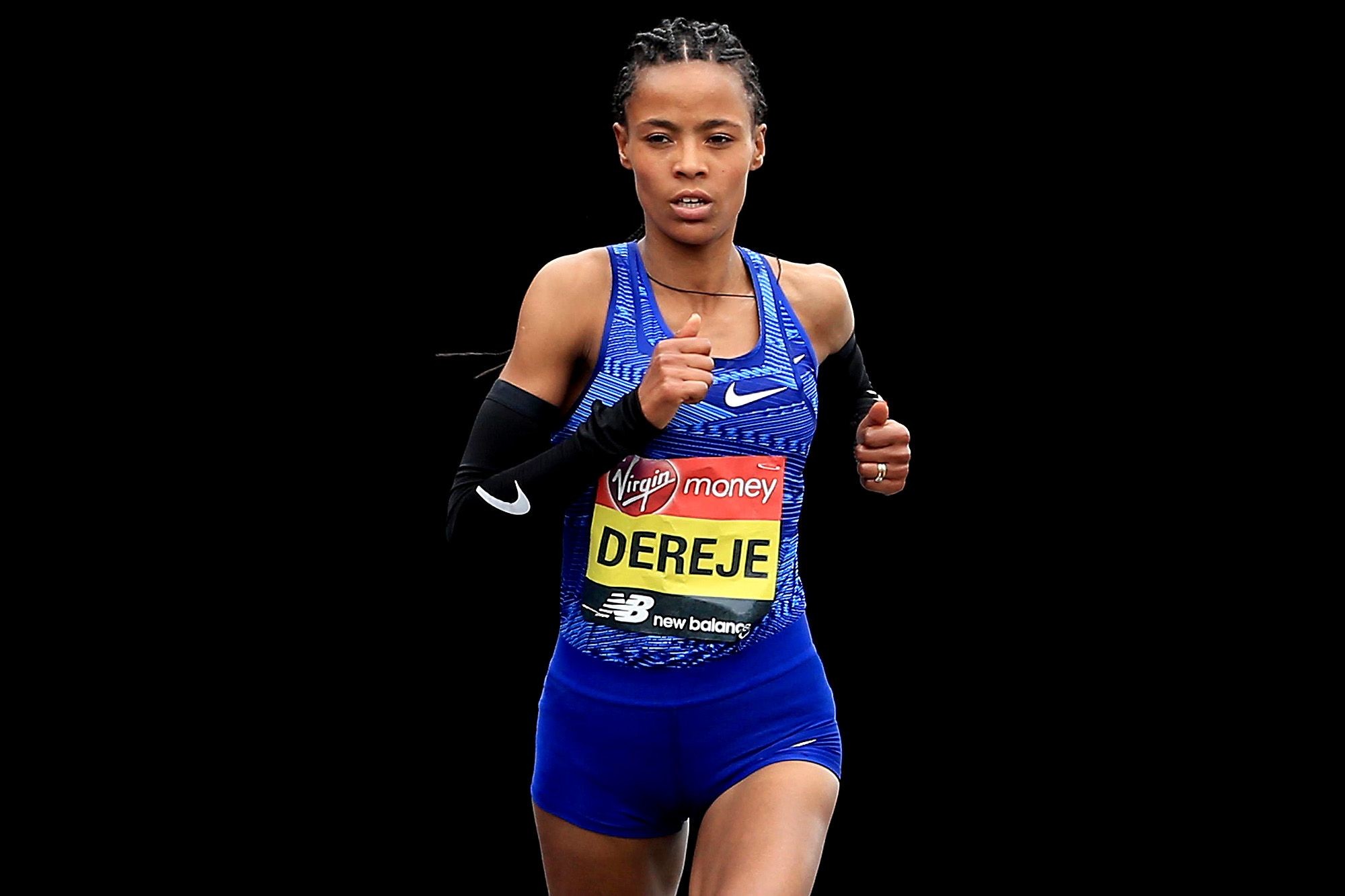
However, Dereje always had interest in eventually running the marathon, and when she won a local half marathon, she caught the eyes of two key figures in her life – her future coach, Haji Adilo, and her future husband, Dereje Abera Ali.
Dereje credits her husband for a lot of her success. Not only did he teach her a lot about training, and take on doing most of the housework – a dramatic gender role reversal in Ethiopia – but he gave her the confidence to succeed in the longer distances.
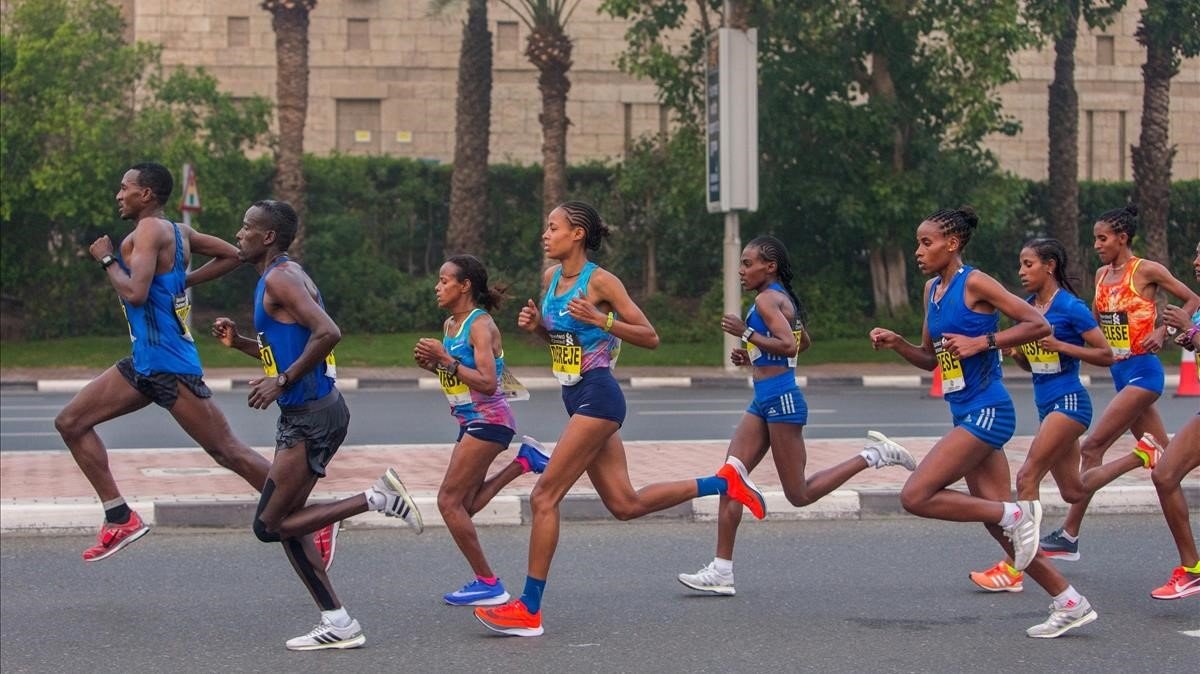
Her first competition outside of Ethiopia was a marathon in Algeria in 2015 where she finished fourth in 2:34:02. She won the Shanghai Marathon in 2016 and successfully defended her title in 2017. In 2018, an early win at the highly competitive Dubai Marathon in 2:19:17 proved Dereje had what it took to be one of the best ever.
“Roza listens, respects, and trusts in her coaches,” said Adilo, her coach, who has overseen the training of several Olympic and world champions. He thinks she is one of the most talented athletes he has worked with to date. “These are the types of athletes that go far. From the beginning she has improved steadily, year to year, and I think she will become of the best, ever.”
Dereje’s agent, Hussein Makke of Elite Sports Marketing and Management, echoed similar sentiments about Dereje’s character beyond sport. “Roza is a really different and special athlete. She has confidence in both herself and those around her and this reflects in the way she conducts business with her coach and the management so professionally. She’s easy to work with and really one of the best athletes I’ve ever managed.”
In 2019, Dereje finished third at the London Marathon before winning what was her last full marathon in Valencia. She was prepared to race the London Marathon in early 2020, but that race, along with most others, was postponed due to Covid-19. A small set-back led to her sitting out the rescheduled edition of the London Marathon late last year, opting to focus solely on the Tokyo 2021 Olympic Games.
There’s a very common saying in Amharic – kas be kas inculal be egeru yiheal – that translates roughly to, ‘Slowly by slowly, the egg grows legs’. Essentially, it means that this kind of incremental improvement will lead to a sustained success, without any severe fall back. Dereje’s attention to detail, trust in her husband, coaches, and agents, and commitment to her training programme is based on this proverbial advancement.
More than winning any major marathons and breaking course records, representing Ethiopia, and bringing home the gold at the Olympics, drives her steady training.
(04/23/21) Views: 49World Athletics
World and British records fall at Centurion 100-miler
Aleksandr Sorokin sets world marks while Samantha Amend breaks national best at ultra-running track event at Ashford in Kent
Aleksandr Sorokin set a world record for 100 miles with 11:14:56 at the Centurion Running Track 100 in Ashford on Saturday (April 24) and then carried on to break another global mark for the furthest distance covered in 12 hours with 105.825 miles (170.3km).

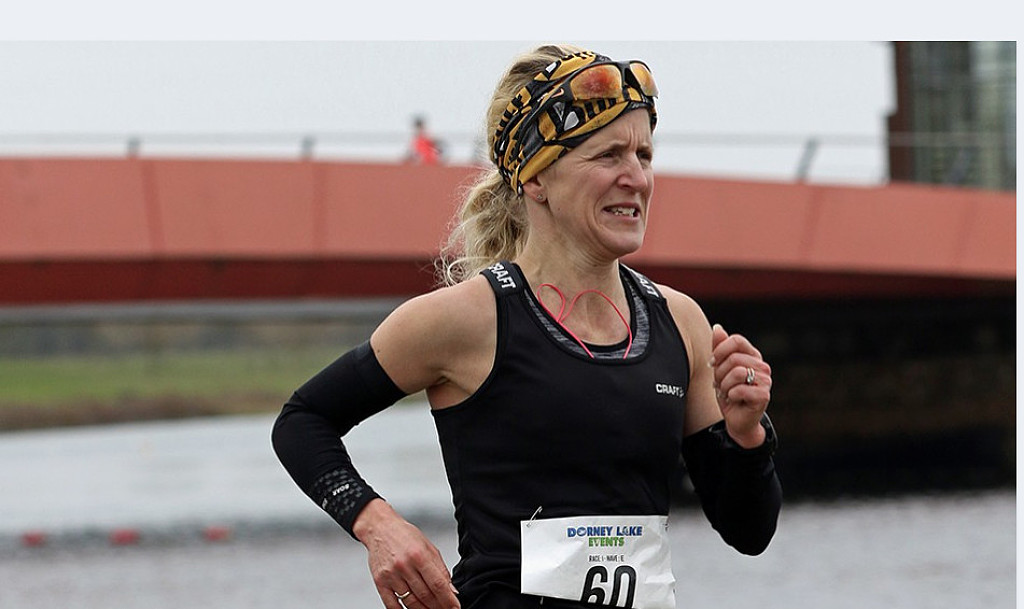
At the same event, Samantha Amend broke Eleanor Robinson’s long-standing UK record for 100 miles with 14:34:05.
Sorokin’s performances beat the previous records of 11:19:18 for 100 miles and 104.88 miles for 12 hours set by Zach Bitter in 2019 in Wisconsin.
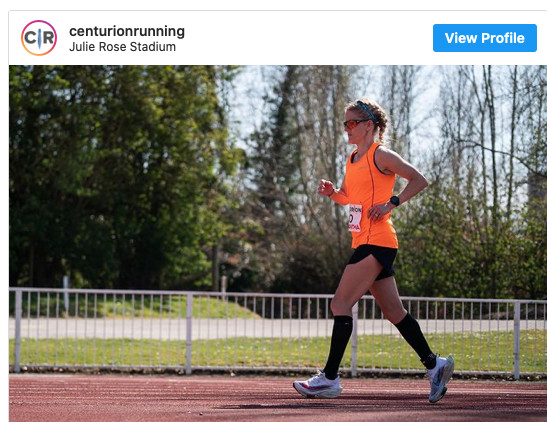
The Lithuanian, who won the IAU world 24-hour title in 2019 and who outside athletics works as a croupier in a casino, averaged 6:45 per mile (sub-3hr pace) for his 100-mile effort. This was despite having to finish his final preparations on a treadmill due to being quarantined in the UK on the eve of the race.
He celebrated by striking a Usain Bolt-esque lightning pose on the track and then watched Amend break a national record.
Robinson ran 14:43:40 at Milton Keynes in 1990 but Amend broke that mark by almost nine minutes as she finished under floodlights at the Julie Rose Stadium.
Amend, who works for an IT company and races for Belgrave Harriers, has clearly been building into good form after winning the Dorney Marathon in 2:52:36 at the start of April.
(04/25/21) Views: 47
Athletics Weekly
