

Running News Daily
Top Ten Stories of the Week
3/6/2021
These are the top ten stories based on views over the last week.



Jamaican sprinter Yohan Blake says that he would rather miss Tokyo Olympics than have Covid-19 vaccine
Blake - a two-time Olympic gold medallist and former 100m world champion - made the comments in Jamaican newspaper The Gleaner.
Earlier this month, the International Olympic Committee (IOC) announced that receiving a vaccine would not be compulsory for athletes and officials to attend this summer’s delayed Games, though they still encouraged competitors to be vaccinated if possible before arriving in Japan “to contribute to the safe environment of the Games.”

“Also out of respect for the Japanese people, who should be confident that everything is being done to protect not only the participants, but also the Japanese people themselves,” the IOC said.
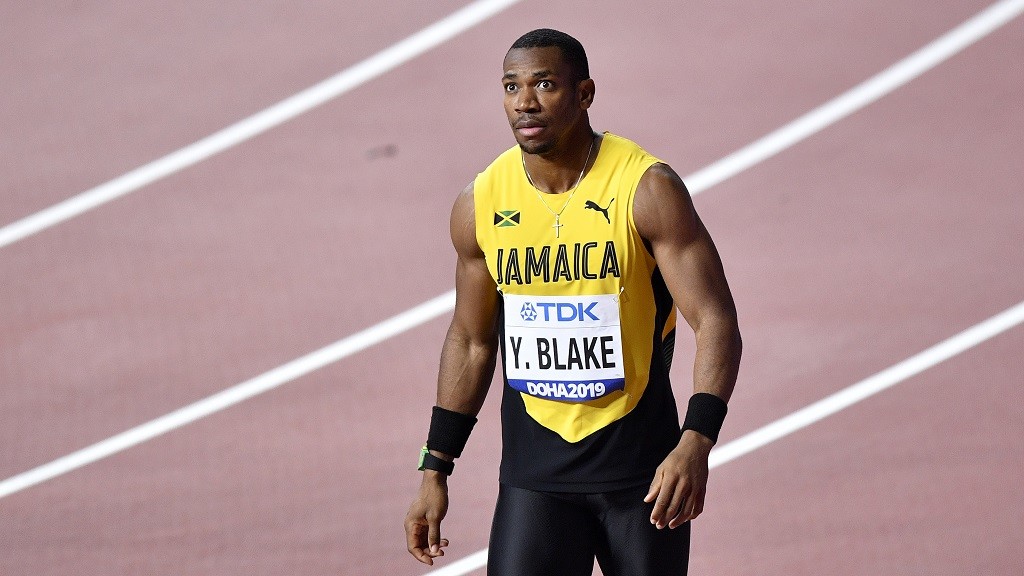
Speaking over the weekend, Blake was quoted as saying: “My mind still stays strong, I don’t want any vaccine, I’d rather miss the Olympics than take the vaccine, I am not taking it.
“I don’t really want to get into it now, but I have my reasons.”
“Follow your mind, don't follow the crowd," Blake said in a video posted to Twitter on Saturday.
"At the same time, be respectful to each and every one. Don't let no one take away your choice."
The Jamaican government is expected to receive its first shipment of the vaccine next week, The Gleaner reported.
Blake's remarks came after a series of eight meets were held across the Caribbean island nation on Saturday, marking a return to large-scale sporting events that had been on hold due to the pandemic.
The Olympics, which were pushed back by a year due to the global health crisis, are set to begin on July 23 though speculation remains the event might yet be cancelled due to the ongoing pandemic.
(03/01/21) Views: 104George Flood
These tips will help you train for and race your best 10K.
The 10K is a popular pick for many runners. The distance attracts new and experienced runners alike. Whether you are running your first 10K or aiming for a personal record (PR), these tips will help you train for and race your best 10K.
Tips for Beginners
Build Endurance
For many new runners, the 10K is the natural next step after the 5K. If the furthest you have ever run is 3.1 miles, doubling the distance can be intimidating. Building your endurance will make the 10K both physically and mentally manageable.
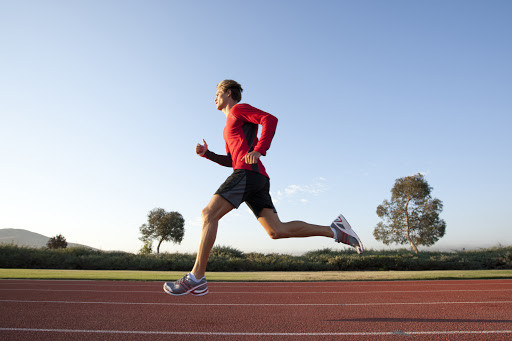
It’s important to give yourself time to build up to the 10K distance. Gradually increase both your long run distance and your overall weekly mileage, so that you can run 6 miles a couple of weeks before race day. You can increase your mileage by adding an extra day—such as 4 days of running instead of 3 days—or adding a mile to each run every couple weeks.
Pick up the Pace
If you are comfortably running 15 miles or more per week, you can begin to incorporate some faster running into your 10K training. Once per week, do a run that incorporates short intervals of running at a hard effort. Speedwork benefits all runners because of its unique ability to effectively improve your aerobic capacity. Quite simply, running faster in small amounts will help you run faster overall.
Beginners do not need to hit the track or run fast mile repeats. You can do your speed work on the roads, hills, treadmill, or track—whichever you are most comfortable with. Beginners should start with shorter intervals lasting one to three minutes in duration. Try this Intro to the Track workout or this Short and Fast Fartlek once per week in the 8-12 weeks leading up to your 10K race.
Tips for Experienced Runners
Respect the distance
It’s just 6 miles! Many experienced marathoners may dismiss the 10K as a “short” race, but the truth is that running 6.2 miles at the hardest effort possible is not easy. There is a huge difference between racing a 10K and completing a 6-mile easy run. The 10K hurts—a lot. The high level of discomfort—the burning lungs, fatigued legs, and metallic taste of the last 2 miles—makes the 10K more than just 6.2 miles. Respect the distance and prepare yourself mentally for being physically uncomfortable for a significant portion of the race.
Do Race Pace Speedwork
Many experienced runners will have a time goal for a 10K race. In order to run that time in the race, you need to practice the pace in training. Experienced runners with a solid aerobic base can spend 4-8 weeks specifically preparing for their 10K with workouts such as short intervals, tempo runs, and 10K pace intervals.
You do not want to leave your race in your training. The recovery intervals in between 10K pace intervals allow you to build your fitness without breaking down your body before race day. The 10K pace intervals can range from ½ mile to 2 miles at your goal pace, progressing as the race approaches. Begin with shorter intervals covering 4-5 miles total and build up to longer intervals covering 5-6 miles.
Some 10K pace workouts include:
8-10 x 1K at 10K pace with 2 minutes easy in between
4-6 x 1 mile at 10K pace with 3 minutes easy in between
4-5 x 2K (1.24 mile) at 10K pace with 3 minutes easy in between
2-3 x 2 mile at 10K pace with 3 minutes easy in between
Tips for Runners of All Levels
Strength Train
Running is essentially a prolonged series of single-legged forwards hops. The stronger your glutes and leg muscles are, the faster you can run and the longer you can sustain that fast speed. Your core and upper body strength matter as well, since your core provides stability and your upper body contributes to good running form.
Speedwork does improve your aerobic capacity and running economy, thereby making you a faster runner, but you can only do so much speedwork. Strength training supplements those gains of speedwork by further improving your economy. According to a 2003 study in Sports Medicine, distance runners can improve their running economy up to 8% with consistent strength training. Better running economy means more speed – which translates to a faster 10K time.
Finally, runners who strength train regularly are less likely to get injured, since strength training fixes muscular imbalances and makes muscles more resistant to the repetitive pounding of running.
Have a Race Strategy
Whether you are running a 40-minute or 80-minute 10K, proper pacing is key to running your best 10K. Starting out too fast can derail your goals and set you up for a miserable race. A race strategy keeps you from getting caught up in the excitement of the race. You can follow a race strategy regardless of your goals and experience. Aim to run the first mile at a controlled effort, the middle 4 miles at a steady and hard effort, and the last mile and two-tenths as hard as you possibly can. If you are trying to hit a certain pace, aim to run your goal pace to 10 seconds slower for the first mile, at your goal pace for the middle 4 miles, and as hard as you can to the finish line.
If you are running the 10K to complete it, you can do some dynamic stretches such as leg swings and arm swings to warm up. If you are racing for a time goal, treat the race as you would a hard workout and give yourself time to warm up before the race. You want to be ready to run fast! Jog at a very easy effort for 1-2 miles and complete your normal drills and dynamic stretches.
With these training and race day tips in mind, you are ready to run your best 10K!
(02/26/21) Views: 77Mary Cain
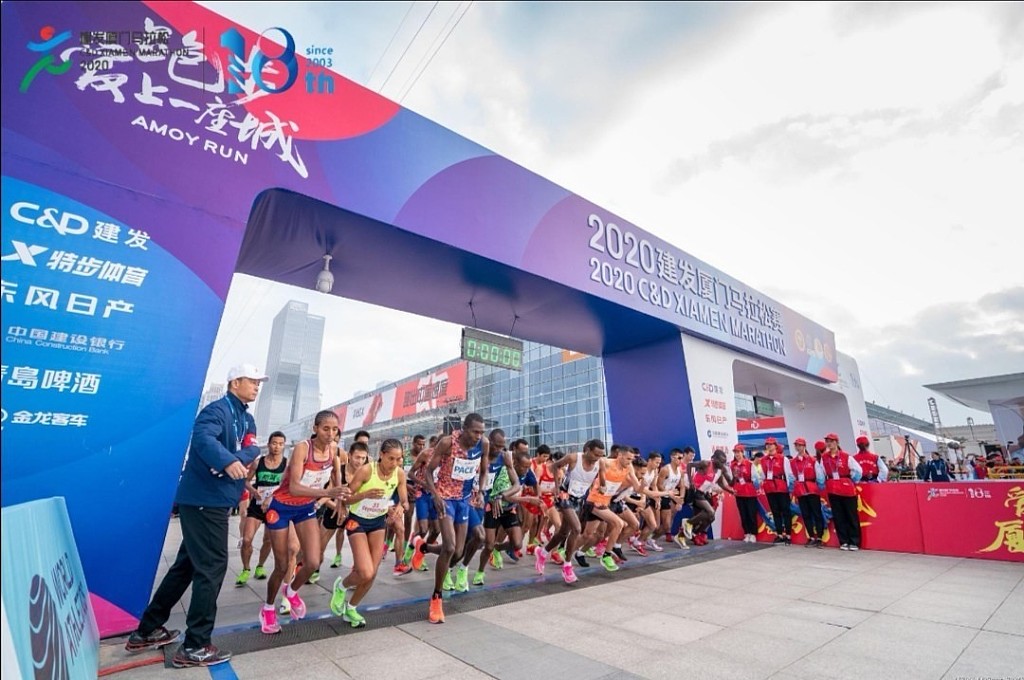
The Xiamen Marathon has been granted World Athletics Elite Platinum Label
The Xiamen Marathon has been rated as a 2021 World Athletics Elite Platinum Label race, according to World Athletics' website.
The Xiamen Marathon gained the World Athletics Elite Platinum Label alongside the six world marathon majors (Boston Marathon, London Marathon, Berlin Marathon, Chicago Marathon, New York Marathon, and Tokyo Marathon), becoming the second race to win this label in China after the Shanghai Marathon.

The "World Athletics Elite Platinum Label", the highest level of the current 3-level race rating system, signifies the world's top race certification label.

The Xiamen Marathon has run successfully for 18 years since its inception in 2003. The result of 2:06:19 made by Kenyan Moses Mosop at the 2015 Xiamen Marathon stands not only as the race record for the Xiamen Marathon, but also as the best result for men in marathons in China to date.
"Xiamen Marathon has contributed significantly to the development of marathons in China over the past 19 years," said Ruan Dunliang, director of Xiamen Municipal Bureau of Sports.
"The 'Elite Platinum Standard' represents a high degree of recognition and also a new mission for Xiamen Marathon, symbolizing a new era for Xiamen Marathon.
"Future efforts will keep focusing on improving the professionalism and internationalization of Xiamen Marathon to bring a higher-quality race to marathon enthusiasts worldwide."
(02/27/21) Views: 61Xinhua News
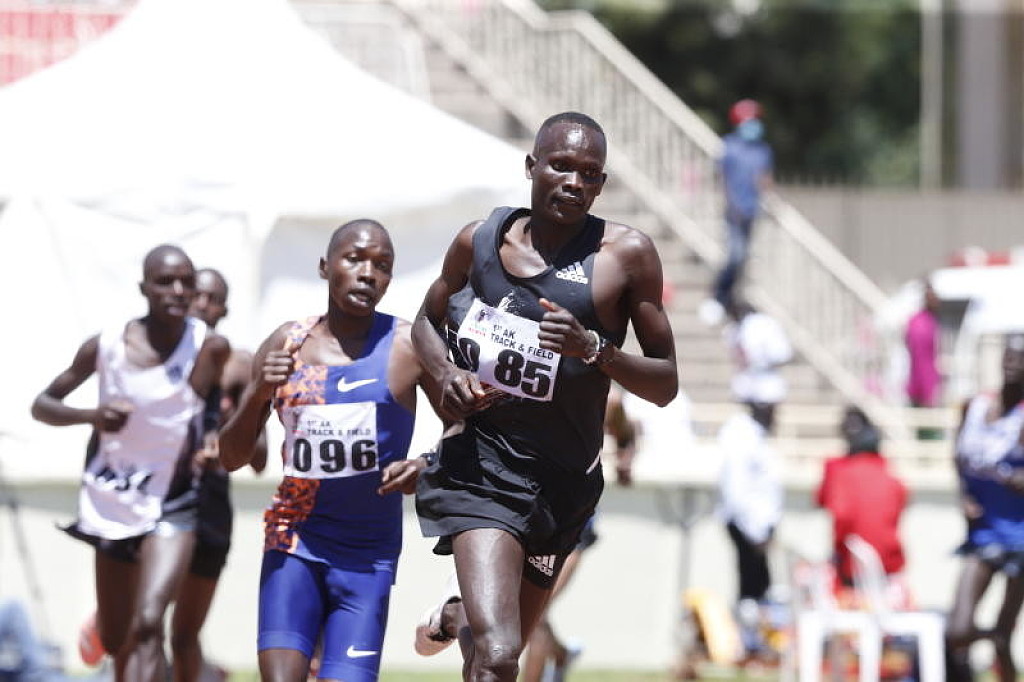
Kibiwott Kandie shine at Athletics Kenya meet
World Half Marathon Kibiwott Kandie started his Olympic Games preparation on a high note by winning his first track competition at the opening leg of the Athletics Kenya (AK) track and field weekend meeting at Nyayo Stadium on Saturday.
Kandie’s interest in the men’s 10,000m event will give Kenya hope at an event; it last won a gold medal at the Olympics in Mexico in 1968 through Naftali Temu.

The fast-rising Kandie, 24 who picked running in 2013 while still a student at Cheberen Secondary School in Baringo County, calculated his move well to easily win the men’s 10,000m in 28:28.0 to put his Olympics dream on track.
Gilbert Kimunyan, who led for much of the race, settled for the silver position in 28:37.7 ahead of Peter Mwaniki who clocked 28:38.7 in third place.
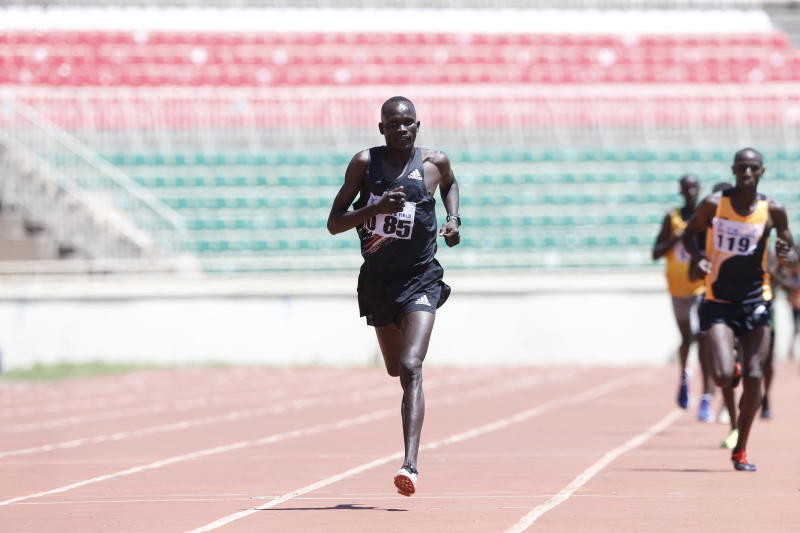
“Now that Africa Cross Country has been postponed to a later date, I thought it was wise for me to come and gauge myself in track because I’m keen on representing and winning a medal for Kenya in Tokyo,” said Kandie who finished second at the National Cross Country Championships two weeks ago.
Kandie who made his breakthrough at the 2020 World Half Marathon in Gdynia, Poland before winning the 2020 Valencia Half Marathon, in a world record time of 57:32 believes teamwork in Tokyo will enable them to deliver the elusive gold medal at the Olympics in Tokyo.
(02/27/21) Views: 51Dennis Okeyo
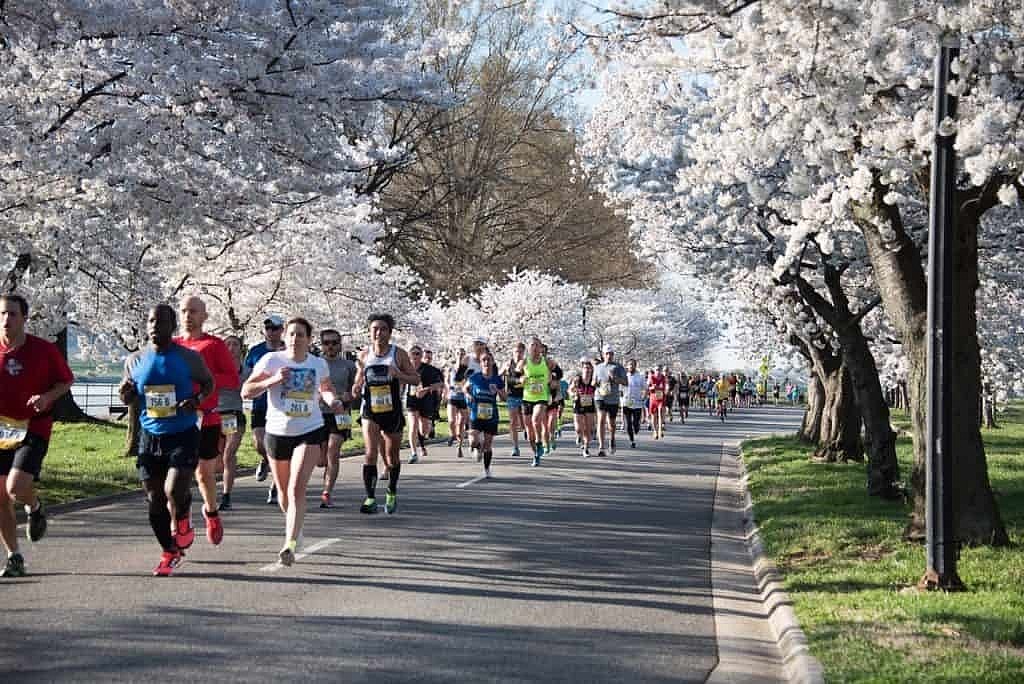
Organizers call for participants to run the Virtual National Cherry Blossom Festival, March 20 – April 11 wherever they are
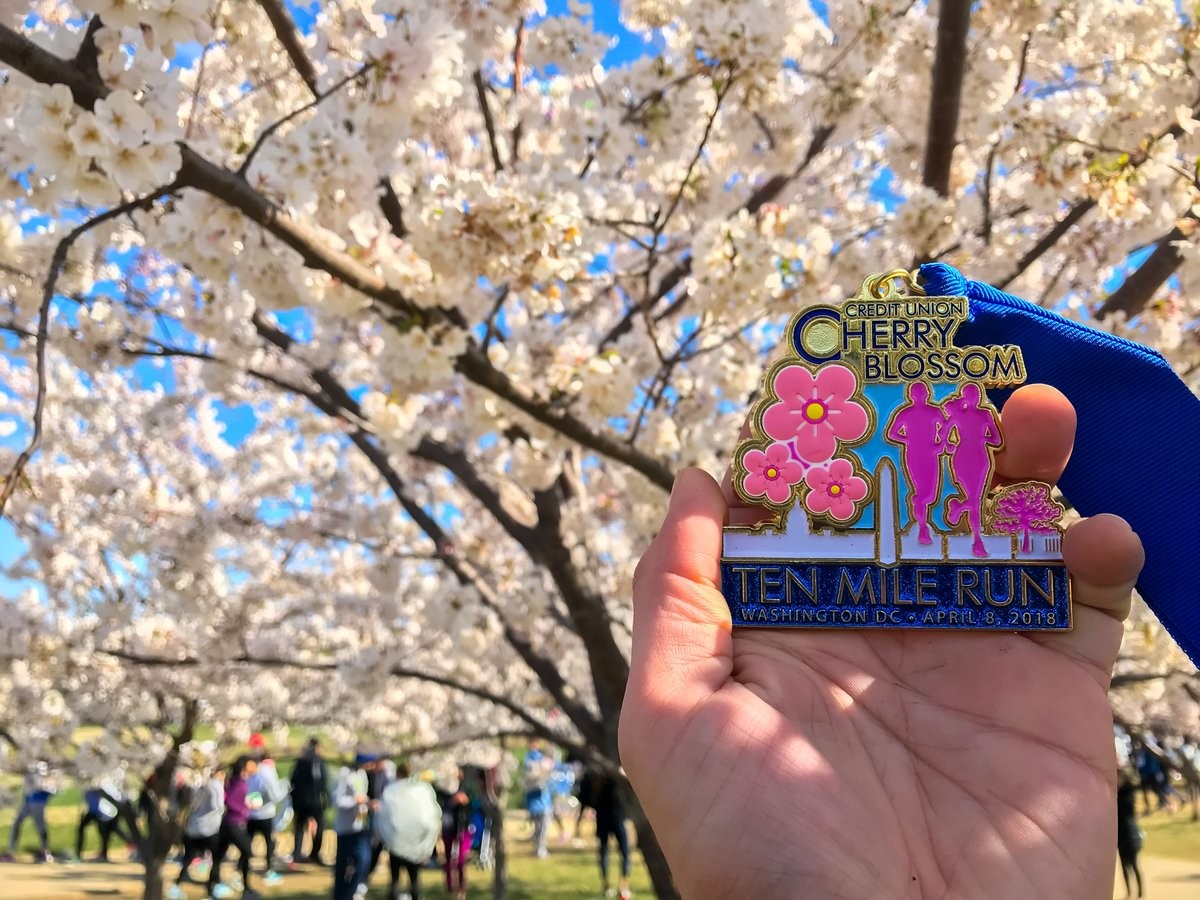
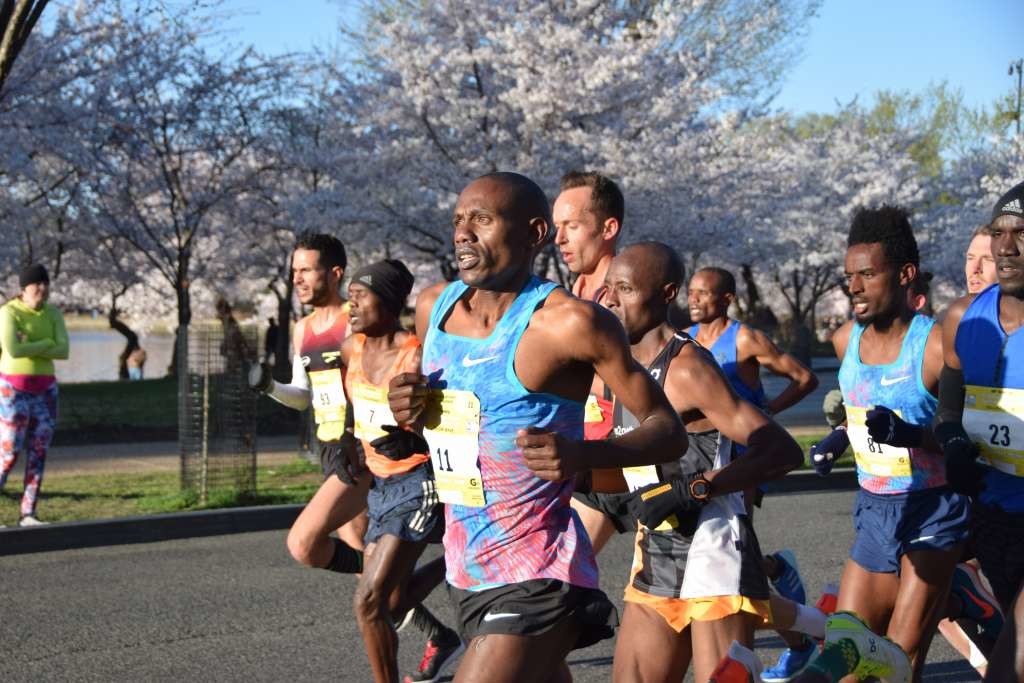
While this year’s in-person Credit Union Cherry Blossom Ten Mile Run, 5K Run-Walk and all the usual race weekend activities have been postponed until September 10 – 12, 2021, race organizers have been busy planning for the upcoming Credit Union Cherry Blossom Ten Mile and 5K Virtual Runs that will coincide with dates of the National Cherry Blossom Festival, March 20 through April 11, 2021. Registration for the virtual runs is now open, and will remain open until through Friday, April 9. Runners are encouraged to browse the virtual run information on the Credit Union Cherry Blossom website for more information and a link to the registration page.
While it isn’t possible to allow dogs to participate in the in-person 10-mile and 5K events, dog-loving runners are encouraged to register both themselves and their favorite dog(s) in the Virtual Run. Dogs run for free, but dog lovers can dress up their pups with doggie scarves and dog collars, and celebrate their achievement with “My Dog Ran CUCB VR” car magnets available for purchase on the event website by March 10. In addition, intense competition is expected in the voting to be held for cutest dog picture at the conclusion of the Virtual Run.
“Initially, we were doggone disappointed to have to cancel our in-person event for the second year in a row,” said Event Director Phil Stewart, “but we’re doing all we can to be COVID-safe while encouraging runners, notably those with dogs, to get out and celebrate the cherry blossom season and the spirit of the National Cherry Blossom Festival wherever they are. Virtual Run participants are encouraged to run 10 miles or 5K in local areas that showcase cherry blossoms at their peak, and they will be able to upload cherry blossom photos with their race results.”
The ten best photos, as judged by event organizers, will be posted on the Credit Union Cherry Blossom website and social platforms for an open-to-the-public vote for the most scenic cherry blossom locale. Prizes will be awarded to the top three vote-getters
The entry fee for the Virtual Run is $35, which includes a specially designed Virtual Run cotton t-shirt and a Virtual Run medal featuring our unique Virtual Run t-shirt art. Runners who would prefer to receive an ASICS technical performance shirt can purchase an upgrade for $20.
Both the Credit Union Cherry Blossom Virtual Run March 20 – April 11 and the in-person events scheduled for September 10 – 12, 2021, serve as important fundraising opportunities for Children’s Miracle Network—our official charity partner—and Virtual Run participants are strongly encouraged to set up their own personal pages to raise funds to provide cutting-edge health care to children in their own communities using this link.
The 2021 Credit Union Cherry Blossom Virtual Run this spring and September’s in-person events will celebrate the 20th year of title sponsorship by Credit Union Miracle Day. Since 2002, over $10 million has been raised for the Children’s Miracle Network Hospitals, including $439,000 this year. Of that $439,000, $66,000 came from runners donating their entry fees instead of asking for a refund when race weekend in our Nation’s Capital was wiped out by COVID-19 last April.
(02/26/21) Views: 50
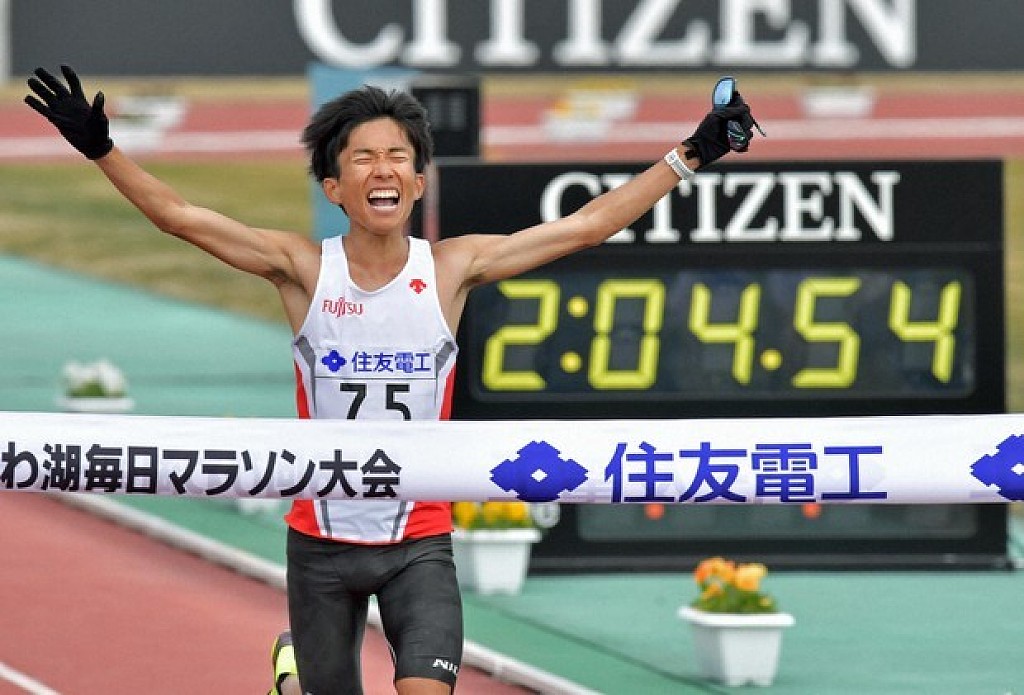
Kengo Suzuki clocked 2:04:56 National Record to Win final Lake Biwa Mainichi Marathon
Set to be absorbed into the mass-participation Osaka Marathon as its elite men's field next year the same way the old Tokyo International Marathon was swallowed whole by the Tokyo Marathon, the Lake Biwa Mainichi Marathon wrapped its 76 years as a freestanding event with a bang, a big one, Sunday in Otsu.
Everything was on. The conditions were good, light clouds, 7ËšC, 57% humidity and light breezes at the start. The field was good, 24 men having run sub-2:10 in the last three years and 52 sub-2:12. The pacing was good, the lead trio of pacers hitting almost every split within a couple of seconds of the target 2:58/km and the second group pacers even closer to the 3:00/km target. The shoes were good, across brands.
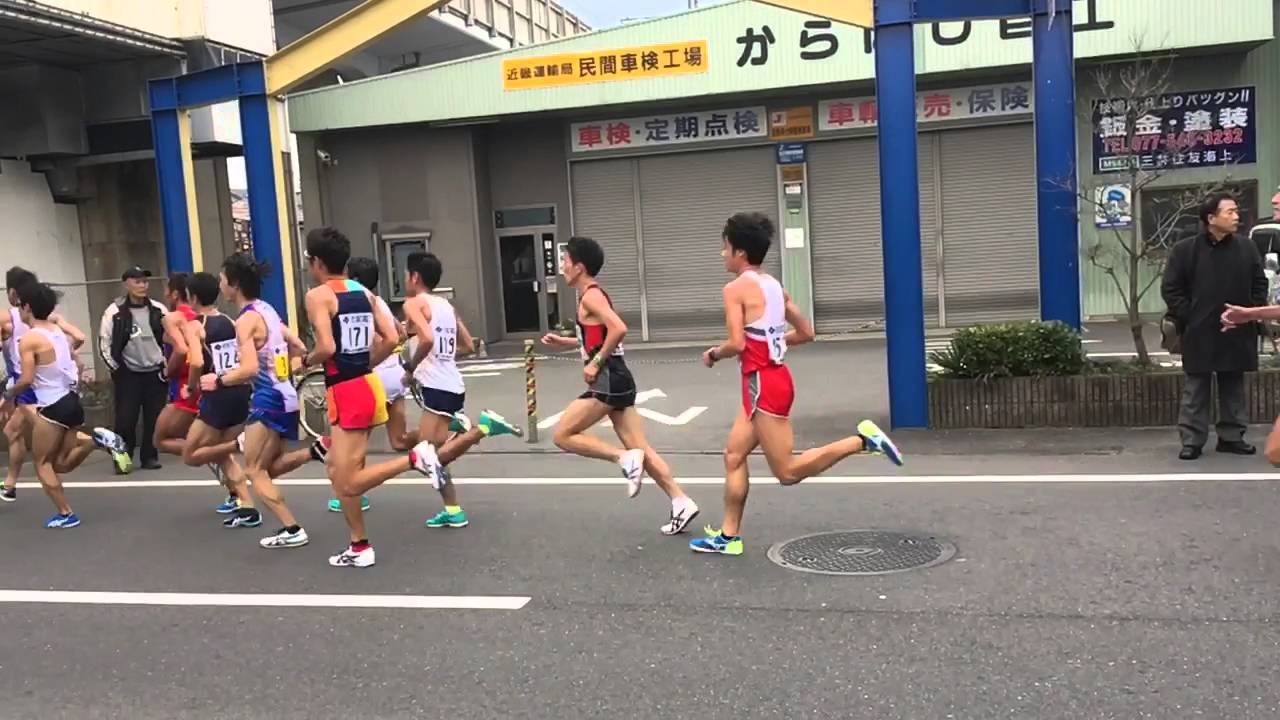
30 or so people went out on pace to go under the 2:05:29 national record in the first group, with what looked like about a hundred on mid-2:06 pace in the second group. Everything went smoothly and steadily, nature taking its course and whittling down both groups until there were only 12 left up front and a couple of dozen in the second group at 25 km when most of the pacers stepped off. Just past that point, Hiroto Inoue (Mitsubishi Juko), the second-fastest man in the field at 2:06:54, made a surge to break away. Lone remaining pacer James Rungaru (Chuo Hatsujo) took his time reeling Inoue back in, just five others still with him when he regained contact 3 km later.
When Rungaru stopped at 30 km past Ageo City Half Marathon winner Simon Kariuki (Togami Denki) took over with five Japanese men, Kengo Suzuki (Fujitsu), Hidekazu Hijikata (Honda), Shuho Dairokuno (Asahi Kasei), Masato Kikuchi (Konica Minolta) and Inoue, strung out single-file behind him. Kariuki slowed slightly to 2:59-3:00/km, but even so Dairokuno, Kikuchi and Inoue started to strain and lose touch. Suzuki and Hijikata, on the other hand, were even smoother and calmer than Kariuki, staying right there behind him.
The only changes until just after 36 km were the gap between the front and back trios widening and Suguru Osako's NR starting to slip out of reach. But at the 36 km drink station Suzuki made his move, one that will be studied for years to come. As they approached the #6 special drink table where Kariuki's bottle waited, Suzuki pulled out from behind him to his right. Just as Kariuki looked to his left to grab his bottle Suzuki attacked, and when Kariuki looked back up the gap was already about 5 m.
It was brilliant. And Suzuki, the 2017 National University Half Marathon champ in 1:01:36 and 2017 World University Games half marathon silver medalist and who made a similar move near 20 km in the MGC Race Olympic trials that ultimately helped his older teammate Shogo Nakamura win, was just getting going. For almost every one of the final 6 km he split in the 2:51~53/km range, bringing the NR back into sight, then 2:05:15, then 2:05:00.
With a final surge in the last 200 m of the track he stopped the clock at 2:04:56, the first Japanese man to break 2:05, 1:17 under former world record holder Wilson Kipsang's course record, and a PB by 5 and 1/2 minutes. "I didn't expect this kind of time at all," he said post-race. "In my other marathons to date I've slowed down in the last part, so the focus today was on finishing hard. I knew that was the right time to make my move." Still just 25, Suzuki's career goal is the Paris Olympics. Unluckily for him, the Project Exceed 100 million yen bonus program for a new national record has already run out. Let's hope he's got another chance to earn that kind of payday before Paris.
Behind him, Hijikata, only 23 and running just his second marathon after a 2:09:50 debut in Tokyo last year right before his graduation from Koku Gakuin University, dropped Kariuki for 2nd in 2:06:26. Likewise doing his second marathon after a 2:28:47 debut at Lake Biwa last year, 25-year-old Kyohei Hosoya (Kurosaki Harima) ran almost perfectly even splits, going through halfway in 1:03:21 to come up from the second group and run down Kariuki, Inoue, Dairokuno and half marathon NR holder Yusuke Ogura (Yakult) for 3rd in 2:06:35. Both Inoue and Ogura held on for sub-2:07 PBs, Inoue 4th in 2:06:47 and Ogura 5th in 2:06:51.
And behind them, the hits kept coming. 10 men ran 2:07. 13 ran 2:08. 14 ran 2:09. Almost all were PBs or debuts. 28 men sub-2:09, 42 sub-2:10. 174 men sub-2:20, the most ever, anywhere, by a long shot. With no Beppu-Oita, Nobeoka or Tokyo this season that may have been a factor of Lake Biwa being the only game in town, but still, can you believe those numbers, even with the usual Japanese depth? With the shoes these days times might not be worth what they used to be, but even if you factor in a couple of minutes this was about as good a demonstration of the sheer depth of quality of the marathon development system here as you could ask for.
And between that and a great race up front it was the perfect sendoff for Japan's oldest marathon before it disappears next year into the maw of Osakan modernity. Farewell, Lake Biwa. Long may you run.
(02/28/21) Views: 50
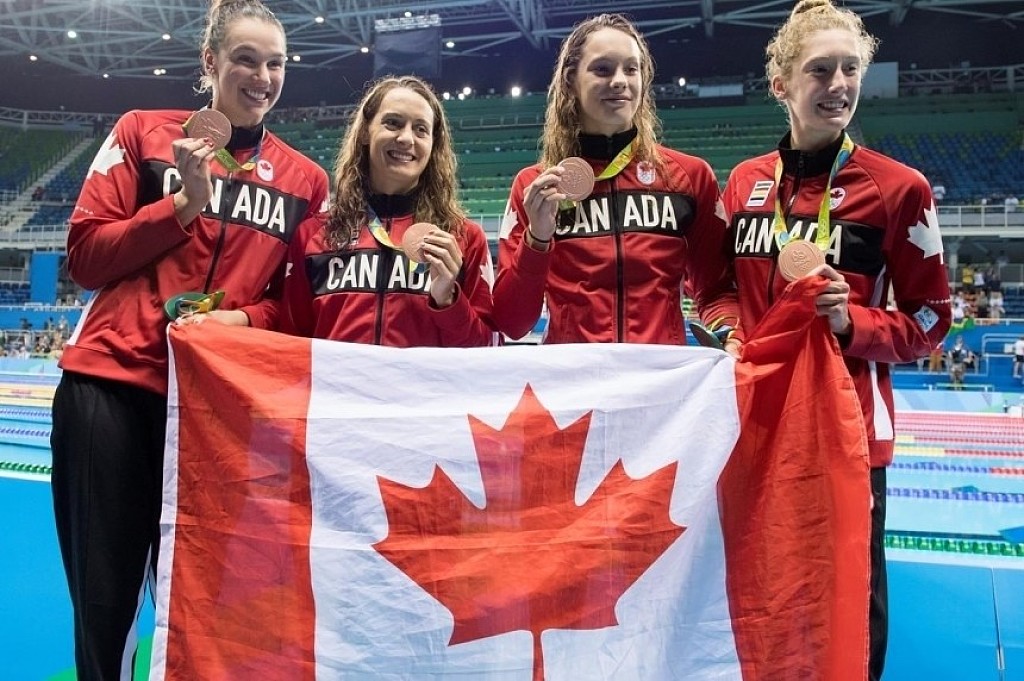
Canadian athletes have been struggling to find competition as they try to qualify for Tokyo
In early January, when COVID-19 numbers were climbing again, and Ontario had just hunkered down in another stay-at-home order, Melissa Bishop-Nriagu, husband Osi and their daughter Corinne, moved from Windsor, Ont., to Victoria.
With her Olympic participation on the line, the west coast city offered fairer weather for training and fewer COVID-19 restrictions.
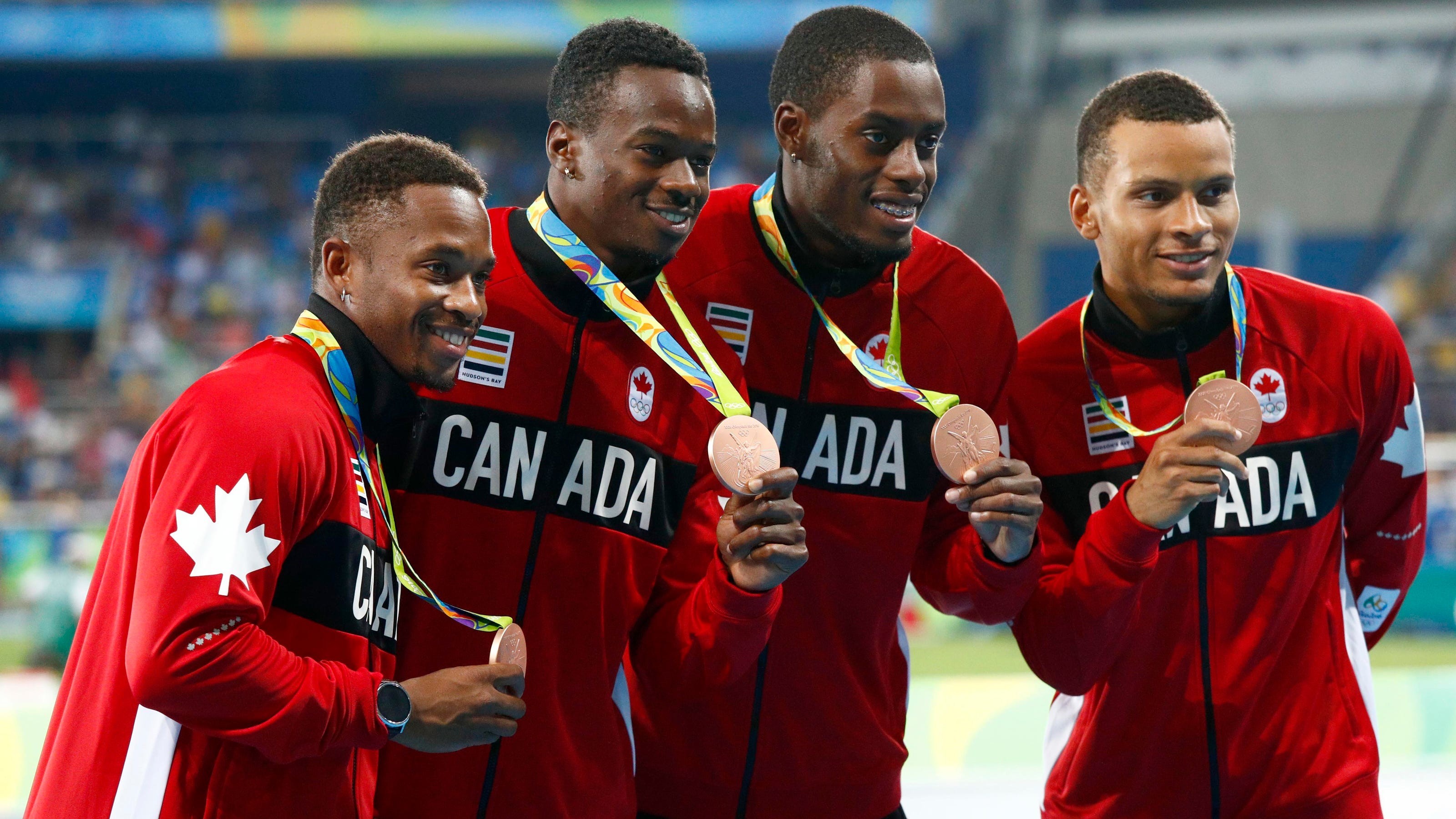
Still, the world 800-meter silver medallist faces an uphill battle in securing a spot on the Tokyo Olympic team. Bishop-Nriagu, who was fourth at the 2016 Rio Olympics, should be among Canada's top medal hopes on the track in Tokyo — if she can just get there.
"It is [brutal]," said Bishop-Nriagu. "And even more brutal given the pandemic. . . Bottom line: I need races. And I need them to be fast."
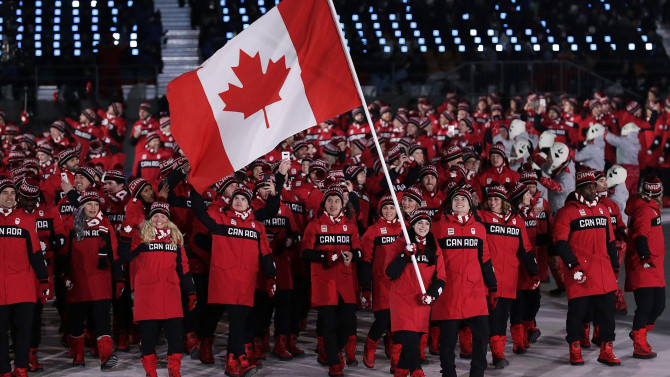
Track and field isn't the only sport scrambling to qualify amid Canada's COVID-19 protocols. Canada promised to send perhaps the strongest men's basketball team to Tokyo last year, when the Olympics were originally supposed to take place. Now, the compacted NBA season conflicts with the Olympic qualifying tournament in June in Victoria.
Canada's boxing team is in quarantine less than three months from a qualifying event in Argentina after a team member tested positive for the coronavirus earlier this week.
Athletics Canada had hoped to send a team of 60-plus athletes to Tokyo, but just 24 have achieved qualifying standards, largely due to the inability to compete.
Before the pandemic, World Athletics had implemented new qualifying rules that require athletes to either achieve one very difficult standard — a fast time, a long throw, etc. — to earn an automatic berth, or be ranked in the top 48 in a complicated points system calculated over an athlete's five best major competitions.
Athletics Canada is lobbying for an edit to the stringent qualifying rules to allow for a more even playing field in Tokyo.
"It's just so unfair for Canadians at the moment, it's terrible," said Simon Nathan, Athletics Canada's high performance director. "The worry is: if I don't travel, then I can't qualify. If I do travel, there are places that are more risky [for the pandemic] than Canada. And then I come home and have to sit on my bum, literally not allowed to do anything for two weeks while my rivals are still training, they're still competing.
"So it's stress coming from every direction."
The deadline to register an athlete in any sport for the Tokyo Olympics is July 5, which is less than five months away. And the pandemic is severely impeding international and domestic competitions that ultimately determine the expected 400 to 40 athletes representing Canada in Tokyo.
"We're going to see a lot of last-minute qualification around Tokyo," Canadian Olympic Committee chief sport officer Eric Myles said.
"There will be hard stories, heartbreaking stories for sure. There are so many moving parts. We are trying as much as possible to prevent unfairness issues, but it's not simple. The virus is not making it simple."
Canada as a country has gained 99 event entries into Tokyo, which represents 239 athletes, according to Myles.
Of Canada's 35 national summer sport organizations, 28 are still in the process of choosing their Olympic athletes.
"The challenges are massive," said Own The Podium summer sport director Mark Hahto.
"It stems primarily from the cancellations, the uncertainties, the postponements of so many events on the summer calendar."
(02/27/21) Views: 49Lori Ewing, Donna Spencer
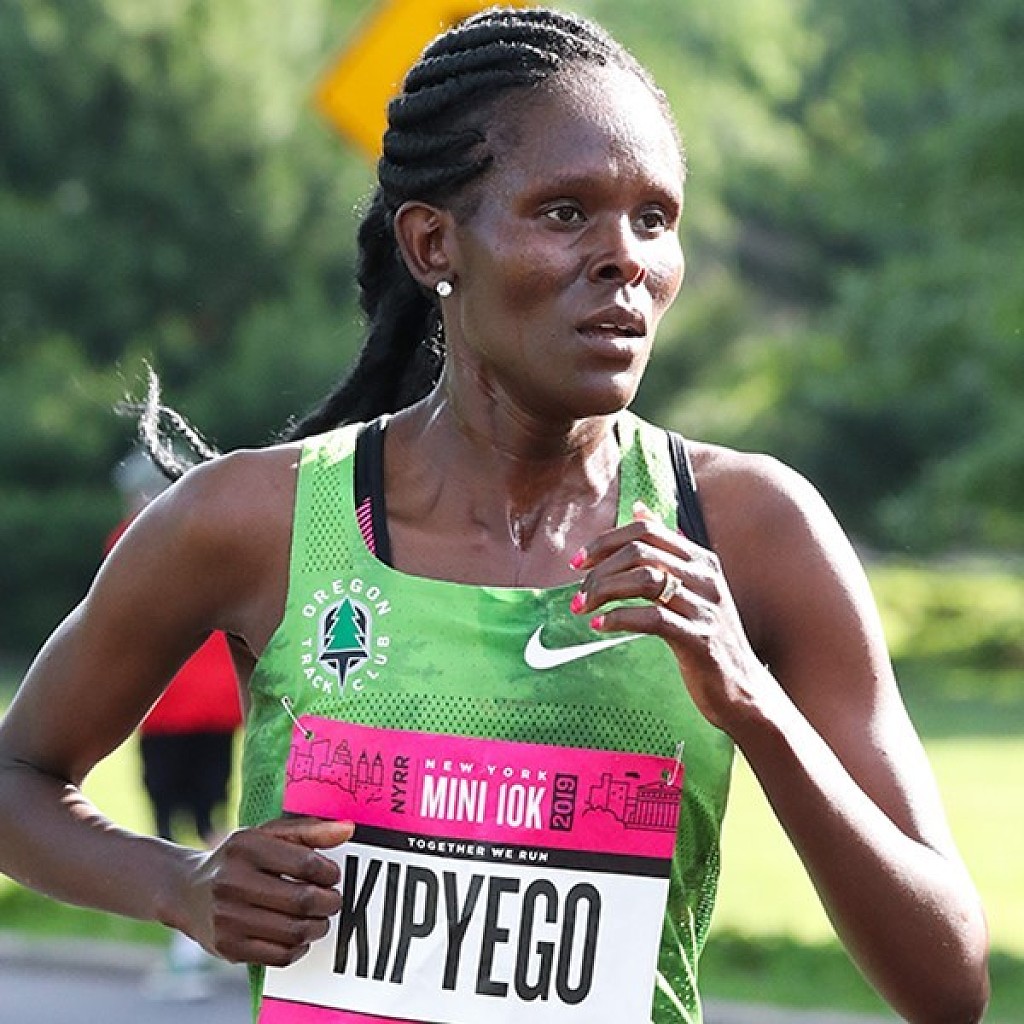
Sally kipyego is focused on winning a medal in the Olympic marathon
After the 2020 Olympics were postponed last March because of Covid-19, US Olympic marathoner Sally Kipyego and her coach Mark Rowland decided to take a laid back approach to the rest of 2020 with the hope that Kipyego’s body would feel refreshed when she resumed training in earnest last fall. The time is coming, however, to return to competition.
Kipyego was scheduled to race last week for the first time since she made Team USA at the US Olympic Marathon Trials in February 2020. But the race she was planning on running, the RAK Half Marathon in the United Arab Emirates, was cancelled. Instead, she has a 15K planned for March (Kipyego could not officially announce it, but the logical assumption is she means the USATF 15K champs in Jacksonville on March 20) and a 10,000 on the track in April, where she hopes to hit the qualifying standard for the 2022 Worlds in Eugene. After that, she will shift to marathon mode and focus on building up for the Olympics.
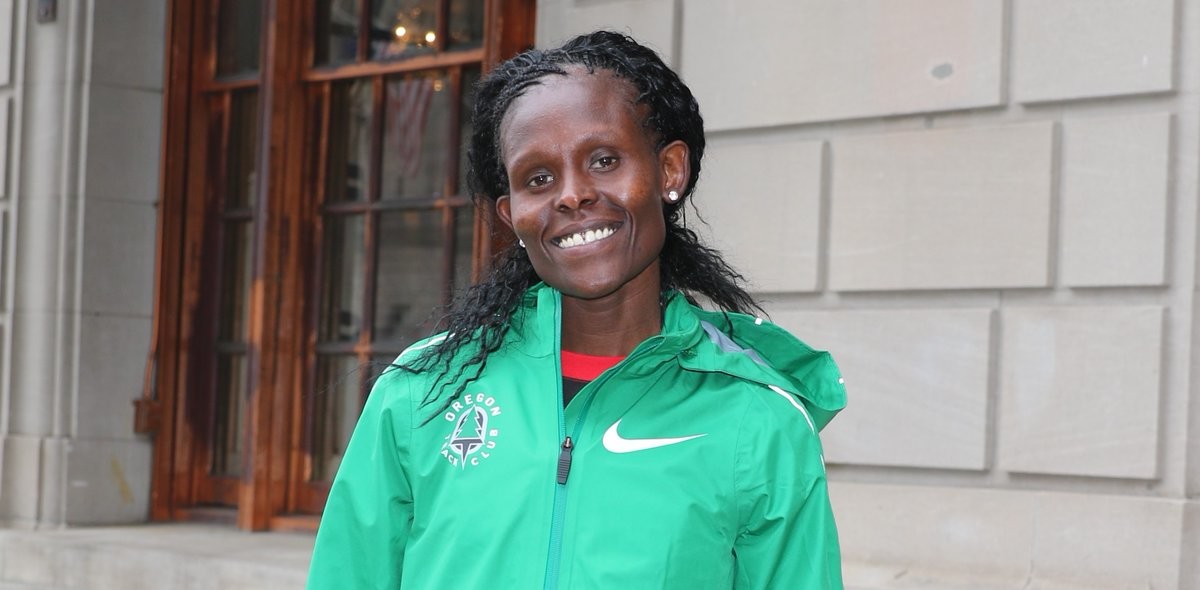
And Kipyego is dreaming big. And for good reason. Kipyego is the only member of the US women’s marathon squad with an Olympic medal, having earned a silver in the 10,000 in London in 2012 for her native Kenya, and believes she is capable of taking home another one this summer.
“I feel like if I get good consistent training — which I have been able to do the last one-and-a-half years — proper training, I think I’ll have a chance of medaling,” Kipyego says. “That is really the objective for this season for me, is to be able to medal.”
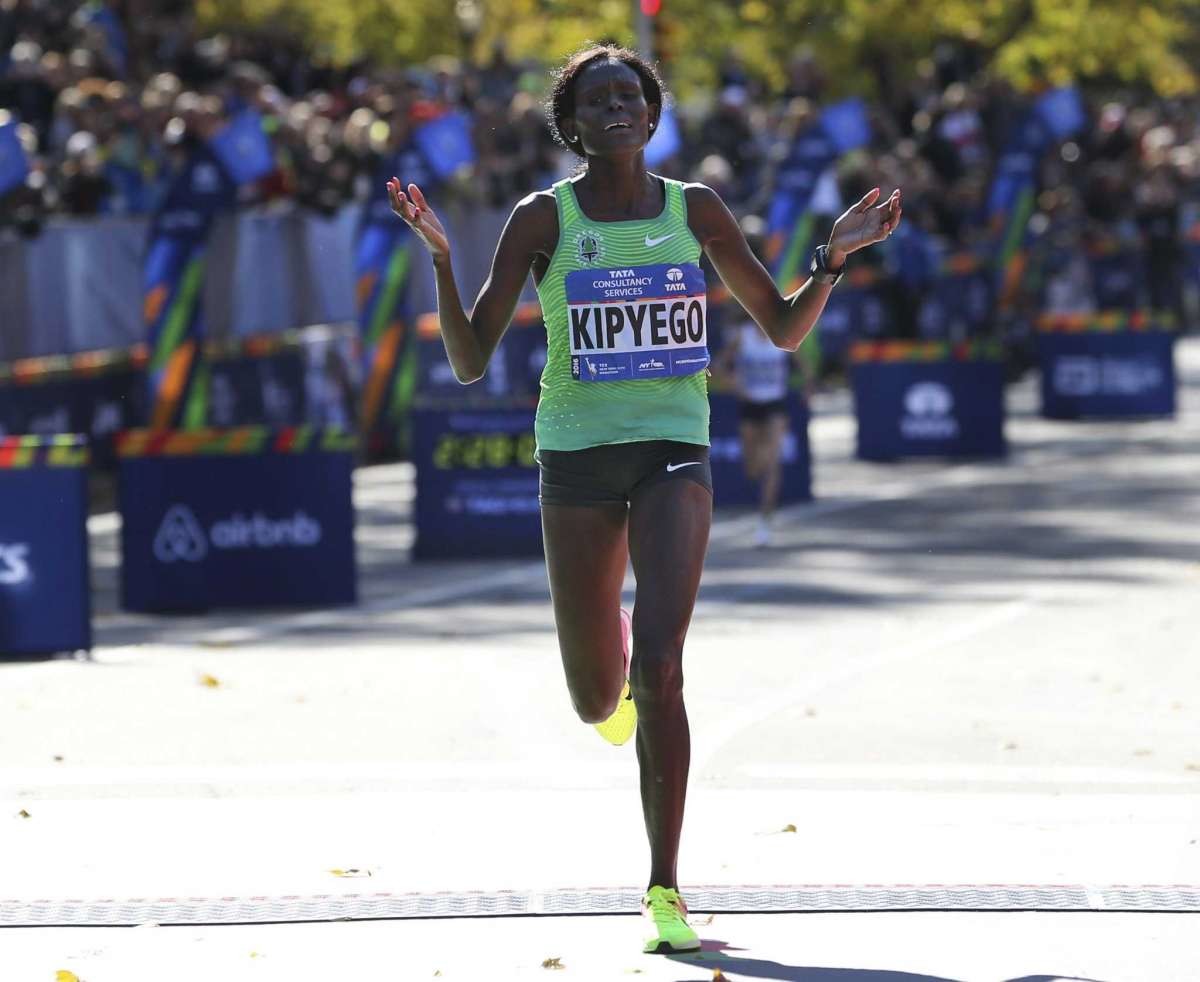
Some may think that is an ambitious goal for a 2:25 marathoner who was only third at the US Olympic Trials. After all, it has been over five years — when she was 5th in the 10,000 at the 2015 Worlds — since Kipyego has been competitive in a global championship. But those numbers don’t tell the whole story.
For one, Kipyego, who at 35 is two years younger than Sara Hall, feels she has yet to demonstrate her full potential at 26.2 miles, going so far as to say, “I haven’t really quite gotten a good marathon in.” Kipyego was second in the first marathon she finished, running 2:28:01 in New York in November 2016, but she was way back of winner Mary Keitany who ran 2:24:26. Shen then missed all of 2017 after giving birth to daughter Emma, and it took her longer than expected to get back to top form after her pregnancy.
It was not until the fall of 2019, when she ran 2:25:10 in Berlin, that the world began to catch a glimpse of the Kipyego of old, and she is confident in the training she has stacked together since then. But that still leaves a second problem: can Kipyego possibly get into medal shape given the current state of women’s marathoning? Of the seven fastest women in history, five have set their personal bests (all 2:17:45 or faster) since the start of 2019, led by Brigid Kosgei‘s 2:14:04 world record in Chicago.
“We’re talking about championships,” Kipyego says. “When it comes to championships, they’re not the same as major marathons, for example. You can still be competitive in a championship because you’re not running 2:14 or 2:12 marathon pace. If the race is being run at 2:20, most of us can be able to put themselves there. So I believe that if I can get — and I’m trying to get myself into — 2:20 or sub-2:20 shape going into Tokyo, and I think if I am in that kind of shape, my chances are pretty good at medaling.”
(02/26/21) Views: 48
Jonathan Gault
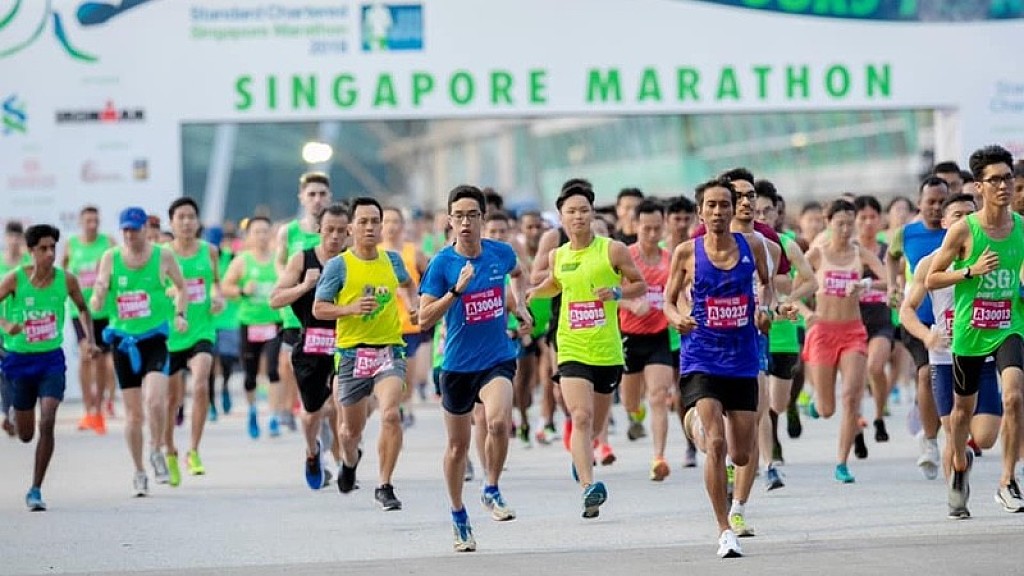
Standard Chartered Singapore Marathon exits proceedings for World Marathon Majors status
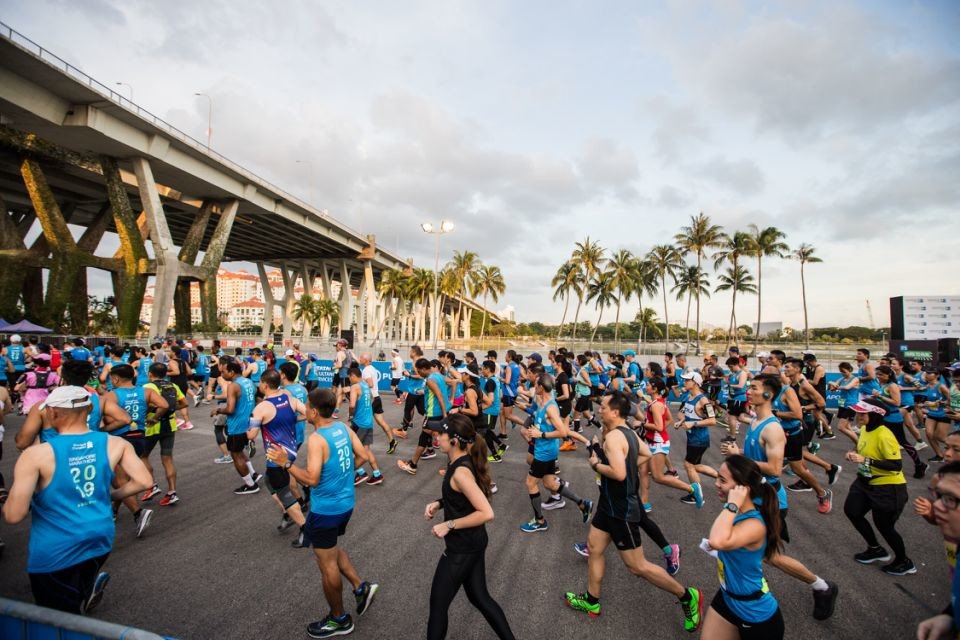
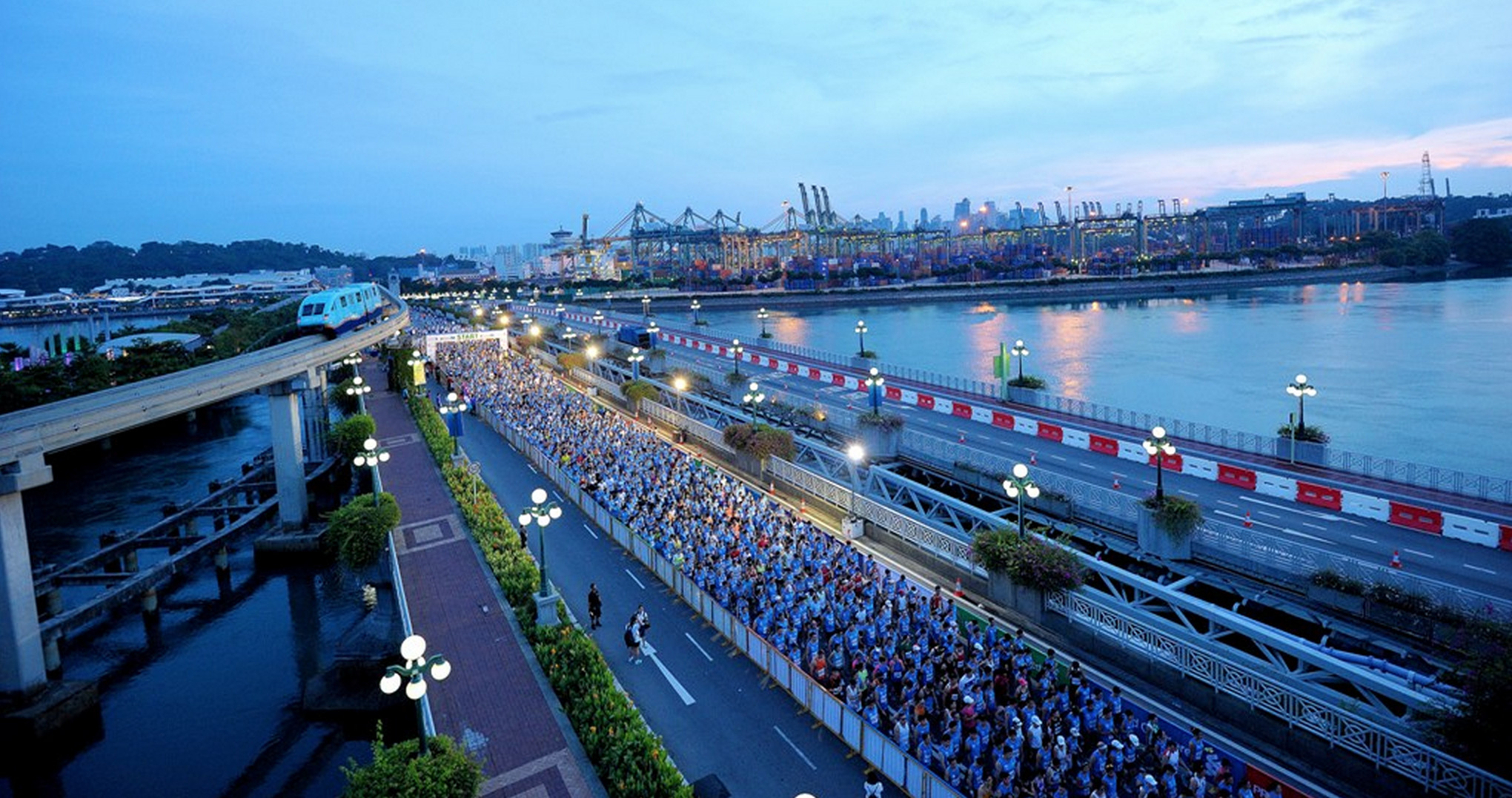
The Standard Chartered Singapore Marathon's (SCSM) bid to join an elite club of races is over, race organiser The Ironman Group announced on Friday (Feb 26).
The Abbott World Marathon Majors (AWMM) series is an exclusive set of just six of the leading marathons in the world - Tokyo, Boston, London, Berlin, Chicago and New York City.
The Republic had put its hand up to join the series in 2017, the same year the AWMM inked an exclusive partnership with China's Wanda Sports Group to expand the series and develop marathon events worldwide.
According to a statement on the WMM website on Friday, two races - the Singapore Marathon and the Chengdu Marathon - had been "put forth" by Wanda to be considered for inclusion. However, in March last year, Wanda offloaded the Ironman Group for US$730 million (S$969 million).
The WMM added: "Following the sale of The Ironman Group (who operates the Standard Chartered Singapore Marathon) by the Wanda Sports Group, the Singapore race is no longer a part of that candidate process. Wanda Sports Group has the exclusive right to put forward these races."
The decision, noted national sports agency Sport Singapore and the Singapore Tourism Board in a statement, was "commercial".
The Singapore Marathon typically attracts close to 50,000 runners annually. It is the nation's largest mass participation sports event and in 2019 - the last year it was held in the physical format prior to the arrival of the Covid-19 pandemic - the event saw 70,000 spectators line local streets to cheer participants on.
Despite the disappointment, the Ironman group said it "remains committed to delivering world-class race experiences and will continue its efforts in producing a signature event for the global running community". It declined to reveal how much it had invested in its attempt to attain AWMM status.
Sport Singapore and the STB also pledged to continue backing the event and to "continue to develop the SCSM as a world-class World Athletics Gold Label race for Singaporeans and our global participants".
(02/26/21) Views: 47

How you can run in extreme weather conditions
World Athletics is just one organisation amongst many which has responded to the climate emergency by doing its bit to help secure a sustainable environment for future generations. There seems little doubt that climate change will have an impact on sport, and that sport can take steps to reduce its impact on the environment. Major running events such as the Paris and London Marathons already have commitments and policies in place on the environment.
Global warming is the major factor we associate with climate change, but extreme weather events are also becoming more common. The huge cold storm that swept across the southern USA last week, historic fires in Australia and California in recent years, and extreme flooding in the UK are just a few examples. Major and unexpected changes in the weather are something that we will have to prepare and be ready for. If you are a regular runner, how do you cope with such unpredictability? Running may be impossible in extreme weather, but if it is possible, there are a few simple ways to make it practical and enjoyable. Here are my tips:
Adjust your pace.
Exercising in extreme temperatures, especially hot weather, creates extra physiological load that your body has to cope with. So be ready to run slower, and use perceived effort rather than pace as your guide. Similarly, very strong winds will render your pace difficult to judge. I remember running along the Tamagawa River in Tokyo during the “Haru Ichiban” – the first very strong winds of the spring. My headwind and tailwind splits were simply meaningless. Sometimes, leave your watch at home!
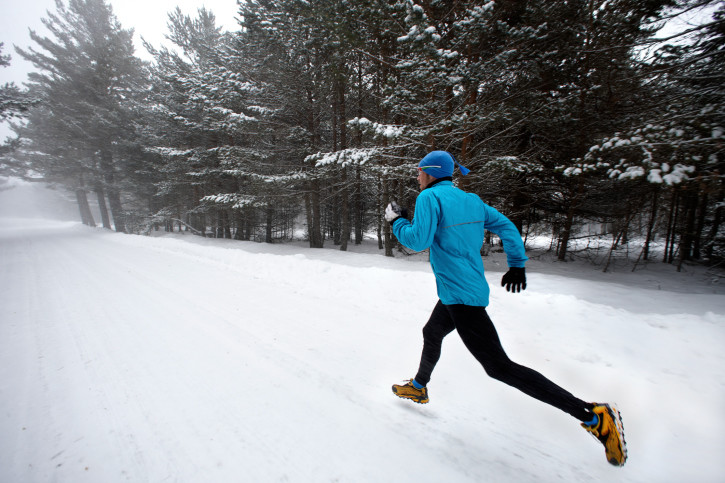
Kit and equipment.
Having suitable kit at home for extreme weather is a relatively easy win. Even if you don’t use it often, having clothing for very hot and very cold temperatures to hand when you need it will make training much more enjoyable. The same applies to self-care for after training – electrolyte drinks, shade, a hot bath, insulated clothing. Any number of these items will help you recover.
Change your warm-up.
This applies to training and racing. In very hot weather, the bare minimum will suffice for a warm-up, to avoid unnecessary increases in your body temperature. Similarly, a longer warm-up may be needed in cold weather to ensure you minimise any injury risk. I remember doing only a few minutes’ warm-up before racing marathons in summer championships.
Use it as a dress rehearsal.
Training in extreme weather can bring valuable learning, experience and familiarity for times when you have to race in similar conditions. I always saw races in extreme weather as positive opportunities since the playing field is levelled – if I was very well prepared, and my rivals were sloppy, that was to my advantage. You can’t easily practise for racing in extreme conditions without those same conditions being available for training, other than in a laboratory or other artificial environment. Freak weather for periods of training is a gift that can be made good use of!
Take a break.
Enforced rest can be a blessing. If the weather is so bad that you simply cannot train outdoors, sometimes just give yourself a day off rather than cross-training or running indoors on a treadmill. Now and again, being forced to have a rest can bring positive effects for recovery and long-term consistency.
Help the rescuers.
If, heaven forbid, you end up in serious trouble, life for you and anyone who helps you will be so much better if you have prepared for such an eventuality in advance. For example, always train with personal identification and emergency contact numbers; and always complete the emergency medical information on the reverse of your bib before races.
Extreme weather events make running tricky, but climate change means they will become more common. Taking even small steps to prepare for these events can make a world of difference.
(03/01/21) Views: 47World Athletics
