

Running News Daily
Top Ten Stories of the Week
2/27/2021
These are the top ten stories based on views over the last week.
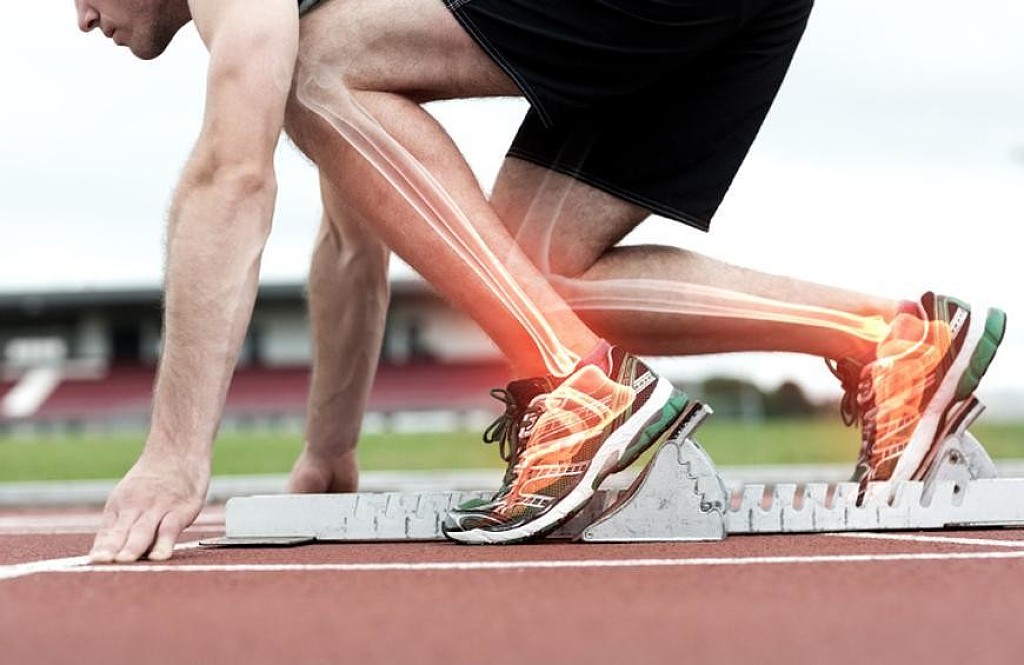


Running has positive effects on muscle and bone health
Physical activity and exercise are important parts of the overall strategy for improving the health of your bones and the strength of your muscles. While participating in running has positive effects on muscle and bone health, it is important that we develop and maintain a strong musculoskeletal system that can provide us with support for the long run.Incorporate the following into your training routine to help keep your bones and muscles strong:
Incorporate Weightbearing Exercise
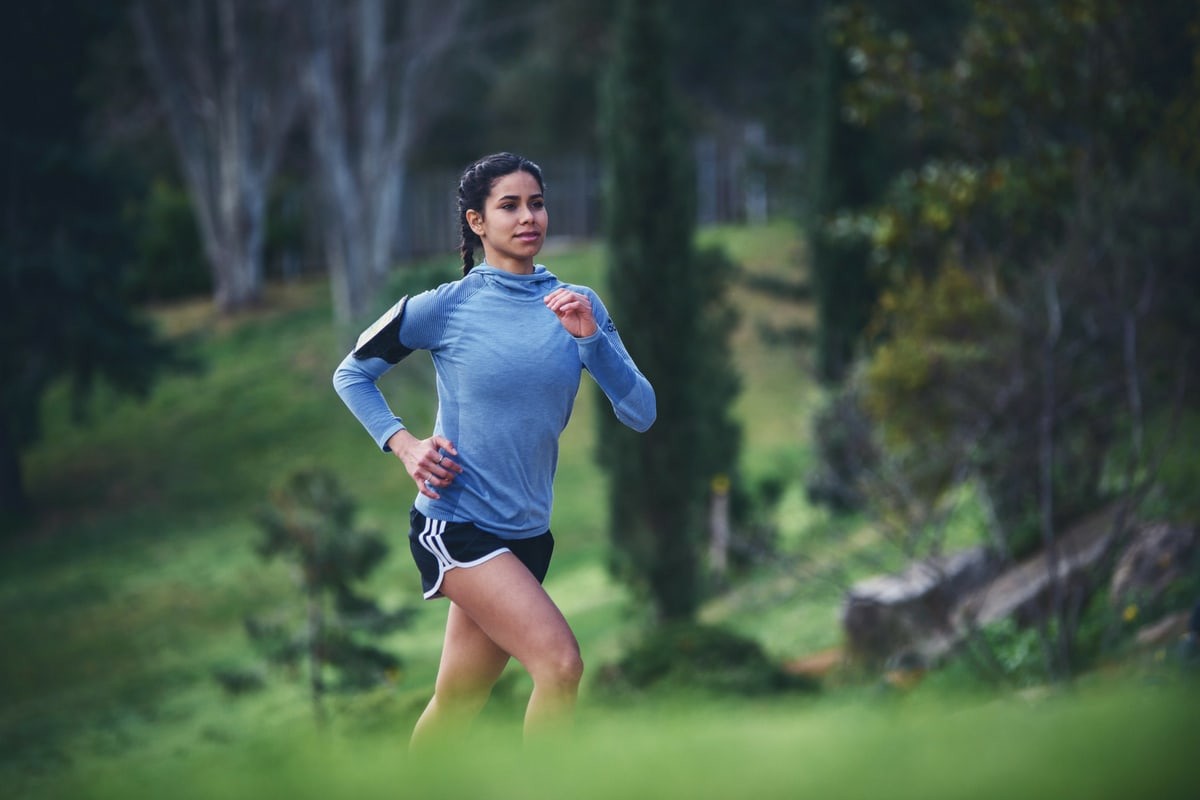
Every time our feet strike the ground, the impact causes a loading force on the bone, which encourages bone building. That’s why it’s important to engage in regular weight-bearing exercise at any age or fitness level.Moderate intensity activities such as walking and running have been found to have a positive effect on bone mass, but activities with high impact forces such as jumping, gymnastics, and a variety of ball and power sports cause a stronger bone response.
In general, you should aim to maintain a high level of weightbearing physical activity.

However, the activity selected must be appropriate to your current fitness level and safe for you to perform.
You can gradually work up to performing 30-60 minutes of weightbearing activities 3-5 times per week.
Incorporate a Strength-Training Program
Strength training is probably one of the most important things you can do for bone health and muscle strength. Strong muscles will help support your joints and bones while you are running. When the muscles are not strong enough to provide support, your joints and bones can get overloaded, which may increase the risk of injury.To get the best results from a strength training program you should consider:
Starting out by working on proper exercise technique with bodyweight exercises before adding external resistance. You can progress by gradually increasing the resistance as your muscles become stronger. Moderate to high intensity resistance training exercises have been shown to have positive effects on bone health.
Performing exercises that target major muscles groups at least 2 times per week. Allow for 24-48 hours of rest in between each resistance training session.
Including exercises that strengthen the core and hips. A strong core and strong hips will help you maintain proper postural alignment and provide you with support during the run.
Staying consistent. Improvements in strength and bone mineral density are not maintained when you discontinue to exercise.
(02/24/21) Views: 69Max Castrogaleas
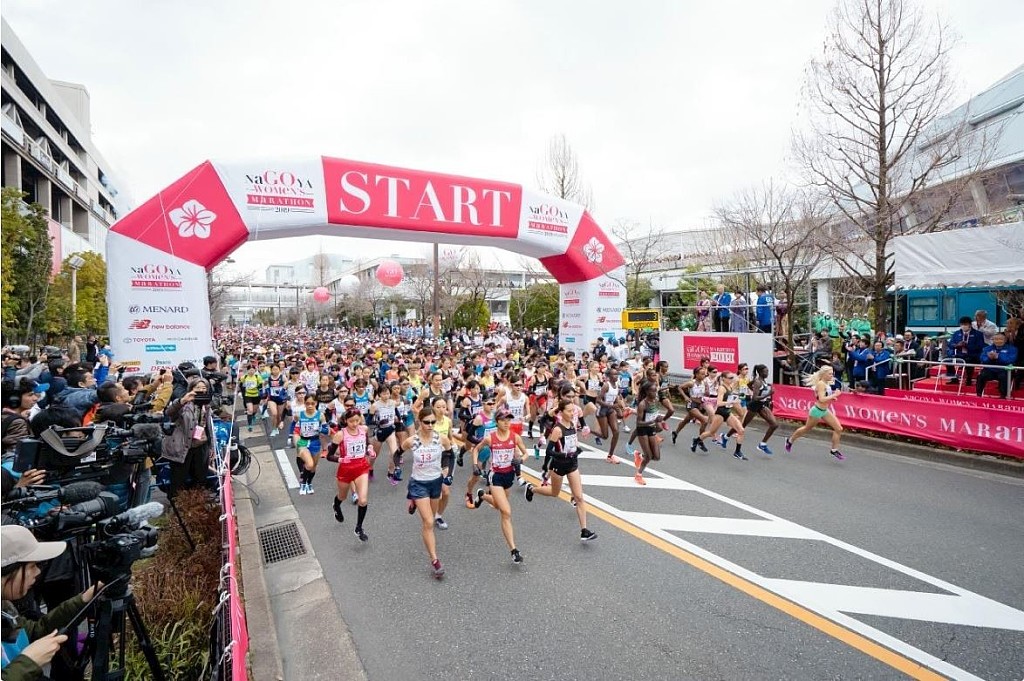
Nagoya Marathon announced that race will have up to 11,000 participants
The Mar. 14 Nagoya Women's Marathon announced this year's field yesterday, the same day that vaccinations officially began in Japan. It's another domestic-only race, but it has a great potential trio up front and looks to be going ahead with a mass-participation race.
Up front are last year's Osaka International Women's Marathon winner Mizuki Matsuda, 25 km national record co-holder Sayaka Sato, and Tokyo Olympics marathon team member Ayuko Suzuki. Suzuki is only 9th by recent time, but with a half marathon best of 1:07:55 and this being her first shot at a fast marathon she's definitely got the potential to stay with Matsuda and Sato.
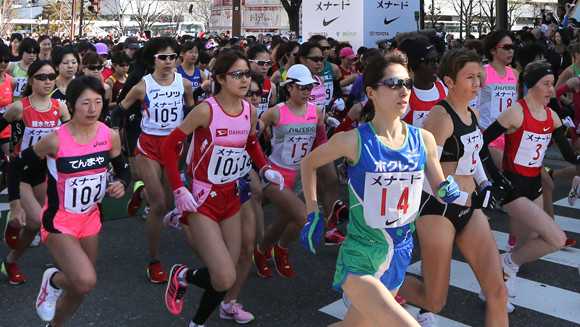
Reia Iwade and Rei Ohara have both run 2:23 but neither has been near that level in the last few years, Iwade in particular having dropped out of Osaka last month and only running 1:13:10 last weekend at the National Corporate Half. Mao Uesugi, Haruka Yamaguchi and Mirai Waku all ran Osaka too, so whether they start and how seriously they run remains to be seen. Yomogi Akasaka had a breakthrough to win December's Hofu Yomiuri Marathon in 2:29:21 and could be a surprise.
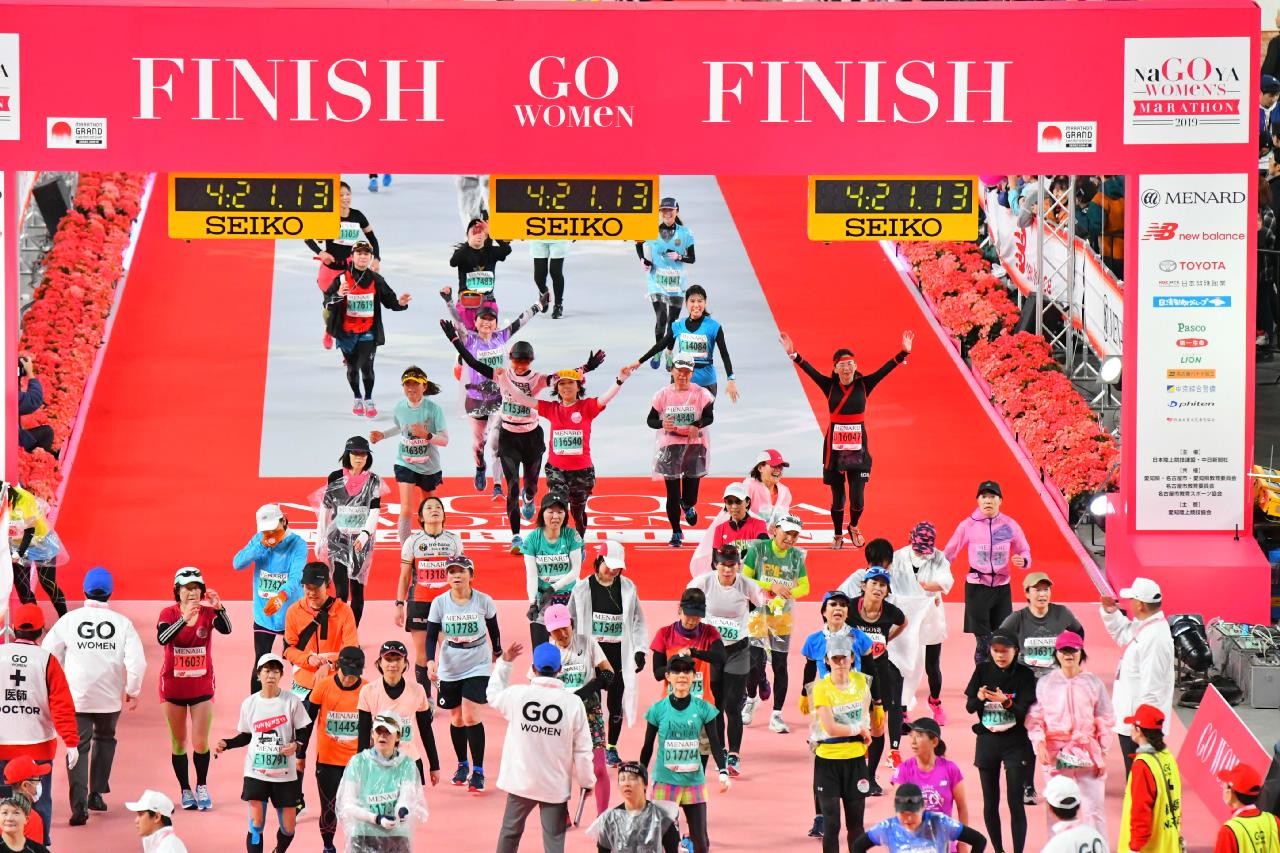
Nagoya is heavy this year on talent in the first-timer department, Ikumi Fukura coming in top-ranked with a best of 1:09:58 and four others with bests under 71 minutes. Olympian Mai Ito ran well at the National Corporate Half with her best time since before Rio and will be looking to finish her first marathon since Osaka in January 2017. Further down the field, 62-year-old Mariko Yugeta will be trying to better the 2:52:13 60+ world record she set in Osaka this year.
Pre-corona, Nagoya was the largest women-only marathon in the world. Last year it was held as an elite-only race, but this year it took mass-participation entrants up to a limit of 11,000. Earlier this month Nagoya issued a statement inviting entrants to switch to a virtual race, but at this stage it looks like it will go ahead with an on-site race for every entrant who still wants to run, assuming no extension to the current state of emergency set to expire on Mar. 7.
With every other race in Japan that size having already canceled or postponed this season, going ahead with its race would put Nagoya in a class of its own and give some much-needed hope that things are actually starting to turn around.
(02/19/21) Views: 59Brett Larner

2021 Rock ‘n’ Roll Nashville Marathon has been postponed again
After being postponed in 2020 before being officially cancelled altogether, the Rock ‘n’ Roll Nashville Marathon & ½ Marathon has met the same fate in 2021.
Race officials announced on Wednesday that the event, which was originally scheduled for April 24-25, has been moved to the fall due to COVID-19 risks. A likely target date for the rescheduled event could be Nov. 20-21, the same date the event was rescheduled for last year.
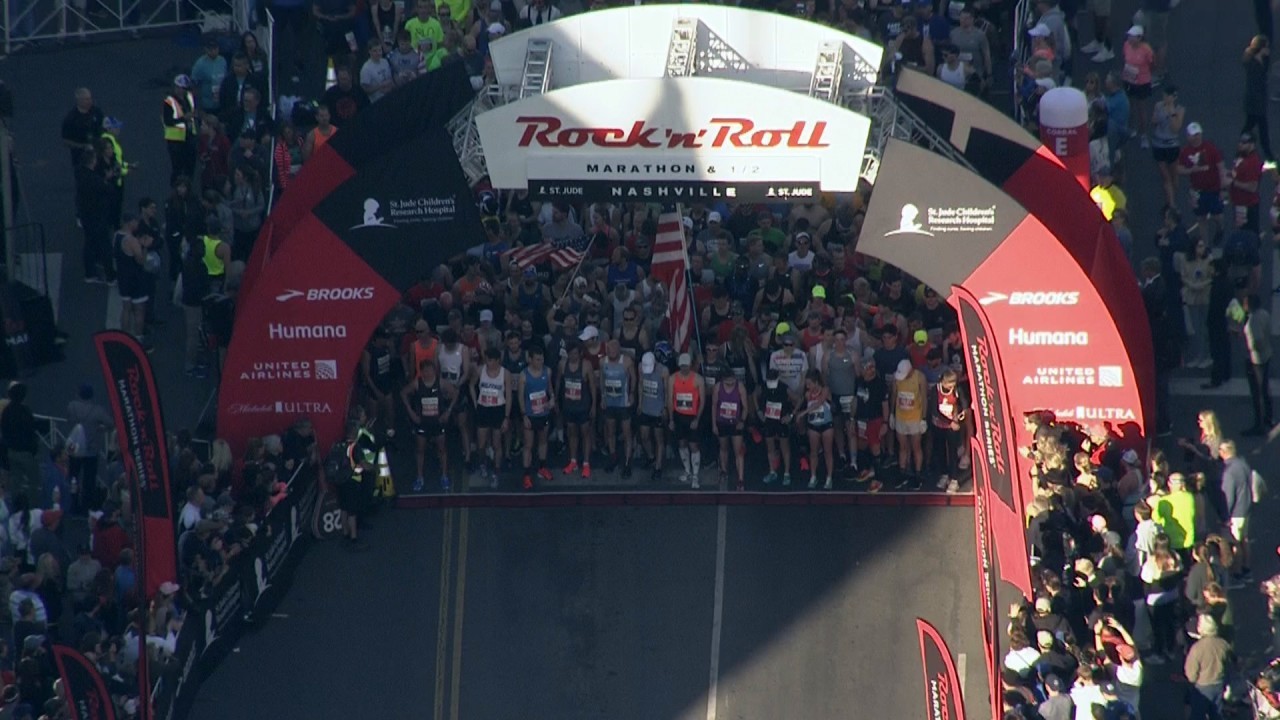
The race, which starts on Lower Broadway and wraps up near Nissan Stadium, usually draws about 30,000 participants and has a $40 million economic impact, according to Nashville Sports Council President and CEO Scott Ramsey.
“While this is a disappointing way to start the year, officials from Rock ‘n’ Roll and the City of Nashville feel confident the event will be better positioned for a strong return,” an official statement from the marathon read.

“Based on Rock ‘n’ Roll Nashville utilizing Nissan Stadium as a key venue for the event, the new Fall 2021 race date is dependent on the Tennessee Titans home schedule and thus will be confirmed and communicated as soon as the NFL schedule is available for us to work through with host city officials and stakeholders.”
The race may be scaled down to accommodate local health and safety guidelines. All participants registered for the 2021 race will be receiving an email with further details. Hendersonville’s Scott Wietecha has won the race each of the last seven years.
(02/19/21) Views: 57

High school 3,000m record-holder Katelyn Tuohy will make her collegiate debut this weekend
More than a year after announcing that she had committed to attending North Carolina State University in the fall of 2020, American high-school superstar Katelyn Tuohy is finally making her collegiate debut at the Camel City Invitational in Winston-Salem, NC on Saturday, Feb. 20.
This will be Tuohy’s first race since she won the 1,500m at the New York high school state meet on March 7, 2020.

With everything that has happened, it’s easy to forget that this is one of the United States’ most decorated high school runners’ freshman year. According to an interview with Let’sRun.com, Tuohy’s coach, Laurie Henes, made the decision to have the young runner sit out the cross-country season last fall because she was not fully healthy when she arrived on campus.

Instead, they decided to take it slow, pointing out that it didn’t make sense to rush her back into a fall season that didn’t have an NCAA championship.
Evidently, Tuohy is now healthy enough to race, and she will be competing for NC for the first time this weekend in the 3,000m. She is the current high school record-holder at the distance, running a 9:01.81 in January 2019 to break Mary Cain’s previous record of 9:04.51.
With only three weeks until the NCAA XC Championships, this race will be a good test of her fitness, and track fans everywhere will be watching to see what she’ll do this Saturday.
(02/20/21) Views: 56Brittany Hambleton
Aspiring Olympian, 10, Ayrton Alemao runs 9km a day to train for London Marathon
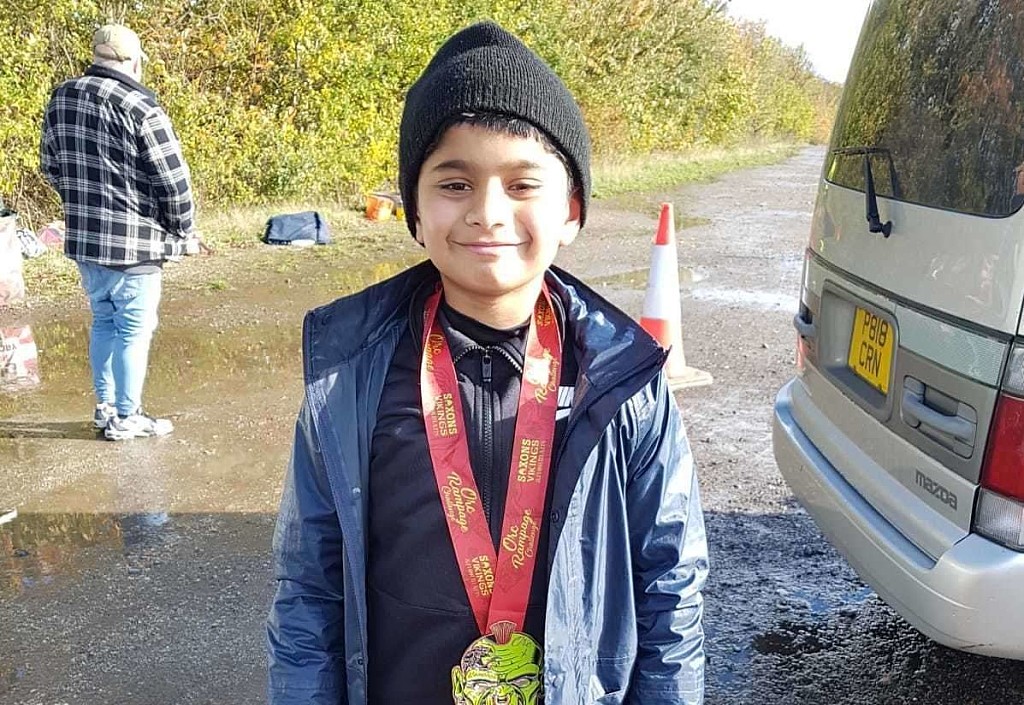
A 10-year-old boy who ran 21km in just over two hours has set his sights on the London Marathon.
Ayrton Alemao, from Gravesend, dreams of one day representing Team GB at the Olympics as a long distance runner.
After competing in two half marathons in the space of three months, Ayrton hopes his running ability will persuade organizers of the London Marathon to let him take part despite the age restriction.
The Peacock Street resident runs 7-9km six days-a-week after his training sessions with Dartford Harriers running club were cancelled due to lockdown.
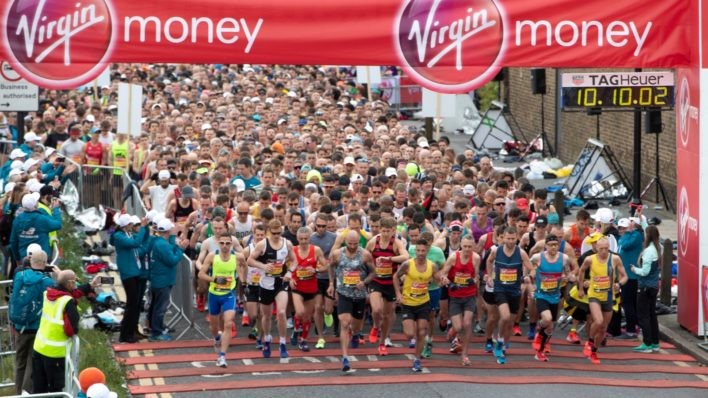
In October, the aspiring athlete took part in his first 21km half-marathon and clocked in at 2 hours 15 minutes. He participated in his second event in December, also running 21km.
Ayrton has since booked his place for another half-marathon in March, which his mum, Karen Alemao, says he can't wait for.
Ayrton has since booked his place for another half-marathon in March, which his mum, Karen Alemao, says he can't wait for.
She said: "He started practicing long distance running with his dad in March last year. "Since then he's been building himself to work towards being able to run for about 7 to 9k, five to six days a week regularly, which he continues to do without a miss.
"Ayrton is looking forward to getting through the trials for the London Marathon, which is a struggle due to his age, but he is keen.
"He would love to train and run at the Olympics. That's his dream."
(02/22/21) Views: 54Will Payne

Natural energy boosters that you can add to your daily routine
Natural energy-boosting drinks are made from plants and do not contain artificial additives. Artificial energy boosters on the other hand contain caffeine, artificial additives, and added sugar. These ingredients can have a lot of undesirable side effects. For instance, the caffeine in artificial energy drinks can cause anxiety and panic attacks especially if you take too much of it. Irritability, insomnia, and palpitations in the heart are other side effects that can occur due to the excess caffeine that is found in artificial energy drinks. The caffeine in these drinks is not natural unlike that in natural energy drinks.
The added sugar in the energy drinks acts as a stimulator and these drinks may contain as much as 20 teaspoons of sugar in each drink. The number of drinks in these drinks can be more than the one in a bottle of Coca-Cola. This sugar gives you a temporary energy boost but it also comes with many side effects. For instance, the excess sugar triggers your brain to release dopamine which is also produced by addictive drugs and this can make you get a sugar addiction.

Sugar is also reported to increase the inflammation in the brain and trigger the release of a stress hormone called cortisone and this can lower your moods and make you feel sadder than normal. Since sugar also affects your brain function, you may have short concentration spans, reduced short-term memory, and the ability to learn and the sugar also puts you at risk of diabetes and other lifestyle diseases. Since natural energy booster drinks don’t contain these artificial additives, they do not give you these unwanted effects. This is why natural energy boosters are becoming more popular. Given below are some examples of natural energy boosters:
Guayusa Tea

Guayusa tea is an energy drink that comes from an evergreen tree called Camellia sinensis with caffeinated leaves mostly in the areas near the Amazon rainforest. Some of the areas where Guayusa grows are in the southern part of Colombia and the northern part of Peru. In Ecuador, there is an indigenous group called Kichwa that has used the Guayusa tea for more than a thousand years. The Guayusa tea is brewed like the normal tea.
Some of the benefits of Guayusa tea include providing energy and strength and therefore most people take it very early in the morning so that they can concentrate at work throughout the day. The Guayusa tea has been nicknamed the “night watchman” because hunters use it before they go hunting to help them stay alert. Other benefits of the Guayusa tea include improving concentration and focus and helping you to stay calm.
Matcha Tea
Matcha tea is also derived from the Camellia sinensis where these tea plants are covered for about 30 days to prevent direct sunlight. When the tea plants are covered, the amount of chlorophyll that they have increased, and therefore the plants get a green hue that is darker than the regular tea. This also increases the amino acid contents and these are building blocks for proteins. Upon harvesting, the leaves are separated from the stems and veins and then they are ground to make Matcha powder.
Some of the benefits of Matcha include alertness and mental focus, providing antioxidants that destroy the free radicals that cause chronic diseases. Matcha also enhances attention and memory and prevents damage to major organs like the liver and kidney. Matcha tea also reduces the risk of cancer, helps with weight loss, and boosts the health of your heart.
Green Tea
Green tea is made by pan-frying and steaming the leaves of the Camellia sinensis plant to heat them. These leaves are then dried. Drying of these leaves prevents them from turning brown and also preserves their green color and fresh taste. When the green tea is brewed, it can either be green or brown and it can have a toasted, steamed, sweet, or grass-like taste. The benefits of green tea include improving memory and concentration, helping with weight loss, reducing the risk of cancer, stroke, heart disease, and other chronic inflammatory conditions.
Turmeric Tea
Turmeric is a spice that is extracted from the plants of the Curcuma longa plant. Most of the turmeric supply comes from India but the plant is now being grown in many parts of the world. The turmeric powder or the grated turmeric root can be used to brew the turmeric tea. To ensure the purity and hygiene of your turmeric tea, you can grind the turmeric tea for yourself.
Some of the benefits of turmeric tea include boosting energy especially when you combine the tea with physical exercise, and anti-inflammatory properties therefore it helps in the treatment of inflammatory conditions like arthritis. Other benefits of turmeric include boosting the immune function because turmeric has some antioxidants. The tea can therefore help to fight bacterial, viral diseases. Turmeric tea also helps in the treatment of cancer, and liver diseases.
Yerba Mate
Yerba mate is a herb that is common in South American countries like Uruguay, Argentina, and Brazil. The tea is prepared in traditional gourds called “mate” where the yerba herb is grounded in. Coldwater is added to this powder to prepare an infusion together with hot water. A tea-like beverage forms when the yerba infuses into the water. The Yerba mate has caffeine which helps to stay alert and energized. Other benefits of Yerba mate include an increase in mental focus, weight loss, and enhancing performance in sports. The tea also helps to reduce inflammation.
Fresh Fruit Juices
Fresh juices are also important natural energy boosters. Some of the juices that you can take include orange juice and beetroot juice. Beetroots contain nitric acid which dilates blood vessels and improves the blood supply throughout the body while helping to reduce blood pressure. You can mix the beetroots with lemons and apples to increase the energizing effects. This is a drink that you can enjoy on a hot afternoon.
In summary, natural energy boosters do not contain the artificial additives that are in artificial energy boosters like excess caffeine and sugar. In addition to providing energy, natural energy boosters also have other benefits like reducing inflammation and free radicals in the body. These drinks have also been useful in the prevention of cancer and other chronic diseases like liver and kidney diseases. Some of the natural energy boosters include Guayusa tea, Matcha, green tea, beetroot juice, and turmeric tea.
(02/23/21) Views: 53Colorado Runner
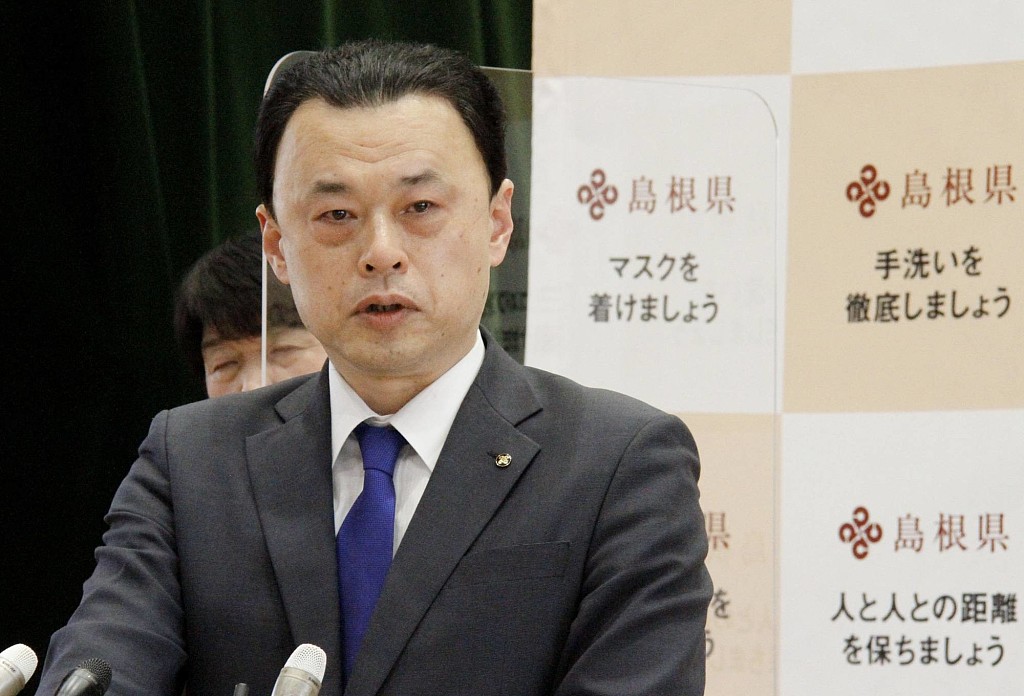
Prefecture governor Tatsuya Maruyama wants 2021 Olympics and torch relay cancelled
The Tokyo Olympics have endured a lot of controversy over the last few weeks, but despite everything that’s been happening, there’s been no update on the status of the actual games themselves.
At present, the Games are still scheduled to begin on July 23, but with the global pandemic still in full swing, will they actually go ahead as planned? Will they be cancelled? Will they be postponed yet again? At the moment, all we can do is speculate.
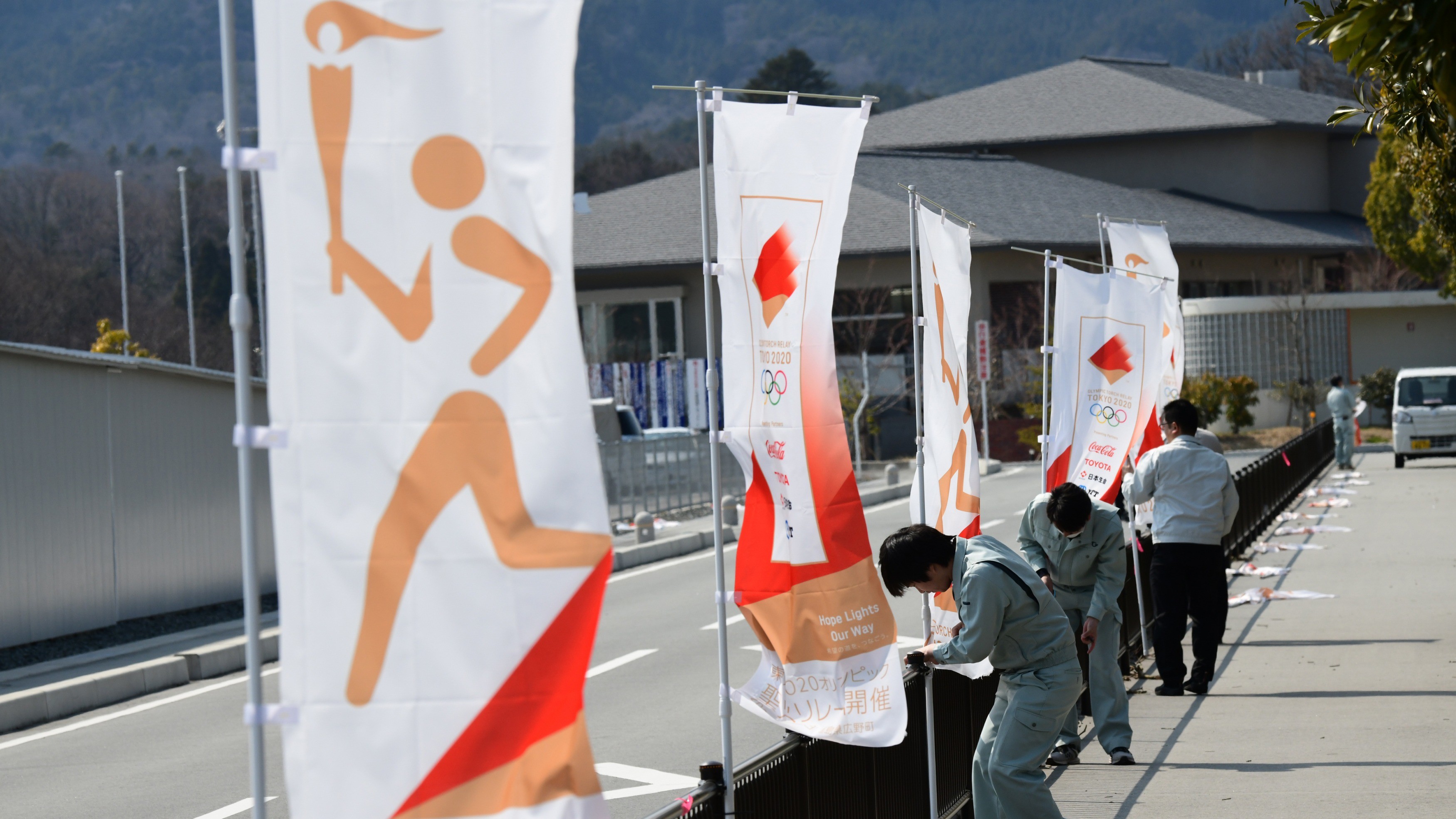
One thing we may not need to speculate on, however, is the future of the torch relay. The relay is planned to tour all of Japan’s 47 prefectures over 121 days, finishing in Tokyo in time for the start of the Games. But recently the relay has been the subject of discussion, with popular comedian Atsushi Tamura withdrawing as a relay runner, and now Shimane Prefecture governor Tatsuya Maruyama planning on withdrawing any torch relay events from his prefecture.
Maruyama commented that he believed the Tokyo Olympics should be cancelled if the coronavirus situation doesn’t improve. He added that he would have no choice but to cancel the torch relay events, scheduled to happen in Shimane Prefecture in May.
Upon hearing these statements, Liberal Democratic Party member and Shimane representative Wataru Takeshita commented:
“I’m confused by these comments. If this was coming from a prefecture with a lot of infected citizens, maybe I could understand. But Shimane is far from where most infections are happening. Other prefectures shouldn’t follow Shimane’s example. Now is the time to be getting everyone excited for the Olympics. The governor should be summoned and reprimanded for his remarks.”
“It’s the governor’s job to keep his citizens safe from coronavirus. It doesn’t matter about comparing corona rates, or if we should be ‘getting everyone pumped’ about the Olympics.”“Why don’t we just skip Shimane, if they’re being so uncooperative?”“Instead of reprimanding the governor, why don’t they try discussing it? What an old-fashioned way of thinking.”
A decision will need to be reached soon, as the torch relay is due to start on March 25 in Fukushima Prefecture. And while we wait for the final verdict to be made, we can always snack on an edible version of the Olympic Torch in Tokyo!
(02/22/21) Views: 51Katie Pask

2021 Marine Corps Marathon offers early registration
Starting on Wednesday 24 February, MCM Runners Club members have a two-week early-registration window to enter the 46th Marine Corps Marathon (MCM) and the 2021 MCM50K.
Members of the MCM Runners Club – an exclusive group of runners who have finished the MCM five times or more – will be able to register and secure a spot in this year’s MCM and MCM50K prior to the general registration in March.
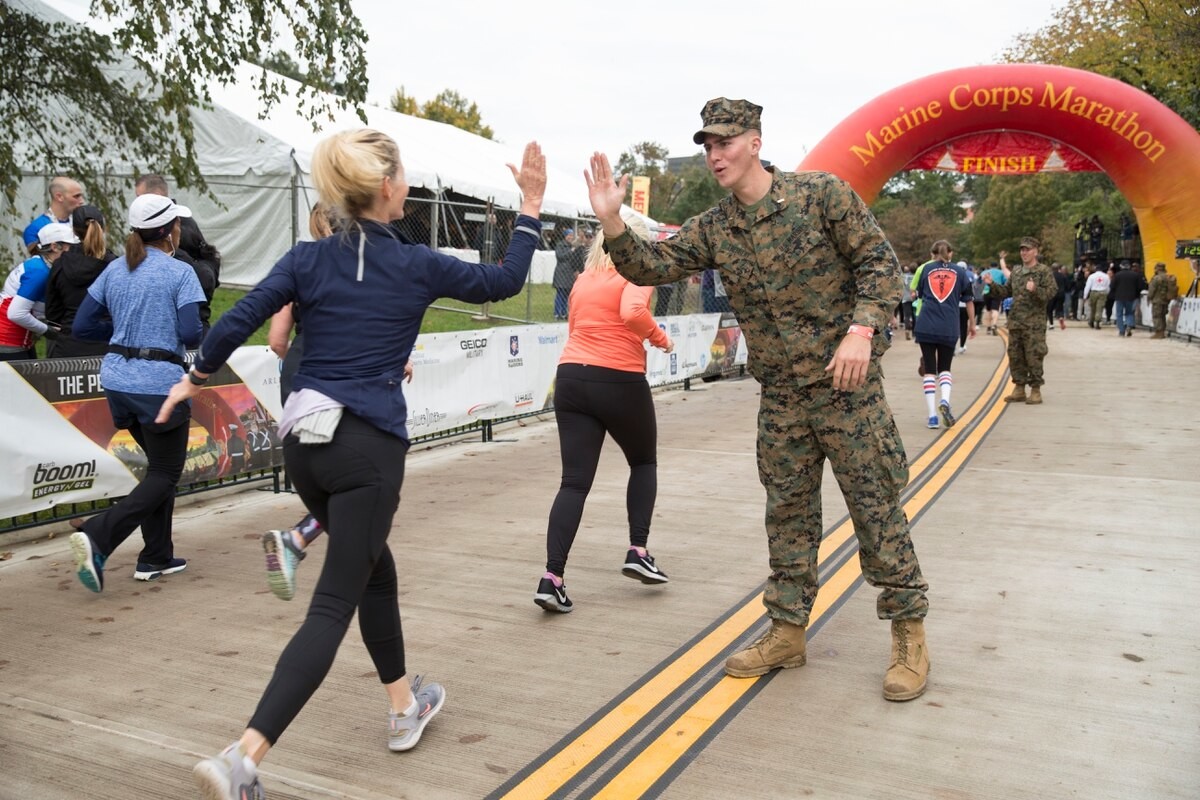
Currently, the 2021 MCM Weekend is scheduled as a virtual event with the possibility of a live version in October in accordance with local guidelines. Virtual entries are USD 55 (EUR 45) plus a processing fee and are available to runners ages 14 and older at www.marinemarathon.com.
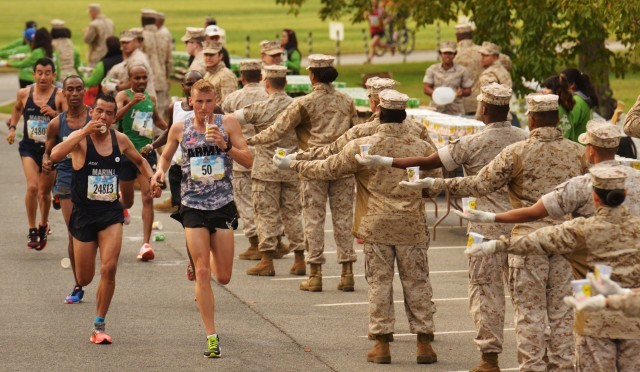
All MCM and MCM50K virtual participants will receive the official event shirt, a stunning finisher medal, patch, socks, digital bib and collectible bib delivered in a branded Mission Accomplished finisher box.
Registration for the virtual 46th MCM and MCM50K opens to the public on Wednesday, March 10 at 17.00 GMT via www.marinemarathon.com. Ambitious runners can once again sign up for the Semper Fidelis Challenge, a two-event challenge including either the Historic Half or the Devil Dog Double in May 2021 and the MCM or the MCM50K in October 2021, as well as the MCM Trifecta.
(02/22/21) Views: 50
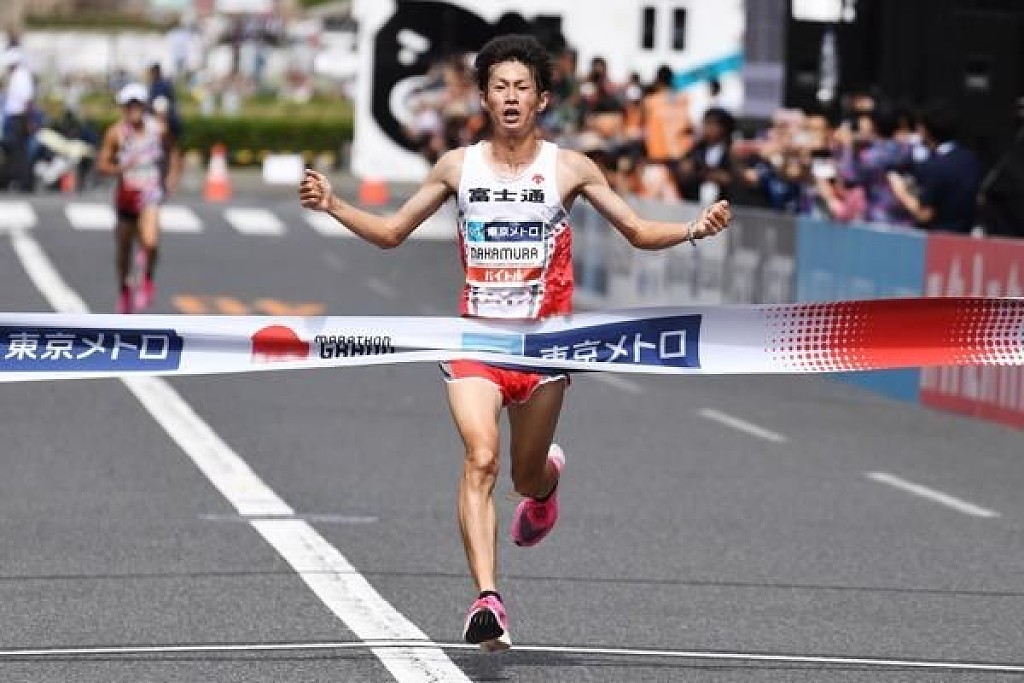
Olympic Trials Winner Shogo Nakamura withdraws from Lake Biwa Mainichi Marathon
After experiencing mild pain in the outer ankle of his left foot and being diagnosed with peroneal tendonitis, Tokyo Olympics men's marathon trials winner Shogo Nakamura (Fujitsu) has made the decision to withdraw from the Feb. 28 Lake Biwa Mainichi Marathon.
Nakamura will take a few days off to rest and plans to resume light jogging next week. However, in combination with not meeting his performance goals at an intensive training camp last month, he has decided to err on the side of caution and withdraw.
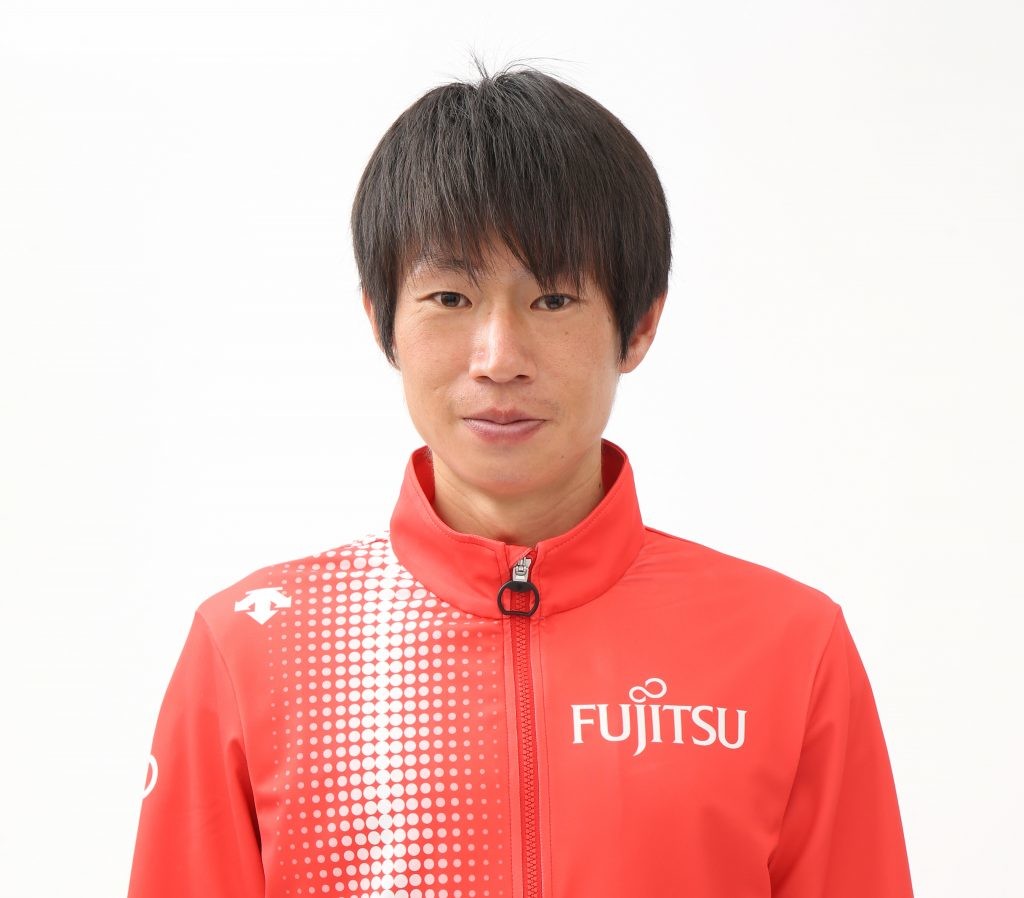
Comments from Nakamura:

Lake Biwa was going to be my first race since the New Year Ekiden and my first marathon in a long time, so I'd been looking forward to it.
The pain has already faded and doesn't look like it will get in the way of training, but after looking carefully at the situation we decided not to risk more serious injury and to withdraw in favor of being ready for the Tokyo Olympics.
I apologize to everyone who had been expecting to see me run. My first priority is to get back on my feet and do the work necessary to show up at the Tokyo Olympics ready to race. I hope that you will all support me and cheer me on there.
(02/19/21) Views: 48Brett Larner
This new spike technology has a place in sport, provided everyone has reasonable access
In the past 12 months, despite minimal conventional competition opportunities, seven track world records have fallen. Beyond those, track has also seen countless area, national and age-group records fall – in seemingly more frequent succession than recent years.
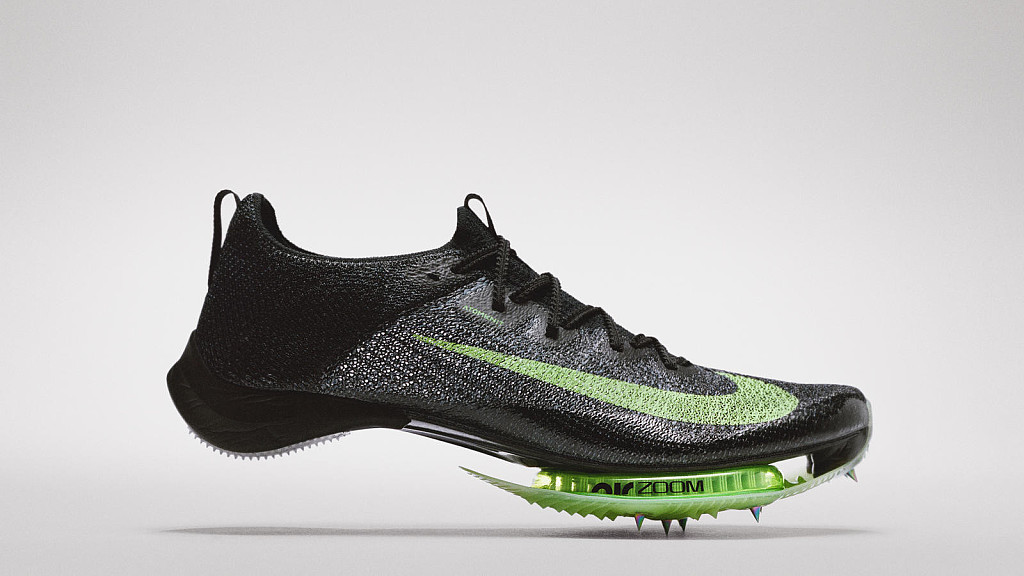
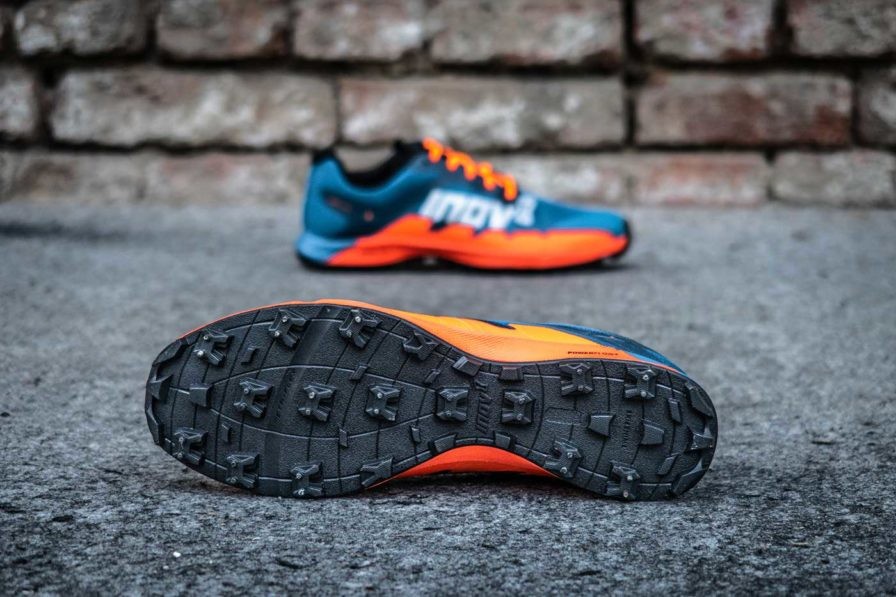
For some of these records, the runners wore what are being referred to as super spikes – spikes with added foam, and in some cases, an embedded carbon-fibre plate, similar to the plates now found in many marathon shoes. Nike has a sprint (Air Zoom Viperfly), mid (Air Zoom Victory) and long-distance (Dragonfly) version of these spikes, and runners sponsored by several other companies, like New Balance, are wearing prototypes.
With similar technology, these spikes are doing for track what the Nike Vaporfly 4% did for road running – they’re leading fans, pundits, and professional athletes to question whether the shoes are hindering or helping the sport, and whether this emerging technology should be better regulated.
The new rules
In recent years, the thinking around shoe technology has shifted, and brands are now creating ‘super shoes’ that include more foam and a stronger plate. (Spikes always had plastic plates, and now some have carbon plates.) This changed was first seen on the road, and resulted in new regulations when it comes to in-competition footwear. In the fall of 2020, World Athletics announced new rules that declared a limit of 25 mm in stack height on the track. While that remains a far cry from the 40 mm limit on the roads, 25 mm is much higher than track runners were accustomed to. The average spike at the time had a stack height of about 5 mm and was developed based on the principle that lighter is faster and less is more.
Lack of access
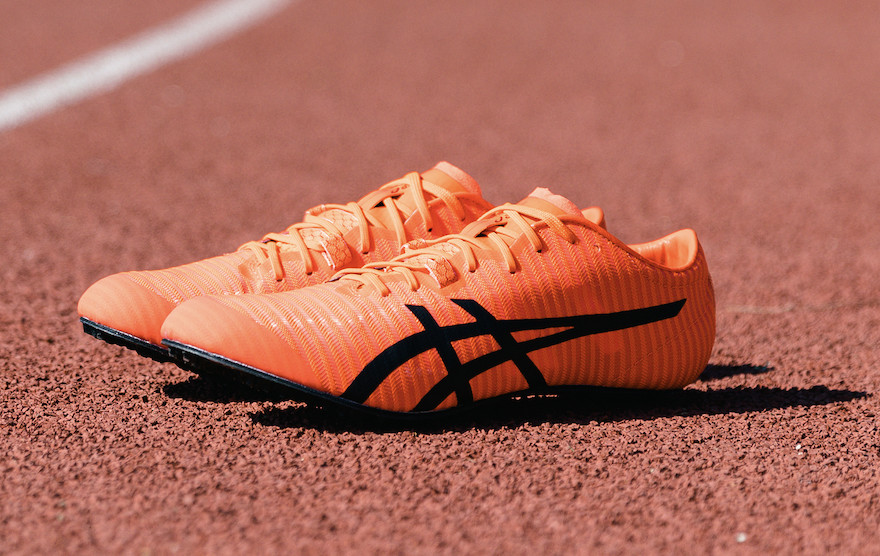
Beyond limiting stack heights, the new WA rules also mandated that shoes had to be widely available to all runners in order to be used in Olympic competition. However, for a lot of Olympic hopefuls, they need every little advantage possible to find themselves on a start line at the Games, and WA rules aren’t making these shoes any easier to access for early-season competition. Many companies have made versions of the new spikes ‘available’ online – in a size 15 men’s. This technically complies with the ‘widely available’ rule but is obviously severely limiting.
solid training block
Fans are quick to point a finger at the new shoes for the many records that have fallen in the last 12 months, but as some have pointed out, it may also be due to training schedules that are not constantly being interrupted by meets. During the pandemic, runners have competed much less than usual, swapping weekly racing for intense training camps. These changes in training schedules may have allowed people to simply run more and become stronger, as they’re no longer dropping mileage to taper for competition.
Some top athletes are opting out of using the super spikes for their track events. For example, to set the 5,000m American record over the summer, Shelby Houlihan wore a pair of spikes released back in 2008. While Houlihan was kicking it old-school, several of her teammates, including Canadian Mohammed Ahmed, were wearing the then-unreleased Nike Dragonfly spikes. In a low-key meet, with some technically out-of-date spikes, Houlihan ran a 14:23.92 – faster than any American woman ever has over the distance.
What about doping?
Some have raised the issue of doping as a possible factor. When the pandemic first hit, athlete drug testing was temporarily suspended. As a result, there was a weeks-long period where runners everywhere could, in theory, have cheated without getting caught. A few months later, though testing has resumed, we’re seeing out-of-this-world results. This is obviously a bigger conversation for another day, but I personally don’t believe that all of these athletes took advantage of that brief testing gap in order to break records.
As spike technology is improving, so are pacing technologies and track surfaces – the world keeps on turning, and running must turn with it. While these new spikes are certainly among the many changes that are bringing about faster times, they’re not the sole reason, and in my opinion, it’s reductionist to say they are. We’re living in a completely different world than we were a year ago, and maybe some of the changes the pandemic brought have positively impacted training. It’s entirely possible that forcing life to slow down helped some athletes speed up.
While I believe these ‘super shoes’ should be truly accessible in order to be used in competition, I also believe that innovation is inevitable. The super spike will one day be replaced by a new technology that will ‘ruin’ the sport all over again, and we’ll be missing the days when carbon and extra foam were the biggest deal on the block.
(02/20/21) Views: 48Madeleine Kelly
