

Running News Daily
Top Ten Stories of the Week
9/12/2020
These are the top ten stories based on views over the last week.
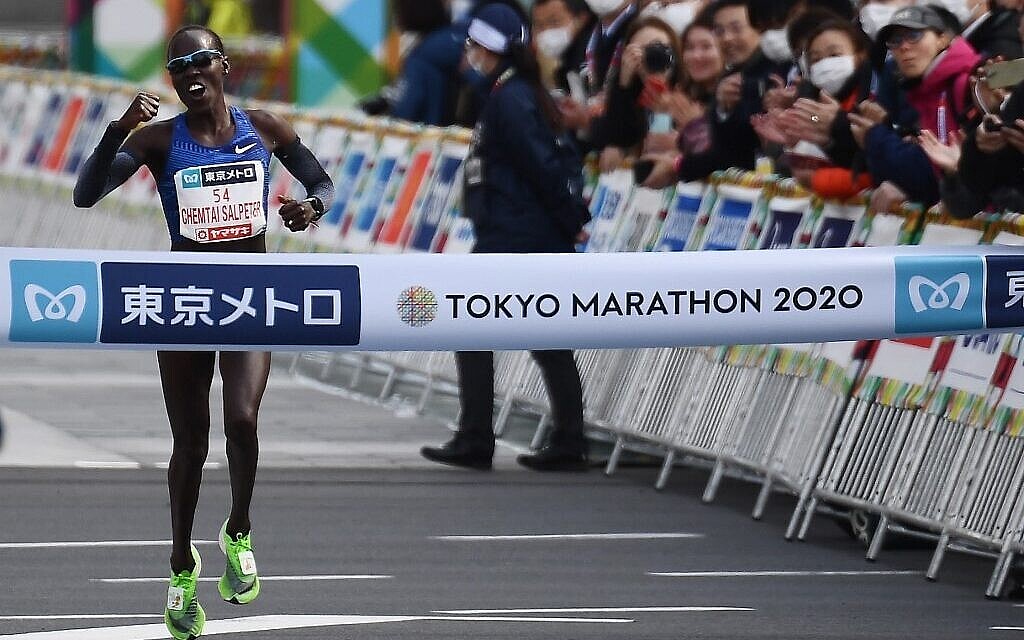


Tokyo Olympics Marathon Course To Be Measured By End of Year, Test Event Planned
At a press conference in Sapporo on June 23, the organizing committee of the 2020 Tokyo Olympic Games announced plans to have the Olympic marathon course in Sapporo measured and certified before the end of the year. The announcement marked a return to preparation for the Olympics, which had been suspended due to the ongoing coronavirus crisis.
The organizers also plan to stage a test event on the course next year at some point from March through May. Organizing committee executive Yoshiro Mori commented, "Whether it will be a half or full marathon is still a topic for discussion." City officials have responded positively to requests for use of Ohori Park and other locations, and confirmed that road work on the marathon course is expected to be mostly completed in July this year.
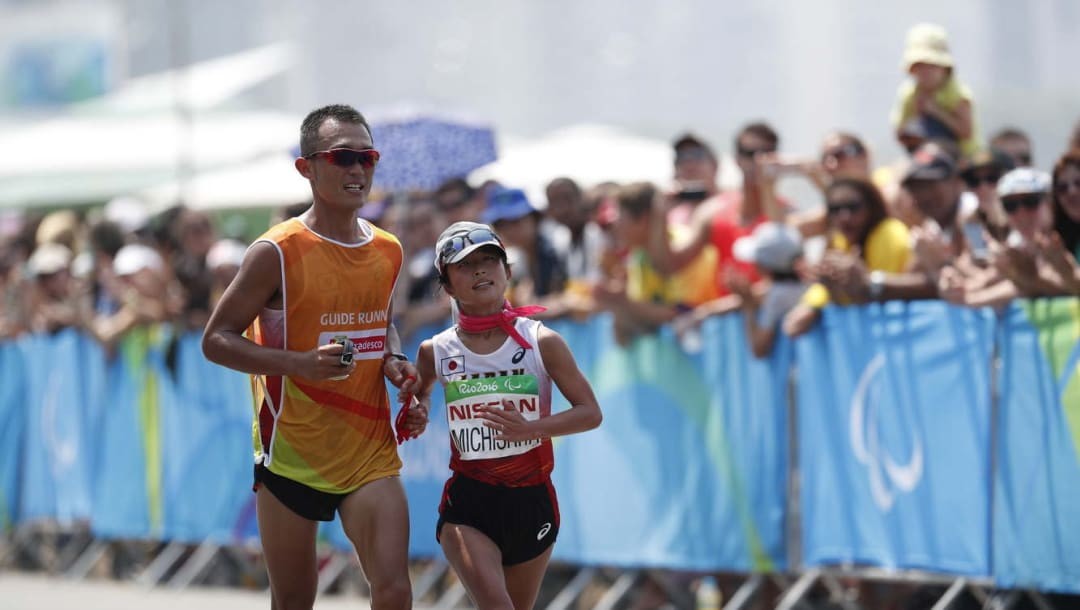
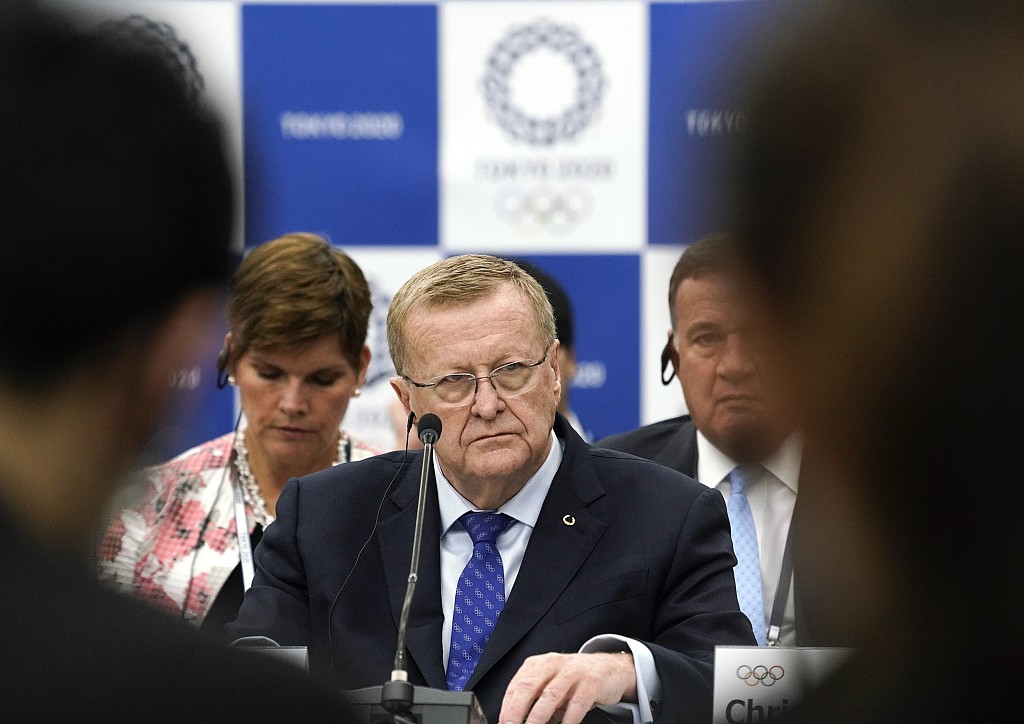
Tokyo Olympics will go ahead with or without Covid, says IOC vice-president John Coates
Tokyo's postponed Olympics will go ahead next year regardless of the coronavirus pandemic, IOC vice-president John Coates told AFP Monday, vowing they will be the "Games that conquered Covid".
The Olympics have never been cancelled outside of the world wars and Coates, speaking in an exclusive interview, was adamant that the Tokyo Games will start on their revised date.

"It will take place with or without Covid. The Games will start on July 23 next year," said Coates, who heads the International Olympic Committee's Coordination Commission for the Tokyo Games.
"The Games were going to be, their theme, the Reconstruction Games after the devastation of the tsunami," he said, referring to a catastrophic earthquake and tsunami in northeastern Japan in 2011.

"Now very much these will be the Games that conquered Covid, the light at the end of the tunnel."
In a landmark decision, the 2020 Olympics were postponed because of the global march of the pandemic and they are now set to open on July 23, 2021.
But Japan's borders are still largely closed to foreign visitors and a vaccine is months or even years away, feeding speculation about whether the Games are feasible at all.
Japanese officials have made clear they would not delay them a second time beyond 2021.
There are signs that public enthusiasm in Japan is waning after a recent poll found just one in four Japanese want them to go ahead next year, with most backing either another postponement or a cancellation.
Coates said the Japanese government "haven't dropped the baton at all" following the postponement, despite the "monumental task" of putting the event back a year.
"Before Covid, (IOC president) Thomas Bach said this is the best prepared Games we've ever seen, the venues were almost all finished, they are now finished, the village is amazing, all the transport arrangements, everything is fine," he said.
"Now it's been postponed by one year, that's presented a monumental task in terms of re-securing all the venues... something like 43 hotels we had to get out of those contracts and re-negotiate for a year later.
"Sponsorships had to be extended a year, broadcast rights."
With much of that work underway, or accomplished, a task force has been set up to look at the different scenarios in 2021 -- from how border controls will affect the movement of athletes, to whether fans can pack venues and how to keep stadiums safe.
The group, comprising Japanese and IOC officials, met for the first time last week.
"Their job now is to look at all the different counter-measures that will be required for the Games to take place," said Coates, the long-time president of the Australian Olympic Committee.
"Some countries will have it (Covid) under control, some won't. We'll have athletes therefore coming from places where it's under control and some where it is not.
"There's 206 teams... so there's a massive task being undertaken on the Japanese side."
Tokyo 2020 chief Toshiro Muto on Friday repeated that organisers hoped to avoid a Games without spectators -- an option that has been mooted given Japan is still limiting audiences at sports events.
(09/08/20) Views: 166AFP
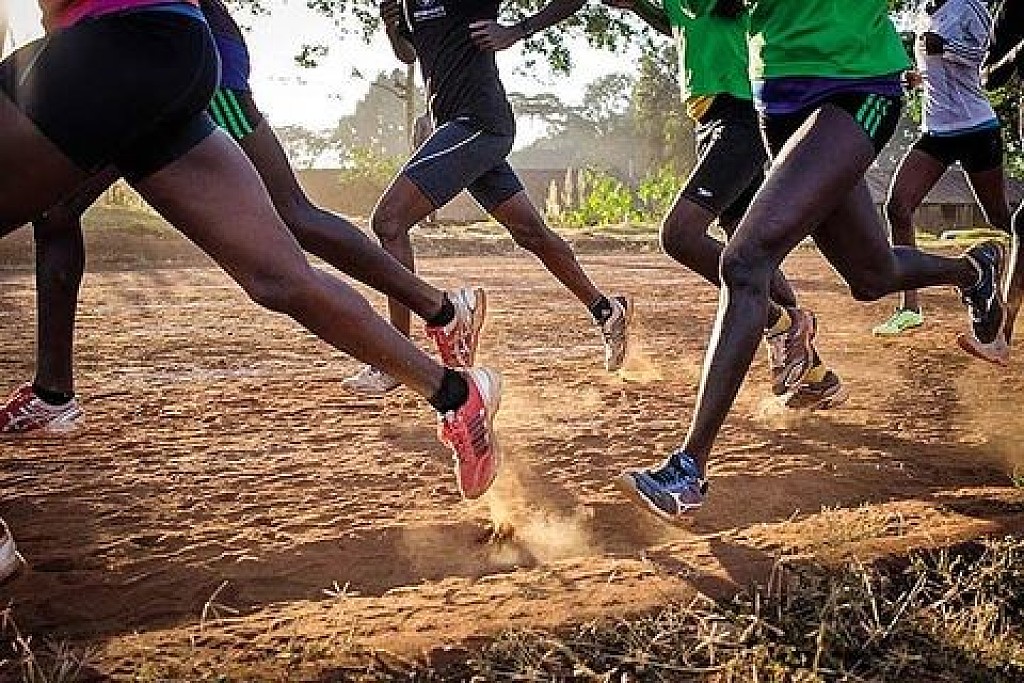
Kenya has experienced far fewer coronavirus deaths than other countries with similar infection rates and no deaths in last 48 hours
(Many of the top runners in the world are Kenyans. Hundreds of these runners make their living running races, winning prize money and having sponsors. Right now because of COVID-19 many of these athletes are barely surviving. The good news is that few Kenyan runners have gotten COVID-19 and as far as we know no elite runners have died from the virus. Let's look at the overall scene in Kenya as compared to the rest of the world.)
In March, Kenya was bracing for coronavirus. Duncan Nyukuri, an infectious disease physician at Kenyatta National Hospital in Nairobi, was listening to reports coming in from China and Italy with trepidation. “Our healthcare infrastructure is not as good as in those areas,” he said, and even as Kenya implemented strict lockdown policies, it wasn’t clear how the country would cope.
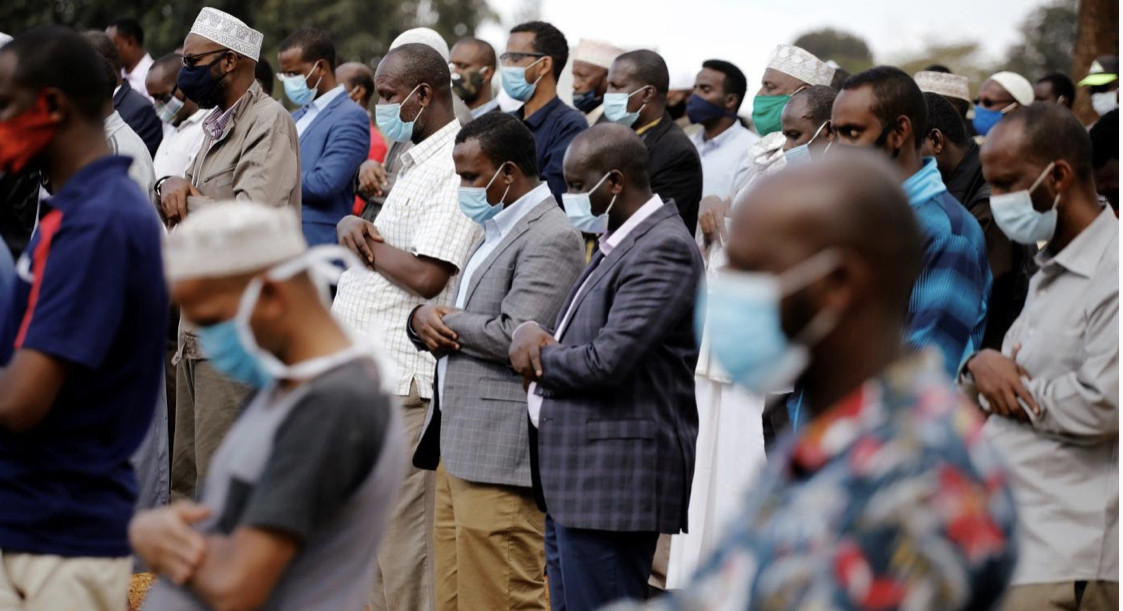
Six months on and, while Kenyans aren’t quite breathing a sigh of relief, many are cautiously optimistic. “It’s better than what I feared initially,” says Nyukuri. The majority of Kenyans who get coronavirus—around 80%, according to health cabinet secretary Mutahi Kagwe—seem to be asymptomatic. And Kenyans seem to be dying of coronavirus at far lower rates than elsewhere in the world.
Officially, 599 people have died of coronavirus in Kenya. The true total is likely higher, as the country’s testing capacities are limited, especially in rural areas. But it’s still a strikingly small proportion of official case counts: less than 2% of the 35,356 I people who have tested positive for coronavirus. This figure is distinct from the mortality rate, since many cases are never diagnosed. But still, Kenya’s numbers stand apart: Coronavirus infected 272,912 people in Italy, according to government figures, and 13% died, creating a death toll of 35,507.
Coronavirus antibody testing in Kenya puts the country’s relatively low number of deaths in even starker context. Immunologists from the KEMRI-Wellcome Trust Research Program in Kilifi, Kenya tested 3,174 people across the country from the end of April to the middle of June, and found that 5.6% tested positive. “We estimate that 1 in 20 adults in Kenya had SARS-CoV-2 antibodies during the study period,” wrote the authors in their paper, which has not yet gone through peer review but was published as a preprint in July. And yet, by midway through the survey, Kenya had only reported 71 deaths from coronavirus—far lower than the number of deaths reported globally in countries with similar levels of antibodies.
If the survey’s results accurately reflect Kenya’s overall infection rate, then 2.5 million Kenyans had coronavirus in that period. According to the World Health Organization’s conservative estimate of a 0.5% morbidity rate, that many infections would have resulted in around 12,500 deaths. Even factoring in the likelihood that official testing hasn’t captured the full impact of coronavirus, Kenyan hospitals simply aren’t reporting the number of patients expected given national antibody levels.
“Our peak is not as overwhelming as we thought it would be,” says Anne Barasa, an immunologist at the University of Nairobi who works at Kenyatta National Hospital. “At my hospital, the majority who test positive are asymptomatic. We’re not overwhelmed by those with severe disease.”
The reason for Kenya’s low death count is unclear. “Coronavirus is a new disease and there’s a lot of unknown. We are still speculating,” says Nyukuri. But Kenyans’ youthfulness is likely a major factor. Half of the population is younger than 20, and only 4% are 60 or older, according to a report from the United Nations University World Institute for Development Economics Research.
So far, coronavirus has predominantly affected cities in Kenya, particularly Nairobi and Mobassa. These areas are filled with particularly young demographics. “Most of our older population are in rural areas, as people tend to go back to rural areas when they retire,” says Nyukuri. Keeping older people apart from their younger relatives and support networks during lockdown created its own problems, including food scarcity, but it could well have protected them from infection.
Other possible theories for Kenya’s low number of deaths, including whether medications and vaccines for other conditions could help prevent severe effects, are still being investigated. HIV, unexpectedly, doesn’t seem to increase the likelihood of severe Covid-19 infections. Barasa says it’s possible that antivirals taken for HIV provide a broadly protective effect. Close to a million people, around 2% of the population, are on antiviral HIV medication.
“There’s talk that BCG [bacille Calmette-Guerin tuberculosis vaccine] and oral polio vaccines could be protective, but India has the same vaccines,” says Barasa. Kenyans could have also boosted their immune systems from exposure to other, less deadly, strains of coronaviruses, though again this theory is unproven. “There’s research being developed, but we don’t have a lot of hard evidence,” says Barasa.
No explanation can be definitively ruled out. Genetics could be a factor, says Barasa, while some speculate that Kenyans’ exposure to sunlight and resulting high vitamin D levels could somehow help. Nyukuri is less certain of this last theory: “In the US and India it’s summer and they still have these cases,” he says. “Unless our sunlight is different.”
As in the rest of the world, Kenya’s epidemic is far from over; Nyukuri says he saw between 20 and 30 coronavirus patients in the past two weeks, and the country’s healthcare system can struggle even if severe symptomatic reactions remain relatively low. Elsewhere in Africa, several other countries report similar low mortality rates to Kenya. Scientists are still unraveling why coronavirus has had a less severe effect on some countries compared to others. When they do determine a cause, the answers could help other countries bolster their defenses.
(09/09/20) Views: 109
A College Runner Spends the Night Hiding in a Tree to Escape a Charging Bear
When a mama bear started chasing after her, she did everything she could to survive.
On August 18, Rachel Smith, 19, headed out for seven miles on the Big Otter Trail in the HaDaRonDah Wilderness Area, a trail she’s run dozens of times in her hometown of Old Forge, New York, tucked away in the Adirondacks.
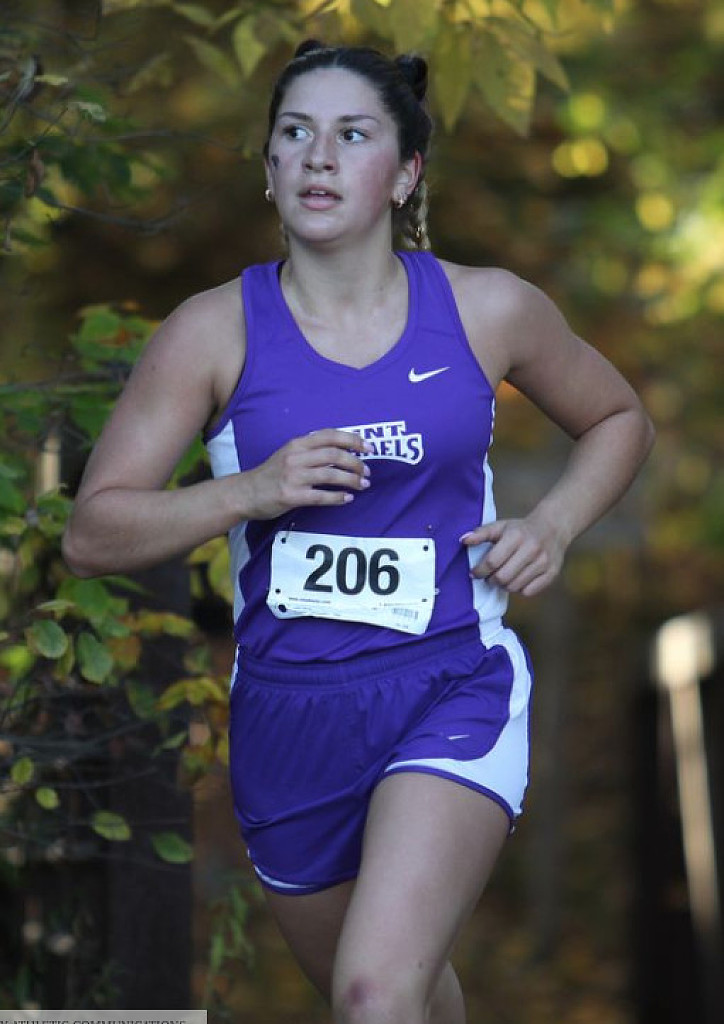
Usually a morning runner, Smith, who’s on the cross-country team at St. Michael’s College in Vermont, left her house at 7 p.m. because work had kept her busy earlier in the day. She told her mom she’d be back in 90 minutes, tops.
Because of the fog, Smith opted to run on a snow-mobile trail instead of the main road, where cars would have a hard time seeing her. There’s no cell service where Smith runs so she never brings a phone.
Smith didn’t come home that night.
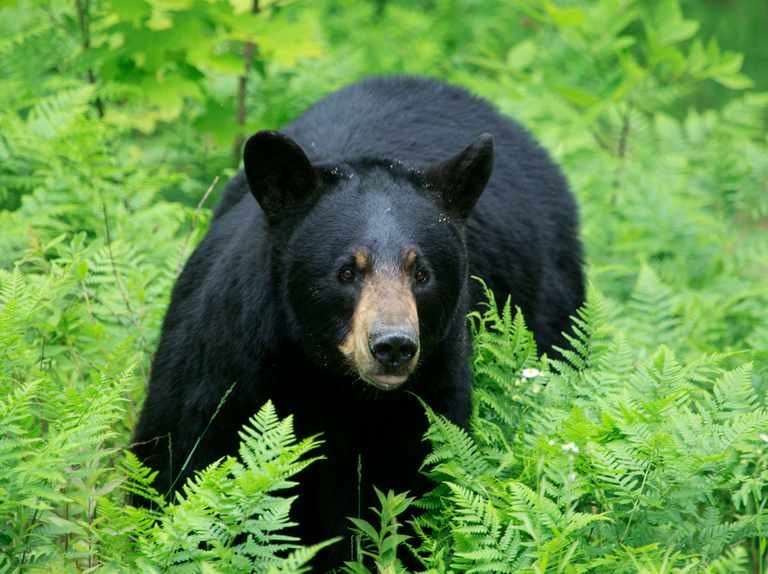
Just before the 3.5-mile turnaround, Smith saw two black bear cubs. An avid outdoors person—she attended Adirondack Woodcraft Camps for 12 summers—Smith knew the mama bear would be nearby, and she had to avoid getting in between her and her babies.
“I thought, alright, this is fine, I’ll turn around early. That’s okay,” Smith told Runner’s World. “I turned around and mama is already charging toward me.”
Black bears, Smith said, are supposed to be scared of people, and in the past, they’ve run from her. But it’s a different story when cubs are involved, so Smith started screaming and made herself big. (The National Parks Service recommends talking to bears in a calmed tone and making yourself appear larger than you are, but other organizations recommend yelling at the bear.)
“She was not having it,” Smith said. “I couldn’t run forward because the cubs were there. And I couldn’t go backward, so I went left into the woods.”
Smith ran, screaming the whole time, forcing her way through heavy underbrush, bogs, marshes, and creeks. Every time she turned back or slowed down she could hear the bear thrashing behind her. Smith kept turning left, using her arms to swim through branches and leaves.
“It was getting dark and [the bear] sees better than I do in the dark, and all I’m thinking is, I gotta keep moving,” Smith said.
Eventually Smith came to a tree shaped like a V, surrounded by smaller trees. She used those smaller trees to make her way up the larger V tree.
“I can’t just climb up any tree because bears can climb,” Smith said. “But by using those smaller trees, I crushed them and was thinking the bear can’t get to me because she’s too big.”
She threw her sports bra, socks, and shoes down at the bear to scare her off, leaving Smith with just her running jacket and shorts, wet and cold from the rain.
Smith doesn’t know how long the bear circled the tree, trying to climb up. All she could see was the animal’s eyes looking up at her. Smith’s Garmin watch—and her only light source—died at 9:47 p.m., leaving her in total darkness.
The temperature dropped into the 40s, and Smith did everything she could to stay warm. She couldn’t sit because of the shape of the tree so she alternated between standing on one leg and squatting, hugging the trunk tightly for hours until
“I couldn’t cry, because I needed the water. I peed myself again because I was scared shitless—thank goodness because [the pee] was so warm, and thank God I had something good to eat before I left,” Smith said. “I started thinking about the normal stuff you think about when you think you might die. What did I say to my mom and my sister? I told them where I was going and when I’d be back. I knew they were looking for me. But there was no civilization for God knows how many miles.”
At some point—Smith had no concept of time after her watch ran out of battery—there was a light in the distance, making a whirring sound. It was a helicopter. But it was too far away to see Smith.
When the sun came up, Smith looked around from her perch and didn’t see any sign of the bear. Smith jumped some 15 feet down from the tree and looked for her New Balance 1080 shoes and, unsuccessfully, her socks and sports bra. She took off running, heading east.
She heard sirens in the distance and knew she was heading in the right direction. And then Smith came upon a blue trail marker.
“I was like, “Oh my God, it’s a trail. It’s a horse trail,’” she said.
She took off her shoes—her feet were covered in blisters from running without socks—made a sports bra out of her rain jacket, and sprinted down the trail.
“I felt like I was sprinting, but I probably wasn’t moving that fast,” Smith said, laughing.
She hit the main trail from where she started the night before and then passed over Route 28, the main road.
“I knew I was going to make it home,” she said.
About a mile from her house, Smith saw her friend’s car—the entire town had been out looking for her—and her friend drove her home, where her family, fire trucks, and ambulances were waiting.
Smith went to the hospital, where she was admitted overnight for observation because bloodwork revealed she had toxins in her system. Because Smith’s muscles had been contracted for hours while hugging the tree trunk, the breakdown of the muscles released toxins into her bloodstream.
Later, as runners are wont to do, Smith calculated her distance and estimates she was chased for roughly five miles, and covered 12 to 15 miles to get home.
“I’m not at all surprised by Rachel’s tactics,” Molly Peters, coach for the cross-country and Nordic ski teams at St. Michael’s College, told Runner’s World. “Rachel is one tough cookie. She is a strong, intelligent, and quick-thinking person. That mama bear didn’t stand a chance.”
The rising junior will head back to school this week where she’ll continue to study pre-pharmacy and biology, with a minor in chemistry. And while local news outlets reported Smith was found safe, she is suffering from physical injuries, nightmares, and plausible post traumatic stress disorder.
“I wake up screaming. I can’t be alone,” Smith said. “All I want to do is go on a run to shake everything off, but [until I heal] I can’t.”
What happens if you encounter a bear on the run? Here are a few quick tips from Kate Kuykendall, an expert and spokesperson for the National Parks Service:
Move slowly—preferably sideways to give the bear space—and do not go between a mother and her cubs.
Make it clear that you are not prey.
If you have children, pick them up so they don’t appear small, and don’t turn your back.
If the bear is not in attack mode, speak in a low, calm voice to the animal and make yourself appear large by opening your jacket or holding a pack over your head.
If attacked by a black bear, try to scare it off by making noise and appearing as large as possible.
If attacked by a brown (grizzly) bear, play dead until (hopefully) the bear loses interest and wanders off.
(09/06/20) Views: 101Runner’s World

Kenyan Peres Jepchirchir smashes half marathon World Record in Prague
The Kenyan middle-distance runner had only herself to race in Prague after breaking away from the pack after 20 minutes
Kenyan runner Peres Jepchirchir has smashed the women-only race half marathon world record at the Prague 21.1KM on Saturday.
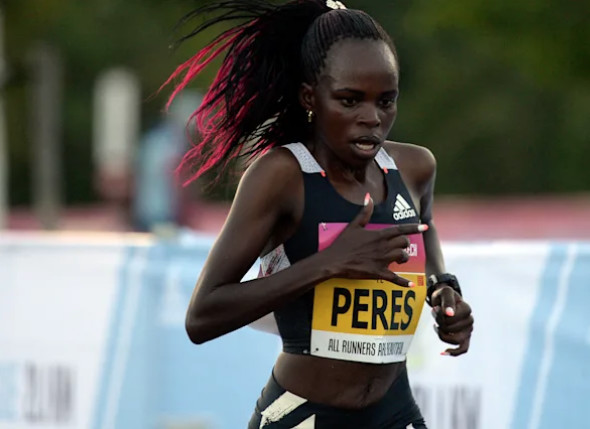
The 26-year-old clocked 1:05:34 over 16.5 laps of Letna Park’s oval course to obliterate Netsanet Gudeta’s previous best mark of 1:06:11, set at the 2018 World Half Marathon Championships.

Jepchirchir broke away from her rivals after just 20 minutes, passing 10 kilometres in 30:32. The lack of pacemakers started to show as her pace slowed in the second half of the race, but she still finished well under the previous record.
“I thank God… I’m so excited… I’m satisfied with the result although I thought I could have run 64:50, but I thank God for what He has given me,” the 26-year-old told reporters after the race.
“It was difficult to run alone. If I could have had (good) pacemakers, I could have run 64.”
This is Jepchirchir’s second world record over the distance. In 2017 she clocked 1:05:06 in a mixed-race in Ras Al Khaimah, UAE - a record which stood for just under two months.
Later at the Prague 21.1km, the men are hoping to break 58:30, a time surpassed only twice in history.
While there was no record broken in the men's race, victorious Kenyan Kibiwott Kandie did manage a Personal Best time of 58:37.
Jep chirchir’s achievement comes a day after another record-breaking event at the Brussels Diamond League on Friday 4th September, where Sifan Hassan and Mo Farah set new one hour world records.
Dutchwoman Hassan, who won 10,000m gold at last year's World Championships, covered a distance of 18.930km, while four-time Olympic champion Farah broke Haile Gebrselassie's one-hour world best to set a new mark of 21.330km.
(09/05/20) Views: 83

Valencia Marathon has announced that it will hold a top-level elite-only event on December 6, 2020
Within a week of cancelling the Valencia Marathon Trinidad Alfonso EDP has announced that it will hold a top-level elite-only event on December 6, 2020.
The event will be held together with a separate half marathon race also only for elite runners. It is expected that both races will include elite athletes who will approach the world records for both distances.
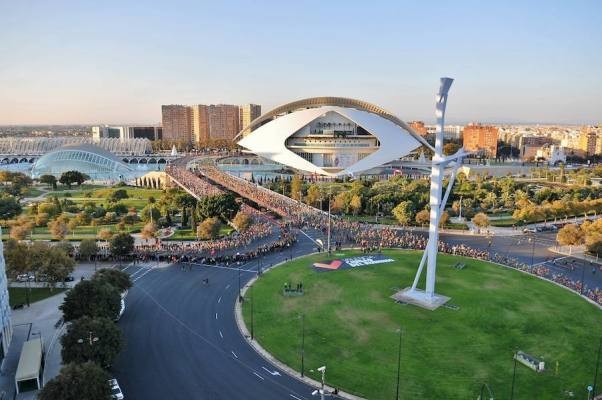
This elite edition will be possible thanks to the financial support of businessman Juan Roig through the Trinidad Alfonso Foundation, over which he presides. The Foundation is driving this top-level double event within the #EActíVateSport strategy that it launched to promote the reactivation of sporting events in Valencia.

This elite edition will be held for about 250 professional runners who will be attempting to qualify for the Tokyo Olympics in the summer of 2021. This year, due to the COVID-19 crisis, only the London Marathon, which celebrates its 40th anniversary in 2020 like the Valencia Marathon, will also offer top-level international competition at the Marathon distance. Participants in the MyBest42 elite programme will be in the hunt of the Olympic qualification as well as another 50 athletes looking for their best in the Half Marathon.
The two races will not be held concurrently. The organization plans to create a health zone around the event and will take exceptional safety measures to minimize any health risk. The races will be held on a reduced circuit coordinated with local authorities, to reduce the impact on the city.
(09/11/20) Views: 62
London Marathon Creates a Biosecure Bubble for the Upcoming Elite-Only Race
All runners will stay in the same hotel, and will be allowed to train on the surrounding 40 acres.
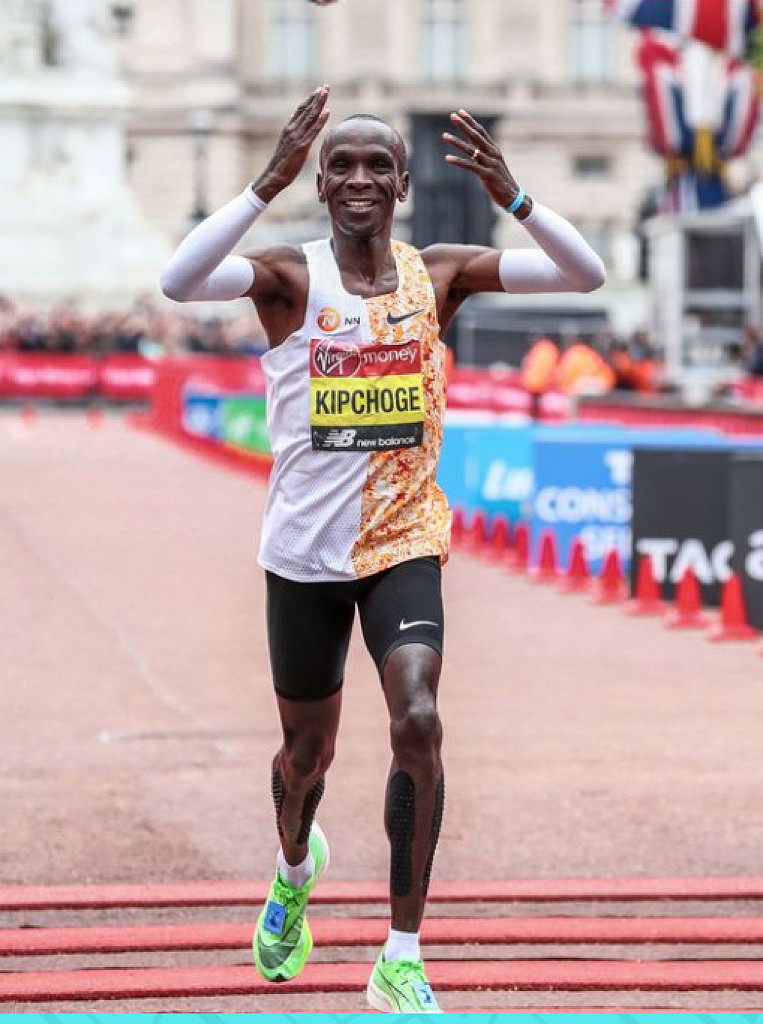
The London Marathon, scheduled for elites only on October 4, is creating a bubble environment to protect the runners and necessary staff.

This will be the first World Marathon Major to take place since the Tokyo Marathon was run as an elite-only race on March 1.
On Thursday, September 3, race organizers for the World Marathon Major announced plans to implement a biosecure bubble for the elite-only race on Sunday, October 4. The biosecure bubble will be created using a strict testing protocol and an athlete-only hotel surrounded by 40 acres for runners to train ahead of the marathon.
“It is our duty and responsibility to ensure this event is held in a safe and secure environment,” Hugh Brasher, the London Marathon event director, said in an announcement. “We have looked at other examples and taken learnings from other sports which have returned to action as we developed our detailed plans for this biosecure bubble around the event.”
To enter the biosecure bubble, athletes will be required to test for COVID-19 in their home country four days prior to travel. They will be tested once again when they arrive at the athlete hotel in London, and testing will continue until the Friday before the event. The hotel will be used exclusively by athletes, support staff, and race officials, all of whom will be required to remain socially distant from each other and wear face masks at all times with the exception of training, eating, and being inside their single rooms.

“By finding a hotel for exclusive use and putting in place the strict testing, hygiene and security measures to protect the bubble, we are confident we have created the safest environment possible for everyone,” Brasher said.
The race will be held over 19 laps on a 2.15K-closed course around St. James’s Park plus an extra 1,345 meters to the usual finish line. To keep the competition secure, no spectators will be allowed on the course.
The London Marathon, originally scheduled to run in April, is the first World Marathon Major to take place since the coronavirus was declared a global pandemic on March 11 (the Tokyo Marathon staged an elite-only race on March 1). Outside of running, the NBA became the first professional sports organization to start back up, creating a bubble in Orlando, Florida, in an effort to protect players during a three-month season.
For many athletes, the London Marathon will be their first major competition of 2020 due to COVID-19 restrictions, which forced many events to be postponed or canceled.
The men’s race features a highly-anticipated match-up between world record-holder Eliud Kipchoge and 2019 Berlin Marathon winner Kenenisa Bekele. In Berlin, Bekele came within two seconds of breaking the 2:01:39 world record set by Kipchoge at the 2018 Berlin Marathon.
Brigid Kosgei leads the women’s field after breaking the world record at the 2019 Chicago Marathon. She will be competing in her first race since the RAK Half Marathon in February when she finished second to Ababel Yeshaneh who broke the half marathon world record.
Americans Sara Hall, Molly Seidel, Lindsay Flanagan, and Jared Ward will be competing in London as well.
On August 7, Hall ran an impressive half marathon personal best of 1:08:18 with two male pacers and two of her daughters following at a distance in a race staged by Eugene Marathon organizers.
In February, Seidel made her first Olympic team in her 26.2 debut when she finished second at the U.S. Olympic Marathon Trials in Atlanta. Flanagan finished 12th at the Olympic Trials.
For Ward, a 2016 Olympic marathoner, London will be his first major marathon since finishing 27th at the Trials.
While the 40th running of the London Marathon will feature elites only, 45,000 people signed up to participate in the virtual 26.2.
(09/06/20) Views: 58Runner’s World
2021 registration for Boston Marathon has been Postponed
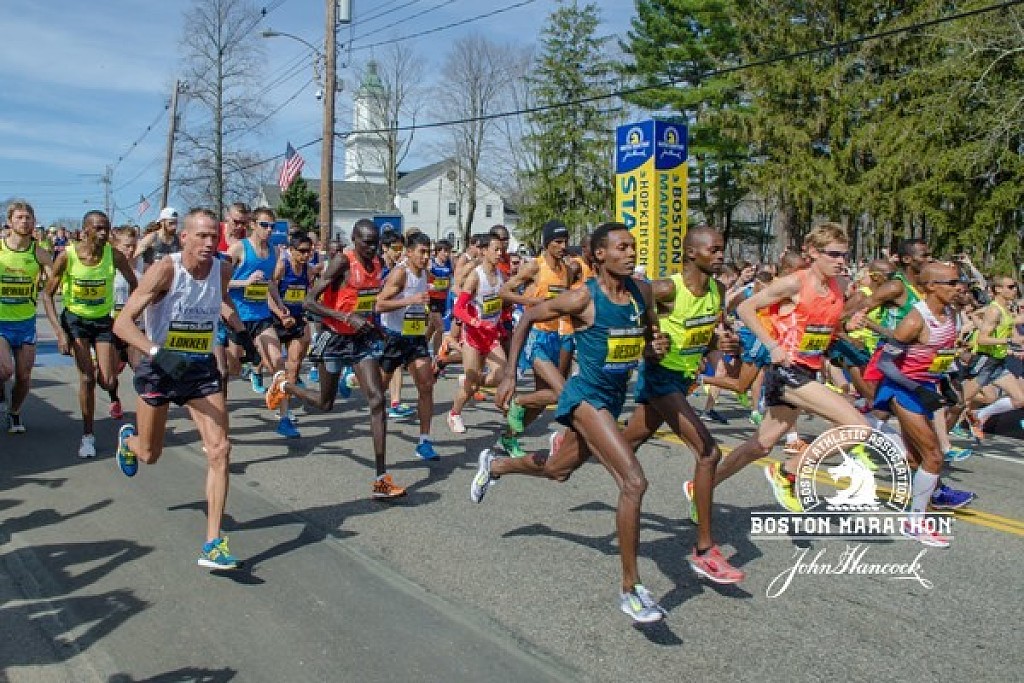
Registration for the 2021 Boston Marathon has been postponed, the Boston Athletic Association announced Thursday. Registration was supposed to take place in September, but has been delayed due to the COVID-19 pandemic.
The B.A.A. also announced the formation of the COVID-19 Medical & Event Operations Advisory Group, which is comprised of medical, public safety, and race operations experts, as well as city and state officials. The group will establish a framework to advise the B.A.A.’s leadership, board of directors, and staff on when, and how, the Boston Marathon and other large, in-person B.A.A. road races can be held safely again.
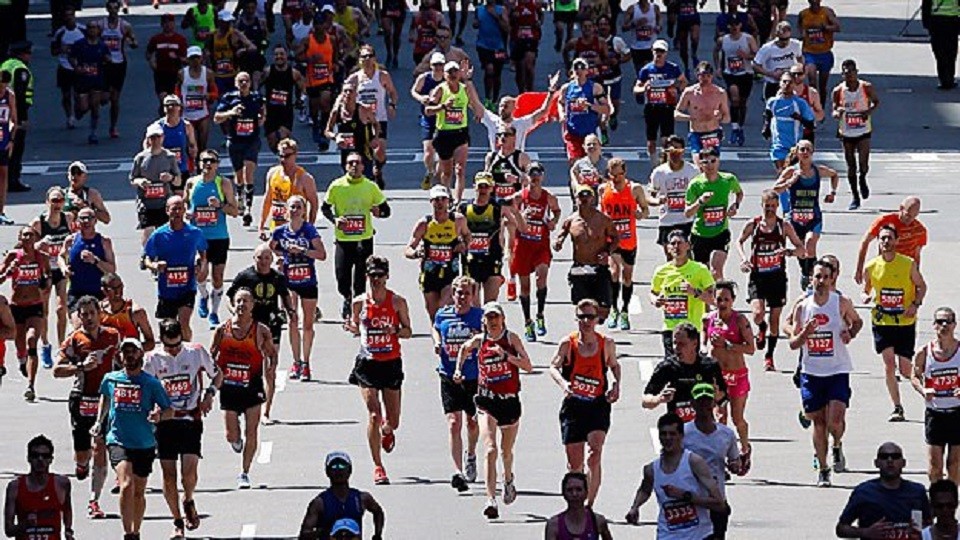
“COVID-19 has affected mass participation road races in ways that we never could have imagined,” said Tom Grilk, C.E.O. of the B.A.A. and co-chair of the advisory group. “Convening this cross-sector group of professionals with decades of experience in epidemiology, viral infection, mitigation strategies, and our own race operations was entirely necessary to begin planning for the 125th Boston Marathon.”
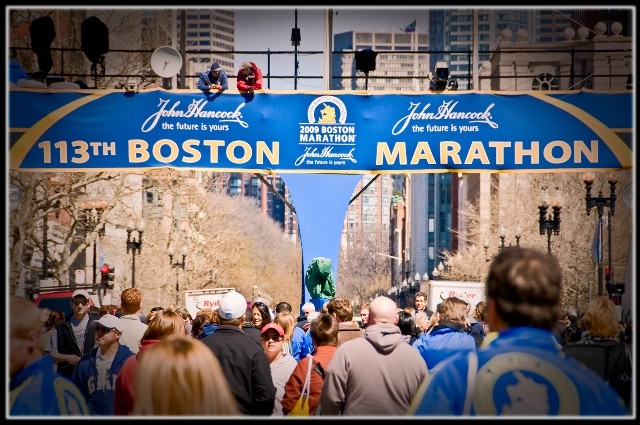
The Medical & Event Operations Advisory Group will recommend strategies that address the health and safety of participants, volunteers, staff, and community members. Recommendations will be developed in accordance with the most current guidelines issued for large-scale events by the World Health Organization and Centers for Disease Control. The group will develop framework for the B.A.A. that addresses risk factors specific to the Boston Marathon including size and other local and international considerations for the pandemic. Outcomes, including an updated registration timeline for the 125th Boston Marathon, will be shared.
“We seek to determine with some specificity how and when large-scale road running events organized by the B.A.A. may be able to reasonably resume, while also providing input on which operational aspects will change as events are organized and managed,” said Dr. Aaron Baggish, Co-Medical Director for the B.A.A. and Boston Marathon, Director of the Cardiovascular Performance Program at the Massachusetts General Hospital Heart Center, and co-chair of the advisory group.
“September is usually a time for the B.A.A. to begin opening registration for April’s Boston Marathon and planning for an already established field size. We know, however, that we cannot open registration until we have a better understanding of where the virus may be in the spring. This group will be immensely helpful in helping the B.A.A. determine a safe return to in-person running events of magnitude,” said Grilk.
The 2020 Boston Marathon, originally scheduled for April 20, was postponed to September 14 by Boston Mayor Martin Walsh due to the COVID-19 pandemic. On May 28, following Mayor Walsh’s announcement cancelling the marathon as a live, mass participation road running event, the B.A.A. announced the Boston Marathon would be held as a virtual event from September 5 to 14.
(09/04/20) Views: 56
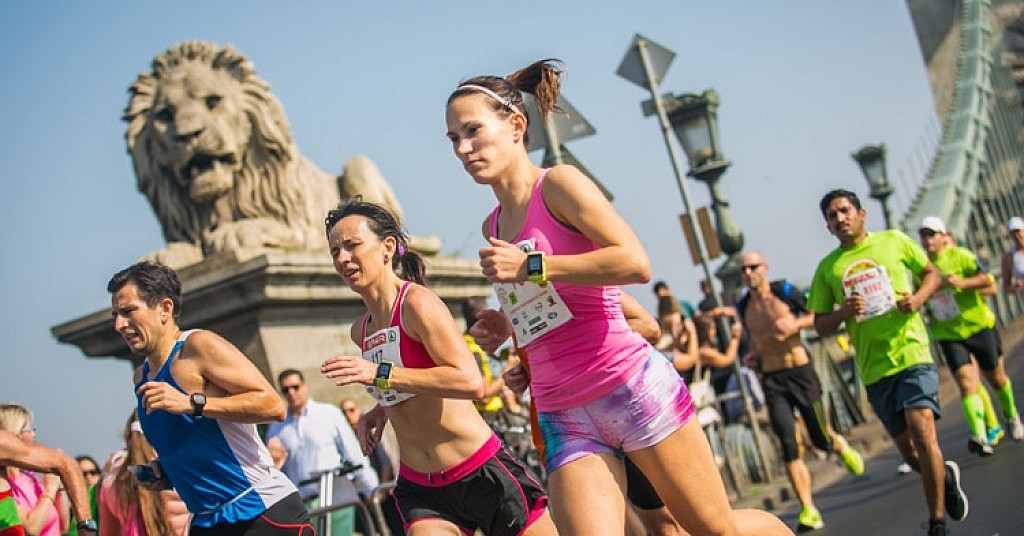
Few participants run Budapest Half Marathon due to the pandemic
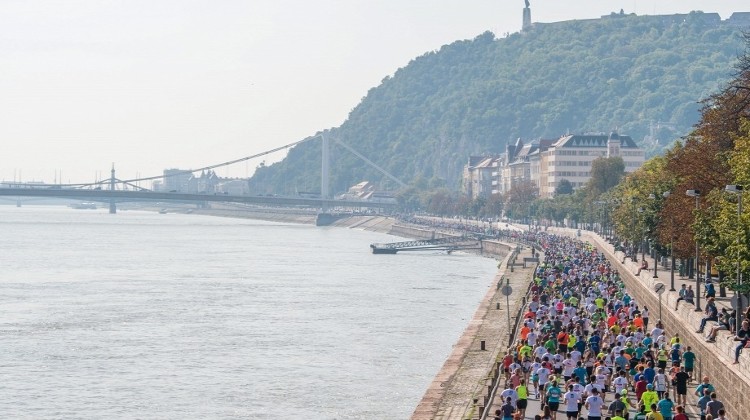
A total of 5,600 runners from some 600 countries took part in Sunday's Budapest Wizz Half Marathon, a fraction of the tens of thousand participants usually taking the scenic route.
"As a result of the increase in the number of COVID-19 cases in Hungary, the Hungarian Government has introduced entry restrictions that make it now impossible for foreigners to enter Hungary. Foreigners will only be allowed to enter Hungary in the case that it is highly necessary," the organizers notified participants.
Organizers BSI (Budapest Sport Office) offered a special virtual race for those who cannot be at the race in person: "Run anywhere in the world, and anytime between September 2 and September 8, submit your result and get the same Finishers Medal, technical Event T-Shirt and the Wizz Air 20 euros value voucher shipped right to You!"

The event was held with strict safety rules in order to preserve the health of the runners, such as compulsory wearing of masks in the start and change zones, as well as the race center. There was a body temperature check before giving the start numbers.
The start of the race was done in smaller groups of a few hundred people, as opposed to the usual big launch of several thousand.
Finishers got their running medal in their hand, not on their neck.
There was no shower on site, and people were asked to leave the scene as soon as possible after reaching the finish line.
There were also many hand sanitizing points and people were asked to keep two meters distance from one another.
The Budapest marathons and half marathons are sightseeing running tour events: world heritage sites are present along the course, bridges across the Danube, Gellert Hill, Buda Castle, the Parliament of Budapest, Margaret Island, and other scenic spots.
Since the running event usually draws more than 60,000 people including family members, the city council of Budapest has limited the number of major running events to three per year, in order to cause less disturbances in the traffic of the Hungarian capital.
In the men's event, Gaspar Csere, 29, from Hungary won the race with a time of 1:06:29, whereas the fastest female athlete was Katalin Kovacs-Garami, 40, from Hungary with a time of 1:18:52.
(09/07/20) Views: 56
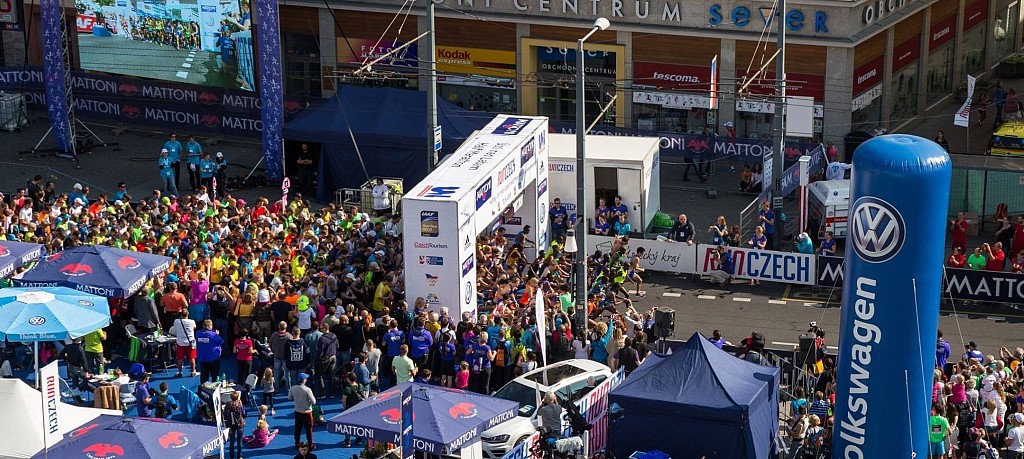
Green light for Czech races
Every day there is a new change in coronavirus restrictions and we are constantly looking for solutions on how to organize a safe event.
We set up a meeting with representatives of Liberec and Ústí nad Labem regions and their corresponding hygiene station last week. We can happily announce that we have received a green light for organizing the Mattoni Ústí nad Labem Half Marathon (September 19) and the Mattoni Liberec Nature Run (October 4).
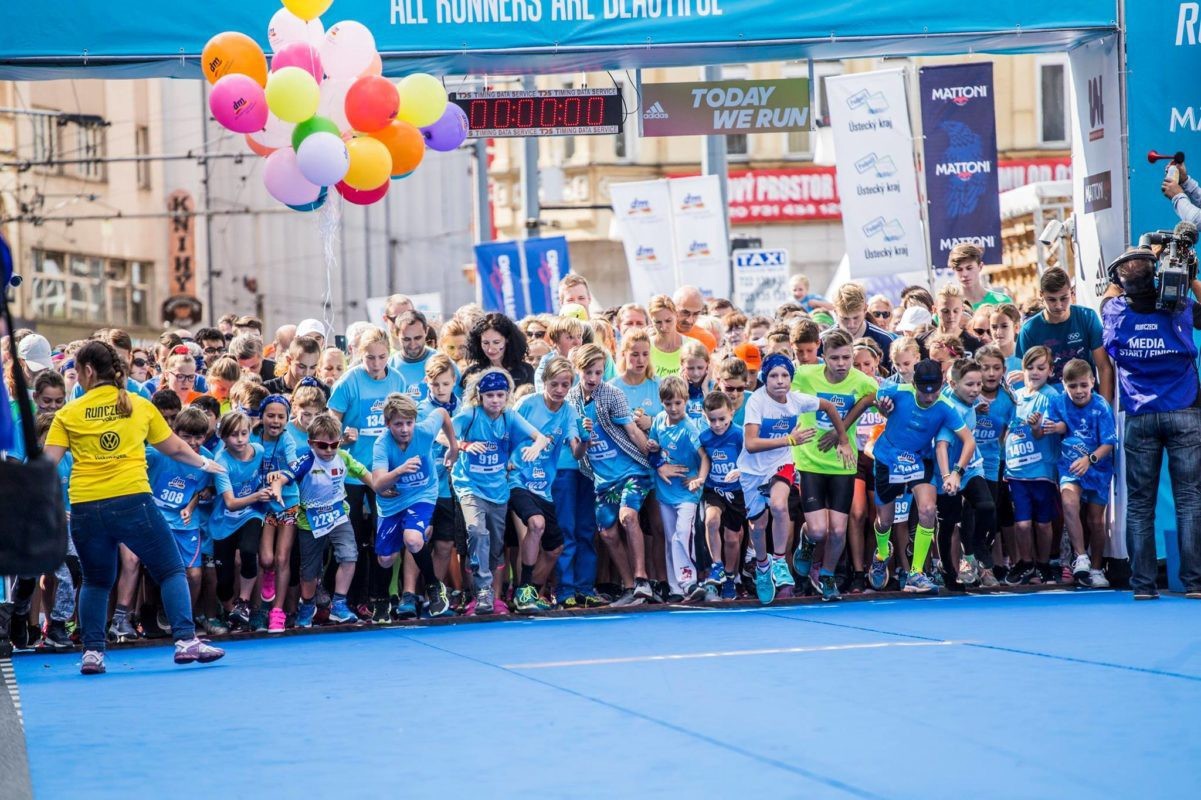
We can’t wait to see you at the starting line and then release you to the course. However, there will be some regulations that all of us have to follow for maintaining safe conditions:
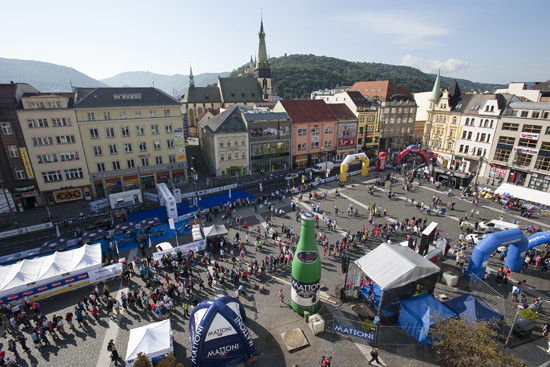
Masks will be mandatory to wear during the pick-up of start numbers, in the technical area and in start and finish corridor
The start of the race will be operated in several stages (starts will be divided after few minutes) – There will not be any showers or taping zone in technical area (lockers and depository will remain, but the amount of people will be limited)
There was a modification in timings of racing day to avoid groupings of runners from various races (times were updated at our website)
There will be limitations of some products at refreshment stations
We will send you more specific steps and regulations by email just before the race. We would like to ask you to follow these instructions. We strongly believe that none of them will affect your joy after you cross the finish line. You still have a chance to participate in a top-class race, whether you choose to run through an industrial area or granite quarry. Thank you for understanding and we are looking forward to seeing you all.
If you are going to participate in later races (the Mattoni Half Marathons in Olomouc, Karlovy Vary and ÄŒeské BudÄ›jovice) please wait for more information. Meetings are being held in the following week.
(09/04/20) Views: 54
