

Running News Daily
Top Ten Stories of the Week
9/5/2020
These are the top ten stories based on views over the last week.
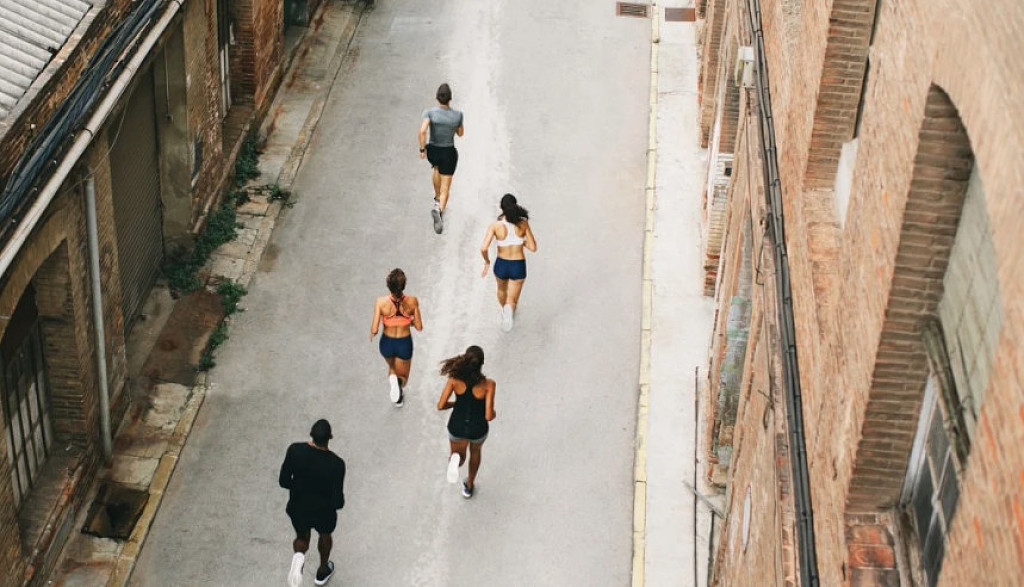


Stop Counting Your Running Mileage
It’s the one training metric virtually all runners track, but running scientists think we can do better
Even in this brave new world, with wearable technology that tracks and shares our every twitch and palpitation, the fundamental unit of training data for runners is still very old-school: How many miles did you run last week? In fact, as a new opinion piece in the Journal of Orthopaedic & Sports Physical Therapy notes, the rise of GPS watches has only strengthened our obsession with tracking mileage. And that, the article’s authors argue, is a problem—or at least a missed opportunity.
The authors have plenty of cred in the world of running science. Lead author Max Paquette is a biomechanist at the University of Memphis (and the husband, for what it’s worth, of 15:10 5,000-meter runner Lauren Paquette). Chris Napier and Rich Willy are highly respected physical therapists and researchers at the University of British Columbia and the University of Montana. And Trent Stellingwerff is a physiologist and coach who works with the Canadian Olympic team (and the husband of two-time 1,500-meter Olympian Hilary Stellingwerff). They’ve all tracked plenty of mileage totals in their time. But they think it’s time to move on.
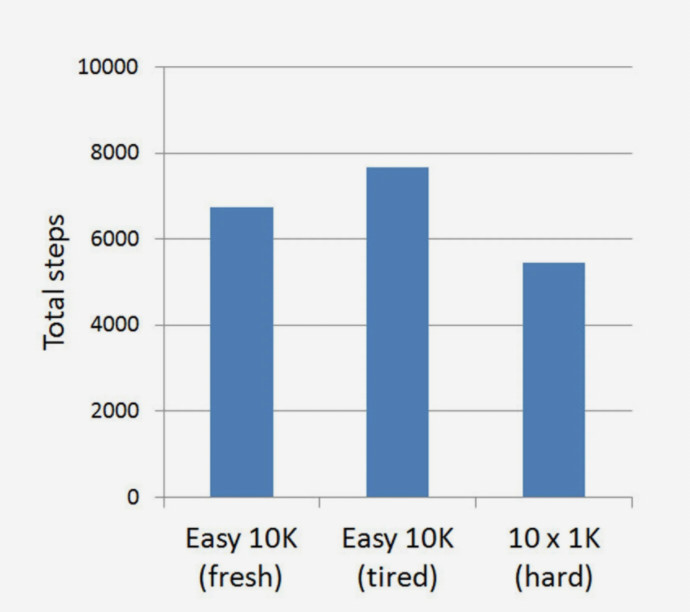
The first part of their paper explains why relying on mileage alone to track training is a problem. Their basic point is fairly obvious: the distance you cover often isn’t a good proxy for how much stress you’re putting on your body. An easy 10K trail run is very different from 10 x 1,000 meters all-out on the track in spikes. And, more subtly, an easy 10K run is harder on your body if you’re exhausted from previous training than if you’re fresh.
There are two reasons to care about getting an accurate sense of the training stress you’re incurring. One is that it will determine how tired you are (in the short term) and how much fitter you get (in the long term). Getting the balance between fatigue and fitness right determines how fast you’ll race. The other is that it will determine, or at least strongly influence, your risk of injury.
On the first question, there’s a fairly long history of research into figuring out a better way of quantifying the balance between fitness and fatigue. What you need is something that takes into account how hard you run, not just how far. There are different ways of measuring “hard,” either externally (pace) or internally (heart rate, perceived effort). Either way, if you multiply duration by intensity for each day’s session, you get a measure of “training impulse” that carries a lot more information than mileage alone. When I covered Nike’s Breaking2 project, the scientific team used a method like this to analyze the training of the three runners. (For kicks, they analyzed mine too, and concluded that I needed to train harder, because I wasn’t building up much cumulative fatigue. They were right.)
Cyclists have already taken this information to heart, in part because power meters make it easy to quantify exactly how hard you’re pushing at any given moment. Software like TrainingPeaks can also calculate equivalent “Training Stress Scores” for running, based on pace data. In my circles, no one asks what your training stress was last week, but the idea is definitely out there. You can do a simple, tech-free version yourself by multiplying the duration of your run (in minutes) by the session’s average perceived effort (on a scale of 1 to 10), and totaling the points you accumulate each week. That would give you a better sense of how hard the week was, in a physiological sense, than mileage alone.
Having said all that, it’s the second problem—injury risk—that makes the new paper most interesting. Most studies that have looked for links between training patterns and injuries have used mileage as the sole measure of training load. Some also look at running pace. What’s missing once again is a combination of those two, but in this case it’s trickier to figure out what that combination should be.
The paper includes a fascinating table that compares three different scenarios that each involve 10K of running: an easy run on a soft trail in cushioned shoes when fresh; a similar easy run when tired; and a track session of 10 x 1,000 meters in rigid spikes. The paces represent an elite runner: 6:00 miles for the fresh easy run, just under 7:00 miles for the tired run, and 2:45 per kilometer (4:25/mile pace) for the intervals. For the tired run, the runner’s average cadence drops from 180 to 177, but the total time is greater, meaning that he takes more steps in total. For the track session, cadence jumps to 198, but the time elapsed is way less. Here’s how the total number of steps compares:
If you care about injury risk, this is a big difference! But there are more variables to consider. The faster you run, the harder your foot smacks into the ground: the track session has a peak vertical ground reaction force of 3.3 bodyweights, compared to just 3.1 for the fresh easy run and 2.9 for the tired easy run. That difference adds up with each step. Similarly, the peak Achilles tendon force is 11.5 bodyweights on the track, compared to 10.0 for the fresh run and 9.1 for the tired run.
At this point, it would be cool to give a formula for how you combine these and other variables to give you an estimate of how likely you are to blow your Achilles. Unfortunately, no one knows the answers. There have been some early attempts: a study published a few years ago at the University of California, Davis, had nine college runners wear a hip-mounted accelerometer in order to calculate the cumulative ground reaction forces that they experienced with each stride over a 60-day period. With such a small sample, it’s hard to draw any conclusions—but the three runners who ended up getting injured did, on average, accumulate more ground reaction force per run.
What Paquette and his colleagues are really calling for is more research like the UC Davis study. Wearable tech has advanced so much in recent years that it’s possible to get detailed biomechanical information from ordinary consumer devices. And with further development, these devices may be able to narrow it down and estimate the load on individual parts of the body like shin bones and Achilles tendons. Somewhere in that mountain of data, there should be one or more measures of cumulative training load that beat mileage as a predictor of injury risk.
Will this approach usher in a new era of perfectly predictable training? Probably not. “Even with the best monitoring approaches,” the authors acknowledge, “differences in individual runners’ tissue load capacity will always make injury prediction elusive.” Predicting race performance will be equally challenging, I suspect. Better data will allow us to improve our guesses, but some fundamental randomness and uncertainty will remain.
That’s not the real reason we still focus on mileage, though. Regardless of whatever superior alternatives scientists come up with, mileage will endure because it has tangible physical meaning both inside and outside the narrow world of running obsessives. The daily struggle is transmogrified into a single number that conveys exactly how far your feet have carried you in the past week, and that you can casually mention (modestly rounding down, of course) in response to the inevitable question from a co-worker or relative. In a pursuit whose meaning and purpose is abstract at the best of times, that’s not nothing.
(08/31/20) Views: 310Outside Online
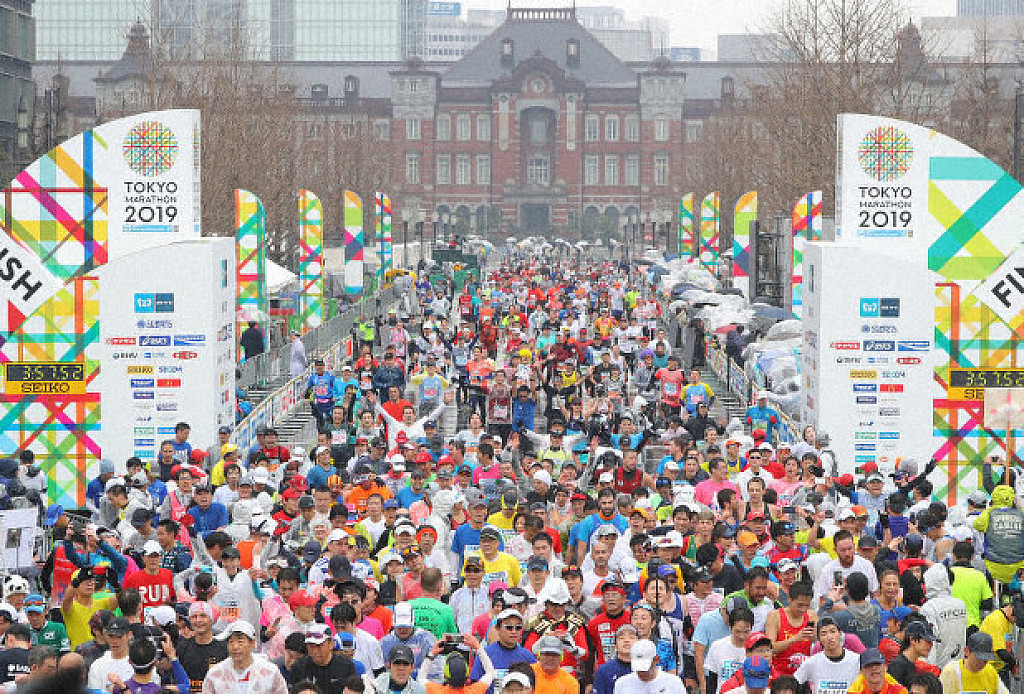
2021 Tokyo Marathon may be moved to fall due to coronavirus
Tokyo Marathon organizers are weighing the possibility of rescheduling next year's race to the fall, should the coronavirus appear likely to remain an obstacle by the usual date in March, sources close to the matter said Monday.
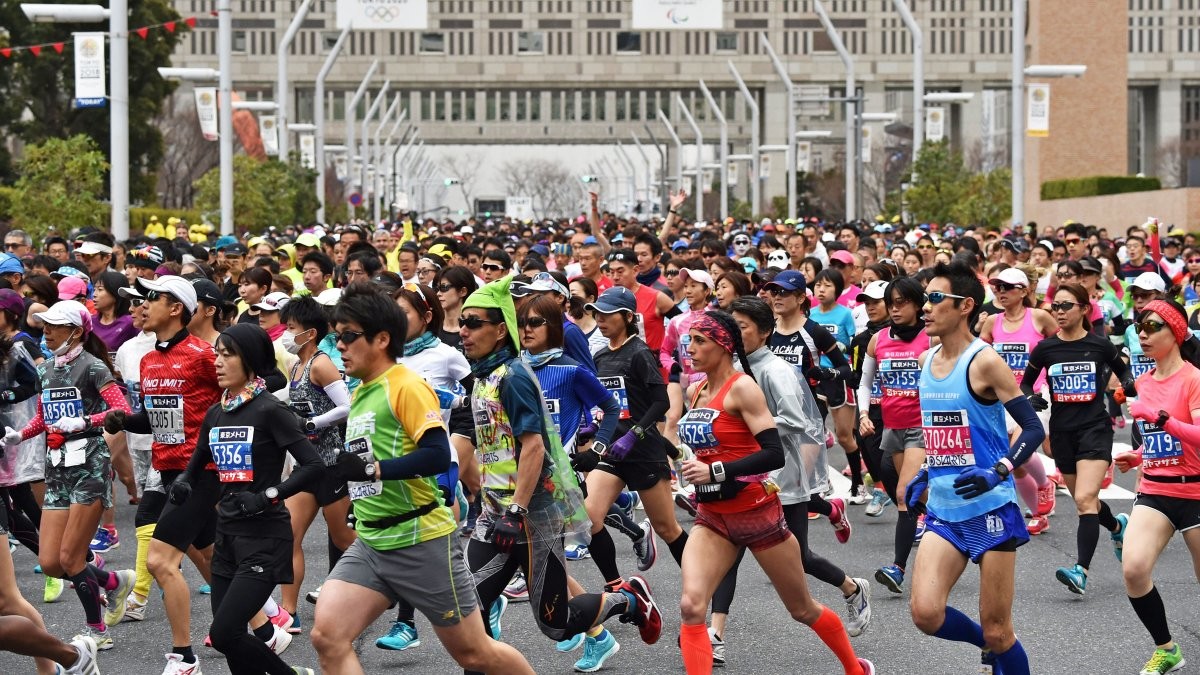
The organizers restricted this year's event to elite competitors in response to the coronavirus pandemic but have indicated they are against excluding general entry runners for a second year in a row.
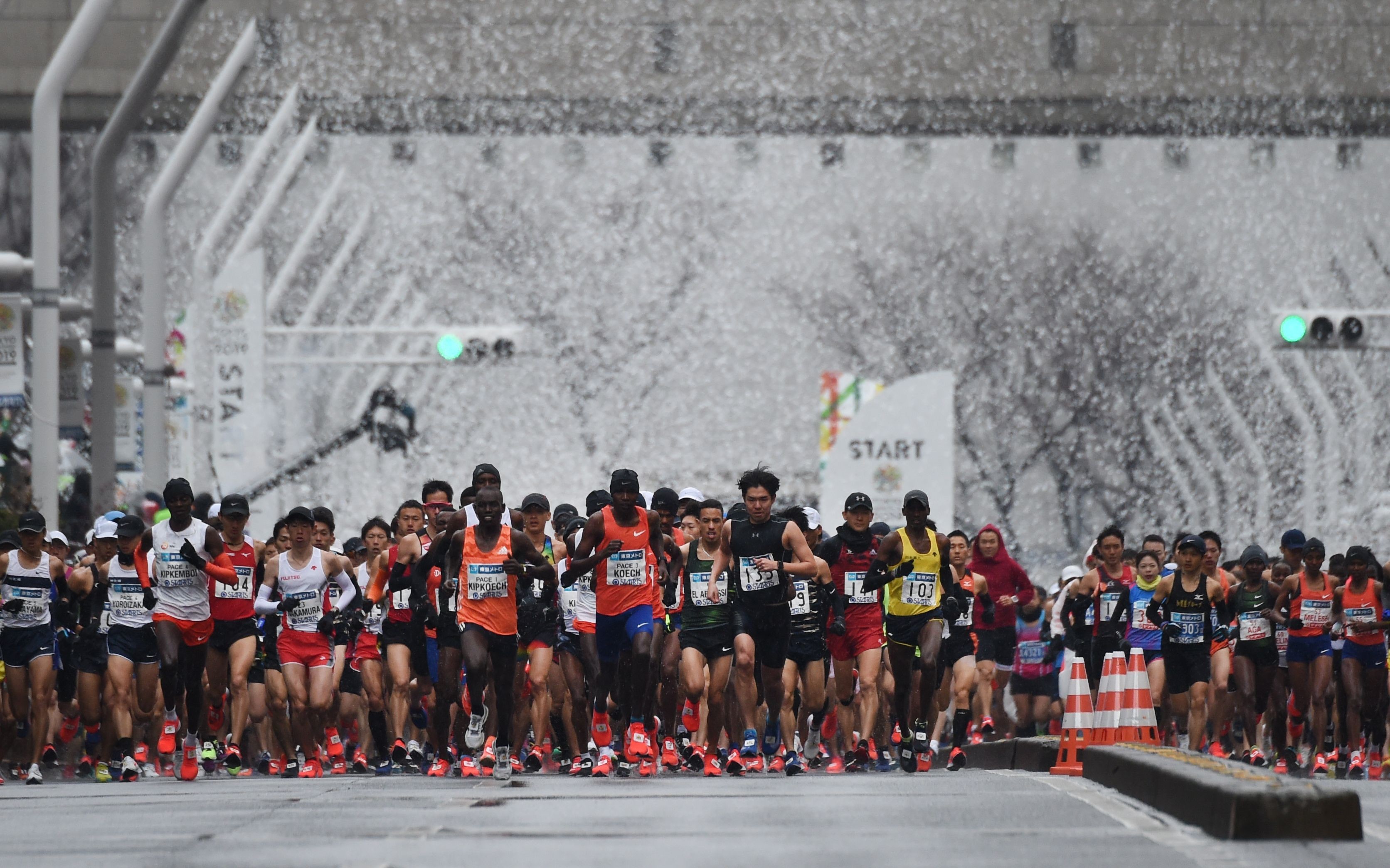
General entrants excluded from this year's race, after initially being accepted via lottery, were given automatic entry to next year's event, scheduled for March 7, or the 2022 event.
The Tokyo Marathon is one of the six World Marathon Majors. This year's races in Boston, Berlin, Chicago and New York have all been canceled, while the London Marathon will feature only elite runners after being postponed from April to October.
(09/01/20) Views: 269
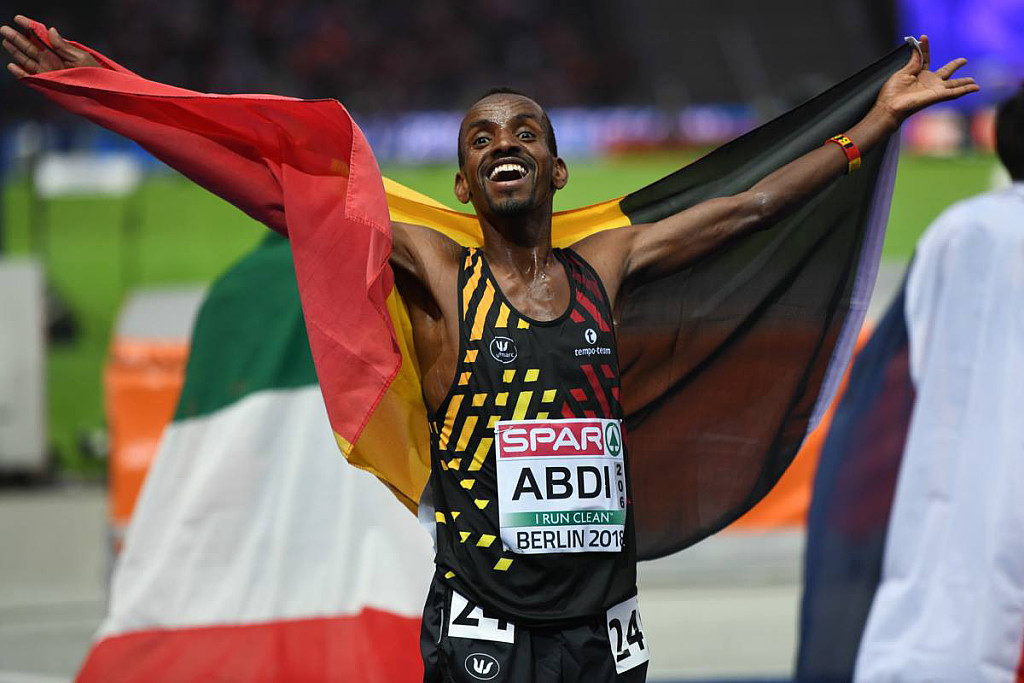
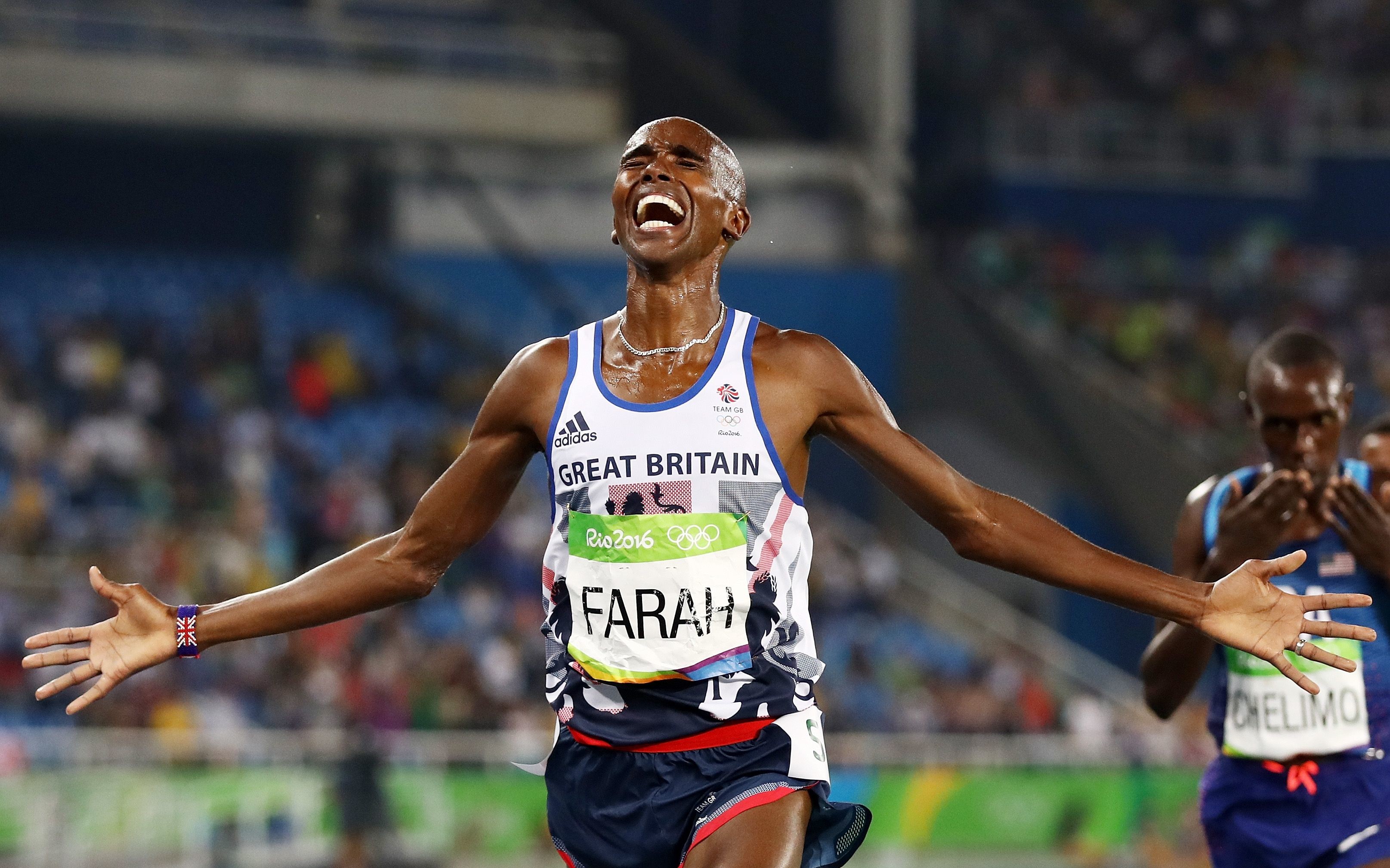
Bashir Abdi and Sir Mo Farah talk about their upcoming one hour world record attempt
When the global implications of COVID-19 were made clear in early March, the UK’s Mo Farah and Belgium’s Bashir Abdi immediately thought about their families. Abdi had just come off of a stellar performance at the Tokyo Marathon – finishing 2nd in a time of 2:04.51 to break his own national record. He then went to Belgium to spend some time with his family but was planning to return to Ethiopia for a training camp in the spring. Farah was still in Ethiopia, training through an injury and looking to find his next race. Deciding to transition back down to the track from the roads meant that he wanted to sharpen his skills a few times in the leadup to the Olympic Games.
Neither, however, had any plans to line up at the beginning of September in an empty stadium in Belgium to break a world record. But since the end of July, the two have been training in Font-Romeu, France, with the goal of breaking Haile Gebrselassie’s one hour record. On September 4, they will be chasing a distance, rather than a time, at the reimagined AG Memorial Van Damme competition.
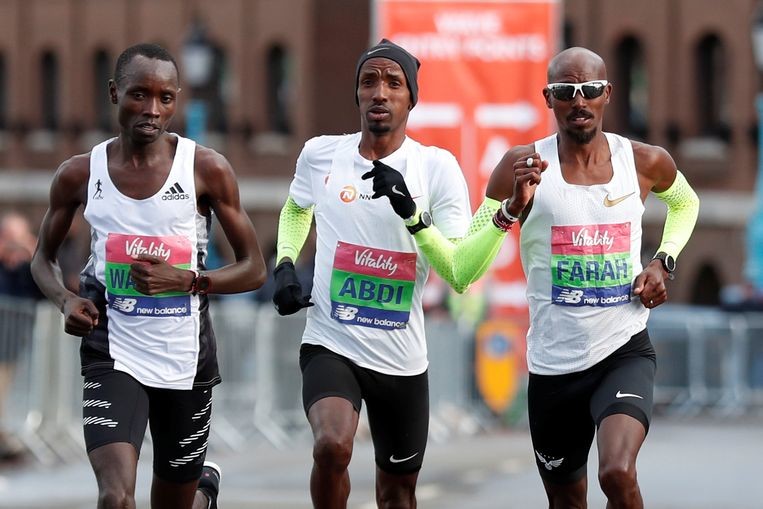
Months earlier, in highland Ethiopia, Farah was focused on getting into some races. “At that time I wasn’t thinking anything except finding a race to test myself,” he said. “I was supposed to go leave at the end of March but so many countries were going into lockdown and I left quickly to make sure I didn’t get stuck and could get back to the UK to be with my family.”
With his four children at home due to school closures, Farah embraced the time with his family after his safe arrival. It allowed him to recover from his injury and was a welcome distraction to the Olympic Games being cancelled. He even got some of his competitive juices flowing while being a stay-at-home dad, challenging his kids and his wife to competitions like mini-triathlons, and shooting football penalties in a dizzied state.
Abdi was in Belgium but was so sure of his plans to return to Ethiopia in April, that he left many of his belongings in a house the Mudane team rents outside of Addis Ababa. Instead, he trained in the uncertainty in a much colder and damper Belgium, and was able to care for his wife before she gave birth in June. “Cancelling the Olympics was obviously sad to hear, especially after getting so much motivation from the race in Tokyo,” Abdi said. “But the most important thing is health, and it was nice to get to spend more time with my family. It would have been a difficult period welcoming in a new child and training for the Games.”
Even as they both embraced the circumstances and stayed in shape at home, the itch to compete lingered. Thus, as soon as the idea was presented to chase the record, they were in.
While in cycling, the one hour record is an oft-contested event, in running it is far more rare. Although the event has roots dating back to the mid-1800s, it never garnered comparable popularity, despite legends such as Paavo Nurmi, Emil Zatopek, Jos Hermens, and the current record holder, Haile Gebreselassie, owning impressive titles at various points.
To get the record, Farah will have to beat Gebreselassie’s distance of 21,285 meters, which he ran in 2007 at the 46th Golden Spike Grand Prix in Ostrava, Czech Republic. However, Gebreselassie had an important asset on his side, which Farah and Abdi will not: a packed stadium. Because of the pandemic, the event will be closed off to spectators. In the final meters when they are throwing down the hammer, the arena will remain still and silent.
But little phases Farah at this point in his career, whose accomplishments are too long to list. “I’ve been running since I was 12 and over the years you just learn from races what works for you and what doesn’t work for you,” he said. Obviously this is a different style of running, but he plans to employ similar tactics for this attempt. “It’s really first just about getting fit – once I’m fit enough to run under 60 minutes for a half marathon I can build smaller components from there.”
(08/28/20) Views: 161Hannah Borenstein
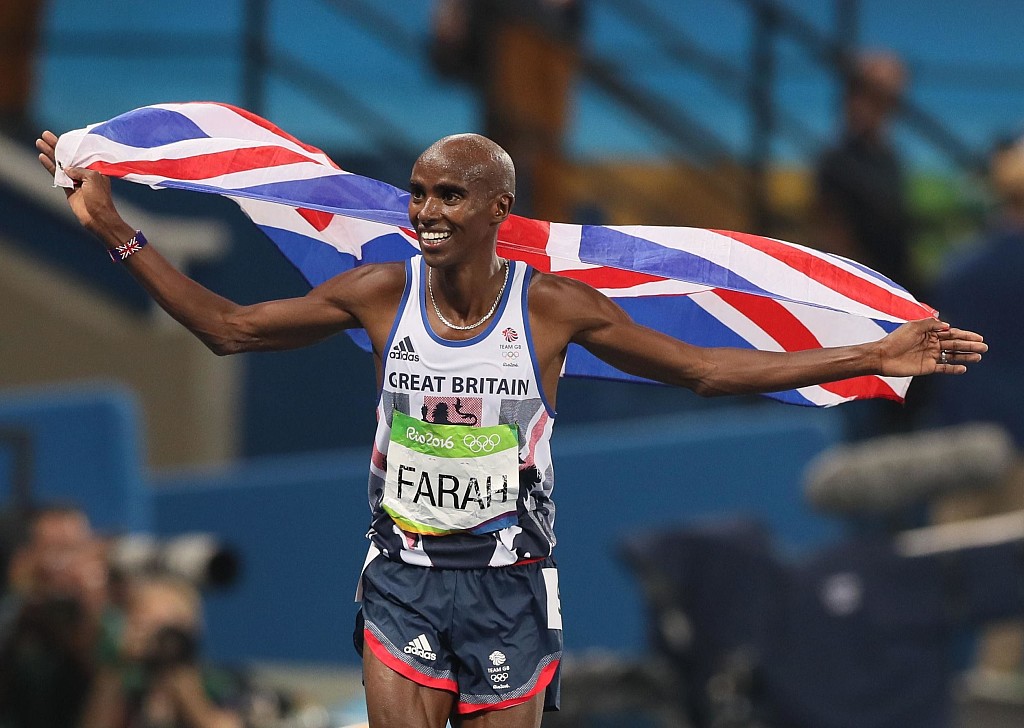
Sir Mo Farah will be targeting a new record in Larne on September 12
Athletics legend Sir Mo Farah will race in the upcoming P&O Antrim Coast Half Marathon.
The four-time Olympic champion has confirmed his entry for the race in Larne on September 12.
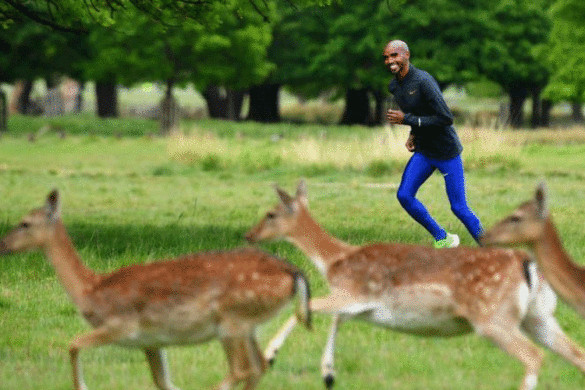
It is another major coup for the organizers who have assembled a stellar line-up of runners to compete in Northern Ireland.
The field also includes two-time world champions Aly Dixon and Iraitz Garro who will be joined by European champions Marc Scott, Jo Pavey and Gemma Steel.
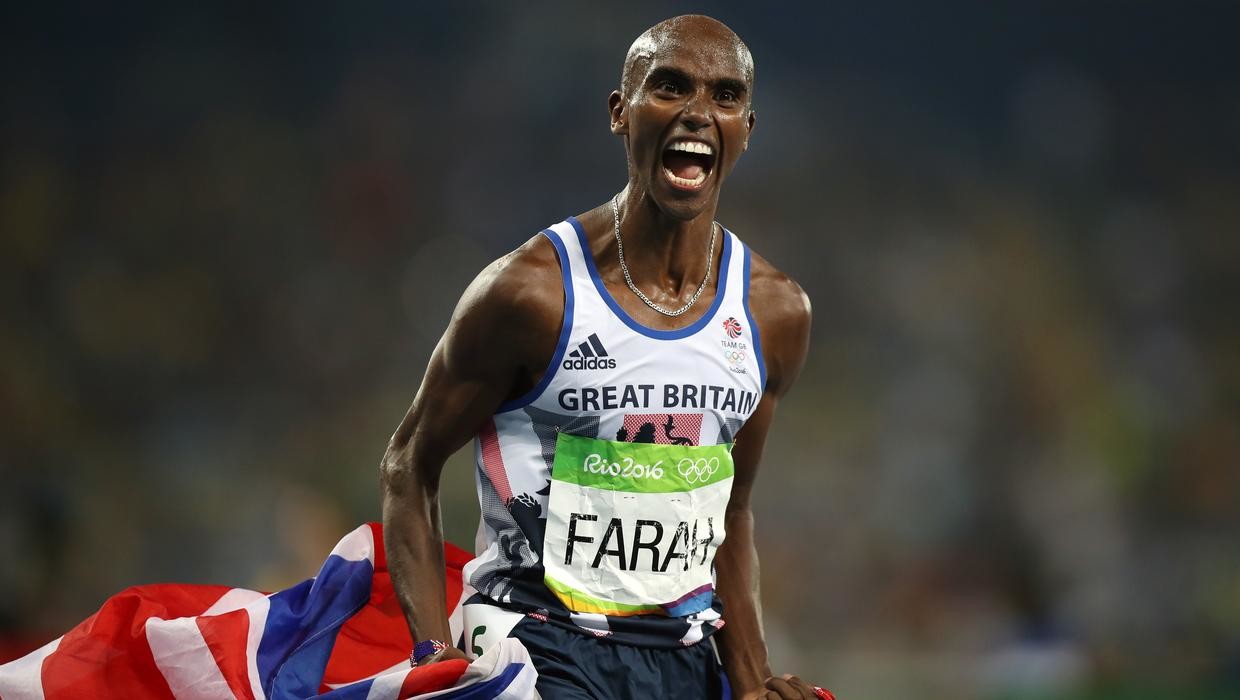
"Hi guys, really looking forward to taking part in the Antrim Coast Half Marathon in Larne on September 12," Farah said in a video confirming his entry.
"One of my good friends James is organizing it and I said 'yes, I'll do it'. We have some great history. I am just really looking forward to it. I can't wait.
"Hopefully it is a fast course. It is really exciting."
Elite race organizers James McIlroy believes next month's field is one of the best ever assembled in Ireland or Britain.
"It is a brilliant line-up and we have a course to match; a very fast course which the runners will love," McIlroy said.
"We are looking forward to Sir Mo and the other elite runners coming over for a great race."
McIlroy added: "I have known Mo for over 20 years. We were room-mates when we were with Team GB, and before that at the UK Athletics High Performance Center.
"It is brilliant that Mo has cleared his diary to come here and race."
(09/01/20) Views: 57Gareth Fullerton
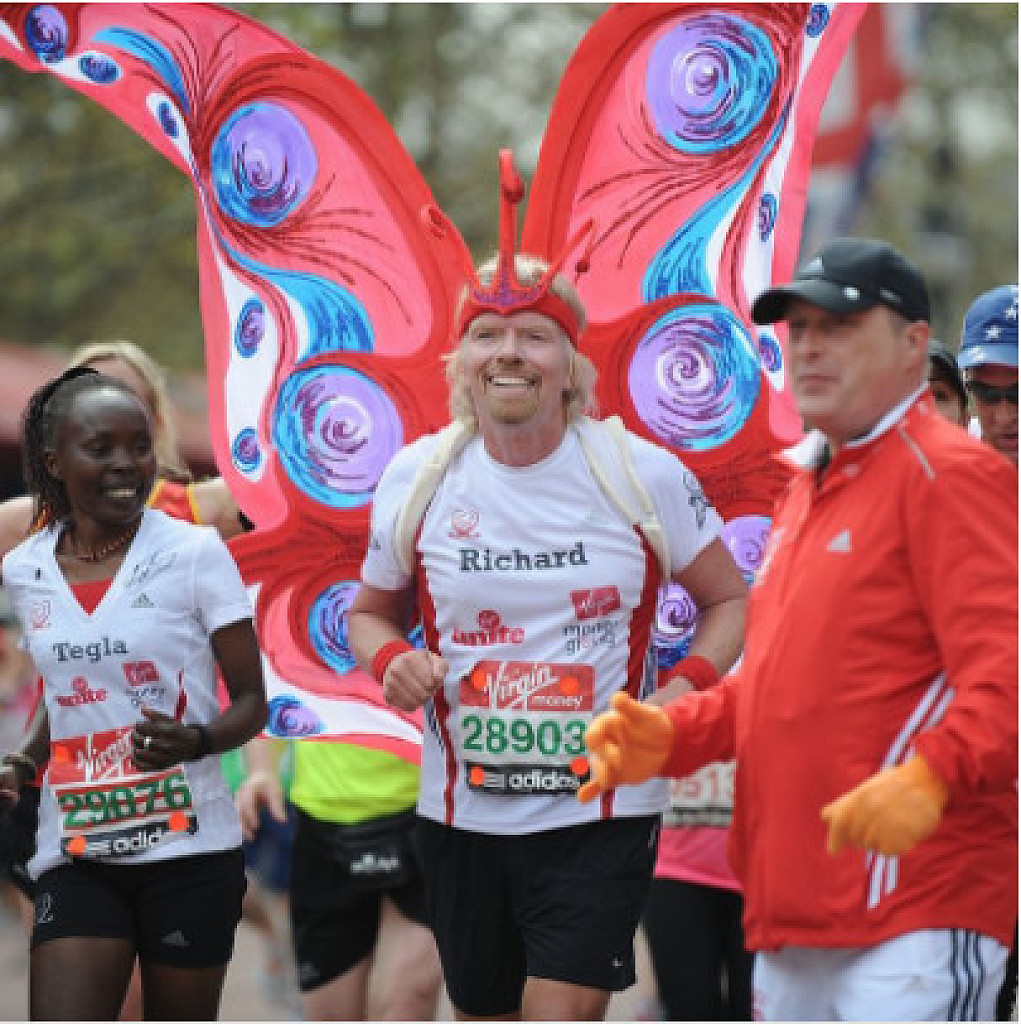
celebrities who love running
We runners love to find people in our gang. Whether it's swapping training plan advice or stalking Strava stats, our running pals are some of our best. But sometimes, we find inspiration in unlikely places - the celebs we follow on Instagram to start.
We've already rounded up these celebrities you didn't know were marathon runners, but of course, you don't need to run a marathon to be a runner, so we've found this list of celebs who have spoken about their love of putting one foot in front of another.
Meghan Markle Speaking to Shape years before becoming a royal, Meghan explained that she gets a lot more from running than just the fitness side of it. 'I love running but i think you have to find a work out routine that really speaks to you beyond trying to get goals for your body. For me, running, I need it as much for my head and to clear my head as I d for keeping in shape.'
Ellie Goulding The 'Starry Eyes' singer has often spoken about her love of running in interviews, recently sharing her 'run for heroes' 5K time of 23 minutes! Goulding completed the Royal Parks Half Marathon in 2014, finishing with a time of 1 hour 41 minutes.

Bear Grylls-The Man vs. Wild host had to run as part of his military training, and after taking a short break after he got out, he started up again to get in shape for TV.
'Now I really enjoy running,' he told Runner’s World. 'We live in a pretty hilly area in North Wales, and I run three times a week for about 40 minutes as part of my training.'
Jennifer Aniston The Friend's star is known to mix up her workouts to stay in shape. Aniston has been spotted out running over the years, but her trainer told Women's Health she also loves spin classes and boxing for cardio.
Jennifer Lawrence Jennifer Lawrence is said to incorporate running into her Hunger Games training, however in an interview in 2012, she admitted she was worried about people critiquing her running style. 'I’m most nervous about everybody making fun of the way I run' Lawrence said, 'I do, like, karate hands. Instead of running with my hands closed together like a normal person. It’s like I’m trying to be aerodynamic or something, so my hands are straight like razors'.
Mark Zuckerberg In 2016, the Facebook founder did a 'year of running challenge', where he attempted to run 365 miles in a year to encourage other Facebook members to get moving. Zuckerberg finished the challenge five months early.
Kate Middleton The Duchess of Cambridge is said to be a runner. In a 2018 interview with Bryony Gordon, the Duchess revealed she would never be allowed to take part in a large event like the London Marathon due to the security risk.
Gordon Ramsay The celebrity chef is a well-known runner, with an impressive marathon PB of 3:30:37.
Eva Longoria In an interview with Health the Desperate Housewives star said, 'I'm a runner, first of all. I run a lot. But I also do SoulCycle, Pilates, yoga. I usually mix it up.
Victoria Beckham Victoria Beckham's workout regime is said to include a daily 5K. Speaking to Vogue Australia, Posh Spice herself said, 'I go for a three mile run every morning and I work out for an hour with a PT, which gives me just enough time to get to the kitchen to puree Romeo's avocados'.
Reese Witherspoon The Big Little Lies star is often spotted on daily jogs with friends and her husband around LA.
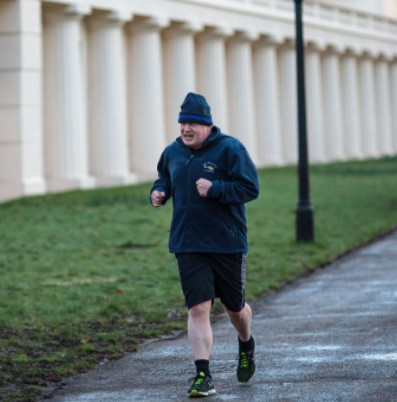
Boris Johnson The Prime Minister himself recently spoke about his running regime, saying he has 'lost nearly a stone' running with his dog. The PM is running to lose weight after admitting he was 'too fat' when he caught coronavirus earlier this year.
Chris Evans Radio presenter Chris Evans has completed the London Marathon a total of five times, with a PB of 4:41:06 was in the 2017 race.
Eminem After Eminem got sober, he turned to running, regularly logging 17 miles on the treadmill. 'It gave me a natural endorphin high, but it also helped me sleep, so it was perfect. It’s easy to understand how people replace addiction with exercise,' he told Men’s Journal.
Will Smith On November 18, Will Smith knocked something else off his bucket list: he finished the Havana Half Marathon, also known as the Marabana.
According to the official race results, the actor completed the race—which went through the streets of Cuba’s capital—with a net time of 2:29:04.
Richard Branson Sir Richard Branson ran the London Marathon in 5:02:24 in 2010 and loved it so much he signed up to be lead sponsor the following year.
(08/30/20) Views: 52Runner’s World
Western States site name to be changed
After researching the etymology of the racist and sexist term "squaw," officials of the California ski resort have decided to change its name.
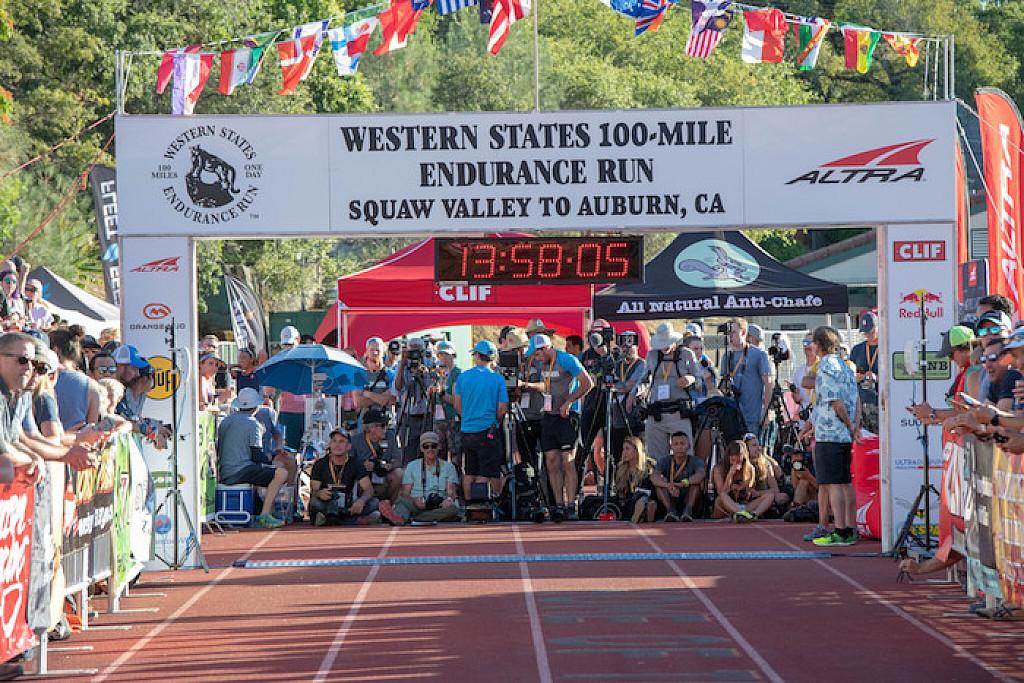
The famed Western States 100 ultramarathon starts in Squaw Valley, Calif., near a river, some roads and several ski lodges of the same name, which many have found troubling for its racist and sexist roots. The area is also known as Olympic Valley, as it was the site of the 1960 Olympics, but for years, locals and tourists have all called it by its other name. It was recently announced that this will soon change, as owners of the Squaw Valley Alpine Meadows ski resort have finally decided to drop that title.
“With the momentum of recognition and accountability we are seeing around the country, we have reached the conclusion that now is the right time to acknowledge a change needs to happen,” said Ron Cohen, the president and COO of Squaw Valley Alpine Meadows. “We have to accept that as much as we cherish the memories we associate with our resort name, that love does not justify continuing to use a term that is widely accepted to be a racist and sexist slur.” Cohen went on to say the resort will find a new name to “reflect our core values, storied past and respect for all those who have enjoyed this land.”

The Western States 100 starts right at the ski resort and travels 100 miles southwest to Auburn, Calif. Race director Craig Thornley tweeted the statement from Cohen and his team, adding, “It’s really gonna happen.” Thornley’s tweet received mixed reviews from his followers, with some people saying the name should have been changed long ago, while others seem to think it’s fine the way it is.
As a member of the Washoe Tribe (a Native American tribe with origins near Lake Tahoe), Helen Fillmore, told a local radio station in July, when she is around people discussing the local resort, all she hears are racial slurs.
“All of a sudden people are asking if you ski and telling you about how they’re going to go ski, racial slur. ‘Let’s go ski, racial slur,’” Fillmore said. “People don’t even think twice about how that word is impacting the person they’re talking to.” The dropping of the resort name will be welcome news to Fillmore and other members of the Washoe Tribe, although they have had to wait a long time for this change.
The resort’s new name will be released in early 2021, and officials say it will begin to be implemented after the 2020/2021 ski season, meaning that by June, when the Western States 100 is set to be held, the race’s start should be at a newly-named location.
(08/31/20) Views: 52Ben Snider-McGrath
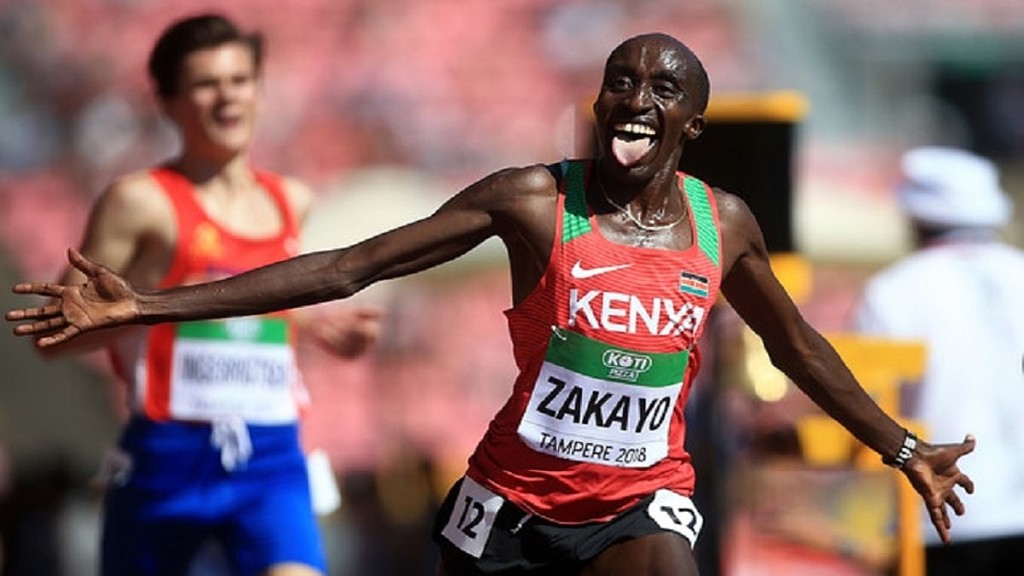
World under-20, 5,000m champion Edward Zakayo has shifted his focus to the 2020 Olympics Games in Tokyo
After missing out on a chance to represent Kenya at the postponed World U20 championships in Nairobi next year, world under-20 5,000m champion Edward Zakayo is has shifted his focus to the 2020 Olympics Games in Tokyo, Japan.
The Olympics and the U20 championships, both of which were set for last month, were postponed due to the coronavirus pandemic.

The 5,000m Olympic title has been proved elusive for Kenyan athletes since 1988 in Seoul, South Korea, when John Ngugi won the event.
However, Zakayo, the All Africa Games champion said: “It is a bad feeling after missing out on the world under 20 since I was prepared to win gold and close the junior ranks especially on home soil."
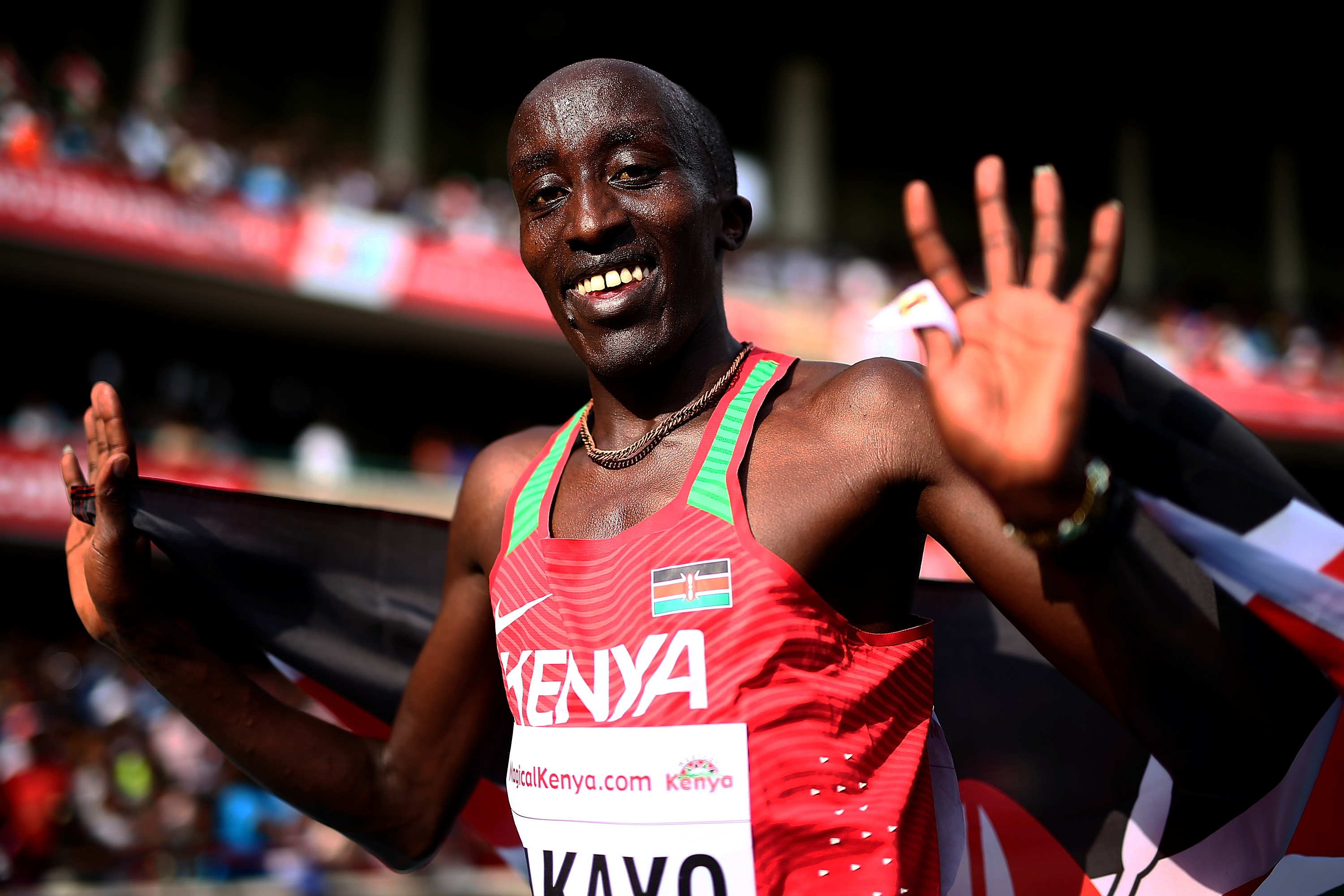
"I missed the world under 18 title in 2017 to Selemon Barega and I was not happy. Even though I have revenged twice, at the world under 20 in Tampere and at the All Africa Games, I was not satisfied at all.”
Speaking during the Athletics Kenya Food Distribution programme at the Kapsait training camp, the reigning Commonwealth Games 5,000m bronze medalist added: “The federation should supervise how the 5,000m runners train and help them like the Ugandan federation is helping Joshua Cheptegei (the world record holder over the distance)."
Apart from missing out on the world under 20, Zakayo will be forced to repeat Form Four and he fears this might prove a challenge to his ambitions.
"The national trials will be hard nut to crack. Without making it at the trials, you can’t feature in the national team for Olympics. Last year I missed out on the world championships in Doha, Qatar since despite featuring at the the All Africa Games, there were still trials to Doha,” added Zakayo.
(09/01/20) Views: 52Emmanuel Sabuni
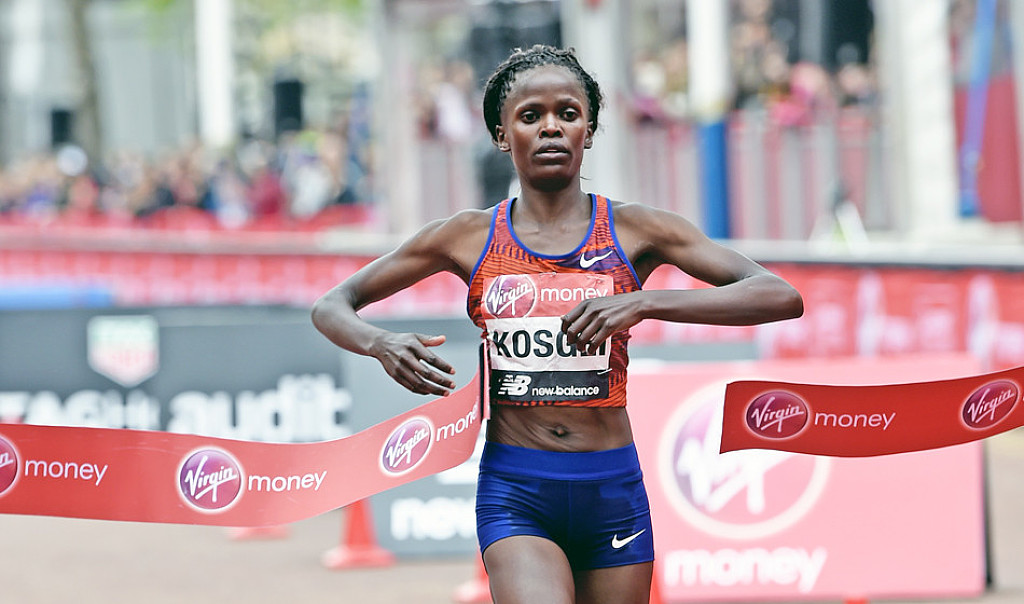
Brigid Kosgei will be targeting records in Brussels
Brigid Kosgei is set to make her serious track debut at the AG Memorial Van Damme Diamond League meeting in Brussels on September 4, when she will join Sifan Hassan in attacking the one-hour world record.
Netherlands’ Hassan was announced for the event earlier this month, with the world 1500m and 10,000m champion targeting Dire Tune’s 2008 mark of 18,517km.
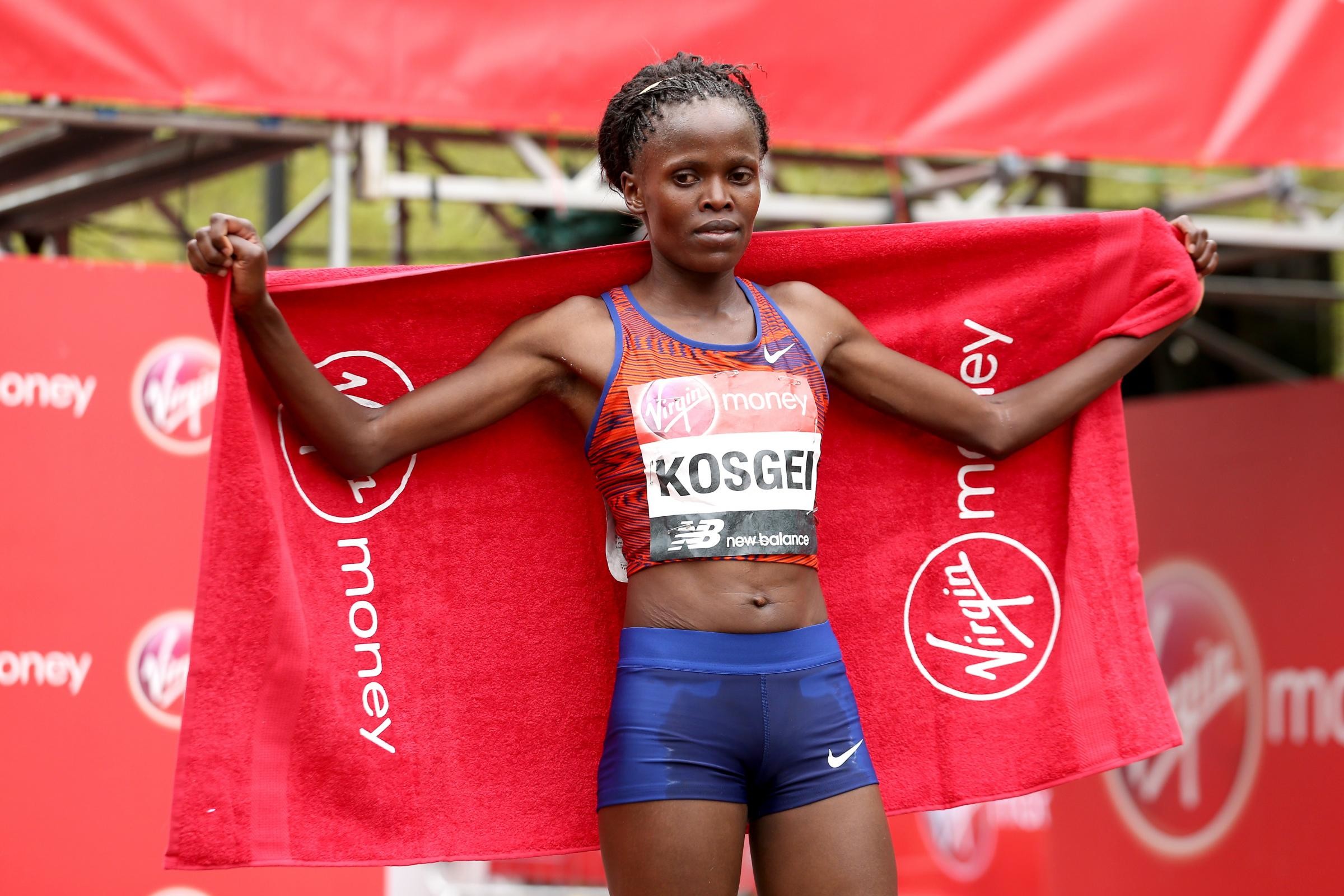
Now world marathon record-holder Kosgei has been added to the field as she works toward the defence of her title at the elite-only Virgin Money London Marathon on October 4.
According to her World Athletics profile, the Brussels meeting will be Kosgei’s first serious track event, with only road performances – including her incredible 2:14:04 marathon in Chicago last October – listed so far.

The 26-year-old has a half-marathon PB of 64:28 which she set when winning the Great North Run last year. Although that course is not record-eligible, Kosgei’s performance there is the fastest ever half-marathon time run by a woman.
The Kenyan’s best time for 15km is 48:54.
The meeting will also include a men’s one-hour event, with Britain’s four-time Olympic champion Mo Farah among those targeting Haile Gebrselassie’s 21,285km mark.
He will be joined by his training partner Bashir Abdi of Belgium and Norway’s Sondre Nordstad Moen.
Meanwhile, Kenya’s Olympic 1500m champion Faith Kipyegon will aim to break the world 1000m record of 2:28.98 – a mark she missed by just 17 hundredths of a second in Monaco – when she lines up at the AG Memorial Van Damme.
The women’s 1000m replaces the 4x400m mixed relay event which had originally been planned, with the Borlée brothers having decided to end their season due to “slight injuries”.
Another change to the programme is the cancellation of the triathlon which had been set to see Belgium’s Olympic heptathlon champion Nafissatou Thiam and Britain’s world gold medalist Katarina Johnson-Thompson go head-to-head in the 100m hurdles, shot put and high jump.
Thiam has withdrawn from the meeting due to injury and Johnson-Thompson will now contest just the hurdles and high jump.
According to organizers, Thiam is suffering “continuous pain at the Achilles tendons and does not want to take any risk”.
The triathlon shot put will be replaced by a women’s 100m, while Brazil’s Olympic champion Thiago Braz has been added to the pole vault field alongside world record-holder Mondo Duplantis of Sweden.
Organizers had initially hoped to be able to welcome around 9000 spectators “in a safe and secure way” but the event is now set to take place behind closed doors.
(08/28/20) Views: 47Athletics Weekly
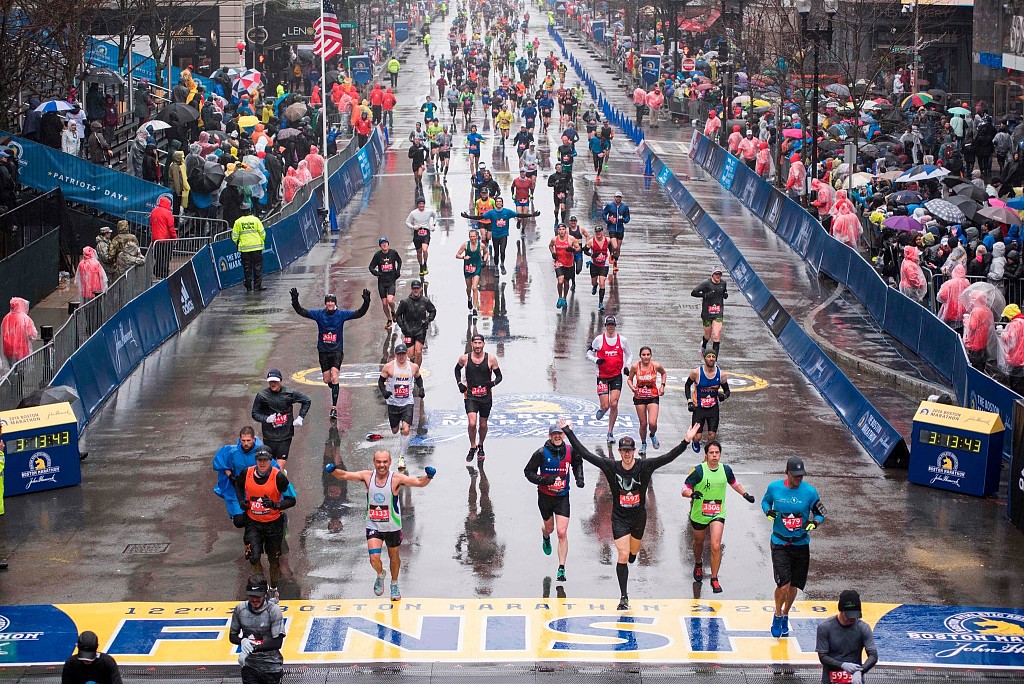
Virtual Boston Marathon is about to be run
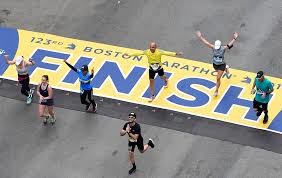
Missing: Boston’s raucous crowds and smiles for miles. Still there, sort of: Wellesley College’s iconic “scream tunnel” and the thunderous cheers along the finish line on Boylston Street.
The 124th running of the Boston Marathon finally gets underway next month, but virtually — meaning real runners will do the hard work, and an interactive mobile app will help augment their not-quite-authentic experience.
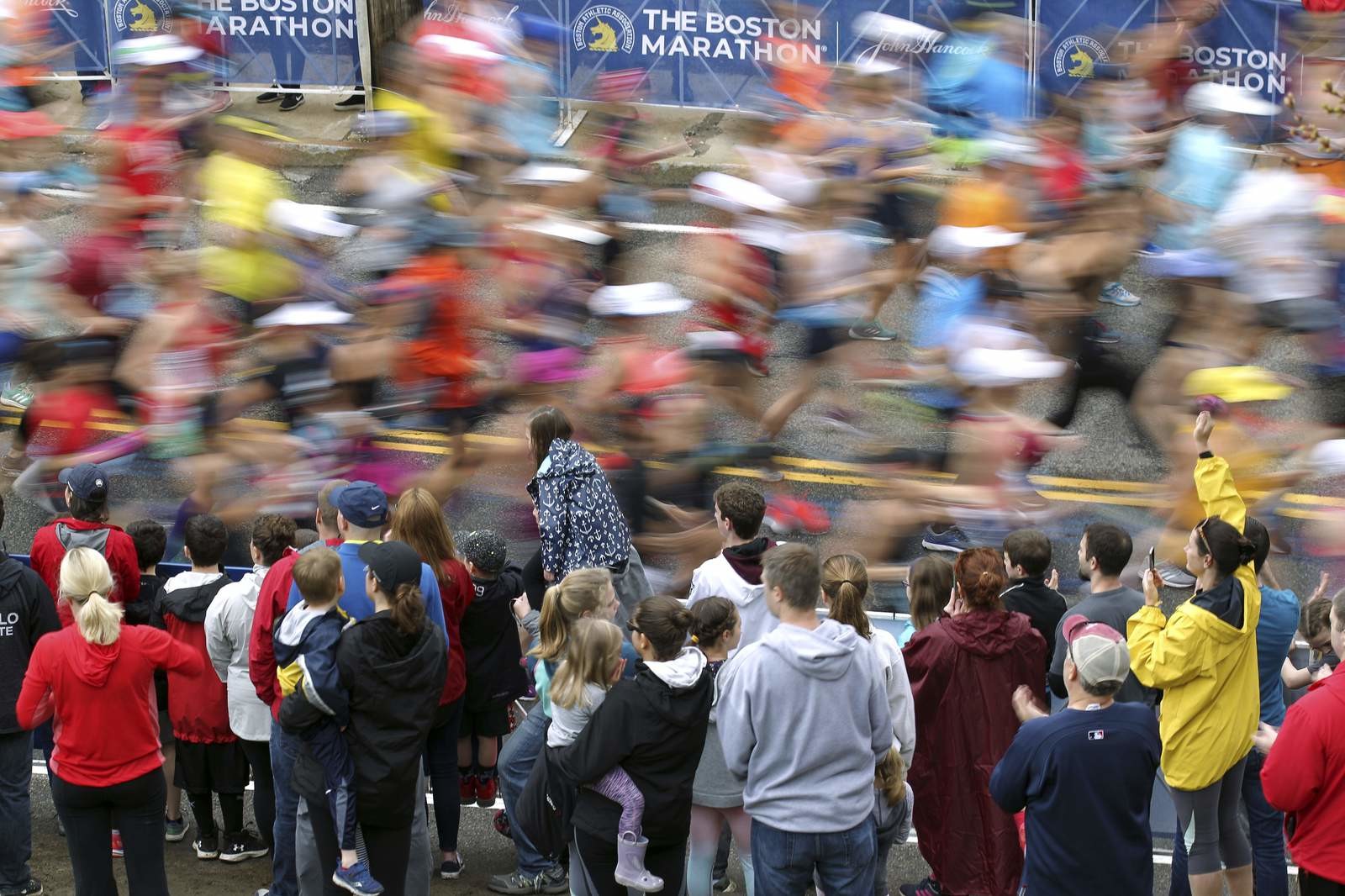
Rather than lining up in Hopkinton, Massachusetts, and making the long trek to Boston, athletes will run this year's marathon solo because of the coronavirus pandemic. A weeklong TV special and the new mobile app will showcase their stories as they go the distance on their own.
Amazon and WBZ-TV are teaming up on a “Boston Marathon Live” broadcast that will be aired nightly starting Monday, Sept. 7, through Sunday, Sept. 13.
Co-produced by the Boston Athletic Association, which puts on the marathon every year, the show will air at 8 p.m. EDT and again at midnight on television and be streamed on CBSBoston.com.
The marathon normally is run on a Monday in April, on Massachusetts' unique Patriots Day holiday, but was postponed to mid-September because of the pandemic. Then, at the end of May, it was canceled altogether — the first time in its 124-year history that the storied race in its traditional format was scrapped.
Instead, registered runners are being encouraged to complete the 26.2-mile (42.2-kilometer) distance by themselves — wherever they are in the world — and share accounts of their preparation, motivation and execution.
Athletes also will be able to use a mobile app the BAA is rolling out to upload their routes and finish times. The app includes audio cues that will sync with an individual runner's progress and play at key mile markers, such as the roar of the crowd as runners approach the irrepressible women of Wellesley, a marathon tradition, and the finish on Boylston in downtown boston.
“Boston Marathon Live” will be hosted by WBZ-TV anchor Lisa Hughes. Each show will feature interviews with marathon personalities, including champions, and profiles on people participating in the virtual edition.
(08/29/20) Views: 46William J. Kole
In a Naked Pandemic Race, You Can Leave Your Hat On
When we can’t go outside without covering our faces, there’s a special appeal in the opportunity to uncover everything else.
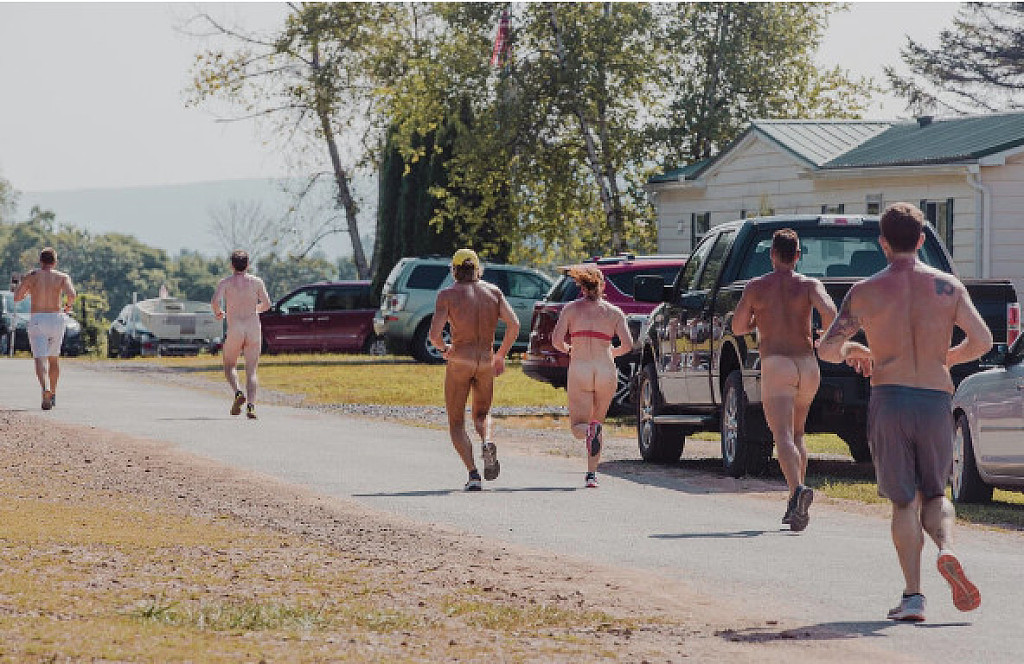
In a lot of ways, the 5K I ran on Saturday was like any other race: The tall, skinny guys zipped out front, fast. Spectators rang cowbells. I heard the “Rocky” theme twice along the course.
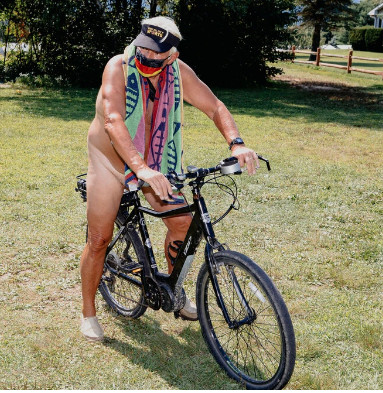
Except the spectators were naked. And I was, too.
That’s because the race was the Bouncing Buns Clothing Optional 5K, held at the Sunny Rest Resort, a nudist resort in Palmerton, Pa.
“Not enough of us do things outside the box anymore, particularly as we get older,” said Ron Horn, race director and co-owner of Pretzel City Sports, which put on the race.
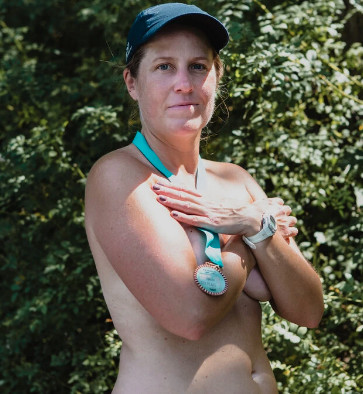
I’ve run a handful of Pretzel City’s clothed (or as naked runners call them, “textile”) races, but the nude events never appealed to me, not when there were a zillion other races to run.
But this year, it caught my attention in part because almost all other races have been canceled because of the coronavirus. In this pandemic season of covering our faces in public, why not uncover everything else? What a fun way to experience some freedom in a time of pressing fear, grief, restrictions and disappointments.
But I hesitated. I’ve been to “toptional” pools in Las Vegas, so nudity wasn’t that much of an obstacle. But running naked? It seemed so — uncomfortable.
And yet: I kept getting the emails about this race, in a year flooded with bad news that had come very close to home. In March, four members of my family were sick with Covid-19. In June, my brother was in the hospital for weeks after a driver struck him while he was on a bike ride.
I’ve spent five months trying to find glimpses of joy in small, simple things, like the sight of a bird on the tree I planted last year, or the feel of my dog’s very soft ear. But the idea of a big, outlandish thing that might bump me out of my gloom had a certain draw.
When a friend who lives in upstate New York said she was 90 percent willing to commit to making the trip to participate in this race, I thought maybe I should go, if for nothing else than to see her.
“What else do you have to do?” she asked.
Sunny Rest was founded as a nudist resort in 1945 and, except for the lack of clothing, looks like a lot of other campgrounds, with mobile homes, cabins, tents and RVs. There’s a pool, spa, volleyball and tennis courts, hot tub, and hiking and biking trails. Most people go about their daily activities wearing nothing but shoes or sandals, maybe a hat. It’s private property, so laws against public nudity are not an issue. Pretzel City has been putting on races there for 13 years.
The events are meant to be fun, but the race organizers recognize that there is something of a taboo around nudity, so it anonymizes race results when posting them online, listing participants only by first name, last initial and home state. Knowing the privacy concerns, Pretzel City’s race director announced before the race that a photographer and I would be covering the event, and that we would include only those runners who consented to being photographed and interviewed.
Several runners were eager to talk to me, including Bruce Freeburger, 69, who drove from Detroit to run this race. He operates the website naked5k.com. Its slogan: “I did wear shoes!”
“It’s not ‘Girls Gone Wild,’” he said of naked runs. He believes that those who run nude tend to be “unselfish, and more sportsmanlike.”
As soon as I pulled into Sunny Rest (after showing my ID and having the license plate of my car recorded by security), I saw a man in a wide-brimmed sun hat and no pants walking toward the pool.
By the time I parked near the race start, I felt prim. Some runners were clothed, but most were in some state of undress. A woman breastfed her child while she checked in. A man waited to run in just sneakers and a Viking helmet — he hung his mask from one of the horns when he wasn’t near other people. I saw my friend, already stripped down. She fit right in. I gave her an elbow bump and took off my shorts. It didn’t feel weird, at all.
To prepare for the experience, I’d tried running completely naked on the treadmill in my basement, and determined that going braless was impractical for me. So I took the Donald Duck approach and wore a hat and sports bra but no bottoms. When I checked in, I was handed a race bib and a T-shirt, but then a staffer — naked except for mask and gloves — wrote my race number with a marker on my leg. Where was I going to pin a bib anyway?
I lined up near the start, a body in a sea of 115 bodies, ages 9 through 78, all standing six feet apart. The energy felt zippier here than at a normal race — almost giddy. While most of the runners were from Pennsylvania, only a handful were also members of the Sunny Rest Resort. That meant almost everyone had traveled to this place — from places as far away as Ohio, Delaware and West Virginia — for the opportunity to do something unusual.
Runners were required to wear masks to pick up their packets, and asked to wear them when near other people. Pretzel City also moved the start and finish area away from the more crowded part of the resort toward the camping sites, so we had more space to spread out. Over a bullhorn, Horn asked us to put our arms straight out by our sides and said, “If you are touching someone you are not sleeping with, you are standing too close.”
After the initial newness of being aware of my butt bouncing around, everything felt pretty much the same as in a clothed race. We started at 10:15 a.m., and I’m usually done running by 8 a.m. in the summer, so it was hot. I was grateful for my hat, and the sunblock and anti-chafing balm I’d applied all over my body. By the first mile, I was coated in sweat.
“I don’t have a shirt to wipe off my face!” another runner shouted. The more experienced naked runners had thought to carry little towels.
Part of the course was an out and back, so I saw the leaders coming back as I went out. With a full view of their entire, naked forms in motion, I felt appreciation, in the same way I’d look at a nice painting.
I didn’t worry about anyone else appreciating my body — from the naked ladies cheering from their trailer’s outdoor bar to the gentleman doing naked squats on his deck. The race didn’t feel sexualized at all, and I didn’t worry about which parts of my body were not perfectly flat and smooth, about what parts of my body shook with every step. I was just another body in motion.
I was feeling what many runners had told me before the start of the race — that this was freeing. Richard Whalen, 43, of Folcroft, Pa., said that for him it’s also a celebration of who he is now. He’s a recovering alcoholic who took up running after he stopped being too hung over to run in the morning. “There’s a sense of freedom here to show off your beautiful body.”
That’s also why Jim and Susan Fiordeliso of Yardley, Pa., came too. Last year, Mr. Fiordeliso, 53, had heart surgery, after which they vowed to take better care of their bodies. That included moving to a plant-based diet, as well as lots of walking and running. They’ve lost 210 pounds between them. It was their first time at a nude race, and they treated it as a celebration of their new lives. “I loved it and I would do it again,” he said.
And then there’s just the fun of it. “I’m not a nudist type. I’m not an exhibitionist type,” said Michael Lyons, 35, of Douglassville, Pa., who has done both naked road races and bike rides. “I’m just a goofball who likes to do fun things.”
I finished in 30 minutes, 26 seconds, good enough for fifth place in my category. My award: a medal that I wore at around my neck with nothing but my sandals, bandanna and a fresh coating of sun block.
Jen A. Miller, the author of “Running: A Love Story,” writes The Times’s weekly running newsletter.
(08/30/20) Views: 45
