

Running News Daily
Top Ten Stories of the Week
2/8/2020
These are the top ten stories based on views over the last week.
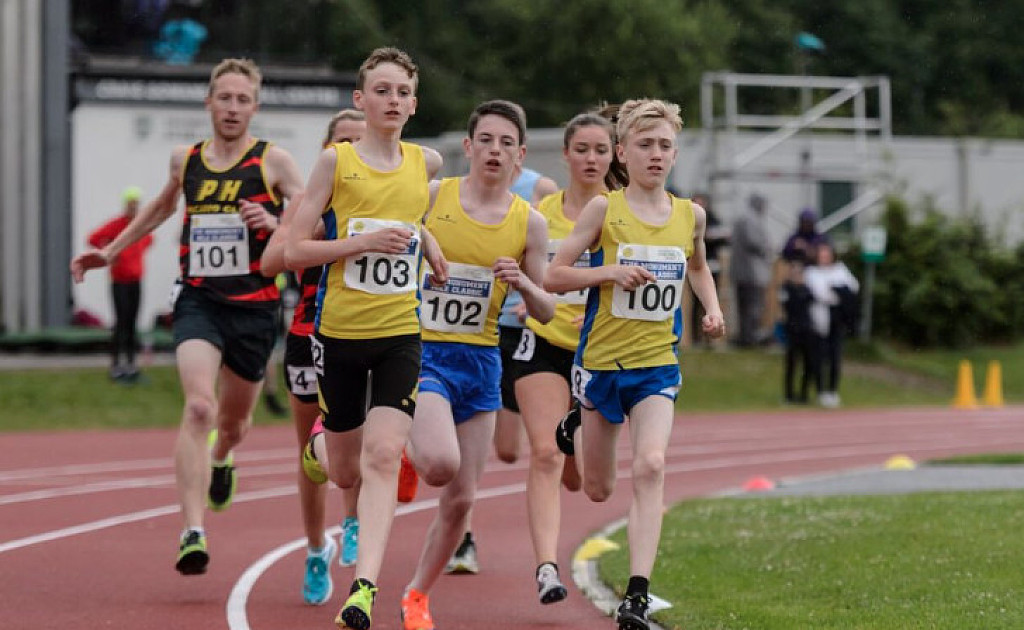


The runner’s guide to parenting
GB distance runner Jo Wilkinson reflects on sharing her passion for athletics with her son, knowing when to support and advise and knowing the difference between being a coach and being a parent
Like all parenting – whether it’s about restrictions on TV or eating broccoli – it’s easy to have pre-conceived ideas about what makes a good parent. Then you have your own children and find out it’s not so easy in practice.
It’s no different in sport – especially when your children get involved in the sport that you love. After spending the weekend knee deep in mud watching my son at the Midlands Schools Cross Country, the long journey home gave me plenty of time to reflect on what makes a good parent in athletics – and whether I am one.
When you’ve been a runner for many years you think you know a thing or two about it. It’s even worse if you’re also a qualified coach. Even if you’re not, I’m pretty sure we all indulge in glorious fantasies about coaching our child to their first Olympic Gold.
There are some very famous parent-coaches – Peter and Seb Coe, Liz and Eilish McColgan and now the Ingebrigtsen family. But for most children and parents it just doesn’t work. I’ll happily share my knowledge and experience of athletics with my son – when asked.
There’s got to be some advantage to having a parent who’s been a successful athlete. However, I’ve realised when it comes to my son’s running, my job is to be his mum and let his coach do the coaching.
Which brings me onto the second most favourite runner-parent fantasy – the one where they storm away to victory in each and every race. Here’s where the reality check is even more important. Even as a pretty good runner, the races I won were far out-numbered by those I didn’t.
Sport is competitive and winning is amazing. But I know that my enjoyment and sense of achievement from running has been based on far more than just winning. As a former elite athlete I know what it’s like to feel pressure. Pressure can be positive and bring out the best in you.
Too many times though, I’ve seen how too much pressure from over-competitive parents, even well-intentioned ones, sucks all the fun out of competition. So contrary to expectations, much as I love the fantasy, as long as my son does his best, runs well and is proud of himself, winning isn’t everything.
However, it’s the nerves that have surprised me the most as a runner-parent. I always got incredibly nervous before my races but found constructive ways to manage them. The gut-wrenching nervous anticipation as a parent is far worse than it ever was as an athlete. What’s more, I can’t let my son see how nervous I am. I’m there to make him feel better not the other way round. All the more reason to let his coach do the coaching while I go off somewhere else and get rid of my nervous energy out of sight.
I now look back with hindsight at my own parents and realise how fortunate I was. At the time I didn’t realise just how immensely proud they were of what I achieved. But equally they never put made me feel that their enjoyment and pride was dependent on whether I won. I only ever remember them being cross with me after one race. However, their disappointment was with my sulky, rude behaviour not my poor performance.
They were always unfailingly encouraging and supportive. And in the case of my Dad – very vocally supportive. You could hear him enthusiastically calling for me on from the other side of the track. But it wasn’t just for me. He shouted on everyone – my competitors and teammates alike.
Petty parental rivalry was not for them. They talked to anyone and everyone. Years later, many of my childhood rivals still warmly remember my Dad shouting them on as they ran. It was a great example of how to get it right. And that’s how I would like to be as a running parent too.
If you’re an athlete, you really hope that your child will take up the sport that you love and rarely consider the challenge it presents – the terrible nerves, the need to be a parent not a coach, reigning in your competitiveness, accepting the difference between fantasy and reality and the miles spent driving them all over the place. I will do my best to be a good parent because it’s worth it all to see my son grow to love the sport too.
(02/03/20) Views: 272Fast Running
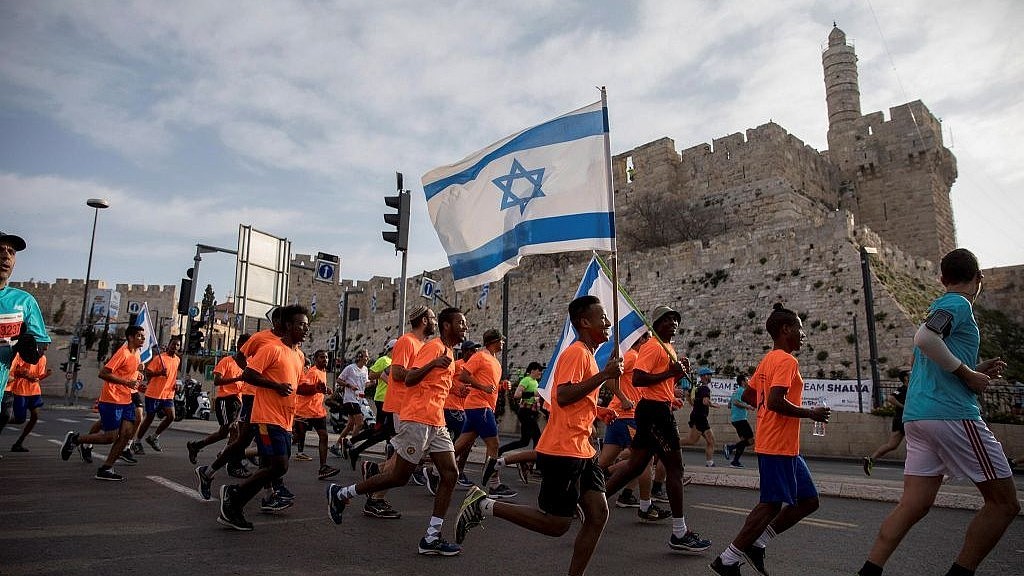
The Israel running boom is in full swing with the Jerusalem marathon leading the way
When Danny Felsenstein (second photo) first competed in Israel, in one of the first Tiberias marathons, it was 1979 and distance running was relatively small. “At that time we would have 300 to 400 entrants in a race,” recalls Felsenstein. “Now you get 35,000 in the Tel Aviv marathon, including the 10K and half marathon. The Jerusalem marathon is now a world-class event. There has definitely been a running boom in Israel.”
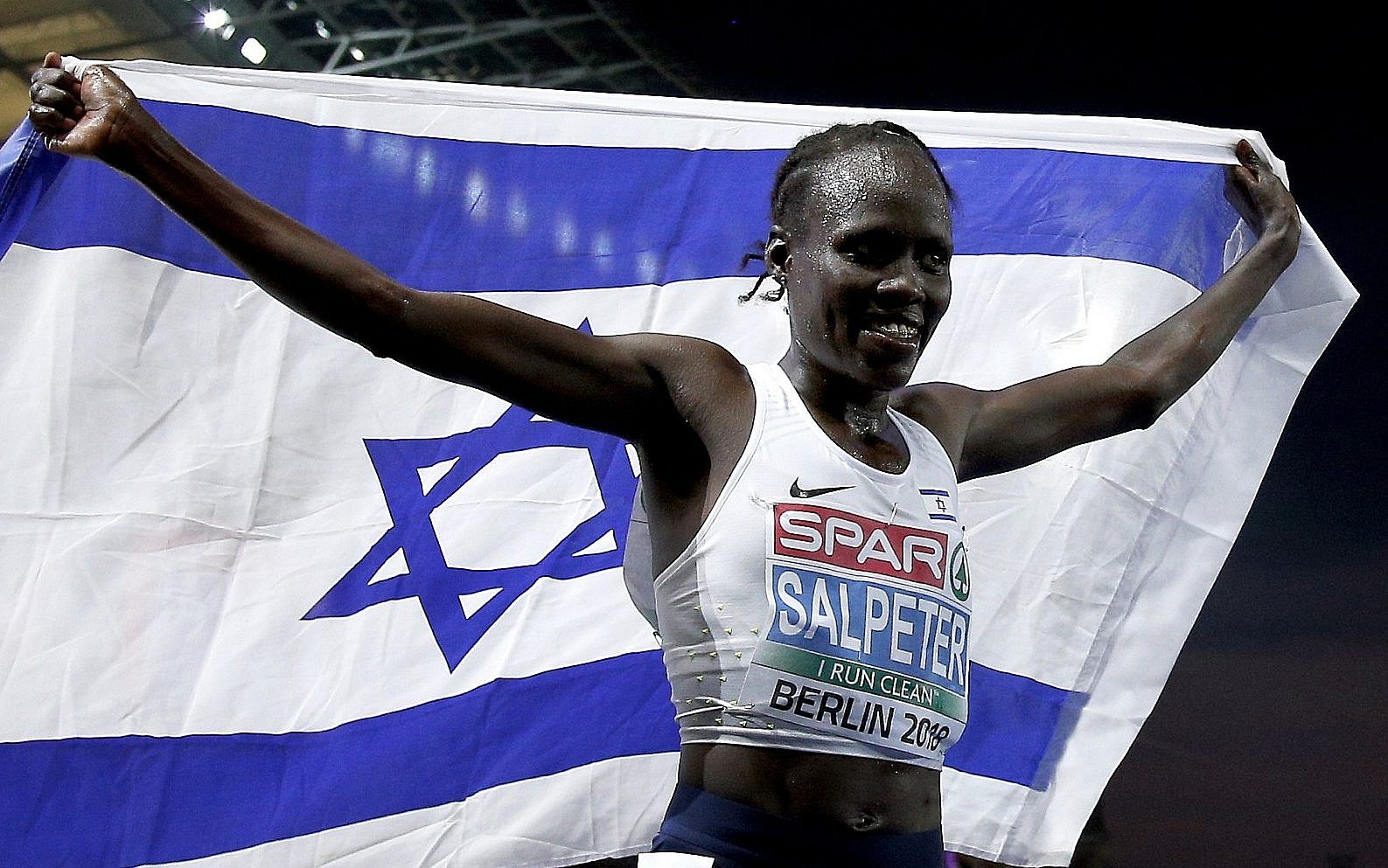
This is reflected in what was an extraordinary 12-month period for Israeli track and road running last year. 2019 brought 13 new national records, six of them set by Lonah Chemtai Salpeter, whose achievements included breaking Paula Radcliffe’s 16-year European 10K record (30:05). The Kenyan-Israelian Athlete has also run 2:19:46 for the marathon.
Felsenstein has run races around the world including the London Marathon and in 1981 in Maccabiah he ran the half marathon, 10,000m and 5,000m, “all in one week and in that order.” A key influence in his early competitive years was Harriers’ Bryan Smith, whose wife Joyce won the first two London marathons in 1981 and 1982 and who still coaches sprinter Colette Hurley.
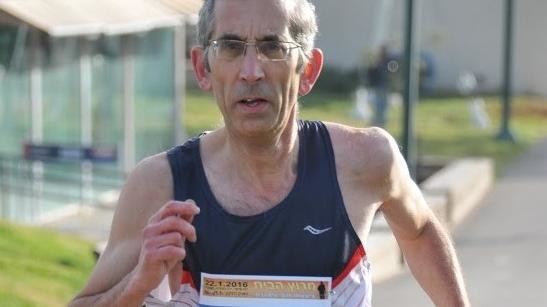
Felsenstein made aliyah in 1982 and almost four decades later he is, at 62, still an active endurance runner, although these days he limits himself to the 5K and 10K distances. “I’ve got some competition,” he says, “but I’m in the top three in the 60 to 70 age group.”
The masters athletics scene in Israel is very different from that in the UK, observes Felsenstein. “No vets do track and field and there are no dedicated vets leagues. It’s mostly road running, usually split into age categories.”
Felsenstein belongs to a team made up of colleagues from the Hebrew University of Jerusalem, where he is chair of the Department of Geography. “I train with the Dean of Social Sciences,” he says, ”and the head of the Hebrew University Business School is one of my closest rivals. Each year brings a reassessment of expectations.
“My aim is no longer to improve on what I did the previous year but to decline at a less rapid rate. I’m just happy to run, be fit and not be injured, especially having come through cancer six years ago.”
(02/03/20) Views: 99

Nike's controversial Vaporfly shoe has been permitted for use in the Tokyo 2020 Olympics
World Athletics has temporarily updated its guidelines for sports shoes worn in competitive events ahead of the Tokyo 2020 Olympics in July.
The new guidelines from the international governing body for athletics bans the trainer Eliud Kipchoge wore to break the two-hour marathon record.
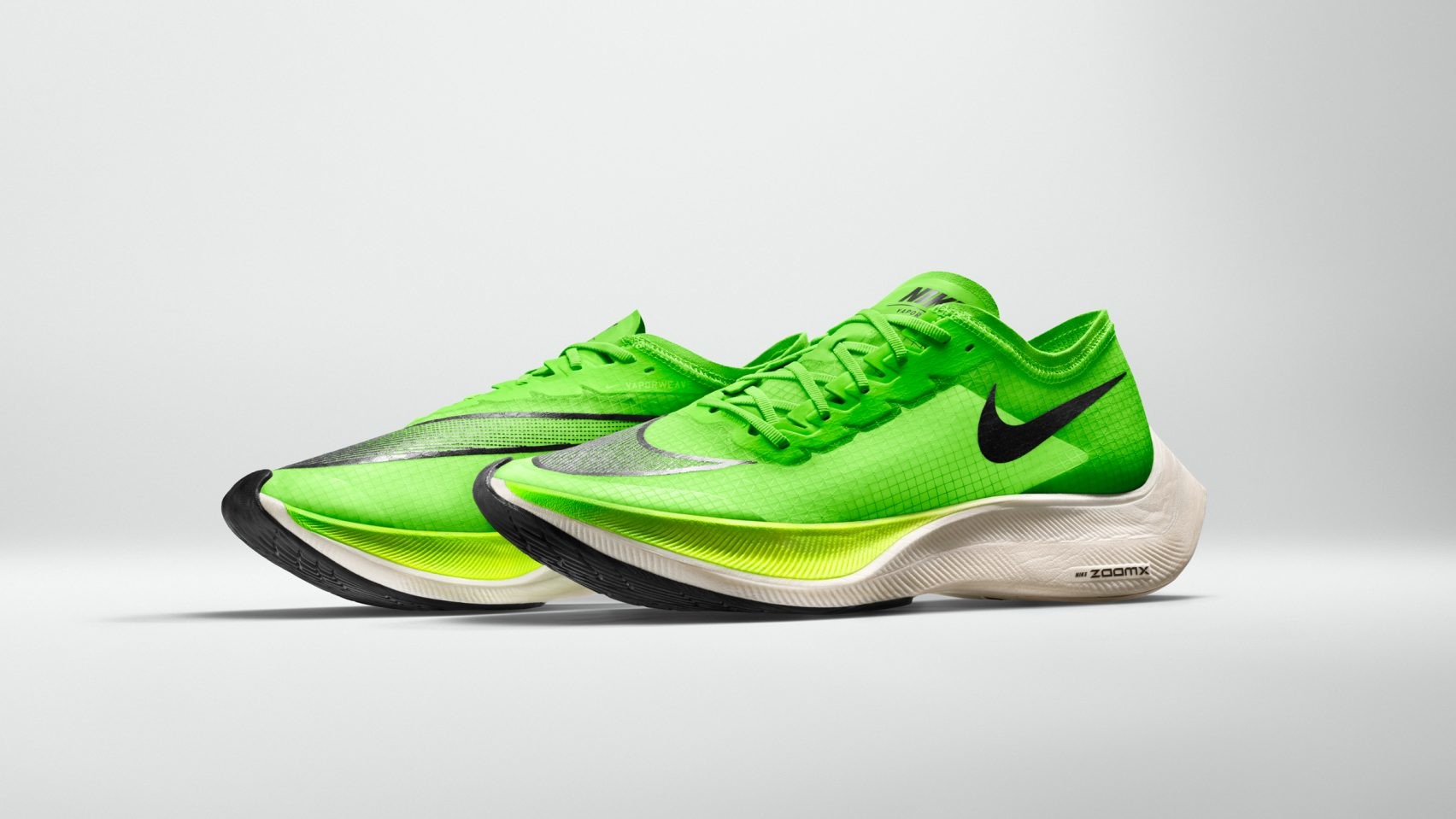
Vaporfly meets new stipulations, However, Nike's Vaporfly range – including the Nike ZoomX Vaporfly NEXT% and the Zoom Vaporfly 4% – meets the stipulations of World Athletics' amended Technical Rules.
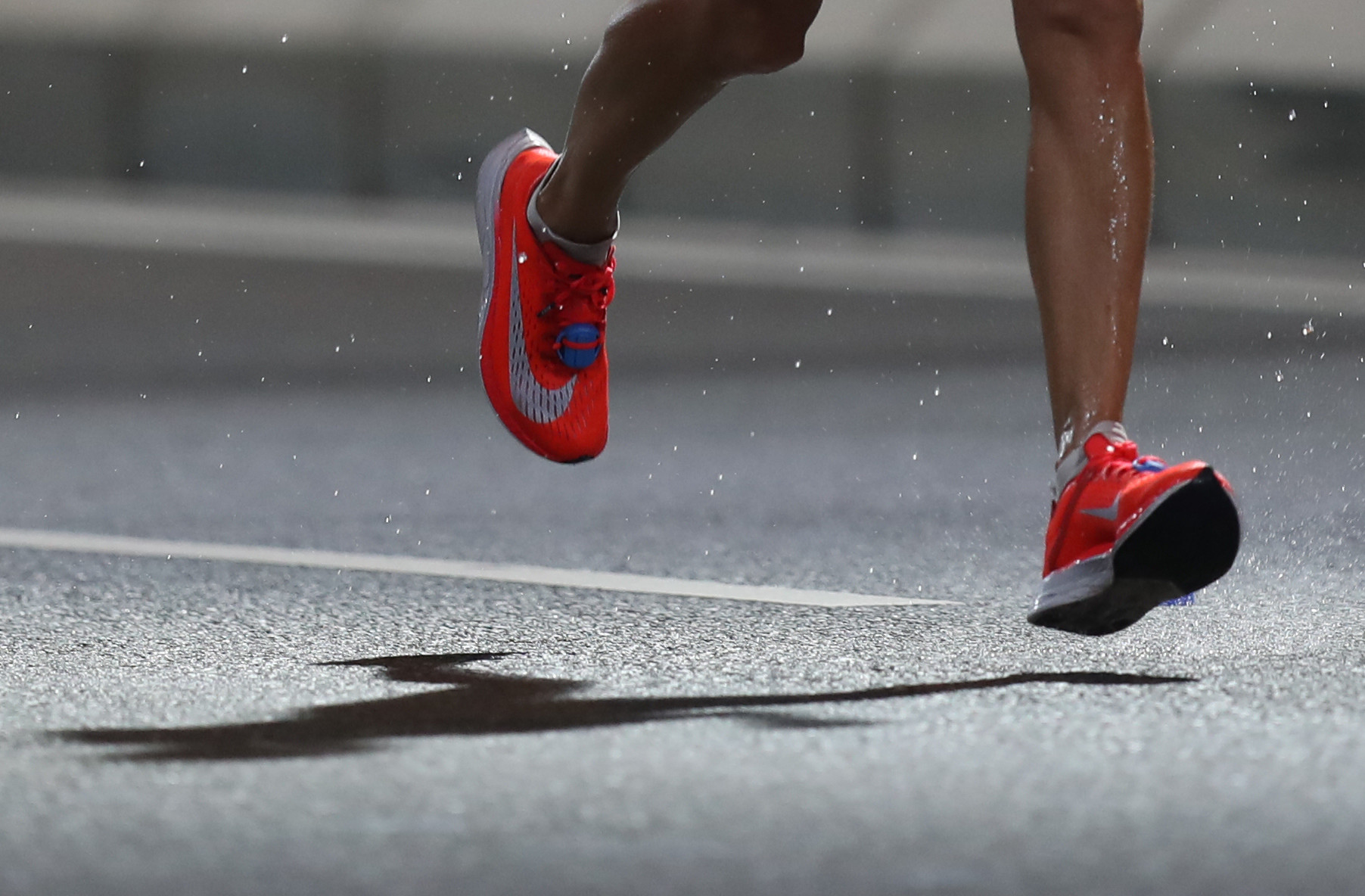
These prohibit shoes with soles that are thicker than 40 millimetres and the inclusion of more than one carbon-fibre plate, or similar item, in the sole.
The news comes amid criticism of the fairness of allowing athletes to compete while wearing the Vaporfly range, which have thick, foam soles and carbon-fibre plates to improve speed.
In 2019, 31 of the 36 podium positions in the six world marathon majors were won by elite athletes wearing Vaporfly, as reported by the Guardian.
World Athletics' Moratorium, which forms part of the Clothing section of the guidelines, also states that, from 30 April, shoes have to be on the open market for at least four months before an elite athlete can wear them for a contest.
While Vaporfly remains within the amends, the prototype Air Fly trainer that Nike-sponsored Kenyan runner Eliud Kipchoge wore to run a sub-two-hour marathon in October 2019 will be banned under the regulations.
The sneaker has a much chunkier sole than the Vaporfly and reportedly includes three carbon-fibre plates.
It has been reported, however, that Nike still has time to make amends to the Alpha Fly ahead of a release in March – over four months before the start of the Tokyo 2020 Olympics on 24 July.
This could make it possible for athletes to wear the shoe during the major competition.
(02/04/20) Views: 99Eleanor Gibson
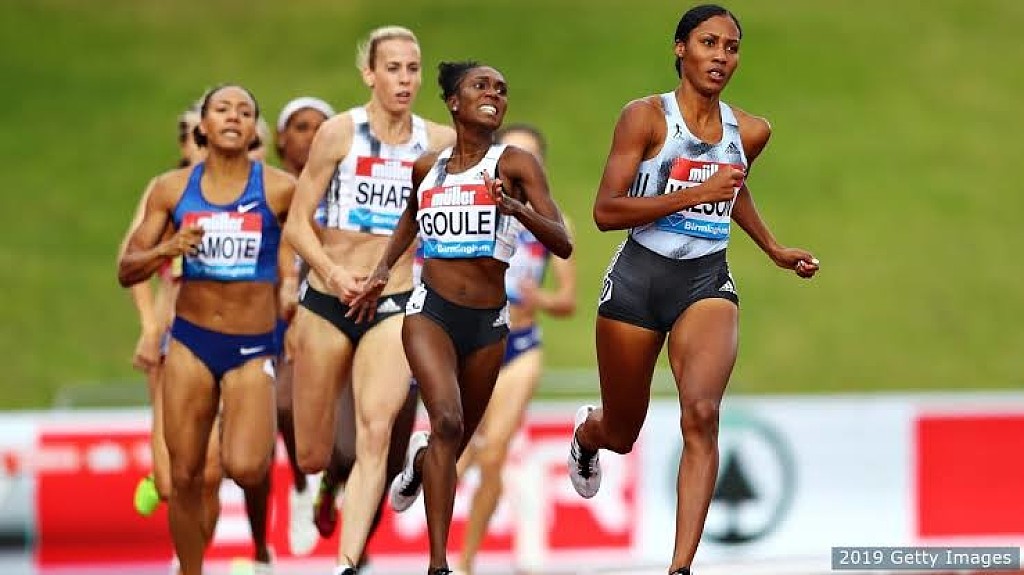
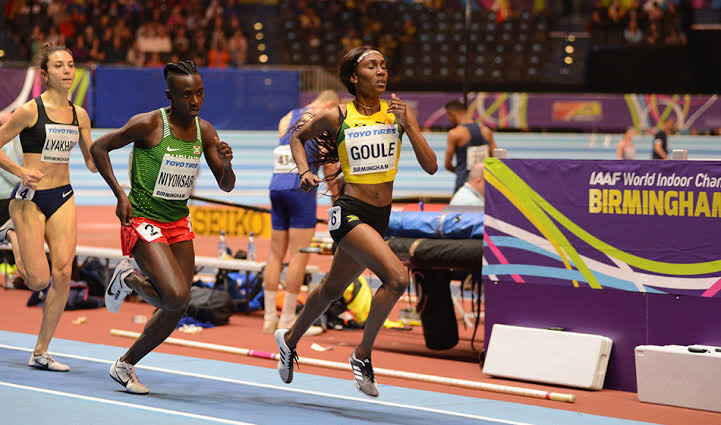
Jamaica’s record-holder Natoya Goule is set for another showdown with Ajeé Wilson in the Jack and Lewis Rudin Women’s 800m at the 113th NYRR Millrose Games
Natoya Goule last year’s Millrose runner-up and the 2019 Pan-American Games champion, is seeking her first Millrose Games win over Wilson.
Goule’s outdoor personal best of 1:56.15 is second in the field behind only Wilson. She finished sixth in the World Championship final this past October.
Ajeé Wilson, the race favorite, will be tested by an accomplished field that also includes multiple European and Diamond League champion, Laura Muir.
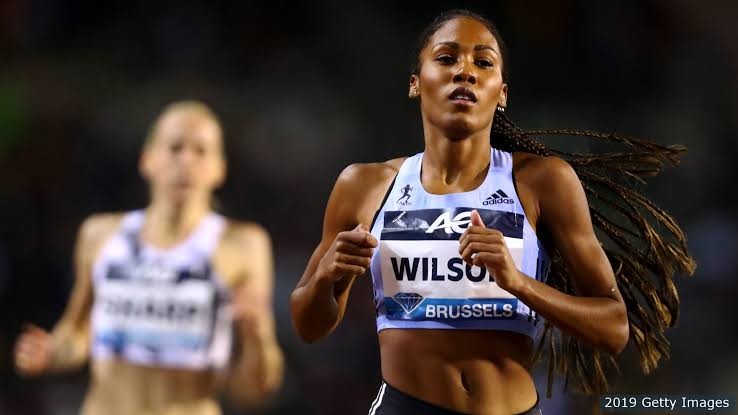
“The Armory track is one of my favorite places to compete,” Wilson said, “and I am really excited to be coming back to defend my Millrose Games title.”
Wilson, a New Jersey native, is no stranger to the bright lights of the NYRR Millrose Games.
Last year she set the American 800m indoor record of 1:58.60 on her way to a victory. In 2018 she anchored Team USA to the 4x800m world record at the Millrose Games.
Other athletes to watch in the Jack and Lewis Rudin Women’s 800m include Britain’s Shelayna Oskan-Clarke and American Ce′Aira Brown.
(02/01/20) Views: 84
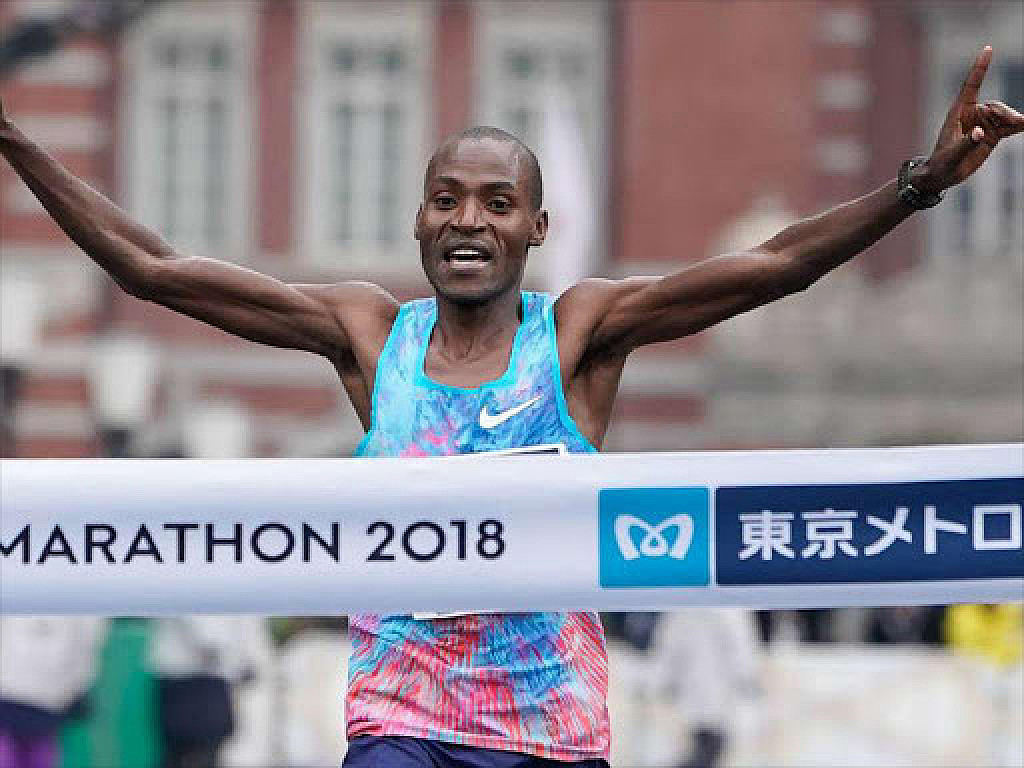
Kenyan Dickson Chumba faces stiff test in Tokyo marathon
Dickson Chumba faces an acid test at the Tokyo Marathon slated for March 1.
Chumba, a two-time winner in the Japanese city and the 2015 Chicago Marathon winner, faces a formidable field but starts among the favorites with a personal best of 2:04:32.
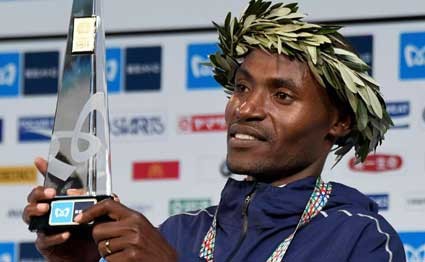
With a personal best time of 2:04:46 All African Games half-marathon, Titus Ekiru remains a formidable challenger having previously grabbed victories in Seville, Mexico City, Honolulu Marathon (twice) and Milano Marathon.
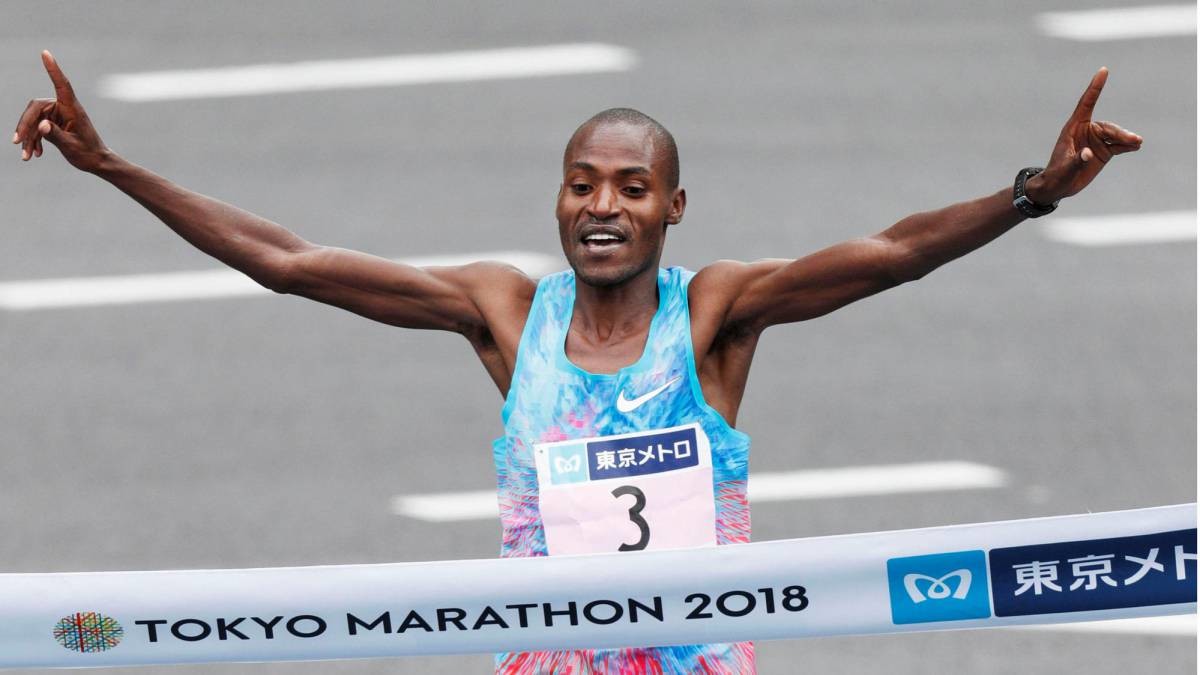
World marathon bronze medalist Amos Kipruto is also in the mix for the event and has a personal best of 2:05:43 while another Kenyan, Bedan Karoki will also be seeking to win his first marathon.
Karoki has a personal best time of 2:06:48 which he ran in Chicago last year. He also finished third at the 2017 London Marathon after clocking 2:07:41
Simon Kariuki, with a personal best of 2:09:41, has also been entered for the event.
The Kenyan contingent faces a Herculean task from Ethiopia's defending champion Legese Birhanu, who has a personal best of 2:02:48. He leads compatriots Getaneh Molla (2:03:34), Lemina Sisay (2:03:36), Mengistu Asefa (2:04:08), Lemi Hayle (2:04:33) and Bahrain's El Abbassi El Hassan (2:04:43) also frontrunners.
Tokyo Marathon race director Tadaaki Hayano said the race will serve as trials for Japanese athletes, who are fighting for the last ticket to the Tokyo 2020 Olympic Marathon.
(01/31/20) Views: 81William Njuguna
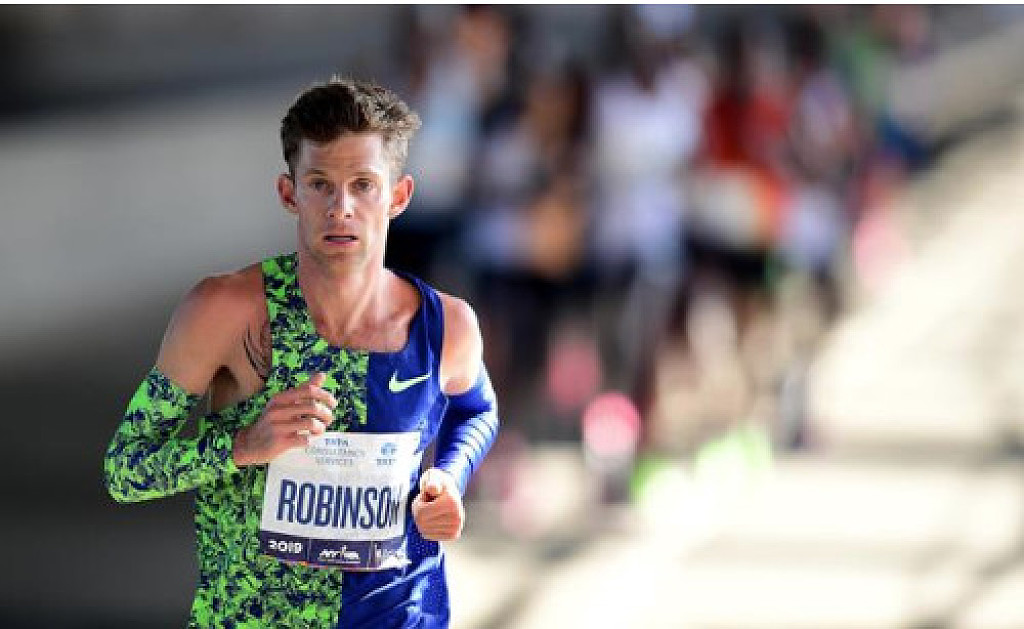
Robinson and Johannes break national records to win Marugame Half Marathon
Brett Robinson won the Marugame Half Marathon in an Australian record of 59:57, recording the fastest time in four years at the World Athletics Silver Label road race on Sunday (2).
The 28-year-old took the lead at 18km before going on to win, taking more than four minutes off his PB in the process. Meanwhile, world marathon bronze medallist Helalia Johannes smashed her own Namibian record to win the women’s race in 1:08:10.
In the men’s race, a large pack of runners went through 5km in 14:13 and 10km in 28:26. The real racing started when 2017 Marugame winner Callum Hawkins started to push the pace at 13.5km. By 16.5km the lead pack had been reduced to four runners: Hawkins, Robinson, Yusuke Ogura and Taku Fujimoto.
Robinson took the lead at 18km and Ogura drifted back. Approaching 19km, Hawkins and Fujimoto also fell behind. Then Ogura started to bridge the gap, and took over the third from Fujimoto at 20.6km and second from Hawkins as they entered the stadium.
Robinson held on to the lead, though, and crossed the line in 59:57, taking 59 seconds off the Australian record set by Collis Birmingham at the 2013 edition of this race.
“It was a very tough race,” said Robinson. “The last few kilometres were very, but I’m very happy. The Japanese, Kenyan and Scottish runners put up a very good fight to the end.”
Ogura took almost two minutes off his PB to finish second in a Japanese record of 1:00:00, taking 17 seconds off the previous mark set by Yuta Shitara, who finished sixth in 1:00:49.
“I did not expect such a time,” said Ogura. “The race was a tune-up for the upcoming Tokyo Marathon. With two kilometres to go I expected the Japanese record to fall, so I was determined to pass Fujimoto in front of me. I am going after the third spot on the Japanese Marathon team in Tokyo.” Ogura will have to break the Japanese national record, 2:05:50, to gain the third spot on the team.
Hawkins finished third with 1:00:01, one second short of the PB he set when winning here three years ago, while Fujimoto finished fourth in 60:06, also inside the former Japanese record.
In the first half of the women’s race, Mao Ichiyama led Helalia Johannes, but Johannes took over the lead for good at about 12km. Although Charlotte Purdue came as close as 10 seconds at 20km, Johannes won with a personal best of 1:08:10.
It was a two-minute improvement on Johannes’ previous best, but her recent times at 10km (30:59) and the marathon (2:22:25) had hinted at a big half marathon breakthrough. The Commonwealth champion will defend her Nagoya Women’s Marathon title next month.
Purdue finished second in 1:08:23, a PB by 20 seconds, while Choi Kyund-Sun set a Korean record of 1:08:35 in third place.
(02/02/20) Views: 62
Ken Nakamura for World Athletics

The Surf City Marathon on February 2 paid tribute to the nine victims killed in the Calabasas, California, helicopter crash on Sunday
One week after a helicopter crash in Calabasas, California, tragically killed nine people—including NBA legend Kobe Bryant, 41, and his daughter Gianna Bryant, 13—the Surf City Marathon in Huntington Beach, California, honored the crash victims in many ways.
Passengers on the helicopter—John Altobelli, 56; Keri Altobelli, 46; Alyssa Altobelli,13; Christina Mauser, 38; Ara Zobayan, 50; Sarah Chester, 45, and Payton Chester, 13—were traveling with Bryant and his daughter to his Mamba Sports Academy in Thousand Oaks, California, when the helicopter crashed into a fog covered hillside.
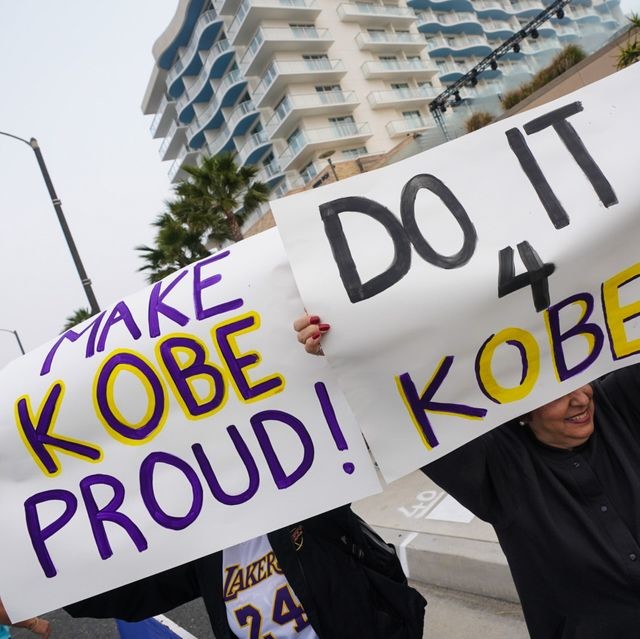
Paying tribute was important because all nine of the helicopter crash victims were from Orange Country, including two passengers who lived in Huntington Beach, race organizer Dan Cruz told Runner’s World.
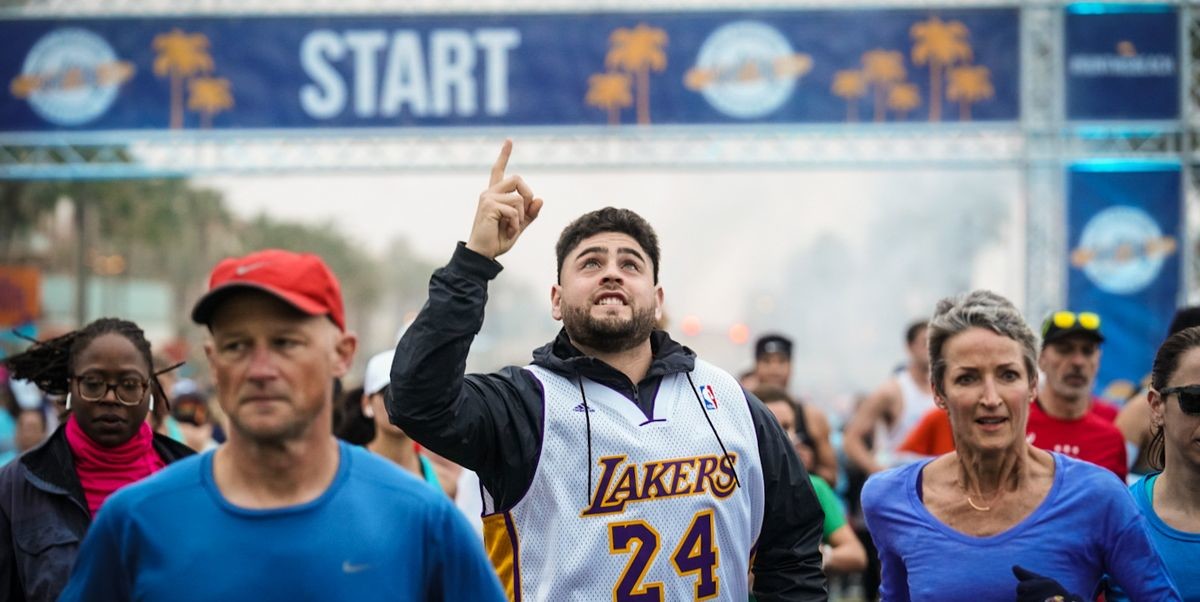
The city of Huntington Beach held a special vigil the night before the race at Pier Plaza for Christina Mauser, who was an assistant coach at Mamba Academy, and her husband, Matt Mauser, who was the lead singer in the Tijuana Dogs band that performed at the marathon finish line last year. “Our staff and runners were affected by the tragedy, and as the next big sporting event in Orange County, it was important to pay tribute and recognize those we lost who made such an impact in the local community,” Cruz said.
The race kicked off with a “24.2” moment of silence—24 for Kobe’s jersey number and 2 for Gianna’s jersey number—before the marathon and the half marathon, and all corrals were sent off with an eight-second countdown in honor of Kobe’s original jersey number for the Los Angeles Lakers. Special remembrance markers were also set up at miles 8 and 24. There were hundreds of selfies and high fives at the mile markers, and one runner left a special wreath at mile 24.
“The response was overwhelmingly positive, uplifting, and celebratory of the great legacy the victims left behind,” Cruz said.
(02/04/20) Views: 62Jordan Smith
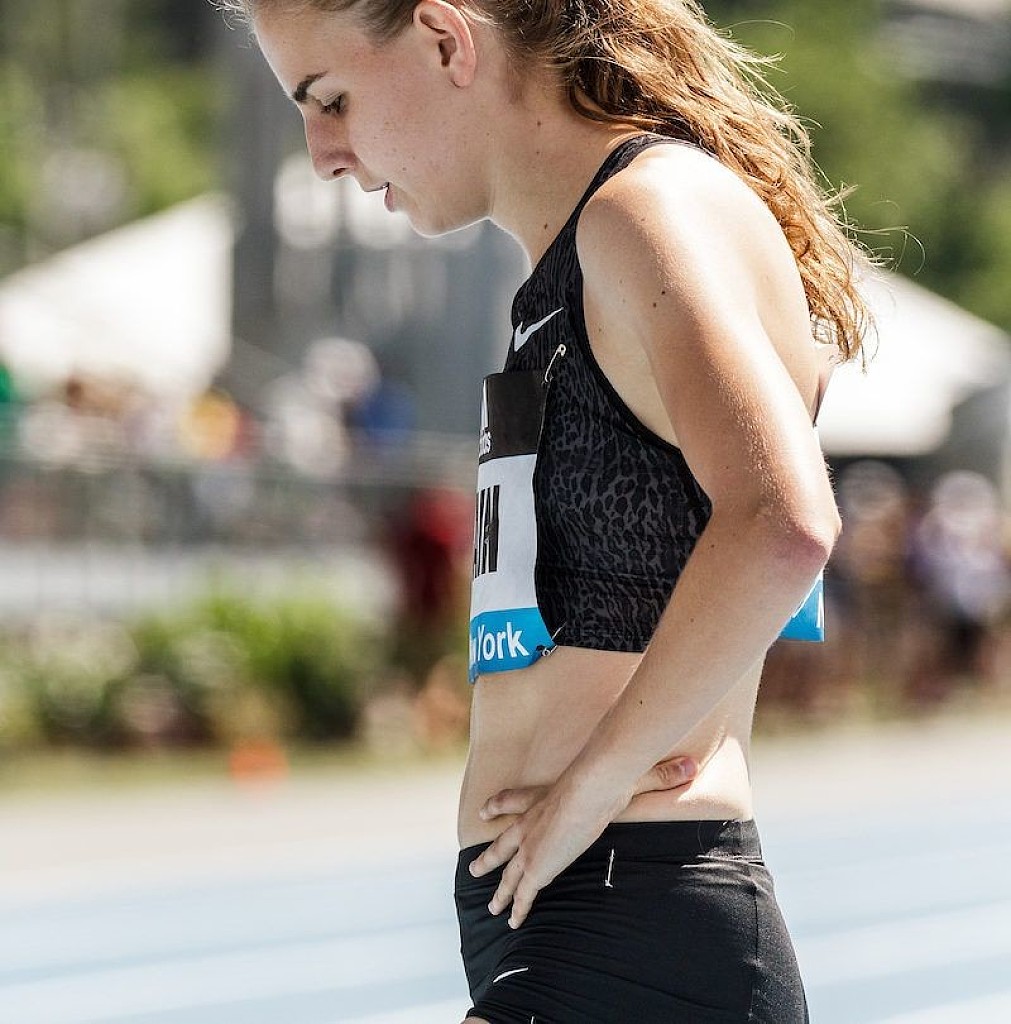
Nike’s Investigation of the Oregon Project is Complete
After Mary Cain alleged emotional abuse as an athlete under Alberto Salazar’s coaching, Nike conducted an internal probe of the professional running group.
Nike said on Monday that it is planning to take multiple actions to better support its female professional athletes, following an internal investigation into the now-defunct professional running group, the Oregon Project.
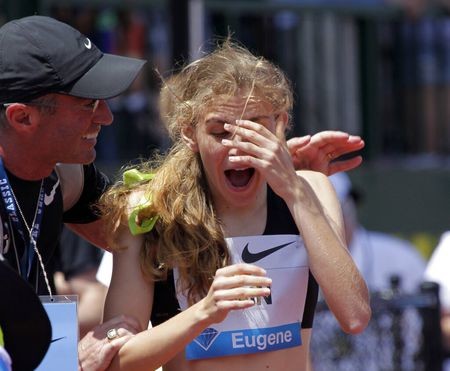
The company started the probe in November after former Oregon Project athlete Mary Cain went public with a New York Times op-ed piece about her experiences as a young track star under coach Alberto Salazar, who is currently serving a four-year ban from the sport for doping violations. (Salazar denies the charges and is appealing them—Nike said in an email to Women’s Running on Monday that “we support Alberto in his decision to appeal and wish him the full measure of due process that the rules require.”)
Cain joined the Oregon Project as a teen phenom, foregoing NCAA eligibility in 2013 to sign a pro contract with Nike. She moved from Bronxville, New York, to Portland, Oregon, at age 17, as a national high school record holder—the youngest athlete to ever represent the U.S. in a world-championships competition, where she raced the 1500 meters.
In the documentary, titled “I Was the Fastest Girl in America, Until I Joined Nike,” she described the pressure that Salazar and the all-male Oregon Project staff put on her to become thinner in order to perform better. Cain said she was weighed in front of her teammates and publicly shamed by Salazar for not hitting the goals he demanded—allegations that were later corroborated by former members of the group.
Now 23 years old, Cain said while training with the Oregon Project and during a period afterward, she suffered five stress fractures and didn’t menstruate for three years, which are symptoms of RED-S (relative energy deficiency in sport), a syndrome of insufficient caloric intake, with symptoms that can include excessive fatigue, amenorrhea, and decreased bone density. It can have serious long-term health effects like cardiovascular disease, infertility, and osteoporosis. Before she left Oregon to return home in 2015, she said she felt so isolated and trapped that she had suicidal thoughts and cut herself.
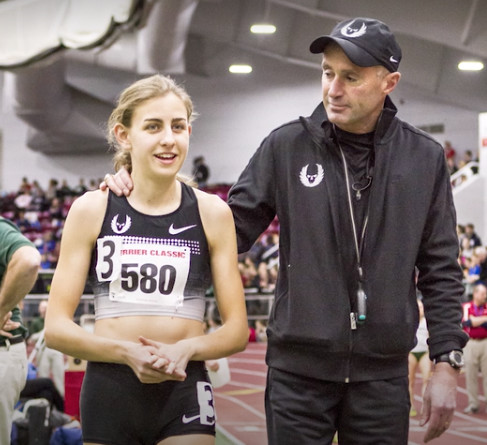
After the New York Times piece was published, Salazar denied any abuse or gender discrimination at the Oregon Project and added, “I may have made comments that were callous or insensitive over the course of years of helping my athletes through hard training.”
In the email to Women’s Running on Monday, Nike said the results of the internal investigation will not be made public, but “we are using the findings to identify areas where we can do better in supporting female athletes.” It was not confirmed who was involved in leading the investigation or who participated in it.
The initiatives that Nike identified include:
• Investing in scientific research into the impact of elite athlete training of girls and women
• Increasing the number of women coaches in sports
• Hiring a vice president of global women’s sports marketing in the coming weeks to have “strategic oversight” of Nike’s female athletes
• Creating an athlete think tank to help the company understand the opportunities and challenges faced by female athletes
• Partnering with Crisis Text Line, a free, confidential text messaging service for people to ask for help when in crisis
During a phone interview with Women’s Running on Monday, Cain said she was contacted in the fall by phone and email by a Nike lawyer, but opted not to participate in the probe because some of the people involved were Nike employees whose participation in it made her feel uncomfortable.
“There was no real transparency in the process, so I became very frustrated with the fact that there was no clear-cut person in charge, it was Nike investigating Nike, and seemingly some of the people involved in the process were investigating themselves,” she said.
Upon hearing the actions that Nike—the biggest sponsor of the sport’s governing body, U.S.A. Track & Field (a deal that goes through 2040 with an estimated value of $500 million)—wants to take as a result of the findings, Cain said she supports anything that promotes women’s health and opportunities in sports.
“It’s great to push money and push opportunity into the future—I whole-heartedly support that,” she said. “But the vagueness and no ability to see the report makes me worried that they’re hiding behind gestures that will almost make people forget the issues.”
Runners and other athletes have identified with Cain’s experiences since she shared them, creating a public conversation about the destructive culture underlying sports, where antiquated training philosophies perpetuated by a male-dominated coaching profession often result in eating disorders and worse for athletes.
“I have this renewed love of the sport that I only really found in the last few months because I do have so much hope in what women’s sports can and will become—so anything that’s generating interest and investment and research, I’m all for,” Cain said. “What I hope can happen through some of this work is that Nike can start hearing more voices.”
Still, Cain is hesitant to put too much stock in the proposed initiatives.
“It looks both weak and cowardly that as a corporation they won’t release what they found,” she said. “There’s a certain point where people would have a lot more respect for them as a broader institution and respect what they’re now trying to do if they also admitted what they did wrong. I can’t look at a future brightly if I can’t see them reflecting on their past.”
Since November, Cain has returned to training after about three years away, with the goal of making the U.S. Olympic Track & Field Trials in June. She most recently raced the 3,000 meters on Saturday at the Armory in New York, finishing in 9:24.38.
In December, she told Women’s Running that advocating for women’s sports and healthy coaching practices is her new dream.
“Due to lack of education and inappropriate societal norms, many people have a poor understanding of how to address topics such as women’s cycles, weight, and training appropriately,” Cain said. “My goal is now to create educational programs that coaches and athletes must take on these subjects.”
(02/02/20) Views: 61
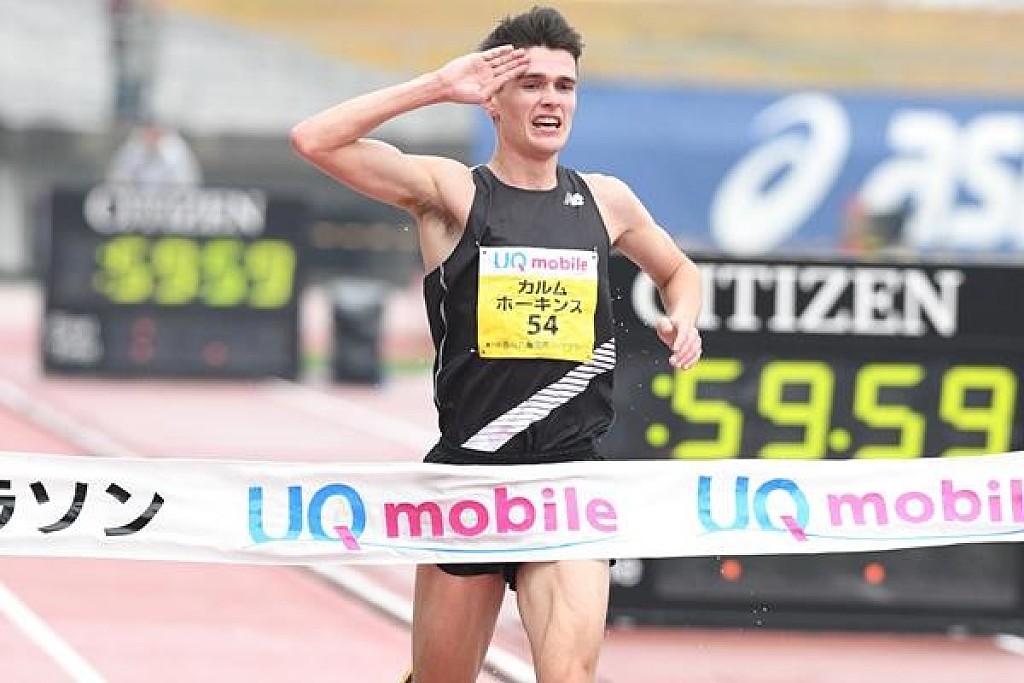
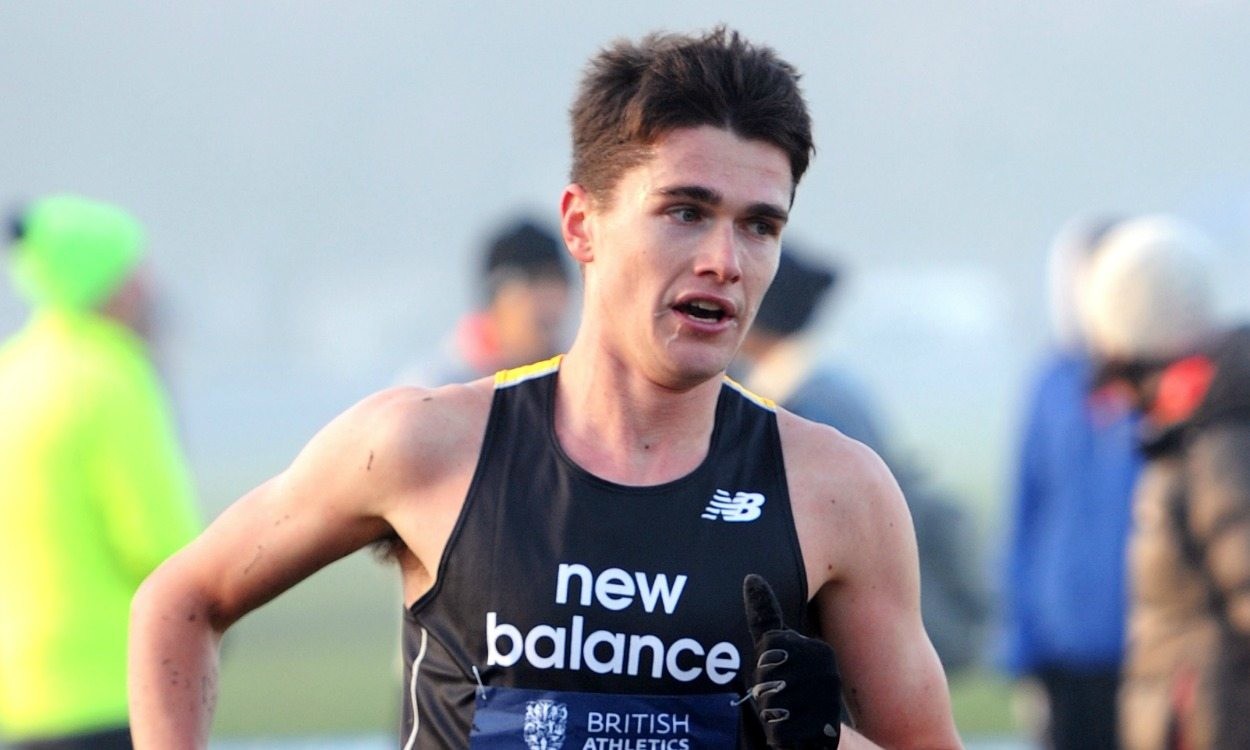
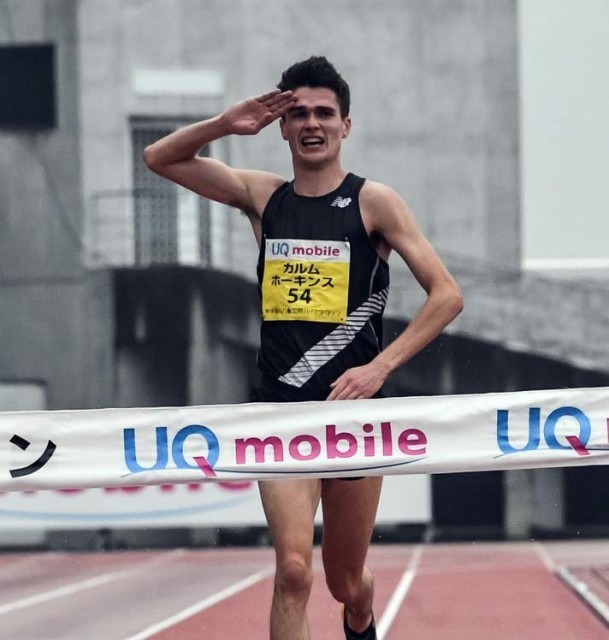
Callum Hawkins of Great Britain will be targeting a second victory at the 74th Kagawa Marugame Half Marathon on Sunday
Callum Hawkins, who won the race in 2017, joins 2012 Olympic and 2013 world champion Stephen Kiprotich as a marquee name on the men’s side while Helalia Johannes, the bronze medallist in the marathon at last year’s World Championships, leads the women’s field.
Hawkins, who collapsed in the 2018 Commonwealth Games Marathon while leading, finished fourth in the World Championships marathon in both 2017 and 2019.
Briton Charlotte Purdue (1:08:45), Japan’s Mao Ichiyama (1:08:49) and Australian Sinead Diver (1:08:55) have the fastest personal bests in the field. All came in 2019: Purdue’s in the Sanyo Women’s road race in December, Ichiyama’s in Hakodate in July and Diver’s in Marugame in February. Two others - Ellie Pashley and Reia Iwade - also have sub-70 minute credentials.
Eri Makikawa, the 2014 Marugame winner with a best of 1:10:28, is also back after skipping the race in recent years.
The men’s field is much stronger.
Both Zane Robertson and Kelvin Kiptum have sub-1 hour bests, while Hawkins’ best is exactly 60 minutes. In fact, the 20-year-old Kiptum has cracked 60:00 twice, both last year. That may qualify Kiptum as the favorite on Sunday. Robertson was second in Marugame in 2015.
The race also serves as a qualifying race for the Japanese team for the World Half Marathon Championships Gdynia 2020.
Several runners, including Japanese national half marathon record holder Yuta Shitara, are running as a tune-up for next month’s Tokyo Marathon. Yuki Sato, a four-time national 10,000m champion, and Shuho Dairokuno, 2019 national 10,000m champion, will also be contesting both Marugame and Tokyo Marathon. Although not an invited runner, Shitara’s twin brother Keita will be running also.
Other top Japanese include Yuma Hattori, the 2018 Fukuoka Marathon champion, Taku Fujimoto, second in the 2019 Fukuoka Marathon, Tetsuya Yoroizaka, the second fastest 10,000m runner in Japan and 2018 Boston Marathon champion Yuki Kawauchi.
(01/31/20) Views: 57World Athletics

Kansas City Chiefs receiver Tyreek Hill may be the fastest player in the NFL, he’s hoping to compete with the fastest runners in the world.
Chiefs receiver Tyreek Hill may be the fastest player in the NFL, but this year he’s hoping to compete with the fastest runners in the world.
Hill said that he would like to see if he could qualify for the 2020 Olympics, which take place in Tokyo from July 24 to August 9.

Hopefully after this season, if I’m healthy and my mind is still in the right place, I really want to try to qualify for some Olympic teams,” Hill said.
Asked if he was serious about this and had looked into it, Hill said, “Yeah. Yeah, I have. I have.”
Hill acknowledged, however, that he’d have to change a lot about what he eats and how he trains, and that wouldn’t necessarily leave him in top football shape.
“But the thing is, I weigh like 195 right now. Back in high school, when I ran a 9.9[-second 100-meter dash], I was like 175. So it would be me changing my whole diet that I’ve been doing to get to where I am now,” Hill said.
Hill would be an extreme long shot to make the U.S. Olympic team, but it would be interesting to see him try.
(02/01/20) Views: 57
