

Running News Daily
Running News Daily is edited by Bob Anderson and team. Send your news items to bob@mybestruns.com Advertising opportunities available.
Index to Daily Posts · Sign Up For Updates · Run The World Feed
Search Results for Ultra
Today's Running News
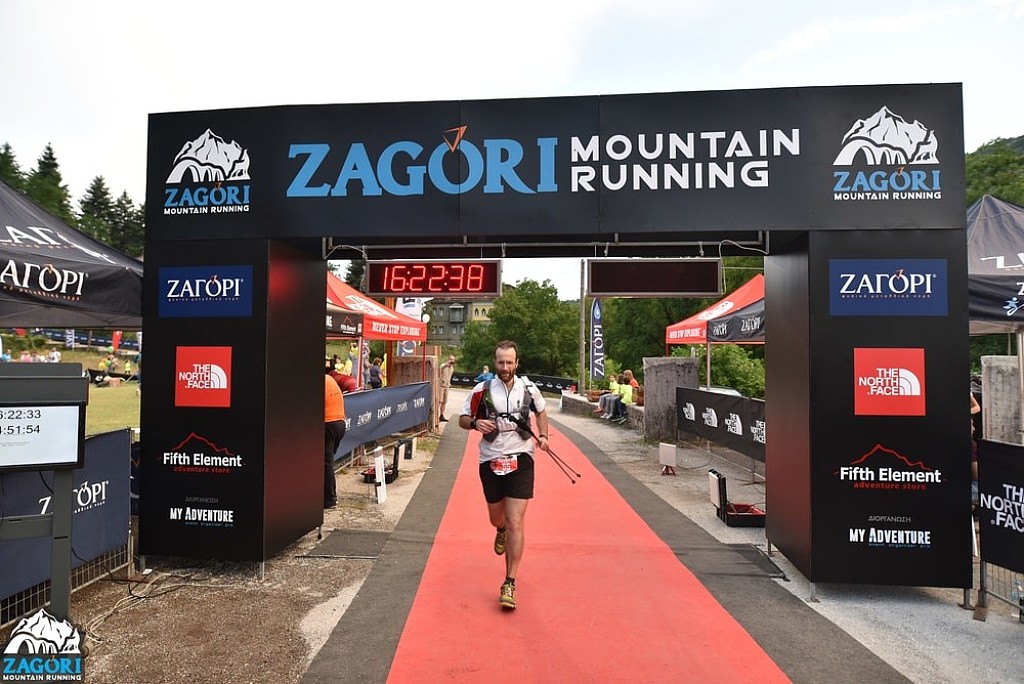


Zagori Mountain Running will be held on July 23-25, 2021, at Tsepelovo, Epirus, Greece.
Zagori Mountain Running, the leading ultra trail event in Greece and favorite athletic destination, awaits to welcome you again this summer on 24-25 July.
The Zagori Mountain Running, an integral part of this cultural harmony, offers to the athletes the opportunity to experience through their effort “the place beyond the mountain."
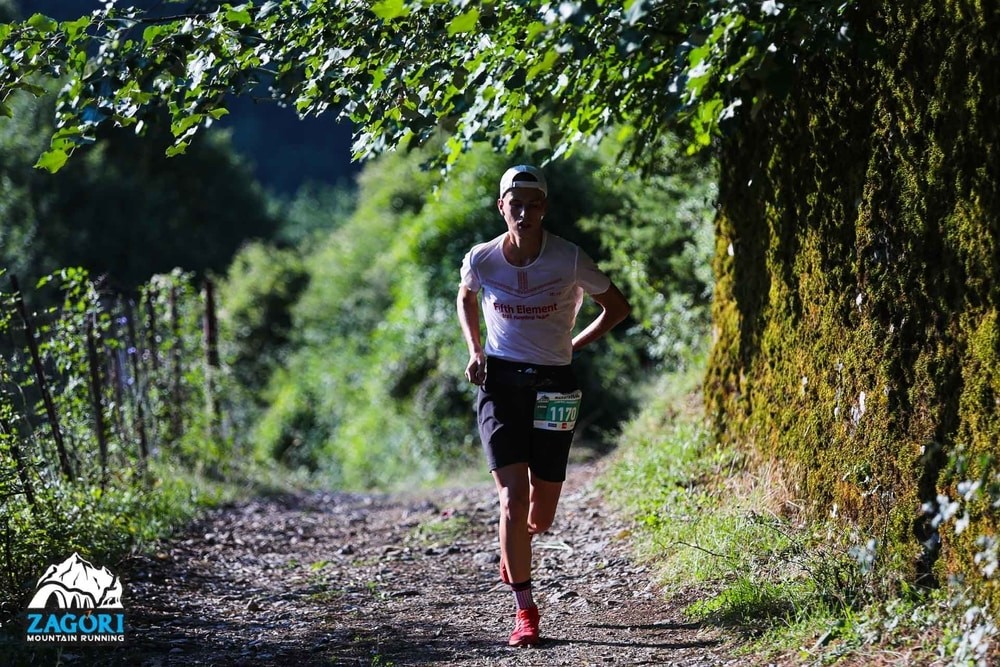
.Zagori Mountain races began in 2011, and they were “built” on the idea of mapping a trail route in the area, which could actually support a mountain race. The route was marked, and the second stage to follow was the implementation of the race that would be called the first Zagori Mountain Running.
Beyond all expectations, registrations exceeded the initial target! The feedback of the participants, the very first moving moments and the warm welcome of the local community, filled us with strength and courage to go on with the project in the following year.From its early years, Zagori Mountain Running has won the hearts of athletes and friends, making this trail event very special and popular.
Of course, the reasons are many, explaining why ZMR has become a leading trail event in Greece. First of all, ZMR offers multiplicity, different levels of difficulty and a wide range of terrain. Every athlete, every person can find the race that suits them best, or even try a new challenge, since there are four (4) categories available, covering distances from 10 to 80km.
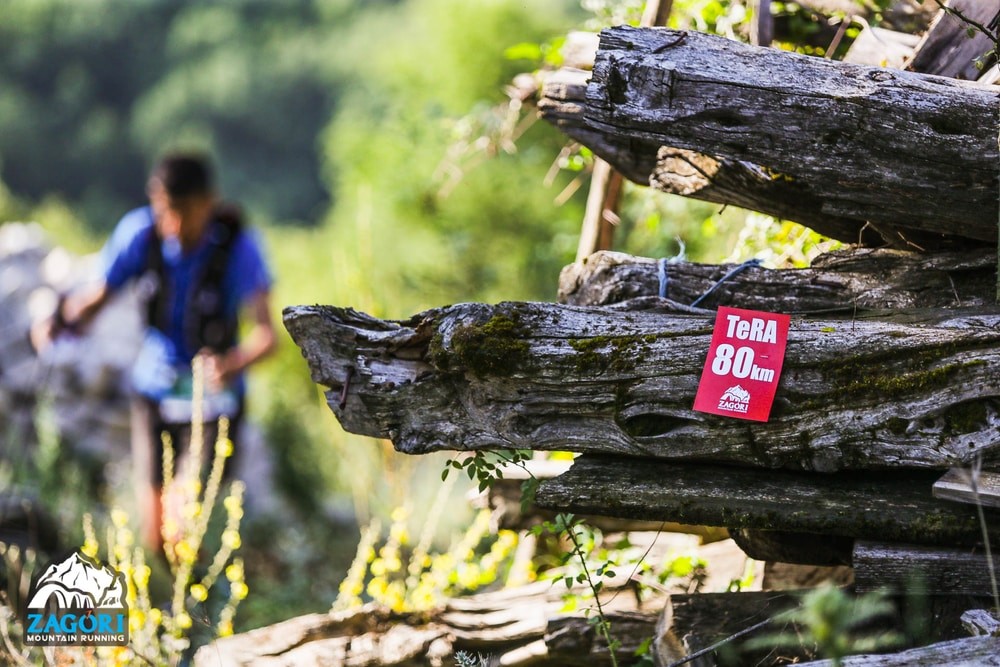
Ideal start is the Entry Race of 10km for new comers in the trail running. The kids’ race called “Zagoraki” concludes the age group, offering to the families the chance to spend quality time altogether, sharing common activities in combination with a summer holiday in Zagorochoria, in Epirus, by the end of July.It has been written that “one life is not enough to experience Zagori”, yet it’s true.
The 46 villages known for their architecture and their outstanding natural beauty, their stone bridges of the famous Epirotic craftsmen, the Vikos canyon, the Vradeto steps, the Voidomatis river, the churches, the mansions, the rich biodiversity, all these captivate the visitor and at the same time give the athletes the thrill and the energy to make it to the finishing line.Zagori Mountain Running manages with total respect this significant heritage.
Our main concern is that all the participants, their friends, the visitors, inspired and delighted of what they have just experienced, make a promise to return!
(07/08/2021) ⚡AMP
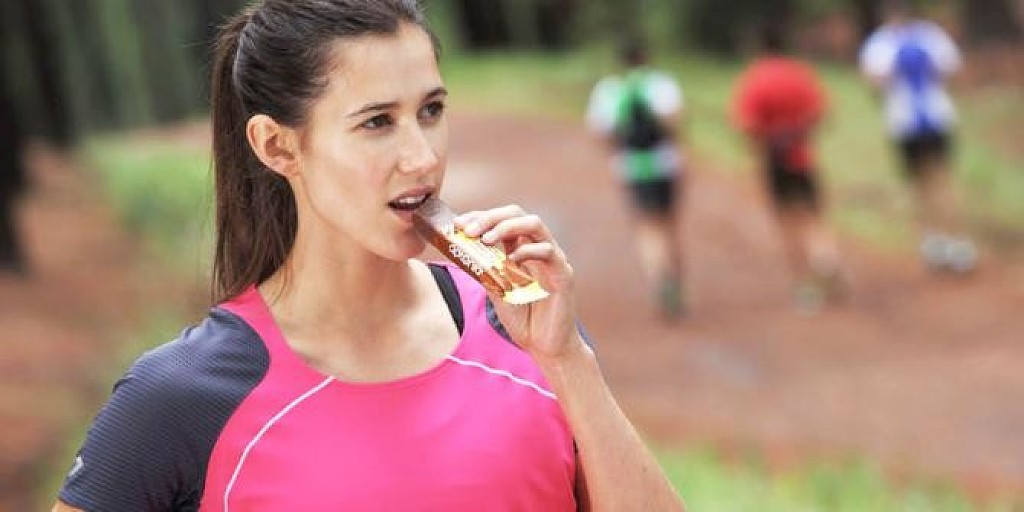
Why chocolate is a runner's superfood
Deep in the distant past, when I was a small child, there was a TV campaign in the UK by the Dog’s Trust charity to encourage responsible pet ownership. “A dog is for life, not just for Christmas” ran the slogan. Well, I feel much the same about today’s World Chocolate Day. Chocolate is far too important to relegate to just a single day. Chocolate is for life, not just a day in July.
I wish I was the kind of person who could open a large bar of chocolate and have just a few squares before putting it away for the next day, but I am not and never will be, and frankly I’m not sure those people deserve chocolate anyway. I once went to visit my sister and her family in summer and she still had Easter egg chocolate in the kitchen cupboard. It’s incredible that I share DNA with her.

If we had the chocolate Olympics – and really, we should – then my podium places would go to Lindt Excellence Extra Creamy, Marks and Spencer’s Swiss milk and Hotel Chocolat Dizzy pralines. But though I am a milk chocolate devotee, it’s the dark stuff that I probably ought to consume more of, not least because it really is good for you – and good for running.
Bear with me, I promise this is not funded propaganda for Lindt or Hotel Chocolat (though I am entirely open to offers from both) – there is plenty of evidence to back this claim up. For a start cocoa, which of course dark chocolate is higher in, has been shown in some studies to improve vascular health. It’s thought that’s because it is loaded with polyphenols, and they help the body to fight inflammation, reduce oxidative stress and increase the formation of nitric oxide – which in turn causes blood vessels to dilate. So better blood flow = better vascular health.

But wait! There’s more. Lots of runners will have heard that milk is a good post-run recovery drink because it has just the right mixture of protein, carbs, water and nutrients. Well, chocolate milk is even better. The ratio of carbs to protein is better than in most sports drinks, it’s easily absorbed (those with dairy allergies clearly notwithstanding) and the added chocolate not only makes it taste nicer, but the added sugar actually boosts the carb content: an 8oz glass of normal milk has about 12g of carbs, whereas chocolate milk has about 30-35g.
Then there are the studies that show that chocolate can even improve your VO2 max – essentially how fast your body can use oxygen. Researchers found that 20g of dark chocolate a day for three months given to sedentary people improved their Vo2 max score by 17%. The fact that that research was done in Mexico, historically speaking the home of chocolate, is surely no coincidence…
Perhaps more surprisingly, chocolate turns out to be a good source of running fuel as well. Of course as runners we know that sugar = fuel, but chocolate is surely a far nicer source than the sticky gels that marathoners will be all too horribly familiar with. Back in 1996 a study fed some lucky college students dark chocolate before a moderate intensity run, and found that their blood sugars stayed higher, fuelling them for longer. Compared to the poor non-chocolate-fed group, they also showed a lower rate of perceived exertion and better blood lactate levels.
Seriously, where does one sign up to be a subject in chocolate-based trials? There's a brand called 80Noir Chocolate that was devised by an ultra-runner who used chocolate as fuel for years. I've never tried it, but would like to volunteer as a guinea pig for any researchers looking for willing victims to test the effects.
Chocolate has antioxidants, a bit of caffeine, a hit of iron, soluble fibre, vitamin D, manganese, copper, magnesium … it’s basically a superfood and I’m now wondering if I should eat some more of it.
(07/07/2021) ⚡AMPby Kate Carter
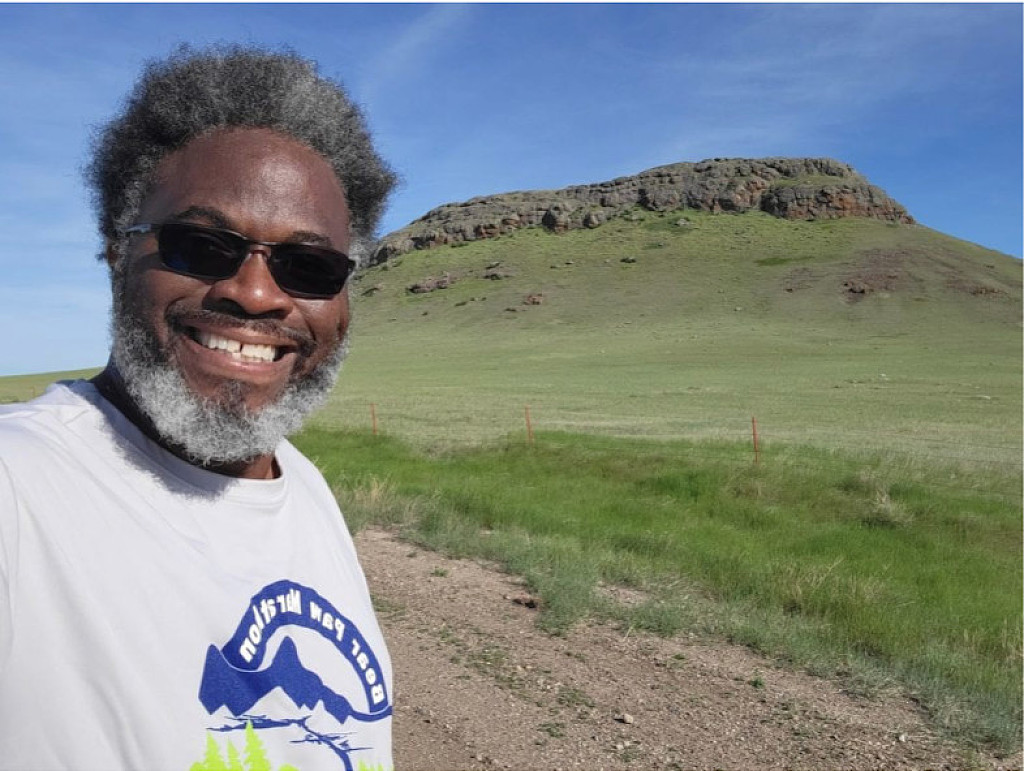
Meet the Texas man running 50 marathons in 50 weeks in 50 states
In November 2015, Houston’s Aaron Burros was shot five times. He was at work when he heard a commotion and went to help whoever was in distress. Burros did help, distracting the enraged individual while everyone in danger got away, but he was not so lucky. Lying on the ground after tackling one of the assailants, Burros stared up at another man, who was ready to shoot him. He now says everything slowed down in those moments, giving him a chance to wonder if he was going to die.
Fortunately, the gunman misfired his first shot, which only grazed Burros’s torso, giving him just enough time to get up and run away. As he fled, he was hit in both glutes, but he managed to get to safety without being shot fatally. Almost six years later, Burros is still plagued by the terrifying memories of that day, and a bullet fragment left in his right glute is a physical reminder of the attack, still sending shots of pain up and down his leg with each step. Despite all of this pain, both physical and mental, he continues to run, which he says gives him purpose, even in his darkest moments.
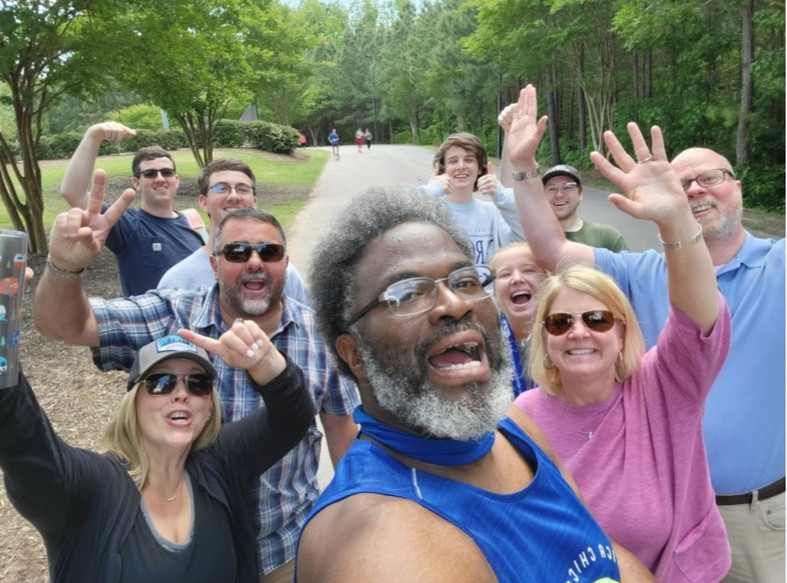
Today, Burros is in the middle of a year-long running challenge in which he is looking to run 50 marathons in 50 weeks in the 50 U.S. states, all as a celebration for his 50th birthday. He’s using the challenge as a way to fundraise for St. Jude Children’s Research Hospital in Tennessee, with the hope of raising a grand total of $50,000.
So far, Burros has completed 24 races this year, leaving him a little behind his goal of close to one per week. He has missed a few races, for various reasons, but he has made it to the start line of most of them, and he’s continuing to work toward his ultimate goal of raising $50,000.
Burros’s running journey
In 2010, years before he was attacked, Burros weighed close to 400 pounds. Looking to lose weight, he began running, slowly at first and only for 15 minutes or so each day. As any runner knows, though, with persistence comes fitness, and after a year, Burros had lost 100 pounds and gotten much better at running. By 2015, he was a seasoned marathoner, and he signed up for a 50-miler.
“That was set for two weeks after I got shot,” Burros says now. After undergoing surgery to have the bullets removed from his glutes, Burros asked his doctor if he could still run the race. His doctor told him that it would be a brutal run, but he wouldn’t cause any further damage, so Burros decided to go for it.
“I played sports my whole life,” Burros says. “My threshold for pain was high, so I just went out and tried to do the ultra.” He made it to about the 40-mile mark, but then he started falling down over and over again. He wasn’t tripping on anything, but he simply couldn’t stay on his feet. “There was this medic there who kept asking if I was OK. He told me to walk.”
Burros took the advice and slowed down, but not even a mile later, he was hit with an anxiety attack. “That was when my PTSD kicked in,” he says. “The anxiety, the depression, the crying spells. I couldn’t even walk in a straight line.” Burros didn’t make it to the finish that day, and he required assistance to get off the course. Going into the race, he had figured that the only obstacles he would face would be physical, and while he encountered his fair share of those challenges, it was the mental injury he suffered that forced him to pull out of that race.
“I had no clue what I was going through at that point,” he says. “I was facing all kinds of emotional battles.” For the next four years, Burros saw a number of specialists to help him work through the trauma, but he says his mental state only continued to worsen. It got to the point where he stopped doing pretty much everything, including running.
“I would wake up, sit at Starbucks all day, then go home and go to sleep,” he says. “I did that for four years. Unless I was going to my appointments, that was it, I didn’t go anywhere else. I didn’t know how to function.” In that time, he regained much of the weight he had lost before he was shot, until the scale eventually said 299.
“I told my psychiatrist I had to do something, that I wasn’t going back to the 300 club,” Burros says. “For me, gaining weight back was just as damaging as being shot.” He got back into running, setting a big goal for himself: to run each of the six World Marathon Majors (WMMs). In 2019, Burros checked four of those races off his list, running in London, Berlin, Chicago and New York City.
He had plans to run the Tokyo and Boston marathons in 2020 and complete his goal in just one year, but both mass participation events were cancelled due to COVID-19. This year, he will run the Boston Marathon, and he hopes to check Tokyo off his list in 2023. (Organizers of the Tokyo Marathon have closed the race to international runners this year and next, meaning anyone like Burros has to wait until at least 2023 to cross the event off his bucket list.)
Coming into 2021, Burros decided to celebrate his 50th birthday with a goal even more audacious than his plan to run all six WMMs. “I was turning 50 and I wanted to do something meaningful, to have some hope,” he says. “I know what running means to me, so I chose to do something with my running.”
50 in 50 in 50
Burros billed his event as running 50 marathons, and while most races he’ll run this year are 42.2K, he has mixed in a few 5Ks, 10Ks, half-marathons and even some ultras. Running 50 races in 50 weeks in all 50 states is a big goal, and it has taken its toll on Burros. “It’s been challenging, frustrating and overwhelming at times,” he says. But he has held onto hope throughout the journey, and managed to push through tough times. Two of his driving forces come in the form of children: Aiden and Gabby.
Aiden is a boy Burros met at the Chicago Marathon in 2019. He suffers from multiple illnesses, and Burros began to pray for him, but he didn’t think that was enough, and he decided to take action. After researching different causes, Burros decided to raise funds for St. Jude Children’s Research Hospital.
“I know medical costs can break a family, so I wanted to do something to help them and honour Aiden and Gabby,” he says. Burros only met Aiden briefly, but he has a close connection to Gabby, who is his grand-niece. Just before starting his 50 in 50 in 50 challenge, Burros heard from his brother, Gabby’s grandfather, that Gabby had been diagnosed with kidney cancer. Her kidney was successfully removed, but doctors found tumours in her skull.
Burros has had a tough time with his running challenge so far, and understandably so, but he uses Aiden and Gabby as inspiration to keep going. He knows he may miss a few weeks along the way, but the number of races he runs isn’t his priority, and instead, his main goal is to help as many children in similar positions to Aiden’s and Gabby’s as possible. To learn more about Burros’s journey and to follow along, click here, and to donate to the cause, click here.
(07/03/2021) ⚡AMPby Running Magazine
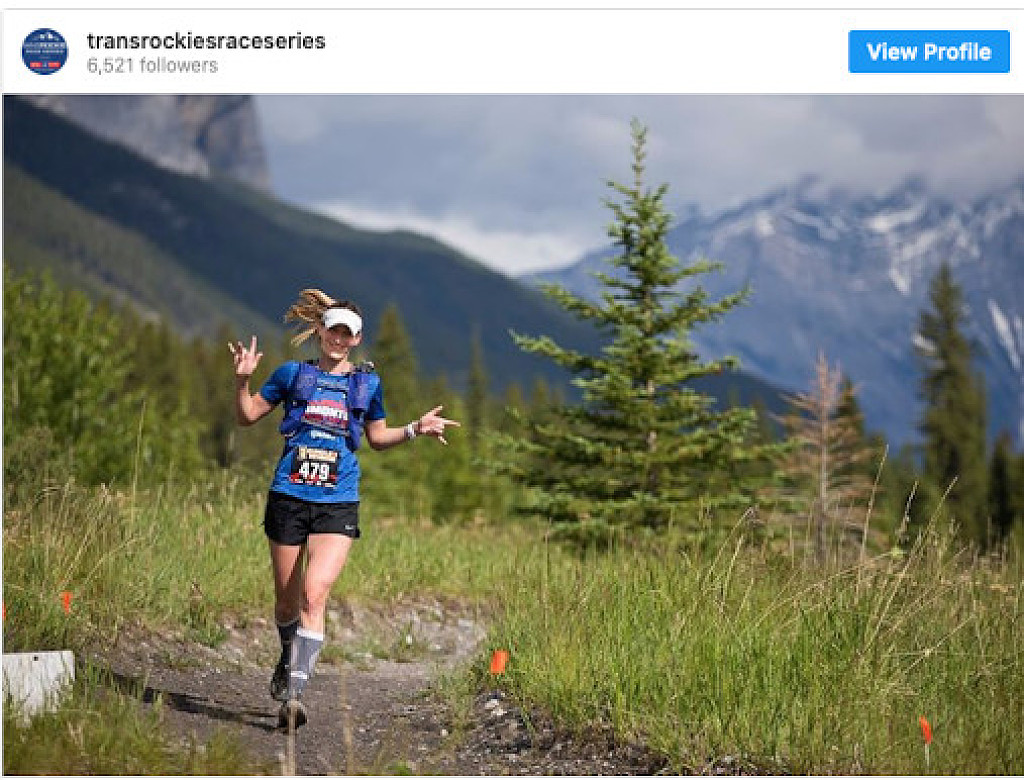
TransRockies announces 2021 race schedule, plans for in-person races
The team at the TransRockies Race Series has announced that they have a couple of events set to run this summer and fall. One event in the U.S., the TransRockies Run, is confirmed, and the team is optimistic that B.C.’s Golden Ultra, which was recently added to the series lineup, will be able to go ahead as planned in September. After COVID-19 forced the cancellation of the 2020 series, trail and ultra athletes will be excited to get back onto the race course. On top of the races scheduled this year, the full TransRockies Race Series will return in 2022.
TransRockies Run
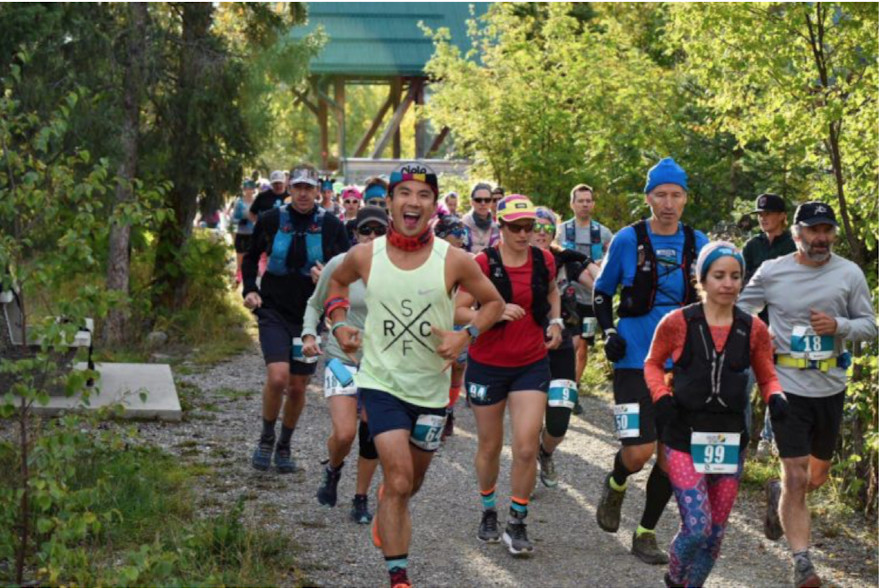
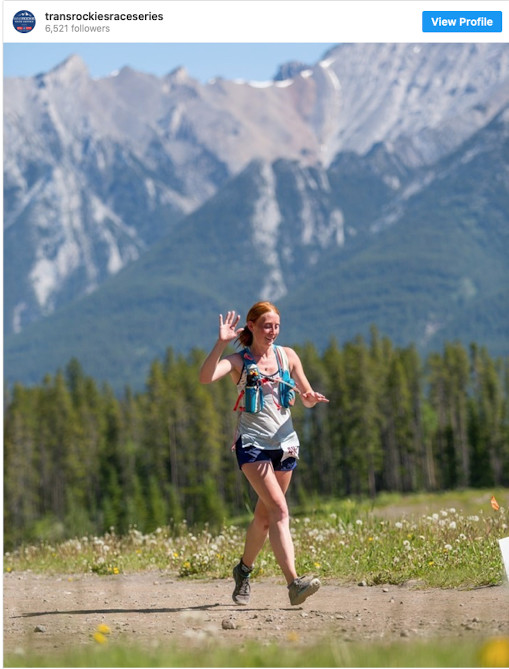
The only running event on the series schedule that has been confirmed so far is the TransRockies Run, a six-day stage race that starts in Buena Vista, Colo., on August 2 and finishes in Beaver Creek, Colo., on August 7. As organizers noted in their race confirmation, they have received approval to hold the run from each of the race’s host communities, which is great news for American trail runners. It could be good news for Canadians, too, as organizers note that they are hopeful that the Canadian government will eliminate quarantine for fully-vaccinated individuals in time for the race.
Anyone interested in competing in the TransRockies run will have to provide race organizers with proof of vaccination, a negative COVID-19 test taken within 72 hours of race day or proof of immunity from a previous COVID-19 infection. This race is sold out, but anyone who hasn’t registered and wants to race can add their name to a waiting list.
Golden Ultra
The Golden Ultra takes place in Golden, B.C., and it’s scheduled for September 17 to 19. The race, which TransRockies acquired in 2020, is a three-day event with stages titled Blood, Sweat and Tears. The first stage is 88K, the second is just under 60K and the third is 22K, but runners don’t have to run them all, and they can choose to run as many as they like. The event was founded in 2015, and it has been extremely popular among Canadian and American runners ever since.
As TransRockies organizers noted in their announcement, if B.C.’s “Restart Plan” goes as scheduled, the Golden Ultra should be able to run without any issues. While they acknowledge that things could change in the coming months, organizers said they’re confident that the race will go ahead as planned. The final call for the Golden Ultra will be made by July 9. Unfortunately, this race is also sold out (all 500 spots in the race were filled within the first five hours of registration back in November 2020), but like the TransRockies Run, anyone interested in racing can request to be added to a waiting list.
The other Canadian race on the TransRockies Race Series calendar is the TranSelkirks Run in Revelstoke, B.C. This race was set to run in August, but it has been cancelled. Runners registered to race the TranSelkirks will have their entries rolled over to the 2022 event
(07/03/2021) ⚡AMPby Running Magazine
2021 Western States 100 Women’s Race
With three women inside the top-10 overall, some of the fastest times ever run on the course, and tight competition wire to wire, the top-10 women changed Western States 100 history—and women’s ultrarunning history—this weekend.
Numerous international women chose to make the trip to the States for States. Among them were Beth Pascall (pre-race interview) from the U.K., who’d spent the past 10 weeks in the U.S. after running the Canyons 100k. Ragna Debats (pre-race interview), who is from the Netherlands but who lives in Spain, was present, running her first Western States, as was Ruth Croft (pre-race interview), all the way from New Zealand, lining up for her first attempt at 100 miles. On the domestic side, defending champion Clare Gallagher (pre-race interview), Brittany Peterson (pre-race interview), Addie Bracy, Camille Herron, and so many more women all hoped to have a good run. What ensued was tight racing from start to end with impressive performances all around.
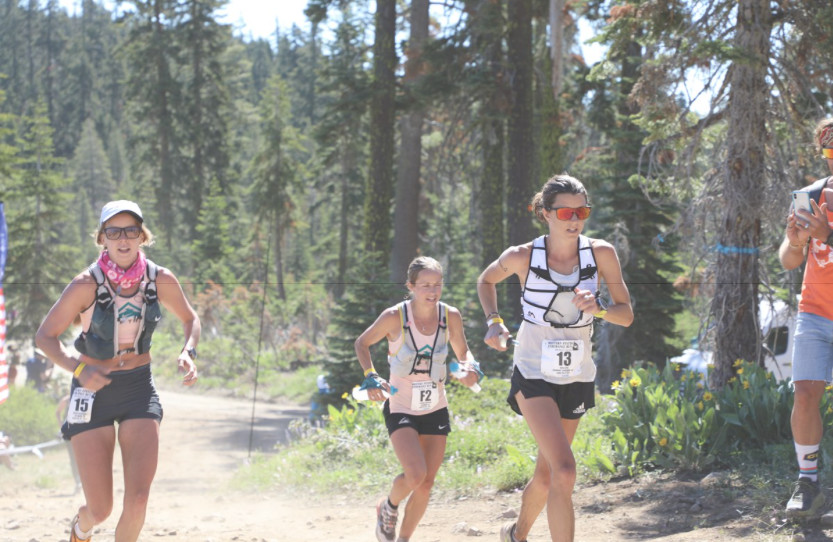
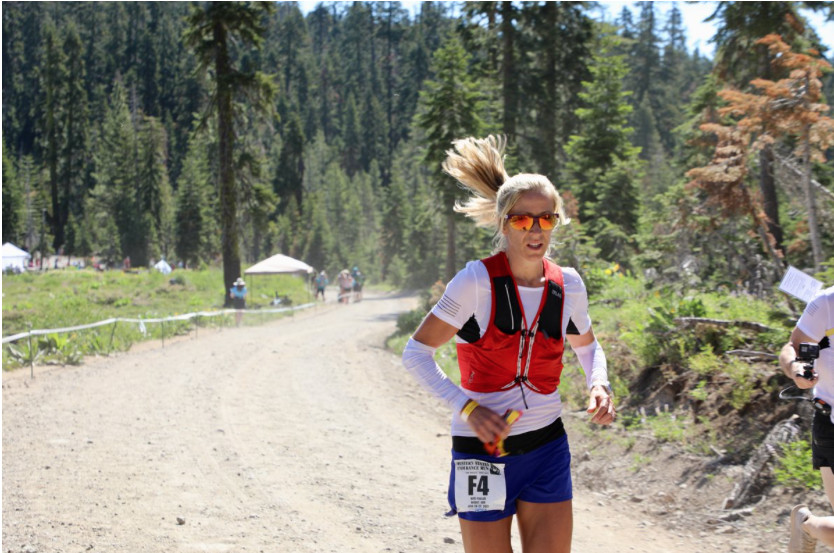
The race started under clear skies, a setting moon, and a comfortable 53 degrees Fahrenheit. Fast out of the gate, France’s Audrey Tanguy was the first over the Escarpment, mile 3.5, followed a minute back by Herron. Gallagher, Pascall, and Bracy filled out the top five just two minutes back from Tanguy. All the women received enthusiastic encouragement from the resident Yeti of Olympic Valley who’d come out to spectate.
By Red Star Ridge at mile 15, Pascall had moved to the front. After finishing just off the podium in fourth in 2019, she was eager to move up in the final standings and wasted no time making her intentions known. Tanguy, Bracy, and Gallagher gave chase, all within 90 seconds, and a long string of women trailed just as closely behind.
By Robinson Flat at mile 30, we understood that Pascall meant business. Looking relaxed, she’d moved to just three minutes off of course-record pace. Bracy and Debats continued to chase, holding the gap to within five minutes. In the next eight miles, Pascall went from three minutes over record pace to nine minutes under it. She flew in and out of the Dusty Corners aid station in a minute.
Halfway through, many of the top women were looking comfortable. Pascall even claimed that it didn’t feel too hot. Still, the heat must have been affecting her as she slowly lost some time on the course-record pace. Debats continued a steady march forward, keeping the gap at a manageable size. Katie Asmuth, now running in third, received the award for the happiest runner through midway, and the one with the hat with the most flair.
By mile 61, Pascall had worked herself into 10th overall, but the full group of top-10 women were running within about 45 minutes of each other. And at 10.5 hours in, there were 19 women in the overall top 40, a testament to the depth and talent in the field.
At mile 71, along the infamous Cal Street, the race was on. Pascall came through at 11:51, moving up to ninth overall with a fast transition. At just 14:15 back, Debats barely stopped at the aid station. Two minutes later, Asmuth ran through, only grabbing ice. Croft followed less than four minutes in arrears, and Peterson came through flying two minutes later. Tanguy left a mere four minutes after that. Count them! That’s six women within 27 minutes of each other almost three quarters of the way through a 100 miler. What, what?
In the next 14 miles, Croft made her move, coming through Auburn Lake Trails, mile 85, in second, just 18 minutes down on Pascall, but only a mere two minutes up on determined Dabats. A charging Peterson moved by Asmuth. With the top-six women now within 45 minutes of each other at mile 85, there was still plenty of racing to be done in the final miles.
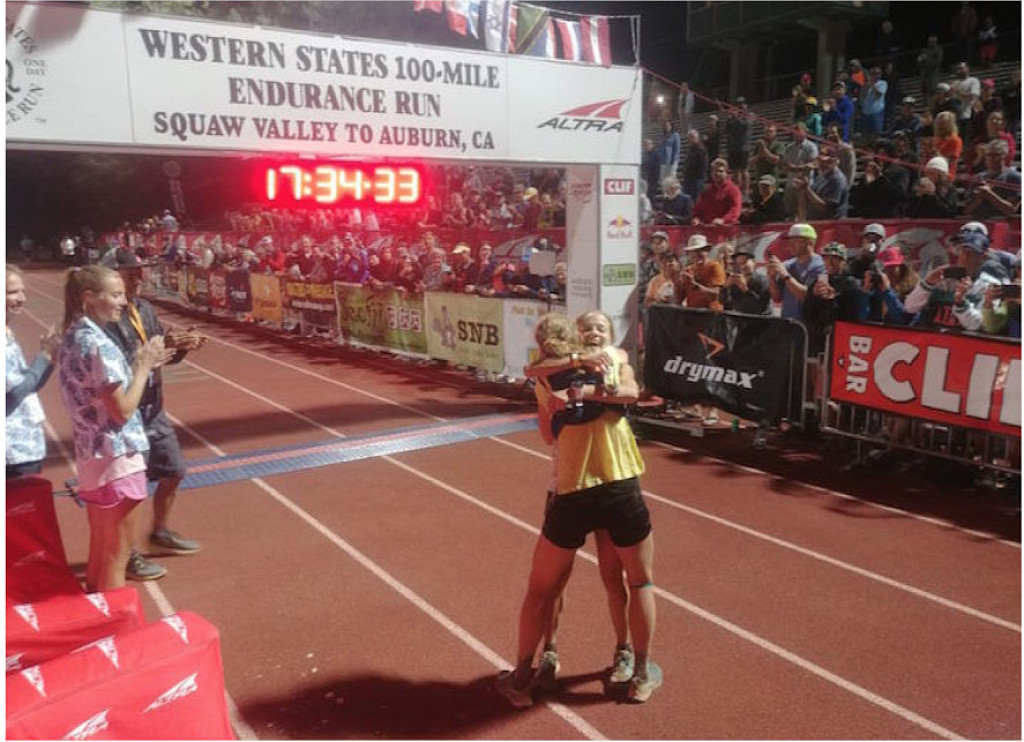
But no one could stop Pascall. Consistent from Olympic Valley to Auburn, she finished in 17:10:41, the second-fastest time in women’s history. She was also seventh overall, continually moving up through the field as the day wore on.
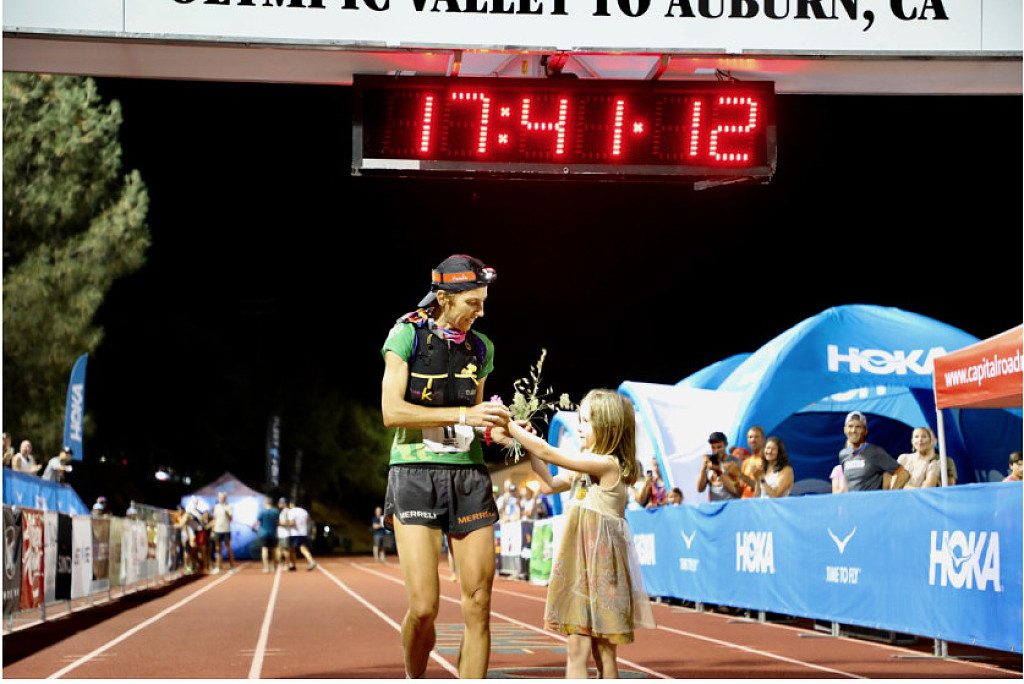
Croft finished a strong second in the women’s field and ninth overall with a time of 17:33:48. Debats would hold on to finish third with a time of 17:41:13, putting three women into the top-10 overall.
This trio was followed by Peterson and Asmuth rounding out the top-five women. For the balance of the women’s top 10, sixth place was ultimately Tanguy, her first Western States finish. This year, seventh place belongs to Emily Hawgood, the Zimbabwean who lives in the U.S., and who has a charmer of a story. Hawgood tried three Golden Ticket races to gain Western States entry this year, achieving it on the third try. In eighth was Camelia Mayfield, who follows up on her fifth-place finish in 2019 with another smartly run race in this gnarly year. Keely Henninger gains the F9 bib in her debut 100 miler, and 10th place belongs to none other than Kaci Lickteig (pre-race interview), whose finish marks her seventh at this event.
Together these 10 women finished within the top-21 overall. Let’s just pause a moment to let that significance soak in.
And to bring this full circle, Gallagher and Herron crossed the line outside of the top 10 having their own challenging days. And Bracy threw in the towel at mile 62.
(06/27/2021) ⚡AMPby I Run Far
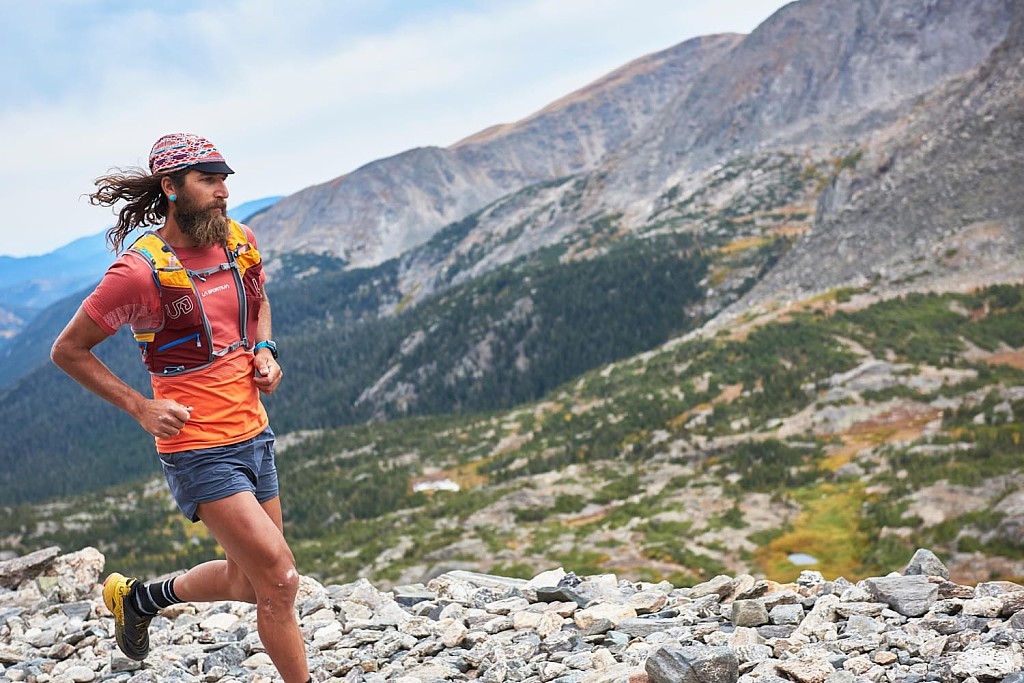
These races are epic and why ultrarunning is soaring in popularity
The events can be gruelling and even dangerous, yet more and more people are signing up
John Stocker hadn’t slept in three-and-a-half days when he finally crossed the finish line after running more than 337 miles in an ultramarathon event in Suffolk, stopping only at brief intervals for food and rest.
Of the 123 people who started the race in Knettishall Heath on 5 June, he was the last person still running 81 hours later on Tuesday evening, and had to summon all of his physical and mental strength to get around the last lap.
“Your tiredness just takes over. And then I clipped my toe and went down on the concrete. I laid there thinking I wasn’t going to be getting back up,” the 41-year-old personal trainer said, as he recovered at home in Bicester. “But the whole reason I do these ultras is to show my kids that they should try to achieve as much as they can, and not be told by anyone that they can’t do something. That’s what kept me going.”
Ultrarunning has soared in popularity, with a report in May showing a 345% increase in participation globally over the past 10 years and thousands of events taking place annually. Meanwhile, participation in 5Ks has declined since 2015, and participation in marathons has levelled off.
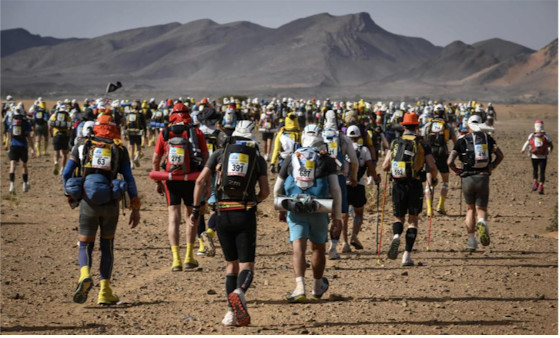
The term broadly refers to any race over the length of a marathon, and can come in many shapes and forms – including the six-day, 251km Marathon des Sables across the Sahara, and the Spine Race across the Pennine hills covering 431km.
“It has been an explosion. When I came to ultrarunning about 14 years ago, I did a Google search and found about 60 races. Now we estimate there’s probably about 10,000,” said Steve Diedrich, the founder of the website Run Ultra. “The pandemic put people into two categories: the people who sat on the couch and the people who got off the couch. And those who got off the couch have pushed themselves further and become ultrarunners.”
Adharanand Finn, the author of The Rise of the Ultra Runners, said: “Generally as running has got more popular and more people have done marathons there’s a natural inflation. To tell people you’ve run a marathon is maybe not as impressive as it once was.
“These races are so epic and so huge, people are so impressed and it’s easy to get sucked in by that.”
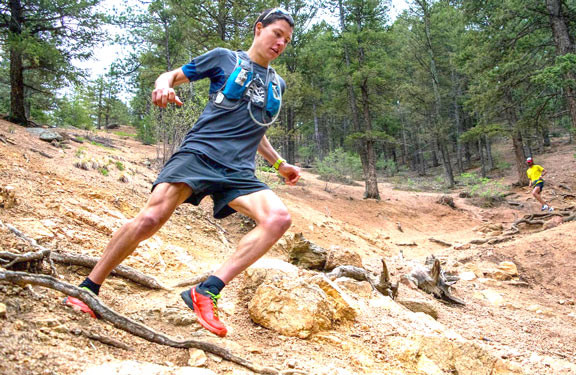
The UK has a long history of ultrarunning in the form of fell races, but races specifically labelled as ultras are on the increase. The “back yard challenge” races, which originated in the US, are particularly gruelling; at the Suffolk event participants had to run a 4.167-mile (7km) route every hour until they could no longer carry on. If runners complete their lap early they can take a short break to sleep, eat and use the toilet before heading back to the start line.
“It’s like Groundhog Day. Because you get back to the tent and you’ve got a few minutes and then all of a sudden it’s your next loop, it starts all over again,” said Stocker. “I still have nightmares now of them blowing the whistle over and over again.”
Along with his fellow runner Matthew Blackburn, he beat the world record for the event previously held by Karel Sabbe, a Belgian dentist who ran 312.5 miles (502km) in 75 hours in October. Now the pair will head to Tennessee to take part in the back yard ultra world championships and compete against the best in the field.
The races are not without risk. The ultrarunning community is still reeling from the deaths of 21 runners in an ultramarathon event in China last month after high winds and freezing rain hit the course. The country has suspended all long-distance races and an investigation into the tragedy is being carried out.
“Through the history of ultraracing there have been issues with floods, cold exposure, heat exposure, a range of everything depending on the location,” but deaths are very rare, said Diedrich. In its 35-year history, two people have died taking part in the Marathon Des Sables.
“We have to have some sort of a safety net, because you’re asking people to push to the absolute limit of their exhaustion,” said Lindley Chambers, the owner of Challenge Running, which organised last week’s Suffolk back yard ultra. He said the route was carefully mapped out to avoid risk of injury and staff were on hand to aid runners at all times.
“You need to be sensible, and manage the risks as best you can,” he said. “But then on the other side, the runners want it to feel like an adventure, they want to feel like they’re challenged. They don’t want you to hold their hand all the way round.”
(06/26/2021) ⚡AMP
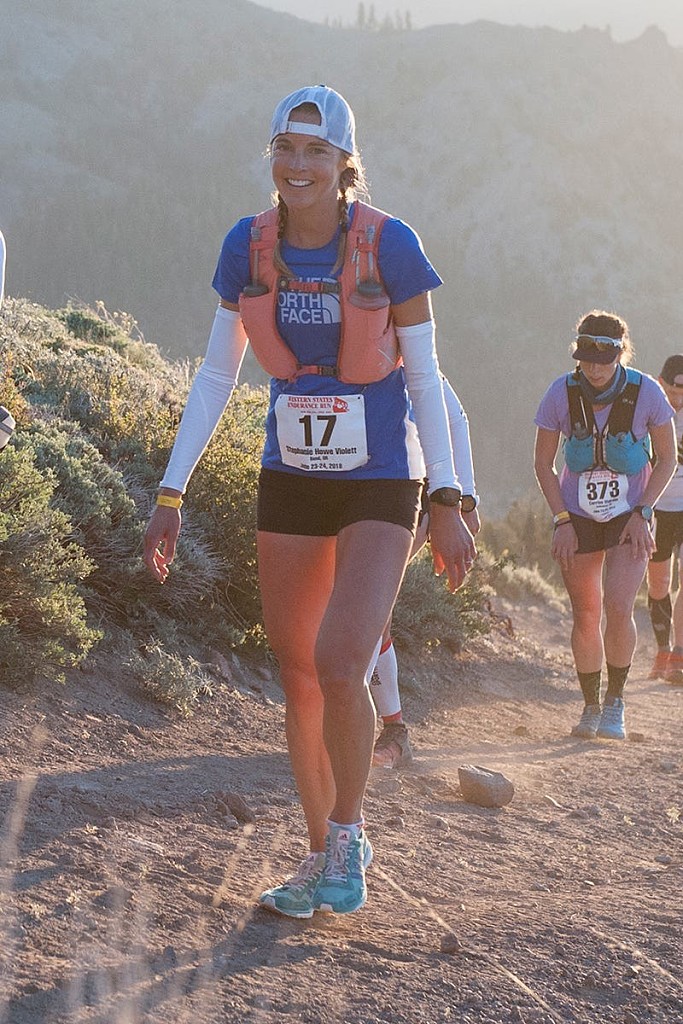
The Western States 100 Is Back and It’s Going to be HOT!
Western States is famously competitive - and this year is shaping up to be one of the toughest competitions yet with hot temps, and a stacked field.
Jim Walmsley and Magda Boulet will be back at the Western States Endurance Run this week.
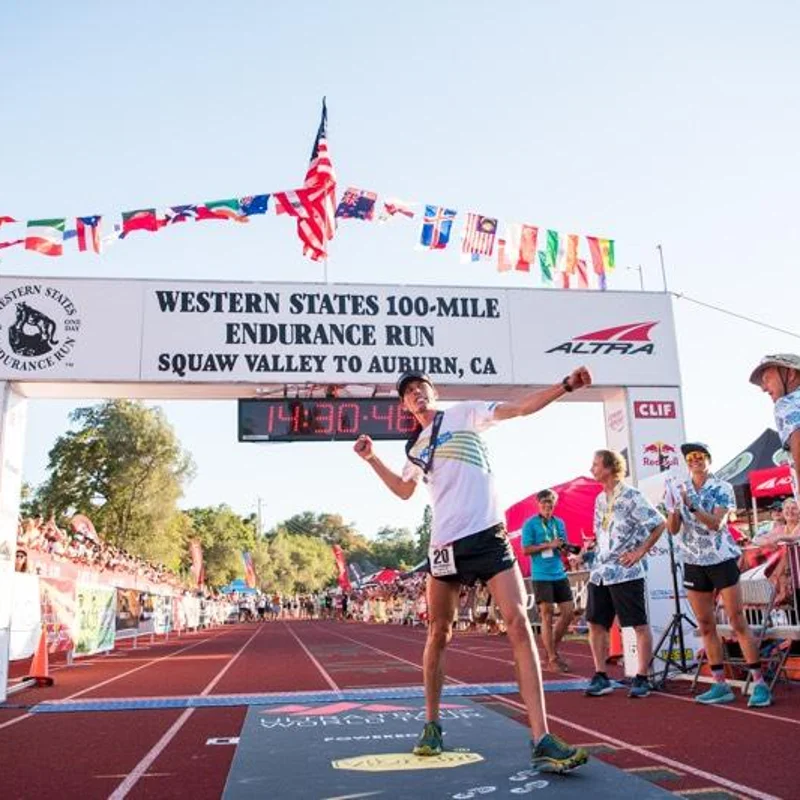
And so will Clare Gallagher, Patrick Reagan, Max King and Brittany Peterson. And, so too is race pioneer Gordy Ainsleigh and 312 other inspired runners who have been training for more than a year and a half to get to the starting line. In fact, we’re all heading back to the Sierra Nevada range this weekend — even if vicariously — to what feels like a bit of normalcy returning.
After a year mostly away from the trail racing running scene, things are starting to feel like old times. With stacked men’s and women’s fields, scorching heat in the forecast and last year’s Covid-19 hiatus hopefully mostly behind us, it’s definitely the event the ultrarunning community has been looking forward to. The race begins at 5 a.m. PST on June 26 and it looks like it’s going to be an epic one. (Follow via live tracking or the live race-day broadcast.)
“Yeah, it will be good to be there and see people and actually be in the race,” says Walmsley, who won the race in 2018 and 2019 in course-record times. “It’s been an odd year.”
Odd for sure, but with deep men’s and women’s fields, hot weather, dusty trail conditions and the late June gathering of a few hundred runners on this hallowed ground feels somewhat normal. The mountains and canyons in and around Olympic Valley northwest of Lake Tahoe have been a sacred place for the native Washoe people for thousands of years before Gordon Ainsleigh’s first romp over the Western States Trail in 1974.
It’s been an especially odd year for Walmsley, who, for the second straight year, had planned to use the first half of his year training for the 90K Comrades Marathon in South Africa. But that was canceled last year (with just about every other big race, including the Western States 100) and this year, too.
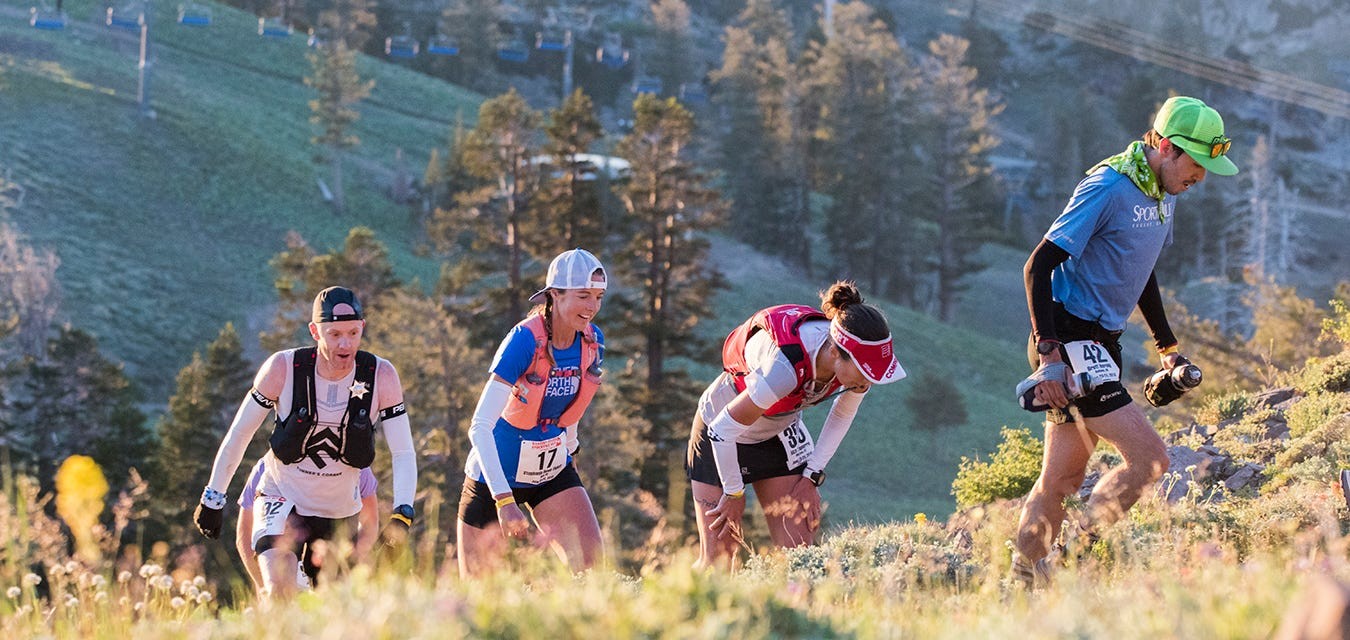
So instead, after setting a new U.S. 100K road record in January, he took a sponsor’s entry into the Western States 100 from HOKA One One and will be once again lining up in America’s most celebrated trail running race. With notable first-timers Tim Tollefson and Hayden Hawks in the mix along with Walmsley, Reagan, King, Matt Daniels, Alex Nichols, Kyle Pietari, Mark Hammond, Stephen Kersh, Jeff Browning and Jared Hazen all returning with previous top-10 finishes, on paper anyway, the men’s race is shaping up to be one of the most competitive in recent memory or maybe ever, even though it’s comprised entirely of domestic runners.
The women’s race might be even more competitive with former champions Boulet, Gallagher (2019) and Kaci Lickteig (2016) leading the way, plus elite American runners Camille Herron, Addie Bracy, Camelia Mayfield and Keely Henninger and international stalwarts Ruth Croft (New Zealand), Audrey Tanguy (France), Beth Pascall (UK), Emily Hawgood (Zimbabwe), Kathryn Drew (Canada) and Ragna Debats (Spain) joining the fray.
Who are the favorites? It’s hard to tell. Most of those runners, including Walmsley and Boulet, have admitted to having dealt with some minor injuries, inconsistent training, a lack of motivation and other setbacks over the crazy year that was. Based on what runners have been reporting, it seems like most are just eager to get back and immerse in a competitive 100-miler and see what they can do.
However, one of the keys will certainly be who can survive the heat the best. The forecast is calling for high temperatures in the upper 80s to the high 90s on Saturday after and the canyons between Robinson Flat and Michigan Bluff could even reach over 100 degrees.
Walmsley has said he’s dealt with some IT band issues and has focused mostly on running with a lot of vert, focusing on getting optimal recovery, strength sessions and body work, as well as spending as much time running in extreme heat as possible. That includes running and hiking countless laps to the summit of 9,298-foot Mt. Elden in Flagstaff, averaging 20 to 25 hours per week on the trails and also spending a lot of time on a bike trainer.
But he’s also spent a lot of time in the infrared sauna in his home and spent time with family in the Phoenix area, where he ran in the afternoons amid 115- to 120-degree heat.
“The heat training is kind of lucky for me, because growing up in the heat in Arizona, I didn’t know any different,” Walmsley says. “I just thought everyone was roasting in the heat. It’s what I grew up with and I try to lean into those memories and embrace the heat.”
Boulet, who lives in Berkeley, Calif., has also gone out of her way to train in the heat. While she says her build-up has been inconsistent compared to previous years, she’s been doing a lot of climbing and descending in the heat, and also working on box jumps to strengthen her legs for the long descent into Auburn. She says a recent 40-mile run up 3,849-foot Mt. Diablo east of Berkeley, is a good indicator that she’s ready to roll.
“I’ve definitely been spending more time in the heat lately, which is something I personally don’t enjoy running in,” says Boulet, who won the race in 2015, DNF’ed in 2016 and placed second in 2017. “But I know the importance of preparing in the heat and falling in love with running in the heat by race day. You can be as physically as ready as possible in terms of your fitness, but if you don’t have the heat training and you’re trying to tackle some of the parts of the canyons that are in the middle of the race, It’s really tough.”
Given the extreme heat, it’s not likely that anyone will challenge Walmsley’s 14:09 course record set two years ago, when it was in the low-80s and cloudy on race day. But there’s also no snow on the course this year, so the early sections that have previously forced runners to hike and walk early on will likely be faster, and that will likely result in fatigue that will slow them down in later stages of the race.
“You’ve got to take what the course gives you,” Walmsley says. “I’ve learned that you don’t fight the course where you shouldn’t. I have some splits in mind that would get me there under 15 hours and maybe close to 14:30, but it’s going to be all about feeling out what the course is giving me, following those guidelines and not forcing it. Because anyone who forces it in that heat will be doomed.”
(06/25/2021) ⚡AMPby Outside Online (Brian Metzler)

Western States 100
The Western States ® 100-Mile Endurance Run is the world’s oldest and most prestigious 100-mile trail race. Starting in Squaw Valley, California near the site of the 1960 Winter Olympics and ending 100.2 miles later in Auburn, California, Western States, in the decades since its inception in 1974, has come to represent one of the ultimate endurance tests in the...
more...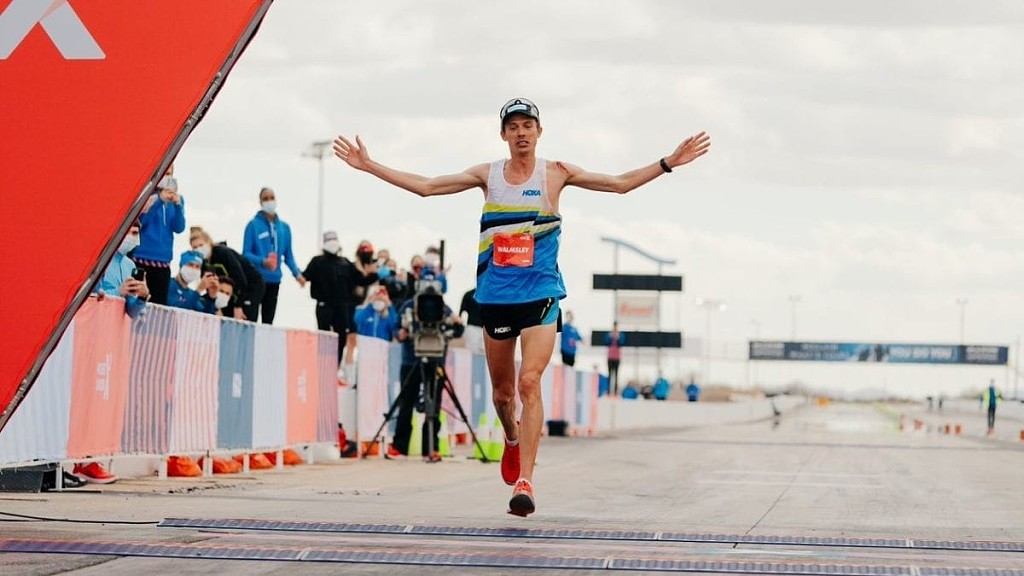
Jim Walmsley opens up about injury ahead of Western States 100
The defending WSER champion has been dealing with knee issues over the past few months, but he says he's ready to race this weekend
If you follow American ultrarunner Jim Walmsley on Strava and wondered why he’s been so quiet lately, he posted on Instagram on Tuesday to talk about an injury that has been nagging him for the past few months. Walmsley wrote that he has been dealing with knee and IT band issues, but he added that he has been pain-free for the past couple of weeks. His recovery couldn’t have come at a better time, as he is set to race the Western States 100 (WSER) in California on Saturday. Walmsley is the two-time defending WSER champion and course record holder, and he will be looking to make it three wins in a row this weekend.
As Walmsley wrote on Instagram, his knee and IT band issues began about three months ago. “It was at a point I saw as a crucial time to take it seriously and take some time to address it,” he said. He made big changes to his training schedule, taking five days off of running each week for the better part of a month. Walmsley said the injury came as a surprise, noting that his training load had been steady and his workouts had been going well for the previous month.
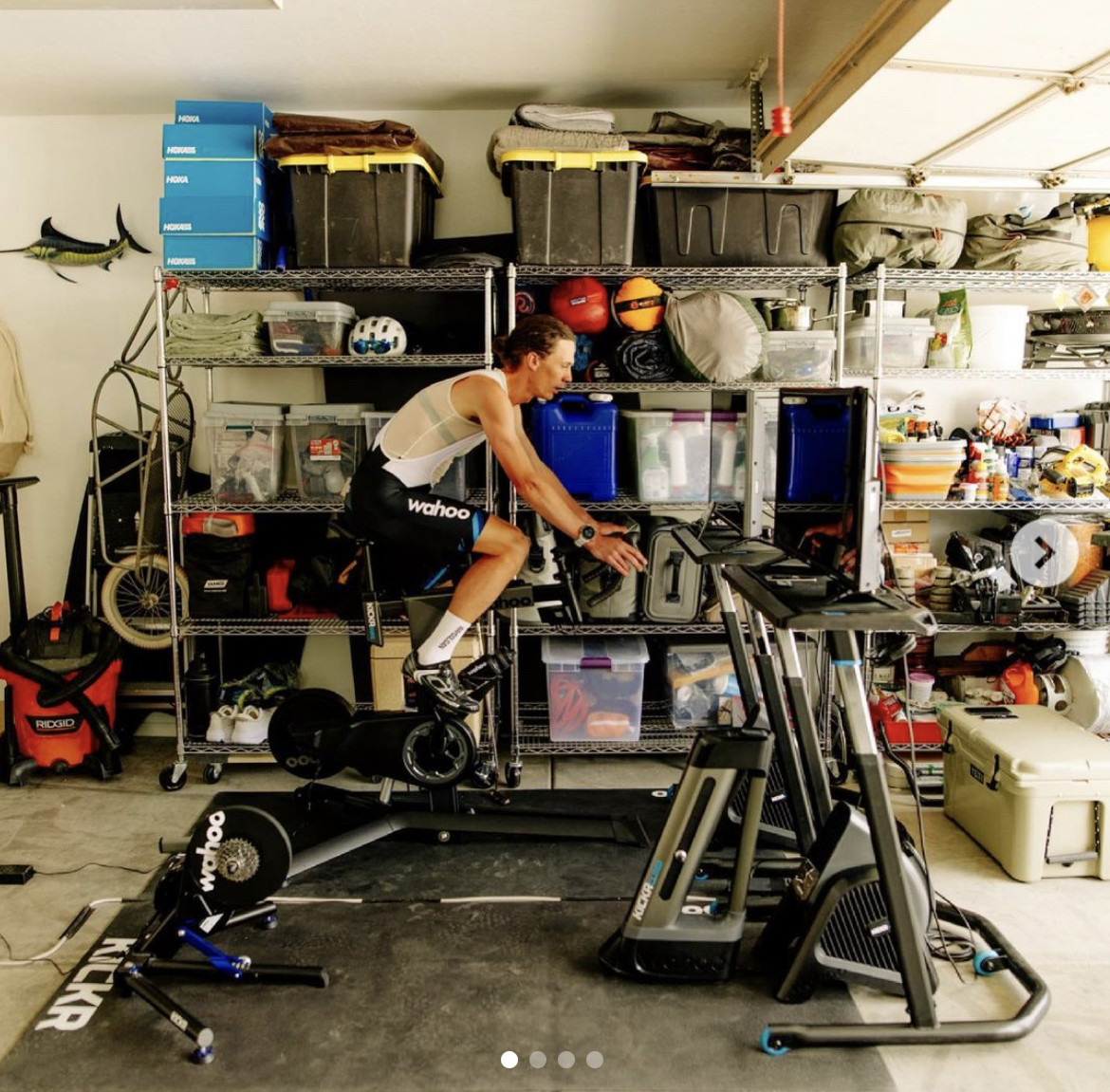
After his “reset with running,” Walmsley said he had eight weeks to go until WSER. While he might have felt better, he didn’t push himself too much, and he spent the next while taking care in his workouts and visiting his physiotherapist regularly. He added that he spent a lot of time riding his bike to make up for his lack of run training in this period.
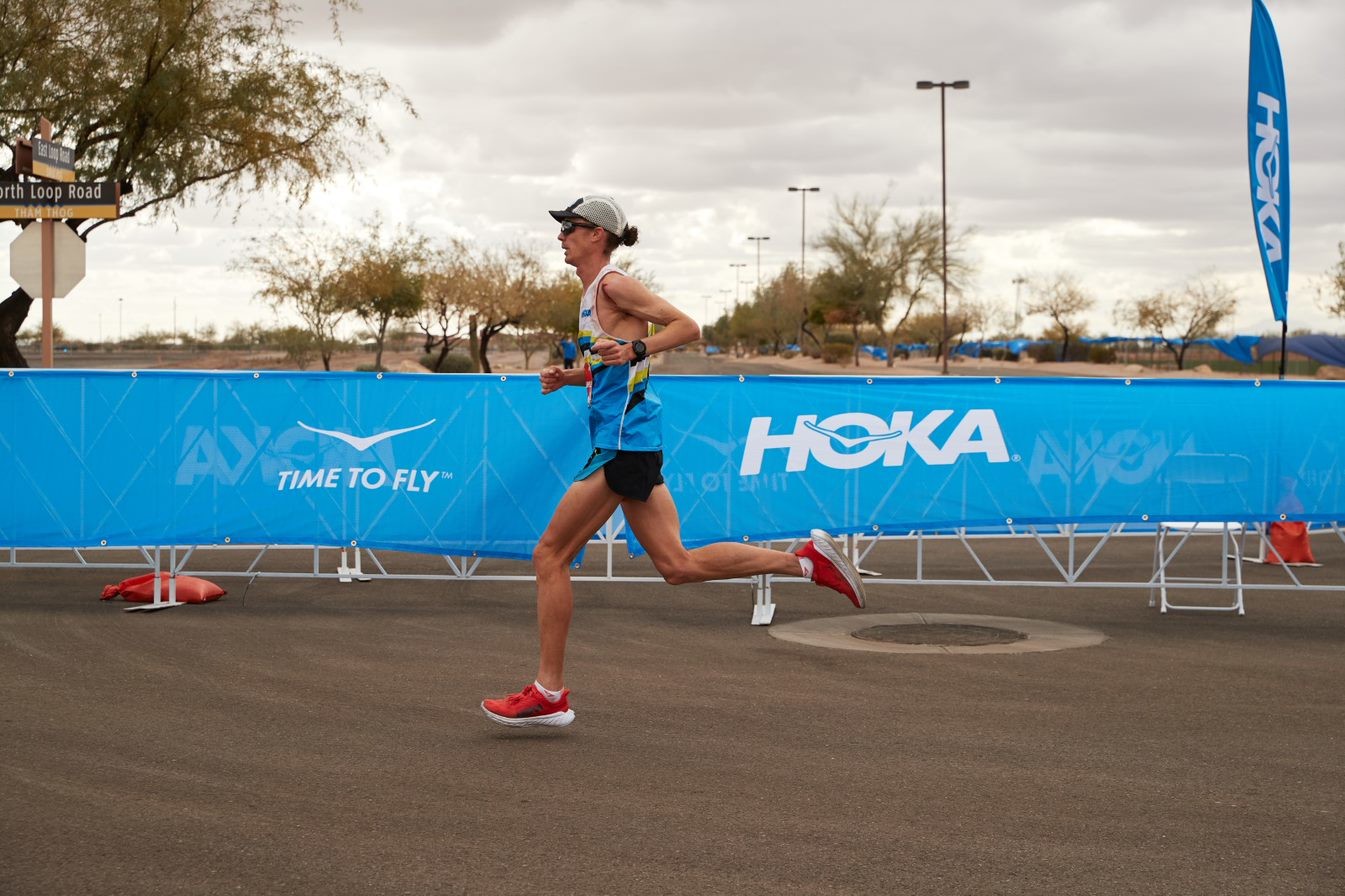
Walmsley races at Hoka One One’s Project Carbon X 2, where he ran 6:14:26, just 12 seconds off the 100K world record. Photo: Hoka One One
“This block has been so much more work than usual,” he wrote. “I went through ups and downs with emotions, not knowing if I’d be able to line up healthy.” With just a few days to go until WSER, Walmsley’s careful training and build to race day worked out, and he said he feels better and healthier than he has at any point in the past three months.
“I feel like I’m gaining momentum at the right time,” he wrote, “and I couldn’t be more excited to be back at Western States ready to rock.”
(06/23/2021) ⚡AMPby Running Magazine
Western States 100
The Western States ® 100-Mile Endurance Run is the world’s oldest and most prestigious 100-mile trail race. Starting in Squaw Valley, California near the site of the 1960 Winter Olympics and ending 100.2 miles later in Auburn, California, Western States, in the decades since its inception in 1974, has come to represent one of the ultimate endurance tests in the...
more...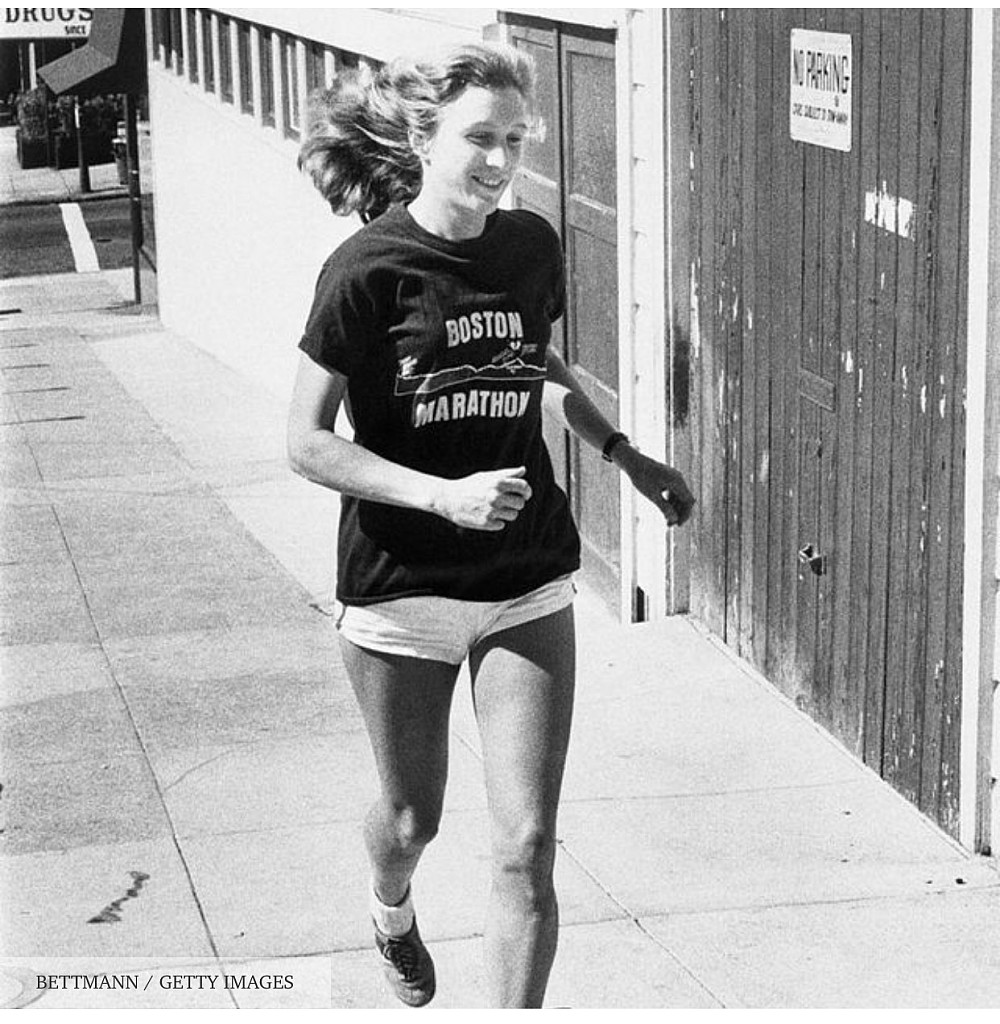
Joan Ullyot a pioneer for women’s running has died
Women’s Running Pioneer Joan Ullyot Dies at 80
She started running at age 30 and was instrumental in lobbying for the women’s marathon to be included in the Olympic Games.
Dr. Joan Ullyot, whose running achievements and medical expertise made her a major pioneer of women’s running, died on June 18, at her home in Snowmass Village, near Aspen, Colorado. She was 80. The cause was a heart attack.
Ullyot’s book, Women’s Running, published in 1976, was the world’s first on the subject, and she was a leader as a writer, speaker, medical scientist, activist, and role model for all women who begin to run relatively late in life, in her case at 30.
Growing up in Pasadena, California, Ullyot went to Wellesley College, but at that time she was so uninterested in running that she never troubled to watch the Boston Marathon go by. A talented linguist, she aspired to the Foreign Service, until she learned that women diplomats were not permitted to marry. Switching to medicine, she attended the Free University of Berlin, and entered Harvard Medical School, becoming one of its early women graduates.
She held a fellowship in cellular pathology at the University of California, married, and had two sons, before growing discontent with her 30-year-old body.
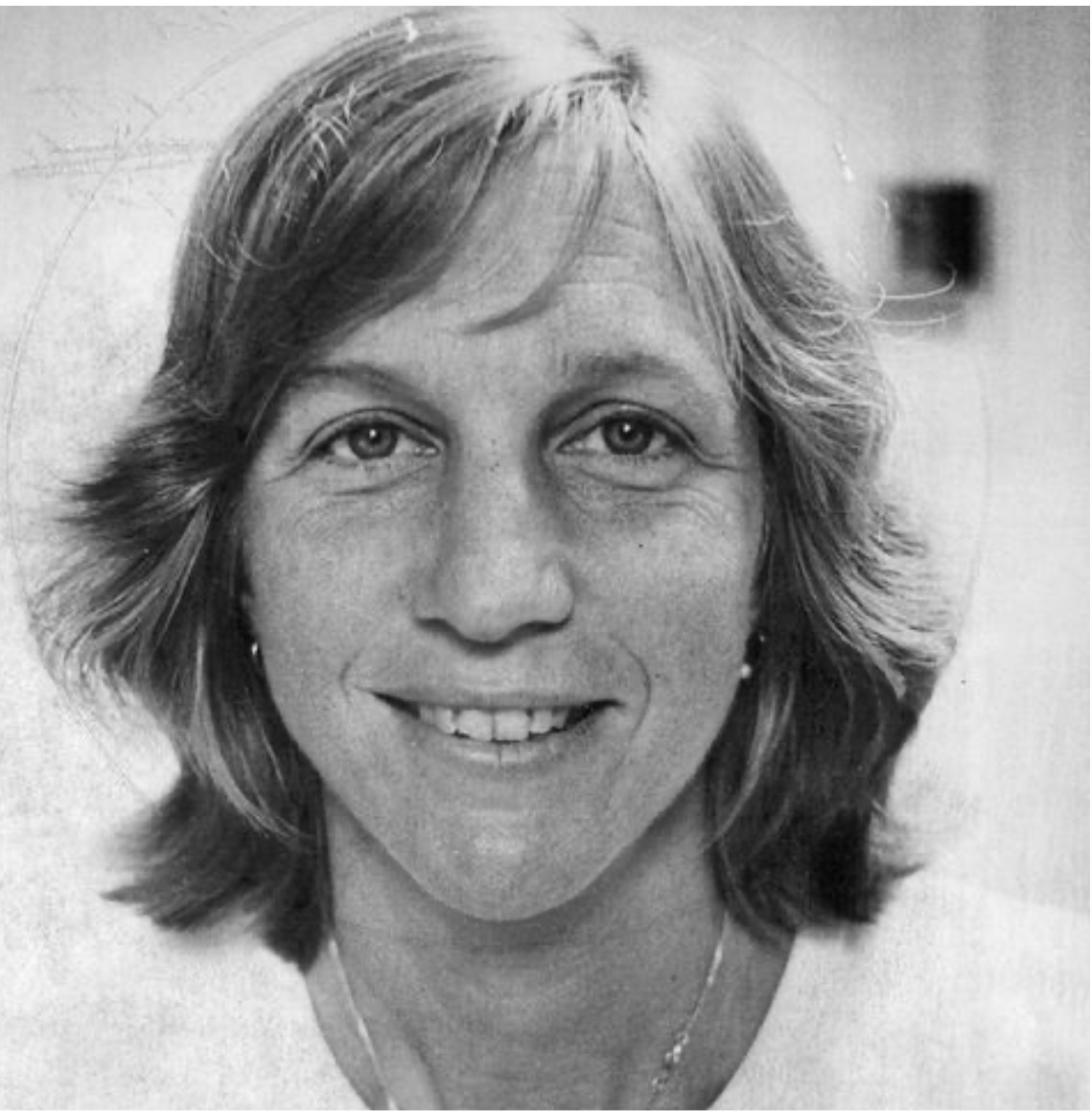
“I was the ultimate creampuff. If I could become an athlete, anyone could do it,” she is quoted as saying in Running Encyclopedia.
She gave credit for her venturing into running to Dr. Kenneth Cooper’s seminal book Aerobics, and to assistance from the family black lab, who towed her up the local hill on her experimental first runs, as she told Gary Cohen in an extensive 2017 interview.
Her first race was San Francisco’s iconic Bay to Breakers, and within a few months she had run her first marathon, placing 13th at Boston in 1974, only the third time the race was officially open to women. Quickly, Ullyot began applying her varied intellectual skills and high energy to the totally new field of women’s running.
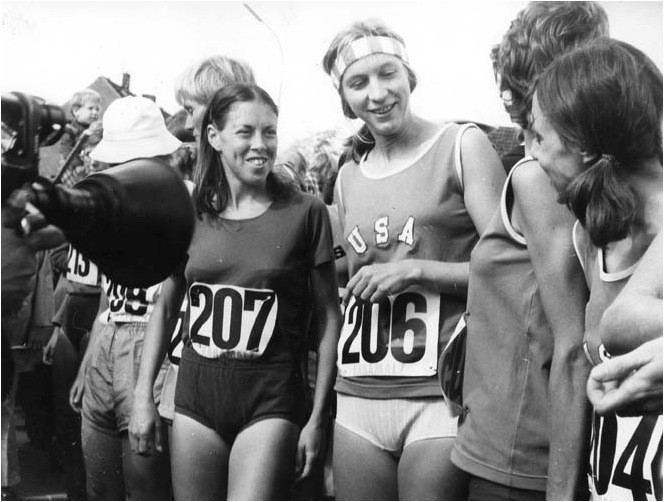
Within two years, she was winning races like Lilac Bloomsday in Spokane and Hospital Hill Run in Kansas City, representing the U.S. as both a marathoner and interpreter at the International Women’s Marathons in Waldniel, Germany, writing articles and columns for Runner’s World and Women’s Sport and Fitness, and traveling the world as a groundbreaking speaker.
“I talked all around the country on the same ticket as George Sheehan and Joe Henderson. It was great fun,” she said in the Cohen interview.
Absorbed in this new area of knowledge, she switched her medical specialty from pathology to exercise physiology. In 1976, only three years after she took her first running steps, she had researched and published Women’s Running with the World Publications division of Runner’s World.
She sold the idea to editor Joe Henderson and publisher Bob Anderson as a way of dealing with the numerous queries she was receiving, as a Runner’s World columnist, from new women runners. The book was a bestseller, and she followed with Running Free (1980; her own story plus profiles of runners such as Sister Marion Irvine) and The New Women’s Running (1984).
Ullyot’s own racing continued to progress, as she followed Arthur Lydiard’s training principles with guidance from U.S. marathoner Ron Daws. She ran Boston 10 times, winning the masters race in 1984, at age 43, with a 2:54:17. She won 10 marathons outright, and finally broke 2:50 at age 48, with her 2:47:39 personal record on the time-friendly St. George Marathon course.
She chose her races like her wines, with catholic enthusiasm, and was a loyal supporter of San Francisco’s local DSE (Dolpin South End Runners) events as well as eagerly taking international opportunities with the Avon Circuit and extending her active career through ultraracing.
Her medical standing made her an important advocate for women’s distance running in the years of lobbying and protest that led ultimately to the inclusion of all women’s events in the Olympic Games.
“Her research was presented…to the International Olympic Committee by the Los Angeles Olympic Committee before the vote to include the women’s marathon in the 1984 Games,” said former world record holder Jacqueline Hansen in an online tribute this week. That credit is also given in the citation for Ullyot’s induction into the Road Runners Club of America Hall of Fame in 2019.
Ullyot and her second husband, scientist Charles Becker, moved in the early 1990s to Snowmass. She coached the Aspen Runners Club for about 10 years from 1993, and kept in shape by biking until a nearly fatal crash. In her later years, she focused on walking.
Many tributes this week have recalled her high intelligence and zest for life.
“In the weeks leading to her unexpected death, Joan was characteristically high energy and had a blast,” wrote her son Ted Ullyot.
“In the 1970s, as we all worked to break down the myths that restricted women from running, Joan was our medical beacon, a feisty example of transformation from zero to 2:47 marathon, and an unstoppable personality, bigger than life, opinionated at the top of her mighty lungs, and with an unstinting appetite for fun and capacity for wine,” said Kathrine Switzer.
Ullyot also sustained her lifetime devotion to travel, reading, and friendships. These included many who were her competitors and collaborators in the 1970s and ’80s, years when their pioneering generation created, advocated, fought for, and left strong the visionary new sport of women’s road running.
(06/23/2021) ⚡AMPby Runner’s World (Roger Robinson)
China punishing 27 officials after deadly ultramarathon
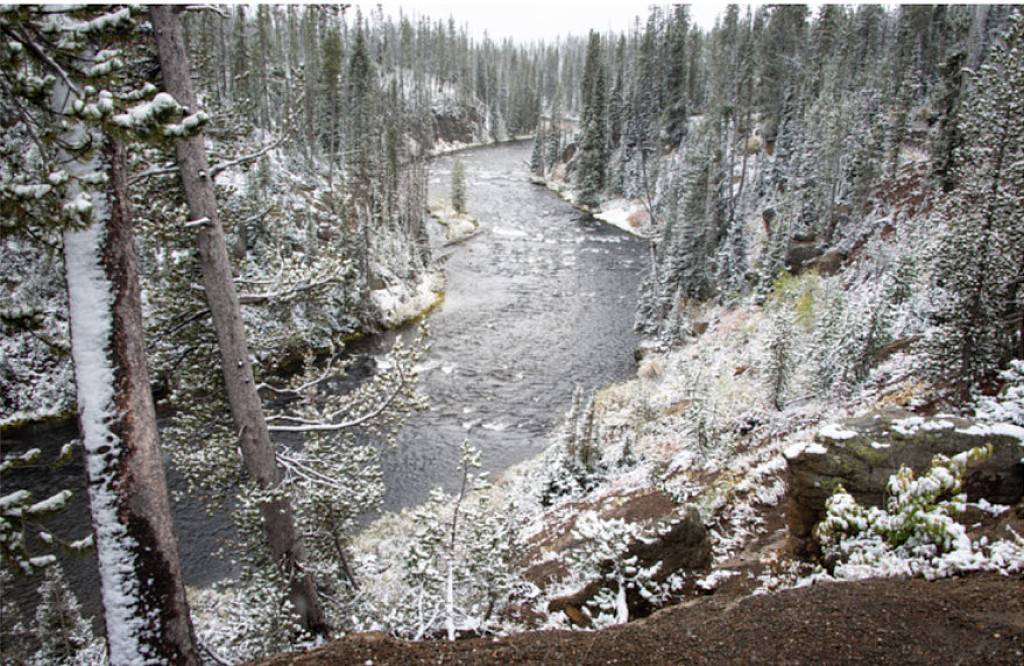
Runners everywhere were shocked last month when they learned on May 23 that 21 athletes had died of hypothermia when extreme weather hit the Huanghe Shilin Mountain Marathon in the northwestern province of Gansu, China. According to a report by CNBC, 27 government officials deemed responsible for the incident, which was one of the world’s deadliest sporting tragedies in recent history, have been punished.
The Gansu government opened a formal investigation soon after the tragedy occurred, and on Friday they announced that several government officials had been dismissed from their posts, including the head of Jingtai county, where the race was held. The mayor and the Communist Party chief of the city of Baiyin, the jurisdiction in which Jingtai belongs, were also dismissed, while several others received major “demerit ratings” and disciplinary warnings.

According to the investigators, the tragedy was a public safety incident, caused by extreme weather, high winds and cold temperatures, along with unprofessional organization and operation. Just over a week ago, China’s sport administration also announced that it was suspending all high-risk sports events that lack a supervisory body, established rules and clear safety standards, including mountain and desert trail sports, wingsuit flying and ultra-long distance running.
(06/20/2021) ⚡AMPby Running Magazine
Western States 100 preview: pre-race favourites
Women’s field - There are three former WSER champions entered in this year’s race: Gallagher, who won in 2019, 2016 winner (and 2019 third-place finisher) Kaci Lickteig and 2015 champ Magdalena Boulet. All three women are American, and they’ll be joined on the WSER start line by several of their high-profile compatriots. Brittany Peterson, the second-place finisher from 2019, will be in the race for just the second time in her career, along with Nicole Bitter, the seventh-place woman in 2019, which was also her WSER debut.
Pascall and Drew headline the international entries in the women’s field. Pascall, who hails from Great Britain, finished fourth in 2019, and she is a serious threat to take the win this year. Earlier in 2021, she won the Canyons 100K in California, and in 2020, she broke the Bob Graham Round FKT in her home country. She has also recorded two top-five finishes at the past two editions of the famed Ultra-Trail du Mont-Blanc. Pascall is in incredible form, and she’s a threat to run away with this year’s race, which would make her the first non-American woman to win the WSER title since Ellie Greenwood (who is British but lives in Canada) in 2012.
This will be Drew’s second WSER appearance, and she, too, has what it takes to improve on her result from 2019. She has several big wins to her name, including top finishes at the Chuckanut 50K and Canyons 100K in 2019. She has also represented Canada at the IAU Trail World Championships. B.C.’s Sarah Seads will also race in California, making her first WSER appearance.
When it comes to debut WSER runs, there are several big names to watch. New Zealand’s Ruth Croft is having a tremendous season, with a pair of big wins. Her first came at the Tarawera Ultra in Rotorua, New Zealand, where she won the overall title in the 102K race. A few months later, she was in action in Australia, where she won a 50K race in Katoomba, a town west of Sydney, at Ultra-Trail Australia.
France’s Audrey Tanguy is also running WSER for the first time. Tanguy has had a great year so far, first winning the Hoka One One Project Carbon X 2 100K event in Arizona in January and then following it up with a third-place finish at the Canyons 100K in April. She is also a two-time UTMB TDS winner (2018 and 2019).
Finally, there’s American ultrarunning star Camille Herron. The owner of multiple American and world records, Herron is another threat for the win at WSER. She has won the Comrades Marathon, multiple world championships and many other races around the world, and it shouldn’t be a surprise if she adds a top WSER finish to her resume.
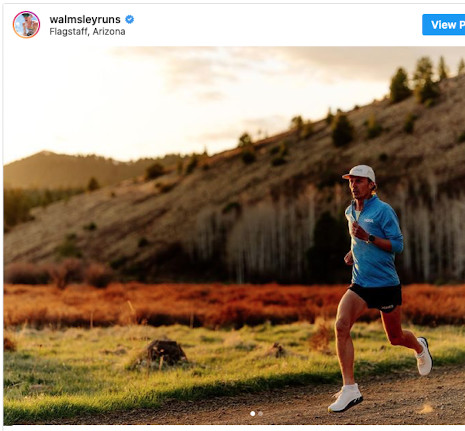
Men’s field - The only WSER champion in the 2021 field is Walmsley, who has won the past two editions of the race. In 2018, he won in 14:30:04, and a year later, he set the course record with an incredible 14:09:28 run. This year, he has raced one ultramarathon, Hoka’s Project Carbon X 2, which he won in 6:09:26, coming extremely close to breaking the 100K world record of 6:09:14. That was several months ago, but if his fitness is anywhere close to where it was at that race, he should be able to lay down another historic WSER run.
Walmsley’s fellow American Jared Hazen, the 2019 runner-up, is also set to race this year. In 2019, Hazen ran a remarkable time of 14:26:46, which would have easily won him the WSER title if Walmsley hadn’t been in the race. He’ll be looking to take that final step onto the top of the podium this year.
A pair of Americans making their WSER debuts are Tollefson and Hayden Hawks. Tollefson has several big wins to his name in the past year alone, including titles at the 2020 Javelina Jundred 100 Miler and USATF 50-Mile Trail Championships. He has also recorded victories at the 120K Lavaredo Ultra-Trail race in Italy in 2019 and the 100K Ultra-Trail Australia in 2017, along with a pair of third-place finishes at UTMB in 2016 and 2017.
Hawks has won many races throughout his career, including the JFK 50-Miler in 2020. He set the course record of 5:18:40 at that race, beating Walmsley’s mark of 5:21:28 from 2016. The WSER course is twice as long as the JFK 50, but Hawks has proven he can match or better Walmsley’s efforts, so it will be interesting to see how he fares in California.
(06/20/2021) ⚡AMP
by Running Magazine
Missouri man returns for another ‘Grandma’s Double,’ running the course twice in one day
The first 25-26 miles are “the easy ones,” said Eric Strand, 60. “Then you have the benefit of aid stations, the crowd and fellow runners to commiserate with on the way back. It’s a fun way to get a training run in.”
Before runners hit the starting line, before volunteers set up aid stations and before the sun rises, Eric Strand is running Grandma’s Marathon.
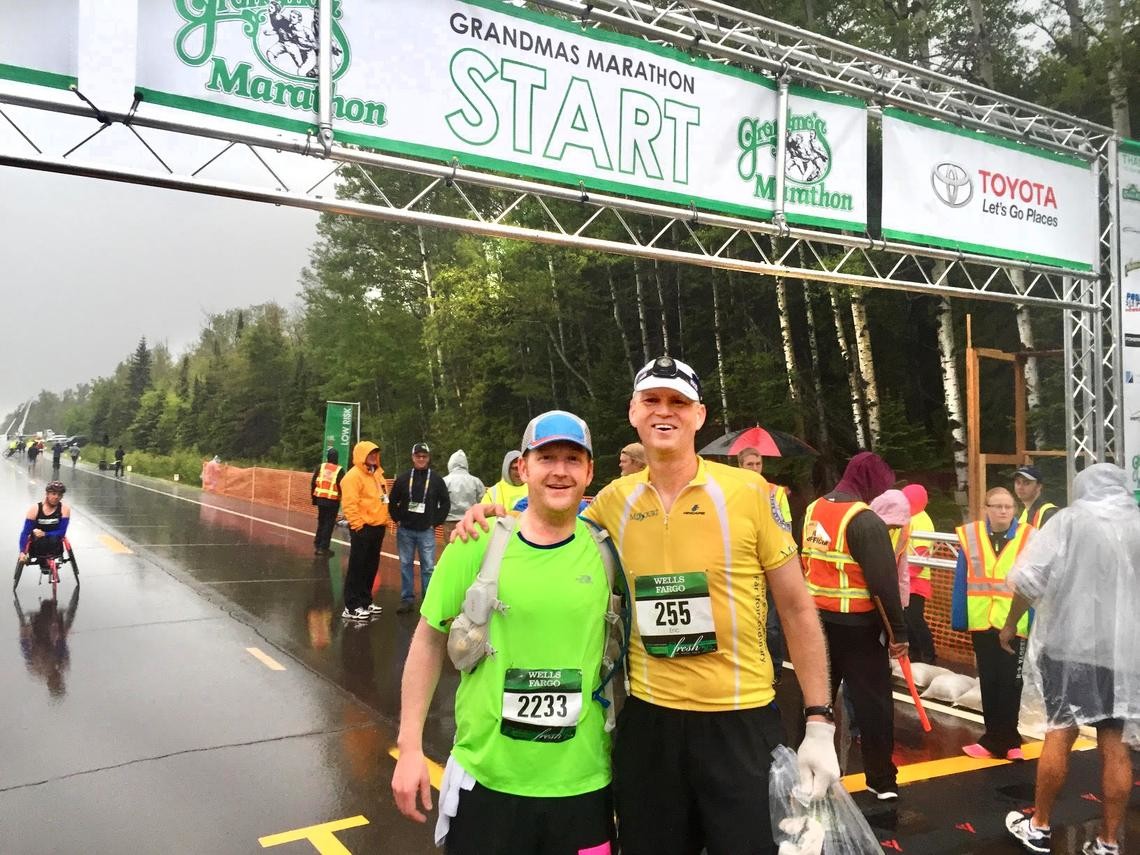
Backwards. And then back again.
The “Grandma’s Double” is a long-running tradition for Strand.
About 3 a.m. on race day, his wife drops him off in Canal Park. He runs 26.2 miles to Two Harbors — and joins the other marathoners for Round 2.
The first 25-26 miles are “the easy ones,” said Strand, 60. “Then you have the benefit of aid stations, the crowd and fellow runners to commiserate with on the way back. It’s a fun way to get a training run in.”
It started as a way to prepare for the 100-mile Leadville Trail ultramarathon. Grandma’s landed on a weekend that Strand needed to get in a 50-mile run. Instead of spreading it out, he decided to pack it into one day.
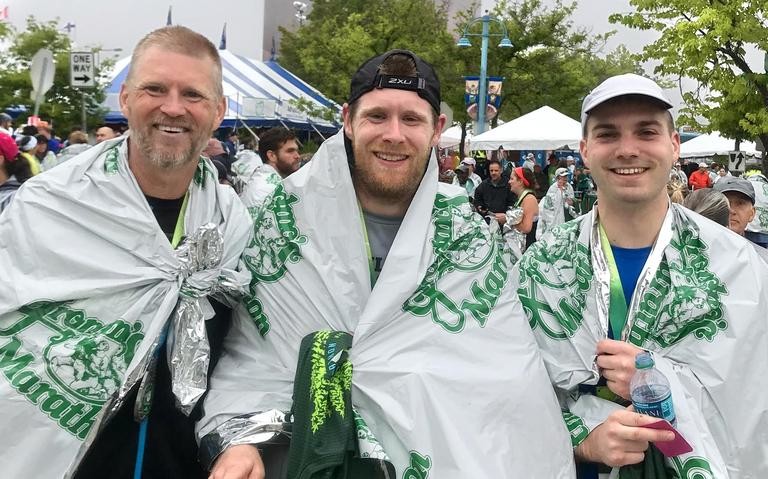
“It was very interesting running the course backwards, especially when the bars had people filing out. You had an interesting crowd," Strand said in a 2012 News Tribune story.
Strand gets to see things other marathoners don’t: the race course waking up and volunteers getting ready, and some of the aid station captains are there every year.
He has heard his fair share from passersby about going the wrong way, and it happens even more now.
“They've all learned their lines,” he said with a laugh.
The Missouri man, formerly of St. Paul, grew up hearing about Grandma’s, but on New Year’s Eve before his 40th birthday, he registered for it.
He trained for six months and made every mistake.
“There’s euphoria. You hit new distance markers … you get this in your mind that you are invincible. The next day, you wake up, and you have plantar fasciitis or shin splints or your knee hurts, and you very quickly realize you aren't,” Strand said.
But you slow down, heal up, maybe bike for a while and you get back to running, he added.
Strand recalled the end of his first Grandma’s Marathon: “As I was enjoying the runner’s high, my kids reminded me that there were three 70-year-olds that beat me that day. It brought me down to earth; they’re really good at doing that.”
Strand said tying training into a race is one way to make it fun. He averages about 2,500 miles a year; that’s typically 7 miles a day, but sometimes, it’s 100 miles at a time.
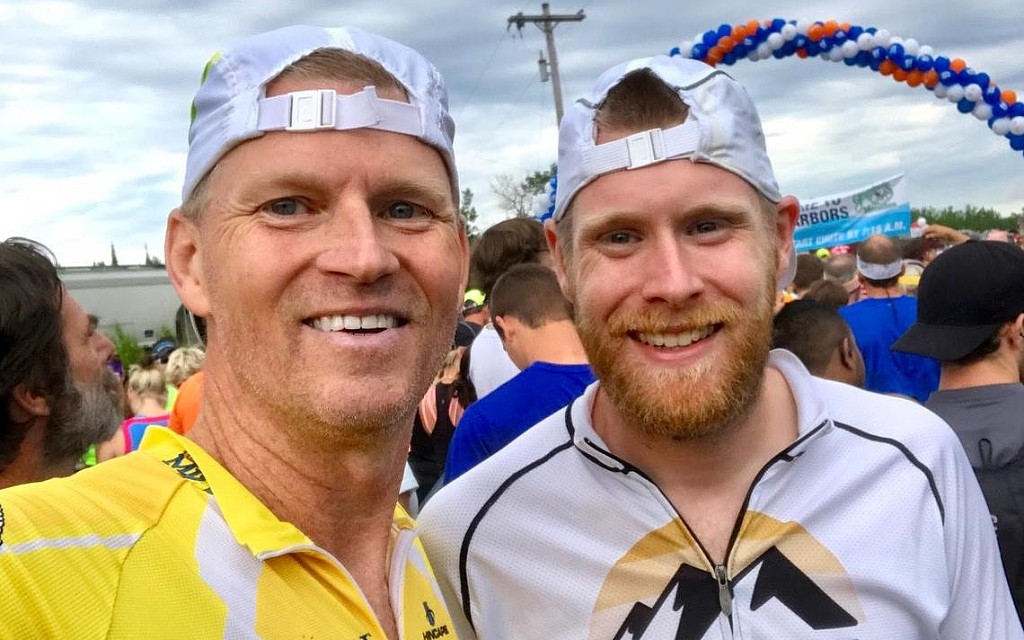
Strand ran his first five Grandma’s Doubles solo, save for one year with Ben McCaux. Since then, he has been joined by his son, Zach.
They’ve tackled the Double three times; they ran their first father-son Leadville 100 in 2017.
In a 2017 video of the latter, the pair are seen trekking across Colorado terrain.
“Zach’s doing great,” Eric Strand says into the camera. “He’s fun to run with. As long as he keeps his fueling and hydration in good shape, he’s down for a buckle.”
They have tallied 25 marathons and ultramarathons together.
“He’s better than me now, which he’s quick to point out,” he said.
During training, Strand mostly listens to audiobooks, but, if he needs motivation, there’s Britney Spears and Miley Cyrus — music his kids listened to when they were teens.
As for his powerhouse song, that’s Eminem’s “Lose Yourself.”
He doesn’t listen to anything during races; he likes to interact with others.
His race-day eats were pretty standard: Gatorade and gels; but for ultramarathons, his wife brings him a cheeseburger at mile 50.
Saturday will be his 22nd Grandma’s Marathon — his 10th Grandma’s Double — and there’s no end in sight.
There’s a cadence to the year — the Boston Marathon in April, Leadville in August, Chicago in October, a mix of others — but June will always be Duluth.
“There will be a day when I won’t be able to do this,” Strand said, “but it’s not today, and hopefully won’t be for a long time. I hope to enjoy it as long as I can.”
(06/16/2021) ⚡AMPby Melinda Lavine

Grandmas Marathon
Grandma's Marathon began in 1977 when a group of local runners planned a scenic road race from Two Harbors to Duluth, Minnesota. There were just 150 participants that year, but organizers knew they had discovered something special. The marathon received its name from the Duluth-based group of famous Grandma's restaurants, its first major sponsor. The level of sponsorship with the...
more...
Gene Dykes breaks M70 50K world record clocking 3:56:43, breaking the previous record by nearly 19 minutes
On a sunny Sunday in East Islip, NY, Gene Dykes broke the M70 50K world record at the USATF national 50K road championships, crossing the finish line in 3:56:43. He beat the previous record of 4:15:55, set by Germany’s Wilhelm Hofmann in 1997, by nearly 19 minutes.
This is the third world record Dykes can add to his resume, along with his M70 100-mile and 24-hour records. While his time has yet to be ratified, this is an incredible accomplishment for the already-decorated ultrarunner. To make his run even more impressive, he completed another 50K trail race only two weeks prior to his record-breaking run, and it’s been barely one month since he ran 152 miles (245 kilometres) at the Cocodona 250 in Arizona.
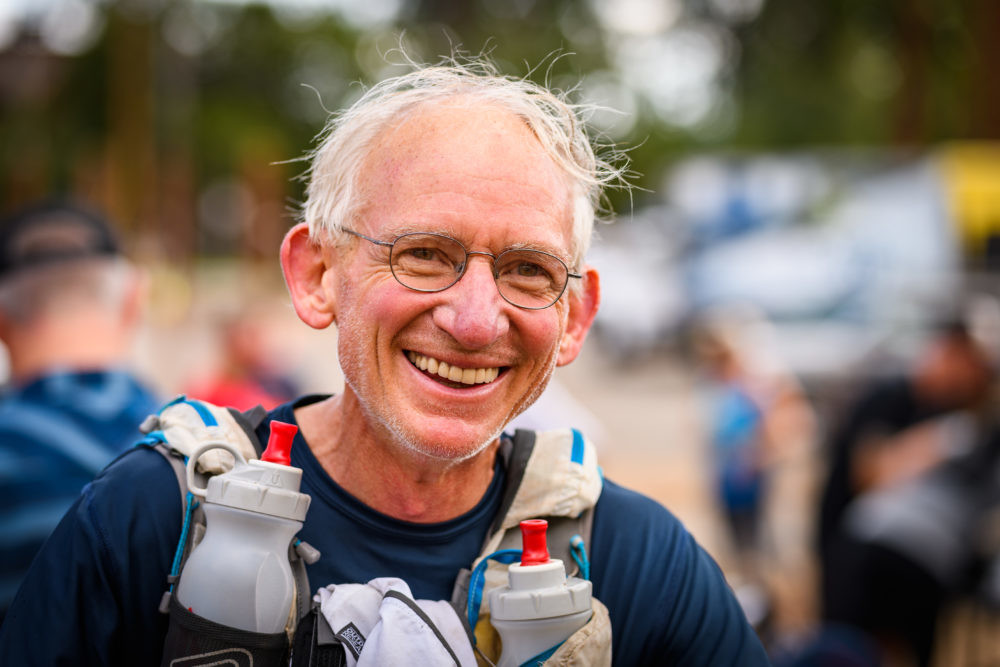
According to Dykes, the weather for Sunday’s race in Caumsett State Park was sunny, moderately windy, and not too hot, with temperatures hovering in the low 20s (Celsius) for most of the event. In a brief conversation with him after the race, he told Canadian Running (in a half-joking, half-serious manner) that he credits Canada’s late Ed Whitlock, one of the most decorated masters runners who ever lived, with his new 50K record.
“Thank you, Ed Whitlock, for never running a 50K,” he says.
Dykes is still aiming to take down Whitlock’s M70 marathon world record of 2:54:48, which he will attempt to do at this year’s London Marathon on October 3.
(06/14/2021) ⚡AMPby Running Magazine

Danish runner shatters Everesting world record with sub-11-hour result
Everesting originally started as a cycling challenge that saw athletes ride up one hill over and over again until they reached 8,848m of elevation gain. As the challenge grew more popular, it found its way into the world of running, and since then, 447 runners have completed it
For a run to count as an official Everesting attempt, runners must follow a few simple rules. Firstly, the run has to be on one hill, meaning an individual can’t run around a hilly region on multiple routes until he or she hits 8,848m of elevation gain. It doesn’t matter how steep or how long the hill is, and the official rules state that “Essentially anything that has a vertical gain can be used” for the challenge.
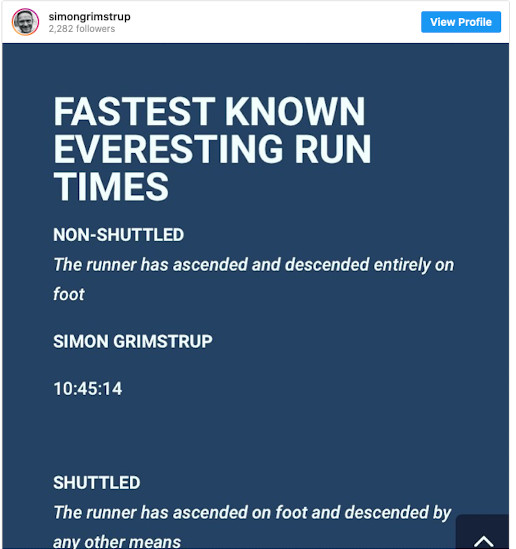
There’s also the matter of sleep, which is not allowed in Everesting attempts. While sleep is always an option for runners in long ultramarathons, it isn’t permitted for Everesting runs. If a runner takes a nap, the attempt is over. When it comes to ascending and descending the chosen hill, a runner can choose whether to run down after each lap or get a ride down (whether that’s in a car, a gondola on a bike or any other form of transportation). Because of this option, there are two separate Everesting run records: shuttled and non-shuttled.
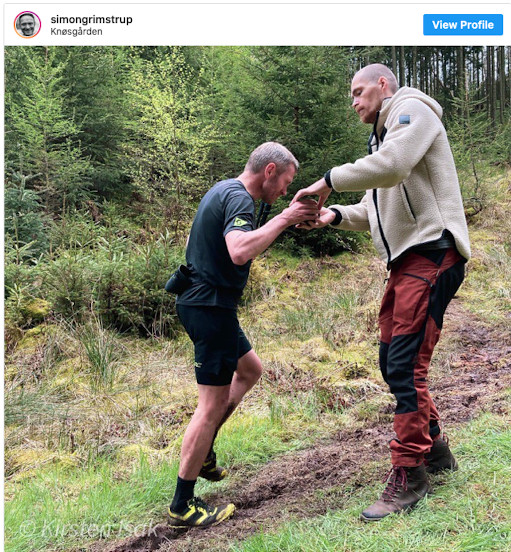
Grimstrup’s run was non-shuttled, and he ran or walked down the hill every lap. This not only made the challenge much more difficult, as Grimstrup didn’t get the chance to rest after each ascent, but as he said in an interview with the Vietnam Trail Series (VTS), it also left him wondering if he would make it to the finish line.
“I was not sure I would get the world record until the last two laps,” he said. “I was worried that I would fall on the downhill.” Running down a steep hill (the one Grimstrup chose was 130m long and featured 44m of elevation gain) is difficult enough on tired legs, but the task was made tougher for Grimstrup due to rain. He told the VTS team that, due to the rain, he had originally planned to only run a half-Everesting attempt as a test run on the hill.
After he ran 100 laps, though, Grimstrup said his friends convinced him to keep going for the full run. He gave in, but he said the trail he followed only got worse and more torn up with each lap. Despite the sketchy terrain, he made it to the finish, beating the previous Everesting world record by 16 minutes.
“It was the hardest, stupidest, most epic thing I have ever done,” Grimstrup said.
In addition to running the Everesting attempt for the physical challenge, Grimstrup linked it to a fundraiser for Doctors Without Borders
(06/14/2021) ⚡AMPby Running Magazine

British runner breaks Backyard Ultra world record
John Stocker ran 337 miles in 81 hours at the Suffolk Backyard Ultra event this weekend
A British ultrarunner has broken the Backyard Ultra world record.

John Stocker, from Oxfordshire, ran more than 337 miles in 81 hours at the Suffolk Backyard Ultra beginning on Saturday.
Runners taking part have to complete a 4.167 mile lap of Suffolk’s Knettishall Heath every hour until they can’t carry on any longer. Participants must arrive back to the start in time for the next loop or they are knocked out.
According to race organisers, Stocker and fellow runner Matt Blackburn both beat the previous record of 312.5 miles in 75 hours, set by Belgian Karel Sabbe at Big’s Backyard last October. Sabbe told Runner’s World last year that his secret to resting was to 'give into sleep deprivation', turning his headlamp low and walking with his eyes closed so that he was ready for sleep by the time he returned to base.
Stocker and Blackburn both completed 80 laps, before Blackburn pulled out during the 81st lap. As no winner would be declared if he did not complete the lap, Stocker continued to run, completing the lap in 52 minutes, his slowest time.
That final lap was particularly difficult, Stocker told Runner's World. As he came out of the 'Spooky Woods' area of the course, he tripped and landed hard on his ribs. He thought he had "just lost it all", he said, before his resolve hardened. "I knew I just had to finish no matter what."
He said: "You could say the whole race flashed before my eyes, but with every small step I started walking along the road, then limping and onto running towards the finish and the win."
Race director Lindley Chambers told the BBC: 'What these guys have achieved is pretty incredible.'He added: 'I knew we had the calibre of people taking part and I personally thought we'd do 50 or 60 loops but these guys have gone beyond my expectation and have gone further than anyone else in the world competing in this format.'
Stocker and Blackburn reportedly completed each lap in around 45 to 50 minutes, leaving 10 to 15 minutes after each lap to rest and refuel before heading out for the next lap.
American runner Courtney Dauwalter told the BBC why this race format appealed to her in April: 'It’s a fun mental challenge,' she said, adding that backyard ultras are about 'finding out what’s possible rather than a race that you want to win. If we don’t limit ourselves, it’s pretty cool what can happen.'
(06/12/2021) ⚡AMPby Runner’s World
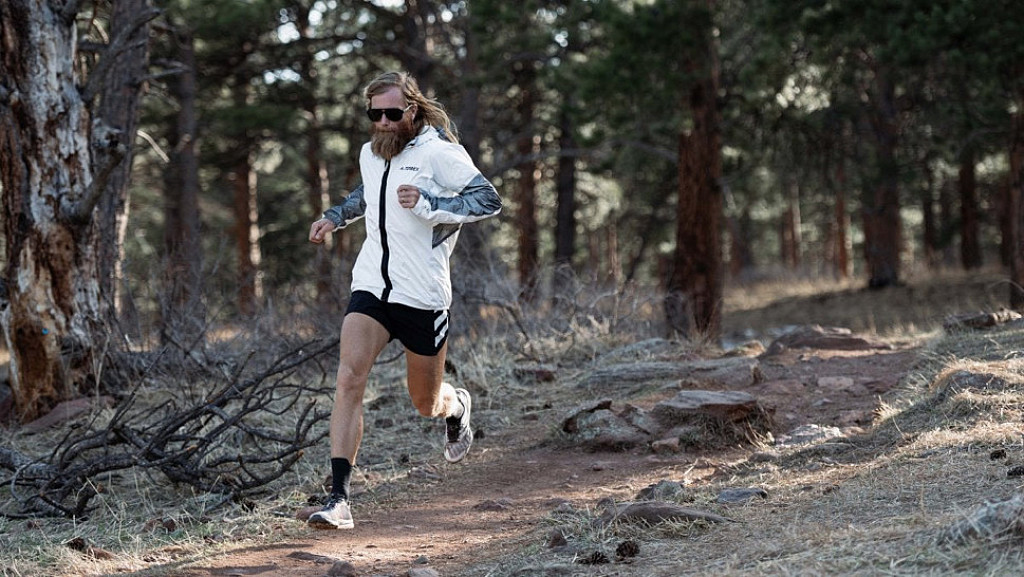
Timothy Olson Is Attempting a FKT on the PCT-The record he needs to break? 52 days
Ultrarunner and Adidas Terrex athlete Timothy Olson will attempt to set a fastest known time (FKT) on the 2,650-mile Pacific Crest Trail, starting at the California-Mexico border and finishing at Washington-Canada border. His goal? Break the current FKT of 52 days and change.
Timothy is a two-time winner and former record holder of the Western States 100-Mile Endurance Run. But he has a special connection to the Pacific Crest Trail, sections of which he’d run from his house in Ashland, Oregon, where he began his ultrarunning career a decade ago. Timothy has been training to set a FKT on the PCT for two years (last year’s attempt having been postponed by the COVID-19 pandemic). A self-professed “lover of life and explorer of nature,” Timothy’s goal on the attempt is to “live consciously” as he runs through the mountains. “I’m not trying to conquer nature,” he says. “I’m trying to move through and appreciate it.” Timothy wants his effort to be a celebration of our post-pandemic return to life. “I see this as a time for us all to reemerge from our cocoons,” he says. “I want to set a marker for what is possible.” Here's what he's up against—and how we plans to tackle it section by section.
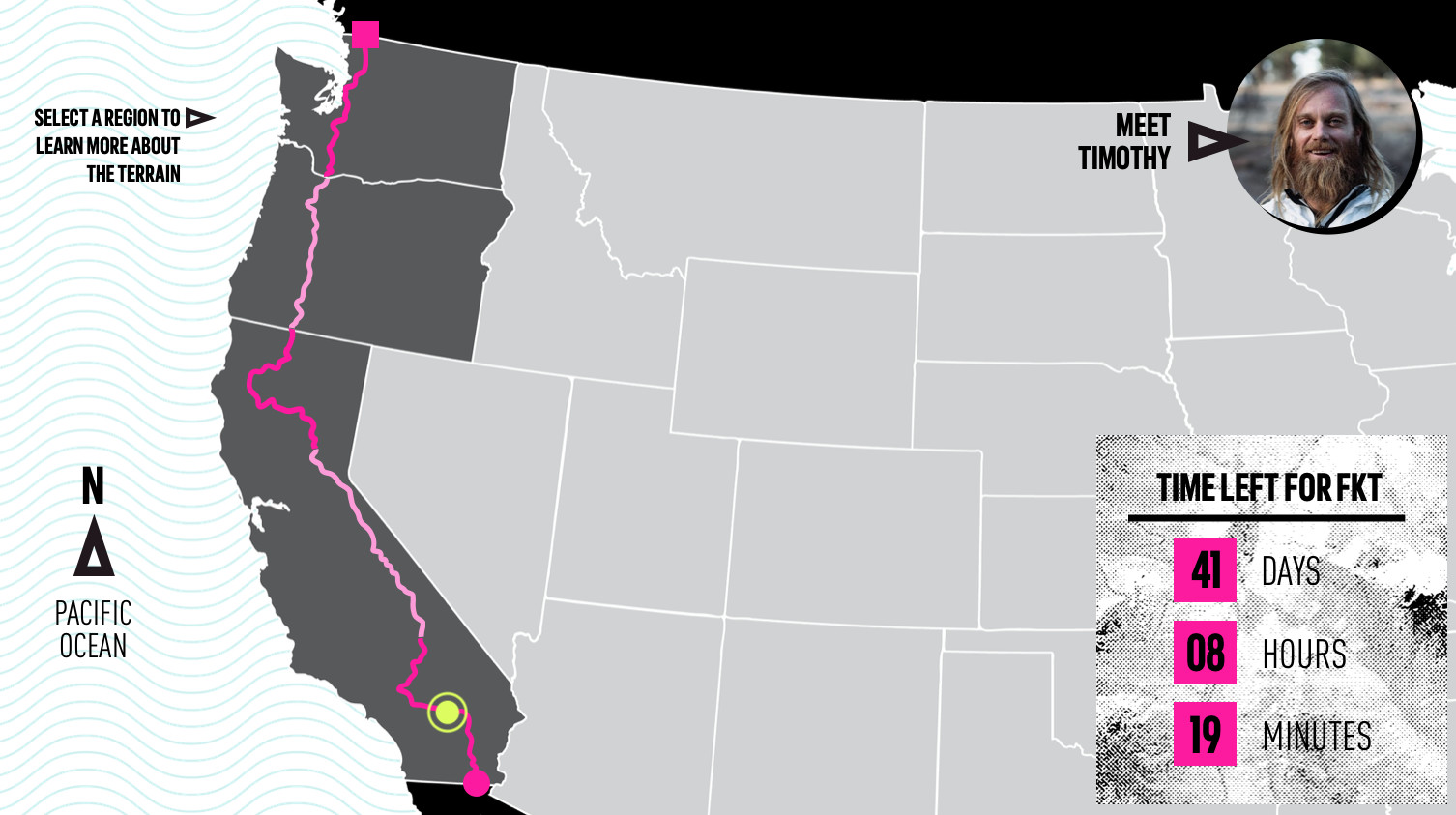
Region 1: Southern California
Campo to Walker Pass: Miles 0-652
The southern terminus of the PCT is near the aptly named California town of Campo. A shoulder-high monument a few yards from the wall marking the Mexican border is the official starting point. From there, the trail forges north through the Sonoran Desert, through the Laguna Mountains and into the Mojave. Daytime temps here can spike to the hundreds in June, so Timothy plans on predawn starts. And because there can be up to 30 miles of trail between water sources, he will rely on midday water resupplies from his team at road crossings and trailheads.
Region 2: Central California
Walker Pass to Donner Pass: Miles 652-1,157
From Walker Pass, near the town of Kernville, the trail dips to the South Fork of the Kern River, the geographic start of the Sierra Nevada. Arguably the PCT’s most difficult section, the trail through the High Sierra spends considerable time above 10,000 feet, includes eight passes over 11,000 feet, and peaks at 13,153-foot Forester Pass, the PCT’s high point. Timothy calibrated his early-June start time to reach the High Sierra when most of the snow should be melted, so he won’t have to lug heavy gear like crampons and ice axes. The crux of his effort will be the remote section from Sequoia National Park through Yosemite National Park, where the PCT merges with the famously majestic John Muir Trail for 160 miles. Timothy likely won’t see his resupply team for several days in this section.
Region 3: Northern California
Donner Pass to Oregon Border: Miles 1,157-1,689
This Northern California section begins where Interstate 80 crosses Donner Pass and continues through the High Sierra, but then gives way to the drier volcanic peaks and plains of the southern Cascades. From there to the Oregon border, the skyline is dominated by the Mount Shasta stratovolcano. Three to four weeks into the six-week effort, Timothy will need to listen to his body to stave off overuse injuries; he may have to sleep an extra hour or two or shorten his days to let his feet, knees, or shins heal. But with his experience and abilities, says coach Koop, “he can be three days off the record in this section and make it up in a single day.”
Region 4: Oregon
California Border to Washington Border: Miles 1,689-2,144
The easiest section of the trail, the PCT through Oregon contains fewer significant elevation changes, though the route is no less stunning, winding through old-growth forests, skirting alpine lakes, and connecting snowcapped volcanoes—including Mount Washington, Mount Jefferson, and the iconic Mount Hood—that dominate the skyline. But while the run should be easier physically, Timothy will likely be getting trail weary by this point. That’s where meeting up with his family at trailheads and road crossings will be a boost. “A hug from [my son] Kai and I’ll be energized to run all day,” he says.
Region 5: Washington
Washington Border to Canadian Border: Miles 2,144-2,650
Beginning at the trail’s lowest elevation, the Bridge of the Gods (180 feet) over the Columbia River, the Washington section rises past the talismanic peaks of mounts Adams and Rainier and then northward into the rugged and remote north Cascades, probably the PCT’s second most difficult section. In addition to presenting extreme elevation gains and losses and intense, dangerous river crossings, the north Cascades can be the PCT’s wettest section, with frequent summer storms that should test Timothy’s resolve and gear. “I’ll go several consecutive 60- and 50-mile days without seeing my crew—and may arrive at the border alone if the access from Canada is still closed.”
(06/12/2021) ⚡AMPby Outside On Line

China will file criminal charges against 27 officials after deadly ultra marathon
China reported on Friday that it will file criminal charges and take disciplinary measures against 27 leaders and public officials who were found responsible for a disaster in a recent marathon, in which 21 runners died after an abrupt change in weather conditions.
After revealing the findings of an investigation, authorities in the northwestern province of Gansu mentioned, among the officials sanctioned, some leaders of the Communist Party and the administration of the county and city where the tragedy took place on May 22.
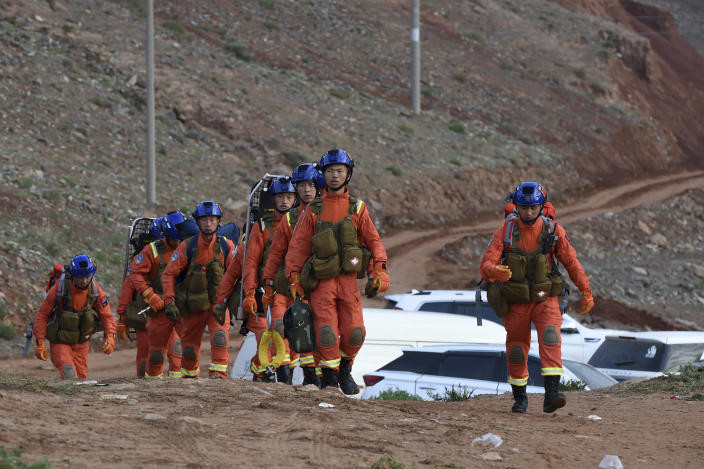
They emphasized that the incident occurred as a result of poor quality and unprofessional management.
The Gansu Government opened an investigation into the incident, as the marathon covered 100 kilometers and some parts of the route recorded temperatures close to zero degrees.
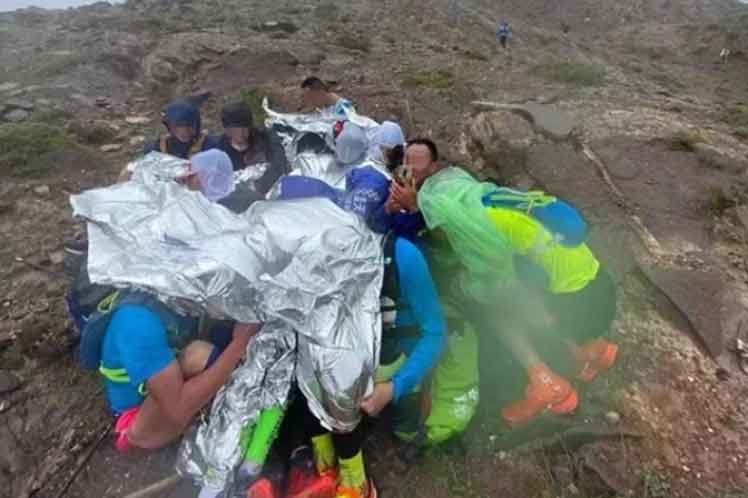
The mountain race was taking place in a forest in Baiyin County with 172 participants, but a spate of hail, freezing rain and gale force winds suddenly lashed a 20-30 kilometer section of the event, which included a high-altitude stage.
Organizers stopped the marathon when they found that many runners suffered physical discomfort and loss of body heat due to low temperatures, while some went astray. However, 21 died, including Asian champion Liang Jing and Paralympic star Huang Guanjun.
As a result of the incident, China suspended other similar competitions until it checked its safety mechanisms, as it detected flaws in their organization and logistics to respond to emergencies.
(06/11/2021) ⚡AMPby Prensa Latina

Canadian Stephanie Simpson to attempt Canadian 100-mile record on June 12 at the Montreal 24-hour Endurance Challenge
Canadian ultrarunner Stéphanie Simpson will be attempting to break the Canadian 100-mile (160 km) record this weekend at the Défi 24 heures Endurance (24-hour endurance challenge) in Montreal, Que. The current Canadian record, held by Michelle LeDuc of Russell, Ont., is 15:19:45, and Simpson’s goal is to not only beat that time, but to complete the distance in 14:45.
Simpson began running in 2008 as a way to deal with stress when her mother was sick. She started the way many of us do, running shorter distances like 5K’s and 10K’s, eventually working her way up to half-marathons and marathons. She completed her first 50-kilometer ultramarathon after the birth of her first child in 2015 and never looked back. She was relatively unknown in the world of ultra trail running until last October when she became the Canadian winner at Big’s Backyard Ultra, running for 43 hours to lead Team Canada to a third-place finish.
So what does the training for a record attempt like this look like? For Simpson, it’s been fewer really long runs and more speedwork.
“I haven’t run really long distance since the Backyard,” she says. “Since then, I haven’t done anything above 50, but I’ve still been doing big weeks of 200 kilometers. I’ve been doing more speed lately, because you need some kind of speed to run for that long at that pace.”
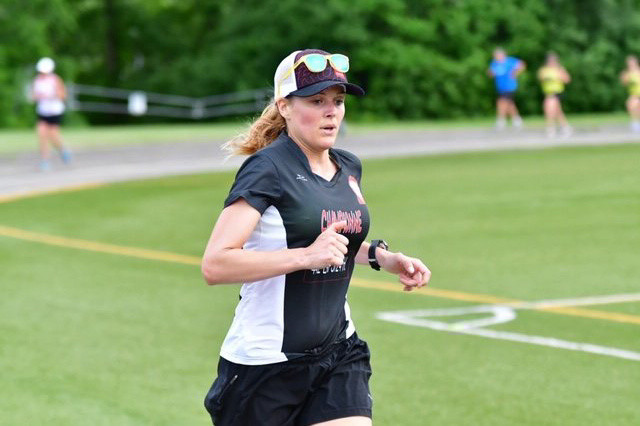
To run her goal time, Simpson will need to maintain a pace of 5:29 per kilometer. Because the event is a 24-hour race, her plan is to get through 100 miles in her goal time, then see what happens with the rest. The Canadian 24-hour record is 238 kilometers, and while that record isn’t her main goal, two records in one race isn’t out of the realm of possibility. Regardless, in order to achieve her goal, Simpson says mindset and confidence are the two main keys to success.
“A hundred-miler at that pace is really mental, so you have to be really really ready,” she says. “I’ve been visualizing everything that could happen, and when you run those kinds of distances, you have to be really confident in your plan — that’s the only way you’re going to get through 100 miles.”
Simpson will be running with seven other local runners around the outdoor track at McGill University. The race is set to begin at 8 am this Saturday, June 12, and if all goes according to plan, she should reach the 160-kilometer mark just before 1 a.m. on Sunday.
(06/08/2021) ⚡AMPby Brittany Hambleton

Meet Chamonix's Trail Running Dog
Here's a lesser-known fact about Chamonix, France, one of the world's renowned trail running towns: it might just have the planet's highest density of tough mountain dogs. Here, there are dogs living at high mountain huts, guarding livestock, rescuing avalanche victims and even climbing ladders bolted to cliff sides. Dogs saunter along the pedestrian center of Chamonix, often unaccompanied, and wander into cafes and restaurants as if they own the places. And, in a sense, they do.
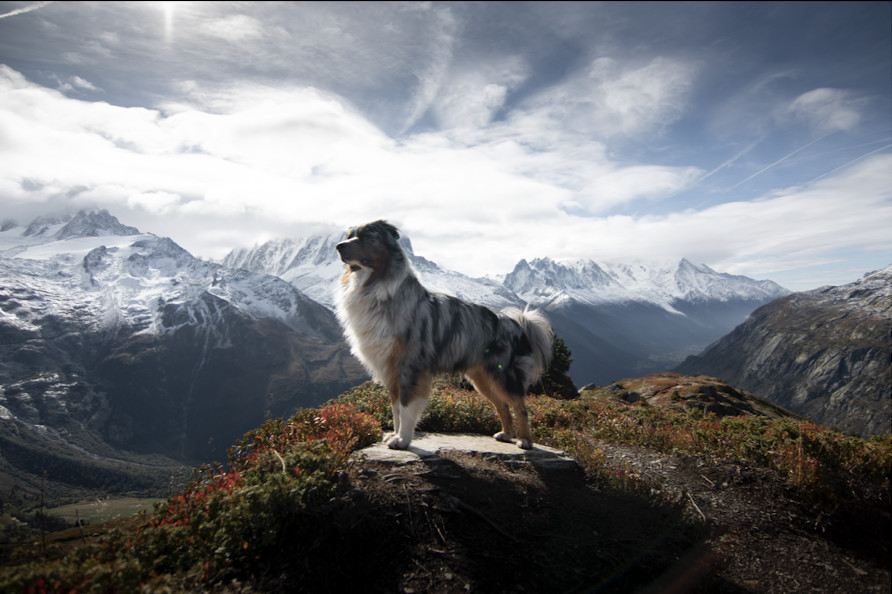
Into this mix, and reigning over the high northeast end of this 20-kilometer-long valley is the fluffy-but-tough Enzo Molinari Spasenoski Kotka, longtime trail-running partner to one of the world's strongest ultrarunners, Sweden's Mimmi Kotka.
Kotka, 39, though she lives a low-profile life with her husband Toni Spasenoski, is well known in the valley. Sponsored by La Sportiva, she has a litany of top finishes in the world's most competitive ultras. In Chamonix alone, she has won three races: the 90K in the Mont Blanc Marathon series, the Ultra-Trail du Mont-Blanc (UTMB) 101K CCC and the 119K UTMB TDS, during which she set a course record. Modest and easy-going, you will never hear Kotka brag about her successes. Well, almost never. Once, a few days after winning TDS, Kotka was stopped on a trail and got to deliver a line many dream of uttering. "Did you run one of the UTMB races?" a passerby asked. Kotka admitted that, why yes, in fact, she had. The questioning continued. "So, how did you do?" Kotka chuckled and beamed. "I won!"
Kotka, who has a Masters of Science in Molecular Nutrition and is a partner in Moonvalley, an organic sports food company, lives in the village of Le Tour, just below the Swiss border, with her husband Spasenoski, who works remotely as a high-tech project manager. And, rounding out the family, there is Enzo.
Spend more than a day or two on the quiet, rugged trails in this part of the valley and your paths will cross with Mimmi and Enzo. They are so often together, it's more common to hear Mimmiandenzo than the former without the latter.
Enzo, now 4, it must be said, is beautiful and highly photogenic. His thick, mottled coat of blue-gray, brown, black and white fur is perfectly suited for a life herding sheep high in Italy's Gran Paradiso region from where he came.
Kotka's trail-running partner seems to know just how gorgeous he is. "He's kind of a Diva," Kotka says. "He just wants attention. He'll lie down in front of onlookers, expecting to be admired and cuddled. We spoiled him, and we got the dog we deserve."
These days, Enzo is getting plenty of time in the limelight. Kotka's Instagram feed is filled with striking photos, taken by Spasenoski, of the two out in the mountains in all seasons. Spasenoski joins the two for runs, taking photos and struggling to maintain the pace. Enzo knows the drill, often climbing up to view points, puffing his chest like the Lion King surveying his kingdom. "He thinks he's a mountain guide, but really he's an influencer," Kotka laughs.
With or without the lens eye, however, Mimmiandendzo have a tight bond on the trail. Together, they have run to glaciers halfway up Mont Blanc and high-mountain huts like the Refuge Albert Premier perched on the jagged skyline high above their Le Tour home.
"Sometimes, when I'm running with him, I feel one energy." Kotka pauses, trying to explain the sensation. "I feel very connected to him." When she stumbles, she says, Enzo immediately runs back to her to make sure she's okay.
There are the inevitable bumps, of course. Herding is part of Enzo's DNA, and there's no off switch, either. Running high above their village, Enzo once spotted a sheep away from its flock.
"He went completely nuts," says Kotka. "He was barking like mad and not listening to me. At the time, I didn't understand the instincts of a shepherd dog." At other times, Enzo's been known to herd escaped sheep back to the right side of their fenced-in pastures.
For better or worse, those herding instincts apply when the animal has two legs, too-that can make for awkward moments when Kotka is running with friends and the group spreads out. "I feel sorry for the runner in the back," explains Kotka. "Enzo literally nibbles at their butt."
Like every mountain runner, Enzo has had his accident or two. Descending from the Possettes, a dramatic ridgeline that is part of the course of the Mont Blanc Marathon, he took a tumble over a cliff band. The two heard Enzo barking, far below. Early spring, he fortunately landed on a snowfield but had taken a long slide.
"He was OK, but frazzled," says Spasenoski. "I've done the same thing!" And a few winters ago, out with Kotka while she was ski mountaineering, Enzo injured his eye in a freak accident when he hit a metal object buried in the snowpack. An infection and cataracts ensued. To protect his eyes after the incident, their Italian adoptee received dog goggles for Christmas. They did not go over well.
"He wouldn't move. He was like a statue," says Spasnoski. "He was like, 'What the hell am I wearing?'" These days, Enzo takes a timeout during the rugged Alps winter season.
Along the thousands of kilometers of mountain trails they've shared together, Enzo has been a teacher as well. "I've learned a lot from Enzo," says Kotka. "I wasn't expecting that." [TK-any specific lessons?]
What other life lessons has their social media star imparted to the family? "Some days can be pretty crummy," says Spasnoski, "But then you see this guy," he says, gesturing downward. "And everything is OK."
"Enzo makes us a family," Kotka adds. "We have someone to care about. He's been good for our relationship. Besides, she adds, "He's such a character, and makes us laugh. And he has a good heart. Right, Enzo?"
The tail thumps once on the floor. Definitely.
Name: Named after Enzo Molinari, a character from Kotka and Spasenoski's favorite film, The Big Blue, about the world's greatest free diver. Before discovering trail running, Kotka had a brief obsession with free diving. All that remains are, she notes, a lifelong addiction to the film and a bad diver tattoo on her back. Molinari had a big personality and a kind heart.
Birthplace: Enzo was born at an organic honey farm in Valsavarenche, Italy, next to northern Italy's wild Gran Paradiso National Park. One of six pups, his mom is Australian Shepherd. His father has been narrowed down to one of three likely suspects, but has not come forward.
Age: Four, or 32 in dog years. Enzo turns 5 on June 12th.
Weight: 30 kilos, about 65 pounds.
Favorite animals: A very large, fat cat used to be part of the family, and to this day Enzo loves cats. (As a rule, they do not love him back.)
Running Routine: 10 to 20 kilometers a day. "Around here, that's a lot," says Kotka, alluding to the challenging nature of the terrain around Chamonix. Enzo avoids runs of more than a few hours, and during the warm summer months prefers to run in the early morning or later in the day ."He could easily go for 10 hours," says Kotka, who is cautious about the miles logged on Enzo's pads. "He loves riding lifts," she adds.
Longest Trail Run: The pair did a two-day reconnaissance of parts of UTMB's technical TDS course. "We went slowly," says Kotka, "and made plenty of stops."
Favorite food: Homemade cheese pizza. "Eating some of a pizza I made was the only time he didn't greet Mimmi," says Spasenoski. "He's Italian. What do you expect?"
When he's not trail running: Napping on cool surfaces and sniffing human butts.
House rules: Enzo's not allowed in the bed. "It's too hot for him, anyway," says Kotka. Instead, he sleeps near the drafty balcony door. After breakfast, he'll often sleep outside in the cool mountain air that blows off the nearby Le Tour glacier.
(06/06/2021) ⚡AMPby Trail Runner Magazine
China suspends all high-risk sports events after deadly mountain ultra-marathon
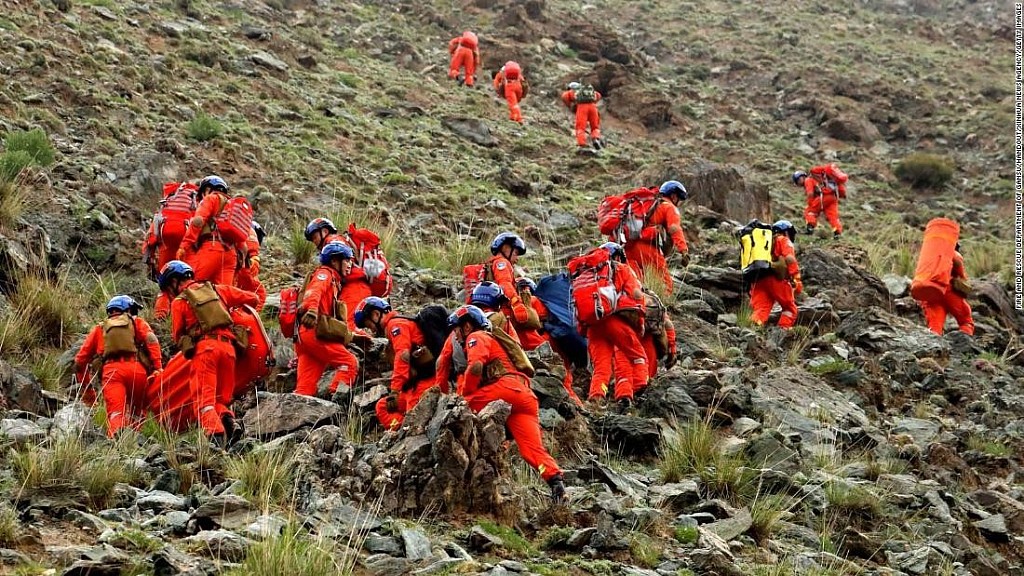
China has indefinitely suspended all ultra-marathons and trail-running events in the wake of a mountain race that saw 21 runners die in extreme weather last month.
The staggering death toll of the 100-kilometer (62-mile) ultra-marathon in Gansu province triggered a public outcry over lax industry standards and weak government regulation.
On Wednesday, China's General Administration of Sport said it is halting all high-risk sports events that lack a clear oversight body, established rules and safety standards, according to a statement on its website.
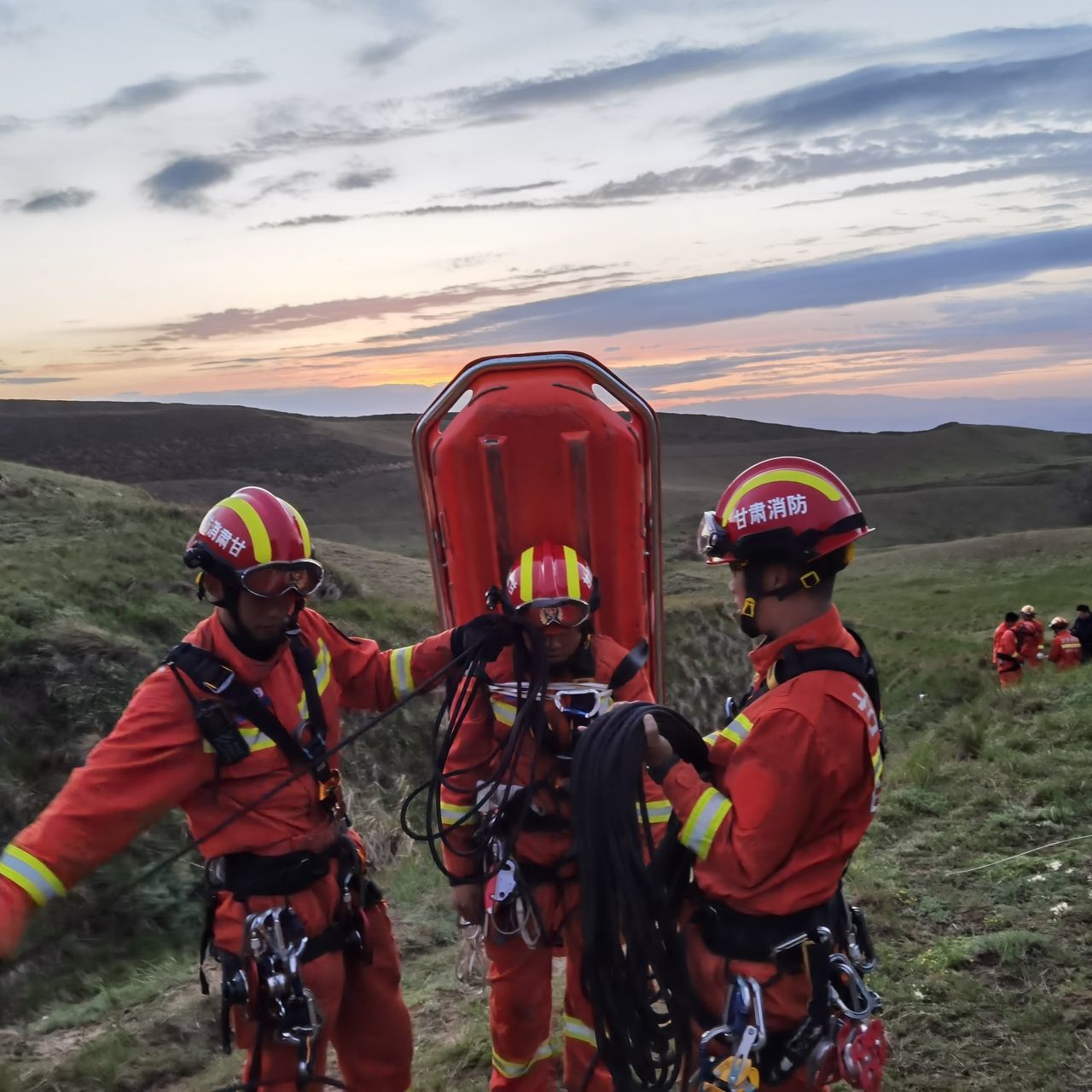
The sports suspended include mountain and desert trail running, wingsuit flying and ultra-long distance races, the statement said.
The administration did not specify how long the suspension would last, but said it is taking a detailed look into the country's sports events to improve regulatory systems, strengthen standards and rules, and enhance safety.
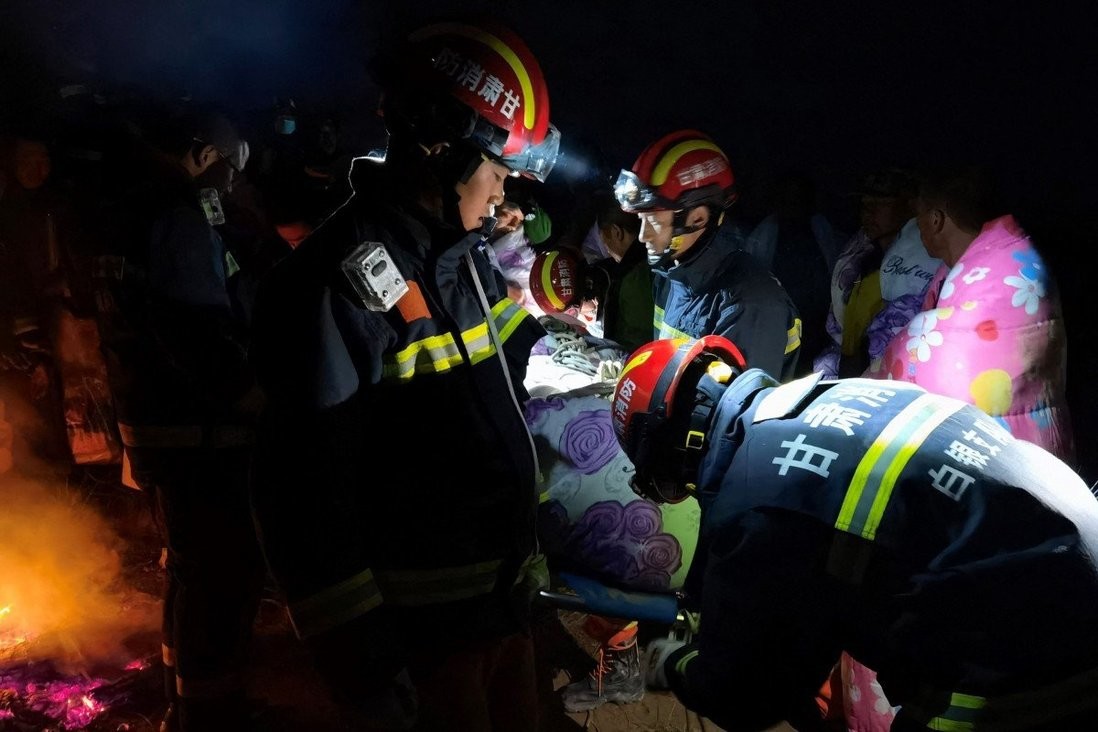
It also ordered local authorities "not to hold any sports competitions unless necessary" and call off any event with safety risks in the lead-up to the Chinese Communist Party's centenary, which falls on July 1.
Authorities didn't say how many races will be affected by the suspension. According to the Chinese Athletic Association, 481 trail races and 25 ultra-marathons were held in 2019 -- more than a quarter of all long-distance running events in the country.
Marathons and trail races have exploded in popularity as China's rising middle class picked up the running bug in recent years. But industry insiders say the races are often poorly organized, lacking safety measures and contingency planning -- and sometimes plagued by injuries and deaths.
Trail races are often held in far-flung parts of the country that lag behind in development and resources. The deadly mountain race on May 22 took place in the remote countryside of Gansu, one of the poorest regions in the country.
Most of the victims, including some of the country's best long-distance runners, were poorly equipped for cold weather and died of hypothermia -- a dangerous drop in body temperature caused by prolonged exposure to bitter cold.
The tragedy shocked China's running community and prompted public outrage, with many questioning whether organizers had planned the race properly or prepared participants for the extreme weather.
Even before the announcement on Thursday, dozens of marathons and trail-running races had been cancelled or postponed across the country in the past two weeks, according to state media.
(06/03/2021) ⚡AMPby Nectar Gan
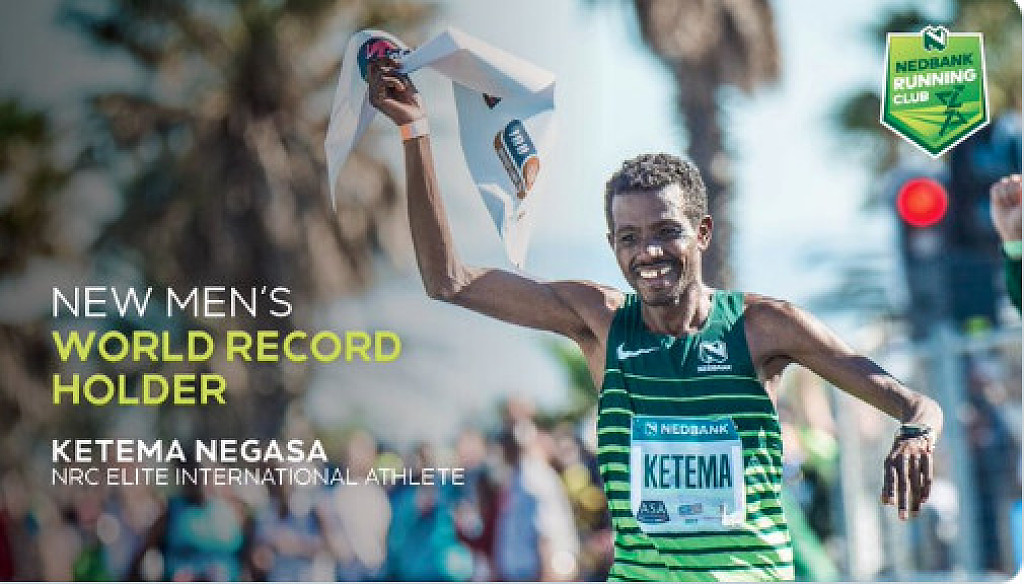
Ethiopian runner sets men’s 50K world record with 2:42:07 run in South Africa
Ketema Negasa broke the men's world record and South Africa's Irvette Van Zyl ran the second-fastest women's 50K in history
Ethiopia’s Ketema Negasa broke the men’s 50K world record on Sunday, running 2:42:07 at the Nedbank Runified race in South Africa. Negasa led the way as he and three other runners beat American CJ Albertson‘s previous record of 2:42:30. In the women’s race, Des Linden‘s recent 2:59:54 world record remained unbeaten, but South Africa’s Irvette Van Zyl ran a national record of 3:04:23, which is the second-fastest women’s result in history.
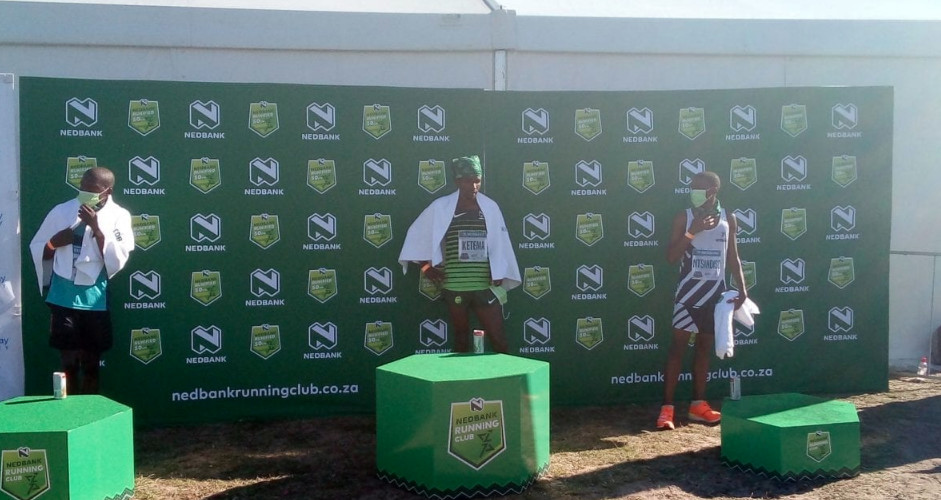
Negasa’s record
Negasa is primarily a marathoner, but he has never been able to match the necessary times to shine in Ethiopia. He owns a marathon PB of 2:11:07, a time that would rank him in the top 10 all-time among Canadian runners but isn’t even in the top 250 results in Ethiopian history. After his run on Sunday, though, it looks like ultras may be his forte.
It’s important to note that Albertson’s world record, which he set in November 2020, came on a track, while Negasa’s run on Sunday was on the road. Ultrarunning world bests are unique in this sense, because while Albertson and Negasa ran on completely different surfaces, their runs count in the same category of the 50K in general, as the International Association of Ultrarunners introduced a rule that eliminated surface-specific records in 2014. In other World Athletics-sanctioned events, the surface comes into play. For example, the 5K and 5,000m world records both belong to Uganda’s Joshua Cheptegei, but they’re two different times.
Negasa’s run worked out to an average per-kilometre pace of 3:15 for the full 50K, which helped him top Albertson’s result by 23 seconds. He crossed the line in first place, and he was followed closely by Machele Jonas, who also beat Albertson’s record with a 2:42:15 run. Third went to Mphakathi Ntsindiso in 2:42:18, and in fourth place was Kiptoo Kimaiyo Shedrack, who just beat Albertson’s record in 2:42:29.
Irvette Van Zyl run
Had the Nedbank Runified race been held a couple of months earlier, Van Zyl would have broken the women’s 50K world record. Since the race took place in late May, though, Van Zyl was late to the party, and her time is second-best to Linden’s. When she ran her race in Oregon, Linden became the first woman to break three hours over 50K, and she smashed Aly Dixon‘s previous record of 3:07:20.
While Van Zyl didn’t manage to beat Linden, she did crush Dixon’s result with her 3:04:23 finish, which is the new South African 50K record. Behind Van Zyl was Lilian Jepkorir Chemweno, who finished in second place in 3:05:00, which is now the third-fastest 50K in history.
(05/30/2021) ⚡AMPby Running Magazine
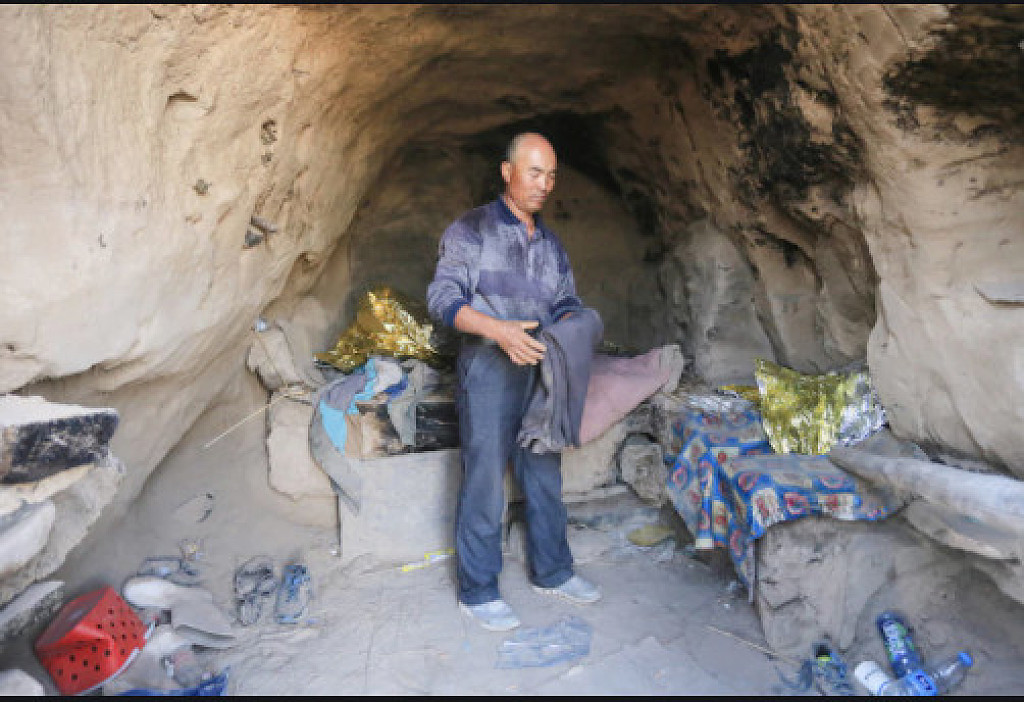
How shepherd saved runners in deadly China ultra-marathon race
A shepherd has been hailed as a hero in China after it emerged that he saved six stricken runners during an ultramarathon in which 21 other competitors died.
Zhu Keming was trending on the Twitter-like Weibo on Tuesday, three days after a 100-kilometre (60-mile) cross-country mountain race in the northwestern province of Gansu turned deadly in freezing rain, high winds and hail.
The incident triggered outrage and mourning in China, as questions swirled over why organisers apparently ignored warnings about the incoming extreme weather.
Zhu was grazing his sheep on Saturday around lunchtime when the wind picked up, the rain came down and temperatures plunged, he told state media.
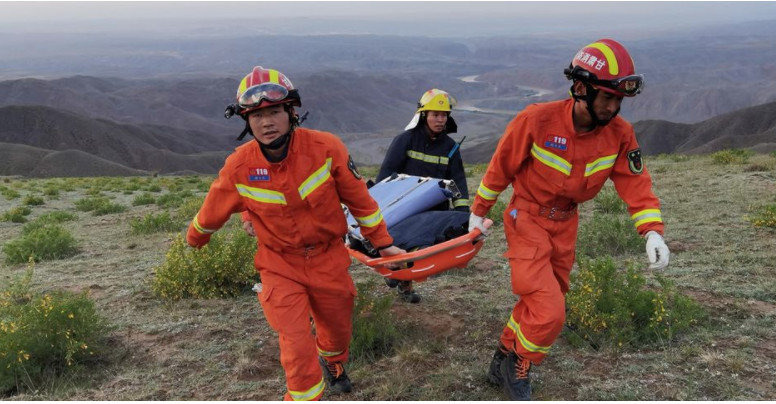
He sought refuge in a cave where he had stored clothes and food for emergencies but while inside spotted one of the race's 172 competitors and checked to see what was wrong because he was standing still, apparently suffering cramps.
Zhu escorted the man back to the cave, massaged his freezing hands and feet, lit a fire and dried his clothes.
Four more distressed runners made it into the cave and told the shepherd others were marooned outside, some unconscious.
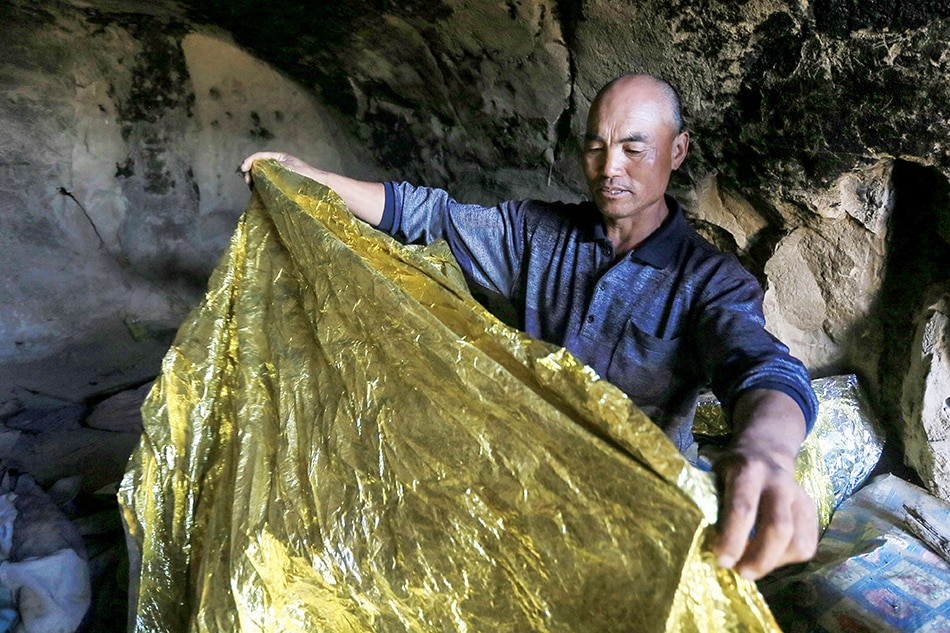
Zhu headed outside once more and, braving hail and freezing temperatures, reached a runner lying on the ground. He carried him towards the shelter and wrapped him in blankets, almost certainly saving his life.
"I want to say how grateful I am to the man who saved me," the runner, Zhang Xiaotao, wrote on Weibo.
"Without him, I would have been left out there."
Zhu has been feted in China for his selfless actions, but the shepherd told state media that he is "just an ordinary person who did a very ordinary thing".
Zhu rescued three men and three women, but regrets that he was unable to do more to help others who reportedly succumbed to hypothermia.
"There were still some people that could not be saved," he said.
"There were two men who were lifeless and I couldn't do anything for them.
"I'm sorry."
The tragedy has thrown a renewed spotlight on the booming marathon and running industry in China, with authorities ordering sports competitions to improve safety.
According to The Paper in Shanghai, five cross-country, marathon or other running races have been cancelled at short notice.
(05/29/2021) ⚡AMP
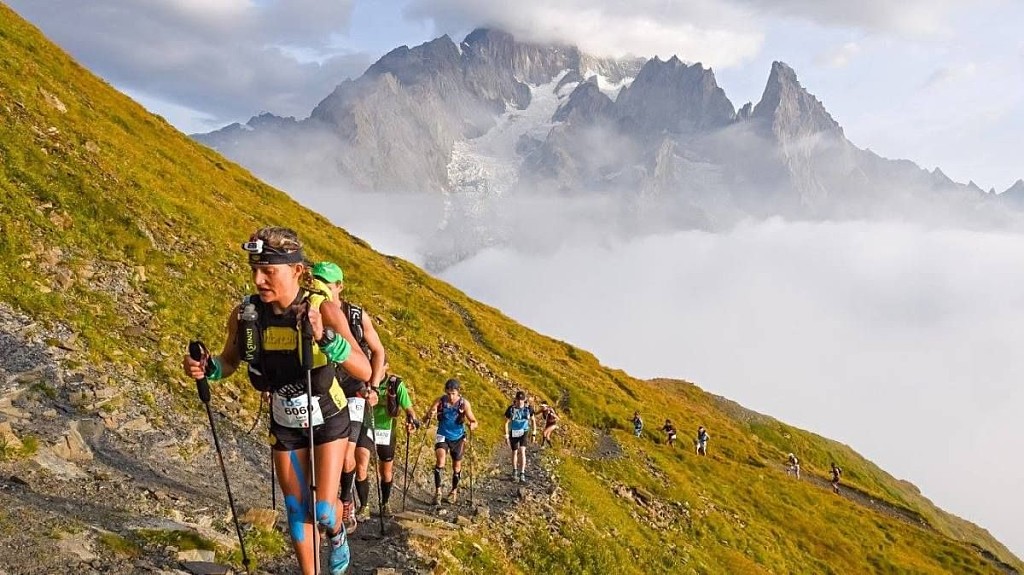
Ultra-Trail du Mont-Blanc officials confirm plans for 2021 in-person race
Organizers of the Ultra-Trail du Mont-Blanc announced on Friday that their ultramarathon will be back this year after missing 2020 due to COVID-19.
The storied ultramarathon features multiple events, including the classic 171K UTMB race that takes athletes around Mont Blanc and through parts of France, Italy and Switzerland. Race organizers were able to confirm the running of the event after the French government released its latest COVID-19 guidelines, and it is officially locked in for August 23 to 29.
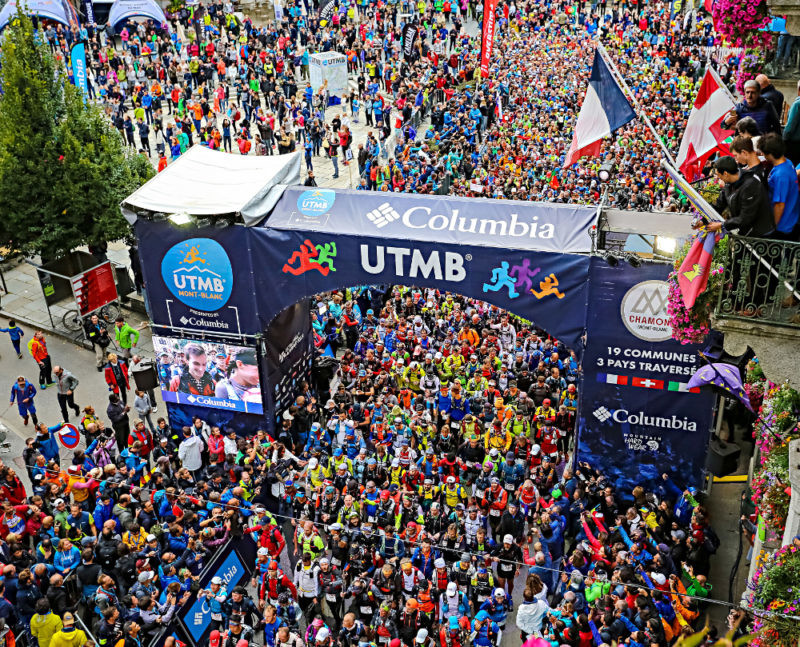
While the race is set to run later this year, there will be COVID-19 restrictions and guidelines in place for all racers. Like most mass participation races that have been held since the start of the pandemic, masks will be mandatory at the start and finish lines, and racers will be asked to wear them when they approach aid stations along the route. They will also be required to wash their hands as they pass through, and there will be no self-service at aid stations, which will help avoid the potential spreading of germs from each runner.
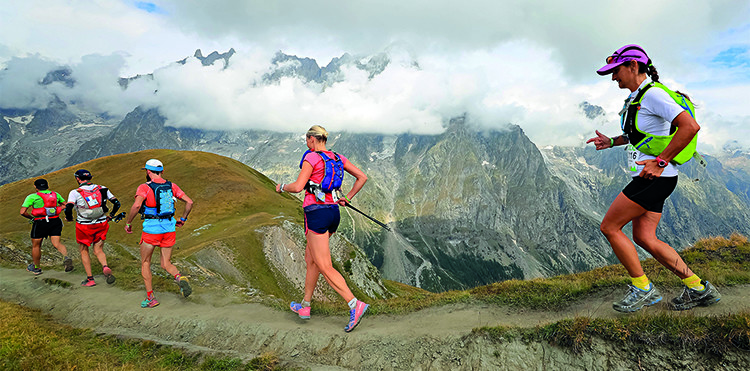
The race start will also feature waves, and crowds will be limited along the course. The number of spectators permitted may vary throughout the route, though, as it will be dependant on the rules of each town, region and country that runners pass through on the course. There will reportedly be other restrictions in place, but organizers have yet to finalize all of the details.
There’s also the matter of travel restrictions, which the race of course cannot control. The French government is set to introduce a “Sanitary Pass” on June 9, and this will allow outsiders from other European countries to visit France. For Canadians and other non-Europeans, organizers said the Sanitary Pass details are still being figured out, but they will keep all potential UTMB racers in the loop as the matter progresses.
Sanitary Passes will be mandatory for everyone participating in any French events of more than 1,000 people, and it requires individuals to have one of three things: proof of full vaccination, a recent negative COVID-19 test or a certificate of COVID-19 recovery. Anyone who does not qualify for a Sanitary Pass will be unable to get their bib ahead of the race.
(05/25/2021) ⚡AMPby Ben Snider-McGrath

North Face Ultra Trail du Tour du Mont-Blanc
Mountain race, with numerous passages in high altitude (>2500m), in difficult weather conditions (night, wind, cold, rain or snow), that needs a very good training, adapted equipment and a real capacity of personal autonomy. It is 6:00pm and we are more or less 2300 people sharing the same dream carefully prepared over many months. Despite the incredible difficulty, we feel...
more...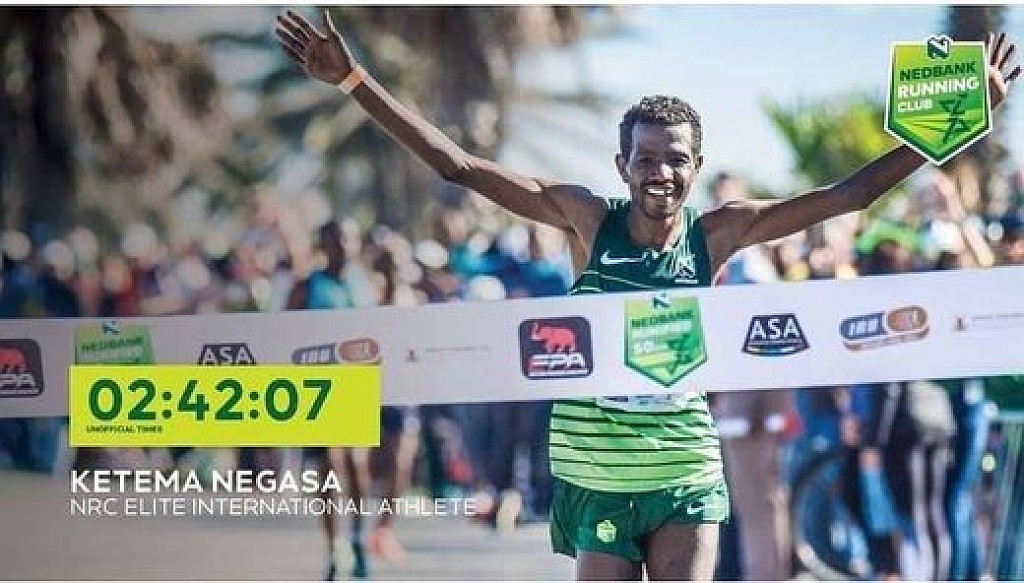
Ethiopia´s Ketema Negasa sets men’s 50K world record with 2:42:07 run in South Africa
Ethiopia’s Ketema Negasa broke the men’s 50K world record on Sunday, running 2:42:07 at the Nedbank Runified race in South Africa. Negasa led the way as he and three other runners beat American CJ Albertson‘s previous record of 2:42:30. In the women’s race, Des Linden‘s recent 2:59:54 world record remained unbeaten, but South Africa’s Irvette Van Zyl ran a national record of 3:04:23, which is the second-fastest women’s result in history.
Negasa’s record
Negasa is primarily a marathoner, but he has never been able to match the necessary times to shine in Ethiopia. He owns a marathon PB of 2:11:07, a time that would rank him in the top 10 all-time among Canadian runners but isn’t even in the top 250 results in Ethiopian history. After his run on Sunday, though, it looks like ultras may be his forte.
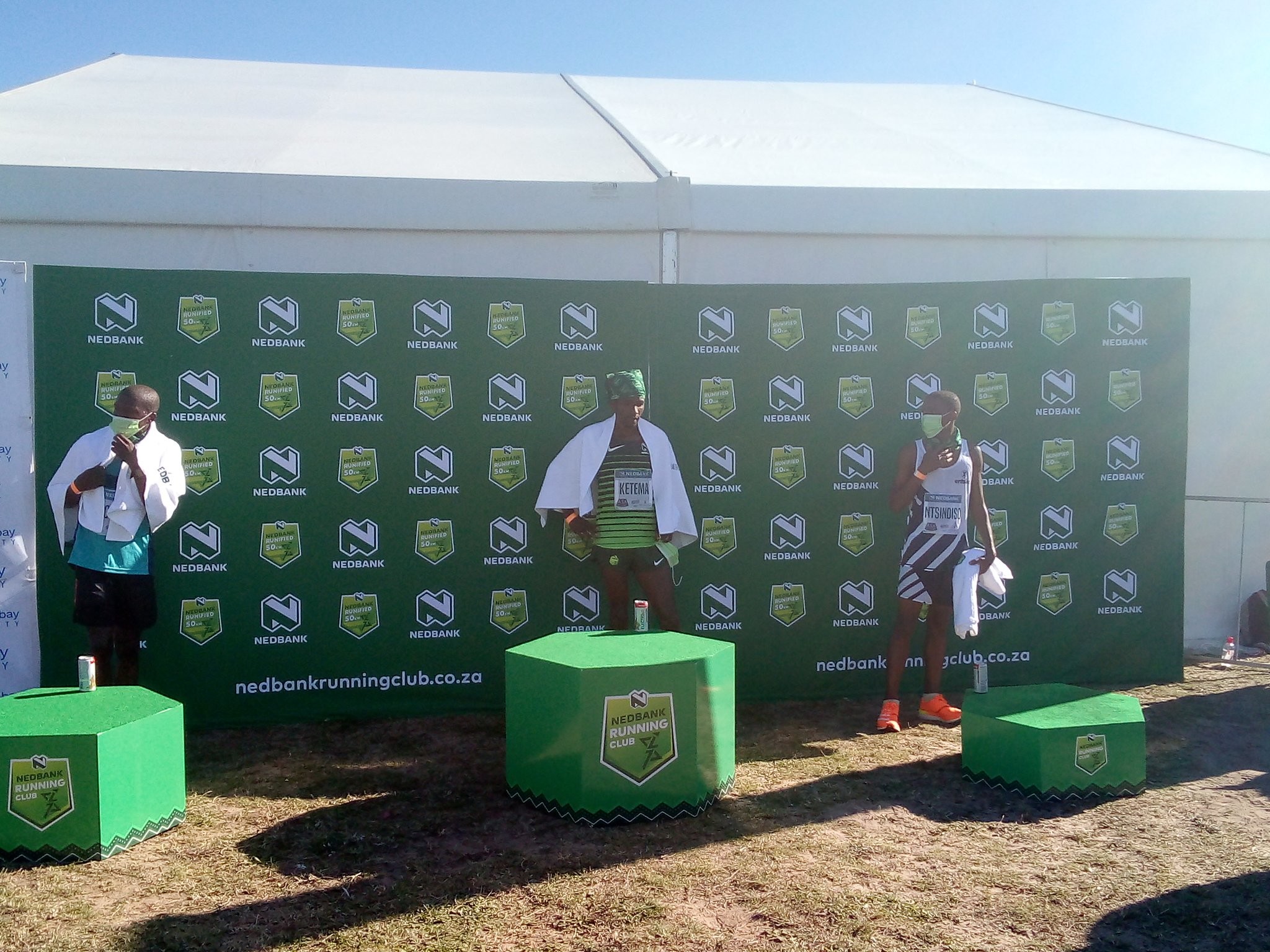
It’s important to note that Albertson’s world record, which he set in November 2020, came on a track, while Negasa’s run on Sunday was on the road. Ultrarunning world bests are unique in this sense, because while Albertson and Negasa ran on completely different surfaces, their runs count in the same category of the 50K in general, as the International Association of Ultrarunners introduced a rule that eliminated surface-specific records in 2014. In other World Athletics-sanctioned events, the surface comes into play. For example, the 5K and 5,000m world records both belong to Uganda’s Joshua Cheptegei, but they’re two different times.
Negasa’s run worked out to an average per-kilometer pace of 3:15 for the full 50K, which helped him top Albertson’s result by 23 seconds. He crossed the line in first place, and he was followed closely by Machele Jonas, who also beat Albertson’s record with a 2:42:15 run. Third went to Mphakathi Ntsindiso in 2:42:18, and in fourth place was Kiptoo Kimaiyo Shedrack, who just beat Albertson’s record in 2:42:29.
Irvette Van Zyl run
Had the Nedbank Runified race been held a couple of months earlier, Van Zyl would have broken the women’s 50K world record. Since the race took place in late May, though, Van Zyl was late to the party, and her time is second-best to Linden’s. When she ran her race in Oregon, Linden became the first woman to break three hours over 50K, and she smashed Aly Dixon‘s previous record of 3:07:20.
While Van Zyl didn’t manage to beat Linden, she did crush Dixon’s result with her 3:04:23 finish, which is the new South African 50K record. Behind Van Zyl was Lilian Jepkorir Chemweno, who finished in second place in 3:05:00, which is now the third-fastest 50K in history.
(05/24/2021) ⚡AMPby Ben Snider-McGrath
Eliud Kipchoge wants to run ‘all major marathons’
Boston, New York, and Tokyo are on the GOAT marathoner's bucket list
Eliud Kipchoge has revealed he would like to run “all major marathons” in the remainder of his career.
Speaking to Gordon Mack on the Flotrack podcast, the GOAT marathoner said because he has already run Berlin, London, and Chicago, the remaining major marathons on his “bucket list” were Boston, New York, and Tokyo.
He said because he plans to focus firstly on the Tokyo Olympics this summer, before a busy autumn of marathons, he would “close” his bucket list before “jumping in” again on January 1 2022.
Kipchoge also suggested he might be interested in dabbling in ultrarunning for a fresh challenge.
“I would love to try 80km, 60km. I need to go to California and hike for six hours," he said. He added that he was looking forward to the next phase of his running after his professional career is over: “I’m really excited to approach life in another dimension,” he said, “to go up the mountains with different people, with different lifestyles.”
He said, “I’m really excited to instil inspiration in the youth of the whole world. To travel along the big cities, in every country if possible, to send positive vibes.”
Kipchoge was speaking to Flotrack ahead of taking part in NN Running’s MA RA TH ON virtual marathon relay this weekend. Like others taking part in the virtual race, he will run a 10.5km relay on May 22-23 which will be added to the efforts of three teammates to make up the full marathon distance.
(05/23/2021) ⚡AMPby Runner’s World

TCS London Marathon
The London Marathon was first run on March 29, 1981 and has been held in the spring of every year since 2010. It is sponsored by Virgin Money and was founded by the former Olympic champion and journalist Chris Brasher and Welsh athlete John Disley. It is organized by Hugh Brasher (son of Chris) as Race Director and Nick Bitel...
more...
Canadian Ultrarunner Runs 1,000K in Fewer Than 10 Days to Win the Great Virtual Race Across Tennessee
After finishing in 148th overall in last year’s race, Morris was on a mission to win.
For the second year in a row, the Great Virtual Race Across Tennessee (GVRAT) has been won by a Canadian, and once again in a record-breaking performance.
Varden Morris, 50, who lives in Calagary, Alberta and is from Jamaica, completed the 1,000K distance (a little more than 621 miles) in 9 days and 23 hours, averaging more than 100K a day. Morris beat out fellow Canadians Matthew Shepard, 33, and Crissy Parsons, 40, who finished in 13 days and 15 days, respectively.
“Honestly, I’m in disbelief,” Morris told Runner’s World. “Just hearing stuff on social media about the magnitude of what I just did. I knew it was possible but after finishing and realizing that not many people have done what I’ve done, it baffles my mind.”
Last April, Barkley Marathons creator Gary “Lazarus Lake” Cantrell came up with the idea of hosting a virtual ultra, giving people four months to run twice the distance of the Last Vol State 500K—and more than 19,000 runners signed up. One of them was Morris, who went out with the fastest of the bunch, but due to lack of training, he picked up a few injuries and was forced to slow down. He finished 148th overall.
After that, Morris decided he wanted to win the 2021 race, so he studied the training methods of successful ultrarunners and increased his mileage. By the start of 2021, he was running about 14 miles a day for a week before upping that mileage by four miles to his daily total until he reached a max of 36 miles a day. In March alone, he covered 965 miles.
On May 1, when GVRAT finally began, Morris set out to not only win, but to also finish in fewer than 10 days.
“My strategy was to run as close to possible to the same average distance every day,” he said. “Most people try to put in most miles in the first few days. My plan was to be consistent. I went a little above my average the first day by 10 percent, but I was doing mostly the same miles every day.”
Morris ran around his neighborhood in Calgary, with a routine of running for six hours and resting for five. He rotated through three pairs of Asics shoes, and for fuel, he focused on solid foods like boiled eggs with veggies, Jamaican sweet potato pudding, toto (a Jamaican pastry), and fruit, such as grapes, bananas, oranges, and watermelon.
No day was easy. Morris said he often found himself contemplating if he would complete the run he was on. On the first day, he picked up a groin injury that lasted a couple days. Another day, he ran through rain and hail with winds over 25 mph.
“Every minute was important,” he said. “Each day was more and more difficult. There was a sense of uncertainty if I would finish. It wasn’t something easy. It was something very difficult. We just took it one day at a time.”
When Morris woke for his final push of 44 miles, he was hurting but he knew he was ahead of his fellow Canadians. His wife, who also served as his crew chief, joined him for the first 15 miles of that final push, and his daughter ran the final four miles with him.
Celebrations included a big meal at home of meat and veggies and some non-alcoholic wine. With the record in hand, Morris plans on running back across Tennessee; part of the GVRAT format allows runners to run back across Tennessee as many times as they like during the four-month period.
Morris said he will be taking it much slower back across.
During last summer’s GVRAT, Cantrell faced criticism when he deleted a GVRAT finisher’s post on Facebook that described the runner’s experience receiving racist and homophobic slurs during his runs.
(05/23/2021) ⚡AMPby Runner’s World
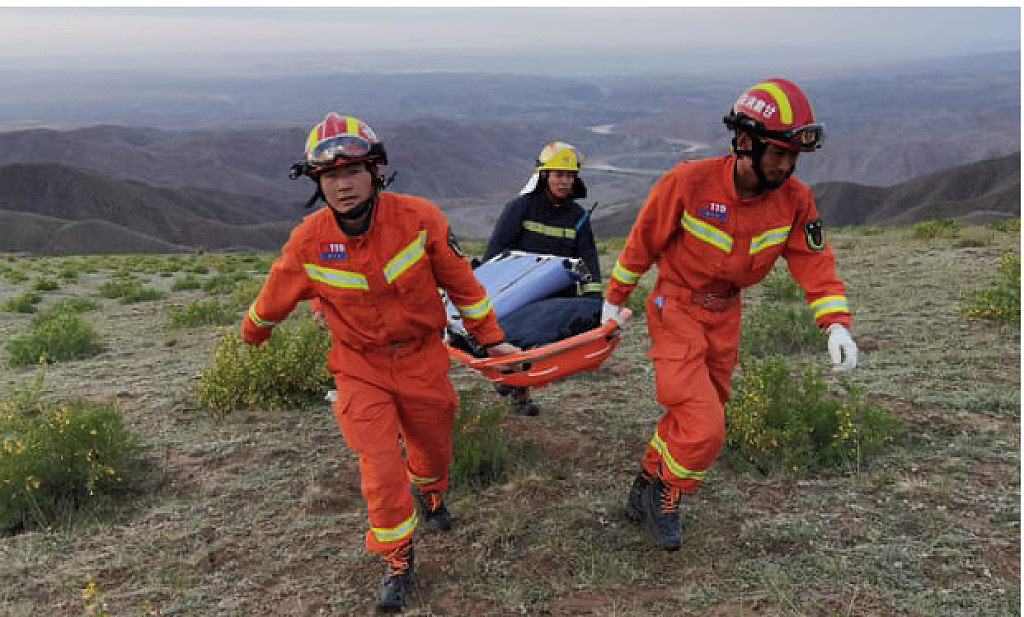
Twenty-one dead as extreme weather hits ultramarathon in China
Hail, freezing rain and high winds hit runners at high-altitude, 100km race in Yellow River stone forest in Gansu province
Twenty-one people have died after hail, freezing rain and high winds hit runners taking part in a 100km (62-mile) ultramarathon in a mountainous part of northern China.
More than 700 rescuers and army personnel used thermal-imaging drones and radar detectors to try to find runners caught by the storm in the race in Yellow River stone forest near Baiyin in north-western Gansu province, officials said.
At around noon, the high-altitude section of the race between 20-31km was suddenly affected by disastrous weather. In a short period of time, hailstones and ice rain suddenly fell in the local area, and there were strong winds. The temperature sharply dropped,” Baiyin city mayor, Zhang Xuchen, said on Sunday.
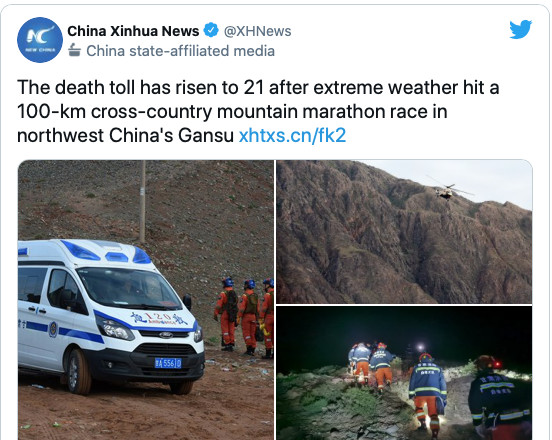
Rescue teams were dispatched but at around 2pm, weather conditions worsened and the race was immediately called off as local authorities sent more rescuers to help, Zhang added.
“This incident is a public safety incident caused by sudden changes in weather in a local area,” he said, adding that provincial authorities will further investigate its cause.
Temperatures in the mountainous terrain dropped further overnight on Saturday, Xinhua news agency said, making search and rescue “more difficult”.
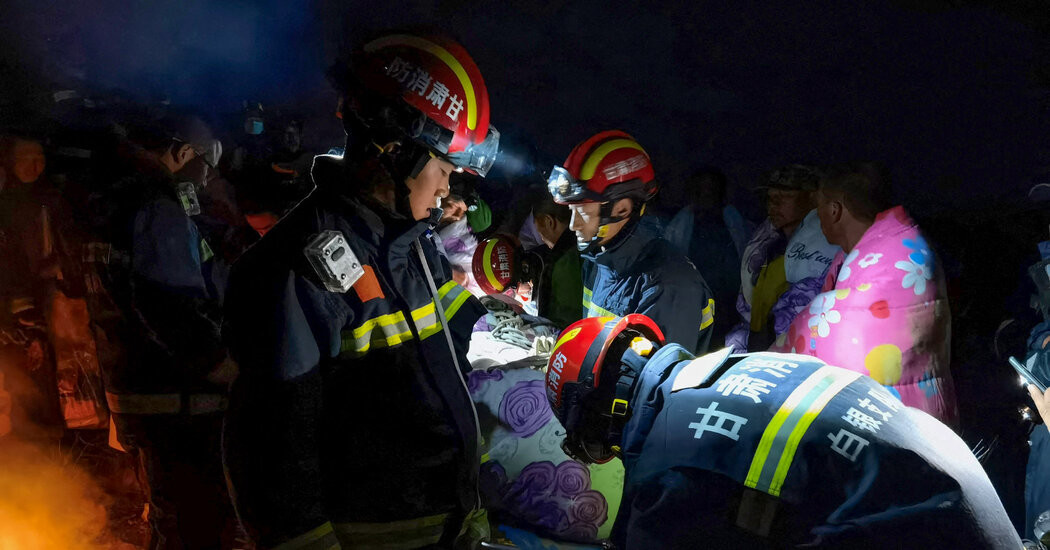
A “significant” drop in temperatures had been forecast in most parts of Gansu over the weekend but there was anger on Chinese social media that officials had failed to plan for bad weather.
“Why didn’t the government read the weather forecast and do a risk assessment?” one commentator wrote.
“This is totally a man-made calamity. Even if the weather is unexpected, where were the contingency plans?”
At the news briefing on Sunday, Baiyin officials bowed and apologised, saying they were saddened by the tragic deaths of the runners and that they were to be blamed.
The Gansu provincial government has set up an investigation team to further look into the cause of the deaths, the People’s Daily reported.
Gansu, one of China’s poorest regions, borders Mongolia to the north and Xinjiang to the west.
Yellow River stone forest is famous for its rugged mountain scenery marked by stone stalagmites and pillars, and is used as a location in many Chinese television shows and movies, according to the China Daily.
Its rock formations are believed to be 4 billion years old. Xinhua said a total of 172 people were taking part in the race.
(05/23/2021) ⚡AMP
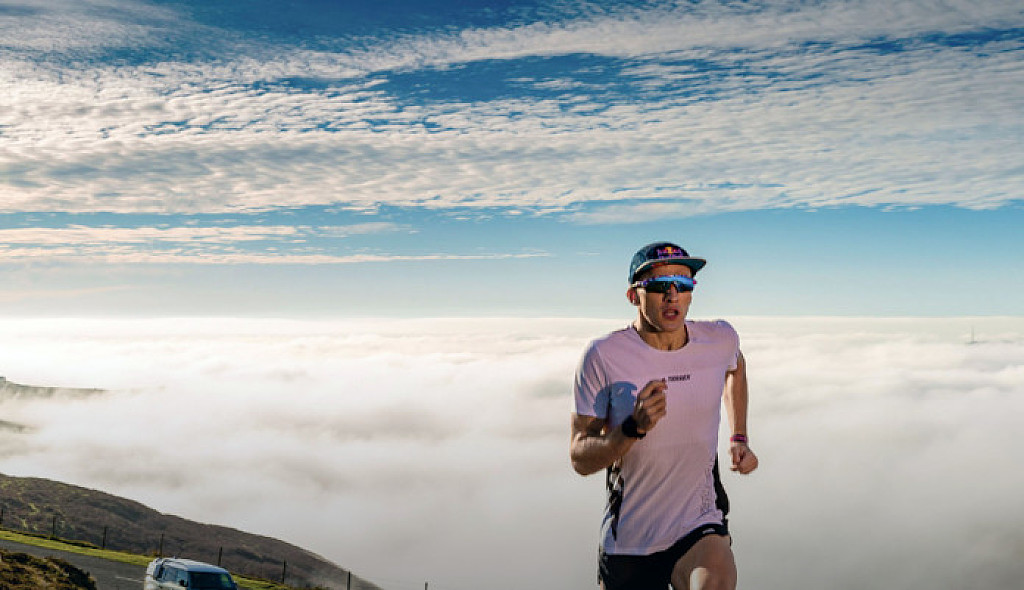
HOW ULTRARUNNER TOM EVANS ESCAPES HIS COMFORT ZONE
The ultrarunner started his sporting career for a bet, and discovered a love of pushing his limits that has kept him moving ever since.
“My thought process can best be described as ‘minimal’,” laughs Tom Evans, describing his 2017 entry into the six-day, 251km Marathon des Sables, held annually in the Sahara Desert. As well as being possibly the toughest race on the planet, it also happened to be Evans’ first. “I knew it was the hardest race out there, and I thought there was no point in doing the easy ones,” he says. “I’d jump straight in at the deep end.”
Though he lacked any formal training, Evans’ self-belief carried him to an unbelievable third place – the fastest time run by any European in the race’s history – and, naturally, skyrocketed him into the world of professional ultrarunning. “I was always sporty,” explains the 29-year-old. “I represented England at rugby, hockey and athletics events while at school. Looking back, I wasn’t necessarily the best, but I always tried the hardest. After school, I realised I didn’t want to go to university, so at 18 I joined the army. I’d always felt I had something to prove, and in the army an easy way to do that was by keeping fit. The army is an endurance-based organisation, which suited me really well.”
After the Marathon des Sables, Evans capped off a successful streak by winning the 101km CCC race at the 2018 Ultra-Trail du Mont-Blanc. The following year, he left the army to pursue running full-time, and he hasn’t looked back. Next on his schedule is Red Bull’s official charity partner event the Wings for Life World Run on May 9 – a unique race with no finish line, in which runners compete against a ‘catcher car’ until it overtakes them. This year’s participants will still compete at the same time, but – due to COVID-19 restrictions – they’ll run against a virtual car, via an app.
It’ll be different from Evans’ past experiences at the annual event, but he’s a master of adaptability. Currently holed up in Loughborough with his fiancée, professional triathlete Sophie Coldwell, he’s keeping busy by switching snowy trails for road running and has even smashed the Three Peaks challenge on a treadmill. Here’s how Evans keeps pushing forward...
The Red Bulletin: You came third in the Marathon des Sables after entering for a bet. How?
Tom Evans: My friends did [the race] in 2016 and finished in the top 300. I thought I could do better, and over a few beers they bet me I couldn’t. I signed up the next morning. There’s a lot of crossover with the military, because you’re sleeping outside under the stars and pushing yourself to your limits every day. Through running the race, I discovered this ability to suffer for a very long time in the heat. Two years later, I left the army to become a full-time professional athlete.
Ultrarunning is one of the most punishing sports. Is it all down to this natural ability?
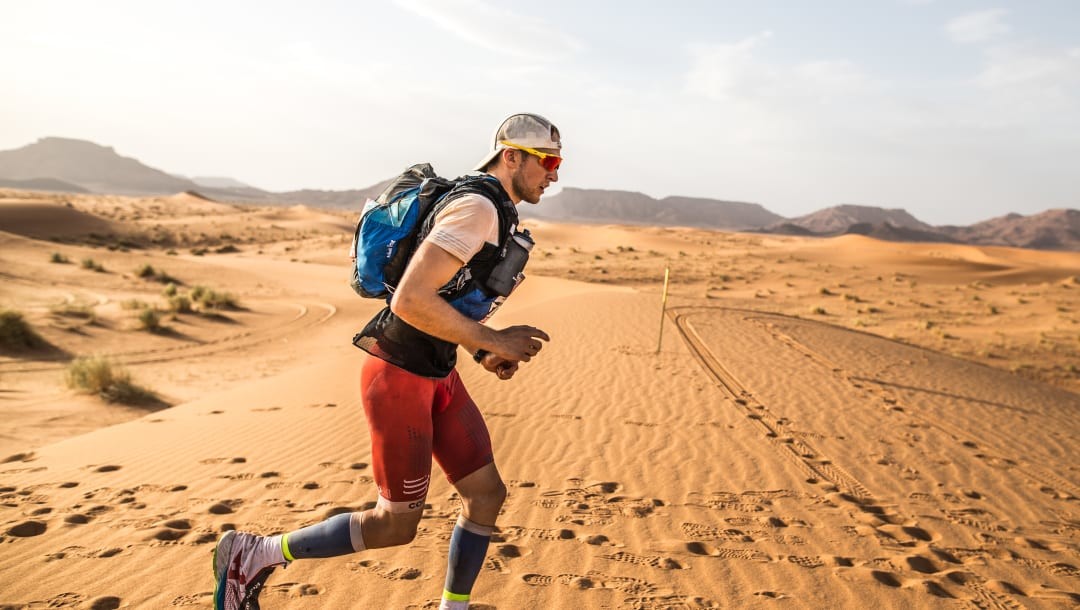
No, I train very hard and I get used to suffering. I know in any race there will come a point when I’ll want to stop. When I get there it’s like, ‘Right, I knew it was going to happen, so now’s the time to embrace it, but also know that the minute after you stop, it’s going to stop hurting.’ I think I can withstand a lot, but I want to know how long I can actually keep feeling uncomfortable for.
Many people struggled to find focus during lockdown. What kept you motivated?
It’s very easy to keep a habit once you have it, but it’s very difficult to start the habit in the first place. I think people go from never running at all to loving it. Then there’s the other side of that: as soon as you do stop something like running, it’s very difficult to start again. So, for me, it’s about keeping as much consistency as possible. I always set mid-term and long-term goals – I’m very goals-based. Having gone from boarding school to the military, I like knowing what I’m doing.
Typically I drive to the Peak District or Snowdon or the Lake District, where there are phenomenal trails, but I wasn’t able to do that in lockdown. So I started running from my door instead. Road running suits me well, because it’s easier to collect data on your run. You don’t have to pigeonhole yourself into a certain distance or event. I run because I love running, and it’s a brilliant thing to be able to do.
What’s your plan for the Wings for Life World Run?
Because it’s a charity event, my goal is to raise as much awareness for spinal cord research as I possibly can by putting in a performance that people talk about. It’s going to be a long, uncomfortable run, which is my sweet spot. I think the best way people can physically prepare is to go on the website and play around with speeds; look at how far you can get [while] running at a certain pace. Because it’s on the app, you can challenge your friends virtually, which keeps the competition alive.
(05/22/2021) ⚡AMP
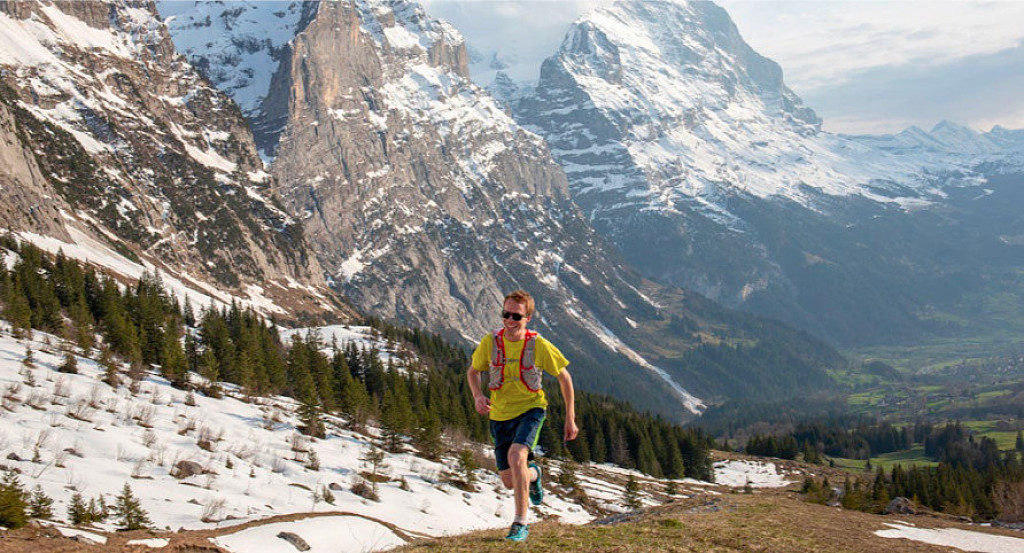
Increasing Endurance With Easy/Moderate Long Runs
You may have heard the training saying: "Easy runs easy; hard runs hard." I think there's an important addition to a well-rounded training plan, particularly for trail runners: "Medium runs medium."
The strict polarization between easy and hard serves a purpose. The grey area between aerobic threshold (an effort you can sustain for a few hours or more) and lactate threshold (around an hour, with variance) is a bit like a vacation to Cancun. It's fun to visit, but stay there too long and it starts to wear out its welcome, and before long you'll be covered in sunburn welts while Ted Cruz walks by in the saddest Hawaiian shirt. Countless running careers have been undercut in that grey area.
But that doesn't mean the grey area is all bad.
It gets back to the old correlation versus causation conundrum. Athletes that do their easy runs with too much effort likely have an overall approach to training that is less sustainable. They chase the quick gains and more impressive Strava files from moderate running, get some of those quick gains, then assume that those gains will continue. At that point, the transition from rapid initial gains to marginal long-term gains pulls them out to the deep end. They keep doing many moderate runs, see less progress, fail to adapt their training to a more polarized approach, and eventually find themselves treading water via injury or stagnation.
As discussed in this article on the science and art of easy running, that model plays out every year in college programs across the country. Faster easy running often coincides with faster racing, leading to an association that can undercut growth after the aerobic, endocrine and nervous systems rebel against the chronic stress. Or in athletes that start their running journey later in life, any run might be moderate at first, creating an understanding that all running should be moderate even as fitness grows. That's when you'll sometimes have success with interventions involving heart rate caps, since excessive moderate running can undermine both low-level aerobic efficiency and upper-level aerobic capacity.
The key word there is "excessive"-we don't need to throw the moderate-running baby out with the polarized-training bathwater. In fact, I am going on the record to say I am against throwing out babies or bathwater altogether. I am brave to take that stand, thank you for saying so.
The key word there is "excessive"-we don't need to throw the moderate-running baby out with the polarized-training bathwater. In fact, I am going on the record to say I am against throwing out babies or bathwater altogether. I am brave to take that stand, thank you for saying so.
In coaching, my wife Megan and I rarely program specific "moderate" days because these grey-area runs can be counterproductive when they are inefficient, like when completed on sore legs or during periods of high life stress. That is why doing moderate running all the time can be so negative-if an athlete feels like crap and forces the pace, it becomes a hard run that can tear them down. Instead, we use the looser term "easy/moderate."
Easy/moderate definition
Easy/moderate runs involve starting very easy. As the run progresses, athletes have permission to find ease of motion without urgency, while covering ground with smooth flow on flats/downhills and efficient purpose on uphills. The runs are faster if an athlete feels good, slower if they don't. Heart rate may be below aerobic threshold on downhills and flats, and closer to lactate threshold on climbs. Essentially, easy/moderate runs allow training to be dictated by the body and brain, rather than obligation to numbers on a plan or compulsion to push each day to the limit. Two major physiological principles are important to apply easy/moderate runs.
Principle One: Steady running around aerobic threshold can have major benefits for endurance, or major negative effects when forced
Coach Renato Canova works with many of the best marathoners of all time, and these types of steady effort long runs are key to his system. In his book Marathon Training: A Scientific Approach, Canova refers to steady effort runs as being around what he calls aerobic lipidic power, essentially meaning the effort is both fast and sustainable. His training system for marathoners revolves around increasing that power so that output at lactate threshold and aerobic threshold get very close together. That's why the top marathoners don't look like they're breathing all that hard at 5-minute miles-they have wildly impressive output around aerobic threshold.
Steady runs may improve lipid oxidation at higher outputs, whereas purely easy runs don't always have the same benefit. In addition, these runs could improve the power and recruitment of Type-I slow-twitch muscle fibers, while also spurring the production of mitochondria and capillaries. And since the runs are faster, the muscular output is greater, leading to more strength.
But there are downsides too. Go too hard, and some of those aerobic benefits erode away, while endocrine and nervous system stresses go sky-high. A steady run forced on tired legs leads to injury risk, with little benefit other than mental toughness. And if you're after mental toughness through increased discomfort, you could just stick your finger in the trash compactor.
The goal is to run with as much pace as possible with as little effort as possible, since that is when running economy improves the most. And we don't want to have to call a plumber to clean the trash compactor.
We frame these runs as easy/moderate to emphasize that athletes should err on the side of relaxed. The goal is to run with as much pace as possible with as little effort as possible, since that is when running economy improves the most. And we don't want to have to call a plumber to clean the trash compactor.
Principle Two: In trail running, athletes must train for the specific musculoskeletal demands of running efficiently over varied terrain
Steady runs are especially important for marathoners, who often use long runs to lock into faster paces. Meanwhile, easy/moderate runs are geared toward trail runners who are running over varied terrain, with different paces, outputs and even form depending on the trail. The trail athletes face a much wider range of musculoskeletal and biomechanical stresses, emphasizing the ATHLETE part of being a runner. Easy/moderate runs build specific adaptations to uphills and downhills, particularly during long runs that start to approximate race pace for ultra runners. We like athletes to apply five rules to add some structure to these unstructured effort days.
Guideline One: Start easy for the first 10 minutes
Let the body kick into a fully aerobic gear. No pace is too slow, like all easy runs.
Guideline Two: Let your body dictate the effort by finding ease of motion, without urgency
After those 10 minutes, listen to your body. What is it saying? "I feel good and fresh" = time to let the effort roll. "I am a bit ragged" = take it easier. "Five, five dollar, five dollar foot loooong" = go to Subway post-run. The cue of finding ease is what I like athletes to lock into in ultra races, and easy/moderate long runs are great for practice.
Guideline Three: Flow on the downs and smooth on the flats
On downhills, heart rate will be lower, so it's a good time to practice running with focused, purposeful flow. As you adapt to the musculoskeletal demands, downhills will become free speed. On flatter terrain, embody smoothness with relaxed arms and no urgency.
Guideline Four: Efficient purpose on the ups, with the option to progress effort on good days
Easy/moderate runs can become extra effective workouts for trail runners due to the uphill stress. If you walk most of the ups in training, try to run a bit more. If you walk some of the ups, try to run all but the steepest grades. If you rarely walk, add a bit more power into your stride. For all athletes, on days you feel good, some of the steeper ups may approach lactate threshold effort, and that's great for fitness. Just make sure you're not fading too hard as the run goes on, which may indicate pacing that exceeds your current fitness levels.
Guideline Five: Fuel well
Because easy/moderate runs are higher overall effort, they are also higher risk. Fueling is key to improve endurance and adapt to the training you are doing, while also mitigating some of that risk.
For our athletes, easy/moderate long runs on trails are a staple outside of base period. Sometimes, they will even include 20-30 minute moderately hard tempo runs after a warm-up, which is how we can spur more long-distance adaptations without doing 30 or 40 mile runs in training. Every 4-6 weeks, a mid-week trail run may be a similar approach, often in aerobic build weeks.
Easy/moderate means that you're giving your body the love and respect to let it tell you what it's ready for. Use these runs in the context of a well-rounded training plan with high-end speed and low-end aerobic development, and your body will probably be telling you that it's ready for race-day breakthroughs.
(05/22/2021) ⚡AMPby Trail Runner Magazine
Chris Balestrini and Krista DuChene break Canadian 50K records
On a hot, sunny morning in Hamilton, Ont., Chris Balestrini and Krista DuChene ran a blazing-fast 50K, both setting new Canadian records of 2:48:32 and 3:22:22, respectively. Both athletes took several minutes off the previous Canadian records, proving that a little early summer heat wasn’t going to get in their way.
Balestrini’s run improves on Cal Neff’s 50K record by nearly three minutes, which he set earlier this year in Texas in 2:51:27.
Prior to the run, Balestrini told us he was confident he could outdo Neff’s record-setting pace of 3:26 per kilometer, which he did handily, holding an average pace of 3:25 per kilometer. Balestrini is a 2:17 marathoner, but this was his first official ultramarathon.
On the women’s side, DuChene shattered the previous Canadian record set by Catrin Jones in 2015 at the IAU 50K World Championships in Doha, Qatar, where she ran 3:28:20. Duchene’s 3:22 lowers that record by an incredible six minutes, making her average pace per kilometer 4:02 for the win.
This was DuChene’s second ultra of her career, having run a 54 kilometer trail race last fall. That run, she told us, gave her confidence knowing that she’d already completed the distance once before.
There have been no official results posted yet, so currently there is no news of how Phil Parrot-Migas or Rachel Hannah finished.
(05/21/2021) ⚡AMPby Brittany Hambleton
Unusual chance for SA runners to qualify for Olympic marathon, ASA approves a 50km race to act as qualifier
Athletics SA (ASA) is planning to use the Nedbank Runified Breaking Barriers 50km ultra-marathon in Gqeberha on Sunday as part of the qualifiers for the 42.2km Olympic marathon.
The banking giants put together a race to allow the top ultra-marathon runners an opportunity to break the 50km world record. Also in the running are athletes from East Africa among other internationals.
Given lack of opportunities for standard marathon (42.2km) events in SA currently, due to Covid-19, ASA will allow the local athletes to use the race to qualify for the Olympics in an unprecedented development.
The men's qualifying time is 2:11:30, while the women's is 2:29:30. This means those who qualify will be timed for the first 42.2km they run in the 50km race. This development should come as good news to local Olympic hopefuls who had already given up on qualifying due to lack of races and opportunity to travel for races abroad.
The deadline for Olympic marathon qualification is at the end of the month.
Meanwhile, the eagerly awaited 50km ultra-marathon record attempt on Sunday will start with the women's race at 7.15am, and followed by the men's race at 7.45am. Britain’s Aly Dixon is the women's 50km record holder with a time of 3:07:20, while the men's record is held by the late SA long-distance sensation Thompson Magawana.
Magawana clocked 2:43:38 when he won the Two Oceans 50km ultra-marathon race in 1988.
Comrades Marathon champion Gerda Steyn, three-time Soweto Marathon champion Irvette van Zyl and former Comrades champion Charne Bosman will spearhead the SA women's challenge against the foreign contingent of Bashanke Bilo (Ethiopia), Dominika Stelmach (Poland) and Russian Alexandra Marozova.
Philemon Mathiba of Nedbank Running Club, Lutendo Mapoto and Sithembiso Mqhele of the Murray & Roberts Running Club are some of the prominent male runners confirmed for the historic event in Gqeberha.
The winner in both men's and women's races will walk home with the prize money of R100,000.
“It is all systems go and we are happy and are behind this race. We see this as a chance for the men and women who have not qualified for the Olympics to try their luck [to qualify]. We will measure their time by 42.2km and if they go on to finish the 50km race that would be a bonus,” ASA president James Moloi told Sowetan yesterday.
(05/21/2021) ⚡AMPby Charles Bayoli

Tokyo 2020 Olympic Games
Fifty-six years after having organized the Olympic Games, the Japanese capital will be hosting a Summer edition for the second time, originally scheduled from July 24 to August 9, 2020, the games were postponed due to coronavirus outbreak, the postponed Tokyo Olympics will be held from July 23 to August 8 in 2021, according to the International Olympic Committee decision. ...
more...
Ultra-Marathoners Share Their Top Tips for Every Kind of Runner
Here are their tips to help you achieve your running goals.
Schedule time to run
It might sound silly, but practically every athlete recommended setting time aside in your schedule. “The less I have to decide, the easier it is to get out,” explains Bradley. “I stick to a similar run plan week to week and month to month, so I don’t have to even think about getting out the door, I just do it.”
Sharman, the Leadville 100 Trail Champion in 2017, agrees: “Create a routine and stick to it unless you have genuine reasons not to. After a couple of weeks, the routine will become the norm and will be much more self-reinforcing.”
Even when you’re traveling, carve out some time for yourself to run
“For me that involves morning runs/activity to get me out the door and to kickstart my day,” Allen says. “When I travel and don’t know where I’m going, it can seem overwhelming, but if I’m committed to [it], I can have a general plan to explore and it usually works out in the end.”
Sign up for a race
“Find an event to sign up for that is just a little bit outside of your comfort zone,” suggests Boulet. “It will help motivate you to get out and train if you’ve paid your entry fee and declared to your friends and family (some of whom will hopefully join you!) that you will do this event.”
It helps if the race is in a beautiful place or somewhere you’ve had on your bucket list for ages, adds Bradley. “It makes it a lot easier to stick with it when everything starts to fall apart when you are in love with the project, race or goal.”
Hire a coach
While a few of these athletes are paid to run (and do it full time), many juggle full-time jobs with their passion for running. One commonality is the insight a coach can provide. “Not only does it take a lot of the strategic guesswork off my plate, but it also gives me another person to be accountable to,” Bowman says.
If a coach is out of the question, look for support in running groups
Coaches can be expensive, and that might be out of the question for you. There are other options to hold yourself accountable. When Boulet doesn’t feel like running, she reaches out to her network. “I have an extra cup of coffee and call a friend to schedule a running date,” she says. “Making a commitment to meet someone always works for me.”
Get out the door
Mental toughness is something that these athletes have in spades. They head out on practice runs that dwarf my measly 20- to 30-mile weeks. But if you don’t feel you have it, don’t fret. “Toughness is not something you’re born with, it’s a skill you can gain with practice,” Boulet says. “Practice being tough in regular training or it won’t be there on race day,” Sharman adds.
If you don’t feel an urge to get up and run every single day, that’s okay. “I like to get out the door even if I’m feeling tired,” Allen says. “I tell myself to see how I feel for the first ten minutes and I go from there.”
No matter what your training day looks like, remember to listen to your body
Sometimes you’ll jump up out of bed and hit the road. Other days, you might feel lazy and not want to go. Do it for your mental health, or bargain with yourself. “I remind myself how much better I feel after running than I did before,” Boulet says.
But remember to take rest days, too. “A common mistake for newer ultra and trail runners isn’t that they aren’t training hard enough, it’s that they aren’t training smart enough and respecting rest and recovery,” says Krar. “Remember that a single run or single race does not define you. There will be bumps along the way and they’re to be expected. Most importantly, run with a purpose. Show up and do your best.”
A little mental prep goes a long way
Everyone needs a little help to get through a long-distance race. The monotony of one foot in front of the other can use a spike. “I’ve used mediation apps like Headspace and Calm,” says Bowman. “These apps cultivate mental and emotional poise, so when adversity inevitably arises, I’m less likely to be overwhelmed by it.”
Running is a journey (literally), so “don’t aim for the stars, aim for the trees,” Bosio says. “Make resolutions that are reasonably attainable. Don’t beat yourself up if you don’t stick with it 100 percent. Tomorrow is always another day!”
(05/20/2021) ⚡AMP
by Meg Lappe
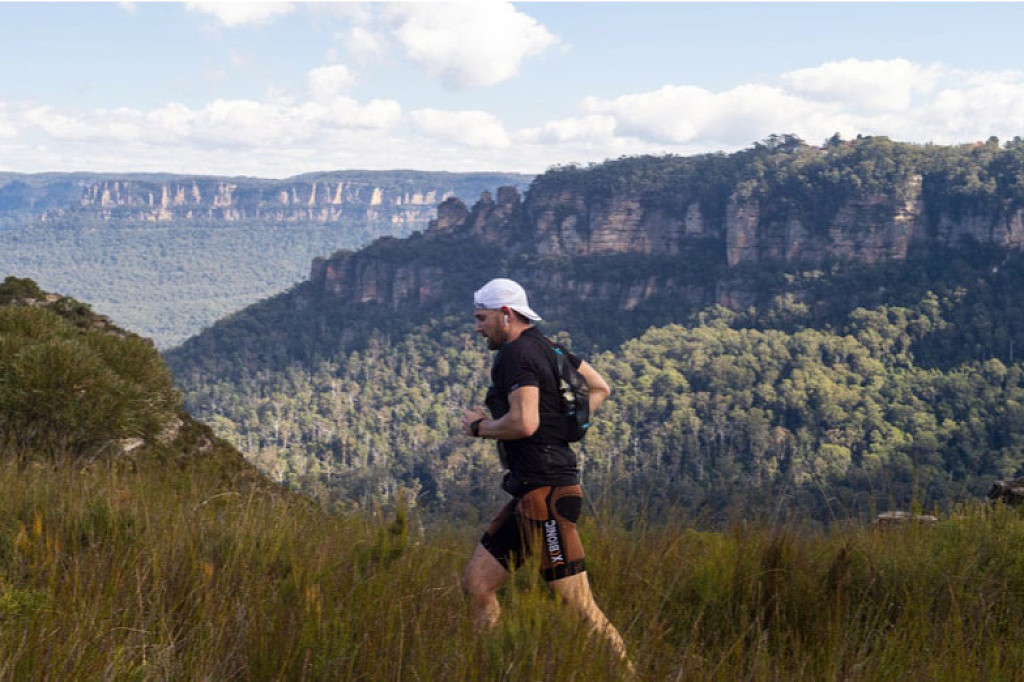
Spanish UTWT race launches campaign to get trail running into the Olympic Games
The organizing team of the Penyagolosa Trails race in Castellón, Spain, has launched a campaign titled Make Trail Olympic in an attempt to get the International Olympic Committee (IOC) to add off-road running to the 2028 Summer Games in Los Angeles. Organizers of the race, which is a stop on the Ultra-Trail World Tour, have written a manifesto in which they include eight reasons why trail running deserves a spot in the Olympic program, and they have also created a petition that they hope will sway the IOC.
The Penyagolosa Trails team introduced this campaign on Thursday, three years to the day that they hosted the Trail World Championships on their home course in Spain. In their manifesto, the team notes that trail running not only deserves to be included in the Olympics, but that it meets the IOC’s requirements for a sport to be added to the Games.
Trail running “is present in more than 75 countries and five continents,” the manifesto reads, adding that the sport has an established world championship system, which as another important note for the IOC. They add that trail running represents the “core values” of the Olympics, which are “excellence, friendship and respect.”
On the more technical side of the Games, doping control is mentioned. “Trail running fights against doping through the global anti-doping system based on the intrinsic value of sport, which is often referred as ‘sportsmanship,'” the manifesto says. “Anti-doping programmes are designed to protect the health of athletes and provide them with the opportunity to pursue excellence without the use of prohibited substances or methods.”
One of the most important parts of the manifesto (and perhaps the point that would have the most impact on the IOC if they view this petition) quickly dives into the popularity of the sport. As the authors explain, there are millions of trail runners worldwide, and the sport has seen tremendous growth in recent years. This growth isn’t slowing down, and trail running sees more and more new members each year, as well as new deals with major athletic brands.
he U.S. is a country where trail running is extremely popular, which is why the team from Penyagolosa Trails say the 2028 Games will be a perfect time to add the sport to the Olympic program. “The United States has a great history in organizing ultra-trail races,” the manifesto says, “and California hosts the world’s oldest 100-mile race, which in turn is one of the most prestigious: the Western States Endurance Run.”
It might be a long shot to get another running event into the Olympics, but the Penyagolosa Trails organizers make some valid points. It’s certainly fun to imagine an Olympic trail race, and if that one day becomes a reality, it will no doubt contribute to the already booming sport. To view the full manifesto and to sign the petition to have trail running added to the Olympics, click here.
(05/16/2021) ⚡AMPby Running Magazine
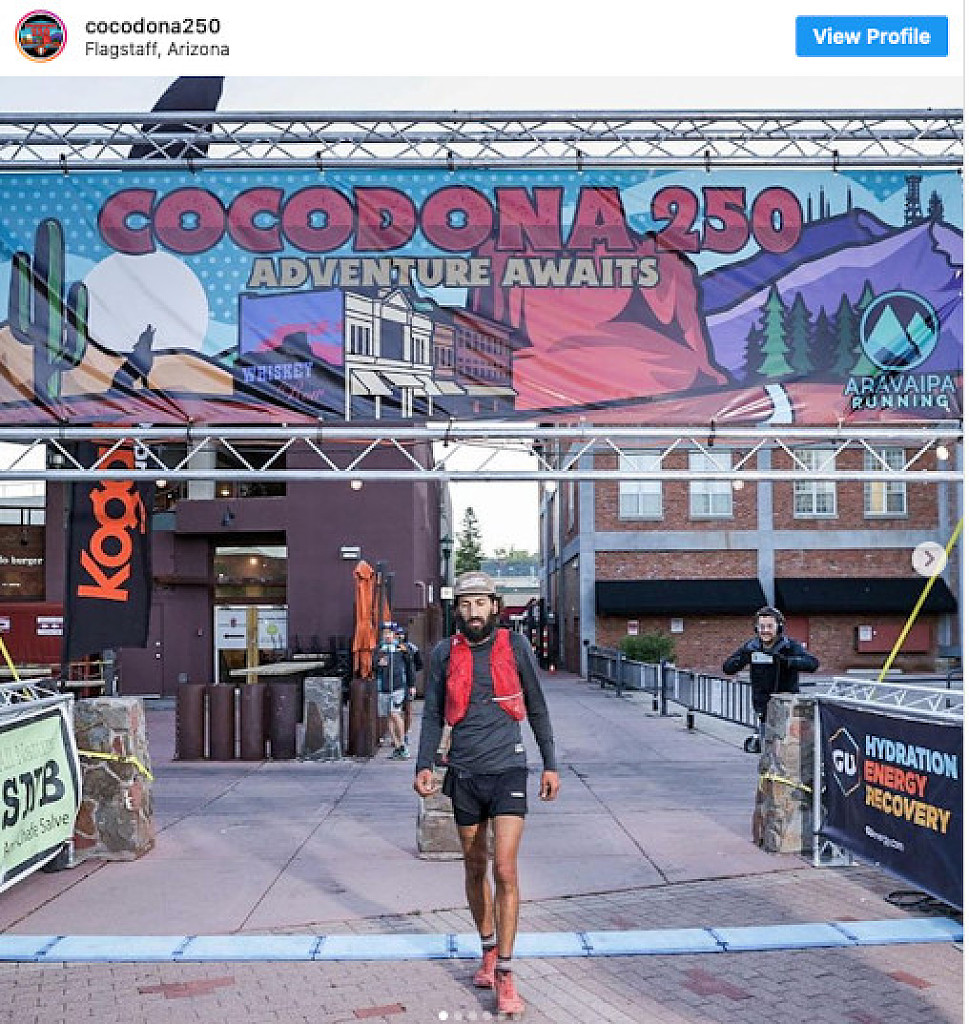
Michael Versteeg wins inaugural Cocodona 250-miler, Maggie Guterl still running in 7th overall
Ultrarunner Michael Versteeg of Prescott, Ariz., won the inaugural Cocodona 250-miler on Thursday morning, crossing the finish line in Flagstaff after 72 hours of racing. Versteeg finished ahead of Flagstaff local Peter Mortimer, who is still in the final miles of his run toward second place. Maggie Guterl is currently the top woman in the race, and at the time of writing, she completed 228 miles (366K) of what event organizers describe as a “250ish-mile footrace,” which works out to a total of about 400K. Guterl sits in seventh overall
Versteeg’s win
This is the inaugural running of the Cocodona 250, which was organized by the team at Aravaipa Running. The race started in Black Canyon City, about an hour north of Phoenix. From there, runners travelled north, passing through multiple towns (including Versteeg’s hometown of Prescott) before eventually making it to Flagstaff, 1,500m higher above sea level than where the race started. In total, the race features close to 13,000m of elevation gain, which is like running the height of one and a half Mount Everests.
The uphill battle, the heat of the desert and the sheer distance of the race didn’t stop Versteeg, who was at the front of the race throughout the 400K journey. This isn’t Versteeg’s first time stamping his name in the history books, as he won Aravaipa Running’s inaugural Whiskey Man Series in 2016 as well. On top of that, he has recorded many other ultramarathon race wins.
The chasers
Among the chase group (which is the rest of the Cocodona field, as Versteeg is the only finisher so far) is Guterl, who is in seventh place and currently being paced to the finish by fellow American ultrarunning star Courtney Dauwalter. Guterl and Dauwalter know each other well, and earlier this year, they both competed at the Barkley Marathons (although, like everyone else at this year’s race, they registered DNFs).
Like Dauwalter, Guterl is well known in the world of ultrarunning, and she has several big race wins to her name, including Big’s Backyard Ultra in 2019. Now, Guterl is looking to add another win to her resume, and with a 16K lead on the second-place woman Jessi Morton-Langehaug, the Cocodona crown is hers to lose.
Also racing this week was Gene Dykes, a 73-year-old runner from Pennsylvania who owns multiple age group records, including the American 100-mile and 24-hour bests (21:06:07 and 179.98K). Unfortunately, Dykes didn’t make it to the finish line, and he (along with close to 60 other runners, so far) recorded a DNF.
The race is ongoing, and despite the many DNFs, there are still dozens of other runners on the course making their way to the finish. To track live results of the Cocodona 250, click here.
(05/15/2021) ⚡AMPby Running Magazine
Sara Hall, Eliud Kipchoge among runners chosen for Sports Illustrated's Fittest 50 honours
Sports Illustrated has released its Fittest 50 list, and as usual, multiple runners were included. The Fittest 50 is SI‘s attempt to list the fittest men and women in the world, looking at athletes from any and all sports. This year, nine runners were selected, with six of the 25 women and three of the 25 men coming from the track, trails or road. Here’s a breakdown of where each individual placed and why the SI panel (which included Dr. Michael Joyner of the Mayo Clinic) chose them.
The women

Running was the sport with the most women included in the top 25, and the six athletes chosen was double the three chosen from MMA, which was the sport with the next-most number of selections. American marathoner Sara Hall is #24, and with her performances in the past year, it comes as no surprise to see her on this list. The SI team notes how Hall overcame the disappointment of missing out on the Tokyo Olympics and ended up running two huge marathon PBs, first at the London Marathon (where she finished in second in 2:22:01) and then with her win at The Marathon Project, where her 2:20:32 finish was the second-fastest marathon in U.S. history.
Up next is Dalilah Muhammad at #16. SI refers to Muhammad as the “queen of the 400-metre hurdles,” a title she has owned since her gold medal in the event at the 2016 Olympics. Since then, she has broken the world record on multiple occasions (her current record stands at 52.16 seconds, a time that won her the gold medal at the 2019 world championships), and she is now a heavy favourite to win gold in Tokyo this summer.
American ultrarunner Courtney Dauwalter comes in at #14, and her remarkable result from Big’s Backyard Ultra in 2020 is listed as a big reason for that. Dauwalter won the American title at the event, running 455K. Just ahead of Dauwalter at #13 is American track and field star Tianna Bartoletta. Bartoletta is truly a track and field standout, as she has won Olympic and world medals in both sprints and jumps. In London in 2012, she won Olympic gold as part of the U.S. women’s 4 x 100m relay team. She and the squad defended that title in Rio four years later, and she added an individual gold medal in the long jump.
Emma Coburn is #10 on the list, coming in ahead of tennis star Serena Williams. SI lists Coburn’s multiple steeplechase medals, from her bronze in Rio to her gold and silver at the 2017 and 2019 world championships, and it’s noted that she has the potential to break the American 3K steeplechase record of 9:00.85 later this year. Finally, coming in at #6 on the list is Shaunae Miller-Uibo. The Bahamian sprinter is the defending 400m Olympic gold medallist, and she could also be a threat in the 200m in Tokyo.
The men
Unlike on the women’s list, running didn’t win for the most men selected in the top 25 (American football had four athletes and basketball had three), but three athletes still made the elite list. American ultrarunning sensation Jim Walmsley was included at #24, and he is extremely deserving of this honour. Firstly, as noted in the SI piece, he competed at the U.S. Olympic Marathon Trials in 2020, going out of his comfort zone and running 42.2K instead of his preferred ultra distances of 100K or 100 miles. He finished in 2:15:05, earning him 22nd place in his debut marathon. He then kicked off 2021 with an amazing 100K run in Arizona, where he finished in 6:09:26, breaking the American record and finishing just 12 seconds off the world best.
Next up is Eliud Kipchoge at #20. While Kipchoge had the worst marathon of his career at the London Marathon in October 2020, there’s no denying that he’s still one of the best road runners in the world. He’s the world record holder in the marathon and he is the only human to run under two hours in the event, making him a favourite to win gold in Tokyo this summer.
Finally, breaking into the top 10 is Noah Lyles at #9. Lyles is the reigning 200m world champion, and he owns a PB of 19.50 in the event. He’s a heavy favourite to take gold in Tokyo, and he might even compete in the 100m. Add all this together and he’s a clear choice for SI‘s Fittest 50 list.
(05/15/2021) ⚡AMPby Running Magazine
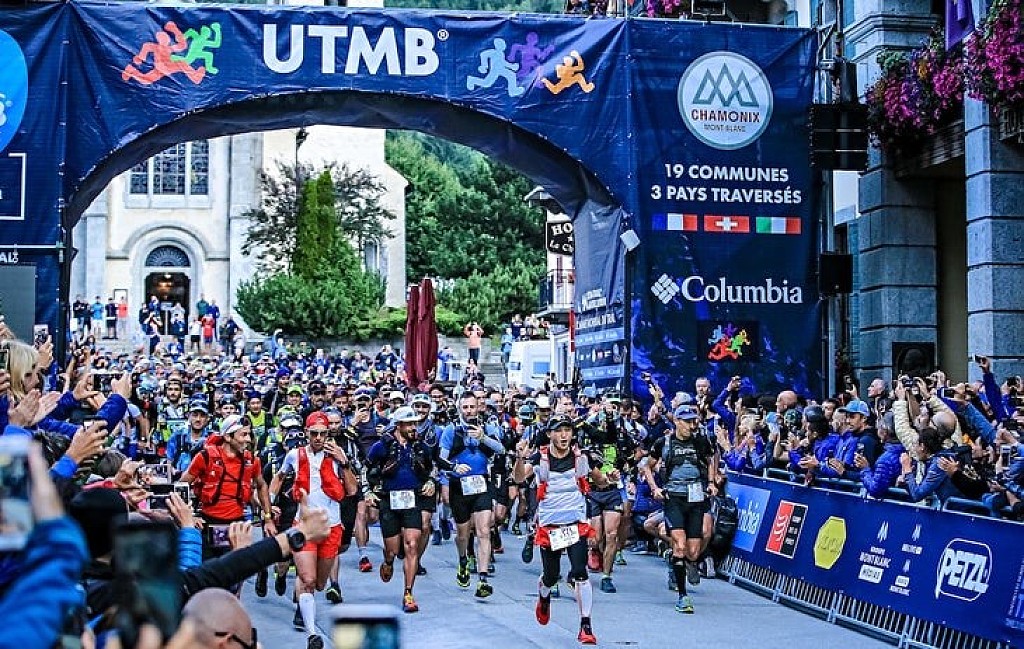
Ultra-Trail du Mont-Blanc Partners with Ironman
Trail running grows up, and with it comes an uncertain future.
Did you feel the ground shake under the trail during your last run? You might have. Because this morning at 10 a.m. Paris time, Chamonix, France, was the epicenter of an earthquake that radiated outward and shook the trail-running world. The Ultra-Trail du Mont-Blanc, our sport’s most prestigious week-long series of ultramarathons, just announced that it is partnering with Ironman, the global triathlon brand. The partnership is comprehensive and international in scope. It’s a fitting moment for the world’s most iconic race, which turns 18 and enters adulthood this year.
The announcement was surprising-not-surprising. The not-surprising part? Trail running has reached critical mass and continues to grow, and for private-equity investors that means that the sport is officially on the radar. On top of the numbers, the trail-running demographic is a desirable one for investors.
“Healthy living is really on fire with investors right now. People have seen companies like Peleton do really well,” says David Lavallee, a former investment banker who lives in Chestnut Hill, Massachusetts, and now invests and operates endurance-related companies. Lavallee sees opportunity within the sport, too. “Trail running has been synonymous with ultras for the last 20 years. But there’s huge room for downward growth, for individuals who want to run a 10K trail race.” And as more people experience trail running? “That fuels the understanding that there’s something really big going on here,” he says. “And it has all been amplified by the pandemic.”
Media Mashup
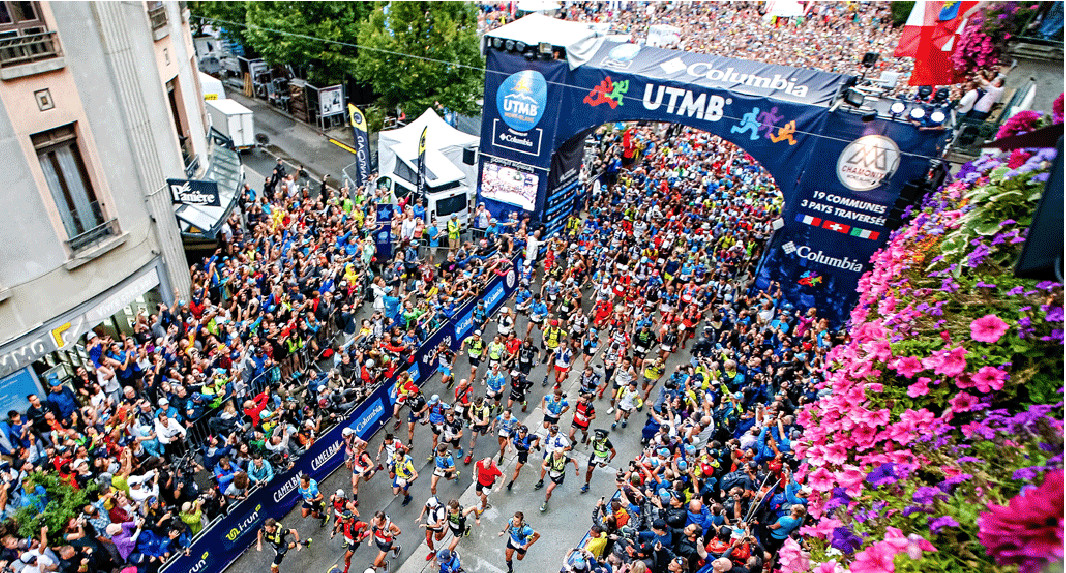
In the trail-running-media world, dollars are already flowing in. U.S. trail-running publishers have been snatched up by larger entities. The website irunfar.com has gone to Lola Digital Media, owner of a dozen other outdoors-oriented publishers, among them Gear Junkie. Trail Runner magazine was acquired last October by Pocket Outdoor Media, which subsequently bought Outside Magazine, and now operates under that iconic publisher’s brand name. Last September, the investment division of Nashville software company Atiba Labs purchased the website ultrasignup.com from its founder, Mark Gilligan.
In the case of the new UTMB-Ironman partnership, Ironman’s investment only goes so far. According to UTMB, their company has the majority ownership; Ironman has a minority stake, and there is no option for Ironman to take control of UTMB. Ironman presence at UTMB events will be low key, as well, with no Ironman branding at UTMB races.
“Ironman is a long-distance-triathlon brand,” said Andrew Messic, CEO of the Ironman Group, “and we intend to keep it that way.”
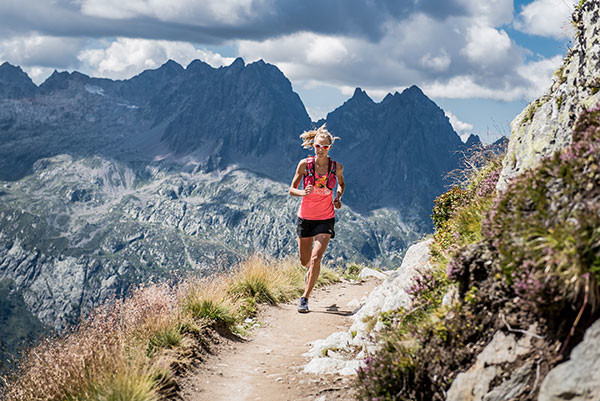
How It Will Work
The surprising part? It really did happen, and now the trail-running world has to think about what comes next. The announcement of the UTMB-Ironman partnership brings with it the potential for deep changes to trail racing, for example. UTMB is calling its new global race series the “UTMB World Series,” which breaks down into four categories of races: World Series Qualifiers, Events, Majors and Finals. Qualifier races, whose numbers will apparently be in the thousands, give “privileged access” to World Series Events and World Series Majors, both of which feature 50K, 100K and 100-mile distances. Each World Series race gives a participant one lottery entry (UTMB calls them “stones”) to the finals in Chamonix. The World Series Majors are the flagship races on each continent, with two entries to the Chamonix lottery. Between the Majors and Events categories, UTMB expects to have 30 to 40 races take part.
Everything points toward Chamonix and the World Series Finals—and the only way to get there will be through the new race series. To get to Chamonix, runners will also need to finish a race of comparable difficulty in one of the other UTMB race series.
Notably, no U.S. races were announced as part of the press release. “Trail running was born in the USA… [but] it’s not easy for a French company to develop something [there],” said UTMB Co-Founder and Co-Owner Michel Poletti. “That’s part of our decision to partner with Ironman, is that it will be easier for them to develop the sport in the U.S. than for us in France.” Poletti noted they are talking with “many other races in the world, including the United States.”
The current Ultra Trail World Tour, in which UTMB owns a controlling interest, will cease to exist in January 2022. Some of the races currently in that series will join the new UTMB World Series Majors. Meanwhile, the other UTMB races that take place in Chamonix, MCC (40K), TDS (145K) and PTL (300K), will continue, with race registration procedures that will be announced this fall, according to UTMB staff.
What Does It Mean For Trail Running
In the trail-running world, Ironman is not without its branding challenges. Corte Madera, California’s Jeri Howland, 65, has known both the trail-running and Ironman world for several decades. She’s ticked off 21 Ironmans, is a seven-time champion, and at age 46 set an age group world record. When it comes to trail running, she’s won her age group in over 30 races and twice has been female champion in the Bay Area’s legendary Quad Dipsea race. She spoke to Trail Runner broadly on the idea of Ironman possibly entering the trail running.
“Ironman would bring in a lot of hype,” says Howland. “They think it’s part of the attraction. I don’t think trail runners would like that.”
Culturally, at first glance, the two worlds do seem somewhat at odds. “Triathletes have a ‘look,’ dressed in the latest gear,” Howland says. “Runners are simpler and colors are muted. One is glossy and the other is matte.” It’s a polite tension that already exists in the trail running world—between European runners in their pricey “kits” and American runners, for whom duct tape and shirtless running are their own form of fashion statement.
Fashion aside, Howland thinks that trail running could ultimately benefit. “Once triathletes realize how great the return on investment is for them in ultrarunning, they may turn to the sport. It’s much simpler than taking a bike and wetsuit with you. And triathletes are always looking to expand their endurance capacity. They’d jump in.”
And, always, there is the profit motive, as both UTMB and Ironman are for-profit entities, and the latter sometimes seems intent on pushing the envelope on pricing boundaries. During the pandemic, Ironman offered deferments but refused to offer refunds. Many registered athletes were irate, and filed a class-action lawsuit, which was summarily dismissed by a US District Court Judge this past January. Even in more normal times, says Howland, “The cost of Ironmaning is off the charts.” Will that pricing come to UTMB? “That could be a huge turn-off,” says Howland. “Triathletes expect to spend a lot of money,” she says. “Trail runners don’t.” For his part, Poletti offered awareness of that concern, saying, simply, “We want to deliver high standards events at a fair price.”
One clear benefactor in the new partnership will be Chamonix, France. Already considered by many to be the world’s home of trail running, the town also hosts CMBM, one of the largest trail-running clubs in the world, the eight races of the Mont Blanc Marathon in late June, and the more under-the-radar Trail des Aiguilles Rouges in late September, three races whose marquee event is a highly technical 54K route. All of the new UTMB-Ironman races will point toward a climax at the end of August in Chamonix. An estimated 130,000 runners, family, friends and fans already converge on the Mont Blanc region at the end of each summer. It’s hard to imagine that number getting any smaller. And if the triathlon world shifts its attention to UTMB and starts trail running? Those numbers will keep growing, even with entrance caps on the races.
What Comes Next
Perhaps more interesting than the announcement itself, is what comes next. Will the trail-running culture embrace a “big tent” approach and accept corporations with deep pockets and little history in the sport, alongside diehard trail runners who toe the line each weekend in local races that finish with beers back at the trailhead? Is there room for both in trail running?
“This is essentially one of the big debates of the sport coming to a head: what is trail running all about?” says Hillary Gerardi. Originally from Vermont, Gerardi has set course records on technical trail races around the world. She is sponsored by the Utah-based company Black Diamond. Gerardi has lived in France for ten years, the last four in Chamonix. “We’ve been wrestling with that question for the past decade as the sport grows and evolves.This partnership between UTMB and Ironman is a big jump. It’s forcing people to decide where they stand on the issue.”
“This is an interesting arrangement and one that brings a lot of unknowns,” says Brian Metzler, the founding Editor of Trail Runner magazine, who now serves as a Contributing Editor and freelances for numerous media outlets. “Of course, some purists will criticize it as being a bad thing that’s contrary to the easy-going, community spirit that we all know and love.”
Metzler has completed four Ironman triathlons and has run two of UTMB’s races, CCC and OCC. He’s also run the UTMB course, and knows the Chamonix scene well, having been to nine editions of UTMB. And while he’s concerned that the UTMB qualifier events might become cost prohibitive for some runners, he is optimistic that the UTMB-Ironman relationship could yield positive results. “I think it could add structure, professionalism, exposure and prestige that could benefit elite athletes in the same way the Ironman World Championship in Kona has for triathletes.”
And for eager recreational runners? “It’s an inspiring incentive to travel to unique events with the hopes of getting to the UTMB in Chamonix.” And as Metzler is quick to point out, it was already hard to get to a starting line in Chamonix. “Let’s face it, UTMB was already impossible to get into just as getting into Kona was before qualifiers were developed 25 or 30 years ago.”
The dust is still in the air. When it all settles, it will be interesting to see what takes shape—and what comes next. Like every big tremblor, there will be aftershocks as well, some of which may go on for months if not years.
For her part, Jeri Howland finds commonalities between her trail running and triathlon worlds.
“Both triathletes and trail runners share a love of doing something where there is great uncertainty in the outcome,” she says. “And they share a love of meeting their tribe—people with the same passions.”
And, she says, there is that feeling of toeing the starting line, with miles to go before you can rest. It’s a sentiment felt since 2003 in Place du Triangle de l’Amitié in Chamonix—an addictive mix of tension, excitement, fear and uncertainty. Many trail runners are now feeling that same stew of emotions as they ponder the future of a sport they love. Now, the gun has gone off and our toes are across the start line. It’s time to settle in, rise to the occasion, and see what awaits us on the long miles ahead.
(05/15/2021) ⚡AMPby Trail Runner Magazine
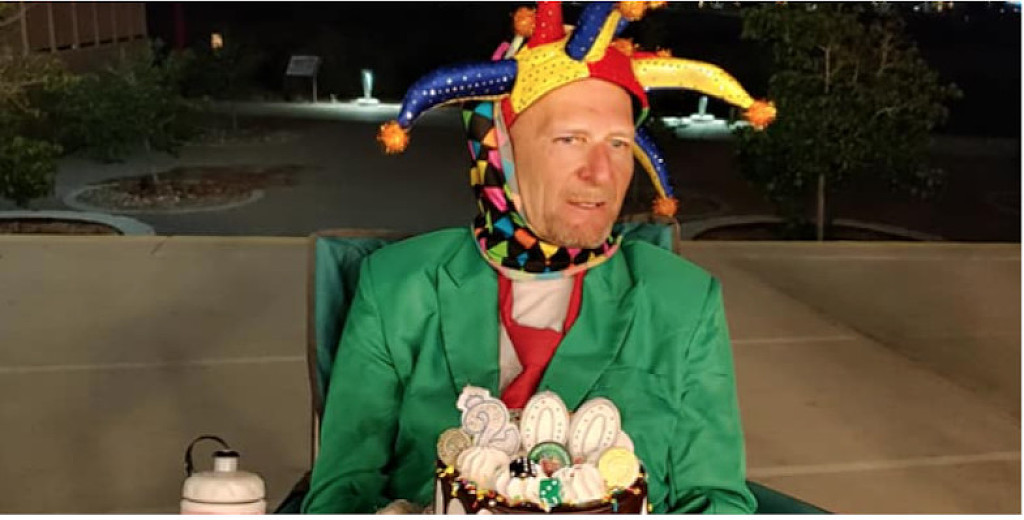
Ed Ettinghausen Finished His 200th Race of 100 Miles or Longer, and is Sharing the Tips He's Learned
“The Jester” is just the second person to hit that milestone, and he’s still chasing bigger goals
There is a new member of the 200 club, and we’re not talking about marathons.
Ed “The Jester” Ettinghausen completed his 200th official race of 100 miles or longer on April, becoming only the second person in history to do so. If you’ve toed the line of a 100-plus miler or timed 24-hour-plus races in the last decade, there’s a good chance you saw Ettinghausen, a colorful—both literally and figuratively—character who runs every race in a red, blue, or green suit and a jester hat.
“That was my intro to the ultra scene, and I was not bit by the 100-mile bug,” Ettinghausen told Runner’s World. “It was a traumatic experience. It wasn’t for another year that I did another 100 at the same race. It wasn’t until I met someone else doing Badwater who I asked if they needed a crew. I had done that second race in a walking boot, and he said sure. In July 2010, as a crew member, I got bit by the bug.”
Ettinghausen’s running career has been filled with countless races with distances ranging from marathons to 324 miles. In 2011, he broke the record for most marathons in a 365-day period with 135—yes, you read that right—and in 2014, he ran the most 100-milers in a year—41, a record which was broken in 2019 by Walter Handloser. Doing some sloppy math, Ettinghausen has spent 35 percent of his weekends over nearly 11 years running 100-milers.
He hasn’t done as ambitious of efforts like that since 2014, though clearly he’s still moving a big clip. That was especially true for his 200th milestone race, which came in the middle of three 100-milers in a five-day span.
Ettinghausen started race number 199 in Las Vegas at the Jackpot Ultra Running Festival on Wednesday, April 21, jumped into a second race at the same event on Friday, and then hightailed it back home to California where he ran the Born to Run Ultramarathon on Saturday. The middle run was what earned him the record—and a cake celebrating the occasion at the finish line.
With 200 100-milers to his name, Ettinghausen has amassed plenty of wisdom about ultrarunning.
Adjust your mindset
There are peaks and valleys in any marathon or ultra race. The temptation to be on the couch instead of running farther always lingers. Ettinghausen has been there, but his strategy is to remove a keyword often heard in races.
“I’m never suffering in a 100-mile race because the discomfort is inevitable but suffering is optional,” he said. “I was with a young woman doing her first Badwater, and she had had some tough miles there. Bad blisters, and the heat got to her. She said, ‘I’m suffering.’ No, you’re not, you have discomfort. A person I had passed who was writhing in pain, his legs locked up, that’s suffering. You’re still walking. It’s painful, but you can keep going. Framing it as discomfort goes a long way over suffering.”
Find someone who might be struggling and help them get to the finish
Ettinghausen says helping others gives him a task and a focus that’s not related to the actual race. “In a way, if I’m helping them, I’m helping me. Plus, those shared experiences are the memories I have the most of.”
Slow down
Don’t go out in an ultra at marathon pace because that will catch up to you. Trust him, he’s seen it over a hundred times.
“You have no business going out at a 10-minute pace if that’s what you do marathons at,” Ettinghausen said. “The wheels fall off eventually. Run your own race. It’s a tortoise and the hare situation. I’ve won 55 100-milers and finished on the podium 121 times in a comical suit and jester hat. I caught people in many of those races going the same pace the whole race. I pace myself according to my fitness. If it’s warm, I slow down.”
Find your support
A bonus tip he wanted to add was having his wife’s support. She is his crew chief through races that have overlapped with her birthday, Mother’s Day, wedding anniversaries, and other occasions. Having her pick him up at races is his biggest asset, but he wanted to make it clear he’s not willing to share because he needs her.
What’s next for the Jester?
Ettinghausen is trying to catch the current world record holder for most 100-mile or longer races, Sandra Brown. The 72-year-old from England is at 207, and Ettinghausen hopes to pass that number at Badwater 135 in July, a race he has done every year the race has run since 2011.
But his ultimate goal is running 60 100-milers in a year starting in August 2022 when he turns 60 to recapture the record of most 100-milers run in a year. It’s a logistical nightmare and a costly enterprise when you consider the travel, lodging, race entries, fuel, and gear required for such an endeavor. For this, he’s looking for sponsors and also doing runs on top of others like he did for the trio in five days to prove he can still recover quickly and get back out there.
He also wants to continue to inspire other. No matter the race, he always goes back out and runs people to the finish, especially the person in last, or DFL (dead f---ing last). He knows what that means to people, and he knows the lasting impact it can have.
“It’s my way of paying it forward to this sport,” he said. “One time, I came in with a woman, and she was bummed about her first marathon not going as well as she wanted. I told she still finished and she should even try an ultra. This was maybe 10 years ago. Well, at the end of the Jackpot 72-hour race, a woman came up to me with a trophy in hand. She was the same woman and she had won her race and she told me it was because I told her to run an ultra years ago. Knowing I made a difference and helped someone is why I run.”
(05/15/2021) ⚡AMPby Runner’s World
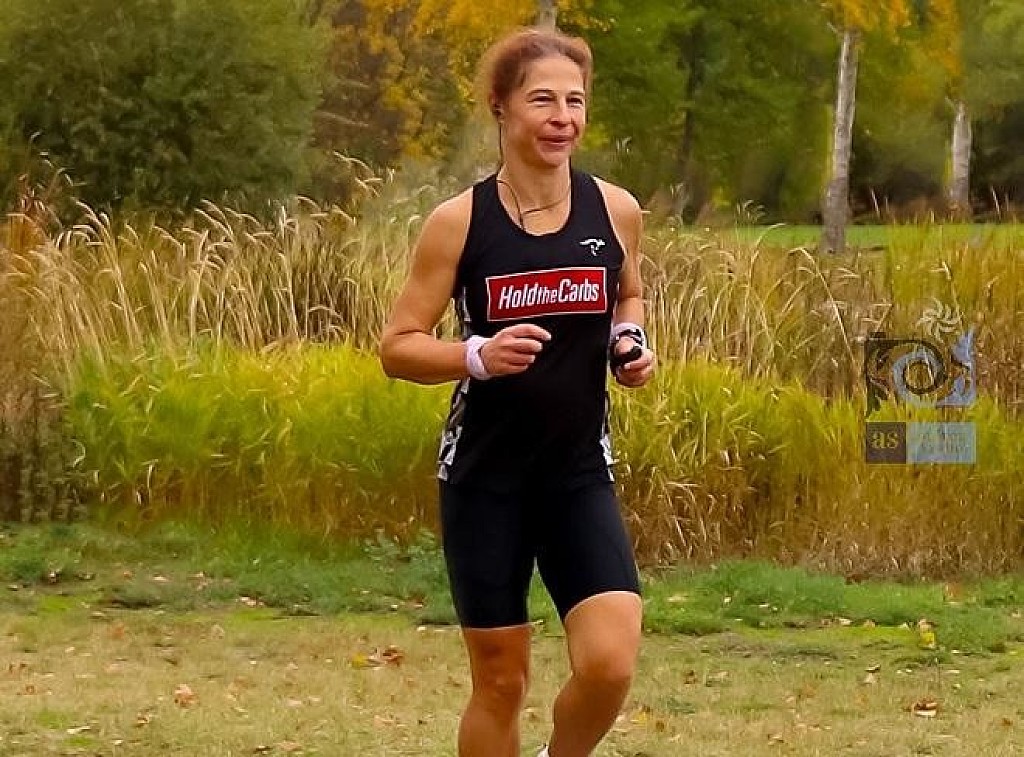
Viktoria Brown breaks Canadian W45 100-mile record in North Carolina, running 15:24:23 to beat the previous national record by 14 minutes
Canadian ultrarunner Viktoria Brown recently set the Canadian W45 100-mile record, posting a time of 15:24:23 at a 24-hour race in North Carolina. This is the third ultrarunning record for Brown, who lives and trains in Whitby, Ont., and it beat the previous Canadian best by 14 minutes. She stopped after hitting the 100-mile mark, a distance that was good enough for 11th overall in the 24-hour event.
Brown only started running ultras in September 2020, but she already has three records to her name. Her first came in her ultra debut, when she ran to the women’s 24-hour Canadian soil record at That Dam Hill in London, Ont. Despite never having run an ultramarathon before, Brown excelled, running 213.8K in 24 hours and beating the previous record (which had stood for 36 years) of 210K.
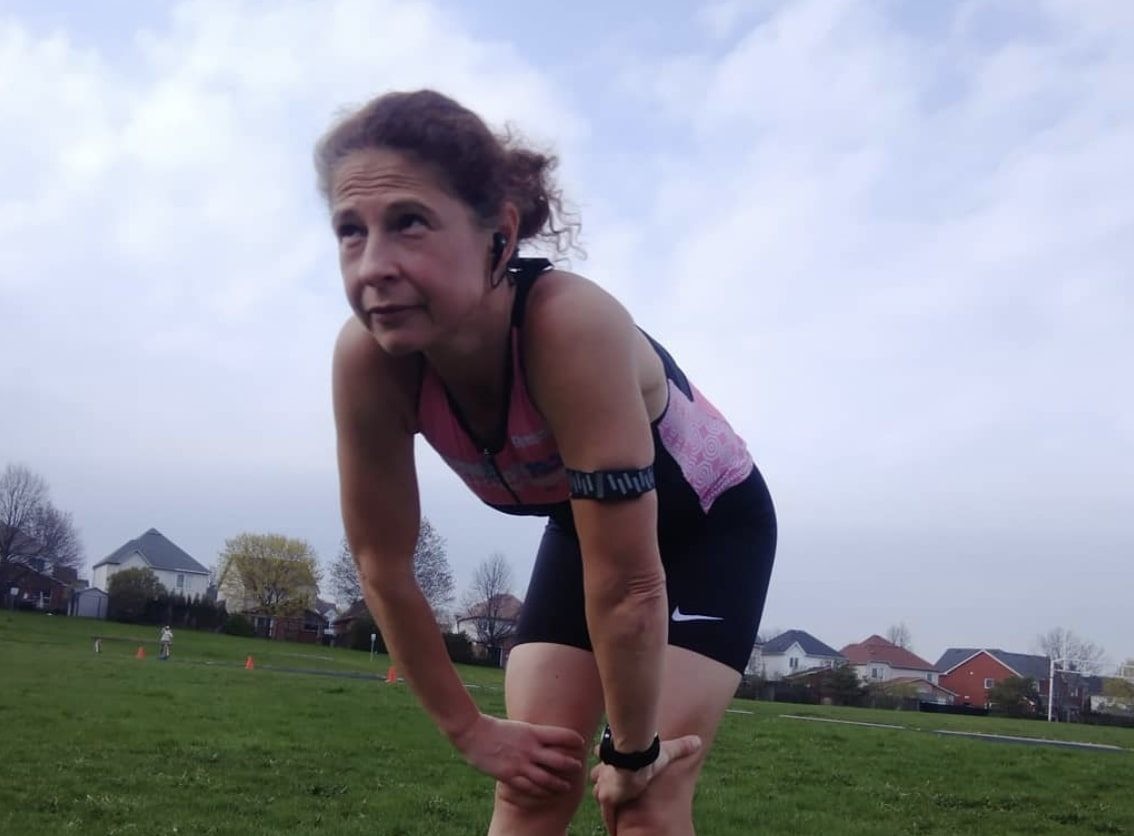
After her performance in London, Brown was invited to run in Kelowna, B.C., in October as a member of the Canadian team at Big’s Backyard Ultra. Again, although she was still so new to the sport, she ran extremely well, completing 34 laps and stopping after 228K. Next up was a 48-hour race in Duncan, B.C., in November, and Brown set another record, beating the previous Canadian 48-hour best by more than 6K with her two-day total of 324K.
Given her previous results in ultras, it shouldn’t have come as any surprise when Brown beat yet another record, this time at the Alexander County 24-Hour race in the U.S. After the race, Brown said she stopped short of the 24-hour cutoff because she didn’t want to push her body too far, as she is training for the Six Days in the Dome race, which will be held in Wisconsin in June. Stopping after just 15 hours meant Brown could dedicate less time to recovering after the race and more time to training.
“I learned what I needed to learn from this one,” she said, referring specifically to a recent asthma diagnosis. After learning that she has asthma, Brown realized she needed to figure out how to race without making the problem worse. Seeing as she set a Canadian record, it’s safe to assume she worked things out on the race course.
As Brown noted on Instagram after the race, she was on pace to break the open Canadian women’s 100-mile record (which belongs to Michelle Leduc at 15:19:45) for most of the race, but she slowed too much in the final kilometres and had to settle for the W45 age group best (a time of 15:38:18 that Bernadette Benson ran in 2014) instead.
While she was disappointed with missing the Canadian record, Brown said she isn’t too upset, and her focus is now set on the Six Days in the Dome. If she wants to break the national six-day best at this event, she will have to run farther than Charlotte Vasarhelyi‘s 2014 record of 734.225K. To run the W45 best, Brown will need to better Kimberley Van Delst‘s record of 547.177K, which she ran in 2017.
(05/13/2021) ⚡AMPby Ben Snider-McGrath
Canadian ultrarunner Varden Morris wins Great Virtual Race Across Tennessee
The Great Virtual Race Across Tennessee has only been running for 10 days, but it already has its first finisher. Calgary’s Varden Morris completed the roughly 1,000K race in just over a week, averaging an impressive 103K per day since the event kicked off on May 1. Matt Shepard of Valleyview, Alta., is currently in second place, with just over 800K complete.
The GVRAT
Laz Lake created the GVRAT in 2020 at around the same time many races started going virtual. Lake, who is best known as the race director of the Barkley Marathons, wasn’t going to organize a quick virtual 5K or 10K, though, and he decided to take runners across his home state in a 1,000K ultramarathon. This year, just like in 2020, the race started on May 1, and participants have until August 31 to complete the route. They upload their runs or walks to the event website, which tracks every runner’s progress and lists the leaderboard.
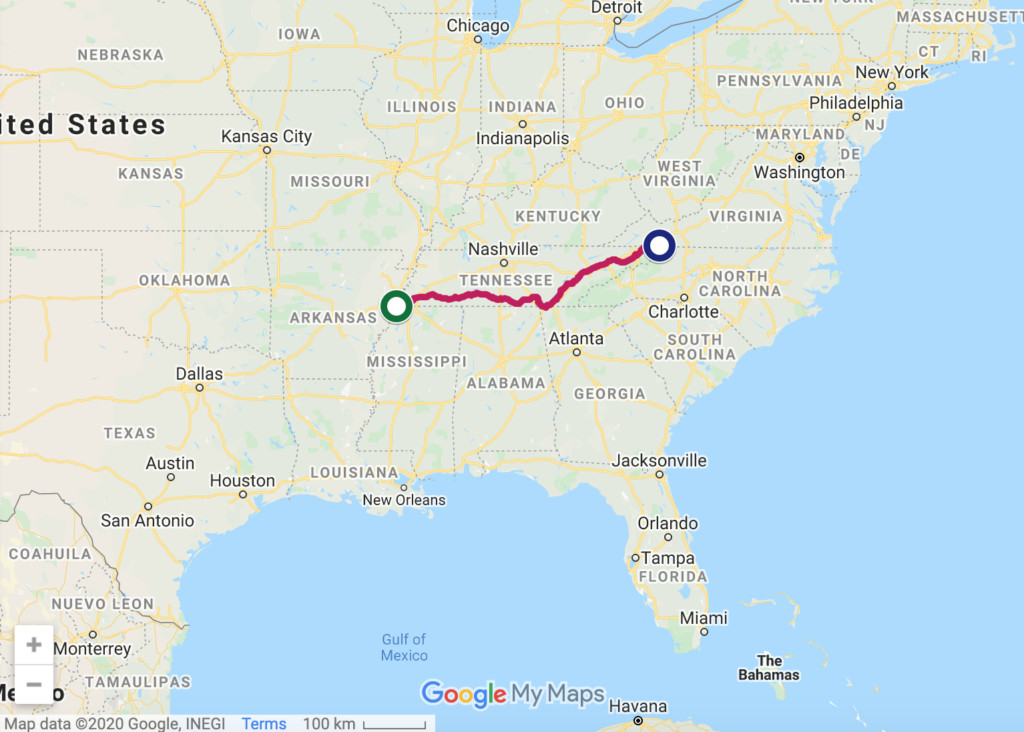
This year, around 5,000 people have signed up, although registration is still open for anyone interested in jumping into the ultra challenge. For people who think 1,000K is a bit too short, there’s an out-and-back race option, which tops out at a bit above 2,000K.
Morris’s win
Morris was relentless in his 10 days of racing, and he went for multiple runs each day to rocket himself up the leaderboard and toward the win. He kicked the challenge off on May 1 with a 112K day, followed by a 119K total on Day 2. From there, he continued his attack, distancing himself from the rest of the field every day. Throughout his 10 days of running, Morris ran under 100K only twice.
As he wrote on the GVRAT Facebook page, the race was 70 per cent mental for him and 30 per cent physical. “It has been a very humbling experience for me from day #1 through day #10,” Morris wrote. “Every single run came with its own set of challenges that resulted in me questioning God if this is possible and if I will be able to complete it.” He said his wife and daughter played big roles in his win, helping him throughout the race by preparing meals for him and showing him moral support.
The race is now on for second place, although Shepard appears to have a pretty good hold on it with his 800K total. In third is another Canadian, Crissy Parsons, who leads the women’s field with about 650K run. Like the gap between Parsons and Shepard, the distance from Parsons to the fourth-place runner is quite far, and as long as she holds steady in the coming days, she will likely finish third and complete a Canadian sweep of the podium.
(05/12/2021) ⚡AMPby Ben Snider-McGrath
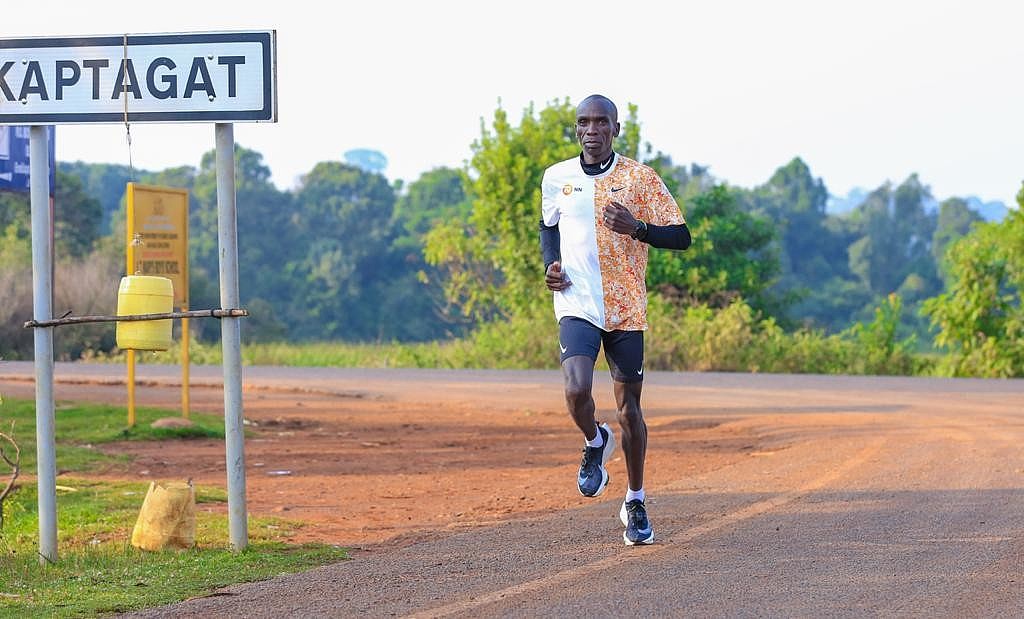
Eliud Kipchoge and Sara Hall, among runners chosen for Sports Illustrated’s Fittest 50 honors
Sports Illustrated has released its Fittest 50 list, and as usual, multiple runners were included. The Fittest 50 is SI‘s attempt to list the fittest men and women in the world, looking at athletes from any and all sports. This year, nine runners were selected, with six of the 25 women and three of the 25 men coming from the track, trails or road. Here’s a breakdown of where each individual placed and why the SI panel (which included Dr. Michael Joyner of the Mayo Clinic) chose them.
Running was the sport with the most women included in the top 25, and the six athletes chosen was double the three chosen from MMA, which was the sport with the next-most number of selections. American marathoner Sara Hall is #24, and with her performances in the past year, it comes as no surprise to see her on this list. The SI team notes how Hall overcame the disappointment of missing out on the Tokyo Olympics and ended up running two huge marathon PBs, first at the London Marathon (where she finished in second in 2:22:01) and then with her win at The Marathon Project, where her 2:20:32 finish was the second-fastest marathon in U.S. history.
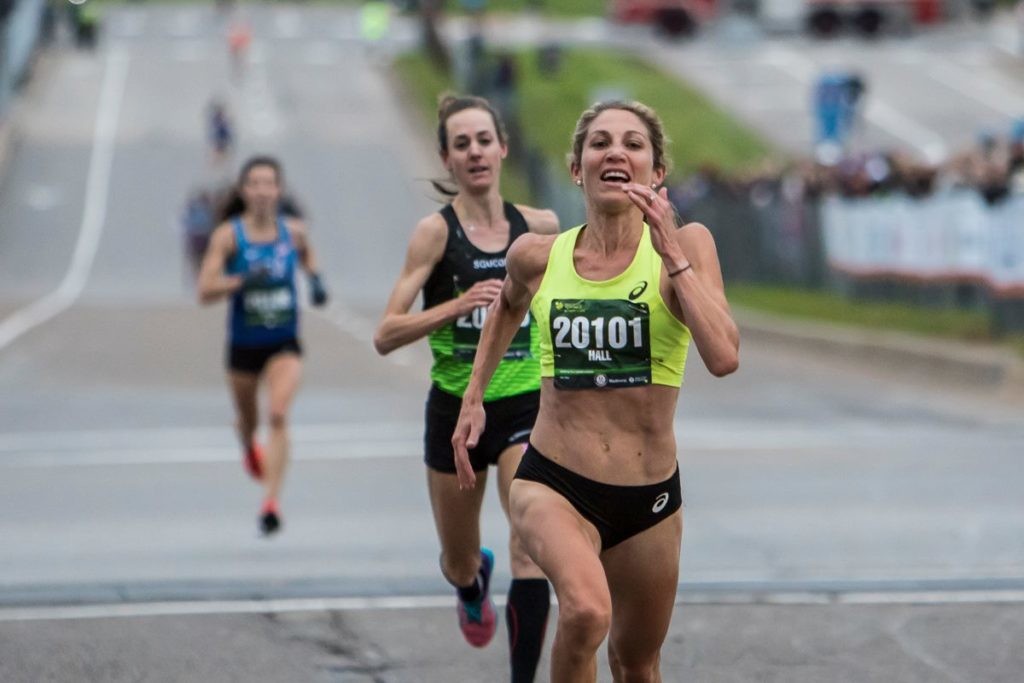
Up next is Dalilah Muhammad at #16. SI refers to Muhammad as the “queen of the 400-meter hurdles,” a title she has owned since her gold medal in the event at the 2016 Olympics. Since then, she has broken the world record on multiple occasions (her current record stands at 52.16 seconds, a time that won her the gold medal at the 2019 world championships), and she is now a heavy favorite to win gold in Tokyo this summer.
American ultrarunner Courtney Dauwalter comes in at #14, and her remarkable result from Big’s Backyard Ultra in 2020 is listed as a big reason for that. Dauwalter won the American title at the event, running 455K. Just ahead of Dauwalter at #13 is American track and field star Tianna Bartoletta. Bartoletta is truly a track and field standout, as she has won Olympic and world medals in both sprints and jumps. In London in 2012, she won Olympic gold as part of the U.S. women’s 4 x 100m relay team. She and the squad defended that title in Rio four years later, and she added an individual gold medal in the long jump.
Emma Coburn is #10 on the list, coming in ahead of tennis star Serena Williams.
Unlike on the women’s list, running didn’t win for the most men selected in the top 25 (American football had four athletes and basketball had three), but three athletes still made the elite list. American ultrarunning sensation Jim Walmsley was included at #24, and he is extremely deserving of this honor. Firstly, as noted in the SI piece, he competed at the U.S. Olympic Marathon Trials in 2020, going out of his comfort zone and running 42.2K instead of his preferred ultra distances of 100K or 100 miles. He finished in 2:15:05, earning him 22nd place in his debut marathon. He then kicked off 2021 with an amazing 100K run in Arizona, where he finished in 6:09:26, breaking the American record and finishing just 12 seconds off the world best.
Next up is Eliud Kipchoge at #20. While Kipchoge had the worst marathon of his career at the London Marathon in October 2020, there’s no denying that he’s still one of the best road runners in the world. He’s the world record holder in the marathon and he is the only human to run under two hours in the event, making him a favorite to win gold in Tokyo this summer.
Finally, breaking into the top 10 is Noah Lyles at #9. Lyles is the reigning 200m world champion, and he owns a PB of 19.50 in the event. He’s a heavy favourite to take gold in Tokyo, and he might even compete in the 100m. Add all this together and he’s a clear choice for SI‘s Fittest 50 list.
(05/10/2021) ⚡AMPby Ben Snider-McGrath
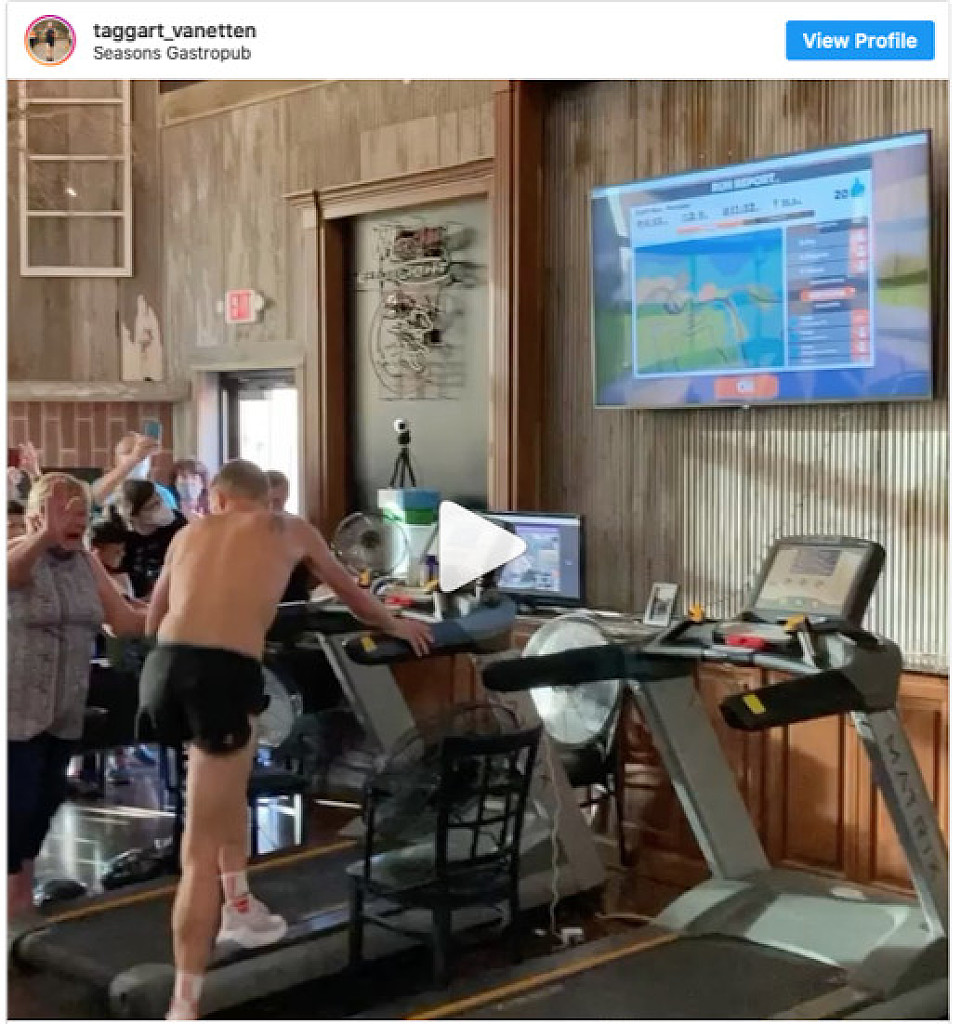
Two Treadmills Inside ... a Pub?! How This Runner Broke the 100-Mile Treadmill World Record
In his second 100-miler ever, he ran a 6:55/mile pace inside a local pub.
For the second weekend in a row, one of Zach Bitter’s 100-mile world records has fallen.
Taggart VanEtten, 25, of Morton, Illinois, smashed Bitter’s 100-mile treadmill world record with a time of 11:32:05. VanEtten’s average pace was 6:55 per mile, and he beat Bitter’s record by nearly 40 minutes.
That’s quite the accomplishment for only his second 100-mile run ever.
“I am so thankful that I am able to do this,” VanEtten told Runner’s World. “Every day, I wake up before 4 a.m. and do my first of two runs a day. ... I’m grateful to [have the time] to train, and I want to keep improving and go for the overall 100-mile world record.”
VanEtten, a PE teacher at Bartonville Grade School, is relatively new to the ultra scene. In college, he ran for Illinois Central College and competed in triathlons. But in November 2019, on only 23 miles of training a week, he ran the Indianapolis Marathon in 2:37:36. It was about 20 minutes off the men’s Olympic Marathon Trials qualifying times, so VanEtten pondered if he could run that mark with higher mileage and focused marathon training. But at that point, the 2020 Trials were less than four months away, so he decided to focus on making the 2024 Trials.
Last summer, he built his mileage all the way up to 200-mile weeks. However, he wasn’t able to put this fitness to the test with almost all marathons canceled because of the pandemic.
To fill that void, he chose an ambitious goal for November: a 100-miler.
“Well, I could sign up for this Tunnel Hill 100 miler, finish it, and never do another 100-miler again like many people say,” VanEtten said. “I had to beg the race director to let me in since there were a limited number of spots, and I was late signing up. 12:19:54 later, I crossed the finish line.”
That time is incredible for any 100-mile runner; in fact, it made him the fifth fastest American in history for the distance. It came after an intense training block where he ran three weeks on, one week off, peaking at a 258-mile week.
His newfound talent got him thinking about a new goal: What if he attempted the 100-mile treadmill record?
“I decided on January 2, when COVID-19 numbers were skyrocketing again,” he said, knowing that traveling to in-person races would still be risky. “I can’t get days off during the school year as a teacher, and I couldn’t fly anywhere, so why not train and promote this treadmill run?”
With that goal in mind, VanEtten spent every morning before school this winter and early spring on the treadmill. He completed additional runs after school and double long runs on the weekends, building up again to 200-plus mile weeks.
On May 1, he set up two treadmills, which he borrowed from a local gym, and a Zwift monitor in Seasons Gastropub, a local restaurant in Morton. There was also a space for his small supporters section, to keep him motivated for 11 hours and change.
VanEtten chose to run in the Hoka Carbon X 2 shoes, with Compress Sport pro marathon socks, Run Rabbit Fly Ease 2 shorts, and a few Amazon headbands to keep sweat out of his eyes.
Every three miles, VanEtten increased the incline to 0.5 and 1.0 for a quarter-mile each to switch up the muscles being used. Being on a treadmill for so long with the same motion can lead to problems in the legs and hips.
After smooth sailing for most of the day, VanEtten considered increasing his pace around mile 75, but he said he was luckily talked out of it by his crew. He said the building was heating up later in the day, and he could’ve paid the price.
“After that, I kept a mindset of telling myself, ‘How many times have you run 25 miles at a 7-minute pace? Or 20 miles?’’ VanEtten said. “It’s gonna hurt bad, but as long as I keep up nutrition, I should be done in three hours.”
When the final miles arrived, it became clear that VanEtten would get the record. From miles 89 to 99, his mentor and fellow local P.E. teacher ran on the treadmill beside him.
The final mile was just VanEtten. As the crowd counted down to 100, VanEtten patted his purple ribbon tattoo on his back—a tribute to his dad who passed away six years prior on April 20, 2015. The anniversary was the day before his run.
“My dad, man, he was a five-minute miler in 8th grade,” VanEtten said. “When I was in high school, he came to all of my meets and he thought I was nuts then. He passed away before I started my triathlons, but I just hope I’m making him proud. I’m working a job I love, I just bought my first house a month ago, and I’m pursuing my dream in running. I hope he’s looking down proudly.”
When he finally hit 100 miles and the record, VanEtten jumped off the treadmill and embraced his mom in an emotional hug.
“She said something to me. That I needed to finish this for my dad,” VanEtten said. “It was a moment I will never forget.”
After a brief champagne celebration and mingling with his fans, he made his way home to enjoy a shower and eat an entire medium-size pizza. He was off work Monday to recover, but was back in school on May 4 to see his students and the running team he coaches.
So, what’s next for VanEtten? He’ll race at Six Days in the Dome on June 18, chasing the overall 100-mile record of 11:14:56, which was set on April 26 by Lithuanian runner Sania Sorokin. The indoor track will be the third different surface VanEtten will run on in three 100-mile attempts.
“I’m not gonna be upset if I go out fast,” VanEtten said. “I want to go out like Steve Prefontaine at suicide pace because it’ll be a good day to die. That’s what I did at Tunnel Hill, and that’s what I want to do there. After I do that, I plan to enjoy my summer.”
(05/09/2021) ⚡AMPby Runners World
Don’t let blisters ruin your run
We’ve all been there: a couple miles into what was supposed to be a long outing on the trail, you feel the hot spot burning inside your shoe. A damn blister. Maybe you’re in ill-fitting new shoes or bunchy socks that caused your feet to sweat. Maybe you just have blister-prone feet. Either way, a skin bubble can put an end to an otherwise great day—or lead to some serious discomfort.
Vonhof is a former paramedic and an ultrarunner who now works the medical tents at races like California’s 100-mile Western States Endurance Run and the Badwater 135, as well as Decaman, a series of ten back-to-back Ironmans in New Orleans. He gave us his best advice on blister prevention and treatment.
Take Blisters Seriously
They always seem tiny and innocuous, but they can be day enders. “Even a blister the size of a pea in the wrong spot—at the base of the toe or ball of the foot—can disrupt your gait, meaning pain could go up into your knees or your back,” says Vonhof. “Blisters can seem very minor, but if you don’t take care of them, they can get larger.” He has seen instances where a runner pushed on through a hot spot, not bothering to stop and treat it, and instead of a quarter-inch inflammation, the runner was left with a two-inch bulge covering the whole arch of their foot. Once ripped, a blister leaves a huge patch of raw, exposed skin rubbing the inside of the shoe—not a comfortable situation.
Know the Causes
It’s generally understood that pressure, friction, heat, or moisture can cause blisters to form. When layers of skin and bones move against each other, the inner connections can break down, and a fluid-filled cavity forms. There are a few simple rules to help avoid blister-causing situations. “The most important thing is fit,” Vonhof says. Not enough room in the toe box or too much space in the heel can cause pinching or shifting. Also, Vonhof says, “Skip the cotton socks.” Technical, breathable wicking blends that stay in place are key. We can recommend a few: Balega Blister Resist socks prevent clamminess and eliminate friction, Drymax makes a collection of socks for runners that keep your feet moisture-free, and Injinji’s toe socks keep your digits from rubbing. Mileage matters, too. If you try to run 50 miles off the couch, you’ll probably wind up with blisters. But steadily add distance with a training plan and your feet will thank you.
Prep Your Feet
Proper foot care means good preparation, according to Vonhof. Before a big run or hike, he recommends reducing calluses, trimming and filing toenails, and getting proper insoles for your shoes. If you’re racing long distances, plan to change your socks often, air your feet out at regular rest stations, and carry a foot-care kit (Trail Toes makes a prepackaged blister kit). If you clench your toes, work to relax your feet while running. If you’re prone to blisters or are running ultramarathons, taping problem areas in advance might be a good idea. At Badwater, Vonhof regularly pretapes the entire bottom of a runner’s foot, and he recommends Leukotape K Kinesiology tape since it stays put and molds easily. If you’re running in wet conditions or your dogs tend to sweat, apply a layer of protective, moisture-managing cream, like RunGoo, before putting on your socks. Vonhof likes Squirrel’s Nut Butter Anti-Chafe salve for slathering between toes or on heels to prevent irritation.
Ditch the Moleskin
People used to rub Vaseline on a blister, then cover it with a doughnut-shaped piece of moleskin. These days, Vonhof prescribes lancing. “It’s a debate. Should you lance the blister and get the fluid out or leave it?” Vonhof says. “Sometimes it’ll pop on its own. If it’s in an area where you’re going to continue to put pressure on it while you run or hike, you’re better off lancing it.” To do that, he recommends cleaning the skin first, then piercing it in two places with a sterile pin or needle—a safety pin, tweezers, or pocketknife sterilized with a flame or vodka will work. Gently push the fluid out. (Gravity will also help the blister drain.) Then apply an antibiotic ointment, like Neosporin, and put 2nd Skin or KT tape over the top. Standard Band-Aids don’t stick well and tend to shift.
(05/06/2021) ⚡AMPby Megan Michelson
American ultrarunner Taggart VanEtten smashes 100-mile treadmill world record with 11:32:05 run
American ultrarunner Taggart VanEtten crushed the 100-mile (160K) treadmill world record on Saturday, running a mind-boggling 11:32:05 at an event in Morton, Ill. VanEtten’s run lowered the previous world record significantly, shaving 37 whole minutes off the 12:09:15 result that Zach Bitter set last May. His result works out to an incredible average pace of 4:18 per kilometer.
It has been a tough couple of weeks for Bitter’s resume, as he has had his name erased from three ultrarunning world records in that time. First, Lithuania’s Aleksandr Sorokin beat Bitter’s 100-mile and 12-hour world records at an event in the U.K., lowering the two results to 11:14:56 and 170.309K, and now VanEtten has beaten Bitter’s 100-mile treadmill best.
When Bitter set the 100-mile treadmill world record last year (beating Canadian Dave Proctor‘s record of 12:32:26), it was hard to imagine anyone running faster. He averaged 4:32 per kilometre over the course of 12 hours, and it seemed unlikely that someone else would come even close to that (or want to spend that long on a treadmill) for a while. Just under one year later, though, VanEtten decided to give the record a shot, and he produced an even more amazing result.
VanEtten announced his plans to run the treadmill 100-miler in January, writing about the record attempt on Instagram. “For years now I have been anti-treadmill,” he wrote. “However, for the sake of longevity in my running career I must utilize one for regular use.” At the time, he said he hoped to run under 12 hours — a goal that he ultimately shattered.
Running on a treadmill in a pub in Morton and keeping track of his progress on Zwift, VanEtten ran an impressively steady pace throughout. For the most part, he hovered between 4:10 and 4:20 per kilometre, and he never ran a kilometre slower than 4:58.
At 116K into the run, he posted one of his slowest kilometres of the day at 4:36, but he immediately made up for it by running 10K at sub-4:10 pace, including three sub-four-minute kilometres. His slowest kilometre of the day came at the 139K mark, but he regained his composure and remained steady in the 4:20s for the rest of the run. For context, his average speed of 4:18 per kilometre works out to a 43-minute 10K. Many people would be happy to run one 10K this quickly, but VanEtten ran 16 in a row at this pace.
To make the feat even more impressive, this record attempt was only VanEtten’s second official ultramarathon event. His first came in November 2020, when he won the Tunnel Hill 100-miler in Illinois. Despite the fact that it was his first ultramarathon ever, VanEtten not only won the race, but he posted the second-fastest result in the event’s history. His 12:19:55 finish was only 11 minutes slower than none other than Bitter, who owns the Tunnel Hill 100 record of 12:08:36.
VanEtten’s still a rookie when it comes to ultrarunning, but based on his two results so far in the sport, it’s safe to say his name is one that fans will get used to hearing in the coming years.
(05/03/2021) ⚡AMPby Ben Snider-McGrath
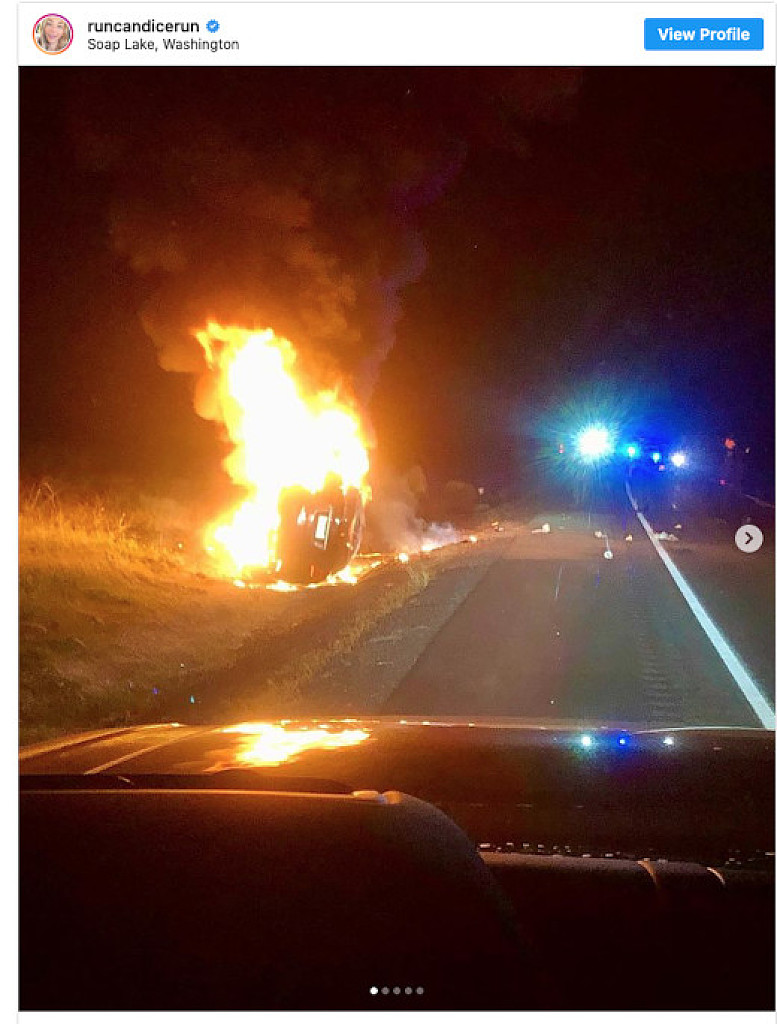
Ultrarunner Candice Burt saves man from burning car
Early on the morning of April 17, American ultrarunner Candice Burt happened upon a brutal one-car accident on the side of a road near Soap Lake, Wash. Jumping into action, Burt called 911 and rushed to the wreck, where she found an unconscious man still inside the burning car. Burt managed to work the man free from his vehicle before help arrived, saving his life before rescue workers arrived on scene.
Burt, the winner of many ultramarathons across the U.S., posted about the incident on Instagram, writing that she was on her way home from Arizona when she saw the crash. She had been in Arizona for an FKT (fastest known time) attempt on the 1,200-kilometre Arizona Trail. Burt was forced to abandon her self-supported run due to a dental abscess, calling off the record attempt after just a few days of running. “Disappointing, yes,” she wrote on Instagram, “but I didn’t have much of a choice.”
Had she carried on with her run, though, she would not have been driving through Washington on April 17, and the man in the car likely would have died, as Burt noted that there was no one else around to help or call 911. “He would’ve died this morning if we didn’t cross paths,” Burt wrote.
When she first saw the wreck, Burt said she “did a double take,” not sure what she was looking at. She assumed that someone must have already seen it and called for help, but it became clear that no one else was around. Fuelled by adrenaline, she ran to the car, only to find that the door was badly dented and wouldn’t open.
“I was kicking the windows, searching frantically for something to shatter them,” she wrote. After hammering the windows a few times, Burt said she thought she heard someone moving inside. She moved to the sunroof, thinking it could be a way in. She managed to slide her fingers under the sunroof, then yanked until it snapped off to reveal the driver of the car inside, his face covered in blood. Burt began to scream at the man, and he woke up just enough to unbuckle his seatbelt and crawl out of the car.
After she called 911, Burt says it only took four minutes for the emergency crew to get to the scene, but to her, it felt like much longer. “I don’t know how it was only four minutes,” she said. “It felt like 15.” In those four minutes, the blaze grew into “a scorching, putrid chemical bonfire” that certainly would have killed the unconscious man had he still been inside the car.
(05/02/2021) ⚡AMPby Running Magazine
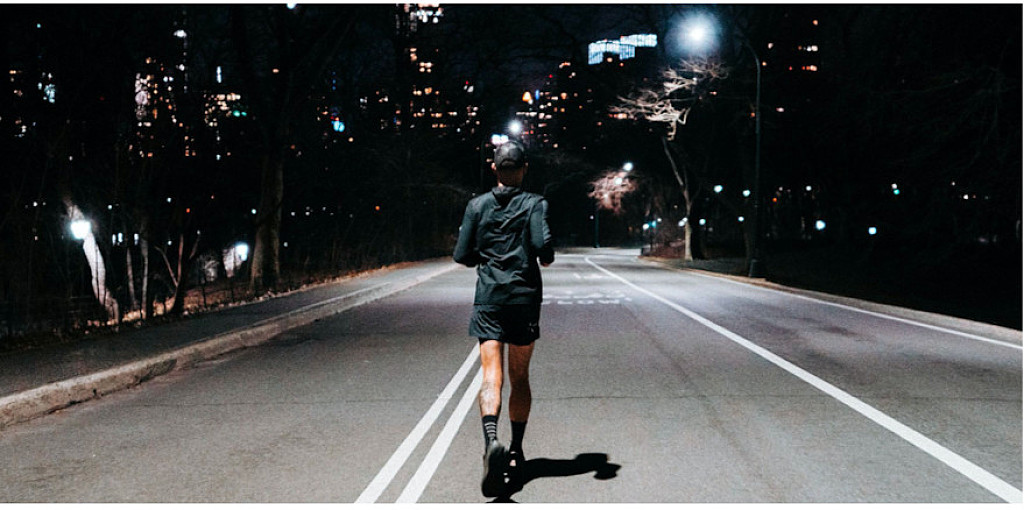
Ultrarunner documents 100-mile Central Park FKT with short film
American ultrarunner Robbie Balenger set an FKT (fastest known time) in New York City’s Central Park on March 21, running nearly 100 miles in just over 18 hours. The Central Park Loop Challenge follows a roughly 10K route around the park, and it involves running as many laps as possible in one day. Balenger beat the previous record by five laps, and he documented his 98-mile run with a short film. The Central Park Loop Challenge marks Balenger’s first official FKT.
The record Balenger set out to beat in Central Park belonged to Aaron Zellhoefer, who ran 11 laps in just over 14 hours in June 2020. Balenger smashed that record, running five laps farther than Zellhoefer did and reaching the 100-mile mark. A big challenge with the Central Park Loop is the fact that the park is only open from 6 a.m. to 1 a.m. This means runners don’t have a full day to complete their FKT attempts, and the challenge officially begins at 6:05 a.m. and ends at 12:55 a.m. (although runners can start anytime between these hours).
That window works out to a little under 19 hours for runners attempting the Central Park Loop Challenge, and Balenger used almost all of the allotted time in his run. The rules of the challenge (which are listed on fastestknowntime.com) also state that only whole laps of the park count, and even if a runner covers 9K in their final lap, it won’t be included in their result. If two runners happen to run the same number of laps, the tie is decided by their times, and the faster result wins the FKT. In Balenger’s case, he ran much farther than anyone else before him, so no tie-breaker was needed.
Balenger notes that while he has run many ultra challenges before (in 2019, he ran 5,000 kilometres across the U.S.), he had never gone nearly as far in one shot as he did in his near-100-miler in Central Park. In his mini-documentary of the FKT attempt, Balenger also discusses his diet and how he completes all of his ultra-endurance adventures as a vegan. “It’s the best thing that I can do for my body to perform at my highest level,” he says.
Balenger’s diet and training clearly work very well for him, as he averaged 6:49 per kilometre over the 18-hour challenge. To learn more about his plant-based lifestyle and running career, click here, and to see his documentary, either watch the above video or head over to YouTube.
(05/01/2021) ⚡AMPby Running Magazine

The Latest, Best, and Most Scientific Hydration Strategies for Runners
Summer is just around the corner, race calendars are filling back up, and interest in ultra-marathon and ultra trail races is booming. In other words, it's time to think about optimal hydration practices again. And to get everything right this time - once and for all.
Fortunately, Larry Armstrong, PhD, is here to serve as our guide. Armstrong has ranked among the world experts in endurance hydration for 40 years, and has just written a new summary paper titled "Rehydration During Endurance Exercise: Challenges, Research, Options, Methods."
A lifetime runner himself, Armstrong understands that marathoners want practical hydration advice, and not just scientific gobbledygook. We've had enough of that through the decades, especially as it has changed in ways both subtle and substantial.
Drink Some, Not Too Much
Don't feel bad if you're confused about the best hydration strategies before a race. So are a lot of other runners. Armstrong's new paper clarifies the muddy issues, delivering the latest and most evidence-based data.
Temperature has a major impact on sweat rate, which nearly doubles between a marathon run at 45 degrees Fahrenheit and one run at 68. Additionally, the faster you run, the more you sweat per hour. (Although a 2:30 marathoner and a 5-hour marathoner will sweat about the same total amount over 26.2 miles.) Typically, the more you weigh, the higher your sweat rate. Genetics plays a role as well, partially determining your relative sweat rate and the amount of salt in your sweat.
A new threat appeared in the mid-1980s with the first reports of marathon runners who drank too much, leading to hyponatremia (low salt level in the blood). Severe hyponatremia, while rare among runners, can lead to seizures and even death.
It has generally been observed most often in women runners (possibly because of their small body size), in runners who exercise more than 4 hours at a time, and in runners with inherent high sweat rates and high sodium content in their sweat. Cases of hyponatremia seem to have dropped in the last decade, as runners have realized they should not drink as much as possible.
To avoid both dehydration and hyponatremia, marathoners need to find a smart middle ground. You don't want to drink too little, and you definitely don't want to drink too much. There's the challenge we all face.
The goal, which some runners have been slow to accept, is to plan for and accept modest dehydration. It's not a personal hygiene failing like BO or bad breath; it's the smartest way to run. Here's a little jingle I just invented, keep it in mind: "1-2-3, it's all for free."
In other words, you can lose up to 3% of your body weight in marathons, and it won't cause any harm. In fact, you might save time, as you walk and slurp less at fluid stations.
Based on Larry Armstrong's hydration guidelines, here are and nine specific tips and five ways to plan for your race (two of which are bad ideas).
9 Specific Hydration tips
Hydration Tip 1: Experiment with any and all hydration methods during training, and before using them in competition. Try to train in the conditions you will face on race day.
Hydration Tip 2: Measure body weight before and after an endurance run to get an estimate of your water loss per hour. Use this to inform your race-day hydration strategy.
Hydration Tip 3: During exercise, consume fluids at a rate less than 700mL/hr (that's about 24 ounces). Several exercise science groups and marathon medical director groups suggest a range of 400 to 800mL/hr (13 to 27 ounces).
Hydration Tip 4: Remember this key fact: Modest dehydration up to 3% is okay. In fact, it's commonplace and expected. It's not dangerous, and not likely to impair your performance. Don't try to replace all the sweat you lose.
Hydration Tip 5: If you lose more than 4% of body weight, consider a medical consult to see if you can figure out what's going on.
Hydration Tip 6: Be alert for stomach sloshing, bloating, nausea, or other perceptual cues of excessive drinking. If you experience any of these, limit your fluid intake.
Hydration Tip 7: Do not allow yourself to gain weight during endurance exercise. Weight gain puts you at increased risk of hyponatremia.
Hydration Tip 8: After training and racing in high heat, especially on consecutive days, look for deposits of white salt on your shirt or shorts. These could indicate that you are a heavy salt sweater, and are possibly becoming salt depleted, which could increase the risk of hyponatremia. In this situation, consider adding salty foods to your diet.
Hydration Tip 9: Do not believe that consuming salt and salty foods during an event will allow you to over-drink. This has been proven wrong, and could lead to a false sense of security that might predispose you to hyponatremia. Salts consumed while running will have little to no effect on possible hyponatremia.
5 Pre-Race Hydration Strategies
Do:
1) Drink only after you become thirsty: This approach is believed to minimize the risk of hyponatremia, and also prevent excessive dehydration.
2) Drink when you feel like it (ad libitum): This approach is slightly different than the first, though some draw no distinction. The first advocates paying attention to your thirst. The second: Drink when fluids are available and you feel like it.
3) Drink according to a pre-determined plan: This approach assumes that you have measured your sweat rate prior to the upcoming event. Thus, this strategy is individualized to your weight, pace, the expected weather, and your individual sweat-rate. It should optimize your performance while limiting the risk of hyponatremia. Bingo!
Don't:
4) Drink nothing: This strategy is not recommended by any sports medicine or sports nutrition group for exercise lasting more than 30 minutes.
5) Drink as much as you can: This strategy is not recommended by anyone, yet still apparently followed by as many as 9% of all runners. It could lead to hyponatremia, and will not optimize performance.
Bottom Line: Pick strategy 3. If you haven't done your homework, you can fall back on 1 or 2. Don't follow 4 or 5.
(05/01/2021) ⚡AMPby Trail Runner Magazine
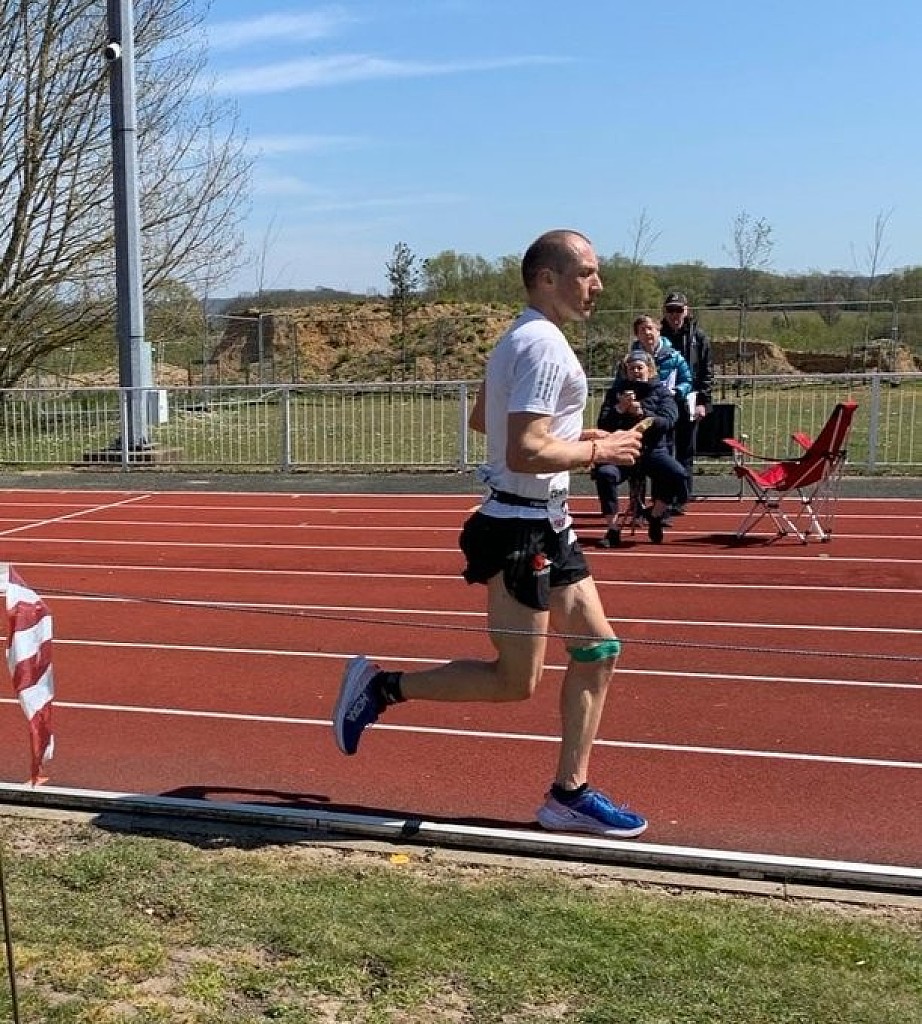
Lithuanian ultrarunner Aleksandr Sorokin breaks 100-mile, 12-hour world records at U.K. race
Lithuanian ultrarunner Aleksandr Sorokin broke the 100-mile and 12-hour world records at an event in Ashford, U.K., on Saturday, setting marks of 11:14:56 and 170.309K in the two categories. These results beat American Zach Bitter‘s world records, both of which he ran at the Six Days in the Dome event in Wisconsin in 2019. According to Centurion Running, the company that organized the elite-only event, Sorokin also broke the 150K world record (10:27:48) and the Lithuanian 50-mile best (5:32:01) on his way to the 12-hour finish.
Sorokin is no stranger to big results, and his resume includes top finishes at the 2019 IAU 24-Hour World Championships, which he won with a total of 278K in 24 hours, and the 2017 Spartathlon ultra in Greece, where he completed the 246K course in a little over 22 hours. His list of accomplishments just got even more impressive, though, with his records from Saturday’s run.
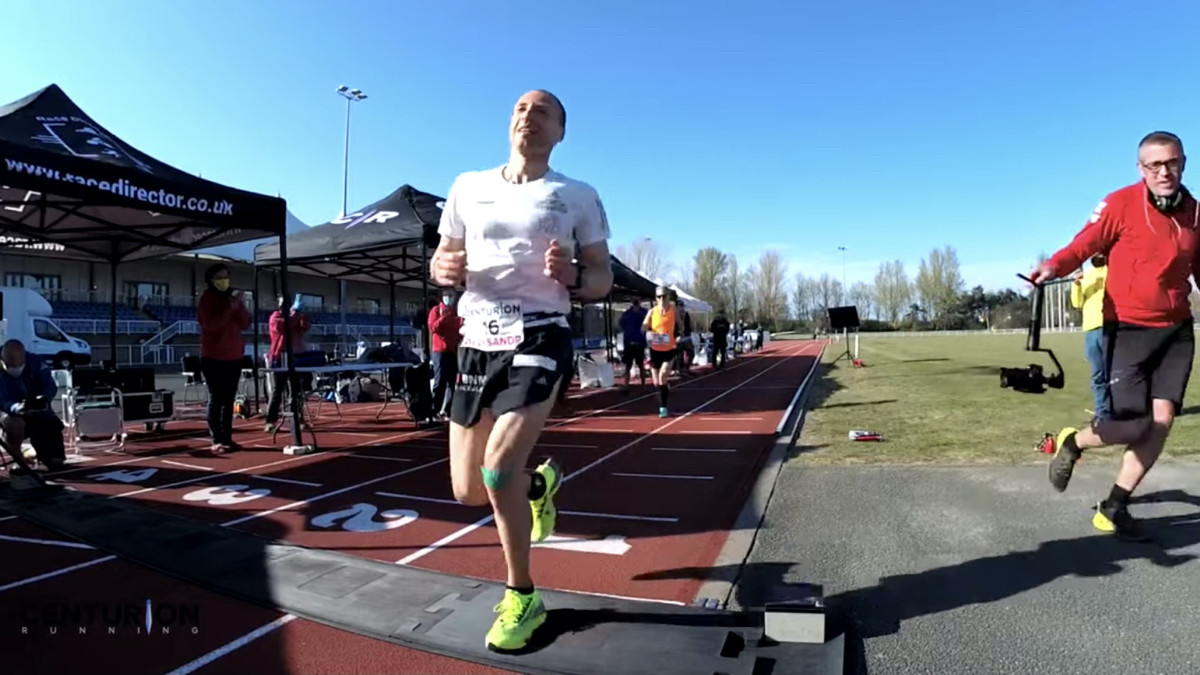
The event, which was dubbed the Centurion Track 100, featured a lineup of just 15 elite runners, each of whom was personally invited to compete. Entrants ran on a regular 400m track, and despite the race’s monotony and repetitiveness, Sorokin thrived, powering through each lap for 12 straight hours. He ran an incredibly even race the whole way, averaging 4:07 per-kilometer pace through 50K (he posted a 3:25:38 split), 4:08 pace after 50 miles (5:32:01) and the same at the 100K checkpoint (6:54:25).
After 100 miles (another 60K of running after he hit the 100K mark in the race), Sorokin faded only slightly, and his overall pace for the record run to that point was 4:12 per kilometre. His 170K in 12 hours works out to 4:14 per-kilometre pace. For context, that’s like running 16 straight 10Ks and finishing each one in about 42 minutes. Sorokin’s results bettered Bitter’s 100-mile record of 11:19:13 and 12-hour record of 168K from 2019.
While Sorokin was chasing down his world bests, Britain’s Samantha Amend was busy working on records of her own. At the six-hour mark, Amend set the W40 British record of 72.995K, and she passed through 100 miles in 14:34:05, breaking the open national record for the distance. Several other athletes set national age group records over the various distances as well on Saturday.
All records set in Ashford are still unofficial, but the Centurion Running website notes that the course was certified by UK Athletics, so the times should all be ratified soon.
(04/26/2021) ⚡AMPby Ben Snider-McGrath
World and British records fall at Centurion 100-miler
Aleksandr Sorokin sets world marks while Samantha Amend breaks national best at ultra-running track event at Ashford in Kent
Aleksandr Sorokin set a world record for 100 miles with 11:14:56 at the Centurion Running Track 100 in Ashford on Saturday (April 24) and then carried on to break another global mark for the furthest distance covered in 12 hours with 105.825 miles (170.3km).
At the same event, Samantha Amend broke Eleanor Robinson’s long-standing UK record for 100 miles with 14:34:05.
Sorokin’s performances beat the previous records of 11:19:18 for 100 miles and 104.88 miles for 12 hours set by Zach Bitter in 2019 in Wisconsin.
The Lithuanian, who won the IAU world 24-hour title in 2019 and who outside athletics works as a croupier in a casino, averaged 6:45 per mile (sub-3hr pace) for his 100-mile effort. This was despite having to finish his final preparations on a treadmill due to being quarantined in the UK on the eve of the race.
He celebrated by striking a Usain Bolt-esque lightning pose on the track and then watched Amend break a national record.
Robinson ran 14:43:40 at Milton Keynes in 1990 but Amend broke that mark by almost nine minutes as she finished under floodlights at the Julie Rose Stadium.
Amend, who works for an IT company and races for Belgrave Harriers, has clearly been building into good form after winning the Dorney Marathon in 2:52:36 at the start of April.
(04/25/2021) ⚡AMP
by Athletics Weekly
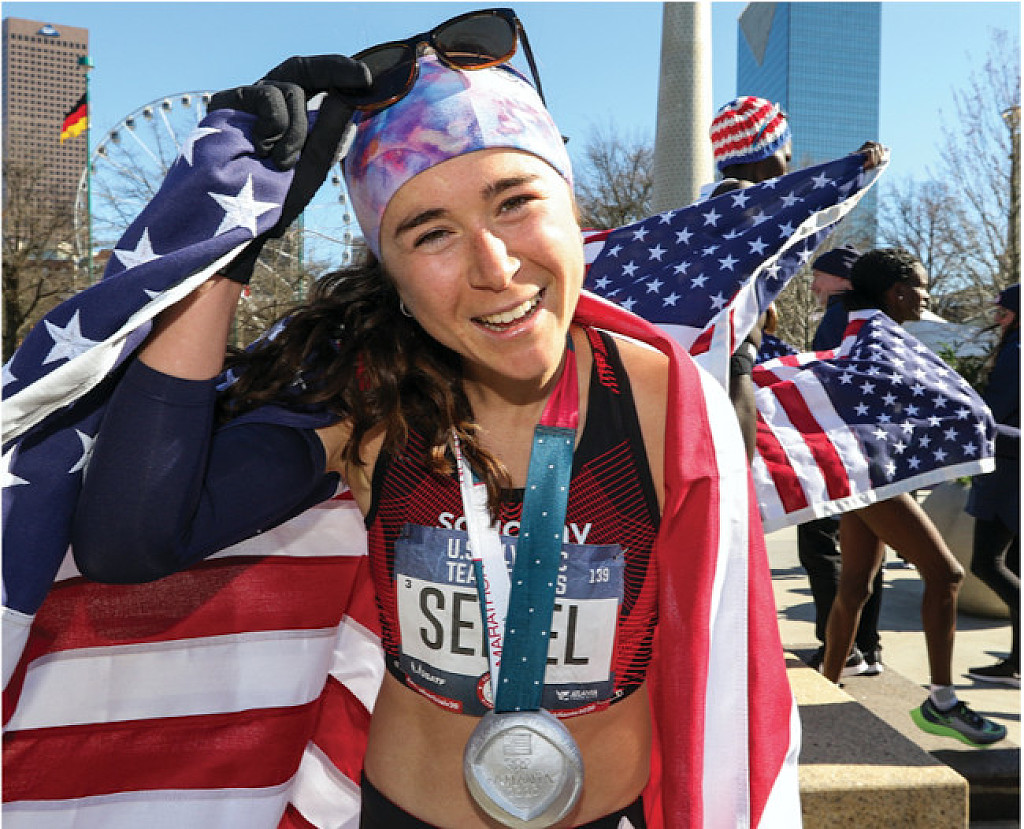
None of us would dispute that running makes us happy. But it's also clear that it's not a panacea
“It was running or Zumba,” says James Duncan of Montreal (not his real name), when asked why he started running. Back in 2018, when he first experienced symptoms of depression and anxiety, a friend suggested he take up a new activity. He was attracted to running as an individual sport without too much pressure: “No one expects me to win, so it seemed like a good option,” he says. But Duncan quickly discovered he could do more than he thought, so he registered for his first 5k race. “It gave me a sense of achievement, some sort of purpose,” he says. “It forced me to get up on days when I just wanted to stay in bed.”
Cut to June 2020, when Duncan proudly ran his first unofficial (and entirely unplanned) half-marathon – in the middle of the night. Getting up at 3:30 a.m. after a bout of insomnia, he went out for a quick run to watch the sunrise over the St. Lawrence River, and had his first runner’s high: “It just felt good,” he says. “So I kept running.”
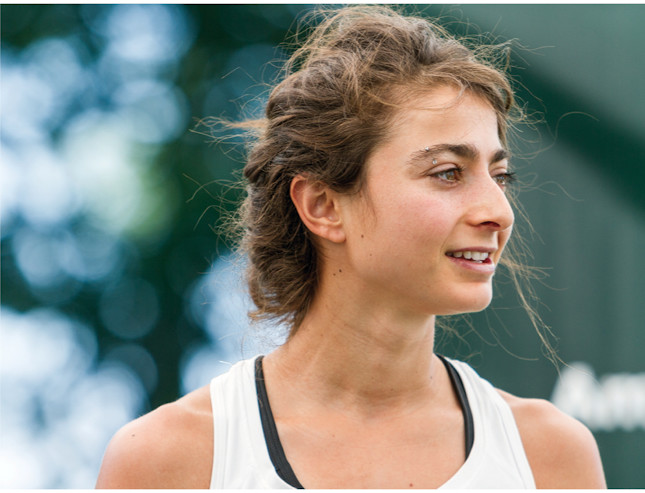
Is runner’s high what kept him running over the past two years? Duncan is clear: “To be honest, that’s only ever happened to me once. Running gives me a way to stop thinking about everything else for a while. When I run, I just focus on my breathing. It’s almost like meditation. And the social connections I got from being part of a running group also really helped me.”
Although thousands of people have taken up running for the first time during the pandemic, COVID has put a damper on group running, so the mental-health boost from socializing with other runners has been absent for most people over the past year. This has given rise to a particularly COVID-specific type of mental distress: loneliness. A recent Angus Reid survey found that almost a third of Canadians report suffering from loneliness and social isolation – and this figure rose 10 per cent between October 2019 and October 2020. (Those reporting that they had “a good social life” dropped from 55 per cent to 33 per cent during the same period – and there are probably a fair number of runners among those numbers.)
With the prospect of a gradual return to normality thanks to vaccination, runners are tentatively signing up for races (where they can find them) and reconnecting with their groups, while solo runners whose motivation to train never flagged are cheered by the approach of spring. Research has repeatedly demonstrated the many mental health benefits of running and exercise, and that has never been truer than now.
But running obviously isn’t a guarantee against anxiety, depression or loneliness. Runners of all levels struggle with mental health issues, while also experiencing running as a mood-booster, at least some of the time. Elite athletes like Canadian ultrarunner Rob Krar, U.S. runners Alexi Pappas, Amelia Boone and Molly Seidel have shared their experiences with anxiety, depression, obsessive compulsive disorder (OCD) and eating disorders in an effort to reduce stigma, and their candour has led to recognition of the need for dedicated support. And while mental performance coaches have for decades helped pro athletes deal with negative mental habits that impede performance, there’s a difference between mental performance and mental health; psychotherapists are only recently becoming an essential part of the team as well. This was brilliantly demonstrated in April last year as Canadian sports groups and associations united to create a dedicated mental health task force to support athletes after the postponement of the Tokyo Olympics. All of which raises the question: if elite professionals, who spend a large portion of their days training, are experiencing anxiety and depression, is exercise really as beneficial for mental health as we thought?
The relationship between running and mental health is both subtle and complex. Multiple studies have demonstrated the crucial role of exercise in well-being. Sport psychology expert, Olympian and dean of the University of Calgary’s faculty of kinesiology, Penny Werthner, says, “Movement is critical for both mental and physical health. There are physiological and neurological changes that occur when we move, when we run and become fitter.” Achieving running milestones (which, depending on the individual, may mean anything from simply getting out the door to setting a new marathon PB) can boost confidence and motivation, foster a sense of accomplishment and improve self-esteem – all of which boost mental health. But it’s only part of the picture: “I would argue that exercise and movement can always help,” says Werthner, “and it would be wise to incorporate them into a treatment plan, along with other treatments, such as cognitive behaviour therapy.”
HOW NEW RUNNERS CAN BENEFIT
If you’re a new runner who’s embraced the sport because you’ve heard of its widely touted mental health benefits, it may not be quite that simple. It may take time to build up the fitness that will allow you to reap any significant mental health benefit. (One study found that running at a moderate pace for 30 minutes produces a much higher increase in the neurotransmitters known as endocannabinoids, which researchers believe may be more responsible for running’s mood-boosting properties than endorphins, than either walking or running at maximum intensity – and it may take some time for a non-runner to be able to run continuously for 30 minutes.) Obviously, the risk for new runners is taking on too much too soon, which is likely to deprive them of any mental health benefit they might have derived from running because they are sidelined with an injury. Werthner suggests reaching out to a trainer or coach to get started in a way that’s appropriate to your fitness level and goals.
Another pitfall for new runners is that running can very easily become a chore, adding nothing to one’s mental health (and possibly compromising it). For running to make you happy, it should be carefree and liberating (as it is for Duncan). It doesn’t mean having to run a marathon – by all means, start training for a marathon if all of the following are true: you’re healthy, that goal excites you and you have support for it from the people in your life whom it may impact. Marathon training and recovery are time-consuming. Most plans recommend starting with some 5k, 10k and half-marathon races to build a base of fitness, which generally means putting off marathon training until you’ve been running for at least six months to a year. Don’t compare yourself to others you see on social media, posting about their running accomplishments, and remember that there are no shortcuts to athletic greatness – elite athletes have years of training (and plenty of failures) behind them.
Whether you start with a few minutes of running and walking or a more ambitious regimen, check in with yourself regularly. “The best gift you can give yourself is to be aware of your own needs,” says Kim Dawson, mental performance consultant and professor at Ontario’s Wilfrid Laurier University.
EXPERIENCED RUNNERS: BALANCE IS KEY
Experienced runners who decide to take on a new running goal may also be at risk of biting off more than they can chew, says Dawson, who suggests runners think carefully about the possible mental health implications of a new training plan: “Be aware of what you are sacrificing,” she says. “Choose a running program that fits your lifestyle and allows for a healthy amount of training, while giving you room for growth in other areas of your life, such as your professional development, social connections and emotional well-being.” While often challenging, running should still be fun, at least most of the time. Regularly ask yourself whether you still look forward to getting out for a run. If not, it may be time to take the intensity down a notch or find a challenge more suited to your current state of mind.
DEALING WITH INJURY
Healing an injury can be a long, emotionally difficult process that sometimes involves giving up short-term goals, such as a much-anticipated race. That is likely to have an impact on your mental health, at least in the short term. The pandemic certainly hasn’t made dealing with injury easier. Being forced to take a break from a much-enjoyed activity is hard enough; doing it without the mood-boosting brain chemicals provided by alternative forms of exercise at facilities that aren’t accessible during lockdown can make recovery that much more difficult. Once again, Dawson suggests focusing on the other areas of your life that bring you joy. It also helps to seek out a supportive friend, or possibly a mental health professional, with whom to talk about the situation.
WHEN RUNNING IS PART OF THE PROBLEM
Finding balance may be a particular challenge for pro runners, for whom training is the biggest part of their daily life. Canadian half-marathon record holder Andrea Seccafien is from Guelph, Ont. but lives and trains in Melbourne, Australia. For Seccafien, feelings of isolation during the first lockdown in 2020, when she couldn’t work out with her teammates and she was a long way from home, were compounded by anxiety about the virus. That impacted her performance, which led to further anxiety, which led to the decision to take a month-long break from the sport last May. “I so badly wanted this to be a physical problem,” Seccafien told Canadian Running in January 2021, adding that she was prepared to deal with an iron or thyroid deficiency. But healing a mental health injury is no different than healing a running injury, and the solution usually isn’t more running, but its opposite – rest. (And treatment by a trusted health professional.)
Alexi Pappas, who was raised in the U.S. but hopes to run for Greece at the Tokyo Olympics, has a similar story, which she tells in her recent book, Bravey: Chasing Dreams, Befriending Pain, and Other Big Ideas. Pappas’s mental health took a nosedive after the 2016 Olympics, where she competed in the 10,000m, setting a new national record for Greece. Instead of taking a well deserved and much needed vacation before setting new goals for the next Olympic cycle, she felt compelled to continue training. And after getting a distribution deal for her first film, Tracktown, she felt pressure to produce another film. There were also deeper psychological issues having to do with her mother’s death by suicide when Pappas was a young child, and she spiralled into insomnia and depression. It was a year before her father finally persuaded her to seek treatment, which was ultimately effective.
Professional athletes have the added pressure of having their performance tied to their livelihood, but recreational runners are not immune to overdoing it to the point of burnout. “The key,” says Dawson, “is to maintain a holistic identity. And this is valid for everyone, professional athlete or not. You are a person first, who happens to run.” It’s important to keep developing other areas of your life, which may include time with family, building a career or pursuing another hobby that you’re passionate about.
Duncan, for his part, still runs four to five times a week and regularly attends therapy sessions. “It’s not a magic pill,” he says of running. “You have to find out what works for you. But it’s definitely been an adventure. You never know where you’re going to end up.” He smiles. “Could be on a riverbank, watching the sun rise at 6 a.m. after running 21 kilometres.”
(04/24/2021) ⚡AMPby Apple News
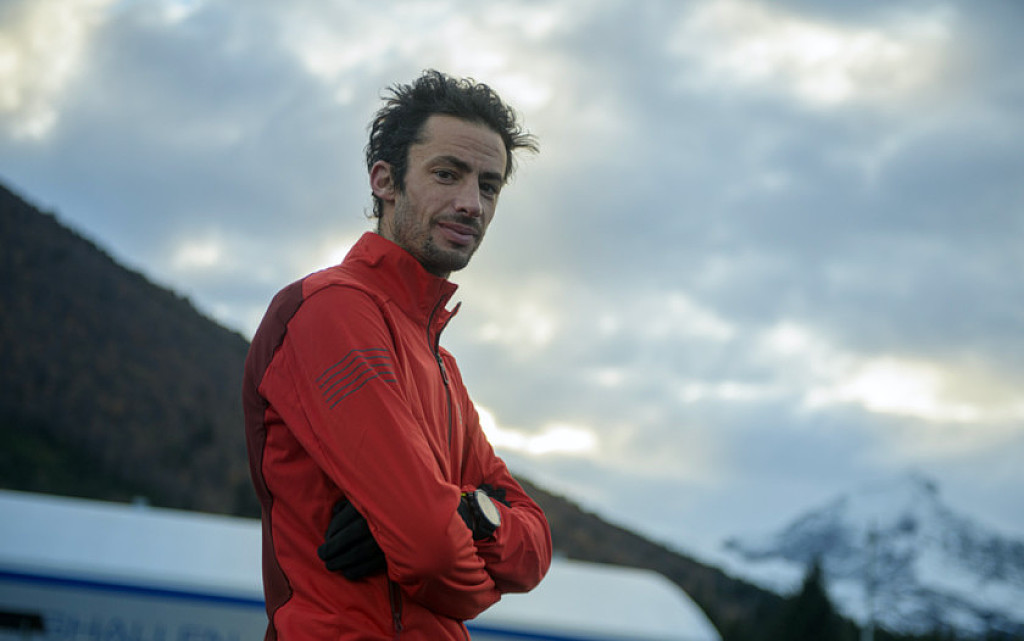
Earth Day 2021: athletes and brands that are making a difference
The Kilian Jornet Foundation
Fans of the sport will know Spanish ultrarunning champion Kilian Jornet well, but they might not realize that he has his own foundation that is dedicated to climate action. The Kilian Jornet Foundation (KJF) works to protect the world’s mountains, which are near and dear to Jornet’s heart, because when he’s not running up a mountain, he’s probably climbing one. As temperatures rise globally, the snow, ice and glaciers found on the world’s mountains melt, leading to rising sea levels, which can cause even more problems, including increased rates of natural disasters, the destruction of unique ecosystems and more.

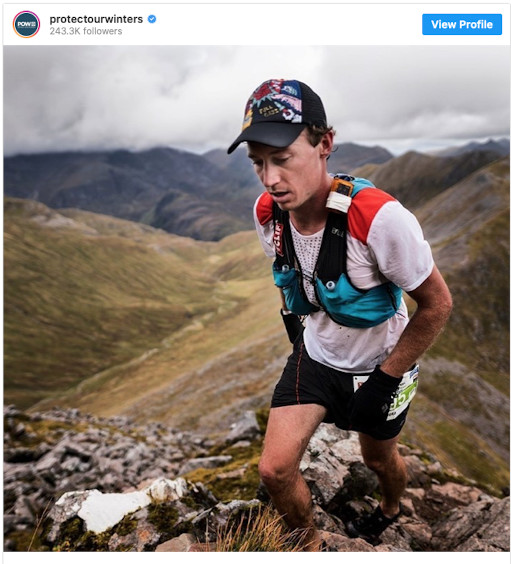
“Mountains play a key role in our global system,” the KJF site reads. “Without them and their environment there would be no life, and that is why it is essential to conserve and manage them sustainably.” The KJF is linked to other nonprofits that focus on mountains, nature and sustainability, and the site also lists how individuals around the world can play a role in protecting the environment.
Protect Our Winters
Protect Our Winters (POW) isn’t a running-specific nonprofit, but it does have the support of multiple runners and several running brands. As the organization’s name suggests, its goal is to save winter, which is becoming shorter and shorter around the world as global temperatures continue to rise. POW uses its network of outdoor athletes to fight for change, with the ultimate goal of playing a part in achieving carbon neutrality by the year 2050. A number of runners are part of the POW team, including Rickey Gates, who is well known for having run every street in San Francisco. To learn more about POW,
The North Face
The North Face also supports POW, but the company has climate initiatives of its own. A big project from the brand is its Exploration Without Compromise lineup of products. Clothing and gear with the Exploration Without Compromise badge is made from at least 75 per cent recycled, regenerative or responsibly sourced renewable materials. The company calls this “sustainably-conscious gear,” and there are plans to add to this product line with “circular systems” of recyclable gear that The North Face will develop itself. These products will be “designed for circularity,” and the company says they will hit stores in 2022. For more on The North Face and its commitments to sustainability,
The Ultra-Trail World Tour
The Ultra-Trail World Tour (UTWT) is responsible for some of the world’s biggest and most famous ultramarathons, but it is also the parent organization of a new initiative called Trail with Purpose. This was introduced this year, and it’s a UTWT effort to promote the preservation of the environment and climate action. “Run and challenge yourself, yes, but don’t forget to commit to a sustainable future,
Trail with purpose
View on the original site.
This initiative will be centred around three “forums” that will be held throughout 2021. These forums will feature climate experts who will speak to how race organizers and runners can “meet the challenges of tomorrow’s world” and play a role in the fight against climate change. The first forum will take place in May, and it will focus on business practices that are “compatible with the environment.” The next is in June, and it’s all about water management during running events. Finally, the third forum will be held in August, and it will look at how organizers can minimize the impact their events have on the environment. Click here to find out more about the Trail with Purpose initiative.
(04/24/2021) ⚡AMPby Running Magazine
