

Running News Daily
Running News Daily is edited by Bob Anderson and team. Send your news items to bob@mybestruns.com Advertising opportunities available.
Index to Daily Posts · Sign Up For Updates · Run The World Feed
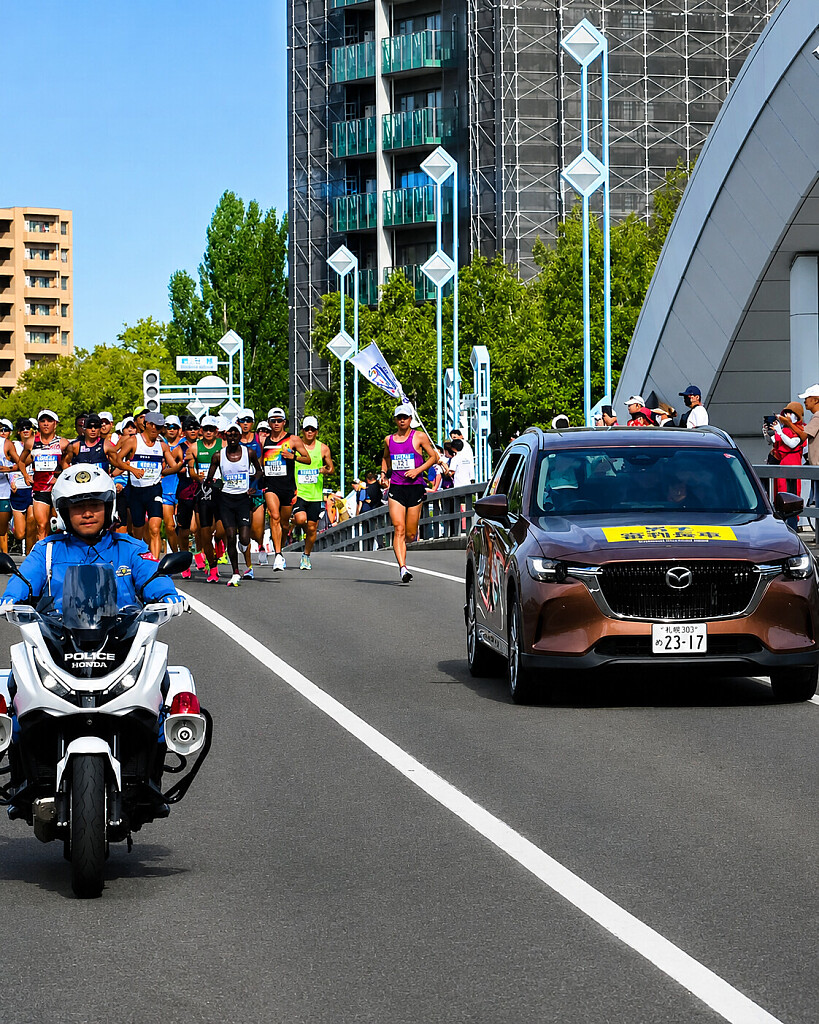


Hokkaido Marathon 2026: A Historic Summer Race Puts Heat Safety First
When thousands of runners line up in the heart of Sapporo on Sunday, August 30, 2026, they will be taking part in one of Japan’s most distinctive marathon traditions — a race where the battle is not only against the clock and the 42.195-kilometre distance, but also against the summer heat.
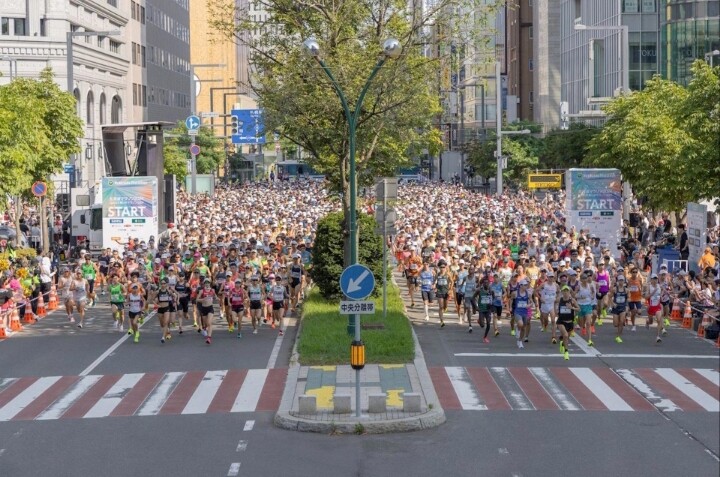
The Hokkaido Marathon traces its roots to 1987, when the inaugural race attracted just 439 entrants. Over nearly four decades, it has grown into a major international marathon, welcoming runners from Japan and around the world while maintaining its unique identity as one of the country’s few major summer marathons.
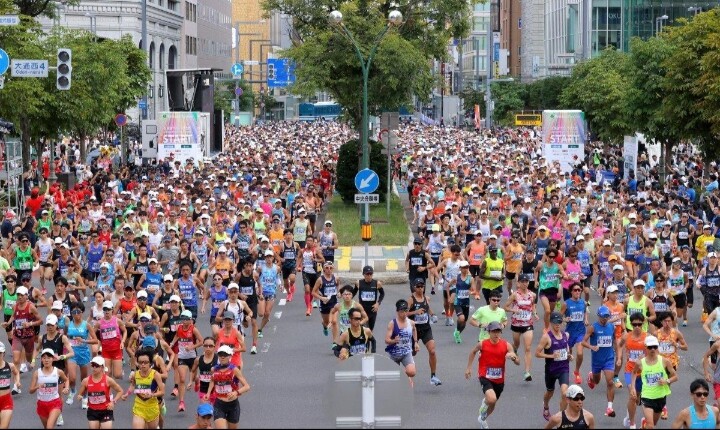
That summer setting is precisely what makes heat management such an important part of the Hokkaido Marathon experience.
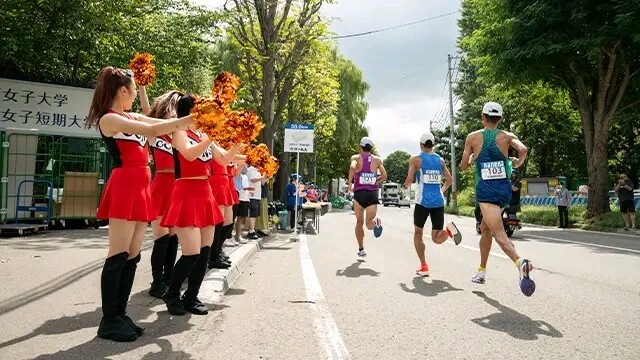
The 2026 edition will begin at 8:30 a.m. from Odori Nishi 4-chome, with the course winding through some of Sapporo’s most recognisable landmarks, including Susukino and Hokkaido University. But while the atmosphere will be festive and competitive, organisers are urging athletes to treat heat-related illness with the utmost seriousness.
As one of Japan’s few marathons held during the summer, Hokkaido Marathon carries a heightened risk of heatstroke. Mild heat illness may improve with rest, cooling and appropriate hydration, but severe heatstroke can become life-threatening and demands rapid action to lower body temperature.
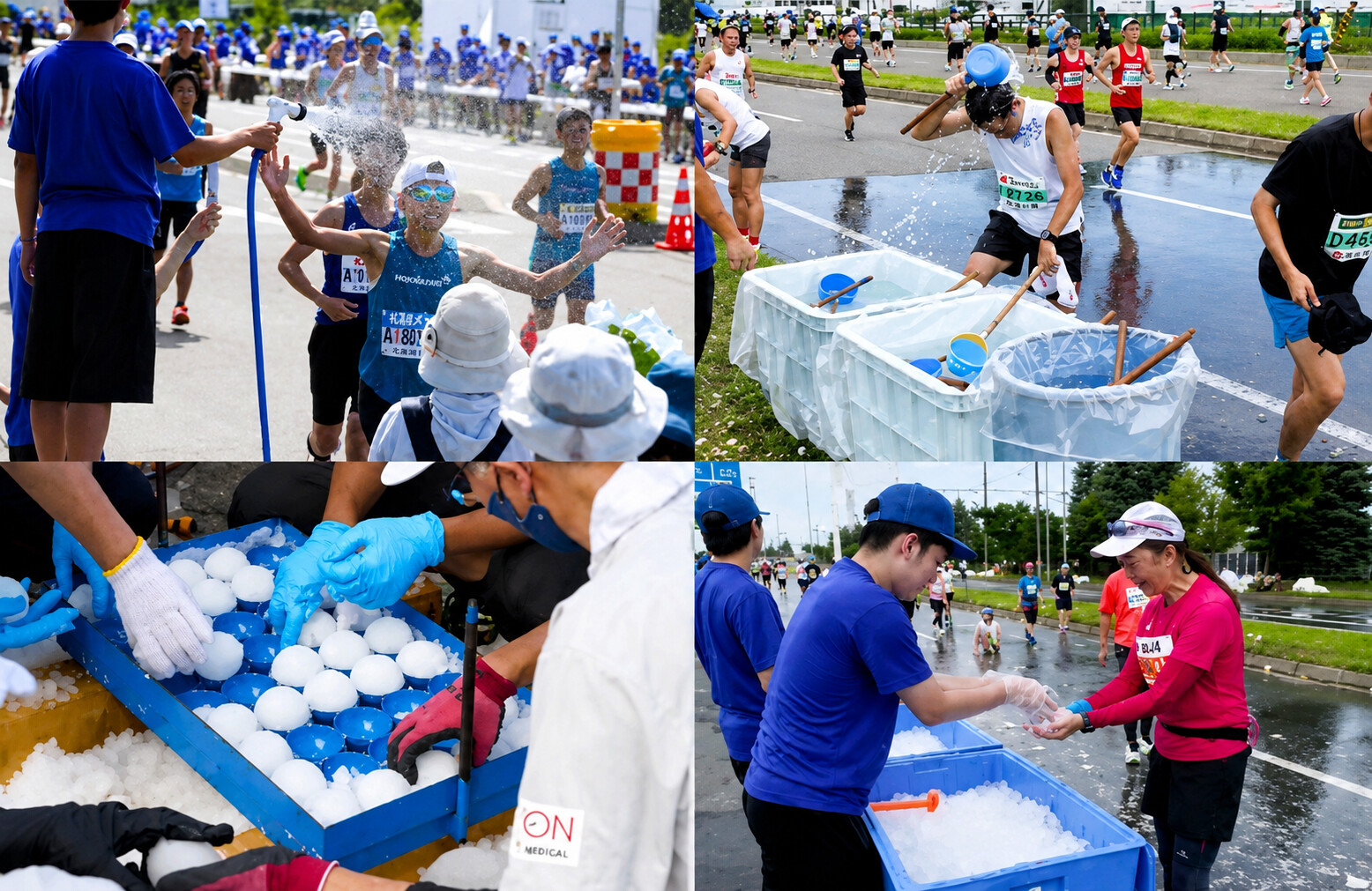
The organisers have therefore placed medical preparedness at the centre of the 2026 event. Since the 2022 Hokkaido Marathon, an ice-bath system has been available for emergency cooling — an approach also used during the marathon and race-walking competitions at the Tokyo 2020 Olympic Games.
If medical staff suspect severe heatstroke accompanied by impaired consciousness, a doctor may assess the athlete, including measuring rectal temperature when necessary. Where appropriate, the runner can be rapidly cooled using an ice bath before being transported to a medical facility.
For competitors, recognising the warning signs early could make all the difference.
Feeling dazed, unusually confused, mentally foggy or unable to remain fully alert during the race should never be dismissed as ordinary fatigue. Runners experiencing such symptoms are being urged not to force themselves forward. They should stop, rest and seek medical assistance.
The same responsibility applies to fellow runners and spectators. Anyone who notices a competitor appearing confused, disoriented or seriously unwell should immediately alert the nearest medical or first-aid team.
Hydration is another critical part of the organisers’ message — but the advice is not simply to drink as much water as possible.
Both insufficient sodium intake and excessive fluid consumption can contribute to hyponatremia, a potentially dangerous drop in blood sodium levels. Runners should therefore pay attention to both fluid and sodium replacement during the marathon rather than relying solely on water.
The race is also expanding its cooling measures in 2026. An ice distribution point will be available at approximately 13.2 kilometres, while new water-dousing points will be introduced at the end of selected aid stations. These facilities are designed to give runners additional opportunities to cool their bodies as the race progresses.
A cooling spray may also be carried and used as another practical measure against the heat.
Such precautions are particularly significant given the Hokkaido Marathon’s history. From its modest beginning in 1987, the event gradually established itself as an important testing ground for athletes preparing to compete in hot-weather conditions. Japanese and international elites have repeatedly used the race to test their endurance and heat tolerance, while the event has also welcomed some of the world's leading distance runners.
Today, the marathon combines that elite tradition with a huge mass-participation atmosphere. What started with fewer than 500 entrants has evolved into an event capable of attracting around 20,000 runners, turning Sapporo into a celebration of distance running each summer.
But the message for 2026 is clear: finishing the marathon is never more important than protecting your health.
For runners chasing personal bests, international athletes seeking victory and recreational participants simply hoping to complete the distance, knowing when to slow down, stop or seek help is part of racing intelligently.
On August 30, the streets of Sapporo will once again provide a spectacular stage for 42.195 kilometres of running. Yet beneath the excitement, the Hokkaido Marathon is sending an equally important message: run hard when your body allows it, cool down when necessary, stay alert to the heat and never ignore the warning signs.
After nearly four decades of history, the Hokkaido Marathon continues to evolve — and in 2026, protecting the runners who make that history possible is firmly at the heart of the race.
by Erick Cheruiyot for My Best Runs.
Login to leave a comment
Hokkaido Marathon
The Hokkaido Marathon, inaugurated in 1987 with just 439 participants, has evolved into one of Japan's premier marathons, attracting nearly 20,000 runners annually. Held every August in Sapporo, Hokkaido, it stands as the nation's only full-scale summer marathon. The race commences and concludes in Sapporo's Odori Park, offering a scenic course that weaves through the city's landmarks, including the vibrant...
more...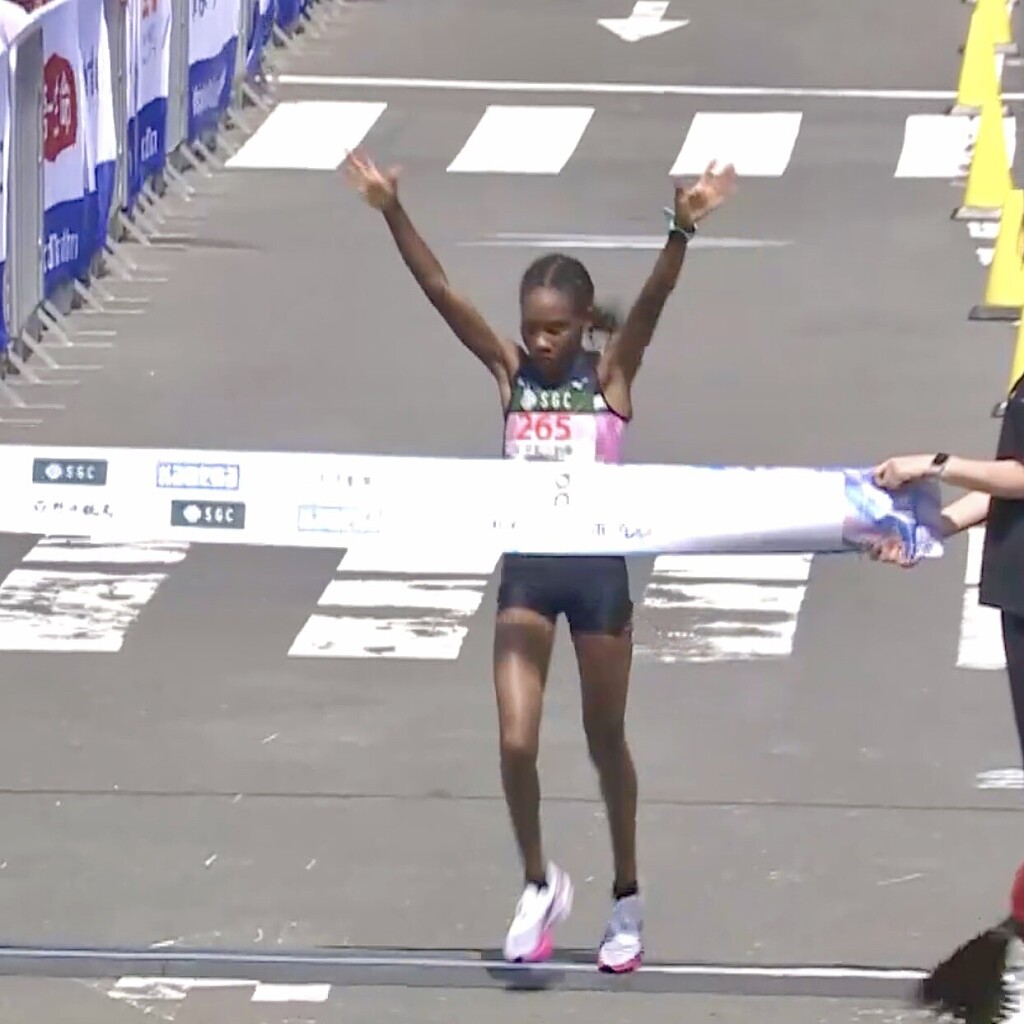
World half bronze medalist Kamulu and Tokyo olympic marathon trials winner Nakamura take humid Hokkaido Marathon
2018 World Half Marathon Championships bronze medalist Pauline Kamulu Kaveke and Tokyo Olympics marathon trials winner Shogo Nakamura survived tough conditions, 22˚C at the start with 82% humidity, sunny skies and almost no wind, to take the 2024 Hokkaido Marathon Sunday in Sapporo.
Both running their debuts, Kamulu and Shiho Tachizako ran steadily around 2:28-flat pace surrounded by a group of amateur men, staying together until just before 30 km when Tachizako started to fade. Kamulu struggled with the hot conditions late in the race and could only watch the clock as sub-2:30 slipped away, looking very tired as she crossed the finish line in 2:31:04.
Tachizako faded to 2:33:47 for 2nd, but even that was good enough to easily beat the rest of the field, with last year's 2nd-placer Ayano Ikeuchi 3rd in 2:35:26 in her third marathon so far this year.
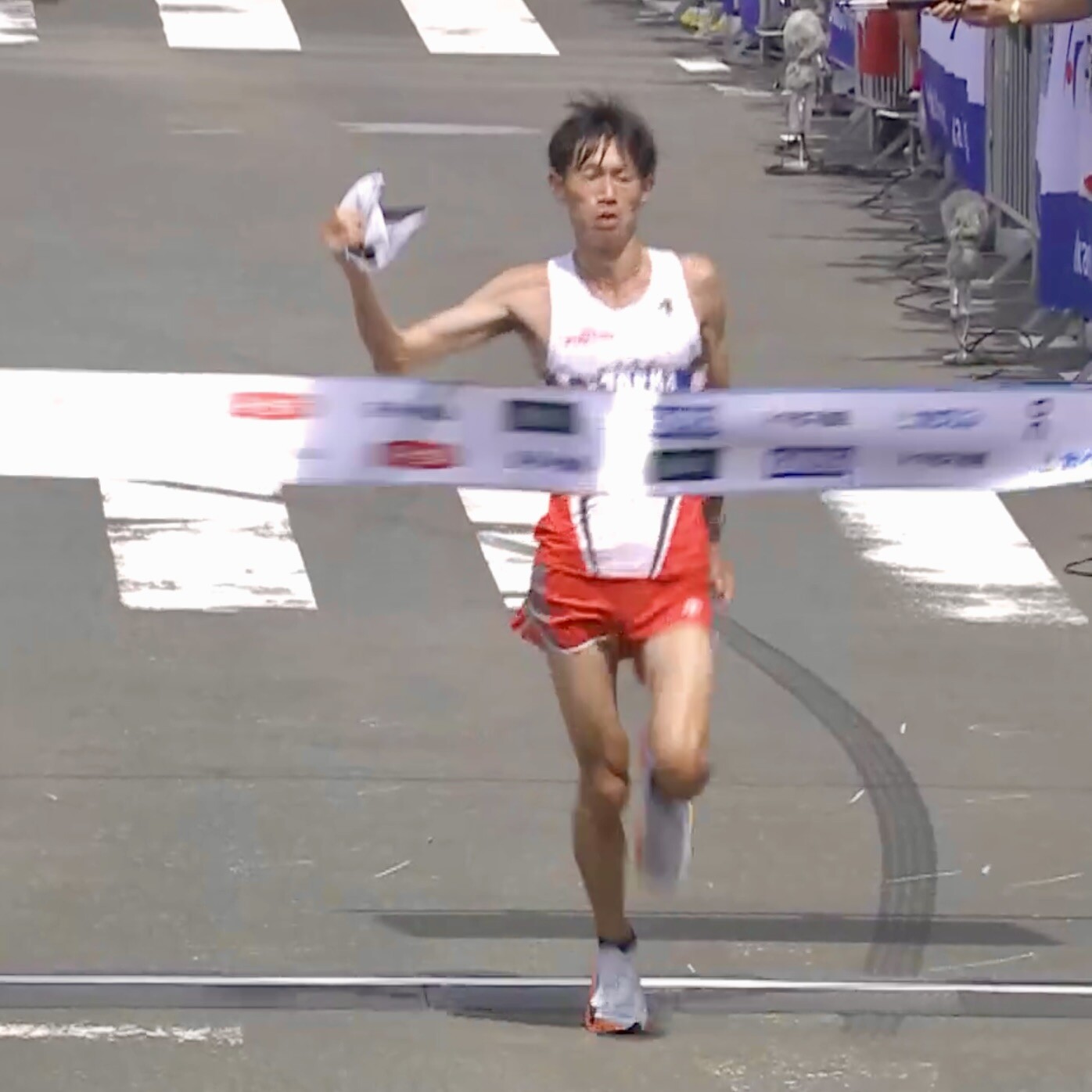
Nakamura had said pre-race that he didn't care about time and was only focused on getting in the win, and that was exactly how he ran, ignoring the early action and staying near the front of the main pack until he made his initial move at 30 km.
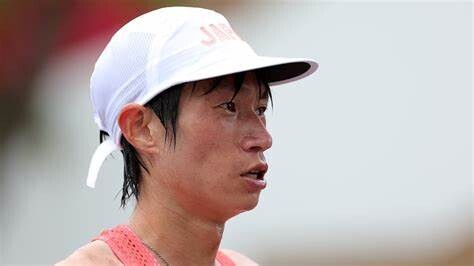
That got rid of the pretenders, with only 2:08~2:10 men Takeshi Soma, Atsumi Ashiwa and Masaru Aoki, and 2:18 amateur Ryuichi Yoshioka getting back on board. Soma countered with an attack after 34 km, but Nakamura quickly reeled him back in and made his real move with 5 km to go.
Yoshioka was the only one to try to follow, but it was all Nakamura the rest of the way, scoring his first win since his Olympic trials victory in 2019 with a 2:15:36 for 1st. Yoshioka was elated in the home stretch with a 2:16:28 for 2nd, a 2-minute PB and the only runner male or female in the top 10 to PB. Nakamura's toughest competition still standing when he dropped his big move, Ashiwa out kicked Soma and Aoki for 3rd in 2:16:40.
Osaka Marathon winner Kiyoto Hirabayashi ran Hokkaido as a training run, jogging in to a 70th-place finish in 2:41:19. The next-fastest man on paper after Hirabayashi with a 2:07:58 win in Beppu-Oita in February, Japan-based Ethiopian Derese Workneh was a DNF near 30 km.
by Brett Larner
Login to leave a comment
Hokkaido Marathon
The Hokkaido Marathon, inaugurated in 1987 with just 439 participants, has evolved into one of Japan's premier marathons, attracting nearly 20,000 runners annually. Held every August in Sapporo, Hokkaido, it stands as the nation's only full-scale summer marathon. The race commences and concludes in Sapporo's Odori Park, offering a scenic course that weaves through the city's landmarks, including the vibrant...
more...