

Running News Daily
Running News Daily is edited by Bob Anderson and team. Send your news items to bob@mybestruns.com Advertising opportunities available.
Index to Daily Posts · Sign Up For Updates · Run The World Feed
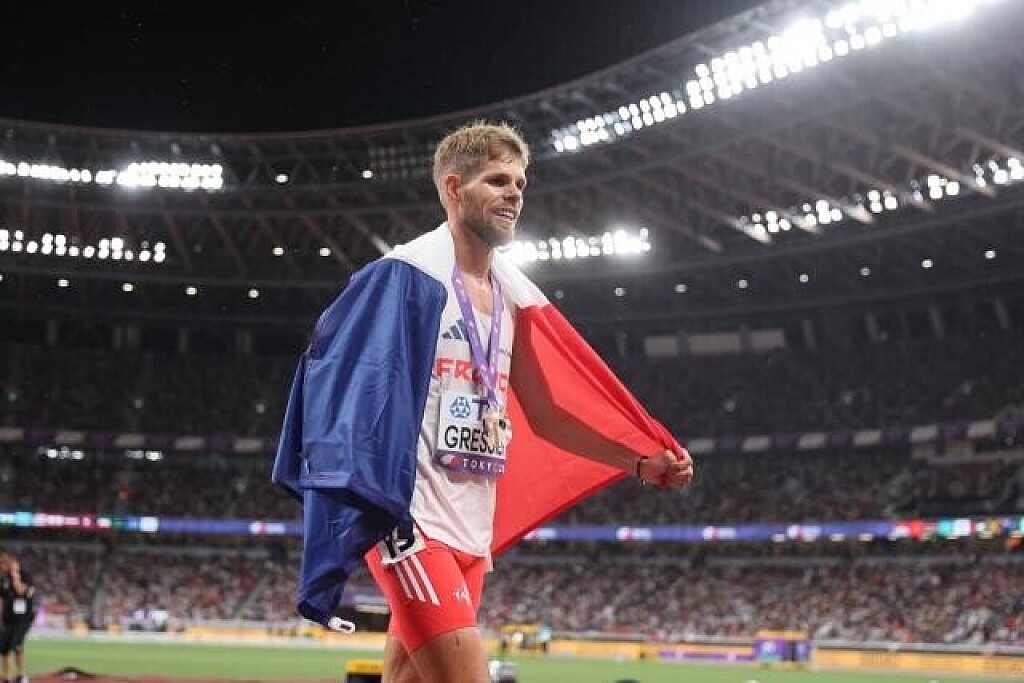


Jimmy Gressier Targets History as the One-Hour World Record Returns to Centre Stage
The clock is ticking once again on one of athletics’ most unforgiving challenges.
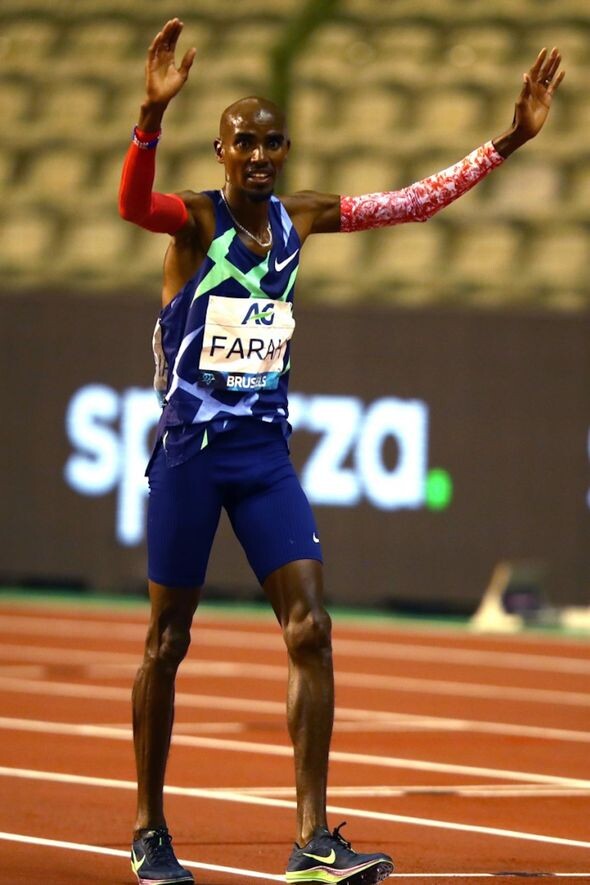
Nearly six years after Sir Mo Farah rewrote the record books in Brussels, France’s Jimmy Gressier is preparing to attack the legendary one-hour world record at the 2026 Brussels Diamond League Final on Friday, 4 September.
The setting could hardly be more symbolic. Same stadium. Same track. Same target.
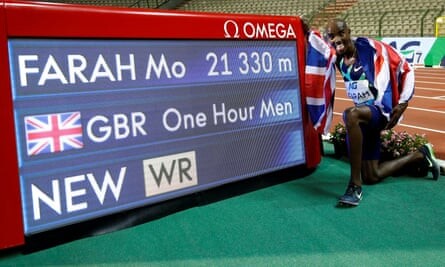
Farah’s mark of 21.330 kilometres, established in Brussels in 2020, has stood untouched ever since — a brutal benchmark of sustained speed, precision pacing and mental endurance. Now, Gressier believes he is ready to challenge it.
Unlike a traditional race, the one-hour record strips distance running down to its rawest form. There is no finish line to chase and no tactical surges to hide behind. The objective is mercilessly simple: cover as much distance as possible in exactly sixty minutes on a 400-metre track. When the clock expires, every metre matters.
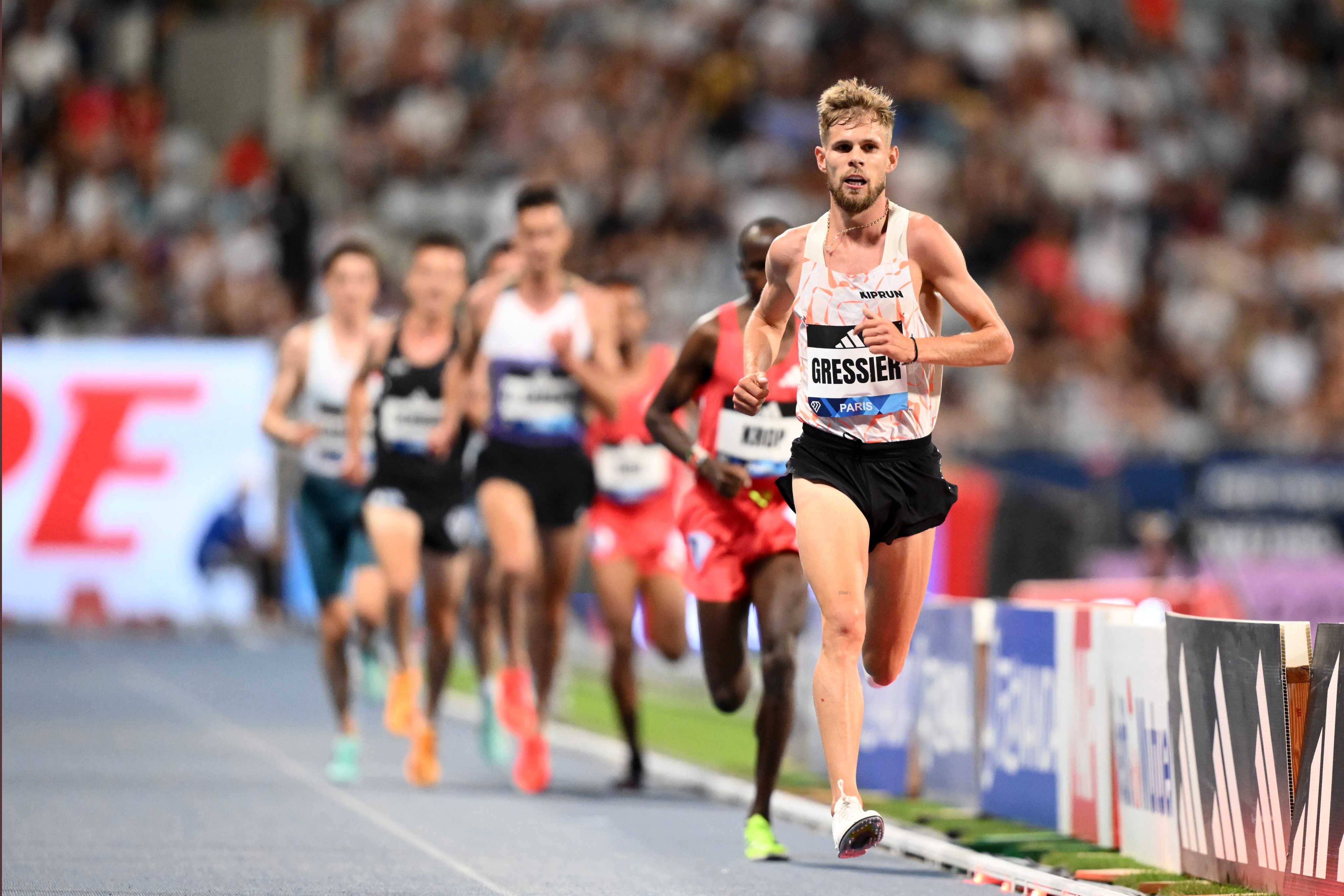
And few athletes arrive with stronger momentum than Gressier.
The Frenchman has elevated himself into the global elite over the past year, producing the finest form of his career. After claiming world 10,000m gold in Tokyo in 28:55.77, he carried that momentum onto the roads with a sensational European half marathon performance run at an astonishing 2:50-per-kilometre rhythm — the same pace that propelled Sabastian Sawe to a sub-two-hour performance in London conditions.
Yet the mathematics of the one-hour record remain cruel.
To surpass Farah’s 21.330 km, Gressier must squeeze out roughly two additional seconds per kilometre from that already ferocious tempo and sustain it relentlessly for a full hour. No recovery laps. No tactical pauses. Just controlled suffering across more than fifty-three laps of the track.
What makes the challenge even more compelling is the uncertainty surrounding the field. As of now, no pacemakers or accompanying athletes have been officially confirmed for the attempt. That raises the possibility of Gressier spending long stretches isolated against the clock — a vastly different scenario from Farah’s successful run, where Belgian marathon star Bashir Abdi provided crucial support deep into the effort.
Running alone in a one-hour record attempt can quickly become psychological warfare. Without company, every lap feels longer, every split heavier and every second more expensive.
But perhaps that is exactly what gives the event its mystique.
No championship medals. No tactical championship racing. Just one athlete confronting the limits of endurance under the glare of a stadium clock.
Sixty minutes. Fifty-three relentless laps. One man chasing a record that has waited almost six years for someone brave enough — and fast enough — to threaten it.
by Erick Cheruiyot for My Best Runs.
Login to leave a comment
