

Running News Daily
Running News Daily is edited by Bob Anderson and team. Send your news items to bob@mybestruns.com Advertising opportunities available.
Index to Daily Posts · Sign Up For Updates · Run The World Feed
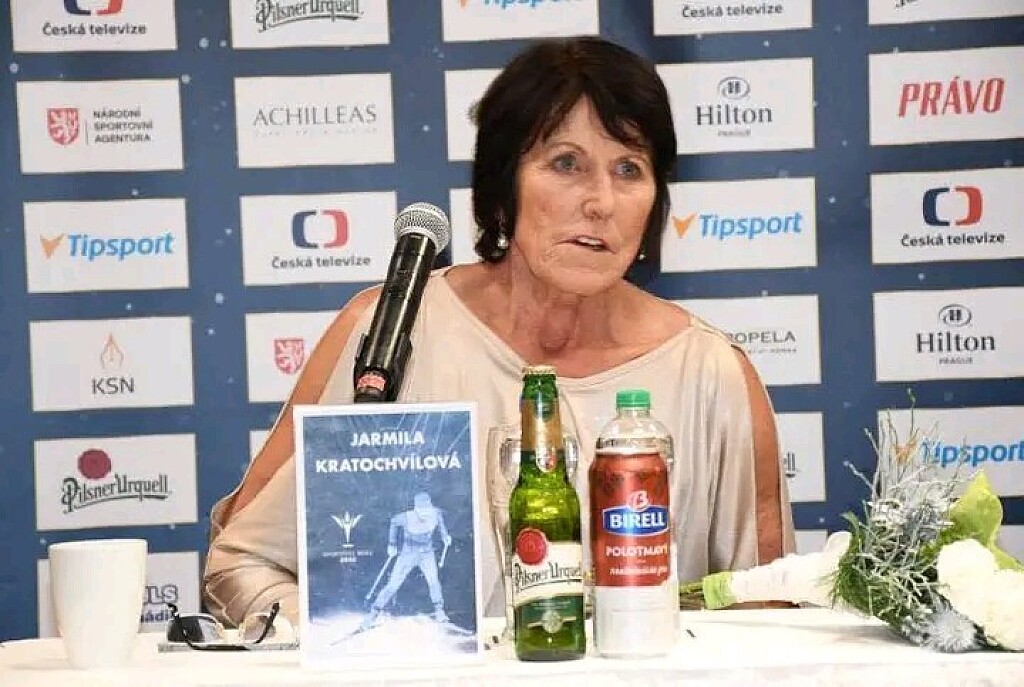


Jarmila Kratochvílová and the 800m Record That Time Could Not Touch
Some records are broken within months. Others survive for years. Then there are the rare marks that outlive generations and become part of sporting mythology. Few achievements in athletics carry that aura more powerfully than the women’s 800 metres world record of 1:53.28, set by Jarmila Kratochvílová on July 26, 1983, in Munich.
More than four decades later, the astonishing performance still stands untouched, making it one of the oldest and most remarkable world records in track and field. In an era where training science, technology, and competition standards have advanced dramatically, that number continues to resist every challenge.
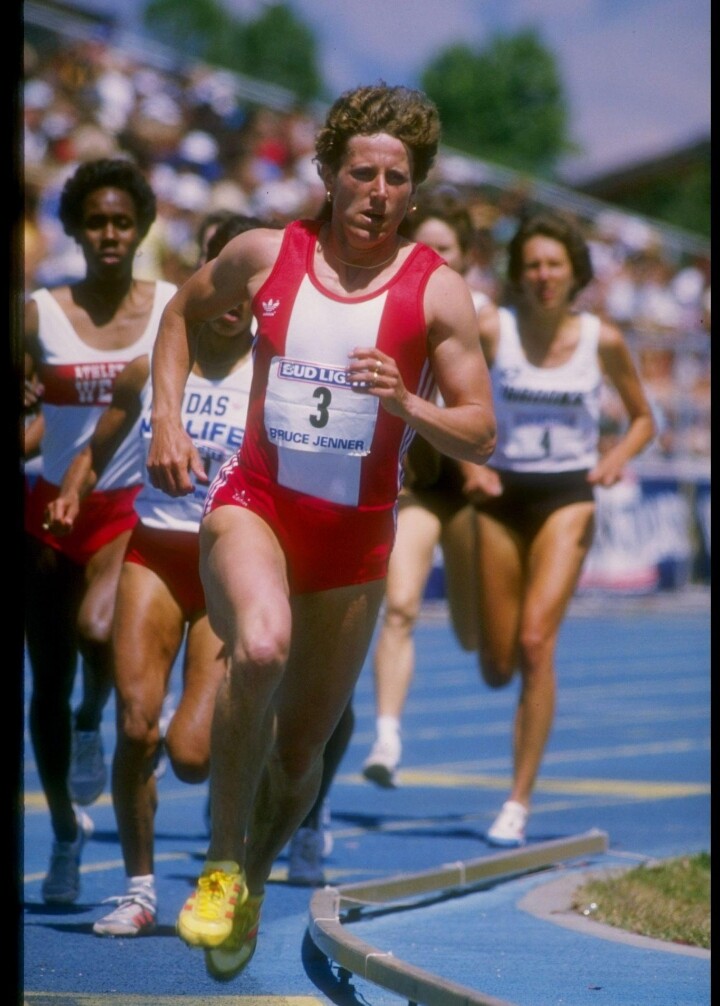
What makes the feat even more extraordinary is the story behind it. Kratochvílová was primarily known as a 400-metre specialist, not an 800-metre star. Her appearance in Munich came after a late change of plans caused by injury, and she was not even expected to headline the event. Yet when the gun fired, she produced one of the finest races ever seen.
She passed the opening lap in a fearless 56.1 seconds, surged through 600 metres in 1:26.3, and still found another devastating finish over the final bend and straight. Crossing the line in 1:53.28, she did far more than win a race—she created a benchmark that would challenge every generation to come.
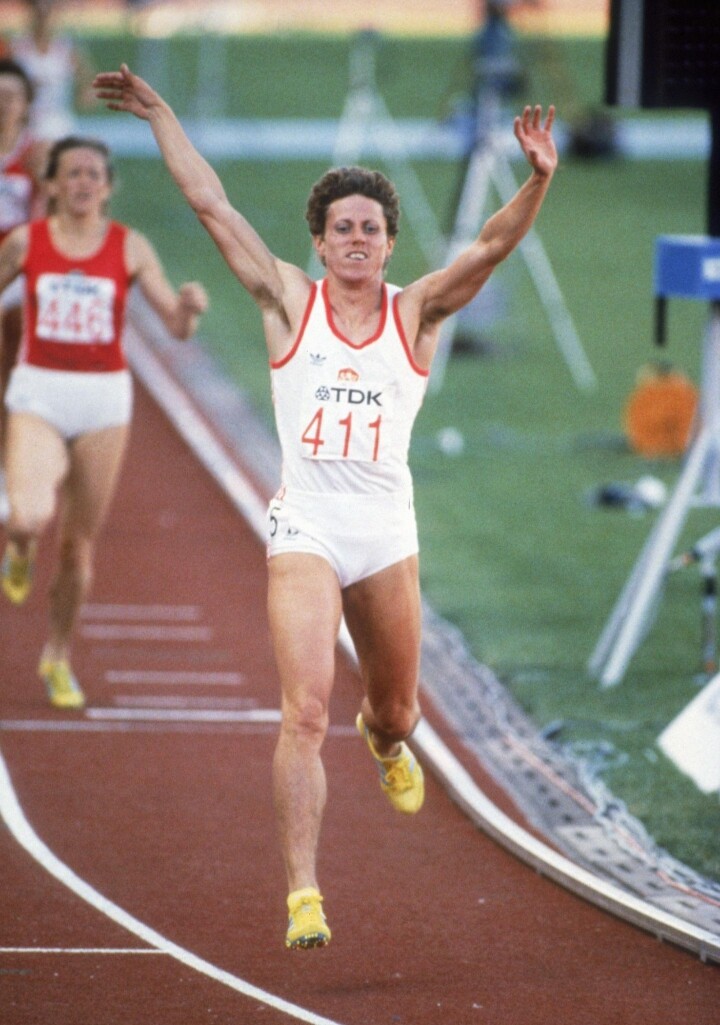
That unforgettable evening crowned a sensational 1983 campaign. Weeks later, at the first-ever World Championships in Helsinki, Kratochvílová completed a rare and historic double by winning gold in both the 400 metres and the 800 metres. She also ran 47.99 for the 400m that season, becoming the first woman in history to break the 48-second barrier. Only a select few athletes, including Marita Koch, have since joined that elite company.
Her rise had already been confirmed earlier when she claimed Olympic silver in the 400 metres at the 1980 Summer Olympics. Many believed even greater Olympic success awaited her, but history intervened. The boycott of the 1984 Summer Olympics denied her the chance to compete on sport’s biggest stage once again.
Even after leaving competition, Kratochvílová continued shaping the sport. As a coach, she guided Ludmila Formanová to the 800m world title in 1999, proving her knowledge and influence extended well beyond her own racing career.
Her record has not escaped controversy or debate. In 2017, World Athletics proposed stricter standards for the ratification of older world records, raising questions over marks set before modern testing systems. Yet the 1:53.28 remained official, preserving one of the sport’s most famous milestones.
As of 2026, athletes continue to chase history. Among the strongest modern contenders is Keely Hodgkinson, whose rise has renewed belief that the seemingly impossible may one day fall. But until that moment arrives, Kratochvílová’s run in Munich remains the gold standard.
Whether it survives another season or another generation, one truth is certain: Jarmila Kratochvílová did not simply set a world record—she created a legend that time itself has struggled to defeat.
by Erick Cheruiyot for My Best Runs.
Login to leave a comment
