

Running News Daily
Running News Daily is edited by Bob Anderson and team. Send your news items to bob@mybestruns.com Advertising opportunities available.
Index to Daily Posts · Sign Up For Updates · Run The World Feed
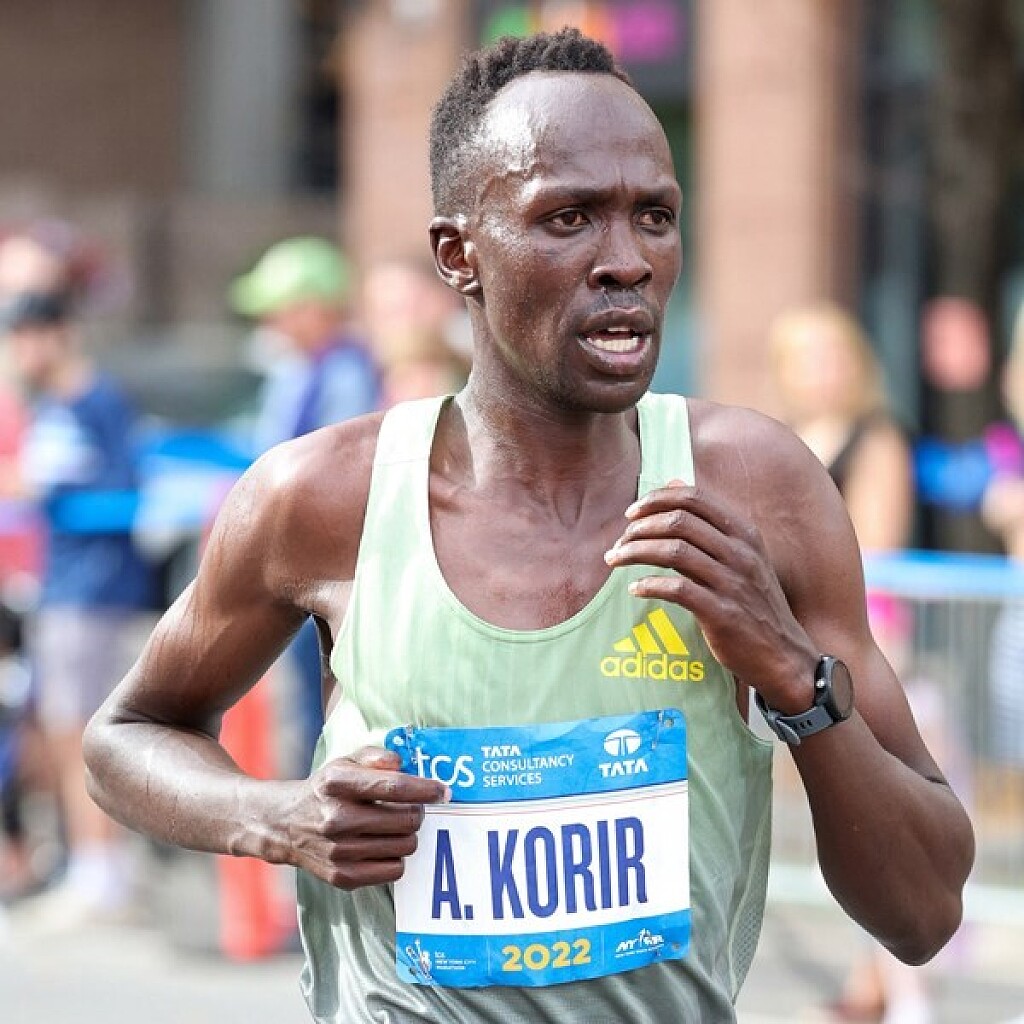


Five-Year Ban Rocks Kenyan Athletics as Albert Korir Sanctioned in Major Doping Case
The integrity of global athletics has once again come under sharp focus following a decisive ruling by the Athletics Integrity Unit (AIU), which has handed Kenyan long-distance runner Albert Korir a five-year ban for anti-doping violations. The sanction, confirmed after multiple positive tests, underscores the sport’s uncompromising stance against the use of performance-enhancing substances.
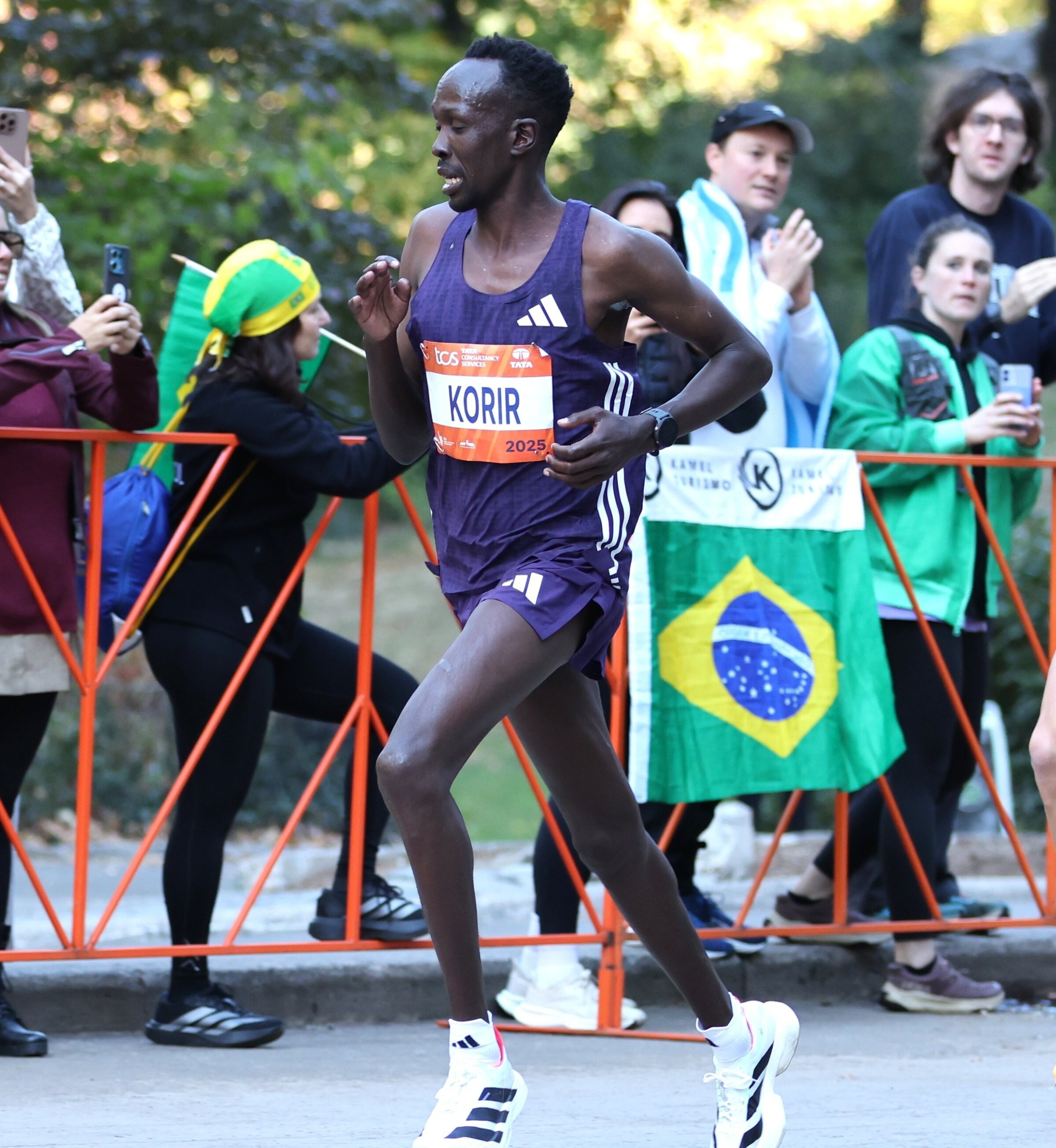
According to the AIU’s official findings, Korir was found to have used CERA (Continuous Erythropoietin Receptor Activator), a prohibited substance designed to boost endurance by increasing red blood cell production. The violation falls under World Athletics Anti-Doping Rules 2.1 and 2.2, covering both the presence and use of a banned substance. Samples collected in Kenya in October 2025 repeatedly returned positive results, leaving little room for dispute.
The disciplinary outcome is significant. Korir will serve a five-year period of ineligibility, effective from January 8, 2026, through January 7, 2031. In addition, all of his competitive results from October 3, 2025, onward have been disqualified, resulting in the forfeiture of titles, medals, and any prize money earned during that period.
In its ruling, the AIU acknowledged that Korir admitted to the violations at an early stage of the process. This cooperation led to a reduction of the sanction from a potential six-year ban to five years. However, the body emphasized that the seriousness of the offense warranted a lengthy suspension, reinforcing its commitment to protecting clean competition.
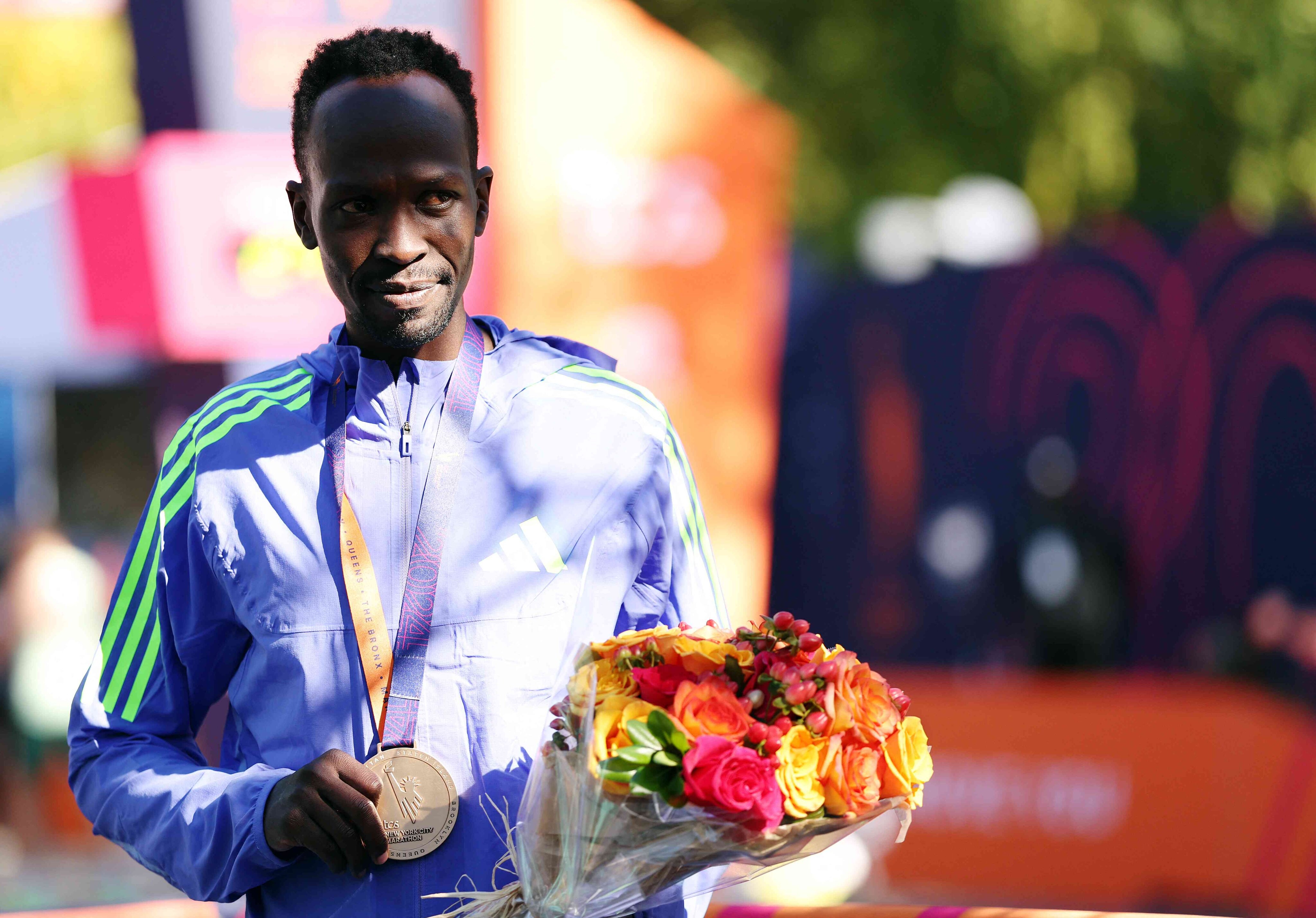
The case also confirmed that Korir did not possess a Therapeutic Use Exemption (TUE), eliminating any possibility that the substance had been used for legitimate medical purposes. This further solidified the grounds for the sanction and highlighted the strict regulatory framework governing elite athletics.
This development arrives amid growing concern over repeated doping cases, particularly within endurance running. Each new violation not only damages individual reputations but also casts a shadow over the credibility of the sport as a whole. For Kenya, a nation synonymous with distance running excellence, such incidents present an ongoing challenge in maintaining trust and preserving its rich athletic legacy.
The AIU, operating as the independent body responsible for enforcing anti-doping measures under World Athletics, continues to intensify its efforts globally. Its message remains clear: fairness is non-negotiable, and any breach of the rules will be met with firm and transparent action.
Albert Korir had built a strong reputation on the global stage through consistent high-level performances, highlighted by his victory at the New York City Marathon in 2021, a title he retained despite later scrutiny. He also claimed wins at the Ottawa Marathon in both 2019 and 2025, underlining his competitiveness across major city races. Earlier, he finished runner-up in New York in 2019 and returned in 2023 to secure third place with a personal best of 2:06:57, demonstrating steady progression at the elite level. However, his initially recorded third-place finish at the 2025 New York City Marathon was later nullified following his disqualification, casting a shadow over an otherwise impressive career marked by podium finishes and international victories.
As the sport moves forward, cases like this serve as both a warning and a reminder—true greatness in athletics is built not only on performance, but on integrity.
by Erick Cheruiyot for My Best Runs.
Login to leave a comment
