

Running News Daily
Running News Daily is edited by Bob Anderson. Send your news items to bob@mybestruns.com Advertising opportunities available. Train the Kenyan Way at KATA Kenya and Portugal owned and operated by Bob Anderson. Be sure to catch our movie A Long Run the movie KATA Running Camps and KATA Potato Farms - 31 now open in Kenya! https://kata.ke/
Index to Daily Posts · Sign Up For Updates · Run The World Feed
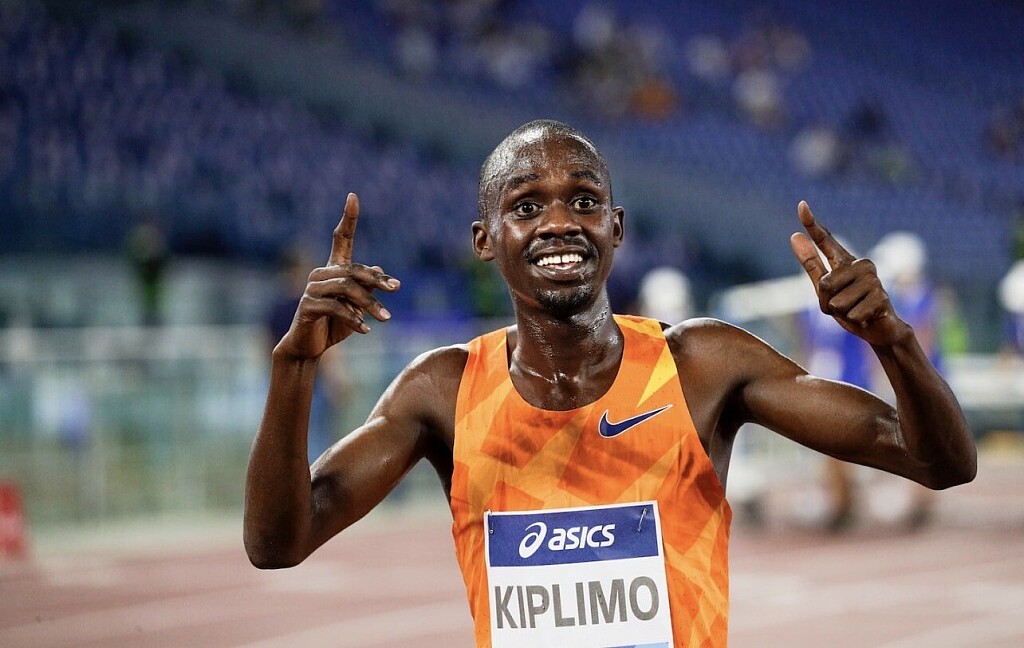


World Athletics Denies Jacob Kiplimo’s Half-Marathon World Record After Pace-Car Controversy
What looked like one of the greatest performances in road racing history will not make the record books.
World Athletics has officially refused to ratify Jacob Kiplimo’s stunning 56:42 at last year’s Barcelona Half Marathon, ruling that the Ugandan star received illegal pacing assistance during the race.

At the time, the performance felt historic — and it was.

Kiplimo didn’t just break the half-marathon world record. He shattered it, slicing 48 seconds off the previous mark and becoming the first athlete in history to run under 57 minutes for 21.1 kilometers. His pace — 4:20 per mile (2:41 per kilometer) — redefined what many believed was humanly possible for the distance.

But after reviewing race footage and technical details, World Athletics concluded the run did not meet competition rules.
Under Article 6.3.1 of the Technical Rules, athletes are not allowed to receive assistance from non-competing individuals, vehicles, or any technical device beyond standard wearables. Broadcast video showed Kiplimo running much of the race approximately 10 to 15 meters behind the official lead pace car — close enough to potentially benefit from reduced wind resistance and visual pacing guidance.
Officials deemed that proximity illegal assistance.
While the rules do not specify an exact minimum distance between athletes and vehicles, World Athletics determined the advantage was significant enough to invalidate the performance. Reports also suggested that Kiplimo may have received coaching communication during the race, another potential violation, though the pacing issue alone was sufficient to deny ratification.
For fans, the decision is frustrating. The run appeared legitimate in real time — just one athlete racing fearlessly against the clock on a fast Barcelona course. It felt like a breakthrough moment for the sport.
Instead, it becomes an unofficial best.
With Kiplimo’s mark erased, the recognized world record remains with Yomif Kejelcha, whose 57:30 performance at the Valencia Half Marathon still stands as the official global standard.
Ironically, the controversy may set up one of the most compelling matchups of the season. Both Kejelcha and Kiplimo are scheduled to race the TCS London Marathon on April 26, where there will be no pace cars, no questions, and no gray areas — just head-to-head racing.
Moments like this also raise bigger questions for the sport. As road racing grows faster and more professional, clearer standards are needed. If a vehicle can affect results, there should be defined spacing rules so athletes and organizers know exactly where the line is.
Records should be undeniable.
Kiplimo’s 56:42 may not count officially, but it still showed the world what is possible. And if anything, the ruling adds motivation. The next time he runs that fast, there won’t be any debate.
And everyone will be watching.
by Boris Baron
Login to leave a comment
