

Running News Daily
Running News Daily is edited by Bob Anderson. Send your news items to bob@mybestruns.com Advertising opportunities available. Train the Kenyan Way at KATA Kenya and Portugal owned and operated by Bob Anderson. Be sure to catch our movie A Long Run the movie KATA Running Camps and KATA Potato Farms - 31 now open in Kenya! https://kata.ke/
Index to Daily Posts · Sign Up For Updates · Run The World Feed
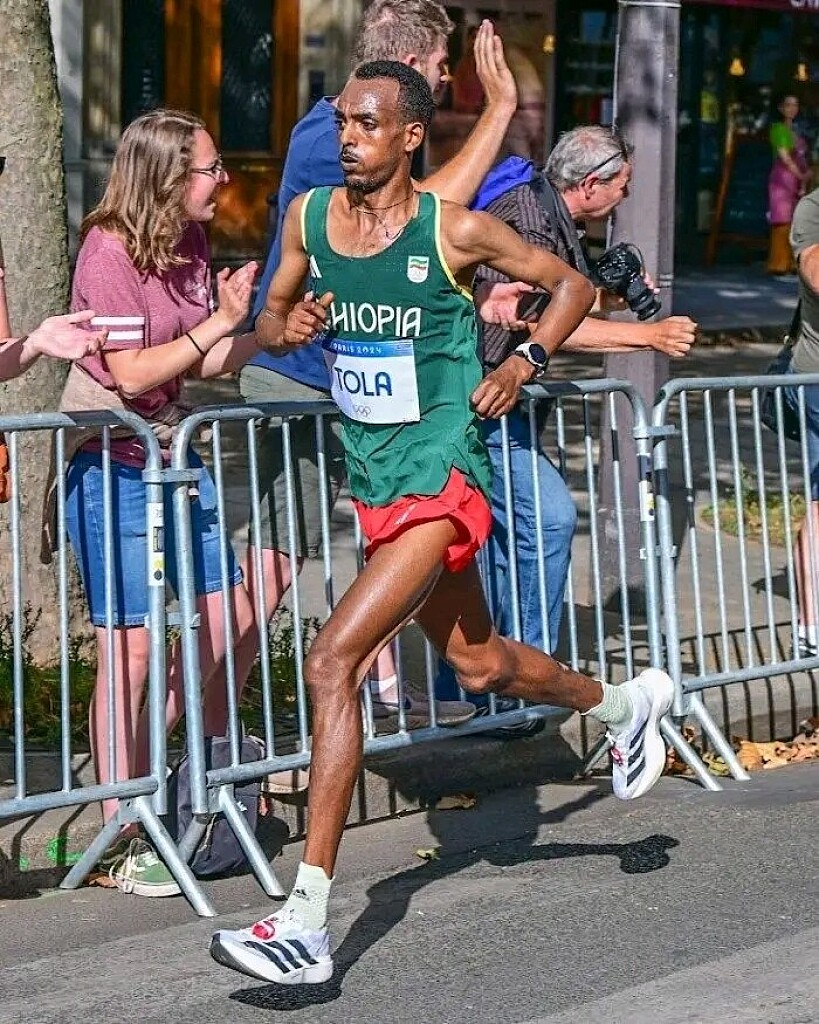


Against Time and Heat: Tamirat Tola and the Long Morning in Doha
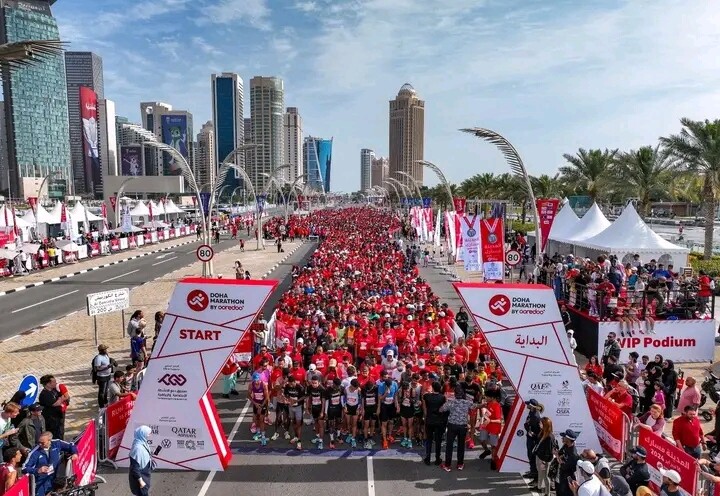
Morning arrives softly in Doha, but the marathon never does. As the city stirs beneath the first light of January, the Doha Marathon 2026 begins its quiet negotiation with heat, humidity, and human limits. On these wide, sun-touched roads stands Tamirat Tola of Ethiopia, Olympic champion and master of the long distance, preparing to test not just his rivals, but the fragile balance between pace and survival that defines elite marathon racing.
Tola’s reputation precedes him, yet reputation alone offers no shelter in a race where conditions often dictate outcomes more than pedigree. The 6:00 AM local start is a calculated concession to the climate, but even at dawn the air carries warmth that demands restraint. In such races, the marathon ceases to be a pure test of speed and becomes instead a contest of efficiency — how economically oxygen is used, how smoothly rhythm is maintained, and how long lactate accumulation can be delayed before the inevitable reckoning in the final kilometers.
From Addis Ababa to Doha, the clocks align neatly, but the physiological demands do not. Running in warm conditions elevates heart rate, accelerates dehydration, and magnifies the cost of early aggression. The first half of this race will likely be defined not by who leads, but by who resists. Expect conservative opening splits, controlled pack running, and constant monitoring of hydration strategies, as elite athletes attempt to preserve glycogen stores for the decisive final third of the course.
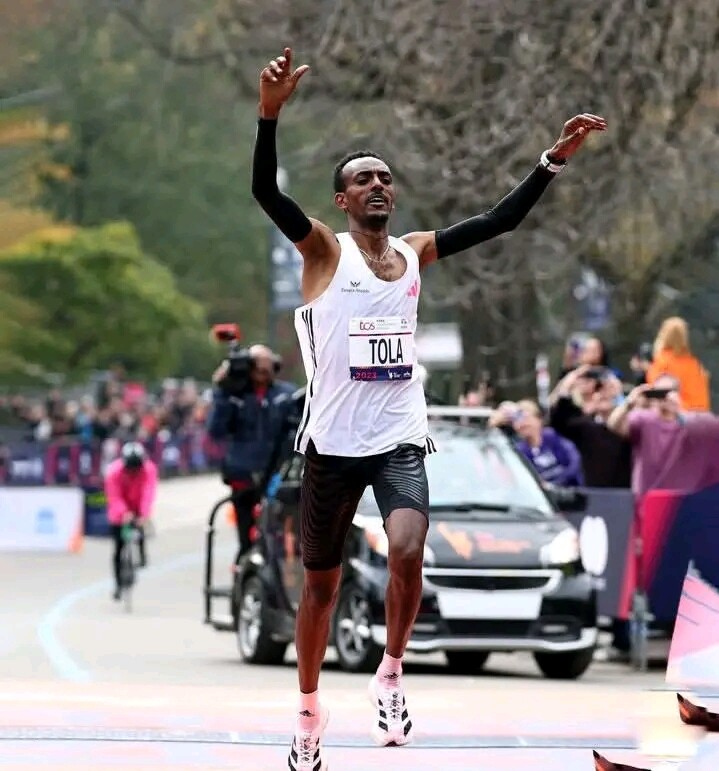
For Tola, the equation is familiar. His greatest performances have been built on patience and an instinctive sense of timing — the ability to allow a race to come to him before asserting authority. Should the pace remain honest rather than reckless, his experience in championship-style marathons may prove invaluable. However, the Doha field is deep, populated by athletes skilled in negative splits and late surges, runners who understand that in the heat, the marathon is often won after 35 kilometers, when efficiency triumphs over ambition.
As the sun begins to rise higher and shadows shorten along the course, the race will narrow to its essentials. Cadence, posture, and fueling will matter as much as courage. A slight lapse at a drink station, a surge taken too eagerly, or a moment of tightening muscles can redraw the podium entirely. This is the quiet cruelty of the marathon: it punishes impatience with precision.
And so the question hangs over the road, unspoken but universal — can the Olympic champion impose his will on a race designed to resist it? The answer will unfold slowly, written in footfalls and breath, as the field thins and the city watches. Whether Tamirat Tola claims victory or yields to the conditions and competition, the Doha Marathon 2026 promises a truthful verdict, one delivered not by reputation or expectation, but by execution in the heat of a long Qatari morning.
by Erick Cheruiyot for My Bestruns.
Login to leave a comment
