

Running News Daily
Running News Daily is edited by Bob Anderson. Send your news items to bob@mybestruns.com Advertising opportunities available. Train the Kenyan Way at KATA Kenya and Portugal owned and operated by Bob Anderson. Be sure to catch our movie A Long Run the movie KATA Running Camps and KATA Potato Farms - 31 now open in Kenya! https://kata.ke/
Index to Daily Posts · Sign Up For Updates · Run The World Feed


JAPAN CONFIRMS MARATHON SUPERPOWER STATUS WITH UNMATCHED DEPTH AND SPEED
A nation redefining depth, discipline and distance running.
Japan is no longer just competing in the global marathon conversation — it is shaping it. Japan has firmly established itself among the world’s elite marathon nations, with a level of depth and consistency that few countries can rival in modern distance running.
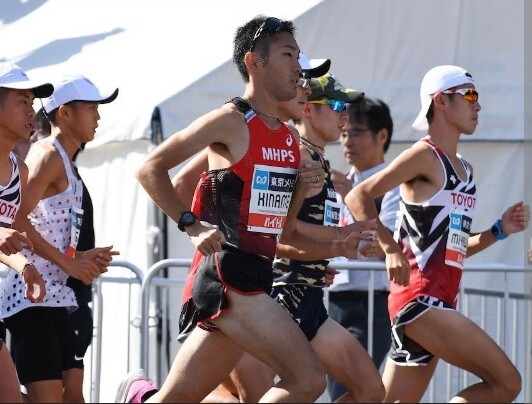
According to official World Athletics data, 93 Japanese athletes have broken the 2:10:00 barrier, a benchmark traditionally reserved for global championship contenders. Even more striking, 40 runners have dipped below 2:08:00, while 22 have crossed into the rarefied territory of 2:07 and 2:06 performances, a domain once dominated almost exclusively by East African powerhouses.
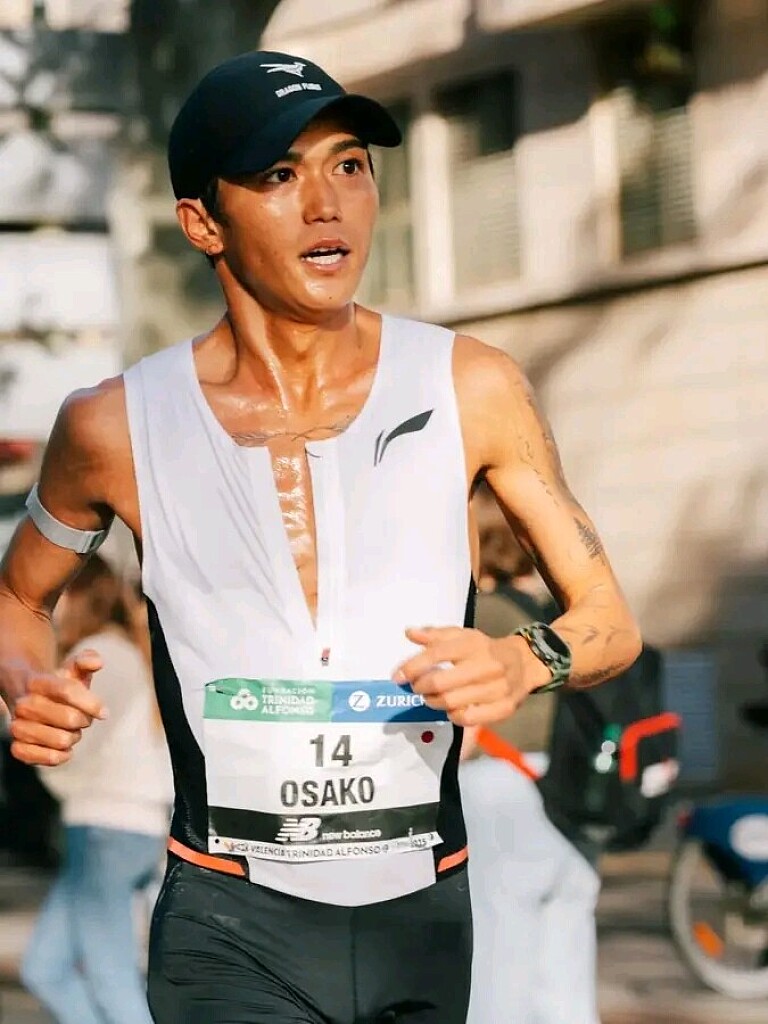
At the center of this historic surge stands Suguru Osako, the national record holder, whose 2:04:55 performance at the Valencia Marathon in December 2025 redefined what was thought possible for Japanese marathon running. Osako’s run was not only a national record but also a technical masterclass in pacing efficiency, metabolic control, and late-race resilience — elements essential at the highest level of the sport.
Yet Japan’s true strength lies far beyond a single performance.

Kengo Suzuki (2:04:56), Yohei Ikeda (2:05:12), Yuya Yoshida (2:05:16), Ryota Kondo (2:05:39), and Ichitaka Yamashita (2:05:51) form part of a formidable top-10 list that rivals the depth of any marathon nation worldwide. These athletes have delivered elite-level times across major marathon venues including Tokyo, Berlin, Fukuoka, Osaka, and Valencia, demonstrating adaptability to varied courses, climates, and tactical demands.
Technically, Japan’s rise is built on precision rather than chance. Athletes are developed through a rigorous system emphasizing high-volume aerobic conditioning, controlled race simulation, and data-driven pacing strategies. University ekiden competitions serve as an early proving ground, while corporate teams provide long-term athlete support, ensuring continuity from development to peak performance years.
This structure has created a competitive domestic environment where selection standards are unforgiving and every race is contested at world-class pace. As a result, Japanese marathoners arrive on the international stage already hardened by high-pressure racing.
Emotionally, the impact is profound. Each breakthrough performance represents years of discipline, sacrifice, and collective belief — a quiet but powerful challenge to the global marathon hierarchy.
As qualification windows for future Olympic Games and World Championships approach, Japan now possesses not just contenders, but depth capable of influencing race dynamics at the highest level.
The message to the world is unmistakable:
Japan is no longer chasing marathon excellence — it is defining it.
by Erick Cheruiyot for My Bestruns.
Login to leave a comment
