

Running News Daily
Running News Daily is edited by Bob Anderson and team. Send your news items to bob@mybestruns.com Advertising opportunities available.
Index to Daily Posts · Sign Up For Updates · Run The World Feed
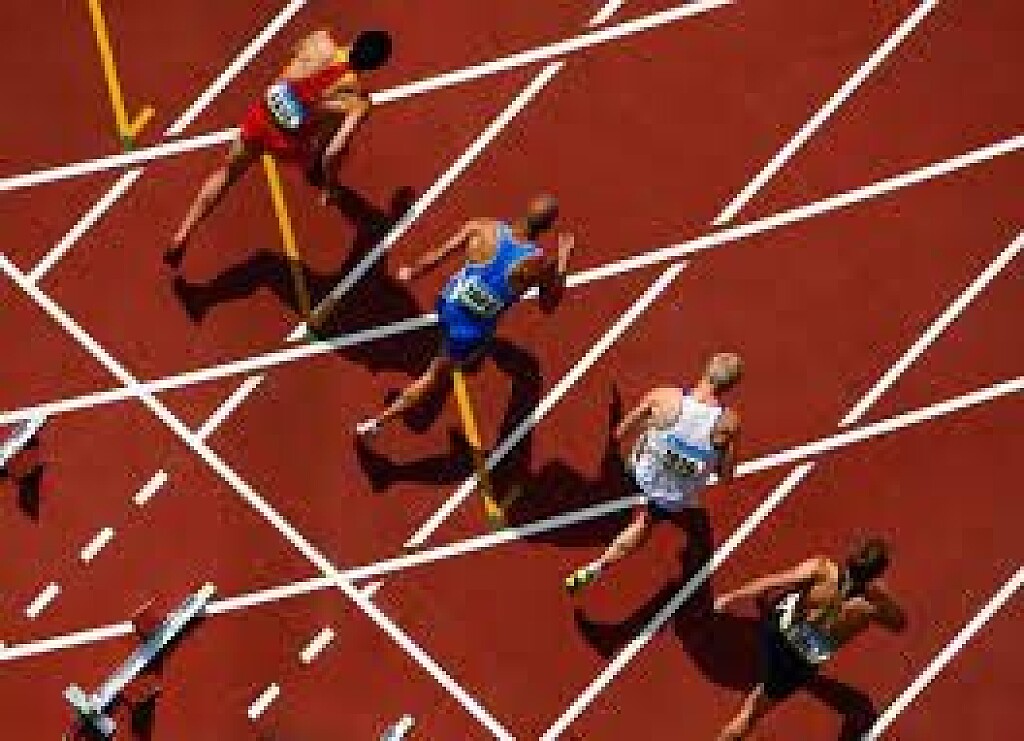


2024 Olympic Track & Field Schedule Is Out

On Monday, World Athletics announced the schedule for the 2024 Olympic Games, to be held in Paris on August 1-11, 2024 (only 570 days to go!). There were a few key changes from three years earlier in Tokyo.
First, all track & field finals will be held during the evening sessions (some finals had been held in the morning during the 2016 and 2020 Olympics). The marathons will remain in the morning, though the men’s marathon will no longer be held on the final day of the Games, as had been tradition. That honor for the first time will go to the women’s marathon, which will be held on August 11. Giving women the honor makes sense given that, per Reuters, the “marathon route was modelled on the path of the October 1789 Women’s March on Versailles – when thousands, mainly female market traders furious over the price of bread, marched to the lavish palace of King Louis XVI.” In 2024, the men’s marathon will come on the penultimate day, August 10.
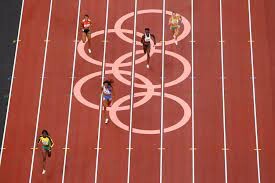
The other major change is the introduction of a repechage round, which will replace time qualifiers in five events: the 200, 400, 800, 1500, and 400 hurdles. Under the new format, any athlete who does not advance automatically from the first round will compete in an extra race –the repechage round — to earn their spot in the semifinals. Qualification from semifinals to the final will remain the same.
While every evening session has at least one final, you may want to circle August 8, 2024, on your calendar right now. That night is set to feature the finals of the women’s 400 hurdles (Sydney McLaughlin-Levrone), men’s 200 (Noah Lyles vs. Erriyon Knighton), and men’s 110 hurdles (Grant Holloway), plus the semis of the women’s 1500 meters.
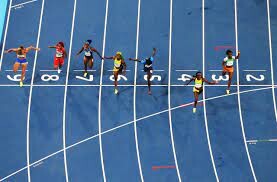
A number of doubles — 100/200, 800/1500, 1500/5,000, 5,000/10,000 — are very feasible under the current schedule. But what about the 400/400 hurdles, 400/800, and 1500/5,000/10,000 — the doubles (and triple) that would appeal to superstars Sydney McLaughlin-Levrone, Athing Mu, and Jakob Ingebrigtsen? None of them are impossible.
Possible doubles/triples
Men’s 1500/5,000/10,000 (Jakob Ingebrigtsen)
We’ve got great news for Jakob Ingebrgitsen fans. You’ll likely see him running in two — maybe three — events at Paris.
At the Tokyo Olympics, Ingebrigtsen would have liked to have done the 1500/5000 double like he did at the 2019 and 2022 Worlds but he only ran the 1500 as the two events overlapped a ton. In Tokyo, the 1500 was held on August 3 (a.m.), August 5 (p.m.), and August 7 (p.m.) and the 5000 was held on August 3 (p.m.) and August 6 (p.m). In Paris, 1500/5000 double is eminently more doable as the 1500 finishes before the 5000 even starts.
And there is even more good news. Last year, Ingebrigtsen made headlines by saying he wanted to do what Sifan Hassan did in 2021 and triple at the 2023 Worlds and 2024 Olympics: 1500, 5,000, and 10,000. The triple is basically impossible at the 2023 Worlds. At the 2024 Olympics, it’s tough but doable: it would require two races on August 2 (1500 first round in the morning, 10,000 final 10 hours later), and it would require running the 1500 final at 9:00 p.m. on August 6 and the 5,000 first round 14 hours later on the morning of August 7.
In Tokyo, Hassan had to run two races on the same day (1500 prelims in morning, 5,000 final in evening) and also had to run finals on consecutive days (1500 followed by 10,000). In Paris, Ingebrigtsen would get four days between the 10,000 and 1500 finals and another four days between the 1500 and 5,000 finals.
August 2, 11:05 a.m.: 1500 first round
August 2, 9:20 p.m.: 10,000 final
August 4, 9:10 p.m.: 1500 semis
August 6, 9:00 p.m.: 1500 final
August 7, 11:00 a.m.: 5,000 first round
August 10, 8:00 p.m.: 5,000 final
Women’s 1500/5,000/10,000 (Sifan Hassan)
Given Sifan Hassan already did the 1500/5,000/10,000 triple in Tokyo about as well as anyone could (bronze-gold-gold) and given it took her close to a year to return to racing in 2022, it would be a surprise to see her attempt the triple again in Paris. But if someone else — perhaps World Indoor 1500/World Outdoor 5,000 champ Gudaf Tsegay — is so inclined, it’s possible to triple. The toughest part would be running the 1500 first round the morning after the 5,000 final and running the 10,000 and 1500 final on back-to-back nights (the latter was also the case for Hassan in 2021, though the order of the 10,000 and 1500 finals were flipped). But unlike in 2021, all the races are on different days.
August 2, 6:10 p.m.: 5,000 first round
August 5, 9:20 p.m.: 5,000 final
August 6, 10:05 a.m.: 1500 first round
August 8, 8:05 p.m.: 1500 semis
August 9, 8:55 p.m.: 10,000 final
August 10, 8:25 p.m.: 1500 final
Women’s 400/400 hurdles (Sydney McLaughlin-Levrone, Femke Bol)
No woman has ever won the 400/400 hurdles double at the Olympics, but superstars Sydney McLaughlin-Levrone and Femke Bol could attempt it in Paris. It would require racing six days in a row (seven including the 4×400 relay final) but never more than once in a day. That’s about as good as you can ask for.
August 4, 12:35 p.m.: 400 hurdles first round
August 5, 11:55 a.m.: 400 first round
August 6, 7:45 p.m.: 400 hurdles semis
August 7, 8:45 p.m.: 400 semis
August 8, 9:05 p.m.: 400 hurdles final
August 9, 8:00 p.m.: 400 final
August 10, 9:20 p.m.: 4×400 relay final
Women’s 400/800 (Athing Mu)
Athing Mu won the women’s 800 at the 2020 Olympics and 2022 Worlds and is the NCAA record holder in the 400 meters at 49.57. After winning gold in Tokyo, she said one of her next goals is to double up in the 400/800. The double is possible in Paris but not perfect as it would require her to race three sessions in a row — the night of August 4 in the 800 semis, the morning of August 5 in the 400 first round, and the night of August 5 in the 800 final. The good news is Mu has will have some time to recover as there is a rest day between the 800 final and 400 semis and another rest day between the 400 semis and 400 final.
In a perfect world the 800 semis and 400 first round would both be shifted forward by a day but that’s not going to happen because it would require running the repechage and semifinal round of the 800 on the same day.
August 2, 7:45 p.m.: 800 first round
August 4, 8:35 p.m.: 800 semis
August 5, 11:55 a.m.: 400 first round
August 5, 9:50 p.m.: 800 final
August 7, 8:45 p.m.: 400 semis
August 9, 8:00 p.m.: 400 final
August 10, 9:20 p.m.: 4×400 relay final
Women’s 200/400 (Shaunae Miller-Uibo)
Two-time Olympic 400 champion Shaunae Miller-Uibo of the Bahamas attempted the 200/400 double in Tokyo and made the finals of each event. But she wound up going through the motions of the 200 final, finishing last in 24.00 (after running the first round of the 400 that morning), before running a personal best of 48.36 to win the 400 three days later. The 200/400 double is once again possible in 2024, but Miller-Uibo’s weaker event, the 200, would once again come first. It would also require running twice in one day, though neither of the races would be finals (400 first round on the morning of August 5, followed by the 200 semis that evening).
August 4, 10:55 a.m.: 200 first round
August 5, 11:55 a.m.: 400 first round
August 5, 8:55 p.m.: 200 semis
August 6, 9:50 p.m.: 200 final
August 7, 8:45 p.m.: 400 semis
August 9, 8:00 p.m.: 400 final
Men’s 200/400
In Tokyo, it was possible to attempt the men’s 200/400 double as all of the races were on different days (save for the 200 first round and semis — a necessary same-day double for all athletes). In Tokyo, it’s virtually impossible as the 200 semis will be held just 73 minutes before the 400 final on the night of August 7.
August 4, 7:05 p.m.: 400 first round
August 5, 8:05 p.m.: 200 first round
August 6, 8:30 p.m.: 400 semis
August 7, 8:07 p.m.: 200 semis
August 7, 9:20 p.m.: 400 final
August 8, 9:25 p.m.: 200 final
How will the repechage round work?
In almost every case, the repechage round will take place the day after the first round of each event. The only exception is the men’s 110 hurdles, where the first round is on August 4 and the repechage on August 6. And in almost every case, the repechage athletes won’t have to race twice in the same day. The only exception is the women’s 200, where the first round will be held on the morning of August 4, the repechage on the afternoon of August 5, and the semis on the evening of August 5.
Should any repechage athlete in the 800 advance to the final, they will have raced on four consecutive days. For any 1500 athlete to advance to the final, they will have had to have raced three straight days followed by a one-day break before the final. The repechage round is mostly a chance for lesser athletes to get a longer Olympic experience instead of running one race and going home, but it’s not impossible to suggest that a repechage athlete could be a factor in the final. At the 2020 Olympics, Great Britain’s Josh Kerr needed a time qualifier to advance from the first round of the men’s 1500 and wound up earning the bronze medal. Such a feat will be harder in 2024 since an athlete such as Kerr would now have to run an extra race.
Here’s how the schedule works for the men’s and women’s 800 and 1500:
Men’s 800
Prelims: August 7, 11:45 a.m.
Repechage: August 8, 12:00 p.m.
Semis: August 9, 11:30 a.m.
Final: August 10, 7:30 p.m.
Women’s 800
Prelims: August 2, 7:45 p.m.
Repechage: August 3, 11:10 a.m.
Semis: August 4, 8:35 p.m.
Final: August 5, 9:50 p.m.
Women’s 1500
Prelims: August 6, 10:05 a.m.
Repechage: August 7, 12:35 p.m.
Semis: August 8, 8:05 p.m.
Final: August 10, 8:25 p.m.
Men’s 1500
Prelims: August 2, 11:05 a.m.
Repechage: August 3, 8:25 p.m.
Semis: August 4, 9:10 p.m.
Final: August 6, 9:00 p.m.
by Letsrun
Login to leave a comment

Paris 2024 Olympic Games
For this historic event, the City of Light is thinking big! Visitors will be able to watch events at top sporting venues in Paris and the Paris region, as well as at emblematic monuments in the capital visited by several millions of tourists each year. The promise of exceptional moments to experience in an exceptional setting! A great way to...
more...Latest Running News
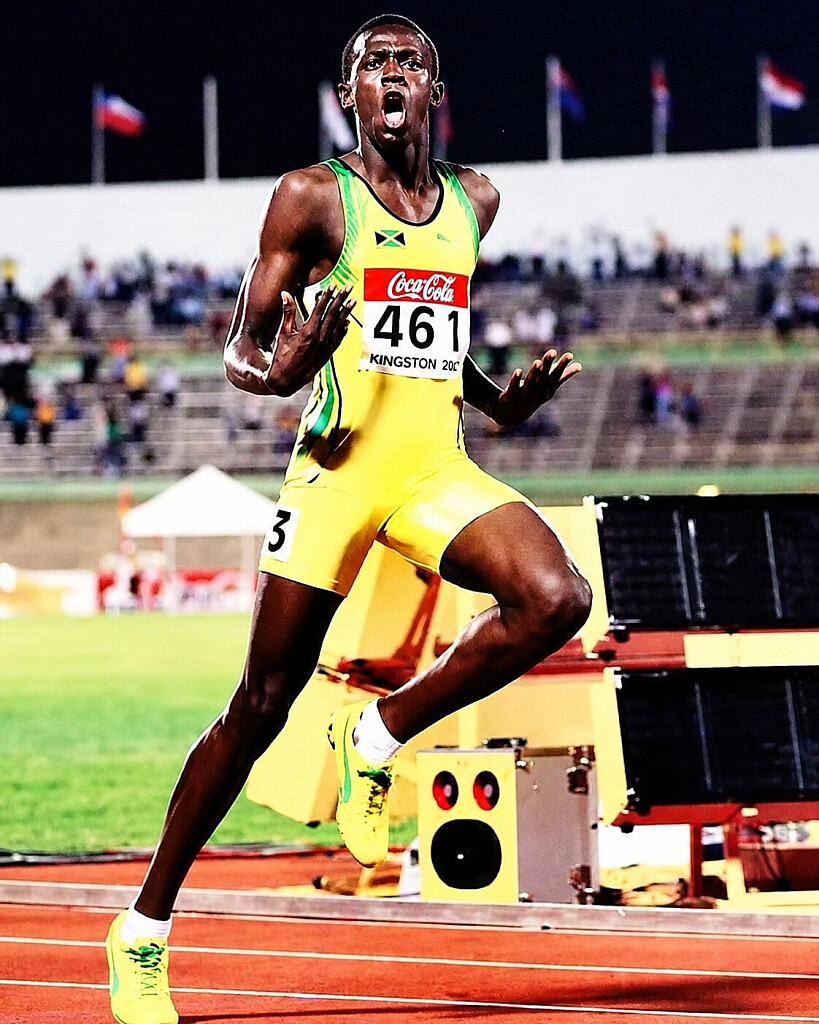
Where Greatness Begins: The Day a 15-Year-Old Usain Bolt Changed Sprinting Forever
Long before he became the fastest man in history, before the Olympic gold medals, world records, and global superstardom, Usain Bolt was simply a gifted teenager with extraordinary speed and limitless potential. In 2002, on the track at Kingston's National Stadium in Jamaica, the world witnessed the first chapter of a story that would forever change athletics.
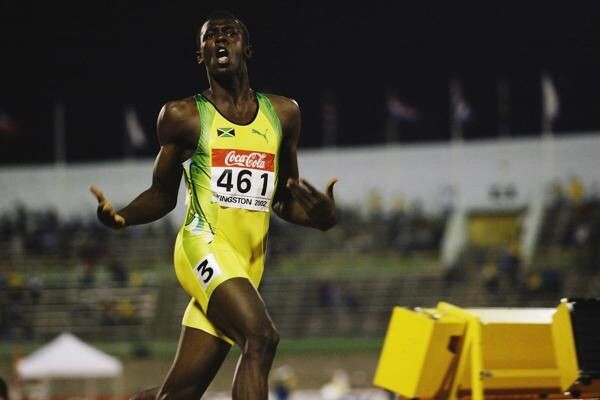
At just 15 years old, Bolt lined up for the men's 200 metres at the World Junior Championships with the weight of expectation resting on young shoulders. Competing before a passionate home crowd, the Jamaican prodigy produced a performance that instantly captivated the athletics world. Crossing the finish line in 20.61 seconds, he became the youngest athlete ever to win the men's 200m title at the championships.
It was far more than a gold medal. It was the moment the world realised that a once-in-a-generation talent had arrived.
Bolt's victory in Kingston marked the beginning of one of the greatest careers in sporting history. Over the years that followed, he rewrote the record books, dominated the Olympic Games and World Championships, and transformed sprinting into a global spectacle through his breathtaking speed, infectious personality, and unrivalled confidence. His legacy continues to inspire young athletes across the globe, many of whom dream of following the same path he once began as a teenager.
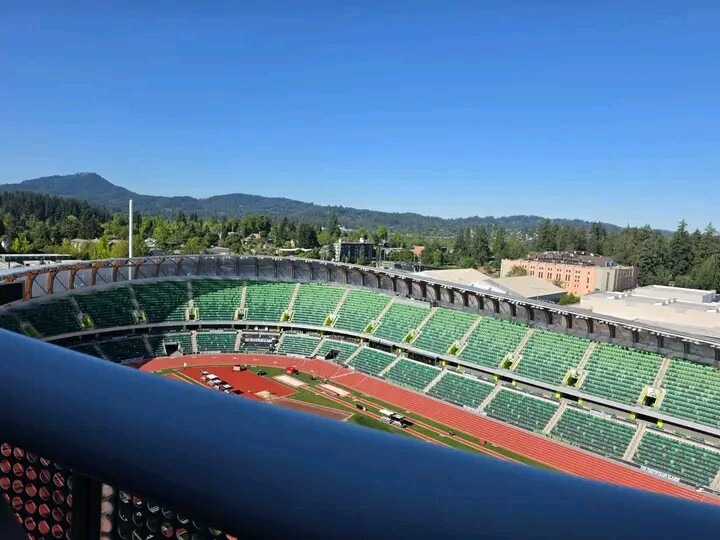
This week, that dream comes alive once again as the World Athletics U20 Championships take centre stage at the iconic Hayward Field in Eugene, Oregon. The venue has already witnessed the birth of future superstars. In 2014, it was where Britain's Dina Asher-Smith and Uganda's Joshua Cheptegei captured their first global titles, launching careers that would later produce world championships, Olympic medals, and lasting legacies in athletics.
Twelve years later, another generation arrives in Eugene hoping to create its own defining moment.
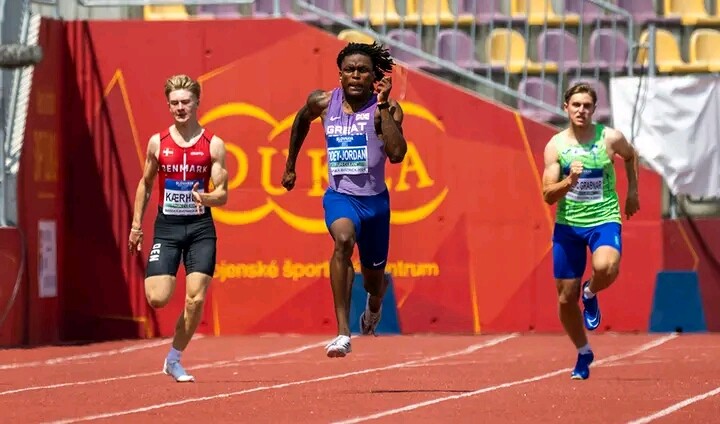
Among the brightest young talents is Great Britain's Jake Odey-Jordan, the 200m bronze medallist from Lima who now owns the European U20 100m record after an astonishing 10.01-second performance. He enters the championships eager to build on his growing reputation as one of Europe's most exciting young sprinters.
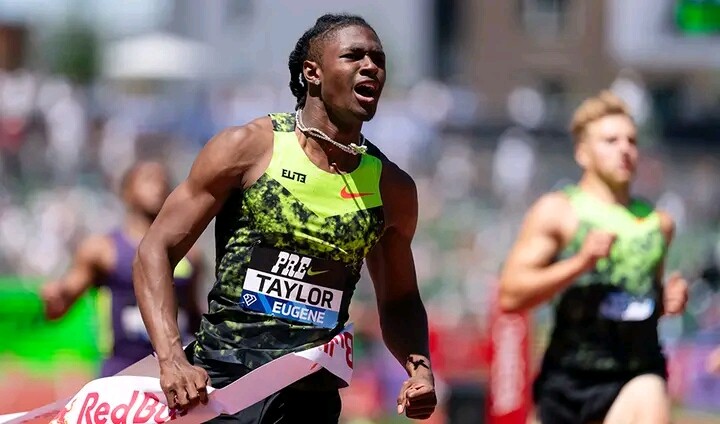
The United States will look to Tate Taylor, who has already made history as the first American high school athlete to break the 20-second barrier for the 200 metres. Fresh from a Diamond League victory in a sensational 19.75 seconds, he arrives in Eugene carrying the momentum of one of the most remarkable junior seasons ever recorded.
Jamaica, the nation that introduced the world to Usain Bolt, will once again have high hopes through Shanoya Douglas. The talented sprinter has established herself as one of the championship's leading contenders after producing lifetime bests of 10.98 seconds for the 100m and 22.11 for the 200m this season.
History has repeatedly shown that the World U20 Championships are far more than a junior competition. They are often the first chapter in the careers of future Olympic champions, world record holders, and global icons. Every generation arrives with ambitious dreams, but only a select few leave having announced themselves to the world.
No one can say with certainty whether the next Usain Bolt will emerge this week. Greatness cannot be predicted, and legends are never manufactured. Yet every legendary career begins with a single breakthrough performance.
For Bolt, that defining moment came in Kingston in 2002.
Now, under the famous lights of Hayward Field, another group of gifted teenagers stands ready to chase history. Somewhere among them could be the next athlete whose name will inspire the world for years to come.
by Erick Cheruiyot for My Best Runs.
Login to leave a comment
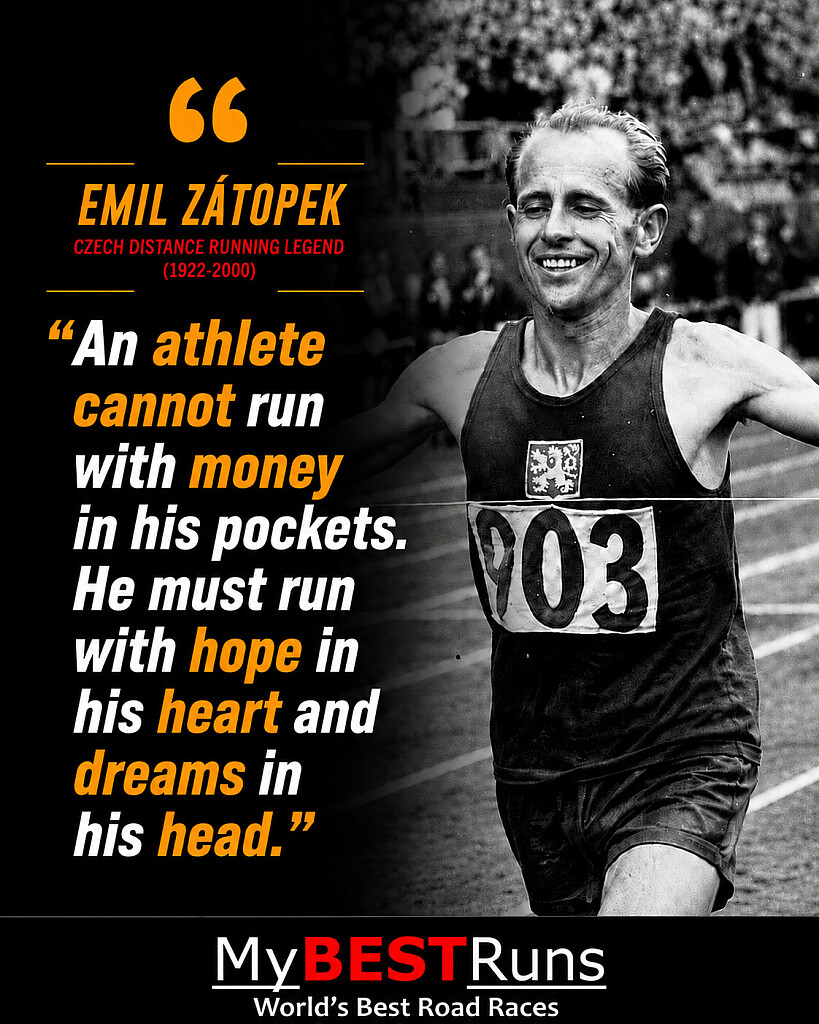
The Dream That Outruns Money: Emil Zátopek's Timeless Lesson for Every Runner
"An athlete cannot run with money in his pockets. He must run with hope in his heart and dreams in his head." More than seventy years after those words were spoken, they remain among the most powerful messages ever shared in distance running. They are often quoted as simple motivation, but behind them lies a remarkable story of sacrifice, courage, conviction, and an unwavering belief that true greatness is never measured by financial reward.
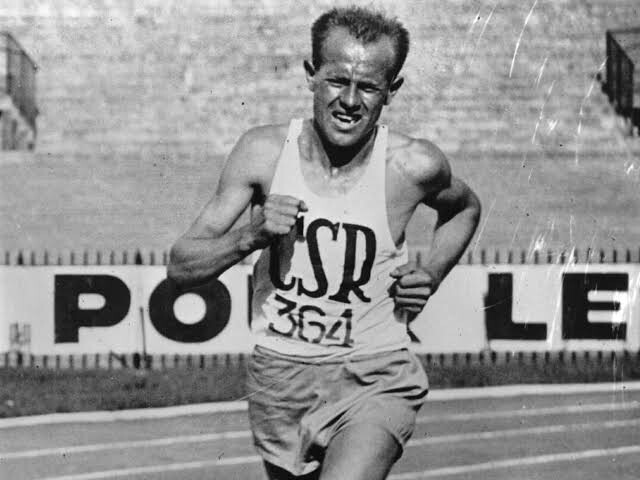
Few athletes have left a legacy as enduring as Emil Zátopek. Known around the world as "The Czech Locomotive" for his relentless determination and unmistakable running style, he redefined what was possible in endurance racing. His legendary performance at the 1952 Olympic Games in Helsinki still ranks among the greatest achievements in athletics history. In the space of just nine days, he captured Olympic gold in the 5,000 meters, the 10,000 meters, and, incredibly, the marathon—a race he had never attempted before.
Yet the world in which Zátopek competed was vastly different from today's professional athletics landscape. During the 1950s, elite sport officially operated under strict amateur rules. Olympic athletes were forbidden from accepting prize money or earning a living directly from competition, although unofficial financial arrangements existed in many sports. Zátopek himself never raced for appearance fees or lucrative prize purses. Instead, he served as an officer in the Czechoslovak People's Army, receiving a military salary while representing his country. Running brought him glory, but not personal wealth.
It was within that environment that his famous words carried genuine meaning. For Zátopek, success was never driven by the promise of money. He believed the greatest performances were fueled by hope, ambition, discipline, and the courage to pursue dreams that seemed impossible. Those qualities, rather than financial incentives, formed the foundation of lasting excellence.
With the benefit of history, his words carry even greater significance. In 1968, during the Prague Spring, Zátopek openly supported democratic reforms in Czechoslovakia. When the movement was crushed, he paid a heavy personal price for standing by his principles. He was stripped of his military rank, removed from public life, and forced into years of manual labor. The man who had once stood proudly atop the Olympic podium found himself performing physically demanding jobs, far removed from the stadiums where he had inspired millions.
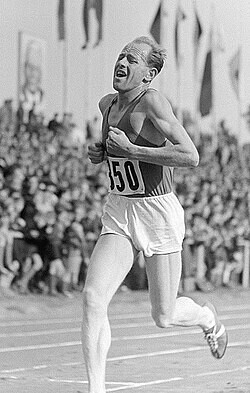
His story reminds us that the values he expressed were not empty words crafted for public admiration. He lived by them, even when doing so came at enormous personal cost. His belief that hope and conviction mattered more than material rewards became evident not only in the races he won, but also in the hardships he endured with remarkable dignity.
Distance running has changed dramatically since Zátopek's era. Today's elite athletes compete in a fully professional sport where prize money, sponsorship contracts, appearance fees, and endorsement deals can be worth millions. Success on the track and roads now offers opportunities that were unimaginable during the age of amateur competition. Professionalism has transformed the sport, allowing athletes to train full-time, access world-class coaching and sports science, and build financially secure careers.
Yet despite these changes, the essence of Zátopek's message has never lost its relevance.
Every elite runner naturally hopes to earn a good living from years of dedication and sacrifice. There is nothing wrong with financial success, and the rewards available today have elevated the standard of competition across the world. But history consistently shows that money alone is rarely enough to sustain greatness. The athletes whose careers endure the longest are often those driven by an inner passion to improve, to test their limits, and to chase excellence for its own sake. Financial rewards become the result of that commitment, not the reason for it.
When competition is motivated solely by wealth, its deeper purpose can fade. But when an athlete races with genuine belief, relentless determination, and an unwavering dream, extraordinary performances often follow naturally.
That is why Emil Zátopek's words continue to resonate across generations. His legacy extends far beyond Olympic medals and world records. It lives in every runner who laces up their shoes with a goal that cannot be measured in dollars, every athlete who refuses to surrender when the race becomes painful, and every competitor who understands that the greatest victories begin long before the finish line.
The economics of distance running may have evolved beyond recognition, but the heart of the sport remains unchanged. Every athlete still arrives at the starting line carrying something far more valuable than money—hope in their heart and dreams in their head. Those invisible qualities have always been, and will always remain, the true fuel of greatness.
by Erick Cheruiyot for My Best Runs.
Login to leave a comment
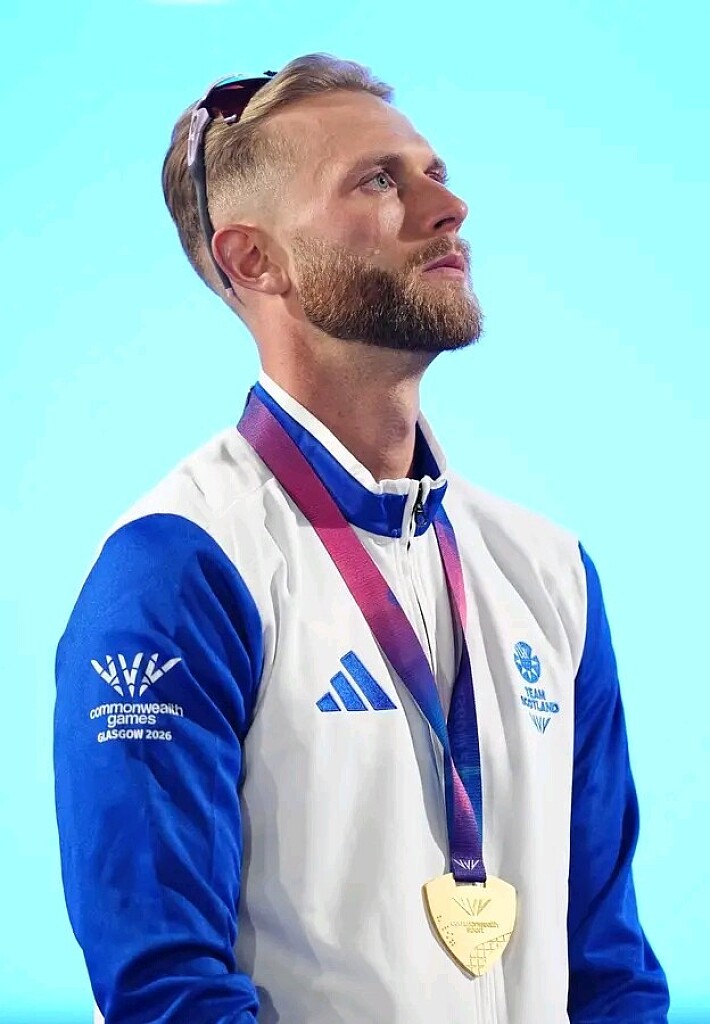
How Josh Kerr Built a Commonwealth Masterpiece: The Splits That Tell the Story of a Golden Mile
Winning a major championship is never just about crossing the finish line first. Behind every gold medal lies a carefully crafted race plan, and Josh Kerr's unforgettable Commonwealth Games triumph in Glasgow was a perfect example of tactical brilliance meeting extraordinary finishing speed.
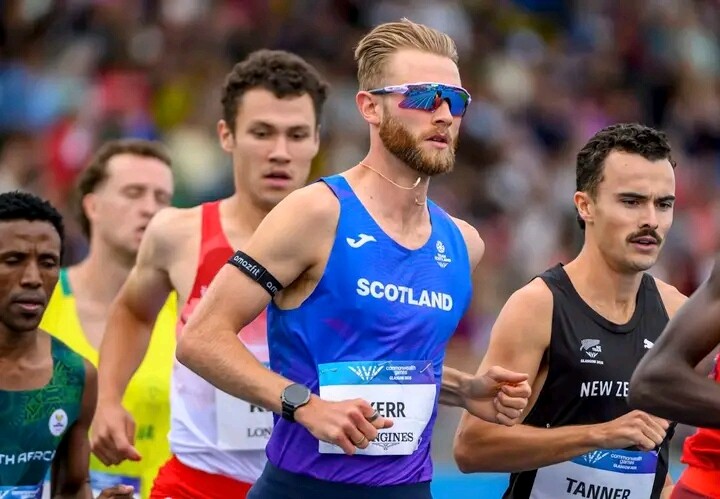
While the final time of 3:54.12 for the mile will be remembered as the official result, the split times reveal a much deeper story—one of patience, precision, and devastating acceleration when it mattered most.
Kerr resisted any temptation to force the pace from the gun. Instead, he settled into a controlled rhythm, allowing the opening stages to unfold naturally. His first four 100-metre segments—14.9, 15.1, 15.3 and 15.1 seconds—brought him through 400 metres in 60.4 seconds, a measured opening that conserved valuable energy while keeping him firmly in contention.
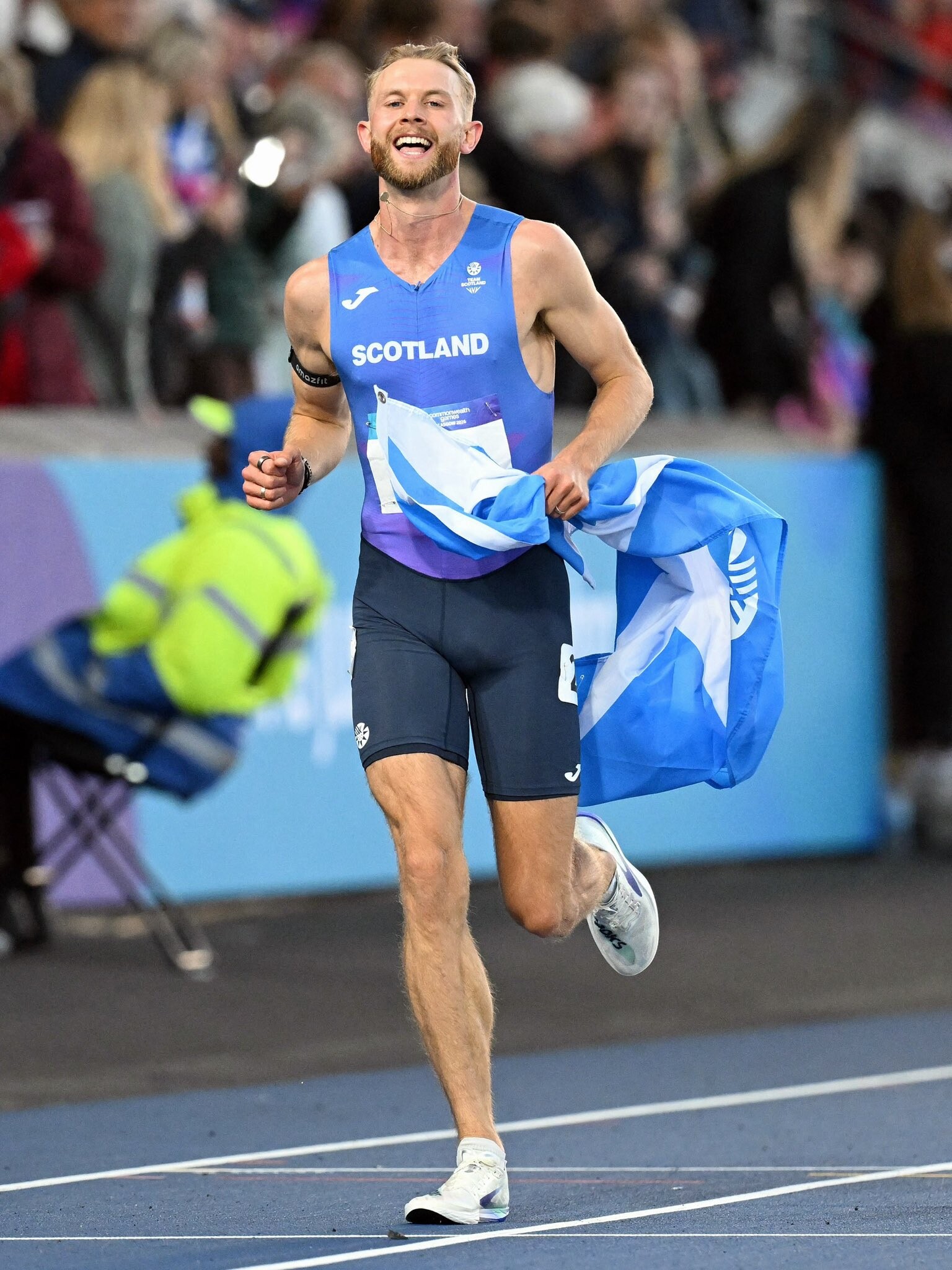
The second lap remained equally composed. Passing 500 metres in 15.3 seconds before recording splits of 15.7, 16.2 and 15.4, Kerr reached 800 metres in 2:03.0. The pace had eased, but that was exactly where the Scottish star wanted to be. Rather than chasing early speed, he was setting the stage for a decisive finish.
Everything changed after halfway.
Kerr gradually increased the tempo with smooth, controlled acceleration. His 900-metre and 1,000-metre splits of 15.2 and 14.9 seconds signalled that the race was beginning to stretch. He then surged through 1,100 metres in 14.3 seconds before covering the next 100 metres in just 13.4 seconds to reach 1,200 metres in 3:00.8.
From there, the home crowd witnessed championship running at its finest.
Instead of fading, Kerr became even stronger. He reeled off three consecutive 100-metre splits of 13.4, 13.4 and 12.8 seconds, dismantling the field with every stride. His final 100 metres were covered in a stunning 12.5 seconds, sealing an emphatic victory and sending the Glasgow crowd into celebration.
The progression of his race was remarkable. After opening with relaxed 15-second splits, Kerr transformed the closing stages into a demonstration of world-class speed endurance. His ability to accelerate continuously over the final 600 metres highlighted not only exceptional fitness but also supreme confidence in his race plan.
Championship middle-distance racing is rarely about producing the fastest possible time from the start. More often, it rewards athletes who understand when to conserve energy and when to unleash everything they have left. Kerr executed that philosophy to perfection.
His split chart paints the picture of a runner who never panicked, never wasted effort, and saved his greatest weapon for the closing stages. It was a textbook display of patience followed by relentless aggression—a combination that turned a tactical race into a memorable Commonwealth gold medal performance.
For aspiring middle-distance runners, Kerr's Glasgow masterpiece offers an important lesson: the strongest finish often belongs not to the athlete who runs hardest from the gun, but to the one who knows exactly when to make their move. On home soil, Josh Kerr timed that move to perfection, producing a performance that will stand as one of the defining moments of the championships.
by Erick Cheruiyot for My Best Runs.
Login to leave a comment

From Small Steps to a Giant Impact: Nine-Year-Old Oliver Smith's Inspiring Run for Hope
At just nine years old, Oliver Smith has achieved something extraordinary—not by chasing records or medals, but by proving that determination, compassion, and consistency can create a life-changing impact.
Hailing from Wombwell, on the outskirts of Barnsley, Oliver set himself a remarkable challenge at the beginning of the year. Rather than attempting a single marathon, he decided to complete the equivalent distance of nine marathons over several months. From January 1 to April 26, the young runner covered an incredible 380 kilometres, breaking the distance into manageable daily runs suitable for a child his age.

His routine was built on dedication. Saturdays were reserved for parkrun events, Sundays for junior parkrun, while the remaining kilometres were steadily accumulated throughout the week. Averaging approximately 3.3 kilometres each day, Oliver never lost sight of the goal that inspired every step.
The challenge carried deep personal meaning. Last summer, Oliver's father, Tom Smith, suffered a devastating health setback after losing most of the vision in one eye. Medical examinations revealed a 4-centimetre meningioma wrapped around his optic nerve, leading to a complex 12-hour operation at the Royal Hallamshire Hospital in Sheffield.
Throughout the family's difficult journey, The Brain Tumour Charity provided invaluable guidance, support, and reassurance. Grateful for the help his family received, Oliver decided he wanted to give back in the most meaningful way he could. He launched a fundraising campaign with an initial goal of raising £2,000 to support others facing similar challenges.
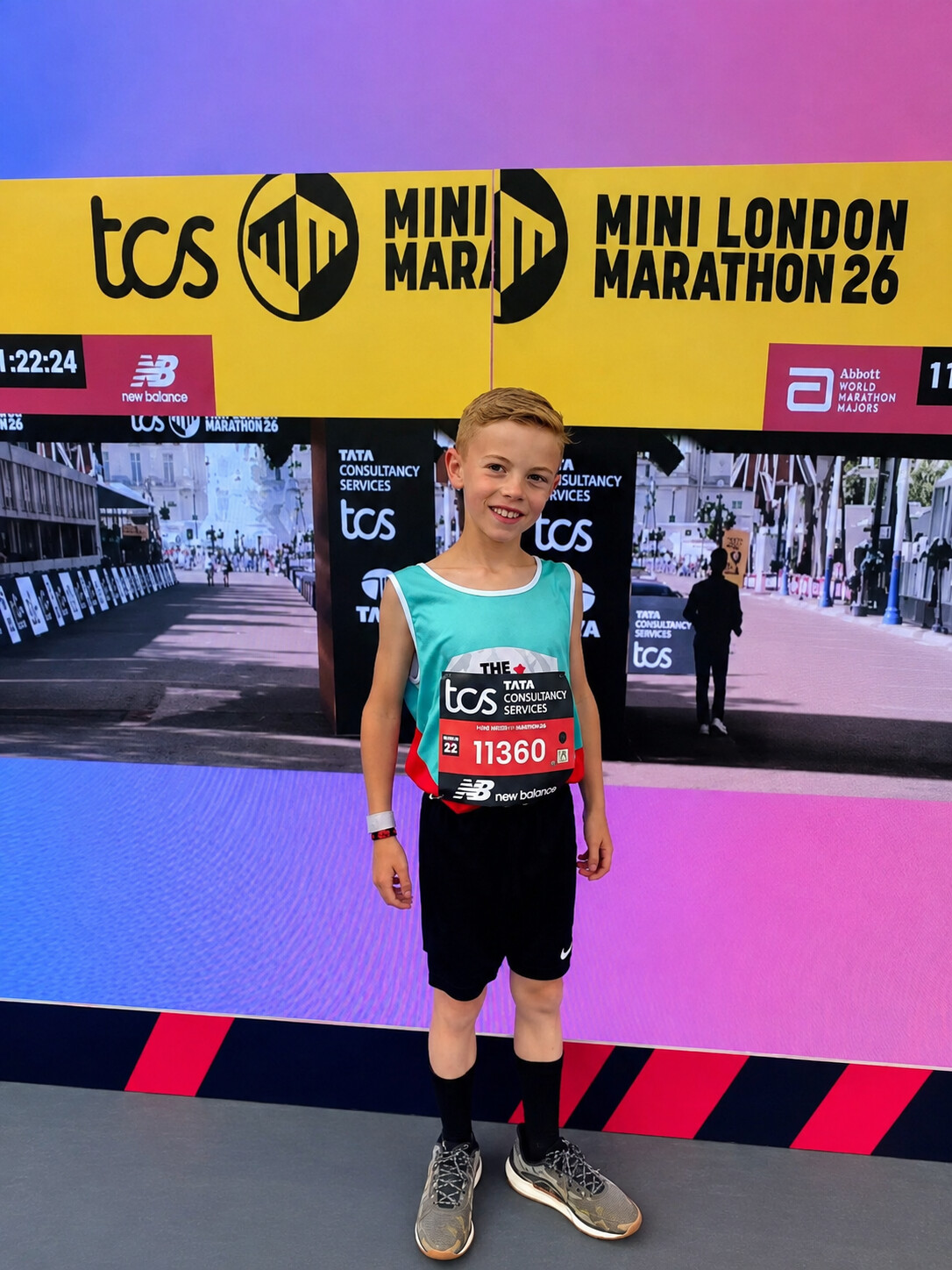
What followed exceeded everyone's expectations.
Oliver brought his incredible fundraising challenge to a memorable conclusion at the Mini London Marathon, finishing on the very same day his mother, Hannah Smith, completed her first-ever London Marathon. It was a fitting family celebration of courage, resilience, and perseverance.
By the time Oliver crossed the finish line, donations had soared beyond £16,500—more than eight times his original target. His remarkable achievement captured the hearts of supporters, demonstrating how one young boy's determination could unite an entire community behind an important cause.
For Oliver, however, the journey is far from over. Inspired by the overwhelming support and the difference his efforts have made, he has already begun working toward his next fundraising challenge.
His story serves as a powerful reminder that age is no barrier to making a meaningful difference. Sometimes, the greatest acts of courage are measured not by speed or distance, but by the willingness to take one small step after another for the benefit of others.
Oliver Smith's inspiring journey is more than a fundraising success—it is a testament to the strength of family, the power of kindness, and the extraordinary impact that can begin with the simplest decision to help.
by Erick Cheruiyot for My Best Runs.
Login to leave a comment
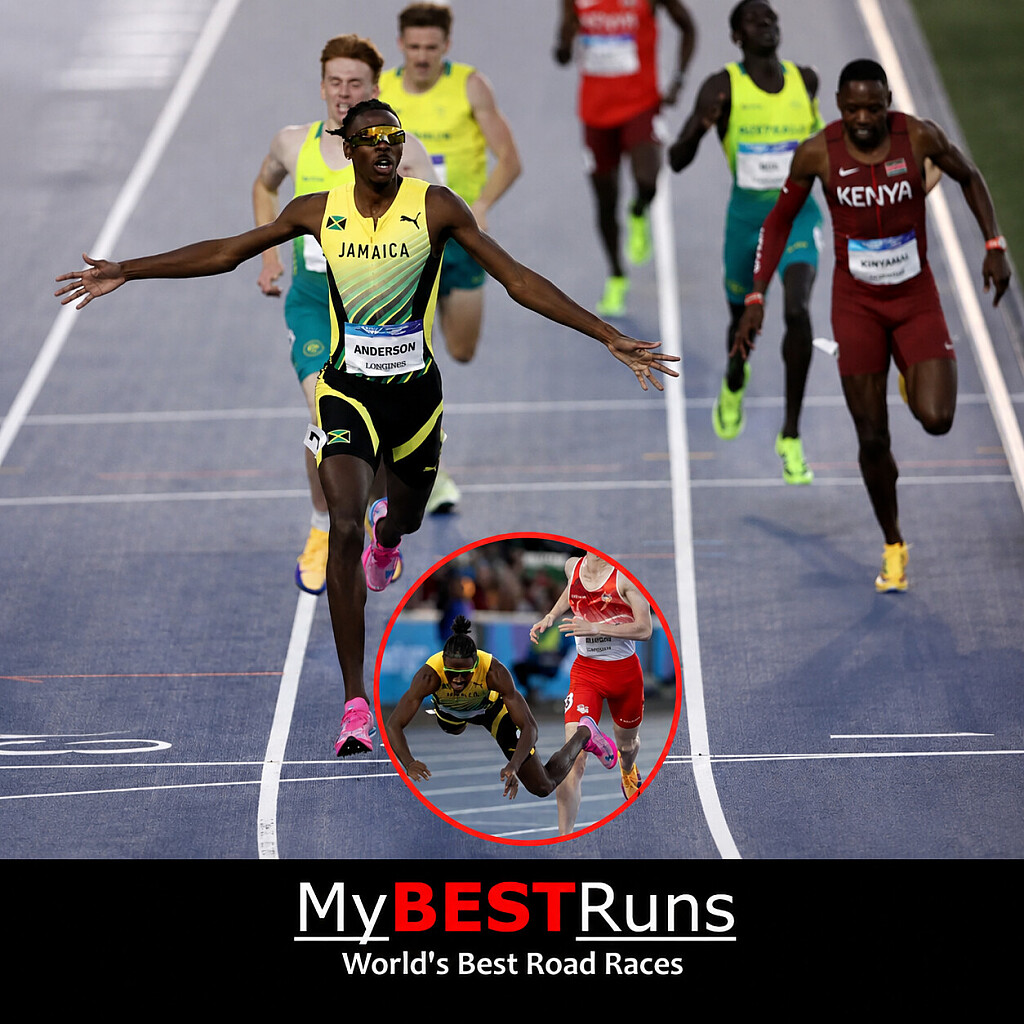
From Last Qualifier to Commonwealth Glory: Navasky Anderson Completes Remarkable 800m Triumph in Glasgow
Sometimes the smallest opportunity creates the greatest triumph, and Jamaica's Navasky Anderson proved exactly that with a stunning performance to capture the men's 800m title at the 2026 Commonwealth Games in Glasgow.
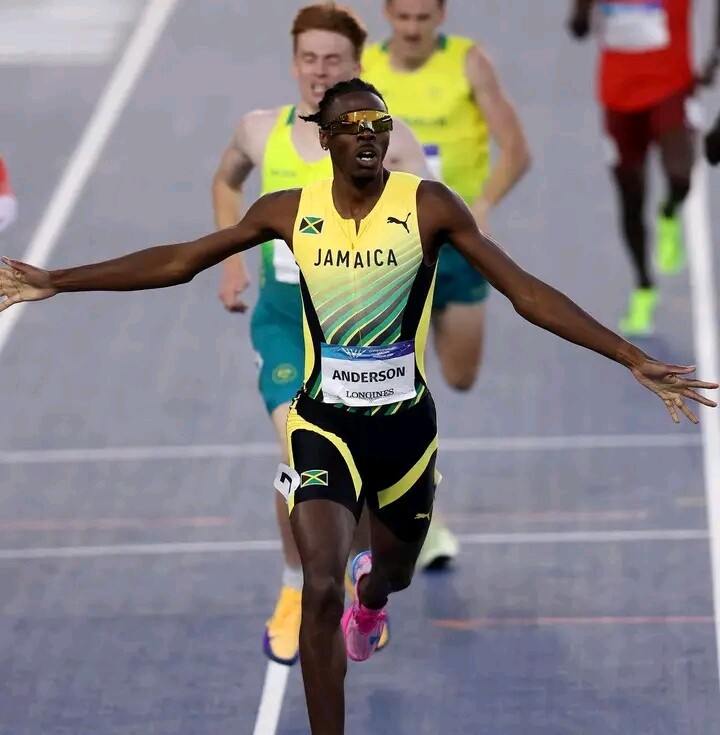
Less than 24 hours after scraping into the final by the slimmest of margins, Anderson produced the race of his life, surging to victory in 1:45.33 to complete one of the most remarkable comeback stories of the championships. His gold medal was not only a reward for exceptional talent but also for courage, determination, and unwavering belief when everything was on the line.
The journey to the top nearly ended in the semifinals. Locked in an intense battle with England's Max Burgin for the final qualification place, Anderson threw himself across the finish line in a dramatic dive, stopping the clock at 1:45.38. That desperate effort earned him the last available place in the final as the fastest non-automatic qualifier, keeping his Commonwealth dream alive by the narrowest of margins.
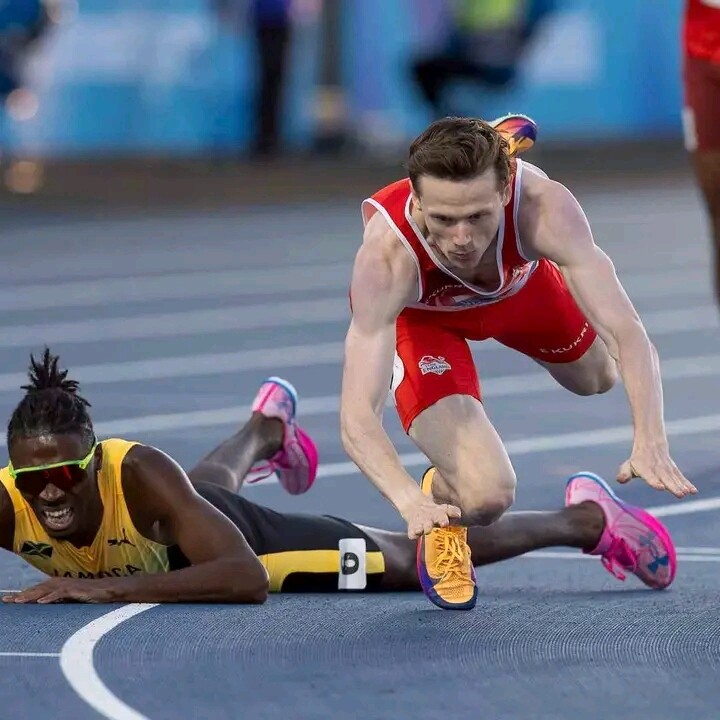
With another chance in his hands, the Jamaican made sure it counted.
In a fiercely contested final, Anderson displayed outstanding tactical awareness and patience throughout the opening stages before unleashing a devastating finishing kick down the home straight. His perfectly timed acceleration left the rest of the field with no answer as he crossed the finish line first, securing a memorable Commonwealth crown and one of Jamaica's standout victories of the Games.
Australia's Luke Boyes delivered an impressive performance to claim the silver medal in 1:45.93, while Kenya's Wyclife Kinyamal battled strongly to take bronze in 1:46.12 after another highly competitive championship race.
Anderson's unforgettable triumph will be remembered as one of the defining moments of Glasgow 2026—a powerful reminder that championships are not always won by the fastest qualifier, but often by the athlete who refuses to surrender. From a fearless dive that kept his hopes alive to a brilliant gold-medal performance less than a day later, the Jamaican wrote one of the most inspiring chapters of these Commonwealth Games.
Men's 800m Final Results
1. Navasky Anderson (Jamaica) — 1:45.33
2. Luke Boyes (Australia) — 1:45.93
3. Wyclife Kinyamal (Kenya) — 1:46.12
Navasky Anderson arrived in the final as the last man to qualify, but he left Glasgow as the Commonwealth champion—a remarkable transformation that perfectly captures the unpredictable beauty of championship athletics.
by Erick Cheruiyot for My Best Runs.
Login to leave a comment
