

Running News Daily
Running News Daily is edited by Bob Anderson and team. Send your news items to bob@mybestruns.com Advertising opportunities available.
Index to Daily Posts · Sign Up For Updates · Run The World Feed



5 Reasons Why Athletes Can Embrace Aging

My grandfather lived until he was 94. By the time he died in 2009, he was the sole survivor of 13 siblings. His secret? For as long as I can remember he used to say, with a gusto I have yet to match, "You just have to keep moving!" And with every passing birthday he'd also remind me: "Getting older is better than the alternative."
Those two pearls of wisdom have continued to serve me well. But it has also occurred to me that since I became a masters runner (defined as 40 and older), I've focused primarily on the negative aspects of aging-albeit, mostly factors that my grandfather never had to experience. Women face a lot of challenges in mid-life that make it hard to maintain a cheery disposition, even as that simple advice to "keep moving!" holds true.

The decline of estrogen levels has an effect on just about everything, including mood, sleep, body composition, bone density, muscle mass, and more. It's a lot to navigate-especially for those of us who've been athletes for most of our lives. We have to adjust expectations and relearn how to properly train our bodies that have new needs and capabilities.
It's natural to fixate on what we're potentially losing as the years go by. But what if we explored the ways that aging serves us, instead? I'm not trying to pollyanna our way out of perimenopause, but taking a little time to reflect on the happier sides of getting older might entice some of us to relish this phase instead of fear it.
So I called Selene Yeager, host of the podcast Hit Play Not Pause and content manager for Feisty Menopause, a site that covers training, nutrition, and lifestyle advice to help women maximize performance during menopause and beyond. She shared some expertise and insight on how athletes can find hope and enjoyment during the second half of their active lives. Out of that conversation and many others over the years with runners who have experienced longevity in the sport, I came up with five reasons to embrace masters running.Perspective.
It is impossible to acknowledge or appreciate the bigger picture when you're younger. Every botched workout, every missed PR, every off-pace long run seems like a big deal. But then life expands in wild ways. Whether it's a spouse or children or career or aging parents, everybody seemingly needs something from you for quite a while.
The upside? Those important people who need you can also put performance into perspective. Before running the Berlin Marathon in September, Keira D'Amato, 37, who was trying to improve her American record during the race (2:19:12, which has since been broken by Emily Sisson at the Chicago Marathon in 2:18:29), remarked that while her goals are a priority, her results actually don't matter much in the grand scheme.
"At the end of the day, no matter what happens, I'm still going to come home to two kids who will ask me what's for dinner," D'Amato said during a pre-race interview.
Similarly, Yeager remembers when her daughter was younger, she felt a pivot in her outlook, too. "You're not sitting there ruminating about yourself anymore-it's a similar sort of transition phase in a woman's life that can bring that better head space."
The even better news is that eventually a lot of those people become less dependent as we enter midlife, leaving new-found time to focus more on your own endeavors.
"The shedding of those ovarian hormones that have you nurturing everybody but yourself gives you the brain space to look at what you need and want," Yeager says. "And that is a great thing. Not that nurturing is bad, but it's time for you."Liberation.
The older we get, the less we care. In a good way. In the best ways, really. As Yeager puts it, "You can say it however you want, but you get to this point where you don't actually give a f*ck and it's very liberating and empowering."
You don't care what people think when you try something new, like mountain racing. You don't care what your time is and realize that nobody else does either (spoiler alert: nobody ever did care what your personal bests or weekly mileage were). You start to realize that the performances and goals can be broader and more creative than ever before-your effort can go toward something besides qualifying for the Boston Marathon, for example.
Look no further than somebody like Deena Kastor, who won the Olympic marathon bronze medal in 2004. Now 49, she still trains at a high level, but has continually redefined what success means to her, whether it's going after age-group records or racing all the World Marathon Major events, a goal she just completed when she finished the Berlin Marathon a few weeks ago, in 2:45:12.
"There's lots of empowerment that comes with midlife, especially around 50," Yeager says. "It takes some time and it might take hormonal changes-I don't know; they're still doing their research-to really accept and embrace that you are the only one thinking about you as much as you're thinking about you."Community.
Not long ago I spoke with Kathryn Martin, who at 70 years old had just taken a five-year break from competing on the masters track scene. She has two dozen age-group American records and a dozen world records, but was feeling a little burned out from the high-intensity pursuits. During that break, she didn't stop running, but she did cease serious training. What brought her back? Aside from a renewed desire to tackle more records, she missed all the friends she made on the circuit.
"What I really missed was the camaraderie. Masters runners are so unique," Martin told me. "You can be warriors on the track, but prior to and immediately afterward, everybody's hugging. We're just so happy to see each other and be in each other's company."
While you don't have to grow older to appreciate the running community, Martin is right. The masters category hits a little different. Yeager sees it, too-and hears about it from plenty of women she interviews.
"Even if you're really competitive still, there's a genuine appreciation for your peers," Yeager says. "We've seen a lot of shit in our lives at this point and that creates a lot of camaraderie. You're also just more secure in your skin and not having all your self-worth wrapped up in beating another person."Technology and research.
Sara Hall, 39, is the poster woman for longevity. She started having the best races of her career in her mid-30s, now one of the fastest U.S. women at the marathon (2:20:32). Many factors have worked in Hall's favor, but one thing she's continually given credit to is the advancement in shoe technology-not just the way in which they've elevated everybody's performances, but also how they've reduced the pounding on her legs and allowed quicker recovery between big efforts.
The generation entering its 50s now is the first to grow up in a post-Title IX world, with increased access to sports for their entire lives. As Yeager says, we aren't in the "Golden Girls" era anymore. Women remain competitive and active for far longer than they ever have not only thanks to that critical piece of policy, but also because of the technology (think: gear, nutrition, recovery tools, etc.) that keeps us healthier, longer. The research on all phases of the female athlete lifecycle still has plenty of catching up to do, but as it advances and we know better how to care for our maturing bodies, the possibilities will only increase.
"Everything we thought we knew about women after they had babies or when they go through the menopause transition-really about women at any stage-is being rewritten and discovered," Yeager says. "It's a huge thing, when performance and fitness is exponentially different because we've started and built it all from the time we were adolescents, many not stopping during pregnancy, either. Are you kidding? We're just different human beings than the women back in the Golden Girl time."Reinvention.
Ever want to try different distances? Different terrain? Are you triathlon curious? Have you heeded the often repeated advice to start lifting weights (seriously, you need to lift weights)? After all is said and done, if you're still not convinced that growing older as a runner can become an equally enjoyable experience, then reinvent yourself. Try something new and see the comparisons to your former self disappear.
Yeager, for example, didn't start CrossFit until she was 48 years old, when "it was time to start 'lifting heavy sh*t' as they say.'" Desiree Linden, 39, winner of the 2018 Boston Marathon, has said she's looking forward to exploring trails and ultra-distance races after she retires from competitive road racing.
"If you are open to expanding your horizons, it makes all the difference in the world," Yeager says. "You have nowhere to go but up. You're learning new things and experiencing something for the joy of it again. That's enormously positive."
It looks like my grandfather had a point. All you have to do is keep moving
by Trail Runner Magazine
Login to leave a comment
Latest Running News
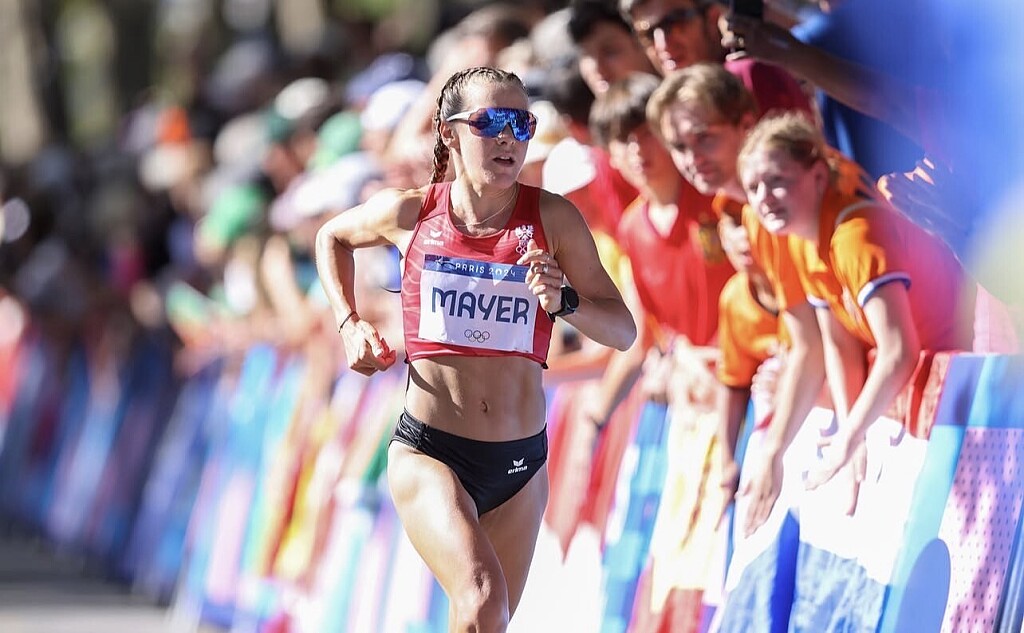
The Soccer Player Who Became Austria’s Olympic Marathon Record Holder
Most Olympic marathoners spend their youth focused on running. They join track clubs, compete in national championships, and pursue the sport from an early age.
Julia Mayer’s journey was very different.
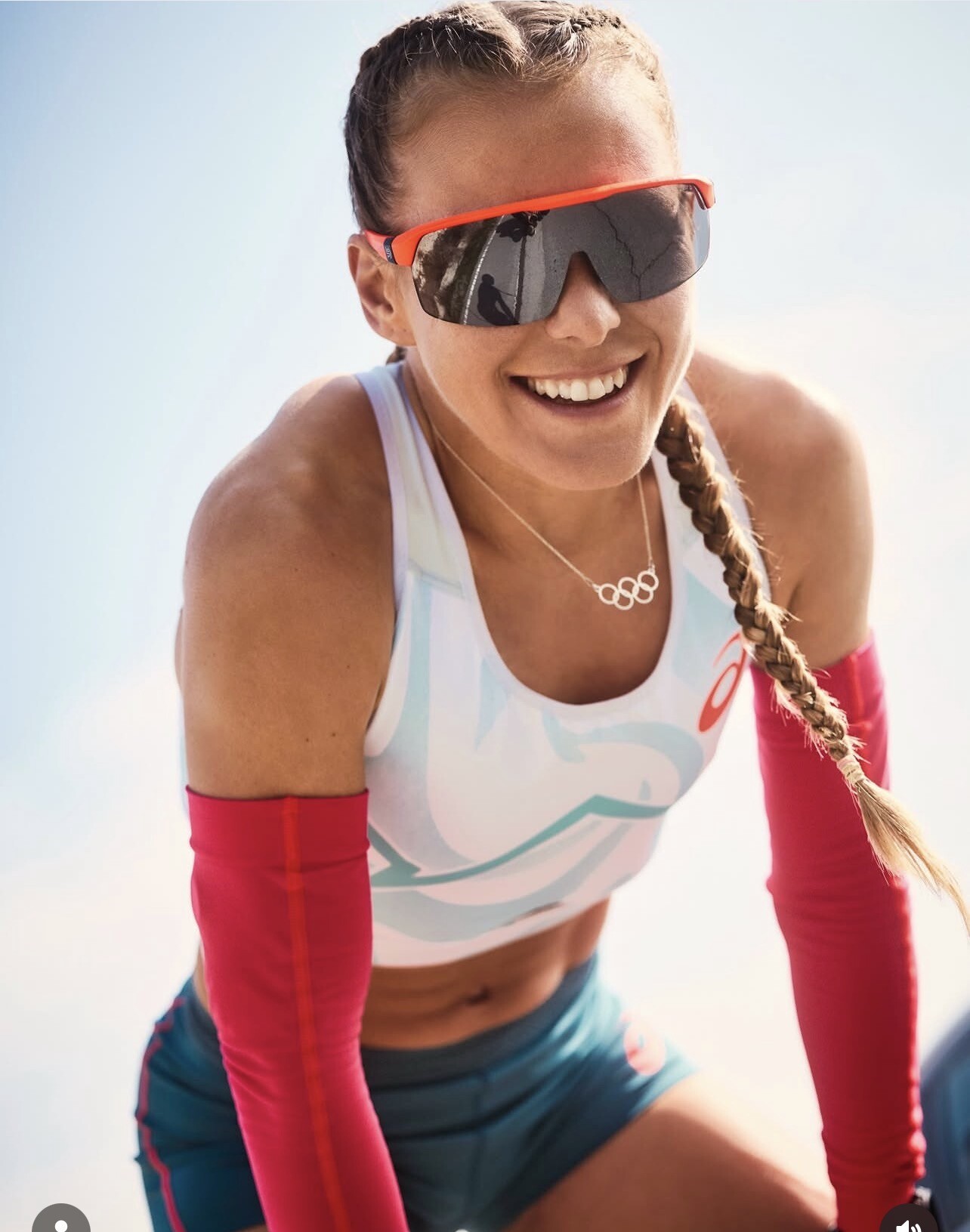
Today, Mayer is Austria’s marathon record holder, a multiple national record holder on the roads, and an Olympian. Yet for much of her athletic life, running was not her primary sport.
For 16 years, she played soccer.
Then she discovered something that would change her life.
“I noticed that I was really fast in the fun runs and that it was really, really fun,” Mayer said when reflecting on her transition from soccer to distance running.
What began as curiosity quickly became a passion. She eventually made the bold decision to leave soccer behind and focus entirely on running. It was a move that surprised many people around her, but Mayer believed she had found her true athletic calling.
The decision proved to be the right one.
Within a few years, Mayer developed into one of Europe’s top marathon runners. Her steady improvement carried her from local races to the international stage, where she began rewriting Austria’s record books.
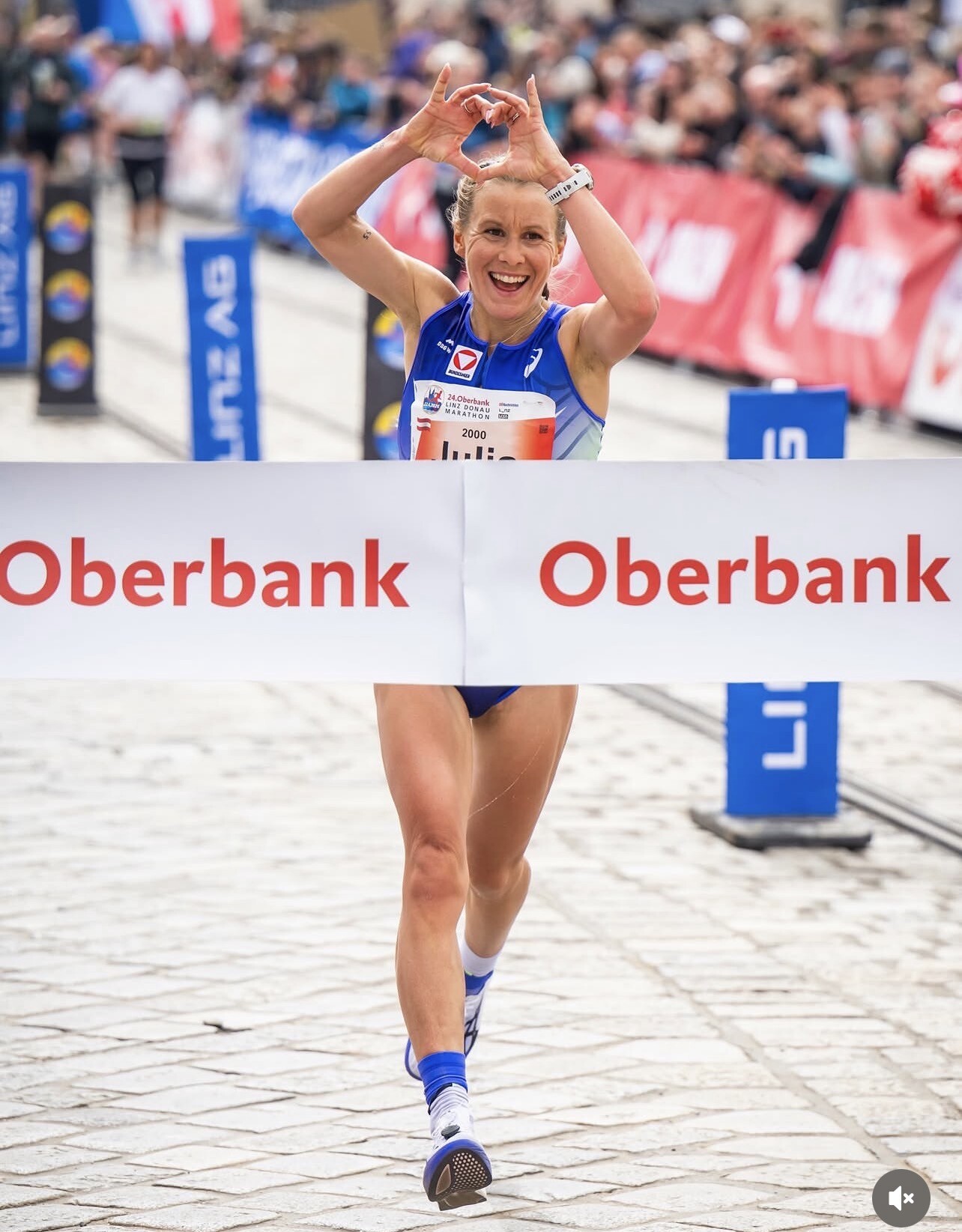
She now holds Austrian records in the marathon, half marathon, and road 10K. Her marathon best of 2:26:08 established her as the fastest female marathoner in Austrian history. Her performances in the half marathon and 10K have further cemented her place among the country’s all-time great distance runners.
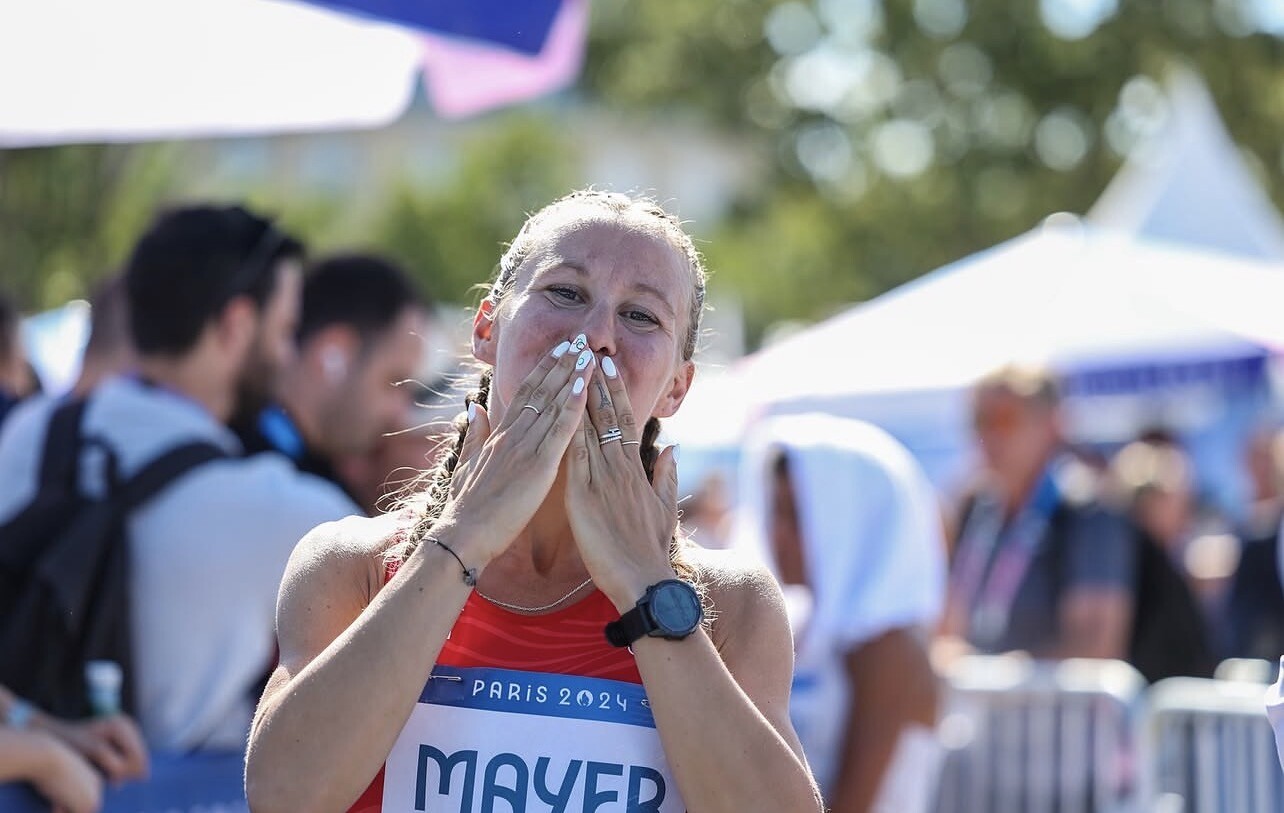
Her rise culminated with qualification for the 2024 Olympic Games in Paris.
Competing in the Olympic marathon represented the realization of a dream. On one of the most challenging marathon courses ever used for the Olympics, Mayer ran courageously against the strongest field in the world and finished 55th in her Olympic debut.
Behind the scenes, success has come through extraordinary dedication. During marathon preparation, Mayer trains twice a day and covers approximately 200 kilometers, or 124 miles, each week. The workload demands discipline, patience, and a deep commitment to continuous improvement.
What makes her story especially inspiring is not simply the records or the Olympic appearance.
It is the fact that she found her greatest talent later than many elite runners.
In a sport where athletes are often identified at a young age, Mayer’s journey serves as a reminder that potential does not always reveal itself early. Sometimes it takes years of experience, a willingness to try something new, and the courage to follow a different path.
The former soccer player who once chased a ball across a field is now chasing history on the roads of Europe.
And according to those closest to her, her best performances may still be ahead.
For runners of every age and ability, Julia Mayer’s story delivers a powerful lesson: it is never too late to discover what you are capable of.
From soccer player to Olympian, her journey proves that remarkable achievements can begin when least expected.
by Boris Baron
Login to leave a comment
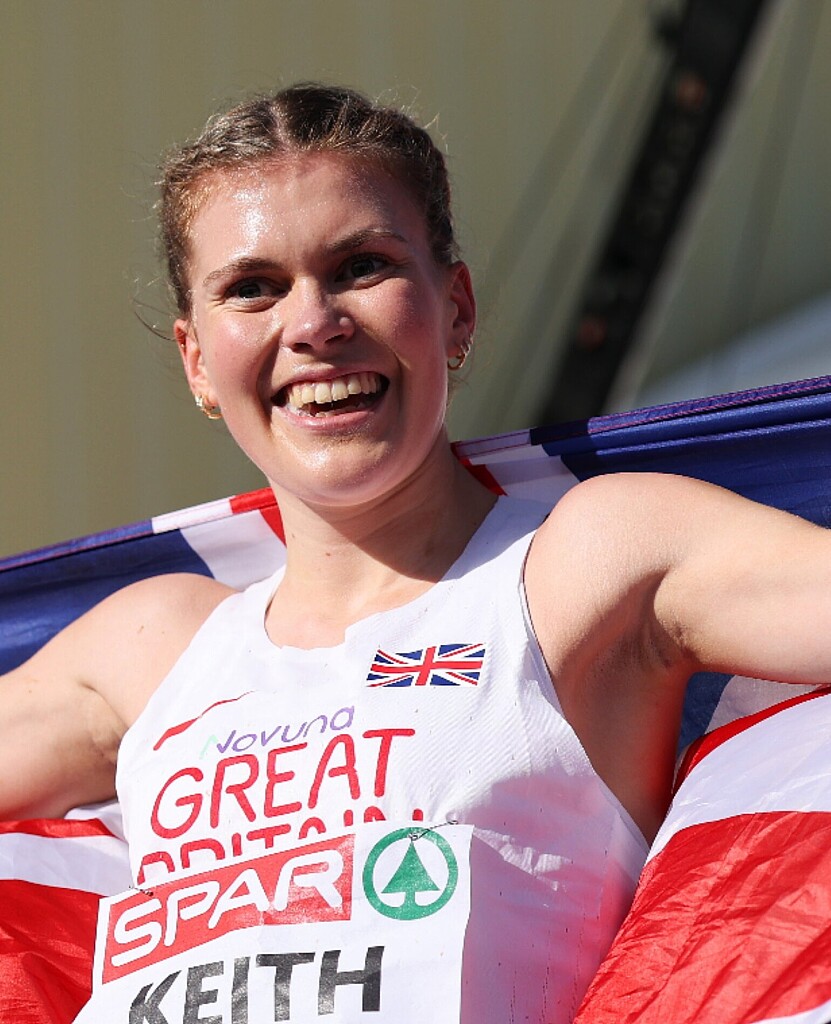
Megan Keith Rewrites Scottish History with Stunning 3000m Record in Oslo
Megan Keith produced the performance of her career in Oslo on Thursday night, shattering one of Scotland’s longest-standing distance running records and cementing her place among Britain’s greatest female 3000m runners.
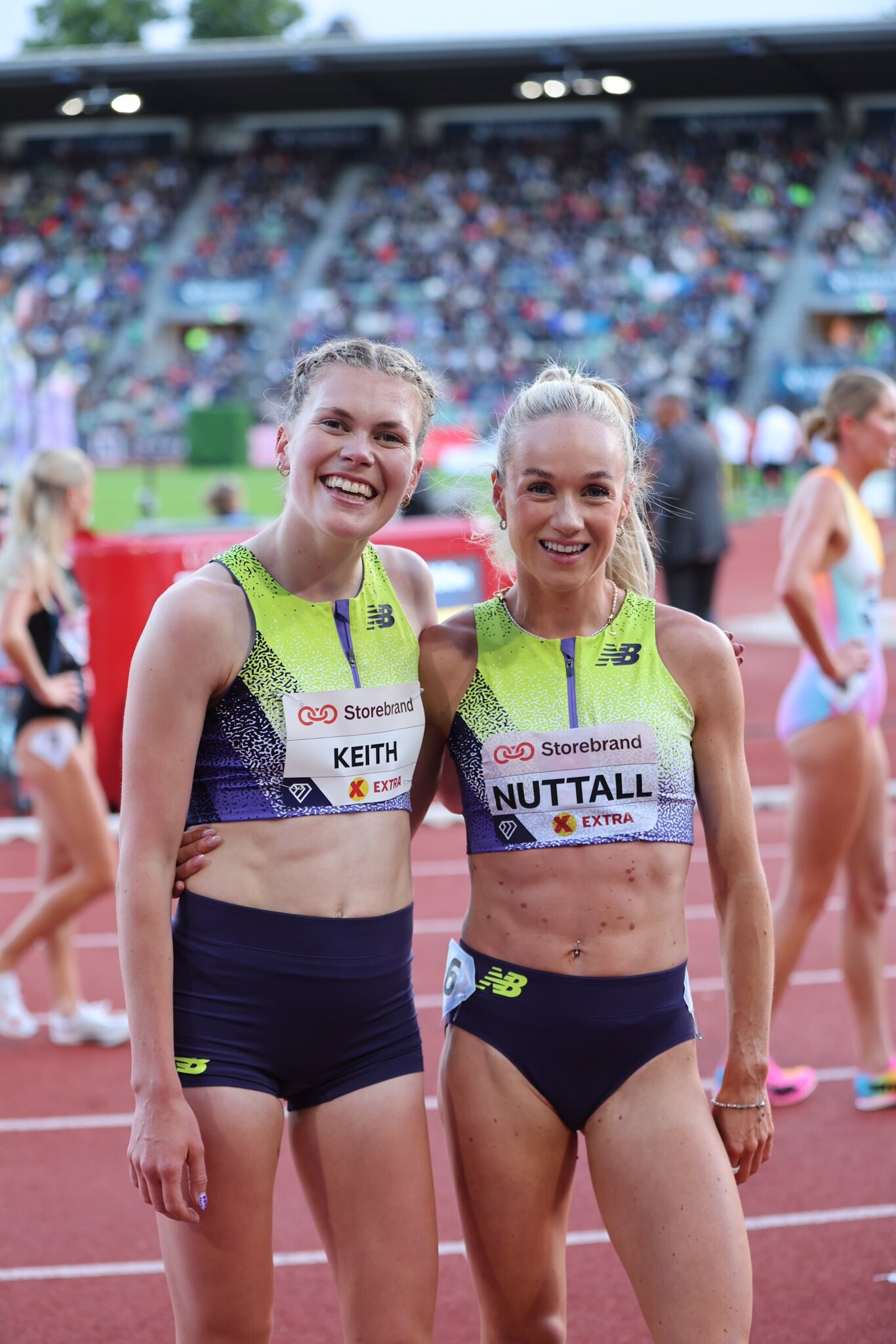
The 24-year-old clocked a sensational 8:28.35 over 3000m, breaking the Scottish outdoor record that had stood for nearly four decades. In doing so, Keith eclipsed the previous mark of 8:29.02, set by Scottish legend Yvonne Murray back in 1988, ending a record reign that had lasted 38 years.
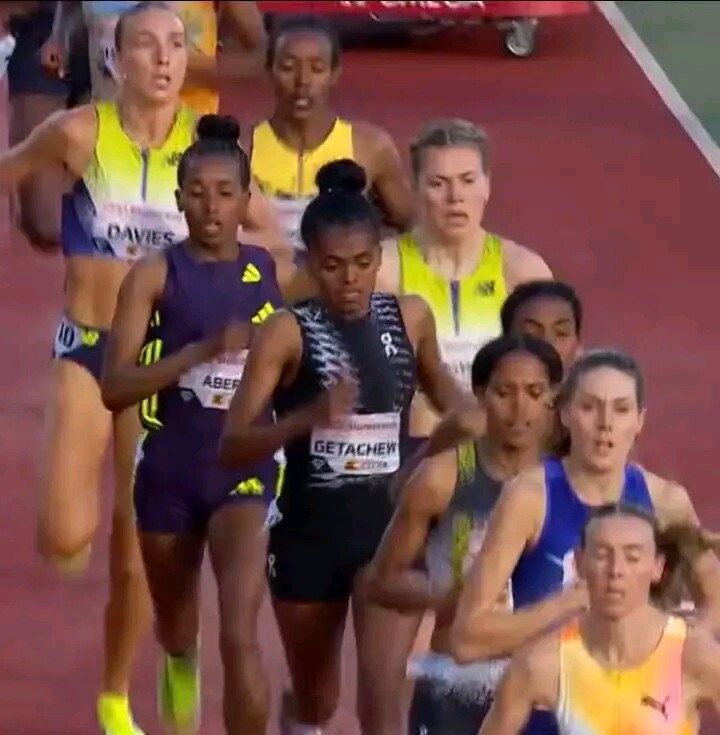
Keith’s breakthrough run was more than just a national record. The performance also propelled her to third on the UK outdoor all-time list, placing her behind only two of Britain’s most celebrated distance runners — Paula Radcliffe, who leads the rankings with 8:22.20, and Laura Weightman, whose 8:26.07 remains the second-fastest outdoor mark by a British woman.
The significance of Keith’s achievement is amplified by the calibre of athletes she now joins in the record books. For decades, Murray’s mark stood as one of Scottish athletics’ most untouchable records, surviving generations of elite competitors. Keith has now succeeded where many outstanding runners have fallen short, announcing herself as one of the leading distance talents in British athletics.
Her time also compares favourably with the best performances produced indoors. Olympic medallist Laura Muir ran 8:26.41 indoors in Karlsruhe in 2017, underlining just how exceptional Keith’s outdoor effort in Oslo truly was.
The run continues a remarkable rise for the Scottish star, whose progression over recent seasons has transformed her from a promising prospect into a genuine force on the international stage. Running with confidence and composure against elite competition, Keith demonstrated both the speed and endurance required to challenge the very best in Europe and beyond.
With the World Championship season gathering momentum, Keith’s record-breaking display sends a powerful message. Not only has she etched her name into Scottish athletics history, but she has also established herself as a serious contender in one of the sport’s most competitive events.
In Oslo, Megan Keith did far more than break a record. She ended a 38-year wait, climbed into the upper echelon of British distance running, and delivered a performance that may prove to be a defining moment in her career.
by Erick Cheruiyot for My Best Runs.
Login to leave a comment
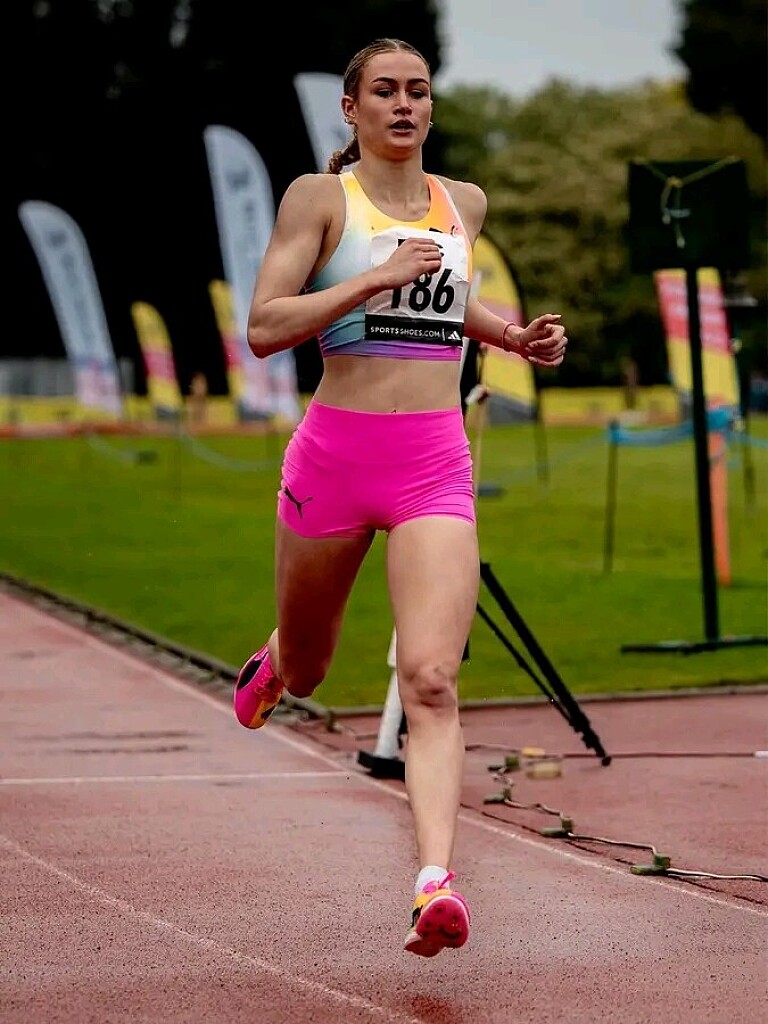
Gill Continues Encouraging Comeback with Marseille 800m Victory
British middle-distance talent Phoebe Gill took another significant step forward in her return to top form, producing a determined victory over 800 metres at the Meeting de Marseille in France on Wednesday.
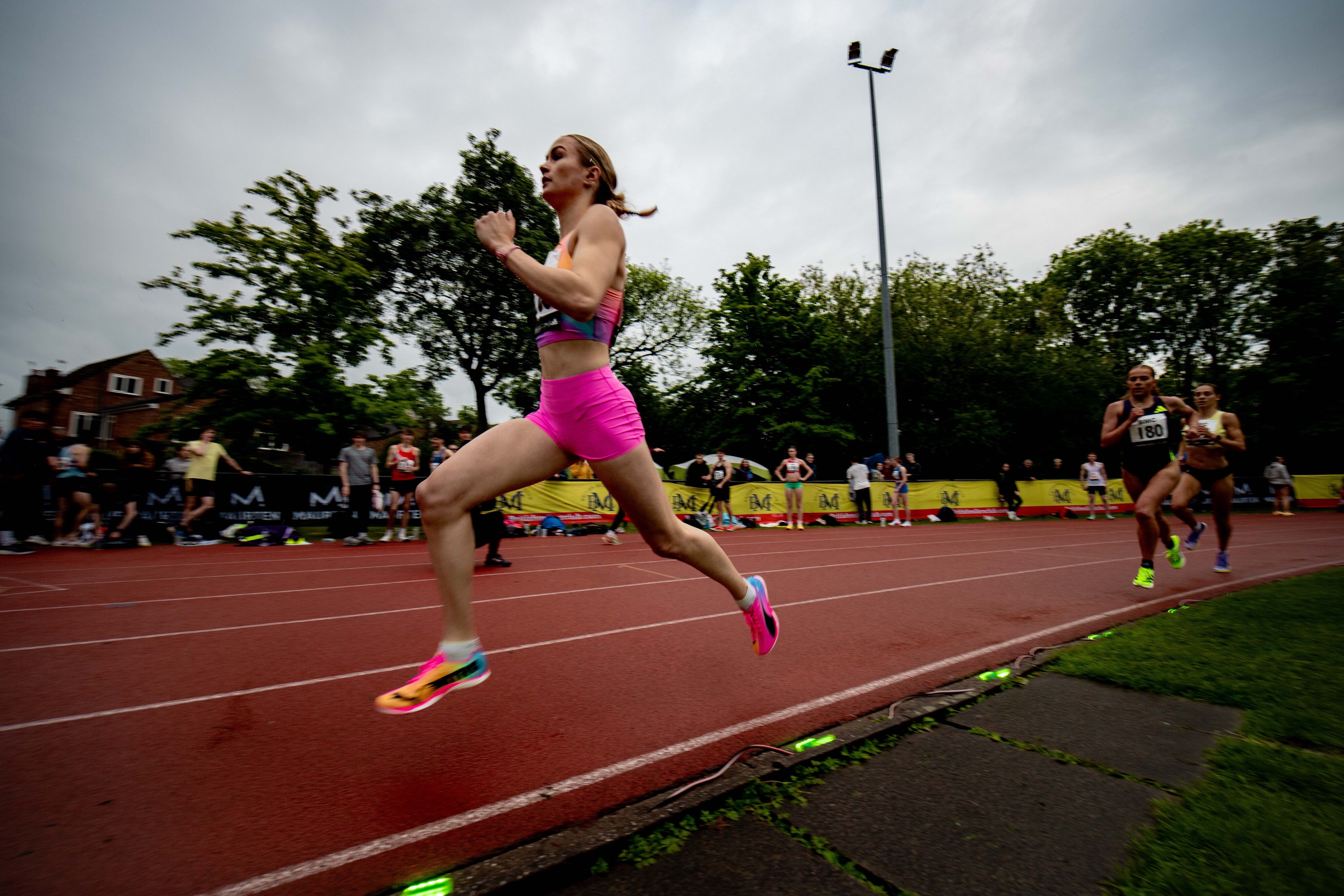
Competing in challenging, wind-affected conditions, the 19-year-old demonstrated both resilience and composure as she held off a late charge from Switzerland's Veronica Vancardo to secure the win in 2:00.81. Vancardo finished just three hundredths of a second behind in 2:00.84, underlining the fiercely contested nature of the race.
While the margin of victory was narrow, the result represented another encouraging milestone for Gill as she continues to rebuild momentum following her injury setback. The young Briton showed impressive race awareness and strength in the closing stages, maintaining her advantage despite the difficult conditions that made fast running a challenge throughout the evening.
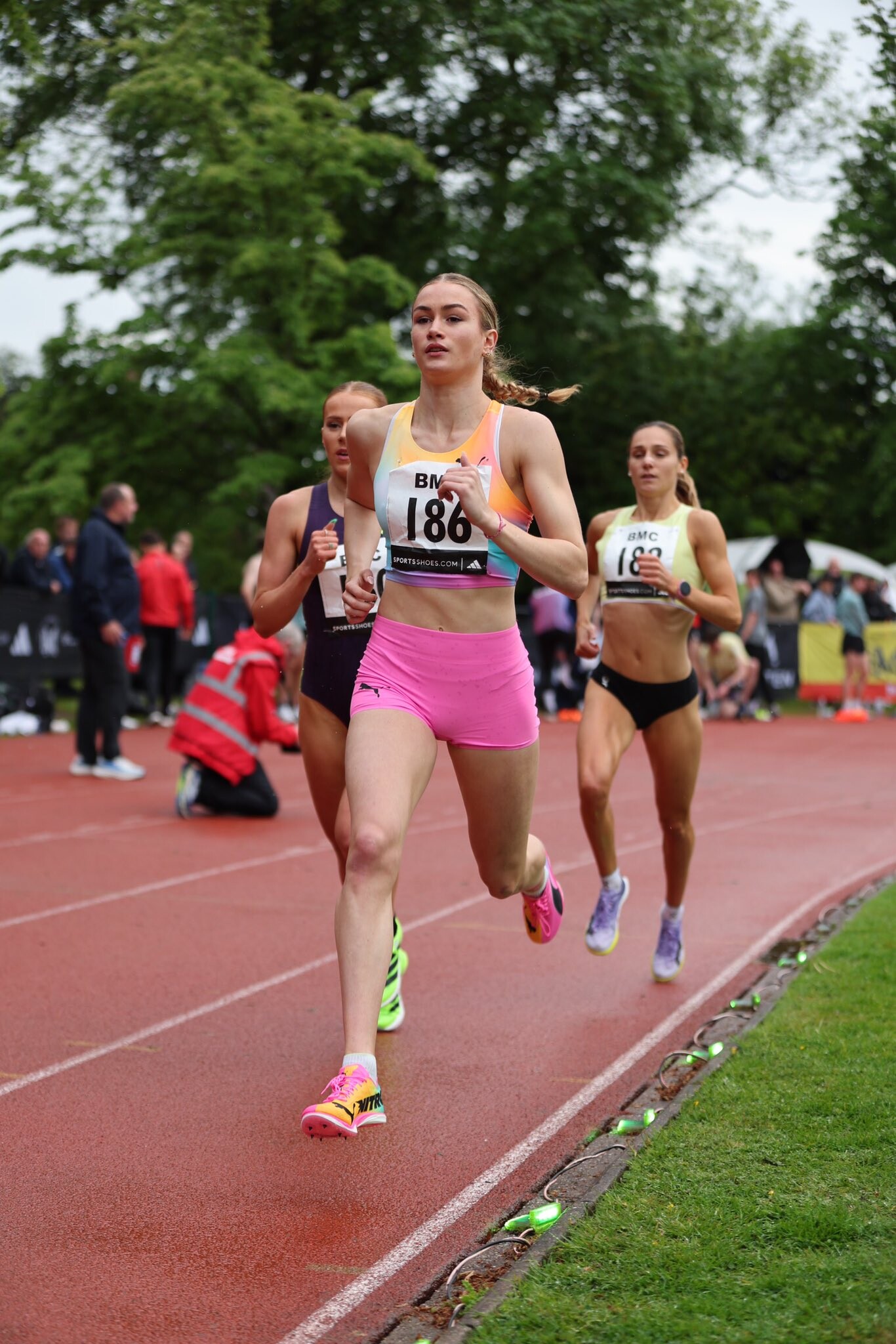
The Marseille triumph adds to a growing body of evidence that Gill is steadily progressing toward her best form. Earlier in her comeback campaign, she clocked 2:01.50 for 800m in Bydgoszcz before demonstrating her versatility with a strong 4:05.53 performance over 1500 metres at the BMC Grand Prix meeting in Trafford.
Those performances have highlighted not only her improving fitness but also her ability to compete across multiple distances as she carefully builds her season. The Marseille victory now provides further confirmation that the European junior star is moving in the right direction.
Gill emerged as one of Britain's most exciting middle-distance prospects through a series of breakthrough performances as a teenager, earning widespread recognition for her fearless racing style and remarkable maturity. Injury temporarily interrupted that upward trajectory, but her recent results suggest she is steadily rediscovering the form that made her one of the sport's brightest young talents.
With each race, the signs of progress become increasingly evident. Winning in difficult conditions and under pressure from a quality field is often a stronger indicator than a fast time alone, and Gill's latest success demonstrated exactly those qualities.
As the summer season gathers pace, the Marseille victory offers another confidence boost for the British teenager, whose return continues to gain momentum. If her recent progression is any indication, Gill could soon find herself back among the leading names on the European middle-distance circuit.
by Erick Cheruiyot for My Best Runs.
Login to leave a comment
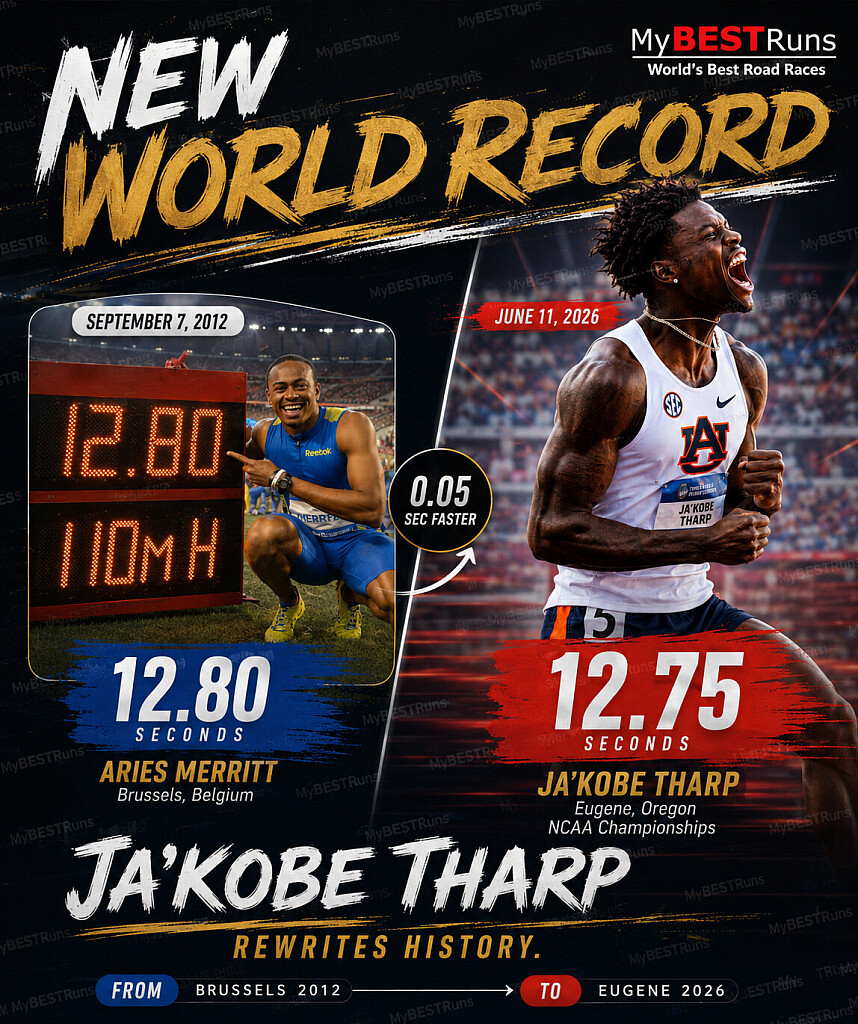
Ja’Kobe Tharp Shatters World Record with Historic NCAA Hurdles Performance
The NCAA Track and Field Championships delivered a moment few could have predicted as Ja’Kobe Tharp produced one of the most astonishing performances in the history of sprint hurdling, rewriting the record books in spectacular fashion.
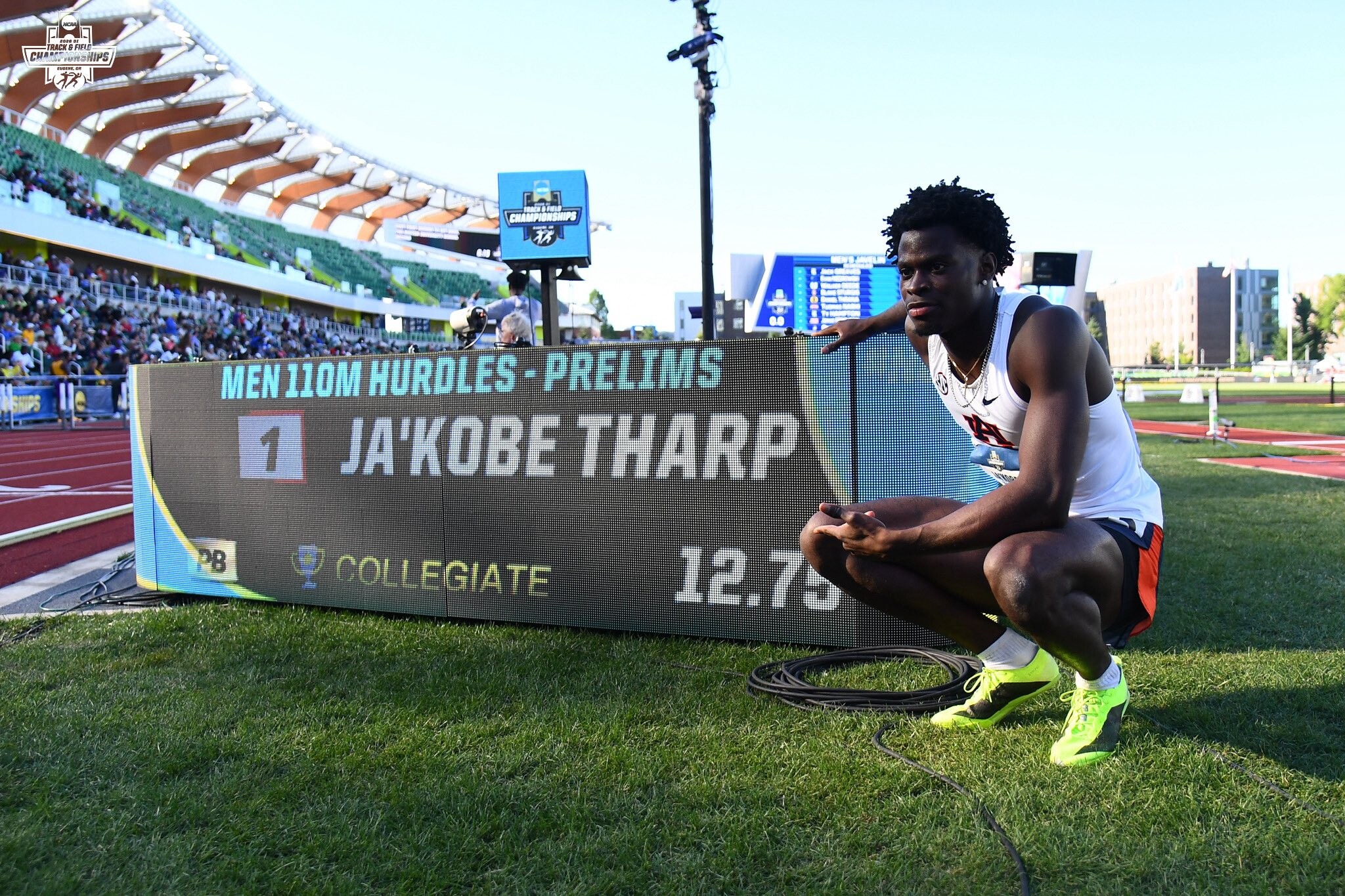
Competing in the opening round of the men’s 110-meter hurdles, the Auburn star stunned the athletics world by clocking an incredible 12.75 seconds, becoming the first athlete ever to break the 12.80-second barrier. In doing so, he eclipsed the long-standing world record of 12.80 set by Aries Merritt in 2012, a mark that had stood as one of the sport’s most revered achievements for more than a decade.
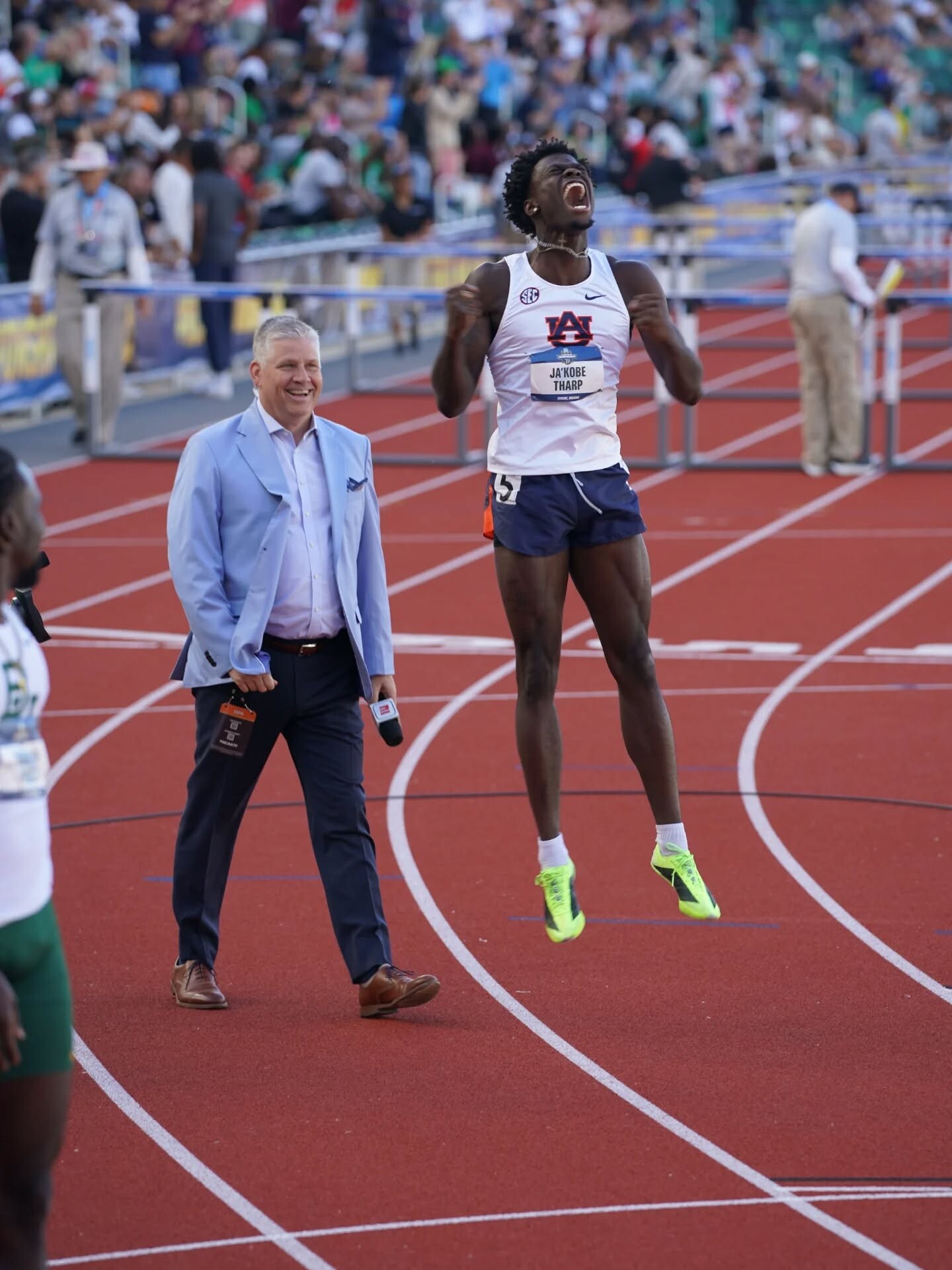
What makes Tharp’s breakthrough even more remarkable is the scale of his improvement. Entering the championships, the defending NCAA and U.S. champion had recorded a season-best of 13.05 seconds. Yet under the brightest spotlight, he unleashed a performance that exceeded every expectation, slicing an extraordinary 0.26 seconds from his personal best in a race that instantly became one of the greatest ever run.
The achievement sent shockwaves throughout the track and field community. While Tharp arrived in Eugene as one of the leading contenders for the NCAA title, few envisioned a performance capable of redefining the limits of the event. Instead, the American hurdler delivered a race for the ages, combining flawless technique, explosive speed, and impeccable rhythm from the first hurdle to the finish line.
The historic run not only secured his place in athletics history but also transformed the outlook of the championship. With the world record now in his possession, Tharp advances to the final as the overwhelming favorite, carrying momentum that could make an already unforgettable weekend even more extraordinary.
For years, the 12.80 barrier appeared untouchable. On a stunning day at the NCAA Championships, Ja’Kobe Tharp proved otherwise, producing the kind of performance that reminds fans why sport remains so unpredictable. In a matter of seconds, he turned a routine qualifying round into a landmark moment that will be remembered for generations.
The world record no one saw coming is now a reality—and Ja’Kobe Tharp is the man who changed history.
by Erick Cheruiyot for My Best Runs.
Login to leave a comment
Lutkenhaus Delivers Stunning Upset as Teenage Star Edges Olympic Champion in Oslo
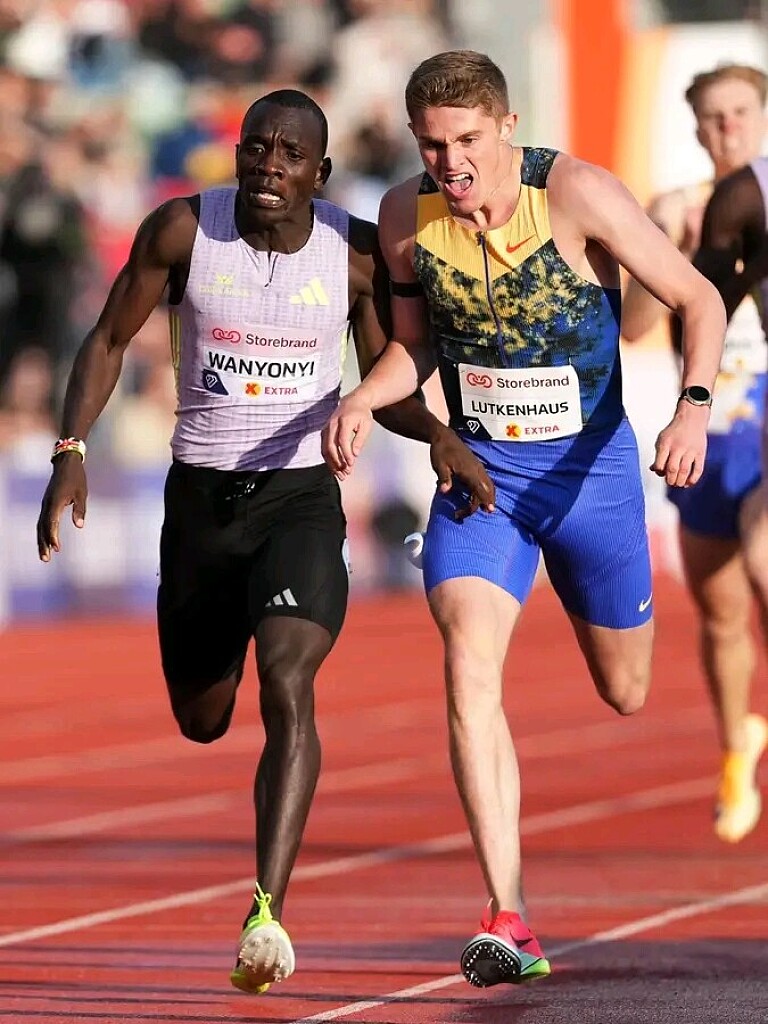
A new chapter in middle-distance running may have begun in Oslo after American teenager Cooper Lutkenhaus produced one of the most remarkable performances of the season, narrowly defeating reigning Olympic champion Emmanuel Wanyonyi in a thrilling men's 800m contest at the Diamond League meeting.
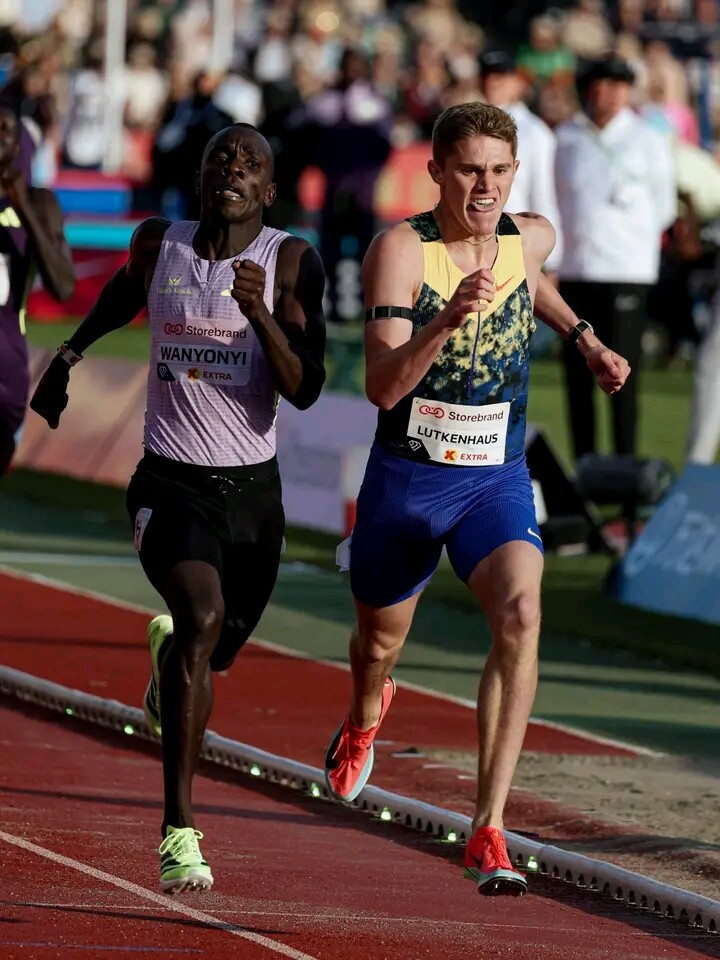
The 17-year-old sensation shocked a world-class field by crossing the finish line first in a race that came down to the smallest of margins. After an intense battle over the final metres, Lutkenhaus held off Wanyonyi by just one hundredth of a second, producing a dramatic finish that left the packed stadium in disbelief.
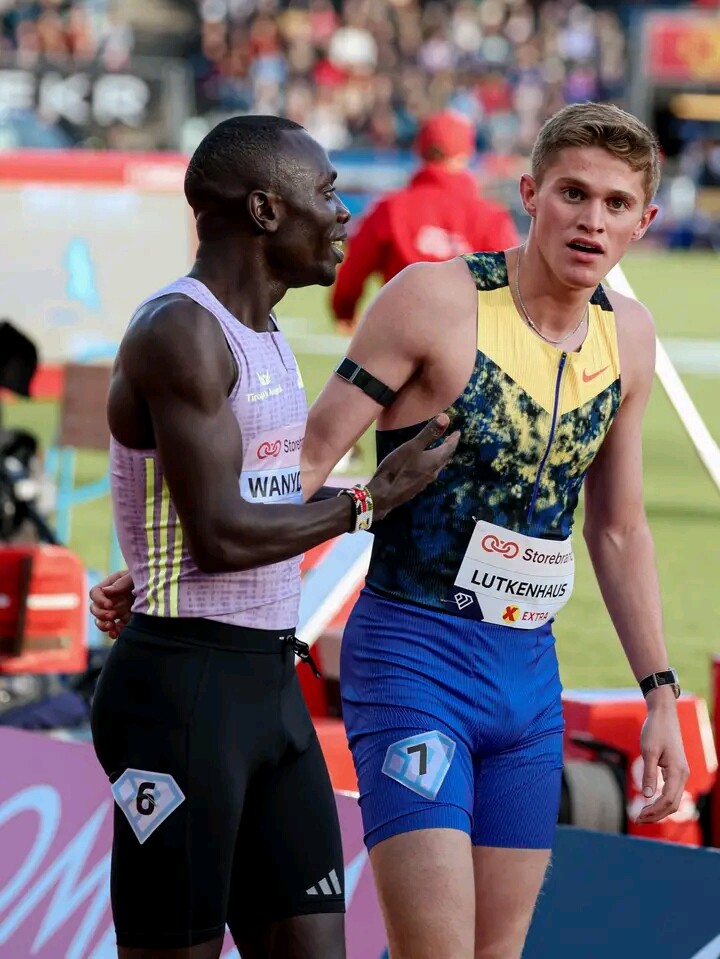
From the opening lap, the pace was relentless as the leading contenders positioned themselves for a fierce showdown. As the athletes entered the home straight, Wanyonyi appeared poised to unleash his trademark finishing kick. However, Lutkenhaus refused to be intimidated, matching the Olympic champion stride for stride before producing a perfectly timed lean at the line to secure a historic victory.
The result marks a breakthrough moment for the young American, who continues to establish himself as one of the brightest talents in global athletics. Defeating an Olympic champion at a Diamond League event is a feat many athletes spend entire careers pursuing, yet Lutkenhaus achieved it before reaching adulthood.
For Wanyonyi, the narrow defeat does little to diminish his status as one of the world's premier 800m runners. The Kenyan once again demonstrated his exceptional class and competitiveness, pushing the race to a world-class standard and forcing his young rival to deliver the performance of a lifetime.
Beyond the result itself, the race offered a glimpse into what could become one of the sport's most exciting rivalries in the years ahead. With established stars and emerging talents now pushing each other to new heights, the men's 800m continues to evolve into one of athletics' most captivating events.
On a memorable night in Oslo, the spotlight belonged to Cooper Lutkenhaus. At just 17 years old, he stood toe-to-toe with an Olympic champion and emerged victorious, announcing himself to the athletics world in spectacular fashion.
by Erick Cheruiyot for My Best Runs.
Login to leave a comment
