

Running News Daily
Running News Daily is edited by Bob Anderson and team. Send your news items to bob@mybestruns.com Advertising opportunities available.
Index to Daily Posts · Sign Up For Updates · Run The World Feed
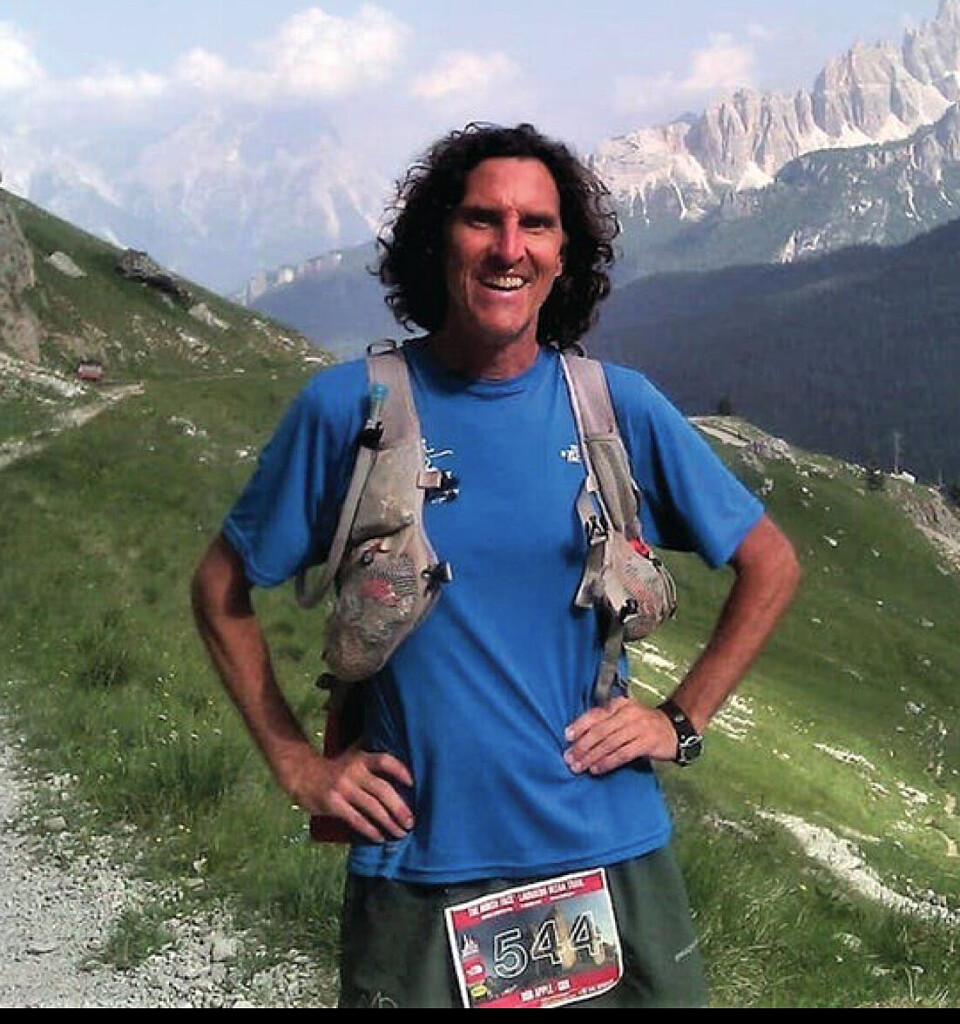


The Man Who's Finished 761 Ultras

Rob Apple ran three ultras in 2020. With only four slated for 2021, he's in trouble. Well, kind of.
Since 1990, Apple, now 59, of Murfreesboro, Tennessee, has averaged 24 ultras a year. If that number seems absurd, well, meet Rob Apple. Sucking on a peppermint candy as he bounces along a greenway near Stones River Battlefield, he's the jolliest runner you're likely to meet. With his headlamp on and his buds blaring AC/DC, you'd never imagine this guy was the most prolific ultrarunner in history.
For starters, he laughs a lot. No, really a lot! "If we knew you did all these ultra runs," his boss once told him, "we would have drug tested you." Apple lets out a chuckling, jocular laugh. It starts deep in his gut and builds up through the chest and echoes out from his wide smile like a megaphone.
He looks more like a hairband rocker from the '80s than a grizzled, sinewy athlete. His bright, glowing eyes and massive head of hair offset an enormous, gleaming smile. Many approach him and ask if his teeth are real. "Never even had braces," he says. "My mom gave me these."
If running ultras is any measure, it's easy to see why Apple is so happy: he has completed a whopping 761 of them. 761! That's over 23,560 miles from trail to road to timed track events lasting days. Add up the totals for Yiannis Kouros, Camille Heron, Courtney Dauwalter and Scott Jurek and you still wouldn't reach half the ultra miles Apple's run. And he's competed in the biggest: Leadville, Western States, Wasatch, Massanutten, Vermont, Catalina and UTMB, most multiple times. He's even run the Boston Marathon. "Yes, I've actually done regular marathons, too," he says, laughing.
Since 1976, Apple has completed a total of 903 races, including 69 marathons. His seven Western States completions are impressive, but his other race repeats are downright nuts: 18 Mountain Mist 50Ks, 21 Strolling Jims and 28 Howl at the Moon 8-hours. He has run an ultra each year since 1982 and has logged a grand total of 185,310 lifetime miles. Each race and training run is meticulously detailed in a journal he's kept since he was 16. He includes his time, the weather, what he wore and who he talked to. On top of that he loads the data into spreadsheets! An accountant by day, Apple is a numbers freak.
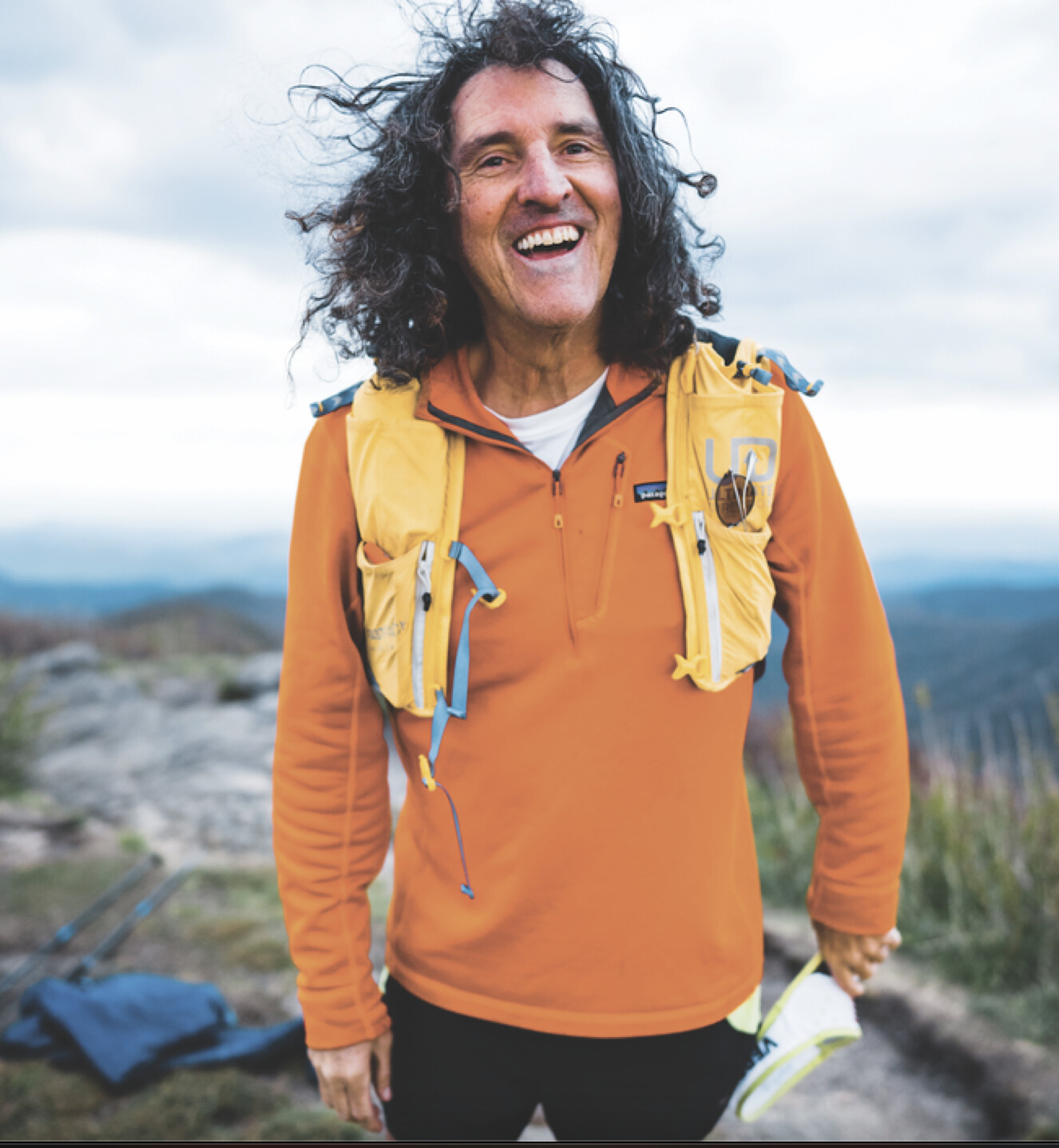
His biggest enemy now that he's 59, he says, is time. He admits he's getting slower, and DNFs due to missing time cutoffs in longer races have forced him to focus on 50Ks and European events where cutoffs are more manageable. At this point he doesn't care about improving his pace; he just wants to be out there as long as possible.
"It's not about how fast you go; it's how many pictures you take along the way," he says. But don't think he's lost his ambition. Quite the contrary. He sees himself as an astronaut on the fringe of running. His goal? To become the first in history to reach 1,000 ultra finishes.Known as the Main Street of America, Route 40 stretches from Delaware to Utah and becomes Cumberland Avenue in the tiny village of Lewisburg, Ohio. Rob Apple grew up in a small u-shaped cul-de-sac on its southern side. For him, the great highway was like the mighty Mississippi; it made him dream of taking it as far as it would go.
Something was always off about Lewisburg. A Children of the Corn kind of atmosphere. The local barber that cut his hair also burned crosses in his yard on Friday nights.
"I always knew I was going to get out of there, somehow, someway," he says.
Ironically, there was little laughter in the Apple home, and affection was rare-no hugging, no kissing. Being an only child in a poor neighborhood, he learned quickly to find his own fun. His earliest adventures were roaming around his mother's flower garden. Intoxicated by the smells and colors, he memorized their names and wrote them down, a habit he continues to this day. (He has spreadsheets for those, too.)
His mother, Ruth Ann, loved seeing people travel through. She often left food out for hoboes. As a result, they marked the telephone pole in front of her house to signal to others that they could get food there. When the famous breatharian, Barbara Moore, walked across the United States in 1960, she followed the marks and wound up at the Apple home. She left behind a food wrapper, which made its way into the family scrapbook along with a picture of Moore walking in her work boots. Ruth Ann idolized women like Moore and Grandma Gateway. She was a homebody but dreamed of someday getting out and exploring the world. According to Apple, it just wasn't in the cards. So, he wanted to do it for her.
By 13 he was the hippie kid with long hair, looking for a way out. His uncle owned a motorbike shop and turned him onto motocross, and perhaps his ticket to a large world.
"The bikers were a lot like ultrarunners," he says. "They were openminded, free, carried no judgement."
When a bad spill upended his Honda XR75, his racing career came to an abrupt halt. The gangly teen was distraught and became a roaming figure around the track. He'd show up to watch, desperate to be around it. But it wasn't the same; he needed more.
Of all the places a running career can start, the local library is an odd one. The year was 1976, and two things captured the young Apple's imagination: the Guinness Book of World Records and a black-and-white copy of a popular running magazine. It was the nation's bicentennial, and the magazine was promoting an unusual campaign. If you ran 285 miles in a year and documented it, you got a certificate. So, Apple set up a three-tenths-of-a-mile circuit around Crescent Drive and did just that. By the time the certificate arrived in the mail, he was hooked.
He ran track his freshman and sophomore years but wasn't good. His PR in the mile was a meager 5:30. He opted for trade school his junior and senior years, where he learned to draw. After graduation, Apple took a job designing school buses during the day and went to Wright State at night, where he studied accounting. Money was tight. It had always been tight. In the 10 years it took him to graduate, he'd get married, divorced and discover the one thing in life he wanted to do more than anything else: run ultras.
In another two years, he got his masters in sports physiology. A better paying job in accounting would follow, and weekends became an obsession to travel and race. Though he swore he'd never marry again, he would, and again he'd get divorced, but running would eventually take him, not only out of Lewisburg, but all over the world. In the 1980s, Apple was known as "the heartthrob of ultrarunning," says Gary Cantrell, aka Lazarus Lake. The former Trans-Am race director Jesse Riley likened him to a Greek statue. "He was just so damned good-looking, like he was carved out of marble."
He was a real chatterbox and a fun guy. Back then, he and Lake enjoyed tapping kegs post-race and watching people go to church. Lake has enough anecdotes about Apple to fill a healthy-sized book. One involves the Oak Mountain 50K, a dodgy motel with one bed, beer, weed and waking up to find trees snapped and patio furniture tossed in every direction. The two had slept through a tornado.
Lake later introduced Apple to who would become his second wife, Pam Jordan. At "Strolling Jim," she asked, "Who was that man that passed me?" Lake answered before she even finished her sentence: Rob Apple. Running finally took him from Lewisburg to Tennessee where Jordan lived.
Back then, the slim, six-foot two runner was not only handsome, but he was also fast.
"Oh, he could move," Lake says, citing a 1989 performance. At Lake's 41.2-mile Strolling Jim race in Wartrace, Tennessee, Todd White was crewing top competitor Dink Taylor when around mile 30 he looked back. "Dink, I don't know who's coming, but he's coming hard," he said. Taylor turned around just in time to see Apple fly past on his way to finishing in 4 hours 58 minutes, making the top 10. In the '80s, Apple recorded a 34-minute 30-second 10K, a 6-hour 26-minute 50-miler and logged 122 miles in 24 hours. In Richmond, Ohio, he got revenge on his high-school nemesis, the mile. In the costume themed race, he ran a 5:06 dressed as Don Johnson from Miami Vice: linen suit, teal tee underneath.
The ultrarunner and professor Dr. Thomas Mueller says Apple's attitude is everything, "He never met a person that wasn't his friend." After qualifying for Boston with a 3:06, in the race, he stopped at mile 23 to drink a cold one with a talkative spectator. He finished in 4:09. For someone dedicated to numbers, Apple is surprisingly more about the journey. He has developed a simple philosophy toward running long term: speed kills.
"If you want to be in it for 40 years, you gotta let that go," he says. The realization was sudden. Not like the inevitable giving up the ghost many experience when the body starts rebelling with age, Apple's breakthrough actually came when he was running his fastest times.
It was fall of 1990 and the 100K World Championship was coming to the Edmond Fitzgerald road race in Michigan. Apple was hyped. Just a few years before, he'd run an 8:28 and was hoping to place in the top 20. At that time, Apple was still an undergrad, and when a midterm was suddenly moved, it prevented him from participating.
Dejected, he found a closer race on the same Saturday, Virginia's Mountain Masochist 50-miler. Still, Apple couldn't get motivated, couldn't get his mind right but managed to finish feeling OK. So, for the next day, he found another race near Columbus, the Wolfpack 50K. Apple finished again, and fell in love with "weekend doubles." That weekend was a Eureka moment.
Trail running was just starting to boom, and there were now more racing opportunities than ever. And Apple started ripping them off. The Texas Trail 50K-17 finishes. The Ice Age 50K-17 finishes. The JFK 50-miler-15 finishes. The Rattlesnake 50K-15 finishes. The Vermont 100-seven finishes. Five Massanutten 100s and two Leadville 100s. And the list goes on and on and on. In 2002 alone, he ran a total of 44 ultras.
Usually a fixture at the back of races, Apple has managed a podium finish. In 2000 he was running Illinois' Howl at the Moon's half-trail/half-road ultra for the eighth time. He didn't feel particularly good starting out and didn't know what to expect. Around the halfway point, things turned around. He was feeling better and surprised that he was only down six minutes to the leader. Apple remembers thinking, "Hey, I've got a shot at this." He made a move, felt more and more energized as his pace increased. Then, he was suddenly in the lead. "I was just hoping to hang on," he says. Nervous at his prospects, he kept repeating to himself, "I want it to be over now!"That was over 20 years ago. Now, his lack of speed is his biggest impediment in reaching 1,000 finishes. In 2013, he had five DNFs, and in 2014 couldn't finish the Mountain Mist 50K, a race he's run 18 times. Apple combats the hard cutoffs of longer races by focusing on 50Ks and trail runs in Europe. While they may be technical and more difficult, the cutoff times tend to be more generous. But it's a gamble.
In 2018, he made two long trips to Europe, but weather and tough conditions resulted in two DNFs and four non-starts. His yearly output slipped to seven races, and his pocketbook took a big hit. Apple funds these adventures on his own dime. He's never had a sponsor but says he regrets nothing.
"No car or house could replace what I've spent on running," he says, a solemn tone to his voice.
Last December, Apple was looking forward to completing ultra #760 at the Bloodrock 50K outside of Birmingham, Alabama. The website describes the UTMB qualifier as "likely the hardest 50K you have ever run." With over 18,400 feet of elevation change, it is renowned as both technical and treacherous. Parts are so steep, they have ropes.
Apple had a rough go.
"I did the first loop and got back to the aid station and was going to have to do the next one backwards, which meant I would have to go down those ropes in the dark," he says. "I wasn't going to die out there, so I decided to go back to my hotel."
But yet another DNF hasn't gotten him down. Apple is so positive you expect rainbows to shoot from his eyes. He says even if time does eventually catch up with him, he's found a lot more to running trails than just the finish. In the past few years, the most important factor for him in choosing a race is location. His motto: "Never waste good meniscus on a bad view."However, when his runs began taking him to England, France, Switzerland, Scotland, Ireland and New Zealand, his second marriage also succumbed to his dedication to racing. And he's not bitter about it. Single and in great shape, he is not currently dating. He says he can't afford it, and it's too much hassle.
Apple rarely looks back. Of the 903 races he's completed, he doesn't have a single medal on his wall. Instead, he leaves them on his mother's tombstone back in Ohio. When her son would toss his medals into a corner or dump them in the closet, she would take them out and mount them on the wall. "I usually go up there every few years with about 10 pounds of medals," he says. His thick laugh trails off a little quicker. The small cemetery doesn't have anyone to clean off the stones, so Apple's medals form a sizable memorial to his biggest inspiration-the mother that taught him to dream big.
On the cusp of 60, Apple still has a lot to do. He won't say where he's planning his 800thrun, but he doesn't deny it's in Patagonia. At heart, he's an adventurer, in it for the people, the journey and the laughs. But don't tell him the finish line doesn't matter, because everyone knows he's counting.
"You don't wanna be that guy that dies at 799," he says with a wild howl. "I have fun running ultras, and it's up to me to make the party happen."
by Trail Runner Magazine
Login to leave a comment
Latest Running News
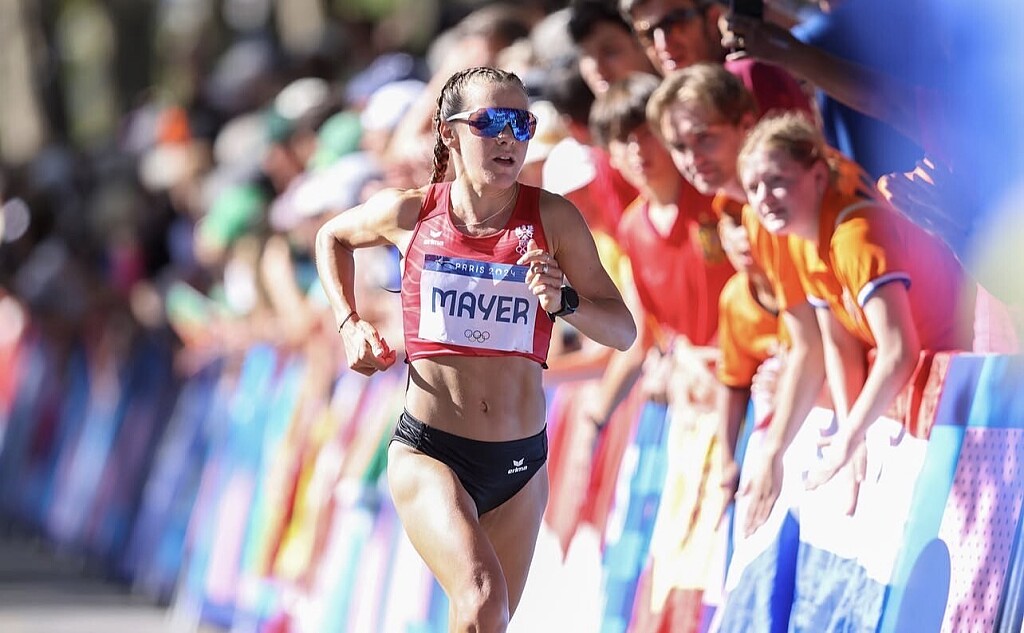
The Soccer Player Who Became Austria’s Olympic Marathon Record Holder
Most Olympic marathoners spend their youth focused on running. They join track clubs, compete in national championships, and pursue the sport from an early age.
Julia Mayer’s journey was very different.
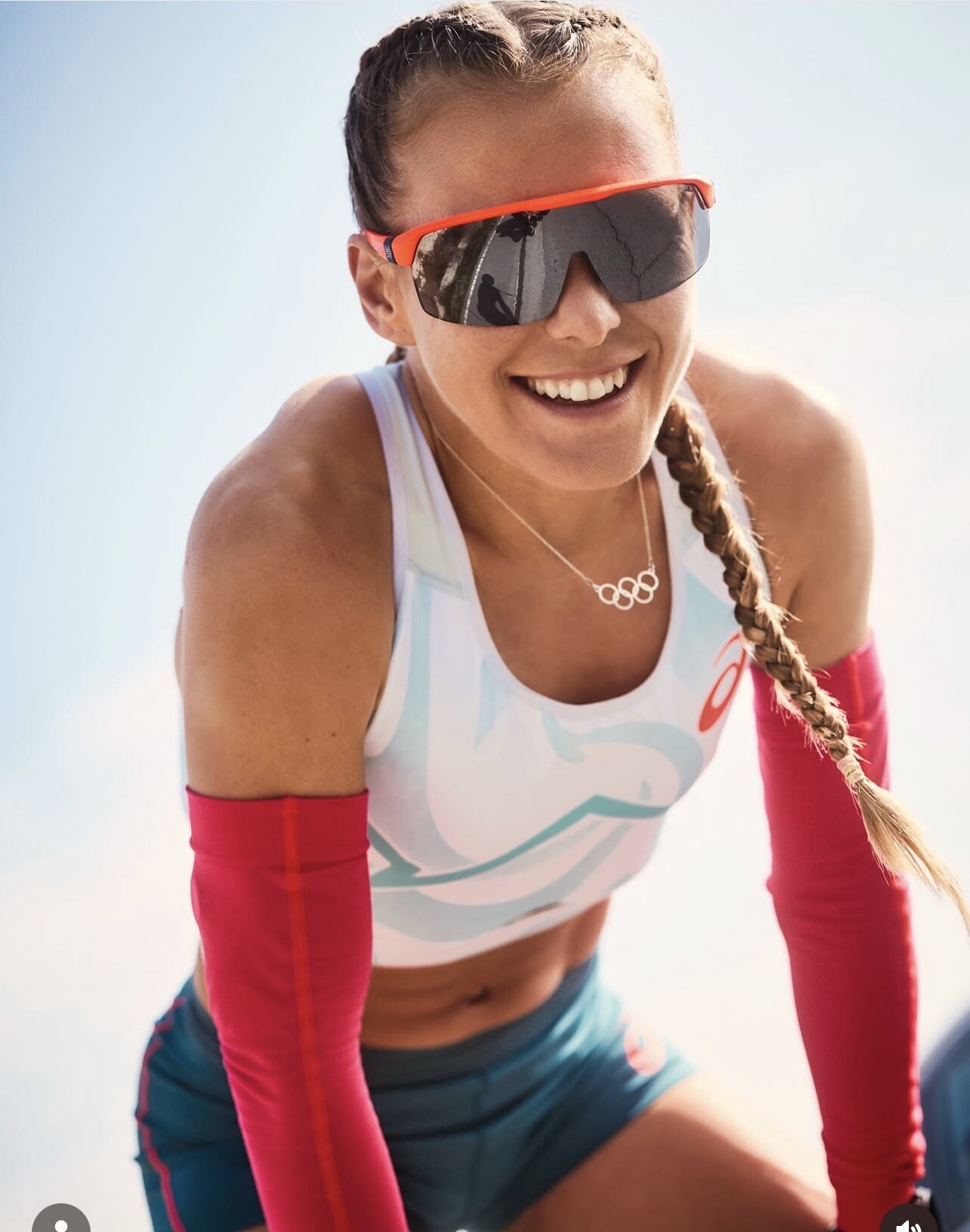
Today, Mayer is Austria’s marathon record holder, a multiple national record holder on the roads, and an Olympian. Yet for much of her athletic life, running was not her primary sport.
For 16 years, she played soccer.
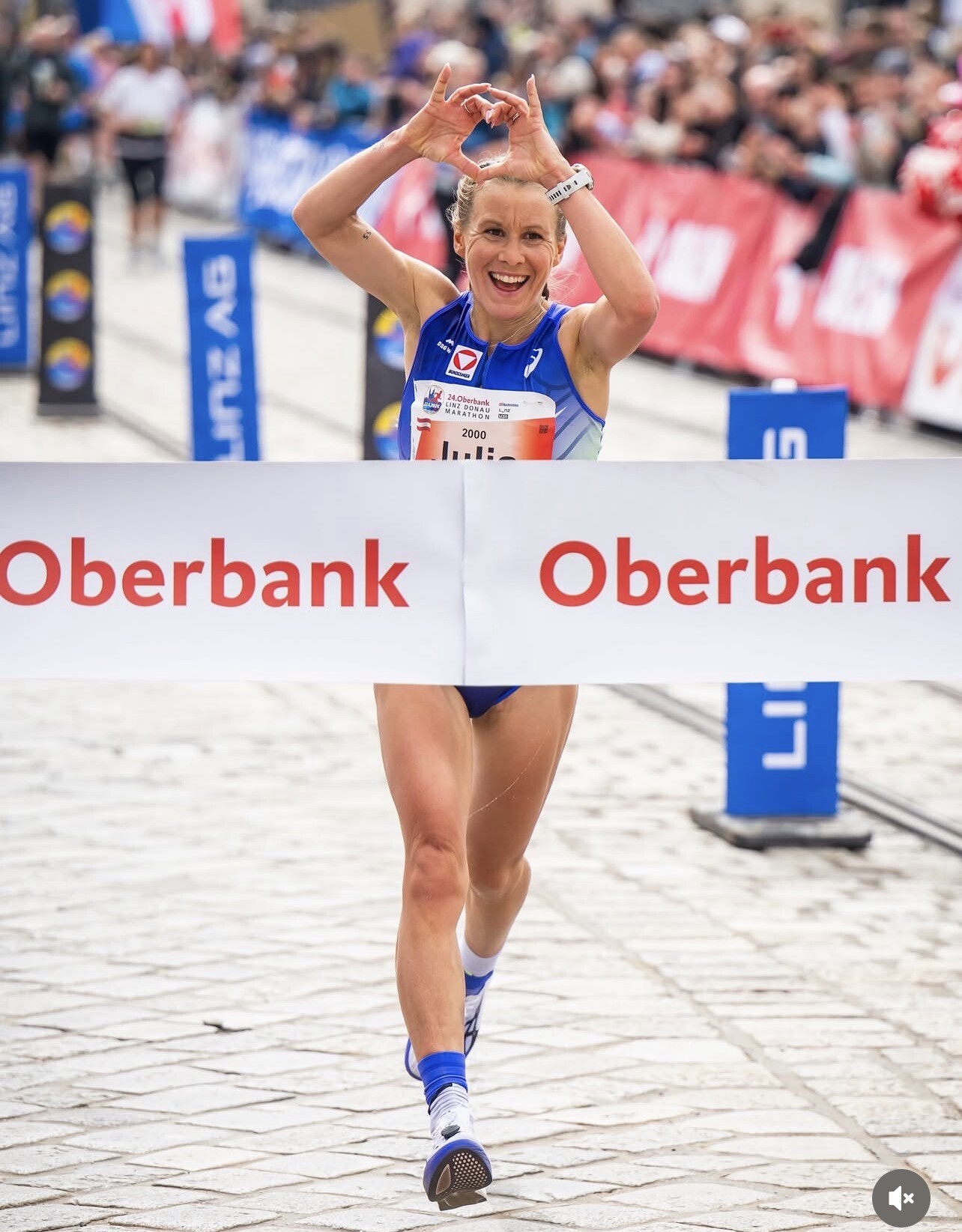
Then she discovered something that would change her life.
“I noticed that I was really fast in the fun runs and that it was really, really fun,” Mayer said when reflecting on her transition from soccer to distance running.
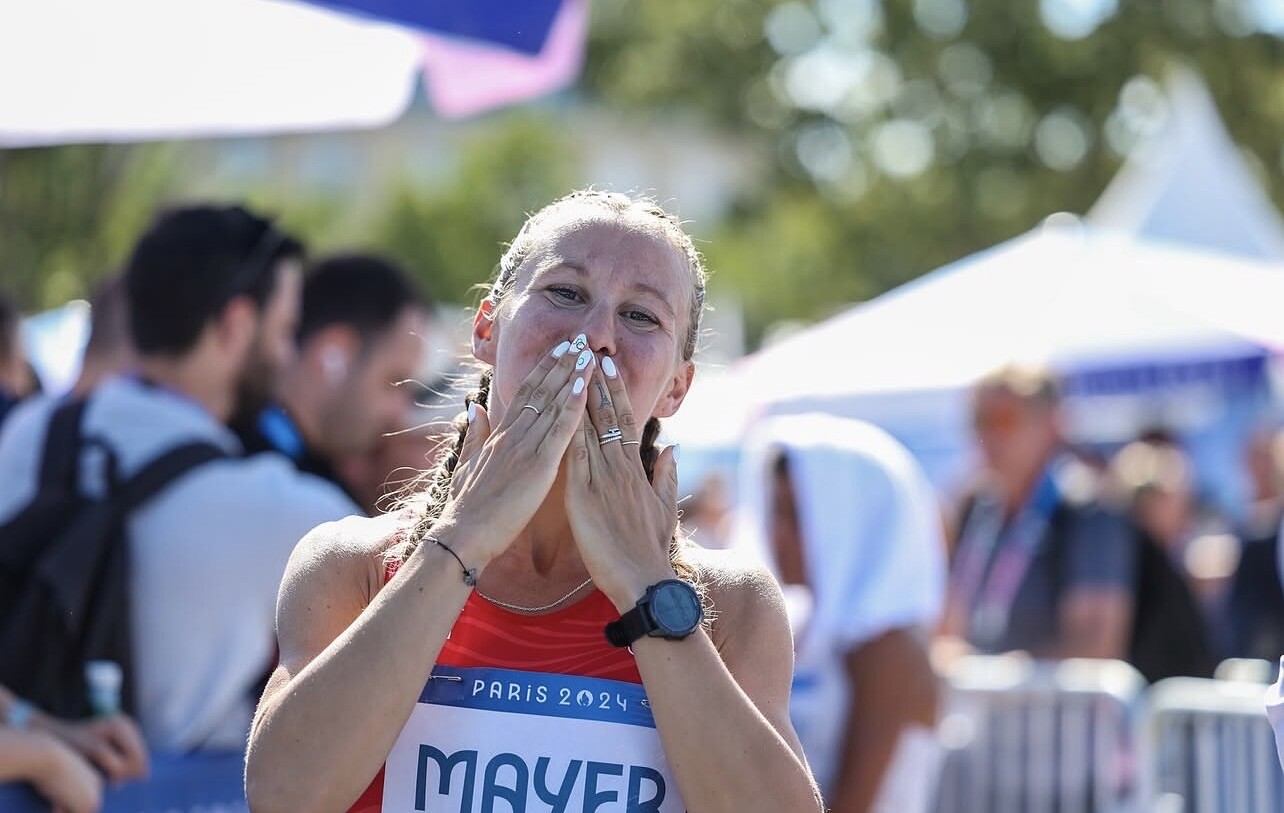
What began as curiosity quickly became a passion. She eventually made the bold decision to leave soccer behind and focus entirely on running. It was a move that surprised many people around her, but Mayer believed she had found her true athletic calling.
The decision proved to be the right one.
Within a few years, Mayer developed into one of Europe’s top marathon runners. Her steady improvement carried her from local races to the international stage, where she began rewriting Austria’s record books.
She now holds Austrian records in the marathon, half marathon, and road 10K. Her marathon best of 2:26:08 established her as the fastest female marathoner in Austrian history. Her performances in the half marathon and 10K have further cemented her place among the country’s all-time great distance runners.
Her rise culminated with qualification for the 2024 Olympic Games in Paris.
Competing in the Olympic marathon represented the realization of a dream. On one of the most challenging marathon courses ever used for the Olympics, Mayer ran courageously against the strongest field in the world and finished 55th in her Olympic debut.
Behind the scenes, success has come through extraordinary dedication. During marathon preparation, Mayer trains twice a day and covers approximately 200 kilometers, or 124 miles, each week. The workload demands discipline, patience, and a deep commitment to continuous improvement.
What makes her story especially inspiring is not simply the records or the Olympic appearance.
It is the fact that she found her greatest talent later than many elite runners.
In a sport where athletes are often identified at a young age, Mayer’s journey serves as a reminder that potential does not always reveal itself early. Sometimes it takes years of experience, a willingness to try something new, and the courage to follow a different path.
The former soccer player who once chased a ball across a field is now chasing history on the roads of Europe.
And according to those closest to her, her best performances may still be ahead.
For runners of every age and ability, Julia Mayer’s story delivers a powerful lesson: it is never too late to discover what you are capable of.
From soccer player to Olympian, her journey proves that remarkable achievements can begin when least expected.
by Boris Baron
Login to leave a comment
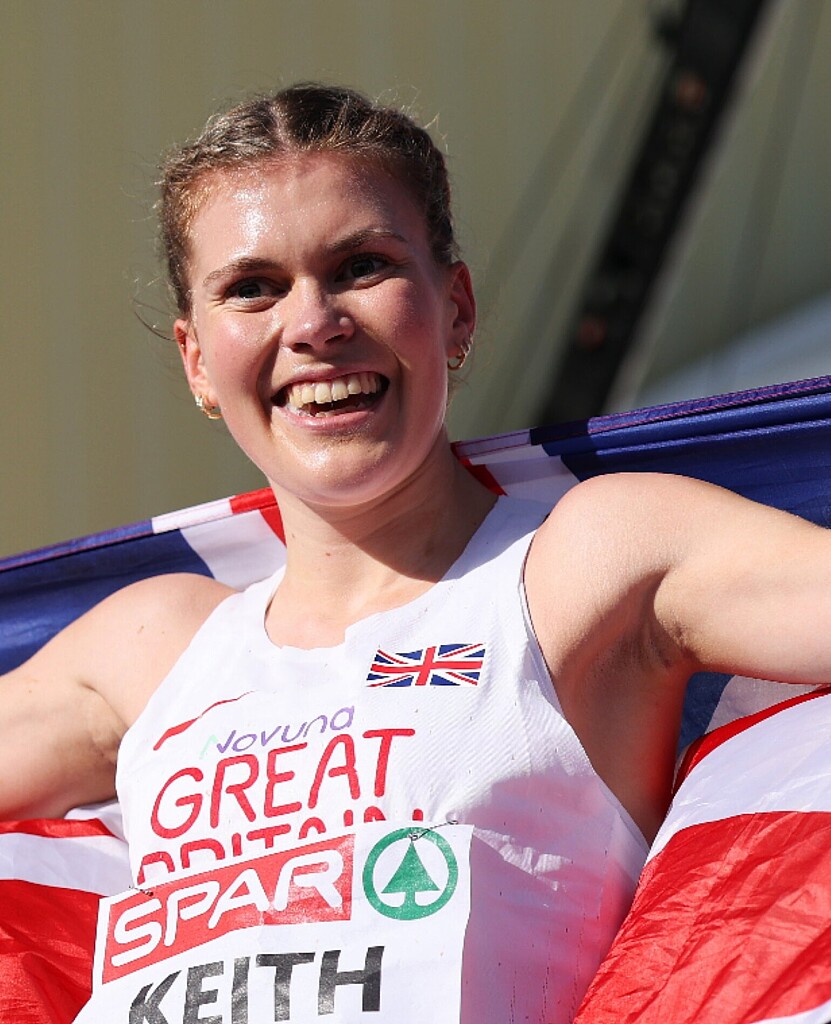
Megan Keith Rewrites Scottish History with Stunning 3000m Record in Oslo
Megan Keith produced the performance of her career in Oslo on Thursday night, shattering one of Scotland’s longest-standing distance running records and cementing her place among Britain’s greatest female 3000m runners.
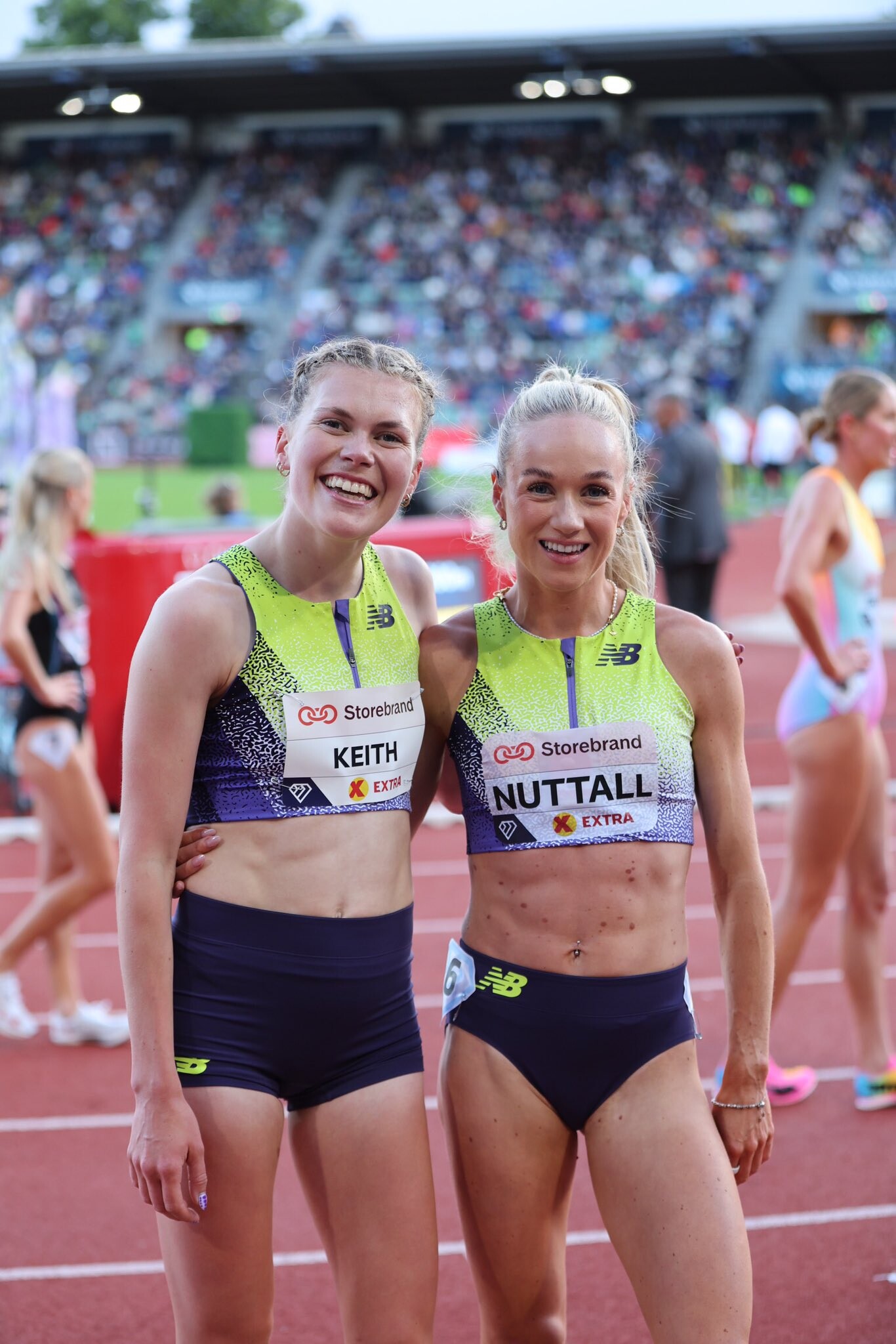
The 24-year-old clocked a sensational 8:28.35 over 3000m, breaking the Scottish outdoor record that had stood for nearly four decades. In doing so, Keith eclipsed the previous mark of 8:29.02, set by Scottish legend Yvonne Murray back in 1988, ending a record reign that had lasted 38 years.
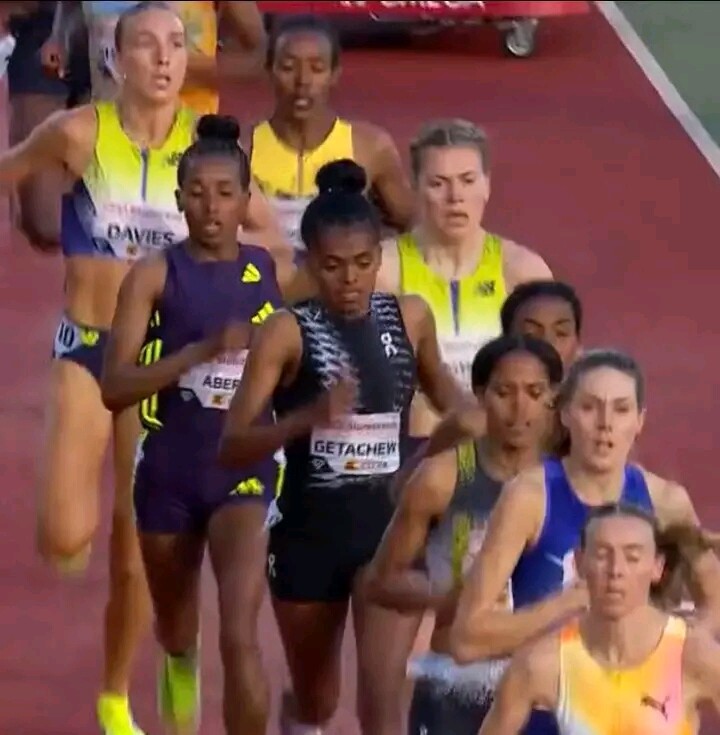
Keith’s breakthrough run was more than just a national record. The performance also propelled her to third on the UK outdoor all-time list, placing her behind only two of Britain’s most celebrated distance runners — Paula Radcliffe, who leads the rankings with 8:22.20, and Laura Weightman, whose 8:26.07 remains the second-fastest outdoor mark by a British woman.
The significance of Keith’s achievement is amplified by the calibre of athletes she now joins in the record books. For decades, Murray’s mark stood as one of Scottish athletics’ most untouchable records, surviving generations of elite competitors. Keith has now succeeded where many outstanding runners have fallen short, announcing herself as one of the leading distance talents in British athletics.
Her time also compares favourably with the best performances produced indoors. Olympic medallist Laura Muir ran 8:26.41 indoors in Karlsruhe in 2017, underlining just how exceptional Keith’s outdoor effort in Oslo truly was.
The run continues a remarkable rise for the Scottish star, whose progression over recent seasons has transformed her from a promising prospect into a genuine force on the international stage. Running with confidence and composure against elite competition, Keith demonstrated both the speed and endurance required to challenge the very best in Europe and beyond.
With the World Championship season gathering momentum, Keith’s record-breaking display sends a powerful message. Not only has she etched her name into Scottish athletics history, but she has also established herself as a serious contender in one of the sport’s most competitive events.
In Oslo, Megan Keith did far more than break a record. She ended a 38-year wait, climbed into the upper echelon of British distance running, and delivered a performance that may prove to be a defining moment in her career.
by Erick Cheruiyot for My Best Runs.
Login to leave a comment
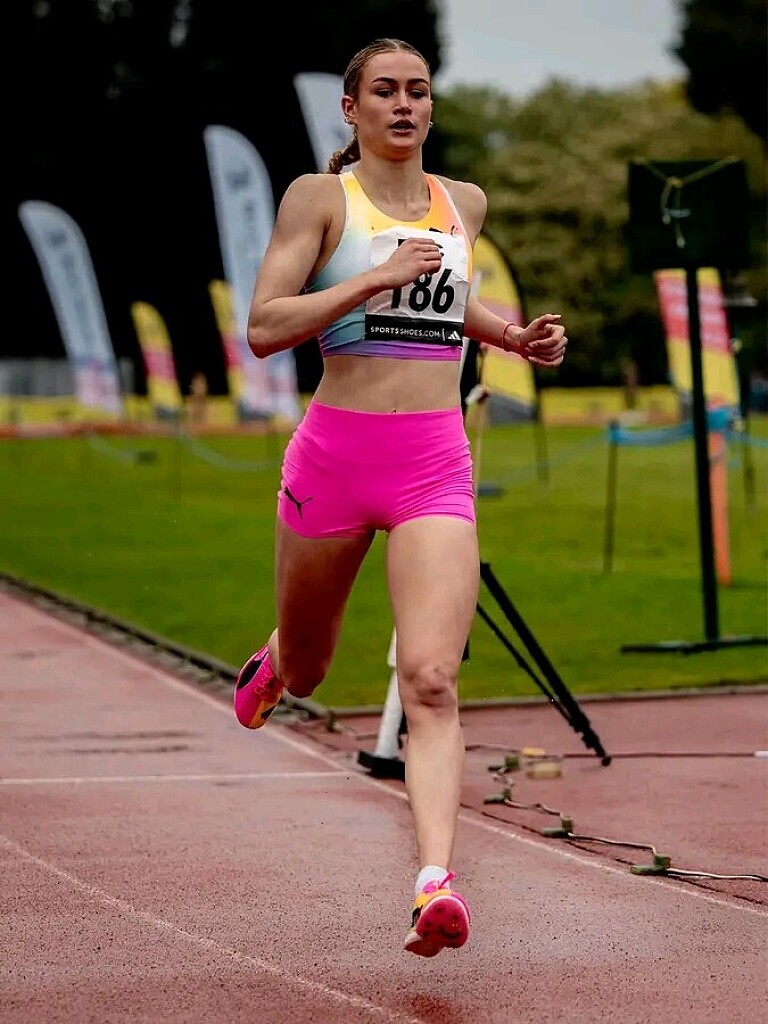
Gill Continues Encouraging Comeback with Marseille 800m Victory
British middle-distance talent Phoebe Gill took another significant step forward in her return to top form, producing a determined victory over 800 metres at the Meeting de Marseille in France on Wednesday.
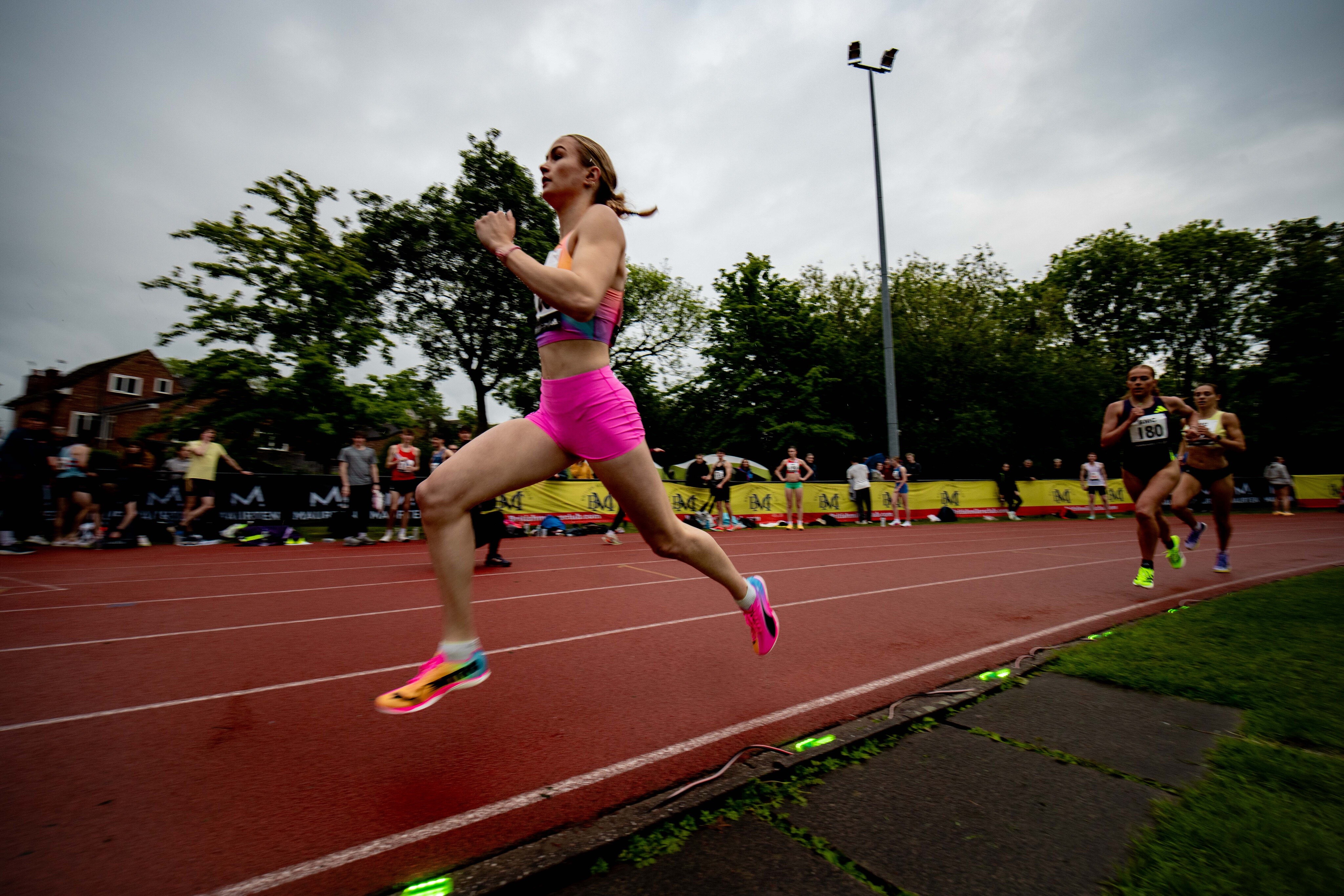
Competing in challenging, wind-affected conditions, the 19-year-old demonstrated both resilience and composure as she held off a late charge from Switzerland's Veronica Vancardo to secure the win in 2:00.81. Vancardo finished just three hundredths of a second behind in 2:00.84, underlining the fiercely contested nature of the race.
While the margin of victory was narrow, the result represented another encouraging milestone for Gill as she continues to rebuild momentum following her injury setback. The young Briton showed impressive race awareness and strength in the closing stages, maintaining her advantage despite the difficult conditions that made fast running a challenge throughout the evening.
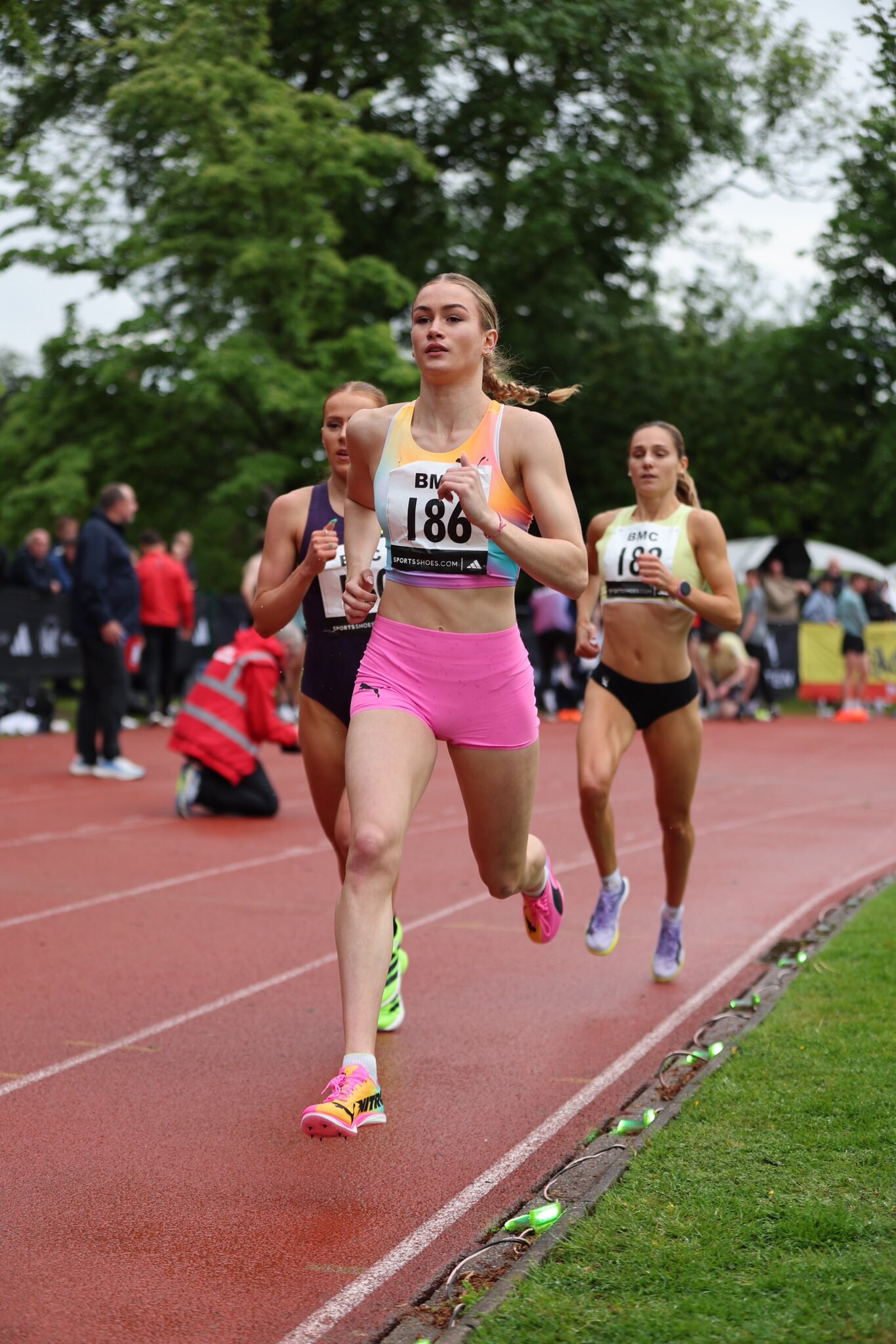
The Marseille triumph adds to a growing body of evidence that Gill is steadily progressing toward her best form. Earlier in her comeback campaign, she clocked 2:01.50 for 800m in Bydgoszcz before demonstrating her versatility with a strong 4:05.53 performance over 1500 metres at the BMC Grand Prix meeting in Trafford.
Those performances have highlighted not only her improving fitness but also her ability to compete across multiple distances as she carefully builds her season. The Marseille victory now provides further confirmation that the European junior star is moving in the right direction.
Gill emerged as one of Britain's most exciting middle-distance prospects through a series of breakthrough performances as a teenager, earning widespread recognition for her fearless racing style and remarkable maturity. Injury temporarily interrupted that upward trajectory, but her recent results suggest she is steadily rediscovering the form that made her one of the sport's brightest young talents.
With each race, the signs of progress become increasingly evident. Winning in difficult conditions and under pressure from a quality field is often a stronger indicator than a fast time alone, and Gill's latest success demonstrated exactly those qualities.
As the summer season gathers pace, the Marseille victory offers another confidence boost for the British teenager, whose return continues to gain momentum. If her recent progression is any indication, Gill could soon find herself back among the leading names on the European middle-distance circuit.
by Erick Cheruiyot for My Best Runs.
Login to leave a comment
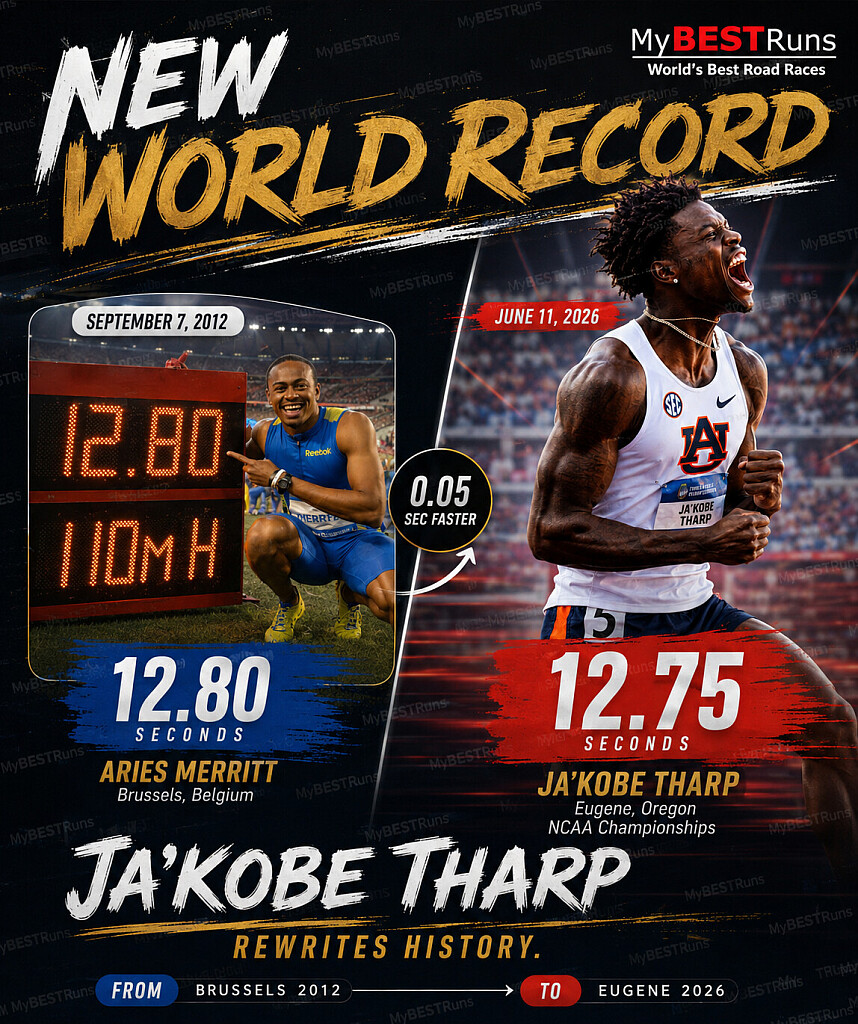
Ja’Kobe Tharp Shatters World Record with Historic NCAA Hurdles Performance
The NCAA Track and Field Championships delivered a moment few could have predicted as Ja’Kobe Tharp produced one of the most astonishing performances in the history of sprint hurdling, rewriting the record books in spectacular fashion.
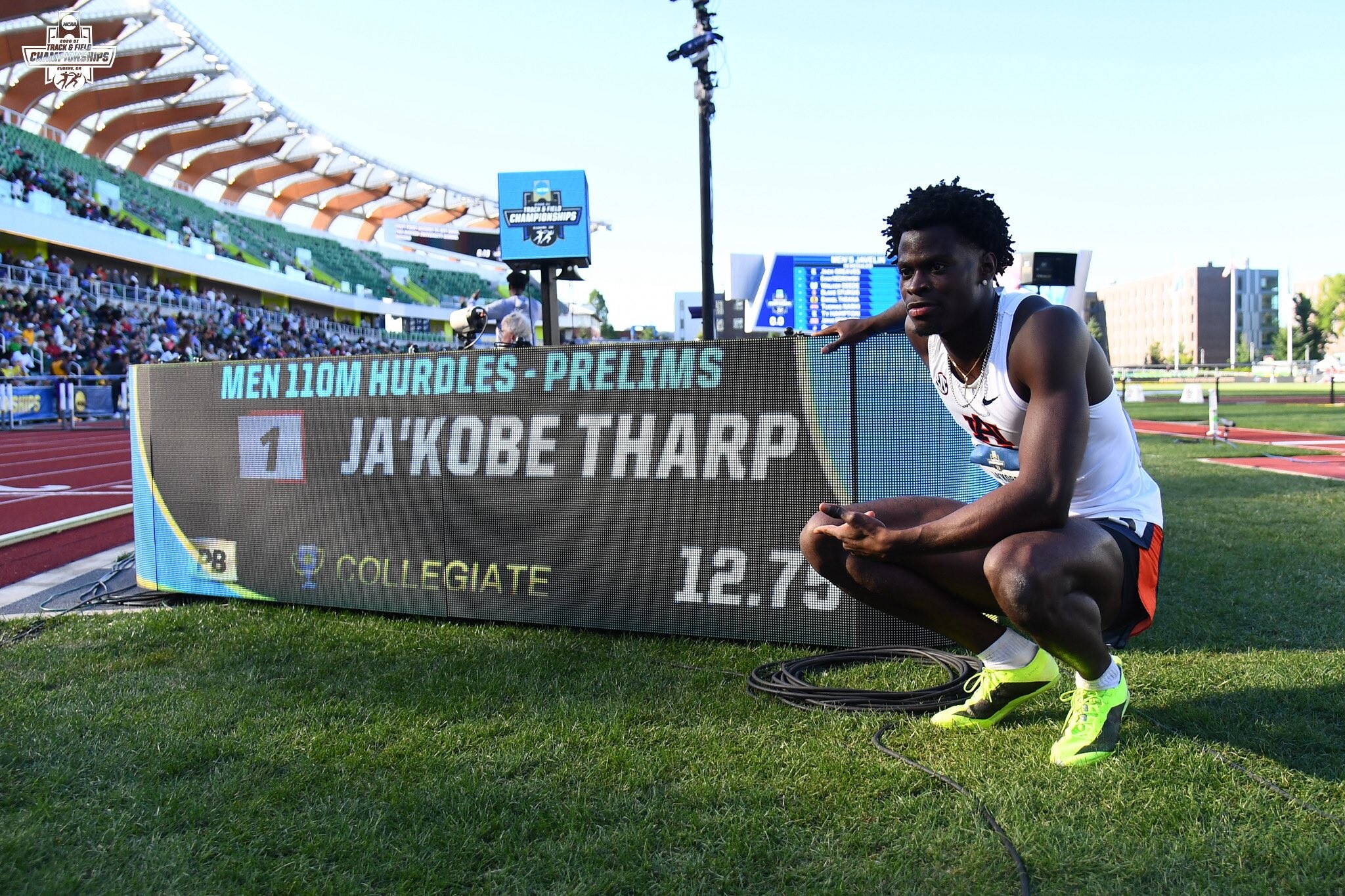
Competing in the opening round of the men’s 110-meter hurdles, the Auburn star stunned the athletics world by clocking an incredible 12.75 seconds, becoming the first athlete ever to break the 12.80-second barrier. In doing so, he eclipsed the long-standing world record of 12.80 set by Aries Merritt in 2012, a mark that had stood as one of the sport’s most revered achievements for more than a decade.
What makes Tharp’s breakthrough even more remarkable is the scale of his improvement. Entering the championships, the defending NCAA and U.S. champion had recorded a season-best of 13.05 seconds. Yet under the brightest spotlight, he unleashed a performance that exceeded every expectation, slicing an extraordinary 0.26 seconds from his personal best in a race that instantly became one of the greatest ever run.
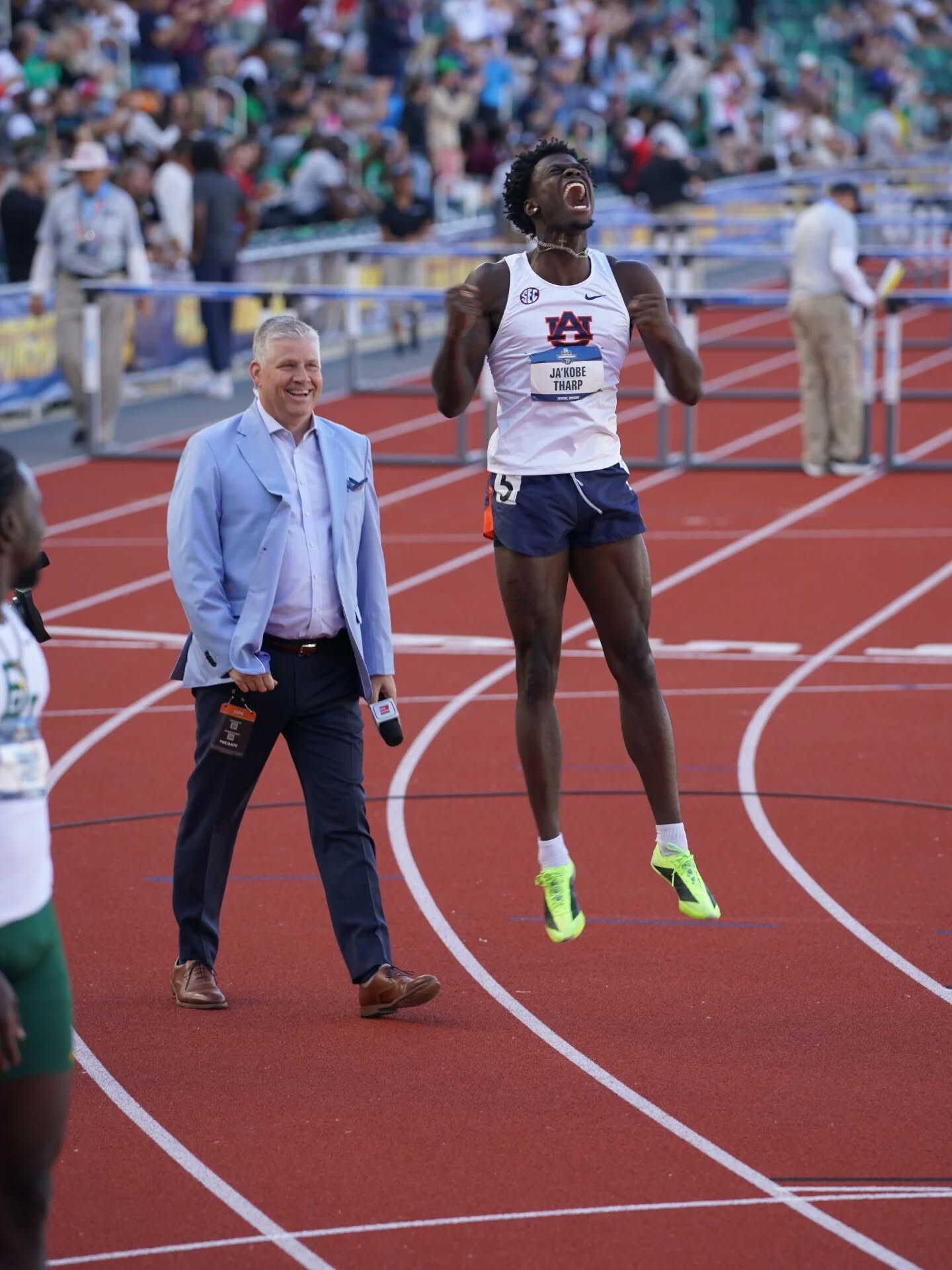
The achievement sent shockwaves throughout the track and field community. While Tharp arrived in Eugene as one of the leading contenders for the NCAA title, few envisioned a performance capable of redefining the limits of the event. Instead, the American hurdler delivered a race for the ages, combining flawless technique, explosive speed, and impeccable rhythm from the first hurdle to the finish line.
The historic run not only secured his place in athletics history but also transformed the outlook of the championship. With the world record now in his possession, Tharp advances to the final as the overwhelming favorite, carrying momentum that could make an already unforgettable weekend even more extraordinary.
For years, the 12.80 barrier appeared untouchable. On a stunning day at the NCAA Championships, Ja’Kobe Tharp proved otherwise, producing the kind of performance that reminds fans why sport remains so unpredictable. In a matter of seconds, he turned a routine qualifying round into a landmark moment that will be remembered for generations.
The world record no one saw coming is now a reality—and Ja’Kobe Tharp is the man who changed history.
by Erick Cheruiyot for My Best Runs.
Login to leave a comment
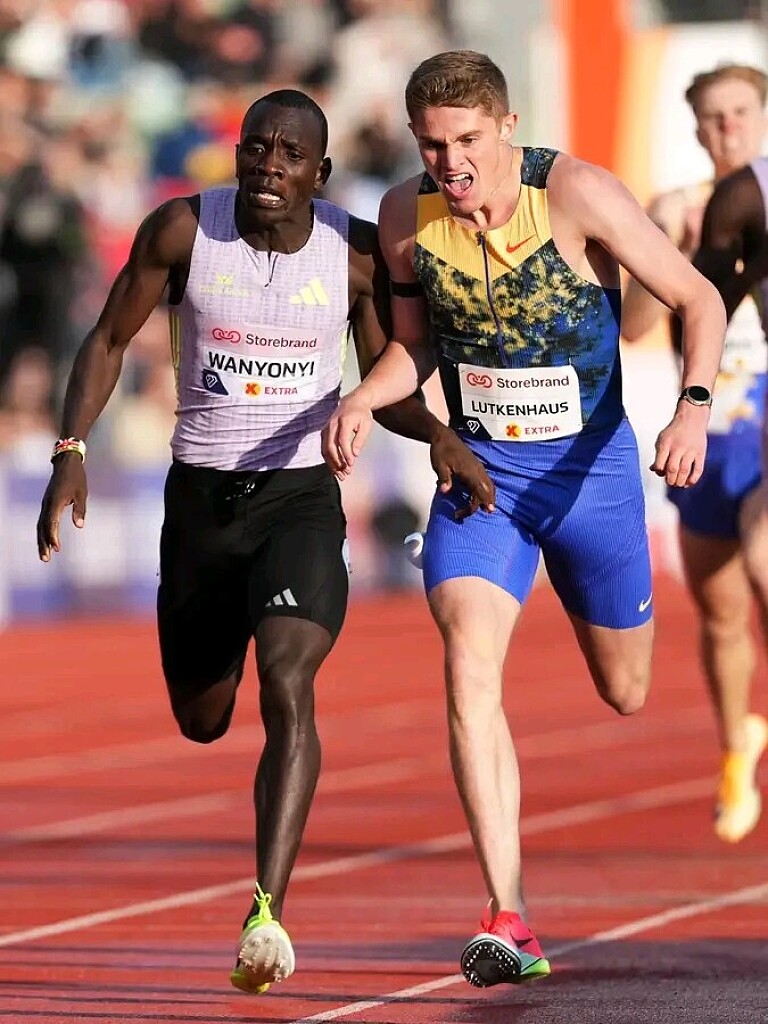
Lutkenhaus Delivers Stunning Upset as Teenage Star Edges Olympic Champion in Oslo
A new chapter in middle-distance running may have begun in Oslo after American teenager Cooper Lutkenhaus produced one of the most remarkable performances of the season, narrowly defeating reigning Olympic champion Emmanuel Wanyonyi in a thrilling men's 800m contest at the Diamond League meeting.
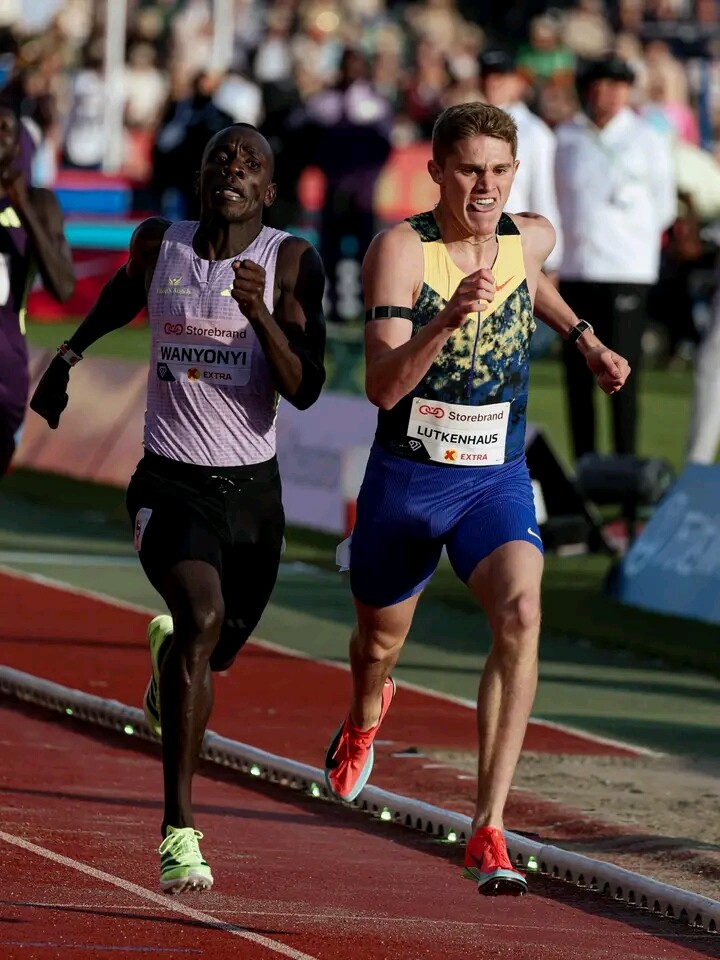
The 17-year-old sensation shocked a world-class field by crossing the finish line first in a race that came down to the smallest of margins. After an intense battle over the final metres, Lutkenhaus held off Wanyonyi by just one hundredth of a second, producing a dramatic finish that left the packed stadium in disbelief.
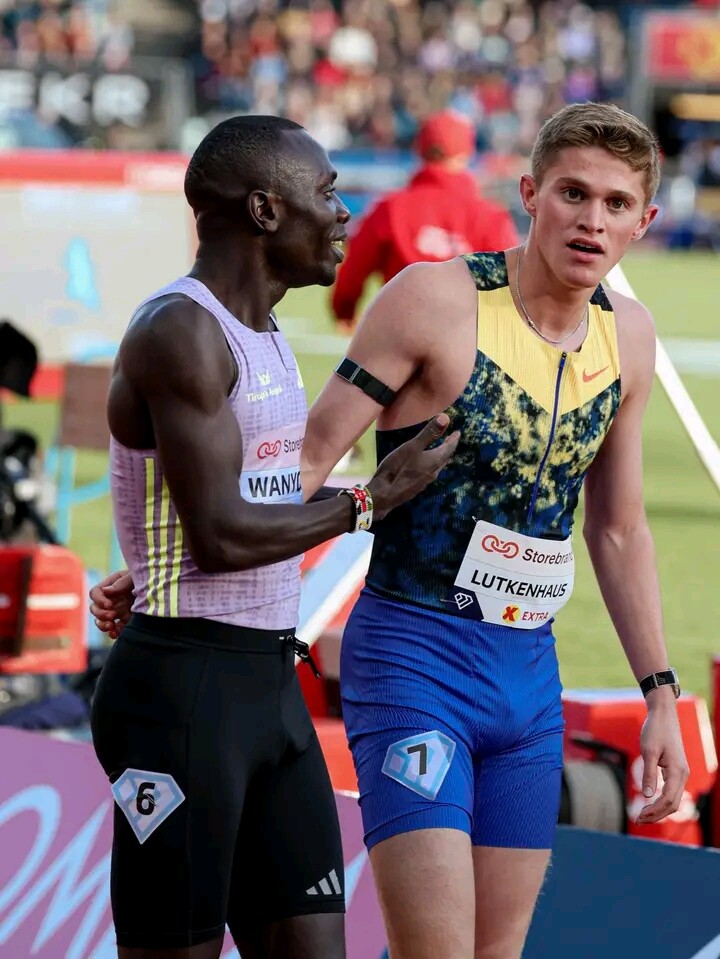
From the opening lap, the pace was relentless as the leading contenders positioned themselves for a fierce showdown. As the athletes entered the home straight, Wanyonyi appeared poised to unleash his trademark finishing kick. However, Lutkenhaus refused to be intimidated, matching the Olympic champion stride for stride before producing a perfectly timed lean at the line to secure a historic victory.
The result marks a breakthrough moment for the young American, who continues to establish himself as one of the brightest talents in global athletics. Defeating an Olympic champion at a Diamond League event is a feat many athletes spend entire careers pursuing, yet Lutkenhaus achieved it before reaching adulthood.
For Wanyonyi, the narrow defeat does little to diminish his status as one of the world's premier 800m runners. The Kenyan once again demonstrated his exceptional class and competitiveness, pushing the race to a world-class standard and forcing his young rival to deliver the performance of a lifetime.
Beyond the result itself, the race offered a glimpse into what could become one of the sport's most exciting rivalries in the years ahead. With established stars and emerging talents now pushing each other to new heights, the men's 800m continues to evolve into one of athletics' most captivating events.
On a memorable night in Oslo, the spotlight belonged to Cooper Lutkenhaus. At just 17 years old, he stood toe-to-toe with an Olympic champion and emerged victorious, announcing himself to the athletics world in spectacular fashion.
by Erick Cheruiyot for My Best Runs.
Login to leave a comment
