

Running News Daily
Running News Daily is edited by Bob Anderson and team. Send your news items to bob@mybestruns.com Advertising opportunities available.
Index to Daily Posts · Sign Up For Updates · Run The World Feed
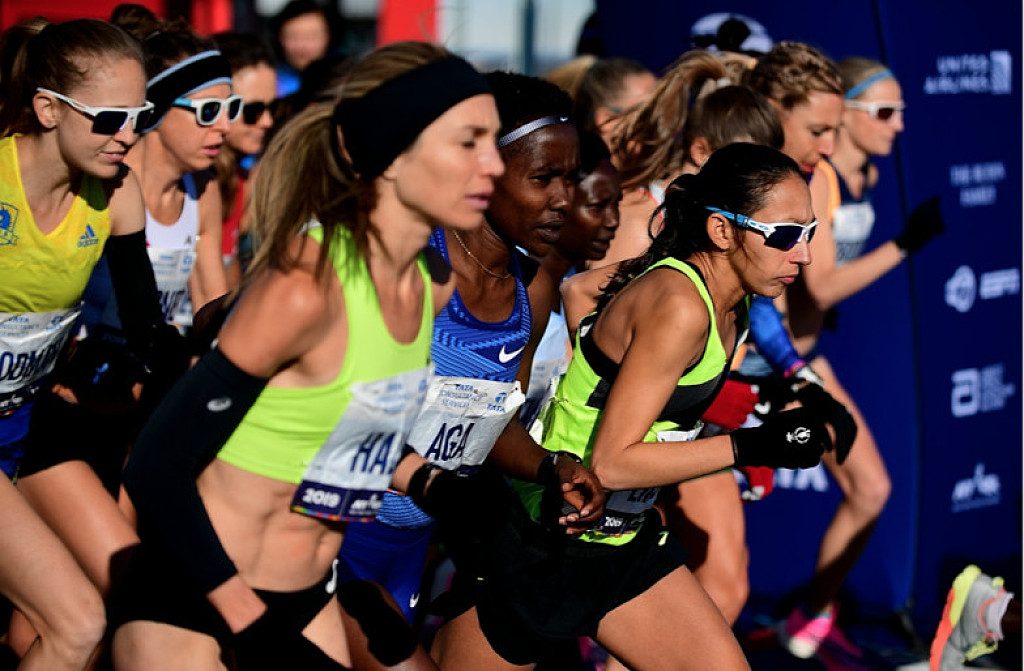


Some Veteran Pro Runners Are Making Less This Year, and They're Ditching the Sport

Many athletes are confronting a bleak financial reality. Some are quitting the sport entirely.
What do Noah Droddy, Ben True, and Andy Bayer have in common?
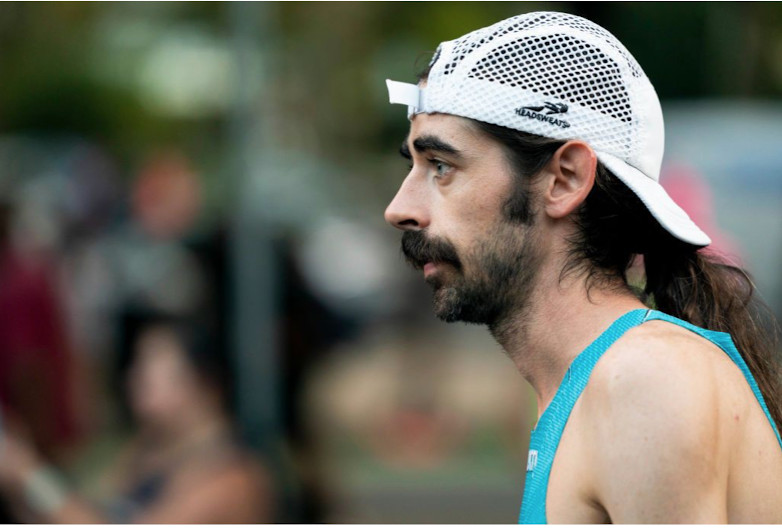
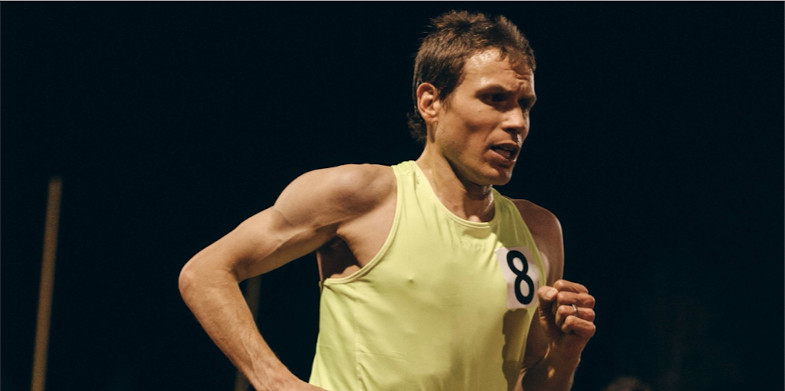
They’re all ranked among the top 10 Americans of all time in their events—Droddy in the marathon, True in the 10,000 meters, Bayer in the steeplechase.
How Much Do Pro Runners Make? For Some Veterans, It’s Less This Year
And they were all dropped by their sponsors at the end of 2020.
This news took a while to seep out—after all, athletes don’t tend to publicize it when their sponsors reduce their pay or stop supporting them altogether. But Droddy, 30, and True, 35, have been open about their status and confirmed it in calls with Runner’s World (both had been sponsored by Saucony), and Bayer told the Indy Star that Nike dropped him and he has left the sport, at age 31, for a job in software engineering.
Droddy—one of running’s most recognizable figures in races with his long hair, backward baseball cap, and habit of losing his lunch at marathon finish lines—summed up his situation in a tweet on February 19.
Is he right? Is it typical for top runners, at the height of their careers, to lose financial backing from shoe companies? Or is this an anomaly at the end of an unusual, pandemic-marred 15 months?
Runner’s World had conversations with eight athletes, four agents, two marketing employees at brands, and three coaches to get a sense of the current economics for athletes. They painted a complex picture.
Are most pro runners broke?
Many are just getting by. For years, America’s pro runners have been on shaky financial footing. With the exception of those who win global medals or major marathons, distance runners often struggle to earn enough money to pay for their essentials (rent and food), plus cover all their running-related expenses, such as coaching, travel to races and altitude camps, health care, gym membership, and massage.
Over the past year, the pandemic has erased lucrative racing opportunities. Additionally, shoe companies have been reevaluating their sports marketing budgets, from which runners are paid. Experts say that the result has been an increasing bifurcation between the sport’s haves and have nots.
The most successful, those destined for the Olympic team or starring on the roads, are earning generous base payments and bonuses for setting records or winning. Many of the rest are scraping by, with smaller contracts, if any, and they’re supplementing their shoe company earnings with jobs.
Running’s middle class, much like America’s, is shrinking.
The exception is runners who belong to a single-sponsor training group, like those in Flagstaff, Arizona (Hoka); Boston (New Balance); and Portland, Oregon (Nike). In those cases, coaching, travel, and training camp costs are absorbed by the club, easing the financial pressure on athletes and making it possible for them to pursue the dream.
Brands these days appear to be more eager to devote dollars to groups and the athletes who train with them, rather than individual athletes training on their own in different locations. That presents a quandary for midcareer runners who have achieved a level of success. Faced with the loss of a sponsorship, they aren’t always willing to pick up and move to a new town and a new coach.
What do contracts look like?
If you’re a top runner in the college ranks, and you’ve won multiple NCAA titles at the Division I level, shoe companies—Nike, Adidas, Brooks, Saucony, Hoka, and others—will usually come calling, offering more than $100,000 a year for multiple years, with a spot in a group or a stipend to pay your coach. Those companies are betting on those NCAA champions to be Olympians of the future.
Dani Jones, for instance, won three individual NCAA titles at the University of Colorado, and she signed with New Balance at the end of last year. Her agent, Hawi Keflezighi, said she entertained competing offers from other companies.
A midcareer athlete with a breakthrough performance—hitting the podium at a major marathon or making an Olympic team, for instance—might also be rewarded with a base contract worth $50,000 to $100,000.
The top sprinters earn even more (although their careers are typically shorter). Usain Bolt famously made millions, and Canadian sprinter Andre De Grasse was 21 when he signed a deal worth $11.25 million—before bonuses—from Puma in 2015, the Toronto Star reported.
The payouts drop significantly after that. Let’s say you’re a distance runner, but you haven’t been able to get a big win in college, although you’ve come close. The lucky ones are looking at deals for about $30,000 to $75,000 per year.
Your agent takes a 15 percent cut of that. And this base salary most often comes without benefits: no health insurance, no 401(k). As independent contractors, pro runners are paying all their own taxes. (In contrast, traditional full-time employees have half of their Social Security and Medicare taxes paid by the employer.)
Many young runners out of college join pro groups, and they’re not making anything beyond free gear and coaching. Others might get a stipend worth $10,000 or $12,000 a year.
The contracts typically sync with the Olympic calendar. At the end of 2020, many athletes’ contracts were expiring—even though the Olympics didn’t happen. That’s how Droddy, True, and Bayer were dropped. Shannon Rowbury, a three-time Olympian, told Track & Field News her deal with Nike was extended for one year, two if she makes the Olympic team this summer.
If an athlete has a good Olympics, the sponsoring company often has an option to extend the deal for an additional year, which includes the world track & field championships. It’s at the company’s discretion—not the athlete’s.
Parts of the sponsorship model appear to be changing, but slowly. When NAZ Elite announced a new deal with Hoka last fall, it included health insurance for the runners. Similarly, members of Hansons-Brooks in Rochester, Michigan, get health insurance if they work in the Hansons running specialty stores. And last May, Tracksmith brought Mary Cain and Nick Willis on as employees at the company—Cain in community engagement, Willis as athlete experience manager—with the plan that both would continue to train and race at an elite level.
Why doesn’t anyone know exactly how much runners are making?
As part of these deals, athletes have to sign non-disclosure agreements (NDAs), promising to keep the terms quiet. If an athlete violates the NDA, the sponsor can void the contract—or sue for breach of contract.
This is, in fact, similar to other sports. In basketball, LeBron James is being paid $39.2 million this season by the Los Angeles Lakers. But he also has an endorsement deal with Nike, and the exact structure of that is unknown.
In running, prize purses are publicized—$150,000 for winning the Boston Marathon, $25,000 for being the top American at New York in 2019, $75,000 for winning the Olympic Marathon Trials.
But as in other sports, the terms of the sponsor deals are kept mum. And appearance fees at major races, as well as time bonuses within those appearance fees, which represent a major source of income for road runners (mainly marathoners), are also mostly unknown.
Athletes feel that the silence around sponsor contracts and appearance fees puts them at a disadvantage—it’s hard to know their market value. Yes, they can—and do—have quiet conversations with peers about it. But lacking broad knowledge, they lack power.
And as a result, the industry is rife with rumors and assumptions. Athletes’ values are often inflated through the grapevine.
“I think it is very similar to the dynamic that would occur if no one knew the price of home sales,” Ian Dobson—a 2008 Olympian who ran for Adidas and Nike during his pro career, which ended in 2012—told Runner’s World. “How could you ever be confident in a sale price if you didn’t know what any other homes in your neighborhood were selling for? Granted, we don’t know every detail of every home sale in the neighborhood, but it’s certainly helpful to know in general terms the dollar amount that these are going for so that we can all understand what value our home might have.”
Also, athletes keep quiet when their circumstances change. They feel embarrassed. One athlete told Runner’s World, “No one in track wants to be the one to say, ‘I got dropped,’ or ‘I got reduced.’ It's all taboo.”
Even so, $30,000 is nothing to sneeze at—especially for a job that’s about pursuing individual goals.
No, it’s not. But not every contract is structured the same way.
Some pay that base amount, no matter what. Other contracts penalize athletes with reductions if, for instance, they don’t finish in the top three in the country in Track & Field News rankings, or if they get injured and can’t race a certain number of times per year.
That’s why numerous Nike athletes seemed to be eagerly seeking racing opportunities of any kind last summer amid the pandemic. Marathoner Amy Cragg raced a 400 meters at an intrasquad meet on July 31, and finished in 90.15 seconds—6:00 pace—presumably to check a box on her contract. On August 7, she ran 800 meters in 3:03.85. The record of those races are in her World Athletics profile.
A Nike spokeswoman, when asked about athletes racing in 2020 to meet contractual obligations, responded: “We do not comment on athlete contracts.”
Time bonuses, once seen as a reliable way to beef up athletes’ base payments, are also becoming less frequent or harder to hit, as shoe technology improves and fast times become more common, according to one agent.
What role do agents play?
For athletes who have never previously had a sponsorship deal, it’s almost impossible to secure one without the help of an agent, who can get in the door at all the major brands.
For American distance runners, there are nine main agents—all men—negotiating the deals (Keflezighi, Josh Cox, Paul Doyle, Ray Flynn, Chris Layne, Dan Lilot, Tom Ratcliffe, Ricky Simms, and Mark Wetmore). Karen Locke, one of the few female agents in track and field, represents a few distance runners among her roster of clients in field events.
Of course, all the prominent agents—who have multiple clients across multiple brands and at various stages of their athletic careers—have data about what athletes are worth. But they have a duty to each one to maintain confidentiality about the specifics of that deal.
Agents bring to their athletes a broad picture of the market and what each might command, providing advice to those considering offers: Yes, this a fair offer, a solid deal. Or no, you can do better.
They also help get athletes into competitive track races like the Diamond League and elsewhere, or into the World Marathon Majors. They can handle travel arrangements to meets and help to make sure records get ratified. Generally, their role is to go to bat for athletes, no matter what they need.
For their services, they take 15 percent of everything an athlete earns: sponsor deals, appearance fees, and prize money, no matter how small the race or winnings.
Agents are supposed to negotiate on behalf of each client individually, but athletes have no idea if that’s happening. Are they being used as part of a package deal? Thrown in at a minimal rate as a thank you to a brand for giving a generous deal to a superstar? Or, on the upside, getting a small appearance fee from a major marathon that they wouldn’t be able to get into on their own, because they have the same agent as a mega-star?
“Agents want to bring in the most money for their combined athletes—if they manage 20 athletes, they’re trying to bring in the maximum money they can across 20 athletes,” one athlete told Runner’s World. “That doesn’t necessarily mean they’re trying to maximize for each individual. The difference between earning $20,000 a year and $30,000 a year is profound in terms of your ability to actually train as a professional. But it translates into a small amount [$1,500] for the agent.”
Why is the market tricky right now?
The pandemic caused upheaval in marketing budgets. Also, the people who work in marketing at shoe brands can be inexperienced in the running industry, and turnover often runs high at those positions, jeopardizing relationships between athletes and brands that have lasted years.
The marketing budget questions are not limited to running, said Matt Powell, a sports business analyst and vice president for NPD.
“I think brands are taking a more circumspect view of endorsement contracts in general—whether it’s teams, leagues, or individual athletes,” he said. “They’re [questioning whether] they’re getting the return on that investment.”
Nike is rumored to have cut its marketing budget for running, amid layoffs at the company. Nike did not return an email from Runner’s World seeking clarification on the budget or the numbers of runners it currently sponsors.
Although Nike’s superstars are said to be fine and not facing any reductions in their deals, one Nike athlete, a 2016 Olympian, told Runner’s World, “It’s pretty much assumed that everyone is getting less.”
And it’s believed that several of these contracts are for shorter periods of time than they might have otherwise been: through the world championships in 2022 in Eugene, Oregon, instead of through the next Olympics in 2024.
In answer to questions from Runner’s World about True and Droddy—as well as rumors about a new Saucony-sponsored training group—Saucony responded with an emailed statement from Fábio Tambosi, Saucony’s chief marketing officer:
“At Saucony we believe you cannot have a sports brand without the inclusion and authentic connection with athletes. We are excited about the evolution of Sports Marketing as a brand pillar for years to come, and remain committed to building an athlete strategy that aligns with this goal.” 

Good news abounds, too
On the positive side for distance runners, Puma has re-entered the distance running market. Molly Seidel was lured from Saucony to Puma, and Aisha Praught Leer told Women’s Running she signed a “big girl contract” with Puma. Additionally, the company started a group in North Carolina, coached by Alistair Cragg and with three athletes so far.
The shoe company On has also invested heavily, starting a new team in Boulder, Colorado, coached by Dathan Ritzenhein and with athletes like Joe Klecker and Leah Falland.
Keira D’Amato, 36, signed her first pro contract, with Nike, after a string of impressive performances during the pandemic on the track and roads. She has kept her job as a realtor.
Keflezighi sees an opening for apparel brands that don’t have footwear to sponsor more athletes. Women’s apparel company Oiselle has done this for years, and Athleta is now sponsoring Allyson Felix. Could a menswear company be far behind? These arrangements leave athletes free to choose their own running shoes, which can be advantageous as shoe technology advances so quickly.
Why do brands have pro runners anyway?
Beyond the individual dollar amounts in contracts, brands seem to be rethinking what the role of a professional athlete is. Is it to inspire with performances, and hope those performances translate into shoe sales? Or is it to connect with fans on social media and promote product sales that way?
“You have to kind of look at it big picture,” True told Runner’s World. “These companies aren’t giving athletes money for charity; they’re doing it for a marketing investment and they’re looking for a return on their investment. And currently—and this is not ideal, in my mind—you look at the rise of social media and influencers. They are very inexpensive for marketers to go after and they get their products in front of a lot of eyeballs.”
A 2:20 male marathoner who also has a drone and a great Instagram account or YouTube channel might be gaining followers, True said, while a 2:05 marathoner is training hard and devoting his craft toward the next race.
“The average person, they don’t understand that 15-minute difference,” he said. “One historically will cost that company a lot of money. The other does not cost much at all and will get a whole lot more eyeballs on the product. You have to understand that.”
In his nine years with Saucony, True, training on his own in Hanover, New Hampshire, was part of only one ad campaign the company ran. The company preferred to use models for its ads and catalogs.
In February, True ran 27:14 for 10,000 meters, a personal best and faster than the Olympic standard. He wore Nike spikes and a plain yellow singlet. If all goes according to plan, he’ll race the U.S. Olympic Track and Field Trials in June and try to make his first team. His wife, professional triathlete Sarah True, is pregnant and due in July. And after that, he’ll run a fall marathon. True intended to debut at the marathon last fall, before the pandemic canceled all the races.
He’s moving ahead and training hard, despite the financial uncertainty. “I would have loved to have spent my entire career with Saucony,” he said. “I very much enjoyed working with them. I’ve been fortunate enough that I have had probably a lot more support than many other people in my position. That’s been nice.”
At this point, he is hoping another company will pick him up to take him through the next few years. “If a company just gave me a bonus structure that is fair for the result, I’d be happy with that,” he said. “It’s not like we’re looking for huge amounts of money. I’m very pragmatic and very realistic. I don’t think you should be paid for potential; I think you should be paid for results.”
by Runner’s World
Login to leave a comment
Latest Running News
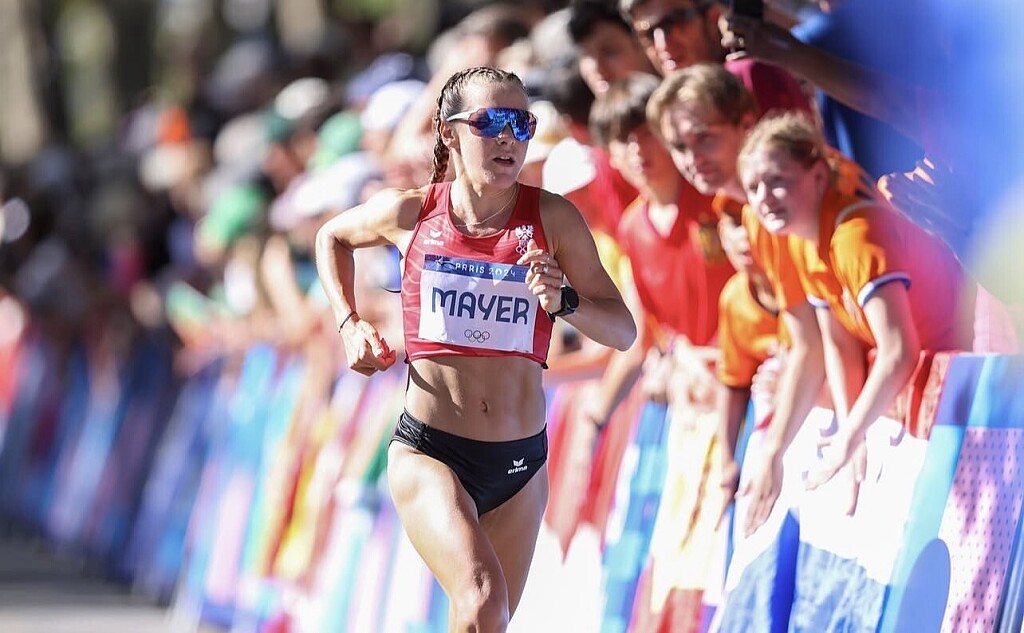
The Soccer Player Who Became Austria’s Olympic Marathon Record Holder
Most Olympic marathoners spend their youth focused on running. They join track clubs, compete in national championships, and pursue the sport from an early age.
Julia Mayer’s journey was very different.
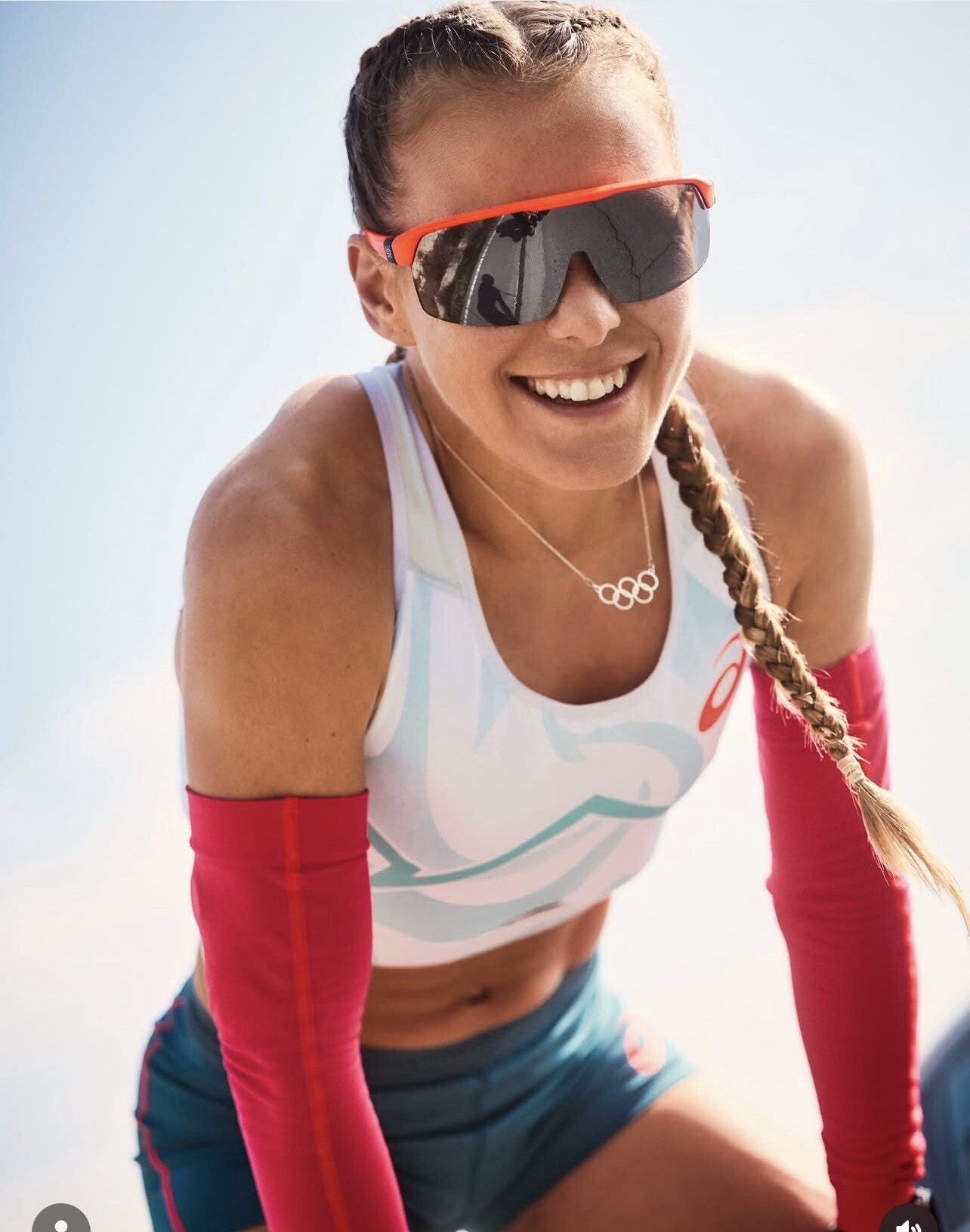
Today, Mayer is Austria’s marathon record holder, a multiple national record holder on the roads, and an Olympian. Yet for much of her athletic life, running was not her primary sport.
For 16 years, she played soccer.
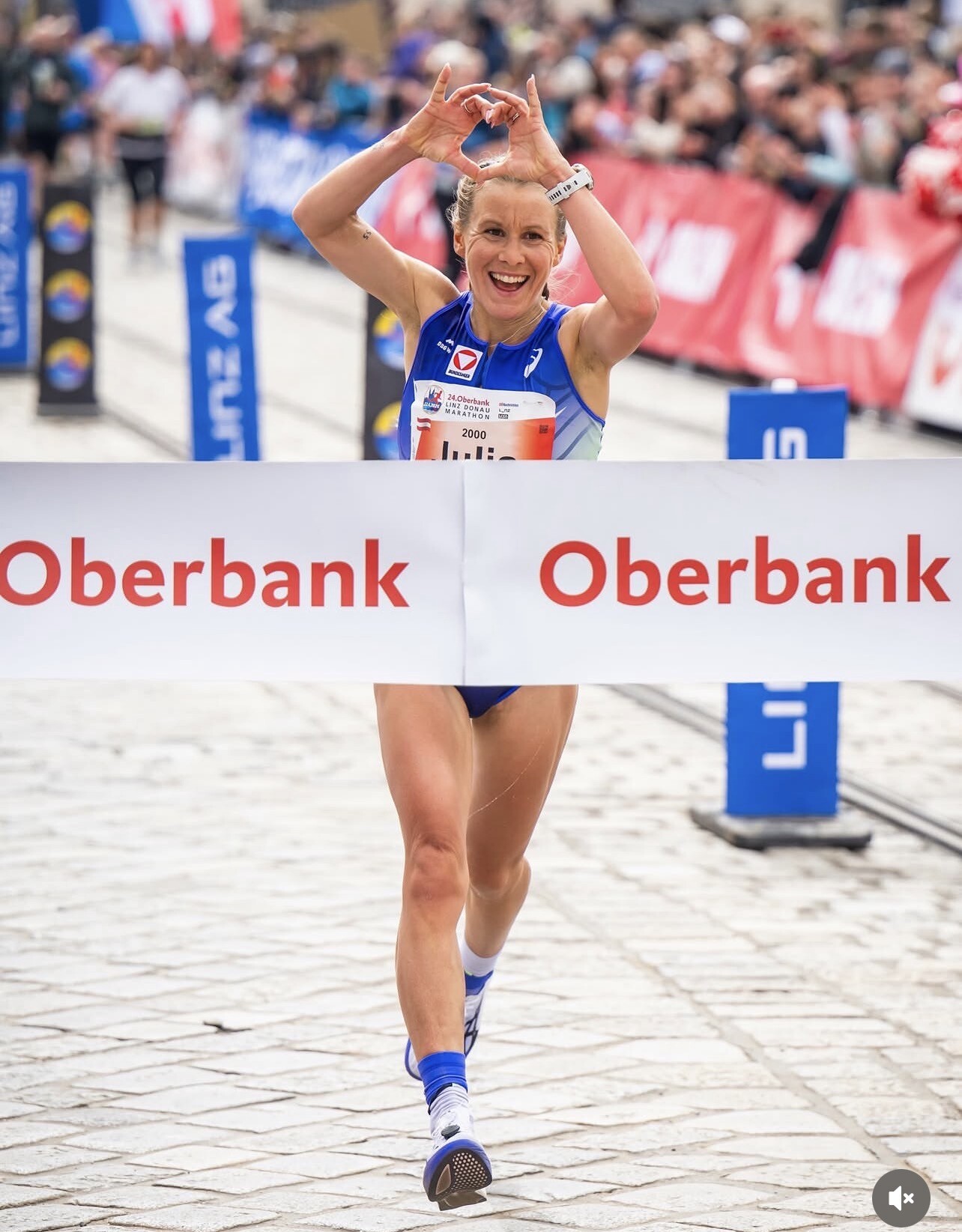
Then she discovered something that would change her life.
“I noticed that I was really fast in the fun runs and that it was really, really fun,” Mayer said when reflecting on her transition from soccer to distance running.
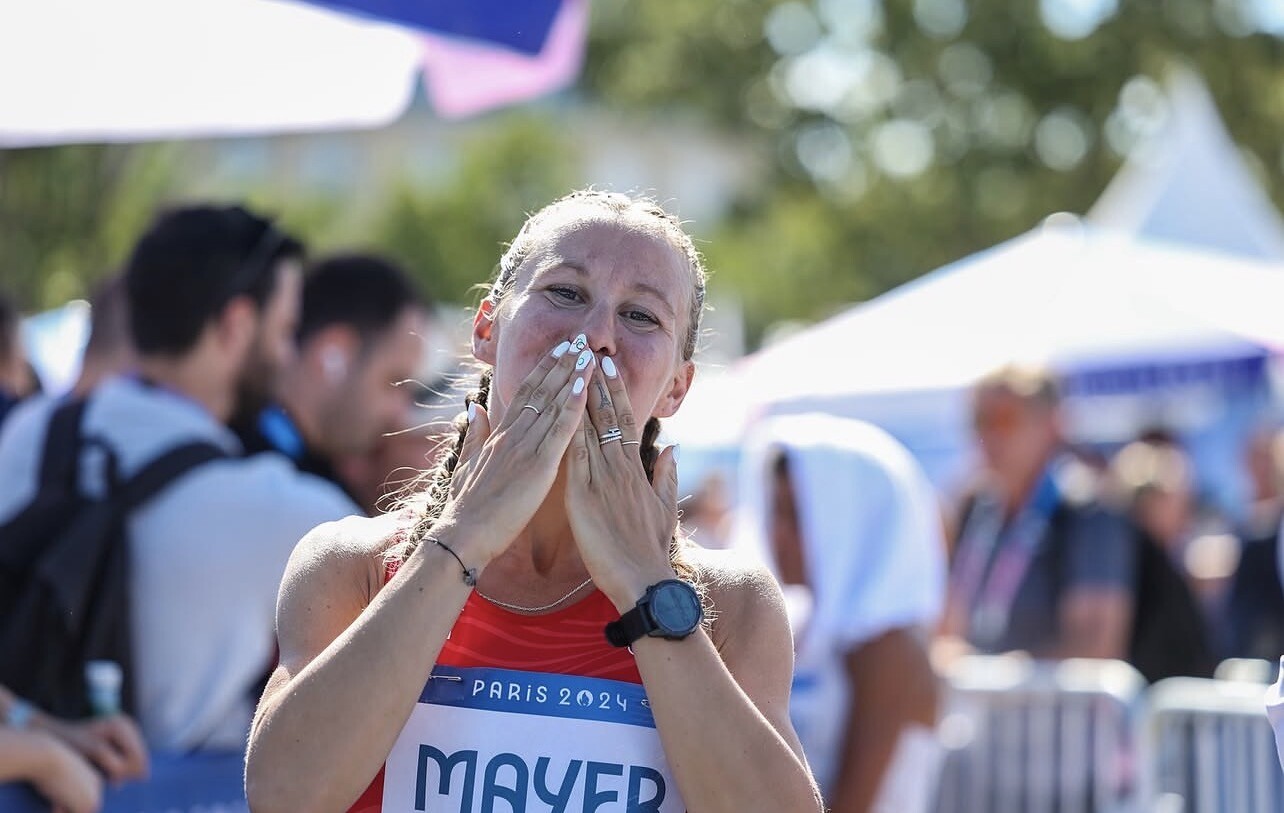
What began as curiosity quickly became a passion. She eventually made the bold decision to leave soccer behind and focus entirely on running. It was a move that surprised many people around her, but Mayer believed she had found her true athletic calling.
The decision proved to be the right one.
Within a few years, Mayer developed into one of Europe’s top marathon runners. Her steady improvement carried her from local races to the international stage, where she began rewriting Austria’s record books.
She now holds Austrian records in the marathon, half marathon, and road 10K. Her marathon best of 2:26:08 established her as the fastest female marathoner in Austrian history. Her performances in the half marathon and 10K have further cemented her place among the country’s all-time great distance runners.
Her rise culminated with qualification for the 2024 Olympic Games in Paris.
Competing in the Olympic marathon represented the realization of a dream. On one of the most challenging marathon courses ever used for the Olympics, Mayer ran courageously against the strongest field in the world and finished 55th in her Olympic debut.
Behind the scenes, success has come through extraordinary dedication. During marathon preparation, Mayer trains twice a day and covers approximately 200 kilometers, or 124 miles, each week. The workload demands discipline, patience, and a deep commitment to continuous improvement.
What makes her story especially inspiring is not simply the records or the Olympic appearance.
It is the fact that she found her greatest talent later than many elite runners.
In a sport where athletes are often identified at a young age, Mayer’s journey serves as a reminder that potential does not always reveal itself early. Sometimes it takes years of experience, a willingness to try something new, and the courage to follow a different path.
The former soccer player who once chased a ball across a field is now chasing history on the roads of Europe.
And according to those closest to her, her best performances may still be ahead.
For runners of every age and ability, Julia Mayer’s story delivers a powerful lesson: it is never too late to discover what you are capable of.
From soccer player to Olympian, her journey proves that remarkable achievements can begin when least expected.
by Boris Baron
Login to leave a comment
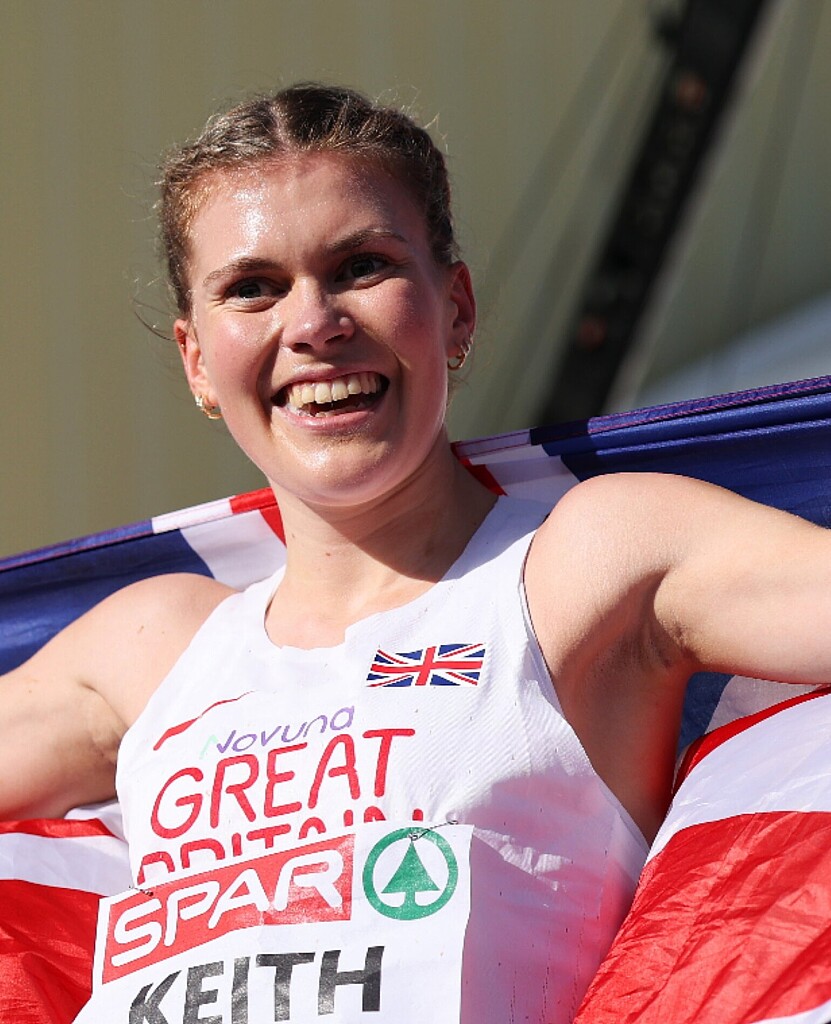
Megan Keith Rewrites Scottish History with Stunning 3000m Record in Oslo
Megan Keith produced the performance of her career in Oslo on Thursday night, shattering one of Scotland’s longest-standing distance running records and cementing her place among Britain’s greatest female 3000m runners.
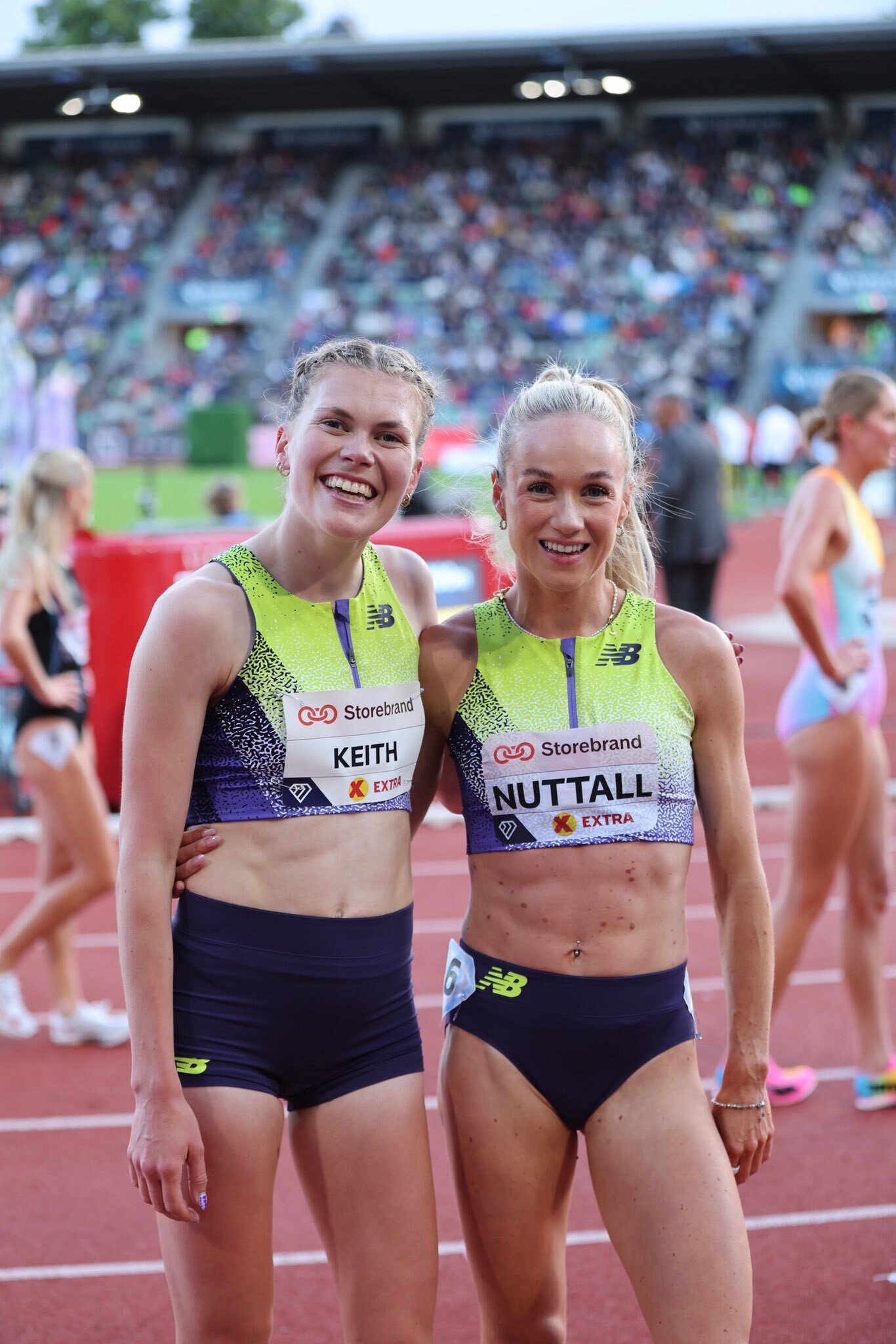
The 24-year-old clocked a sensational 8:28.35 over 3000m, breaking the Scottish outdoor record that had stood for nearly four decades. In doing so, Keith eclipsed the previous mark of 8:29.02, set by Scottish legend Yvonne Murray back in 1988, ending a record reign that had lasted 38 years.
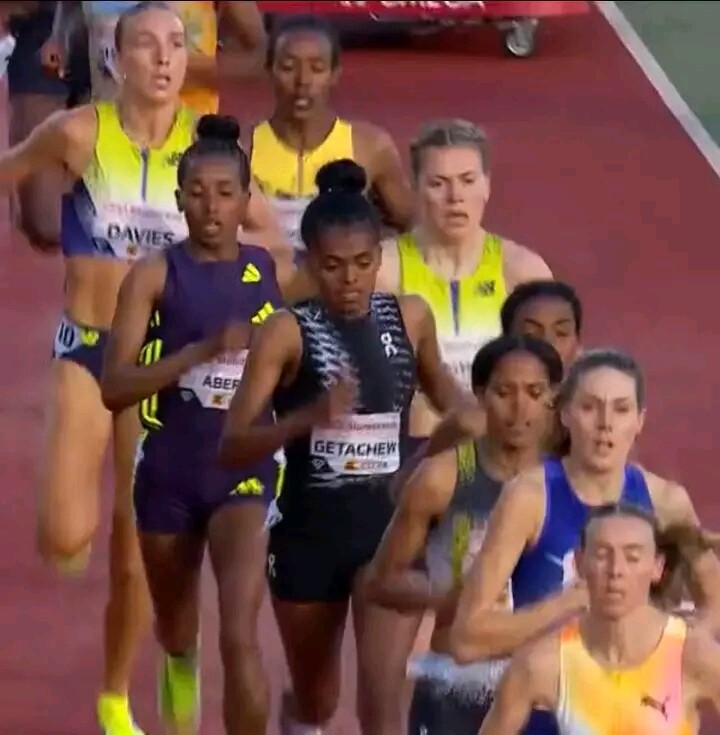
Keith’s breakthrough run was more than just a national record. The performance also propelled her to third on the UK outdoor all-time list, placing her behind only two of Britain’s most celebrated distance runners — Paula Radcliffe, who leads the rankings with 8:22.20, and Laura Weightman, whose 8:26.07 remains the second-fastest outdoor mark by a British woman.
The significance of Keith’s achievement is amplified by the calibre of athletes she now joins in the record books. For decades, Murray’s mark stood as one of Scottish athletics’ most untouchable records, surviving generations of elite competitors. Keith has now succeeded where many outstanding runners have fallen short, announcing herself as one of the leading distance talents in British athletics.
Her time also compares favourably with the best performances produced indoors. Olympic medallist Laura Muir ran 8:26.41 indoors in Karlsruhe in 2017, underlining just how exceptional Keith’s outdoor effort in Oslo truly was.
The run continues a remarkable rise for the Scottish star, whose progression over recent seasons has transformed her from a promising prospect into a genuine force on the international stage. Running with confidence and composure against elite competition, Keith demonstrated both the speed and endurance required to challenge the very best in Europe and beyond.
With the World Championship season gathering momentum, Keith’s record-breaking display sends a powerful message. Not only has she etched her name into Scottish athletics history, but she has also established herself as a serious contender in one of the sport’s most competitive events.
In Oslo, Megan Keith did far more than break a record. She ended a 38-year wait, climbed into the upper echelon of British distance running, and delivered a performance that may prove to be a defining moment in her career.
by Erick Cheruiyot for My Best Runs.
Login to leave a comment
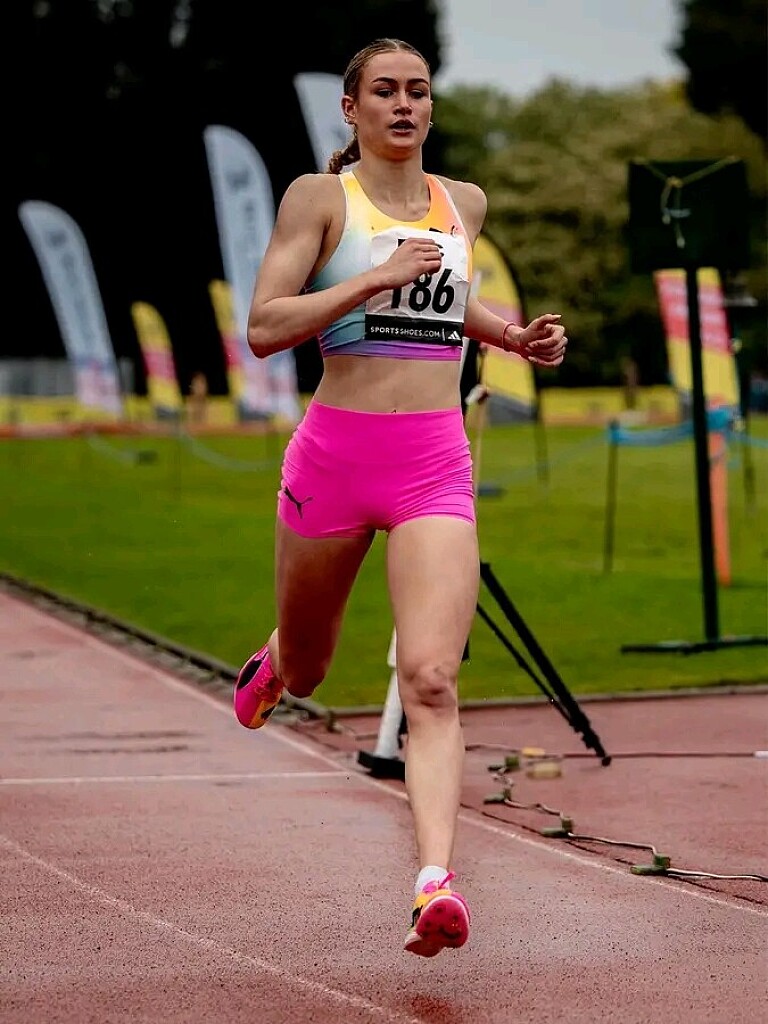
Gill Continues Encouraging Comeback with Marseille 800m Victory
British middle-distance talent Phoebe Gill took another significant step forward in her return to top form, producing a determined victory over 800 metres at the Meeting de Marseille in France on Wednesday.
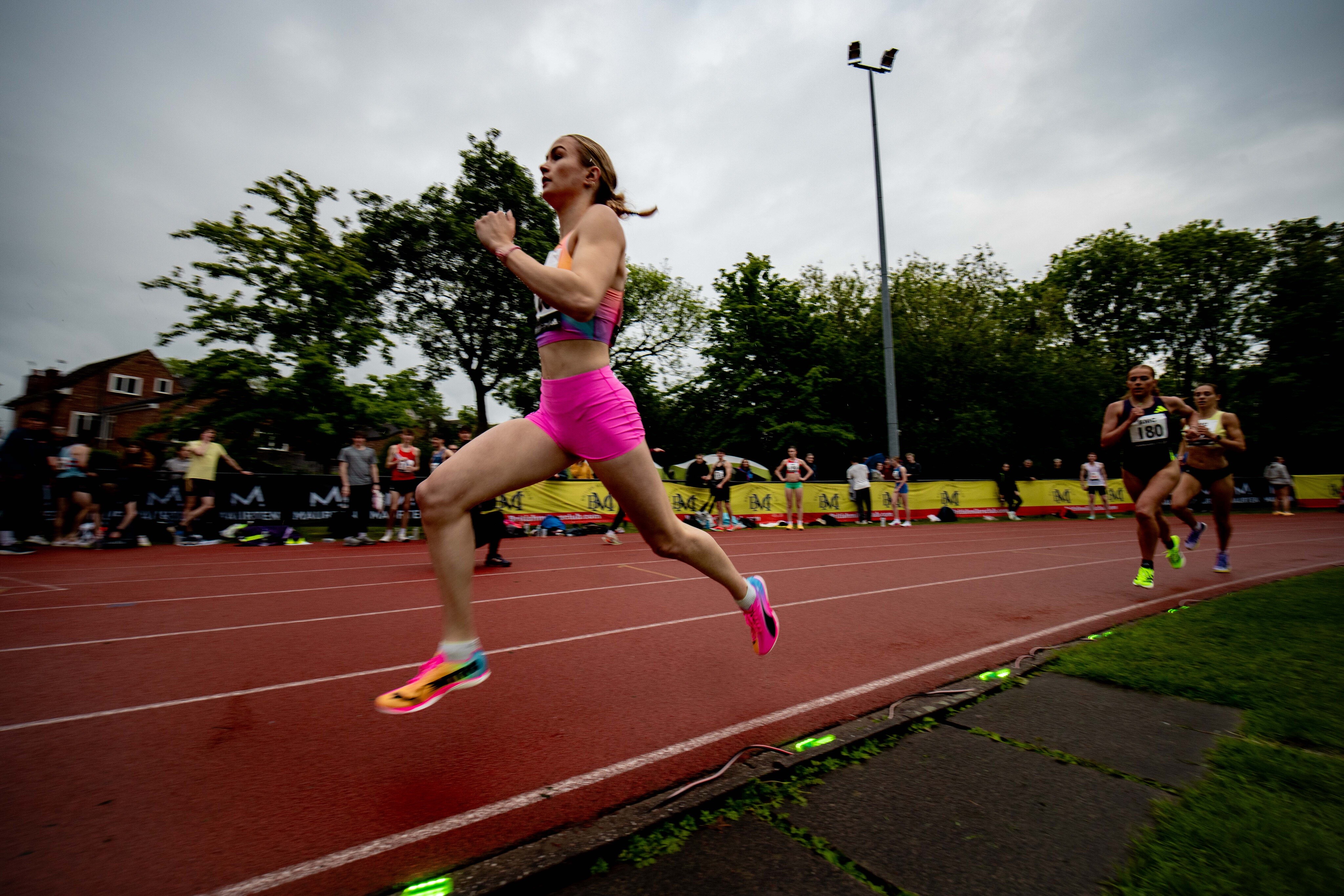
Competing in challenging, wind-affected conditions, the 19-year-old demonstrated both resilience and composure as she held off a late charge from Switzerland's Veronica Vancardo to secure the win in 2:00.81. Vancardo finished just three hundredths of a second behind in 2:00.84, underlining the fiercely contested nature of the race.
While the margin of victory was narrow, the result represented another encouraging milestone for Gill as she continues to rebuild momentum following her injury setback. The young Briton showed impressive race awareness and strength in the closing stages, maintaining her advantage despite the difficult conditions that made fast running a challenge throughout the evening.
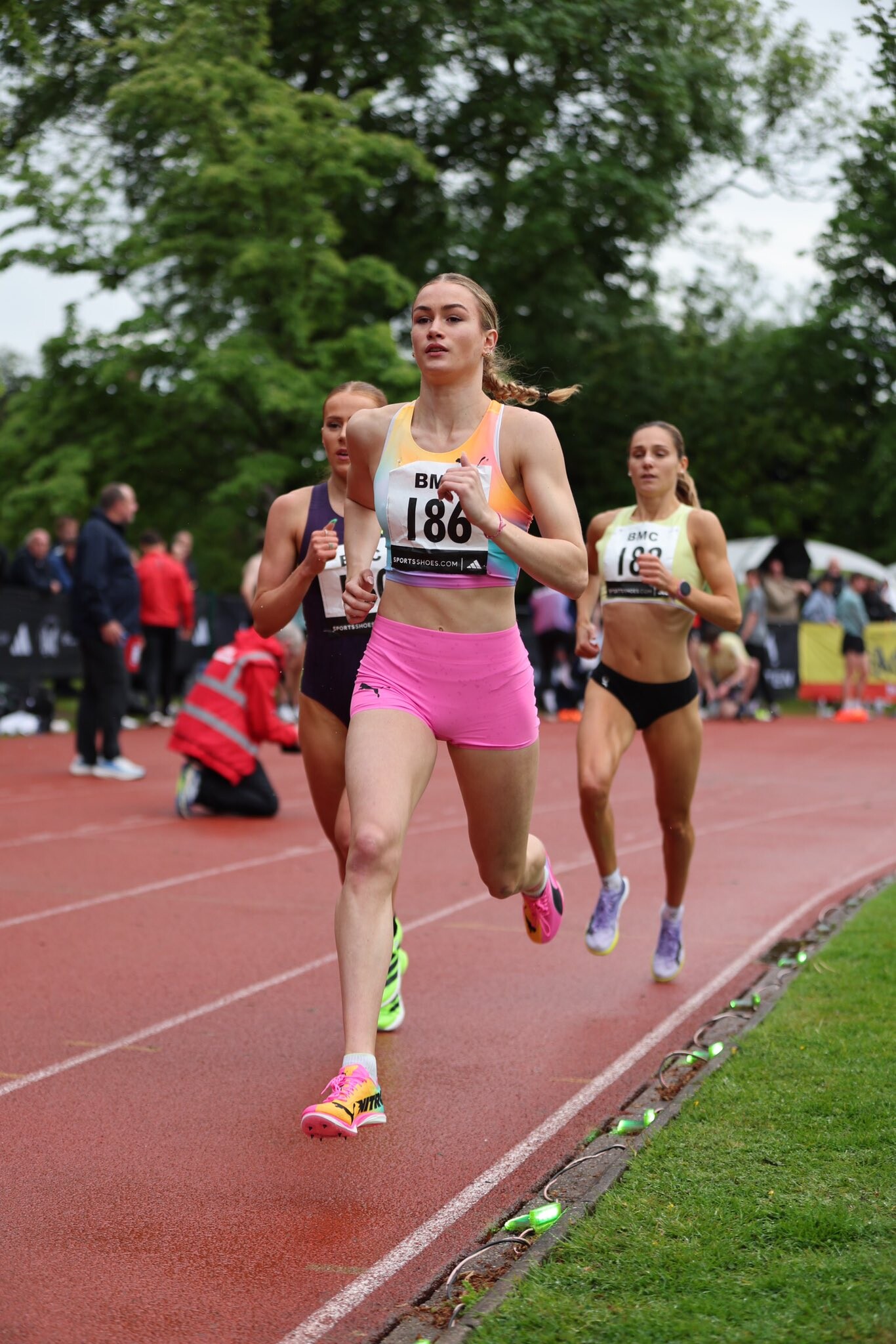
The Marseille triumph adds to a growing body of evidence that Gill is steadily progressing toward her best form. Earlier in her comeback campaign, she clocked 2:01.50 for 800m in Bydgoszcz before demonstrating her versatility with a strong 4:05.53 performance over 1500 metres at the BMC Grand Prix meeting in Trafford.
Those performances have highlighted not only her improving fitness but also her ability to compete across multiple distances as she carefully builds her season. The Marseille victory now provides further confirmation that the European junior star is moving in the right direction.
Gill emerged as one of Britain's most exciting middle-distance prospects through a series of breakthrough performances as a teenager, earning widespread recognition for her fearless racing style and remarkable maturity. Injury temporarily interrupted that upward trajectory, but her recent results suggest she is steadily rediscovering the form that made her one of the sport's brightest young talents.
With each race, the signs of progress become increasingly evident. Winning in difficult conditions and under pressure from a quality field is often a stronger indicator than a fast time alone, and Gill's latest success demonstrated exactly those qualities.
As the summer season gathers pace, the Marseille victory offers another confidence boost for the British teenager, whose return continues to gain momentum. If her recent progression is any indication, Gill could soon find herself back among the leading names on the European middle-distance circuit.
by Erick Cheruiyot for My Best Runs.
Login to leave a comment
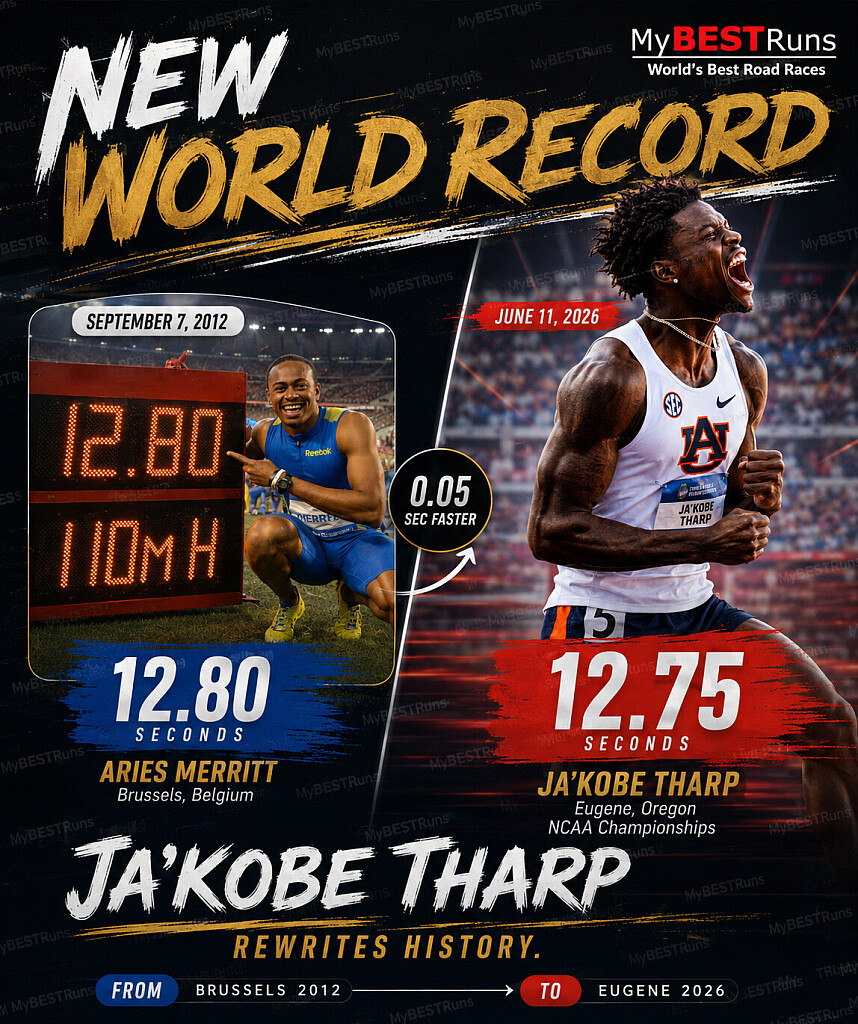
Ja’Kobe Tharp Shatters World Record with Historic NCAA Hurdles Performance
The NCAA Track and Field Championships delivered a moment few could have predicted as Ja’Kobe Tharp produced one of the most astonishing performances in the history of sprint hurdling, rewriting the record books in spectacular fashion.
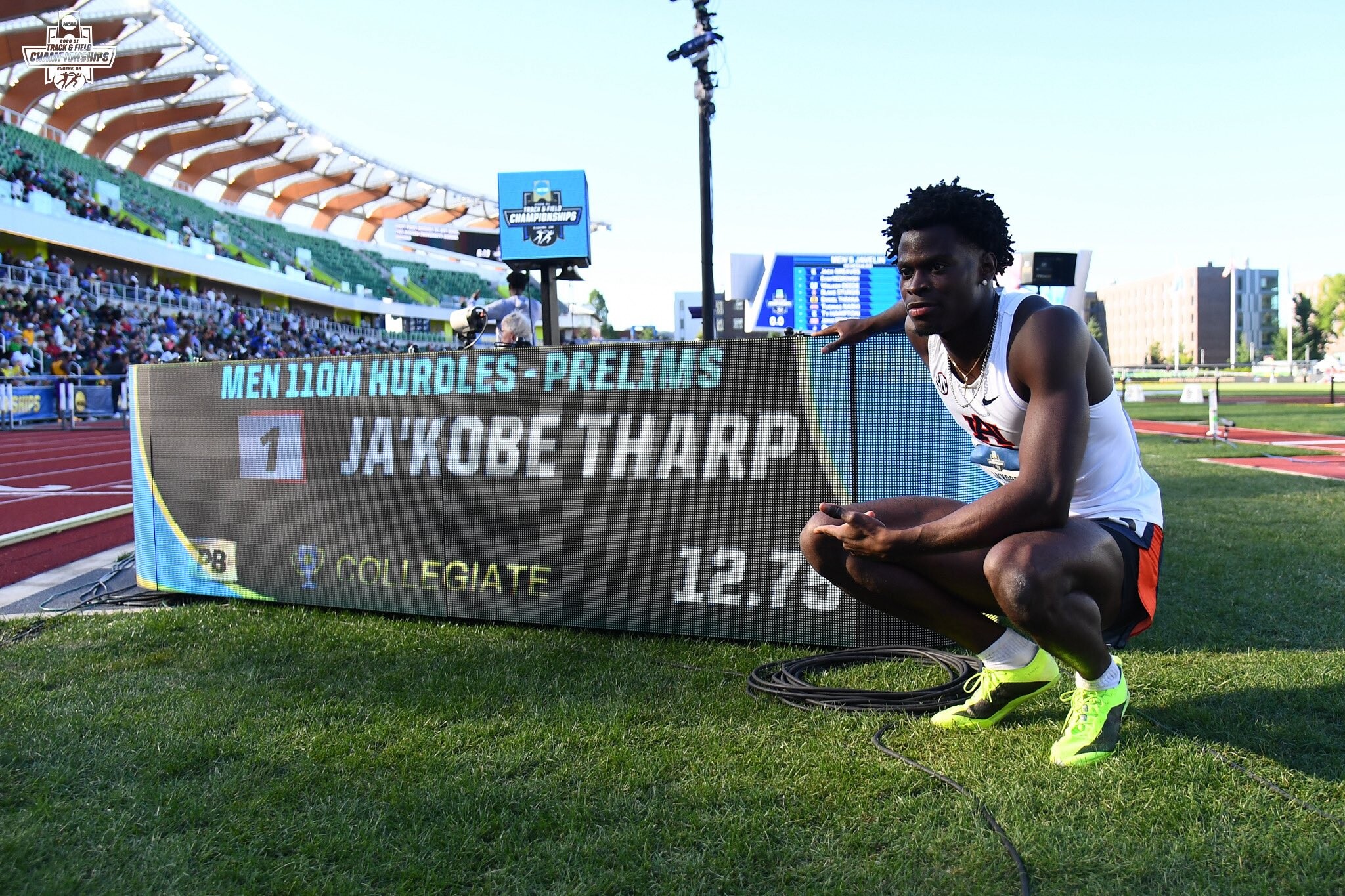
Competing in the opening round of the men’s 110-meter hurdles, the Auburn star stunned the athletics world by clocking an incredible 12.75 seconds, becoming the first athlete ever to break the 12.80-second barrier. In doing so, he eclipsed the long-standing world record of 12.80 set by Aries Merritt in 2012, a mark that had stood as one of the sport’s most revered achievements for more than a decade.
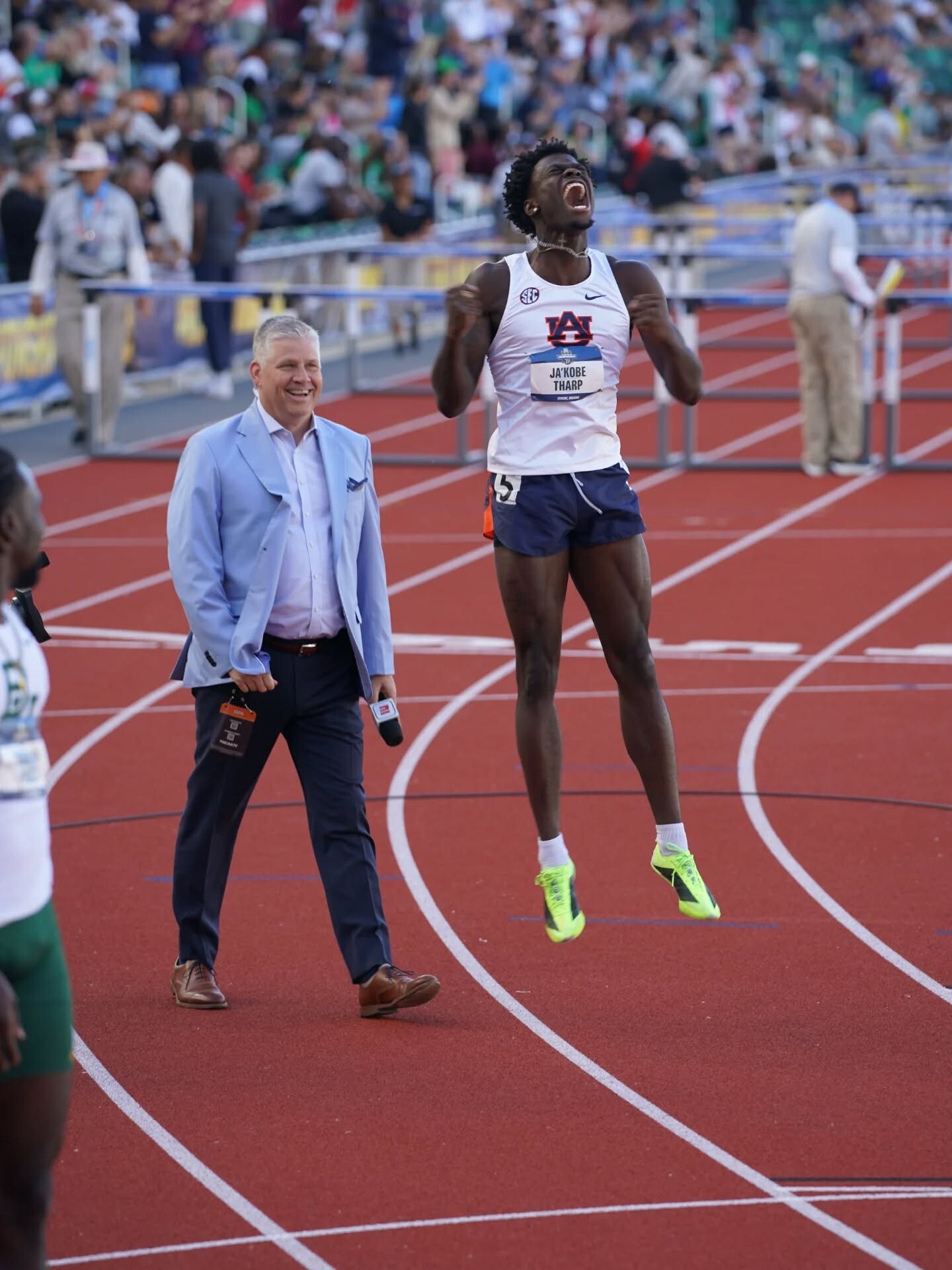
What makes Tharp’s breakthrough even more remarkable is the scale of his improvement. Entering the championships, the defending NCAA and U.S. champion had recorded a season-best of 13.05 seconds. Yet under the brightest spotlight, he unleashed a performance that exceeded every expectation, slicing an extraordinary 0.26 seconds from his personal best in a race that instantly became one of the greatest ever run.
The achievement sent shockwaves throughout the track and field community. While Tharp arrived in Eugene as one of the leading contenders for the NCAA title, few envisioned a performance capable of redefining the limits of the event. Instead, the American hurdler delivered a race for the ages, combining flawless technique, explosive speed, and impeccable rhythm from the first hurdle to the finish line.
The historic run not only secured his place in athletics history but also transformed the outlook of the championship. With the world record now in his possession, Tharp advances to the final as the overwhelming favorite, carrying momentum that could make an already unforgettable weekend even more extraordinary.
For years, the 12.80 barrier appeared untouchable. On a stunning day at the NCAA Championships, Ja’Kobe Tharp proved otherwise, producing the kind of performance that reminds fans why sport remains so unpredictable. In a matter of seconds, he turned a routine qualifying round into a landmark moment that will be remembered for generations.
The world record no one saw coming is now a reality—and Ja’Kobe Tharp is the man who changed history.
by Erick Cheruiyot for My Best Runs.
Login to leave a comment
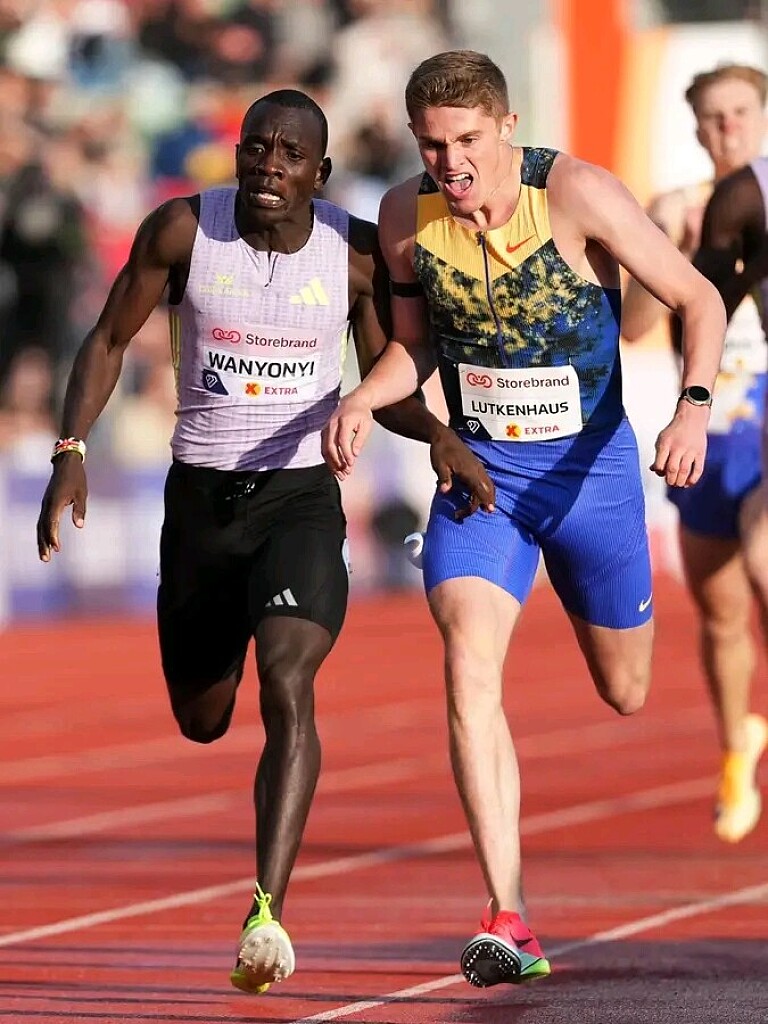
Lutkenhaus Delivers Stunning Upset as Teenage Star Edges Olympic Champion in Oslo
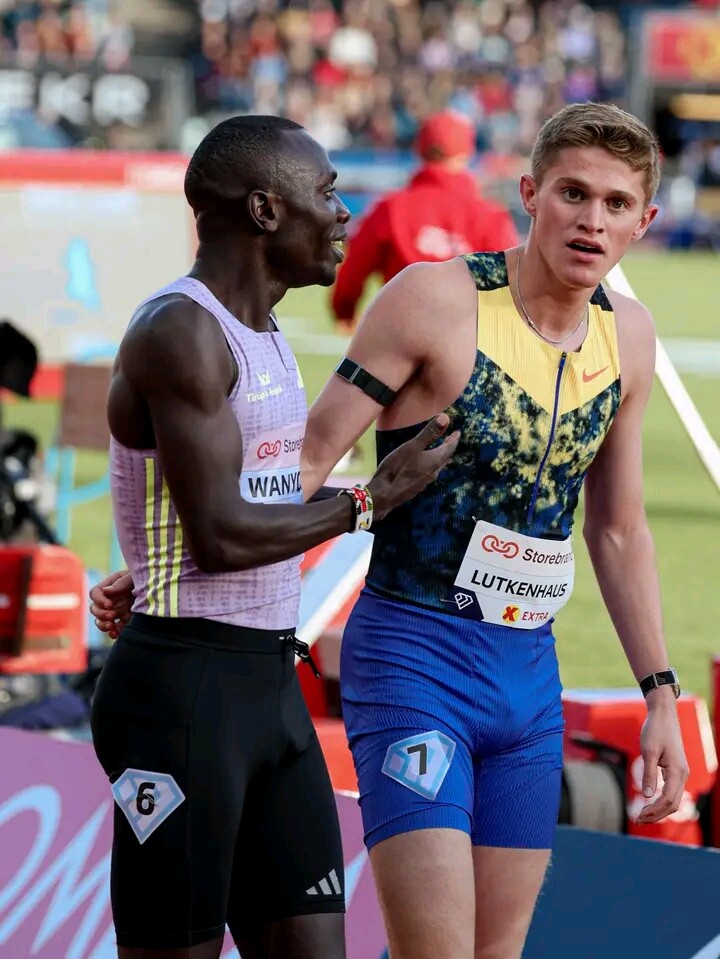
A new chapter in middle-distance running may have begun in Oslo after American teenager Cooper Lutkenhaus produced one of the most remarkable performances of the season, narrowly defeating reigning Olympic champion Emmanuel Wanyonyi in a thrilling men's 800m contest at the Diamond League meeting.
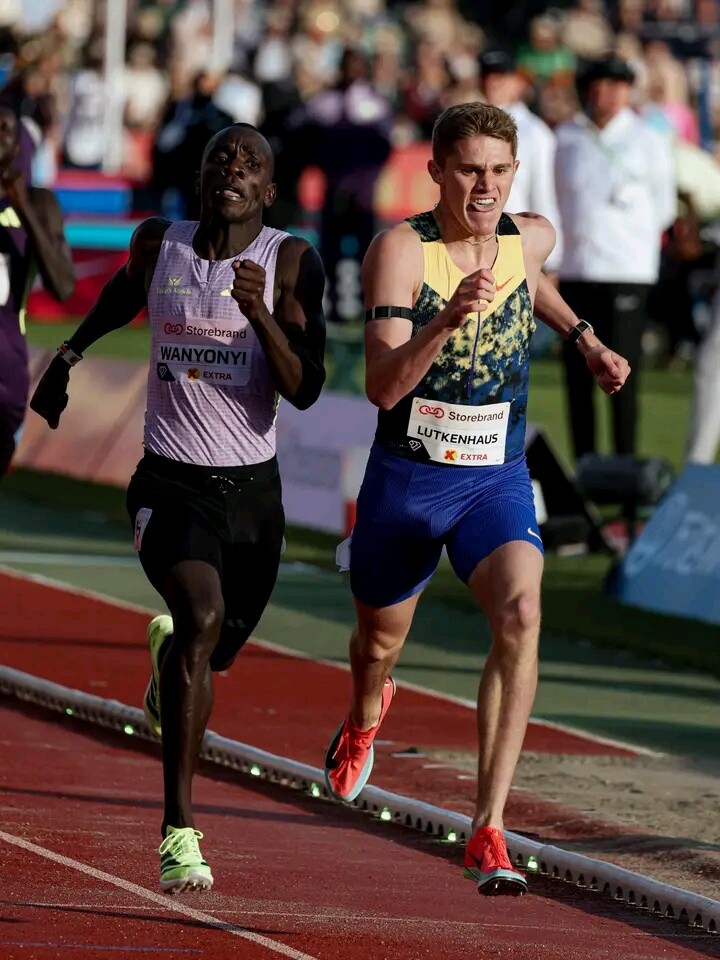
The 17-year-old sensation shocked a world-class field by crossing the finish line first in a race that came down to the smallest of margins. After an intense battle over the final metres, Lutkenhaus held off Wanyonyi by just one hundredth of a second, producing a dramatic finish that left the packed stadium in disbelief.
From the opening lap, the pace was relentless as the leading contenders positioned themselves for a fierce showdown. As the athletes entered the home straight, Wanyonyi appeared poised to unleash his trademark finishing kick. However, Lutkenhaus refused to be intimidated, matching the Olympic champion stride for stride before producing a perfectly timed lean at the line to secure a historic victory.
The result marks a breakthrough moment for the young American, who continues to establish himself as one of the brightest talents in global athletics. Defeating an Olympic champion at a Diamond League event is a feat many athletes spend entire careers pursuing, yet Lutkenhaus achieved it before reaching adulthood.
For Wanyonyi, the narrow defeat does little to diminish his status as one of the world's premier 800m runners. The Kenyan once again demonstrated his exceptional class and competitiveness, pushing the race to a world-class standard and forcing his young rival to deliver the performance of a lifetime.
Beyond the result itself, the race offered a glimpse into what could become one of the sport's most exciting rivalries in the years ahead. With established stars and emerging talents now pushing each other to new heights, the men's 800m continues to evolve into one of athletics' most captivating events.
On a memorable night in Oslo, the spotlight belonged to Cooper Lutkenhaus. At just 17 years old, he stood toe-to-toe with an Olympic champion and emerged victorious, announcing himself to the athletics world in spectacular fashion.
by Erick Cheruiyot for My Best Runs.
Login to leave a comment
