

Running News Daily
Running News Daily is edited by Bob Anderson and team. Send your news items to bob@mybestruns.com Advertising opportunities available.
Index to Daily Posts · Sign Up For Updates · Run The World Feed



How Doing Nothing May Make You A Better Runner

The last few decades have witnessed a proliferation of research uncovering the profound effects of meditation on emotional wellbeing and mental health. The ancient Eastern practice has boasted a wide swath of miraculous benefits including the ability to reduce stress, enhance empathy, improve cognition, and even slow aging. But does it offer any aid to runners looking for a mental edge?
The answer is a resounding yes. While runners grind through speed work, tempo runs, and weight sessions vigorously training their bodies to perform to maxim capacity in races, the mind doesn't receive nearly as much attention - yet victory or defeat happen in the mind first. Our brain is an organ that can be either our greatest ally or most ruthless enemy in those vulnerable moments during a race when we are faced with the choice to push victoriously through pain or succumb to suffering by slowing down. It all depends on how we train it - and research has found certain meditation techniques to be unrivaled in powerfully honing the mind.
Beyond running, if you haven't tried meditation yet, this chaotic and precarious year is a good time to start a practice.
What Exactly is Meditation?
The mind tends to produce a lot of chatter, creating stories about the future, replaying the past, worrying, judging, fantasizing, etc. Meditation seeks to calm the erratic thought currents of what is sometimes referred to as the "monkey mind" by attuning us to the present moment.
An internet search will take you down a rabbit hole of various meditation practices, but one of the most well studied, and that which most of the research in this article refer to, is mindfulness meditation. In this practice, you focus intently on one specific thing or sensation, whether it be your breath, an object, or a body part, for a set amount of time. The mind will naturally wander, the idea is to notice when it does and bring your attention back to your point of focus.
And somehow, this "do-nothing" practice boasts some pretty profound benefits for endurance athletes.
Benefits of Meditation

Enhanced Focus and Mental Resilience
Running is a form of stress. The greater the intensity of the run relative to a person's level of fitness, the more stress is generated. While a good deal of that strain is physical, some of it is mental. Prolonged strenuous training, such as a tempo run or distance race, requires enhanced attention and focus on continuing to push oneself into increasing levels of discomfort. Research has shown that practicing mindfulness meditation a few minutes each day can increase the willpower, focus, and emotional resilience necessary for sustained endurance performance by building up gray matter in areas of the brain that regulate emotions and dictate decision making.
For example, in a 2017 study on college football players, mindful meditation was found to strengthen sustained attention and wellbeing among participants in periods of high stress. The participants were divided into two groups and enrolled into either a 4-week "relaxation training" program or a "mindfulness meditation" program, each lasting 2 hours per session. The relaxation group listened to soothing music and learned to systematically and progressively relax their muscles (a common tactic within sports psychology), while the other group was taught mindfulness meditation, which involves paying close attention to breathing and the present moment. Both groups were given 12-minute daily practices to do five days per week. The study was conducted over a stressful 4-week period during the players pre-season summer athletic training when they do especially intensive drills, as well as take summer school courses. As a group, the players degraded in their attentional capacity and their emotional wellbeing, but the amount of degradation differed between the mindfulness meditation group and the relaxation group.
"The mindfulness group didn't decline, they stayed stable over time, whereas the relaxation group actually got worse" says Dr. Amishi Jha, an associate professor of psychology at the University of Miami in Florida, who was a part of the research team. "Within the mindfulness group, those that practiced more, they did their daily homework mindfulness exercises more regularly, they actually benefited more. Their wellbeing was better and their attention was better."
The study was done on football players, but it holds some pretty profound implications for athletes of other disciplines such as running. In fact, 2004 Olympic 2004 Olympic bronze medalist and American marathon record holder Deena Kastor has used meditation practices to enhance her running performance with one of the primary benefits being enhanced focus.
"The benefits I've seen from a performance side, is being able to focus solely on the rhythm of my breath under stressful races," says Kastor, who has been practicing versions of mindfulness meditation and visualization-based meditation for two decades. "Whether I'm anxious to make a move, being shoved or tripped, feeling doubt or fatigue, I can easily focus on my breath until a better thought comes in to help me through the moment."
Dr. Jha emphasizes that when elite athletes underperform, it isn't typically because their body gave out, but rather that their mind gave up.
"What we find in most elite athletes is that their downfall is not because the body conks out, it's that the mind is fighting with them," explains Jha. "So these capacities to focus and really regulate your mood and reactivity become really key in preserving their performance."
Better Cope With Discomfort and Pain
During more intensive training periods, meditation practices can be helpful for reducing muscle soreness and pain. It may also help you push through make-or-break moments in a race or training session when you can either transcend pain or let it slow you down.
Recent findings have demonstrated that mindfulness meditation significantly reduces an individual's sensitivity to pain. A 2015 study published in the Journal of Neuroscience looked at how study participants responded to painful heat stimuli before and after attending four 20-minute meditation training sessions over a four-day period. After the meditation training, participants rated pain, on average, as 57% less unpleasant and 40% less intense.
"This study is the first to demonstrate that mindfulness meditation is mechanistically distinct and produces reductions in pain intensity and pain unpleasantness ratings above and beyond the analgesic effects seen with either placebo conditioning or sham mindfulness meditation," wrote the researchers in their paper.
Race More Intuitively
By increasing your awareness and observation, mindfulness meditation may also give you a mental edge during a race by allowing you to better read your competition and react accordingly.
"The senses meditation I practice has allowed me to take in the rich racing experience and has even allowed me to sense a competitors moves before she makes it," says Kastor, referring to a type of mindfulness meditation technique she uses that focuses on a sensation. "And the visualization has created a powerful belief that what I want to accomplish is possible. In visualizing I try to see a variety of race scenarios and succeeding in all of them. When I can see it, I can believe it, and then become it."
This relates to an area of research that Dr. Jha is interested in further exploring called "embedded practices," which involves being able to integrate mindfulness practices into a physical activity. While mindfully running does not replace the mindfulness meditation practice where you sit in silence focusing on your breath, it can supplement it.
"If you can start incorporating mindfulness practices into your running, then you're kind of getting more bang for your buck," says Dr. Jha. "You're both training your body and you're training your mind. And frankly, because you'll want to use your mindfulness practice during the competition itself, it's really good to start practicing that while you're actually running."
Treat Anxiety and Lower Cortisol
Excessive stress and elevated cortisol levels associated with anxiety can be detrimental to recovery and performance resulting in unpleasant consequences like fatigue, insomnia, hormonal disruptions, mental fog, vulnerability to infection, and increased risk of injury. If you are someone who struggles with anxious thoughts or racing anxiety, meditation can help you regulate your emotions to calm yourself down in moments that trigger stress.
Kastor says that the most unexpected benefit she experienced through her meditation practice was being able to have complete control to calm herself in moments of stress such as traffic, a cancer diagnosis, grief, and fatigue. By strengthening a person's cognitive ability to regulate his or her emotional response, mindfulness meditation has long been recognized as an effective antidote for anxiety. Studies using brain imaging have found that meditation provides relief to anxiety by activating the anterior cingulate cortex, ventromedial prefrontal cortex, and anterior insula - areas of the brain that are involved with executive function and governing worrying. Other studies have shown that mindfulness meditation reduces stress by lowering cortisol levels in the blood.
By activating this relaxation response, meditation has been shown to reduce inflammation and facilitate higher quality sleep making it a promising powerful tool for speeding up recovery in athletes.
How to Start Meditating
If you're interested in beginning your own practice, Dr. Jha lays out a practical template for beginning your own mindfulness meditation.
"A very common foundation of mindfulness meditation practice involves sitting comfortably, paying attention in a quiet place for a dedicated period of time, and then the instruction is to pay attention to, for example, breath-related sensations," explains Dr. Jha. "It can be any kind of anchoring object you want. And your job is to keep your attention focused on that. And then when your mind wanders away, as it will, you just bring it back."
One of the techniques Kastor practices is breath-awareness meditation in which she says she finds 5-10 minutes to be calming. "If I have time, I love to get to a place where my breathing focus dissolves and I can be clear of any and all thoughts," she says, estimating the meditation to last 10-30 minutes. Other times, she closes her eyes and focuses on the sounds, smells, tastes, and feel of her surroundings, typically in nature. For her visualization meditation, Kastor imagines a successful event, such as a race or a presentation. "By visualizing, allowing your mind's eye to see something happening, your body gets to work neurologically to see it to fruition," she explains.
Kastor suggests that anyone who wants to get into the habit of meditating practice at the same time and place every day. Typically, whenever fits best into your schedule whether it's right away in the morning or in the afternoon before picking up the kids from school. (Though, you should try to avoid practicing at times that you're so tired you risk falling asleep mid-meditation.) "The key is to keep at it long enough so you can feel the broad power of its benefits," Kastor notes.
So how long is long enough? Dr. Jha recommends practicing for 10 to 15 minutes a day, the point at which some immediate results of meditation begin to kick in, for five days a week. Her lab has found that some of the benefits of mindful meditation, such as sustained attention, begin to show around four weeks of practicing. A 2016 meta-analysis on mindfulness meditation found that the practice begins to alter brain structure and activity after two months.
As meditation has become more mainstream, various digital programs and apps have been marketed over recent years to make meditation practices more accessible to the public. Kastor uses the Headspace app and recommends it for beginners because it includes guided meditation practices and can feel less intimidating.
"We think of the body as something that needs training to achieve excellence and wellness, and the mind, the brain, are no different," emphasizes Dr. Jha. "The challenge has been that we don't have great science as to what to offer as a training program, and mindfulness meditation happens to be a very good candidate based on the research."
by Trail Runner Magazine
Login to leave a comment
Latest Running News
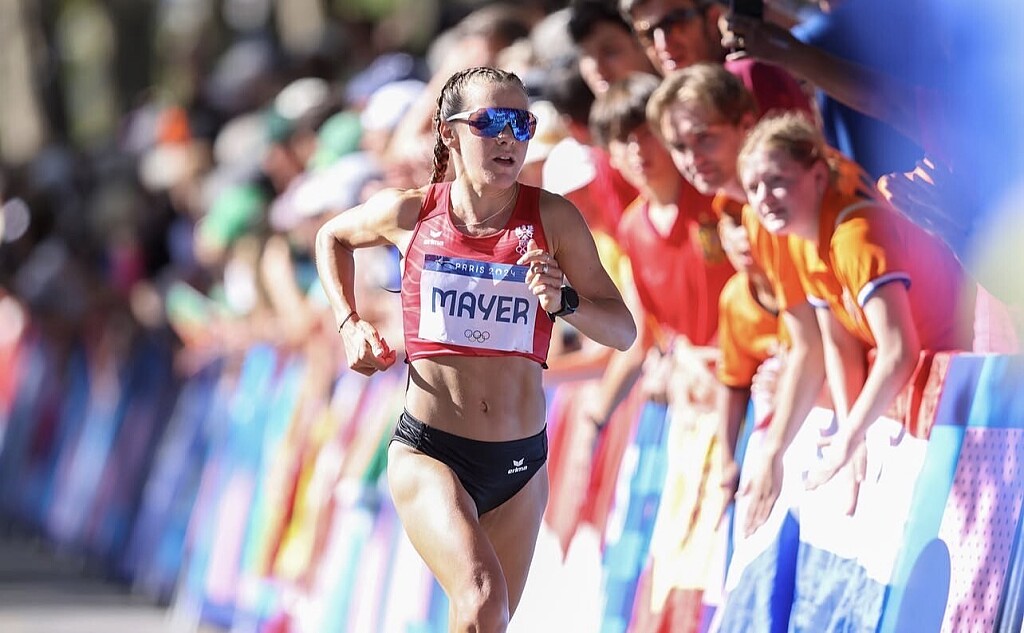
The Soccer Player Who Became Austria’s Olympic Marathon Record Holder
Most Olympic marathoners spend their youth focused on running. They join track clubs, compete in national championships, and pursue the sport from an early age.
Julia Mayer’s journey was very different.

Today, Mayer is Austria’s marathon record holder, a multiple national record holder on the roads, and an Olympian. Yet for much of her athletic life, running was not her primary sport.
For 16 years, she played soccer.
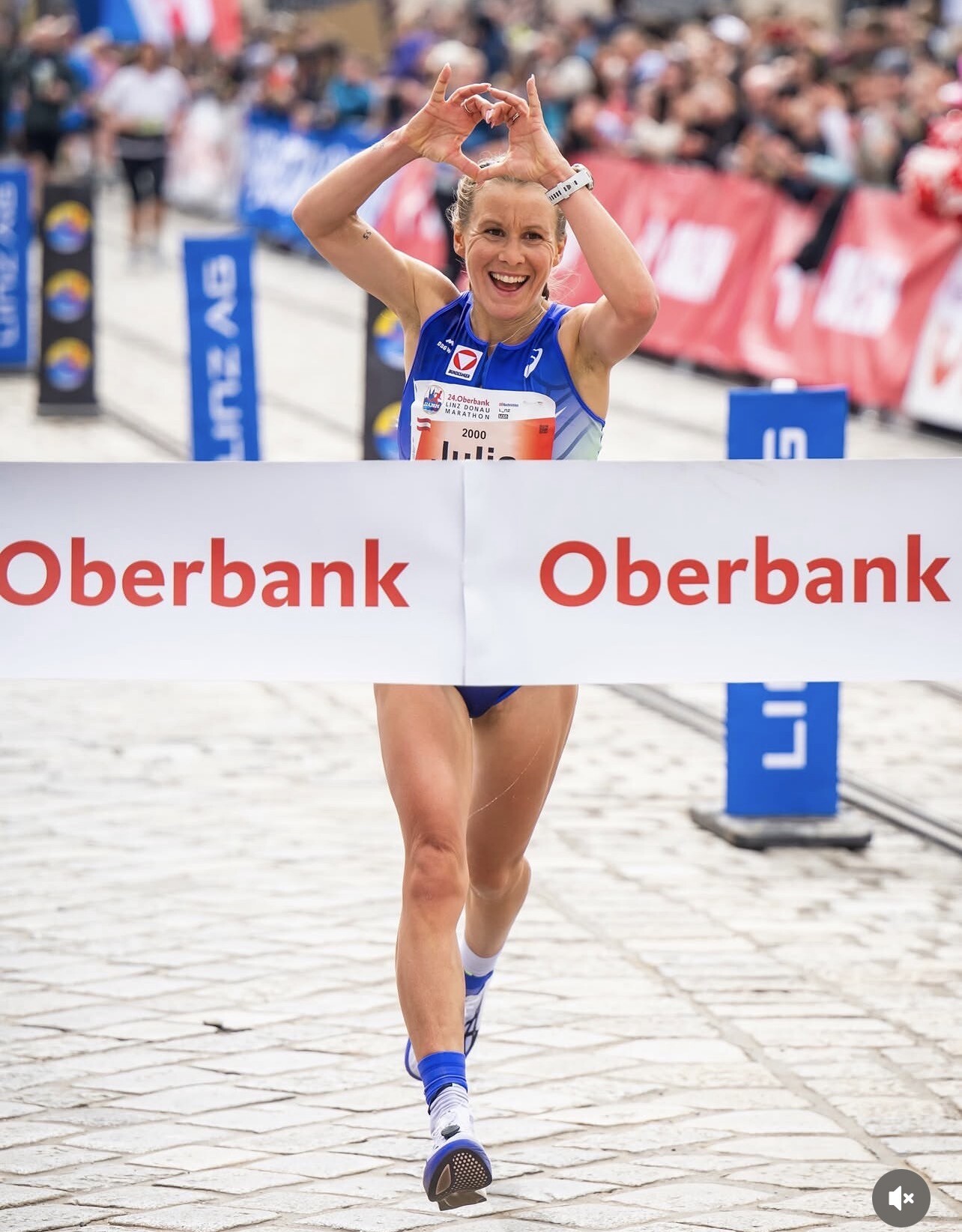
Then she discovered something that would change her life.
“I noticed that I was really fast in the fun runs and that it was really, really fun,” Mayer said when reflecting on her transition from soccer to distance running.
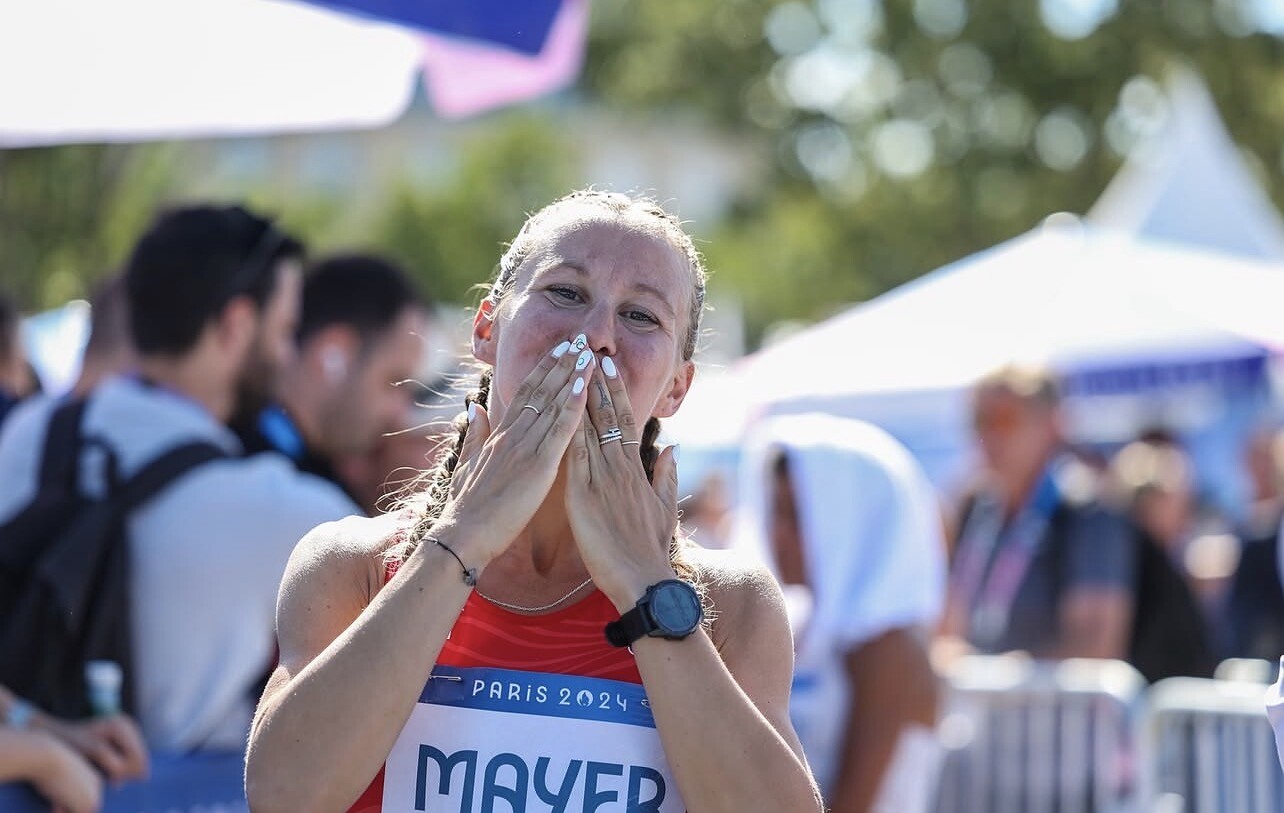
What began as curiosity quickly became a passion. She eventually made the bold decision to leave soccer behind and focus entirely on running. It was a move that surprised many people around her, but Mayer believed she had found her true athletic calling.
The decision proved to be the right one.
Within a few years, Mayer developed into one of Europe’s top marathon runners. Her steady improvement carried her from local races to the international stage, where she began rewriting Austria’s record books.
She now holds Austrian records in the marathon, half marathon, and road 10K. Her marathon best of 2:26:08 established her as the fastest female marathoner in Austrian history. Her performances in the half marathon and 10K have further cemented her place among the country’s all-time great distance runners.
Her rise culminated with qualification for the 2024 Olympic Games in Paris.
Competing in the Olympic marathon represented the realization of a dream. On one of the most challenging marathon courses ever used for the Olympics, Mayer ran courageously against the strongest field in the world and finished 55th in her Olympic debut.
Behind the scenes, success has come through extraordinary dedication. During marathon preparation, Mayer trains twice a day and covers approximately 200 kilometers, or 124 miles, each week. The workload demands discipline, patience, and a deep commitment to continuous improvement.
What makes her story especially inspiring is not simply the records or the Olympic appearance.
It is the fact that she found her greatest talent later than many elite runners.
In a sport where athletes are often identified at a young age, Mayer’s journey serves as a reminder that potential does not always reveal itself early. Sometimes it takes years of experience, a willingness to try something new, and the courage to follow a different path.
The former soccer player who once chased a ball across a field is now chasing history on the roads of Europe.
And according to those closest to her, her best performances may still be ahead.
For runners of every age and ability, Julia Mayer’s story delivers a powerful lesson: it is never too late to discover what you are capable of.
From soccer player to Olympian, her journey proves that remarkable achievements can begin when least expected.
by Boris Baron
Login to leave a comment
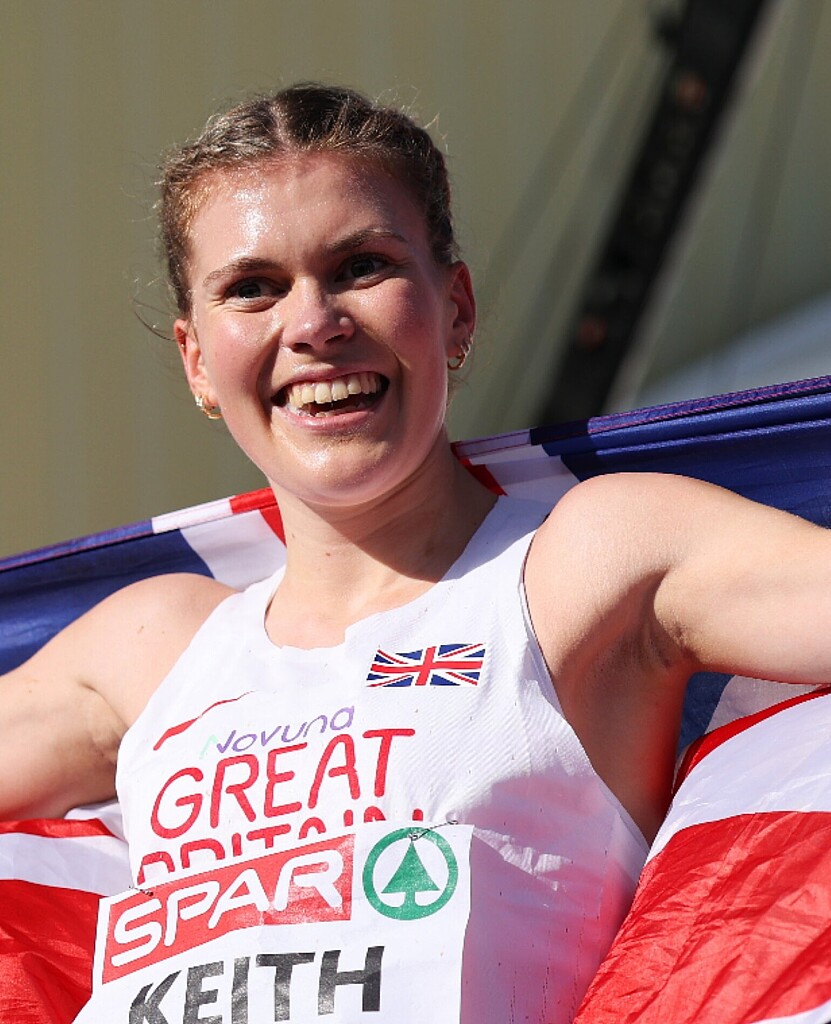
Megan Keith Rewrites Scottish History with Stunning 3000m Record in Oslo
Megan Keith produced the performance of her career in Oslo on Thursday night, shattering one of Scotland’s longest-standing distance running records and cementing her place among Britain’s greatest female 3000m runners.
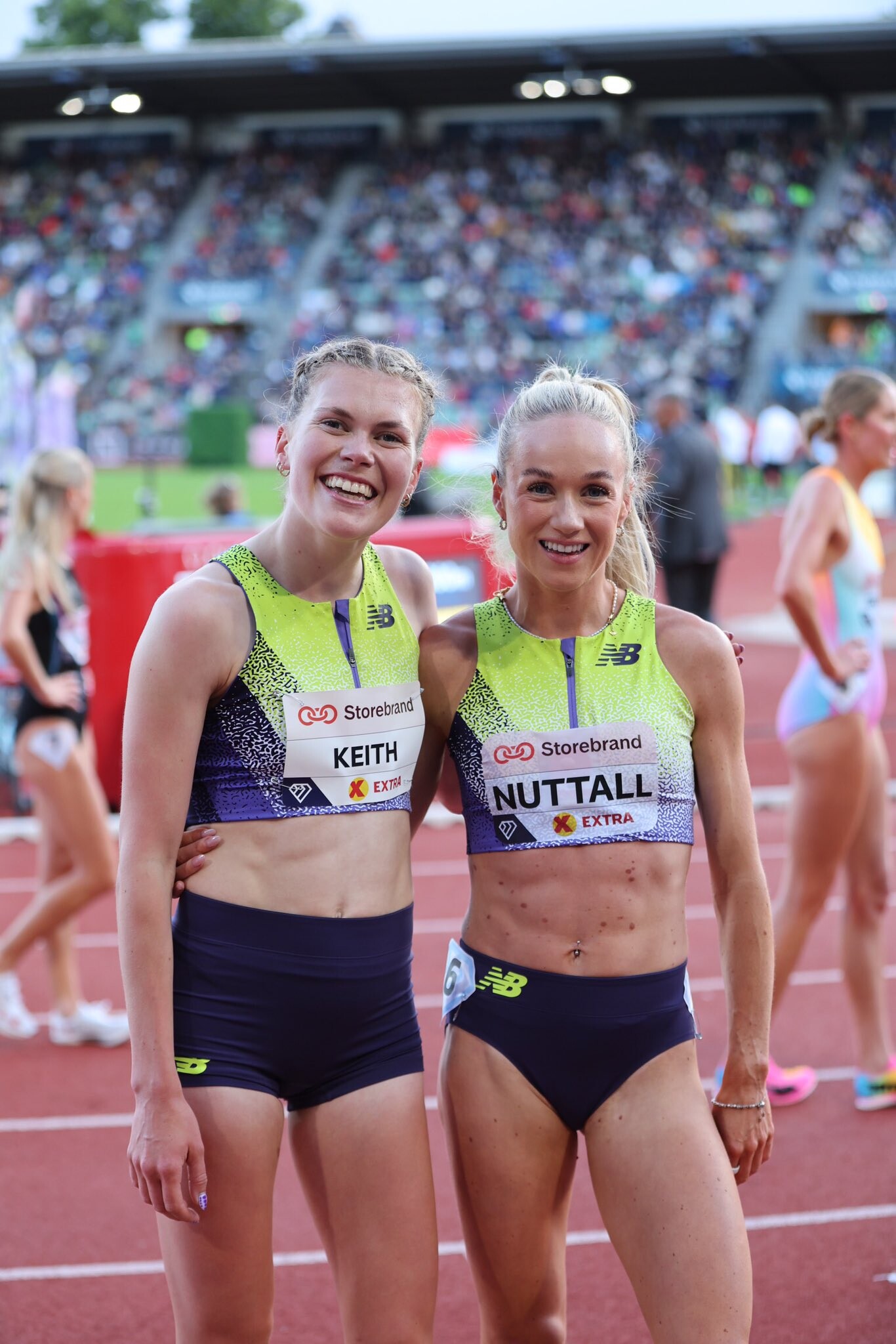
The 24-year-old clocked a sensational 8:28.35 over 3000m, breaking the Scottish outdoor record that had stood for nearly four decades. In doing so, Keith eclipsed the previous mark of 8:29.02, set by Scottish legend Yvonne Murray back in 1988, ending a record reign that had lasted 38 years.
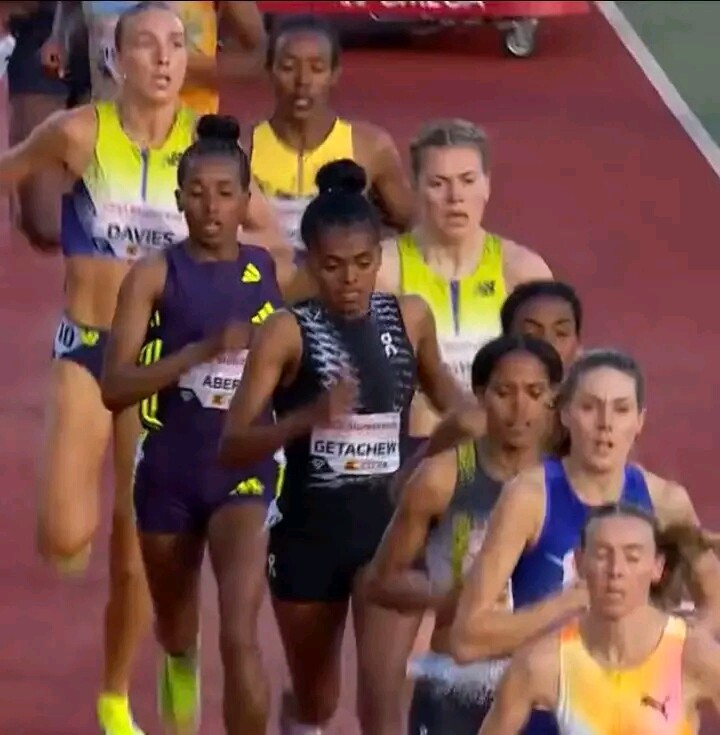
Keith’s breakthrough run was more than just a national record. The performance also propelled her to third on the UK outdoor all-time list, placing her behind only two of Britain’s most celebrated distance runners — Paula Radcliffe, who leads the rankings with 8:22.20, and Laura Weightman, whose 8:26.07 remains the second-fastest outdoor mark by a British woman.
The significance of Keith’s achievement is amplified by the calibre of athletes she now joins in the record books. For decades, Murray’s mark stood as one of Scottish athletics’ most untouchable records, surviving generations of elite competitors. Keith has now succeeded where many outstanding runners have fallen short, announcing herself as one of the leading distance talents in British athletics.
Her time also compares favourably with the best performances produced indoors. Olympic medallist Laura Muir ran 8:26.41 indoors in Karlsruhe in 2017, underlining just how exceptional Keith’s outdoor effort in Oslo truly was.
The run continues a remarkable rise for the Scottish star, whose progression over recent seasons has transformed her from a promising prospect into a genuine force on the international stage. Running with confidence and composure against elite competition, Keith demonstrated both the speed and endurance required to challenge the very best in Europe and beyond.
With the World Championship season gathering momentum, Keith’s record-breaking display sends a powerful message. Not only has she etched her name into Scottish athletics history, but she has also established herself as a serious contender in one of the sport’s most competitive events.
In Oslo, Megan Keith did far more than break a record. She ended a 38-year wait, climbed into the upper echelon of British distance running, and delivered a performance that may prove to be a defining moment in her career.
by Erick Cheruiyot for My Best Runs.
Login to leave a comment
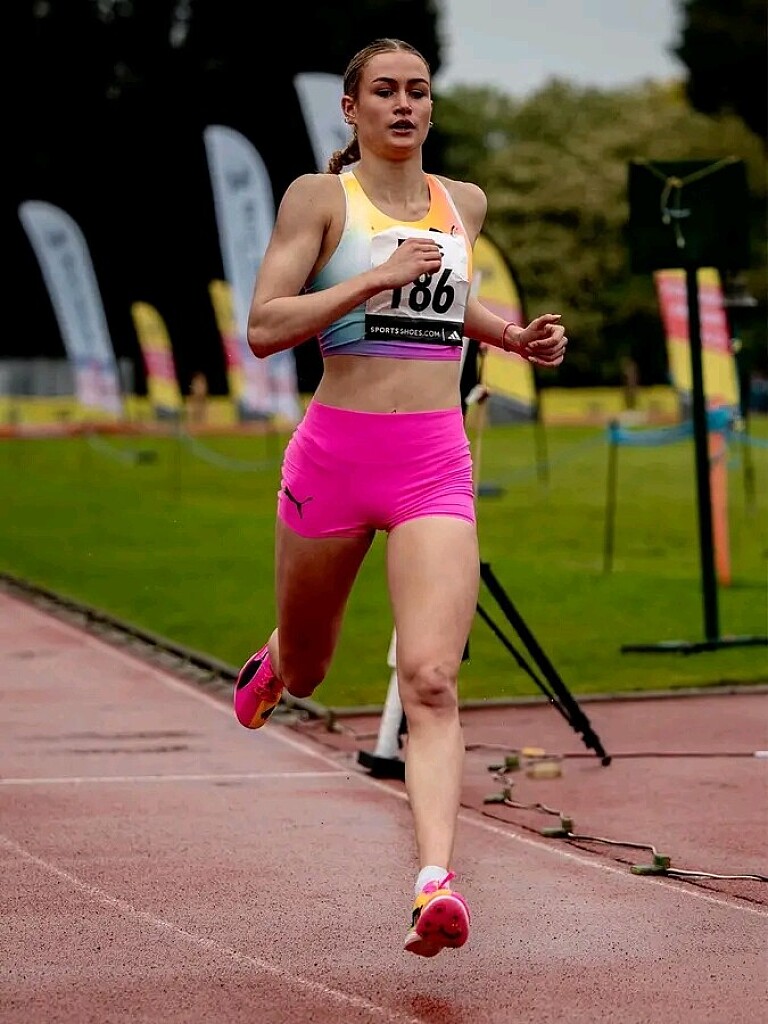
Gill Continues Encouraging Comeback with Marseille 800m Victory
British middle-distance talent Phoebe Gill took another significant step forward in her return to top form, producing a determined victory over 800 metres at the Meeting de Marseille in France on Wednesday.
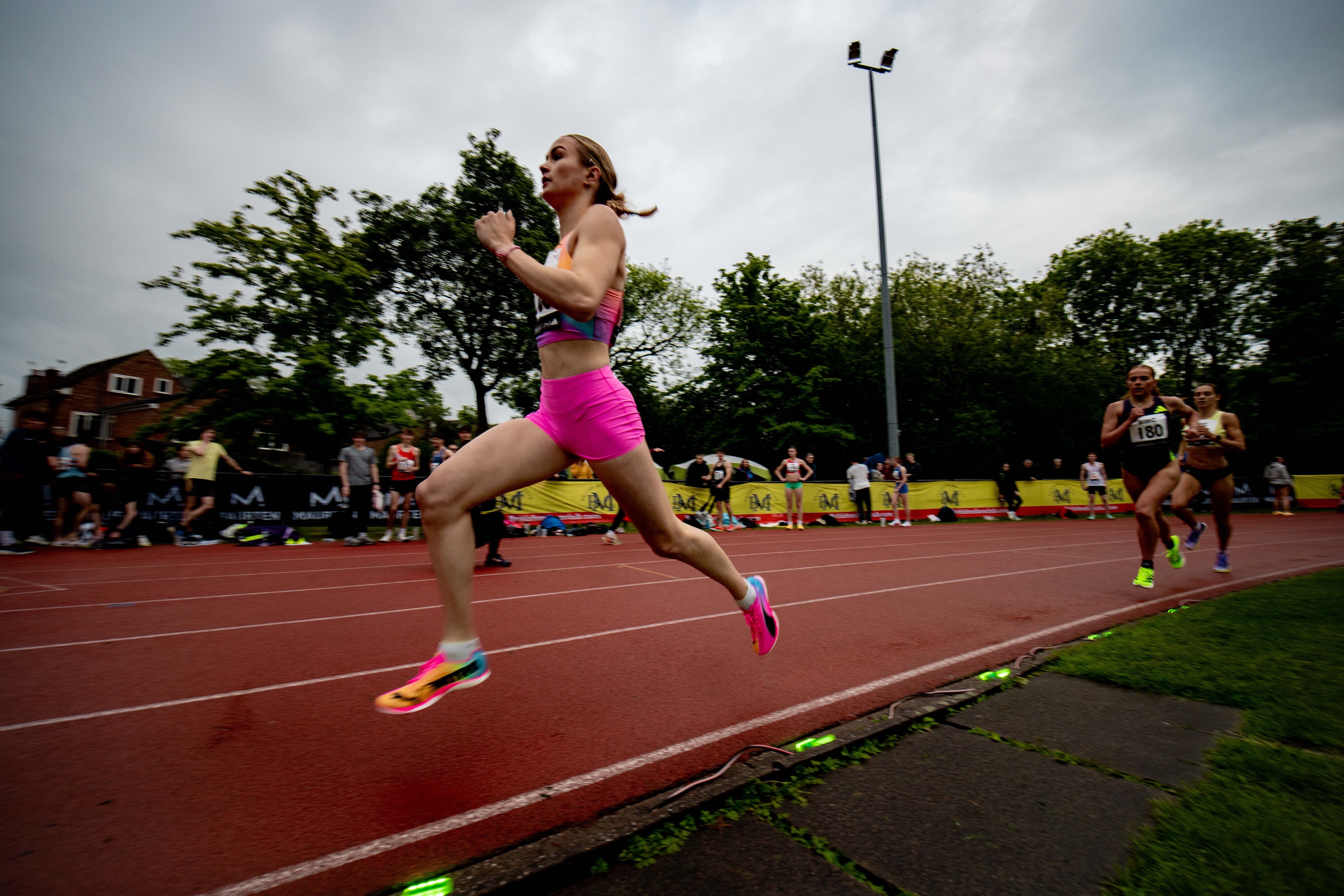
Competing in challenging, wind-affected conditions, the 19-year-old demonstrated both resilience and composure as she held off a late charge from Switzerland's Veronica Vancardo to secure the win in 2:00.81. Vancardo finished just three hundredths of a second behind in 2:00.84, underlining the fiercely contested nature of the race.
While the margin of victory was narrow, the result represented another encouraging milestone for Gill as she continues to rebuild momentum following her injury setback. The young Briton showed impressive race awareness and strength in the closing stages, maintaining her advantage despite the difficult conditions that made fast running a challenge throughout the evening.
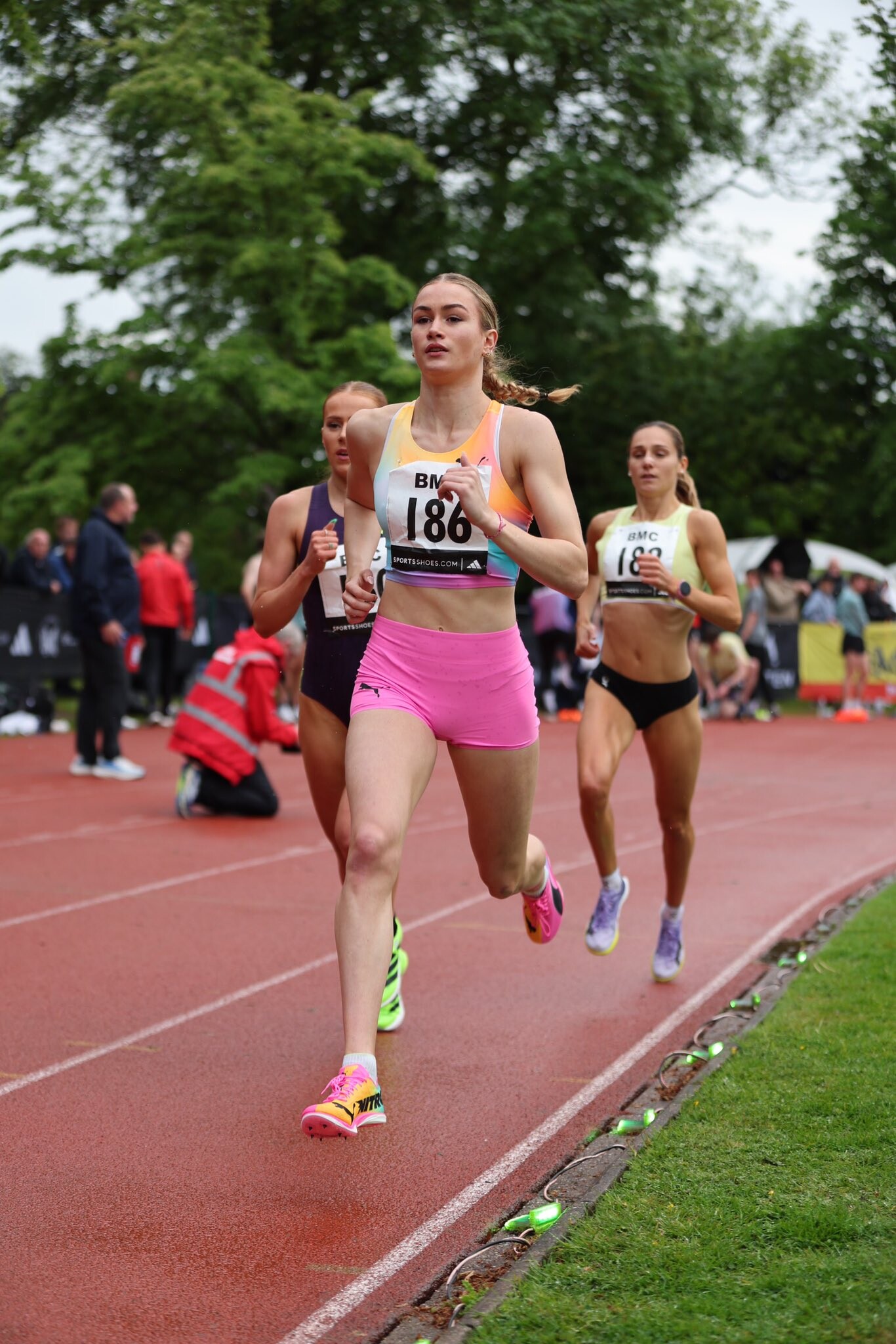
The Marseille triumph adds to a growing body of evidence that Gill is steadily progressing toward her best form. Earlier in her comeback campaign, she clocked 2:01.50 for 800m in Bydgoszcz before demonstrating her versatility with a strong 4:05.53 performance over 1500 metres at the BMC Grand Prix meeting in Trafford.
Those performances have highlighted not only her improving fitness but also her ability to compete across multiple distances as she carefully builds her season. The Marseille victory now provides further confirmation that the European junior star is moving in the right direction.
Gill emerged as one of Britain's most exciting middle-distance prospects through a series of breakthrough performances as a teenager, earning widespread recognition for her fearless racing style and remarkable maturity. Injury temporarily interrupted that upward trajectory, but her recent results suggest she is steadily rediscovering the form that made her one of the sport's brightest young talents.
With each race, the signs of progress become increasingly evident. Winning in difficult conditions and under pressure from a quality field is often a stronger indicator than a fast time alone, and Gill's latest success demonstrated exactly those qualities.
As the summer season gathers pace, the Marseille victory offers another confidence boost for the British teenager, whose return continues to gain momentum. If her recent progression is any indication, Gill could soon find herself back among the leading names on the European middle-distance circuit.
by Erick Cheruiyot for My Best Runs.
Login to leave a comment
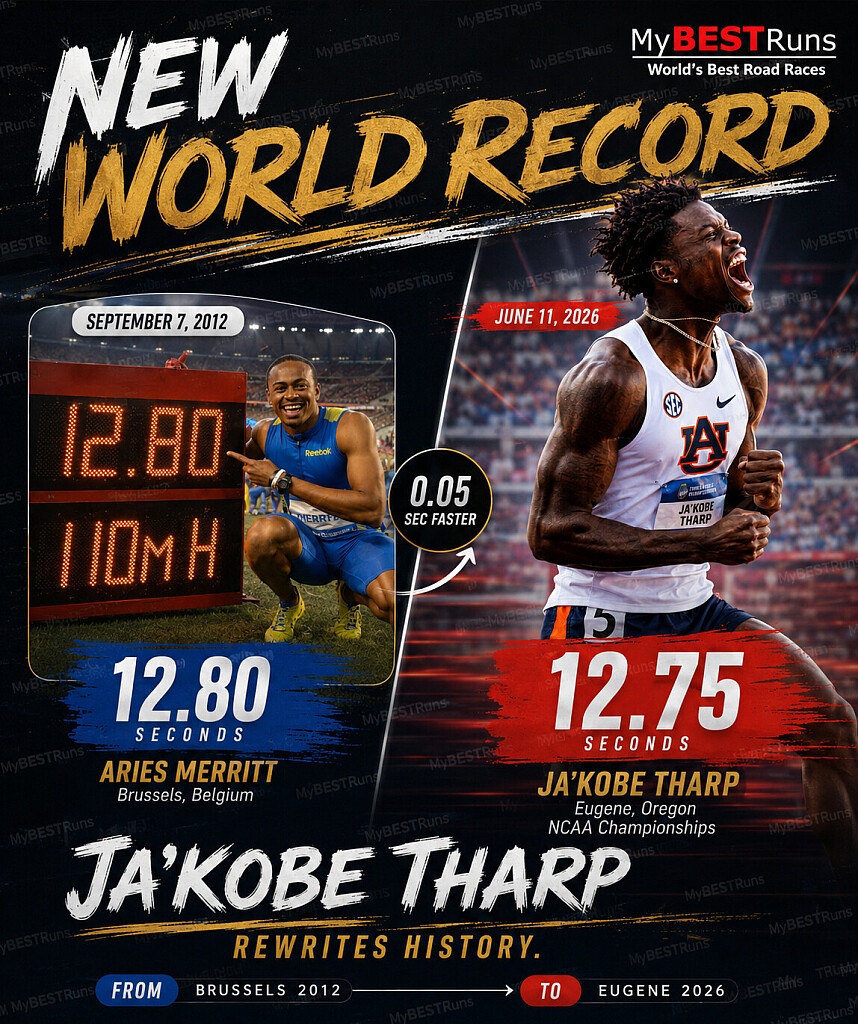
Ja’Kobe Tharp Shatters World Record with Historic NCAA Hurdles Performance
The NCAA Track and Field Championships delivered a moment few could have predicted as Ja’Kobe Tharp produced one of the most astonishing performances in the history of sprint hurdling, rewriting the record books in spectacular fashion.
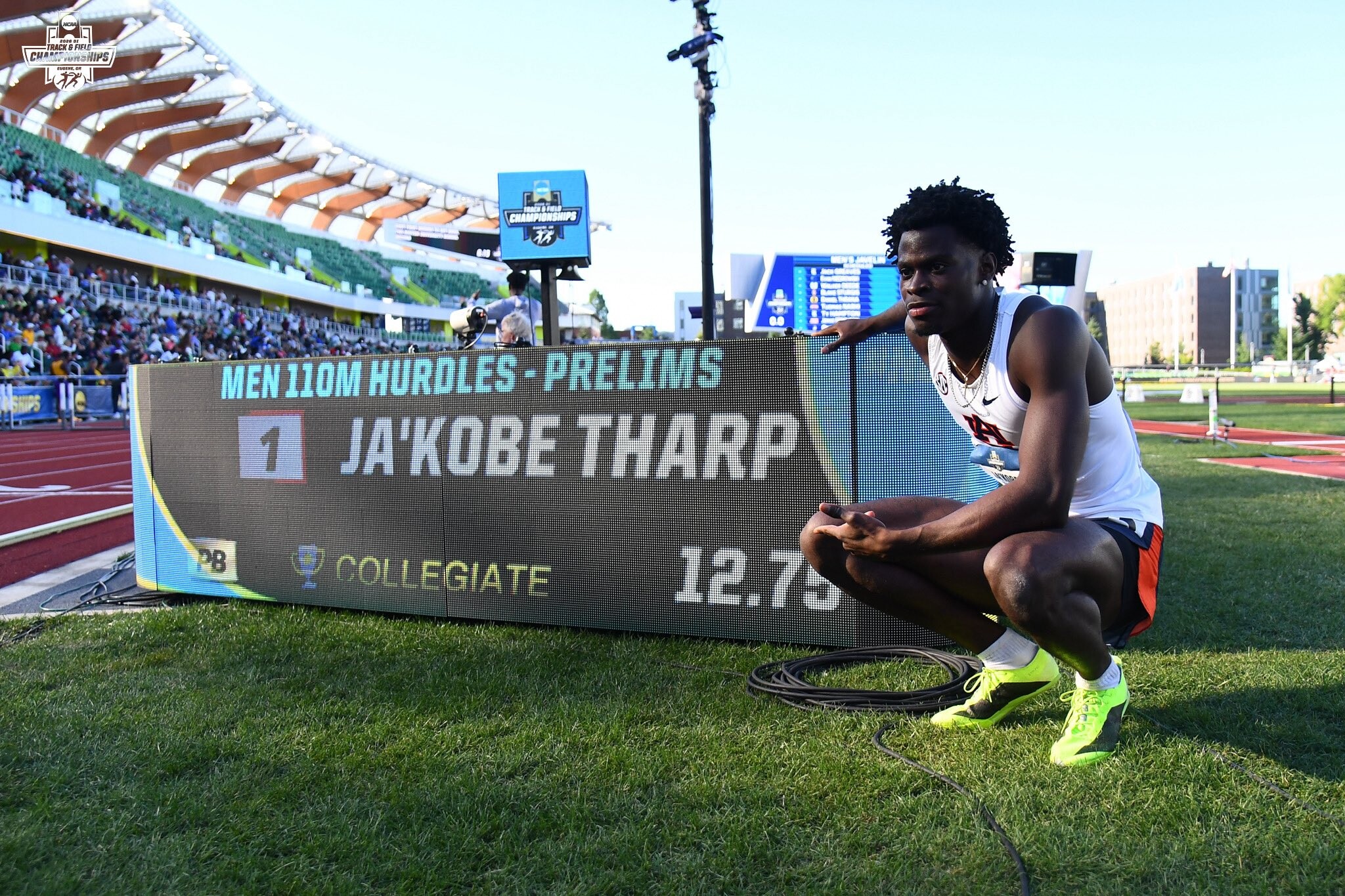
Competing in the opening round of the men’s 110-meter hurdles, the Auburn star stunned the athletics world by clocking an incredible 12.75 seconds, becoming the first athlete ever to break the 12.80-second barrier. In doing so, he eclipsed the long-standing world record of 12.80 set by Aries Merritt in 2012, a mark that had stood as one of the sport’s most revered achievements for more than a decade.
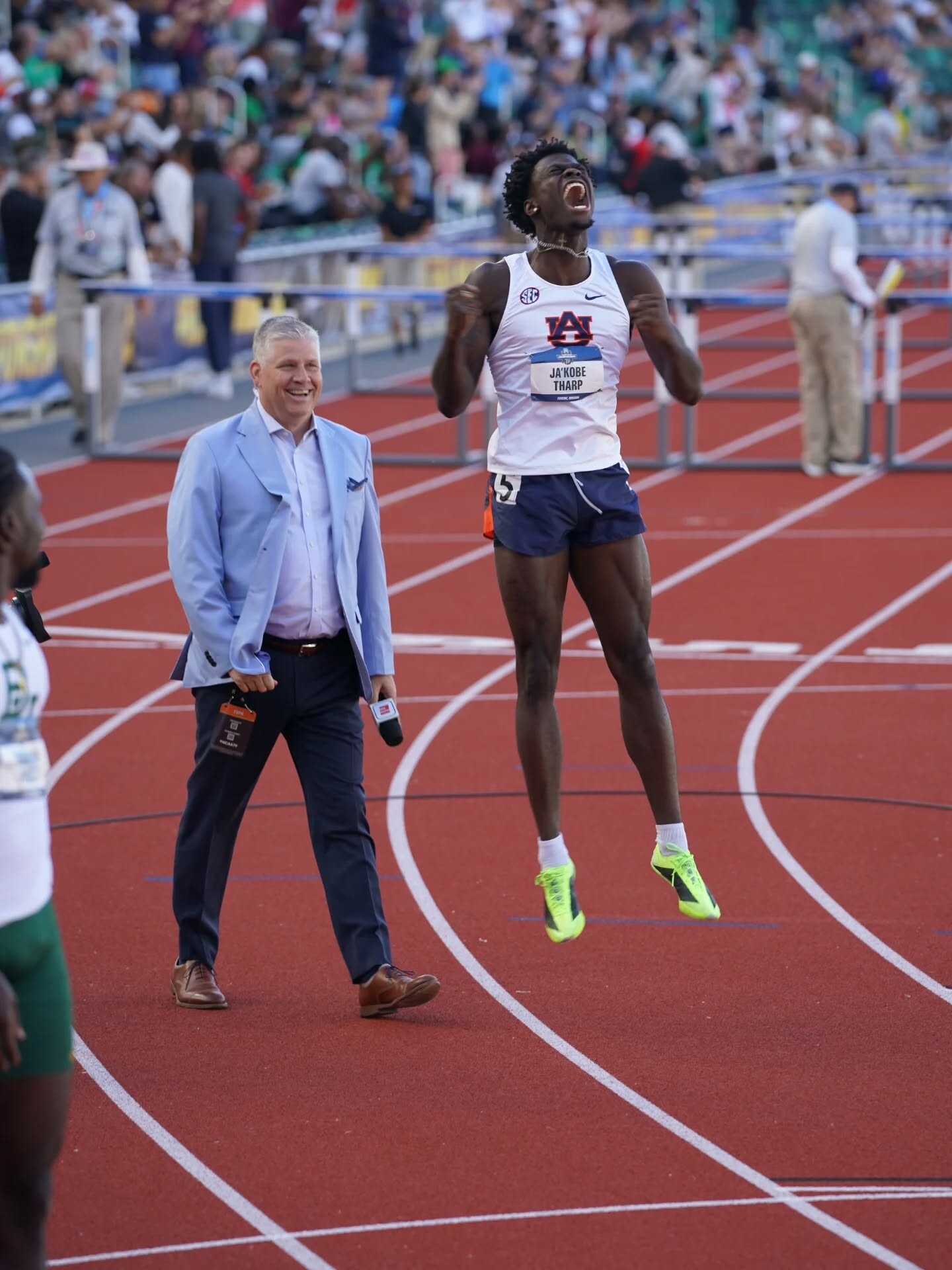
What makes Tharp’s breakthrough even more remarkable is the scale of his improvement. Entering the championships, the defending NCAA and U.S. champion had recorded a season-best of 13.05 seconds. Yet under the brightest spotlight, he unleashed a performance that exceeded every expectation, slicing an extraordinary 0.26 seconds from his personal best in a race that instantly became one of the greatest ever run.
The achievement sent shockwaves throughout the track and field community. While Tharp arrived in Eugene as one of the leading contenders for the NCAA title, few envisioned a performance capable of redefining the limits of the event. Instead, the American hurdler delivered a race for the ages, combining flawless technique, explosive speed, and impeccable rhythm from the first hurdle to the finish line.
The historic run not only secured his place in athletics history but also transformed the outlook of the championship. With the world record now in his possession, Tharp advances to the final as the overwhelming favorite, carrying momentum that could make an already unforgettable weekend even more extraordinary.
For years, the 12.80 barrier appeared untouchable. On a stunning day at the NCAA Championships, Ja’Kobe Tharp proved otherwise, producing the kind of performance that reminds fans why sport remains so unpredictable. In a matter of seconds, he turned a routine qualifying round into a landmark moment that will be remembered for generations.
The world record no one saw coming is now a reality—and Ja’Kobe Tharp is the man who changed history.
by Erick Cheruiyot for My Best Runs.
Login to leave a comment
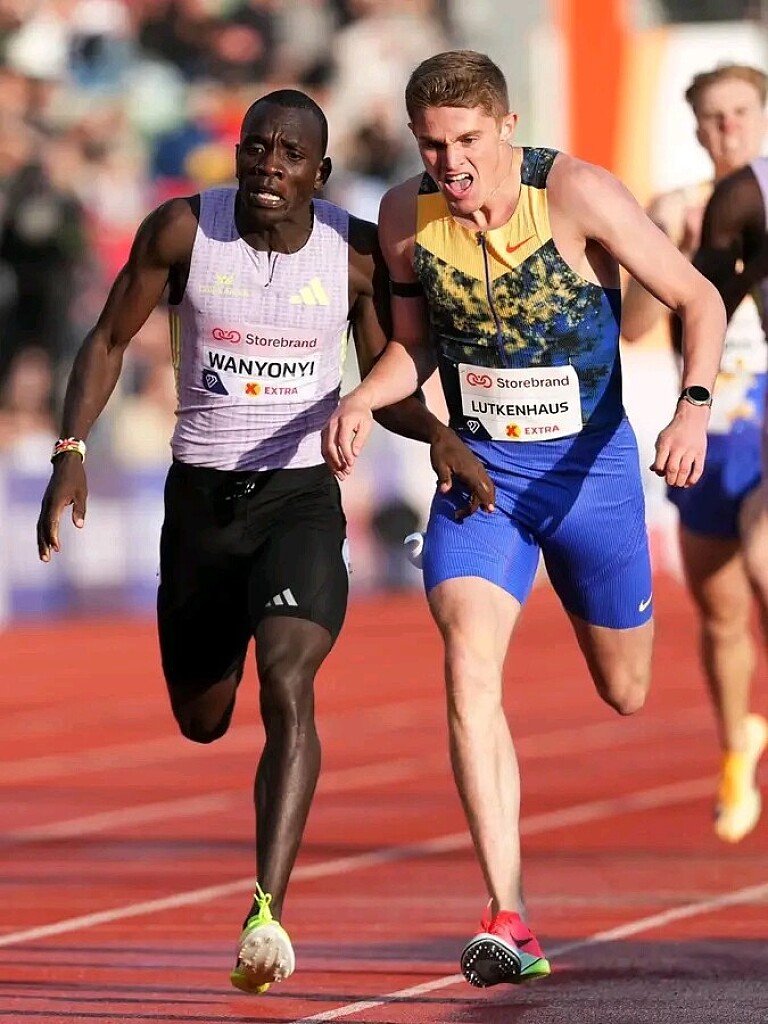
Lutkenhaus Delivers Stunning Upset as Teenage Star Edges Olympic Champion in Oslo
A new chapter in middle-distance running may have begun in Oslo after American teenager Cooper Lutkenhaus produced one of the most remarkable performances of the season, narrowly defeating reigning Olympic champion Emmanuel Wanyonyi in a thrilling men's 800m contest at the Diamond League meeting.
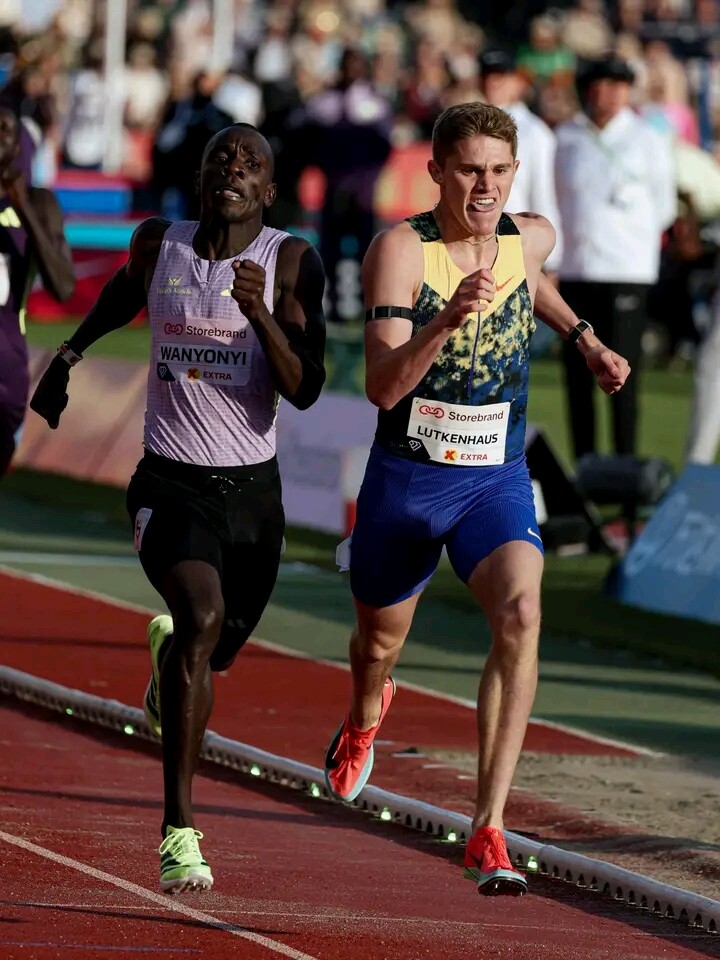
The 17-year-old sensation shocked a world-class field by crossing the finish line first in a race that came down to the smallest of margins. After an intense battle over the final metres, Lutkenhaus held off Wanyonyi by just one hundredth of a second, producing a dramatic finish that left the packed stadium in disbelief.
From the opening lap, the pace was relentless as the leading contenders positioned themselves for a fierce showdown. As the athletes entered the home straight, Wanyonyi appeared poised to unleash his trademark finishing kick. However, Lutkenhaus refused to be intimidated, matching the Olympic champion stride for stride before producing a perfectly timed lean at the line to secure a historic victory.
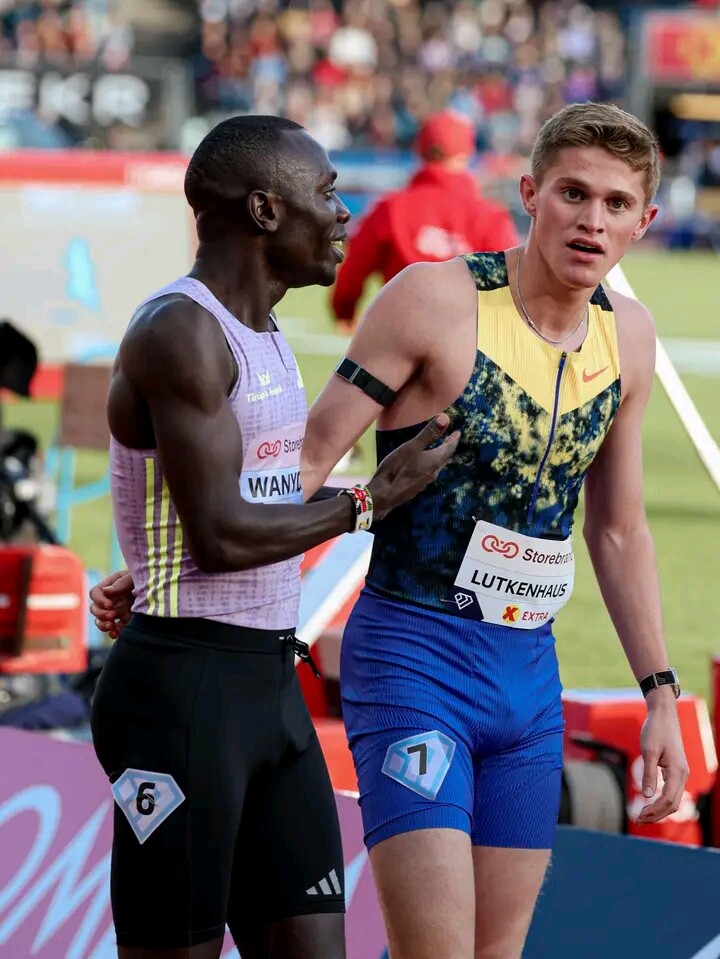
The result marks a breakthrough moment for the young American, who continues to establish himself as one of the brightest talents in global athletics. Defeating an Olympic champion at a Diamond League event is a feat many athletes spend entire careers pursuing, yet Lutkenhaus achieved it before reaching adulthood.
For Wanyonyi, the narrow defeat does little to diminish his status as one of the world's premier 800m runners. The Kenyan once again demonstrated his exceptional class and competitiveness, pushing the race to a world-class standard and forcing his young rival to deliver the performance of a lifetime.
Beyond the result itself, the race offered a glimpse into what could become one of the sport's most exciting rivalries in the years ahead. With established stars and emerging talents now pushing each other to new heights, the men's 800m continues to evolve into one of athletics' most captivating events.
On a memorable night in Oslo, the spotlight belonged to Cooper Lutkenhaus. At just 17 years old, he stood toe-to-toe with an Olympic champion and emerged victorious, announcing himself to the athletics world in spectacular fashion.
by Erick Cheruiyot for My Best Runs.
Login to leave a comment
