

Running News Daily
Running News Daily is edited by Bob Anderson and team. Send your news items to bob@mybestruns.com Advertising opportunities available.
Index to Daily Posts · Sign Up For Updates · Run The World Feed



Tips to Make a Strong Comeback to Running After an Injury

Coming back from a running injury stinks. But, it stinks a lot less than the time spent actually dealing with the injury. The first and perhaps most important thing to keep in mind when getting back to running after a long hiatus due to injury or an accident: Be grateful for every mile.
The Slow Build
The second you get the green light to begin running does not mean you can jump full-force back into where you left off. It is important NOT to rush things, as patience pays off in the long haul. Gradually increase the amount of time you spend running and supplement the rest with cross-training.

Don't Slack on PT
Many runners, upon getting over their injury, start to get lax on their physical therapy or other rehab exercises. Don't get comfortable and forget that, in order to prevent getting injured again, you still need to keep up on your preventative care.

Post-Injury Comparisons
After a long break, you need to chuck out any and all comparisons to your runner self pre-injury. It will only set you up for frustration and can ultimately derail your comeback. Track the progress you make post-injury and take every victory (ie: extra miles, faster workouts, etc.) as it comes. Eventually you'll return to "old you" workouts and times, but before you hit that realm think of yourself with a totally clean slate.
Miracle of Muscle Memory
Oh how those first few runs will whip your butt! The important thing is to remember that while those first runs will feel like you've got legs that have never run a step in their lives, the good news is, thanks to muscle memory, if you've been a runner for a number of years, you'll snap back into fitness rather quickly. The first couple of weeks will be rough, but stick it out and you'll be motivated by the progress that follows.
One Day at a Time
Being patient is tough for everyone. Sometimes the only way to retain sanity is to take it one day at a time. Rather than focus on how much work you have ahead of you, look at what workouts and goals you can achieve for that day or that week. Set mini goals each week and check them off as benchmarks along your route to making a full comeback to running.
Core, Strength and Flexibility
Make the most of the time you're not able to run by focusing on other weaknesses. Gain flexibility, improve your core and overall strength; not only will this make you feel like you're being productive despite not being able to run much, but it will also pay dividends when you are back and running at your optimal level.
Baby Steps Back
If you start to notice old injury symptoms or new injury symptoms creep up, reassess right away. It may mean not increasing your running for that week, or even taking a few baby steps back for the week. Cut back on the amount of time spent running and do more cross-training. Don't think of this as a sign of defeat; typically, if you catch it and take steps back early, you'll avoid anything serious and be back on "schedule" the next week.
Positivity and Perspective
I'll say it again: The biggest deciding factor in how well you can come back from an injury is perspective. Even on the days when you'd like to burn the elliptical or bike to the ground, give yourself a little window of time to vent. But, in the end, get on the cross-trainer and get it done. Look forward to the runs and more miles as they come and do not forget that each mile is NOT a given. Be grateful for them and, as you are able to run more and are back to full training mode, remind yourself not to take them for granted. This will help you remain patient and keep your eyes focused on the long term.
by Caitlin Chock
Login to leave a comment
Latest Running News

From Olympic Gold To National Icon: Letsile Tebogo’s Legacy Reaches Botswana’s Currency
Botswana’s sprint sensation Letsile Tebogo has achieved something few athletes can ever imagine: seeing his sporting legacy celebrated beyond the stadium and onto the nation’s currency.
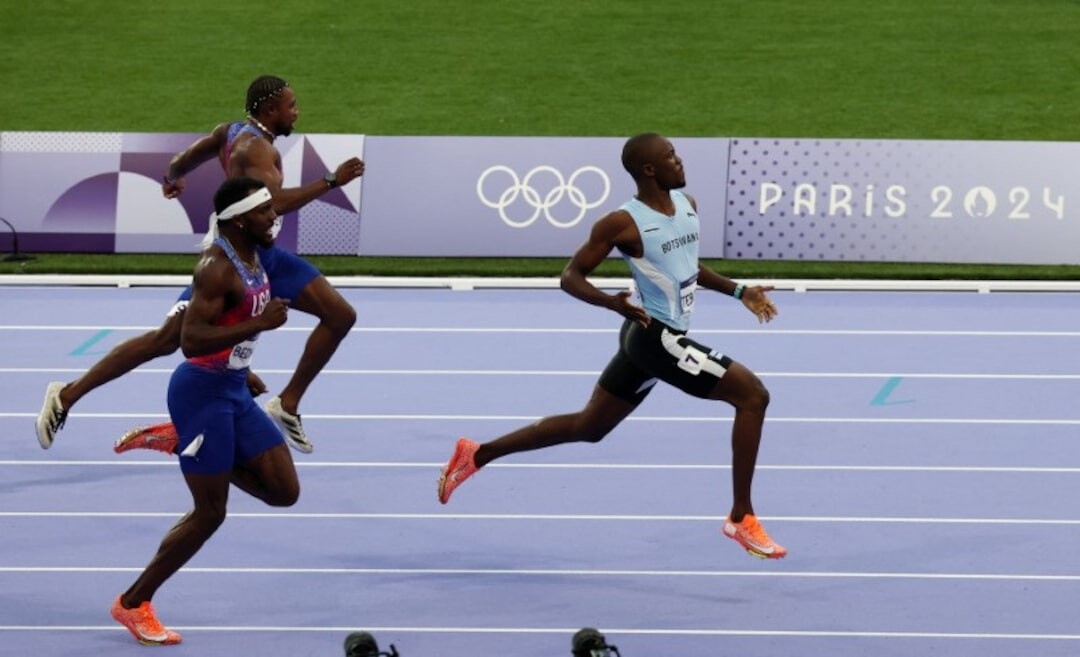
The Olympic 200m champion has been featured on Botswana’s commemorative 50-pula banknote, a powerful tribute to a young athlete whose remarkable achievements have elevated his country’s profile on the global athletics stage.
Tebogo made history at the Paris 2024 Olympic Games, storming to victory in the men’s 200 metres in an astonishing 19.46 seconds to claim Botswana’s first-ever Olympic gold medal. In doing so, he also became the first African man to win Olympic gold in the 200m, marking a landmark moment for African sprinting.
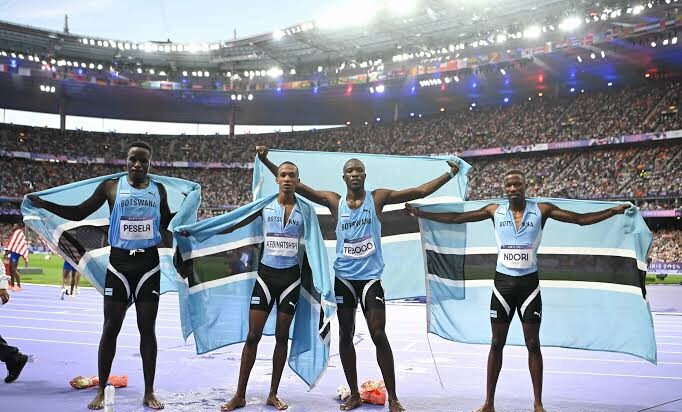
His triumph was more than a personal accomplishment. It represented a defining moment for Botswana, bringing immense national pride and demonstrating the country’s growing influence in international athletics. With his electrifying speed and composed performance on the biggest sporting stage, Tebogo established himself among the world’s leading sprinters and inspired a new generation of athletes across Africa.
The recognition of his achievements has now extended beyond the track. His appearance on Botswana’s commemorative 50-pula banknote, issued to mark the 50th anniversary of the Bank of Botswana, places his historic Olympic victory among the milestones being celebrated in the nation’s financial and cultural history. The note also recognises members of Botswana’s men’s 4×400m relay team, who secured silver at the Paris 2024 Olympics.
For a young athlete who has risen to the summit of world sprinting, the honour carries significance beyond its monetary value. It reflects the impact of sporting excellence on national identity and demonstrates how an extraordinary performance can unite a country around a shared moment of achievement.
Tebogo’s journey has also become a source of inspiration for aspiring athletes across the continent. His success shows that African sprinters can compete at the highest level and make history on the global stage. His Olympic gold medal has already secured his place in Botswana’s sporting history, while the recognition on the commemorative banknote further celebrates his contribution to the nation.
From the Olympic track to the nation’s currency, Letsile Tebogo has become a powerful symbol of Botswana’s ambition, pride and sporting progress. His remarkable 19.46-second performance in Paris will forever remain a landmark in Olympic history, while his growing legacy continues to inspire athletes and fans far beyond his homeland.
For Botswana, this is more than a tribute to a champion. It is a celebration of a historic achievement, a symbol of national pride and a reminder that one extraordinary performance can leave a lasting mark on an entire nation.
by Erick Cheruiyot for My Best Runs.
Login to leave a comment
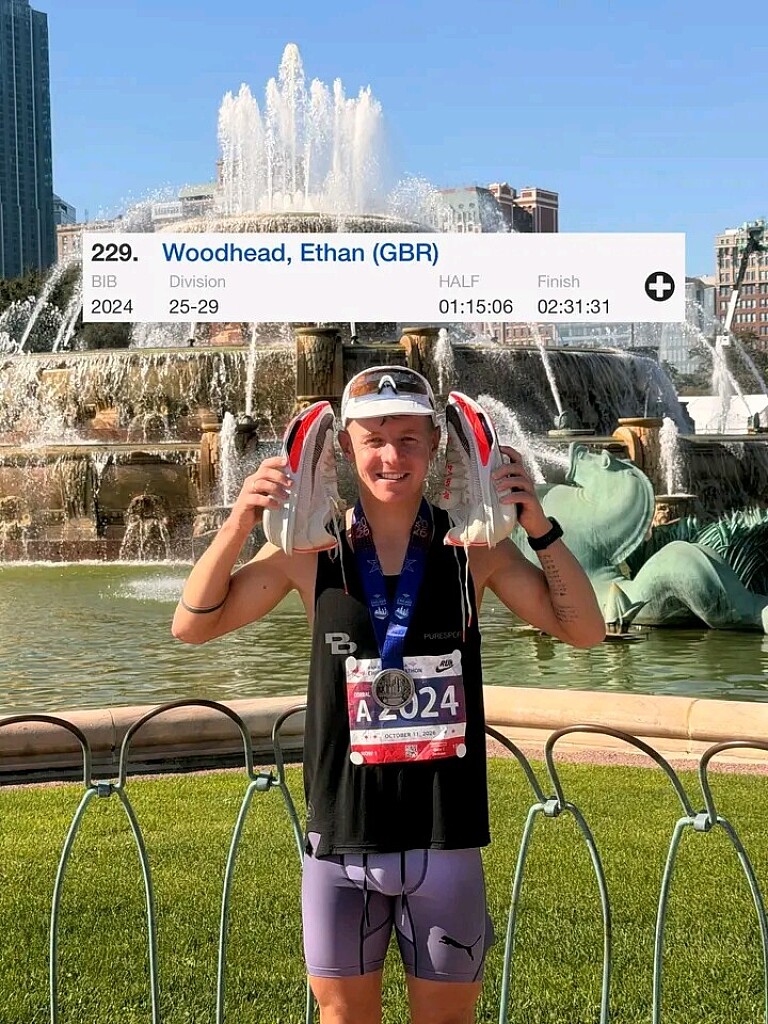
Chicago Strangers Turn Ethan Woodhead’s Marathon Into an Unforgettable Homecoming After 4,000-Mile Journey
For 24-year-old Ethan Woodhead, travelling from Guernsey in the United Kingdom to Chicago to run a marathon was already an adventure. What he did not anticipate was that thousands of kilometres from home, a city full of strangers would make him feel as though he had brought his entire support network with him.
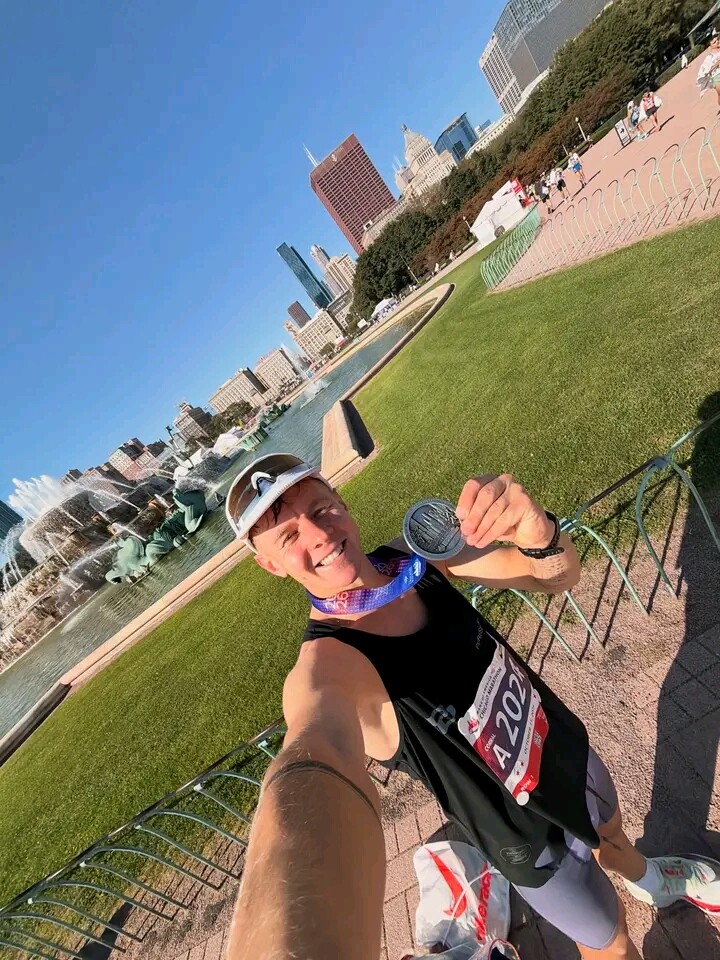
Woodhead travelled more than 6,400 kilometres (approximately 4,000 miles) to compete in the Chicago Marathon, expecting to tackle the demanding 42.195-kilometre distance without friends or family members lining the streets to cheer him on. However, thanks to a thoughtful initiative from his uncle, Phil Woodhead, his race turned into an extraordinary story of community spirit and the power of running to bring people together.
Knowing that his nephew would be running far from home, Phil took to Facebook with a simple request to Chicago spectators: keep an eye out for Ethan, wearing bib number 2024, and give him some encouragement along the course.
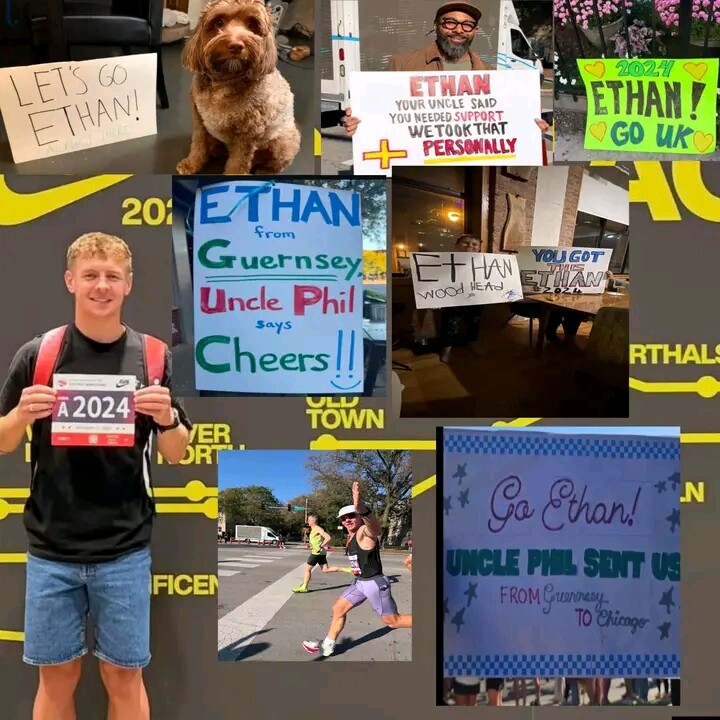
What followed was far beyond what either of them could have imagined.
The appeal quickly gained momentum online, attracting thousands of likes and hundreds of comments and shares. Runners, spectators and other members of the public responded enthusiastically, with many deciding to make the young British runner feel welcome by preparing homemade signs bearing his name.

As Ethan made his way through the streets of Chicago, he was met by enthusiastic cheers from people who had never met him but had learned about his journey through his uncle's post. Instead of experiencing the relative anonymity he had expected, he found himself being encouraged by strangers who made a special effort to recognise him and lift his spirits.
Woodhead, who had hoped to finish the marathon in approximately 2 hours and 30 minutes, could hardly have anticipated the emotional impact of the reception awaiting him along the route.
The experience left him “lost for words,” as he described the overwhelming support as a truly special experience. Hearing so many people call out his name was something he had never expected when he set off from Guernsey for the American city.
Although marathon running is often associated with personal ambition, gruelling training schedules and the determination required to reach the finish line, Ethan's experience highlighted another side of the sport: the remarkable connections that can emerge between complete strangers.
His uncle's request transformed what might have been a solitary sporting adventure into a shared celebration, demonstrating how a small act of kindness can have an extraordinary impact on someone's experience.
Chicago's spectators had no personal connection to Ethan, yet they embraced the opportunity to become part of his marathon journey. Their handmade signs and enthusiastic encouragement served as a reminder that support does not always have to come from family and friends. Sometimes, it comes from people who simply want to make someone else's day a little more special.
For Ethan, the trip was about more than running 42.195 kilometres. It became a lasting memory of discovering warmth, encouragement and a sense of belonging thousands of kilometres away from home.
His story captures the spirit of marathon running at its finest. Every participant has a personal reason for taking on the distance, but along the way, the collective energy of spectators and the generosity of fellow human beings can make the challenge even more meaningful.
One runner travelled across the Atlantic expecting to race far from his support network. Instead, Chicago welcomed him with open arms, proving that even when you arrive alone, you do not necessarily have to feel alone.
One runner. One marathon. Hundreds of strangers united by a name on a race bib. Sometimes, the most unforgettable part of a marathon is not the time on the clock, but the people who help make the journey worthwhile.
by Erick Cheruiyot for My Best Runs.
Login to leave a comment
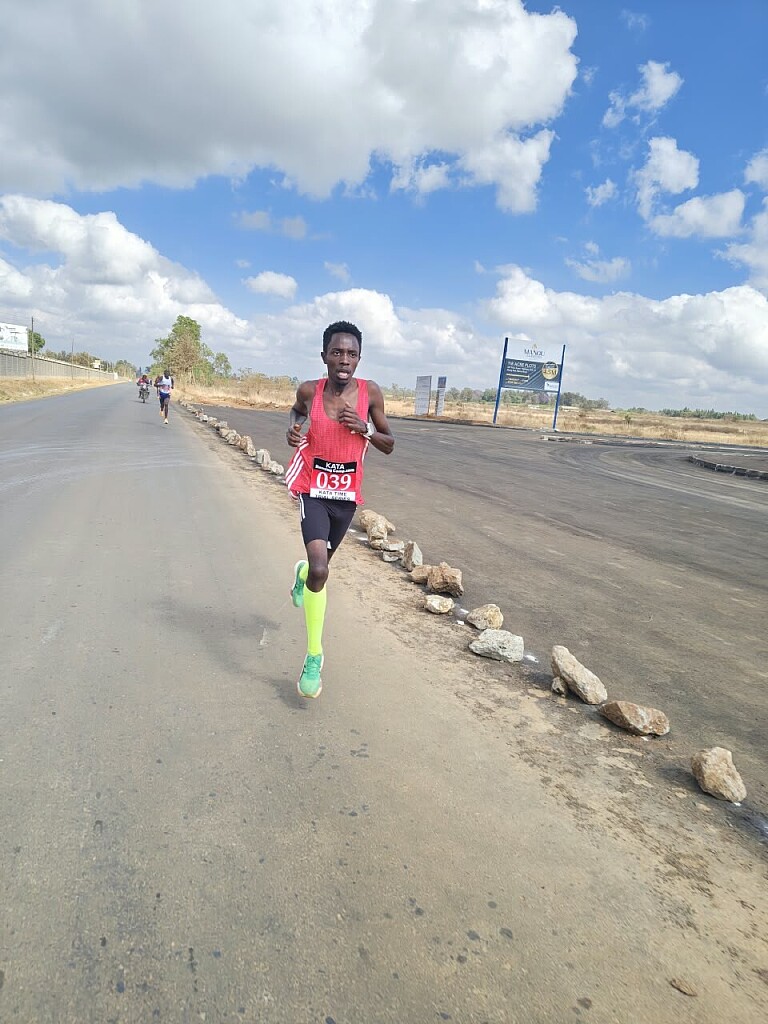
KATA Time Trial Series:Kelvin Ng'ang'a Leads Men’s 10km as Runners Battle Warm, Humid Conditions at 60th Edition
The Kenyan Athletics Training Academy (KATA) marked a significant milestone on Wednesday, October 14, 2026, with the successful staging of the 60th edition of its Time Trial Series in Thika, Kenya. Athletes took to the course across the 10km and 5km distances, testing their fitness and racing the clock in conditions characterised by relatively high temperatures and humidity.
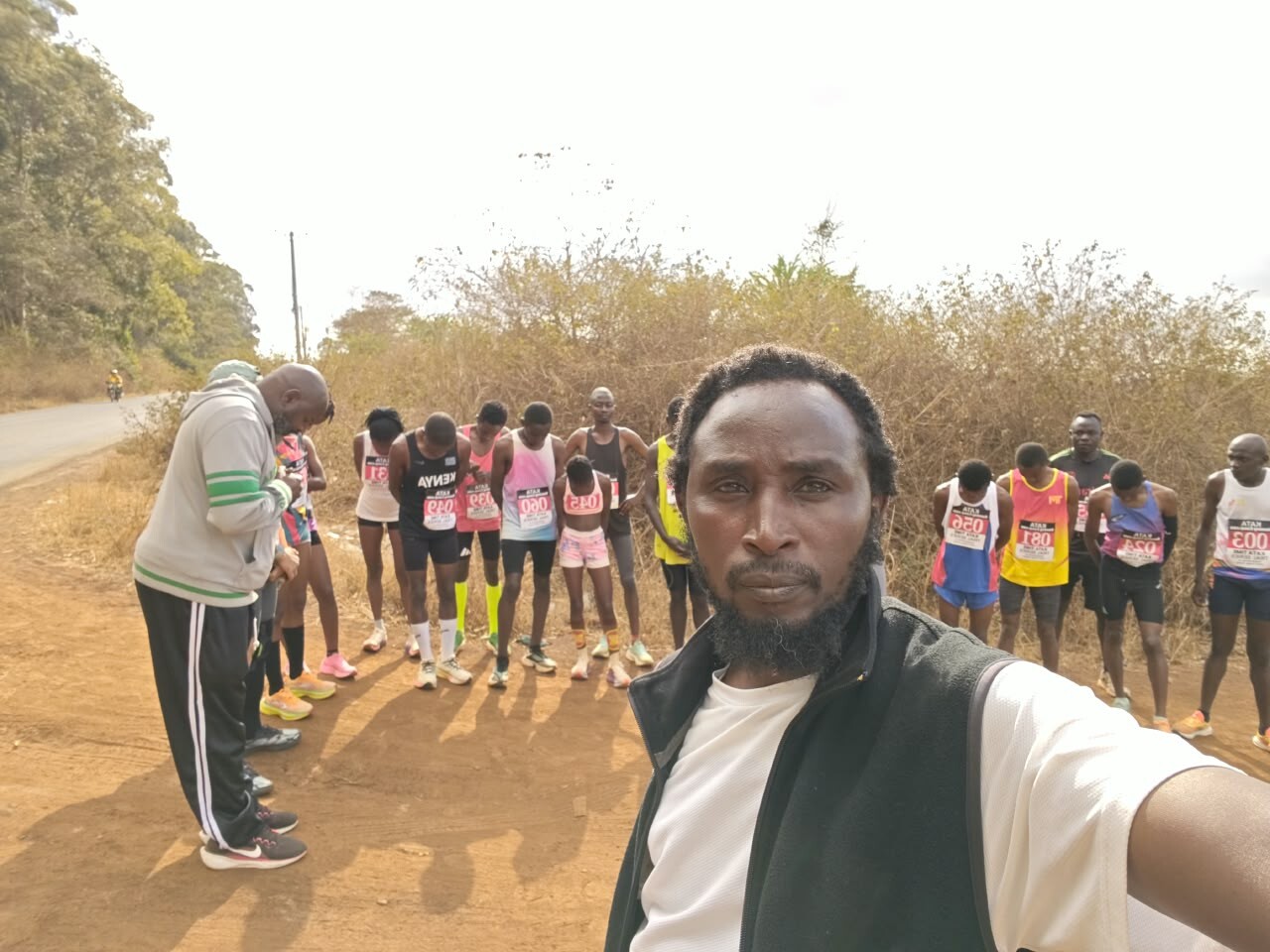
Despite the challenging weather, the runners delivered competitive performances, with Kelvin Ng'ang'a leading the men's 10km in 30:48. Charles Wanjora finished second in 30:55, while Erick Cheruiyot completed the top three in 31:02, as the leading trio crossed the finish line within 14 seconds of one another.
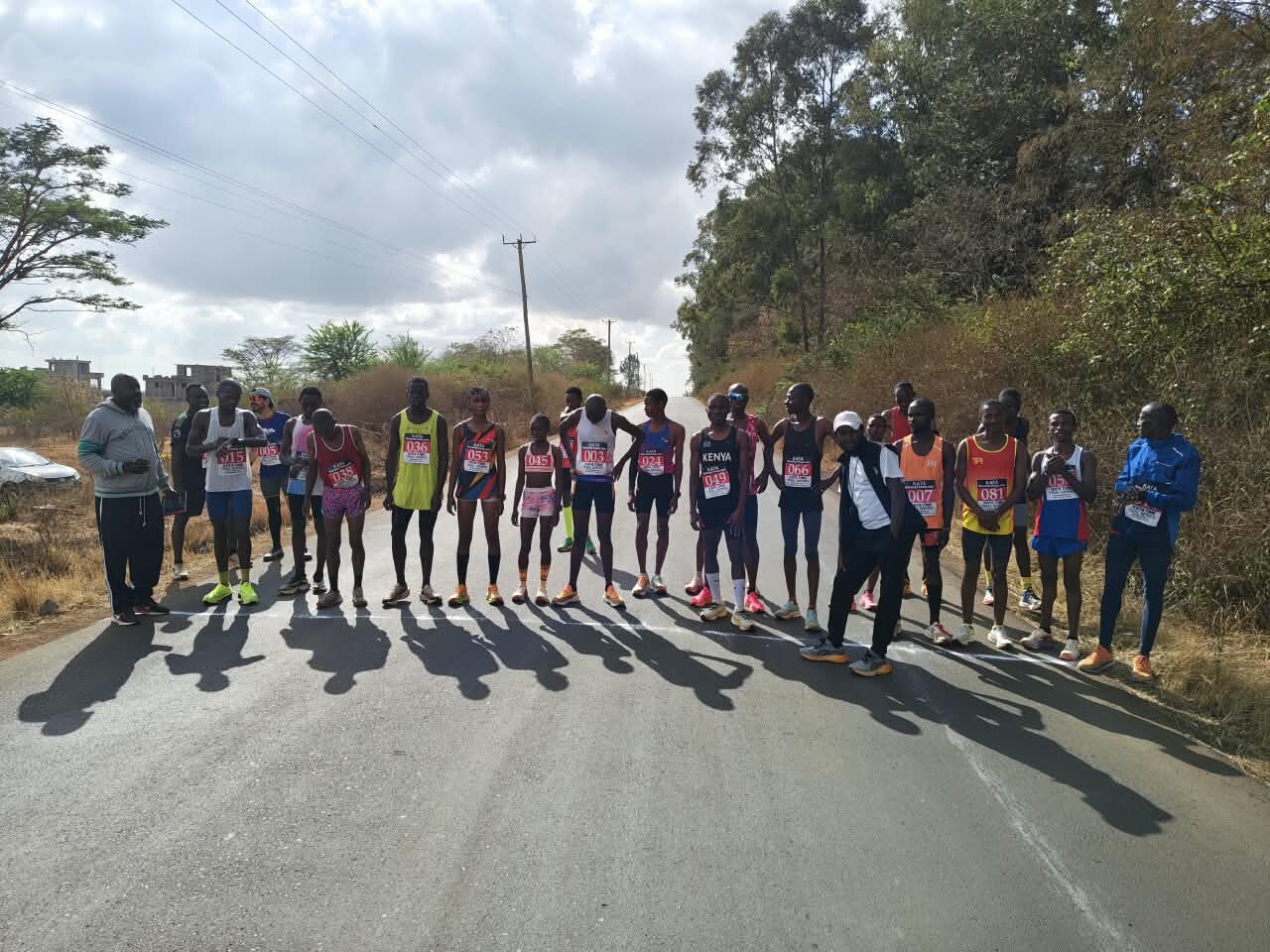
The close contest highlighted the competitive nature of the series, where athletes have an opportunity to measure their progress, assess their race readiness and identify areas for improvement through timed competition.
Justus Nyamai finished fourth in 31:22, followed by Robert Ndegwa in 32:35. Francis Maina placed sixth in 32:51, while Ishmael Mburu took seventh in 33:22. Vincent Kiprotich finished eighth in 34:47, ahead of David Muriuki, who clocked 34:58. Ezekiel Kitorit completed the top 10 in 35:09.
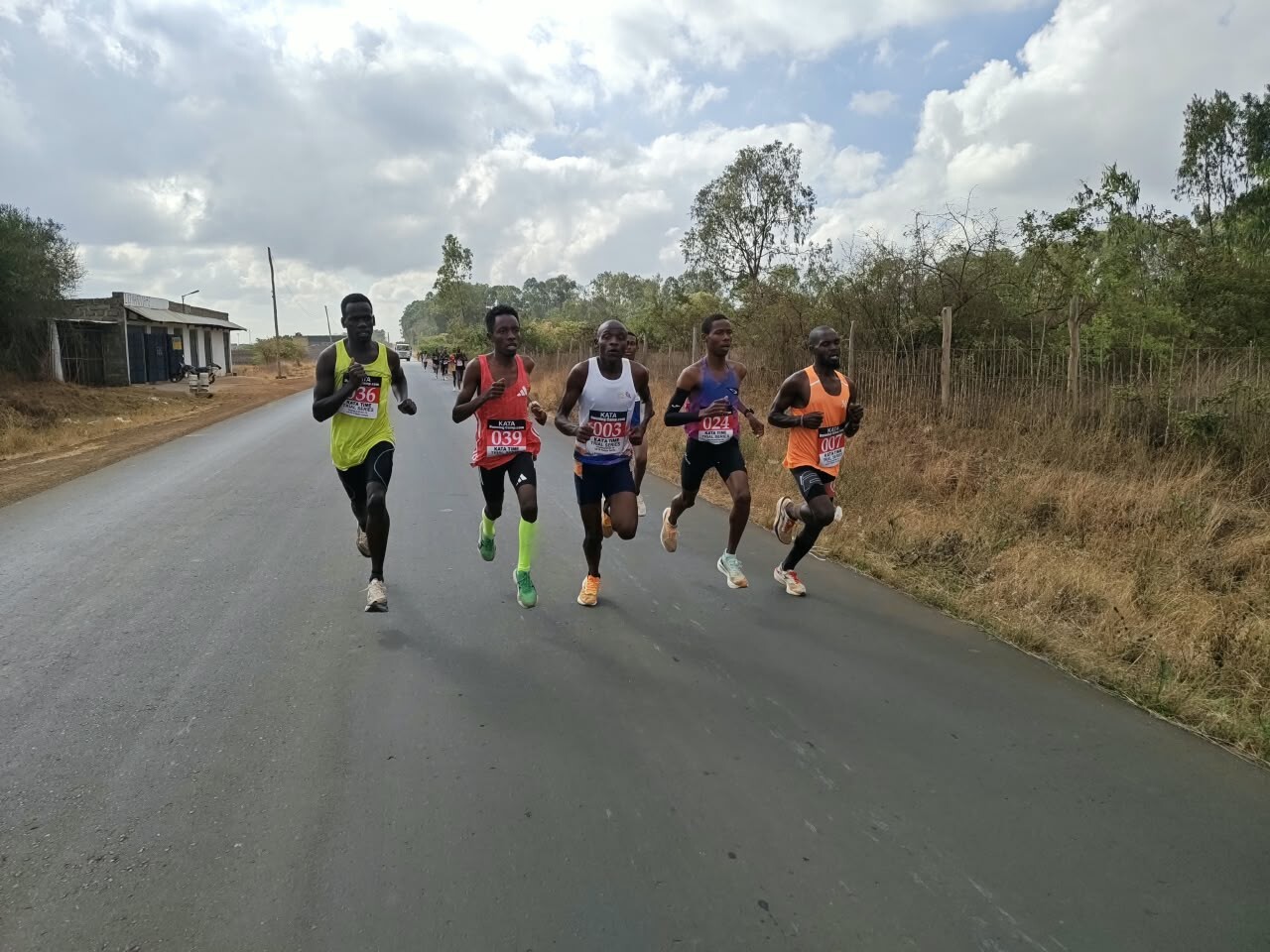
Bernard Gicheha followed in 35:14, with Eugene Wambua recording 35:28. Lewis Kamau finished in 36:28, Paul Ng'ang'a in 37:21, George Mwangi in 37:34 and Simon Ngereza in 37:41, rounding out the men's 10km results.
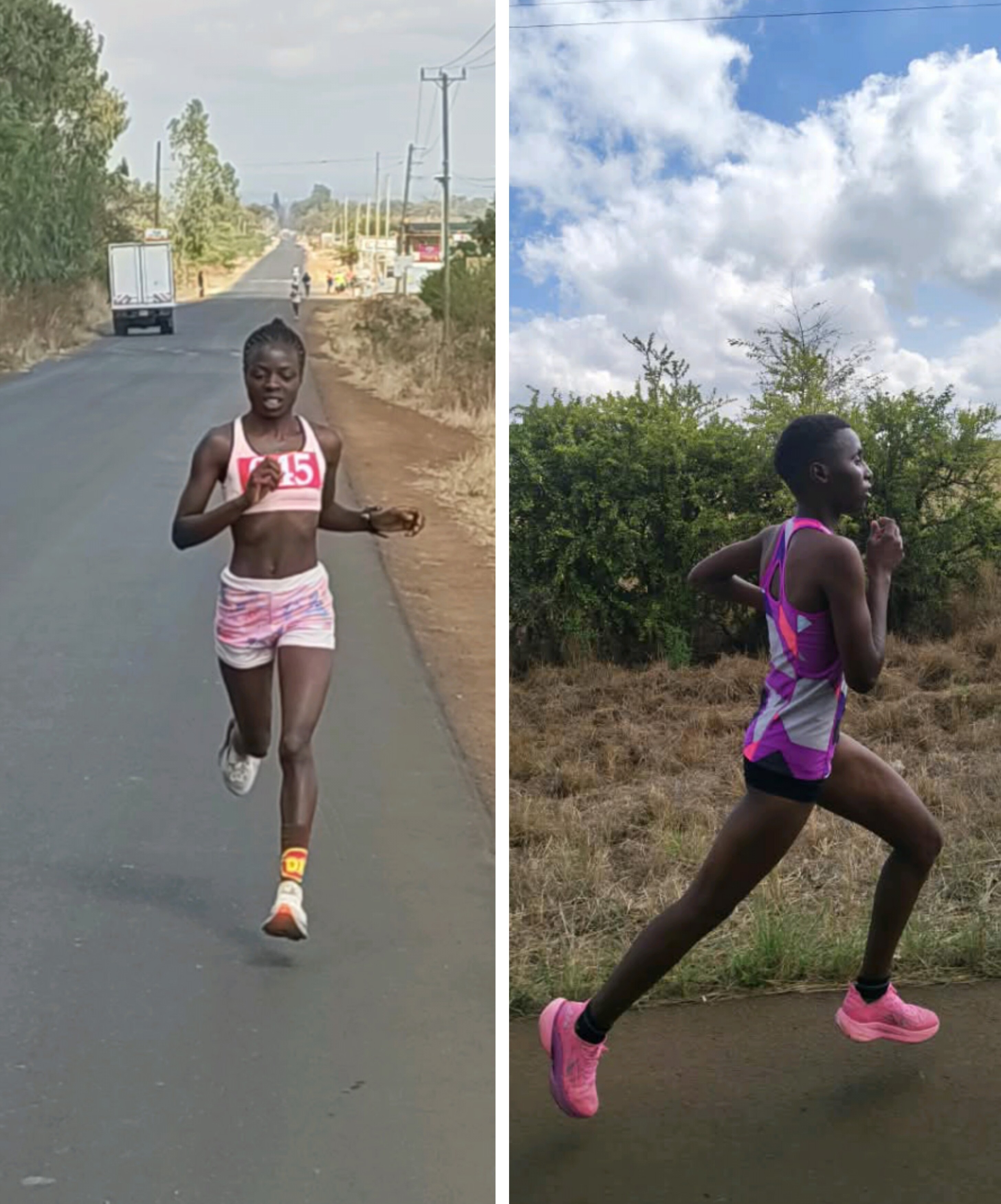
In the women's 10km, Ruth Maina emerged victorious in 36:31. Felister Maina followed in 37:08, while Regina Sandiki finished third in 38:56. Felister Mbatha completed the four-woman field in 44:38.
The performances came under conditions that demanded careful pacing and determination. With temperatures relatively high and humidity adding to the challenge, the time trial provided athletes with a practical opportunity to assess how their current fitness responds to less-than-ideal racing weather.
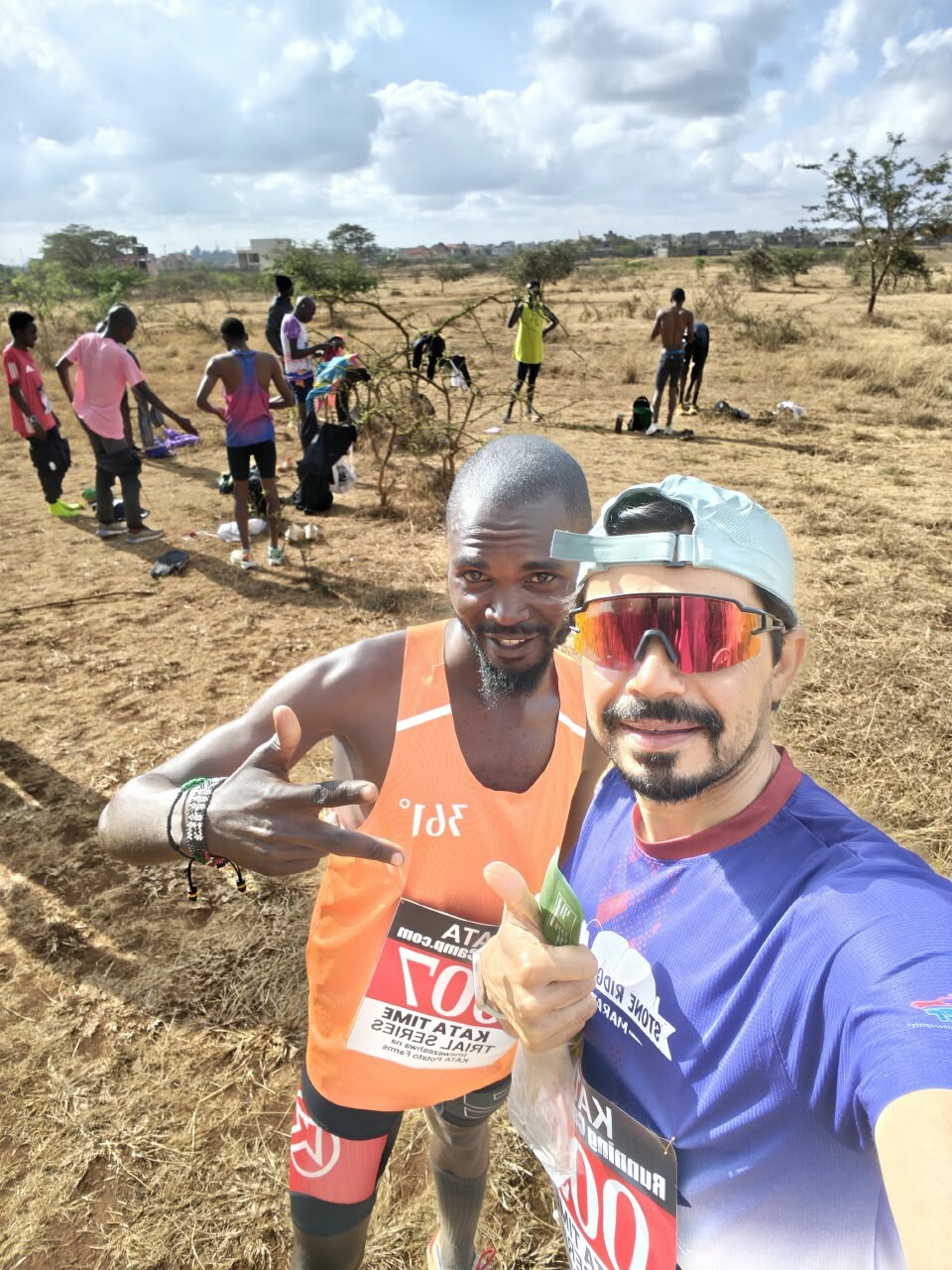
The 5km race added another highlight to the day's programme, with Elam Okato taking finishing with 25:46. Guest runner Rohan Kohli, visiting from India, also completed the distance in 25:46. The 5km race produced a dead heat, with a finish joint first in the race.
Kohli's participation added an international dimension to the milestone edition, bringing a guest runner from India into the KATA running environment. His appearance highlighted how athletics can bring together people from different backgrounds through a shared passion for running.
KATA 60TH TIME TRIAL SERIES RESULTS Wednesday, October 14, 2026 Thika, Kenya
MEN’S 10KM
- Kelvin Ng'ang'a – 30:48
- Charles Wanjora – 30:55
- Erick Cheruiyot – 31:02
- Justus Nyamai – 31:22
- Robert Ndegwa – 32:35
- Francis Maina – 32:51
- Ishmael Mburu – 33:22
- Vincent Kiprotich – 34:47
- David Muriuki – 34:58
- Ezekiel Kitorit – 35:09
- Bernard Gicheha – 35:14
- Eugene Wambua – 35:28
- Lewis Kamau – 36:28
- Paul Ng'ang'a – 37:21
- George Mwangi – 37:34
- Simon Ngereza – 37:41
WOMEN’S 10KM
- Ruth Maina – 36:31
- Felister Maina – 37:08
- Regina Sandiki – 38:56
- Felister Mbatitha – 44:38
5KM
- Elam Okato – 25:46
- Rohan Kohli (India) – 25:46
NOTE: Elam Okato and Rohan Kohli recorded identical times of 25:46.
Beyond the finishing positions, the 60th edition reinforced the purpose of the KATA Time Trial Series: providing athletes with a consistent platform to evaluate their preparation and monitor their development.
Unlike major championship races, where medals and titles dominate the conversation, time trials offer a different measure of success. Athletes can assess their pacing, endurance and ability to maintain their effort across a set distance. Coaches can also use the results to evaluate training progress and make adjustments ahead of future competitions.
Wednesday's warm, humid conditions added another variable to that assessment. Weather can influence how runners feel and perform, making it important to consider the conditions when interpreting times and comparing results across different editions.
For athletes working towards personal bests and improved performances in road races, track events and longer-distance competitions, these opportunities to test fitness remain an important part of the preparation process.
Reaching its 60th edition represents a notable milestone for the KATA Time Trial Series and its continuing role in the Thika running community. By bringing athletes together for regular, timed competition, the series offers a practical environment for tracking progress, building competitive experience and maintaining focus on long-term goals.
From Nganga's leading performance in the men's 10km to Ruth Maina's victory in the women's race and the shared finishing time in the 5km, the day's results provided another snapshot of athletes at different stages of their development.
As the runners return to training, the times recorded in this edition will serve as a reference point for their next phase of preparation. For some, the priority will be improving speed; for others, it will be strengthening endurance, refining pacing or preparing for upcoming races.
At KATA, the principle remains straightforward: show up, put in the work, test your fitness and let the stopwatch tell the story.
The 60th edition is now in the books, but for the athletes who took part, the next challenge has already begun.
by Erick Cheruiyot for My Best Runs.
Login to leave a comment

KATA Time Trial Series
Welcome to the KATA Monthly Time Trial Held at the Kenyan Athletics Training Academy in Thika, Kenya, the KATA Monthly Time Trial is a unique and inclusive event designed to support runners of all levels in achieving their goals and showcasing their fitness. This event offers both 10K and 5K distances on an accurate, certified course, providing participants with...
more...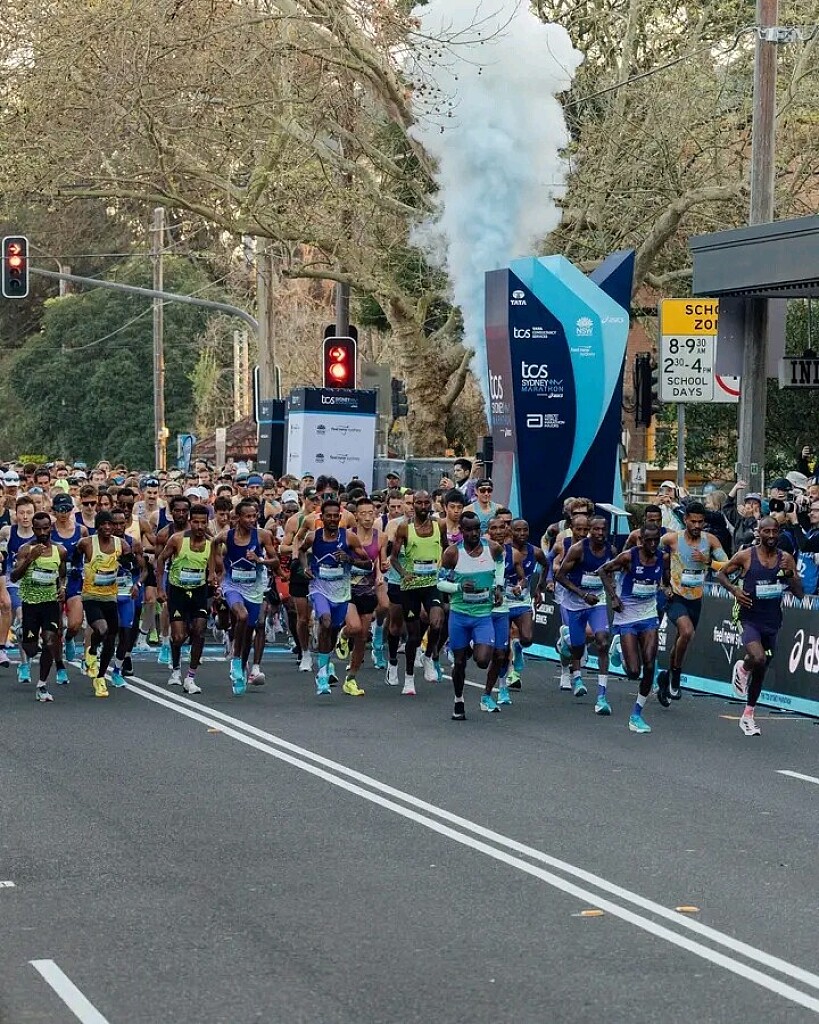
2027 Sydney Marathon Ballot Opens as Runners Worldwide Set Their Sights on Australia’s Iconic Race
The road to one of the world’s most spectacular marathon experiences has officially begun, with entries now open for the 2027 TCS Sydney Marathon presented by ASICS. Runners from across the globe can now submit their applications for a chance to participate in Australia’s largest marathon, an event that combines world-class distance running with the unforgettable scenery of Sydney.
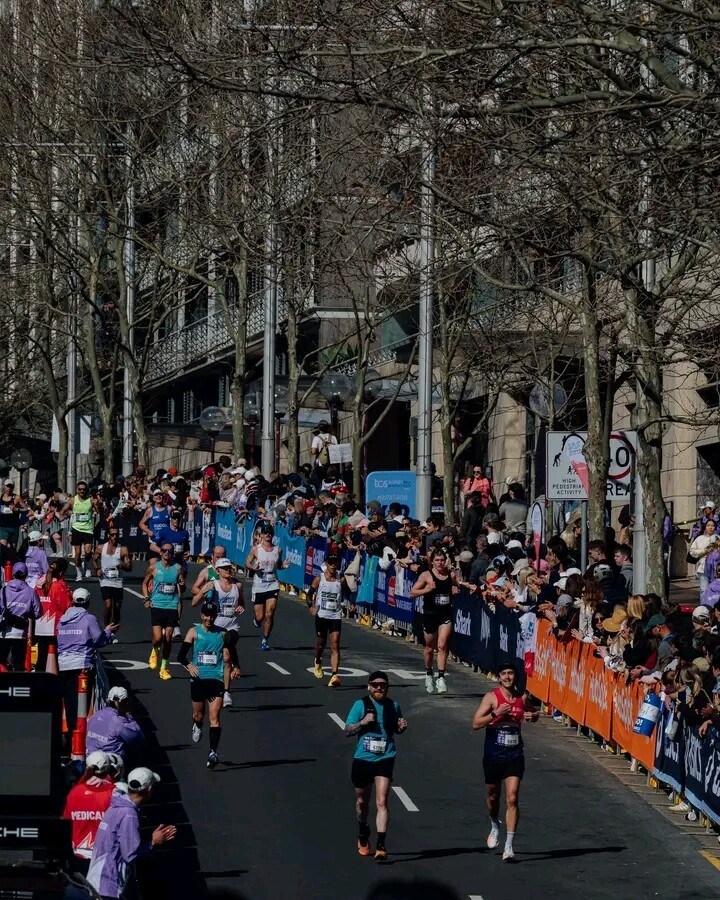
Scheduled for Sunday, August 29, 2027, the race promises to bring together thousands of runners, from passionate recreational athletes to experienced marathoners, for a memorable journey through one of Australia’s most celebrated cities.
More than a test of endurance, the Sydney Marathon offers participants an opportunity to experience the city’s distinctive atmosphere, vibrant culture and internationally recognised landmarks. The highlight for many runners will be the chance to cross the finish line beneath the iconic sails of the Sydney Opera House, creating a lasting memory at the end of months of preparation and training.
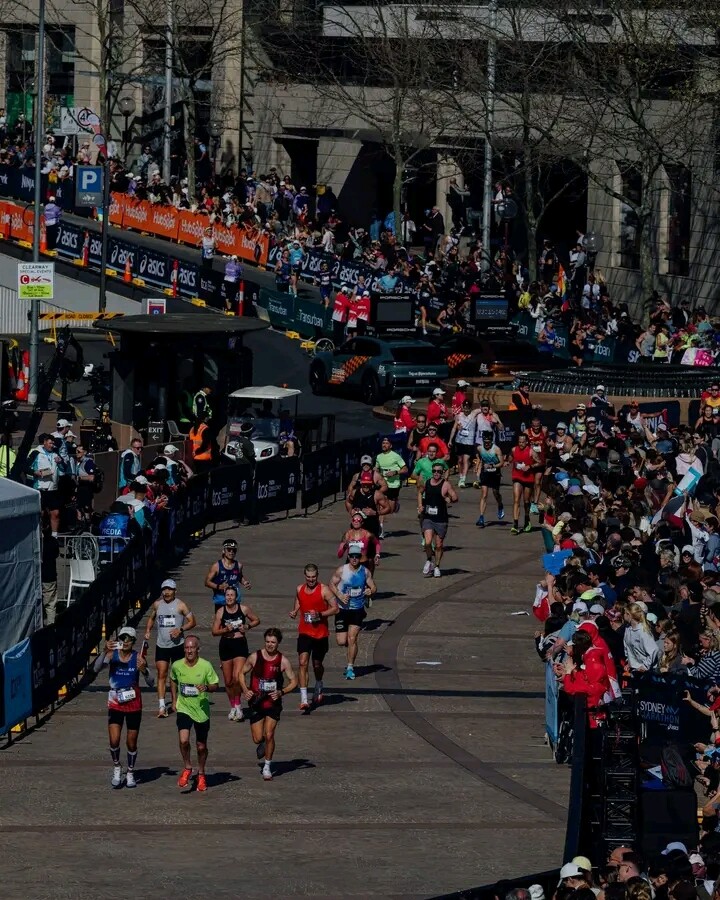
For international participants, the appeal extends well beyond race day. From exploring Sydney’s streets and waterfront to soaking up the atmosphere surrounding the event, the marathon offers an experience that combines sporting ambition with travel and cultural discovery.
Ballot Applications Open Until October 19
Runners hoping to secure a place in the 2027 edition must submit their applications before the ballot closes on Tuesday, October 19, 2026, at 10:00 a.m. Australian Eastern Daylight Time (AEDT).
Unlike a conventional first-come, first-served registration system, the marathon uses a random ballot to allocate places. This means applicants have an equal opportunity in the draw, regardless of when they submit their applications during the ballot period.
Athletes are therefore encouraged to complete their applications before the deadline, ensure that their contact details are accurate and familiarise themselves with the event's important dates.
Applicants will be notified of the outcome on November 3, 2026. Successful applicants will have their registered bank cards charged, with confirmation emails sent afterwards. Runners should ensure that the email addresses provided during registration are correct and check their junk or spam folders if they cannot find the notification.
The organisers have also clarified that they will not respond to individual enquiries about ballot application status between the opening of the ballot and the announcement of results. All ballot outcomes are final, and applicants are encouraged to consult the official frequently asked questions for further guidance.
Duo teams and participants competing in non-elite racing wheelchairs are subject to separate application procedures and should not apply through the general ballot.
An Opportunity to Be Part of Sydney’s Marathon Story
With the ballot now open, runners have the opportunity to begin planning for an event that brings together international participation, personal achievement and the excitement of marathon racing in a world-famous destination.
For those who secure a place, the journey will begin long before the starting gun sounds. Training schedules, long-distance runs and months of preparation will eventually lead to race day, when the streets of Sydney become the stage for thousands of individual stories of determination and achievement.
The 2027 TCS Sydney Marathon is scheduled for August 29, with ballot applicants expected to receive their results on November 3, 2026. Anyone who has not received a notification is advised to wait until after November 6 before contacting the organisers.
For athletes dreaming of racing in Australia, the opportunity to take part in Sydney’s celebrated marathon begins with a ballot application. The race may last only a few hours, but the journey to the starting line—and the memories created along the way—can last a lifetime.
by Erick Cheruiyot for My Best Runs.
Login to leave a comment
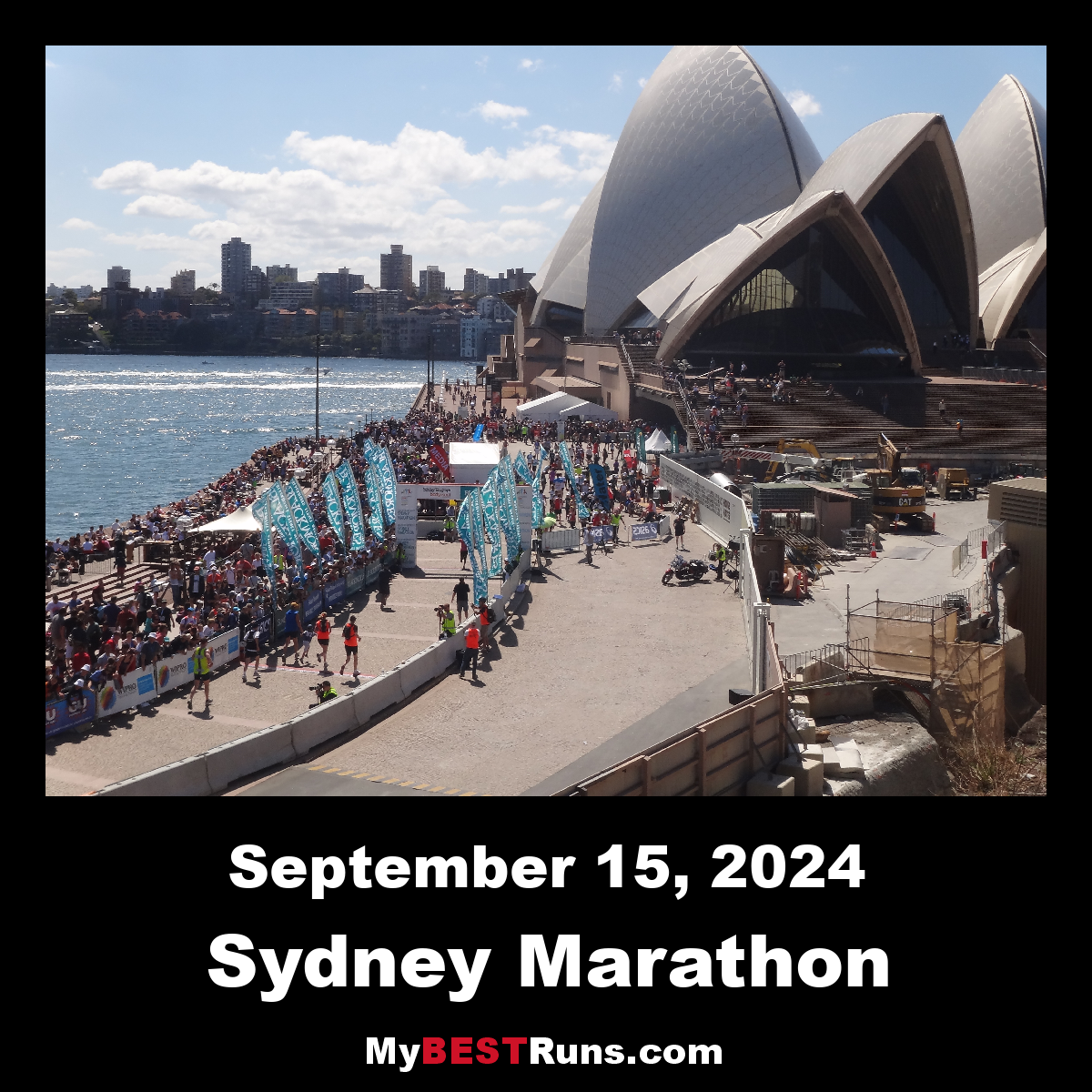
Sydney Marathon
The Sydney Marathon is a marathon held annually in Sydney, Australia. The event was first held in 2001 as a legacy of the 2000 Summer Olympics, which were held in Sydney. In addition to the marathon, a half marathon, 9 kilometres (5.6 mi) "Bridge Run", and a 3.5 kilometres (2.2 mi) "Family Fun Run" are also held under the banner...
more...
Chelsea Clinton Completes Chicago Marathon in 3:47:55 as Proud Parents Cheer Her Across the Finish Line
Chelsea Clinton, the daughter of former United States President Bill Clinton and former Secretary of State Hillary Clinton, completed the 2026 Chicago Marathon in 3:47:55 on Sunday, combining a major endurance challenge with her commitment to supporting maternal health.
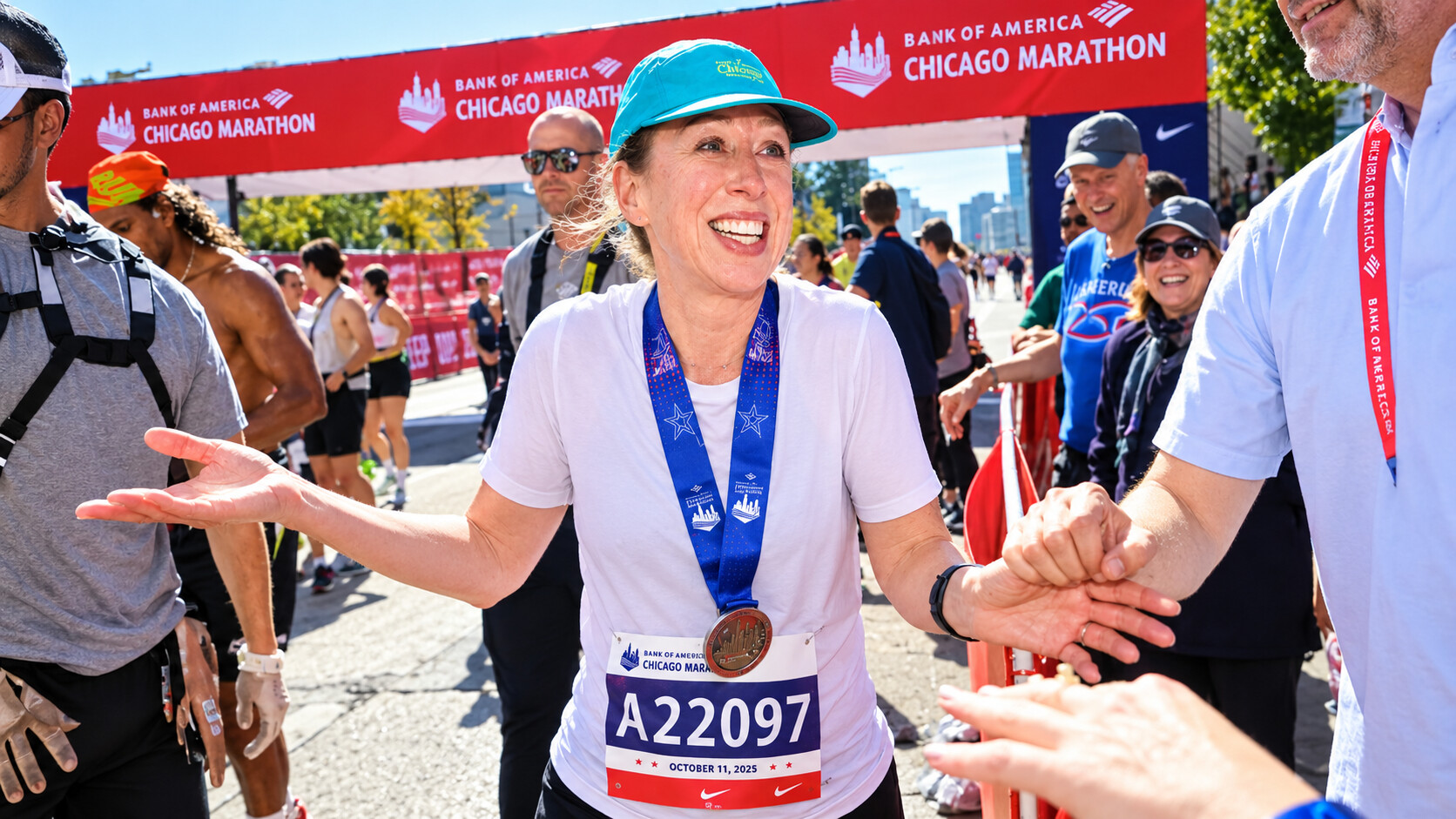
The 46-year-old joined her friend Jen Koss for the 42.195-kilometre race, maintaining a consistent rhythm throughout the streets of Chicago. Clinton reached the halfway point in 1:53:10 before covering the second half in 1:54:45, demonstrating impressive pacing on her way to the finish.
However, beyond the clock and the physical demands of one of the world's most prestigious marathons, her participation carried a deeper purpose. Clinton ran to support Every Mother Counts, a nonprofit organisation dedicated to making pregnancy and childbirth safer for mothers around the world. Through her marathon effort, she helped raise funds and awareness for maternal health, turning every kilometre into an opportunity to advance a cause close to her heart.
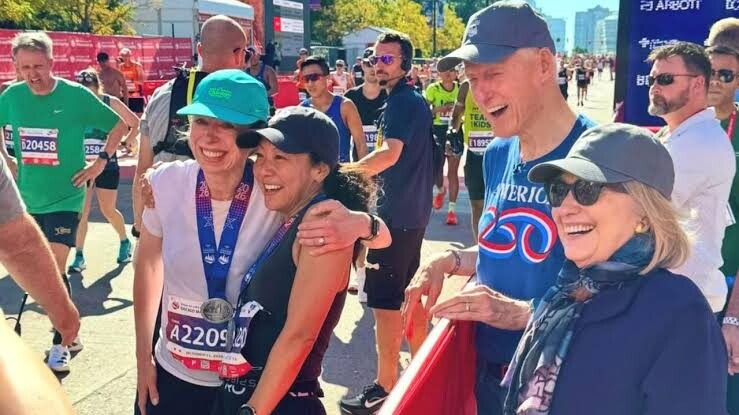
The finish line also provided an emotional family moment, with her parents, Bill and Hillary Clinton, waiting to congratulate her after she completed the demanding race. Their presence added a personal touch to an achievement that went beyond the sporting arena.
Chicago represents another significant chapter in Clinton's growing marathon journey. Earlier in 2026, she completed the Boston Marathon in a personal-best time of 3:40:52, finishing ahead of her Chicago performance. She has also taken on the New York City Marathon four times, building a considerable record of participation in some of the world's most celebrated long-distance races.
Although her 3:47:55 finish in Chicago was not a personal best, the result marked another successful completion of the marathon distance while reinforcing the role running can play in supporting charitable causes.
For Clinton, the Chicago Marathon was about more than reaching the finish line. It was an opportunity to challenge herself physically, share the experience with a friend, celebrate a family moment and contribute to a mission aimed at improving maternal health.
Her performance serves as a reminder that a marathon can be measured in more than minutes and seconds. For some runners, the greatest achievement is not simply how quickly they cover 42.195 kilometres, but also the purpose they carry with them every step of the way.
by Erick Cheruiyot for My Best Runs.
Login to leave a comment
Bank of America Chicago
Running the Bank of America Chicago Marathon is the pinnacle of achievement for elite athletes and everyday runners alike. On race day, runners from all 50 states and more than 100 countries will set out to accomplish a personal dream by reaching the finish line in Grant Park. The Bank of America Chicago Marathon is known for its flat and...
more...