

Running News Daily
Running News Daily is edited by Bob Anderson and team. Send your news items to bob@mybestruns.com Advertising opportunities available.
Index to Daily Posts · Sign Up For Updates · Run The World Feed



The 2020 Miwok 100k has been cancelled

We had hoped to wait until April 2, but after discussions with our permitting agencies, and with the shelter-in-place announcement yesterday for all residents in six Northern California counties – including Marin, where the Miwok 100K takes place – it has become unavoidably clear that we cannot in good conscience put on an event that brings people from many different counties, states, and countries into Marin during this pandemic.
Our runners could unknowingly bring COVID-19 into the area, infecting residents and other runners, or could return home to their own communities with it, and infect their families, friends, or essential service providers. Due to the above, as well as the potential risk to the volunteers, staff, and other participants, the 2020 Miwok 100K is now cancelled.
Entrants will receive a 2021 lottery bypass, and an update regarding partial refund on April 17. We’ll also be sharing a few ideas on a virtual Miwok, and ways to get some running in despite curfews and quarantines.
by Miwok 100k Race Team
Login to leave a comment

Miwok 100K
The Miwok 100K is very hilly (approximately 11,800 feet of cumulative elevation gain) with spectacular views of San Francisco and the Golden Gate Bridge, Mt. Tamalpais and the Point Reyes National Seashore. The course features fire roads and single-track trails with less than a mile of paved road.The race is very competitive at the front, and a rewarding challenge for...
more...Latest Running News
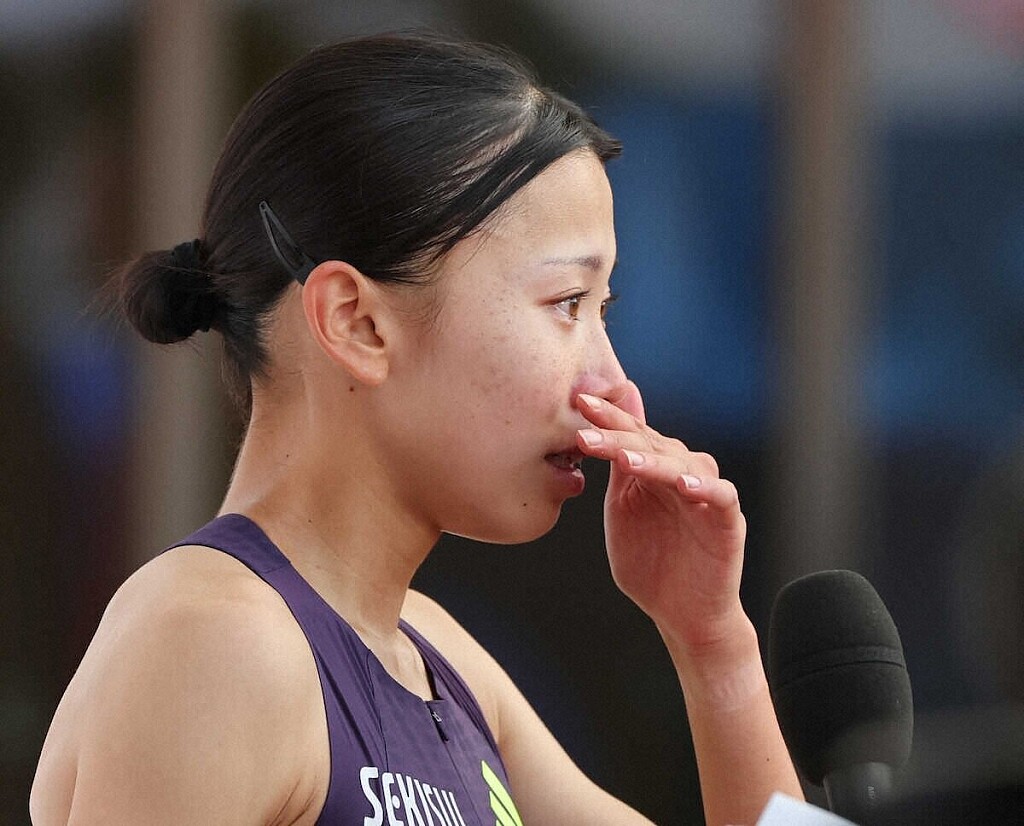
Rin Kubo Makes History With Rare Three-Peat at Japanese Championships
Rin Kubo has etched her name into Japanese athletics history after completing a remarkable three-peat in the women’s 800m at the Track and Field Japan Championships.
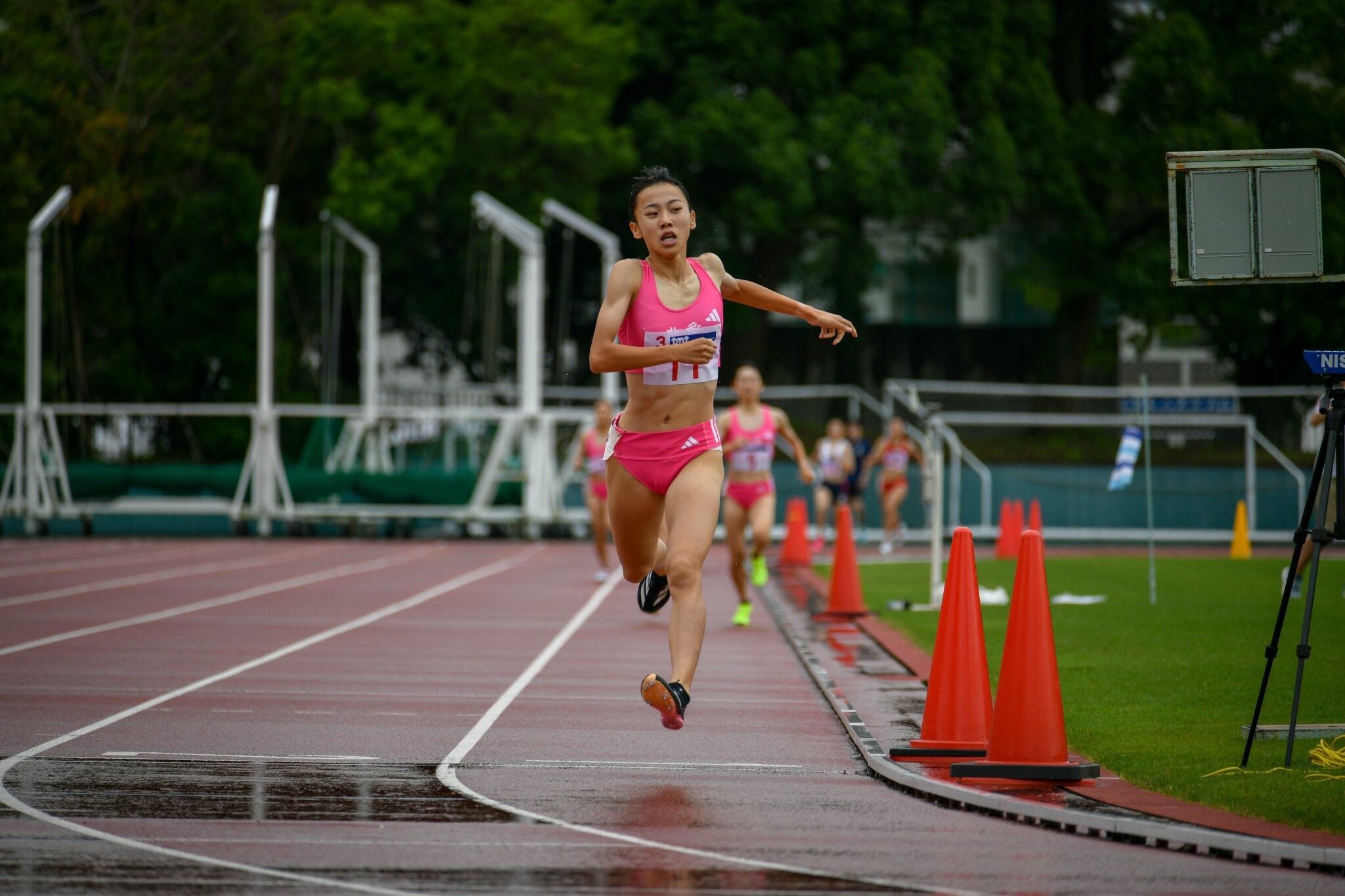
Kubo delivered a winning performance in the final, clocking 2:01.54 to secure her third consecutive national title in the event — a feat that had not been achieved for two decades.
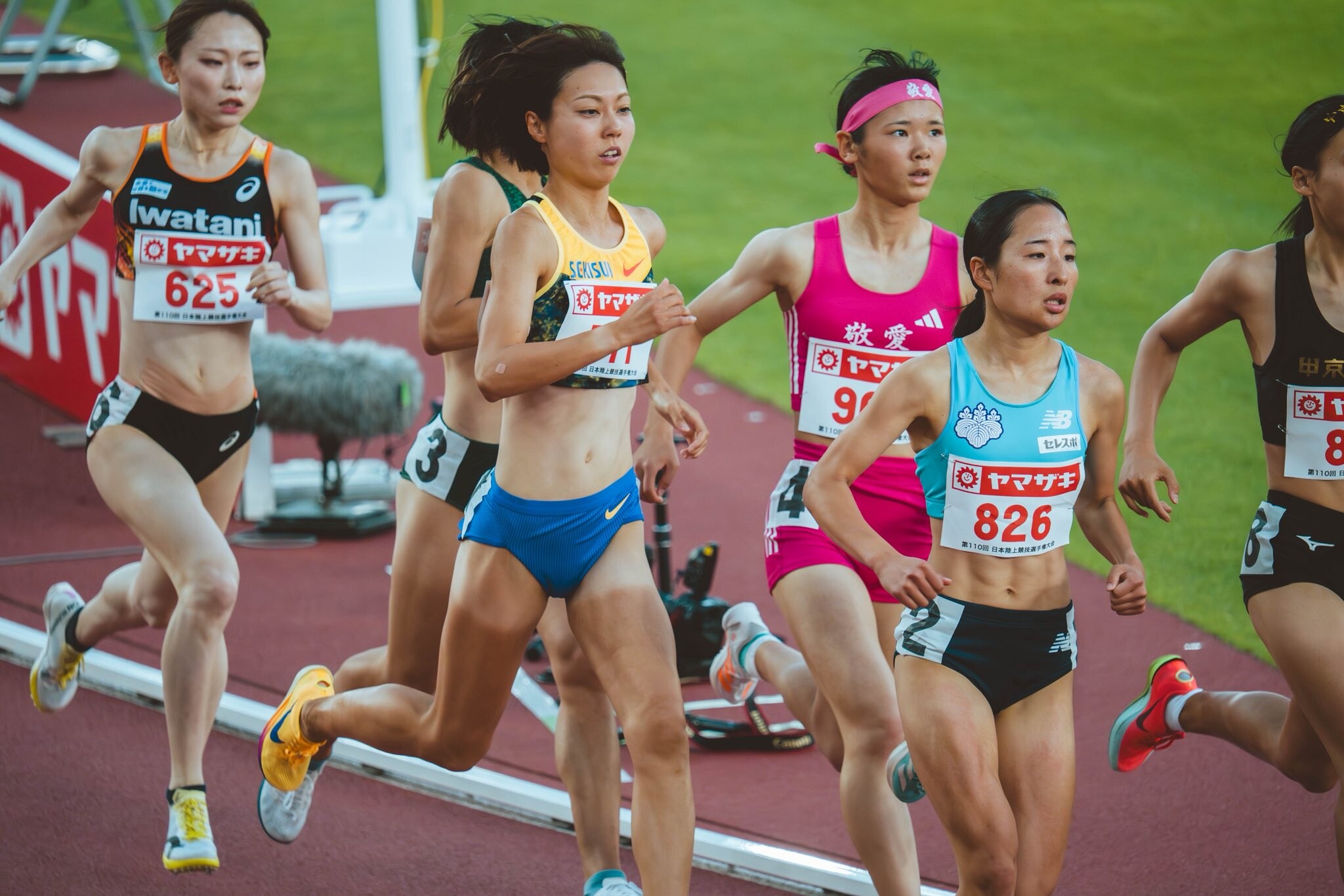
Her historic achievement makes her the first woman since Miho Sugimori’s three straight victories from 2004 to 2006 to dominate the Japanese 800m championships for three consecutive years. Kubo now joins an exclusive group of athletes, becoming only the sixth woman in history to accomplish the milestone.
The victory further highlights Kubo’s consistency and growing influence on Japan’s middle-distance scene. With another national crown added to her collection, she continues to build a legacy among the country’s elite 800m runners.
Her latest triumph is not only a personal milestone but also a reminder of her ability to perform under pressure and maintain excellence across multiple championship seasons.
The race once again showcased Kubo’s tactical strength and composure, as she controlled the competition and produced the decisive finish when it mattered most. Her ability to deliver at major championships has become one of her biggest strengths, separating her from the rest of Japan’s leading 800m contenders.
By securing another national title, Kubo has continued a tradition of excellence in Japanese middle-distance running while creating a new chapter of her own. The three-time champion now stands among the country’s most successful female 800m athletes, with her achievements placing her alongside some of the sport’s historic figures.
As attention turns to future international challenges, Kubo’s remarkable consistency and championship pedigree will make her one of the athletes to watch. Her latest milestone confirms that she is not only a dominant force in Japan but also a rising name on the global middle-distance stage.
by Erick Cheruiyot for My Best Runs.
Login to leave a comment
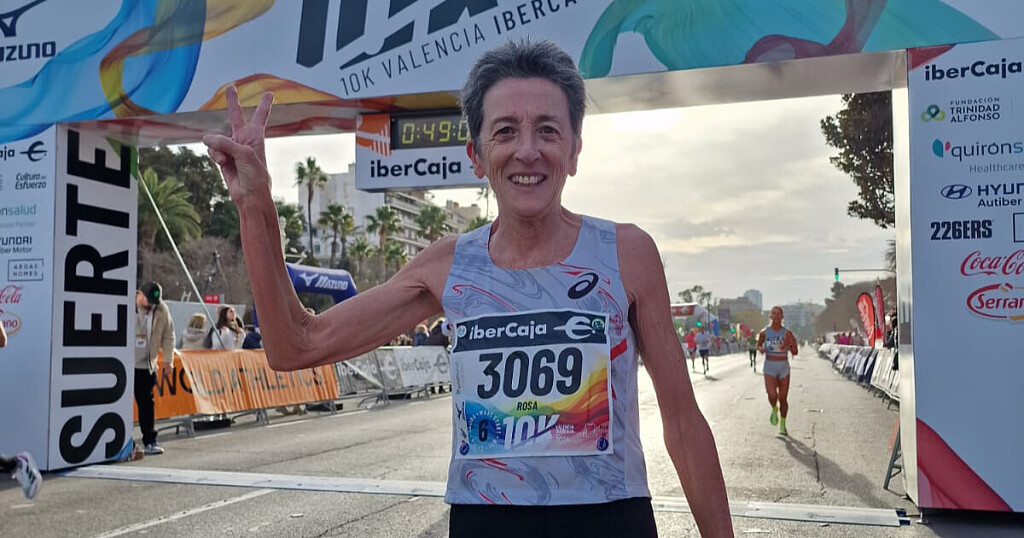
Rosa Mota: The Woman Who Refused to Accept Limits and Redefined Marathon Greatness
Long before women's distance running received the recognition it deserved, a young girl from the historic streets of Porto was quietly preparing to change the sport forever.
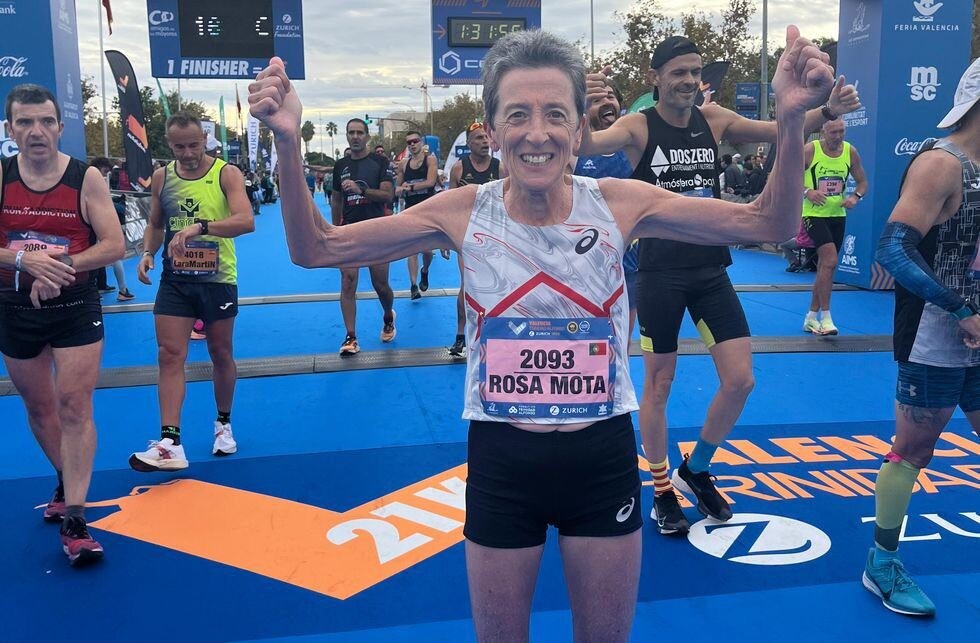
Born in the Foz Velha district of Portugal's second-largest city, Rosa Mota grew up battling asthma and sciatica—two conditions that might have convinced many that elite athletics was an impossible dream. In an era when opportunities for female athletes were scarce and expectations even lower, she was often reminded of her supposed limitations.
Rosa chose not to listen.
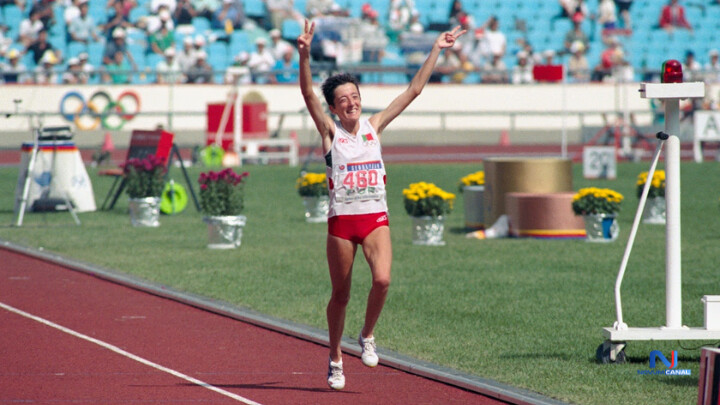
Instead, she ran.
She ran beyond the boundaries others placed around her. She ran beyond pain. She ran beyond doubt. And in doing so, she became one of the greatest marathon runners the world has ever known.
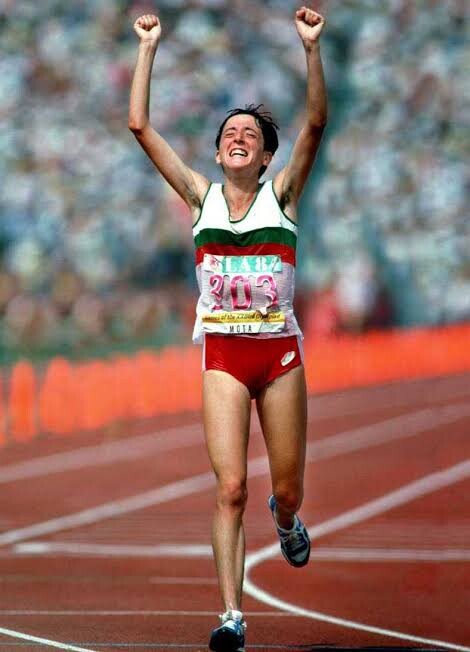
When the inaugural women's marathon was introduced at the 1982 European Championships in Athens, few outside Portugal expected Rosa Mota to be a contender. The race featured some of the finest distance runners of the era, including Norway's legendary Ingrid Kristiansen.
By the end of the race, expectations had been shattered.
Mota stormed to victory, announcing herself on the international stage and beginning a reign that would redefine women's marathon running. It was not merely a breakthrough win—it was the arrival of a champion whose influence would extend far beyond medals and records.
What made Rosa extraordinary was not overwhelming physical dominance. Her greatness stemmed from something deeper: an unbreakable resilience, remarkable tactical intelligence, and an ability to perform under the highest pressure. She carried herself with calm confidence, but beneath that calm was an iron determination that competitors found impossible to match.
Over the next decade, Mota assembled one of the most remarkable résumés in athletics history.
She became European champion, World champion, and Olympic champion—a combination no other woman has ever held simultaneously in the marathon. Her crowning achievement arrived at the 1988 Olympic Games in Seoul, where she produced a masterclass in championship racing.
With just two kilometres remaining, Mota launched a perfectly timed surge that left her rivals with no answer. She crossed the finish line 13 seconds clear of the field, securing Olympic gold and becoming the first Portuguese woman in history to win an Olympic title.
The victory elevated her from national hero to global icon.
Her success did not stop there.
In 1990, she captured her third Boston Marathon title, further cementing her status among the sport's elite. Later that same year, she defended her European Championship crown in Split in dramatic fashion. After building a commanding lead, she was gradually reeled in by Soviet athlete Valentina Yegorova. Yet when the race entered its decisive moments, Mota found another gear and held on to win by five seconds.
The triumph made history.
No athlete—male or female—had ever won three European marathon titles. Rosa Mota became the first.
Numbers alone illustrate the scale of her dominance. During a remarkable ten-year period, she contested 21 marathons and won 14 of them. Consistency at such a level is almost unheard of, particularly in an event as demanding as the marathon.
The sport itself eventually delivered its verdict.
The Association of International Marathons and Distance Races honoured Mota as the greatest female marathon runner of all time, a distinction reflecting not only her achievements but also the profound impact she had on the development of women's distance running worldwide.
Yet despite her accomplishments, her name is not always mentioned as frequently as some of her male contemporaries. It is one of the lingering injustices of sporting history: many pioneering women achieved greatness equal to any champion, yet their stories often received far less attention.
Rosa Mota deserves to be remembered among the sport's immortals.
Even after retiring from elite competition, she never drifted far from running. She carried the Olympic flame through Athens in 2004, received the prestigious Abebe Bikila Award for her contributions to long-distance running, and continued competing well into her sixties.
Remarkably, age did little to slow her down.
She won the Macau Mini Marathon multiple times and later set a world record for the women's 65–69 age category over 10,000 metres, proving that the spirit which drove her to Olympic glory never faded.
Today, a sports pavilion in Porto proudly bears her name—a fitting tribute to a woman whose achievements transcended generations.
Rosa Mota's story is not simply about medals, records, or championships. It is a story of perseverance. A story of breaking barriers when few believed they should be broken. A story of showing up, year after year, race after race, regardless of the obstacles.
Some champions are remembered because they were loud.
Others are remembered because they changed history.
Rosa Mota did both through the power of her performances alone.
She was a pioneer. She was a trailblazer. She was an Olympic champion.
And for many, she remains the greatest female marathon runner the sport has ever seen.
by Erick Cheruiyot for My Best Runs.
Login to leave a comment
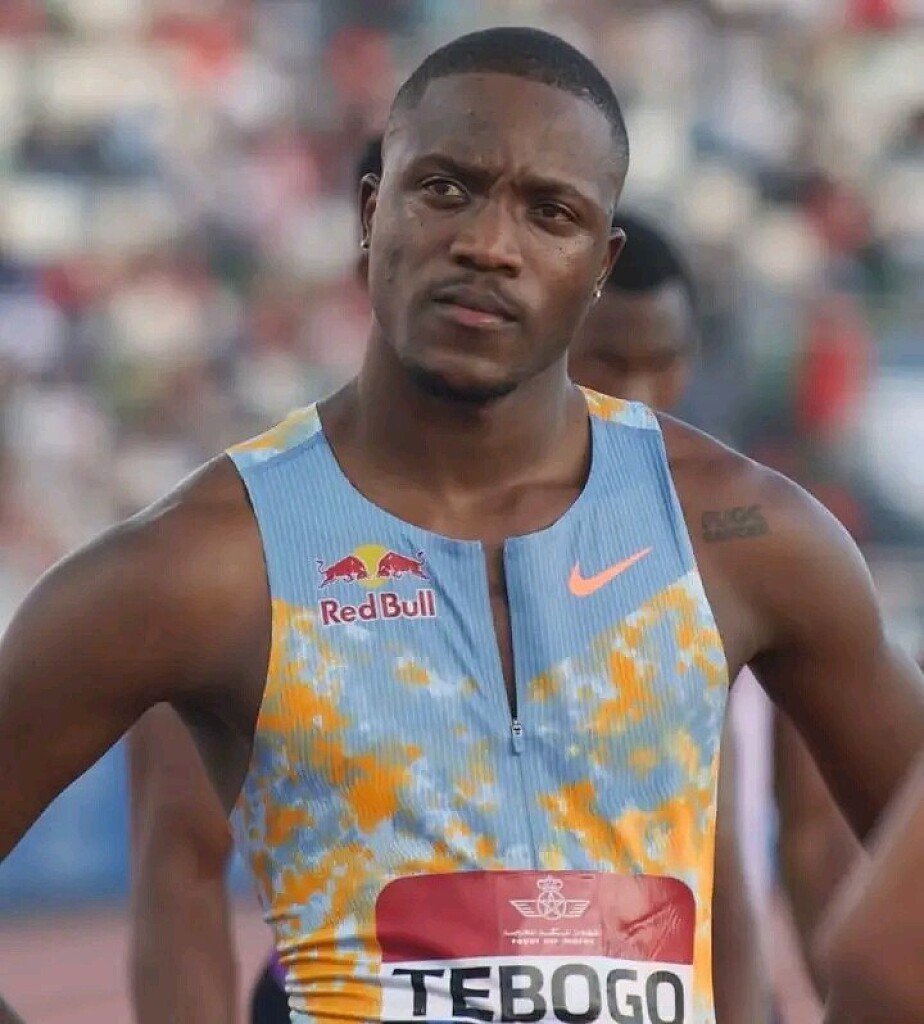
Speed, Power and Pride: Tebogo Headlines Star-Studded Men's 100m at the LA Grand Prix
The countdown is on for one of the most anticipated sprint clashes of the season as the 2026 LA Grand Prix prepares to showcase a world-class men's 100m field on Sunday, June 14 in Los Angeles, USA.
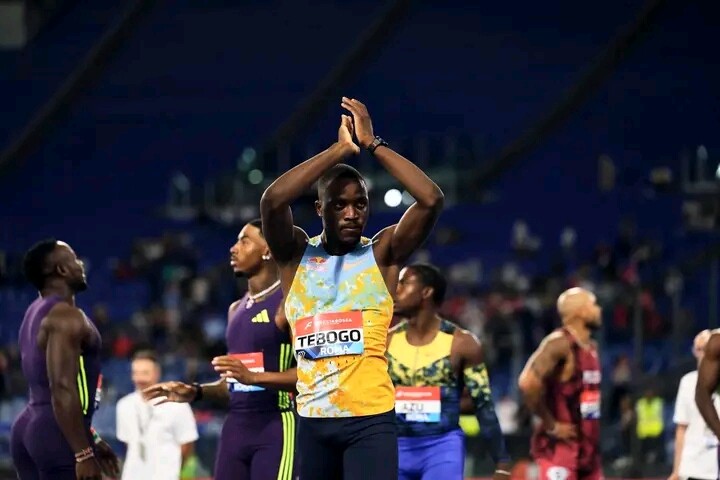
With Olympic champions, world medalists, and some of the fastest men on the planet set to line up, fans can expect a race packed with speed, drama, and fierce competition from the moment the starter's gun fires.
Leading the field is Botswana's sprint sensation, Letsile Tebogo, whose rise to global stardom has transformed him into one of athletics' most exciting figures. Known for his composure, explosive finishing speed, and ability to deliver on the biggest stages, Tebogo arrives in Los Angeles carrying the expectations of a nation and the attention of the athletics world.
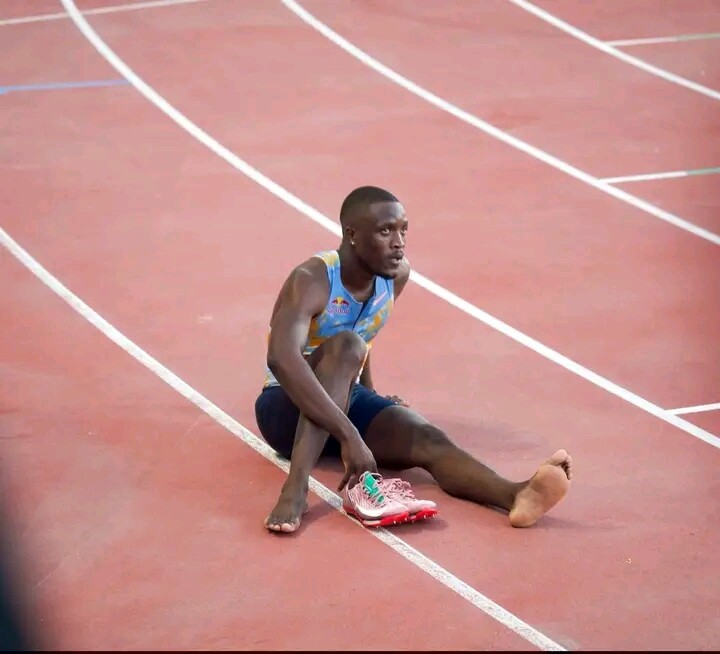
Standing in his way is a formidable American contingent led by Kenneth Bednarek, the versatile sprint star who continues to prove himself among the world's elite. While best known for his success over 200 metres, Bednarek has shown that he possesses the raw speed necessary to challenge the very best in the shorter sprint.
The United States will also field experienced speedsters Trayvon Bromell and Christian Coleman, two athletes whose careers have been defined by lightning-fast performances. Bromell remains one of the quickest starters in the sport, while Coleman has built a reputation as one of the greatest 100m specialists of his generation. Their presence guarantees that no margin for error will exist in this race.
Adding further intrigue is Ghana's rising talent Abdul-Rasheed Saminu, who continues to establish himself as a serious contender on the international circuit. Against such elite opposition, the Ghanaian sprinter will have an opportunity to measure himself against some of the sport's biggest names.
The depth of the field is strengthened by American athletes Courtney Lindsey, Brandon Hicklin, and Sam Blaskowski, all capable of producing breakthrough performances when the stakes are highest.
by Erick Cheruiyot for My Best Runs.
Login to leave a comment

55 Years Without a Day Off: The Extraordinary Running Streak of Steve DeBoer
In a sport where consistency is often measured in training blocks and racing seasons, one man has redefined what dedication truly means.
For more than five and a half decades, Steve DeBoer has done something almost unimaginable: he has run every single day.

The 71-year-old Minnesotan has maintained a running streak stretching beyond 55 years, accumulating more than 20,400 consecutive days on the move. Through snowstorms, holidays, family commitments, personal challenges, and the countless disruptions that life inevitably brings, DeBoer has never allowed a day to pass without lacing up his running shoes.
What began as a simple ambition during his teenage years has evolved into one of the most remarkable displays of endurance and discipline in the running world.
Ironically, DeBoer's journey started on a basketball court rather than a running track. As a teenager, he took up running in an effort to improve his fitness and secure a place on his school's basketball team. The plan did not work out as hoped—he failed to make the squad—but the experience ignited a passion that would shape the rest of his life.

While many athletes eventually move on from their youthful ambitions, DeBoer never stopped.
One day became a week. A week became a month. Months turned into years, and years transformed into decades. What started as a fitness routine gradually became a lifelong commitment built on persistence rather than perfection.
His streak survived the harsh winters of Minnesota, where freezing temperatures and deep snow can discourage even the most dedicated runners. It endured vacations, demanding work schedules, family responsibilities, and the unexpected obstacles that often derail long-term goals.
Yet every day, regardless of the circumstances, DeBoer found a way to keep moving forward.
The numbers alone are staggering. More than 20,000 consecutive days of running represent a level of consistency that few athletes in any discipline can match. For most runners, progress is tracked through personal bests, race victories, or annual mileage totals. For DeBoer, success has been measured in something far rarer—the ability to show up every single day for more than half a century.
And remarkably, he is not finished yet.
Now in his seventies, DeBoer has set his sights on an ambitious new challenge. Before reaching his 80th birthday, he hopes to accumulate enough lifetime running miles to equal the distance from Earth to the Moon.
It is a goal that sounds almost impossible at first glance. Then again, so did running every day for 55 years.
His story serves as a powerful reminder that greatness is not always defined by championships, records, or moments of glory. Sometimes it is built through quiet determination, repeated day after day, year after year, for a lifetime.
After more than 20,400 consecutive days of running, Steve DeBoer has already accomplished something extraordinary. And if history is any guide, there is little reason to doubt that his next milestone may be within reach as well.
by Erick Cheruiyot for My Best Runs.
Login to leave a comment
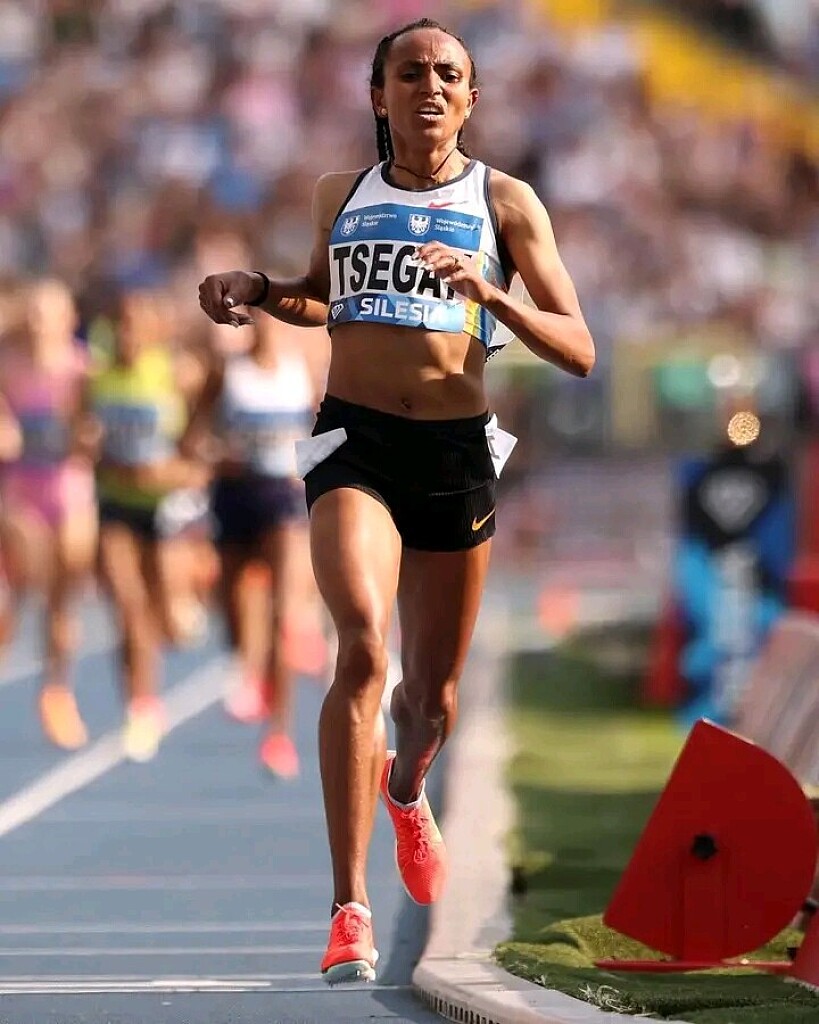
Gudaf Tsegay Handed Four-Month Suspension Following Positive Doping Test
Ethiopian middle-distance star Gudaf Tsegay has been handed a four-month suspension after testing positive for a metabolite of Letrozole, a substance prohibited under anti-doping regulations.
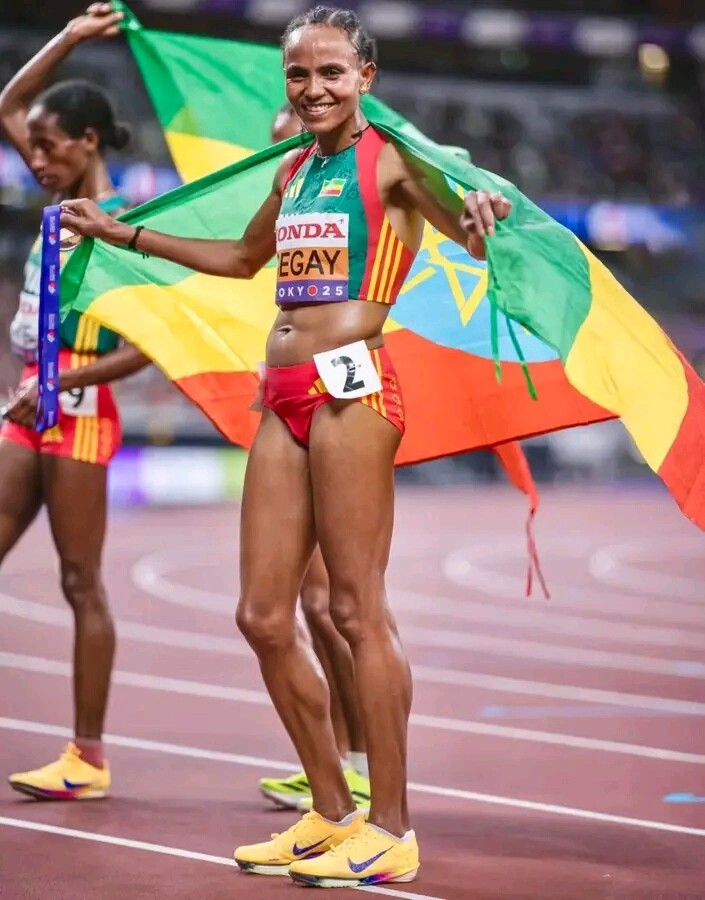
The positive result stemmed from an out-of-competition test conducted on 5 December 2025, casting an unexpected shadow over one of the most accomplished athletes in global athletics. Tsegay, a two-time world champion and one of Ethiopia’s most decorated distance runners, was formally notified of the adverse analytical finding in January 2026.
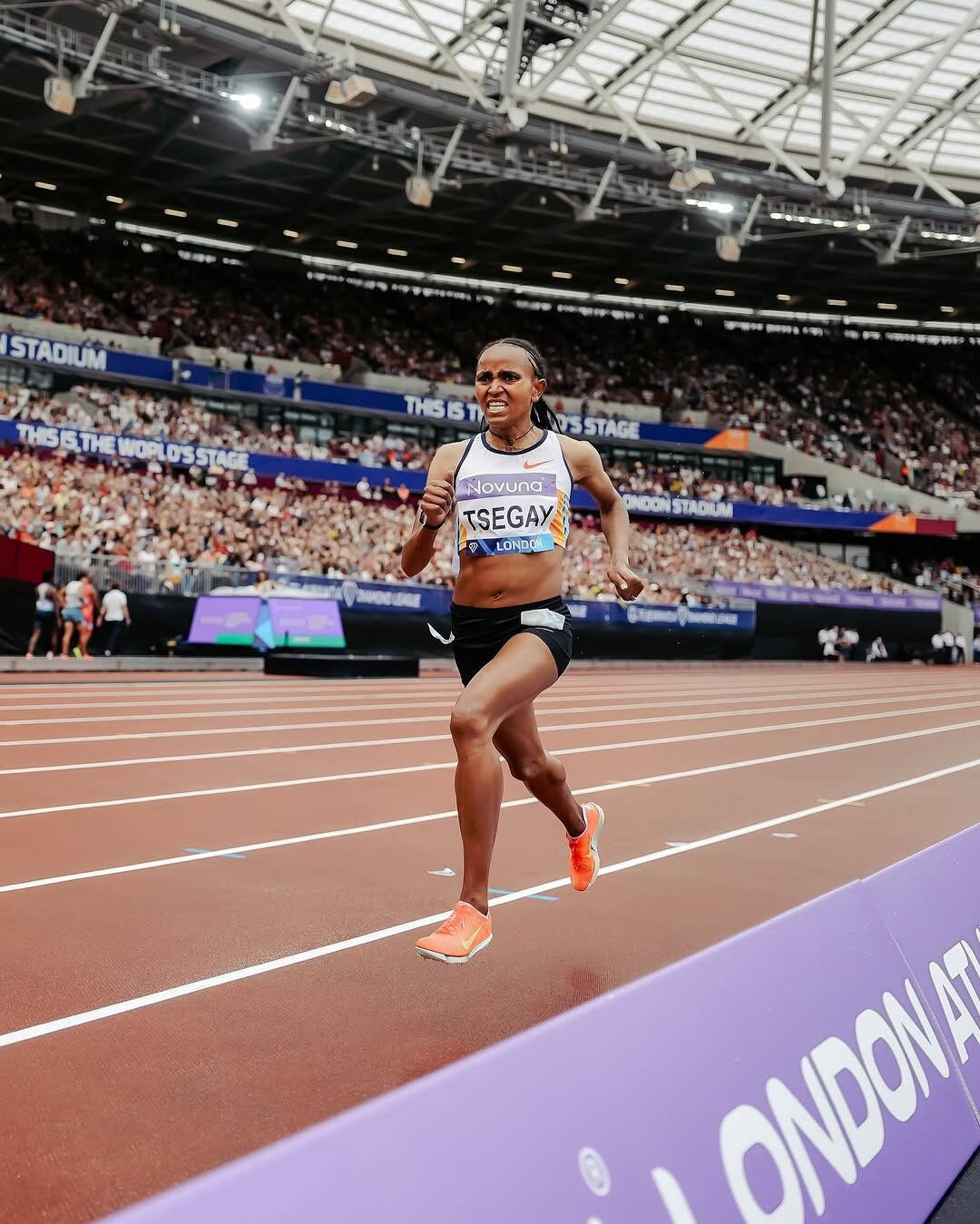
Following the notification, Tsegay maintained that the medication had been prescribed by medical professionals to treat a diagnosed health condition. She subsequently provided supporting medical documentation to anti-doping authorities and later submitted a Therapeutic Use Exemption (TUE) application.
The World Athletics Therapeutic Use Exemption Committee reviewed the evidence and concluded that her treatment satisfied the criteria required for a TUE. However, because the exemption had not been obtained before the use of the medication, an application for a retroactive TUE was submitted. That request was ultimately rejected by the World Anti-Doping Agency (WADA).
As a result, Tsegay entered into a Case Resolution Agreement with the Athletics Integrity Unit (AIU) and WADA, acknowledging anti-doping rule violations related to both the presence and use of a prohibited substance.
Despite the violation, authorities determined that a reduced sanction was appropriate. The decision took into account Tsegay’s prompt admission of the violation, the absence of significant fault or negligence, and the finding that she likely would have received a valid TUE had the application been made before treatment began.
Under the terms of the agreement, Tsegay will serve a four-month period of ineligibility from 1 June 2026 through 30 September 2026.
The suspension temporarily sidelines one of the sport’s most recognizable talents, whose achievements include world titles and standout performances on the global stage. While the ruling represents a setback in her career, the case has also highlighted the importance of athletes securing the necessary exemptions before using medications that contain prohibited substances, even when prescribed for legitimate medical reasons.
Tsegay is expected to return to competition once her suspension concludes at the end of September, aiming to resume a career that has already established her among Ethiopia’s most successful athletes of her generation.
by Erick Cheruiyot for My Best Runs.
Login to leave a comment
