

Running News Daily
Running News Daily is edited by Bob Anderson and team. Send your news items to bob@mybestruns.com Advertising opportunities available.
Index to Daily Posts · Sign Up For Updates · Run The World Feed



6 Common Causes of Back Pain in Runners and How to Avoid the Aches

These are the common causes of back pain in runners, according to experts.
If you want to solve a problem, you have to go to the source. The only problem: Pinpointing the source of your back pain can be somewhat tricky. The discomfort can stem from your running, but also activities beyond your workouts, like lifting something that’s too heavy or sleeping on a brand new mattress.
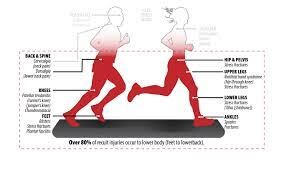
To help find the common causes of back pain in runners, though, researchers of a study published in Pain Research and Management surveyed 800 marathon runners to better understand how they experience lower back pain and identify potential risk factors. Of the marathoners who reported pain, risk factors included an insufficient warmup, fatigue, poor running posture, and even the environmental temperature.
While these may cause you to experience aches in your back, we asked a physical therapist and sports physician for other surprising and common causes of back pain—plus what you can do to avoid all of these risk factors for discomfort.
1. You’re Not Strength Training
A weak core—or any weakness along your kinetic chain, including in the muscles around your feet, ankles, knees, or hips—can affect your body’s ability to absorb the impact of running.
“If a runner’s body isn’t absorbing shock well or efficiently, there will be excess impact forces that are transmitted through the legs and up into the spine or lower back, which can cause low back pain or discomfort,” Daniel Giordano, D.P.T., C.S.C.S., physical therapist and cofounder of Bespoke Treatments, tells Runner’s World.
This is why it’s so important to strength train at least twice a week, so you can build stronger running muscles for the road. For runners with a weak core or hips, practicing planks and lunges can help stabilize these muscles, says Giordano. Other moves to target typically weak areas of runners include single-leg calf raises for stronger ankles, lateral banded walks for knee strength, and glute bridges for stronger hips.
Muscle weakness can also cause runners to overcompensate in other areas of the body, which can result in poor running form and also contribute to back pain, Giordano adds. For example, a weak core can cause a runner to slouch or lean forward which places extra stress on the low back and can disrupt running mechanics.
The best way to zero in on weaknesses and compensations is to visit a professional, like a physical therapist, sports physician, or orthopedist, who can use technology like a 3D gait analysis to assess your running form and measure your ability to absorb shock, and motion analysis to measure your joint range of motion, says Giordano.
2. You Don’t Warmup
You need to warmup before every workout to properly prepare your muscles for what’s to come, especially if you spend a lot of time sitting throughout the day.
“If you’re sitting all day, your hips are probably going to be tight,” says Giordano. “Then, if you’re not warming up after sitting and just going straight into a run, you’re not going to be ready to run.” Essentially, your body won’t be able to get through ideal gait mechanics without overcompensating.
For example, “tight hips can limit your range of motion and force other parts of your body, such as your back, to compensate for the restricted movement, which can also result in pain and discomfort,” he explains.
To fix this, Giordano suggests doing a dynamic warmup, which requires actively stretching your hips, glutes, hamstrings, quads, calves, and rotating your spine to ensure your muscles are ready to go at run time. To target these areas and activate these muscle groups, try bodyweight squats, mini band lunges, pogo jumps, and standing spinal rotations. Also, jog in place or walk for a few minutes before you start picking up the pace, he adds.
3. You’re Wearing the Wrong Shoes
Finding the right pair of running shoes will help improve shock absorption, which can decrease back pain.
When determining which shoes to choose, it’s all about your running gait, Aaron Mares, M.D., associate professor at the University of Pittsburgh Medical Center and associate medical director for the Pittsburgh Marathon tells Runner’s World. You may need more or less cushion depending on your biomechanics.
More specifically, your level of pronation—the inward movement of your foot as it rolls optimally to distribute the force impact as you run—will contribute to the kind of running shoe you need, says Mares.
A running gait analysis can also help identify the shoe that’s best for you. For example, if the analysis determines you overpronate, you might want to consider insoles or a stability shoe.
Also, look for a lightweight shoe with cushion, as this can not only help you avoid pain but also keep you from slowing down, says Giordano. Heading to your local running store to test shoes before you buy them is always a smart move.
4. You Increase Your Mileage Too Quickly
“If you’re increasing your volume or your intensity too fast, and your body’s not equipped to handle it, that will lead to excessive force on your lower back,” says Giordano.
That’s why it’s important for you to slowly increase your training volume by 10 to 15 percent each week, so your body can build strength and endurance, he explains. This means if your longest run is five miles but your goal is to run 10 miles, you’d increase your longest run by about 0.5 miles each week until you reach your goal.
Also, you may want to consider where you’re running, especially if you frequently run on concrete or up hills, as this can also contribute to your pain. “If you’re running on a really hard surface, you’re going to put a lot more impact force up through your kinetic chain versus if you run on soft dirt, fine gravel, or a trail,” says Mares.
A change of scenery can offer a simple fix—head out to the trails or softer paths like grass—but you also might want to consider dialing back your frequency or intensity. Cross-training with cycling or swimming, especially if running somewhere else isn’t an option, is also a smart option for sidestepping aches when your back asks for it, Mares adds.
5. You're Not Recovering Properly
“If you’re not sleeping well and not recovering, your body’s never healing. You're constantly in a state of stress, and probably should take more days off,” says Giordano.
Your body needs complete rest days mixed into your schedule so it can properly heal before your next workout. Adequate rest days will prevent you from overtraining, therefore helping you decrease your chances for muscle issues, like back pain, that can stem from an overuse injury.
Ideally, you want to have one full rest day a week, and get at least seven to nine hours of sleep each night.
6. You’re Not Drinking Enough Water
Believe it or not, inadequate hydration levels can also contribute to the risk of back pain. “If you’re not well hydrated, your muscles can become tight and it can lead to strains or sprains, including those in your lower back,” says Giordano.
To avoid this, aim for the Institute of Medicine’s recommendation of men taking in at least 3.7 liters (or 125 ounces) and women 2.7 liters (or 91 ounces), per day, from fluids and water-containing foods.
by Runner’s World
Login to leave a comment
Latest Running News
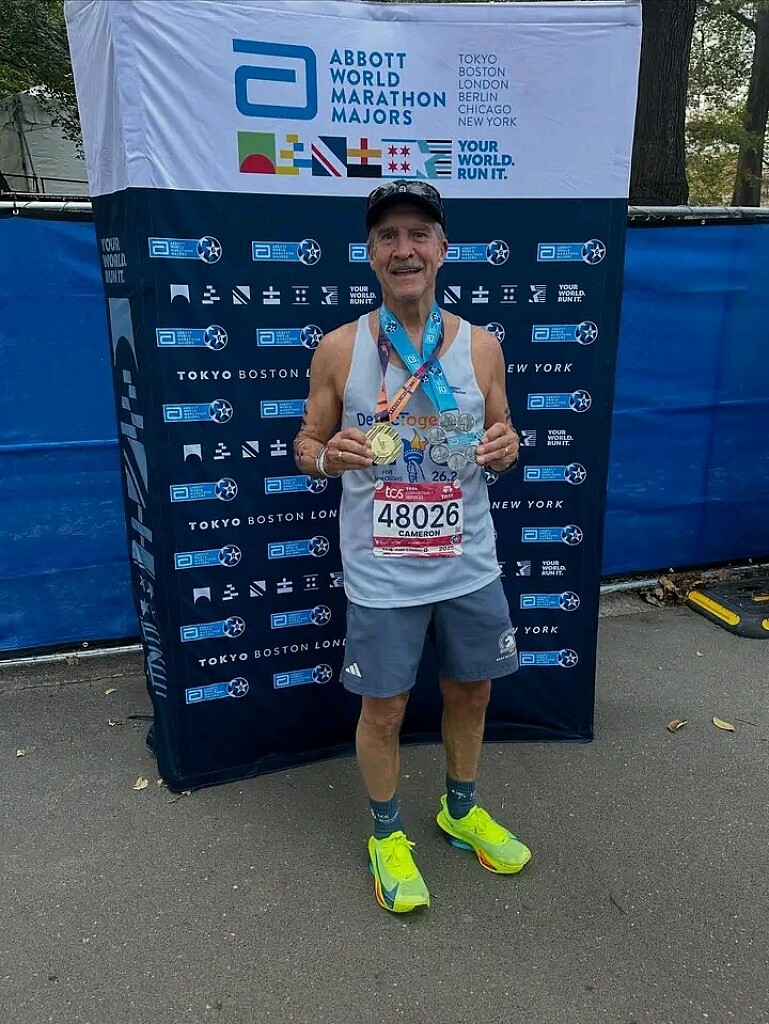
67-Year-Old Pete Benson Takes On Seven Marathons Across Seven Continents In Seven Days For A Worthy Cause
At 67, Canadian runner Pete Benson is preparing to take on one of the most extraordinary endurance challenges in marathon running: completing seven marathons across seven continents in just seven days while raising money for a cause that reaches far beyond the finish line.

Hailing from Grand Manan, New Brunswick, Benson is set to participate in the Great World Race, an ambitious event that combines the physical demands of marathon running with a demanding journey around the globe. The challenge will require him to complete seven full marathons, each covering 42.195 kilometres, while travelling between continents on a tightly scheduled itinerary.
The challenge is scheduled to begin on November 15, 2026, with pre-event activities expected to start around November 12. Benson's adventure will begin in Antarctica, where the icy terrain and harsh conditions will provide a formidable introduction to the week ahead.
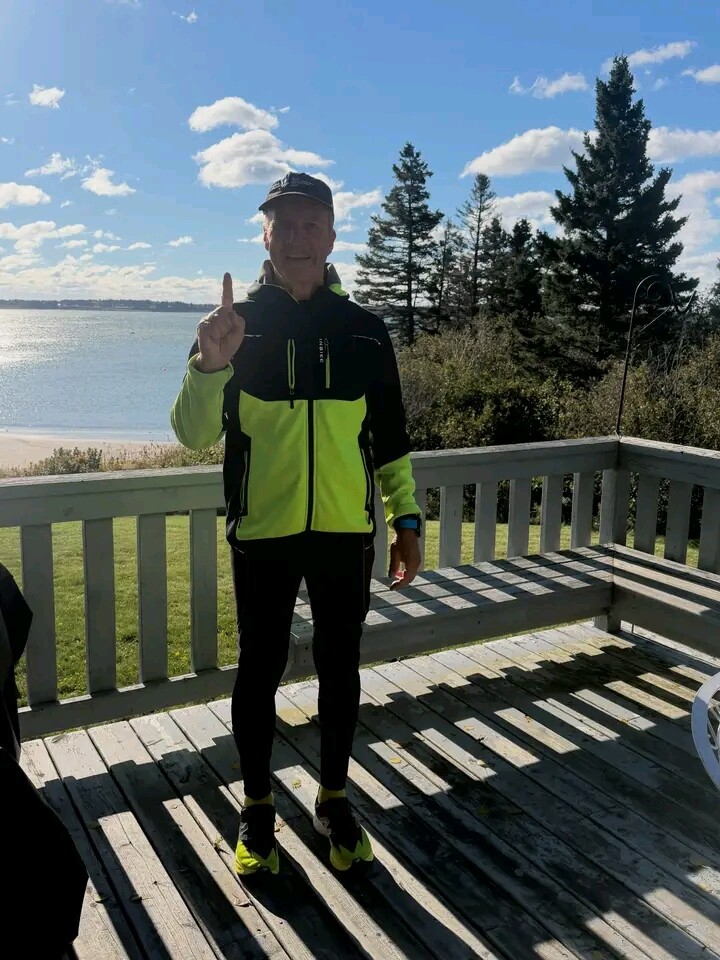
The opening marathon is scheduled for Wolf's Fang in Antarctica, where Benson will face the unfamiliar and potentially unforgiving conditions of the frozen landscape. Reflecting on the prospect of running through the ice and snow, he admitted that the experience is intimidating.
"That's pretty, pretty scary in itself," he said. "Through the ice and snow."
From Antarctica, Benson will travel to Cape Town, South Africa, for his second marathon on November 16. The journey will then continue to Perth, Australia, on November 17, followed by Singapore on November 18. On November 19, he is scheduled to race in the Algarve, Portugal, before heading to Cartagena, Colombia, on November 20. The challenge will conclude in Miami, United States, on November 21.
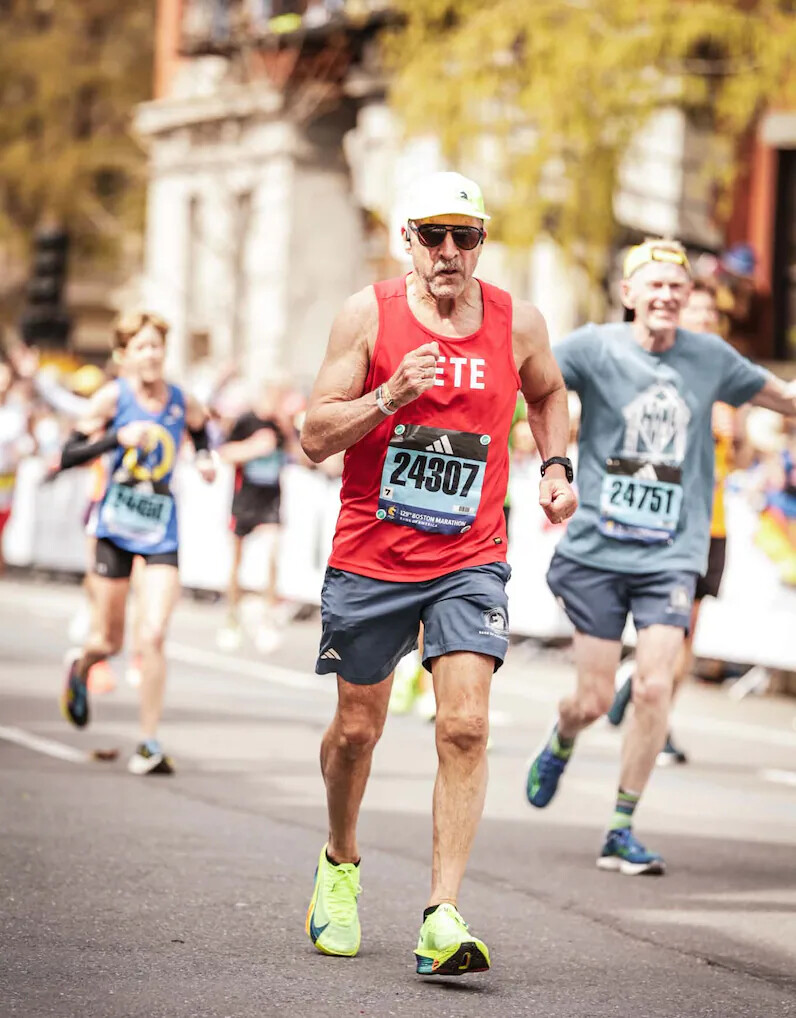
The demanding itinerary will leave little time for conventional recovery. After each marathon, Benson will need to travel to the next destination, navigate changing time zones and prepare for another 42.195 kilometres. Managing fatigue, nutrition, hydration and sleep will be essential as he attempts to complete the seven races within a single week.
Benson described the unusual routine that awaits him, highlighting the relentless cycle of running and travelling that defines the challenge.
"We run the race, get back on the bus, back on the plane, head to the next one and away we go around the world," Benson said. "That plane becomes our hotel and restaurant for the week, pretty much."
Beyond the physical demands, Benson recognises that taking part in such an ambitious international adventure comes at a considerable financial cost. He describes running as a personal investment, one that has provided him with valuable experiences and opportunities to discover more about himself.
"It's certainly a want, not a need," he said. "Some people go on river cruises and other things that they spend their money on and I spend my money on running and I've learned a lot from it."
Despite the expense, Benson believes the experience is worth the investment.
"So I think the investment is worth it, but it is extravagant," he said.
However, his motivation extends beyond personal achievement. Benson is also using the challenge to raise money for a nonprofit organisation that funds clean-water projects in countries around the world. The fundraising initiative is voluntary and is not a requirement for participating in the event.
By connecting his running adventure to a cause with a tangible impact on communities, Benson hopes to give every kilometre a greater purpose. His effort demonstrates how an individual sporting challenge can also become an opportunity to support work that improves lives.
"I'm happy that there's a purpose behind every mile that I run," he said.
That purpose adds another dimension to Benson's ambitious undertaking. While the seven marathons will test his physical strength, mental resilience and ability to recover between races, his fundraising mission will allow him to contribute to efforts aimed at improving access to clean water around the world.
As November 15 approaches, Benson is preparing for a demanding week that will take him from the ice and snow of Antarctica to the streets of Miami, with five other destinations in between. Each marathon will bring a new test, requiring careful preparation, determination and the ability to keep moving forward despite accumulating fatigue.
At 67, Benson is setting out to complete an extraordinary endurance challenge while supporting a cause beyond himself. Seven marathons, seven continents and seven days will test his limits, but his journey will carry a purpose that extends far beyond the finish line.
by Erick Cheruiyot for My Best Runs.
Login to leave a comment

Caroline And Purity Gitonga Deliver Personal Bests In Valencia Half Marathon With Impressive Kenyan Double
Kenyan twins Caroline and Purity Gitonga delivered outstanding performances at the 2026 Valencia Half Marathon in Spain, with both athletes setting new personal bests in a memorable display of endurance, determination, and sibling excellence.
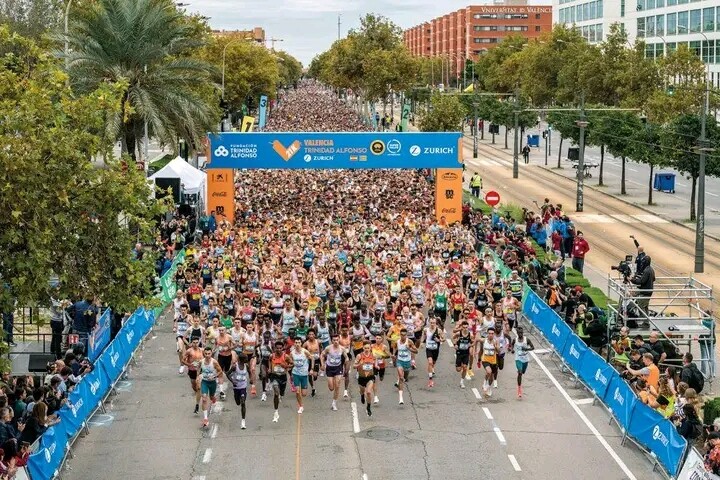
Caroline led the way, clocking an impressive 1:04:59 to finish sixth in the women's race. The performance marked a significant breakthrough for the talented Kenyan, who improved her previous personal best of 1:06:26 by 1 minute and 27 seconds, underlining her continued progress among the world's leading half-marathon runners.
Her twin sister, Purity, was equally impressive, crossing the finish line in 1:05:56 to secure 11th place. She shaved 1 minute and 35 seconds off her previous personal best of 1:07:31, completing a remarkable day for the sisters as they both reached new milestones in their athletic careers.
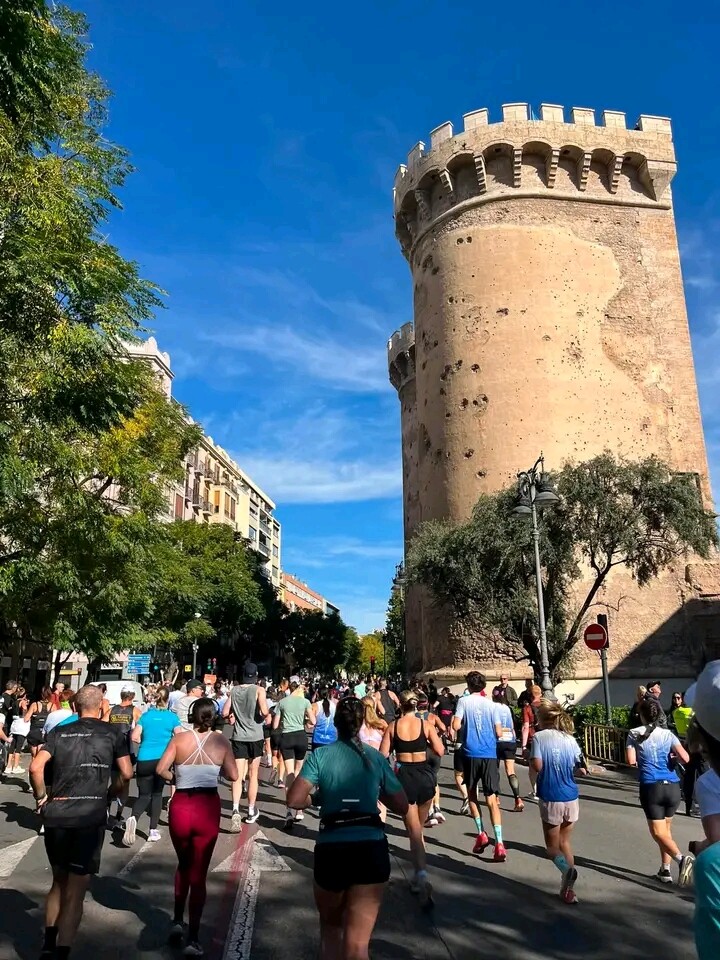
Their performances highlighted the strength of Kenya's distance-running tradition while showcasing the individual talent and shared determination that have made the Gitonga twins athletes to watch. Competing on one of the world's fastest half-marathon courses, Caroline and Purity demonstrated their ability to translate hard training into significant improvements on the international stage.
Having a twin sister who understands the demands of elite athletics can provide a unique source of motivation. From the discipline required during training to the challenges of competing against the world's best, the sisters share a journey that extends beyond the finish line. Their latest achievements in Valencia offer another inspiring example of how ambition, perseverance, and mutual encouragement can drive athletes toward new heights.
For Caroline, finishing sixth in 1:04:59 represents another important step in her development, while Purity's 1:05:56 performance confirms her own impressive progress. Although they finished several places apart, their achievements tell the same powerful story: two athletes pushing their limits and continuing to improve against a highly competitive international field.
Valencia once again provided a stage for exceptional distance-running performances, and the Gitonga twins made the most of the opportunity. Their personal bests are not only a testament to their hard work but also an encouraging sign of what they could accomplish as they continue to gain experience and pursue even greater ambitions.
Two sisters, two personal bests, and one unforgettable day on the roads of Valencia. Caroline and Purity Gitonga have given Kenyan athletics another reason to celebrate, and their latest performances will undoubtedly strengthen interest in what the talented twins can achieve in the seasons ahead.
by Erick Cheruiyot for My Best Runs.
Login to leave a comment
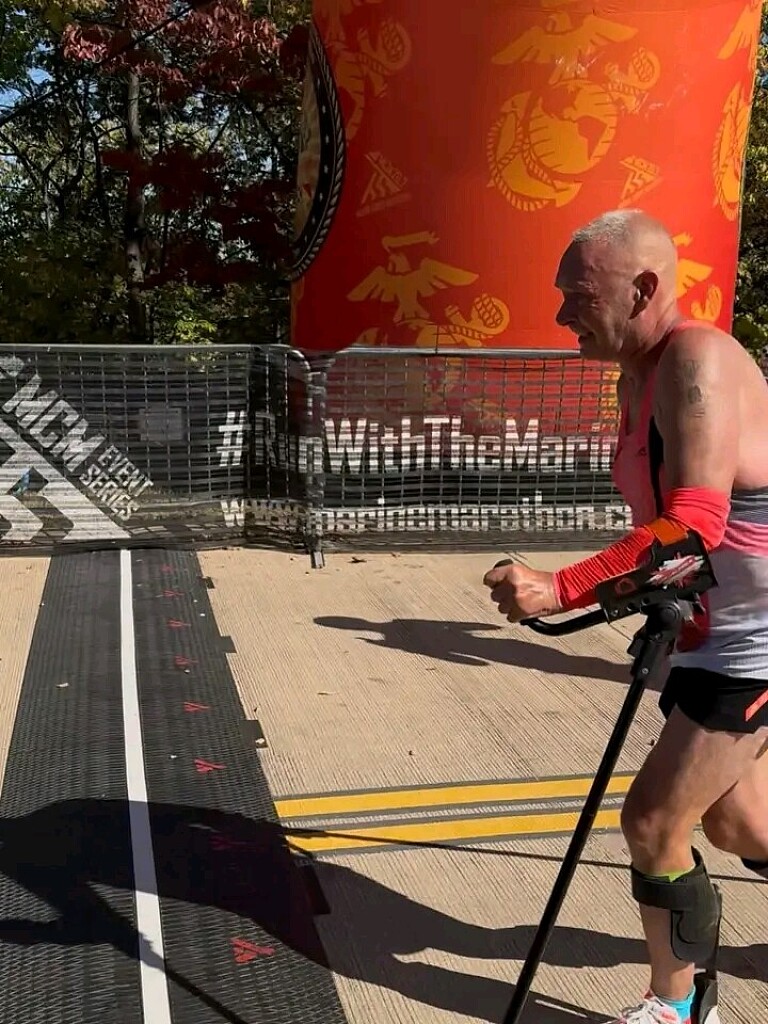
Mick Marshall Makes History With World Record For Fastest Marathon Completed On Crutches In Washington, D.C.
Australian endurance athlete Mick Marshall has achieved an extraordinary milestone at the 2026 Marine Corps Marathon in Washington, D.C., setting a world record for the fastest marathon completed on crutches after crossing the finish line in an incredible 5:35:50.
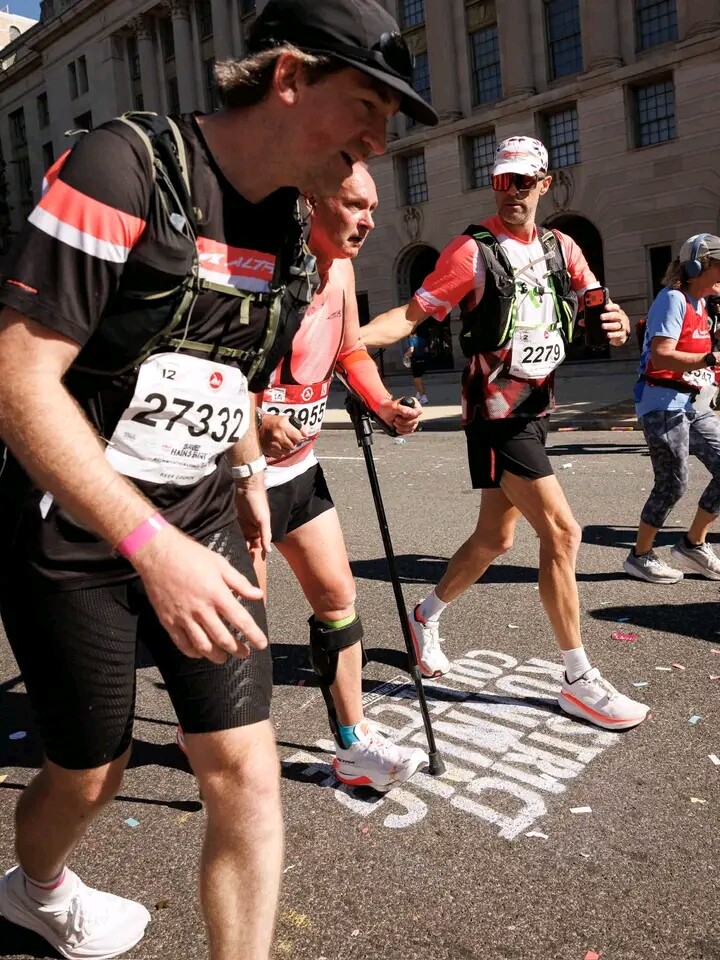
Representing Altra as an elite athlete, Marshall demonstrated remarkable determination and perseverance throughout the 26.2-mile (42.195-kilometre) race, turning one of the world's most celebrated marathon events into a stage for an inspiring display of human resilience.
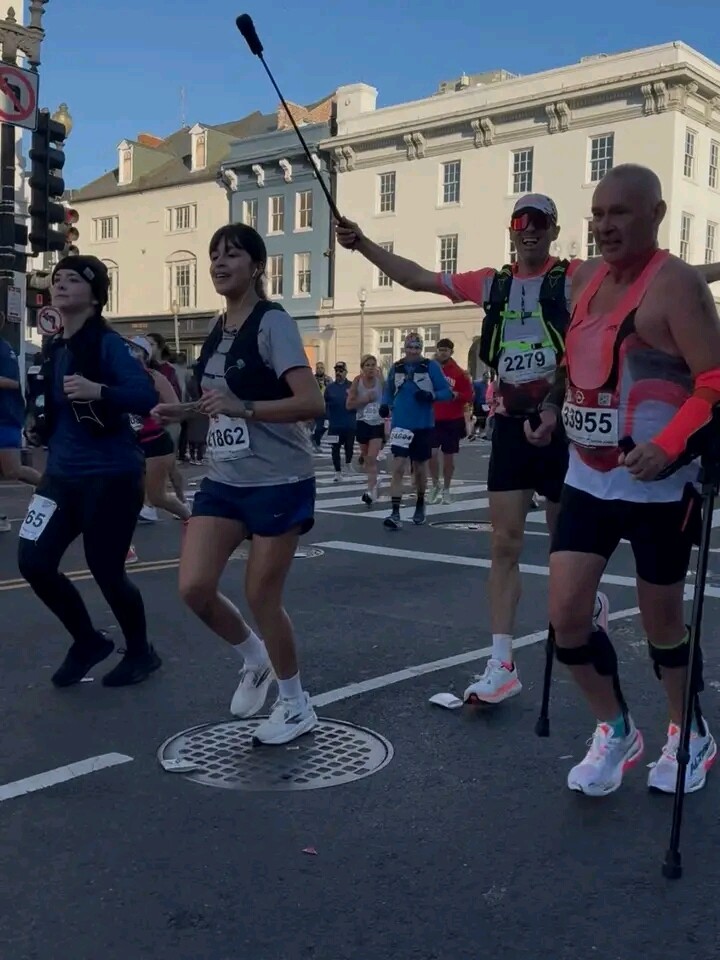
Completing a marathon is a demanding physical challenge for any athlete, requiring months of preparation, mental strength and the ability to push through fatigue. Covering the same distance on crutches presents a different set of challenges, placing considerable demands on the upper body, coordination and endurance. Marshall's achievement highlights the dedication required to overcome obstacles and pursue goals that many might consider beyond reach.
The Marine Corps Marathon, renowned for its patriotic atmosphere, enthusiastic spectators and scenic course through the nation's capital, provided a memorable setting for the record-breaking performance. As thousands of runners pursued their own finish-line goals, Marshall carved out a special place in the event's history with his remarkable effort.

Beyond the record itself, Marshall's achievement carries a message that resonates far beyond the running community. Every movement toward the finish line required determination, patience and an unwavering commitment to the challenge before him. His performance is a reminder that greatness is not measured solely by how quickly someone reaches a destination, but also by the courage it takes to pursue a goal despite the difficulties along the way. For aspiring athletes and anyone facing personal challenges, his accomplishment offers a powerful lesson in perseverance, self-belief and the importance of refusing to give up when the journey becomes difficult.
His performance also serves as a reminder that marathon running is about far more than finishing times and podium positions. It is a test of courage, commitment and the willingness to redefine personal limits. Marshall's accomplishment demonstrates that the spirit of distance running extends beyond conventional expectations, inspiring athletes and spectators alike to reconsider what is possible through determination and hard work.
Marshall's remarkable run also reinforces the inclusive spirit of distance running, where the finish line belongs to everyone willing to take on the challenge. Whether competing for a championship, chasing a personal best or simply striving to complete the distance, every runner has a story worth celebrating. By setting a world record on crutches at one of America's prominent marathon events, Marshall has added an unforgettable chapter to that story, encouraging others to look beyond perceived limitations and pursue their ambitions with renewed confidence.
For Marshall, the 5:35:50 finish represents more than a time on the clock. It marks an extraordinary personal achievement and a moment that celebrates perseverance, resilience and the determination to keep moving forward. His performance has brought renewed attention to the remarkable possibilities within endurance sport and the many different ways athletes can challenge expectations.
Marshall's achievement at the Marine Corps Marathon stands as a powerful testament to the human spirit, demonstrating that success is not always about having the easiest path, but about finding the strength to keep going. His 5:35:50 performance is a reminder that the finish line can represent much more than the completion of a race: it can symbolise courage, possibility and the extraordinary things people can accomplish when they refuse to give up.
by Erick Cheruiyot for My Best Runs.
Login to leave a comment

Marine Corps Marathon
Recognized for impeccable organization on a scenic course managed by the US Marines in Arlington, VA and the nation's capital, the Marine Corps Marathon is one of the largest marathons in the US and the world. Known as 'the best marathon for beginners,' the MCM is largest marathon in the world that doesn't offer prize money, earning its nickname, “The...
more...
Abraham Kiptum And Mercy Kandie Rotich Crowned Champions After Thrilling 42km Battles At The 2026 Nairobi Marathon
The 23rd edition of the Standard Chartered Nairobi Marathon delivered a spectacular celebration of endurance, determination and competitive excellence on Sunday, October 25, 2026, as Abraham Kiptum and Mercy Kandie Rotich claimed the men's and women's 42km titles in a memorable showcase of Kenyan road-running talent.
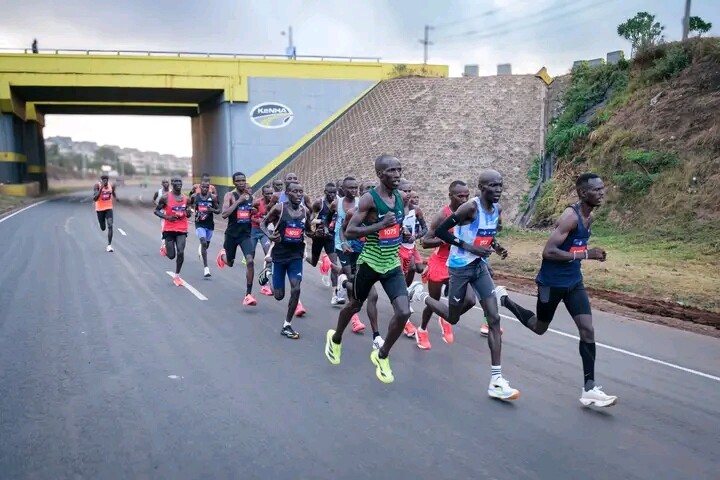
With thousands of runners taking to Nairobi's Southern Bypass, the full marathon provided a compelling test of physical strength, tactical discipline and mental resilience. For the elite athletes at the front, every kilometre presented an opportunity to gain an advantage, while the demanding distance required unwavering concentration from the starting gun to the finish line at Uhuru Gardens.
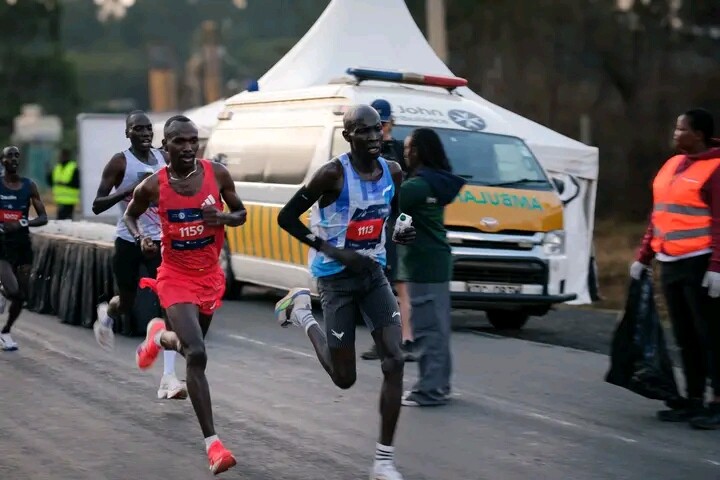
In the men's race, Kiptum produced an impressive performance to secure victory in 2:10:35, narrowly missing the course record by just 23 seconds. The 37-year-old Kenyan demonstrated his experience and endurance throughout the contest, ultimately establishing himself as the strongest performer over the 42.195-kilometre distance.
Kiptum's victory was particularly significant given his recent return to competitive marathon running. The athlete from Kapsabet had continued rebuilding his career and arrived in Nairobi following victory at the CRDB International Marathon in Dar es Salaam, Tanzania, in August. His latest triumph provided another encouraging chapter in his return to the forefront of distance running.

The men's contest produced an exceptionally close battle for the remaining podium positions. Fellow Kenyan Amos Kipkemoi Cheruiyot finished second in 2:10:37, just two seconds behind the champion, while Mark Kibiwott secured third place in 2:11:05.
Dismas Kiplimo finished fourth in 2:11:15, followed by Henry Kiprono Togom, who completed the top five in 2:11:55. The depth of the leading performances underlined the quality of competition on a morning when the front-runners pushed each other towards impressive finishing times.
Kiptum's performance also highlighted the importance of consistency and preparation in marathon running. Having invested months in training, the experienced Kenyan delivered when it mattered most, navigating the course with the composure required to emerge victorious against a competitive field.
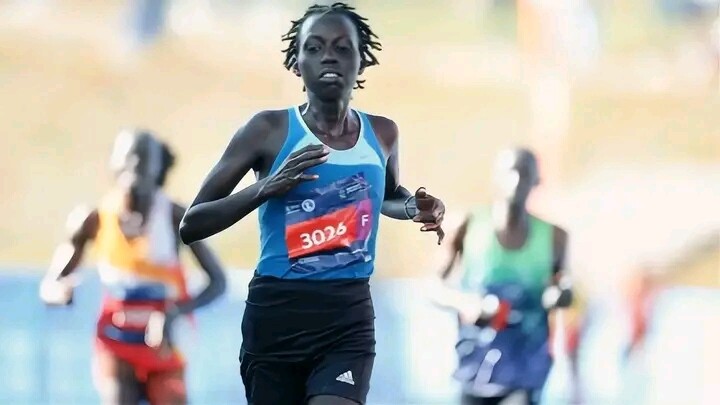
The women's 42km race was equally captivating, with Mercy Kandie Rotich claiming the championship in 2:31:25 after a determined performance over the challenging distance.
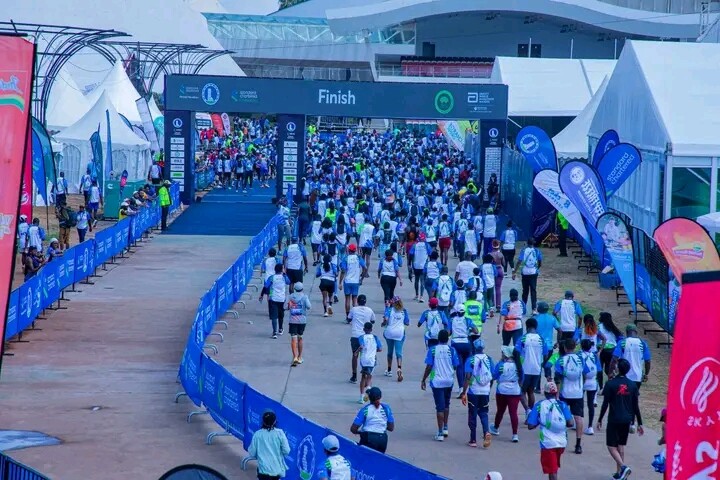
Rotich demonstrated resilience and composure as the race unfolded, maintaining her challenge through the later stages before securing the victory. Her performance earned her a place among the latest champions of one of Kenya's prominent annual road-running events.
The battle for the women's title was decided by the narrowest of margins. Peris Jerono finished second in 2:31:27, only two seconds behind Rotich, while Ruth Wakabu completed the podium in 2:31:36. The three leading women finished within just 11 seconds of one another, providing a dramatic conclusion to the contest.
Shyline Jepkorir placed fourth in 2:34:55, while Dorothy Kipkilach finished fifth in 2:36:38, rounding out the leading performers in the women's division.
The narrow margins between the leading athletes reflected the unpredictable nature of marathon racing, where pacing, endurance and the ability to respond under pressure can determine the outcome after more than 42 kilometres of competition.
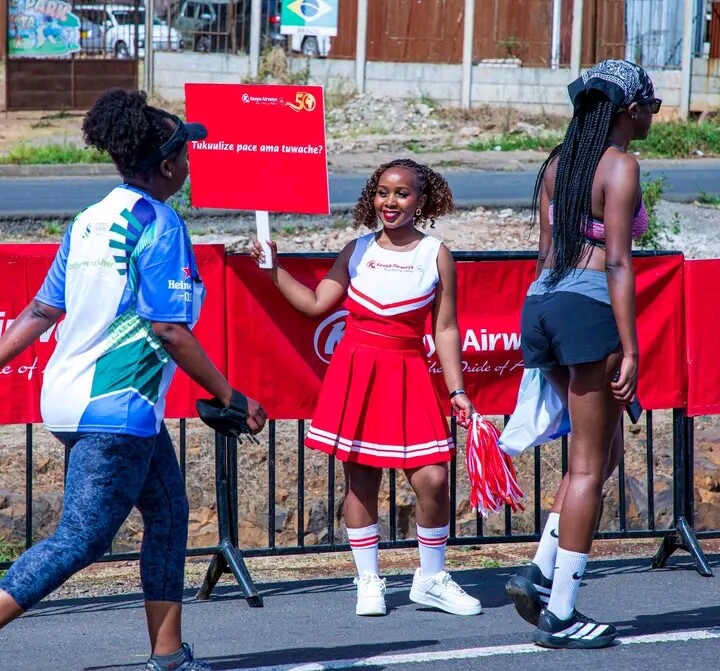
Beyond the podium battles, the full marathon represented a celebration of the determination that defines long-distance running. Every athlete who took on the distance faced the challenge of managing energy, overcoming fatigue and maintaining the mental strength necessary to reach the finish line.
The Southern Bypass provided the setting for these performances, with the runners navigating the Nairobi course before completing their challenge at Uhuru Gardens. The event brought together elite competitors and recreational athletes, united by the ambition to test their limits over the classic marathon distance.
The 2026 edition once again demonstrated the enduring appeal of road racing in Kenya, a country internationally recognised for producing exceptional distance runners. It also offered a platform for athletes to pursue personal ambitions, compete for prestigious honours and showcase the depth of talent within Kenyan athletics.
For Kiptum and Rotich, however, the day belonged to the pursuit of victory. Their respective performances secured them the coveted men's and women's marathon crowns, while the fiercely contested podium finishes ensured that the 42km races delivered the drama and excitement expected of a major road-running championship.
As the 23rd Standard Chartered Nairobi Marathon concluded, the achievements of the two champions stood out as the defining moments of the full-marathon competition, celebrating not only speed and endurance but also the preparation, perseverance and competitive spirit required to conquer 42.195 kilometres.
by Erick Cheruiyot for My Best Runs.
Login to leave a comment

NAIROBI MARATHON
Nairobi Marathon is an annual road running competition over the marathon distance held in October in Nairobi, Kenya. First held in 2003, the competition expanded and now includes a half marathon race along with the main race. It was part of "The Greatest Race on Earth", fully sponsored by Standard Chartered Bank....
more...
Frankfurt Marathon Champions Wait For The Final Finisher In A Powerful Celebration Of Every Runner
The true spirit of marathon running was beautifully displayed at the 2026 Mainova Frankfurt Marathon, where the celebration extended far beyond the elite athletes who crossed the finish line first. In a heartwarming tradition, the race's men's and women's champions waited inside the historic Festhalle Frankfurt to welcome the final finisher, reminding the world that every marathon journey deserves recognition.
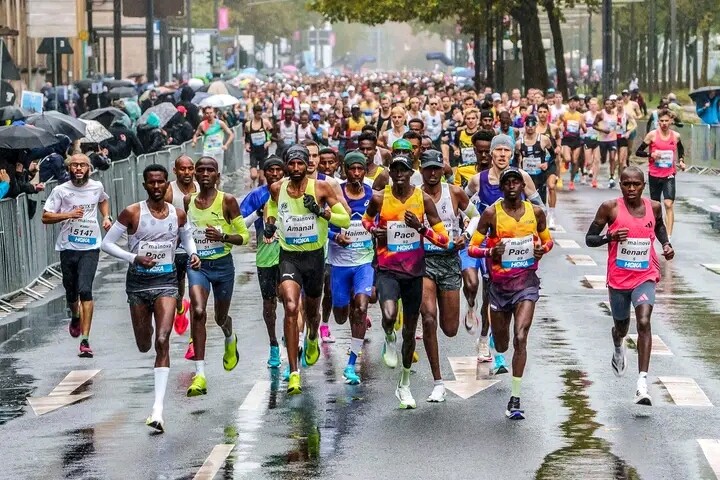
As the final runner entered the magnificent venue, the atmosphere transformed into an unforgettable celebration. Confetti filled the air as music, dazzling lights and a red-carpet welcome created a moment usually associated with the sport's biggest stars. Standing alongside the champions, the last finisher received a hero's reception, demonstrating that the achievement of completing a marathon deserves to be celebrated regardless of finishing position.
Ethiopia's Jirata Lelisa Dinki, who won the men's race in an impressive 2:05:26, and compatriot Zeineba Yimer Worku, the women's champion in 2:19:45, were among those celebrating the final runner's remarkable achievement.
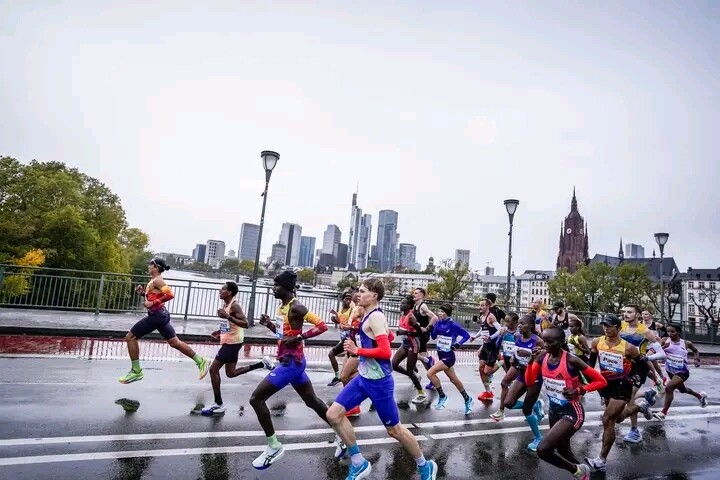
Their presence sent a powerful message about the values that make marathon running special. While elite athletes push the limits of human performance in pursuit of victory and fast times, thousands of other runners take on the same 42.195-kilometre challenge for deeply personal reasons. For some, the goal is to achieve a personal best; for others, it is to overcome adversity, fulfil a lifelong ambition or simply reach the finish line.
The final finisher's journey may have taken longer than that of the champions, but the determination required to keep moving forward deserves equal admiration. Every kilometre represents effort, sacrifice and perseverance, and crossing the finish line marks the successful completion of a challenge that demands both physical endurance and mental strength.
Frankfurt's special welcome captured an essential truth about distance running: a marathon is not only a race against the clock but also a personal battle against exhaustion, doubt and the temptation to give up. By waiting for the final runner, the champions helped ensure that the day's celebrations included someone whose achievement might otherwise have gone unnoticed.
In a sport often defined by world records, course records and podium finishes, this touching tradition offers a refreshing reminder that the value of a marathon cannot be measured by time alone. The fastest runners may make headlines for their performances, but every finisher has a story worth telling.
At the Mainova Frankfurt Marathon, the champions had already conquered their own challenges. Yet their decision to welcome the last runner created another memorable moment, showing that greatness in sport is measured not only by what athletes accomplish but also by the respect they show others.
Because when the final runner receives the same warmth, applause and celebration as the champions, the message is unmistakable: every runner matters, every finish line represents an achievement, and nobody should be left behind when it is time to celebrate.
by Erick Cheruiyot for My Best Runs.
Login to leave a comment

Mainova Frankfurt Marathon
Frankfurt is an unexpectedly traditional and charming city, with half-timbered buildings huddled in its quaint medieval Altstadt (old city), cosy apple wine taverns serving hearty regional food, village-like neighbourhoods filled with outdoor cafes, boutiques and street art, and beautiful parks, gardens and riverside paths. The city's cache of museums is second in Germany only to Berlin’s, and its nightlife...
more...