

Running News Daily
Running News Daily is edited by Bob Anderson and team. Send your news items to bob@mybestruns.com Advertising opportunities available.
Index to Daily Posts · Sign Up For Updates · Run The World Feed
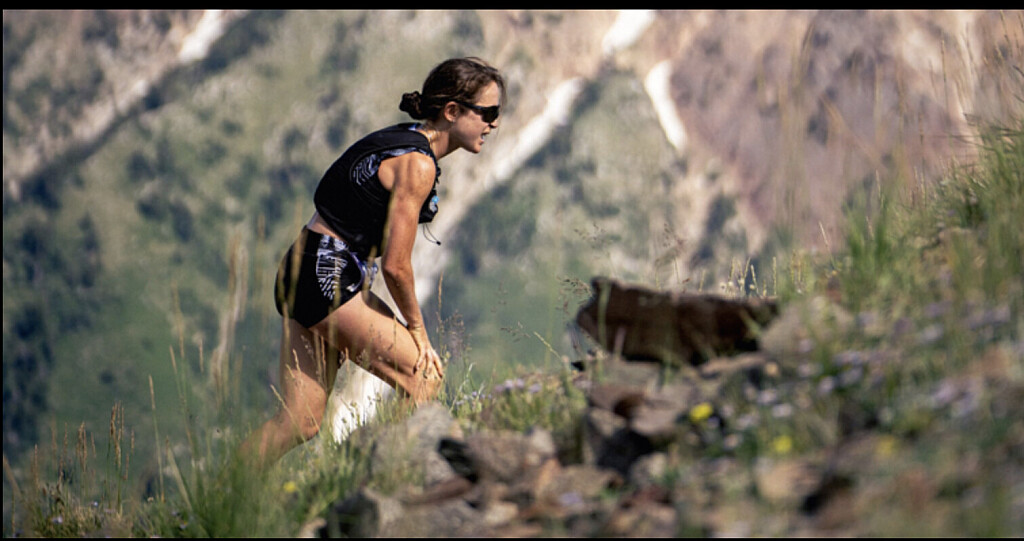


Molly Seidel Stunned the World (and Herself) with Olympic Bronze in Tokyo. Then Life Went Sideways.

She stunned the world (and herself) with Olympic bronze in Tokyo. Then life went sideways. How America’s unexpected marathon phenom is getting her body—and brain—back on track.
On a clear December night in 2019, Molly Seidel was at a rooftop holiday party in Boston, wearing a black velvet dress, doing what a lot of 25-year-olds do: passing a joint between friends, wondering what she was doing with her life.
“You should run the Olympic Trials,” her sister, Izzy, said, as smoke swirled in the chilly air atop The Trackhouse, a retail shop and community hub on Newbury Street operated by the running brand Tracksmith. “That would be hilarious if you did that as your first marathon.”
Molly, an elite 10K racer who’d spent much of 2019 injured, looked out at the city lights, and laughed. Why the hell not? She’d just qualified for the trials, winning the San Antonio Half with a time of 1:10:27. (“The shock of the century,” as she’d put it.) True, 13.1 miles wasn’t 26.2—but running a marathon was something to do. If only because she never had before.
A four-time NCAA track and cross-country champion at The University of Notre Dame in Indiana, Molly had moved to Boston in 2017, where she’d worked three jobs to supplement her fourth: running for Saucony’s Freedom Track Club. The $34,000 a year that Saucony paid her (pre-tax, sans medical) didn’t go far in one of America’s most expensive cities. Chasing kids around as a babysitter, driving around as an Instacart shopper, and standing around eight hours a day as a barista—when you’re running 20 miles a day—wasn’t ideal. But whatever, she had compression socks. And she was downing free coffee and paying rent, flying to Flagstaff, Arizona, every so often for altitude camps, and having a good time. Doing what she loved. The only thing she’s ever wanted to do since she was a freckly fifth-grader in small-town Wisconsin clocking a six-minute mile in gym class.
“I was hustling, and I loved it. It was such a fun, cool time of my life,” she says, summarizing her 20s. Staring into Molly’s steely brown eyes, listening to her speak with such clarity and conviction about her struggles since, it’s easy to forget: She is still only 29.
After Molly had hip surgery on her birthday in July 2018, her doctors gave her a 50/50 chance of running professionally again. By summer 2019, she’d parted ways with FTC, which left her sobbing on the banks of the Charles River, getting eaten alive by mosquitoes and uncertainty. Her biggest achievement lately had been being named #2 Top Instacart Shopper (in Flagstaff; Boston was big-time).
The day after that rooftop party, Molly asked her friend and former FTC teammate Jon Green, who she’d newly anointed as her coach: “Think I should run the marathon trials?” Sure, he shrugged. Nothing to lose. Maybe it’d help her train for the 10K, her best shot—they both thought—at making a U.S. Olympic team.
“I’m going to get my ass kicked six ways to Sunday!” she told the host of the podcast Running On Om six weeks before the trials in Atlanta.
Instead, on February 29, 2020, she kicked some herself. Pushing past 448 of the fastest, most-experienced women marathoners in the country, coming in second with a 2:27:31, earning more in prize money ($60,000) than she had in two years of racing—and a spot on the U.S. trio for the 2020 Tokyo Olympics, along with Kenyan-born superstars Aliphine Tuliamuk and Sally Kipyego. “I don’t know what’s happening right now!” Molly kept saying into TV cameras, wrapped in an American flag, as stunned as a lottery winner.
Saucony who? Puma came calling. Along with something Molly hadn’t anticipated: the spotlight. An onslaught of social media followers. And two weeks later, a global pandemic and lockdown—and all the anxiety and isolation that came with it. She was drowning, and she hadn’t even landed in Tokyo yet.
The 2020 Olympics, as we all know, were postponed to 2021. An emotional burden but a physical boon for Molly, in that it allowed her to get in a second marathon. In London, she finished two minutes faster than her debut. When the Olympics finally rolled around, she was ready.
Before the race, Molly says, “I was thinking: ‘Once I cross the starting line, I get to call myself an Olympian and that’s a win for the day.’”
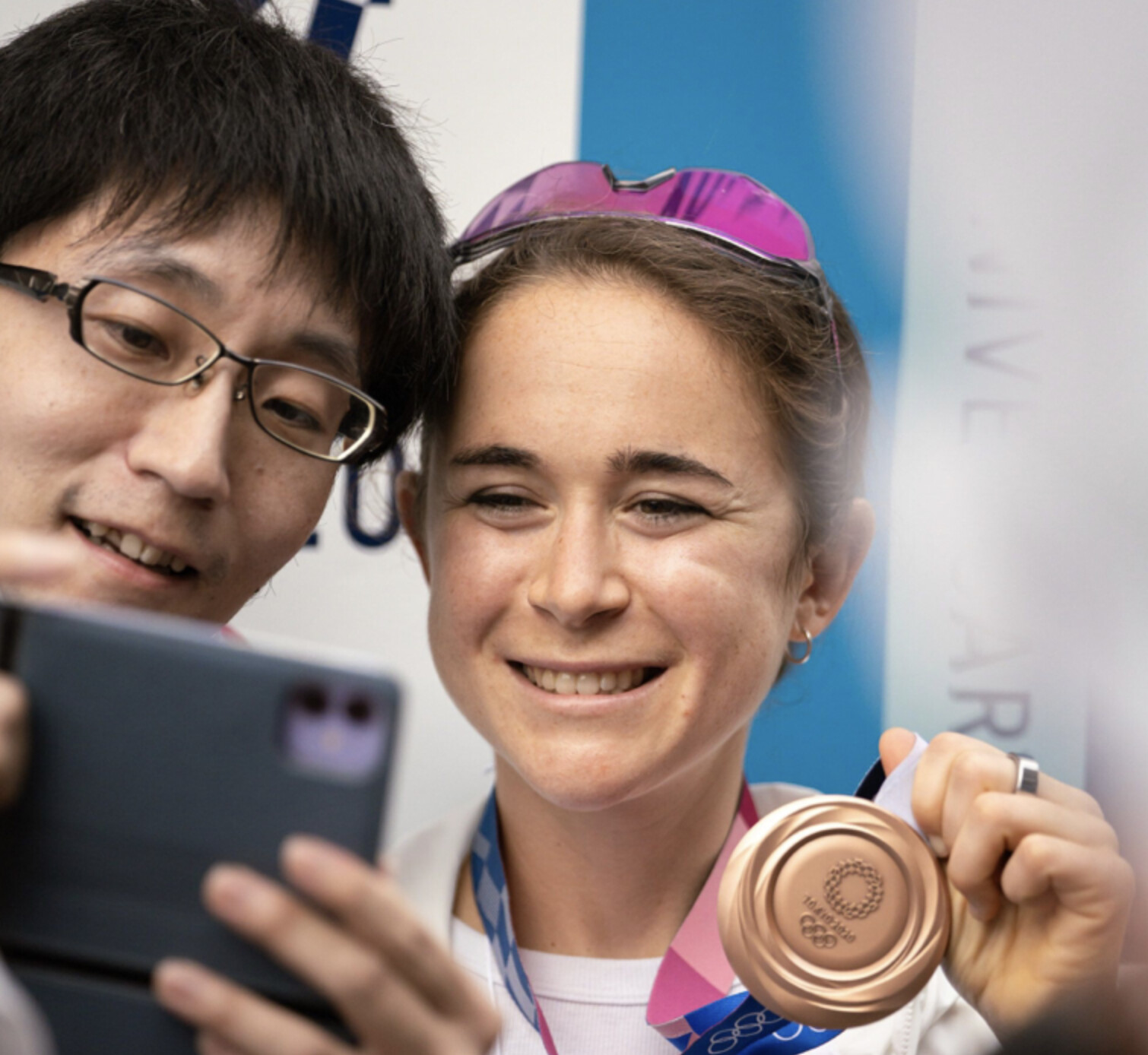
But then she crossed the finish line—with a finger-kiss to the sky and a guttural Yesss!—in third place with a 2:27:46, just 26 seconds behind first (Kenya’s Peres Jepchirchir). And realized: She gets to call herself an Olympic medalist forever. Only the third American woman to ever earn one in the marathon.
Lots of kids have fleeting hopes of making it to the Olympics. I remember thinking I could be Mary Lou Retton. Maybe FloJo, with shorter fingernails. Then I decided I’d rather be Madonna or president of the United States and promptly forgot about it. But Molly held tight to her Olympic aspirations. She still has a poster she made in 2004, with stickers and a snapshot of her smiley 10-year-old self, to prove it. “I wish I will make it into the Olympics and win a gold medal,” she wrote, and signed it: Molly Seidel, the “y” looping back to underline her name. In case there was any doubt as to who, specifically, would be winning the medal.
Molly grew up in Nashotah, Wisconsin, and is the eldest of three. Her sister and brother, younger by not quite two years, are twins. Izzy is a running influencer and corporate content creator for companies like Peloton; and Fritz favors Formula 1 racing and weightlifting and works for the family’s leather-tanning business. The family was active, sporty. Dad, Fritz Sr., was a ski racer in college; Mom, Anne, a cheerleader. You can tell. Watching clips of Molly’s mom and dad watching the Olympic race from their backyard patio, jumping up and down, tears streaming, is the kind of life-affirming moment you wish you could bottle. “I’m in shock. I’m in disbelief,” Molly says into the mic, beaming. “I just wanted to come out today and I don’t know…stick my nose where it didn’t belong and see what I could come away with. And I guess that’s a medal.” When the interviewer holds up her family on FaceTime, Molly breaks down. “We did it,” she says into the screen between sobs and smiles. “Please drink a beer for me.
Molly hasn’t always been unabashedly herself, even when everyone thought she was. A compartmentalizer to the core, she spent most of her life hiding a huge part of it: anorexia, bulimia, anxiety, obsessive-compulsive disorder, debilitating depression.
It started around age 11, when she learned to disguise OCD tendencies, like compulsively knocking on wood, silently reciting prayers “to avoid God getting mad at me,” she says. “It was a whole thing.” She says her parents were aware of the behaviors, but saw them more as odd little habits. “They had no reason to suspect anything. I was very high-functioning,” she says. “They didn’t realize that it was literally taking over my life.”
She wasn’t officially diagnosed with OCD until her freshman year of college, when she saw a therapist for the first time. At Notre Dame, disordered eating took hold, quietly yet visibly, as it does for up to 62 percent of female college athletes, according to the National Eating Disorders Association. As recently as the Tokyo Olympics, she was making herself throw up in the airport bathroom, mere days before taking the podium. Molly hesitates to share that detail; she fears a girl might read this and interpret it as behavior to model. “Having been in that place as a younger athlete, I know I would have,” she says. But she also understands: Most people just don’t get how unrelenting eating disorders can be.
In February 2022, she finally received a diagnosis of the root cause for all of it: ADHD. About being diagnosed, she says, “It made me feel really good, like [I don’t have] a million different disorders. I have a disorder that manifests itself in a lot of different symptoms.”
She waited to try Adderall until after the Boston Marathon in April, only to drop out at mile 16 due to a hip impingement. Initially, the meds made her feel fantastic. Focused. Free. Until she realized Adderall hurt more than it helped. She couldn’t sleep, couldn’t eat, lost too much weight. Within weeks, she devolved. “The eating disorder came roaring back,” she says, referring to it, as she often does, as its own entity, something that exists outside of herself. That ruthlessly takes control over her very need for control. “I almost think of it as an alter ego,” she explains. “Adderall was just bubblegum in the dam,” as she puts it. She ditched the drug, and her life—professionally, physically—unraveled.
In July 2022, heading into the World Championships, she bombed the mental health screening, answering the questions with brutal honesty. She’d been texting Keira D’Amato weeks prior. “Yo girl, things are pretty bad right now. Get ready…” Sobbing on the sidewalk in Eugene, Oregon, she texted D’Amato again. And the USATF made it official: D’Amato would take her spot on the team. Then Molly did what she’d been “putting off and putting off”— checked herself into eating disorder treatment for the second time since 2016, an outpatient program in Salt Lake City, where her new boyfriend was living at the time.
Somehow (see: expert compartmentalizer) mid-meltdown, in February 2022, she had met an amateur ultrarunner named Matt, on Hinge. A quiet, lanky photographer, he didn’t totally get what she did. “I didn’t understand the gravity of it,” he tells me. “I was like, Oh she’s a pro runner, that’s cool. I didn’t realize she was, like, the pro runner!”
Going back to treatment “was pretty terrible,” she says. At least she could stay with Matt. Hardly a honeymoon phase, but the new relationship held promise. “I laid it all out there,” says Molly. “And he was still here for it, for all the messiness. It was really meaningful.” And a mental shift. “He doesn’t see me as just Molly the Runner.”
Almost a year later, on a freezing April evening in Flagstaff, Molly is racing around Whole Foods, palming a head of cabbage, grabbing a thing of hummus, hunting for deals even though she doesn’t need to anymore.
“It’s all about speed, efficiency, and quality,” she says, explaining the secret to her earlier Instacart success. She checks the expiration date on a container of goat cheese and beelines for the butcher counter, scans it faster than an Epson DS3000, though not without calculation, and requests two tomato-and-mozzarella-stuffed chicken breasts. Then she darts over to the beverage aisle in her marshmallow-y Puma slip-ons that Matt custom-painted with orange poppies. She grabs a case of La Croix (tangerine), then zips to the checkout. We’re in and out in under 15 minutes and 50 bucks, nothing bruised or broken.
Other than her body. Let’s just say: If Molly were an avocado or a carton of eggs, she probably wouldn’t pass her own sniff test. The week we meet, she is just coming off a month of no running. Not a single mile. She’s used to running twice a day, 130 miles a week. No wonder she’s spraying her kitchen counter with Mrs. Meyer’s and scrubbing the stovetop within minutes of welcoming me into her new home.
The place, which she shares with Matt and his Australian border collie, Rye, has a post-college flophouse feel: a deep L-shaped couch draped in Pendleton blankets, a bar cluttered with bottles of discount wine, a floor lamp leaning like the Tower of Pisa next to a chew toy in the shape of a ranch dressing bottle. Scattered about, though, are reminders that an elite runner sleeps here. Or at least tries to. (“Pro runner by day, mild insomniac by night” reads the bio on her rarely used account on what used to be Twitter.) There’s a stick of Chafe Safe on the coffee table. Shalane Flanagan’s cookbooks on the counter. And framed in glass, propped on the office floor: Molly’s Olympic kit—blue racing briefs with the Nike Swoosh, a USA singlet, her once-sweat-drenched American flag, folded in a triangle. “I’m not sure where to hang it,” she says. “It seems a little ostentatious to have it in the living room.”
With long brown curls and a round, freckly face, Molly has an aw-shucks look so innocent that it’s hard, at first, to perceive her struggles. Flat-out ask her, though—How are you even functioning?—and she’ll tell you: “I’m an absolute wreck. There’s no worse feeling than being a pro runner who can’t run. You just feel fucking useless.” Tidying a stack of newspapers, she adds, “Don’t worry, I’ve had therapy today.”
She’s watched every show. (Save Ted Lasso, “too sickly sweet.”) Listened to every podcast. (Armchair Expert is a favorite.) She’s got nothing else to do but PT and go easy on the ElliptiGo in the garage, onto which she’s rigged a wooden bookstand, currently clipped with A History of God: The 4,000 Year Quest of Judaism, Christianity and Islam. “I don’t read running books,” she says. “I need something different.”
Like most runners—even the most amateur among us—running, moving, is what keeps her sane. “What about swimming? Can you at least swim?” I ask, projecting my own desperation if I were in her size 8.5 shoes. “I fucking hate swimming,” says Molly. Walking? “Oh, yeah, I can go on walks. Another. Long. Walk.”
The only thing she has on her schedule this week is pumping up a local middle school track team before their big meet. The invitation boosted her spirits. “Should I just memorize Miracle on Ice?” she says, laughing. “No, I know, I’ll do Independence Day.”
Injuries are nothing new for Molly. Par for the course for any professional athlete. But especially for women, like her, who lack bone density—and have since high school, when, according to a study in the Orthopedic Journal of Sports Medicine, nearly half of female runners experience period loss. Osteoporosis and its precursor, osteopenia, are rampant in female runners, leading to ongoing issues that threaten not just their college and professional running careers, but their lives.
Still, Molly admits, laughing: She’s especially accident-prone. I ask her to list every scratch she’s ever had, which takes her 10 minutes, and goes all the way back to babyhood, when she banged her head against the bathtub spout. There was a cracked spine from a sledding incident in 8th grade, a broken collarbone from a ski race in high school, shredded knee cartilage in college when a driver hit her while she was riding a bike. “Ribs are constantly breaking,” she says. In 2021, two snapped, and refused to heal in time for the New York City Marathon. No biggie. She ran through the pain with a 2:24:42, besting Deena Kastor’s 2008 time by more than a minute and setting the American course record.
Molly’s latest injury? Glute tear. “Literally a gigantic pain in the ass,” she posted on Instagram in March. Inside, Molly was devastated. Pulling out of the Nagoya Marathon—the night before her 6:45 a.m. flight to Japan, no less—was not in the plan. The plan, according to Coach Green, had been simple. It always is. If the two of them even have one. “Just to have fun and be consistent.” And get a marathon or two in before the Olympic Trials in February 2024.
She’d been finally—finally—fit on all fronts; ready to race, ready to return. She needed Nagoya. And then, nothing. “It feels like I’m back at the bottom of the well,” says Molly, driving home from Whole Foods in her Toyota 4Runner. “This last year-and-a-half has been so difficult. It’s just been a lot of doubt. How do I approach this, as someone who has now won a medal? Like, man, am I even relevant in this sport anymore?” She pops a piece of gum in her mouth. I wait for her to offer me some, because that’s what you do with gum, but she doesn’t. She’s so in her head. “It’s hard when you’re in the thick of it, you know, to figure out: Why the fuck do I keep doing this? When it just breaks my heart over and over and over again?”
We pull into her driveway. “I was prepared for the low period after Tokyo,” she says. “But this has been much longer and lower than I expected.”
The curse of making it to the Olympics, let alone coming back with a medal: expectations. Molly’s own were high. “I think I thought, after the Olympics, if I win a medal, then I will be fixed, it will fix everything.” Instead, in a way, it made everything worse.
That’s the problem that has plagued Molly for most of her running career: Her triumphs and troubles intermingle, like thunder and lightning. Which, by the way, she has been struck by. (A minor backyard-grill, summer-thunderstorm incident. She was fine.)
The next morning in Flagstaff, Molly’s feeling like she can run a mile, maybe two. It’s snowing, though, and she doesn’t want to risk the slippery track, so we meet at Campbell Mesa Trails. She loops a band around the back of her truck to stretch and sends me off into the trees to run alone while she does a couple of laps on the street.
Molly leaves for an acupuncture appointment, and we reunite later at Single Speed Coffee (“the best coffee in Flagstaff,” promises the ex-barista who drinks up to three cups a day). We curl up on a couch like it’s her living room, and she talks as freely—and as loudly—as if it was. Does she realize everyone can hear her? She doesn’t care. I guess that’s what happens when you’ve grown so comfortable sharing—in therapy, on podcasts, in a three-part video series on ADHD for WebMD—you just…share. Loud and proud.
Mental illness is so insidious, says Molly. “It’s not always this Sylvia Plath stick-my-head-in-a-fucking-oven thing, where you’re sad all the time,” she says. “High-functioning depressed people live normal successful lives. I can be having the happiest moment, and three days later I’m in a total downward spiral.” It’s something you never recover from, she says, but you learn to manage.
“I’m this incredibly flawed person who struggles so much. I think: How could I have won this thing when I’m so flawed? I look at all the people around me, all these accomplished people who have their shit together, and I’m like, ‘one of these things is not like the other,’” she says, taking a sip of her flat white. “I was literally in the Olympic Village thinking: Everybody is probably looking at me wondering: Why the hell is she here?”
They weren’t. They don’t. She knows that.
And yet her mind races as fast as she does. It takes up So. Much. Space. When she’s running, though, the noise disappears. She’s not Olympic Molly or Eating Disorder Molly, she’s not even, really, Runner Molly. “When I’m running,” she says, “I’m the most authentic version of myself.”
Talking helps, too. Molly first shared her mental health history a few years ago, “before she was famous,” as she puts it. After the Olympics, though, she kept talking and hasn’t stopped. The Tokyo Games were a turning point, she says. Suddenly the most revered athletes in the world were opening up about their mental health. Molly credits Simone Biles’s bravery for her own. If Biles, and Michael Phelps and Naomi Osaka, could come clean... then maybe a nerdy, niche-y, unlikely medaling marathoner could, too.
“Those guys got a lot more shit for it than I did,” says Molly. “I got off easy. I’m not a household name,” she laughs. She knows she can be candid and off the cuff—and chat freely in a not-empty café—in a way Biles never could. “I’m a nobody!” she laughs.
Still, a nobody with 232,000 Instagram followers whom she has touched in very IRL ways—becoming an unintentional poster woman for normalizing mental health challenges among athletes. “You are such an incredible inspiration,” @1percentpeterson posts, one comment of a zillion similar. “It’s ok to not be ok!” says another. Along with all the online love is, of course, online hate. Molly rattles off a few lowlights: “She’s an attention-seeking whore,” “Her bones are so brittle she’ll never race again,” “She’s running so badly and posting a lot she should really focus on her running more.” Molly finds it curious. “I’m like, ‘If you hate me, you don’t need to follow me, sir.’”
It’s Molly’s nobody-ness—what Outside writer Martin Fritz Huber called her “runner-next-door” persona, and I’ll just call “genuine personality”—that has made her somebody in running’s otherwise reserved circles.
Somebody who (gasp!) high-fives her sister in the middle of a major race, as she did at mile 18 of the 2021 New York City Marathon. “They shat on me in the broadcast for it,” she says. “They were like, ‘She’s not taking this seriously.’” (Except, uh, then she set the American course record, so…)
Somebody who, obviously, swears like a sailor and dances awkwardly on Instagram, who dresses up like a turkey, and viral-tweets about getting mansplained on an airplane. (“He starts telling me how I need to train high mileage & pulls up an analysis he’d made of a pro runner’s training on his phone. The pro runner was me. It was my training. Didn’t have the heart to tell him.”)
Somebody who makes every middle-aged mom-runner I know swoon like a Swiftie and say: “OMG! YOU HUNG OUT WITH MOLLY SEIDEL!!?” Middle-aged dad-runners, too. “I saw her once in Golden Gate Park!” my friend Dan fanboyed when he heard. “I waved!” Did she wave back? “She smiled,” he says, “while casually laying down 5:25s.”
And somebody who was as outraged as I was that I bought a $16 tube of French toothpaste from my hip Flagstaff motel. (It was 10 p.m.! It was all they had!) “For that price it better contain top-shelf cocaine,” she texted. Lest LetsRun commenters take that tidbit out of context: It’s a joke. It’s, in part, what makes Molly America’s most relatable pro runner: She’s not afraid to make jokes. (While we’re at it… Don’t knock her for smoking a little legal weed, either. That’s so 2009. Per the World Anti-Doping Agency: Cannabis is prohibited during competition, not at a Christmas party two months before it. Per Molly: “People would be shocked to know how many pro runners smoke weed.”)
I can’t believe I never asked to see it. Molly’s medal. A real, live Olympic medal. Maybe because it was tucked into a credenza along with Matt’s menorah and her maneki-neko cat figurines from Japan. But I think it was because hanging out with Molly felt so…normal, I almost forgot she’d won one.
People think elite distance runners have to be one-dimensional, she says. That they have to be sculpted, single-minded, running-only robots. “Because that’s what the sport has been,” she says.
Molly falls for it, too, she says. She scrolls the feeds, sees her fellow pros living seemingly perfect lives. She wants everyone to know: She’s not. So much so that she requested we not print the photos originally commissioned for this story, which were taken when she was at the lowest of lows. (“It’s been...refreshing...to be pretty open and real with Rachel [about] the challenges of the last year,” she wrote in an email to Runner’s World editors. “But the photos [were taken at] a time when I was really struggling and actively trying to hide how bad my eating disorder had become.”)
Molly finds the NYC Marathon high-five thing comical but indicative of a more serious issue in elite running: It takes itself too seriously. It’s too…elitist. Too stilted. “Running a marathon is a pretty freaking cool experience!” If you’re not having fun, she asks rhetorically, what’s the point? Still, she admits, she isn’t always having fun. Though you wouldn’t know it from her Instagram. “Oh, I’m very good at making it seem like I am,” she says.
She used to enjoy social media when it was just her friends. Before she gained 50,000 followers in a single day after the trials, and some 70,000 on Strava. Before the pandemic, before the Olympics. Keeping up with content became a toxic chore. “You feel like you’re just feeding this beast and it’s never going to stop,” she says. She’s taken to deleting the app off her phone, reloading it only to fulfill contractual agreements and post for her sponsors, then deleting it again.
As much as she hates having to post, she enjoys plugging products the only way that feels natural: through parody. As does Izzy, her influencer sister, who, like Molly, prefers to skewer rather than shill (à la their idea behind their joint Insta account: @sadgirltrackclub). “The classic influencer tropes make me want to throw up,” she says (perverse pun as a recovering bulimic not intended). “New Gear Drop!’ or ‘This is my Outfit of the Day!’ Cringe. “Hot Girl Instagram is not how I identify,” she says.
Nor is TikTok. “Sponsors tell me all the time: You should TikTok! I’m like, ‘I am not doing TikTok.’ I know how my brain works. They’ll say, ‘We’ll pay you less if you don’t’—and I’m, like, I don’t care.”
And to those sponsors who ghosted her after she returned to eating disorder treatment, good riddance. “Michelob dropped me like a bad habit,” she says. “Whatever. You have watery-ass beer anyway.”
To those who have stood by her, though, she’s utterly devoted. Pissed she couldn’t wear the Puma panther head to toe in Tokyo, Molly took off her Puma Deviate Elites and tied them over her shoulder, obscuring the Nike logo on her Olympic singlet for all the world to see. Or not see. “Nike isn’t paying my fucking bills.”
The love is mutual, says Erin Longin, a general manager at Puma. After decades backing legends like Usain Bolt, Puma was relaunching road running and wanted Molly as their guinea pig. “She’s a serious athlete and competitor, but she also has fun with it,” says Longin. “Running should be fun. Molly embodies that.” At their first meeting, in January 2020, Molly made them laugh and nerded out over their new shoes. “We all left there, fingers crossed she’d sign with us,” says Longin.
Come February, they all flipped out. Longin was watching the trials, not expecting much. And then: “We were all messaging, “OMG!!” Then Molly killed in London. Medaled in Tokyo. “What she did for us in that first year…” says Longin. “We couldn’t have planned it!”
Then came the second year, and the third, and throughout it all—injuries, eating disorder treatment, missed races, missed opportunities—Puma hasn’t flinched. “It’s easy for a company to do the right thing when everything is going great,” Molly posted in April, heartbroken from her couch instead of Heartbreak Hill. “But it’s when the sh*t hits the fan and they’re still right there with you….” She received 35,000 hearts—and a call from Longin: “You make me feel so proud.”
Does it matter to Puma if Molly never places—never races—again? “Nope,” Longin says.
My last afternoon in Flagstaff, it’s cloudy skies, still freezing. I find Molly on the high school track wearing neoprene gloves, black puffy coat, another pair of Pumas. Her breath is white, her cheeks red. Her legs churning in even, elegant strides. Upright, alone, at peace, backed by snow-dusted peaks. Running itself is what matters, not racing, she tells me. “I honestly don’t give a shit about winning,” she says. All she wants—really wants, she says—is to be healthy enough to run until she’s old and gray.
Molly’s favorite runner is one who didn’t get to grow old. Who made his mark decades before she was born: Steve Prefontaine. “Pre raced in such a genuine way. He made people feel something,” she says. “The sports performances you truly remember,” she adds, “are the ones where you see the struggle, the work, the realness.”
Sounds familiar. “I hate conversations like, ‘Who’s the GOAT?’” Molly continues. “Who fucking cares? Who’s got the story that’s going to get people excited? That’s going to make some kid want to go out and do it?”
I know one of those kids: My best friend’s daughter, Quinn, a rising track phenom in Oregon, who has dealt with anxiety and OCD tendencies. She has a picture of Molly Seidel, and her times, taped to her bedroom wall. This past May, Quinn joined Nike’s Bowerman Club. She was named Oregon Female Athlete of the Year Under 12 by USATF. She wants to run for Notre Dame.
“Quinn loves running more than anything,” her mom tells me, texting photos of her elated 11-year-old atop the podium. “But I don’t know…” She’s unsure about setting her daughter on this path. How could she not, though? It’s all Quinn wants to do. Maybe what Quinn, too, feels born to do.
It’ll be okay, I tell her, I hope. Quinn has something Molly never had: She has a Molly.
Molly and I catch up via phone in June. A team of doctors in Germany has overhauled her biomechanics. She’s been running 110 miles a week, feeling healthy, hopeful. Happy. A month later, severe anemia (and accompanying iron infusions) interrupts her summer racing schedule. She cancels the couple of 10Ks she had planned and entertains herself by popping into the UTMB Speedgoat Mountain Race: a 28K trail run through Utah’s Little Cottonwood Canyon—coming in second with a 3:49:58. Molly’s focus is on the Chicago Marathon, October 8th; her first major race in almost two years.
Does it matter how she does? Does it matter if she slays the Olympic Trials in February? If she makes it to Paris 2024? If she fulfills her childhood dream and brings home gold?
Nah. Not if—like Matt, like Puma, like, finally, even Molly herself—you see Molly the Runner for who she really is: Molly the Mere Mortal. She’s the imperfect one who puts it perfectly: What matters isn’t her time or place, how she performs on the pavement. Or social media posts. What matters—as a professional athlete, as a person—is how she makes people feel: human.
She’d been finally—finally—fit on all fronts; ready to race, ready to return. She needed Nagoya. And then, nothing. “It feels like I’m back at the bottom of the well,” says Molly, driving home from Whole Foods in her Toyota 4Runner. “This last year-and-a-half has been so difficult. It’s just been a lot of doubt. How do I approach this, as someone who has now won a medal? Like, man, am I even relevant in this sport anymore?” She pops a piece of gum in her mouth. I wait for her to offer me some, because that’s what you do with gum, but she doesn’t. She’s so in her head. “It’s hard when you’re in the thick of it, you know, to figure out: Why the fuck do I keep doing this? When it just breaks my heart over and over and over again?”
by Runner’s World
Login to leave a comment
Latest Running News
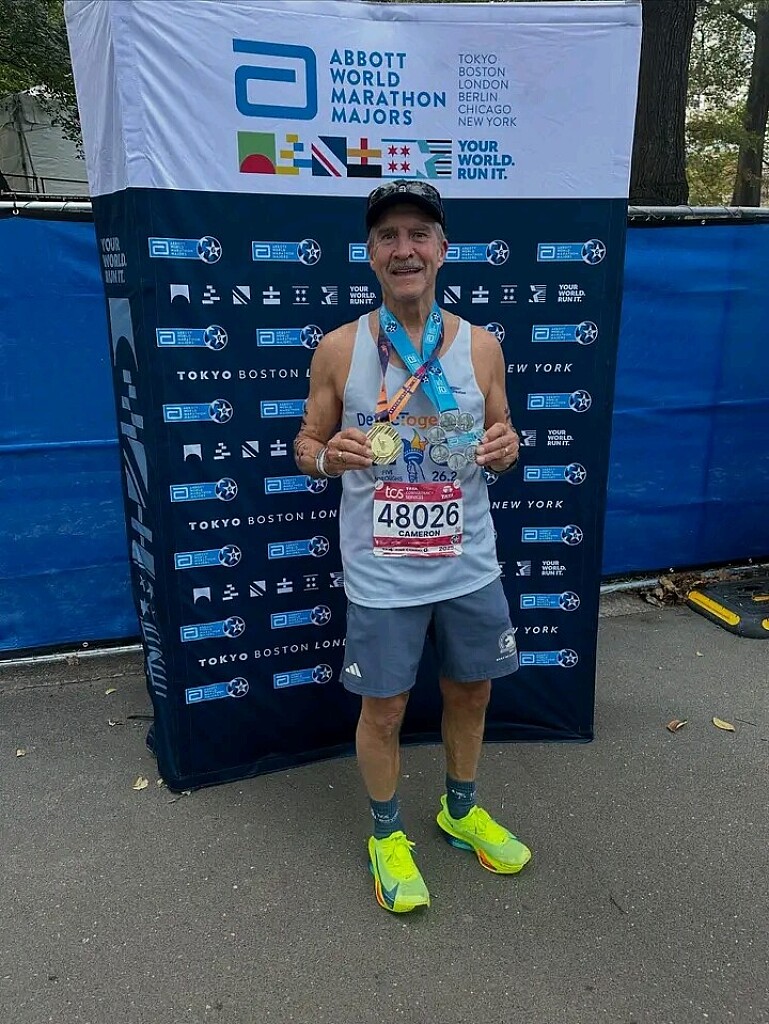
67-Year-Old Pete Benson Takes On Seven Marathons Across Seven Continents In Seven Days For A Worthy Cause
At 67, Canadian runner Pete Benson is preparing to take on one of the most extraordinary endurance challenges in marathon running: completing seven marathons across seven continents in just seven days while raising money for a cause that reaches far beyond the finish line.
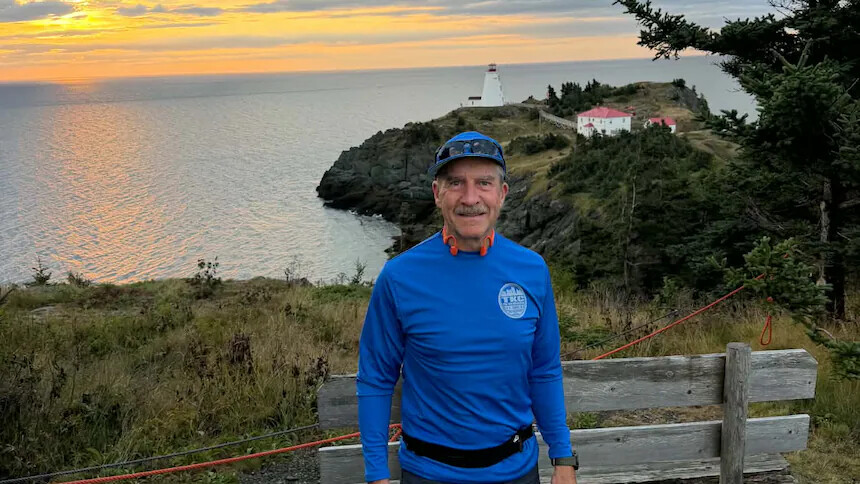
Hailing from Grand Manan, New Brunswick, Benson is set to participate in the Great World Race, an ambitious event that combines the physical demands of marathon running with a demanding journey around the globe. The challenge will require him to complete seven full marathons, each covering 42.195 kilometres, while travelling between continents on a tightly scheduled itinerary.
The challenge is scheduled to begin on November 15, 2026, with pre-event activities expected to start around November 12. Benson's adventure will begin in Antarctica, where the icy terrain and harsh conditions will provide a formidable introduction to the week ahead.
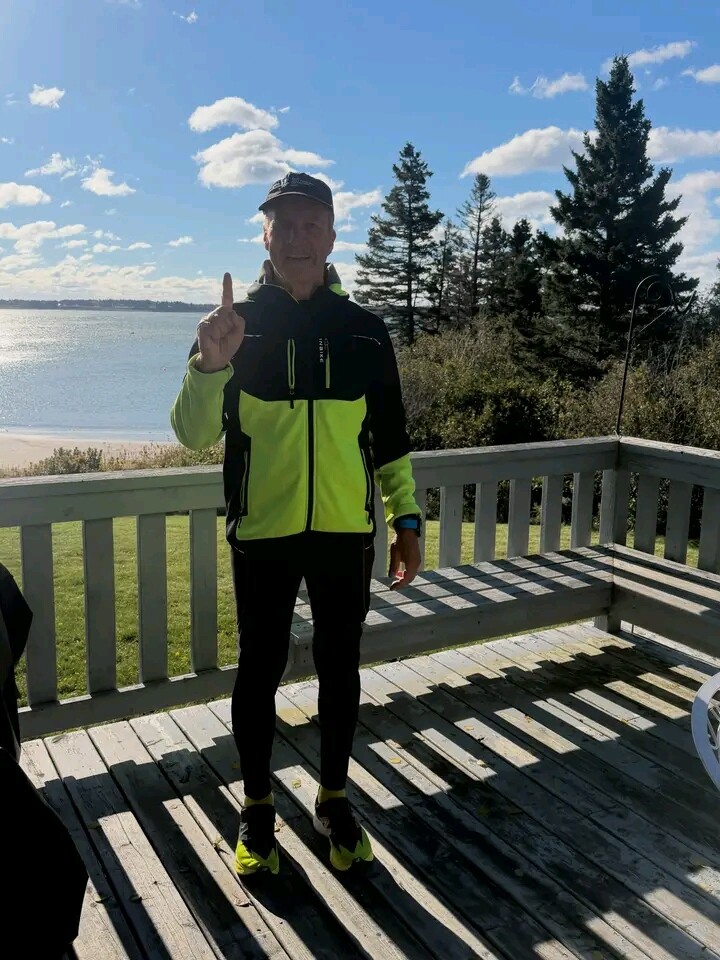
The opening marathon is scheduled for Wolf's Fang in Antarctica, where Benson will face the unfamiliar and potentially unforgiving conditions of the frozen landscape. Reflecting on the prospect of running through the ice and snow, he admitted that the experience is intimidating.
"That's pretty, pretty scary in itself," he said. "Through the ice and snow."
From Antarctica, Benson will travel to Cape Town, South Africa, for his second marathon on November 16. The journey will then continue to Perth, Australia, on November 17, followed by Singapore on November 18. On November 19, he is scheduled to race in the Algarve, Portugal, before heading to Cartagena, Colombia, on November 20. The challenge will conclude in Miami, United States, on November 21.
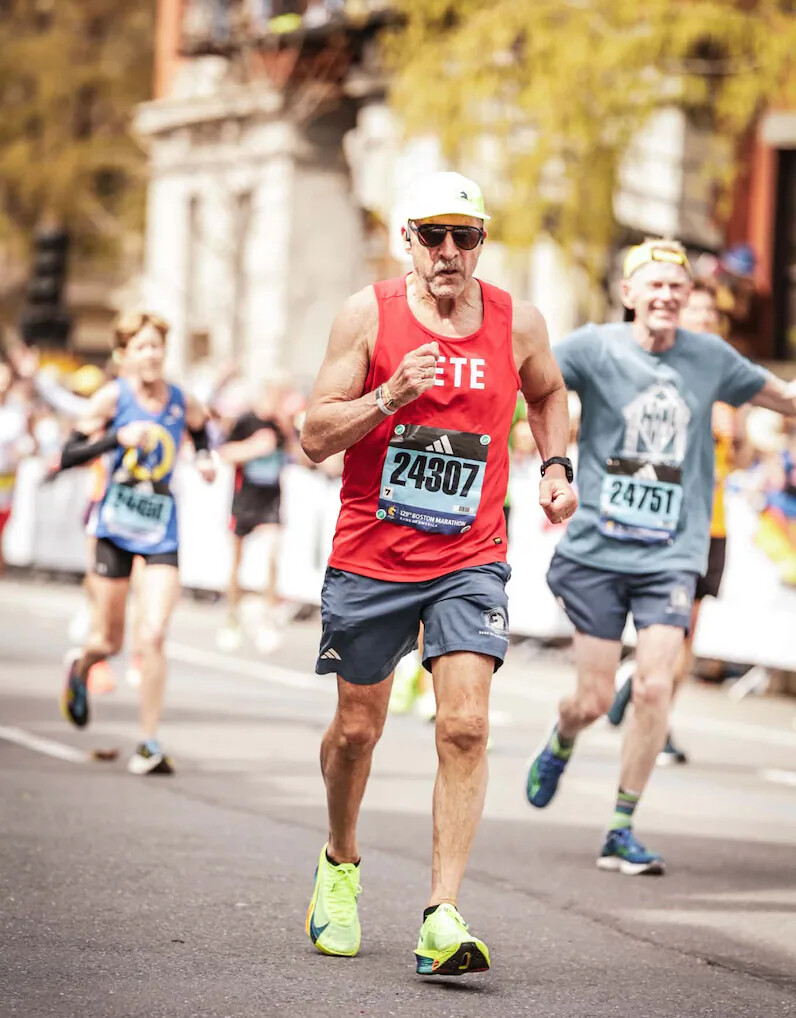
The demanding itinerary will leave little time for conventional recovery. After each marathon, Benson will need to travel to the next destination, navigate changing time zones and prepare for another 42.195 kilometres. Managing fatigue, nutrition, hydration and sleep will be essential as he attempts to complete the seven races within a single week.
Benson described the unusual routine that awaits him, highlighting the relentless cycle of running and travelling that defines the challenge.
"We run the race, get back on the bus, back on the plane, head to the next one and away we go around the world," Benson said. "That plane becomes our hotel and restaurant for the week, pretty much."
Beyond the physical demands, Benson recognises that taking part in such an ambitious international adventure comes at a considerable financial cost. He describes running as a personal investment, one that has provided him with valuable experiences and opportunities to discover more about himself.
"It's certainly a want, not a need," he said. "Some people go on river cruises and other things that they spend their money on and I spend my money on running and I've learned a lot from it."
Despite the expense, Benson believes the experience is worth the investment.
"So I think the investment is worth it, but it is extravagant," he said.
However, his motivation extends beyond personal achievement. Benson is also using the challenge to raise money for a nonprofit organisation that funds clean-water projects in countries around the world. The fundraising initiative is voluntary and is not a requirement for participating in the event.
By connecting his running adventure to a cause with a tangible impact on communities, Benson hopes to give every kilometre a greater purpose. His effort demonstrates how an individual sporting challenge can also become an opportunity to support work that improves lives.
"I'm happy that there's a purpose behind every mile that I run," he said.
That purpose adds another dimension to Benson's ambitious undertaking. While the seven marathons will test his physical strength, mental resilience and ability to recover between races, his fundraising mission will allow him to contribute to efforts aimed at improving access to clean water around the world.
As November 15 approaches, Benson is preparing for a demanding week that will take him from the ice and snow of Antarctica to the streets of Miami, with five other destinations in between. Each marathon will bring a new test, requiring careful preparation, determination and the ability to keep moving forward despite accumulating fatigue.
At 67, Benson is setting out to complete an extraordinary endurance challenge while supporting a cause beyond himself. Seven marathons, seven continents and seven days will test his limits, but his journey will carry a purpose that extends far beyond the finish line.
by Erick Cheruiyot for My Best Runs.
Login to leave a comment
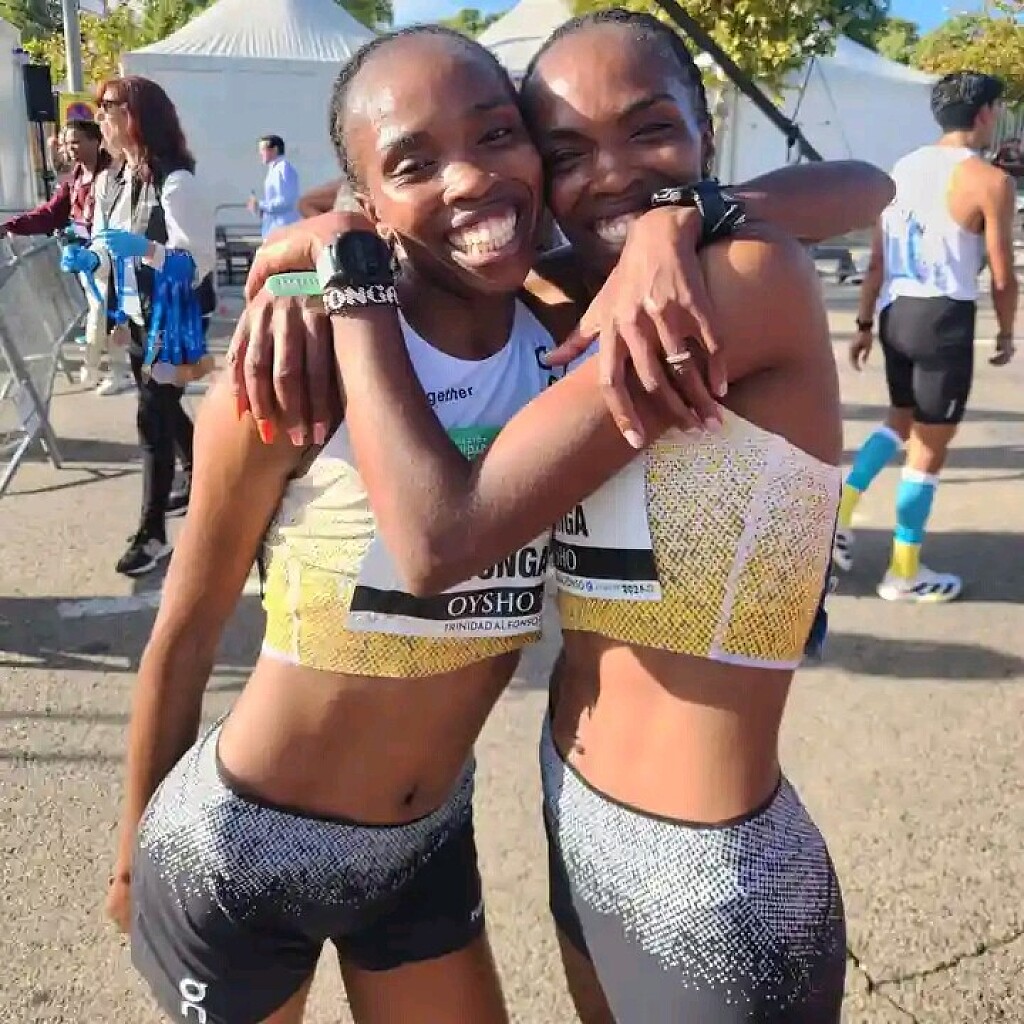
Caroline And Purity Gitonga Deliver Personal Bests In Valencia Half Marathon With Impressive Kenyan Double
Kenyan twins Caroline and Purity Gitonga delivered outstanding performances at the 2026 Valencia Half Marathon in Spain, with both athletes setting new personal bests in a memorable display of endurance, determination, and sibling excellence.
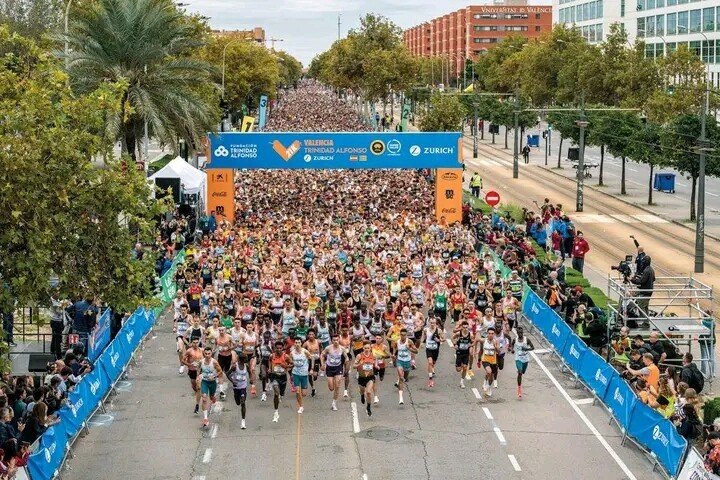
Caroline led the way, clocking an impressive 1:04:59 to finish sixth in the women's race. The performance marked a significant breakthrough for the talented Kenyan, who improved her previous personal best of 1:06:26 by 1 minute and 27 seconds, underlining her continued progress among the world's leading half-marathon runners.
Her twin sister, Purity, was equally impressive, crossing the finish line in 1:05:56 to secure 11th place. She shaved 1 minute and 35 seconds off her previous personal best of 1:07:31, completing a remarkable day for the sisters as they both reached new milestones in their athletic careers.
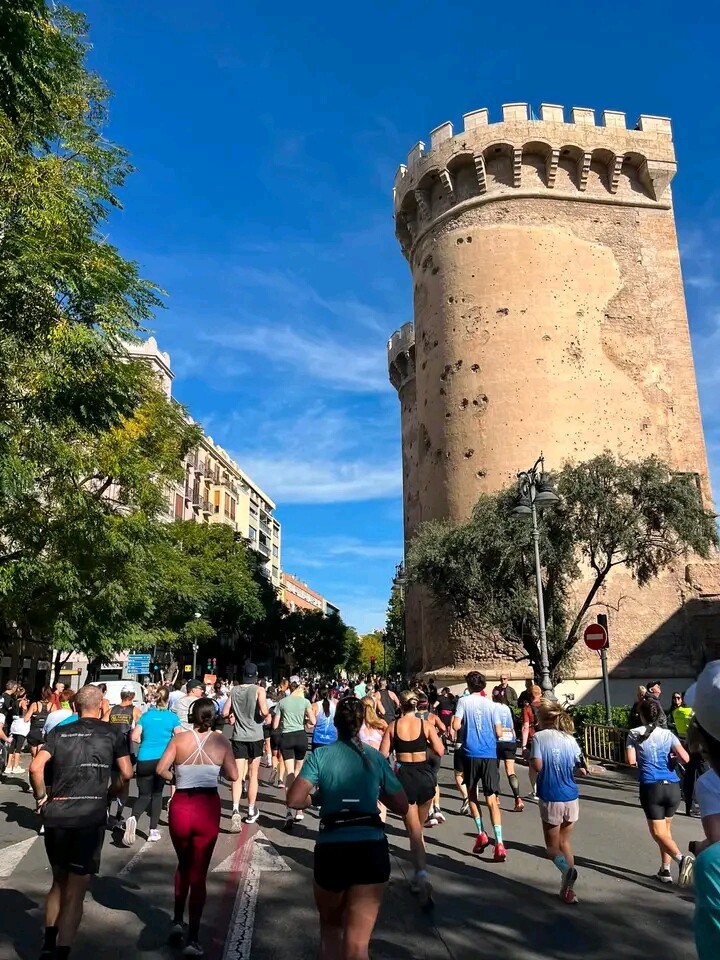
Their performances highlighted the strength of Kenya's distance-running tradition while showcasing the individual talent and shared determination that have made the Gitonga twins athletes to watch. Competing on one of the world's fastest half-marathon courses, Caroline and Purity demonstrated their ability to translate hard training into significant improvements on the international stage.
Having a twin sister who understands the demands of elite athletics can provide a unique source of motivation. From the discipline required during training to the challenges of competing against the world's best, the sisters share a journey that extends beyond the finish line. Their latest achievements in Valencia offer another inspiring example of how ambition, perseverance, and mutual encouragement can drive athletes toward new heights.
For Caroline, finishing sixth in 1:04:59 represents another important step in her development, while Purity's 1:05:56 performance confirms her own impressive progress. Although they finished several places apart, their achievements tell the same powerful story: two athletes pushing their limits and continuing to improve against a highly competitive international field.
Valencia once again provided a stage for exceptional distance-running performances, and the Gitonga twins made the most of the opportunity. Their personal bests are not only a testament to their hard work but also an encouraging sign of what they could accomplish as they continue to gain experience and pursue even greater ambitions.
Two sisters, two personal bests, and one unforgettable day on the roads of Valencia. Caroline and Purity Gitonga have given Kenyan athletics another reason to celebrate, and their latest performances will undoubtedly strengthen interest in what the talented twins can achieve in the seasons ahead.
by Erick Cheruiyot for My Best Runs.
Login to leave a comment
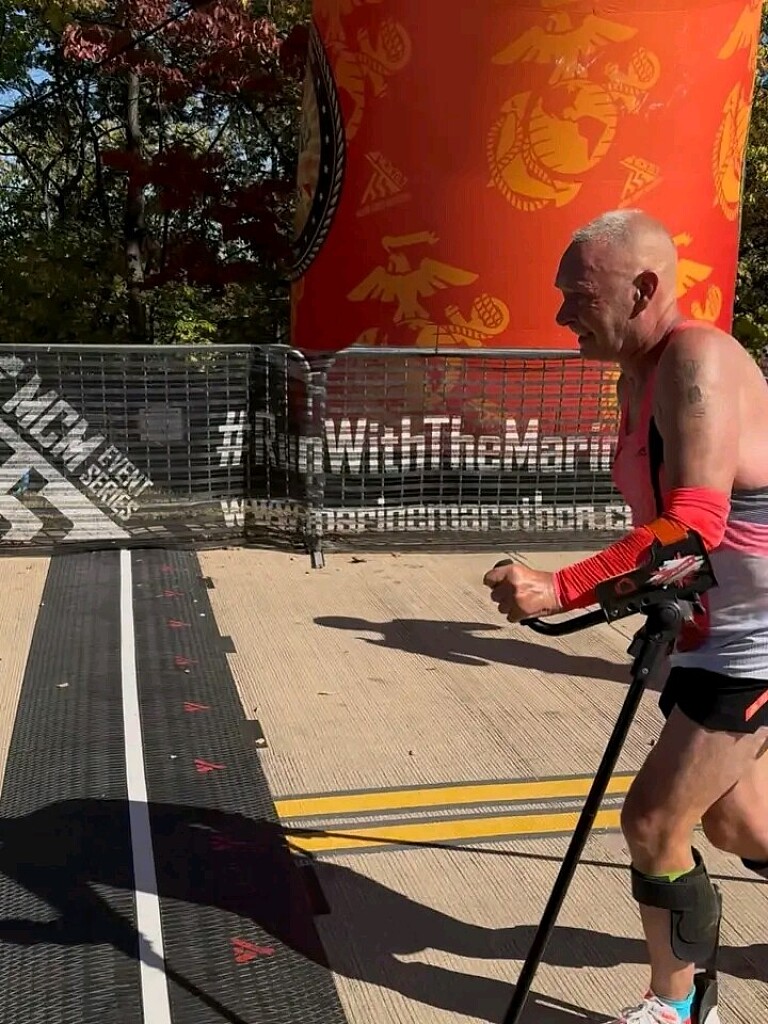
Mick Marshall Makes History With World Record For Fastest Marathon Completed On Crutches In Washington, D.C.
Australian endurance athlete Mick Marshall has achieved an extraordinary milestone at the 2026 Marine Corps Marathon in Washington, D.C., setting a world record for the fastest marathon completed on crutches after crossing the finish line in an incredible 5:35:50.
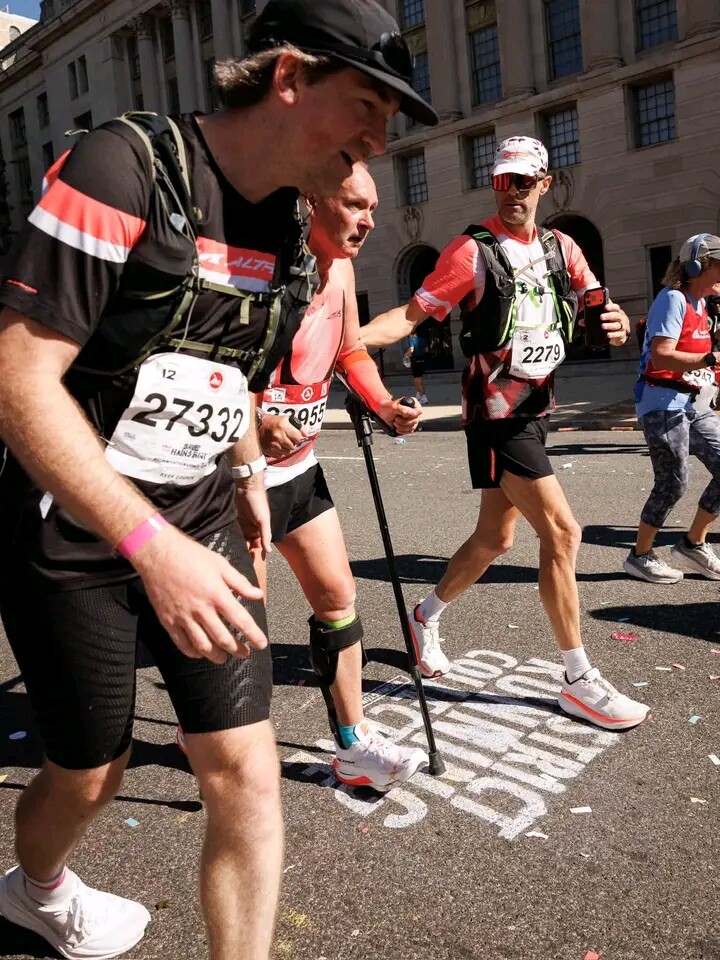
Representing Altra as an elite athlete, Marshall demonstrated remarkable determination and perseverance throughout the 26.2-mile (42.195-kilometre) race, turning one of the world's most celebrated marathon events into a stage for an inspiring display of human resilience.
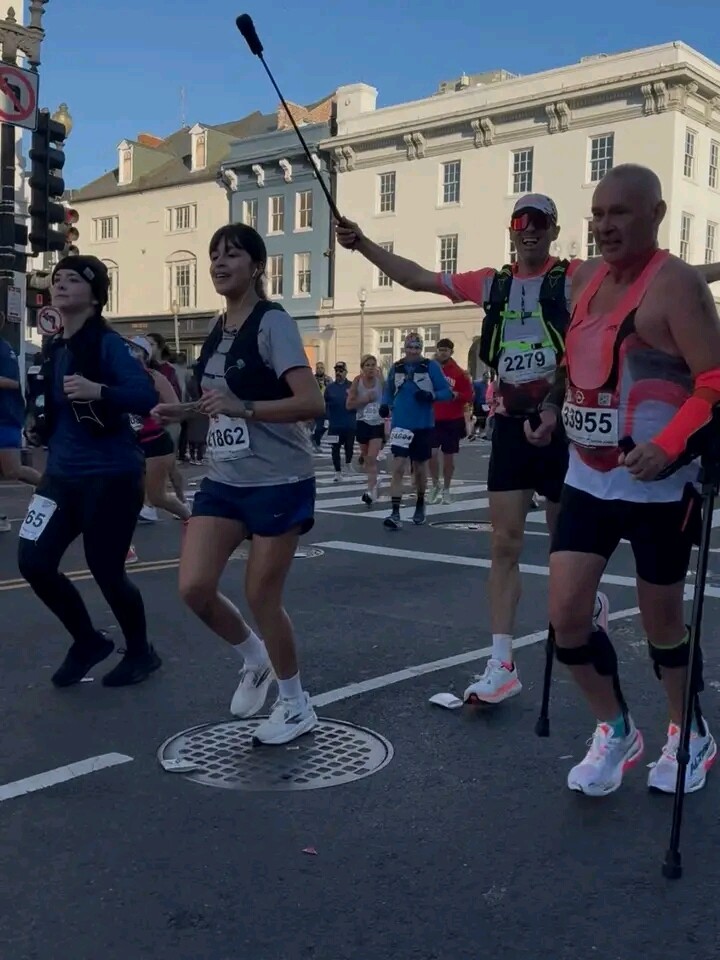
Completing a marathon is a demanding physical challenge for any athlete, requiring months of preparation, mental strength and the ability to push through fatigue. Covering the same distance on crutches presents a different set of challenges, placing considerable demands on the upper body, coordination and endurance. Marshall's achievement highlights the dedication required to overcome obstacles and pursue goals that many might consider beyond reach.
The Marine Corps Marathon, renowned for its patriotic atmosphere, enthusiastic spectators and scenic course through the nation's capital, provided a memorable setting for the record-breaking performance. As thousands of runners pursued their own finish-line goals, Marshall carved out a special place in the event's history with his remarkable effort.
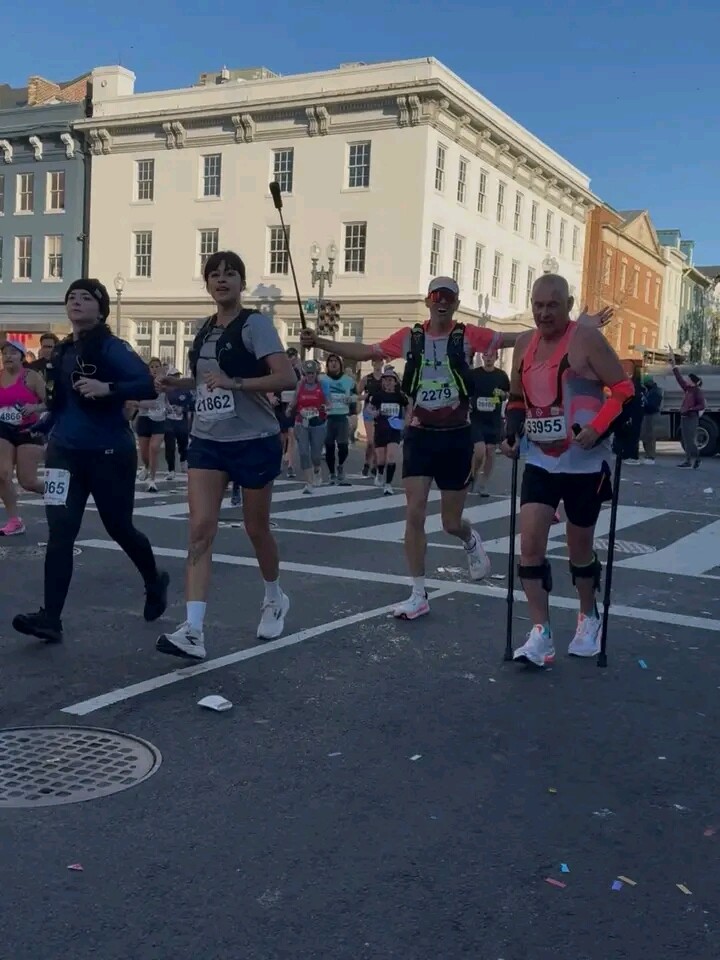
Beyond the record itself, Marshall's achievement carries a message that resonates far beyond the running community. Every movement toward the finish line required determination, patience and an unwavering commitment to the challenge before him. His performance is a reminder that greatness is not measured solely by how quickly someone reaches a destination, but also by the courage it takes to pursue a goal despite the difficulties along the way. For aspiring athletes and anyone facing personal challenges, his accomplishment offers a powerful lesson in perseverance, self-belief and the importance of refusing to give up when the journey becomes difficult.
His performance also serves as a reminder that marathon running is about far more than finishing times and podium positions. It is a test of courage, commitment and the willingness to redefine personal limits. Marshall's accomplishment demonstrates that the spirit of distance running extends beyond conventional expectations, inspiring athletes and spectators alike to reconsider what is possible through determination and hard work.
Marshall's remarkable run also reinforces the inclusive spirit of distance running, where the finish line belongs to everyone willing to take on the challenge. Whether competing for a championship, chasing a personal best or simply striving to complete the distance, every runner has a story worth celebrating. By setting a world record on crutches at one of America's prominent marathon events, Marshall has added an unforgettable chapter to that story, encouraging others to look beyond perceived limitations and pursue their ambitions with renewed confidence.
For Marshall, the 5:35:50 finish represents more than a time on the clock. It marks an extraordinary personal achievement and a moment that celebrates perseverance, resilience and the determination to keep moving forward. His performance has brought renewed attention to the remarkable possibilities within endurance sport and the many different ways athletes can challenge expectations.
Marshall's achievement at the Marine Corps Marathon stands as a powerful testament to the human spirit, demonstrating that success is not always about having the easiest path, but about finding the strength to keep going. His 5:35:50 performance is a reminder that the finish line can represent much more than the completion of a race: it can symbolise courage, possibility and the extraordinary things people can accomplish when they refuse to give up.
by Erick Cheruiyot for My Best Runs.
Login to leave a comment

Marine Corps Marathon
Recognized for impeccable organization on a scenic course managed by the US Marines in Arlington, VA and the nation's capital, the Marine Corps Marathon is one of the largest marathons in the US and the world. Known as 'the best marathon for beginners,' the MCM is largest marathon in the world that doesn't offer prize money, earning its nickname, “The...
more...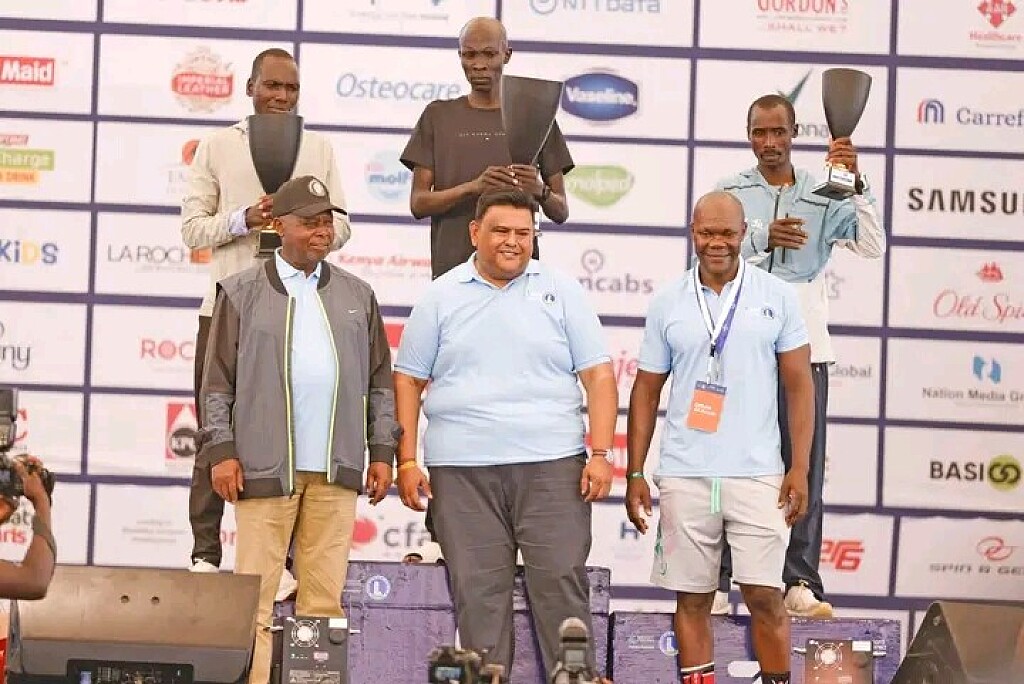
Abraham Kiptum And Mercy Kandie Rotich Crowned Champions After Thrilling 42km Battles At The 2026 Nairobi Marathon
The 23rd edition of the Standard Chartered Nairobi Marathon delivered a spectacular celebration of endurance, determination and competitive excellence on Sunday, October 25, 2026, as Abraham Kiptum and Mercy Kandie Rotich claimed the men's and women's 42km titles in a memorable showcase of Kenyan road-running talent.
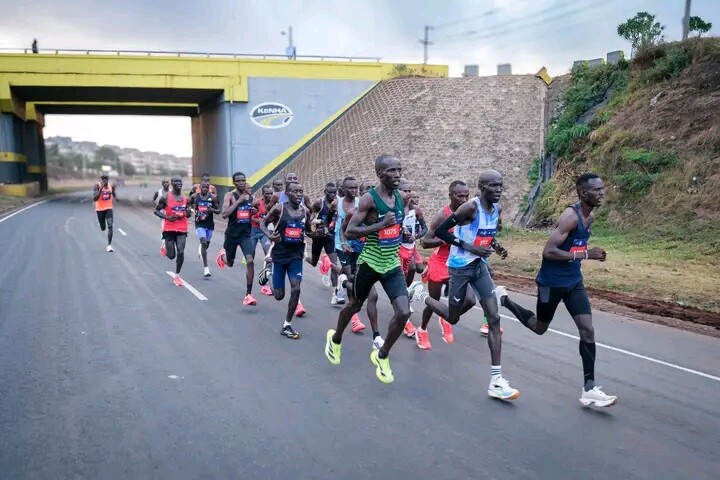
With thousands of runners taking to Nairobi's Southern Bypass, the full marathon provided a compelling test of physical strength, tactical discipline and mental resilience. For the elite athletes at the front, every kilometre presented an opportunity to gain an advantage, while the demanding distance required unwavering concentration from the starting gun to the finish line at Uhuru Gardens.
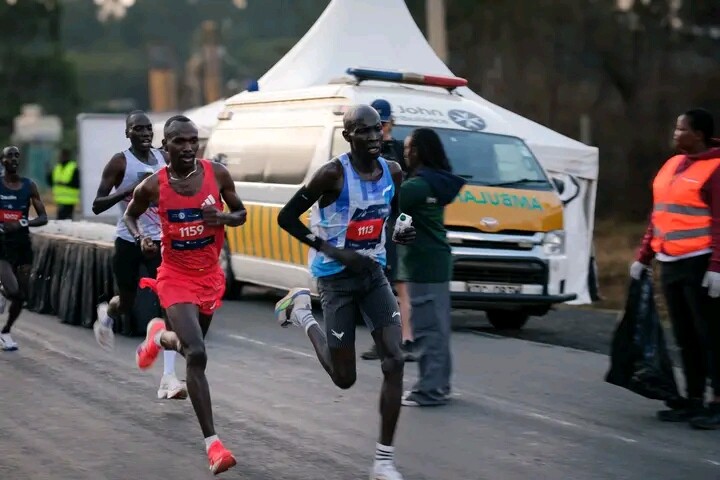
In the men's race, Kiptum produced an impressive performance to secure victory in 2:10:35, narrowly missing the course record by just 23 seconds. The 37-year-old Kenyan demonstrated his experience and endurance throughout the contest, ultimately establishing himself as the strongest performer over the 42.195-kilometre distance.
Kiptum's victory was particularly significant given his recent return to competitive marathon running. The athlete from Kapsabet had continued rebuilding his career and arrived in Nairobi following victory at the CRDB International Marathon in Dar es Salaam, Tanzania, in August. His latest triumph provided another encouraging chapter in his return to the forefront of distance running.

The men's contest produced an exceptionally close battle for the remaining podium positions. Fellow Kenyan Amos Kipkemoi Cheruiyot finished second in 2:10:37, just two seconds behind the champion, while Mark Kibiwott secured third place in 2:11:05.
Dismas Kiplimo finished fourth in 2:11:15, followed by Henry Kiprono Togom, who completed the top five in 2:11:55. The depth of the leading performances underlined the quality of competition on a morning when the front-runners pushed each other towards impressive finishing times.
Kiptum's performance also highlighted the importance of consistency and preparation in marathon running. Having invested months in training, the experienced Kenyan delivered when it mattered most, navigating the course with the composure required to emerge victorious against a competitive field.
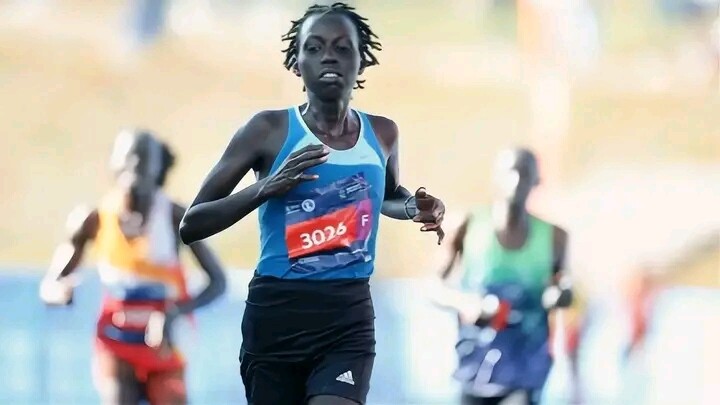
The women's 42km race was equally captivating, with Mercy Kandie Rotich claiming the championship in 2:31:25 after a determined performance over the challenging distance.
Rotich demonstrated resilience and composure as the race unfolded, maintaining her challenge through the later stages before securing the victory. Her performance earned her a place among the latest champions of one of Kenya's prominent annual road-running events.
The battle for the women's title was decided by the narrowest of margins. Peris Jerono finished second in 2:31:27, only two seconds behind Rotich, while Ruth Wakabu completed the podium in 2:31:36. The three leading women finished within just 11 seconds of one another, providing a dramatic conclusion to the contest.
Shyline Jepkorir placed fourth in 2:34:55, while Dorothy Kipkilach finished fifth in 2:36:38, rounding out the leading performers in the women's division.
The narrow margins between the leading athletes reflected the unpredictable nature of marathon racing, where pacing, endurance and the ability to respond under pressure can determine the outcome after more than 42 kilometres of competition.
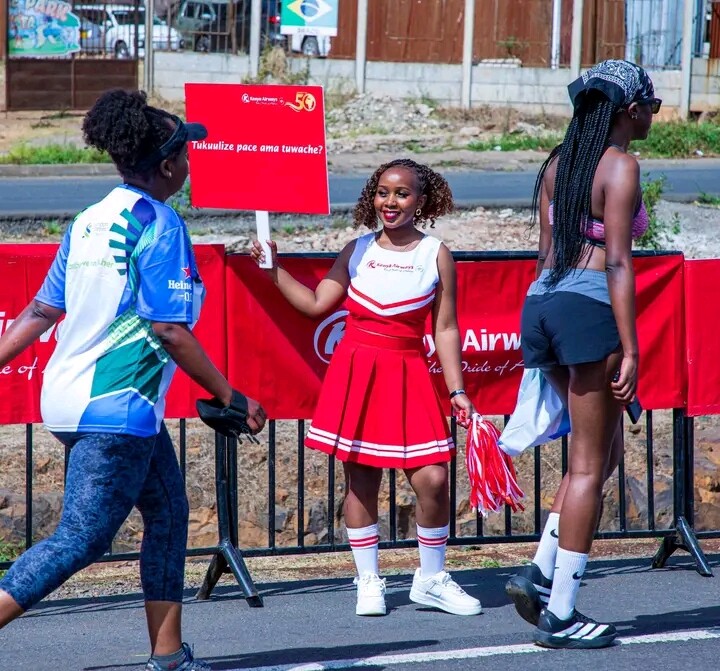
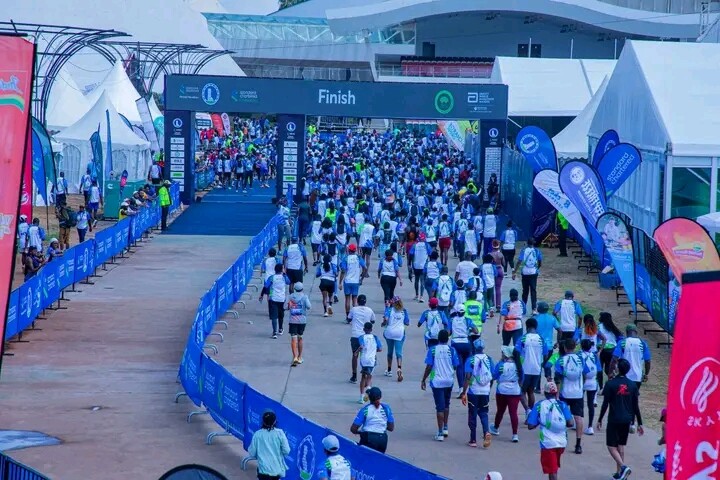
Beyond the podium battles, the full marathon represented a celebration of the determination that defines long-distance running. Every athlete who took on the distance faced the challenge of managing energy, overcoming fatigue and maintaining the mental strength necessary to reach the finish line.
The Southern Bypass provided the setting for these performances, with the runners navigating the Nairobi course before completing their challenge at Uhuru Gardens. The event brought together elite competitors and recreational athletes, united by the ambition to test their limits over the classic marathon distance.
The 2026 edition once again demonstrated the enduring appeal of road racing in Kenya, a country internationally recognised for producing exceptional distance runners. It also offered a platform for athletes to pursue personal ambitions, compete for prestigious honours and showcase the depth of talent within Kenyan athletics.
For Kiptum and Rotich, however, the day belonged to the pursuit of victory. Their respective performances secured them the coveted men's and women's marathon crowns, while the fiercely contested podium finishes ensured that the 42km races delivered the drama and excitement expected of a major road-running championship.
As the 23rd Standard Chartered Nairobi Marathon concluded, the achievements of the two champions stood out as the defining moments of the full-marathon competition, celebrating not only speed and endurance but also the preparation, perseverance and competitive spirit required to conquer 42.195 kilometres.
by Erick Cheruiyot for My Best Runs.
Login to leave a comment

NAIROBI MARATHON
Nairobi Marathon is an annual road running competition over the marathon distance held in October in Nairobi, Kenya. First held in 2003, the competition expanded and now includes a half marathon race along with the main race. It was part of "The Greatest Race on Earth", fully sponsored by Standard Chartered Bank....
more...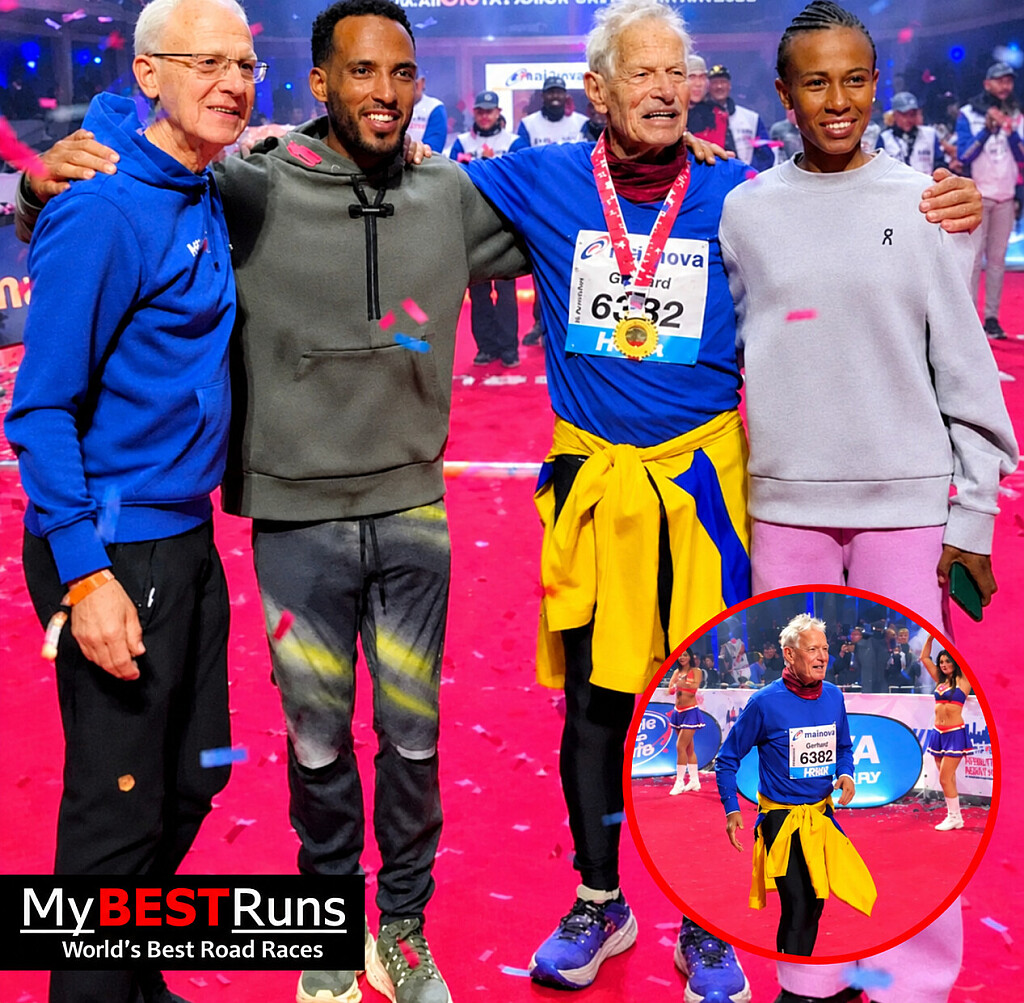
Frankfurt Marathon Champions Wait For The Final Finisher In A Powerful Celebration Of Every Runner
The true spirit of marathon running was beautifully displayed at the 2026 Mainova Frankfurt Marathon, where the celebration extended far beyond the elite athletes who crossed the finish line first. In a heartwarming tradition, the race's men's and women's champions waited inside the historic Festhalle Frankfurt to welcome the final finisher, reminding the world that every marathon journey deserves recognition.
As the final runner entered the magnificent venue, the atmosphere transformed into an unforgettable celebration. Confetti filled the air as music, dazzling lights and a red-carpet welcome created a moment usually associated with the sport's biggest stars. Standing alongside the champions, the last finisher received a hero's reception, demonstrating that the achievement of completing a marathon deserves to be celebrated regardless of finishing position.
Ethiopia's Jirata Lelisa Dinki, who won the men's race in an impressive 2:05:26, and compatriot Zeineba Yimer Worku, the women's champion in 2:19:45, were among those celebrating the final runner's remarkable achievement.
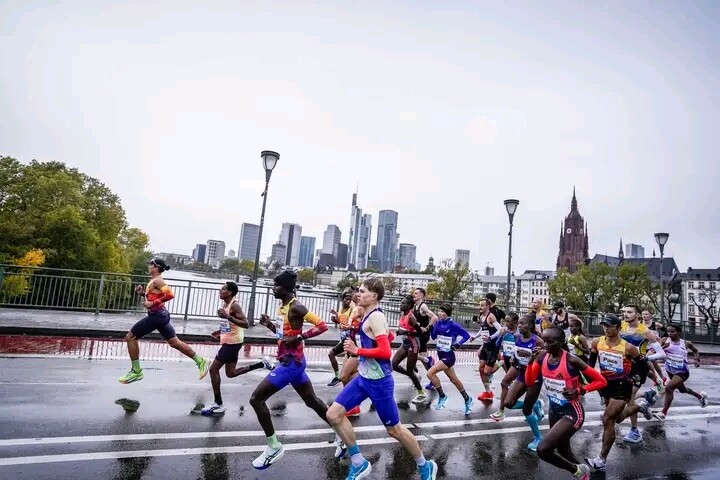
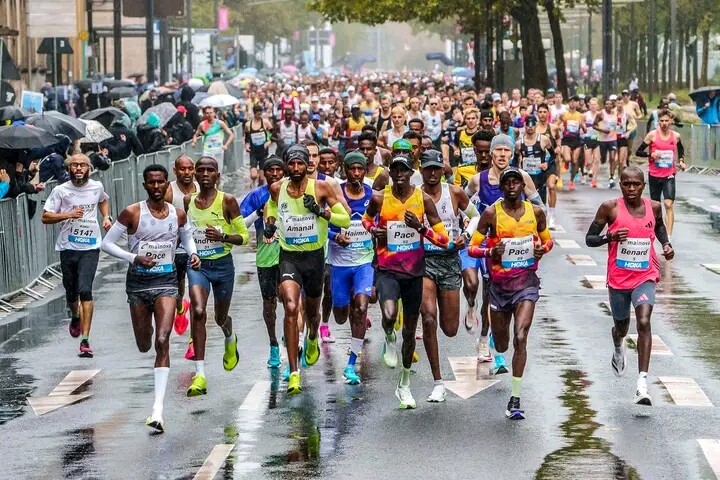
Their presence sent a powerful message about the values that make marathon running special. While elite athletes push the limits of human performance in pursuit of victory and fast times, thousands of other runners take on the same 42.195-kilometre challenge for deeply personal reasons. For some, the goal is to achieve a personal best; for others, it is to overcome adversity, fulfil a lifelong ambition or simply reach the finish line.
The final finisher's journey may have taken longer than that of the champions, but the determination required to keep moving forward deserves equal admiration. Every kilometre represents effort, sacrifice and perseverance, and crossing the finish line marks the successful completion of a challenge that demands both physical endurance and mental strength.
Frankfurt's special welcome captured an essential truth about distance running: a marathon is not only a race against the clock but also a personal battle against exhaustion, doubt and the temptation to give up. By waiting for the final runner, the champions helped ensure that the day's celebrations included someone whose achievement might otherwise have gone unnoticed.
In a sport often defined by world records, course records and podium finishes, this touching tradition offers a refreshing reminder that the value of a marathon cannot be measured by time alone. The fastest runners may make headlines for their performances, but every finisher has a story worth telling.
At the Mainova Frankfurt Marathon, the champions had already conquered their own challenges. Yet their decision to welcome the last runner created another memorable moment, showing that greatness in sport is measured not only by what athletes accomplish but also by the respect they show others.
Because when the final runner receives the same warmth, applause and celebration as the champions, the message is unmistakable: every runner matters, every finish line represents an achievement, and nobody should be left behind when it is time to celebrate.
by Erick Cheruiyot for My Best Runs.
Login to leave a comment
Mainova Frankfurt Marathon
Frankfurt is an unexpectedly traditional and charming city, with half-timbered buildings huddled in its quaint medieval Altstadt (old city), cosy apple wine taverns serving hearty regional food, village-like neighbourhoods filled with outdoor cafes, boutiques and street art, and beautiful parks, gardens and riverside paths. The city's cache of museums is second in Germany only to Berlin’s, and its nightlife...
more...