

Running News Daily
Running News Daily is edited by Bob Anderson and team. Send your news items to bob@mybestruns.com Advertising opportunities available.
Index to Daily Posts · Sign Up For Updates · Run The World Feed
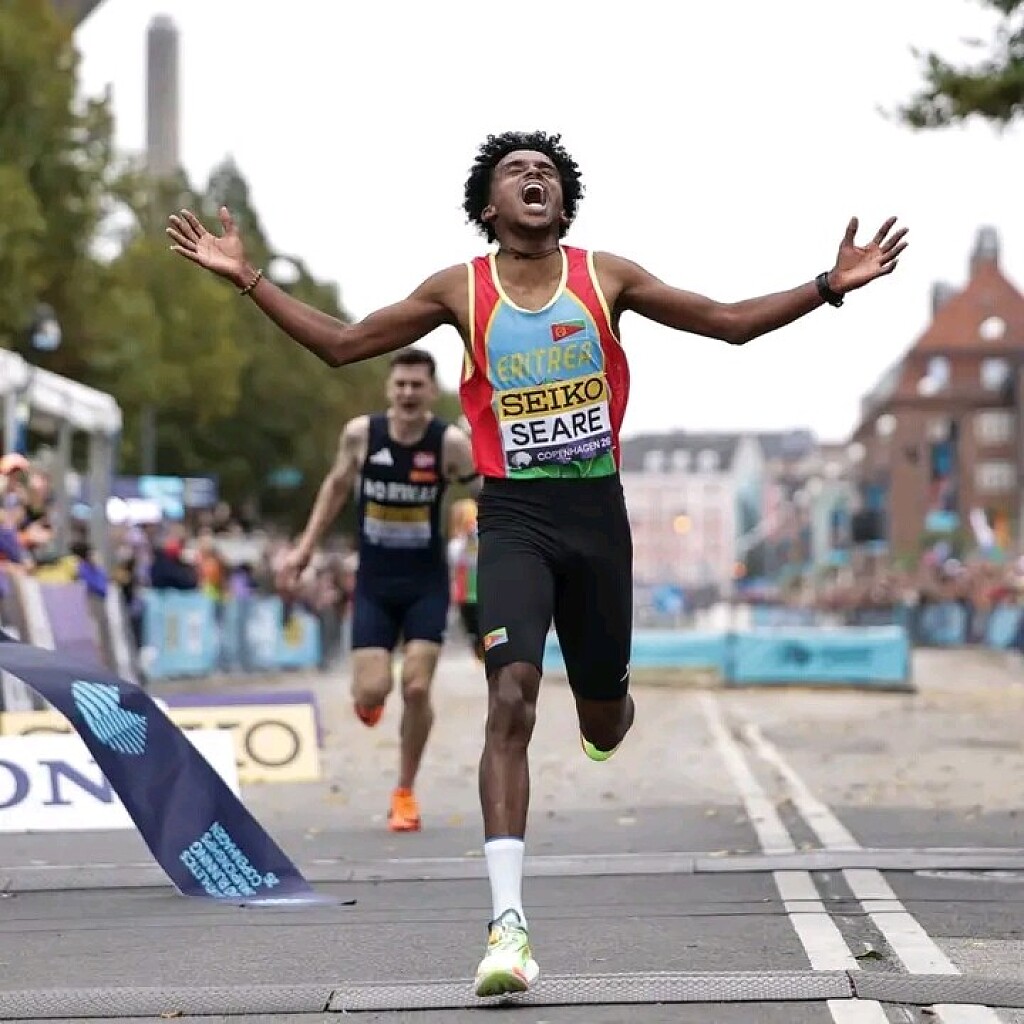


Dawit Seare Stuns Ingebrigtsen In Thrilling Finish To Win World 5km Title In Copenhagen
Eritrea’s Dawit Seare produced a sensational performance on Saturday, September 19, 2026, to claim the men’s 5km world title at the World Athletics Road Running Championships in Copenhagen, defeating Norway’s Olympic champion Jakob Ingebrigtsen in a dramatic battle that went down to the final metres.
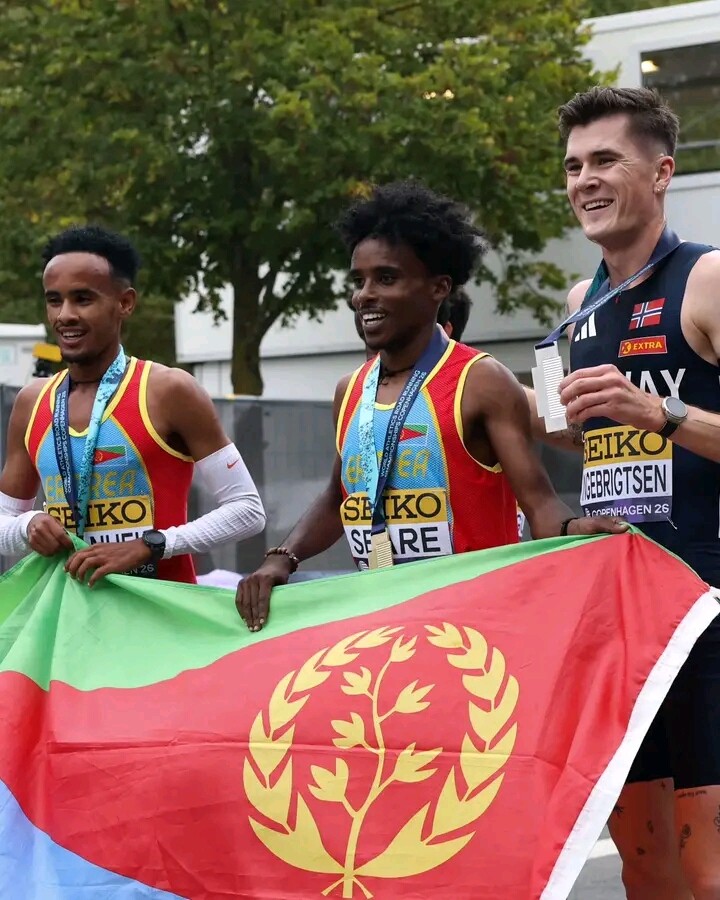
Seare crossed the finish line in a national record of 12:56, with Ingebrigtsen taking silver in a Norwegian record of 12:59. Eritrea completed a remarkable double podium as Saymon Amanuel secured bronze in a personal best of 13:00.
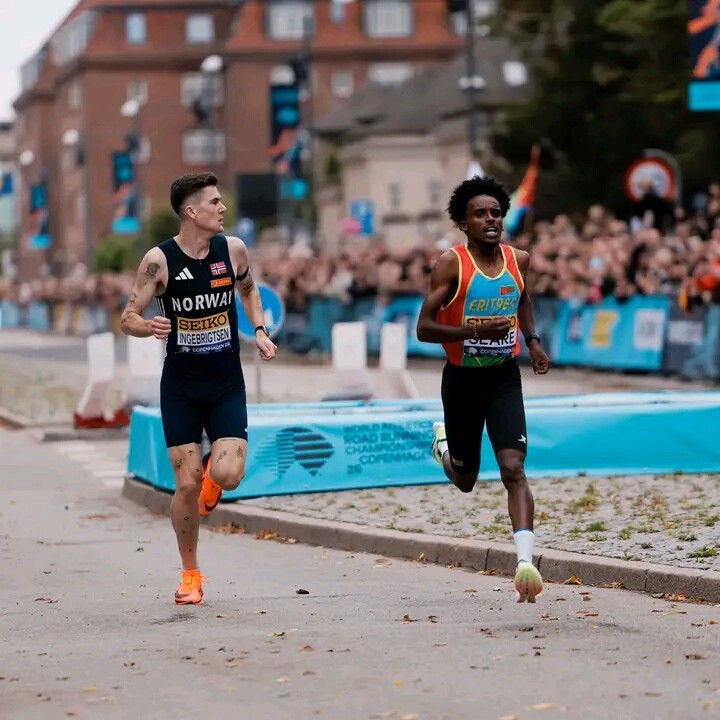
The closing stages produced an extraordinary finish as Seare and Ingebrigtsen engaged in a fierce battle for the world title. With just 150 metres remaining, the lead changed hands three times, underlining the intensity of the contest. Ingebrigtsen briefly surged ahead and appeared to have taken control, but Seare responded with another gear, powering past the Norwegian before the finish line.
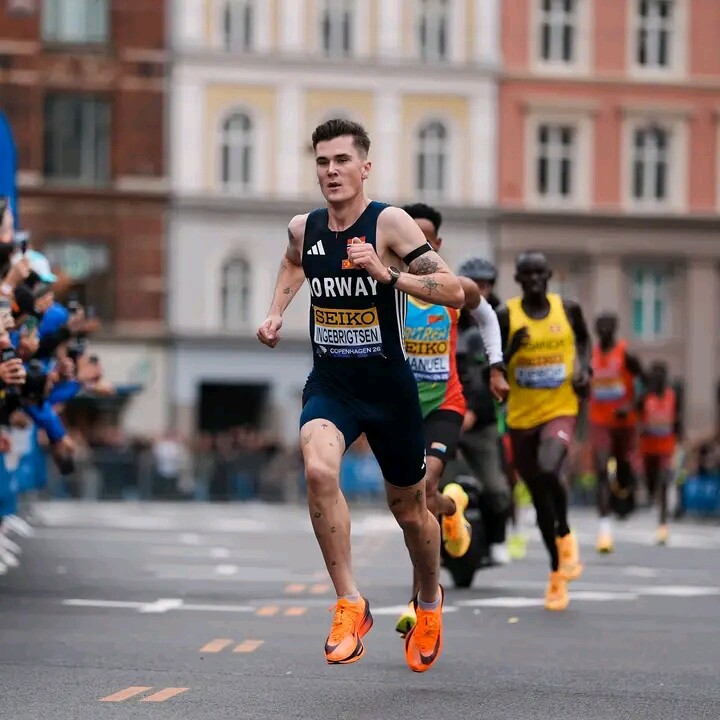
The Eritrean’s decisive acceleration carried him to victory by three seconds, turning what had been a tightly contested race into a remarkable championship triumph. Seare held his composure under immense pressure and produced the strongest finish when it mattered most.
The race had featured a large leading group through much of the early stages before the pace intensified approaching the final kilometres. As the runners entered the decisive phase, Seare remained firmly in contention, positioning himself perfectly for the battle that would ultimately determine the world champion.
For Seare, the victory adds another major achievement to an impressive 2026 season. Having already established himself as the African 5,000m champion, he has now transferred that success to the roads by securing a world title in Copenhagen.
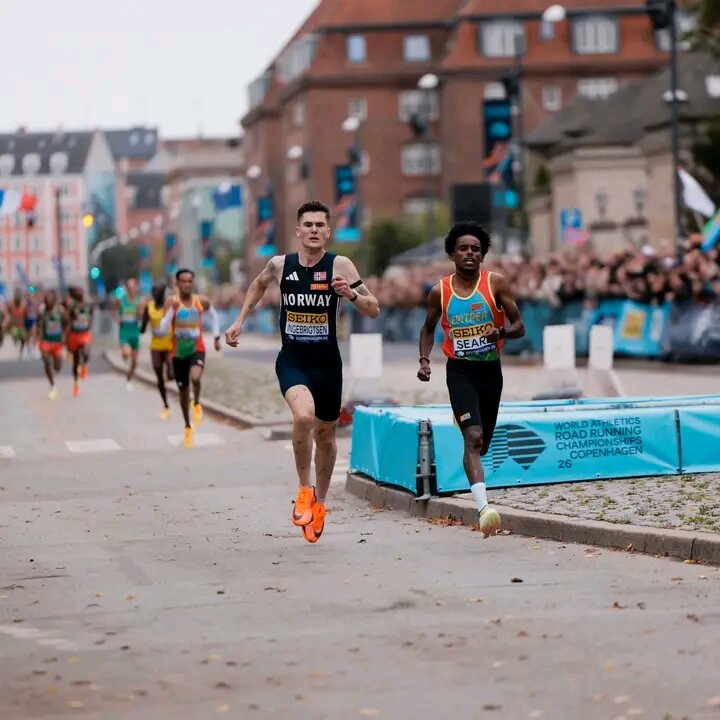
Ingebrigtsen was forced to settle for silver despite producing a national record of his own. The Norwegian’s late surge demonstrated his determination to control the race, but Seare’s response in the final metres proved decisive in one of the closest and most dramatic finishes of the championships.
Eritrea’s success was made even more remarkable by Amanuel’s bronze medal. His 13:00 personal best ensured that two Eritrean athletes stood on the podium, giving the country both gold and bronze in a memorable men’s 5km championship race.
Australia’s Ky Robinson also delivered an outstanding performance, finishing fourth in 13:04 to set an Oceanian record. Uganda’s Keneth Kiprop matched the time in fifth, while Ethiopia placed two athletes inside the top seven through Addisu Yihune and Mezgebu Sime.
Kenya’s Mathew Kipchumba Kipsang finished eighth in 13:11, followed by Burundi’s Egide Ntakarutimana in ninth and South Africa’s Maxime Chaumeton in 10th.
Men’s 5km Top 10 Results
1. Dawit Seare — Eritrea — 12:56 NR
2. Jakob Ingebrigtsen — Norway — 12:59 NR
3. Saymon Amanuel — Eritrea — 13:00 PB
4. Ky Robinson — Australia — 13:04 AR
5. Keneth Kiprop — Uganda — 13:04 PB
6. Addisu Yihune — Ethiopia — 13:07
7. Mezgebu Sime — Ethiopia — 13:08 SB
8. Mathew Kipchumba Kipsang — Kenya — 13:11 SB
9. Egide Ntakarutimana — Burundi — 13:12 PB
10. Maxime Chaumeton — South Africa — 13:13
Seare’s victory capped an unforgettable finish in Copenhagen, where three changes of the lead in the final 150 metres set up a dramatic showdown. In the end, the Eritrean produced the crucial final surge to deny Ingebrigtsen and claim a historic world 5km title in a national-record 12:56.
by Erick Cheruiyot for My Best Runs.
Login to leave a comment
Richardson, Thomas, Hodgkinson And Kazimierska Shine At ATHLOS London
ATHLOS London brought the 2026 athletics season to a spectacular conclusion at StoneX Stadium, with a collection of global stars delivering standout performances across the sprints and middle-distance events.
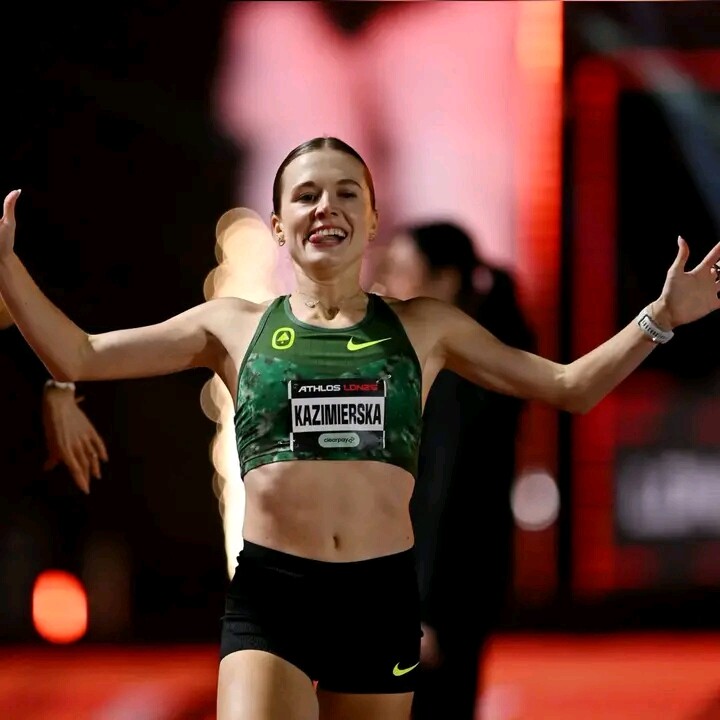
Among the biggest winners was Klaudia Kazimierska, who continued her extraordinary late-season run by claiming the women’s mile title in 4:19.43.
The Polish middle-distance star produced a powerful finishing kick to edge Britain’s Georgia Hunter Bell, who finished second in 4:19.54, while Kenya’s Dorcus Ewoi secured third in 4:19.84.
The victory completed a remarkable sequence for Kazimierska, who has now captured three major titles in succession. Her ATHLOS London triumph followed victories at the Diamond League Final and the inaugural World Athletics Ultimate Championship, giving her a remarkable finish to the 2026 season.
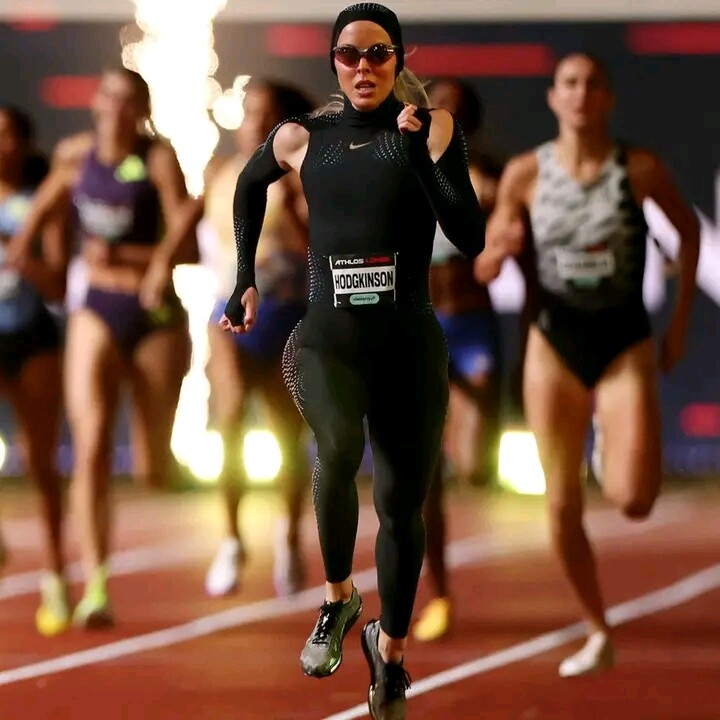
Kazimierska was not the only athlete to leave London with a major title, however, as Keely Hodgkinson produced a dominant performance to successfully defend her ATHLOS London 800m crown.
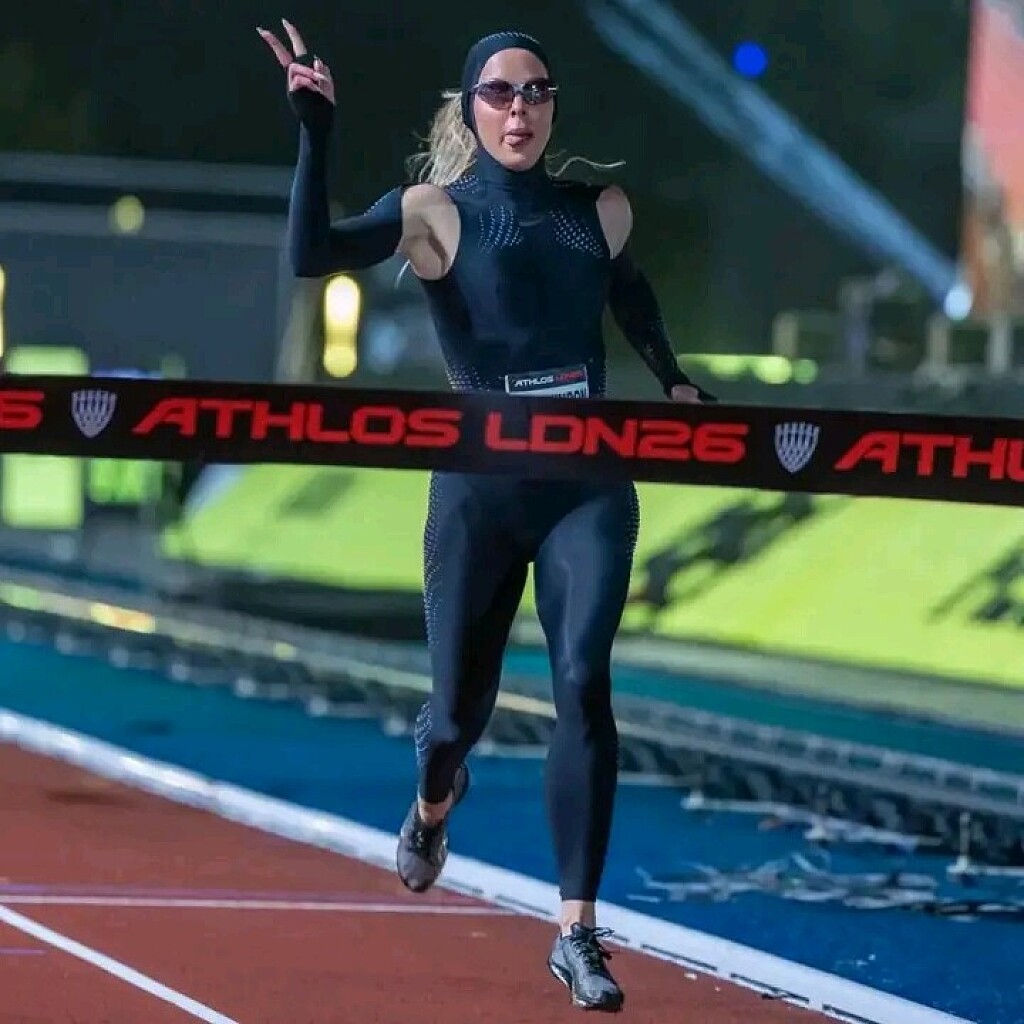
The British star took command from the opening stages and controlled the race from the front, building a substantial advantage before powering across the line in 1:56.40.
Her performance established a new ATHLOS London meeting record, with Hodgkinson finishing more than two seconds ahead of Switzerland’s Valentina Rosamilia, who ran 1:58.75. France’s Rénelle Lamote was third in 2:00.15.
American Juliette Whittaker finished fourth in 2:00.46, Ireland’s Sophie O’Sullivan was fifth in 2:00.53, and American Raevyn Rogers completed the field in 2:01.12.
The victory provided Hodgkinson with a powerful ending to a turbulent outdoor campaign that had included a canal accident and a hamstring injury, alongside silver-medal finishes at the European Championships and the World Athletics Ultimate Championship.
She also attracted attention with her specially designed Nike racing suit, a futuristic full-length black hooded design with an open back, created with mobility and aerodynamics in mind, complemented by Nike sunglasses.
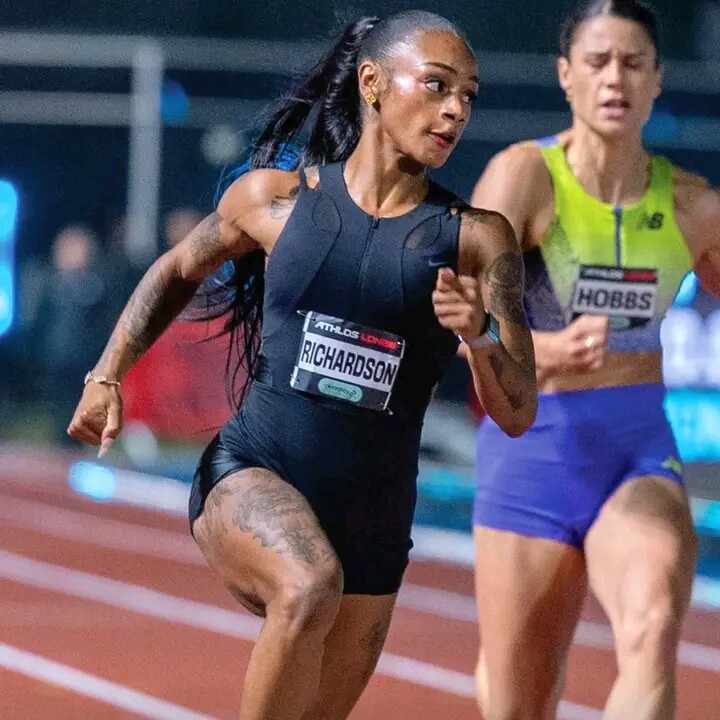
The sprint programme added even more star power to the night with Sha’Carri Richardson producing a meeting-record performance of her own in the women’s 100m.
Richardson stormed to victory in 10.80 seconds, with no wind assistance, to take the ATHLOS London title. New Zealand’s Zoe Hobbs finished second in 11.19, while American Anavia Battle claimed third in 11.25.
Britain’s Imani Lansiquot crossed fourth in 11.35, narrowly ahead of compatriot Daryll Neita, who clocked 11.36, while Canada’s Sade McCreath finished sixth in 11.47.
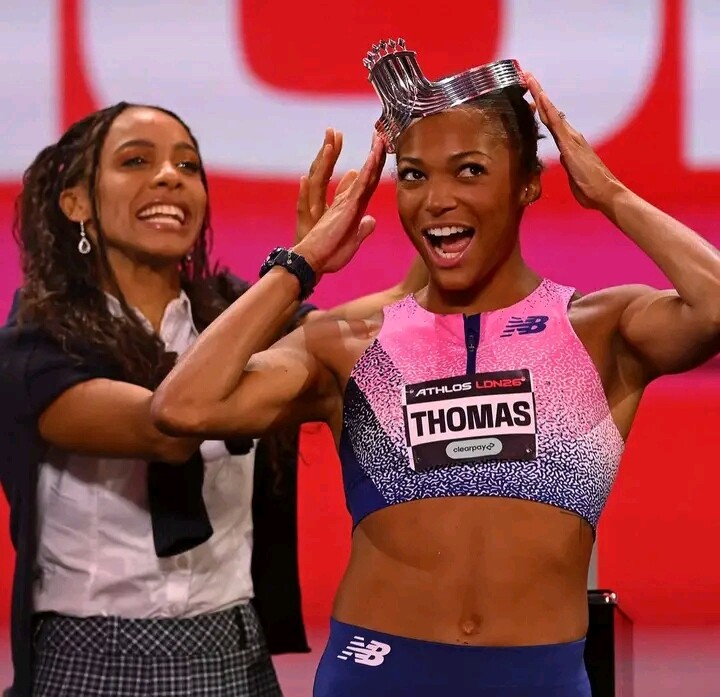
The American sprint success continued in the women’s 200m, where Gabby Thomas added another major title to her collection with a composed victory in 22.13 seconds.
Thomas held off fellow Americans Kayla White and Anavia Battle in a tightly contested final. White finished second in 22.40, while Battle, who had already secured third in the 100m, completed another podium appearance by taking bronze in 22.43.
Thomas’s victory further highlighted the depth of American sprinting at ATHLOS London, as the Olympic and world-level star produced another big-stage performance to close out her season with the 200m crown.
With Richardson and Thomas dominating the sprint headlines, Hodgkinson controlling the 800m and Kazimierska producing another decisive victory over the mile, ATHLOS London delivered an evening packed with major champions and fast performances.
For Kazimierska, the night completed an extraordinary run of three consecutive major titles. For Hodgkinson, it was a statement finish in front of her home crowd. Richardson and Thomas, meanwhile, ensured the American sprint contingent also left London with major victories.
ATHLOS London therefore closed the 2026 season in emphatic fashion, with several of the sport’s biggest names providing performances that will stand among the memorable moments of the year.
Login to leave a comment
Likina Amebaw Completes Remarkable Six-Day Double With World 5km Road Title In Copenhagen
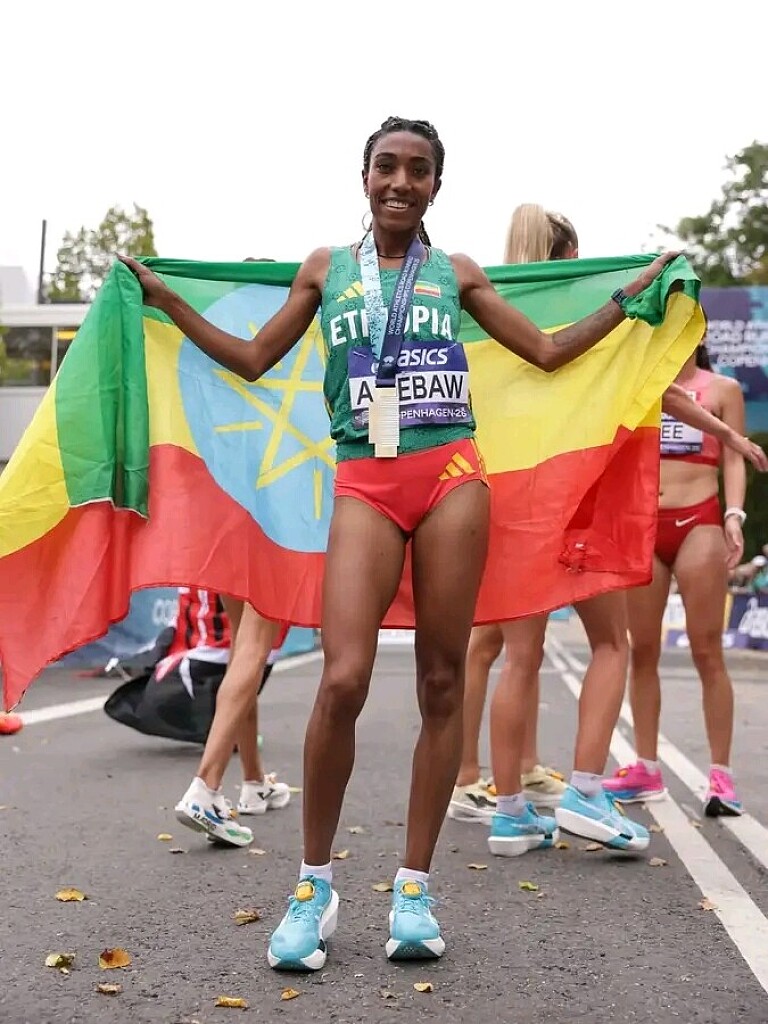
Ethiopia’s Likina Amebaw produced another outstanding performance on the global stage on Saturday, September 19, 2026, winning the women’s 5km title at the World Athletics Road Running Championships in Copenhagen, Denmark.
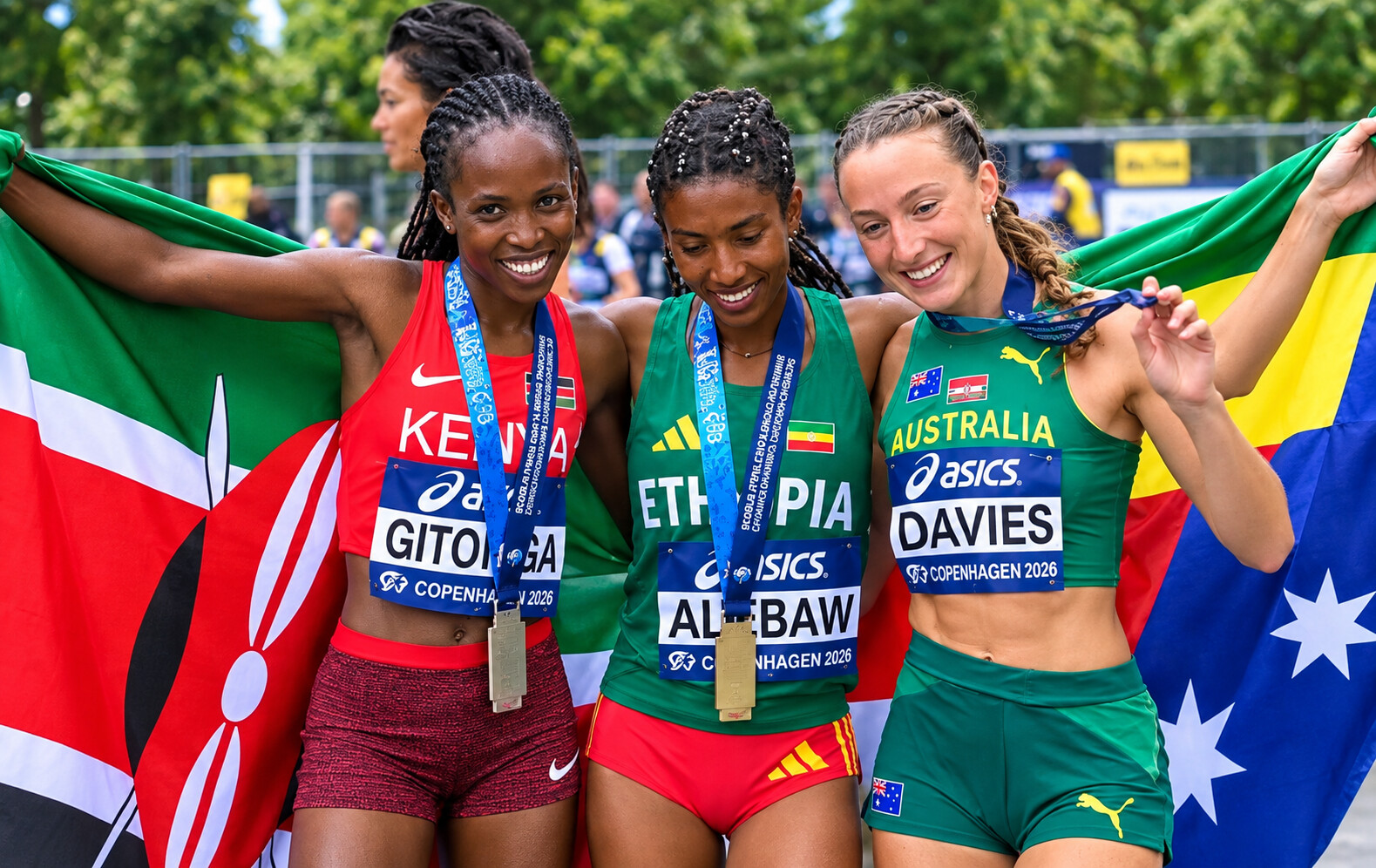
Amebaw stormed to gold in 14:41, adding another global title to her remarkable season just six days after winning the women’s 5000m at the inaugural World Athletics Ultimate Championships in Budapest.
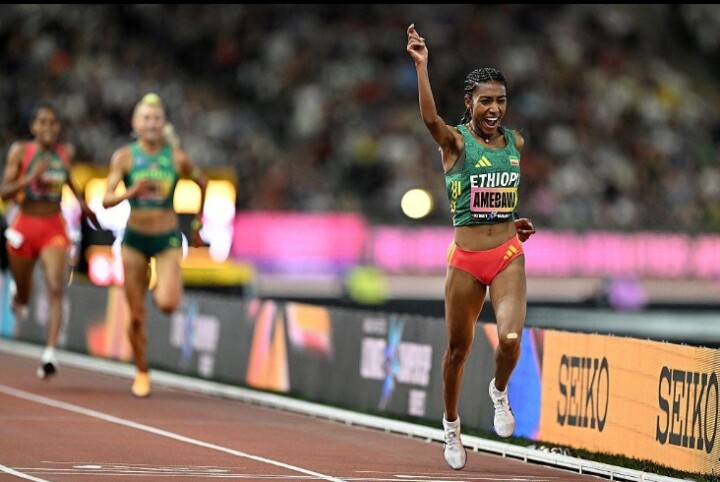
The Ethiopian distance star once again demonstrated her ability to deliver when it matters most, producing a commanding performance over the fast Copenhagen course to claim the world 5km road title.
Kenya’s Caroline Makandi Gitonga delivered a brilliant performance to secure the silver medal in 14:48, giving Kenya a place on the global podium. Gitonga stayed firmly in contention throughout the race before crossing the finish line just seven seconds behind the newly crowned champion.
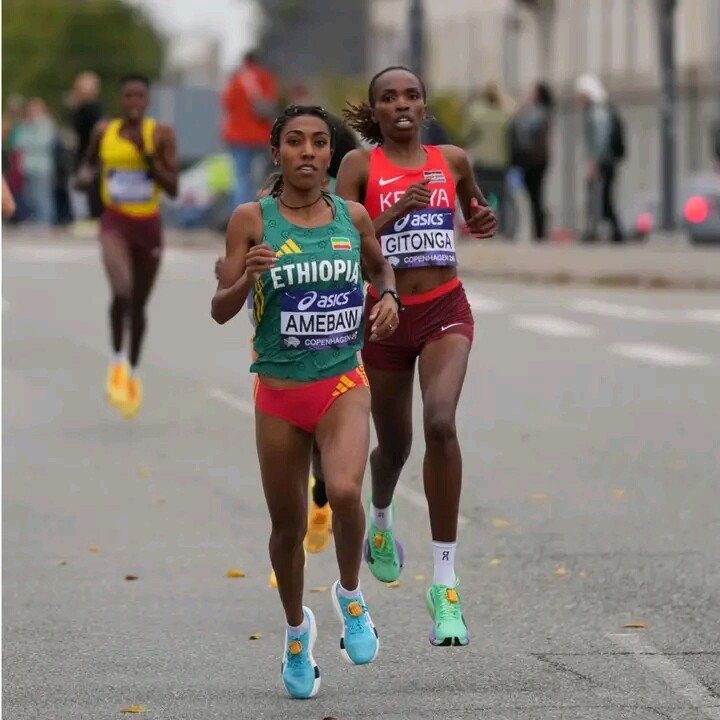
Australia’s Rose Davies completed the podium in 14:50, taking bronze and setting an Australian area record in an impressive display of front-running and determination.
The result also saw several athletes produce notable performances behind the leading trio, with Marta Garcia recording 14:59, Georgia Griffith running 15:01, Samiya Hassan Nour finishing in 15:04, Hannah Gapes clocking 15:06 and Hannah Nuttall stopping the clock at 15:08, while Mirriam Cherop followed in 15:09 and Allie Ostrander in 15:10.
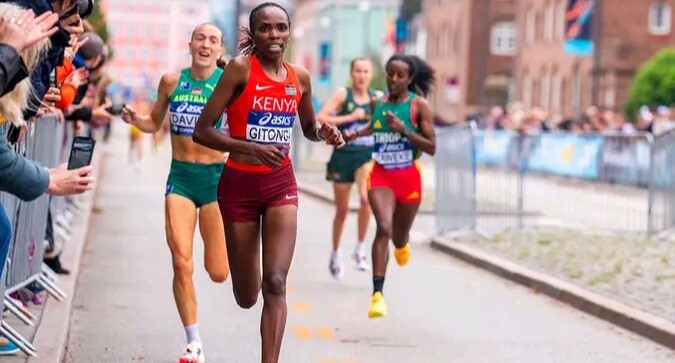
With two global titles secured within just six days, Likina Amebaw has turned an extraordinary week into a defining chapter of her 2026 season.
Women’s 5km Top 10 Results — Copenhagen 2026
1. Likina Amebaw — Ethiopia — 14:41
2. Caroline Makandi Gitonga — Kenya — 14:48
3. Rose Davies — Australia — 14:50 — Area Record
4. Marta Garcia — Spain — 14:59 — PB
5. Georgia Griffith — Australia — 15:01 — PB
6. Samiya Hassan Nour — Djibouti — 15:04
7. Hannah Gapes — Australia — 15:06 — PB
8. Hannah Nuttall — Great Britain — 15:08 — PB
9. Mirriam Cherop — Kenya — 15:09 — PB
10. Allie Ostrander — USA — 15:10 — PB
The Copenhagen race was fiercely contested, with the leading athletes pushing the pace over the flat and fast 5km course. Amebaw, however, had the strength to separate herself from her rivals and hold on for another major championship victory.
What makes her achievement even more remarkable is the short turnaround between her two titles. Winning a world 5000m championship in Budapest and returning only six days later to triumph over 5km on the roads of Copenhagen is a remarkable demonstration of endurance, recovery and championship racing ability.
For Ethiopia, Amebaw’s victory adds another major international success to a season already filled with impressive performances. For Kenya, Gitonga’s silver medal provides another strong result on the world stage and confirms her ability to compete among the best road runners in the world.
With two global titles secured within just six days, Likina Amebaw has turned an extraordinary week into a defining chapter of her 2026 season.
by Erick Cheruiyot for My Best Runs.
Login to leave a comment
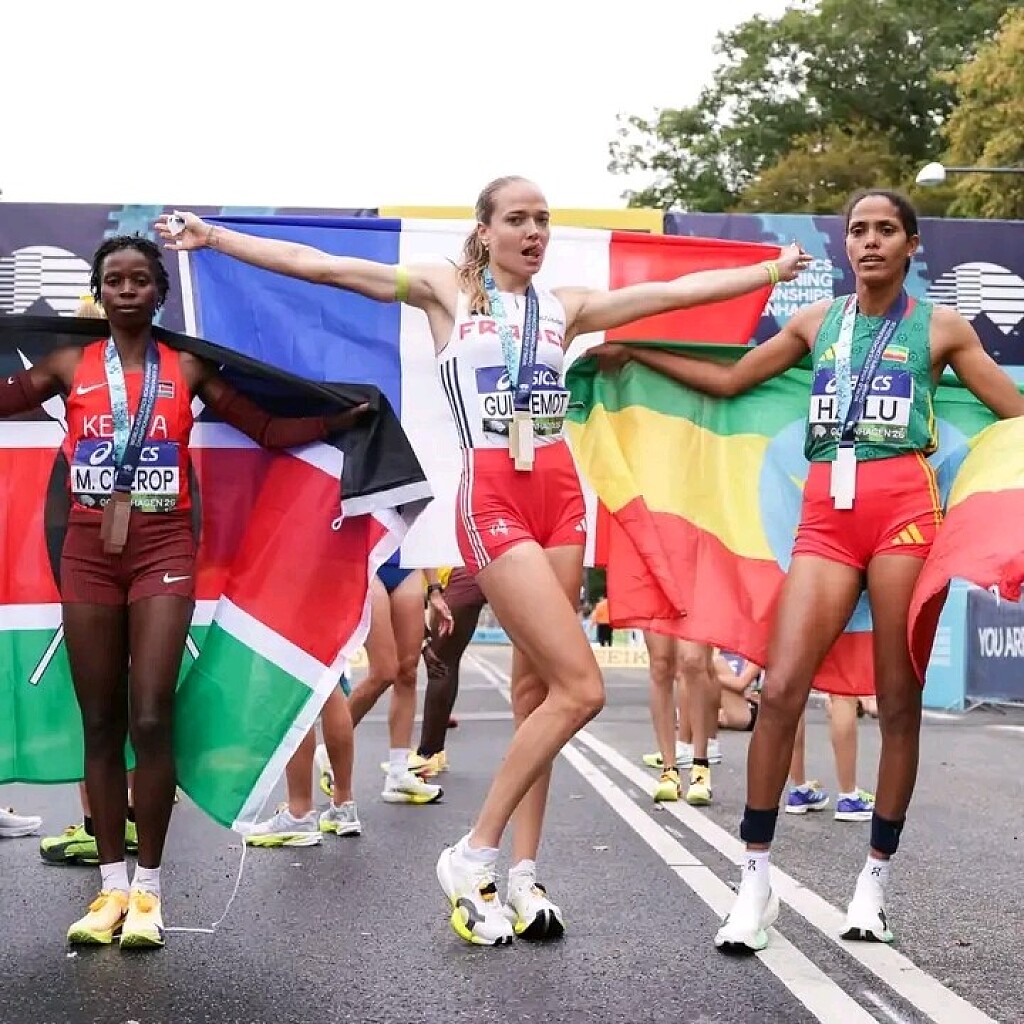
Agathe Guillemot Strikes Gold In Copenhagen As Mirriam Cherop Returns To The Global Podium
France’s Agathe Guillemot produced a breathtaking final surge to claim the women’s mile title at the 2026 World Athletics Road Running Championships in Copenhagen, securing the first individual global championship gold medal of her career.
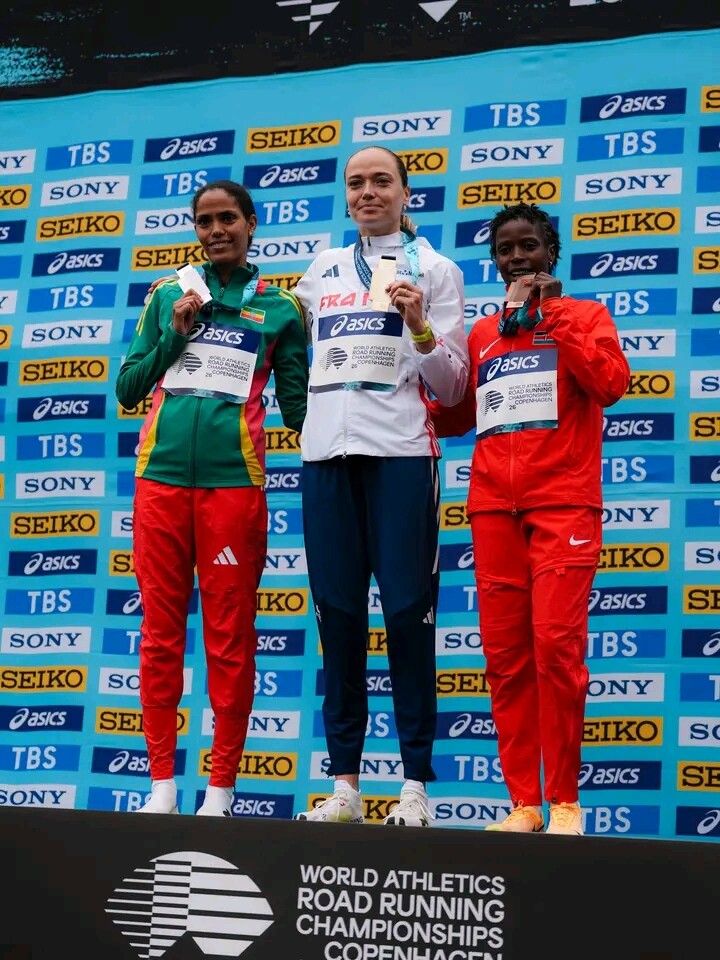
Guillemot remained composed through the early stages of a tightly contested race, staying within the leading group as the athletes patiently waited for the decisive moments. Rather than committing too early, the Frenchwoman conserved her energy and positioned herself perfectly for the closing stages.
As the race entered its dramatic final phase, Guillemot unleashed a powerful acceleration that immediately changed the complexion of the contest. Her devastating finishing speed carried her away from her rivals, allowing her to cross the line in 4:22.74 and celebrate a memorable world championship triumph.
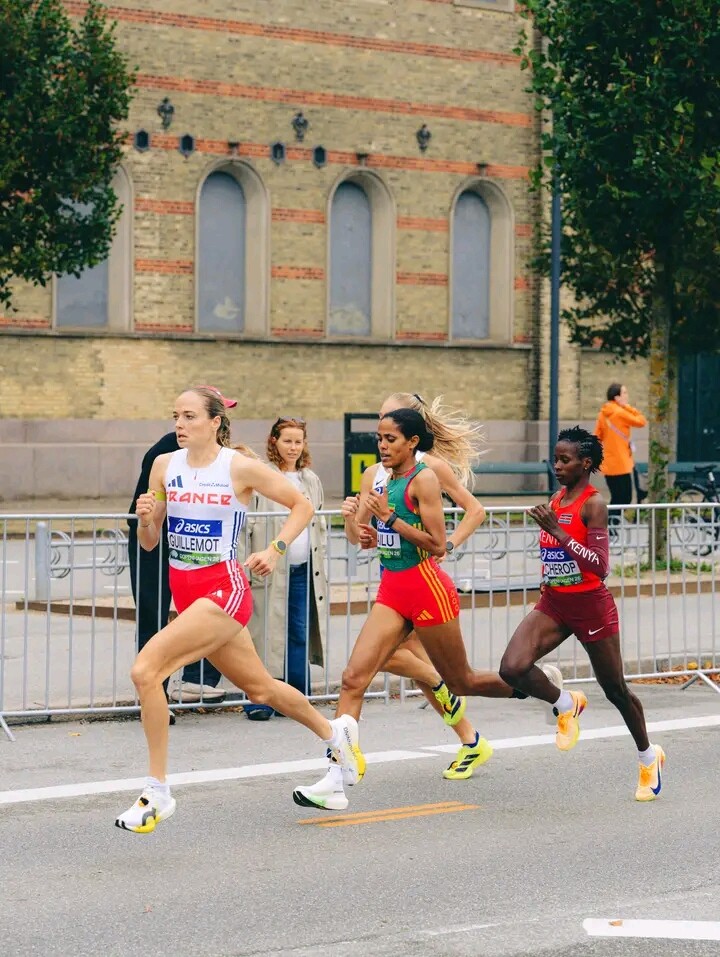
The victory was made even more remarkable by the quality of the performance. Guillemot’s winning time was a world-leading mark and a European record, taking almost half a second off the previous European record and moving her to fourth on the world all-time list.
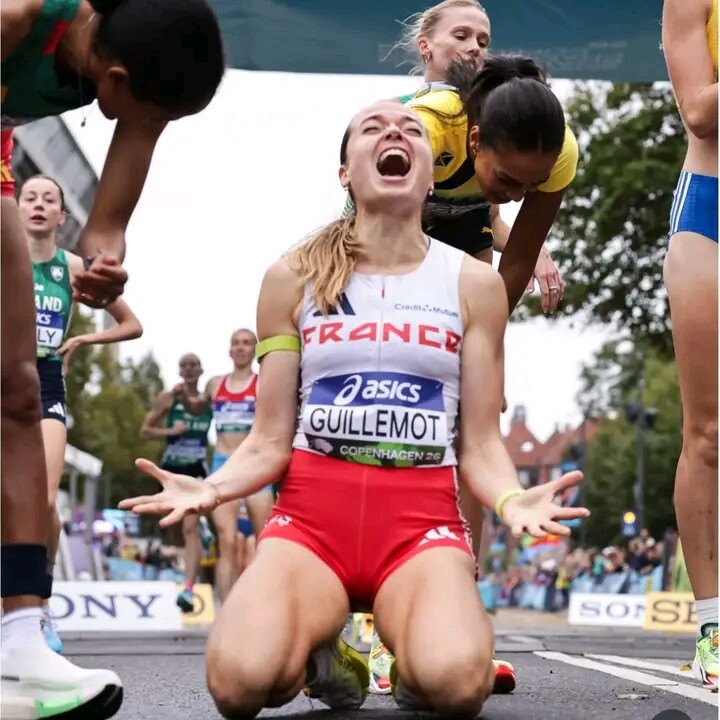
Ethiopia’s Freweyni Hailu delivered another strong championship performance to secure the silver medal in 4:24.35. Hailu remained firmly in contention throughout the race, but she was unable to respond to Guillemot’s explosive finishing burst. It was Hailu’s second consecutive silver medal at the World Road Running Championships after also finishing runner-up in the inaugural edition in Riga in 2023.
For Kenya, Mirriam Cherop produced a performance full of determination and patience to capture the bronze medal in 4:25.71, returning to the global podium eight years after her breakthrough on the world junior stage.
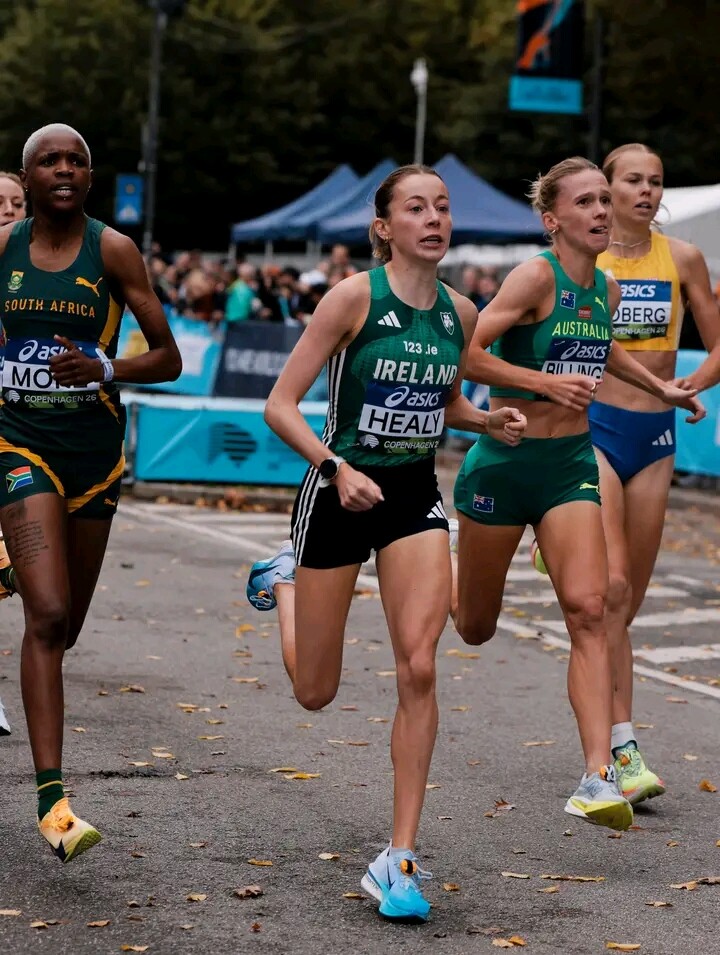
Cherop first announced herself as a major international talent at the 2018 World U20 Championships in Tampere, Finland, where she won silver in the women’s 1500m in 4:10.73. She finished behind Ethiopia’s Alemaz Samuel, with Switzerland’s Delia Sclabas taking bronze.
Now, eight years later, Cherop has added a senior global medal to that junior silver, completing a remarkable journey from the junior podium in Tampere to the senior podium in Copenhagen.
Her bronze in Copenhagen was also a season’s best, underlining the quality of her performance against a world-class field. Cherop remained in medal contention deep into the race before holding her position through the decisive final stages.
The Copenhagen race was a tactical battle for much of the distance, with the leading athletes refusing to make a decisive move too early. The pack stayed closely bunched through 800 metres before the race began to unravel in the closing stages.
Guillemot’s patience ultimately proved decisive. With little more than 20 seconds of racing remaining, the Frenchwoman moved to the front and accelerated hard, quickly creating daylight between herself and the chasing group.
Behind her, Hailu secured silver while Cherop fought her way to bronze, giving Kenya another moment to celebrate on the world stage.
The result represents another important chapter in Cherop’s career. From a World U20 silver medal in Tampere in 2018 to a senior World Road Running Championships bronze in Copenhagen in 2026, eight years have separated two global podium appearances — but the determination to remain among the best has endured.
For Guillemot, meanwhile, Copenhagen provided the perfect ending to a demanding season. The Frenchwoman had already competed at major championships and international meetings across track, cross country and road racing before producing her biggest moment of the year on the streets of Copenhagen.
The home crowd also had reason to celebrate as Denmark’s Annemarie Nissen finished fourth in a personal best of 4:26.78, while Kenya’s Naomi Korir followed in fifth with another personal best of 4:29.15.
In the end, Guillemot’s perfectly timed attack delivered France a world champion, Hailu claimed another global silver, and Cherop completed a remarkable eight-year journey back to the world podium.
From junior silver in Tampere to senior bronze in Copenhagen, Mirriam Cherop’s story has entered another memorable chapter — and Kenya once again has a global medal to celebrate.
Women’s Road Mile Top 5 — Copenhagen 2026
1. Agathe Guillemot (France) — 4:22.74 — World Lead, European Record
2. Freweyni Hailu (Ethiopia) — 4:24.35 — Season Best
3. Mirriam Cherop (Kenya) — 4:25.71 — Season Best
4. Annemarie Nissen (Denmark) — 4:26.78 — Personal Best
5. Naomi Korir (Kenya) — 4:29.15 — Personal Best
The women’s mile in Copenhagen delivered a compelling championship race, combining tactical patience, a dramatic late surge and a closely contested battle for the medals. Agathe Guillemot’s decisive finish secured the world title, Freweyni Hailu added another global silver to her résumé, while Mirriam Cherop completed the podium after a determined performance. With a world-leading time, a European record and a tightly fought medal battle, the race provided a memorable highlight of the World Athletics Road Running Championships.
by Erick Cheruiyot for My Best Runs.
Login to leave a comment
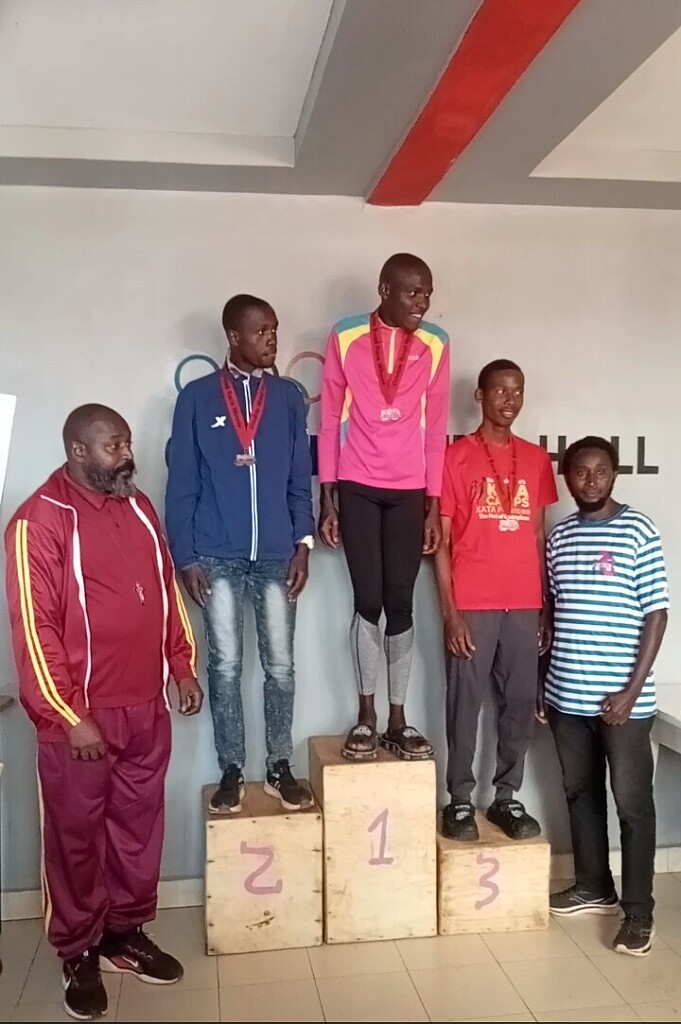
Charles Wanjora Leads 6th Annual KATA Double Road Race 15K As Ruth Maina Claims Women’s Victory In Thika
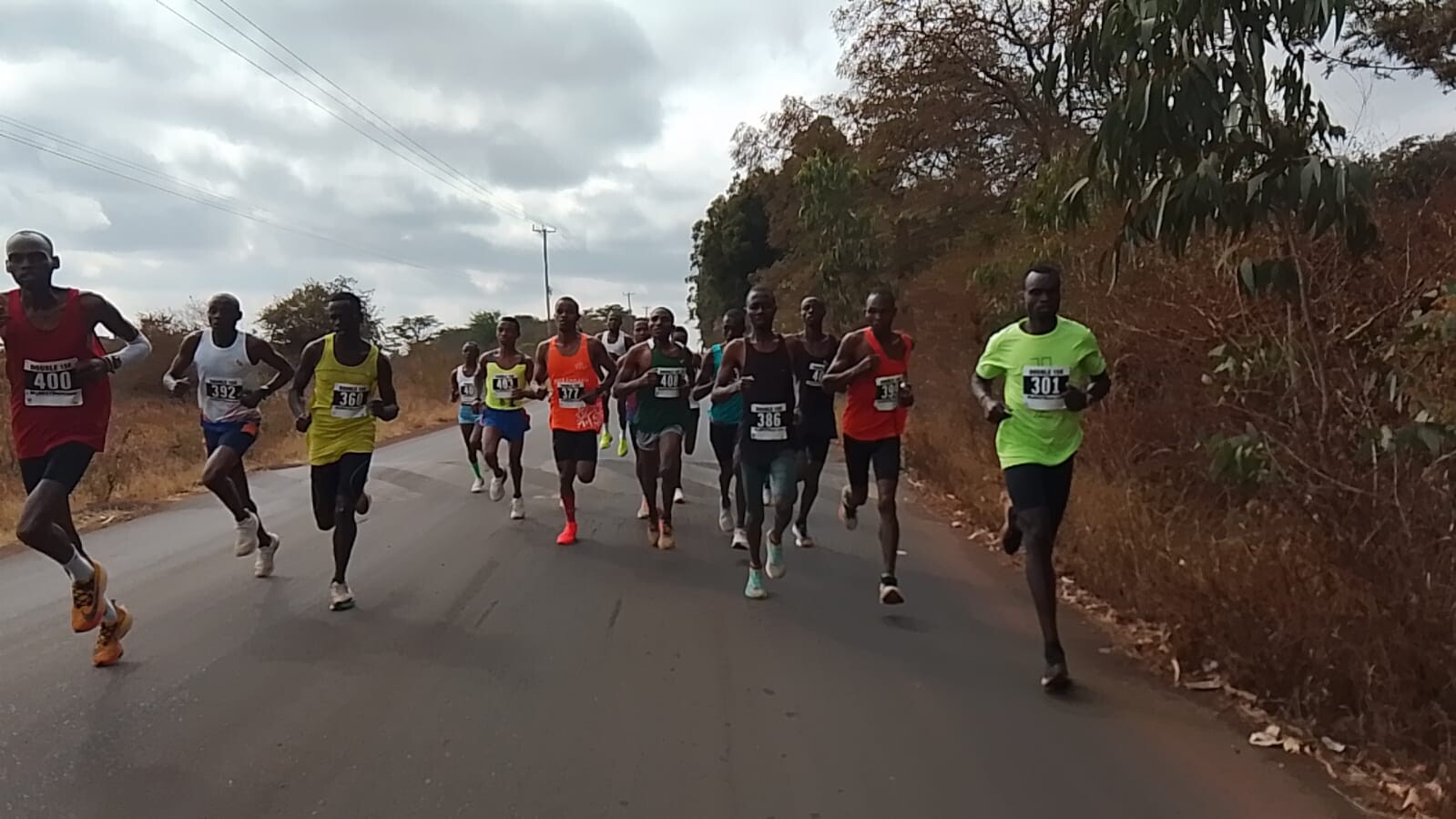
THIKA, Kenya — Charles Wanjora emerged victorious at the 6th Annual KATA Double Road Race 15K in Thika on Saturday, September 19, 2026, leading a competitive field in a unique two-stage contest that demanded endurance, careful pacing and the ability to recover before returning for another hard effort.
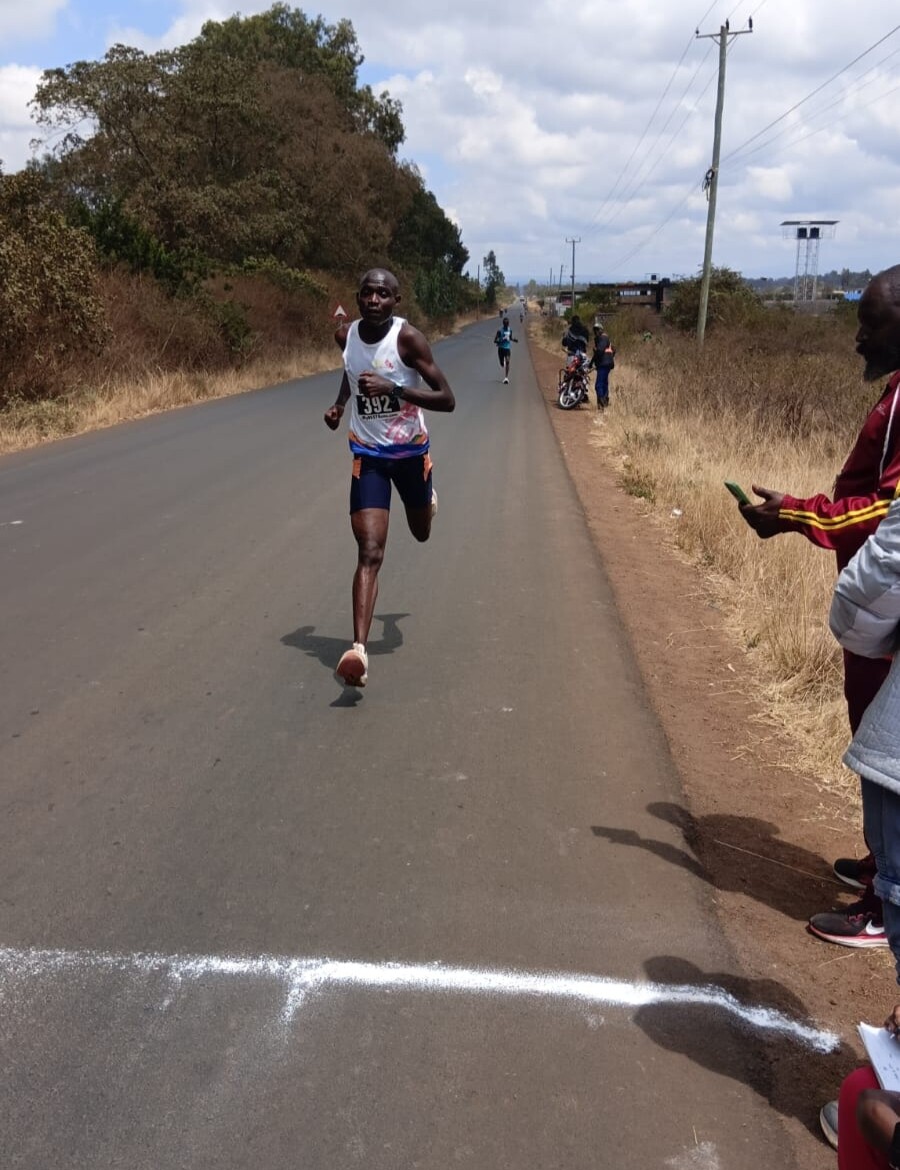
Wanjora won the men’s race in a combined time of 46:02, finishing 15 seconds ahead of Joshua Kibet, who was second in 46:17. Justus Nyamai completed the men’s podium in 47:10.
Erick Cheruiyot finished fourth in 48:01, followed by Francis Maina in 48:25. Joseph Nyota placed sixth in 49:49, while Vincent Kiprotich was seventh in 50:15.
Vincent Kariuki finished eighth in 50:54, narrowly ahead of Gideon Kiplang'at, who was ninth in 50:55. David Mwangi completed the top 10 in 51:19.
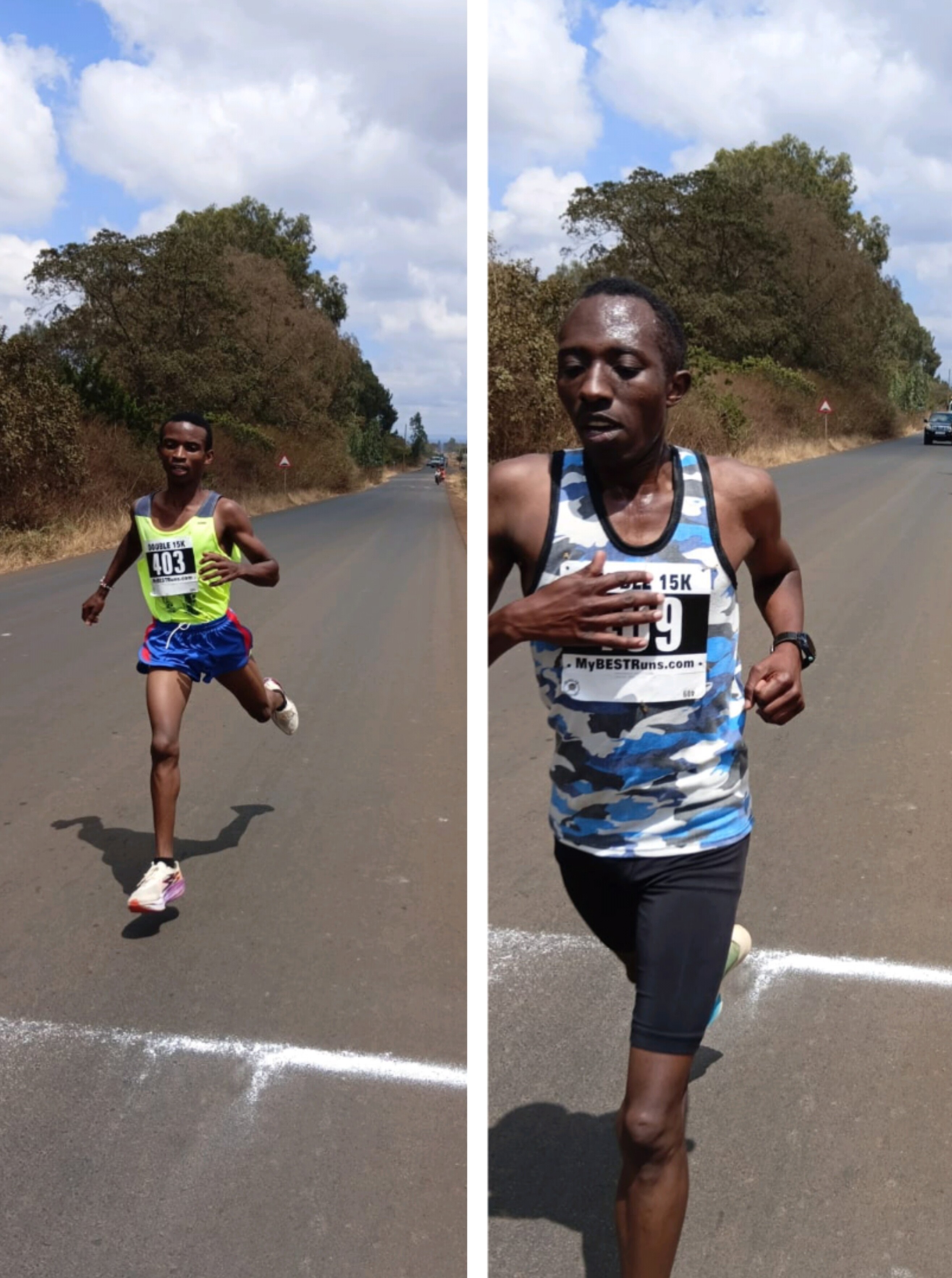
Ezekiel Itorik finished 11th in 53:03, Tom Ndiwa was 12th in 54:10, and George Munyagi completed the men’s field in 54:19.
In the women’s race, Ruth Maina took the top position in a combined time of 54:55. Felister Maina finished second in 55:14, while Pennina Kamau completed the women’s podium in 57:20.
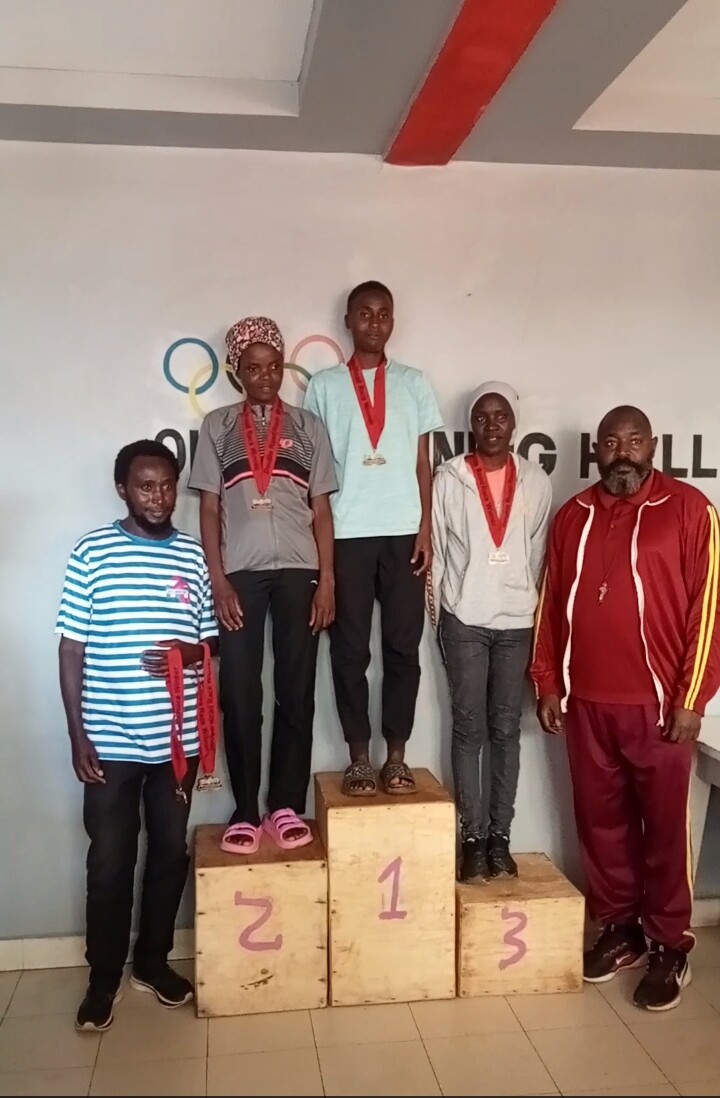
The final results represent the combined times from the opening 10K and the concluding 5K, with athletes’ performances from both stages added together to determine the overall standings.
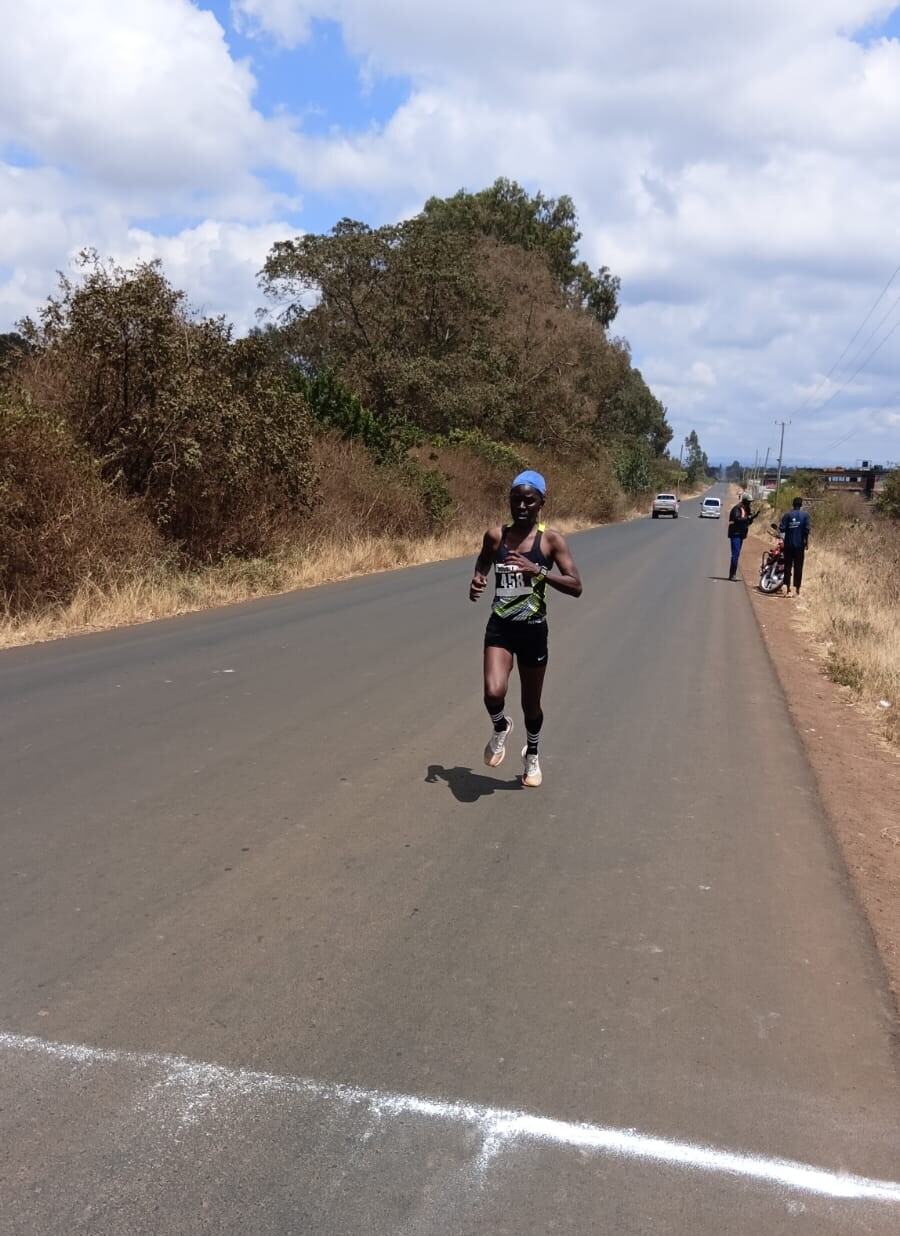
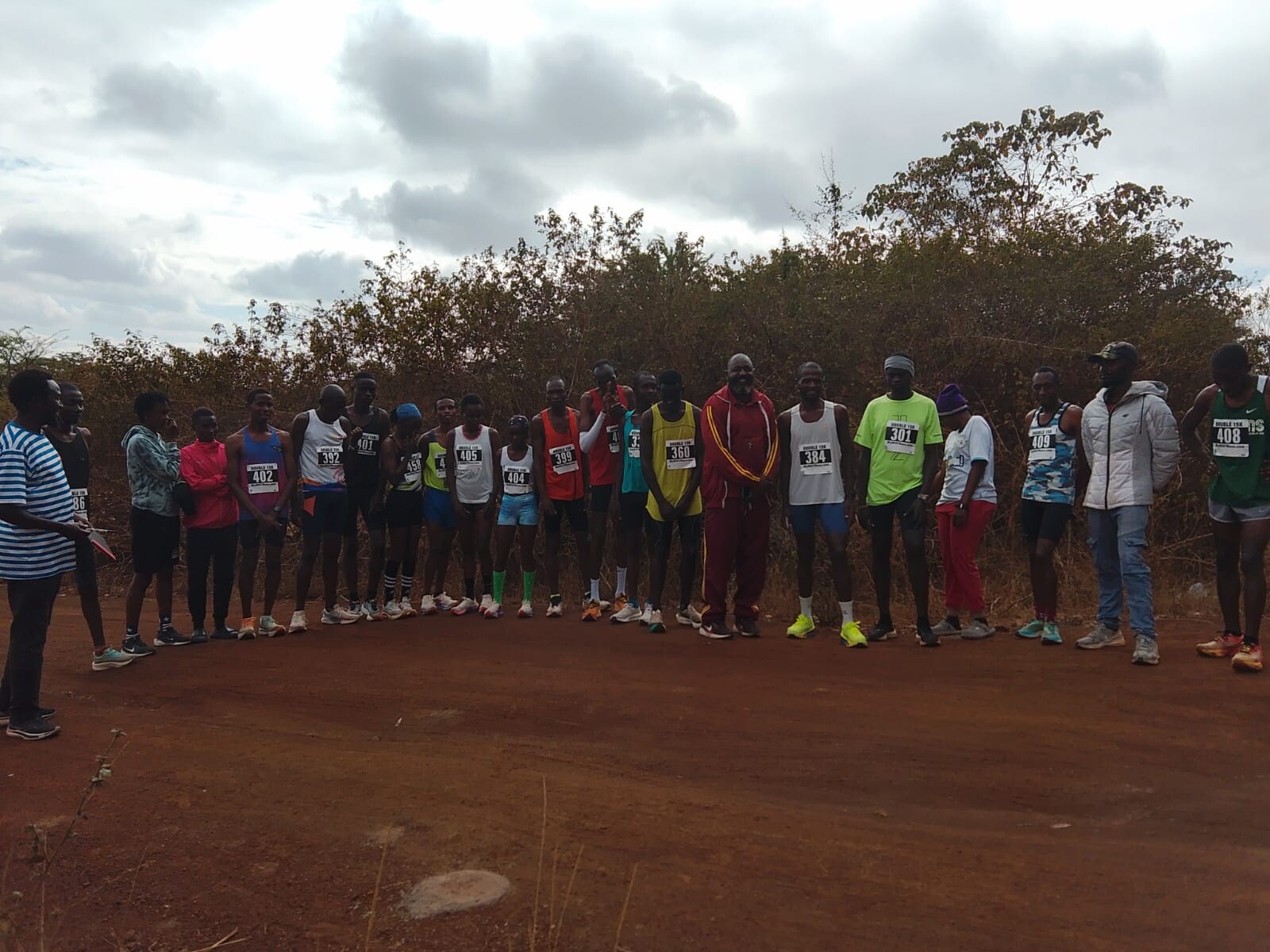
The KATA Double Road Race 15K is unlike a conventional continuous 15-kilometre race. Athletes first tackle a 10K leg, followed by a scheduled recovery period before returning for the final 5K leg. The second leg starts one hour and 45 minutes after the start of the first 10K, giving runners time to recover, take refreshments and prepare mentally for another competitive effort.
The start, finish and halftime recovery area are based near the Kenyan Athletics Training Academy (KATA) in Thika, making the event a distinctive fixture for both KATA athletes and other competitors.
The concept of Double Racing was created by Bob Anderson, the founder of Runner’s World magazine, in 2010. Between October 2010 and October 2012, seven smaller Double races were held in Mexico under the name Bob Anderson 15K Challenge as the format developed.
The first official Double Road Race was staged in December 2012 in Pleasanton, California, attracting nearly 1,400 participants. Its signature format was the Double 15K, consisting of a 10K followed by a 5K and separated by a one-hour-and-45-minute recovery period known as the Restart.
The unusual format once again tested the athletes in Thika, with the conditions adding another layer of difficulty. The weather was noticeably hot, requiring runners to manage their effort carefully during the opening stage while preserving enough strength for the final 5K.
The humid air also made the conditions feel heavier as the competition progressed. After completing the first stage, athletes had to use the recovery period effectively before returning to the course and facing another demanding effort.
The two-stage structure can produce significant changes in momentum, with athletes having an opportunity to recover and challenge their positions during the final 5K. Ultimately, however, it is the combined performance across both stages that determines the final result.
Wanjora handled the demands of the format most effectively in the men’s competition, while Ruth Maina led the women’s field to claim the top spot.
2026 KATA Double Road Race 15K Final Results
Men
1. Charles Wanjora — 46:02
2. Joshua Kibet — 46:17
3. Justus Nyamai — 47:10
4. Erick Cheruiyot — 48:01
5. Francis Maina — 48:25
6. Joseph Nyota — 49:49
7. Vincent Kiprotich — 50:15
8. Vincent Kariuki — 50:54
9. Gideon Kiplang'at — 50:55
10. David Mwangi — 51:19
11. Ezekiel Itorik — 53:03
12. Tom Ndiwa — 54:10
13. George Munyagi — 54:19
Women
1. Ruth Maina — 54:55
2. Felister Maina — 55:14
3. Pennina Kamau — 57:20
The sixth edition of the KATA Double Road Race 15K once again demonstrated that the event demands more than conventional road-running speed. Athletes must combine endurance, intelligent pacing, recovery and composure to perform across two separate stages.
On a hot and humid day in Thika, Wanjora and Ruth Maina emerged at the top of their respective fields, while the full results reflected the depth of competition in this distinctive Worldwide road-running event.
by Erick Cheruiyot for My Best Runs.
Login to leave a comment
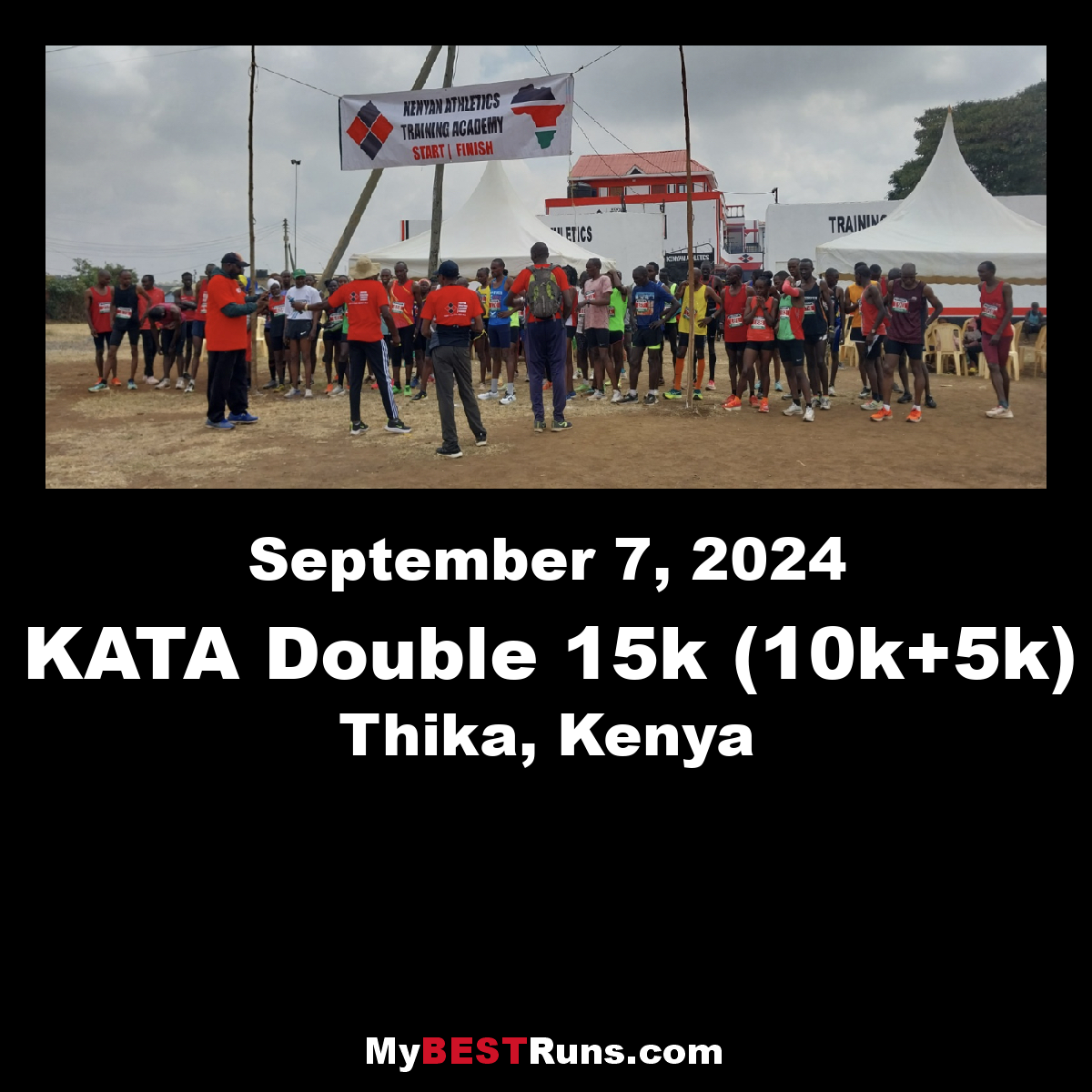
KATA Double Road Race 15K
5th Annual KATA Double Road Race 15K Set for September 20, 2025, at KATA Thika The 5th Annual KATA Double Road Race 15K will be held on September 20, 2025, at the Kenyan Athletics Training Academy (KATA) in Thika, Kenya. The event includes a 10K leg, a break, followed by a 5K leg — a format designed to challenge runners...
more...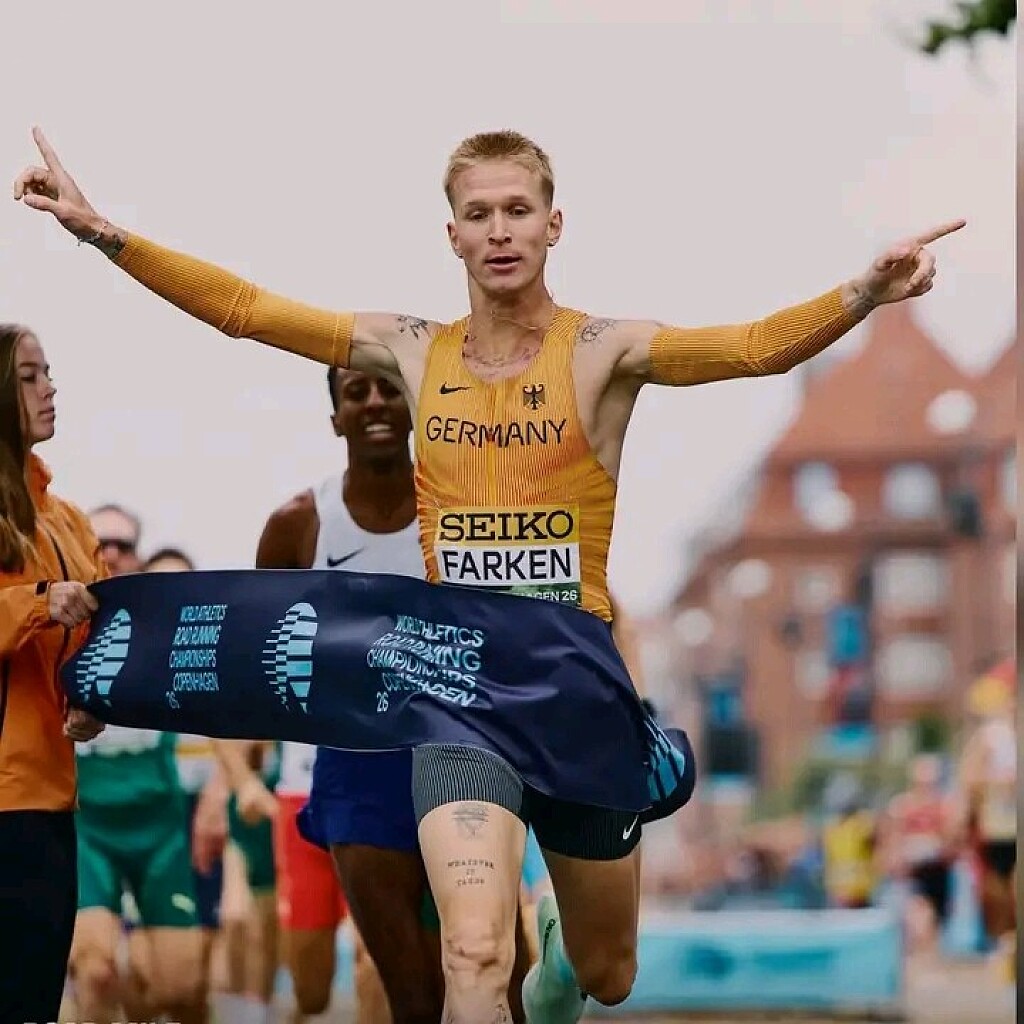
Robert Farken Celebrates Early Birthday With World Road Mile Glory In Copenhagen
Germany’s Robert Farken gave himself an unforgettable early birthday present in Copenhagen on Saturday, producing a devastating late surge to win the men’s Road Mile title at the World Athletics Road Running Championships.
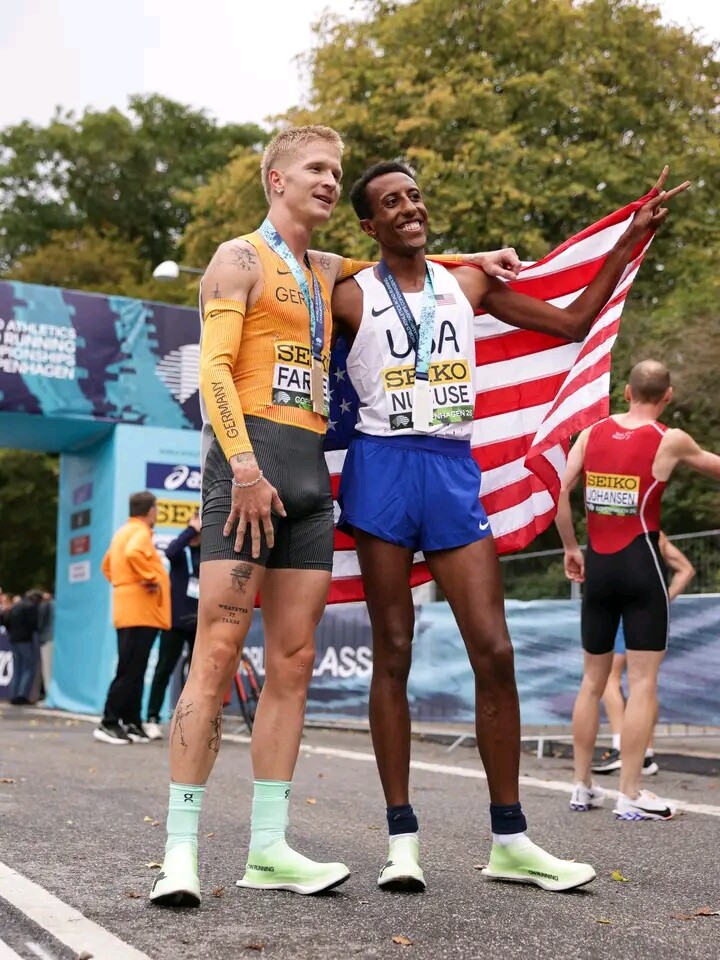
Just one day before his birthday, Farken stormed to victory in a world-leading 3:51.80, timing his finishing move to perfection to edge American star Yared Nuguse in a thrilling battle over the closing stages.
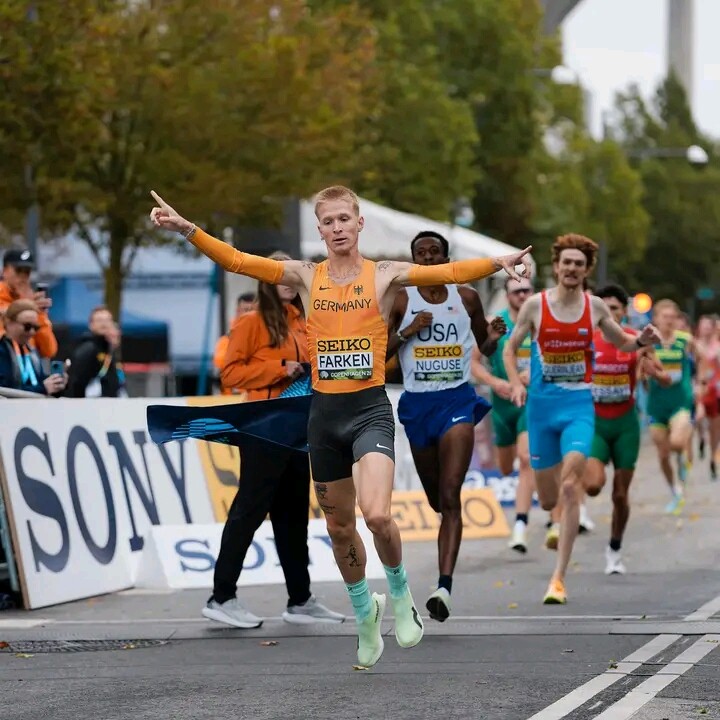
The victory was not only a global road-running title for Farken but also a German road mile record, underlining the quality of his performance on the streets of Copenhagen.
Farken remained composed as the leading contenders battled for position, refusing to make his decisive move too early. With the finish approaching, the German unleashed his acceleration at exactly the right moment, opening a crucial gap on Nuguse and powering through the final metres to secure gold.
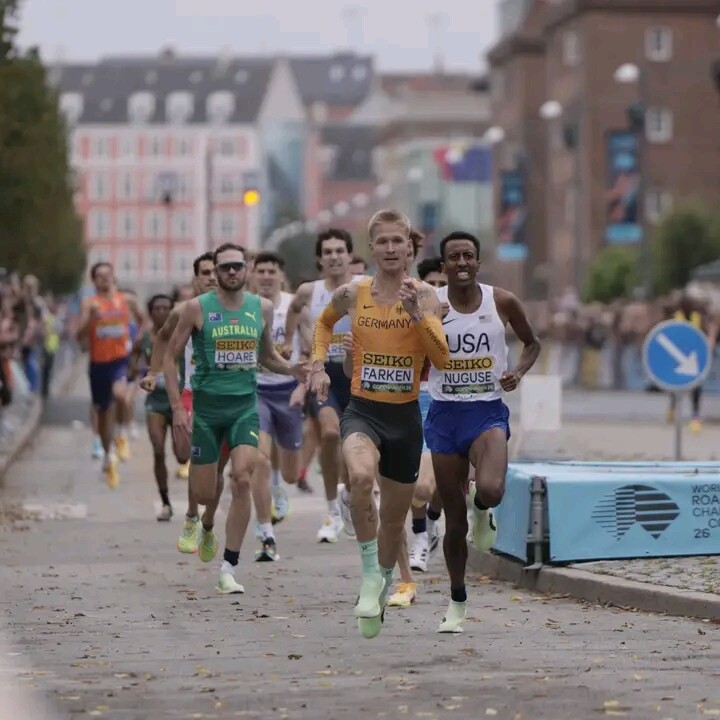
Nuguse, one of the leading contenders in the field, produced a season’s best of 3:52.33 to take the silver medal. The American remained in contention deep into the race but could not match Farken’s final burst.
Luxembourg’s Ruben Querinjean completed the podium in 3:52.83, adding another impressive chapter to his national record. His performance ensured that Luxembourg also left Copenhagen with a record-breaking result.
The victory marked a memorable moment for Farken, who turned the eve of his birthday into a celebration of global road-running success. Rather than waiting for the cake and celebrations, the German middle-distance specialist delivered his present on the road — a world title and a record-breaking performance.
The race also featured two Kenyan athletes. Brian Komen finished 14th, while Kyumbe Munguti placed 25th as the Kenyan representatives battled through a fiercely contested international field.
Men’s Road Mile Results
1. Robert Farken — Germany — 3:51.80
2. Yared Nuguse — USA — 3:52.33
3. Ruben Querinjean — Luxembourg — 3:52.83
Farken’s performance provided a fitting start to his birthday weekend. With the field separated by fractions of a second and the title ultimately decided by the final acceleration, the German showed remarkable patience before producing the decisive move when it mattered most.
One day before turning another year older, Farken had already given himself a gift that will be difficult to forget — world road mile gold in Copenhagen and a world-leading 3:51.80.
by Erick Cheruiyot for My Best Runs.
Login to leave a comment
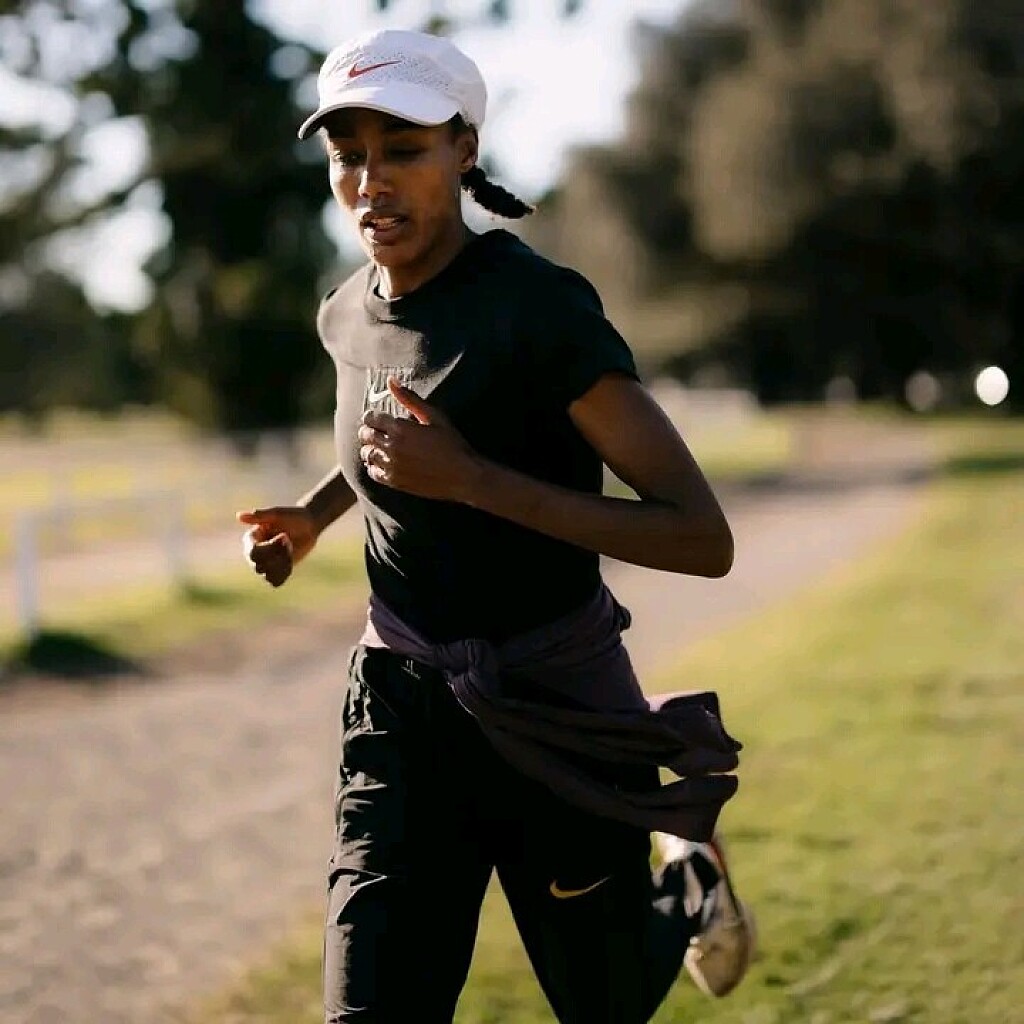
Sifan Hassan Returns To New York With Experience, Recovery And A Point To Prove
Sifan Hassan will return to the streets of New York City on November 1 with something she did not have during her difficult debut last year — experience of one of the most demanding marathon courses in the world.
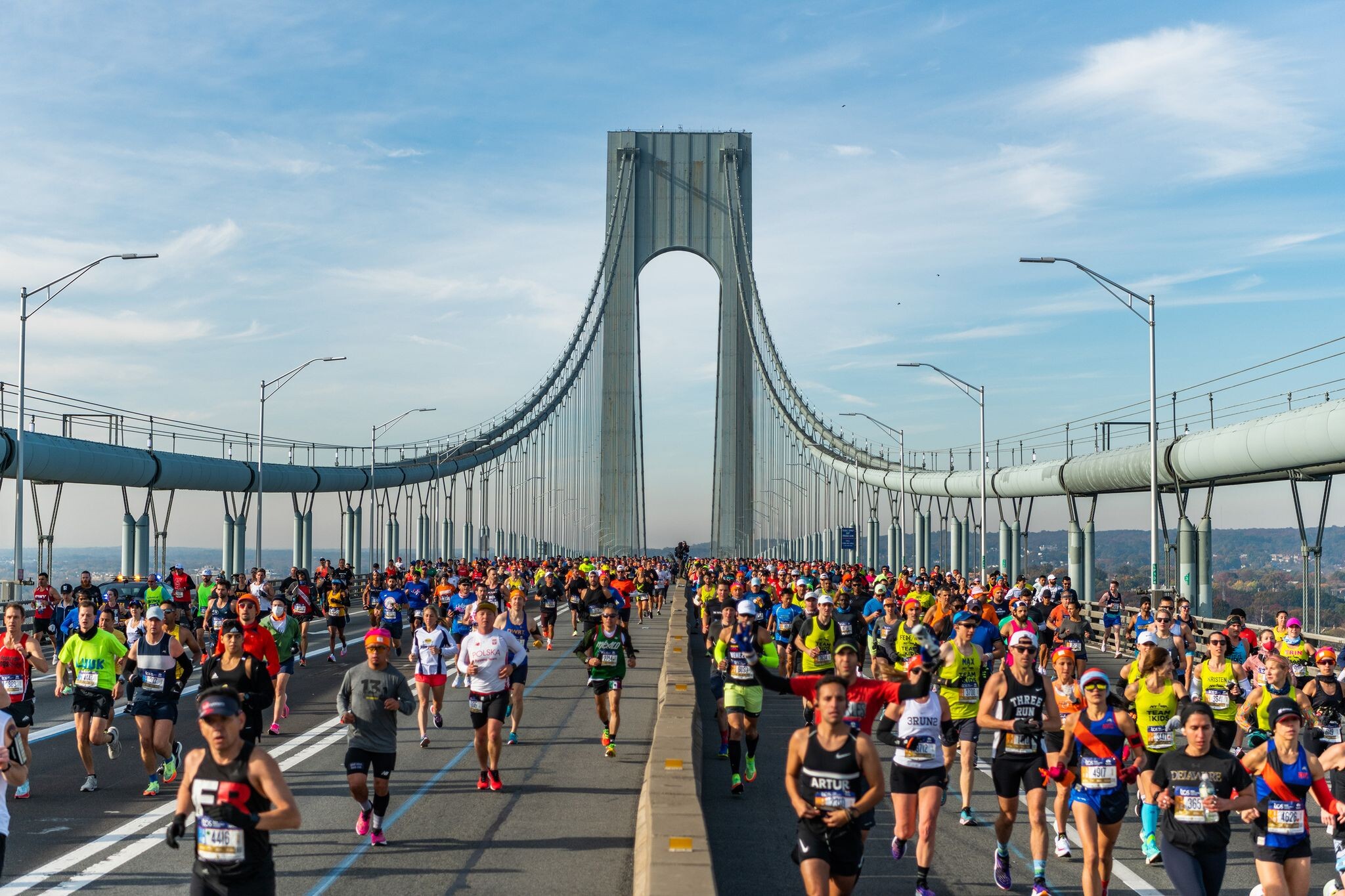
The Dutch Olympic marathon champion is set to make her second appearance at the TCS New York City Marathon, where she will face another formidable international field led by defending champion Hellen Obiri, fellow Kenyan Sheila Chepkirui and former world champion Edna Kiplagat.
Hassan's first encounter with New York in 2025 proved to be a far tougher assignment than the three-time Olympic champion might have hoped. She finished sixth in 2:24:43 after struggling during the second half of the race, with her New York debut coming only weeks after her victory at the Sydney Marathon.
The demanding schedule left Hassan facing a difficult recovery, and New York's succession of bridges, climbs and sharp changes in rhythm exposed the challenge of arriving at the race without enough marathon-specific preparation.
This time, however, the circumstances are different.
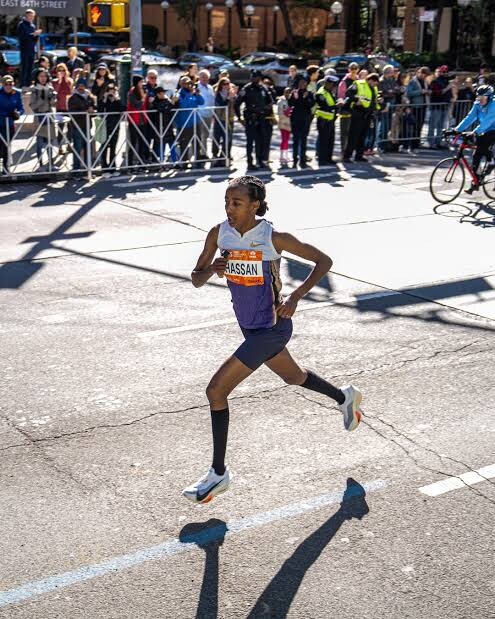
Hassan has had considerably more time to recover and prepare for the marathon, while she has also been managing an Achilles problem that disrupted her 2026 season. Rather than rushing back into competition, she has used the year to recover and build towards her longer-term goals.
Most importantly, Hassan now knows what awaits her when the race moves through New York's five boroughs.
She has already experienced the relentless bridges, the demanding climbs and the atmosphere created by huge crowds lining the streets. That knowledge could prove valuable when the race enters its decisive stages, particularly on a course where pacing and patience are just as important as raw marathon speed.
Hassan will also arrive with one of the fastest personal bests in the field. Her 2:13:44 national record makes her the quickest woman entered for the 2026 race, although New York's challenging layout means personal-best times do not necessarily tell the whole story.
Standing across the starting line will be a powerful Kenyan challenge.
Obiri returns as defending champion after producing one of the most impressive performances in the history of the race last year. She stormed to victory in 2:19:51, breaking the long-standing New York City Marathon course record, and has since lowered her marathon personal best to 2:15:53 in London.
Chepkirui will also return after finishing third in New York last year. The 2024 champion owns a 2:17:29 personal best, while Kiplagat brings enormous experience to the field, having won major marathons in New York, Boston and London as well as world championship gold.
The international field also includes Ethiopia's Gotytom Gebreslase, Kenya's Viola Cheptoo and Mercy Chelangat, Uruguay's Julia Paternain, Germany's Fabienne Königstein and a strong American contingent led by Jess McClain, Fiona O'Keeffe and marathon debutant Weini Kelati.
For Hassan, however, this race is about more than the names on the start list.
New York gave her a difficult introduction to its unique demands in 2025. She now returns with a clearer understanding of the course, more marathon experience and a preparation cycle designed to put her in a different position when the race reaches its closing stages.
She has already conquered the marathon on the biggest Olympic stage. She has also run 2:13:44, one of the fastest times ever recorded by a woman.
Now, New York offers another test.
The streets that humbled Hassan last year will once again be waiting for her. But this time, she will not be discovering them for the first time.
On November 1, Hassan will have another opportunity to find out just how different New York can look when you return knowing exactly what lies ahead.
And with Obiri, Chepkirui, Kiplagat and a deep international field standing in her way, the second chapter promises to be every bit as compelling as the first.
by Erick Cheruiyot for My Best Runs.
Login to leave a comment

TCS New York City Marathon
The first New York City Marathon, organized in 1970 by Fred Lebow and Vince Chiappetta, was held entirely in Central Park. Of 127 entrants, only 55 men finished; the sole female entrant dropped out due to illness. Winners were given inexpensive wristwatches and recycled baseball and bowling trophies. The entry fee was $1 and the total event budget...
more...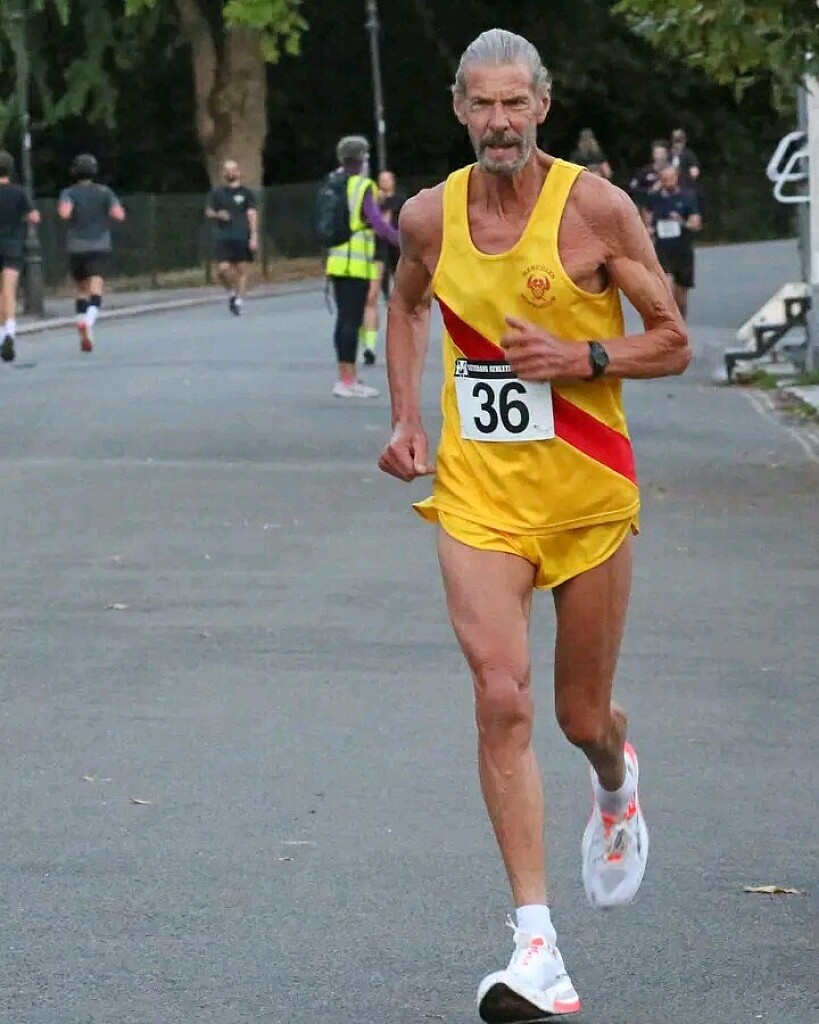
At 82, Former King Crimson Bassist Peter Giles Is Still Rewriting British Running Records
At an age when many people have long since stepped away from competitive sport, Peter Giles is still finding new ways to challenge the clock.
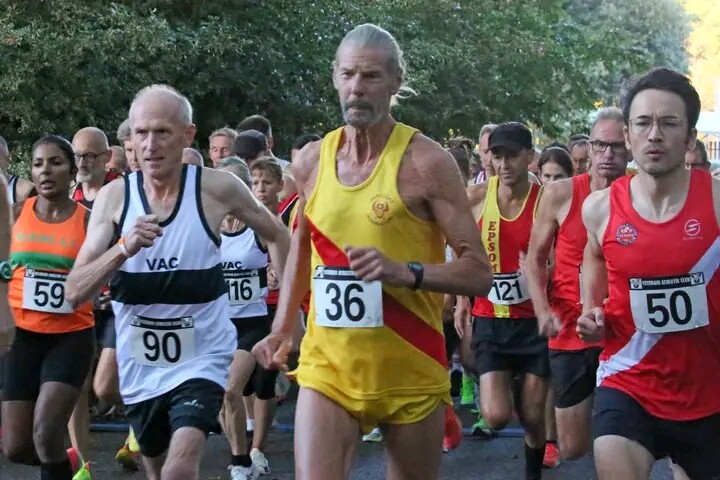
The 82-year-old Briton has continued his remarkable running journey by improving his British M80 5km age-group record to 22:28 at Battersea Park over the weekend, adding another chapter to a sporting story that began relatively late in life.
What makes Giles' achievement even more remarkable is that running was not always part of his world. He did not take up the sport seriously until he was 44, meaning his journey from recreational runner to record holder has unfolded over several decades.
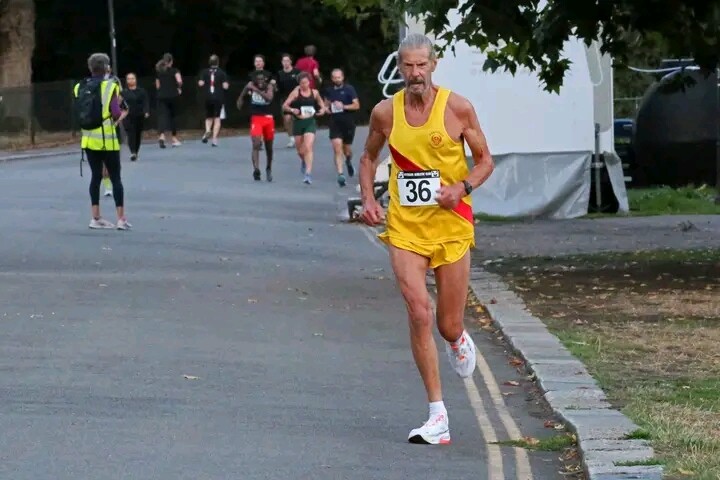
Giles, however, is perhaps better known to some music fans for his time behind the bass guitar. He was a member of the influential progressive rock band King Crimson during its early years, making his life story an unusual blend of music and endurance sport.
Running eventually became a major part of his life, but it was not until he reached 80 that Giles decided to make age-group records a serious target.
Speaking to The Times last year, he explained that he had been anticipating the opportunity for years, knowing that turning 80 would open the door to a new collection of age-group records.
His approach to training is equally unconventional.
Rather than relying on elaborate fitness programmes, supplements or long hours inside a gym, Giles keeps things remarkably simple. He does not use supplements, does not go to the gym and prefers a straightforward diet that includes porridge, eggs and fish.
For Giles, longevity appears to come from knowing when to do less rather than constantly pushing for more.
He believes many runners make the mistake of doing too much, particularly as they get older, while his own philosophy has increasingly centred on simplicity.
“Most runners overtrain,” Giles has said, explaining that his approach has become simpler with age.
That philosophy has clearly served him well. At 82, Giles continues to compete against the clock, demonstrating that athletic ambition does not necessarily disappear with age.
His latest 22:28 at Battersea Park is more than just another number on an age-group results sheet. It is a reminder that there is no single timetable for discovering how far the human body can go.
From the stage with a bass guitar to the roads and paths of Britain, Giles has built an extraordinary second act — one in which the pursuit of faster times has continued well into his 80s.
And judging by his latest record, Peter Giles is not finished rewriting the record books yet.
by Erick Cheruiyot for My Best Runs.
Login to leave a comment
Cameron Myers Takes A Bold Step Into The 1500m Future With Josh Kerr As His Benchmark
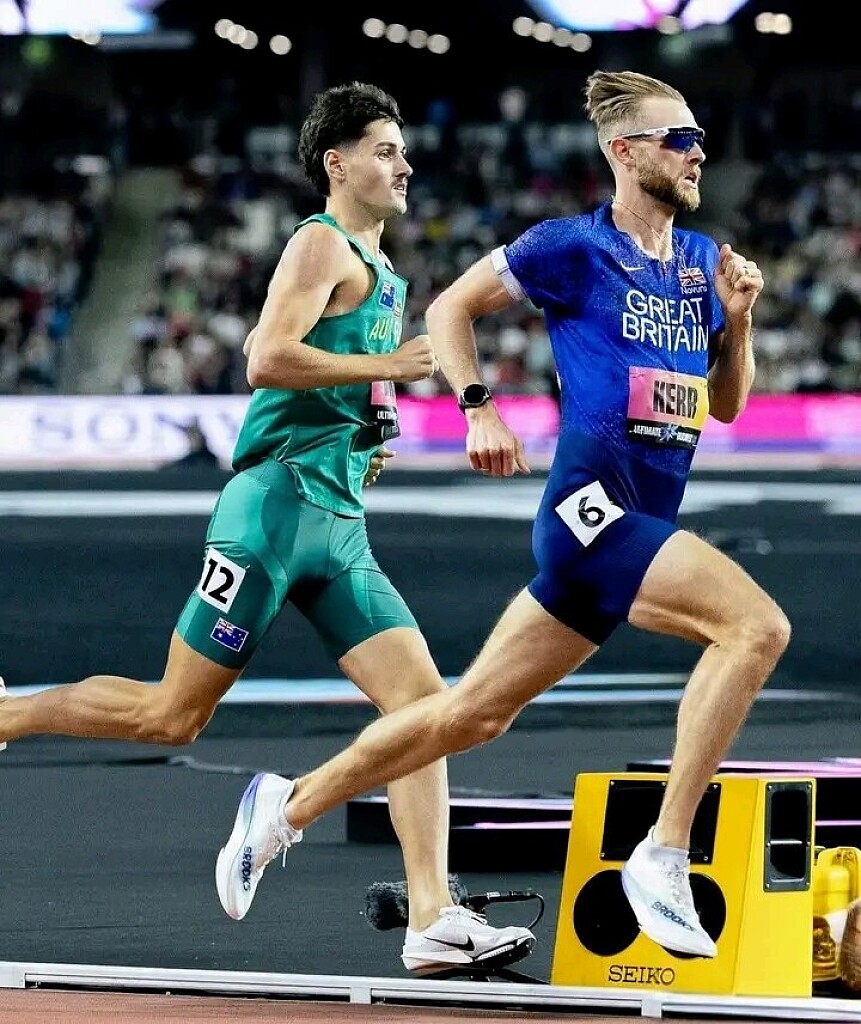
Australian youngster Cameron Myers may have taken an important step toward establishing himself among the next generation of 1500m stars after sharing the track with world-record holder Josh Kerr at the World Athletics Ultimate Championship in Budapest.
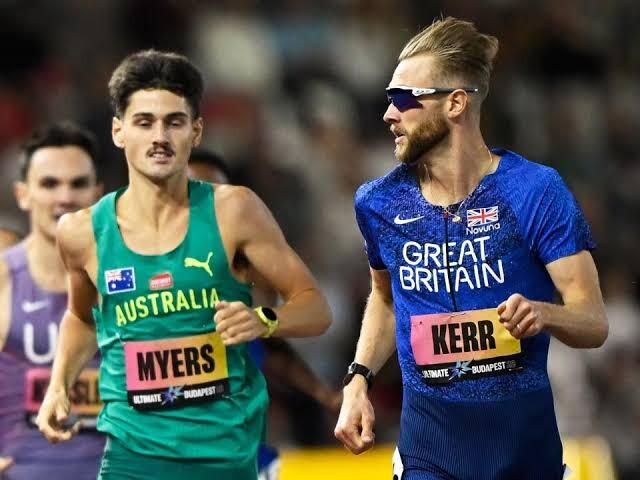
Myers arrived at the high-profile race with plenty of promise already surrounding his name, but competing directly against one of the world's leading middle-distance runners offered him a different kind of test. Rather than being intimidated by the occasion, the young Australian embraced the challenge and showed that he is willing to measure himself against the very best.
As the race entered its decisive stages, Myers remained firmly in contention. With 200 metres remaining, he believed he had a genuine opportunity to challenge Kerr, setting the stage for a dramatic finish between experience and emerging talent.
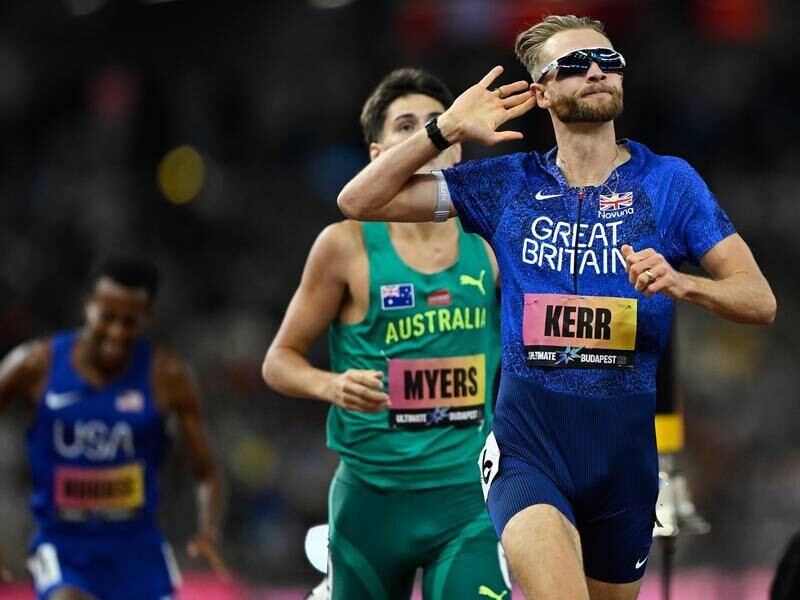
However, Kerr demonstrated exactly why he has established himself at the top of the event. When the race reached its final 60 metres, the British star unleashed his trademark finishing speed and began to pull away, ultimately denying Myers the chance to fight for victory all the way to the line.
For Myers, though, the significance of the race went beyond the final result. The experience gave him a valuable glimpse of the level he hopes to reach in the coming years and, perhaps more importantly, strengthened his belief that he can eventually compete with athletes of Kerr's calibre.
“It was exciting to race him. He was just too strong and that shows why he is a world record holder. I think that's where I want to go in the future,” Myers said.
Those words underline the ambition of an athlete who is still at the beginning of his senior journey. Instead of viewing Kerr's late surge simply as a defeat, Myers appeared to see it as a lesson — a first-hand demonstration of the strength, confidence and finishing ability required to succeed at the highest level.
The Australian now knows exactly what separates him from one of the world's elite 1500m runners. That knowledge could prove invaluable as he continues to develop, gain experience and sharpen his own finishing speed.
Myers' journey is therefore one worth watching closely. He has already shown that he is prepared to line up alongside established champions, and his willingness to learn from those encounters could become one of the defining features of his progression.
For now, Josh Kerr remains the benchmark Myers wants to reach. But if the young Australian continues developing at his current trajectory, today's challenger could eventually become tomorrow's target for the rest of the 1500m field.
Cameron Myers has already seen the level he wants to reach. The next chapter will be about closing the gap.
by Erick Cheruiyot for My Best Runs.
Login to leave a comment
John Korir Reveals Huge Training Mileage Ahead Of Valencia Marathon Showdown
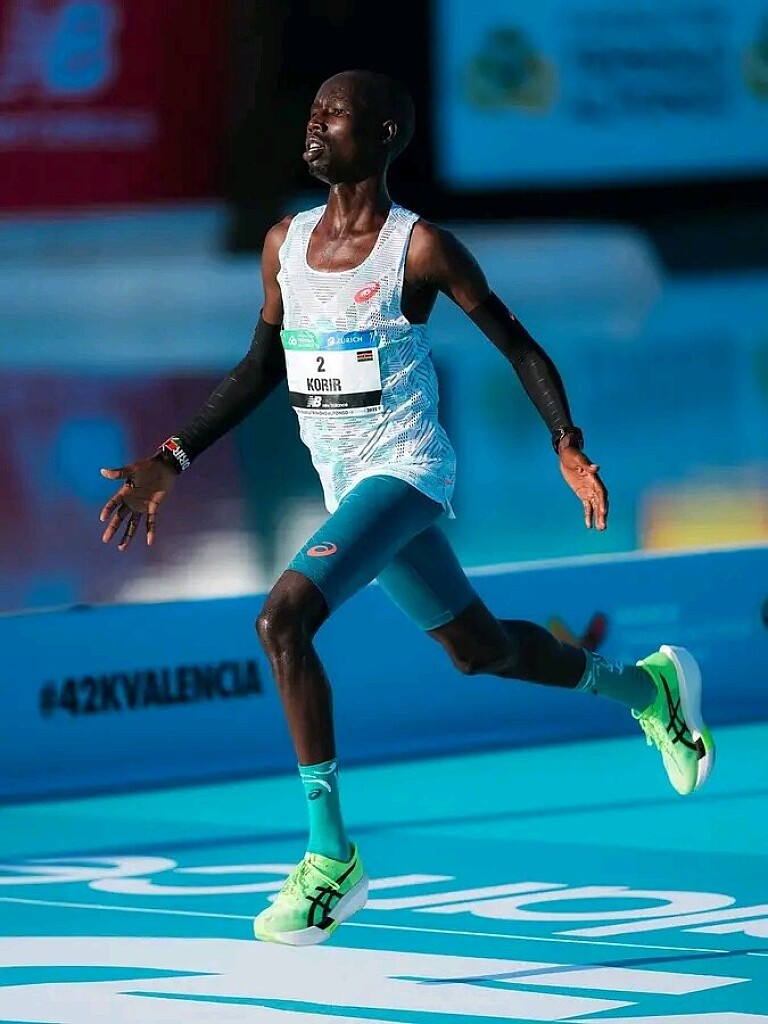
Kenyan marathon star John Korir has offered a glimpse into the demanding preparation behind his pursuit of another major victory, revealing that he is covering an astonishing amount of mileage as he builds towards the 2026 Valencia Marathon.

Korir, who will return to Spain on December 6 for the prestigious Valencia Marathon, says his current training programme involves running between 45 and 48 kilometres a day, with his weekly mileage reaching between 250 and 270 kilometres.
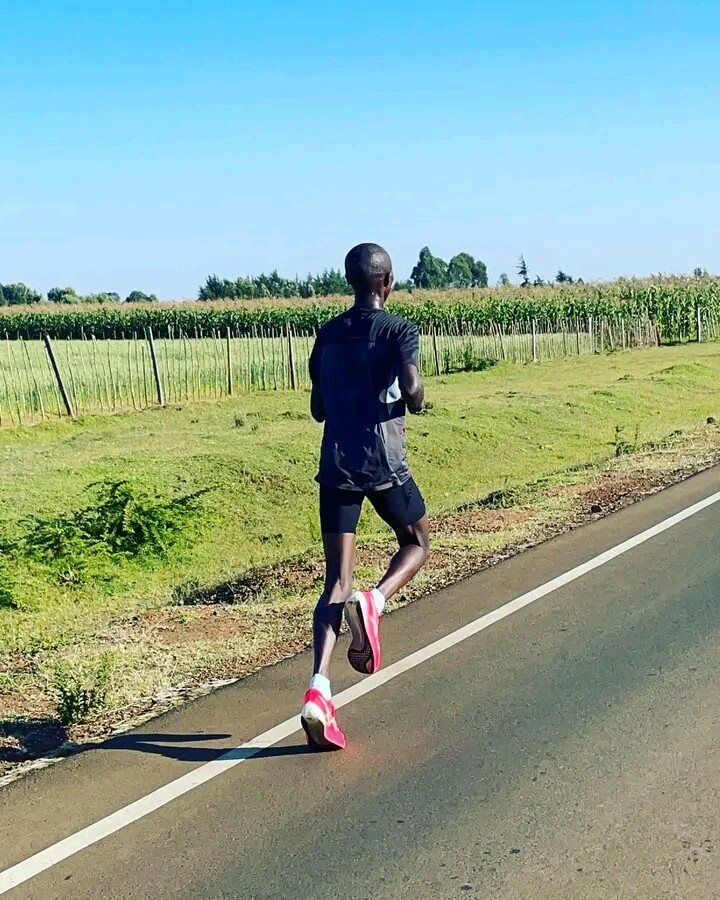
“I do 45 to 48 kilometres a day and 250 to 270 kilometres per week,” Korir revealed in an exclusive interview with Teddy Mulei of The Star.
The remarkable workload highlights the level of endurance required at the very top of marathon running, with Korir combining substantial mileage with dedicated speed work as he prepares for another demanding championship-calibre race.
“I have been focusing on both speed and endurance,” he added.
Korir will head to Valencia with confidence after establishing himself as one of the leading marathoners on the global circuit. He won the 2025 Valencia Marathon in 2:02:24, delivering a controlled and powerful performance to claim the prestigious title.
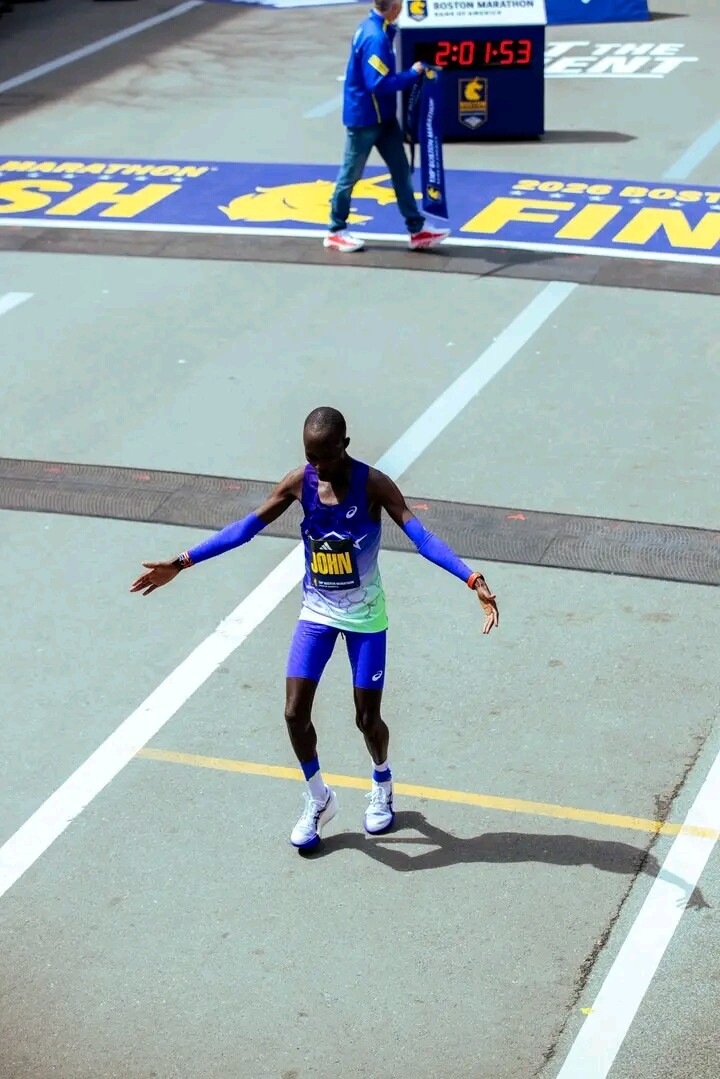
His impressive form continued into 2026 when he produced one of the biggest performances of his career at the Boston Marathon. Korir stormed to victory in a course-record 2:01:52, lowering his personal best and further strengthening his reputation as one of Kenya’s leading marathon specialists.
The challenge in Valencia, however, is expected to be significantly tougher this time around, with a formidable international field taking shape.
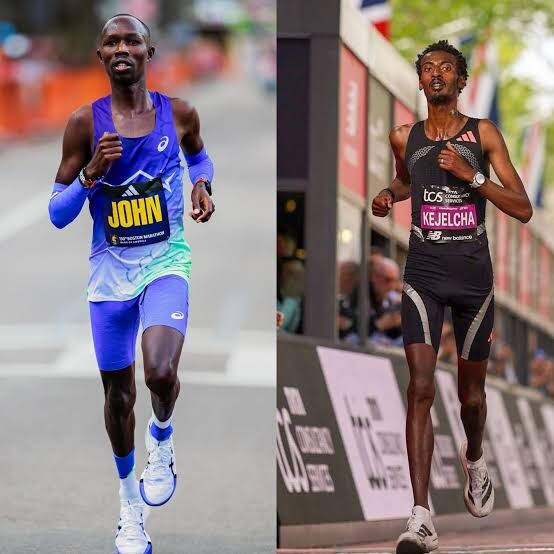
Among the biggest names expected to line up is Ethiopian speedster Yomif Kejelcha, whose transition from the track and shorter road distances to the marathon has already produced remarkable results.
Kejelcha made headlines with a sensational 1:59:41 in London, becoming only the second man to break the two-hour barrier in an official marathon after Kenya’s Sabastian Sawe recorded the world-record 1:59:30 in the same race.
The Ethiopian also has a strong connection with Valencia. He previously set a world record in the half marathon on the Spanish course and has demonstrated repeatedly that he possesses the speed required to produce extraordinary times over longer distances.
For Korir, the upcoming Valencia Marathon will therefore represent more than simply a defence of his title. It will be another opportunity to measure himself against some of the fastest marathoners in the world.
Despite the excitement surrounding the race and the possibility of another exceptionally fast performance, Korir is choosing to remain measured about his specific target.
“For now I cannot talk about what I will be going for in Valencia, but I am praying to God for good health and to be injury-free,” he said.
That cautious approach reflects the unpredictable nature of marathon racing, where months of preparation can ultimately come down to how an athlete responds over the final kilometres.
With his massive training volume, renewed focus on speed and endurance, and growing experience at the highest level, Korir is laying the groundwork for another major performance.
When the elite field takes over the streets of Valencia on December 6, the defending champion will have the added motivation of protecting his crown against a group of rivals carrying ambitions of their own.
For Korir, the road to Valencia has already begun with thousands of kilometres of preparation. The next chapter will be written over 42.195 kilometres.
by Erick Cheruiyot for My Best Runs.
Login to leave a comment

VALENCIA TRINIDAD ALFONSO
The Trinidad Alfonso EDP Valencia Marathon is held annually in the historic city of Valencia which, with its entirely flat circuit and perfect November temperature, averaging between 12-17 degrees, represents the ideal setting for hosting such a long-distance sporting challenge. This, coupled with the most incomparable of settings, makes the Valencia Marathon, Valencia, one of the most important events in...
more...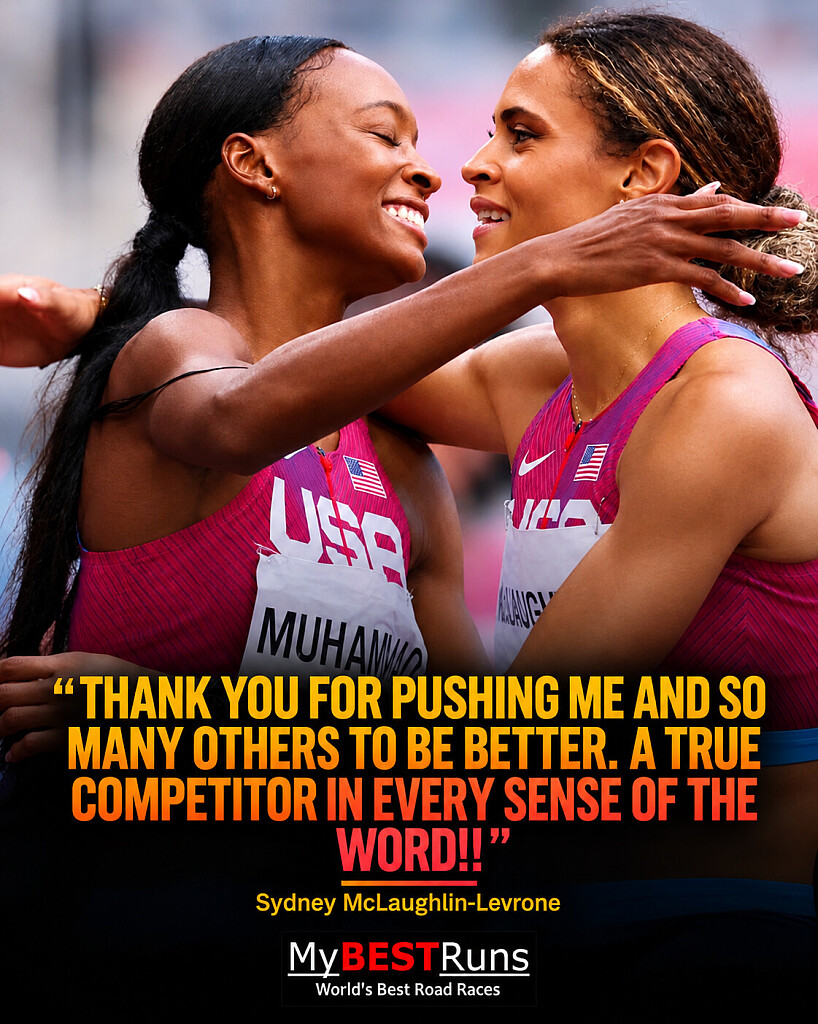
Sydney McLaughlin-Levrone Pays Emotional Tribute As Dalilah Muhammad’s Legendary Career Comes To An End
Some rivalries create champions. Others change an entire sport.
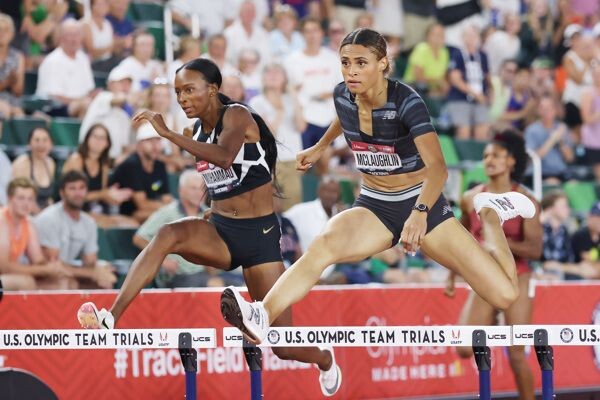
For Sydney McLaughlin-Levrone and Dalilah Muhammad, their extraordinary rivalry did both.
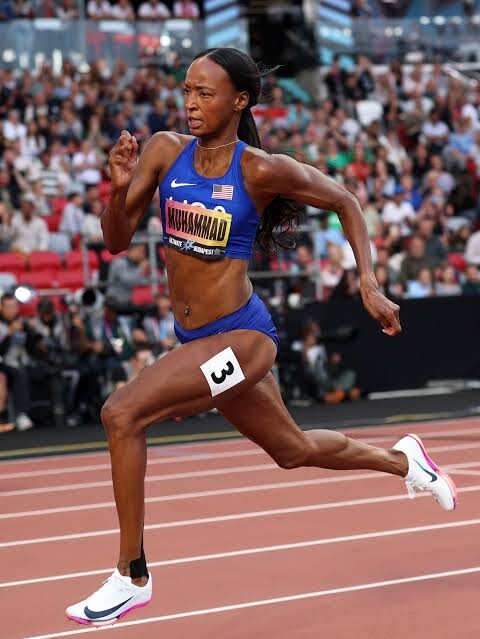
As Muhammad took the final 400m hurdles race of her remarkable career at the World Athletics Ultimate Championship Budapest 26, McLaughlin-Levrone paid tribute to the woman who helped push her to another level — not only as a competitor, but as one of the athletes who helped redefine what was possible in the event.
“Dalilah, you truly did just change the game for all of us.”
Those words carry particular weight because few athletes understand Muhammad’s impact better than McLaughlin-Levrone.
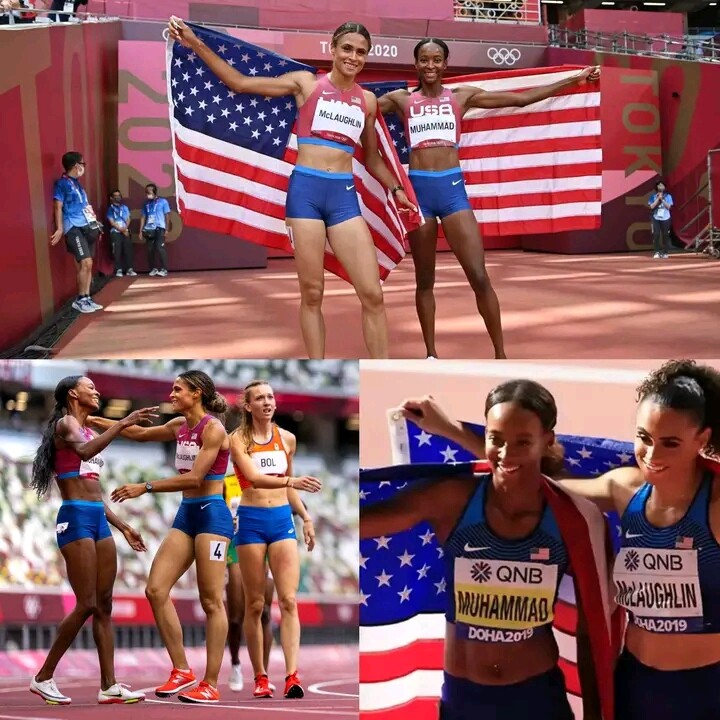
Their rivalry became one of the defining stories of modern women’s athletics. In 2019, Muhammad broke a world record that had stood for almost 16 years, clocking 52.20 seconds at the US Championships. Later that year, she lowered it again to 52.16 while winning the world title in Doha, with McLaughlin-Levrone finishing second in 52.23.
But Sydney was not content to simply chase Muhammad.
She kept coming.
At the Tokyo Olympics, McLaughlin-Levrone broke the world record with 51.46 seconds to win gold, while Muhammad followed closely in 51.58. Their performances demonstrated how dramatically the event had evolved in just a few years.
McLaughlin-Levrone continued to push the limits, eventually taking the world record down to 50.68 seconds in 2022 before producing an astonishing 50.37 at the Paris 2024 Olympics.
Yet behind those numbers was something more meaningful than a succession of records.
There was respect.
Muhammad had established a standard that forced McLaughlin-Levrone to chase something greater, while McLaughlin-Levrone’s rise helped create another level of competition for everyone following them.
That is the essence of “iron sharpens iron.”
One athlete pushes.
The other responds.
And the sport moves forward.
Their relationship also extended beyond individual competition. They represented the United States together and shared Olympic success as teammates, including the American women’s 4x400m relay gold medal at Tokyo 2020.
Now, years after their most memorable battles, Muhammad has taken her final bow.
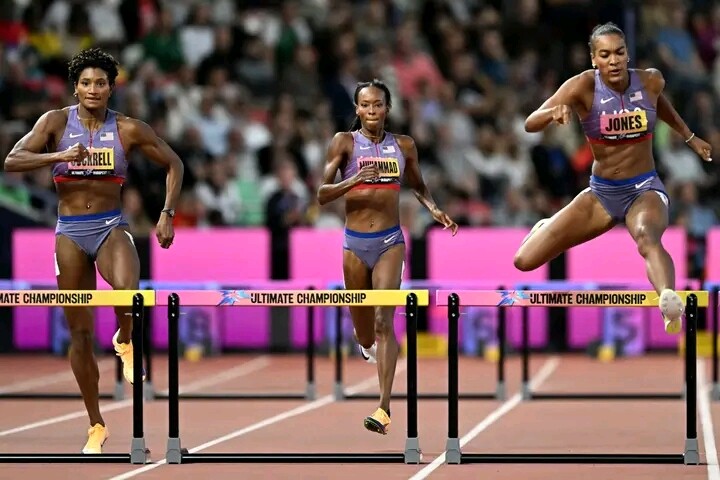
At the inaugural World Athletics Ultimate Championship in Budapest, the former Olympic champion and world record-holder finished fourth in 53.11 seconds, just 0.02 behind fellow American Anna Cockrell.
Jasmine Jones won the title in a season-best 52.45 seconds, with Emma Zapletalová taking second in 52.68 and Cockrell finishing third in 53.09.
For Jones, the victory represented the biggest breakthrough of her career. After finishing fourth at the Paris 2024 Olympics and claiming silver at the 2025 World Championships, she finally reached the top of a major international podium.
And there was something particularly fitting about Muhammad sharing her final race with an athlete from a younger generation.
The baton was not literally being passed, but the symbolism was impossible to miss.
Muhammad helped establish a new standard.
McLaughlin-Levrone took that standard even higher.
And now athletes such as Jones are beginning to write their own stories in an event transformed by those who came before them.
For Muhammad, the legacy goes far beyond medals and world records. She became one of the defining figures in the history of the women’s 400m hurdles, helping elevate the event through years of extraordinary competition.
That is why McLaughlin-Levrone’s tribute feels so much bigger than a farewell.
“Thank you for pushing me and so many others to be better. A true competitor in every sense of the word!!”
There was a time when Sydney was chasing Dalilah.
Then Sydney became the athlete everyone else had to chase.
But their story was never simply about one athlete replacing another. It was about competition creating excellence — about two extraordinary athletes raising the standard until the impossible began to look achievable.
Muhammad pushed the door open.
McLaughlin-Levrone ran through it.
And now a new generation is stepping forward.
As Muhammad leaves the track for the final time, the records will remain in the history books and the medals will become part of her remarkable legacy. But perhaps her greatest contribution will be found in the athletes she inspired, challenged and helped make better.
One pushed.
One answered.
Both changed the game.
That is what iron sharpens iron truly means.
And for one unforgettable era, Dalilah Muhammad and Sydney McLaughlin-Levrone showed the world exactly what happens when two great competitors refuse to let each other settle for ordinary.
by Erick Cheruiyot for My Best Runs.
Login to leave a comment
Kenenisa Bekele Returns to Berlin; Alisa Vainio Added to Elite Field
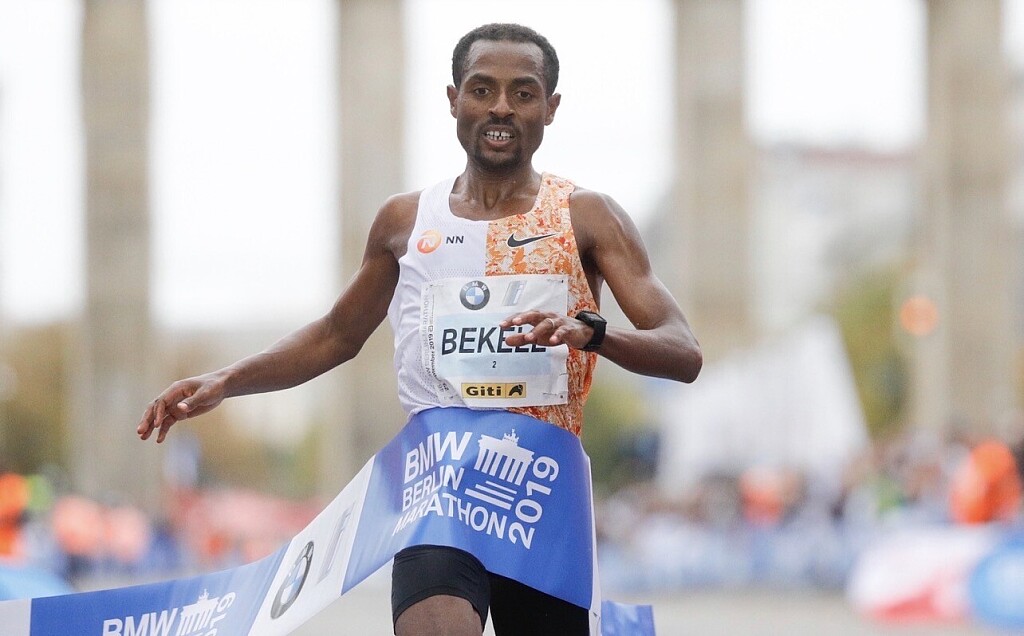
Kenenisa Bekele will run the BMW BERLIN-MARATHON on September 27, race organizers announced today. It will be the legendary Ethiopian’s first race of the year. At 44, Bekele may no longer be among the favorites for victory, but a strong performance remains possible.
Bekele has won the BMW BERLIN-MARATHON twice during his remarkable career, narrowly missing the world record on both occasions. In 2016, he crossed the line in 2:03:03, and in 2019, he clocked 2:01:41. Had he been just two seconds faster seven years ago, he would have become the first runner in history to hold the world records for 5,000 meters, 10,000 meters and the marathon simultaneously.

His return brings one of the greatest distance runners of all time back to Berlin. Bekele’s achievements on the track and in cross-country are extraordinary. He held the world records for 5,000 meters (12:37.35) and 10,000 meters (26:17.53) for approximately 15 years—longer than any other runner in history.
Bekele won 5,000-meter gold at the 2008 Olympic Games and the 2009 World Championships. Over 10,000 meters, he won Olympic gold in 2004 and 2008, along with world titles in 2003, 2005, 2007 and 2009. He also earned 11 individual gold medals at the World Cross Country Championships.
Two and a half years ago, at 41, Bekele nearly produced another extraordinary victory. He led during the closing stages of the London Marathon before finishing second in 2:04:15, setting a world masters record for the 40-plus age group that still stands. He was subsequently selected for the 2024 Olympic Games but finished 39th in Paris. Berlin offers him the opportunity to complete his first marathon since those Games.
European Champion Alisa Vainio Joins the Field
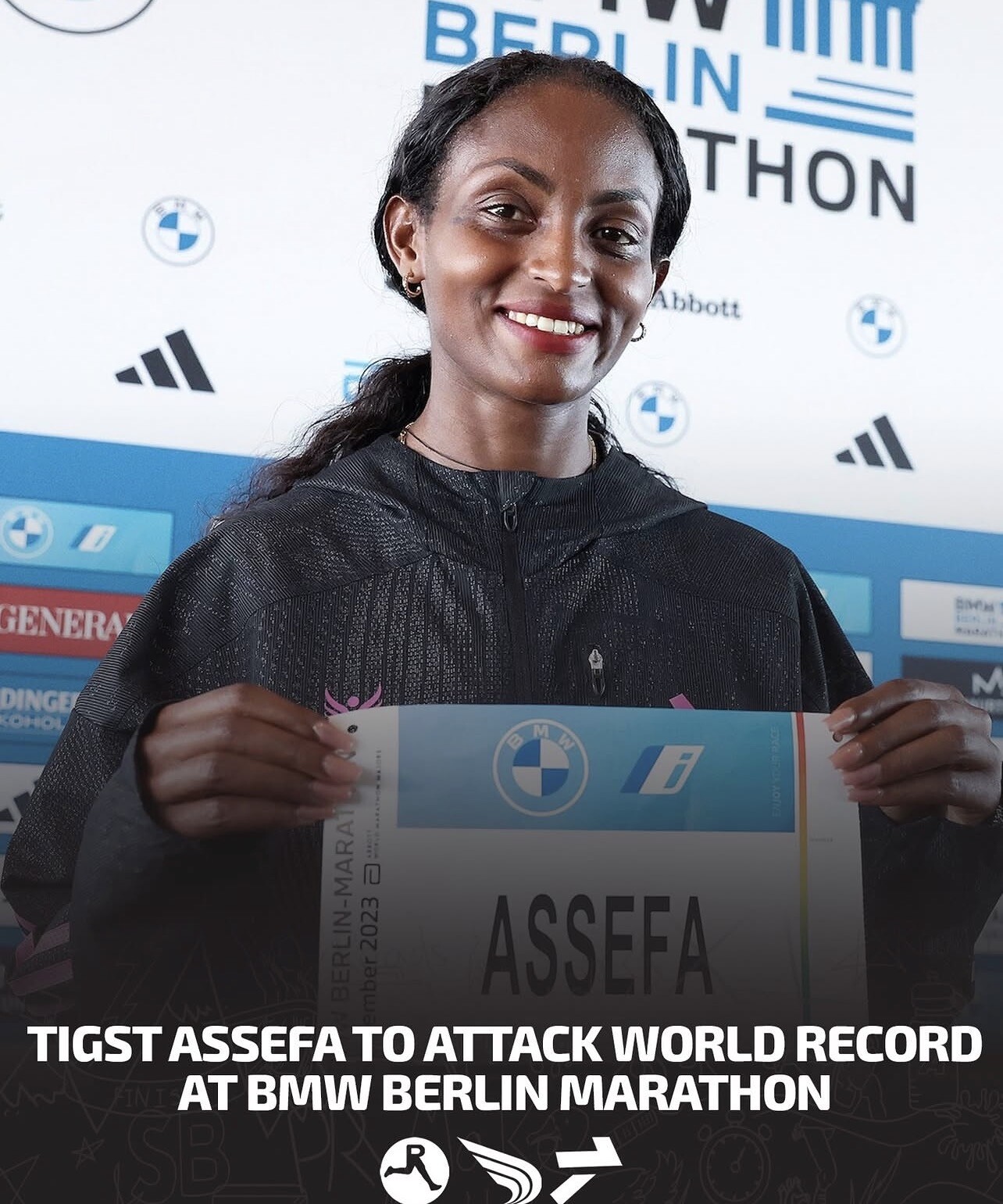
The women’s elite field has also received a strong late addition: European marathon champion Alisa Vainio.
A month ago, the Finnish runner claimed gold at the European Championships in Birmingham with a commanding performance, setting a championship record of 2:22:26.
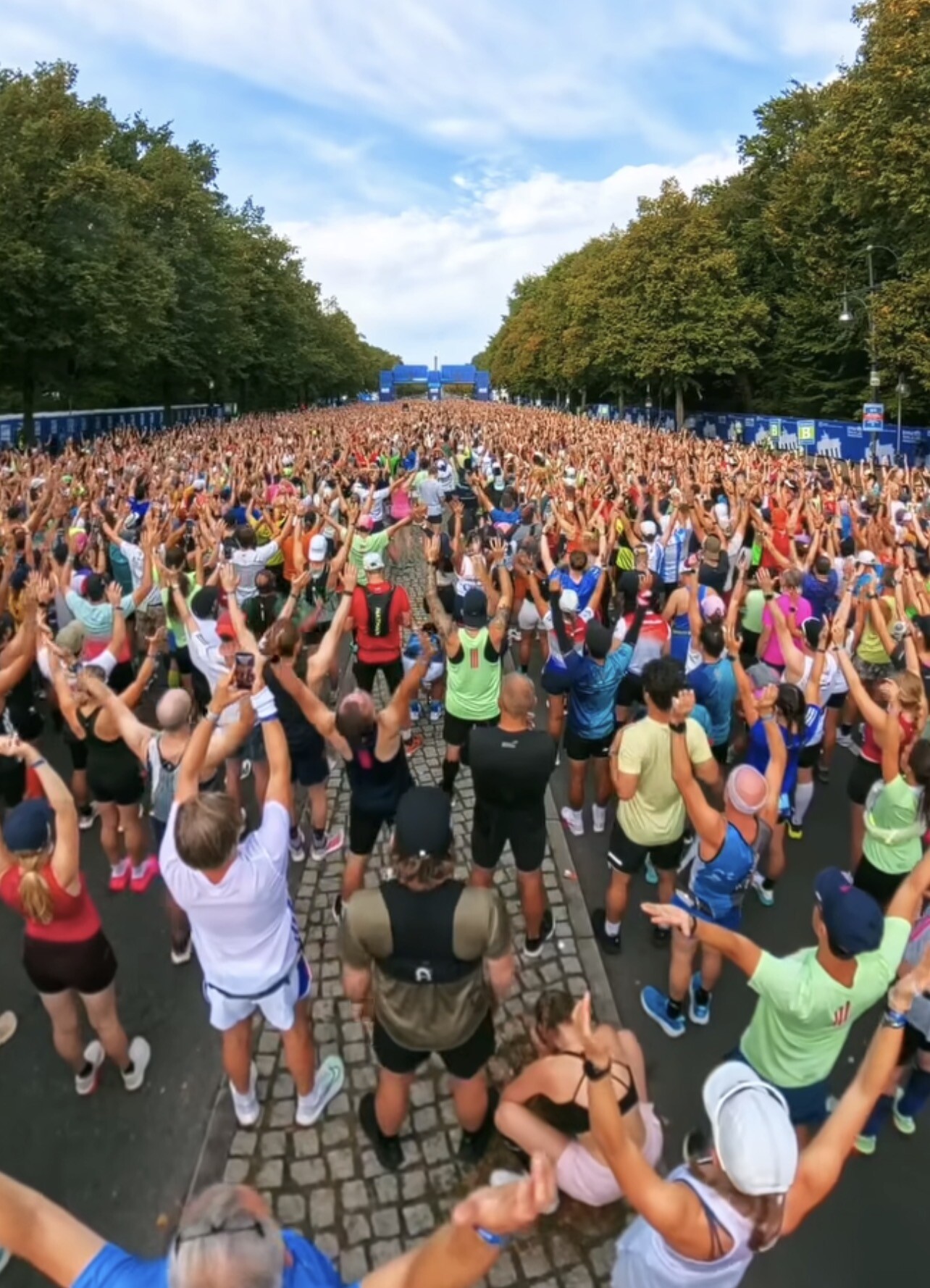
Last year, Vainio was the top European finisher at the World Championships in Tokyo, placing fifth. She then went on to set three consecutive Finnish national records, improving to 2:20:39 with her victory in Seville in February.
That performance made her the fastest Nordic women’s marathon runner in history, surpassing the 2:21:06 set by Norway’s former world record-holder Ingrid Kristiansen.
Fastest Runners on the Start List
Men
|
Athlete |
Country |
Personal Best |
|
Kenenisa Bekele |
ETH |
2:01:41 |
|
Gabriel Geay |
TAN |
2:03:00 |
|
Getaneh Molla |
ETH |
2:03:34 |
|
Guye Adola |
ETH |
2:03:46 |
|
Shura Kitata |
ETH |
2:03:59 |
|
Erick Sang |
KEN |
2:04:30 |
|
Selemon Barega |
ETH |
2:05:00 |
|
Taresa Tolosa |
ETH |
2:05:17 |
|
Tadu Abate |
ETH |
2:05:38 |
|
Asefa Boki |
ETH |
2:05:40 |
|
Kenya Sonota |
JPN |
2:05:59 |
|
Tsubasa Ichiyama |
JPN |
2:06:00 |
|
Kiyoto Hirabayashi |
JPN |
2:06:14 |
|
Yuhei Urano |
JPN |
2:06:23 |
|
Hidekazu Hijikata |
JPN |
2:06:26 |
Women
|
Athlete |
Country |
Personal Best |
|
Tigst Assefa |
ETH |
2:11:53 |
|
Rosemary Wanjiru |
KEN |
2:16:14 |
|
Bedatu Hirpa |
ETH |
2:18:27 |
|
Dera Dida |
ETH |
2:18:32 |
|
Zeineba Yimer |
ETH |
2:18:47 |
|
Bosena Mulatie |
ETH |
2:19:00 |
|
Misgane Alemayehu |
ETH |
2:19:08 |
|
Bekelech Gudeta |
ETH |
2:19:39 |
|
Evaline Chirchir |
KEN |
2:20:33 |
|
Alisa Vainio |
FIN |
2:20:39 |
|
Deshun Zhang |
CHN |
2:20:53 |
|
Gadise Mulu |
ETH |
2:20:59 |
|
Eebbisee Addunyaa |
ETH |
by Race News Service
Login to leave a comment

BMW Berlin Marathon
The story of the BERLIN-MARATHON is a story of the development of road running. When the first BERLIN-MARATHON was started on 13th October 1974 on a minor road next to the stadium of the organisers‘ club SC Charlottenburg Berlin 286 athletes had entered. The first winners were runners from Berlin: Günter Hallas (2:44:53), who still runs the BERLIN-MARATHON today, and...
more...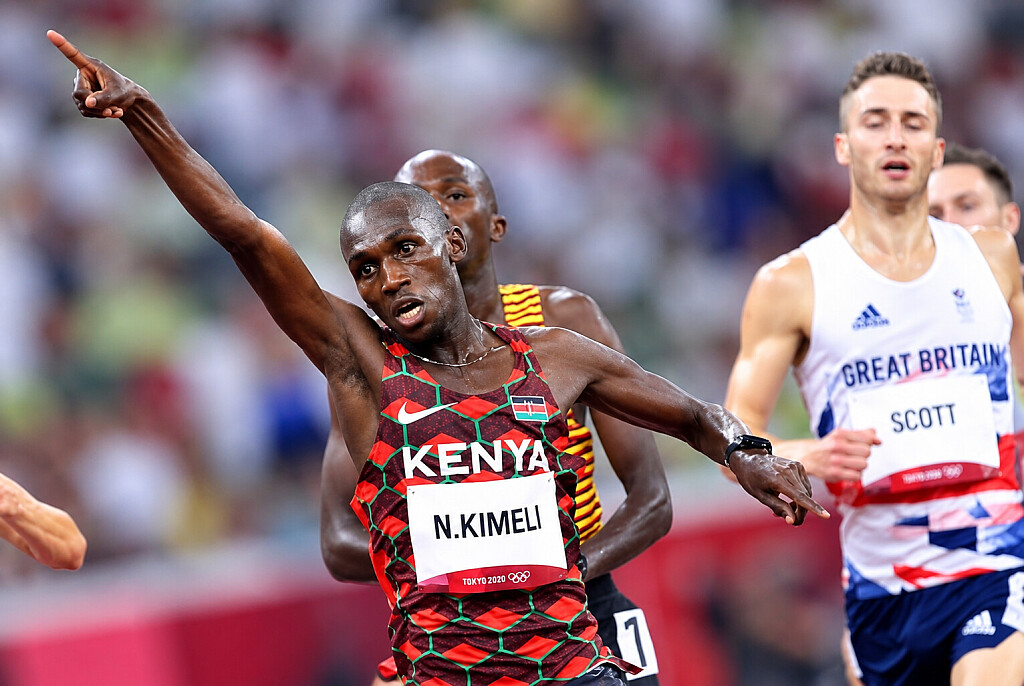
Nicholas Kipkorir Leads Star-Studded Men’s Half Marathon Field At World Road Running Championships
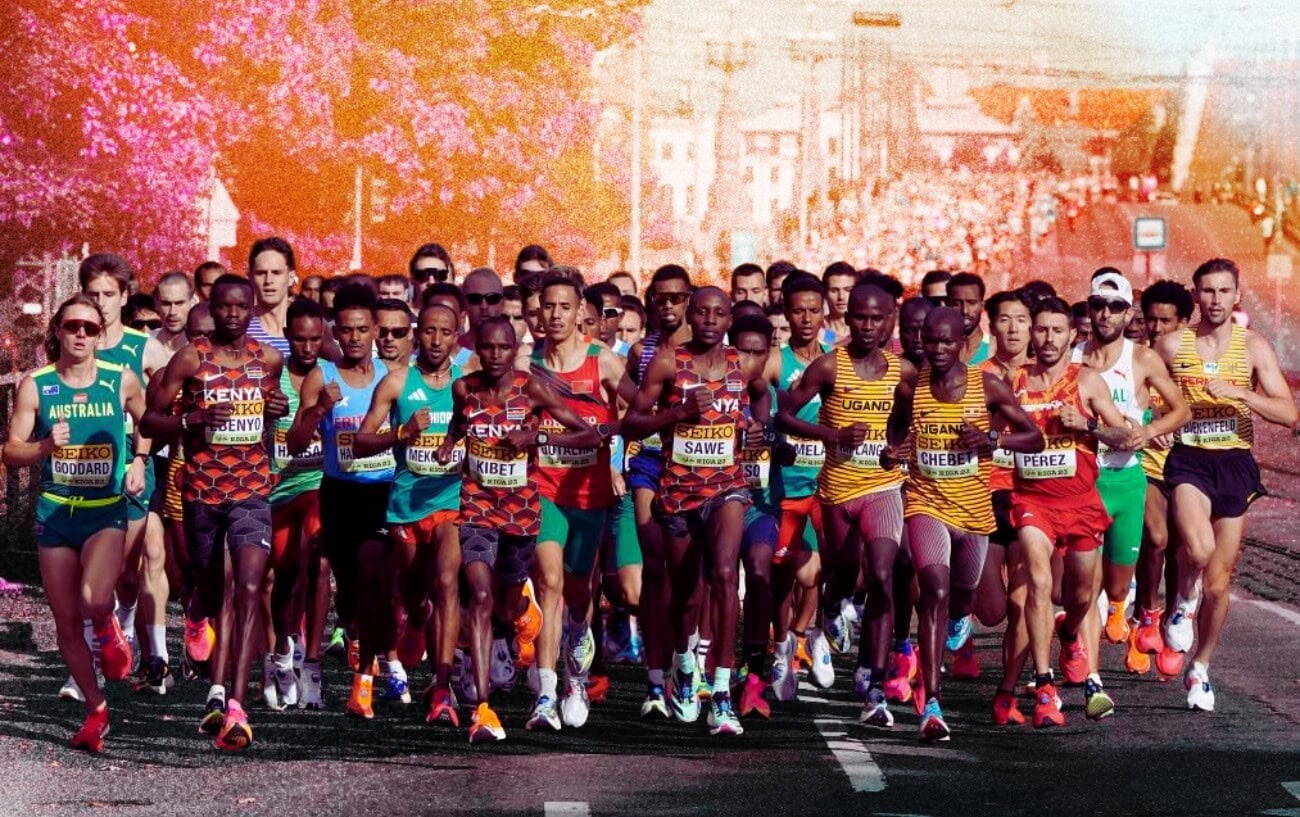
The stage is set for a spectacular men’s half marathon at the World Athletics Road Running Championships Copenhagen 26, with some of the world’s leading distance runners preparing to battle for global honours on Sunday, September 20.
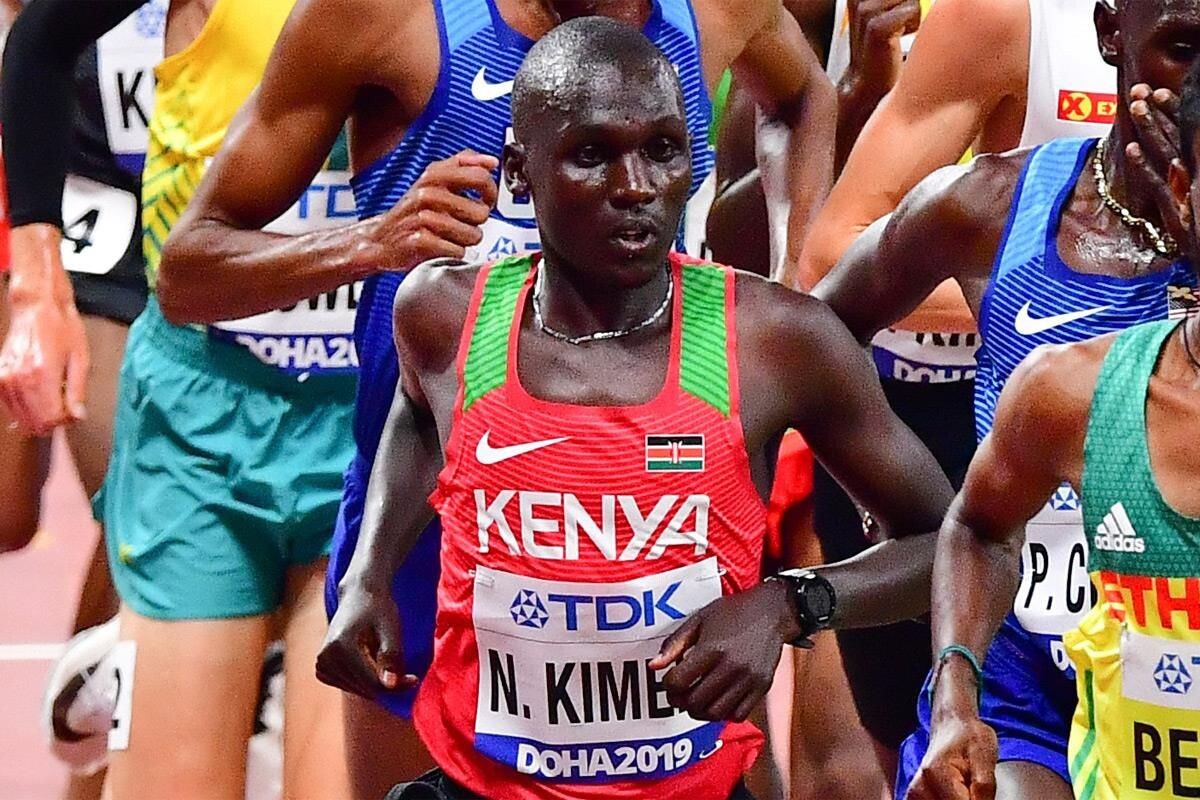
Kenya’s Nicholas Kipkorir headlines the field with a remarkable personal best of 58:08, the fastest mark among the athletes entered.
Kipkorir will face a formidable challenge from compatriot Gideon Kipkertich Rono, who owns a 58:38 personal best. Sweden’s Andreas Almgren also brings an exceptional 58:41 to the start line, while Ethiopia’s Tadese Worku has a 58:59 personal best.
Italy’s Yemaneberhan Crippa adds another major name to the field with a national record of 59:01, while Kenya’s Daniel Simiu Ebenyo enters with a 59:04 personal best and valuable championship experience.
Ebenyo won silver at the 2023 World Road Running Championships in Riga and will be looking to challenge for another medal in Copenhagen.
Uganda’s Joshua Cheptegei will bring enormous championship pedigree to the race. The Olympic and multiple world champion has a half marathon best of 59:21, making him another athlete capable of featuring prominently in the battle for the medals.
The American challenge will be led by Conner Mantz, who owns a 59:15 personal best. France’s Etienne Daguinos, Portugal’s Samuel Barata, Ethiopia’s Bereket Nega, France’s Jimmy Gressier, Canada’s Rory Linkletter, Australia’s Jack Rayner and Morocco’s Mohamed Reda El Aaraby further strengthen an already formidable international field.
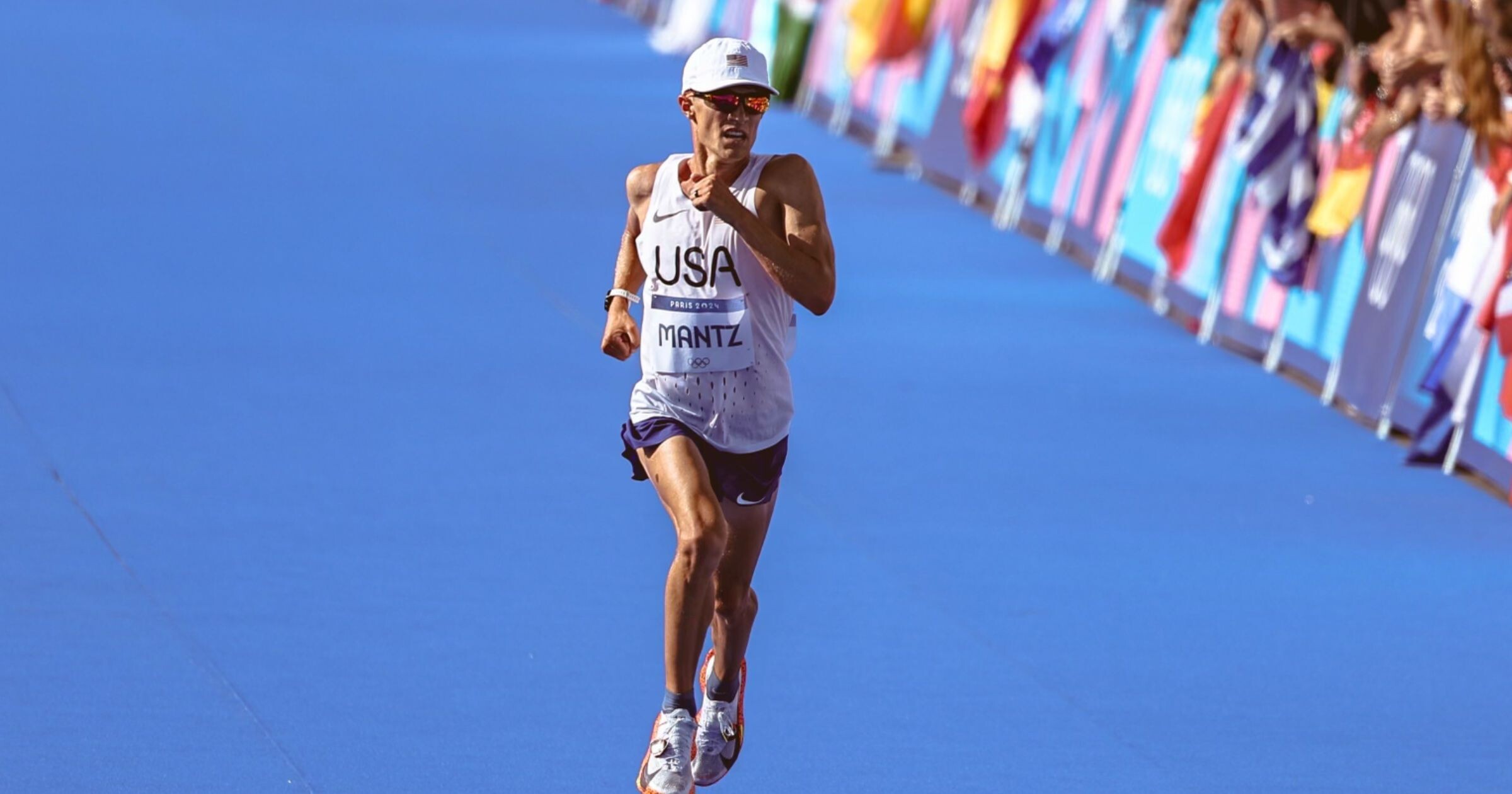
Kenya will have particular interest in the championship, with several of its leading road runners lining up against some of the best athletes from Europe, Africa, North America, Asia and Oceania.
The race will be contested over the traditional 21.0975-kilometre distance, with the elite men scheduled to start at 9:45 a.m. local time on Sunday, September 20.
Leading Athletes And Personal Bests
1. Nicholas Kipkorir (Kenya) — 58:08
2. Gideon Kipkertich Rono (Kenya) — 58:38
3. Andreas Almgren (Sweden) — 58:41
4. Tadese Worku (Ethiopia) — 58:59
5. Yemaneberhan Crippa (Italy) — 59:01
6. Daniel Simiu Ebenyo (Kenya) — 59:04
7. Alex Nzioka Matata (Kenya) — 59:11
8. Conner Mantz (USA) — 59:15
9. Joshua Cheptegei (Uganda) — 59:21
10. Etienne Daguinos (France) — 59:27
11. Samuel Barata (Portugal) — 59:40
12. Bereket Nega (Ethiopia) — 59:43
13. Jimmy Gressier (France) — 59:45
14. Rory Linkletter (Canada) — 59:49
15. Peter Lynch (Ireland) — 59:52
16. Jack Rayner (Australia) — 59:53
17. Mohamed Reda El Aaraby (Morocco) — 59:54
18. Hillary Bor (USA) — 59:55
19. Zerei Kbrom Mezngi (Norway) — 1:00:01
20. Bastien Augusto (France) — 1:00:09
21. Mande Bushendich (Uganda) — 1:00:14
22. Jack Rowe (Great Britain) — 1:00:17
23. Cameron Levins (Canada) — 1:00:18
24. Ogikubo Tomoya (Japan) — 1:00:22
25. Bayelign Teshager (Ethiopia) — 1:00:22
26. Elroy Gelant (South Africa) — 1:00:22
27. Célestin Ndikumana (Burundi) — 1:00:23
28. Said Mechaal (Spain) — 1:00:24
29. Nishizawa Yuma (Japan) — 1:00:26
30. Namiki Neo (Japan) — 1:00:29
31. Othmane El Goumri (Morocco) — 1:00:30
32. Inyasi Nicodemus Sulley (Tanzania) — 1:00:31
33. Wesley Kiptoo (USA) — 1:00:34
34. Haftu Strintzos (Australia) — 1:00:36
35. Filmon Tesfu (Netherlands) — 1:00:38
36. Mustapha Akkaoui (Morocco) — 1:00:38
With such remarkable depth, the championship could remain finely poised until the closing stages. The presence of multiple sub-59-minute runners, experienced championship performers and strong finishers sets the scene for a race in which positioning, tactics and the ability to respond to late surges could prove decisive.
For Kipkorir, Ebenyo and their Kenyan teammates, Copenhagen provides an opportunity to turn impressive personal credentials into championship medals. But with a world-class field assembled behind them, the final outcome will only be determined when the leading runners reach the finish line.
by Erick Cheruiyot for My Best Runs.
Login to leave a comment
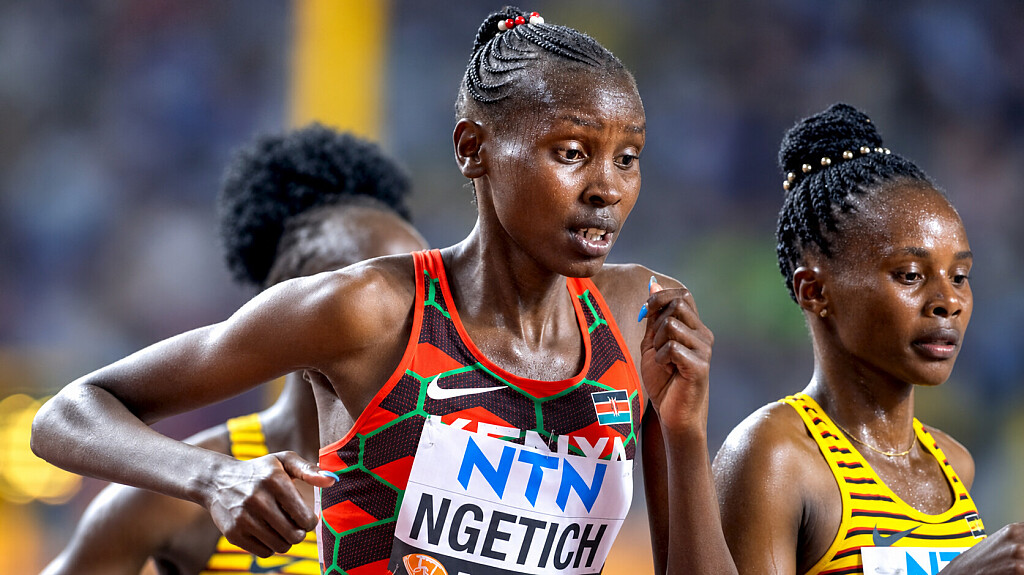
Agnes Ngetich Leads Star-Studded Women’s Half Marathon Field At World Road Running Championships
The stage is set for a spectacular women’s half marathon at the 2026 World Athletics Road Running Championships in Copenhagen, Denmark, with a deep international field ready to battle for the world title on Sunday, September 20.
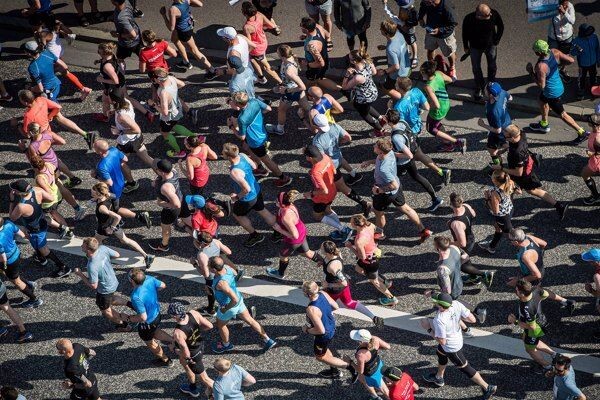
The elite women’s race will begin at 9:10 a.m. local time, with the 21.0975-kilometre championship race taking runners through the streets of Copenhagen before the finish on Øster Allé.
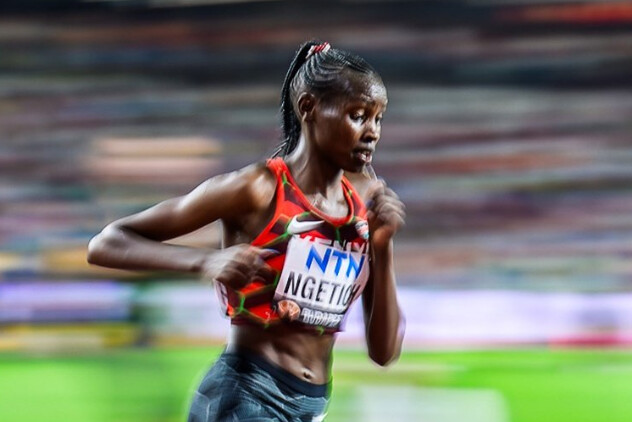
At the head of the entry list is Kenya’s Agnes Jebet Ngetich, who brings a sensational 1:03:04 personal best into the championship. She will lead a powerful Kenyan contingent that also includes Lilian Kasait Rengeruk, whose 1:03:32 is among the fastest times ever recorded over the distance.
Ngetich has established herself as one of the leading distance runners in the world, and her combination of speed and endurance makes her one of the major names to watch when the championship race gets underway.
Rengeruk provides another formidable Kenyan threat, while Daisilah Jerono, with a 1:05:21 personal best, and Veronica Loleo, with 1:05:35, add further depth to the Kenyan line-up.
Ethiopia will also arrive with serious firepower. Tsigie Gebreselama owns a remarkable 1:04:21 personal best, while Ftaw Zeray comes into Copenhagen with a 1:05:12 lifetime best.
The battle will not be restricted to the leading African nations, however. Weini Kelati Frezghi heads the American challenge with a 1:06:04 personal best, while Esther Chebet of Uganda has run 1:06:33.
Europe will be represented by several accomplished athletes, including Slovenia’s Klara Lukan, who owns a 1:06:43 personal best, and Norway’s experienced Karoline Bjerkeli Grøvdal, whose best stands at 1:06:55.
South Africa’s Glenrose Xaba is another prominent name on the list with a 1:07:03 personal best, while Great Britain’s Samantha Harrison enters with 1:07:10.
Uganda has further depth through Rebecca Chelangat at 1:07:18, Annet Chemengich Chelangat at 1:08:12 and Rispa Cherop at 1:08:53.
The international field also includes Ethiopia’s Melat Siyoum and Baraky Redae, Rwanda’s Florence Niyonkuru and Emeline Imanizabayo, Mexico’s Laura Galván, Belgium’s Chloé Herbiet and Lisa Rooms, the United States’ Emma Grace Hurley, Ednah Kurgat, Carrie Ellwood and Jessica McClain, France’s Mekdes Woldu, Alessia Zarbo and Mélody Julien, Italy’s Sofia Yaremchuk and Elvanie Nimbona, China’s He Wuga and Liang Tiantian, and New Zealand’s Georgie Grgec.
Women’s Half Marathon Entry List
1. Agnes Jebet Ngetich — Kenya — 1:03:04
2. Lilian Kasait Rengeruk — Kenya — 1:03:32
3. Tsigie Gebreselama — Ethiopia — 1:04:21
4. Ftaw Zeray — Ethiopia — 1:05:12
5. Daisilah Jerono — Kenya — 1:05:21
6. Veronica Loleo — Kenya — 1:05:35
7. Weini Kelati Frezghi — United States — 1:06:04
8. Esther Chebet — Uganda — 1:06:33
9. Klara Lukan — Slovenia — 1:06:43
10. Karoline Bjerkeli Grøvdal — Norway — 1:06:55
11. Glenrose Xaba — South Africa — 1:07:03
12. Samantha Harrison — Great Britain — 1:07:10
13. Rebecca Chelangat — Uganda — 1:07:18
14. Melat Siyoum — Ethiopia — 1:07:21
15. Florence Niyonkuru — Rwanda — 1:07:22
16. Baraky Redae — Ethiopia — 1:07:31
17. Laura Galván — Mexico — 1:07:31
18. Chloé Herbiet — Belgium — 1:07:32
19. Emeline Imanizabayo — Rwanda — 1:07:35
20. Emma Grace Hurley — United States — 1:07:35
21. Annet Chemengich Chelangat — Uganda — 1:08:12
22. Mekdes Woldu — France — 1:08:20
23. Alessia Zarbo — France — 1:08:20
24. Ednah Kurgat — United States — 1:08:25
25. Sofia Yaremchuk — Italy — 1:08:27
26. He Wuga — China — 1:08:31
27. Liang Tiantian — China — 1:08:33
28. Carrie Ellwood — United States — 1:08:34
29. Jessica McClain — United States — 1:08:37
30. Elvanie Nimbona — Italy — 1:08:38
31. Lisa Rooms — Belgium — 1:08:40
32. Rispa Cherop — Uganda — 1:08:53
33. Georgie Grgec — New Zealand — 1:09:13
34. Mélody Julien — France — 1:09:15
With so many athletes separated by relatively small margins on paper, the championship race could develop into a fascinating tactical contest. Personal bests provide an indication of speed, but championship racing often comes down to positioning, patience and the ability to respond when the decisive moves arrive.
For Ngetich, Rengeruk, Gebreselama, Zeray and the rest of the field, the opportunity is clear: 21.0975 kilometres through Copenhagen with a world championship title waiting at the finish.
The World Athletics Road Running Championships Copenhagen 26 take place on September 19–20, with the women’s elite half marathon taking centre stage on Sunday, September 20, at 9:10 a.m.
Copenhagen is ready for a major championship showdown — and the women’s half marathon promises to be one of the highlights of the weekend.
by Erick Cheruiyot for My Best Runs.
Login to leave a comment
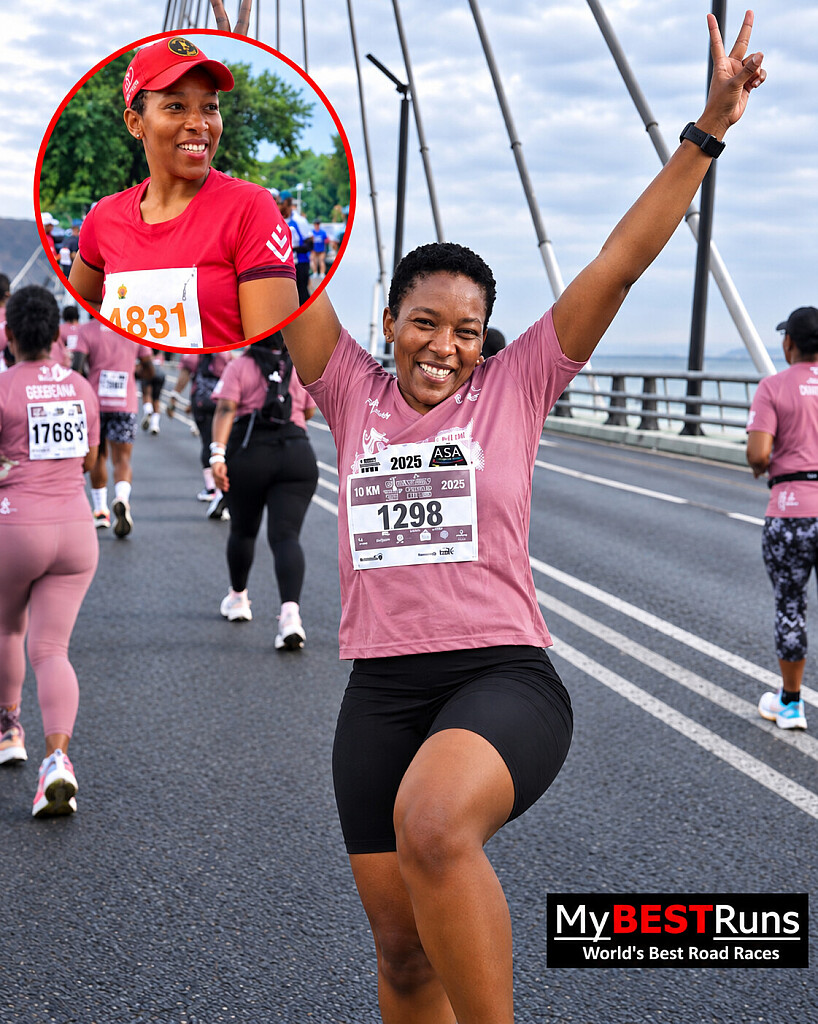
She Went Out for a Run and Never Came Home: The Tragic Story of Tsontso Moselakgomo
What should have been an ordinary afternoon run ended in devastating tragedy for 38-year-old Elizabeth “Tsontso” Moselakgomo, a mother, dedicated runner and much-loved member of South Africa’s running community.

Moselakgomo left her home in Rhodesfield, Kempton Park, east of Johannesburg, on September 10 for a run — something that had become a familiar part of her life. But when she failed to return home, the routine quickly turned into a desperate search.
Her eight-year-old daughter was among the first to realise that something was wrong and raised the alarm when her mother did not come home. Family, friends and authorities were left hoping that the missing runner would be found safe.
Two days later, that hope was shattered.
Moselakgomo’s body was discovered on September 12 behind a hotel in the Rhodesfield area. She was found wearing sports clothing, and her family later identified her remains at the Germiston mortuary on September 14. Police investigations into the circumstances surrounding her death are continuing.
For the running community, the tragedy has been particularly painful because Tsontso was not simply someone who occasionally went out for exercise. Running was part of who she was.
She was a member of Team Vitality and Waterfall City Athletics Club, and had recently completed the Wanderers 21K in Johannesburg on August 23. She was also known beyond the running community as the manager of Festival Mall and a member of her church choir.
Those who knew her have remembered her as a vibrant and energetic woman who brought warmth to the communities around her.
Her death has also unfolded against a deeply disturbing backdrop.
By September 15, police were investigating the deaths of six women whose bodies had been discovered in and around Kempton Park and the wider East Rand since July. Moselakgomo is the only one among the victims to have been publicly identified so far. Police have established a task team to investigate the cases and determine whether there are connections between them.
One suspect linked to the first case remains in custody, while investigators continue working on the other cases. Authorities have not established that all of the deaths are connected, making it important for the investigation to determine the circumstances surrounding each case individually.
The tragedy has sent shockwaves through South Africa’s athletics and running fraternity.
Athletics South Africa, Team Vitality and Waterfall City Athletics Club have all expressed their grief and extended condolences to Moselakgomo’s family. Athletics South Africa said her death highlighted the vulnerability of women who should be able to participate in sport and exercise without fear for their safety.
The response from runners has been immediate and deeply personal.
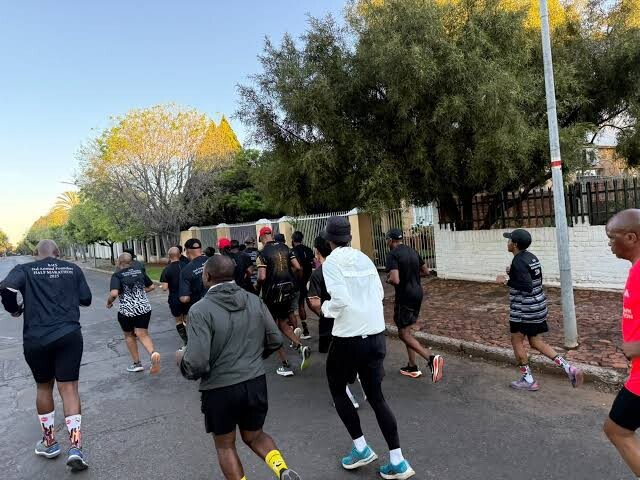
On Tuesday, Waterfall City Athletics Club and Run Alex Athletics organised tribute runs and walks in her honour, bringing runners together not only to remember Tsontso but also to stand together during a moment of fear and grief within the running community.
Members of TZD Sports Club in Eswatini also ran a 10-kilometre tribute in her memory, showing how far her story has travelled beyond the streets where she once trained and raced.
Across South Africa, runners have been turning their usual training sessions into moments of remembrance — some wearing black, others gathering in groups and many simply showing up to honour a fellow runner whose life was tragically cut short.
But the tributes have also carried a broader message.
Running With Sole Athletics Club has called for stronger safety measures, including more police presence, functioning street lights and safer running routes. The club stressed that running should represent freedom, health, community and joy — not fear.
That message has resonated strongly with runners, particularly women who have long had to think about safety before deciding when, where and with whom they can run.
For many, a run is a simple escape from the pressures of everyday life. It is a chance to clear the mind, improve health, chase a personal goal or spend time with friends. It should not be an activity that requires someone to constantly wonder whether they will make it home.
For Tsontso’s eight-year-old daughter and her family, however, this is no longer an abstract concern about safety.
It is the painful reality of losing a mother who left home for a run and never returned.
The running community can now only carry her memory forward — through the races she completed, the clubs she belonged to, the people she inspired and the miles that runners will continue to dedicate to her.
Elizabeth “Tsontso” Moselakgomo went out doing something she loved.
She should have been able to finish her run, walk through the door and return to the daughter who was waiting for her.
She should have made it home.
by Erick Cheruiyot for My Best Runs.
Login to leave a comment
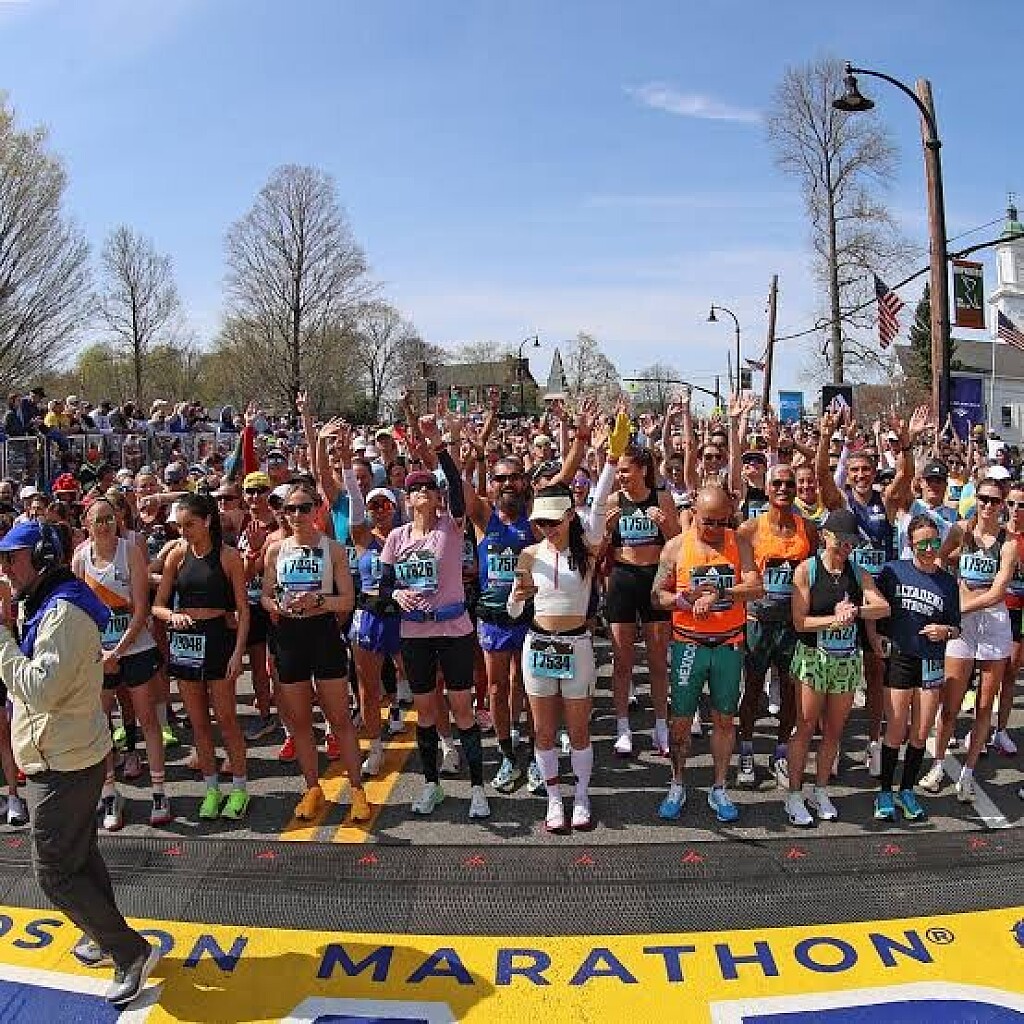
Record 215 Charities Set to Bring Thousands of Runners to the 2027 Boston Marathon
The Boston Marathon is about to make history in another way, with a record 215 nonprofit organizations selected to participate in the 2027 Official Charity Program.
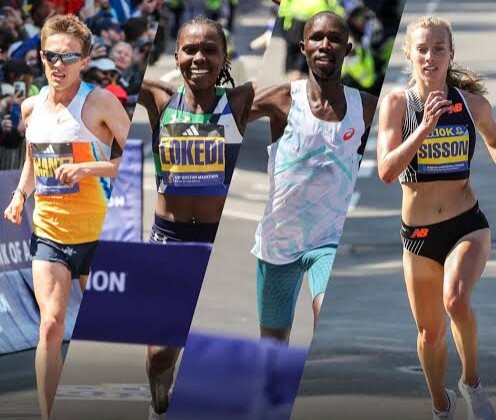
The Boston Athletic Association announced the record field on Monday, confirming that the program has surpassed 200 organizations for the first time. Among the 215 selected charities, 22 are first-time partners, adding a new group of organizations to one of the most prominent charity programs in distance running.
The 131st Boston Marathon will take place on Monday, April 19, 2027, with charity runners expected to account for close to 10 percent of the overall field. That translates into thousands of athletes taking on the legendary 26.2-mile course while raising money for causes that extend far beyond the race itself.
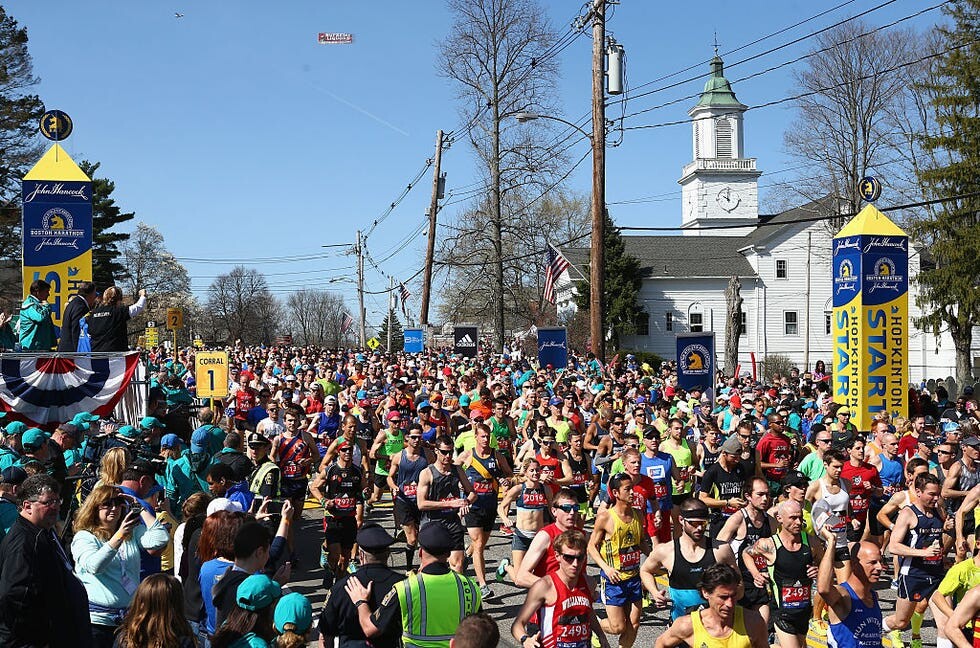
The charities represent a wide range of missions, including hospitals and medical care, cancer research, veterans' services, youth development, disability advocacy and homelessness prevention. For the runners involved, the Boston Marathon becomes more than a personal challenge—it becomes a platform for giving back and bringing attention to causes close to their hearts.
The financial impact of the program has also reached record levels. Charity runners raised $57.3 million in 2026, setting a new single-year fundraising record. That was a 13.7 percent increase from the $50.4 million raised in 2025, showing just how rapidly the charitable side of the Boston Marathon continues to grow.
Since the official charity initiative began in 1989, more than $675 million has been raised through Boston Marathon fundraising efforts, providing significant support to nonprofit organizations over nearly four decades.
The growth in the number of participating charities is equally striking. The program featured 160 organizations in 2024, while the 2027 edition will have 215. That is an increase of 55 charities, or roughly 34 percent, in just three years.
But earning a charity place is not simply a shortcut to the Boston starting line. Runners who secure one of these coveted spots take on a major fundraising responsibility, with commitments generally ranging from $10,000 to $15,000, depending on the charity and its requirements.
For many runners, that means their Boston journey begins long before they arrive in Hopkinton. Training runs are accompanied by fundraising campaigns, community events and personal appeals as athletes work to reach their targets while preparing for one of the world's most demanding and prestigious marathons.
The charity route has also become an important pathway for runners who cannot enter through the traditional qualifying system. It gives them an opportunity to experience Boston while simultaneously turning their marathon journey into a fundraising mission.
With 215 organizations now preparing their teams for 2027, the Boston Marathon's charitable footprint has never been larger.
When the starting gun fires next April, thousands of runners will chase the famous finish line on Boylston Street—but they will also be running for something much bigger than themselves.
by Erick Cheruiyot for My Best Runs.
Login to leave a comment

Boston Marathon
Among the nation’s oldest athletic clubs, the B.A.A. was established in 1887, and, in 1896, more than half of the U.S. Olympic Team at the first modern games was composed of B.A.A. club members. The Olympic Games provided the inspiration for the first Boston Marathon, which culminated the B.A.A. Games on April 19, 1897. John J. McDermott emerged from a...
more...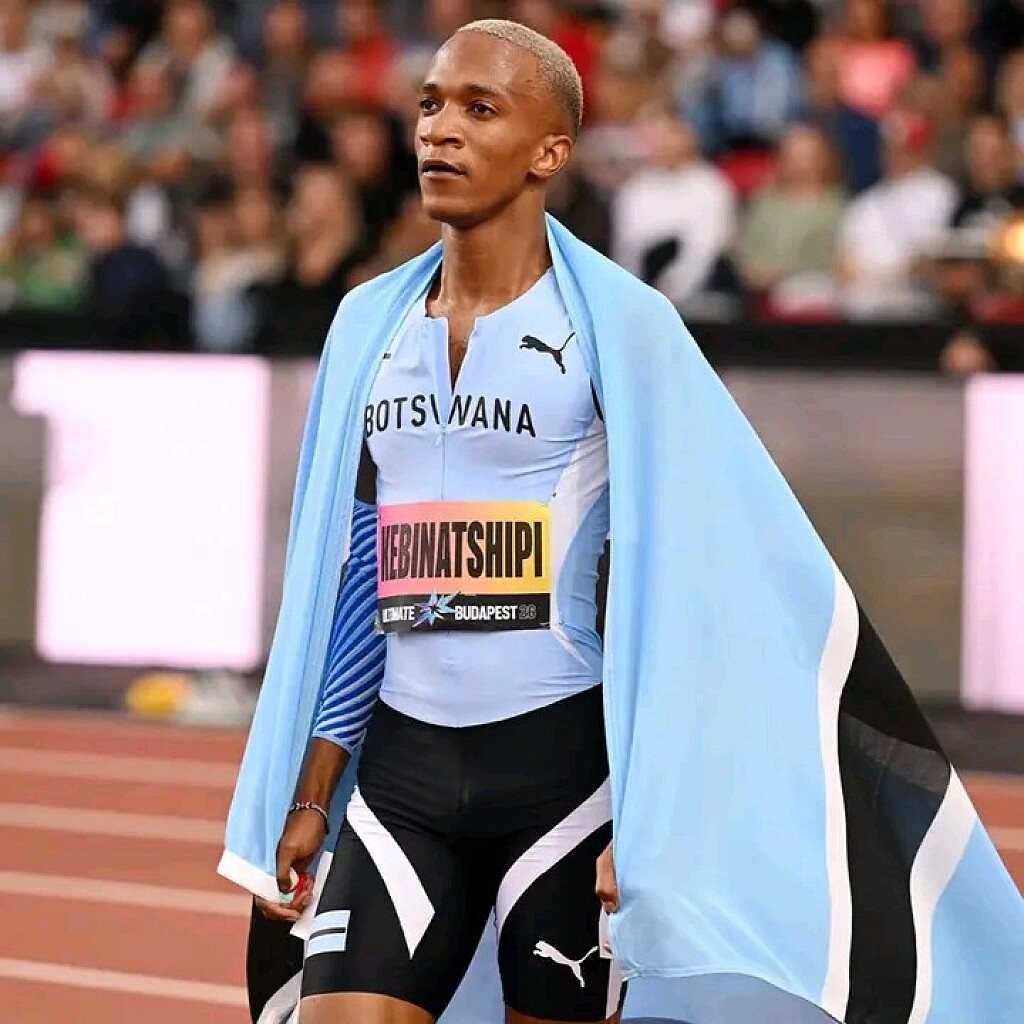
Collen Kebinatshipi Has Wayde Van Niekerk’s 43.03 World Record In His Sights
Botswana’s Collen Kebinatshipi has made it clear that Wayde van Niekerk’s legendary 400m world record is already part of his long-term ambitions.
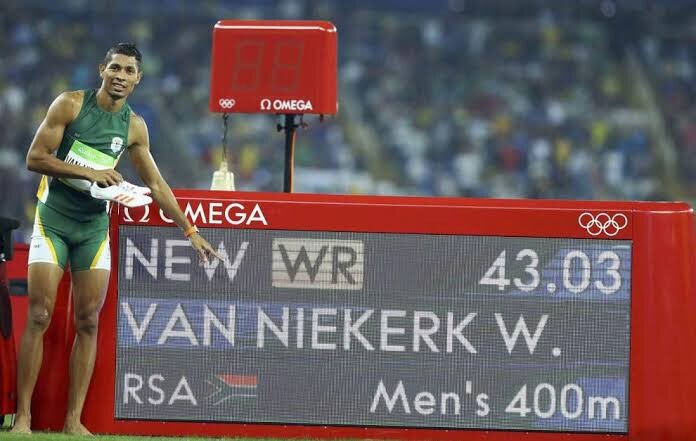
The 22-year-old capped a remarkable 2026 campaign in spectacular fashion at the World Athletics Ultimate Championships in Budapest, storming to a stunning national record of 43.39 seconds to win the men’s 400m title. The performance moved him to fifth on the world all-time list and left him just 0.36 seconds behind Van Niekerk’s 43.03 world record, set at the Rio 2016 Olympic Games.
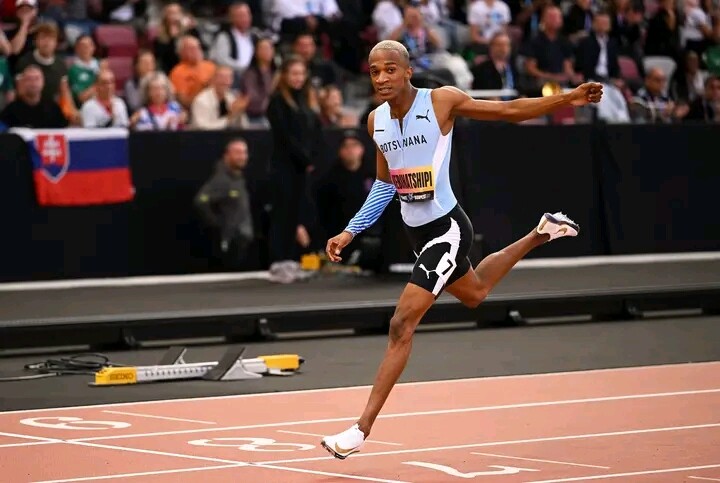
But for Kebinatshipi, the chase is not simply a distant dream. The Botswana star admitted after his Budapest triumph that the world record is something he regularly thinks about.
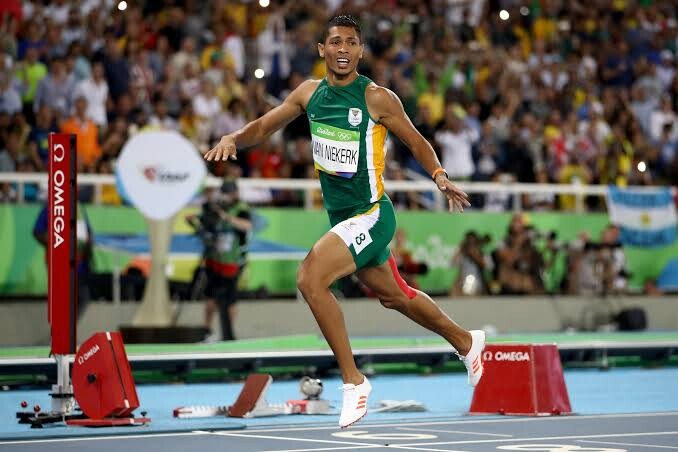
“I would be lying if I said no. Obviously it’s always running through my mind,” Kebinatshipi said.
His ambition is already shaping the way he views the next stage of his career. When asked when serious world-record discussions could become realistic, the 22-year-old pointed towards the Los Angeles 2028 Olympic Games, suggesting that the biggest target could come into focus by then.
What makes the prospect particularly intriguing is that Kebinatshipi does not believe he has reached his physical or technical peak.
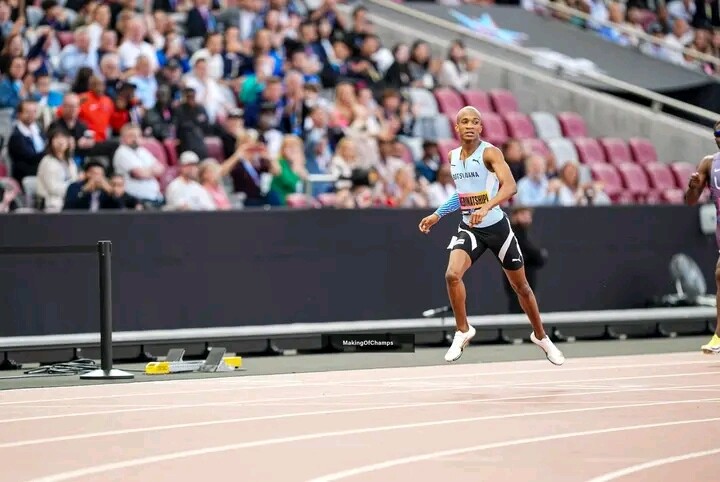
The Botswana star has identified his back straight as an area where he still wants to improve. Even after producing a sensational 43.39 in Budapest, he believes there is more work to be done, while he has also acknowledged that he is still developing physically.
That leaves an exciting question hanging over the next few seasons: how fast can Kebinatshipi become when those improvements begin to come together?
His Budapest performance was already extraordinary. He attacked the race with confidence from the opening stages, built a commanding advantage and held his form all the way to the finish to stop the clock at 43.39.
The victory capped a season in which Kebinatshipi has repeatedly demonstrated that he belongs among the world’s elite 400m runners. Before Budapest, he had already established himself as one of the most consistent performers in the event, including a 43.40 clocking in Brussels.
Then came Budapest — and an even faster performance.
His 43.39 placed him level with the legendary 43.39 recorded by Michael Johnson in 1995 and firmly established him among the fastest 400m runners in history.
And perhaps that is what makes his world-record ambition so fascinating. Kebinatshipi is not talking about chasing 43.03 from a position of uncertainty. He has already run 43.39 at just 22 years old, while openly acknowledging that there are still technical and physical areas he wants to develop.
Van Niekerk’s record has stood since August 14, 2016. For a decade, 43.03 has remained the ultimate benchmark in the one-lap event. Now, a new generation is beginning to look directly at that barrier.
Kebinatshipi is only 0.36 seconds away.
Whether the record eventually falls remains a question for the future, but one thing is already clear: 43.03 is no longer just a number in the record books for Collen Kebinatshipi — it is a target.
by Erick Cheruiyot for My Best Runs.
Login to leave a comment
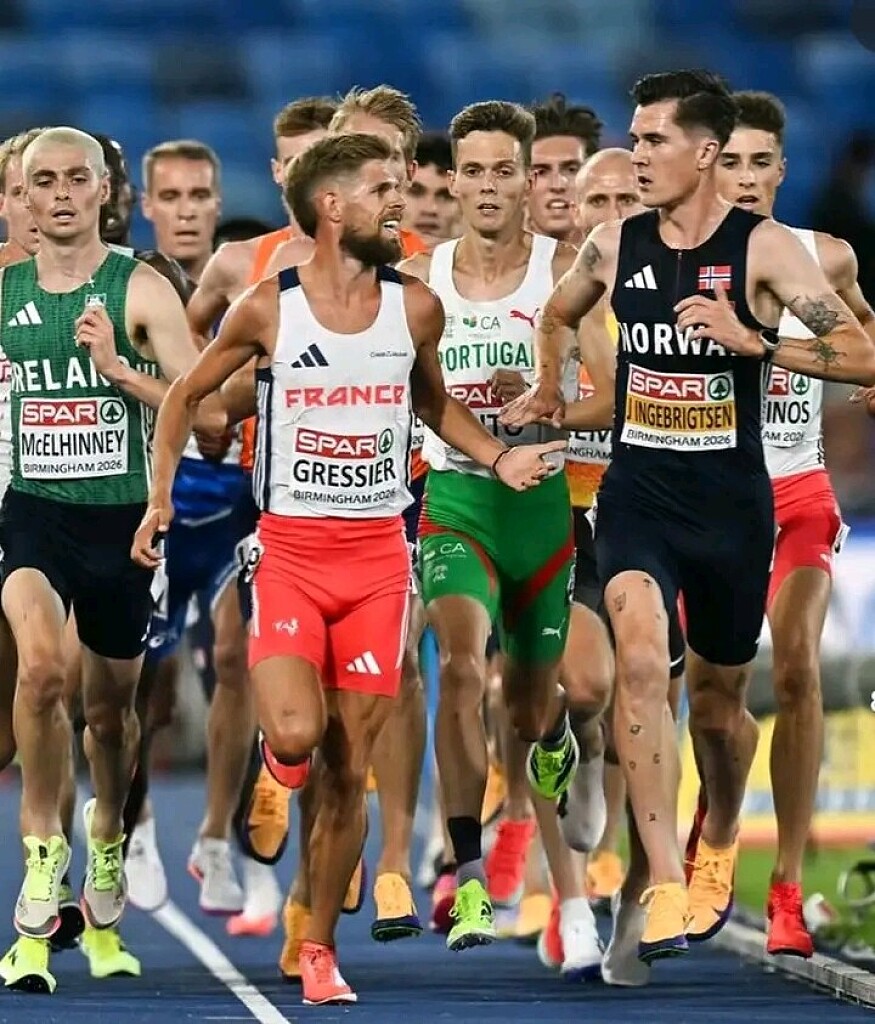
Jakob Ingebrigtsen And Jimmy Gressier Set For First-Ever Road Showdown In Copenhagen
COPENHAGEN — Two of the biggest names in modern distance running are about to take their rivalry onto unfamiliar territory.
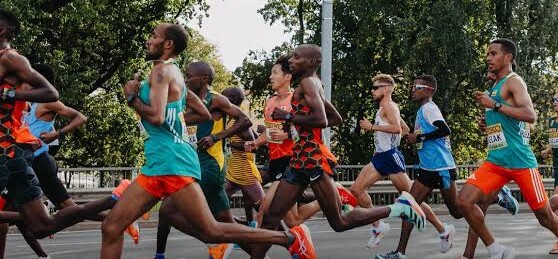
Norway’s Jakob Ingebrigtsen and France’s Jimmy Gressier are set to meet for the first time on the roads when the men’s 5km at the World Athletics Road Running Championships gets underway in Copenhagen on Saturday, September 19.
The highly anticipated clash brings together two athletes with very different paths to the start line, but an equally strong appetite for another global title.
Ingebrigtsen arrives in Denmark as the reigning Olympic 5000m champion and a four-time European 5000m champion. He has also just added the inaugural World Athletics Ultimate Championship 5000m title to his collection, producing a powerful 12:59.24 performance in Budapest only days ago.
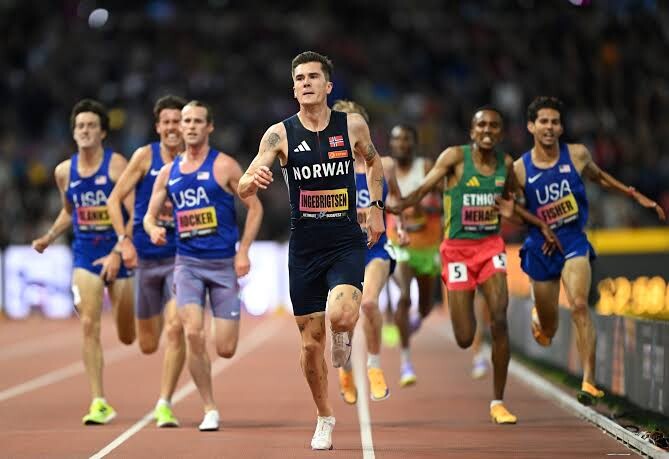
The Norwegian has already conquered some of the biggest stages in track and field. Now, Copenhagen presents a new challenge: winning a global title on the roads.
His road-racing experience over 5km is limited, however. World Athletics notes that Ingebrigtsen has raced the distance only once before, clocking 13:28 in Stavanger in 2020. He also raced his first and, so far, only half marathon in Copenhagen in 2024.
Standing in his way is a man who has already proved that he belongs among the very best road racers in the world.
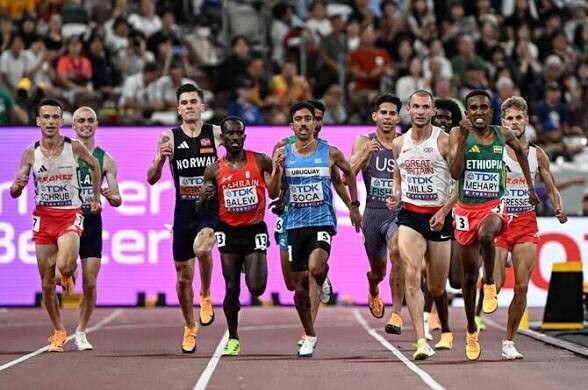
Gressier enters Copenhagen as the reigning world 10,000m champion and the fastest man on the 5km entry list. In April, the Frenchman stormed to a European record of 12:51 in Lille, moving within just two seconds of the world record. Only Ethiopia’s Berihu Aregawi and Yomif Kejelcha have ever run faster over the distance.
That performance also came with a warning for the rest of the field.
Ethiopia’s Addisu Yihune finished second behind Gressier in Lille in 12:54, a mark that places him fifth on the world all-time list. The two will meet again in Copenhagen, adding another major storyline to an already loaded championship race.
And Gressier is not stopping after one race.
The French star is entered for both the 5km on Saturday afternoon and the men’s half marathon on Sunday morning. With the 5km scheduled for 2:40 p.m. and the half marathon at 9:45 a.m. the following day, he will have only around 19 hours between the two championship races.
It is an extraordinary test of versatility. First comes a five-kilometre battle likely to demand close to all-out speed from the opening stages. Then, before a full day has passed, Gressier will have to return to the start line for 21.1 kilometres against a field packed with established road specialists.
Yet the 29-year-old is no stranger to the half marathon. He won the European half marathon title in 2025 in 59:45 and finished fifth at the 2023 World Road Running Championships in Riga in 59:46.
The 5km field, meanwhile, extends well beyond the headline names.
Kenya’s Mathew Kipsang arrives as the reigning Commonwealth 5000m champion, while Australia’s Ky Robinson, Burundi’s Egide Ntakarutimana, Norway’s Narve Gilje Nordås and Portugal’s José Carlos Pinto are among the other athletes capable of making the race highly competitive.
Copenhagen is therefore preparing for much more than a simple Ingebrigtsen-Gressier duel.
It is a meeting between a track superstar testing himself on the roads and a world champion who has already demonstrated extraordinary speed over the distance. Add Yihune’s 12:54, Kipsang’s championship pedigree and a deep international field, and the ingredients are there for a fiercely contested world title.
For Ingebrigtsen, the question is whether his world-class track speed and devastating finishing ability can translate seamlessly onto the roads.
For Gressier, the challenge is whether he can turn his remarkable 12:51 into a world championship crown — while keeping enough in reserve for the half marathon less than 24 hours later.
One thing is certain: when the gun fires in Copenhagen, the roads will provide a completely new chapter in the careers of two athletes who have already conquered some of the biggest stages in the sport.
And this time, there will be nowhere to hide.
Jakob Ingebrigtsen versus Jimmy Gressier.
Track royalty meets road-running firepower.
Copenhagen is ready.
by Erick Cheruiyot for My Best Runs.
Login to leave a comment

Masai Russell Ends Perfect 2026 Season After 14 Straight Wins
Masai Russell has called time on a remarkable 2026 campaign, withdrawing from ATHLOS London and ending a season in which the Olympic champion won every race she contested.
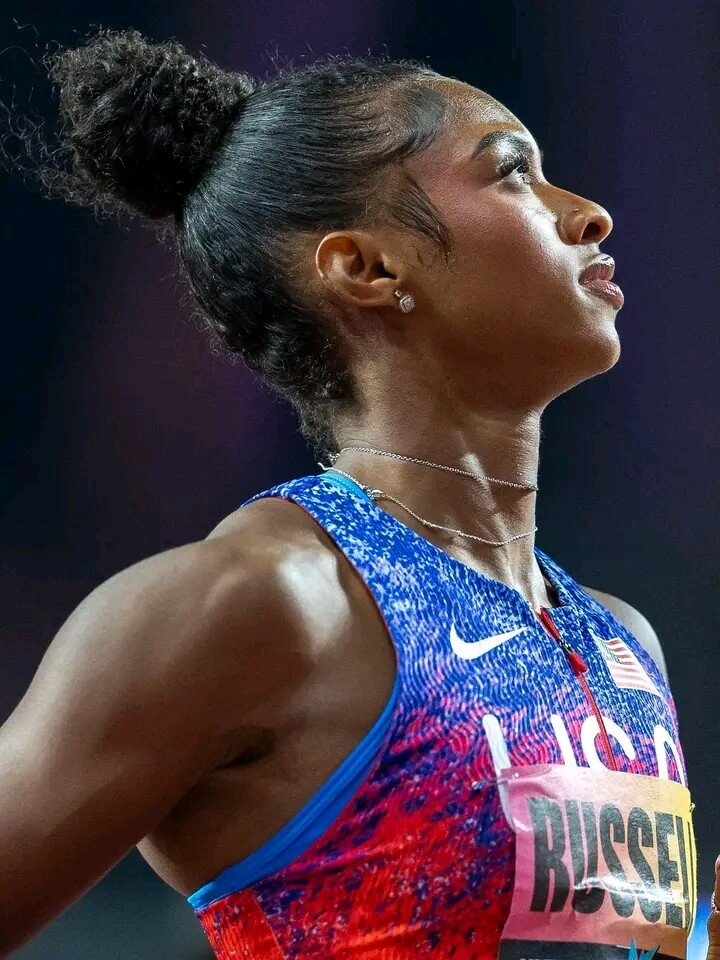
The American hurdler confirmed the decision on September 15, just days before ATHLOS London’s September 18 meeting at StoneX Stadium. Russell said she and her team believe stepping away is the right decision for her body as they turn their attention to what comes next.
“I'm grateful for everyone who has supported me throughout this year,” Russell said in her message to fans, before signing off with a promise to return to the track in 2027.
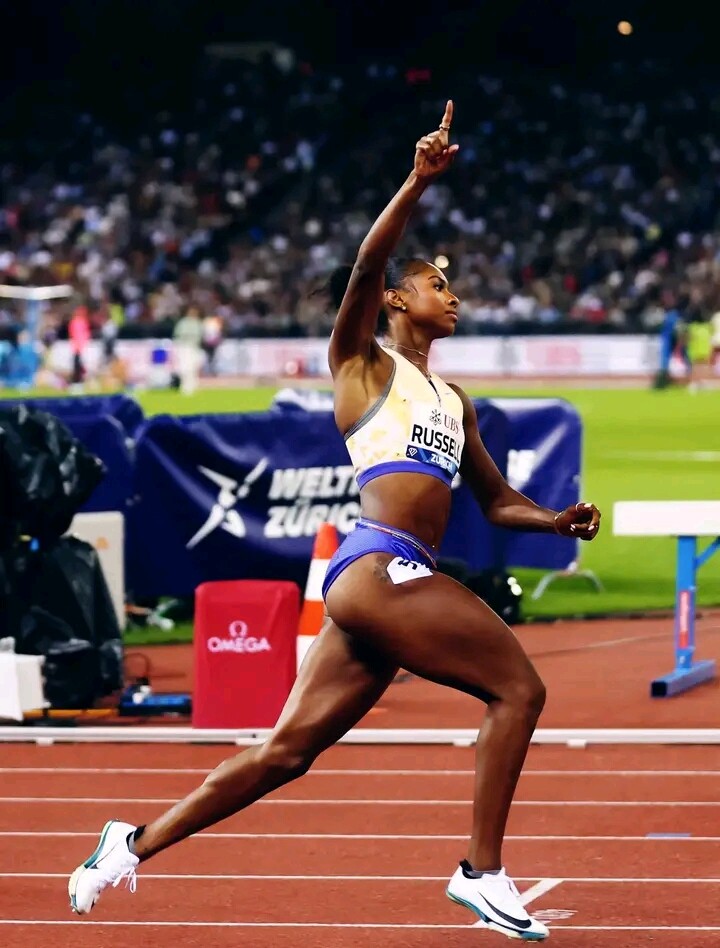
It brings an extraordinary season to a close: 14 races, 14 victories and an unbeaten record in 2026.
Russell’s season reached another level in August when she produced one of the defining performances of the year at the Weltklasse meeting in Zurich. The Olympic champion stormed to 12.09 seconds in the 100m hurdles, breaking Tobi Amusan’s world record of 12.12 and becoming the fastest woman ever over the barriers.
The performance was not a one-off. Russell followed her world-record run by winning the Diamond League Final in Brussels in 12.20 seconds before heading to Budapest for the inaugural World Athletics Ultimate Championship.
In Budapest, she completed her perfect season in style, winning the 100m hurdles in 12.22 seconds ahead of Nigeria’s Tobi Amusan and the Netherlands’ Nadine Visser. The victory was Russell’s 14th of the year and secured her unbeaten record for 2026.
Her withdrawal means fans will not get to see the world-record holder compete at ATHLOS London, where she had originally been announced among the star-studded field. The event takes place at StoneX Stadium on Friday, September 18, as ATHLOS makes its first international appearance.
For Russell, however, the decision closes the chapter on a season that has already placed her among the defining figures of the 2026 athletics campaign.
She has collected Olympic, Diamond League and World Athletics Ultimate Championship success, while adding a world record that erased one of the most significant marks in women's sprint hurdles.
And perhaps most remarkably, she did it without losing a single race.
Now Russell turns her attention to recovery, preparation and whatever comes next.
After a year of 14 wins from 14 races, a world record and an unbeaten streak, the next time Masai Russell steps onto the track will be in 2027 — with the 12.09 world-record holder entering a new season carrying an entirely different level of expectation.
by Erick Cheruiyot for My Best Runs.
Login to leave a comment
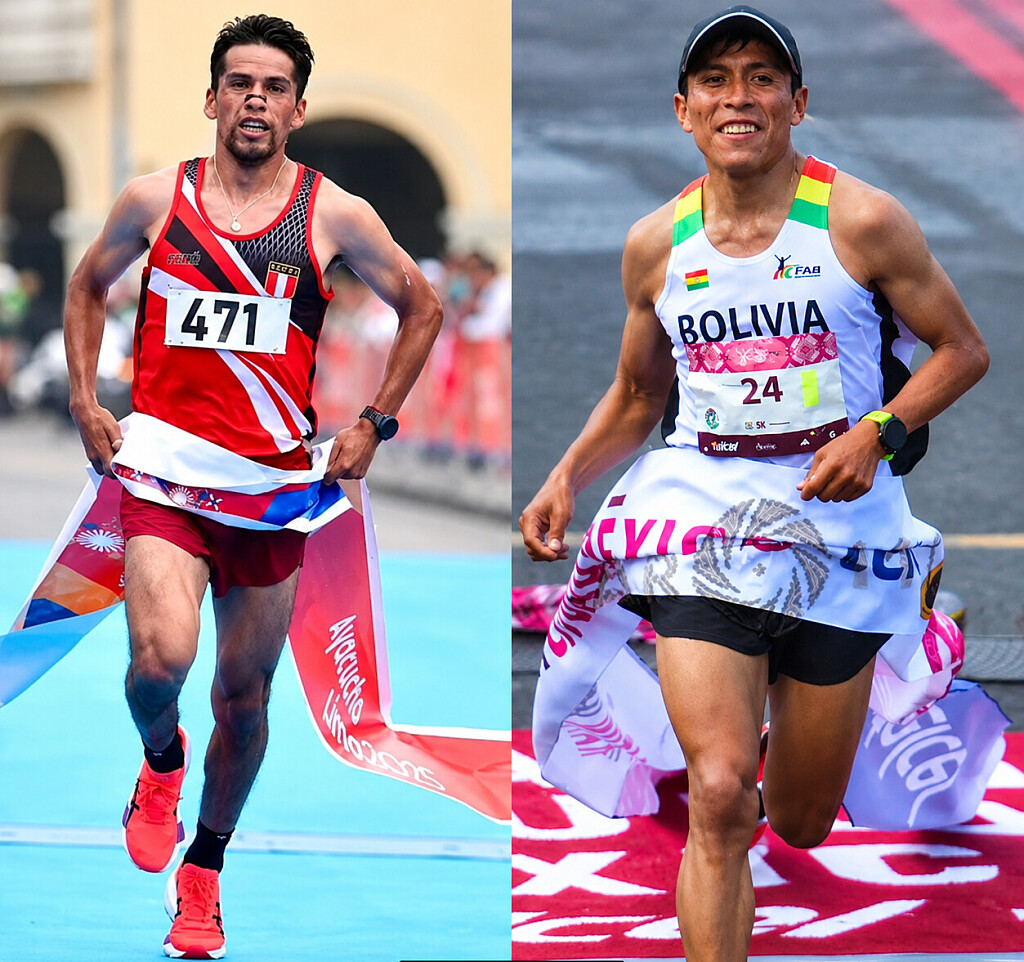
South America’s Best Set For Copenhagen World Half Marathon Showdown
South America will be represented by a strong eight-man contingent at the World Athletics Road Running Championships Copenhagen 26, with the athletes set to take on one of the deepest and most competitive men’s half marathon fields on Sunday.
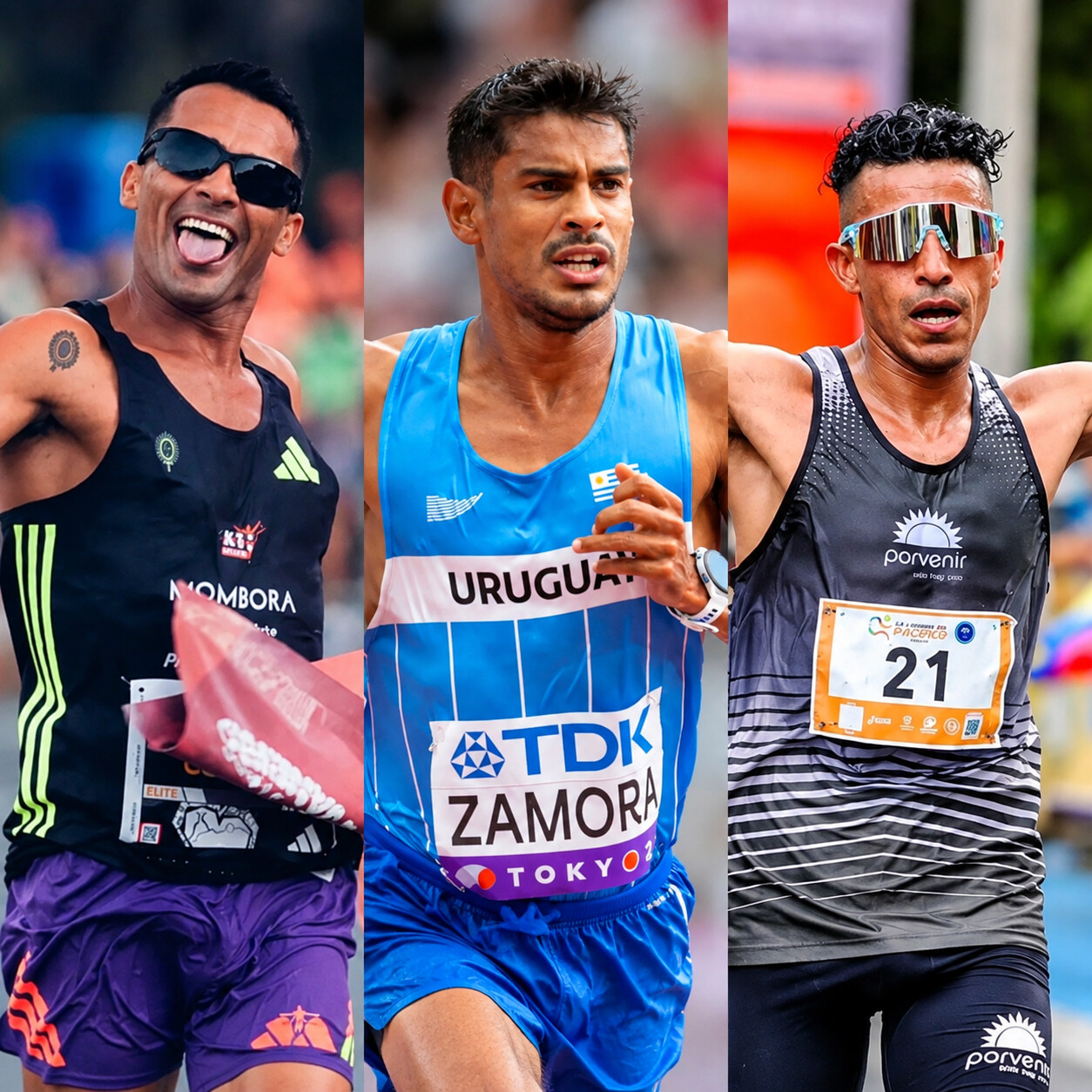
The championship will bring together leading road runners from around the world, creating a demanding stage for the South American representatives as they battle for strong championship positions and potentially significant personal breakthroughs.
Bolivia’s Héctor Garibay headlines the group, joined by Colombia’s Mauricio González and Uruguay’s Cristhian Zamora. Peru will be represented by Ferdinand Cereceda, while Brazil has the largest presence with Fabio Jesus Correia, Lucas Paulo Ferreira and Giovani Dos Santos.
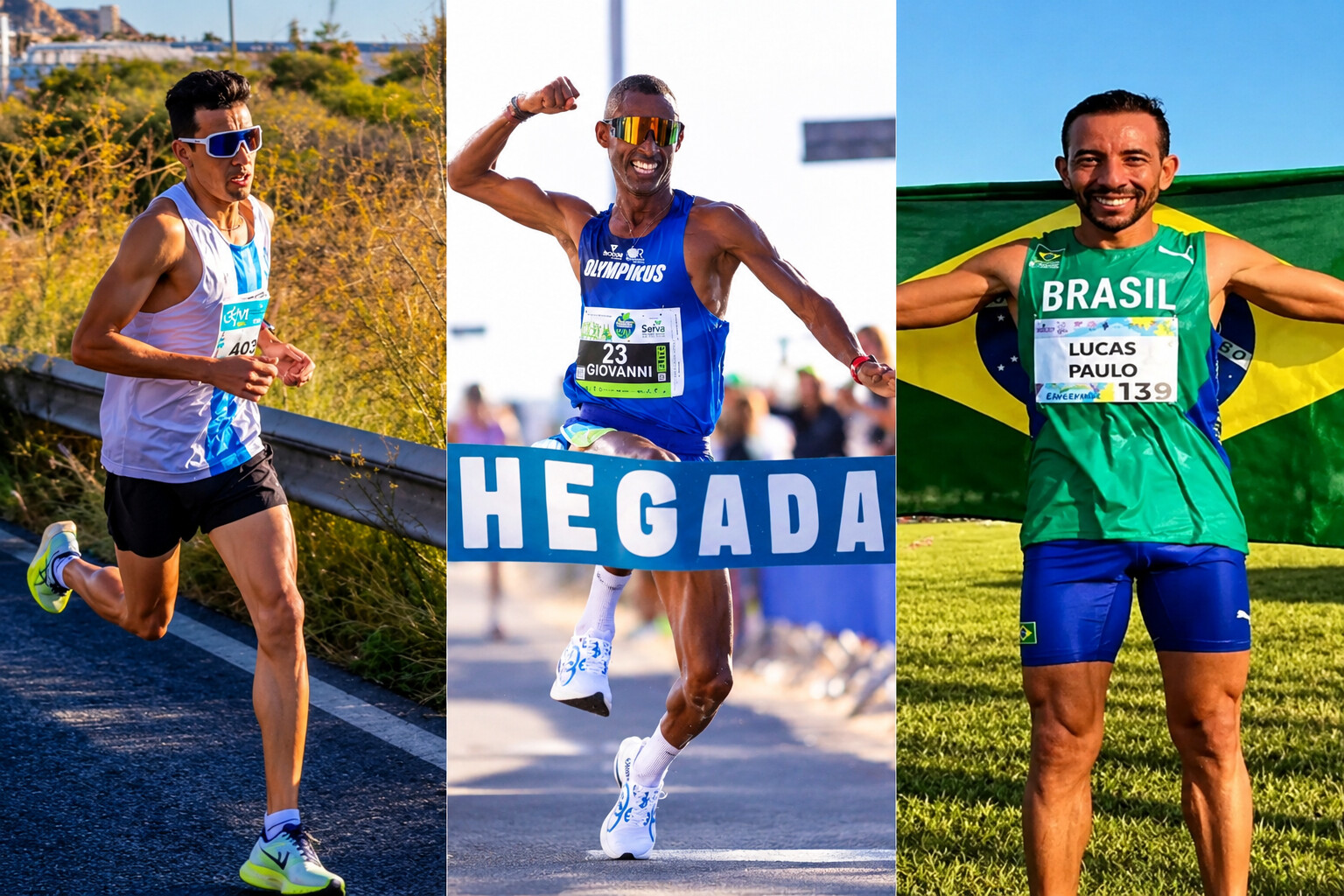
Argentina completes the contingent with Marcelo Fabian Manrique, giving South America a diverse eight-man lineup ready to take on the challenge in Copenhagen.
Competing at a World Athletics championship is never simply about chasing a fast time. Championship racing often demands patience, tactical awareness and the ability to respond when the pace changes, particularly when the field contains athletes capable of producing world-class performances.
For the South American runners, Copenhagen offers more than an opportunity to compete for championship honours. It is a chance to test themselves against the very best in the world and measure how far they have progressed on the international stage.
The contingent also brings a fascinating mix of experience, ambition and emerging talent. Each athlete arrives with a different racing background, but they share the same opportunity: to turn months of preparation into one memorable performance on the biggest road-running stage. Against a world-class field, even a small improvement in the closing kilometres could make a significant difference in the final standings.
Copenhagen is therefore set to provide a true test of character as much as fitness. The championship atmosphere, fast competition and relentless pace will demand that the South American runners remain composed from the opening kilometres to the final stretch. If they can execute their race plans and find another level when it matters most, several could leave Denmark with performances that represent important milestones in their careers.
With the pressure of a global championship and the depth of talent expected on the starting line, every kilometre will count. A personal best would be a major achievement, but strong tactical racing and a competitive finish could prove just as valuable.
The eight athletes will now look to arrive in Copenhagen ready to embrace the challenge, with South America hoping to make its presence felt when the world’s best half marathoners take over the streets of the Danish capital.
by Erick Cheruiyot for My Best Runs.
Login to leave a comment
Lucy Gossage Makes History With First Sub-Three-Day Women’s Pennine Way Run
British ultrarunner and oncologist Lucy Gossage has etched her name into the history of British ultrarunning, becoming the first woman on record to complete the 268-mile Pennine Way in under three days.
Gossage reached the finish at Edale early Monday morning after an extraordinary 70 hours, 47 minutes and 15 seconds on England’s oldest National Trail. Her journey began at 8 a.m. on Friday at Kirk Yetholm on the Scottish border, with the challenge taking her south through some of the Pennine Way’s toughest and most remote terrain before finally arriving in Derbyshire.
By the time Gossage crossed the line, most people were only beginning their Monday morning. She had already spent almost 71 hours moving through darkness, daylight, changing weather and relentless fatigue to achieve a milestone that had never before been reached in the women’s field.
Her performance also represents a major improvement on the previous women’s best. Anna Troup’s 72:46:37, set in August 2021, had stood as the benchmark for the fastest known women’s time on the route. Gossage lowered it by almost two hours. Before Troup, Sabrina Verjee held the women’s mark with 74:28:46, recorded in 2020.
What makes Gossage’s achievement even more remarkable is that the Pennine Way challenge was not originally part of her September plans.
She had entered the Northern Traverse, but when that race was cancelled, Gossage quickly changed direction and turned her attention to the Pennine Way. Rather than allowing the disappointment to derail her plans, she transformed it into an opportunity to chase one of the most demanding endurance records in Britain.
And this was far from her first encounter with the legendary trail.
Earlier this year, Gossage demonstrated her familiarity with the route by winning the Winter Spine, the brutal 268-mile January race that follows the Pennine Way. She completed that winter challenge in 87:41:38, battling freezing conditions and some of the harshest terrain the trail can offer.
Her recent record-breaking run adds another major achievement to an already remarkable endurance résumé. In June 2025, she won the South Downs Way 100 in a course-record 16:30:35, further underlining her ability to combine speed, resilience and tactical patience over ultra-distance races.
The Pennine Way, however, demanded something different. Covering 268 miles on foot is an immense challenge under any circumstances, but completing it in barely three days leaves almost no room for recovery, sleep or mistakes. Gossage had to keep moving through successive nights while managing fatigue and the physical toll of one of Britain's most demanding long-distance trails.
At the finish, the magnitude of what she had accomplished had not yet fully sunk in.
“Too tired to know what to think yet,” Gossage said, before adding a heartfelt tribute to the people who helped her through the challenge: “Other than that I have amazing friends.”
Those friends, along with her own extraordinary endurance, played a crucial role in a journey that has now secured Gossage a place in Pennine Way history.
Seventy hours, 47 minutes and 15 seconds after setting off from Scotland, Lucy Gossage had done what no woman on record had done before — conquered the 268-mile Pennine Way in less than three days.
by Erick Cheruiyot for My Best Runs.
Login to leave a comment
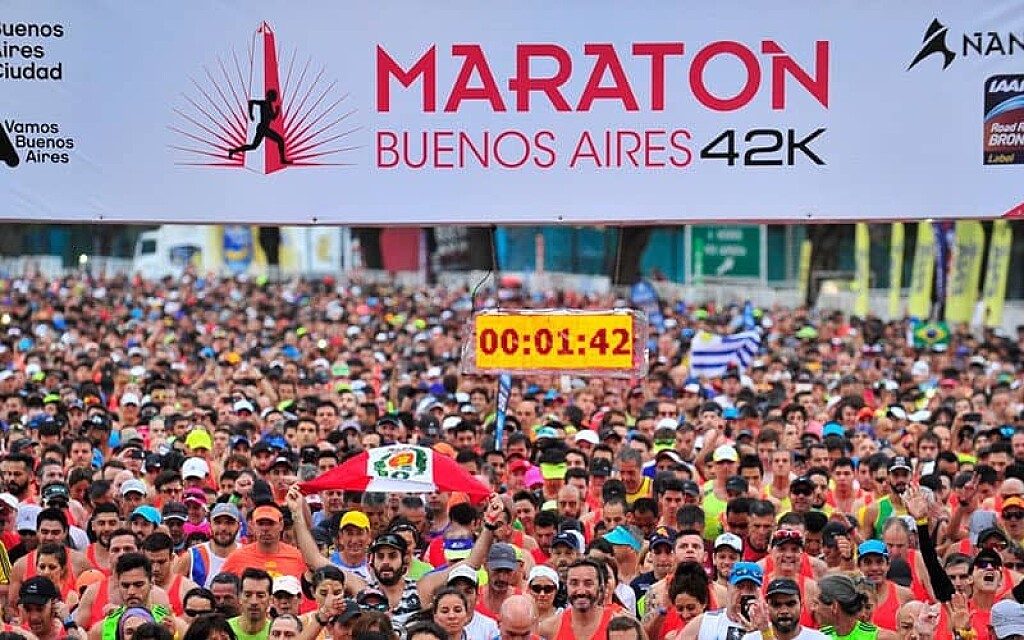
Bethwel Kibet Chumba Leads Star-Studded International Field for Buenos Aires Marathon
The Buenos Aires Marathon is set for an exciting edition on September 20, with a strong international field preparing to take on the 42-kilometre challenge through the streets of Argentina’s capital.
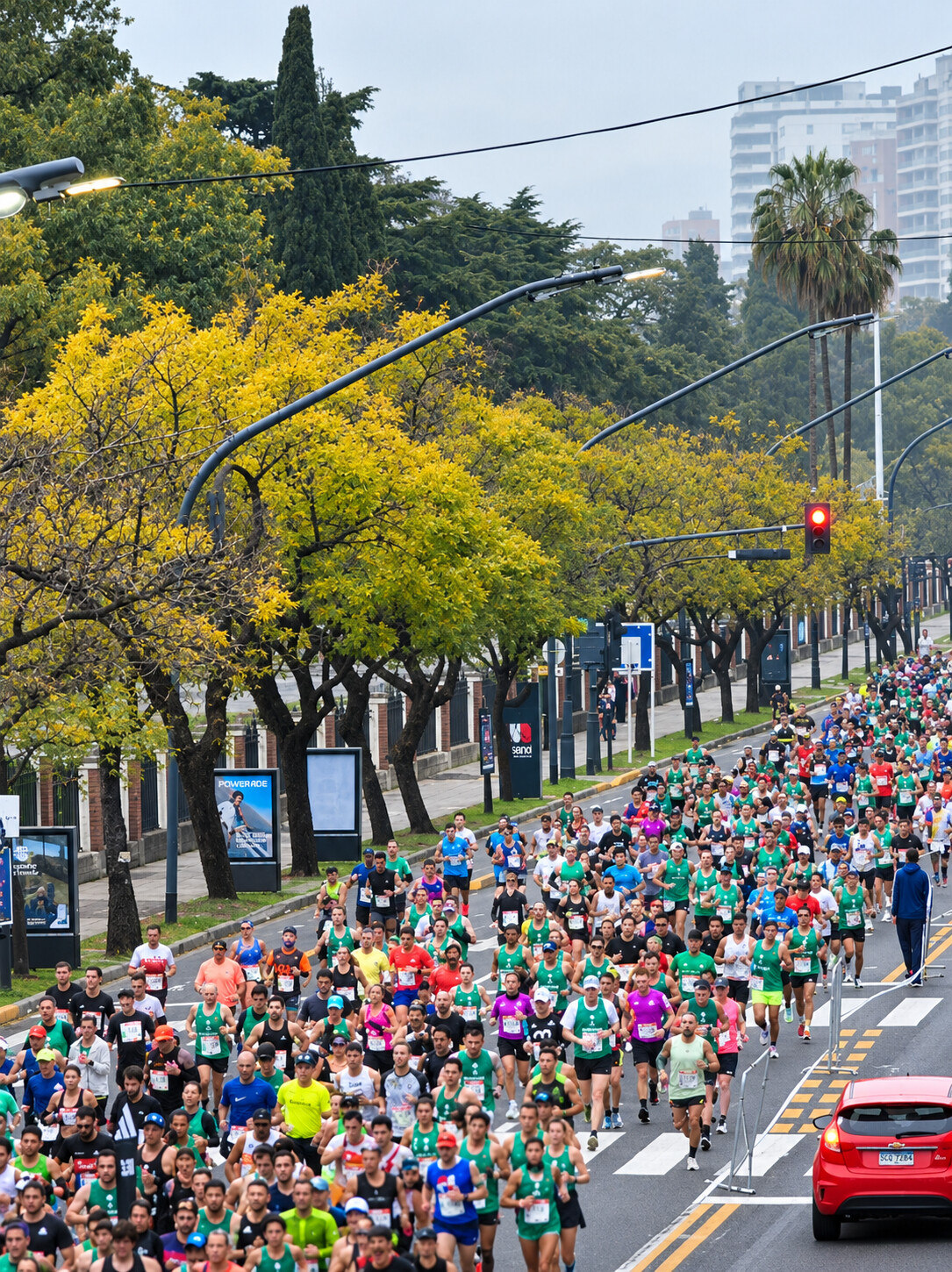
Kenyan marathoner Bethwel Kibet Chumba has been highlighted as one of the major international stars arriving in Buenos Aires, where he will headline a highly competitive men’s field featuring athletes from Kenya, Ethiopia and Rwanda.
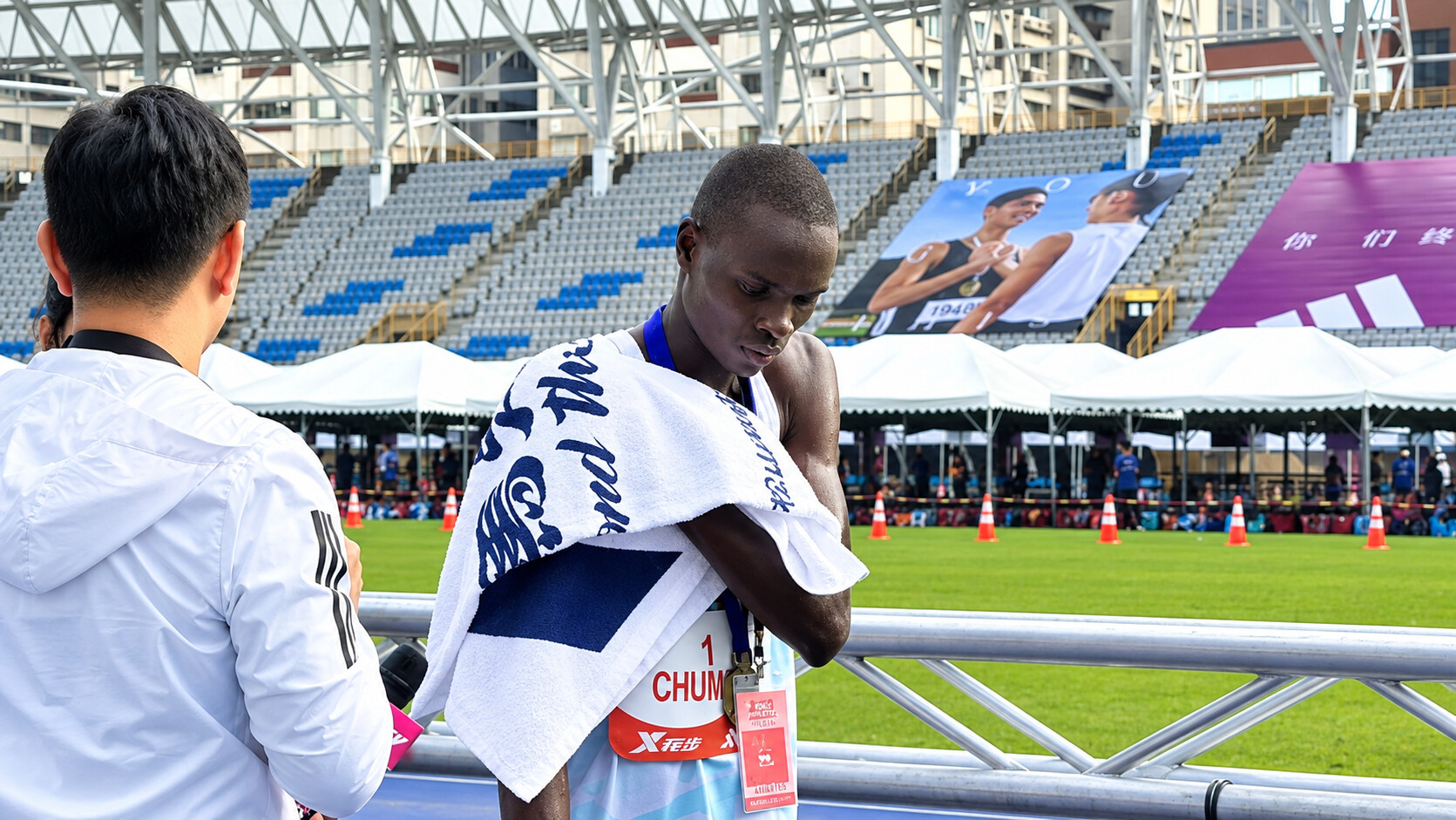
Chumba will be joined on the start line by fellow Kenyans Felix Kiptoo Kirwa, Kipkemoi Kiprono, Gevin Kipkurui Kerich, Vincent Kibor Raimoi, Kelvin Kiptoo Kororia, Vitalis Kibiwott and Zacharia Krop.
The Ethiopian challenge will feature Deribe Robi Melka, Dechasa Alemu Moreda, Embay Goitom Dimtsu and Tilahun Amsalu Beyene, while Rwanda will be represented by John Hakizimana.
With such depth across the field, the men’s race promises to produce a fascinating battle from the opening kilometres, as experienced marathoners look to position themselves for a shot at victory on one of South America’s most prominent road-racing stages.
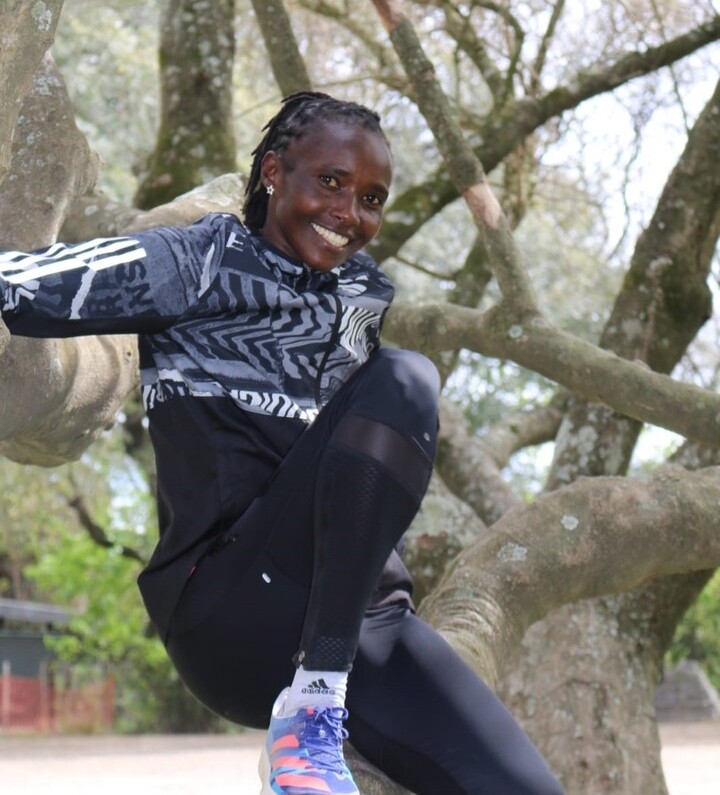
The women’s race is equally intriguing, with Kenyan star Rodah Jepkorir Tanui set to headline the international field. Tanui arrives with a clear target: to claim her fourth Buenos Aires Marathon title, adding another chapter to her impressive record in the race.
Tanui will face strong opposition from a group of international contenders led by Ethiopia’s Sintayehu Lewetegn Hailemichael, Lomi Muleta Tefera, Agere Adera Tamir, Alem Tsehay Birm Zerihun and Tadelech Bekele Nedi.
Kenya will also have Rebecca Kangogo Chesir and Emmah Cheruto Ndiwa in the women’s elite field, setting up another potentially gripping contest over the classic marathon distance.
The presence of Chumba and Tanui gives the Buenos Aires Marathon two major Kenyan figures to watch, but neither race is expected to be a straightforward affair. The depth of the international line-up means that the leading contenders will have to manage the pace carefully, conserve energy and produce their best efforts when the race enters its decisive stages.
As Buenos Aires prepares to welcome the international running community, attention will turn to September 20, when the elite athletes take to the streets for 42 kilometres of racing, with victory, prestige and another major marathon title on the line.
Buenos Aires is ready. The international stars are coming—and the battle for the 42K crown is set to be one to watch.
by Erick Cheruiyot for My Best Runs.
Login to leave a comment

Buenos Aires Marathon
The Maratón of Buenos Aires is an annual marathon foot-race which takes place in Buenos Aires, Argentina, during the Southern Hemisphere's Spring, usually in October. The 21st edition of the Buenos Aires Marathon started on October 9, 2005 at 7:30 at the 9 de Julio Avenue and Córdoba Avenue in the Recoleta neighborhood, being the start also the end point. ...
more...
Nairobi 2029: Kenya Wins Historic Bid to Bring World Athletics Championships to Africa
Africa finally has its moment. Kenya has won the race to host the 2029 World Athletics Championships, turning years of ambition into a landmark reality for the continent.
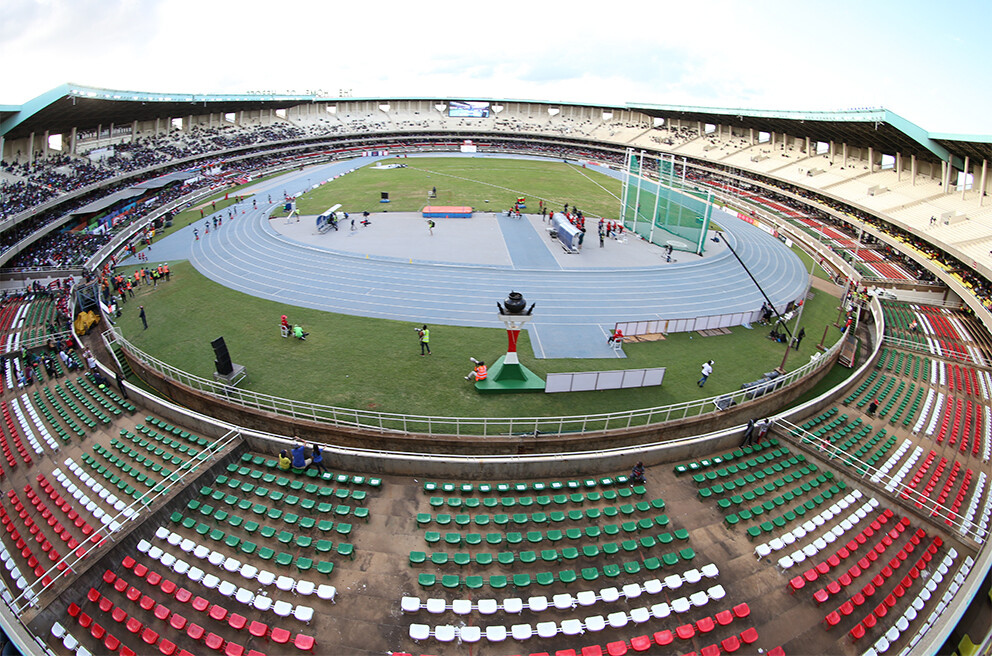
In a historic decision announced in Budapest, Nairobi has been selected to host the 2029 World Athletics Championships, making Kenya the first African nation to stage the senior global track and field championships.
World Athletics confirmed that Nairobi and Munich have been selected to host the 2029 and 2031 World Athletics Championships respectively, following what the governing body described as one of the strongest bidding processes in the history of its flagship event.
For Kenya, the announcement represents far more than a successful hosting bid. It is the latest chapter in a remarkable athletics story built over generations.
The Kenyan capital overcame strong competition from London, Rome and Munich to secure the 2029 edition, bringing the world's biggest senior athletics championship to African soil for the first time.

The championship will be staged at the Moi International Sports Centre, Kasarani, in Nairobi, giving Kenya the opportunity to welcome the world's greatest athletes to a country that has produced countless champions of its own.
For generations, Kenya has established itself as one of the most influential nations in global athletics.
From pioneering Olympic champion Kipchoge Keino and distance-running legend Tegla Loroupe among others to modern icons such as Eliud Kipchoge, Faith Kipyegon, David Rudisha, Faith Cherotich, Vivian Cheruiyot and Ezekiel Kemboi among others. Kenyan athletes have repeatedly conquered the world's biggest stages.
Their Olympic victories, world titles, records and unforgettable performances have made Kenya one of the most recognizable names in track and field.
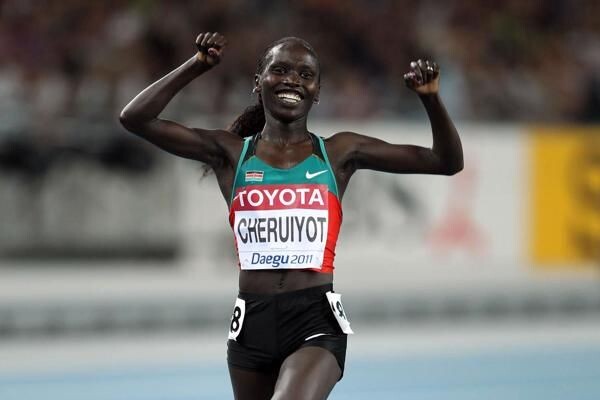
But Kenya's athletics identity extends far beyond medals.
Running is deeply rooted in communities across the country, while the high-altitude training regions of the Rift Valley have become synonymous with the development of world-class distance runners. Behind the champions are coaches, families, training partners and communities that have helped create an athletics culture admired around the world.
Now, for the first time, that culture will become the backdrop for the sport's biggest senior global championship.
Nairobi 2029 will be historic before the first race even begins.
Kasarani, already an important venue in Kenya's sporting history, will take center stage as athletes from across the globe descend on Nairobi in pursuit of world titles.
For Kenyan fans, the opportunity to watch the world's greatest sprinters, middle-distance runners, distance stars, hurdlers, field-event athletes and relay teams compete on home soil will be extraordinary.
For the country's next generation of athletes, the impact could be even greater.
Young runners who have grown up watching Kenyan champions compete around the world will now have the chance to experience a World Championships in their own country. The sight of the world's best athletes competing at Kasarani could inspire a new generation to believe that they, too, can reach the highest levels of the sport.
The significance, however, stretches well beyond Kenya's borders.
Africa has produced generation after generation of Olympic champions, world champions and global athletics icons. From Kenya and Ethiopia to Uganda, Morocco, South Africa and numerous other nations, African athletes have played a central role in shaping the history of track and field.
Yet the continent had never hosted the senior World Athletics Championships.
Nairobi 2029 changes that forever.
The successful Kenyan bid therefore represents a major breakthrough for African athletics and a powerful recognition of the continent's contribution to the sport.
World Athletics' decision also secures the future of the championships beyond Nairobi. Munich will host the 2031 World Athletics Championships, creating a two-edition sequence that will see the global showpiece move from Africa to Germany.
But the spotlight now belongs to Nairobi.
The announcement in Budapest has transformed what was once an ambitious bid into a confirmed date with history.
In 2029, Kenya will not simply send athletes to compete for world titles.
Kenya will welcome the world.
It will be a celebration of the pioneers who laid the foundation, the champions who carried the country's name across the globe and the young athletes who represent the future of African athletics.
After decades of producing champions for the world, Kenya will finally have the opportunity to bring the world's greatest athletics stars into its own backyard.
For Africa, this is more than a hosting victory.
It is a breakthrough. It is recognition. It is a new chapter.
And when the athletes walk into Kasarani for the 2029 World Athletics Championships, they will be stepping into a moment that will belong not only to Kenya, but to an entire continent.
NAIROBI 2029 — THE WORLD IS COMING TO AFRICA.
by Erick Cheruiyot for My Best Runs.
Login to leave a comment
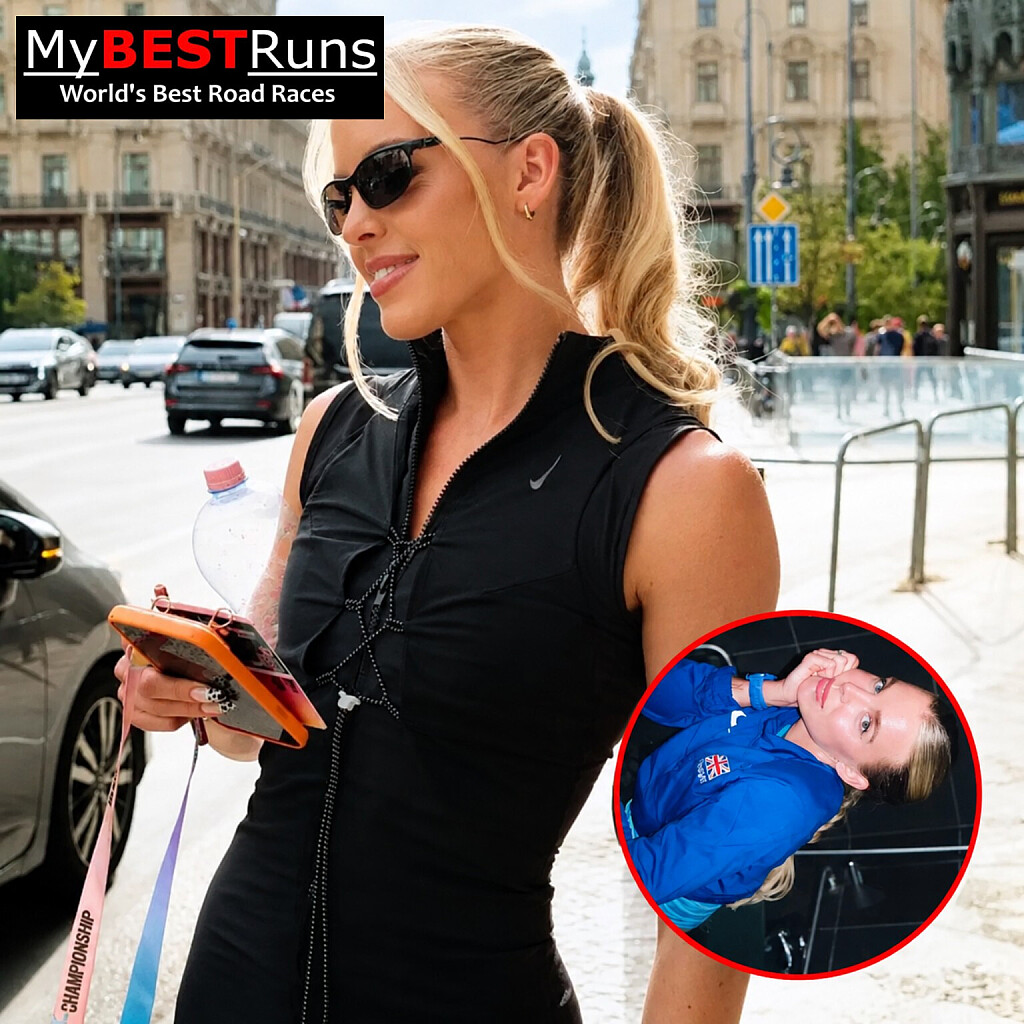
No Rest for Keely Hodgkinson! Olympic Champion Set for Homecoming Showdown at ATHLOS London
Keely Hodgkinson is wasting no time putting the finishing touches to her long and demanding 2026 season.
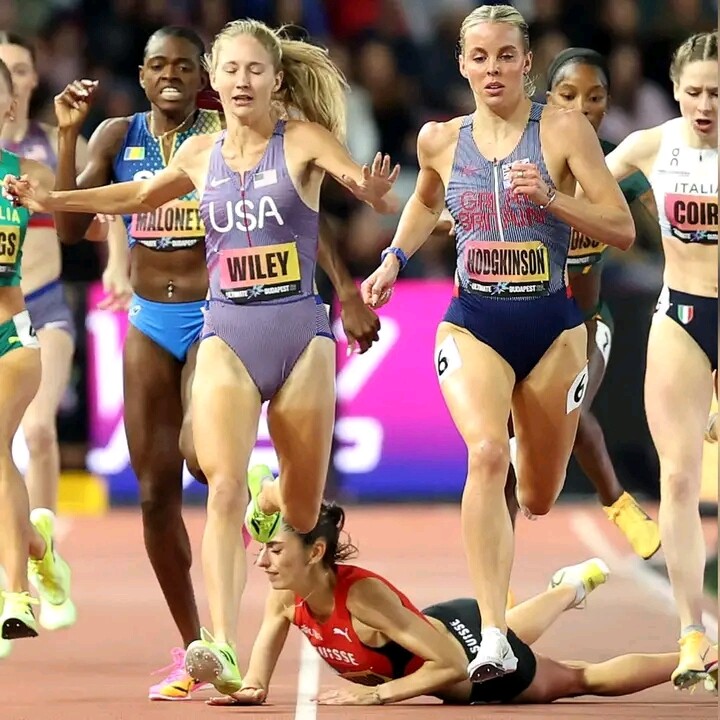
Just days after battling to a runner-up finish behind Audrey Werro in the women’s 800m at the inaugural World Athletics Ultimate Championship in Budapest, the British Olympic champion is preparing to lace up once again — this time in front of her home crowd.

Hodgkinson is set to return to the 800m at ATHLOS London on Friday, September 18, 2026, at StoneX Stadium, where she will defend the title she won at the event last year.
The quick turnaround underlines just how relentless Hodgkinson’s season has been. After months of elite competition, travel and intense racing, the 24-year-old now faces one final assignment before bringing her 2026 campaign to a close.
Budapest provided another fiercely contested race for Hodgkinson. She was unable to finish the season’s Ultimate Championship with victory, as Switzerland’s Werro produced a superb performance to claim the 800m crown, leaving Hodgkinson to settle for second.
But there will be little time to dwell on the result.
The homecoming at StoneX Stadium offers Hodgkinson an opportunity to respond immediately and potentially end her season on a high. With the British fans expected to turn out in force, the atmosphere should provide an extra source of motivation for one of the country’s biggest athletics stars.
Hodgkinson has already established herself as one of the defining 800m runners of her generation, and another victory in London would add a fitting final chapter to a season that has demanded enormous consistency and resilience.
The question now is whether she can summon one last burst of brilliance after such a gruelling campaign.
With the Olympic champion back on British soil, all eyes will be on Hodgkinson as she takes on the 800m one more time in 2026.
No rest. No easy finish. Just one final race — and a home crowd waiting to see Keely Hodgkinson deliver one more unforgettable performance.
by Erick Cheruiyot for My Best Runs.
Login to leave a comment
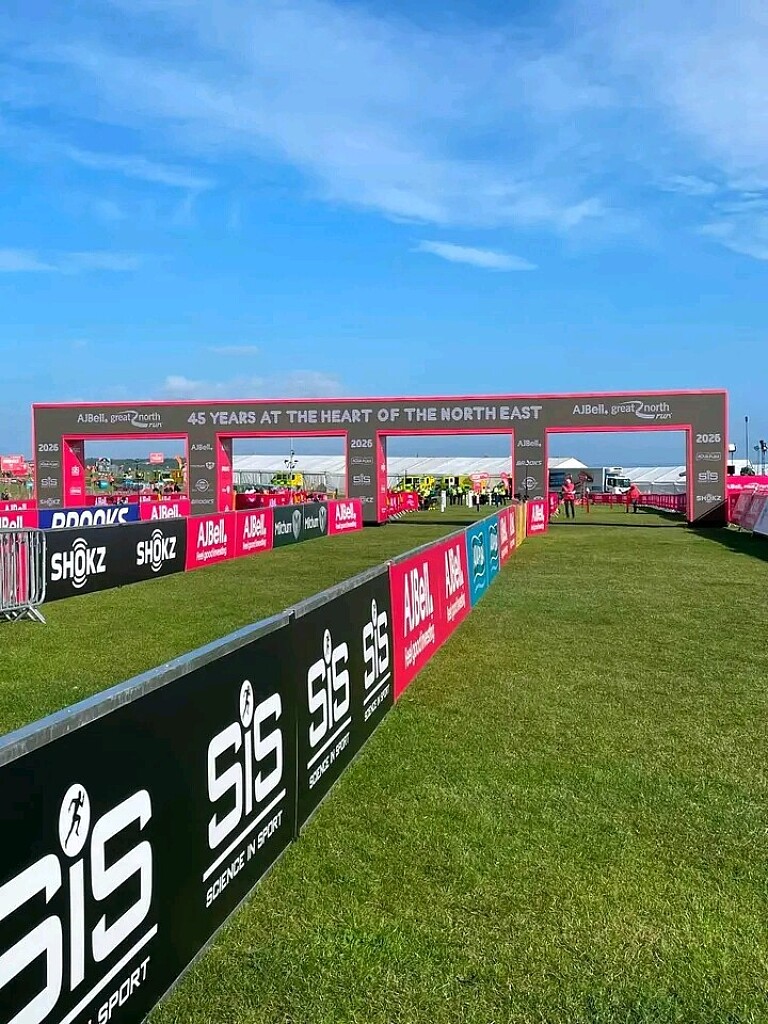
Tragedy Strikes Great North Run as Two Runners Die After Collapsing in Sweltering Conditions
The Great North Run was overshadowed by tragedy on Sunday after two 25-year-old runners died after collapsing during the iconic half-marathon from Newcastle upon Tyne to South Shields.
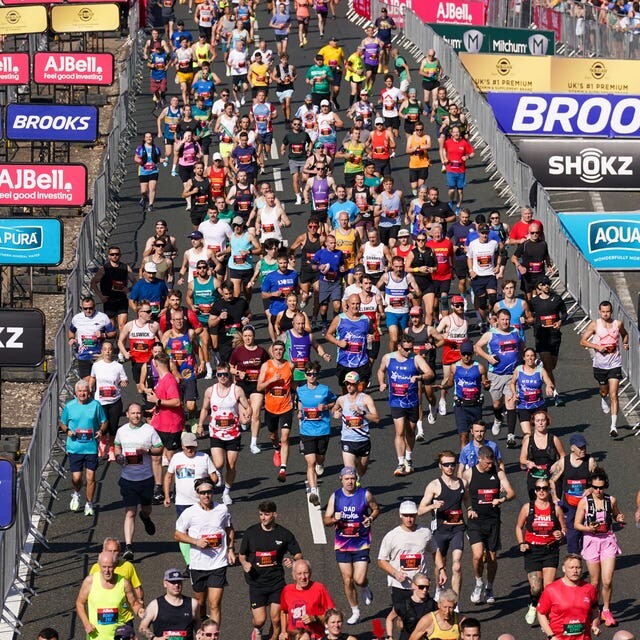
The two men, both from the North East of England, fell ill during the race despite the presence of extensive medical support along the 13.1-mile course. Organisers confirmed that emergency teams made their “very best efforts” to save them, but both runners sadly died.
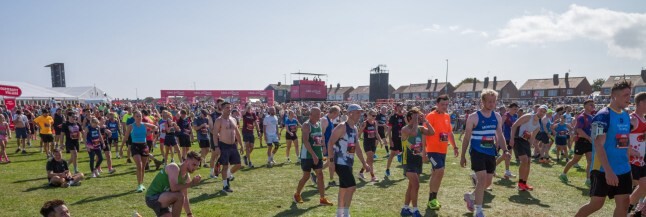
More than 63,000 participants took part in the 45th edition of the Great North Run, with huge crowds lining the route. However, what was expected to be a celebration of running was painfully disrupted by the deaths, with fellow competitors and spectators witnessing some of the emergency incidents.
One runner, Rob Nicholson, described the conditions as particularly difficult, saying it had been an exceptionally hot and crowded day.
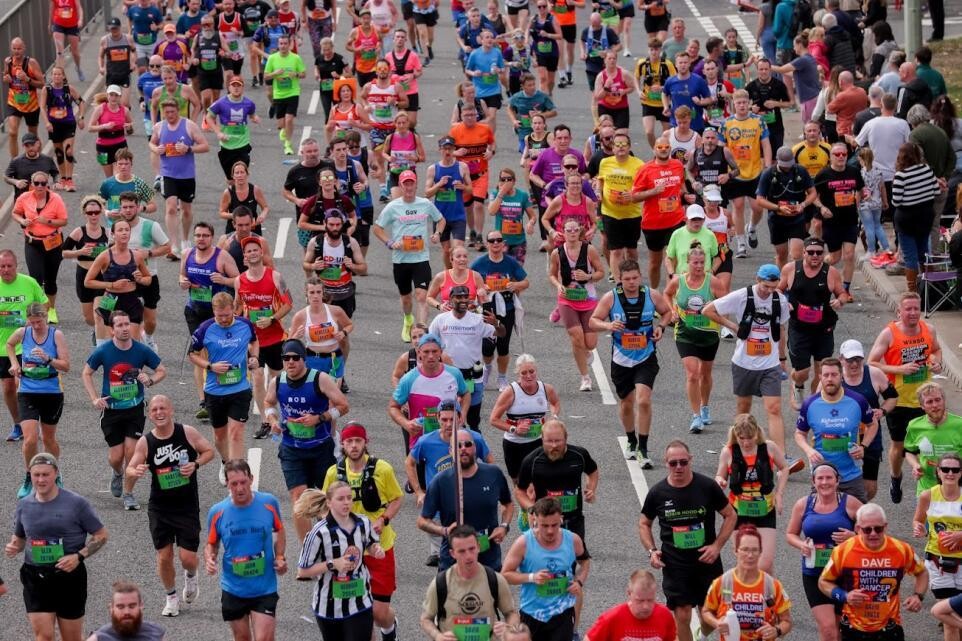
“Everyone that was there was great,” Nicholson said, highlighting the efforts of members of the public who stepped in to help. He said an off-duty nurse was among those who provided assistance to a collapsed runner.
The race featured numerous measures designed to help participants cope with the heat, including water stations, showers and water-spraying systems. Spectators also joined the effort, handing runners bottles of water, ice pops and other refreshments along the route.
Despite those measures, Nicholson said the combination of heat and congestion made the race especially challenging.
“It was a very hot day and the most crowded I’ve felt doing the run,” he said, explaining that some runners were forced to move onto paths used by spectators as they tried to navigate through the densely packed field.
The most distressing scenes came when runners stopped to protect and assist the collapsed competitors.
Nicholson recalled seeing participants form what he described as a “human shield” around one of the men, while emergency crews used medical screens around the second casualty to protect the scene from public view.
“It was really not nice to see,” he said.
The exact circumstances and cause of the two deaths remain under investigation, with work continuing to establish what happened to the two young runners.
News of the tragedy prompted an outpouring of grief, particularly from friends and fellow members of the local running community. One friend paid tribute on social media, describing one of the men as an “amazing, funny and kind man” and expressing sympathy for both families during what they described as an “awful time.”
The Great Run Company, which organises the event, also expressed its condolences to the families and friends of the two participants.
“Everyone involved in organising the Great North Run extends their heartfelt condolences to the family and friends of the two participants,” the organisers said.
They added that they were continuing to support the families during the difficult period and offered their thoughts and sympathies to everyone who knew and loved the two men.
The Great North Run remains one of the world's largest and most celebrated mass-participation half-marathons, bringing together tens of thousands of runners and hundreds of thousands of spectators each year.
But this year's edition will be remembered not only for the scale and atmosphere of the event, but also for the heartbreaking loss of two young lives on a day that was supposed to celebrate the joy of running.
by Erick Cheruiyot for My Best Runs.
Login to leave a comment

Great North Run
Great North Run founder Brendan Foster believes Britain is ready to welcome the world with open arms after the launch of the event's most ambitious plan to date. The Great World Run campaign seeks to recruit one runner from every country in the United Nations – 193 in total – to take part in the iconic half marathon in...
more...
Nairobi 2029: Could Kenya Finally Bring the World Athletics Championships to Africa?
Tomorrow could be a defining day for Kenyan athletics — and potentially for the entire African continent.

The World Athletics Council is expected to announce the host of the 2029 World Athletics Championships, with Nairobi's bid carrying the hopes of a continent that has produced generations of extraordinary athletes but has never staged the senior global championships.
For Kenya, the moment could represent the culmination of decades of dominance, sacrifice and achievement on the international athletics stage.
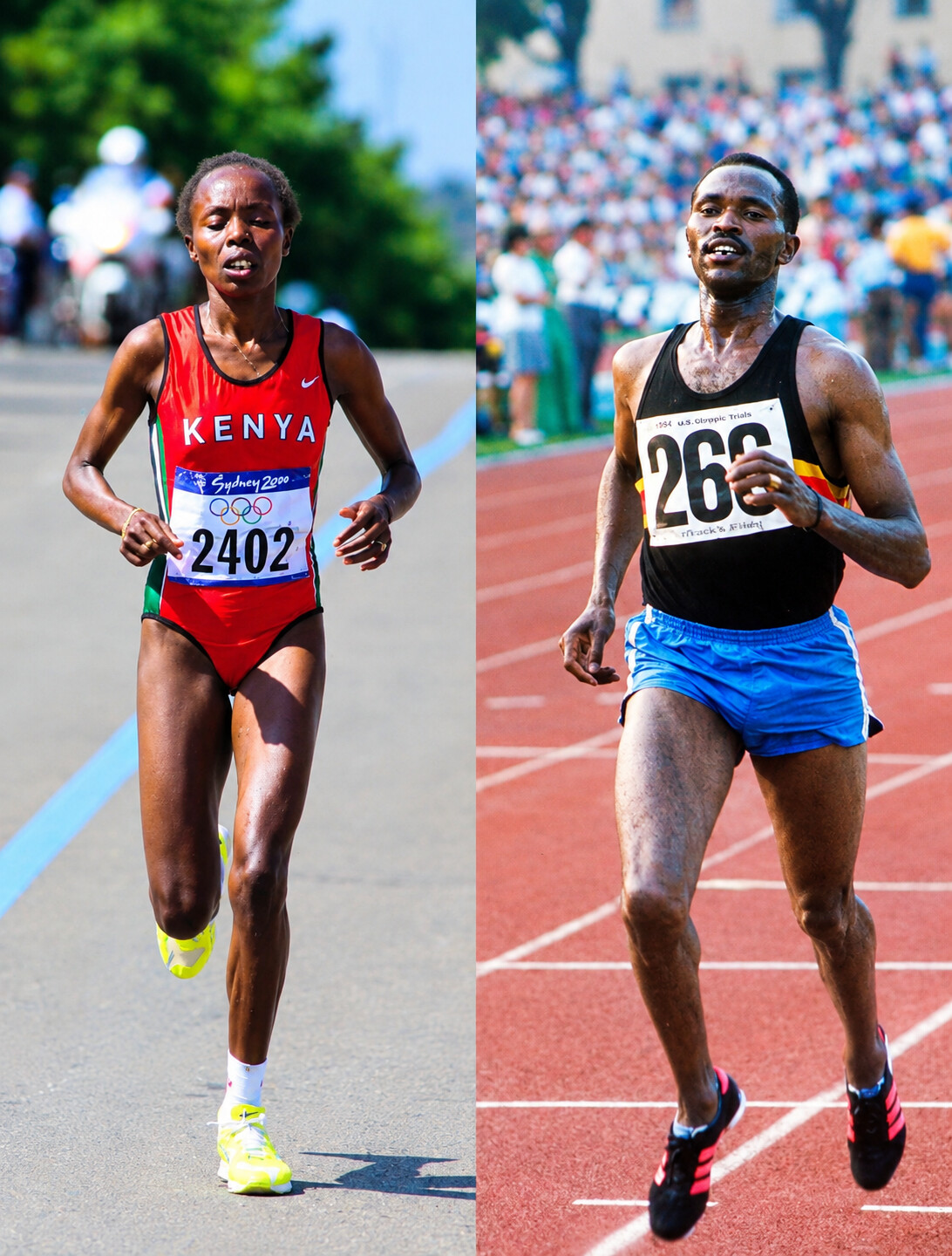
For generations, Kenya has built one of the most remarkable traditions in track and field. From pioneering legends such as Kipchoge Keino and Tegla Loroupe to modern icons including Eliud Kipchoge, Faith Kipyegon, David Rudisha, Sebastian Sawe, Beatrice Chebet and Ezekiel Kemboi among others. Kenyan athletes have repeatedly stood on the biggest stages in world sport.
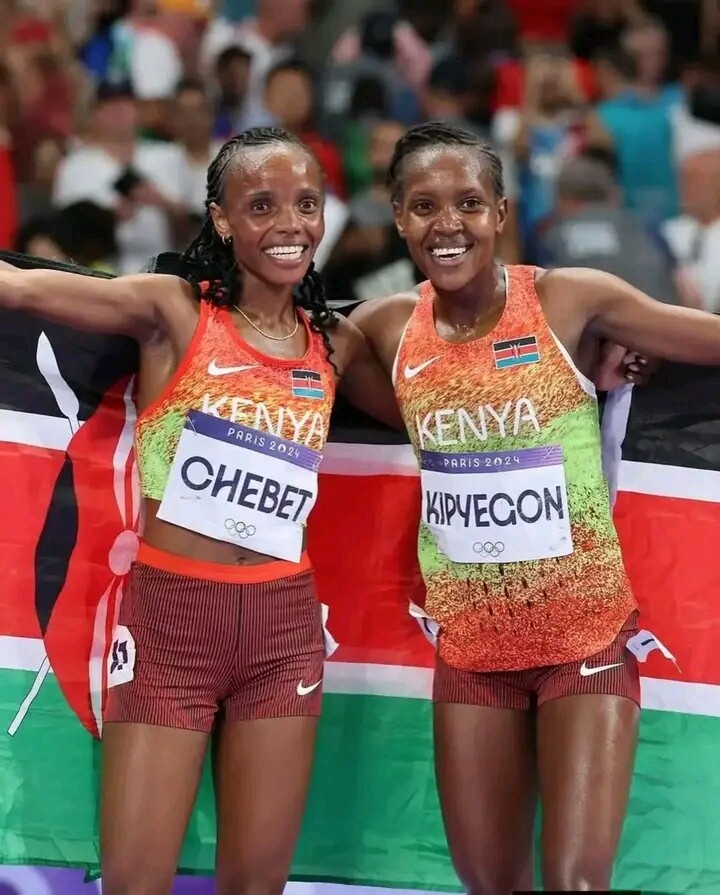
Their achievements have helped make Kenya one of the most respected names in global athletics. Olympic triumphs, world titles, records and unforgettable performances have carried the country's name across every corner of the sporting world.
But Kenya's relationship with athletics extends far beyond its medal collection.
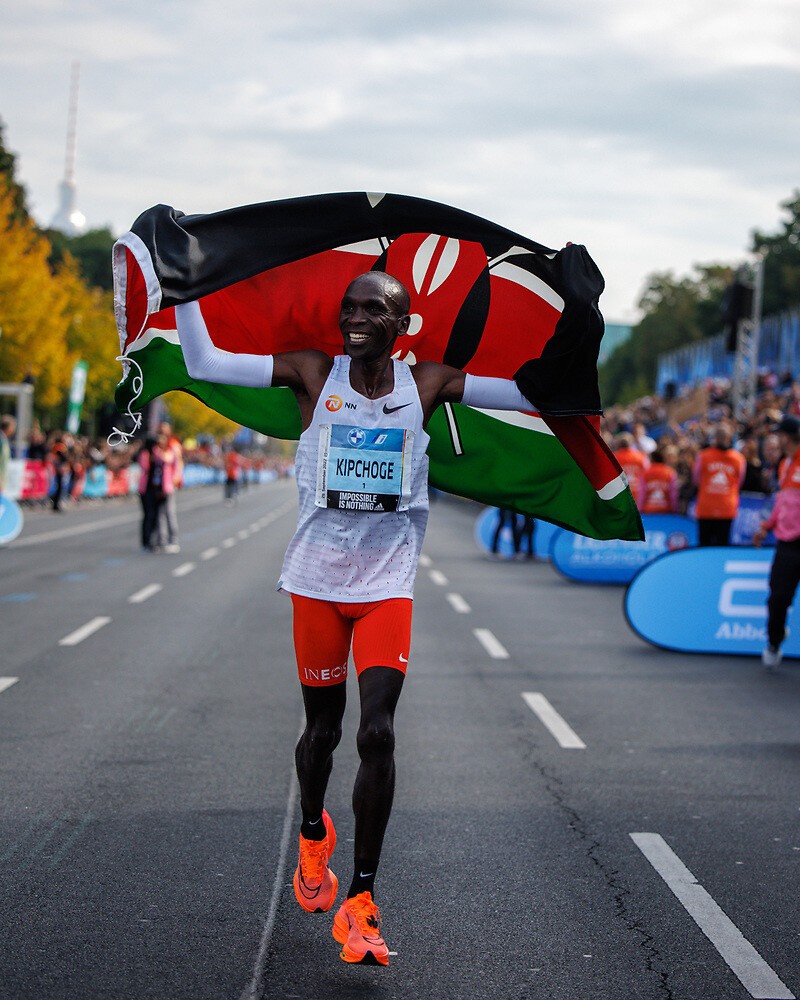
Running is deeply rooted in communities throughout the country, while the high-altitude training environments of the Rift Valley have become famous worldwide for producing elite distance runners. Behind every champion is a network of coaches, families, training partners and communities that have helped sustain Kenya's extraordinary athletics culture.
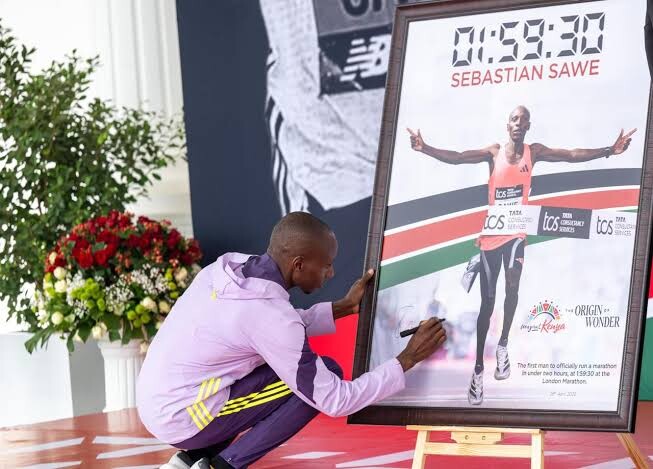
Now Nairobi is seeking to bring the world's biggest track and field championship to the country where so many champions have been produced.
The proposed centerpiece of Kenya's bid is Moi International Sports Centre, Kasarani, a venue already deeply connected to Kenyan athletics. If the bid succeeds, Kasarani could become the stage where the world's finest athletes gather in 2029 to compete for global titles.
And the significance would extend far beyond Kenya.
Africa has produced some of the greatest athletes in athletics history, yet the continent has never hosted the World Athletics Championships. Nairobi's bid could change that.
Kenya's proposal is therefore not simply about staging another major sporting competition. It represents an opportunity to bring the championships to African soil for the first time and introduce millions of international fans to the continent's remarkable athletics culture.
However, Nairobi is facing formidable competition.
Kenya's bid is competing against proposals from London, Rome and Munich, three European cities with established sporting traditions and significant experience hosting major international competitions.
That sets up a fascinating choice for World Athletics.
Will the organization take the championships to a continent that has never hosted the event, creating a historic first for Africa? Or will the competition return to one of Europe's traditional athletics powerhouses?
For Nairobi, the stakes could hardly be higher.
A successful bid would give Kenyan athletes the opportunity to compete at a World Championships in front of their home supporters. It would give young runners across the country the chance to watch the world's best athletes compete in their own backyard. And it would place Kenya's extraordinary athletics heritage at the center of global attention.
It could also provide an opportunity to celebrate the champions who came before — athletes whose achievements helped establish Kenya as an athletics superpower — while inspiring the generation that will carry that legacy forward.
Imagine Kasarani filled with thousands of passionate supporters, the world's best athletes arriving in Nairobi, and Kenyan stars stepping onto the track knowing that the biggest championship in their sport is being staged on home soil.
For a country whose identity is so closely intertwined with running, it would be a remarkable sight.
And for Africa, it could be a moment of enormous symbolic importance.
Tomorrow, Kenya — and Africa — could hear its name called.
One decision. One host. One opportunity to make history.
If Nairobi is chosen, the story would not simply be about Kenya winning a bid. It would be about Africa finally welcoming the World Athletics Championships to its own soil.
It would be a celebration of the pioneers, the champions, the coaches, the communities and the generations of athletes who have helped make African athletics a global force.
And perhaps the headline of 2029 would already be waiting:
Kenya, the home of champions, has finally brought the world to its own backyard.
Nairobi 2029 — could this finally be Africa's moment?
by Erick Cheruiyot for My Best Runs.
Login to leave a comment
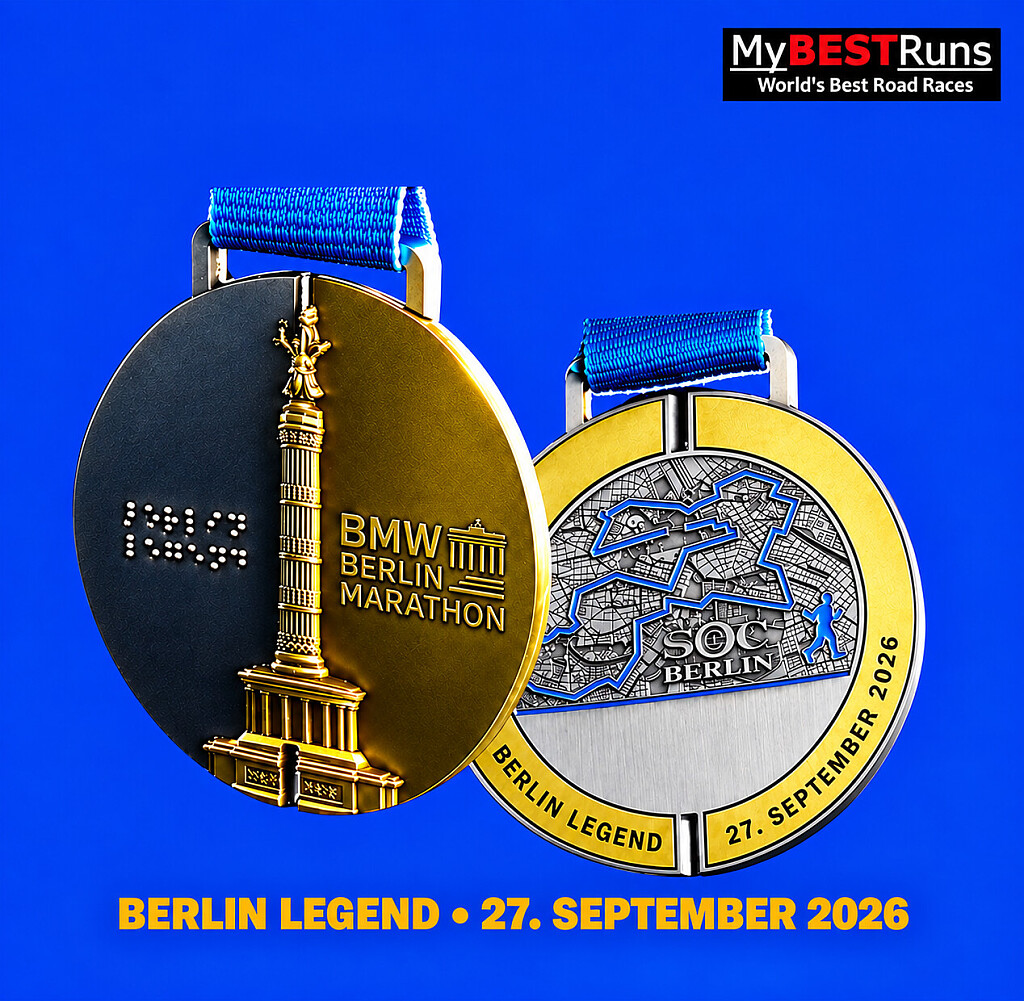
BMW Berlin Marathon Unveils 2026 Finisher Medal As Runners Prepare For September Showdown
The BMW Berlin Marathon has unveiled its official finisher medal for the 2026 edition, giving thousands of runners another exciting reminder of what awaits them when they cross the finish line in the German capital on September 27.
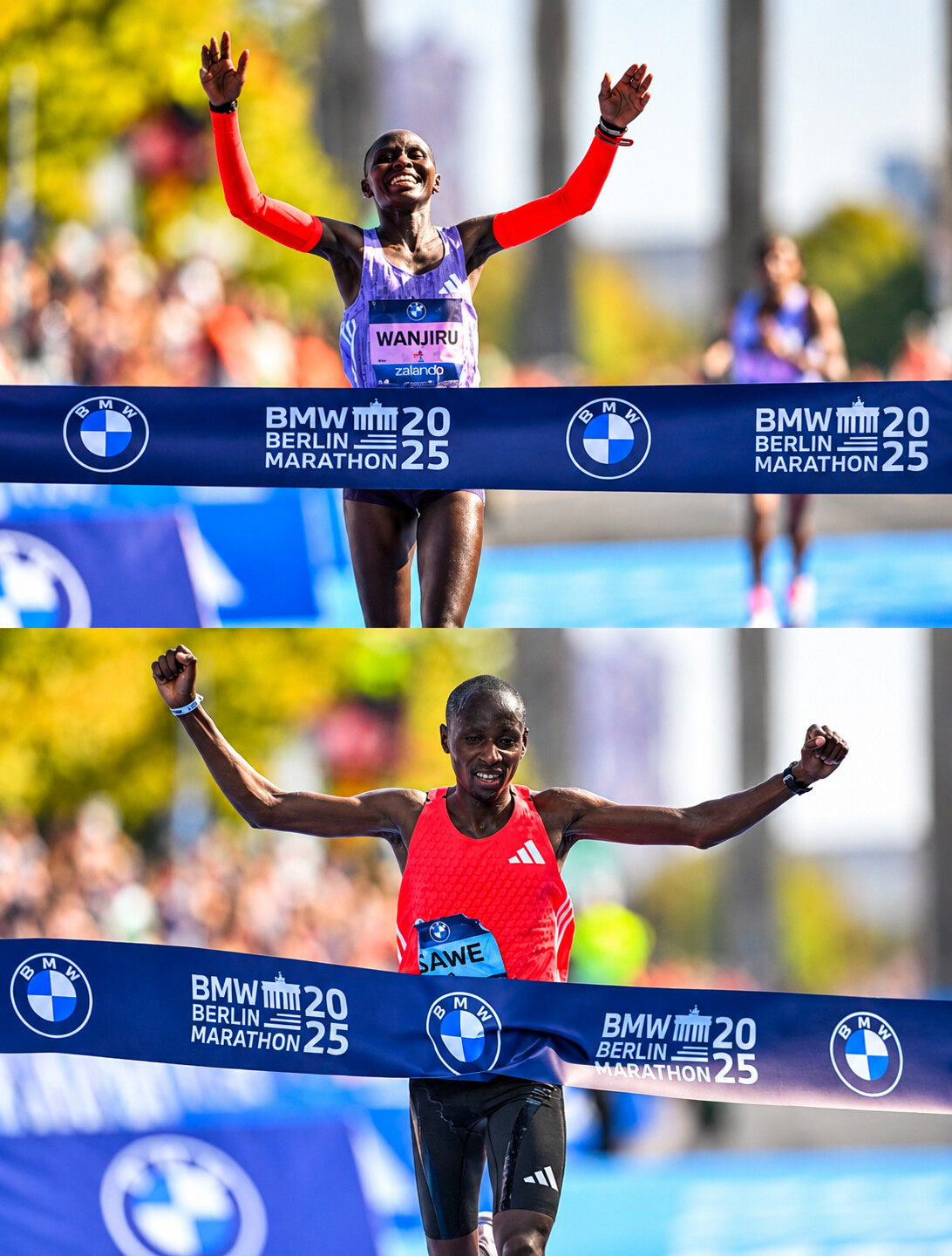
The striking medal celebrates Berlin through a distinctive combination of gold and silver tones. On the front, the city’s iconic Victory Column takes centre stage, creating a powerful symbol of the historic marathon and the unforgettable journey runners will make through the streets of Berlin.
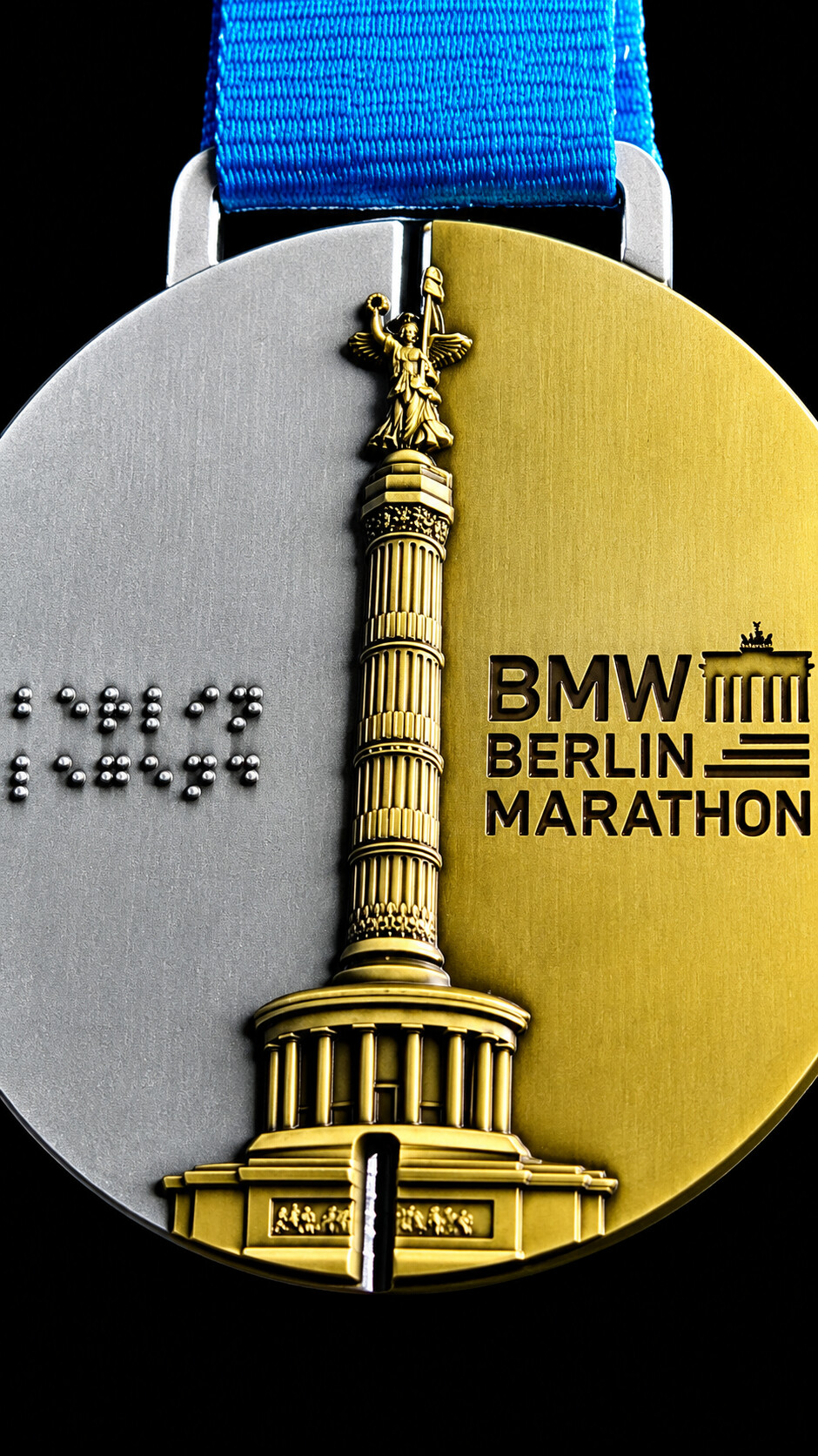
The reverse side continues the city-inspired theme, featuring a detailed map of Berlin with the marathon course highlighted across it. The design also carries the words “Berlin Legend” and the race date, 27 September 2026, making the medal a lasting reminder of the occasion.
But while the medal offers a glimpse of the reward waiting at the finish, organisers are also making preparations to help runners manage one of the biggest challenges of marathon racing: staying cool during the closing stages of the 42.195-kilometre journey.
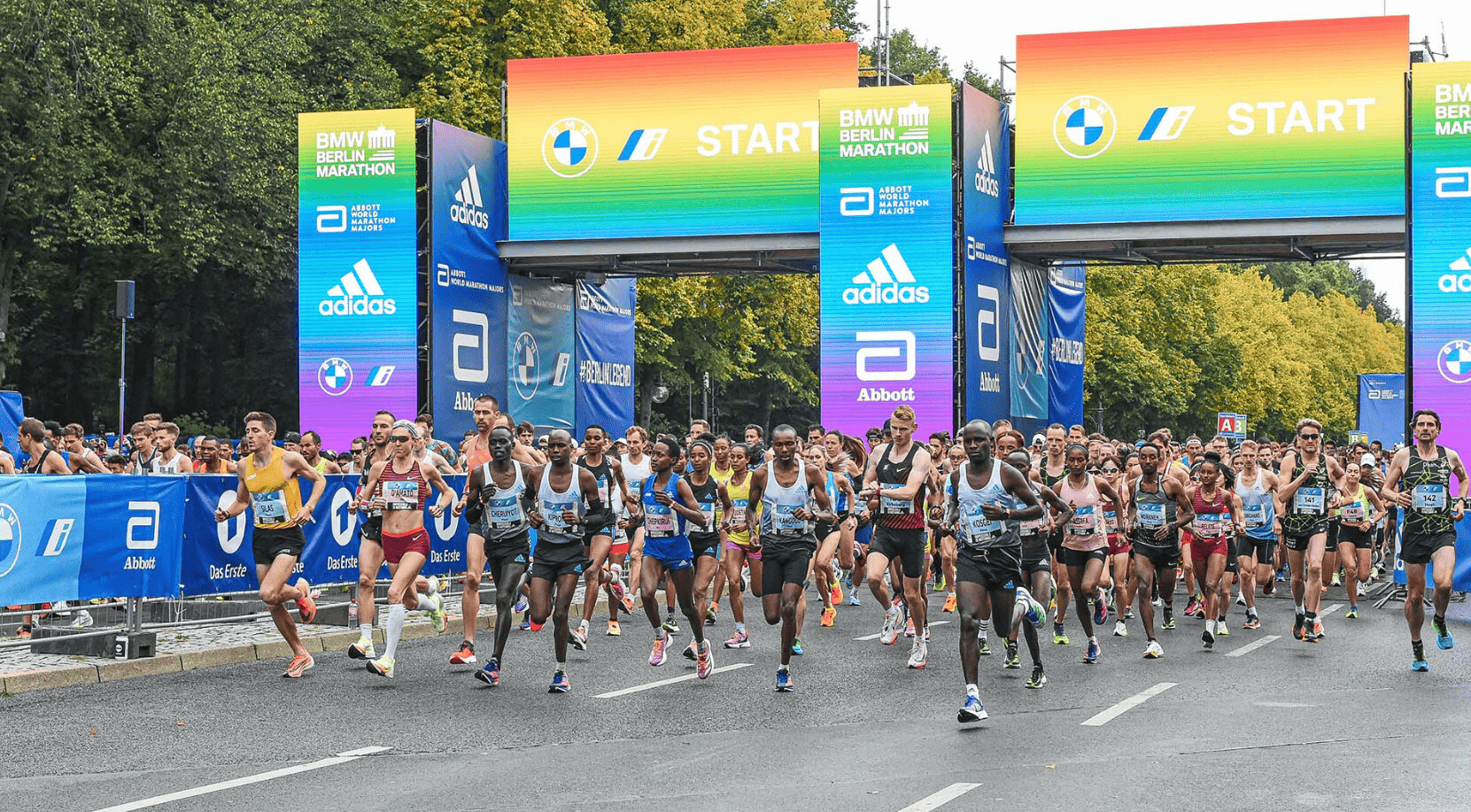
For the 2026 race, dedicated Cooling Stations will be available at kilometres 30 and 38, integrated into the aid-station areas. These locations are strategically positioned to provide runners with an opportunity to cool themselves during the demanding final stretch of the marathon.
The cooling facilities will be located before the respective aid stations in the direction of running, close to the showers. They will be clearly identifiable by an official sign attached to the wash trough, making them easy for participants to spot while racing.
The wash troughs will be filled with water, allowing runners to dip their own sponges, towels, caps and other cooling items into the water before continuing their journey. Importantly, participants must bring these items themselves, as they will not be supplied or handed out at the cooling stations.
The reminder could prove particularly valuable for runners planning their race strategy. By preparing cooling equipment in advance and knowing exactly where the stations are located, participants can make the most of the facilities when fatigue begins to set in during the final 12 kilometres.
The BMW Berlin Marathon is one of the world's most prestigious marathon races and forms part of the Abbott World Marathon Majors, attracting elite athletes and recreational runners from across the globe. For many participants, finishing in Berlin represents the culmination of months of training, sacrifice and anticipation.
Now, with the 2026 finisher medal revealed and practical race-day details being released, the excitement is building. The goal for thousands of runners will soon become very real: navigate the streets of Berlin, manage the demanding final kilometres, cross the finish line and earn the coveted “Berlin Legend” medal.
For those lining up on September 27, the countdown is officially on.
by Erick Cheruiyot for My Best Runs.
Login to leave a comment
BMW Berlin Marathon
The story of the BERLIN-MARATHON is a story of the development of road running. When the first BERLIN-MARATHON was started on 13th October 1974 on a minor road next to the stadium of the organisers‘ club SC Charlottenburg Berlin 286 athletes had entered. The first winners were runners from Berlin: Günter Hallas (2:44:53), who still runs the BERLIN-MARATHON today, and...
more...
2026 Chicago Marathon Unveils A Stunning Medal Celebrating The City’s Iconic Route
The 2026 Bank of America Chicago Marathon has unveiled its official finisher medal, giving thousands of runners another exciting reason to look forward to one of the world’s most celebrated marathons.
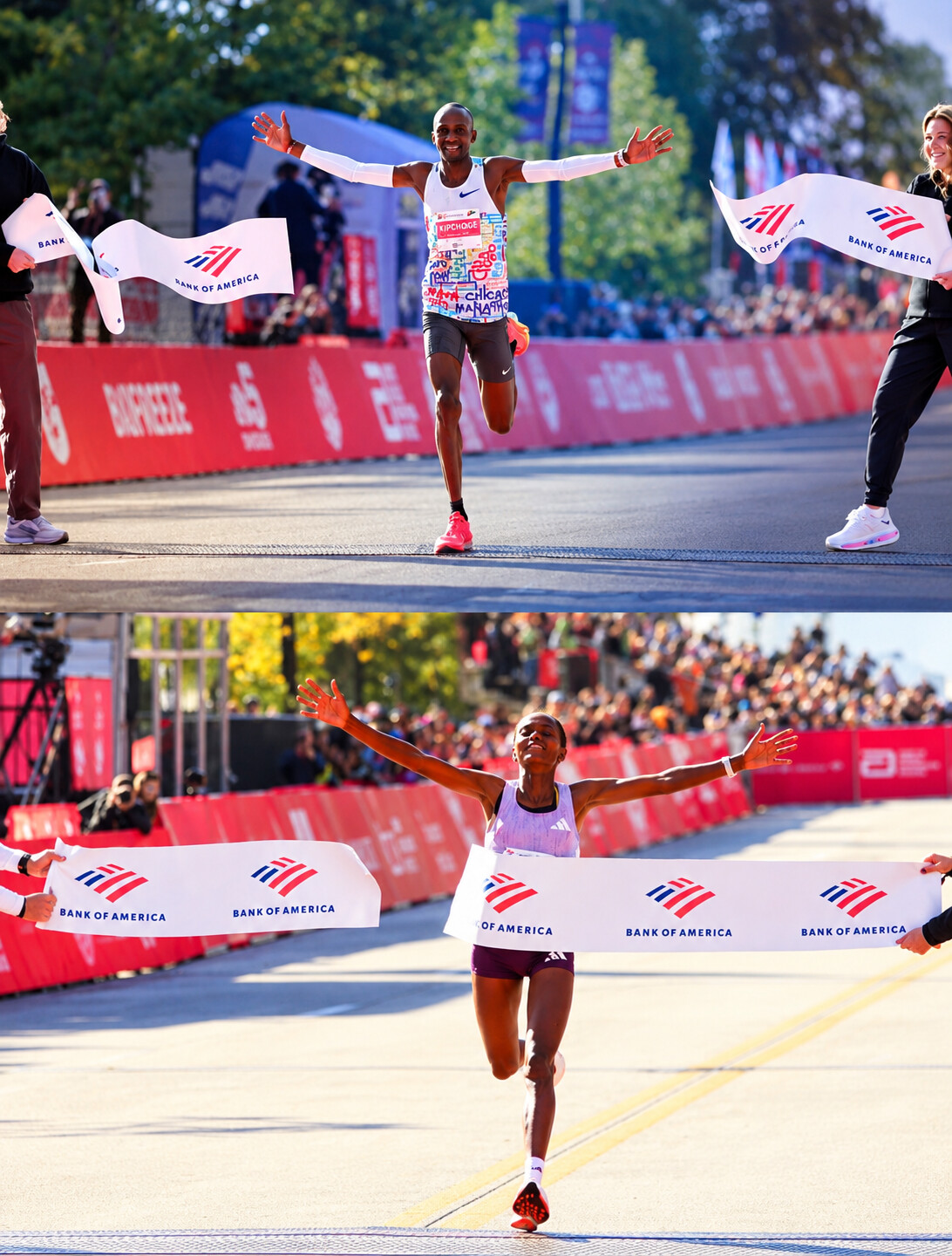
Designed as a tribute to the city and its legendary 26.2-mile course, the medal beautifully captures the character of Chicago while reflecting the experience runners will have as they race through the streets of the Windy City.
The front of the medal features the spectacular Chicago skyline rising behind the LaSalle Street Bridge, recreating an iconic view that participants will encounter during the race. While running along Wells Street, runners will be able to look to their left and see the very scene that has been immortalised on the medal.
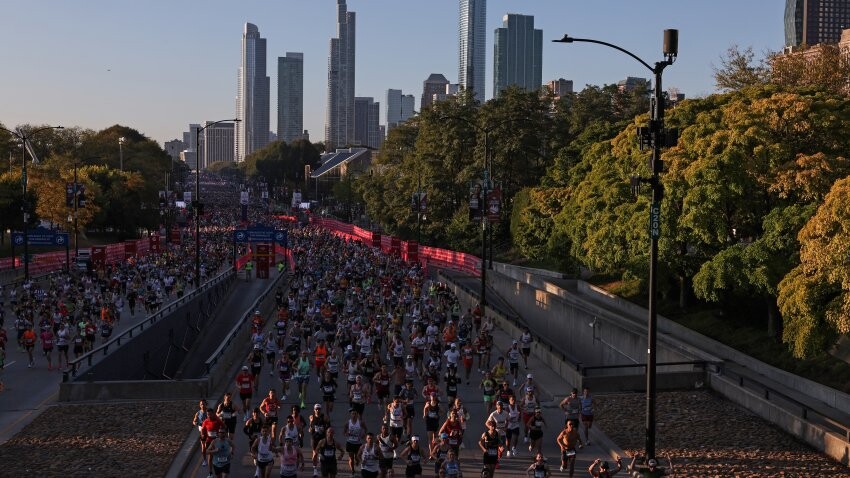
The location is particularly meaningful because the LaSalle Street Bridge comes into view during the fourth of the six crossings of the Chicago River that runners make along the marathon course. It creates a special connection between the physical experience of race day and the keepsake runners will proudly carry home after completing the 26.2 miles.
Turning the medal over reveals another remarkable detail, with all 29 neighbourhoods featured along the iconic marathon route. In this way, the medal becomes more than a finishing award—it serves as a lasting celebration of the communities, landmarks and streets that define the Chicago Marathon experience.
For those who earn it, the medal will represent far more than simply completing 26.2 miles. It will carry memories of months of preparation, demanding training sessions, personal sacrifices and the emotional journey of finally reaching the finish line.
The design also gives runners a unique opportunity to carry a piece of Chicago with them long after race day. Every glance at the medal will serve as a reminder of the streets they conquered, the river crossings they navigated and the atmosphere of a city that comes alive for marathon weekend.
With anticipation building among elite athletes and thousands of runners from around the world, the unveiling of the medal marks another exciting milestone on the road to race day. Chicago is preparing once again for a spectacular celebration of distance running—and this year’s medal promises to make the achievement even more memorable.
by Erick Cheruiyot for My Best Runs.
Login to leave a comment

Bank of America Chicago
Running the Bank of America Chicago Marathon is the pinnacle of achievement for elite athletes and everyday runners alike. On race day, runners from all 50 states and more than 100 countries will set out to accomplish a personal dream by reaching the finish line in Grant Park. The Bank of America Chicago Marathon is known for its flat and...
more...
Kiptoo Leads Kenyan One-Two As Wole Triumphs In Dramatic Münster Marathon
Kenya produced a commanding display at the 2026 Volksbank-Münster-Marathon in Germany, with Dickson Kiptoo and Dickson Kiprop finishing first and second in the men’s race, while Ethiopia’s Agrie Wole claimed victory in the women’s competition.
Kiptoo delivered the winning performance in 2:10:03, holding off compatriot Kiprop, who crossed the finish line just 43 seconds later in 2:10:46. The Kenyan dominance continued on the podium as Tanzania’s Emanuel Giniki secured third place in 2:12:37.
The men’s contest unfolded at a strong marathon pace, with the leading runners having to balance speed with the demanding conditions. Kiptoo ultimately produced the strongest performance on the day, securing the victory in just over two hours and ten minutes.
Kiprop remained within striking distance of his fellow Kenyan and finished with an impressive 2:10:46, making the battle for the top positions particularly compelling. Giniki also delivered a quality performance, breaking 2:13 to complete a highly competitive East African podium.
The women’s race was equally engaging, with Agrie Wole emerging as the strongest runner over the 42.195-kilometre distance. Her 2:28:43 winning time placed her comfortably ahead of Kenya’s Cecilia Wayua, who ran 2:30:21 to secure second.
Wayua’s performance added another Kenyan presence to the podium, while Ethiopia’s Azalech Woldesellase fought her way into third with 2:31:09. The result gave Ethiopia two athletes among the women’s top three and underlined the strength of East African distance running.
But the weather added another layer of drama to the race. Heavy rain accompanied the competition, creating difficult conditions for the athletes as they tackled the marathon course. The challenging weather demanded concentration and resilience, particularly as fatigue inevitably increased during the latter stages.
The conditions also had a serious consequence for Argentina’s Ignacio Erario, who was unable to finish after suffering a fall caused by the heavy rain. His withdrawal served as a reminder of just how unpredictable a marathon can become when athletes are forced to contend with difficult weather alongside the physical demands of the distance.
In the end, Münster belonged to East African distance running. Kiptoo and Kiprop delivered a Kenyan one-two in the men’s race, Wole led an Ethiopian triumph in the women’s competition, and the rain ensured that the 2026 edition would be remembered as a particularly demanding and dramatic marathon.
by Erick Cheruiyot for My Best Runs.
Login to leave a comment

Volksbank Munster Marathon
Word has long since got around that we are combining the marathon with a big event. Appreciation for our runners is very important to us. The Volksbank-Münster-Marathon is organized by runners for runners - mostly on a voluntary basis and with a lot of passion. There will again be theme power points, around 300 artists and bands and over 100,000...
more...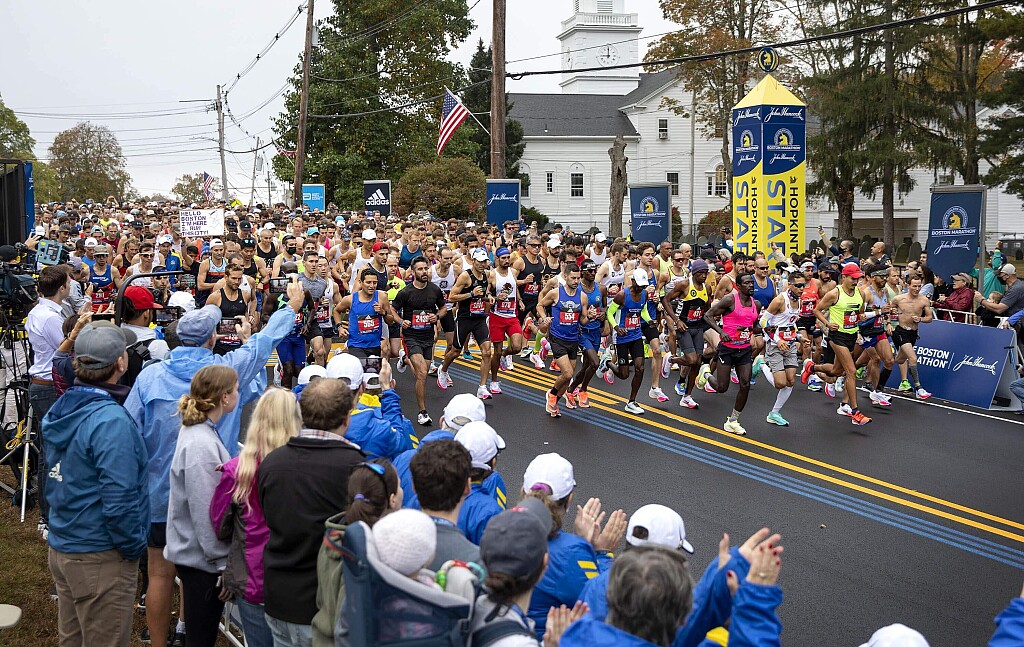
Boston Marathon Opens 2027 Registration With New Lifeline For Runners Who Miss The Cut-Off
Registration for the 2027 Boston Marathon opened today, September 14, giving thousands of runners who have achieved the official qualifying standards their chance to apply for one of the most coveted places in road racing. The registration window will remain open through Friday, September 18, at 5:00 p.m. Eastern Time.
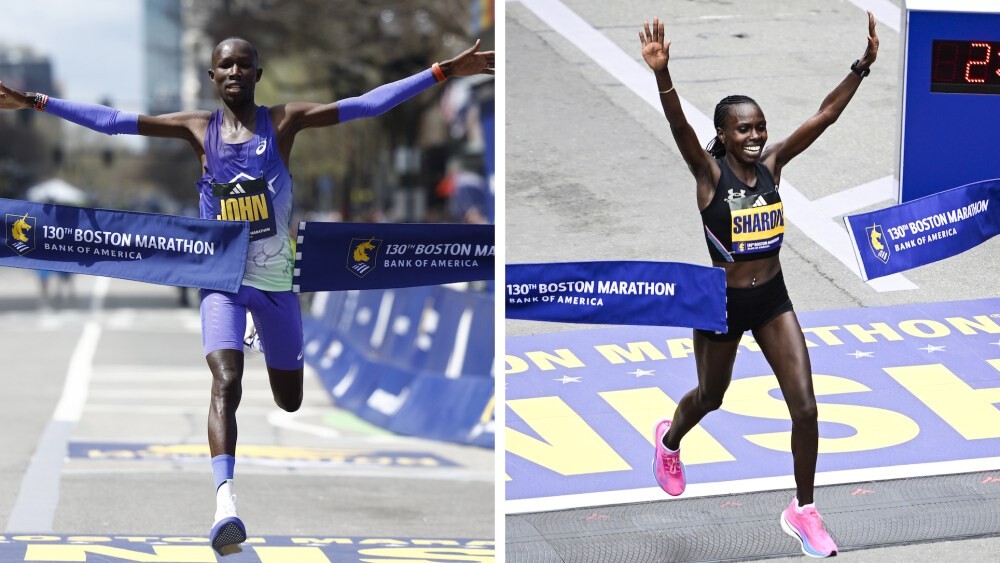
The 2027 edition of the Boston Marathon will bring a major change to the qualification process. For the first time, runners who meet their age-group qualifying standard but finish outside the eventual cut-off will have an additional opportunity to gain entry through a new Boston Qualifier Selection.
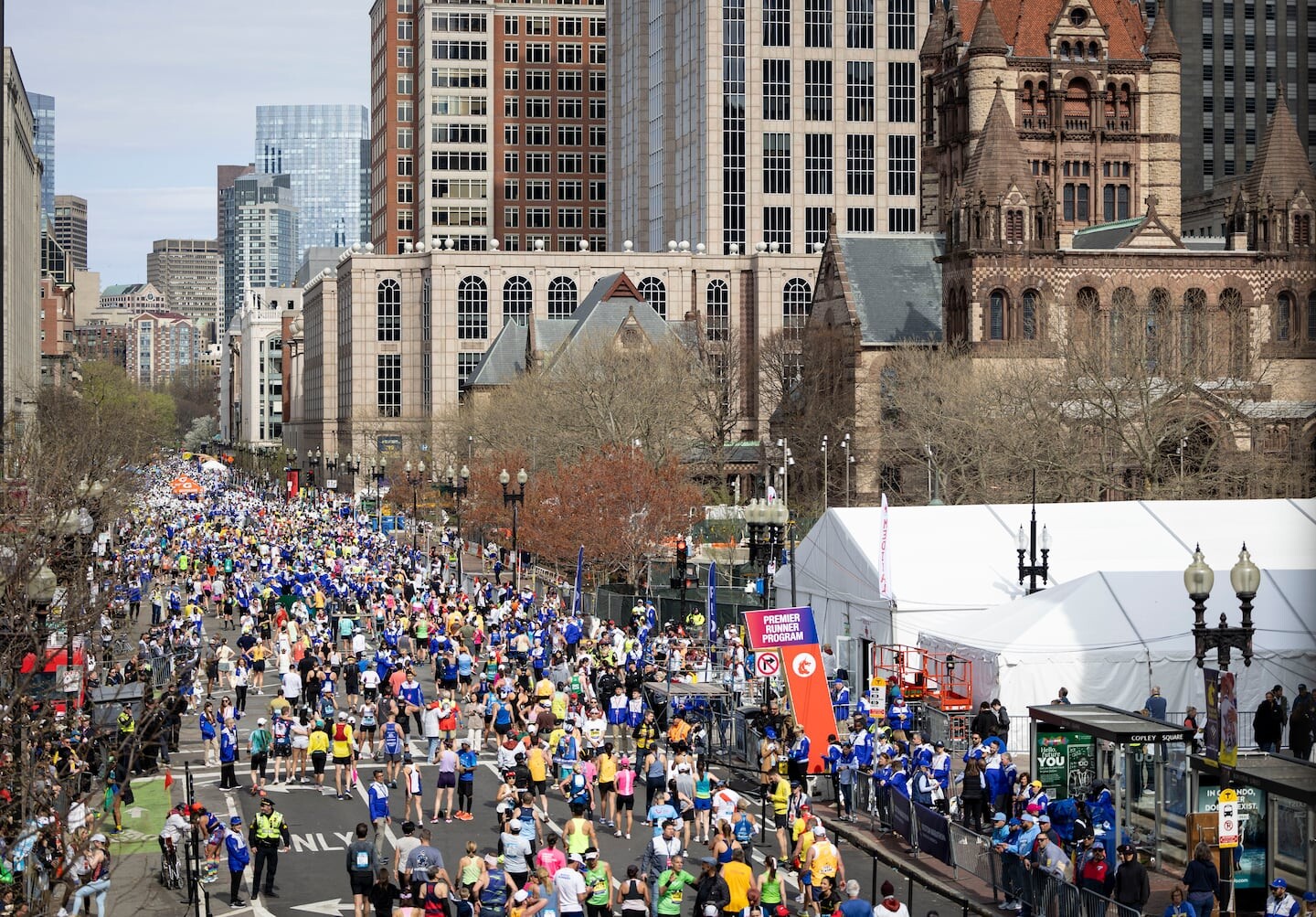
After registration closes, the Boston Athletic Association (B.A.A.) will verify performances and rank applicants according to how far they finished under their respective qualifying standards. The fastest qualifiers will be accepted first, with their performances determining the cut-off for each age and gender group.
But this time, missing that cut-off will not necessarily mean the end of the dream. Approximately 1,000 runners whose qualifying performances are not fast enough to secure automatic entry will be randomly selected through the Boston Qualifier Selection. Those athletes will automatically be included in the pool for the additional draw.
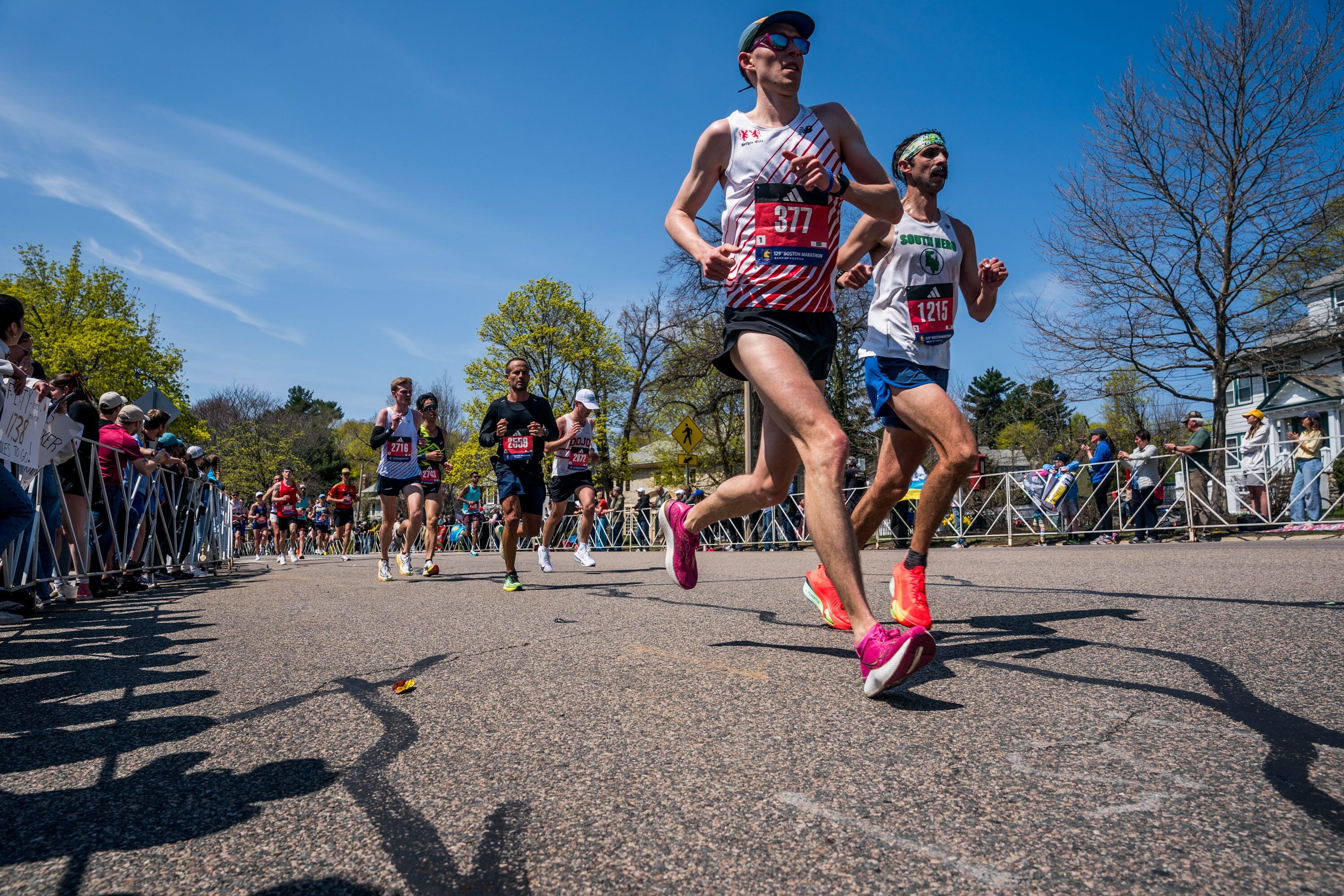
The new system comes as demand for Boston continues to outpace the number of available qualifying places. In recent years, simply achieving the published standard has increasingly failed to guarantee entry. For the 2025 Boston Marathon, 12,324 qualified applicants were not accepted, while another 8,887 missed out for the 2026 race after the qualifying field produced a cut-off of 4 minutes and 34 seconds faster than the applicable standard.
That reality has transformed Boston qualification into a race within the race. A runner may finish under the official standard and still need to be several minutes faster to secure a place, depending on the strength and size of the applicant pool.
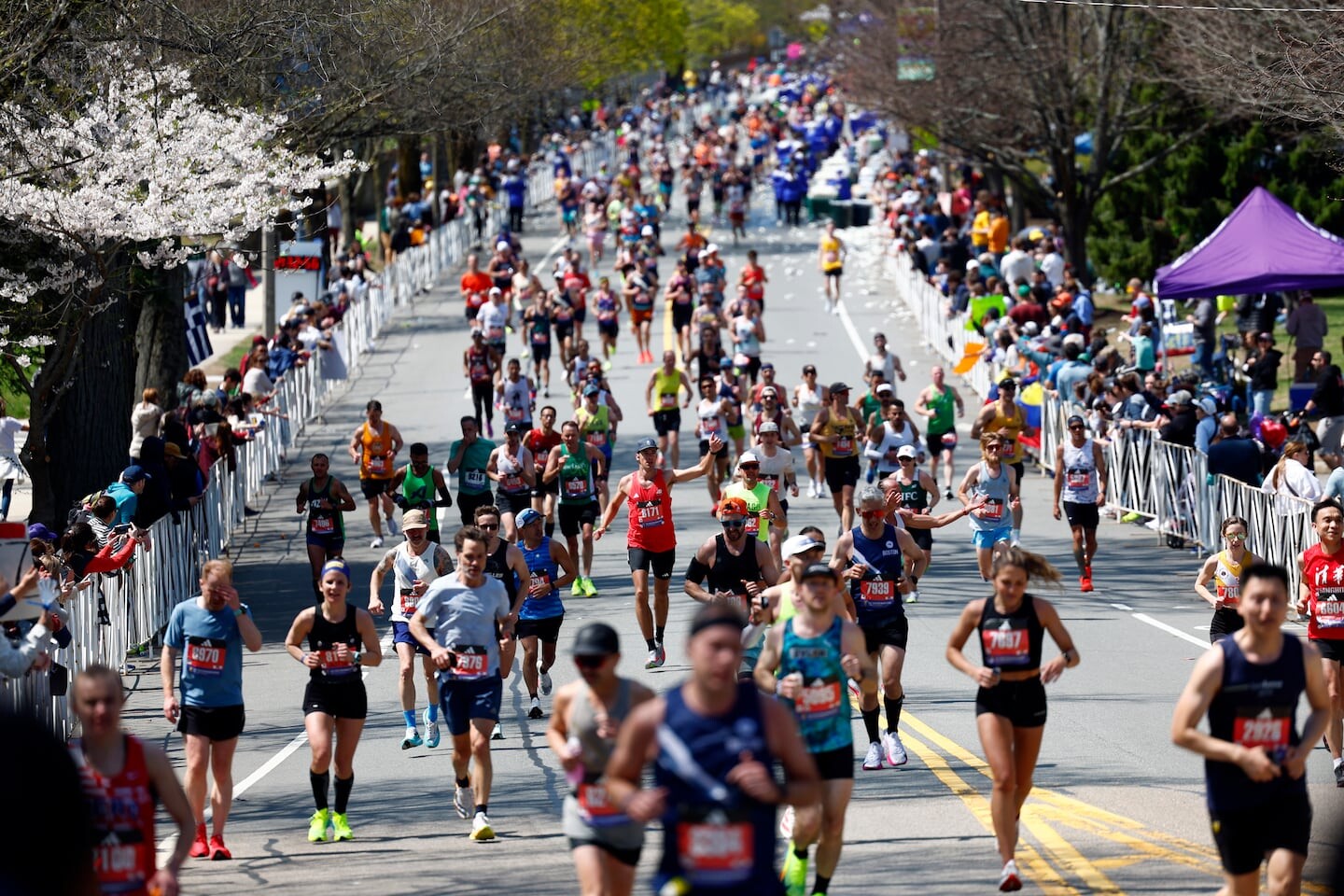
The new random-selection component therefore offers a small but significant second chance to runners who have already done what Boston asks of them: beat the qualifying standard for their age and gender. The B.A.A. says the change reflects the increasingly fast pace of marathon running and the growing global demand for places in the historic race.
There is another important change for the 2027 registration cycle, and it could have a major impact on runners choosing where to chase their qualifying times.
The B.A.A. has introduced a net-downhill adjustment for qualifying performances. Any verified qualifying time recorded on a course with a net elevation drop of at least 1,500 feet will receive an adjustment when submitted for Boston consideration. Courses with a net drop of 1,500 to 2,999 feet will receive a five-minute addition, while courses dropping 3,000 to 5,999 feet will receive a 10-minute addition. A course with a net downhill of 6,000 feet or more will not be accepted as a Boston qualifying course.
The rule means a runner's official finishing time may not necessarily be the time ultimately used by Boston for qualification purposes. For example, a 2:45:30 performance on a course with a 2,000-foot net descent would be assessed as 2:50:30 after the five-minute adjustment.
The B.A.A. says the policy is intended to account for the significant advantage provided by courses with substantial net elevation loss and to create a more consistent standard for athletes qualifying around the world.
Despite the changes, the published 2027 qualifying standards remain unchanged. Men aged 18–34 must run 2:55:00, while women and non-binary runners in the same age group must run 3:25:00. The standards gradually increase across the older age groups, with runners aged 80 and above required to run 4:50:00 for men and 5:20:00 for women and non-binary athletes.
Importantly, qualifying standards are based on a runner's age on race day, April 19, 2027, and qualifying times must be official net times from eligible certified marathon courses. Meeting the standard still does not guarantee entry because the size of the qualifying field remains limited.
For runners chasing Boston, the message is clear: running under the standard remains the first hurdle, but running significantly faster can still make the difference between receiving a bib and watching from home. The new Boston Qualifier Selection, however, gives approximately 1,000 additional qualifiers a chance that did not previously exist.
The 131st Boston Marathon, will be held on Monday, April 19, 2027. Qualifier applicants are expected to receive their acceptance or non-acceptance notifications by early October.
Boston, long regarded as one of the hardest major marathons to enter through qualification, is changing with the times. As runners get faster and the global appetite for the race continues to grow, the road to Boylston Street is becoming more competitive—but for around 1,000 runners who fall just short of the cut-off, the dream will now remain alive a little longer.
by Erick Cheruiyot for My Best Runs.
Login to leave a comment
Boston Marathon
Among the nation’s oldest athletic clubs, the B.A.A. was established in 1887, and, in 1896, more than half of the U.S. Olympic Team at the first modern games was composed of B.A.A. club members. The Olympic Games provided the inspiration for the first Boston Marathon, which culminated the B.A.A. Games on April 19, 1897. John J. McDermott emerged from a...
more...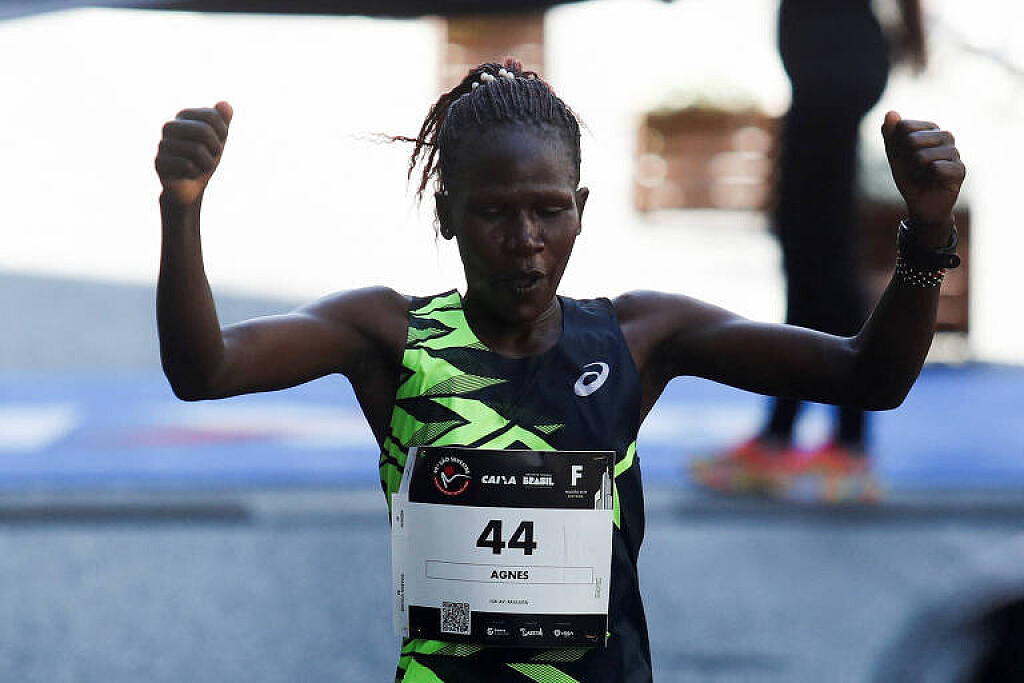
Fantu Shugi And Agnes Ngeno Headline Star-Studded Women’s Field For 2026 Cologne Marathon
Ethiopian marathon standout Fantu Shugi and Kenyan road-racing talent Agnes Ngeno will headline a formidable women’s elite field at the 2026 Cologne Marathon in Germany, with the race set to take place on October 4.
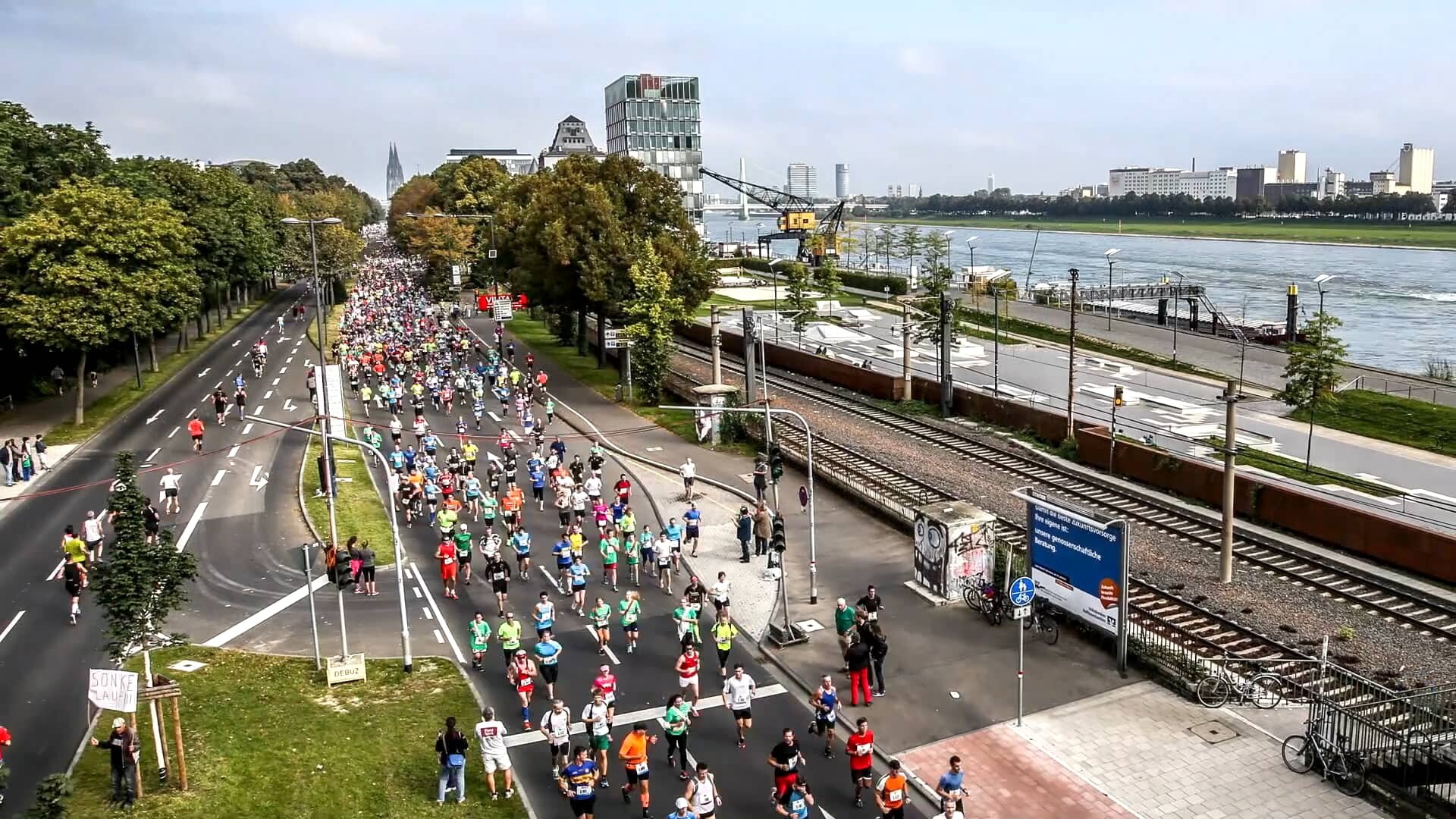
The Cologne streets are expected to provide the stage for a fiercely competitive battle, with athletes from Kenya, Ethiopia, Tanzania, the Netherlands and Germany assembling a field rich in marathon experience and sub-2:25 potential.
Leading the entry list is Kenyan Agnes Keino, who arrives with an impressive personal best of 2:22:53. She will face strong opposition from Ethiopia’s Fantu Shugi, whose 2:23:29 personal best places her among the leading contenders.
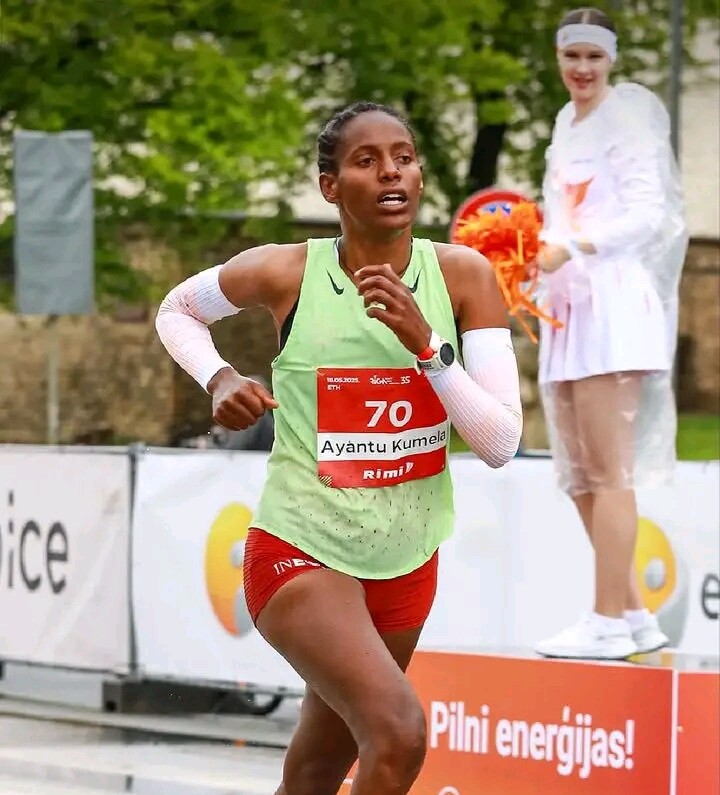
Cynthia Chepchirchir Kosgei is another Kenyan with a proven ability over the marathon, boasting a 2:23:43 personal best, while compatriot Jackline Chepngeno enters the race with a best of 2:24:21.
Ayantu Kumela, one of Ethiopia’s leading names in the field, owns a 2:24:29 personal best and will be determined to challenge the Kenyan contingent when the race gets underway. She will be joined by fellow Ethiopian Aamelmal Tagel, who has a 2:24:38 personal best.
Kenya’s Naomy Tuei, with a best of 2:26:06, and Ethiopia’s Alemtsehay Mekuria Alamirew, who has run 2:26:18, further strengthen the front end of the field. Faith Chepkoech adds another Kenyan threat with a 2:26:22 personal best.
The depth continues beyond the leading group, with Kenya’s Deborah Samum listed at 2:30:16, Ethiopia’s Tigist Worku Anagaw at 2:35:15 and Tanzania’s Neema Mathias Msuadi at 2:38:40.
The international field is completed by Dutch runner Hannah Olds Loohuis, who has a 2:40:12 personal best, and Germany’s Maike Drieb-Schön, whose marathon best stands at 2:47:51.
With several athletes carrying personal bests below 2:25, the women’s race promises to be one of the major highlights of the 2026 Cologne Marathon. The combination of Kenyan strength, Ethiopian depth and international representation could produce an intriguing tactical contest before the decisive stages unfold.
All eyes will be on Cologne on October 4 as the elite women take to the start line, with Shugi and Ngeno among the names expected to command attention in a race packed with quality and ambition.
by Erick Cheruiyot for My Best Runs.
Login to leave a comment

Cologne Marathon
There are marathons in numerous cities, but the Cologne Marathon is unique: a mixture of elite and regular runners, carnival, a folk and running festival! The entire city is vivid and the spectators cheer passionately for the runners on the course! Everywhere you may hear your name and you run through espaliers! This is something that you have to experience!...
more...
Jakob Ingebrigtsen And Josh Kerr Shared A Light Moment After Budapest Triumphs
Jakob Ingebrigtsen and Josh Kerr may be among the fiercest rivals in modern middle-distance running, but their encounter at the World Athletics Ultimate Championship in Budapest produced a lighter and more humorous moment between two of the sport’s biggest stars.
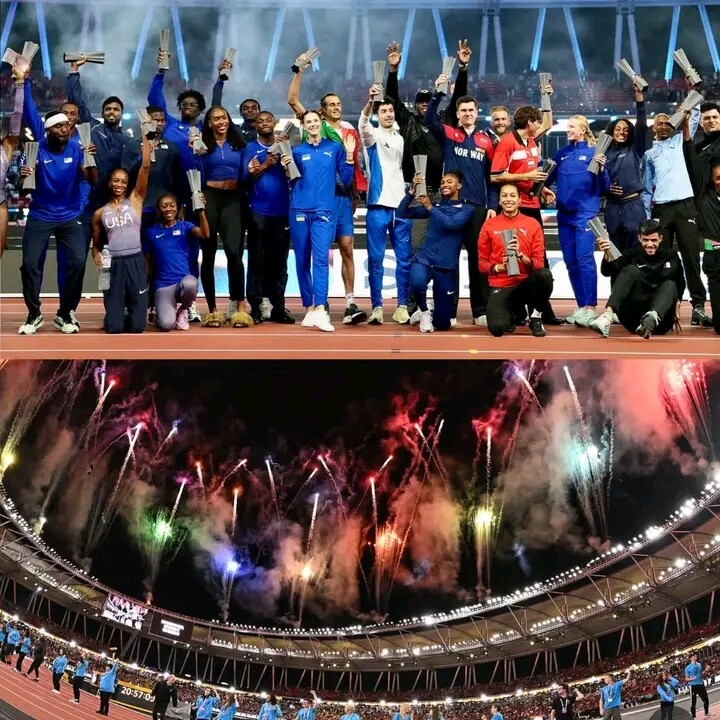
After Kerr secured the men’s 1500m title, he was placed alongside Ingebrigtsen during the final-night presentations. The Norwegian had already captured the 5000m crown, powering to victory in 12:59.24 with a characteristic late surge to complete his Budapest campaign on a high.
The moment was particularly intriguing given the history between the two athletes. Their rivalry has delivered some of the most memorable 1500m battles of recent years, with Kerr famously defeating Ingebrigtsen to claim the world title in Budapest in 2023.
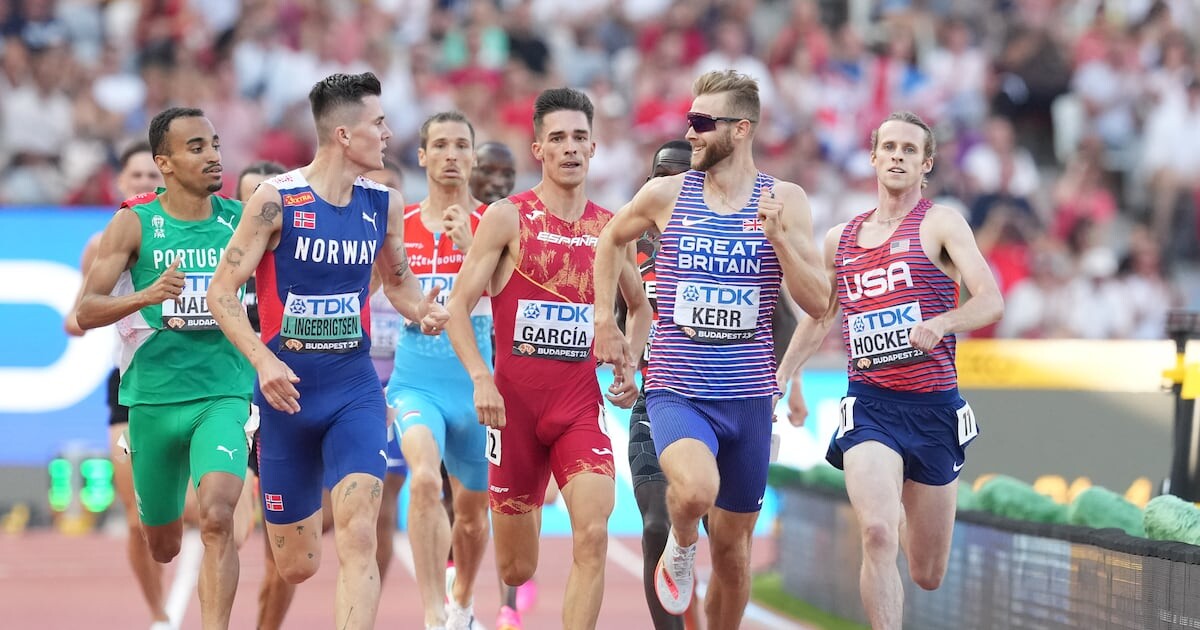
Ingebrigtsen had initially been expected to feature in the 1500m as well, potentially setting up another highly anticipated showdown with Kerr. However, the Norwegian ultimately withdrew from the event, leaving Kerr to take centre stage and add another major title to his résumé.
With the two champions eventually standing side by side during the closing presentations, Kerr was asked what he had said to his long-time rival.
His response was short, cheeky and perfectly timed:
“I said he was a great 5km runner.”
The playful comment carried an obvious hint of their long-running rivalry, particularly given that both athletes have repeatedly battled for supremacy over 1500m while Ingebrigtsen has also established himself as one of the world’s leading 5000m runners.
The light-hearted mood continued on social media, where Ingebrigtsen shared a playful exchange highlighting his sense of humour away from the track.
A comment praising him read: “Jakob, you are so funny and amazing in your post-race interviews..”
Ingebrigtsen responded with his trademark confidence and humour: “I know. It is almost unbelievable.”
He then reflected on his Budapest experience, writing: “Thank you Ultimate Athletics Championship See you next year”
For Ingebrigtsen, Budapest ended with another major 5000m triumph and a memorable interaction with one of his biggest rivals. For Kerr, the Ultimate Championship delivered another 1500m title and yet another chapter in an already remarkable career.
What has so often been a fierce rivalry on the track was replaced, at least for one memorable moment, by humour and a touch of mutual respect between two champions.
Different victories, different paths — but two of the sport’s biggest stars sharing the same stage in Budapest.
by Erick Cheruiyot for My Best Runs.
Login to leave a comment
Owen Korir And Naomi Chepngeno Crowned Champions At Porto Half Marathon
Kenyan distance runners produced a commanding performance at the 2026 Hyundai Meia Maratona do Porto in Portugal, taking all three men’s podium places and securing a one-two finish in the women’s race. The 21-kilometre contest combined speed, endurance and excitement, with athletes battling through the streets of Porto and Gaia before a memorable finish beside the Douro River.
Owen Korir Kapkama claimed the men’s title in 1:01:58, delivering a polished performance to lead the field across the finish line. His compatriot Cyrus Kipkemoi Kimayo mounted a strong challenge and finished only five seconds behind, stopping the clock at 1:02:03 to take second place.
The battle for third also remained firmly in Kenyan hands, with Timothy Kibet Misoi completing the podium in 1:03:22. His result confirmed Kenya’s complete control of the men’s top three, as the country’s runners combined tactical discipline with the sustained pace required over the demanding half-marathon distance.
In the women’s race, Naomi Chepngeno delivered a winning performance to secure the title in 1:10:35. She held off fellow Kenyan Margaret Murinjo Monicah, who crossed the line in 1:10:57, finishing just 22 seconds behind the champion.
Hiwot Mehari Beza of Ethiopia claimed third place in 1:12:07, completing a competitive women’s podium and adding an international dimension to an event otherwise dominated by Kenyan athletes.
The race unfolded against a striking Portuguese backdrop, with Porto and Gaia providing a scenic yet demanding stage for the competitors. From the opening kilometres to the final push toward the finish, the athletes brought intensity and determination to a course that rewarded both speed and endurance.
The closing stretch offered a particularly memorable setting, as runners approached the Douro River with the iconic Ponte Luís I serving as a dramatic backdrop. The historic bridge and riverside scenery added a touch of grandeur to the final moments of a race defined by athletic excellence.
Along the route, thousands of spectators gathered to encourage the competitors, creating an energetic atmosphere that carried the runners through the streets. Their cheers, combined with the rhythm of racing feet and the determination of the athletes, helped transform the event into a celebration of running.
The 19th edition of the Hyundai Meia Maratona do Porto concluded with Kenya dominating the men’s podium and securing the top two positions in the women’s race. With its competitive racing, iconic riverside finish and enthusiastic crowds, the event once again showcased the enduring appeal of road running in Porto and Gaia.
by Erick Cheruiyot for My Best Runs.
Login to leave a comment

Porto Half Marathon
Hyundai Porto Half Marathon is an annual race that takes place in Portugal since 2007 and has the honor of hosting thousands of runners from around the world. Alongside the Half Marathon, there is also a Mini Marathon distance of 6 km, with a participation of over 11.000 runners. With breathtaking scenery, always along the riverside of Douro River, with...
more...
Melissa Jefferson-Wooden Storms Into History With Stunning 200m Victory In Budapest
Melissa Jefferson-Wooden has once again demonstrated why she is becoming one of the defining forces in women’s sprinting, delivering a breathtaking performance to win the 200m at the inaugural World Athletics Ultimate Championship in Budapest.
The American powered to victory in 21.47 seconds, producing one of the fastest performances in history despite facing a 0.6m/s headwind. She finished well clear of Olympic champion Gabby Thomas, who clocked 21.77, while Kayla White secured third place in 21.93.
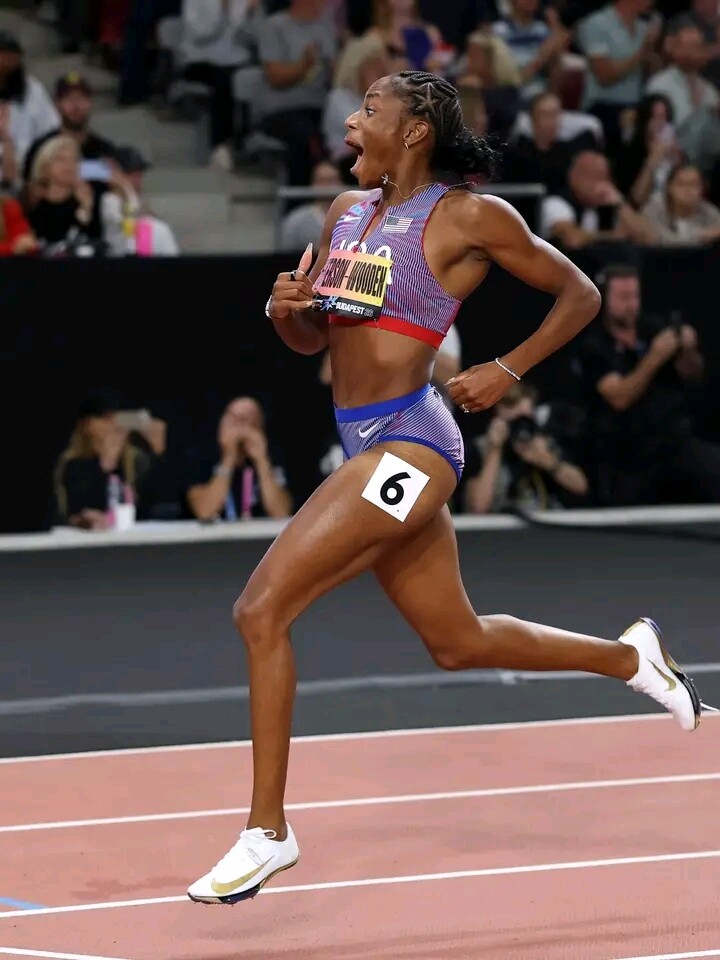
But Jefferson-Wooden’s latest triumph was about far more than another championship title. It was a performance that placed her among the fastest women ever to compete over the distance.
Her 21.47 seconds moved her to No. 3 on the all-time women’s 200m list, behind only legendary American sprinter Florence Griffith-Joyner, whose world record of 21.34 has stood since 1988, and Jamaica’s Shericka Jackson, who ran 21.41 in 2023.
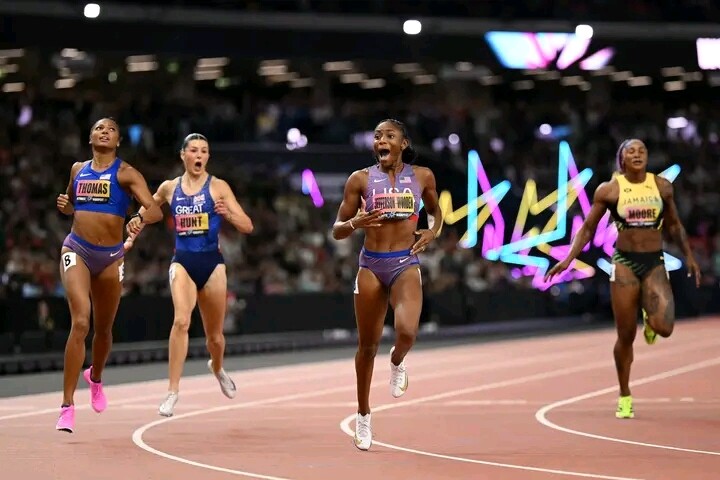
The result also pushed several celebrated names further down the rankings. Julien Alfred’s 21.51 from 2026 now sits fourth, while Elaine Thompson-Herah’s 21.53 from 2021 ranks fifth.
The significance of Jefferson-Wooden’s achievement becomes even greater when the conditions are considered. Running into a headwind makes a sprint performance more difficult, yet she still produced the third-fastest 200m ever recorded, underlining the extraordinary speed and execution behind her victory.
A Sensational Sprint Double
The Budapest triumph also completed a remarkable 100m and 200m double.
Just one night earlier, Jefferson-Wooden stormed to the 100m title in 10.62 seconds. She returned to the track with the same confidence and determination, once again delivering when the pressure was greatest.
The double adds another major achievement to a championship career that has rapidly gathered momentum. Jefferson-Wooden arrived in Budapest as the reigning world champion in both the 100m and 200m after completing the sprint double at the 2025 World Championships in Tokyo.
Now, she has added the inaugural Ultimate Championship double to her growing collection of major victories.
$300,000 Reward For Budapest Dominance
Jefferson-Wooden’s extraordinary weekend also comes with a substantial financial reward. With $150,000 awarded to each individual event winner, her victories in the 100m and 200m earn her a total of $300,000 from the championship.
Yet the money is almost secondary to what she has achieved on the track.
In an era filled with Olympic champions, world champions and record-setting talents, Jefferson-Wooden is separating herself through consistency, championship composure and an extraordinary ability to deliver on the biggest stages.
Her latest 21.47 seconds does more than add another title to her résumé. It places her directly among the fastest women the sport has ever seen over 200m.
Florence Griffith-Joyner remains at the summit. Shericka Jackson sits second. But Melissa Jefferson-Wooden is now firmly at No. 3—and judging by the extraordinary trajectory of her career, the American may not be finished climbing.
From Tokyo to Budapest, Jefferson-Wooden is no longer simply chasing sprinting history.
She is becoming part of it.
by Erick Cheruiyot for My Best Runs.
Login to leave a comment
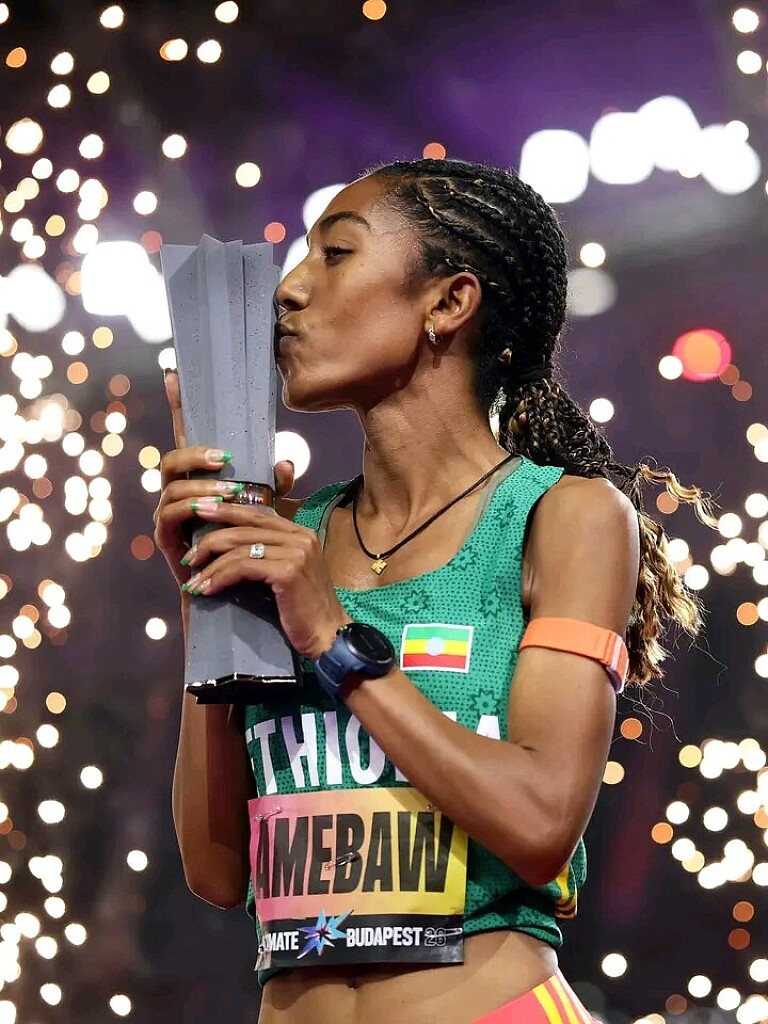
Likina Amebaw Completes Ethiopian Masterclass With First Global Title In Budapest
Likina Amebaw has written her name into the history books in Budapest, producing a commanding performance to win the women’s 5000m at the inaugural World Athletics Ultimate Championship and claim the first global title of her career.
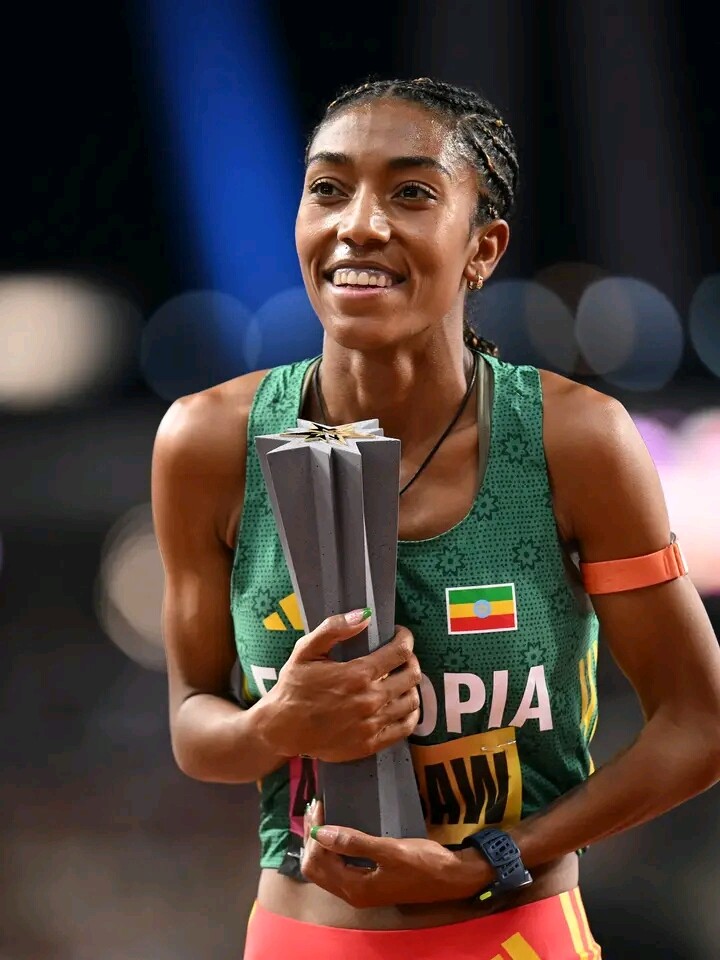
The Ethiopian world leader delivered when it mattered most, stopping the clock at 14:30.36 to secure the Ultimate Championship crown and cap a remarkable breakthrough season with a major international triumph.
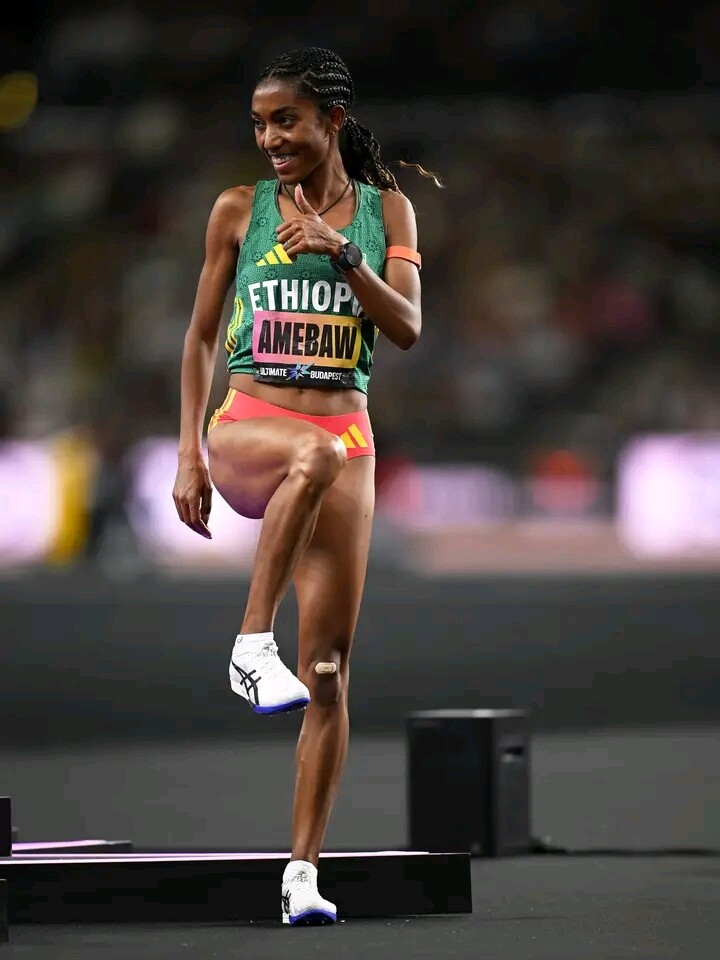
Amebaw did not leave the title to a final-lap sprint. As the race entered its decisive stages, the Ethiopian gradually separated herself from the chasing pack, moving clear at the front before steadily stretching her advantage with every lap.
Once she established daylight between herself and her rivals, Amebaw ran with increasing authority. Her rhythm remained relentless as the pressure shifted entirely onto the chasing group, while the world leader continued to extend her advantage and effectively turned the championship final into a solo pursuit of the finish line.
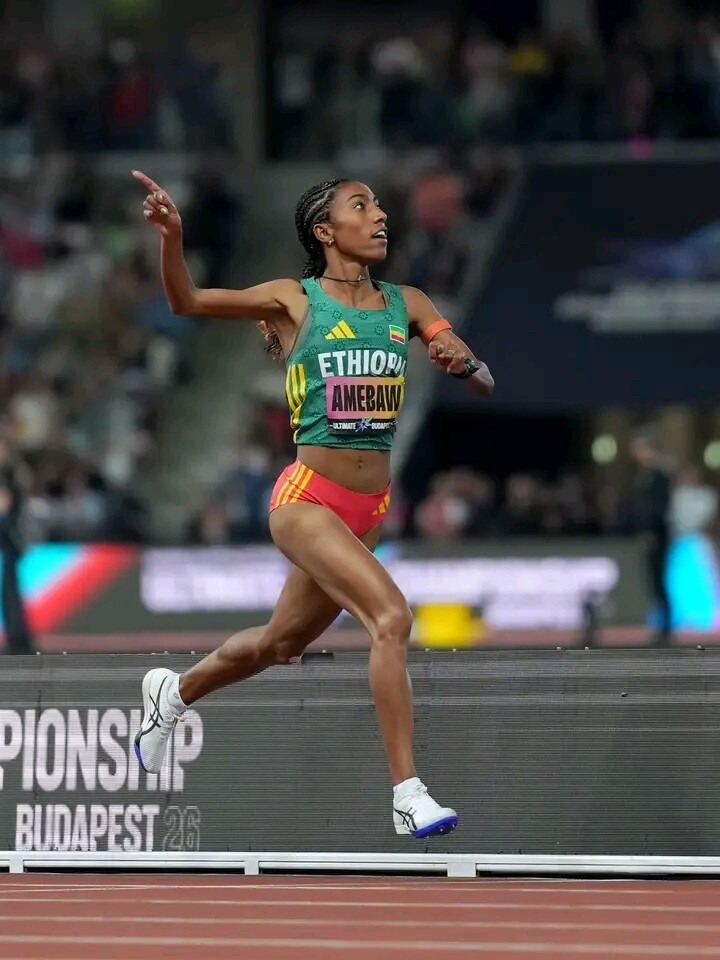
Behind her, Australia’s Jessica Hull produced a superb performance to secure second place in 14:32.39, a personal best. Hull fought all the way through the closing stages and produced a gutsy final surge toward the line, but Amebaw had already created too much separation for the Australian to challenge for the title.
Hull’s performance nevertheless earned her a deserved second positon and prevented what could have been an Ethiopian clean sweep of the leading positions.
The depth of Ethiopia’s women’s 5000m strength was on full display in Budapest, with four Ethiopian athletes finishing inside the top five. Amebaw led the way, while Fantaye Belayneh finished third in 14:32.62, Freweyni Hailu took fourth in 14:32.76, and Aleshign Baweke completed the Ethiopian presence in the top five with 14:32.86.
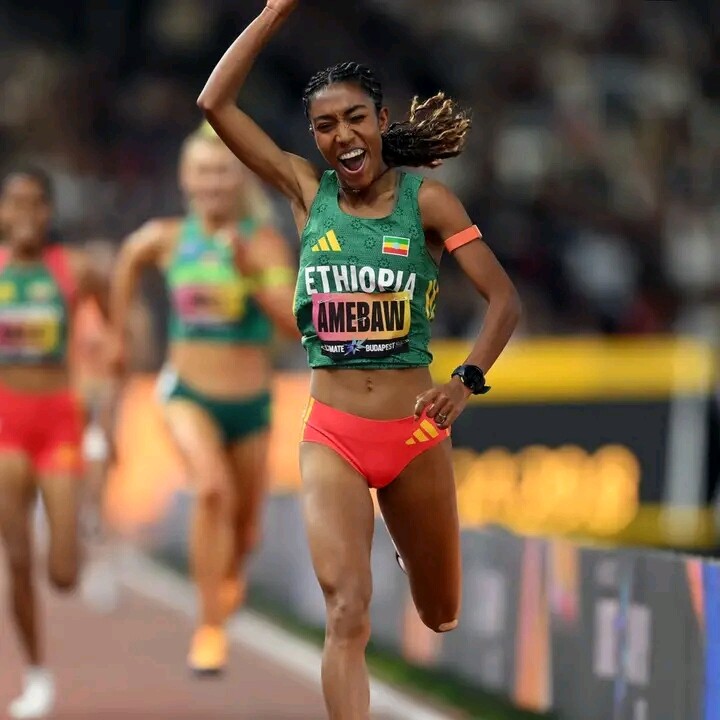
The Ethiopian contingent remained heavily represented near the front throughout the race, producing another powerful demonstration of the country’s extraordinary strength over 5000m.
But the night belonged to Amebaw.
After establishing herself as the world leader, she arrived in Budapest carrying the expectations that come with being the athlete to beat. Rather than allowing the pressure to dictate her race, she remained composed, waited for the decisive moment and then made a move that completely changed the complexion of the contest.
Her 14:30.36 was enough to crown her the women’s 5000m Ultimate Champion and transform a season of outstanding performances into a breakthrough global triumph.
For Ethiopia, the result was another emphatic statement of its depth and enduring influence in women’s distance running. Four athletes inside the top five underlined the extraordinary talent available in the country and its ability to dominate the sharp end of championship racing.
For Amebaw, however, the significance is deeply personal. She came to Budapest as the world leader and leaves as a global champion.
The first global title is now in the books. The first major crown has been secured.
Likina Amebaw is the Ultimate Champion.
by Erick Cheruiyot for My Best Runs.
Login to leave a comment
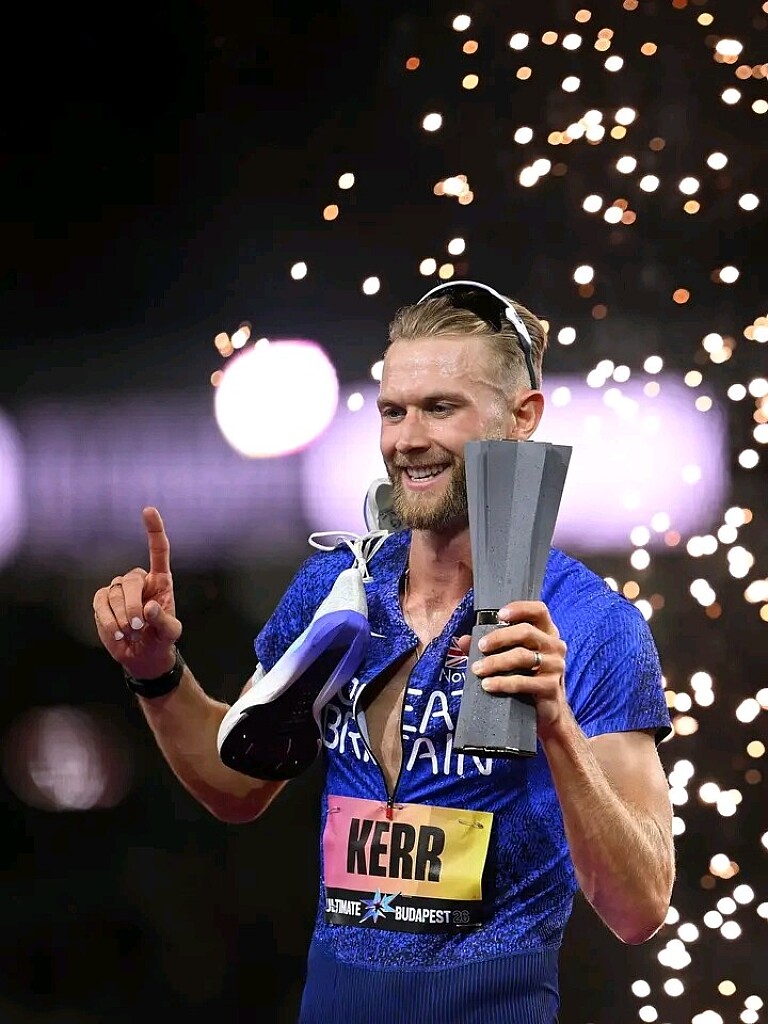
Josh Kerr Does It Again In Budapest As British Star Claims Ultimate 1500m Crown
“I’m not going to lose.” He said it. Then he delivered.
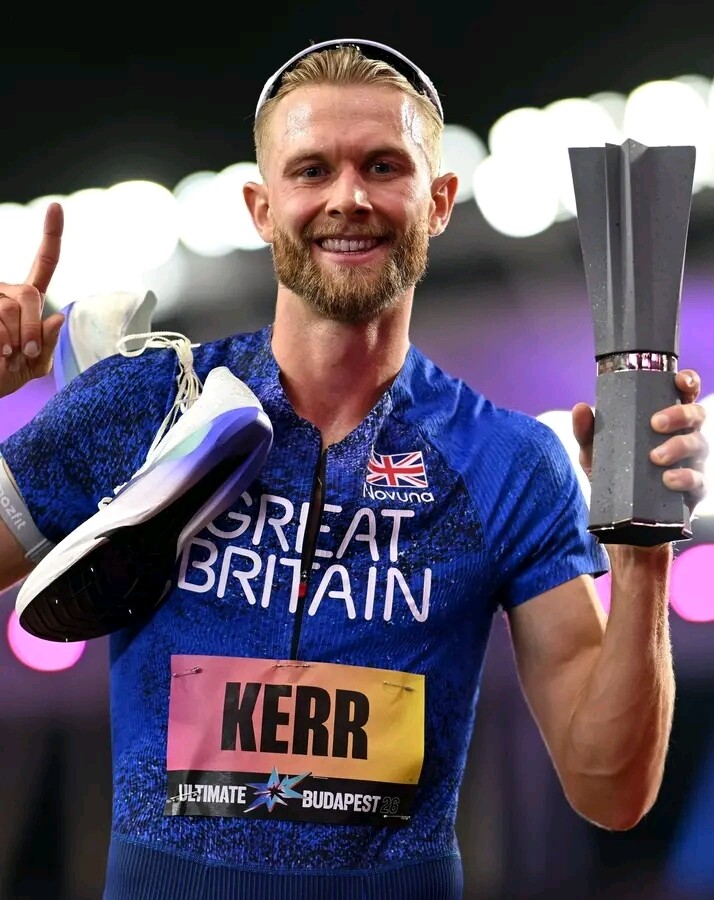
Josh Kerr has conquered Budapest once again, adding another huge title to an extraordinary 2026 season by winning the men’s 1500m at the inaugural World Athletics Ultimate Championship.
The British world mile record-holder produced a superb 3:29.35 to take the Ultimate Championship crown, using a devastating final kick to hold off Australia’s rising star Cameron Myers in the closing stages.
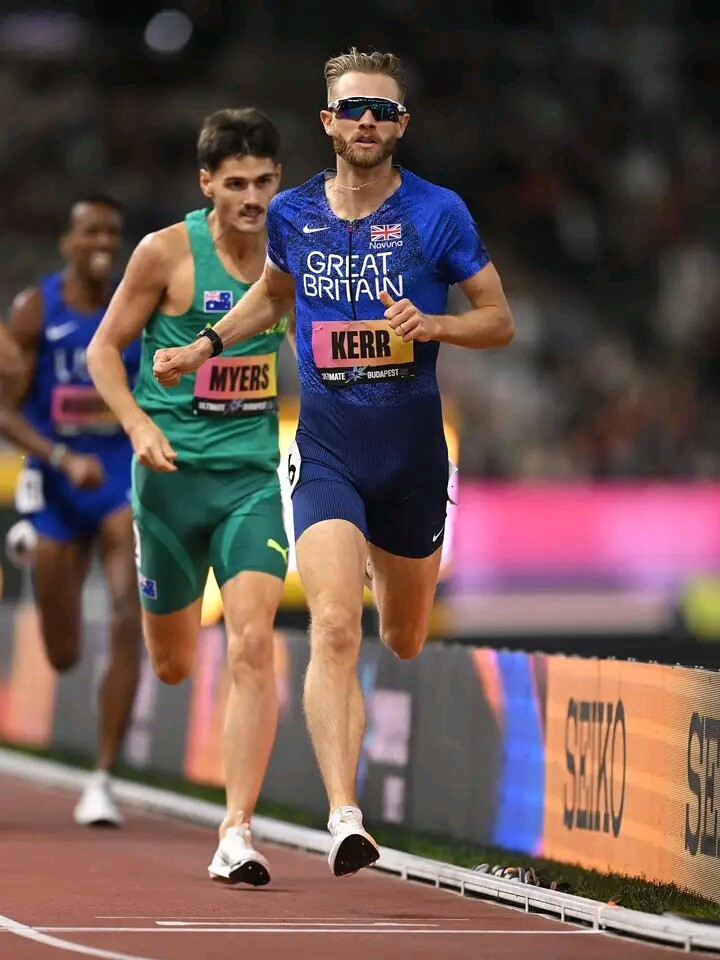
Myers pushed Kerr all the way to the finish, but the British star remained composed under pressure before finding another gear when it mattered most. The Australian crossed the line in 3:29.68 to secure second place, just 0.33 seconds behind the champion.
American Hobbs Kessler completed the podium in 3:30.73, while Olympic champion Cole Hocker finished fourth in 3:30.74, narrowly missing out on a medal by just one hundredth of a second.
For Kerr, the victory carries an added layer of significance because Budapest has already played a defining role in his career.
It was here in 2023 that Kerr produced one of the biggest shocks of that year’s World Championships, stunning Jakob Ingebrigtsen to become the world champion over 1500m. Three years later, he has returned to the same city and conquered it again.
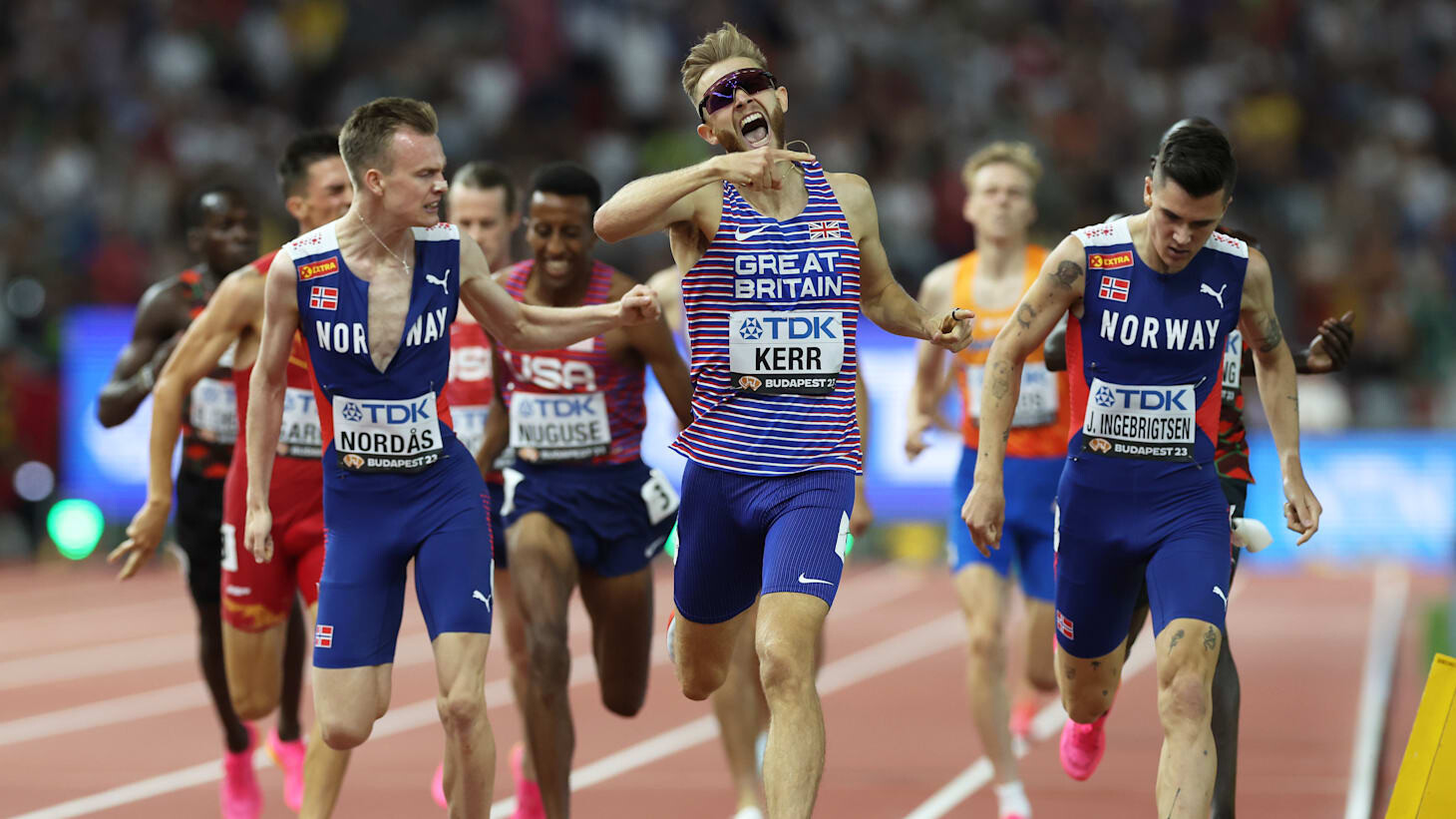
Budapest belongs to Kerr once more.
The British star arrived at the Ultimate Championship after putting together a remarkable 2026 campaign. Among the highlights was his sensational 3:42.66 mile world record in London, where he finally broke a mark that had stood for 27 years.
Kerr also added Commonwealth Games gold to his growing collection of major honours, further establishing himself as one of the dominant middle-distance athletes of his generation.
The Budapest final was expected to provide another chapter in the growing rivalry between Kerr and Ingebrigtsen. However, Ingebrigtsen’s late withdrawal meant the much-anticipated rematch never materialised.
Even without the Norwegian superstar, Kerr had no shortage of formidable opposition. The field featured Olympic champion Cole Hocker, world champion Isaac Nader and Yared Nuguse, while Myers arrived as one of the most exciting young talents in international middle-distance running.
The unique Ultimate Championship format also raised the stakes. With no heats and no second chances, every athlete had only one opportunity to deliver on the biggest stage.
Kerr appeared to embrace that pressure.
Rather than allowing the quality of the field to dictate the race, he stayed patient and waited for the decisive moment. As the final metres approached, the British star unleashed the finishing speed that has become one of his greatest weapons.
Myers fought desperately to stay with him, but Kerr had done enough.
The 3:29.35 winning time was not simply another fast performance. It was another demonstration of Kerr’s championship instincts and his ability to produce when everything is on the line.
For Myers, the silver medal represents another major breakthrough and a strong statement from the young Australian. His 3:29.68 shows that he is increasingly capable of challenging the established stars of the 1500m.
Kessler’s bronze added another impressive result to his career, while Hocker’s fourth-place finish underlined just how competitive the final was, with less than a second separating him from the champion.
Yet the night ultimately belonged to one man.
From the streets of Budapest in 2023 to the Ultimate Championship final three years later, Kerr has once again made the Hungarian capital his stage.
Another big race. Another Josh Kerr victory.
He arrived saying, “I’m not going to lose.”
Then he delivered.
Josh Kerr is the inaugural World Athletics Ultimate Championship 1500m champion — and Budapest belongs to him again.
by Erick Cheruiyot for My Best Runs.
Login to leave a comment
Alison Dos Santos Roars Again! World Record Holder Claims Ultimate 400m Hurdles Crown
Alison dos Santos has finished his season in spectacular fashion, adding the World Athletics Ultimate Championship title to an extraordinary run of form that has seen the Brazilian repeatedly produce performances at the highest level.
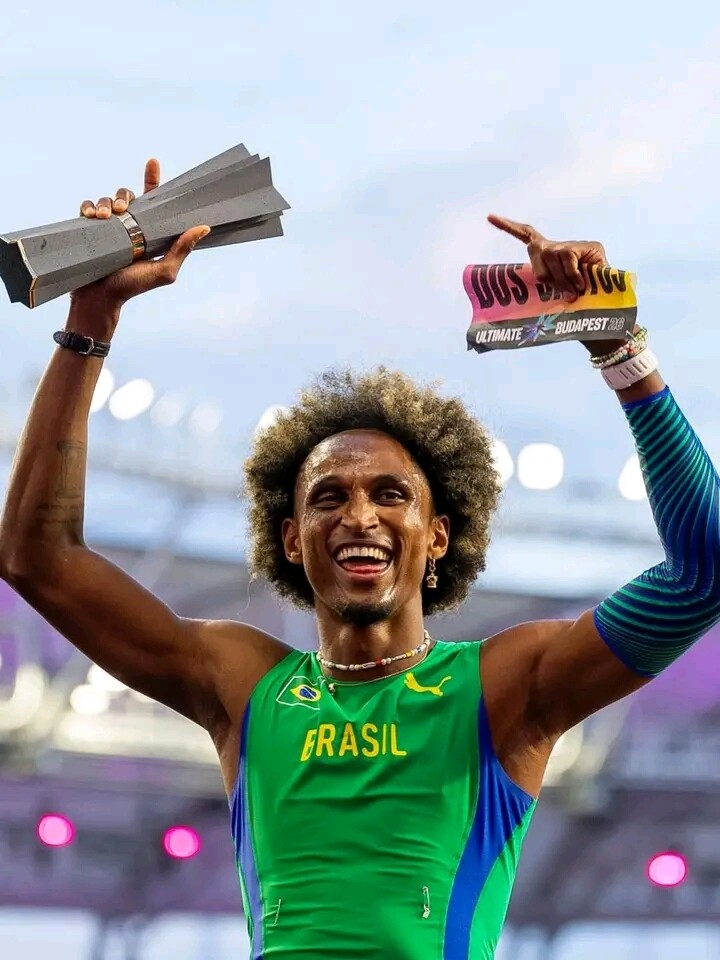
The world record holder stormed to victory in the men's 400m hurdles in Budapest, clocking a stunning 45.98 seconds to secure the ultimate crown and cap a memorable campaign in style.
Dos Santos entered the championship full of confidence after winning the Diamond League Trophy last weekend. His latest triumph came only a few weeks after his historic 45.80 world record in Zürich, making his Budapest performance another remarkable sub-46-second run.
The Brazilian once again displayed his trademark combination of speed, rhythm and control between the barriers. Although he could not quite reproduce his world-record time, his 45.98 was more than enough to defeat two of the biggest names in the event.
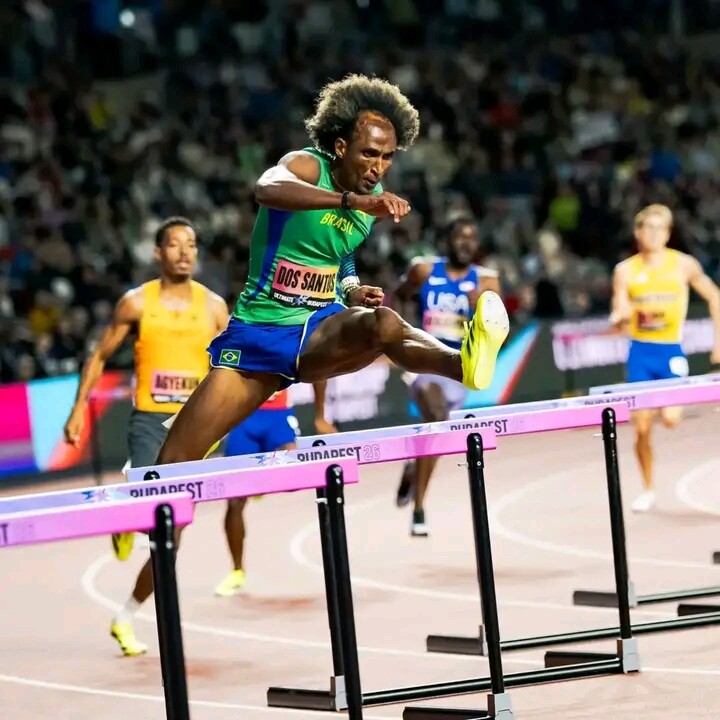
Rai Benjamin pushed hard throughout the race and finished second in 46.40 seconds, while Norwegian superstar Karsten Warholm secured third place in 46.78. The result once again highlighted the extraordinary depth and quality of a 400m hurdles event that has been dominated by these three giants in recent years.
For Dos Santos, however, the night belonged entirely to him. He not only walked away with the Ultimate Championship gold medal but also became the first man to record two sub-46-second performances over the 400m hurdles, underlining just how exceptional his current form has been.
His 45.80 world record in Zürich had already sent shockwaves through athletics, but returning a few weeks later to run 45.98 against Benjamin and Warholm shows that his record-breaking performance was no one-off.
Instead, Dos Santos has established a level of consistency rarely seen in the event. He has combined championship pressure with extraordinary speed, finishing his season as the Diamond League champion and now the Ultimate champion.
The Brazilian's latest victory is a fitting conclusion to a season in which he has continued to strengthen his reputation as one of the greatest 400m hurdlers of his generation.
From the world record in Zürich to the Diamond League Trophy and now the Ultimate Championship crown, Dos Santos has delivered a season-ending statement that will be difficult for his rivals to ignore.
What a way for the world record holder to finish the season — roaring across the line in 45.98 seconds and leaving Budapest with another major title to his name.
by Erick Cheruiyot for My Best Runs.
Login to leave a comment

When The Finish Line Has To Wait: Eilish McColgan’s Great North Run Heartbreak
Athletics can be brutally unforgiving.
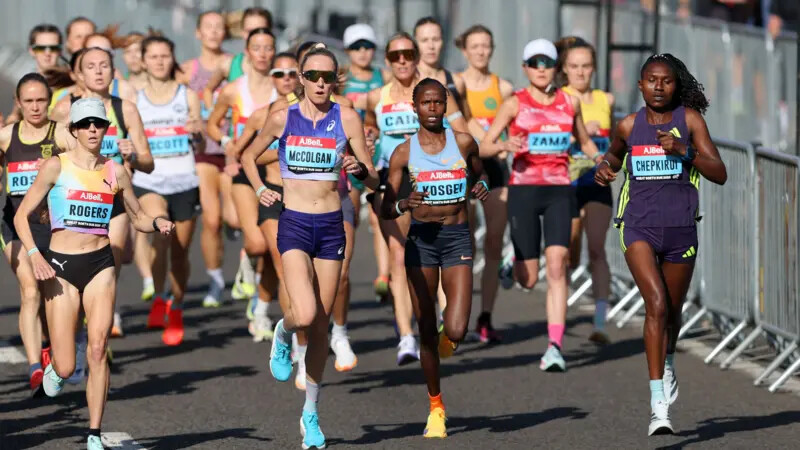
For Eilish McColgan, the 2026 Great North Run ended in heartbreak when she was forced to pull out of the race after a painful blister caused the skin on the bottom of her foot to rip open.
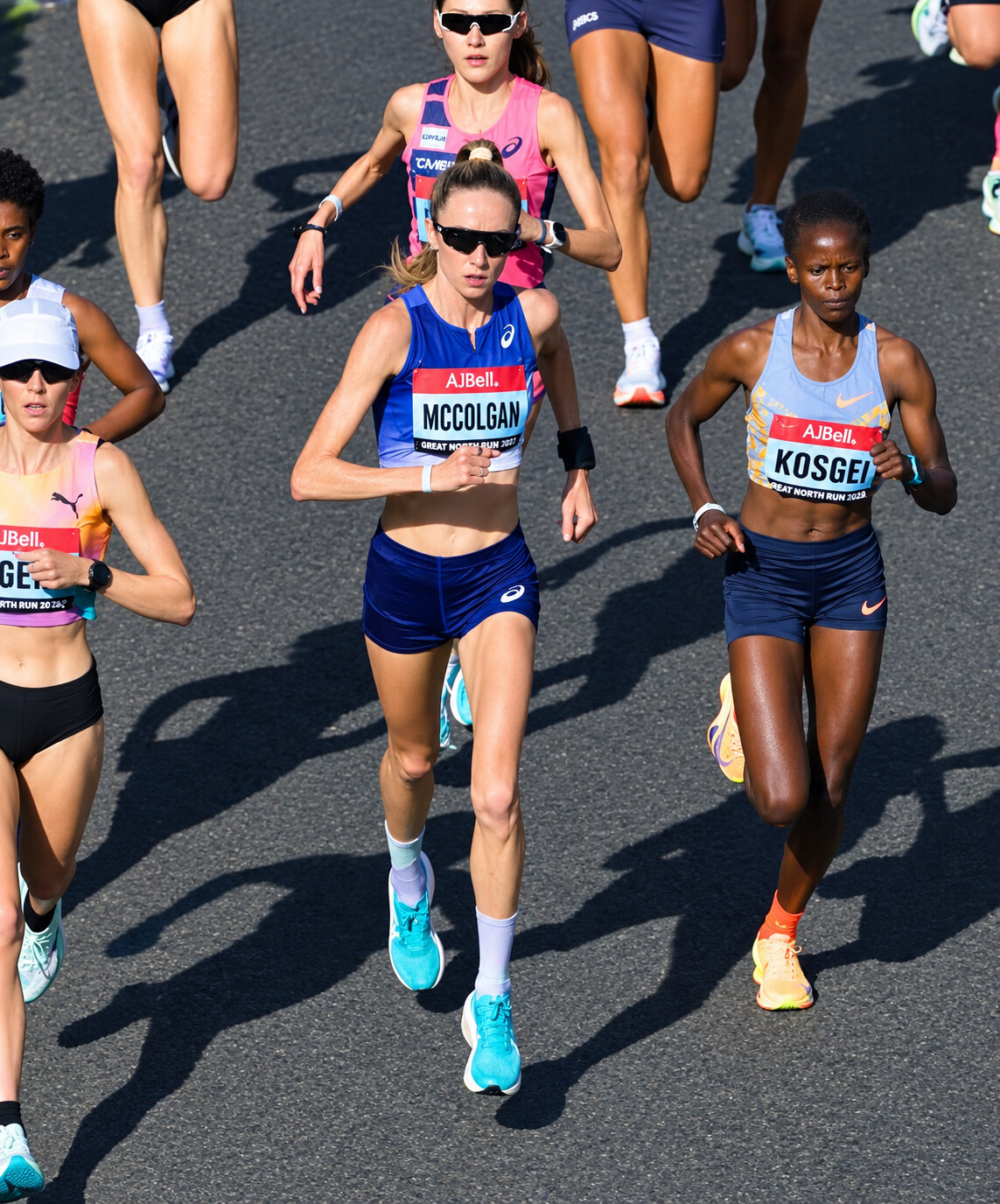
It was a particularly frustrating way for the Scottish distance star to see her race come to an end, especially because she felt physically strong heading into the event. There were no injuries, no niggles and, by her own assessment, her body was in a good place.
But sometimes athletics has other plans.
McColgan later took to social media to reveal the extent of her frustration, describing it as her first-ever DNF in a road race. Despite the disappointment, she still found something to celebrate within her family, as her younger brother successfully completed his first Great North Run.
"At least one McColgan made it to the finish line," she joked, while proudly congratulating her brother on completing the race in 1:28.
For McColgan, however, the day was considerably more difficult.
She explained that her withdrawal was not caused by a conventional injury, but by another blister—an issue that has repeatedly troubled her this year despite never having been a problem previously. The blister became so severe that the bottom of her foot was effectively ripped open, leaving her unable to continue comfortably.
The timing made the situation even more painful.
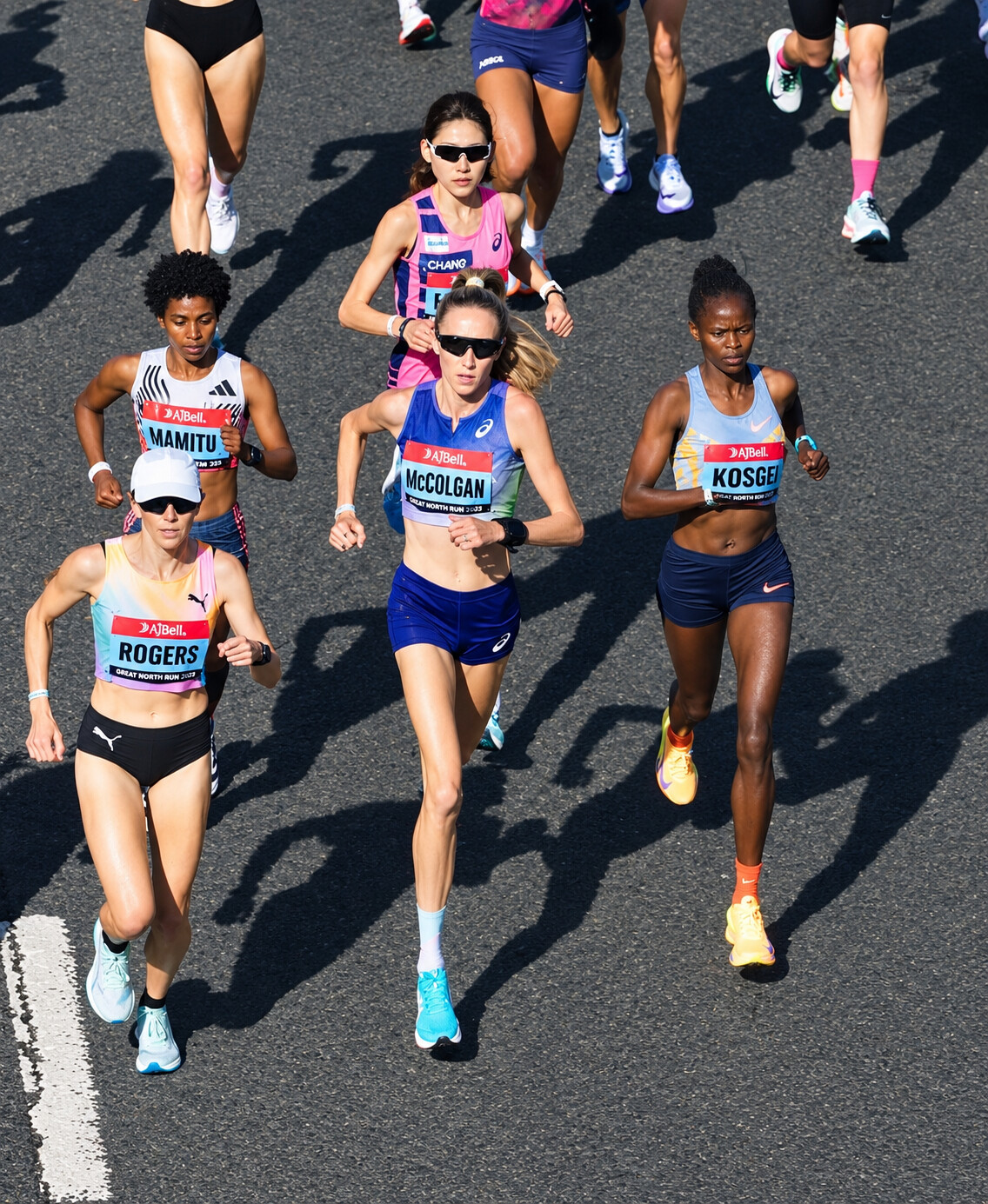
McColgan said she was particularly frustrated because the problem emerged so early in the race. She admitted that viewers watching the BBC broadcast may have heard her expressing that frustration in rather colourful language—a natural reaction from an athlete who had prepared extensively only to see her race unravel almost immediately.
Perhaps most importantly, McColgan stressed that her body itself was feeling good.
She had no injuries or lingering niggles and felt ready to race. But having experienced problems during the London Marathon, she did not want to risk repeating the same situation and potentially turning a relatively manageable problem into something much more serious.
That decision highlights an important reality of elite sport: sometimes stopping is not a sign that an athlete has given up. It can be a decision made to protect everything that comes next.
Behind every race is months of preparation that spectators rarely see. There are early mornings, demanding workouts, recovery sessions, sacrifices and countless hours spent preparing for a single day of competition.
When an athlete records a DNF, all of that work does not suddenly disappear.
McColgan's disappointment was obvious, but so was her determination. Despite describing herself as "not a happy bunny," she immediately looked ahead, promising to return to the Great North Run next year with renewed motivation.
She also took time to congratulate everyone who reached the finish line, describing the day as a stunning one.
That attitude says plenty about the character required to compete at the highest level.
Athletics is often defined by victories, personal bests, records and triumphant finishes. But there is another side to the sport—the painful days, unexpected setbacks and moments when an athlete's body simply refuses to cooperate.
McColgan's Great North Run was one of those days.
Her DNF may appear as just three letters beside her name in the results, but behind those letters lies months of preparation, genuine frustration and a painful problem that forced her to make a difficult decision.
Sometimes the finish line has to wait.
For McColgan, the goal now is simple: get the foot problem sorted, recover properly and come back stronger.
And if her determination is anything to go by, she intends to return to the Great North Run next year with a vengeance.
by Erick Cheruiyot for My Best Runs.
Login to leave a comment
Great North Run
Great North Run founder Brendan Foster believes Britain is ready to welcome the world with open arms after the launch of the event's most ambitious plan to date. The Great World Run campaign seeks to recruit one runner from every country in the United Nations – 193 in total – to take part in the iconic half marathon in...
more...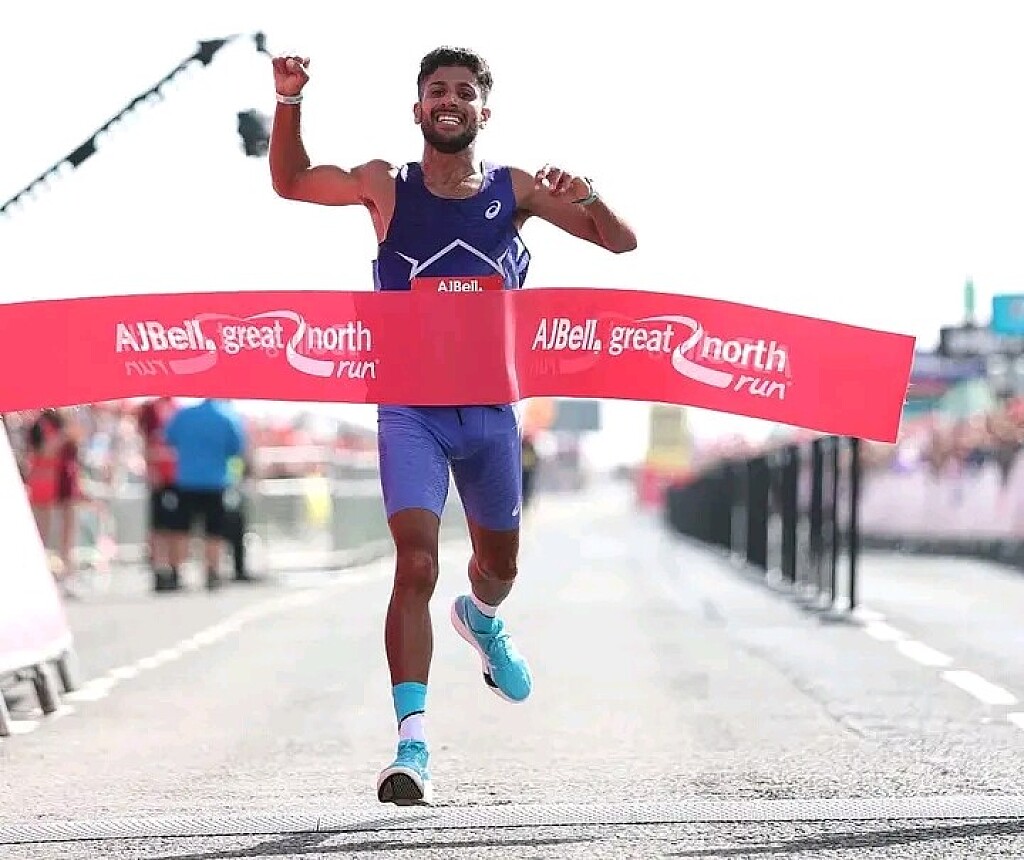
Talbi Overhauls Defending Champion Mutiso In Great North Run Thriller
Zouhair Talbi delivered a sensational performance at the 2026 Great North Run, overpowering defending champion Alexander Mutiso Munyao in a thrilling men’s half marathon battle that went down to the final stages.
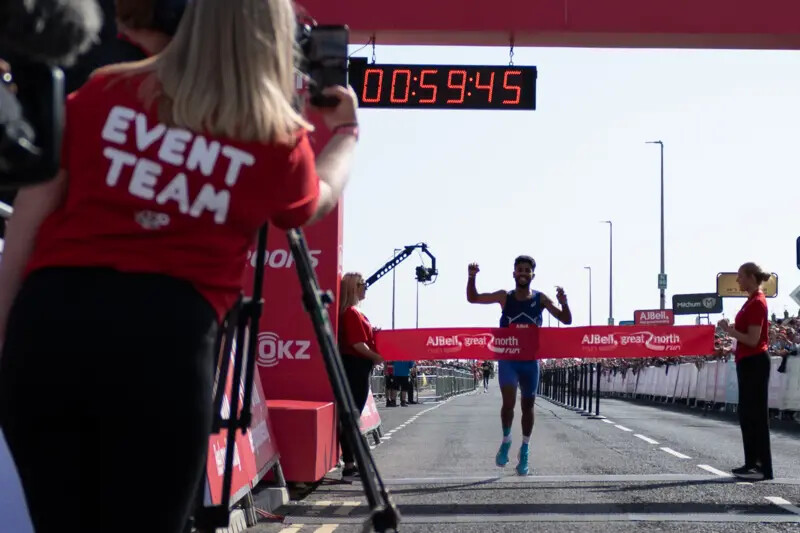
Talbi crossed the finish line in 59:47 to claim a brilliant victory, while Mutiso, the reigning champion, was forced to settle for second in 1:00:01. The Kenyan remained firmly in contention for much of the race, but Talbi produced the decisive move when the pressure reached its peak.
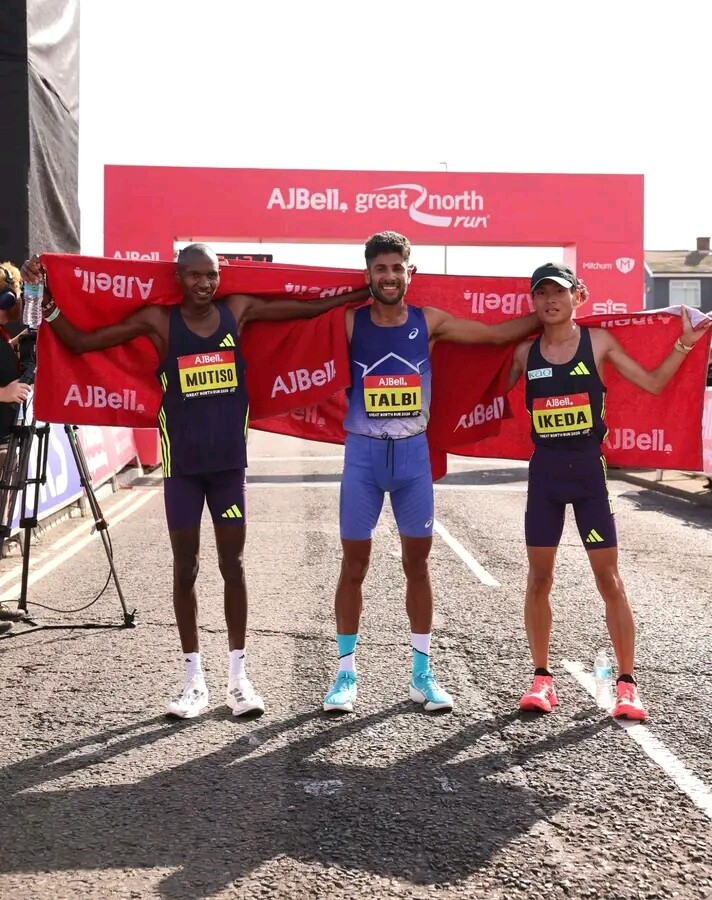
The turning point came on one of the course’s downhill sections. With Mutiso still within striking distance, Talbi used the descent to inject another burst of speed, gradually opening a gap that would prove impossible for the defending champion to close.
It was a calculated escape rather than a sudden collapse from Mutiso. Talbi attacked the downhill with confidence, allowing gravity and his momentum to work in his favour as he stretched the gap metre by metre. Mutiso responded, but the American had already created the separation he needed.
From there, Talbi held his composure and drove toward the finish, eventually stopping the clock in an impressive 59:47. Mutiso fought all the way to the line, but his 1:00:01 was not enough to retain the title he had won previously.
Japan’s Yohei Ikeda completed the podium in 1:00:40, while American Casey Clinger finished fourth in 1:01:36. Japan’s Kosei Matsunami was fifth in 1:01:59, followed closely by compatriot Shouya Yonei in 1:02:01.
Clayton Young was seventh in 1:02:04, with Britain’s Marc Scott completing the top eight in 1:02:10.
Men’s Top 8 Results
1. Zouhair Talbi — United States — 59:47
2. Alexander Mutiso Munyao — Kenya — 1:00:01
3. Yohei Ikeda — Japan — 1:00:40
4. Casey Clinger — United States — 1:01:36
5. Kosei Matsunami — Japan — 1:01:59
6. Shouya Yonei — Japan — 1:02:01
7. Clayton Young — United States — 1:02:04
8. Marc Scott — Great Britain — 1:02:10
Talbi’s victory also carried historic significance. His triumph made him the first American man to win the Great North Run, adding a landmark achievement to an already memorable afternoon. His 59:47 also marked the second sub-60-minute half marathon of his career, further underlining his growing credentials at the distance.
For Mutiso, the result was a rare disappointment on a course where he arrived as the defending champion. Yet his 1:00:01 still underlined his quality over the half-marathon distance and ensured that he remained within touching distance of the winner until the decisive stages.
For Talbi, however, this was a victory built on timing, strength and courage. His downhill attack created the separation he needed, and once he escaped the defending champion, he never surrendered the advantage.
The 2026 Great North Run therefore belonged to Talbi—a race in which the defending champion fought bravely, but the American found one crucial surge at exactly the right moment to turn a close contest into a historic victory.
by Erick Cheruiyot for My Best Runs.
Login to leave a comment
Great North Run
Great North Run founder Brendan Foster believes Britain is ready to welcome the world with open arms after the launch of the event's most ambitious plan to date. The Great World Run campaign seeks to recruit one runner from every country in the United Nations – 193 in total – to take part in the iconic half marathon in...
more...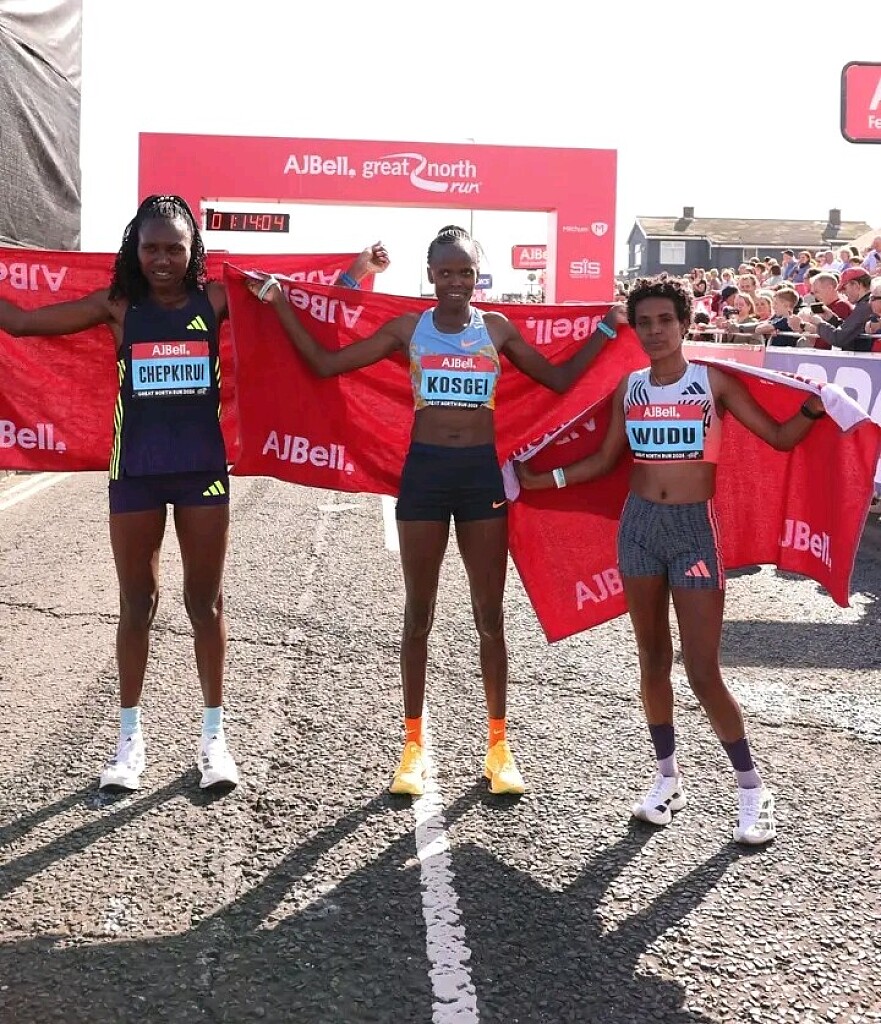
Brigid Kosgei Claims Second Great North Run Title In Kenyan 1-2 Finish
Brigid Kosgei returned to the top at the AJ Bell Great North Run on Sunday, September 13, delivering a commanding performance to win the women’s half marathon and lead Kenya to a memorable one-two finish.
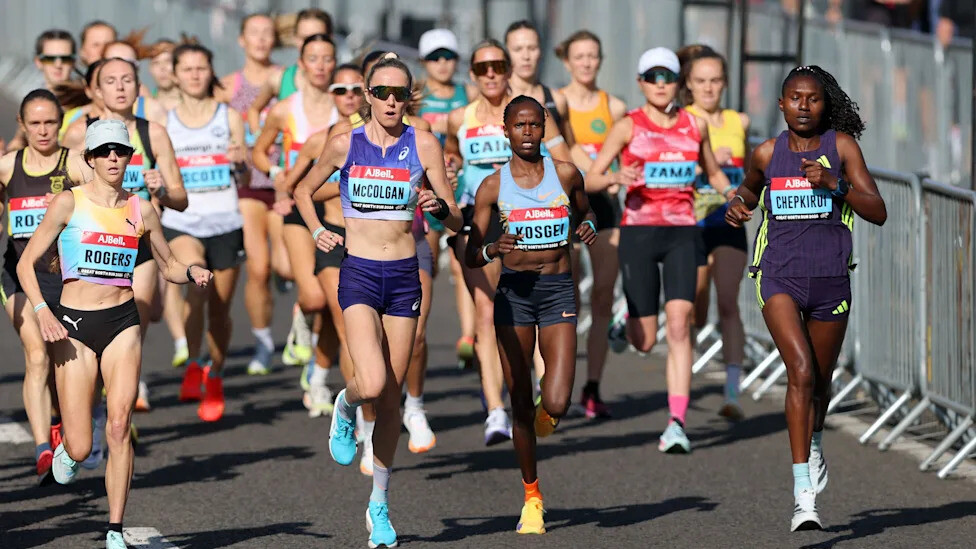
The former marathon world-record holder crossed the line in 1:06:15, securing her second Great North Run title after previously winning the prestigious race in 2019.
Fellow Kenyan Sheila Chepkirui who was battling to defend the title finished second in 1:06:19, completing a memorable Kenyan one-two at one of the world’s most celebrated half-marathons.
Behind the leading Kenyan pair, Ethiopia’s Melknat Wudu produced an impressive run to claim third in 1:09:37. Wudu was the first athlete outside the Kenyan duo to reach the finish and comfortably secured a place on the podium, highlighting the strong international quality of the women’s field.
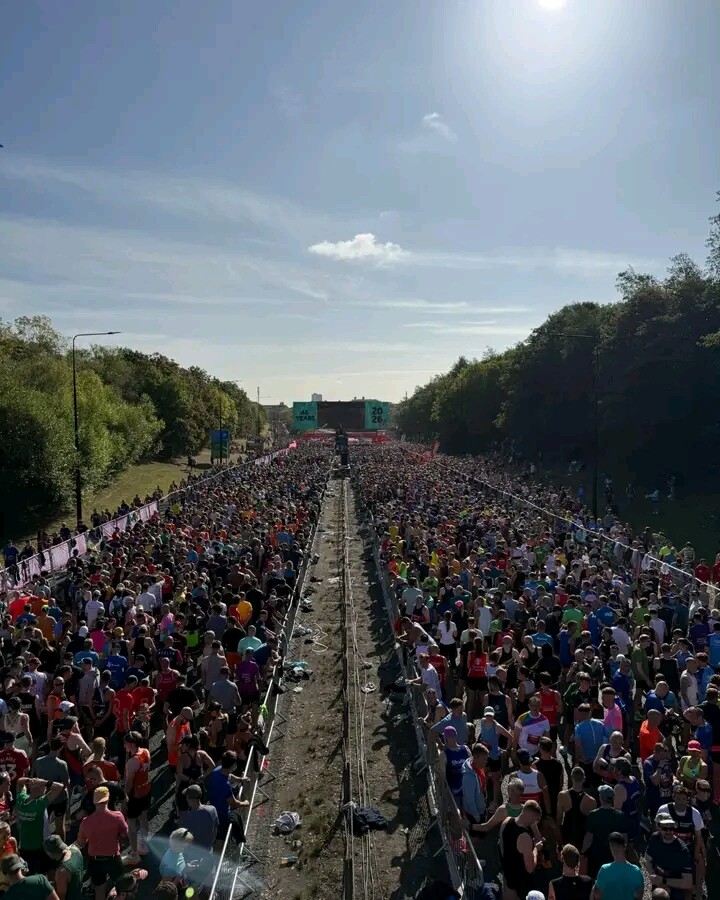
Japan’s Honami Maeda finished just six seconds behind Wudu to take fourth in 1:09:43, while Great Britain’s Amy-Eloise Neale was the leading home athlete in fifth with 1:10:27.
American Natosha Rogers followed in sixth in 1:11:44, with Britain’s Annabel Grummow seventh in 1:12:37 and Nancy Scott completing the top eight in 1:12:51.
For Kosgei, the victory adds another prestigious achievement to an already remarkable distance-running career. Returning to the Great North Run winner’s circle six years after her first triumph, she once again demonstrated her ability to deliver on one of the biggest stages in the half marathon.
Chepkirui’s runner-up finish made the occasion even more significant for Kenya, as the two athletes combined to secure the top two positions. Wudu’s third-place performance completed an international podium and ensured the race featured a strong representation from three of the sport’s leading distance-running nations.
Women’s Top 8 Finishers
1. Brigid Kosgei — Kenya — 1:06:15
2. Sheila Chepkirui — Kenya — 1:06:19
3. Melknat Wudu — Ethiopia — 1:09:37
4. Honami Maeda — Japan — 1:09:43
5. Amy-Eloise Neale — Great Britain — 1:10:27
6. Natosha Rogers — United States — 1:11:44
7. Annabel Grummow — Great Britain — 1:12:37
8. Nancy Scott — Great Britain — 1:12:51
The 2026 Great North Run therefore ended with Kosgei back on top, Chepkirui alongside her in second and Wudu completing a high-quality international podium. For Kosgei and Kenya, it was a particularly memorable day, combining individual success with a commanding one-two finish and reinforcing the country’s enduring strength in elite distance running.
by Erick Cheruiyot for My Best Runs.
Login to leave a comment
Great North Run
Great North Run founder Brendan Foster believes Britain is ready to welcome the world with open arms after the launch of the event's most ambitious plan to date. The Great World Run campaign seeks to recruit one runner from every country in the United Nations – 193 in total – to take part in the iconic half marathon in...
more...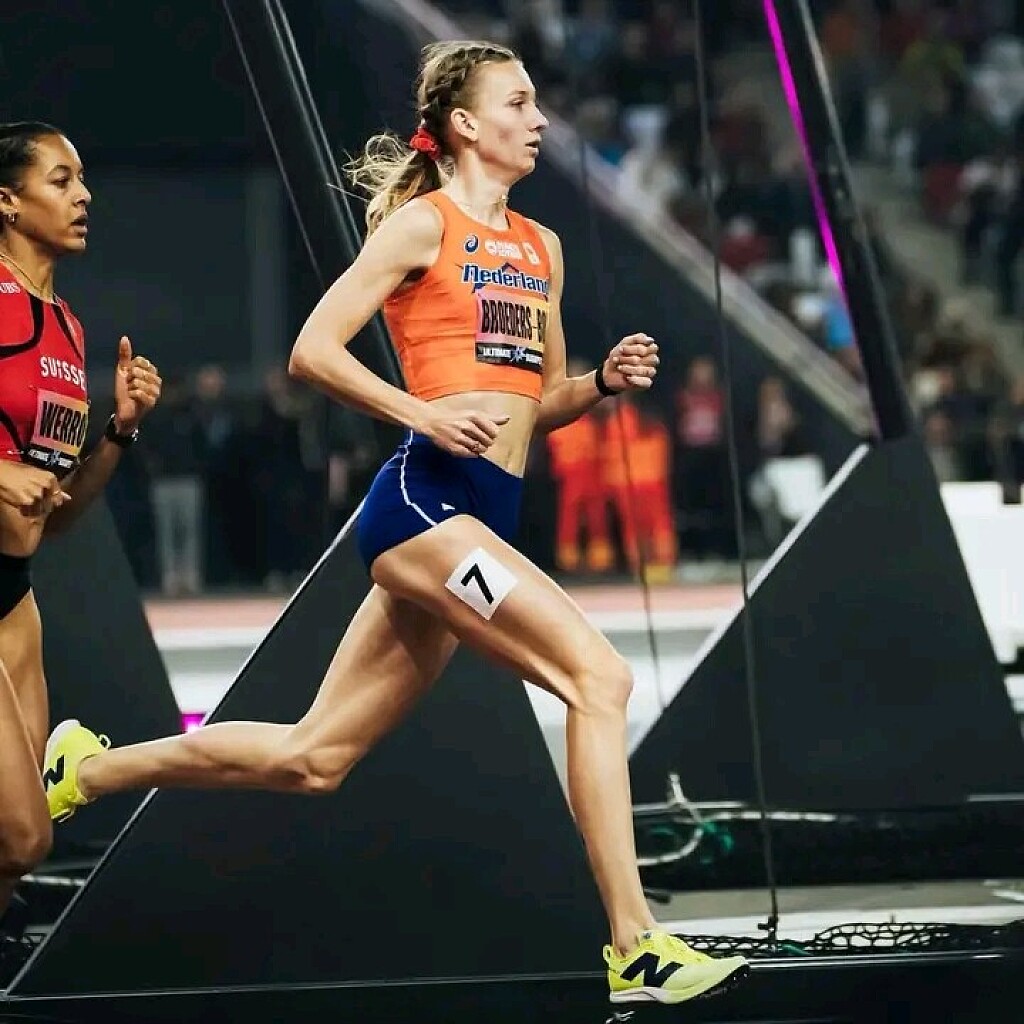
Femke Bol’s 800m Learning Curve Continues With Budapest Podium
Femke Bol may have walked away from Budapest with a third positon, but the Dutch star left the inaugural World Athletics Ultimate Championship with something potentially even more valuable — another lesson in mastering the tactical demands of the 800m.
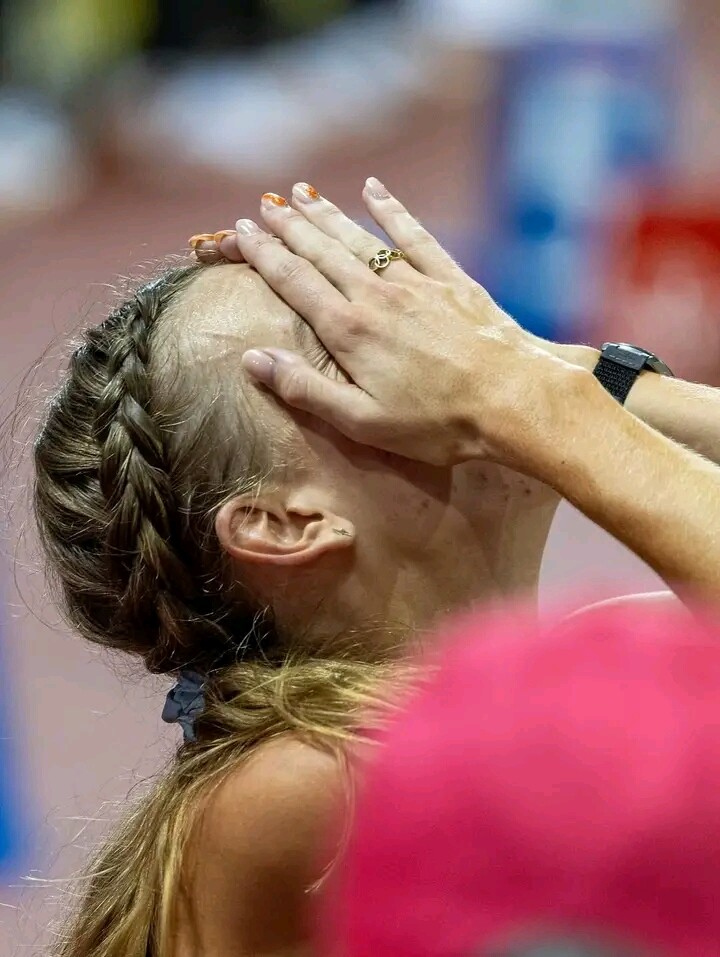
Bol, who only made the permanent transition to the two-lap event earlier this year after building her reputation as one of the world’s finest 400m hurdlers, finished third in a fiercely contested women’s final in 1:56.74.
Switzerland’s Audrey Werro claimed the title in 1:55.88, holding off Britain’s Keely Hodgkinson, who finished just 0.12 seconds behind in 1:56.00, while Bol completed the podium.
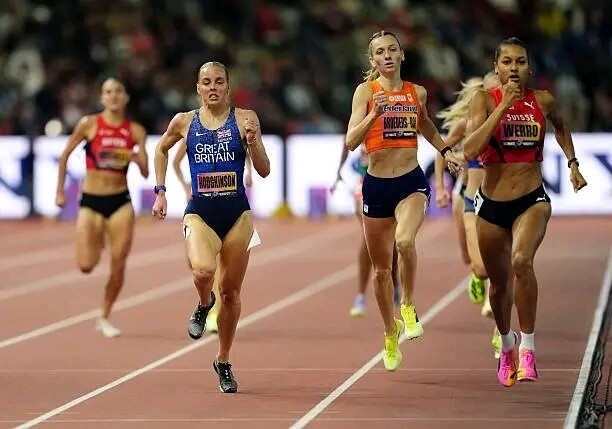
For Bol, however, the result was less about disappointment and more about understanding what she still needs to develop as an 800m runner.
The Dutchwoman has already demonstrated that she possesses the speed and endurance required for the event. What she is discovering now is that racing two laps at the highest level is not simply about running fast — sometimes, it is about knowing when not to run fast.

That was particularly evident in Budapest.
Werro controlled the early stages of the final intelligently, reaching the halfway point in 57.74 seconds. The relatively measured opening forced the athletes into a tactical battle, where positioning, patience and the ability to accelerate sharply over the closing stages became just as important as raw fitness.
Bol admitted that this type of race remains a learning experience for her.
“When we go fast, I finish with the same strength as when we go slow,” she explained, highlighting the confidence she has in her ability to handle a fast pace.
But she also recognised the challenge created by a slower opening.
“When we go slow, I don't have enough acceleration,” Bol acknowledged, while describing the Budapest final as an important opportunity to learn.
That difference is understandable given her background.
As a former 400m hurdles specialist, Bol has spent much of her career developing rhythm, strength and speed endurance over a demanding one-lap event. She is accustomed to establishing her race pattern early and relying on her powerful stride and finishing strength.
The 800m requires another layer of racing intelligence.
Athletes must constantly judge pace, protect their position, respond to moves and remain prepared for a sudden change of speed. A runner can be physically ready for a fast finish but still find themselves boxed in or too far from the front when the decisive move comes.
For Bol, that tactical education is happening at remarkable speed.
Despite only fully embracing the 800m this season, she has already produced consecutive performances in the 1:54 range, established herself among the world’s leading two-lap runners and reached major championship finals.
Her Budapest bronze therefore represents another significant step in a rapidly developing chapter of her career.
Rather than exposing a weakness that could hold her back, the final revealed an area where Bol still has room to grow.
And that could be an ominous prospect for her future rivals.
If Bol can combine the formidable strength and speed that made her a dominant force in the 400m hurdles with the tactical awareness required for championship-style 800m racing, she could become an even more dangerous competitor over two laps.
The Budapest final may have belonged to Werro, with Hodgkinson narrowly taking second positon and Bol settling for third place but the Dutch star's transition is clearly far from complete.
At 800m, Bol is still learning.
And if this season is any indication, she may be learning very quickly.
by Erick Cheruiyot for My Best Runs.
Login to leave a comment
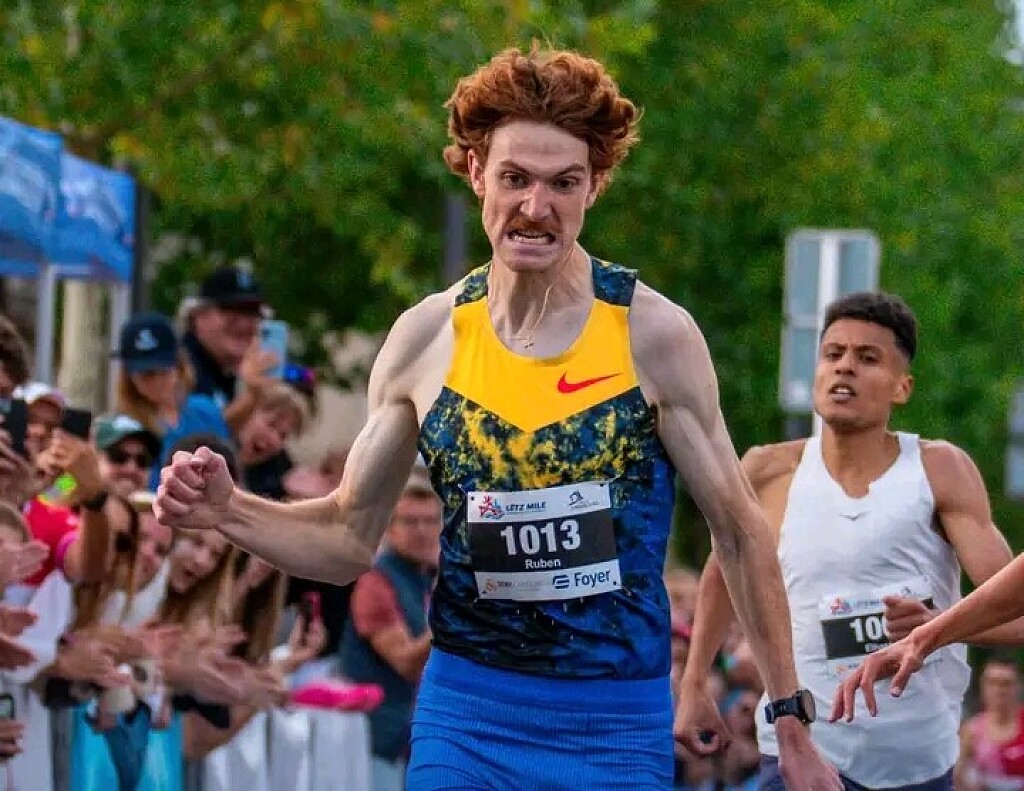
Ruben Querinjean Strikes Again With Another Luxembourg National Record
Ruben Querinjean has added another remarkable chapter to his breakthrough 2026 season, setting a new Luxembourg national record over the road mile at the LËTZ MILE – Luxembourg City Road Mile.
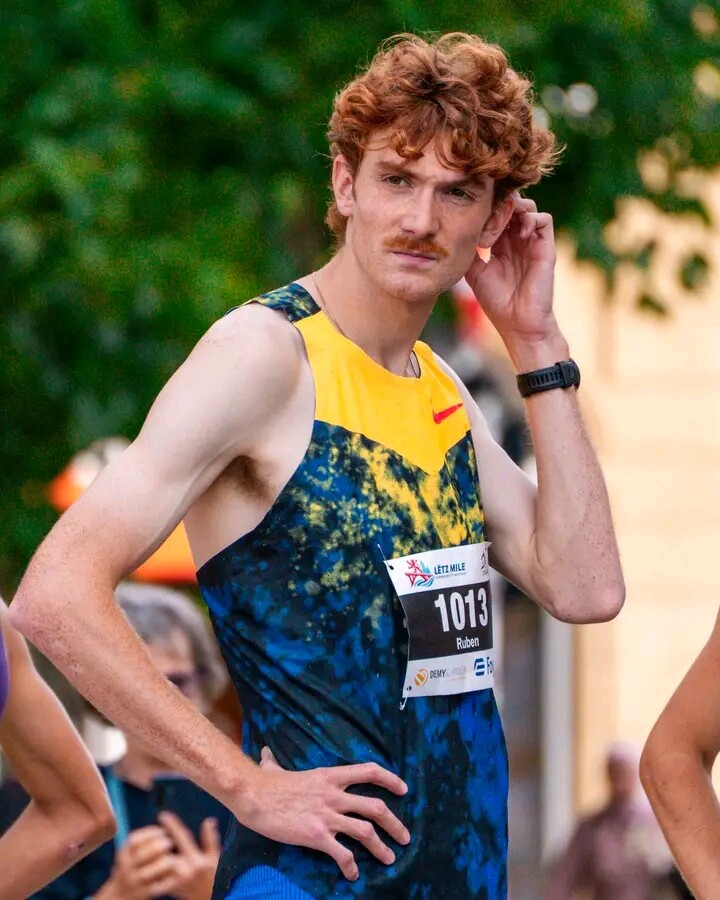
Querinjean stopped the clock at an impressive 4:03.03, producing another standout performance only a few weeks after setting a national record in the 3,000m steeplechase.
The Luxembourg star has been enjoying an outstanding season, establishing himself as one of the country's leading distance runners while continuing to push the national record books into new territory.
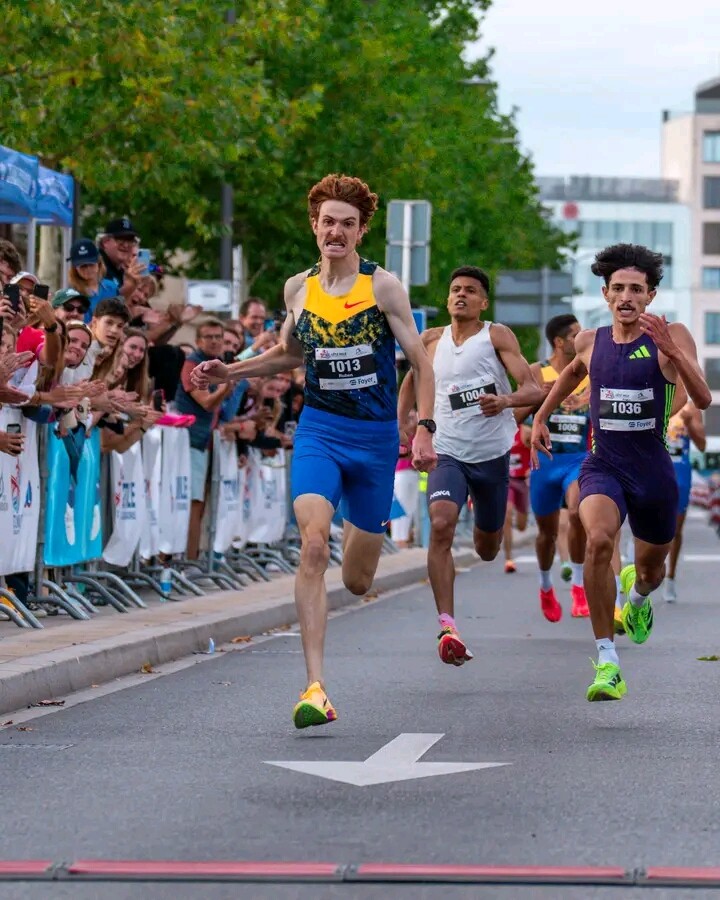
His latest achievement also highlights his versatility. Best known for his performances over the steeplechase barriers, Querinjean has shown that his speed and endurance translate exceptionally well to the roads, with the mile requiring a combination of strength, pace and finishing speed.
The 4:03.03 performance gives Querinjean another national mark to celebrate during a season that has already delivered several major milestones. His continued progression has made him an increasingly prominent figure on the European distance-running scene.
For Luxembourg athletics, performances like this represent an exciting period for the sport. Querinjean's ability to challenge national records across different disciplines is a strong indication of the depth of his talent and the level he is reaching.
With another national record now secured, Querinjean can look ahead with even greater confidence as he continues his impressive 2026 campaign.
Another record. Another milestone. Another unforgettable chapter in Ruben Querinjean's remarkable season.
by Erick Cheruiyot for My Best Runs.
Login to leave a comment
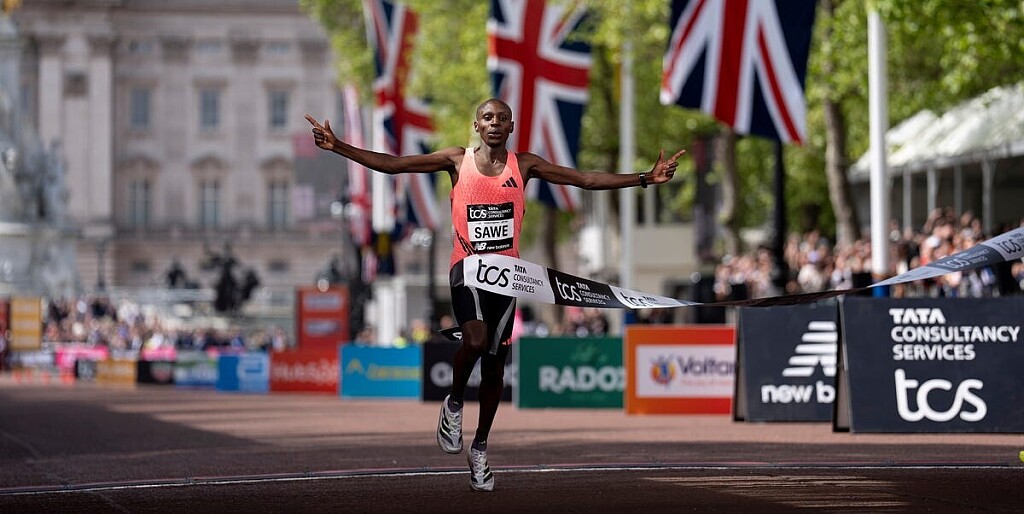
Marathon Majors Course Records: Where Speed, History And The Course Collide
The world’s biggest marathons are united by prestige, elite fields and unforgiving 26.2-mile battles, but their course records tell very different stories. From Tokyo to Sydney, each course has its own character, while London and Chicago have become synonymous with extraordinary speed.
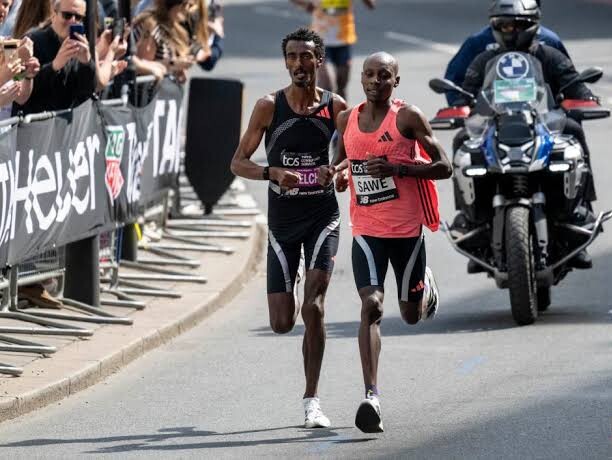
At the top of the men’s list stands the London Marathon, where Kenya’s Sabastian Sawe produced one of the greatest performances in road-running history. Sawe clocked 1:59:30 in April 2026, becoming the first athlete to officially break the two-hour barrier in a marathon. His performance also lowered the world record from Kelvin Kiptum’s previous mark of 2:00:35.
Chicago, meanwhile, owns one of the most remarkable records in women’s marathon history. Kenya’s Ruth Chepngetich ran 2:09:56 in 2024, becoming the first woman to break the 2:10 barrier. The performance remains a landmark in the event’s history and gives Chicago a special place among the fastest marathon courses in the world.
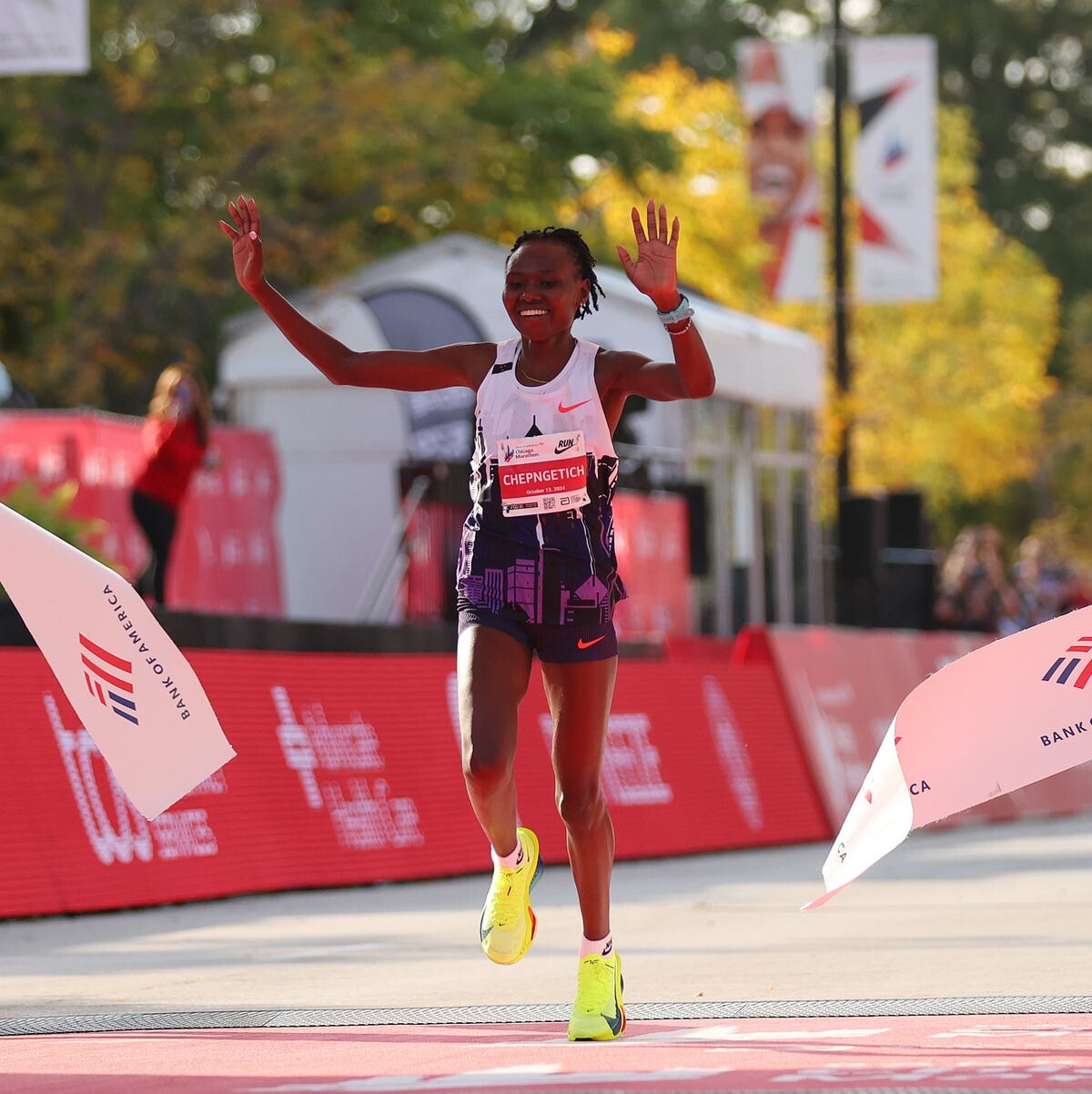
The men’s Chicago record is 2:00:35, set by the late Kelvin Kiptum in 2023. That performance stood as the world record until Sawe’s extraordinary 1:59:30 in London in 2026.
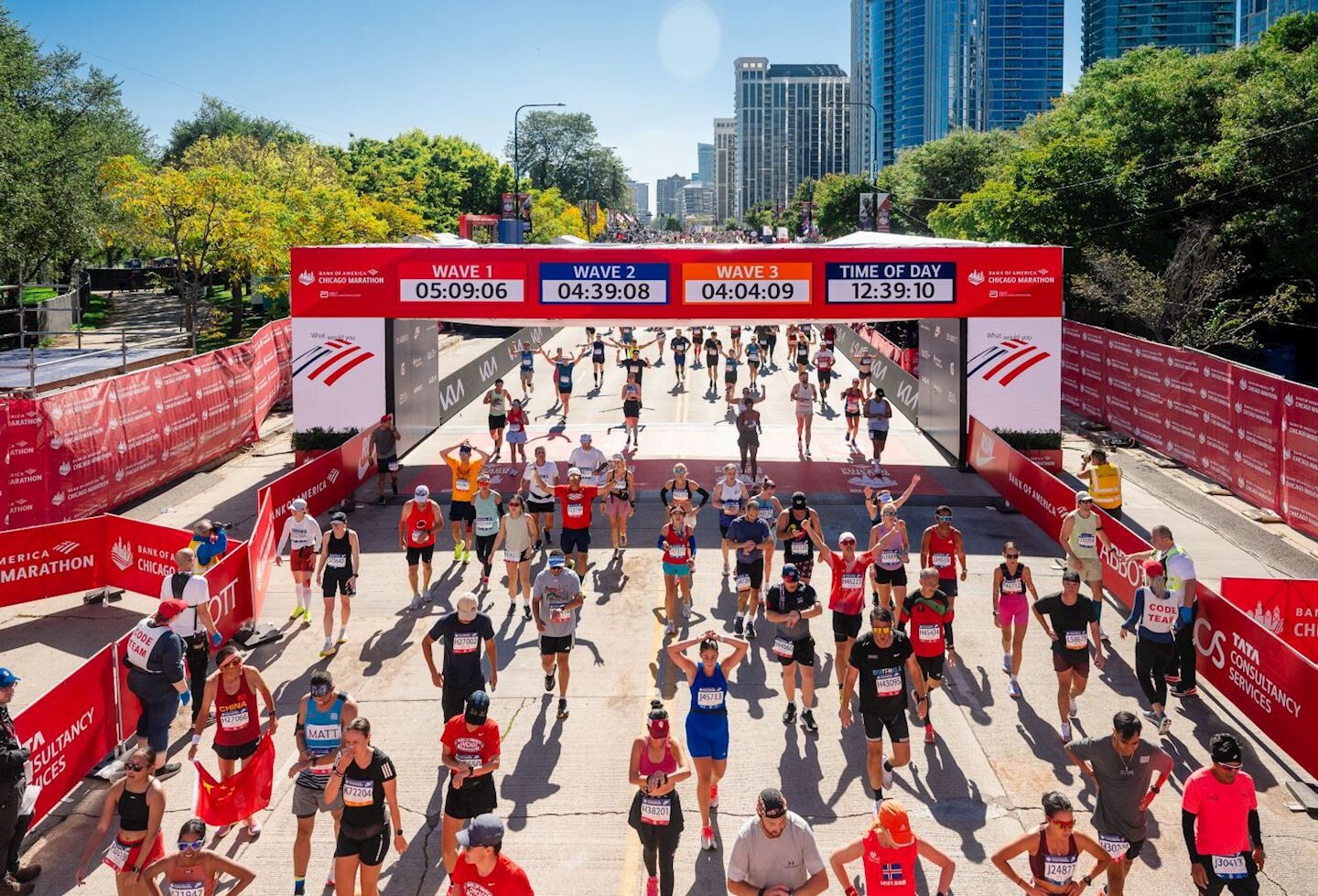
Then there is Berlin, perhaps the most celebrated world-record factory in marathon history. Kenya’s Eliud Kipchoge holds the men’s course record at 2:01:09, while Ethiopia’s Tigist Assefa owns the women’s mark at 2:11:53. Berlin has hosted numerous men’s world records over the years, underlining its reputation as one of the fastest marathon courses on the planet.
The elevation figures help explain why the courses produce such different performances. Berlin has relatively modest elevation changes, creating a fast and rhythm-friendly route. Other Majors present considerably greater challenges.
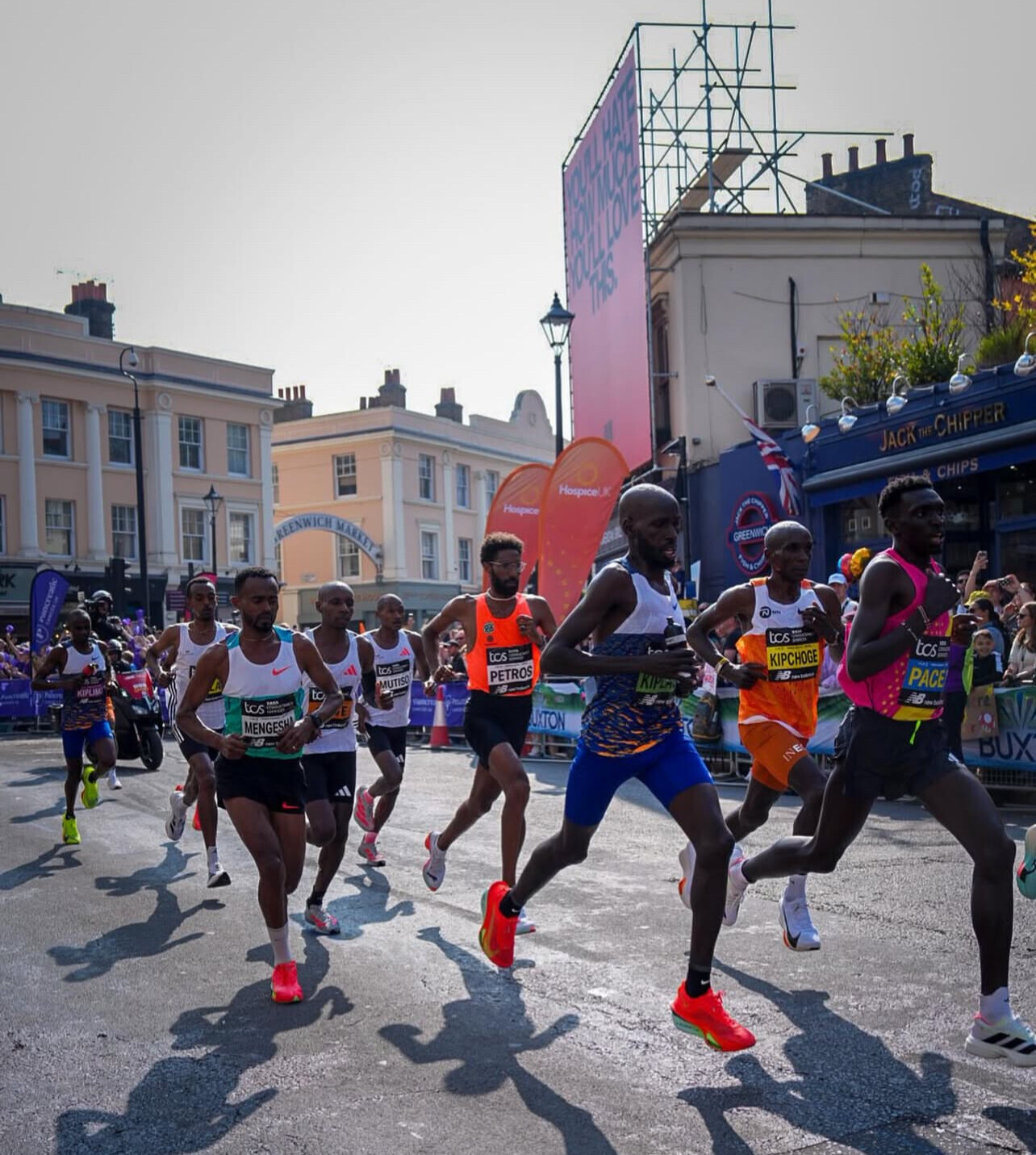
Boston, for example, climbs 248 metres but descends 388 metres. Its famous point-to-point layout and net downhill profile make it exceptionally fast in places, but its course does not qualify for official world-record purposes because the elevation drop exceeds the limit permitted by World Athletics.
New York City is a completely different proposition. With approximately 246 metres of climbing, it is among the toughest Major Marathon courses, demanding strength and tactical patience rather than simply raw speed. Its records therefore carry a different kind of significance, earned on a course that tests athletes through bridges, climbs and a demanding closing stretch into Central Park.
Tokyo offers another fast but distinctive challenge, with Benson Kipruto holding the men’s course record in 2:02:16. Brigid Kosgei’s 2:14:29 remains the women’s course record, illustrating the exceptional standard required to rewrite the record books in the Japanese capital.
And then there is Sydney, the newest addition to the Abbott World Marathon Majors family. Its course has already produced outstanding performances, with Addisu Gobena’s 2:04:42 listed as the men’s course record and Sifan Hassan’s 2:18:22 as the women’s mark in the graphic. With its demanding elevation profile, those performances underline just how quickly the Sydney course has established itself among the world’s major marathon stages.
What makes these records fascinating is that they cannot be judged by the clock alone. A 2:01 on a fast, record-legal course is a completely different achievement from a 2:04 on a demanding route, while Boston’s unique course rules mean that even exceptionally fast performances cannot enter the official world-record conversation.
For decades, marathon greatness was largely measured by who could run fastest. Today, the Majors show that where the time is run can be almost as important as the time itself. From Sawe’s historic sub-two-hour breakthrough in London to Chepngetich’s barrier-breaking run in Chicago and Berlin’s remarkable record history, these performances represent different chapters of marathon history—and the next chapter could be written at any Major.
by Erick Cheruiyot for My Best Runs.
Login to leave a comment
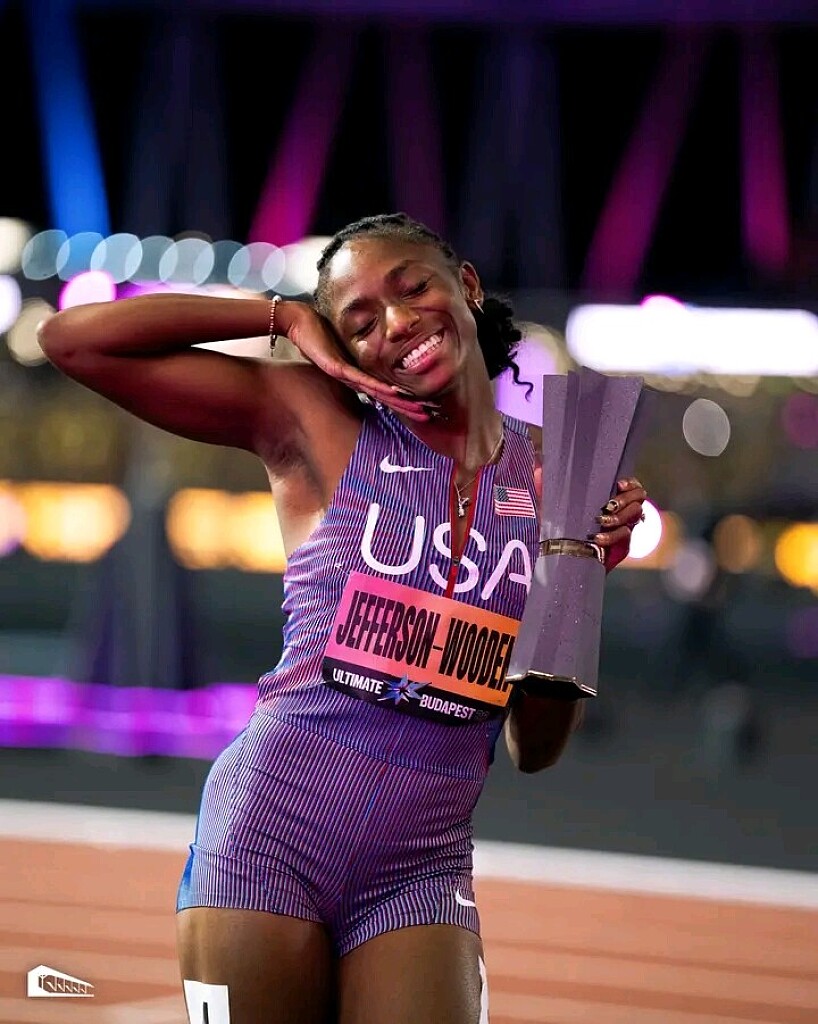
Melissa Jefferson-Wooden Blazes To 10.62 World Lead And Ultimate Championship Glory
Melissa Jefferson-Wooden delivered a sensational performance in Budapest, storming to victory in the women’s 100m at the inaugural World Athletics Ultimate Championship in a breathtaking 10.62 seconds.
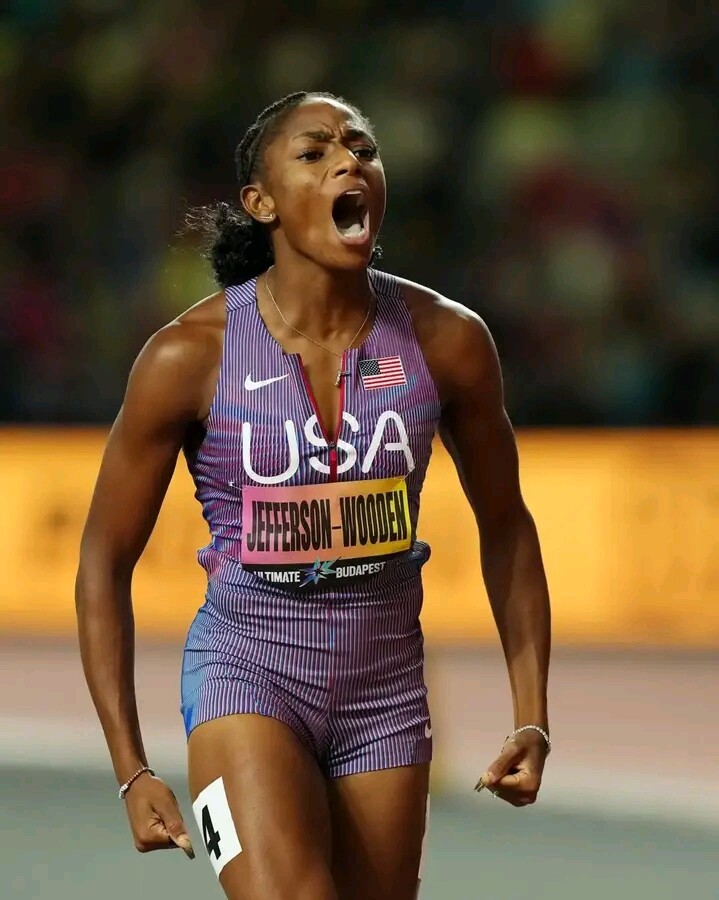
The American produced a superb display of acceleration and composure to claim the World Ultimate Championship title while recording the fastest women’s 100m time in the world this year. Her 10.62 mark underlined her exceptional form and placed her firmly at the top of the global sprinting hierarchy.
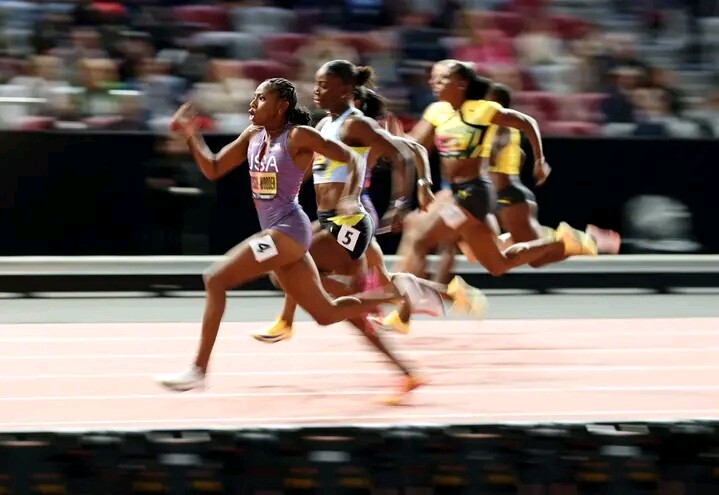
Jefferson-Wooden controlled the race through the decisive stages and maintained her form all the way to the finish to secure a statement victory against a field packed with championship pedigree. She crossed the line ahead of Olympic champion Julien Alfred, who clocked 10.74 seconds with a -0.2 m/s wind, while Sha’Carri Richardson took third in 10.76.
Women’s 100m Final
1. Melissa Jefferson-Wooden — 10.62
2. Julien Alfred — 10.74 (-0.2 m/s)
3. Sha’Carri Richardson — 10.76
The victory was especially significant given the quality of the opposition. Jefferson-Wooden held her nerve against Alfred and Richardson, two of the most accomplished sprinters of the current generation, to produce the fastest performance in the world this year when it mattered most.
Alfred once again demonstrated her consistency at the highest level by taking silver, while Richardson completed an all-star podium in a race that brought together three of the biggest names in women’s sprinting.
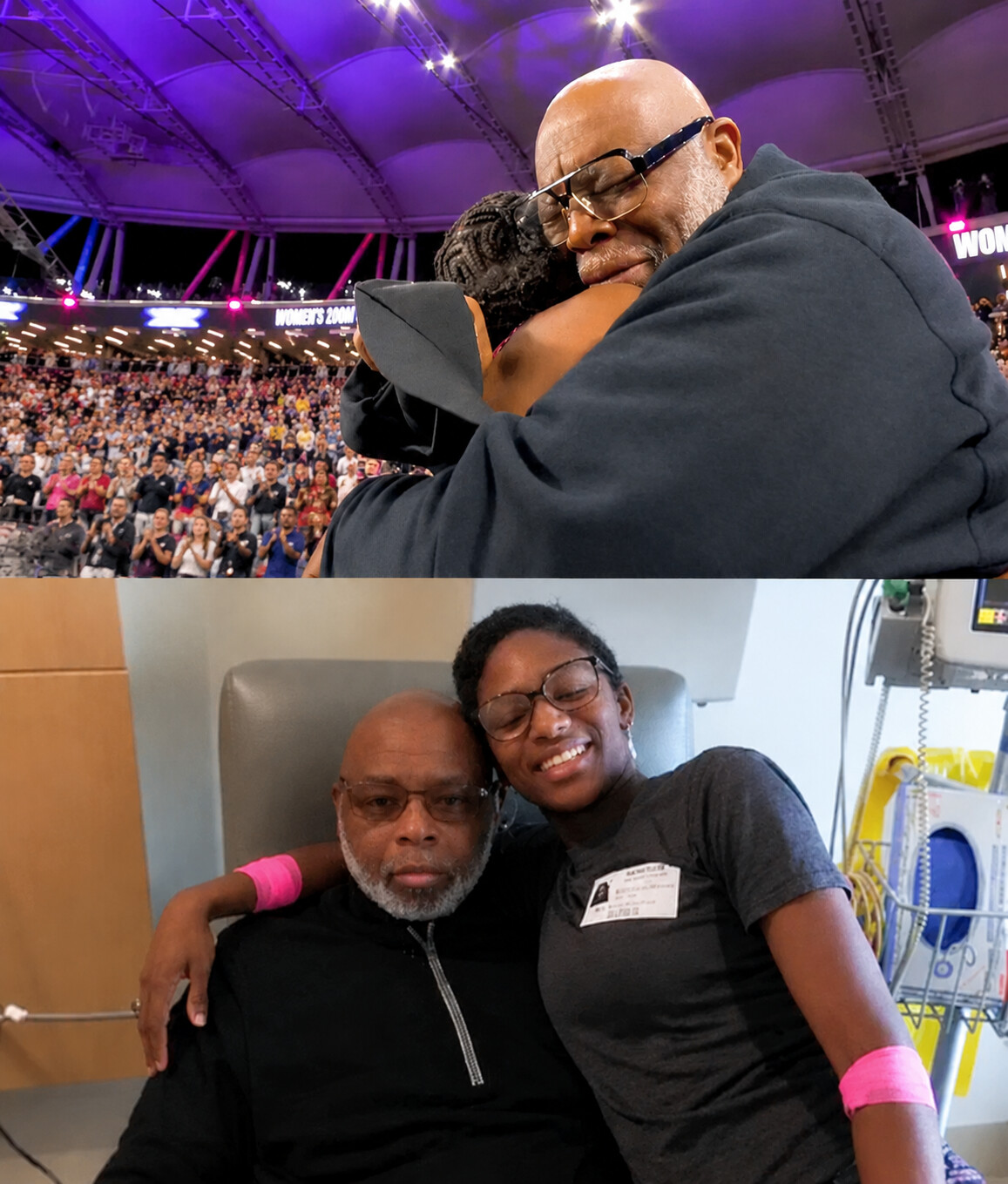
But beyond the time, the title and the celebration, one of the most touching moments came after the race when Jefferson-Wooden embraced her father, Melvin, in an emotional celebration.
Their moment carried a deeply personal meaning. When Melissa was just 17 years old, she donated her stem cells to help her father undergo a bone marrow transplant after he was diagnosed with myelodysplastic syndrome. Years later, the two shared an unforgettable embrace in Budapest after she had become the World Ultimate Champion.
For Jefferson-Wooden, however, the evening was about far more than a medal. It was the culmination of an extraordinary journey, now highlighted by a world-leading 10.62 seconds on one of the biggest stages in athletics.
With the Ultimate Championship title secured and her father by her side, Jefferson-Wooden leaves Budapest with more than being an ultimate champion. She leaves with momentum, confidence and a powerful statement of intent — turning a high-profile showdown into one of the defining sprint performances of her season.
by Erick Cheruiyot for My Best Runs.
Login to leave a comment
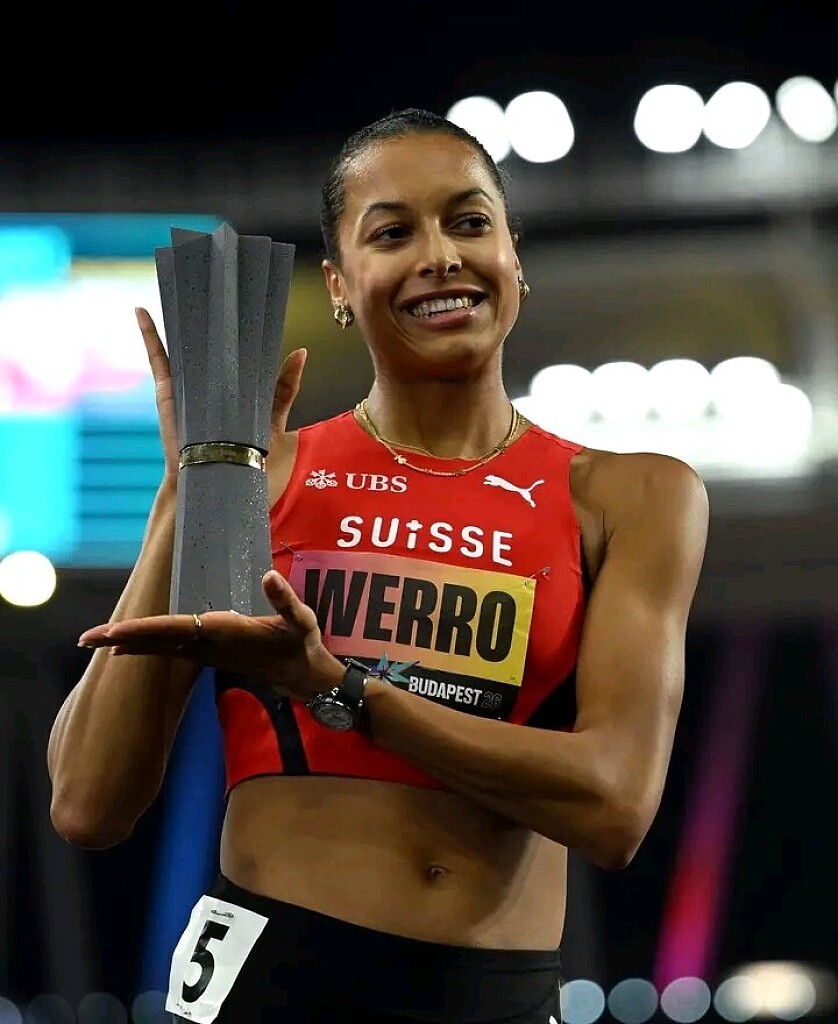
Audrey Werro Rules The 800m As Swiss Star Claims Ultimate Championships Crown
Audrey Werro has added another major title to her extraordinary season, storming to victory in the women’s 800m at the inaugural World Athletics Ultimate Championships in Budapest.
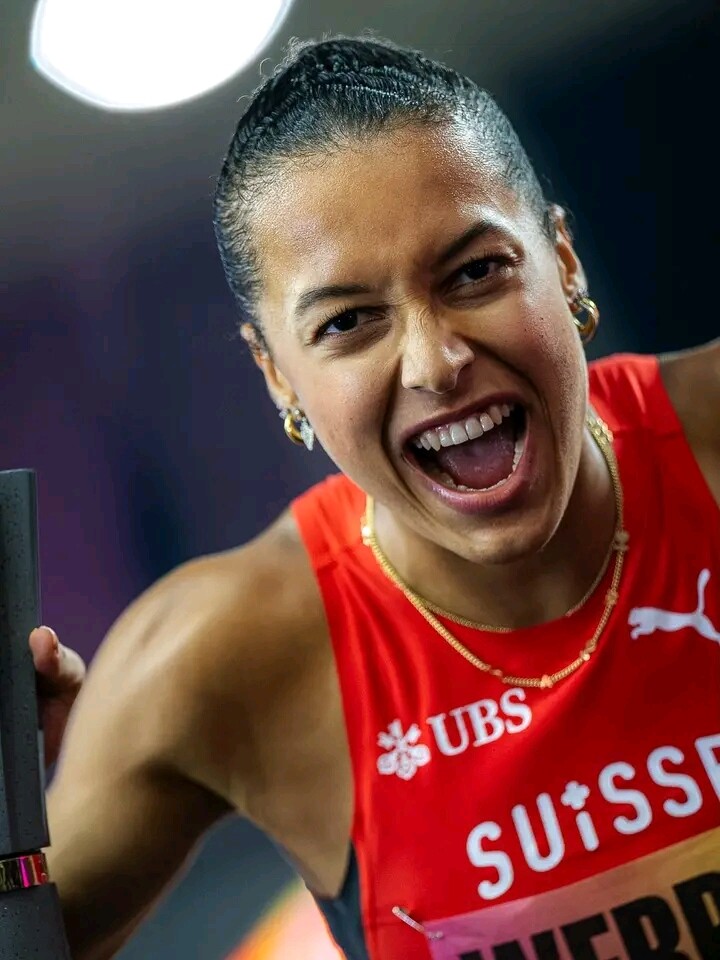
The Swiss star delivered a commanding performance, taking control from the opening gun and refusing to surrender the lead as she powered through an absorbing battle against two of the biggest names in the event.
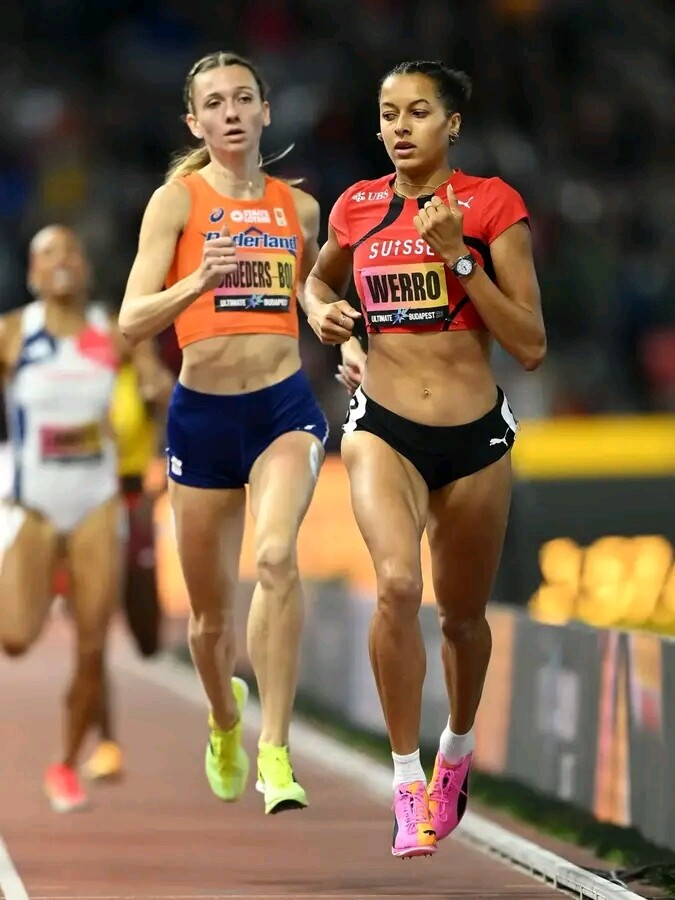
Werro stopped the clock at 1:55.88 to become the Ultimate Championships 800m champion, producing another statement performance on one of the sport’s newest and most prestigious stages.
Behind her, Great Britain’s Keely Hodgkinson fought her way to second in 1:56.26, while the Netherlands’ Femke Broeders-Bol completed the podium in 1:56.74.
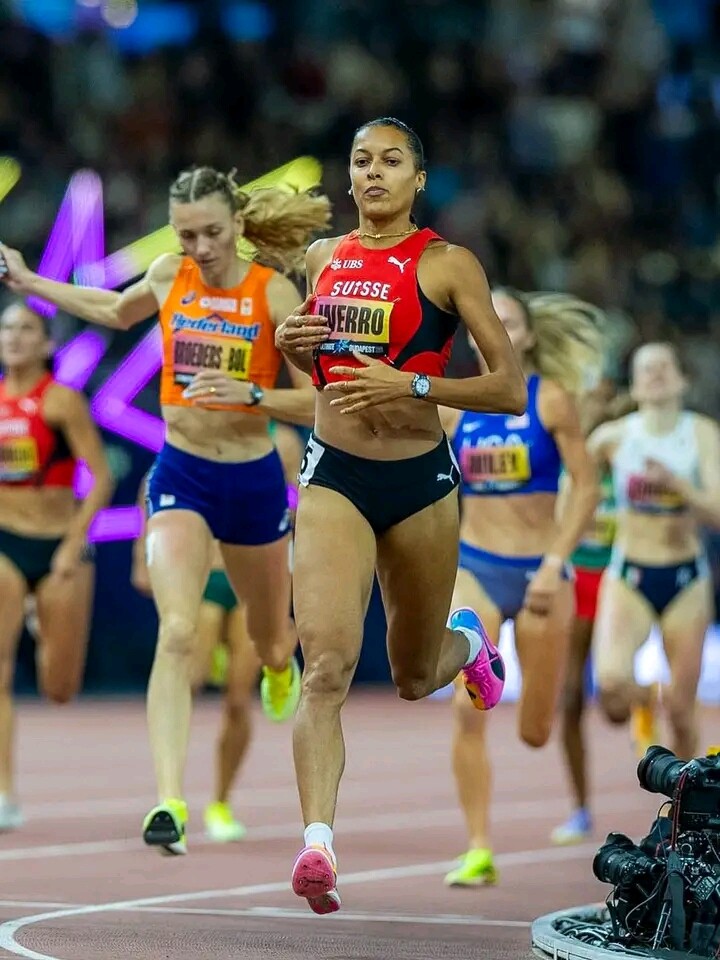
The result once again brought together the same formidable trio that featured on the podium at the European Championships, but Werro again proved to be the athlete who could rise above the challenge when it mattered most.
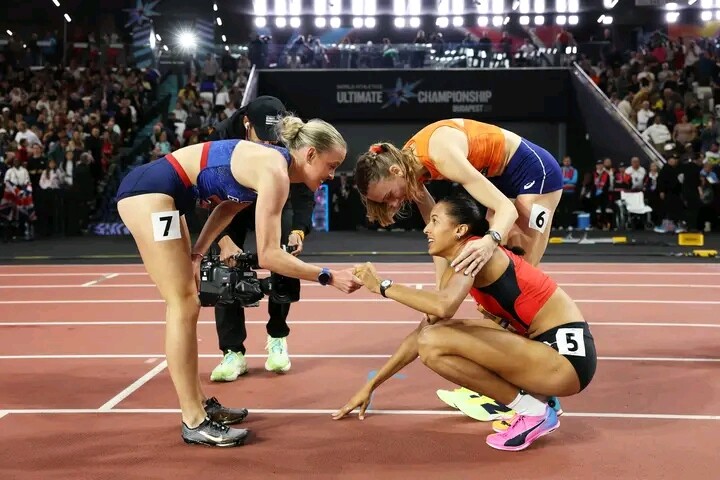
Her Budapest triumph is the latest chapter in a season that has already included records, a successful Diamond League Trophy defence and European Championship gold. Now, she can add the Ultimate Championships crown to a growing list of accomplishments.
Werro’s consistency has been particularly impressive in an 800m event packed with elite talent. Rather than simply relying on a fast finish, the Swiss athlete showed her authority by taking the initiative from the beginning and maintaining enough strength and composure to hold off Hodgkinson and Broeders-Bol all the way to the line.
The victory also underlined the remarkable depth of the women’s 800m, with three athletes separated by less than a second at the finish. Hodgkinson’s 1:56.26 and Broeders-Bol’s 1:56.74 showed just how fiercely contested the race was, but Werro’s decision to dictate the pace ultimately gave her the decisive advantage.
For Werro, this was more than another medal. It was another opportunity to demonstrate that her rise is no passing moment. On a stage featuring established champions and elite rivals, she once again produced the performance required to claim the biggest prize.
For Hodgkinson, the silver medal adds another major podium finish, while Broeders-Bol once again demonstrated her ability to compete with the very best over two laps.
But the spotlight in Budapest belonged unmistakably to Werro.
With another championship crown secured, the Swiss star has strengthened her claim as the athlete setting the standard in women’s 800m running. This is Audrey Werro’s era — and the rest of the field is chasing.
by Erick Cheruiyot for My Best Runs.
Login to leave a comment
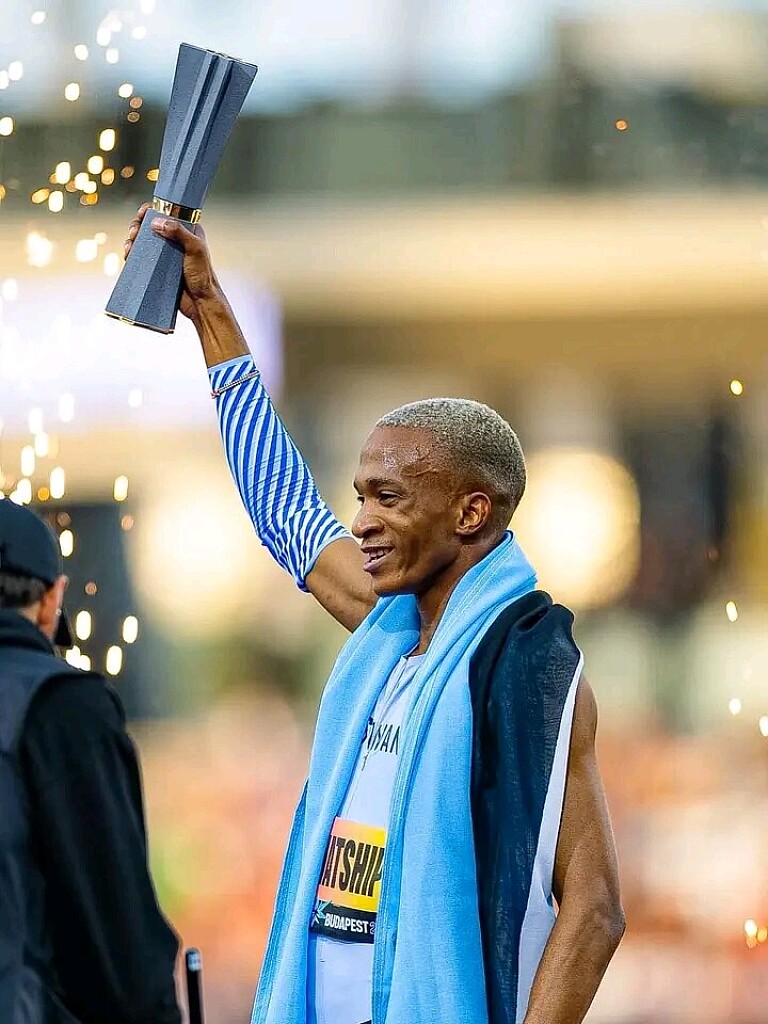
Collen Kebinatshipi Does It Again! 43.39 Makes Botswana Star Fifth All-Time.
Busang Collen Kebinatshipi has delivered another sensational performance, storming to victory in the men’s 400m at the inaugural World Athletics Ultimate Championship in Budapest.
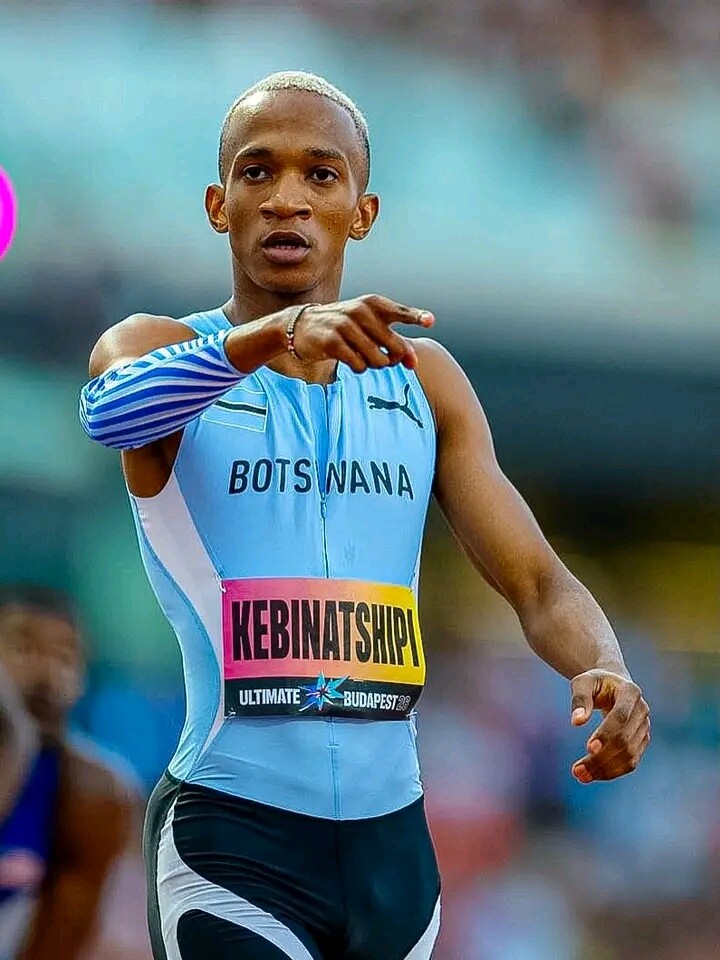
The reigning world champion stopped the clock at an astonishing 43.39 seconds, smashing his own Botswana national record and moving to fifth on the world all-time list.
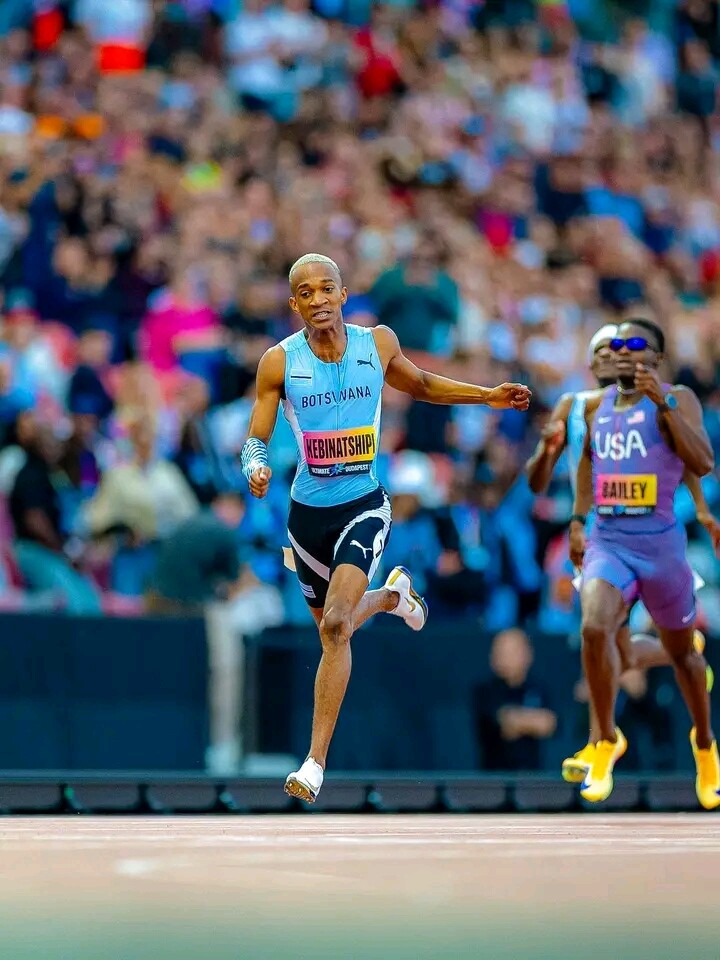
Kebinatshipi produced a commanding finish to pull away from his rivals and secure the Ultimate Championship title. American star Rai Benjamin finished second in 44.15, while Jereem Richards of Trinidad and Tobago completed the podium in 44.23.
Men’s 400m
1. Busang Collen Kebinatshipi — 43.39 NR
2. Rai Benjamin — 44.15
3. Jereem Richards — 44.23
The performance is even more remarkable considering that Kebinatshipi had already rewritten the Botswana record just one week ago in Brussels, where he ran 43.40. In Budapest, he lowered that mark by another 0.01 seconds to establish a new national record of 43.39.
That improvement has also propelled the 22-year-old into rare territory. His latest time now ranks him fifth fastest in history over 400m, placing him among an extraordinary group of athletes who have broken the 43.40 barrier.
Kebinatshipi's victory also caps an extraordinary season for the Botswana star. After establishing himself as a global champion, he has continued to demonstrate that he belongs among the very best one-lap runners in the world.
And there is a major reward for his historic night in Budapest: Kebinatshipi walks away as the Ultimate Champion and $150,000 richer.
From another national record to a place among the five fastest 400m runners ever, Kebinatshipi has turned an already remarkable season into something truly special.
Botswana has its latest sprinting superstar — and Kebinatshipi is showing that his ceiling may be even higher than anyone imagined.
by Erick Cheruiyot for My Best Runs.
Login to leave a comment
Marileidy Paulino Strikes Again To Rule The One-Lap Showdown In Budapest
Marileidy Paulino once again proved why she is the undisputed queen of the one-lap event, powering to victory in the women’s 400m at the inaugural World Athletics Ultimate Championship in Budapest.
The Dominican Republic superstar produced a sensational 49.07 seconds to claim gold, pulling decisively away in the final straight and holding off a fiercely competitive field to extend her remarkable unbeaten run.
Paulino delivered her trademark combination of controlled speed and devastating finishing strength. She remained firmly in contention through the opening stages before unleashing her decisive move down the home straight, where she quickly opened a gap on her closest challengers.
Norway’s Henriette Jæger mounted a strong challenge but could not match Paulino’s finishing speed, crossing the line second in an impressive 49.28. Jamaica’s Nickisha Pryce completed the podium after clocking 49.56, ensuring that three of the world’s leading 400m talents occupied the medals.
The result once again underlined Paulino’s extraordinary consistency at the highest level. She entered Budapest as the world leader after running 48.48 in Paris in June, a performance that also set a Diamond League record. She subsequently remained unbeaten throughout her Diamond League campaign, closing the circuit with a meeting-record 48.64 in Brussels.
Budapest has also become a special venue in Paulino’s career. Three years ago, at the same National Athletics Centre, she captured her first individual world title, marking the beginning of another dominant chapter in her career. She later added Olympic gold in Paris in 2024, further establishing herself among the defining 400m athletes of her generation.
The inaugural World Athletics Ultimate Championship has brought together the sport’s biggest stars in a new winner-takes-the-spotlight format, with Olympic and world champions, Diamond League winners and leading performers competing for ultimate honours.
For Paulino, the occasion once again ended with Ultimate Crown on her arms.
With 49.07 seconds, she did more than win another major 400m title. She delivered another statement of authority, powering through the final straight with the confidence and speed that have made her one of the most dominant figures in modern women’s athletics.
Marileidy Paulino remains unbeaten, remains relentless and, once again, remains the queen of the one lap.
by Erick Cheruiyot for My Best Runs.
Login to leave a comment
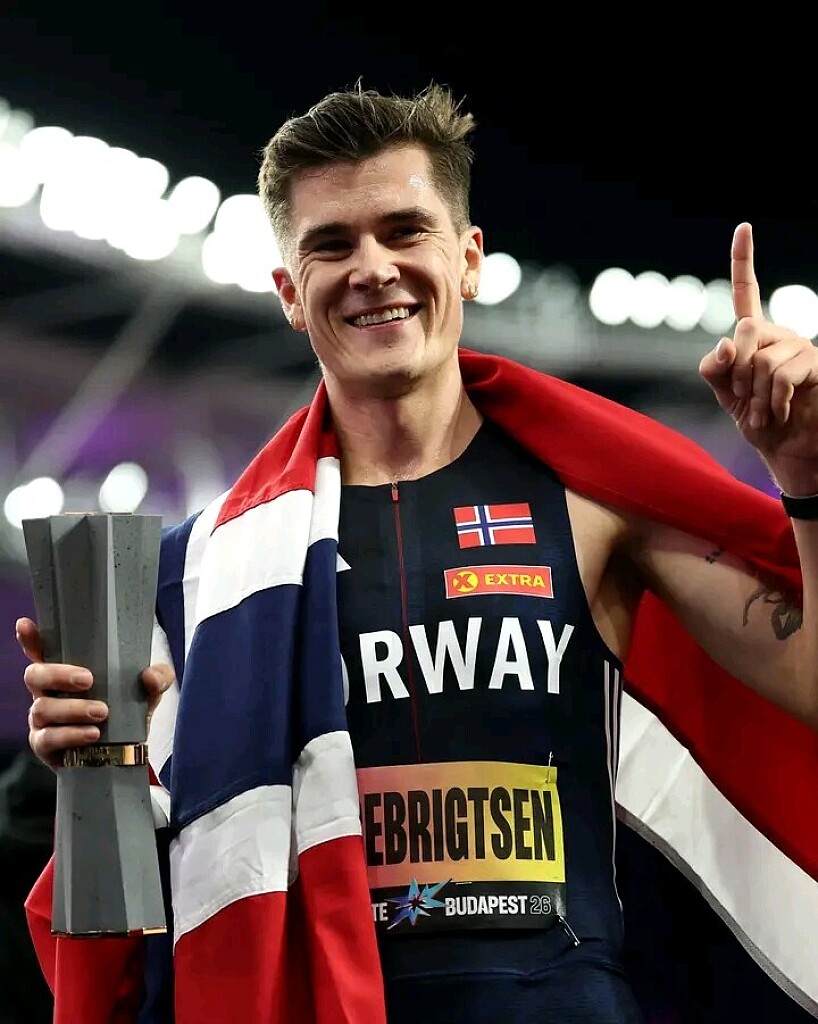
Jakob Ingebrigtsen Withdraws From Budapest 1500m After Stunning 5000m Victory: “Fitness Cannot Be Faked”
Jakob Ingebrigtsen has made a major decision regarding the remainder of his World Athletics Ultimate Championship campaign, confirming that he will withdraw from the men’s 1500m in Budapest despite producing a sensational performance to win the 5,000m title.
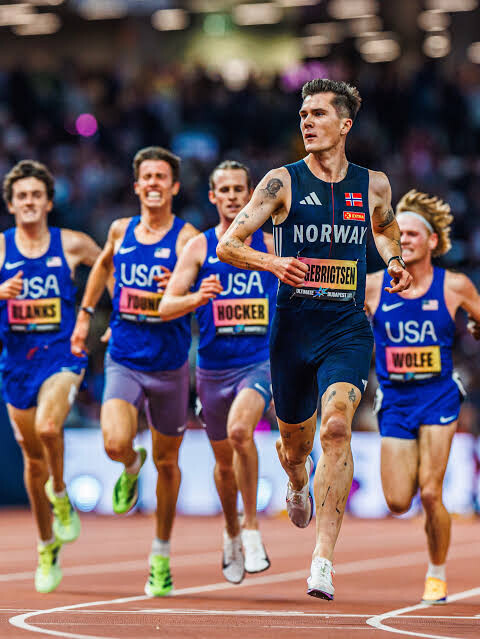
The Norwegian superstar stormed to victory in the inaugural Ultimate Championship 5,000m on Friday night, clocking a season-best 12:59.24 and delivering a devastating finishing kick to defeat Olympic 5,000m champion Cole Hocker and American Parker Wolfe.
Ingebrigtsen’s final 100 metres was arguably the defining moment of the race. The Olympic champion produced a remarkable 12.60-second closing 100m, powering away from the field to secure the $150,000 winner’s prize and underline just how far his fitness has progressed since returning from Achilles surgery.
The victory was particularly significant after what has been an extremely difficult period for the 25-year-old. Earlier in the season, Ingebrigtsen faced serious uncertainty over whether he would even be able to compete at the highest level again. His return has gradually gathered momentum, and his performance in Budapest offered perhaps the clearest indication yet that the Norwegian is rediscovering his formidable racing ability.
But rather than risk pushing his recovering body further, Ingebrigtsen has now opted to step away from the 1500m.
The decision means the highly anticipated showdown with British rival Josh Kerr will not take place in Budapest after all. The two stars had been expected to renew one of the biggest rivalries in modern middle-distance running in the 1500m final.

Instead, Ingebrigtsen is looking beyond the immediate opportunity and towards the bigger picture.
“I’m thinking about 2027… Fitness cannot be faked,” the Norwegian said, signalling that protecting his long-term condition has become more important than chasing another major victory only days after his return to peak-level competition.
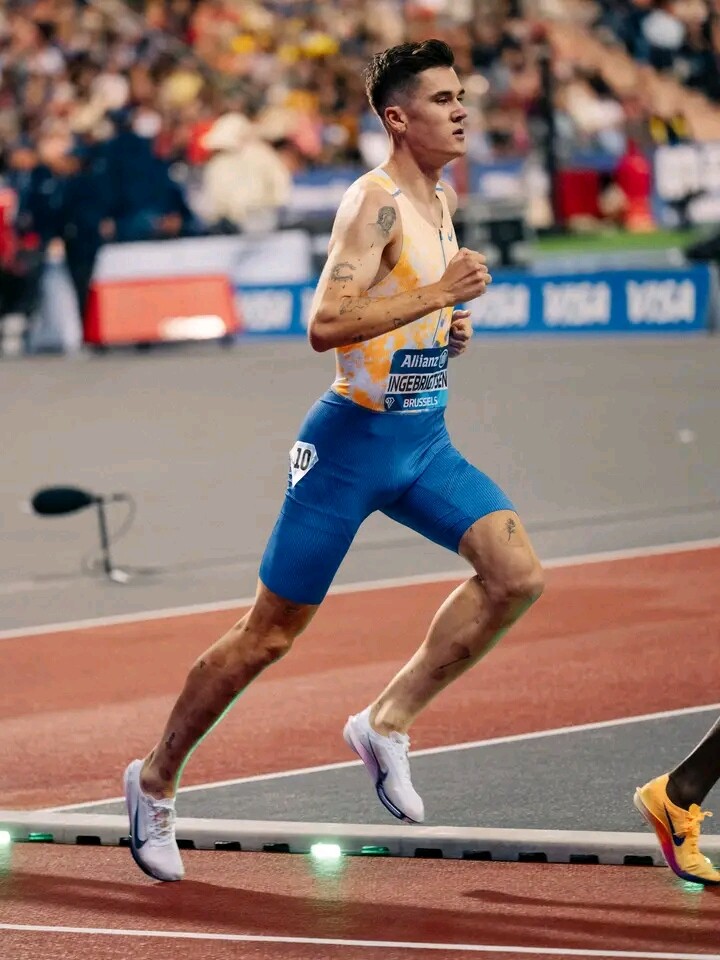
The decision comes just one week after an emotionally charged Diamond League Final in Brussels, where Ingebrigtsen finished fourth in the 1500m behind Australia’s Cameron Myers, Kenya’s Phanuel Kipkosgei Koech and American Ethan Strand.
After that race, Ingebrigtsen delivered a fiery assessment of his rivals and questioned the tactics surrounding the pacemaking, particularly involving Hocker. He later acknowledged that there had been “a little too much adrenaline and emotion” when microphones were placed in front of him immediately after the race.
Yet his latest decision shows that beneath the emotion and competitive intensity lies a longer-term strategy.
Ingebrigtsen has already demonstrated that he can compete at an elite level again. His 12:59.24 in Budapest was not simply a victory — it was a statement that the Norwegian remains capable of producing a world-class finish even after months of injury rehabilitation.
Now, however, he is choosing not to gamble with that progress.
For a runner who has spent much of the year fighting his way back from injury, another 1500m race could have offered enormous rewards but also carried unnecessary risk. By withdrawing, Ingebrigtsen is effectively prioritising longevity over one more opportunity for immediate glory.
His message is clear: the comeback is underway, but it will not be rushed.
The 5,000m victory has given Ingebrigtsen confidence, momentum and perhaps, most importantly, proof that his body can once again handle elite competition.
Now comes the harder part — knowing when to stop.
With 2027 already firmly in his sights, the Norwegian has chosen recovery over risk. And after everything he has endured, that could ultimately prove to be one of the most important decisions of his comeback.
Jakob Ingebrigtsen is not walking away from the sport. He is protecting his future in it.
by Erick Cheruiyot for My Best Runs.
Login to leave a comment
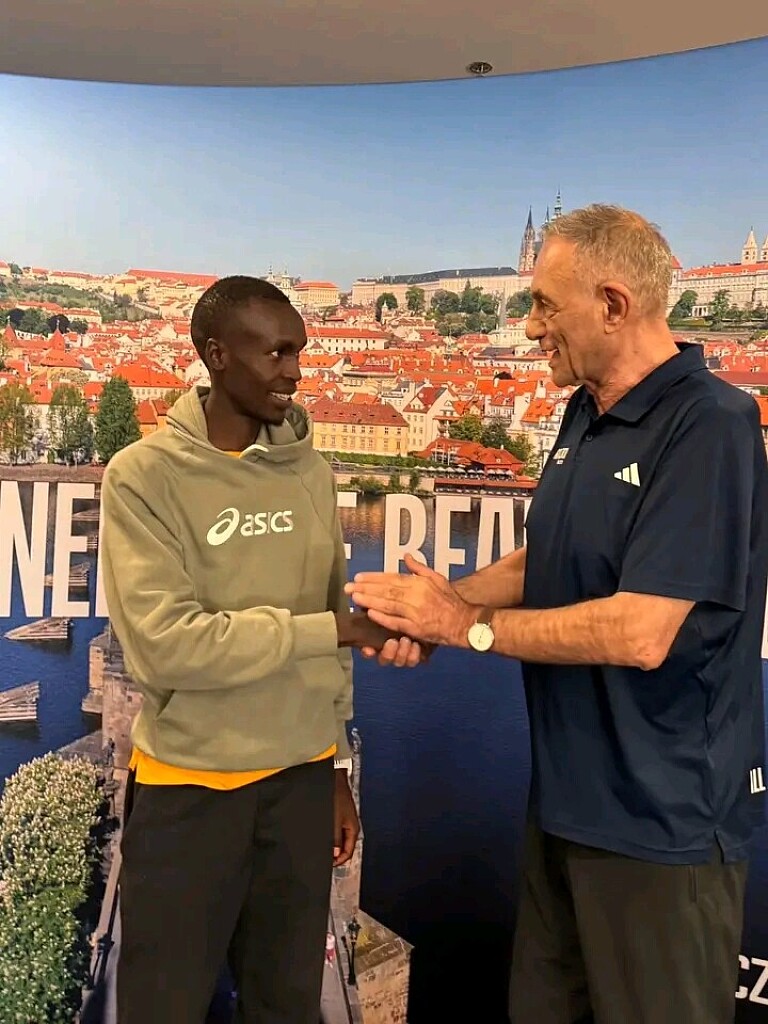
Victor Kipruto Receives Justice After Prague Race Blunder As Organisers Admit Their Mistake
Kenyan distance runner Victor Kipruto Kiprono has received a measure of justice following the unfortunate incident that cost him victory at the Birell 10K Night Race in Prague, Czech Republic, last Saturday.
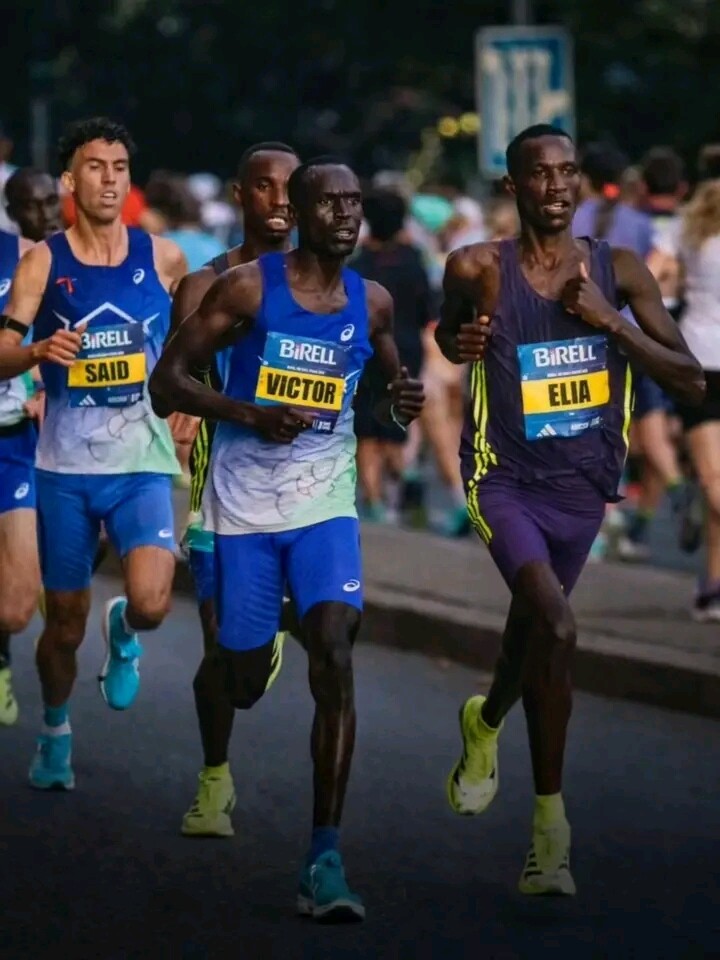
Kipruto was leading the race and appeared on course for victory when, in the closing stages, he followed a television support vehicle that was leaving the course. Confused by the vehicle’s movement, the Kenyan briefly went off the official route before realising his mistake and returning to the race.
By the time he corrected the error, however, valuable seconds had been lost and he dropped from the lead to third place. Rodríguez Kwizera ultimately crossed the finish line first and remained the official winner under the competition rules.
The incident prompted the organisers to issue an official statement, acknowledging that the situation had created confusion for the Kenyan athlete and accepting responsibility for failing to prevent it.

Jana Moberly, elite-athlete coordinator at RunCzech, said the team spoke to Kipruto immediately after the race. Although understandably frustrated, the Kenyan accepted that he had followed the vehicle after seeing what appeared to be an exit and reacting instinctively as it was illuminated by the television equipment.
RunCzech organising committee president Carlos Capalbo also personally approached Kipruto to apologise after the race. The Kenyan accepted the apology and, rather than allowing the disappointment to define the experience, promised to return to Prague next year with one clear objective — to win.
There was also an important gesture from the organisers. RunCzech communications director Jiří Nečásek confirmed that Kipruto will receive the winner's prize money despite the official result remaining unchanged.
Under the technical regulations governing road races, athletes are ultimately responsible for completing the prescribed course, meaning the official classification could not simply be altered. Nevertheless, the organisers recognised that Kipruto had been placed in a confusing situation and chose to compensate him financially as though he had won.
The decision is a significant acknowledgement of what happened. While it cannot rewrite the result or return the victory that slipped away in the final metres, it demonstrates that the organisers understood the seriousness of the incident and were willing to take responsibility.
RunCzech has also begun reviewing the positioning and departure procedures for support vehicles, particularly in critical sections of the course, with the aim of preventing a similar situation from happening again.
For Kipruto, the episode will undoubtedly remain a painful memory. He had done the hard work to put himself in contention for victory, only for an unexpected course-management issue to change the outcome in the closing moments.
But his response has been admirable. He accepted the apology, collected the compensation and has already set his sights on a return to Prague.
Sometimes justice does not mean changing the result. It means admitting when something went wrong, taking responsibility and doing what you can to make it right.
In this case, that is exactly what the organisers have done — and Kipruto now has another reason to return to Prague next year, this time determined to leave no doubt about who crosses the finish line first.
by Erick Cheruiyot for My Best Runs.
Login to leave a comment

Birell 10K Race
The Birell Prague Grand Prix is a captivating evening race that takes runners through the heart of historic Prague. Held during the first weekend of September, this event transforms the city’s streets into a vibrant festival of running, with thousands of participants and enthusiastic spectators lining the course. The event begins with the adidas Women’s Race 5K, an empowering race...
more...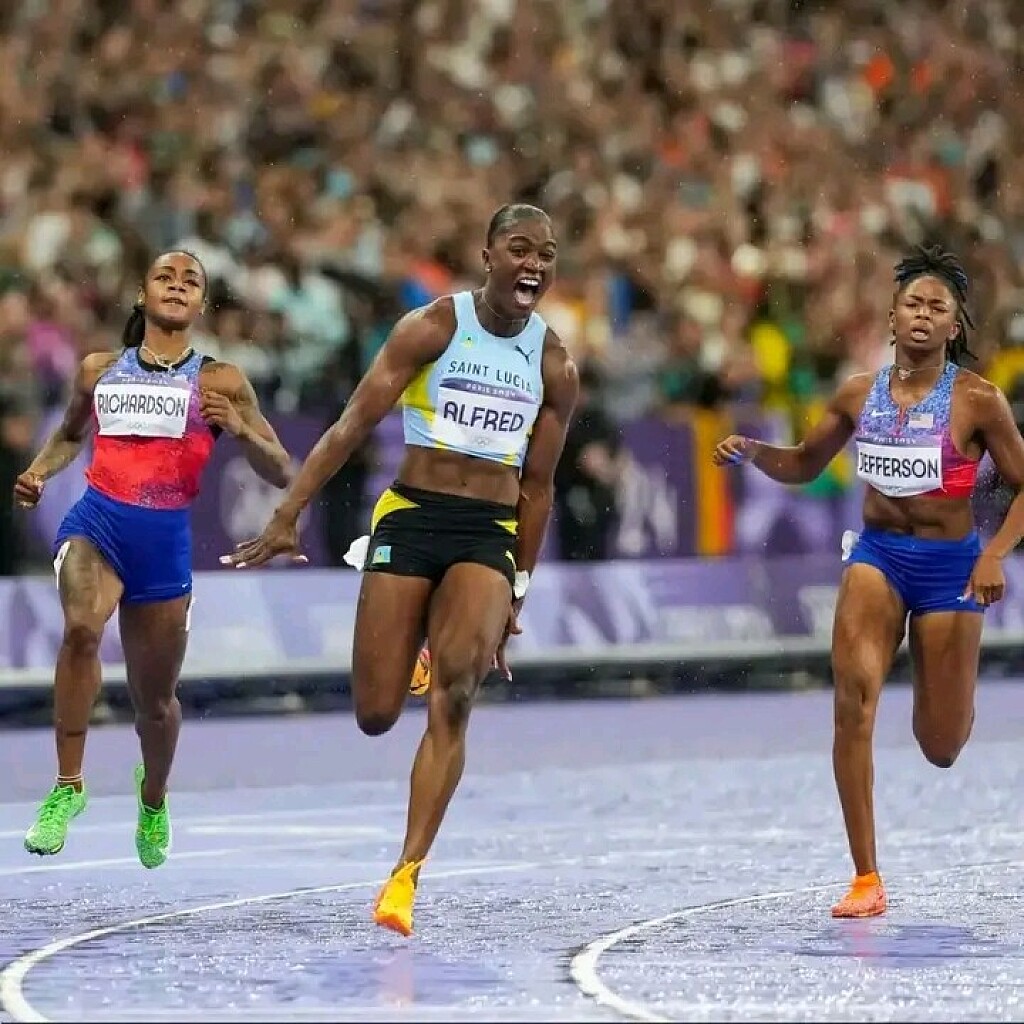
Three Champions, One Crown: Budapest Braces For A Women’s 100m Battle For Supremacy
The women’s 100m at the World Athletics Ultimate Championship in Budapest is shaping up to be one of the most compelling sprint showdowns of the season, with three of the world’s biggest names set to collide in a race where reputation, speed and championship pedigree will all be put to the ultimate test.
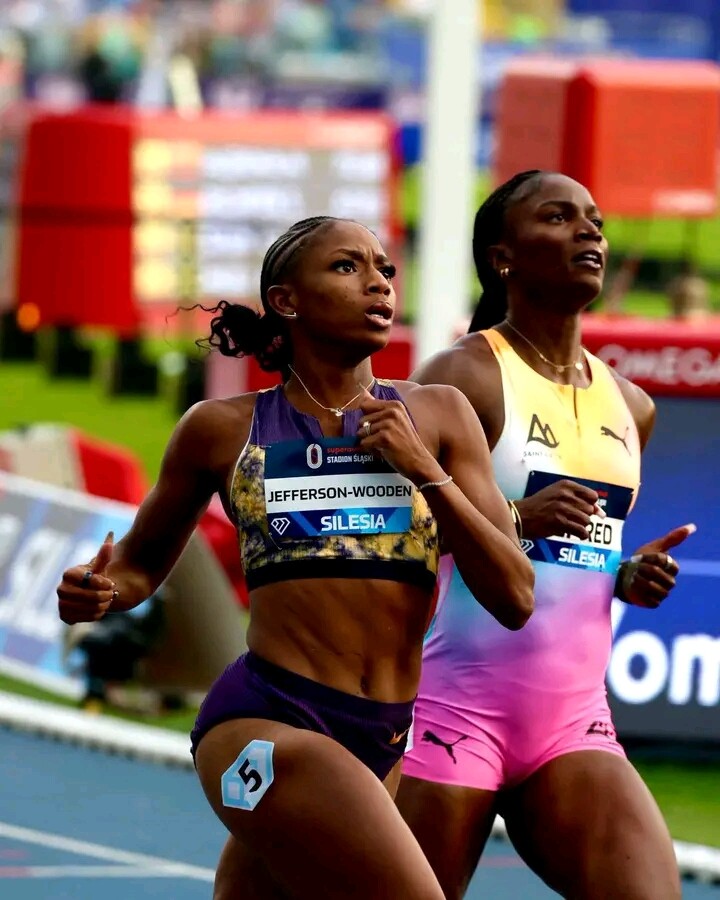
Leading the charge is Saint Lucia’s Julien Alfred, the reigning Olympic champion who established herself as the fastest woman on the biggest stage at the Paris 2024 Games. Alfred’s rise to the summit of global sprinting has been remarkable, and she arrives in Budapest carrying the confidence and prestige that come with an Olympic title.
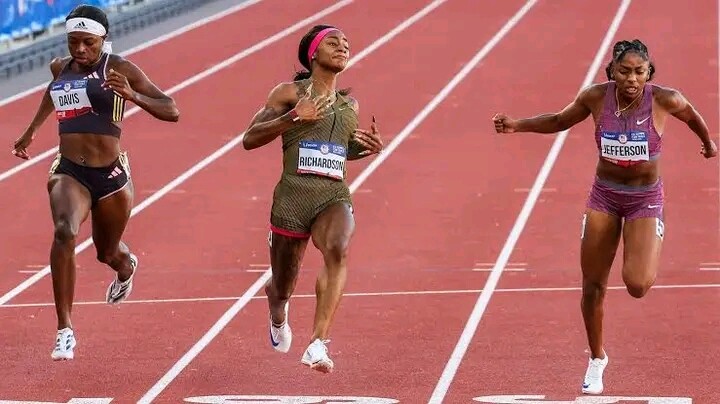
Standing alongside her will be American sprint star Melissa Jefferson-Wooden, the reigning world champion and one of the most formidable forces in the modern 100m. Her championship credentials have already placed her among the elite, and Budapest presents another opportunity to underline her status against the very best in the world.
Then there is Sha’Carri Richardson, another American powerhouse whose explosive speed and major-championship experience make her impossible to overlook. A former world champion, Richardson has repeatedly demonstrated her ability to thrive under the brightest lights, bringing both raw pace and an unmistakable competitive edge to the starting line.
The presence of three champions transforms the Budapest contest into far more than another 100m race. It is a meeting of athletes who have already conquered the highest levels of the sport and now have another prize to chase: the title of Ultimate champion.
Women’s 100m — Start List
1. Melissa Jefferson-Wooden — United States — 10.70
2. Julien Alfred — Saint Lucia — 10.70
3. Sha’Carri Richardson — United States — 10.77
4. Tina Clayton — Jamaica — 10.85
5. Sade McCreath — Canada — 10.86
6. Jonielle Smith — Jamaica — 10.89
7. Lavanya Williams — Jamaica — 10.90
8. Cambrea Sturgis — United States — 10.92
9. Zoe Hobbs — New Zealand — 10.93
10. Brianna Lyston — Jamaica — 10.94
11. Audrey Leduc — Canada — 10.97
12. Amy Hunt — Great Britain — 10.97
13. Jodean Williams — Jamaica — 10.97
14. Tamari Davis — United States — 10.99
15. Patrizia Van Der Weken — Luxembourg — 11.05
16. Zaynab Dosso — Italy — 11.07
17. Boglárka Takács — Hungary — 11.13
With the world’s attention fixed on the start line, every fraction of a second could prove decisive. Alfred will seek to reaffirm her Olympic supremacy, Jefferson-Wooden will look to demonstrate that her world title was no coincidence, while Richardson will be determined to remind the field of the speed that has made her one of the most recognizable names in global sprinting.
For the spectators, the attraction is obvious. Three champions, three different journeys to the top and just 100 metres separating glory from disappointment.
Budapest is therefore set for a sprinting spectacle in which there will be no room for hesitation. When the gun fires, Olympic glory, world championship pedigree and personal ambition will converge on one track — and only one woman will leave as the Ultimate champion.
by Erick Cheruiyot for My Best Runs.
Login to leave a comment
