

Running News Daily
Running News Daily is edited by Bob Anderson and team. Send your news items to bob@mybestruns.com Advertising opportunities available.
Index to Daily Posts · Sign Up For Updates · Run The World Feed


2017 BMW Dallas Marathon Announces Elite Ambassadors

Login to leave a comment
Latest Running News
South America’s Best Set For Copenhagen World Half Marathon Showdown
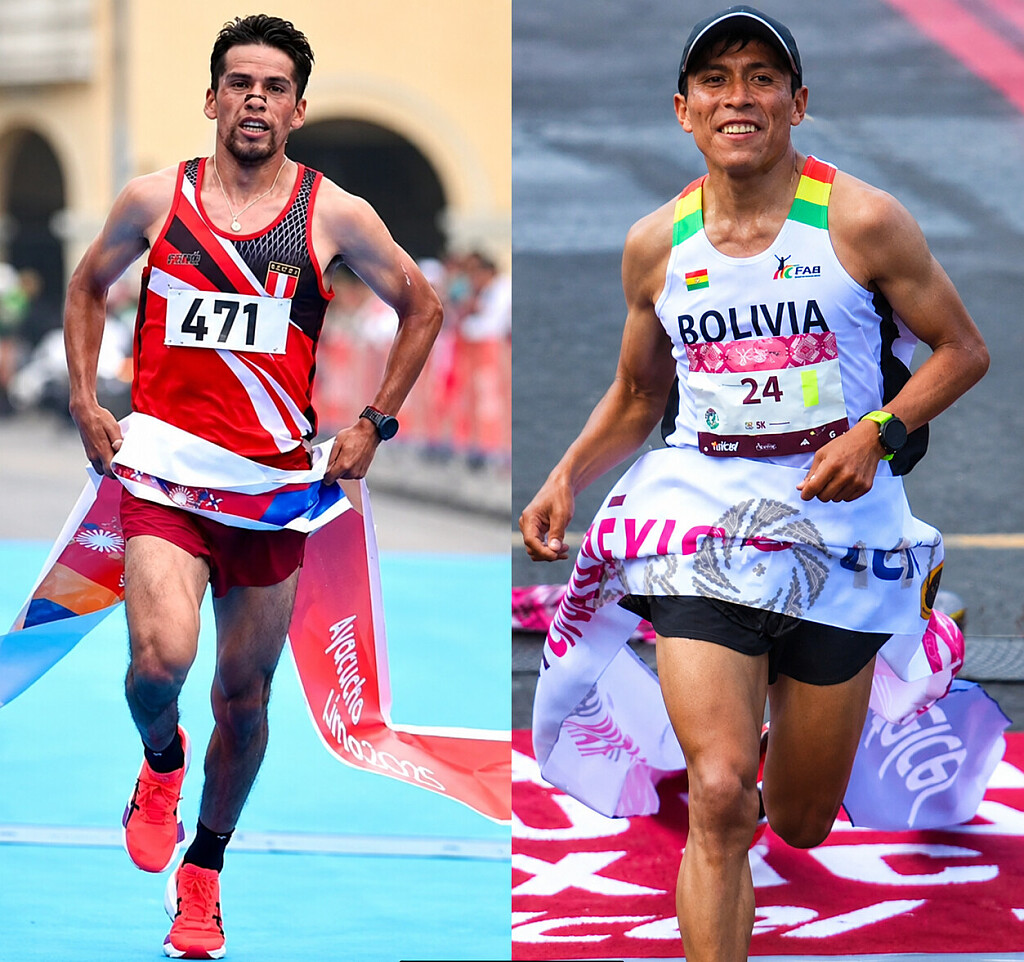
South America will be represented by a strong eight-man contingent at the World Athletics Road Running Championships Copenhagen 26, with the athletes set to take on one of the deepest and most competitive men’s half marathon fields on Sunday.
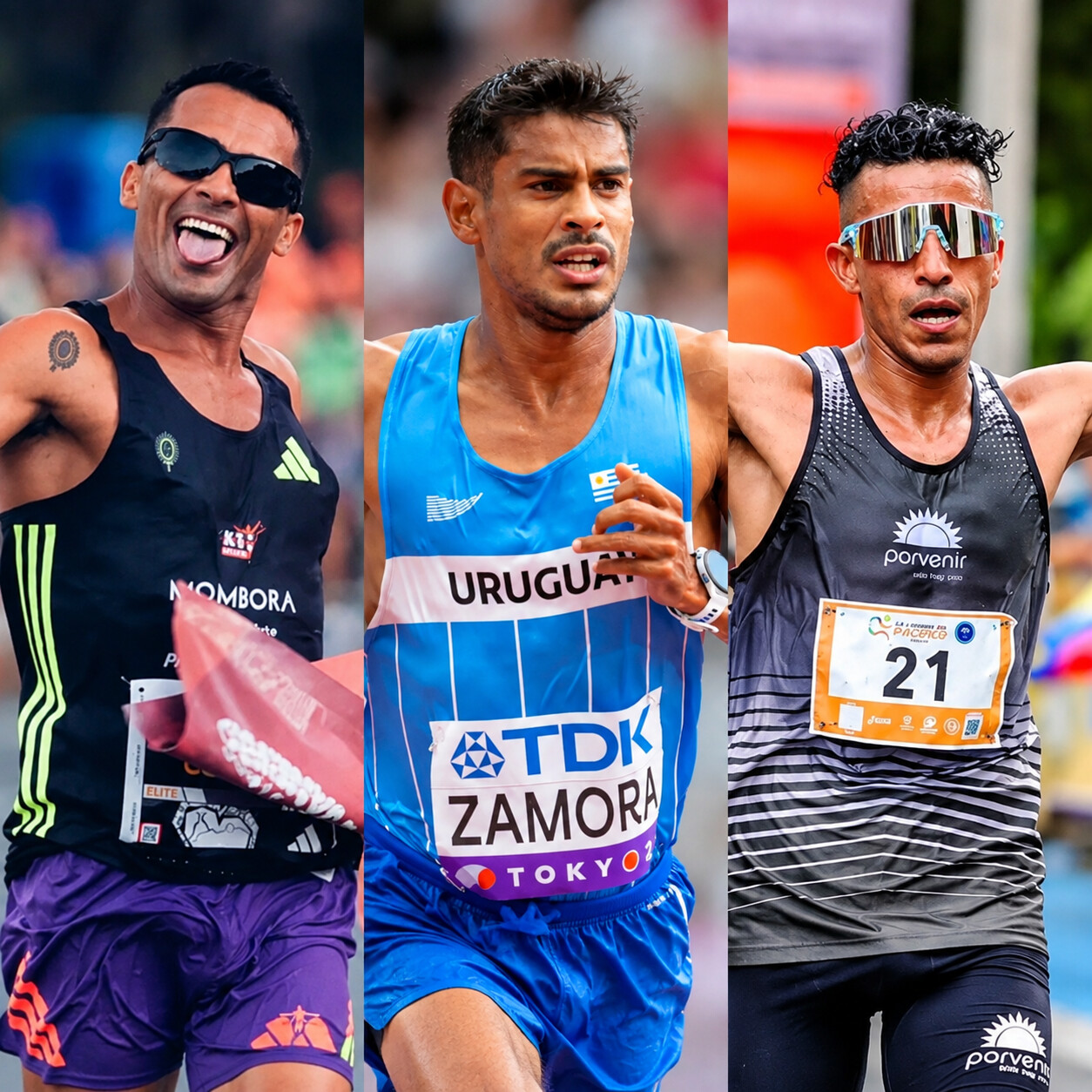
The championship will bring together leading road runners from around the world, creating a demanding stage for the South American representatives as they battle for strong championship positions and potentially significant personal breakthroughs.
Bolivia’s Héctor Garibay headlines the group, joined by Colombia’s Mauricio González and Uruguay’s Cristhian Zamora. Peru will be represented by Ferdinand Cereceda, while Brazil has the largest presence with Fabio Jesus Correia, Lucas Paulo Ferreira and Giovani Dos Santos.
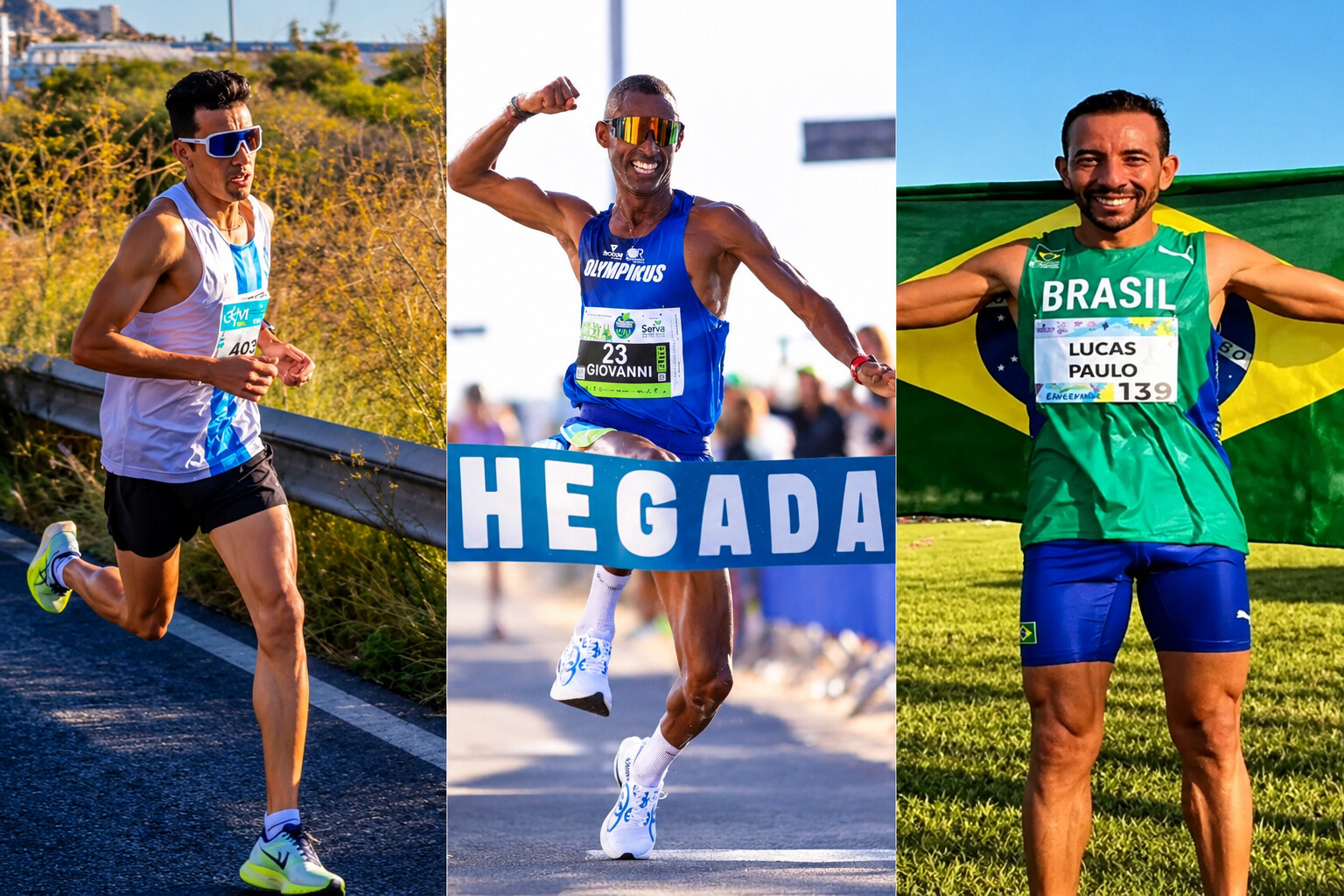
Argentina completes the contingent with Marcelo Fabian Manrique, giving South America a diverse eight-man lineup ready to take on the challenge in Copenhagen.
Competing at a World Athletics championship is never simply about chasing a fast time. Championship racing often demands patience, tactical awareness and the ability to respond when the pace changes, particularly when the field contains athletes capable of producing world-class performances.
For the South American runners, Copenhagen offers more than an opportunity to compete for championship honours. It is a chance to test themselves against the very best in the world and measure how far they have progressed on the international stage.
The contingent also brings a fascinating mix of experience, ambition and emerging talent. Each athlete arrives with a different racing background, but they share the same opportunity: to turn months of preparation into one memorable performance on the biggest road-running stage. Against a world-class field, even a small improvement in the closing kilometres could make a significant difference in the final standings.
Copenhagen is therefore set to provide a true test of character as much as fitness. The championship atmosphere, fast competition and relentless pace will demand that the South American runners remain composed from the opening kilometres to the final stretch. If they can execute their race plans and find another level when it matters most, several could leave Denmark with performances that represent important milestones in their careers.
With the pressure of a global championship and the depth of talent expected on the starting line, every kilometre will count. A personal best would be a major achievement, but strong tactical racing and a competitive finish could prove just as valuable.
The eight athletes will now look to arrive in Copenhagen ready to embrace the challenge, with South America hoping to make its presence felt when the world’s best half marathoners take over the streets of the Danish capital.
by Erick Cheruiyot for My Best Runs.
Login to leave a comment
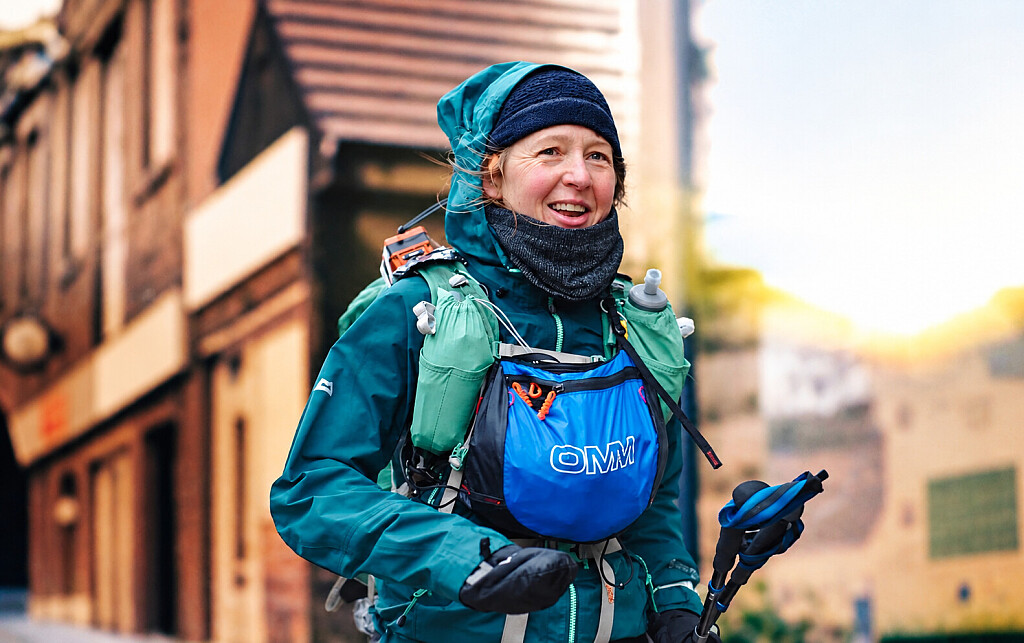
Lucy Gossage Makes History With First Sub-Three-Day Women’s Pennine Way Run
British ultrarunner and oncologist Lucy Gossage has etched her name into the history of British ultrarunning, becoming the first woman on record to complete the 268-mile Pennine Way in under three days.
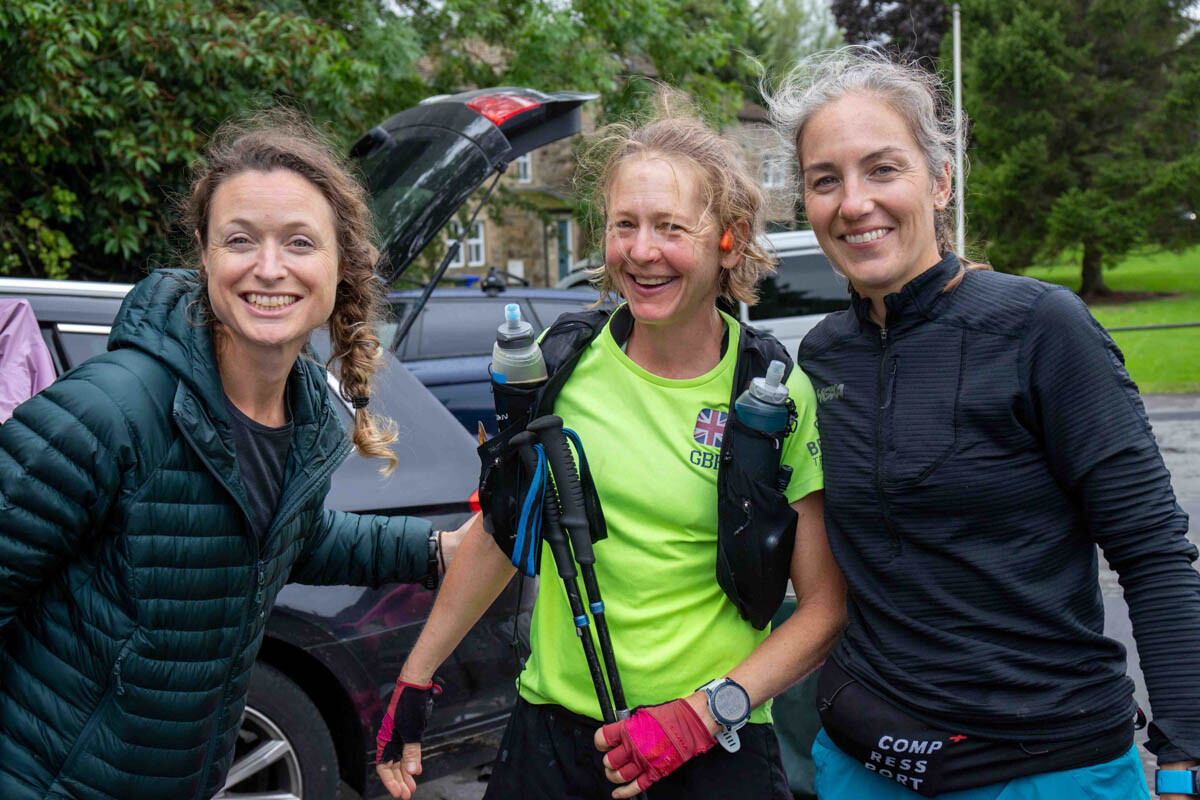
Gossage reached the finish at Edale early Monday morning after an extraordinary 70 hours, 47 minutes and 15 seconds on England’s oldest National Trail. Her journey began at 8 a.m. on Friday at Kirk Yetholm on the Scottish border, with the challenge taking her south through some of the Pennine Way’s toughest and most remote terrain before finally arriving in Derbyshire.
By the time Gossage crossed the line, most people were only beginning their Monday morning. She had already spent almost 71 hours moving through darkness, daylight, changing weather and relentless fatigue to achieve a milestone that had never before been reached in the women’s field.
Her performance also represents a major improvement on the previous women’s best. Anna Troup’s 72:46:37, set in August 2021, had stood as the benchmark for the fastest known women’s time on the route. Gossage lowered it by almost two hours. Before Troup, Sabrina Verjee held the women’s mark with 74:28:46, recorded in 2020.
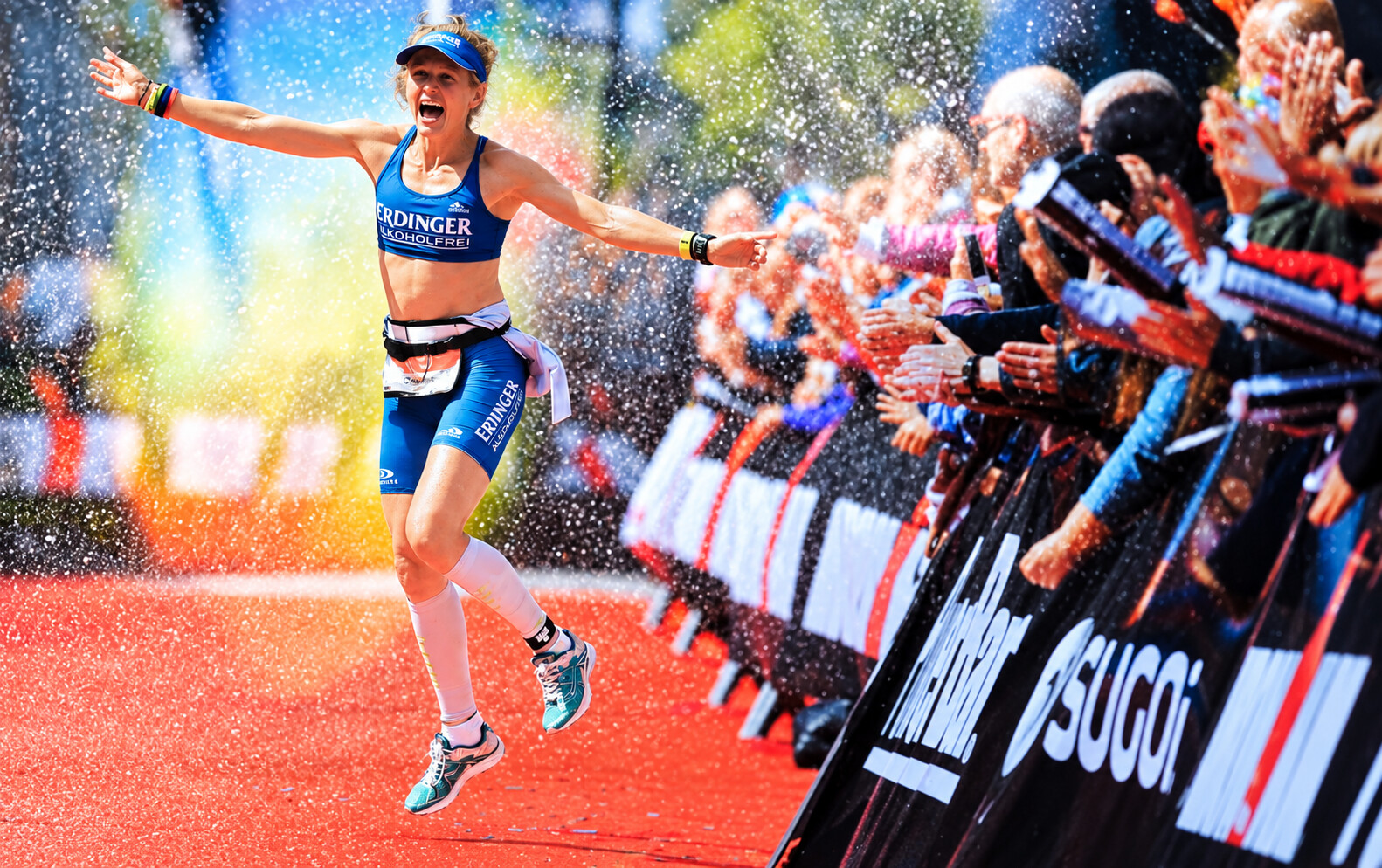
What makes Gossage’s achievement even more remarkable is that the Pennine Way challenge was not originally part of her September plans.
She had entered the Northern Traverse, but when that race was cancelled, Gossage quickly changed direction and turned her attention to the Pennine Way. Rather than allowing the disappointment to derail her plans, she transformed it into an opportunity to chase one of the most demanding endurance records in Britain.
And this was far from her first encounter with the legendary trail.
Earlier this year, Gossage demonstrated her familiarity with the route by winning the Winter Spine, the brutal 268-mile January race that follows the Pennine Way. She completed that winter challenge in 87:41:38, battling freezing conditions and some of the harshest terrain the trail can offer.
Her recent record-breaking run adds another major achievement to an already remarkable endurance résumé. In June 2025, she won the South Downs Way 100 in a course-record 16:30:35, further underlining her ability to combine speed, resilience and tactical patience over ultra-distance races.
The Pennine Way, however, demanded something different. Covering 268 miles on foot is an immense challenge under any circumstances, but completing it in barely three days leaves almost no room for recovery, sleep or mistakes. Gossage had to keep moving through successive nights while managing fatigue and the physical toll of one of Britain's most demanding long-distance trails.
At the finish, the magnitude of what she had accomplished had not yet fully sunk in.
“Too tired to know what to think yet,” Gossage said, before adding a heartfelt tribute to the people who helped her through the challenge: “Other than that I have amazing friends.”
Those friends, along with her own extraordinary endurance, played a crucial role in a journey that has now secured Gossage a place in Pennine Way history.
Seventy hours, 47 minutes and 15 seconds after setting off from Scotland, Lucy Gossage had done what no woman on record had done before — conquered the 268-mile Pennine Way in less than three days.
by Erick Cheruiyot for My Best Runs.
Login to leave a comment
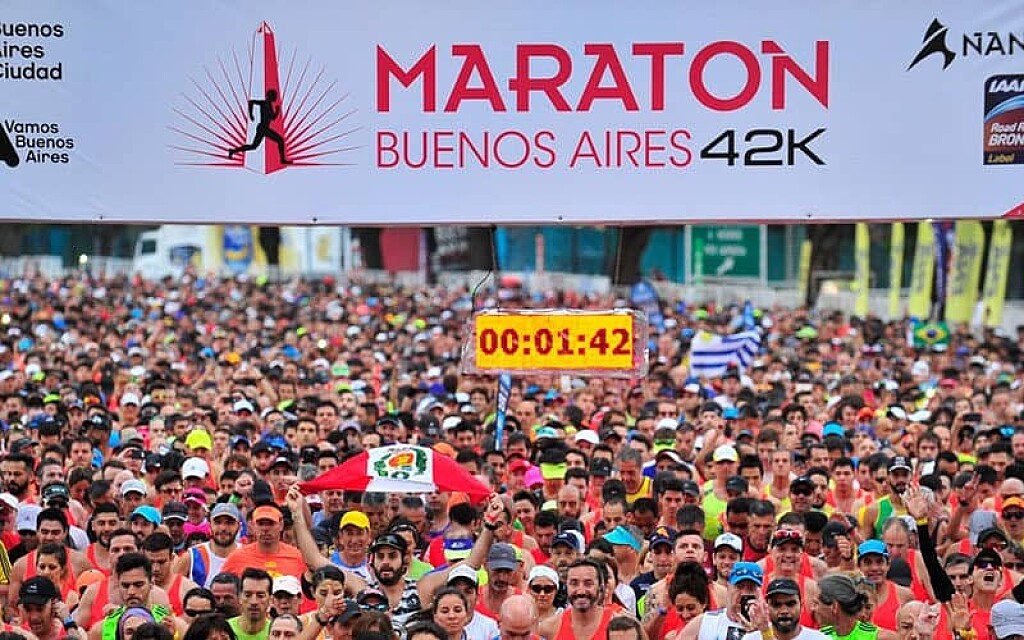
Bethwel Kibet Chumba Leads Star-Studded International Field for Buenos Aires Marathon
The Buenos Aires Marathon is set for an exciting edition on September 20, with a strong international field preparing to take on the 42-kilometre challenge through the streets of Argentina’s capital.
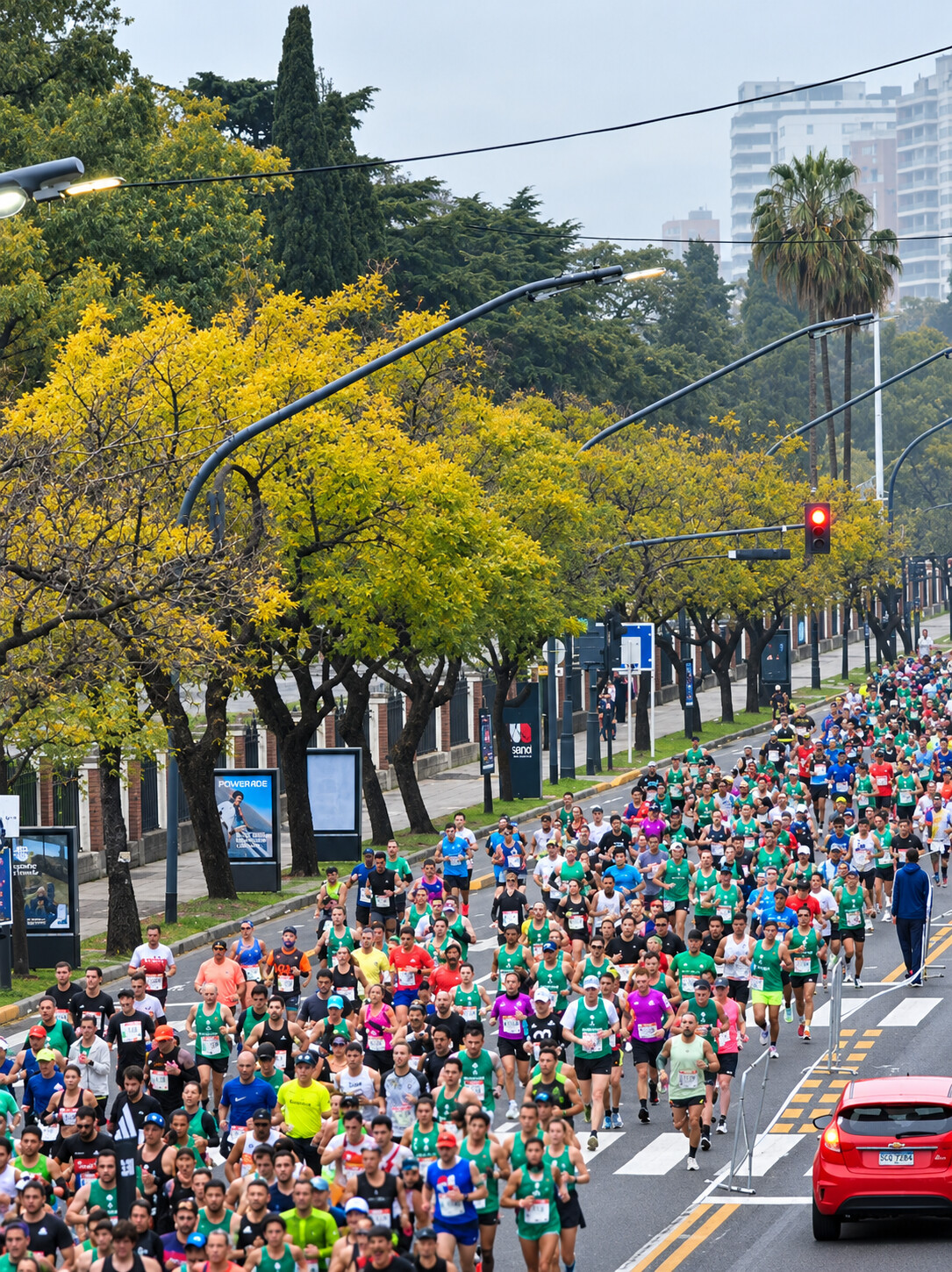
Kenyan marathoner Bethwel Kibet Chumba has been highlighted as one of the major international stars arriving in Buenos Aires, where he will headline a highly competitive men’s field featuring athletes from Kenya, Ethiopia and Rwanda.
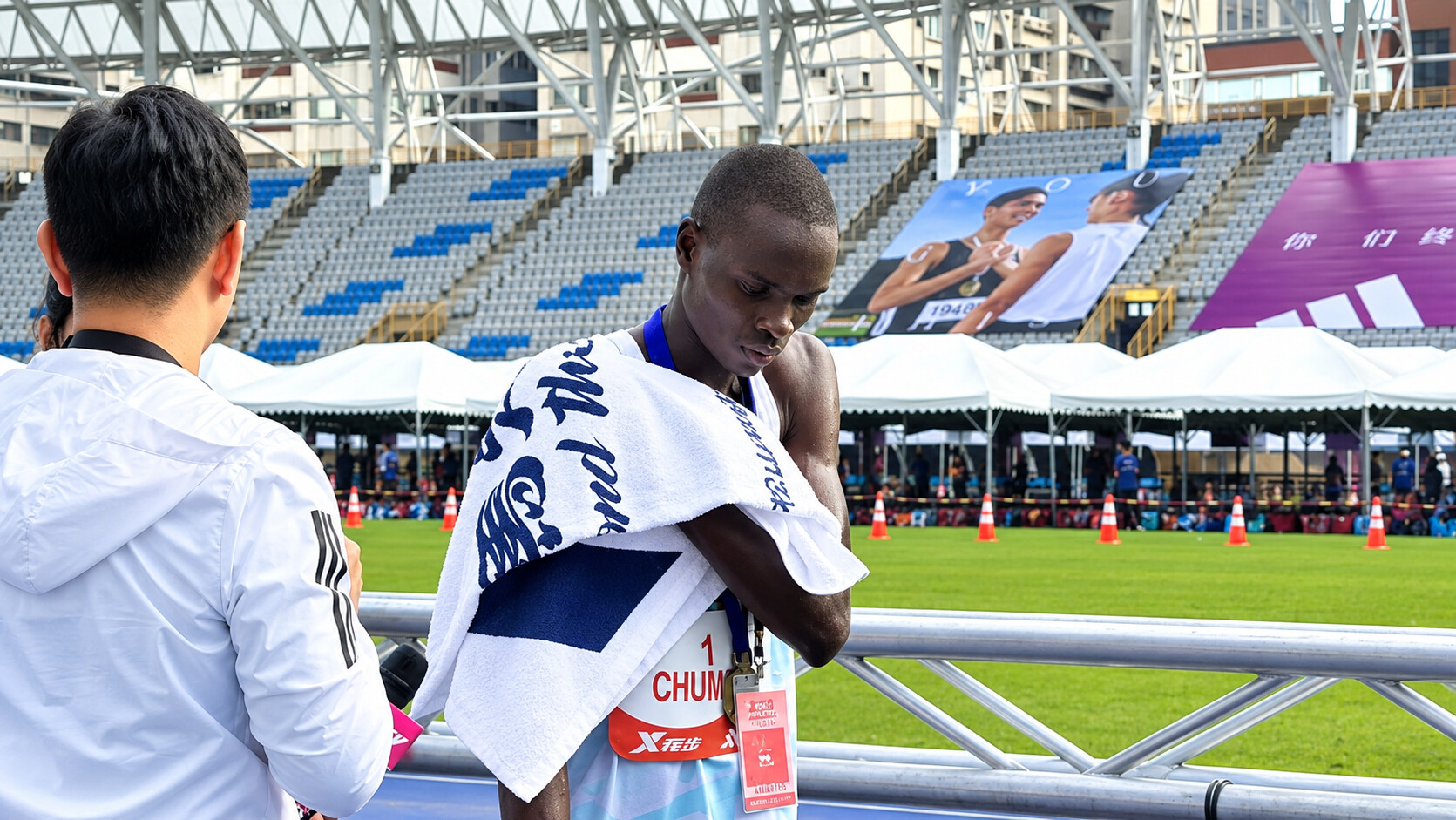
Chumba will be joined on the start line by fellow Kenyans Felix Kiptoo Kirwa, Kipkemoi Kiprono, Gevin Kipkurui Kerich, Vincent Kibor Raimoi, Kelvin Kiptoo Kororia, Vitalis Kibiwott and Zacharia Krop.
The Ethiopian challenge will feature Deribe Robi Melka, Dechasa Alemu Moreda, Embay Goitom Dimtsu and Tilahun Amsalu Beyene, while Rwanda will be represented by John Hakizimana.
With such depth across the field, the men’s race promises to produce a fascinating battle from the opening kilometres, as experienced marathoners look to position themselves for a shot at victory on one of South America’s most prominent road-racing stages.
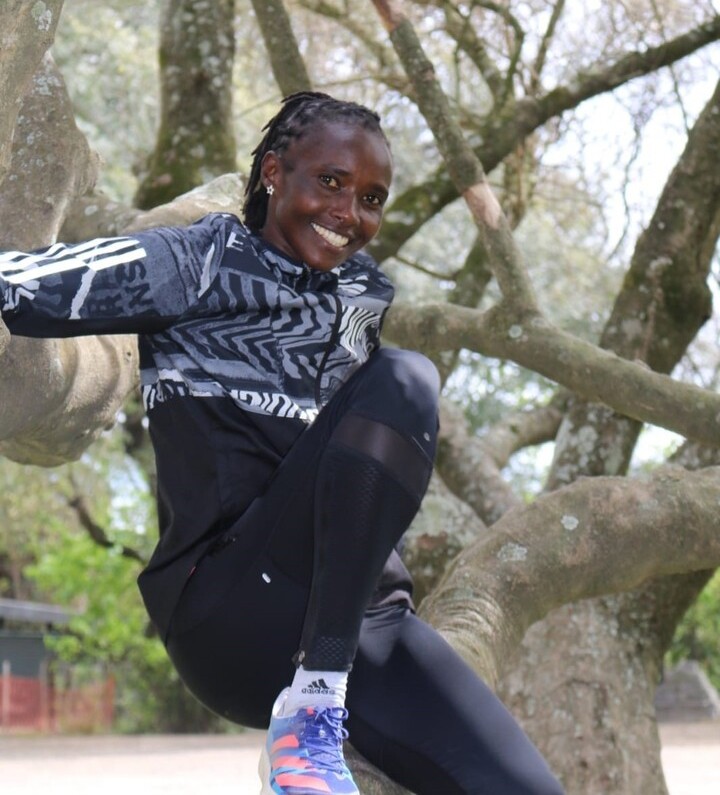
The women’s race is equally intriguing, with Kenyan star Rodah Jepkorir Tanui set to headline the international field. Tanui arrives with a clear target: to claim her fourth Buenos Aires Marathon title, adding another chapter to her impressive record in the race.
Tanui will face strong opposition from a group of international contenders led by Ethiopia’s Sintayehu Lewetegn Hailemichael, Lomi Muleta Tefera, Agere Adera Tamir, Alem Tsehay Birm Zerihun and Tadelech Bekele Nedi.
Kenya will also have Rebecca Kangogo Chesir and Emmah Cheruto Ndiwa in the women’s elite field, setting up another potentially gripping contest over the classic marathon distance.
The presence of Chumba and Tanui gives the Buenos Aires Marathon two major Kenyan figures to watch, but neither race is expected to be a straightforward affair. The depth of the international line-up means that the leading contenders will have to manage the pace carefully, conserve energy and produce their best efforts when the race enters its decisive stages.
As Buenos Aires prepares to welcome the international running community, attention will turn to September 20, when the elite athletes take to the streets for 42 kilometres of racing, with victory, prestige and another major marathon title on the line.
Buenos Aires is ready. The international stars are coming—and the battle for the 42K crown is set to be one to watch.
by Erick Cheruiyot for My Best Runs.
Login to leave a comment

Buenos Aires Marathon
The Maratón of Buenos Aires is an annual marathon foot-race which takes place in Buenos Aires, Argentina, during the Southern Hemisphere's Spring, usually in October. The 21st edition of the Buenos Aires Marathon started on October 9, 2005 at 7:30 at the 9 de Julio Avenue and Córdoba Avenue in the Recoleta neighborhood, being the start also the end point. ...
more...
Nairobi 2029: Kenya Wins Historic Bid to Bring World Athletics Championships to Africa
Africa finally has its moment. Kenya has won the race to host the 2029 World Athletics Championships, turning years of ambition into a landmark reality for the continent.
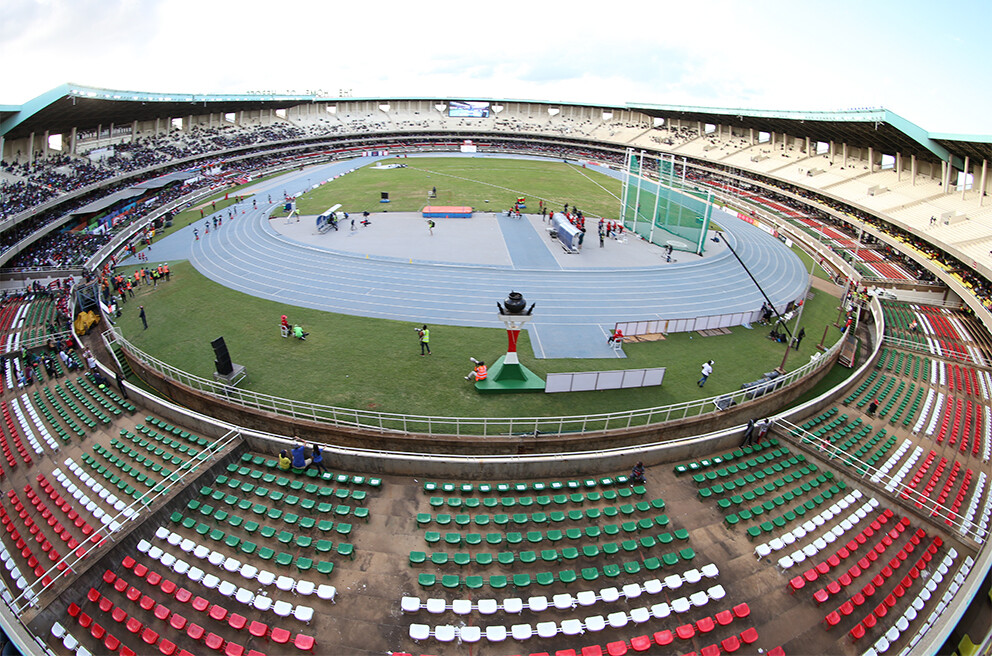
In a historic decision announced in Budapest, Nairobi has been selected to host the 2029 World Athletics Championships, making Kenya the first African nation to stage the senior global track and field championships.
World Athletics confirmed that Nairobi and Munich have been selected to host the 2029 and 2031 World Athletics Championships respectively, following what the governing body described as one of the strongest bidding processes in the history of its flagship event.
For Kenya, the announcement represents far more than a successful hosting bid. It is the latest chapter in a remarkable athletics story built over generations.
The Kenyan capital overcame strong competition from London, Rome and Munich to secure the 2029 edition, bringing the world's biggest senior athletics championship to African soil for the first time.

The championship will be staged at the Moi International Sports Centre, Kasarani, in Nairobi, giving Kenya the opportunity to welcome the world's greatest athletes to a country that has produced countless champions of its own.
For generations, Kenya has established itself as one of the most influential nations in global athletics.
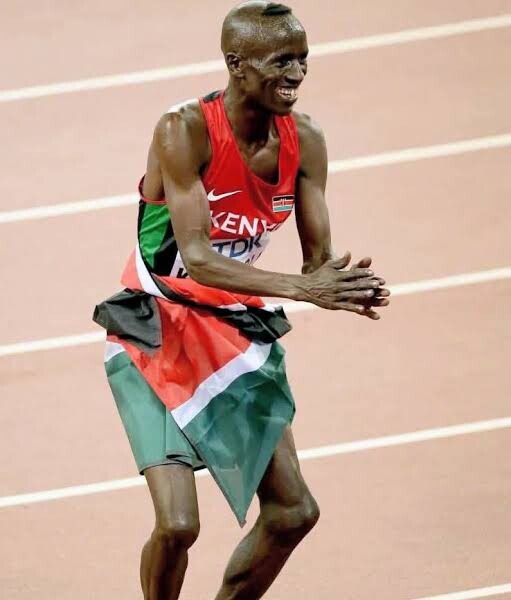
From pioneering Olympic champion Kipchoge Keino and distance-running legend Tegla Loroupe among others to modern icons such as Eliud Kipchoge, Faith Kipyegon, David Rudisha, Faith Cherotich, Vivian Cheruiyot and Ezekiel Kemboi among others. Kenyan athletes have repeatedly conquered the world's biggest stages.
Their Olympic victories, world titles, records and unforgettable performances have made Kenya one of the most recognizable names in track and field.
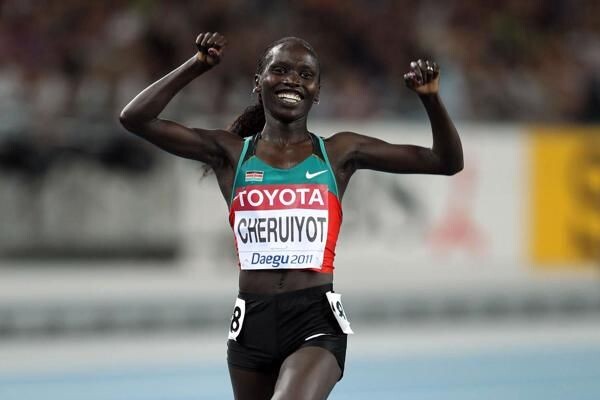
But Kenya's athletics identity extends far beyond medals.
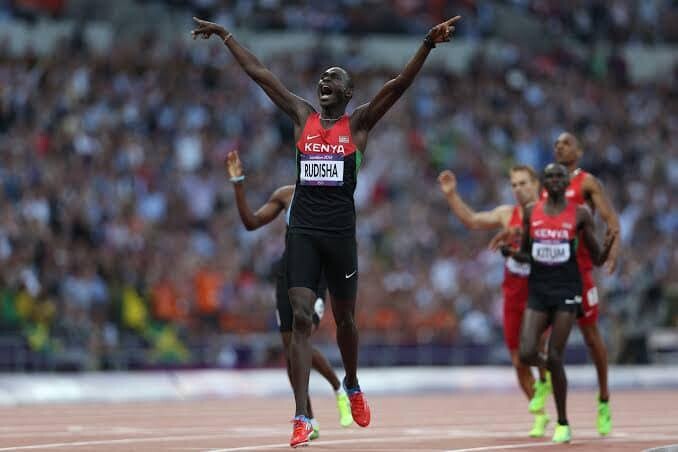
Running is deeply rooted in communities across the country, while the high-altitude training regions of the Rift Valley have become synonymous with the development of world-class distance runners. Behind the champions are coaches, families, training partners and communities that have helped create an athletics culture admired around the world.
Now, for the first time, that culture will become the backdrop for the sport's biggest senior global championship.
Nairobi 2029 will be historic before the first race even begins.
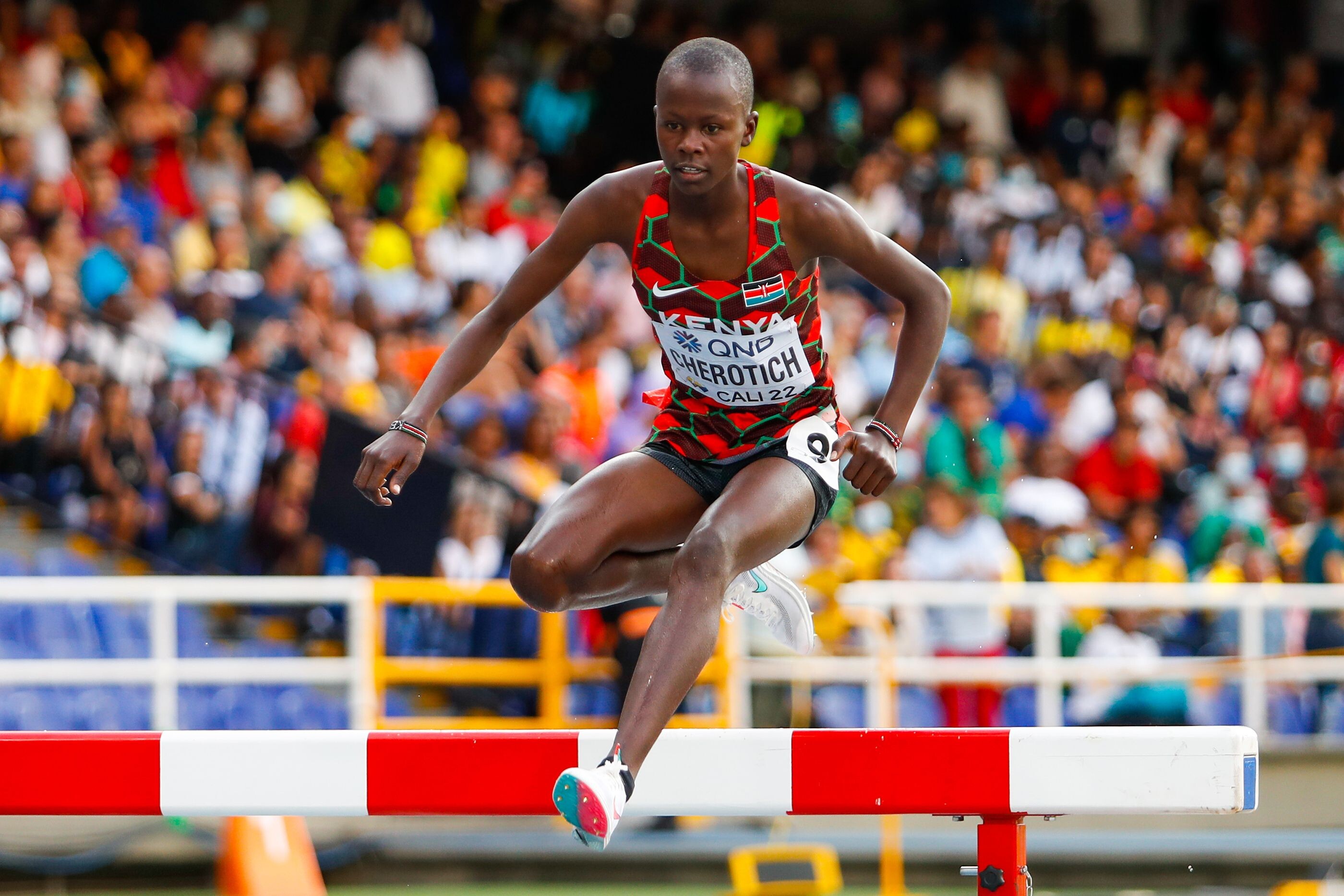
Kasarani, already an important venue in Kenya's sporting history, will take center stage as athletes from across the globe descend on Nairobi in pursuit of world titles.
For Kenyan fans, the opportunity to watch the world's greatest sprinters, middle-distance runners, distance stars, hurdlers, field-event athletes and relay teams compete on home soil will be extraordinary.
For the country's next generation of athletes, the impact could be even greater.
Young runners who have grown up watching Kenyan champions compete around the world will now have the chance to experience a World Championships in their own country. The sight of the world's best athletes competing at Kasarani could inspire a new generation to believe that they, too, can reach the highest levels of the sport.
The significance, however, stretches well beyond Kenya's borders.
Africa has produced generation after generation of Olympic champions, world champions and global athletics icons. From Kenya and Ethiopia to Uganda, Morocco, South Africa and numerous other nations, African athletes have played a central role in shaping the history of track and field.
Yet the continent had never hosted the senior World Athletics Championships.
Nairobi 2029 changes that forever.
The successful Kenyan bid therefore represents a major breakthrough for African athletics and a powerful recognition of the continent's contribution to the sport.
World Athletics' decision also secures the future of the championships beyond Nairobi. Munich will host the 2031 World Athletics Championships, creating a two-edition sequence that will see the global showpiece move from Africa to Germany.
But the spotlight now belongs to Nairobi.
The announcement in Budapest has transformed what was once an ambitious bid into a confirmed date with history.
In 2029, Kenya will not simply send athletes to compete for world titles.
Kenya will welcome the world.
It will be a celebration of the pioneers who laid the foundation, the champions who carried the country's name across the globe and the young athletes who represent the future of African athletics.
After decades of producing champions for the world, Kenya will finally have the opportunity to bring the world's greatest athletics stars into its own backyard.
For Africa, this is more than a hosting victory.
It is a breakthrough. It is recognition. It is a new chapter.
And when the athletes walk into Kasarani for the 2029 World Athletics Championships, they will be stepping into a moment that will belong not only to Kenya, but to an entire continent.
NAIROBI 2029 — THE WORLD IS COMING TO AFRICA.
by Erick Cheruiyot for My Best Runs.
Login to leave a comment

No Rest for Keely Hodgkinson! Olympic Champion Set for Homecoming Showdown at ATHLOS London
Keely Hodgkinson is wasting no time putting the finishing touches to her long and demanding 2026 season.
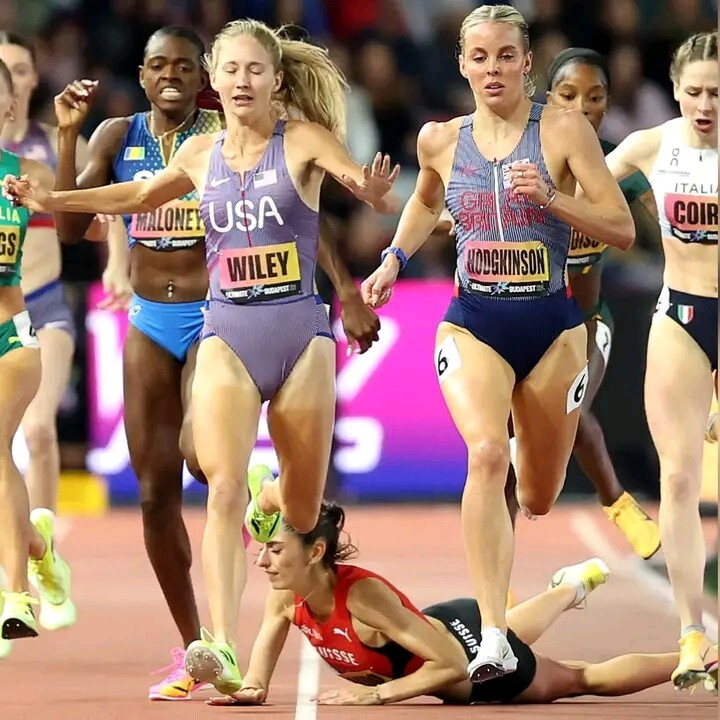
Just days after battling to a runner-up finish behind Audrey Werro in the women’s 800m at the inaugural World Athletics Ultimate Championship in Budapest, the British Olympic champion is preparing to lace up once again — this time in front of her home crowd.

Hodgkinson is set to return to the 800m at ATHLOS London on Friday, September 18, 2026, at StoneX Stadium, where she will defend the title she won at the event last year.
The quick turnaround underlines just how relentless Hodgkinson’s season has been. After months of elite competition, travel and intense racing, the 24-year-old now faces one final assignment before bringing her 2026 campaign to a close.
Budapest provided another fiercely contested race for Hodgkinson. She was unable to finish the season’s Ultimate Championship with victory, as Switzerland’s Werro produced a superb performance to claim the 800m crown, leaving Hodgkinson to settle for second.
But there will be little time to dwell on the result.
The homecoming at StoneX Stadium offers Hodgkinson an opportunity to respond immediately and potentially end her season on a high. With the British fans expected to turn out in force, the atmosphere should provide an extra source of motivation for one of the country’s biggest athletics stars.
Hodgkinson has already established herself as one of the defining 800m runners of her generation, and another victory in London would add a fitting final chapter to a season that has demanded enormous consistency and resilience.
The question now is whether she can summon one last burst of brilliance after such a gruelling campaign.
With the Olympic champion back on British soil, all eyes will be on Hodgkinson as she takes on the 800m one more time in 2026.
No rest. No easy finish. Just one final race — and a home crowd waiting to see Keely Hodgkinson deliver one more unforgettable performance.
by Erick Cheruiyot for My Best Runs.
Login to leave a comment
