

Running News Daily
Top Ten Stories of the Week
8/15/2026
These are the top ten stories based on views over the last week.
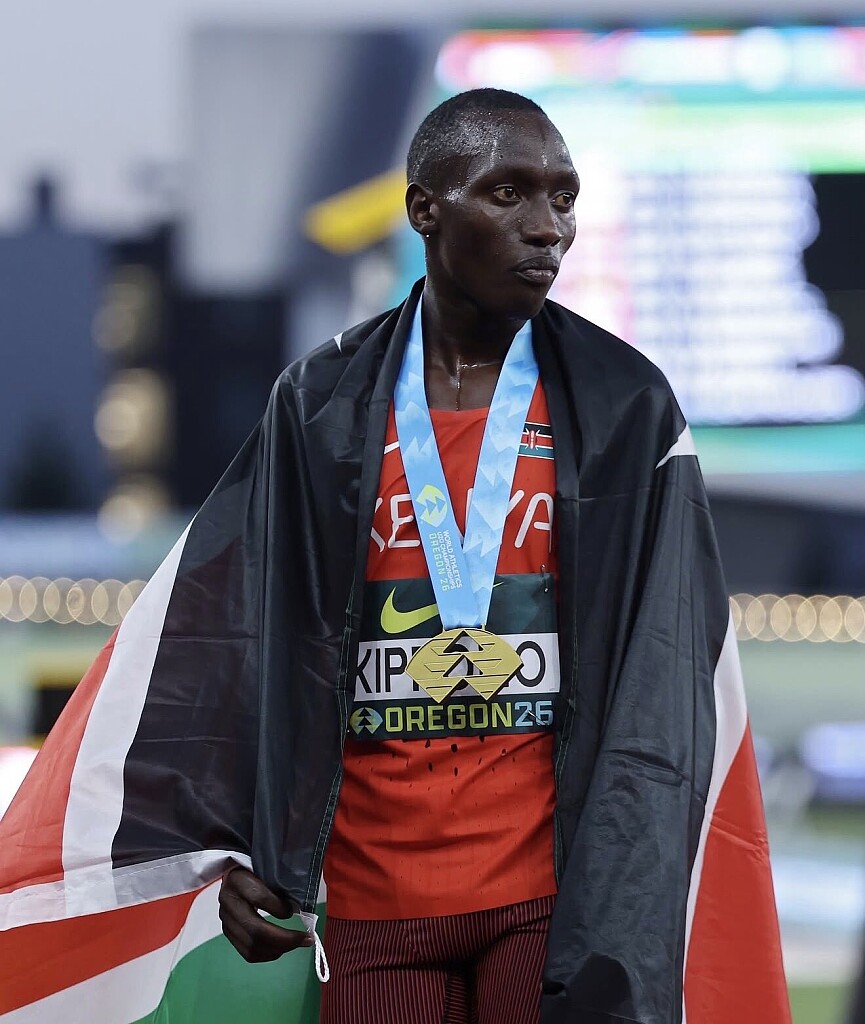


Emmanuel Kiprono Storms to World U20 3,000m Gold in Championship-Record 7:28.28
Kenya’s Emmanuel Kiprono has announced himself as one of the brightest young distance-running talents in the world after producing a sensational solo performance to win the men’s 3,000 metres gold medal at the World Athletics U20 Championships in a championship-record 7:28.28.
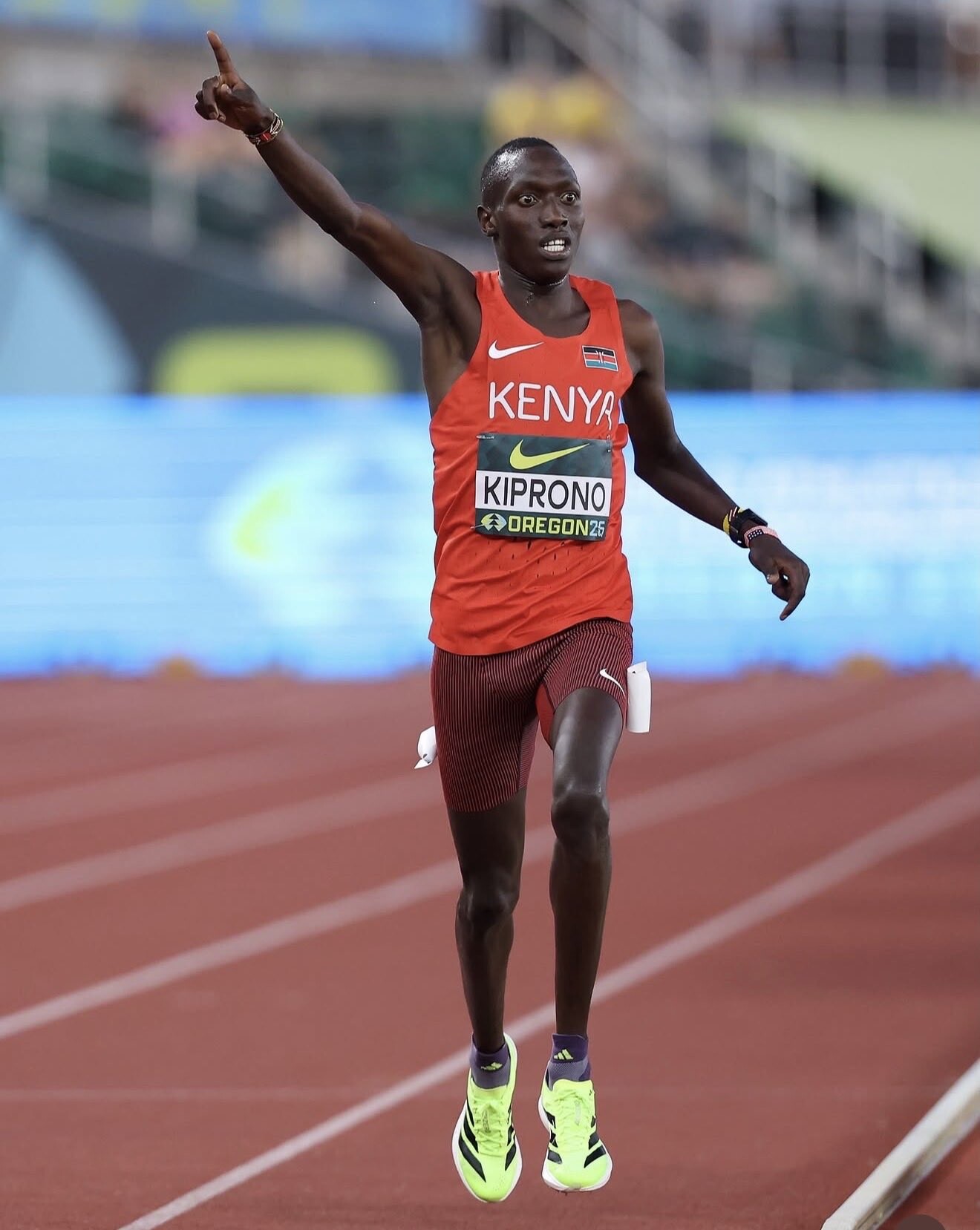
Just 17 years old, Kiprono took control from the opening metres and never looked back. Running completely alone for virtually the entire race, the Kenyan dictated the tempo with remarkable confidence and gradually transformed the final into a one-man race.
Kiprono passed 1,000 metres in 2:26.52, reached 1,600 metres in 3:54.58, and continued his relentless charge through 2,000 metres in 4:55.43. With every lap, the gap behind him grew larger as his rivals struggled to match his extraordinary pace.
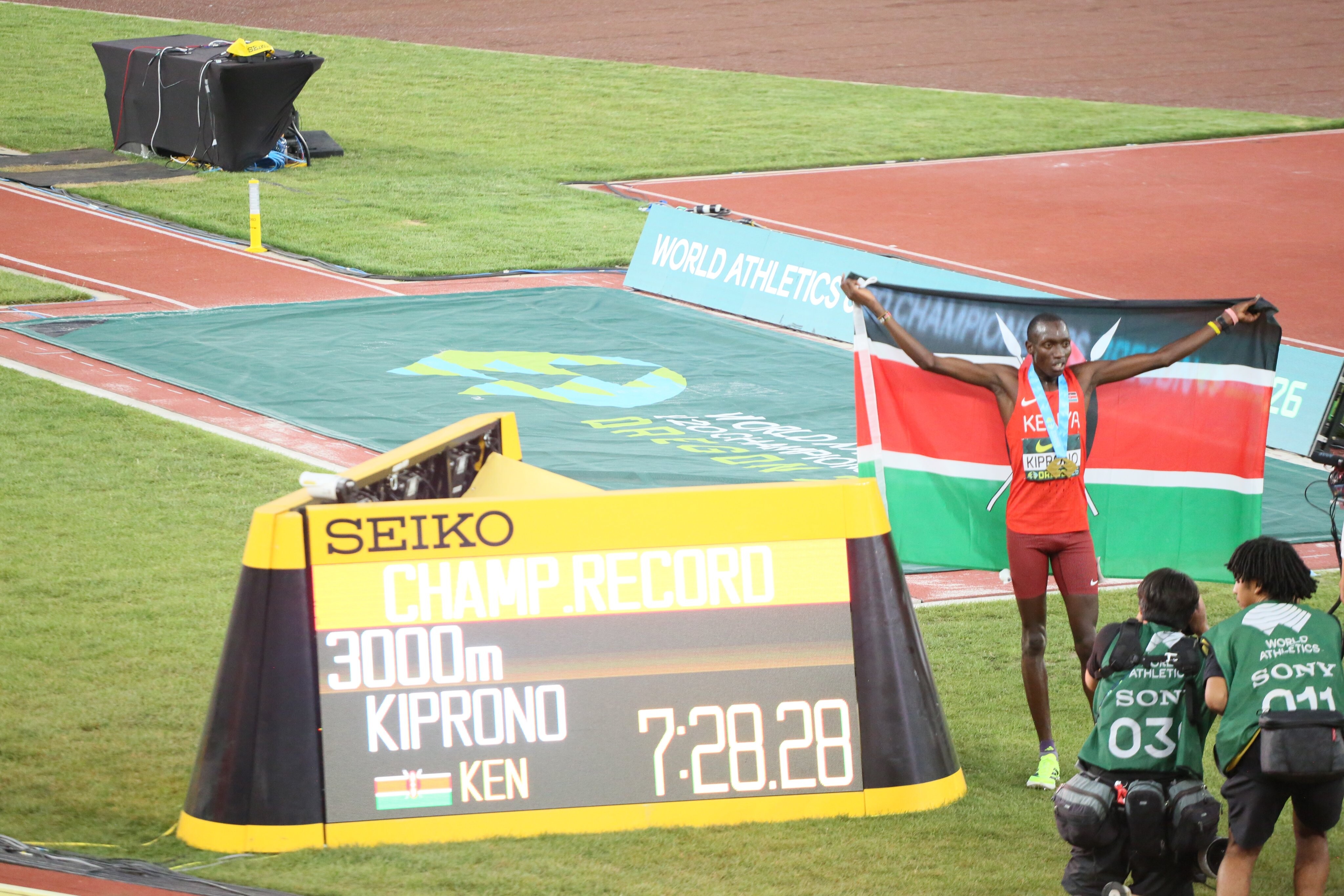
He eventually crossed the finish line in 7:28.28, smashing the championship record and coming agonisingly close to the world U20 record of 7:28.20, set by Ethiopia’s Yomif Kejelcha. Kiprono missed the global junior mark by just 0.08 seconds.
The margin of victory was equally spectacular. He finished 19 seconds ahead of France’s Alois Abraham, who took silver in 7:47.79, while Japan’s Ojiro Honda secured bronze in 7:48.49, setting a Japanese U20 record.

Men’s 3,000m Final
1. Emmanuel Kiprono — Kenya — 7:28.28 (Championship Record)
2. Alois Abraham — France — 7:47.79
3. Ojiro Honda — Japan — 7:48.49 (National U20 Record)
4. Liam Conway — Great Britain — 7:50.10 (Personal Best)
5. Aleksi Ahlfors — Finland — 7:50.56 (Personal Best)
6. Tzu-Chieh Chien — Chinese Taipei — 7:51.18 (National U20 Record)
7. Ilyes Druez — Belgium — 7:51.67 (Personal Best)
8. Sebastian Lörstad — Sweden — 7:51.94 (Personal Best)
9. Edwin Elkana — Kenya — 7:51.94 (Personal Best)
10. Owen Powell — United States — 7:53.35 (Personal Best)
Kiprono’s breakthrough is particularly significant given his performances earlier this year. The 17-year-old finished second in the U20 race at the World Cross Country Championships, establishing himself as one of the leading prospects in the new generation of Kenyan distance runners.
But on the track, he produced something even more extraordinary.
There was no tactical waiting game, no final-lap sprint and no group to shelter behind. Kiprono simply went to the front and challenged himself against the clock. His splits — 2:26.52 at 1,000m, 3:54.58 at 1,600m and 4:55.43 at 2,000m — demonstrate the remarkable consistency and courage behind the performance.
After the race, Kiprono celebrated with the Kenyan flag draped around him before posing beside the SEIKO championship-record display, which showed his historic 7:28.28.
His championship record also came with a tantalising glimpse of what might have been. Had he found even a fraction more in the closing metres, the world U20 record could have fallen as well. Nevertheless, coming within eight hundredths of the mark while running almost the entire race alone makes the achievement all the more remarkable.
Emmanuel Kiprono has not merely won a world junior title — he has made a statement. At only 17, his extraordinary front-running, championship record and near-world-record performance suggest that Kenyan distance running may have another major talent ready to emerge onto the global stage.
(08/07/26) Views: 754Erick Cheruiyot for My Best Runs.
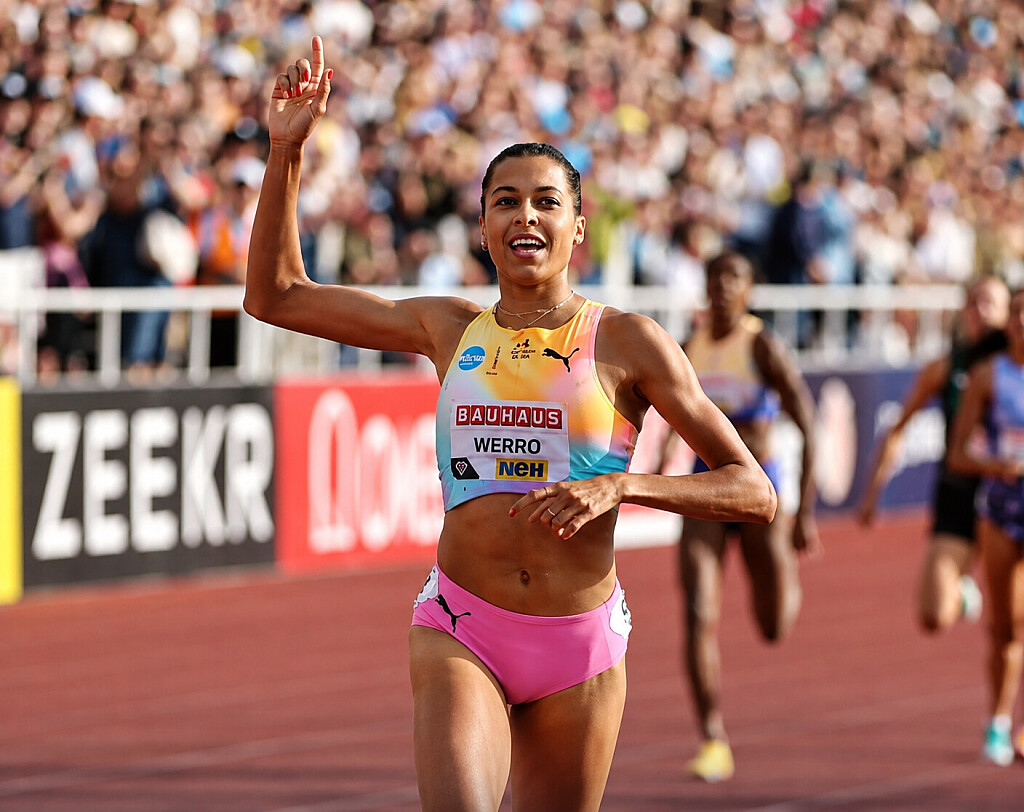
Audrey Werro Heads to Birmingham With History in Her Sights as Europe’s 800m Elite Prepare for a Blockbuster Showdown
Audrey Werro will arrive at the 2026 European Athletics Championships in Birmingham carrying more than just the hopes of Switzerland. The 22-year-old middle-distance star has established herself as the woman to beat in the women’s 800m, and she will enter Alexander Stadium with a world-leading time, extraordinary momentum and a realistic opportunity to chase one of athletics’ longest-standing records.
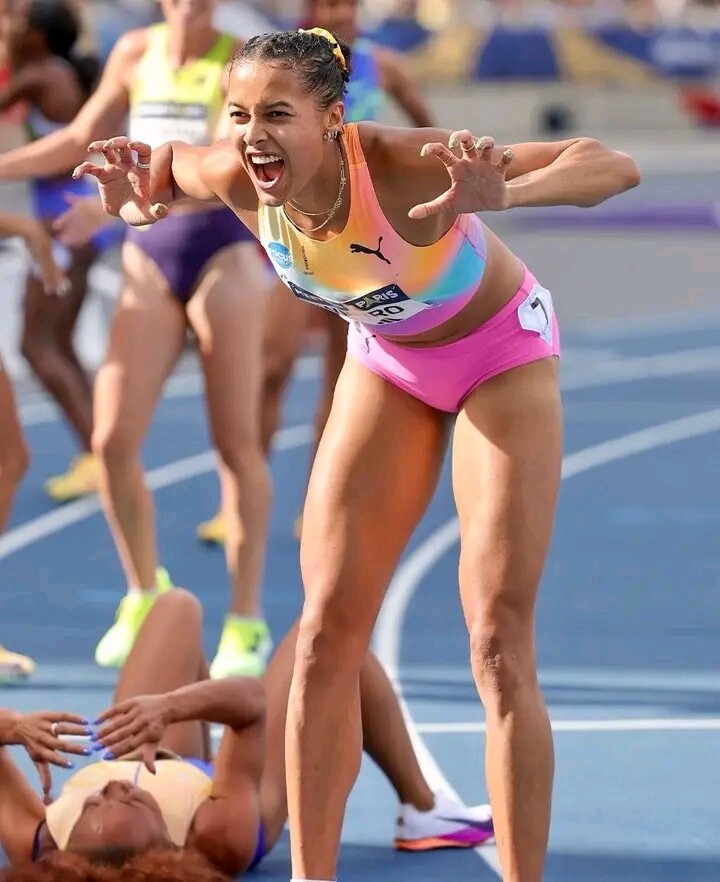
The European Championships will be held in Birmingham from August 10 to 16, with the women’s 800m among the events expected to command enormous attention.
Werro has already produced one of the defining performances of the 2026 season. At the Paris Diamond League on June 28, she stormed to 1:53.80, becoming only the third-fastest woman in history over 800m and moving within 0.52 seconds of Jarmila Kratochvílová’s world record of 1:53.28, which has stood since 1983.
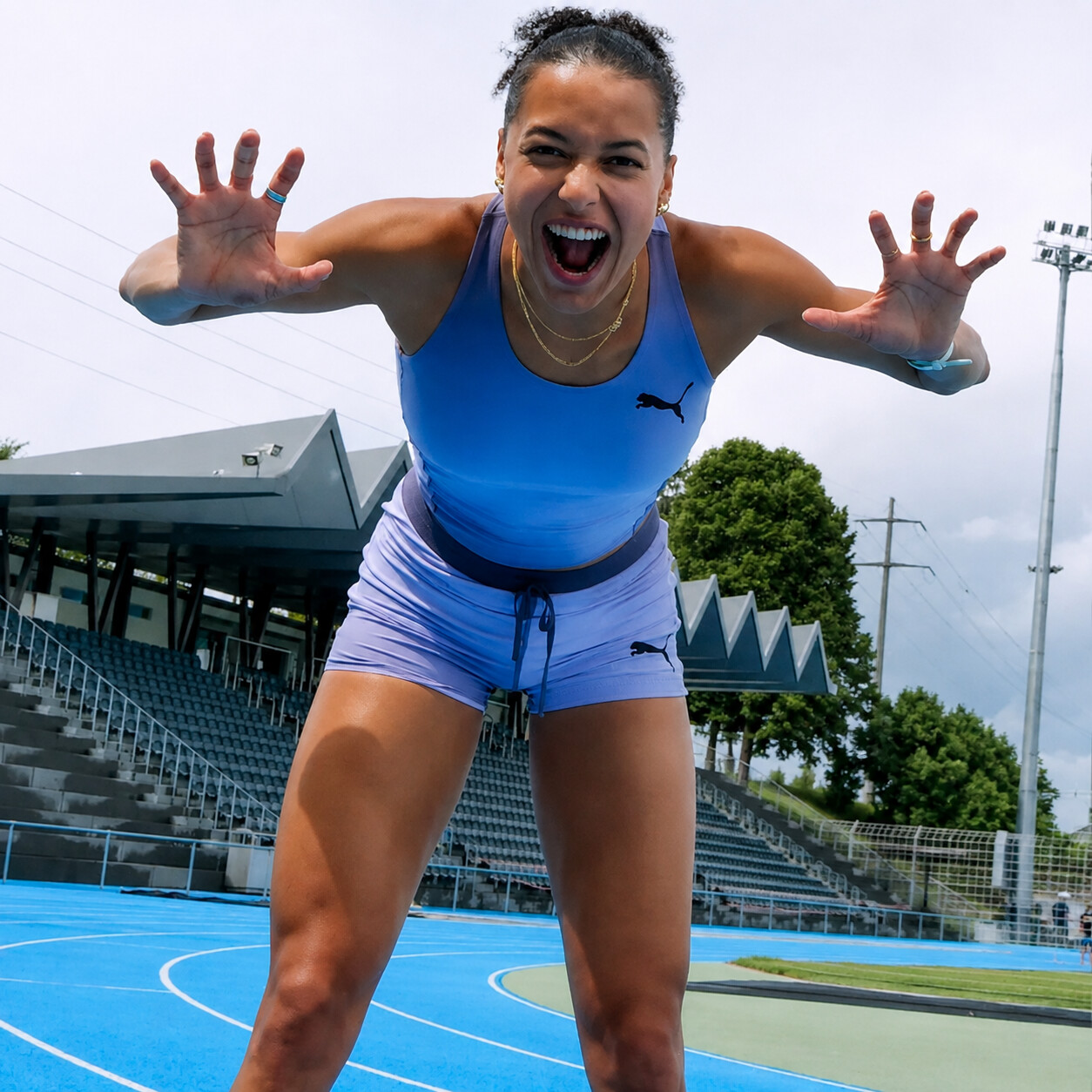
Even more remarkable is that Paris was not an isolated performance.
Earlier in June, Werro stunned Olympic champion Keely Hodgkinson in Stockholm, producing 1:53.98 to claim another Diamond League victory. Hodgkinson followed in a personal best of 1:54.33, setting the stage for what could become one of the defining rivalries of the championship.
The numbers underline just how extraordinary the 2026 women’s 800m season has become.
Werro leads the world with 1:53.80, followed by Hodgkinson at 1:54.33. Femke Broeders-Bol has made a spectacular transition to the two-lap event, running 1:55.60 in Paris, while France’s Anaïs Bourgoin followed with a national record of 1:55.65. Britain’s Georgia Hunter Bell has also broken 1:56, clocking 1:55.93 in Birmingham earlier in the season.
That depth makes Birmingham particularly intriguing. Werro may be the fastest woman in the world this year, but she will not be racing in isolation. Hodgkinson brings Olympic and European championship pedigree, Broeders-Bol possesses exceptional finishing speed after moving across from the 400m hurdles, while Bourgoin and Hunter Bell have demonstrated that they are capable of staying in the conversation when the pace becomes ferocious.
Werro’s remarkable form has extended beyond the 800m. On June 23 in Biel, she ran 1:22.85 for 600m, the fastest mark on the 2026 world list for the event.
Her development has been equally impressive over the longer sprint distance. Werro owns a 400m personal best of 51.03, highlighting the speed reserve behind her increasingly dominant 800m performances.
The Swiss star has therefore arrived at a fascinating point in her career. She is no longer simply a promising young athlete. After being named European Athletics’ 2025 Women’s Rising Star and winning the European U23 title, Werro has now moved firmly into the senior elite.
And Birmingham could provide the biggest stage yet for her growing reputation.
The question is no longer whether Werro can run under 1:54. She has already done it twice this season. The question now is whether she can find the fractions required to move from an extraordinary performance to something historic.
The world record of 1:53.28 is only 0.52 seconds away.
With the European title on the line, Hodgkinson seeking another major championship triumph and a rapidly improving field ready to challenge for the podium, the women’s 800m could become one of the races of the entire Birmingham championships.
For Werro, however, the objective is simple: arrive ready, execute the perfect two laps and see just how close she can get to history.
Birmingham awaits. And Audrey Werro has already shown that she is ready.
(08/08/26) Views: 410Erick Cheruiyot for My Best Runs.
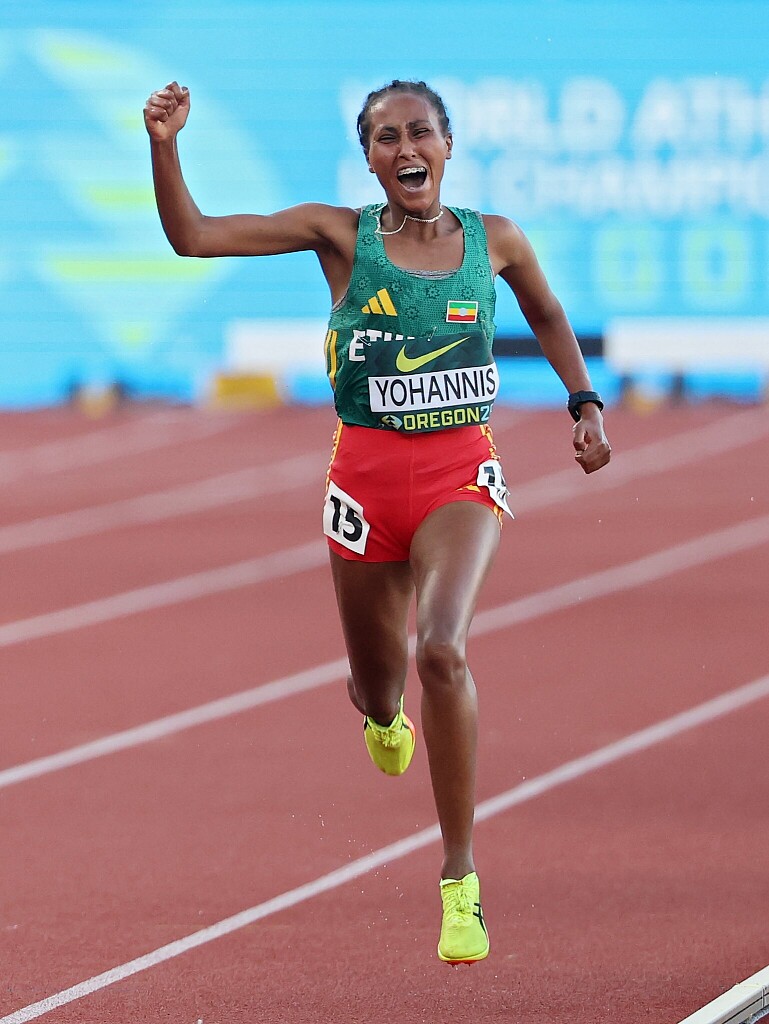
Almaz Yohannis Leads Ethiopian 1-2 in Spectacular World U20 Steeplechase Triumph
Ethiopia produced a spectacular display of emerging talent as Almaz Yohannis was crowned world champion in the women’s 3000m steeplechase at the 2026 World Athletics U20 Championships in Oregon, powering to a commanding victory in 9:15.81.
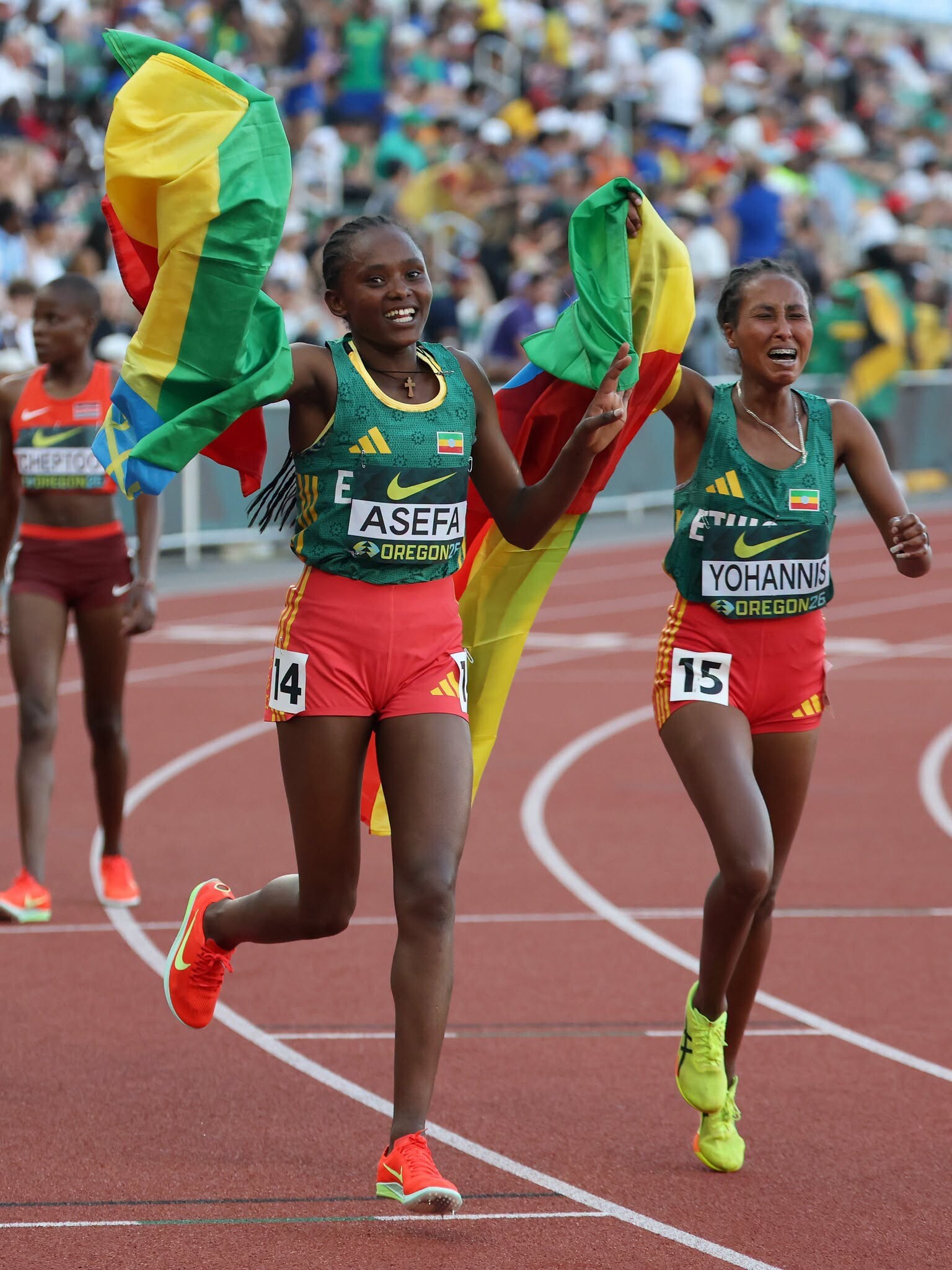
Yohannis delivered a superb performance to secure the gold medal and, in the process, recorded a World U20 Leading time (WU20L), underlining the strength of her performance on the global junior stage.
The young Ethiopian established herself as the athlete to beat, maintaining her composure and strength throughout the demanding eight-lap steeplechase before crossing the finish line well clear of the field. Her winning mark of 9:15.81 provided a fitting reward for a dominant championship performance.
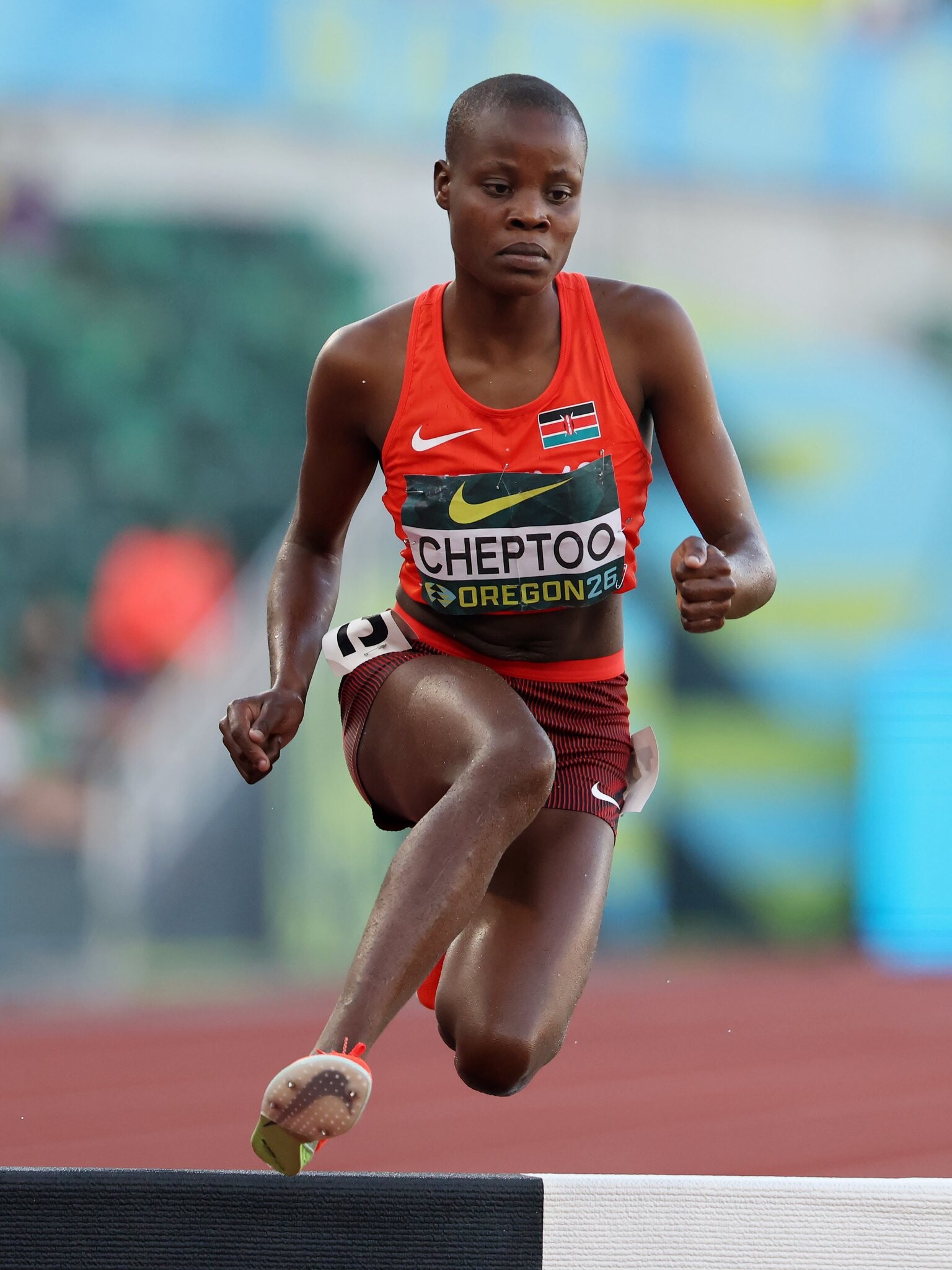
Ethiopia’s celebrations were doubled when Wosane Asefa secured the silver medal in 9:30.50, producing a season’s best (SB) and completing an impressive Ethiopian one-two.
Kenya’s Anatasha Cheptoo ensured there was East African representation on all three steps of the podium, fighting her way to the bronze medal in 9:37.18.
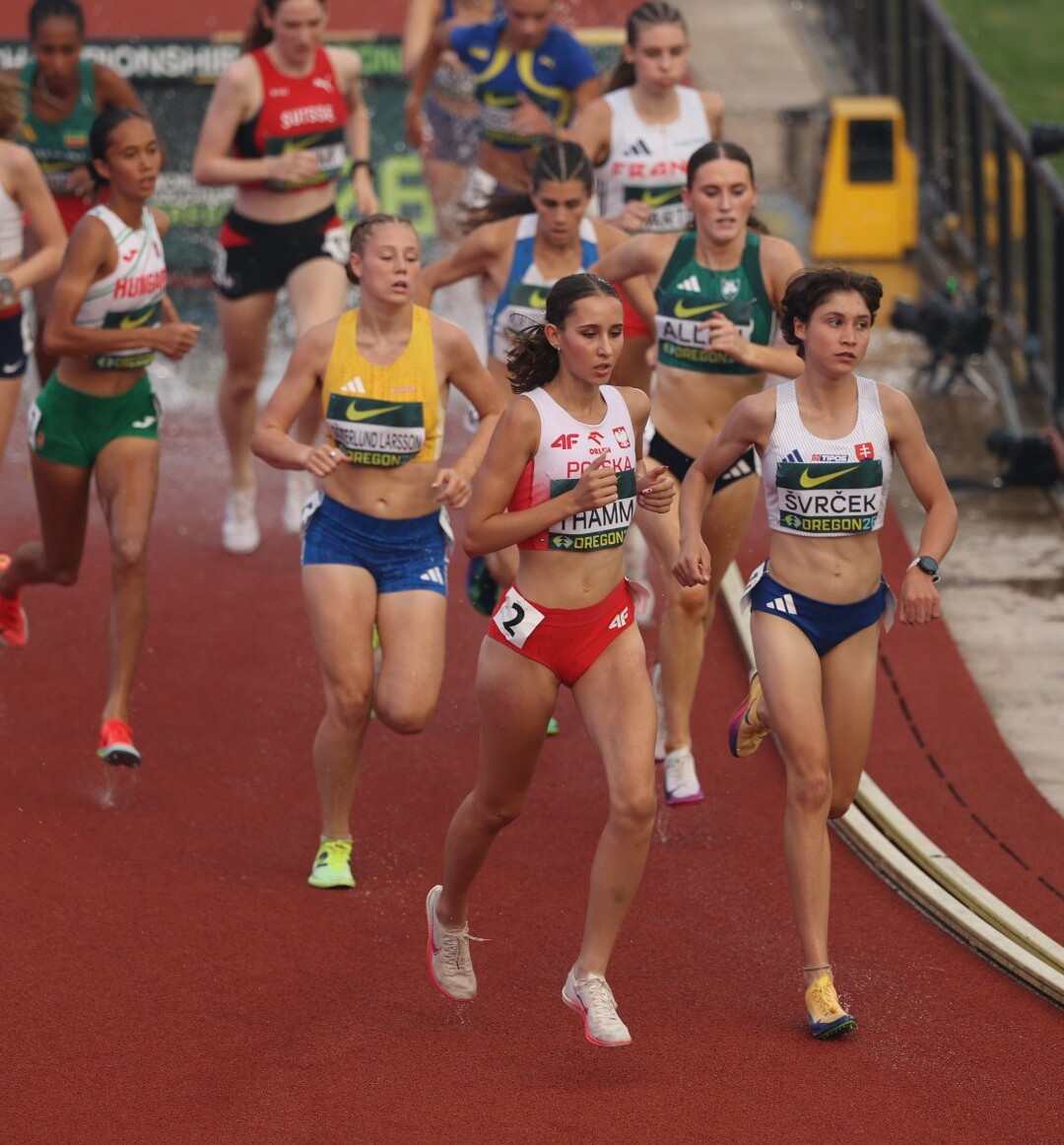
Behind the medalists, Sweden’s Majken Söderlund Larsson finished fourth in 9:48.01, setting a national U20 record (NU20R), while Czech Republic’s Ema Berková followed in fifth with 9:49.06, also recording a national U20 record.
Sweden’s Fanny Szalkai placed sixth in 9:55.06, a personal best, while Greece’s Anna Dafni Almyroudi Stroumpou finished seventh in 10:00.63, another national U20 record.
Egypt’s Malak Abdelghany Abdalla Ibrahim crossed eighth in 10:04.52, also establishing a national U20 record. Slovakia’s Anna Švrček was ninth in 10:05.91, followed by Japan’s Rei Taya in 10:12.37.
Portugal’s Lara Roque finished 11th in 10:15.69, setting a national U20 record, while Poland’s Zuzanna Szymańska took 12th in 10:15.94, a personal best. Great Britain’s Ava James was 13th in 10:18.96, followed by American Sierra Wall in 14th with 10:21.21.
Poland’s Michalina Thamm completed the finishers in 15th place in 10:39.01.
Kenya’s Mercy Chepngeno Koskey, who had also lined up as part of the Kenyan challenge, was unfortunately unable to finish the race.
The final podium therefore belonged to three of East Africa’s rising stars, with Yohannis and Asefa delivering a memorable Ethiopian one-two, while Cheptoo secured bronze for Kenya.
Women’s 3000m Steeplechase — Official Results
1. Almaz Yohannis (Ethiopia) — 9:15.81 (WU20L)
2. Wosane Asefa (Ethiopia) — 9:30.50 (SB)
3. Anatasha Cheptoo (Kenya) — 9:37.18
4. Majken Söderlund Larsson (Sweden) — 9:48.01 (NU20R)
5. Ema Berková (Czech Republic) — 9:49.06 (NU20R)
6. Fanny Szalkai (Sweden) — 9:55.06 (PB)
7. Anna Dafni Almyroudi Stroumpou (Greece) — 10:00.63 (NU20R)
8. Malak Abdelghany Abdalla Ibrahim (Egypt) — 10:04.52 (NU20R)
9. Anna Švrček (Slovakia) — 10:05.91
10. Rei Taya (Japan) — 10:12.37
11. Lara Roque (Portugal) — 10:15.69 (NU20R)
12. Zuzanna Szymańska (Poland) — 10:15.94 (PB)
13. Ava James (Great Britain) — 10:18.96
14. Sierra Wall (United States) — 10:21.21
15. Michalina Thamm (Poland) — 10:39.01
DNF: Mercy Chepngeno Koskey (Kenya)
Yohannis’ victory marked the highlight of a brilliant Ethiopian performance, with her 9:15.81 World U20-leading mark setting the tone for a memorable championship final and announcing another exciting young talent onto the international athletics scene.
(08/08/26) Views: 313Erick Cheruiyot for My Best Runs.

More Than One Million Shillings, Repeated Promises — and Not One Shilling Repaid. - Why I Finally Stopped Sending Money to Kenyan Coach Charles Ngeno
By Bob Anderson, Founder of KATA
I wanted Charles Ngeno to succeed.
That is important to say at the beginning because this didn’t start as a fight. It started with trust.
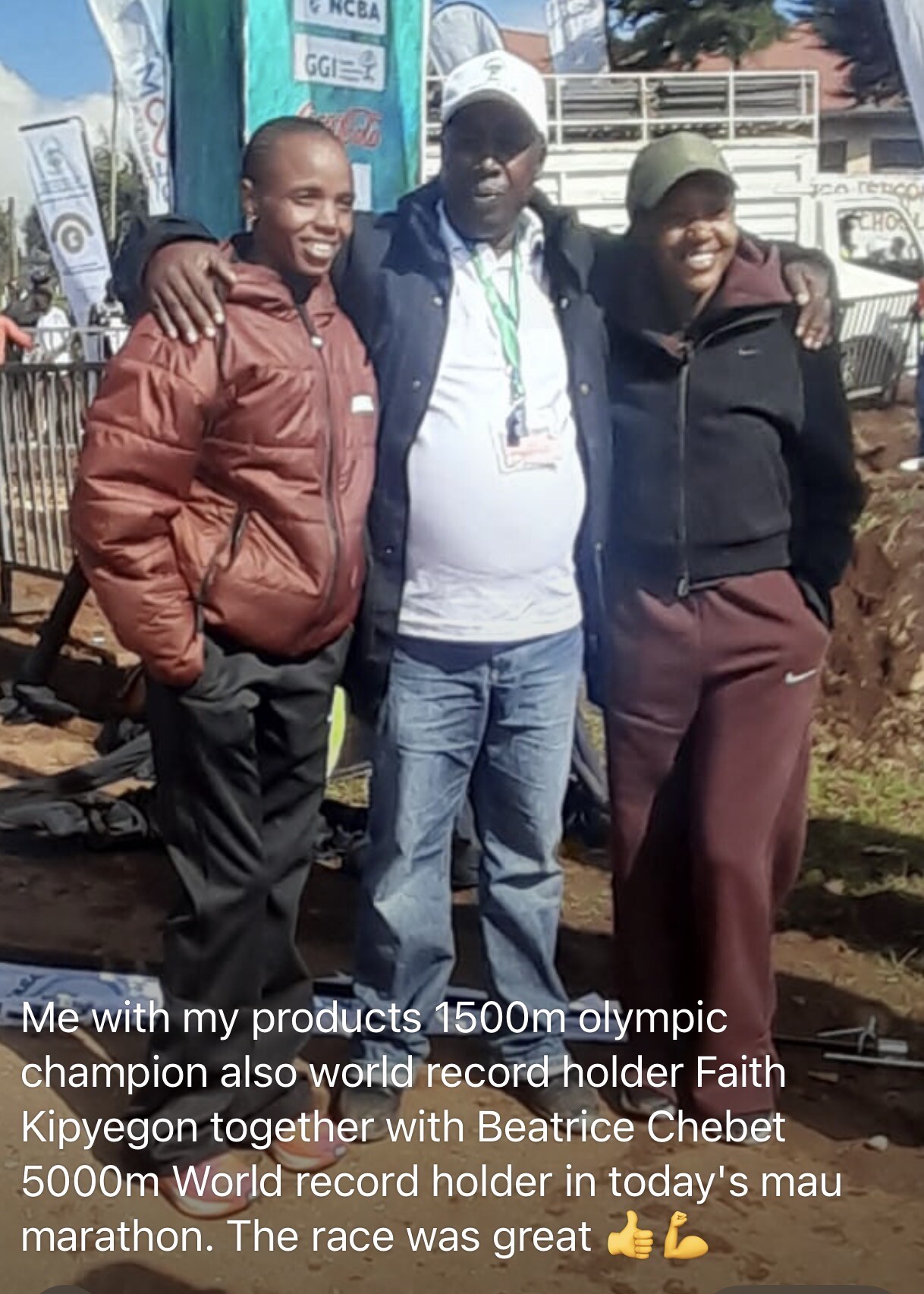
In June 2025, Kenyan coach Charles Ngeno joined our KATA program. I agreed to loan him money to establish two KATA Running Camps and grow six acres of potatoes in Kenya.

The idea was straightforward. KATA would provide the startup capital. Charles would operate the camps and potato farms. The potatoes would generate revenue, our loan would be repaid, profits would be shared according to our agreement, and the operation could become increasingly self-supporting.
Instead, Catherine and I ultimately advanced Charles 1,077,500 Kenyan shillings.
As of August 12, 2026, according to our records, Charles has repaid:
Zero.

Not one shilling.
And when I asked him again on August 12 when he was going to start paying back the loan, his response included:
“Let’s meet in centuries.”
He subsequently wrote:
“The time will come”
After more than a year of promises, those words told me a lot.
I Was Warned About Charles
Shortly after entering into our agreement, people in Kenya began warning me about Charles.
I listened, but I also listened to Charles.
He called me regularly. We talked at length. He assured me that the things people said about him weren’t true. He presented himself as someone dedicated to helping young Kenyan athletes.
I chose to give him a chance.
Looking back, I believe Charles took advantage of that trust.
The important thing now is not what Charles says about me or what I say about him. It is what the written record shows.
And we have a substantial written record.
Charles Himself Called It a Loan
There should be no confusion now about whether this money was a gift.
It wasn’t.
My WhatsApp correspondence repeatedly describes these payments as loans, and Charles himself used exactly that word.
By September 29, 2025, I wrote to Charles:
“I have sent you 959,000 against your loan of 650k for your two camps and 600k for your six acres.”
Charles did not respond that the money wasn’t a loan.
Quite the opposite.
On October 7, while asking me for another 21,000 KES, Charles wrote:
“Then I will be knowing that my total loan is 1000000ksh.”
Two days later he made it even clearer:
“With this support, my total loan will now stand at Ksh 1,000,000.”
Those are Charles Ngeno’s words, not mine.
The Requests for Money Just Kept Coming
The pattern became remarkably consistent.
Charles would describe progress.
Then he would ask for more money.
On September 15 he told me he had planted the remaining quarter acre and said the 20,000 KES I had just sent had helped him.
Then came:
“Please send me 25k. Now.”
On October 3 he said his Nakuru camp rent was urgent and warned:
“Its very embarrassing to have my KATA camp closed.”
He urged Catherine and me to continue funding him, saying we had completed “90% journey” and shouldn’t stop with only 10 percent remaining.
On October 7 he predicted a very substantial potato harvest:
“Bob for my first harvest I’m expecting to have more than 150 bags of 50kg.”
He added:
“i promise good return.”
On October 21, as harvest approached, there was another request:
“Bob. Please send me 15k for olenguruone camp.”
On October 26, Charles said he needed another 28,000 KES to pay cooks at both camps and top up the Nakuru operation.
I sent it.
Two days later, after telling Charles that KATA existed to train, house and feed athletes and that potato revenue was supposed to support the operation, Charles wrote:
“Bob i do respect you. You really uplift me. I will assure you that all will be well.”
Four minutes later he asked me for another 5,000 KES.
This went on and on.
Eventually I stopped the bleed.
Where Were the Returns?
By October, potatoes were supposedly approaching harvest.
Charles gave me specific projected harvest dates.
He told me his first harvest would produce more than 150 bags of 50 kilograms.
I repeatedly explained how the money was supposed to work.
Potatoes would be harvested and sold. Sale proceeds would first go into the KATA account. The appropriate portion of the original farming loan would be recovered. The remaining profit would then be divided according to our agreement.
I wasn’t trying to take Charles’s livelihood away from him.
The opposite was true.
I wanted the operation to succeed so Charles could make money, KATA could recover its capital, athletes could be supported and the money could be recycled into additional farming.
But when harvest time arrived, getting money back became increasingly difficult.
In November, when I asked when funds would be transferred to our Equity Bank account in Kenya, Charles answered:
“When the potatoes market will show fairness in price.for now all has to wait.”
He later wrote:
“as soon as I sell potatoes, I will ask for bank account.”
But there was another revealing sentence:
“Untill I see there is return, I will sell. Else for now not yet.”
The person who had enthusiastically accepted our money was now deciding on his own when the crop financed by that money would be sold.
I Kept Giving Him the Benefit of the Doubt
This is perhaps the part that bothers me most.
Every time something didn’t add up, I wanted to believe there was an explanation.
When others questioned Charles, he frequently suggested that they were enemies trying to damage him.
At one point, after I asked for basic proof of his camps and potato operation, Charles told me:
“I know who is behind all this.”
He said the person was a “pure enemy” and told me:
“I only expect communication from you directly.”
That should have been another warning sign.
Instead of welcoming independent verification of an operation financed with our money, Charles repeatedly tried to turn questions about documentation into questions about the motives of the people asking them.
I nevertheless continued working with him.
There Was Another History I Should Have Examined More Closely
I also later learned much more about a serious controversy involving Charles a decade earlier.
In 2015, Kenyan media reported allegations by Athletics Kenya officials concerning Charles and young female athletes at the Keringet training camp.
The allegations were extremely serious.
Charles denied them.
Contemporary reporting said Athletics Kenya announced a lifetime ban and ordered the camp closed amid allegations involving manipulation and improper relationships with female athletes.
Charles publicly disputed the accusations and said they were rumors intended to tarnish his name.

Those allegations should not be presented as proven facts simply because they were published.

But they were serious enough that I wish I had investigated the entire episode much more carefully before trusting Charles with our money.
Charles has also had genuine accomplishments as a coach, and athletes associated with Keringet have achieved considerable success. That is part of his history too.
None of that, however, answers the question before us today:
What happened to KATA’s 1,077,500 KES, and when will it be repaid?
From Promises to “Let’s Meet in Centuries”
For months I received assurances.
Charles told me:
“I’m promising you will see the Impact.”
He promised a “good return.”
He told me:
“I will assure you that all will be well.”
He acknowledged in writing that the money was a loan.
He told me how much that loan totaled.
He gave us projected harvest dates.
He predicted more than 150 bags from his first harvest.
And at one point he assured me that he would repay 400,000 KES.
That payment never arrived.
Eventually the total amount Catherine and I advanced reached 1,077,500 KES.
According to our records:
Money advanced: 1,077,500 KES
Money repaid: 0 KES
Outstanding: 1,077,500 KES
Then, on August 12, 2026, after I again asked when he was going to start paying back the loan, I got:
“Let’s meet in centuries.”
For me, that was the end of the excuses.
Charles Ngeno Has the Opportunity to Answer
I am publishing this because other people considering financial dealings with Charles deserve to know what happened to us.
But Charles deserves the opportunity to respond as well.
So I am asking him publicly:
Did you receive 1,077,500 KES from us?
Do you acknowledge that this money was advanced under our KATA loan arrangement?
How much money did the six acres of potatoes actually produce?
Where did the proceeds go?
What happened to the two KATA camps we financed?
Why have you not repaid a single shilling?
What happened to the 400,000 KES you said you would repay?
And finally:
When are you going to repay the 1,077,500 KES?
Charles doesn’t need to answer with another promise.
He doesn’t need to tell me that “the time will come.”
And he certainly doesn’t need to tell me:
“Let’s meet in centuries.”
He can answer with something much simpler
A payment.
Until that happens, I believe people dealing financially with Charles Ngeno deserve to see the record and make up their own minds.
We trusted him.
We funded him.
We waited.
Now we are making the record public.
(08/12/26) Views: 280
Can Amanal Petros Finally Turn Heartbreak into European Gold in Birmingham?
All eyes will be on Amanal Petros when the men’s marathon takes centre stage at the 2026 European Athletics Championships in Birmingham, with the German star chasing the major championship title that has repeatedly slipped through his fingers.
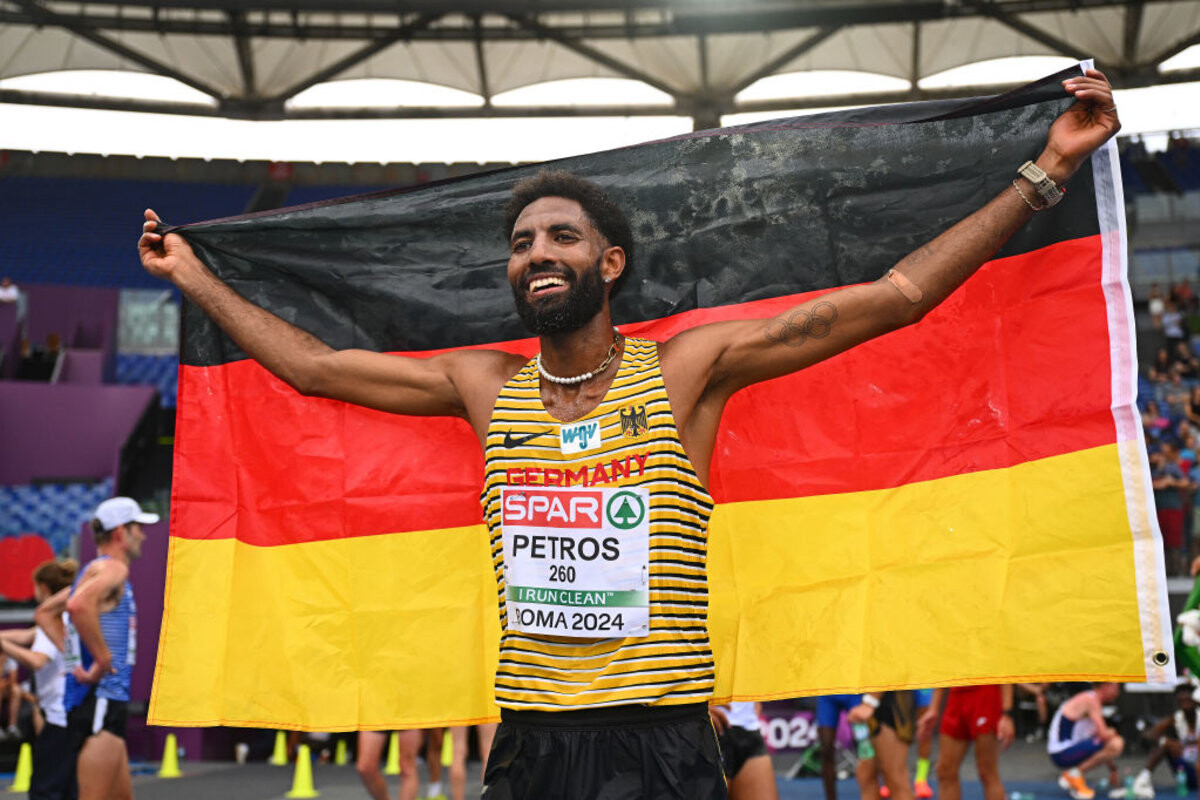
Petros arrives with one of the strongest résumés in the field and the credentials to challenge for gold. At 2:04:03, he is the third-fastest European marathoner of all time, behind Belgium’s Bashir Abdi (2:03:36) and France’s Morhad Amdouni (2:03:47). That level of performance underlines Petros’ ability to compete with the very best, although his career has also been marked by agonisingly narrow defeats on the biggest stages.
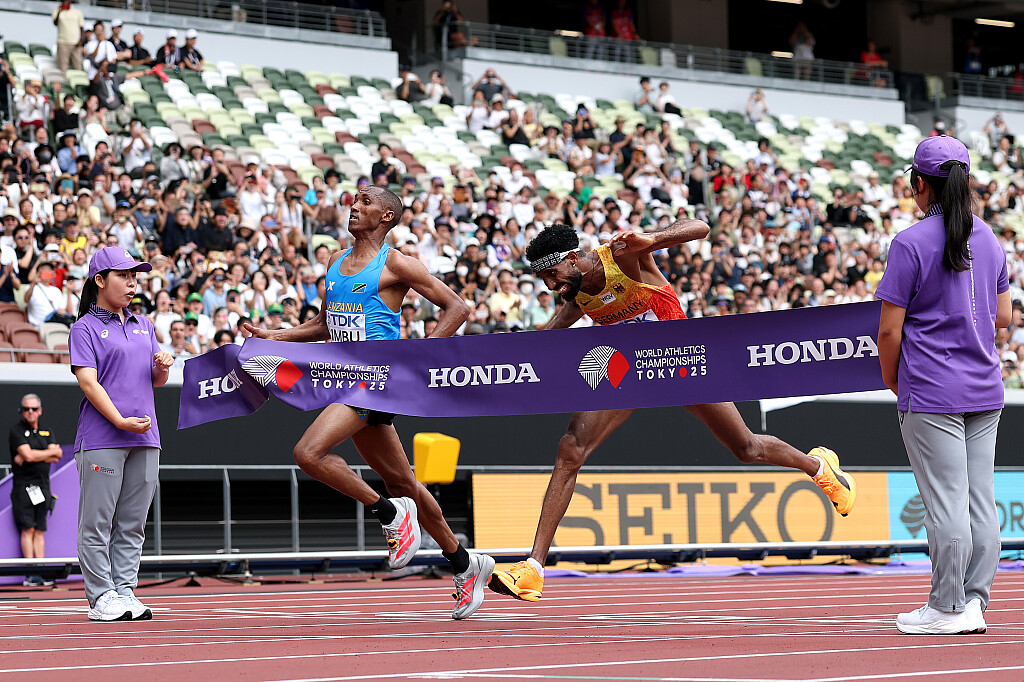
His most recent heartbreak came at the 2025 World Athletics Championships in Tokyo, where Tanzania’s Alphonce Simbu edged him out by just 0.03 seconds in one of the closest finishes in championship history. That defeat underlined both Petros’ quality and the fine margins that have prevented him from claiming an individual global title.
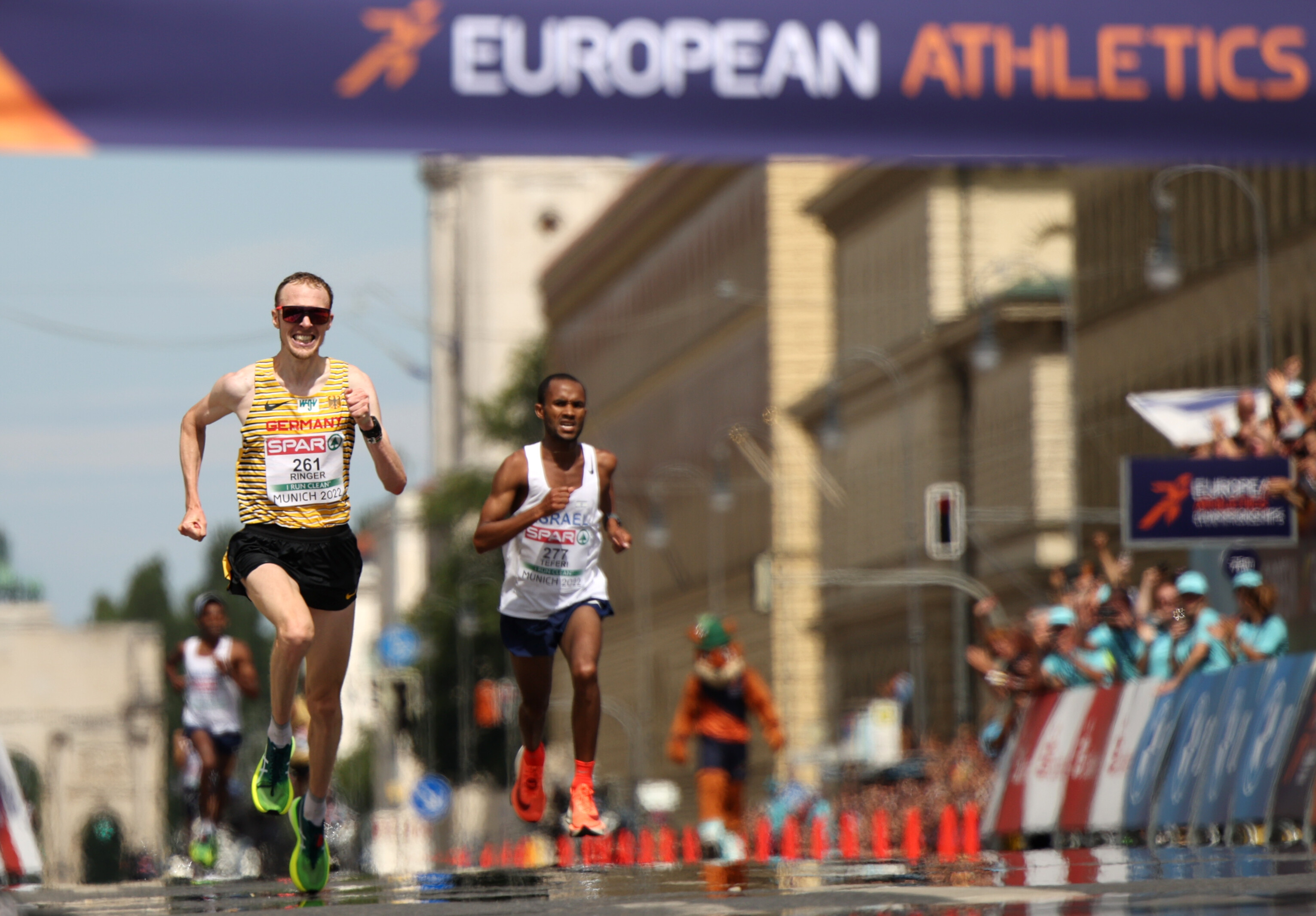
The European Championships have also brought frustration. At the 2024 European Athletics Championships, Petros took bronze in the half marathon after being beaten in a three-way finish by Italy’s Yemaneberhan Crippa. Two years earlier in Munich, he was unable to stay with the medal contenders during the decisive stages of the marathon.
Now Birmingham presents another opportunity—and Petros has every reason to believe this could finally be his moment.
His season-best of 2:08:31 does not tell the full story. At the London Marathon, Petros passed halfway in a blistering 61:16, initially targeting Bashir Abdi’s European record of 2:03:36, before easing during the latter stages. His 2:04:03 runner-up performance at the Valencia Marathon last December is arguably a much better indication of his true potential.
Standing in his way will be a strong German contingent, led alongside Petros by defending European champion Richard Ringer. Ringer produced one of the most memorable performances of the 2022 championships in Munich, unleashing a dramatic late surge during the final kilometre to overtake three athletes—including Petros—and snatch a remarkable victory.
At 37, Ringer continues to compete at an exceptional level. He produced the fastest marathon of his career in April, running 2:04:47 at the Boston Marathon to finish eighth overall while recording the fastest European time in the race.
Germany’s strength does not end there. Samuel Fitwi has been even faster in 2026, recording a personal best of 2:04:45 when finishing second at the Hamburg Marathon. That performance makes him the fastest athlete on the Birmingham entry list based on season’s bests.
With Petros, Ringer and Fitwi forming a formidable German trio, the team will have serious ambitions of collecting individual medals while also challenging for the team title. Their depth could prove particularly valuable in a championship marathon, where tactical racing and team strength can be just as important as raw personal-best times.
France’s Emmanuel Roudolff is among the principal threats to the German challenge. He established a personal best of 2:05:58 when finishing sixth at the Paris Marathon and has the speed to remain in contention if the race develops into a fast affair.
Veteran Kaan Kigen Özbilen will also bring considerable experience to the starting line. The Kenyan-born Turkish athlete, who once held the European record with 2:04:16, remains capable of competing at the highest level. He ran 2:05:59 for fifth in Barcelona earlier this year.
Israel will also arrive with a strong team, having won the marathon team title in Munich four years ago. Maru Teferi and Gashau Ayale, who claimed silver and bronze respectively in Munich, return with valuable championship experience and will hope to challenge for more medals in Birmingham.
Italy’s hopes will centre on Pietro Riva. With Crippa focusing on the 10,000m and Iliass Aouani sidelined by shin problems, Riva becomes Italy’s leading marathon contender. He finished second behind Crippa and ahead of Petros in the half marathon at the 2024 European Championships, giving him another opportunity to challenge the German favourite on the European stage.
For the home crowd, one of the most intriguing stories will be Mahamed Mahamed, who could give Britain a realistic shot at its first men’s European marathon medal in decades.
Great Britain has not won a men’s marathon medal at these championships since Ian Thompson claimed gold in Rome in 1974. Mahamed has emerged as a genuine contender after producing a lifetime best of 2:06:14 at the London Marathon in April. That performance made him the second-fastest British marathoner in history behind Mo Farah, while also placing him fourth among the Birmingham entrants based on 2026 season’s bests.
With a home crowd behind him and confidence gained from his breakthrough performance in London, Mahamed could become one of the most dangerous outsiders in the field.
Birmingham therefore promises a fascinating battle between proven championship performers, emerging German strength and a collection of experienced international challengers. Petros, however, remains the man at the centre of the story.
He has already come agonisingly close to major championship glory. He possesses the speed, experience and proven ability to run under 2:05. What remains is to produce the decisive performance when the medals are on the line.
After years of near misses, Birmingham could finally be the stage where Amanal Petros turns silver and heartbreak into European gold.
(08/11/26) Views: 266Erick Cheruiyot for My Best Runs.
Mark English Shatters 48-Year-Old Championship Record as Birmingham 800m Final Promises Fireworks
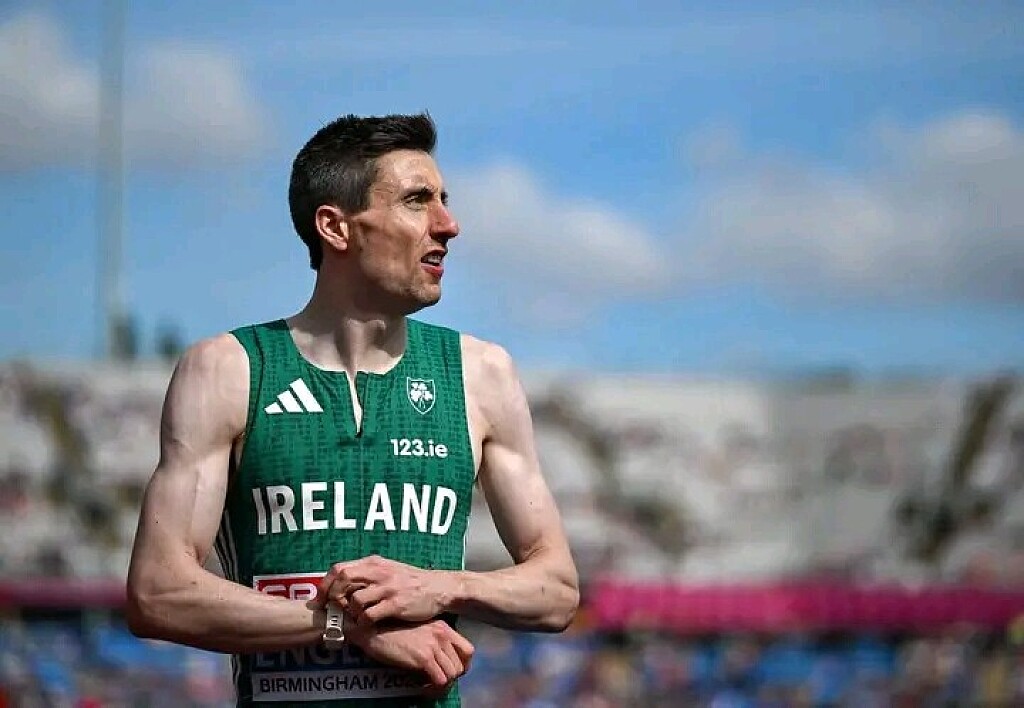
Ireland’s Mark English produced one of the defining performances of the 2026 European Athletics Championships in Birmingham, storming to a breathtaking 1:43.49 to win his men’s 800m semi-final and rewrite the championship record books.
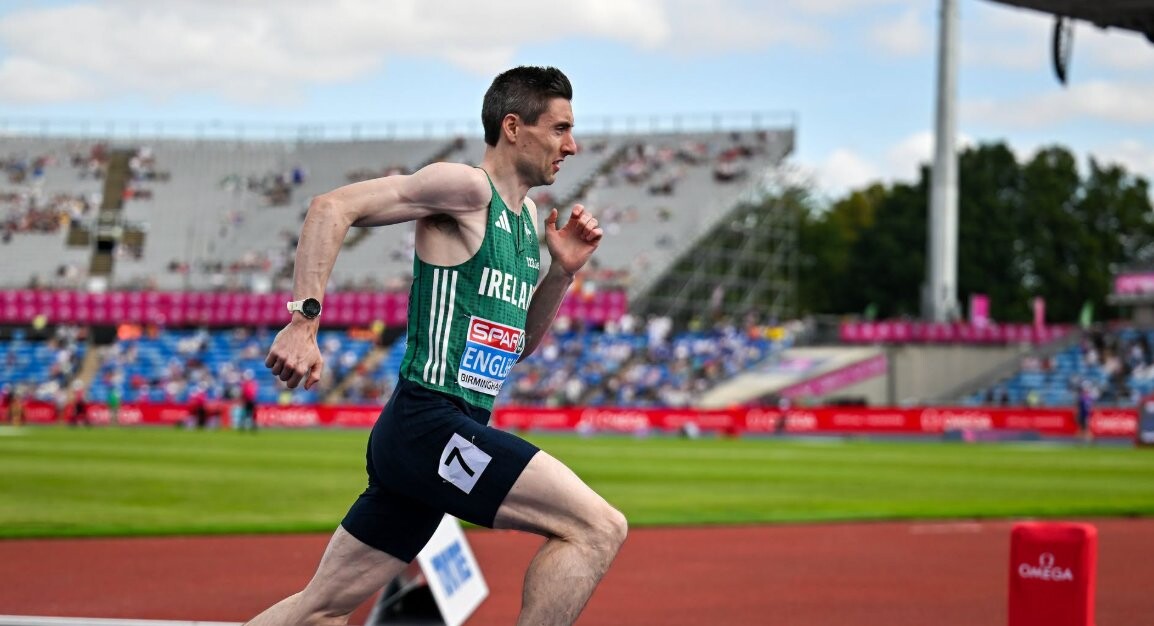
The 33-year-old Donegal native delivered a perfectly judged display of speed, strength and composure, attacking the race with confidence before unleashing a powerful finish that carried him through the line in a sensational time.
English passed the bell in 51.36 before maintaining his relentless rhythm over the second lap. As the race entered its decisive stages, he found another gear and powered away from his challengers, stopping the clock at 1:43.49 to become the fastest qualifier for the final.
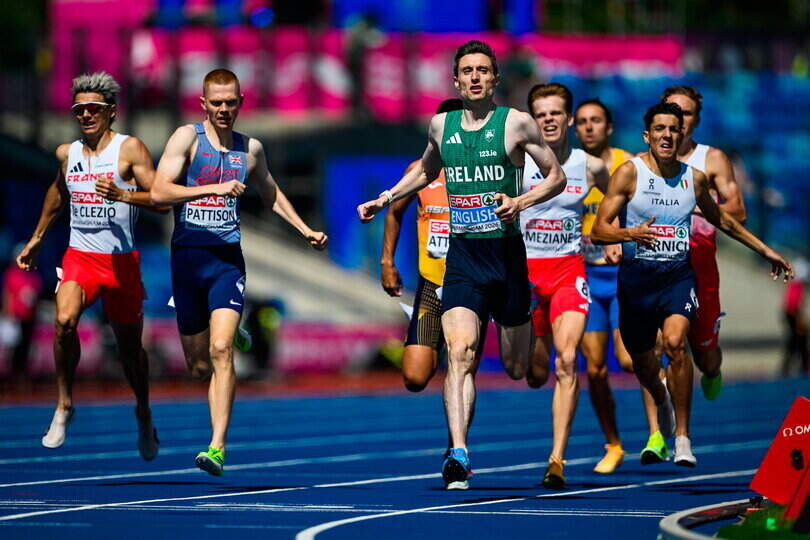
More significantly, his performance erased a record that had stood for nearly half a century. English lowered Olaf Beyer’s 1:43.84 championship record by 0.35 seconds, bringing an extraordinary 48-year chapter of European 800m history to a close.
The performance also underlined just how fiercely competitive the Birmingham final will be. Five athletes broke the 1:44 barrier in the semi-finals, setting the stage for what promises to be one of the most explosive 800m finals of the championships.
Great Britain’s Ben Pattison emerged as the second-fastest finalist in 1:43.72, while France’s Corentin Le Clezio ran a personal best of 1:43.80 to secure the third-fastest qualifying time. Spain’s Mohamed Attaoui followed with a season’s best of 1:43.82, while Italy’s Francesco Pernici completed the group of athletes under 1:44 with 1:43.84.
Great Britain’s Max Burgin advanced in 1:44.73, Croatia’s Marino Bloudek clocked 1:44.96, and Spain’s David Barroso also stopped the clock at 1:44.96 to complete the eight-man final field.
But all eyes will inevitably turn to English.
Having already dismantled a record that survived generations of European 800m runners, the Irishman now enters the final as the man everyone will be chasing. His 1:43.49 has not only established him as the championship’s fastest qualifier but has also raised the tantalising question of how much faster he can go when the medals are on the line.
With five finalists already under 1:44, Birmingham is ready for another spectacular battle.
And after making history in the semi-final, Mark English has given himself the perfect opportunity to write an even bigger chapter in the final.
(08/12/26) Views: 256Erick Cheruiyot for My Best Runs.
Živa Remic, 16, Stuns The World With Dramatic U20 800m Triumph
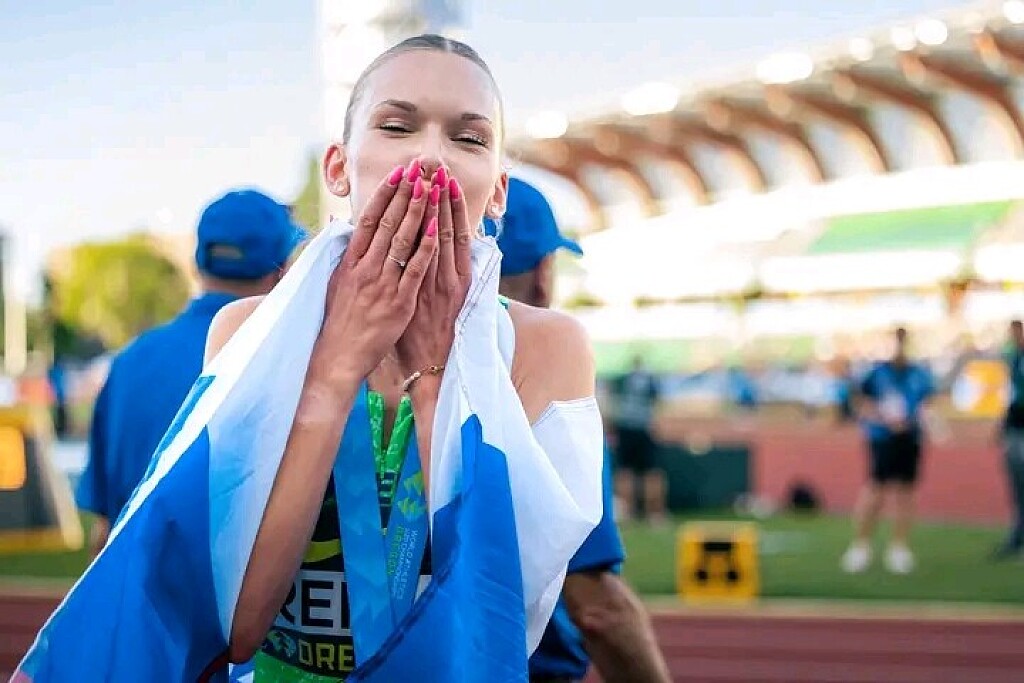
Sixteen years old and already a world champion. Slovenia’s Živa Remic produced a sensational performance in the women’s 800m final at the World Athletics U20 Championships, delivering a perfectly timed finishing surge to capture the gold medal in one of the closest races of the championships.
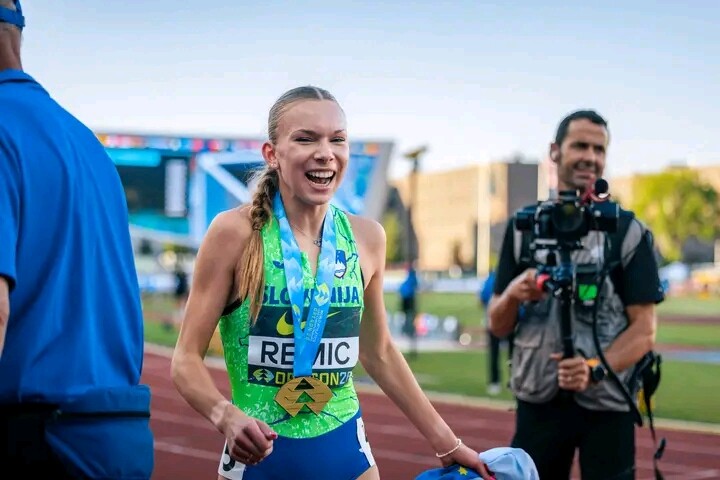
Remic remained firmly in contention throughout the race before unleashing her decisive move in the closing metres. With the medals still up for grabs, the young Slovenian found another gear approaching the line and edged clear at precisely the right moment, stopping the clock at 2:03.03.
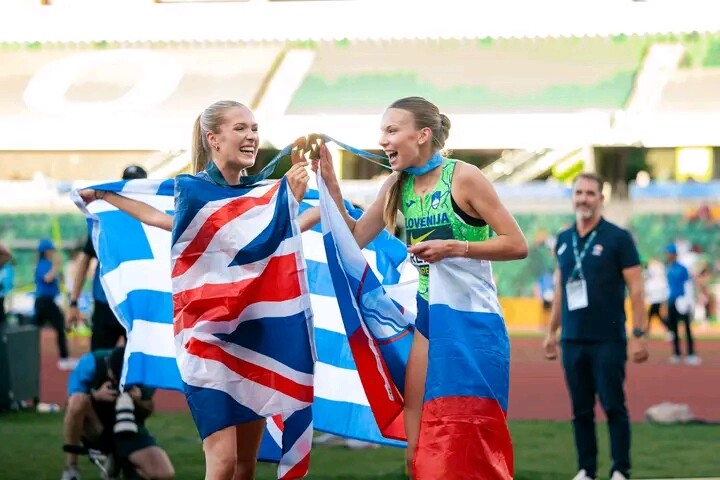
Greece’s Ioulianna Roussou refused to surrender and pushed Remic all the way to the finish. Roussou crossed the line in 2:03.08, just 0.05 seconds behind the champion, turning the final into an extraordinary battle decided by the smallest of margins.
Great Britain’s Shaikira King also produced an impressive performance to secure the bronze medal in 2:03.52, completing a podium separated by less than half a second.
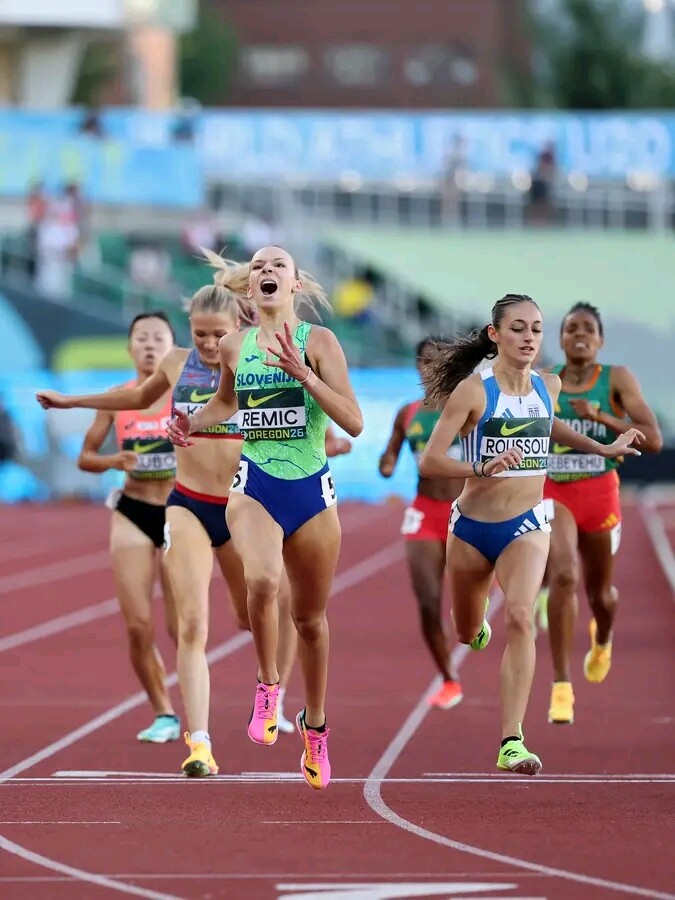
For Remic, the victory represents a major breakthrough on the global stage. At an age when many athletes are still gaining experience at major championships, she has already demonstrated the composure and finishing speed required to win a world title against some of the strongest young 800m runners in the world.
The Slovenian’s victory is even more remarkable considering the depth of talent in the final. Ethiopia’s Habtam Gebeyehu led the African challenge, finishing fourth in 2:03.99, while Japan’s Rin Kubo followed closely in fifth with 2:04.00. Canada’s Chloe Symon was sixth in 2:04.24, with Ethiopia’s Derartu Shibiru seventh in 2:04.81.
American Paige Sheppard finished eighth in 2:06.94, while Poland’s Róża Olchawa completed the final in 2:10.64.
Remic’s triumph also adds another chapter to what is becoming an extraordinary rise in the 800m. The teenager has already shown that she possesses the speed and competitive confidence to challenge at the highest level of junior athletics, and her ability to produce such a composed finish under championship pressure suggests there could be much more to come.
The defining image of the final was Remic surging toward the line while her closest rivals battled desperately behind her. When the clock stopped at 2:03.03, Slovenia had its newest world champion.
At just 16, Živa Remic has already reached the top of the world in her age category. Her golden finish was not only a victory—it was a powerful introduction to a young athlete whose name could become increasingly familiar in international middle-distance running.
(08/09/26) Views: 229Erick Cheruiyot for My Best Runs.
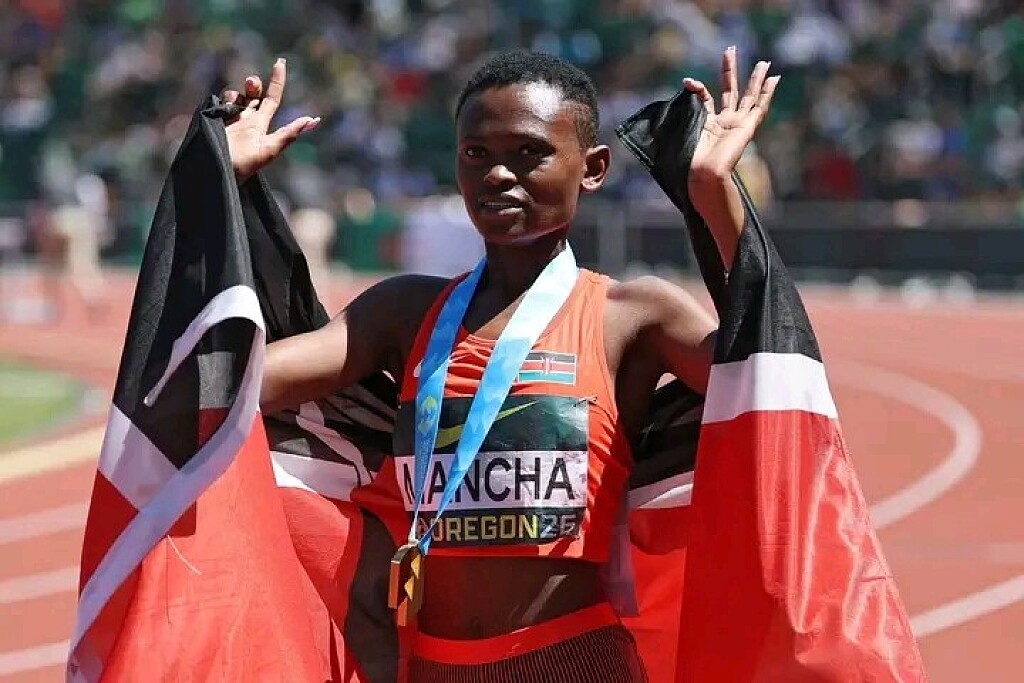
Josephine Mancha Ends Kenya’s 14-Year Wait With Dramatic World U20 1500m Gold
Kenya has a new women’s 1500m world champion at U20 level.
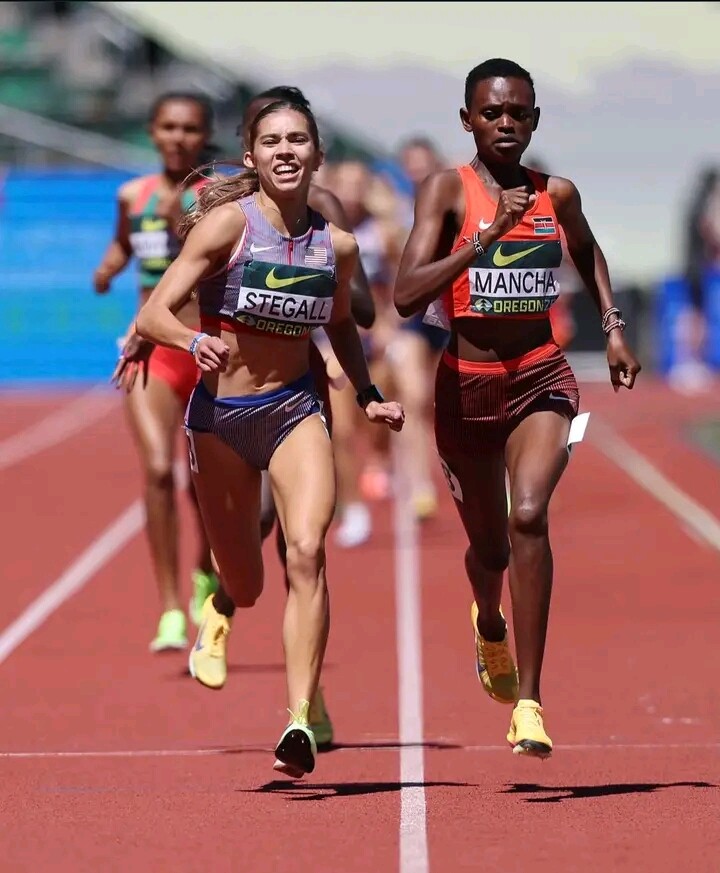
Josephine Sembeyo Mancha produced a composed and determined performance in Eugene to win gold at the World Athletics U20 Championships Oregon 26, ending Kenya’s long wait for another world title in the event.
Mancha crossed the finish line in 4:16.73, edging American Claire Stegall by just 0.04 seconds in one of the most dramatic finishes of the championships. Kenya’s Caren Chepchirchir completed the podium to make it a memorable double medal for the country.
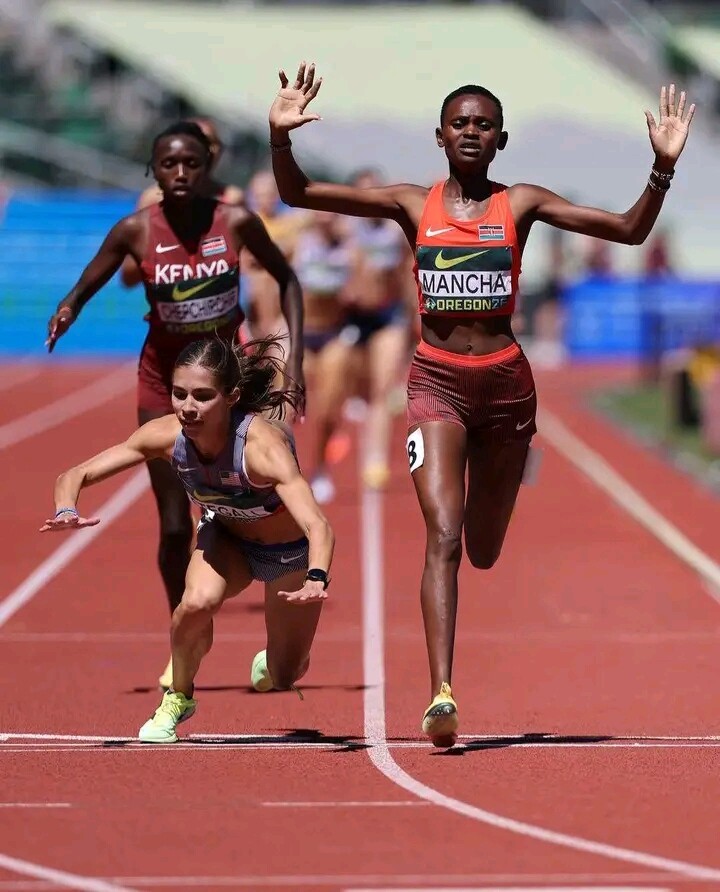
The final was anything but straightforward. A cautious opening lap of roughly 78 seconds saw the athletes remain tightly bunched, creating a dangerous situation as several runners went down in a series of falls.
The chaos continued throughout the race, with a discarded spike even left on the inside of lane one for more than a lap, adding another unusual obstacle to an already unpredictable contest.
Through it all, Mancha remained patient.
Rather than becoming caught up in the disorder around her, the Kenyan kept her composure and positioned herself for the decisive moment. As the bell sounded and the race entered its final lap, the contest suddenly came alive.
Mancha unleashed her finishing speed and surged toward the line, but Stegall refused to surrender. The American launched herself forward in a desperate diving attempt at the finish, making the outcome almost impossible to separate with the naked eye.
In the end, it was Mancha who had done enough.
Josephine Sembeyo Mancha — gold, 4:16.73.
Claire Stegall — silver.
Caren Chepchirchir — bronze.
For Kenya, however, the significance of the victory goes far beyond a single race.
Mancha’s triumph ends a 14-year wait for a Kenyan women’s U20 1500m world title. The last Kenyan to achieve the feat was Faith Kipyegon, who captured the crown in 2012 before going on to build one of the greatest middle-distance careers in athletics history.
Fourteen years later, Mancha has restored Kenya to the top of the global U20 podium.
In a final defined by falls, uncertainty and a breathtaking finish, the young Kenyan showed exactly what championship racing demands: patience, resilience and the ability to produce when it matters most.
Eugene has a new 1500m champion, and Kenya has another name to remember.
(08/10/26) Views: 222Erick Cheruiyot for My Best Runs.
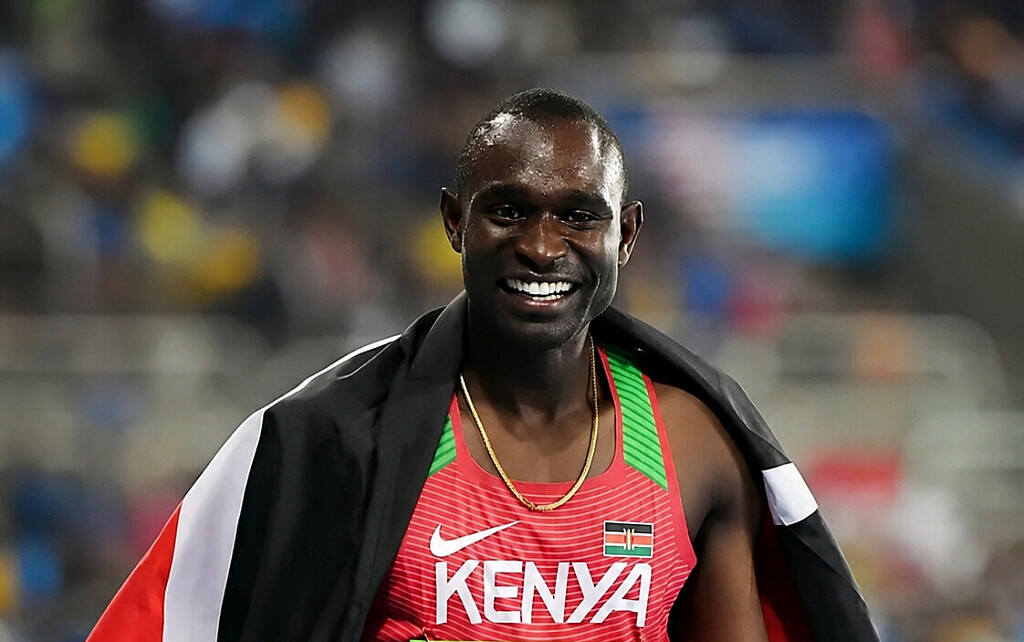
David Rudisha’s 1:40.91: Fourteen Years Later, The 800m Still Has A Mountain To Climb
Fourteen years ago this weekend, David Rudisha delivered one of the most extraordinary performances ever witnessed on an athletics track — and remarkably, his world record still stands.
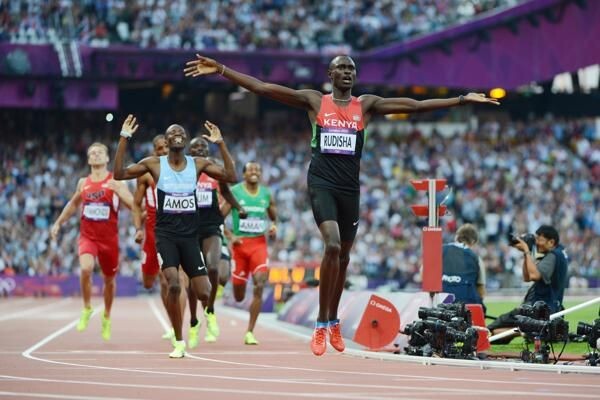
On August 9, 2012, the Kenyan lined up for the Olympic 800m final at London’s Olympic Stadium alongside seven of the world’s finest half-milers. What followed was a race that would forever redefine the limits of the event.
Rudisha did not wait for the final straight. From the gun, he went straight to the front and imposed a relentless pace on the field. He reached the 400m mark in a blistering 49.28 seconds, but instead of paying the price for such an aggressive opening lap, he continued to drive forward.
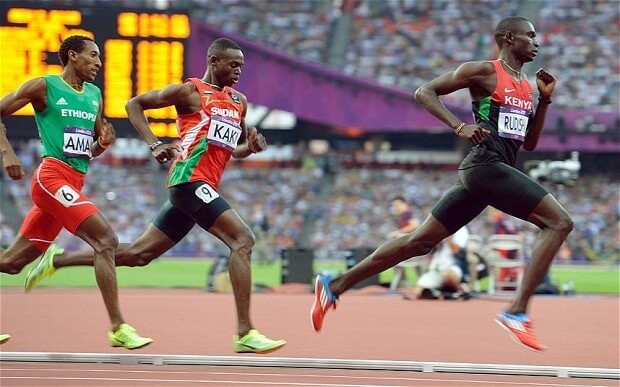
He passed 600m in 1:14.30 before producing a remarkable final 200 metres to cross the finish line in 1:40.91.
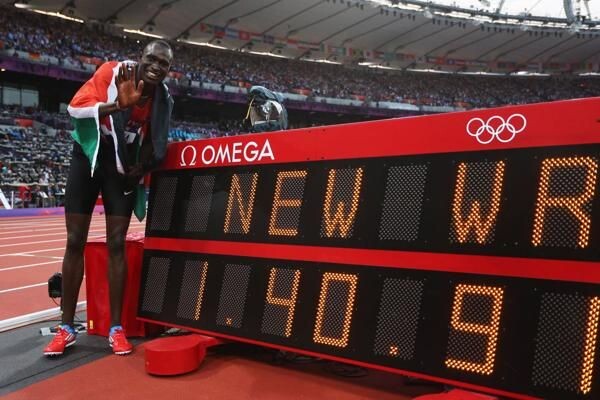
The stadium erupted.
Rudisha had broken his own world record and, for the first time in history, an athlete had broken the 1:41 barrier in the 800 metres. Even more remarkably, he had done it in an Olympic final, without a pacemaker and under the immense pressure of competing for the sport’s ultimate prize.
The runners behind him were dragged into history by his pace.
Botswana’s Nijel Amos finished second in 1:41.73, a world junior record at the time. Kenya’s 17-year-old Timothy Kitum produced a stunning 1:42.53 to take bronze, while American Duane Solomon ran 1:42.82 and Nick Symmonds clocked 1:42.95, both personal bests.
Ethiopia’s Mohammed Aman ran 1:43.20 for a national record, Abubaker Kaki finished in 1:43.32, and Great Britain’s Andrew Osagie completed the field in 1:43.77, also a personal best.
It was an extraordinary final in which all eight athletes finished inside 1:44, a testament to the astonishing pace set by the Kenyan.
Yet Rudisha was operating on another level.
His London performance was not a sudden flash of brilliance. It was the culmination of an era in which he had transformed the 800m through his fearless front-running style. Two years earlier, he had lowered the world record to 1:41.01 in Rieti, Italy. In London, he found another tenth of a second when the pressure was at its greatest.
That is what has made the record so difficult to approach.
For fourteen years, some of the greatest 800m runners of their generations have come and gone, but none has managed to take the final steps toward Rudisha’s mark. Nijel Amos remains the closest, his 1:41.73 from that same Olympic final leaving him 0.82 seconds short.
Then came Emmanuel Wanyonyi.
The young Kenyan has emerged as one of the most exciting 800m runners of his generation. In Lausanne in 2024, Wanyonyi produced a stunning 1:41.11, moving level with Wilson Kipketer as the second-fastest man in history and coming within just 0.20 seconds of Rudisha’s world record.
Twenty hundredths of a second may look insignificant on paper, but at the very top of the 800m, they represent a formidable barrier.
Wanyonyi has shown that Rudisha’s record is not beyond imagination. But reaching it requires something extraordinary — the perfect combination of speed, endurance, courage and execution over two unforgiving laps.
And perhaps that is what makes Rudisha’s achievement so enduring.
There was no pacemaker guiding him through the race. There was no carefully constructed invitational designed solely around producing a fast time. There was simply an Olympic final, eight athletes, two laps and a Kenyan determined to run faster than anyone had ever run before.
Rudisha went from the gun, controlled the race from the front and somehow maintained the speed required to produce a time that has remained beyond the reach of every challenger for fourteen years.
The next generation is getting closer, and Wanyonyi has shown that the record can at least be approached.
But 1:40.91 remains David Rudisha’s masterpiece — a world record forged under the brightest lights and on the biggest stage, and one that continues to define greatness in the 800 metres.
Fourteen years later, the challengers are getting closer, but Rudisha’s 1:40.91 remains the mountain every 800m runner dreams of climbing.
(08/09/26) Views: 208Erick Cheruiyot for My Best Runs.
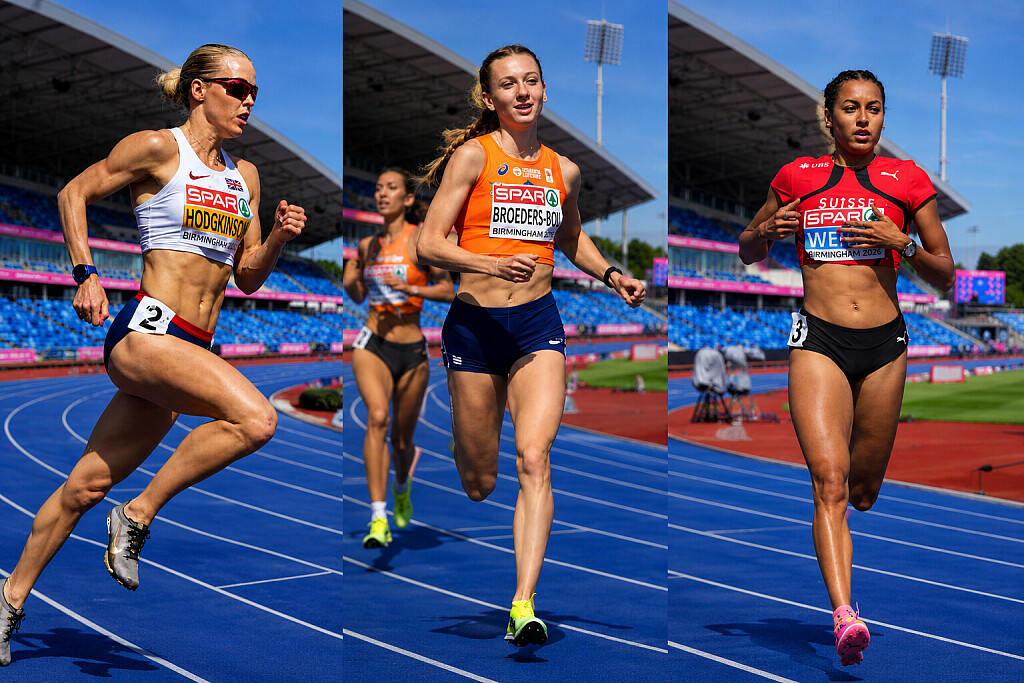
Hodgkinson Leads European 800m Charge as Coiro Smashes Italian Record in Birmingham
Keely Hodgkinson made an emphatic start to her European Athletics Championships campaign in Birmingham, delivering the fastest performance of the women’s 800m opening rounds as the defending champion immediately underlined her ambitions for another continental title.
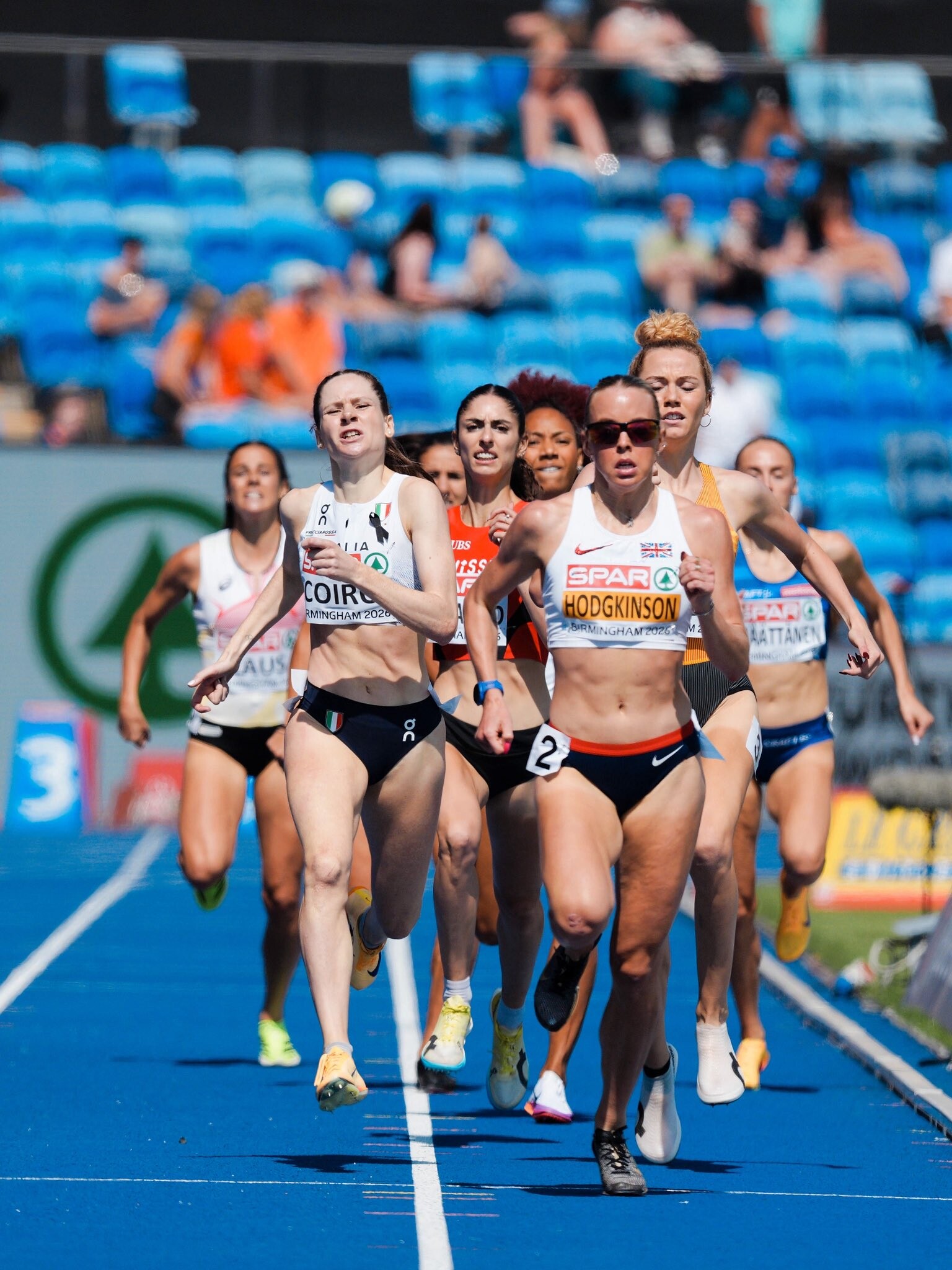
The British star looked relaxed yet authoritative throughout her heat, producing a controlled 1:57.28 to qualify fastest for the semifinals. Hodgkinson, who has established herself as one of Europe’s leading middle-distance athletes, never appeared troubled as she secured her progression with plenty of confidence.
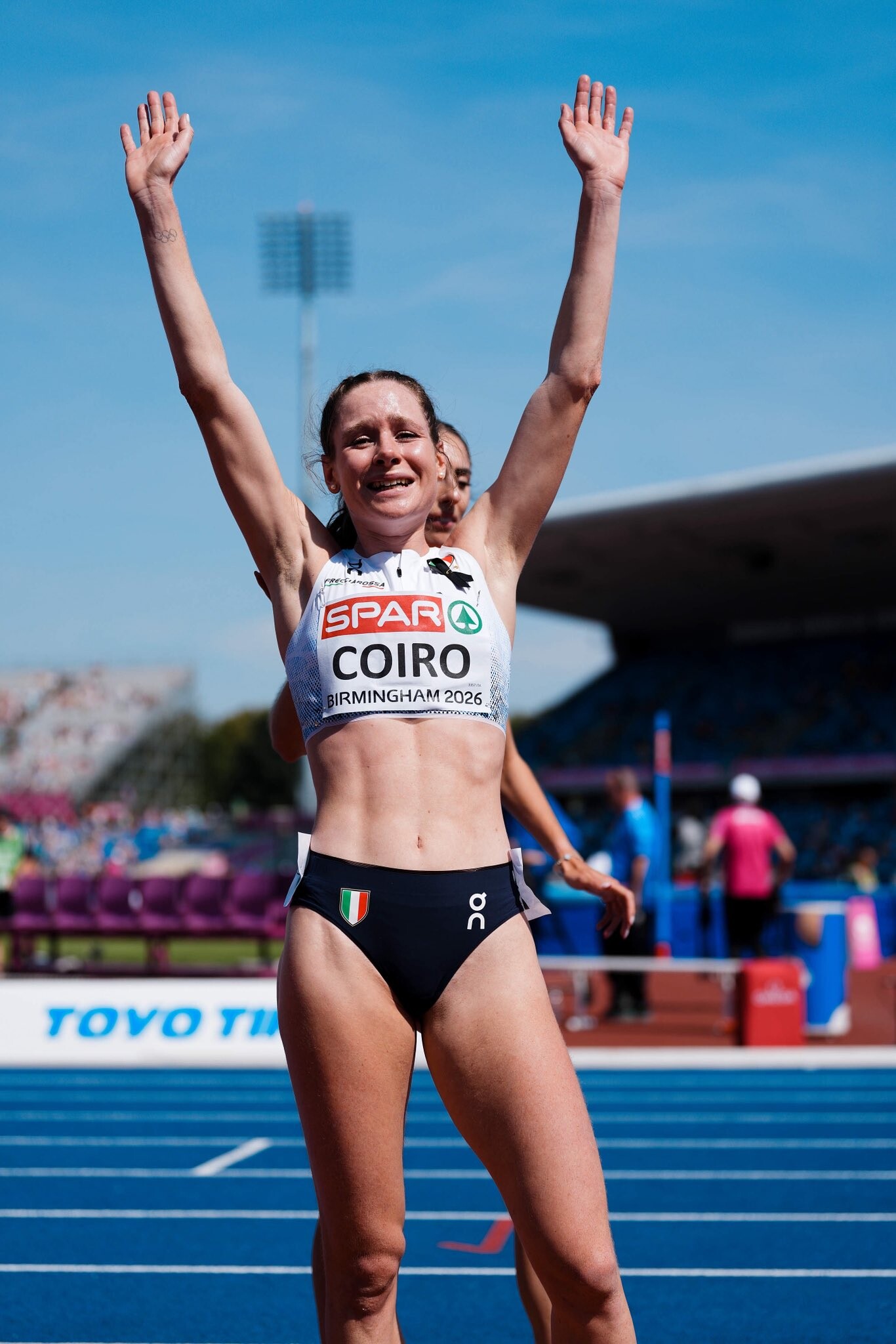
Behind her, Italy’s Eloisa Coiro produced one of the standout performances of the opening round. The Italian clocked 1:57.56, setting a new national record and advancing with a performance that immediately placed her among the leading contenders for the medals.
Germany’s Majtie Kolberg also impressed with 1:57.80, while Switzerland’s Audrey Werro followed closely in 1:57.83. Both athletes advanced automatically, adding further depth to an already formidable semifinal field.
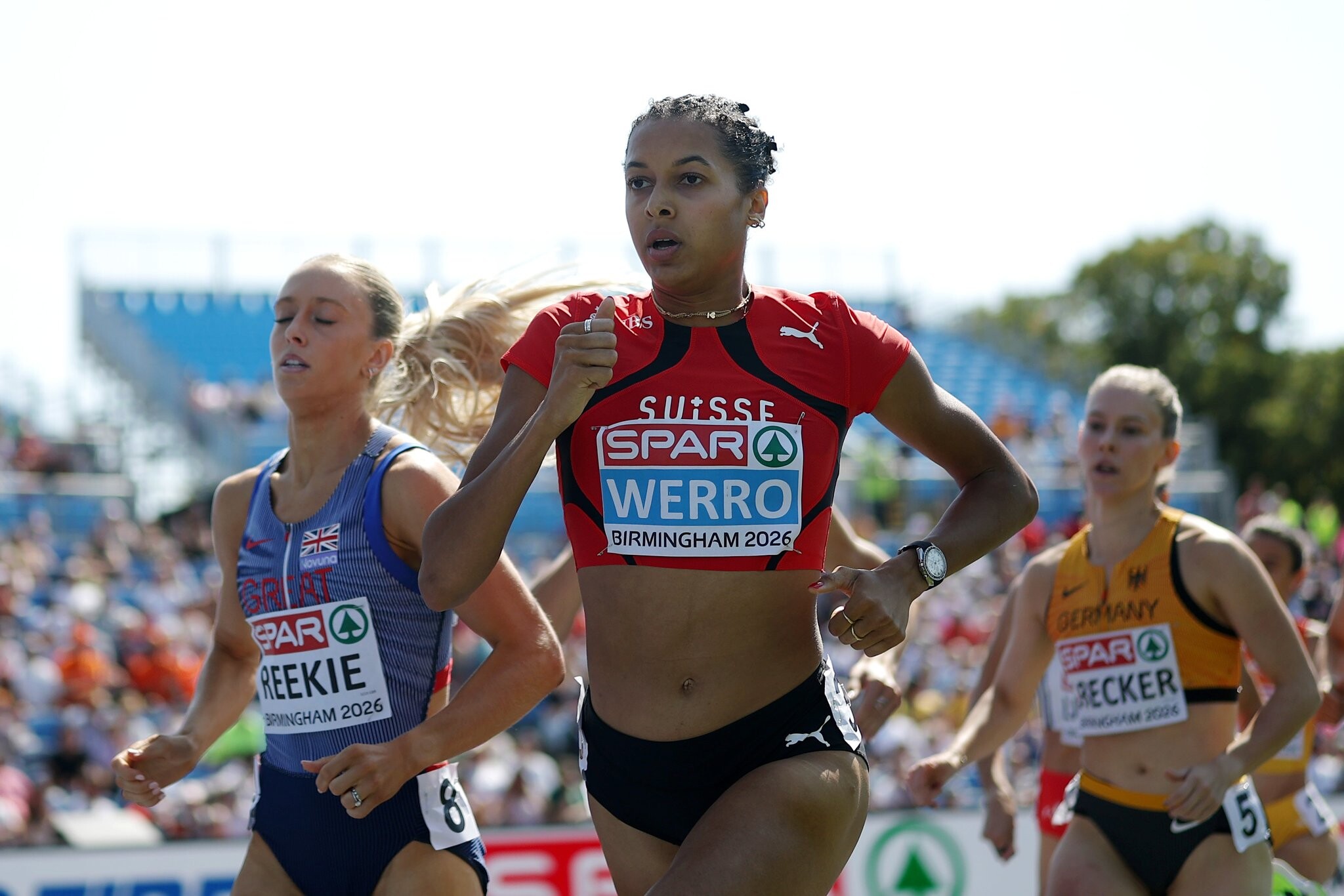
The battle for the remaining places was equally competitive. Italy’s Elena Bellò Vancardo ran 1:58.20, while France’s Clara Liberman stopped the clock at 1:58.23. Croatia’s Elena Vuković followed in 1:58.38, with Britain’s Jemma Reekie qualifying in 1:58.45.
Spain’s Lorea Mitjans and France’s Anaïs Lamotte also broke 1:59, recording 1:58.52 and 1:58.65 respectively. Lithuania’s Gabrielė Galvydytė, Switzerland’s Valentina Rosamilia and France’s Anaïs Bourgoin all advanced after running under 2:00.
The Netherlands’ Femke Broeders-Bol completed her heat in 1:59.96, while Slovakia’s Gabriela Gajanová and Spain’s Lorena Martín Royo secured the final automatic qualification places in 2:00.27 and 2:00.62.
With Hodgkinson, Werro, Reekie and Broeders-Bol safely through, and Coiro arriving in the semifinals with a new Italian record, the women’s 800m is already shaping up as one of the most fiercely contested events of the Birmingham championships.
Hodgkinson has made her intentions clear: the European crown remains hers to defend. But with Coiro producing a national-record performance and several of Europe’s strongest 800m runners advancing in impressive fashion, the road to another title is unlikely to be straightforward.
The semifinals now await — and the real fight for European supremacy is only beginning.
(08/11/26) Views: 205Erick Cheruiyot for My Best Runs.
