

Running News Daily
Top Ten Stories of the Week
2/7/2026
These are the top ten stories based on views over the last week.
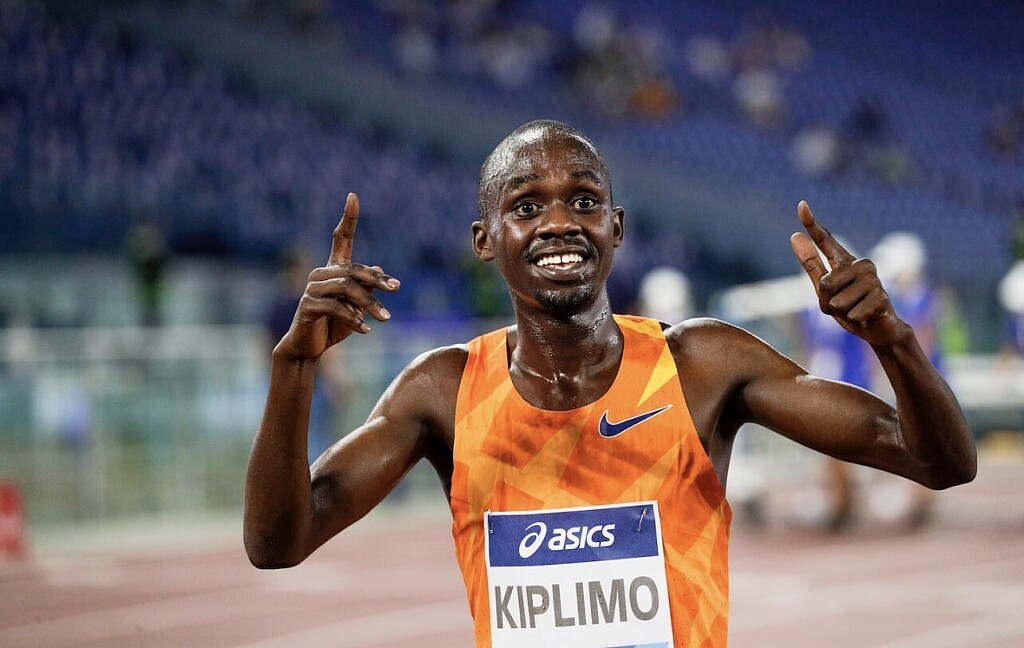


World Athletics Denies Jacob Kiplimo’s Half-Marathon World Record After Pace-Car Controversy
What looked like one of the greatest performances in road racing history will not make the record books.
World Athletics has officially refused to ratify Jacob Kiplimo’s stunning 56:42 at last year’s Barcelona Half Marathon, ruling that the Ugandan star received illegal pacing assistance during the race.
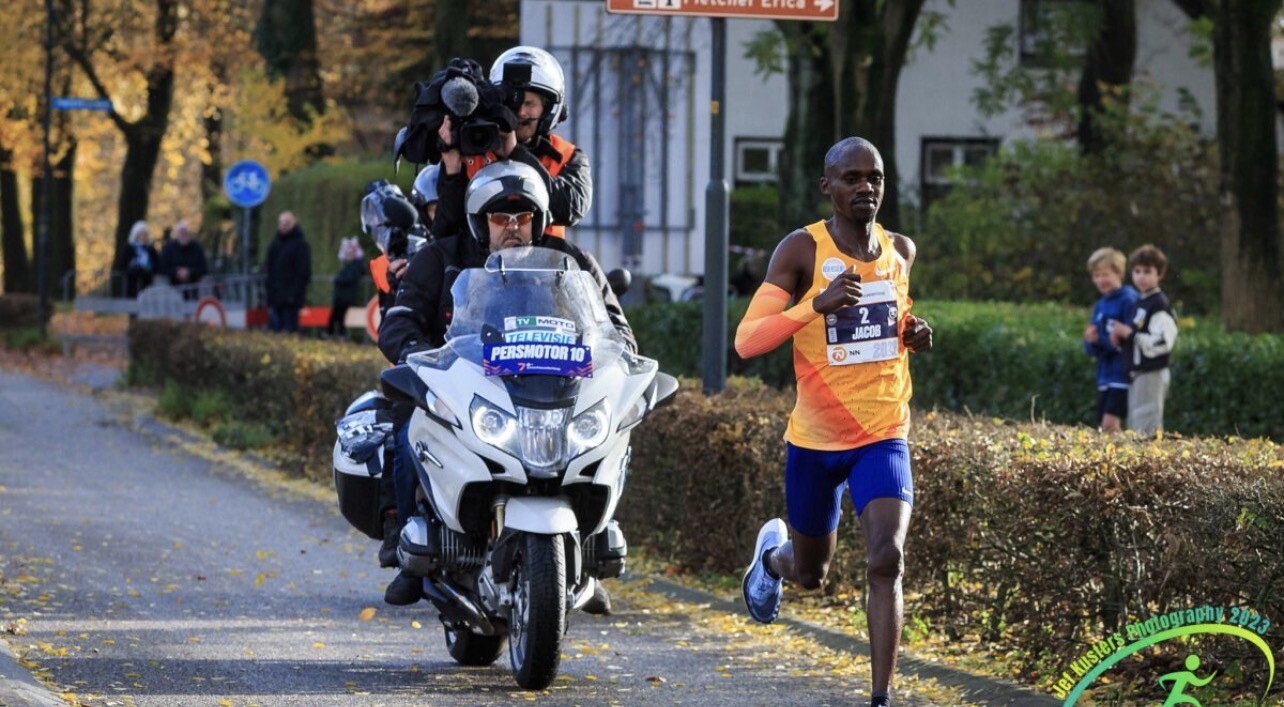
At the time, the performance felt historic — and it was.

Kiplimo didn’t just break the half-marathon world record. He shattered it, slicing 48 seconds off the previous mark and becoming the first athlete in history to run under 57 minutes for 21.1 kilometers. His pace — 4:20 per mile (2:41 per kilometer) — redefined what many believed was humanly possible for the distance.
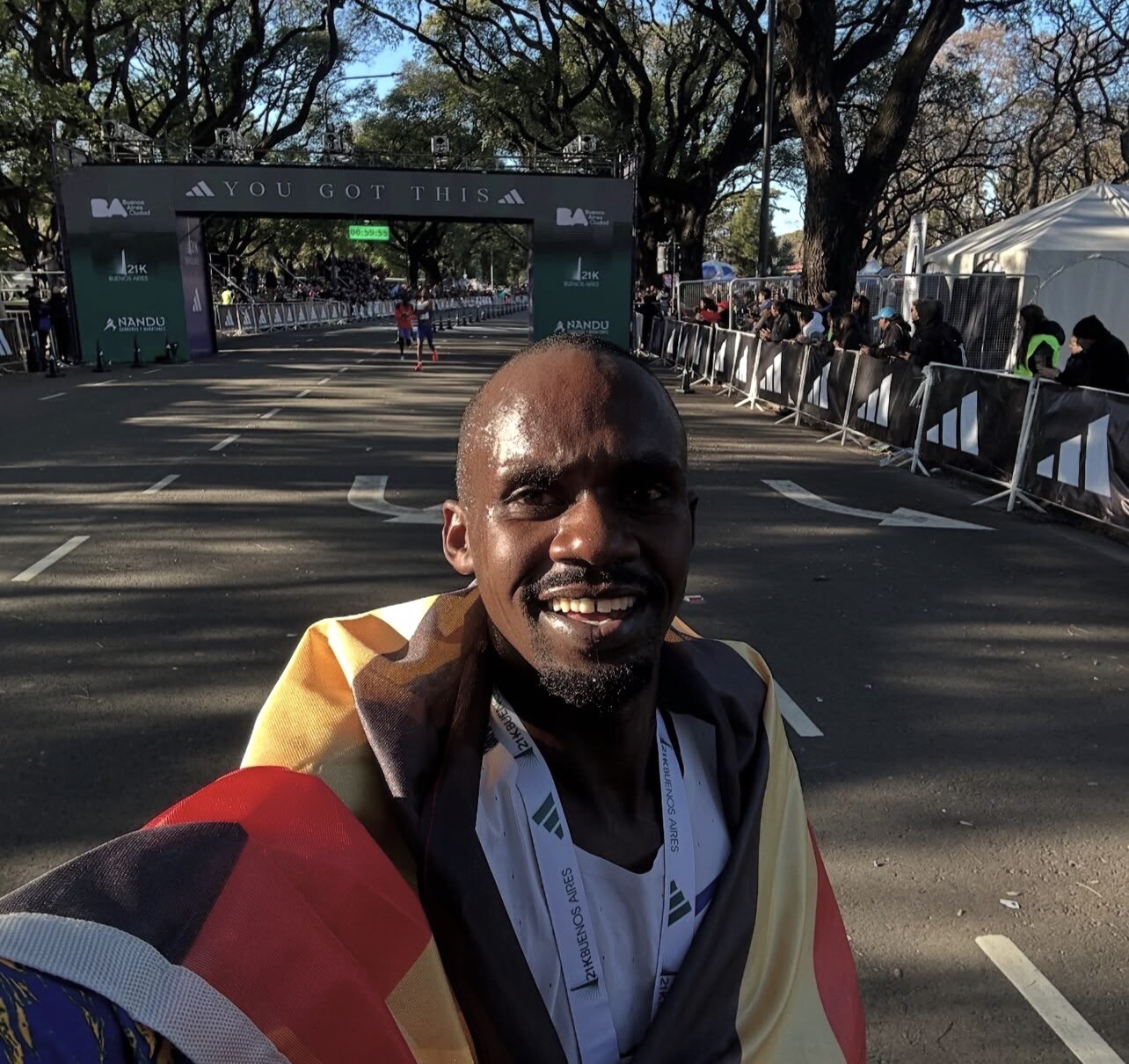
But after reviewing race footage and technical details, World Athletics concluded the run did not meet competition rules.
Under Article 6.3.1 of the Technical Rules, athletes are not allowed to receive assistance from non-competing individuals, vehicles, or any technical device beyond standard wearables. Broadcast video showed Kiplimo running much of the race approximately 10 to 15 meters behind the official lead pace car — close enough to potentially benefit from reduced wind resistance and visual pacing guidance.
Officials deemed that proximity illegal assistance.
While the rules do not specify an exact minimum distance between athletes and vehicles, World Athletics determined the advantage was significant enough to invalidate the performance. Reports also suggested that Kiplimo may have received coaching communication during the race, another potential violation, though the pacing issue alone was sufficient to deny ratification.
For fans, the decision is frustrating. The run appeared legitimate in real time — just one athlete racing fearlessly against the clock on a fast Barcelona course. It felt like a breakthrough moment for the sport.
Instead, it becomes an unofficial best.
With Kiplimo’s mark erased, the recognized world record remains with Yomif Kejelcha, whose 57:30 performance at the Valencia Half Marathon still stands as the official global standard.
Ironically, the controversy may set up one of the most compelling matchups of the season. Both Kejelcha and Kiplimo are scheduled to race the TCS London Marathon on April 26, where there will be no pace cars, no questions, and no gray areas — just head-to-head racing.
Moments like this also raise bigger questions for the sport. As road racing grows faster and more professional, clearer standards are needed. If a vehicle can affect results, there should be defined spacing rules so athletes and organizers know exactly where the line is.
Records should be undeniable.
Kiplimo’s 56:42 may not count officially, but it still showed the world what is possible. And if anything, the ruling adds motivation. The next time he runs that fast, there won’t be any debate.
And everyone will be watching.
(02/03/26) Views: 303Boris Baron

A Night of Speed at The Armory: Millrose Games Set for a Blistering Men’s 800m Showdown
The world’s most iconic indoor meeting is ready to deliver another unforgettable chapter as the 2026 Millrose Games line up a men’s 800 meters field that promises pure electricity. On February 1, 2026, The Armory in New York will once again become the epicenter of middle-distance running, where speed, tactics, and raw nerve collide on the tight indoor oval.

This year’s men’s 800m reads like a global roll call of elite talent, with personal bests that hint at a race likely to be decided in the final meters. Ireland’s Cian McPhillips arrives with a sharp 1:42.15 to his name, bringing European grit and confidence into a race that rarely allows a moment’s hesitation. Spain’s Mohamed Attaoui, the fastest man in the field on paper at 1:42.04, adds a dangerous edge—an athlete capable of controlling the pace or striking late with ruthless precision.
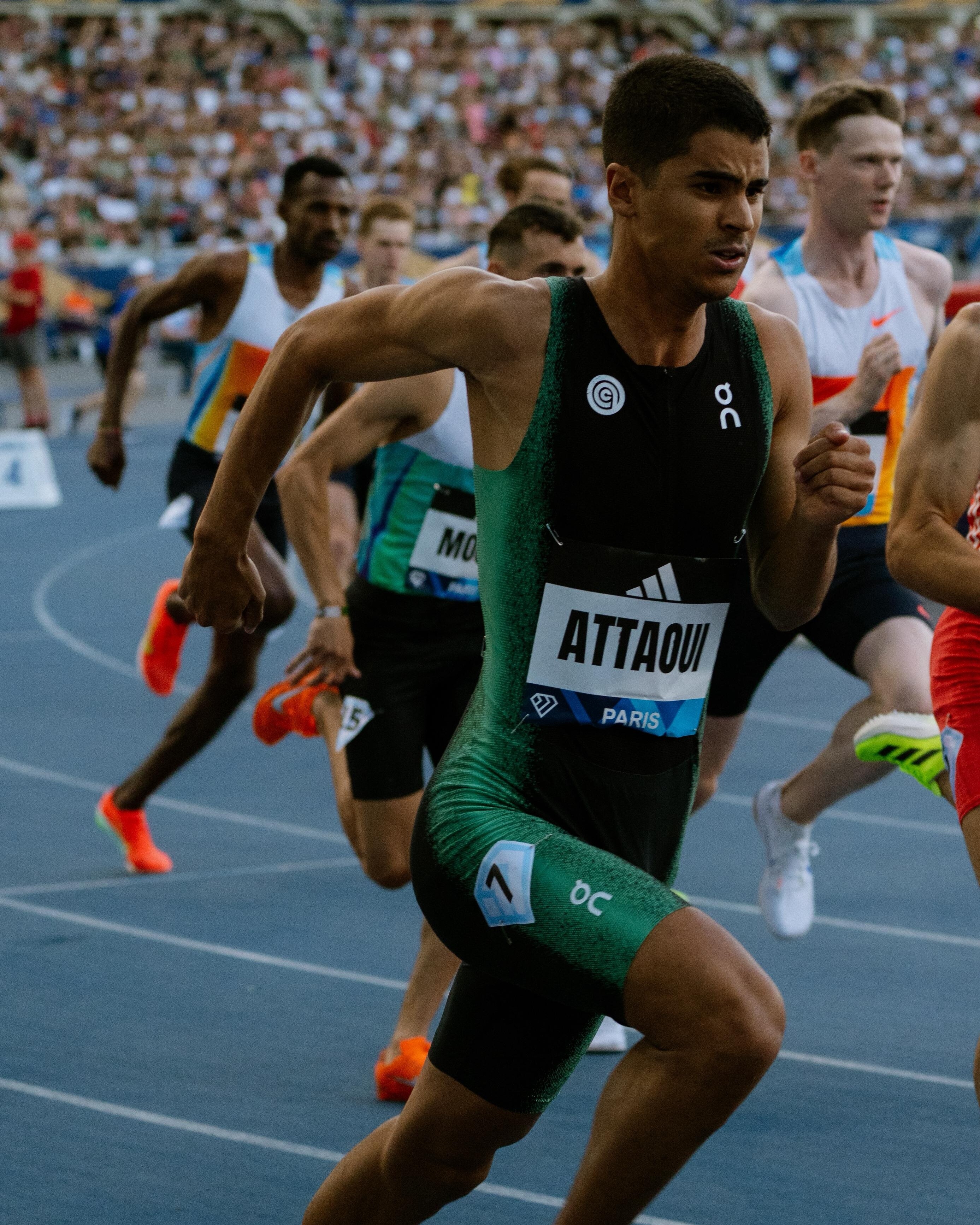
The United States will be out in force, and the home crowd will have plenty to cheer. Bryce Hoppel, a proven championship racer with a 1:42.49 best, is known for thriving in high-pressure environments. Donovan Brazier, a former world champion and one of the most naturally gifted 800m runners of his generation, returns to the Millrose spotlight carrying a 1:42.16 lifetime best and a reputation for fearless racing. Colin Sahlman rounds out the American charge, eager to test himself against the very best on one of the sport’s grandest stages.
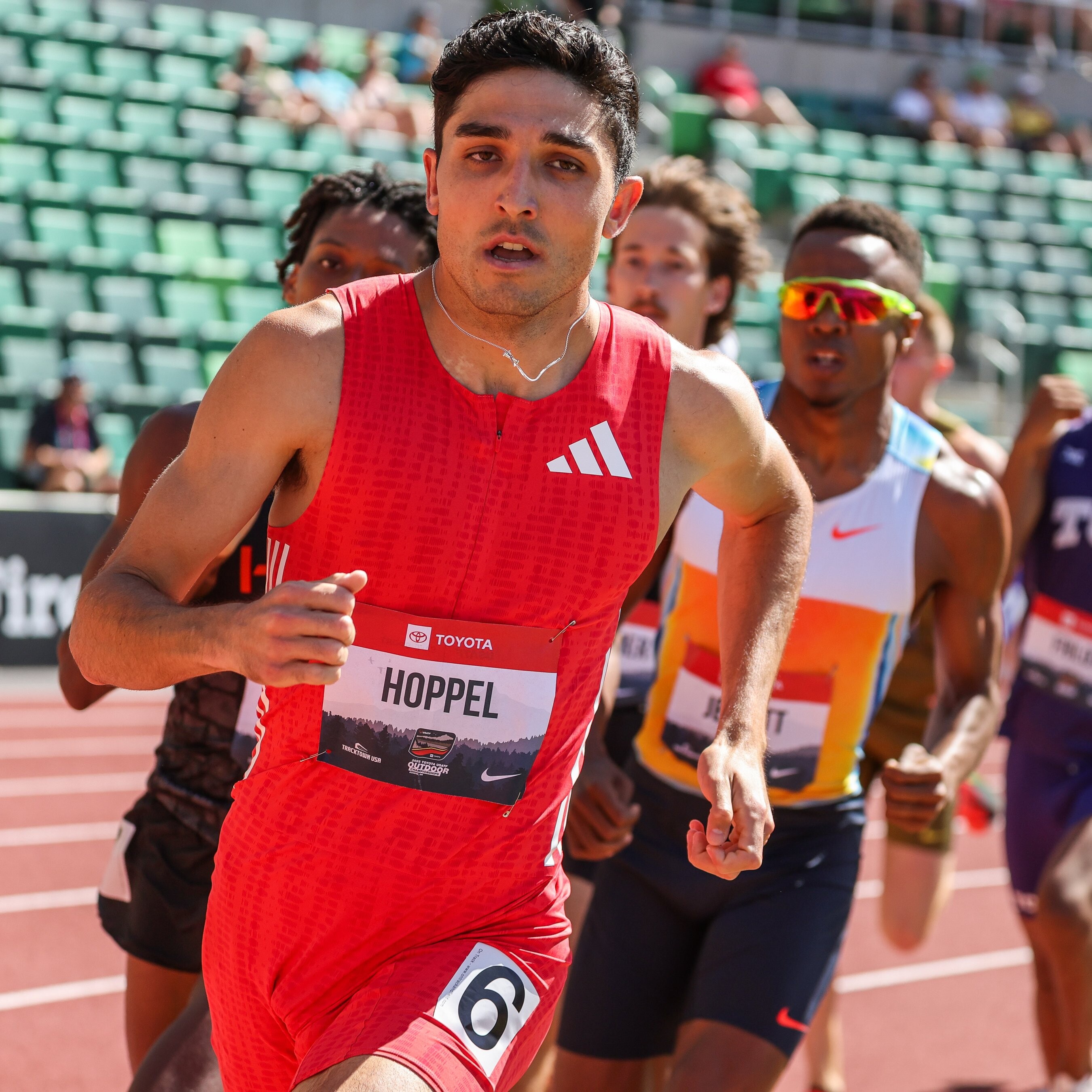
Adding further depth is Great Britain’s Ben Pattison, whose 1:42.27 personal best underlines the sheer quality of this field. In an indoor race where positioning is everything and margins are razor-thin, his tactical awareness could prove decisive.
The Millrose Games have long been known for producing special moments—world records, breakout performances, and races that linger in memory long after the final lap. With this men’s 800m lineup, all the ingredients are in place for another classic. Expect relentless pace, elbows brushing on the bends, and a final sprint that brings the crowd to its feet.
When the gun goes off on February 1, it won’t just be about times on a clock. It will be about who can master the chaos of indoor racing, who can summon one last surge of strength, and who will etch their name into Millrose history under the bright lights of New York.
(01/30/26) Views: 270Erick Cheruiyot for My Bestruns.

Fast Roads, Faster Ambitions: Marugame Sets the Early-Season Standard
The 78th Marugame International Half Marathon once again proved why it’s one of the fastest and most respected early-season races in the world.
On a cool winter morning in Kagawa, athletes took full advantage of the flat, quick course, turning the race into a showcase of smart pacing, sharp tactics, and pure speed. Marugame isn’t just about fitness — it’s about execution. And the athletes who got it right set the tone for the 2026 road season.

Kenya’s Richard Etir led the charge, winning the men’s race in 59:07. Known for his strength on the track at 5,000m and 10,000m, Etir ran with patience early before tightening the pace over the final kilometers. Once he moved, no one could respond.

“The conditions were perfect for a fast race,” he said. “I felt strong from the start.”
Emmanuel Moi Maru followed in 1:00:06, running a controlled, tactical race, while Uruguay’s Santiago Catrofe continued his strong transition from track to road with a 1:00:21 for third.
Japan’s depth was equally impressive. Tomoya Ogikubo (1:00:22) and Yuma Nishizawa (1:00:26) stayed close to the podium, highlighting the strength of the domestic program and giving the home crowd plenty to cheer.
The women’s race belonged to Kenya’s Dolphine Nyaboke Omare, who clocked 1:06:15. Comfortable and composed from the front, she used her experience on the course to control the pace and steadily pull away.
“It’s always special to run here,” Omare said. “You have to respect every kilometre.”
Great Britain’s Eilish McColgan finished second in 1:07:08, using the race as a stepping stone following her marathon debut year, while Susan Kamotho completed the podium in 1:07:56, reinforcing Kenya’s continued dominance in women’s distance running.
Year after year, Marugame delivers the same message: fast roads reward smart racing. For many athletes, it’s the first big statement of the season — and this year’s performances made it clear that 2026 is already shaping up to be quick.
Official Results
Men (Top 10)
1. Richard Etir (KEN) — 59:07
2. Emmanuel Moi Maru (KEN) — 1:00:06
3. Santiago Catrofe (URU) — 1:00:21
4. Tomoya Ogikubo (JPN) — 1:00:22
5. Yuma Nishizawa (JPN) — 1:00:26
6. Neo Namiki (JPN) — 1:00:29
7. Daisuke Sato (JPN) — 1:00:40
8. Sondre Nordstad Moen (NOR) — 1:00:46
9. Haruka Yamamoto (JPN) — 1:00:46
10. Takuma Ohama (JPN) — 1:00:48
Women (Top 10)
1. Dolphine Nyaboke Omare (KEN) — 1:06:15
2. Eilish McColgan (GBR) — 1:07:08
3. Susan Kamotho (KEN) — 1:07:56
4. Isobel Batt-Doyle (AUS) — 1:08:51
5. Yuka Ando (JPN) — 1:09:28
6. Kana Kobayashi (JPN) — 1:10:29
7. Hikaru Kitagawa (JPN) — 1:10:50
8. Mirai Waku (JPN) — 1:11:00
9. Ayumi Morita (JPN) — 1:11:16
10. Kaede Hagitani (JPN) — 1:11:38
(02/01/26) Views: 259Robert Kibet for My Best Runs

Heat, Grit and Glory: Dubai Marathon 2026 Delivers a World-Class Show
The streets of Dubai became a true arena of endurance and excellence as the 2026 Dubai Marathon unfolded under punishing heat and humidity. In conditions that demanded not only physical strength but also tactical intelligence, the world-class field delivered a performance worthy of one of the globe’s most respected road races, turning adversity into a showcase of resilience and elite competition.
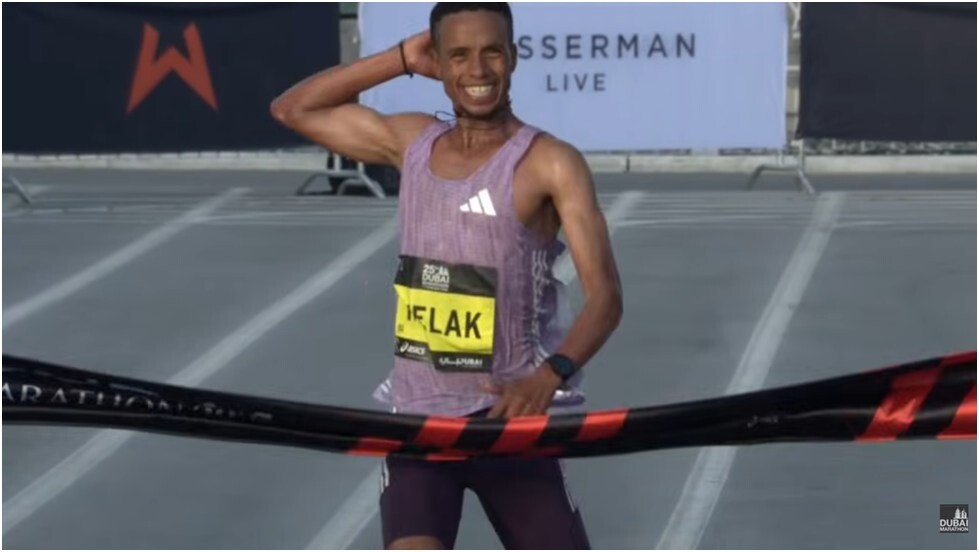
In the men’s marathon, Ethiopia’s Nibret Melak emerged as the undisputed star of the day. Calm, calculated, and commanding, Melak controlled the race from the early stages before asserting his dominance when it mattered most, crossing the finish line in a brilliant 2:04:00. It was a performance defined by patience and precision, sealing a memorable victory on Dubai’s demanding course. Fellow Ethiopian Yasin Haji followed with a strong and consistent run to take second place in 2:05:52, while Rwanda’s John Hakizimana produced a courageous display to secure third in 2:06:04, earning a landmark podium finish for his nation.

The depth of competition was evident throughout the top ten, with Ethiopian athletes filling much of the leading pack in a tightly contested race where margins were razor thin. Molalign Fantahun and Gizealew Ayana finished together in 2:06:48, closely followed by Jiregna Geleta, Berehanu Tseku, Gadissa Tafa, Dechasa Alemu, and Belay Bezabeh, all of whom battled relentlessly through the oppressive conditions to deliver high-quality performances.

The women’s marathon matched the intensity of the men’s race and added a powerful chapter to the day’s narrative. Ethiopia swept the podium in commanding fashion, led by Anchinalu Dessie, who claimed victory in 2:18:31 after executing a perfectly balanced race that combined control with decisive strength in the latter stages. Muliye Dekebo kept the pressure on throughout, finishing a close second in 2:18:42 following a determined and disciplined pursuit. Completing the clean sweep was Fantu Worku, whose resilience carried her to third place in 2:19:08, rounding out an all-Ethiopian podium that highlighted the nation’s enduring dominance in the marathon.

Beyond the podium, the scale of Ethiopia’s dominance in the women’s race was extraordinary. Ethiopian runners occupied all positions in the top ten, a complete sweep that underscored the nation’s unmatched depth, preparation, and tactical awareness in women’s marathon running. From the front to the chasing pack, the consistency of pace and composure under extreme conditions painted a clear picture of a system producing excellence at every level.
As the final runners crossed the line, Dubai Marathon 2026 stood as a celebration of grit, strategy, and world-class athleticism. In extreme conditions, champions rose, national pride was on full display, and the global running community witnessed performances that reaffirmed Dubai’s place among the elite events on the international marathon calendar.
(01/31/26) Views: 242Erick Cheruiyot for My Bestruns.

Teen Star Cooper Lutkenhaus Breaks U18 World Record in 600m at the 118th Millrose Games Feb 1
LNEW YORK (Feb. 1, 2026) — At one of the most prestigious indoor track meets of the season, Cooper Lutkenhaus, just 17 years old, delivered a breathtaking performance in the men’s 600 meters at the Millrose Games.
In the 118th edition of the historic meet at The Armory in New York City, Lutkenhaus powered to victory in 1:14.15, setting a World Under-18 record, posting the 2026 world lead, and running one of the fastest 600m times in history. His mark also stands as the fastest indoor 600m ever by a high school-aged athlete.

What made the performance even more remarkable is that this was his first indoor race as a professional athlete.
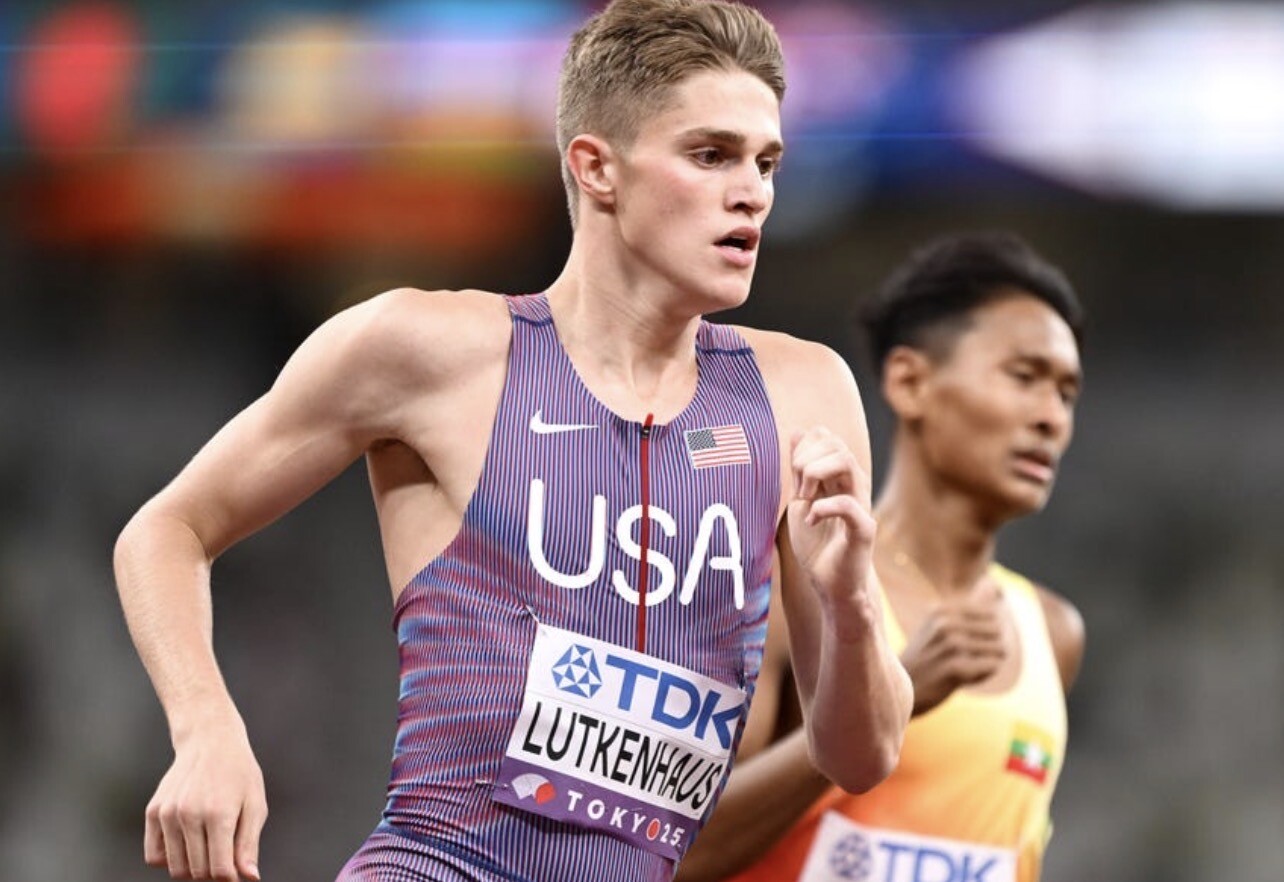
The 600m is a demanding distance that blends raw sprint speed with middle-distance strength. In a race stacked with emerging and established talent, Lutkenhaus stayed composed through the early laps, measured his effort smoothly, and unleashed a powerful kick in the final stretch to secure the win.
When the clock hit 1:14.15, it marked not only a new record but also a statement performance — one that placed him sixth on the all-time global list at the event.
Lutkenhaus’ time eclipsed all other competitors on the night, with runner-up Jenoah McKiver posting a personal best of 1:14.77.
This run at Millrose puts a spotlight on one of the most exciting young talents in track and field. At just 17, Cooper Lutkenhaus didn’t just win a race — he made history.
(02/01/26) Views: 225
Elam Wangwero for my best runs

Sandals, Speed, and History: Barnabas Kiplimo Shines at the 2026 Buriram Marathon
On Saturday, January 24, 2026, the streets of Buriram, Thailand hosted one of the most eye-catching marathon performances of the season. It wasn’t just about the winning time or the podium finish—it was about how the race was won.
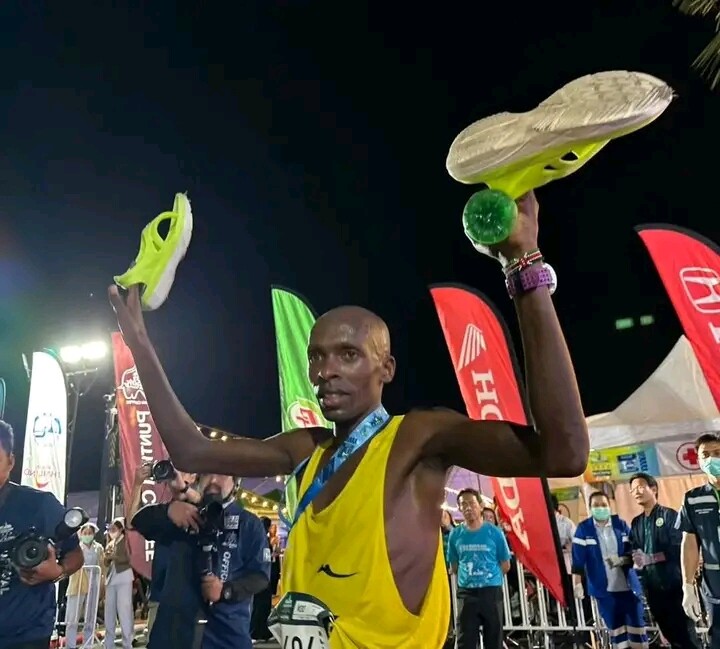
Kenyan runner Barnabas Kiplimo once again rewrote the script, storming to victory at the Buriram Marathon in a remarkable time of 2:21:16. What made the performance truly unforgettable was not only the speed, but the footwear—or rather, the lack of conventional shoes. Kiplimo crossed the finish line wearing carbon-fiber plated racing sandals, produced by Thai brand Ving Thailand, the same model that carried him to victory the previous year.
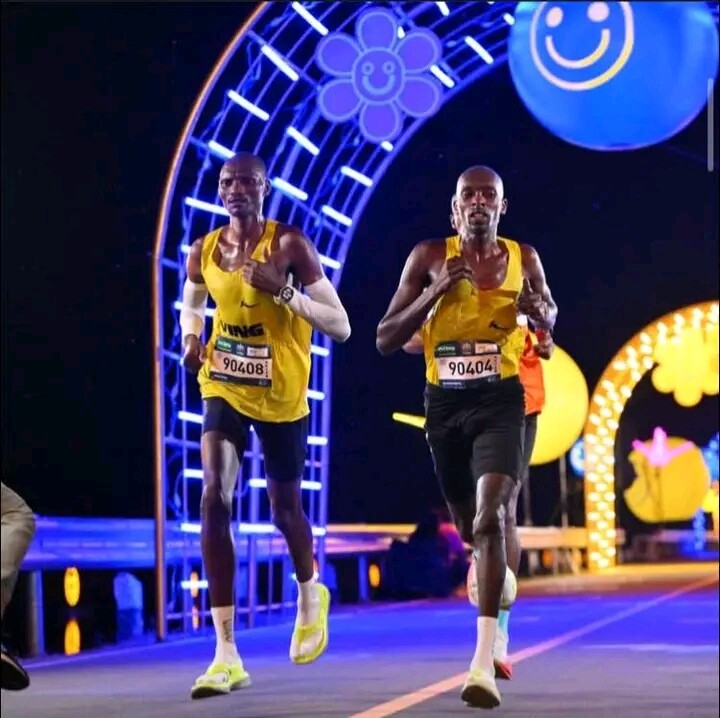
This win marked yet another milestone in Kiplimo’s unconventional rise. In 2025, he had already turned heads by winning the Khon Kaen Marathon in Thailand with an even faster time of 2:18:55, becoming the first elite marathon winner to achieve such a feat using the brand’s original sandal model. That breakthrough sparked global curiosity—and now, history has repeated itself.
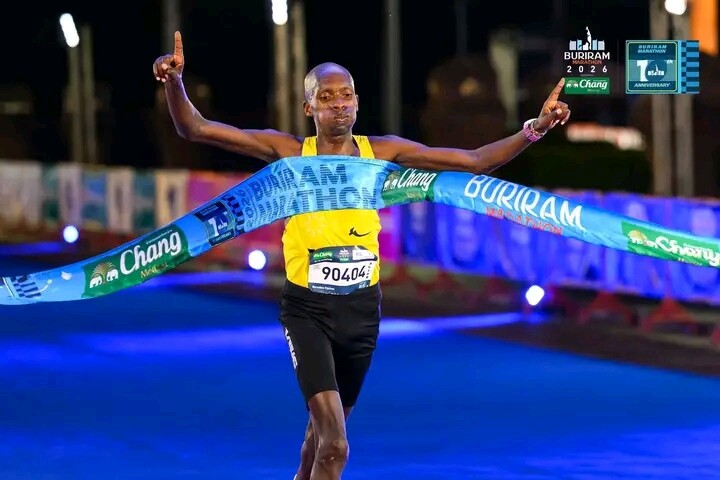
This time, Kiplimo raced in the Nirun model, Ving Thailand’s latest innovation. According to the brand, the philosophy behind Nirun is to “simplify the footwear industry” by creating what they describe as the world’s first super sandal—a minimalist design fused with modern performance technology, including a carbon-fiber plate usually reserved for elite racing shoes.
What made the Buriram Marathon even more compelling was the fact that Kiplimo was not alone in proving the concept. The third-place finisher, fellow Kenyan Julius Tarus, also competed in the performance sandals, reinforcing that this was no gimmick—it was a genuine shift in how marathon racing can be approached.
2026 Buriram Marathon – Men’s Podium
1. Barnabas Kiplimo (Kenya) – 2:21:16
2. Wendwesen Dante (Ethiopia) – 2:22:52
3. Julius Tarus (Kenya) – 2:27:34
As marathon running continues to evolve through innovation and bold experimentation, Barnabas Kiplimo’s success challenges long-held assumptions about performance footwear. In Buriram, tradition met innovation—and innovation prevailed.
From Kenya to Thailand, and from shoes to sandals, one thing is now clear: the future of marathon running may look very different from what we once imagined.
(01/30/26) Views: 218Erick Cheruiyot for My Bestruns.
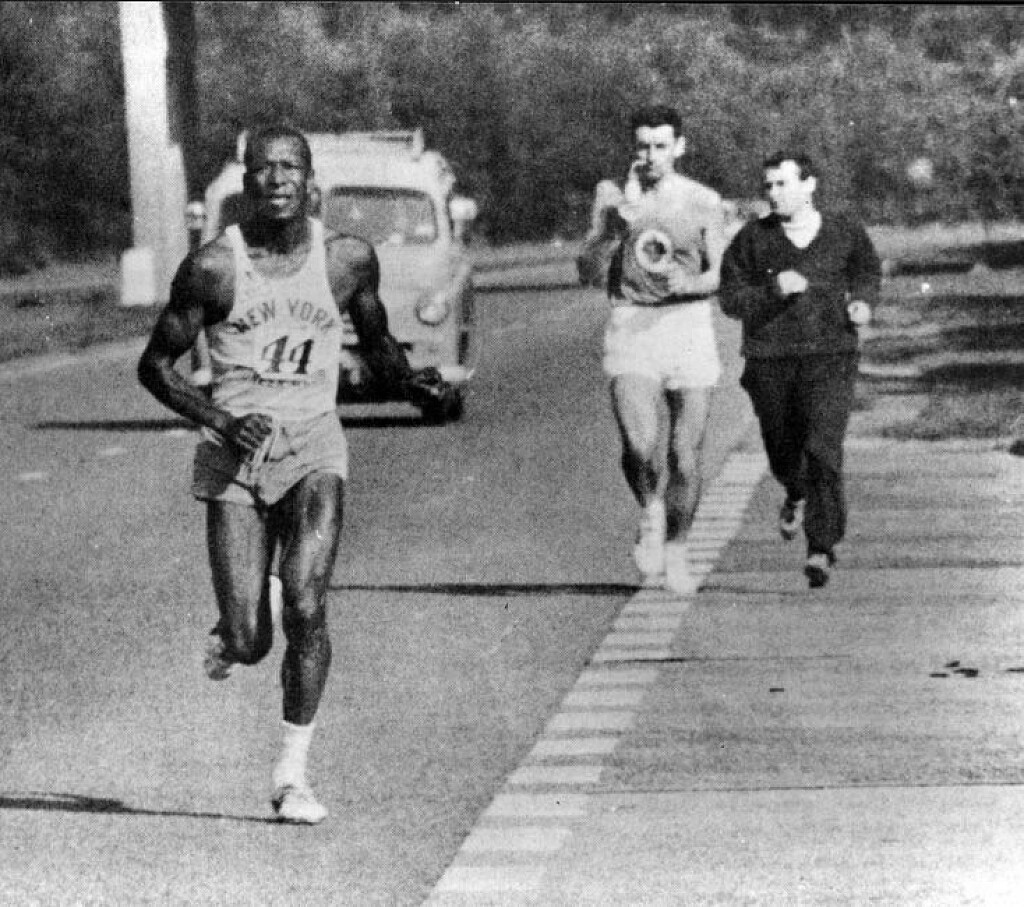
Remembering Ted Corbitt 1919-2007: The Endurance Pioneer Who Redefined Human Limits
Today, January 31, 2026, marks the 107th anniversary of the birth of Ted Corbitt (January 31, 1919 – December 12, 2007), one of the most influential figures in the history of distance running. His legacy is not defined by a single race or record, but by a lifetime of relentless discipline, groundbreaking achievements, and an unshakable commitment to integrity.

In 1952, Corbitt made history as the first African American selected to represent the United States in the Olympic marathon, competing at the Helsinki Games. Just two years later, he claimed the U.S. national marathon championship in 1954, confirming his place among the world’s elite. His personal best of 2:26:44 was extraordinary for its era—at the time, it stood as the third-fastest marathon performance ever recorded.

Boston became a second home to Corbitt. Over the course of his career, he ran the Boston Marathon an astonishing 22 times, consistently finishing among the top five and setting a standard of durability rarely matched in the sport. Yet his racing achievements were only one side of the story.
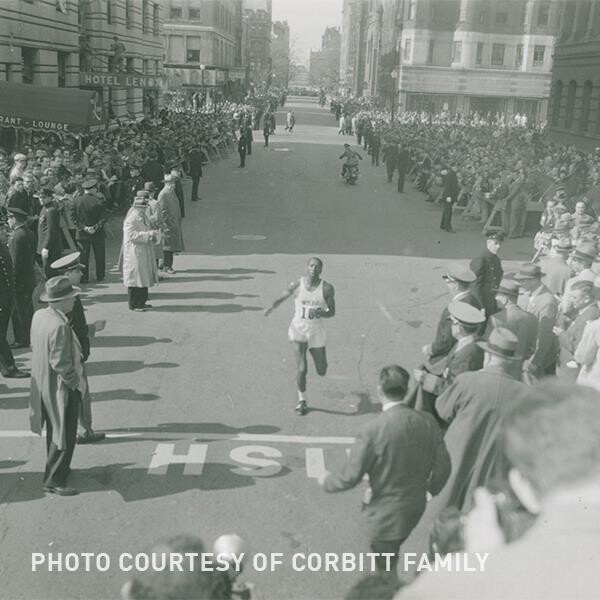
Corbitt’s training volume bordered on the unimaginable. While working full time, he completed four separate 300-mile training weeks, a workload that would challenge even today’s professionals. He trained twice a day for 13 consecutive years, demonstrating an ethic built not on motivation, but on lifelong discipline. From May 1969 to February 1981, he earned recognition as the most prolific marathon runner in history, racing and training at a level of consistency unmatched before or since.
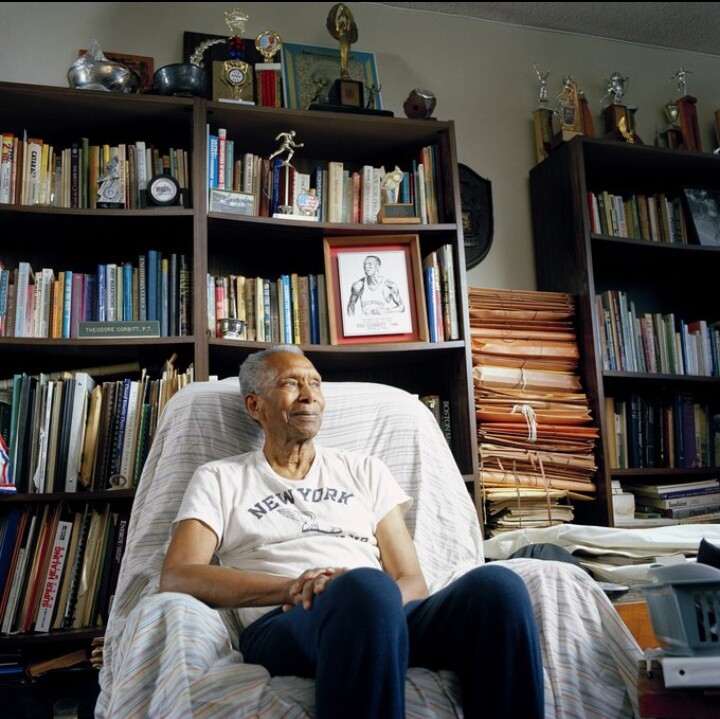
Even as age advanced, Corbitt refused to slow down. His highest monthly training totals reached 1,002.5 miles, with another month at 994 miles—both achieved at the age of 50. These numbers were not merely impressive; they redefined expectations of what endurance athletes could sustain over time.
Perhaps most remarkable was his late-life achievement. At 82 years old, in 2001, Corbitt walked 303 miles in just six days, setting an age-group world record and proving that endurance, when built over a lifetime, does not fade easily.
Beyond the statistics, Ted Corbitt believed running was a personal journey rather than a contest against others. He famously expressed that true victory lies in overcoming oneself—a philosophy that guided his life on and off the road. His influence extended into science, race organization, and equality, helping shape modern marathon standards and opening doors for future generations.
More than a century after his birth, Ted Corbitt remains a towering figure in endurance sport. His story is a reminder that greatness is forged through consistency, humility, and purpose. Today, we do not simply remember a runner—we honor a legacy that continues to define what it truly means to endure.
(01/31/26) Views: 217Erick Cheruiyot for My Bestruns.
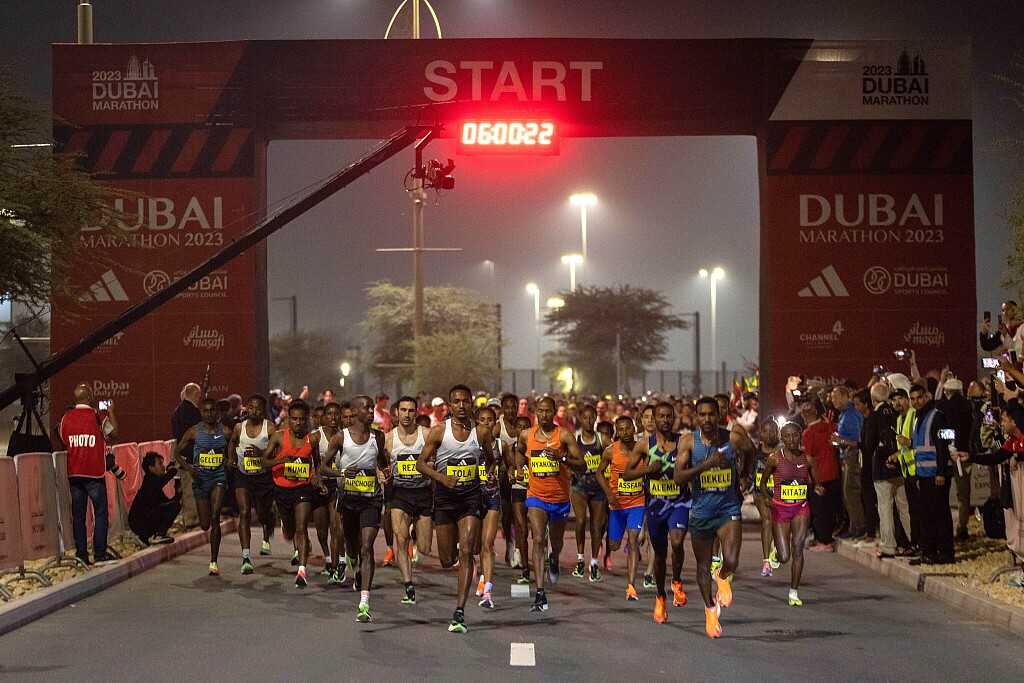
Dubai Awaits a World-Class Marathon Morning as Elite Stars Chase Speed and Glory
Dubai is set to wake up to world-class distance running on Sunday, February 1, 2026, as an outstanding elite field lines up for one of the fastest and most anticipated marathons on the global calendar. Known for its smooth roads, cool early-morning conditions, and history of exceptional performances, the Dubai Marathon once again offers the perfect stage for the world’s best to chase fast times and major victories.

Leading the women’s race is Ethiopia’s Fantu Worku, who arrives with a personal best of 2:21:57 and the confidence of an athlete well accustomed to performing on big occasions. She will be closely challenged by compatriot Anchinalu Dessie (2:22:17), whose consistency and strength over the full distance make her a serious threat. Also in the mix are Tigist Getnet (2:23:17) and Abebech Afework (2:23:33), two experienced runners capable of turning a fast early pace into a decisive late-race move if conditions remain favorable.
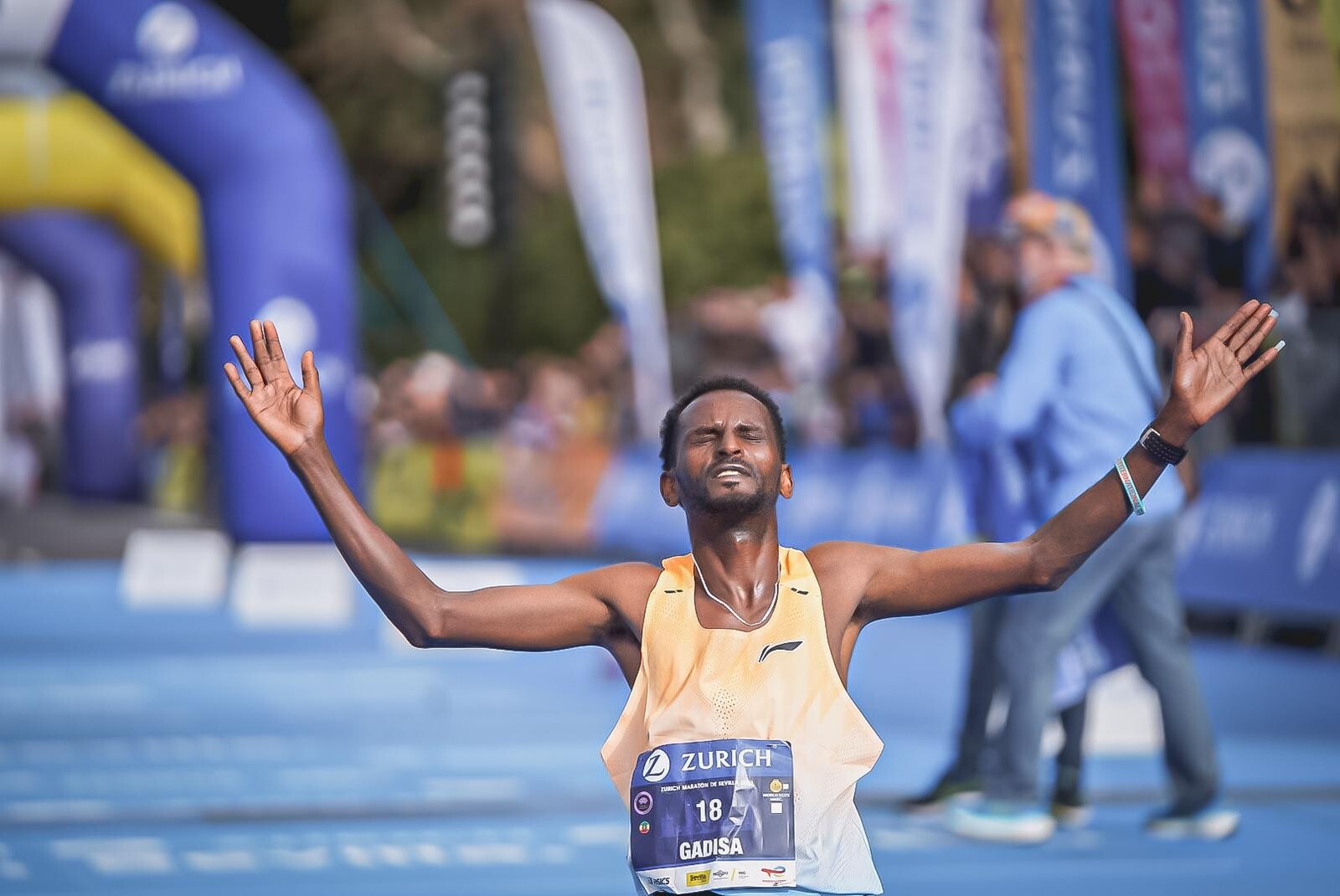
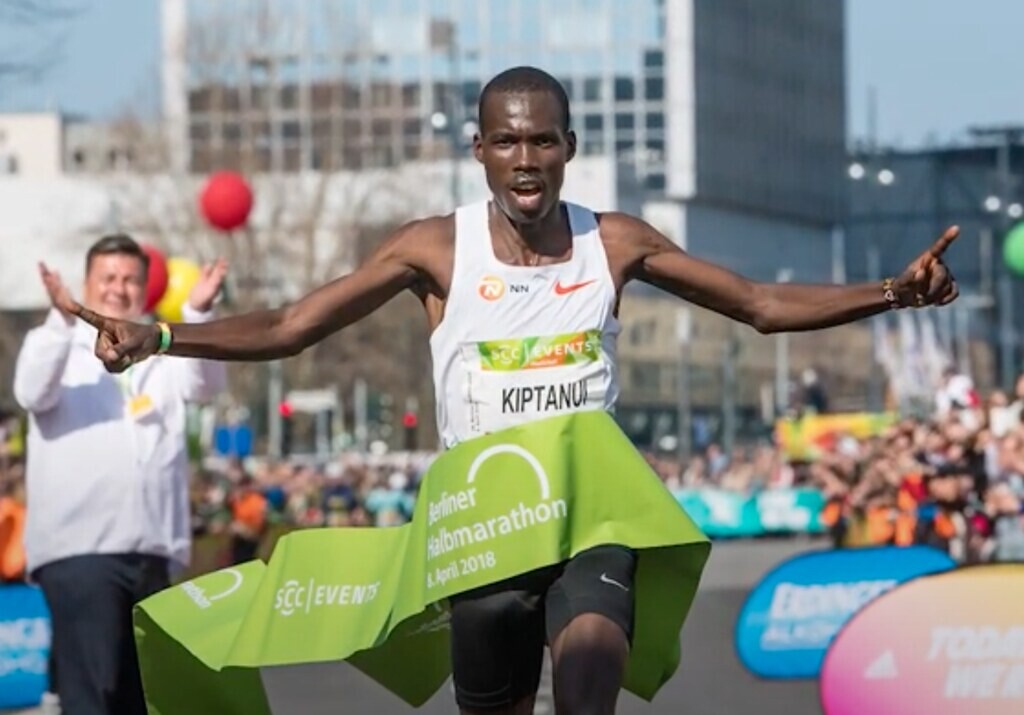
The men’s elite contest promises equal intensity and speed. Gadisa Birhanu of Ethiopia headlines the field with a formidable personal best of 2:04:59, underlining his status as one of the quickest marathoners in the world. Fellow Ethiopian Berehanu Tsegu (2:05:14) brings aggressive racing instincts, while Kenya’s Eric Kiptanui (2:05:47) adds depth and international rivalry to the field. Completing a formidable leading group is Abera Kuma (2:05:50), another athlete well positioned to capitalize if the race unfolds at a relentless tempo.
The race begins at 5:45 AM local time in Dubai, a start designed to maximize performance under cool conditions. Fans across Africa will be watching from 4:45 AM, while audiences in the United States can follow the action on Saturday evening at 5:45 PM Pacific Time, as the marathon unfolds across time zones.
With a lineup stacked with proven performers and emerging contenders, the 2026 Dubai Marathon is set to deliver a showcase of speed, endurance, and tactical racing at the highest level. As dawn breaks over the city, the world’s fastest athletes will chase excellence on the road, reaffirming Dubai’s place as a true home of elite marathon running.
(01/30/26) Views: 211Erick Cheruiyot for My Bestruns.
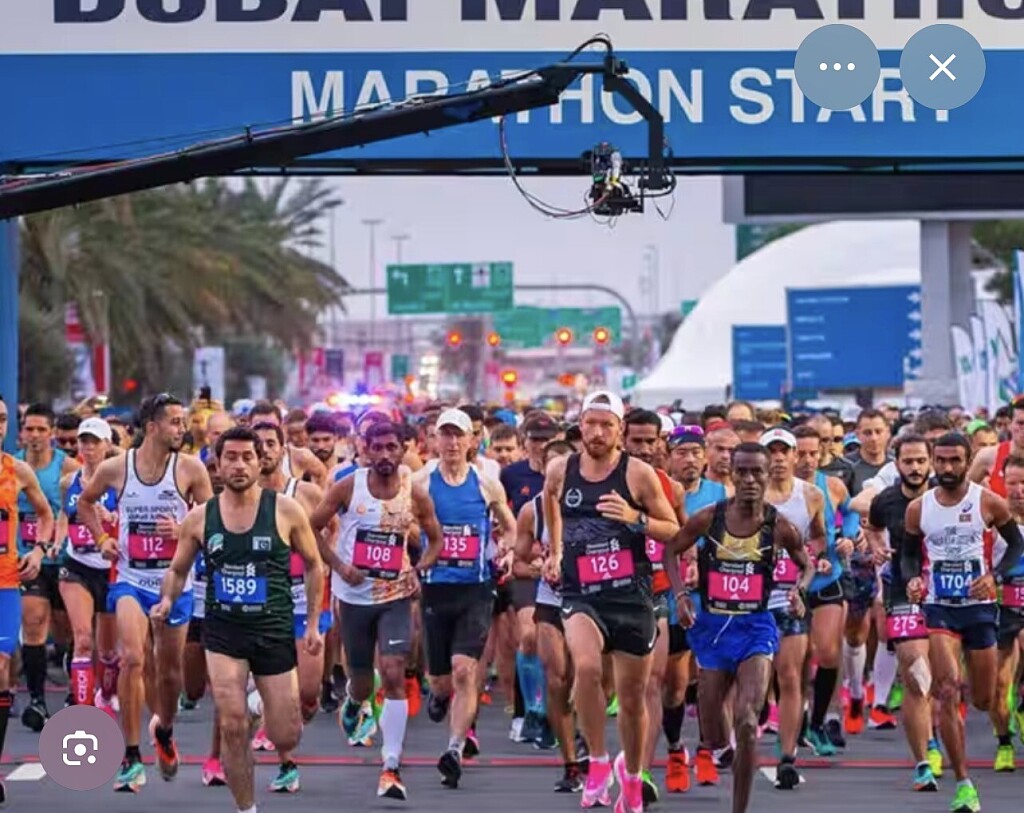
Dubai at 25: A Proven Launchpad for Ethiopian Marathon Greatness
When the Dubai Marathon made its debut at the turn of the 21st century, the city itself was still compact—just a few square kilometres around the centuries-old trading settlement of Dubai Creek. Fewer than 200 runners lined up for that first marathon, with several hundred more opting for the half-marathon.
A quarter century later, Dubai has expanded dramatically toward Abu Dhabi, its metro stretching to the edges of the desert. The marathon has grown just as impressively, now standing as one of the world’s most prominent road races, drawing thousands across the marathon, 10K, and 4K events.
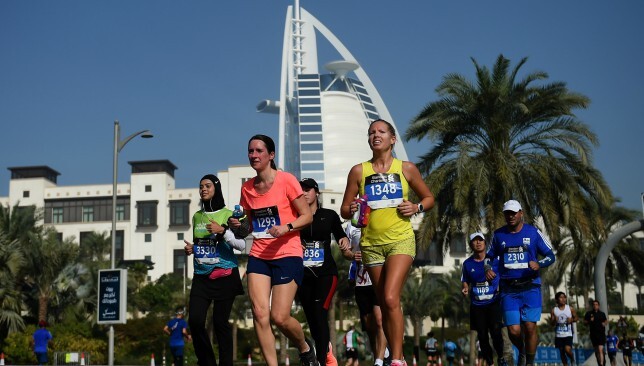
In its early years, winning times were respectable but modest—around 2:10 for men and the mid-2:30s for women. That changed decisively in 2008, when race director Peter Connerton and his partner Ahmad Al Kamali brought world record holder Haile Gebrselassie to Dubai for three consecutive years. Haile’s first appearance alone lowered the course record by more than five minutes, instantly propelling Dubai into the top tier of global marathons.
As the focus shifted toward debut runners, the race continued to redefine what was possible. In 2012, on a record-eligible course, four men finished under 2:05, ten under 2:07, and 17 under 2:10, while three women broke 2:20—achievements that came before supershoes and modern performance supplements pushed times even further.
Dubai’s reputation as a launchpad for greatness was reinforced in 2014, when 18-year-old Tsegaye Mekonnen of Ethiopia stunned the field with a debut victory in 2:04:32, an unofficial junior world record. In 2018, seven men broke 2:05 and four women dipped under 2:20—both unprecedented at the time. A year later, Ruth Chepngetich of Kenya claimed victory in 2:17:08, then the third-fastest women’s marathon ever, while Ethiopia’s Getaneh Molla won the men’s race in 2:03:34, setting a course record that still stands.
Time and again, Ethiopian runners have used Dubai’s exceptionally fast course—its total elevation change is only a few metres—as a springboard to world-class success. Remarkably, the men’s race has been won by debutants five times in a row. Two years ago, Tigist Ketema delivered another standout debut, winning the women’s race in a course-record 2:16:07, an unofficial debut world record that remains intact.
Several Dubai champions have gone on to achieve global success. Lelisa Desisa later became the 2019 Marathon World Champion, while Tamirat Tola captured Olympic gold in 2024. Dubai’s influence has also helped spark the growth of other major regional races, including the Abu Dhabi Marathon and the Ras Al Khaimah Half Marathon, now under the same management.
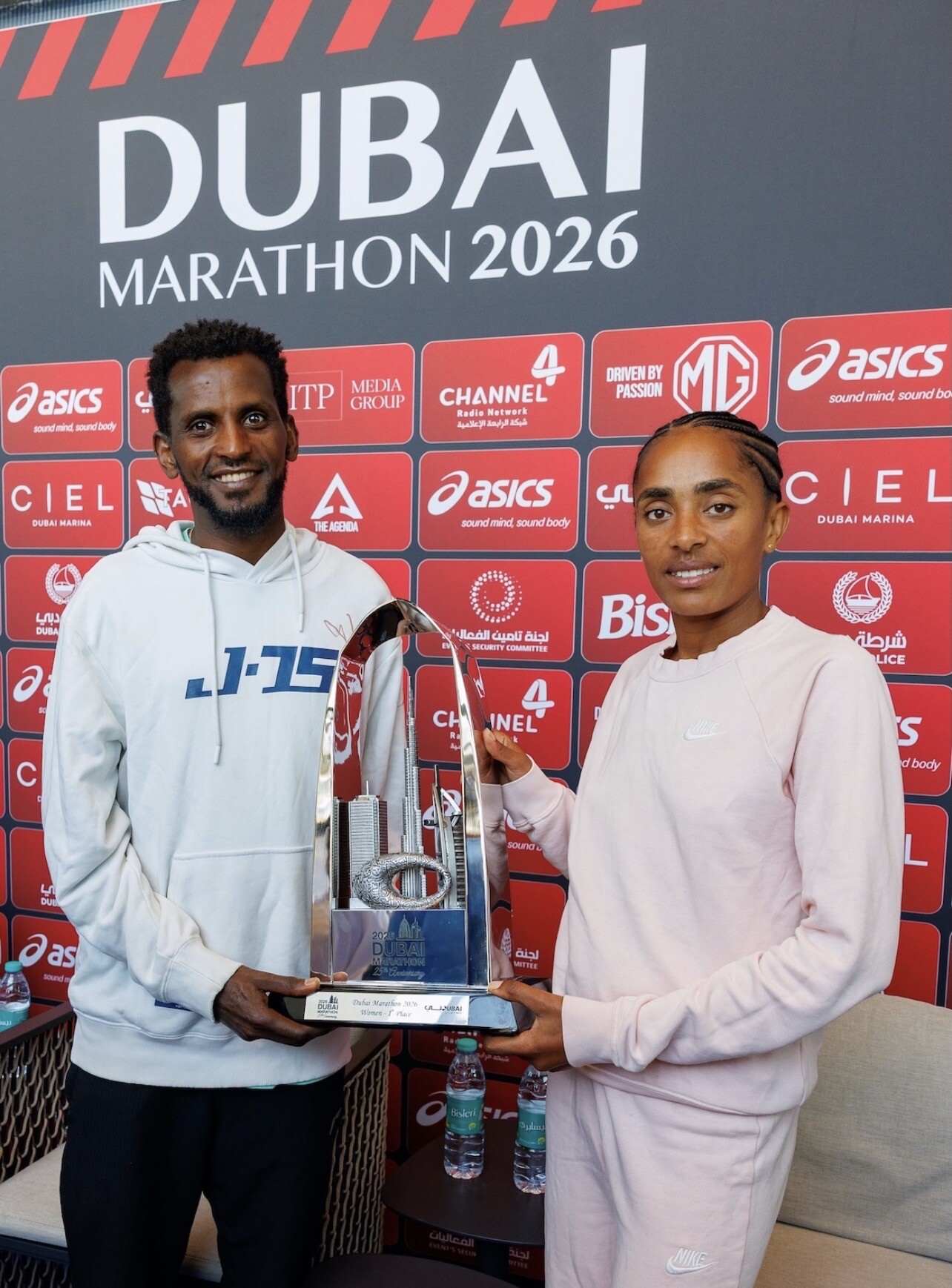
Sunday’s 25th-anniversary edition marks a milestone that reflects both longevity and resilience. The pandemic forced a two-year pause, but the event has re-established itself with strong prize money—$80,000 for the men’s and women’s winners—and performances that continue to rank among the world’s best.
Conditions appear ideal this year. With an earlier elite start time of 5:45 a.m., temperatures are expected to hover around a cool 16°C. Ethiopia’s Fantu Worku, who ran 2:21:57 in her Berlin debut four months ago, will welcome the change after racing in much warmer conditions. On the men’s side, Gadisa Birhanu arrives with a personal best of 2:04:59 from his 2023 Seville victory and a clear objective: contend for the win on one of the fastest marathon stages in the world.
A live stream of the Dubai Marathon will be available on race morning via the event’s official website.
Favourites with Personal Bests
Men
• Gadisa Birhanu (ETH) – 2:04:59
• Berehanu Tesgu (ETH) – 2:05:24
• Abera Kuma (ETH) – 2:05:50
• Deribe Robi (ETH) – 2:05:58
• Hailu Zewdu (ETH) – 2:06:31
• Belay Bezabeh (ETH) – 2:06:58
• Gadissa Tafa (ETH) – 2:07:02
• Gizealew Ayana (ETH) – 2:07:15
• Yasin Haji (ETH) – 2:07:45
• Nibret Melak (ETH) – Debut
• Semachw Sewnet (ERI) – Debut
Women
• Mimi Belete (BRN) – 2:21:22
• Fantu Worku (ETH) – 2:21:57
• Anchinalu Dessie (ETH) – 2:22:17
• Tigst Getnet (ETH) – 2:23:17
• Abebech Afework (ETH) – 2:23:33
• Sofia Assefa (ETH) – 2:23:33
• Zinash Mekonen (ETH) – 2:24:55
• Muliye Dekebo (ETH) – 2:25:35
• Maritu Ketema (ETH) – 2:25:55
• Tadelech Bekele (ETH) – 2:26:23
• Lemlem Hailu (ETH) – No mark
• Alemaddis Eyayu (ETH) – Debut
• Aberash Shilima (ETH) – Debut
(01/30/26) Views: 210Race News Service

16 year old Sam Ruthe from NZ Runs 3:48.88 Indoors in Boston — 11th Fastest Mile in World History
Boston’s lightning-fast indoor oval delivered another historic night — and this time it belonged to Sam Ruthe.
Racing at the Boston University Terrier Classic, Ruthe powered home in 3:48.88 for the mile, rocketing himself to 11th fastest in indoor world history and stamping his name among the sport’s all-time greats.

On a track famous for records and fearless pacing, Ruthe looked calm early, patient through the middle laps, then unleashed a decisive final 400 meters that separated him from the field. Down the homestretch, his form stayed tall and relaxed — no panic, just power — a sign of a runner completely in control.
When the clock stopped at 3:48.88, the crowd knew they’d witnessed something special.
A Rare Barrier

Running under 3:50 indoors isn’t just fast — it’s exclusive territory.
Only a handful of athletes in history have dipped that low on a 200-meter banked track. Indoor miles demand perfect rhythm, tight turns, and zero wasted motion. Ruthe handled all three like a veteran.
His time:
• Ranks 11th all-time indoors
• Places him among the elite global milers of this generation
• Signals serious potential for even faster outdoor marks
Boston: The Place for Breakthroughs
The Terrier Classic has quietly become one of the world’s premier indoor showcases. The combination of:
• lightning-quick surface
• precise pacing
• and athletes willing to take risks
makes it a magnet for historic performances.
Ruthe simply added another chapter to that story.
(01/31/26) Views: 208Boris Baron
