

Running News Daily
Top Ten Stories of the Week
4/23/2022
These are the top ten stories based on views over the last week.



Foods to add to your grocery cart this spring, these seasonal foods will keep you running strong during the spring racing season
While parts of the country are still grappling with the last of their winter weather, runners can take heart knowing that spring is on its way. Not only do the warmer temperatures mean we can finally break out our shorts and t-shirts and work on our watch tans, they also mean local produce will begin popping up on grocery store shelves. As you’re doing your shopping in the next few weeks, look out for these foods to give your nutrition a spring cleaning.
Asparagus
Asparagus season starts early, so expect these slender green stalks to show up at your local farmers market any day now. A fantastic food for runners, asparagus contains the antioxidant glutathione, which helps repair the oxidative damage that occurs in your muscles after long, hard runs. This can help reduce your recovery time so you can feel fresh for your next run.

Asparagus also contains inulin, a prebiotic fibre that supports gut health. Having a healthy gut is important for runners because it keeps your immune system strong, which becomes even more crucial when you’re in the middle of a hard training block.
Beets
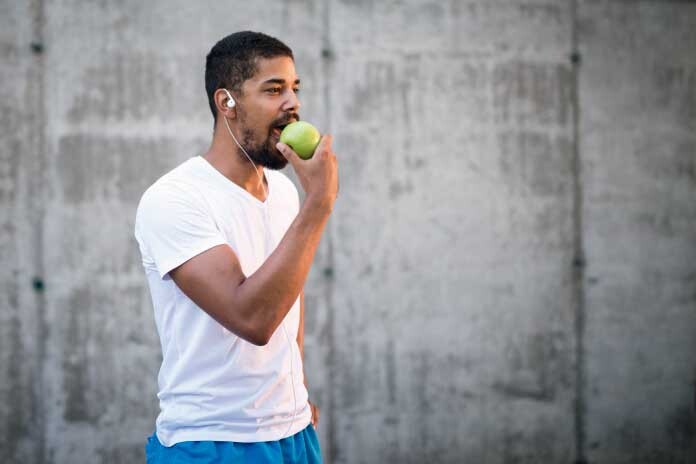
These earthy veggies have been in the spotlight before, thanks to their ability to increase the levels of nitric oxide (NO) in your blood, which increases blood flow to the muscles, stimulates mitochondria growth and strengthens muscle contractions, leading to significantly enhanced endurance in athletes. (Bonus: have some watermelon with your beets to boos their effects)
Beets are also high in folate, which helps your body regenerate healthy red blood cells that are needed to transport oxygen to your muscles during activity, as well as magnesium and potassium, both important nutrients to help you recover after a run.
Kale
Kale has hefty doses of over 20 nutrients and contains more than 45 different flavanoids that fight against oxidative stress and chronic inflammation. This can help you recover faster after hard runs and reduce muscle soreness so you can continue training, day after day.
Strawberries
Local strawberries start appearing on grocery store shelves near the end of spring and the beginning of summer, and they are worth the wait. These tasty little berries contain high levels of polyphenols and vitamin C, both of which can help repair muscle damage after a run. They’re also a good source of potassium, which can replace what you lost through sweat after a warm spring run.
Salmon
While you can get salmon year-round, spring is prime time for this healthy fish. Salmon is an excellent source of DHA and EPA omega-3 fatty acids, which reduce your risk for cardiovascular disease, improve your brain health and reduce your risk for injuries. They’re also great for fighting inflammation, which is especially important for runners, who often have higher levels of inflammation caused by heavy training. Salmon is also a great choice for runners who don’t eat dairy because it’s high in calcium and vitamin D, which are important for bone health.
Spring onion and garlic scapes
Both spring onions and garlic scapes are full of sulfur-containing compounds that fight inflammation to help speed up recovery after a hard run. Milder than regular garlic and onions, these goodies are delicious when tossed into a salad or stir fry. (As a bonus, you can often find large bundles of garlic scapes at farmers markets for barely a few bucks!)
Cucumber
The humble cucumber is a spring salad staple and contains at least 73 different phytonutrients, including Quercetin and Naringenin, two antioxidants that can reduce your risk for illness and injury. They’re also fantastic for re-hydrating after a warm run, thanks to their high water content.
(04/19/22) Views: 112Brittany Hambleton
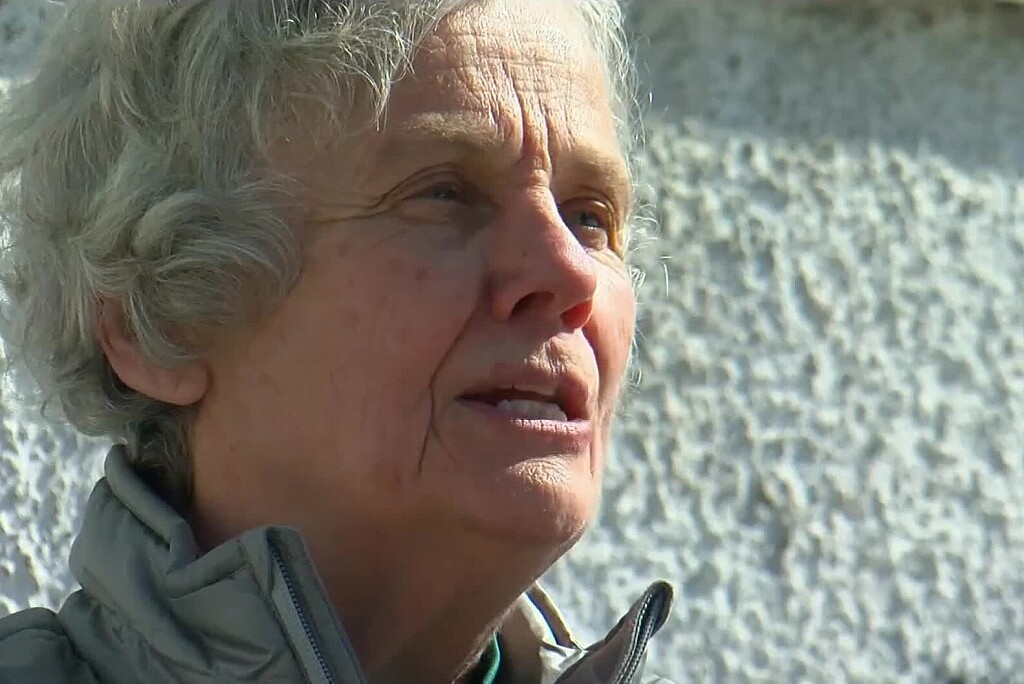
50 years later, Val Rogosheske is back to run the Boston Marathon once again
Val Rogosheske started running because of a simple question from a friend: “How fast can you run a mile?”
Being a physical education major, she assumed it wouldn’t be a problem — after all, she was in school learning about physical education, and running a mile is a staple of physical education.
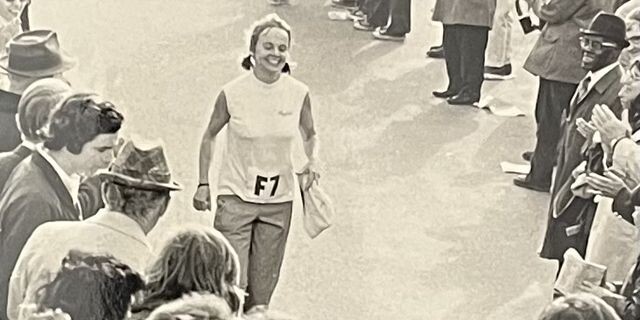
But that turned out not to be the case.
“I was just about to graduate and a friend asked me how fast I could run a mile. I thought, ‘Well, that’s an interesting question. I’ve never run a mile. Or I’ve never timed myself,’” Rogosheske said. “So I went to a track to get a time, and I was not able to finish a whole mile running. I was so embarrassed.”
Fast forward a few years, and suddenly the Minnesota native was one of the first eight women to run the Boston Marathon as an official participant.
“It was so exciting. They put all eight of us on the start line, off to the side. And so that was the first time I met the other seven women,” Rogosheske said in an interview with Boston.com. “It was so exciting just to be together there and knowing that this was a big deal to be there for the first time legally.”
That historic race took place 50 years ago, in 1972. It was the first time the marathon had officially let women compete.
Rogosheske’s path to running the Boston Marathon wasn’t what one might expect.
Though she now thinks her inability to finish a mile while in college was more of a pacing problem than a physical fitness problem, the embarrassment she felt pushed her to start running.
“I got that book by Bill Bowerman called ‘Jogging.’ Read that and just started going out — I don’t know if it was every day, maybe several times a week — and just started jogging,” Rogosheske said.
In about a year, Rogosheske went from barely running a mile to competing in the Boston Marathon. Her husband-to-be at the time, a lifelong athlete and coach, helped her get over the hurdles that come with starting a new sport.
“I was once in a while having a little bit of trouble getting out the door to do my jogging, and [my husband] said, ‘What you need is a goal,’” Rogosheske said.
At that time, they were living in Alexandria, Virginia, because he was finishing up a stint in the army.
“We were out [in Virginia], and I thought, ‘Well, that’s a good idea.’ But the only race I had heard of was the Boston Marathon, but I had read about women hiding in the bushes and then jumping out and running it, and I thought, ‘This sounds like a good thing to do,’” Rogosheske said. “That’s when I started doing more and more miles and getting ready actually for a marathon.”
In 1966 Bobbi Gibb made history as the first woman to unofficially run the Boston Marathon. At the time, she was told women were “not physiologically able to run a marathon,” and wasn’t allowed to officially run the race. She took matters into her own hands, hid in a forsythia bush near the start, and joined the crowd after half the men had started running.
Six years later, the Boston Marathon officially welcomed women to compete in the race — the first year had a field of eight women, including Rogosheske.
With her goal of running the Boston Marathon in mind, Rogosheske’s husband hooked her up with some reading material and advice from friends who had marathon experience. Then she was, quite literally, off to the races. Rogosheske finished sixth in her category in her first marathon, with a time of 4:29:32.
“In 1972, I was not very well ready,” Rogosheske said. “We had just gotten married in December, and then I got mono and was in bed for the whole month of January. So that left only February March to train for the marathon. I finished it feeling like you know I could do better.”
Rogosheske came back in 1973 and 1974, eager to improve on her original time — a feat made easier by not having mono before the other two races. Her personal best came in 1974 with a time of 3:09:38.
Though at the time she realized it was exciting to be one of the original eight female runners, Rogosheske said after the starting line she never saw them again, so it didn’t stand out as much.
“I think the most exciting part then was passing Wellesley College … And the women came out there yelling, ‘Right on, sister,’ it just felt so good,” Rogosheske said.
Wellesley College has been a highlight for Rogosheske at several marathons. When she came back for the 25th anniversary in 1997, she was dealing with some knee problems, so she didn’t run the entire race but made sure she made it about halfway through, when the course passed through Wellesley.
“When I came back 25 years later, I made sure I did not drop out before Wellesley, “Rogosheske said. “So then when I went to Wellesley, they all looked like my daughters instead of my sisters, and now this year, I’m kind of looking forward to just going by there again, and looking at them and feeling like ‘Wow, they can all be my granddaughters.’”
Though she couldn’t finish the race for the 25th anniversary, she was really there for the experience. The same is true now — she’s still looking forward to the experience and festivities — but this year, she also plans to finish the race.
“I’m just excited to be back in that atmosphere,” Rogosheske said. “Just to compare, I mean, 50 years ago, there were 1,200 total runners, I believe. And that seemed like a huge number. … And now, this year, I believe there’s going to be over 30,000, 14,000 of which will be women. So what a change in 50 years to go from eight to 14,000.”
Rogosheske, who is 75 years old, is running this year’s Boston Marathon as a part of the honorary women’s team. She will be running along with seven other women who have made powerful impacts in everything from athletics to human rights, according to the B.A.A.
“I’m just so honored to be on this team because these other women have just done so much in so many ways for women, in very practical, really heartfelt ways,” Rogosheske said.
About 50 years after she first took to the starting line of the Boston Marathon, Rogosheske will cross that momentous line again, this time with her girls and another 14,000 women by her side.
“I’ve really been seriously getting ready for this, but I won’t be racing in the traditional sense,” Rogosheske said. “I’m just going to be trying to finish with lots of enjoyment.”
(04/15/22) Views: 97
Martha Hill
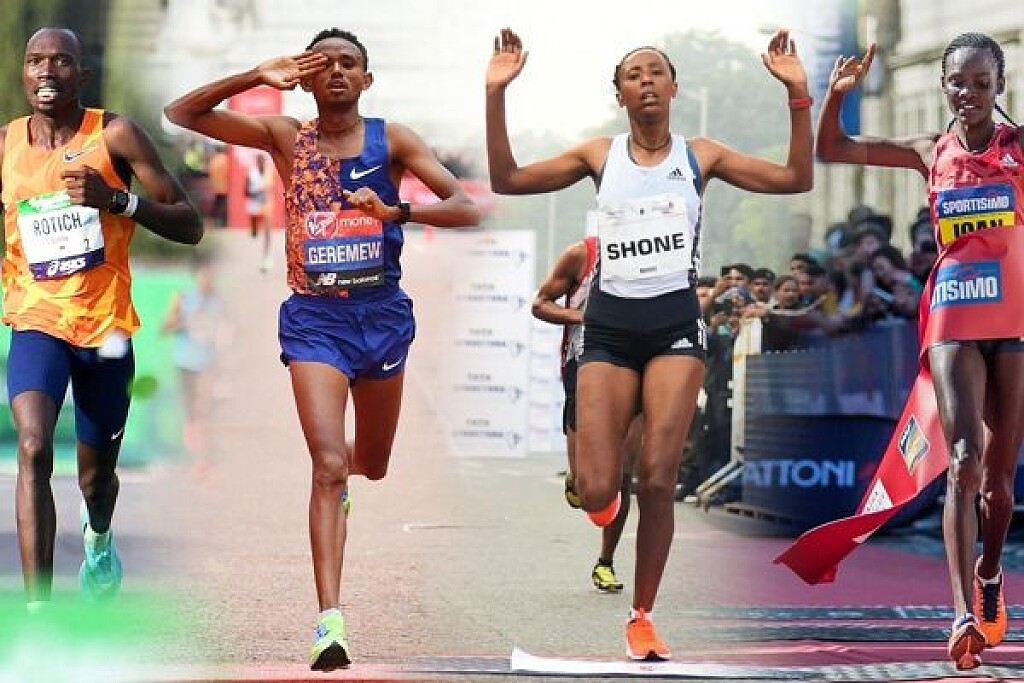
Highly competitive fields ready to clash in Seoul this weekend
Organizers of the Seoul Marathon have assembled what is arguably their strongest ever line-up for the World Athletics Elite Platinum Label road race on Sunday (17).
Eight men with sub-2:06 PBs and five women with sub-2:21 lifetime bests are among the highly competitive fields.
World silver medalist Mosinet Geremew heads the men’s line-up. The former Ethiopian record-holder, who has a PB of 2:02:55, has finished in top three in eight of his nine completed marathons. He was unable to finish the Tokyo Marathon earlier this year, but he’ll return to action on Sunday in a bid to become just the second Ethiopian man in history to win the Seoul Marathon.
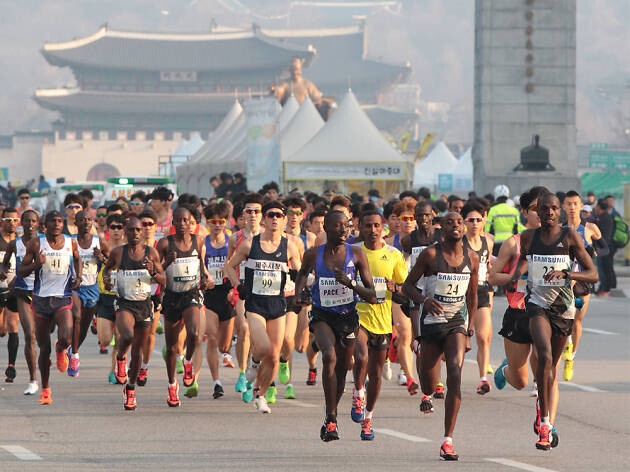
If he falls short of that target, compatriot Herpasa Negasa stands a good chance. Runner-up in Dubai in 2019, he is a 2:03:40 performer at his best.
Elisha Kipchirchir Rotich leads the Kenyan charge. A formidable opponent, he won the Paris Marathon last year in a PB of 2:04:21. He also has five other career marathon victories to his name, and he finished second in Seoul in 2019.
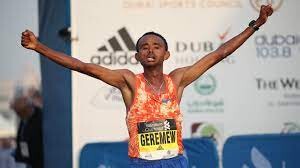
Three-time Toronto Marathon winner Philemon Rono is also entered, as is Kenyan compatriot Mark Korir. The 2015 Paris Marathon winner has a 2:05:49 PB and will be making his fifth appearance in Seoul; he has made the podium three times in the Korean city but is yet to win.
Korea’s Joohan Oh – formerly known as Wilson Loyanae of Kenya – is also familiar with the streets of Seoul, having won the race four times. He also holds the course record at 2:05:13, but his last completed marathon was back in 2019 when he finished second in Gyeongju in 2:08:42.
Ugandan duo Filex Chemonges and Moses Kibet are also worth keeping an eye on. Chemonges, who represented Uganda at the Olympics last year, holds the national record at 2:05:12. Kibet, meanwhile, has only contested two marathons to date but already has a PB of 2:05:20.
Other entered athletes include 2017 Seoul runner-up Felix Kandie of Kenya, Kenneth Keter, Brazilian Olympian Daniel do Nascimento, two-time Amsterdam winner Benard Kipyego, Solomon Kirwa Yego and Martin Kosgey.
The women’s race looks just as competitive and similarly tough to call.
Guteni Shone returns to Seoul, seven years after her victory there. Since then, she has also won in Ottawa and Seville, while in more recent years she has finished second in Prague in 2021 and second in Dubai in 2020 – the latter with a PB of 2:20:11, making her the fastest in the field for Sunday. In fact, she has finished in the top two in her past four marathons and she won’t want to relinquish that streak this weekend.
She’ll be joined on the start line by two fellow Ethiopians who also have a strong marathon record. Sutume Asefa, winner of the Beijing Marathon in 2019, set a PB of 2:20:30 when finishing third in Tokyo two years ago. Shure Demise, meanwhile, set her PB of 2:20:59 on her debut at the distance in Dubai back in 2015, but has gone on to win in Toronto twice. She also placed third in Tokyo in 2019 and in Chicago in 2018.
Netsanet Gudeta may not have the fastest PB of the elite field – partly because she has only completed two marathons to date – but she is a proven contender at the half marathon distance, having won the 2018 world title. Her half marathon PB of 1:05:45 suggests she’s capable of improving on her 2:26:09 marathon PB.
Joan Chelimo Melly has an even quicker half marathon PB, 1:05:04, making her one of the fastest women of all time for the distance. The Kenyan has started to move up to the marathon in recent years and has a PB of 2:20:57.
Other Kenyans in the line-up include Agnes Jeruto Barsosio, who was third in Seoul in 2016, Selly Chepyego Kaptich, and Celestine Chepchirchir, who was third in Seoul in 2019. Bahrain’s Eunice Chumba, seventh at the Olympics last year, is another one to watch.
Elite field
Women
Guteni Shone (ETH) 2:20:11
Sutume Asefa (ETH) 2:20:30
Joan Chelimo Melly (KEN) 2:20:57
Agnes Jeruto Barsosio (KEN) 2:20:59
Shure Demise (ETH) 2:20:59
Selly Chepyego Kaptich (KEN) 2:21:06
Eunice Chumba (BRN) 2:23:10
Celestine Chepchirchir (KEN) 2:23:38
Netsanet Gudeta (ETH) 2:26:09
Men
Mosinet Geremew (ETH) 2:02:55
Herpasa Negasa (ETH) 2:03:40
Elisha Kipchirchir Rotich (KEN) 2:04:21
Philemon Rono (KEN) 2:05:00
Filex Chemonges (UGA) 2:05:12
Joohan Oh (KOR) 2:05:13
Moses Kibet (UGA) 2:05:20
Mark Korir (KEN) 2:05:49
Felix Kandie (KEN) 2:06:03
Kenneth Keter (KEN) 2:06:05
Daniel do Nascimento (BRA) 2:06:11
Benard Kipyego (KEN) 2:06:19
Solomon Kirwa Yego (KEN) 2:06:24
Martin Kosgey (KEN) 2:06:41
Vincent Kipsang Rono (KEN) 2:07:10
Lucas Kimeli Rotich (KEN) 2:07:17
Belachew Alemayehu (ETH) 2:07:55
Brian Kipsang (KEN) 2:09:07.
(04/15/22) Views: 90World Athletics
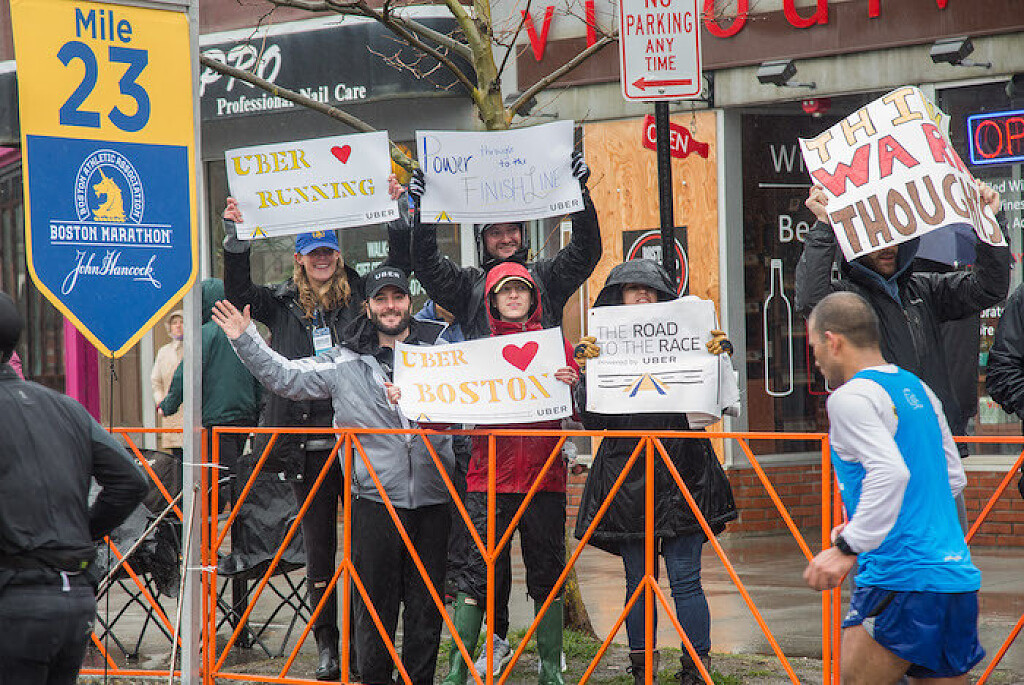
The top 7 spots for spectators at the Boston Marathon
If you're heading to Boston to cheer on a loved one this weekend, here are the top spots you can catch them along the course.
The Boston Marathon is less than a week away, and while runners everywhere are tapering in preparation for the big day, their friends and families are planning where they’re going to station themselves to cheer on their loved ones. If you’re among the Boston cheerleaders this weekend, we’ve got you covered with the top seven spots to view the race.
Getting around Boston
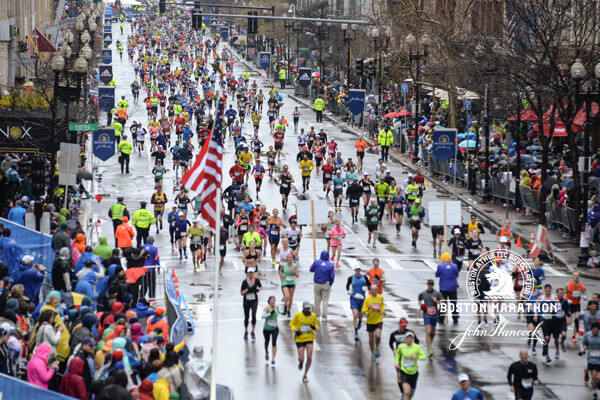
If you’re planning on cheering in more than one location, the MBTA (Massachusetts Bay Transportation Authority) is the most efficient way to get around town. Many of the best spots to view the race and cheer on runners are accessible from the T. parts of the Framingham/Worcester Line, which are less than a five or 10-minute walk from the course, and the Green Line C Branch runs parallel to it. The B.A.A. has put together a downloadable spectator guide that includes the subway stops near each portion of the course and what time the elites are expected to pass by, which you can find here.
The top 7 spots to cheer at the Boston Marathon
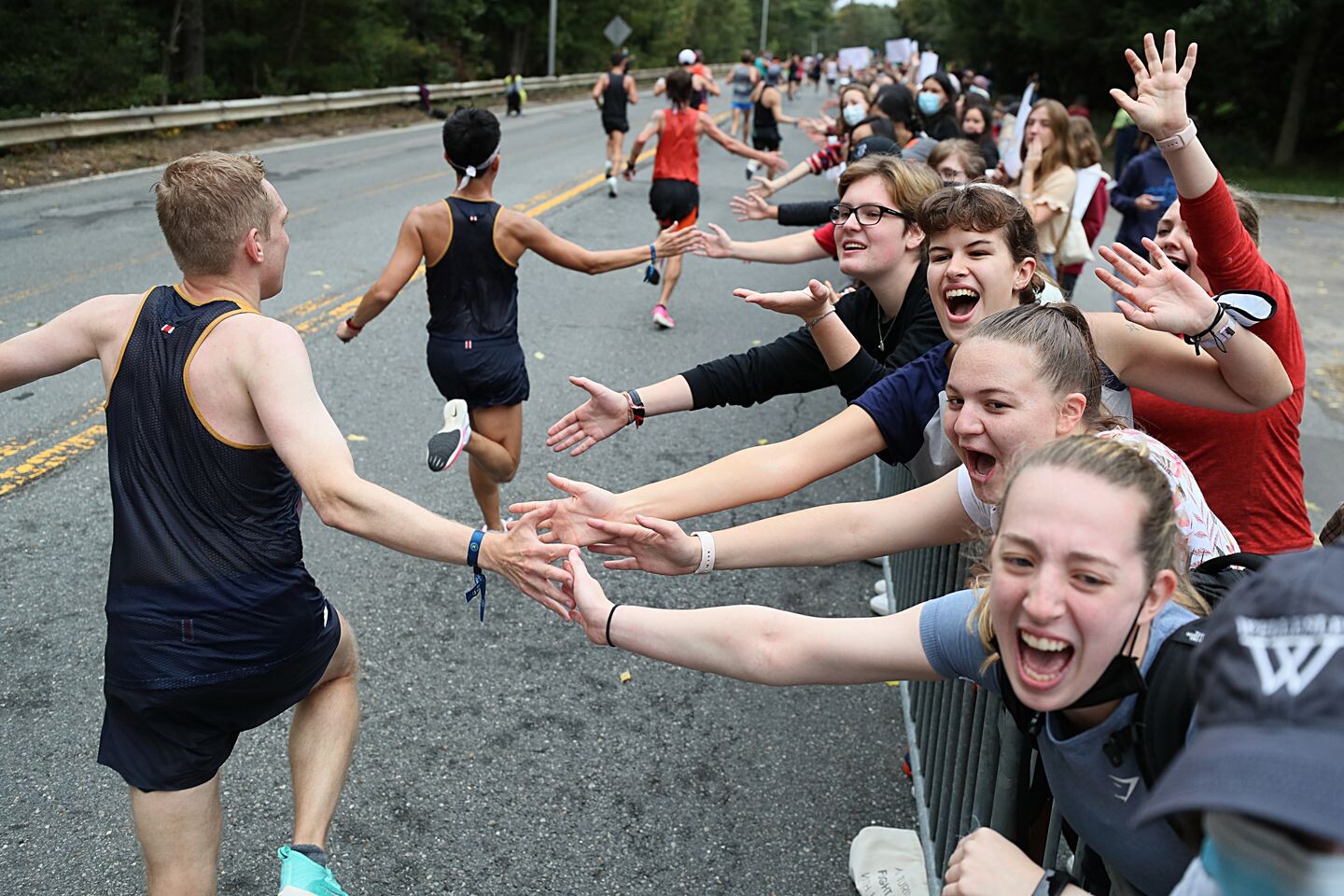
The Boston Marathon passes through eight neighbourhoods as runners make their way from Hopkinton to Boylston, and each one has its own vibe and energy. We chose the following seven spots based on those characteristics and accessibility via public transit, so you can catch runners at multiple stages of the race.
1.- The start line
The very beginning of the race is the obvious place to start, and while you won’t see much of the race standing at the start line, the energy and anticipation at the start line is unlike any other spot on the course. If you’re planning on catching the start, make sure you arrive early, since thousands of runners will be arriving by bus and it can become quite chaotic.
2.-Framingham train depot
This is one of the most historic spots to catch the action. Right near the 10K mark, some argue it’s the best area in the early part of the course to see your loved one, and it still gives you plenty of time to catch them again later on the course. Its location right next to the Commuter Rail also makes it very convenient (we recommend grabbing a $15 all-day commuter pass to avoid lines at the stations).
3.- Natick Common
Every year, spectators pack this area on Center street to catch a glimpse of their favourite runners before they reach the town centre. The crowds here usually get quite lively, so it’s a fun spot that’s easily accessible by the MBTA Commuter rail for spectators. The West Natick rail stop is also close by and is a little quieter if you want to stand out more when your loved one runs by.
4.- The Wellesley Scream Tunnel
The Wellesley Scream Tunnel is one of the most iconic (and definitely one of the loudest) cheer spots along the course. Just before the halfway point, it’s a great place to give your favourite runner some encouragement as they head into the second half of the race. The drawback to this spot is that you won’t be able to catch your loved one both here and at the Newton Hills, so you have a decision to make.
5.- Boston College
This brings us to the infamous Newton Hills. There are several spots between mile 17 and mile 21 where you can offer encouragement to the runners as they tackle one of the hardest parts of the course, but the Boston College stop on the B branch of the subway is where runners are cresting the top of the final hill and is a great spot for spectating.
6.- Cleveland Circle
Cleveland Circle is accessible from the B, C and D branches of the Green Line, and is where the crowds start to get thick (and exciting!). With nearly five kilometres of vantage points to watch runners, the energy at this point in the race is amazing. As a bonus, you still have plenty of time to get from here to the finish line.
7.-Kenmore Square
With fans either entering or leaving the Red Sox game, the energy in Kenmore Square is like one big party. At this point, runners are nearing the end and can use all the encouragement they can get, and with the Boston Strong bridge as part of the backdrop, this is a very special spot to cheer runners on.
The final stretch on Boylston
Of course, many spectators want to see their loved ones cross the finish line, and the final stretch along Boylston street has an energy that is unlike any other marathon finish line. If you’re hoping to get a spot here, be prepared to deal with large crowds, but if you can handle the chaos, it’s well worth it to get the finish line experience. Keep in mind that the Copely Green Line stop is closed on Marathon Monday, so if you’re taking the subway, you’ll have to get off at Hynes stop instead.
(04/16/22) Views: 89Running Magazine

Combine speed and endurance in one session with this 5K sharpener workout to get you race-ready
The 5K is a tough race. It’s short compared to other distances so you need to tackle it with some speed, but long enough that maintaining that speed for the entire race is a significant challenge. In other words, the 5K hurts.
Learning to combine speed with endurance, while still having enough left in the tank for a strong finishing kick is key to success in the 5K, and this workout will accomplish just that. If you’ve got a 5K on the calendar, try this session a week or two out from your goal race to prepare you for the demands of the distance.
The 5K sharpener
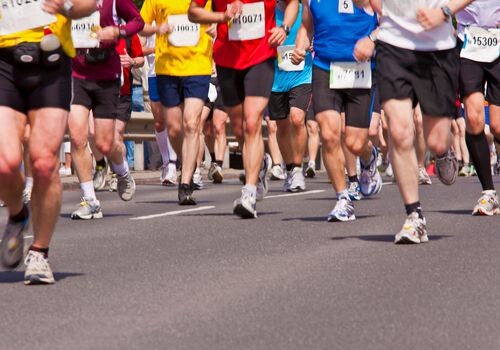
The best place to perform this workout is on a track, but if you have a GPS watch you could run this workout on the road as well. We’ve also included a timed alternative, for those who have neither. This is a pretty big workout, so it is geared toward intermediate and advanced runners. Beginners, try these workouts instead.
The goal of this workout is to run the longer reps slightly slower than 5K race pace (although you can speed up to race pace for the 1K and 800m intervals if you wish). Then, start the 300m and 200m sets at the end at 5K race pace and try to speed up as the reps get shorter.
The workout

Warmup: 10-15 minutes easy jog, followed by form drills and strides
Workout: 1,600m, 1,200m, 1,000m, 800m / 3:30 standing rest between each rep and 5:00 recovery at the end of the set. Follow with 2 x 300m / 1:30 rest / 2 x 200m / 1:30 rest
Timed version: 6 min, 5 min, 4 min, 3 min / 3:30 standing rest between each rep and 5:00 recovery at the end of the set. Follow with 2 x 1 min /1:30 rest / 2 x 40 seconds / 1:30 rest
Cooldown: 10-15 minutes easy jog, followed by light stretching.
(04/15/22) Views: 88Brittany Hambleton

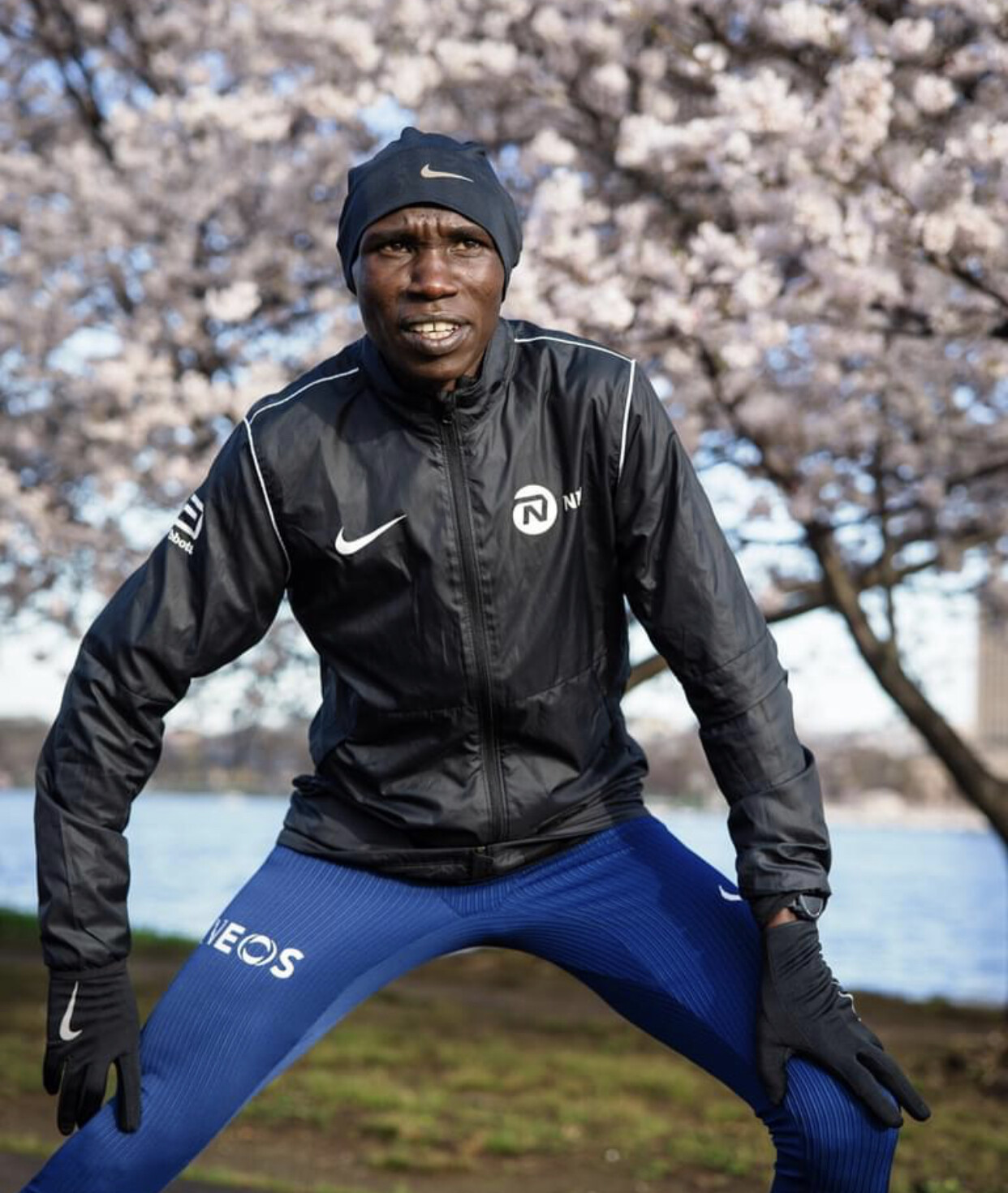
Who is Ready? Who is Not? What the Pros Said at Boston Marathon Media Day
2022 Boston Marathon and it’s time to get excited. The weather is nice, the trees are starting to bloom (well, some of them), and two dozen of the world’s best distance runners have descended upon the Hub for the most loaded Boston Marathon in race history.
LetsRun.com will have boots on the ground all weekend, and we had a chance to talk to a number of top athletes, agents, and coaches at this morning’s media availability ahead of Monday’s race. The B.A.A. announced two race updates, with 2017 champ Geoffrey Kirui scratching from the marathon and US 10,000m champ Emily Sisson scratching from Saturday’s B.A.A. 5K. Here are the other things we learned on Friday from speaking to Molly Seidel, Peres Jepchirchir, Geoffrey Kamworor, CJ Albertson, and many more.
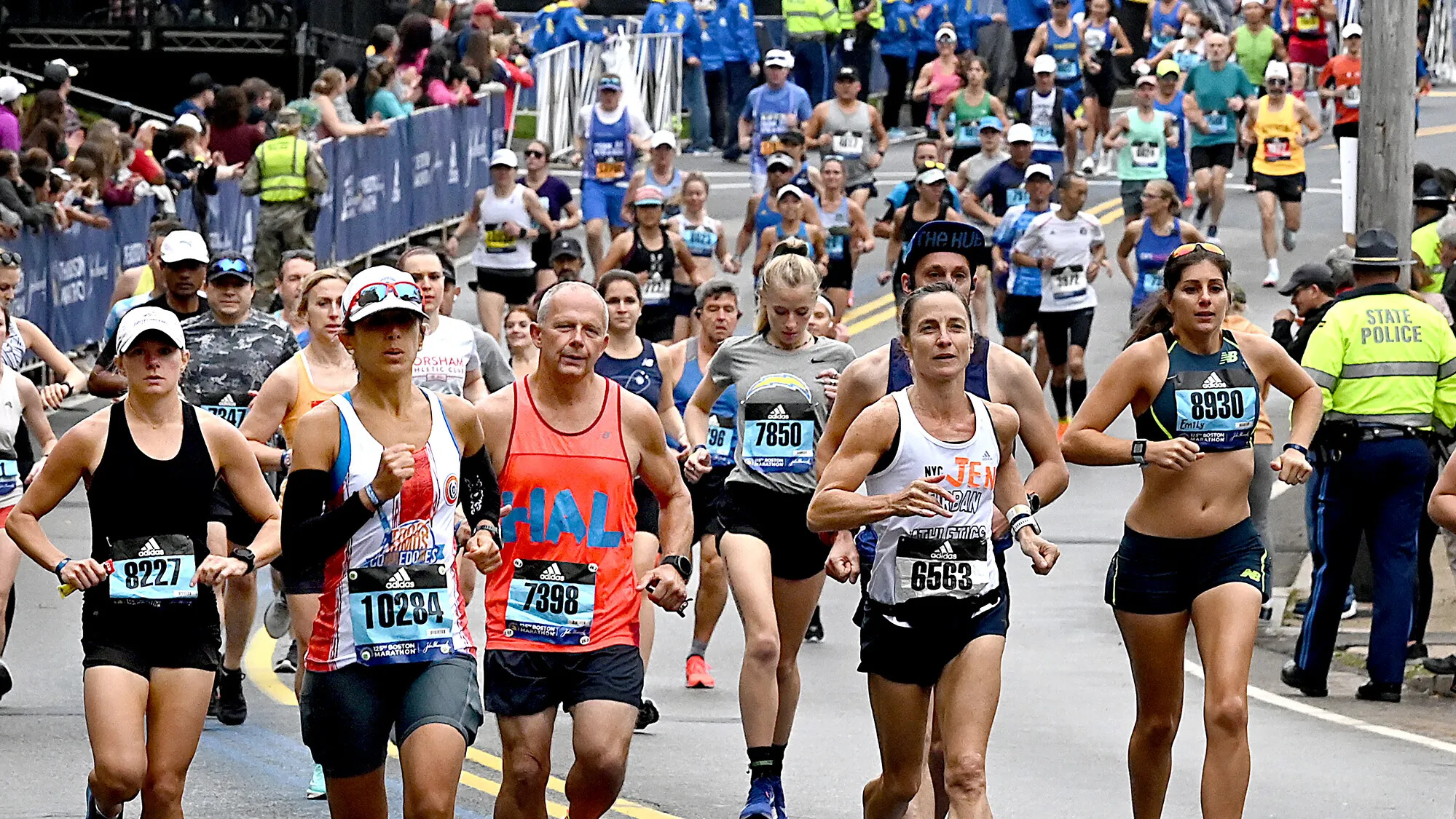
Molly Seidel says she has had some privacy concerns with her Strava account but is feeling excited and fit for Boston
Seidel will run two marathons in the first seven months of 2022, with Boston on Monday and the World Championship marathon in Eugene in July, and she and coach Jon Green have built their strategy for the year around those two races.
“We were looking [at] Boston as coming into this with a lot of strength and using this to try and carry through and hone the speed for Worlds,” Seidel said. “Right now I feel like we’ve set it up really well like that, and I’m hoping that the speed’s gonna be there. Fingers crossed.”
Seidel will likely need that speed over the final, mostly downhill 10k in Boston, as that is where the race is often broken open. And with two top half marathoners leading the field – World Half champ Peres Jepchirchir and former HM world record holder Joyciline Jepkosgei – the pace could get very hot at the end of the race.
Challenging for the overall win will be tough, but Seidel said she is excited to race the best in the world on Boston’s hallowed course.
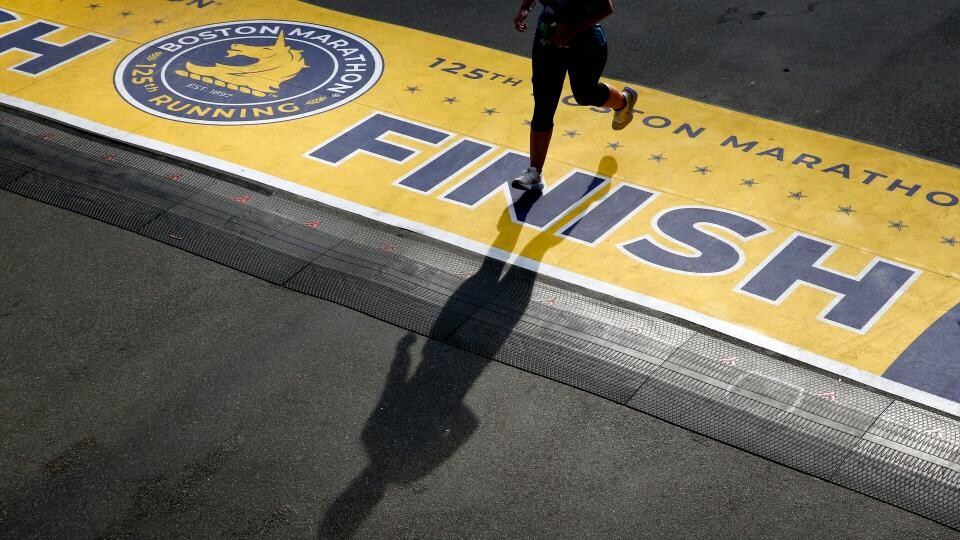
“Obviously intimidated, they’re incredible, and I’ve gotten my ass kicked by Peres the two times I’ve raced her,” Seidel said. “But getting to be in a race with a huge amount of competition like that, women with incredible credentials, that fires me up like nothing else.”
Seidel’s buildup wasn’t perfect, as she dealt with a hip impingement about a month ago and had to miss the NYC Half as a result. But she’s logged multiple 130+ mile weeks since then, which you can tell by visiting her Strava page. And while it’s great for most of the running community to be able to see what an Olympic medalist does for training – transparency that Seidel says she values – recently, she has met with some of the Strava staff out of concerns that some people have been using the data to figure out where she lives.
“It can be a lot sometimes, realizing you’ve got 60,000 people following your every move and a little bit scary sometimes when people start tracking that,”’ Seidel said. “So it’s something that I’m still figuring out, honestly. And I’ve wavered back and forth on getting off the platform, mainly because of that.”
Geoffrey Kamworor (photo) is all-in on the marathon and ready to go in his Boston debut
For the first decade of his professional career, Kamworor developed a reputation as a man for all seasons. He ran 12:58 and 26:52 on the track and earned a silver in the 10,000 at Worlds, won World XC twice, and won the World Half three times. He also mixed in two NYC Marathon titles during that span, but the marathon was never his full focus.
That, says his agent Valentijn Trouw, has now changed. Boston will be Kamworor’s first spring marathon since 2014, and he has already committed to the World Championship marathon in July. At this point, he is all-in on the marathon.
And that could be a scary prospect for the rest of the field. Kamworor’s 2:05:23 pb may only be 10th-best in the field, but he ran that in Valencia in December in a race Kamworor had barely been able to train for due to an ankle injury. For this buildup, Trouw said, Kamworor did not miss a step.
While the deep men’s field is pretty wide-open on paper, one prominent agent we spoke to (not Trouw) said he views Kamworor as the favorite due to his two NYC wins and his killer speed in the half marathon – two assets that should help significantly in Boston.
Defending champ Benson Kipruto ready to take on some big names
Kipruto was a surprise winner last year, but will not be able to sneak under anyone’s radar this year. He gave the platitudes about being “happy to be back” this year. But he said his training has gone well and the goal is the same as last year — to win, despite the field being stronger this year. “There are some strong guys, but I don’t care…my preparation was good.”
CJ Albertson isn’t a 2:06 guy yet, but he’s trying to think of himself that way
Albertson has run some insane efforts in practice, including a 2:09 marathon on a treadmill in 2020 and a 2:10:28 “split” three weeks ago at the Modesto Marathon (his result is listed officially as 2:11:56, but the lead bike led Albertson the wrong way, causing him to run extra distance). Yet Albertson’s official marathon personal best is still 2:11:18 from the Marathon Project in 2020. Is he leaving his best efforts in practice? Albertson doesn’t view it that way.
“At some point, I’m gonna run fast,” he said. “Hopefully it’s on Monday.”
Albertson also had an interesting perspective when we asked about all those hard efforts in practice. They might seem crazy for a guy whose official pb is 2:11, but Albertson said his goal is to run 2:06 one day and that he tries to think of his training in that context.
“Whatever you want to be, you have to mentally be there first before you’re actually there,” Albertson said. “I want to work out and train like I am an American record holder. Because one day I’m going to be or I’ll have a shot to be in that position and those two weeks before aren’t gonna matter, it’s gonna be what I did the five years leading up to it…The workouts that I’m doing, if you look at me like an American record holder and it’s like, he’s going out and running 5:00 pace on the weekends, it’s no big deal.”
He had one of those workouts on Sunday, running 4:50 pace (2:06:43 marathon pace) for 15 miles and feeling great doing it.
As for Monday, Albertson, who led for the first 20 miles last year and ultimately finished 10th, said he will likely go out hard again but expects he will have more company this time given the strength of the field and great conditions in the forecast.
Colin Bennie is running Monday’s race for the Play Ball Foundation while his contract situation with Reebok is sorted out
Bennie was the top American at last year’s Boston Marathon, finishing 7th in 2:11:26. It is a bit of a surprise, then, that he will not be racing on Monday in the colors of the Reebok Boston Track Club. The reason why is a bit complicated. Reebok has been undergoing an ownership change, and in March was officially sold by adidas to Authentic Brands Group. Bennie’s Reebok contract was up at the end of 2021, and as a result he’s in limbo as Reebok did not want to offer a new contract in the midst of an ownership change. The new owners are still figuring out what to do with the Reebok Boston Track Club, but Bennie is hopeful that the group’s strong recent performances, such as Josette Norris’ 5th-place finish in the 1500 at World Indoors, are proof that the team is still worth supporting (he is still training with the team and coach Chris Fox in Virginia).
“There’s been good support throughout,” Bennie said. “These things just do take time.”
With no sponsor for the moment, Bennie, a Massachusetts native, will be running Monday’s race for the Play Ball Foundation, a local charity dedicated to providing sports opportunities to middle schoolers in underserved communities. Play Ball’s logo is the letters PB in large, blue font – good letters for a marathoner.
“It’s a very good thing to have on you on race day,” Bennie said.
Jake Riley and Jared Ward are hoping things turn a corner for them in Boston
Riley and Ward are both US Olympians, but both have hit some rough patches recently. They’re hoping Boston is a first step back in the right direction.
Riley, 34, had been struggling in practice and had an awful tuneup race for Boston, running 46:27 at the US 15K champs on March 5 to finish in 35th place. After searching for answers, Riley finally determined, with the help of his nutritionist, that he was underfueling between runs, which meant that he struggled to finish workouts and races strong.
Riley pointed out that he was able to go out with the pack at the 15K but just could not get his body to go faster over the final 5k when the racing picked up.
But Riley said that he has made some changes to his diet and that the last four weeks of training have gone very well.
“Since I’ve tried to fix that, things have finally started to come around,” Riley said. “My energy levels are better, I’ve been able to close out workouts better.
”Four weeks may not be enough to turn things around for a big race in Boston, though. Riley admitted that there is a wide range of outcomes for him on Monday.
As for the 33-year-old Ward, he was wondering, after a rough 2020 season, whether he might be nearing the end of his marathon career. Now a father of five, Ward was feeling more tired in practice and daily live and simply chalked it up to getting older
“I just kind of thought, this is just, I guess, how you feel,” Ward said.
But in marathon years, 33 really isn’t that old. So Ward endeavored to find out what was wrong. Ultimately, he was diagnosed with hypothyroidism and prescribed Levothyroxine, a thyroid-replacement drug, by his doctor. But Ward is well aware of the stigma around thyroid medication in the running world, and for two weeks, the medication sat untouched in his cupboard. Ultimately, however, he decided that he would take the supplement – which is legal under the WADA Code and does not require a TUE – but that he would be open and honest about exactly what he was taking and why ( this Instagram post has more details). So far, Ward says, the reaction has been positive from fellow athletes, who are grateful that Ward has addressed the issue in an honest manner.
“It’s around us a lot more than you might think, and for people that need it, it’s important,” Ward says.
Ward says that since taking the medication, his energy levels feel back to normal, which have made it easier for him to train – and to play with his kids. But he also said that his fatigue issues before that meant that he was not able to push as hard in practice as he would have liked, meaning he probably doesn’t have the base quite yet to get back to his best marathoning.
“I think it might take a year or two to climb back to where I’d like to be,” Ward says.
Jared Ward starting new pro group in Utah: the Run Elite Program
Utah has produced a lot of really good runners, but up until now it was not known for its pro training groups, despite being at altitude and a good place to train. Jared Ward and Isaac Wood (of the Wood Report) wanted to change that and set out to get funding for a pro running group in Utah. Mike McKell, a state senator in Utah and a big runner, said they should try to get state funding, which they did to the tune of multiple hundreds of thousands of dollars a year. Wood talks about the foundation of the group below, which is designed to be shoe brand agnostic.
Peres Jepchirchir and Joyciline Jepkosgei ready to battle
Jepchirchir and Jepkosgei will battle for the title of World’s #1 marathoner on Monday. They sat next to each other in the media room and were both confident they would handle the Boston course on their first try.
Both said their preparations have gone well. While neither has run Boston, they both are New York City Marathon champions and have shown they can win non-rabbited hilly marathons.
Viola Cheptoo Lagat has found her event
Viola is the sister of 1500m star Bernard Lagat. So she naturally thought she was a 1500m runner and made the Olympic team for Kenya. But she never ran faster than 4:04. Turns out her event really was the marathon. Coming off her 2nd place finish at the New York City Marathon where she battled Jepchirchir nearly to the line, Lagat’s goal is to win on Monday, but with this tough field knows a top 3 finish would be a good accomplishment.
Ageless Edna Kiplagat discusses longevity: “This year the field is so strong, but I have no fear”
Kiplagat was born in the 1970s and she’s still a force in the pro running ranks, getting 2nd at 2021 Boston in the fall. Winning may be out of the question but it’s a strong bet Kiplagat will have a good race on Monday. She said the key to her longevity has been staying focused and not over racing. As for this year, “This year the field is so strong, but I have no fear.”
Scott Fauble doesn’t mind flying under the radar in 2022
Since Meb Keflezighi’s win in Boston in 2014, no American man has run faster in Boston than Scott Fauble’s 2:09:09 in 2019. That led to a lot of attention and expectations over the next couple of years, but also pressure.
“I sort of was the belle of the ball and I put a lot of pressure on myself,” Fauble said.
The spotlight on Fauble has faded recently, however, as he was only 16th in Boston last year and is currently unsponsored (he will race Monday’s race in a Lululemon singlet he bought himself). But it would be a mistake to sleep on him: Fauble, now working with coach Joe Bosshard, ran 61:11 in the Houston Half and knows what it takes to succeed on this course.
(04/17/22) Views: 88

Former athlete Catherine Makau aiming to produce world beaters
When former athlete Catherine Makau visited the hilly area of Kea in Kitui County to distribute food to athletes in September, 2020 during the height of Covid-19, she was met with extraordinary scenes.
Over 300 athletes turned up for the exercise and it left Catherine’s mind brimming with ideas.
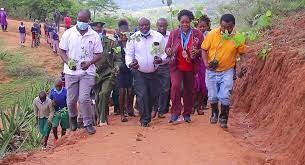
“As a former athlete, I saw potential, this being a high altitude area with lovely weather,” said Catherine, who is the wife of former world marathon record holder, Patrick Makau.
Catherine decided to start an athletics camp in the area in January last year, and the camp that is the latest in the country, now has over 60 athletes both junior and seniors.
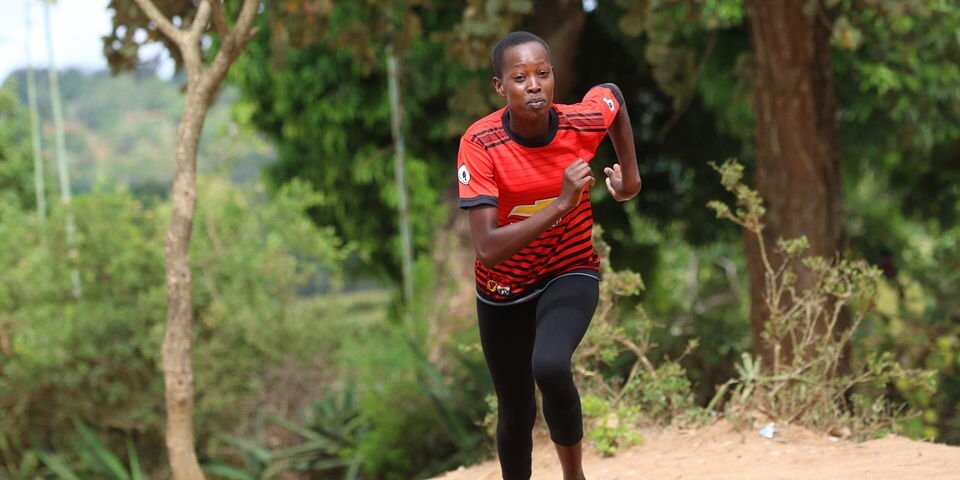
Kea Athletics Club is among three that were picked by Athletics Kenya to host holiday camps in the Southern region to prepare juniors for the World Under-20 Championships trials.
The others are Iuani Athletics Club in Makueni County and Talent Discovery and Development Centre, Machakos County.
Catherine is confident that just like Iuani and Machakos, they will be able to not only compete effectively during the trials, but also qualify some athletes for the world event.
Machakos produced seven athletes for the World Athletics Under-20 Championships held last year in Nairobi.
The World Under-20 Athletics Championships are slated for August 1 to 6 this year in Cali, Colombia.
Among the athletes that Catherine singled out from her pool of 20; 10 boys and 10 girls, are the 1,500m runner Josephine Kalekye, who finished fourth in the girls under-18 5km race during the Memorial Agnes Tirop World Athletics Cross Country Gold Tour in February.
Naomi Kimanzi (3,000m), Joshua Kithoku (5,000m), Alexander Matiti (1,500m) are the others with great potential to make Team Kenya.
“I only pray for an injury free season and hope to represent Kenya,” said Kimanzi, who finished seventh in women’s Under-20 6km race during the National Cross Country Championships in January in Eldoret.
“I want to emulate the World 5,9000m champion Hellen Obiri.”
Nelson Mandela (3,000m/5,000m), who finished fourth in men’s 10,000m during the third Athletics Kenya Track and Field Meeting at the Nyayo National Stadium, is among 50 juniors preparing at Iuani hills.
Others are Justus Muasya (1,500m) and Dennis Mutuku (3,000m).
Other juniors not in camp, but likely to make the Iauni team are Emmanuel Lemama and Faith Salome (800m).
Lemama, who finished second in men’s 1,500m to qualify for last year’s world under-20, but was later dropped due to injury, is currently at the Kenya Defence Forces Recruit Training College, while Salome is attending the Elite Youth Camp by the National Olympic Committee at Kenyatta University.
Machakos once again should provide a huge number from Southern to Team Kenya including Peter Kithome, who claimed bronze in 4x400m at the world under-20 and Jonathan Mutua.
Kithome and Mutua are currently with Kenyan juniors receiving specialised training at Miramas Athletics Club in France.
Javelin thrower Christine Musembi looks promising from Machakos alongside Jackline Mikayo (200m), Damaris Nduleve (400m), Agnes Syometi (400m hurdles), Sebastian Sinoti (400m) and Alex Nzioka (3,000m).
(04/20/22) Views: 83Ayumba Ayodi
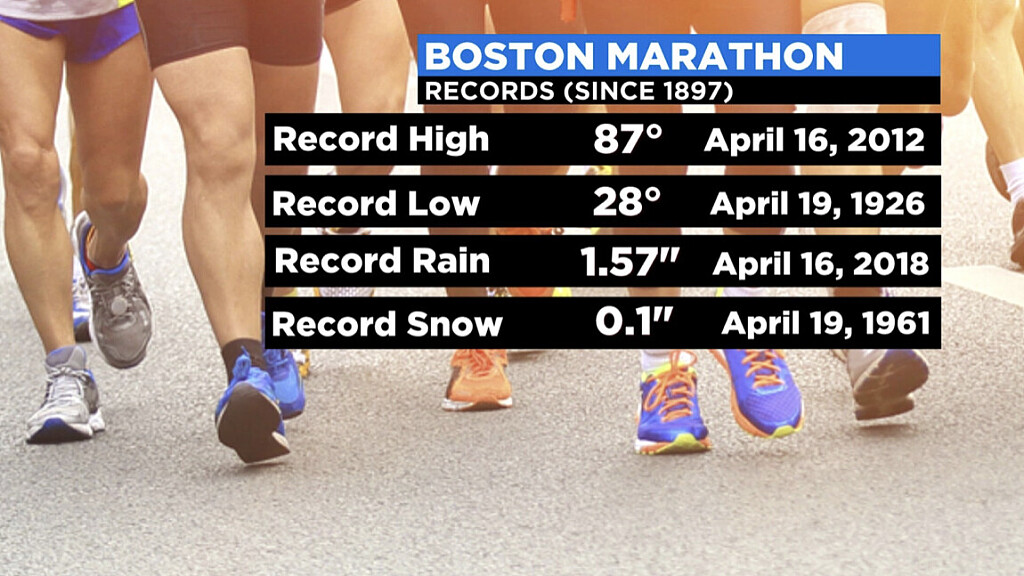
Hard to believe that it has been more than 1,000 days since we last had a Boston Marathon in the spring, on Patriots’ Day.
Some may have forgotten just how hard it is to get an uneventful weather day this time of year in Boston.
The last two April Boston Marathons have had rain, including a record amount of it back in 2018. The rain wasn’t nearly as disruptive in 2019 but combine that with the warm temperatures (the high in Boston was 70) and conditions were far from ideal.
To find “ideal running conditions”, and obviously that would vary depending on upon who you ask, you really have to go back to either 2016 or 2014, both were dry, but I bet many would protest that both were a bit warmer than they would like.
Let’s face it, whether you are running or not, getting a perfect weather day in Boston in April is tough business. This time of year, our nice weather is sometimes measured in the span of a few hours, not days. Be it rain, wind, cold or even snow, we have seen it all in the 125 prior Boston Marathons.
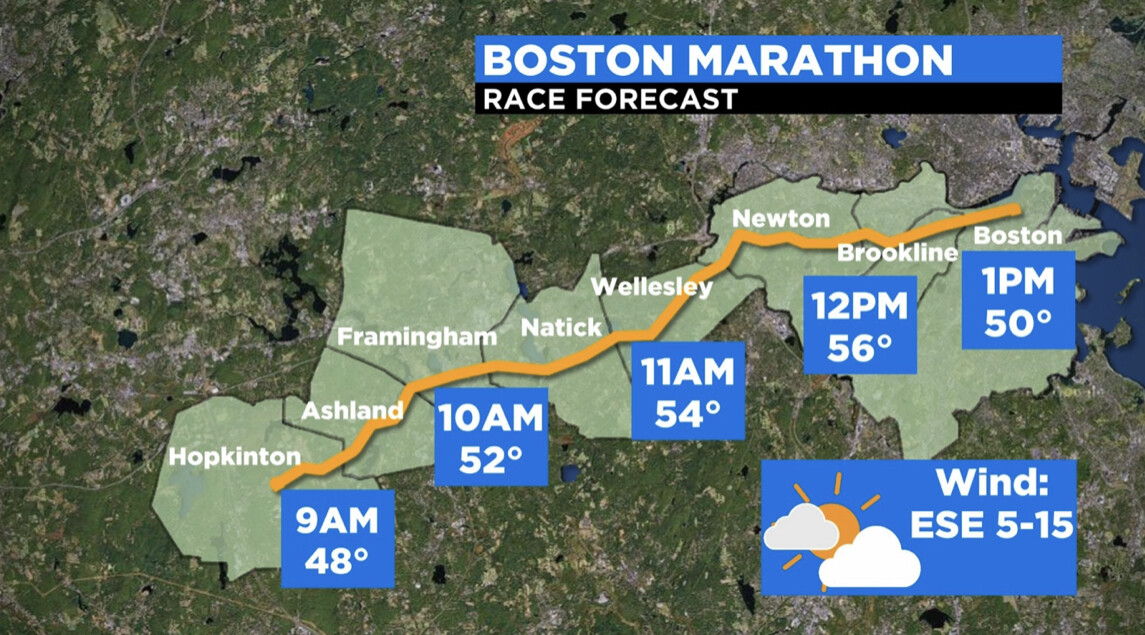
Having said all that, I am starting to think that MAYBE, just MAYBE, we could get an ideal weather day on Monday. What is ideal? A little research shows that most runners prefer temperatures somewhere between 44 and 59 degrees. More specifically, between 49-52 degrees.
You’ll notice the classic sea breeze as runners get closer to Boston. Temperatures will be rising for most of the race and then begin to decline for the home stretch, something I don’t think most runners will mind at all!
There will definitely be a different feel later in the day with clouds thickening and temperatures dropping with an increasing southeasterly wind. So, for those final finishers late in the afternoon, there will a bit of a chill in the air.
The elites are all in town. It is going to be a barn burner.
(04/15/22) Views: 81

Melly and Geremew run course records for Seoul Marathon success
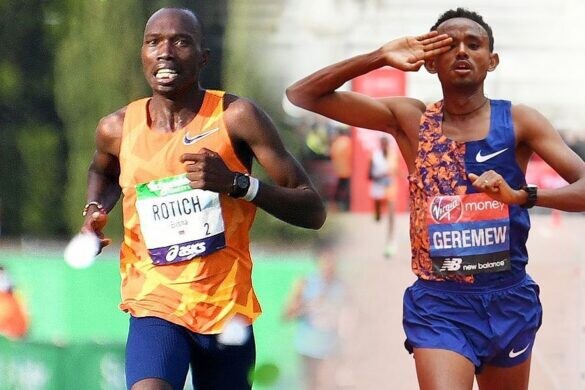
Joan Chelimo Melly and Mosinet Geremew both broke the course records to triumph at the Seoul Marathon, a World Athletics Elite Platinum Label road race, on Sunday (17).
Ethiopia’s world silver medallist Geremew saw off the challenge of his compatriot Herpasa Negasa and Brazil’s Daniel do Nascimento to win the men’s race in 2:04:43, while Romania’s Melly made a breakthrough to win the women’s contest in 2:18:04 ahead of Ethiopia’s Sutume Asefa Kebede and Bahrain’s Eunice Chumba.
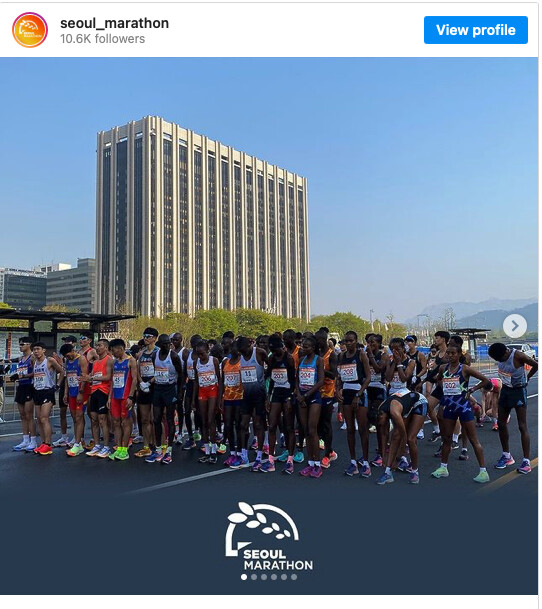
Both eventual winners managed to pull away from their rivals over the final couple of kilometres and keep them at bay, but it remained a fight to the finish. Negasa was just six seconds behind Geremew, with Do Nascimento a further two seconds back in a South American record, and Kebede was eight seconds behind Melly, with those five athletes all finishing inside the previous respective course records of 2:05:13 and 2:19:51.
Geremew, Negasa and Do Nascimento had been part of a 19-strong group that passed 5km in 14:42 and 10km in 29:14. By 20km that pack had 14 members, with 58:43 on the clock. Over the next 10km, three runners were dropped, with Geremew, Negasa and Do Nascimento among those to the fore along with Kenya’s Elisha Kipchirchir Rotich, Philemon Rono and Mark Korir (1:28:41). Rotich, last year’s Paris Marathon winner and the 2019 runner-up in Seoul, dropped out a short while later, while Geremew, Negasa and Do Nascimento began to break away, with the Brazilian pushing the pace.
Geremew and Negasa then made a move and looked to be leaving Do Nascimento behind, with a six-second gap, 1:43:31 to 1:43:37, at 35km and Korir and Rono another eight seconds back.
But Do Nascimento wasn’t giving up and rejoined the leaders to trail by just a few strides as 40km was passed in 1:58:27.
It was London and Chicago runner-up Geremew who was strongest in the closing stages and he held off his challengers to return to winning ways after being unable to finish the Tokyo Marathon earlier this year.
Negasa, who was second in Dubai in 2019, claimed another runner-up spot in 2:04:49, while Do Nascimento improved Ronaldo da Costa’s South American record of 2:06:05 – a world record when it was run in 1998 – by more than a minute, finishing third in 2:04:51.
Korir was a couple of minutes back in fourth in 2:06:54, one second ahead of Moses Kibet.In the women’s race, Melly – who has a half marathon best of 1:05:04 and was contesting her fourth marathon – was among the nine runners who passed 5km in 16:40 and 10km in 32:58. The lead group was down to six at 15km (49:30) and Melly had broken away with 2019 Beijing Marathon winner Kebede, Chumba and Kenya’s Celestine Chepchirchir by 20km (1:05:44).
That quartet continued to race through 25km in 1:21:58 and 30km in 1:38:29, and while Olympic seventh-place finisher Chumba was 10 seconds back at 35km – 1:55:03 to 1:55:13 – she passed Chepchirchir in the closing stages to finish third, eight seconds ahead.
Melly and Kebede had broken away by 40km, passed in 1:12:16, with Melly eventually striding away to win by eight seconds, 2:18:04 to 2:18:12, and record an almost three-minute PB.
Chumba was third in 2:20:02 and Chepchirchir fourth in 2:20:10, one place off her position in Seoul in 2019.
Seven years after her victory in Seoul, Ethiopia's Guteni Shone finished fifth in 2:28:05.
(04/17/22) Views: 80

Try this gear-changer workout to prepare for your next 5K
A key element to running well in the 5K is having a strong finishing kick. The following workout will teach you how to effectively change gears and crank up the pace when you’re already tired, so you can run strong straight through the finish line.
The workout
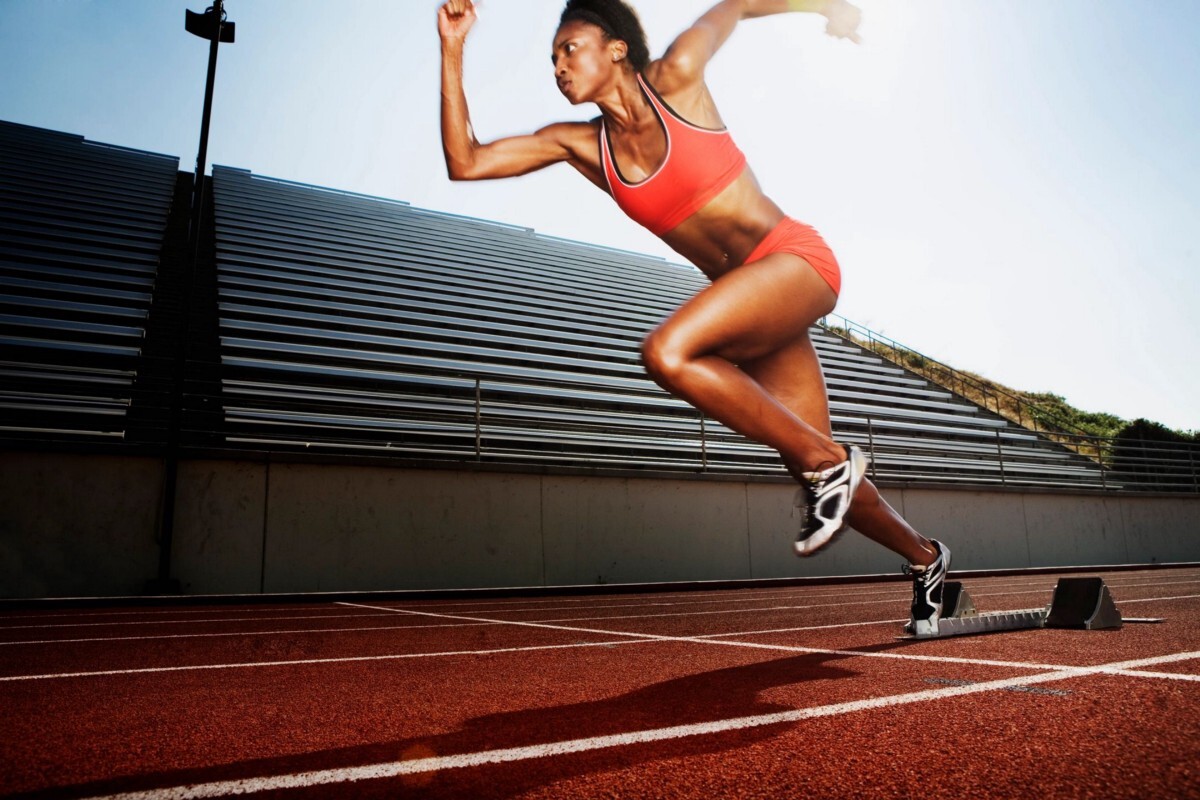
You can do this workout twice: once four weeks out from your goal race, and then again two weeks later. Each interval is broken up into two parts. In the first section, which ranges from 700m long down to 400m, run your goal 5K pace. In the second section, which ranges from 100m to 400m long, the goal is to accelerate and go all out to the finish line.
Warmup: 15-20 minute easy jog, followed by form drills and strides.
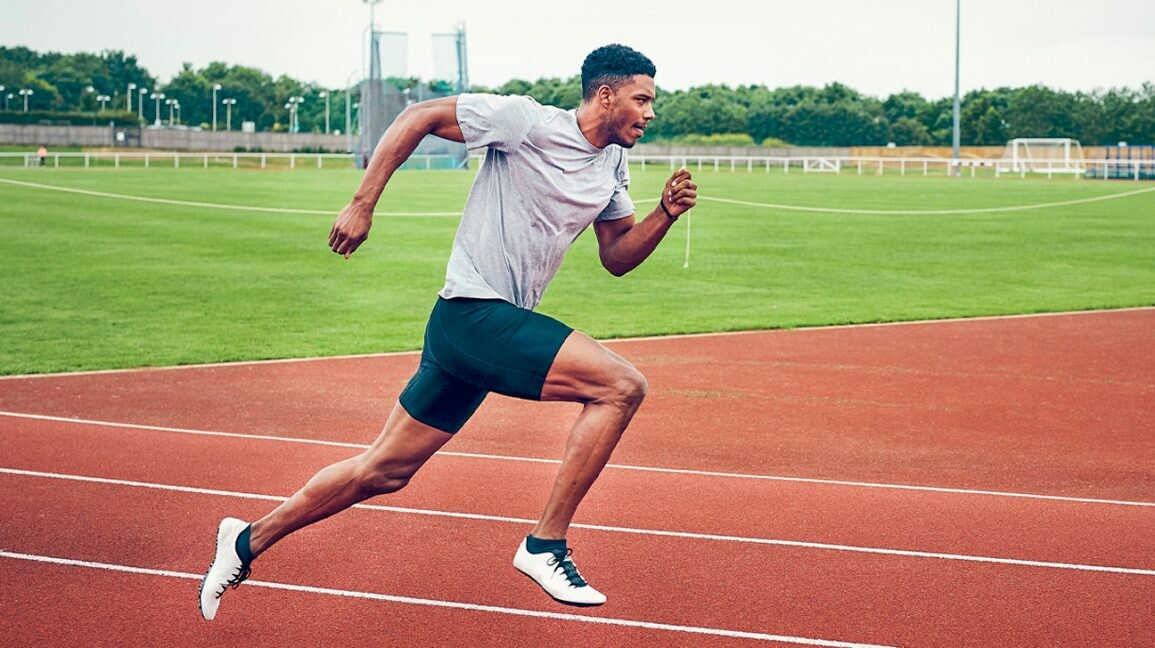
Workout: 4 x 800m with three to four minutes rest in between each. In the first interval, run 700m at 5K race pace, then accelerate for the final 100m. In the second, begin your acceleration after 600m, the third after 500m and the fourth after 400m.
Timed version: 4 x 3 minutes. In the first, run 5K pace for 2:30, and accelerate for the final 30 seconds. In the second, accelerate after 2:15, in the third accelerate after 2:00 and in the fourth accelerate after 1:30.
(04/19/22) Views: 77Running Magazine
